
CM 7
12.9k 投稿

CM 7
取引を発注
高頻度トレーダー
4.8年
879 フォロー
10.2K+ フォロワー
5.0K+ いいね
投稿
ポートフォリオ
すべて
引用
ライブ
翻訳参照
#dusk $DUSK @Dusk been going back and forth on something dusk-related and I think I finally found the actual shape of it.
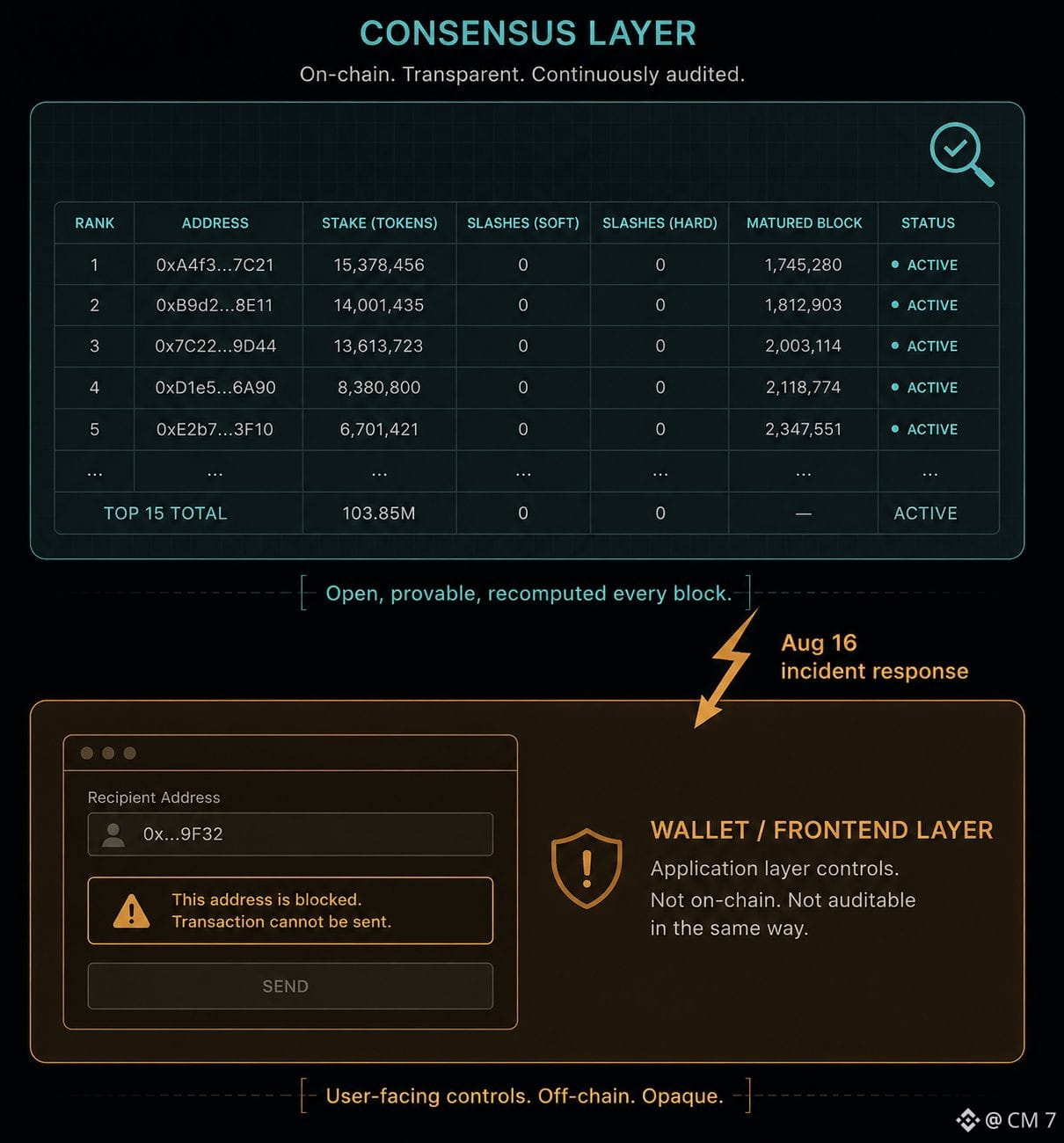
pulled up the provisioner list a while back — top fifteen addresses hold just under half of everything bonded, zero slashes across any of them, and the oldest entrant has been live over a year while the newest matured days ago. all of that sits there, per address, recomputed every single block. that's real rigor. nobody has to trust a claim about who secures this chain, they can just look.
then the bridge thing happened. wallet flagged, funds moved, team paused things and shipped a fix — except the fix wasn't on that same provable layer at all. it was a recipient blocklist sitting in the web wallet frontend. if you're running your own tooling or the CLI, you don't inherit any of that protection. none of it touches the part of the stack that's actually open to inspection.
so here's what's been sitting weird with me: the part of dusk that's rigorously accountable (who holds stake, how long, any penalties) isn't the part that had to respond when something actually went wrong. the part that responded lived somewhere nobody can audit the same way.
not saying that's a bad tradeoff necessarily — shipping fast probably mattered more that week than architectural purity. but if an institution is evaluating dusk on "how provable is this system," they might be grading a different layer than the one that'll actually catch the next incident.
so which layer would you actually want audited first — the one holding the stake, or the one deciding who gets to move funds?
pulled up the provisioner list a while back — top fifteen addresses hold just under half of everything bonded, zero slashes across any of them, and the oldest entrant has been live over a year while the newest matured days ago. all of that sits there, per address, recomputed every single block. that's real rigor. nobody has to trust a claim about who secures this chain, they can just look.
then the bridge thing happened. wallet flagged, funds moved, team paused things and shipped a fix — except the fix wasn't on that same provable layer at all. it was a recipient blocklist sitting in the web wallet frontend. if you're running your own tooling or the CLI, you don't inherit any of that protection. none of it touches the part of the stack that's actually open to inspection.
so here's what's been sitting weird with me: the part of dusk that's rigorously accountable (who holds stake, how long, any penalties) isn't the part that had to respond when something actually went wrong. the part that responded lived somewhere nobody can audit the same way.
not saying that's a bad tradeoff necessarily — shipping fast probably mattered more that week than architectural purity. but if an institution is evaluating dusk on "how provable is this system," they might be grading a different layer than the one that'll actually catch the next incident.
so which layer would you actually want audited first — the one holding the stake, or the one deciding who gets to move funds?
🎉【対応が必要です】CreatorPad Booster タスクの確認と報酬
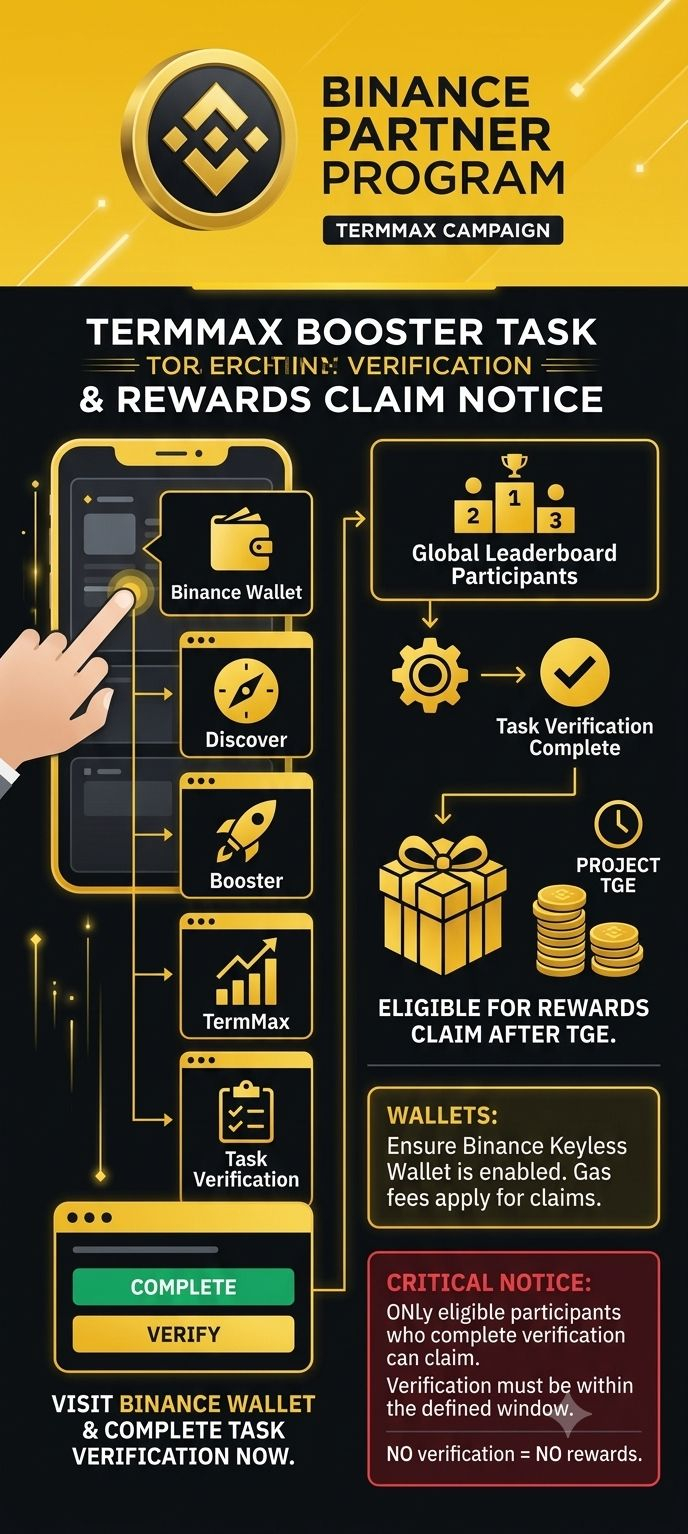
TermMax - Booster タスク:グローバル・リーダーボードに参加した方は、報酬の対象資格を維持するために、必ずタスクを確認してください!
確認方法:
Binance ウォレットを開く
Discover へ進む > Booster > TermMax
Binance Square のタスクを選択する
「完了」および「確認」をタップ
重要なリマインダー:
締切:キャンペーンの確認期間内にこの手順を完了してください。完了しない場合、報酬を受け取れません。
受け取り:対象の受賞者は、プロジェクトの TGE 後に、同じ Booster セクションで報酬を確認して請求できます。
ウォレット設定:Binance Keyless Wallet が有効になっていることを確認してください。なお、請求には通常のガス代が適用されます。
#TermMax @TermMax @Binance Square Official
#BinanceSquareCreatorAwards
TermMax - Booster タスク:グローバル・リーダーボードに参加した方は、報酬の対象資格を維持するために、必ずタスクを確認してください!
確認方法:
Binance ウォレットを開く
Discover へ進む > Booster > TermMax
Binance Square のタスクを選択する
「完了」および「確認」をタップ
重要なリマインダー:
締切:キャンペーンの確認期間内にこの手順を完了してください。完了しない場合、報酬を受け取れません。
受け取り:対象の受賞者は、プロジェクトの TGE 後に、同じ Booster セクションで報酬を確認して請求できます。
ウォレット設定:Binance Keyless Wallet が有効になっていることを確認してください。なお、請求には通常のガス代が適用されます。
#TermMax @TermMax @Binance Square Official
#BinanceSquareCreatorAwards
#dusk $DUSK @Dusk duskの取引ライセンス設定には、まだ1点未了のものがあります——DLT-TSSビットです。弁護士が関与していて、日付は付いていません。
規模の面で「pending(未了)」が本当に意味を持つのか知りたくて、EUのDLTパイロット制度の本文を読みました。
そこには明確な上限が組み込まれています。単一のDLT取引所での総取引額は、移行戦略が必要になる前に€6Bを超えられません。€9Bに達すると、伝統的インフラへ強制的に退出します。
NPEXのブック(約€300M)は、その下限の天井の約5%です。余裕があります。
ただ、ここから先は一般論ではなくなります。
ほとんどのDLTパイロットはパブリック・レジャーで動いており、すべての取引がオンチェーン上で可視です。€300Mなら問題ありませんが、€6Bになると機関投資家のポジション規模が公になります。
一方で、DLT MTFはMiFIR Article 26の報告免除を求めることはできますが、規制当局は要請すれば完全なアクセスを求められます。
つまり、その仕組み自体は実在し、文書化されています——デフォルトでは機密、要請があれば開示可能。
ただ私が確認できていないのは、それがDuskの狙いかどうかです。NPEXとのDLT-TSSライセンスは、Article 26の免除とは別の免除で、報告免除というより取引+清算を組み合わせるものです。その免除のために、Duskの秘匿取引が補償措置として機能するのかは、現時点では私の推測であり、当事者のいずれも公に述べていません。
予想外だったのはここです:€6Bの上限は、DuskでもNPEXでも技術の限界でもありません。ブリュッセルの数字です。処理能力やバリデータの容量では変えられず、変えられるのはEUのルールメイキングだけです。
すでに動きがあります。改革案では、商品(インストゥルメント)ごとの上限を撤廃し、集計を€100Bへ引き上げ、6年の認可期限も撤廃することが提案されています。
つまり、本当のボトルネックは「Duskが十分に速く作れるか」ではなく、「規制が十分に速く書き換わるか」です。そしてもう一つは、機密な清算が、その枠組みの中で取引所がより多くのボリュームを吸収する方法の一部になるのかどうかです。
それは野心をより信頼できるものにしますか? それとも単にリスクを「作れるか」から「ブリュッセルが間に合うか」へ移すだけでしょうか?
#RWA
規模の面で「pending(未了)」が本当に意味を持つのか知りたくて、EUのDLTパイロット制度の本文を読みました。
そこには明確な上限が組み込まれています。単一のDLT取引所での総取引額は、移行戦略が必要になる前に€6Bを超えられません。€9Bに達すると、伝統的インフラへ強制的に退出します。
NPEXのブック(約€300M)は、その下限の天井の約5%です。余裕があります。
ただ、ここから先は一般論ではなくなります。
ほとんどのDLTパイロットはパブリック・レジャーで動いており、すべての取引がオンチェーン上で可視です。€300Mなら問題ありませんが、€6Bになると機関投資家のポジション規模が公になります。
一方で、DLT MTFはMiFIR Article 26の報告免除を求めることはできますが、規制当局は要請すれば完全なアクセスを求められます。
つまり、その仕組み自体は実在し、文書化されています——デフォルトでは機密、要請があれば開示可能。
ただ私が確認できていないのは、それがDuskの狙いかどうかです。NPEXとのDLT-TSSライセンスは、Article 26の免除とは別の免除で、報告免除というより取引+清算を組み合わせるものです。その免除のために、Duskの秘匿取引が補償措置として機能するのかは、現時点では私の推測であり、当事者のいずれも公に述べていません。
予想外だったのはここです:€6Bの上限は、DuskでもNPEXでも技術の限界でもありません。ブリュッセルの数字です。処理能力やバリデータの容量では変えられず、変えられるのはEUのルールメイキングだけです。
すでに動きがあります。改革案では、商品(インストゥルメント)ごとの上限を撤廃し、集計を€100Bへ引き上げ、6年の認可期限も撤廃することが提案されています。
つまり、本当のボトルネックは「Duskが十分に速く作れるか」ではなく、「規制が十分に速く書き換わるか」です。そしてもう一つは、機密な清算が、その枠組みの中で取引所がより多くのボリュームを吸収する方法の一部になるのかどうかです。
それは野心をより信頼できるものにしますか? それとも単にリスクを「作れるか」から「ブリュッセルが間に合うか」へ移すだけでしょうか?
#RWA
$BTC was $586同日、10年前。あなたは当時どこにいて、何をしていましたか?10年前のことを想像してみて🤔
#BTC☀️ #Oppurtinitymissed @Binance Square Official
#BTC☀️ #Oppurtinitymissed @Binance Square Official
BABYSHARK/USDT オンチェーン・モメンタム!🔥
$BABYSHARK が今日強いポンプで大きな波を起こしています!現在の市場構造を手短にチェックしましょう:
現在価格: $0.0072227(+55.93%)
時価総額: $1.85M
24時間高値: $0.0095459
サポートゾーン: MA(7)ラインのすぐ上、約 $0.0072 近辺でしっかりと維持されています。
$0.0095 付近でピークをつけた後、価格は上昇トレンドラインに沿って現在は揉み合い(調整)中です。オンチェーン上では 2k超のホルダーがおり、出来高は依然として活発です。
前回の高値へ向けてさらに上昇する準備段階なのでしょうか、それとも一息つく(冷却)期間に入るのでしょうか?皆さんの見解を下にコメントしてください!👇
⚠️ 免責事項:時価総額の小さいオンチェーン・トークンは高いボラティリティを伴います。必ず DYOR(自己調査)を行い、リスク管理を徹底してください。
#babyshark @Binance Square Official
$BABYSHARK が今日強いポンプで大きな波を起こしています!現在の市場構造を手短にチェックしましょう:
現在価格: $0.0072227(+55.93%)
時価総額: $1.85M
24時間高値: $0.0095459
サポートゾーン: MA(7)ラインのすぐ上、約 $0.0072 近辺でしっかりと維持されています。
$0.0095 付近でピークをつけた後、価格は上昇トレンドラインに沿って現在は揉み合い(調整)中です。オンチェーン上では 2k超のホルダーがおり、出来高は依然として活発です。
前回の高値へ向けてさらに上昇する準備段階なのでしょうか、それとも一息つく(冷却)期間に入るのでしょうか?皆さんの見解を下にコメントしてください!👇
⚠️ 免責事項:時価総額の小さいオンチェーン・トークンは高いボラティリティを伴います。必ず DYOR(自己調査)を行い、リスク管理を徹底してください。
#babyshark @Binance Square Official
ふむ…今日、Duskの研究のために古い価格チャートを掘り返していたら(また)この数字に気を取られてしまった:10年前のちょうどこの週、ビットコインは$586で取引されていた。
$586。タイプミスじゃない。
実際、何度か計算し直したんだ。$586から今の水準までがだいたい130倍のリターンで、それに道中で耐えてきた複数回の70%超のドローダウンはまだ含めていない。2018年、2022年、全部。
「本当の意味での“早い”」って、リアルタイムだとどう見えるのかを考えさせられる。いまの瞬間は、ただの“お得”には感じられない。危なくて不確かで、正直ちょっと退屈にさえ感じるんだ。チャートが“明白”に見えるのは、後から振り返ったときだけ。
とにかく—いま、みんながただスクロールで通り過ぎている「$586の瞬間」に相当する出来事って何だろう? 🤔
@Binance Square Official
#Bitcoin #BTC #Crypto #CryptoHistory $BTC
$586。タイプミスじゃない。
実際、何度か計算し直したんだ。$586から今の水準までがだいたい130倍のリターンで、それに道中で耐えてきた複数回の70%超のドローダウンはまだ含めていない。2018年、2022年、全部。
「本当の意味での“早い”」って、リアルタイムだとどう見えるのかを考えさせられる。いまの瞬間は、ただの“お得”には感じられない。危なくて不確かで、正直ちょっと退屈にさえ感じるんだ。チャートが“明白”に見えるのは、後から振り返ったときだけ。
とにかく—いま、みんながただスクロールで通り過ぎている「$586の瞬間」に相当する出来事って何だろう? 🤔
@Binance Square Official
#Bitcoin #BTC #Crypto #CryptoHistory $BTC
#dusk $DUSK @Dusk じっと夕暮れ(Dusk)の技術メモを見ていた――デッキを見る代わりに、一度だけ。
この迷宮は、思ってもみなかった場所に行き着いた。
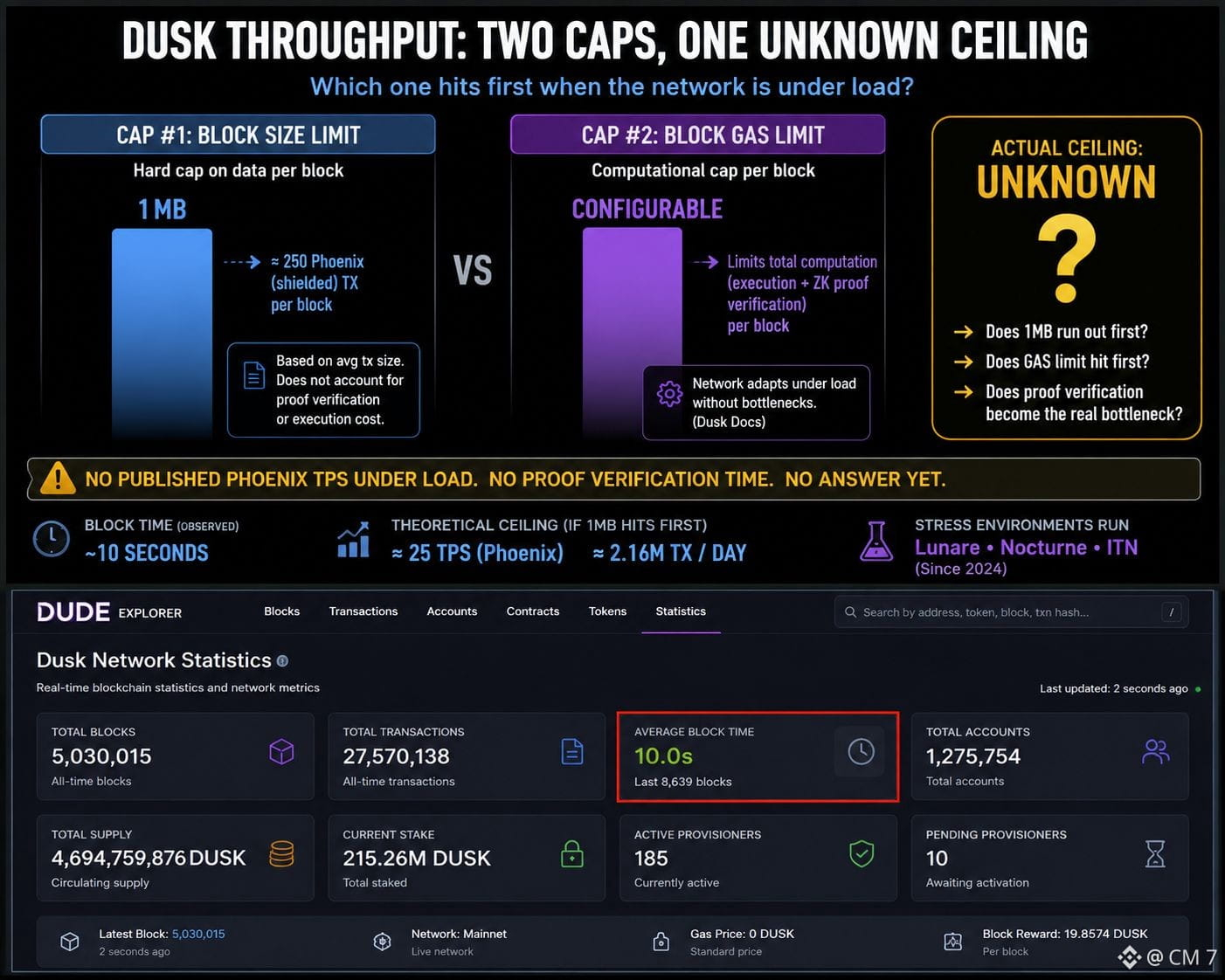
ブロックサイズは1Mbで上限が決まっている。Duskはそれが、1ブロックあたり約250 Phoenix(シールド)取引に相当すると言う。特定の攻撃を止めるため、わざとそうしているのだ。
そして昔引っ張ってきた手数料データを思い出した。エクスプローラー自身の統計ページでは、8,639ブロックで平均ブロック時間が10.0秒。きれいな数字だし、割り算は今回は不要だ。
250 tx/ブロック、1ブロック約10秒……つまりシールド取引の上限は約25 tx/秒。
1日分では、最良ケースで約216万Phoenix取引。
次にDTCを確認した。米国の証券決済の配管の一部であるDepository Trust Company(DTCCの米国側機関)で、1日に130万件以上の取引を処理している。
待って。
Duskの理論上限は、それより高い。紙の上では。
ただし、その比較はずるい。DTCの1.3Mは実在し、継続的に、毎日行われている。Duskの2.16Mは、すべてのブロックがぴったり250 Phoenix txを捉え、Moonlightが競合せず、ブロックが過不足なく満たされることを仮定している。実際に観測されたことは一度もない。
しかも、その「250 tx」という数字自体が、考えるほど不安定になってきた。
データサイズ――1MB ÷ 平均txサイズ。でもPhoenixにはzkプルーフの検証が含まれる。Moonlightにはない。もし同じブロックを奪い合うなら、1MBで先に尽きるのか? それとも別のもの――プルーフの負荷、実行時間――のほうが先に壁に当たるのか?
その最後の部分を、ただ放っておかずに掘り下げた。するとDuskは別の上限も追加していた。調整可能なブロックガス上限で、ネットワークが「ボトルネックなしに負荷に適応する」ようにするためだ、と明記されている。彼らの言葉だ。
すでに誰かが、サイズではなくガスこそ本当の上限なのではと疑っていた。
そして2024年以降、彼らはこれ用の負荷試験環境を名前付きで回している――Lunare、Nocturne、ITN。
つまり、誰も試していないわけじゃない。ツールは揃っている。
でも「数値」は誰も公開していない――負荷下でのPhoenixのTPS、プルーフ検証時間、そしてどの上限が先に効くのか、答えがない。
テストされていない上限というのは、それでも機関としての信頼に足るものを築けるのか? それとも、誰かが証拠(レシート)を公開するまでただの数学なのか?
#zkProofs
この迷宮は、思ってもみなかった場所に行き着いた。
ブロックサイズは1Mbで上限が決まっている。Duskはそれが、1ブロックあたり約250 Phoenix(シールド)取引に相当すると言う。特定の攻撃を止めるため、わざとそうしているのだ。
そして昔引っ張ってきた手数料データを思い出した。エクスプローラー自身の統計ページでは、8,639ブロックで平均ブロック時間が10.0秒。きれいな数字だし、割り算は今回は不要だ。
250 tx/ブロック、1ブロック約10秒……つまりシールド取引の上限は約25 tx/秒。
1日分では、最良ケースで約216万Phoenix取引。
次にDTCを確認した。米国の証券決済の配管の一部であるDepository Trust Company(DTCCの米国側機関)で、1日に130万件以上の取引を処理している。
待って。
Duskの理論上限は、それより高い。紙の上では。
ただし、その比較はずるい。DTCの1.3Mは実在し、継続的に、毎日行われている。Duskの2.16Mは、すべてのブロックがぴったり250 Phoenix txを捉え、Moonlightが競合せず、ブロックが過不足なく満たされることを仮定している。実際に観測されたことは一度もない。
しかも、その「250 tx」という数字自体が、考えるほど不安定になってきた。
データサイズ――1MB ÷ 平均txサイズ。でもPhoenixにはzkプルーフの検証が含まれる。Moonlightにはない。もし同じブロックを奪い合うなら、1MBで先に尽きるのか? それとも別のもの――プルーフの負荷、実行時間――のほうが先に壁に当たるのか?
その最後の部分を、ただ放っておかずに掘り下げた。するとDuskは別の上限も追加していた。調整可能なブロックガス上限で、ネットワークが「ボトルネックなしに負荷に適応する」ようにするためだ、と明記されている。彼らの言葉だ。
すでに誰かが、サイズではなくガスこそ本当の上限なのではと疑っていた。
そして2024年以降、彼らはこれ用の負荷試験環境を名前付きで回している――Lunare、Nocturne、ITN。
つまり、誰も試していないわけじゃない。ツールは揃っている。
でも「数値」は誰も公開していない――負荷下でのPhoenixのTPS、プルーフ検証時間、そしてどの上限が先に効くのか、答えがない。
テストされていない上限というのは、それでも機関としての信頼に足るものを築けるのか? それとも、誰かが証拠(レシート)を公開するまでただの数学なのか?
#zkProofs
#dusk $DUSK @Dusk 今日はDuskの統合ドキュメントを長時間眺めていたら、プライバシーに関する彼らの主張をひっそりと複雑にするある点に気付きました。
Duskを統合する取引所の場合、ドキュメントではMoonlight(公開されたアカウントベースのモデル)を使うように指示されています。Phoenixではありません。彼らがプレゼンテーション資料で必ず強調している、シールドされたZKレイヤーではありません。
最初は単なる技術的な詳細、ウォレットの仕組みに関する些細なことだと思っていました。
しかし、すぐにピンときました。これは、Duskのプライバシーモデルが実際に機能するかどうかの真の試金石になるかもしれない、と。
取引所がやらなければならないことを考えてみてください。入金の照合、すべての取引を顧客にマッピングすること、規制当局が監査できる保管記録を保持すること。Moonlightでは、送信者、受取人、金額がすべて公開されているため、これらの作業は容易です。一方、Phoenixはまさにこれらの3つの情報を意図的に隠蔽しています。
つまり、Duskが答えなければならないのは「プライバシーを構築できるか」ではなく、「プライバシーレイヤーは、必要な情報だけを適切な関係者に提供しつつ、一般の人々からは情報を隠蔽できるか」という問いです。彼らの答えは「選択的開示」――デフォルトでは非公開で、要求に応じて権限のある関係者にのみ開示可能――です。
私がどうしても考えてしまうのは、Phoenixの開示モデルがカストディ業務にとって煩雑すぎるため、取引所がMoonlightをデフォルトとして使い続ける場合、Phoenixは機関が実際に利用するプライバシーレイヤーにはならず、利用できる可能性のあるレイヤーになってしまうということです。
技術的な部分は難しくありません。真の課題は、プライバシーを時折確認する必要のある人々にとって、運用上便利なプライバシーを実現することです。
「選択的開示」は、実際のカストディ業務量が増加した場合に機能するのでしょうか、それとも単に迂回されるだけなのでしょうか?
#BlockchainPrivacy
Duskを統合する取引所の場合、ドキュメントではMoonlight(公開されたアカウントベースのモデル)を使うように指示されています。Phoenixではありません。彼らがプレゼンテーション資料で必ず強調している、シールドされたZKレイヤーではありません。
最初は単なる技術的な詳細、ウォレットの仕組みに関する些細なことだと思っていました。
しかし、すぐにピンときました。これは、Duskのプライバシーモデルが実際に機能するかどうかの真の試金石になるかもしれない、と。
取引所がやらなければならないことを考えてみてください。入金の照合、すべての取引を顧客にマッピングすること、規制当局が監査できる保管記録を保持すること。Moonlightでは、送信者、受取人、金額がすべて公開されているため、これらの作業は容易です。一方、Phoenixはまさにこれらの3つの情報を意図的に隠蔽しています。
つまり、Duskが答えなければならないのは「プライバシーを構築できるか」ではなく、「プライバシーレイヤーは、必要な情報だけを適切な関係者に提供しつつ、一般の人々からは情報を隠蔽できるか」という問いです。彼らの答えは「選択的開示」――デフォルトでは非公開で、要求に応じて権限のある関係者にのみ開示可能――です。
私がどうしても考えてしまうのは、Phoenixの開示モデルがカストディ業務にとって煩雑すぎるため、取引所がMoonlightをデフォルトとして使い続ける場合、Phoenixは機関が実際に利用するプライバシーレイヤーにはならず、利用できる可能性のあるレイヤーになってしまうということです。
技術的な部分は難しくありません。真の課題は、プライバシーを時折確認する必要のある人々にとって、運用上便利なプライバシーを実現することです。
「選択的開示」は、実際のカストディ業務量が増加した場合に機能するのでしょうか、それとも単に迂回されるだけなのでしょうか?
#BlockchainPrivacy
さっき TermMax の数字を眺めてたんだよね。TVL が約 $32.5M、アクティブローンが約 $22.1M で、最初の直感は「じゃあ、残りの約 $10M はどこにあるんだ?」ってこと。
アイドルな流動性(idle liquidity)でしょ。たいていのレンディングプールで前提として持ち込むのはそういう想定だよね。
でも実際に TermMax がレンディングオーダーをどう扱うかを見てみたら、そこで自分の頭の中のモデルが崩れた。
貸し手は、借り手が触る前にレンジオーダーとして資本をコミットできる。オーダーが初期化されると、TermMax はそのコミット済みポジションに対する FT と XT のクレームをミントする。
つまり、その資本はまだ未払い(outstanding)ローンとして表示されていなくても、すでにコミットされトークン化されている可能性がある。
だから、約 $10M のギャップが必ずしもアイドルな流動性とは限らない。たとえばその一部は、マッチされるのを待っているだけで、すでにレンディングオーダーにポジションとして置かれている資本かもしれない。
すると、いつもの「利用率(utilization)」の問いを考え直す必要が出てきた。普通のレンディングプールでは、TVL と借入額の関係がかなり直感的に状況を教えてくれる。TermMax には、その中間に別の状態がある:
資本コミット → マッチ待ち → 未払いローン
だから、もっと面白い指標は単なる利用率じゃなくて、どれだけのコミット済み流動性が実際にマッチされるのか、その速さ、そして期間満了(term maturity)時にどうなるのか、そういうところかもしれない。
TVL は資本が入ってきたことを教えてくれる。アクティブローンは信用(クレジット)が払い出されたことを教えてくれる。その間のギャップは、資本が実際にどの状態にあるのかを知るまで、ほとんど何も教えてくれない。
正直なところ、今その資本がどの状態に一番多いのかまだ掴めてない。誰か実際に追跡した人いる?
#termmax @TermMax
アイドルな流動性(idle liquidity)でしょ。たいていのレンディングプールで前提として持ち込むのはそういう想定だよね。
でも実際に TermMax がレンディングオーダーをどう扱うかを見てみたら、そこで自分の頭の中のモデルが崩れた。
貸し手は、借り手が触る前にレンジオーダーとして資本をコミットできる。オーダーが初期化されると、TermMax はそのコミット済みポジションに対する FT と XT のクレームをミントする。
つまり、その資本はまだ未払い(outstanding)ローンとして表示されていなくても、すでにコミットされトークン化されている可能性がある。
だから、約 $10M のギャップが必ずしもアイドルな流動性とは限らない。たとえばその一部は、マッチされるのを待っているだけで、すでにレンディングオーダーにポジションとして置かれている資本かもしれない。
すると、いつもの「利用率(utilization)」の問いを考え直す必要が出てきた。普通のレンディングプールでは、TVL と借入額の関係がかなり直感的に状況を教えてくれる。TermMax には、その中間に別の状態がある:
資本コミット → マッチ待ち → 未払いローン
だから、もっと面白い指標は単なる利用率じゃなくて、どれだけのコミット済み流動性が実際にマッチされるのか、その速さ、そして期間満了(term maturity)時にどうなるのか、そういうところかもしれない。
TVL は資本が入ってきたことを教えてくれる。アクティブローンは信用(クレジット)が払い出されたことを教えてくれる。その間のギャップは、資本が実際にどの状態にあるのかを知るまで、ほとんど何も教えてくれない。
正直なところ、今その資本がどの状態に一番多いのかまだ掴めてない。誰か実際に追跡した人いる?
#termmax @TermMax
#dusk $DUSK @Dusk 正直なところ、夕暮れのプライバシーモデルにおける“かっこいい”角度を探しに行ってたら、妹がそれを指さしてくれて、もっと良いものを見つけました——本物のセキュリティ解説
OtterSecは、phoenixが秘匿取引を保護しているdusk-plonkに健全性(soundness)のバグを見つけました。検証者は、すべての証明から4つの特定の値をチェックするはずだったのに、まったくチェックしていなかったのです——検証されたコミットメントとの照合をせず、最終計算でその値をそのまま使っていた
理論的に起き得ることはかなりヤバいです。つまり、表面上は完全に有効な証明に見せかけつつ、実際には“何を表しているか”について嘘をつく証明を作れた可能性があります。何もないところからduskを鋳造したり、偽のシールド送金を通したり。さらにphoenixなら、シールドされたプール内にある偽造出力を見つけるのはほぼ不可能だったはずです——公開残高のように、目視でプライベートノートを確認することはできません
修正は2026年2月14日のコミット645265b7で出荷されました。補足:これはOtterSecの開示です。私はdusk自身による一致する解説記事を見つけていません——もし誰かそれを見たなら、教えてください
zkプライバシーチェーンの話で人がつい飛ばしがちな部分:危険なのはプライバシーそのものではなく、検証者(verifier)です。moonlightの公開txは単純な署名チェックで制限されていて、筋道を立てて理解しやすい。phoenixのシールドtxは、1つの証明チェックが“完璧”であることに全て依存しています。信頼の置きどころが広いのに、UIではなく数学だから見えにくいだけ
duskの問題だけではありません——もう1つの独立したplonk実装(jellyfishのultraplonk)でも同じクラスのバグがあり、3月18日に1か月後に修正されました。同じミスが、別チームで、別の時期に
さらにduskには2022年にも別のplonkの健全性問題があり、Trail of Bitsが指摘し、公開され、パッチが当てられました。2つの別問題、数年の隔たり、異なる失敗モード——2つの別の会社が見つけた
そう考えると、本当の問いは「取引を隠せるかどうか」ではなく、「実際の証券を機関が信頼するまでに、証明システムが何人分の独立した目を必要とするか」なんだと思えてきます。
#Web3Security
OtterSecは、phoenixが秘匿取引を保護しているdusk-plonkに健全性(soundness)のバグを見つけました。検証者は、すべての証明から4つの特定の値をチェックするはずだったのに、まったくチェックしていなかったのです——検証されたコミットメントとの照合をせず、最終計算でその値をそのまま使っていた
理論的に起き得ることはかなりヤバいです。つまり、表面上は完全に有効な証明に見せかけつつ、実際には“何を表しているか”について嘘をつく証明を作れた可能性があります。何もないところからduskを鋳造したり、偽のシールド送金を通したり。さらにphoenixなら、シールドされたプール内にある偽造出力を見つけるのはほぼ不可能だったはずです——公開残高のように、目視でプライベートノートを確認することはできません
修正は2026年2月14日のコミット645265b7で出荷されました。補足:これはOtterSecの開示です。私はdusk自身による一致する解説記事を見つけていません——もし誰かそれを見たなら、教えてください
zkプライバシーチェーンの話で人がつい飛ばしがちな部分:危険なのはプライバシーそのものではなく、検証者(verifier)です。moonlightの公開txは単純な署名チェックで制限されていて、筋道を立てて理解しやすい。phoenixのシールドtxは、1つの証明チェックが“完璧”であることに全て依存しています。信頼の置きどころが広いのに、UIではなく数学だから見えにくいだけ
duskの問題だけではありません——もう1つの独立したplonk実装(jellyfishのultraplonk)でも同じクラスのバグがあり、3月18日に1か月後に修正されました。同じミスが、別チームで、別の時期に
さらにduskには2022年にも別のplonkの健全性問題があり、Trail of Bitsが指摘し、公開され、パッチが当てられました。2つの別問題、数年の隔たり、異なる失敗モード——2つの別の会社が見つけた
そう考えると、本当の問いは「取引を隠せるかどうか」ではなく、「実際の証券を機関が信頼するまでに、証明システムが何人分の独立した目を必要とするか」なんだと思えてきます。
#Web3Security
#dusk $DUSK @Dusk 私はいつもの「ロック&ミント」手順を想定して入ったんだ。つまり、接続して、確認して、完了。
でも、そこにあったのは違った。
「シームレス・ブリッジ」と呼ぶのはやめてほしい。
その「確認」ボタンの下には、実は3つの別々の設計上の論点が埋まっていて、多くの解説はそれらを1つにまとめてしまう。
まず:あなたのDUSKはどこで実行されるの?
DuskのL1は、DuskDS(決済およびデータ可用性レイヤー)を中心に構築されている。DuskEVMへブリッジすると、別のEVM実行環境に移ることになる。つまり、DuskDSを通じて決済し、データを公開する環境だ。
同じエコシステム。違う実行レイヤー。馴染みのあるウォレットのフロー。
次に:あなたのDUSKはどう表現されるの?
これはブリッジとは関係ない。
DuskDSは2つのネイティブなトランザクションモデルをサポートしている。
Moonlightは公開型で口座ベース:残高や送金の詳細が見える。
Phoenixはシールド型でノートベース:ゼロ知識証明を使って、その詳細を秘匿する。
どちらも同じ基盤チェーン上でDUSKを移動させる。変わるのは、観測者が実際に何を見られるかだ。
「EVMレイヤーに入る」とか「プライバシーモデルを使う」といった話を同じ判断として語ってしまいやすいから、私はそこで理解が定着するまで2回ドキュメントを読み直さなければならなかった。
違うんだ。
実行・決済・可視性——それぞれが別の軸。
これはUIの些細な違いじゃない。設計上の区別だ。
コンプライアンスに適合した形で、プライベートな決済を評価する機関は、まさにこの粒度を重視する。どこで実行され、どこで決済され、移動中に何が露出するのか——これらは別の問いだ。
ウォレットのポップアップをクリックする一般ユーザーは、うまく区別できないかもしれない。システムが、想定していたものと違う挙動をするまで。
機能的にはシームレス。概念的には絡まっている。
だって「Transaction successful(トランザクション成功)」は、ウォレットが表示すべき最も役立つメッセージではないから。
あるべきはこれだ。
「DUSKがどこで実行され、どこで決済され、取引がどれだけ可視化されるのかを示します。」
3つの別々の問い。
ほとんどのウォレットは、1つのものだと思い込んだまま動いている。
#defi #CryptoUX #Bridging
では、アセットをブリッジするとき、あなたは実際に最初に何を確認するの?
でも、そこにあったのは違った。
「シームレス・ブリッジ」と呼ぶのはやめてほしい。
その「確認」ボタンの下には、実は3つの別々の設計上の論点が埋まっていて、多くの解説はそれらを1つにまとめてしまう。
まず:あなたのDUSKはどこで実行されるの?
DuskのL1は、DuskDS(決済およびデータ可用性レイヤー)を中心に構築されている。DuskEVMへブリッジすると、別のEVM実行環境に移ることになる。つまり、DuskDSを通じて決済し、データを公開する環境だ。
同じエコシステム。違う実行レイヤー。馴染みのあるウォレットのフロー。
次に:あなたのDUSKはどう表現されるの?
これはブリッジとは関係ない。
DuskDSは2つのネイティブなトランザクションモデルをサポートしている。
Moonlightは公開型で口座ベース:残高や送金の詳細が見える。
Phoenixはシールド型でノートベース:ゼロ知識証明を使って、その詳細を秘匿する。
どちらも同じ基盤チェーン上でDUSKを移動させる。変わるのは、観測者が実際に何を見られるかだ。
「EVMレイヤーに入る」とか「プライバシーモデルを使う」といった話を同じ判断として語ってしまいやすいから、私はそこで理解が定着するまで2回ドキュメントを読み直さなければならなかった。
違うんだ。
実行・決済・可視性——それぞれが別の軸。
これはUIの些細な違いじゃない。設計上の区別だ。
コンプライアンスに適合した形で、プライベートな決済を評価する機関は、まさにこの粒度を重視する。どこで実行され、どこで決済され、移動中に何が露出するのか——これらは別の問いだ。
ウォレットのポップアップをクリックする一般ユーザーは、うまく区別できないかもしれない。システムが、想定していたものと違う挙動をするまで。
機能的にはシームレス。概念的には絡まっている。
だって「Transaction successful(トランザクション成功)」は、ウォレットが表示すべき最も役立つメッセージではないから。
あるべきはこれだ。
「DUSKがどこで実行され、どこで決済され、取引がどれだけ可視化されるのかを示します。」
3つの別々の問い。
ほとんどのウォレットは、1つのものだと思い込んだまま動いている。
#defi #CryptoUX #Bridging
では、アセットをブリッジするとき、あなたは実際に最初に何を確認するの?
Where it executes
0%
Where it settles
0%
How visible the transaction is
100%
Just that it worked
0%
1 投票 • 投票は終了しました
$XAU USDT 1H 更新:
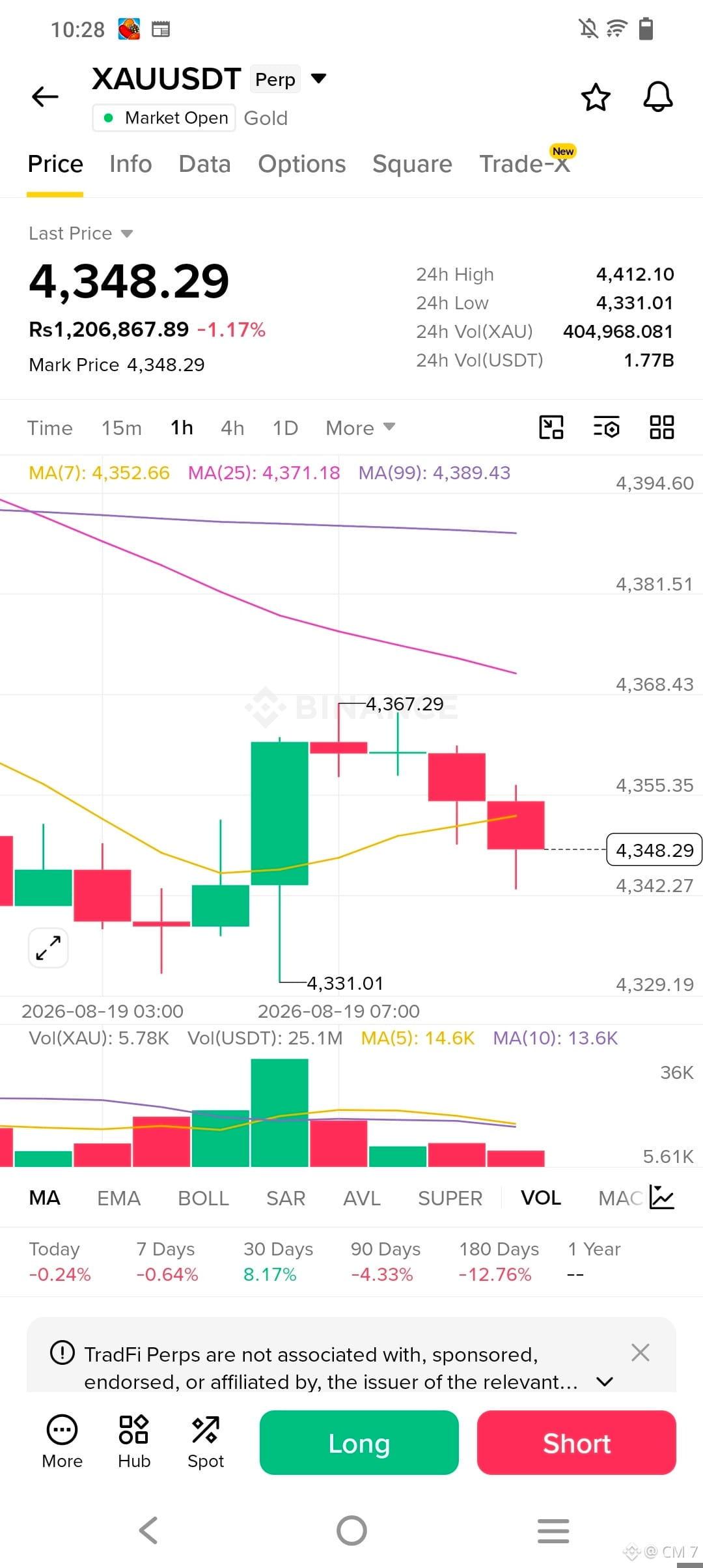
金は現在、$4,348 付近の短期サポートをテストしています。24時間足では約 1.17% 下落。
24h 安値: $4,331.01(ここでクイックなリバウンドが見られました)
24h 高値: $4,412.10
移動平均: 価格は MA(7) 付近の約 $4,352 を維持していますが、MA(25) [$4,371] と MA(99) [$4,389] より下に位置しており、短期の見通しは慎重です。
$4,330 を再度テストしに下がっていくのでしょうか?それとも、$4,370 の再テストが視野に入ってきますか? 🧵 👇
#XAUUSDT #GOLD #Trading #BinanceSquare #cryptotrading
金は現在、$4,348 付近の短期サポートをテストしています。24時間足では約 1.17% 下落。
24h 安値: $4,331.01(ここでクイックなリバウンドが見られました)
24h 高値: $4,412.10
移動平均: 価格は MA(7) 付近の約 $4,352 を維持していますが、MA(25) [$4,371] と MA(99) [$4,389] より下に位置しており、短期の見通しは慎重です。
$4,330 を再度テストしに下がっていくのでしょうか?それとも、$4,370 の再テストが視野に入ってきますか? 🧵 👇
#XAUUSDT #GOLD #Trading #BinanceSquare #cryptotrading
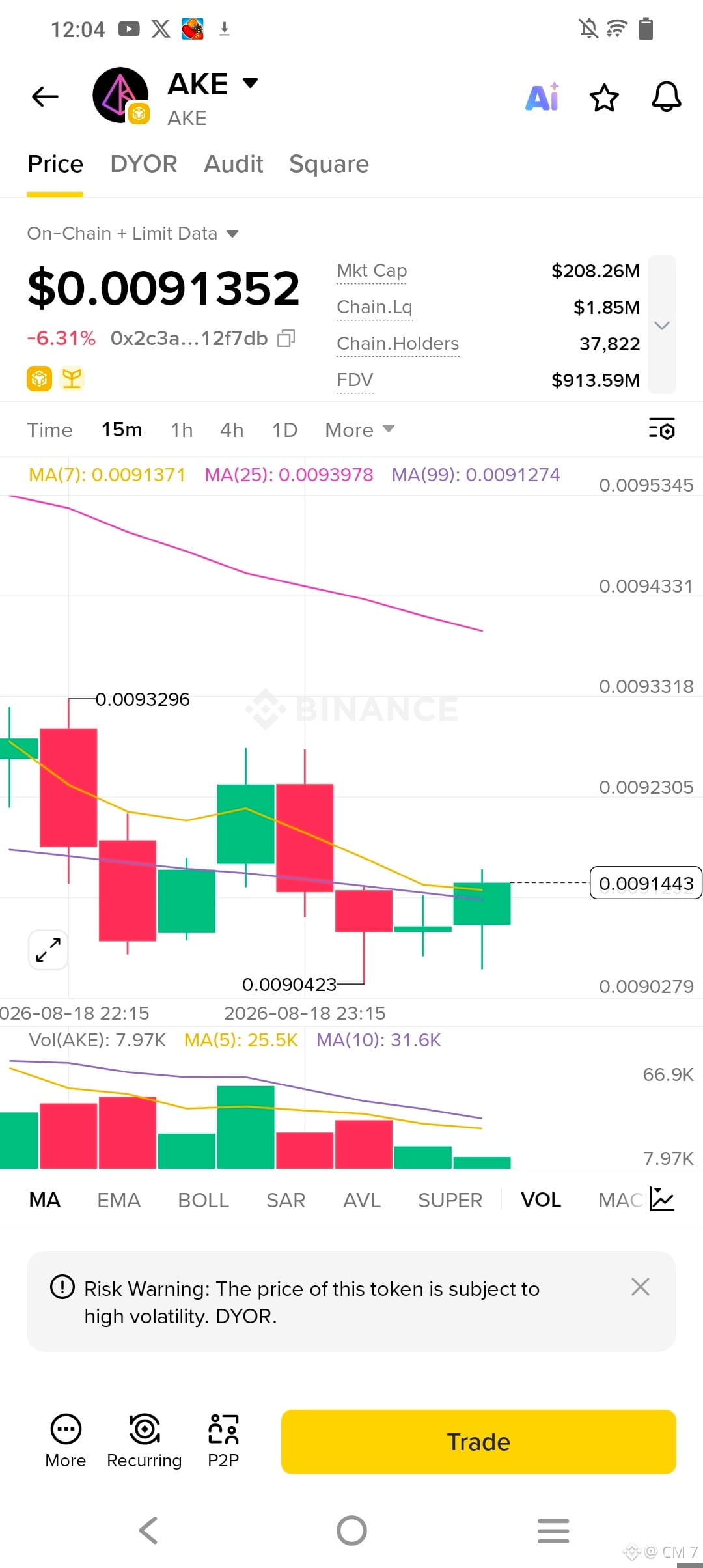
📉 $AKE 重要サポートでの統合局面 – リバウンドか、それとも下落か? 🚨
$AKE は現在約$0.00913で取引されており(-6.31%)、$0.00904付近の主要なローカル・サポートをテストしています。
テクニカルの注目点:
* サポート: $0.00904 – このゾーンを維持できるかが、さらなる下落を防ぐために買い手(ブル)にとって重要です。
* レジスタンス: $0.00933 – この水準を上抜けると、$0.00939付近のMA(25)がターゲットになり得ます。
* 移動平均: 価格は現在MA(7)とMA(99)のすぐあたりで統合しており、勢いの「スクイーズ(圧縮)」が見られます。
$AKE はサポートで反発を狙っているのか、それともより低い水準を試しにいくのか? 下にあなたの見解をシェアしてください! 👇
#AKE #CryptoAnalysis #TechnicalAnalysis #BinanceSquare #DYOR @Binance Square Official
$AKE は現在約$0.00913で取引されており(-6.31%)、$0.00904付近の主要なローカル・サポートをテストしています。
テクニカルの注目点:
* サポート: $0.00904 – このゾーンを維持できるかが、さらなる下落を防ぐために買い手(ブル)にとって重要です。
* レジスタンス: $0.00933 – この水準を上抜けると、$0.00939付近のMA(25)がターゲットになり得ます。
* 移動平均: 価格は現在MA(7)とMA(99)のすぐあたりで統合しており、勢いの「スクイーズ(圧縮)」が見られます。
$AKE はサポートで反発を狙っているのか、それともより低い水準を試しにいくのか? 下にあなたの見解をシェアしてください! 👇
#AKE #CryptoAnalysis #TechnicalAnalysis #BinanceSquare #DYOR @Binance Square Official
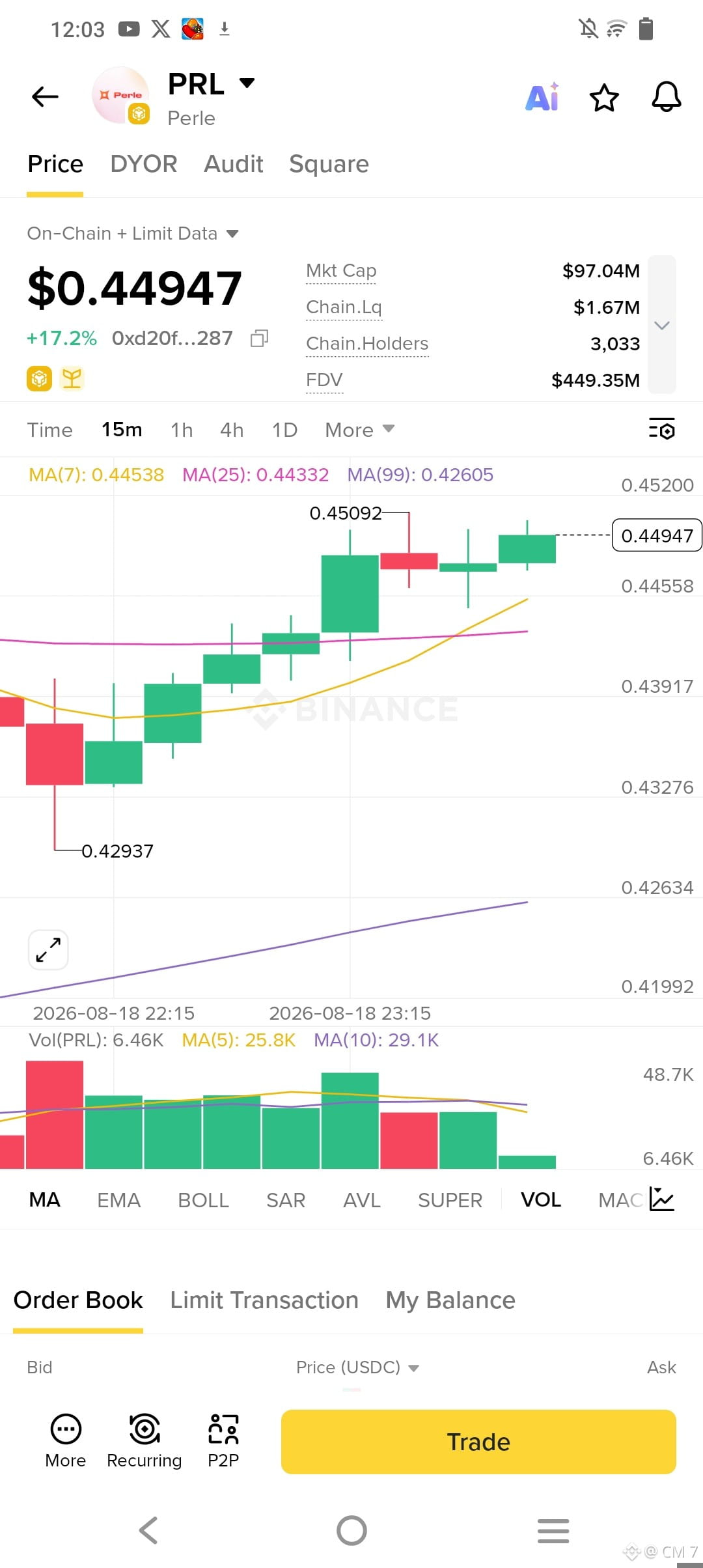
🚀 $PRL / USDC 上昇 +17.2%!
$PRL は本日強い強気モメンタムを示しており、$0.44947まで押し上げられ、24時間の高値は約$0.45092です。
* 24h 変化: +17.2%
* 時価総額: $97.04M
* 主要移動平均: MA(7)とMA(25)が上向きに推移しており、ダイナミックなサポートになっています。
エントリー前に保有中ですか?それとも押し目待ちですか?下の価格目標を教えてください!👇
#PRL #CryptoTrading #BinanceSquare #Altcoins #TechnicalAnalysis
$PRL は本日強い強気モメンタムを示しており、$0.44947まで押し上げられ、24時間の高値は約$0.45092です。
* 24h 変化: +17.2%
* 時価総額: $97.04M
* 主要移動平均: MA(7)とMA(25)が上向きに推移しており、ダイナミックなサポートになっています。
エントリー前に保有中ですか?それとも押し目待ちですか?下の価格目標を教えてください!👇
#PRL #CryptoTrading #BinanceSquare #Altcoins #TechnicalAnalysis
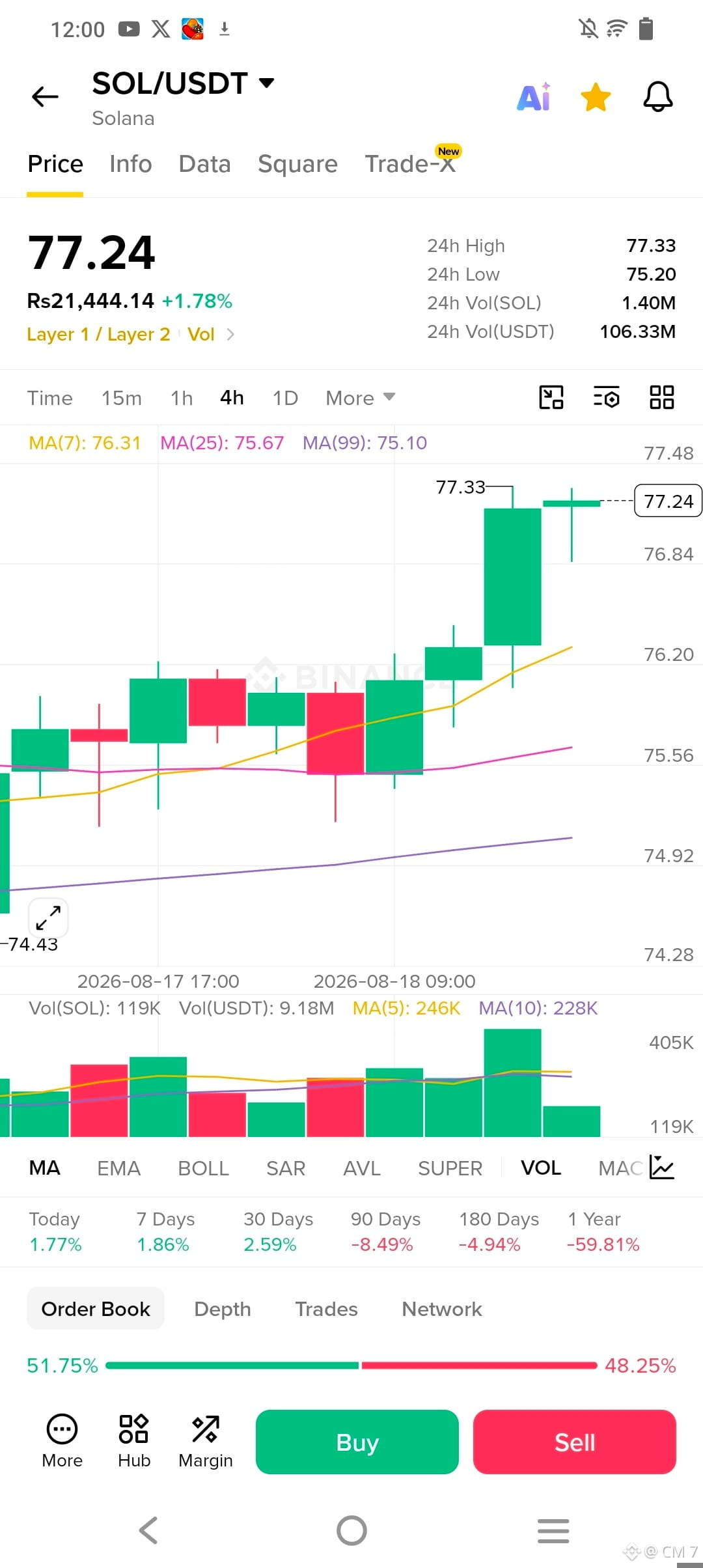
$SOL 抵抗線テスト — ブレイクアウト?プルバック?🚀📈
$SOL は上昇を続けており、現在は4Hチャートで約$77.24(+1.78%)で取引されています!
重要なテクニカル分析:
* 24時間の高値/安値: $77.33 / $75.20
* 移動平均: MA(7)は$76.31に位置し、$75.67のMA(25)および$75.10のMA(99)を上抜けており、強い短期の強気モメンタムを示しています。
* 出来高: 十分な買いの出来高が、現在の緑のローソク足を抵抗付近まで押し上げています。
* 注文板のセンチメント: 買い手51.75% 対 売り手48.25% — わずかに強気側に優位。
$SOL は$77.33を突破して勢いを維持できるのか、それとも$76.20のサポート水準を短期的に再テストする流れでしょうか?
ここでのあなたの動きは?ロング🟢それともショート🔴?目標値を下に書き込んでください!👇
#SOL #Solana #CryptoAnalysis #BinanceSquare #TradingSignals
$SOL は上昇を続けており、現在は4Hチャートで約$77.24(+1.78%)で取引されています!
重要なテクニカル分析:
* 24時間の高値/安値: $77.33 / $75.20
* 移動平均: MA(7)は$76.31に位置し、$75.67のMA(25)および$75.10のMA(99)を上抜けており、強い短期の強気モメンタムを示しています。
* 出来高: 十分な買いの出来高が、現在の緑のローソク足を抵抗付近まで押し上げています。
* 注文板のセンチメント: 買い手51.75% 対 売り手48.25% — わずかに強気側に優位。
$SOL は$77.33を突破して勢いを維持できるのか、それとも$76.20のサポート水準を短期的に再テストする流れでしょうか?
ここでのあなたの動きは?ロング🟢それともショート🔴?目標値を下に書き込んでください!👇
#SOL #Solana #CryptoAnalysis #BinanceSquare #TradingSignals
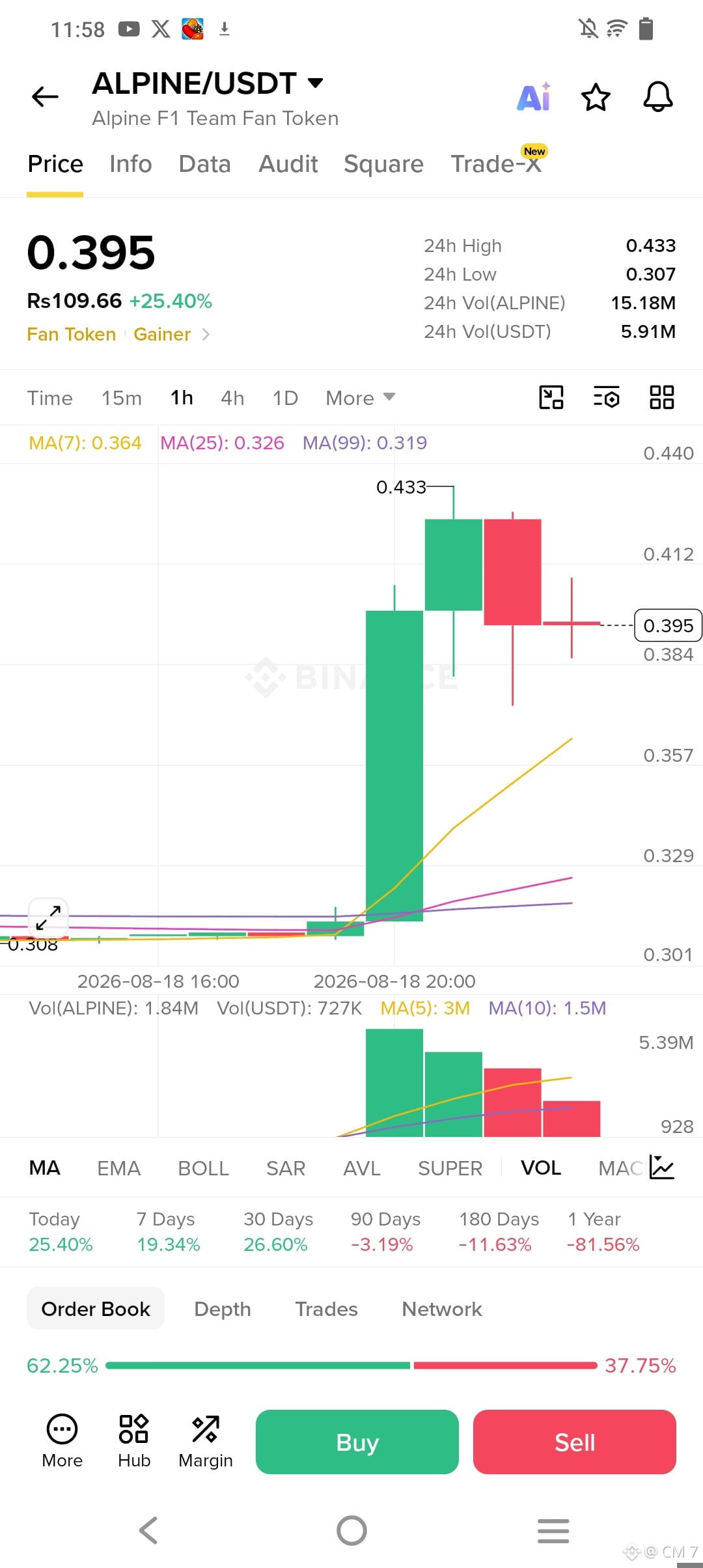
🚀 $ALPINE / USDT 急騰!🏎️💨
Alpine F1 Team ファン トークン($ALPINE )が今日は大きな勢いを見せており、+25.40%上昇して24時間高値の 0.433 USDT に到達!📈
主要マーケットデータ:
* 現在価格:$0.395 USDT
* 24時間 高値 / 安値:$0.433 / $0.307
* 24時間 出来高(ALPINE):15.18M
* 注文板のセンチメント:買い 62.25% vs 売り 37.75%
主要移動平均(MA7: 0.364、MA25: 0.326)を押し上げるような大きな出来高の急増を確認しました。$0.433でレジスタンスに当たった後、現在は$0.395あたりで値固めしています。
これはより大きなブレイクアウトの始まりなのでしょうか?それとも $0.36 までサポートを試しに行くのでしょうか?あなたの作戦は?🤔💬
#alpine #FanTokens #CryptoTrading #BinanceSquare #CryptoUpdate @Binance Square Official
Alpine F1 Team ファン トークン($ALPINE )が今日は大きな勢いを見せており、+25.40%上昇して24時間高値の 0.433 USDT に到達!📈
主要マーケットデータ:
* 現在価格:$0.395 USDT
* 24時間 高値 / 安値:$0.433 / $0.307
* 24時間 出来高(ALPINE):15.18M
* 注文板のセンチメント:買い 62.25% vs 売り 37.75%
主要移動平均(MA7: 0.364、MA25: 0.326)を押し上げるような大きな出来高の急増を確認しました。$0.433でレジスタンスに当たった後、現在は$0.395あたりで値固めしています。
これはより大きなブレイクアウトの始まりなのでしょうか?それとも $0.36 までサポートを試しに行くのでしょうか?あなたの作戦は?🤔💬
#alpine #FanTokens #CryptoTrading #BinanceSquare #CryptoUpdate @Binance Square Official
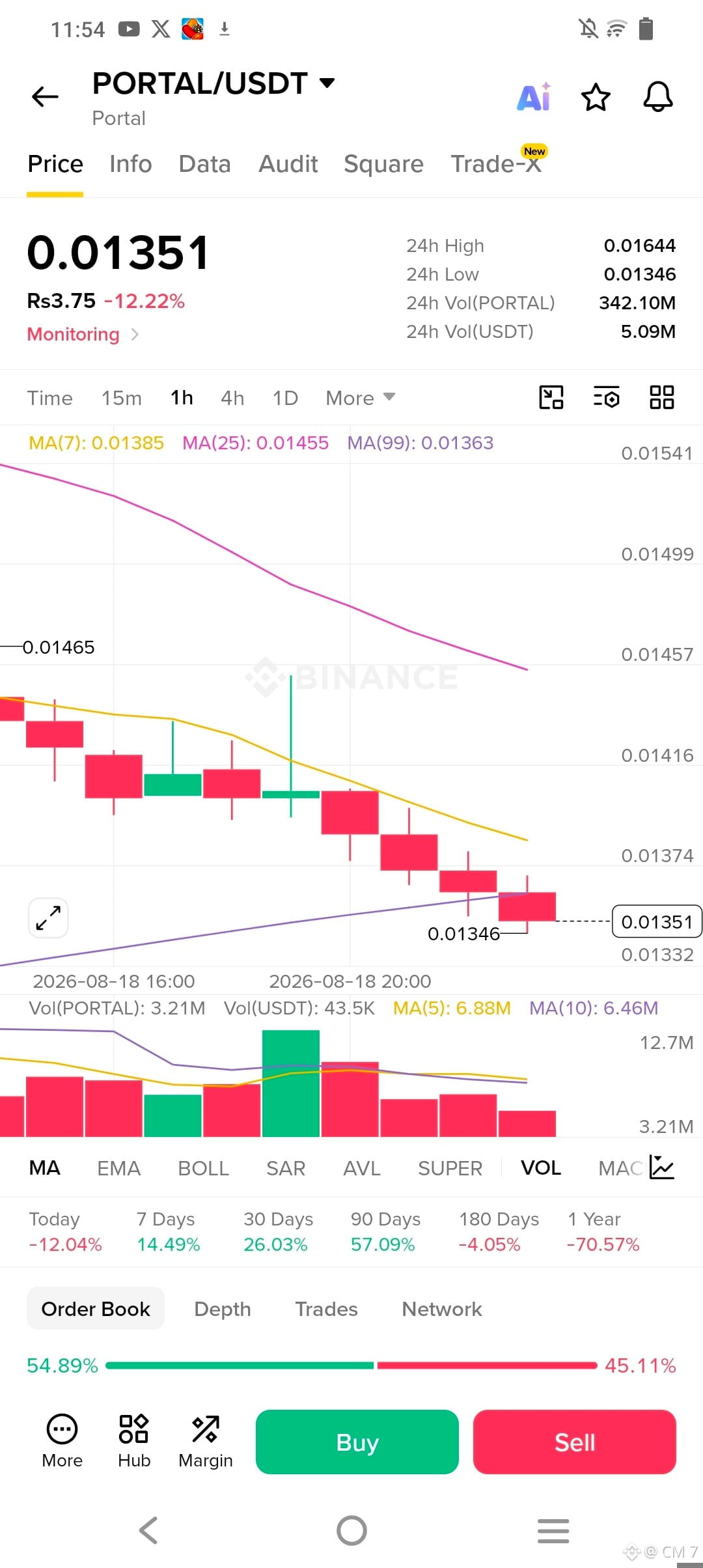
📉 $PORTAL フラッシュアップデート&テクニカル分析
$PORTAL は現在下方向の圧力を受けており、直近24時間で-12.22%下落し、24時間安値の0.01346 USDT付近に位置しています。
主要テクニカルの要点:
* 現在の価格:0.01351 USDT
* 移動平均:価格はMA(7) [0.01385]およびMA(25) [0.01455]の下で推移しており、短期的なベア(売り)モメンタムが活発であることを示しています。
* 直近のサポート:0.01346 USDT(24時間安値)— 買いがこの水準を守れるか、それともさらに深いサポートを再テストするかを注意深く見守りましょう。
* レジスタンス:0.01385 USDT(MA7のブレイクが必要で、局所的な回復のシグナルとなります。)
日次では下落しているにもかかわらず、$PORTAL は7日で+14.49%、30日で+26.03%と上昇を維持しており、押し目後に急なリリーフ(反発)の可能性を示唆しています。
あなたは押し目を買いますか?それとも確認を待ちますか?コメントで話しましょう!👇
#Portal #Crypto #BinanceTrading #TechnicalAnalysis #NFA
$PORTAL は現在下方向の圧力を受けており、直近24時間で-12.22%下落し、24時間安値の0.01346 USDT付近に位置しています。
主要テクニカルの要点:
* 現在の価格:0.01351 USDT
* 移動平均:価格はMA(7) [0.01385]およびMA(25) [0.01455]の下で推移しており、短期的なベア(売り)モメンタムが活発であることを示しています。
* 直近のサポート:0.01346 USDT(24時間安値)— 買いがこの水準を守れるか、それともさらに深いサポートを再テストするかを注意深く見守りましょう。
* レジスタンス:0.01385 USDT(MA7のブレイクが必要で、局所的な回復のシグナルとなります。)
日次では下落しているにもかかわらず、$PORTAL は7日で+14.49%、30日で+26.03%と上昇を維持しており、押し目後に急なリリーフ(反発)の可能性を示唆しています。
あなたは押し目を買いますか?それとも確認を待ちますか?コメントで話しましょう!👇
#Portal #Crypto #BinanceTrading #TechnicalAnalysis #NFA
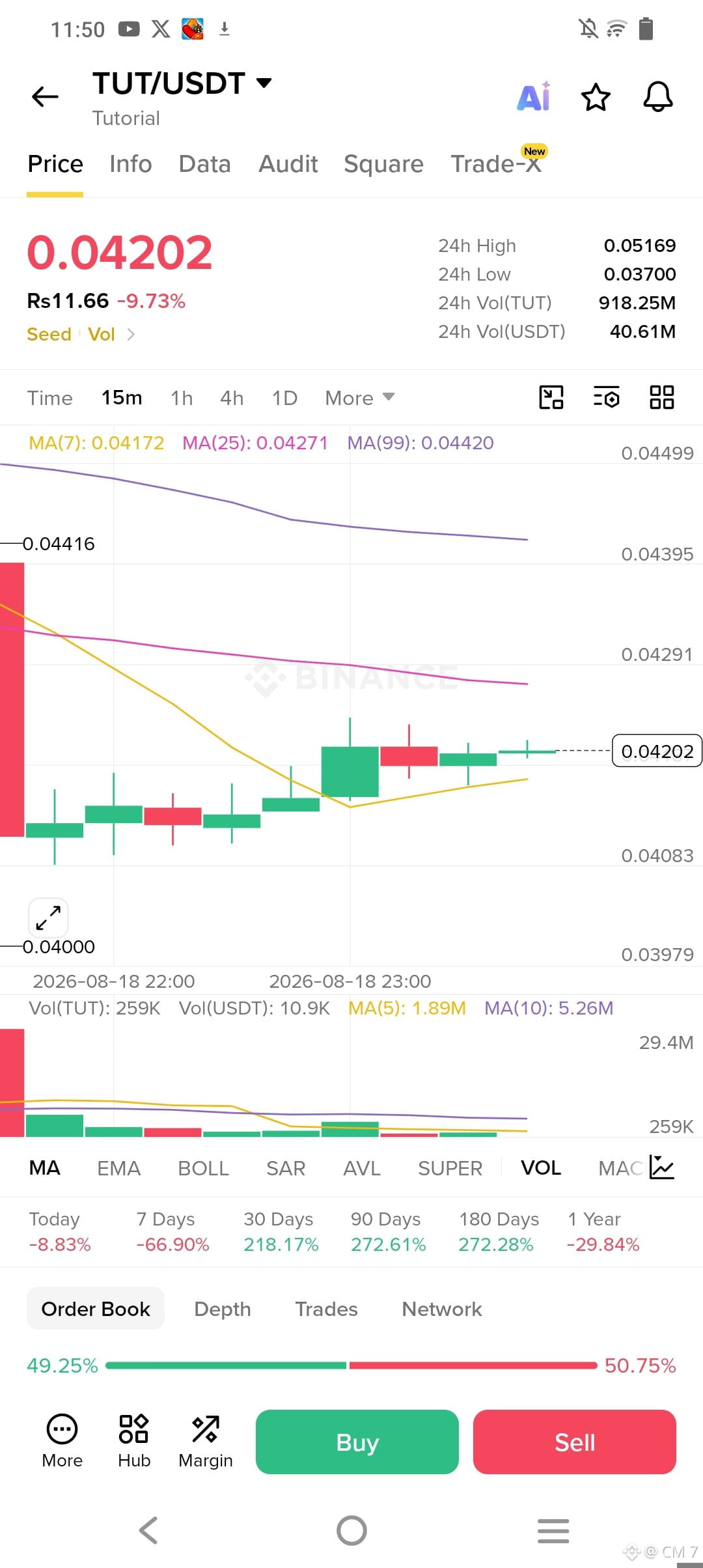
$TUT クイックアップデート: 近いサポートを統合中? 📉📊
$TUT は現在 0.04202 USDT 前後で推移しており(直近24hで -9.73%)、0.05169 の24時間高値を付けた後に下げています。
チャートからの主なポイント:
* 現在の水準:MA(7) 付近の短期サポートである 0.04172 を試しながらも、MA(25) はわずかに上側(0.04271)に位置しています。
* 出来高:24h出来高は 918.25M TUT(約40.61M USDT)と強く、直近の下落があっても関心はしっかりしています。
* より広い見通し:直近7日で -66.90% ですが、30日では +218.17%、90日では +272.61% と依然として大きな上昇を維持しています。
次の上昇局面に向けた健康的なリテストなのか、それとも 0.03700 の安値に向けてさらに統合が進むと見ていますか? 下のコメントであなたのトレードセットアップを教えてください! 👇
#TuT2025 #BinanceSquare #CryptoTrading #TechnicalAnalysis @Binance Square Official
$TUT は現在 0.04202 USDT 前後で推移しており(直近24hで -9.73%)、0.05169 の24時間高値を付けた後に下げています。
チャートからの主なポイント:
* 現在の水準:MA(7) 付近の短期サポートである 0.04172 を試しながらも、MA(25) はわずかに上側(0.04271)に位置しています。
* 出来高:24h出来高は 918.25M TUT(約40.61M USDT)と強く、直近の下落があっても関心はしっかりしています。
* より広い見通し:直近7日で -66.90% ですが、30日では +218.17%、90日では +272.61% と依然として大きな上昇を維持しています。
次の上昇局面に向けた健康的なリテストなのか、それとも 0.03700 の安値に向けてさらに統合が進むと見ていますか? 下のコメントであなたのトレードセットアップを教えてください! 👇
#TuT2025 #BinanceSquare #CryptoTrading #TechnicalAnalysis @Binance Square Official
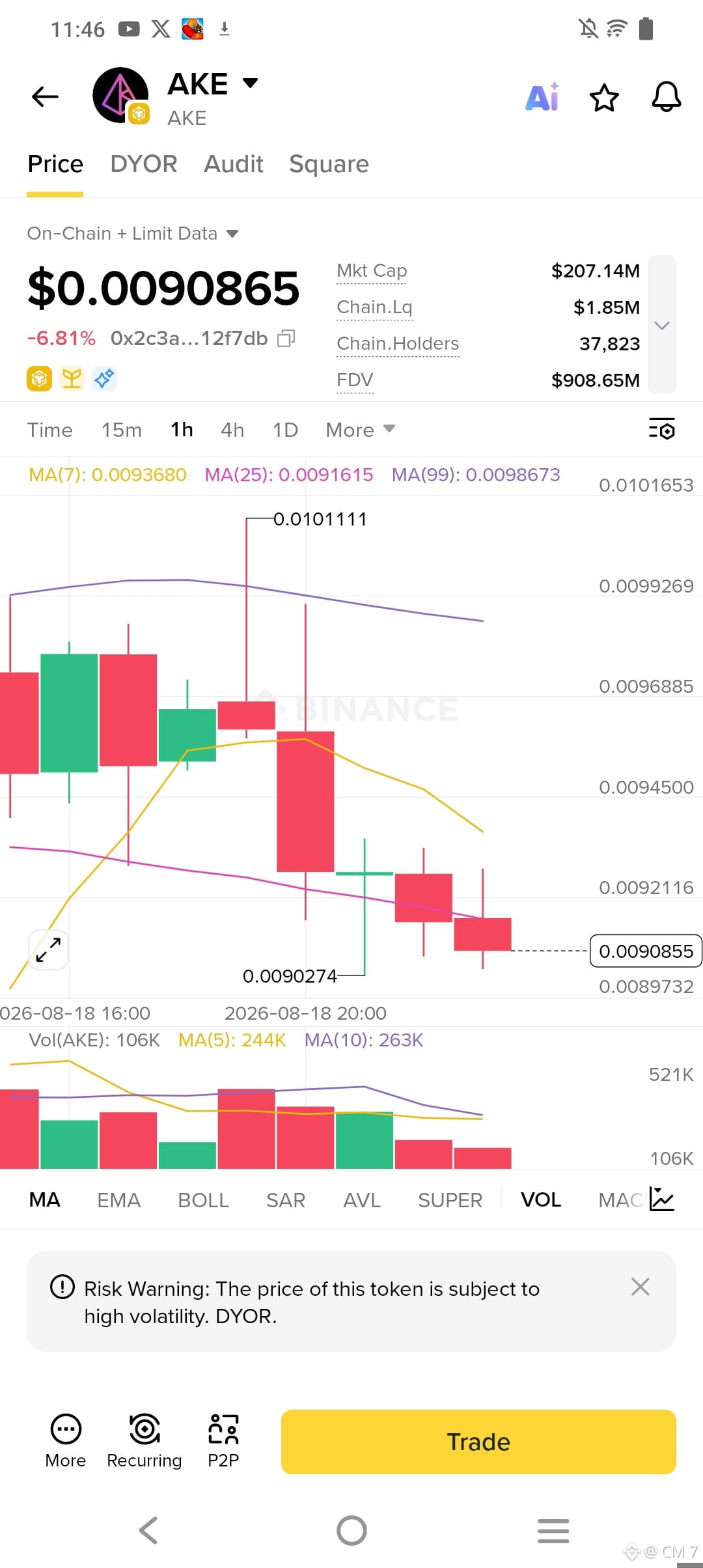
🚨 $AKE テクニカル分析:圧力下の重要サポート水準! 📉
$AKE は現在約$0.00908で取引されており、本日は-6.81%下落しています。価格は最近25期間移動平均($0.00916)を下抜けし、重要な短期サポートである約$0.00902をテストしています。
主要テクニカル水準:
* 🔴 直近のレジスタンス:$0.00916(MA25)& $0.00936(MA7)
* 🛑 主要レジスタンス:$0.01011(直近高値)
* 🟢 直近のサポート:$0.00902
* 📉 MA99 トレンドライン:$0.00986(上方のレジスタンス)
市場見通し:
$AKE が$0.00916を下回っている限り、弱気の勢いが支配的です。ブル(買い)が$0.00900のゾーンを防衛できなければ、より下のサポート水準に向けて下落の一段が見られる可能性があります。逆に、トレンド転換を示すには$0.00936を上抜けることが必要です。
⚠️ 取引戦略:ポジションを取る前に、サポート付近の出来高を注意深く確認してください。常にリスク管理を!
あなたの見立ては? リバウンドかブレイクダウンか—下にコメントを! 👇
#AKE #CryptoTrading #TechnicalAnalysis #dyor #BinanceSquare @Binance Square Official
$AKE は現在約$0.00908で取引されており、本日は-6.81%下落しています。価格は最近25期間移動平均($0.00916)を下抜けし、重要な短期サポートである約$0.00902をテストしています。
主要テクニカル水準:
* 🔴 直近のレジスタンス:$0.00916(MA25)& $0.00936(MA7)
* 🛑 主要レジスタンス:$0.01011(直近高値)
* 🟢 直近のサポート:$0.00902
* 📉 MA99 トレンドライン:$0.00986(上方のレジスタンス)
市場見通し:
$AKE が$0.00916を下回っている限り、弱気の勢いが支配的です。ブル(買い)が$0.00900のゾーンを防衛できなければ、より下のサポート水準に向けて下落の一段が見られる可能性があります。逆に、トレンド転換を示すには$0.00936を上抜けることが必要です。
⚠️ 取引戦略:ポジションを取る前に、サポート付近の出来高を注意深く確認してください。常にリスク管理を!
あなたの見立ては? リバウンドかブレイクダウンか—下にコメントを! 👇
#AKE #CryptoTrading #TechnicalAnalysis #dyor #BinanceSquare @Binance Square Official
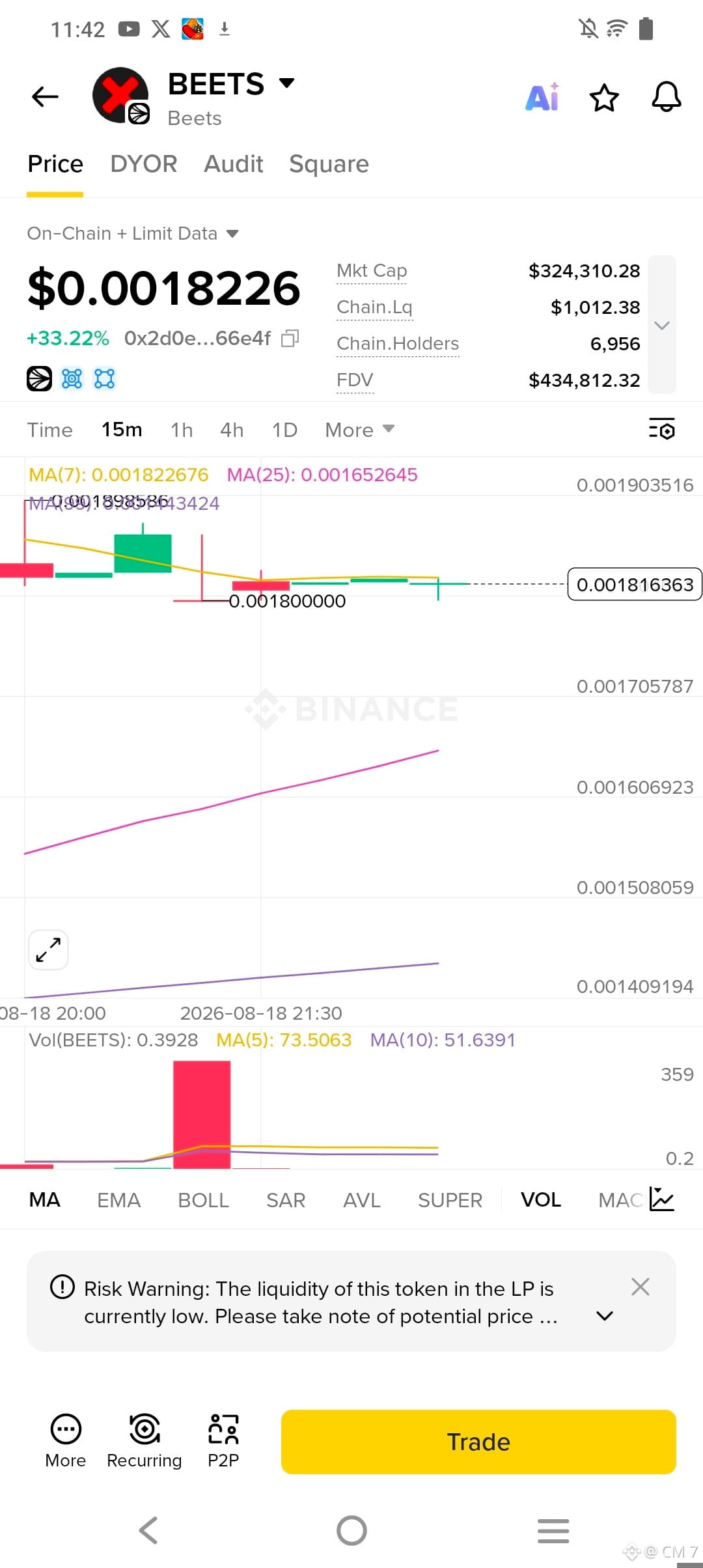
🚨 $BEETS をしっかり維持して +33% の急騰! 🚀
$BEETS が 0.00182 ドル付近で推移しており、上昇の勢いが強いのを確認しています。+33.22%! 📈
⚠️ 注目ポイント:
時価総額: 約32.4万ドル
LP(流動性プール)の流動性は現在低めです($1,012.38)— リスクを慎重に管理し、スリッページに注意してください! 📉
あなたは保有していますか? それとも、より流動性の高い条件が整うのを待っていますか? コメントで戦略を聞かせてください! 👇
#BEETS #CryptoTrading #altcoins @Binance Square Official
$BEETS が 0.00182 ドル付近で推移しており、上昇の勢いが強いのを確認しています。+33.22%! 📈
⚠️ 注目ポイント:
時価総額: 約32.4万ドル
LP(流動性プール)の流動性は現在低めです($1,012.38)— リスクを慎重に管理し、スリッページに注意してください! 📉
あなたは保有していますか? それとも、より流動性の高い条件が整うのを待っていますか? コメントで戦略を聞かせてください! 👇
#BEETS #CryptoTrading #altcoins @Binance Square Official
ログインして、さらにコンテンツを読む