
#validators
validators
閲覧回数 42,279
49人が討論中
注目
最新

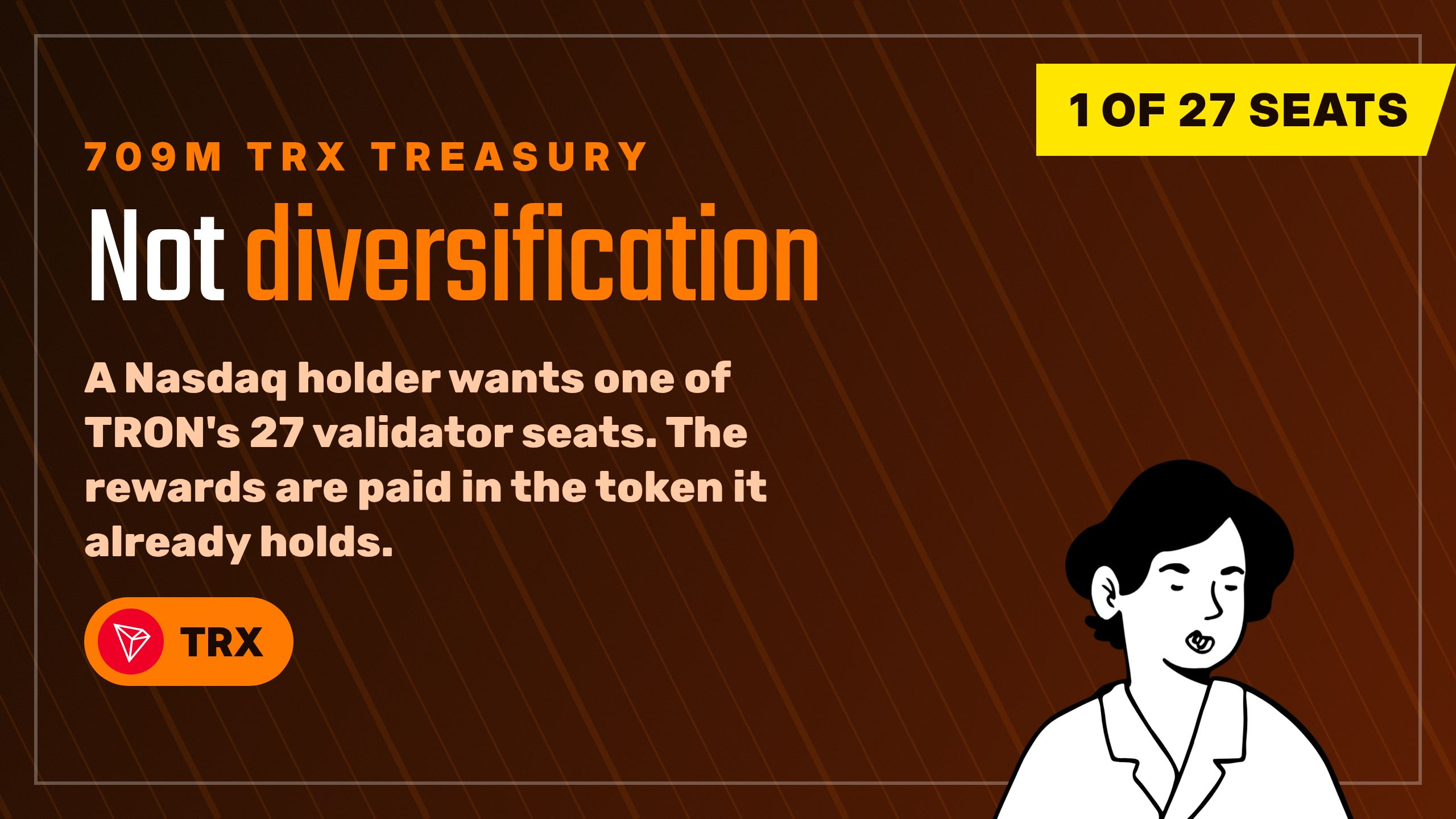
Tron Inc.は7億900万TRXを保有しており、バリデーターになりたいと考えています。TRXトレジャリーでTRXを稼ぐのは分散ではなく、レバレッジです。
強気の見方:これは、トレジャリー企業としての罠から抜け出そうとするトレジャリー企業だ、ということです。$TRX の最大の上場保有者であるTron Inc.(NASDAQ: TRON)は、8月13日に、TRONの27名のSuper Representativeの一人として選挙に臨み、オンチェーンでの継続的な収益を生むインフラへと拡大すると発表しました。SRの経済性は現実的です。2025年にネットワークがブロック生産報酬として約1億2200万TRXを支払い、さらにSRとそのパートナー全体に対して投票報酬として約15億TRXを支払っています。2025年6月以降、累計で7億900万TRX以上を積み上げており、6月30日時点の累計利益は約1,580万ドルです。受動的な塊を運用する事業に変えることこそ、そうした保有ビークルにプレミアムを支払うのをやめようとしていた動きが止めたかったことそのものです。
弱気の見方:報酬の数字を注意深く読みましょう。この15億TRXは27名のSRとそのパートナー全員に分配されるため、新規参入者の取り分は見出しの一部に過ぎず、見出しそのものではありません。選挙は投票であり、すでにTRONを支配しているのと同じ集中した投票力に依存します。これは計画ではなく依頼です。そして構造的な問題:TRXで構成されたトレジャリーからTRXとして支払われる収益は、分散ではなく、同じ資産に対する2つ目の賭けです。TRXが下落すれば保有も収益も同時に下がり、トレジャリーのリスクを減らすために作られた事業は、それと相関していることが判明します。
私たちの見立て:正しい直感ですが、集中が未解決です。反証可能——SRの入札が成功するか、収益がTRX以外の何かで取られるかを見てください。TRX以外の収益があればビジネスモデルになります。TRXのみの収益なら、より大きなポジションになります。
投資助言ではありません。DYOR。
#TRON #TRX #Validators #Crypto
強気の見方:これは、トレジャリー企業としての罠から抜け出そうとするトレジャリー企業だ、ということです。$TRX の最大の上場保有者であるTron Inc.(NASDAQ: TRON)は、8月13日に、TRONの27名のSuper Representativeの一人として選挙に臨み、オンチェーンでの継続的な収益を生むインフラへと拡大すると発表しました。SRの経済性は現実的です。2025年にネットワークがブロック生産報酬として約1億2200万TRXを支払い、さらにSRとそのパートナー全体に対して投票報酬として約15億TRXを支払っています。2025年6月以降、累計で7億900万TRX以上を積み上げており、6月30日時点の累計利益は約1,580万ドルです。受動的な塊を運用する事業に変えることこそ、そうした保有ビークルにプレミアムを支払うのをやめようとしていた動きが止めたかったことそのものです。
弱気の見方:報酬の数字を注意深く読みましょう。この15億TRXは27名のSRとそのパートナー全員に分配されるため、新規参入者の取り分は見出しの一部に過ぎず、見出しそのものではありません。選挙は投票であり、すでにTRONを支配しているのと同じ集中した投票力に依存します。これは計画ではなく依頼です。そして構造的な問題:TRXで構成されたトレジャリーからTRXとして支払われる収益は、分散ではなく、同じ資産に対する2つ目の賭けです。TRXが下落すれば保有も収益も同時に下がり、トレジャリーのリスクを減らすために作られた事業は、それと相関していることが判明します。
私たちの見立て:正しい直感ですが、集中が未解決です。反証可能——SRの入札が成功するか、収益がTRX以外の何かで取られるかを見てください。TRX以外の収益があればビジネスモデルになります。TRXのみの収益なら、より大きなポジションになります。
投資助言ではありません。DYOR。
#TRON #TRX #Validators #Crypto

確認済み
皆さん.....$SOL ほぼ崩れかけました。
Teraswitchのルーティングエラーにより、水曜にステーキング済みSOLの約29%がオフラインになりました。
それは、最終確定がちょうど停止する33.34%ラインに危険なほど近いです。
33分間でバリデーターが90機ダウン。報酬として約333 SOLが消失。
開始はマイアミ、ヨーロッパとアジアへ拡大...北米は無事でした。
10分で修正。ブロックは生成を継続。ネットワークは維持されました。
でも本当の話は...
単一のプロバイダーが、ステークの27%以上を握っていました。
それは不具合が起きる前から、すでに安全限界を超えています。
それは分散化ではありません...分散化の仮面をかぶった単一障害点です。
今回ソラナは設計によって救われたわけではありません。運によって救われました。
次回は、その数が29%で止まらないかもしれません。
みなさんはどう思いますか.... バリデーターの集中こそが、誰も価格に織り込んでいない本当のリスクでは?
$SOL
#solana #Validators
#solanastakingnearshaltonroutingerror
Teraswitchのルーティングエラーにより、水曜にステーキング済みSOLの約29%がオフラインになりました。
それは、最終確定がちょうど停止する33.34%ラインに危険なほど近いです。
33分間でバリデーターが90機ダウン。報酬として約333 SOLが消失。
開始はマイアミ、ヨーロッパとアジアへ拡大...北米は無事でした。
10分で修正。ブロックは生成を継続。ネットワークは維持されました。
でも本当の話は...
単一のプロバイダーが、ステークの27%以上を握っていました。
それは不具合が起きる前から、すでに安全限界を超えています。
それは分散化ではありません...分散化の仮面をかぶった単一障害点です。
今回ソラナは設計によって救われたわけではありません。運によって救われました。
次回は、その数が29%で止まらないかもしれません。
みなさんはどう思いますか.... バリデーターの集中こそが、誰も価格に織り込んでいない本当のリスクでは?
$SOL
#solana #Validators
#solanastakingnearshaltonroutingerror

TRONのバリデータノード性能:ネットワークを駆動する⚡
TRONのSuper Representative(スーパー代表)ノードは、私たちのネットワークの基盤です。これら27のバリデータは、トランザクションを処理し、ブロックを生成し、ネットワークを保護します。
各SRは、複数のデータセンターにまたがる冗長性を備えた高可用性インフラを運用しています。
SRのパフォーマンス指標は公開されており、透明性と説明責任を確保しています。
TRONのバリデータエコシステムは、分散された性能のモデルです。
@TRON DAO
#TRONEcoStar #Validators #Infrastructure
TRONのSuper Representative(スーパー代表)ノードは、私たちのネットワークの基盤です。これら27のバリデータは、トランザクションを処理し、ブロックを生成し、ネットワークを保護します。
各SRは、複数のデータセンターにまたがる冗長性を備えた高可用性インフラを運用しています。
SRのパフォーマンス指標は公開されており、透明性と説明責任を確保しています。
TRONのバリデータエコシステムは、分散された性能のモデルです。
@TRON DAO
#TRONEcoStar #Validators #Infrastructure

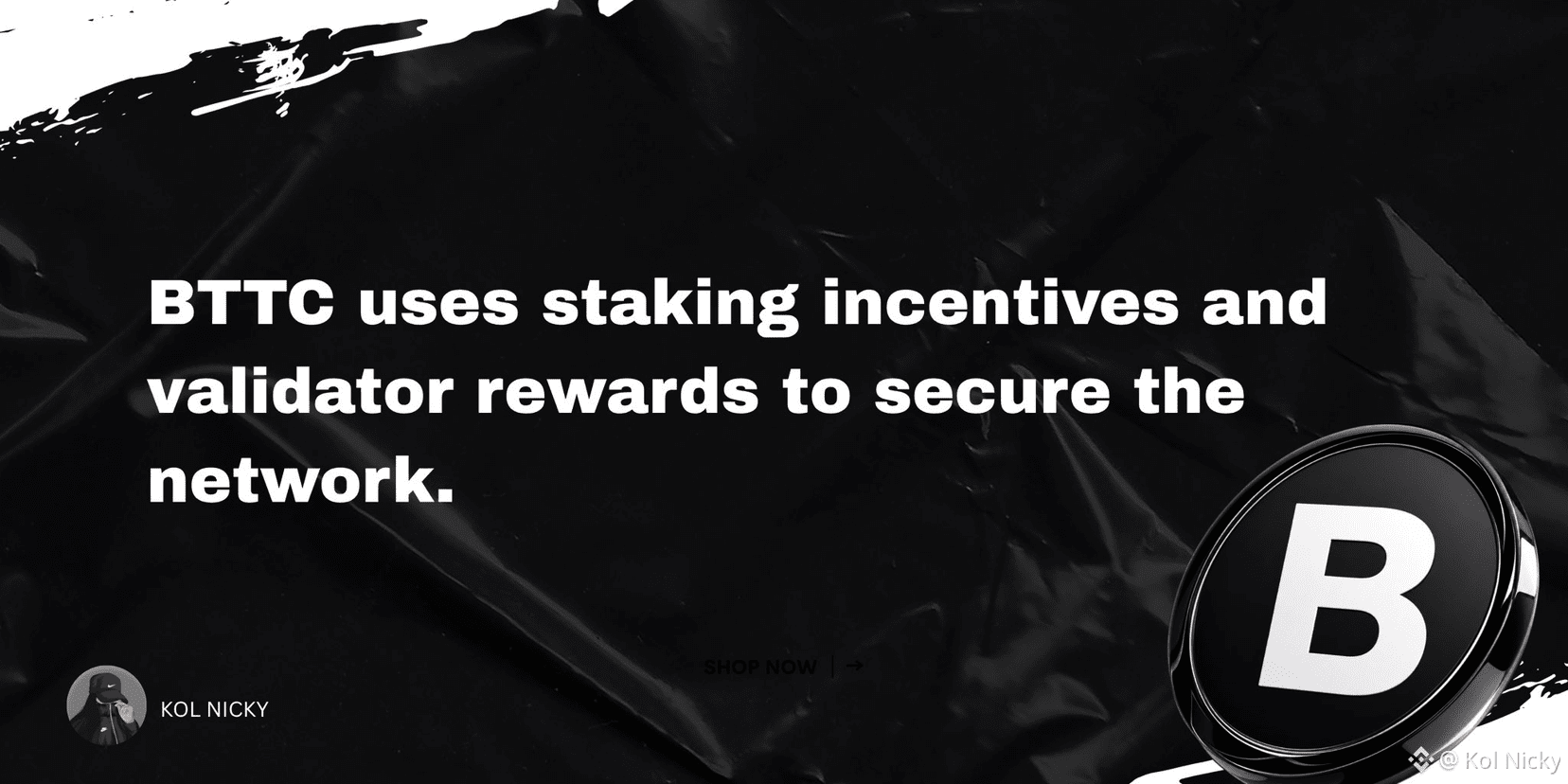
BTTCの最も過小評価されている側面の一つは、バリデーターの調整です。
ほとんどのユーザーはフロントエンドの体験しか気にしません。
しかし、バックエンドの合意形成と検証システムが、クロスチェーンインフラが実際に安全にスケールできるかどうかを決定します。
それが本当の基盤です。
BTTCのバリデーターに基づくアーキテクチャは、エコシステム間の実行と検証を調整するのに役立ちます。
インフラの信頼性はマーケティングのナラティブよりも重要です。
特に、ステーブルコインのフローやDeFiの決済ボリュームが増加する中で。
ここでの隠れた層は信頼の最小化です。
集中依存なしで効率的に調整することが、暗号インフラが成熟するにつれてますます重要になります。
実行レイヤーは重要です。
Web3の次の成長フェーズは、投機よりも…
…持続的なオンチェーン経済活動を効率的に処理できるシステムに依存する可能性が高いです。
@BitTorrent_Official @Justin Sun孙宇晨 #Validators #TRONEcoStar
ほとんどのユーザーはフロントエンドの体験しか気にしません。
しかし、バックエンドの合意形成と検証システムが、クロスチェーンインフラが実際に安全にスケールできるかどうかを決定します。
それが本当の基盤です。
BTTCのバリデーターに基づくアーキテクチャは、エコシステム間の実行と検証を調整するのに役立ちます。
インフラの信頼性はマーケティングのナラティブよりも重要です。
特に、ステーブルコインのフローやDeFiの決済ボリュームが増加する中で。
ここでの隠れた層は信頼の最小化です。
集中依存なしで効率的に調整することが、暗号インフラが成熟するにつれてますます重要になります。
実行レイヤーは重要です。
Web3の次の成長フェーズは、投機よりも…
…持続的なオンチェーン経済活動を効率的に処理できるシステムに依存する可能性が高いです。
@BitTorrent_Official @Justin Sun孙宇晨 #Validators #TRONEcoStar
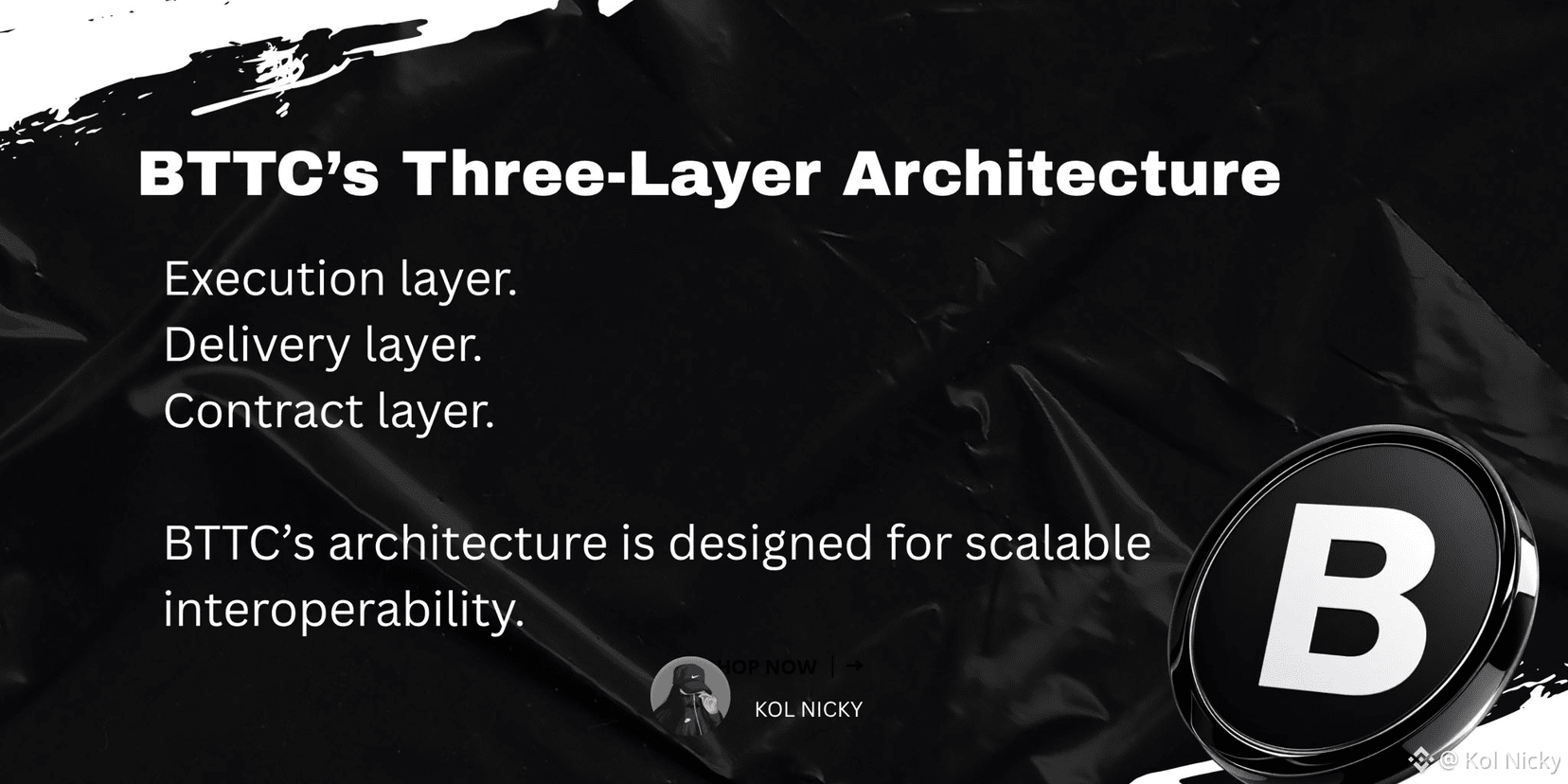
ほとんどの人はブロックチェーンセキュリティがテクノロジーから来ると思っています。
実際には、インセンティブから来ます。
テクノロジーはルールを定義します。
インセンティブは参加者がそれに従うかどうかを決定します。
BTTCのバリデーターシステムはその原則に基づいて構築されています。
バリデーターは資産をステークし、ネットワークを保護し、トランザクションを検証し、クロスチェーンオペレーションの維持に参加します。
その見返りに、報酬を受け取ります。
シンプルな構造。
強力な含意。
隠れた層は経済的な整合性です。
意味のある経済的エクスポージャーを持つバリデーターは、自らが支援しているシステムを保護する強いインセンティブを持っています。
これにより、セキュリティは技術的な問題から経済的な問題に変わります。
強固なインフラは信頼によって作られるのではありません。
インセンティブの整合性によって作られます。
最も弾力性のあるネットワークは、参加者の自己利益とネットワークの健康が同じ方向に進む場合が多いです。
BTTCのバリデーター設計は、より広い真実を反映しています:
分散型システムはインセンティブが拡大する時にスケールします。
⤞ ウェブサイト: bt.io
⤞ ツイッター: x.com/BitTorrent
⤞ テレグラム: t.me/BTTBitTorrent
⤞ GitHub: github.com/bttcprotocol
@BitTorrent_Official @Justin Sun孙宇晨 #BTTC #Validators #Web3 #TRONEcoStar
実際には、インセンティブから来ます。
テクノロジーはルールを定義します。
インセンティブは参加者がそれに従うかどうかを決定します。
BTTCのバリデーターシステムはその原則に基づいて構築されています。
バリデーターは資産をステークし、ネットワークを保護し、トランザクションを検証し、クロスチェーンオペレーションの維持に参加します。
その見返りに、報酬を受け取ります。
シンプルな構造。
強力な含意。
隠れた層は経済的な整合性です。
意味のある経済的エクスポージャーを持つバリデーターは、自らが支援しているシステムを保護する強いインセンティブを持っています。
これにより、セキュリティは技術的な問題から経済的な問題に変わります。
強固なインフラは信頼によって作られるのではありません。
インセンティブの整合性によって作られます。
最も弾力性のあるネットワークは、参加者の自己利益とネットワークの健康が同じ方向に進む場合が多いです。
BTTCのバリデーター設計は、より広い真実を反映しています:
分散型システムはインセンティブが拡大する時にスケールします。
⤞ ウェブサイト: bt.io
⤞ ツイッター: x.com/BitTorrent
⤞ テレグラム: t.me/BTTBitTorrent
⤞ GitHub: github.com/bttcprotocol
@BitTorrent_Official @Justin Sun孙宇晨 #BTTC #Validators #Web3 #TRONEcoStar

翻訳参照
Validator Economics Are Shaping the Next Layer 1 Winner
Most Layer 1 comparisons focus on TPS or TVL. But the real signal is validator economics — and it tells a different story.
Decentralization is not just ideological. It is structural insurance. A network with thousands of validators spread across independent operators has a fundamentally different risk profile than one where a handful of staking pools control consensus. This gap matters more as institutional capital scales its on-chain exposure.
$ETH has leaned hard into this bet. Post-merge, over 1 million validators are active, making coordinated censorship economically and logistically prohibitive. The tradeoff is complexity — but complexity that distributes risk is worth paying for.
$SOL prioritizes performance, accepting a higher hardware barrier that concentrates validators in well-resourced data centers. The network is fast and unified, but its validator set is smaller and more geographically clustered. That is a feature until it becomes a fault.
$ADA has long championed stake pool decentralization, with thousands of community-operated pools. The participation model is broad, but translating that into developer and DeFi momentum remains the ongoing challenge.
The deeper point: decentralization is not a binary state. It is a spectrum, and each chain has made deliberate bets on where to land. As crypto matures, the chains that can prove credible neutrality at scale will absorb the most institutional trust.
Understanding validator economics is how you read those bets clearly.
#Crypto #Layer1 #Ethereum #Validators #BlockchainInfrastructure
Most Layer 1 comparisons focus on TPS or TVL. But the real signal is validator economics — and it tells a different story.
Decentralization is not just ideological. It is structural insurance. A network with thousands of validators spread across independent operators has a fundamentally different risk profile than one where a handful of staking pools control consensus. This gap matters more as institutional capital scales its on-chain exposure.
$ETH has leaned hard into this bet. Post-merge, over 1 million validators are active, making coordinated censorship economically and logistically prohibitive. The tradeoff is complexity — but complexity that distributes risk is worth paying for.
$SOL prioritizes performance, accepting a higher hardware barrier that concentrates validators in well-resourced data centers. The network is fast and unified, but its validator set is smaller and more geographically clustered. That is a feature until it becomes a fault.
$ADA has long championed stake pool decentralization, with thousands of community-operated pools. The participation model is broad, but translating that into developer and DeFi momentum remains the ongoing challenge.
The deeper point: decentralization is not a binary state. It is a spectrum, and each chain has made deliberate bets on where to land. As crypto matures, the chains that can prove credible neutrality at scale will absorb the most institutional trust.
Understanding validator economics is how you read those bets clearly.
#Crypto #Layer1 #Ethereum #Validators #BlockchainInfrastructure

翻訳参照
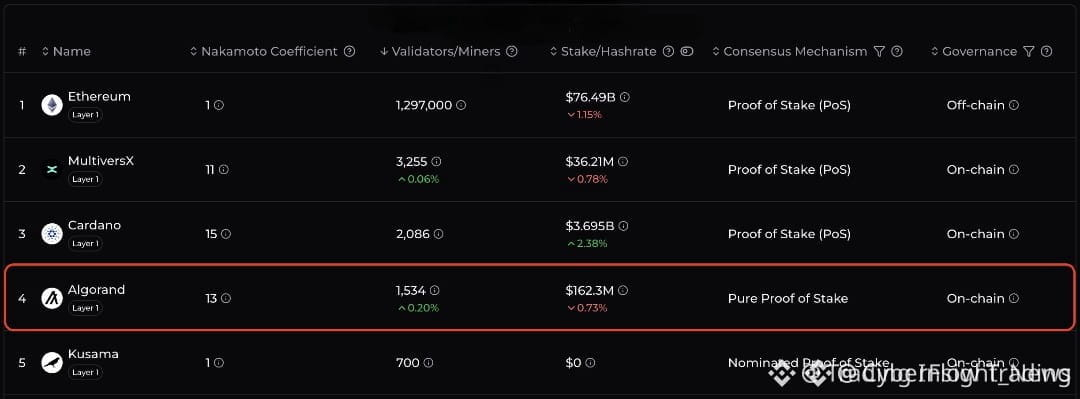
🦈 $ALGO HITS 1,534 VALIDATORS, ENTERS TOP-5 DECENTRALIZED NETWORKS 📈
While the crowd chases the next 15-minute candle, the real signals are being set in the infrastructure. 📊 A 1,534-validator ATH isn't just a sticker — it's the network loading its shields against centralization attacks. 🛡️ Algorand just flexed into the top-5 most decentralized chains, a weight class not many can punch in.
This is how you spot the sleeper builds in crypto. 🔍 High throughput normally forces trade-offs, but $ALGO is proving it can scale while keeping the validator base broad and engaged. That's the kind of foundation serious capital waits for before putting real size on the board.
Conviction follows infra strength like this. 💬 Does a validator count shift your long-term thesis on $ALGO , or are you purely watching the order flow?
⚠️ Not financial advice. Always manage your risk. 🛡️
🏷️ #ALGO #Decentralization #Validators #Blockchain #CryptoNews
🦈 💎
While the crowd chases the next 15-minute candle, the real signals are being set in the infrastructure. 📊 A 1,534-validator ATH isn't just a sticker — it's the network loading its shields against centralization attacks. 🛡️ Algorand just flexed into the top-5 most decentralized chains, a weight class not many can punch in.
This is how you spot the sleeper builds in crypto. 🔍 High throughput normally forces trade-offs, but $ALGO is proving it can scale while keeping the validator base broad and engaged. That's the kind of foundation serious capital waits for before putting real size on the board.
Conviction follows infra strength like this. 💬 Does a validator count shift your long-term thesis on $ALGO , or are you purely watching the order flow?
⚠️ Not financial advice. Always manage your risk. 🛡️
🏷️ #ALGO #Decentralization #Validators #Blockchain #CryptoNews
🦈 💎

イーサリアムのバリデーターたちが今日は完全に狂っている。Klerosの創設者クレモン・ルザエグによって、イーサリアムの研究フォーラムに巨大で物議を醸す新しいプロトコル提案が落ちてきて、コミュニティ全体が真っ二つに分かれている。
この提案は、プロトコルレベルのメカニズムを導入し、すべてのステーキング利回りの最大10%をバリデーターから公共エコシステムの資金プールに再配分することを目的としている。もし51%のバリデーターが賛成票を投じれば、この寄付はネットワーク全体で義務化される。
現在のステーキングレベルでは、これにより通常のステーカーから年間で約70,000 ETH(1億2000万ドル以上)が強制的に剥奪される。開発者たちは公共財やインフラを資金調達するために必要だと主張しているが、一般のノードたちはこれを制御を失った「クリプト税」と呼んでいる。
👇 イーサリアムホルダーの皆さん、あなたの立場はどこですか?これはエコシステムの成長にとって素晴らしい動きなのか、それともバリデーターの利益を中央集権的に奪うことなのか?下で議論しよう!
#Ethereum #ETH #CryptoNews #EthereumStaking #Validators #DeFi $ETH $BTC
この提案は、プロトコルレベルのメカニズムを導入し、すべてのステーキング利回りの最大10%をバリデーターから公共エコシステムの資金プールに再配分することを目的としている。もし51%のバリデーターが賛成票を投じれば、この寄付はネットワーク全体で義務化される。
現在のステーキングレベルでは、これにより通常のステーカーから年間で約70,000 ETH(1億2000万ドル以上)が強制的に剥奪される。開発者たちは公共財やインフラを資金調達するために必要だと主張しているが、一般のノードたちはこれを制御を失った「クリプト税」と呼んでいる。
👇 イーサリアムホルダーの皆さん、あなたの立場はどこですか?これはエコシステムの成長にとって素晴らしい動きなのか、それともバリデーターの利益を中央集権的に奪うことなのか?下で議論しよう!
#Ethereum #ETH #CryptoNews #EthereumStaking #Validators #DeFi $ETH $BTC

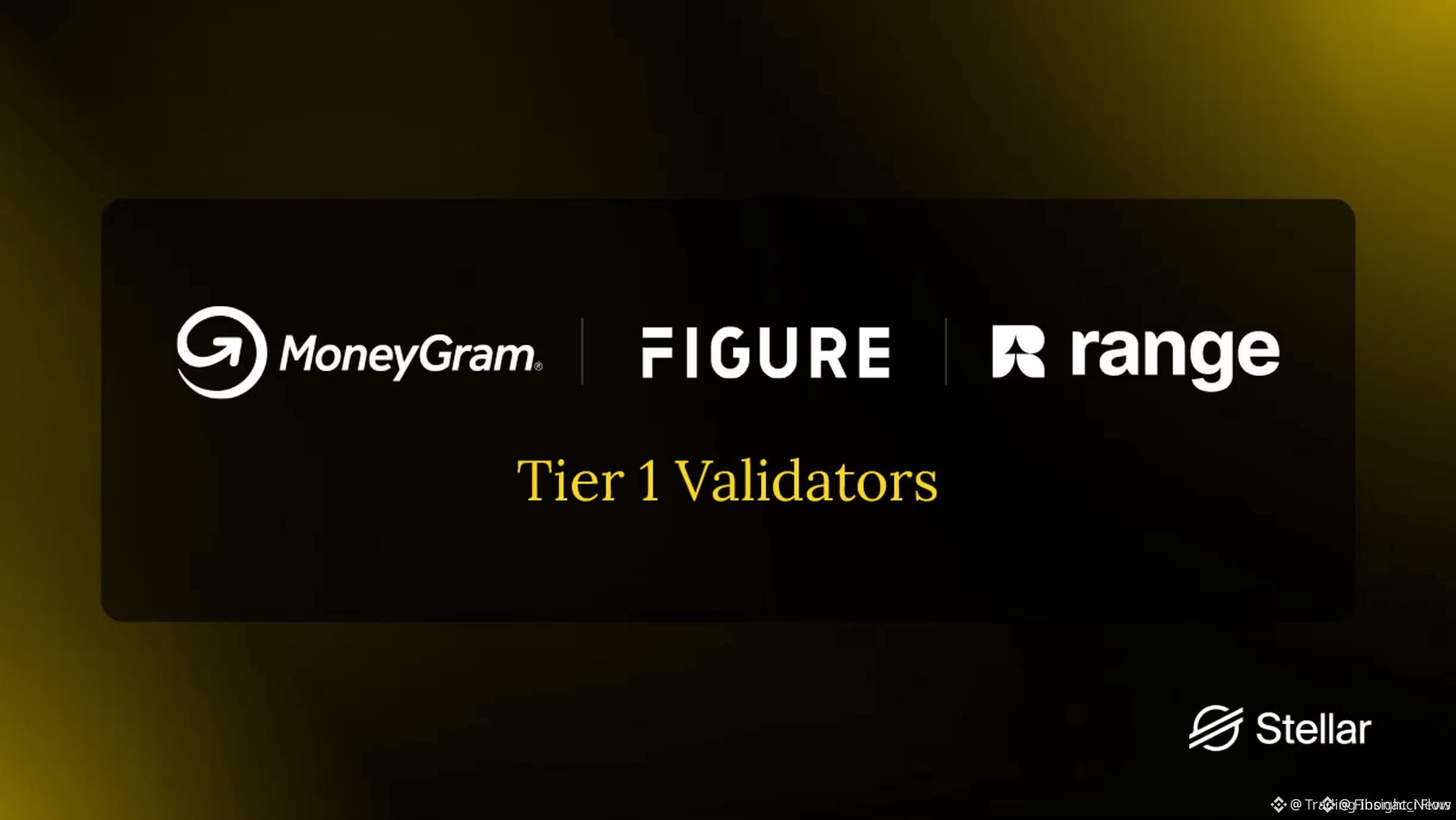
ウェスタンユニオンが$XLM ASティア1バリデーターに参加 — 大幅導入のシグナル ⚡
実績ある3つの名がステラのバリデーターセットに参加しました。つまり、ウェスタンユニオン、Figure Markets、そしてRangeです。グローバルな送金大手がノードを運用することで、ネットワークのセキュリティが従来の金融の利害関係と今や直接つながったことになります。これは単なるプレスリリースではなく、インフラです。
バリデーターレイヤーが、多くのL1に主張できない信頼性のアップグレードを受け取りました。機関が自社のハードウェアと稼働率を賭けるとき、そのシグナルは大きく響きます。次の波となる実社会でのブロックチェーン導入に向けて、あなたはどのようにポジショニングしていますか?
※金融助言ではありません。常にリスクを管理してください。
#XLM #Stellar #Validators #Adoption #Crypto
⚡
実績ある3つの名がステラのバリデーターセットに参加しました。つまり、ウェスタンユニオン、Figure Markets、そしてRangeです。グローバルな送金大手がノードを運用することで、ネットワークのセキュリティが従来の金融の利害関係と今や直接つながったことになります。これは単なるプレスリリースではなく、インフラです。
バリデーターレイヤーが、多くのL1に主張できない信頼性のアップグレードを受け取りました。機関が自社のハードウェアと稼働率を賭けるとき、そのシグナルは大きく響きます。次の波となる実社会でのブロックチェーン導入に向けて、あなたはどのようにポジショニングしていますか?
※金融助言ではありません。常にリスクを管理してください。
#XLM #Stellar #Validators #Adoption #Crypto
⚡

CARDANOがバリデーター数で第2位のネットワークに上昇 $ADA 🚀
Cardanoは現在約2,900のバリデーターをホストしており、約895,200のバリデーターを維持しているEthereumに次いで第2位のブロックチェーンとなっています。この上昇により、$ADA は同様のプラットフォームをリードしており、分散化の拡大と機関投資家への魅力を強調しています。
バリデーターの数が増えることは、より広範な参加と強固なセキュリティを示しており、これはレジリエントなインフラを求める機関ステイカーを引き付ける要素となります。$ADA の市場深度は依然として堅調ですが、バリデーターの拡張は将来的なスケーリングイニシアティブやステーキングリターンを支える可能性があります。トレーダーはオンチェーンの活動やトップティアの取引所での流動性を監視し、価格への影響を注視する必要があります。
これは投資アドバイスではありません。リスクを管理してください。
#Crypto #Cardano #Blockchain #Validators #DeFi
⚡
Cardanoは現在約2,900のバリデーターをホストしており、約895,200のバリデーターを維持しているEthereumに次いで第2位のブロックチェーンとなっています。この上昇により、$ADA は同様のプラットフォームをリードしており、分散化の拡大と機関投資家への魅力を強調しています。
バリデーターの数が増えることは、より広範な参加と強固なセキュリティを示しており、これはレジリエントなインフラを求める機関ステイカーを引き付ける要素となります。$ADA の市場深度は依然として堅調ですが、バリデーターの拡張は将来的なスケーリングイニシアティブやステーキングリターンを支える可能性があります。トレーダーはオンチェーンの活動やトップティアの取引所での流動性を監視し、価格への影響を注視する必要があります。
これは投資アドバイスではありません。リスクを管理してください。
#Crypto #Cardano #Blockchain #Validators #DeFi
⚡

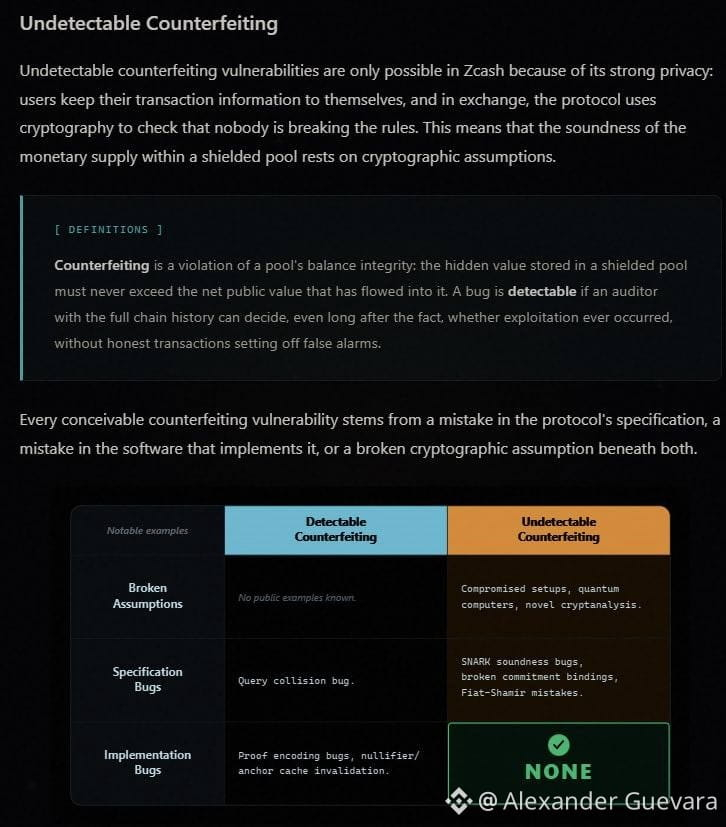
🟢🟢🔥 緊急速報:Zcashは、新たな防護プールIronwoodにおいて、偽造の隠れたエラーに対する数学的テストが間近に迫っている。
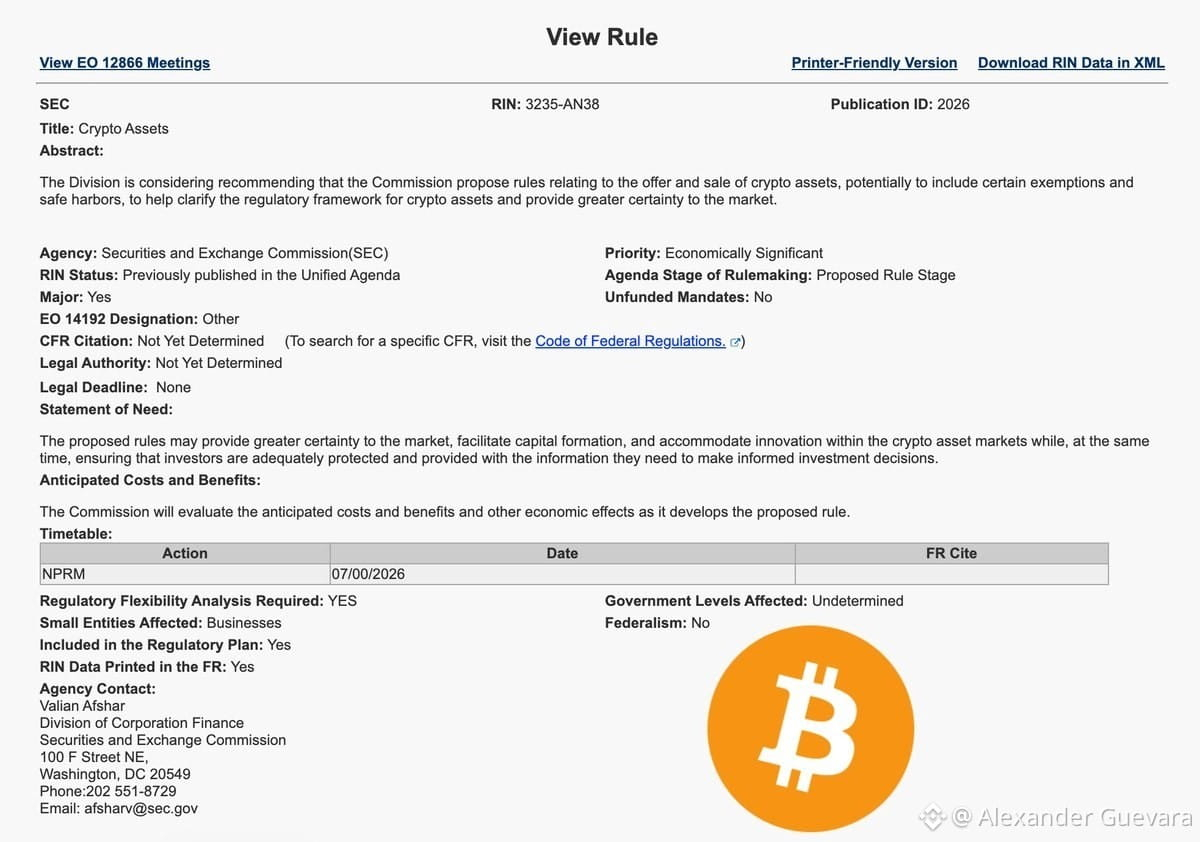
▶️緊急速報:🇺🇸 SECは、今月に暗号資産の規制に関する会議を予定しているとして、2026年の規制アジェンダを公開した 👀
「暗号資産の規制枠組みを明確にし、市場により高い確実性を提供するために」 🚀
#SEC #zcash #BTC #Inversiones #Validators $BTC $ZEC
▶️緊急速報:🇺🇸 SECは、今月に暗号資産の規制に関する会議を予定しているとして、2026年の規制アジェンダを公開した 👀
「暗号資産の規制枠組みを明確にし、市場により高い確実性を提供するために」 🚀
#SEC #zcash #BTC #Inversiones #Validators $BTC $ZEC

📚 ステーク・オブ・プルーフ(PoS)を理解する:ブロックチェーン・ネットワークでバリデーターがマイナーに取って代わる方法
2026年7月20日、ステーク・オブ・プルーフは新しいブロックチェーンにおける支配的なコンセンサスメカニズムとなりました。パズルを解くのではなく、バリデーターは担保としてトークンをロックします――それが彼らのステークです。バリデーターはブロックを提案し、確認します。不正行為を行ったバリデーターはステークを没収(スラッシュ)されるため、悪意のある行動に対して強力な経済的な抑止力が生まれます。
2022年にイーサリアムはステーク・オブ・プルーフへ移行し、エネルギー消費を99%以上削減しました。ソラナやカルダノのような主要チェーンもPoSを採用しており、それぞれが中核となる考え方に独自のバリエーションを持っています。
📌 重要なポイント:
ステーク・オブ・プルーフは、ネットワークのセキュリティと経済的インセンティブを一致させます。バリデーターは正直に参加すれば報酬を得られ、不正をすれば資金を失います。
#ProofOfStake #Validators #CryptoEducation #Blockchain
#BinanceAlphaAlert
2026年7月20日、ステーク・オブ・プルーフは新しいブロックチェーンにおける支配的なコンセンサスメカニズムとなりました。パズルを解くのではなく、バリデーターは担保としてトークンをロックします――それが彼らのステークです。バリデーターはブロックを提案し、確認します。不正行為を行ったバリデーターはステークを没収(スラッシュ)されるため、悪意のある行動に対して強力な経済的な抑止力が生まれます。
2022年にイーサリアムはステーク・オブ・プルーフへ移行し、エネルギー消費を99%以上削減しました。ソラナやカルダノのような主要チェーンもPoSを採用しており、それぞれが中核となる考え方に独自のバリエーションを持っています。
📌 重要なポイント:
ステーク・オブ・プルーフは、ネットワークのセキュリティと経済的インセンティブを一致させます。バリデーターは正直に参加すれば報酬を得られ、不正をすれば資金を失います。
#ProofOfStake #Validators #CryptoEducation #Blockchain
#BinanceAlphaAlert
ログインして、さらにコンテンツを読む