
#stablecoins
stablecoins
閲覧回数 7.4M
26,692人が討論中
注目
最新

·
--
ブリッシュ
確認済み
#usbankcompletescrossborderpaymentpilotonstellar
米国の銀行はStellarを使って大陸間でデジタルドルを移動させた。
9月9日、同銀行は北米と欧州にある自社の拠点間で完了したライブ決済パイロットを発表した。送金には、同銀行独自のドル連動ステーブルコインであるUSBDCを、公的なStellarネットワーク上で利用した。
このパイロットは、銀行の既存の財務・リスク・運用システムと接続しつつ、鋳造(ミント)、償還(リデンプション)、凍結、クローズバックの能力も評価する。発表では、より広範な顧客向けローンチの時期は示されていない。
私の見解:日常の銀行システムとの統合こそが、追う価値を生んでいる。
決済プロダクトには、信頼できる会計、明確な償還手順、問題発生時に対応するための統制が必要だ。これらの要素を一緒にテストすることで、ブロックチェーン決済が銀行の通常業務に適合し得るかを判断しやすくなる。
次に私が欲しい証拠は、反復される取引、決済面で測定可能な改善、そして顧客が利用するための明確な道筋だ。成功した社内振替は出発点を示す一方、より多くの顧客や決済ルートにまたがる運用は、追加の複雑さをもたらす。
XLMにとって、そのネットワーク上の役割には取引手数料と最小口座残高が含まれる。私の解釈では、支払いの成長はこれらの要件を通じて評価する必要がある。つまり、移転されたドルの価値は、XLM需要にそのまま直結しない。
あなたにとって、これをより重要にするのは何だろう:顧客の利用アクセス、継続的な支払いの取引量、あるいは実証されたコスト削減?
#stellar #XLM #Stablecoins
{future}(XLMUSDT)
$LAB $VTHO $XLM
{future}(VTHOUSDT)
{future}(LABUSDT)
#usbankcompletescrossborderpaymentpilotonstellar
米国の銀行はStellarを使って大陸間でデジタルドルを移動させた。
9月9日、同銀行は北米と欧州にある自社の拠点間で完了したライブ決済パイロットを発表した。送金には、同銀行独自のドル連動ステーブルコインであるUSBDCを、公的なStellarネットワーク上で利用した。
このパイロットは、銀行の既存の財務・リスク・運用システムと接続しつつ、鋳造(ミント)、償還(リデンプション)、凍結、クローズバックの能力も評価する。発表では、より広範な顧客向けローンチの時期は示されていない。
私の見解:日常の銀行システムとの統合こそが、追う価値を生んでいる。
決済プロダクトには、信頼できる会計、明確な償還手順、問題発生時に対応するための統制が必要だ。これらの要素を一緒にテストすることで、ブロックチェーン決済が銀行の通常業務に適合し得るかを判断しやすくなる。
次に私が欲しい証拠は、反復される取引、決済面で測定可能な改善、そして顧客が利用するための明確な道筋だ。成功した社内振替は出発点を示す一方、より多くの顧客や決済ルートにまたがる運用は、追加の複雑さをもたらす。
XLMにとって、そのネットワーク上の役割には取引手数料と最小口座残高が含まれる。私の解釈では、支払いの成長はこれらの要件を通じて評価する必要がある。つまり、移転されたドルの価値は、XLM需要にそのまま直結しない。
あなたにとって、これをより重要にするのは何だろう:顧客の利用アクセス、継続的な支払いの取引量、あるいは実証されたコスト削減?
#stellar #XLM #Stablecoins
$LAB $VTHO $XLM
米国の銀行はStellarを使って大陸間でデジタルドルを移動させた。
9月9日、同銀行は北米と欧州にある自社の拠点間で完了したライブ決済パイロットを発表した。送金には、同銀行独自のドル連動ステーブルコインであるUSBDCを、公的なStellarネットワーク上で利用した。
このパイロットは、銀行の既存の財務・リスク・運用システムと接続しつつ、鋳造(ミント)、償還(リデンプション)、凍結、クローズバックの能力も評価する。発表では、より広範な顧客向けローンチの時期は示されていない。
私の見解:日常の銀行システムとの統合こそが、追う価値を生んでいる。
決済プロダクトには、信頼できる会計、明確な償還手順、問題発生時に対応するための統制が必要だ。これらの要素を一緒にテストすることで、ブロックチェーン決済が銀行の通常業務に適合し得るかを判断しやすくなる。
次に私が欲しい証拠は、反復される取引、決済面で測定可能な改善、そして顧客が利用するための明確な道筋だ。成功した社内振替は出発点を示す一方、より多くの顧客や決済ルートにまたがる運用は、追加の複雑さをもたらす。
XLMにとって、そのネットワーク上の役割には取引手数料と最小口座残高が含まれる。私の解釈では、支払いの成長はこれらの要件を通じて評価する必要がある。つまり、移転されたドルの価値は、XLM需要にそのまま直結しない。
あなたにとって、これをより重要にするのは何だろう:顧客の利用アクセス、継続的な支払いの取引量、あるいは実証されたコスト削減?
#stellar #XLM #Stablecoins
$LAB $VTHO $XLM

ABO3ZAM:
تحليل موفق، فالربط بين المؤسسات المالية والبلوكشين يمثل نقلة نوعية في تمركز الزخم طويل الأمد. لكن لا تغفل أن السيولة اللحظية تتبع الأخبار، لذا احذر من مطاردة السعر عند مناطق الرفض السعري، والتزم بإدارة المخاطر وتأمين الأرباح فور ظهور علامات تشبع الشراء.
1
3
2.4k

·
--
ブリッシュ
翻訳参照
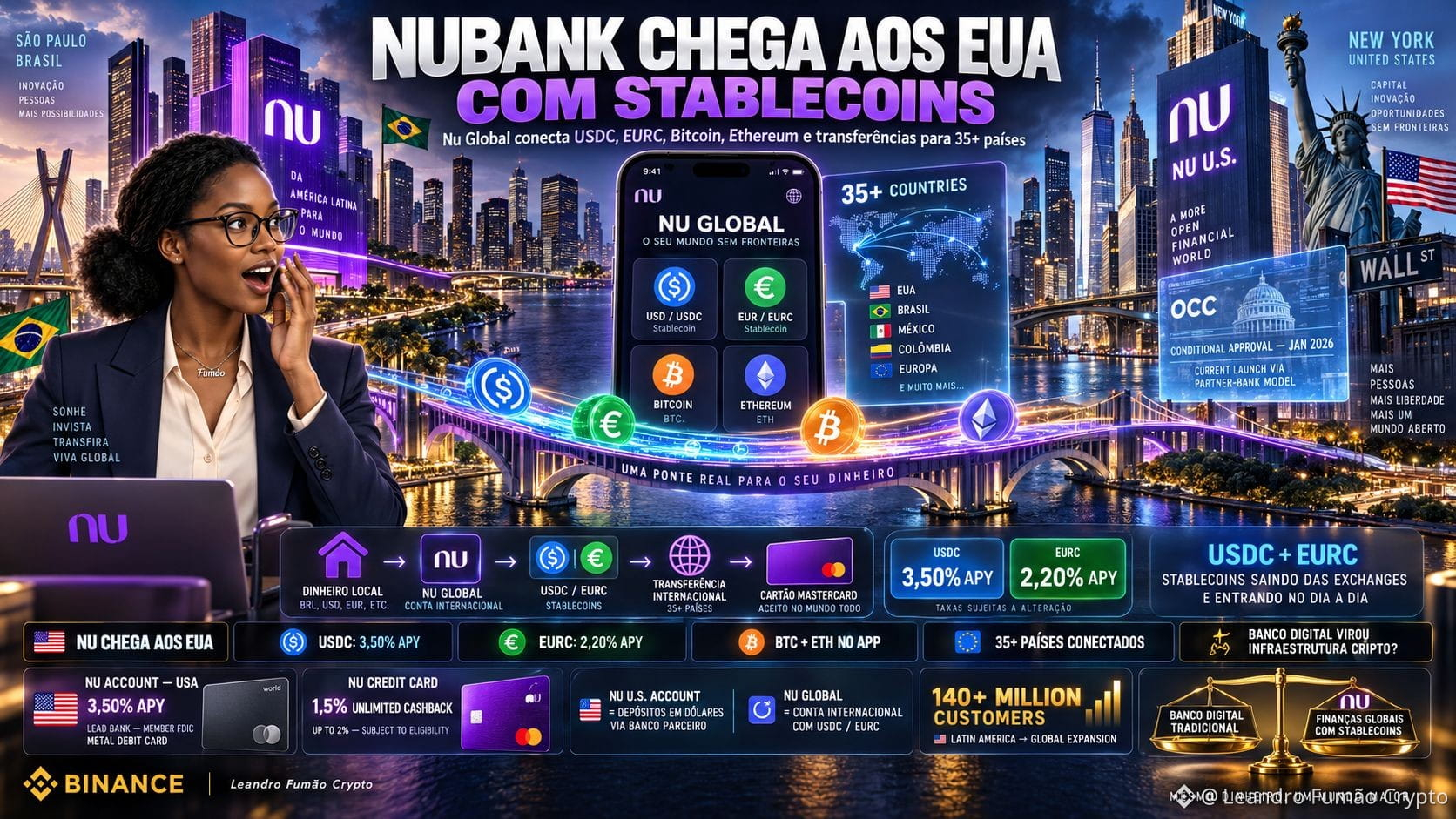
˗ˋˏ🚀💨ˊ˗ 𝐍𝐔𝐁𝐀𝐍𝐊 𝐂𝐇𝐄𝐆𝐀 𝐀𝐎𝐒 𝐄𝐔𝐀 𝐄 𝐋𝐀𝐍𝐂̧𝐀 𝐂𝐎𝐍𝐓𝐀 𝐆𝐋𝐎𝐁𝐀𝐋 𝐂𝐎𝐌 𝐔𝐒𝐃𝐂, 𝐄𝐔𝐑𝐂, ₿𝐈𝐓𝐂𝐎𝐈𝐍 𝐄 𝐄𝐓𝐇𝐄𝐑𝐄𝐔𝐌🔥
✎𓂃O Nubank acaba de abrir um novo capítulo da sua expansão internacional.
O Nu iniciou operações nos Estados Unidos e apresentou o Nu Global, uma conta multimoeda criada para movimentar dinheiro entre mais de 35 países, combinando serviços bancários tradicionais com stablecoins e ativos digitais.
🔥 O Detalhe Que Chama Atenção no Nu Global
➢ Os saldos podem ser convertidos em $USDC e EURC, com rendimento diário anunciado de:
USDC ▸ 3,50% ao ano
EURC ▸ 2,20% ao ano
➢ Além disso, o cliente poderá manter e negociar Bitcoin e Ethereum dentro do mesmo aplicativo.
O produto também inclui cartão virtual Mastercard, transferências internacionais para mais de 35 países e suporte multilíngue 24 horas.
🇺🇸 Nos Estados Unidos, a estratégia é diferente.
➢ A Nu Account oferece rendimento de 3,50% APY sobre dólares, com depósitos mantidos no Lead Bank, membro do FDIC. Já o cartão de crédito Nu terá 1,5% de cashback ilimitado, podendo chegar a 2% mediante condições futuras.
➢ O Nu havia solicitado uma licença bancária nacional nos EUA em setembro de 2025 e recebeu aprovação condicional da OCC em janeiro de 2026. Enquanto avança nesse processo, começou a operar por meio do modelo de banco parceiro.
👀 E o tamanho da ambição impressiona.
O Nubank já ultrapassou 140 milhões de clientes na América Latina e agora mira o maior mercado bancário do mundo.
🔥 A parte mais interessante para o mercado cripto talvez seja esta:
stablecoins estão deixando de ser apenas ativos de exchange e começando a virar infraestrutura de contas bancárias globais.
USDC + EURC + $BTC + $ETH ▸ tudo dentro de uma experiência bancária.
👇💭 O Nu Global pode acelerar o uso de stablecoins pelo usuário comum?
#nubank #Stablecoins #cripto
˗ˋˏ🚀💨ˊ˗ 𝐍𝐔𝐁𝐀𝐍𝐊 𝐂𝐇𝐄𝐆𝐀 𝐀𝐎𝐒 𝐄𝐔𝐀 𝐄 𝐋𝐀𝐍𝐂̧𝐀 𝐂𝐎𝐍𝐓𝐀 𝐆𝐋𝐎𝐁𝐀𝐋 𝐂𝐎𝐌 𝐔𝐒𝐃𝐂, 𝐄𝐔𝐑𝐂, ₿𝐈𝐓𝐂𝐎𝐈𝐍 𝐄 𝐄𝐓𝐇𝐄𝐑𝐄𝐔𝐌🔥
✎𓂃O Nubank acaba de abrir um novo capítulo da sua expansão internacional.
O Nu iniciou operações nos Estados Unidos e apresentou o Nu Global, uma conta multimoeda criada para movimentar dinheiro entre mais de 35 países, combinando serviços bancários tradicionais com stablecoins e ativos digitais.
🔥 O Detalhe Que Chama Atenção no Nu Global
➢ Os saldos podem ser convertidos em $USDC e EURC, com rendimento diário anunciado de:
USDC ▸ 3,50% ao ano
EURC ▸ 2,20% ao ano
➢ Além disso, o cliente poderá manter e negociar Bitcoin e Ethereum dentro do mesmo aplicativo.
O produto também inclui cartão virtual Mastercard, transferências internacionais para mais de 35 países e suporte multilíngue 24 horas.
🇺🇸 Nos Estados Unidos, a estratégia é diferente.
➢ A Nu Account oferece rendimento de 3,50% APY sobre dólares, com depósitos mantidos no Lead Bank, membro do FDIC. Já o cartão de crédito Nu terá 1,5% de cashback ilimitado, podendo chegar a 2% mediante condições futuras.
➢ O Nu havia solicitado uma licença bancária nacional nos EUA em setembro de 2025 e recebeu aprovação condicional da OCC em janeiro de 2026. Enquanto avança nesse processo, começou a operar por meio do modelo de banco parceiro.
👀 E o tamanho da ambição impressiona.
O Nubank já ultrapassou 140 milhões de clientes na América Latina e agora mira o maior mercado bancário do mundo.
🔥 A parte mais interessante para o mercado cripto talvez seja esta:
stablecoins estão deixando de ser apenas ativos de exchange e começando a virar infraestrutura de contas bancárias globais.
USDC + EURC + $BTC + $ETH ▸ tudo dentro de uma experiência bancária.
👇💭 O Nu Global pode acelerar o uso de stablecoins pelo usuário comum?
#nubank #Stablecoins #cripto
✎𓂃O Nubank acaba de abrir um novo capítulo da sua expansão internacional.
O Nu iniciou operações nos Estados Unidos e apresentou o Nu Global, uma conta multimoeda criada para movimentar dinheiro entre mais de 35 países, combinando serviços bancários tradicionais com stablecoins e ativos digitais.
🔥 O Detalhe Que Chama Atenção no Nu Global
➢ Os saldos podem ser convertidos em $USDC e EURC, com rendimento diário anunciado de:
USDC ▸ 3,50% ao ano
EURC ▸ 2,20% ao ano
➢ Além disso, o cliente poderá manter e negociar Bitcoin e Ethereum dentro do mesmo aplicativo.
O produto também inclui cartão virtual Mastercard, transferências internacionais para mais de 35 países e suporte multilíngue 24 horas.
🇺🇸 Nos Estados Unidos, a estratégia é diferente.
➢ A Nu Account oferece rendimento de 3,50% APY sobre dólares, com depósitos mantidos no Lead Bank, membro do FDIC. Já o cartão de crédito Nu terá 1,5% de cashback ilimitado, podendo chegar a 2% mediante condições futuras.
➢ O Nu havia solicitado uma licença bancária nacional nos EUA em setembro de 2025 e recebeu aprovação condicional da OCC em janeiro de 2026. Enquanto avança nesse processo, começou a operar por meio do modelo de banco parceiro.
👀 E o tamanho da ambição impressiona.
O Nubank já ultrapassou 140 milhões de clientes na América Latina e agora mira o maior mercado bancário do mundo.
🔥 A parte mais interessante para o mercado cripto talvez seja esta:
stablecoins estão deixando de ser apenas ativos de exchange e começando a virar infraestrutura de contas bancárias globais.
USDC + EURC + $BTC + $ETH ▸ tudo dentro de uma experiência bancária.
👇💭 O Nu Global pode acelerar o uso de stablecoins pelo usuário comum?
#nubank #Stablecoins #cripto
98


#CircleProposes$400MTazapayAcquisition
💥 Circle、4億ドル規模の取引でTazapayを狙う:USDCは“レール”を取りに行くのか?💥
秒単位で国境を越えて支払いが行われるのに、従来の銀行システムに到達すると速度が落ちる——そんな状況を想像してみてください。そのボトルネックこそが、Circleの最新の動きが面白くなるポイントです。
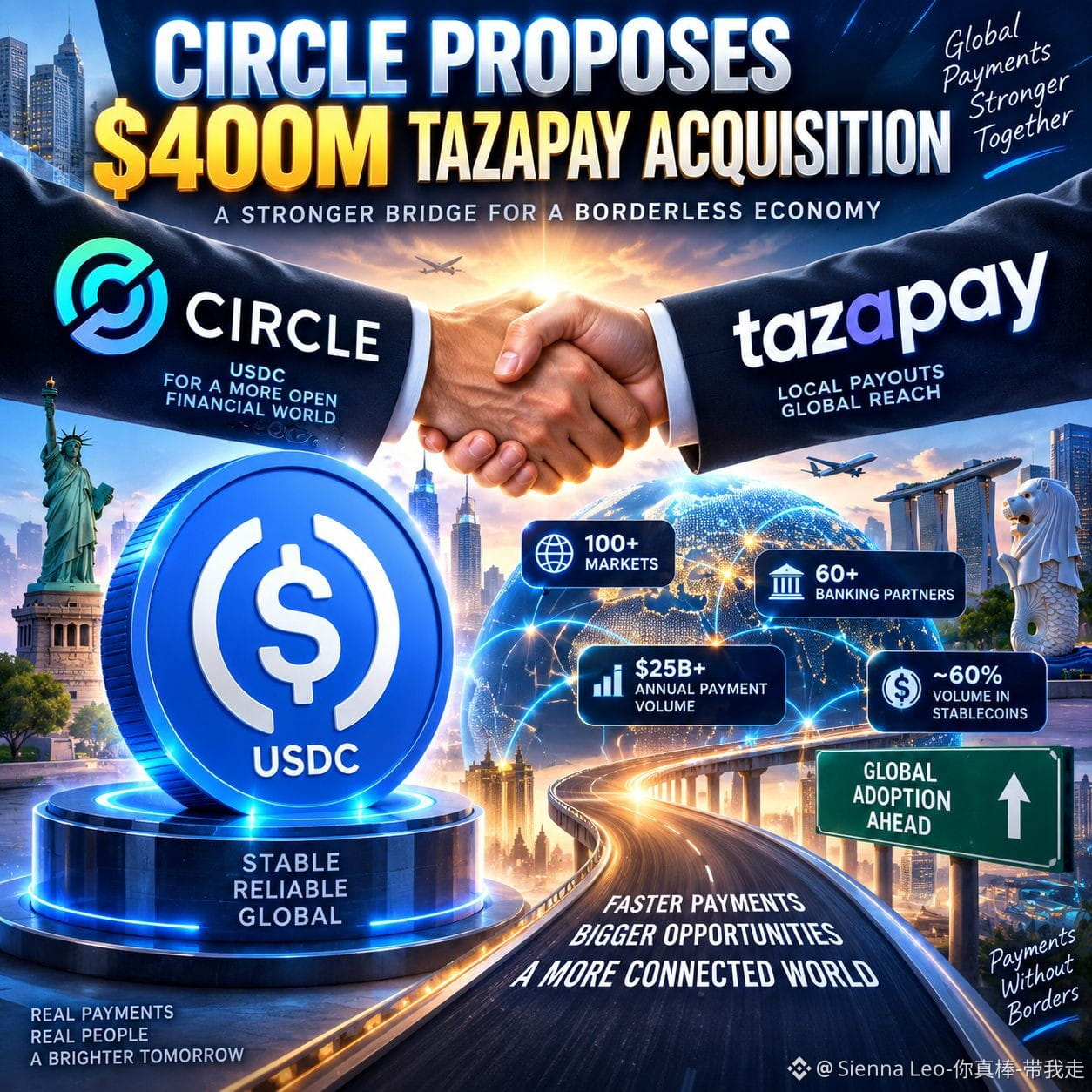
Circleは、シンガポール拠点の越境送金企業Tazapayを、全株式取引で4億ドルにて買収することに合意しました。規制当局の承認が得られれば、取引の完了予定は2027年です。
注目すべきは、単に値札の大きさだけではありません。Tazapayは60社超の銀行・フィンテックパートナーを持ち、100以上の市場における現地の送金レール(決済経路)を提供し、さらに年換算で250億ドル超の決済ボリュームがあります。
さらに示唆に富むのは、Tazapayの取引量の約60%がすでにステーブルコインに関わっていることです。つまり、この買収は従来型のフィンテック拡張というより、USDCと現地の金融システムの間に欠けている“つながり”をCircleが買いにいく構図に見えます。
私の見解:Circleは、ステーブルコインの発行だけでなく、インフラ面での競争を強めています。幅広く使われるデジタルドルを持つことよりも、流通と決済レールを握ることのほうが重要になる可能性があります。
ただし、結論は保証されていません。規制の承認、統合、実行力、そして顧客のステーブルコイン利用が本当に増えるかどうか——これらが取引の真の価値を左右します。
成功すれば、ステーブルコインを主に暗号資産市場の内側に閉じ込めるのではなく、日常の国境を越えた商取引におけるUSDCの役割を強化できるかもしれません。
❓Circleは成長のためにTazapayを買うのか、それともステーブルコインがずっと必要としてきた“支払いレール”を作っているのか?
決済において、最終的に最強の通貨とは、最強の“土台(レール)”を備えた通貨なのかもしれません。
免責事項:本投稿は教育・情報提供のみを目的としており、投資助言ではありません。必ず自己責任で調査を行い、リスクを慎重に管理してください。
#USDC #Stablecoins #GrowWithSAC $USDC $RAY $AT
#CircleProposes$400MTazapayAcquisition
💥 Circle、4億ドル規模の取引でTazapayを狙う:USDCは“レール”を取りに行くのか?💥
秒単位で国境を越えて支払いが行われるのに、従来の銀行システムに到達すると速度が落ちる——そんな状況を想像してみてください。そのボトルネックこそが、Circleの最新の動きが面白くなるポイントです。
Circleは、シンガポール拠点の越境送金企業Tazapayを、全株式取引で4億ドルにて買収することに合意しました。規制当局の承認が得られれば、取引の完了予定は2027年です。
注目すべきは、単に値札の大きさだけではありません。Tazapayは60社超の銀行・フィンテックパートナーを持ち、100以上の市場における現地の送金レール(決済経路)を提供し、さらに年換算で250億ドル超の決済ボリュームがあります。
さらに示唆に富むのは、Tazapayの取引量の約60%がすでにステーブルコインに関わっていることです。つまり、この買収は従来型のフィンテック拡張というより、USDCと現地の金融システムの間に欠けている“つながり”をCircleが買いにいく構図に見えます。
私の見解:Circleは、ステーブルコインの発行だけでなく、インフラ面での競争を強めています。幅広く使われるデジタルドルを持つことよりも、流通と決済レールを握ることのほうが重要になる可能性があります。
ただし、結論は保証されていません。規制の承認、統合、実行力、そして顧客のステーブルコイン利用が本当に増えるかどうか——これらが取引の真の価値を左右します。
成功すれば、ステーブルコインを主に暗号資産市場の内側に閉じ込めるのではなく、日常の国境を越えた商取引におけるUSDCの役割を強化できるかもしれません。
❓Circleは成長のためにTazapayを買うのか、それともステーブルコインがずっと必要としてきた“支払いレール”を作っているのか?
決済において、最終的に最強の通貨とは、最強の“土台(レール)”を備えた通貨なのかもしれません。
免責事項:本投稿は教育・情報提供のみを目的としており、投資助言ではありません。必ず自己責任で調査を行い、リスクを慎重に管理してください。
#USDC #Stablecoins #GrowWithSAC $USDC $RAY $AT
💥 Circle、4億ドル規模の取引でTazapayを狙う:USDCは“レール”を取りに行くのか?💥
秒単位で国境を越えて支払いが行われるのに、従来の銀行システムに到達すると速度が落ちる——そんな状況を想像してみてください。そのボトルネックこそが、Circleの最新の動きが面白くなるポイントです。
Circleは、シンガポール拠点の越境送金企業Tazapayを、全株式取引で4億ドルにて買収することに合意しました。規制当局の承認が得られれば、取引の完了予定は2027年です。
注目すべきは、単に値札の大きさだけではありません。Tazapayは60社超の銀行・フィンテックパートナーを持ち、100以上の市場における現地の送金レール(決済経路)を提供し、さらに年換算で250億ドル超の決済ボリュームがあります。
さらに示唆に富むのは、Tazapayの取引量の約60%がすでにステーブルコインに関わっていることです。つまり、この買収は従来型のフィンテック拡張というより、USDCと現地の金融システムの間に欠けている“つながり”をCircleが買いにいく構図に見えます。
私の見解:Circleは、ステーブルコインの発行だけでなく、インフラ面での競争を強めています。幅広く使われるデジタルドルを持つことよりも、流通と決済レールを握ることのほうが重要になる可能性があります。
ただし、結論は保証されていません。規制の承認、統合、実行力、そして顧客のステーブルコイン利用が本当に増えるかどうか——これらが取引の真の価値を左右します。
成功すれば、ステーブルコインを主に暗号資産市場の内側に閉じ込めるのではなく、日常の国境を越えた商取引におけるUSDCの役割を強化できるかもしれません。
❓Circleは成長のためにTazapayを買うのか、それともステーブルコインがずっと必要としてきた“支払いレール”を作っているのか?
決済において、最終的に最強の通貨とは、最強の“土台(レール)”を備えた通貨なのかもしれません。
免責事項:本投稿は教育・情報提供のみを目的としており、投資助言ではありません。必ず自己責任で調査を行い、リスクを慎重に管理してください。
#USDC #Stablecoins #GrowWithSAC $USDC $RAY $AT
ABO3ZAM:
تحليل موفق. هذه الصفقة تهدف لتعزيز تمركز الزخم في البنية التحتية للمدفوعات، مما يمهد لسيولة مؤسسية طويلة الأجل. انصح دائما بمراقبة مناطق الرفض السعري عند مستويات المقاومة الرئيسية، والالتزام الصارم بإدارة المخاطر وتأمين الأرباح فور تأكيد الارتداد لضمان الحفاظ على رأس المال.
1
1
321

#CircleProposes$400MTazapayAcquisition
🔥 CIRCLE’S $400M BET: USDCはグローバル決済の未来を築けるのか? 🔥
かつて国境は、資金の移動を遅らせていました。
今は情報のように、価値をより自由に動かすための競争が始まっています。
Circleは、シンガポール拠点のTazapayを4億ドルで買収することに合意しました。取引は全株式で、完了は規制当局の承認を条件に2027年の見込みです。
真のポイントは、買収額以上のところにあります。Tazapayは60社超の銀行・フィンテック・パートナーを持ち、100市場超にまたがる決済レール、そして年換算で250億ドル超の決済取扱高をもたらします。
さらに重要なのは、Tazapayの取引量のうち60%超が、7月31日時点ですでにステーブルコインを含んでいたことです。これはCircleにとって、すぐに構築するのが難しいものを意味します。つまり、USDCを中心とした実世界の決済接続性です。
私見:Circleは単に別の決済企業を買うのではありません。ステーブルコインと従来の金融インフラの間にある「ラストマイル」を買っているのです。
うまくいけば、ステーブルコインによる決済と、現地の銀行関係および送金レールを組み合わせることで、USDCの越境商取引における地位を強化できる可能性があります。
ただし、この構想には実行リスクも残ります。取引には規制上のクリアが必要で、シンガポール金融管理局(MAS)の承認を含みます。また、取引のクローズは2027年まで見込まれていません。
より大きな問いは、ステーブルコインが資金を動かせるかどうかではありません。人々が実際に依存するインフラ事業になれるかどうかです。
CircleはUSDCを本当にグローバルな決済レールにできるでしょうか?
免責事項:本内容は情報提供のみを目的としており、金融助言ではありません。
#USDC #Stablecoins #GrowWithSAC $USDC $TFUEL $METAB
#CircleProposes$400MTazapayAcquisition
🔥 CIRCLE’S $400M BET: USDCはグローバル決済の未来を築けるのか? 🔥
かつて国境は、資金の移動を遅らせていました。
今は情報のように、価値をより自由に動かすための競争が始まっています。
Circleは、シンガポール拠点のTazapayを4億ドルで買収することに合意しました。取引は全株式で、完了は規制当局の承認を条件に2027年の見込みです。
真のポイントは、買収額以上のところにあります。Tazapayは60社超の銀行・フィンテック・パートナーを持ち、100市場超にまたがる決済レール、そして年換算で250億ドル超の決済取扱高をもたらします。
さらに重要なのは、Tazapayの取引量のうち60%超が、7月31日時点ですでにステーブルコインを含んでいたことです。これはCircleにとって、すぐに構築するのが難しいものを意味します。つまり、USDCを中心とした実世界の決済接続性です。
私見:Circleは単に別の決済企業を買うのではありません。ステーブルコインと従来の金融インフラの間にある「ラストマイル」を買っているのです。
うまくいけば、ステーブルコインによる決済と、現地の銀行関係および送金レールを組み合わせることで、USDCの越境商取引における地位を強化できる可能性があります。
ただし、この構想には実行リスクも残ります。取引には規制上のクリアが必要で、シンガポール金融管理局(MAS)の承認を含みます。また、取引のクローズは2027年まで見込まれていません。
より大きな問いは、ステーブルコインが資金を動かせるかどうかではありません。人々が実際に依存するインフラ事業になれるかどうかです。
CircleはUSDCを本当にグローバルな決済レールにできるでしょうか?
免責事項:本内容は情報提供のみを目的としており、金融助言ではありません。
#USDC #Stablecoins #GrowWithSAC $USDC $TFUEL $METAB
🔥 CIRCLE’S $400M BET: USDCはグローバル決済の未来を築けるのか? 🔥
かつて国境は、資金の移動を遅らせていました。
今は情報のように、価値をより自由に動かすための競争が始まっています。
Circleは、シンガポール拠点のTazapayを4億ドルで買収することに合意しました。取引は全株式で、完了は規制当局の承認を条件に2027年の見込みです。
真のポイントは、買収額以上のところにあります。Tazapayは60社超の銀行・フィンテック・パートナーを持ち、100市場超にまたがる決済レール、そして年換算で250億ドル超の決済取扱高をもたらします。
さらに重要なのは、Tazapayの取引量のうち60%超が、7月31日時点ですでにステーブルコインを含んでいたことです。これはCircleにとって、すぐに構築するのが難しいものを意味します。つまり、USDCを中心とした実世界の決済接続性です。
私見:Circleは単に別の決済企業を買うのではありません。ステーブルコインと従来の金融インフラの間にある「ラストマイル」を買っているのです。
うまくいけば、ステーブルコインによる決済と、現地の銀行関係および送金レールを組み合わせることで、USDCの越境商取引における地位を強化できる可能性があります。
ただし、この構想には実行リスクも残ります。取引には規制上のクリアが必要で、シンガポール金融管理局(MAS)の承認を含みます。また、取引のクローズは2027年まで見込まれていません。
より大きな問いは、ステーブルコインが資金を動かせるかどうかではありません。人々が実際に依存するインフラ事業になれるかどうかです。
CircleはUSDCを本当にグローバルな決済レールにできるでしょうか?
免責事項:本内容は情報提供のみを目的としており、金融助言ではありません。
#USDC #Stablecoins #GrowWithSAC $USDC $TFUEL $METAB

387

翻訳参照
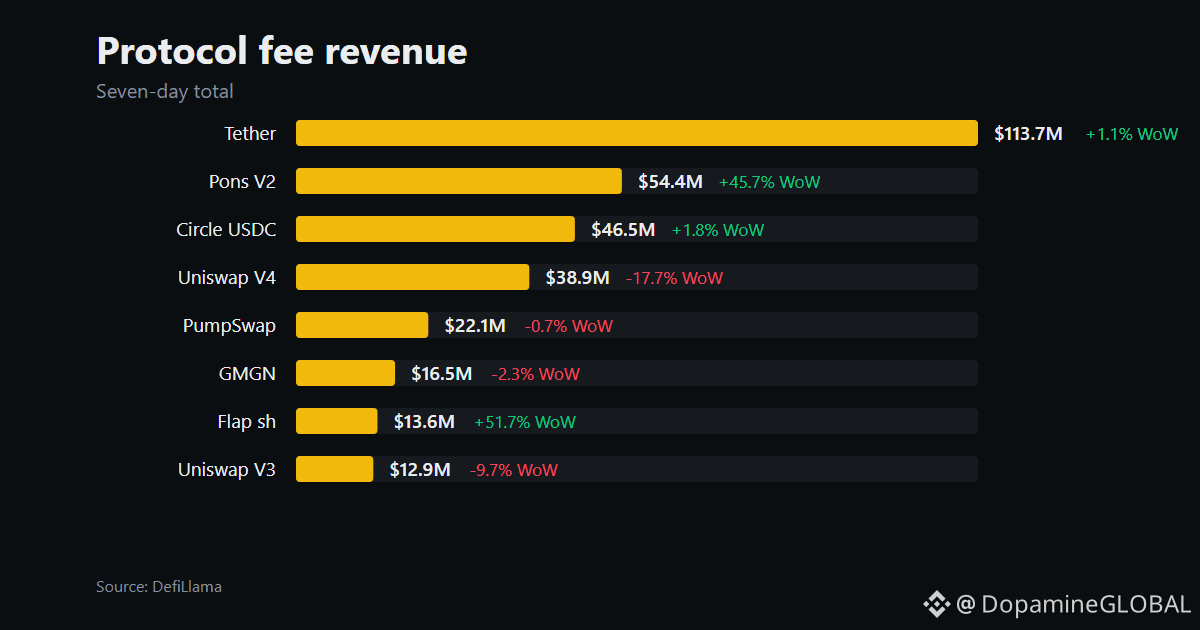
Stablecoin rails are doing more fee work than the biggest DEXs this week. Tether produced $113.75M in seven-day fees, while Circle USDC added $46.51M. Uniswap V4 came in at $38.91M, down 18% week over week.
That gap matters, but don’t read the leaderboard as a trading-volume ranking. It mixes issuer activity with DEX execution fees, so $USDT and $USDC can lead even when the market isn’t seeing a broad surge in speculative trading. The fee chart shows who monetised activity, not where traders’ risk appetite went.
Pons V2 is the outlier in the other direction: $54.36M, up 46%. That’s meaningful growth, but fees alone can’t tell us whether it came from organic usage, incentives, or a change in routing. The full sector reached $606.11M, up 8.89%, with stablecoin-related protocols taking a large share of the visible cash flow.
Fee leadership is real demand for blockspace or settlement, but it isn’t a clean proxy for bullish positioning.
Not financial advice. Do your own research.
#Stablecoins #DeFi #CryptoFees
Stablecoin rails are doing more fee work than the biggest DEXs this week. Tether produced $113.75M in seven-day fees, while Circle USDC added $46.51M. Uniswap V4 came in at $38.91M, down 18% week over week.
That gap matters, but don’t read the leaderboard as a trading-volume ranking. It mixes issuer activity with DEX execution fees, so $USDT and $USDC can lead even when the market isn’t seeing a broad surge in speculative trading. The fee chart shows who monetised activity, not where traders’ risk appetite went.
Pons V2 is the outlier in the other direction: $54.36M, up 46%. That’s meaningful growth, but fees alone can’t tell us whether it came from organic usage, incentives, or a change in routing. The full sector reached $606.11M, up 8.89%, with stablecoin-related protocols taking a large share of the visible cash flow.
Fee leadership is real demand for blockspace or settlement, but it isn’t a clean proxy for bullish positioning.
Not financial advice. Do your own research.
#Stablecoins #DeFi #CryptoFees
That gap matters, but don’t read the leaderboard as a trading-volume ranking. It mixes issuer activity with DEX execution fees, so $USDT and $USDC can lead even when the market isn’t seeing a broad surge in speculative trading. The fee chart shows who monetised activity, not where traders’ risk appetite went.
Pons V2 is the outlier in the other direction: $54.36M, up 46%. That’s meaningful growth, but fees alone can’t tell us whether it came from organic usage, incentives, or a change in routing. The full sector reached $606.11M, up 8.89%, with stablecoin-related protocols taking a large share of the visible cash flow.
Fee leadership is real demand for blockspace or settlement, but it isn’t a clean proxy for bullish positioning.
Not financial advice. Do your own research.
#Stablecoins #DeFi #CryptoFees
1

·
--
ブリッシュ
翻訳参照
On parle beaucoup des stablecoins comme de simples « dollars numériques ». Mais leur prochaine étape pourrait être beaucoup plus importante : devenir une véritable infrastructure de paiement.
Circle vient notamment de renforcer son infrastructure destinée aux paiements en stablecoins, avec l’objectif de mieux gérer le dernier kilomètre entre les transactions on-chain et les paiements réels.
Le vrai enjeu n’est donc plus seulement de créer un stablecoin. C’est de réussir à le connecter efficacement au monde réel.
$BNB $SOL
#Stablecoins #Blockchain
On parle beaucoup des stablecoins comme de simples « dollars numériques ». Mais leur prochaine étape pourrait être beaucoup plus importante : devenir une véritable infrastructure de paiement.
Circle vient notamment de renforcer son infrastructure destinée aux paiements en stablecoins, avec l’objectif de mieux gérer le dernier kilomètre entre les transactions on-chain et les paiements réels.
Le vrai enjeu n’est donc plus seulement de créer un stablecoin. C’est de réussir à le connecter efficacement au monde réel.
$BNB $SOL
#Stablecoins #Blockchain
Circle vient notamment de renforcer son infrastructure destinée aux paiements en stablecoins, avec l’objectif de mieux gérer le dernier kilomètre entre les transactions on-chain et les paiements réels.
Le vrai enjeu n’est donc plus seulement de créer un stablecoin. C’est de réussir à le connecter efficacement au monde réel.
$BNB $SOL
#Stablecoins #Blockchain
1
49

翻訳参照
🚨 $USDT MONEY LAUNDERING TRAIL UNRAVELS AS SINGAPORE AUCTIONS MILLIONS IN SEIZED ASSETS! 🦈
The massive S$3 billion money laundering fallout in Singapore just hit the liquidation stage as authorities kick off auctions for seized millions. 🔍 Behind the scenes, tainted $USDT flows tied to collapsed platforms like Atom Asset Exchange are being scrubbed clean by enforcement officers.
When bad actors route illegal proceeds into stablecoins and cash out into luxury assets, regulators tighten the screws on off-ramps everywhere. 🛡️ Smart money watches these enforcement cycles closely because liquidity channels react instantly when dirty capital gets impounded. 💬 Do you think tighter stablecoin oversight will squeeze retail off-ramps or legitimize market flows? 👇
⚠️ Not financial advice. Always manage your risk. 🛡️
🏷️ #USDT #CryptoNews #Regulations #Stablecoins
🔍 🛡️
🚨 $USDT MONEY LAUNDERING TRAIL UNRAVELS AS SINGAPORE AUCTIONS MILLIONS IN SEIZED ASSETS! 🦈
The massive S$3 billion money laundering fallout in Singapore just hit the liquidation stage as authorities kick off auctions for seized millions. 🔍 Behind the scenes, tainted $USDT flows tied to collapsed platforms like Atom Asset Exchange are being scrubbed clean by enforcement officers.
When bad actors route illegal proceeds into stablecoins and cash out into luxury assets, regulators tighten the screws on off-ramps everywhere. 🛡️ Smart money watches these enforcement cycles closely because liquidity channels react instantly when dirty capital gets impounded. 💬 Do you think tighter stablecoin oversight will squeeze retail off-ramps or legitimize market flows? 👇
⚠️ Not financial advice. Always manage your risk. 🛡️
🏷️ #USDT #CryptoNews #Regulations #Stablecoins
🔍 🛡️
The massive S$3 billion money laundering fallout in Singapore just hit the liquidation stage as authorities kick off auctions for seized millions. 🔍 Behind the scenes, tainted $USDT flows tied to collapsed platforms like Atom Asset Exchange are being scrubbed clean by enforcement officers.
When bad actors route illegal proceeds into stablecoins and cash out into luxury assets, regulators tighten the screws on off-ramps everywhere. 🛡️ Smart money watches these enforcement cycles closely because liquidity channels react instantly when dirty capital gets impounded. 💬 Do you think tighter stablecoin oversight will squeeze retail off-ramps or legitimize market flows? 👇
⚠️ Not financial advice. Always manage your risk. 🛡️
🏷️ #USDT #CryptoNews #Regulations #Stablecoins
🔍 🛡️
9

#usbankcompletescrossborderpaymentpilotonstellar
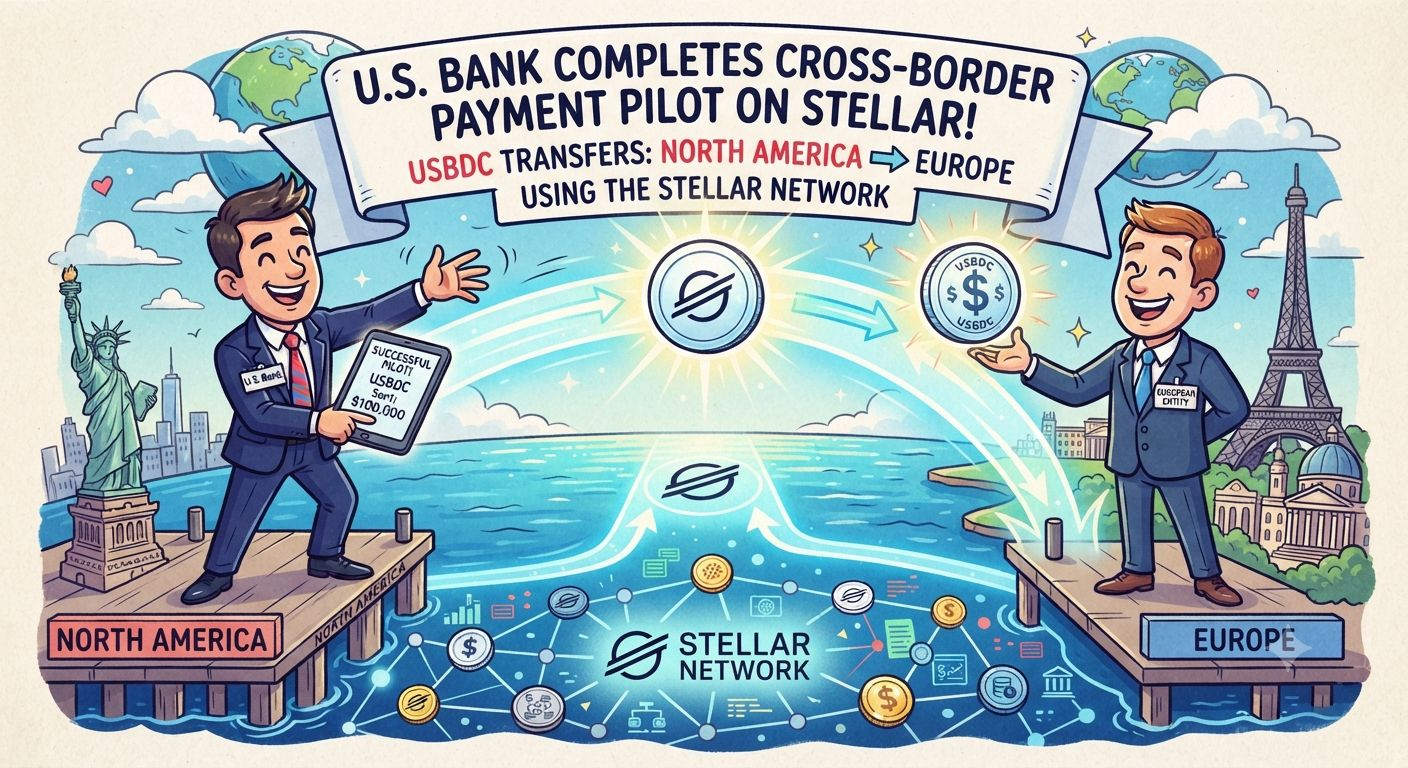
米国銀行(U.S. Bank)は、Stellarを使用して大陸間でデジタル・ドルを移転しました。
9月9日、同行は、北米と欧州にある自社の拠点間で完了した「ライブ決済」パイロットを発表しました。この送金では、同社のドル連動のプライベート・ステーブルコインであるUSBDCを、公開のStellarネットワーク上で使用しました。
このパイロットでは、ミンティング(発行)・リデンプローション(償還)・フリーズ(凍結)・「クラーバック」などの機能も評価しつつ、銀行の既存の財務・リスク・運用システムと接続します。発表では、顧客向けのより幅広い展開に関する日程は示されていませんでした。
私の意見:日常の銀行システムへの統合こそが、このテーマを追う価値のあるものにしています。
決済プロダクトには、信頼できる会計、明確な償還手順、問題を管理するための統制が必要です。これらを一緒にテストすることで、ブロックチェーンによる決済が銀行の日常業務にどのように組み込めるかを判断できます。
次に私が見たい証拠:反復される取引、決済の測定可能な改善、そして顧客の利用へ向けた明確な軌道です。社内の送金が成功すれば起点はできますが、より多くの顧客、より多くの決済フローで運用すると、追加の複雑さが生まれます。
XLMの場合、そのネットワークの役割には取引手数料と最低口座残高が含まれます。私の解釈では、決済の成長はこれらの要件に照らして評価する必要があります。つまり、送金されたドル価値が、そのままXLMへの同等の需要に直接つながるわけではありません。
これをより意味のあるものにするのは何でしょうか。顧客のアクセス、継続的な支払いの取引量、あるいは実証されたコスト削減でしょうか?
#stellar #XLM #Stablecoins
$VTHO
{future}(VTHOUSDT)
$LSK
{future}(LSKUSDT)
$ETH
{future}(ETHUSDT)
#usbankcompletescrossborderpaymentpilotonstellar
米国銀行(U.S. Bank)は、Stellarを使用して大陸間でデジタル・ドルを移転しました。
9月9日、同行は、北米と欧州にある自社の拠点間で完了した「ライブ決済」パイロットを発表しました。この送金では、同社のドル連動のプライベート・ステーブルコインであるUSBDCを、公開のStellarネットワーク上で使用しました。
このパイロットでは、ミンティング(発行)・リデンプローション(償還)・フリーズ(凍結)・「クラーバック」などの機能も評価しつつ、銀行の既存の財務・リスク・運用システムと接続します。発表では、顧客向けのより幅広い展開に関する日程は示されていませんでした。
私の意見:日常の銀行システムへの統合こそが、このテーマを追う価値のあるものにしています。
決済プロダクトには、信頼できる会計、明確な償還手順、問題を管理するための統制が必要です。これらを一緒にテストすることで、ブロックチェーンによる決済が銀行の日常業務にどのように組み込めるかを判断できます。
次に私が見たい証拠:反復される取引、決済の測定可能な改善、そして顧客の利用へ向けた明確な軌道です。社内の送金が成功すれば起点はできますが、より多くの顧客、より多くの決済フローで運用すると、追加の複雑さが生まれます。
XLMの場合、そのネットワークの役割には取引手数料と最低口座残高が含まれます。私の解釈では、決済の成長はこれらの要件に照らして評価する必要があります。つまり、送金されたドル価値が、そのままXLMへの同等の需要に直接つながるわけではありません。
これをより意味のあるものにするのは何でしょうか。顧客のアクセス、継続的な支払いの取引量、あるいは実証されたコスト削減でしょうか?
#stellar #XLM #Stablecoins
$VTHO
$LSK
$ETH
米国銀行(U.S. Bank)は、Stellarを使用して大陸間でデジタル・ドルを移転しました。
9月9日、同行は、北米と欧州にある自社の拠点間で完了した「ライブ決済」パイロットを発表しました。この送金では、同社のドル連動のプライベート・ステーブルコインであるUSBDCを、公開のStellarネットワーク上で使用しました。
このパイロットでは、ミンティング(発行)・リデンプローション(償還)・フリーズ(凍結)・「クラーバック」などの機能も評価しつつ、銀行の既存の財務・リスク・運用システムと接続します。発表では、顧客向けのより幅広い展開に関する日程は示されていませんでした。
私の意見:日常の銀行システムへの統合こそが、このテーマを追う価値のあるものにしています。
決済プロダクトには、信頼できる会計、明確な償還手順、問題を管理するための統制が必要です。これらを一緒にテストすることで、ブロックチェーンによる決済が銀行の日常業務にどのように組み込めるかを判断できます。
次に私が見たい証拠:反復される取引、決済の測定可能な改善、そして顧客の利用へ向けた明確な軌道です。社内の送金が成功すれば起点はできますが、より多くの顧客、より多くの決済フローで運用すると、追加の複雑さが生まれます。
XLMの場合、そのネットワークの役割には取引手数料と最低口座残高が含まれます。私の解釈では、決済の成長はこれらの要件に照らして評価する必要があります。つまり、送金されたドル価値が、そのままXLMへの同等の需要に直接つながるわけではありません。
これをより意味のあるものにするのは何でしょうか。顧客のアクセス、継続的な支払いの取引量、あるいは実証されたコスト削減でしょうか?
#stellar #XLM #Stablecoins
$VTHO
$LSK
$ETH
1
99

·
--
What Stablecoin Reserves Proveステーブルコインの準備金の証拠は、すべての報告が同じことを証明しているかのように語られることがよくあります。しかし、それは違います。
発行体が作成した準備金報告書は、主張される裏付けを説明します。独立した第三者による保証は、指定された主張および基準に関して安心感を提供し得ます。財務諸表の監査は、より広い財務報告の目的を持ちます。準備金の証明は、選択された資産、または保管(カストディ)のアドレスの管理を示すにとどまる場合があります。
各種の証拠には境界があります。
完全な負債が伴わない資産は支払能力(ソルベンシー)を確立しません。月末時点のスナップショットは継続的な保証ではありません。オンチェーンの残高は、銀行預金、国債証券、または法的に強制可能な償還権の所有を独立して証明するものではありません。1対1の裏付けも、流動性、満期、保管、担保設定(エンカンバランス)、および法的請求の優先順位の分析を必要とします。
What Stablecoin Reserves Prove
ステーブルコインの準備金の証拠は、すべての報告が同じことを証明しているかのように語られることがよくあります。しかし、それは違います。
発行体が作成した準備金報告書は、主張される裏付けを説明します。独立した第三者による保証は、指定された主張および基準に関して安心感を提供し得ます。財務諸表の監査は、より広い財務報告の目的を持ちます。準備金の証明は、選択された資産、または保管(カストディ)のアドレスの管理を示すにとどまる場合があります。
各種の証拠には境界があります。
完全な負債が伴わない資産は支払能力(ソルベンシー)を確立しません。月末時点のスナップショットは継続的な保証ではありません。オンチェーンの残高は、銀行預金、国債証券、または法的に強制可能な償還権の所有を独立して証明するものではありません。1対1の裏付けも、流動性、満期、保管、担保設定(エンカンバランス)、および法的請求の優先順位の分析を必要とします。
発行体が作成した準備金報告書は、主張される裏付けを説明します。独立した第三者による保証は、指定された主張および基準に関して安心感を提供し得ます。財務諸表の監査は、より広い財務報告の目的を持ちます。準備金の証明は、選択された資産、または保管(カストディ)のアドレスの管理を示すにとどまる場合があります。
各種の証拠には境界があります。
完全な負債が伴わない資産は支払能力(ソルベンシー)を確立しません。月末時点のスナップショットは継続的な保証ではありません。オンチェーンの残高は、銀行預金、国債証券、または法的に強制可能な償還権の所有を独立して証明するものではありません。1対1の裏付けも、流動性、満期、保管、担保設定(エンカンバランス)、および法的請求の優先順位の分析を必要とします。
68

#usbankcompletescrossborderpaymentpilotonstellar
「US Bank」銀行は「Stellar」を用いて、デジタル資産を大陸間で送金した。
9月9日、同社は北米と欧州の自社関連組織間でのライブ決済実験が完了したと発表した。送金は、同社が発行する自国ドルに裏付けられたステーブルコインである「USBDC」を、パブリックなStellarネットワーク上で用いて行われた。
同社はこの実験で、通貨の発行(ミンティング)と償還(レデンプション)、凍結(フリーズ)、強制回収(クロー バック)の能力を検証し、それらを銀行の既存のファイナンス・リスク管理・運用システムに結び付ける。告知では、より幅広い顧客向けのローンチ日程は示されていない。
私の見解:日常の銀行業務システムとの統合が、このテーマを追う価値を生んでいる。
決済プロダクトには、信頼できる会計と明確な償還手順、そしてトラブル対応のための統制が必要だ。これらの要素を同時にテストすることで、ブロックチェーン決済が銀行内の通常業務に適合し得るかを見極められる。
私が次に見たいのは、取引の反復と、決済における測定可能な改善、そして顧客が利用するための明確な導線だ。成功した社内送金は出発点となるが、より多くの顧客や送金経路に広げていくと、追加の複雑性が生まれる。
続報をお願いします
$NVDAB $BTC #stellar #XLM #Stablecoins
#usbankcompletescrossborderpaymentpilotonstellar
「US Bank」銀行は「Stellar」を用いて、デジタル資産を大陸間で送金した。
9月9日、同社は北米と欧州の自社関連組織間でのライブ決済実験が完了したと発表した。送金は、同社が発行する自国ドルに裏付けられたステーブルコインである「USBDC」を、パブリックなStellarネットワーク上で用いて行われた。
同社はこの実験で、通貨の発行(ミンティング)と償還(レデンプション)、凍結(フリーズ)、強制回収(クロー バック)の能力を検証し、それらを銀行の既存のファイナンス・リスク管理・運用システムに結び付ける。告知では、より幅広い顧客向けのローンチ日程は示されていない。
私の見解:日常の銀行業務システムとの統合が、このテーマを追う価値を生んでいる。
決済プロダクトには、信頼できる会計と明確な償還手順、そしてトラブル対応のための統制が必要だ。これらの要素を同時にテストすることで、ブロックチェーン決済が銀行内の通常業務に適合し得るかを見極められる。
私が次に見たいのは、取引の反復と、決済における測定可能な改善、そして顧客が利用するための明確な導線だ。成功した社内送金は出発点となるが、より多くの顧客や送金経路に広げていくと、追加の複雑性が生まれる。
続報をお願いします
$NVDAB $BTC #stellar #XLM #Stablecoins
「US Bank」銀行は「Stellar」を用いて、デジタル資産を大陸間で送金した。
9月9日、同社は北米と欧州の自社関連組織間でのライブ決済実験が完了したと発表した。送金は、同社が発行する自国ドルに裏付けられたステーブルコインである「USBDC」を、パブリックなStellarネットワーク上で用いて行われた。
同社はこの実験で、通貨の発行(ミンティング)と償還(レデンプション)、凍結(フリーズ)、強制回収(クロー バック)の能力を検証し、それらを銀行の既存のファイナンス・リスク管理・運用システムに結び付ける。告知では、より幅広い顧客向けのローンチ日程は示されていない。
私の見解:日常の銀行業務システムとの統合が、このテーマを追う価値を生んでいる。
決済プロダクトには、信頼できる会計と明確な償還手順、そしてトラブル対応のための統制が必要だ。これらの要素を同時にテストすることで、ブロックチェーン決済が銀行内の通常業務に適合し得るかを見極められる。
私が次に見たいのは、取引の反復と、決済における測定可能な改善、そして顧客が利用するための明確な導線だ。成功した社内送金は出発点となるが、より多くの顧客や送金経路に広げていくと、追加の複雑性が生まれる。
続報をお願いします
$NVDAB $BTC #stellar #XLM #Stablecoins

ABO3ZAM:
هذا التطور يعزز ثقة المؤسسات في شبكة ستيلر ويخلق تمركزاً إيجابياً للزخم على المدى المتوسط. لا تنجرف خلف الأخبار اللحظية، بل راقب تأكيد الارتداد عند مناطق الرفض السعري، والتزم بإدارة المخاطر الصارمة وتأمين الأرباح عند كل قمة جديدة لضمان استدامة المحفظة.
1
1
42

·
--
Circleが4億ドルを投じて、ステーブルコイン決済の現実世界における「ラストワンマイル」を解決!このUSDC発行元は、規制された決済インフラの管理を強化しており、これはステーブルコイン・エコシステムにとって大きな追い風です。決済チャネルがよりスムーズになれば、USDCの利用シーンは大幅に拡大し、従来の決済手段に打撃を与える可能性があります。短期的には、ステーブルコイン分野は上昇局面を迎えるかもしれず、特に$USDCは明確な恩恵を受ける可能性があります。長期的には、これは暗号資産が主流の決済分野へ踏み出す重要な一歩を示しています。#稳定币 #DeFi
Circleがステーブルコイン決済のラストワンマイルを解決するために4億ドルを投じる!$USDCの発行元として、同社は規制された支払いインフラへの支配を強化しています。これはステーブルコイン普及にとって非常に大きな出来事です。決済がよりスムーズになれば、実世界でのユースケースがさらに増えます。$USDC が他のステーブルコインに対して市場シェアを拡大する可能性があります。短期的には、ステーブルコイン分野が上昇するかもしれず、特に$USDCが注目されます。長期的には、これは暗号資産が主流の決済に近づくもう一つの一歩です。#Stablecoins #DeFi
Circleが4億ドルを投じて、ステーブルコイン決済の現実世界における「ラストワンマイル」を解決!このUSDC発行元は、規制された決済インフラの管理を強化しており、これはステーブルコイン・エコシステムにとって大きな追い風です。決済チャネルがよりスムーズになれば、USDCの利用シーンは大幅に拡大し、従来の決済手段に打撃を与える可能性があります。短期的には、ステーブルコイン分野は上昇局面を迎えるかもしれず、特に$USDC は明確な恩恵を受ける可能性があります。長期的には、これは暗号資産が主流の決済分野へ踏み出す重要な一歩を示しています。#稳定币 #DeFi
Circleがステーブルコイン決済のラストワンマイルを解決するために4億ドルを投じる!$USDC の発行元として、同社は規制された支払いインフラへの支配を強化しています。これはステーブルコイン普及にとって非常に大きな出来事です。決済がよりスムーズになれば、実世界でのユースケースがさらに増えます。$USDC が他のステーブルコインに対して市場シェアを拡大する可能性があります。短期的には、ステーブルコイン分野が上昇するかもしれず、特に$USDC が注目されます。長期的には、これは暗号資産が主流の決済に近づくもう一つの一歩です。#Stablecoins #DeFi
Circleがステーブルコイン決済のラストワンマイルを解決するために4億ドルを投じる!$USDC の発行元として、同社は規制された支払いインフラへの支配を強化しています。これはステーブルコイン普及にとって非常に大きな出来事です。決済がよりスムーズになれば、実世界でのユースケースがさらに増えます。$USDC が他のステーブルコインに対して市場シェアを拡大する可能性があります。短期的には、ステーブルコイン分野が上昇するかもしれず、特に$USDC が注目されます。長期的には、これは暗号資産が主流の決済に近づくもう一つの一歩です。#Stablecoins #DeFi
33

·
--
ステーブルコインは、暗号の実験から金融インフラへと静かに線を越えました。
ステーブルコインの話題はいつも時価総額に焦点が当たります。真の物語は決済スピード——そして、取引者の多くが追えていない回廊(コリドー)でそれが加速していることです。
ステーブルコインのレールで決済される越境B2B決済は、2021年のステーブルコイン“強気相場”がウォームアップに見えるほどのペースで伸びています。企業がUSDTやUSDCを使っているのは、暗号に夢中だからではありません。30秒で$0.01の決済ができ、仲介銀行6行が取り分を得る$25の3日間SWIFT送金に勝つからです。
コルレス(対応銀行)モデルは、インターネットがない世界のために作られました。ステーブルコインは、その仕組みのインターネット版です——より速く、より安く、そしてますます規制が整っています。GENIUS法はこの流れを生み出したわけではありません。すでに起きていたことを裏づけただけです。
見落とされがちな点があります。ステーブルコインの決済出来高は今や、特定の回廊においては主要な決済ネットワークの一部に匹敵する水準にあります——とりわけ、アジアからヨーロッパへの貿易決済、ならびにラテンアメリカのドルへのアクセスです。この出来高は取引者から来ているのではありません。現地の銀行アクセスがないため、ドルの流動性を必要とする輸入者、輸出業者、そして中小企業(SME)から来ています。
この資金の流れを取り込むチェーンは、TPSが最も高いところではありません。流動性が最も厚く、コンプライアンスのレールが最も整い、決済リスクが最も低いところです。
時価総額だけでなく、決済量対時価総額の比率を見てください。
$ETH $SOL $BNB
#Stablecoins #CryptoPayments #CrossBorder #DeFi #FinancialInfrastructure
ステーブルコインは、暗号の実験から金融インフラへと静かに線を越えました。
ステーブルコインの話題はいつも時価総額に焦点が当たります。真の物語は決済スピード——そして、取引者の多くが追えていない回廊(コリドー)でそれが加速していることです。
ステーブルコインのレールで決済される越境B2B決済は、2021年のステーブルコイン“強気相場”がウォームアップに見えるほどのペースで伸びています。企業がUSDTやUSDCを使っているのは、暗号に夢中だからではありません。30秒で$0.01の決済ができ、仲介銀行6行が取り分を得る$25の3日間SWIFT送金に勝つからです。
コルレス(対応銀行)モデルは、インターネットがない世界のために作られました。ステーブルコインは、その仕組みのインターネット版です——より速く、より安く、そしてますます規制が整っています。GENIUS法はこの流れを生み出したわけではありません。すでに起きていたことを裏づけただけです。
見落とされがちな点があります。ステーブルコインの決済出来高は今や、特定の回廊においては主要な決済ネットワークの一部に匹敵する水準にあります——とりわけ、アジアからヨーロッパへの貿易決済、ならびにラテンアメリカのドルへのアクセスです。この出来高は取引者から来ているのではありません。現地の銀行アクセスがないため、ドルの流動性を必要とする輸入者、輸出業者、そして中小企業(SME)から来ています。
この資金の流れを取り込むチェーンは、TPSが最も高いところではありません。流動性が最も厚く、コンプライアンスのレールが最も整い、決済リスクが最も低いところです。
時価総額だけでなく、決済量対時価総額の比率を見てください。
$ETH $SOL $BNB
#Stablecoins #CryptoPayments #CrossBorder #DeFi #FinancialInfrastructure
ステーブルコインの話題はいつも時価総額に焦点が当たります。真の物語は決済スピード——そして、取引者の多くが追えていない回廊(コリドー)でそれが加速していることです。
ステーブルコインのレールで決済される越境B2B決済は、2021年のステーブルコイン“強気相場”がウォームアップに見えるほどのペースで伸びています。企業がUSDTやUSDCを使っているのは、暗号に夢中だからではありません。30秒で$0.01の決済ができ、仲介銀行6行が取り分を得る$25の3日間SWIFT送金に勝つからです。
コルレス(対応銀行)モデルは、インターネットがない世界のために作られました。ステーブルコインは、その仕組みのインターネット版です——より速く、より安く、そしてますます規制が整っています。GENIUS法はこの流れを生み出したわけではありません。すでに起きていたことを裏づけただけです。
見落とされがちな点があります。ステーブルコインの決済出来高は今や、特定の回廊においては主要な決済ネットワークの一部に匹敵する水準にあります——とりわけ、アジアからヨーロッパへの貿易決済、ならびにラテンアメリカのドルへのアクセスです。この出来高は取引者から来ているのではありません。現地の銀行アクセスがないため、ドルの流動性を必要とする輸入者、輸出業者、そして中小企業(SME)から来ています。
この資金の流れを取り込むチェーンは、TPSが最も高いところではありません。流動性が最も厚く、コンプライアンスのレールが最も整い、決済リスクが最も低いところです。
時価総額だけでなく、決済量対時価総額の比率を見てください。
$ETH $SOL $BNB
#Stablecoins #CryptoPayments #CrossBorder #DeFi #FinancialInfrastructure
145

🚨 チリのステーブルコインに400万ドル投資:小口にはリスク?
世界最大級のステーブルコイン企業が、地元スタートアップに400万ドルを注入しました。BTCが77,013ドルで取引され、恐怖・貪欲指数(Fear & Greed)が56/100の市場で、サメたちは小口投資家が気づく前にラテンアメリカのエコシステムを支配しようとしています。これは“支配の一手”だと思います。大口勢が価格を決め、チリの人々の流動性を吸い上げる一方で、CMFはほとんど反応していません。あなたはステーブルコインの波に乗りますか?それとも、資金はペソと伝統的な暗号資産のままにしておくほうがいいですか?
#Stablecoins #InversionChile #CMF #FinTech #RegulacionLatam
🚨 チリのステーブルコインに400万ドル投資:小口にはリスク?
世界最大級のステーブルコイン企業が、地元スタートアップに400万ドルを注入しました。BTCが77,013ドルで取引され、恐怖・貪欲指数(Fear & Greed)が56/100の市場で、サメたちは小口投資家が気づく前にラテンアメリカのエコシステムを支配しようとしています。これは“支配の一手”だと思います。大口勢が価格を決め、チリの人々の流動性を吸い上げる一方で、CMFはほとんど反応していません。あなたはステーブルコインの波に乗りますか?それとも、資金はペソと伝統的な暗号資産のままにしておくほうがいいですか?
#Stablecoins #InversionChile #CMF #FinTech #RegulacionLatam
世界最大級のステーブルコイン企業が、地元スタートアップに400万ドルを注入しました。BTCが77,013ドルで取引され、恐怖・貪欲指数(Fear & Greed)が56/100の市場で、サメたちは小口投資家が気づく前にラテンアメリカのエコシステムを支配しようとしています。これは“支配の一手”だと思います。大口勢が価格を決め、チリの人々の流動性を吸い上げる一方で、CMFはほとんど反応していません。あなたはステーブルコインの波に乗りますか?それとも、資金はペソと伝統的な暗号資産のままにしておくほうがいいですか?
#Stablecoins #InversionChile #CMF #FinTech #RegulacionLatam

371

🚨 Circleが4億ドルを投じ、ステーブルコインの末端支払い難題を解決へ 🧠
📊 | $BTC | $ETH | $BNB |
- このページに注目し、いいねしてコメントし、Circleの最新動向に対するご意見を共有してください。 📈
- Circleは約4億ドルを投じ、ステーブルコインが実際の決済で機能するための末端インフラを整備する計画です。
- この取り組みは、規制のかかった決済ネットワークに対するコントロールを強化するとともに、提携銀行に相応のリスクと責任を担わせることを目的としています。
- 自社構築または買収によって決済チャネルを整えることで、Circleは国境をまたぐ送金コストの低減と決済スピードの向上を狙っています。
- 市場はこれまでCircleの資金運用を様子見していましたが、今回の巨額投資はステーブルコイン・エコシステムへの自信の表れだと見られています。 🔥
- Circleが支払いの一連のチェーンを完成させることに成功すれば、ステーブルコインの実使用率が高まる可能性があり、短期的にはUSDC需要が回復するかもしれません。
- しかし、規制当局の審査が強まれば、提携銀行が負担するコンプライアンスコストの上昇が見込まれ、市場がUSDCに対して慎重になる可能性があります。
- 大口(クジラ)が最近USDCの配分、または低位での買い集めの動きを見せており、資金が再配置されていることを示唆しています。ボラティリティ(変動性)は高まる見通しです。
- 短期的には、市場のセンチメントは弱気寄りで、価格には下落圧力がかかりやすく、ボラティリティは上昇すると予想されます。
- Circleの大規模投資は、本当にステーブルコインの末端支払いボトルネックを解消できると思いますか?ぜひ議論しましょう。
- 当社の今後の分析にも引き続き注目し、ご意見をお寄せください。業界のトレンドをともに探りましょう。
#Crypto #Stablecoins #USDC #Whales #Payments
🚨 Circleが4億ドルを投じ、ステーブルコインの末端支払い難題を解決へ 🧠
📊 | $BTC | $ETH | $BNB |
- このページに注目し、いいねしてコメントし、Circleの最新動向に対するご意見を共有してください。 📈
- Circleは約4億ドルを投じ、ステーブルコインが実際の決済で機能するための末端インフラを整備する計画です。
- この取り組みは、規制のかかった決済ネットワークに対するコントロールを強化するとともに、提携銀行に相応のリスクと責任を担わせることを目的としています。
- 自社構築または買収によって決済チャネルを整えることで、Circleは国境をまたぐ送金コストの低減と決済スピードの向上を狙っています。
- 市場はこれまでCircleの資金運用を様子見していましたが、今回の巨額投資はステーブルコイン・エコシステムへの自信の表れだと見られています。 🔥
- Circleが支払いの一連のチェーンを完成させることに成功すれば、ステーブルコインの実使用率が高まる可能性があり、短期的にはUSDC需要が回復するかもしれません。
- しかし、規制当局の審査が強まれば、提携銀行が負担するコンプライアンスコストの上昇が見込まれ、市場がUSDCに対して慎重になる可能性があります。
- 大口(クジラ)が最近USDCの配分、または低位での買い集めの動きを見せており、資金が再配置されていることを示唆しています。ボラティリティ(変動性)は高まる見通しです。
- 短期的には、市場のセンチメントは弱気寄りで、価格には下落圧力がかかりやすく、ボラティリティは上昇すると予想されます。
- Circleの大規模投資は、本当にステーブルコインの末端支払いボトルネックを解消できると思いますか?ぜひ議論しましょう。
- 当社の今後の分析にも引き続き注目し、ご意見をお寄せください。業界のトレンドをともに探りましょう。
#Crypto #Stablecoins #USDC #Whales #Payments
📊 | $BTC | $ETH | $BNB |
- このページに注目し、いいねしてコメントし、Circleの最新動向に対するご意見を共有してください。 📈
- Circleは約4億ドルを投じ、ステーブルコインが実際の決済で機能するための末端インフラを整備する計画です。
- この取り組みは、規制のかかった決済ネットワークに対するコントロールを強化するとともに、提携銀行に相応のリスクと責任を担わせることを目的としています。
- 自社構築または買収によって決済チャネルを整えることで、Circleは国境をまたぐ送金コストの低減と決済スピードの向上を狙っています。
- 市場はこれまでCircleの資金運用を様子見していましたが、今回の巨額投資はステーブルコイン・エコシステムへの自信の表れだと見られています。 🔥
- Circleが支払いの一連のチェーンを完成させることに成功すれば、ステーブルコインの実使用率が高まる可能性があり、短期的にはUSDC需要が回復するかもしれません。
- しかし、規制当局の審査が強まれば、提携銀行が負担するコンプライアンスコストの上昇が見込まれ、市場がUSDCに対して慎重になる可能性があります。
- 大口(クジラ)が最近USDCの配分、または低位での買い集めの動きを見せており、資金が再配置されていることを示唆しています。ボラティリティ(変動性)は高まる見通しです。
- 短期的には、市場のセンチメントは弱気寄りで、価格には下落圧力がかかりやすく、ボラティリティは上昇すると予想されます。
- Circleの大規模投資は、本当にステーブルコインの末端支払いボトルネックを解消できると思いますか?ぜひ議論しましょう。
- 当社の今後の分析にも引き続き注目し、ご意見をお寄せください。業界のトレンドをともに探りましょう。
#Crypto #Stablecoins #USDC #Whales #Payments
27

·
--
🚨 アンカレッジ・デジタルバンクが機関向けに FRGMNT 📈 FUSD ステーブルコインのカストディサービスを提供 🧠
📊 | $BTC | $ETH | $BNB |
-ぜひフォロー、いいね、そしてコメント欄でご意見をお聞かせください。 📈
-アンカレッジ・デジタルバンクは連邦の認可を取得し、機関レベルのカストディサービスを開始しました。
-機関顧客は、自社のカストディ・プラットフォームを通じて Frgmnt の fUSD ステーブルコインを保有、発行(ミント)、償還(リデンプション)、そして担保にすることが可能です。
-今回の取り組みは、機関間における fUSD の流動性と信頼性の向上を目的としています。
-提携は、ステーブルコインが従来の金融システムへさらに浸透していくことを示唆しています。 🔥
-短期的には、市場で売り圧力が高まり、ボラティリティが増す可能性があります。
-クジラ(大口投資家)は、価格調整を捉えるために、資金配分を加速したり、安値圏での積み増しを行うかもしれません。
-機関による fUSD 需要の増加が、ステーブルコイン全体の市場を押し上げると見込まれます。
-ボラティリティが高まれば、短期的にパニック的な売りが発生する恐れもあります。
-機関向けカストディは、fUSD の価格の行方にどのような影響を与えると思いますか?
-引き続きご注目ください。いいね、そしてコメント欄でぜひご意見を共有してください。
#Stablecoins #InstitutionalFinance #Crypto #DeFi #Whales
🚨 アンカレッジ・デジタルバンクが機関向けに FRGMNT 📈 FUSD ステーブルコインのカストディサービスを提供 🧠
📊 | $BTC | $ETH | $BNB |
-ぜひフォロー、いいね、そしてコメント欄でご意見をお聞かせください。 📈
-アンカレッジ・デジタルバンクは連邦の認可を取得し、機関レベルのカストディサービスを開始しました。
-機関顧客は、自社のカストディ・プラットフォームを通じて Frgmnt の fUSD ステーブルコインを保有、発行(ミント)、償還(リデンプション)、そして担保にすることが可能です。
-今回の取り組みは、機関間における fUSD の流動性と信頼性の向上を目的としています。
-提携は、ステーブルコインが従来の金融システムへさらに浸透していくことを示唆しています。 🔥
-短期的には、市場で売り圧力が高まり、ボラティリティが増す可能性があります。
-クジラ(大口投資家)は、価格調整を捉えるために、資金配分を加速したり、安値圏での積み増しを行うかもしれません。
-機関による fUSD 需要の増加が、ステーブルコイン全体の市場を押し上げると見込まれます。
-ボラティリティが高まれば、短期的にパニック的な売りが発生する恐れもあります。
-機関向けカストディは、fUSD の価格の行方にどのような影響を与えると思いますか?
-引き続きご注目ください。いいね、そしてコメント欄でぜひご意見を共有してください。
#Stablecoins #InstitutionalFinance #Crypto #DeFi #Whales
📊 | $BTC | $ETH | $BNB |
-ぜひフォロー、いいね、そしてコメント欄でご意見をお聞かせください。 📈
-アンカレッジ・デジタルバンクは連邦の認可を取得し、機関レベルのカストディサービスを開始しました。
-機関顧客は、自社のカストディ・プラットフォームを通じて Frgmnt の fUSD ステーブルコインを保有、発行(ミント)、償還(リデンプション)、そして担保にすることが可能です。
-今回の取り組みは、機関間における fUSD の流動性と信頼性の向上を目的としています。
-提携は、ステーブルコインが従来の金融システムへさらに浸透していくことを示唆しています。 🔥
-短期的には、市場で売り圧力が高まり、ボラティリティが増す可能性があります。
-クジラ(大口投資家)は、価格調整を捉えるために、資金配分を加速したり、安値圏での積み増しを行うかもしれません。
-機関による fUSD 需要の増加が、ステーブルコイン全体の市場を押し上げると見込まれます。
-ボラティリティが高まれば、短期的にパニック的な売りが発生する恐れもあります。
-機関向けカストディは、fUSD の価格の行方にどのような影響を与えると思いますか?
-引き続きご注目ください。いいね、そしてコメント欄でぜひご意見を共有してください。
#Stablecoins #InstitutionalFinance #Crypto #DeFi #Whales
292

ねえみんな、これは本当に現実世界での普及としてはデカすぎるって 💡 MoneyGramが新しいVisaカードを導入すると発表して、ドルを保有できて、ステーブルコイン残高から直接支払いできるようになります 💳 私たちはいつも「暗号資産が日常の決済へ入っていく」って話をしますけど、送金の大手であるMoneyGramがVisaと組んでステーブルコインを扱うとなると、それはかなり大きいです。
これは、$USDTや$USDC みたいなデジタルドルが、裏側の複雑さに気づかれることなく、世界金融の土台になりつつあることを本当に示しています 🚀 この摩擦がなくなれば、一般のユーザーがコーヒーや食料品の支払いにステーブルコインを毎日使うようになります。暗号資産の使いやすさに向けて大きな一歩!
#Write2Earn #Stablecoins #CryptoAdoption #PayWithCrypto
ねえみんな、これは本当に現実世界での普及としてはデカすぎるって 💡 MoneyGramが新しいVisaカードを導入すると発表して、ドルを保有できて、ステーブルコイン残高から直接支払いできるようになります 💳 私たちはいつも「暗号資産が日常の決済へ入っていく」って話をしますけど、送金の大手であるMoneyGramがVisaと組んでステーブルコインを扱うとなると、それはかなり大きいです。
これは、$USDTや$USDC みたいなデジタルドルが、裏側の複雑さに気づかれることなく、世界金融の土台になりつつあることを本当に示しています 🚀 この摩擦がなくなれば、一般のユーザーがコーヒーや食料品の支払いにステーブルコインを毎日使うようになります。暗号資産の使いやすさに向けて大きな一歩!
#Write2Earn #Stablecoins #CryptoAdoption #PayWithCrypto
これは、$USDTや$USDC みたいなデジタルドルが、裏側の複雑さに気づかれることなく、世界金融の土台になりつつあることを本当に示しています 🚀 この摩擦がなくなれば、一般のユーザーがコーヒーや食料品の支払いにステーブルコインを毎日使うようになります。暗号資産の使いやすさに向けて大きな一歩!
#Write2Earn #Stablecoins #CryptoAdoption #PayWithCrypto

88
速報:MoneyGramがラテンアメリカで大規模な採用の“爆弾”を投下しました。💸
同社はコロンビアで、初のステーブルコイン担保型Visaカードをついにローンチ。フィンテック企業のRainと提携しています。
知っておくべきポイントは以下です:
🚀 MoneyGram初のステーブルコインカード
🇨🇴 まずはコロンビアで提供開始
💳 Visaが対応し、Rainとともに開発
これは、$USDC や$USDTのようなステーブルコインを、日常の実店舗での買い物に取り込むうえで大きな意味があります。LATAM(ラテンアメリカ)での暗号資産の採用状況に注目しておいてください。進み方がとにかく速いです。
#Stablecoins #Visa #Adoption #Write2Earn
速報:MoneyGramがラテンアメリカで大規模な採用の“爆弾”を投下しました。💸
同社はコロンビアで、初のステーブルコイン担保型Visaカードをついにローンチ。フィンテック企業のRainと提携しています。
知っておくべきポイントは以下です:
🚀 MoneyGram初のステーブルコインカード
🇨🇴 まずはコロンビアで提供開始
💳 Visaが対応し、Rainとともに開発
これは、$USDC や$USDTのようなステーブルコインを、日常の実店舗での買い物に取り込むうえで大きな意味があります。LATAM(ラテンアメリカ)での暗号資産の採用状況に注目しておいてください。進み方がとにかく速いです。
#Stablecoins #Visa #Adoption #Write2Earn
同社はコロンビアで、初のステーブルコイン担保型Visaカードをついにローンチ。フィンテック企業のRainと提携しています。
知っておくべきポイントは以下です:
🚀 MoneyGram初のステーブルコインカード
🇨🇴 まずはコロンビアで提供開始
💳 Visaが対応し、Rainとともに開発
これは、$USDC や$USDTのようなステーブルコインを、日常の実店舗での買い物に取り込むうえで大きな意味があります。LATAM(ラテンアメリカ)での暗号資産の採用状況に注目しておいてください。進み方がとにかく速いです。
#Stablecoins #Visa #Adoption #Write2Earn
52
🚨 アンカレッジ・デジタルが機関向けに公開 📈 FRGMNT FUSD ステーブルコイン接続 🧠
📊 | $BTC | $ETH | $BNB |
- 皆さん、このページに注目して、いいねを押し、コメント欄でご意見を共有してください。 📈
- アンカレッジ・デジタルは米国の連邦ライセンスを取得し、そのカストディ(保管)プラットフォームで機関投資家向けに Frgmnt の fUSD ステーブルコインの保有、鋳造(発行)、償還、そしてステーキングのサービス提供を計画しています。
- fUSD は Frgmnt により発行され、米ドルに連動(ペッグ)したデジタル資産を提供し、オンチェーン流動性の向上を目的としています。
- この動きは、新興ステーブルコインに対する機関レベルのアクセス需要が高まっていることを示し、市場での受容性を押し上げる可能性があります。
- このサービスは米国の規制枠組みに沿っており、アンカレッジのコンプライアンス重視のカストディ分野でのリーダー的地位をさらに強固にします。 🔥
- 短期的には、fUSD の供給拡大が市場の売り圧力につながり、価格下落を招く可能性があります。
- なお、センチメントは弱気寄りとみられるため、機関の保有分は配分または低位での買い増しが起きる見込みで、クジラは分配(売却)や安値での買い入れを行うかもしれません。
- 規制がさらに明確にステーブルコインのコンプライアンス導線を示せば、fUSD の需要が回復し、短期的な反発につながる可能性があります。
- 市場のボラティリティが上昇すると、恐慌的な投げ売りが加速し、短期の値動きは依然として弱含みになる恐れがあります。
- 機関による fUSD の接続が、全体のステーブルコイン・エコシステムにどのような影響を与えると思いますか?ぜひご意見をお聞かせください。
- 暗号資産市場のさらなる深掘り分析のためにフォローしてください。コメントでの交流をお待ちしています。
#Crypto #Stablecoins #Whales #Institutional #Market
🚨 アンカレッジ・デジタルが機関向けに公開 📈 FRGMNT FUSD ステーブルコイン接続 🧠
📊 | $BTC | $ETH | $BNB |
- 皆さん、このページに注目して、いいねを押し、コメント欄でご意見を共有してください。 📈
- アンカレッジ・デジタルは米国の連邦ライセンスを取得し、そのカストディ(保管)プラットフォームで機関投資家向けに Frgmnt の fUSD ステーブルコインの保有、鋳造(発行)、償還、そしてステーキングのサービス提供を計画しています。
- fUSD は Frgmnt により発行され、米ドルに連動(ペッグ)したデジタル資産を提供し、オンチェーン流動性の向上を目的としています。
- この動きは、新興ステーブルコインに対する機関レベルのアクセス需要が高まっていることを示し、市場での受容性を押し上げる可能性があります。
- このサービスは米国の規制枠組みに沿っており、アンカレッジのコンプライアンス重視のカストディ分野でのリーダー的地位をさらに強固にします。 🔥
- 短期的には、fUSD の供給拡大が市場の売り圧力につながり、価格下落を招く可能性があります。
- なお、センチメントは弱気寄りとみられるため、機関の保有分は配分または低位での買い増しが起きる見込みで、クジラは分配(売却)や安値での買い入れを行うかもしれません。
- 規制がさらに明確にステーブルコインのコンプライアンス導線を示せば、fUSD の需要が回復し、短期的な反発につながる可能性があります。
- 市場のボラティリティが上昇すると、恐慌的な投げ売りが加速し、短期の値動きは依然として弱含みになる恐れがあります。
- 機関による fUSD の接続が、全体のステーブルコイン・エコシステムにどのような影響を与えると思いますか?ぜひご意見をお聞かせください。
- 暗号資産市場のさらなる深掘り分析のためにフォローしてください。コメントでの交流をお待ちしています。
#Crypto #Stablecoins #Whales #Institutional #Market
📊 | $BTC | $ETH | $BNB |
- 皆さん、このページに注目して、いいねを押し、コメント欄でご意見を共有してください。 📈
- アンカレッジ・デジタルは米国の連邦ライセンスを取得し、そのカストディ(保管)プラットフォームで機関投資家向けに Frgmnt の fUSD ステーブルコインの保有、鋳造(発行)、償還、そしてステーキングのサービス提供を計画しています。
- fUSD は Frgmnt により発行され、米ドルに連動(ペッグ)したデジタル資産を提供し、オンチェーン流動性の向上を目的としています。
- この動きは、新興ステーブルコインに対する機関レベルのアクセス需要が高まっていることを示し、市場での受容性を押し上げる可能性があります。
- このサービスは米国の規制枠組みに沿っており、アンカレッジのコンプライアンス重視のカストディ分野でのリーダー的地位をさらに強固にします。 🔥
- 短期的には、fUSD の供給拡大が市場の売り圧力につながり、価格下落を招く可能性があります。
- なお、センチメントは弱気寄りとみられるため、機関の保有分は配分または低位での買い増しが起きる見込みで、クジラは分配(売却)や安値での買い入れを行うかもしれません。
- 規制がさらに明確にステーブルコインのコンプライアンス導線を示せば、fUSD の需要が回復し、短期的な反発につながる可能性があります。
- 市場のボラティリティが上昇すると、恐慌的な投げ売りが加速し、短期の値動きは依然として弱含みになる恐れがあります。
- 機関による fUSD の接続が、全体のステーブルコイン・エコシステムにどのような影響を与えると思いますか?ぜひご意見をお聞かせください。
- 暗号資産市場のさらなる深掘り分析のためにフォローしてください。コメントでの交流をお待ちしています。
#Crypto #Stablecoins #Whales #Institutional #Market
295
·
--
GENIUS法下におけるステーブルコインの利回りステーブルコインは1ドル近辺にとどまっている一方で、4%、8%、または15%を支払う商品には重大なリスクが伴います。
GENIUS法は、ユーザーがステーブルコインを保有、使用、または保有し続けるだけで、利息や利回りを支払うことができる支払用ステーブルコイン発行者を制限しています。これは、すべての外部の利回り商品がリスクフリーである、または禁止されていることを意味しません。
プラットフォームは預託されたステーブルコインを貸し付けることができます。DeFiプロトコルは借り手からの利息を得られます。流動性プールは取引手数料やインセンティブを分配できます。トークン化されたファンドは国債証券に投資できます。ラッパーは、元のステーブルコインの周りに複数の契約や相手方を追加できます。
GENIUS法下におけるステーブルコインの利回り
ステーブルコインは1ドル近辺にとどまっている一方で、4%、8%、または15%を支払う商品には重大なリスクが伴います。
GENIUS法は、ユーザーがステーブルコインを保有、使用、または保有し続けるだけで、利息や利回りを支払うことができる支払用ステーブルコイン発行者を制限しています。これは、すべての外部の利回り商品がリスクフリーである、または禁止されていることを意味しません。
プラットフォームは預託されたステーブルコインを貸し付けることができます。DeFiプロトコルは借り手からの利息を得られます。流動性プールは取引手数料やインセンティブを分配できます。トークン化されたファンドは国債証券に投資できます。ラッパーは、元のステーブルコインの周りに複数の契約や相手方を追加できます。
GENIUS法は、ユーザーがステーブルコインを保有、使用、または保有し続けるだけで、利息や利回りを支払うことができる支払用ステーブルコイン発行者を制限しています。これは、すべての外部の利回り商品がリスクフリーである、または禁止されていることを意味しません。
プラットフォームは預託されたステーブルコインを貸し付けることができます。DeFiプロトコルは借り手からの利息を得られます。流動性プールは取引手数料やインセンティブを分配できます。トークン化されたファンドは国債証券に投資できます。ラッパーは、元のステーブルコインの周りに複数の契約や相手方を追加できます。
31
·
--
群衆は、銀行発行のステーブルコインこそが大規模採用の鍵だと見ていますが、$ETH の流動性提供者はシステミックリスクの匂いを嗅ぎ取っています。
個人は利便性を求めていますが、プロはレガシーのカストディが検閲を招くことを恐れています。銀行資産は、$BNBのオープンな精神と相容れない、許可制のゲートウェイを使用しています。隠れた退出制約が潜む可能性があるため、償還条件を確認してください。そこにこそ本当の危険があります。
$ETH #crypto #stablecoins #Payments
群衆は、銀行発行のステーブルコインこそが大規模採用の鍵だと見ていますが、$ETH の流動性提供者はシステミックリスクの匂いを嗅ぎ取っています。
個人は利便性を求めていますが、プロはレガシーのカストディが検閲を招くことを恐れています。銀行資産は、$BNB のオープンな精神と相容れない、許可制のゲートウェイを使用しています。隠れた退出制約が潜む可能性があるため、償還条件を確認してください。そこにこそ本当の危険があります。
$ETH #crypto #stablecoins #Payments
個人は利便性を求めていますが、プロはレガシーのカストディが検閲を招くことを恐れています。銀行資産は、$BNB のオープンな精神と相容れない、許可制のゲートウェイを使用しています。隠れた退出制約が潜む可能性があるため、償還条件を確認してください。そこにこそ本当の危険があります。
$ETH #crypto #stablecoins #Payments

85
ログインして、さらにコンテンツを読む
厳選トピックで世界の暗号資産トレーダーの仲間入り
⚡️ 暗号資産に関する最新かつ有益な情報が見つかります。
💬 世界最大の暗号資産取引所から信頼されています。
👍 認証を受けたクリエイターから、有益なインサイトを得られます。
メール / 電話番号
トレンドトピック
1
#ClarityActFacesProceduralVoteSept15
閲覧回数 10,873
227人が討論中
2
#US2YearYieldRisesTo4.61%
閲覧回数 15,602
339人が討論中
3
#US10YearTreasuryYieldNears5%
閲覧回数 8,015
198人が討論中
4
#CryptoLiquidations$674MIn24H
閲覧回数 5,617
65人が討論中
5
#TokenizedStockHoldersUp619.1%
閲覧回数 10,936
229人が討論中
6
#RevolutConfirmsFakeGovEmailDataBreach
閲覧回数 30,042
532人が討論中
7
#CanadaOSFISaysTokenizedDepositsEqualTraditionalDeposits
閲覧回数 1,450
51人が討論中
8
#USBankCompletesCrossBorderPaymentPilotOnStellar
閲覧回数 32,345
736人が討論中
9
#NvidiaInTalksToInvestUpTo$10BInAnthropicIPO
閲覧回数 2,562
62人が討論中
10
#EtherRalliesAsBearishBetsLiquidate
閲覧回数 46,068
923人が討論中