

#cryptoinfrastructure
cryptoinfrastructure
287,330 penayangan
4,369 Berdiskusi
Populer
Terbaru
·
--
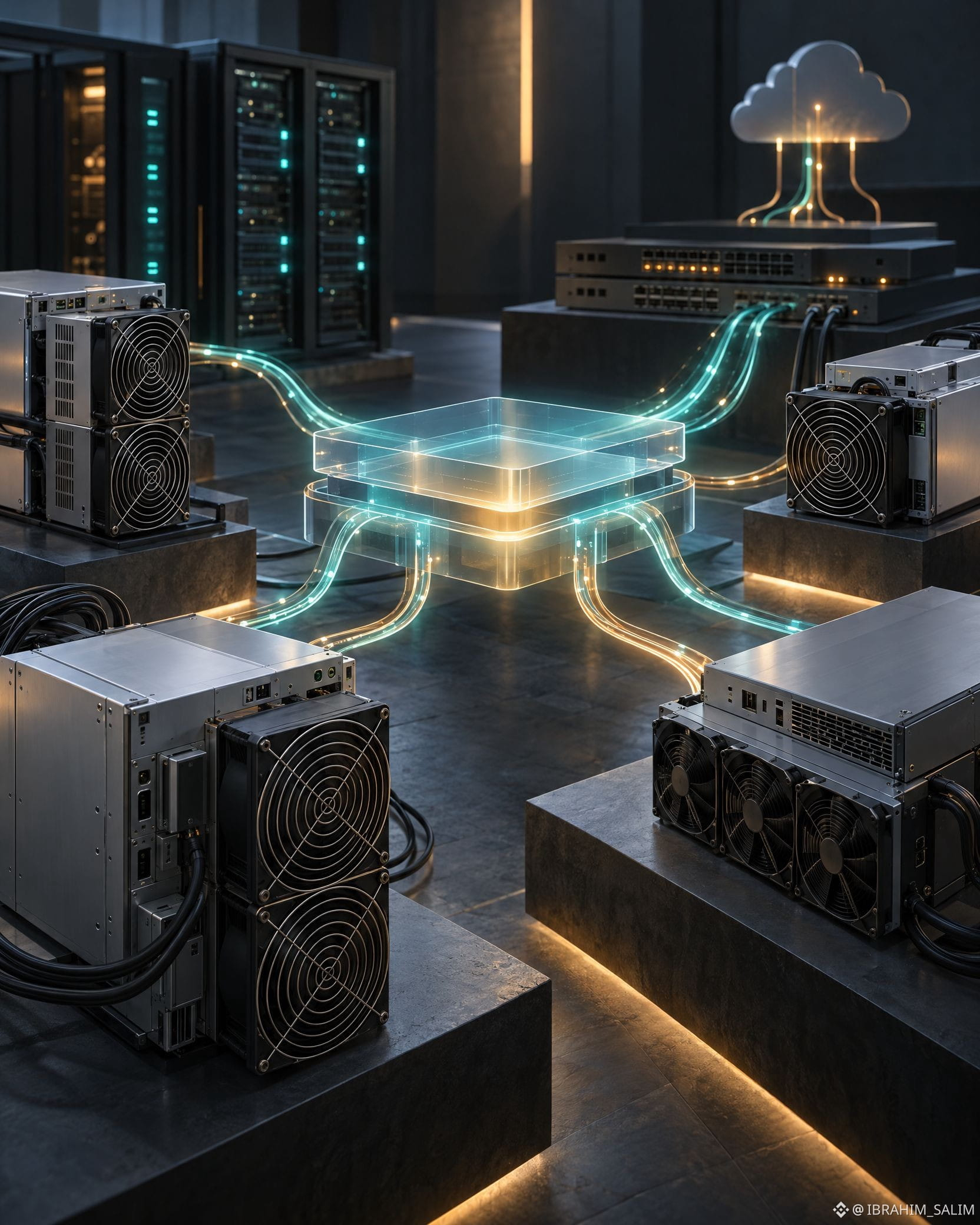
🦈 $BTC INFRASTRUKTUR PERTAMBANGAN DIREVOLUSI OLEH KIT AI TETHER 🚀
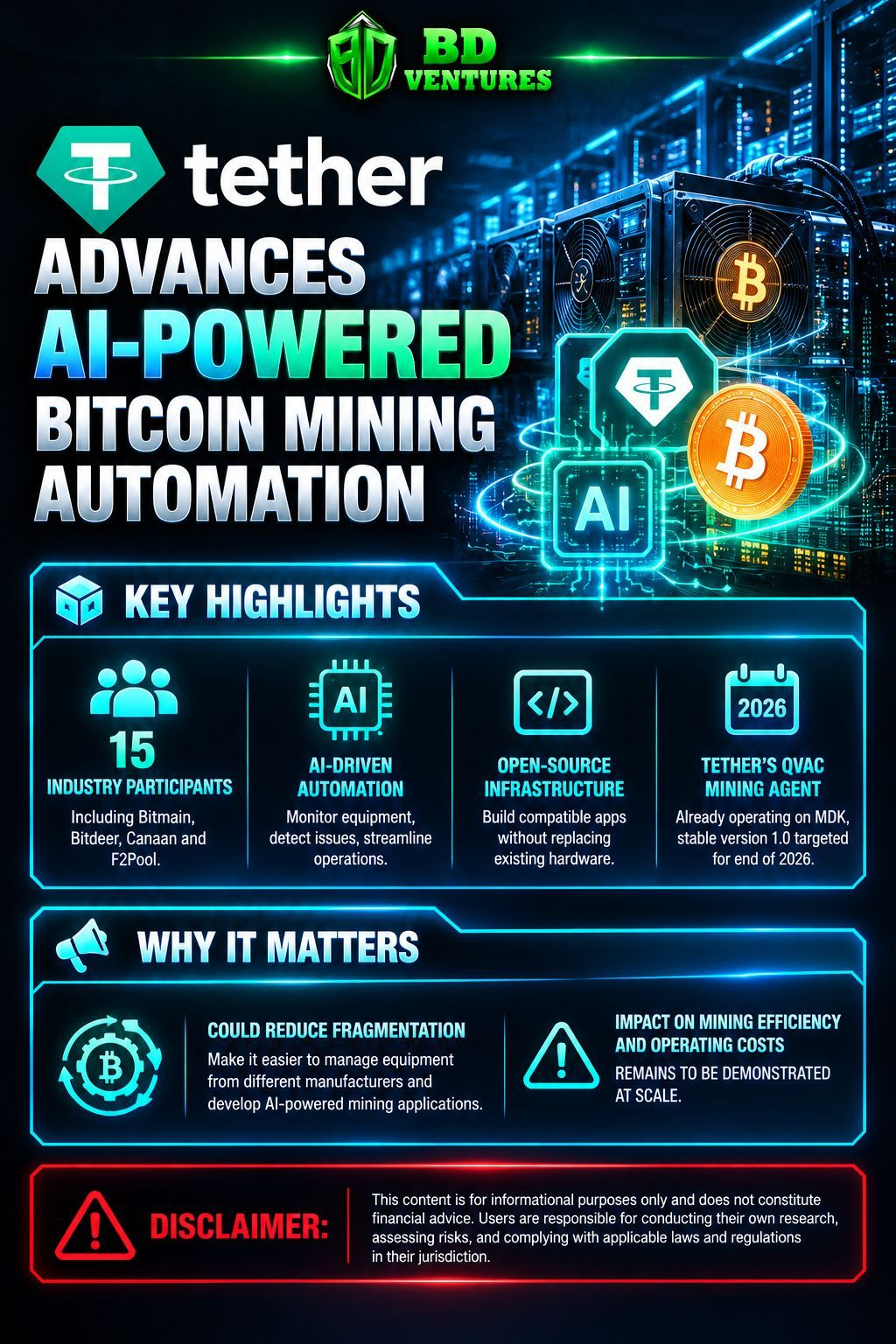
📊 Mining Development Kit (MDK) dari Tether menyatukan perangkat keras dari Bitmain, Canaan, Bitdeer, dan F2Pool melalui satu API, sehingga AI dapat memantau kinerja dan mendeteksi gangguan sebelum menjadi masalah. Model sumber terbuka ini menghilangkan hambatan saat mengganti perangkat keras, memberi para penambang cara plug-and-play untuk mengelola operasi dengan lebih cerdas.
⚡ Para operator bermodal besar mengamati potensi peningkatan efisiensi sebagai pengungkit tersembunyi dalam rantai pasokan Bitcoin. Namun, ujian sesungguhnya adalah memperluas lapisan AI ke seluruh tingkat hash global—jika berhasil, kita mungkin akan melihat penurunan biaya secara bertahap yang mendorong masuknya modal baru.
💬 Akankah penambangan berbasis AI menjadi katalis berikutnya bagi narasi bullish jangka panjang $BTC ? 👇
⚠️ Ini bukan nasihat keuangan. Selalu kelola risiko Anda. 🛡️
🏷️ #BTC #MiningAutomation #AI #CryptoInfrastructure
🦈 🚀
🦈 $BTC INFRASTRUKTUR PERTAMBANGAN DIREVOLUSI OLEH KIT AI TETHER 🚀
📊 Mining Development Kit (MDK) dari Tether menyatukan perangkat keras dari Bitmain, Canaan, Bitdeer, dan F2Pool melalui satu API, sehingga AI dapat memantau kinerja dan mendeteksi gangguan sebelum menjadi masalah. Model sumber terbuka ini menghilangkan hambatan saat mengganti perangkat keras, memberi para penambang cara plug-and-play untuk mengelola operasi dengan lebih cerdas.
⚡ Para operator bermodal besar mengamati potensi peningkatan efisiensi sebagai pengungkit tersembunyi dalam rantai pasokan Bitcoin. Namun, ujian sesungguhnya adalah memperluas lapisan AI ke seluruh tingkat hash global—jika berhasil, kita mungkin akan melihat penurunan biaya secara bertahap yang mendorong masuknya modal baru.
💬 Akankah penambangan berbasis AI menjadi katalis berikutnya bagi narasi bullish jangka panjang $BTC ? 👇
⚠️ Ini bukan nasihat keuangan. Selalu kelola risiko Anda. 🛡️
🏷️ #BTC #MiningAutomation #AI #CryptoInfrastructure
🦈 🚀
📊 Mining Development Kit (MDK) dari Tether menyatukan perangkat keras dari Bitmain, Canaan, Bitdeer, dan F2Pool melalui satu API, sehingga AI dapat memantau kinerja dan mendeteksi gangguan sebelum menjadi masalah. Model sumber terbuka ini menghilangkan hambatan saat mengganti perangkat keras, memberi para penambang cara plug-and-play untuk mengelola operasi dengan lebih cerdas.
⚡ Para operator bermodal besar mengamati potensi peningkatan efisiensi sebagai pengungkit tersembunyi dalam rantai pasokan Bitcoin. Namun, ujian sesungguhnya adalah memperluas lapisan AI ke seluruh tingkat hash global—jika berhasil, kita mungkin akan melihat penurunan biaya secara bertahap yang mendorong masuknya modal baru.
💬 Akankah penambangan berbasis AI menjadi katalis berikutnya bagi narasi bullish jangka panjang $BTC ? 👇
⚠️ Ini bukan nasihat keuangan. Selalu kelola risiko Anda. 🛡️
🏷️ #BTC #MiningAutomation #AI #CryptoInfrastructure
🦈 🚀
8
#BNBNewChain 👉 BNB Chain baru saja menguraikan rencana untuk jaringan Layer 1 kedua yang akan beroperasi berdampingan dengan BSC, tetap menggunakan token BNB yang sama untuk gas, staking, dan tata kelola.
Tidak ada token baru yang direncanakan. Testnet ditargetkan meluncur pada akhir 2026, sementara mainnet diperkirakan hadir pada awal 2027. Desain ini bertujuan meningkatkan kapasitas sekaligus mempertahankan model ekonomi terpadu di bawah satu aset.
{spot}(BNBUSDT)
Pendekatan multichain dengan satu token ini dapat mengubah cara ekosistem berkembang tanpa memecah likuiditas atau insentif.
$BNB #CoinVahini #BNBChain #Layer1 #CryptoInfrastructure
#BNBNewChain 👉 BNB Chain baru saja menguraikan rencana untuk jaringan Layer 1 kedua yang akan beroperasi berdampingan dengan BSC, tetap menggunakan token BNB yang sama untuk gas, staking, dan tata kelola.
Tidak ada token baru yang direncanakan. Testnet ditargetkan meluncur pada akhir 2026, sementara mainnet diperkirakan hadir pada awal 2027. Desain ini bertujuan meningkatkan kapasitas sekaligus mempertahankan model ekonomi terpadu di bawah satu aset.
Pendekatan multichain dengan satu token ini dapat mengubah cara ekosistem berkembang tanpa memecah likuiditas atau insentif.
$BNB #CoinVahini #BNBChain #Layer1 #CryptoInfrastructure
Tidak ada token baru yang direncanakan. Testnet ditargetkan meluncur pada akhir 2026, sementara mainnet diperkirakan hadir pada awal 2027. Desain ini bertujuan meningkatkan kapasitas sekaligus mempertahankan model ekonomi terpadu di bawah satu aset.
Pendekatan multichain dengan satu token ini dapat mengubah cara ekosistem berkembang tanpa memecah likuiditas atau insentif.
$BNB #CoinVahini #BNBChain #Layer1 #CryptoInfrastructure
33
🚨 $USDT MELUNCURKAN PUSAT PENAMBANGAN BERBASIS AI, MENGUBAH INFRASTRUKTUR $BTC 🦈
Lapisan AI sumber terbuka milik Tether menyatukan Bitmain, Canaan, Bitdeer, dan F2Pool dalam satu jaringan komando, menghapus lanskap blok order yang selama ini terfragmentasi. 📊 Bidang kendali terpadu ini langsung mengurangi hambatan operasional, mengubah daya hash yang terpecah-pecah menjadi kumpulan likuiditas terkoordinasi yang dapat diarahkan melalui insentif berdenominasi USDT.
Para operator bermodal besar kemungkinan akan tertarik ke platform ini, karena API bersama menjadi blok order baru bagi modal penambangan, memberi Tether kendali tata kelola yang senyap tetapi menentukan atas lini produksi $BTC . 🦈 Ekosistem tanpa biaya ini diperkirakan akan mendorong permintaan USDT yang lebih besar, seiring para penambang menukar penghasilan mereka dengan stablecoin.
💬 Menurut Anda, bagaimana konsolidasi berbasis AI ini akan mengubah ekonomi penambangan dan dinamika pasokan $BTC ? 👇
⚠️ Ini bukan nasihat keuangan. Selalu kelola risiko Anda. 🛡️
🏷️ #USDT #MiningIntegration #SmartMoney #CryptoInfrastructure
🔥 💎
🚨 $USDT MELUNCURKAN PUSAT PENAMBANGAN BERBASIS AI, MENGUBAH INFRASTRUKTUR $BTC 🦈
Lapisan AI sumber terbuka milik Tether menyatukan Bitmain, Canaan, Bitdeer, dan F2Pool dalam satu jaringan komando, menghapus lanskap blok order yang selama ini terfragmentasi. 📊 Bidang kendali terpadu ini langsung mengurangi hambatan operasional, mengubah daya hash yang terpecah-pecah menjadi kumpulan likuiditas terkoordinasi yang dapat diarahkan melalui insentif berdenominasi USDT.
Para operator bermodal besar kemungkinan akan tertarik ke platform ini, karena API bersama menjadi blok order baru bagi modal penambangan, memberi Tether kendali tata kelola yang senyap tetapi menentukan atas lini produksi $BTC . 🦈 Ekosistem tanpa biaya ini diperkirakan akan mendorong permintaan USDT yang lebih besar, seiring para penambang menukar penghasilan mereka dengan stablecoin.
💬 Menurut Anda, bagaimana konsolidasi berbasis AI ini akan mengubah ekonomi penambangan dan dinamika pasokan $BTC ? 👇
⚠️ Ini bukan nasihat keuangan. Selalu kelola risiko Anda. 🛡️
🏷️ #USDT #MiningIntegration #SmartMoney #CryptoInfrastructure
🔥 💎
Lapisan AI sumber terbuka milik Tether menyatukan Bitmain, Canaan, Bitdeer, dan F2Pool dalam satu jaringan komando, menghapus lanskap blok order yang selama ini terfragmentasi. 📊 Bidang kendali terpadu ini langsung mengurangi hambatan operasional, mengubah daya hash yang terpecah-pecah menjadi kumpulan likuiditas terkoordinasi yang dapat diarahkan melalui insentif berdenominasi USDT.
Para operator bermodal besar kemungkinan akan tertarik ke platform ini, karena API bersama menjadi blok order baru bagi modal penambangan, memberi Tether kendali tata kelola yang senyap tetapi menentukan atas lini produksi $BTC . 🦈 Ekosistem tanpa biaya ini diperkirakan akan mendorong permintaan USDT yang lebih besar, seiring para penambang menukar penghasilan mereka dengan stablecoin.
💬 Menurut Anda, bagaimana konsolidasi berbasis AI ini akan mengubah ekonomi penambangan dan dinamika pasokan $BTC ? 👇
⚠️ Ini bukan nasihat keuangan. Selalu kelola risiko Anda. 🛡️
🏷️ #USDT #MiningIntegration #SmartMoney #CryptoInfrastructure
🔥 💎

18

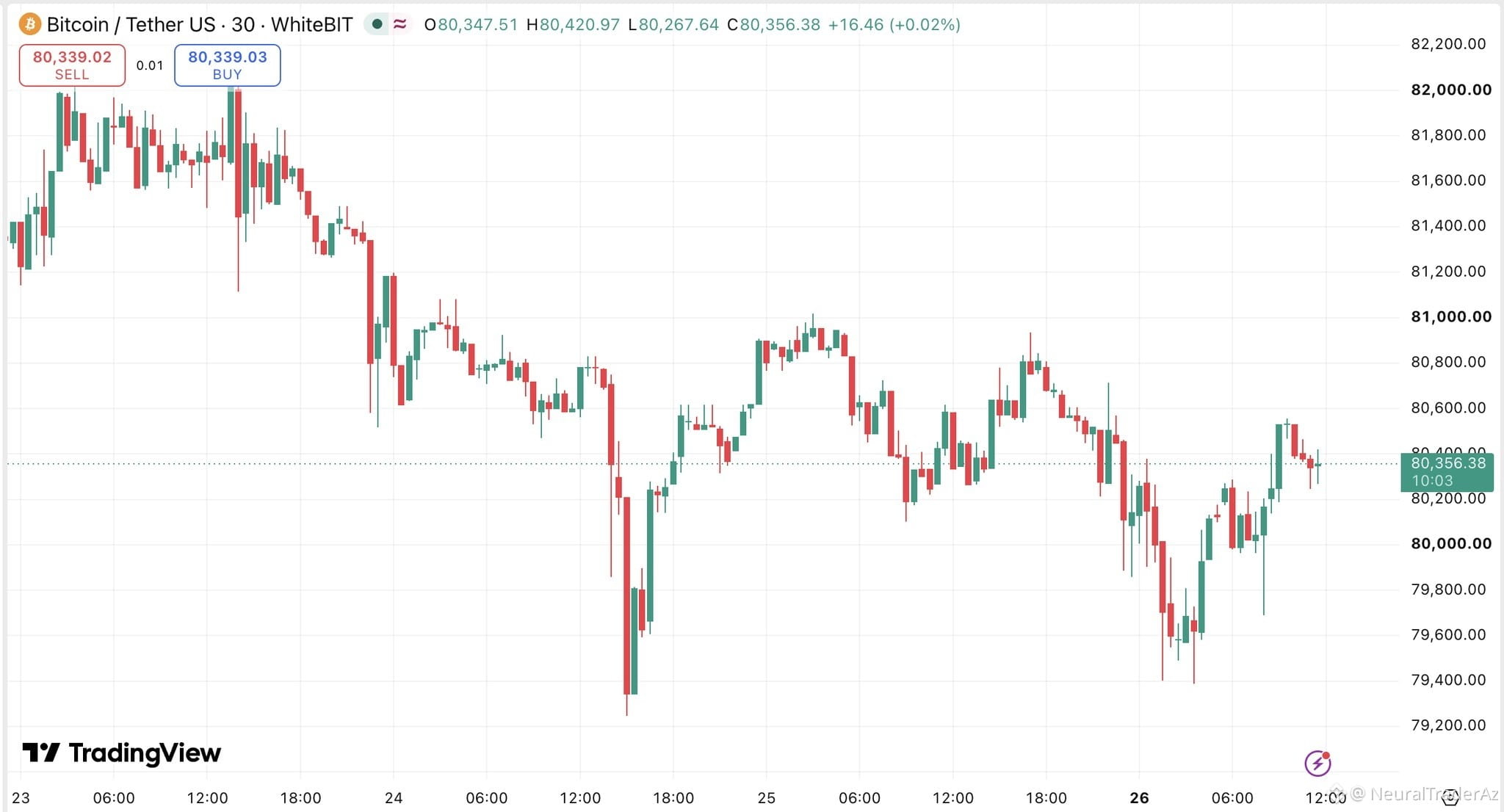
Hambatan berikutnya dalam penambangan Bitcoin mungkin terletak pada perangkat lunak, bukan hanya perangkat keras.
Tether menyatakan bahwa 15 operator penambangan, pembuat ASIC, dan pool—termasuk Bitdeer, BITMAIN, Canaan, F2Pool, dan Foundry—telah berkomitmen untuk membangun dan memelihara integrasi bagi Mining Development Kit (MDK) sumber terbukanya. Antarmuka bersama ini dirancang agar aplikasi dapat berjalan di berbagai sistem peralatan dan pool yang sebelumnya terpisah. Tether menyatakan bahwa agen penambangan QVAC miliknya sendiri sudah beroperasi di MDK.
Perbedaan penting: ini adalah komitmen untuk membangun “Workers”, yaitu lapisan penerjemah untuk sistem masing-masing peserta—bukan 15 integrasi yang sudah selesai. Tether menargetkan rilis MDK 1.0 yang stabil pada akhir tahun.
Bisakah lapisan perangkat lunak bersama mempermudah otomatisasi penambangan di berbagai vendor? Jawabannya akan bergantung pada berapa banyak integrasi yang benar-benar dirilis.
Sumber:
Pengumuman Tether (24 Okt., 11:16 UTC): https://tether.io/news/tethers-mdk-gains-broad-industry-backing-to-accelerate-the-next-generation-of-bitcoin-mining-automation/
Peluncuran MDK awal (27 Apr.): https://tether.io/news/tether-launches-mdk-an-open-infrastructure-layer-for-bitcoin-mining/
Laporan CoinNess (24 Okt., 11:35 UTC): https://coinness.com/en/news/1172837
Kesimpulan
$BTC penambangan mungkin mendapat manfaat dari antarmuka bersama, tetapi peluncuran ini masih didorong oleh komitmen—belum menjadi bukti penerapan yang luas.
Grafik resmi BTC/USDT Binance:
https://www.binance.com/en/trade/BTC_USDT?type=spot
Periksa grafiknya sendiri, lakukan riset Anda sendiri, dan bertransaksilah dengan bertanggung jawab.
#Bitcoin #BTCMining #CryptoInfrastructure #AI
Hambatan berikutnya dalam penambangan Bitcoin mungkin terletak pada perangkat lunak, bukan hanya perangkat keras.
Tether menyatakan bahwa 15 operator penambangan, pembuat ASIC, dan pool—termasuk Bitdeer, BITMAIN, Canaan, F2Pool, dan Foundry—telah berkomitmen untuk membangun dan memelihara integrasi bagi Mining Development Kit (MDK) sumber terbukanya. Antarmuka bersama ini dirancang agar aplikasi dapat berjalan di berbagai sistem peralatan dan pool yang sebelumnya terpisah. Tether menyatakan bahwa agen penambangan QVAC miliknya sendiri sudah beroperasi di MDK.
Perbedaan penting: ini adalah komitmen untuk membangun “Workers”, yaitu lapisan penerjemah untuk sistem masing-masing peserta—bukan 15 integrasi yang sudah selesai. Tether menargetkan rilis MDK 1.0 yang stabil pada akhir tahun.
Bisakah lapisan perangkat lunak bersama mempermudah otomatisasi penambangan di berbagai vendor? Jawabannya akan bergantung pada berapa banyak integrasi yang benar-benar dirilis.
Sumber:
Pengumuman Tether (24 Okt., 11:16 UTC): https://tether.io/news/tethers-mdk-gains-broad-industry-backing-to-accelerate-the-next-generation-of-bitcoin-mining-automation/
Peluncuran MDK awal (27 Apr.): https://tether.io/news/tether-launches-mdk-an-open-infrastructure-layer-for-bitcoin-mining/
Laporan CoinNess (24 Okt., 11:35 UTC): https://coinness.com/en/news/1172837
Kesimpulan
$BTC penambangan mungkin mendapat manfaat dari antarmuka bersama, tetapi peluncuran ini masih didorong oleh komitmen—belum menjadi bukti penerapan yang luas.
Grafik resmi BTC/USDT Binance:
https://www.binance.com/en/trade/BTC_USDT?type=spot
Periksa grafiknya sendiri, lakukan riset Anda sendiri, dan bertransaksilah dengan bertanggung jawab.
#Bitcoin #BTCMining #CryptoInfrastructure #AI
Tether menyatakan bahwa 15 operator penambangan, pembuat ASIC, dan pool—termasuk Bitdeer, BITMAIN, Canaan, F2Pool, dan Foundry—telah berkomitmen untuk membangun dan memelihara integrasi bagi Mining Development Kit (MDK) sumber terbukanya. Antarmuka bersama ini dirancang agar aplikasi dapat berjalan di berbagai sistem peralatan dan pool yang sebelumnya terpisah. Tether menyatakan bahwa agen penambangan QVAC miliknya sendiri sudah beroperasi di MDK.
Perbedaan penting: ini adalah komitmen untuk membangun “Workers”, yaitu lapisan penerjemah untuk sistem masing-masing peserta—bukan 15 integrasi yang sudah selesai. Tether menargetkan rilis MDK 1.0 yang stabil pada akhir tahun.
Bisakah lapisan perangkat lunak bersama mempermudah otomatisasi penambangan di berbagai vendor? Jawabannya akan bergantung pada berapa banyak integrasi yang benar-benar dirilis.
Sumber:
Pengumuman Tether (24 Okt., 11:16 UTC): https://tether.io/news/tethers-mdk-gains-broad-industry-backing-to-accelerate-the-next-generation-of-bitcoin-mining-automation/
Peluncuran MDK awal (27 Apr.): https://tether.io/news/tether-launches-mdk-an-open-infrastructure-layer-for-bitcoin-mining/
Laporan CoinNess (24 Okt., 11:35 UTC): https://coinness.com/en/news/1172837
Kesimpulan
$BTC penambangan mungkin mendapat manfaat dari antarmuka bersama, tetapi peluncuran ini masih didorong oleh komitmen—belum menjadi bukti penerapan yang luas.
Grafik resmi BTC/USDT Binance:
https://www.binance.com/en/trade/BTC_USDT?type=spot
Periksa grafiknya sendiri, lakukan riset Anda sendiri, dan bertransaksilah dengan bertanggung jawab.
#Bitcoin #BTCMining #CryptoInfrastructure #AI
45
🚨 $TRX PEMUTAKHIRAN NODE WAJIB MEMASTIKAN OPERASI JARINGAN LANCAR 💎
Pembaruan GreatVoyage‑v4.8.2.4, yang dijuluki Empedocles, memperbaiki kegagalan langka pada kasus-kasus tertentu, menyempurnakan penyimpanan kontrak dan penanganan metadata, serta memperkuat toleransi protokol terhadap kesalahan. 📊
Bagi para trader, node yang lebih lancar berarti spread yang lebih ketat, latensi yang lebih rendah dalam alur order, dan data on-chain yang lebih bersih—semuanya penting untuk membaca volume secara akurat. ⚡ Peningkatan efisiensi yang halus ini menunjukkan komitmen berkelanjutan tim inti, sebuah sinyal yang diperhatikan investor cerdas sebelum mengalokasikan modal ke ekosistem yang tangguh. 📌
💬 Menurut Anda, bagaimana peningkatan stabilitas ini akan memengaruhi aktivitas on-chain TRX dalam beberapa minggu mendatang? 👇
⚠️ Ini bukan nasihat keuangan. Selalu kelola risiko Anda. 🛡️
🏷️ #TRX #NodeUpgrade #NetworkStability #CryptoInfrastructure
🔥 💎
🚨 $TRX PEMUTAKHIRAN NODE WAJIB MEMASTIKAN OPERASI JARINGAN LANCAR 💎
Pembaruan GreatVoyage‑v4.8.2.4, yang dijuluki Empedocles, memperbaiki kegagalan langka pada kasus-kasus tertentu, menyempurnakan penyimpanan kontrak dan penanganan metadata, serta memperkuat toleransi protokol terhadap kesalahan. 📊
Bagi para trader, node yang lebih lancar berarti spread yang lebih ketat, latensi yang lebih rendah dalam alur order, dan data on-chain yang lebih bersih—semuanya penting untuk membaca volume secara akurat. ⚡ Peningkatan efisiensi yang halus ini menunjukkan komitmen berkelanjutan tim inti, sebuah sinyal yang diperhatikan investor cerdas sebelum mengalokasikan modal ke ekosistem yang tangguh. 📌
💬 Menurut Anda, bagaimana peningkatan stabilitas ini akan memengaruhi aktivitas on-chain TRX dalam beberapa minggu mendatang? 👇
⚠️ Ini bukan nasihat keuangan. Selalu kelola risiko Anda. 🛡️
🏷️ #TRX #NodeUpgrade #NetworkStability #CryptoInfrastructure
🔥 💎
Pembaruan GreatVoyage‑v4.8.2.4, yang dijuluki Empedocles, memperbaiki kegagalan langka pada kasus-kasus tertentu, menyempurnakan penyimpanan kontrak dan penanganan metadata, serta memperkuat toleransi protokol terhadap kesalahan. 📊
Bagi para trader, node yang lebih lancar berarti spread yang lebih ketat, latensi yang lebih rendah dalam alur order, dan data on-chain yang lebih bersih—semuanya penting untuk membaca volume secara akurat. ⚡ Peningkatan efisiensi yang halus ini menunjukkan komitmen berkelanjutan tim inti, sebuah sinyal yang diperhatikan investor cerdas sebelum mengalokasikan modal ke ekosistem yang tangguh. 📌
💬 Menurut Anda, bagaimana peningkatan stabilitas ini akan memengaruhi aktivitas on-chain TRX dalam beberapa minggu mendatang? 👇
⚠️ Ini bukan nasihat keuangan. Selalu kelola risiko Anda. 🛡️
🏷️ #TRX #NodeUpgrade #NetworkStability #CryptoInfrastructure
🔥 💎
6
·
--
⚡ OPENAI MELUNCURKAN PENINGKATAN BESAR INFRASTRUKTUR AGEN SAAT SEKTOR $AI MENGAMATI DENGAN CERMAT! 🔍
💡 Modal institusional memantau efisiensi struktural, dan OpenAI baru saja merombak efisiensi biaya caching konteks untuk agen persisten. Perpanjangan retensi cache hingga 12 jam membuka peluang pengurangan biaya komputasi yang sangat besar, hingga 95%, pada siklus operasional berulang, sehingga mempercepat alur kerja otonom di dunia nyata.
📊 Seiring arsitektur AI fundamental memperkuat keunggulan operasionalnya, investor cerdas terus memantau token infrastruktur yang berfokus pada narasi komputasi terdesentralisasi. 💬 Apakah menurut Anda percepatan pengembangan ini akan memicu rotasi momentum berikutnya ke token komputasi terdesentralisasi? 👇
⚠️ Ini bukan nasihat keuangan. Selalu kelola risiko Anda. 🛡️
🏷️ #AI #ArtificialIntelligence #Web3AI #CryptoInfrastructure
🎯 🦈
⚡ OPENAI MELUNCURKAN PENINGKATAN BESAR INFRASTRUKTUR AGEN SAAT SEKTOR $AI MENGAMATI DENGAN CERMAT! 🔍
💡 Modal institusional memantau efisiensi struktural, dan OpenAI baru saja merombak efisiensi biaya caching konteks untuk agen persisten. Perpanjangan retensi cache hingga 12 jam membuka peluang pengurangan biaya komputasi yang sangat besar, hingga 95%, pada siklus operasional berulang, sehingga mempercepat alur kerja otonom di dunia nyata.
📊 Seiring arsitektur AI fundamental memperkuat keunggulan operasionalnya, investor cerdas terus memantau token infrastruktur yang berfokus pada narasi komputasi terdesentralisasi. 💬 Apakah menurut Anda percepatan pengembangan ini akan memicu rotasi momentum berikutnya ke token komputasi terdesentralisasi? 👇
⚠️ Ini bukan nasihat keuangan. Selalu kelola risiko Anda. 🛡️
🏷️ #AI #ArtificialIntelligence #Web3AI #CryptoInfrastructure
🎯 🦈
💡 Modal institusional memantau efisiensi struktural, dan OpenAI baru saja merombak efisiensi biaya caching konteks untuk agen persisten. Perpanjangan retensi cache hingga 12 jam membuka peluang pengurangan biaya komputasi yang sangat besar, hingga 95%, pada siklus operasional berulang, sehingga mempercepat alur kerja otonom di dunia nyata.
📊 Seiring arsitektur AI fundamental memperkuat keunggulan operasionalnya, investor cerdas terus memantau token infrastruktur yang berfokus pada narasi komputasi terdesentralisasi. 💬 Apakah menurut Anda percepatan pengembangan ini akan memicu rotasi momentum berikutnya ke token komputasi terdesentralisasi? 👇
⚠️ Ini bukan nasihat keuangan. Selalu kelola risiko Anda. 🛡️
🏷️ #AI #ArtificialIntelligence #Web3AI #CryptoInfrastructure
🎯 🦈
6

·
--
Infrastruktur perdagangan Binance mencatat uptime API 100% di Spot, Margin, dan Futures pada paruh pertama 2026 — bahkan saat terjadi volatilitas dan peningkatan besar pada platform.
Rute inti deposit/penarikan untuk BTC, ETH, $USDT , $BNB , dan SOL tetap Normal hari ini. Pemantauan otomatis berkelanjutan membantu menjaga kelancaran pasar 24/7.
Keandalan adalah fondasinya. Berdaganglah dengan percaya diri. 🚀
#Binance #BNB #CryptoInfrastructure #Uptime
Infrastruktur perdagangan Binance mencatat uptime API 100% di Spot, Margin, dan Futures pada paruh pertama 2026 — bahkan saat terjadi volatilitas dan peningkatan besar pada platform.
Rute inti deposit/penarikan untuk BTC, ETH, $USDT , $BNB , dan SOL tetap Normal hari ini. Pemantauan otomatis berkelanjutan membantu menjaga kelancaran pasar 24/7.
Keandalan adalah fondasinya. Berdaganglah dengan percaya diri. 🚀
#Binance #BNB #CryptoInfrastructure #Uptime
Rute inti deposit/penarikan untuk BTC, ETH, $USDT , $BNB , dan SOL tetap Normal hari ini. Pemantauan otomatis berkelanjutan membantu menjaga kelancaran pasar 24/7.
Keandalan adalah fondasinya. Berdaganglah dengan percaya diri. 🚀
#Binance #BNB #CryptoInfrastructure #Uptime
82

·
--
Jika kamu bisa memprediksi narasi besar kripto berikutnya, di mana kamu akan mencarinya?
Daftar pantauan tiga sektorku:
DeFi — $CRV
Target hipotetis: $0.70
Penyimpanan terdesentralisasi — $AR
Target hipotetis: $15
Infrastruktur blockchain — $QNT
Target hipotetis: $120
Setiap target bergantung pada harga saat ini, pasokan token, dan kapitalisasi pasar yang diperlukan untuk mendukung valuasi tersebut. Ini adalah skenario spekulatif, bukan harga masa depan yang dijamin.
Pertanyaan sebenarnya bukan koin mana yang komunitasnya paling vokal. Melainkan proyek mana yang mampu menghasilkan permintaan berkelanjutan.
Sektor mana yang akan kamu pilih untuk siklus pasar berikutnya?
#DeFi #CryptoInfrastructure #altcoins
Jika kamu bisa memprediksi narasi besar kripto berikutnya, di mana kamu akan mencarinya?
Daftar pantauan tiga sektorku:
DeFi — $CRV
Target hipotetis: $0.70
Penyimpanan terdesentralisasi — $AR
Target hipotetis: $15
Infrastruktur blockchain — $QNT
Target hipotetis: $120
Setiap target bergantung pada harga saat ini, pasokan token, dan kapitalisasi pasar yang diperlukan untuk mendukung valuasi tersebut. Ini adalah skenario spekulatif, bukan harga masa depan yang dijamin.
Pertanyaan sebenarnya bukan koin mana yang komunitasnya paling vokal. Melainkan proyek mana yang mampu menghasilkan permintaan berkelanjutan.
Sektor mana yang akan kamu pilih untuk siklus pasar berikutnya?
#DeFi #CryptoInfrastructure #altcoins
Daftar pantauan tiga sektorku:
DeFi — $CRV
Target hipotetis: $0.70
Penyimpanan terdesentralisasi — $AR
Target hipotetis: $15
Infrastruktur blockchain — $QNT
Target hipotetis: $120
Setiap target bergantung pada harga saat ini, pasokan token, dan kapitalisasi pasar yang diperlukan untuk mendukung valuasi tersebut. Ini adalah skenario spekulatif, bukan harga masa depan yang dijamin.
Pertanyaan sebenarnya bukan koin mana yang komunitasnya paling vokal. Melainkan proyek mana yang mampu menghasilkan permintaan berkelanjutan.
Sektor mana yang akan kamu pilih untuk siklus pasar berikutnya?
#DeFi #CryptoInfrastructure #altcoins

849

·
--
AI + Kripto: Mengapa Koprosesor ZK Adalah Lapisan Infrastruktur yang Hilang
Sebagian besar narasi tentang perpaduan AI dan kripto berfokus pada insentif token untuk komputasi. Namun, itu melewatkan masalah arsitektur yang lebih mendasar: bagaimana kontrak pintar memverifikasi bahwa model AI berjalan dengan benar?
Anda bisa membayar node GPU dengan $ETH, tetapi pembayaran tidak membuktikan kebenaran. Node yang jahat atau bermasalah dapat memberikan keluaran yang salah—dan blockchain tidak punya cara untuk mengetahuinya.
Di sinilah koprosesor ZK berperan. Koprosesor ini menghasilkan bukti zero-knowledge yang membuktikan bahwa inferensi model tertentu telah dijalankan dengan benar pada masukan tertentu. Buktinya berukuran kecil, cepat diverifikasi secara on-chain, dan terikat secara kriptografis. Tidak diperlukan asumsi kepercayaan—cukup matematika.
Ini membuka kategori yang belum ada dalam skala besar: aplikasi AI yang dapat diverifikasi. Bayangkan mesin risiko on-chain untuk DeFi yang tidak bisa dimanipulasi, agen otonom dengan catatan keputusan yang dapat diaudit, atau jaringan oracle yang keluarannya dari model disertai bukti kebenarannya sendiri.
Ekosistem L2 $SOL dan $ETH sama-sama berlomba menjadi tempat bagi pipeline AI native zkVM. Stack terintegrasi vertikal $BNB Chain menjadikannya medan uji yang alami—kompatibilitas EVM ditambah finalitas cepat mengurangi biaya latensi untuk verifikasi bukti.
Hambatan saat ini adalah kecepatan dan biaya pembuatan bukti—tetapi kurva akselerasi perangkat keras tampak seperti fase awal peningkatan skala GPU. Tim yang memecahkan masalah ini tidak akan mengumumkannya dengan gegap gempita. Pantau alamat deployment testnet dan benchmark zkVM, bukan grafik harga.
Inferensi AI yang dapat diverifikasi adalah fondasinya, bukan sekadar fitur.
#AIAndCrypto #ZeroKnowledge #DeFi #CryptoInfrastructure
AI + Kripto: Mengapa Koprosesor ZK Adalah Lapisan Infrastruktur yang Hilang
Sebagian besar narasi tentang perpaduan AI dan kripto berfokus pada insentif token untuk komputasi. Namun, itu melewatkan masalah arsitektur yang lebih mendasar: bagaimana kontrak pintar memverifikasi bahwa model AI berjalan dengan benar?
Anda bisa membayar node GPU dengan $ETH , tetapi pembayaran tidak membuktikan kebenaran. Node yang jahat atau bermasalah dapat memberikan keluaran yang salah—dan blockchain tidak punya cara untuk mengetahuinya.
Di sinilah koprosesor ZK berperan. Koprosesor ini menghasilkan bukti zero-knowledge yang membuktikan bahwa inferensi model tertentu telah dijalankan dengan benar pada masukan tertentu. Buktinya berukuran kecil, cepat diverifikasi secara on-chain, dan terikat secara kriptografis. Tidak diperlukan asumsi kepercayaan—cukup matematika.
Ini membuka kategori yang belum ada dalam skala besar: aplikasi AI yang dapat diverifikasi. Bayangkan mesin risiko on-chain untuk DeFi yang tidak bisa dimanipulasi, agen otonom dengan catatan keputusan yang dapat diaudit, atau jaringan oracle yang keluarannya dari model disertai bukti kebenarannya sendiri.
Ekosistem L2 $SOL dan $ETH sama-sama berlomba menjadi tempat bagi pipeline AI native zkVM. Stack terintegrasi vertikal $BNB Chain menjadikannya medan uji yang alami—kompatibilitas EVM ditambah finalitas cepat mengurangi biaya latensi untuk verifikasi bukti.
Hambatan saat ini adalah kecepatan dan biaya pembuatan bukti—tetapi kurva akselerasi perangkat keras tampak seperti fase awal peningkatan skala GPU. Tim yang memecahkan masalah ini tidak akan mengumumkannya dengan gegap gempita. Pantau alamat deployment testnet dan benchmark zkVM, bukan grafik harga.
Inferensi AI yang dapat diverifikasi adalah fondasinya, bukan sekadar fitur.
#AIAndCrypto #ZeroKnowledge #DeFi #CryptoInfrastructure
Sebagian besar narasi tentang perpaduan AI dan kripto berfokus pada insentif token untuk komputasi. Namun, itu melewatkan masalah arsitektur yang lebih mendasar: bagaimana kontrak pintar memverifikasi bahwa model AI berjalan dengan benar?
Anda bisa membayar node GPU dengan $ETH , tetapi pembayaran tidak membuktikan kebenaran. Node yang jahat atau bermasalah dapat memberikan keluaran yang salah—dan blockchain tidak punya cara untuk mengetahuinya.
Di sinilah koprosesor ZK berperan. Koprosesor ini menghasilkan bukti zero-knowledge yang membuktikan bahwa inferensi model tertentu telah dijalankan dengan benar pada masukan tertentu. Buktinya berukuran kecil, cepat diverifikasi secara on-chain, dan terikat secara kriptografis. Tidak diperlukan asumsi kepercayaan—cukup matematika.
Ini membuka kategori yang belum ada dalam skala besar: aplikasi AI yang dapat diverifikasi. Bayangkan mesin risiko on-chain untuk DeFi yang tidak bisa dimanipulasi, agen otonom dengan catatan keputusan yang dapat diaudit, atau jaringan oracle yang keluarannya dari model disertai bukti kebenarannya sendiri.
Ekosistem L2 $SOL dan $ETH sama-sama berlomba menjadi tempat bagi pipeline AI native zkVM. Stack terintegrasi vertikal $BNB Chain menjadikannya medan uji yang alami—kompatibilitas EVM ditambah finalitas cepat mengurangi biaya latensi untuk verifikasi bukti.
Hambatan saat ini adalah kecepatan dan biaya pembuatan bukti—tetapi kurva akselerasi perangkat keras tampak seperti fase awal peningkatan skala GPU. Tim yang memecahkan masalah ini tidak akan mengumumkannya dengan gegap gempita. Pantau alamat deployment testnet dan benchmark zkVM, bukan grafik harga.
Inferensi AI yang dapat diverifikasi adalah fondasinya, bukan sekadar fitur.
#AIAndCrypto #ZeroKnowledge #DeFi #CryptoInfrastructure
39

⚡ JALUR LIKUIDITAS MASIF TERBUKA SAAT $BTC BERGERAK MULUS DI BERBAGAI PLATFORM UTAMA! 🌊
Infrastruktur kripto baru saja melangkah maju secara monumental dengan peluncuran penyelesaian lintas platform yang lancar oleh Zerohash. Kini, modal dapat berpindah dengan mudah di antara akun bursa yang terhubung dan lebih dari 600 dompet kustodi mandiri, tanpa perlu repot mengelola jaringan blockchain secara manual. 💡
Sejumlah bursa dan platform perdagangan papan atas sudah aktif, membuka jalan bagi perpindahan likuiditas yang lancar antara $BTC , stablecoin, dan aset yang ditokenisasi. Saat transfer aset menjadi semudah ini, investor cerdas bergerak lebih cepat dan kecepatan pasar pun meningkat. 📊
💬 Akankah penghubung tanpa hambatan ini membuka gelombang besar modal arus utama berikutnya, atau Anda masih memilih transfer manual? 👇
⚠️ Ini bukan nasihat keuangan. Selalu kelola risiko Anda. 🛡️
🏷️ #BTC #CryptoInfrastructure #Liquidity #Web3 #Crypto
⚡ 💎
⚡ JALUR LIKUIDITAS MASIF TERBUKA SAAT $BTC BERGERAK MULUS DI BERBAGAI PLATFORM UTAMA! 🌊
Infrastruktur kripto baru saja melangkah maju secara monumental dengan peluncuran penyelesaian lintas platform yang lancar oleh Zerohash. Kini, modal dapat berpindah dengan mudah di antara akun bursa yang terhubung dan lebih dari 600 dompet kustodi mandiri, tanpa perlu repot mengelola jaringan blockchain secara manual. 💡
Sejumlah bursa dan platform perdagangan papan atas sudah aktif, membuka jalan bagi perpindahan likuiditas yang lancar antara $BTC , stablecoin, dan aset yang ditokenisasi. Saat transfer aset menjadi semudah ini, investor cerdas bergerak lebih cepat dan kecepatan pasar pun meningkat. 📊
💬 Akankah penghubung tanpa hambatan ini membuka gelombang besar modal arus utama berikutnya, atau Anda masih memilih transfer manual? 👇
⚠️ Ini bukan nasihat keuangan. Selalu kelola risiko Anda. 🛡️
🏷️ #BTC #CryptoInfrastructure #Liquidity #Web3 #Crypto
⚡ 💎
Infrastruktur kripto baru saja melangkah maju secara monumental dengan peluncuran penyelesaian lintas platform yang lancar oleh Zerohash. Kini, modal dapat berpindah dengan mudah di antara akun bursa yang terhubung dan lebih dari 600 dompet kustodi mandiri, tanpa perlu repot mengelola jaringan blockchain secara manual. 💡
Sejumlah bursa dan platform perdagangan papan atas sudah aktif, membuka jalan bagi perpindahan likuiditas yang lancar antara $BTC , stablecoin, dan aset yang ditokenisasi. Saat transfer aset menjadi semudah ini, investor cerdas bergerak lebih cepat dan kecepatan pasar pun meningkat. 📊
💬 Akankah penghubung tanpa hambatan ini membuka gelombang besar modal arus utama berikutnya, atau Anda masih memilih transfer manual? 👇
⚠️ Ini bukan nasihat keuangan. Selalu kelola risiko Anda. 🛡️
🏷️ #BTC #CryptoInfrastructure #Liquidity #Web3 #Crypto
⚡ 💎
18
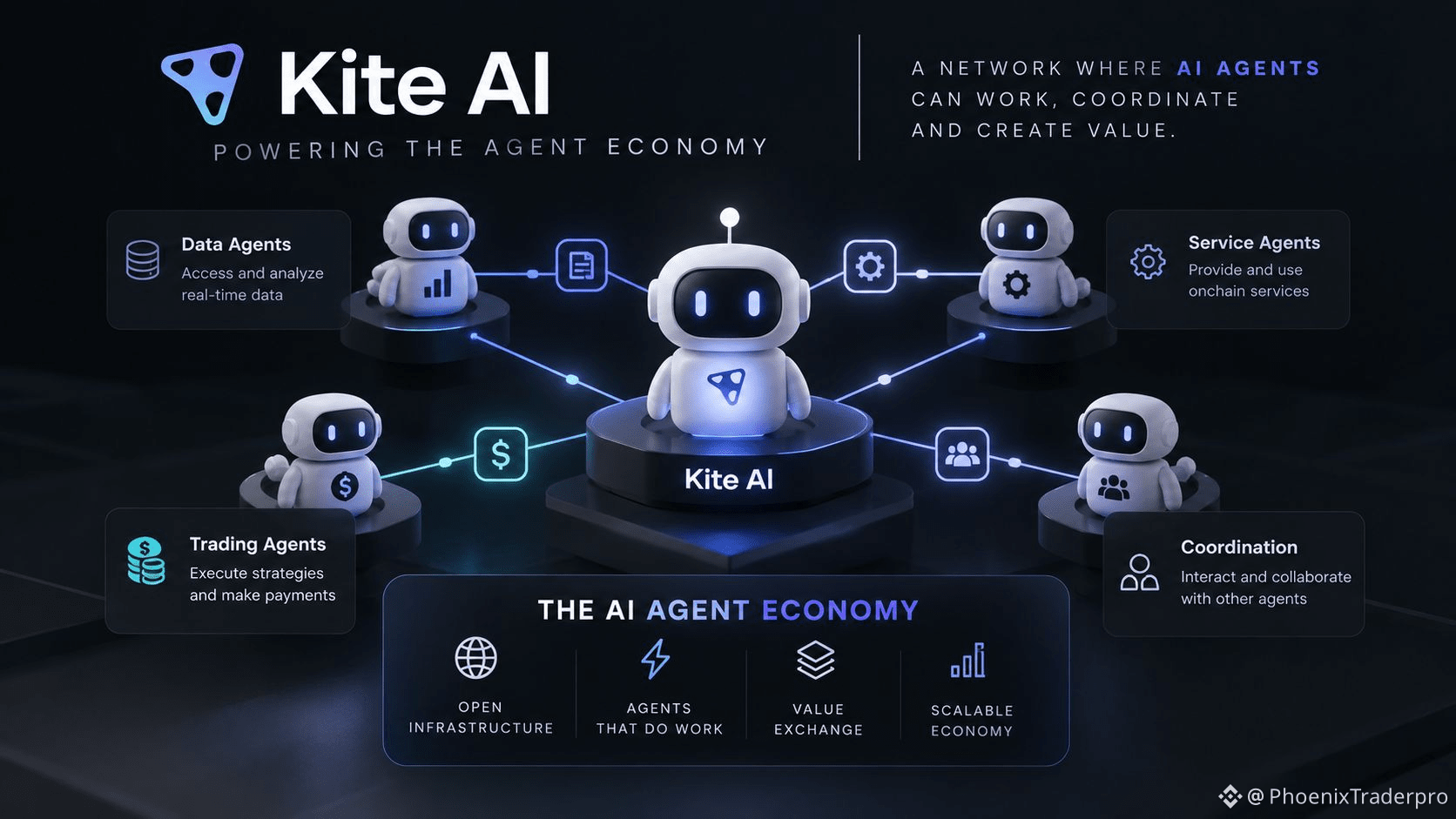
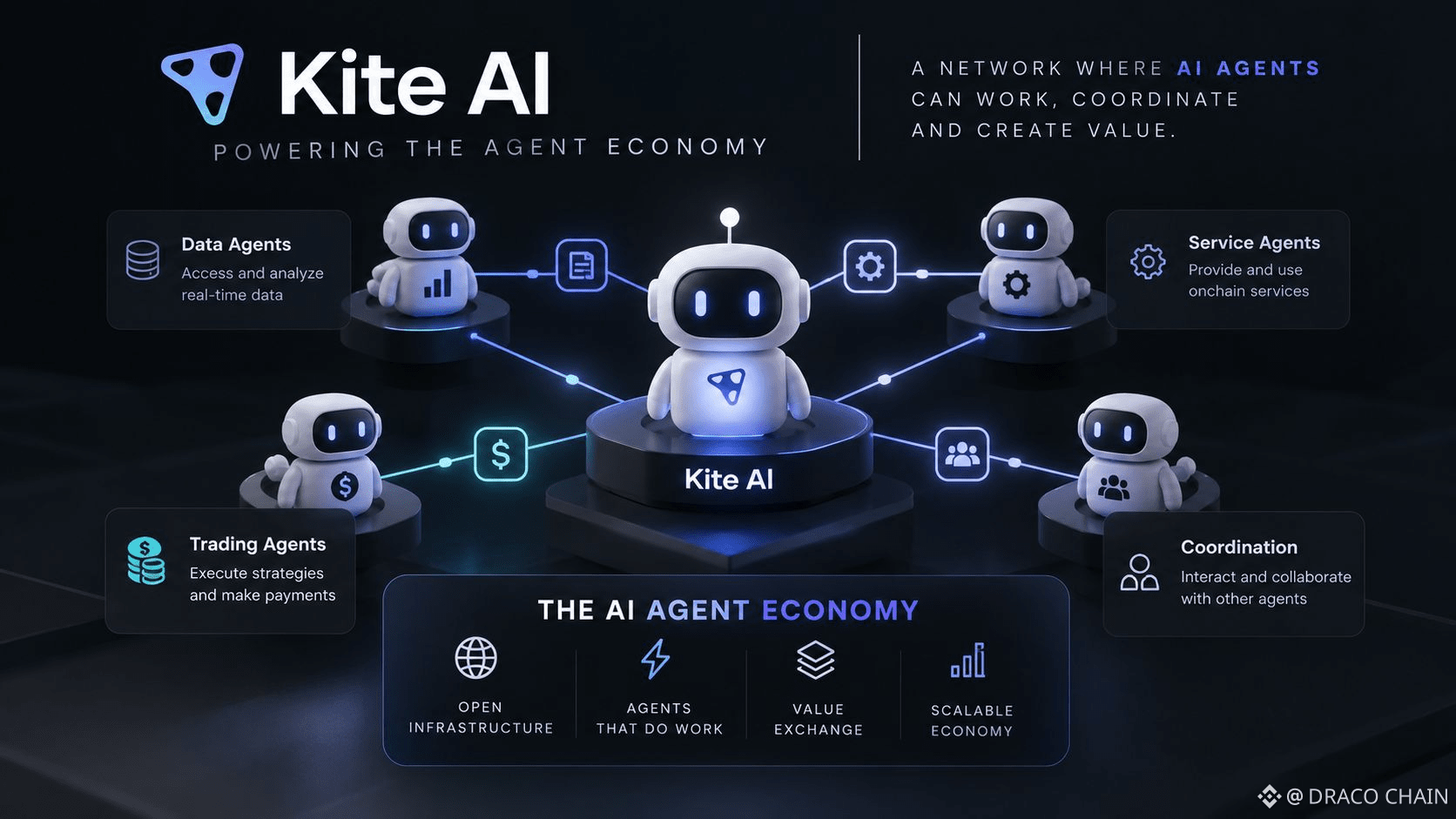
⚡ $KITE SEDANG MEMBUKA PERBATASAN BESAR BERIKUTNYA: EKONOMI AGEN AI OTONOM! 💡
Paradigma sedang bergeser dari chatbot pasif ke agen ekonomi aktif yang menjalankan tugas kompleks di jaringan terdesentralisasi. 💡 Agar agen otonom dapat membayar komputasi, mengakses data, dan menyelesaikan transaksi mikro secara langsung, mereka memerlukan jalur koordinasi khusus.
$KITE memosisikan diri tepat di pusat lapisan infrastruktur fundamental ini. 🌊 Ketika modal cerdas mulai bergerak lebih dulu mengantisipasi likuiditas antarmesin dan jalur transaksi, pihak yang lebih awal membangun arsitektur biasanya mampu menarik perhatian besar.
💭 Akankah ekonomi mesin otonom melampaui volume transaksi manusia di blockchain pada siklus berikutnya? 👇
⚠️ Ini bukan nasihat keuangan. Selalu kelola risiko Anda. 🛡️
🏷️ #KITE #AIAgents #CryptoInfrastructure #Web3AI
⚡ 💎
⚡ $KITE SEDANG MEMBUKA PERBATASAN BESAR BERIKUTNYA: EKONOMI AGEN AI OTONOM! 💡
Paradigma sedang bergeser dari chatbot pasif ke agen ekonomi aktif yang menjalankan tugas kompleks di jaringan terdesentralisasi. 💡 Agar agen otonom dapat membayar komputasi, mengakses data, dan menyelesaikan transaksi mikro secara langsung, mereka memerlukan jalur koordinasi khusus.
$KITE memosisikan diri tepat di pusat lapisan infrastruktur fundamental ini. 🌊 Ketika modal cerdas mulai bergerak lebih dulu mengantisipasi likuiditas antarmesin dan jalur transaksi, pihak yang lebih awal membangun arsitektur biasanya mampu menarik perhatian besar.
💭 Akankah ekonomi mesin otonom melampaui volume transaksi manusia di blockchain pada siklus berikutnya? 👇
⚠️ Ini bukan nasihat keuangan. Selalu kelola risiko Anda. 🛡️
🏷️ #KITE #AIAgents #CryptoInfrastructure #Web3AI
⚡ 💎
Paradigma sedang bergeser dari chatbot pasif ke agen ekonomi aktif yang menjalankan tugas kompleks di jaringan terdesentralisasi. 💡 Agar agen otonom dapat membayar komputasi, mengakses data, dan menyelesaikan transaksi mikro secara langsung, mereka memerlukan jalur koordinasi khusus.
$KITE memosisikan diri tepat di pusat lapisan infrastruktur fundamental ini. 🌊 Ketika modal cerdas mulai bergerak lebih dulu mengantisipasi likuiditas antarmesin dan jalur transaksi, pihak yang lebih awal membangun arsitektur biasanya mampu menarik perhatian besar.
💭 Akankah ekonomi mesin otonom melampaui volume transaksi manusia di blockchain pada siklus berikutnya? 👇
⚠️ Ini bukan nasihat keuangan. Selalu kelola risiko Anda. 🛡️
🏷️ #KITE #AIAgents #CryptoInfrastructure #Web3AI
⚡ 💎
5

·
--
🦈 $KITE SEDANG MEMBANGUN JALUR INFRASTRUKTUR INSTITUSIONAL UNTUK ALIRAN LIKUIDITAS AGEN OTONOM! ⚡
Pergeseran struktural sesungguhnya dalam AI bukanlah antarmuka percakapan, melainkan eksekusi ekonomi otonom. $KITE sedang merancang lapisan penyelesaian transaksi mendasar tempat agen berdaulat menemukan kumpulan layanan, menyelaraskan insentif, dan melakukan transaksi nilai secara langsung tanpa hambatan manusia. 🔍
Ketika sistem otonom beralih dari sekadar alat yang terisolasi menjadi pelaku pasar aktif, lapisan koordinasi terdesentralisasi menangkap likuiditas yang mendasarinya. 🌊 Penempatan strategis menyasar infrastruktur struktural sebelum volume transaksi meningkat di seluruh jaringan. 💡
💬 Akankah penyelesaian transaksi antaragen otonom menjadi pendorong utama nilai terdesentralisasi dalam siklus ini? 👇
⚠️ Ini bukan nasihat keuangan. Selalu kelola risiko Anda. 🛡️
🏷️ #KITE #AIAgents #CryptoInfrastructure #Web3AI
🎯 🦈
🦈 $KITE SEDANG MEMBANGUN JALUR INFRASTRUKTUR INSTITUSIONAL UNTUK ALIRAN LIKUIDITAS AGEN OTONOM! ⚡
Pergeseran struktural sesungguhnya dalam AI bukanlah antarmuka percakapan, melainkan eksekusi ekonomi otonom. $KITE sedang merancang lapisan penyelesaian transaksi mendasar tempat agen berdaulat menemukan kumpulan layanan, menyelaraskan insentif, dan melakukan transaksi nilai secara langsung tanpa hambatan manusia. 🔍
Ketika sistem otonom beralih dari sekadar alat yang terisolasi menjadi pelaku pasar aktif, lapisan koordinasi terdesentralisasi menangkap likuiditas yang mendasarinya. 🌊 Penempatan strategis menyasar infrastruktur struktural sebelum volume transaksi meningkat di seluruh jaringan. 💡
💬 Akankah penyelesaian transaksi antaragen otonom menjadi pendorong utama nilai terdesentralisasi dalam siklus ini? 👇
⚠️ Ini bukan nasihat keuangan. Selalu kelola risiko Anda. 🛡️
🏷️ #KITE #AIAgents #CryptoInfrastructure #Web3AI
🎯 🦈
Pergeseran struktural sesungguhnya dalam AI bukanlah antarmuka percakapan, melainkan eksekusi ekonomi otonom. $KITE sedang merancang lapisan penyelesaian transaksi mendasar tempat agen berdaulat menemukan kumpulan layanan, menyelaraskan insentif, dan melakukan transaksi nilai secara langsung tanpa hambatan manusia. 🔍
Ketika sistem otonom beralih dari sekadar alat yang terisolasi menjadi pelaku pasar aktif, lapisan koordinasi terdesentralisasi menangkap likuiditas yang mendasarinya. 🌊 Penempatan strategis menyasar infrastruktur struktural sebelum volume transaksi meningkat di seluruh jaringan. 💡
💬 Akankah penyelesaian transaksi antaragen otonom menjadi pendorong utama nilai terdesentralisasi dalam siklus ini? 👇
⚠️ Ini bukan nasihat keuangan. Selalu kelola risiko Anda. 🛡️
🏷️ #KITE #AIAgents #CryptoInfrastructure #Web3AI
🎯 🦈
14

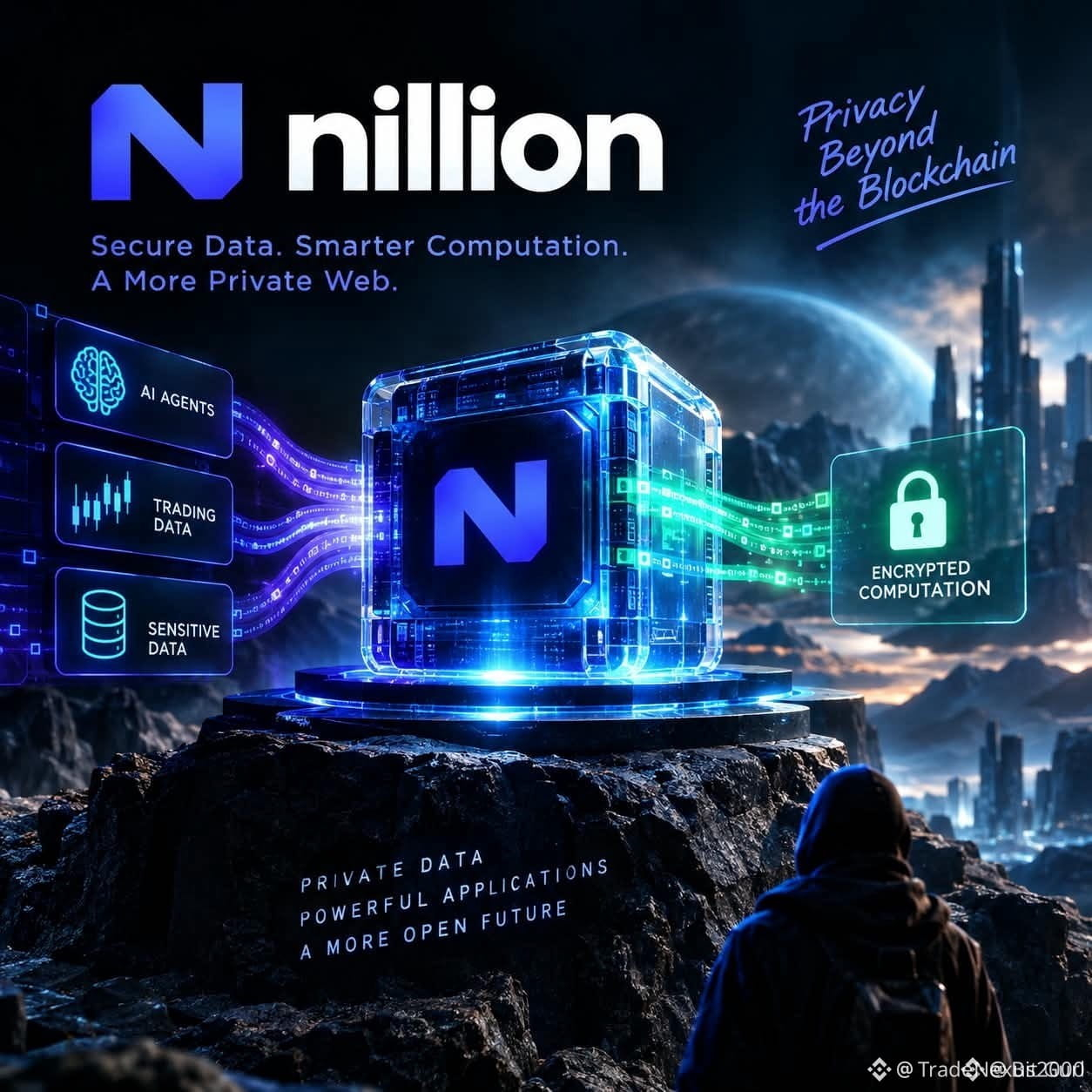
🦈 $NIL KOMPUTASI PRIVAT DAPAT MEMBUKA JALAN BAGI EKSEKUSI ALGO INSTITUSIONAL DAN AGEN ONCHAIN 💡
Pelaku pasar bermodal besar memahami bahwa alpha menghilang begitu logika eksekusi dan alur order bocor ke onchain. $NIL memosisikan tumpukan inferensi terenkripsinya bukan sekadar sebagai solusi privasi generik, melainkan sebagai arsitektur tersembunyi yang krusial untuk eksekusi otomatis. 🔍
Alih-alih mengejar narasi front-running, pergeseran struktural yang perlu dipantau adalah adopsi nyata oleh developer dalam komputasi buta dan alur kerja Blacklight. Saat sistem perdagangan institusional membutuhkan eksekusi tanpa asimetri informasi, peralihan dari penyimpanan ke komputasi terenkripsi ini menjadi utilitas mendasar. 🌊
🤔 Akankah eksekusi terenkripsi menjadi infrastruktur wajib bagi agen otonom, atau apakah pasar menilai utilitas ini terlalu dini? 👇
⚠️ Ini bukan nasihat keuangan. Selalu kelola risiko Anda. 🛡️
🏷️ #NIL #SmartMoney #CryptoInfrastructure #AIAgents
🎯 🦈
🦈 $NIL KOMPUTASI PRIVAT DAPAT MEMBUKA JALAN BAGI EKSEKUSI ALGO INSTITUSIONAL DAN AGEN ONCHAIN 💡
Pelaku pasar bermodal besar memahami bahwa alpha menghilang begitu logika eksekusi dan alur order bocor ke onchain. $NIL memosisikan tumpukan inferensi terenkripsinya bukan sekadar sebagai solusi privasi generik, melainkan sebagai arsitektur tersembunyi yang krusial untuk eksekusi otomatis. 🔍
Alih-alih mengejar narasi front-running, pergeseran struktural yang perlu dipantau adalah adopsi nyata oleh developer dalam komputasi buta dan alur kerja Blacklight. Saat sistem perdagangan institusional membutuhkan eksekusi tanpa asimetri informasi, peralihan dari penyimpanan ke komputasi terenkripsi ini menjadi utilitas mendasar. 🌊
🤔 Akankah eksekusi terenkripsi menjadi infrastruktur wajib bagi agen otonom, atau apakah pasar menilai utilitas ini terlalu dini? 👇
⚠️ Ini bukan nasihat keuangan. Selalu kelola risiko Anda. 🛡️
🏷️ #NIL #SmartMoney #CryptoInfrastructure #AIAgents
🎯 🦈
Pelaku pasar bermodal besar memahami bahwa alpha menghilang begitu logika eksekusi dan alur order bocor ke onchain. $NIL memosisikan tumpukan inferensi terenkripsinya bukan sekadar sebagai solusi privasi generik, melainkan sebagai arsitektur tersembunyi yang krusial untuk eksekusi otomatis. 🔍
Alih-alih mengejar narasi front-running, pergeseran struktural yang perlu dipantau adalah adopsi nyata oleh developer dalam komputasi buta dan alur kerja Blacklight. Saat sistem perdagangan institusional membutuhkan eksekusi tanpa asimetri informasi, peralihan dari penyimpanan ke komputasi terenkripsi ini menjadi utilitas mendasar. 🌊
🤔 Akankah eksekusi terenkripsi menjadi infrastruktur wajib bagi agen otonom, atau apakah pasar menilai utilitas ini terlalu dini? 👇
⚠️ Ini bukan nasihat keuangan. Selalu kelola risiko Anda. 🛡️
🏷️ #NIL #SmartMoney #CryptoInfrastructure #AIAgents
🎯 🦈
6


·
--
Bullish
Terverifikasi
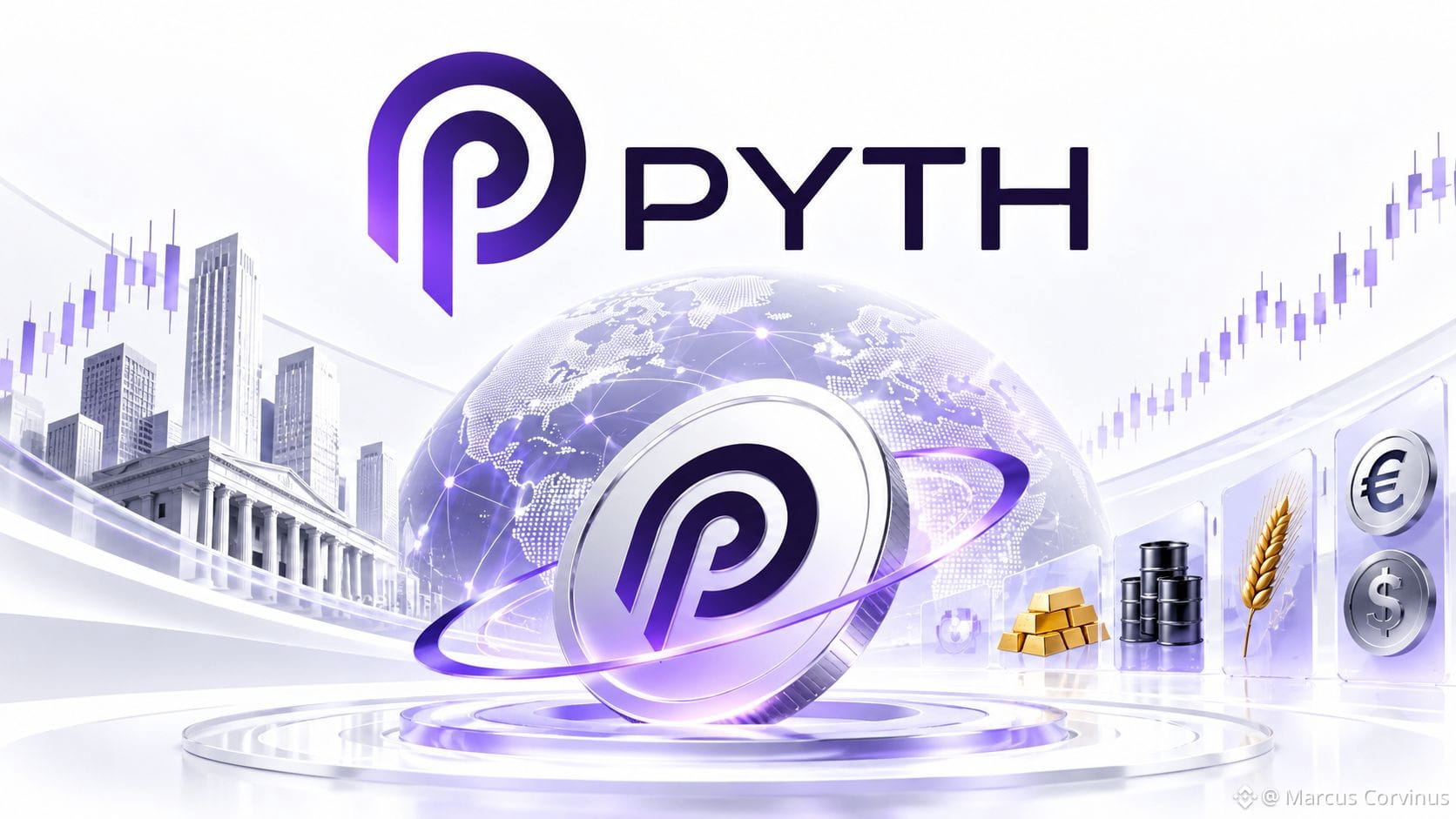
Pyth Network sedang menjadi kekuatan besar dalam masa depan data pasar keuangan.
Sebagian besar data keuangan disalurkan melalui perantara. Pyth berhubungan langsung dengan institusi yang menetapkan harga.
• Volume kumulatif yang diamankan lebih dari $3.25T
• Lebih dari 710 bisnis menggunakan data Pyth
• Lebih dari 114 blockchain menerima feed
• Lebih dari 125 penerbit institusional
• 60% pasar perpetual onchain
Pertumbuhan komersialnya juga tak kalah menarik.
→ Pyth Pro mencapai ARR $6M dalam beberapa bulan sejak diluncurkan.
→ ARR dari langganan tumbuh 109% QoQ.
→ Selama tiga bulan berturut-turut, ARR baru bruto melampaui $1M.
Pyth berkembang melampaui feed harga dasar.
• Pyth Pro → Penetapan harga multi-aset untuk institusi
• Pyth Indices → Penetapan harga nonstop untuk pasar 24/7
• Data Marketplace → Distribusi data institusional
• AI Agents → Data tepercaya untuk keuangan otonom
Sementara $LINK berfokus pada infrastruktur oracle yang lebih luas dan $ONDO menargetkan aset tertokenisasi, Pyth berfokus pada infrastruktur penetapan harga yang dibutuhkan pasar keuangan.
$PYTH adalah token asli yang mendukung tata kelola jaringan dan fungsi ekosistem, bukan kepemilikan atas pendapatan bisnis.
→ Seiring pasar keuangan global beralih menuju operasional 24/7, data pihak pertama yang tepercaya menjadi infrastruktur penting.
Ayo 🤝
NFA + DYOR
#PYTH #CryptoInfrastructure
Pyth Network sedang menjadi kekuatan besar dalam masa depan data pasar keuangan.
Sebagian besar data keuangan disalurkan melalui perantara. Pyth berhubungan langsung dengan institusi yang menetapkan harga.
• Volume kumulatif yang diamankan lebih dari $3.25T
• Lebih dari 710 bisnis menggunakan data Pyth
• Lebih dari 114 blockchain menerima feed
• Lebih dari 125 penerbit institusional
• 60% pasar perpetual onchain
Pertumbuhan komersialnya juga tak kalah menarik.
→ Pyth Pro mencapai ARR $6M dalam beberapa bulan sejak diluncurkan.
→ ARR dari langganan tumbuh 109% QoQ.
→ Selama tiga bulan berturut-turut, ARR baru bruto melampaui $1M.
Pyth berkembang melampaui feed harga dasar.
• Pyth Pro → Penetapan harga multi-aset untuk institusi
• Pyth Indices → Penetapan harga nonstop untuk pasar 24/7
• Data Marketplace → Distribusi data institusional
• AI Agents → Data tepercaya untuk keuangan otonom
Sementara $LINK berfokus pada infrastruktur oracle yang lebih luas dan $ONDO menargetkan aset tertokenisasi, Pyth berfokus pada infrastruktur penetapan harga yang dibutuhkan pasar keuangan.
$PYTH adalah token asli yang mendukung tata kelola jaringan dan fungsi ekosistem, bukan kepemilikan atas pendapatan bisnis.
→ Seiring pasar keuangan global beralih menuju operasional 24/7, data pihak pertama yang tepercaya menjadi infrastruktur penting.
Ayo 🤝
NFA + DYOR
#PYTH #CryptoInfrastructure
Sebagian besar data keuangan disalurkan melalui perantara. Pyth berhubungan langsung dengan institusi yang menetapkan harga.
• Volume kumulatif yang diamankan lebih dari $3.25T
• Lebih dari 710 bisnis menggunakan data Pyth
• Lebih dari 114 blockchain menerima feed
• Lebih dari 125 penerbit institusional
• 60% pasar perpetual onchain
Pertumbuhan komersialnya juga tak kalah menarik.
→ Pyth Pro mencapai ARR $6M dalam beberapa bulan sejak diluncurkan.
→ ARR dari langganan tumbuh 109% QoQ.
→ Selama tiga bulan berturut-turut, ARR baru bruto melampaui $1M.
Pyth berkembang melampaui feed harga dasar.
• Pyth Pro → Penetapan harga multi-aset untuk institusi
• Pyth Indices → Penetapan harga nonstop untuk pasar 24/7
• Data Marketplace → Distribusi data institusional
• AI Agents → Data tepercaya untuk keuangan otonom
Sementara $LINK berfokus pada infrastruktur oracle yang lebih luas dan $ONDO menargetkan aset tertokenisasi, Pyth berfokus pada infrastruktur penetapan harga yang dibutuhkan pasar keuangan.
$PYTH adalah token asli yang mendukung tata kelola jaringan dan fungsi ekosistem, bukan kepemilikan atas pendapatan bisnis.
→ Seiring pasar keuangan global beralih menuju operasional 24/7, data pihak pertama yang tepercaya menjadi infrastruktur penting.
Ayo 🤝
NFA + DYOR
#PYTH #CryptoInfrastructure
NovaElen:
Real adoption and sustainable revenue are the key metrics to watch.
88
102
36.8k

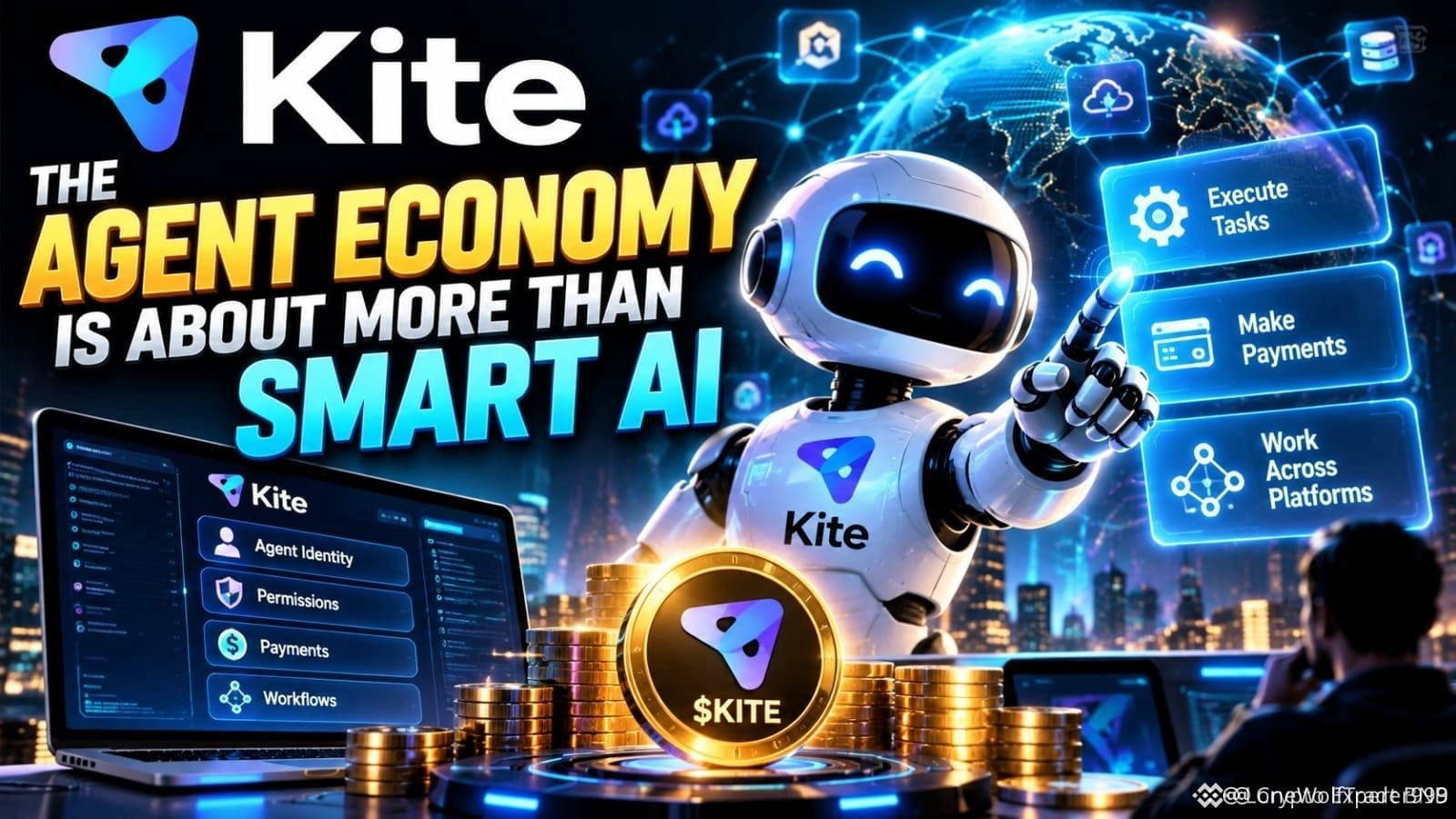
⚡ REVOLUSI AGEN OTONOM BERGANTUNG PADA $KITE INFRASTRUKTUR 💡
Para investor cerdas mengamati pergeseran narasi AI dari chatbot sederhana ke agen ekonomi otonom yang menjalankan transaksi modal. Saat algoritma mulai mengalokasikan dana dan menyewa layanan secara mandiri, mekanisme pengaman yang dapat diverifikasi menjadi hal paling berharga. 💡
Di sinilah $KITE melangkah langsung ke sorotan. 🔍 Membangun identitas agen bawaan sekaligus arsitektur pembayaran yang didelegasikan membuka jalan bagi perdagangan mesin-ke-mesin yang nyata tanpa mengorbankan kendali pengguna. ⚡
🤔 Menurut Anda, apa yang menjadi landasan fase berikutnya dari ekonomi agen: jalur kepercayaan yang dapat diverifikasi, penyelesaian terprogram, atau kecerdasan model mentah? 👇
⚠️ Ini bukan nasihat keuangan. Selalu kelola risiko Anda. 🛡️
🏷️ #KITE #AIAgents #CryptoInfrastructure #Web3AI
⚡ 💎
⚡ REVOLUSI AGEN OTONOM BERGANTUNG PADA $KITE INFRASTRUKTUR 💡
Para investor cerdas mengamati pergeseran narasi AI dari chatbot sederhana ke agen ekonomi otonom yang menjalankan transaksi modal. Saat algoritma mulai mengalokasikan dana dan menyewa layanan secara mandiri, mekanisme pengaman yang dapat diverifikasi menjadi hal paling berharga. 💡
Di sinilah $KITE melangkah langsung ke sorotan. 🔍 Membangun identitas agen bawaan sekaligus arsitektur pembayaran yang didelegasikan membuka jalan bagi perdagangan mesin-ke-mesin yang nyata tanpa mengorbankan kendali pengguna. ⚡
🤔 Menurut Anda, apa yang menjadi landasan fase berikutnya dari ekonomi agen: jalur kepercayaan yang dapat diverifikasi, penyelesaian terprogram, atau kecerdasan model mentah? 👇
⚠️ Ini bukan nasihat keuangan. Selalu kelola risiko Anda. 🛡️
🏷️ #KITE #AIAgents #CryptoInfrastructure #Web3AI
⚡ 💎
Para investor cerdas mengamati pergeseran narasi AI dari chatbot sederhana ke agen ekonomi otonom yang menjalankan transaksi modal. Saat algoritma mulai mengalokasikan dana dan menyewa layanan secara mandiri, mekanisme pengaman yang dapat diverifikasi menjadi hal paling berharga. 💡
Di sinilah $KITE melangkah langsung ke sorotan. 🔍 Membangun identitas agen bawaan sekaligus arsitektur pembayaran yang didelegasikan membuka jalan bagi perdagangan mesin-ke-mesin yang nyata tanpa mengorbankan kendali pengguna. ⚡
🤔 Menurut Anda, apa yang menjadi landasan fase berikutnya dari ekonomi agen: jalur kepercayaan yang dapat diverifikasi, penyelesaian terprogram, atau kecerdasan model mentah? 👇
⚠️ Ini bukan nasihat keuangan. Selalu kelola risiko Anda. 🛡️
🏷️ #KITE #AIAgents #CryptoInfrastructure #Web3AI
⚡ 💎
4
·
--
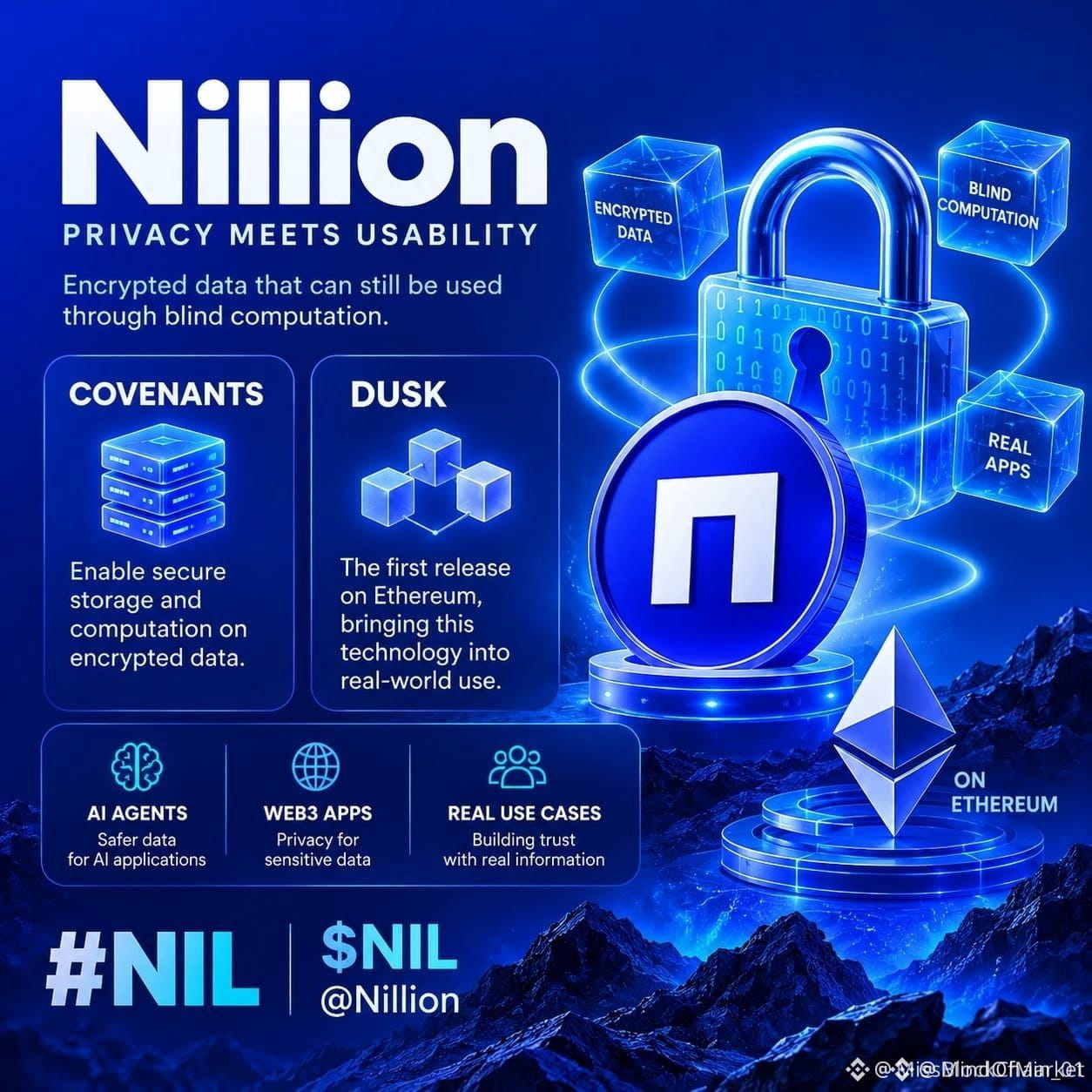
🦈 INFRASTRUKTUR INSTITUSIONAL BERTEMU KOMPUTASI BUTA: MENGAPA $NIL LAYAK MENDAPATKAN PENGAWASAN STRUKTURAL 🔍
Saat investor ritel mengejar gejolak harga sesaat, modal cerdas mengikuti fondasi infrastruktur yang perlahan berkembang di sekitar $NIL . 🔍 Integrasi Covenants dan DUSK di Ethereum membuka akses ke komputasi buta yang dapat digunakan, menghadirkan kasus penggunaan institusional yang nyata untuk data Web3 sensitif dan agen AI otonom.
Alih-alih mendahului momentum yang belum terkonfirmasi, penilaian ulang struktural yang berkelanjutan dibangun melalui komitmen pengembang dan utilitas jaringan yang nyata. 📊 Akumulasi modal secara konsisten terjadi jauh sebelum pasar yang lebih luas menyadari arus pesanan fundamental.
🤔 Apakah Anda mengenali nilai protokol sebelum orang banyak, atau menunggu likuiditas yang datang belakangan untuk mengonfirmasi perubahan ini? 👇
⚠️ Ini bukan nasihat keuangan. Selalu kelola risiko Anda. 🛡️
🏷️ #NIL #SmartMoney #CryptoInfrastructure #Web3AI
🎯 🦈
🦈 INFRASTRUKTUR INSTITUSIONAL BERTEMU KOMPUTASI BUTA: MENGAPA $NIL LAYAK MENDAPATKAN PENGAWASAN STRUKTURAL 🔍
Saat investor ritel mengejar gejolak harga sesaat, modal cerdas mengikuti fondasi infrastruktur yang perlahan berkembang di sekitar $NIL . 🔍 Integrasi Covenants dan DUSK di Ethereum membuka akses ke komputasi buta yang dapat digunakan, menghadirkan kasus penggunaan institusional yang nyata untuk data Web3 sensitif dan agen AI otonom.
Alih-alih mendahului momentum yang belum terkonfirmasi, penilaian ulang struktural yang berkelanjutan dibangun melalui komitmen pengembang dan utilitas jaringan yang nyata. 📊 Akumulasi modal secara konsisten terjadi jauh sebelum pasar yang lebih luas menyadari arus pesanan fundamental.
🤔 Apakah Anda mengenali nilai protokol sebelum orang banyak, atau menunggu likuiditas yang datang belakangan untuk mengonfirmasi perubahan ini? 👇
⚠️ Ini bukan nasihat keuangan. Selalu kelola risiko Anda. 🛡️
🏷️ #NIL #SmartMoney #CryptoInfrastructure #Web3AI
🎯 🦈
Saat investor ritel mengejar gejolak harga sesaat, modal cerdas mengikuti fondasi infrastruktur yang perlahan berkembang di sekitar $NIL . 🔍 Integrasi Covenants dan DUSK di Ethereum membuka akses ke komputasi buta yang dapat digunakan, menghadirkan kasus penggunaan institusional yang nyata untuk data Web3 sensitif dan agen AI otonom.
Alih-alih mendahului momentum yang belum terkonfirmasi, penilaian ulang struktural yang berkelanjutan dibangun melalui komitmen pengembang dan utilitas jaringan yang nyata. 📊 Akumulasi modal secara konsisten terjadi jauh sebelum pasar yang lebih luas menyadari arus pesanan fundamental.
🤔 Apakah Anda mengenali nilai protokol sebelum orang banyak, atau menunggu likuiditas yang datang belakangan untuk mengonfirmasi perubahan ini? 👇
⚠️ Ini bukan nasihat keuangan. Selalu kelola risiko Anda. 🛡️
🏷️ #NIL #SmartMoney #CryptoInfrastructure #Web3AI
🎯 🦈
16
·
--
Semua jaringan deposit dan penarikan utama beroperasi normal — $BTC, $ETH, $USDT, $BNB, $SOL, dan lainnya.
Keandalan ini adalah inti dari Binance saat ini: bukan sekadar bursa, tetapi infrastruktur yang mendukung ekosistem kripto dalam skala besar.
Likuiditas terdalam dan penemuan harga (volume harian miliaran, transaksi senilai lebih dari $34T pada 2025)
Kustodi aman dan jalur transaksi yang teregulasi untuk lebih dari 300 juta pengguna
Akses CeDeFi yang lancar melalui BNB Chain, Binance Wallet, dan infrastruktur pembayaran
Dukungan berkelanjutan untuk peningkatan jaringan agar nilai dapat berpindah dengan aman
Infrastruktur mungkin tidak mencolok — tetapi inilah yang menjaga pasar tetap likuid, aset tetap aman, dan ekosistem terus berjalan 24/7.
Periksa status secara real-time: binance.com/en/network
#Binance #BNB #CryptoInfrastructure
Semua jaringan deposit dan penarikan utama beroperasi normal — $BTC, $ETH, $USDT, $BNB, $SOL, dan lainnya.
Keandalan ini adalah inti dari Binance saat ini: bukan sekadar bursa, tetapi infrastruktur yang mendukung ekosistem kripto dalam skala besar.
Likuiditas terdalam dan penemuan harga (volume harian miliaran, transaksi senilai lebih dari $34T pada 2025)
Kustodi aman dan jalur transaksi yang teregulasi untuk lebih dari 300 juta pengguna
Akses CeDeFi yang lancar melalui BNB Chain, Binance Wallet, dan infrastruktur pembayaran
Dukungan berkelanjutan untuk peningkatan jaringan agar nilai dapat berpindah dengan aman
Infrastruktur mungkin tidak mencolok — tetapi inilah yang menjaga pasar tetap likuid, aset tetap aman, dan ekosistem terus berjalan 24/7.
Periksa status secara real-time: binance.com/en/network
#Binance #BNB #CryptoInfrastructure
Keandalan ini adalah inti dari Binance saat ini: bukan sekadar bursa, tetapi infrastruktur yang mendukung ekosistem kripto dalam skala besar.
Likuiditas terdalam dan penemuan harga (volume harian miliaran, transaksi senilai lebih dari $34T pada 2025)
Kustodi aman dan jalur transaksi yang teregulasi untuk lebih dari 300 juta pengguna
Akses CeDeFi yang lancar melalui BNB Chain, Binance Wallet, dan infrastruktur pembayaran
Dukungan berkelanjutan untuk peningkatan jaringan agar nilai dapat berpindah dengan aman
Infrastruktur mungkin tidak mencolok — tetapi inilah yang menjaga pasar tetap likuid, aset tetap aman, dan ekosistem terus berjalan 24/7.
Periksa status secara real-time: binance.com/en/network
#Binance #BNB #CryptoInfrastructure
1
85
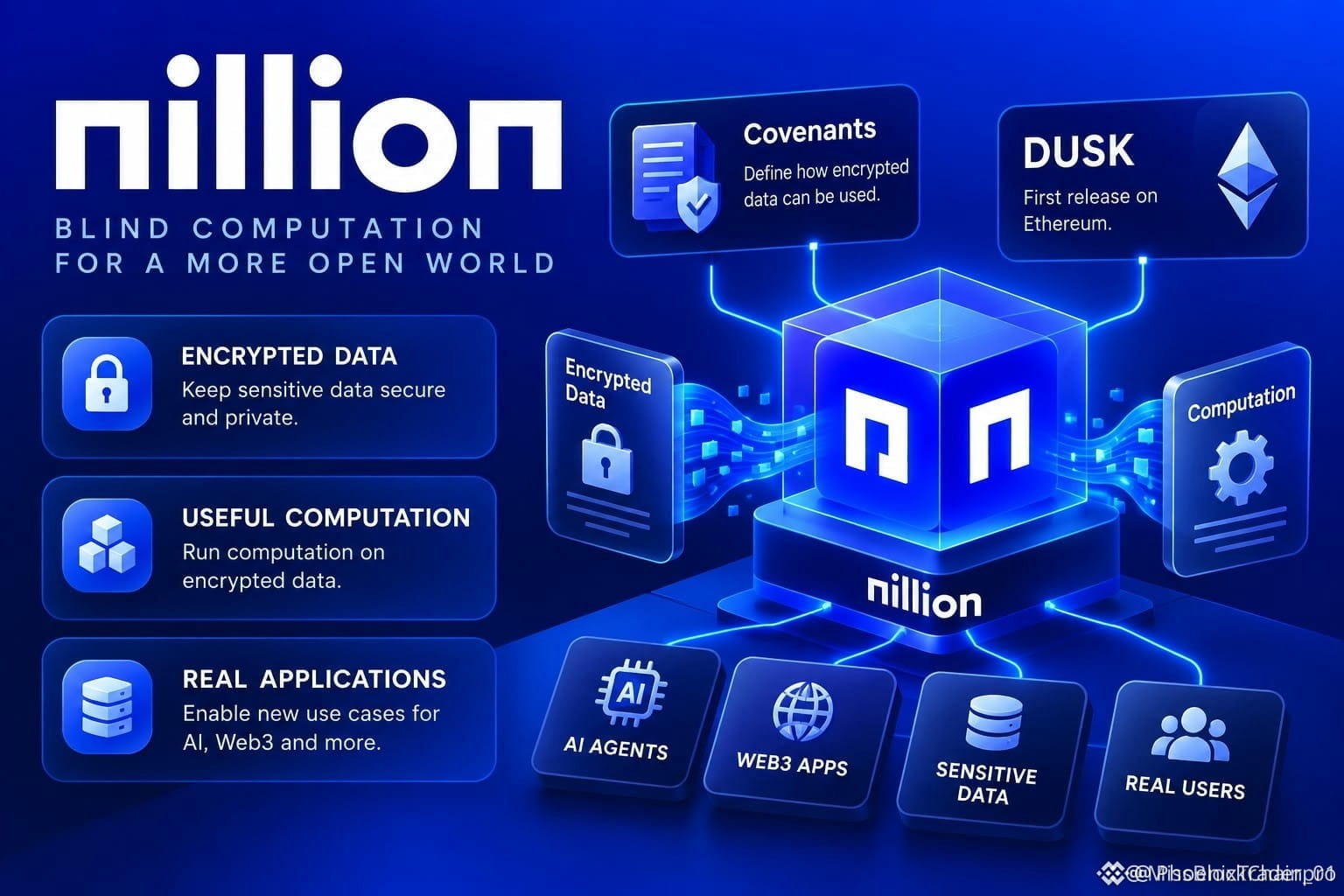
⚡ $NIL MENGHADIRKAN KOMPUTASI BUTA KE ETHEREUM SAAT DUSK MEMBUKA POTENSI BESAR UTILITAS ON-CHAIN! 🦈
Saat orang ramai memburu candle sesaat, modal cerdas mengamati infrastruktur yang mengatasi hambatan terbesar di Web3: menangani data terenkripsi bernilai tinggi secara on-chain. 🌊 Dengan DUSK yang langsung hadir di ekosistem Ethereum, komputasi buta beralih dari whitepaper ke eksekusi nyata. 💡
Ujian sesungguhnya bukanlah gejolak jangka pendek, melainkan apakah para pembangun menjadikan primitif privasi ini sebagai fondasi aplikasi siap produksi. 🔍 Ketika komputasi yang menjaga privasi beralih dari teori ke adopsi aktif oleh pengembang, aliran order secara historis mengikuti permintaan struktural yang nyata. 💬 Akankah komputasi buta menjadi narasi besar Ethereum berikutnya, atau justru pasar tak menyadari pergeseran infrastruktur ini? 👇
⚠️ Ini bukan saran keuangan. Selalu kelola risiko Anda. 🛡️
🏷️ #NIL #Ethereum #Web3 #CryptoInfrastructure
🎯 🦈
⚡ $NIL MENGHADIRKAN KOMPUTASI BUTA KE ETHEREUM SAAT DUSK MEMBUKA POTENSI BESAR UTILITAS ON-CHAIN! 🦈
Saat orang ramai memburu candle sesaat, modal cerdas mengamati infrastruktur yang mengatasi hambatan terbesar di Web3: menangani data terenkripsi bernilai tinggi secara on-chain. 🌊 Dengan DUSK yang langsung hadir di ekosistem Ethereum, komputasi buta beralih dari whitepaper ke eksekusi nyata. 💡
Ujian sesungguhnya bukanlah gejolak jangka pendek, melainkan apakah para pembangun menjadikan primitif privasi ini sebagai fondasi aplikasi siap produksi. 🔍 Ketika komputasi yang menjaga privasi beralih dari teori ke adopsi aktif oleh pengembang, aliran order secara historis mengikuti permintaan struktural yang nyata. 💬 Akankah komputasi buta menjadi narasi besar Ethereum berikutnya, atau justru pasar tak menyadari pergeseran infrastruktur ini? 👇
⚠️ Ini bukan saran keuangan. Selalu kelola risiko Anda. 🛡️
🏷️ #NIL #Ethereum #Web3 #CryptoInfrastructure
🎯 🦈
Saat orang ramai memburu candle sesaat, modal cerdas mengamati infrastruktur yang mengatasi hambatan terbesar di Web3: menangani data terenkripsi bernilai tinggi secara on-chain. 🌊 Dengan DUSK yang langsung hadir di ekosistem Ethereum, komputasi buta beralih dari whitepaper ke eksekusi nyata. 💡
Ujian sesungguhnya bukanlah gejolak jangka pendek, melainkan apakah para pembangun menjadikan primitif privasi ini sebagai fondasi aplikasi siap produksi. 🔍 Ketika komputasi yang menjaga privasi beralih dari teori ke adopsi aktif oleh pengembang, aliran order secara historis mengikuti permintaan struktural yang nyata. 💬 Akankah komputasi buta menjadi narasi besar Ethereum berikutnya, atau justru pasar tak menyadari pergeseran infrastruktur ini? 👇
⚠️ Ini bukan saran keuangan. Selalu kelola risiko Anda. 🛡️
🏷️ #NIL #Ethereum #Web3 #CryptoInfrastructure
🎯 🦈
8

·
--
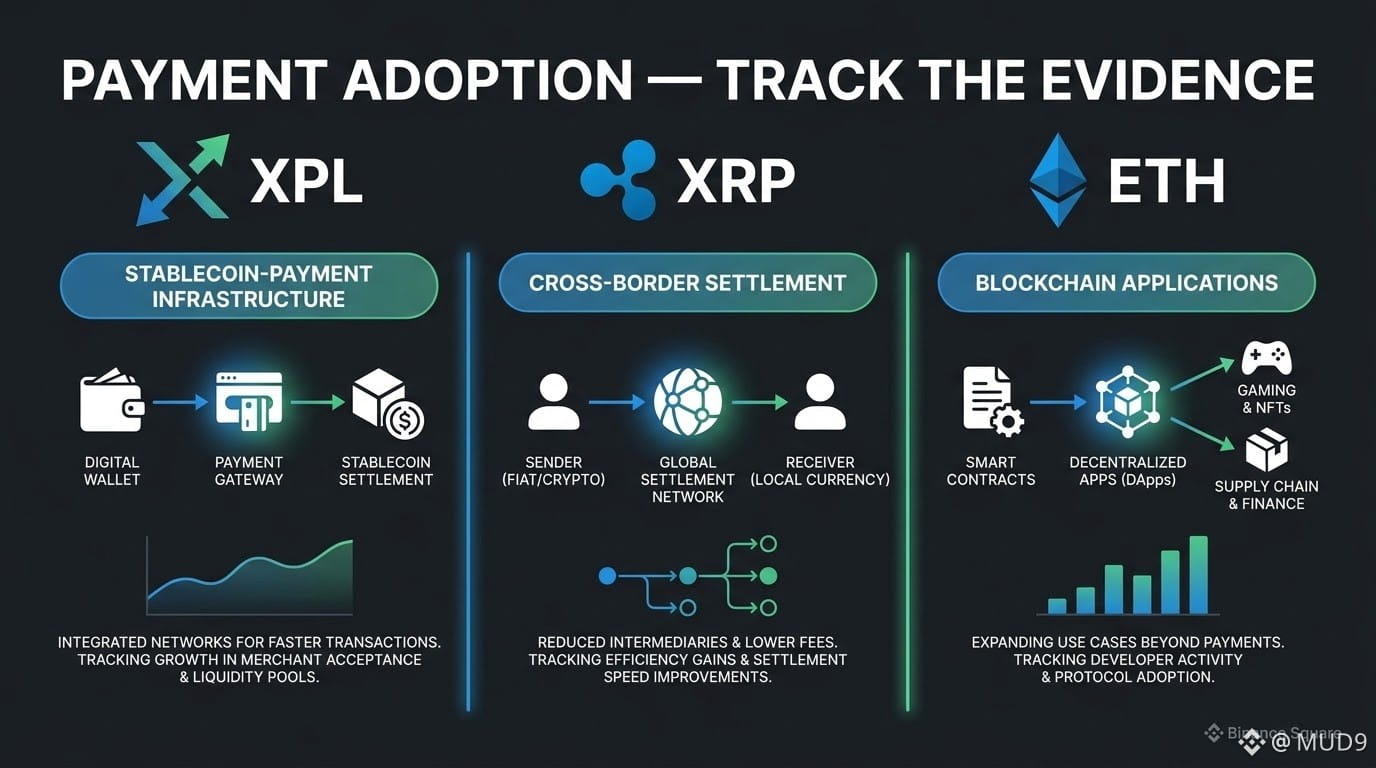
$XPL & $XRP $ETH : Tiga Cara Mempelajari Infrastruktur Pembayaran
XPL menarik perhatian terkait perkembangan pembayaran stablecoin yang dilaporkan. XRP sering dibahas dalam konteks pembayaran lintas negara, sementara Ethereum mendukung ekosistem stablecoin dan aplikasi terdesentralisasi yang luas.
Ini adalah proyek yang berbeda dengan ekonomi token yang berbeda pula. Pisahkan kekuatan narasi teknologi dari bukti permintaan langsung terhadap token, dan verifikasi pengumuman sebelum mengandalkannya.
Menurut Anda, model infrastruktur pembayaran mana yang memiliki prospek jangka panjang terkuat?
#XPL #XRP #Ethereum #StablecoinPayments #CryptoInfrastructure #BinanceSquareTalk s
{spot}(XRPUSDT)
{spot}(ETHUSDT)
{spot}(XPLUSDT)
$XPL & $XRP $ETH : Tiga Cara Mempelajari Infrastruktur Pembayaran
XPL menarik perhatian terkait perkembangan pembayaran stablecoin yang dilaporkan. XRP sering dibahas dalam konteks pembayaran lintas negara, sementara Ethereum mendukung ekosistem stablecoin dan aplikasi terdesentralisasi yang luas.
Ini adalah proyek yang berbeda dengan ekonomi token yang berbeda pula. Pisahkan kekuatan narasi teknologi dari bukti permintaan langsung terhadap token, dan verifikasi pengumuman sebelum mengandalkannya.
Menurut Anda, model infrastruktur pembayaran mana yang memiliki prospek jangka panjang terkuat?
#XPL #XRP #Ethereum #StablecoinPayments #CryptoInfrastructure #BinanceSquareTalk s
XPL menarik perhatian terkait perkembangan pembayaran stablecoin yang dilaporkan. XRP sering dibahas dalam konteks pembayaran lintas negara, sementara Ethereum mendukung ekosistem stablecoin dan aplikasi terdesentralisasi yang luas.
Ini adalah proyek yang berbeda dengan ekonomi token yang berbeda pula. Pisahkan kekuatan narasi teknologi dari bukti permintaan langsung terhadap token, dan verifikasi pengumuman sebelum mengandalkannya.
Menurut Anda, model infrastruktur pembayaran mana yang memiliki prospek jangka panjang terkuat?
#XPL #XRP #Ethereum #StablecoinPayments #CryptoInfrastructure #BinanceSquareTalk s
1
76

Para pelaku bermodal besar diam-diam memperhitungkan pergeseran infrastruktur yang terjadi sekali dalam satu generasi, sementara sembilan pemain besar kripto membentuk Quantum Alliance untuk melindungi diri dari ancaman dekripsi perangkat keras di masa depan. Terobosan terbaru Google dengan chip Willow semakin mendesak perhatian terhadap 6,4 juta koin lama yang saat ini tersimpan di dompet awal yang rentan, sehingga para pelaku pasar harus mengevaluasi ulang model risiko jangka panjang untuk $BTC. Sementara likuiditas spot masih terserap oleh arus makro yang lebih luas, cermati support struktural utama di 65,000 USDT dan resistance di sekitar 69,000 USDT untuk menilai apakah aksi jual panik atau akumulasi institusional yang stabil akan mengambil alih. Penurunan di bawah level invalidasi 62,500 USDT akan mengonfirmasi lindung nilai jangka pendek yang agresif. Apakah Anda mengurangi eksposur penyimpanan dingin menjelang tonggak-tonggak kuantum ini, atau menganggap berita tentang aliansi tersebut sekadar kebisingan?
$BTC $SOL $BNB
#QuantumAlliance #BitcoinSecurity #CryptoInfrastructure #DerivativesFlow
Para pelaku bermodal besar diam-diam memperhitungkan pergeseran infrastruktur yang terjadi sekali dalam satu generasi, sementara sembilan pemain besar kripto membentuk Quantum Alliance untuk melindungi diri dari ancaman dekripsi perangkat keras di masa depan. Terobosan terbaru Google dengan chip Willow semakin mendesak perhatian terhadap 6,4 juta koin lama yang saat ini tersimpan di dompet awal yang rentan, sehingga para pelaku pasar harus mengevaluasi ulang model risiko jangka panjang untuk $BTC . Sementara likuiditas spot masih terserap oleh arus makro yang lebih luas, cermati support struktural utama di 65,000 USDT dan resistance di sekitar 69,000 USDT untuk menilai apakah aksi jual panik atau akumulasi institusional yang stabil akan mengambil alih. Penurunan di bawah level invalidasi 62,500 USDT akan mengonfirmasi lindung nilai jangka pendek yang agresif. Apakah Anda mengurangi eksposur penyimpanan dingin menjelang tonggak-tonggak kuantum ini, atau menganggap berita tentang aliansi tersebut sekadar kebisingan?
$BTC $SOL $BNB
#QuantumAlliance #BitcoinSecurity #CryptoInfrastructure #DerivativesFlow
$BTC $SOL $BNB
#QuantumAlliance #BitcoinSecurity #CryptoInfrastructure #DerivativesFlow
55
Masuk untuk menjelajahi konten lainnya
Bergabunglah dengan pengguna kripto global di Binance Square
⚡️ Dapatkan informasi terbaru dan berguna tentang kripto.
💬 Dipercayai oleh bursa kripto terbesar di dunia.
👍 Temukan wawasan nyata dari kreator terverifikasi.
Email/Nomor Ponsel
Topik Sedang Tren
1
#CanMicrosoftDeliverOnAI
182,841 penayangan
1,469 Berdiskusi
2
#CanGoogleDefindItsCore
91,955 penayangan
1,054 Berdiskusi
3
#FOMCWatch
9.2M penayangan
28,734 Berdiskusi
4
#HKPlacesTokenizedFundSecondaryTradingUnderETFLikeFramework
14 penayangan
6 Berdiskusi
5
#USGovSellsFTXLinkedAnthropicSharesFor$627M
273 penayangan
18 Berdiskusi
6
#MoodysAssignsRLUSDA2LongTermDepositRating
16 penayangan
24 Berdiskusi
7
#SKHynixUnveils$45BShareholderReturns
708 penayangan
22 Berdiskusi
8
#OSMOPlansToBurn100MTokensFromCommunityPool
7,825 penayangan
246 Berdiskusi
9
#EthereumDropsBelow$2300
12,982 penayangan
174 Berdiskusi
10
#BitcoinSlipsBelow$80KAgain
37,194 penayangan
141 Berdiskusi