

FutureNexa
1.5k Publications

FutureNexa
Signaler
Bloquer l’utilisateur
🚀 AI | Crypto | Blockchain | Quantum Computing
Daily news, deep insights, tutorials, and future technology explained in simple English.
Stay ahead of tomorrow.
16 Suivis
59 Abonnés
196 J’aime
Publications
Portefeuille
Tous
Citations
Vidéos
·
--
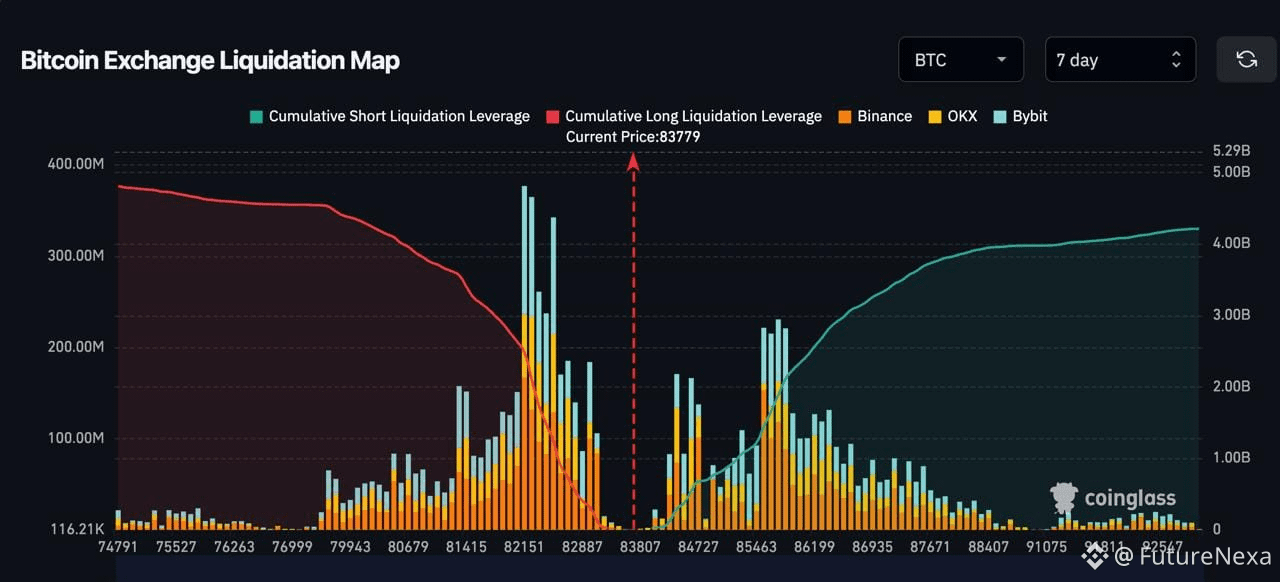
$2B Liquidation Pool on both the sides.
Longs Liq @ $82K.
Shorts Liq @ $86K.
$BTC
{spot}(BTCUSDT)
$2B Liquidation Pool on both the sides.
Longs Liq @ $82K.
Shorts Liq @ $86K.
$BTC
Longs Liq @ $82K.
Shorts Liq @ $86K.
$BTC
68
·
--
🚀✨ FREE AIRDROP — GOLD EYE ✨🚀
Ab Gold Eye ke saath apna Digital Assets journey shuru karne ka waqt hai! 💎🔥
🎁 FREE 0.10 GOLD SHARE
Sirf apna account Sign Up karein aur apna Free Airdrop Reward Claim karein. 🪂🪙
💥 Mauqa mile to action lena seekhein!
Aaj ka chhota sa step, kal ki bari opportunity ban sakta hai. 🚀
🔐 Sign Up • Claim • Learn • Grow
🌟 GOLD EYE — The Future Of Digital Assets
https://www.goldeye.pro/register?invite=0wh4OtjRjK
0wh4OtjRjK
🚀✨ FREE AIRDROP — GOLD EYE ✨🚀
Ab Gold Eye ke saath apna Digital Assets journey shuru karne ka waqt hai! 💎🔥
🎁 FREE 0.10 GOLD SHARE
Sirf apna account Sign Up karein aur apna Free Airdrop Reward Claim karein. 🪂🪙
💥 Mauqa mile to action lena seekhein!
Aaj ka chhota sa step, kal ki bari opportunity ban sakta hai. 🚀
🔐 Sign Up • Claim • Learn • Grow
🌟 GOLD EYE — The Future Of Digital Assets
https://www.goldeye.pro/register?invite=0wh4OtjRjK
0wh4OtjRjK
Ab Gold Eye ke saath apna Digital Assets journey shuru karne ka waqt hai! 💎🔥
🎁 FREE 0.10 GOLD SHARE
Sirf apna account Sign Up karein aur apna Free Airdrop Reward Claim karein. 🪂🪙
💥 Mauqa mile to action lena seekhein!
Aaj ka chhota sa step, kal ki bari opportunity ban sakta hai. 🚀
🔐 Sign Up • Claim • Learn • Grow
🌟 GOLD EYE — The Future Of Digital Assets
https://www.goldeye.pro/register?invite=0wh4OtjRjK
0wh4OtjRjK
13
·
--
$ADBEB — Adobe is holding 235.23 after printing a 24H high of 236.55.
Entry: 235.10 – 235.40
TP1: 235.80
TP2: 236.20
TP3: 236.55
SL: 234.70
24H Change: +0.88%
24H High: 236.55
24H Low: 232.94
24H Volume: 109,792 USDT
Clean levels, tight risk, and close attention around 236.55.
Let's go and Trade now $ADBEB
#OpenAIUnveilsAlwaysOnAgentDots #OpenAIUnveilsAlwaysOnAgentDots #BitgetHotWalletBreachTiedToThirdPartySecurityFlaw与ZEC有关 [urityFlaw ](https://www.binance.com/square/hashtag/BitgetHotWalletBreachTiedToThirdPartySecurityFlaw)#TrumpRejectsAIRulesForVolunta ryAudits #QNTRises287
$ADBEB — Adobe is holding 235.23 after printing a 24H high of 236.55.
Entry: 235.10 – 235.40
TP1: 235.80
TP2: 236.20
TP3: 236.55
SL: 234.70
24H Change: +0.88%
24H High: 236.55
24H Low: 232.94
24H Volume: 109,792 USDT
Clean levels, tight risk, and close attention around 236.55.
Let's go and Trade now $ADBEB
#OpenAIUnveilsAlwaysOnAgentDots #OpenAIUnveilsAlwaysOnAgentDots #BitgetHotWalletBreachTiedToThirdPartySecurityFlaw与ZEC有关 urityFlaw #TrumpRejectsAIRulesForVolunta ryAudits #QNTRises287
Entry: 235.10 – 235.40
TP1: 235.80
TP2: 236.20
TP3: 236.55
SL: 234.70
24H Change: +0.88%
24H High: 236.55
24H Low: 232.94
24H Volume: 109,792 USDT
Clean levels, tight risk, and close attention around 236.55.
Let's go and Trade now $ADBEB
#OpenAIUnveilsAlwaysOnAgentDots #OpenAIUnveilsAlwaysOnAgentDots #BitgetHotWalletBreachTiedToThirdPartySecurityFlaw与ZEC有关 urityFlaw #TrumpRejectsAIRulesForVolunta ryAudits #QNTRises287
40
·
--
#BREAKING :
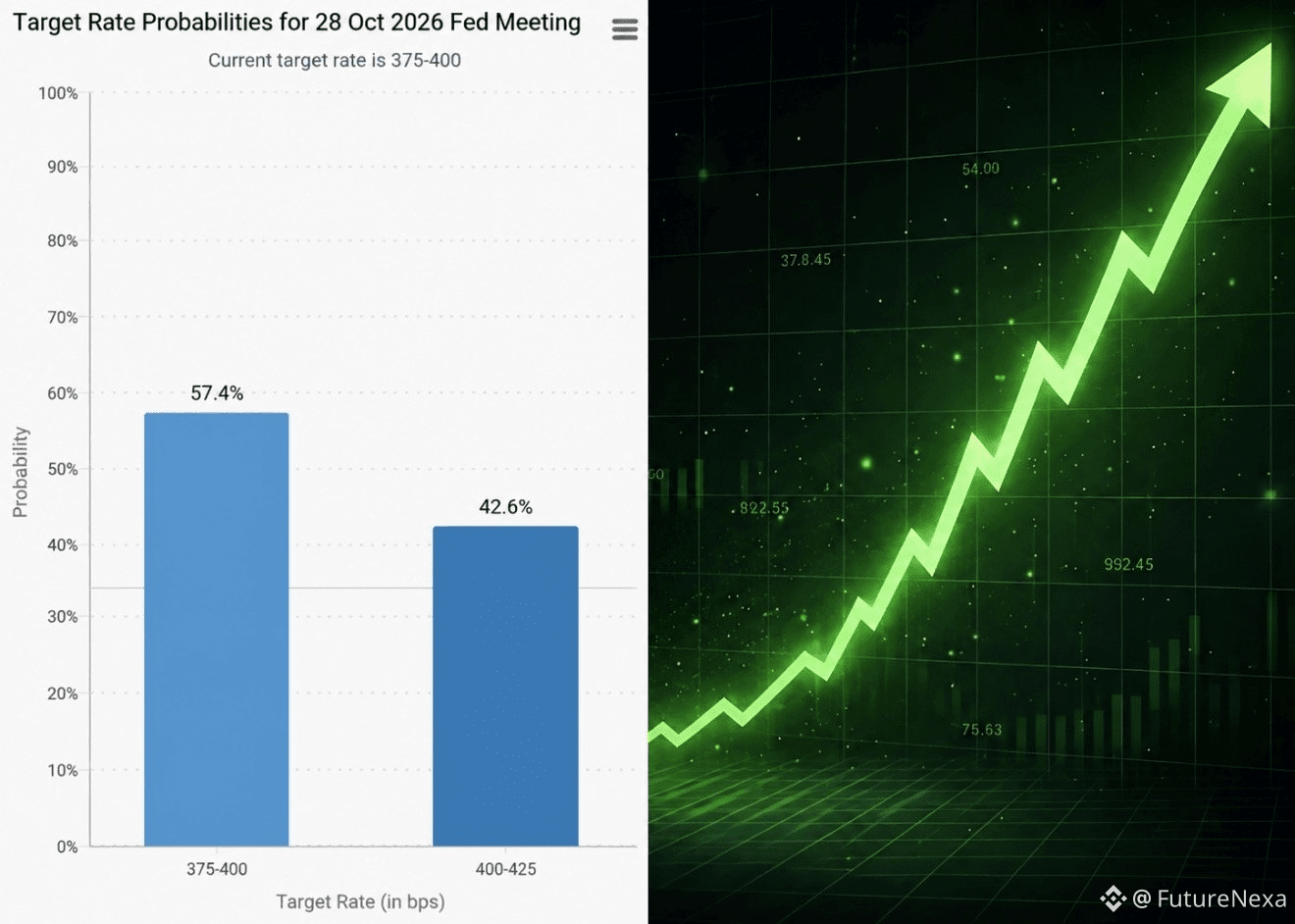
🇺🇸 Fed rate hike odds have dropped to 42.6% vs 70% just 2 days ago.
Bullish for the crypto....
buy $SOL l $SUI l $ADA
#BREAKING :
🇺🇸 Fed rate hike odds have dropped to 42.6% vs 70% just 2 days ago.
Bullish for the crypto....
buy $SOL l $SUI l $ADA
🇺🇸 Fed rate hike odds have dropped to 42.6% vs 70% just 2 days ago.
Bullish for the crypto....
buy $SOL l $SUI l $ADA
58
·
--
🚀 Guys, Long $QNT Now | Max 40× Leverage
📍 Entry Zone: 288 –307
TP1: $360.34
TP2: $405.11
🛑 Stop Loss: 200
#QNTRises287%
$QNT
{future}(QNTUSDT)
🚀 Guys, Long $QNT Now | Max 40× Leverage
📍 Entry Zone: 288 –307
TP1: $360.34
TP2: $405.11
🛑 Stop Loss: 200
#QNTRises287%
$QNT
📍 Entry Zone: 288 –307
TP1: $360.34
TP2: $405.11
🛑 Stop Loss: 200
#QNTRises287%
$QNT
1
17
·
--
As Micron Technology ($MU) prepares to roll out its FY2026 Q4 earnings report, the entire semiconductor and AI market is watching closely. This report is more than just about one stock—it's a high-stakes stress test for the ongoing Memory Supercycle.
📈 My Take: Strongly Bullish with Caution on Margins
1️⃣ AI Demand & HBM Dominance: Demand for High Bandwidth Memory (HBM) driven by AI infrastructure, enterprise servers, and data centers remains at record levels. Supply for 2026/2027 is largely locked in, giving Micron strong pricing power.
2️⃣ Gross Margin Target (86% Challenge): Crossing an 86% gross margin in Q4 is an ambitious target. While DRAM and NAND ASPs (Average Selling Prices) have surged, rising supply chain and production scaling costs might keep margins slightly below the extreme 86% peak. However, even a margin hovering around 80%+ will confirm massive profitability.
3️⃣ How Long Will the Memory Supercycle Last? Driven by generative AI scaling and hardware upgrades across cloud giants, this memory supercycle easily has momentum through mid-2027 before any significant supply-demand rebalancing occurs.
💡 My Strategy:
Pre-Earnings: Holding core long position in $MU with structured risk management.
Post-Earnings: Looking to add on any immediate post-earning volatility/dips if guidance for FY2027 remains strong.
What's your stance before the numbers drop? Are you bullish or bearish on $MU? Let’s discuss in the comments! 👇
#EarningsSeason #Micron #MU #Crypto #Semiconductors #MarketAnalysis
$MU
{future}(MUUSDT)
As Micron Technology ($MU ) prepares to roll out its FY2026 Q4 earnings report, the entire semiconductor and AI market is watching closely. This report is more than just about one stock—it's a high-stakes stress test for the ongoing Memory Supercycle.
📈 My Take: Strongly Bullish with Caution on Margins
1️⃣ AI Demand & HBM Dominance: Demand for High Bandwidth Memory (HBM) driven by AI infrastructure, enterprise servers, and data centers remains at record levels. Supply for 2026/2027 is largely locked in, giving Micron strong pricing power.
2️⃣ Gross Margin Target (86% Challenge): Crossing an 86% gross margin in Q4 is an ambitious target. While DRAM and NAND ASPs (Average Selling Prices) have surged, rising supply chain and production scaling costs might keep margins slightly below the extreme 86% peak. However, even a margin hovering around 80%+ will confirm massive profitability.
3️⃣ How Long Will the Memory Supercycle Last? Driven by generative AI scaling and hardware upgrades across cloud giants, this memory supercycle easily has momentum through mid-2027 before any significant supply-demand rebalancing occurs.
💡 My Strategy:
Pre-Earnings: Holding core long position in $MU with structured risk management.
Post-Earnings: Looking to add on any immediate post-earning volatility/dips if guidance for FY2027 remains strong.
What's your stance before the numbers drop? Are you bullish or bearish on $MU ? Let’s discuss in the comments! 👇
#EarningsSeason #Micron #MU #Crypto #Semiconductors #MarketAnalysis
$MU
📈 My Take: Strongly Bullish with Caution on Margins
1️⃣ AI Demand & HBM Dominance: Demand for High Bandwidth Memory (HBM) driven by AI infrastructure, enterprise servers, and data centers remains at record levels. Supply for 2026/2027 is largely locked in, giving Micron strong pricing power.
2️⃣ Gross Margin Target (86% Challenge): Crossing an 86% gross margin in Q4 is an ambitious target. While DRAM and NAND ASPs (Average Selling Prices) have surged, rising supply chain and production scaling costs might keep margins slightly below the extreme 86% peak. However, even a margin hovering around 80%+ will confirm massive profitability.
3️⃣ How Long Will the Memory Supercycle Last? Driven by generative AI scaling and hardware upgrades across cloud giants, this memory supercycle easily has momentum through mid-2027 before any significant supply-demand rebalancing occurs.
💡 My Strategy:
Pre-Earnings: Holding core long position in $MU with structured risk management.
Post-Earnings: Looking to add on any immediate post-earning volatility/dips if guidance for FY2027 remains strong.
What's your stance before the numbers drop? Are you bullish or bearish on $MU ? Let’s discuss in the comments! 👇
#EarningsSeason #Micron #MU #Crypto #Semiconductors #MarketAnalysis
$MU
1
214
·
--
Guys, Long $BIRB Now!
BIRBUSDT
📍 Entry Zone: 0.071 –0.073
🎯 TP1: 0.075
🎯 TP2: 0.078
🛑 Stop Loss: 0.066
$BIRB
Guys, Long $BIRB Now!
BIRBUSDT
📍 Entry Zone: 0.071 –0.073
🎯 TP1: 0.075
🎯 TP2: 0.078
🛑 Stop Loss: 0.066
$BIRB
BIRBUSDT
📍 Entry Zone: 0.071 –0.073
🎯 TP1: 0.075
🎯 TP2: 0.078
🛑 Stop Loss: 0.066
$BIRB
4
·
--
guy's$ADA is holding strong bullish momentum keeping targets close after the recent run-up.🤝♥️
Entry: $0.2535–$0.2547
TP1: $0.2570 | TP2: $0.2590
SL: $0.2510
$BTC
{spot}(BTCUSDT)
guy's$ADA is holding strong bullish momentum keeping targets close after the recent run-up.🤝♥️
Entry: $0.2535–$0.2547
TP1: $0.2570 | TP2: $0.2590
SL: $0.2510
$BTC
Entry: $0.2535–$0.2547
TP1: $0.2570 | TP2: $0.2590
SL: $0.2510
$BTC
41
·
--
*BREAKING* 🚨
🇺🇸 President Trump says oil prices will plummet after the Iran conflict is over.
End the war, Mr. President, and pump Bitcoin above $100K 🚀
$BTC
{spot}(BTCUSDT)
*BREAKING* 🚨
🇺🇸 President Trump says oil prices will plummet after the Iran conflict is over.
End the war, Mr. President, and pump Bitcoin above $100K 🚀
$BTC
🇺🇸 President Trump says oil prices will plummet after the Iran conflict is over.
End the war, Mr. President, and pump Bitcoin above $100K 🚀
$BTC

84
·
--
BLOCKCHAIN EXPANSION UPDATE
Chainlink services expanded across the following blockchains:
CCIP
• Arc
• MOVA
Data Streams
• Arc
CRE
• ADI Chain
• Ink
• Monad
Data Feeds
• Arc
• Tempo
$LINK
{spot}(LINKUSDT)
BLOCKCHAIN EXPANSION UPDATE
Chainlink services expanded across the following blockchains:
CCIP
• Arc
• MOVA
Data Streams
• Arc
CRE
• ADI Chain
• Ink
• Monad
Data Feeds
• Arc
• Tempo
$LINK
Chainlink services expanded across the following blockchains:
CCIP
• Arc
• MOVA
Data Streams
• Arc
CRE
• ADI Chain
• Ink
• Monad
Data Feeds
• Arc
• Tempo
$LINK
48
·
--
🚨 $HYPE EYES $100? 👀🔥
HYPE is showing strong momentum, and traders are watching the $100 level closely.
📍 Potential Entry: $90 – $94
🎯 TP1: $96
🎯 TP2: $98
🎯 TP3: $100
🎯 TP4: $105
🎯 TP5: $110
🛑 SL: $86
The key question is whether HYPE can hold the $90 area and build enough momentum for a move toward $100+.
⚠️ This is a technical setup, not a guaranteed outcome. Manage risk carefully and do your own research.
Would you take this HYPE setup? 👇
$HYPE #HYPE #Hyperliquid #Crypto #Altcoins #CryptoTrading #BinanceSquare #Trading
$HYPE
{future}(HYPEUSDT)
🚨 $HYPE EYES $100? 👀🔥
HYPE is showing strong momentum, and traders are watching the $100 level closely.
📍 Potential Entry: $90 – $94
🎯 TP1: $96
🎯 TP2: $98
🎯 TP3: $100
🎯 TP4: $105
🎯 TP5: $110
🛑 SL: $86
The key question is whether HYPE can hold the $90 area and build enough momentum for a move toward $100+.
⚠️ This is a technical setup, not a guaranteed outcome. Manage risk carefully and do your own research.
Would you take this HYPE setup? 👇
$HYPE #HYPE #Hyperliquid #Crypto #Altcoins #CryptoTrading #BinanceSquare #Trading
$HYPE
HYPE is showing strong momentum, and traders are watching the $100 level closely.
📍 Potential Entry: $90 – $94
🎯 TP1: $96
🎯 TP2: $98
🎯 TP3: $100
🎯 TP4: $105
🎯 TP5: $110
🛑 SL: $86
The key question is whether HYPE can hold the $90 area and build enough momentum for a move toward $100+.
⚠️ This is a technical setup, not a guaranteed outcome. Manage risk carefully and do your own research.
Would you take this HYPE setup? 👇
$HYPE #HYPE #Hyperliquid #Crypto #Altcoins #CryptoTrading #BinanceSquare #Trading
$HYPE
162
·
--
https://www.goldeye.pro/register?invite=0wh4OtjRjK
https://www.goldeye.pro/register?invite=0wh4OtjRjK
11
·
--
🚨 NEAR Protocol Just Exploded 20%+ — Here’s Why 👀
NEAR is making serious moves today, jumping over 20% to around $3.87.
But this isn’t just a random pump. 🔥
Here are the key catalysts:
🔹 NEAR is repositioning toward cross-chain trading and execution
🔹 NEAR Intents TVL crossed $70M, triggering the NEAR@3.33 rewards program
🔹 333,333 NEAR tokens are set to be distributed through the incentive program
🔹 Hyperliquid integration is expanding NEAR’s use cases
🔹 Strong Bitcoin and altcoin momentum is adding fuel to the rally
📊 NEAR Intents has also recorded billions of dollars in recent trading volume, showing growing ecosystem activity.
Now the big question:
Can NEAR hold above the $3.33 area and continue the momentum toward $4+? 👀
Or is this rally due for a pullback?
$NEAR #NEAR #BTCBreaks80K NEARProtocol #Crypto #Altcoins #CryptoNews #BinanceSquare #Web3 #blockchain
$NEAR
{spot}(NEARUSDT)
🚨 NEAR Protocol Just Exploded 20%+ — Here’s Why 👀
NEAR is making serious moves today, jumping over 20% to around $3.87.
But this isn’t just a random pump. 🔥
Here are the key catalysts:
🔹 NEAR is repositioning toward cross-chain trading and execution
🔹 NEAR Intents TVL crossed $70M, triggering the NEAR@3.33 rewards program
🔹 333,333 NEAR tokens are set to be distributed through the incentive program
🔹 Hyperliquid integration is expanding NEAR’s use cases
🔹 Strong Bitcoin and altcoin momentum is adding fuel to the rally
📊 NEAR Intents has also recorded billions of dollars in recent trading volume, showing growing ecosystem activity.
Now the big question:
Can NEAR hold above the $3.33 area and continue the momentum toward $4+? 👀
Or is this rally due for a pullback?
$NEAR #NEAR #BTCBreaks80K NEARProtocol #Crypto #Altcoins #CryptoNews #BinanceSquare #Web3 #blockchain
$NEAR
NEAR is making serious moves today, jumping over 20% to around $3.87.
But this isn’t just a random pump. 🔥
Here are the key catalysts:
🔹 NEAR is repositioning toward cross-chain trading and execution
🔹 NEAR Intents TVL crossed $70M, triggering the NEAR@3.33 rewards program
🔹 333,333 NEAR tokens are set to be distributed through the incentive program
🔹 Hyperliquid integration is expanding NEAR’s use cases
🔹 Strong Bitcoin and altcoin momentum is adding fuel to the rally
📊 NEAR Intents has also recorded billions of dollars in recent trading volume, showing growing ecosystem activity.
Now the big question:
Can NEAR hold above the $3.33 area and continue the momentum toward $4+? 👀
Or is this rally due for a pullback?
$NEAR #NEAR #BTCBreaks80K NEARProtocol #Crypto #Altcoins #CryptoNews #BinanceSquare #Web3 #blockchain
$NEAR
146
·
--
🚀 Guys $LTC — LONG NOW! ‼️🔥Max 30× Leverage
📍 Entry: 52.77 — 52.94
🎯 Take Profit: 53.90
🎯 Take Profit: 54.56
🛑 Stop Loss: $47.90
Manage your risk and trade responsibly. 🚀
$LTC
{future}(LTCUSDT)
🚀 Guys $LTC — LONG NOW! ‼️🔥Max 30× Leverage
📍 Entry: 52.77 — 52.94
🎯 Take Profit: 53.90
🎯 Take Profit: 54.56
🛑 Stop Loss: $47.90
Manage your risk and trade responsibly. 🚀
$LTC
📍 Entry: 52.77 — 52.94
🎯 Take Profit: 53.90
🎯 Take Profit: 54.56
🛑 Stop Loss: $47.90
Manage your risk and trade responsibly. 🚀
$LTC
2
·
--
$ZEC - 🟢 SHORT · Conf 82%
Trade Plan:
Entry: 1063.37 – 1067.69
SL: 1108.26
TP1: 1033.48
TP2: 1012.12
TP3: 980.07
$ZEC ,
$ZEC - 🟢 SHORT · Conf 82%
Trade Plan:
Entry: 1063.37 – 1067.69
SL: 1108.26
TP1: 1033.48
TP2: 1012.12
TP3: 980.07
$ZEC ,
Trade Plan:
Entry: 1063.37 – 1067.69
SL: 1108.26
TP1: 1033.48
TP2: 1012.12
TP3: 980.07
$ZEC ,
72
·
--
Guys, Long $FIL Now!
FILUSDT
📍 Entry Zone: 0.9750 –0.9810
🎯 TP1: 1.045
🎯 TP2: 1.098
🛑 Stop Loss: 0.93
$FIL
{future}(FILUSDT)
Guys, Long $FIL Now!
FILUSDT
📍 Entry Zone: 0.9750 –0.9810
🎯 TP1: 1.045
🎯 TP2: 1.098
🛑 Stop Loss: 0.93
$FIL
FILUSDT
📍 Entry Zone: 0.9750 –0.9810
🎯 TP1: 1.045
🎯 TP2: 1.098
🛑 Stop Loss: 0.93
$FIL
8
·
--
🗓️ *Crypto Events & Catalysts | This Week*
Mon, Sep 14
* UPBIT - Delisting STORJ and JASMY
* ZEC - NU7 Scope Vote
Tue, Sep 15
* WCT - Token Unlock (9.82% of M.Cap)
* ADP Weekly Employment Change
* 🇺🇸USA - CLARITY Act Vote
Wed, Sep 16
* Federal Funds Rate 💵
* USA 🇺🇸 - New rules from the CFTC and SEC
* $VET - Interstellar Mega Upgrade
Thu, Sep 17
* Unemployment Claims
* RSR - Burn Vote
* CRO - Global App Launch
Fri, Sep 18
* BARD - Token Unlock (8.34% of M.Cap)
* $BOJ (Bank_of_Japan) - Rate Decision
Sat, Sep 19
* $STX (Stacks) - Incentive Program with Zest and Bitflow
Sun, Sep 20
* Lista - Token Unlock (8.46% of M.Cap)
* Zro - Token Unlock (6.59% of M.Cap)
* Kaito - Token Unlock (7.29% of M.Cap)
$ZEC
$WCT
🗓️ *Crypto Events & Catalysts | This Week*
Mon, Sep 14
* UPBIT - Delisting STORJ and JASMY
* ZEC - NU7 Scope Vote
Tue, Sep 15
* WCT - Token Unlock (9.82% of M.Cap)
* ADP Weekly Employment Change
* 🇺🇸USA - CLARITY Act Vote
Wed, Sep 16
* Federal Funds Rate 💵
* USA 🇺🇸 - New rules from the CFTC and SEC
* $VET - Interstellar Mega Upgrade
Thu, Sep 17
* Unemployment Claims
* RSR - Burn Vote
* CRO - Global App Launch
Fri, Sep 18
* BARD - Token Unlock (8.34% of M.Cap)
* $BOJ (Bank_of_Japan) - Rate Decision
Sat, Sep 19
* $STX (Stacks) - Incentive Program with Zest and Bitflow
Sun, Sep 20
* Lista - Token Unlock (8.46% of M.Cap)
* Zro - Token Unlock (6.59% of M.Cap)
* Kaito - Token Unlock (7.29% of M.Cap)
$ZEC
$WCT
Mon, Sep 14
* UPBIT - Delisting STORJ and JASMY
* ZEC - NU7 Scope Vote
Tue, Sep 15
* WCT - Token Unlock (9.82% of M.Cap)
* ADP Weekly Employment Change
* 🇺🇸USA - CLARITY Act Vote
Wed, Sep 16
* Federal Funds Rate 💵
* USA 🇺🇸 - New rules from the CFTC and SEC
* $VET - Interstellar Mega Upgrade
Thu, Sep 17
* Unemployment Claims
* RSR - Burn Vote
* CRO - Global App Launch
Fri, Sep 18
* BARD - Token Unlock (8.34% of M.Cap)
* $BOJ (Bank_of_Japan) - Rate Decision
Sat, Sep 19
* $STX (Stacks) - Incentive Program with Zest and Bitflow
Sun, Sep 20
* Lista - Token Unlock (8.46% of M.Cap)
* Zro - Token Unlock (6.59% of M.Cap)
* Kaito - Token Unlock (7.29% of M.Cap)
$ZEC
$WCT
66
·
--
🚨 My CPI Prediction: This Could Be a Big Day for Markets
The US CPI report is finally here, and I think this could be one of the most important inflation readings for the Fed in recent months.
The latest economist expectations are around 3.4% YoY for headline CPI, with a 0.4% monthly increase. Core CPI is expected around 2.4% YoY and 0.2% MoM.
But I’m watching more than just the headline number.
The recent NFP report was stronger than expected, while energy prices have moved higher and oil has pushed back above $100. That creates a difficult combination for the Fed: a relatively strong labor market + persistent inflation pressure.
🎯 My prediction:
I expect headline CPI to come in around 3.4%, possibly in the 3.3%–3.5% range.
For Core CPI, I’m expecting around 0.2% MoM / 2.4% YoY.
If CPI comes in hotter than expected, especially if Core CPI reaches 0.3% MoM, I think the probability of a 25-bps Fed hike could increase further.
That could mean:
USD 📈 | Stocks 📉 | Crypto 📉 | Gold mixed/volatile
But if CPI comes in clearly cooler, especially with Core CPI at 0.1%–0.2%, the market could start pricing in less pressure from the Fed.
That could mean:
USD 📉 | Stocks 📈 | Crypto 📈 | Gold 📈
🔥 My base case: CPI around expectations, but with the risk tilted slightly toward a hotter reading because of energy prices and the stronger economic data.
I’m not saying this is guaranteed. The market can react very differently depending on the details inside the report.
The biggest question is simple:
Will CPI confirm the hawkish Fed story, or will it give markets some relief?
👇 My call: 3.4% headline CPI.
What’s your prediction?
Above 3.4% 📉 or below 3.4% 📈?
#CPIWatch #CPI #Fed #Inflation #NFP #InterestRates #GOLD #Stocks #Bitcoin #crypto
$BTC
$XAUT
{spot}(XAUTUSDT)
{spot}(BTCUSDT)
🚨 My CPI Prediction: This Could Be a Big Day for Markets
The US CPI report is finally here, and I think this could be one of the most important inflation readings for the Fed in recent months.
The latest economist expectations are around 3.4% YoY for headline CPI, with a 0.4% monthly increase. Core CPI is expected around 2.4% YoY and 0.2% MoM.
But I’m watching more than just the headline number.
The recent NFP report was stronger than expected, while energy prices have moved higher and oil has pushed back above $100. That creates a difficult combination for the Fed: a relatively strong labor market + persistent inflation pressure.
🎯 My prediction:
I expect headline CPI to come in around 3.4%, possibly in the 3.3%–3.5% range.
For Core CPI, I’m expecting around 0.2% MoM / 2.4% YoY.
If CPI comes in hotter than expected, especially if Core CPI reaches 0.3% MoM, I think the probability of a 25-bps Fed hike could increase further.
That could mean:
USD 📈 | Stocks 📉 | Crypto 📉 | Gold mixed/volatile
But if CPI comes in clearly cooler, especially with Core CPI at 0.1%–0.2%, the market could start pricing in less pressure from the Fed.
That could mean:
USD 📉 | Stocks 📈 | Crypto 📈 | Gold 📈
🔥 My base case: CPI around expectations, but with the risk tilted slightly toward a hotter reading because of energy prices and the stronger economic data.
I’m not saying this is guaranteed. The market can react very differently depending on the details inside the report.
The biggest question is simple:
Will CPI confirm the hawkish Fed story, or will it give markets some relief?
👇 My call: 3.4% headline CPI.
What’s your prediction?
Above 3.4% 📉 or below 3.4% 📈?
#CPIWatch #CPI #Fed #Inflation #NFP #InterestRates #GOLD #Stocks #Bitcoin #crypto
$BTC
$XAUT
The US CPI report is finally here, and I think this could be one of the most important inflation readings for the Fed in recent months.
The latest economist expectations are around 3.4% YoY for headline CPI, with a 0.4% monthly increase. Core CPI is expected around 2.4% YoY and 0.2% MoM.
But I’m watching more than just the headline number.
The recent NFP report was stronger than expected, while energy prices have moved higher and oil has pushed back above $100. That creates a difficult combination for the Fed: a relatively strong labor market + persistent inflation pressure.
🎯 My prediction:
I expect headline CPI to come in around 3.4%, possibly in the 3.3%–3.5% range.
For Core CPI, I’m expecting around 0.2% MoM / 2.4% YoY.
If CPI comes in hotter than expected, especially if Core CPI reaches 0.3% MoM, I think the probability of a 25-bps Fed hike could increase further.
That could mean:
USD 📈 | Stocks 📉 | Crypto 📉 | Gold mixed/volatile
But if CPI comes in clearly cooler, especially with Core CPI at 0.1%–0.2%, the market could start pricing in less pressure from the Fed.
That could mean:
USD 📉 | Stocks 📈 | Crypto 📈 | Gold 📈
🔥 My base case: CPI around expectations, but with the risk tilted slightly toward a hotter reading because of energy prices and the stronger economic data.
I’m not saying this is guaranteed. The market can react very differently depending on the details inside the report.
The biggest question is simple:
Will CPI confirm the hawkish Fed story, or will it give markets some relief?
👇 My call: 3.4% headline CPI.
What’s your prediction?
Above 3.4% 📉 or below 3.4% 📈?
#CPIWatch #CPI #Fed #Inflation #NFP #InterestRates #GOLD #Stocks #Bitcoin #crypto
$BTC
$XAUT
85
·
--
🚨 NFP Beat Expectations. But Here’s the Real Question…
The market got a stronger-than-expected NFP report.
Now everyone is watching the next big piece of the puzzle: CPI.
And honestly, this is where things could get interesting.
If CPI comes in hotter than expected, rate-hike expectations could rise again. That could strengthen the Dollar and create pressure on risk assets like stocks and crypto.
But if inflation comes in softer, the story could flip quickly. Rate-hike fears may cool down, potentially giving stocks, gold, and crypto more room to move.
📌 My take: I’m not blindly bullish or bearish before CPI. I’d rather wait for the data and watch how the market reacts.
The first move after CPI can sometimes be a trap, so risk management is key.
🔥 What’s your call?
HOT CPI = BEARISH 📉
COOL CPI = BULLISH 📈
Drop your prediction below. Let’s see who gets it right. 👇
#CPIWatch #cpi #Fed #NFP #Inflation #InterestRates #Gold #Stocks #Bitcoin #crypto
$BTC
$BNB
{spot}(BNBUSDT)
{spot}(BTCUSDT)
🚨 NFP Beat Expectations. But Here’s the Real Question…
The market got a stronger-than-expected NFP report.
Now everyone is watching the next big piece of the puzzle: CPI.
And honestly, this is where things could get interesting.
If CPI comes in hotter than expected, rate-hike expectations could rise again. That could strengthen the Dollar and create pressure on risk assets like stocks and crypto.
But if inflation comes in softer, the story could flip quickly. Rate-hike fears may cool down, potentially giving stocks, gold, and crypto more room to move.
📌 My take: I’m not blindly bullish or bearish before CPI. I’d rather wait for the data and watch how the market reacts.
The first move after CPI can sometimes be a trap, so risk management is key.
🔥 What’s your call?
HOT CPI = BEARISH 📉
COOL CPI = BULLISH 📈
Drop your prediction below. Let’s see who gets it right. 👇
#CPIWatch #cpi #Fed #NFP #Inflation #InterestRates #Gold #Stocks #Bitcoin #crypto
$BTC
$BNB
The market got a stronger-than-expected NFP report.
Now everyone is watching the next big piece of the puzzle: CPI.
And honestly, this is where things could get interesting.
If CPI comes in hotter than expected, rate-hike expectations could rise again. That could strengthen the Dollar and create pressure on risk assets like stocks and crypto.
But if inflation comes in softer, the story could flip quickly. Rate-hike fears may cool down, potentially giving stocks, gold, and crypto more room to move.
📌 My take: I’m not blindly bullish or bearish before CPI. I’d rather wait for the data and watch how the market reacts.
The first move after CPI can sometimes be a trap, so risk management is key.
🔥 What’s your call?
HOT CPI = BEARISH 📉
COOL CPI = BULLISH 📈
Drop your prediction below. Let’s see who gets it right. 👇
#CPIWatch #cpi #Fed #NFP #Inflation #InterestRates #Gold #Stocks #Bitcoin #crypto
$BTC
$BNB
75
·
--
🚨 NFP Surprises, But All Eyes Are on Today's U.S. CPI Data! 📈📉
While recent NFP numbers beat expectations, today’s U.S. Consumer Price Index (CPI) release at 5:30 PM PKT is the ultimate catalyst for the market!
Here is what traders are watching:
CPI y/y Forecast: 3.4% (Prev: 3.4%)
Core CPI y/y Forecast: 2.4% (Prev: 2.5%)
🔥 Scenario 1 (Cool CPI < 3.4%): Inflation cools, rate-hike fears ease, pushing Bitcoin, Gold & Stocks higher! 🚀
⚡ Scenario 2 (Hot CPI > 3.4%): Stronger inflation boosts the Dollar, putting heavy pressure on risk assets. 📉
Watch out for initial fakeouts!
What’s your take? Bullish 🟢 or Bearish 🔴?
#CPIWatch #crypto #Bitcoin #Gold #Stocks #Fed #NFP
$BTC
$XAUT
$NVDAB
{spot}(NVDABUSDT)
{spot}(XAUTUSDT)
{spot}(BTCUSDT)
🚨 NFP Surprises, But All Eyes Are on Today's U.S. CPI Data! 📈📉
While recent NFP numbers beat expectations, today’s U.S. Consumer Price Index (CPI) release at 5:30 PM PKT is the ultimate catalyst for the market!
Here is what traders are watching:
CPI y/y Forecast: 3.4% (Prev: 3.4%)
Core CPI y/y Forecast: 2.4% (Prev: 2.5%)
🔥 Scenario 1 (Cool CPI < 3.4%): Inflation cools, rate-hike fears ease, pushing Bitcoin, Gold & Stocks higher! 🚀
⚡ Scenario 2 (Hot CPI > 3.4%): Stronger inflation boosts the Dollar, putting heavy pressure on risk assets. 📉
Watch out for initial fakeouts!
What’s your take? Bullish 🟢 or Bearish 🔴?
#CPIWatch #crypto #Bitcoin #Gold #Stocks #Fed #NFP
$BTC
$XAUT
$NVDAB
While recent NFP numbers beat expectations, today’s U.S. Consumer Price Index (CPI) release at 5:30 PM PKT is the ultimate catalyst for the market!
Here is what traders are watching:
CPI y/y Forecast: 3.4% (Prev: 3.4%)
Core CPI y/y Forecast: 2.4% (Prev: 2.5%)
🔥 Scenario 1 (Cool CPI < 3.4%): Inflation cools, rate-hike fears ease, pushing Bitcoin, Gold & Stocks higher! 🚀
⚡ Scenario 2 (Hot CPI > 3.4%): Stronger inflation boosts the Dollar, putting heavy pressure on risk assets. 📉
Watch out for initial fakeouts!
What’s your take? Bullish 🟢 or Bearish 🔴?
#CPIWatch #crypto #Bitcoin #Gold #Stocks #Fed #NFP
$BTC
$XAUT
$NVDAB
105
Connectez-vous pour découvrir plus de contenu
Rejoignez la communauté mondiale des adeptes de cryptomonnaies sur Binance Square
⚡️ Suviez les dernières informations importantes sur les cryptomonnaies.
💬 Jugé digne de confiance par la plus grande plateforme d’échange de cryptomonnaies au monde.
👍 Découvrez les connaissances que partagent les créateurs vérifiés.
Adresse e-mail/Nº de téléphone
Sujets d’actualité
BitcoinRejectedAt$87K
30,168 vues
71 mentions
$BTC Update 🚨 🐼 Skip THIS Warning at Your Own Risk ⚠️
BTC is knocking on 87K like it already owns the place 😂Bulls are awake… but BTC usually likes to shake a few people out before the real move.
Overall, BTC is breaking out and the higher-timeframe picture is still bullish. The 4H and daily structure are strong, price is holding above the major averages, and momentum is still supporting the move.
83K was honestly a beautiful buy location. That was the area where risk/reward made sense. Anyone who bought there is already sitting enjoying profit
Now come to main
BTC is sitting right under the previous high around 87K. So I would not be surprised if we first see a little downside liquidity grab, flush some late longs, and then BTC decides whether it wants the real breakout.
For today’s scalp, This is my Plan 👇
BTC SHORT scalp Entry: 86,550–86,900
TP1: 85,650
TP2: 84,850
TP3: 84,050
SL: 87,800
I only like this if we get a proper rejection near the highs. No blind shorting.
For the bigger picture, I’m still bullish as long as the 82.5K–83K area keeps holding. If BTC gets a clean breakout and starts accepting above 87.4K, then this whole short idea is invalid and the next bullish leg becomes much more interesting.
SO BASICALLY OCTOBER HISTORICAL IS BULLISH MONTH FOR BITCOIN.
ALWAYS DYOR
Panda Traders
·32 mentions J’aime
·13k vues
FedOctoberRateHikeOddsFallTo17%
21,063 vues
349 mentions
NvidiaHitsRecordHighUp2.4%
5,714 vues
222 mentions