
#gasfees
gasfees
207,344 vues
357 mentions
Populaire
Récents

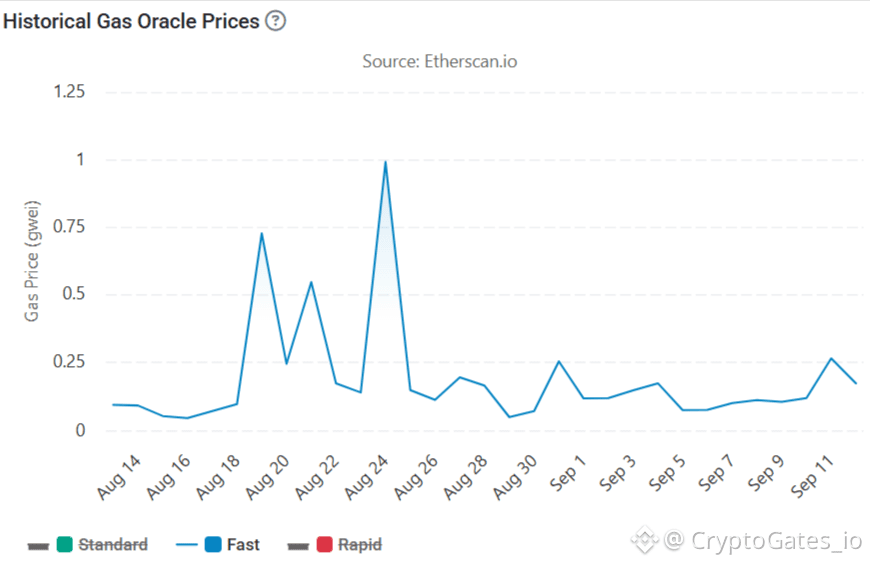
$ETH : Les frais de gaz d’Ethereum ont chuté à leur plus bas niveau sur plusieurs semaines, les transactions standard s’établissant actuellement à 0,053 gwei
Des frais plus bas vont souvent de pair avec une demande on-chain réduite, moins d’échanges et d’appels de contrats qu’il y a quelques semaines, lorsque les frais avaient brièvement frôlé 1 gwei.
Pour les traders actifs, c’est aussi une fenêtre peu coûteuse pour exécuter des ajustements de stratégie on-chain.
Le coût d’exécution fait partie de l’équation, pas seulement le prix d’entrée.
#Ethereum #GasFees #OnChainMetrics
$ETH : Les frais de gaz d’Ethereum ont chuté à leur plus bas niveau sur plusieurs semaines, les transactions standard s’établissant actuellement à 0,053 gwei
Des frais plus bas vont souvent de pair avec une demande on-chain réduite, moins d’échanges et d’appels de contrats qu’il y a quelques semaines, lorsque les frais avaient brièvement frôlé 1 gwei.
Pour les traders actifs, c’est aussi une fenêtre peu coûteuse pour exécuter des ajustements de stratégie on-chain.
Le coût d’exécution fait partie de l’équation, pas seulement le prix d’entrée.
#Ethereum #GasFees #OnChainMetrics
Des frais plus bas vont souvent de pair avec une demande on-chain réduite, moins d’échanges et d’appels de contrats qu’il y a quelques semaines, lorsque les frais avaient brièvement frôlé 1 gwei.
Pour les traders actifs, c’est aussi une fenêtre peu coûteuse pour exécuter des ajustements de stratégie on-chain.
Le coût d’exécution fait partie de l’équation, pas seulement le prix d’entrée.
#Ethereum #GasFees #OnChainMetrics
47

·
--
Ethereum évolue vers le paiement des frais de gaz sans avoir besoin de détenir de l’ETH. La fonctionnalité Frame Transactions, bloquée dans la mise à niveau Hegóta le mois dernier, progresse rapidement, a déclaré Vitalik Buterin. Un potentiel changement de jeu pour l’onboarding et l’accès à la DeFi. $ETH #Ethereum #FraisDeGaz
Ethereum évolue vers le paiement des frais de gaz sans avoir besoin de détenir de l’ETH. La fonctionnalité Frame Transactions, bloquée dans la mise à niveau Hegóta le mois dernier, progresse rapidement, a déclaré Vitalik Buterin. Un potentiel changement de jeu pour l’onboarding et l’accès à la DeFi. $ETH #Ethereum #FraisDeGaz
7

·
--
Pourquoi les frais de gaz sur les réseaux blockchain augmentent et diminuentLes frais de gaz correspondent au coût que les utilisateurs paient pour que leurs transactions soient incluses dans un bloc de la blockchain. Ils compensent le réseau des ressources informatiques nécessaires pour valider et stocker les données. La plupart des réseaux fixent des frais de base par unité de travail, souvent appelés « gas », et y ajoutent un pourboire afin d’encourager une inclusion rapide. Lorsque de nombreux participants se disputent un espace de bloc limité, le prix de chaque unité augmente ; lorsque l’activité ralentit, le prix baisse.
La complexité des transactions compte : un simple transfert consomme moins de gaz qu’une interaction avec un contrat intelligent ; ainsi, des scripts plus longs peuvent augmenter les frais totaux. La congestion du réseau est un facteur majeur. Lors des périodes de volume de trading élevé sur $ETH, par exemple, la demande d’espace de bloc augmente et les frais grimpent. Inversement, pendant des intervalles plus calmes, le même réseau peut afficher des coûts plus faibles. Sur $BTC, le marché des frais est influencé par la taille des blocs et le poids des transactions, tandis que des réseaux tels que $SOL , $SOL et <e-11/> peuvent connaître des schémas de frais différents en raison de leur conception du consensus.
Pourquoi les frais de gaz sur les réseaux blockchain augmentent et diminuent
Les frais de gaz correspondent au coût que les utilisateurs paient pour que leurs transactions soient incluses dans un bloc de la blockchain. Ils compensent le réseau des ressources informatiques nécessaires pour valider et stocker les données. La plupart des réseaux fixent des frais de base par unité de travail, souvent appelés « gas », et y ajoutent un pourboire afin d’encourager une inclusion rapide. Lorsque de nombreux participants se disputent un espace de bloc limité, le prix de chaque unité augmente ; lorsque l’activité ralentit, le prix baisse.
La complexité des transactions compte : un simple transfert consomme moins de gaz qu’une interaction avec un contrat intelligent ; ainsi, des scripts plus longs peuvent augmenter les frais totaux. La congestion du réseau est un facteur majeur. Lors des périodes de volume de trading élevé sur $ETH , par exemple, la demande d’espace de bloc augmente et les frais grimpent. Inversement, pendant des intervalles plus calmes, le même réseau peut afficher des coûts plus faibles. Sur $BTC , le marché des frais est influencé par la taille des blocs et le poids des transactions, tandis que des réseaux tels que $SOL , $SOL et <e-11/> peuvent connaître des schémas de frais différents en raison de leur conception du consensus.
La complexité des transactions compte : un simple transfert consomme moins de gaz qu’une interaction avec un contrat intelligent ; ainsi, des scripts plus longs peuvent augmenter les frais totaux. La congestion du réseau est un facteur majeur. Lors des périodes de volume de trading élevé sur $ETH , par exemple, la demande d’espace de bloc augmente et les frais grimpent. Inversement, pendant des intervalles plus calmes, le même réseau peut afficher des coûts plus faibles. Sur $BTC , le marché des frais est influencé par la taille des blocs et le poids des transactions, tandis que des réseaux tels que $SOL , $SOL et <e-11/> peuvent connaître des schémas de frais différents en raison de leur conception du consensus.
77

·
--
🚨 Ethereum et Solana traitent des volumes à hauteur de milliers de milliards, mais des tokens natifs comme l’ETH pourraient perdre une demande directe des utilisateurs, car les paymasters et les sponsors absorbent les frais de gaz.
Tandis que les applications masquent l’ETH/SOL aux utilisateurs, la facture de gaz sous-jacente demeure—financée en tokens natifs.
Cela pourrait affaiblir la pression de la demande organique sur l’ETH malgré une activité on-chain élevée.
La valeur de l’ETH est-elle toujours liée à l’usage si les utilisateurs ne la touchent jamais ?
#GasFees
$ETH #TradingSignal #CryptoAnalysis
🚨 Ethereum et Solana traitent des volumes à hauteur de milliers de milliards, mais des tokens natifs comme l’ETH pourraient perdre une demande directe des utilisateurs, car les paymasters et les sponsors absorbent les frais de gaz.
Tandis que les applications masquent l’ETH/SOL aux utilisateurs, la facture de gaz sous-jacente demeure—financée en tokens natifs.
Cela pourrait affaiblir la pression de la demande organique sur l’ETH malgré une activité on-chain élevée.
La valeur de l’ETH est-elle toujours liée à l’usage si les utilisateurs ne la touchent jamais ?
#GasFees
$ETH #TradingSignal #CryptoAnalysis
Tandis que les applications masquent l’ETH/SOL aux utilisateurs, la facture de gaz sous-jacente demeure—financée en tokens natifs.
Cela pourrait affaiblir la pression de la demande organique sur l’ETH malgré une activité on-chain élevée.
La valeur de l’ETH est-elle toujours liée à l’usage si les utilisateurs ne la touchent jamais ?
#GasFees
$ETH #TradingSignal #CryptoAnalysis

17

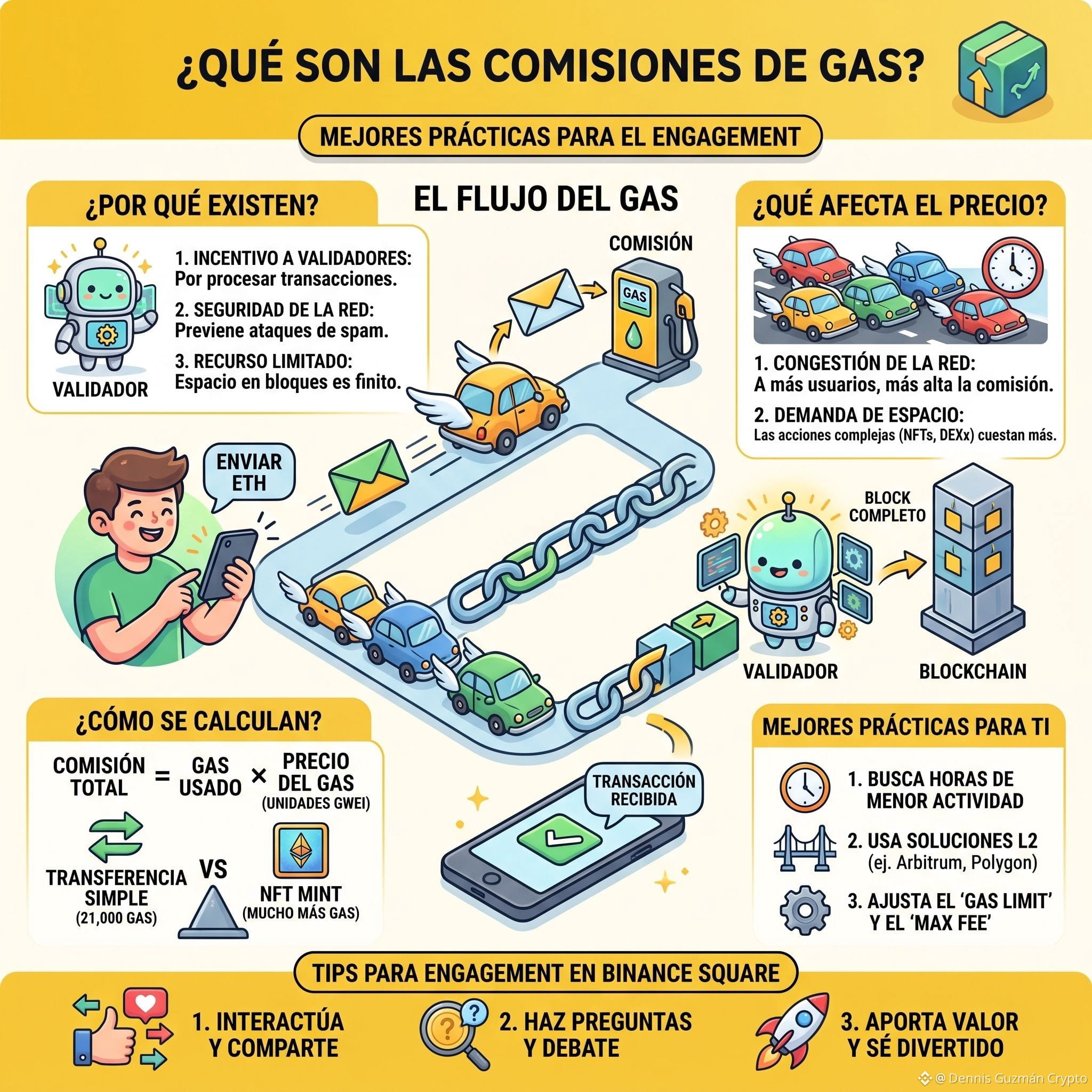
Les commissions de gaz sont le coût que les utilisateurs paient pour effectuer certaines opérations au sein d’une blockchain.
Sur Ethereum, par exemple, ces frais aident à compenser les ressources nécessaires pour traiter les transactions et exécuter des contrats intelligents.
Le coût peut varier selon la demande du réseau.
Lorsque de nombreuses personnes veulent utiliser Ethereum en même temps, les commissions peuvent augmenter.
C’est pourquoi le « gaz » est un concept important pour comprendre le fonctionnement de $ETH et les applications construites sur son réseau.
#Ethereum #gasfees
Les commissions de gaz sont le coût que les utilisateurs paient pour effectuer certaines opérations au sein d’une blockchain.
Sur Ethereum, par exemple, ces frais aident à compenser les ressources nécessaires pour traiter les transactions et exécuter des contrats intelligents.
Le coût peut varier selon la demande du réseau.
Lorsque de nombreuses personnes veulent utiliser Ethereum en même temps, les commissions peuvent augmenter.
C’est pourquoi le « gaz » est un concept important pour comprendre le fonctionnement de $ETH et les applications construites sur son réseau.
#Ethereum #gasfees
Sur Ethereum, par exemple, ces frais aident à compenser les ressources nécessaires pour traiter les transactions et exécuter des contrats intelligents.
Le coût peut varier selon la demande du réseau.
Lorsque de nombreuses personnes veulent utiliser Ethereum en même temps, les commissions peuvent augmenter.
C’est pourquoi le « gaz » est un concept important pour comprendre le fonctionnement de $ETH et les applications construites sur son réseau.
#Ethereum #gasfees
1
79
·
--
La prochaine mise à niveau d’Ethereum casse l’ancienne référence des « 21 000 gas » que les portefeuilles ont utilisée jusqu’ici. Envoyer de l’ETH vers une adresse toute nouvelle coûtera plus cher que l’envoyer vers une adresse existante, et les logiciels conçus autour d’un forfait fixe se tromperont sur le total. Attendez-vous à ce que les portefeuilles et les dapps s’adaptent à un comportement de gas plus dynamique. $ETH #Ethereum #GasFees #CryptoNews
La prochaine mise à niveau d’Ethereum casse l’ancienne référence des « 21 000 gas » que les portefeuilles ont utilisée jusqu’ici. Envoyer de l’ETH vers une adresse toute nouvelle coûtera plus cher que l’envoyer vers une adresse existante, et les logiciels conçus autour d’un forfait fixe se tromperont sur le total. Attendez-vous à ce que les portefeuilles et les dapps s’adaptent à un comportement de gas plus dynamique. $ETH #Ethereum #GasFees #CryptoNews
9

·
--
Vérifié
Ethereum transforme des frais de gaz réduits à des centimes dans une mise à niveau historique de 2026
Ethereum a atteint une étape décisive, réduisant les frais de transaction moyens de 50 $ à de simples centimes : les développeurs attribuent cette réussite à la mise à niveau Dencun et à l’adoption généralisée des solutions de couche 2.
La congestion du réseau a fortement diminué à mesure que l’activité migrait vers des solutions d’optimisation basées sur les rollups, le mainnet servant désormais principalement de couche de règlement. Les utilisateurs sur Arbitrum, Optimism et Base paient désormais moins de 0,10 $ par transaction.
Les analystes soulignent que ce changement renforce la position d’Ethereum en tant que socle de la DeFi institutionnelle et de la tokenisation d’actifs du monde réel, tout en maintenant des transactions du quotidien accessibles aux utilisateurs particuliers.
Les détenteurs d’Ethereum attendaient-ils cet éveil ? Partagez votre avis ci-dessous. 👇
#Ethereum #GasFees #CryptoLayer2
Ethereum transforme des frais de gaz réduits à des centimes dans une mise à niveau historique de 2026
Ethereum a atteint une étape décisive, réduisant les frais de transaction moyens de 50 $ à de simples centimes : les développeurs attribuent cette réussite à la mise à niveau Dencun et à l’adoption généralisée des solutions de couche 2.
La congestion du réseau a fortement diminué à mesure que l’activité migrait vers des solutions d’optimisation basées sur les rollups, le mainnet servant désormais principalement de couche de règlement. Les utilisateurs sur Arbitrum, Optimism et Base paient désormais moins de 0,10 $ par transaction.
Les analystes soulignent que ce changement renforce la position d’Ethereum en tant que socle de la DeFi institutionnelle et de la tokenisation d’actifs du monde réel, tout en maintenant des transactions du quotidien accessibles aux utilisateurs particuliers.
Les détenteurs d’Ethereum attendaient-ils cet éveil ? Partagez votre avis ci-dessous. 👇
#Ethereum #GasFees #CryptoLayer2
Ethereum a atteint une étape décisive, réduisant les frais de transaction moyens de 50 $ à de simples centimes : les développeurs attribuent cette réussite à la mise à niveau Dencun et à l’adoption généralisée des solutions de couche 2.
La congestion du réseau a fortement diminué à mesure que l’activité migrait vers des solutions d’optimisation basées sur les rollups, le mainnet servant désormais principalement de couche de règlement. Les utilisateurs sur Arbitrum, Optimism et Base paient désormais moins de 0,10 $ par transaction.
Les analystes soulignent que ce changement renforce la position d’Ethereum en tant que socle de la DeFi institutionnelle et de la tokenisation d’actifs du monde réel, tout en maintenant des transactions du quotidien accessibles aux utilisateurs particuliers.
Les détenteurs d’Ethereum attendaient-ils cet éveil ? Partagez votre avis ci-dessous. 👇
#Ethereum #GasFees #CryptoLayer2
53

·
--
En avez-vous assez que les commissions mangent vos gains en crypto ? 📉 Je vous montre comment les réduire au minimum grâce à ces 4 astuces clés.
Le « Gas Fee » n’est rien d’autre que le péage que vous payez aux validateurs pour traiter votre transaction sur la blockchain. Si le réseau est très encombré, le prix augmente.
Pour arrêter de donner votre argent en commissions, appliquez ces stratégies :
Opérez aux heures de faible trafic : Transmettre pendant le week-end ou en pleine nuit peut vous faire économiser jusqu’à 50 % sur les commissions.
Utilisez les solutions de couche 2 (Layer 2) et des réseaux efficaces : Au lieu du réseau principal d’Ethereum, migrez vos fonds vers des réseaux comme Arbitrum, Optimism, Base, BNB Chain ou Solana. Ils sont ultra-rapides et coûtent quelques centimes.
Consultez un Gas Tracker : Avant d’agir, vérifiez des outils en temps réel (comme Etherscan Gas Tracker) pour savoir si vous payez pendant un pic de prix ou à un moment « promo ».
Regroupez vos transactions : Évitez les micro-mouvements. Faire une seule grosse transaction est bien moins cher que d’en faire dix petites, car vous optimisez le coût fixe par envoi.
Ne laissez pas l’impatience consommer votre portefeuille. !Apprenez à déplacer votre argent de façon intelligente ! 🧠
💬 Parlons-en en commentaires : Quelle a été la commission la plus absurde ou la plus douloureuse que l’on vous a facturée dans votre histoire crypto ? Je vous lis ! 👇
🚀 Est-ce que ça vous a apporté de la valeur ? Likez, partagez ce post et suivez-moi pour plus de guides d’optimisation et d’analyses de marché. Faisons grandir ce portefeuille ensemble. #GasFees #Layer2 #CryptoTips #Blockchain #EducacionFinanciera
En avez-vous assez que les commissions mangent vos gains en crypto ? 📉 Je vous montre comment les réduire au minimum grâce à ces 4 astuces clés.
Le « Gas Fee » n’est rien d’autre que le péage que vous payez aux validateurs pour traiter votre transaction sur la blockchain. Si le réseau est très encombré, le prix augmente.
Pour arrêter de donner votre argent en commissions, appliquez ces stratégies :
Opérez aux heures de faible trafic : Transmettre pendant le week-end ou en pleine nuit peut vous faire économiser jusqu’à 50 % sur les commissions.
Utilisez les solutions de couche 2 (Layer 2) et des réseaux efficaces : Au lieu du réseau principal d’Ethereum, migrez vos fonds vers des réseaux comme Arbitrum, Optimism, Base, BNB Chain ou Solana. Ils sont ultra-rapides et coûtent quelques centimes.
Consultez un Gas Tracker : Avant d’agir, vérifiez des outils en temps réel (comme Etherscan Gas Tracker) pour savoir si vous payez pendant un pic de prix ou à un moment « promo ».
Regroupez vos transactions : Évitez les micro-mouvements. Faire une seule grosse transaction est bien moins cher que d’en faire dix petites, car vous optimisez le coût fixe par envoi.
Ne laissez pas l’impatience consommer votre portefeuille. !Apprenez à déplacer votre argent de façon intelligente ! 🧠
💬 Parlons-en en commentaires : Quelle a été la commission la plus absurde ou la plus douloureuse que l’on vous a facturée dans votre histoire crypto ? Je vous lis ! 👇
🚀 Est-ce que ça vous a apporté de la valeur ? Likez, partagez ce post et suivez-moi pour plus de guides d’optimisation et d’analyses de marché. Faisons grandir ce portefeuille ensemble. #GasFees #Layer2 #CryptoTips #Blockchain #EducacionFinanciera
Le « Gas Fee » n’est rien d’autre que le péage que vous payez aux validateurs pour traiter votre transaction sur la blockchain. Si le réseau est très encombré, le prix augmente.
Pour arrêter de donner votre argent en commissions, appliquez ces stratégies :
Opérez aux heures de faible trafic : Transmettre pendant le week-end ou en pleine nuit peut vous faire économiser jusqu’à 50 % sur les commissions.
Utilisez les solutions de couche 2 (Layer 2) et des réseaux efficaces : Au lieu du réseau principal d’Ethereum, migrez vos fonds vers des réseaux comme Arbitrum, Optimism, Base, BNB Chain ou Solana. Ils sont ultra-rapides et coûtent quelques centimes.
Consultez un Gas Tracker : Avant d’agir, vérifiez des outils en temps réel (comme Etherscan Gas Tracker) pour savoir si vous payez pendant un pic de prix ou à un moment « promo ».
Regroupez vos transactions : Évitez les micro-mouvements. Faire une seule grosse transaction est bien moins cher que d’en faire dix petites, car vous optimisez le coût fixe par envoi.
Ne laissez pas l’impatience consommer votre portefeuille. !Apprenez à déplacer votre argent de façon intelligente ! 🧠
💬 Parlons-en en commentaires : Quelle a été la commission la plus absurde ou la plus douloureuse que l’on vous a facturée dans votre histoire crypto ? Je vous lis ! 👇
🚀 Est-ce que ça vous a apporté de la valeur ? Likez, partagez ce post et suivez-moi pour plus de guides d’optimisation et d’analyses de marché. Faisons grandir ce portefeuille ensemble. #GasFees #Layer2 #CryptoTips #Blockchain #EducacionFinanciera
320

·
--
Haussier
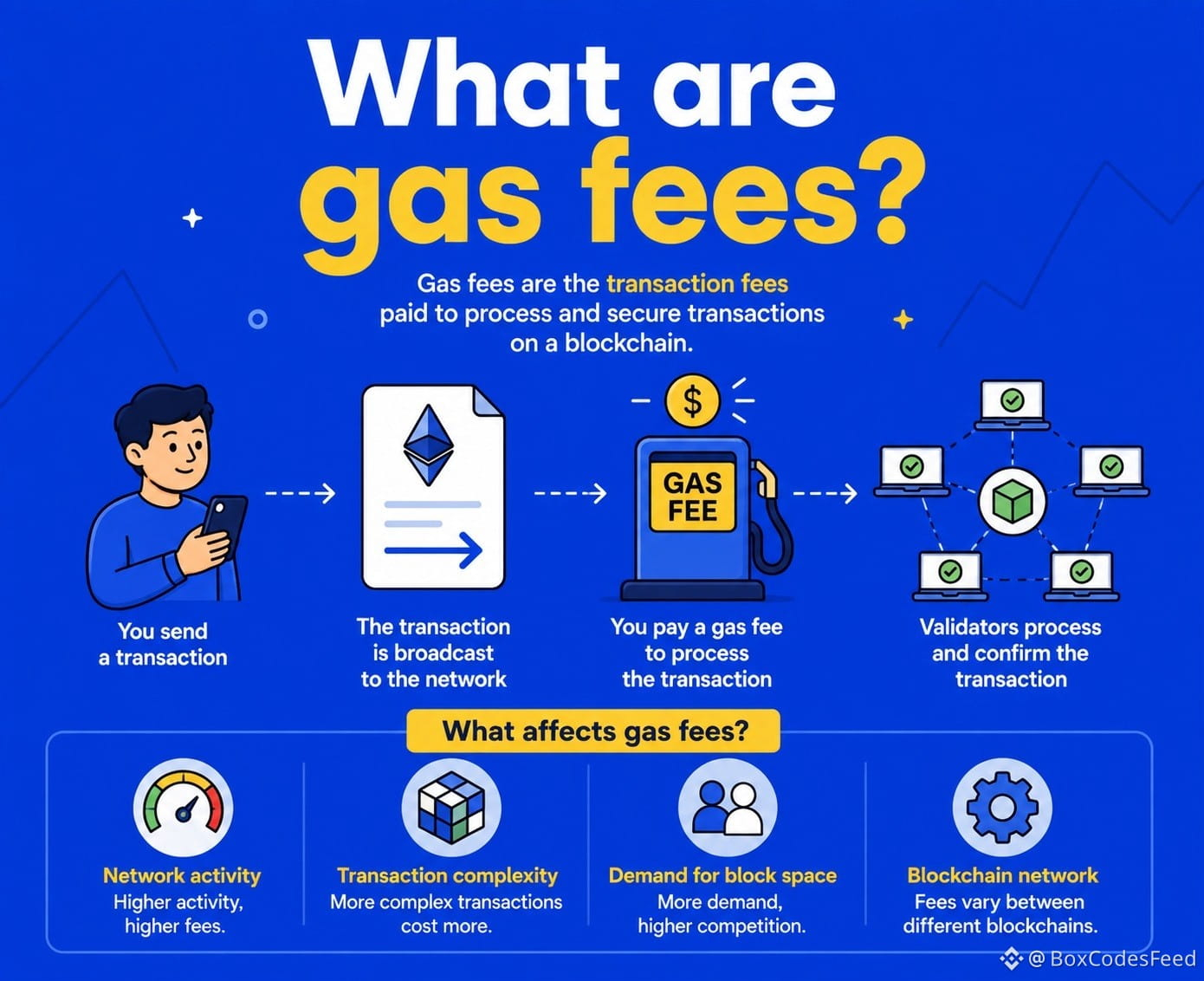
Qu’est-ce que les frais de gaz ?
Avez-vous déjà payé des frais de transaction en envoyant de la crypto ? On appelle cela des frais de gaz.
Les frais de gaz sont payés pour traiter et sécuriser les transactions sur une blockchain. Leur montant peut varier selon l’activité du réseau.
#Ethereum #gasfees #crypto
Qu’est-ce que les frais de gaz ?
Avez-vous déjà payé des frais de transaction en envoyant de la crypto ? On appelle cela des frais de gaz.
Les frais de gaz sont payés pour traiter et sécuriser les transactions sur une blockchain. Leur montant peut varier selon l’activité du réseau.
#Ethereum #gasfees #crypto
Avez-vous déjà payé des frais de transaction en envoyant de la crypto ? On appelle cela des frais de gaz.
Les frais de gaz sont payés pour traiter et sécuriser les transactions sur une blockchain. Leur montant peut varier selon l’activité du réseau.
#Ethereum #gasfees #crypto
173

⚡ Frais de gaz expliqués : le coût pour faire fonctionner les blockchains
Le 1er août 2026, les frais de gaz correspondent à des paiements versés aux validateurs du réseau pour traiter les transactions. Ils augmentent lorsque la demande d’espace de bloc est élevée — c’est pourquoi, sur les réseaux très sollicités, les frais peuvent dépasser le coût même de la transaction.
Ethereum $ETH, avec 7,95 Md$ de volume quotidien, sert de référence : son marché des frais transforme directement la congestion en prix pour chaque transaction.
📌 À retenir :
Les frais de gaz sont une question d’offre et de demande pour la sécurité. Comprendre quand les réseaux sont congestionnés — et pourquoi les frais varient — est essentiel pour toute personne utilisant régulièrement des blockchains.
#GasFees #CryptoEducation
#BinanceAlphaAlert
⚡ Frais de gaz expliqués : le coût pour faire fonctionner les blockchains
Le 1er août 2026, les frais de gaz correspondent à des paiements versés aux validateurs du réseau pour traiter les transactions. Ils augmentent lorsque la demande d’espace de bloc est élevée — c’est pourquoi, sur les réseaux très sollicités, les frais peuvent dépasser le coût même de la transaction.
Ethereum $ETH , avec 7,95 Md$ de volume quotidien, sert de référence : son marché des frais transforme directement la congestion en prix pour chaque transaction.
📌 À retenir :
Les frais de gaz sont une question d’offre et de demande pour la sécurité. Comprendre quand les réseaux sont congestionnés — et pourquoi les frais varient — est essentiel pour toute personne utilisant régulièrement des blockchains.
#GasFees #CryptoEducation
#BinanceAlphaAlert
Le 1er août 2026, les frais de gaz correspondent à des paiements versés aux validateurs du réseau pour traiter les transactions. Ils augmentent lorsque la demande d’espace de bloc est élevée — c’est pourquoi, sur les réseaux très sollicités, les frais peuvent dépasser le coût même de la transaction.
Ethereum $ETH , avec 7,95 Md$ de volume quotidien, sert de référence : son marché des frais transforme directement la congestion en prix pour chaque transaction.
📌 À retenir :
Les frais de gaz sont une question d’offre et de demande pour la sécurité. Comprendre quand les réseaux sont congestionnés — et pourquoi les frais varient — est essentiel pour toute personne utilisant régulièrement des blockchains.
#GasFees #CryptoEducation
#BinanceAlphaAlert
12
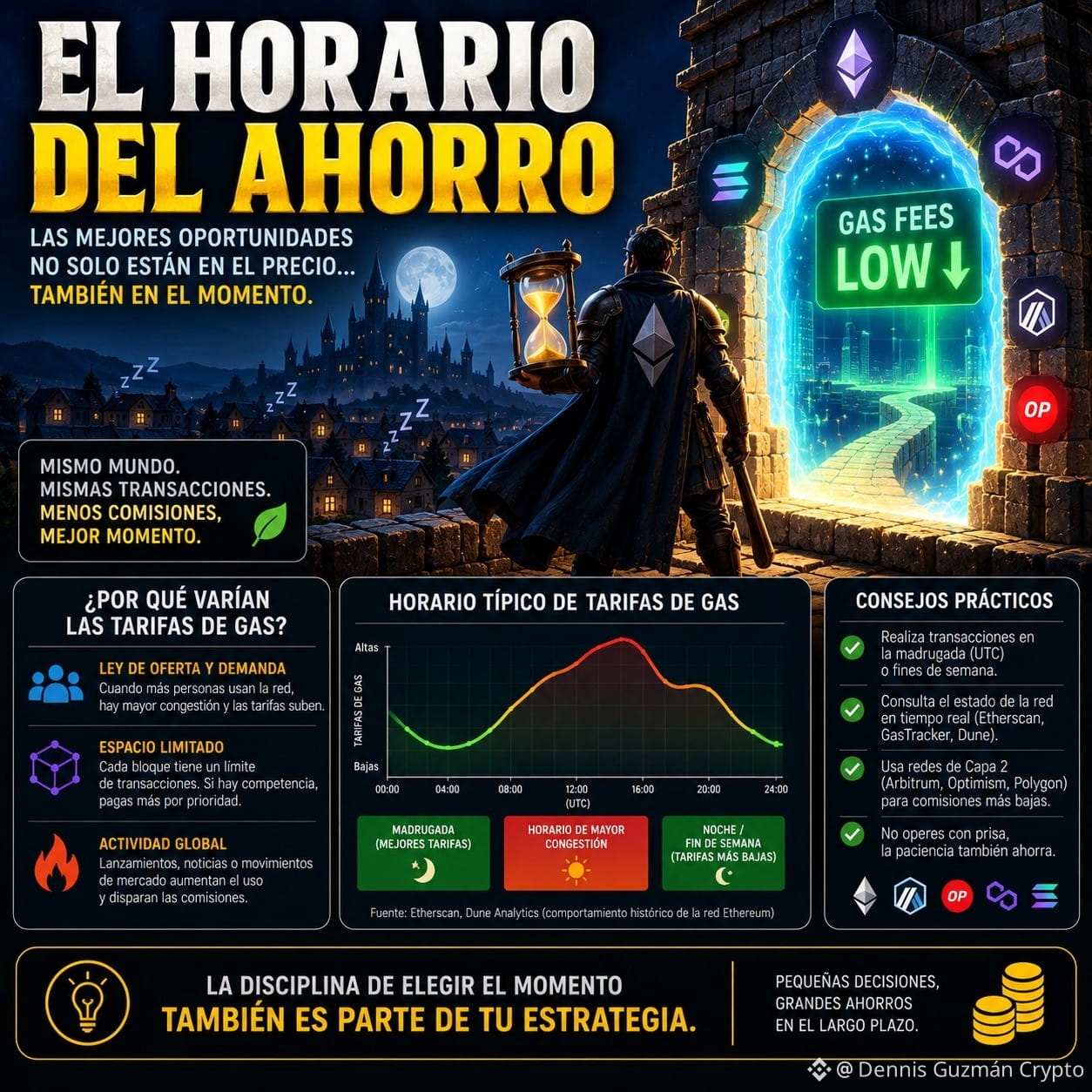
Économisez de l’argent en optimisant vos envois sur le réseau en utilisant $ETH ⏰.
Les frais des réseaux blockchain fluctuent en fonction de l’activité des utilisateurs. Si vous allez effectuer de gros transferts qui ne sont pas urgents, planifiez-les pour la nuit, ou pendant les périodes de faible activité en fin de semaine : vous pouvez économiser beaucoup d’argent. 💰 Appliquez l’astuce de l’horaire !
Saviez-vous que les tarifs réseau baissent drastiquement pendant certaines heures le dimanche ? 👇
#gasfees #cryptohacks
👇 Cliquez ici pour opérer 👇
{future}(ETHUSDT)
Économisez de l’argent en optimisant vos envois sur le réseau en utilisant $ETH ⏰.
Les frais des réseaux blockchain fluctuent en fonction de l’activité des utilisateurs. Si vous allez effectuer de gros transferts qui ne sont pas urgents, planifiez-les pour la nuit, ou pendant les périodes de faible activité en fin de semaine : vous pouvez économiser beaucoup d’argent. 💰 Appliquez l’astuce de l’horaire !
Saviez-vous que les tarifs réseau baissent drastiquement pendant certaines heures le dimanche ? 👇
#gasfees #cryptohacks
👇 Cliquez ici pour opérer 👇
Les frais des réseaux blockchain fluctuent en fonction de l’activité des utilisateurs. Si vous allez effectuer de gros transferts qui ne sont pas urgents, planifiez-les pour la nuit, ou pendant les périodes de faible activité en fin de semaine : vous pouvez économiser beaucoup d’argent. 💰 Appliquez l’astuce de l’horaire !
Saviez-vous que les tarifs réseau baissent drastiquement pendant certaines heures le dimanche ? 👇
#gasfees #cryptohacks
👇 Cliquez ici pour opérer 👇
1
449
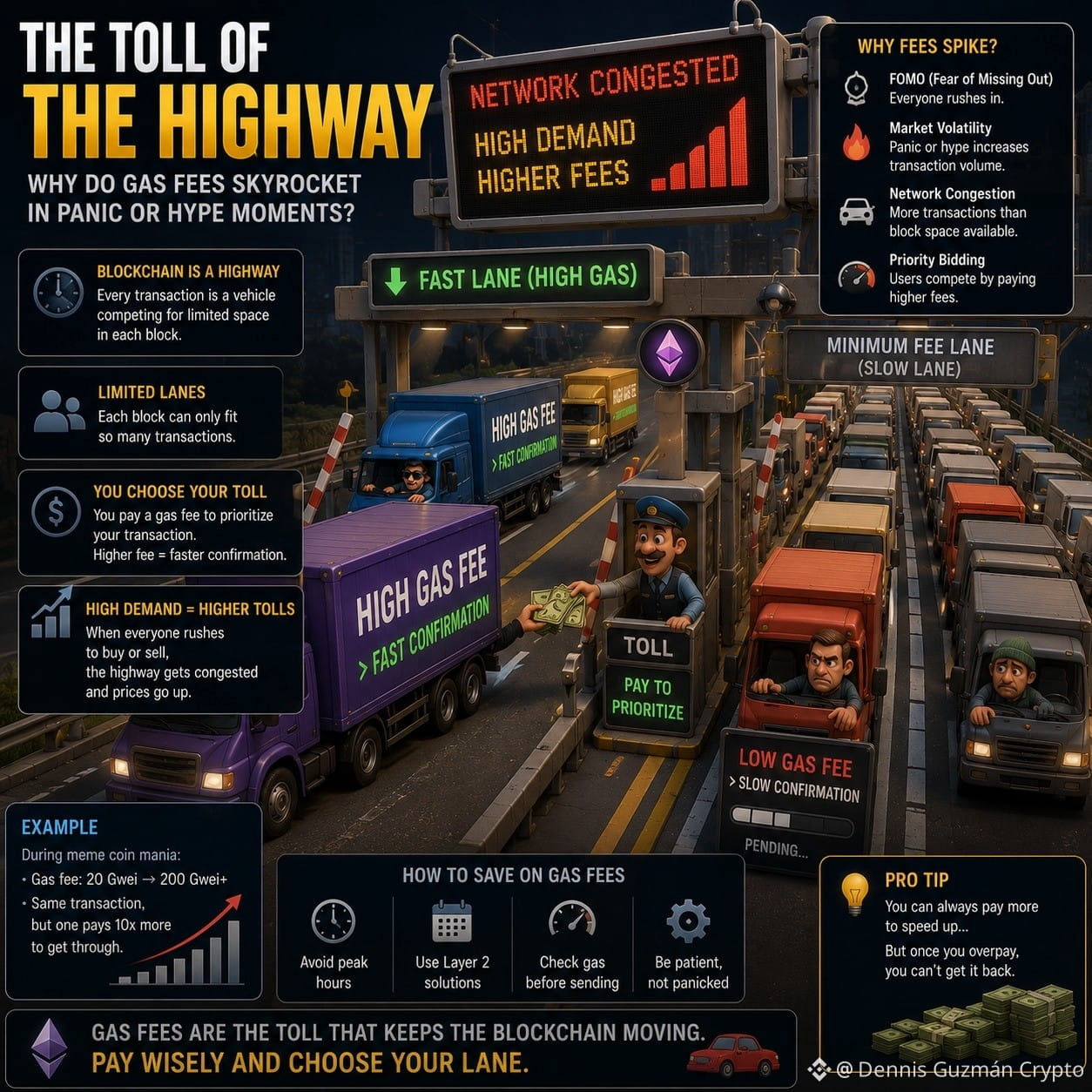
Comprenez le comportement des frais de gaz lors des moments clés avec $ETH 🛣️.
Quand le marché crypto évolue brusquement, tout le monde veut entrer ou sortir en même temps. Les blockchains fonctionnent comme des enchères de priorité : celui qui paie les frais les plus élevés passe en premier. 🎟️
Si vous définissez des frais très bas pendant une congestion le week-end, votre transaction restera gelée dans la file.
Préférez-vous attendre que le trafic réseau baisse, ou payer davantage pour passer rapidement ?
👇#gasfees #BlockchainTips👇
Cliquez ici pour trader 👇
{future}(ETHUSDT)
Comprenez le comportement des frais de gaz lors des moments clés avec $ETH 🛣️.
Quand le marché crypto évolue brusquement, tout le monde veut entrer ou sortir en même temps. Les blockchains fonctionnent comme des enchères de priorité : celui qui paie les frais les plus élevés passe en premier. 🎟️
Si vous définissez des frais très bas pendant une congestion le week-end, votre transaction restera gelée dans la file.
Préférez-vous attendre que le trafic réseau baisse, ou payer davantage pour passer rapidement ?
👇#gasfees #BlockchainTips👇
Cliquez ici pour trader 👇
Quand le marché crypto évolue brusquement, tout le monde veut entrer ou sortir en même temps. Les blockchains fonctionnent comme des enchères de priorité : celui qui paie les frais les plus élevés passe en premier. 🎟️
Si vous définissez des frais très bas pendant une congestion le week-end, votre transaction restera gelée dans la file.
Préférez-vous attendre que le trafic réseau baisse, ou payer davantage pour passer rapidement ?
👇#gasfees #BlockchainTips👇
Cliquez ici pour trader 👇
1
55

·
--
Les frais de gaz Ethereum chutent à 0,10 Gwei.
Le token ETHGas baisse de 14 % alors que les frais de gaz Ethereum atteignent 0,10 Gwei. Le token d'ETHGas a subi une chute significative alors que la demande pour Ethereum s'affaiblissait, entraînant une exposition réduite sur les marchés dérivés. Cette baisse pourrait signaler un changement dans le sentiment du marché. Les traders devraient surveiller d'éventuelles baisses supplémentaires ou des rebonds potentiels.
#Crypto #Ethereum #GasFees #DeFi
Les frais de gaz Ethereum chutent à 0,10 Gwei.
Le token ETHGas baisse de 14 % alors que les frais de gaz Ethereum atteignent 0,10 Gwei. Le token d'ETHGas a subi une chute significative alors que la demande pour Ethereum s'affaiblissait, entraînant une exposition réduite sur les marchés dérivés. Cette baisse pourrait signaler un changement dans le sentiment du marché. Les traders devraient surveiller d'éventuelles baisses supplémentaires ou des rebonds potentiels.
#Crypto #Ethereum #GasFees #DeFi
Le token ETHGas baisse de 14 % alors que les frais de gaz Ethereum atteignent 0,10 Gwei. Le token d'ETHGas a subi une chute significative alors que la demande pour Ethereum s'affaiblissait, entraînant une exposition réduite sur les marchés dérivés. Cette baisse pourrait signaler un changement dans le sentiment du marché. Les traders devraient surveiller d'éventuelles baisses supplémentaires ou des rebonds potentiels.
#Crypto #Ethereum #GasFees #DeFi
35

·
--
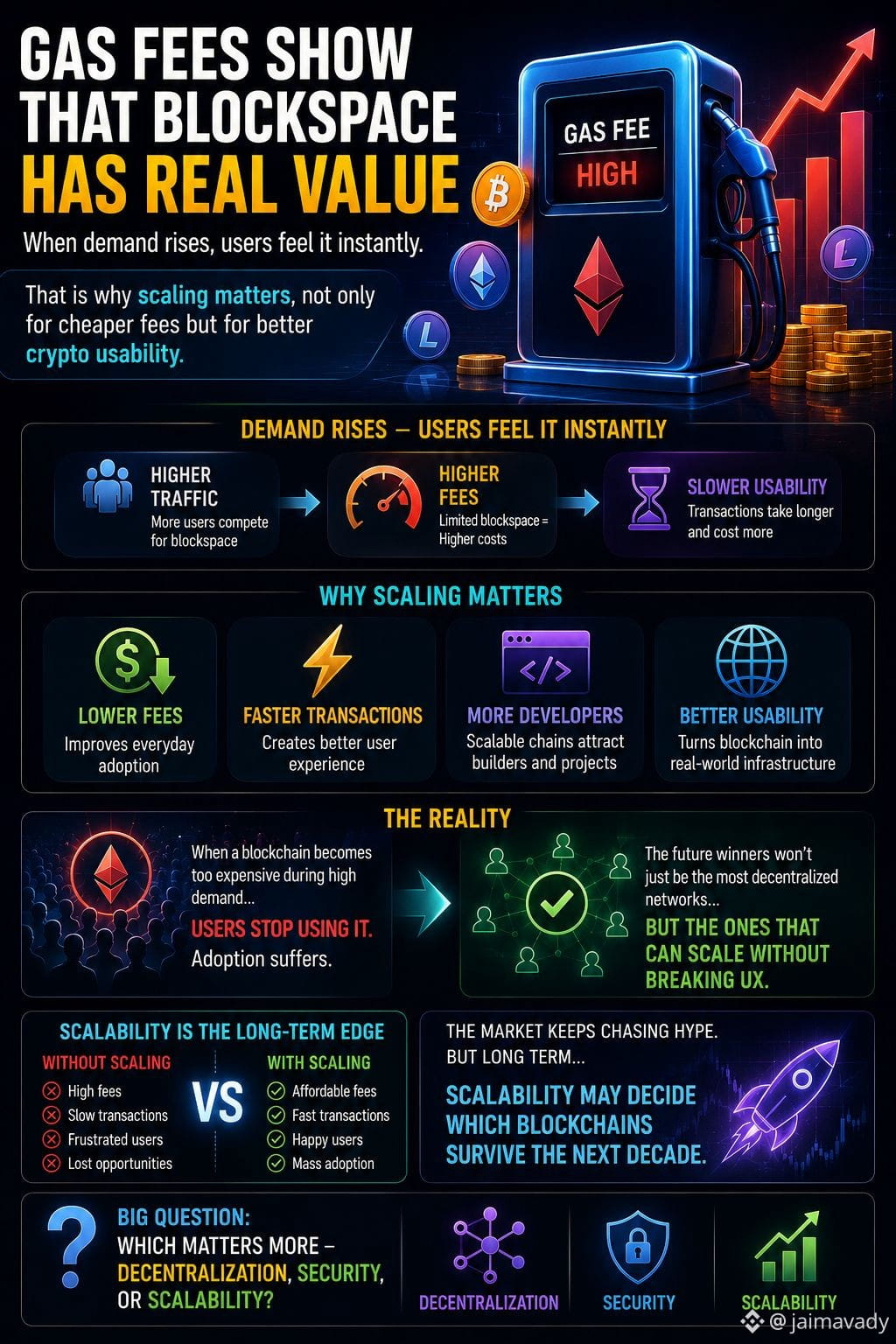
⛽ Les frais de gaz prouvent une vérité importante dans la crypto… l'espace de bloc a une vraie valeur. 👀📈
Chaque fois que la demande du réseau augmente, les utilisateurs le ressentent immédiatement.
Plus de trafic → Plus de frais → Utilisabilité plus lente.
Et c'est exactement pourquoi la scalabilité est devenue l'une des plus grandes batailles dans la crypto. ⚡
Beaucoup de gens pensent que la scalabilité concerne uniquement la réduction des coûts des transactions.
Mais la vue d'ensemble est bien plus importante 👇
✅ Des frais plus bas améliorent l'adoption quotidienne 💰
✅ Des transactions plus rapides créent une meilleure expérience utilisateur 🚀
✅ Des réseaux plus scalables attirent des développeurs construisant de nouvelles applis 🌐
✅ Une meilleure utilisabilité est ce qui transforme la blockchain de la spéculation en infrastructure du monde réel.
La vérité est simple :
Si une blockchain devient trop chère lors d'une forte demande…
Les utilisateurs moyens finissent par arrêter de l'utiliser.
Cela signifie que les futurs gagnants dans la crypto ne seront peut-être pas seulement les réseaux les plus décentralisés…
Mais ceux qui peuvent gérer une demande massive sans compromettre l'expérience utilisateur. 🔥
Le marché continue de poursuivre le hype.
Mais à long terme…
La scalabilité pourrait décider quelles blockchains survivront à la prochaine décennie. 👀
Grande question :
Qu'est-ce qui compte le plus — décentralisation, sécurité, ou scalabilité ? 🤔👇
#Crypto #GasFees #Web3 #Bitcoin #Ethereum
{spot}(ETHUSDT)
⛽ Les frais de gaz prouvent une vérité importante dans la crypto… l'espace de bloc a une vraie valeur. 👀📈
Chaque fois que la demande du réseau augmente, les utilisateurs le ressentent immédiatement.
Plus de trafic → Plus de frais → Utilisabilité plus lente.
Et c'est exactement pourquoi la scalabilité est devenue l'une des plus grandes batailles dans la crypto. ⚡
Beaucoup de gens pensent que la scalabilité concerne uniquement la réduction des coûts des transactions.
Mais la vue d'ensemble est bien plus importante 👇
✅ Des frais plus bas améliorent l'adoption quotidienne 💰
✅ Des transactions plus rapides créent une meilleure expérience utilisateur 🚀
✅ Des réseaux plus scalables attirent des développeurs construisant de nouvelles applis 🌐
✅ Une meilleure utilisabilité est ce qui transforme la blockchain de la spéculation en infrastructure du monde réel.
La vérité est simple :
Si une blockchain devient trop chère lors d'une forte demande…
Les utilisateurs moyens finissent par arrêter de l'utiliser.
Cela signifie que les futurs gagnants dans la crypto ne seront peut-être pas seulement les réseaux les plus décentralisés…
Mais ceux qui peuvent gérer une demande massive sans compromettre l'expérience utilisateur. 🔥
Le marché continue de poursuivre le hype.
Mais à long terme…
La scalabilité pourrait décider quelles blockchains survivront à la prochaine décennie. 👀
Grande question :
Qu'est-ce qui compte le plus — décentralisation, sécurité, ou scalabilité ? 🤔👇
#Crypto #GasFees #Web3 #Bitcoin #Ethereum
Chaque fois que la demande du réseau augmente, les utilisateurs le ressentent immédiatement.
Plus de trafic → Plus de frais → Utilisabilité plus lente.
Et c'est exactement pourquoi la scalabilité est devenue l'une des plus grandes batailles dans la crypto. ⚡
Beaucoup de gens pensent que la scalabilité concerne uniquement la réduction des coûts des transactions.
Mais la vue d'ensemble est bien plus importante 👇
✅ Des frais plus bas améliorent l'adoption quotidienne 💰
✅ Des transactions plus rapides créent une meilleure expérience utilisateur 🚀
✅ Des réseaux plus scalables attirent des développeurs construisant de nouvelles applis 🌐
✅ Une meilleure utilisabilité est ce qui transforme la blockchain de la spéculation en infrastructure du monde réel.
La vérité est simple :
Si une blockchain devient trop chère lors d'une forte demande…
Les utilisateurs moyens finissent par arrêter de l'utiliser.
Cela signifie que les futurs gagnants dans la crypto ne seront peut-être pas seulement les réseaux les plus décentralisés…
Mais ceux qui peuvent gérer une demande massive sans compromettre l'expérience utilisateur. 🔥
Le marché continue de poursuivre le hype.
Mais à long terme…
La scalabilité pourrait décider quelles blockchains survivront à la prochaine décennie. 👀
Grande question :
Qu'est-ce qui compte le plus — décentralisation, sécurité, ou scalabilité ? 🤔👇
#Crypto #GasFees #Web3 #Bitcoin #Ethereum
42
📚 Comprendre les frais de gaz : pourquoi les transactions Ethereum coûtent ce qu'elles coûtent
Le 12 juillet 2026, avec Ethereum à $ETH at 1 804 $ et un volume quotidien de 6,68 Md $, les frais de gaz restent un concept clé pour les utilisateurs. Les frais de gaz rémunèrent les validateurs pour le traitement des transactions.
Les frais de gaz sont mesurés en gwei (1 gwei = 0,000000001 ETH) et varient selon la congestion du réseau. Une forte demande pour l’espace des blocs fait grimper les frais : c’est le mécanisme du marché à l’œuvre.
Les solutions de couche 2 réduisent les frais en regroupant les transactions hors chaîne. Comprendre le gaz aide les utilisateurs à optimiser le moment où ils transigent et quelle L2 utiliser.
📌 Point clé à retenir :
Les frais de gaz sont le prix de l’utilisation du règlement décentralisé d’Ethereum — les comprendre aide les utilisateurs à naviguer efficacement dans l’écosystème.
#GasFees #Ethereum #ETH #CryptoEducation
#BinanceAlphaAlert
📚 Comprendre les frais de gaz : pourquoi les transactions Ethereum coûtent ce qu'elles coûtent
Le 12 juillet 2026, avec Ethereum à $ETH at 1 804 $ et un volume quotidien de 6,68 Md $, les frais de gaz restent un concept clé pour les utilisateurs. Les frais de gaz rémunèrent les validateurs pour le traitement des transactions.
Les frais de gaz sont mesurés en gwei (1 gwei = 0,000000001 ETH) et varient selon la congestion du réseau. Une forte demande pour l’espace des blocs fait grimper les frais : c’est le mécanisme du marché à l’œuvre.
Les solutions de couche 2 réduisent les frais en regroupant les transactions hors chaîne. Comprendre le gaz aide les utilisateurs à optimiser le moment où ils transigent et quelle L2 utiliser.
📌 Point clé à retenir :
Les frais de gaz sont le prix de l’utilisation du règlement décentralisé d’Ethereum — les comprendre aide les utilisateurs à naviguer efficacement dans l’écosystème.
#GasFees #Ethereum #ETH #CryptoEducation
#BinanceAlphaAlert
Le 12 juillet 2026, avec Ethereum à $ETH at 1 804 $ et un volume quotidien de 6,68 Md $, les frais de gaz restent un concept clé pour les utilisateurs. Les frais de gaz rémunèrent les validateurs pour le traitement des transactions.
Les frais de gaz sont mesurés en gwei (1 gwei = 0,000000001 ETH) et varient selon la congestion du réseau. Une forte demande pour l’espace des blocs fait grimper les frais : c’est le mécanisme du marché à l’œuvre.
Les solutions de couche 2 réduisent les frais en regroupant les transactions hors chaîne. Comprendre le gaz aide les utilisateurs à optimiser le moment où ils transigent et quelle L2 utiliser.
📌 Point clé à retenir :
Les frais de gaz sont le prix de l’utilisation du règlement décentralisé d’Ethereum — les comprendre aide les utilisateurs à naviguer efficacement dans l’écosystème.
#GasFees #Ethereum #ETH #CryptoEducation
#BinanceAlphaAlert
15
📚 Quelles sont les frais de transaction ? Comprendre le gaz, les coûts réseau et la mise à l’échelle de la couche 2
Le 3 juillet 2026, avec 86,17 milliards de dollars de transactions quotidiennes, des milliards circulent entre les blockchains. Chaque transaction entraîne des frais, versés aux validateurs ou aux mineurs du réseau.
Sur Ethereum $ETH, les frais (appelés « gas ») varient selon la congestion du réseau. Aujourd’hui, avec un ETH à 1 701 $, une activité élevée peut faire grimper les prix du gas de manière significative. C’est là qu’interviennent les solutions de couche 2 : elles traitent les transactions hors de la chaîne principale à moindre coût.
Solana $SOL propose des frais plus bas grâce à son architecture différente. Comprendre la structure des frais aide les utilisateurs à choisir la bonne chaîne selon leurs besoins.
📌 À retenir :
Les frais de transaction sont le coût de l’utilisation d’une blockchain — ils rémunèrent les validateurs et empêchent le spam. Les solutions de couche 2 offrent des frais plus faibles pour les transactions du quotidien.
#GasFees #CryptoEducation
#BinanceAlphaAlert
📚 Quelles sont les frais de transaction ? Comprendre le gaz, les coûts réseau et la mise à l’échelle de la couche 2
Le 3 juillet 2026, avec 86,17 milliards de dollars de transactions quotidiennes, des milliards circulent entre les blockchains. Chaque transaction entraîne des frais, versés aux validateurs ou aux mineurs du réseau.
Sur Ethereum $ETH , les frais (appelés « gas ») varient selon la congestion du réseau. Aujourd’hui, avec un ETH à 1 701 $, une activité élevée peut faire grimper les prix du gas de manière significative. C’est là qu’interviennent les solutions de couche 2 : elles traitent les transactions hors de la chaîne principale à moindre coût.
Solana $SOL propose des frais plus bas grâce à son architecture différente. Comprendre la structure des frais aide les utilisateurs à choisir la bonne chaîne selon leurs besoins.
📌 À retenir :
Les frais de transaction sont le coût de l’utilisation d’une blockchain — ils rémunèrent les validateurs et empêchent le spam. Les solutions de couche 2 offrent des frais plus faibles pour les transactions du quotidien.
#GasFees #CryptoEducation
#BinanceAlphaAlert
Le 3 juillet 2026, avec 86,17 milliards de dollars de transactions quotidiennes, des milliards circulent entre les blockchains. Chaque transaction entraîne des frais, versés aux validateurs ou aux mineurs du réseau.
Sur Ethereum $ETH , les frais (appelés « gas ») varient selon la congestion du réseau. Aujourd’hui, avec un ETH à 1 701 $, une activité élevée peut faire grimper les prix du gas de manière significative. C’est là qu’interviennent les solutions de couche 2 : elles traitent les transactions hors de la chaîne principale à moindre coût.
Solana $SOL propose des frais plus bas grâce à son architecture différente. Comprendre la structure des frais aide les utilisateurs à choisir la bonne chaîne selon leurs besoins.
📌 À retenir :
Les frais de transaction sont le coût de l’utilisation d’une blockchain — ils rémunèrent les validateurs et empêchent le spam. Les solutions de couche 2 offrent des frais plus faibles pour les transactions du quotidien.
#GasFees #CryptoEducation
#BinanceAlphaAlert
45
📚 Qu’est-ce que les frais de gas ? Comprendre les coûts de transaction sur Ethereum et d’autres blockchains
Le 19 juillet 2026, les frais de gas sont des paiements effectués par les utilisateurs pour compenser l’énergie de calcul nécessaire au traitement et à la validation des transactions sur une blockchain. Sur Ethereum $ETH, les frais fluctuent en fonction de la congestion du réseau, et augmentent pendant les périodes de forte demande comme les mint NFT ou l’activité DeFi.
Solana $SOL offre des frais nettement plus bas grâce à son architecture à haut débit, tandis que Bitcoin $BTC utilise un modèle de frais plus simple basé sur la taille de la transaction. Comprendre le gas aide les utilisateurs à planifier leurs transactions pour réduire les coûts.
📌 À retenir :
Les frais de gas correspondent au prix du calcul décentralisé. Ce n’est pas un défaut : c’est une fonctionnalité qui empêche le spam et garantit la sécurité du réseau en allouant l’espace de bloc aux transactions les plus précieuses.
#GasFees #Ethereum #BlockchainBasics
#BinanceAlphaAlert
📚 Qu’est-ce que les frais de gas ? Comprendre les coûts de transaction sur Ethereum et d’autres blockchains
Le 19 juillet 2026, les frais de gas sont des paiements effectués par les utilisateurs pour compenser l’énergie de calcul nécessaire au traitement et à la validation des transactions sur une blockchain. Sur Ethereum $ETH , les frais fluctuent en fonction de la congestion du réseau, et augmentent pendant les périodes de forte demande comme les mint NFT ou l’activité DeFi.
Solana $SOL offre des frais nettement plus bas grâce à son architecture à haut débit, tandis que Bitcoin $BTC utilise un modèle de frais plus simple basé sur la taille de la transaction. Comprendre le gas aide les utilisateurs à planifier leurs transactions pour réduire les coûts.
📌 À retenir :
Les frais de gas correspondent au prix du calcul décentralisé. Ce n’est pas un défaut : c’est une fonctionnalité qui empêche le spam et garantit la sécurité du réseau en allouant l’espace de bloc aux transactions les plus précieuses.
#GasFees #Ethereum #BlockchainBasics
#BinanceAlphaAlert
Le 19 juillet 2026, les frais de gas sont des paiements effectués par les utilisateurs pour compenser l’énergie de calcul nécessaire au traitement et à la validation des transactions sur une blockchain. Sur Ethereum $ETH , les frais fluctuent en fonction de la congestion du réseau, et augmentent pendant les périodes de forte demande comme les mint NFT ou l’activité DeFi.
Solana $SOL offre des frais nettement plus bas grâce à son architecture à haut débit, tandis que Bitcoin $BTC utilise un modèle de frais plus simple basé sur la taille de la transaction. Comprendre le gas aide les utilisateurs à planifier leurs transactions pour réduire les coûts.
📌 À retenir :
Les frais de gas correspondent au prix du calcul décentralisé. Ce n’est pas un défaut : c’est une fonctionnalité qui empêche le spam et garantit la sécurité du réseau en allouant l’espace de bloc aux transactions les plus précieuses.
#GasFees #Ethereum #BlockchainBasics
#BinanceAlphaAlert
13

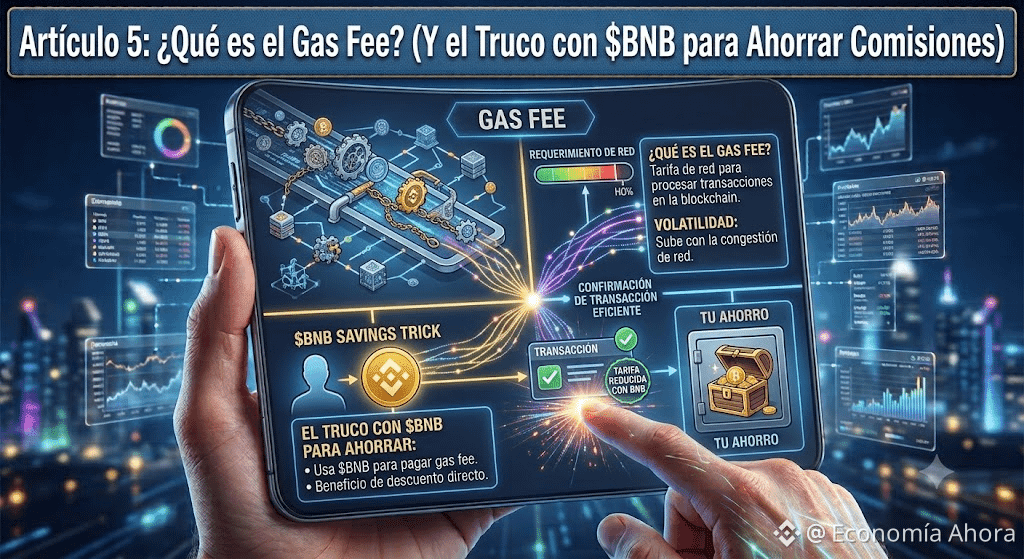
Article 5 : Qu’est-ce que le Gas Fee ? (Et l’astuce avec $BNB pour économiser sur les commissions)
Si vous avez déjà essayé de déplacer des cryptomonnaies, vous avez sûrement vu un message vous facturant une petite commission appelée Gas Fee (frais de gaz). Pourquoi faut-il payer cela et comment faire pour que ce soit le moins cher possible ? On va vous l’expliquer de façon ultra simple.
Imaginez que la blockchain est une autoroute digitale. Pour que vos cryptos voyagent d’un point A à un point B, il vous faut un véhicule (les ordinateurs du réseau qui traitent la transaction). Et comme toute voiture, ce véhicule a besoin d’essence pour avancer. Le Gas Fee est, littéralement, cette essence digitale que vous payez au réseau pour qu’il traite votre envoi.
Le prix de ce « gaz » n’est pas fixe : si l’autoroute est vide, le carburant est bon marché ; mais si tout le monde veut utiliser le réseau en même temps (un jour de forte congestion sur le marché), le prix du gaz augmente.
Comment Binance vous aide à ne pas trop dépenser ?
C’est là qu’intervient la magie de BNB et des réseaux de Binance :
Utilisez le bon réseau : Des réseaux plus anciens comme Ethereum peuvent facturer des dizaines de dollars pour une seule transaction. En revanche, si vous envoyez vos actifs en utilisant le réseau natif de Binance (BNB Chain), les frais de gaz sont ridiculement bas : quelques centimes de dollar à peine.
La super réduction sur l’Exchange : Si vous activez l’option de payer vos commissions de trading sur Binance avec vos fonds de $BNB , la plateforme vous offre 25 % de réduction automatique sur chaque opération.
Comment activer cette réduction ?
C’est hyper facile : ouvrez votre application Binance, allez sur votre profil (en haut à gauche) et cherchez l’option « Utiliser BNB pour payer les commissions ». Assurez-vous de laisser un petit peu de BNB dans votre portefeuille Spot, et c’est parti : vous commencerez à économiser à chaque achat et vente. Faire du trading intelligent, c’est ne pas offrir ses commissions.
#GasFees #AprendeCripto #AhorroFinanciero #BnbChain #BinanceSquare $BNB
{spot}(MSFTBUSDT)
{spot}(METABUSDT)
{spot}(BNBUSDT)
Article 5 : Qu’est-ce que le Gas Fee ? (Et l’astuce avec $BNB pour économiser sur les commissions)
Si vous avez déjà essayé de déplacer des cryptomonnaies, vous avez sûrement vu un message vous facturant une petite commission appelée Gas Fee (frais de gaz). Pourquoi faut-il payer cela et comment faire pour que ce soit le moins cher possible ? On va vous l’expliquer de façon ultra simple.
Imaginez que la blockchain est une autoroute digitale. Pour que vos cryptos voyagent d’un point A à un point B, il vous faut un véhicule (les ordinateurs du réseau qui traitent la transaction). Et comme toute voiture, ce véhicule a besoin d’essence pour avancer. Le Gas Fee est, littéralement, cette essence digitale que vous payez au réseau pour qu’il traite votre envoi.
Le prix de ce « gaz » n’est pas fixe : si l’autoroute est vide, le carburant est bon marché ; mais si tout le monde veut utiliser le réseau en même temps (un jour de forte congestion sur le marché), le prix du gaz augmente.
Comment Binance vous aide à ne pas trop dépenser ?
C’est là qu’intervient la magie de BNB et des réseaux de Binance :
Utilisez le bon réseau : Des réseaux plus anciens comme Ethereum peuvent facturer des dizaines de dollars pour une seule transaction. En revanche, si vous envoyez vos actifs en utilisant le réseau natif de Binance (BNB Chain), les frais de gaz sont ridiculement bas : quelques centimes de dollar à peine.
La super réduction sur l’Exchange : Si vous activez l’option de payer vos commissions de trading sur Binance avec vos fonds de $BNB , la plateforme vous offre 25 % de réduction automatique sur chaque opération.
Comment activer cette réduction ?
C’est hyper facile : ouvrez votre application Binance, allez sur votre profil (en haut à gauche) et cherchez l’option « Utiliser BNB pour payer les commissions ». Assurez-vous de laisser un petit peu de BNB dans votre portefeuille Spot, et c’est parti : vous commencerez à économiser à chaque achat et vente. Faire du trading intelligent, c’est ne pas offrir ses commissions.
#GasFees #AprendeCripto #AhorroFinanciero #BnbChain #BinanceSquare $BNB
Si vous avez déjà essayé de déplacer des cryptomonnaies, vous avez sûrement vu un message vous facturant une petite commission appelée Gas Fee (frais de gaz). Pourquoi faut-il payer cela et comment faire pour que ce soit le moins cher possible ? On va vous l’expliquer de façon ultra simple.
Imaginez que la blockchain est une autoroute digitale. Pour que vos cryptos voyagent d’un point A à un point B, il vous faut un véhicule (les ordinateurs du réseau qui traitent la transaction). Et comme toute voiture, ce véhicule a besoin d’essence pour avancer. Le Gas Fee est, littéralement, cette essence digitale que vous payez au réseau pour qu’il traite votre envoi.
Le prix de ce « gaz » n’est pas fixe : si l’autoroute est vide, le carburant est bon marché ; mais si tout le monde veut utiliser le réseau en même temps (un jour de forte congestion sur le marché), le prix du gaz augmente.
Comment Binance vous aide à ne pas trop dépenser ?
C’est là qu’intervient la magie de BNB et des réseaux de Binance :
Utilisez le bon réseau : Des réseaux plus anciens comme Ethereum peuvent facturer des dizaines de dollars pour une seule transaction. En revanche, si vous envoyez vos actifs en utilisant le réseau natif de Binance (BNB Chain), les frais de gaz sont ridiculement bas : quelques centimes de dollar à peine.
La super réduction sur l’Exchange : Si vous activez l’option de payer vos commissions de trading sur Binance avec vos fonds de $BNB , la plateforme vous offre 25 % de réduction automatique sur chaque opération.
Comment activer cette réduction ?
C’est hyper facile : ouvrez votre application Binance, allez sur votre profil (en haut à gauche) et cherchez l’option « Utiliser BNB pour payer les commissions ». Assurez-vous de laisser un petit peu de BNB dans votre portefeuille Spot, et c’est parti : vous commencerez à économiser à chaque achat et vente. Faire du trading intelligent, c’est ne pas offrir ses commissions.
#GasFees #AprendeCripto #AhorroFinanciero #BnbChain #BinanceSquare $BNB
1
190

·
--
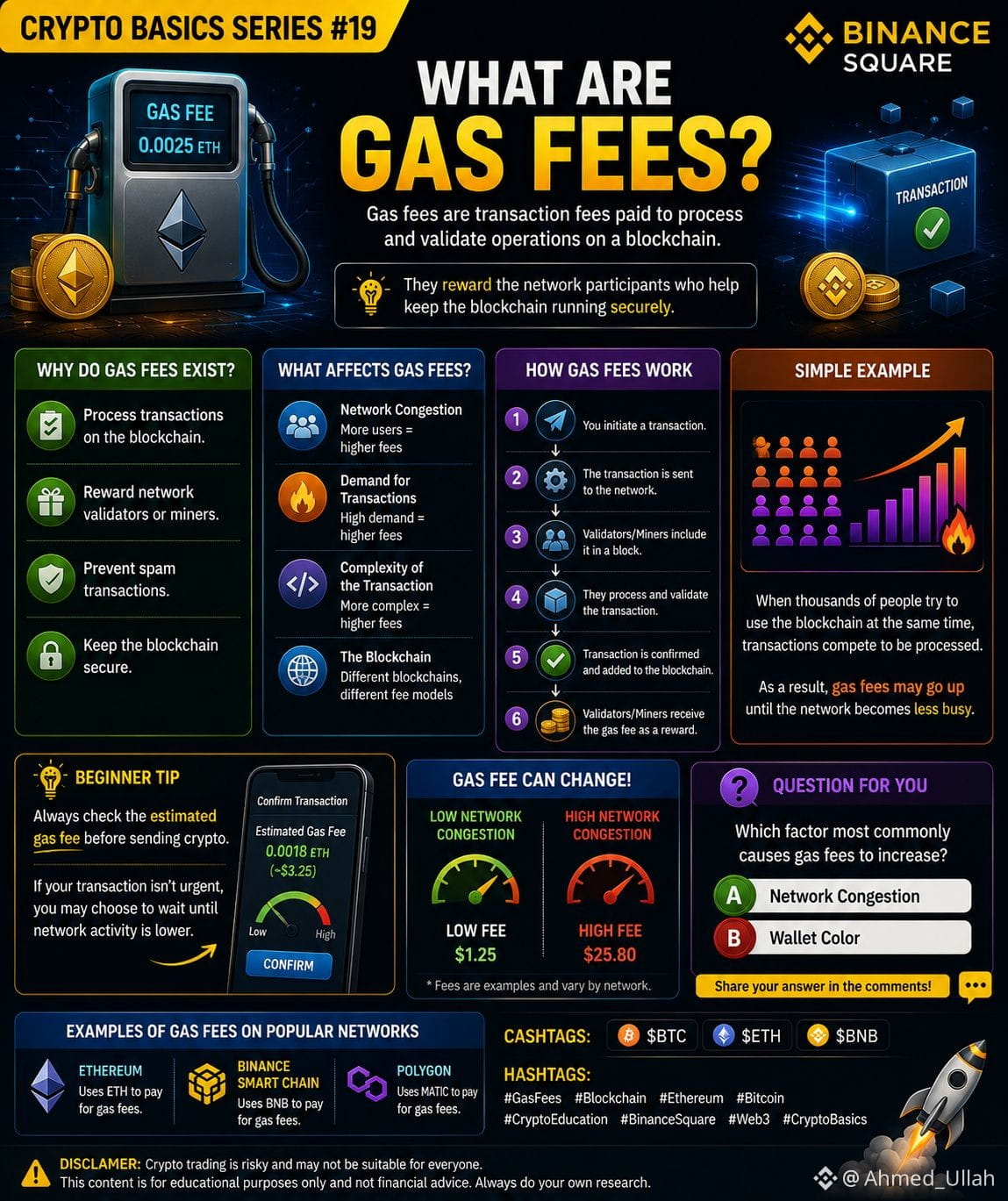
🚀 Série Crypto Basics #19 : Qu’est-ce que les frais de gaz ?
Bienvenue de nouveau dans Crypto Basics ! Aujourd’hui, découvrons pourquoi les transactions sur une blockchain nécessitent des frais.
📌 Qu’est-ce que les frais de gaz ?
Les frais de gaz correspondent aux frais de transaction payés pour traiter et valider des opérations sur une blockchain.
Ces frais rémunèrent les participants au réseau qui contribuent à faire fonctionner la blockchain de manière sûre.
Les modèles de frais diffèrent selon les blockchains : la façon dont les frais de gaz fonctionnent peut donc varier d’un réseau à l’autre.
---
⚙️ Pourquoi les frais de gaz existent-ils ?
Les frais de gaz aident à :
- ✅ Traiter les transactions
- ✅ Récompenser les validateurs ou mineurs du réseau
- ✅ Empêcher les transactions abusives
- ✅ Maintenir la sécurité de la blockchain
Sans frais de transaction, les réseaux de blockchain seraient plus exposés aux abus.
---
💰 Qu’est-ce qui influence les frais de gaz ?
Les frais de gaz peuvent changer selon :
- 📈 La congestion du réseau
- ⚡ La demande de transactions
- 🔄 La complexité de la transaction
- 🌐 La blockchain utilisée
Pendant les périodes très chargées, les frais peuvent augmenter.
---
📊 Exemple simple
Imaginez que des milliers de personnes essaient d’utiliser la blockchain en même temps.
Comme de nombreuses transactions se disputent le traitement, les frais de transaction peuvent devenir plus élevés jusqu’à ce que l’activité du réseau diminue.
Cet exemple est simplifié et destiné à des fins éducatives.
---
💡 Astuce pour débutants
Vérifiez toujours le montant estimé des frais de transaction avant d’envoyer des cryptos.
Si votre transaction n’est pas urgente, vous pouvez choisir d’attendre que l’activité du réseau soit plus faible, selon la blockchain et le portefeuille (wallet) que vous utilisez.
---
💬 Question pour vous
Quel facteur fait le plus souvent augmenter les frais de gaz ?
🅰️ Congestion du réseau
🅱️ Couleur du portefeuille
👇 Dites-nous votre réponse dans les commentaires !
$BTC $ETH $BNB
#GasFees #Blockchain #Ethereum
🚀 Série Crypto Basics #19 : Qu’est-ce que les frais de gaz ?
Bienvenue de nouveau dans Crypto Basics ! Aujourd’hui, découvrons pourquoi les transactions sur une blockchain nécessitent des frais.
📌 Qu’est-ce que les frais de gaz ?
Les frais de gaz correspondent aux frais de transaction payés pour traiter et valider des opérations sur une blockchain.
Ces frais rémunèrent les participants au réseau qui contribuent à faire fonctionner la blockchain de manière sûre.
Les modèles de frais diffèrent selon les blockchains : la façon dont les frais de gaz fonctionnent peut donc varier d’un réseau à l’autre.
---
⚙️ Pourquoi les frais de gaz existent-ils ?
Les frais de gaz aident à :
- ✅ Traiter les transactions
- ✅ Récompenser les validateurs ou mineurs du réseau
- ✅ Empêcher les transactions abusives
- ✅ Maintenir la sécurité de la blockchain
Sans frais de transaction, les réseaux de blockchain seraient plus exposés aux abus.
---
💰 Qu’est-ce qui influence les frais de gaz ?
Les frais de gaz peuvent changer selon :
- 📈 La congestion du réseau
- ⚡ La demande de transactions
- 🔄 La complexité de la transaction
- 🌐 La blockchain utilisée
Pendant les périodes très chargées, les frais peuvent augmenter.
---
📊 Exemple simple
Imaginez que des milliers de personnes essaient d’utiliser la blockchain en même temps.
Comme de nombreuses transactions se disputent le traitement, les frais de transaction peuvent devenir plus élevés jusqu’à ce que l’activité du réseau diminue.
Cet exemple est simplifié et destiné à des fins éducatives.
---
💡 Astuce pour débutants
Vérifiez toujours le montant estimé des frais de transaction avant d’envoyer des cryptos.
Si votre transaction n’est pas urgente, vous pouvez choisir d’attendre que l’activité du réseau soit plus faible, selon la blockchain et le portefeuille (wallet) que vous utilisez.
---
💬 Question pour vous
Quel facteur fait le plus souvent augmenter les frais de gaz ?
🅰️ Congestion du réseau
🅱️ Couleur du portefeuille
👇 Dites-nous votre réponse dans les commentaires !
$BTC $ETH $BNB
#GasFees #Blockchain #Ethereum
Bienvenue de nouveau dans Crypto Basics ! Aujourd’hui, découvrons pourquoi les transactions sur une blockchain nécessitent des frais.
📌 Qu’est-ce que les frais de gaz ?
Les frais de gaz correspondent aux frais de transaction payés pour traiter et valider des opérations sur une blockchain.
Ces frais rémunèrent les participants au réseau qui contribuent à faire fonctionner la blockchain de manière sûre.
Les modèles de frais diffèrent selon les blockchains : la façon dont les frais de gaz fonctionnent peut donc varier d’un réseau à l’autre.
---
⚙️ Pourquoi les frais de gaz existent-ils ?
Les frais de gaz aident à :
- ✅ Traiter les transactions
- ✅ Récompenser les validateurs ou mineurs du réseau
- ✅ Empêcher les transactions abusives
- ✅ Maintenir la sécurité de la blockchain
Sans frais de transaction, les réseaux de blockchain seraient plus exposés aux abus.
---
💰 Qu’est-ce qui influence les frais de gaz ?
Les frais de gaz peuvent changer selon :
- 📈 La congestion du réseau
- ⚡ La demande de transactions
- 🔄 La complexité de la transaction
- 🌐 La blockchain utilisée
Pendant les périodes très chargées, les frais peuvent augmenter.
---
📊 Exemple simple
Imaginez que des milliers de personnes essaient d’utiliser la blockchain en même temps.
Comme de nombreuses transactions se disputent le traitement, les frais de transaction peuvent devenir plus élevés jusqu’à ce que l’activité du réseau diminue.
Cet exemple est simplifié et destiné à des fins éducatives.
---
💡 Astuce pour débutants
Vérifiez toujours le montant estimé des frais de transaction avant d’envoyer des cryptos.
Si votre transaction n’est pas urgente, vous pouvez choisir d’attendre que l’activité du réseau soit plus faible, selon la blockchain et le portefeuille (wallet) que vous utilisez.
---
💬 Question pour vous
Quel facteur fait le plus souvent augmenter les frais de gaz ?
🅰️ Congestion du réseau
🅱️ Couleur du portefeuille
👇 Dites-nous votre réponse dans les commentaires !
$BTC $ETH $BNB
#GasFees #Blockchain #Ethereum
1
84
📚 Frais de gaz expliqués : pourquoi les transactions coûtent ce qu’elles coûtent
Le 16 juillet 2026, les frais de gaz correspondent aux coûts des transactions sur les réseaux blockchain. Sur Ethereum $ETH, le gaz est mesuré en gwei (1 gwei = 0,000000001 $ETH). Les frais correspondent aux unités de gaz × le prix du gaz, déterminé par la congestion du réseau.
Lorsque la demande d’espace de bloc est élevée, les utilisateurs se font concurrence en enchérissant pour que leurs transactions soient traitées en premier. Cela peut rendre des transferts simples coûteux pendant les périodes de pointe. Les solutions de couche 2 (Layer-2) aident en regroupant plusieurs transactions.
Pour économiser sur le gaz : effectuez vos transactions pendant les périodes de faible activité (week-ends, tard le soir), utilisez des solutions L2 pour les échanges fréquents et définissez des limites de gaz appropriées. Surestimer le gaz gaspille de l’argent, mais le sous-estimer peut entraîner l’échec de la transaction.
📌 À retenir :
Les frais de gaz = tarification liée à la congestion du réseau. La demande étant plus forte, les frais augmentent. Utilisez les couches 2 et planifiez les transactions pendant les périodes de faible activité pour réduire les coûts.
#GasFees #Ethereum
#BinanceAlphaAlert
📚 Frais de gaz expliqués : pourquoi les transactions coûtent ce qu’elles coûtent
Le 16 juillet 2026, les frais de gaz correspondent aux coûts des transactions sur les réseaux blockchain. Sur Ethereum $ETH , le gaz est mesuré en gwei (1 gwei = 0,000000001 $ETH ). Les frais correspondent aux unités de gaz × le prix du gaz, déterminé par la congestion du réseau.
Lorsque la demande d’espace de bloc est élevée, les utilisateurs se font concurrence en enchérissant pour que leurs transactions soient traitées en premier. Cela peut rendre des transferts simples coûteux pendant les périodes de pointe. Les solutions de couche 2 (Layer-2) aident en regroupant plusieurs transactions.
Pour économiser sur le gaz : effectuez vos transactions pendant les périodes de faible activité (week-ends, tard le soir), utilisez des solutions L2 pour les échanges fréquents et définissez des limites de gaz appropriées. Surestimer le gaz gaspille de l’argent, mais le sous-estimer peut entraîner l’échec de la transaction.
📌 À retenir :
Les frais de gaz = tarification liée à la congestion du réseau. La demande étant plus forte, les frais augmentent. Utilisez les couches 2 et planifiez les transactions pendant les périodes de faible activité pour réduire les coûts.
#GasFees #Ethereum
#BinanceAlphaAlert
Le 16 juillet 2026, les frais de gaz correspondent aux coûts des transactions sur les réseaux blockchain. Sur Ethereum $ETH , le gaz est mesuré en gwei (1 gwei = 0,000000001 $ETH ). Les frais correspondent aux unités de gaz × le prix du gaz, déterminé par la congestion du réseau.
Lorsque la demande d’espace de bloc est élevée, les utilisateurs se font concurrence en enchérissant pour que leurs transactions soient traitées en premier. Cela peut rendre des transferts simples coûteux pendant les périodes de pointe. Les solutions de couche 2 (Layer-2) aident en regroupant plusieurs transactions.
Pour économiser sur le gaz : effectuez vos transactions pendant les périodes de faible activité (week-ends, tard le soir), utilisez des solutions L2 pour les échanges fréquents et définissez des limites de gaz appropriées. Surestimer le gaz gaspille de l’argent, mais le sous-estimer peut entraîner l’échec de la transaction.
📌 À retenir :
Les frais de gaz = tarification liée à la congestion du réseau. La demande étant plus forte, les frais augmentent. Utilisez les couches 2 et planifiez les transactions pendant les périodes de faible activité pour réduire les coûts.
#GasFees #Ethereum
#BinanceAlphaAlert
22
Connectez-vous pour découvrir plus de contenu
Rejoignez la communauté mondiale des adeptes de cryptomonnaies sur Binance Square
⚡️ Suviez les dernières informations importantes sur les cryptomonnaies.
💬 Jugé digne de confiance par la plus grande plateforme d’échange de cryptomonnaies au monde.
👍 Découvrez les connaissances que partagent les créateurs vérifiés.
Adresse e-mail/Nº de téléphone
Sujets d’actualité
1
#BitcoinSurpasses$77000
17,178 vues
223 mentions
2
#ParadigmDisclosesZECHolding
66,859 vues
1,025 mentions
3
#BitcoinETFsShed$450M
26,047 vues
217 mentions
4
#USWeeklyJoblessClaimsFallTo196K
36,535 vues
586 mentions
5
#ArkhamSaysBlackRockBuys$1.5BInETH
6,687 vues
71 mentions
6
#FCARaidsThreeLondonIllegalCryptoSites
2,649 vues
69 mentions
7
#ElSalvadorBTCHoldingsRiseTo7777
66,577 vues
865 mentions
8
#MemeLaunchpads82%OfArcDayOneVolume
66,860 vues
1,029 mentions
9
#OstiumLoanDisputeHearingSetInNYFederalCourt
51,490 vues
730 mentions
10
#HyperliquidUSDCSupplyOvertakesSolana
25,221 vues
381 mentions