

Coinstelegram
4k Publicaciones

Coinstelegram
 Verificado+ de Square
Denunciar
Bloquear usuario
Coinstelegram is a leading blockchain & altcoins cryptocurrency media
0 Siguiendo
19.6K+ Seguidores
3.2K+ Me gusta
Publicaciones

Artículo
CryptoMondays MENA presenta una destacada lista de ponentes y socios estratégicos regionales para el próxi...DUBÁI, EAU, octubre de 2026 – CryptoMondays MENA, presentado por Minds by Animoca Brands, anunció oficialmente el panel de ponentes y su red de socios para el próximo encuentro en Dubái, el lunes 5 de octubre de 2026, de 8:00 p. m. a 10:00 p. m., en el hotel JW Marriott Marquis.
El evento reúne a líderes de Web3, pioneros de los activos digitales, inversores institucionales y creadores de toda la región de Oriente Medio y Norte de África (MENA) para una velada de conversaciones sobre el mercado, creación de contactos y colaboración estratégica.
CryptoMondays MENA presenta una destacada lista de ponentes y socios estratégicos regionales para el próxi...
DUBÁI, EAU, octubre de 2026 – CryptoMondays MENA, presentado por Minds by Animoca Brands, anunció oficialmente el panel de ponentes y su red de socios para el próximo encuentro en Dubái, el lunes 5 de octubre de 2026, de 8:00 p. m. a 10:00 p. m., en el hotel JW Marriott Marquis.
El evento reúne a líderes de Web3, pioneros de los activos digitales, inversores institucionales y creadores de toda la región de Oriente Medio y Norte de África (MENA) para una velada de conversaciones sobre el mercado, creación de contactos y colaboración estratégica.
El evento reúne a líderes de Web3, pioneros de los activos digitales, inversores institucionales y creadores de toda la región de Oriente Medio y Norte de África (MENA) para una velada de conversaciones sobre el mercado, creación de contactos y colaboración estratégica.
68

Artículo
CryptoMondays MENA Revela una Programación de Ponentes de Alto Perfil y Socios Estratégicos Regionales para Próx...DUBÁI, Emiratos Árabes Unidos , octubre de 2026 – CryptoMondays MENA, presentado por Minds de Animoca Brands, ha anunciado oficialmente su panel de ponentes y su red de socios para el próximo encuentro en Dubái el lunes 5 de octubre de 2026, de 20:00 a 22:00, en el JW Marriott Marquis Hotel.
El evento reúne a líderes de Web3, pioneros de activos digitales, inversores institucionales y creadores de toda la región de Oriente Medio y Norte de África (MENA) para una velada de conversaciones sobre el mercado, networking y colaboración estratégica.
CryptoMondays MENA Revela una Programación de Ponentes de Alto Perfil y Socios Estratégicos Regionales para Próx...
DUBÁI, Emiratos Árabes Unidos , octubre de 2026 – CryptoMondays MENA, presentado por Minds de Animoca Brands, ha anunciado oficialmente su panel de ponentes y su red de socios para el próximo encuentro en Dubái el lunes 5 de octubre de 2026, de 20:00 a 22:00, en el JW Marriott Marquis Hotel.
El evento reúne a líderes de Web3, pioneros de activos digitales, inversores institucionales y creadores de toda la región de Oriente Medio y Norte de África (MENA) para una velada de conversaciones sobre el mercado, networking y colaboración estratégica.
El evento reúne a líderes de Web3, pioneros de activos digitales, inversores institucionales y creadores de toda la región de Oriente Medio y Norte de África (MENA) para una velada de conversaciones sobre el mercado, networking y colaboración estratégica.
146

Artículo
Tap Markets de Market GamesLISBOA, 28 de septiembre de 2026
La mayoría de los juegos de casino le piden a los jugadores que giren, esperen y vean qué sucede. Tap Markets toma un enfoque diferente. Los jugadores observan un gráfico de precio en movimiento, hacen una predicción y tocan la zona que creen que el precio alcanzará en los próximos segundos.
Desarrollado por Market Games, Tap Markets es el producto insignia de una nueva categoría de juegos de predicción instantánea del mercado diseñada para llevar el lenguaje visual y la emoción de los mercados financieros a los iGaming.
El concepto es sencillo.
Aparece un gráfico en movimiento en pantalla junto con una serie de casillas. Cada casilla representa un rango de precios, una franja de tiempo corta y un multiplicador de pago predefinido. El jugador selecciona la zona que cree que el precio tocará antes de que termine la ventana.
Tap Markets de Market Games
LISBOA, 28 de septiembre de 2026
La mayoría de los juegos de casino le piden a los jugadores que giren, esperen y vean qué sucede. Tap Markets toma un enfoque diferente. Los jugadores observan un gráfico de precio en movimiento, hacen una predicción y tocan la zona que creen que el precio alcanzará en los próximos segundos.
Desarrollado por Market Games, Tap Markets es el producto insignia de una nueva categoría de juegos de predicción instantánea del mercado diseñada para llevar el lenguaje visual y la emoción de los mercados financieros a los iGaming.
El concepto es sencillo.
Aparece un gráfico en movimiento en pantalla junto con una serie de casillas. Cada casilla representa un rango de precios, una franja de tiempo corta y un multiplicador de pago predefinido. El jugador selecciona la zona que cree que el precio tocará antes de que termine la ventana.
La mayoría de los juegos de casino le piden a los jugadores que giren, esperen y vean qué sucede. Tap Markets toma un enfoque diferente. Los jugadores observan un gráfico de precio en movimiento, hacen una predicción y tocan la zona que creen que el precio alcanzará en los próximos segundos.
Desarrollado por Market Games, Tap Markets es el producto insignia de una nueva categoría de juegos de predicción instantánea del mercado diseñada para llevar el lenguaje visual y la emoción de los mercados financieros a los iGaming.
El concepto es sencillo.
Aparece un gráfico en movimiento en pantalla junto con una serie de casillas. Cada casilla representa un rango de precios, una franja de tiempo corta y un multiplicador de pago predefinido. El jugador selecciona la zona que cree que el precio tocará antes de que termine la ventana.
62

Artículo
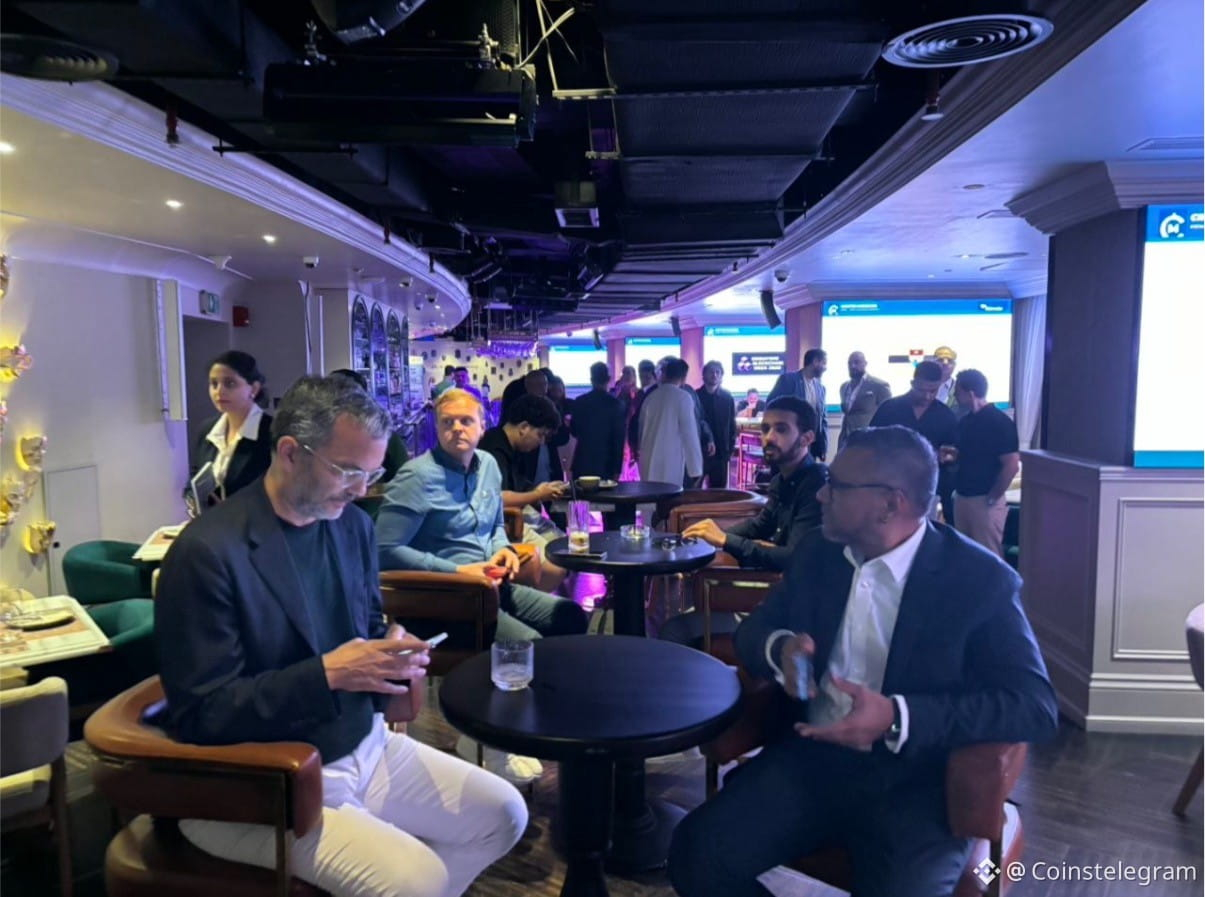
CryptoMondays Lanza con Éxito su Capítulo de MENA en Dubái con fundadores, inversores, traders y B...Dubái, Emiratos Árabes Unidos – 30 de septiembre de 2026: CryptoMondays, la mayor comunidad Web3 presencial del mundo, lanzó oficialmente su capítulo de MENA el lunes 28 de septiembre de 2026, reuniendo 190 registros para una velada de paneles de alto impacto, networking y creación de comunidad. Celebrado en Tacenda Lounge en el piso 68 del JW Marriott Marquis Dubái, el evento cumplió su promesa central: sin pisos solo para presentar, solo una sala llena de creadores que se marcharon con más de lo que habían traído.
Dirigido por Vaibhavv Ali, cofundador de Cryptonite UAE, el lanzamiento conectó con éxito a líderes de la industria, inversores y fundadores de todo el ecosistema.
CryptoMondays Lanza con Éxito su Capítulo de MENA en Dubái con fundadores, inversores, traders y B...
Dubái, Emiratos Árabes Unidos – 30 de septiembre de 2026: CryptoMondays, la mayor comunidad Web3 presencial del mundo, lanzó oficialmente su capítulo de MENA el lunes 28 de septiembre de 2026, reuniendo 190 registros para una velada de paneles de alto impacto, networking y creación de comunidad. Celebrado en Tacenda Lounge en el piso 68 del JW Marriott Marquis Dubái, el evento cumplió su promesa central: sin pisos solo para presentar, solo una sala llena de creadores que se marcharon con más de lo que habían traído.
Dirigido por Vaibhavv Ali, cofundador de Cryptonite UAE, el lanzamiento conectó con éxito a líderes de la industria, inversores y fundadores de todo el ecosistema.
Dirigido por Vaibhavv Ali, cofundador de Cryptonite UAE, el lanzamiento conectó con éxito a líderes de la industria, inversores y fundadores de todo el ecosistema.
164
Artículo
CryptoMondays Lanza Con Éxito su Capítulo de MENA en Dubái con Fundadores, Inversores, Traders y B...Dubái, Emiratos Árabes Unidos – 30 de septiembre de 2026, CryptoMondays, la mayor comunidad Web3 en persona del mundo, lanzó oficialmente su capítulo de MENA el lunes 28 de septiembre de 2026, reuniendo 190 registros para una velada de paneles de alto impacto, networking y construcción de comunidad. Celebrado en Tacenda Lounge, en el piso 68 del JW Marriott Marquis Dubai, el evento cumplió su promesa central: sin pisos solo para presentaciones, solo una sala llena de creadores que salieron con más de lo que habían traído.
Dirigido por Vaibhavv Ali, cofundador de Cryptonite UAE, el lanzamiento conectó con éxito a líderes de la industria, inversores y fundadores de todo el ecosistema.
CryptoMondays Lanza Con Éxito su Capítulo de MENA en Dubái con Fundadores, Inversores, Traders y B...
Dubái, Emiratos Árabes Unidos – 30 de septiembre de 2026, CryptoMondays, la mayor comunidad Web3 en persona del mundo, lanzó oficialmente su capítulo de MENA el lunes 28 de septiembre de 2026, reuniendo 190 registros para una velada de paneles de alto impacto, networking y construcción de comunidad. Celebrado en Tacenda Lounge, en el piso 68 del JW Marriott Marquis Dubai, el evento cumplió su promesa central: sin pisos solo para presentaciones, solo una sala llena de creadores que salieron con más de lo que habían traído.
Dirigido por Vaibhavv Ali, cofundador de Cryptonite UAE, el lanzamiento conectó con éxito a líderes de la industria, inversores y fundadores de todo el ecosistema.
Dirigido por Vaibhavv Ali, cofundador de Cryptonite UAE, el lanzamiento conectó con éxito a líderes de la industria, inversores y fundadores de todo el ecosistema.
134

Artículo
Tap Markets de Market GamesLISBOA, 28 de septiembre de 2026
La mayoría de los juegos de casino piden a los jugadores que giren, esperen y vean qué ocurre. Tap Markets toma un enfoque diferente. Los jugadores observan una gráfica de precio en movimiento, hacen una predicción y tocan el área que creen que el precio alcanzará en los próximos segundos.
Desarrollado por Market Games, Tap Markets es el producto insignia de una nueva categoría de juegos instantáneos de predicción de mercados, diseñada para llevar el lenguaje visual y la emoción de los mercados financieros al iGaming.
El concepto es simple.
Aparece una gráfica en movimiento en pantalla junto con una serie de cajas. Cada caja representa un rango de precios, una ventana de tiempo breve y un multiplicador de pago predefinido. El jugador selecciona el área que cree que el precio tocará antes de que expire la ventana.
Tap Markets de Market Games
LISBOA, 28 de septiembre de 2026
La mayoría de los juegos de casino piden a los jugadores que giren, esperen y vean qué ocurre. Tap Markets toma un enfoque diferente. Los jugadores observan una gráfica de precio en movimiento, hacen una predicción y tocan el área que creen que el precio alcanzará en los próximos segundos.
Desarrollado por Market Games, Tap Markets es el producto insignia de una nueva categoría de juegos instantáneos de predicción de mercados, diseñada para llevar el lenguaje visual y la emoción de los mercados financieros al iGaming.
El concepto es simple.
Aparece una gráfica en movimiento en pantalla junto con una serie de cajas. Cada caja representa un rango de precios, una ventana de tiempo breve y un multiplicador de pago predefinido. El jugador selecciona el área que cree que el precio tocará antes de que expire la ventana.
La mayoría de los juegos de casino piden a los jugadores que giren, esperen y vean qué ocurre. Tap Markets toma un enfoque diferente. Los jugadores observan una gráfica de precio en movimiento, hacen una predicción y tocan el área que creen que el precio alcanzará en los próximos segundos.
Desarrollado por Market Games, Tap Markets es el producto insignia de una nueva categoría de juegos instantáneos de predicción de mercados, diseñada para llevar el lenguaje visual y la emoción de los mercados financieros al iGaming.
El concepto es simple.
Aparece una gráfica en movimiento en pantalla junto con una serie de cajas. Cada caja representa un rango de precios, una ventana de tiempo breve y un multiplicador de pago predefinido. El jugador selecciona el área que cree que el precio tocará antes de que expire la ventana.
124
Artículo
Septiembre de 2026 se convierte en el peor mes de las criptomonedas para hackeos: se robaron 766 millones de dólares en 55 ataques importantes...Septiembre de 2026 se ha convertido en el mes más dañino del año para la seguridad de las criptomonedas: los hackers robaron aproximadamente 766,5 millones de dólares en 55 ataques importantes, lo que supone un aumento de alrededor del 462% respecto al total de agosto, que fue de 136,3 millones de dólares, según la firma de seguridad blockchain PeckShield.
El salto impactante estuvo impulsado casi por completo por dos incidentes: el hack de la bolsa Bitget y la brecha en Liquid Network, que en conjunto representaron la gran mayoría de las pérdidas del mes.
Los números detrás del mes récord
Septiembre de 2026 se convierte en el peor mes de las criptomonedas para hackeos: se robaron 766 millones de dólares en 55 ataques importantes...
Septiembre de 2026 se ha convertido en el mes más dañino del año para la seguridad de las criptomonedas: los hackers robaron aproximadamente 766,5 millones de dólares en 55 ataques importantes, lo que supone un aumento de alrededor del 462% respecto al total de agosto, que fue de 136,3 millones de dólares, según la firma de seguridad blockchain PeckShield.
El salto impactante estuvo impulsado casi por completo por dos incidentes: el hack de la bolsa Bitget y la brecha en Liquid Network, que en conjunto representaron la gran mayoría de las pérdidas del mes.
Los números detrás del mes récord
El salto impactante estuvo impulsado casi por completo por dos incidentes: el hack de la bolsa Bitget y la brecha en Liquid Network, que en conjunto representaron la gran mayoría de las pérdidas del mes.
Los números detrás del mes récord
141
Septiembre de 2026 se convierte en el peor mes de Crypto para los hackeos, con 766 millones de dólares robados en 55 ataques principales...Septiembre de 2026 ha quedado registrado como el mes más devastador del año para la seguridad de las criptomonedas: los hackers robaron aproximadamente 766,5 millones de dólares en 55 ataques importantes, una cifra que supone un aumento de alrededor del 462% respecto al total de agosto, que fue de 136,3 millones de dólares, según la firma de seguridad blockchain PeckShield.
El salto abrumador estuvo impulsado casi por completo por dos incidentes: el hack del intercambio Bitget y la brecha de Liquid Network, que en conjunto representaron la abrumadora mayoría de las pérdidas del mes.
Los números detrás del mes récord
Septiembre de 2026 se convierte en el peor mes de Crypto para los hackeos, con 766 millones de dólares robados en 55 ataques principales...
Septiembre de 2026 ha quedado registrado como el mes más devastador del año para la seguridad de las criptomonedas: los hackers robaron aproximadamente 766,5 millones de dólares en 55 ataques importantes, una cifra que supone un aumento de alrededor del 462% respecto al total de agosto, que fue de 136,3 millones de dólares, según la firma de seguridad blockchain PeckShield.
El salto abrumador estuvo impulsado casi por completo por dos incidentes: el hack del intercambio Bitget y la brecha de Liquid Network, que en conjunto representaron la abrumadora mayoría de las pérdidas del mes.
Los números detrás del mes récord
El salto abrumador estuvo impulsado casi por completo por dos incidentes: el hack del intercambio Bitget y la brecha de Liquid Network, que en conjunto representaron la abrumadora mayoría de las pérdidas del mes.
Los números detrás del mes récord
188
Artículo
Coinbase entra en el mercado de cartas de Pokémon de 15.000 millones de dólares, trayendo la tokenización de activos del mundo realCoinbase se sumerge en la fiebre de las cartas coleccionables de Pokémon, anunciando planes para permitir que los usuarios abran paquetes digitales de cartas directamente en su app, con cada extracción digital respaldada por una carta física real de Pokémon.
La medida posiciona al exchange de criptomonedas de lleno en un mercado de coleccionables en auge que recientemente ha superado tanto a Bitcoin como al S&P 500, al tiempo que lleva una estructura familiar de tokenización de activos del mundo real a uno de los pasatiempos más candentes de la cultura popular.
Lo que Coinbase realmente anunció
Coinbase adelantó el producto en X el 28 de septiembre con un argumento breve y contundente:
Coinbase entra en el mercado de cartas de Pokémon de 15.000 millones de dólares, trayendo la tokenización de activos del mundo real
Coinbase se sumerge en la fiebre de las cartas coleccionables de Pokémon, anunciando planes para permitir que los usuarios abran paquetes digitales de cartas directamente en su app, con cada extracción digital respaldada por una carta física real de Pokémon.
La medida posiciona al exchange de criptomonedas de lleno en un mercado de coleccionables en auge que recientemente ha superado tanto a Bitcoin como al S&P 500, al tiempo que lleva una estructura familiar de tokenización de activos del mundo real a uno de los pasatiempos más candentes de la cultura popular.
Lo que Coinbase realmente anunció
Coinbase adelantó el producto en X el 28 de septiembre con un argumento breve y contundente:
La medida posiciona al exchange de criptomonedas de lleno en un mercado de coleccionables en auge que recientemente ha superado tanto a Bitcoin como al S&P 500, al tiempo que lleva una estructura familiar de tokenización de activos del mundo real a uno de los pasatiempos más candentes de la cultura popular.
Lo que Coinbase realmente anunció
Coinbase adelantó el producto en X el 28 de septiembre con un argumento breve y contundente:
140
Con verificación
Coinbase entra en el mercado de cartas Pokémon de 15 mil millones de dólares, llevando consigo la tokenización de activos del mundo realCoinbase se está metiendo en la fiebre de los cromos de cartas coleccionables de Pokémon, anunciando planes para permitir que los usuarios abran paquetes de cartas digitales directamente en su aplicación, con cada extracción digital respaldada por una carta física real de Pokémon.
El movimiento coloca al exchange de criptomonedas de lleno en un mercado de coleccionables en auge que recientemente ha superado tanto a Bitcoin como al S&P 500, mientras lleva una estructura de activo del mundo real tokenizado familiar a uno de los pasatiempos más candentes de la cultura pop.
Lo que Coinbase realmente anunció
Coinbase adelantó el producto en X el 28 de septiembre con una presentación breve y contundente:
Coinbase entra en el mercado de cartas Pokémon de 15 mil millones de dólares, llevando consigo la tokenización de activos del mundo real
Coinbase se está metiendo en la fiebre de los cromos de cartas coleccionables de Pokémon, anunciando planes para permitir que los usuarios abran paquetes de cartas digitales directamente en su aplicación, con cada extracción digital respaldada por una carta física real de Pokémon.
El movimiento coloca al exchange de criptomonedas de lleno en un mercado de coleccionables en auge que recientemente ha superado tanto a Bitcoin como al S&P 500, mientras lleva una estructura de activo del mundo real tokenizado familiar a uno de los pasatiempos más candentes de la cultura pop.
Lo que Coinbase realmente anunció
Coinbase adelantó el producto en X el 28 de septiembre con una presentación breve y contundente:
El movimiento coloca al exchange de criptomonedas de lleno en un mercado de coleccionables en auge que recientemente ha superado tanto a Bitcoin como al S&P 500, mientras lleva una estructura de activo del mundo real tokenizado familiar a uno de los pasatiempos más candentes de la cultura pop.
Lo que Coinbase realmente anunció
Coinbase adelantó el producto en X el 28 de septiembre con una presentación breve y contundente:
1
2
1k

Artículo
Blockchain.com Apunta a una IPO de 500 Millones de Dólares que Valorararía a un Pionero Cripto en Hasta 6.000 Millones, Según BloombergBlockchain.com, uno de los proveedores de infraestructura más tempranos de la industria de activos digitales, está presentando su oferta a inversores para una salida a bolsa pública antes de que termine el año, según Bloomberg. Se trata de una medida que recaudaría aproximadamente 500 millones de dólares y valoraría a la empresa entre 4.000 y 6.000 millones de dólares.
El plan refleja una reactivación más amplia de los mercados de capitales para las empresas cripto tras meses de actividad de emisión congelada.
Lo que detalla el informe de Bloomberg
Según personas familiarizadas con el asunto citadas por Bloomberg, Blockchain.com apunta a un debut público más adelante este año y busca recaudar alrededor de 500 millones de dólares mediante la oferta. El rango de valoración objetivo de 4.000 a 6.000 millones de dólares sigue siendo flexible, y se informa que los ejecutivos de la empresa están preparados para aceptar un tamaño de oferta menor si las condiciones del mercado así lo requieren. Los términos finales de la salida a bolsa no se han cerrado y aún podrían cambiar antes de cualquier lanzamiento formal.
Blockchain.com Apunta a una IPO de 500 Millones de Dólares que Valorararía a un Pionero Cripto en Hasta 6.000 Millones, Según Bloomberg
Blockchain.com, uno de los proveedores de infraestructura más tempranos de la industria de activos digitales, está presentando su oferta a inversores para una salida a bolsa pública antes de que termine el año, según Bloomberg. Se trata de una medida que recaudaría aproximadamente 500 millones de dólares y valoraría a la empresa entre 4.000 y 6.000 millones de dólares.
El plan refleja una reactivación más amplia de los mercados de capitales para las empresas cripto tras meses de actividad de emisión congelada.
Lo que detalla el informe de Bloomberg
Según personas familiarizadas con el asunto citadas por Bloomberg, Blockchain.com apunta a un debut público más adelante este año y busca recaudar alrededor de 500 millones de dólares mediante la oferta. El rango de valoración objetivo de 4.000 a 6.000 millones de dólares sigue siendo flexible, y se informa que los ejecutivos de la empresa están preparados para aceptar un tamaño de oferta menor si las condiciones del mercado así lo requieren. Los términos finales de la salida a bolsa no se han cerrado y aún podrían cambiar antes de cualquier lanzamiento formal.
El plan refleja una reactivación más amplia de los mercados de capitales para las empresas cripto tras meses de actividad de emisión congelada.
Lo que detalla el informe de Bloomberg
Según personas familiarizadas con el asunto citadas por Bloomberg, Blockchain.com apunta a un debut público más adelante este año y busca recaudar alrededor de 500 millones de dólares mediante la oferta. El rango de valoración objetivo de 4.000 a 6.000 millones de dólares sigue siendo flexible, y se informa que los ejecutivos de la empresa están preparados para aceptar un tamaño de oferta menor si las condiciones del mercado así lo requieren. Los términos finales de la salida a bolsa no se han cerrado y aún podrían cambiar antes de cualquier lanzamiento formal.
1
91
Blockchain.com Considera una OPI de 500 Millones de Dólares que Valuaría al Pionero de las Criptomonedas en Hasta 6 Mil Millones, Según BloombergBlockchain.com, uno de los proveedores de infraestructura más tempranos de la industria de activos digitales, está presentando a los inversores una cotización pública antes de que termine el año, según Bloomberg, en una operación que recaudaría aproximadamente 500 millones de dólares y valoraría a la empresa entre 4 mil millones y 6 mil millones de dólares.
El plan refleja un deshielo más amplio en los mercados de capitales para las firmas cripto después de meses de actividad de emisión congelada.
Lo que detalla el informe de Bloomberg
Según personas familiarizadas con el asunto citado por Bloomberg, Blockchain.com está apuntando a un debut público más adelante este año y busca recaudar alrededor de 500 millones de dólares mediante la oferta. El rango de valoración objetivo de entre 4 mil millones y 6 mil millones de dólares sigue siendo flexible, y los ejecutivos de la empresa supuestamente están preparados para aceptar un tamaño de oferta menor si las condiciones del mercado lo requieren. Los términos finales de la cotización no se han cerrado y aún podrían cambiar antes de cualquier lanzamiento formal.
Blockchain.com Considera una OPI de 500 Millones de Dólares que Valuaría al Pionero de las Criptomonedas en Hasta 6 Mil Millones, Según Bloomberg
Blockchain.com, uno de los proveedores de infraestructura más tempranos de la industria de activos digitales, está presentando a los inversores una cotización pública antes de que termine el año, según Bloomberg, en una operación que recaudaría aproximadamente 500 millones de dólares y valoraría a la empresa entre 4 mil millones y 6 mil millones de dólares.
El plan refleja un deshielo más amplio en los mercados de capitales para las firmas cripto después de meses de actividad de emisión congelada.
Lo que detalla el informe de Bloomberg
Según personas familiarizadas con el asunto citado por Bloomberg, Blockchain.com está apuntando a un debut público más adelante este año y busca recaudar alrededor de 500 millones de dólares mediante la oferta. El rango de valoración objetivo de entre 4 mil millones y 6 mil millones de dólares sigue siendo flexible, y los ejecutivos de la empresa supuestamente están preparados para aceptar un tamaño de oferta menor si las condiciones del mercado lo requieren. Los términos finales de la cotización no se han cerrado y aún podrían cambiar antes de cualquier lanzamiento formal.
El plan refleja un deshielo más amplio en los mercados de capitales para las firmas cripto después de meses de actividad de emisión congelada.
Lo que detalla el informe de Bloomberg
Según personas familiarizadas con el asunto citado por Bloomberg, Blockchain.com está apuntando a un debut público más adelante este año y busca recaudar alrededor de 500 millones de dólares mediante la oferta. El rango de valoración objetivo de entre 4 mil millones y 6 mil millones de dólares sigue siendo flexible, y los ejecutivos de la empresa supuestamente están preparados para aceptar un tamaño de oferta menor si las condiciones del mercado lo requieren. Los términos finales de la cotización no se han cerrado y aún podrían cambiar antes de cualquier lanzamiento formal.
214
Artículo
Bitget reanuda los retiros después del hack de 388 millones de dólares; dice que el atacante explotó una seguridad de un tercero…Bitget ha comenzado a restablecer los retiros cuatro días después de una brecha de seguridad que drenó aproximadamente 388 millones de dólares de su infraestructura de billeteras. La bolsa afirma que ha solucionado la vulnerabilidad, que los saldos de los usuarios no se vieron afectados y que su Fondo de Protección absorberá la pérdida completa.
Los retiros de Bitcoin se reabrieron primero, y otros activos están programados para seguir en los próximos días.
Los retiros regresan por fases
Bitget anunció en X que había comenzado una reanudación gradual de los retiros tras el incidente del 24 de septiembre. Los retiros de Bitcoin en la red de Bitcoin se activaron a las 08:00 UTC del 28 de septiembre, según lo programado, y los retiros de BTC en BNB Smart Chain ya están abiertos. Los usuarios también pueden convertir otros activos en BTC y retirar a través de esas redes.
Bitget reanuda los retiros después del hack de 388 millones de dólares; dice que el atacante explotó una seguridad de un tercero…
Bitget ha comenzado a restablecer los retiros cuatro días después de una brecha de seguridad que drenó aproximadamente 388 millones de dólares de su infraestructura de billeteras. La bolsa afirma que ha solucionado la vulnerabilidad, que los saldos de los usuarios no se vieron afectados y que su Fondo de Protección absorberá la pérdida completa.
Los retiros de Bitcoin se reabrieron primero, y otros activos están programados para seguir en los próximos días.
Los retiros regresan por fases
Bitget anunció en X que había comenzado una reanudación gradual de los retiros tras el incidente del 24 de septiembre. Los retiros de Bitcoin en la red de Bitcoin se activaron a las 08:00 UTC del 28 de septiembre, según lo programado, y los retiros de BTC en BNB Smart Chain ya están abiertos. Los usuarios también pueden convertir otros activos en BTC y retirar a través de esas redes.
Los retiros de Bitcoin se reabrieron primero, y otros activos están programados para seguir en los próximos días.
Los retiros regresan por fases
Bitget anunció en X que había comenzado una reanudación gradual de los retiros tras el incidente del 24 de septiembre. Los retiros de Bitcoin en la red de Bitcoin se activaron a las 08:00 UTC del 28 de septiembre, según lo programado, y los retiros de BTC en BNB Smart Chain ya están abiertos. Los usuarios también pueden convertir otros activos en BTC y retirar a través de esas redes.
83
Bitget reanuda las retiradas después del hack de 388 millones de dólares y dice que el atacante explotó una seguridad de terceros...Bitget ha comenzado a restaurar las retiradas cuatro días después de una brecha de seguridad que drenó aproximadamente 388 millones de dólares de la infraestructura de su monedero. La casa de cambio afirma que ha corregido la vulnerabilidad, que los saldos de los usuarios no se vieron afectados y que su Fondo de Protección absorberá la pérdida total.
Las retiradas de Bitcoin se reanudaron primero, y otros activos seguirán en los próximos días.
Las retiradas regresan por fases
Bitget anunció en X que había iniciado una reanudación gradual de las retiradas tras el incidente del 24 de septiembre. Las retiradas de Bitcoin en la red de Bitcoin entraron en funcionamiento a las 08:00 UTC del 28 de septiembre, según lo previsto, y las retiradas de BTC en BNB Smart Chain también ya están abiertas. Los usuarios también pueden convertir otros activos en BTC y retirarlos a través de esas redes.
Bitget reanuda las retiradas después del hack de 388 millones de dólares y dice que el atacante explotó una seguridad de terceros...
Bitget ha comenzado a restaurar las retiradas cuatro días después de una brecha de seguridad que drenó aproximadamente 388 millones de dólares de la infraestructura de su monedero. La casa de cambio afirma que ha corregido la vulnerabilidad, que los saldos de los usuarios no se vieron afectados y que su Fondo de Protección absorberá la pérdida total.
Las retiradas de Bitcoin se reanudaron primero, y otros activos seguirán en los próximos días.
Las retiradas regresan por fases
Bitget anunció en X que había iniciado una reanudación gradual de las retiradas tras el incidente del 24 de septiembre. Las retiradas de Bitcoin en la red de Bitcoin entraron en funcionamiento a las 08:00 UTC del 28 de septiembre, según lo previsto, y las retiradas de BTC en BNB Smart Chain también ya están abiertas. Los usuarios también pueden convertir otros activos en BTC y retirarlos a través de esas redes.
Las retiradas de Bitcoin se reanudaron primero, y otros activos seguirán en los próximos días.
Las retiradas regresan por fases
Bitget anunció en X que había iniciado una reanudación gradual de las retiradas tras el incidente del 24 de septiembre. Las retiradas de Bitcoin en la red de Bitcoin entraron en funcionamiento a las 08:00 UTC del 28 de septiembre, según lo previsto, y las retiradas de BTC en BNB Smart Chain también ya están abiertas. Los usuarios también pueden convertir otros activos en BTC y retirarlos a través de esas redes.
1
395

Artículo
Dubái, EAU – 25 de septiembre de 2026 CryptoMondays abre su capítulo de MENA en DubáiDubái, EAU – 25 de septiembre de 2026
CryptoMondays abre su capítulo de MENA en Dubái, con Vaibhavv Ali al frente de la sala
CryptoMondays llega a la región de la misma forma en que comenzó en Nueva York en 2018: una sala, unas cuantas personas que realmente construyen cosas y una regla sencilla. Deberías irte con más de lo que traíste.
El lunes 28 de septiembre, el capítulo de MENA se inaugura en Tacenda Lounge, planta 68, JW Marriott Marquis Dubai, Tower B, Business Bay. Puertas a las 19:00. La noche continúa con paneles, una ponencia breve, una conversación junto a la chimenea y, después, la parte por la que viene la mayoría de la gente: conversación abierta cuando el escenario termine.
Dubái, EAU – 25 de septiembre de 2026 CryptoMondays abre su capítulo de MENA en Dubái
Dubái, EAU – 25 de septiembre de 2026
CryptoMondays abre su capítulo de MENA en Dubái, con Vaibhavv Ali al frente de la sala
CryptoMondays llega a la región de la misma forma en que comenzó en Nueva York en 2018: una sala, unas cuantas personas que realmente construyen cosas y una regla sencilla. Deberías irte con más de lo que traíste.
El lunes 28 de septiembre, el capítulo de MENA se inaugura en Tacenda Lounge, planta 68, JW Marriott Marquis Dubai, Tower B, Business Bay. Puertas a las 19:00. La noche continúa con paneles, una ponencia breve, una conversación junto a la chimenea y, después, la parte por la que viene la mayoría de la gente: conversación abierta cuando el escenario termine.
CryptoMondays abre su capítulo de MENA en Dubái, con Vaibhavv Ali al frente de la sala
CryptoMondays llega a la región de la misma forma en que comenzó en Nueva York en 2018: una sala, unas cuantas personas que realmente construyen cosas y una regla sencilla. Deberías irte con más de lo que traíste.
El lunes 28 de septiembre, el capítulo de MENA se inaugura en Tacenda Lounge, planta 68, JW Marriott Marquis Dubai, Tower B, Business Bay. Puertas a las 19:00. La noche continúa con paneles, una ponencia breve, una conversación junto a la chimenea y, después, la parte por la que viene la mayoría de la gente: conversación abierta cuando el escenario termine.
1
149
Dubái, EAU – 25 de septiembre de 2026 CryptoMondays abre su capítulo de MENA en DubáiDubái, EAU – 25 de septiembre de 2026
CryptoMondays abre su capítulo de MENA en Dubái, con Vaibhavv Ali liderando la sala
CryptoMondays llega a la región de la misma manera en que comenzó en Nueva York en 2018: un espacio, algunas personas que realmente construyen cosas y una regla sencilla. Deberías irte con más de lo que trajiste.
El lunes, 28 de septiembre, el capítulo de MENA se lanza en Tacenda Lounge, planta 68, JW Marriott Marquis Dubai, Tower B, Business Bay. Las puertas se abren a las 7:00 PM. La noche continuará con paneles, una breve ponencia, una conversación junto a la chimenea y, luego, la parte por la que viene la mayoría de la gente: conversación abierta cuando el escenario termine.
Dubái, EAU – 25 de septiembre de 2026 CryptoMondays abre su capítulo de MENA en Dubái
Dubái, EAU – 25 de septiembre de 2026
CryptoMondays abre su capítulo de MENA en Dubái, con Vaibhavv Ali liderando la sala
CryptoMondays llega a la región de la misma manera en que comenzó en Nueva York en 2018: un espacio, algunas personas que realmente construyen cosas y una regla sencilla. Deberías irte con más de lo que trajiste.
El lunes, 28 de septiembre, el capítulo de MENA se lanza en Tacenda Lounge, planta 68, JW Marriott Marquis Dubai, Tower B, Business Bay. Las puertas se abren a las 7:00 PM. La noche continuará con paneles, una breve ponencia, una conversación junto a la chimenea y, luego, la parte por la que viene la mayoría de la gente: conversación abierta cuando el escenario termine.
CryptoMondays abre su capítulo de MENA en Dubái, con Vaibhavv Ali liderando la sala
CryptoMondays llega a la región de la misma manera en que comenzó en Nueva York en 2018: un espacio, algunas personas que realmente construyen cosas y una regla sencilla. Deberías irte con más de lo que trajiste.
El lunes, 28 de septiembre, el capítulo de MENA se lanza en Tacenda Lounge, planta 68, JW Marriott Marquis Dubai, Tower B, Business Bay. Las puertas se abren a las 7:00 PM. La noche continuará con paneles, una breve ponencia, una conversación junto a la chimenea y, luego, la parte por la que viene la mayoría de la gente: conversación abierta cuando el escenario termine.
1
170

Artículo
¡COINCRAFT SHOW 2026 se celebró!¡COINCRAFT SHOW 2026 se celebró!
El 24 de septiembre, en FUTURIONE, en VDNKh, se reunieron los participantes de la industria cripto y de fintech: inversores, traders, emprendedores, expertos en activos digitales, IA y representantes de los medios.
Un día que unió:
4 bloques del programa empresarial
6 salas temáticas
la exposición de empresas colaboradoras y «Jardín de los encuentros»
¡COINCRAFT SHOW 2026 se celebró!
¡COINCRAFT SHOW 2026 se celebró!
El 24 de septiembre, en FUTURIONE, en VDNKh, se reunieron los participantes de la industria cripto y de fintech: inversores, traders, emprendedores, expertos en activos digitales, IA y representantes de los medios.
Un día que unió:
4 bloques del programa empresarial
6 salas temáticas
la exposición de empresas colaboradoras y «Jardín de los encuentros»
El 24 de septiembre, en FUTURIONE, en VDNKh, se reunieron los participantes de la industria cripto y de fintech: inversores, traders, emprendedores, expertos en activos digitales, IA y representantes de los medios.
Un día que unió:
4 bloques del programa empresarial
6 salas temáticas
la exposición de empresas colaboradoras y «Jardín de los encuentros»
175
Artículo
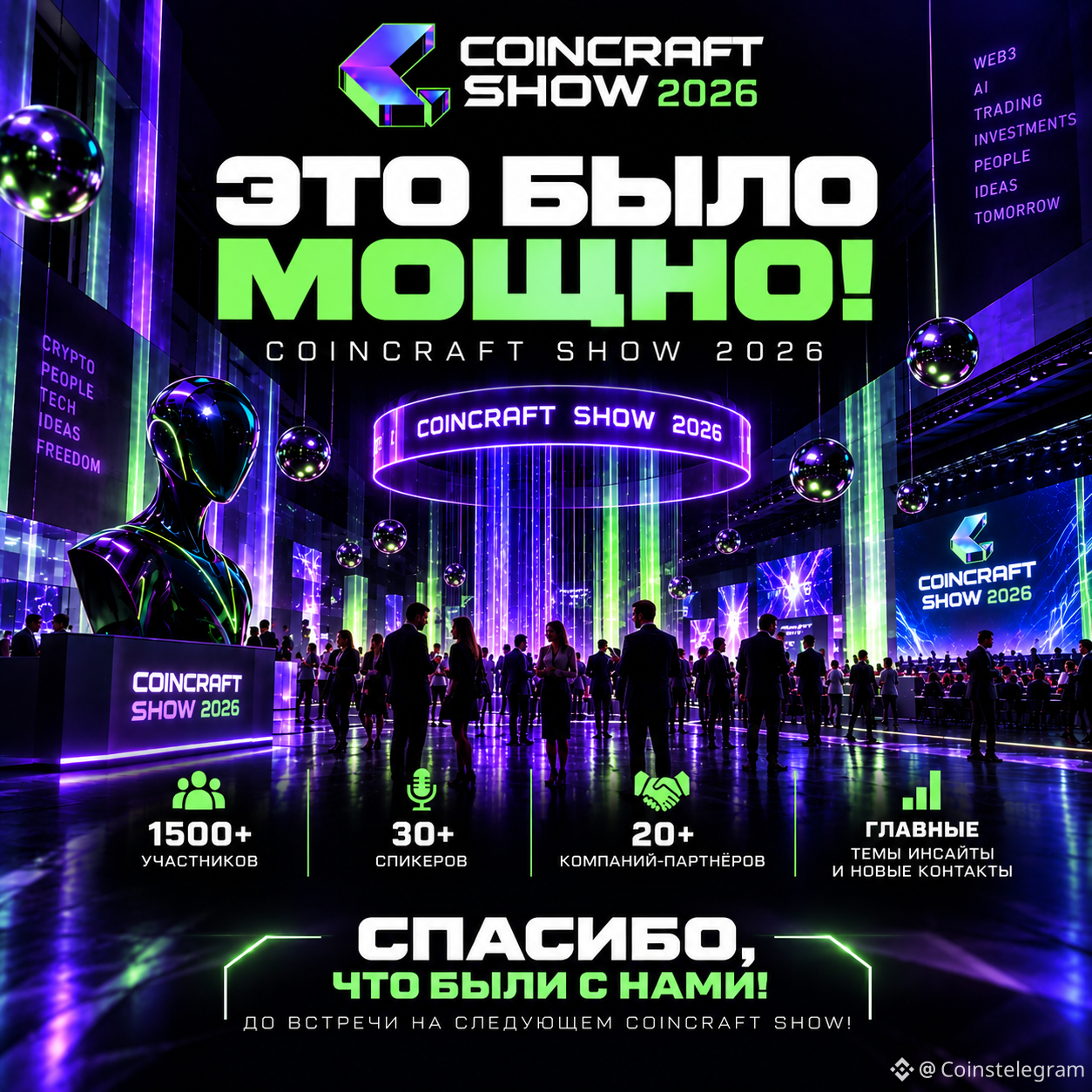
¡Se celebró COINCRAFT SHOW 2026!¡Se celebró COINCRAFT SHOW 2026!
El 24 de septiembre, en FUTURIONE en VDNKh se reunieron participantes de la industria cripto y fintech: inversores, traders, empresarios, expertos en activos digitales, IA y representantes de los medios.
Un día que reunió: 4 bloques del programa de negocios, 6 salas temáticas, la exposición de las empresas asociadas y el «Jardín de los encuentros», debates sobre la regulación, las inversiones, el trading, DeFi, RWA y la IA, un espectáculo vespertino y un programa exclusivo para los huéspedes VIP.
¡Se celebró COINCRAFT SHOW 2026!
¡Se celebró COINCRAFT SHOW 2026!
El 24 de septiembre, en FUTURIONE en VDNKh se reunieron participantes de la industria cripto y fintech: inversores, traders, empresarios, expertos en activos digitales, IA y representantes de los medios.
Un día que reunió: 4 bloques del programa de negocios, 6 salas temáticas, la exposición de las empresas asociadas y el «Jardín de los encuentros», debates sobre la regulación, las inversiones, el trading, DeFi, RWA y la IA, un espectáculo vespertino y un programa exclusivo para los huéspedes VIP.
El 24 de septiembre, en FUTURIONE en VDNKh se reunieron participantes de la industria cripto y fintech: inversores, traders, empresarios, expertos en activos digitales, IA y representantes de los medios.
Un día que reunió: 4 bloques del programa de negocios, 6 salas temáticas, la exposición de las empresas asociadas y el «Jardín de los encuentros», debates sobre la regulación, las inversiones, el trading, DeFi, RWA y la IA, un espectáculo vespertino y un programa exclusivo para los huéspedes VIP.
136
Artículo
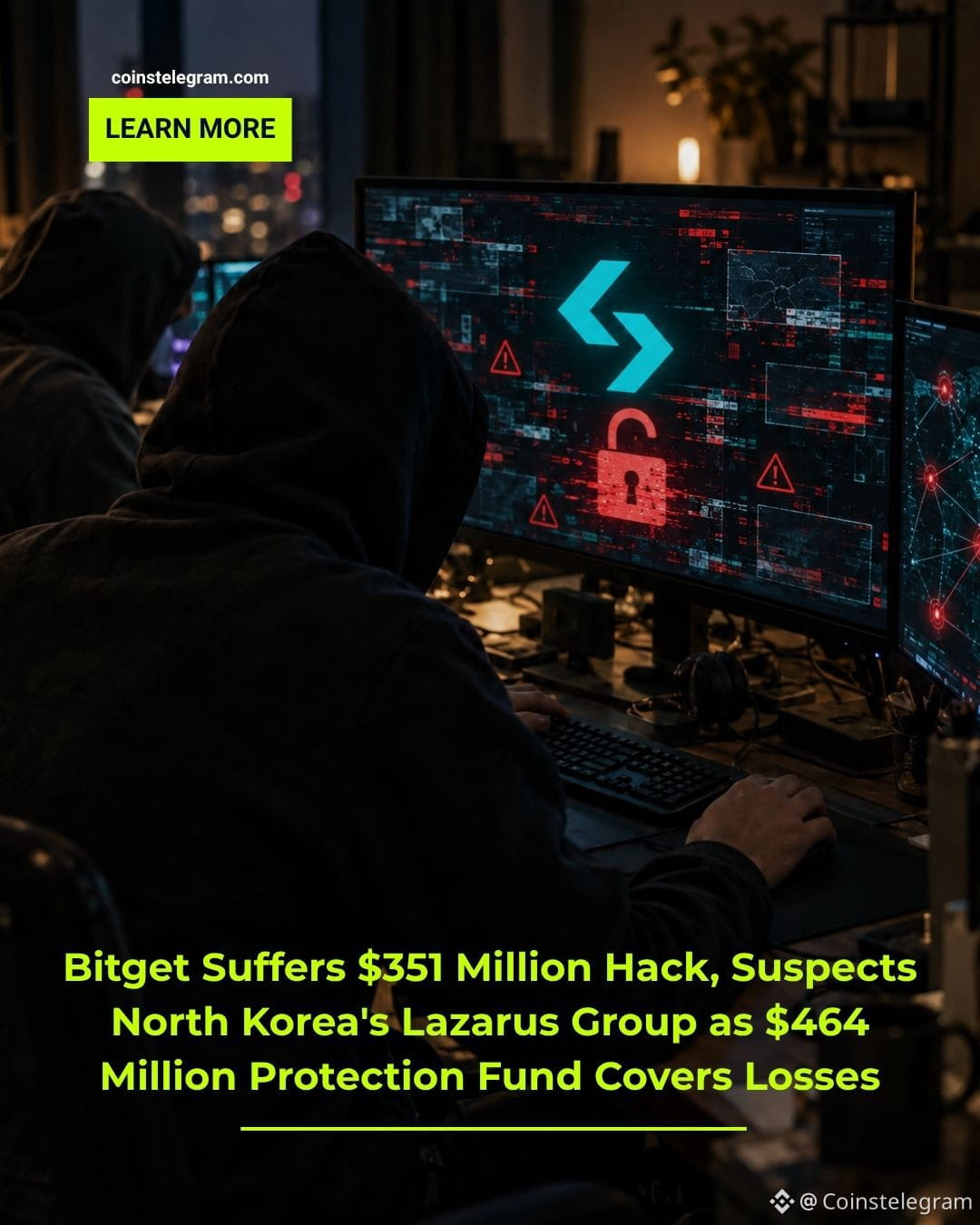
Bitget Sufre un Hack de 351 Millones de Dólares y Sospecha del Grupo Lazarus de Corea del Norte Como Responsable, Con una Protección de 464 Millones...Bitget, una de las mayores bolsas de criptomonedas del mundo, fue víctima de una brecha de seguridad de monederos calientes el 24 de septiembre, que resultó en aproximadamente 351,6 millones de dólares en transferencias no autorizadas — y la directora ejecutiva, Gracy Chen, dice que la evidencia preliminar apunta al Grupo Lazarus de Corea del Norte como el presunto responsable.
La bolsa ha suspendido temporalmente los retiros mientras investiga, pero afirma que los fondos de los usuarios permanecen totalmente protegidos a través de su Fondo de Protección del Usuario dedicado, que mantiene más de 464 millones de dólares en reservas.
Bitget Sufre un Hack de 351 Millones de Dólares y Sospecha del Grupo Lazarus de Corea del Norte Como Responsable, Con una Protección de 464 Millones...
Bitget, una de las mayores bolsas de criptomonedas del mundo, fue víctima de una brecha de seguridad de monederos calientes el 24 de septiembre, que resultó en aproximadamente 351,6 millones de dólares en transferencias no autorizadas — y la directora ejecutiva, Gracy Chen, dice que la evidencia preliminar apunta al Grupo Lazarus de Corea del Norte como el presunto responsable.
La bolsa ha suspendido temporalmente los retiros mientras investiga, pero afirma que los fondos de los usuarios permanecen totalmente protegidos a través de su Fondo de Protección del Usuario dedicado, que mantiene más de 464 millones de dólares en reservas.
La bolsa ha suspendido temporalmente los retiros mientras investiga, pero afirma que los fondos de los usuarios permanecen totalmente protegidos a través de su Fondo de Protección del Usuario dedicado, que mantiene más de 464 millones de dólares en reservas.
102
Bitget Sufre un Hack de 351 Millones de Dólares, Sospecha del Grupo Lazarus de Corea del Norte y su Protección de 464 Millones...Bitget, uno de los exchanges de criptomonedas más grandes del mundo, fue afectado por una brecha de seguridad en una hot wallet el 24 de septiembre que dio lugar a aproximadamente 351,6 millones de dólares en transferencias no autorizadas; y la CEO, Gracy Chen, afirma que la evidencia preliminar apunta al Grupo Lazarus de Corea del Norte como el presunto responsable.
El exchange ha suspendido temporalmente las retiradas mientras investiga, pero afirma que los fondos de los usuarios permanecen totalmente protegidos a través de su Fondo de Protección del Usuario dedicado, que mantiene más de 464 millones de dólares en reservas.
Bitget Sufre un Hack de 351 Millones de Dólares, Sospecha del Grupo Lazarus de Corea del Norte y su Protección de 464 Millones...
Bitget, uno de los exchanges de criptomonedas más grandes del mundo, fue afectado por una brecha de seguridad en una hot wallet el 24 de septiembre que dio lugar a aproximadamente 351,6 millones de dólares en transferencias no autorizadas; y la CEO, Gracy Chen, afirma que la evidencia preliminar apunta al Grupo Lazarus de Corea del Norte como el presunto responsable.
El exchange ha suspendido temporalmente las retiradas mientras investiga, pero afirma que los fondos de los usuarios permanecen totalmente protegidos a través de su Fondo de Protección del Usuario dedicado, que mantiene más de 464 millones de dólares en reservas.
El exchange ha suspendido temporalmente las retiradas mientras investiga, pero afirma que los fondos de los usuarios permanecen totalmente protegidos a través de su Fondo de Protección del Usuario dedicado, que mantiene más de 464 millones de dólares en reservas.
1
1.2k
Inicia sesión para explorar más contenidos
Únete a usuarios de criptomonedas de todo el mundo en Binance Square
⚡️ Obtén la información más reciente y útil sobre criptomonedas.
💬 Confía en el mayor exchange de criptomonedas del mundo.
👍 Descubre opiniones reales de creadores verificados.
Correo electrónico/número de teléfono
Temas en tendencia
ADAGains10%Above$0.27
105 visualizaciones
32 participa(n) en el debate
🚨 $ADA ACABO DE DESPERTAR — +10% Y DE NUEVO POR ENCIMA DE $0.27.
Cardano por fin vuelve a mostrar un impulso real.
ADA subió hasta aproximadamente $0.27, un alza de alrededor del 10–11%, y superó un nuevo máximo de 90 días. El volumen negociado también se disparó hasta aproximadamente el doble de su mediana de 30 días, lo que hace que esto sea más que una simple vela verde aleatoria.
El panorama técnico también se está aclarando:
$0.258–$0.260 se ha convertido en la zona clave de soporte a corto plazo, mientras que $0.28–$0.30 es la siguiente zona que los alcistas deben atacar.
⚡ CONFIGURACIÓN DE LA OPERACIÓN
Entrada: $0.264–$0.270
TP1: $0.280
TP2: $0.292
TP3: $0.300–$0.305
SL: $0.255
Señales:
Mantenerse por encima de $0.26 → la estructura alcista sigue vigente.
Superar $0.28 con volumen → la posibilidad de continuación se fortalece mucho.
Caer por debajo de $0.255 → la tesis de impulso queda invalidada.
¿La parte interesante?
ADA pasó meses sin hacer absolutamente nada.
Y normalmente es entonces cuando los traders dejan de prestarle atención.
Ahora el volumen ha vuelto, la resistencia está cediendo y el mercado vuelve a prestarle atención de repente. 👀
#ADAGains10%Above$0.27 #ETHUp70%InQ3ButLiquidityFalls #EthStakingExitQueueHits2026High #FedOctoberHoldOdds82.3% #Nikkei225Jumps2.5%ToThreeMonthHigh
KimHotbae
·0 «Me gusta»
·220 visualizaciones
ETHUp70%InQ3ButLiquidityFalls
4,684 visualizaciones
140 participa(n) en el debate
EthStakingExitQueueHits2026High
2,557 visualizaciones
196 participa(n) en el debate