

#cryptosecurity
cryptosecurity
8.8M vistas
13,074 están debatiendo
Hot
Lo último

·
--
Artículo
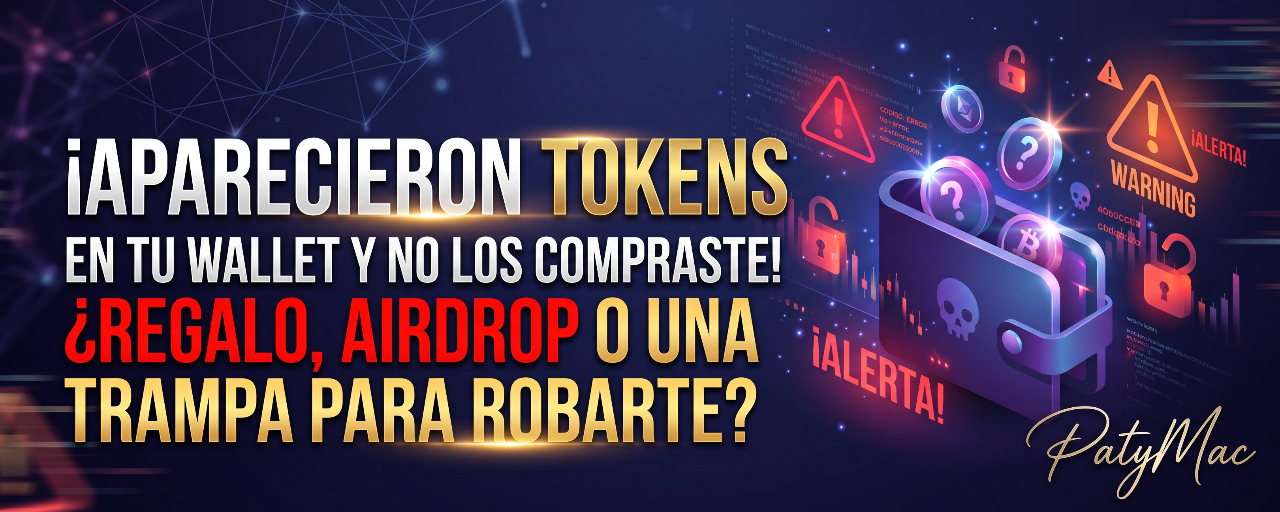
¡APARECIERON TOKENS EN TU WALLET Y NO LOS COMPRASTE! ¿REGALO, AIRDROP O UNA TRAMPA PARA ROBARTE?PATYMAC | SEGURIDAD CRIPTO Y DERECHO DIGITAL
Imagina abrir tu billetera de criptomonedas y descubrir que recibiste 50.000 tokens desconocidos.
No los compraste. No participaste en ningún proyecto. Tampoco recuerdas haber solicitado un airdrop.
Pero ahí están.
Incluso podría aparecer un valor estimado de cientos o miles de dólares.
La primera reacción probablemente sea:
«¿Y si los cambio por USDT?»
Cuidado. Esa curiosidad puede ser precisamente lo que buscan los estafadores.
🔎 Primero: ¿por qué aparecen tokens que nunca compraste?
En muchas blockchains, las direcciones públicas pueden recibir tokens enviados por terceros sin que el destinatario los haya solicitado.
Los proyectos legítimos pueden distribuir tokens mediante airdrops, por ejemplo, para recompensar usuarios o promocionar un ecosistema.
Pero los delincuentes también pueden utilizar ese mecanismo.
Buscan direcciones activas y envían tokens desconocidos de forma masiva.
Es parecido a recibir un correo electrónico publicitario no solicitado, pero dentro de una blockchain.
Recibir un token inesperado no significa automáticamente que tu wallet fue hackeada.
🍯 ¿Qué es un honeypot?
En español, honeypot significa «tarro de miel».
En las estafas con tokens, describe una trampa que atrae compradores con la expectativa de obtener ganancias, pero que contiene restricciones que impiden o dificultan vender.
Imaginemos un token que parece estar aumentando rápidamente de precio.
Los inversionistas compran.
Sin embargo, cuando intentan vender, la operación falla.
¿Por qué?
Porque su Smart Contract puede contener reglas que permiten comprar, pero bloquean la venta a determinadas direcciones.
En algunos casos, los creadores mantienen permisos especiales para vender mientras los demás usuarios quedan atrapados.
El precio puede subir en pantalla, pero eso no significa que todos puedan vender a ese precio.
⚠️ No todos los tokens sospechosos son honeypots
Es importante distinguir tres situaciones.
1. Honeypot: el token permite comprar, pero impide o restringe vender mediante reglas maliciosas.
2. Airdrop fraudulento: recibes tokens inesperados que intentan llevarte a una página falsa para reclamar premios, entregar datos o firmar autorizaciones.
3. Wallet drainer: una aplicación maliciosa intenta conseguir firmas o permisos que permitan transferir determinados activos de tu billetera.
Estos mecanismos pueden combinarse, pero no son idénticos.
💰 ¿Cómo funciona una estafa de falso airdrop?
Imaginemos este escenario:
Paso 1. Recibes 100.000 tokens desconocidos.
Paso 2. Tu wallet o un explorador muestra un valor estimado de USD 2.000.
Paso 3. Intentas intercambiarlos por USDT.
Paso 4. La operación falla o encuentras instrucciones que te dirigen a una página para «habilitar el retiro».
Paso 5. La página te pide conectar la wallet y firmar una autorización.
Paso 6. Sin comprenderlo, podrías conceder permisos sobre otros activos o autorizar una operación perjudicial.
También existen páginas fraudulentas que solicitan directamente la frase de recuperación.
La estafa no necesariamente está en recibir el token, sino en lo que te inducen a hacer después.
🔐 ¿Pueden robarte simplemente enviándote un token?
En condiciones normales, recibir un token estándar no les concede acceso a tus claves privadas ni autorización para retirar tus otros fondos.
El peligro aparece cuando interactúas con contratos o páginas maliciosas, revelas credenciales o firmas operaciones perjudiciales.
Por eso, si aparece un token desconocido, lo más prudente es no intentar venderlo, enviarlo, quemarlo ni reclamar supuestas recompensas.
Puedes ocultarlo de la interfaz de tu wallet, cuando esa función esté disponible.
🔍 ¿Cómo saber si un token puede ser malicioso?
No existe una herramienta que garantice detectar el 100% de las estafas.
Pero sí podemos investigar varios indicadores sin conectar nuestra billetera.
1. Identifica el contrato.
Busca la dirección exacta del contrato del token en el explorador de la red correspondiente.
No confíes únicamente en el nombre o el símbolo: los estafadores pueden imitarlos.
2. Revisa si el código está verificado.
Un contrato cuyo código fuente está publicado permite mayor inspección.
Pero que esté verificado no significa que sea seguro.
3. Investiga las restricciones de venta.
Algunos contratos incluyen funciones de listas negras, límites de transferencia o comisiones excesivas.
Estas características pueden utilizarse legítimamente en determinados diseños, pero también pueden facilitar abusos.
4. Observa las operaciones reales.
¿Hay compras y ventas realizadas por diferentes usuarios?
¿O aparecen muchas compras mientras prácticamente nadie consigue vender?
Es una señal que merece investigación, aunque por sí sola no demuestra una estafa.
5. Revisa la liquidez.
Un token puede mostrar una cotización atractiva y carecer de liquidez suficiente para convertirlo en otros activos.
6. Examina los permisos administrativos.
¿El creador puede modificar comisiones, bloquear direcciones, pausar transferencias o actualizar el contrato?
Cuanto mayor sea el control unilateral, mayor puede ser la exposición del usuario.
🛠️ Herramientas que pueden ayudarte
Block Explorers: permiten consultar contratos, titulares y transacciones.
GoPlus Security: analiza indicadores como honeypots, restricciones de venta, listas negras y determinadas funciones del contrato.
Token Sniffer: ofrece análisis automatizados de contratos compatibles.
Honeypot.is: permite consultar simulaciones e indicadores relacionados con la posibilidad de vender determinados tokens en redes compatibles.
Revoke.cash y los verificadores de aprobaciones: permiten revisar y revocar permisos concedidos a contratos en redes compatibles.
Importante: una herramienta que no detecta problemas no garantiza que el token sea seguro. Las simulaciones pueden fallar ante contratos modificables, restricciones selectivas o comportamientos que cambian con el tiempo.
🚨 ¿Qué hago si ya intenté intercambiar el token?
Depende de lo que ocurrió.
Si solo lo recibiste: no necesitas realizar una transacción para eliminarlo. Puedes dejarlo sin tocar y ocultarlo.
Si conectaste la wallet a una página sospechosa: desconéctala desde la interfaz y revisa si también firmaste alguna operación. Desconectar no elimina autorizaciones previamente concedidas.
Si aprobaste permisos: revisa y revoca las autorizaciones sospechosas mediante herramientas confiables. Revocar normalmente requiere una transacción y una comisión de red.
Si entregaste tu seed phrase: considera comprometida la wallet. Desde un dispositivo seguro, crea una nueva billetera y traslada los activos que todavía controles. No vuelvas a utilizar la frase expuesta.
Si ya perdiste fondos: conserva direcciones, hashes de transacciones, capturas y comunicaciones. Evita los supuestos recuperadores que prometen devolver criptomonedas a cambio de un pago anticipado.
⚖️ ¿Y qué ocurre jurídicamente?
Aquí debemos distinguir la existencia de un token de las conductas realizadas para engañar a los usuarios.
Un airdrop legítimo puede ser una estrategia comercial.
Pero cuando se utilizan representaciones falsas, mecanismos ocultos o autorizaciones obtenidas mediante engaño para apropiarse de activos, pueden surgir responsabilidades civiles o penales, según los hechos y la legislación aplicable.
La blockchain permite rastrear determinadas operaciones, pero identificar al responsable exige vincular direcciones y transacciones con personas concretas.
El contrato inteligente puede contener parte de la evidencia técnica. La responsabilidad jurídica requiere un análisis adicional.
🎯 Preguntas interesantes
¿Si aparecen tokens gratis significa que me hackearon? No necesariamente. Cualquiera puede enviar tokens a una dirección pública compatible.
¿Un honeypot siempre roba los fondos de mi wallet? No. Su mecanismo característico consiste en atrapar al comprador impidiéndole vender. Otras estafas buscan permisos para sustraer activos adicionales.
¿Si el token aparece en un explorador significa que es legítimo? No. Los exploradores también muestran contratos fraudulentos.
¿Puedo comprobar si es malicioso sin conectar mi wallet? Sí. Puedes investigar la dirección del contrato y consultar herramientas de análisis sin firmar operaciones.
¿Si una herramienta dice que es seguro puedo comprar? No existe garantía absoluta. Un resultado favorable solo reduce algunas incertidumbres.
💡 Reflexión final
En el mundo cripto, no todo lo que aparece en tu billetera es una oportunidad.
A veces, el supuesto regalo es solamente el anzuelo.
Un token que llegó sin que lo pidieras no merece automáticamente tu confianza, y mucho menos tu firma.
Antes de intentar convertirlo en dinero, pregúntate:
¿Quién lo envió, qué hace su contrato y qué me están pidiendo autorizar?
Porque en blockchain, proteger tus activos también significa aprender cuándo no interactuar.
$BTC
{future}(BTCUSDT)
$BNB
{future}(BNBUSDT)
$ETH
{future}(ETHUSDT)
#CryptoSecurity
#Honeypot
#AirdropScam
#WalletSecurity
#SmartContract
¡APARECIERON TOKENS EN TU WALLET Y NO LOS COMPRASTE! ¿REGALO, AIRDROP O UNA TRAMPA PARA ROBARTE?
PATYMAC | SEGURIDAD CRIPTO Y DERECHO DIGITAL
Imagina abrir tu billetera de criptomonedas y descubrir que recibiste 50.000 tokens desconocidos.
No los compraste. No participaste en ningún proyecto. Tampoco recuerdas haber solicitado un airdrop.
Pero ahí están.
Incluso podría aparecer un valor estimado de cientos o miles de dólares.
La primera reacción probablemente sea:
«¿Y si los cambio por USDT?»
Cuidado. Esa curiosidad puede ser precisamente lo que buscan los estafadores.
🔎 Primero: ¿por qué aparecen tokens que nunca compraste?
En muchas blockchains, las direcciones públicas pueden recibir tokens enviados por terceros sin que el destinatario los haya solicitado.
Los proyectos legítimos pueden distribuir tokens mediante airdrops, por ejemplo, para recompensar usuarios o promocionar un ecosistema.
Pero los delincuentes también pueden utilizar ese mecanismo.
Buscan direcciones activas y envían tokens desconocidos de forma masiva.
Es parecido a recibir un correo electrónico publicitario no solicitado, pero dentro de una blockchain.
Recibir un token inesperado no significa automáticamente que tu wallet fue hackeada.
🍯 ¿Qué es un honeypot?
En español, honeypot significa «tarro de miel».
En las estafas con tokens, describe una trampa que atrae compradores con la expectativa de obtener ganancias, pero que contiene restricciones que impiden o dificultan vender.
Imaginemos un token que parece estar aumentando rápidamente de precio.
Los inversionistas compran.
Sin embargo, cuando intentan vender, la operación falla.
¿Por qué?
Porque su Smart Contract puede contener reglas que permiten comprar, pero bloquean la venta a determinadas direcciones.
En algunos casos, los creadores mantienen permisos especiales para vender mientras los demás usuarios quedan atrapados.
El precio puede subir en pantalla, pero eso no significa que todos puedan vender a ese precio.
⚠️ No todos los tokens sospechosos son honeypots
Es importante distinguir tres situaciones.
1. Honeypot: el token permite comprar, pero impide o restringe vender mediante reglas maliciosas.
2. Airdrop fraudulento: recibes tokens inesperados que intentan llevarte a una página falsa para reclamar premios, entregar datos o firmar autorizaciones.
3. Wallet drainer: una aplicación maliciosa intenta conseguir firmas o permisos que permitan transferir determinados activos de tu billetera.
Estos mecanismos pueden combinarse, pero no son idénticos.
💰 ¿Cómo funciona una estafa de falso airdrop?
Imaginemos este escenario:
Paso 1. Recibes 100.000 tokens desconocidos.
Paso 2. Tu wallet o un explorador muestra un valor estimado de USD 2.000.
Paso 3. Intentas intercambiarlos por USDT.
Paso 4. La operación falla o encuentras instrucciones que te dirigen a una página para «habilitar el retiro».
Paso 5. La página te pide conectar la wallet y firmar una autorización.
Paso 6. Sin comprenderlo, podrías conceder permisos sobre otros activos o autorizar una operación perjudicial.
También existen páginas fraudulentas que solicitan directamente la frase de recuperación.
La estafa no necesariamente está en recibir el token, sino en lo que te inducen a hacer después.
🔐 ¿Pueden robarte simplemente enviándote un token?
En condiciones normales, recibir un token estándar no les concede acceso a tus claves privadas ni autorización para retirar tus otros fondos.
El peligro aparece cuando interactúas con contratos o páginas maliciosas, revelas credenciales o firmas operaciones perjudiciales.
Por eso, si aparece un token desconocido, lo más prudente es no intentar venderlo, enviarlo, quemarlo ni reclamar supuestas recompensas.
Puedes ocultarlo de la interfaz de tu wallet, cuando esa función esté disponible.
🔍 ¿Cómo saber si un token puede ser malicioso?
No existe una herramienta que garantice detectar el 100% de las estafas.
Pero sí podemos investigar varios indicadores sin conectar nuestra billetera.
1. Identifica el contrato.
Busca la dirección exacta del contrato del token en el explorador de la red correspondiente.
No confíes únicamente en el nombre o el símbolo: los estafadores pueden imitarlos.
2. Revisa si el código está verificado.
Un contrato cuyo código fuente está publicado permite mayor inspección.
Pero que esté verificado no significa que sea seguro.
3. Investiga las restricciones de venta.
Algunos contratos incluyen funciones de listas negras, límites de transferencia o comisiones excesivas.
Estas características pueden utilizarse legítimamente en determinados diseños, pero también pueden facilitar abusos.
4. Observa las operaciones reales.
¿Hay compras y ventas realizadas por diferentes usuarios?
¿O aparecen muchas compras mientras prácticamente nadie consigue vender?
Es una señal que merece investigación, aunque por sí sola no demuestra una estafa.
5. Revisa la liquidez.
Un token puede mostrar una cotización atractiva y carecer de liquidez suficiente para convertirlo en otros activos.
6. Examina los permisos administrativos.
¿El creador puede modificar comisiones, bloquear direcciones, pausar transferencias o actualizar el contrato?
Cuanto mayor sea el control unilateral, mayor puede ser la exposición del usuario.
🛠️ Herramientas que pueden ayudarte
Block Explorers: permiten consultar contratos, titulares y transacciones.
GoPlus Security: analiza indicadores como honeypots, restricciones de venta, listas negras y determinadas funciones del contrato.
Token Sniffer: ofrece análisis automatizados de contratos compatibles.
Honeypot.is: permite consultar simulaciones e indicadores relacionados con la posibilidad de vender determinados tokens en redes compatibles.
Revoke.cash y los verificadores de aprobaciones: permiten revisar y revocar permisos concedidos a contratos en redes compatibles.
Importante: una herramienta que no detecta problemas no garantiza que el token sea seguro. Las simulaciones pueden fallar ante contratos modificables, restricciones selectivas o comportamientos que cambian con el tiempo.
🚨 ¿Qué hago si ya intenté intercambiar el token?
Depende de lo que ocurrió.
Si solo lo recibiste: no necesitas realizar una transacción para eliminarlo. Puedes dejarlo sin tocar y ocultarlo.
Si conectaste la wallet a una página sospechosa: desconéctala desde la interfaz y revisa si también firmaste alguna operación. Desconectar no elimina autorizaciones previamente concedidas.
Si aprobaste permisos: revisa y revoca las autorizaciones sospechosas mediante herramientas confiables. Revocar normalmente requiere una transacción y una comisión de red.
Si entregaste tu seed phrase: considera comprometida la wallet. Desde un dispositivo seguro, crea una nueva billetera y traslada los activos que todavía controles. No vuelvas a utilizar la frase expuesta.
Si ya perdiste fondos: conserva direcciones, hashes de transacciones, capturas y comunicaciones. Evita los supuestos recuperadores que prometen devolver criptomonedas a cambio de un pago anticipado.
⚖️ ¿Y qué ocurre jurídicamente?
Aquí debemos distinguir la existencia de un token de las conductas realizadas para engañar a los usuarios.
Un airdrop legítimo puede ser una estrategia comercial.
Pero cuando se utilizan representaciones falsas, mecanismos ocultos o autorizaciones obtenidas mediante engaño para apropiarse de activos, pueden surgir responsabilidades civiles o penales, según los hechos y la legislación aplicable.
La blockchain permite rastrear determinadas operaciones, pero identificar al responsable exige vincular direcciones y transacciones con personas concretas.
El contrato inteligente puede contener parte de la evidencia técnica. La responsabilidad jurídica requiere un análisis adicional.
🎯 Preguntas interesantes
¿Si aparecen tokens gratis significa que me hackearon? No necesariamente. Cualquiera puede enviar tokens a una dirección pública compatible.
¿Un honeypot siempre roba los fondos de mi wallet? No. Su mecanismo característico consiste en atrapar al comprador impidiéndole vender. Otras estafas buscan permisos para sustraer activos adicionales.
¿Si el token aparece en un explorador significa que es legítimo? No. Los exploradores también muestran contratos fraudulentos.
¿Puedo comprobar si es malicioso sin conectar mi wallet? Sí. Puedes investigar la dirección del contrato y consultar herramientas de análisis sin firmar operaciones.
¿Si una herramienta dice que es seguro puedo comprar? No existe garantía absoluta. Un resultado favorable solo reduce algunas incertidumbres.
💡 Reflexión final
En el mundo cripto, no todo lo que aparece en tu billetera es una oportunidad.
A veces, el supuesto regalo es solamente el anzuelo.
Un token que llegó sin que lo pidieras no merece automáticamente tu confianza, y mucho menos tu firma.
Antes de intentar convertirlo en dinero, pregúntate:
¿Quién lo envió, qué hace su contrato y qué me están pidiendo autorizar?
Porque en blockchain, proteger tus activos también significa aprender cuándo no interactuar.
$BTC
$BNB
$ETH
#CryptoSecurity
#Honeypot
#AirdropScam
#WalletSecurity
#SmartContract
Imagina abrir tu billetera de criptomonedas y descubrir que recibiste 50.000 tokens desconocidos.
No los compraste. No participaste en ningún proyecto. Tampoco recuerdas haber solicitado un airdrop.
Pero ahí están.
Incluso podría aparecer un valor estimado de cientos o miles de dólares.
La primera reacción probablemente sea:
«¿Y si los cambio por USDT?»
Cuidado. Esa curiosidad puede ser precisamente lo que buscan los estafadores.
🔎 Primero: ¿por qué aparecen tokens que nunca compraste?
En muchas blockchains, las direcciones públicas pueden recibir tokens enviados por terceros sin que el destinatario los haya solicitado.
Los proyectos legítimos pueden distribuir tokens mediante airdrops, por ejemplo, para recompensar usuarios o promocionar un ecosistema.
Pero los delincuentes también pueden utilizar ese mecanismo.
Buscan direcciones activas y envían tokens desconocidos de forma masiva.
Es parecido a recibir un correo electrónico publicitario no solicitado, pero dentro de una blockchain.
Recibir un token inesperado no significa automáticamente que tu wallet fue hackeada.
🍯 ¿Qué es un honeypot?
En español, honeypot significa «tarro de miel».
En las estafas con tokens, describe una trampa que atrae compradores con la expectativa de obtener ganancias, pero que contiene restricciones que impiden o dificultan vender.
Imaginemos un token que parece estar aumentando rápidamente de precio.
Los inversionistas compran.
Sin embargo, cuando intentan vender, la operación falla.
¿Por qué?
Porque su Smart Contract puede contener reglas que permiten comprar, pero bloquean la venta a determinadas direcciones.
En algunos casos, los creadores mantienen permisos especiales para vender mientras los demás usuarios quedan atrapados.
El precio puede subir en pantalla, pero eso no significa que todos puedan vender a ese precio.
⚠️ No todos los tokens sospechosos son honeypots
Es importante distinguir tres situaciones.
1. Honeypot: el token permite comprar, pero impide o restringe vender mediante reglas maliciosas.
2. Airdrop fraudulento: recibes tokens inesperados que intentan llevarte a una página falsa para reclamar premios, entregar datos o firmar autorizaciones.
3. Wallet drainer: una aplicación maliciosa intenta conseguir firmas o permisos que permitan transferir determinados activos de tu billetera.
Estos mecanismos pueden combinarse, pero no son idénticos.
💰 ¿Cómo funciona una estafa de falso airdrop?
Imaginemos este escenario:
Paso 1. Recibes 100.000 tokens desconocidos.
Paso 2. Tu wallet o un explorador muestra un valor estimado de USD 2.000.
Paso 3. Intentas intercambiarlos por USDT.
Paso 4. La operación falla o encuentras instrucciones que te dirigen a una página para «habilitar el retiro».
Paso 5. La página te pide conectar la wallet y firmar una autorización.
Paso 6. Sin comprenderlo, podrías conceder permisos sobre otros activos o autorizar una operación perjudicial.
También existen páginas fraudulentas que solicitan directamente la frase de recuperación.
La estafa no necesariamente está en recibir el token, sino en lo que te inducen a hacer después.
🔐 ¿Pueden robarte simplemente enviándote un token?
En condiciones normales, recibir un token estándar no les concede acceso a tus claves privadas ni autorización para retirar tus otros fondos.
El peligro aparece cuando interactúas con contratos o páginas maliciosas, revelas credenciales o firmas operaciones perjudiciales.
Por eso, si aparece un token desconocido, lo más prudente es no intentar venderlo, enviarlo, quemarlo ni reclamar supuestas recompensas.
Puedes ocultarlo de la interfaz de tu wallet, cuando esa función esté disponible.
🔍 ¿Cómo saber si un token puede ser malicioso?
No existe una herramienta que garantice detectar el 100% de las estafas.
Pero sí podemos investigar varios indicadores sin conectar nuestra billetera.
1. Identifica el contrato.
Busca la dirección exacta del contrato del token en el explorador de la red correspondiente.
No confíes únicamente en el nombre o el símbolo: los estafadores pueden imitarlos.
2. Revisa si el código está verificado.
Un contrato cuyo código fuente está publicado permite mayor inspección.
Pero que esté verificado no significa que sea seguro.
3. Investiga las restricciones de venta.
Algunos contratos incluyen funciones de listas negras, límites de transferencia o comisiones excesivas.
Estas características pueden utilizarse legítimamente en determinados diseños, pero también pueden facilitar abusos.
4. Observa las operaciones reales.
¿Hay compras y ventas realizadas por diferentes usuarios?
¿O aparecen muchas compras mientras prácticamente nadie consigue vender?
Es una señal que merece investigación, aunque por sí sola no demuestra una estafa.
5. Revisa la liquidez.
Un token puede mostrar una cotización atractiva y carecer de liquidez suficiente para convertirlo en otros activos.
6. Examina los permisos administrativos.
¿El creador puede modificar comisiones, bloquear direcciones, pausar transferencias o actualizar el contrato?
Cuanto mayor sea el control unilateral, mayor puede ser la exposición del usuario.
🛠️ Herramientas que pueden ayudarte
Block Explorers: permiten consultar contratos, titulares y transacciones.
GoPlus Security: analiza indicadores como honeypots, restricciones de venta, listas negras y determinadas funciones del contrato.
Token Sniffer: ofrece análisis automatizados de contratos compatibles.
Honeypot.is: permite consultar simulaciones e indicadores relacionados con la posibilidad de vender determinados tokens en redes compatibles.
Revoke.cash y los verificadores de aprobaciones: permiten revisar y revocar permisos concedidos a contratos en redes compatibles.
Importante: una herramienta que no detecta problemas no garantiza que el token sea seguro. Las simulaciones pueden fallar ante contratos modificables, restricciones selectivas o comportamientos que cambian con el tiempo.
🚨 ¿Qué hago si ya intenté intercambiar el token?
Depende de lo que ocurrió.
Si solo lo recibiste: no necesitas realizar una transacción para eliminarlo. Puedes dejarlo sin tocar y ocultarlo.
Si conectaste la wallet a una página sospechosa: desconéctala desde la interfaz y revisa si también firmaste alguna operación. Desconectar no elimina autorizaciones previamente concedidas.
Si aprobaste permisos: revisa y revoca las autorizaciones sospechosas mediante herramientas confiables. Revocar normalmente requiere una transacción y una comisión de red.
Si entregaste tu seed phrase: considera comprometida la wallet. Desde un dispositivo seguro, crea una nueva billetera y traslada los activos que todavía controles. No vuelvas a utilizar la frase expuesta.
Si ya perdiste fondos: conserva direcciones, hashes de transacciones, capturas y comunicaciones. Evita los supuestos recuperadores que prometen devolver criptomonedas a cambio de un pago anticipado.
⚖️ ¿Y qué ocurre jurídicamente?
Aquí debemos distinguir la existencia de un token de las conductas realizadas para engañar a los usuarios.
Un airdrop legítimo puede ser una estrategia comercial.
Pero cuando se utilizan representaciones falsas, mecanismos ocultos o autorizaciones obtenidas mediante engaño para apropiarse de activos, pueden surgir responsabilidades civiles o penales, según los hechos y la legislación aplicable.
La blockchain permite rastrear determinadas operaciones, pero identificar al responsable exige vincular direcciones y transacciones con personas concretas.
El contrato inteligente puede contener parte de la evidencia técnica. La responsabilidad jurídica requiere un análisis adicional.
🎯 Preguntas interesantes
¿Si aparecen tokens gratis significa que me hackearon? No necesariamente. Cualquiera puede enviar tokens a una dirección pública compatible.
¿Un honeypot siempre roba los fondos de mi wallet? No. Su mecanismo característico consiste en atrapar al comprador impidiéndole vender. Otras estafas buscan permisos para sustraer activos adicionales.
¿Si el token aparece en un explorador significa que es legítimo? No. Los exploradores también muestran contratos fraudulentos.
¿Puedo comprobar si es malicioso sin conectar mi wallet? Sí. Puedes investigar la dirección del contrato y consultar herramientas de análisis sin firmar operaciones.
¿Si una herramienta dice que es seguro puedo comprar? No existe garantía absoluta. Un resultado favorable solo reduce algunas incertidumbres.
💡 Reflexión final
En el mundo cripto, no todo lo que aparece en tu billetera es una oportunidad.
A veces, el supuesto regalo es solamente el anzuelo.
Un token que llegó sin que lo pidieras no merece automáticamente tu confianza, y mucho menos tu firma.
Antes de intentar convertirlo en dinero, pregúntate:
¿Quién lo envió, qué hace su contrato y qué me están pidiendo autorizar?
Porque en blockchain, proteger tus activos también significa aprender cuándo no interactuar.
$BTC
$BNB
$ETH
#CryptoSecurity
#Honeypot
#AirdropScam
#WalletSecurity
#SmartContract
108
·
--
Artículo
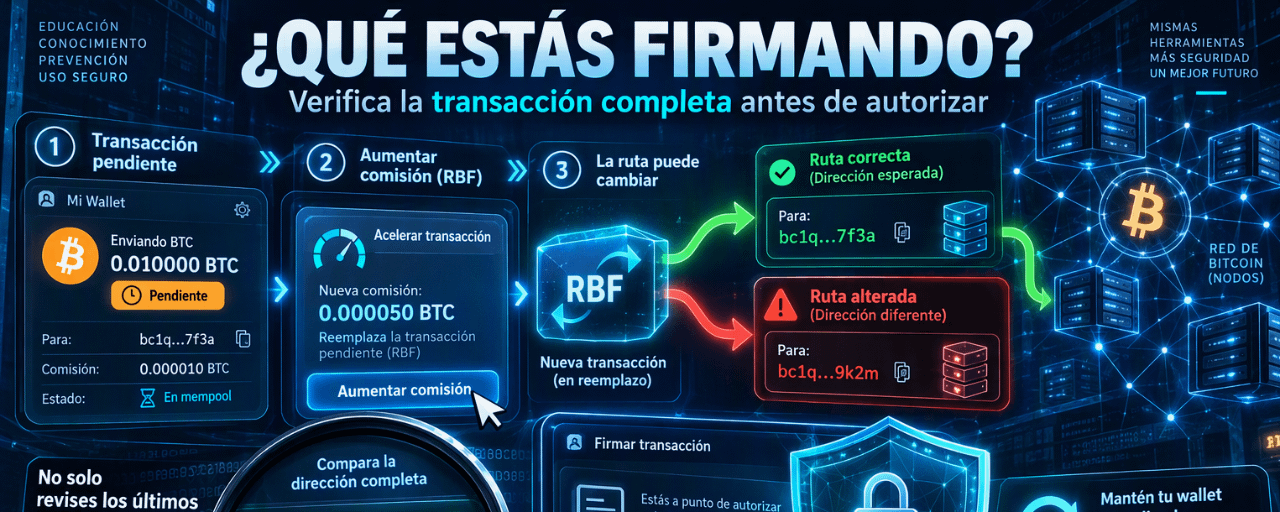
Una transacción “atascada” podía terminar enviando tus BTC a otra direcciónElectrum publicó la versión 4.8.3 para corregir una vulnerabilidad de gravedad alta relacionada con el aumento de comisión de transacciones pendientes, conocido como RBF.
El mecanismo era especialmente engañoso:
🔹 La wallet recibía de un servidor malicioso una versión falsa de una transacción pendiente.
🔹 Esa transacción aparecía con comisión cero y podía parecer atascada.
🔹 Al intentar aumentar la comisión, el usuario podía terminar firmando una nueva transacción que enviaba los fondos a una dirección controlada por el atacante.
Las claves privadas no eran necesariamente comprometidas.
El problema era que el propio usuario terminaba autorizando una transacción distinta de la que creía estar acelerando.
Además, los atacantes podían utilizar direcciones cuyos últimos caracteres coincidían con los del destinatario original. Esto aprovechaba una costumbre peligrosa: comprobar únicamente el principio o el final de una dirección.
La lección práctica:
✅ Si utilizas Electrum, actualiza a la versión 4.8.3 o posterior desde el sitio oficial.
✅ Comprueba la dirección completa, no solo cuatro caracteres.
✅ Revisa nuevamente destinatario, importe y comisión antes de firmar un RBF.
✅ Evita descargar wallets o actualizaciones desde anuncios y enlaces de terceros.
✅ No confundas este incidente con otras redes: Electrum es una wallet de Bitcoin. No afecta por este fallo a ETH o SOL.
La reflexión que me queda es sencilla:
una hardware wallet o una configuración multifirma pueden proteger las claves, pero no pueden corregir una transacción que el propio usuario autoriza sin verificarla completamente.
La seguridad no termina al guardar bien la seed.
También incluye comprender qué estamos firmando.
👇 ¿Cuando verificas una dirección, comparas toda la cadena o solamente los primeros y últimos caracteres?
ℹ️ Contenido educativo de seguridad. No compartas seeds, claves privadas ni credenciales con nadie.
$BTC
{spot}(BTCUSDT)
#Bitcoin #CryptoSecurity #CyberSecurity #Web3 #BinanceSquare
Una transacción “atascada” podía terminar enviando tus BTC a otra dirección
Electrum publicó la versión 4.8.3 para corregir una vulnerabilidad de gravedad alta relacionada con el aumento de comisión de transacciones pendientes, conocido como RBF.
El mecanismo era especialmente engañoso:
🔹 La wallet recibía de un servidor malicioso una versión falsa de una transacción pendiente.
🔹 Esa transacción aparecía con comisión cero y podía parecer atascada.
🔹 Al intentar aumentar la comisión, el usuario podía terminar firmando una nueva transacción que enviaba los fondos a una dirección controlada por el atacante.
Las claves privadas no eran necesariamente comprometidas.
El problema era que el propio usuario terminaba autorizando una transacción distinta de la que creía estar acelerando.
Además, los atacantes podían utilizar direcciones cuyos últimos caracteres coincidían con los del destinatario original. Esto aprovechaba una costumbre peligrosa: comprobar únicamente el principio o el final de una dirección.
La lección práctica:
✅ Si utilizas Electrum, actualiza a la versión 4.8.3 o posterior desde el sitio oficial.
✅ Comprueba la dirección completa, no solo cuatro caracteres.
✅ Revisa nuevamente destinatario, importe y comisión antes de firmar un RBF.
✅ Evita descargar wallets o actualizaciones desde anuncios y enlaces de terceros.
✅ No confundas este incidente con otras redes: Electrum es una wallet de Bitcoin. No afecta por este fallo a ETH o SOL.
La reflexión que me queda es sencilla:
una hardware wallet o una configuración multifirma pueden proteger las claves, pero no pueden corregir una transacción que el propio usuario autoriza sin verificarla completamente.
La seguridad no termina al guardar bien la seed.
También incluye comprender qué estamos firmando.
👇 ¿Cuando verificas una dirección, comparas toda la cadena o solamente los primeros y últimos caracteres?
ℹ️ Contenido educativo de seguridad. No compartas seeds, claves privadas ni credenciales con nadie.
$BTC
#Bitcoin #CryptoSecurity #CyberSecurity #Web3 #BinanceSquare
El mecanismo era especialmente engañoso:
🔹 La wallet recibía de un servidor malicioso una versión falsa de una transacción pendiente.
🔹 Esa transacción aparecía con comisión cero y podía parecer atascada.
🔹 Al intentar aumentar la comisión, el usuario podía terminar firmando una nueva transacción que enviaba los fondos a una dirección controlada por el atacante.
Las claves privadas no eran necesariamente comprometidas.
El problema era que el propio usuario terminaba autorizando una transacción distinta de la que creía estar acelerando.
Además, los atacantes podían utilizar direcciones cuyos últimos caracteres coincidían con los del destinatario original. Esto aprovechaba una costumbre peligrosa: comprobar únicamente el principio o el final de una dirección.
La lección práctica:
✅ Si utilizas Electrum, actualiza a la versión 4.8.3 o posterior desde el sitio oficial.
✅ Comprueba la dirección completa, no solo cuatro caracteres.
✅ Revisa nuevamente destinatario, importe y comisión antes de firmar un RBF.
✅ Evita descargar wallets o actualizaciones desde anuncios y enlaces de terceros.
✅ No confundas este incidente con otras redes: Electrum es una wallet de Bitcoin. No afecta por este fallo a ETH o SOL.
La reflexión que me queda es sencilla:
una hardware wallet o una configuración multifirma pueden proteger las claves, pero no pueden corregir una transacción que el propio usuario autoriza sin verificarla completamente.
La seguridad no termina al guardar bien la seed.
También incluye comprender qué estamos firmando.
👇 ¿Cuando verificas una dirección, comparas toda la cadena o solamente los primeros y últimos caracteres?
ℹ️ Contenido educativo de seguridad. No compartas seeds, claves privadas ni credenciales con nadie.
$BTC
#Bitcoin #CryptoSecurity #CyberSecurity #Web3 #BinanceSquare
32

·
--
🚨 EL ATACANTE DE X100 TRANSFIERE 300 ETH A TORNADO CASH TRAS EXPLOIT DE $4,75M 💸🛡️
El hacker inicia el blanqueo de los fondos sustraídos mediante el mezclador de privacidad tras vulnerar la gobernanza del protocolo.
🔍 PUNTOS CLAVE DEL INCIDENTE:
🌪️ Rastreo on-chain: CertiK detecta el envío de 300 ETH hacia Tornado Cash para anonimizar los capitales.
⚡ Vector de ataque: Uso de un flash loan para acaparar temporalmente el poder de voto y vaciar los fondos de la tesorería.
💰 Monto total: La vulnerabilidad en el protocolo X100 dejó pérdidas estimadas en $4,75 millones de dólares.
¿Creen que el sector DeFi debe implementar de forma obligatoria periodos de espera (timelocks) para frenar los ataques de gobernanza vía préstamos relámpago?
💭👇 ¡Los leo en los comentarios!
#Ethereum #DeFi #CertiK #TornadoCash #CryptoSecurity
$BTC
{spot}(BTCUSDT)
$ETH
{spot}(ETHUSDT)
$SOL
{spot}(SOLUSDT)
🚨 EL ATACANTE DE X100 TRANSFIERE 300 ETH A TORNADO CASH TRAS EXPLOIT DE $4,75M 💸🛡️
El hacker inicia el blanqueo de los fondos sustraídos mediante el mezclador de privacidad tras vulnerar la gobernanza del protocolo.
🔍 PUNTOS CLAVE DEL INCIDENTE:
🌪️ Rastreo on-chain: CertiK detecta el envío de 300 ETH hacia Tornado Cash para anonimizar los capitales.
⚡ Vector de ataque: Uso de un flash loan para acaparar temporalmente el poder de voto y vaciar los fondos de la tesorería.
💰 Monto total: La vulnerabilidad en el protocolo X100 dejó pérdidas estimadas en $4,75 millones de dólares.
¿Creen que el sector DeFi debe implementar de forma obligatoria periodos de espera (timelocks) para frenar los ataques de gobernanza vía préstamos relámpago?
💭👇 ¡Los leo en los comentarios!
#Ethereum #DeFi #CertiK #TornadoCash #CryptoSecurity
$BTC
$ETH
$SOL
El hacker inicia el blanqueo de los fondos sustraídos mediante el mezclador de privacidad tras vulnerar la gobernanza del protocolo.
🔍 PUNTOS CLAVE DEL INCIDENTE:
🌪️ Rastreo on-chain: CertiK detecta el envío de 300 ETH hacia Tornado Cash para anonimizar los capitales.
⚡ Vector de ataque: Uso de un flash loan para acaparar temporalmente el poder de voto y vaciar los fondos de la tesorería.
💰 Monto total: La vulnerabilidad en el protocolo X100 dejó pérdidas estimadas en $4,75 millones de dólares.
¿Creen que el sector DeFi debe implementar de forma obligatoria periodos de espera (timelocks) para frenar los ataques de gobernanza vía préstamos relámpago?
💭👇 ¡Los leo en los comentarios!
#Ethereum #DeFi #CertiK #TornadoCash #CryptoSecurity
$BTC
$ETH
$SOL
127

·
--
Bajista
#electrumwalletbugletrogueserversstealfunds El caso de Electrum nos recuerda una regla clave en cripto: la seguridad es tan importante como la inversión. Mantener el software actualizado y verificar las fuentes oficiales puede marcar la diferencia entre proteger o perder nuestros activos.
#CryptoSecurity $BTC #Bitcoin #BinanceSquare
#electrumwalletbugletrogueserversstealfunds El caso de Electrum nos recuerda una regla clave en cripto: la seguridad es tan importante como la inversión. Mantener el software actualizado y verificar las fuentes oficiales puede marcar la diferencia entre proteger o perder nuestros activos.
#CryptoSecurity $BTC #Bitcoin #BinanceSquare
#CryptoSecurity $BTC #Bitcoin #BinanceSquare
23

·
--
Alcista
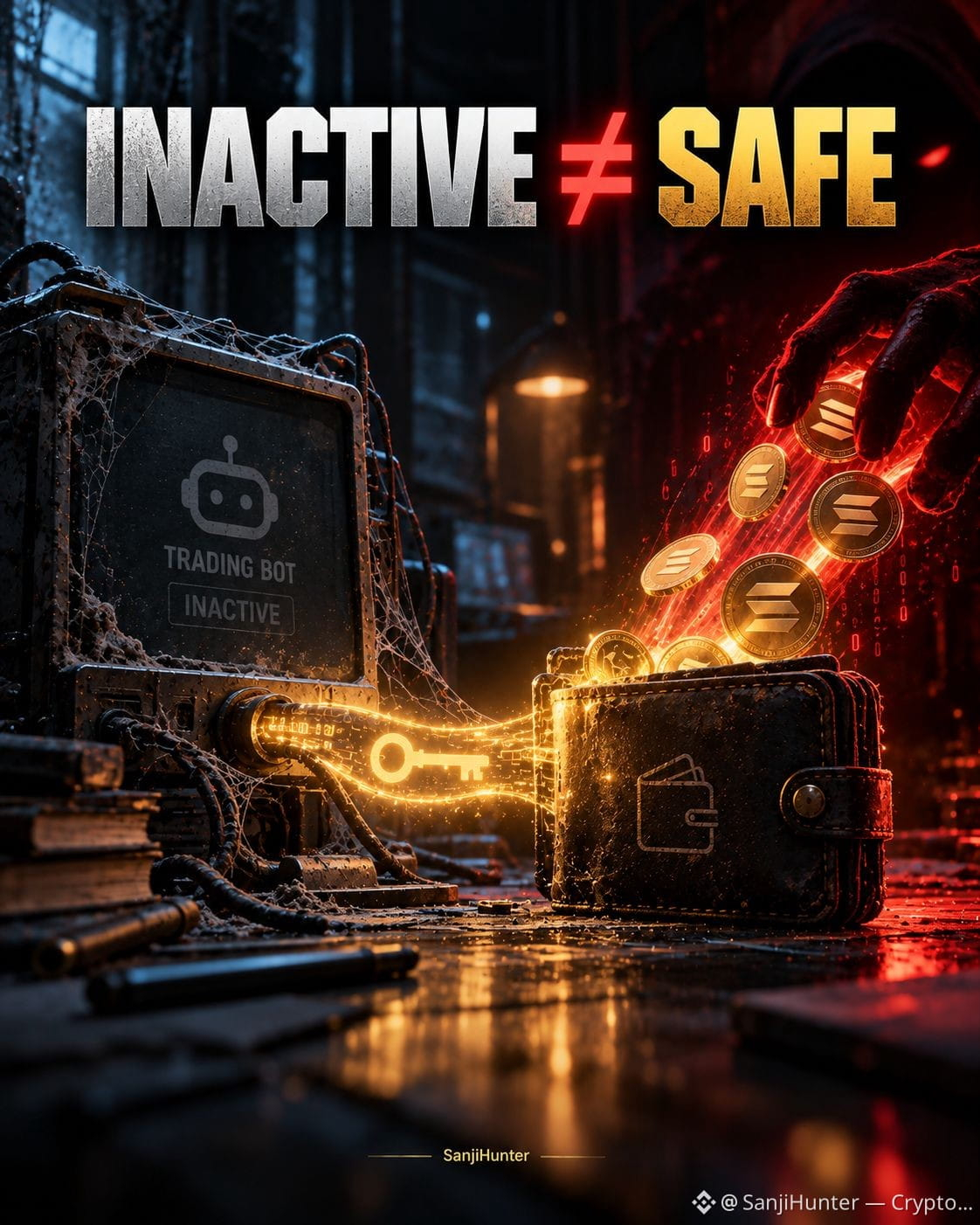
🔐 La billetera estaba inactiva, pero su clave privada seguía funcionando
El 26 de octubre, 48 billeteras vinculadas a Bloom Trading perdieron 9,408 SOL en solo 94 segundos, según una investigación en cadena de Bitquery
Cinco no operaban en Bloom desde principios de 2025
Esto es lo importante 👇
$SOL
{future}(SOLUSDT)
Cada vaciado se firmó con la propia clave de la billetera afectada: no hizo falta ninguna aprobación maliciosa de tokens ni explotar un contrato inteligente
⚠️ Aún no se ha confirmado el origen de la exposición de la clave
Pero la lección de seguridad está clara
Detener un bot no hace que una clave privada que compartiste anteriormente vuelva a ser segura
{spot}(SOLUSDT)
📌 Si alguna vez un bot de trading tuvo la clave privada de tu billetera, es más seguro transferir los fondos restantes a una billetera nueva con una clave nueva que simplemente desconectar el bot
Una billetera inactiva no necesariamente es una billetera segura
#solana #CryptoSecurity
🔐 La billetera estaba inactiva, pero su clave privada seguía funcionando
El 26 de octubre, 48 billeteras vinculadas a Bloom Trading perdieron 9,408 SOL en solo 94 segundos, según una investigación en cadena de Bitquery
Cinco no operaban en Bloom desde principios de 2025
Esto es lo importante 👇
$SOL
Cada vaciado se firmó con la propia clave de la billetera afectada: no hizo falta ninguna aprobación maliciosa de tokens ni explotar un contrato inteligente
⚠️ Aún no se ha confirmado el origen de la exposición de la clave
Pero la lección de seguridad está clara
Detener un bot no hace que una clave privada que compartiste anteriormente vuelva a ser segura
📌 Si alguna vez un bot de trading tuvo la clave privada de tu billetera, es más seguro transferir los fondos restantes a una billetera nueva con una clave nueva que simplemente desconectar el bot
Una billetera inactiva no necesariamente es una billetera segura
#solana #CryptoSecurity
El 26 de octubre, 48 billeteras vinculadas a Bloom Trading perdieron 9,408 SOL en solo 94 segundos, según una investigación en cadena de Bitquery
Cinco no operaban en Bloom desde principios de 2025
Esto es lo importante 👇
$SOL
Cada vaciado se firmó con la propia clave de la billetera afectada: no hizo falta ninguna aprobación maliciosa de tokens ni explotar un contrato inteligente
⚠️ Aún no se ha confirmado el origen de la exposición de la clave
Pero la lección de seguridad está clara
Detener un bot no hace que una clave privada que compartiste anteriormente vuelva a ser segura
📌 Si alguna vez un bot de trading tuvo la clave privada de tu billetera, es más seguro transferir los fondos restantes a una billetera nueva con una clave nueva que simplemente desconectar el bot
Una billetera inactiva no necesariamente es una billetera segura
#solana #CryptoSecurity
168

·
--
¡Solana ha causado un gran revuelo! Para evitar que los informes basura generados por IA saturen al equipo de seguridad, ahora hay que quemar 1 SOL para enviar un informe de errores. En un mes recibieron 809 informes, y dicen que casi todos fueron generados por IA. El equipo de desarrollo ya no sabía qué hacer y tuvo que recurrir a esta medida. ¡Ya no será tan fácil aprovecharse de las recompensas!
¡Solana está haciendo que los investigadores paguen 1 SOL por cada informe de errores para combatir el spam generado por IA! Tras recibir una avalancha de 809 informes en un mes, en su mayoría generados por IA, tuvieron que tomar medidas. ¡Se acabó buscar errores gratis!
#CryptoSecurity $SOL
¡Solana ha causado un gran revuelo! Para evitar que los informes basura generados por IA saturen al equipo de seguridad, ahora hay que quemar 1 SOL para enviar un informe de errores. En un mes recibieron 809 informes, y dicen que casi todos fueron generados por IA. El equipo de desarrollo ya no sabía qué hacer y tuvo que recurrir a esta medida. ¡Ya no será tan fácil aprovecharse de las recompensas!
¡Solana está haciendo que los investigadores paguen 1 SOL por cada informe de errores para combatir el spam generado por IA! Tras recibir una avalancha de 809 informes en un mes, en su mayoría generados por IA, tuvieron que tomar medidas. ¡Se acabó buscar errores gratis!
#CryptoSecurity $SOL
¡Solana está haciendo que los investigadores paguen 1 SOL por cada informe de errores para combatir el spam generado por IA! Tras recibir una avalancha de 809 informes en un mes, en su mayoría generados por IA, tuvieron que tomar medidas. ¡Se acabó buscar errores gratis!
#CryptoSecurity $SOL
56

·
--
🚨 Las recompensas por errores de SOL ahora cuestan 1 SOL por informe. El spam generado por IA desbordó a los equipos de seguridad, lo que obligó a quemar permanentemente 809 envíos en un solo mes. Esta medida protege la integridad de la red, pero señala una presión extrema sobre la infraestructura de desarrollo de Solana.
Implicaciones para el mercado: el aumento de los costos operativos podría afectar el ánimo de los desarrolladores a corto plazo, pero fortalece la resiliencia de la red a largo plazo.
¿Frenará esto la avalancha de IA o empujará la investigación de vulnerabilidades a la clandestinidad? #SeguridadCripto
$SOL #TradingSignal #AnálisisCripto
🚨 Las recompensas por errores de SOL ahora cuestan 1 SOL por informe. El spam generado por IA desbordó a los equipos de seguridad, lo que obligó a quemar permanentemente 809 envíos en un solo mes. Esta medida protege la integridad de la red, pero señala una presión extrema sobre la infraestructura de desarrollo de Solana.
Implicaciones para el mercado: el aumento de los costos operativos podría afectar el ánimo de los desarrolladores a corto plazo, pero fortalece la resiliencia de la red a largo plazo.
¿Frenará esto la avalancha de IA o empujará la investigación de vulnerabilidades a la clandestinidad? #SeguridadCripto
$SOL #TradingSignal #AnálisisCripto
Implicaciones para el mercado: el aumento de los costos operativos podría afectar el ánimo de los desarrolladores a corto plazo, pero fortalece la resiliencia de la red a largo plazo.
¿Frenará esto la avalancha de IA o empujará la investigación de vulnerabilidades a la clandestinidad? #SeguridadCripto
$SOL #TradingSignal #AnálisisCripto

Keystone reveló la magnitud del hackeo: robaron la clave de verificación de las carteras hardware. Esto significa que los atacantes podrían haber falsificado dispositivos que los usuarios consideraban auténticos. Un golpe a la confianza en el almacenamiento en frío de ETH y otros activos, justo cuando el mercado ya está bajo presión.
$BTC ETH #DriftHackVictimsBeginClaims #CryptoSecurity $LINK $XRP SOL
Keystone reveló la magnitud del hackeo: robaron la clave de verificación de las carteras hardware. Esto significa que los atacantes podrían haber falsificado dispositivos que los usuarios consideraban auténticos. Un golpe a la confianza en el almacenamiento en frío de ETH y otros activos, justo cuando el mercado ya está bajo presión.
$BTC ETH #DriftHackVictimsBeginClaims #CryptoSecurity $LINK $XRP SOL
$BTC ETH #DriftHackVictimsBeginClaims #CryptoSecurity $LINK $XRP SOL
35

·
--
🚨 ¡LEDGER SE ENFRENTA A UNA DEMANDA COLECTIVA MIENTRAS UNA FILTRACIÓN DE DATOS PONE EN PELIGRO LAS TENENCIAS DE $BTC ! 💣
El abogado Ariel Givner acaba de revelar que Ledger se enfrenta a una demanda colectiva en Nueva York tras fallos de seguridad que no se habían divulgado. La denuncia alega que una brecha ocurrida en diciembre de 2023 filtró datos confidenciales de clientes, incluidos correos electrónicos y números de teléfono, que pronto aparecieron en canales de la dark web. 🔍
Actores maliciosos utilizaron estos metadatos robados para lanzar ataques de ingeniería social muy precisos, haciéndose pasar por representantes oficiales para vaciar billeteras de autocustodia. 🌊 Proteger tus activos fuera de los exchanges $BTC es solo la mitad de la batalla cuando las vulnerabilidades de los datos personales abren puertas traseras a los atacantes. 🛡️
Ahora que las tácticas de phishing son mucho más selectivas, ¿qué medidas estás tomando para auditar la seguridad de tus operaciones personales? 🤔
⚠️ Esto no es asesoramiento financiero. Gestiona siempre tus riesgos. 🛡️
🏷️ #BTC #CryptoSecurity #HardwareWallet #SelfCustody
🚨 🛡️
🚨 ¡LEDGER SE ENFRENTA A UNA DEMANDA COLECTIVA MIENTRAS UNA FILTRACIÓN DE DATOS PONE EN PELIGRO LAS TENENCIAS DE $BTC ! 💣
El abogado Ariel Givner acaba de revelar que Ledger se enfrenta a una demanda colectiva en Nueva York tras fallos de seguridad que no se habían divulgado. La denuncia alega que una brecha ocurrida en diciembre de 2023 filtró datos confidenciales de clientes, incluidos correos electrónicos y números de teléfono, que pronto aparecieron en canales de la dark web. 🔍
Actores maliciosos utilizaron estos metadatos robados para lanzar ataques de ingeniería social muy precisos, haciéndose pasar por representantes oficiales para vaciar billeteras de autocustodia. 🌊 Proteger tus activos fuera de los exchanges $BTC es solo la mitad de la batalla cuando las vulnerabilidades de los datos personales abren puertas traseras a los atacantes. 🛡️
Ahora que las tácticas de phishing son mucho más selectivas, ¿qué medidas estás tomando para auditar la seguridad de tus operaciones personales? 🤔
⚠️ Esto no es asesoramiento financiero. Gestiona siempre tus riesgos. 🛡️
🏷️ #BTC #CryptoSecurity #HardwareWallet #SelfCustody
🚨 🛡️
El abogado Ariel Givner acaba de revelar que Ledger se enfrenta a una demanda colectiva en Nueva York tras fallos de seguridad que no se habían divulgado. La denuncia alega que una brecha ocurrida en diciembre de 2023 filtró datos confidenciales de clientes, incluidos correos electrónicos y números de teléfono, que pronto aparecieron en canales de la dark web. 🔍
Actores maliciosos utilizaron estos metadatos robados para lanzar ataques de ingeniería social muy precisos, haciéndose pasar por representantes oficiales para vaciar billeteras de autocustodia. 🌊 Proteger tus activos fuera de los exchanges $BTC es solo la mitad de la batalla cuando las vulnerabilidades de los datos personales abren puertas traseras a los atacantes. 🛡️
Ahora que las tácticas de phishing son mucho más selectivas, ¿qué medidas estás tomando para auditar la seguridad de tus operaciones personales? 🤔
⚠️ Esto no es asesoramiento financiero. Gestiona siempre tus riesgos. 🛡️
🏷️ #BTC #CryptoSecurity #HardwareWallet #SelfCustody
🚨 🛡️
6

·
--
Vuelven a robar 16 millones de dólares en USDT de una billetera retirada de CoinDCX, en India; el CEO primero lo calificó de falsa alarma
Las «billeteras retiradas» de los exchanges vuelven a ser objetivo de un ataque. Esta vez le tocó a CoinDCX, una plataforma veterana de India. El incidente comenzó con una alerta que el CEO calificó públicamente de «falsa alarma», pero terminó confirmándose como una pérdida real de unos 16 millones de dólares en USDT. El caso pone de manifiesto riesgos de control que llevan mucho tiempo desatendidos en la custodia.
Según informó Decrypt, el exchange con sede en Bombay reveló que se transfirieron unos 15,99 millones de USDT desde una de sus billeteras frías ya retiradas. Estos activos procedían del ataque informático del año pasado, en el que se sustrajeron unos 44 millones de dólares. Tras aquel incidente, se suponía que debían quedar en un estado de «retiro», almacenados a largo plazo y sujetos a una liquidación gradual. Sin embargo, ahora volvieron a registrarse pérdidas.
Cabe destacar la diferencia temporal: el CEO afirmó públicamente que se trataba de una «falsa alarma» y solo después confirmó que la pérdida era real. Este cambio, de la negación a la confirmación, merece más atención por parte del mercado que el importe de la pérdida en sí: sugiere que, cuando surgieron los primeros indicios de riesgo, la comunicación pública y la evaluación interna pudieron sufrir retrasos o errores de juicio.
Desde el punto de vista de los flujos de capital, casi todos los activos robados eran USDT, cuyo precio guarda poca relación con el de las principales criptomonedas, como BTC y ETH. Por ello, el impacto directo sobre la liquidez general del mercado es limitado. Esto hace que el incidente parezca más un riesgo aislado que una señal de crisis sistémica. Sin embargo, las stablecoins son precisamente un elemento central del relato actual sobre los flujos de capital, y una brecha en la custodia de USDT en un exchange importante inevitablemente contrasta con los debates recientes sobre el destino de los fondos en stablecoins y la fiabilidad de sus reservas.
La reacción del mercado podría ser relativamente contenida: dado que la pérdida está denominada en USDT y su escala es manejable, el contagio al mercado en general debería ser limitado a corto plazo. El efecto se notará más en el ánimo y la confianza. Lo que realmente habrá que seguir de cerca es si CoinDCX divulga íntegramente el recorrido de los fondos, si pone en marcha un plan de compensación y si revisa los procesos de gestión de otros activos retirados de manera similar.
Como contrapunto, los incidentes de seguridad en un solo exchange normalmente no se extienden a todo el sector. Además, el riesgo de que USDT pierda su paridad depende principalmente de las reservas de su emisor, no de la seguridad de la billetera de un exchange concreto.
Qué observar a continuación: si se sigue de cerca el relato sobre los flujos de capital en stablecoins, lo más importante en términos de negociación es determinar si este tipo de incidentes debilita la confianza del mercado en las reservas y la custodia de USDT, y no tanto las fluctuaciones de precios a corto plazo. Habrá que observar la exhaustividad de las próximas comunicaciones del exchange y si se revisan los procesos de gestión de los activos retirados.
#CoinDCX #USDT #CryptoSecurity
La información anterior es una recopilación de datos y un análisis personal; no constituye asesoramiento de inversión.
Si se producen novedades importantes, continuaré haciendo seguimiento y publicaré actualizaciones.
Vuelven a robar 16 millones de dólares en USDT de una billetera retirada de CoinDCX, en India; el CEO primero lo calificó de falsa alarma
Las «billeteras retiradas» de los exchanges vuelven a ser objetivo de un ataque. Esta vez le tocó a CoinDCX, una plataforma veterana de India. El incidente comenzó con una alerta que el CEO calificó públicamente de «falsa alarma», pero terminó confirmándose como una pérdida real de unos 16 millones de dólares en USDT. El caso pone de manifiesto riesgos de control que llevan mucho tiempo desatendidos en la custodia.
Según informó Decrypt, el exchange con sede en Bombay reveló que se transfirieron unos 15,99 millones de USDT desde una de sus billeteras frías ya retiradas. Estos activos procedían del ataque informático del año pasado, en el que se sustrajeron unos 44 millones de dólares. Tras aquel incidente, se suponía que debían quedar en un estado de «retiro», almacenados a largo plazo y sujetos a una liquidación gradual. Sin embargo, ahora volvieron a registrarse pérdidas.
Cabe destacar la diferencia temporal: el CEO afirmó públicamente que se trataba de una «falsa alarma» y solo después confirmó que la pérdida era real. Este cambio, de la negación a la confirmación, merece más atención por parte del mercado que el importe de la pérdida en sí: sugiere que, cuando surgieron los primeros indicios de riesgo, la comunicación pública y la evaluación interna pudieron sufrir retrasos o errores de juicio.
Desde el punto de vista de los flujos de capital, casi todos los activos robados eran USDT, cuyo precio guarda poca relación con el de las principales criptomonedas, como BTC y ETH. Por ello, el impacto directo sobre la liquidez general del mercado es limitado. Esto hace que el incidente parezca más un riesgo aislado que una señal de crisis sistémica. Sin embargo, las stablecoins son precisamente un elemento central del relato actual sobre los flujos de capital, y una brecha en la custodia de USDT en un exchange importante inevitablemente contrasta con los debates recientes sobre el destino de los fondos en stablecoins y la fiabilidad de sus reservas.
La reacción del mercado podría ser relativamente contenida: dado que la pérdida está denominada en USDT y su escala es manejable, el contagio al mercado en general debería ser limitado a corto plazo. El efecto se notará más en el ánimo y la confianza. Lo que realmente habrá que seguir de cerca es si CoinDCX divulga íntegramente el recorrido de los fondos, si pone en marcha un plan de compensación y si revisa los procesos de gestión de otros activos retirados de manera similar.
Como contrapunto, los incidentes de seguridad en un solo exchange normalmente no se extienden a todo el sector. Además, el riesgo de que USDT pierda su paridad depende principalmente de las reservas de su emisor, no de la seguridad de la billetera de un exchange concreto.
Qué observar a continuación: si se sigue de cerca el relato sobre los flujos de capital en stablecoins, lo más importante en términos de negociación es determinar si este tipo de incidentes debilita la confianza del mercado en las reservas y la custodia de USDT, y no tanto las fluctuaciones de precios a corto plazo. Habrá que observar la exhaustividad de las próximas comunicaciones del exchange y si se revisan los procesos de gestión de los activos retirados.
#CoinDCX #USDT #CryptoSecurity
La información anterior es una recopilación de datos y un análisis personal; no constituye asesoramiento de inversión.
Si se producen novedades importantes, continuaré haciendo seguimiento y publicaré actualizaciones.
Las «billeteras retiradas» de los exchanges vuelven a ser objetivo de un ataque. Esta vez le tocó a CoinDCX, una plataforma veterana de India. El incidente comenzó con una alerta que el CEO calificó públicamente de «falsa alarma», pero terminó confirmándose como una pérdida real de unos 16 millones de dólares en USDT. El caso pone de manifiesto riesgos de control que llevan mucho tiempo desatendidos en la custodia.
Según informó Decrypt, el exchange con sede en Bombay reveló que se transfirieron unos 15,99 millones de USDT desde una de sus billeteras frías ya retiradas. Estos activos procedían del ataque informático del año pasado, en el que se sustrajeron unos 44 millones de dólares. Tras aquel incidente, se suponía que debían quedar en un estado de «retiro», almacenados a largo plazo y sujetos a una liquidación gradual. Sin embargo, ahora volvieron a registrarse pérdidas.
Cabe destacar la diferencia temporal: el CEO afirmó públicamente que se trataba de una «falsa alarma» y solo después confirmó que la pérdida era real. Este cambio, de la negación a la confirmación, merece más atención por parte del mercado que el importe de la pérdida en sí: sugiere que, cuando surgieron los primeros indicios de riesgo, la comunicación pública y la evaluación interna pudieron sufrir retrasos o errores de juicio.
Desde el punto de vista de los flujos de capital, casi todos los activos robados eran USDT, cuyo precio guarda poca relación con el de las principales criptomonedas, como BTC y ETH. Por ello, el impacto directo sobre la liquidez general del mercado es limitado. Esto hace que el incidente parezca más un riesgo aislado que una señal de crisis sistémica. Sin embargo, las stablecoins son precisamente un elemento central del relato actual sobre los flujos de capital, y una brecha en la custodia de USDT en un exchange importante inevitablemente contrasta con los debates recientes sobre el destino de los fondos en stablecoins y la fiabilidad de sus reservas.
La reacción del mercado podría ser relativamente contenida: dado que la pérdida está denominada en USDT y su escala es manejable, el contagio al mercado en general debería ser limitado a corto plazo. El efecto se notará más en el ánimo y la confianza. Lo que realmente habrá que seguir de cerca es si CoinDCX divulga íntegramente el recorrido de los fondos, si pone en marcha un plan de compensación y si revisa los procesos de gestión de otros activos retirados de manera similar.
Como contrapunto, los incidentes de seguridad en un solo exchange normalmente no se extienden a todo el sector. Además, el riesgo de que USDT pierda su paridad depende principalmente de las reservas de su emisor, no de la seguridad de la billetera de un exchange concreto.
Qué observar a continuación: si se sigue de cerca el relato sobre los flujos de capital en stablecoins, lo más importante en términos de negociación es determinar si este tipo de incidentes debilita la confianza del mercado en las reservas y la custodia de USDT, y no tanto las fluctuaciones de precios a corto plazo. Habrá que observar la exhaustividad de las próximas comunicaciones del exchange y si se revisan los procesos de gestión de los activos retirados.
#CoinDCX #USDT #CryptoSecurity
La información anterior es una recopilación de datos y un análisis personal; no constituye asesoramiento de inversión.
Si se producen novedades importantes, continuaré haciendo seguimiento y publicaré actualizaciones.
1
54

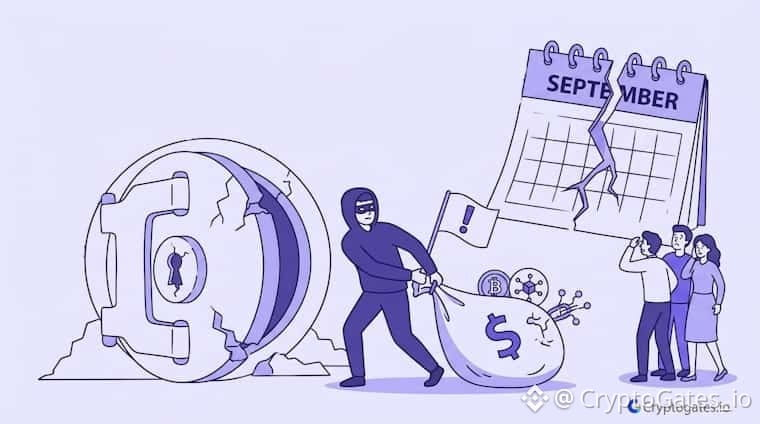
Pérdidas por hackeos en septiembre de 2026: unos 768 millones de dólares. 🛡️
Dos incidentes representaron la mayor parte: Bitget (387,5 millones de dólares, vulneración del sistema de billeteras) y Liquid Network (318,7 millones de dólares, fallo en el código que permitió crear monedas falsas).
La lección para los traders: el tamaño de una plataforma de intercambio no garantiza su seguridad. Los fondos concentrados implican riesgos concentrados.
Lista rápida de supervivencia:
Pasa las monedas que no estés usando a tu propia billetera.
Reparte los fondos entre varias plataformas.
Activa la autenticación de dos factores (2FA) y las listas de direcciones autorizadas para retiros.
Deja en las plataformas de intercambio solo lo que estés negociando activamente.
Haz pruebas retrospectivas antes de implementar...
#CryptoSecurity #Bitcoin #CryptoTrading
Pérdidas por hackeos en septiembre de 2026: unos 768 millones de dólares. 🛡️
Dos incidentes representaron la mayor parte: Bitget (387,5 millones de dólares, vulneración del sistema de billeteras) y Liquid Network (318,7 millones de dólares, fallo en el código que permitió crear monedas falsas).
La lección para los traders: el tamaño de una plataforma de intercambio no garantiza su seguridad. Los fondos concentrados implican riesgos concentrados.
Lista rápida de supervivencia:
Pasa las monedas que no estés usando a tu propia billetera.
Reparte los fondos entre varias plataformas.
Activa la autenticación de dos factores (2FA) y las listas de direcciones autorizadas para retiros.
Deja en las plataformas de intercambio solo lo que estés negociando activamente.
Haz pruebas retrospectivas antes de implementar...
#CryptoSecurity #Bitcoin #CryptoTrading
Dos incidentes representaron la mayor parte: Bitget (387,5 millones de dólares, vulneración del sistema de billeteras) y Liquid Network (318,7 millones de dólares, fallo en el código que permitió crear monedas falsas).
La lección para los traders: el tamaño de una plataforma de intercambio no garantiza su seguridad. Los fondos concentrados implican riesgos concentrados.
Lista rápida de supervivencia:
Pasa las monedas que no estés usando a tu propia billetera.
Reparte los fondos entre varias plataformas.
Activa la autenticación de dos factores (2FA) y las listas de direcciones autorizadas para retiros.
Deja en las plataformas de intercambio solo lo que estés negociando activamente.
Haz pruebas retrospectivas antes de implementar...
#CryptoSecurity #Bitcoin #CryptoTrading
75

·
--
Nueva brecha en el almacén de claves de Keystone: robaron la clave de verificación y podrían autenticar billeteras falsas como auténticas
El incidente de seguridad de Keystone está pasando de ser una «filtración de información» a un «robo de claves», otro hito que evidencia cómo se ha vulnerado la cadena de confianza de las billeteras de hardware.
Según informó Cointelegraph, Keystone reveló inicialmente que se habían filtrado datos de clientes, pero después actualizó la información y señaló que los hackers también habían robado una clave utilizada para verificar si una billetera era «auténtica». Esto significa que, en teoría, los atacantes podrían utilizar esa clave para hacer pasar una billetera falsa por una auténtica y así eludir las comprobaciones de los usuarios sobre la legitimidad del dispositivo.
¿Por qué este incidente debería preocuparnos más que una filtración de datos común? El valor fundamental de una billetera de hardware reside en que funciona «sin conexión y se puede verificar». Los usuarios están dispuestos a confiarle grandes cantidades de activos porque creen que la firma del dispositivo es auténtica y que su procedencia es fiable. Si se filtra la clave de verificación, se debilita la base de este mecanismo de confianza: ya no afecta solo a la contraseña de una cuenta, sino a los cimientos de la credibilidad de todo el producto.
En cuanto a los hechos, la información divulgada sigue actualizándose: la empresa aún no ha aclarado el alcance concreto del impacto de la clave robada ni si ya se ha utilizado indebidamente. Por lo tanto, es necesario distinguir entre «hechos confirmados» y «especulaciones aún no verificadas»: que la clave fue robada es un hecho, pero todavía no está claro si se ha utilizado para falsificar billeteras ni cuántos usuarios podrían verse afectados.
En el mercado, este tipo de incidentes de seguridad suele afectar primero a la confianza de los titulares de activos y podría provocar una actitud de cautela a corto plazo. Sin embargo, lo que realmente determinará la evolución a largo plazo de las billeteras de hardware es que el fabricante presente rápidamente soluciones correctivas verificables y comunique la situación con transparencia.
También hay factores que apuntan en sentido contrario: la filtración de una clave no significa que se hayan robado activos; las claves privadas de las billeteras de hardware siguen almacenándose sin conexión, y puede que una clave de verificación por sí sola no baste para transferir activos directamente. Además, el incidente sigue en desarrollo, por lo que existe un riesgo considerable de sacar conclusiones precipitadas.
¿Qué conviene observar a continuación? Primero, las aclaraciones posteriores de la empresa sobre el alcance del impacto de la clave robada; segundo, si aparecen casos probados de estafas con billeteras falsas; y tercero, la rapidez de la respuesta del fabricante y la credibilidad de las medidas propuestas. En cuanto a las operaciones, el impacto de este incidente de seguridad en los activos relacionados con las billeteras de hardware es, en gran medida, emocional y temporal. Lo más importante es esperar a que las próximas comunicaciones confirmen la magnitud real de las pérdidas, en lugar de sacar conclusiones antes de disponer de toda la información.
#Keystone #CryptoSecurity #HardwareWallet
Lo anterior es una recopilación de información y un análisis personal, y no constituye asesoramiento de inversión.
Si hay novedades importantes, seguiré haciendo un seguimiento y actualizando la información.
Nueva brecha en el almacén de claves de Keystone: robaron la clave de verificación y podrían autenticar billeteras falsas como auténticas
El incidente de seguridad de Keystone está pasando de ser una «filtración de información» a un «robo de claves», otro hito que evidencia cómo se ha vulnerado la cadena de confianza de las billeteras de hardware.
Según informó Cointelegraph, Keystone reveló inicialmente que se habían filtrado datos de clientes, pero después actualizó la información y señaló que los hackers también habían robado una clave utilizada para verificar si una billetera era «auténtica». Esto significa que, en teoría, los atacantes podrían utilizar esa clave para hacer pasar una billetera falsa por una auténtica y así eludir las comprobaciones de los usuarios sobre la legitimidad del dispositivo.
¿Por qué este incidente debería preocuparnos más que una filtración de datos común? El valor fundamental de una billetera de hardware reside en que funciona «sin conexión y se puede verificar». Los usuarios están dispuestos a confiarle grandes cantidades de activos porque creen que la firma del dispositivo es auténtica y que su procedencia es fiable. Si se filtra la clave de verificación, se debilita la base de este mecanismo de confianza: ya no afecta solo a la contraseña de una cuenta, sino a los cimientos de la credibilidad de todo el producto.
En cuanto a los hechos, la información divulgada sigue actualizándose: la empresa aún no ha aclarado el alcance concreto del impacto de la clave robada ni si ya se ha utilizado indebidamente. Por lo tanto, es necesario distinguir entre «hechos confirmados» y «especulaciones aún no verificadas»: que la clave fue robada es un hecho, pero todavía no está claro si se ha utilizado para falsificar billeteras ni cuántos usuarios podrían verse afectados.
En el mercado, este tipo de incidentes de seguridad suele afectar primero a la confianza de los titulares de activos y podría provocar una actitud de cautela a corto plazo. Sin embargo, lo que realmente determinará la evolución a largo plazo de las billeteras de hardware es que el fabricante presente rápidamente soluciones correctivas verificables y comunique la situación con transparencia.
También hay factores que apuntan en sentido contrario: la filtración de una clave no significa que se hayan robado activos; las claves privadas de las billeteras de hardware siguen almacenándose sin conexión, y puede que una clave de verificación por sí sola no baste para transferir activos directamente. Además, el incidente sigue en desarrollo, por lo que existe un riesgo considerable de sacar conclusiones precipitadas.
¿Qué conviene observar a continuación? Primero, las aclaraciones posteriores de la empresa sobre el alcance del impacto de la clave robada; segundo, si aparecen casos probados de estafas con billeteras falsas; y tercero, la rapidez de la respuesta del fabricante y la credibilidad de las medidas propuestas. En cuanto a las operaciones, el impacto de este incidente de seguridad en los activos relacionados con las billeteras de hardware es, en gran medida, emocional y temporal. Lo más importante es esperar a que las próximas comunicaciones confirmen la magnitud real de las pérdidas, en lugar de sacar conclusiones antes de disponer de toda la información.
#Keystone #CryptoSecurity #HardwareWallet
Lo anterior es una recopilación de información y un análisis personal, y no constituye asesoramiento de inversión.
Si hay novedades importantes, seguiré haciendo un seguimiento y actualizando la información.
El incidente de seguridad de Keystone está pasando de ser una «filtración de información» a un «robo de claves», otro hito que evidencia cómo se ha vulnerado la cadena de confianza de las billeteras de hardware.
Según informó Cointelegraph, Keystone reveló inicialmente que se habían filtrado datos de clientes, pero después actualizó la información y señaló que los hackers también habían robado una clave utilizada para verificar si una billetera era «auténtica». Esto significa que, en teoría, los atacantes podrían utilizar esa clave para hacer pasar una billetera falsa por una auténtica y así eludir las comprobaciones de los usuarios sobre la legitimidad del dispositivo.
¿Por qué este incidente debería preocuparnos más que una filtración de datos común? El valor fundamental de una billetera de hardware reside en que funciona «sin conexión y se puede verificar». Los usuarios están dispuestos a confiarle grandes cantidades de activos porque creen que la firma del dispositivo es auténtica y que su procedencia es fiable. Si se filtra la clave de verificación, se debilita la base de este mecanismo de confianza: ya no afecta solo a la contraseña de una cuenta, sino a los cimientos de la credibilidad de todo el producto.
En cuanto a los hechos, la información divulgada sigue actualizándose: la empresa aún no ha aclarado el alcance concreto del impacto de la clave robada ni si ya se ha utilizado indebidamente. Por lo tanto, es necesario distinguir entre «hechos confirmados» y «especulaciones aún no verificadas»: que la clave fue robada es un hecho, pero todavía no está claro si se ha utilizado para falsificar billeteras ni cuántos usuarios podrían verse afectados.
En el mercado, este tipo de incidentes de seguridad suele afectar primero a la confianza de los titulares de activos y podría provocar una actitud de cautela a corto plazo. Sin embargo, lo que realmente determinará la evolución a largo plazo de las billeteras de hardware es que el fabricante presente rápidamente soluciones correctivas verificables y comunique la situación con transparencia.
También hay factores que apuntan en sentido contrario: la filtración de una clave no significa que se hayan robado activos; las claves privadas de las billeteras de hardware siguen almacenándose sin conexión, y puede que una clave de verificación por sí sola no baste para transferir activos directamente. Además, el incidente sigue en desarrollo, por lo que existe un riesgo considerable de sacar conclusiones precipitadas.
¿Qué conviene observar a continuación? Primero, las aclaraciones posteriores de la empresa sobre el alcance del impacto de la clave robada; segundo, si aparecen casos probados de estafas con billeteras falsas; y tercero, la rapidez de la respuesta del fabricante y la credibilidad de las medidas propuestas. En cuanto a las operaciones, el impacto de este incidente de seguridad en los activos relacionados con las billeteras de hardware es, en gran medida, emocional y temporal. Lo más importante es esperar a que las próximas comunicaciones confirmen la magnitud real de las pérdidas, en lugar de sacar conclusiones antes de disponer de toda la información.
#Keystone #CryptoSecurity #HardwareWallet
Lo anterior es una recopilación de información y un análisis personal, y no constituye asesoramiento de inversión.
Si hay novedades importantes, seguiré haciendo un seguimiento y actualizando la información.
49
·
--
¡El incidente de seguridad de la billetera Keystone ha empeorado! Al principio solo se filtraron datos de clientes, pero ahora se ha confirmado que los hackers robaron la clave utilizada para verificar la autenticidad de las billeteras. Esto significa que las billeteras falsas podrían pasar por auténticas. Si usas Keystone, mantente alerta y comprueba si tu billetera se ha visto afectada. ¡La seguridad es lo primero!
¡La brecha de seguridad de la billetera Keystone acaba de empeorar! Al principio solo se filtraron datos de clientes, pero ahora admiten que los hackers robaron la clave utilizada para verificar que las billeteras son auténticas. Esto significa que las billeteras falsas podrían pasar por auténticas. Si eres usuario de Keystone, mantente alerta y comprueba si tu billetera se ha visto afectada. ¡La seguridad es lo primero!
#加密安全 #硬件钱包 $BTC
#CryptoSecurity #HardwareWallet $BTC
¡El incidente de seguridad de la billetera Keystone ha empeorado! Al principio solo se filtraron datos de clientes, pero ahora se ha confirmado que los hackers robaron la clave utilizada para verificar la autenticidad de las billeteras. Esto significa que las billeteras falsas podrían pasar por auténticas. Si usas Keystone, mantente alerta y comprueba si tu billetera se ha visto afectada. ¡La seguridad es lo primero!
¡La brecha de seguridad de la billetera Keystone acaba de empeorar! Al principio solo se filtraron datos de clientes, pero ahora admiten que los hackers robaron la clave utilizada para verificar que las billeteras son auténticas. Esto significa que las billeteras falsas podrían pasar por auténticas. Si eres usuario de Keystone, mantente alerta y comprueba si tu billetera se ha visto afectada. ¡La seguridad es lo primero!
#加密安全 #硬件钱包 $BTC
#CryptoSecurity #HardwareWallet $BTC
¡La brecha de seguridad de la billetera Keystone acaba de empeorar! Al principio solo se filtraron datos de clientes, pero ahora admiten que los hackers robaron la clave utilizada para verificar que las billeteras son auténticas. Esto significa que las billeteras falsas podrían pasar por auténticas. Si eres usuario de Keystone, mantente alerta y comprueba si tu billetera se ha visto afectada. ¡La seguridad es lo primero!
#加密安全 #硬件钱包 $BTC
#CryptoSecurity #HardwareWallet $BTC
38

RECUPERACIÓN TOTAL CONFIRMADA TRAS EL EXPLOIT DE BÓVEDAS $ETH , MIENTRAS LOS CONTRATOS PRINCIPALES DE DEFI RESISTEN 🛡️
El capital inteligente se mueve rápido cuando estalla una crisis, pero recuperar todos los activos es una victoria poco frecuente en las batallas de seguridad de DeFi. 🏦 Term Labs acaba de completar la recuperación de las posiciones afectadas en sus bóvedas tras un sofisticado exploit que aprovechó un retraso en la gobernanza de sus estrategias de ETH y USDC. 📊
Y lo que es crucial: los contratos principales de préstamos directos, los protocolos V1/V2 y los motores de liquidación resistieron sin sufrir daños, demostrando una verdadera resiliencia estructural. 🔍 Con los contratos actualizados, las bóvedas afectadas cerradas y las empresas de seguridad siguiendo el rastro del atacante en Tornado Cash, la confianza está volviendo al ecosistema.
💬 ¿Recuperar el 100 % de los fondos te devuelve el interés por los rendimientos de tasa fija en DeFi, o esperarás a que se completen todas las auditorías antes de mover capital? 👇
⚠️ Esto no es asesoramiento financiero. Gestiona siempre tus riesgos. 🛡️
🏷️ #ETH #DeFi #CryptoSecurity #Crypto
🛡️ 🔍
RECUPERACIÓN TOTAL CONFIRMADA TRAS EL EXPLOIT DE BÓVEDAS $ETH , MIENTRAS LOS CONTRATOS PRINCIPALES DE DEFI RESISTEN 🛡️
El capital inteligente se mueve rápido cuando estalla una crisis, pero recuperar todos los activos es una victoria poco frecuente en las batallas de seguridad de DeFi. 🏦 Term Labs acaba de completar la recuperación de las posiciones afectadas en sus bóvedas tras un sofisticado exploit que aprovechó un retraso en la gobernanza de sus estrategias de ETH y USDC. 📊
Y lo que es crucial: los contratos principales de préstamos directos, los protocolos V1/V2 y los motores de liquidación resistieron sin sufrir daños, demostrando una verdadera resiliencia estructural. 🔍 Con los contratos actualizados, las bóvedas afectadas cerradas y las empresas de seguridad siguiendo el rastro del atacante en Tornado Cash, la confianza está volviendo al ecosistema.
💬 ¿Recuperar el 100 % de los fondos te devuelve el interés por los rendimientos de tasa fija en DeFi, o esperarás a que se completen todas las auditorías antes de mover capital? 👇
⚠️ Esto no es asesoramiento financiero. Gestiona siempre tus riesgos. 🛡️
🏷️ #ETH #DeFi #CryptoSecurity #Crypto
🛡️ 🔍
El capital inteligente se mueve rápido cuando estalla una crisis, pero recuperar todos los activos es una victoria poco frecuente en las batallas de seguridad de DeFi. 🏦 Term Labs acaba de completar la recuperación de las posiciones afectadas en sus bóvedas tras un sofisticado exploit que aprovechó un retraso en la gobernanza de sus estrategias de ETH y USDC. 📊
Y lo que es crucial: los contratos principales de préstamos directos, los protocolos V1/V2 y los motores de liquidación resistieron sin sufrir daños, demostrando una verdadera resiliencia estructural. 🔍 Con los contratos actualizados, las bóvedas afectadas cerradas y las empresas de seguridad siguiendo el rastro del atacante en Tornado Cash, la confianza está volviendo al ecosistema.
💬 ¿Recuperar el 100 % de los fondos te devuelve el interés por los rendimientos de tasa fija en DeFi, o esperarás a que se completen todas las auditorías antes de mover capital? 👇
⚠️ Esto no es asesoramiento financiero. Gestiona siempre tus riesgos. 🛡️
🏷️ #ETH #DeFi #CryptoSecurity #Crypto
🛡️ 🔍
31

·
--
Alcista
🚨 16 millones de dólares en pérdidas en CoinDCX… ¡y unas billeteras antiguas abren un grave problema de seguridad! 🔥
🔴 La plataforma india CoinDCX anunció una pérdida de 15,99 millones de USDT después de que fallara un sistema automatizado que transfería depósitos desde billeteras antiguas a las billeteras principales de la plataforma.
⚠️ ¿Cómo ocurrió?
▪️ Algunos usuarios siguieron enviando fondos a direcciones de depósito antiguas.
▪️ El sistema de transferencia de fondos dejó de funcionar, por lo que los depósitos se acumularon en billeteras vulnerables.
▪️ Los fondos salieron de esas billeteras, según anunció la plataforma.
🏦 La postura de la plataforma: CoinDCX confirmó que asumirá la pérdida, que los saldos de los clientes y sus billeteras activas no se vieron afectados y que las operaciones, los retiros y los depósitos continúan con normalidad.
🔥 La pregunta que surge:
¿Cómo puede un sistema de depósitos seguir aceptando fondos en direcciones antiguas mientras el sistema encargado de transferirlos a billeteras más seguras deja de funcionar?
🛡️ Una lección para todos los traders: comprueba siempre la dirección de depósito y la red desde la aplicación oficial antes de transferir fondos, y no confíes en direcciones antiguas que tengas guardadas.
💬 ¿Consideras que lo ocurrido fue un fallo operativo grave o un fracaso en la gestión de la seguridad de las billeteras? Comparte tu opinión.
Síguenos para más noticias y análisis sobre criptomonedas.
#CoinDCX #USDT #CryptoSecurity #CryptoNews $TAG
{future}(TAGUSDT)
$CHIP
{future}(CHIPUSDT)
$Q
{future}(QUSDT)
#BinanceSquare
🚨 16 millones de dólares en pérdidas en CoinDCX… ¡y unas billeteras antiguas abren un grave problema de seguridad! 🔥
🔴 La plataforma india CoinDCX anunció una pérdida de 15,99 millones de USDT después de que fallara un sistema automatizado que transfería depósitos desde billeteras antiguas a las billeteras principales de la plataforma.
⚠️ ¿Cómo ocurrió?
▪️ Algunos usuarios siguieron enviando fondos a direcciones de depósito antiguas.
▪️ El sistema de transferencia de fondos dejó de funcionar, por lo que los depósitos se acumularon en billeteras vulnerables.
▪️ Los fondos salieron de esas billeteras, según anunció la plataforma.
🏦 La postura de la plataforma: CoinDCX confirmó que asumirá la pérdida, que los saldos de los clientes y sus billeteras activas no se vieron afectados y que las operaciones, los retiros y los depósitos continúan con normalidad.
🔥 La pregunta que surge:
¿Cómo puede un sistema de depósitos seguir aceptando fondos en direcciones antiguas mientras el sistema encargado de transferirlos a billeteras más seguras deja de funcionar?
🛡️ Una lección para todos los traders: comprueba siempre la dirección de depósito y la red desde la aplicación oficial antes de transferir fondos, y no confíes en direcciones antiguas que tengas guardadas.
💬 ¿Consideras que lo ocurrido fue un fallo operativo grave o un fracaso en la gestión de la seguridad de las billeteras? Comparte tu opinión.
Síguenos para más noticias y análisis sobre criptomonedas.
#CoinDCX #USDT #CryptoSecurity #CryptoNews $TAG
$CHIP
$Q
#BinanceSquare
🔴 La plataforma india CoinDCX anunció una pérdida de 15,99 millones de USDT después de que fallara un sistema automatizado que transfería depósitos desde billeteras antiguas a las billeteras principales de la plataforma.
⚠️ ¿Cómo ocurrió?
▪️ Algunos usuarios siguieron enviando fondos a direcciones de depósito antiguas.
▪️ El sistema de transferencia de fondos dejó de funcionar, por lo que los depósitos se acumularon en billeteras vulnerables.
▪️ Los fondos salieron de esas billeteras, según anunció la plataforma.
🏦 La postura de la plataforma: CoinDCX confirmó que asumirá la pérdida, que los saldos de los clientes y sus billeteras activas no se vieron afectados y que las operaciones, los retiros y los depósitos continúan con normalidad.
🔥 La pregunta que surge:
¿Cómo puede un sistema de depósitos seguir aceptando fondos en direcciones antiguas mientras el sistema encargado de transferirlos a billeteras más seguras deja de funcionar?
🛡️ Una lección para todos los traders: comprueba siempre la dirección de depósito y la red desde la aplicación oficial antes de transferir fondos, y no confíes en direcciones antiguas que tengas guardadas.
💬 ¿Consideras que lo ocurrido fue un fallo operativo grave o un fracaso en la gestión de la seguridad de las billeteras? Comparte tu opinión.
Síguenos para más noticias y análisis sobre criptomonedas.
#CoinDCX #USDT #CryptoSecurity #CryptoNews $TAG
$CHIP
$Q
#BinanceSquare
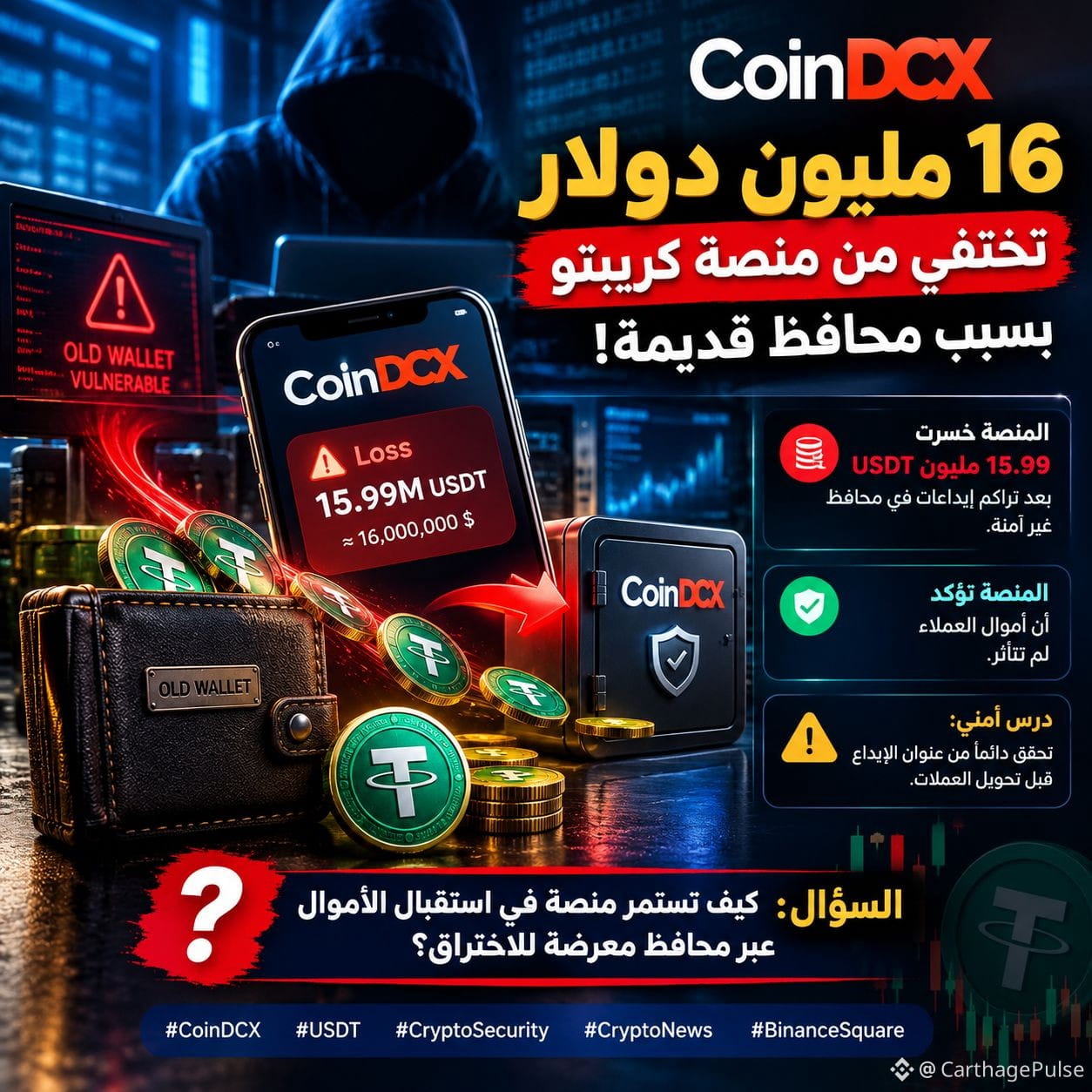
331
·
--
Se perdieron 16 millones de dólares: ¿quién es responsable cuando las antiguas direcciones de depósito siguen funcionando?
Según se informa, CoinDCX asumió una pérdida de 15,99 millones de dólares ($USDT ) después de que usuarios enviaran fondos a direcciones de depósito retiradas tras la brecha de seguridad de 2025. Al parecer, los saldos de los clientes no se vieron afectados.
Una dirección retirada no desaparece de la cadena de bloques. Los usuarios aún pueden enviarle fondos, aunque el exchange ya no admita depósitos en esa dirección.
Esto pone de manifiesto una brecha de seguridad crítica: los usuarios deben verificar los datos del depósito, mientras que los exchanges necesitan ofrecer advertencias claras y procedimientos de recuperación eficaces.
¿La responsabilidad debería recaer en el usuario, en el exchange o en ambos?
#CryptoSecurity #CoinDCX #Blockchain $BTC
Se perdieron 16 millones de dólares: ¿quién es responsable cuando las antiguas direcciones de depósito siguen funcionando?
Según se informa, CoinDCX asumió una pérdida de 15,99 millones de dólares ($USDT ) después de que usuarios enviaran fondos a direcciones de depósito retiradas tras la brecha de seguridad de 2025. Al parecer, los saldos de los clientes no se vieron afectados.
Una dirección retirada no desaparece de la cadena de bloques. Los usuarios aún pueden enviarle fondos, aunque el exchange ya no admita depósitos en esa dirección.
Esto pone de manifiesto una brecha de seguridad crítica: los usuarios deben verificar los datos del depósito, mientras que los exchanges necesitan ofrecer advertencias claras y procedimientos de recuperación eficaces.
¿La responsabilidad debería recaer en el usuario, en el exchange o en ambos?
#CryptoSecurity #CoinDCX #Blockchain $BTC
Según se informa, CoinDCX asumió una pérdida de 15,99 millones de dólares ($USDT ) después de que usuarios enviaran fondos a direcciones de depósito retiradas tras la brecha de seguridad de 2025. Al parecer, los saldos de los clientes no se vieron afectados.
Una dirección retirada no desaparece de la cadena de bloques. Los usuarios aún pueden enviarle fondos, aunque el exchange ya no admita depósitos en esa dirección.
Esto pone de manifiesto una brecha de seguridad crítica: los usuarios deben verificar los datos del depósito, mientras que los exchanges necesitan ofrecer advertencias claras y procedimientos de recuperación eficaces.
¿La responsabilidad debería recaer en el usuario, en el exchange o en ambos?
#CryptoSecurity #CoinDCX #Blockchain $BTC
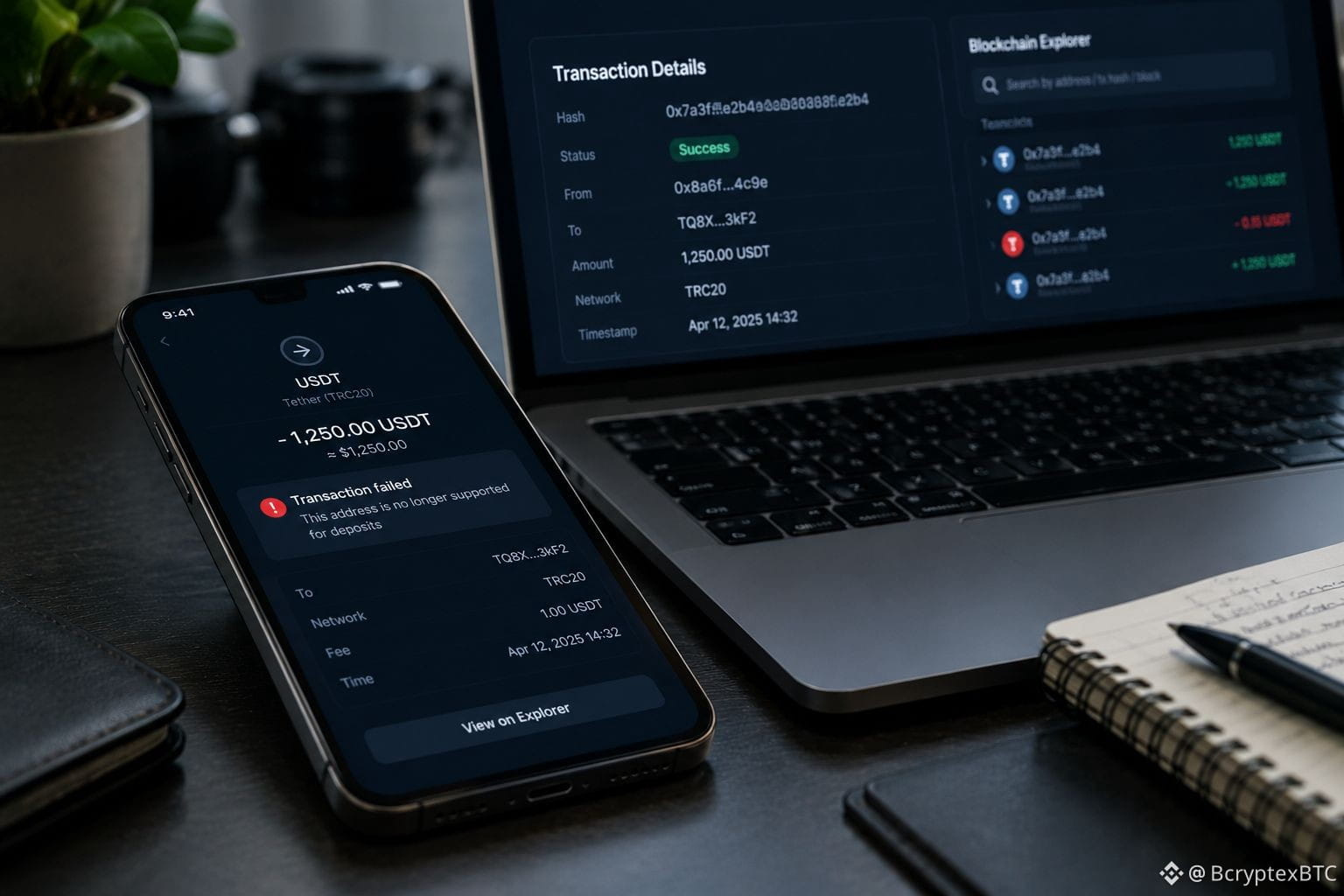
1
112

🔥 Los ataques de ingeniería social no son solo phishing: son la nueva frontera del robo de criptomonedas.
📊 Ripple acaba de publicar información sobre amenazas vinculadas a Corea del Norte tras el hackeo de Drift, en el que se robaron 280 millones de dólares, lo que pone de manifiesto cómo los grupos criminales están pasando de las vulnerabilidades técnicas a los engaños elaborados. #CryptoSecurity #NorthKorea
💡 Cuando los atacantes dominan la psicología humana, todo el mercado siente la presión: Bitcoin cayó a 79.879 $, con un RSI de 38,2 y un cruce alcista del MACD, mientras que ETH se sitúa en 2.308 $, con un RSI de 37,3. Esto demuestra que las medidas de seguridad técnica por sí solas no protegerán los activos. #MarketRisk #OnChain
🛠️ Empieza a tratar cada enlace no solicitado o invitación de Discord como una posible trampa; verifica los contratos en la cadena. Las carteras inteligentes ya están acumulando DNA de Solana (+4,1 %) y ZIG de BSC (+2,3 %), lo que demuestra que los inversores atentos se mantienen un paso por delante.
❓ ¿Cómo estás adaptando tus hábitos de seguridad ahora que la ingeniería social es el arma más potente del arsenal cripto?
🔥 Los ataques de ingeniería social no son solo phishing: son la nueva frontera del robo de criptomonedas.
📊 Ripple acaba de publicar información sobre amenazas vinculadas a Corea del Norte tras el hackeo de Drift, en el que se robaron 280 millones de dólares, lo que pone de manifiesto cómo los grupos criminales están pasando de las vulnerabilidades técnicas a los engaños elaborados. #CryptoSecurity #NorthKorea
💡 Cuando los atacantes dominan la psicología humana, todo el mercado siente la presión: Bitcoin cayó a 79.879 $, con un RSI de 38,2 y un cruce alcista del MACD, mientras que ETH se sitúa en 2.308 $, con un RSI de 37,3. Esto demuestra que las medidas de seguridad técnica por sí solas no protegerán los activos. #MarketRisk #OnChain
🛠️ Empieza a tratar cada enlace no solicitado o invitación de Discord como una posible trampa; verifica los contratos en la cadena. Las carteras inteligentes ya están acumulando DNA de Solana (+4,1 %) y ZIG de BSC (+2,3 %), lo que demuestra que los inversores atentos se mantienen un paso por delante.
❓ ¿Cómo estás adaptando tus hábitos de seguridad ahora que la ingeniería social es el arma más potente del arsenal cripto?
📊 Ripple acaba de publicar información sobre amenazas vinculadas a Corea del Norte tras el hackeo de Drift, en el que se robaron 280 millones de dólares, lo que pone de manifiesto cómo los grupos criminales están pasando de las vulnerabilidades técnicas a los engaños elaborados. #CryptoSecurity #NorthKorea
💡 Cuando los atacantes dominan la psicología humana, todo el mercado siente la presión: Bitcoin cayó a 79.879 $, con un RSI de 38,2 y un cruce alcista del MACD, mientras que ETH se sitúa en 2.308 $, con un RSI de 37,3. Esto demuestra que las medidas de seguridad técnica por sí solas no protegerán los activos. #MarketRisk #OnChain
🛠️ Empieza a tratar cada enlace no solicitado o invitación de Discord como una posible trampa; verifica los contratos en la cadena. Las carteras inteligentes ya están acumulando DNA de Solana (+4,1 %) y ZIG de BSC (+2,3 %), lo que demuestra que los inversores atentos se mantienen un paso por delante.
❓ ¿Cómo estás adaptando tus hábitos de seguridad ahora que la ingeniería social es el arma más potente del arsenal cripto?
2
🚨 $BTC SE AVECINA UNA AMENAZA CUÁNTICA: 6,4 M BTC EN RIESGO 🦈
La recién formada ALIANZA CUÁNTICA —nueve laboratorios de primer nivel que unen fuerzas— ya está trazando el futuro campo de batalla, donde las computadoras cuánticas podrían vulnerar la criptografía de clave pública. 📊 Aproximadamente 6,4 millones de $BTC están en direcciones cuyas claves públicas están expuestas en la cadena, un fondo oculto que podría convertirse en un botín de primera si aparece una máquina cuántica lo bastante potente. 🦈
Hoy, ningún sistema cuántico puede descifrar Bitcoin, pero el debate está pasando de «si» a «cuándo», lo que aviva la discusión sobre congelar billeteras, imponer migraciones o dejar intacta la propiedad. ⚡ La percepción del mercado sobre este riesgo existencial podría inclinar el sentimiento, especialmente mientras el dinero inteligente pone el ojo en la parte vulnerable. 💡 ¿Te estás posicionando ahora o esperarás a que el protocolo incorpore una protección? 💬
⚠️ Esto no es asesoramiento financiero. Gestiona siempre tu riesgo. 🛡️
🏷️ #BTC #QuantumRisk #CryptoSecurity #LongSetup
🚀 ⚡
🚨 $BTC SE AVECINA UNA AMENAZA CUÁNTICA: 6,4 M BTC EN RIESGO 🦈
La recién formada ALIANZA CUÁNTICA —nueve laboratorios de primer nivel que unen fuerzas— ya está trazando el futuro campo de batalla, donde las computadoras cuánticas podrían vulnerar la criptografía de clave pública. 📊 Aproximadamente 6,4 millones de $BTC están en direcciones cuyas claves públicas están expuestas en la cadena, un fondo oculto que podría convertirse en un botín de primera si aparece una máquina cuántica lo bastante potente. 🦈
Hoy, ningún sistema cuántico puede descifrar Bitcoin, pero el debate está pasando de «si» a «cuándo», lo que aviva la discusión sobre congelar billeteras, imponer migraciones o dejar intacta la propiedad. ⚡ La percepción del mercado sobre este riesgo existencial podría inclinar el sentimiento, especialmente mientras el dinero inteligente pone el ojo en la parte vulnerable. 💡 ¿Te estás posicionando ahora o esperarás a que el protocolo incorpore una protección? 💬
⚠️ Esto no es asesoramiento financiero. Gestiona siempre tu riesgo. 🛡️
🏷️ #BTC #QuantumRisk #CryptoSecurity #LongSetup
🚀 ⚡
La recién formada ALIANZA CUÁNTICA —nueve laboratorios de primer nivel que unen fuerzas— ya está trazando el futuro campo de batalla, donde las computadoras cuánticas podrían vulnerar la criptografía de clave pública. 📊 Aproximadamente 6,4 millones de $BTC están en direcciones cuyas claves públicas están expuestas en la cadena, un fondo oculto que podría convertirse en un botín de primera si aparece una máquina cuántica lo bastante potente. 🦈
Hoy, ningún sistema cuántico puede descifrar Bitcoin, pero el debate está pasando de «si» a «cuándo», lo que aviva la discusión sobre congelar billeteras, imponer migraciones o dejar intacta la propiedad. ⚡ La percepción del mercado sobre este riesgo existencial podría inclinar el sentimiento, especialmente mientras el dinero inteligente pone el ojo en la parte vulnerable. 💡 ¿Te estás posicionando ahora o esperarás a que el protocolo incorpore una protección? 💬
⚠️ Esto no es asesoramiento financiero. Gestiona siempre tu riesgo. 🛡️
🏷️ #BTC #QuantumRisk #CryptoSecurity #LongSetup
🚀 ⚡
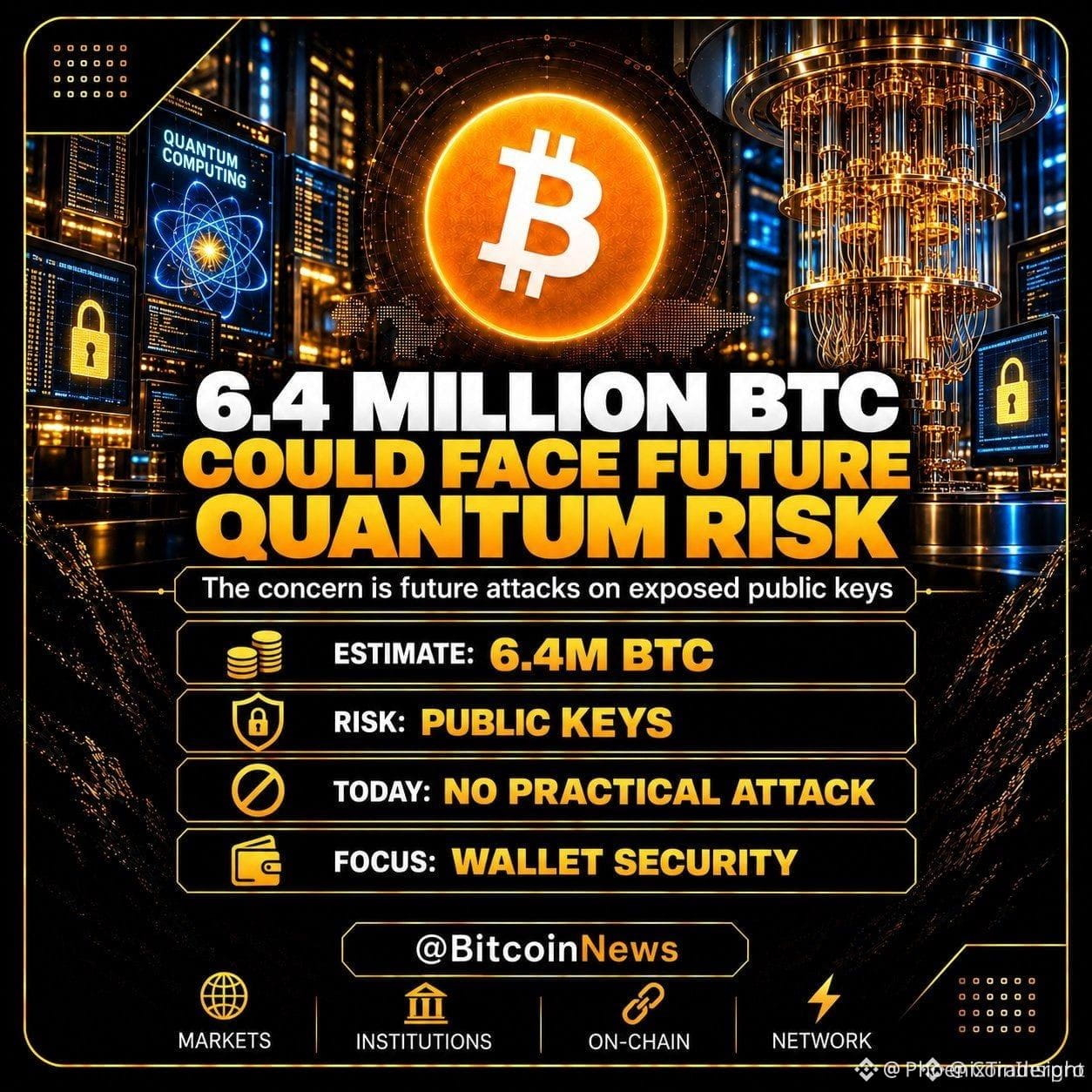
1

·
--
🔐 ¡TU SEGURIDAD ES LO PRIMERO!
Antes de participar en cualquier airdrop de criptomonedas, recuerda estas reglas:
✅ Usa sitios web y aplicaciones oficiales.
✅ Nunca compartas tu contraseña ni tu código OTP.
✅ Nunca envíes criptomonedas para reclamar una recompensa prometida sin verificar la oferta.
✅ Investiga con cuidado los proyectos que no conozcas.
✅ Lee todos los términos y condiciones.
🚨 No hay ganancias garantizadas. No confíes a ciegas. ¡Investiga siempre por tu cuenta!
Protege tus activos. Protege tu futuro. 💛
#CryptoSecurity #Binance #DYOR!!
🔐 ¡TU SEGURIDAD ES LO PRIMERO!
Antes de participar en cualquier airdrop de criptomonedas, recuerda estas reglas:
✅ Usa sitios web y aplicaciones oficiales.
✅ Nunca compartas tu contraseña ni tu código OTP.
✅ Nunca envíes criptomonedas para reclamar una recompensa prometida sin verificar la oferta.
✅ Investiga con cuidado los proyectos que no conozcas.
✅ Lee todos los términos y condiciones.
🚨 No hay ganancias garantizadas. No confíes a ciegas. ¡Investiga siempre por tu cuenta!
Protege tus activos. Protege tu futuro. 💛
#CryptoSecurity #Binance #DYOR!!
Antes de participar en cualquier airdrop de criptomonedas, recuerda estas reglas:
✅ Usa sitios web y aplicaciones oficiales.
✅ Nunca compartas tu contraseña ni tu código OTP.
✅ Nunca envíes criptomonedas para reclamar una recompensa prometida sin verificar la oferta.
✅ Investiga con cuidado los proyectos que no conozcas.
✅ Lee todos los términos y condiciones.
🚨 No hay ganancias garantizadas. No confíes a ciegas. ¡Investiga siempre por tu cuenta!
Protege tus activos. Protege tu futuro. 💛
#CryptoSecurity #Binance #DYOR!!
47

·
--
- Sin markdown (es decir, texto sin formato, sin estilos como **, * o #. En realidad, los hashtags al final están permitidos: forman parte del texto. No uses formato markdown, como negrita, cursiva o bloques de código).
- 150-200 palabras.
- Tono de advertencia (serio, pero sin causar pánico).
- Incluye 3 pasos claros y prácticos.
- Termina con: «¡Comparte esto con alguien que sea nuevo en el mundo de las criptomonedas; podrías salvarle de un problema!»
- Última línea: «#CryptoStrategy #TokenomicsExplained #CryptoSecurity #MantenteSeguro»
- Empieza directamente con la primera palabra, sin introducción.
Hay que contar las palabras. Apuntemos a unas 170.
Debemos incluir 3 pasos prácticos, probablemente en forma de lista, pero sin viñetas markdown. Podríamos usar números con puntos. Está bien, es texto sin formato.
No debemos usar markdown, así que nada de viñetas con guiones. Los guiones están bien, pero podrían considerarse markdown. Para evitarlo, es más seguro usar líneas «1.», «2.» y «3.».
Recuento de palabras: contemos manualmente.
Borrador:
«Advertencia: muchos proyectos DeFi prometen rendimientos imposibles mientras ocultan una estructura clásica de esquema Ponzi. Busca estas señales de alerta antes de invertir fondos.
1. Verifica el modelo de ingresos. Los protocolos legítimos generan ingresos a partir de actividades reales: comisiones, intereses de préstamos o cargos por servicios. Si la única fuente de rendimientos son los depósitos de nuevos inversores, aléjate.
2. Comprueba la transparencia de la tokenómica. Un proyecto creíble publica un calendario claro de emisión, periodos de adquisición gradual y auditorías. Una mecánica de suministro poco clara o la capacidad de acuñar tokens sin límites son señales de alerta importantes.
3. Comprueba que puedas retirar fondos con facilidad. Intenta retirar una pequeña cantidad de la plataforma. Los retiros demorados o bloqueados, los periodos de bloqueo obligatorios o las penalizaciones por salir antes de tiempo indican que el operador está reciclando el capital en lugar de obtener ganancias.
Investiga siempre al equipo,»
- Sin markdown (es decir, texto sin formato, sin estilos como **, * o #. En realidad, los hashtags al final están permitidos: forman parte del texto. No uses formato markdown, como negrita, cursiva o bloques de código).
- 150-200 palabras.
- Tono de advertencia (serio, pero sin causar pánico).
- Incluye 3 pasos claros y prácticos.
- Termina con: «¡Comparte esto con alguien que sea nuevo en el mundo de las criptomonedas; podrías salvarle de un problema!»
- Última línea: «#CryptoStrategy #TokenomicsExplained #CryptoSecurity #MantenteSeguro»
- Empieza directamente con la primera palabra, sin introducción.
Hay que contar las palabras. Apuntemos a unas 170.
Debemos incluir 3 pasos prácticos, probablemente en forma de lista, pero sin viñetas markdown. Podríamos usar números con puntos. Está bien, es texto sin formato.
No debemos usar markdown, así que nada de viñetas con guiones. Los guiones están bien, pero podrían considerarse markdown. Para evitarlo, es más seguro usar líneas «1.», «2.» y «3.».
Recuento de palabras: contemos manualmente.
Borrador:
«Advertencia: muchos proyectos DeFi prometen rendimientos imposibles mientras ocultan una estructura clásica de esquema Ponzi. Busca estas señales de alerta antes de invertir fondos.
1. Verifica el modelo de ingresos. Los protocolos legítimos generan ingresos a partir de actividades reales: comisiones, intereses de préstamos o cargos por servicios. Si la única fuente de rendimientos son los depósitos de nuevos inversores, aléjate.
2. Comprueba la transparencia de la tokenómica. Un proyecto creíble publica un calendario claro de emisión, periodos de adquisición gradual y auditorías. Una mecánica de suministro poco clara o la capacidad de acuñar tokens sin límites son señales de alerta importantes.
3. Comprueba que puedas retirar fondos con facilidad. Intenta retirar una pequeña cantidad de la plataforma. Los retiros demorados o bloqueados, los periodos de bloqueo obligatorios o las penalizaciones por salir antes de tiempo indican que el operador está reciclando el capital en lugar de obtener ganancias.
Investiga siempre al equipo,»
- 150-200 palabras.
- Tono de advertencia (serio, pero sin causar pánico).
- Incluye 3 pasos claros y prácticos.
- Termina con: «¡Comparte esto con alguien que sea nuevo en el mundo de las criptomonedas; podrías salvarle de un problema!»
- Última línea: «#CryptoStrategy #TokenomicsExplained #CryptoSecurity #MantenteSeguro»
- Empieza directamente con la primera palabra, sin introducción.
Hay que contar las palabras. Apuntemos a unas 170.
Debemos incluir 3 pasos prácticos, probablemente en forma de lista, pero sin viñetas markdown. Podríamos usar números con puntos. Está bien, es texto sin formato.
No debemos usar markdown, así que nada de viñetas con guiones. Los guiones están bien, pero podrían considerarse markdown. Para evitarlo, es más seguro usar líneas «1.», «2.» y «3.».
Recuento de palabras: contemos manualmente.
Borrador:
«Advertencia: muchos proyectos DeFi prometen rendimientos imposibles mientras ocultan una estructura clásica de esquema Ponzi. Busca estas señales de alerta antes de invertir fondos.
1. Verifica el modelo de ingresos. Los protocolos legítimos generan ingresos a partir de actividades reales: comisiones, intereses de préstamos o cargos por servicios. Si la única fuente de rendimientos son los depósitos de nuevos inversores, aléjate.
2. Comprueba la transparencia de la tokenómica. Un proyecto creíble publica un calendario claro de emisión, periodos de adquisición gradual y auditorías. Una mecánica de suministro poco clara o la capacidad de acuñar tokens sin límites son señales de alerta importantes.
3. Comprueba que puedas retirar fondos con facilidad. Intenta retirar una pequeña cantidad de la plataforma. Los retiros demorados o bloqueados, los periodos de bloqueo obligatorios o las penalizaciones por salir antes de tiempo indican que el operador está reciclando el capital en lugar de obtener ganancias.
Investiga siempre al equipo,»
Inicia sesión para explorar más contenidos
Únete a usuarios globales de criptomonedas en Binance Square
⚡️ Obtén información útil y actualizada sobre criptos.
💬 Avalado por el mayor exchange de criptomonedas en el mundo.
👍 Descubre perspectivas reales de creadores verificados.
Email/número de teléfono
Temas populares
1
#BitcoinSlipsBelow$80KAgain
0 vistas
2 están debatiendo
2
#StrategySkipsBitcoinPurchasesSpends$205MOnSTRCBuybacks
2,264 vistas
60 están debatiendo
3
#BitmineAdds10452ETH
19,048 vistas
405 están debatiendo
4
#SouthKoreaConsidersEducationTaxOnCryptoExchanges
14,557 vistas
345 están debatiendo
5
#OCCUrgesCommunityBanksToEnterStablecoinPayments
11,379 vistas
207 están debatiendo
6
#RippleWinsFullApprovalAsNationalTrustBank
11,090 vistas
212 están debatiendo
7
#AkashSelectsSolanaAsMigrationTarget
8,291 vistas
104 están debatiendo
8
#OndoToOpenSubscriptionsForOpenAIPreIPOTokenizedNotes
459 vistas
21 están debatiendo
9
#AnthropicTTMRevenueGrewAbout1200%
64,596 vistas
637 están debatiendo
10
#AnthropicS1ExpectedToday
46,417 vistas
433 están debatiendo