

#cryptoinfrastructure
cryptoinfrastructure
287,143 vistas
4,360 están debatiendo
Hot
Lo último

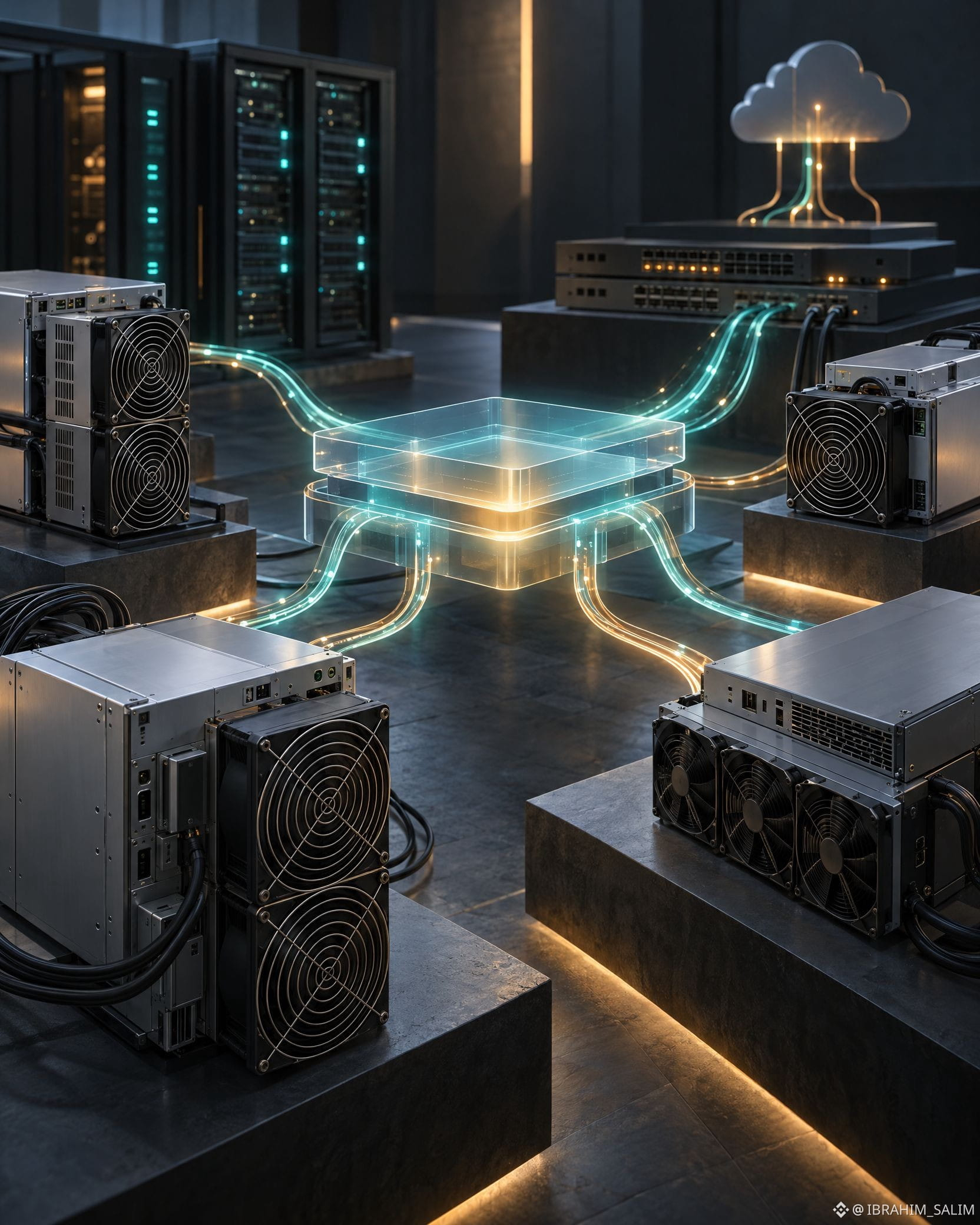
El próximo cuello de botella de la minería de Bitcoin podría estar en el software, no solo en el hardware.
Tether afirma que 15 operadores de minería, fabricantes de ASIC y pools —entre ellos Bitdeer, BITMAIN, Canaan, F2Pool y Foundry— se han comprometido a crear y mantener integraciones para su kit de desarrollo de minería de código abierto (MDK). La interfaz compartida está diseñada para que las aplicaciones funcionen en distintos equipos y sistemas de pools que, de otro modo, estarían separados. Tether afirma que su propio agente de minería QVAC ya está operando con MDK.
Una distinción importante: estos son compromisos para crear «Workers», capas de traducción para los sistemas de cada participante, no 15 integraciones ya completadas. Tether apunta a lanzar una versión estable de MDK 1.0 para finales de año.
¿Podría una capa de software común facilitar la automatización de la minería entre distintos proveedores? La respuesta dependerá de cuántas integraciones lleguen a implementarse realmente.
Fuentes:
Anuncio de Tether (24 de oct., 11:16 UTC): https://tether.io/news/tethers-mdk-gains-broad-industry-backing-to-accelerate-the-next-generation-of-bitcoin-mining-automation/
Lanzamiento original de MDK (27 de abr.): https://tether.io/news/tether-launches-mdk-an-open-infrastructure-layer-for-bitcoin-mining/
Informe de CoinNess (24 de oct., 11:35 UTC): https://coinness.com/en/news/1172837
Conclusión
$BTC la minería podría beneficiarse de una interfaz común, pero se trata de un despliegue impulsado por compromisos, no de una prueba de que ya exista una implementación generalizada.
Gráfico oficial de BTC/USDT de Binance:
https://www.binance.com/en/trade/BTC_USDT?type=spot
Consulta el gráfico, investiga por tu cuenta y opera de forma responsable.
#Bitcoin #BTCMining #CryptoInfrastructure #AI
El próximo cuello de botella de la minería de Bitcoin podría estar en el software, no solo en el hardware.
Tether afirma que 15 operadores de minería, fabricantes de ASIC y pools —entre ellos Bitdeer, BITMAIN, Canaan, F2Pool y Foundry— se han comprometido a crear y mantener integraciones para su kit de desarrollo de minería de código abierto (MDK). La interfaz compartida está diseñada para que las aplicaciones funcionen en distintos equipos y sistemas de pools que, de otro modo, estarían separados. Tether afirma que su propio agente de minería QVAC ya está operando con MDK.
Una distinción importante: estos son compromisos para crear «Workers», capas de traducción para los sistemas de cada participante, no 15 integraciones ya completadas. Tether apunta a lanzar una versión estable de MDK 1.0 para finales de año.
¿Podría una capa de software común facilitar la automatización de la minería entre distintos proveedores? La respuesta dependerá de cuántas integraciones lleguen a implementarse realmente.
Fuentes:
Anuncio de Tether (24 de oct., 11:16 UTC): https://tether.io/news/tethers-mdk-gains-broad-industry-backing-to-accelerate-the-next-generation-of-bitcoin-mining-automation/
Lanzamiento original de MDK (27 de abr.): https://tether.io/news/tether-launches-mdk-an-open-infrastructure-layer-for-bitcoin-mining/
Informe de CoinNess (24 de oct., 11:35 UTC): https://coinness.com/en/news/1172837
Conclusión
$BTC la minería podría beneficiarse de una interfaz común, pero se trata de un despliegue impulsado por compromisos, no de una prueba de que ya exista una implementación generalizada.
Gráfico oficial de BTC/USDT de Binance:
https://www.binance.com/en/trade/BTC_USDT?type=spot
Consulta el gráfico, investiga por tu cuenta y opera de forma responsable.
#Bitcoin #BTCMining #CryptoInfrastructure #AI
Tether afirma que 15 operadores de minería, fabricantes de ASIC y pools —entre ellos Bitdeer, BITMAIN, Canaan, F2Pool y Foundry— se han comprometido a crear y mantener integraciones para su kit de desarrollo de minería de código abierto (MDK). La interfaz compartida está diseñada para que las aplicaciones funcionen en distintos equipos y sistemas de pools que, de otro modo, estarían separados. Tether afirma que su propio agente de minería QVAC ya está operando con MDK.
Una distinción importante: estos son compromisos para crear «Workers», capas de traducción para los sistemas de cada participante, no 15 integraciones ya completadas. Tether apunta a lanzar una versión estable de MDK 1.0 para finales de año.
¿Podría una capa de software común facilitar la automatización de la minería entre distintos proveedores? La respuesta dependerá de cuántas integraciones lleguen a implementarse realmente.
Fuentes:
Anuncio de Tether (24 de oct., 11:16 UTC): https://tether.io/news/tethers-mdk-gains-broad-industry-backing-to-accelerate-the-next-generation-of-bitcoin-mining-automation/
Lanzamiento original de MDK (27 de abr.): https://tether.io/news/tether-launches-mdk-an-open-infrastructure-layer-for-bitcoin-mining/
Informe de CoinNess (24 de oct., 11:35 UTC): https://coinness.com/en/news/1172837
Conclusión
$BTC la minería podría beneficiarse de una interfaz común, pero se trata de un despliegue impulsado por compromisos, no de una prueba de que ya exista una implementación generalizada.
Gráfico oficial de BTC/USDT de Binance:
https://www.binance.com/en/trade/BTC_USDT?type=spot
Consulta el gráfico, investiga por tu cuenta y opera de forma responsable.
#Bitcoin #BTCMining #CryptoInfrastructure #AI
45

🚨 $TRX ACTUALIZACIÓN OBLIGATORIA DEL NODO PARA GARANTIZAR EL BUEN FUNCIONAMIENTO DE LA RED 💎
La actualización GreatVoyage‑v4.8.2.4, apodada Empédocles, corrige fallos poco frecuentes en casos extremos, perfecciona el almacenamiento de contratos y la gestión de metadatos, y refuerza la tolerancia a fallos del protocolo. 📊
Para los traders, un nodo más eficiente se traduce en diferenciales más ajustados, menor latencia en el flujo de órdenes y datos on-chain más limpios, algo fundamental para medir el volumen con precisión. ⚡ Este sutil aumento de eficiencia refleja el compromiso constante del equipo central, una señal que los inversores informados observan antes de asignar capital a ecosistemas resilientes. 📌
💬 ¿Cómo creen que afectará esta actualización de estabilidad a la actividad on-chain de TRX en las próximas semanas? 👇
⚠️ Esto no es asesoramiento financiero. Gestiona siempre tus riesgos. 🛡️
🏷️ #TRX #NodeUpgrade #NetworkStability #CryptoInfrastructure
🔥 💎
🚨 $TRX ACTUALIZACIÓN OBLIGATORIA DEL NODO PARA GARANTIZAR EL BUEN FUNCIONAMIENTO DE LA RED 💎
La actualización GreatVoyage‑v4.8.2.4, apodada Empédocles, corrige fallos poco frecuentes en casos extremos, perfecciona el almacenamiento de contratos y la gestión de metadatos, y refuerza la tolerancia a fallos del protocolo. 📊
Para los traders, un nodo más eficiente se traduce en diferenciales más ajustados, menor latencia en el flujo de órdenes y datos on-chain más limpios, algo fundamental para medir el volumen con precisión. ⚡ Este sutil aumento de eficiencia refleja el compromiso constante del equipo central, una señal que los inversores informados observan antes de asignar capital a ecosistemas resilientes. 📌
💬 ¿Cómo creen que afectará esta actualización de estabilidad a la actividad on-chain de TRX en las próximas semanas? 👇
⚠️ Esto no es asesoramiento financiero. Gestiona siempre tus riesgos. 🛡️
🏷️ #TRX #NodeUpgrade #NetworkStability #CryptoInfrastructure
🔥 💎
La actualización GreatVoyage‑v4.8.2.4, apodada Empédocles, corrige fallos poco frecuentes en casos extremos, perfecciona el almacenamiento de contratos y la gestión de metadatos, y refuerza la tolerancia a fallos del protocolo. 📊
Para los traders, un nodo más eficiente se traduce en diferenciales más ajustados, menor latencia en el flujo de órdenes y datos on-chain más limpios, algo fundamental para medir el volumen con precisión. ⚡ Este sutil aumento de eficiencia refleja el compromiso constante del equipo central, una señal que los inversores informados observan antes de asignar capital a ecosistemas resilientes. 📌
💬 ¿Cómo creen que afectará esta actualización de estabilidad a la actividad on-chain de TRX en las próximas semanas? 👇
⚠️ Esto no es asesoramiento financiero. Gestiona siempre tus riesgos. 🛡️
🏷️ #TRX #NodeUpgrade #NetworkStability #CryptoInfrastructure
🔥 💎
6
·
--
⚡ ¡OPENAI LANZA UNA GRAN ACTUALIZACIÓN DE SU INFRAESTRUCTURA DE AGENTES MIENTRAS EL SECTOR $AI OBSERVA DE CERCA! 🔍
💡 El capital institucional sigue de cerca la eficiencia estructural, y OpenAI acaba de rediseñar la economía del almacenamiento en caché del contexto para agentes persistentes. Ampliar la retención de caché hasta 12 horas permite reducir enormemente los costes de computación, hasta un 95 %, en ciclos operativos repetidos, acelerando los flujos de trabajo autónomos en el mundo real.
📊 A medida que la arquitectura fundamental de la IA refuerza su ventaja operativa, el dinero inteligente sigue observando los tokens de infraestructura posicionados en torno a la narrativa de la computación descentralizada. 💬 ¿Crees que este impulso de desarrollo desencadenará la próxima rotación de impulso hacia los tokens de computación descentralizada? 👇
⚠️ Esto no es asesoramiento financiero. Gestiona siempre tu riesgo. 🛡️
🏷️ #AI #ArtificialIntelligence #Web3AI #CryptoInfrastructure
🎯 🦈
⚡ ¡OPENAI LANZA UNA GRAN ACTUALIZACIÓN DE SU INFRAESTRUCTURA DE AGENTES MIENTRAS EL SECTOR $AI OBSERVA DE CERCA! 🔍
💡 El capital institucional sigue de cerca la eficiencia estructural, y OpenAI acaba de rediseñar la economía del almacenamiento en caché del contexto para agentes persistentes. Ampliar la retención de caché hasta 12 horas permite reducir enormemente los costes de computación, hasta un 95 %, en ciclos operativos repetidos, acelerando los flujos de trabajo autónomos en el mundo real.
📊 A medida que la arquitectura fundamental de la IA refuerza su ventaja operativa, el dinero inteligente sigue observando los tokens de infraestructura posicionados en torno a la narrativa de la computación descentralizada. 💬 ¿Crees que este impulso de desarrollo desencadenará la próxima rotación de impulso hacia los tokens de computación descentralizada? 👇
⚠️ Esto no es asesoramiento financiero. Gestiona siempre tu riesgo. 🛡️
🏷️ #AI #ArtificialIntelligence #Web3AI #CryptoInfrastructure
🎯 🦈
💡 El capital institucional sigue de cerca la eficiencia estructural, y OpenAI acaba de rediseñar la economía del almacenamiento en caché del contexto para agentes persistentes. Ampliar la retención de caché hasta 12 horas permite reducir enormemente los costes de computación, hasta un 95 %, en ciclos operativos repetidos, acelerando los flujos de trabajo autónomos en el mundo real.
📊 A medida que la arquitectura fundamental de la IA refuerza su ventaja operativa, el dinero inteligente sigue observando los tokens de infraestructura posicionados en torno a la narrativa de la computación descentralizada. 💬 ¿Crees que este impulso de desarrollo desencadenará la próxima rotación de impulso hacia los tokens de computación descentralizada? 👇
⚠️ Esto no es asesoramiento financiero. Gestiona siempre tu riesgo. 🛡️
🏷️ #AI #ArtificialIntelligence #Web3AI #CryptoInfrastructure
🎯 🦈
6

·
--
La infraestructura de trading de Binance ofreció un tiempo de actividad de la API del 100 % en Spot, margen y futuros durante el primer semestre de 2026, incluso en periodos de volatilidad y durante importantes actualizaciones de la plataforma.
Las principales rutas de depósito y retiro de BTC, ETH, $USDT , $BNB y SOL siguen funcionando con normalidad hoy. La supervisión automatizada continua ayuda a que los mercados, disponibles las 24 horas del día, los 7 días de la semana, funcionen sin problemas.
La fiabilidad es la base. Opera con confianza. 🚀
#Binance #BNB #CryptoInfrastructure #Uptime
La infraestructura de trading de Binance ofreció un tiempo de actividad de la API del 100 % en Spot, margen y futuros durante el primer semestre de 2026, incluso en periodos de volatilidad y durante importantes actualizaciones de la plataforma.
Las principales rutas de depósito y retiro de BTC, ETH, $USDT , $BNB y SOL siguen funcionando con normalidad hoy. La supervisión automatizada continua ayuda a que los mercados, disponibles las 24 horas del día, los 7 días de la semana, funcionen sin problemas.
La fiabilidad es la base. Opera con confianza. 🚀
#Binance #BNB #CryptoInfrastructure #Uptime
Las principales rutas de depósito y retiro de BTC, ETH, $USDT , $BNB y SOL siguen funcionando con normalidad hoy. La supervisión automatizada continua ayuda a que los mercados, disponibles las 24 horas del día, los 7 días de la semana, funcionen sin problemas.
La fiabilidad es la base. Opera con confianza. 🚀
#Binance #BNB #CryptoInfrastructure #Uptime
80

·
--
Si pudieras predecir la próxima gran narrativa del mundo cripto, ¿dónde buscarías?
Mi lista de seguimiento de tres sectores:
DeFi — $CRV
Objetivo hipotético: 0,70 $
Almacenamiento descentralizado — $AR
Objetivo hipotético: 15 $
Infraestructura blockchain — $QNT
Objetivo hipotético: 120 $
Cada objetivo depende del precio actual, la oferta de tokens y la capitalización de mercado necesaria para respaldar esa valoración. Son escenarios especulativos, no precios futuros garantizados.
La verdadera pregunta no es qué moneda tiene la comunidad más ruidosa, sino qué proyecto puede generar una demanda sostenible.
¿En qué sector apostarías para el próximo ciclo del mercado?
#DeFi #CryptoInfrastructure #altcoins
Si pudieras predecir la próxima gran narrativa del mundo cripto, ¿dónde buscarías?
Mi lista de seguimiento de tres sectores:
DeFi — $CRV
Objetivo hipotético: 0,70 $
Almacenamiento descentralizado — $AR
Objetivo hipotético: 15 $
Infraestructura blockchain — $QNT
Objetivo hipotético: 120 $
Cada objetivo depende del precio actual, la oferta de tokens y la capitalización de mercado necesaria para respaldar esa valoración. Son escenarios especulativos, no precios futuros garantizados.
La verdadera pregunta no es qué moneda tiene la comunidad más ruidosa, sino qué proyecto puede generar una demanda sostenible.
¿En qué sector apostarías para el próximo ciclo del mercado?
#DeFi #CryptoInfrastructure #altcoins
Mi lista de seguimiento de tres sectores:
DeFi — $CRV
Objetivo hipotético: 0,70 $
Almacenamiento descentralizado — $AR
Objetivo hipotético: 15 $
Infraestructura blockchain — $QNT
Objetivo hipotético: 120 $
Cada objetivo depende del precio actual, la oferta de tokens y la capitalización de mercado necesaria para respaldar esa valoración. Son escenarios especulativos, no precios futuros garantizados.
La verdadera pregunta no es qué moneda tiene la comunidad más ruidosa, sino qué proyecto puede generar una demanda sostenible.
¿En qué sector apostarías para el próximo ciclo del mercado?
#DeFi #CryptoInfrastructure #altcoins

843

·
--
IA + criptomonedas: por qué los coprocesadores ZK son la capa de infraestructura que falta
La mayoría de las narrativas sobre IA y criptomonedas se centran en los incentivos con tokens para el cómputo. Eso pasa por alto el problema arquitectónico más profundo: ¿cómo verifica un contrato inteligente que un modelo de IA se ejecutó correctamente?
Puedes pagarle a un nodo GPU con $ETH, pero el pago no demuestra que el resultado sea correcto. Un nodo malicioso o defectuoso puede devolver resultados erróneos, y la cadena no tiene forma de detectarlo.
Aquí entran en juego los coprocesadores ZK. Generan pruebas de conocimiento cero que certifican que la inferencia de un modelo específico se ejecutó correctamente con una entrada específica. La prueba es pequeña, se verifica rápidamente en la cadena y está vinculada criptográficamente. No hace falta confiar en nadie: solo en las matemáticas.
Esto abre la puerta a una categoría que aún no existe a gran escala: las aplicaciones de IA verificable. Imagina motores de riesgo en cadena para DeFi que no se puedan manipular, agentes autónomos con registros de decisiones auditables o redes de oráculos cuyo resultado generado por un modelo incluya su propia prueba de corrección.
Los ecosistemas $SOL y $ETH L2 compiten para alojar canales de IA nativos de zkVM. La pila integrada verticalmente de $BNB Chain la convierte en un entorno ideal para ponerlos a prueba: la compatibilidad con EVM y la finalidad rápida reducen el costo de latencia de verificar las pruebas.
Hoy, el cuello de botella es la velocidad y el costo de generación de pruebas, pero las curvas de aceleración del hardware se parecen a las de los primeros tiempos de la expansión de las GPU. Los equipos que resuelvan esto no lo anunciarán a bombo y platillo. Vigila las direcciones de despliegue en testnet y las pruebas de rendimiento de zkVM, no los gráficos de precios.
La inferencia verificable de IA es la base, no una función más.
#AIAndCrypto #ZeroKnowledge #DeFi #CryptoInfrastructure
IA + criptomonedas: por qué los coprocesadores ZK son la capa de infraestructura que falta
La mayoría de las narrativas sobre IA y criptomonedas se centran en los incentivos con tokens para el cómputo. Eso pasa por alto el problema arquitectónico más profundo: ¿cómo verifica un contrato inteligente que un modelo de IA se ejecutó correctamente?
Puedes pagarle a un nodo GPU con $ETH , pero el pago no demuestra que el resultado sea correcto. Un nodo malicioso o defectuoso puede devolver resultados erróneos, y la cadena no tiene forma de detectarlo.
Aquí entran en juego los coprocesadores ZK. Generan pruebas de conocimiento cero que certifican que la inferencia de un modelo específico se ejecutó correctamente con una entrada específica. La prueba es pequeña, se verifica rápidamente en la cadena y está vinculada criptográficamente. No hace falta confiar en nadie: solo en las matemáticas.
Esto abre la puerta a una categoría que aún no existe a gran escala: las aplicaciones de IA verificable. Imagina motores de riesgo en cadena para DeFi que no se puedan manipular, agentes autónomos con registros de decisiones auditables o redes de oráculos cuyo resultado generado por un modelo incluya su propia prueba de corrección.
Los ecosistemas $SOL y $ETH L2 compiten para alojar canales de IA nativos de zkVM. La pila integrada verticalmente de $BNB Chain la convierte en un entorno ideal para ponerlos a prueba: la compatibilidad con EVM y la finalidad rápida reducen el costo de latencia de verificar las pruebas.
Hoy, el cuello de botella es la velocidad y el costo de generación de pruebas, pero las curvas de aceleración del hardware se parecen a las de los primeros tiempos de la expansión de las GPU. Los equipos que resuelvan esto no lo anunciarán a bombo y platillo. Vigila las direcciones de despliegue en testnet y las pruebas de rendimiento de zkVM, no los gráficos de precios.
La inferencia verificable de IA es la base, no una función más.
#AIAndCrypto #ZeroKnowledge #DeFi #CryptoInfrastructure
La mayoría de las narrativas sobre IA y criptomonedas se centran en los incentivos con tokens para el cómputo. Eso pasa por alto el problema arquitectónico más profundo: ¿cómo verifica un contrato inteligente que un modelo de IA se ejecutó correctamente?
Puedes pagarle a un nodo GPU con $ETH , pero el pago no demuestra que el resultado sea correcto. Un nodo malicioso o defectuoso puede devolver resultados erróneos, y la cadena no tiene forma de detectarlo.
Aquí entran en juego los coprocesadores ZK. Generan pruebas de conocimiento cero que certifican que la inferencia de un modelo específico se ejecutó correctamente con una entrada específica. La prueba es pequeña, se verifica rápidamente en la cadena y está vinculada criptográficamente. No hace falta confiar en nadie: solo en las matemáticas.
Esto abre la puerta a una categoría que aún no existe a gran escala: las aplicaciones de IA verificable. Imagina motores de riesgo en cadena para DeFi que no se puedan manipular, agentes autónomos con registros de decisiones auditables o redes de oráculos cuyo resultado generado por un modelo incluya su propia prueba de corrección.
Los ecosistemas $SOL y $ETH L2 compiten para alojar canales de IA nativos de zkVM. La pila integrada verticalmente de $BNB Chain la convierte en un entorno ideal para ponerlos a prueba: la compatibilidad con EVM y la finalidad rápida reducen el costo de latencia de verificar las pruebas.
Hoy, el cuello de botella es la velocidad y el costo de generación de pruebas, pero las curvas de aceleración del hardware se parecen a las de los primeros tiempos de la expansión de las GPU. Los equipos que resuelvan esto no lo anunciarán a bombo y platillo. Vigila las direcciones de despliegue en testnet y las pruebas de rendimiento de zkVM, no los gráficos de precios.
La inferencia verificable de IA es la base, no una función más.
#AIAndCrypto #ZeroKnowledge #DeFi #CryptoInfrastructure
39

⚡ ¡SE DESBLOQUEAN ENORMES RIELES DE LIQUIDEZ MIENTRAS $BTC SE MUEVE SIN FRICCIONES ENTRE LAS PRINCIPALES PLATAFORMAS! 🌊
La infraestructura cripto acaba de dar un salto monumental con el lanzamiento de la liquidación fluida entre plataformas de Zerohash. Ahora el capital puede moverse sin esfuerzo entre cuentas de exchanges vinculadas y más de 600 billeteras de autocustodia, sin tener que lidiar con redes blockchain manualmente. 💡
Varios exchanges y plataformas de trading de primer nivel ya están operativos, allanando el camino para movimientos de liquidez sin fricciones entre $BTC , las stablecoins y los activos tokenizados. Cuando las transferencias de activos son así de fluidas, el capital inteligente se mueve más rápido y la velocidad del mercado se multiplica. 📊
💬 ¿Este puente sin fricciones desbloqueará la próxima ola de capital convencional o todavía prefieres las transferencias manuales? 👇
⚠️ Esto no es asesoramiento financiero. Gestiona siempre tus riesgos. 🛡️
🏷️ #BTC #CryptoInfrastructure #Liquidity #Web3 #Crypto
⚡ 💎
⚡ ¡SE DESBLOQUEAN ENORMES RIELES DE LIQUIDEZ MIENTRAS $BTC SE MUEVE SIN FRICCIONES ENTRE LAS PRINCIPALES PLATAFORMAS! 🌊
La infraestructura cripto acaba de dar un salto monumental con el lanzamiento de la liquidación fluida entre plataformas de Zerohash. Ahora el capital puede moverse sin esfuerzo entre cuentas de exchanges vinculadas y más de 600 billeteras de autocustodia, sin tener que lidiar con redes blockchain manualmente. 💡
Varios exchanges y plataformas de trading de primer nivel ya están operativos, allanando el camino para movimientos de liquidez sin fricciones entre $BTC , las stablecoins y los activos tokenizados. Cuando las transferencias de activos son así de fluidas, el capital inteligente se mueve más rápido y la velocidad del mercado se multiplica. 📊
💬 ¿Este puente sin fricciones desbloqueará la próxima ola de capital convencional o todavía prefieres las transferencias manuales? 👇
⚠️ Esto no es asesoramiento financiero. Gestiona siempre tus riesgos. 🛡️
🏷️ #BTC #CryptoInfrastructure #Liquidity #Web3 #Crypto
⚡ 💎
La infraestructura cripto acaba de dar un salto monumental con el lanzamiento de la liquidación fluida entre plataformas de Zerohash. Ahora el capital puede moverse sin esfuerzo entre cuentas de exchanges vinculadas y más de 600 billeteras de autocustodia, sin tener que lidiar con redes blockchain manualmente. 💡
Varios exchanges y plataformas de trading de primer nivel ya están operativos, allanando el camino para movimientos de liquidez sin fricciones entre $BTC , las stablecoins y los activos tokenizados. Cuando las transferencias de activos son así de fluidas, el capital inteligente se mueve más rápido y la velocidad del mercado se multiplica. 📊
💬 ¿Este puente sin fricciones desbloqueará la próxima ola de capital convencional o todavía prefieres las transferencias manuales? 👇
⚠️ Esto no es asesoramiento financiero. Gestiona siempre tus riesgos. 🛡️
🏷️ #BTC #CryptoInfrastructure #Liquidity #Web3 #Crypto
⚡ 💎
18
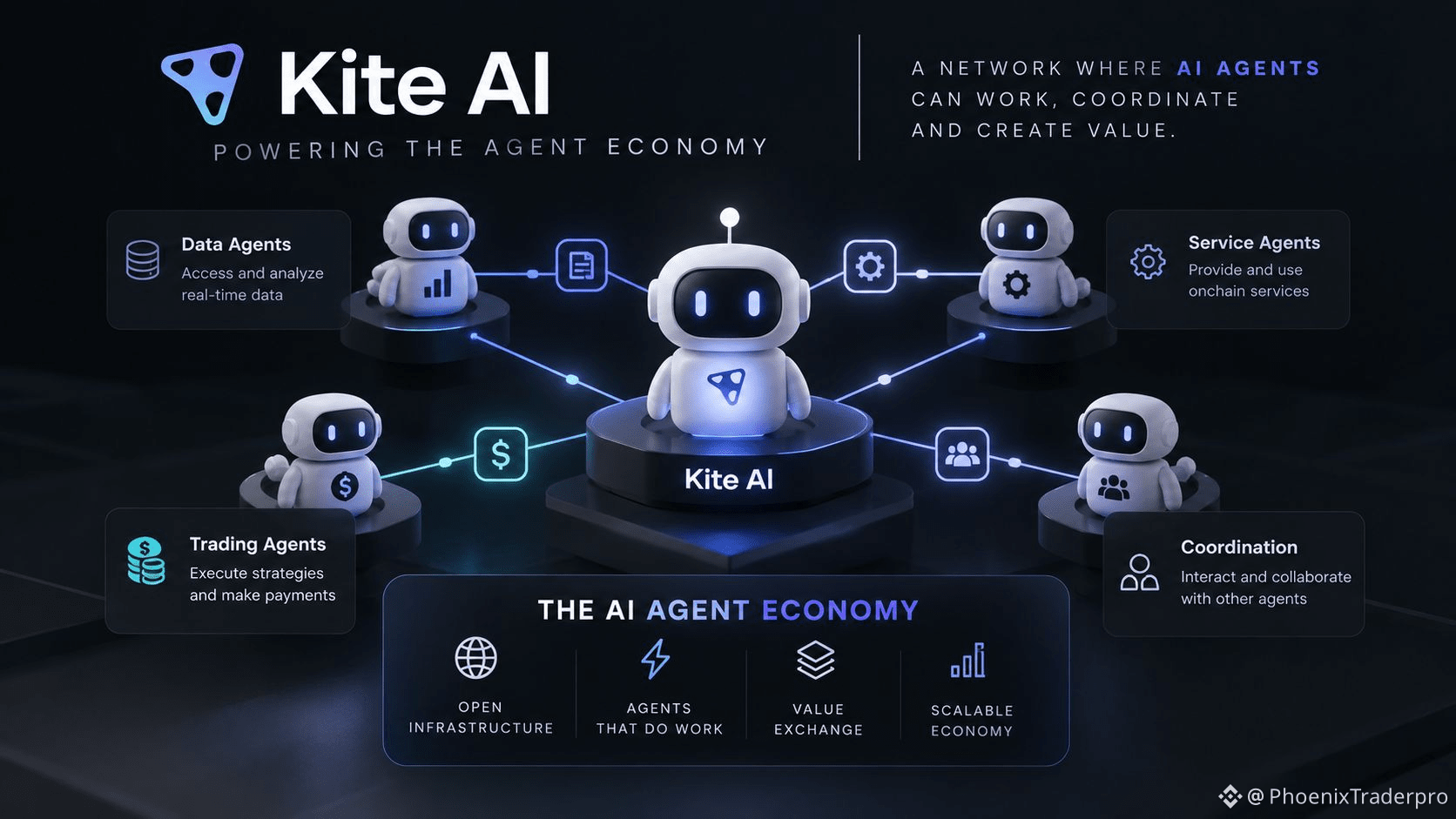
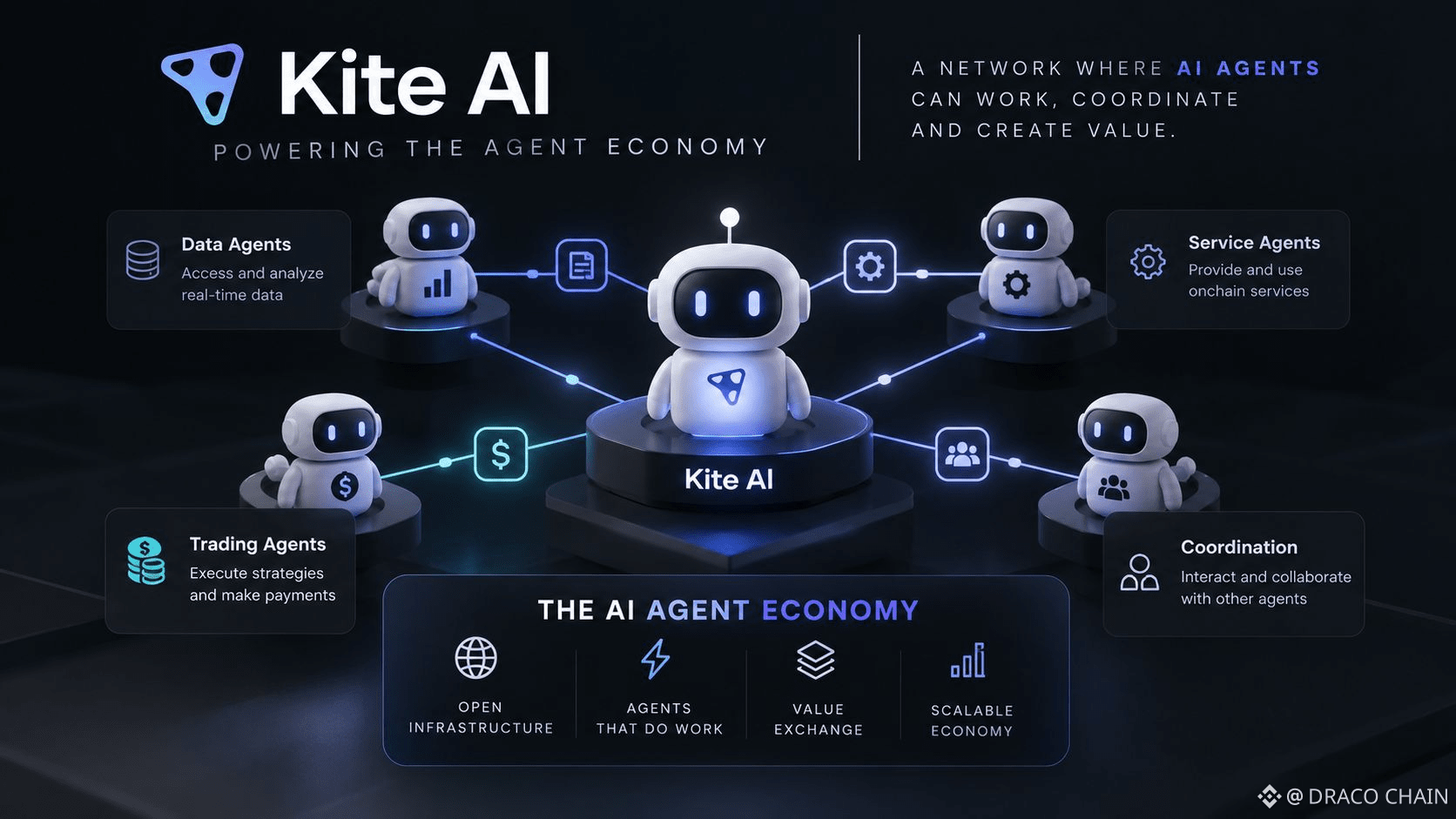
⚡ $KITE ESTÁ DESBLOQUEANDO LA PRÓXIMA GRAN FRONTERA: ¡ECONOMÍAS DE AGENTES DE IA AUTÓNOMOS! 💡
El paradigma está pasando de los chatbots pasivos a agentes económicos activos que ejecutan tareas complejas en redes descentralizadas. 💡 Para que los agentes autónomos paguen por capacidad de cómputo, accedan a datos y liquiden microtransacciones de forma nativa, necesitan vías de coordinación específicas.
$KITE se está posicionando justo en el centro de esta capa de infraestructura fundamental. 🌊 Cuando el capital inteligente empieza a anticiparse a la liquidez entre máquinas y a las vías transaccionales, los proyectos de arquitectura pioneros suelen captar una enorme atención.
💭 ¿Superarán las economías de máquinas autónomas el volumen de transacciones humanas en cadena en el próximo ciclo? 👇
⚠️ Esto no es asesoramiento financiero. Gestiona siempre tus riesgos. 🛡️
🏷️ #KITE #AIAgents #CryptoInfrastructure #Web3AI
⚡ 💎
⚡ $KITE ESTÁ DESBLOQUEANDO LA PRÓXIMA GRAN FRONTERA: ¡ECONOMÍAS DE AGENTES DE IA AUTÓNOMOS! 💡
El paradigma está pasando de los chatbots pasivos a agentes económicos activos que ejecutan tareas complejas en redes descentralizadas. 💡 Para que los agentes autónomos paguen por capacidad de cómputo, accedan a datos y liquiden microtransacciones de forma nativa, necesitan vías de coordinación específicas.
$KITE se está posicionando justo en el centro de esta capa de infraestructura fundamental. 🌊 Cuando el capital inteligente empieza a anticiparse a la liquidez entre máquinas y a las vías transaccionales, los proyectos de arquitectura pioneros suelen captar una enorme atención.
💭 ¿Superarán las economías de máquinas autónomas el volumen de transacciones humanas en cadena en el próximo ciclo? 👇
⚠️ Esto no es asesoramiento financiero. Gestiona siempre tus riesgos. 🛡️
🏷️ #KITE #AIAgents #CryptoInfrastructure #Web3AI
⚡ 💎
El paradigma está pasando de los chatbots pasivos a agentes económicos activos que ejecutan tareas complejas en redes descentralizadas. 💡 Para que los agentes autónomos paguen por capacidad de cómputo, accedan a datos y liquiden microtransacciones de forma nativa, necesitan vías de coordinación específicas.
$KITE se está posicionando justo en el centro de esta capa de infraestructura fundamental. 🌊 Cuando el capital inteligente empieza a anticiparse a la liquidez entre máquinas y a las vías transaccionales, los proyectos de arquitectura pioneros suelen captar una enorme atención.
💭 ¿Superarán las economías de máquinas autónomas el volumen de transacciones humanas en cadena en el próximo ciclo? 👇
⚠️ Esto no es asesoramiento financiero. Gestiona siempre tus riesgos. 🛡️
🏷️ #KITE #AIAgents #CryptoInfrastructure #Web3AI
⚡ 💎
5

·
--
🦈 $KITE ESTÁ CONSTRUYENDO LOS RIELES INSTITUCIONALES PARA LOS FLUJOS DE LIQUIDEZ DE AGENTES AUTÓNOMOS! ⚡
El verdadero cambio estructural en la IA no son las interfaces conversacionales, sino la ejecución económica autónoma. $KITE está diseñando la capa de liquidación fundamental donde los agentes soberanos descubren grupos de servicios, alinean incentivos y realizan transacciones de valor de forma nativa, sin fricciones humanas. 🔍
Cuando los sistemas autónomos pasan de ser herramientas aisladas a participantes activos del mercado, las capas de coordinación descentralizadas capturan la liquidez subyacente. 🌊 Una estrategia de posicionamiento inteligente apunta a la infraestructura estructural antes de que el volumen de transacciones se acelere en toda la red. 💡
💬 ¿Se convertirá la liquidación entre agentes autónomos en el principal motor del valor descentralizado en este ciclo? 👇
⚠️ Esto no es asesoramiento financiero. Gestiona siempre tus riesgos. 🛡️
🏷️ #KITE #AIAgents #CryptoInfrastructure #Web3AI
🎯 🦈
🦈 $KITE ESTÁ CONSTRUYENDO LOS RIELES INSTITUCIONALES PARA LOS FLUJOS DE LIQUIDEZ DE AGENTES AUTÓNOMOS! ⚡
El verdadero cambio estructural en la IA no son las interfaces conversacionales, sino la ejecución económica autónoma. $KITE está diseñando la capa de liquidación fundamental donde los agentes soberanos descubren grupos de servicios, alinean incentivos y realizan transacciones de valor de forma nativa, sin fricciones humanas. 🔍
Cuando los sistemas autónomos pasan de ser herramientas aisladas a participantes activos del mercado, las capas de coordinación descentralizadas capturan la liquidez subyacente. 🌊 Una estrategia de posicionamiento inteligente apunta a la infraestructura estructural antes de que el volumen de transacciones se acelere en toda la red. 💡
💬 ¿Se convertirá la liquidación entre agentes autónomos en el principal motor del valor descentralizado en este ciclo? 👇
⚠️ Esto no es asesoramiento financiero. Gestiona siempre tus riesgos. 🛡️
🏷️ #KITE #AIAgents #CryptoInfrastructure #Web3AI
🎯 🦈
El verdadero cambio estructural en la IA no son las interfaces conversacionales, sino la ejecución económica autónoma. $KITE está diseñando la capa de liquidación fundamental donde los agentes soberanos descubren grupos de servicios, alinean incentivos y realizan transacciones de valor de forma nativa, sin fricciones humanas. 🔍
Cuando los sistemas autónomos pasan de ser herramientas aisladas a participantes activos del mercado, las capas de coordinación descentralizadas capturan la liquidez subyacente. 🌊 Una estrategia de posicionamiento inteligente apunta a la infraestructura estructural antes de que el volumen de transacciones se acelere en toda la red. 💡
💬 ¿Se convertirá la liquidación entre agentes autónomos en el principal motor del valor descentralizado en este ciclo? 👇
⚠️ Esto no es asesoramiento financiero. Gestiona siempre tus riesgos. 🛡️
🏷️ #KITE #AIAgents #CryptoInfrastructure #Web3AI
🎯 🦈
14

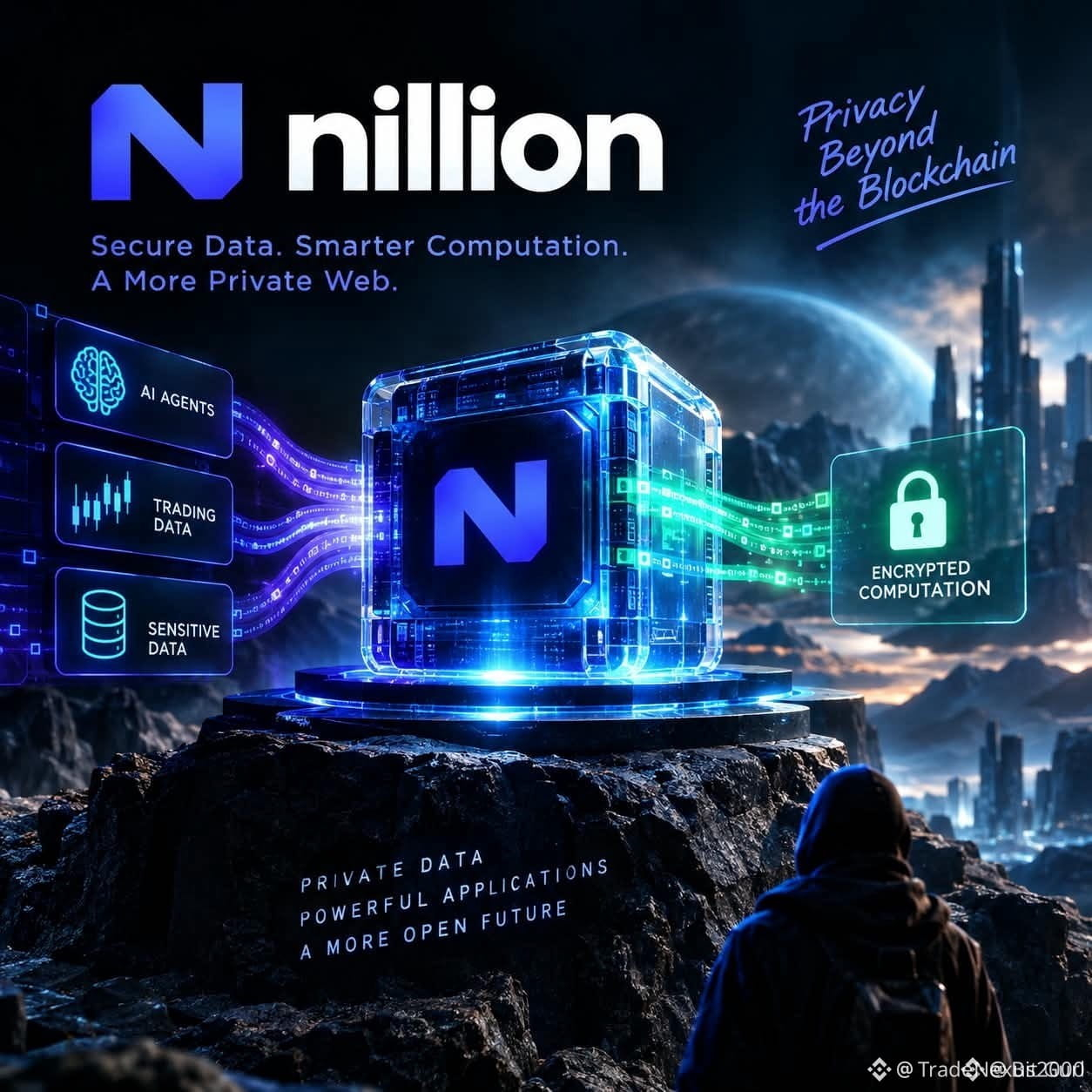
🦈 $NIL LA COMPUTACIÓN PRIVADA PODRÍA DESBLOQUEAR LA EJECUCIÓN ALGORÍTMICA INSTITUCIONAL Y LOS AGENTES EN CADENA 💡
El dinero inteligente sabe que el alfa desaparece en cuanto la lógica de ejecución y el flujo de órdenes se filtran en cadena. $NIL está posicionando su pila de inferencia cifrada no como una solución de privacidad genérica, sino como una arquitectura oculta fundamental para la ejecución automatizada. 🔍
En lugar de perseguir narrativas sobre el front-running, el cambio estructural que hay que observar es la adopción real por parte de los desarrolladores de la computación ciega y los flujos de trabajo de Blacklight. Cuando los sistemas de trading institucionales necesitan ejecutar operaciones sin asimetría de información, este paso del almacenamiento a la computación cifrada se convierte en una utilidad fundamental. 🌊
🤔 ¿Se convertirá la ejecución cifrada en una infraestructura obligatoria para los agentes autónomos, o el mercado está valorando esta utilidad demasiado pronto? 👇
⚠️ Esto no es asesoramiento financiero. Gestiona siempre tus riesgos. 🛡️
🏷️ #NIL #SmartMoney #CryptoInfrastructure #AIAgents
🎯 🦈
🦈 $NIL LA COMPUTACIÓN PRIVADA PODRÍA DESBLOQUEAR LA EJECUCIÓN ALGORÍTMICA INSTITUCIONAL Y LOS AGENTES EN CADENA 💡
El dinero inteligente sabe que el alfa desaparece en cuanto la lógica de ejecución y el flujo de órdenes se filtran en cadena. $NIL está posicionando su pila de inferencia cifrada no como una solución de privacidad genérica, sino como una arquitectura oculta fundamental para la ejecución automatizada. 🔍
En lugar de perseguir narrativas sobre el front-running, el cambio estructural que hay que observar es la adopción real por parte de los desarrolladores de la computación ciega y los flujos de trabajo de Blacklight. Cuando los sistemas de trading institucionales necesitan ejecutar operaciones sin asimetría de información, este paso del almacenamiento a la computación cifrada se convierte en una utilidad fundamental. 🌊
🤔 ¿Se convertirá la ejecución cifrada en una infraestructura obligatoria para los agentes autónomos, o el mercado está valorando esta utilidad demasiado pronto? 👇
⚠️ Esto no es asesoramiento financiero. Gestiona siempre tus riesgos. 🛡️
🏷️ #NIL #SmartMoney #CryptoInfrastructure #AIAgents
🎯 🦈
El dinero inteligente sabe que el alfa desaparece en cuanto la lógica de ejecución y el flujo de órdenes se filtran en cadena. $NIL está posicionando su pila de inferencia cifrada no como una solución de privacidad genérica, sino como una arquitectura oculta fundamental para la ejecución automatizada. 🔍
En lugar de perseguir narrativas sobre el front-running, el cambio estructural que hay que observar es la adopción real por parte de los desarrolladores de la computación ciega y los flujos de trabajo de Blacklight. Cuando los sistemas de trading institucionales necesitan ejecutar operaciones sin asimetría de información, este paso del almacenamiento a la computación cifrada se convierte en una utilidad fundamental. 🌊
🤔 ¿Se convertirá la ejecución cifrada en una infraestructura obligatoria para los agentes autónomos, o el mercado está valorando esta utilidad demasiado pronto? 👇
⚠️ Esto no es asesoramiento financiero. Gestiona siempre tus riesgos. 🛡️
🏷️ #NIL #SmartMoney #CryptoInfrastructure #AIAgents
🎯 🦈
6


·
--
Alcista
Verificado
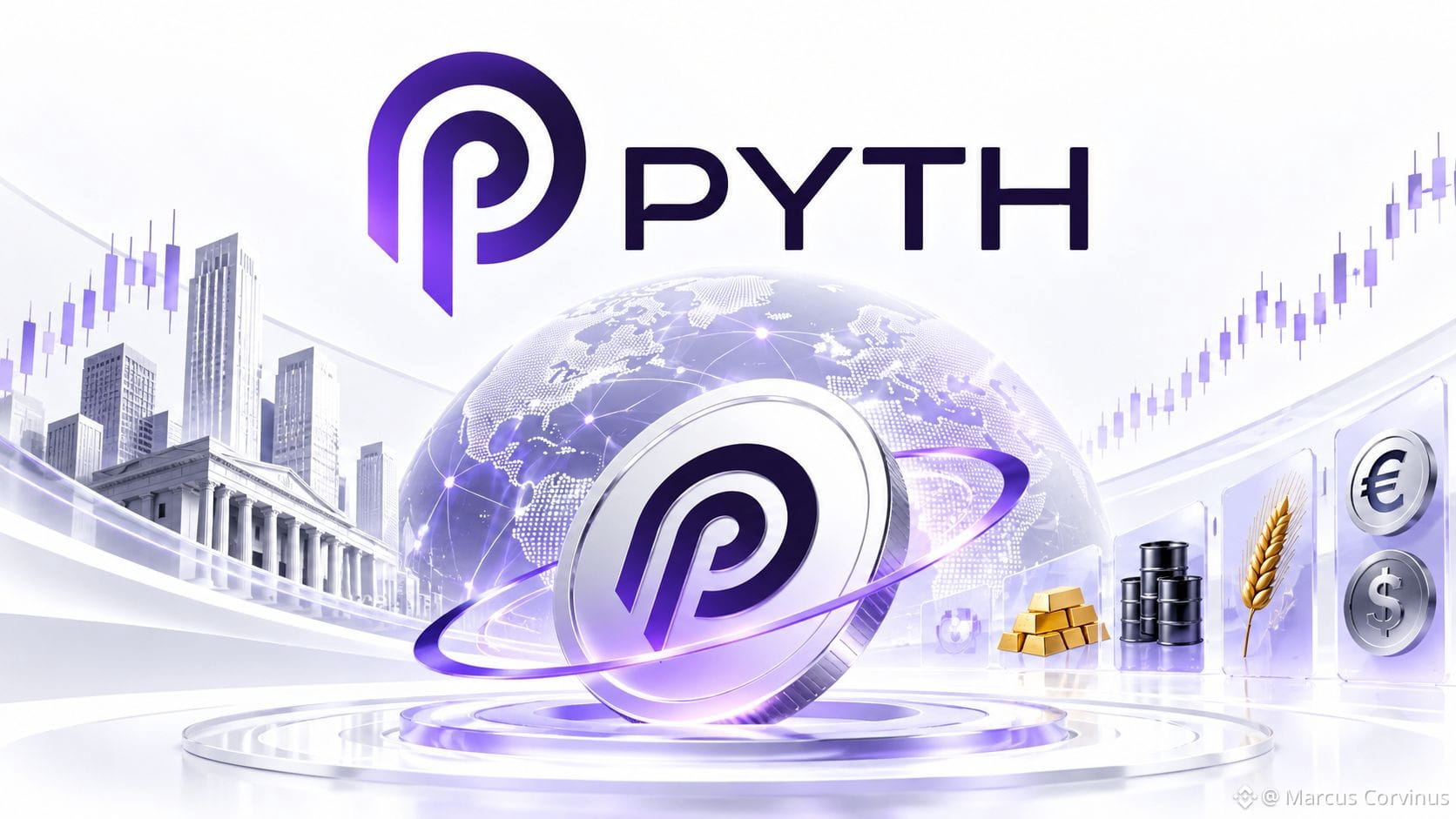
Pyth Network se está convirtiendo en una fuerza importante para el futuro de los datos de los mercados financieros.
La mayoría de los datos financieros pasan por intermediarios. Pyth va directamente a las instituciones que generan los precios.
• Más de $3.25T de volumen acumulado asegurado
• Más de 710 empresas utilizan los datos de Pyth
• Más de 114 blockchains reciben feeds
• Más de 125 proveedores institucionales
• El 60 % del mercado de perpetuos on-chain
El crecimiento comercial es igual de interesante.
→ Pyth Pro superó los $6M de ARR a los pocos meses de su lanzamiento.
→ El ARR por suscripciones creció un 109 % intertrimestral.
→ Durante tres meses consecutivos se superó $1M en nuevo ARR bruto.
Pyth está ampliando su oferta más allá de los feeds de precios básicos.
• Pyth Pro → Precios institucionales de múltiples activos
• Pyth Indices → Precios disponibles continuamente para mercados 24/7
• Data Marketplace → Distribución de datos institucionales
• Agentes de IA → Datos fiables para las finanzas autónomas
Mientras $LINK se centra en una infraestructura de oráculos más amplia y $ONDO apunta a los activos tokenizados, Pyth se centra en la infraestructura de precios que necesitan los mercados financieros.
$PYTH es el token nativo que respalda la gobernanza de la red y las funciones del ecosistema; no representa la propiedad de los ingresos comerciales.
-> A medida que los mercados financieros globales avanzan hacia operaciones 24/7, los datos fiables de primera mano se están convirtiendo en infraestructura esencial.
¡Vamos! 🤝
NFA + DYOR
#PYTH #CryptoInfrastructure
Pyth Network se está convirtiendo en una fuerza importante para el futuro de los datos de los mercados financieros.
La mayoría de los datos financieros pasan por intermediarios. Pyth va directamente a las instituciones que generan los precios.
• Más de $3.25T de volumen acumulado asegurado
• Más de 710 empresas utilizan los datos de Pyth
• Más de 114 blockchains reciben feeds
• Más de 125 proveedores institucionales
• El 60 % del mercado de perpetuos on-chain
El crecimiento comercial es igual de interesante.
→ Pyth Pro superó los $6M de ARR a los pocos meses de su lanzamiento.
→ El ARR por suscripciones creció un 109 % intertrimestral.
→ Durante tres meses consecutivos se superó $1M en nuevo ARR bruto.
Pyth está ampliando su oferta más allá de los feeds de precios básicos.
• Pyth Pro → Precios institucionales de múltiples activos
• Pyth Indices → Precios disponibles continuamente para mercados 24/7
• Data Marketplace → Distribución de datos institucionales
• Agentes de IA → Datos fiables para las finanzas autónomas
Mientras $LINK se centra en una infraestructura de oráculos más amplia y $ONDO apunta a los activos tokenizados, Pyth se centra en la infraestructura de precios que necesitan los mercados financieros.
$PYTH es el token nativo que respalda la gobernanza de la red y las funciones del ecosistema; no representa la propiedad de los ingresos comerciales.
-> A medida que los mercados financieros globales avanzan hacia operaciones 24/7, los datos fiables de primera mano se están convirtiendo en infraestructura esencial.
¡Vamos! 🤝
NFA + DYOR
#PYTH #CryptoInfrastructure
La mayoría de los datos financieros pasan por intermediarios. Pyth va directamente a las instituciones que generan los precios.
• Más de $3.25T de volumen acumulado asegurado
• Más de 710 empresas utilizan los datos de Pyth
• Más de 114 blockchains reciben feeds
• Más de 125 proveedores institucionales
• El 60 % del mercado de perpetuos on-chain
El crecimiento comercial es igual de interesante.
→ Pyth Pro superó los $6M de ARR a los pocos meses de su lanzamiento.
→ El ARR por suscripciones creció un 109 % intertrimestral.
→ Durante tres meses consecutivos se superó $1M en nuevo ARR bruto.
Pyth está ampliando su oferta más allá de los feeds de precios básicos.
• Pyth Pro → Precios institucionales de múltiples activos
• Pyth Indices → Precios disponibles continuamente para mercados 24/7
• Data Marketplace → Distribución de datos institucionales
• Agentes de IA → Datos fiables para las finanzas autónomas
Mientras $LINK se centra en una infraestructura de oráculos más amplia y $ONDO apunta a los activos tokenizados, Pyth se centra en la infraestructura de precios que necesitan los mercados financieros.
$PYTH es el token nativo que respalda la gobernanza de la red y las funciones del ecosistema; no representa la propiedad de los ingresos comerciales.
-> A medida que los mercados financieros globales avanzan hacia operaciones 24/7, los datos fiables de primera mano se están convirtiendo en infraestructura esencial.
¡Vamos! 🤝
NFA + DYOR
#PYTH #CryptoInfrastructure
NovaElen:
Real adoption and sustainable revenue are the key metrics to watch.
88
102
36.8k

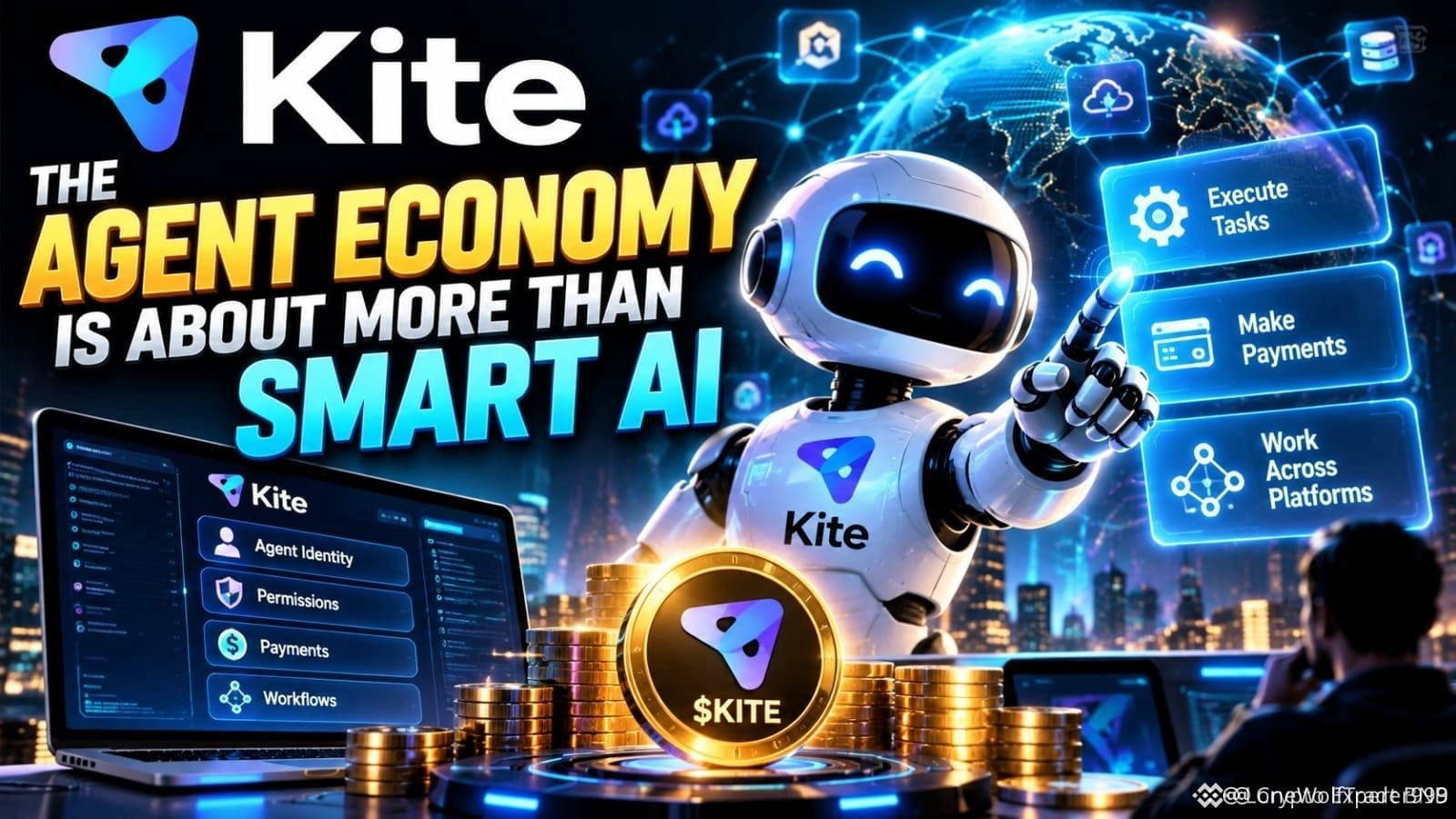
⚡ LA REVOLUCIÓN DE LOS AGENTES AUTÓNOMOS DEPENDE DE LA INFRAESTRUCTURA $KITE 💡
Los inversores inteligentes siguen de cerca cómo la narrativa sobre la IA pasa de los chatbots sencillos a agentes económicos autónomos que ejecutan transacciones de capital. Cuando los algoritmos empiecen a desplegar fondos y contratar servicios de forma independiente, las salvaguardas verificables se convertirán en el premio más codiciado. 💡
Ahí es donde $KITE pasa directamente a ser el centro de atención. 🔍 Desarrollar una identidad nativa para los agentes junto con una arquitectura de pagos delegados permite un comercio real entre máquinas sin sacrificar el control del usuario. ⚡
🤔 ¿Qué crees que será la base de la próxima fase de la economía de agentes: mecanismos de confianza verificables, liquidaciones programables o inteligencia bruta de los modelos? 👇
⚠️ Esto no es asesoramiento financiero. Gestiona siempre tus riesgos. 🛡️
🏷️ #KITE #AIAgents #CryptoInfrastructure #Web3AI
⚡ 💎
⚡ LA REVOLUCIÓN DE LOS AGENTES AUTÓNOMOS DEPENDE DE LA INFRAESTRUCTURA $KITE 💡
Los inversores inteligentes siguen de cerca cómo la narrativa sobre la IA pasa de los chatbots sencillos a agentes económicos autónomos que ejecutan transacciones de capital. Cuando los algoritmos empiecen a desplegar fondos y contratar servicios de forma independiente, las salvaguardas verificables se convertirán en el premio más codiciado. 💡
Ahí es donde $KITE pasa directamente a ser el centro de atención. 🔍 Desarrollar una identidad nativa para los agentes junto con una arquitectura de pagos delegados permite un comercio real entre máquinas sin sacrificar el control del usuario. ⚡
🤔 ¿Qué crees que será la base de la próxima fase de la economía de agentes: mecanismos de confianza verificables, liquidaciones programables o inteligencia bruta de los modelos? 👇
⚠️ Esto no es asesoramiento financiero. Gestiona siempre tus riesgos. 🛡️
🏷️ #KITE #AIAgents #CryptoInfrastructure #Web3AI
⚡ 💎
Los inversores inteligentes siguen de cerca cómo la narrativa sobre la IA pasa de los chatbots sencillos a agentes económicos autónomos que ejecutan transacciones de capital. Cuando los algoritmos empiecen a desplegar fondos y contratar servicios de forma independiente, las salvaguardas verificables se convertirán en el premio más codiciado. 💡
Ahí es donde $KITE pasa directamente a ser el centro de atención. 🔍 Desarrollar una identidad nativa para los agentes junto con una arquitectura de pagos delegados permite un comercio real entre máquinas sin sacrificar el control del usuario. ⚡
🤔 ¿Qué crees que será la base de la próxima fase de la economía de agentes: mecanismos de confianza verificables, liquidaciones programables o inteligencia bruta de los modelos? 👇
⚠️ Esto no es asesoramiento financiero. Gestiona siempre tus riesgos. 🛡️
🏷️ #KITE #AIAgents #CryptoInfrastructure #Web3AI
⚡ 💎
4
·
--
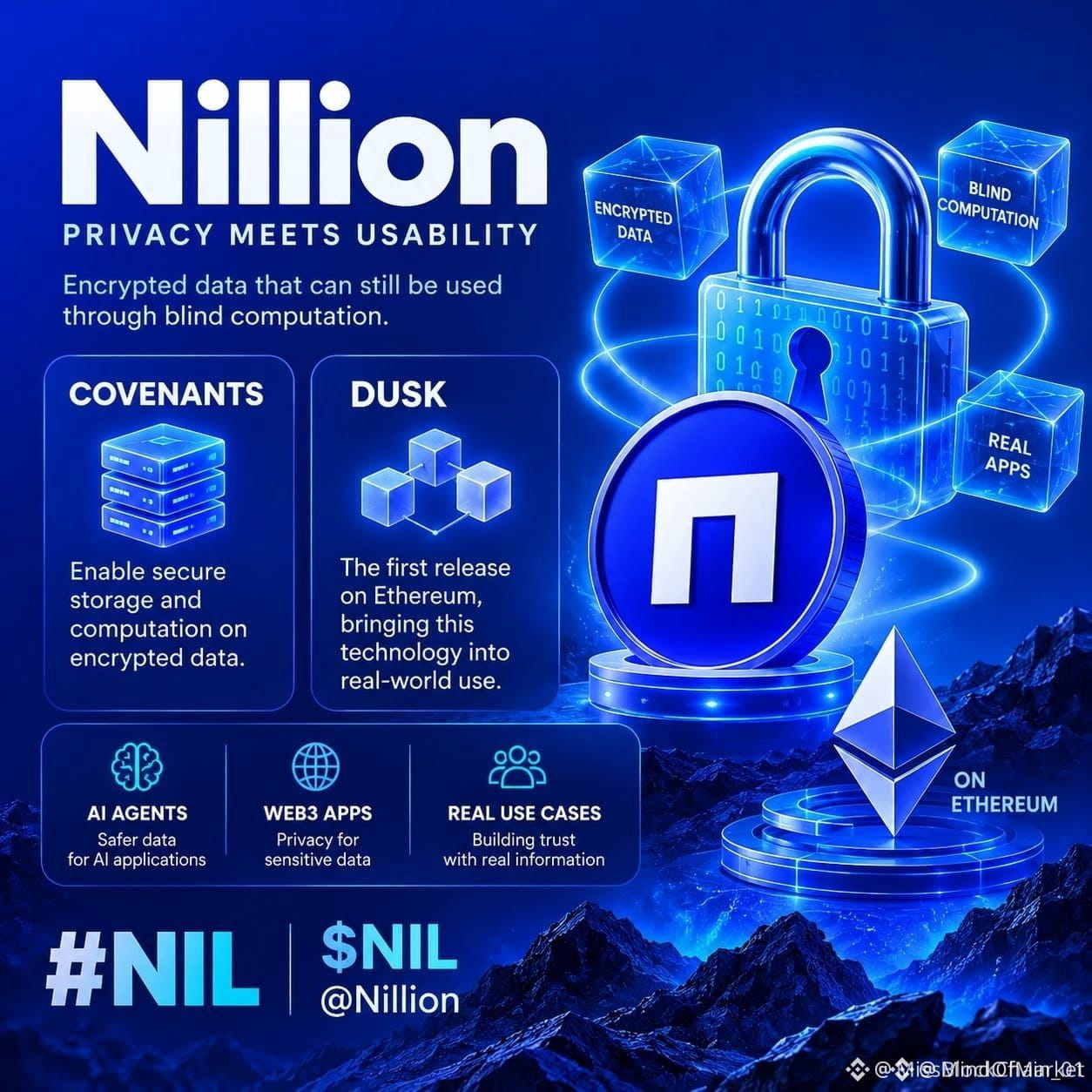
🦈 LA INFRAESTRUCTURA INSTITUCIONAL SE UNE A LA COMPUTACIÓN CIEGA: POR QUÉ $NIL MERECE UN ANÁLISIS ESTRUCTURAL 🔍
Mientras los inversores minoristas persiguen el ruido transitorio de los precios, el capital inteligente sigue de cerca los cimientos de infraestructura que se están desplegando discretamente en torno a $NIL . 🔍 La integración de Covenants y DUSK en Ethereum permite una computación ciega práctica, ofreciendo un caso de uso institucional genuino para datos sensibles de Web3 y agentes autónomos de IA.
En lugar de adelantarse a un impulso aún sin confirmar, las revalorizaciones estructurales sostenibles se construyen gracias al compromiso de los desarrolladores y a la utilidad tangible de la red. 📊 La acumulación de capital ocurre sistemáticamente mucho antes de que el mercado en general reconozca los flujos de órdenes fundamentales.
🤔 ¿Identificas el valor del protocolo antes que la mayoría o esperas a que la liquidez tardía confirme el cambio? 👇
⚠️ Esto no es asesoramiento financiero. Gestiona siempre tu riesgo. 🛡️
🏷️ #NIL #SmartMoney #CryptoInfrastructure #Web3AI
🎯 🦈
🦈 LA INFRAESTRUCTURA INSTITUCIONAL SE UNE A LA COMPUTACIÓN CIEGA: POR QUÉ $NIL MERECE UN ANÁLISIS ESTRUCTURAL 🔍
Mientras los inversores minoristas persiguen el ruido transitorio de los precios, el capital inteligente sigue de cerca los cimientos de infraestructura que se están desplegando discretamente en torno a $NIL . 🔍 La integración de Covenants y DUSK en Ethereum permite una computación ciega práctica, ofreciendo un caso de uso institucional genuino para datos sensibles de Web3 y agentes autónomos de IA.
En lugar de adelantarse a un impulso aún sin confirmar, las revalorizaciones estructurales sostenibles se construyen gracias al compromiso de los desarrolladores y a la utilidad tangible de la red. 📊 La acumulación de capital ocurre sistemáticamente mucho antes de que el mercado en general reconozca los flujos de órdenes fundamentales.
🤔 ¿Identificas el valor del protocolo antes que la mayoría o esperas a que la liquidez tardía confirme el cambio? 👇
⚠️ Esto no es asesoramiento financiero. Gestiona siempre tu riesgo. 🛡️
🏷️ #NIL #SmartMoney #CryptoInfrastructure #Web3AI
🎯 🦈
Mientras los inversores minoristas persiguen el ruido transitorio de los precios, el capital inteligente sigue de cerca los cimientos de infraestructura que se están desplegando discretamente en torno a $NIL . 🔍 La integración de Covenants y DUSK en Ethereum permite una computación ciega práctica, ofreciendo un caso de uso institucional genuino para datos sensibles de Web3 y agentes autónomos de IA.
En lugar de adelantarse a un impulso aún sin confirmar, las revalorizaciones estructurales sostenibles se construyen gracias al compromiso de los desarrolladores y a la utilidad tangible de la red. 📊 La acumulación de capital ocurre sistemáticamente mucho antes de que el mercado en general reconozca los flujos de órdenes fundamentales.
🤔 ¿Identificas el valor del protocolo antes que la mayoría o esperas a que la liquidez tardía confirme el cambio? 👇
⚠️ Esto no es asesoramiento financiero. Gestiona siempre tu riesgo. 🛡️
🏷️ #NIL #SmartMoney #CryptoInfrastructure #Web3AI
🎯 🦈
16
·
--
Todas las principales redes de depósitos y retiros funcionan con normalidad: $BTC, $ETH, $USDT, $BNB, $SOL y más.
Esta fiabilidad es fundamental para lo que Binance ha llegado a ser: no solo un exchange, sino la infraestructura que impulsa las criptomonedas a gran escala.
La mayor liquidez y formación de precios (miles de millones en volumen diario, más de 34 billones de dólares negociados en 2025)
Custodia segura y vías reguladas para más de 300 millones de usuarios
Acceso fluido a CeDeFi a través de BNB Chain, Binance Wallet y la infraestructura de pagos
Soporte continuo para las actualizaciones de la red para que los activos puedan moverse de forma segura
La infraestructura no es llamativa: es lo que mantiene la liquidez de los mercados, la seguridad de los activos y el funcionamiento del ecosistema las 24 horas, todos los días.
Consulta el estado en tiempo real: binance.com/en/network
#Binance #BNB #CryptoInfrastructure
Todas las principales redes de depósitos y retiros funcionan con normalidad: $BTC, $ETH, $USDT, $BNB, $SOL y más.
Esta fiabilidad es fundamental para lo que Binance ha llegado a ser: no solo un exchange, sino la infraestructura que impulsa las criptomonedas a gran escala.
La mayor liquidez y formación de precios (miles de millones en volumen diario, más de 34 billones de dólares negociados en 2025)
Custodia segura y vías reguladas para más de 300 millones de usuarios
Acceso fluido a CeDeFi a través de BNB Chain, Binance Wallet y la infraestructura de pagos
Soporte continuo para las actualizaciones de la red para que los activos puedan moverse de forma segura
La infraestructura no es llamativa: es lo que mantiene la liquidez de los mercados, la seguridad de los activos y el funcionamiento del ecosistema las 24 horas, todos los días.
Consulta el estado en tiempo real: binance.com/en/network
#Binance #BNB #CryptoInfrastructure
Esta fiabilidad es fundamental para lo que Binance ha llegado a ser: no solo un exchange, sino la infraestructura que impulsa las criptomonedas a gran escala.
La mayor liquidez y formación de precios (miles de millones en volumen diario, más de 34 billones de dólares negociados en 2025)
Custodia segura y vías reguladas para más de 300 millones de usuarios
Acceso fluido a CeDeFi a través de BNB Chain, Binance Wallet y la infraestructura de pagos
Soporte continuo para las actualizaciones de la red para que los activos puedan moverse de forma segura
La infraestructura no es llamativa: es lo que mantiene la liquidez de los mercados, la seguridad de los activos y el funcionamiento del ecosistema las 24 horas, todos los días.
Consulta el estado en tiempo real: binance.com/en/network
#Binance #BNB #CryptoInfrastructure
1
82
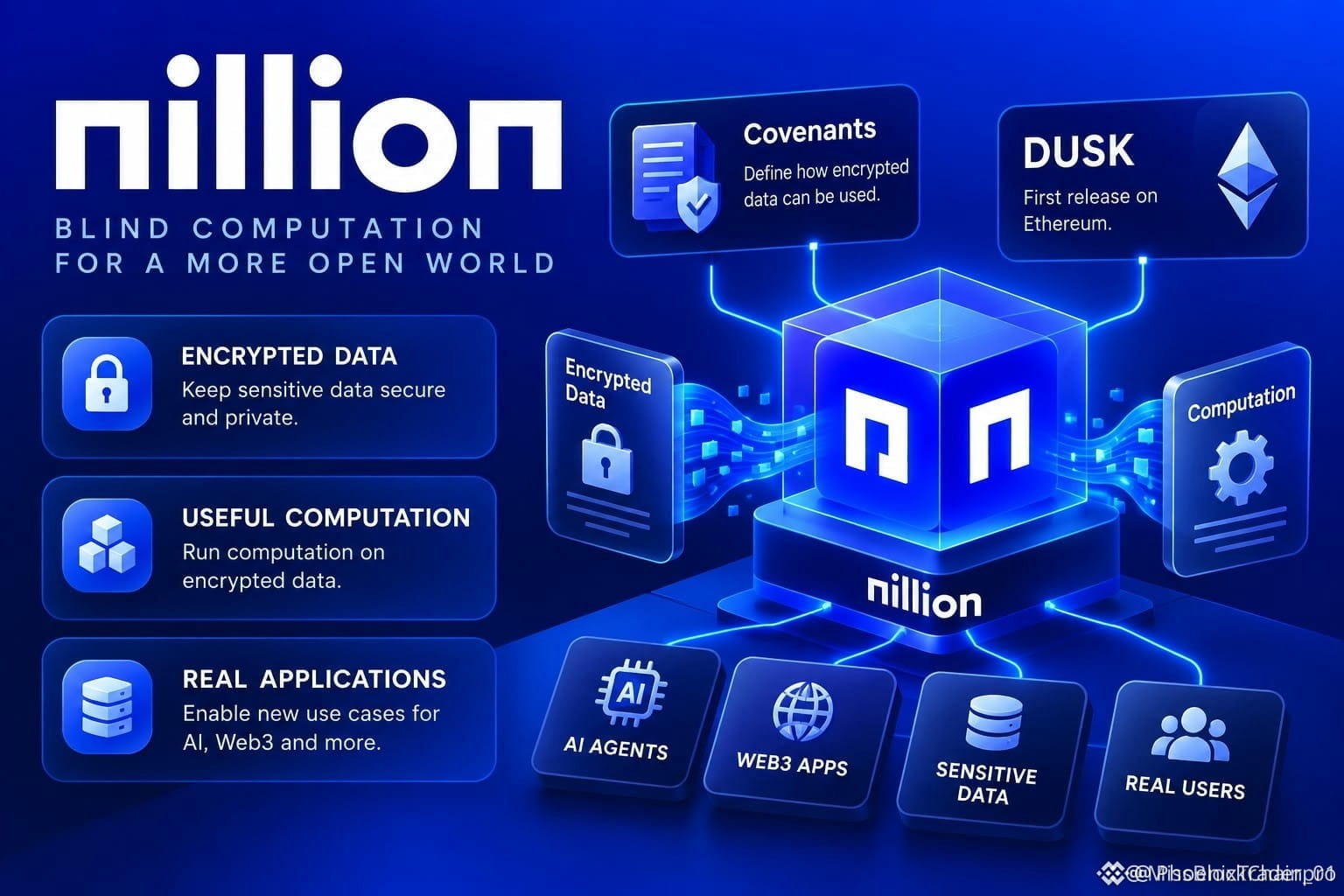
⚡ $NIL LLEVA LA COMPUTACIÓN CIEGA A ETHEREUM MIENTRAS DUSK DESBLOQUEA UNA PROFUNDA UTILIDAD ON-CHAIN. 🦈
Mientras el público persigue velas fugaces, el capital inteligente observa la infraestructura que resuelve el cuello de botella más difícil de Web3: gestionar datos cifrados de alto valor on-chain. 🌊 Con DUSK desplegándose directamente en el ecosistema de Ethereum, la computación ciega deja atrás los documentos técnicos y pasa a ejecutarse en vivo. 💡
La verdadera prueba no es la volatilidad a corto plazo, sino si los desarrolladores basan aplicaciones de nivel de producción en este recurso de privacidad. 🔍 Cuando la computación que preserva la privacidad pasa de la teoría a la adopción activa por parte de los desarrolladores, históricamente el flujo de órdenes sigue a la demanda estructural real. 💬 ¿Se convertirá la computación ciega en la próxima gran narrativa de Ethereum o el mercado está pasando por alto este cambio en la infraestructura? 👇
⚠️ Esto no es asesoramiento financiero. Gestiona siempre tus riesgos. 🛡️
🏷️ #NIL #Ethereum #Web3 #CryptoInfrastructure
🎯 🦈
⚡ $NIL LLEVA LA COMPUTACIÓN CIEGA A ETHEREUM MIENTRAS DUSK DESBLOQUEA UNA PROFUNDA UTILIDAD ON-CHAIN. 🦈
Mientras el público persigue velas fugaces, el capital inteligente observa la infraestructura que resuelve el cuello de botella más difícil de Web3: gestionar datos cifrados de alto valor on-chain. 🌊 Con DUSK desplegándose directamente en el ecosistema de Ethereum, la computación ciega deja atrás los documentos técnicos y pasa a ejecutarse en vivo. 💡
La verdadera prueba no es la volatilidad a corto plazo, sino si los desarrolladores basan aplicaciones de nivel de producción en este recurso de privacidad. 🔍 Cuando la computación que preserva la privacidad pasa de la teoría a la adopción activa por parte de los desarrolladores, históricamente el flujo de órdenes sigue a la demanda estructural real. 💬 ¿Se convertirá la computación ciega en la próxima gran narrativa de Ethereum o el mercado está pasando por alto este cambio en la infraestructura? 👇
⚠️ Esto no es asesoramiento financiero. Gestiona siempre tus riesgos. 🛡️
🏷️ #NIL #Ethereum #Web3 #CryptoInfrastructure
🎯 🦈
Mientras el público persigue velas fugaces, el capital inteligente observa la infraestructura que resuelve el cuello de botella más difícil de Web3: gestionar datos cifrados de alto valor on-chain. 🌊 Con DUSK desplegándose directamente en el ecosistema de Ethereum, la computación ciega deja atrás los documentos técnicos y pasa a ejecutarse en vivo. 💡
La verdadera prueba no es la volatilidad a corto plazo, sino si los desarrolladores basan aplicaciones de nivel de producción en este recurso de privacidad. 🔍 Cuando la computación que preserva la privacidad pasa de la teoría a la adopción activa por parte de los desarrolladores, históricamente el flujo de órdenes sigue a la demanda estructural real. 💬 ¿Se convertirá la computación ciega en la próxima gran narrativa de Ethereum o el mercado está pasando por alto este cambio en la infraestructura? 👇
⚠️ Esto no es asesoramiento financiero. Gestiona siempre tus riesgos. 🛡️
🏷️ #NIL #Ethereum #Web3 #CryptoInfrastructure
🎯 🦈
8

·
--
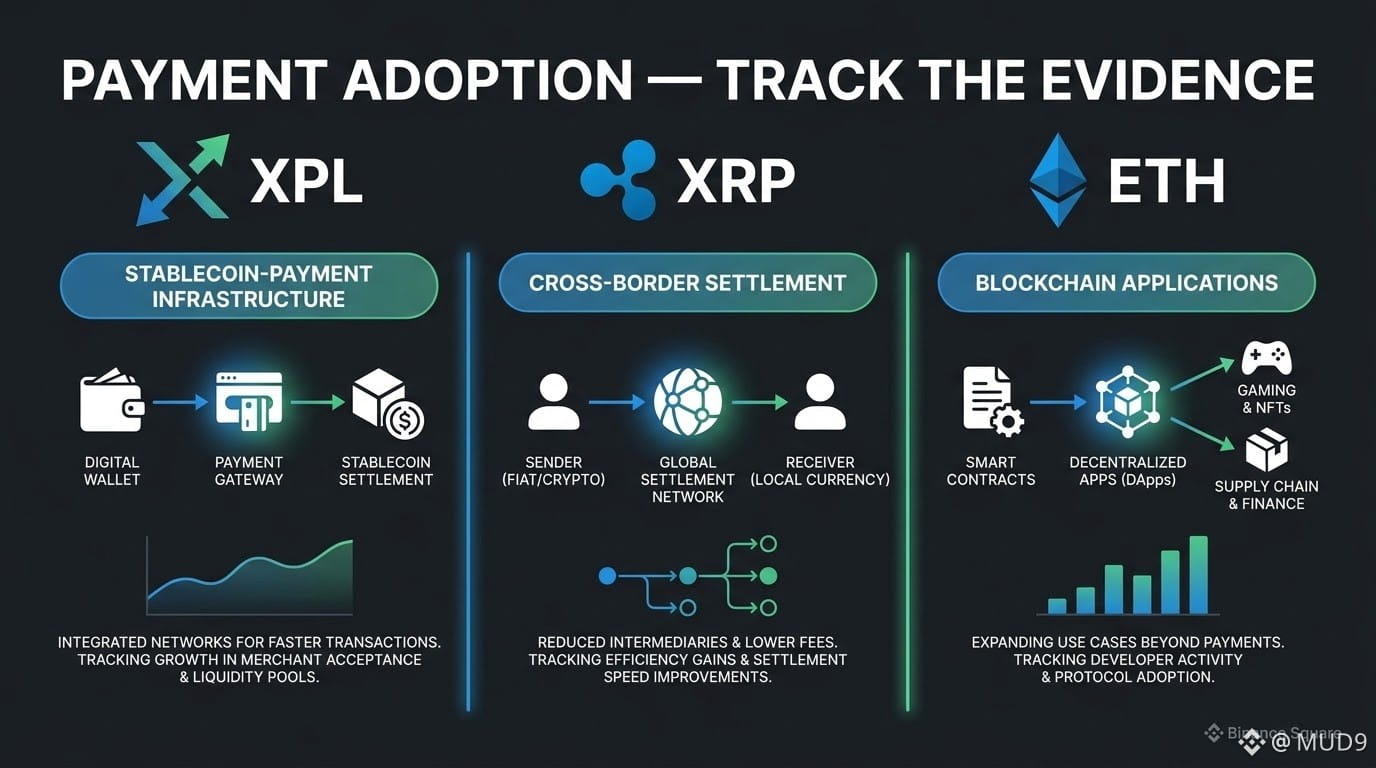
$XPL & $XRP $ETH : Tres formas de analizar la infraestructura de pagos
XPL ha atraído la atención por las noticias sobre avances en pagos con monedas estables. XRP suele mencionarse en el contexto de los pagos transfronterizos, mientras que Ethereum sustenta un amplio ecosistema de monedas estables y aplicaciones descentralizadas.
Son proyectos distintos, con economías de tokens diferentes. Distingue la solidez de una narrativa tecnológica de las pruebas de una demanda directa del token, y verifica los anuncios antes de confiar en ellos.
¿Qué modelo de infraestructura de pagos crees que tiene los argumentos más sólidos a largo plazo?
#XPL #XRP #Ethereum #StablecoinPayments #CryptoInfrastructure #BinanceSquareTalk s
{spot}(XRPUSDT)
{spot}(ETHUSDT)
{spot}(XPLUSDT)
$XPL & $XRP $ETH : Tres formas de analizar la infraestructura de pagos
XPL ha atraído la atención por las noticias sobre avances en pagos con monedas estables. XRP suele mencionarse en el contexto de los pagos transfronterizos, mientras que Ethereum sustenta un amplio ecosistema de monedas estables y aplicaciones descentralizadas.
Son proyectos distintos, con economías de tokens diferentes. Distingue la solidez de una narrativa tecnológica de las pruebas de una demanda directa del token, y verifica los anuncios antes de confiar en ellos.
¿Qué modelo de infraestructura de pagos crees que tiene los argumentos más sólidos a largo plazo?
#XPL #XRP #Ethereum #StablecoinPayments #CryptoInfrastructure #BinanceSquareTalk s
XPL ha atraído la atención por las noticias sobre avances en pagos con monedas estables. XRP suele mencionarse en el contexto de los pagos transfronterizos, mientras que Ethereum sustenta un amplio ecosistema de monedas estables y aplicaciones descentralizadas.
Son proyectos distintos, con economías de tokens diferentes. Distingue la solidez de una narrativa tecnológica de las pruebas de una demanda directa del token, y verifica los anuncios antes de confiar en ellos.
¿Qué modelo de infraestructura de pagos crees que tiene los argumentos más sólidos a largo plazo?
#XPL #XRP #Ethereum #StablecoinPayments #CryptoInfrastructure #BinanceSquareTalk s
1
76

El dinero inteligente está incorporando discretamente un cambio generacional en las infraestructuras, mientras nueve pesos pesados del mundo cripto forman la Alianza Cuántica para protegerse de futuras amenazas de descifrado por hardware. El reciente avance de Google con su chip Willow ha intensificado la urgencia en torno a los 6,4 millones de monedas antiguas que actualmente permanecen en billeteras vulnerables de los primeros tiempos, obligando a las mesas de operaciones a reevaluar los modelos de riesgo a largo plazo para $BTC. Aunque la liquidez al contado sigue absorbida por flujos macroeconómicos más amplios, conviene vigilar el soporte estructural clave en 65,000 USDT y la resistencia superior cerca de 69,000 USDT para determinar si toman el control las ventas por pánico o la acumulación institucional constante. Una caída por debajo del nivel de invalidación de 62,500 USDT confirmaría una cobertura agresiva a corto plazo. ¿Estás reduciendo tu exposición en almacenamiento en frío ante estos hitos cuánticos o consideras que los titulares sobre la alianza son puro ruido?
$BTC $SOL $BNB
#QuantumAlliance #BitcoinSecurity #CryptoInfrastructure #DerivativesFlow
El dinero inteligente está incorporando discretamente un cambio generacional en las infraestructuras, mientras nueve pesos pesados del mundo cripto forman la Alianza Cuántica para protegerse de futuras amenazas de descifrado por hardware. El reciente avance de Google con su chip Willow ha intensificado la urgencia en torno a los 6,4 millones de monedas antiguas que actualmente permanecen en billeteras vulnerables de los primeros tiempos, obligando a las mesas de operaciones a reevaluar los modelos de riesgo a largo plazo para $BTC . Aunque la liquidez al contado sigue absorbida por flujos macroeconómicos más amplios, conviene vigilar el soporte estructural clave en 65,000 USDT y la resistencia superior cerca de 69,000 USDT para determinar si toman el control las ventas por pánico o la acumulación institucional constante. Una caída por debajo del nivel de invalidación de 62,500 USDT confirmaría una cobertura agresiva a corto plazo. ¿Estás reduciendo tu exposición en almacenamiento en frío ante estos hitos cuánticos o consideras que los titulares sobre la alianza son puro ruido?
$BTC $SOL $BNB
#QuantumAlliance #BitcoinSecurity #CryptoInfrastructure #DerivativesFlow
$BTC $SOL $BNB
#QuantumAlliance #BitcoinSecurity #CryptoInfrastructure #DerivativesFlow
55
·
--
La infraestructura de Binance funciona con solidez. ✅
Los mercados spot, de futuros y de opciones, así como los sistemas centrales, están plenamente operativos.
BNB Smart Chain sigue ofreciendo un alto rendimiento, comisiones bajas y una rápida finalización de las transacciones: impulsando DeFi, los pagos y mucho más.
Brindamos asistencia de forma habitual durante las actualizaciones de la red y mantenemos una alta disponibilidad para que puedas operar y transferir con confianza, las 24 horas del día, los 7 días de la semana.
Consulta aquí los últimos anuncios y el estado de las rutas: [link to announcements or support]
Todo lo financiero. En Binance. 🔶
#Binance #BNB #BNBChain #CryptoInfrastructure
La infraestructura de Binance funciona con solidez. ✅
Los mercados spot, de futuros y de opciones, así como los sistemas centrales, están plenamente operativos.
BNB Smart Chain sigue ofreciendo un alto rendimiento, comisiones bajas y una rápida finalización de las transacciones: impulsando DeFi, los pagos y mucho más.
Brindamos asistencia de forma habitual durante las actualizaciones de la red y mantenemos una alta disponibilidad para que puedas operar y transferir con confianza, las 24 horas del día, los 7 días de la semana.
Consulta aquí los últimos anuncios y el estado de las rutas: [link to announcements or support]
Todo lo financiero. En Binance. 🔶
#Binance #BNB #BNBChain #CryptoInfrastructure
Los mercados spot, de futuros y de opciones, así como los sistemas centrales, están plenamente operativos.
BNB Smart Chain sigue ofreciendo un alto rendimiento, comisiones bajas y una rápida finalización de las transacciones: impulsando DeFi, los pagos y mucho más.
Brindamos asistencia de forma habitual durante las actualizaciones de la red y mantenemos una alta disponibilidad para que puedas operar y transferir con confianza, las 24 horas del día, los 7 días de la semana.
Consulta aquí los últimos anuncios y el estado de las rutas: [link to announcements or support]
Todo lo financiero. En Binance. 🔶
#Binance #BNB #BNBChain #CryptoInfrastructure
97

🔥 Comprar SOL porque está “barato” no es una apuesta: es una jugada estratégica en la capa de infraestructura que impulsará la próxima ola cripto.
📊 SOL Strategies acaba de anunciar la adquisición por 18 millones de dólares de Houdini, un agregador de swaps entre cadenas, para asegurar un flujo constante de ingresos y reducir la dependencia de los volátiles ciclos del mercado. #Solana #CrossChain
💡 En un mercado donde los proyectos #DeFi son los verdaderos motores del crecimiento, esta jugada coincide con el cruce alcista actual del MACD en SOL ($106, +3,68 % en 24 h) y con la actividad on-chain de billeteras inteligentes como RIZO, FTR y PUMP, que están comprando Solana activamente. Con la financiación de los futuros de BTC y ETH todavía en terreno positivo (+0,0025 % y +0,0038 %) y el sentimiento general en 63, nivel de codicia, el capital se está dirigiendo hacia activos impulsados por la utilidad y capaces de generar flujo de caja independientemente de las fluctuaciones de precios. #CryptoInfrastructure
✅ Conclusión práctica: Añade SOL ahora a una cartera diversificada y considera hacer staking o aportar liquidez en agregadores emergentes. Estas posiciones se beneficiarán tanto de una posible subida de precio como de los próximos ingresos por comisiones derivados de la integración de Houdini.
❓ ¿Cómo te estás posicionando en torno a apuestas de infraestructura como SOL y los agregadores entre cadenas: comprar y mantener, hacer staking o esperar a tener más datos?
🔥 Comprar SOL porque está “barato” no es una apuesta: es una jugada estratégica en la capa de infraestructura que impulsará la próxima ola cripto.
📊 SOL Strategies acaba de anunciar la adquisición por 18 millones de dólares de Houdini, un agregador de swaps entre cadenas, para asegurar un flujo constante de ingresos y reducir la dependencia de los volátiles ciclos del mercado. #Solana #CrossChain
💡 En un mercado donde los proyectos #DeFi son los verdaderos motores del crecimiento, esta jugada coincide con el cruce alcista actual del MACD en SOL ($106, +3,68 % en 24 h) y con la actividad on-chain de billeteras inteligentes como RIZO, FTR y PUMP, que están comprando Solana activamente. Con la financiación de los futuros de BTC y ETH todavía en terreno positivo (+0,0025 % y +0,0038 %) y el sentimiento general en 63, nivel de codicia, el capital se está dirigiendo hacia activos impulsados por la utilidad y capaces de generar flujo de caja independientemente de las fluctuaciones de precios. #CryptoInfrastructure
✅ Conclusión práctica: Añade SOL ahora a una cartera diversificada y considera hacer staking o aportar liquidez en agregadores emergentes. Estas posiciones se beneficiarán tanto de una posible subida de precio como de los próximos ingresos por comisiones derivados de la integración de Houdini.
❓ ¿Cómo te estás posicionando en torno a apuestas de infraestructura como SOL y los agregadores entre cadenas: comprar y mantener, hacer staking o esperar a tener más datos?
📊 SOL Strategies acaba de anunciar la adquisición por 18 millones de dólares de Houdini, un agregador de swaps entre cadenas, para asegurar un flujo constante de ingresos y reducir la dependencia de los volátiles ciclos del mercado. #Solana #CrossChain
💡 En un mercado donde los proyectos #DeFi son los verdaderos motores del crecimiento, esta jugada coincide con el cruce alcista actual del MACD en SOL ($106, +3,68 % en 24 h) y con la actividad on-chain de billeteras inteligentes como RIZO, FTR y PUMP, que están comprando Solana activamente. Con la financiación de los futuros de BTC y ETH todavía en terreno positivo (+0,0025 % y +0,0038 %) y el sentimiento general en 63, nivel de codicia, el capital se está dirigiendo hacia activos impulsados por la utilidad y capaces de generar flujo de caja independientemente de las fluctuaciones de precios. #CryptoInfrastructure
✅ Conclusión práctica: Añade SOL ahora a una cartera diversificada y considera hacer staking o aportar liquidez en agregadores emergentes. Estas posiciones se beneficiarán tanto de una posible subida de precio como de los próximos ingresos por comisiones derivados de la integración de Houdini.
❓ ¿Cómo te estás posicionando en torno a apuestas de infraestructura como SOL y los agregadores entre cadenas: comprar y mantener, hacer staking o esperar a tener más datos?
27

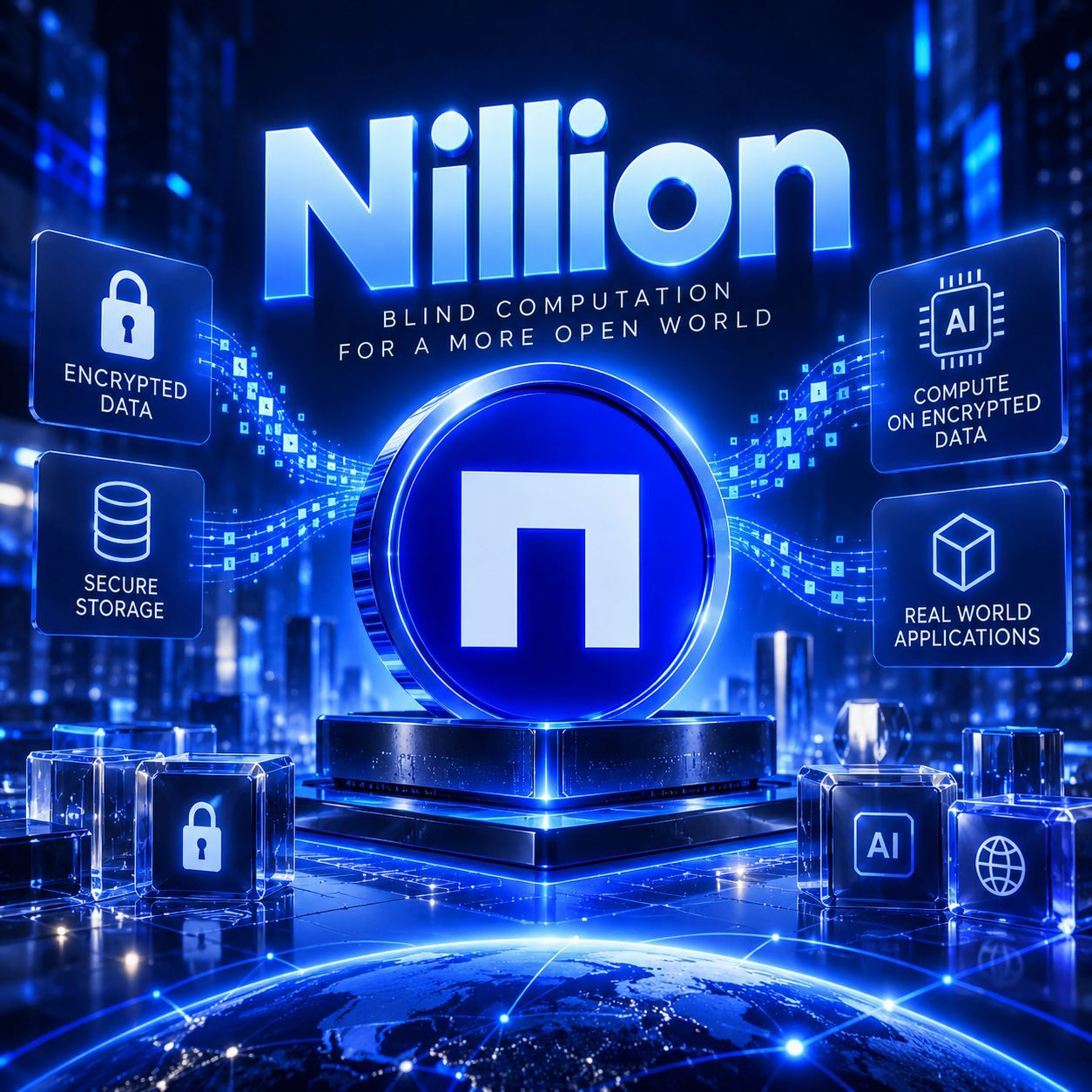
⚡ $NIL DESBLOQUEA LA COMPUTACIÓN CIEGA EN ETHEREUM MIENTRAS LLEGA UNA INFRAESTRUCTURA SEGURA PARA LA IA. 🦈
Mientras las soluciones superficiales de privacidad se conforman con proteger datos básicos de las transacciones, $NIL aborda una frontera mucho más amplia con la computación cifrada. 💡 Con DUSK ya desplegado en Ethereum, el mercado tendrá su primera prueba real para determinar si los agentes autónomos de IA y los protocolos sensibles pueden procesar datos protegidos sin problemas en producción.
🔍 Los participantes más perspicaces del mercado ignoran el ruido pasajero y se centran exclusivamente en la infraestructura sólida que los desarrolladores no pueden permitirse abandonar. ⚡ Si la computación ciega se convierte en la capa fundamental de las aplicaciones Web3 de alta seguridad, la captura de valor estructural aquí será mucho más profunda que en las apuestas habituales basadas en el impulso.
🤔 ¿Se convertirá la computación cifrada en la columna vertebral de los agentes de IA descentralizados, o el mercado está pasando por alto este cambio? 👇
⚠️ Esto no es asesoramiento financiero. Gestiona siempre tus riesgos. 🛡️
🏷️ #NIL #Web3AI #CryptoInfrastructure #Altcoins
🎯 💎
⚡ $NIL DESBLOQUEA LA COMPUTACIÓN CIEGA EN ETHEREUM MIENTRAS LLEGA UNA INFRAESTRUCTURA SEGURA PARA LA IA. 🦈
Mientras las soluciones superficiales de privacidad se conforman con proteger datos básicos de las transacciones, $NIL aborda una frontera mucho más amplia con la computación cifrada. 💡 Con DUSK ya desplegado en Ethereum, el mercado tendrá su primera prueba real para determinar si los agentes autónomos de IA y los protocolos sensibles pueden procesar datos protegidos sin problemas en producción.
🔍 Los participantes más perspicaces del mercado ignoran el ruido pasajero y se centran exclusivamente en la infraestructura sólida que los desarrolladores no pueden permitirse abandonar. ⚡ Si la computación ciega se convierte en la capa fundamental de las aplicaciones Web3 de alta seguridad, la captura de valor estructural aquí será mucho más profunda que en las apuestas habituales basadas en el impulso.
🤔 ¿Se convertirá la computación cifrada en la columna vertebral de los agentes de IA descentralizados, o el mercado está pasando por alto este cambio? 👇
⚠️ Esto no es asesoramiento financiero. Gestiona siempre tus riesgos. 🛡️
🏷️ #NIL #Web3AI #CryptoInfrastructure #Altcoins
🎯 💎
Mientras las soluciones superficiales de privacidad se conforman con proteger datos básicos de las transacciones, $NIL aborda una frontera mucho más amplia con la computación cifrada. 💡 Con DUSK ya desplegado en Ethereum, el mercado tendrá su primera prueba real para determinar si los agentes autónomos de IA y los protocolos sensibles pueden procesar datos protegidos sin problemas en producción.
🔍 Los participantes más perspicaces del mercado ignoran el ruido pasajero y se centran exclusivamente en la infraestructura sólida que los desarrolladores no pueden permitirse abandonar. ⚡ Si la computación ciega se convierte en la capa fundamental de las aplicaciones Web3 de alta seguridad, la captura de valor estructural aquí será mucho más profunda que en las apuestas habituales basadas en el impulso.
🤔 ¿Se convertirá la computación cifrada en la columna vertebral de los agentes de IA descentralizados, o el mercado está pasando por alto este cambio? 👇
⚠️ Esto no es asesoramiento financiero. Gestiona siempre tus riesgos. 🛡️
🏷️ #NIL #Web3AI #CryptoInfrastructure #Altcoins
🎯 💎
15
Inicia sesión para explorar más contenidos
Únete a usuarios globales de criptomonedas en Binance Square
⚡️ Obtén información útil y actualizada sobre criptos.
💬 Avalado por el mayor exchange de criptomonedas en el mundo.
👍 Descubre perspectivas reales de creadores verificados.
Email/número de teléfono
Temas populares
1
#BinancePick
3M vistas
151,979 están debatiendo
2
#EarningsSeason
5.2M vistas
25,824 están debatiendo
3
#AnthropicTTMRevenueGrewAbout1200%
20,994 vistas
346 están debatiendo
4
#AnthropicS1ExpectedToday
21,779 vistas
299 están debatiendo
5
#SouthKoreaReportedlyWeighsFourthCryptoTaxDelay
26,637 vistas
423 están debatiendo
6
#FranklinTempletonFilesForTwoDividendToBitcoinETFs
34,504 vistas
516 están debatiendo
7
#StrategyMSTRSurpassesNasdaqInMarketCap
26,460 vistas
373 están debatiendo
8
#CanadaProposesStablecoinRedemptionWithin3BusinessDays
1,201 vistas
34 están debatiendo
9
#ElectrumWalletBugLetRogueServersStealFunds
28,078 vistas
450 están debatiendo
10
#ArgentineCourtDismissesLIBRACaseAgainstMilei
42,596 vistas
557 están debatiendo