

#blockchainassociationsubmitsgeniusactcomments
blockchainassociationsubmitsgeniusactcomments
15,401 views
397 Discussing
Hot
Latest

·
--
#blockchainassociationsubmitsgeniusactcomments #AAVE #blockchain
🚨 BLOCKCHAIN ASSOCIATION CHALLENGES GENIUS ACT RULES! 🇺🇸⚖️
The Blockchain Association urges U.S. Treasury to protect self-custody wallets, validators, and crypto infrastructure under the GENIUS Act.
🔑 Key Demands:
✅ Exempt non-custodial wallets and validators
✅ Clarify criminal liability rules
✅ Provide clear guidelines for foreign stablecoins
✅ Protect developers of fully reserved payment stablecoins
With 123 submissions received, the final rules could shape crypto regulation ahead of January 2027.
💬 Your Take: Should crypto wallets and validators face exchange-style regulations?."CLICK ON THE BELOW YELLOW COIN TAG TO GO TO DESIRED TRADING PAGE TO GET BENEFIT TRADE"$AAVE $ETH $WLD
{spot}(WLDUSDT)
{spot}(ETHUSDT)
{spot}(AAVEUSDT)
#blockchainassociationsubmitsgeniusactcomments #AAVE #blockchain
🚨 BLOCKCHAIN ASSOCIATION CHALLENGES GENIUS ACT RULES! 🇺🇸⚖️
The Blockchain Association urges U.S. Treasury to protect self-custody wallets, validators, and crypto infrastructure under the GENIUS Act.
🔑 Key Demands:
✅ Exempt non-custodial wallets and validators
✅ Clarify criminal liability rules
✅ Provide clear guidelines for foreign stablecoins
✅ Protect developers of fully reserved payment stablecoins
With 123 submissions received, the final rules could shape crypto regulation ahead of January 2027.
💬 Your Take: Should crypto wallets and validators face exchange-style regulations?."CLICK ON THE BELOW YELLOW COIN TAG TO GO TO DESIRED TRADING PAGE TO GET BENEFIT TRADE"$AAVE $ETH $WLD
2
770

📜 Stablecoin Regulation Takes Center Stage
The Blockchain Association's comments on the GENIUS Act highlight the crypto industry's continued engagement with U.S. policymakers.
Clear regulatory standards could influence stablecoin adoption, compliance costs, and innovation across the digital asset sector. 🌐
$USDC $USDT $ETH $BNB
#blockchainassociationsubmitsgeniusactcomments
47
🏛️ Crypto Industry Weighs In on the GENIUS Act
The Blockchain Association has submitted comments on the GENIUS Act, keeping stablecoin regulation in focus. The industry's feedback could help shape how rules are implemented and how digital dollar payments evolve.
$BTC $ETH $XRP $USDC
#blockchainassociationsubmitsgeniusactcomments
The Blockchain Association has submitted comments on the GENIUS Act, keeping stablecoin regulation in focus. The industry's feedback could help shape how rules are implemented and how digital dollar payments evolve.
$BTC $ETH $XRP $USDC
#blockchainassociationsubmitsgeniusactcomments
42
⚖️ A Key Moment for Stablecoin Policy
The Blockchain Association has submitted feedback on the GENIUS Act. Attention now turns to how policymakers address industry concerns and implement stablecoin oversight.
Regulatory clarity could shape the future of digital payments. 📊
$BTC $ETH $USDC $XRP
#blockchainassociationsubmitsgeniusactcomments
32

·
--
Bullish
#blockchainassociationsubmitsgeniusactcomments
🚨 BLOCKCHAIN ASSOCIATION SUBMITS GENIUS ACT COMMENTS — WILL DEFI & WALLETS STAY PROTECTED? 🇺🇸⚖️
The U.S. crypto lobby has officially weighed in on how Washington should regulate stablecoins! The Blockchain Association filed a comprehensive 26-page comment letter to the U.S. Department of the Treasury as the public input window closed on the GENIUS Act implementation rules.
$WLD
{future}(WLDUSDT)
With 123 total submissions received by Treasury, the final language of this landmark stablecoin framework will dictate how crypto infrastructure operates ahead of the January 2027 enforcement deadline.
$ETH
{future}(ETHUSDT)
🔑 4 KEY DEMANDS FROM THE CRYPTO LOBBY:
1️⃣ Exclude Infrastructure & Self-Custody Software from DASP Rules
The Association urged Treasury to clearly exempt non-custodial wallet providers, node validators, and firms trading their own assets from being classified under heavy Digital Asset Service Provider (DASP) or exchange-style compliance rules.
2️⃣ Clarify Criminal Liability Standards
The letter stresses that secondary-market trading shouldn't automatically trigger "unlawful participation" liability. Liability should strictly require actual knowledge and direct assistance in illegal issuance.
3️⃣ Clear & Fair Foreign Issuer Guidelines
For stablecoins issued overseas (like Tether), platforms need clear, public prohibition lists from Treasury rather than open-ended, impossible due-diligence requirements.
4️⃣ Protect Fully Reserved Payment Stablecoins
While supporting 1:1 reserve requirements (cash & short-term Treasuries) for registered issuers, the industry is demanding that software layer developers aren't penalized for how end-users move legal stablecoins.
$AAVE
{future}(AAVEUSDT)
💡💬 COMMUNITY QUESTION:
Should self-custody wallets and network validators face exchange-style regulations Let us know below! 👇📈
#USBitcoinETFsRecord$527MInflows #CryptoRegulation #BitMineAdds12535ETH #defi
#blockchainassociationsubmitsgeniusactcomments
🚨 BLOCKCHAIN ASSOCIATION SUBMITS GENIUS ACT COMMENTS — WILL DEFI & WALLETS STAY PROTECTED? 🇺🇸⚖️
The U.S. crypto lobby has officially weighed in on how Washington should regulate stablecoins! The Blockchain Association filed a comprehensive 26-page comment letter to the U.S. Department of the Treasury as the public input window closed on the GENIUS Act implementation rules.
$WLD
With 123 total submissions received by Treasury, the final language of this landmark stablecoin framework will dictate how crypto infrastructure operates ahead of the January 2027 enforcement deadline.
$ETH
🔑 4 KEY DEMANDS FROM THE CRYPTO LOBBY:
1️⃣ Exclude Infrastructure & Self-Custody Software from DASP Rules
The Association urged Treasury to clearly exempt non-custodial wallet providers, node validators, and firms trading their own assets from being classified under heavy Digital Asset Service Provider (DASP) or exchange-style compliance rules.
2️⃣ Clarify Criminal Liability Standards
The letter stresses that secondary-market trading shouldn't automatically trigger "unlawful participation" liability. Liability should strictly require actual knowledge and direct assistance in illegal issuance.
3️⃣ Clear & Fair Foreign Issuer Guidelines
For stablecoins issued overseas (like Tether), platforms need clear, public prohibition lists from Treasury rather than open-ended, impossible due-diligence requirements.
4️⃣ Protect Fully Reserved Payment Stablecoins
While supporting 1:1 reserve requirements (cash & short-term Treasuries) for registered issuers, the industry is demanding that software layer developers aren't penalized for how end-users move legal stablecoins.
$AAVE
💡💬 COMMUNITY QUESTION:
Should self-custody wallets and network validators face exchange-style regulations Let us know below! 👇📈
#USBitcoinETFsRecord$527MInflows #CryptoRegulation #BitMineAdds12535ETH #defi
1
180
🔍 Crypto Policy Watch: GENIUS Act
The Blockchain Association's submission signals ongoing discussion between the digital asset industry and U.S. regulators.
Investors should follow the official comments and legislative developments rather than assume immediate changes to stablecoin markets. 🚀
$BTC $ETH $SOL $USDC
#blockchainassociationsubmitsgeniusactcomments
38
💵 What the GENIUS Act Could Mean for Crypto
Comments submitted by the Blockchain Association put stablecoin policy back in the spotlight. The details matter: reserve standards, compliance obligations, and issuer requirements can all affect market participation.
$USDC $USDT $BNB $ETH
#blockchainassociationsubmitsgeniusactcomments
Comments submitted by the Blockchain Association put stablecoin policy back in the spotlight. The details matter: reserve standards, compliance obligations, and issuer requirements can all affect market participation.
$USDC $USDT $BNB $ETH
#blockchainassociationsubmitsgeniusactcomments
40

#BlockchainAssociationSubmitsGENIUSActComments Blockchain Association Submits Comments on the GENIUS Act! 🏛️🔗
The crypto industry continues to push for clearer rules! 📢 The Blockchain Association has submitted comments on the GENIUS Act, highlighting the importance of practical regulations for stablecoins and the broader digital asset ecosystem.
⚖️ Clear regulations could encourage innovation, strengthen consumer protection, and support the future growth of blockchain technology.
Will the US take another step toward becoming a global crypto hub? 🇺🇸🚀
#Blockchain #GENIUSAct #CryptoRegulation #Stablecoins $BTC $USDC $GENIUS
35

·
--
#BlockchainAssociationSubmitsGENIUSActComments
🇺🇸 Crypto Lobby Asks Treasury for Clearer Stablecoin Rules
📅 Blockchain Association filed a 26-page letter as comments closed Monday
📊 123 submissions came in on Treasury's GENIUS Act issuance rule
✅ It backs the core aim: safe stablecoins from regulated, fully reserved issuers
🔍 Keep self-custody software, validators and firms trading their own assets out of "DASP" rules
⚠️ Liability should need actual knowledge, not ordinary secondary-market trading
🌍 Foreign issuers: rely on public prohibition lists, not open-ended due diligence
📅 The law is expected to take effect January 2027
What it means for crypto: the final wording decides if wallets, validators and DeFi stay outside stablecoin rules. Clear lines help; broad ones raise costs.
Should wallets and validators face exchange-style rules? 👇
$BTC $ETH
#CryptoNews #BlockchainAssociationSubmitsGENIUSActComments #Stablecoins #GENIUSAct
66
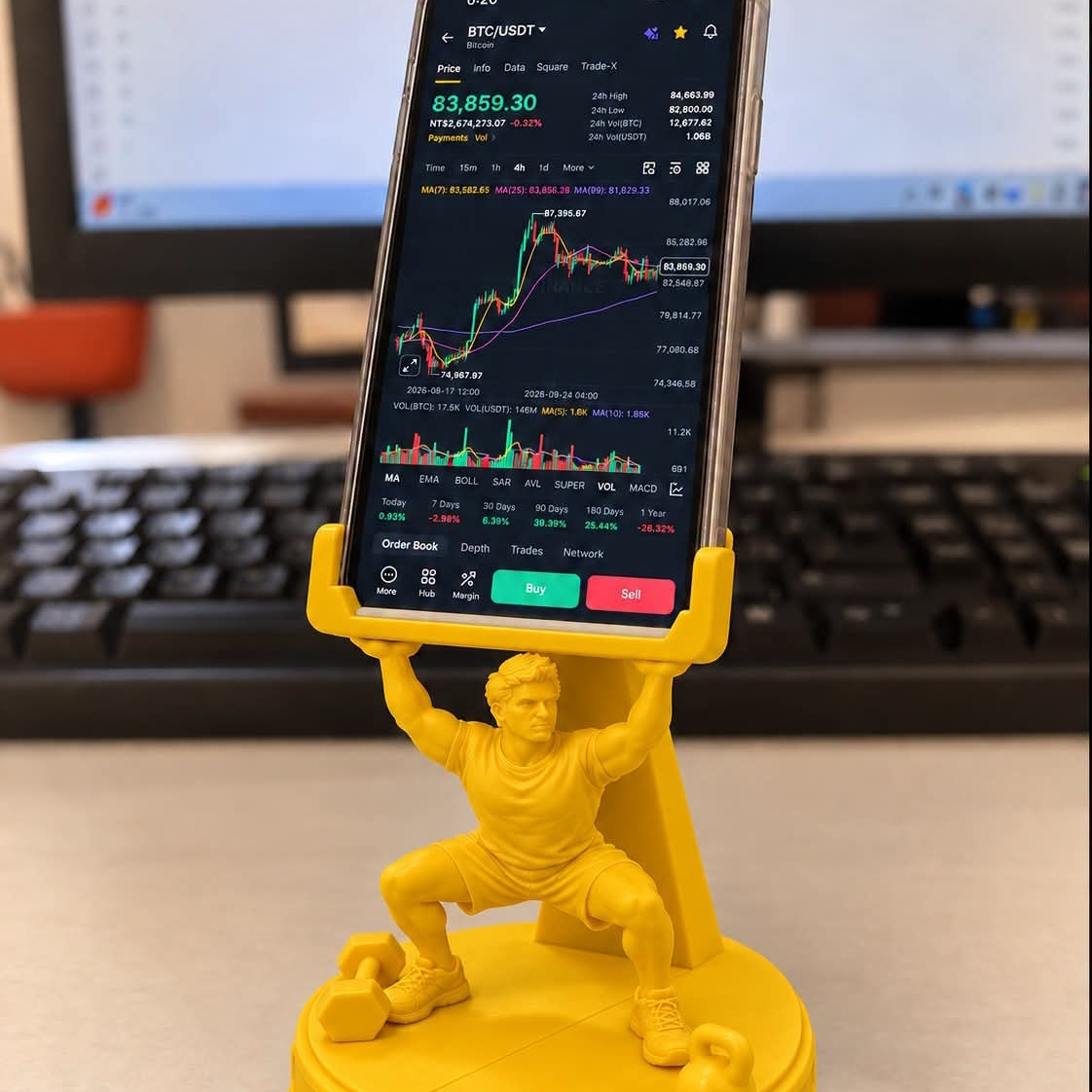
#BlockchainAssociationSubmitsGENIUSActComments 🚨 GENIUS Act Update: Blockchain Association Demands Clearer DeFi Rules
The Blockchain Association has filed official comments on the U.S. Treasury's GENIUS Act rule for payment stablecoins (Effective Jan 2027).
They support the core idea but want clarity on:
1. DASP definition
2. Knowing participation standards for DeFi
3. Foreign issuer requirements
> Is unclear DeFi language a risk for U.S. innovation? The association says we need clear rules NOW to protect users & innovation.
$USDC $BTC $ETH
#Stablecoins #DeFi #Blockchain #CryptoNewss
{spot}(USDCUSDT)
{spot}(BTCUSDT)
#BlockchainAssociationSubmitsGENIUSActComments 🚨 GENIUS Act Update: Blockchain Association Demands Clearer DeFi Rules
The Blockchain Association has filed official comments on the U.S. Treasury's GENIUS Act rule for payment stablecoins (Effective Jan 2027).
They support the core idea but want clarity on:
1. DASP definition
2. Knowing participation standards for DeFi
3. Foreign issuer requirements
> Is unclear DeFi language a risk for U.S. innovation? The association says we need clear rules NOW to protect users & innovation.
$USDC $BTC $ETH
#Stablecoins #DeFi #Blockchain #CryptoNewss
1
1
65


#BlockchainAssociationSubmitsGENIUSActComments Worked for 21s
Stablecoin regulation could shape crypto’s next chapter. The Blockchain Association is urging Treasury to clarify DeFi boundaries, liability, and foreign stablecoin rules under the GENIUS Act. I believe smart regulation should protect users without breaking innovation. #GENIUSAct
Stablecoin regulation could shape crypto’s next chapter. The Blockchain Association is urging Treasury to clarify DeFi boundaries, liability, and foreign stablecoin rules under the GENIUS Act. I believe smart regulation should protect users without breaking innovation. #GENIUSAct
1
138

·
--
🚨 Blockchain Association Submits GENIUS Act Comments! 🇺🇸
The Blockchain Association has urged the U.S. Treasury to provide clearer rules for implementing the GENIUS Act, particularly regarding stablecoins, DeFi infrastructure, and foreign-issued stablecoins.
🔹 Protect self-custody software and blockchain validators from unintended regulatory burdens.
🔹 Clarify liability standards for unlawful stablecoin issuance.
🔹 Establish practical compliance requirements for foreign-issued stablecoins.
🔹 Ensure regulations protect consumers without stifling crypto innovation.
The goal: Regulatory clarity, consumer protection, and continued blockchain innovation. ⚖️⛓️
#blockchainassociationsubmitsgeniusactcomments $BTC $ETH $SOL
{spot}(SOLUSDT)
{spot}(ETHUSDT)
{spot}(BTCUSDT)
🚨 Blockchain Association Submits GENIUS Act Comments! 🇺🇸
The Blockchain Association has urged the U.S. Treasury to provide clearer rules for implementing the GENIUS Act, particularly regarding stablecoins, DeFi infrastructure, and foreign-issued stablecoins.
🔹 Protect self-custody software and blockchain validators from unintended regulatory burdens.
🔹 Clarify liability standards for unlawful stablecoin issuance.
🔹 Establish practical compliance requirements for foreign-issued stablecoins.
🔹 Ensure regulations protect consumers without stifling crypto innovation.
The goal: Regulatory clarity, consumer protection, and continued blockchain innovation. ⚖️⛓️
#blockchainassociationsubmitsgeniusactcomments $BTC $ETH $SOL
Abu Fahadأ:
💛
1
1
258

·
--
Stablecoin regulation enters a pivotal phase | Industry association calls for clarity on DeFi boundaries | For ETH, I’d watch support first, not chase a rebound
I’m leaning cautious. Today’s discussion is not about the U.S. having already changed its stablecoin rules, but about new formal comments submitted during the rulemaking process. The exact trending topic on Binance Square is #BlockchainAssociationSubmitsGENIUSActComments. On October 19, the U.S. Blockchain Association submitted a 26-page comment letter to the Treasury Department in response to proposed rules under Section 3 of the GENIUS Act concerning the issuance, provision, and sale of payment stablecoins. The Treasury’s proposal was published in the Federal Register on August 18, with October 19 as the deadline for comments. The submission of comments is a verifiable fact, but the comments themselves are not final regulations, and we cannot assume the Treasury will adopt them.
Three points are worth watching. First, the association calls for a distinction between “digital asset service providers” and entities trading on their own account, and for statutory exclusions to be preserved for self-custody software, validators, and some peer-to-peer liquidity activities. Second, it wants ordinary secondary-market trading or market making not to be deemed knowing participation in unlawful issuance merely because the transactions occur close to the time of issuance. Third, regarding due diligence on foreign issuers, it argues that platforms should be allowed, under certain conditions, to rely on public lists maintained by regulators rather than being required to conduct unlimited independent investigations. These are requests from the association, not evidence that current rules have already been loosened.
Why discuss this in the context of ETH? Dollar stablecoins are an important medium for on-chain payments and DeFi settlement on Ethereum, so regulatory boundaries can affect compliance costs for wallets and applications. If the final rules are clear and workable, barriers to institutional access to on-chain settlement could ease. If the boundaries are vague or the burden exceeds expectations, activity could shift to other networks or centralized channels. But growth in stablecoin activity does not mean an equivalent amount of buying pressure will immediately flow into ETH, and a comment letter should not be treated as a policy benefit already delivered.
The price action has not confirmed the optimistic narrative either. At around 17:11 Beijing time, ETH/USD was about $2,377 on Kraken, below the daily open of roughly $2,405, with an intraday range of about $2,370 to $2,415. Risk assets and BTC also fluctuated during the same period, so ETH’s decline cannot simply be attributed to this comment letter. In the short term, I view $2,370 as a support line near this session’s low, and $2,405–$2,415 as the zone where a rebound would need to reclaim intraday control. If the price breaks below the former and still fails to recover it, my assessment of today’s rebound would be invalidated.
If I were trading this myself, I wouldn’t chase the price here. The only direction I’d consider is a small spot long. I’d only enter with a position size of no more than 2.5% of total capital if ETH climbs back above $2,415, holds above $2,405 on a pullback, and spot trading volume improves. I’d take half off at the first target of $2,450, reduce the position in stages at the second target of $2,490, and use a trailing stop to protect the remainder. If the price falls below $2,390 after entry, I’d stop out immediately. If it first breaks below $2,370 and then fails to rebound, I’d cancel the entry and stay out of the market. If the Treasury’s final text significantly tightens the boundaries for these activities, or if spot trading volume keeps shrinking during an ETH rebound, I’d close the remaining position rather than add to it and bet on policy. This is a conditional plan only, not a record of trades already executed.
Sources: Blockchain Association comment letter dated October 19; U.S. Treasury proposed rule published in the Federal Register on August 18; Kraken ETH/USD market data. #BlockchainAssociationSubmitsGENIUSActComments #ETH
This is only my personal market commentary and does not constitute investment advice.
11

·
--
Bullish
#blockchainassociationsubmitsgeniusactcomments
When the Blockchain Association turns in its “homework” for the GENIUS Act! 🧠💡
Have you guys heard the news?
The Blockchain Association has officially submitted its comments on the so-called “GENIUS Act.” Just hearing the name “Genius” must be putting pressure on those lawmakers! Looking deeper, this is a historic handshake (or showdown) to shape crypto legislation. The big players are arguing over how to regulate Bitcoin without stifling innovation.
What should we traders do?
1️⃣ Hold our breath and sit tight: Watch how the whales and sharks react to the new law.
2️⃣ Stay glued to the news: Read carefully to see whether this “Genius” Act will help our accounts grow xX or end up splitting them apart.
3️⃣ Buckle up: The market ahead is going to be pretty turbulent!
⚠️ This is not financial advice!
👉 Click Trade below to support me: $BTC
{spot}(BTCUSDT)
, $ETH
{spot}(ETHUSDT)
, $SOL
{spot}(SOLUSDT)
📌 Sign up for a new Binance account and get a special offer with referral code: VINHTOCDO
🔗 Link: [binance.com](http://binance.com/)
#VINHTOCDO #CryptoRegulation #CryptoNews #BitcoinLaw #Web3 #BlockchainPolicy
#blockchainassociationsubmitsgeniusactcomments
When the Blockchain Association turns in its “homework” for the GENIUS Act! 🧠💡
Have you guys heard the news?
The Blockchain Association has officially submitted its comments on the so-called “GENIUS Act.” Just hearing the name “Genius” must be putting pressure on those lawmakers! Looking deeper, this is a historic handshake (or showdown) to shape crypto legislation. The big players are arguing over how to regulate Bitcoin without stifling innovation.
What should we traders do?
1️⃣ Hold our breath and sit tight: Watch how the whales and sharks react to the new law.
2️⃣ Stay glued to the news: Read carefully to see whether this “Genius” Act will help our accounts grow xX or end up splitting them apart.
3️⃣ Buckle up: The market ahead is going to be pretty turbulent!
⚠️ This is not financial advice!
👉 Click Trade below to support me: $BTC
, $ETH
, $SOL
📌 Sign up for a new Binance account and get a special offer with referral code: VINHTOCDO
🔗 Link: binance.com
#VINHTOCDO #CryptoRegulation #CryptoNews #BitcoinLaw #Web3 #BlockchainPolicy
ABO3ZAM:
طرح ممتاز يا بطل، الأخبار القانونية دائمًا تحرك السيولة. السوق متقلب هالفترة، لا تنسوا تأمين أرباحكم وخلوا بالكم من أي كسر وهمي للدعم والمقاومة. 🤝
2
3
1.6k

·
--
U.S. Stablecoin Rules Move into Implementation Details: GENIUS Act Comment Period Ends, USDC Compliance Boundaries in FocusU.S. Stablecoin Rules Move into Implementation Details: GENIUS Act Comment Period Ends, USDC Compliance Boundaries in Focus
As of 14:33 Beijing time on October 20, 2026, #BlockchainAssociationSubmitsGENIUSActComments ranked fourth on Binance Square’s trending list, with 102 Discussing. The buzz reflects not a “stablecoin approval is imminent” announcement, but the move into implementation details for U.S. stablecoin regulation: the Blockchain Association has submitted comments on the U.S. Treasury’s proposed rules implementing Section 3 of the GENIUS Act, focusing on clarifying the boundaries around digital asset service providers, knowing participation, and foreign issuers. The Block reported around noon Beijing time today that the comment period has ended and the federal regulatory portal received 123 submissions.
U.S. Stablecoin Rules Move into Implementation Details: GENIUS Act Comment Period Ends, USDC Compliance Boundaries in Focus
U.S. Stablecoin Rules Move into Implementation Details: GENIUS Act Comment Period Ends, USDC Compliance Boundaries in Focus
As of 14:33 Beijing time on October 20, 2026, #BlockchainAssociationSubmitsGENIUSActComments ranked fourth on Binance Square’s trending list, with 102 Discussing. The buzz reflects not a “stablecoin approval is imminent” announcement, but the move into implementation details for U.S. stablecoin regulation: the Blockchain Association has submitted comments on the U.S. Treasury’s proposed rules implementing Section 3 of the GENIUS Act, focusing on clarifying the boundaries around digital asset service providers, knowing participation, and foreign issuers. The Block reported around noon Beijing time today that the comment period has ended and the federal regulatory portal received 123 submissions.
As of 14:33 Beijing time on October 20, 2026, #BlockchainAssociationSubmitsGENIUSActComments ranked fourth on Binance Square’s trending list, with 102 Discussing. The buzz reflects not a “stablecoin approval is imminent” announcement, but the move into implementation details for U.S. stablecoin regulation: the Blockchain Association has submitted comments on the U.S. Treasury’s proposed rules implementing Section 3 of the GENIUS Act, focusing on clarifying the boundaries around digital asset service providers, knowing participation, and foreign issuers. The Block reported around noon Beijing time today that the comment period has ended and the federal regulatory portal received 123 submissions.
48

·
--
#blockchainassociationsubmitsgeniusactcomments
🚨 Blockchain Association Shares Key Views on the GENIUS Act! ⚖️
Blockchain Association, one of the crypto industry’s strongest advocates in the United States, has submitted its official assessment and comments on the bill known as the GENIUS Act to the relevant authorities! 📝💡 This legislative step, which could directly affect the future of the crypto ecosystem and innovation, has moved to the top of the regulatory agenda. 📈🔥
Here are the key points from Blockchain Association’s submission:
Innovation Must Be Unimpeded! 🚀 The Association argues that the bill should not stifle digital asset innovation or blockchain technologies. It calls for a flexible, constructive legal framework to prevent the industry from moving outside the United States. 🇺🇸❌The Need for Clear and Precise Definitions! 📊🔍 The submission emphasizes that technical terms, smart contracts, and decentralized structures within the crypto ecosystem must be defined accurately. It warns that incorrect or overly broad definitions could harm well-intentioned developers. 🛡️💻A Stand Against Excessive Oversight! 🙅♂️🛑 Blockchain Association says that bureaucratic barriers and overly aggressive oversight mechanisms would harm the ecosystem, and has urged regulators to find common ground with industry representatives through a balanced approach. 🤝⚖️
Takeaway for Crypto Investors: Legislative developments and lobbying efforts in the United States directly shape institutional confidence in the market. The final versions of bills like the GENIUS Act could trigger long-term bull or bear trends! 🐻 or 🐂? It’s important to stay tuned. 🛡️💰
#CryptoRegulations #Blockchain #USA
$SOL $STX $HBAR
{future}(HBARUSDT)
{future}(STXUSDT)
{future}(SOLUSDT)
#blockchainassociationsubmitsgeniusactcomments
🚨 Blockchain Association Shares Key Views on the GENIUS Act! ⚖️
Blockchain Association, one of the crypto industry’s strongest advocates in the United States, has submitted its official assessment and comments on the bill known as the GENIUS Act to the relevant authorities! 📝💡 This legislative step, which could directly affect the future of the crypto ecosystem and innovation, has moved to the top of the regulatory agenda. 📈🔥
Here are the key points from Blockchain Association’s submission:
Innovation Must Be Unimpeded! 🚀 The Association argues that the bill should not stifle digital asset innovation or blockchain technologies. It calls for a flexible, constructive legal framework to prevent the industry from moving outside the United States. 🇺🇸❌The Need for Clear and Precise Definitions! 📊🔍 The submission emphasizes that technical terms, smart contracts, and decentralized structures within the crypto ecosystem must be defined accurately. It warns that incorrect or overly broad definitions could harm well-intentioned developers. 🛡️💻A Stand Against Excessive Oversight! 🙅♂️🛑 Blockchain Association says that bureaucratic barriers and overly aggressive oversight mechanisms would harm the ecosystem, and has urged regulators to find common ground with industry representatives through a balanced approach. 🤝⚖️
Takeaway for Crypto Investors: Legislative developments and lobbying efforts in the United States directly shape institutional confidence in the market. The final versions of bills like the GENIUS Act could trigger long-term bull or bear trends! 🐻 or 🐂? It’s important to stay tuned. 🛡️💰
#CryptoRegulations #Blockchain #USA
$SOL $STX $HBAR
ABO3ZAM:
الأخبار هذي قد تسبب تذبذب عالي، خل عينك على مستويات الدعم الحالية ولا تستعجل بالدخول قبل ما نشوف ثبات فوق القمم الأخيرة 🎯
1
1k

·
--
$NEAR/USDT
NEAR just got absolutely hammered. Down 5.5% today, and if you look at that massive red volume spike at the bottom, it wasn't a slow bleed — someone hit the bid hard and flushed price straight down to 4.749.
But look at what happened right after. Price V-bottomed instantly and ripped all the way back to 4.80. That's a violent rejection of the lows.
Right now, we're sitting at 4.779. The problem? We are pinned directly under the descending MA60 (currently at 4.789). Price has been respecting this moving average as dynamic resistance all day, and we are currently failing to break back above it.
This is a classic post-flush compression. Shorts who caught that massive red candle are probably trailing stops just above 4.80. Longs who bought the absolute bottom are looking to take quick profits.
I’m not touching this in the middle. We are literally sandwiched between the 24h low at 4.75 and the MA60 resistance at 4.79. That’s a $0.04 range on a coin moving this fast. The risk-to-reward is garbage right here.
What I’m watching:
I want to see NEAR reclaim the MA60 (4.789) and hold it. If we get a 15m or 1h close above 4.80, the momentum will likely shift, and we could see a squeeze back toward the 24h high at 5.14.
The alternative: If this bounce fails, and we reject off the MA60, I expect a retest of that 4.75 liquidity zone. If 4.75 breaks, the real flush begins.
My take: The bounce looks aggressive, but the structure is still heavy. I’d rather wait for a clean reclaim of 4.80 before looking for a long, or wait for a double-top rejection here to short it back down.
Are you fading this bounce at the MA60, or waiting for a breakout above 4.80?
$NEAR #Write2Earn #Write2Earn! #BlockchainAssociationSubmitsGENIUSActComments
$NEAR /USDT
NEAR just got absolutely hammered. Down 5.5% today, and if you look at that massive red volume spike at the bottom, it wasn't a slow bleed — someone hit the bid hard and flushed price straight down to 4.749.
But look at what happened right after. Price V-bottomed instantly and ripped all the way back to 4.80. That's a violent rejection of the lows.
Right now, we're sitting at 4.779. The problem? We are pinned directly under the descending MA60 (currently at 4.789). Price has been respecting this moving average as dynamic resistance all day, and we are currently failing to break back above it.
This is a classic post-flush compression. Shorts who caught that massive red candle are probably trailing stops just above 4.80. Longs who bought the absolute bottom are looking to take quick profits.
I’m not touching this in the middle. We are literally sandwiched between the 24h low at 4.75 and the MA60 resistance at 4.79. That’s a $0.04 range on a coin moving this fast. The risk-to-reward is garbage right here.
What I’m watching:
I want to see NEAR reclaim the MA60 (4.789) and hold it. If we get a 15m or 1h close above 4.80, the momentum will likely shift, and we could see a squeeze back toward the 24h high at 5.14.
The alternative: If this bounce fails, and we reject off the MA60, I expect a retest of that 4.75 liquidity zone. If 4.75 breaks, the real flush begins.
My take: The bounce looks aggressive, but the structure is still heavy. I’d rather wait for a clean reclaim of 4.80 before looking for a long, or wait for a double-top rejection here to short it back down.
Are you fading this bounce at the MA60, or waiting for a breakout above 4.80?
$NEAR #Write2Earn #Write2Earn! #BlockchainAssociationSubmitsGENIUSActComments
1
1.3k

·
--
🚀 $LUNC — IS THE NEXT MOVE ABOUT TO BEGIN? 👀🔥
LUNC is still on my watchlist! ⚡ One breakout could change the momentum, but confirmation is key. 📈
👀 Watch the chart. Stay alert. Manage your risk!
💬 Are you BULLISH or BEARISH on $LUNC? 🔥
#LUNC #TerraClassic #Crypto #BlockchainAssociationSubmitsGENIUSActComments Binance #Altcoins
🚀 $LUNC — IS THE NEXT MOVE ABOUT TO BEGIN? 👀🔥
LUNC is still on my watchlist! ⚡ One breakout could change the momentum, but confirmation is key. 📈
👀 Watch the chart. Stay alert. Manage your risk!
💬 Are you BULLISH or BEARISH on $LUNC ? 🔥
#LUNC #TerraClassic #Crypto #BlockchainAssociationSubmitsGENIUSActComments Binance #Altcoins
LUNC is still on my watchlist! ⚡ One breakout could change the momentum, but confirmation is key. 📈
👀 Watch the chart. Stay alert. Manage your risk!
💬 Are you BULLISH or BEARISH on $LUNC ? 🔥
#LUNC #TerraClassic #Crypto #BlockchainAssociationSubmitsGENIUSActComments Binance #Altcoins
Felipe Brayner:
Com certeza! O $LUNC está a testar zonas cruciais. Um rompimento com volume expressivo pode dar um bom impulso, mas a paciência e a confirmação do movimento são vitais. Acompanhar de perto a gestão de risco e as zonas de suporte/resistência faz toda a diferença. Seguimos atentos! 📈🚀 SIGA ME 🇧🇷.
4
19
2.9k

·
--
Bullish
$ETH /USDT — Buyers Are Pressing Into Resistance
ETH has shifted bullish after sweeping the $2,372 liquidity zone and recovering aggressively. Buyers have reclaimed the $2,405 area and pushed price toward the $2,426 high, where buy-side liquidity sits.
The momentum is strong, but price is now testing resistance. Chasing this move here offers poor risk-to-reward.
Trade Plan — Long on Confirmation
Entry: $2,417–$2,420 on a successful retest
Stop Loss: $2,408
TP1: $2,435
TP2: $2,445
I want to see previous resistance hold as support before entering. If buyers defend the retest, continuation is on the table.
Invalidation: A decisive break below $2,408 weakens the bullish setup. If price rejects the $2,426 high and loses the breakout structure, I’ll stay out and reassess.
Let price confirm the move. No chasing, no forced entries.
#SwitzerlandApprovesFirstBitcoinETF #KOSPIFallsMoreThan2% #ElicePlunges33%InKoreanIPODebut #BlockchainAssociationSubmitsGENIUSActComments
131

Log in to explore more content
Join global crypto users on Binance Square
⚡️ Get latest and useful information about crypto.
💬 Trusted by the world’s largest crypto exchange.
👍 Discover real insights from verified creators.
Email / Phone number
Trending Topics
1
#EarningsSeason
1.2M views
5,712 Discussing
2
#JPMorganPredictsBitcoinBestPerformingAssetOverNextDecade
8,223 views
43 Discussing
3
#InjectiveSignsMoUToMakeKRW1ExclusiveWonSettlementAsset
7,631 views
35 Discussing
4
#SwitzerlandApprovesFirstBitcoinETF
57,425 views
850 Discussing
5
#SkyAISellsAllSOLAndLaunchesCashTenderOffer
55,067 views
768 Discussing
6
#BankNegaraMalaysiaReportedlyLaunchesTokenizedBondPlatform
2,278 views
44 Discussing
7
#USBitcoinETFsRecord$527MInflows
10,671 views
89 Discussing
8
#ArbitrumProposalSeeks100MillionARBToBoostUSDGAdoption
2,997 views
55 Discussing
9
#KOSPIFallsMoreThan2%
96,654 views
1,229 Discussing
10
#ElicePlunges33%InKoreanIPODebut
42,508 views
858 Discussing