
#defi
defi
58.2M views
311,388 Discussing
Hot
Latest

·
--
⚠️ Garuda DeFi Attacks: A Wake-Up Call for $LUNC Holders
Five security incidents hit Garuda DeFi between October 20 and 31.
The attacks involved compromised wallets, drained staking pools and malicious wallet approval pop-ups.
Reported losses were around $7,200 in LUNC and 176 USDC.
Thankfully, this was an application-level security issue, not a hack of the Terra Classic core blockchain.
One question: Do you check wallet permissions before approving transactions?
#LUNC #defi #CryptoSecurity #TerraClassic
4
1.1k

·
--
Verified
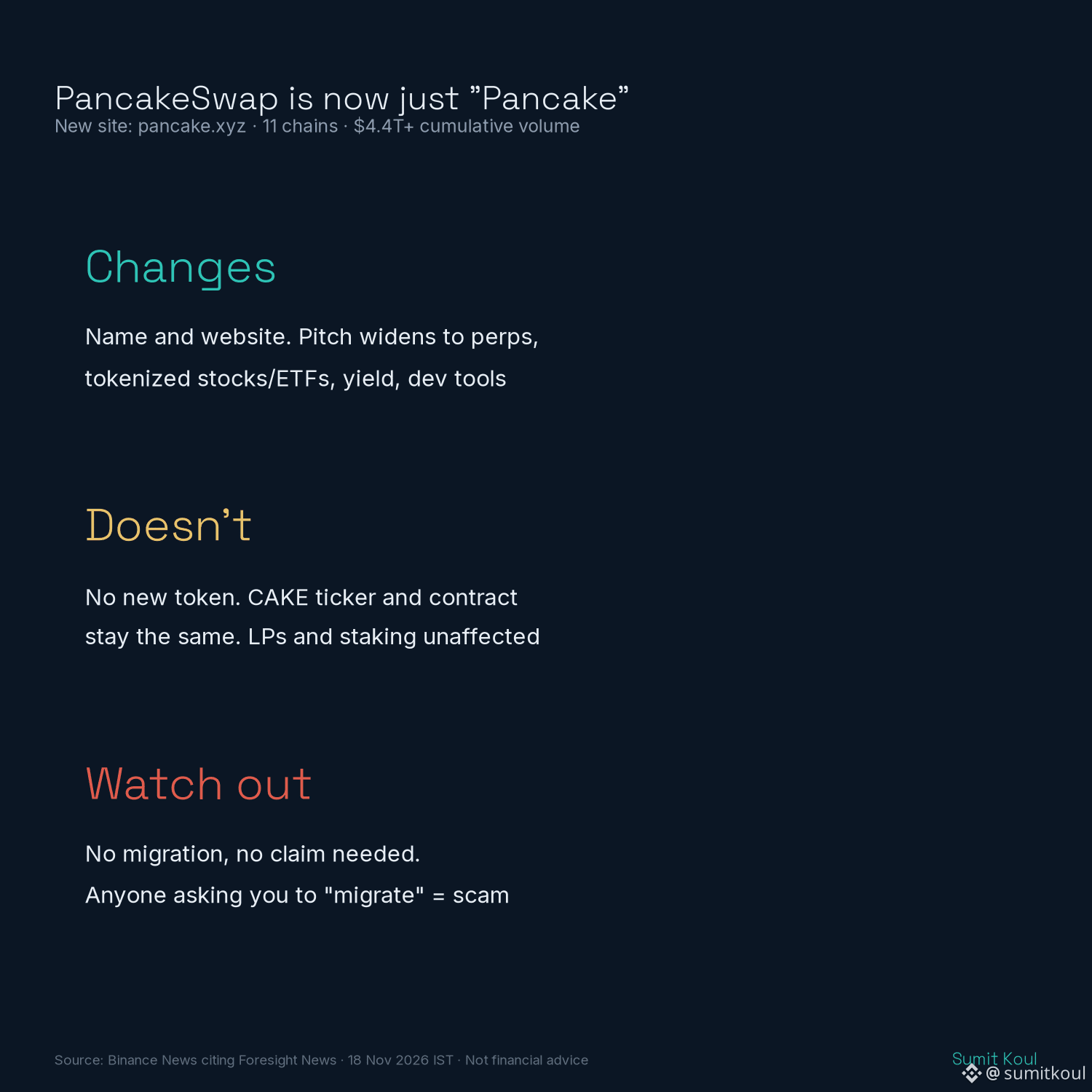
PancakeSwap is now just "Pancake." Here's what that does and doesn't mean for your CAKE. 🥞
What changes:
• Name and website (pancake.xyz)
• The pitch: perps, tokenized stocks and ETFs, yield products and developer tools, not just swaps
• It runs on 11 chains with $4.4T+ cumulative volume
What doesn't:
• No new token. The $CAKE ticker and contract stay the same
• LP positions and CAKE staking are unaffected
• No migration and nothing to claim
That last point is the important one. Rebrands are a favourite moment for scammers. Anyone telling you to "migrate" or "claim" new tokens is not Pancake.
Not financial advice.
#DeFi #BNBChain #CryptoSecurity
1
366

·
--
Bullish
🥞 CAKE (PancakeSwap) – Professional Crypto Analysis
CAKE is one of the established DeFi tokens, powering the PancakeSwap ecosystem on BNB Chain.
💰 Current Price: $1.61
📊 Market Cap: Approx. $536M
🪙 Circulating Supply: 332.22M CAKE
🔒 Maximum Supply: 400M CAKE
📈 Technical Analysis
CAKE is facing short-term selling pressure, but the $1.55–$1.56 zone is an important support area.
🔹 Support 1: $1.55
🔹 Support 2: $1.45
🔹 Resistance 1: $1.64
🔹 Resistance 2: $1.75
🔹 Resistance 3: $2.00
🚀 Bullish Scenario:
A strong breakout above $1.64 could open the way towards $1.75 and $2.00. A sustained move above $2 could improve the medium-term outlook.
🐻 Bearish Scenario:
A breakdown below $1.55 could bring $1.45 into focus.
🔥 Why CAKE Deserves Attention
• PancakeSwap has a major DeFi ecosystem.
• CAKE benefits from trading-fee buybacks and token burns.
• Its maximum supply is capped at 400 million.
• The project has recorded 38 consecutive months of net supply reduction through October 2026.
🎯 Bull Run Watchlist: $3 → $5 → $8 (speculative targets, not guaranteed).
My View: CAKE deserves attention for a potential long-term recovery, but confirmation above resistance is important. Avoid chasing pumps.
⚠️ Crypto is high risk. Always use proper risk management.
#CAKE #PancakeSwap #BNBChain #DeFi #CryptoAnalysis

1
39

·
--
🚨 Ethereum’s concentrated builder market enables Phylax’s new DeFi security tool, which allows protocols to block harmful transactions. This centralizes control, sparking censorship concerns and potential protocol fragmentation.
Market implication: Traders should monitor ETH for volatility spikes as governance debates intensify.
Will Ethereum sacrifice decentralization for enhanced security? #Ethereum #DeFi
$ETH #TradingSignal #CryptoAnalysis
Market implication: Traders should monitor ETH for volatility spikes as governance debates intensify.
Will Ethereum sacrifice decentralization for enhanced security? #Ethereum #DeFi
$ETH #TradingSignal #CryptoAnalysis
4

·
--
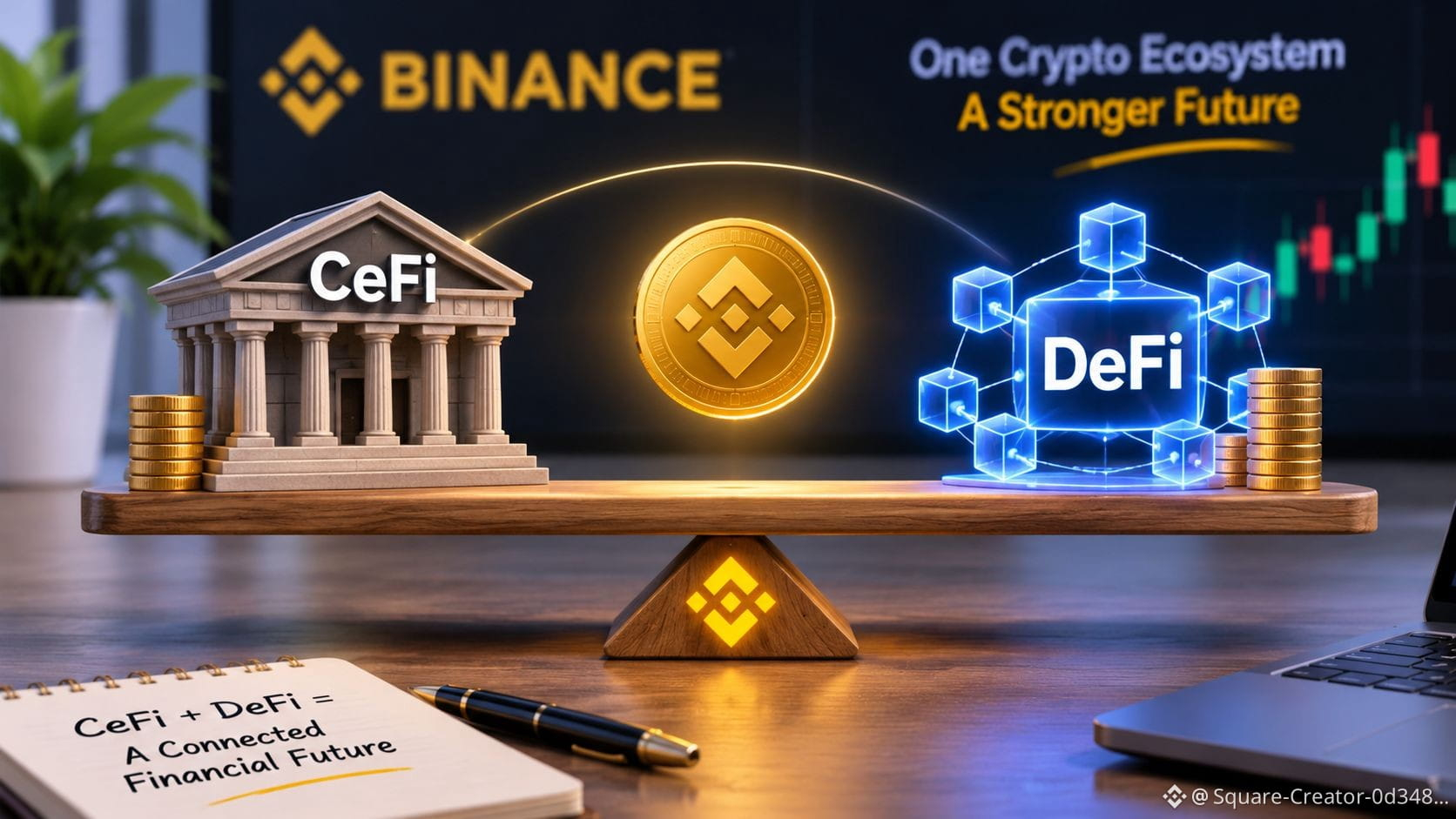
🧧 CeFi vs DeFi: Is the Future of Crypto a Combination of Both?
The crypto industry is moving beyond the debate between centralized and decentralized finance.
CeFi offers convenience, familiar interfaces, customer support, and access to deep liquidity. DeFi, on the other hand, brings transparency, self-custody, permissionless access, and smart-contract-based financial services.
But what if the future is not about choosing one over the other?
We are seeing a growing convergence between these two models.
Through exchange services, Web3 wallets, and public blockchain ecosystems such as BNB Chain, users can increasingly move between centralized platforms and decentralized applications.
In my view, this combination could make crypto more accessible and useful, especially as blockchain technology connects with traditional financial services.
However, convenience should never come at the cost of security.
Centralized platforms involve custody and counterparty risks, while DeFi users face smart contract vulnerabilities, liquidity risks, and the responsibility of managing their own wallets.
The real challenge is not simply connecting CeFi and DeFi. It is making that connection secure, transparent, and accessible.
I believe the next phase of crypto adoption will depend on how well these two worlds work together.
What do you think: Will CeFi and DeFi eventually become part of one connected financial ecosyste #defi Fi #CeFiToDeFi #BNBChain. hain #Crypto
RIVELU:
bnb
4
3
13

·
--
DeFi's got a lot of moving parts, but one concept's key: liquidity pools. It's like a big jar where people throw in their assets, and it helps make trades smoother. Imagine you're at a market, and you want to buy something, but there's no one selling. That's a problem. Liquidity pools fix that by giving traders a place to buy and sell. It's a win-win, really. People who put their assets in the pool can earn a bit of cash, and traders get to make their moves without huge swings. That's DeFi in a nutshell. #DeFi #LiquidityPools #YieldFarming
DeFi's got a lot of moving parts, but one concept's key: liquidity pools. It's like a big jar where people throw in their assets, and it helps make trades smoother. Imagine you're at a market, and you want to buy something, but there's no one selling. That's a problem. Liquidity pools fix that by giving traders a place to buy and sell. It's a win-win, really. People who put their assets in the pool can earn a bit of cash, and traders get to make their moves without huge swings. That's DeFi in a nutshell. #DeFi #LiquidityPools #YieldFarming
7
·
--
Bullish
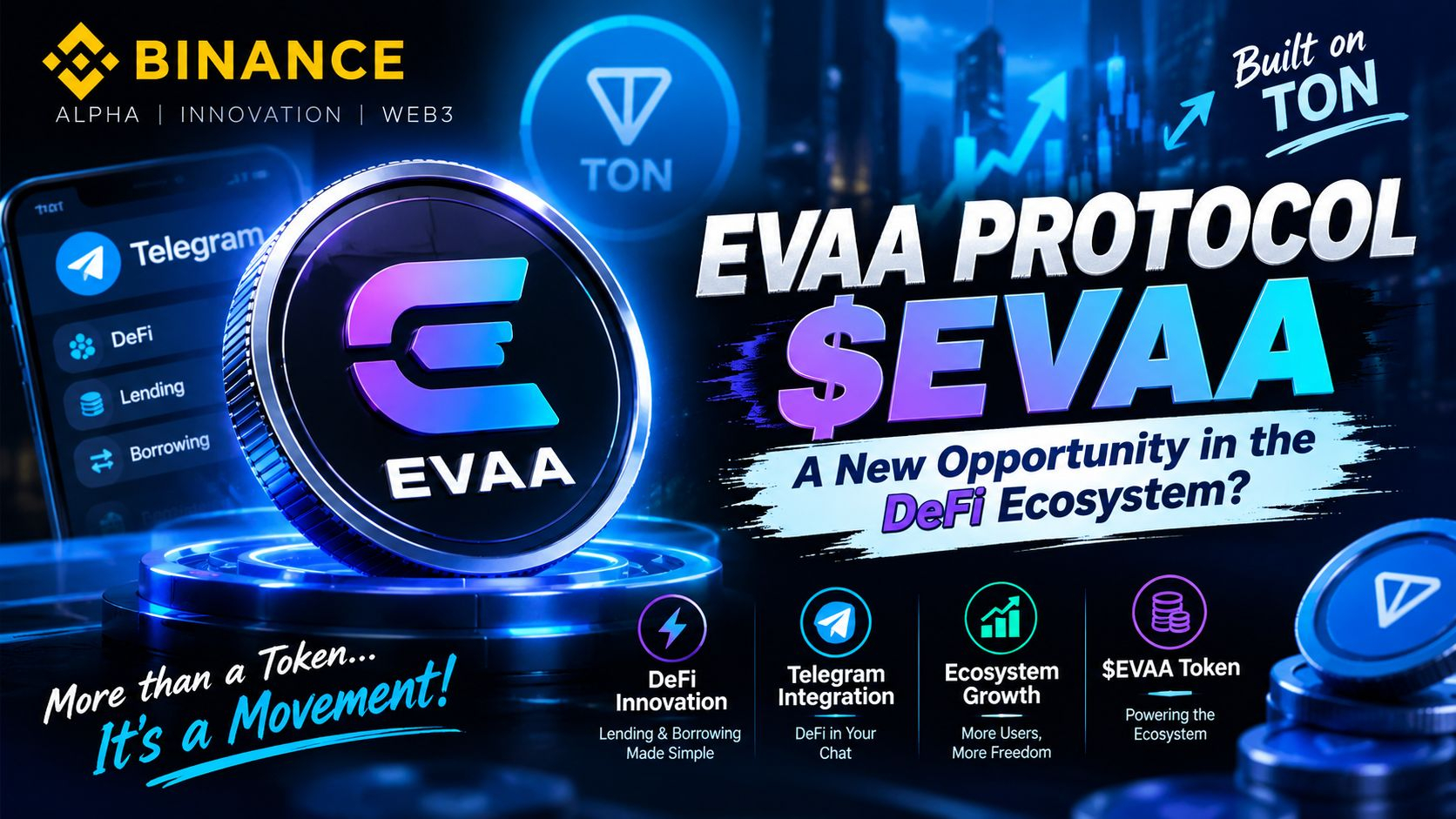
🚀 EVAA Protocol ($EVAA): A New Opportunity in the DeFi Ecosystem?
The crypto space is constantly evolving, and DeFi projects are becoming an important part of that journey.
One project worth keeping an eye on is EVAA Protocol ($EVAA), built around the TON ecosystem.
What makes EVAA interesting?
🔹 DeFi Innovation: Bringing lending and borrowing opportunities to users.
🔹 Telegram Integration: Making decentralized finance more accessible through Telegram.
🔹 Ecosystem Growth: Building tools that connect users with decentralized financial services.
🔹 $EVAA Token: Playing a role in the protocol's ecosystem.
I believe the real test for any DeFi project is not just its token price, but how many people actually use its products.
I'm watching EVAA's development, adoption, and long-term potential rather than chasing short-term price movements.
What do you think about $EVAA? Can it become a major name in the TON DeFi ecosystem?
#EVAA #TON #DeFi #Crypto #BinanceSquare
$EVAA
{alpha}(560xaa036928c9c0df07d525b55ea8ee690bb5a628c1)
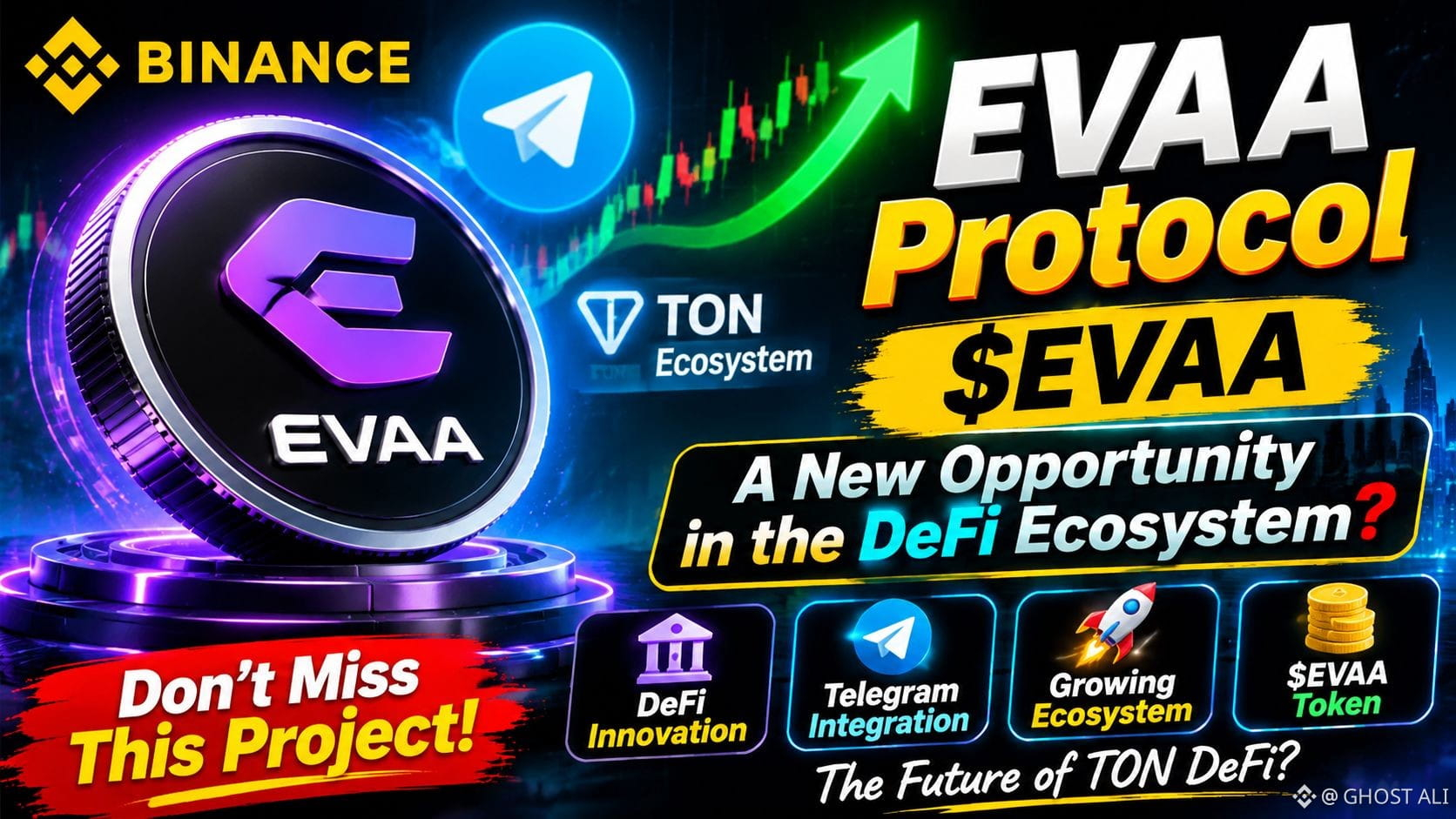
🚀 EVAA Protocol ($EVAA ): A New Opportunity in the DeFi Ecosystem?
The crypto space is constantly evolving, and DeFi projects are becoming an important part of that journey.
One project worth keeping an eye on is EVAA Protocol ($EVAA ), built around the TON ecosystem.
What makes EVAA interesting?
🔹 DeFi Innovation: Bringing lending and borrowing opportunities to users.
🔹 Telegram Integration: Making decentralized finance more accessible through Telegram.
🔹 Ecosystem Growth: Building tools that connect users with decentralized financial services.
🔹 $EVAA Token: Playing a role in the protocol's ecosystem.
I believe the real test for any DeFi project is not just its token price, but how many people actually use its products.
I'm watching EVAA's development, adoption, and long-term potential rather than chasing short-term price movements.
What do you think about $EVAA ? Can it become a major name in the TON DeFi ecosystem?
#EVAA #TON #DeFi #Crypto #BinanceSquare
$EVAA
1
460

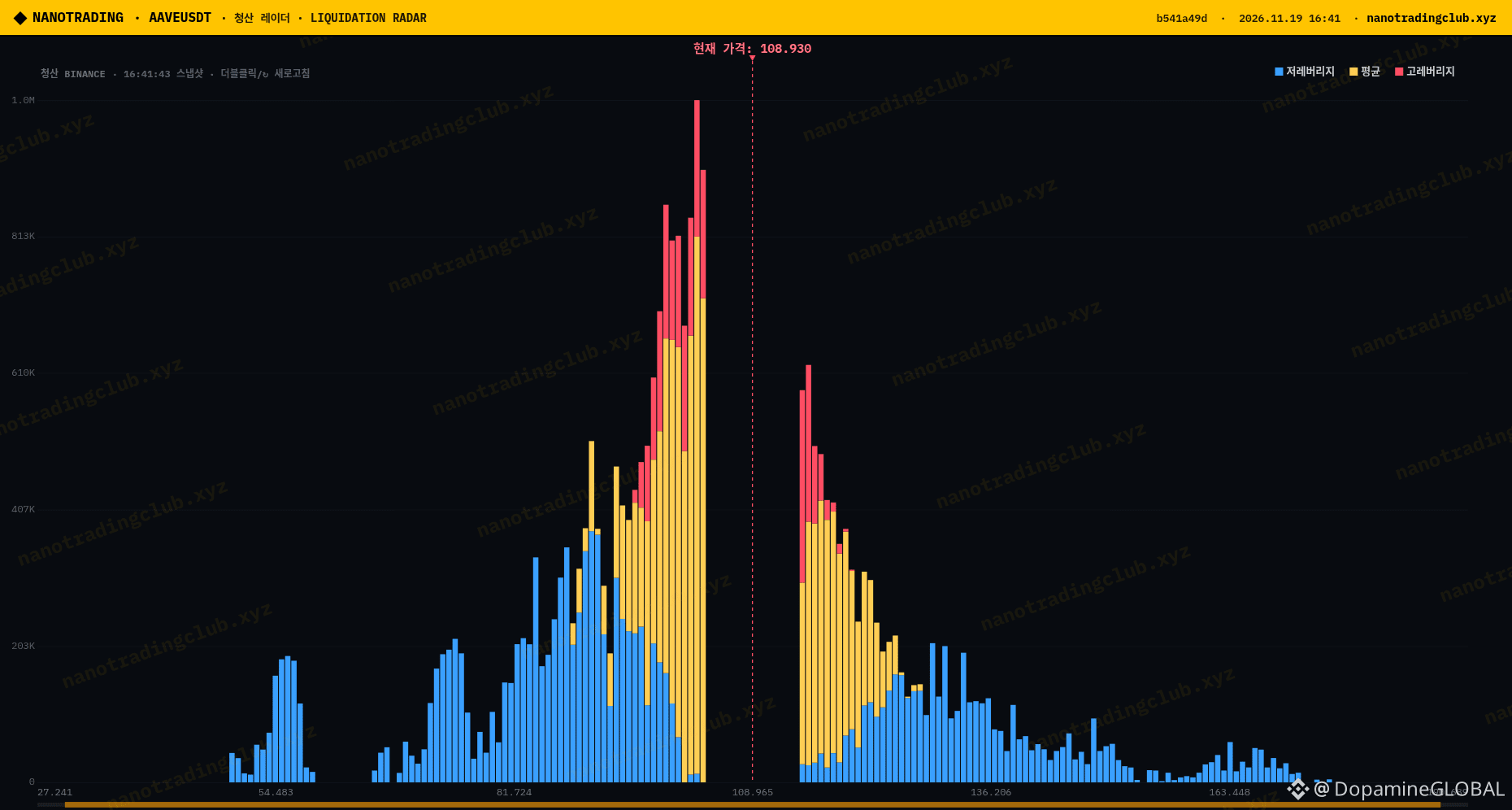
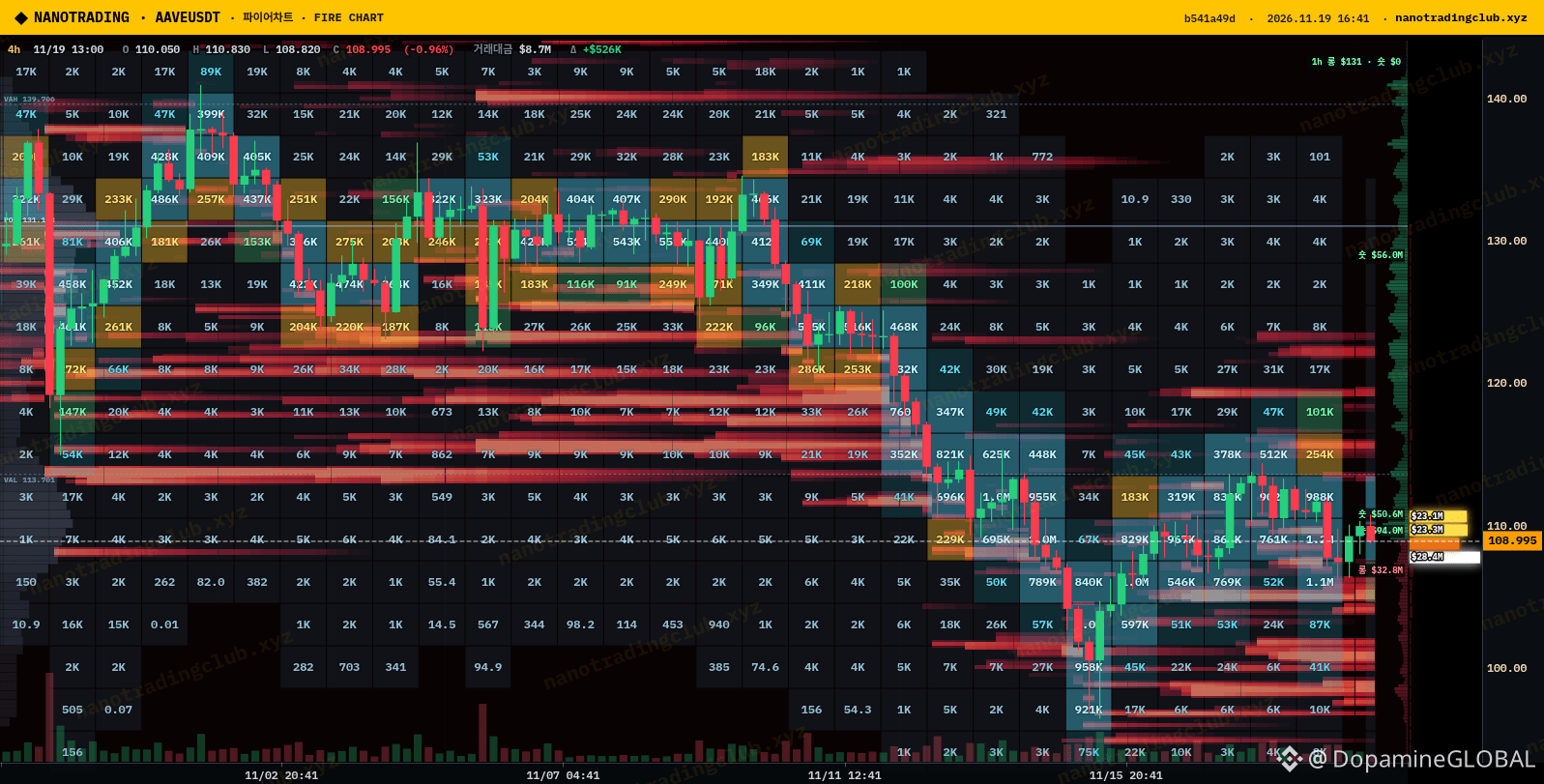
$AAVE is sitting right between two liquidation pools on the NanoTrading radar, quick poll 👇
Price ~108.9. The heavier cluster is just below at roughly 107-108 (peaks near 1.0M on the radar axis, avg leverage with a high-lev top), with a second block around 95-100. Above, the pool sits at ~110-111 (about 0.7M) and thins out past ~118. On the 4h heatmap the strongest streaks are packed just under price.
Levels are read off the chart axis, so treat them as zones.
Which gets swept first?
A) down into 107-108 longs
B) up into 110-111 shorts
C) chops between both all evening
Drop A, B or C below.
Data: NanoTrading liquidation radar + 4h liq heatmap. NFA.
#NanoTrading #AAVE #DeFi #Liquidation
14

$AAVE is holding its line while the market bleeds.
Aave — the biggest lending protocol in DeFi — is trading near $109.50, down ~2.2% today. It found buyers around $106.30, the day's low, and it's sitting just above support at $107.18. Resistance above: $111.83.
RSI is 38 — weak, but not oversold yet. The coin is down 26% this month and 83% below its $663 all-time high from 2021.
In a market where $BTC is stuck near $63.5K and fear is extreme, Aave is one of the few DeFi names not making fresh lows. If $107 holds, $112 is the next level to watch. If it breaks, $106 is next.
Not financial advice. DYOR.
#Aave #DeFi #Crypto


·
--
🚨 $3.4M sBOLD vault hack: Ethereum block builders took the biggest cut
Attackers emptied about $3.4 million from K3 Capital's sBOLD savings vault on Ethereum in roughly eight minutes on Wednesday by gaming how the vault valued its shares. An automated trading bot copied the exploit and grabbed $1.91 million, 56% of the total, but paid most of it to block builders to get its transactions in first. Bitquery data shows builders received about $1.78 million, while the original attacker ended up with only around $520,000.
⭐ A fresh reminder of the security risks in DeFi yield vaults, and of how cutthroat MEV competition on Ethereum has become.
#CryptoNews #DeFi #Ethereum #Hack #MEV

111
·
--
Verified
🔍 WHAT IS BEHIND THE MMT TOKEN?
Momentum is more than just a trading ticker.
Built around the Sui ecosystem, it offers DeFi products including:
• Decentralized trading
• Liquid staking
• Automated yield vaults
• Treasury management
Its veMMT model also connects token locking with governance.
The real question is whether platform usage can grow alongside the token's price.
#MMT #sui #defi #momentum
91
·
--
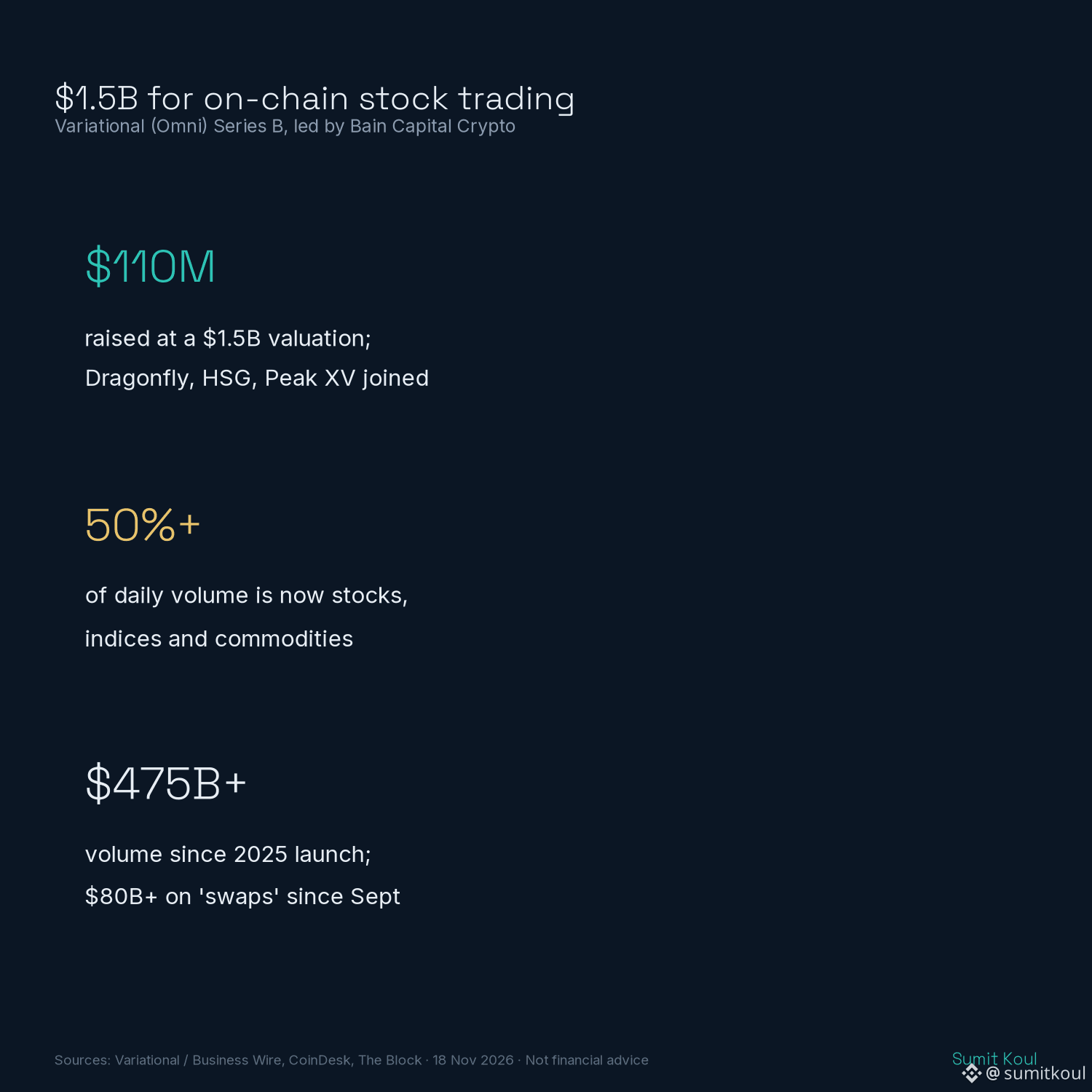
Bain Capital Crypto just led a $110M round for a platform where most of the volume isn't crypto. 📈
Variational (Omni) is now valued at $1.5B. More than half of its daily volume is stocks, indices and commodities, traded on-chain.
$475B+ volume since its 2025 launch. $80B+ on its new "swaps" since September.
Trading is commission-free, but the house earns the spread and swaps carry financing costs. Read the fine print before you trade.
Would you trade stocks on-chain? 👇
#DeFi #OnchainTrading #Crypto
Not financial advice.
2

·
--
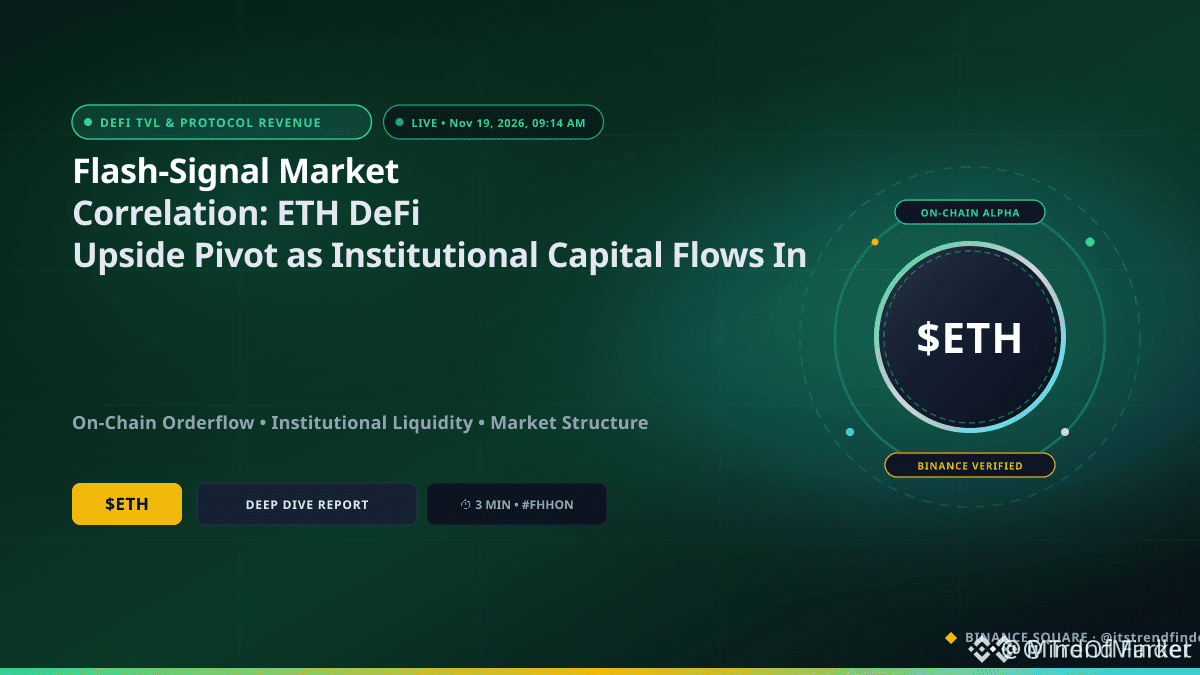
🦈 $ETH INSTITUTIONAL CAPITAL FLOWS REVEAL A MAJOR STRUCTURAL SHIFT IN DEFI YIELDS!
Smart money footprints are increasingly evident as $ETH liquidity anchors near the forty billion dollar TVL threshold. 📊 Layer-two ecosystems and restaking protocols are absorbing relentless capital velocity, driving robust AMM fee generation away from speculative retail froth.
Meanwhile, $SOL and $AAVE continue expanding cross-chain utility, but institutional depth firmly anchors the macro advantage right here. 💡 Are you realigning your portfolio structure to capture this institutional rotation into utility-driven yield? 👇
⚠️ Not financial advice. Always manage your risk. 🛡️
🏷️ #ETH #SmartMoney #DeFi #InstitutionalFlows
🔥
5

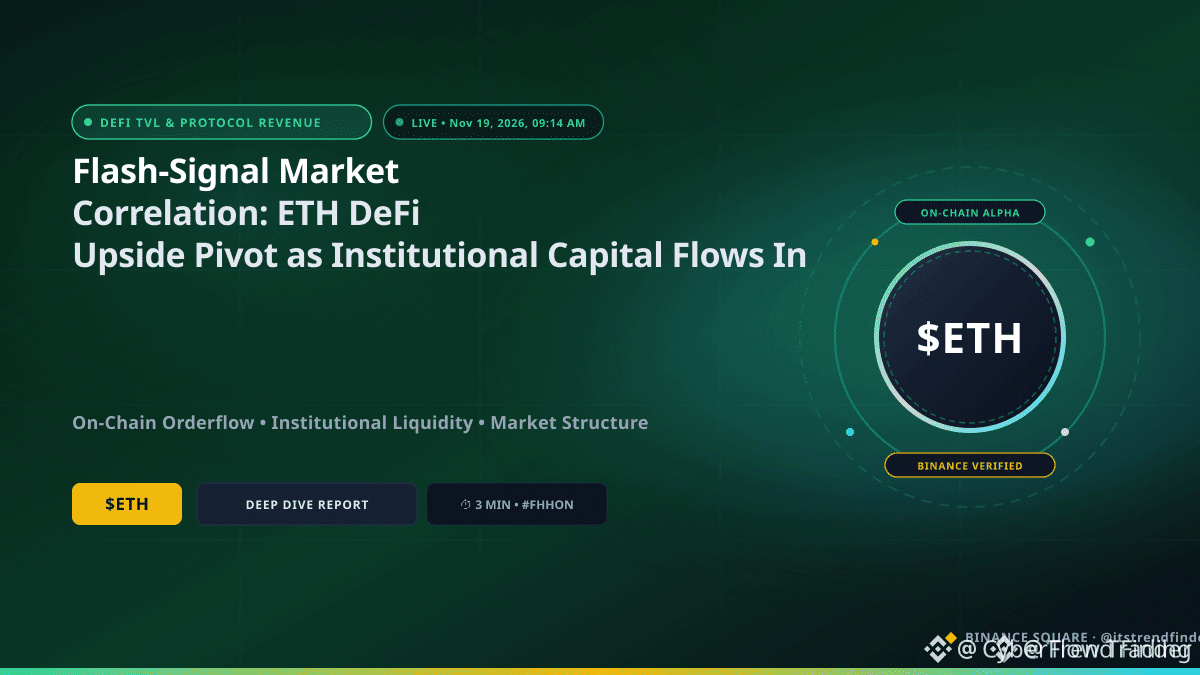
🦈 $ETH WHALE ACCUMULATION SURGES AS INSTITUTIONAL CAPITAL FLOODS DEFI YIELDS! ⚡
Smart money is quietly pivoting hard into Ethereum infrastructure as institutional allocations outpace retail froth. 🌊 Network TVL holds strong near forty billion with steady multi-day expansion driven by restaking protocols. 📊
Layer-two activity is soaking up massive spot volume while $SOL and $AAVE capture complementary cross-chain liquidity. 💡 This structural shift signals deep demand rather than fleeting speculative noise. ⚡
How are you positioning your portfolio to capture this institutional rotation into digital asset yields? 🤔
⚠️ Not financial advice. Always manage your risk. 🛡️
🏷️ #ETH #DeFi #SmartMoney #Crypto
🔥 💎
7

·
--
Wrapped XRP went live in Solana DeFi through Hex Trust custody, extending XRP utility beyond its own rails while XRP presses $1 at $0.9796, +2.3%. Bridges expand reach. Tracking utility or just price? $XRP $SOL #defi #WriteToEarn NFA
Wrapped XRP went live in Solana DeFi through Hex Trust custody, extending XRP utility beyond its own rails while XRP presses $1 at $0.9796, +2.3%. Bridges expand reach. Tracking utility or just price? $XRP $SOL #defi #WriteToEarn NFA
7

·
--
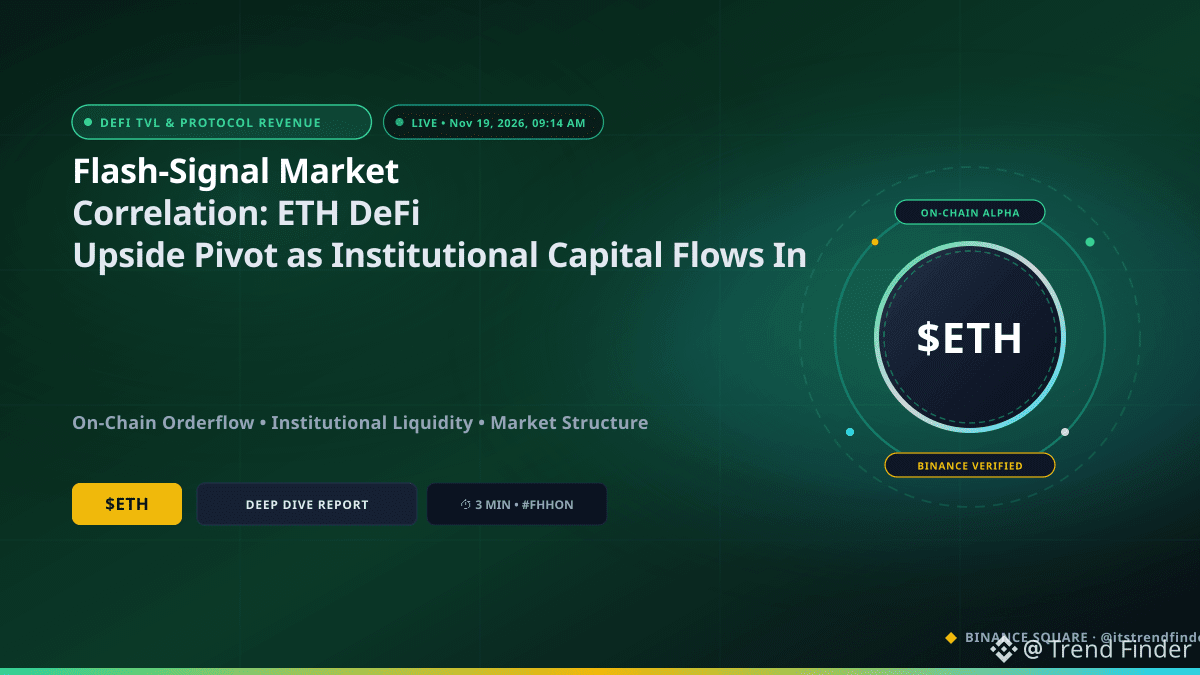
Flash-Signal Market Correlation: ETH DeFi Upside Pivot as Institutional Capital Flows In
From my desk, it is clear the narrative on $ETH is shifting, and smart money is already positioning. We are seeing a compelling pivot in Ethereum's DeFi landscape today, driven by a noticeable increase in institutional capital allocation rather than simple retail froth. Serious liquidity is finding its way into utility-driven signals, matching our preferred risk posture this week.
Digging into the latest on-chain data, Ethereum TVL is showing resilience, hovering around 40 billion dollars with a steady 7-day growth of approximately 2.5 percent. This consistent uptick is a strong indicator of underlying demand, particularly across liquid staking and restaking sectors where protocols like EigenLayer continue expanding. Capital efficiency and yield optimization are clearly driving these allocation models.
What stands out is how this institutional interest influences market structure. While overall DEX-to-CEX volume dominance fluctuates, Ethereum Layer-2 solutions are capturing an increasing share of spot trading activity, resulting in robust AMM fee generation. This points to a heavily utilized network rather than speculative holding.
Comparing this across the broader board, $SOL continues its rapid expansion in transaction counts and high-throughput user adoption, while tokens like $AAVE see rising stablecoin borrowing utilization from cross-chain yield farming. Yet, for institutional depth, ETH still holds the macro advantage. This growing capital velocity acts as a positive correlation for BTC as well, reflecting broader confidence in digital assets while Binance Futures rolls out new TradFi USD-Margined contracts.
How are you adjusting your portfolio to account for this institutional pivot into DeFi?
#DeFi #TVL
1
31
·
--
Bullish
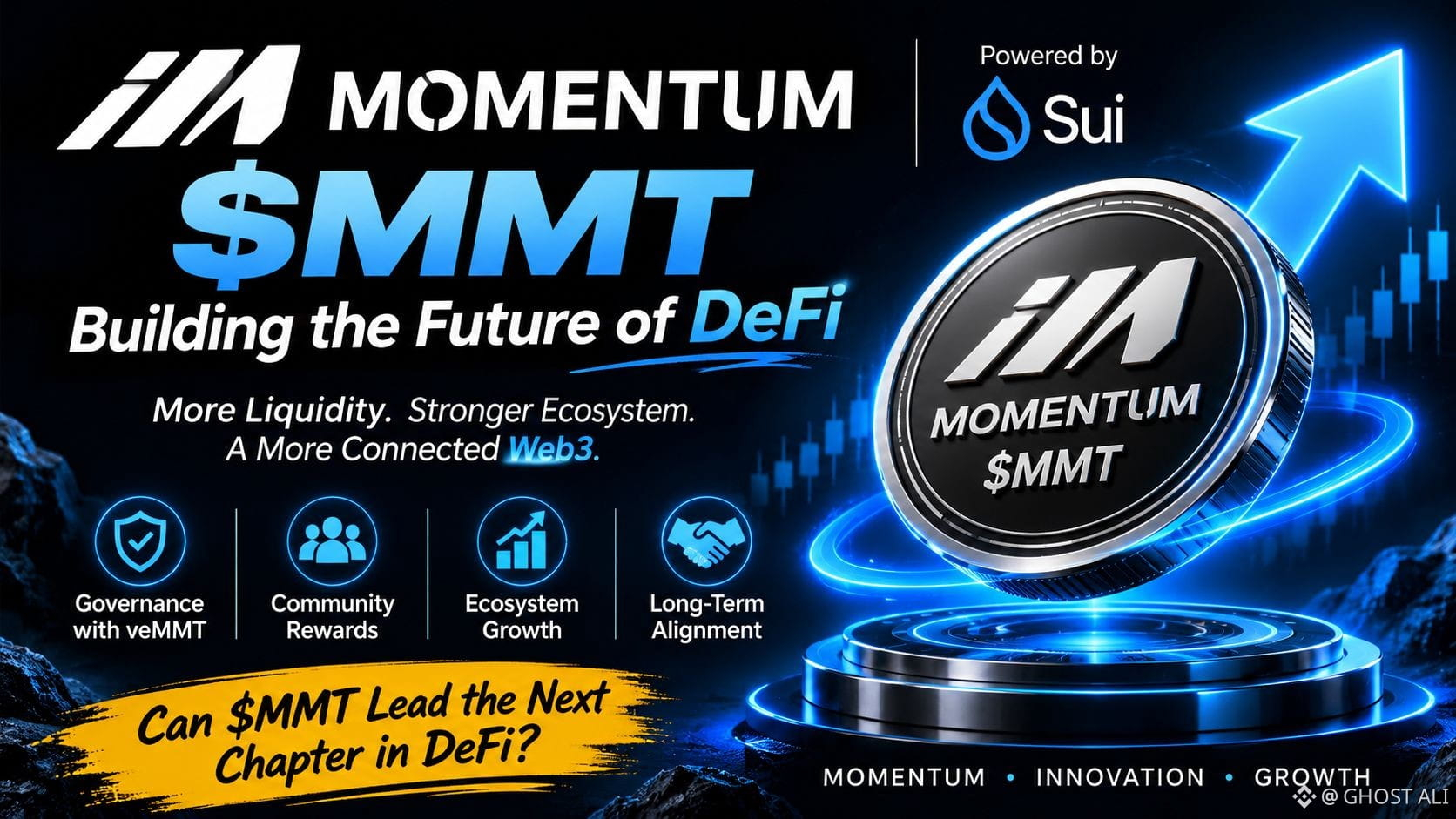
Momentum ($MMT): Building the Future of DeFi 🚀
The future of DeFi is not just about trading tokens. It's about creating stronger liquidity, better governance, and a more connected financial ecosystem.
That's what makes Momentum ($MMT) interesting to watch.
Built on the Sui blockchain, Momentum aims to bring decentralized trading, liquidity solutions, and asset management together.
What catches my attention is the role of $MMT:
🔹 Governance through veMMT
🔹 Community participation and rewards
🔹 Ecosystem growth and incentives
🔹 Long-term alignment through token bonding
I believe projects should be judged by their real utility, ecosystem development, and adoption — not just short-term price movements.
Momentum has an interesting vision, and I'll be watching how its ecosystem develops.
Can $MMT become an important player in the DeFi space?
#MMT #Momentum #SUI #DeFi #crypto
$SUI $VPG.US
Momentum ($MMT ): Building the Future of DeFi 🚀
The future of DeFi is not just about trading tokens. It's about creating stronger liquidity, better governance, and a more connected financial ecosystem.
That's what makes Momentum ($MMT ) interesting to watch.
Built on the Sui blockchain, Momentum aims to bring decentralized trading, liquidity solutions, and asset management together.
What catches my attention is the role of $MMT :
🔹 Governance through veMMT
🔹 Community participation and rewards
🔹 Ecosystem growth and incentives
🔹 Long-term alignment through token bonding
I believe projects should be judged by their real utility, ecosystem development, and adoption — not just short-term price movements.
Momentum has an interesting vision, and I'll be watching how its ecosystem develops.
Can $MMT become an important player in the DeFi space?
#MMT #Momentum #SUI #DeFi #crypto
$SUI $VPG.US
1
196

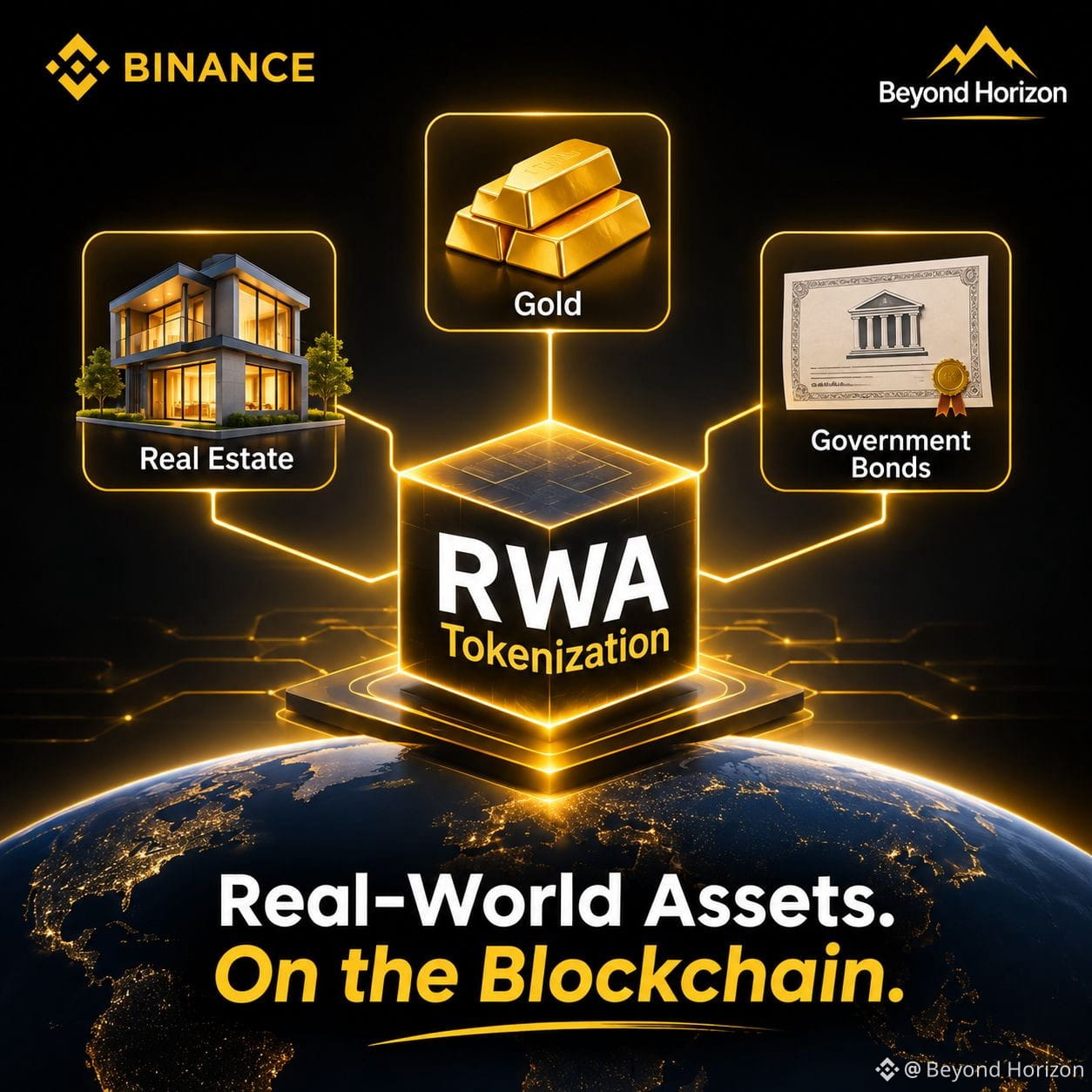
🌐 What If You Could Access Financial Services Without a Traditional Bank?
That's one of the ideas behind DeFi (Decentralized Finance).
Built on blockchain technology, DeFi applications aim to provide financial services through smart contracts.
🔹 Lending & Borrowing: Access crypto-based lending services.
🔹 Trading: Swap digital assets through decentralized exchanges.
🔹 Liquidity: Users can provide assets to liquidity pools and may earn fees, while taking on risks.
🔹 Transparency: Many DeFi transactions and smart contracts can be viewed on public blockchains.
⚠️ But DeFi isn't risk-free. Smart contract bugs, scams, volatile assets, and liquidity issues can lead to losses.
🧠 The future of finance isn't just about digital currencies—it's also about how financial services are built.
💬 Would you trust a decentralized platform with your assets? Why or why not?
#DeFi
3
357

·
--
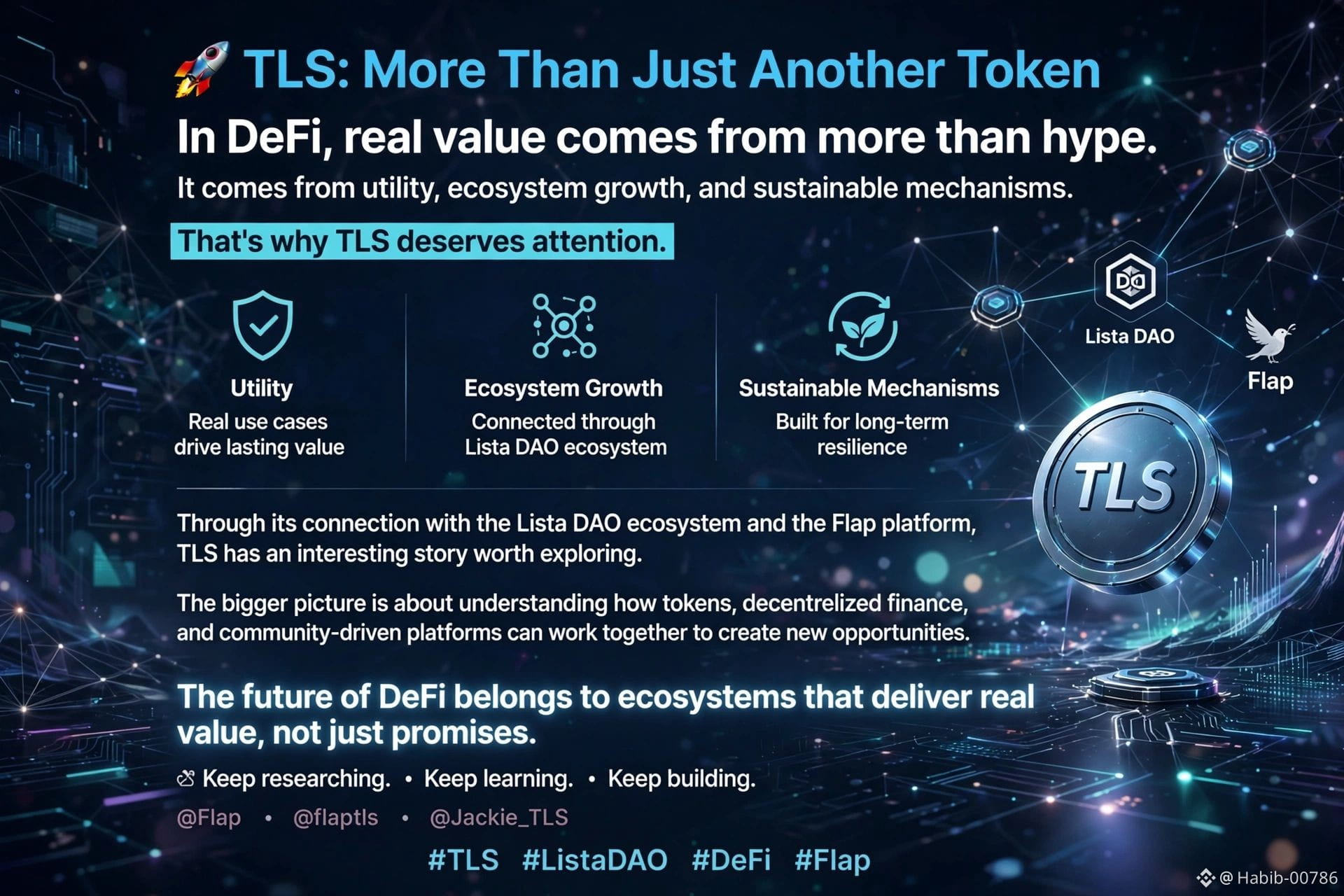
🚀 TLS: More Than Just Another Token
In DeFi, real value comes from more than hype. It comes from utility, ecosystem growth, and sustainable mechanisms.
That's why TLS deserves attention.
Through its connection with the Lista DAO ecosystem and the Flap platform, TLS has an interesting story worth exploring.
The bigger picture is about understanding how tokens, decentralized finance, and community-driven platforms can work together to create new opportunities.
The future of DeFi belongs to ecosystems that deliver real value, not just promises.
Keep researching. Keep learning. Keep building.
@Square-Creator-a66f1bb1f53c @flaptls @Square-Creator-5a7357978
#TLS #ListaDAO #DeFi #Flap $tls
🚀 TLS: More Than Just Another Token
In DeFi, real value comes from more than hype. It comes from utility, ecosystem growth, and sustainable mechanisms.
That's why TLS deserves attention.
Through its connection with the Lista DAO ecosystem and the Flap platform, TLS has an interesting story worth exploring.
The bigger picture is about understanding how tokens, decentralized finance, and community-driven platforms can work together to create new opportunities.
The future of DeFi belongs to ecosystems that deliver real value, not just promises.
Keep researching. Keep learning. Keep building.
@Flap @FLAPTLS @Jackie_TLS
#TLS #ListaDAO #DeFi #Flap $tls
TLSUS+1,66%
Evelia Noori petm:
TLS
149
1
15
344

·
--
Article
Market Making and LPs: Stock-Against-Stock PoolsIf you are thinking about providing liquidity for stock tokens on Robinhood Chain, this chapter answers three questions. Can fees cover the losses from market making? What is different about pools that pair one stock against another? And how much money is there to be made in this business each year?
A Business Worth About $1.2 Million
Start with the most important number in the conclusions.
We took the five most liquid pools for the SPY token and estimated their annual fees by multiplying the average daily volume over the last 30 days by each pool's fee rate:
SPY / WETH (0.05%): TVL: $1.88 million; Average daily volume, last 30 days: $3.29 million; Estimated annual fees: ~$600,000SPY / USDG (0.05%): TVL: $1.08 million; Average daily volume, last 30 days: $1.29 million; Estimated annual fees: ~$235,000SPY / NVDA (0.025%): TVL: $1.55 million; Average daily volume, last 30 days: $1.68 million; Estimated annual fees: ~$150,000QQQ / SPY (0.02%): TVL: $1.43 million; Average daily volume, last 30 days: $1.37 million; Estimated annual fees: ~$100,000GOOGL / SPY (0.025%): TVL: $810,000; Average daily volume, last 30 days: $860,000; Estimated annual fees: ~$80,000
Together, the five pools generate about $1.2 million in fees a year. The other stock-token pools on this chain are smaller. In other words, at early-November volumes, making markets in stock tokens across the entire chain earns roughly a little over a million dollars a year in fees.
That number sets the ceiling for the LP business. Fees are a fixed-size pie, divided by TVL. The more money you put in, the bigger your share, but the lower the return on each dollar. Add $1 million to the SPY/USDG 0.05% pool and its TVL doubles; its annualized fee yield falls from about 22% to about 11%.
Market making in stock tokens is a capacity problem first and a yield problem second.
Fees vs. Market-Making Losses
Textbooks call the loss from market making "impermanent loss." A more precise measure is LVR (loss-versus-rebalancing). The price in a pool lags the outside price, and every time arbitrageurs pull it back, they take a little from the LPs. For a full-range AMM, annualized LVR is approximately the square of the annualized volatility of the ratio between the two assets' prices, divided by 8:
LVR ≈ σ² / 8
The formula makes one point: market-making losses depend on the relative volatility between the two assets, not on the volatility of either asset alone.
Using daily bars for the underlying stocks since July 2026, we calculated the relative volatility of the two assets in each pool and compared it with each pool's annualized fee yield (estimated on a full-range basis at current TVL):
SPY / USDG (0.05%): Relative volatility (annualized): 11.0%; LVR (annualized): 0.15%; Annualized fees: 21.8%; Merkl reward (UNI): —QQQ / SPY (0.02%): Relative volatility (annualized): 10.9%; LVR (annualized): 0.15%; Annualized fees: 7.0%; Merkl reward (UNI): ~5.9%SPY / NVDA (0.025%): Relative volatility (annualized): 31.3%; LVR (annualized): 1.22%; Annualized fees: 9.9%; Merkl reward (UNI): ~17.9%GOOGL / SPY (0.025%): Relative volatility (annualized): 35.3%; LVR (annualized): 1.56%; Annualized fees: 9.7%; Merkl reward (UNI): ~20.9%SPY / WETH (0.05%): Relative volatility (annualized): 44.9%; LVR (annualized): 2.52%; Annualized fees: 32.0%; Merkl reward (UNI): —
On this basis, fees in all five pools are well above LVR. That is the opposite of many onchain pools: in the major pools on Ethereum mainnet, fees and LVR are often close to each other, leaving LPs with thin net returns.
Why do the stock pools on this chain look so good? There are three reasons, two of which call for caution:
The pools are small, and volume is large relative to TVL. Daily volume in the SPY/USDG 0.05% pool exceeds its TVL. This is a real opportunity, but it holds only for the first money in (see the capacity problem above).Part of the volume is arbitrage. Arbitrage trades are themselves the source of LVR. The fees they pay compensate LPs, but they also mean that "high volume" is not all random retail trading.Full range is an assumption. Most of these pools are Uniswap V3 and V4 concentrated-liquidity pools. Concentrating liquidity in a narrow range multiplies fees and LVR by similar factors. Once the price leaves your range, your position turns into a single asset and stops earning fees. Actual returns depend on how the range is managed, not on this table.
Stock Against Stock: A Pool You Will Not Find Elsewhere
This chain has a kind of pool rarely seen on other chains: both sides are stocks. In August, Uniswap opened a set of V4 pools for stock tokens, all with SPY on the other side (SPY against TSLA, AMZN, META, PLTR, AMD, MU, TSM, COST, RDDT, QQQ, and more), and paid UNI rewards through Merkl.
The economics of these pools are completely different from ordinary pools:
You carry no dollar risk, only relative risk. In an SPY/USDG pool, if SPY falls 10%, your position falls with it (plus impermanent loss). In a QQQ/SPY pool, if both fall 10%, your position falls 10%, but impermanent loss is almost zero because their price ratio has not changed.It is a "market-neutral beta position" plus fees. Your total exposure is roughly 50% SPY and 50% QQQ, and impermanent loss depends on how far QQQ deviates from SPY (annualized relative volatility of about 11%).The higher the correlation, the more it resembles a deposit; the lower, the more it resembles market making. The relative volatility of QQQ/SPY is about the same as the volatility of SPY against the dollar (both about 11%), while NVDA/SPY and GOOGL/SPY have relative volatility of 31–35% and LVR eight to ten times higher.
Who is it for? People who already intend to hold a basket of U.S. stocks for the long term. If you already want to hold SPY and QQQ, putting them into a QQQ/SPY pool means collecting about 7% in fees and about 6% in UNI rewards while you hold them. The only extra risks are fluctuations in their price ratio and contract risk.
Weekends: Where Both the LP's Returns and Risks Live
LPs in stock-token pools face something no other asset has: the pool keeps trading while the U.S. market is closed.
Chapter 6 found that weekend onchain prices are on average 10–38 bp above the shares, and closely correlated with the direction of Monday's gap. For LPs in stock/USDG pools:
The good side: on weekends there are more buyers than sellers, and LPs sell stock tokens at a premium inside the pool. That premium is LP income.The bad side: at Monday's open, the shares jump to a new level, and arbitrageurs pull the pool price over in one move. The 95th percentile of weekend deviation runs from 83 bp (SPY) to 321 bp (MU), and LPs ultimately absorb these large deviations.Stock-against-stock pools are much less affected: both sides stop being priced externally over the weekend and jump together on Monday, so the price ratio changes only modestly.
If You Are Thinking About Making Markets in Stock Tokens
Work out capacity before yield. Multiply the pool's last-30-day volume by its fee rate to get annual fees, then divide by "current TVL + your money." That is the yield you can actually get. Stock market making across the whole chain earns about $1.2 million a year in fees, and large amounts of new money will only dilute it.Prefer highly correlated stock-against-stock pools. Pools like QQQ/SPY have LVR of only 0.15% and suit people who already want to hold a basket of U.S. stocks long term. NVDA/SPY and GOOGL/SPY have LVR eight to ten times higher and look more like market making than holding.Set ranges with weekends in mind. A concentrated-liquidity range should cover at least one weekend gap (about ±1% for SPY, ±3–5% for individual stocks), or every Monday may knock you out of range.Remember that contract risk applies to the whole pool. If any stock token is paused, every pool containing it freezes, and the asset on the other side is locked along with it (Chapter 11, Scenario 2).
Making markets in stock tokens is a small, refined business: fees really are higher than losses, but the whole pie is only about a million dollars a year, and whoever arrives first eats the most.
Sources for This Chapter
GeckoTerminal: daily bars (in-pool price and dollar volume) and current TVL for the top six SPY-token pools (November 2, 2026); average daily volume over the last 30 days calculated from each pool's daily dollar volumeYahoo Finance: daily bars for SPY, QQQ, NVDA, GOOGL, and ETH-USD (July 1 to November 2, 2026), used to calculate the annualized volatility of each pair's price ratio (stocks annualized on 252 trading days)Merkl v4: annualized UNI rewards on Uniswap V4 stock pools (November 2, 2026)Merkl's July–August 2026 review: Uniswap opening V4 pools for stock tokens with SPY on the other side, with UNI rewardsMethod: annualized fees = average daily volume over the last 30 days × fee rate × 365 ÷ current TVL (full-range assumption); LVR ≈ σ² ÷ 8. One dynamic-fee SPY/USDG pool without a stated fee rate is excluded
—
This is Chapter 7 of 14 from my new book Where the Yield Comes From, serialized one chapter a day. For research only; not investment advice.
Author: Blue Lotus
#DeFi #RobinhoodChain #Stablecoins #RWA
Market Making and LPs: Stock-Against-Stock Pools
If you are thinking about providing liquidity for stock tokens on Robinhood Chain, this chapter answers three questions. Can fees cover the losses from market making? What is different about pools that pair one stock against another? And how much money is there to be made in this business each year?
A Business Worth About $1.2 Million
Start with the most important number in the conclusions.
We took the five most liquid pools for the SPY token and estimated their annual fees by multiplying the average daily volume over the last 30 days by each pool's fee rate:
SPY / WETH (0.05%): TVL: $1.88 million; Average daily volume, last 30 days: $3.29 million; Estimated annual fees: ~$600,000SPY / USDG (0.05%): TVL: $1.08 million; Average daily volume, last 30 days: $1.29 million; Estimated annual fees: ~$235,000SPY / NVDA (0.025%): TVL: $1.55 million; Average daily volume, last 30 days: $1.68 million; Estimated annual fees: ~$150,000QQQ / SPY (0.02%): TVL: $1.43 million; Average daily volume, last 30 days: $1.37 million; Estimated annual fees: ~$100,000GOOGL / SPY (0.025%): TVL: $810,000; Average daily volume, last 30 days: $860,000; Estimated annual fees: ~$80,000
Together, the five pools generate about $1.2 million in fees a year. The other stock-token pools on this chain are smaller. In other words, at early-November volumes, making markets in stock tokens across the entire chain earns roughly a little over a million dollars a year in fees.
That number sets the ceiling for the LP business. Fees are a fixed-size pie, divided by TVL. The more money you put in, the bigger your share, but the lower the return on each dollar. Add $1 million to the SPY/USDG 0.05% pool and its TVL doubles; its annualized fee yield falls from about 22% to about 11%.
Market making in stock tokens is a capacity problem first and a yield problem second.
Fees vs. Market-Making Losses
Textbooks call the loss from market making "impermanent loss." A more precise measure is LVR (loss-versus-rebalancing). The price in a pool lags the outside price, and every time arbitrageurs pull it back, they take a little from the LPs. For a full-range AMM, annualized LVR is approximately the square of the annualized volatility of the ratio between the two assets' prices, divided by 8:
LVR ≈ σ² / 8
The formula makes one point: market-making losses depend on the relative volatility between the two assets, not on the volatility of either asset alone.
Using daily bars for the underlying stocks since July 2026, we calculated the relative volatility of the two assets in each pool and compared it with each pool's annualized fee yield (estimated on a full-range basis at current TVL):
SPY / USDG (0.05%): Relative volatility (annualized): 11.0%; LVR (annualized): 0.15%; Annualized fees: 21.8%; Merkl reward (UNI): —QQQ / SPY (0.02%): Relative volatility (annualized): 10.9%; LVR (annualized): 0.15%; Annualized fees: 7.0%; Merkl reward (UNI): ~5.9%SPY / NVDA (0.025%): Relative volatility (annualized): 31.3%; LVR (annualized): 1.22%; Annualized fees: 9.9%; Merkl reward (UNI): ~17.9%GOOGL / SPY (0.025%): Relative volatility (annualized): 35.3%; LVR (annualized): 1.56%; Annualized fees: 9.7%; Merkl reward (UNI): ~20.9%SPY / WETH (0.05%): Relative volatility (annualized): 44.9%; LVR (annualized): 2.52%; Annualized fees: 32.0%; Merkl reward (UNI): —
On this basis, fees in all five pools are well above LVR. That is the opposite of many onchain pools: in the major pools on Ethereum mainnet, fees and LVR are often close to each other, leaving LPs with thin net returns.
Why do the stock pools on this chain look so good? There are three reasons, two of which call for caution:
The pools are small, and volume is large relative to TVL. Daily volume in the SPY/USDG 0.05% pool exceeds its TVL. This is a real opportunity, but it holds only for the first money in (see the capacity problem above).Part of the volume is arbitrage. Arbitrage trades are themselves the source of LVR. The fees they pay compensate LPs, but they also mean that "high volume" is not all random retail trading.Full range is an assumption. Most of these pools are Uniswap V3 and V4 concentrated-liquidity pools. Concentrating liquidity in a narrow range multiplies fees and LVR by similar factors. Once the price leaves your range, your position turns into a single asset and stops earning fees. Actual returns depend on how the range is managed, not on this table.
Stock Against Stock: A Pool You Will Not Find Elsewhere
This chain has a kind of pool rarely seen on other chains: both sides are stocks. In August, Uniswap opened a set of V4 pools for stock tokens, all with SPY on the other side (SPY against TSLA, AMZN, META, PLTR, AMD, MU, TSM, COST, RDDT, QQQ, and more), and paid UNI rewards through Merkl.
The economics of these pools are completely different from ordinary pools:
You carry no dollar risk, only relative risk. In an SPY/USDG pool, if SPY falls 10%, your position falls with it (plus impermanent loss). In a QQQ/SPY pool, if both fall 10%, your position falls 10%, but impermanent loss is almost zero because their price ratio has not changed.It is a "market-neutral beta position" plus fees. Your total exposure is roughly 50% SPY and 50% QQQ, and impermanent loss depends on how far QQQ deviates from SPY (annualized relative volatility of about 11%).The higher the correlation, the more it resembles a deposit; the lower, the more it resembles market making. The relative volatility of QQQ/SPY is about the same as the volatility of SPY against the dollar (both about 11%), while NVDA/SPY and GOOGL/SPY have relative volatility of 31–35% and LVR eight to ten times higher.
Who is it for? People who already intend to hold a basket of U.S. stocks for the long term. If you already want to hold SPY and QQQ, putting them into a QQQ/SPY pool means collecting about 7% in fees and about 6% in UNI rewards while you hold them. The only extra risks are fluctuations in their price ratio and contract risk.
Weekends: Where Both the LP's Returns and Risks Live
LPs in stock-token pools face something no other asset has: the pool keeps trading while the U.S. market is closed.
Chapter 6 found that weekend onchain prices are on average 10–38 bp above the shares, and closely correlated with the direction of Monday's gap. For LPs in stock/USDG pools:
The good side: on weekends there are more buyers than sellers, and LPs sell stock tokens at a premium inside the pool. That premium is LP income.The bad side: at Monday's open, the shares jump to a new level, and arbitrageurs pull the pool price over in one move. The 95th percentile of weekend deviation runs from 83 bp (SPY) to 321 bp (MU), and LPs ultimately absorb these large deviations.Stock-against-stock pools are much less affected: both sides stop being priced externally over the weekend and jump together on Monday, so the price ratio changes only modestly.
If You Are Thinking About Making Markets in Stock Tokens
Work out capacity before yield. Multiply the pool's last-30-day volume by its fee rate to get annual fees, then divide by "current TVL + your money." That is the yield you can actually get. Stock market making across the whole chain earns about $1.2 million a year in fees, and large amounts of new money will only dilute it.Prefer highly correlated stock-against-stock pools. Pools like QQQ/SPY have LVR of only 0.15% and suit people who already want to hold a basket of U.S. stocks long term. NVDA/SPY and GOOGL/SPY have LVR eight to ten times higher and look more like market making than holding.Set ranges with weekends in mind. A concentrated-liquidity range should cover at least one weekend gap (about ±1% for SPY, ±3–5% for individual stocks), or every Monday may knock you out of range.Remember that contract risk applies to the whole pool. If any stock token is paused, every pool containing it freezes, and the asset on the other side is locked along with it (Chapter 11, Scenario 2).
Making markets in stock tokens is a small, refined business: fees really are higher than losses, but the whole pie is only about a million dollars a year, and whoever arrives first eats the most.
Sources for This Chapter
GeckoTerminal: daily bars (in-pool price and dollar volume) and current TVL for the top six SPY-token pools (November 2, 2026); average daily volume over the last 30 days calculated from each pool's daily dollar volumeYahoo Finance: daily bars for SPY, QQQ, NVDA, GOOGL, and ETH-USD (July 1 to November 2, 2026), used to calculate the annualized volatility of each pair's price ratio (stocks annualized on 252 trading days)Merkl v4: annualized UNI rewards on Uniswap V4 stock pools (November 2, 2026)Merkl's July–August 2026 review: Uniswap opening V4 pools for stock tokens with SPY on the other side, with UNI rewardsMethod: annualized fees = average daily volume over the last 30 days × fee rate × 365 ÷ current TVL (full-range assumption); LVR ≈ σ² ÷ 8. One dynamic-fee SPY/USDG pool without a stated fee rate is excluded
—
This is Chapter 7 of 14 from my new book Where the Yield Comes From, serialized one chapter a day. For research only; not investment advice.
Author: Blue Lotus
#DeFi #RobinhoodChain #Stablecoins #RWA
217
Log in to explore more content
Join global crypto users on Binance Square
⚡️ Get latest and useful information about crypto.
💬 Trusted by the world’s largest crypto exchange.
👍 Discover real insights from verified creators.
Email / Phone number
Trending Topics
1
#AnthropicToDebutAfter$83IPOPricing
15,333 views
166 Discussing
2
#BTCRemainsUnderPressureAfterHawkishFOMCMinutes
57,463 views
1,325 Discussing
3
#NvidiaBoardReportedlySplitOverHuang’sReturn
19,065 views
647 Discussing
4
#MASToUpgradeSGDTestnetToSGDigitalLedger
0 views
0 Discussing
5
#CanGTA6'sLaunchLiftTTWOShares?
10,661 views
521 Discussing
6
#AnthropicRecord$107BRaiseSetToTopSpaceXIPO
0 views
18 Discussing
7
#CapitalGroupAdds1264500StrategyShares
0 views
132 Discussing
8
#FOMCMinutesHighlightAIDebtRisks
19,609 views
529 Discussing
9
#AntInternationalLaunchesWhaleProtocol
0 views
71 Discussing
10
#SouthKoreaPlansToLet3500ListedFirmsBuyBitcoin
19,559 views
489 Discussing