
#blockchainsecurity
blockchainsecurity
642,861 views
1,607 Discussing
Hot
Latest

🚨 Spanish Crypto Exchange Bit2Me Takes On Illegal Crypto Activity with Specialized Law Enforcement Unit!
Spanish crypto exchange Bit2Me has officially established a dedicated unit designed specifically to assist global law enforcement agencies in tracking and recovering illicit digital assets.
🔹 Building on Success: Formalizes previous operations that already processed over 1.5 million euros in seized assets in 2025.
🛡️ High-Profile Partners: Working directly alongside major international agencies including Interpol and Europol.
✅ Compliance Focus: Demonstrates growing institutional focus on compliance, transparency, and regulation in European crypto markets.
As regulatory oversight tightens globally, proactive compliance moves by exchanges are setting new security standards across the industry.
$BTC #CryptoNews #BlockchainSecurity #Compliance #Write2Earn
🚨 Spanish Crypto Exchange Bit2Me Takes On Illegal Crypto Activity with Specialized Law Enforcement Unit!
Spanish crypto exchange Bit2Me has officially established a dedicated unit designed specifically to assist global law enforcement agencies in tracking and recovering illicit digital assets.
🔹 Building on Success: Formalizes previous operations that already processed over 1.5 million euros in seized assets in 2025.
🛡️ High-Profile Partners: Working directly alongside major international agencies including Interpol and Europol.
✅ Compliance Focus: Demonstrates growing institutional focus on compliance, transparency, and regulation in European crypto markets.
As regulatory oversight tightens globally, proactive compliance moves by exchanges are setting new security standards across the industry.
$BTC #CryptoNews #BlockchainSecurity #Compliance #Write2Earn
Spanish crypto exchange Bit2Me has officially established a dedicated unit designed specifically to assist global law enforcement agencies in tracking and recovering illicit digital assets.
🔹 Building on Success: Formalizes previous operations that already processed over 1.5 million euros in seized assets in 2025.
🛡️ High-Profile Partners: Working directly alongside major international agencies including Interpol and Europol.
✅ Compliance Focus: Demonstrates growing institutional focus on compliance, transparency, and regulation in European crypto markets.
As regulatory oversight tightens globally, proactive compliance moves by exchanges are setting new security standards across the industry.
$BTC #CryptoNews #BlockchainSecurity #Compliance #Write2Earn
29
🛡️ Ethereum sets sight on quantum-safe future by 2029!
The Ethereum Foundation is accelerating its technical roadmap to prepare the leading smart contract network for the upcoming era of quantum computing.
Key takeaways from the announcement:
🔹 Post-Quantum Security: Core developers are targeting full post-quantum cryptographic protection on Layer-1 by 2029.
🔹 Hegotá Upgrade: The transition kicks off with the Hegotá upgrade, introducing foundational technical updates.
🔹 Core Focus: Initial implementations will prioritize robust account abstraction and enhanced censorship resistance.
🔹 Long-Term Vision: Preparing Ethereum infrastructure well before quantum threats become viable to safeguard user assets.
This proactive roadmap shows Ethereum's commitment to maintaining uncompromised blockchain security for decades to come.
$ETH #Ethereum #QuantumComputing #BlockchainSecurity #Write2Earn
🛡️ Ethereum sets sight on quantum-safe future by 2029!
The Ethereum Foundation is accelerating its technical roadmap to prepare the leading smart contract network for the upcoming era of quantum computing.
Key takeaways from the announcement:
🔹 Post-Quantum Security: Core developers are targeting full post-quantum cryptographic protection on Layer-1 by 2029.
🔹 Hegotá Upgrade: The transition kicks off with the Hegotá upgrade, introducing foundational technical updates.
🔹 Core Focus: Initial implementations will prioritize robust account abstraction and enhanced censorship resistance.
🔹 Long-Term Vision: Preparing Ethereum infrastructure well before quantum threats become viable to safeguard user assets.
This proactive roadmap shows Ethereum's commitment to maintaining uncompromised blockchain security for decades to come.
$ETH #Ethereum #QuantumComputing #BlockchainSecurity #Write2Earn
The Ethereum Foundation is accelerating its technical roadmap to prepare the leading smart contract network for the upcoming era of quantum computing.
Key takeaways from the announcement:
🔹 Post-Quantum Security: Core developers are targeting full post-quantum cryptographic protection on Layer-1 by 2029.
🔹 Hegotá Upgrade: The transition kicks off with the Hegotá upgrade, introducing foundational technical updates.
🔹 Core Focus: Initial implementations will prioritize robust account abstraction and enhanced censorship resistance.
🔹 Long-Term Vision: Preparing Ethereum infrastructure well before quantum threats become viable to safeguard user assets.
This proactive roadmap shows Ethereum's commitment to maintaining uncompromised blockchain security for decades to come.
$ETH #Ethereum #QuantumComputing #BlockchainSecurity #Write2Earn
82

·
--
What should you do if you get hacked? Unplug the network cable—quickly. But unplugging the cable doesn’t mean you get the money back. Just look at these three cases:
After Cronos was hacked, it promptly rolled back, hard-reverting the chain to the state before the hack. The assets literally “came back to life”—a pretty ruthless move.
Ontology acted even faster: before the hacker could even confirm the funds were received, it paused the chain to prevent things from getting worse.
The worst was ICON: by the time it remembered to unplug the line, the coins had already been transferred to the exchange, and the money was already gone after laundering.
In plain terms, “pausing the chain” has never been a magic cure—the key is how far along the hacker got. This also exposes a painful question: what did you actually buy—blockchain technology, or a database that an administrator can pause at any time? Centralized intervention can save you temporarily, but trust will take a hit.
In the short term, security incidents like this tend to weigh negatively on small-cap chains such as $CRO and $ICX. Capital may flow more toward safer havens like BTC. But from another angle, teams that can respond in seconds are better than projects that just go silent after something happens. The project team’s post-incident execution is actually a plus.
For decentralized ideals and security backstops—where do you stand? Let’s discuss in the comments below 👇
$CRO $ICX #BlockchainSecurity #Crypto
What should you do if you get hacked? Unplug the network cable—quickly. But unplugging the cable doesn’t mean you get the money back. Just look at these three cases:
After Cronos was hacked, it promptly rolled back, hard-reverting the chain to the state before the hack. The assets literally “came back to life”—a pretty ruthless move.
Ontology acted even faster: before the hacker could even confirm the funds were received, it paused the chain to prevent things from getting worse.
The worst was ICON: by the time it remembered to unplug the line, the coins had already been transferred to the exchange, and the money was already gone after laundering.
In plain terms, “pausing the chain” has never been a magic cure—the key is how far along the hacker got. This also exposes a painful question: what did you actually buy—blockchain technology, or a database that an administrator can pause at any time? Centralized intervention can save you temporarily, but trust will take a hit.
In the short term, security incidents like this tend to weigh negatively on small-cap chains such as $CRO and $ICX. Capital may flow more toward safer havens like BTC. But from another angle, teams that can respond in seconds are better than projects that just go silent after something happens. The project team’s post-incident execution is actually a plus.
For decentralized ideals and security backstops—where do you stand? Let’s discuss in the comments below 👇
$CRO $ICX #BlockchainSecurity #Crypto
After Cronos was hacked, it promptly rolled back, hard-reverting the chain to the state before the hack. The assets literally “came back to life”—a pretty ruthless move.
Ontology acted even faster: before the hacker could even confirm the funds were received, it paused the chain to prevent things from getting worse.
The worst was ICON: by the time it remembered to unplug the line, the coins had already been transferred to the exchange, and the money was already gone after laundering.
In plain terms, “pausing the chain” has never been a magic cure—the key is how far along the hacker got. This also exposes a painful question: what did you actually buy—blockchain technology, or a database that an administrator can pause at any time? Centralized intervention can save you temporarily, but trust will take a hit.
In the short term, security incidents like this tend to weigh negatively on small-cap chains such as $CRO and $ICX. Capital may flow more toward safer havens like BTC. But from another angle, teams that can respond in seconds are better than projects that just go silent after something happens. The project team’s post-incident execution is actually a plus.
For decentralized ideals and security backstops—where do you stand? Let’s discuss in the comments below 👇
$CRO $ICX #BlockchainSecurity #Crypto
61

When Blockchain Security Gets Tested 🔐⛓️A blockchain isn’t truly secure just because transactions are recorded permanently.
Real security comes from decentralization, strong consensus, network participation, and resistance to attacks.
When a blockchain faces a major network issue, it raises an important question:
How resilient is the chain when consensus is under pressure?
Blockchain technology is powerful—but understanding its risks is just as important as understanding its potential.
Read more about what makes a blockchain truly secure. 🚀
#Blockchain #Crypto #Binance #Web3 #Bitcoin #Cryptocurrency #DeFi #BlockchainSecurity
When Blockchain Security Gets Tested 🔐⛓️
A blockchain isn’t truly secure just because transactions are recorded permanently.
Real security comes from decentralization, strong consensus, network participation, and resistance to attacks.
When a blockchain faces a major network issue, it raises an important question:
How resilient is the chain when consensus is under pressure?
Blockchain technology is powerful—but understanding its risks is just as important as understanding its potential.
Read more about what makes a blockchain truly secure. 🚀
#Blockchain #Crypto #Binance #Web3 #Bitcoin #Cryptocurrency #DeFi #BlockchainSecurity
Real security comes from decentralization, strong consensus, network participation, and resistance to attacks.
When a blockchain faces a major network issue, it raises an important question:
How resilient is the chain when consensus is under pressure?
Blockchain technology is powerful—but understanding its risks is just as important as understanding its potential.
Read more about what makes a blockchain truly secure. 🚀
#Blockchain #Crypto #Binance #Web3 #Bitcoin #Cryptocurrency #DeFi #BlockchainSecurity
81

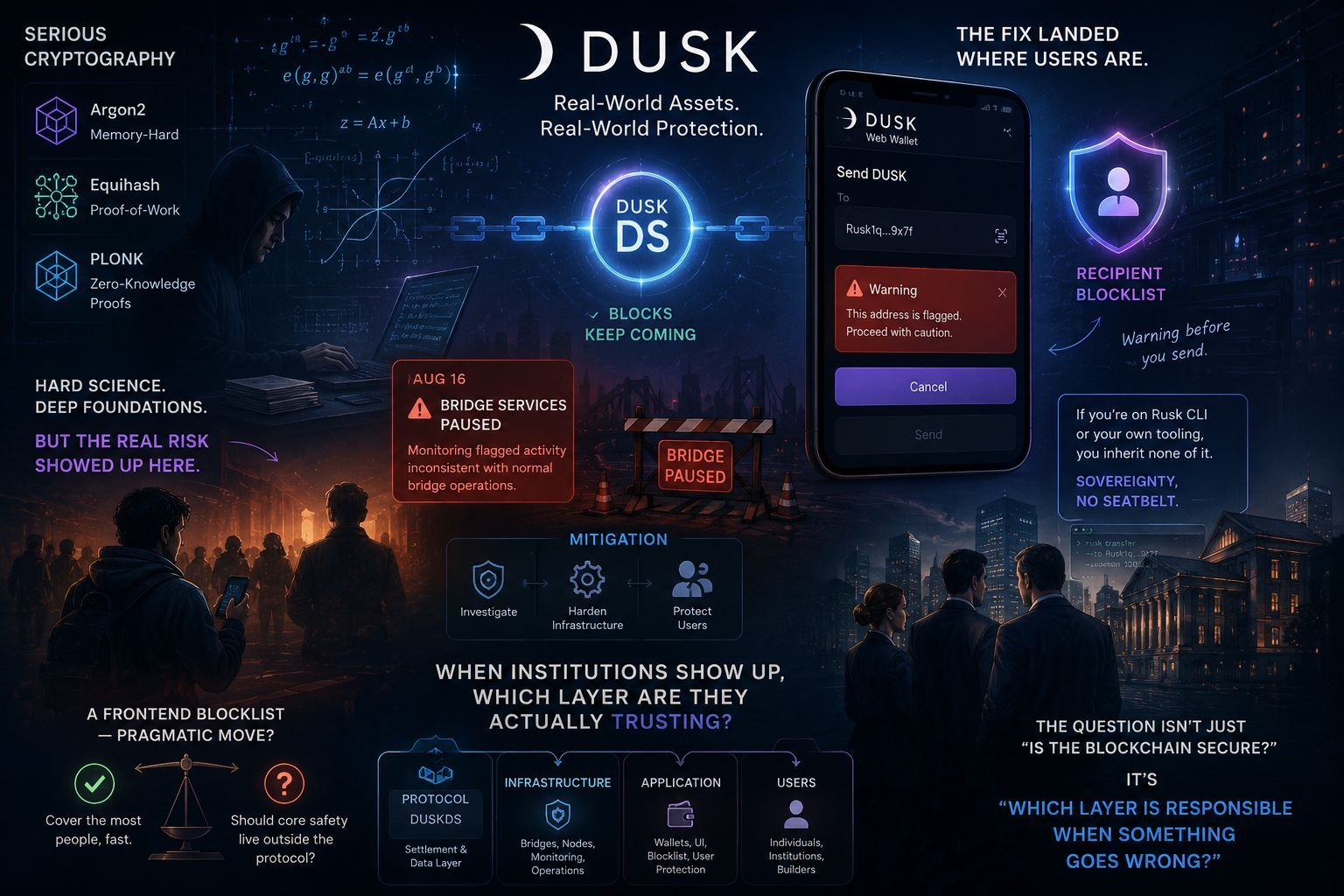
🛡️ $DUSK DEMONSTRATES INSTITUTIONAL MATURITY IN REAL-WORLD SECURITY BATTLES! 💥
While everyone hypes ZK proofs and heavy math, $DUSK just proved what institutions actually care about during real market stress. 🔍 When suspicious activity hit their bridge, the core chain kept humming while rapid defense layers locked down the Web Wallet.
Smart money knows that institutional capital demands clear accountability across protocol, infrastructure, and wallet layers when real size moves on-chain. 🛡️ Crisp operational execution matters far more to big allocators than theoretical code.
🤔 Should security be baked strictly into the protocol level, or is this multi-layer defense the real blueprint for institutional adoption? 👇
⚠️ Not financial advice. Always manage your risk. 🛡️
🏷️ #DUSK #Crypto #RWA #BlockchainSecurity
💎 ⚡
🛡️ $DUSK DEMONSTRATES INSTITUTIONAL MATURITY IN REAL-WORLD SECURITY BATTLES! 💥
While everyone hypes ZK proofs and heavy math, $DUSK just proved what institutions actually care about during real market stress. 🔍 When suspicious activity hit their bridge, the core chain kept humming while rapid defense layers locked down the Web Wallet.
Smart money knows that institutional capital demands clear accountability across protocol, infrastructure, and wallet layers when real size moves on-chain. 🛡️ Crisp operational execution matters far more to big allocators than theoretical code.
🤔 Should security be baked strictly into the protocol level, or is this multi-layer defense the real blueprint for institutional adoption? 👇
⚠️ Not financial advice. Always manage your risk. 🛡️
🏷️ #DUSK #Crypto #RWA #BlockchainSecurity
💎 ⚡
While everyone hypes ZK proofs and heavy math, $DUSK just proved what institutions actually care about during real market stress. 🔍 When suspicious activity hit their bridge, the core chain kept humming while rapid defense layers locked down the Web Wallet.
Smart money knows that institutional capital demands clear accountability across protocol, infrastructure, and wallet layers when real size moves on-chain. 🛡️ Crisp operational execution matters far more to big allocators than theoretical code.
🤔 Should security be baked strictly into the protocol level, or is this multi-layer defense the real blueprint for institutional adoption? 👇
⚠️ Not financial advice. Always manage your risk. 🛡️
🏷️ #DUSK #Crypto #RWA #BlockchainSecurity
💎 ⚡
14

·
--
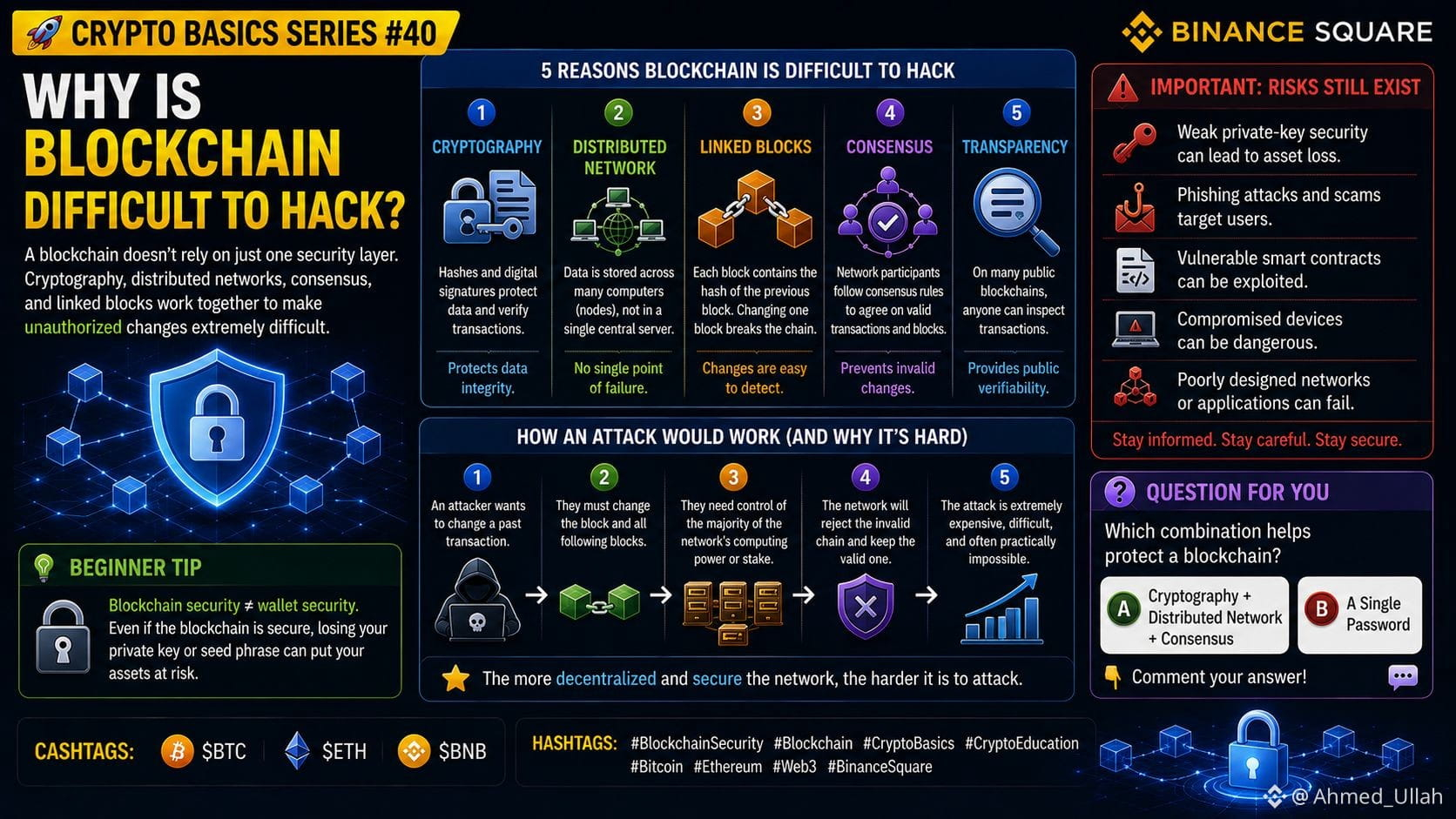
🚀 Crypto Basics Series #40: Why Is Blockchain Difficult to Hack?
🛡️ What Makes Blockchain Secure?
🔐 1. Cryptography
Hashes and digital signatures help protect blockchain data and verify transactions.
🌐 2. Distributed Network
Blockchain data is maintained across many computers instead of just one central server.
🔗 3. Linked Blocks
Each block is connected to previous blockchain data, making unauthorized changes easier to detect.
🤝 4. Consensus
Network participants follow consensus rules to determine which transactions and blocks are valid.
👀 5. Transparency
On many public blockchains, transaction data can be independently inspected.
💡 Simple Example
Imagine a record copied across thousands of computers.
Changing one copy isn't enough—you would need to overcome the network's security mechanisms and consensus rules.
That's why attacking a well-secured blockchain can be extremely difficult.
⚠️ Important
Blockchain itself isn't magically unhackable.
Risks can still come from:
❌ Weak private-key security
❌ Phishing and scams
❌ Vulnerable smart contracts
❌ Compromised devices
❌ Poorly designed networks or applications
🔑 Beginner Tip
Blockchain security ≠ wallet security.
Even if the blockchain is secure, losing your private key or seed phrase can put your assets at risk.
💬 Question
Which combination helps protect a blockchain?
🅰️ Cryptography + Distributed Network + Consensus
🅱️ A Single Password
👇 Comment your answer!
$BTC $ETH $BNB
#BlockchainSecurity #blockchain #CryptoBasics #CryptoEducation #bitcoin
🚀 Crypto Basics Series #40: Why Is Blockchain Difficult to Hack?
🛡️ What Makes Blockchain Secure?
🔐 1. Cryptography
Hashes and digital signatures help protect blockchain data and verify transactions.
🌐 2. Distributed Network
Blockchain data is maintained across many computers instead of just one central server.
🔗 3. Linked Blocks
Each block is connected to previous blockchain data, making unauthorized changes easier to detect.
🤝 4. Consensus
Network participants follow consensus rules to determine which transactions and blocks are valid.
👀 5. Transparency
On many public blockchains, transaction data can be independently inspected.
💡 Simple Example
Imagine a record copied across thousands of computers.
Changing one copy isn't enough—you would need to overcome the network's security mechanisms and consensus rules.
That's why attacking a well-secured blockchain can be extremely difficult.
⚠️ Important
Blockchain itself isn't magically unhackable.
Risks can still come from:
❌ Weak private-key security
❌ Phishing and scams
❌ Vulnerable smart contracts
❌ Compromised devices
❌ Poorly designed networks or applications
🔑 Beginner Tip
Blockchain security ≠ wallet security.
Even if the blockchain is secure, losing your private key or seed phrase can put your assets at risk.
💬 Question
Which combination helps protect a blockchain?
🅰️ Cryptography + Distributed Network + Consensus
🅱️ A Single Password
👇 Comment your answer!
$BTC $ETH $BNB
#BlockchainSecurity #blockchain #CryptoBasics #CryptoEducation #bitcoin
🛡️ What Makes Blockchain Secure?
🔐 1. Cryptography
Hashes and digital signatures help protect blockchain data and verify transactions.
🌐 2. Distributed Network
Blockchain data is maintained across many computers instead of just one central server.
🔗 3. Linked Blocks
Each block is connected to previous blockchain data, making unauthorized changes easier to detect.
🤝 4. Consensus
Network participants follow consensus rules to determine which transactions and blocks are valid.
👀 5. Transparency
On many public blockchains, transaction data can be independently inspected.
💡 Simple Example
Imagine a record copied across thousands of computers.
Changing one copy isn't enough—you would need to overcome the network's security mechanisms and consensus rules.
That's why attacking a well-secured blockchain can be extremely difficult.
⚠️ Important
Blockchain itself isn't magically unhackable.
Risks can still come from:
❌ Weak private-key security
❌ Phishing and scams
❌ Vulnerable smart contracts
❌ Compromised devices
❌ Poorly designed networks or applications
🔑 Beginner Tip
Blockchain security ≠ wallet security.
Even if the blockchain is secure, losing your private key or seed phrase can put your assets at risk.
💬 Question
Which combination helps protect a blockchain?
🅰️ Cryptography + Distributed Network + Consensus
🅱️ A Single Password
👇 Comment your answer!
$BTC $ETH $BNB
#BlockchainSecurity #blockchain #CryptoBasics #CryptoEducation #bitcoin
1
163

·
--
EXPLOSION!
This isn't just an exploit, it's a seismic shockwave! Maya Protocol just got decimated, losing $1.7 MILLION in a lightning-fast hack. Six critical software flaws obliterated their defenses. #CryptoNews #BlockchainSecurity #DeFiHack
The market's reeling from this historic event, but smart traders are already scanning for the NEXT big move. This exploit is a stark reminder of the risks, but also a catalyst for innovation. Will the next generation of cross-chain protocols rise from the ashes? #CryptoMarket #Web3
Don't get left behind. What are you doing to protect your portfolio after this bombshell?
EXPLOSION!
This isn't just an exploit, it's a seismic shockwave! Maya Protocol just got decimated, losing $1.7 MILLION in a lightning-fast hack. Six critical software flaws obliterated their defenses. #CryptoNews #BlockchainSecurity #DeFiHack
The market's reeling from this historic event, but smart traders are already scanning for the NEXT big move. This exploit is a stark reminder of the risks, but also a catalyst for innovation. Will the next generation of cross-chain protocols rise from the ashes? #CryptoMarket #Web3
Don't get left behind. What are you doing to protect your portfolio after this bombshell?
This isn't just an exploit, it's a seismic shockwave! Maya Protocol just got decimated, losing $1.7 MILLION in a lightning-fast hack. Six critical software flaws obliterated their defenses. #CryptoNews #BlockchainSecurity #DeFiHack
The market's reeling from this historic event, but smart traders are already scanning for the NEXT big move. This exploit is a stark reminder of the risks, but also a catalyst for innovation. Will the next generation of cross-chain protocols rise from the ashes? #CryptoMarket #Web3
Don't get left behind. What are you doing to protect your portfolio after this bombshell?
2
·
--
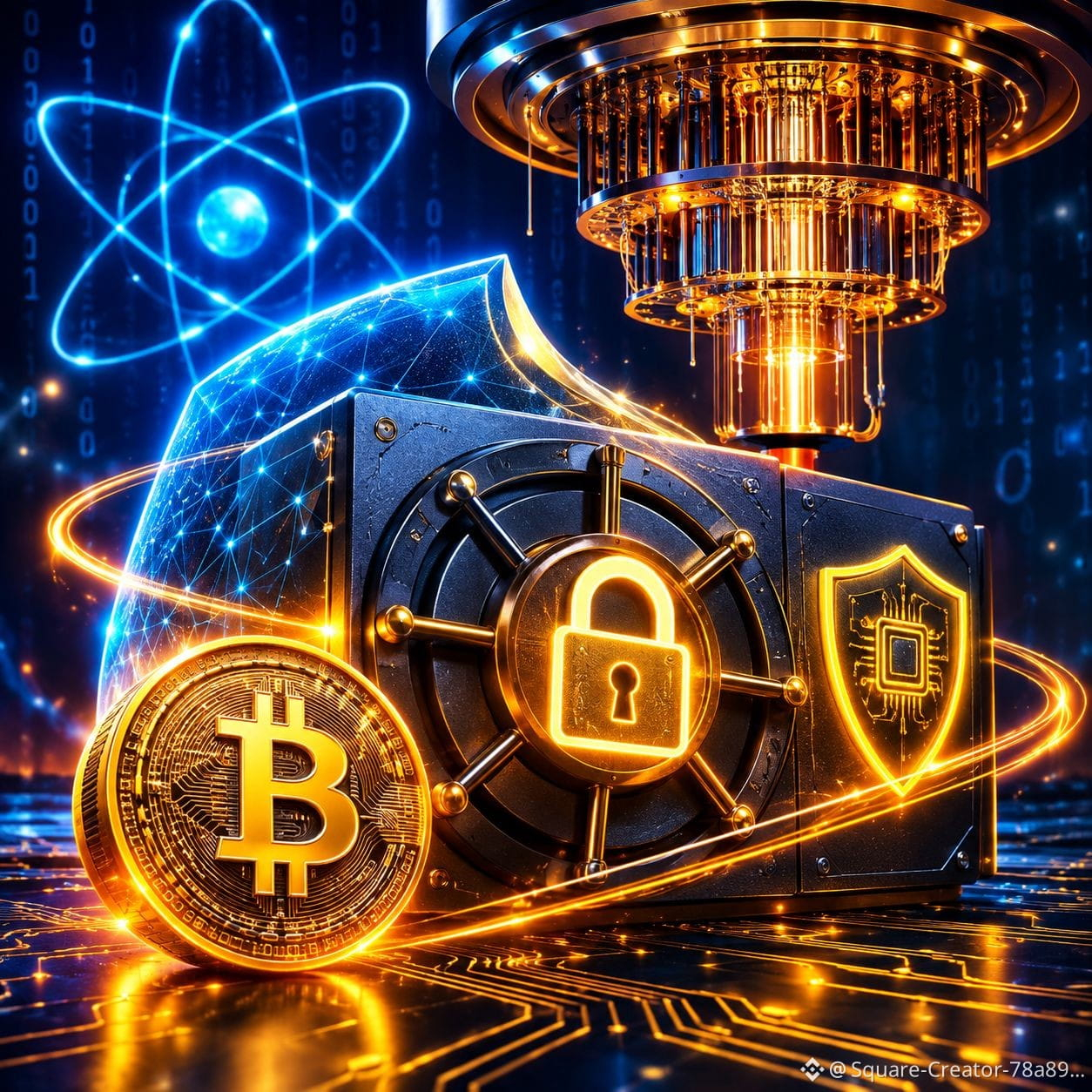
🔐 The Age of Quantum Computing: Are Crypto Networks Secure?
With the massive advances in quantum computers, serious talk has begun about their ability to break traditional encryption. But the good news is that the crypto community was ready!
We are now witnessing a gradual transition of major networks to “Post-Quantum Cryptography” to protect assets and wallets from any future breaches. Security is the foundation of trust, and developers work day and night to ensure your assets remain encrypted and unbreakable.
Binance is always at the forefront of platforms that support the most advanced security standards to protect users.
💡 Security tip: Don’t forget to always enable your biometric security keys (Passkeys) and advanced two-factor authentication for your account.
#quantumcomputing #BlockchainSecurity #CryptoSafety #BinanceSquare $BNB $BTC $ETH
🔐 The Age of Quantum Computing: Are Crypto Networks Secure?
With the massive advances in quantum computers, serious talk has begun about their ability to break traditional encryption. But the good news is that the crypto community was ready!
We are now witnessing a gradual transition of major networks to “Post-Quantum Cryptography” to protect assets and wallets from any future breaches. Security is the foundation of trust, and developers work day and night to ensure your assets remain encrypted and unbreakable.
Binance is always at the forefront of platforms that support the most advanced security standards to protect users.
💡 Security tip: Don’t forget to always enable your biometric security keys (Passkeys) and advanced two-factor authentication for your account.
#quantumcomputing #BlockchainSecurity #CryptoSafety #BinanceSquare $BNB $BTC $ETH
With the massive advances in quantum computers, serious talk has begun about their ability to break traditional encryption. But the good news is that the crypto community was ready!
We are now witnessing a gradual transition of major networks to “Post-Quantum Cryptography” to protect assets and wallets from any future breaches. Security is the foundation of trust, and developers work day and night to ensure your assets remain encrypted and unbreakable.
Binance is always at the forefront of platforms that support the most advanced security standards to protect users.
💡 Security tip: Don’t forget to always enable your biometric security keys (Passkeys) and advanced two-factor authentication for your account.
#quantumcomputing #BlockchainSecurity #CryptoSafety #BinanceSquare $BNB $BTC $ETH
60

·
--
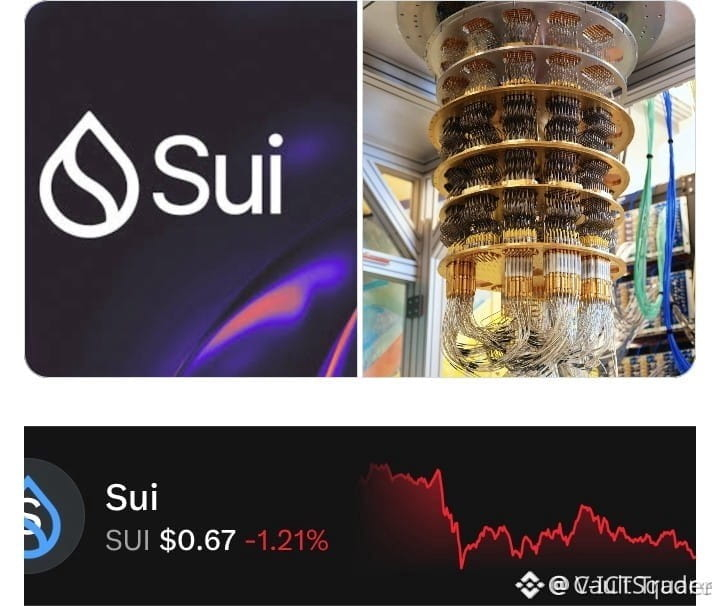
🦈 $SUI BUILDS THE QUANTUM-PROOF LAYER WHILE RETAIL IS SLEEPING — SECURITY IS THE NEXT CATALYST ⚡
📡 While the market chases the next 15-minute breakout, SUI is quietly engineering the security layer that could define the next cycle. Financial institutions won't adopt a chain they can't future-proof — and integrating NIST-approved post-quantum signatures is how you earn that trillion-dollar trust.
🔍 No new phrases, no migration headaches — just seamless quantum-resistant keys. This is patient, institutional-grade groundwork. Anyone treating this as just a "news blip" is ignoring how network security becomes a moat in bear markets. 💡
💬 Do you think quantum-safe infrastructure will become a top-5 chain selection criterion for deep-pocketed allocators by 2027? 👇
⚠️ Not financial advice. Always manage your risk. 🛡️
🏷️ #SUI #PostQuantum #CryptoNews #BlockchainSecurity
🦈 🔒
🦈 $SUI BUILDS THE QUANTUM-PROOF LAYER WHILE RETAIL IS SLEEPING — SECURITY IS THE NEXT CATALYST ⚡
📡 While the market chases the next 15-minute breakout, SUI is quietly engineering the security layer that could define the next cycle. Financial institutions won't adopt a chain they can't future-proof — and integrating NIST-approved post-quantum signatures is how you earn that trillion-dollar trust.
🔍 No new phrases, no migration headaches — just seamless quantum-resistant keys. This is patient, institutional-grade groundwork. Anyone treating this as just a "news blip" is ignoring how network security becomes a moat in bear markets. 💡
💬 Do you think quantum-safe infrastructure will become a top-5 chain selection criterion for deep-pocketed allocators by 2027? 👇
⚠️ Not financial advice. Always manage your risk. 🛡️
🏷️ #SUI #PostQuantum #CryptoNews #BlockchainSecurity
🦈 🔒
📡 While the market chases the next 15-minute breakout, SUI is quietly engineering the security layer that could define the next cycle. Financial institutions won't adopt a chain they can't future-proof — and integrating NIST-approved post-quantum signatures is how you earn that trillion-dollar trust.
🔍 No new phrases, no migration headaches — just seamless quantum-resistant keys. This is patient, institutional-grade groundwork. Anyone treating this as just a "news blip" is ignoring how network security becomes a moat in bear markets. 💡
💬 Do you think quantum-safe infrastructure will become a top-5 chain selection criterion for deep-pocketed allocators by 2027? 👇
⚠️ Not financial advice. Always manage your risk. 🛡️
🏷️ #SUI #PostQuantum #CryptoNews #BlockchainSecurity
🦈 🔒
59
·
--
$227.4 billion in Q2 VC funding isn't going to quantum computers, it's funding the future of crypto security.
The market narrative is shifting. While retail chases the latest altcoin pump, smart money is already pricing in the quantum threat. Venture capital, according to Moon Pursuit Capital founder Utkarsh Ahuja, is prioritizing quantum-ready infrastructure *now*, with 2027 as the projected inflection point. This isn't about hype; it's about the foundational security of blockchain networks. Projects demonstrating post-quantum cryptography (PQC) adoption will attract significant capital and regulatory favor. Expect a flight to quality and innovation in this niche.
This signals a clear divergence: legacy projects face existential risk, while PQC-forward infrastructure will see increased inflows. Look for #QuantumCrypto and #BlockchainSecurity to dominate the institutional radar.
The critical support level to watch for early PQC adoption is the development of standardized PQC algorithms by NIST, expected to solidify in the coming year. This will unlock institutional capital at an unprecedented scale. #PQC
Are you investing in the infrastructure that will secure the next crypto bull run, or are you still focused on yesterday's trends?
$227.4 billion in Q2 VC funding isn't going to quantum computers, it's funding the future of crypto security.
The market narrative is shifting. While retail chases the latest altcoin pump, smart money is already pricing in the quantum threat. Venture capital, according to Moon Pursuit Capital founder Utkarsh Ahuja, is prioritizing quantum-ready infrastructure *now*, with 2027 as the projected inflection point. This isn't about hype; it's about the foundational security of blockchain networks. Projects demonstrating post-quantum cryptography (PQC) adoption will attract significant capital and regulatory favor. Expect a flight to quality and innovation in this niche.
This signals a clear divergence: legacy projects face existential risk, while PQC-forward infrastructure will see increased inflows. Look for #QuantumCrypto and #BlockchainSecurity to dominate the institutional radar.
The critical support level to watch for early PQC adoption is the development of standardized PQC algorithms by NIST, expected to solidify in the coming year. This will unlock institutional capital at an unprecedented scale. #PQC
Are you investing in the infrastructure that will secure the next crypto bull run, or are you still focused on yesterday's trends?
The market narrative is shifting. While retail chases the latest altcoin pump, smart money is already pricing in the quantum threat. Venture capital, according to Moon Pursuit Capital founder Utkarsh Ahuja, is prioritizing quantum-ready infrastructure *now*, with 2027 as the projected inflection point. This isn't about hype; it's about the foundational security of blockchain networks. Projects demonstrating post-quantum cryptography (PQC) adoption will attract significant capital and regulatory favor. Expect a flight to quality and innovation in this niche.
This signals a clear divergence: legacy projects face existential risk, while PQC-forward infrastructure will see increased inflows. Look for #QuantumCrypto and #BlockchainSecurity to dominate the institutional radar.
The critical support level to watch for early PQC adoption is the development of standardized PQC algorithms by NIST, expected to solidify in the coming year. This will unlock institutional capital at an unprecedented scale. #PQC
Are you investing in the infrastructure that will secure the next crypto bull run, or are you still focused on yesterday's trends?
1

·
--
FRIENDLY FACADE, FRAUDULENT WALLET: $1757 IN ETHER STOLEN VIA FAKE AIRDROP 🚨🔍
A friendship built on shared crypto passion ended in a seven-month prison sentence. The setup? A fake airdrop promising 100-200 coins in 48 hours, backed by a "public chain" address that was actually a personal wallet under the scammer's girlfriend's name. Classic social engineering wrapped in institutional-sounding jargon. 🎭
The victim transferred $1,757 in Ether without verifying the receiving address. That single unverified click became a cautionary tale. The court sentenced Zhao to seven months plus a 5,000 yuan fine — leniency for full confession and reimbursement. ⚖️
Structural read: every airdrop promising fixed returns is a liquidity trap. Smart money verifies addresses, confirms contract legitimacy, and walks away from anything that smells like a honeypot. Patience beats blind trust, every cycle. 💡
What's your verification checklist before sending funds to any airdrop address? Drop it below.
⚠️ Not financial advice. Always manage your risk. 🛡️
🏷️ #ETH #AirdropScam #CryptoSafety #BlockchainSecurity
🔒📊
FRIENDLY FACADE, FRAUDULENT WALLET: $1757 IN ETHER STOLEN VIA FAKE AIRDROP 🚨🔍
A friendship built on shared crypto passion ended in a seven-month prison sentence. The setup? A fake airdrop promising 100-200 coins in 48 hours, backed by a "public chain" address that was actually a personal wallet under the scammer's girlfriend's name. Classic social engineering wrapped in institutional-sounding jargon. 🎭
The victim transferred $1,757 in Ether without verifying the receiving address. That single unverified click became a cautionary tale. The court sentenced Zhao to seven months plus a 5,000 yuan fine — leniency for full confession and reimbursement. ⚖️
Structural read: every airdrop promising fixed returns is a liquidity trap. Smart money verifies addresses, confirms contract legitimacy, and walks away from anything that smells like a honeypot. Patience beats blind trust, every cycle. 💡
What's your verification checklist before sending funds to any airdrop address? Drop it below.
⚠️ Not financial advice. Always manage your risk. 🛡️
🏷️ #ETH #AirdropScam #CryptoSafety #BlockchainSecurity
🔒📊
A friendship built on shared crypto passion ended in a seven-month prison sentence. The setup? A fake airdrop promising 100-200 coins in 48 hours, backed by a "public chain" address that was actually a personal wallet under the scammer's girlfriend's name. Classic social engineering wrapped in institutional-sounding jargon. 🎭
The victim transferred $1,757 in Ether without verifying the receiving address. That single unverified click became a cautionary tale. The court sentenced Zhao to seven months plus a 5,000 yuan fine — leniency for full confession and reimbursement. ⚖️
Structural read: every airdrop promising fixed returns is a liquidity trap. Smart money verifies addresses, confirms contract legitimacy, and walks away from anything that smells like a honeypot. Patience beats blind trust, every cycle. 💡
What's your verification checklist before sending funds to any airdrop address? Drop it below.
⚠️ Not financial advice. Always manage your risk. 🛡️
🏷️ #ETH #AirdropScam #CryptoSafety #BlockchainSecurity
🔒📊
8

🚨 $ONE HARMONY CRACKS DOWN — 409 WALLETS TRACED, 10K TRANSACTIONS FLAGGED! 💥
The aftermath is turning into a battlefield. 🦈 Harmony's team just announced they've traced every wallet that received fraudulent minted tokens. We're talking 409 addresses and 10,288 transactions — a full digital dragnet closing in with precision. 📥
What's more telling? Exchange partners have already blocked the hacker's wallets. That's liquidity getting frozen mid-flight. ⚡ Meanwhile, the emergency patch rollout is sprinting — 53% of validators upgraded within just 4 hours of release. That's network discipline under pressure.
The rollback is now the leading candidate to fix this mess. 📊 The team is still shaping the full action plan, with more details expected shortly. Recovery plays like this can flip sentiment hard when execution stays sharp. 💬 Will this rapid response restore trust in $ONE , or is the overhead weight too heavy to shed? 👇
⚠️ Not financial advice. Always manage your risk. 🛡️
🏷️ #ONE #Harmony #CryptoNews #BlockchainSecurity
🎯 🦈
🚨 $ONE HARMONY CRACKS DOWN — 409 WALLETS TRACED, 10K TRANSACTIONS FLAGGED! 💥
The aftermath is turning into a battlefield. 🦈 Harmony's team just announced they've traced every wallet that received fraudulent minted tokens. We're talking 409 addresses and 10,288 transactions — a full digital dragnet closing in with precision. 📥
What's more telling? Exchange partners have already blocked the hacker's wallets. That's liquidity getting frozen mid-flight. ⚡ Meanwhile, the emergency patch rollout is sprinting — 53% of validators upgraded within just 4 hours of release. That's network discipline under pressure.
The rollback is now the leading candidate to fix this mess. 📊 The team is still shaping the full action plan, with more details expected shortly. Recovery plays like this can flip sentiment hard when execution stays sharp. 💬 Will this rapid response restore trust in $ONE , or is the overhead weight too heavy to shed? 👇
⚠️ Not financial advice. Always manage your risk. 🛡️
🏷️ #ONE #Harmony #CryptoNews #BlockchainSecurity
🎯 🦈
The aftermath is turning into a battlefield. 🦈 Harmony's team just announced they've traced every wallet that received fraudulent minted tokens. We're talking 409 addresses and 10,288 transactions — a full digital dragnet closing in with precision. 📥
What's more telling? Exchange partners have already blocked the hacker's wallets. That's liquidity getting frozen mid-flight. ⚡ Meanwhile, the emergency patch rollout is sprinting — 53% of validators upgraded within just 4 hours of release. That's network discipline under pressure.
The rollback is now the leading candidate to fix this mess. 📊 The team is still shaping the full action plan, with more details expected shortly. Recovery plays like this can flip sentiment hard when execution stays sharp. 💬 Will this rapid response restore trust in $ONE , or is the overhead weight too heavy to shed? 👇
⚠️ Not financial advice. Always manage your risk. 🛡️
🏷️ #ONE #Harmony #CryptoNews #BlockchainSecurity
🎯 🦈
84

·
--
Homomorphic cryptography makes it possible to process encrypted data without decrypting it, thereby improving confidentiality and security in blockchain ecosystems. This opens up possibilities for secure decentralized applications #HomomorphicEncryption #BlockchainSecurity #Web3
Homomorphic cryptography makes it possible to process encrypted data without decrypting it, thereby improving confidentiality and security in blockchain ecosystems. This opens up possibilities for secure decentralized applications #HomomorphicEncryption #BlockchainSecurity #Web3
78

·
--
Article
Ravencoin in Crisis Mode: Network Under Threat from ExploitA major problem is brewing in the world of Ravencoin, a digital currency known for its peer-to-peer payment capabilities and open-source code.
Mining pools controlling most of Ravencoin’s hash rate are secretly building a competing chain that could trigger a three-day reorganization of the network. This is an extremely concerning development that could have far-reaching consequences for the Ravencoin community, its users, and the overall blockchain ecosystem.
To grasp this complex issue, let's break it down: **Understanding Network Reorganization and Hash Rate Balance** ( #blockchainsecurity, #cryptoeducation).
Network reorganization refers to the process of updating the blockchain record, which is crucial in maintaining decentralization and the integrity of a digital currency. A reorganization can occur when different nodes, or "miners," on the network start verifying and confirming transactions in a different order, potentially leading to significant changes in the blockchain's structure.
Hash rate balance, on the other hand, is the rate at which nodes on a network confirm and add new blocks to the blockchain. A miner or a group of miners with a high hash rate have more chances of being the first to solve complex mathematical problems required for adding new blocks.
Now, let's look at a real-world example: In the case of Ravencoin, the mining pools controlling most of its hash rate are building a competing chain, which could lead to a massive reorganization of the network. Imagine a group of powerful individuals secretly taking control of a city, then manipulating the infrastructure to benefit only themselves – that's essentially what these mining pools are doing with Ravencoin.
This situation raises several questions: Can Ravencoin's current architecture handle the strain of network reorganization, or will it succumb to the pressure of competing interests?
Here's what we can take away from this situation: To avoid similar crises, **always stay informed about the latest developments in the blockchain world and keep an eye on the hash rate balance of your favorite digital currencies** ( #blockchainanalysis). The key to success in the world of cryptocurrency lies in understanding the complex interactions between different nodes and participants, as well as staying vigilant against potential threats.
What do you think: Can a decentralized network truly protect itself against powerful external forces, or is it destined for conflict and manipulation?
Ravencoin in Crisis Mode: Network Under Threat from Exploit
A major problem is brewing in the world of Ravencoin, a digital currency known for its peer-to-peer payment capabilities and open-source code.
Mining pools controlling most of Ravencoin’s hash rate are secretly building a competing chain that could trigger a three-day reorganization of the network. This is an extremely concerning development that could have far-reaching consequences for the Ravencoin community, its users, and the overall blockchain ecosystem.
To grasp this complex issue, let's break it down: **Understanding Network Reorganization and Hash Rate Balance** ( #blockchainsecurity, #cryptoeducation).
Network reorganization refers to the process of updating the blockchain record, which is crucial in maintaining decentralization and the integrity of a digital currency. A reorganization can occur when different nodes, or "miners," on the network start verifying and confirming transactions in a different order, potentially leading to significant changes in the blockchain's structure.
Hash rate balance, on the other hand, is the rate at which nodes on a network confirm and add new blocks to the blockchain. A miner or a group of miners with a high hash rate have more chances of being the first to solve complex mathematical problems required for adding new blocks.
Now, let's look at a real-world example: In the case of Ravencoin, the mining pools controlling most of its hash rate are building a competing chain, which could lead to a massive reorganization of the network. Imagine a group of powerful individuals secretly taking control of a city, then manipulating the infrastructure to benefit only themselves – that's essentially what these mining pools are doing with Ravencoin.
This situation raises several questions: Can Ravencoin's current architecture handle the strain of network reorganization, or will it succumb to the pressure of competing interests?
Here's what we can take away from this situation: To avoid similar crises, **always stay informed about the latest developments in the blockchain world and keep an eye on the hash rate balance of your favorite digital currencies** ( #blockchainanalysis). The key to success in the world of cryptocurrency lies in understanding the complex interactions between different nodes and participants, as well as staying vigilant against potential threats.
What do you think: Can a decentralized network truly protect itself against powerful external forces, or is it destined for conflict and manipulation?
Mining pools controlling most of Ravencoin’s hash rate are secretly building a competing chain that could trigger a three-day reorganization of the network. This is an extremely concerning development that could have far-reaching consequences for the Ravencoin community, its users, and the overall blockchain ecosystem.
To grasp this complex issue, let's break it down: **Understanding Network Reorganization and Hash Rate Balance** ( #blockchainsecurity, #cryptoeducation).
Network reorganization refers to the process of updating the blockchain record, which is crucial in maintaining decentralization and the integrity of a digital currency. A reorganization can occur when different nodes, or "miners," on the network start verifying and confirming transactions in a different order, potentially leading to significant changes in the blockchain's structure.
Hash rate balance, on the other hand, is the rate at which nodes on a network confirm and add new blocks to the blockchain. A miner or a group of miners with a high hash rate have more chances of being the first to solve complex mathematical problems required for adding new blocks.
Now, let's look at a real-world example: In the case of Ravencoin, the mining pools controlling most of its hash rate are building a competing chain, which could lead to a massive reorganization of the network. Imagine a group of powerful individuals secretly taking control of a city, then manipulating the infrastructure to benefit only themselves – that's essentially what these mining pools are doing with Ravencoin.
This situation raises several questions: Can Ravencoin's current architecture handle the strain of network reorganization, or will it succumb to the pressure of competing interests?
Here's what we can take away from this situation: To avoid similar crises, **always stay informed about the latest developments in the blockchain world and keep an eye on the hash rate balance of your favorite digital currencies** ( #blockchainanalysis). The key to success in the world of cryptocurrency lies in understanding the complex interactions between different nodes and participants, as well as staying vigilant against potential threats.
What do you think: Can a decentralized network truly protect itself against powerful external forces, or is it destined for conflict and manipulation?
124
·
--
Ravencoin in Crisis Mode: Network Under Threat from ExploitA major problem is brewing in the world of Ravencoin, a digital currency known for its peer-to-peer payment capabilities and open-source code.
Mining pools controlling most of Ravencoin’s hash rate are secretly building a competing chain that could trigger a three-day reorganization of the network. This is an extremely concerning development that could have far-reaching consequences for the Ravencoin community, its users, and the overall blockchain ecosystem.
To grasp this complex issue, let's break it down: **Understanding Network Reorganization and Hash Rate Balance** ( #blockchainsecurity, #cryptoeducation).
Network reorganization refers to the process of updating the blockchain record, which is crucial in maintaining decentralization and the integrity of a digital currency. A reorganization can occur when different nodes, or "miners," on the network start verifying and confirming transactions in a different order, potentially leading to significant changes in the blockchain's structure.
Hash rate balance, on the other hand, is the rate at which nodes on a network confirm and add new blocks to the blockchain. A miner or a group of miners with a high hash rate have more chances of being the first to solve complex mathematical problems required for adding new blocks.
Now, let's look at a real-world example: In the case of Ravencoin, the mining pools controlling most of its hash rate are building a competing chain, which could lead to a massive reorganization of the network. Imagine a group of powerful individuals secretly taking control of a city, then manipulating the infrastructure to benefit only themselves – that's essentially what these mining pools are doing with Ravencoin.
This situation raises several questions: Can Ravencoin's current architecture handle the strain of network reorganization, or will it succumb to the pressure of competing interests?
Here's what we can take away from this situation: To avoid similar crises, **always stay informed about the latest developments in the blockchain world and keep an eye on the hash rate balance of your favorite digital currencies** ( #blockchainanalysis). The key to success in the world of cryptocurrency lies in understanding the complex interactions between different nodes and participants, as well as staying vigilant against potential threats.
What do you think: Can a decentralized network truly protect itself against powerful external forces, or is it destined for conflict and manipulation?
Ravencoin in Crisis Mode: Network Under Threat from Exploit
A major problem is brewing in the world of Ravencoin, a digital currency known for its peer-to-peer payment capabilities and open-source code.
Mining pools controlling most of Ravencoin’s hash rate are secretly building a competing chain that could trigger a three-day reorganization of the network. This is an extremely concerning development that could have far-reaching consequences for the Ravencoin community, its users, and the overall blockchain ecosystem.
To grasp this complex issue, let's break it down: **Understanding Network Reorganization and Hash Rate Balance** ( #blockchainsecurity, #cryptoeducation).
Network reorganization refers to the process of updating the blockchain record, which is crucial in maintaining decentralization and the integrity of a digital currency. A reorganization can occur when different nodes, or "miners," on the network start verifying and confirming transactions in a different order, potentially leading to significant changes in the blockchain's structure.
Hash rate balance, on the other hand, is the rate at which nodes on a network confirm and add new blocks to the blockchain. A miner or a group of miners with a high hash rate have more chances of being the first to solve complex mathematical problems required for adding new blocks.
Now, let's look at a real-world example: In the case of Ravencoin, the mining pools controlling most of its hash rate are building a competing chain, which could lead to a massive reorganization of the network. Imagine a group of powerful individuals secretly taking control of a city, then manipulating the infrastructure to benefit only themselves – that's essentially what these mining pools are doing with Ravencoin.
This situation raises several questions: Can Ravencoin's current architecture handle the strain of network reorganization, or will it succumb to the pressure of competing interests?
Here's what we can take away from this situation: To avoid similar crises, **always stay informed about the latest developments in the blockchain world and keep an eye on the hash rate balance of your favorite digital currencies** ( #blockchainanalysis). The key to success in the world of cryptocurrency lies in understanding the complex interactions between different nodes and participants, as well as staying vigilant against potential threats.
What do you think: Can a decentralized network truly protect itself against powerful external forces, or is it destined for conflict and manipulation?
Mining pools controlling most of Ravencoin’s hash rate are secretly building a competing chain that could trigger a three-day reorganization of the network. This is an extremely concerning development that could have far-reaching consequences for the Ravencoin community, its users, and the overall blockchain ecosystem.
To grasp this complex issue, let's break it down: **Understanding Network Reorganization and Hash Rate Balance** ( #blockchainsecurity, #cryptoeducation).
Network reorganization refers to the process of updating the blockchain record, which is crucial in maintaining decentralization and the integrity of a digital currency. A reorganization can occur when different nodes, or "miners," on the network start verifying and confirming transactions in a different order, potentially leading to significant changes in the blockchain's structure.
Hash rate balance, on the other hand, is the rate at which nodes on a network confirm and add new blocks to the blockchain. A miner or a group of miners with a high hash rate have more chances of being the first to solve complex mathematical problems required for adding new blocks.
Now, let's look at a real-world example: In the case of Ravencoin, the mining pools controlling most of its hash rate are building a competing chain, which could lead to a massive reorganization of the network. Imagine a group of powerful individuals secretly taking control of a city, then manipulating the infrastructure to benefit only themselves – that's essentially what these mining pools are doing with Ravencoin.
This situation raises several questions: Can Ravencoin's current architecture handle the strain of network reorganization, or will it succumb to the pressure of competing interests?
Here's what we can take away from this situation: To avoid similar crises, **always stay informed about the latest developments in the blockchain world and keep an eye on the hash rate balance of your favorite digital currencies** ( #blockchainanalysis). The key to success in the world of cryptocurrency lies in understanding the complex interactions between different nodes and participants, as well as staying vigilant against potential threats.
What do you think: Can a decentralized network truly protect itself against powerful external forces, or is it destined for conflict and manipulation?
84
·
--
BTCPay's Critical Exploit: A Wake-Up Call for Crypto SecurityImagine you've been working tirelessly to build a highly-secure digital fortress, only to discover that a single vulnerability could compromise the entire structure. This devastating scenario recently unfolded for BTCPay, a widely-used open-source Bitcoin ($BTC) payment processor. The crypto community rallied around it, offering a massive bounty to secure its platform from an AI-powered exploit that has left many in the space questioning the effectiveness of current security measures.
As crypto continues to grow in adoption and value, it's critical that we grasp the intricacies of security practices. In simple terms, **Security is a multi-layered puzzle** (#CryptoSecurity #BlockchainSecurity). A good defense system typically involves combining multiple layers of protection, such as encryption, access controls, and intrusion detection. The issue with BTCPay highlights the need for constant vigilance and monitoring of even the most seemingly secure platforms.
The real-world example of BTCPay's exploit serves as a stark reminder of the importance of staying one step ahead of potential threats. The AI-powered attack in question is particularly concerning due to its ability to adapt and evolve at an incredible pace, rendering traditional security solutions less effective. This vulnerability was brought to light by the Bitcoin Red Team, a group of highly-skilled security researchers who have helped identify a plethora of vulnerabilities and weaknesses in various blockchain systems.
So, what can we learn from this unfortunate episode? The takeaway is clear: it's crucial to prioritize security protocols and collaborate with the broader community to bolster our defenses. If you're a developer or business owner in the crypto space, take this opportunity to conduct a thorough review of your own security measures and reach out to industry experts for guidance. Remember, a secure system is only as strong as its weakest link.
What do you think is the single most effective measure that BTCPay could have taken to prevent this exploit?
BTCPay's Critical Exploit: A Wake-Up Call for Crypto Security
Imagine you've been working tirelessly to build a highly-secure digital fortress, only to discover that a single vulnerability could compromise the entire structure. This devastating scenario recently unfolded for BTCPay, a widely-used open-source Bitcoin ($BTC ) payment processor. The crypto community rallied around it, offering a massive bounty to secure its platform from an AI-powered exploit that has left many in the space questioning the effectiveness of current security measures.
As crypto continues to grow in adoption and value, it's critical that we grasp the intricacies of security practices. In simple terms, **Security is a multi-layered puzzle** (#CryptoSecurity #BlockchainSecurity). A good defense system typically involves combining multiple layers of protection, such as encryption, access controls, and intrusion detection. The issue with BTCPay highlights the need for constant vigilance and monitoring of even the most seemingly secure platforms.
The real-world example of BTCPay's exploit serves as a stark reminder of the importance of staying one step ahead of potential threats. The AI-powered attack in question is particularly concerning due to its ability to adapt and evolve at an incredible pace, rendering traditional security solutions less effective. This vulnerability was brought to light by the Bitcoin Red Team, a group of highly-skilled security researchers who have helped identify a plethora of vulnerabilities and weaknesses in various blockchain systems.
So, what can we learn from this unfortunate episode? The takeaway is clear: it's crucial to prioritize security protocols and collaborate with the broader community to bolster our defenses. If you're a developer or business owner in the crypto space, take this opportunity to conduct a thorough review of your own security measures and reach out to industry experts for guidance. Remember, a secure system is only as strong as its weakest link.
What do you think is the single most effective measure that BTCPay could have taken to prevent this exploit?
As crypto continues to grow in adoption and value, it's critical that we grasp the intricacies of security practices. In simple terms, **Security is a multi-layered puzzle** (#CryptoSecurity #BlockchainSecurity). A good defense system typically involves combining multiple layers of protection, such as encryption, access controls, and intrusion detection. The issue with BTCPay highlights the need for constant vigilance and monitoring of even the most seemingly secure platforms.
The real-world example of BTCPay's exploit serves as a stark reminder of the importance of staying one step ahead of potential threats. The AI-powered attack in question is particularly concerning due to its ability to adapt and evolve at an incredible pace, rendering traditional security solutions less effective. This vulnerability was brought to light by the Bitcoin Red Team, a group of highly-skilled security researchers who have helped identify a plethora of vulnerabilities and weaknesses in various blockchain systems.
So, what can we learn from this unfortunate episode? The takeaway is clear: it's crucial to prioritize security protocols and collaborate with the broader community to bolster our defenses. If you're a developer or business owner in the crypto space, take this opportunity to conduct a thorough review of your own security measures and reach out to industry experts for guidance. Remember, a secure system is only as strong as its weakest link.
What do you think is the single most effective measure that BTCPay could have taken to prevent this exploit?
26

·
--
Last week, a quiet anomaly occurred at block 961,632 that exposed a vulnerability most retail investors assume is impossible on the main network.
We trade under the assumption that major blockchains are structurally infallible, ignoring the tail-risk of a consensus split that can temporarily freeze exchange deposits or invalidate recent transactions. When the underlying plumbing of $BTC glitches, it is your capital on the line.
The event at block 961,632 wasn't a catastrophic exploit, but it was a genuine consensus split. Different nodes saw different versions of the truth for a brief moment. This happens when miners broadcast blocks almost simultaneously, forcing the network to temporarily choose between two competing chains. While the system self-corrected as designed, it highlighted how fragile the state of consensus can be during periods of high network congestion.
For traders, the risk here isn't just theoretical. During a split, sending $BTC or trying to bridge to assets like $WBTC can lead to double-spend vulnerabilities or stuck transactions. It is a stark reminder that even the most secure network requires patience, and relying on zero-confirmation transactions during times of network stress is a recipe for lost funds.
How do you adjust your transaction safety margins when network congestion spikes?
#Bitcoin #BlockchainSecurity #CryptoRisk
Last week, a quiet anomaly occurred at block 961,632 that exposed a vulnerability most retail investors assume is impossible on the main network.
We trade under the assumption that major blockchains are structurally infallible, ignoring the tail-risk of a consensus split that can temporarily freeze exchange deposits or invalidate recent transactions. When the underlying plumbing of $BTC glitches, it is your capital on the line.
The event at block 961,632 wasn't a catastrophic exploit, but it was a genuine consensus split. Different nodes saw different versions of the truth for a brief moment. This happens when miners broadcast blocks almost simultaneously, forcing the network to temporarily choose between two competing chains. While the system self-corrected as designed, it highlighted how fragile the state of consensus can be during periods of high network congestion.
For traders, the risk here isn't just theoretical. During a split, sending $BTC or trying to bridge to assets like $WBTC can lead to double-spend vulnerabilities or stuck transactions. It is a stark reminder that even the most secure network requires patience, and relying on zero-confirmation transactions during times of network stress is a recipe for lost funds.
How do you adjust your transaction safety margins when network congestion spikes?
#Bitcoin #BlockchainSecurity #CryptoRisk
We trade under the assumption that major blockchains are structurally infallible, ignoring the tail-risk of a consensus split that can temporarily freeze exchange deposits or invalidate recent transactions. When the underlying plumbing of $BTC glitches, it is your capital on the line.
The event at block 961,632 wasn't a catastrophic exploit, but it was a genuine consensus split. Different nodes saw different versions of the truth for a brief moment. This happens when miners broadcast blocks almost simultaneously, forcing the network to temporarily choose between two competing chains. While the system self-corrected as designed, it highlighted how fragile the state of consensus can be during periods of high network congestion.
For traders, the risk here isn't just theoretical. During a split, sending $BTC or trying to bridge to assets like $WBTC can lead to double-spend vulnerabilities or stuck transactions. It is a stark reminder that even the most secure network requires patience, and relying on zero-confirmation transactions during times of network stress is a recipe for lost funds.
How do you adjust your transaction safety margins when network congestion spikes?
#Bitcoin #BlockchainSecurity #CryptoRisk
12

·
--
$ALPHA BRIDGE HIT IN 7-MINUTE DRAIN 🚨
Alephium’s TokenBridge lost roughly $815K after attackers forced forged messages through an off-chain backend flaw across $ETH and BNB Chain. The team says guardian keys were not stolen, the bridge is halted, and affected users are set for a recovery path.
Fast drain. Fake wrapped supply. Bridge risk just got louder.
Attackers minted 13.76M unbacked wrapped $ALPH, exceeding the prior wrapped supply. Funds were reported unmoved at disclosure, with a full postmortem expected this week.
Not financial advice. Manage your risk.
#Crypto #DeFi #BlockchainSecurity #Altcoins #web
⚡
{future}(ETHUSDT)
$ALPHA BRIDGE HIT IN 7-MINUTE DRAIN 🚨
Alephium’s TokenBridge lost roughly $815K after attackers forced forged messages through an off-chain backend flaw across $ETH and BNB Chain. The team says guardian keys were not stolen, the bridge is halted, and affected users are set for a recovery path.
Fast drain. Fake wrapped supply. Bridge risk just got louder.
Attackers minted 13.76M unbacked wrapped $ALPH, exceeding the prior wrapped supply. Funds were reported unmoved at disclosure, with a full postmortem expected this week.
Not financial advice. Manage your risk.
#Crypto #DeFi #BlockchainSecurity #Altcoins #web
⚡
Alephium’s TokenBridge lost roughly $815K after attackers forced forged messages through an off-chain backend flaw across $ETH and BNB Chain. The team says guardian keys were not stolen, the bridge is halted, and affected users are set for a recovery path.
Fast drain. Fake wrapped supply. Bridge risk just got louder.
Attackers minted 13.76M unbacked wrapped $ALPH, exceeding the prior wrapped supply. Funds were reported unmoved at disclosure, with a full postmortem expected this week.
Not financial advice. Manage your risk.
#Crypto #DeFi #BlockchainSecurity #Altcoins #web
⚡
30

·
--
AI is becoming a double-edged sword in the Crypto world. Anthropic just dropped the Claude Mythos model with new security measures, but what's noteworthy is the warning from Simon Dedic: this tech could bring the technical barriers for finding vulnerabilities in smart contracts down to almost zero.
Trader's perspective: This news is neutrally leaning towards caution (short-term Bearish for investor sentiment). As vulnerability search tools become more accessible, the risk of hacks and exploits will skyrocket, forcing projects to continuously upgrade their security. For the market, this creates a sense of unease regarding the safety of DeFi protocols. However, in the long run, it will drive the elimination of low-quality projects and raise the overall security standards in the industry. Be sure to manage your capital and prioritize assets with proven security foundations during this phase.
$BTC $ETH #CryptoNews #AI #BlockchainSecurity
Note: This is a personal opinion, not investment advice. Be cautious with your trades (DYOR).
AI is becoming a double-edged sword in the Crypto world. Anthropic just dropped the Claude Mythos model with new security measures, but what's noteworthy is the warning from Simon Dedic: this tech could bring the technical barriers for finding vulnerabilities in smart contracts down to almost zero.
Trader's perspective: This news is neutrally leaning towards caution (short-term Bearish for investor sentiment). As vulnerability search tools become more accessible, the risk of hacks and exploits will skyrocket, forcing projects to continuously upgrade their security. For the market, this creates a sense of unease regarding the safety of DeFi protocols. However, in the long run, it will drive the elimination of low-quality projects and raise the overall security standards in the industry. Be sure to manage your capital and prioritize assets with proven security foundations during this phase.
$BTC $ETH #CryptoNews #AI #BlockchainSecurity
Note: This is a personal opinion, not investment advice. Be cautious with your trades (DYOR).
Trader's perspective: This news is neutrally leaning towards caution (short-term Bearish for investor sentiment). As vulnerability search tools become more accessible, the risk of hacks and exploits will skyrocket, forcing projects to continuously upgrade their security. For the market, this creates a sense of unease regarding the safety of DeFi protocols. However, in the long run, it will drive the elimination of low-quality projects and raise the overall security standards in the industry. Be sure to manage your capital and prioritize assets with proven security foundations during this phase.
$BTC $ETH #CryptoNews #AI #BlockchainSecurity
Note: This is a personal opinion, not investment advice. Be cautious with your trades (DYOR).
194

🚨 BREAKING !!!
SUI BLOCKCHAIN GOES DOWN 3 TIMES IN A ROW DUE TO ISSUES IN UPGRADE V1.72 🔴
Three mainnet outages occurred on Thursday and Friday, stemming from two separate bugs introduced in upgrade v1.72 ⚠️
The first two outages were due to gas fee calculation errors related to the "address balances" feature; an emergency fix was rolled out but it itself carried a low probability of causing another network halt, leading to the third outage 🛠
The third outage happened when validators restarted and encountered latent issues in the network's random setup preservation mechanism 📊
Sui Foundation confirms: the bugs have been patched, no user funds were at risk, and no transactions were rolled back. The network has also implemented a mechanism to force-close stalled epochs to prevent future occurrences.
#Sui #BlockchainSecurity
$SUI $ETH $PORTAL
🚨 BREAKING !!!
SUI BLOCKCHAIN GOES DOWN 3 TIMES IN A ROW DUE TO ISSUES IN UPGRADE V1.72 🔴
Three mainnet outages occurred on Thursday and Friday, stemming from two separate bugs introduced in upgrade v1.72 ⚠️
The first two outages were due to gas fee calculation errors related to the "address balances" feature; an emergency fix was rolled out but it itself carried a low probability of causing another network halt, leading to the third outage 🛠
The third outage happened when validators restarted and encountered latent issues in the network's random setup preservation mechanism 📊
Sui Foundation confirms: the bugs have been patched, no user funds were at risk, and no transactions were rolled back. The network has also implemented a mechanism to force-close stalled epochs to prevent future occurrences.
#Sui #BlockchainSecurity
$SUI $ETH $PORTAL
SUI BLOCKCHAIN GOES DOWN 3 TIMES IN A ROW DUE TO ISSUES IN UPGRADE V1.72 🔴
Three mainnet outages occurred on Thursday and Friday, stemming from two separate bugs introduced in upgrade v1.72 ⚠️
The first two outages were due to gas fee calculation errors related to the "address balances" feature; an emergency fix was rolled out but it itself carried a low probability of causing another network halt, leading to the third outage 🛠
The third outage happened when validators restarted and encountered latent issues in the network's random setup preservation mechanism 📊
Sui Foundation confirms: the bugs have been patched, no user funds were at risk, and no transactions were rolled back. The network has also implemented a mechanism to force-close stalled epochs to prevent future occurrences.
#Sui #BlockchainSecurity
$SUI $ETH $PORTAL
430
Log in to explore more content
Join global crypto users on Binance Square
⚡️ Get latest and useful information about crypto.
💬 Trusted by the world’s largest crypto exchange.
👍 Discover real insights from verified creators.
Email / Phone number
Trending Topics
1
#AppleDebutsFoldablePhone
23,663 views
478 Discussing
2
#TSMCAugustRevenueUp53.3%YoY
0 views
20 Discussing
3
#IranSaysReadyToEscalateWarWithUS
1,413 views
75 Discussing
4
#EUExtendsCentralContactPointToCASPs
5,545 views
167 Discussing
5
#US10YTreasuryYieldHitsHighestSinceNov2023
23,969 views
387 Discussing
6
#USTreasuryToBuyBackUpTo$6BLongDatedDebt
16,475 views
163 Discussing
7
#BitcoinSurpasses$79K
65,795 views
276 Discussing
8
#BrentCrudeTops$100
123,577 views
401 Discussing
9
#USADPWeeklyEmploymentRises12000
107,817 views
1,299 Discussing
10
#BankOfAmericaGroupPilotsUSBDCStablecoin
80,091 views
1,039 Discussing