
Official_Bitnxt
804 Posts

Official_Bitnxt
Report
Block User
Bitnxt is a real-time crypto discovery platform - memes, news, events, experts, wallets, cards, tax software, insurance companies
21 Following
66 Followers
691 Liked
Posts
All
Videos
From M-Pesa to Bitcoin: How Tando Is Making Bitcoin Spendable Across Kenya
Q. Tando is named after the Asante deity of thunder and lightning. Can you tell our readers the story of how the idea came together after the African Bitcoin Conference in Ghana?
A. We went to the African Bitcoin Conference in Ghana in 2023. While we were there we learned that the Asante people have a deity of thunder and lightning called Tando. For a product built on the Lightning Network, the name picked itself. The bigger spark was a talk by Femi Longe, who said that Africans need to build Bitcoin solutions for Africans. We came home to Kenya fired up. The question we brought back was simple: M-Pesa already changed how Kenya transacts, so what if you could keep everything people love about it and just swap the money underneath for Bitcoin? M-Pesa changed payments in Kenya in 2007, Satoshi changed money in 2009, and Tando put the two together in 2024.
Q. Your research found that Kenyans want Bitcoin first as a way to pay and second as a way to save, the reverse of the West. What did you see on the ground that showed you this?
A. When we talked to people, nobody asked “what's the price going to do?” They asked “can I pay my rent with it?” In the West most people meet Bitcoin as an investment first. In Kenya, M-Pesa has trained 50+ million people to think of money as something you move with your phone, every day, for everything. So the first question is always about usefulness.
Q. For someone new to Bitcoin, how would you explain what happens behind the scenes when a user pays an M-Pesa merchant with BTC through Tando?
A. You open Tando and enter the payment the same way you would in M-Pesa: a till number, a paybill, or a phone number, plus the amount in shillings. Tando shows you a Bitcoin invoice for that amount at the current rate.
Read more: https://bitnxt.io/interviews/tando-bitcoin-mpesa
#Tando #Bitnxt

1
150
Article
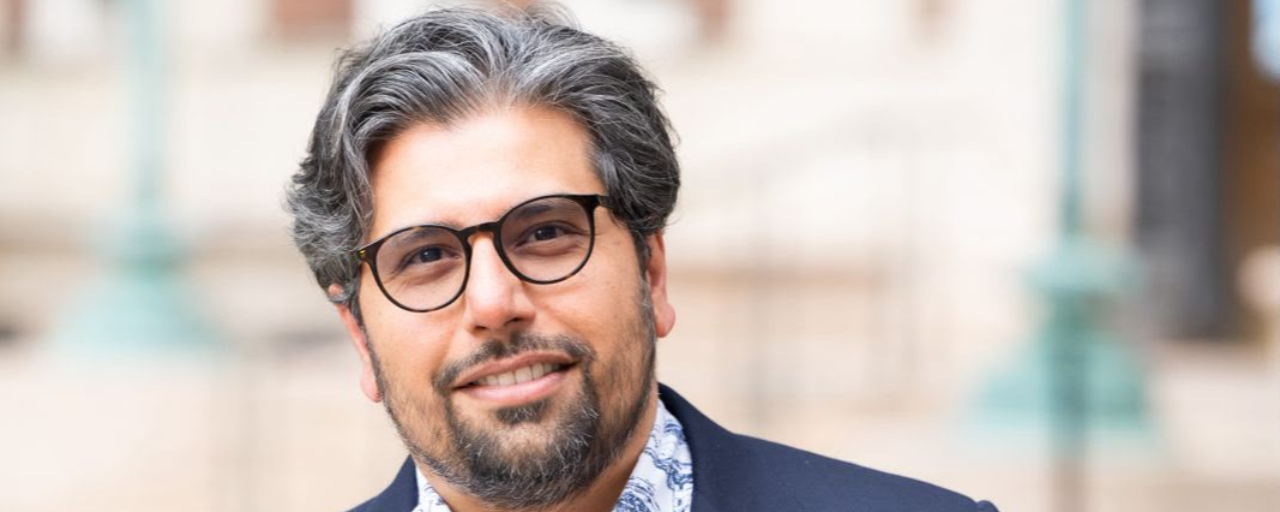
Suril N. Desai on cutting India’s 1% crypto TDSSuril N. Desai is a commentator on India’s crypto policy and a vocal advocate for Bitcoin and self-custody. His view is that banks should earn people’s trust through service and accountability, and that regulation should protect citizens while allowing them meaningful alternatives.
In this Bitnxt Founder and Leader Interview Series Q&A, he examines India’s crypto tax regime, RBI powers, the e-rupee and UPI, token launches, and the industry’s own failures.
-
Q1.If you could rewrite one clause of India’s crypto tax regime tomorrow, which would it be — the 30% flat tax, the 1% TDS, or the ban on setting off losses — and why that one?
I would cut the 1% TDS to 0.01%. It repeatedly locks up capital, even on losing trades. A later tax credit does not repair today’s cash-flow damage. The state already has reporting tools. It should collect information without choking liquidity and making compliance commercially punishing.
-
Q2.Estimates suggest roughly 70% of Indian crypto trading volume now happens offshore. Has the current regime protected investors, or simply exported them?
Investor protection cannot be measured by how much business disappears from India. The 70% estimate needs verification, but offshore migration is documented. When users move beyond effective local recourse, risk survives and domestic accountability weakens. I call that a policy failure dressed up as caution.
-
Q3.The RBI has reportedly leaned towards prohibition and pushed for banks to be walled off from crypto. How far can it realistically go?
RBI’s powers are subject to law and judicial review. The 2020 judgment demonstrated that by setting aside its banking restriction. Cutting off banking can strangle a business without banning it on paper. Any fresh restriction needs a lawful basis and must survive constitutional scrutiny; regulatory discomfort is not enough.
-
Q4.India still has no dedicated crypto law, yet exchanges must register with FIU-IND and follow PMLA. Is this “regulation by enforcement” workable long-term?
The state knows how to collect the tax and demand the data. Customers still need clarity about who safeguards their assets and what happens after an exchange fails. PMLA compliance matters, but it cannot substitute for a complete framework. Permanent uncertainty is a cost imposed on every serious builder.
More: https://bitnxt.io/interviews/suril-desai-nishith-desai-associates
Suril N. Desai on cutting India’s 1% crypto TDS
Suril N. Desai is a commentator on India’s crypto policy and a vocal advocate for Bitcoin and self-custody. His view is that banks should earn people’s trust through service and accountability, and that regulation should protect citizens while allowing them meaningful alternatives.
In this Bitnxt Founder and Leader Interview Series Q&A, he examines India’s crypto tax regime, RBI powers, the e-rupee and UPI, token launches, and the industry’s own failures.
-
Q1.If you could rewrite one clause of India’s crypto tax regime tomorrow, which would it be — the 30% flat tax, the 1% TDS, or the ban on setting off losses — and why that one?
I would cut the 1% TDS to 0.01%. It repeatedly locks up capital, even on losing trades. A later tax credit does not repair today’s cash-flow damage. The state already has reporting tools. It should collect information without choking liquidity and making compliance commercially punishing.
-
Q2.Estimates suggest roughly 70% of Indian crypto trading volume now happens offshore. Has the current regime protected investors, or simply exported them?
Investor protection cannot be measured by how much business disappears from India. The 70% estimate needs verification, but offshore migration is documented. When users move beyond effective local recourse, risk survives and domestic accountability weakens. I call that a policy failure dressed up as caution.
-
Q3.The RBI has reportedly leaned towards prohibition and pushed for banks to be walled off from crypto. How far can it realistically go?
RBI’s powers are subject to law and judicial review. The 2020 judgment demonstrated that by setting aside its banking restriction. Cutting off banking can strangle a business without banning it on paper. Any fresh restriction needs a lawful basis and must survive constitutional scrutiny; regulatory discomfort is not enough.
-
Q4.India still has no dedicated crypto law, yet exchanges must register with FIU-IND and follow PMLA. Is this “regulation by enforcement” workable long-term?
The state knows how to collect the tax and demand the data. Customers still need clarity about who safeguards their assets and what happens after an exchange fails. PMLA compliance matters, but it cannot substitute for a complete framework. Permanent uncertainty is a cost imposed on every serious builder.
More: https://bitnxt.io/interviews/suril-desai-nishith-desai-associates
1
229
·
--
Bullish
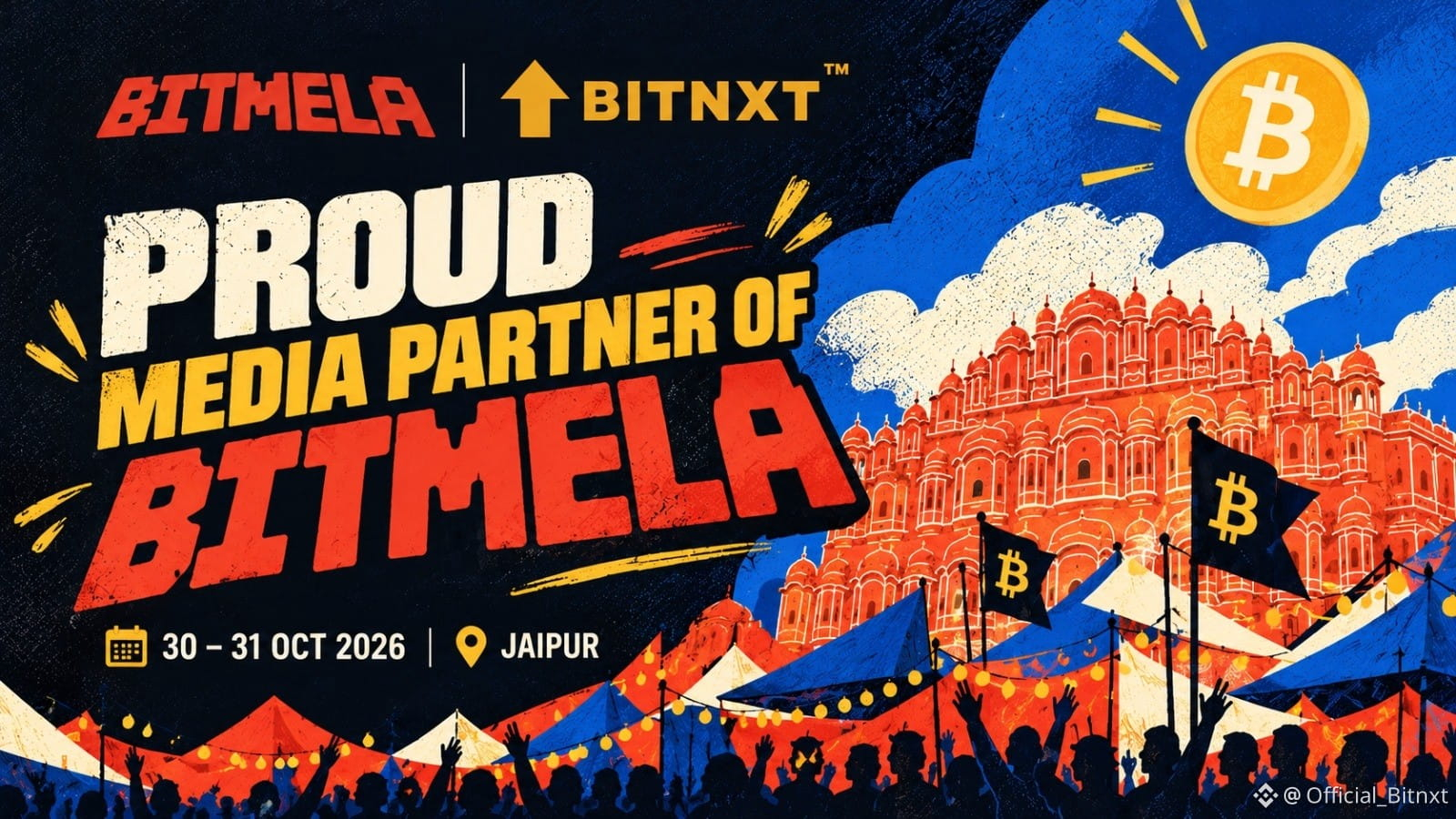
Happy to share that *Bitnxt* is the proud *Media Partner* of *Bitmela*, India's first Bitcoin festival 🎉
Use coupon code *Bitnxt15* for a *FLAT 15% discount* 🎟️
👉 https://thebitmela.com/
See you there! https://bitnxt.io/
#Bitnxt
Happy to share that *Bitnxt* is the proud *Media Partner* of *Bitmela*, India's first Bitcoin festival 🎉
Use coupon code *Bitnxt15* for a *FLAT 15% discount* 🎟️
👉 https://thebitmela.com/
See you there! https://bitnxt.io/
#Bitnxt
Use coupon code *Bitnxt15* for a *FLAT 15% discount* 🎟️
👉 https://thebitmela.com/
See you there! https://bitnxt.io/
#Bitnxt
1
161
·
--
Bullish
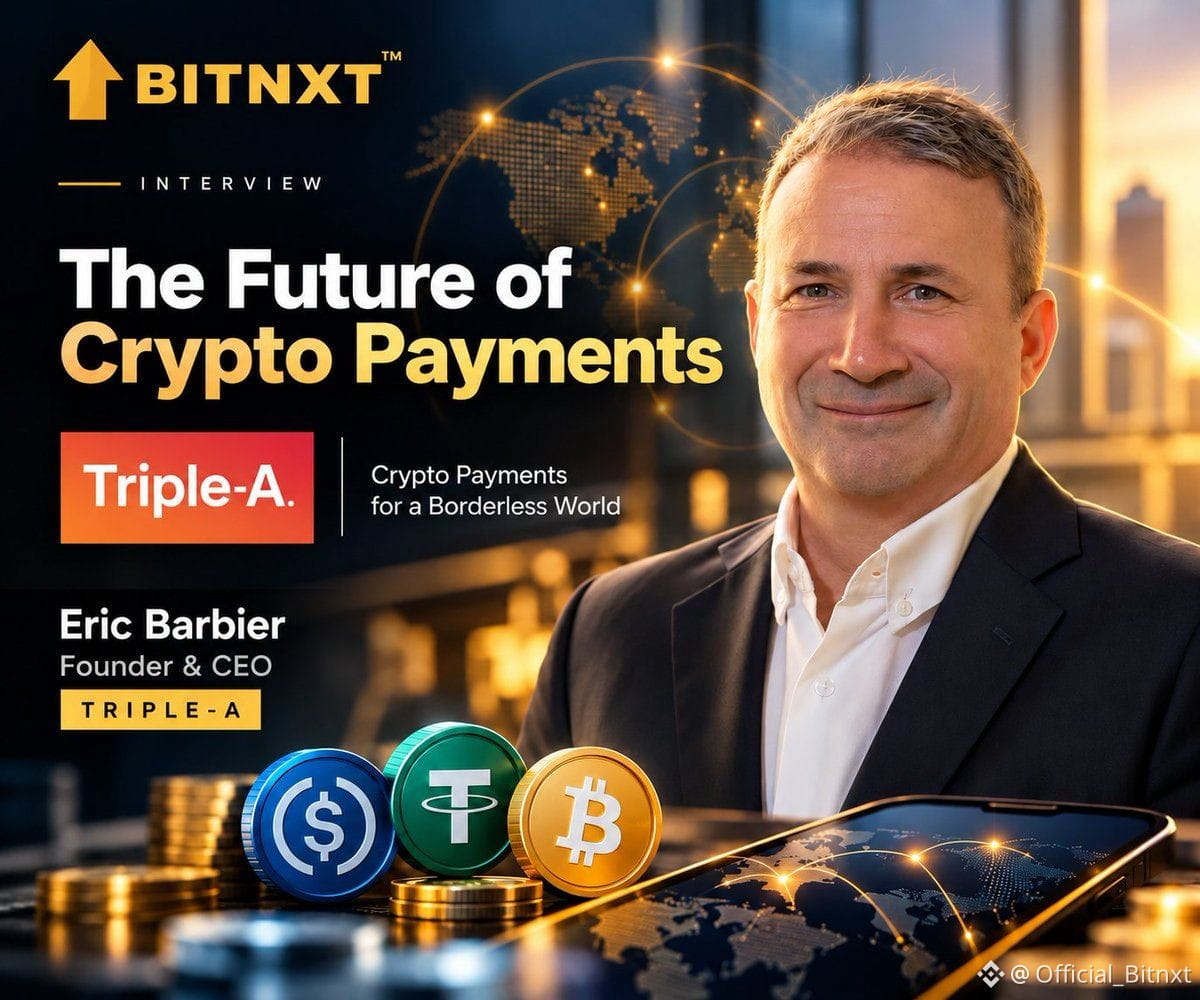
🚀 Are #Stablecoins becoming the future of global payments?
We interviewed Eric Barbier, Founder & CEO of Triple-A, to explore crypto payments, real-world adoption, and the evolving payment ecosystem.
Discover the conversation on Bitnxt -
https://bitnxt.io/interviews/eric-barbier-triple-a
#CryptoPayment #Payment #crypto
We interviewed Eric Barbier, Founder & CEO of Triple-A, to explore crypto payments, real-world adoption, and the evolving payment ecosystem.
Discover the conversation on Bitnxt -
https://bitnxt.io/interviews/eric-barbier-triple-a
#CryptoPayment #Payment #crypto
1
70
Solana Mobile named Ledger its first hardware expansion partner.
The Ledger Atom will ship with the Seeker app and Solana dApp Store preinstalled. Crypto phones are slowly becoming a real category.
#solana #sol #Ledger #solanamobile
Solana Mobile named Ledger its first hardware expansion partner.
The Ledger Atom will ship with the Seeker app and Solana dApp Store preinstalled. Crypto phones are slowly becoming a real category.
#solana #sol #Ledger #solanamobile
The Ledger Atom will ship with the Seeker app and Solana dApp Store preinstalled. Crypto phones are slowly becoming a real category.
#solana #sol #Ledger #solanamobile
1
10
Token unlocks to watch:
ARB today, about $18.4M
ASTER tomorrow, about $31.7M
CRO tomorrow, about $69.5M
Unlocks often bring extra selling pressure. Plan accordingly.
#tokenunlocks #ARB #CRO #ASTER #crypto
Token unlocks to watch:
ARB today, about $18.4M
ASTER tomorrow, about $31.7M
CRO tomorrow, about $69.5M
Unlocks often bring extra selling pressure. Plan accordingly.
#tokenunlocks #ARB #CRO #ASTER #crypto
ARB today, about $18.4M
ASTER tomorrow, about $31.7M
CRO tomorrow, about $69.5M
Unlocks often bring extra selling pressure. Plan accordingly.
#tokenunlocks #ARB #CRO #ASTER #crypto
1
296
Zcash is above $1,200 and up 8% today.
Privacy coins keep outperforming while the wider market chops sideways. The privacy trade isn't going away.
#Zcash #ZEC #Privacy #Crypto #altcoins
Zcash is above $1,200 and up 8% today.
Privacy coins keep outperforming while the wider market chops sideways. The privacy trade isn't going away.
#Zcash #ZEC #Privacy #Crypto #altcoins
Privacy coins keep outperforming while the wider market chops sideways. The privacy trade isn't going away.
#Zcash #ZEC #Privacy #Crypto #altcoins
1
184
$NEAR bounced nearly 12% in a day, and SilentSwap just integrated NEAR Intents for private cross-chain trading.
Chain abstraction plus privacy is a strong narrative right now.
#Near #nearprotocol #crypto #altcoins
$NEAR bounced nearly 12% in a day, and SilentSwap just integrated NEAR Intents for private cross-chain trading.
Chain abstraction plus privacy is a strong narrative right now.
#Near #nearprotocol #crypto #altcoins
Chain abstraction plus privacy is a strong narrative right now.
#Near #nearprotocol #crypto #altcoins
1
19
US inflation is heating up again. September CPI came in at 3.7%, then PPI hit 6.3% the next day.
Hotter inflation means fewer rate cut hopes, and crypto feels that fast. Keep an eye on the Fed.
#Inflation #cpi #Fed #bitcoin #crypto
US inflation is heating up again. September CPI came in at 3.7%, then PPI hit 6.3% the next day.
Hotter inflation means fewer rate cut hopes, and crypto feels that fast. Keep an eye on the Fed.
#Inflation #cpi #Fed #bitcoin #crypto
Hotter inflation means fewer rate cut hopes, and crypto feels that fast. Keep an eye on the Fed.
#Inflation #cpi #Fed #bitcoin #crypto
1
4
Spot Bitcoin ETFs saw about $679M in outflows last week, and another $261M left on Wednesday.
Institutions are cautious right now. Worth watching whether flows flip before price does.
#bitcoin #BTC #BitcoinETF #crypto
Spot Bitcoin ETFs saw about $679M in outflows last week, and another $261M left on Wednesday.
Institutions are cautious right now. Worth watching whether flows flip before price does.
#bitcoin #BTC #BitcoinETF #crypto
Institutions are cautious right now. Worth watching whether flows flip before price does.
#bitcoin #BTC #BitcoinETF #crypto
1
14
BitFuFu and Finloop launched HASH, a tokenized note that gives eligible investors exposure to Bitcoin mining output.
Returns are paid in BTC, with profit distributions recorded on-chain. Mining meets RWA.
#bitcoin #BTC #Mining #RWA #Tokenization
BitFuFu and Finloop launched HASH, a tokenized note that gives eligible investors exposure to Bitcoin mining output.
Returns are paid in BTC, with profit distributions recorded on-chain. Mining meets RWA.
#bitcoin #BTC #Mining #RWA #Tokenization
Returns are paid in BTC, with profit distributions recorded on-chain. Mining meets RWA.
#bitcoin #BTC #Mining #RWA #Tokenization
4
Cross River's fintech clients can now use $RLUSD for international transfers and settlement, any hour of the day, over the XRP Ledger.
A US bank partner putting RLUSD to work is worth noting.
#xrp #RLUSD #Ripple #Stablecoins
Cross River's fintech clients can now use $RLUSD for international transfers and settlement, any hour of the day, over the XRP Ledger.
A US bank partner putting RLUSD to work is worth noting.
#xrp #RLUSD #Ripple #Stablecoins
A US bank partner putting RLUSD to work is worth noting.
#xrp #RLUSD #Ripple #Stablecoins
37
Mastercard and BVNK just launched a stablecoin platform for businesses.
Hold fiat and stablecoins, swap between them, issue cards and pay out to local bank accounts. Visa this week, Mastercard today. The race is on.
#Mastercard #Stablecoins #Payments #crypto
Mastercard and BVNK just launched a stablecoin platform for businesses.
Hold fiat and stablecoins, swap between them, issue cards and pay out to local bank accounts. Visa this week, Mastercard today. The race is on.
#Mastercard #Stablecoins #Payments #crypto
Hold fiat and stablecoins, swap between them, issue cards and pay out to local bank accounts. Visa this week, Mastercard today. The race is on.
#Mastercard #Stablecoins #Payments #crypto
18
Big one for Europe. The EBA has classified USDC as the first "significant" e-money token under MiCA, out of 45 notified.
From November 12, USDC gets direct EU-level supervision on reserves and liquidity.
#USDC #MiCA #Stablecoins #Circle
Big one for Europe. The EBA has classified USDC as the first "significant" e-money token under MiCA, out of 45 notified.
From November 12, USDC gets direct EU-level supervision on reserves and liquidity.
#USDC #MiCA #Stablecoins #Circle
From November 12, USDC gets direct EU-level supervision on reserves and liquidity.
#USDC #MiCA #Stablecoins #Circle
18
Thailand's crypto ETF rules officially kick in today.
Bitcoin and Ether ETFs can now be built for the Stock Exchange of Thailand, with local mutual funds allowed to invest. No margin loans though.
Asia keeps opening up.
#thailand #BitcoinETF #bitcoin #Ethereum
Thailand's crypto ETF rules officially kick in today.
Bitcoin and Ether ETFs can now be built for the Stock Exchange of Thailand, with local mutual funds allowed to invest. No margin loans though.
Asia keeps opening up.
#thailand #BitcoinETF #bitcoin #Ethereum
Bitcoin and Ether ETFs can now be built for the Stock Exchange of Thailand, with local mutual funds allowed to invest. No margin loans though.
Asia keeps opening up.
#thailand #BitcoinETF #bitcoin #Ethereum
23
Ripple and DriveWealth are teaming up. DriveWealth will use $RLUSD on the XRP Ledger for European settlement first, then the US.
RLUSD keeps quietly picking up real institutional use cases.
#xrp #Ripple #RLUSD #Stablecoins
Ripple and DriveWealth are teaming up. DriveWealth will use $RLUSD on the XRP Ledger for European settlement first, then the US.
RLUSD keeps quietly picking up real institutional use cases.
#xrp #Ripple #RLUSD #Stablecoins
RLUSD keeps quietly picking up real institutional use cases.
#xrp #Ripple #RLUSD #Stablecoins
1
37
Log in to explore more content
Join global crypto users on Binance Square
⚡️ Get latest and useful information about crypto.
💬 Trusted by the world’s largest crypto exchange.
👍 Discover real insights from verified creators.
Email / Phone number
Trending Topics
BitcoinRebounds$75KAsChipsLead
8,181 views
120 Discussing
Market Watch | Bitcoin Rebounds to $75,600 After Dip Below $75,000 as Chip Stocks Lead Rally on Jobs Beat
Binance News
·16 Likes
·4.8k views
JobsReportRaisesHikeOdds
107,156 views
974 Discussing
US Data Center Rules May Constrain AI Expansion
14,375 views
102 Discussing