
CryptoSattar
627 Posts

CryptoSattar
All about crypto and memecoins!
Occasional Trader
4 Years
6.0K+ Following
1.4K+ Followers
1.3K+ Liked
Posts
All
Quotes
Videos
Why Do Crypto Hackers Wait to Withdraw From Tornado Cash?
Ever notice how almost every major hack ends the same way — stolen funds get dumped into Tornado Cash within hours? But the withdrawals? Those can take weeks. Here's why.
Tornado Cash doesn't erase your trail — it just crowds it.
When you deposit ETH, you join a shared pool with everyone else who deposited the same denomination. Withdraw right away, and you're often the only one who could plausibly own that specific chunk of ETH — easy pickings for firms like Chainalysis or TRM Labs, who track timing correlation, wallet behavior, and gas fingerprints even after funds pass through the mixer.
The anonymity set is everything. The longer a hacker waits, the more random deposits and withdrawals pile into that same pool — making it statistically harder to link a specific deposit to a specific withdrawal. That's the whole game: patience literally buys privacy.
But mistakes still happen. Recent cases show attackers tripping up by:
Withdrawing too fast (timing correlation)
Reusing an address that also made the original deposit
Consolidating multiple withdrawals into one wallet
Repeating identical gas settings across transactions
Even OFAC's landmark case against Tornado Cash leaned on exactly this kind of multi-signal forensic pattern-matching — not a single "smoking gun."
Bottom line: deposit is instant, withdrawal is a waiting game. The mixer only works if the hacker has the discipline to sit on stolen funds while the noise builds up around them — and on-chain, patience isn't just a virtue, it's operational security. 🔐
Ever notice how almost every major hack ends the same way — stolen funds get dumped into Tornado Cash within hours? But the withdrawals? Those can take weeks. Here's why.
Tornado Cash doesn't erase your trail — it just crowds it.
When you deposit ETH, you join a shared pool with everyone else who deposited the same denomination. Withdraw right away, and you're often the only one who could plausibly own that specific chunk of ETH — easy pickings for firms like Chainalysis or TRM Labs, who track timing correlation, wallet behavior, and gas fingerprints even after funds pass through the mixer.
The anonymity set is everything. The longer a hacker waits, the more random deposits and withdrawals pile into that same pool — making it statistically harder to link a specific deposit to a specific withdrawal. That's the whole game: patience literally buys privacy.
But mistakes still happen. Recent cases show attackers tripping up by:
Withdrawing too fast (timing correlation)
Reusing an address that also made the original deposit
Consolidating multiple withdrawals into one wallet
Repeating identical gas settings across transactions
Even OFAC's landmark case against Tornado Cash leaned on exactly this kind of multi-signal forensic pattern-matching — not a single "smoking gun."
Bottom line: deposit is instant, withdrawal is a waiting game. The mixer only works if the hacker has the discipline to sit on stolen funds while the noise builds up around them — and on-chain, patience isn't just a virtue, it's operational security. 🔐
SECURITY ALERT: Vultisig-Linked Wallet Flagged
CertiK just flagged something ugly
On Aug 11, a wallet linked to @vultisig moved $1.284M in suspicious outflows.
The breakdown:
~$1.09M USDC swapped → 575.4 ETH
Funneled through Tornado Cash
Split across 2 separate EOAs
That combo (swap → mixer → split wallets) is a classic laundering pattern not something you see from routine treasury activity.
No official statement from Vultisig yet. Could be a compromised wallet, could be insider movement — we don't know the cause. Don't assume, verify.
If you're holding or interacting with anything Vultisig-related, stay cautious until there's clarity.
Drop your thoughts below 👇 — anyone tracking this closer?
Share to keep the community alert
Follow for more on-chain security breakdowns
#Vultisig #CertiK #TornadoCash #OnChainAlert #BinanceSquare
CertiK just flagged something ugly
On Aug 11, a wallet linked to @vultisig moved $1.284M in suspicious outflows.
The breakdown:
~$1.09M USDC swapped → 575.4 ETH
Funneled through Tornado Cash
Split across 2 separate EOAs
That combo (swap → mixer → split wallets) is a classic laundering pattern not something you see from routine treasury activity.
No official statement from Vultisig yet. Could be a compromised wallet, could be insider movement — we don't know the cause. Don't assume, verify.
If you're holding or interacting with anything Vultisig-related, stay cautious until there's clarity.
Drop your thoughts below 👇 — anyone tracking this closer?
Share to keep the community alert
Follow for more on-chain security breakdowns
#Vultisig #CertiK #TornadoCash #OnChainAlert #BinanceSquare
Hardware can be secure, but leaked user data can become the real attack vector.
The SafePal incident is a reminder that protecting your crypto isn’t only about securing your wallet it’s also about protecting your personal information.
Stay alert.
The SafePal incident is a reminder that protecting your crypto isn’t only about securing your wallet it’s also about protecting your personal information.
Stay alert.
SafePal Data Breach Exposes Nearly 40K Users
SafePal reportedly exposed personal and order information of nearly 40,000 users.
private keys, seed phrases, passwords, and funds were not compromised.
But leaked data can still fuel phishing and impersonation scams.
In crypto, your personal information can be a target too.
Stay alert. Verify every message, link, and “support” request. Never share your seed phrase.
#CryptoSecurity #ScamAlert #Safepal #Binance
SafePal reportedly exposed personal and order information of nearly 40,000 users.
private keys, seed phrases, passwords, and funds were not compromised.
But leaked data can still fuel phishing and impersonation scams.
In crypto, your personal information can be a target too.
Stay alert. Verify every message, link, and “support” request. Never share your seed phrase.
#CryptoSecurity #ScamAlert #Safepal #Binance
I used to think a hardware wallet literally stores your crypto. It doesn’t.
Your crypto stays on the blockchain. A device like #Trezor helps protect the private keys that let you control those assets.
That’s why your recovery phrase matters just as much as the device itself.
Hardware wallet scam-proof.
What do you use for your long-term crypto?
Your crypto stays on the blockchain. A device like #Trezor helps protect the private keys that let you control those assets.
That’s why your recovery phrase matters just as much as the device itself.
Hardware wallet scam-proof.
What do you use for your long-term crypto?
want to connect with more people actually in Crypto.
Onchain builders
Meme coin founders
Robinhood & Solana degens
If you're actually building or grinding right now,drop what you're working on .
Onchain builders
Meme coin founders
Robinhood & Solana degens
If you're actually building or grinding right now,drop what you're working on .
Cardano Is Back in the Spotlight!
$ADA surged nearly 10% in the last 24 hours, putting it among today's strongest-performing major cryptocurrencies.
One key reason? Large holders (whales) have been aggressively accumulating ADA a sign that smart money is showing renewed confidence. While no rally is guaranteed to continue, this kind of buying activity often gets the market's attention.
If buyers maintain control Cardano could see further upside. But as always, keep an eye on volume and overall market sentiment before making any decisions.
Are you bullish on ADA, or do you think this is just a short-term pump? 👇
#Cardano #ADA #Bitcoin #Solana #Crypto
$ADA surged nearly 10% in the last 24 hours, putting it among today's strongest-performing major cryptocurrencies.
One key reason? Large holders (whales) have been aggressively accumulating ADA a sign that smart money is showing renewed confidence. While no rally is guaranteed to continue, this kind of buying activity often gets the market's attention.
If buyers maintain control Cardano could see further upside. But as always, keep an eye on volume and overall market sentiment before making any decisions.
Are you bullish on ADA, or do you think this is just a short-term pump? 👇
#Cardano #ADA #Bitcoin #Solana #Crypto
Solana Governance Vote Is Now Live
The Solana community has started voting on proposals that could reshape the network's tokenomics.
If approved, the changes would increase the disinflation rate and significantly raise the amount of SOL burned each day, slowing the growth of the circulating supply.
From a market perspective, lower supply growth can be supportive over the long term but price will still depend on adoption, network activity, and overall market conditions.
This is more than just a governance vote. It's a decision that could influence how investors view Solana's long-term value.
Do you think these proposals would strengthen SOL's outlook?
#Solana #SOL #Crypto #DeFi #Blockchain
The Solana community has started voting on proposals that could reshape the network's tokenomics.
If approved, the changes would increase the disinflation rate and significantly raise the amount of SOL burned each day, slowing the growth of the circulating supply.
From a market perspective, lower supply growth can be supportive over the long term but price will still depend on adoption, network activity, and overall market conditions.
This is more than just a governance vote. It's a decision that could influence how investors view Solana's long-term value.
Do you think these proposals would strengthen SOL's outlook?
#Solana #SOL #Crypto #DeFi #Blockchain
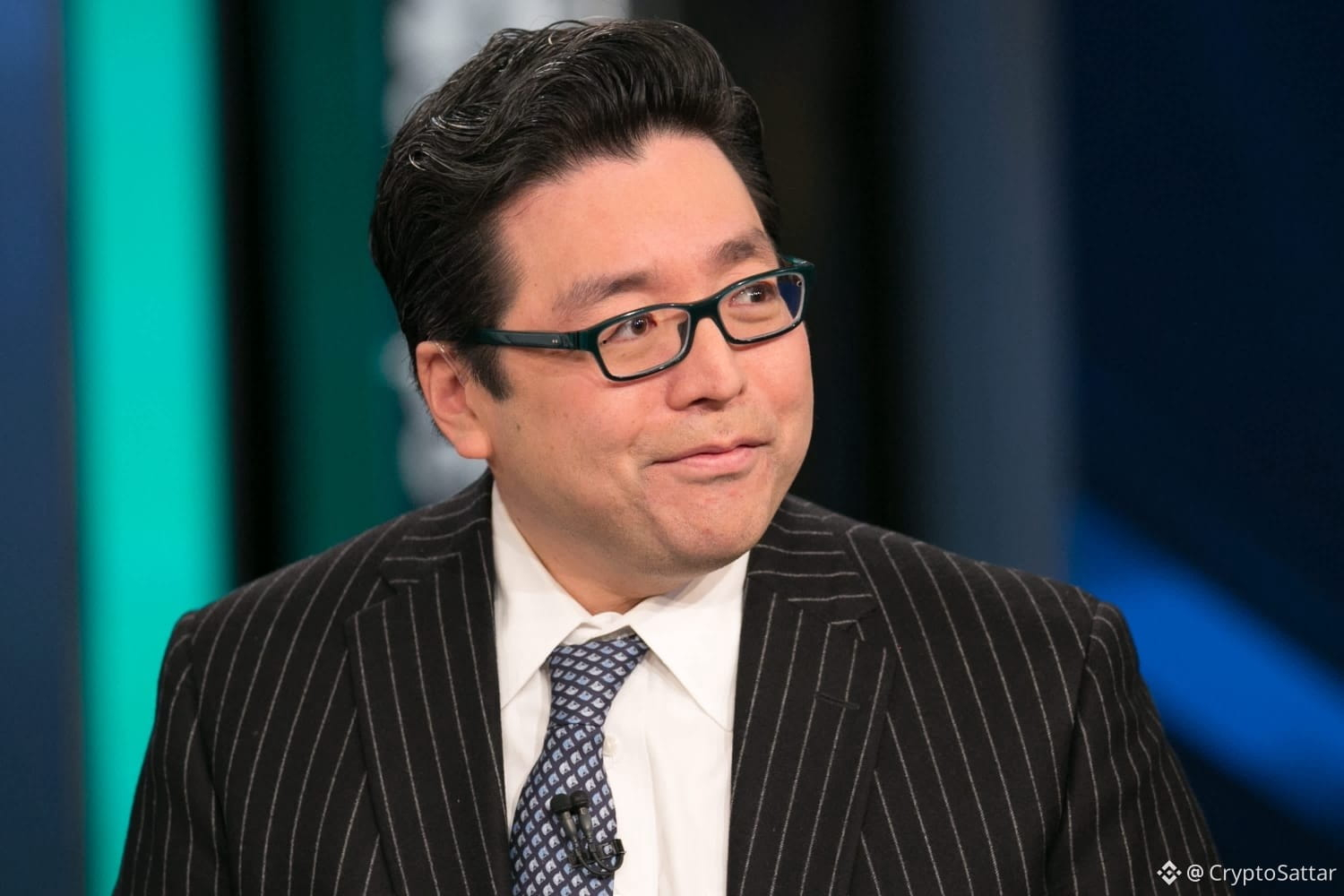
Tom Lee’s Bitmine added 10,399 $ETH over the past week, bringing its total holdings to 5.8M ETH
I want to connect with more people actually in Crypto.
Onchain builders
Meme coin founders
Robinhood & Solana degens
If you're actually building or grinding right now,drop what you're working on .
Onchain builders
Meme coin founders
Robinhood & Solana degens
If you're actually building or grinding right now,drop what you're working on .
need to tell you something I have never said publicly before.
I lost 5 years of my work overnight with one email that Your fiverr account has been flagged.
Let me tell you what happened.
I lost 5 years of my work overnight with one email that Your fiverr account has been flagged.
Let me tell you what happened.
U.S. Crypto Legislation Continues to Gain Momentum
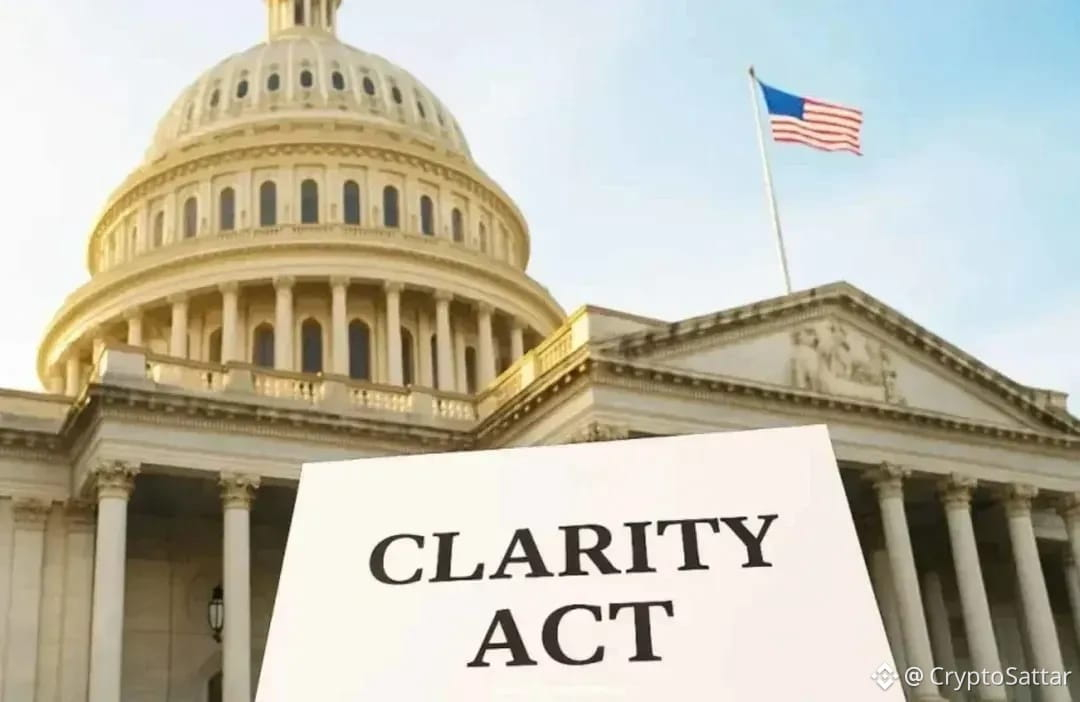
The CLARITY Act has passed the House and advanced through the Senate Banking Committee, with a full Senate vote still pending. Meanwhile, the GENIUS Act is already in effect, marking another step toward a more defined regulatory framework for digital assets.
Why this matters: • Regulatory clarity could encourage greater institutional participation. • Clearer rules may support long-term innovation across the crypto industry. • Although the legislative process is gradual, the market continues to evolve rapidly.
The U.S. is steadily building its crypto regulatory framework. While progress may seem slow, each milestone could play an important role in shaping the future of digital assets.
The CLARITY Act has passed the House and advanced through the Senate Banking Committee, with a full Senate vote still pending. Meanwhile, the GENIUS Act is already in effect, marking another step toward a more defined regulatory framework for digital assets.
Why this matters: • Regulatory clarity could encourage greater institutional participation. • Clearer rules may support long-term innovation across the crypto industry. • Although the legislative process is gradual, the market continues to evolve rapidly.
The U.S. is steadily building its crypto regulatory framework. While progress may seem slow, each milestone could play an important role in shaping the future of digital assets.
Ethereum Holds Bullish Structure Above a Key Support Zone
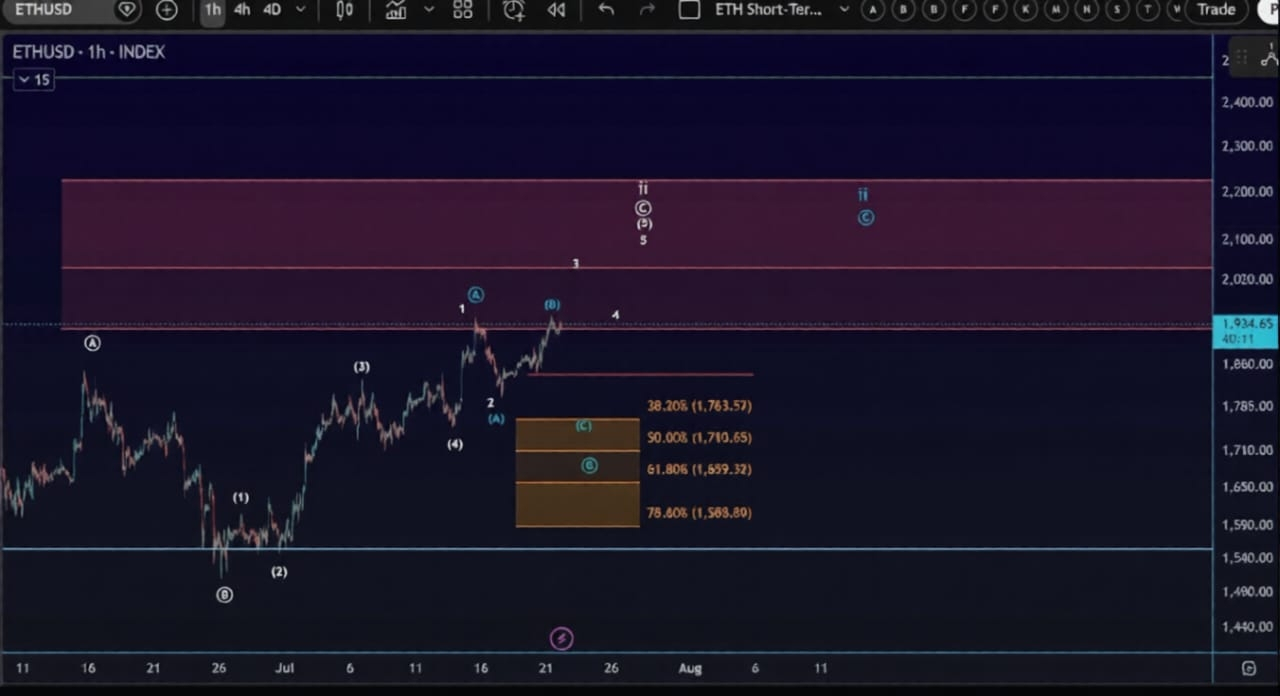
$ETH continues to maintain a positive technical outlook as long as it stays above the $1,842 support level. Buyers have defended this area so far, keeping the current market structure intact.
Key levels to watch: Holding above $1,842 could open the path toward $2,045, with $2,226 becoming the next major resistance if bullish momentum continues.
However, if ETH loses $1,842, the current setup may weaken, increasing the possibility of a deeper correction toward the $1,763–$1,588 support zone.
From my experience, support levels often determine market direction. Waiting for confirmation around these key zones is usually a smarter approach than reacting to every price move.
Key takeaway:
A strong defense above support keeps the bullish case alive, while a breakdown could shift short-term momentum in favor of sellers.
Do you think ETH will reclaim $2,000 soon, or is another pullback still ahead?
#Ethereum #ETH #Crypto #Altcoins
$ETH continues to maintain a positive technical outlook as long as it stays above the $1,842 support level. Buyers have defended this area so far, keeping the current market structure intact.
Key levels to watch: Holding above $1,842 could open the path toward $2,045, with $2,226 becoming the next major resistance if bullish momentum continues.
However, if ETH loses $1,842, the current setup may weaken, increasing the possibility of a deeper correction toward the $1,763–$1,588 support zone.
From my experience, support levels often determine market direction. Waiting for confirmation around these key zones is usually a smarter approach than reacting to every price move.
Key takeaway:
A strong defense above support keeps the bullish case alive, while a breakdown could shift short-term momentum in favor of sellers.
Do you think ETH will reclaim $2,000 soon, or is another pullback still ahead?
#Ethereum #ETH #Crypto #Altcoins
Elon Musk Issues Strong Warning to SpaceX Short Sellers
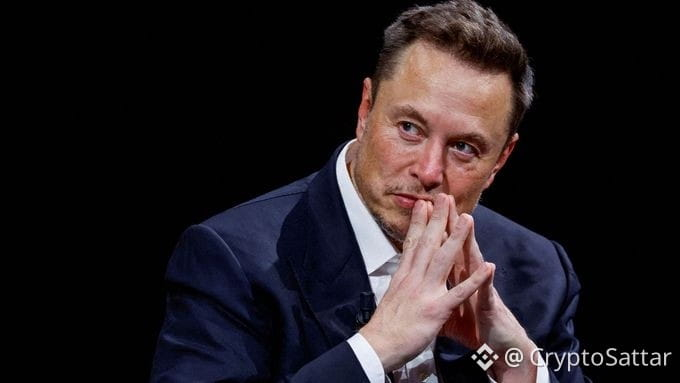
Elon Musk has cautioned investors betting against SpaceX ($SPCX), stating that firms holding significant short positions over the long term face a very low chance of success.
The remark has fueled discussion among traders, with many viewing it as another sign of Musk's confidence in SpaceX's long-term outlook.
Whether you're bullish or bearish, headlines from influential figures can drive market sentiment—but successful trading still depends on discipline strategy and risk management.
#SpaceX #ElonMusk #SPCX #Investing #BinanceSquare
Elon Musk has cautioned investors betting against SpaceX ($SPCX), stating that firms holding significant short positions over the long term face a very low chance of success.
The remark has fueled discussion among traders, with many viewing it as another sign of Musk's confidence in SpaceX's long-term outlook.
Whether you're bullish or bearish, headlines from influential figures can drive market sentiment—but successful trading still depends on discipline strategy and risk management.
#SpaceX #ElonMusk #SPCX #Investing #BinanceSquare
One thing Robinhood Chain is teaching the market:
Liquidity can create attention. It can't create loyalty.
The projects that survive won't be the fastest pumps—they'll be the ones users keep coming back to.
That's the difference between a trend and an ecosystem.
#RobinhoodChain #Crypto #DeFi
Liquidity can create attention. It can't create loyalty.
The projects that survive won't be the fastest pumps—they'll be the ones users keep coming back to.
That's the difference between a trend and an ecosystem.
#RobinhoodChain #Crypto #DeFi
INSIGHT:
Most launchpads reward creators first.
The real challenge is rewarding both creators and communities.
That's the approach @StoxesFun is aiming for with buybacks, burns, and RWA-backed rewards.
The real test?
Can sustainable incentives keep users engaged after the initial hype fades?
Would you back this model? 👇
Most launchpads reward creators first.
The real challenge is rewarding both creators and communities.
That's the approach @StoxesFun is aiming for with buybacks, burns, and RWA-backed rewards.
The real test?
Can sustainable incentives keep users engaged after the initial hype fades?
Would you back this model? 👇
JUST IN:$FOX is up 89% in the last 24 hours
The rally isn't just about price.
The market is starting to search for a native identity on Robinhood Chain.
Can $FOX become the ecosystem's mascot, or is this just another momentum trade?
#RobinhoodChain #FOX #Crypto #Trading
The rally isn't just about price.
The market is starting to search for a native identity on Robinhood Chain.
Can $FOX become the ecosystem's mascot, or is this just another momentum trade?
#RobinhoodChain #FOX #Crypto #Trading

A new memecoin is launching on Robinhood Chain today.
After the attention around $CASHCAT, the ecosystem is searching for its next breakout project.
Will this be the next big runner, or just another short-lived trend?
Watching closely. 👀
After the attention around $CASHCAT, the ecosystem is searching for its next breakout project.
Will this be the next big runner, or just another short-lived trend?
Watching closely. 👀
Robinhood Chain is attracting capital fast.
The next move won't be decided by hype.
It will be decided by whether liquidity stays.
Bullish or Bearish? 👇
The next move won't be decided by hype.
It will be decided by whether liquidity stays.
Bullish or Bearish? 👇
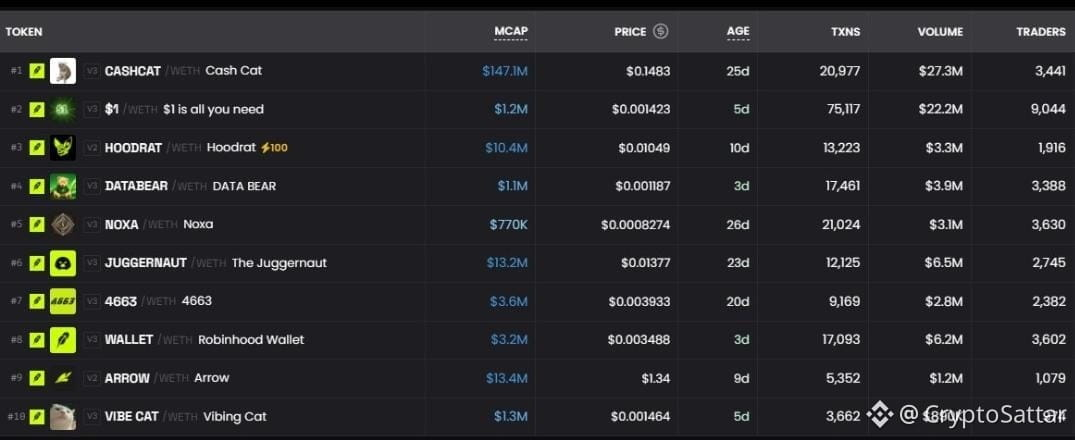
Here are 10 #Robinhood coins you need to watch today.
I picked them through my onchain analysis and added to my watchlist.
Check them here: dexscreener.com/watchlist/G6M4…
Need personal guidance on buy, sell and stop-loss levels?
DM me. I will help you.
I picked them through my onchain analysis and added to my watchlist.
Check them here: dexscreener.com/watchlist/G6M4…
Need personal guidance on buy, sell and stop-loss levels?
DM me. I will help you.
Log in to explore more content