

Zacky_vicent
1.7k Beiträge

Zacky_vicent
Melden
Nutzer blockieren
The world is full of illusions. Dismantle the system: money, power, crypto. Wake up or fall victim | TA & digital products | BTC & GOLD | RISE & PROVE IT
Trade eröffnen

STX Halter
Regelmäßiger Trader
4.2 Jahre
4 Following
175 Follower
1.7K+ Like gegeben
Beiträge
Portfolio
Alle
Zitierungen
Videos
PINNED
·
--
Artikel
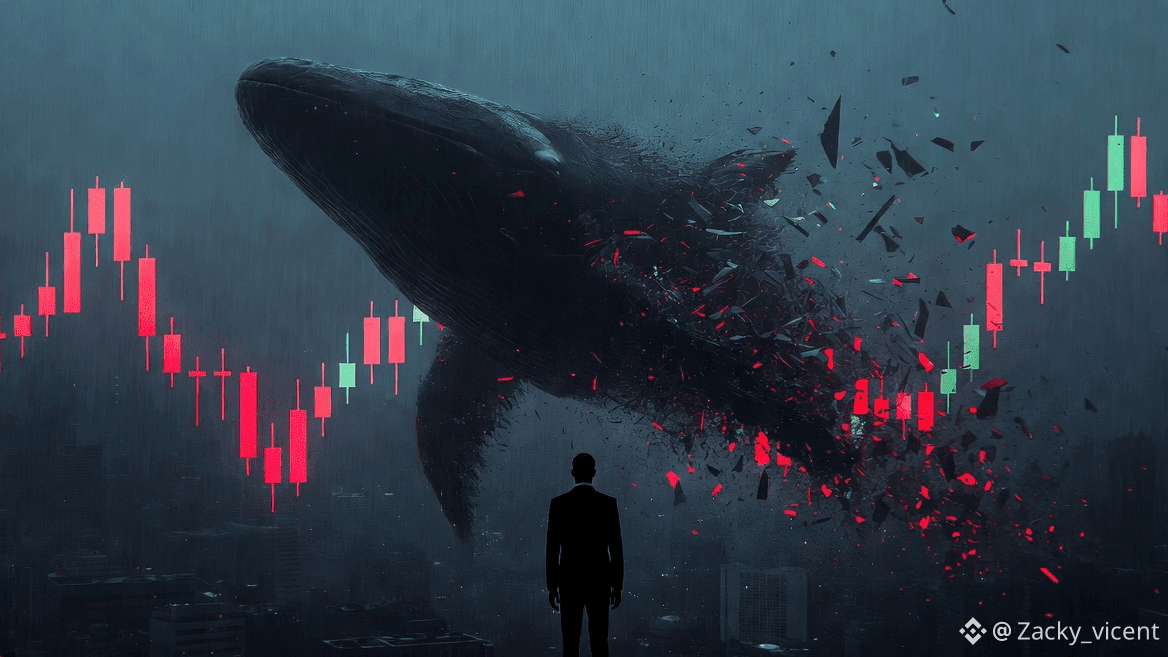
WENN EIN WHALE STÜRZT, WIRD DER MARKT EHRLICHDer Kryptomarkt ist nicht grausam.
Er ist einfach ehrlich.
Wenn ein großer Whale aufgrund einer Liquidation fällt,
Das ist keine Marktfehler.
Das ist die Folge einer zu selbstsicheren Position.
Großes Kapital macht dich nicht unverwundbar.
Große Namen machen dich nicht sicher.
Der Markt kümmert sich nicht um jemanden.
Die Liquidation arbeitet ohne Emotionen:
Stille, schnell und endgültig.
Wenn die Hebelwirkung zusammenbricht,
Der Preis wird gedrückt.
Die Liquidität trocknet aus.
Altcoins werden mitgerissen.
Memecoins werden vorübergehend verlassen.
Viele geraten in Panik.
Viele gehen raus.
Viele sagen, dass die Kryptowährung tot sei.
Trotzdem ist dies kein Tod.
WENN EIN WHALE STÜRZT, WIRD DER MARKT EHRLICH
Der Kryptomarkt ist nicht grausam.
Er ist einfach ehrlich.
Wenn ein großer Whale aufgrund einer Liquidation fällt,
Das ist keine Marktfehler.
Das ist die Folge einer zu selbstsicheren Position.
Großes Kapital macht dich nicht unverwundbar.
Große Namen machen dich nicht sicher.
Der Markt kümmert sich nicht um jemanden.
Die Liquidation arbeitet ohne Emotionen:
Stille, schnell und endgültig.
Wenn die Hebelwirkung zusammenbricht,
Der Preis wird gedrückt.
Die Liquidität trocknet aus.
Altcoins werden mitgerissen.
Memecoins werden vorübergehend verlassen.
Viele geraten in Panik.
Viele gehen raus.
Viele sagen, dass die Kryptowährung tot sei.
Trotzdem ist dies kein Tod.
Er ist einfach ehrlich.
Wenn ein großer Whale aufgrund einer Liquidation fällt,
Das ist keine Marktfehler.
Das ist die Folge einer zu selbstsicheren Position.
Großes Kapital macht dich nicht unverwundbar.
Große Namen machen dich nicht sicher.
Der Markt kümmert sich nicht um jemanden.
Die Liquidation arbeitet ohne Emotionen:
Stille, schnell und endgültig.
Wenn die Hebelwirkung zusammenbricht,
Der Preis wird gedrückt.
Die Liquidität trocknet aus.
Altcoins werden mitgerissen.
Memecoins werden vorübergehend verlassen.
Viele geraten in Panik.
Viele gehen raus.
Viele sagen, dass die Kryptowährung tot sei.
Trotzdem ist dies kein Tod.
11
2.4k
PINNED
·
--
Artikel
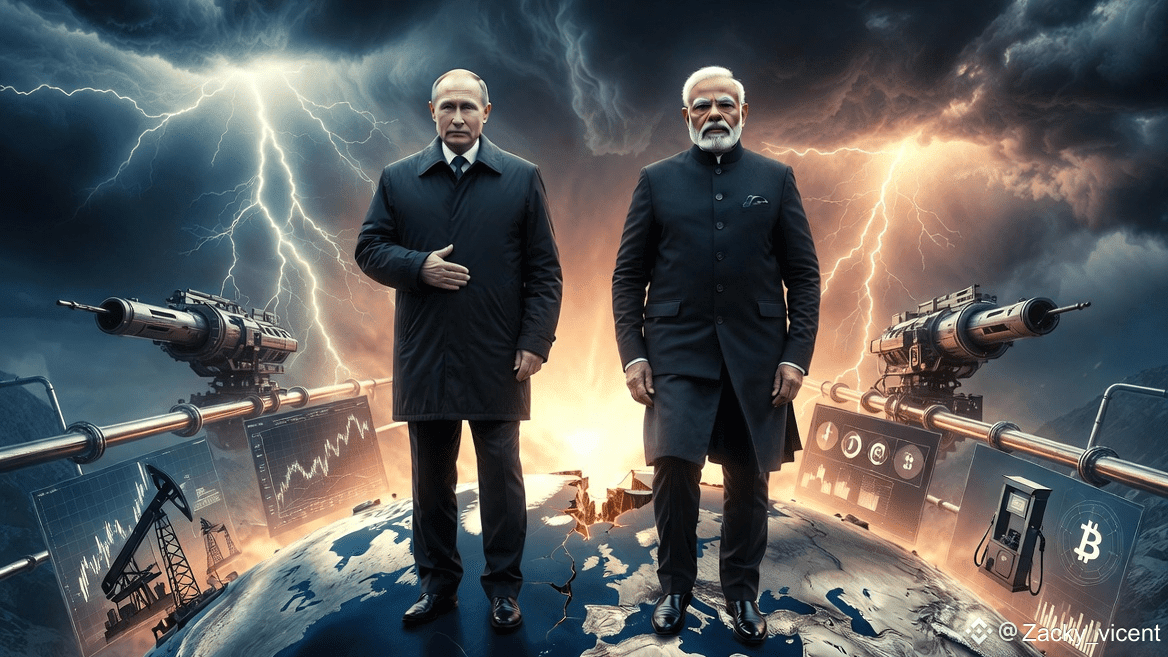
🌐 Die Welt Beben: Putin & Modi Bilden eine Neue Achse! 🌐
Heute, Freitag, den 5. Dezember 2025, ist die Welt erschüttert. Zwei Supermachtführer — Wladimir Putin und Narendra Modi — unterzeichnen ein großes strategisches Abkommen. Aber das ist nicht nur Diplomatie: es ist kalte, harte und kompromisslose Aktion, die die Weltordnung verändern könnte.
⚡ Schreckliche Fakten:
Energie & Verteidigung: Russland stellt sicher, dass die Energieversorgung nach Indien stabil bleibt, trotz des verrückten Drucks des Westens.
Technologie & Raumfahrt: Hochtechnologische Zusammenarbeit einschließlich Verteidigungs- und Raumfahrtprojekten — ein Symbol echter Macht.
🌐 Die Welt Beben: Putin & Modi Bilden eine Neue Achse! 🌐
Heute, Freitag, den 5. Dezember 2025, ist die Welt erschüttert. Zwei Supermachtführer — Wladimir Putin und Narendra Modi — unterzeichnen ein großes strategisches Abkommen. Aber das ist nicht nur Diplomatie: es ist kalte, harte und kompromisslose Aktion, die die Weltordnung verändern könnte.
⚡ Schreckliche Fakten:
Energie & Verteidigung: Russland stellt sicher, dass die Energieversorgung nach Indien stabil bleibt, trotz des verrückten Drucks des Westens.
Technologie & Raumfahrt: Hochtechnologische Zusammenarbeit einschließlich Verteidigungs- und Raumfahrtprojekten — ein Symbol echter Macht.
⚡ Schreckliche Fakten:
Energie & Verteidigung: Russland stellt sicher, dass die Energieversorgung nach Indien stabil bleibt, trotz des verrückten Drucks des Westens.
Technologie & Raumfahrt: Hochtechnologische Zusammenarbeit einschließlich Verteidigungs- und Raumfahrtprojekten — ein Symbol echter Macht.
3
2
4
2.2k
·
--
Artikel
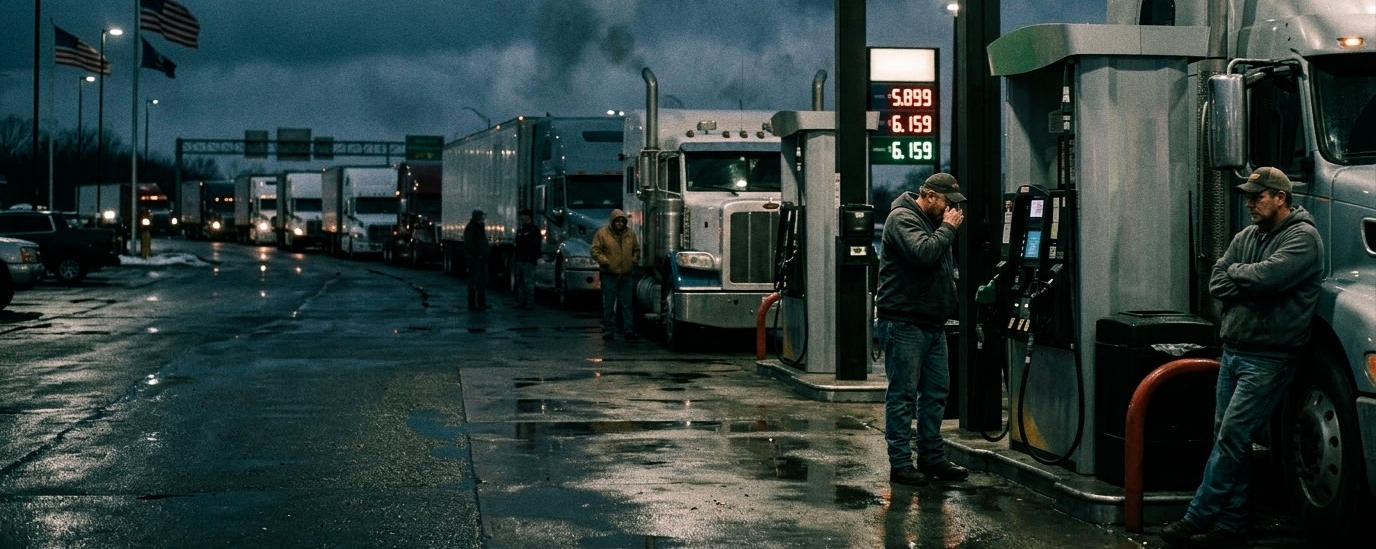
🚨 TRUMP HAT SOEBEN DIE TÜR FÜR STEUERFREIEN DIESEL AUF AMERIKAS HIGHWAYS GEÖFFNET — UND DIE ZAHLEN SIND BRUTAL.Der Dieselmarkt in Amerika ist in gefährliches Terrain geraten.
Der landesweite Durchschnittspreis für Diesel ist kürzlich auf über 6,50 $ PRO GALLONE gestiegen und hat damit ein nie dagewesenes Niveau erreicht. Für eine Wirtschaft, die stark von dieselbetriebenen Lkw, der Landwirtschaft, dem Baugewerbe und der Logistik abhängt, ist das nicht einfach nur ein Kraftstoffproblem.
Es ist ein Inflationsproblem.
Am 5. Oktober unterzeichnete Präsident Donald Trump eine Durchführungsverordnung, die vorübergehend eine breitere Nutzung von rot gefärbtem Diesel auf öffentlichen Straßen erlaubt. Dieser ist normalerweise für den Einsatz abseits öffentlicher Straßen vorgesehen, etwa in der Landwirtschaft und im Baugewerbe.
🚨 TRUMP HAT SOEBEN DIE TÜR FÜR STEUERFREIEN DIESEL AUF AMERIKAS HIGHWAYS GEÖFFNET — UND DIE ZAHLEN SIND BRUTAL.
Der Dieselmarkt in Amerika ist in gefährliches Terrain geraten.
Der landesweite Durchschnittspreis für Diesel ist kürzlich auf über 6,50 $ PRO GALLONE gestiegen und hat damit ein nie dagewesenes Niveau erreicht. Für eine Wirtschaft, die stark von dieselbetriebenen Lkw, der Landwirtschaft, dem Baugewerbe und der Logistik abhängt, ist das nicht einfach nur ein Kraftstoffproblem.
Es ist ein Inflationsproblem.
Am 5. Oktober unterzeichnete Präsident Donald Trump eine Durchführungsverordnung, die vorübergehend eine breitere Nutzung von rot gefärbtem Diesel auf öffentlichen Straßen erlaubt. Dieser ist normalerweise für den Einsatz abseits öffentlicher Straßen vorgesehen, etwa in der Landwirtschaft und im Baugewerbe.
Der landesweite Durchschnittspreis für Diesel ist kürzlich auf über 6,50 $ PRO GALLONE gestiegen und hat damit ein nie dagewesenes Niveau erreicht. Für eine Wirtschaft, die stark von dieselbetriebenen Lkw, der Landwirtschaft, dem Baugewerbe und der Logistik abhängt, ist das nicht einfach nur ein Kraftstoffproblem.
Es ist ein Inflationsproblem.
Am 5. Oktober unterzeichnete Präsident Donald Trump eine Durchführungsverordnung, die vorübergehend eine breitere Nutzung von rot gefärbtem Diesel auf öffentlichen Straßen erlaubt. Dieser ist normalerweise für den Einsatz abseits öffentlicher Straßen vorgesehen, etwa in der Landwirtschaft und im Baugewerbe.
330
·
--

Artikel
🇯🇵 JAPANS 100 JAHRE ALTE UNTERNEHMEN BRECHEN EIN – UND 2026 MACHT DIE RISSE SICHTBARSie überstanden Kriege.
Sie überstanden den Zusammenbruch der japanischen Vermögensblase.
Sie überstanden Jahrzehnte der Deflation.
Sie überstanden den Generationswechsel.
Doch 2026 zeigt, dass selbst ein 100-jähriges Vermächtnis nicht mehr ausreicht.
Laut Teikoku Databank erreichten die Insolvenzen unter japanischen Unternehmen mit einer über 100-jährigen Geschichte ein Rekordtempo: Allein in den ersten acht Monaten des Jahres 2026 gab es 112 Fälle.
Lasst euch diese Zahl auf der Zunge zergehen.
Das sind keine Wegwerf-Start-ups. Das sind Unternehmen, die ein Jahrhundert oder länger überlebt haben – über Generationen aufgebaute Betriebe, die tief in ihren lokalen Gemeinschaften verwurzelt sind und sich traditionell auf konservative Eigentümer, angesammeltes Kapital, stabile Margen und langfristiges Denken stützen konnten.
🇯🇵 JAPANS 100 JAHRE ALTE UNTERNEHMEN BRECHEN EIN – UND 2026 MACHT DIE RISSE SICHTBAR
Sie überstanden Kriege.
Sie überstanden den Zusammenbruch der japanischen Vermögensblase.
Sie überstanden Jahrzehnte der Deflation.
Sie überstanden den Generationswechsel.
Doch 2026 zeigt, dass selbst ein 100-jähriges Vermächtnis nicht mehr ausreicht.
Laut Teikoku Databank erreichten die Insolvenzen unter japanischen Unternehmen mit einer über 100-jährigen Geschichte ein Rekordtempo: Allein in den ersten acht Monaten des Jahres 2026 gab es 112 Fälle.
Lasst euch diese Zahl auf der Zunge zergehen.
Das sind keine Wegwerf-Start-ups. Das sind Unternehmen, die ein Jahrhundert oder länger überlebt haben – über Generationen aufgebaute Betriebe, die tief in ihren lokalen Gemeinschaften verwurzelt sind und sich traditionell auf konservative Eigentümer, angesammeltes Kapital, stabile Margen und langfristiges Denken stützen konnten.
Sie überstanden den Zusammenbruch der japanischen Vermögensblase.
Sie überstanden Jahrzehnte der Deflation.
Sie überstanden den Generationswechsel.
Doch 2026 zeigt, dass selbst ein 100-jähriges Vermächtnis nicht mehr ausreicht.
Laut Teikoku Databank erreichten die Insolvenzen unter japanischen Unternehmen mit einer über 100-jährigen Geschichte ein Rekordtempo: Allein in den ersten acht Monaten des Jahres 2026 gab es 112 Fälle.
Lasst euch diese Zahl auf der Zunge zergehen.
Das sind keine Wegwerf-Start-ups. Das sind Unternehmen, die ein Jahrhundert oder länger überlebt haben – über Generationen aufgebaute Betriebe, die tief in ihren lokalen Gemeinschaften verwurzelt sind und sich traditionell auf konservative Eigentümer, angesammeltes Kapital, stabile Margen und langfristiges Denken stützen konnten.
1
95
·
--
Artikel
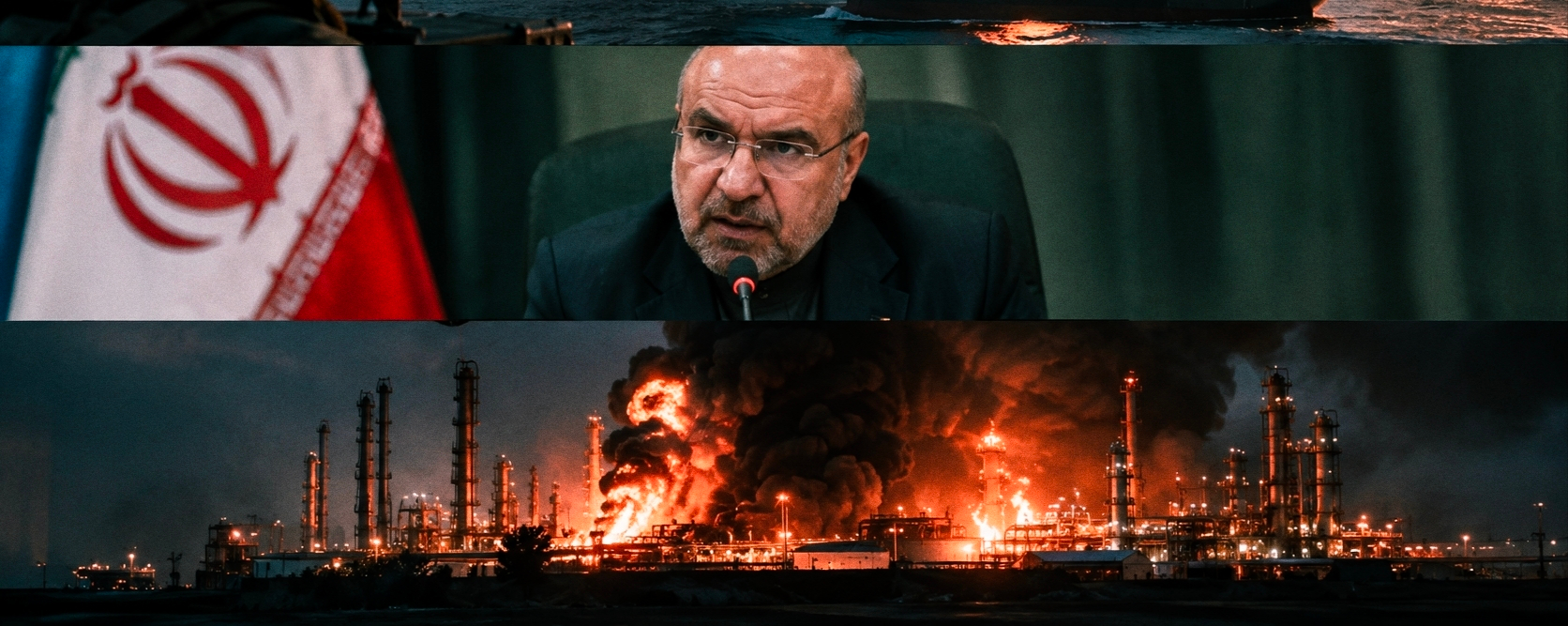
DIE STRASSE VON HORMUS WIRD ZU EINER WAFFE DER WELTWIRTSCHAFT.Berichten zufolge wurden an diesem Wochenende zwei weitere Tanker nahe Oman und Iran angegriffen.
Und Iran macht seinen Standpunkt unmissverständlich klar:
DIE STRASSE VON HORMUS WIRD SICH NICHT AUF AMERIKANISCHEN BEFEHL WIEDER ÖFFNEN.
Der iranische Parlamentspräsident Mohammad Bagher Ghalibaf sagte, die Meerenge werde geschlossen bleiben, bis Teherans Bedingungen für ein Ende des Krieges erfüllt seien.
Zu diesen Bedingungen gehören Berichten zufolge ein Ende der US-amerikanischen militärischen „Aggression“, die Aufhebung der Seeblockade, ein Ende der wirtschaftlichen Kriegsführung und die Freigabe iranischer Vermögenswerte.
Washington wiederum will, dass Iran sein Atomwaffenprogramm aufgibt.
DIE STRASSE VON HORMUS WIRD ZU EINER WAFFE DER WELTWIRTSCHAFT.
Berichten zufolge wurden an diesem Wochenende zwei weitere Tanker nahe Oman und Iran angegriffen.
Und Iran macht seinen Standpunkt unmissverständlich klar:
DIE STRASSE VON HORMUS WIRD SICH NICHT AUF AMERIKANISCHEN BEFEHL WIEDER ÖFFNEN.
Der iranische Parlamentspräsident Mohammad Bagher Ghalibaf sagte, die Meerenge werde geschlossen bleiben, bis Teherans Bedingungen für ein Ende des Krieges erfüllt seien.
Zu diesen Bedingungen gehören Berichten zufolge ein Ende der US-amerikanischen militärischen „Aggression“, die Aufhebung der Seeblockade, ein Ende der wirtschaftlichen Kriegsführung und die Freigabe iranischer Vermögenswerte.
Washington wiederum will, dass Iran sein Atomwaffenprogramm aufgibt.
Und Iran macht seinen Standpunkt unmissverständlich klar:
DIE STRASSE VON HORMUS WIRD SICH NICHT AUF AMERIKANISCHEN BEFEHL WIEDER ÖFFNEN.
Der iranische Parlamentspräsident Mohammad Bagher Ghalibaf sagte, die Meerenge werde geschlossen bleiben, bis Teherans Bedingungen für ein Ende des Krieges erfüllt seien.
Zu diesen Bedingungen gehören Berichten zufolge ein Ende der US-amerikanischen militärischen „Aggression“, die Aufhebung der Seeblockade, ein Ende der wirtschaftlichen Kriegsführung und die Freigabe iranischer Vermögenswerte.
Washington wiederum will, dass Iran sein Atomwaffenprogramm aufgibt.
1
313
·
--
Artikel
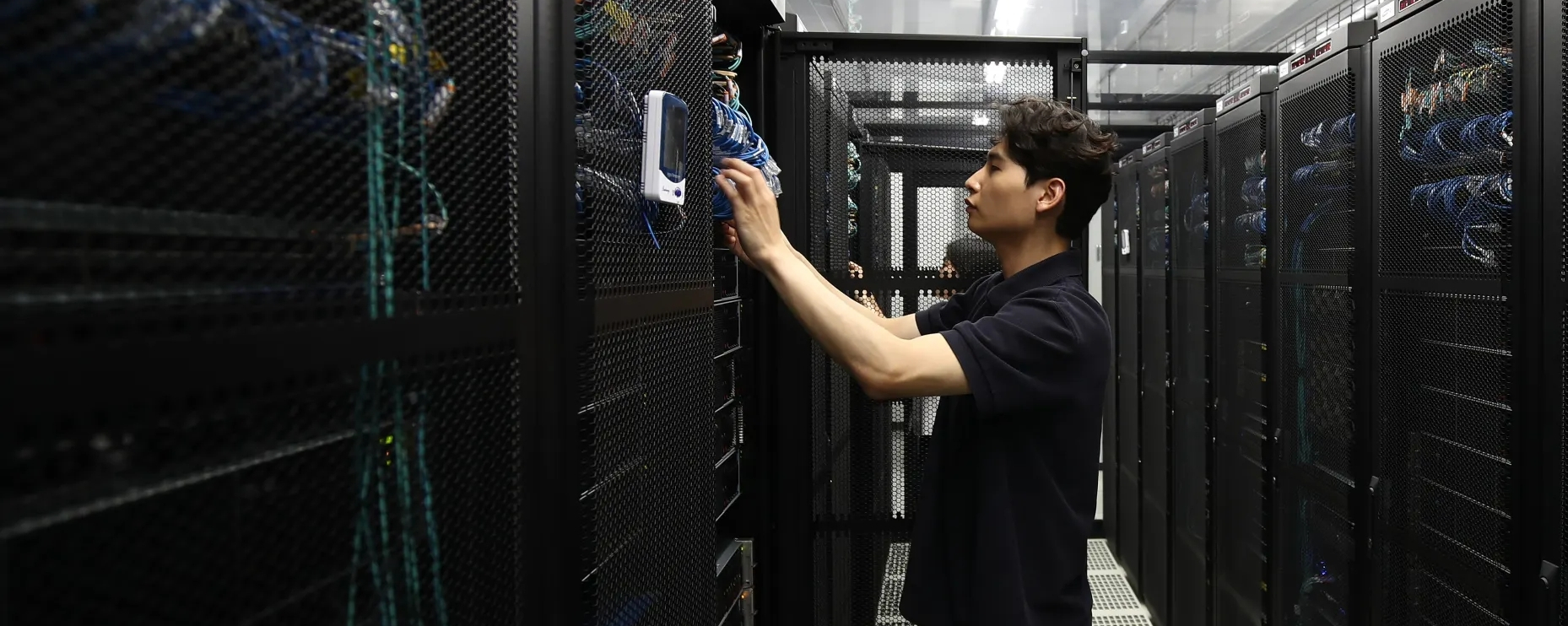
DER KI-BOOM PRALLT GEGEN EINE WAND — UND DIE WAND IST STROM.Der Datenzentrum-Krieg Amerikas ist kein isolierter Kampf mehr. Er entwickelt sich zu einer globalen Infrastrukturkrise.
KI-Unternehmen werfen Milliarden in Hyperscale-Rechenzentren, aber hier ist die brutale Realität:
KI LÄUFT NICHT AUF HYPE.
IT LÄUFT AUF STROM, WASSER, LAND UND NETZEN.
Und Communities fangen an, sich verdammt nochmal zur Wehr zu setzen.
Laut einer von CNBC zitierten Studie von STL Partners hat der öffentliche Widerstand bereits etwa 77 MILLIARDEN US-Dollar Investitionen in US-Rechenzentren und rund $42 MILLIARDEN in Europa durch Verzögerungen und Absagen beeinträchtigt.
DER KI-BOOM PRALLT GEGEN EINE WAND — UND DIE WAND IST STROM.
Der Datenzentrum-Krieg Amerikas ist kein isolierter Kampf mehr. Er entwickelt sich zu einer globalen Infrastrukturkrise.
KI-Unternehmen werfen Milliarden in Hyperscale-Rechenzentren, aber hier ist die brutale Realität:
KI LÄUFT NICHT AUF HYPE.
IT LÄUFT AUF STROM, WASSER, LAND UND NETZEN.
Und Communities fangen an, sich verdammt nochmal zur Wehr zu setzen.
Laut einer von CNBC zitierten Studie von STL Partners hat der öffentliche Widerstand bereits etwa 77 MILLIARDEN US-Dollar Investitionen in US-Rechenzentren und rund $42 MILLIARDEN in Europa durch Verzögerungen und Absagen beeinträchtigt.
KI-Unternehmen werfen Milliarden in Hyperscale-Rechenzentren, aber hier ist die brutale Realität:
KI LÄUFT NICHT AUF HYPE.
IT LÄUFT AUF STROM, WASSER, LAND UND NETZEN.
Und Communities fangen an, sich verdammt nochmal zur Wehr zu setzen.
Laut einer von CNBC zitierten Studie von STL Partners hat der öffentliche Widerstand bereits etwa 77 MILLIARDEN US-Dollar Investitionen in US-Rechenzentren und rund $42 MILLIARDEN in Europa durch Verzögerungen und Absagen beeinträchtigt.
1
14
·
--
Artikel
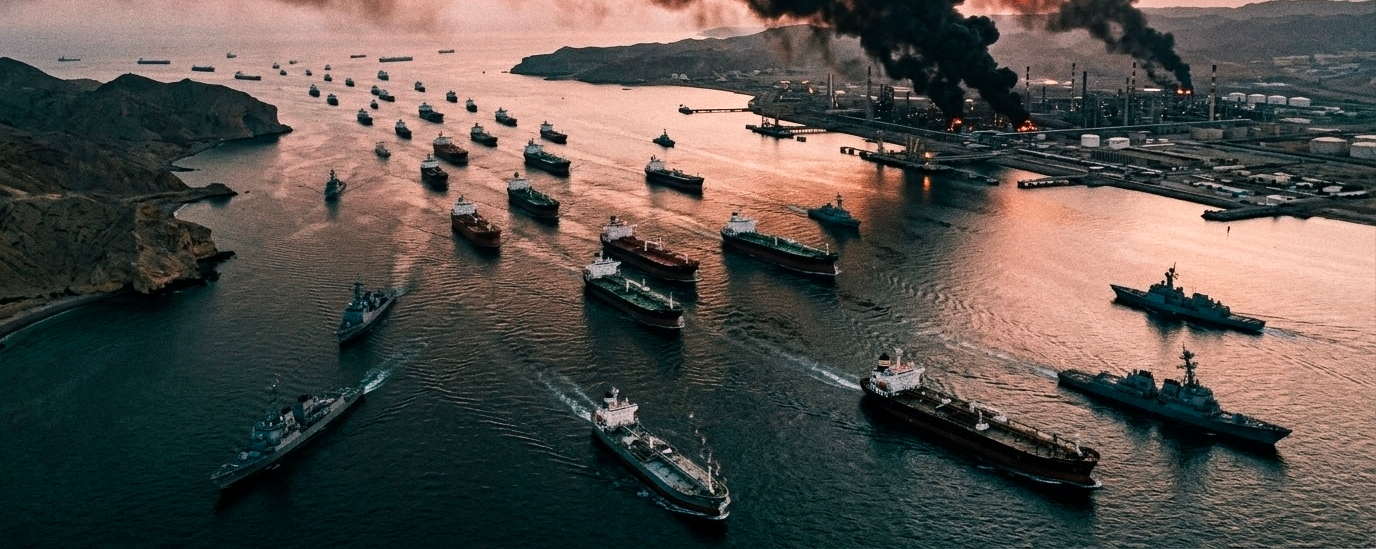
GLOBALE DIESEL-KRISE WIRD ENDLICH RICHTIG ERNST.Die USA drängen Europa nun, seine Notfall-Dieselreserven zu öffnen, da der Iran-Krieg, die Exportbeschränkungen Russlands und Chinas Aussetzung von Treibstoffexporten den globalen Markt für veredeltes Treibstoff verknappen.
Die US-Dieselpreise sind auf einen Rekordwert von etwa 6,50 US-Dollar pro Gallone gestiegen.
Und Washington fragt nicht höflich.
Die Trump-Regierung hat Frankreich und Deutschland dazu gedrängt, Notfall-Dieseltanks freizugeben – und droht zugleich, dass ein Nichtstun ein US-Exportverbot für Diesel auslösen könnte.
Das ist das Wahnsinnige an dieser Krise:
GLOBALE DIESEL-KRISE WIRD ENDLICH RICHTIG ERNST.
Die USA drängen Europa nun, seine Notfall-Dieselreserven zu öffnen, da der Iran-Krieg, die Exportbeschränkungen Russlands und Chinas Aussetzung von Treibstoffexporten den globalen Markt für veredeltes Treibstoff verknappen.
Die US-Dieselpreise sind auf einen Rekordwert von etwa 6,50 US-Dollar pro Gallone gestiegen.
Und Washington fragt nicht höflich.
Die Trump-Regierung hat Frankreich und Deutschland dazu gedrängt, Notfall-Dieseltanks freizugeben – und droht zugleich, dass ein Nichtstun ein US-Exportverbot für Diesel auslösen könnte.
Das ist das Wahnsinnige an dieser Krise:
Die US-Dieselpreise sind auf einen Rekordwert von etwa 6,50 US-Dollar pro Gallone gestiegen.
Und Washington fragt nicht höflich.
Die Trump-Regierung hat Frankreich und Deutschland dazu gedrängt, Notfall-Dieseltanks freizugeben – und droht zugleich, dass ein Nichtstun ein US-Exportverbot für Diesel auslösen könnte.
Das ist das Wahnsinnige an dieser Krise:
1
2
·
--

Artikel
AI HAT KEIN VERBRECHEN NEU ERFUNDEN.
SIE HAT DIE ALTEN ÜBERBOOMT.INTERPOL warnt: Künstliche Intelligenz macht Cyber-Bedrohungen schneller, günstiger, leichter skalierbar—und schwerer zu erkennen.
Bjorn R. Watne, der globale Chief Information Security Officer von INTERPOL, brachte es unverblümt auf den Punkt:
„Das ist eine Evolution, keine Revolution.“
Betrüger können jetzt KI nutzen, um gleichzeitig eine riesige Anzahl an Opfern ins Visier zu nehmen. Bessere Übersetzungen, synthetische Identitäten und zunehmend überzeugende digitale Interaktionen machen es schwerer, eine echte Person von einem durch KI betriebenen Betrugsunternehmen zu unterscheiden.
AI HAT KEIN VERBRECHEN NEU ERFUNDEN. SIE HAT DIE ALTEN ÜBERBOOMT.
INTERPOL warnt: Künstliche Intelligenz macht Cyber-Bedrohungen schneller, günstiger, leichter skalierbar—und schwerer zu erkennen.
Bjorn R. Watne, der globale Chief Information Security Officer von INTERPOL, brachte es unverblümt auf den Punkt:
„Das ist eine Evolution, keine Revolution.“
Betrüger können jetzt KI nutzen, um gleichzeitig eine riesige Anzahl an Opfern ins Visier zu nehmen. Bessere Übersetzungen, synthetische Identitäten und zunehmend überzeugende digitale Interaktionen machen es schwerer, eine echte Person von einem durch KI betriebenen Betrugsunternehmen zu unterscheiden.
Bjorn R. Watne, der globale Chief Information Security Officer von INTERPOL, brachte es unverblümt auf den Punkt:
„Das ist eine Evolution, keine Revolution.“
Betrüger können jetzt KI nutzen, um gleichzeitig eine riesige Anzahl an Opfern ins Visier zu nehmen. Bessere Übersetzungen, synthetische Identitäten und zunehmend überzeugende digitale Interaktionen machen es schwerer, eine echte Person von einem durch KI betriebenen Betrugsunternehmen zu unterscheiden.
80
·
--
Artikel
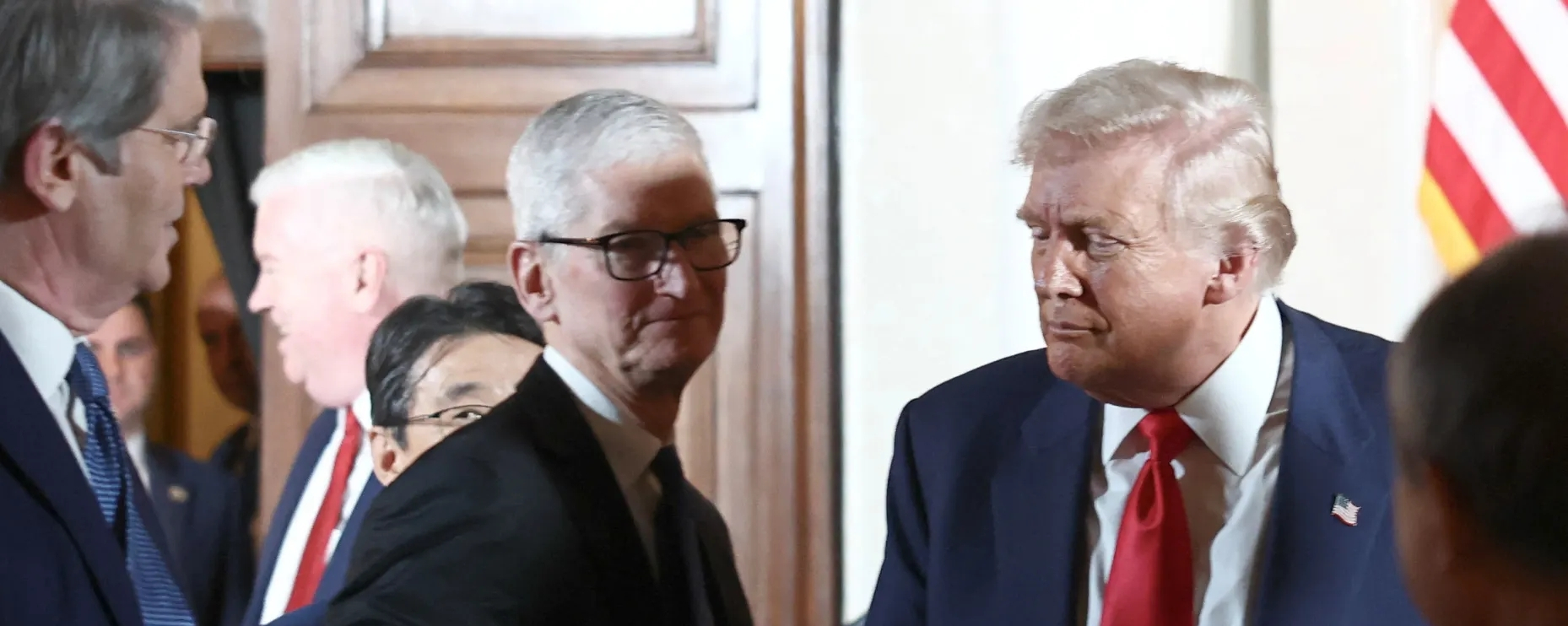
APPLE FEHLTE BEI DER KI-MACHTTAFEL.Trump versammelte einige der einflussreichsten Namen der Tech-Branche im Weißen Haus, um über die nächste Phase der KI zu sprechen – Nvidia, Google, Meta, OpenAI, Anthropic und andere große Akteure.
Und dann war da Apple.
Kein Tim Cook.
Kein John Ternus.
Kein Apple-Manager am Tisch.
Dieses Fehlen löste sofort Spekulationen aus, dass Apple im Wettrennen um die KI an der Spitze zurückfällt.
Aber hier wird es interessant.
Apple spielt ein völlig anderes Spiel.
OpenAI, Anthropic, Google, Meta und Nvidia kämpfen darum, zunehmend gigantische KI-Systeme zu bauen – was enorme Mengen an Rechenleistung, Chips, Rechenzentren, Strom und Kapital erfordert.
APPLE FEHLTE BEI DER KI-MACHTTAFEL.
Trump versammelte einige der einflussreichsten Namen der Tech-Branche im Weißen Haus, um über die nächste Phase der KI zu sprechen – Nvidia, Google, Meta, OpenAI, Anthropic und andere große Akteure.
Und dann war da Apple.
Kein Tim Cook.
Kein John Ternus.
Kein Apple-Manager am Tisch.
Dieses Fehlen löste sofort Spekulationen aus, dass Apple im Wettrennen um die KI an der Spitze zurückfällt.
Aber hier wird es interessant.
Apple spielt ein völlig anderes Spiel.
OpenAI, Anthropic, Google, Meta und Nvidia kämpfen darum, zunehmend gigantische KI-Systeme zu bauen – was enorme Mengen an Rechenleistung, Chips, Rechenzentren, Strom und Kapital erfordert.
Und dann war da Apple.
Kein Tim Cook.
Kein John Ternus.
Kein Apple-Manager am Tisch.
Dieses Fehlen löste sofort Spekulationen aus, dass Apple im Wettrennen um die KI an der Spitze zurückfällt.
Aber hier wird es interessant.
Apple spielt ein völlig anderes Spiel.
OpenAI, Anthropic, Google, Meta und Nvidia kämpfen darum, zunehmend gigantische KI-Systeme zu bauen – was enorme Mengen an Rechenleistung, Chips, Rechenzentren, Strom und Kapital erfordert.
1
92
·
--

Artikel
DAS SYSTEM WIRD DUNKLER.Wall Street ist mit einer brutalen Mischung aus Spionagevorwürfen, KI-Eskalation, steigenden Renditen bei US-Treasuries, einbrechendem IPO-Vertrauen — und einer Regierung, die still Millionen amerikanischer Kinder in Anlagekonten einschreibt, aufgewacht.
Das passiert gerade.
1. DIE FED — UND EINE ANGEBLICHE CHINA-SPIONAGE-OPERATION
John Harold Rogers, ein ehemaliger leitender Ökonom der Federal Reserve, wurde im Januar 2025 verhaftet.
Laut Bundesermittlern soll Rogers sensible Informationen der Federal Reserve an eine Person weitergegeben haben, von der angenommen wird, dass sie mit der chinesischen Regierung verbunden ist.
DAS SYSTEM WIRD DUNKLER.
Wall Street ist mit einer brutalen Mischung aus Spionagevorwürfen, KI-Eskalation, steigenden Renditen bei US-Treasuries, einbrechendem IPO-Vertrauen — und einer Regierung, die still Millionen amerikanischer Kinder in Anlagekonten einschreibt, aufgewacht.
Das passiert gerade.
1. DIE FED — UND EINE ANGEBLICHE CHINA-SPIONAGE-OPERATION
John Harold Rogers, ein ehemaliger leitender Ökonom der Federal Reserve, wurde im Januar 2025 verhaftet.
Laut Bundesermittlern soll Rogers sensible Informationen der Federal Reserve an eine Person weitergegeben haben, von der angenommen wird, dass sie mit der chinesischen Regierung verbunden ist.
Das passiert gerade.
1. DIE FED — UND EINE ANGEBLICHE CHINA-SPIONAGE-OPERATION
John Harold Rogers, ein ehemaliger leitender Ökonom der Federal Reserve, wurde im Januar 2025 verhaftet.
Laut Bundesermittlern soll Rogers sensible Informationen der Federal Reserve an eine Person weitergegeben haben, von der angenommen wird, dass sie mit der chinesischen Regierung verbunden ist.
1
84
·
--
Artikel
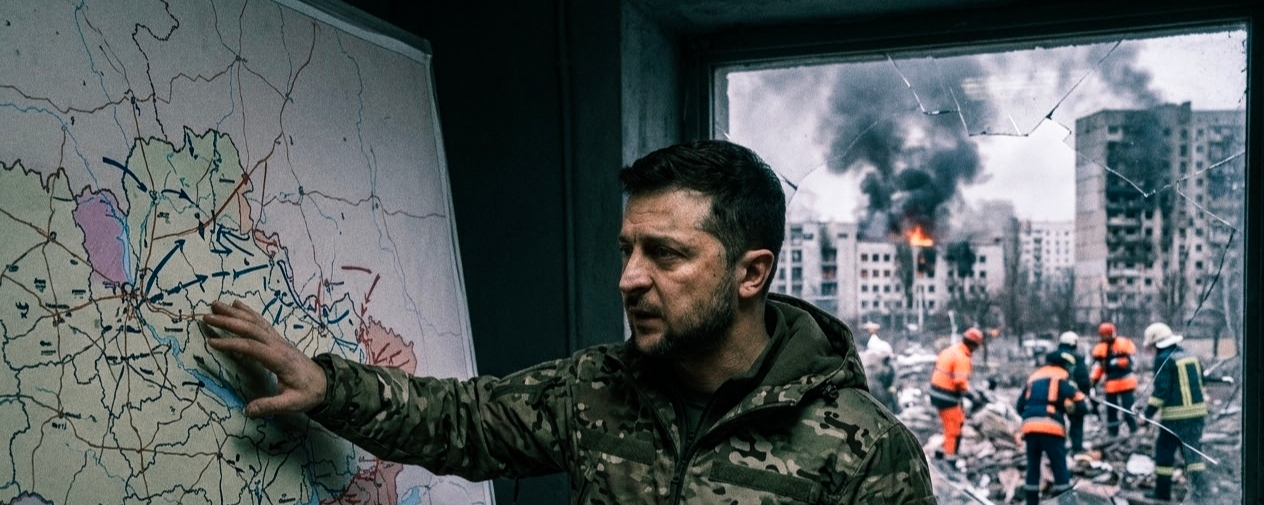
PUTIN ERWEITERT SEINE KRIEGSMASCHINE — UND NORDKOREA STÖSST WEITER IN DEN KRIEG VOR.Wladimir Putin hat eine weitere Ausweitung der Streitkräfte Russlands angeordnet und damit die genehmigte Gesamtzahl auf 2.441.630 Personen erhöht, darunter 1.550.500 Soldaten im aktiven Dienst.
Das bedeutet 15.500 zusätzliche aktive Einsatzkräfte.
Und das ist keine isolierte Maßnahme.
Es ist die vierte Erhöhung der Struktur des russischen Militärpersonals in diesem Jahr, während sich der Krieg in der Ukraine auf einen weiteren Winter zubewegt.
Der Kreml hat den Grund für das neueste Dekret nicht öffentlich erklärt.
Aber der Zeitpunkt ist brutal.
Ukraine sagt, Russland habe bereits eine weitere militärische Mobilisierung eingeleitet.
PUTIN ERWEITERT SEINE KRIEGSMASCHINE — UND NORDKOREA STÖSST WEITER IN DEN KRIEG VOR.
Wladimir Putin hat eine weitere Ausweitung der Streitkräfte Russlands angeordnet und damit die genehmigte Gesamtzahl auf 2.441.630 Personen erhöht, darunter 1.550.500 Soldaten im aktiven Dienst.
Das bedeutet 15.500 zusätzliche aktive Einsatzkräfte.
Und das ist keine isolierte Maßnahme.
Es ist die vierte Erhöhung der Struktur des russischen Militärpersonals in diesem Jahr, während sich der Krieg in der Ukraine auf einen weiteren Winter zubewegt.
Der Kreml hat den Grund für das neueste Dekret nicht öffentlich erklärt.
Aber der Zeitpunkt ist brutal.
Ukraine sagt, Russland habe bereits eine weitere militärische Mobilisierung eingeleitet.
Das bedeutet 15.500 zusätzliche aktive Einsatzkräfte.
Und das ist keine isolierte Maßnahme.
Es ist die vierte Erhöhung der Struktur des russischen Militärpersonals in diesem Jahr, während sich der Krieg in der Ukraine auf einen weiteren Winter zubewegt.
Der Kreml hat den Grund für das neueste Dekret nicht öffentlich erklärt.
Aber der Zeitpunkt ist brutal.
Ukraine sagt, Russland habe bereits eine weitere militärische Mobilisierung eingeleitet.
1
164
·
--
Artikel
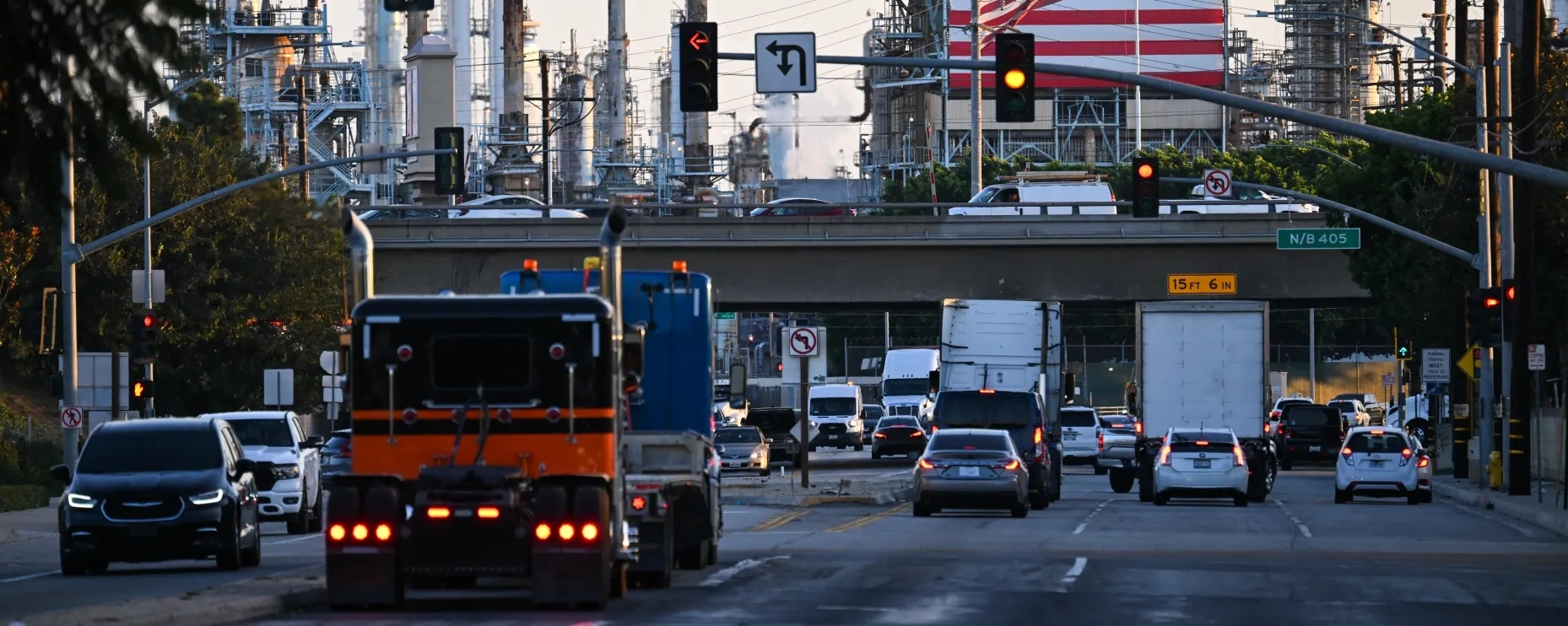
DER DIESELSCHOCK WIRD NOCH SCHIMMERGERDonald Trump sagt, das Weiße Haus prüfe „sehr ernsthaft“ die Einschränkung von US-Dieselexporten, während die Kraftstoffpreise vor den Wahlen zum Kongress im November kräftig anziehen.
Und hier wird die Lage gefährlich.
US-Diesel ist bereits landesweit auf etwa 6,47 US-Dollar pro Gallone gestiegen, während der Rekordwert am 22. September bei 6,5276 US-Dollar lag. Das ist keine unerhebliche Preiserhöhung. Diesel ist der Kraftstoff, der Lastwagen, Landwirtschaftsbetriebe, Schiffe, Baumaschinen und Industrieanlagen antreibt.
Nun erwägt Washington, den Zufluss dieses Kraftstoffs in den globalen Markt zu beschränken.
DER DIESELSCHOCK WIRD NOCH SCHIMMERGER
Donald Trump sagt, das Weiße Haus prüfe „sehr ernsthaft“ die Einschränkung von US-Dieselexporten, während die Kraftstoffpreise vor den Wahlen zum Kongress im November kräftig anziehen.
Und hier wird die Lage gefährlich.
US-Diesel ist bereits landesweit auf etwa 6,47 US-Dollar pro Gallone gestiegen, während der Rekordwert am 22. September bei 6,5276 US-Dollar lag. Das ist keine unerhebliche Preiserhöhung. Diesel ist der Kraftstoff, der Lastwagen, Landwirtschaftsbetriebe, Schiffe, Baumaschinen und Industrieanlagen antreibt.
Nun erwägt Washington, den Zufluss dieses Kraftstoffs in den globalen Markt zu beschränken.
Und hier wird die Lage gefährlich.
US-Diesel ist bereits landesweit auf etwa 6,47 US-Dollar pro Gallone gestiegen, während der Rekordwert am 22. September bei 6,5276 US-Dollar lag. Das ist keine unerhebliche Preiserhöhung. Diesel ist der Kraftstoff, der Lastwagen, Landwirtschaftsbetriebe, Schiffe, Baumaschinen und Industrieanlagen antreibt.
Nun erwägt Washington, den Zufluss dieses Kraftstoffs in den globalen Markt zu beschränken.
1
319
·
--
Artikel
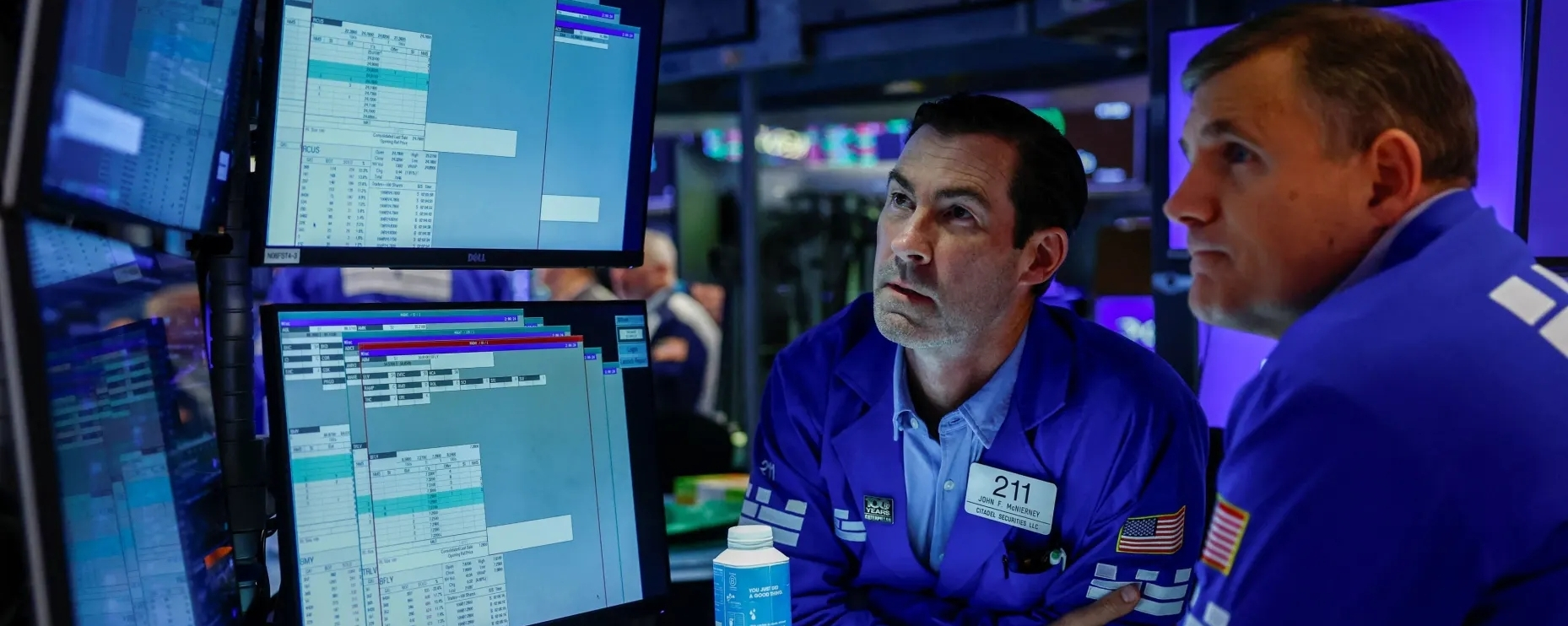
WALL STREET ÜBERNIMMT WIEDER DIE KONTROLLE.Seit Jahren sind Privatanleger in Scharen an die Börse geströmt, haben die Rücksetzer gekauft und sind zu einer treibenden Kraft hinter dem Aufschwung geworden.
Nun scheint sich das Kräfteverhältnis zu verschieben.
Laut Vanda Research sind institutionelle Anleger erstaunlich aggressiv geblieben, selbst als die Renditen von US-Staatsanleihen stark gestiegen sind.
Der Zustrom institutioneller Optionen hat rund das 3-Fache des normalen Niveaus im September erreicht.
Und dieser Kaufdruck hat sich in den letzten fünf Handelssitzungen gezeigt.
Das spielt eine Rolle, weil der Markt vor einem gnadenlosen makroökonomischen Gegenwind steht.
WALL STREET ÜBERNIMMT WIEDER DIE KONTROLLE.
Seit Jahren sind Privatanleger in Scharen an die Börse geströmt, haben die Rücksetzer gekauft und sind zu einer treibenden Kraft hinter dem Aufschwung geworden.
Nun scheint sich das Kräfteverhältnis zu verschieben.
Laut Vanda Research sind institutionelle Anleger erstaunlich aggressiv geblieben, selbst als die Renditen von US-Staatsanleihen stark gestiegen sind.
Der Zustrom institutioneller Optionen hat rund das 3-Fache des normalen Niveaus im September erreicht.
Und dieser Kaufdruck hat sich in den letzten fünf Handelssitzungen gezeigt.
Das spielt eine Rolle, weil der Markt vor einem gnadenlosen makroökonomischen Gegenwind steht.
Nun scheint sich das Kräfteverhältnis zu verschieben.
Laut Vanda Research sind institutionelle Anleger erstaunlich aggressiv geblieben, selbst als die Renditen von US-Staatsanleihen stark gestiegen sind.
Der Zustrom institutioneller Optionen hat rund das 3-Fache des normalen Niveaus im September erreicht.
Und dieser Kaufdruck hat sich in den letzten fünf Handelssitzungen gezeigt.
Das spielt eine Rolle, weil der Markt vor einem gnadenlosen makroökonomischen Gegenwind steht.
1
174
·
--
Artikel
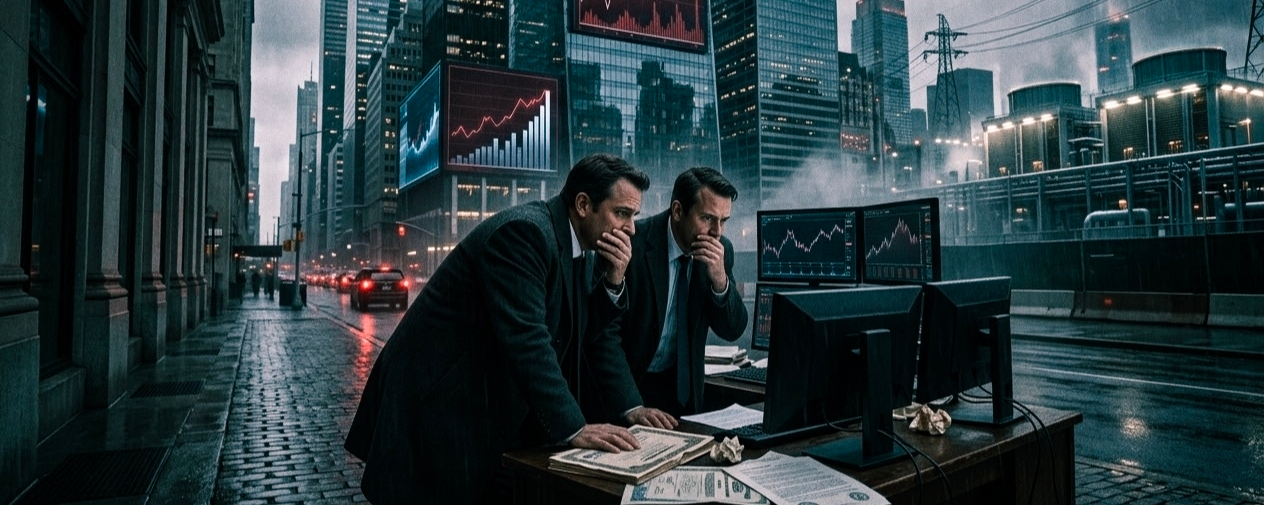
DIE RENDITE DER 10-JÄHRIGEN US-STATSANLEIHE LIEGT JETZT BEI 5,23 %. DAS IST NICHT „NUR INFLATION“. Die Rendite der US-Staatsanleihe mit zehnjähriger Laufzeit ist gerade auf 5,23 % gestiegen — ihr höchster Stand seit 2007.
Lies das noch einmal.
Der Richtwert, der Hypothekenzinsen, Unternehmenskredite, Vermögensbewertungen und einen großen Teil des globalen Finanzsystems bestimmt, liegt jetzt über 5 %.
Und die bequeme Erklärung lautet:
«“Die Inflation ist hoch.”»
Nein.
Das ist nur ein Teil der Geschichte.
Die unangenehmere Geschichte ist: ANGEBOT.
Die US-Regierung gibt in enormem Umfang Schuldtitel aus, um massive Haushaltsdefizite zu finanzieren.
Gleichzeitig drängen Unternehmen den Anleihemarkt mit Schulden zu, um den größten Ausbau der KI-Infrastruktur zu finanzieren, den wir je gesehen haben.
DIE RENDITE DER 10-JÄHRIGEN US-STATSANLEIHE LIEGT JETZT BEI 5,23 %. DAS IST NICHT „NUR INFLATION“.
Die Rendite der US-Staatsanleihe mit zehnjähriger Laufzeit ist gerade auf 5,23 % gestiegen — ihr höchster Stand seit 2007.
Lies das noch einmal.
Der Richtwert, der Hypothekenzinsen, Unternehmenskredite, Vermögensbewertungen und einen großen Teil des globalen Finanzsystems bestimmt, liegt jetzt über 5 %.
Und die bequeme Erklärung lautet:
«“Die Inflation ist hoch.”»
Nein.
Das ist nur ein Teil der Geschichte.
Die unangenehmere Geschichte ist: ANGEBOT.
Die US-Regierung gibt in enormem Umfang Schuldtitel aus, um massive Haushaltsdefizite zu finanzieren.
Gleichzeitig drängen Unternehmen den Anleihemarkt mit Schulden zu, um den größten Ausbau der KI-Infrastruktur zu finanzieren, den wir je gesehen haben.
Lies das noch einmal.
Der Richtwert, der Hypothekenzinsen, Unternehmenskredite, Vermögensbewertungen und einen großen Teil des globalen Finanzsystems bestimmt, liegt jetzt über 5 %.
Und die bequeme Erklärung lautet:
«“Die Inflation ist hoch.”»
Nein.
Das ist nur ein Teil der Geschichte.
Die unangenehmere Geschichte ist: ANGEBOT.
Die US-Regierung gibt in enormem Umfang Schuldtitel aus, um massive Haushaltsdefizite zu finanzieren.
Gleichzeitig drängen Unternehmen den Anleihemarkt mit Schulden zu, um den größten Ausbau der KI-Infrastruktur zu finanzieren, den wir je gesehen haben.
BTC-1,49%
IEFETF-0,12%
1
77
·
--
Artikel
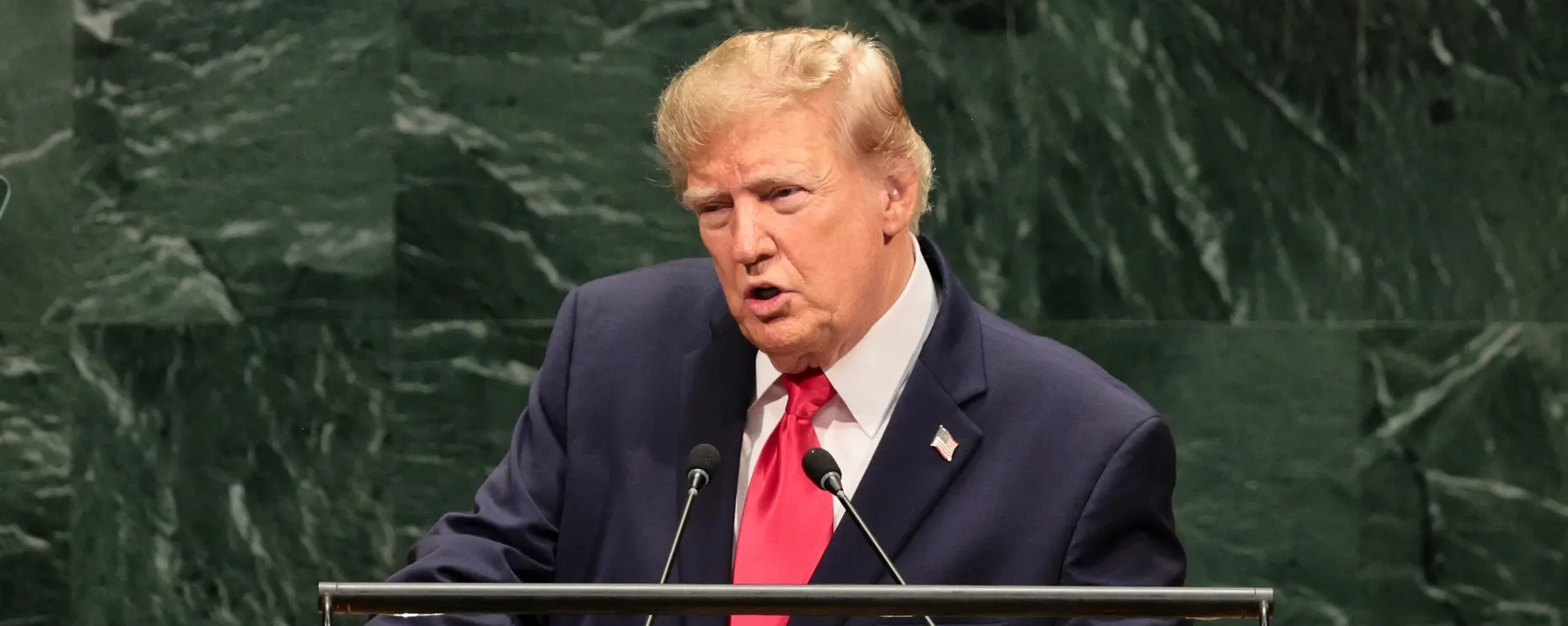
HORMUS IST DER DRUCKPUNKT DER WELTWIRTSCHAFT.
Der Iran hat angeboten, die Straße von Hormus innerhalb von sieben Tagen wieder zu öffnen und die Nuklearverhandlungen mit Washington wieder aufzunehmen – jedoch nur, wenn die USA ihre Seeblockade beendet, was Teheran als „Aggression“ bezeichnet, sowie den wirtschaftlichen Krieg, während sie gleichzeitig iranische Vermögenswerte freigeben.
Trump lehnte den Vorschlag ab.
Laut dem Wall Street Journal, unter Berufung auf US-Beamte, hat Trump seinen Mitarbeitern gesagt, dass eine erneute Bombardierung des Iran nach den Wahlen zum November-Midterm noch möglich bleibt.
In der Zwischenzeit sagen von Saudi-Arabien geführte Truppen, sie hätten zwei von den Huthi abgefeuerte Drohnen abgefangen, die auf Riad zusteuerten, sowie zwei ballistische Raketen, die auf Khamis Mushait gerichtet waren.
Der Iran hat angeboten, die Straße von Hormus innerhalb von sieben Tagen wieder zu öffnen und die Nuklearverhandlungen mit Washington wieder aufzunehmen – jedoch nur, wenn die USA ihre Seeblockade beendet, was Teheran als „Aggression“ bezeichnet, sowie den wirtschaftlichen Krieg, während sie gleichzeitig iranische Vermögenswerte freigeben.
Trump lehnte den Vorschlag ab.
Laut dem Wall Street Journal, unter Berufung auf US-Beamte, hat Trump seinen Mitarbeitern gesagt, dass eine erneute Bombardierung des Iran nach den Wahlen zum November-Midterm noch möglich bleibt.
In der Zwischenzeit sagen von Saudi-Arabien geführte Truppen, sie hätten zwei von den Huthi abgefeuerte Drohnen abgefangen, die auf Riad zusteuerten, sowie zwei ballistische Raketen, die auf Khamis Mushait gerichtet waren.
HORMUS IST DER DRUCKPUNKT DER WELTWIRTSCHAFT.
Der Iran hat angeboten, die Straße von Hormus innerhalb von sieben Tagen wieder zu öffnen und die Nuklearverhandlungen mit Washington wieder aufzunehmen – jedoch nur, wenn die USA ihre Seeblockade beendet, was Teheran als „Aggression“ bezeichnet, sowie den wirtschaftlichen Krieg, während sie gleichzeitig iranische Vermögenswerte freigeben.
Trump lehnte den Vorschlag ab.
Laut dem Wall Street Journal, unter Berufung auf US-Beamte, hat Trump seinen Mitarbeitern gesagt, dass eine erneute Bombardierung des Iran nach den Wahlen zum November-Midterm noch möglich bleibt.
In der Zwischenzeit sagen von Saudi-Arabien geführte Truppen, sie hätten zwei von den Huthi abgefeuerte Drohnen abgefangen, die auf Riad zusteuerten, sowie zwei ballistische Raketen, die auf Khamis Mushait gerichtet waren.
1
305
·
--

Artikel
DER STEUERFALL VON 2026Trumps „One Big Beautiful Bill“ hat die steuerlichen Abzüge für wohltätige Spenden nicht nur einfach verändert.
Es hat das Spiel umgebaut.
Ab 2026 können Steuerzahler, die den Standardabzug nehmen, für berechtigte Barspenden bis zu 1.000 $ für Alleinstehende und 2.000 $ für gemeinsam veranlagte Ehepaare geltend machen.
Klingt großartig.
Aber für Menschen, die ihre Abzüge geltend machen, wird die Geschichte düsterer.
Eine neue 0,5%-AGI-Grenze bedeutet, dass die ersten 0,5 % Ihres zu versteuernden Bruttoeinkommens bei Spenden für wohltätige Zwecke in der Regel keinen Abzug ergeben.
400.000 $ zu versteuerndes Einkommen (AGI) = die ersten 2.000 $ sind zuerst gesperrt.
DER STEUERFALL VON 2026
Trumps „One Big Beautiful Bill“ hat die steuerlichen Abzüge für wohltätige Spenden nicht nur einfach verändert.
Es hat das Spiel umgebaut.
Ab 2026 können Steuerzahler, die den Standardabzug nehmen, für berechtigte Barspenden bis zu 1.000 $ für Alleinstehende und 2.000 $ für gemeinsam veranlagte Ehepaare geltend machen.
Klingt großartig.
Aber für Menschen, die ihre Abzüge geltend machen, wird die Geschichte düsterer.
Eine neue 0,5%-AGI-Grenze bedeutet, dass die ersten 0,5 % Ihres zu versteuernden Bruttoeinkommens bei Spenden für wohltätige Zwecke in der Regel keinen Abzug ergeben.
400.000 $ zu versteuerndes Einkommen (AGI) = die ersten 2.000 $ sind zuerst gesperrt.
Es hat das Spiel umgebaut.
Ab 2026 können Steuerzahler, die den Standardabzug nehmen, für berechtigte Barspenden bis zu 1.000 $ für Alleinstehende und 2.000 $ für gemeinsam veranlagte Ehepaare geltend machen.
Klingt großartig.
Aber für Menschen, die ihre Abzüge geltend machen, wird die Geschichte düsterer.
Eine neue 0,5%-AGI-Grenze bedeutet, dass die ersten 0,5 % Ihres zu versteuernden Bruttoeinkommens bei Spenden für wohltätige Zwecke in der Regel keinen Abzug ergeben.
400.000 $ zu versteuerndes Einkommen (AGI) = die ersten 2.000 $ sind zuerst gesperrt.
1
148
·
--
Teilweise korrekt
Artikel
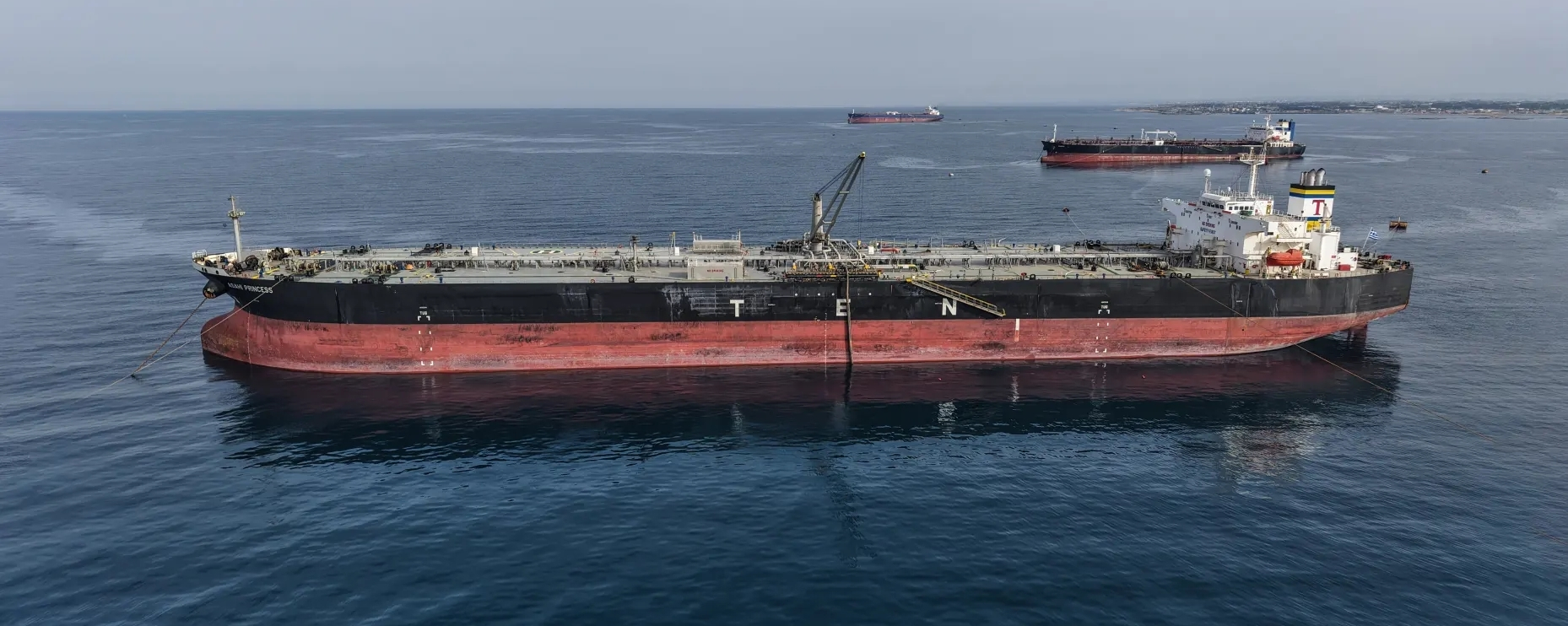
HORMUS IST NICHT OFFEN. ES WIRD VON GEOPOLITIK ALS GEISEL GENOMMEN.Der Iran hat nun einen Preis für die Wiedereröffnung des wichtigsten Öl-Engpasses der Welt festgelegt.
Teheran sagt, es sei bereit, den Verkehr durch die Straße von Hormus innerhalb von etwa sieben Tagen wiederherzustellen — aber nur, wenn Washington den militärischen Druck verringert, die Seeblockade beendet, den wirtschaftlichen Krieg beendet und eingefrorene iranische Vermögenswerte freigibt.
Das ist keine nebensächliche diplomatische Einzelheit.
Das ist eine Verhandlung über das Adernetz des globalen Energiesystems.
Vor dem Krieg bewegte sich etwa ein Fünftel aller weltweiten Öl- und Gaslieferungen durch Hormus.
HORMUS IST NICHT OFFEN. ES WIRD VON GEOPOLITIK ALS GEISEL GENOMMEN.
Der Iran hat nun einen Preis für die Wiedereröffnung des wichtigsten Öl-Engpasses der Welt festgelegt.
Teheran sagt, es sei bereit, den Verkehr durch die Straße von Hormus innerhalb von etwa sieben Tagen wiederherzustellen — aber nur, wenn Washington den militärischen Druck verringert, die Seeblockade beendet, den wirtschaftlichen Krieg beendet und eingefrorene iranische Vermögenswerte freigibt.
Das ist keine nebensächliche diplomatische Einzelheit.
Das ist eine Verhandlung über das Adernetz des globalen Energiesystems.
Vor dem Krieg bewegte sich etwa ein Fünftel aller weltweiten Öl- und Gaslieferungen durch Hormus.
Teheran sagt, es sei bereit, den Verkehr durch die Straße von Hormus innerhalb von etwa sieben Tagen wiederherzustellen — aber nur, wenn Washington den militärischen Druck verringert, die Seeblockade beendet, den wirtschaftlichen Krieg beendet und eingefrorene iranische Vermögenswerte freigibt.
Das ist keine nebensächliche diplomatische Einzelheit.
Das ist eine Verhandlung über das Adernetz des globalen Energiesystems.
Vor dem Krieg bewegte sich etwa ein Fünftel aller weltweiten Öl- und Gaslieferungen durch Hormus.
4
966
·
--
IRANS FLUGGESELLSCHAFTEN WERDEN VOM REST DER WELT ABGESCHNITTEN.
Washington übt wirtschaftlichen Druck auf Teheran aus – und macht daraus etwas viel Brutaleres.
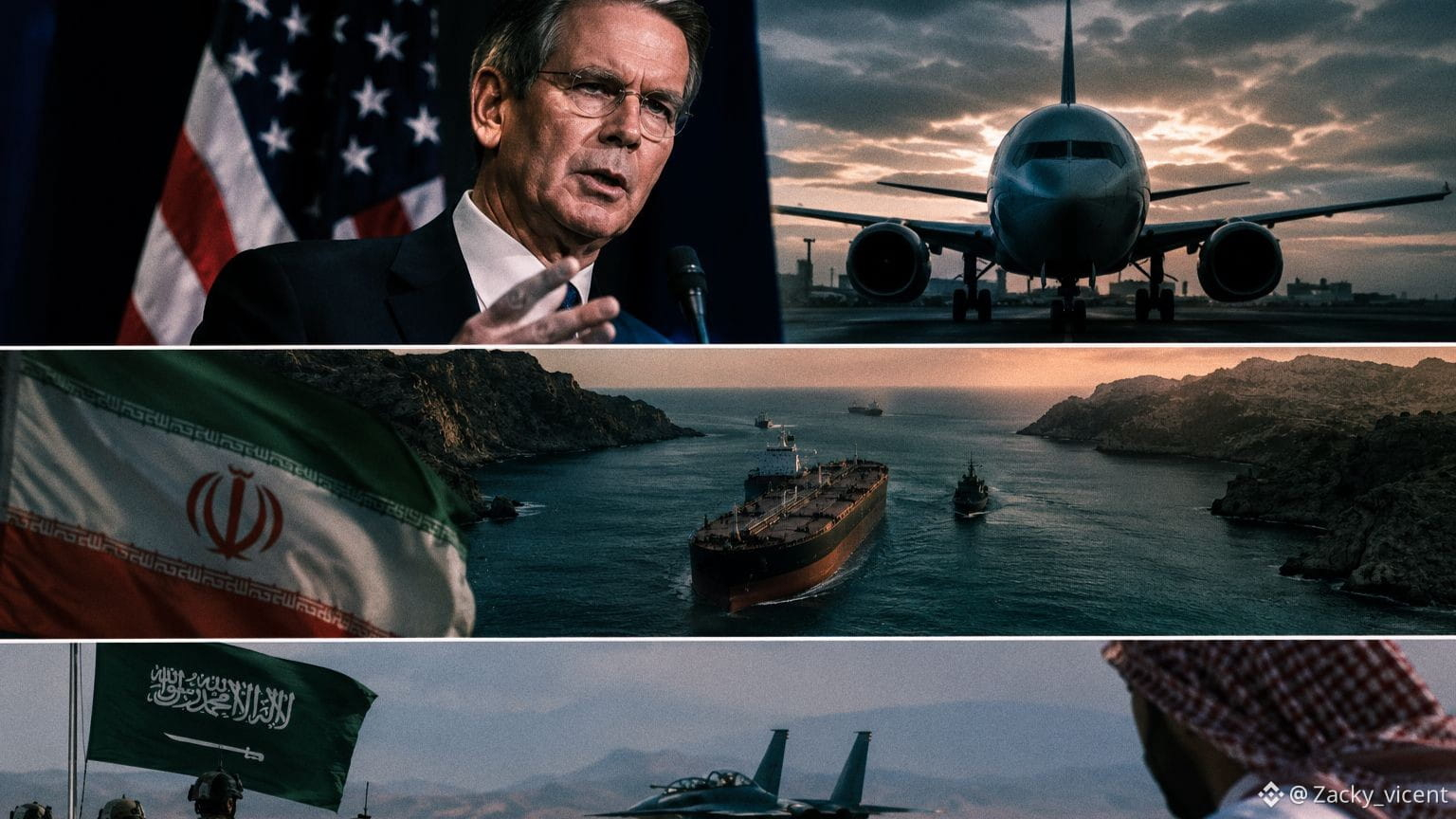
Der US-Finanzminister Scott Bessent sagte gegenüber CNBC, dass ab Mittwoch, dem 23. September, alle iranischen Fluggesellschaften effektiv weltweit stillgelegt werden könnten.
Das Vorgehen ist erbarmungslos: Treibstoff verweigern. Lande-Services verweigern. Ticketverkäufe verweigern. Und Unternehmen, die weiterhin sanktionierte iranische Carrier unterstützen, mit dem Ausschluss aus dem US-Dollar-System bedrohen.
Das ist nicht nur eine Sache der Flugzeuge.
Es geht darum, Irans Zugang zu der Infrastruktur zu kappen, die ein Luftfahrt-System am Leben hält.
Am 8. September sanktionierte das US-Finanzministerium 27 iranische Fluggesellschaften und warnte ausländische Unternehmen, die Flugzeuge, Fracht, Vertrieb, finanzielle oder andere Unterstützung leisten, dass sie mit schwerwiegenden Konsequenzen rechnen müssen. Das Ministerium sagt, die Kampagne sei darauf ausgelegt, Iran vom globalen Finanzsystem zu isolieren und Netzwerke ins Visier zu nehmen, die – so die Behauptung – das Regime und die IRGC unterstützen.
Dann kam ein weiterer Schlag.
Die VTB Bank – eine große russische Finanzinstitution – wurde am 14. September von Washington sanktioniert, wegen angeblicher Unterstützung dabei, dass Iran Sanktionen umgeht.
Und der Druck beschränkt sich nicht mehr auf das klassische Bankwesen.
Am 17. September zielte das Finanzministerium außerdem auf ein iranisches Netzwerk für digitale Vermögenswerte, das Washington mit dem Umgehen von Sanktionen in Verbindung bringt.
Die Botschaft aus Washington ist brutal einfach:
WENN SIE IRAN DABEI HELFEN, GELD, MENSCHEN, WAREN ODER FLUGZEUGE ZU BEWEGEN – RISKIEREN SIE, EBENFALLS AUSGESCHLOSSEN ZU WERDEN.
Währenddessen breitet sich der Druck im gesamten Nahen Osten aus.
Wie berichtet, bereitet Großbritannien vor, Saudi-Flugzeugen Luftbetankungsunterstützung zu geben, während Riad Bedrohungen durch iransgestützte Huthi-Kräfte gegenübersteht.
Und hinter all dem steckt ein erschreckend entscheidendes Stück Geografie:
DIE STRAßEN.
Bab el-Mandeb.
Hormus.
Zwei maritime Engpässe, die direkt an den Hauptadern des globalen Energiehandels liegen.
Iran und seine regionalen Verbündeten müssen nicht jede Meile im Nahen Osten kontrollieren, um enormen Druck zu erzeugen.
Sie brauchen nur Hebelwirkung bei kritischer Infrastruktur.
IRANS FLUGGESELLSCHAFTEN WERDEN VOM REST DER WELT ABGESCHNITTEN.
Washington übt wirtschaftlichen Druck auf Teheran aus – und macht daraus etwas viel Brutaleres.
Der US-Finanzminister Scott Bessent sagte gegenüber CNBC, dass ab Mittwoch, dem 23. September, alle iranischen Fluggesellschaften effektiv weltweit stillgelegt werden könnten.
Das Vorgehen ist erbarmungslos: Treibstoff verweigern. Lande-Services verweigern. Ticketverkäufe verweigern. Und Unternehmen, die weiterhin sanktionierte iranische Carrier unterstützen, mit dem Ausschluss aus dem US-Dollar-System bedrohen.
Das ist nicht nur eine Sache der Flugzeuge.
Es geht darum, Irans Zugang zu der Infrastruktur zu kappen, die ein Luftfahrt-System am Leben hält.
Am 8. September sanktionierte das US-Finanzministerium 27 iranische Fluggesellschaften und warnte ausländische Unternehmen, die Flugzeuge, Fracht, Vertrieb, finanzielle oder andere Unterstützung leisten, dass sie mit schwerwiegenden Konsequenzen rechnen müssen. Das Ministerium sagt, die Kampagne sei darauf ausgelegt, Iran vom globalen Finanzsystem zu isolieren und Netzwerke ins Visier zu nehmen, die – so die Behauptung – das Regime und die IRGC unterstützen.
Dann kam ein weiterer Schlag.
Die VTB Bank – eine große russische Finanzinstitution – wurde am 14. September von Washington sanktioniert, wegen angeblicher Unterstützung dabei, dass Iran Sanktionen umgeht.
Und der Druck beschränkt sich nicht mehr auf das klassische Bankwesen.
Am 17. September zielte das Finanzministerium außerdem auf ein iranisches Netzwerk für digitale Vermögenswerte, das Washington mit dem Umgehen von Sanktionen in Verbindung bringt.
Die Botschaft aus Washington ist brutal einfach:
WENN SIE IRAN DABEI HELFEN, GELD, MENSCHEN, WAREN ODER FLUGZEUGE ZU BEWEGEN – RISKIEREN SIE, EBENFALLS AUSGESCHLOSSEN ZU WERDEN.
Währenddessen breitet sich der Druck im gesamten Nahen Osten aus.
Wie berichtet, bereitet Großbritannien vor, Saudi-Flugzeugen Luftbetankungsunterstützung zu geben, während Riad Bedrohungen durch iransgestützte Huthi-Kräfte gegenübersteht.
Und hinter all dem steckt ein erschreckend entscheidendes Stück Geografie:
DIE STRAßEN.
Bab el-Mandeb.
Hormus.
Zwei maritime Engpässe, die direkt an den Hauptadern des globalen Energiehandels liegen.
Iran und seine regionalen Verbündeten müssen nicht jede Meile im Nahen Osten kontrollieren, um enormen Druck zu erzeugen.
Sie brauchen nur Hebelwirkung bei kritischer Infrastruktur.
Washington übt wirtschaftlichen Druck auf Teheran aus – und macht daraus etwas viel Brutaleres.
Der US-Finanzminister Scott Bessent sagte gegenüber CNBC, dass ab Mittwoch, dem 23. September, alle iranischen Fluggesellschaften effektiv weltweit stillgelegt werden könnten.
Das Vorgehen ist erbarmungslos: Treibstoff verweigern. Lande-Services verweigern. Ticketverkäufe verweigern. Und Unternehmen, die weiterhin sanktionierte iranische Carrier unterstützen, mit dem Ausschluss aus dem US-Dollar-System bedrohen.
Das ist nicht nur eine Sache der Flugzeuge.
Es geht darum, Irans Zugang zu der Infrastruktur zu kappen, die ein Luftfahrt-System am Leben hält.
Am 8. September sanktionierte das US-Finanzministerium 27 iranische Fluggesellschaften und warnte ausländische Unternehmen, die Flugzeuge, Fracht, Vertrieb, finanzielle oder andere Unterstützung leisten, dass sie mit schwerwiegenden Konsequenzen rechnen müssen. Das Ministerium sagt, die Kampagne sei darauf ausgelegt, Iran vom globalen Finanzsystem zu isolieren und Netzwerke ins Visier zu nehmen, die – so die Behauptung – das Regime und die IRGC unterstützen.
Dann kam ein weiterer Schlag.
Die VTB Bank – eine große russische Finanzinstitution – wurde am 14. September von Washington sanktioniert, wegen angeblicher Unterstützung dabei, dass Iran Sanktionen umgeht.
Und der Druck beschränkt sich nicht mehr auf das klassische Bankwesen.
Am 17. September zielte das Finanzministerium außerdem auf ein iranisches Netzwerk für digitale Vermögenswerte, das Washington mit dem Umgehen von Sanktionen in Verbindung bringt.
Die Botschaft aus Washington ist brutal einfach:
WENN SIE IRAN DABEI HELFEN, GELD, MENSCHEN, WAREN ODER FLUGZEUGE ZU BEWEGEN – RISKIEREN SIE, EBENFALLS AUSGESCHLOSSEN ZU WERDEN.
Währenddessen breitet sich der Druck im gesamten Nahen Osten aus.
Wie berichtet, bereitet Großbritannien vor, Saudi-Flugzeugen Luftbetankungsunterstützung zu geben, während Riad Bedrohungen durch iransgestützte Huthi-Kräfte gegenübersteht.
Und hinter all dem steckt ein erschreckend entscheidendes Stück Geografie:
DIE STRAßEN.
Bab el-Mandeb.
Hormus.
Zwei maritime Engpässe, die direkt an den Hauptadern des globalen Energiehandels liegen.
Iran und seine regionalen Verbündeten müssen nicht jede Meile im Nahen Osten kontrollieren, um enormen Druck zu erzeugen.
Sie brauchen nur Hebelwirkung bei kritischer Infrastruktur.
1
190
·
--
DER NAHE OSTEN STEHT AUF KANTEN — UND DIE WELT SIEHT ZU
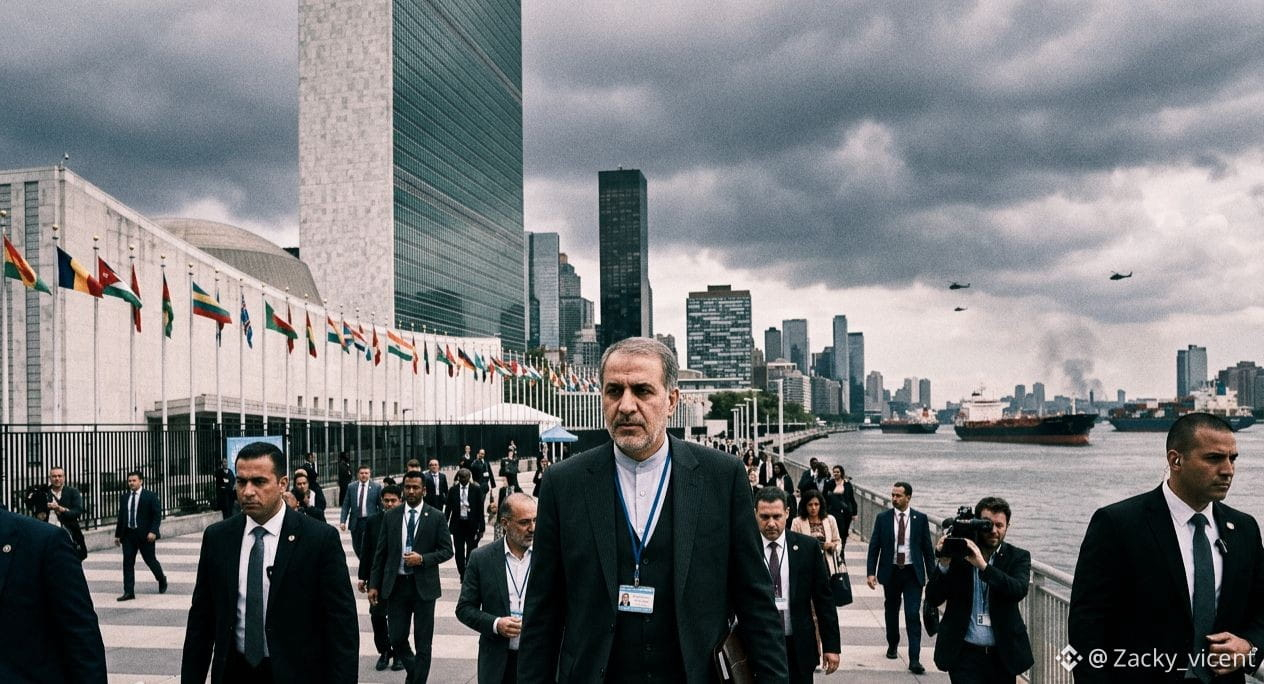
Irans Präsident Masoud Pezeshkian reist nach New York zur Generalversammlung der Vereinten Nationen, während Washington und Teheran gefährlich nahe an eine weitere Eskalation heranrücken.
Das ist nicht einfach nur ein weiteres diplomatisches Treffen.
Es kommt nach Monaten von Krieg, Drohungen, unterbrochenen Energie-Routen und zunehmend aggressiven Warnungen beider Seiten.
Donald Trump hat gewarnt, dass Iran mit wirtschaftlicher Zerstörung oder der Entfernung seiner Führung konfrontiert werden könnte, falls Teheran sich weigert, eine Vereinbarung zu erreichen. Gleichzeitig hat Irans Militär davor gewarnt, dass jeder neue amerikanische Angriff Vergeltung gegen US-Positionen und Interessen im gesamten Nahen Osten auslösen könnte.
Eine falsche Entscheidung könnte Diplomatie in ein weiteres Schlachtfeld verwandeln.
Und die Gefahr endet nicht in Iran.
Von Iran unterstützte Huthi-Kräfte haben ihre Angriffe auf Saudi-Arabien verstärkt. Riad sah sich zuletzt vor Beginn der neuesten Eskalation mit der ersten Luftangriffs-Warnung konfrontiert, während saudische Behörden mitteilten, dass eine ballistische Rakete abgefangen wurde. Die Huthis haben außerdem Angriffe auf sensible Ziele und Energieinfrastruktur behauptet.
Unterdessen wird der Jemen zu einer weiteren entscheidenden Front.
Mehr als 100.000 Menschen sollen vertrieben worden sein, während die Kämpfe zunehmen, und zugleich wächst der Druck auf das Rote Meer und Bab el-Mandeb.
Dann kommt das eigentliche wirtschaftliche Druckmittel:
ÖL.
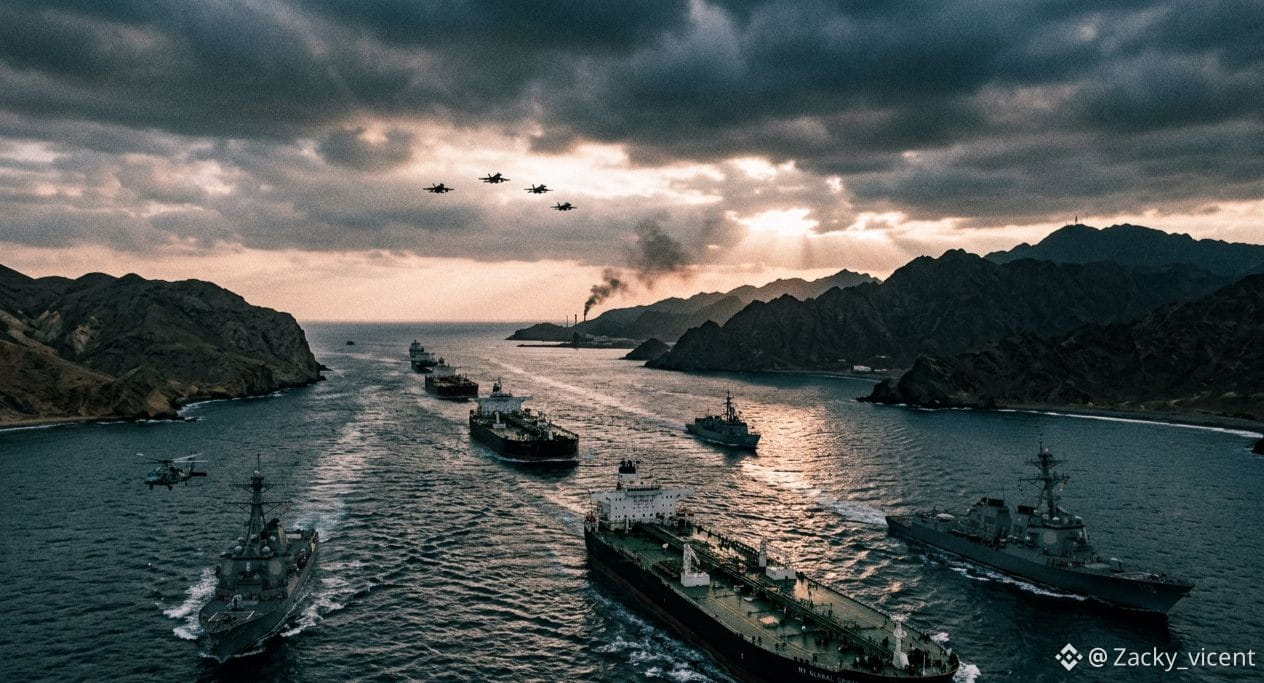
Die Straße von Hormus bleibt einer der kritischsten Energie-Engpässe der Erde. Jüngste Versanddaten zeigten, dass der Verkehr weit unter dem Normalniveau liegt, während sich für Frachtschiffe die Risiken erhöhen, sich durch die Region zu bewegen.
Wenn Hormus und das Rote Meer gleichzeitig instabil bleiben, können sich die Folgen weit über den Nahen Osten hinaus ausbreiten:
Höhere Ölpreise.
Höhere Transportkosten.
Steigende Inflation.
Teurerer Kraftstoff.
Mehr Druck auf globale Lieferketten.
Und schließlich mehr Druck auf die Menschen im Alltag, die mit dem Krieg absolut nichts zu tun haben.
$BTC
DER NAHE OSTEN STEHT AUF KANTEN — UND DIE WELT SIEHT ZU
Irans Präsident Masoud Pezeshkian reist nach New York zur Generalversammlung der Vereinten Nationen, während Washington und Teheran gefährlich nahe an eine weitere Eskalation heranrücken.
Das ist nicht einfach nur ein weiteres diplomatisches Treffen.
Es kommt nach Monaten von Krieg, Drohungen, unterbrochenen Energie-Routen und zunehmend aggressiven Warnungen beider Seiten.
Donald Trump hat gewarnt, dass Iran mit wirtschaftlicher Zerstörung oder der Entfernung seiner Führung konfrontiert werden könnte, falls Teheran sich weigert, eine Vereinbarung zu erreichen. Gleichzeitig hat Irans Militär davor gewarnt, dass jeder neue amerikanische Angriff Vergeltung gegen US-Positionen und Interessen im gesamten Nahen Osten auslösen könnte.
Eine falsche Entscheidung könnte Diplomatie in ein weiteres Schlachtfeld verwandeln.
Und die Gefahr endet nicht in Iran.
Von Iran unterstützte Huthi-Kräfte haben ihre Angriffe auf Saudi-Arabien verstärkt. Riad sah sich zuletzt vor Beginn der neuesten Eskalation mit der ersten Luftangriffs-Warnung konfrontiert, während saudische Behörden mitteilten, dass eine ballistische Rakete abgefangen wurde. Die Huthis haben außerdem Angriffe auf sensible Ziele und Energieinfrastruktur behauptet.
Unterdessen wird der Jemen zu einer weiteren entscheidenden Front.
Mehr als 100.000 Menschen sollen vertrieben worden sein, während die Kämpfe zunehmen, und zugleich wächst der Druck auf das Rote Meer und Bab el-Mandeb.
Dann kommt das eigentliche wirtschaftliche Druckmittel:
ÖL.
Die Straße von Hormus bleibt einer der kritischsten Energie-Engpässe der Erde. Jüngste Versanddaten zeigten, dass der Verkehr weit unter dem Normalniveau liegt, während sich für Frachtschiffe die Risiken erhöhen, sich durch die Region zu bewegen.
Wenn Hormus und das Rote Meer gleichzeitig instabil bleiben, können sich die Folgen weit über den Nahen Osten hinaus ausbreiten:
Höhere Ölpreise.
Höhere Transportkosten.
Steigende Inflation.
Teurerer Kraftstoff.
Mehr Druck auf globale Lieferketten.
Und schließlich mehr Druck auf die Menschen im Alltag, die mit dem Krieg absolut nichts zu tun haben.
$BTC
Irans Präsident Masoud Pezeshkian reist nach New York zur Generalversammlung der Vereinten Nationen, während Washington und Teheran gefährlich nahe an eine weitere Eskalation heranrücken.
Das ist nicht einfach nur ein weiteres diplomatisches Treffen.
Es kommt nach Monaten von Krieg, Drohungen, unterbrochenen Energie-Routen und zunehmend aggressiven Warnungen beider Seiten.
Donald Trump hat gewarnt, dass Iran mit wirtschaftlicher Zerstörung oder der Entfernung seiner Führung konfrontiert werden könnte, falls Teheran sich weigert, eine Vereinbarung zu erreichen. Gleichzeitig hat Irans Militär davor gewarnt, dass jeder neue amerikanische Angriff Vergeltung gegen US-Positionen und Interessen im gesamten Nahen Osten auslösen könnte.
Eine falsche Entscheidung könnte Diplomatie in ein weiteres Schlachtfeld verwandeln.
Und die Gefahr endet nicht in Iran.
Von Iran unterstützte Huthi-Kräfte haben ihre Angriffe auf Saudi-Arabien verstärkt. Riad sah sich zuletzt vor Beginn der neuesten Eskalation mit der ersten Luftangriffs-Warnung konfrontiert, während saudische Behörden mitteilten, dass eine ballistische Rakete abgefangen wurde. Die Huthis haben außerdem Angriffe auf sensible Ziele und Energieinfrastruktur behauptet.
Unterdessen wird der Jemen zu einer weiteren entscheidenden Front.
Mehr als 100.000 Menschen sollen vertrieben worden sein, während die Kämpfe zunehmen, und zugleich wächst der Druck auf das Rote Meer und Bab el-Mandeb.
Dann kommt das eigentliche wirtschaftliche Druckmittel:
ÖL.
Die Straße von Hormus bleibt einer der kritischsten Energie-Engpässe der Erde. Jüngste Versanddaten zeigten, dass der Verkehr weit unter dem Normalniveau liegt, während sich für Frachtschiffe die Risiken erhöhen, sich durch die Region zu bewegen.
Wenn Hormus und das Rote Meer gleichzeitig instabil bleiben, können sich die Folgen weit über den Nahen Osten hinaus ausbreiten:
Höhere Ölpreise.
Höhere Transportkosten.
Steigende Inflation.
Teurerer Kraftstoff.
Mehr Druck auf globale Lieferketten.
Und schließlich mehr Druck auf die Menschen im Alltag, die mit dem Krieg absolut nichts zu tun haben.
$BTC
2
137
·
--
Artikel
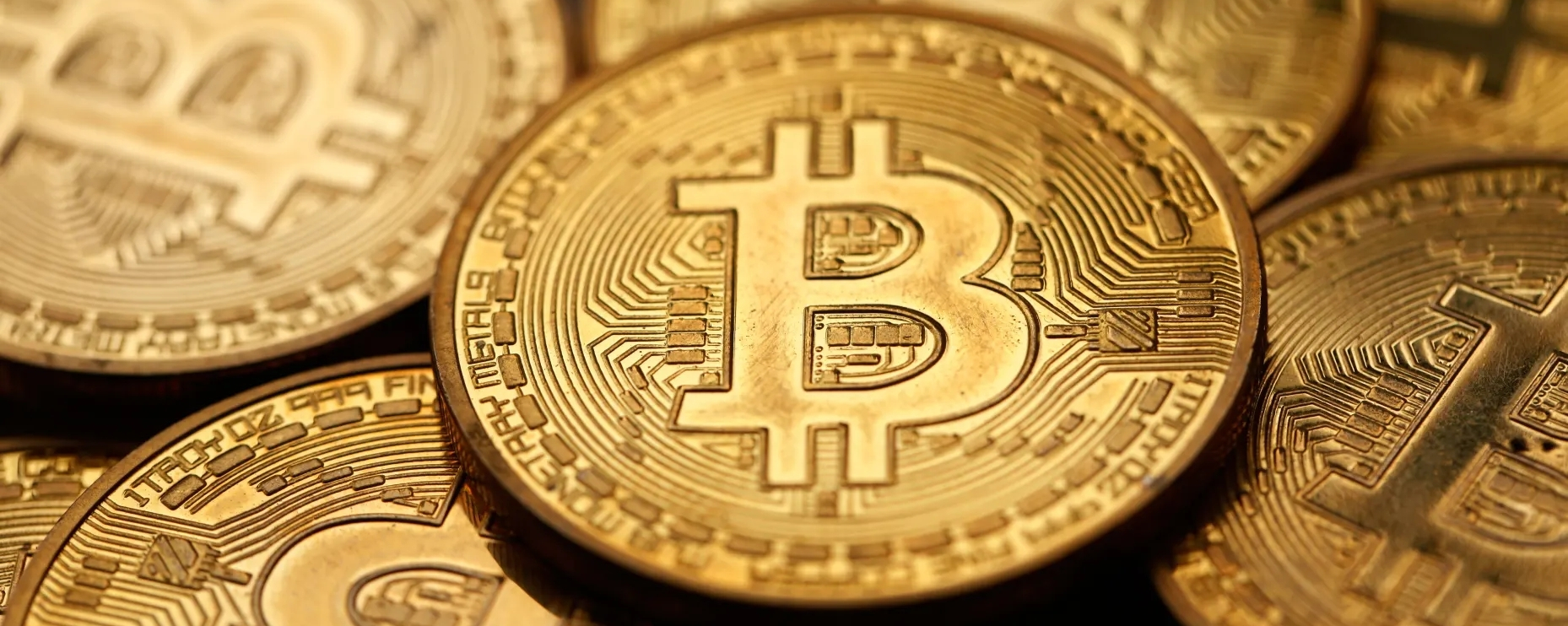
DER KRYPTO-WINTER BLUTET AUS.
BITCOIN HAT SOEBEN 85.000 US-DOLLAR GESPRUNGEN.Während der Markt beschäftigt war zu schreien, dass Krypto tot sei, kletterte Bitcoin still und leise wieder über 85.000 US-Dollar — seinen höchsten Stand seit Januar.
Und plötzlich beobachten dieselben Leute, die den Markt „fertig“ nannten, wie das verdammte Ding wieder zum Leben erwacht.
Bitcoin erreichte am 21. September 2026 während des Tageshandel ein Hoch bei rund 85.200 US-Dollar, bevor es in der Größenordnung der mittleren 84.000er-Regionen gehandelt wurde. Die Bewegung schob BTC laut den von CNBC zitierten Daten innerhalb von fünf Tagen um etwa 7% nach oben und innerhalb von drei Monaten um nahezu 35%.
Aber hier wird es interessant.
DER KRYPTO-WINTER BLUTET AUS. BITCOIN HAT SOEBEN 85.000 US-DOLLAR GESPRUNGEN.
Während der Markt beschäftigt war zu schreien, dass Krypto tot sei, kletterte Bitcoin still und leise wieder über 85.000 US-Dollar — seinen höchsten Stand seit Januar.
Und plötzlich beobachten dieselben Leute, die den Markt „fertig“ nannten, wie das verdammte Ding wieder zum Leben erwacht.
Bitcoin erreichte am 21. September 2026 während des Tageshandel ein Hoch bei rund 85.200 US-Dollar, bevor es in der Größenordnung der mittleren 84.000er-Regionen gehandelt wurde. Die Bewegung schob BTC laut den von CNBC zitierten Daten innerhalb von fünf Tagen um etwa 7% nach oben und innerhalb von drei Monaten um nahezu 35%.
Aber hier wird es interessant.
Und plötzlich beobachten dieselben Leute, die den Markt „fertig“ nannten, wie das verdammte Ding wieder zum Leben erwacht.
Bitcoin erreichte am 21. September 2026 während des Tageshandel ein Hoch bei rund 85.200 US-Dollar, bevor es in der Größenordnung der mittleren 84.000er-Regionen gehandelt wurde. Die Bewegung schob BTC laut den von CNBC zitierten Daten innerhalb von fünf Tagen um etwa 7% nach oben und innerhalb von drei Monaten um nahezu 35%.
Aber hier wird es interessant.
1
285
Anmelden und weiter Inhalte entdecken
Krypto-Nutzer weltweit auf Binance Square kennenlernen
⚡️ Bleib in Sachen Krypto stets am Puls.
💬 Die weltgrößte Kryptobörse vertraut darauf.
👍 Erhalte verlässliche Einblicke von verifizierten Creators.
E-Mail-Adresse/Telefonnummer
Trendthemen
FedMinutesFocusOnOctoberPause
320,032 Aufrufe
1,946 Kommentare
🚨 HOHE ALARMSTUFE ‼️ BITTE HANDELT IN DER NÄCHSTEN STUNDE NICHT BLIND 🚨
Leute, in weniger als einer Stunde werden die FOMC-Protokolle veröffentlicht.
Nach der Volatilität, die wir heute bereits erlebt haben, möchte ich wirklich nicht, dass jemand kurz vor der Veröffentlichung irgendwelche zufälligen Positionen mit hohem Hebel eröffnet.
Die stärkste Reaktion erwarte ich bei Gold (XAU), Silber (XAG), BTC und ETH. Coins wie SOL und andere stark gehebelte Altcoins mit mittlerer oder niedriger Marktkapitalisierung können jede Bewegung von BTC noch verstärken.
Gold und Silber reagieren heute Abend besonders empfindlich, weil der Markt bereits auf den US-Dollar und die Renditen von US-Staatsanleihen reagiert und beide Metalle vor der Veröffentlichung der Fed-Protokolle stark unter Druck standen.
Kurz gesagt:
📉 FOMC-Protokolle mit falkenhaftem Ton → Dollar und Renditen können steigen → Druck auf BTC, Krypto, Gold und Silber
📈 FOMC-Protokolle mit taubenhaftem Ton → Dollar und Renditen können nachgeben → BTC, Gold, Silber und andere Risikoanlagen können kräftig steigen.
Und bitte denkt daran: Die erste Kerze kann eine Falle sein. Es kann zunächst zu einem Pump kommen, dann zu einem sofortigen Dump, Liquidationen auf beiden Seiten und erst danach zur tatsächlichen Richtungsbewegung.
Schützt also vorerst eure Positionen, reduziert unnötigen Hebel und springt nicht aus FOMO auf die erste Bewegung auf.
Heute Abend beobachte ich zuerst $XAU , $XAG und $BTC . An ihnen werden wir sehr schnell erkennen, wie der Markt die Fed einschätzt.
Ich halte euch rechtzeitig auf dem Laufenden.
Folgt @Panda Traders und aktiviert jetzt eure Benachrichtigungen.
#FedMinutesFocusOnOctoberPause
Panda Traders
·21 Likes
·5k Aufrufe
XRPSpotETFsHold$1.7BWeeklyInflowsSlow
0 Aufrufe
1 Kommentare
FrenchHillUrgesCLARITYActPassageInLameDuck
0 Aufrufe
7 Kommentare