
Web3Sage
61 Beiträge

Web3Sage
Melden
Nutzer blockieren
Trade eröffnen
Gelegenheitstrader
5.1 Jahre
6 Following
22 Follower
64 Like gegeben
Beiträge
Portfolio
Alle
Zitierungen
·
--
Bullisch
🚨 Warum HTLC + RFQ Cross-Chain-Swaps verändern könnten
Cross-Chain-Transfers haben sich in den letzten Jahren deutlich verbessert, stehen aber weiterhin vor vertrauten Herausforderungen.
Vermögenswerte in Wrapped-Form, Abwicklungsverzögerungen, Preisänderungen während der Ausführung und die Sicherheit von Bridges beeinflussen alle, wie Nutzer darüber nachdenken, Liquidität zwischen Blockchains zu bewegen.
Darum gewinnt ein neuer Ansatz zunehmend an Aufmerksamkeit.
Anstatt sich ausschließlich auf traditionelle Bridges zu verlassen, beginnt moderne Cross-Chain-Infrastruktur, RFQ und HTLC in einen einzigen Workflow zu kombinieren.
So wichtig ist das.
🔹 RFQ (Request for Quote) ermöglicht es professionellen Liquiditätsanbietern, sich zu bewerben und vor der Ausführung eines Transaktionsauftrags ein verbindliches Angebot zu unterbreiten. Das hilft, die Preisgestaltung zu verbessern, und gibt Nutzern mehr Sicherheit über das erwartete Ergebnis.
🔹 HTLC (Hashed Timelock Contracts) bildet die Abwicklungsschicht. Es nutzt kryptografische Bedingungen und Zeitlimits, sodass entweder beide Seiten des Swaps erfolgreich abgeschlossen werden oder die Vermögenswerte gemäß den Regeln des Protokolls erstattet werden können.
Für sich genommen haben beide Ansätze ihre Stärken.
Gemeinsam schaffen sie ein effizienteres Modell für die Ausführung über mehrere Chains hinweg.
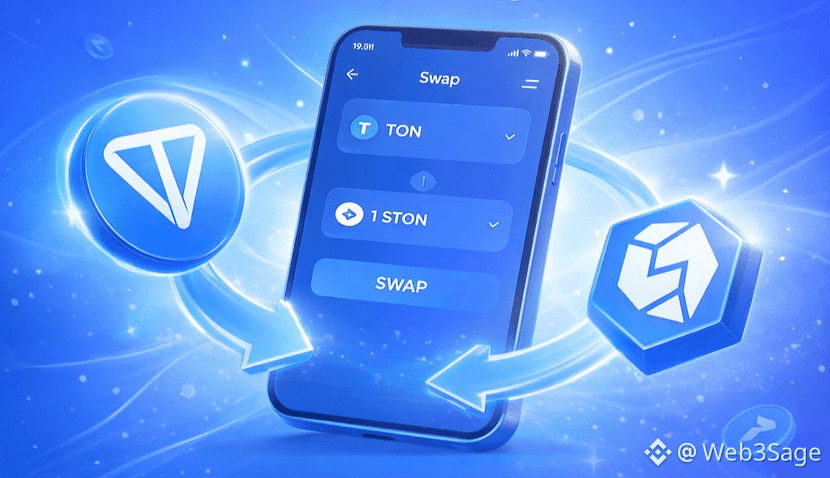
💡 Dieser Ansatz wird mit Omniston innerhalb des $STON-Ökosystems entwickelt. Durch die Kombination von wettbewerblicher Angebotsfindung mit HTLC-basierter Abwicklung soll es möglich werden, nativen Asset-Swaps durchzuführen, ohne auf Wrapped Tokens angewiesen zu sein. Gleichzeitig werden die Ausführungseffizienz verbessert und das Kontrahentenrisiko reduziert.
Während die Cross-Chain-Aktivität weiter wächst, verlagert sich das Gespräch weg davon, Assets nur noch zwischen Netzwerken zu übertragen. Der Fokus liegt zunehmend darauf, wie diese Assets sicher, effizient und mit mehr Vertrauen ausgetauscht werden.
Die nächste Evolution von DeFi ist vielleicht nicht noch eine Bridge.
Vielleicht ist es eine intelligentere Infrastruktur, die von Grund auf neu denkt, wie Cross-Chain-Swaps ausgeführt werden.
💬 Würdest du einer traditionellen Bridge für große Transfers vertrauen, oder glaubst du, dass HTLC-basierte Abwicklung die Zukunft von Cross-Chain-Swaps darstellt?
#ston #Omniston #GRAM
🚨 Warum HTLC + RFQ Cross-Chain-Swaps verändern könnten
Cross-Chain-Transfers haben sich in den letzten Jahren deutlich verbessert, stehen aber weiterhin vor vertrauten Herausforderungen.
Vermögenswerte in Wrapped-Form, Abwicklungsverzögerungen, Preisänderungen während der Ausführung und die Sicherheit von Bridges beeinflussen alle, wie Nutzer darüber nachdenken, Liquidität zwischen Blockchains zu bewegen.
Darum gewinnt ein neuer Ansatz zunehmend an Aufmerksamkeit.
Anstatt sich ausschließlich auf traditionelle Bridges zu verlassen, beginnt moderne Cross-Chain-Infrastruktur, RFQ und HTLC in einen einzigen Workflow zu kombinieren.
So wichtig ist das.
🔹 RFQ (Request for Quote) ermöglicht es professionellen Liquiditätsanbietern, sich zu bewerben und vor der Ausführung eines Transaktionsauftrags ein verbindliches Angebot zu unterbreiten. Das hilft, die Preisgestaltung zu verbessern, und gibt Nutzern mehr Sicherheit über das erwartete Ergebnis.
🔹 HTLC (Hashed Timelock Contracts) bildet die Abwicklungsschicht. Es nutzt kryptografische Bedingungen und Zeitlimits, sodass entweder beide Seiten des Swaps erfolgreich abgeschlossen werden oder die Vermögenswerte gemäß den Regeln des Protokolls erstattet werden können.
Für sich genommen haben beide Ansätze ihre Stärken.
Gemeinsam schaffen sie ein effizienteres Modell für die Ausführung über mehrere Chains hinweg.
💡 Dieser Ansatz wird mit Omniston innerhalb des $STON-Ökosystems entwickelt. Durch die Kombination von wettbewerblicher Angebotsfindung mit HTLC-basierter Abwicklung soll es möglich werden, nativen Asset-Swaps durchzuführen, ohne auf Wrapped Tokens angewiesen zu sein. Gleichzeitig werden die Ausführungseffizienz verbessert und das Kontrahentenrisiko reduziert.
Während die Cross-Chain-Aktivität weiter wächst, verlagert sich das Gespräch weg davon, Assets nur noch zwischen Netzwerken zu übertragen. Der Fokus liegt zunehmend darauf, wie diese Assets sicher, effizient und mit mehr Vertrauen ausgetauscht werden.
Die nächste Evolution von DeFi ist vielleicht nicht noch eine Bridge.
Vielleicht ist es eine intelligentere Infrastruktur, die von Grund auf neu denkt, wie Cross-Chain-Swaps ausgeführt werden.
💬 Würdest du einer traditionellen Bridge für große Transfers vertrauen, oder glaubst du, dass HTLC-basierte Abwicklung die Zukunft von Cross-Chain-Swaps darstellt?
#ston #Omniston #GRAM
Cross-Chain-Transfers haben sich in den letzten Jahren deutlich verbessert, stehen aber weiterhin vor vertrauten Herausforderungen.
Vermögenswerte in Wrapped-Form, Abwicklungsverzögerungen, Preisänderungen während der Ausführung und die Sicherheit von Bridges beeinflussen alle, wie Nutzer darüber nachdenken, Liquidität zwischen Blockchains zu bewegen.
Darum gewinnt ein neuer Ansatz zunehmend an Aufmerksamkeit.
Anstatt sich ausschließlich auf traditionelle Bridges zu verlassen, beginnt moderne Cross-Chain-Infrastruktur, RFQ und HTLC in einen einzigen Workflow zu kombinieren.
So wichtig ist das.
🔹 RFQ (Request for Quote) ermöglicht es professionellen Liquiditätsanbietern, sich zu bewerben und vor der Ausführung eines Transaktionsauftrags ein verbindliches Angebot zu unterbreiten. Das hilft, die Preisgestaltung zu verbessern, und gibt Nutzern mehr Sicherheit über das erwartete Ergebnis.
🔹 HTLC (Hashed Timelock Contracts) bildet die Abwicklungsschicht. Es nutzt kryptografische Bedingungen und Zeitlimits, sodass entweder beide Seiten des Swaps erfolgreich abgeschlossen werden oder die Vermögenswerte gemäß den Regeln des Protokolls erstattet werden können.
Für sich genommen haben beide Ansätze ihre Stärken.
Gemeinsam schaffen sie ein effizienteres Modell für die Ausführung über mehrere Chains hinweg.
💡 Dieser Ansatz wird mit Omniston innerhalb des $STON-Ökosystems entwickelt. Durch die Kombination von wettbewerblicher Angebotsfindung mit HTLC-basierter Abwicklung soll es möglich werden, nativen Asset-Swaps durchzuführen, ohne auf Wrapped Tokens angewiesen zu sein. Gleichzeitig werden die Ausführungseffizienz verbessert und das Kontrahentenrisiko reduziert.
Während die Cross-Chain-Aktivität weiter wächst, verlagert sich das Gespräch weg davon, Assets nur noch zwischen Netzwerken zu übertragen. Der Fokus liegt zunehmend darauf, wie diese Assets sicher, effizient und mit mehr Vertrauen ausgetauscht werden.
Die nächste Evolution von DeFi ist vielleicht nicht noch eine Bridge.
Vielleicht ist es eine intelligentere Infrastruktur, die von Grund auf neu denkt, wie Cross-Chain-Swaps ausgeführt werden.
💬 Würdest du einer traditionellen Bridge für große Transfers vertrauen, oder glaubst du, dass HTLC-basierte Abwicklung die Zukunft von Cross-Chain-Swaps darstellt?
#ston #Omniston #GRAM
1
196
·
--
Bullisch
Jedes großartige DeFi-Ökosystem braucht eine Liquidity-Engine
Eine Blockchain kann schnelle Transaktionen haben.
Sie kann niedrige Gebühren haben.
Sie kann Entwickler und neue Nutzer anziehen.
Aber ohne effiziente Liquidität hat selbst das stärkste Ökosystem Schwierigkeiten, sein volles Potenzial auszuschöpfen.
Liquidität ist das, was eine Blockchain von einem Netzwerk zu einer Wirtschaft macht.
Während das TON-Ökosystem weiter wächst, wächst auch die Anzahl der Tokens, Protokolle und Handelsmöglichkeiten. Während dieses Wachstum aufregend ist, bringt es auch eine vertraute Herausforderung mit sich: Liquidität wird stärker verteilt, wodurch eine effiziente Handelsausführung zunehmend wichtiger wird.
Hier setzt Omniston mit einer anderen Perspektive an.
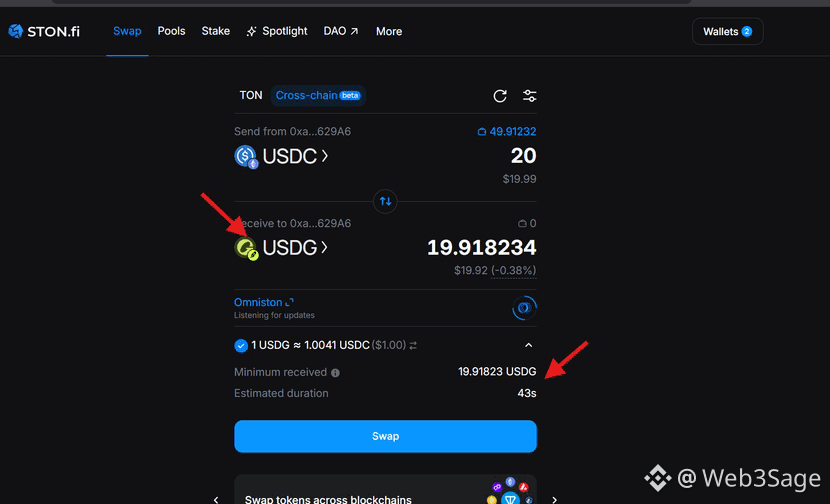
Anstatt sich ausschließlich darauf zu konzentrieren, einen weiteren Ort zum Handeln zu schaffen, ist Omniston darauf ausgelegt, Liquidität aus unterstützten Quellen zu bündeln und Anwendungen den Zugriff darauf über eine einheitliche Ausführungsebene zu ermöglichen.
Einfach gesagt geht es darum, Nutzern eine effiziente Ausführung zu ermöglichen, ohne dass sie selbst nach mehreren Liquiditätsbereichen suchen müssen.
Für das $STON-Ökosystem bedeutet das eine wichtige Weiterentwicklung.
Die Diskussion geht nicht mehr nur darum, Swaps zu ermöglichen, sondern darum, wie diese Swaps ablaufen. Besseres Routing, intelligenterer Liquiditätszugang und eine stärkere Entwickler-Infrastruktur tragen alle zu einem reibungsloseren DeFi-Erlebnis bei.
Wenn mehr Anwendungen auf TON aufgebaut werden, könnte Infrastruktur wie Omniston eine zunehmend wichtige Rolle dabei spielen, Liquidität zu verbinden und Reibungsverluste im gesamten Ökosystem zu reduzieren.
Die stärksten DeFi-Ökosysteme werden nicht nur dadurch definiert, wie viel Liquidität sie haben.
Sie werden auch dadurch definiert, wie effektiv auf diese Liquidität zugegriffen werden kann.
💬 Während TON weiter expandiert: Was wird deiner Meinung nach den größten Einfluss auf die Nutzererfahrung haben—tiefere Liquidität, smartere Ausführung oder bessere Entwickler-Infrastruktur?
#ston #TON #Omniston
Jedes großartige DeFi-Ökosystem braucht eine Liquidity-Engine
Eine Blockchain kann schnelle Transaktionen haben.
Sie kann niedrige Gebühren haben.
Sie kann Entwickler und neue Nutzer anziehen.
Aber ohne effiziente Liquidität hat selbst das stärkste Ökosystem Schwierigkeiten, sein volles Potenzial auszuschöpfen.
Liquidität ist das, was eine Blockchain von einem Netzwerk zu einer Wirtschaft macht.
Während das TON-Ökosystem weiter wächst, wächst auch die Anzahl der Tokens, Protokolle und Handelsmöglichkeiten. Während dieses Wachstum aufregend ist, bringt es auch eine vertraute Herausforderung mit sich: Liquidität wird stärker verteilt, wodurch eine effiziente Handelsausführung zunehmend wichtiger wird.
Hier setzt Omniston mit einer anderen Perspektive an.
Anstatt sich ausschließlich darauf zu konzentrieren, einen weiteren Ort zum Handeln zu schaffen, ist Omniston darauf ausgelegt, Liquidität aus unterstützten Quellen zu bündeln und Anwendungen den Zugriff darauf über eine einheitliche Ausführungsebene zu ermöglichen.
Einfach gesagt geht es darum, Nutzern eine effiziente Ausführung zu ermöglichen, ohne dass sie selbst nach mehreren Liquiditätsbereichen suchen müssen.
Für das $STON-Ökosystem bedeutet das eine wichtige Weiterentwicklung.
Die Diskussion geht nicht mehr nur darum, Swaps zu ermöglichen, sondern darum, wie diese Swaps ablaufen. Besseres Routing, intelligenterer Liquiditätszugang und eine stärkere Entwickler-Infrastruktur tragen alle zu einem reibungsloseren DeFi-Erlebnis bei.
Wenn mehr Anwendungen auf TON aufgebaut werden, könnte Infrastruktur wie Omniston eine zunehmend wichtige Rolle dabei spielen, Liquidität zu verbinden und Reibungsverluste im gesamten Ökosystem zu reduzieren.
Die stärksten DeFi-Ökosysteme werden nicht nur dadurch definiert, wie viel Liquidität sie haben.
Sie werden auch dadurch definiert, wie effektiv auf diese Liquidität zugegriffen werden kann.
💬 Während TON weiter expandiert: Was wird deiner Meinung nach den größten Einfluss auf die Nutzererfahrung haben—tiefere Liquidität, smartere Ausführung oder bessere Entwickler-Infrastruktur?
#ston #TON #Omniston
Eine Blockchain kann schnelle Transaktionen haben.
Sie kann niedrige Gebühren haben.
Sie kann Entwickler und neue Nutzer anziehen.
Aber ohne effiziente Liquidität hat selbst das stärkste Ökosystem Schwierigkeiten, sein volles Potenzial auszuschöpfen.
Liquidität ist das, was eine Blockchain von einem Netzwerk zu einer Wirtschaft macht.
Während das TON-Ökosystem weiter wächst, wächst auch die Anzahl der Tokens, Protokolle und Handelsmöglichkeiten. Während dieses Wachstum aufregend ist, bringt es auch eine vertraute Herausforderung mit sich: Liquidität wird stärker verteilt, wodurch eine effiziente Handelsausführung zunehmend wichtiger wird.
Hier setzt Omniston mit einer anderen Perspektive an.
Anstatt sich ausschließlich darauf zu konzentrieren, einen weiteren Ort zum Handeln zu schaffen, ist Omniston darauf ausgelegt, Liquidität aus unterstützten Quellen zu bündeln und Anwendungen den Zugriff darauf über eine einheitliche Ausführungsebene zu ermöglichen.
Einfach gesagt geht es darum, Nutzern eine effiziente Ausführung zu ermöglichen, ohne dass sie selbst nach mehreren Liquiditätsbereichen suchen müssen.
Für das $STON-Ökosystem bedeutet das eine wichtige Weiterentwicklung.
Die Diskussion geht nicht mehr nur darum, Swaps zu ermöglichen, sondern darum, wie diese Swaps ablaufen. Besseres Routing, intelligenterer Liquiditätszugang und eine stärkere Entwickler-Infrastruktur tragen alle zu einem reibungsloseren DeFi-Erlebnis bei.
Wenn mehr Anwendungen auf TON aufgebaut werden, könnte Infrastruktur wie Omniston eine zunehmend wichtige Rolle dabei spielen, Liquidität zu verbinden und Reibungsverluste im gesamten Ökosystem zu reduzieren.
Die stärksten DeFi-Ökosysteme werden nicht nur dadurch definiert, wie viel Liquidität sie haben.
Sie werden auch dadurch definiert, wie effektiv auf diese Liquidität zugegriffen werden kann.
💬 Während TON weiter expandiert: Was wird deiner Meinung nach den größten Einfluss auf die Nutzererfahrung haben—tiefere Liquidität, smartere Ausführung oder bessere Entwickler-Infrastruktur?
#ston #TON #Omniston
1
88
·
--
Bullisch
Was, wenn der schnellste Swap nicht wirklich der beste Swap ist?
Wenn die meisten Trader Token tauschen, beurteilen sie die Erfahrung nach einem einzigen Kriterium: der Geschwindigkeit.
Wenn die Transaktion innerhalb von Sekunden bestätigt wird, fühlt es sich wie ein Erfolg an.
Aber Tempo ist nur ein Teil des Puzzles.
Ein Swap kann unglaublich schnell sein und dennoch zu einem weniger wettbewerbsfähigen Preis ausgeführt werden, wenn er nicht auf die passendste Liquidität zugreift. Ebenso kann eine etwas längere Ausführungszeit, die mehrere Liquiditätsquellen intelligent bewertet, ein insgesamt besseres Ergebnis liefern.
Da sich DeFi-Ökosysteme weiter ausdehnen, wird diese Unterscheidung zunehmend wichtiger.
Mehr Protokolle bedeuten mehr Liquidität.
Mehr Liquidität bedeutet mehr Fragmentierung.
Und mehr Fragmentierung bedeutet, dass das Finden der besten Ausführung zu einer technischen Herausforderung wird – statt zu einer einfachen Transaktion.
Darum verschiebt sich das Gespräch allmählich von „Wie schnell ist mein Swap?“ zu „Wie gut wurde mein Swap ausgeführt?“
Genau hier werden Projekte wie Omniston interessant.
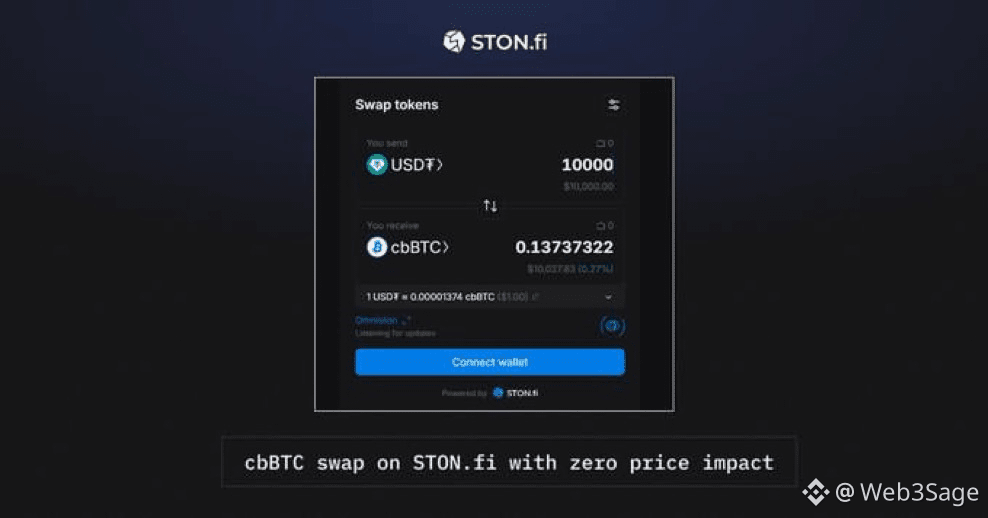
Anstatt jeden Swap als direkten Weg zwischen zwei Assets zu betrachten, ist Omniston so konzipiert, dass es unterstützte Liquiditätsquellen aggregiert und eine effiziente Ausführungsroute ermittelt. Das Ziel besteht nicht nur darin, eine Transaktion schnell auszuführen, sondern dabei zu helfen, dass Nutzer eine wettbewerbsfähige Ausführung erhalten, ohne verschiedene Liquiditätsoptionen manuell vergleichen zu müssen.
Für das $STON-Ökosystem steht das für mehr als nur eine weitere Funktion. Es spiegelt eine weiter gefasste Vision wider, bei der die Infrastruktur im Hintergrund leise arbeitet und es den Nutzern ermöglicht, sich auf das Ergebnis zu konzentrieren – statt auf die Komplexität dahinter.
Während TON weiter wächst, könnte eine effiziente Ausführung zu einem der entscheidenden Faktoren werden, die gute DeFi-Erlebnisse von großartigen unterscheiden.
💬 Wenn du dich für genau eine Sache entscheiden müsstest: Was ist dir beim Tauschen von Assets wichtiger – die schnellste Bestätigung, der beste Ausführungspreis oder die niedrigsten Gesamtkosten?
#ston #bitcoin #Omniston
Was, wenn der schnellste Swap nicht wirklich der beste Swap ist?
Wenn die meisten Trader Token tauschen, beurteilen sie die Erfahrung nach einem einzigen Kriterium: der Geschwindigkeit.
Wenn die Transaktion innerhalb von Sekunden bestätigt wird, fühlt es sich wie ein Erfolg an.
Aber Tempo ist nur ein Teil des Puzzles.
Ein Swap kann unglaublich schnell sein und dennoch zu einem weniger wettbewerbsfähigen Preis ausgeführt werden, wenn er nicht auf die passendste Liquidität zugreift. Ebenso kann eine etwas längere Ausführungszeit, die mehrere Liquiditätsquellen intelligent bewertet, ein insgesamt besseres Ergebnis liefern.
Da sich DeFi-Ökosysteme weiter ausdehnen, wird diese Unterscheidung zunehmend wichtiger.
Mehr Protokolle bedeuten mehr Liquidität.
Mehr Liquidität bedeutet mehr Fragmentierung.
Und mehr Fragmentierung bedeutet, dass das Finden der besten Ausführung zu einer technischen Herausforderung wird – statt zu einer einfachen Transaktion.
Darum verschiebt sich das Gespräch allmählich von „Wie schnell ist mein Swap?“ zu „Wie gut wurde mein Swap ausgeführt?“
Genau hier werden Projekte wie Omniston interessant.
Anstatt jeden Swap als direkten Weg zwischen zwei Assets zu betrachten, ist Omniston so konzipiert, dass es unterstützte Liquiditätsquellen aggregiert und eine effiziente Ausführungsroute ermittelt. Das Ziel besteht nicht nur darin, eine Transaktion schnell auszuführen, sondern dabei zu helfen, dass Nutzer eine wettbewerbsfähige Ausführung erhalten, ohne verschiedene Liquiditätsoptionen manuell vergleichen zu müssen.
Für das $STON-Ökosystem steht das für mehr als nur eine weitere Funktion. Es spiegelt eine weiter gefasste Vision wider, bei der die Infrastruktur im Hintergrund leise arbeitet und es den Nutzern ermöglicht, sich auf das Ergebnis zu konzentrieren – statt auf die Komplexität dahinter.
Während TON weiter wächst, könnte eine effiziente Ausführung zu einem der entscheidenden Faktoren werden, die gute DeFi-Erlebnisse von großartigen unterscheiden.
💬 Wenn du dich für genau eine Sache entscheiden müsstest: Was ist dir beim Tauschen von Assets wichtiger – die schnellste Bestätigung, der beste Ausführungspreis oder die niedrigsten Gesamtkosten?
#ston #bitcoin #Omniston
Wenn die meisten Trader Token tauschen, beurteilen sie die Erfahrung nach einem einzigen Kriterium: der Geschwindigkeit.
Wenn die Transaktion innerhalb von Sekunden bestätigt wird, fühlt es sich wie ein Erfolg an.
Aber Tempo ist nur ein Teil des Puzzles.
Ein Swap kann unglaublich schnell sein und dennoch zu einem weniger wettbewerbsfähigen Preis ausgeführt werden, wenn er nicht auf die passendste Liquidität zugreift. Ebenso kann eine etwas längere Ausführungszeit, die mehrere Liquiditätsquellen intelligent bewertet, ein insgesamt besseres Ergebnis liefern.
Da sich DeFi-Ökosysteme weiter ausdehnen, wird diese Unterscheidung zunehmend wichtiger.
Mehr Protokolle bedeuten mehr Liquidität.
Mehr Liquidität bedeutet mehr Fragmentierung.
Und mehr Fragmentierung bedeutet, dass das Finden der besten Ausführung zu einer technischen Herausforderung wird – statt zu einer einfachen Transaktion.
Darum verschiebt sich das Gespräch allmählich von „Wie schnell ist mein Swap?“ zu „Wie gut wurde mein Swap ausgeführt?“
Genau hier werden Projekte wie Omniston interessant.
Anstatt jeden Swap als direkten Weg zwischen zwei Assets zu betrachten, ist Omniston so konzipiert, dass es unterstützte Liquiditätsquellen aggregiert und eine effiziente Ausführungsroute ermittelt. Das Ziel besteht nicht nur darin, eine Transaktion schnell auszuführen, sondern dabei zu helfen, dass Nutzer eine wettbewerbsfähige Ausführung erhalten, ohne verschiedene Liquiditätsoptionen manuell vergleichen zu müssen.
Für das $STON-Ökosystem steht das für mehr als nur eine weitere Funktion. Es spiegelt eine weiter gefasste Vision wider, bei der die Infrastruktur im Hintergrund leise arbeitet und es den Nutzern ermöglicht, sich auf das Ergebnis zu konzentrieren – statt auf die Komplexität dahinter.
Während TON weiter wächst, könnte eine effiziente Ausführung zu einem der entscheidenden Faktoren werden, die gute DeFi-Erlebnisse von großartigen unterscheiden.
💬 Wenn du dich für genau eine Sache entscheiden müsstest: Was ist dir beim Tauschen von Assets wichtiger – die schnellste Bestätigung, der beste Ausführungspreis oder die niedrigsten Gesamtkosten?
#ston #bitcoin #Omniston
1
37
·
--
Bullisch
Warum Omniston zu einer der wichtigsten Infrastruktur-Schichten von TON werden könnte
Wenn Menschen ein DeFi-Projekt bewerten, schauen sie oft auf Kennzahlen wie TVL, Handelsvolumen oder die Anzahl unterstützter Tokens. Auch wenn diese Kennzahlen wichtig sind, erzählen sie nicht immer die ganze Geschichte.
Manchmal ist die größte Innovation nicht noch ein DEX, sondern die Infrastruktur, die dafür sorgt, dass jeder DEX besser performen kann.
Genau das macht Omniston interessant.
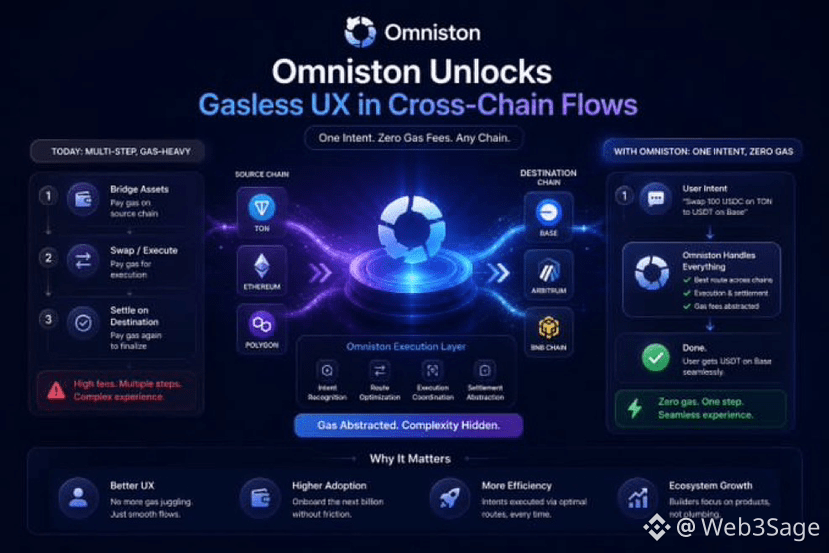
Anstatt darum zu kämpfen, ein weiterer Liquiditäts-Zielpunkt zu werden, ist Omniston darauf ausgelegt, Liquidität aus mehreren unterstützten Quellen zu aggregieren und Anwendungen so durch eine einzige Integrationsschicht einen effizienteren Handel zu ermöglichen.
Stell es dir so vor.
Angenommen, du besuchst einen einzigen Supermarkt, um den besten Preis zu finden. Du siehst nur das, was in diesen Regalen verfügbar ist.
Jetzt stell dir vor, du hättest einen Assistenten, der sofort jeden Supermarkt in der Nähe überprüft und die beste verfügbare Option zurückbringt.
Das ist der Unterschied zwischen dem Verlassen auf eine einzelne Liquiditätsquelle und der Nutzung einer Aggregationsschicht.
Mit dem Wachstum des $TON-Ökosystems wird sich die Liquidität zwangsläufig stärker verteilen. Neue Protokolle, Pools und Marktteilnehmer schaffen Möglichkeiten, führen aber auch zu Fragmentierung.
Hier hat Omniston das Potenzial, zunehmend wertvoll zu werden.
Anstatt Nutzer oder Entwickler dazu aufzufordern, die wachsende Komplexität manuell zu durchdringen, konzentriert es sich darauf, Liquidität leichter auffindbar und zugänglich zu machen.
Für mich ist das der Grund, warum das $STON-Ökosystem so spannend ist.
Es geht nicht nur darum, heute Swaps zu ermöglichen – es geht darum, die Infrastruktur zu schaffen, die ein effizienteres TON-DeFi-Ökosystem von morgen unterstützen kann.
Während DeFi weiter reift, könnten Projekte, die im Hintergrund leise die Nutzererfahrung verbessern, genauso wichtig werden wie die Anwendungen, mit denen die Nutzer jeden Tag interagieren.
Wie siehst du das?
Glaubst du, dass Liquiditätsaggregation zu einer Standard-Schicht für jedes große Blockchain-Ökosystem wird, oder werden einzelne DEXs weiterhin die Ausführung von Swaps dominieren?
#ston #grvt #DeFi
Warum Omniston zu einer der wichtigsten Infrastruktur-Schichten von TON werden könnte
Wenn Menschen ein DeFi-Projekt bewerten, schauen sie oft auf Kennzahlen wie TVL, Handelsvolumen oder die Anzahl unterstützter Tokens. Auch wenn diese Kennzahlen wichtig sind, erzählen sie nicht immer die ganze Geschichte.
Manchmal ist die größte Innovation nicht noch ein DEX, sondern die Infrastruktur, die dafür sorgt, dass jeder DEX besser performen kann.
Genau das macht Omniston interessant.
Anstatt darum zu kämpfen, ein weiterer Liquiditäts-Zielpunkt zu werden, ist Omniston darauf ausgelegt, Liquidität aus mehreren unterstützten Quellen zu aggregieren und Anwendungen so durch eine einzige Integrationsschicht einen effizienteren Handel zu ermöglichen.
Stell es dir so vor.
Angenommen, du besuchst einen einzigen Supermarkt, um den besten Preis zu finden. Du siehst nur das, was in diesen Regalen verfügbar ist.
Jetzt stell dir vor, du hättest einen Assistenten, der sofort jeden Supermarkt in der Nähe überprüft und die beste verfügbare Option zurückbringt.
Das ist der Unterschied zwischen dem Verlassen auf eine einzelne Liquiditätsquelle und der Nutzung einer Aggregationsschicht.
Mit dem Wachstum des $TON-Ökosystems wird sich die Liquidität zwangsläufig stärker verteilen. Neue Protokolle, Pools und Marktteilnehmer schaffen Möglichkeiten, führen aber auch zu Fragmentierung.
Hier hat Omniston das Potenzial, zunehmend wertvoll zu werden.
Anstatt Nutzer oder Entwickler dazu aufzufordern, die wachsende Komplexität manuell zu durchdringen, konzentriert es sich darauf, Liquidität leichter auffindbar und zugänglich zu machen.
Für mich ist das der Grund, warum das $STON-Ökosystem so spannend ist.
Es geht nicht nur darum, heute Swaps zu ermöglichen – es geht darum, die Infrastruktur zu schaffen, die ein effizienteres TON-DeFi-Ökosystem von morgen unterstützen kann.
Während DeFi weiter reift, könnten Projekte, die im Hintergrund leise die Nutzererfahrung verbessern, genauso wichtig werden wie die Anwendungen, mit denen die Nutzer jeden Tag interagieren.
Wie siehst du das?
Glaubst du, dass Liquiditätsaggregation zu einer Standard-Schicht für jedes große Blockchain-Ökosystem wird, oder werden einzelne DEXs weiterhin die Ausführung von Swaps dominieren?
#ston #grvt #DeFi
Wenn Menschen ein DeFi-Projekt bewerten, schauen sie oft auf Kennzahlen wie TVL, Handelsvolumen oder die Anzahl unterstützter Tokens. Auch wenn diese Kennzahlen wichtig sind, erzählen sie nicht immer die ganze Geschichte.
Manchmal ist die größte Innovation nicht noch ein DEX, sondern die Infrastruktur, die dafür sorgt, dass jeder DEX besser performen kann.
Genau das macht Omniston interessant.
Anstatt darum zu kämpfen, ein weiterer Liquiditäts-Zielpunkt zu werden, ist Omniston darauf ausgelegt, Liquidität aus mehreren unterstützten Quellen zu aggregieren und Anwendungen so durch eine einzige Integrationsschicht einen effizienteren Handel zu ermöglichen.
Stell es dir so vor.
Angenommen, du besuchst einen einzigen Supermarkt, um den besten Preis zu finden. Du siehst nur das, was in diesen Regalen verfügbar ist.
Jetzt stell dir vor, du hättest einen Assistenten, der sofort jeden Supermarkt in der Nähe überprüft und die beste verfügbare Option zurückbringt.
Das ist der Unterschied zwischen dem Verlassen auf eine einzelne Liquiditätsquelle und der Nutzung einer Aggregationsschicht.
Mit dem Wachstum des $TON-Ökosystems wird sich die Liquidität zwangsläufig stärker verteilen. Neue Protokolle, Pools und Marktteilnehmer schaffen Möglichkeiten, führen aber auch zu Fragmentierung.
Hier hat Omniston das Potenzial, zunehmend wertvoll zu werden.
Anstatt Nutzer oder Entwickler dazu aufzufordern, die wachsende Komplexität manuell zu durchdringen, konzentriert es sich darauf, Liquidität leichter auffindbar und zugänglich zu machen.
Für mich ist das der Grund, warum das $STON-Ökosystem so spannend ist.
Es geht nicht nur darum, heute Swaps zu ermöglichen – es geht darum, die Infrastruktur zu schaffen, die ein effizienteres TON-DeFi-Ökosystem von morgen unterstützen kann.
Während DeFi weiter reift, könnten Projekte, die im Hintergrund leise die Nutzererfahrung verbessern, genauso wichtig werden wie die Anwendungen, mit denen die Nutzer jeden Tag interagieren.
Wie siehst du das?
Glaubst du, dass Liquiditätsaggregation zu einer Standard-Schicht für jedes große Blockchain-Ökosystem wird, oder werden einzelne DEXs weiterhin die Ausführung von Swaps dominieren?
#ston #grvt #DeFi
1
9
·
--
Bullisch
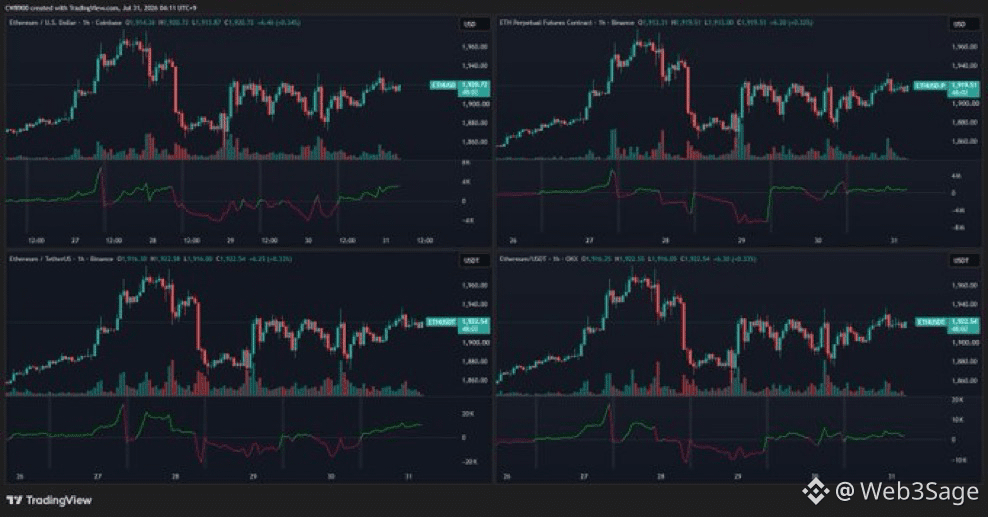
📊 ETH-Ansammlung setzt sich unter der Oberfläche fort
$ETH verzeichnet einen langsamen, aber stetigen Anstieg bei Käufen im Kassamarkt, was auf eine allmähliche Ansammlung hindeutet – statt auf ein aggressives Hinterherjagen.
Währenddessen bleibt die Positionierung bei Futures weitgehend neutral, ohne Anzeichen für eine übermäßige Verschuldung, die in den Markt gelangt.
Diese Divergenz deutet auf eine solide Nachfrage im Kassamarkt hin, während Derivate-Trader abseits stehen. Ein solches Setup könnte sich verstärken, falls die Teilnahme an Futures beginnt, dem Trend der Kassakäufe zu folgen.
#ETH #BULLISH
📊 ETH-Ansammlung setzt sich unter der Oberfläche fort
$ETH verzeichnet einen langsamen, aber stetigen Anstieg bei Käufen im Kassamarkt, was auf eine allmähliche Ansammlung hindeutet – statt auf ein aggressives Hinterherjagen.
Währenddessen bleibt die Positionierung bei Futures weitgehend neutral, ohne Anzeichen für eine übermäßige Verschuldung, die in den Markt gelangt.
Diese Divergenz deutet auf eine solide Nachfrage im Kassamarkt hin, während Derivate-Trader abseits stehen. Ein solches Setup könnte sich verstärken, falls die Teilnahme an Futures beginnt, dem Trend der Kassakäufe zu folgen.
#ETH #BULLISH
$ETH verzeichnet einen langsamen, aber stetigen Anstieg bei Käufen im Kassamarkt, was auf eine allmähliche Ansammlung hindeutet – statt auf ein aggressives Hinterherjagen.
Währenddessen bleibt die Positionierung bei Futures weitgehend neutral, ohne Anzeichen für eine übermäßige Verschuldung, die in den Markt gelangt.
Diese Divergenz deutet auf eine solide Nachfrage im Kassamarkt hin, während Derivate-Trader abseits stehen. Ein solches Setup könnte sich verstärken, falls die Teilnahme an Futures beginnt, dem Trend der Kassakäufe zu folgen.
#ETH #BULLISH
1
36
·
--
Bullisch
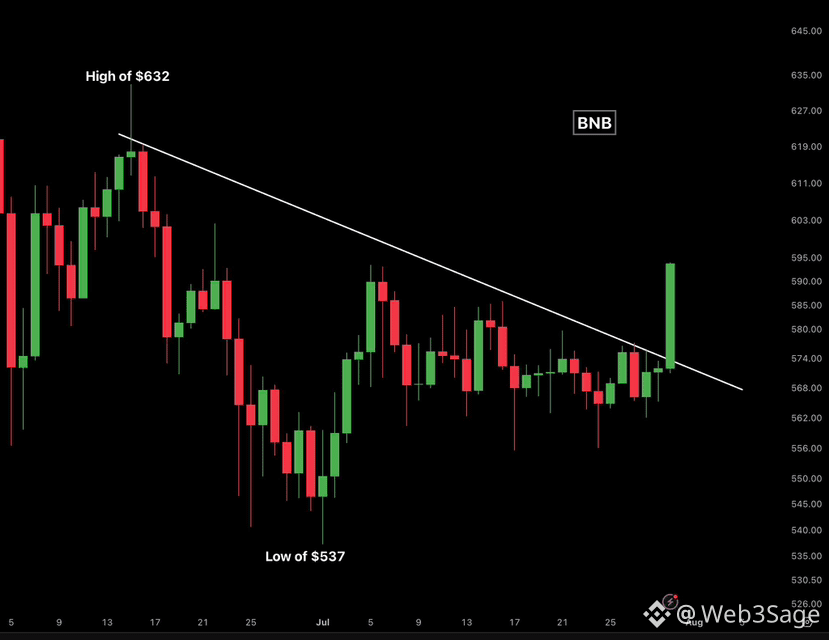
🚀 BNB zeigt einen bullischen Ausbruch
Nachdem es 45 Tage in einem Abwärtstrend verbracht hat, hat $BNB has endlich über seine absteigende Struktur hinausgebrochen.
Dieser Ausbruch deutet auf eine mögliche Veränderung der Dynamik hin: Käufer übernehmen nach wochenlangem anhaltendem Verkaufsdruck wieder die Kontrolle.
Wenn $BNB sich oberhalb des Ausbruchsniveaus halten kann, könnte dies den Weg für eine stärkere bullische Fortsetzung ebnen.
#bnb #crypto #Bullish
🚀 BNB zeigt einen bullischen Ausbruch
Nachdem es 45 Tage in einem Abwärtstrend verbracht hat, hat $BNB has endlich über seine absteigende Struktur hinausgebrochen.
Dieser Ausbruch deutet auf eine mögliche Veränderung der Dynamik hin: Käufer übernehmen nach wochenlangem anhaltendem Verkaufsdruck wieder die Kontrolle.
Wenn $BNB sich oberhalb des Ausbruchsniveaus halten kann, könnte dies den Weg für eine stärkere bullische Fortsetzung ebnen.
#bnb #crypto #Bullish
Nachdem es 45 Tage in einem Abwärtstrend verbracht hat, hat $BNB has endlich über seine absteigende Struktur hinausgebrochen.
Dieser Ausbruch deutet auf eine mögliche Veränderung der Dynamik hin: Käufer übernehmen nach wochenlangem anhaltendem Verkaufsdruck wieder die Kontrolle.
Wenn $BNB sich oberhalb des Ausbruchsniveaus halten kann, könnte dies den Weg für eine stärkere bullische Fortsetzung ebnen.
#bnb #crypto #Bullish
1
29
·
--
Bullisch
🔍 Ist Liquidität das echte Produkt in DeFi? So erklärt Omniston, warum
In DeFi ist es leicht, sich darauf zu konzentrieren, was Nutzer sehen – Wallets, DEXs, Charts und Token-Preise. Aber hinter jedem erfolgreichen Swap steckt etwas viel Wichtigeres: Liquidität.
Ohne Liquidität ist selbst die schönste und durchdachteste Handelsplattform wirkungslos. Die Herausforderung von heute ist nicht, dass Liquidität knapp ist, sondern dass sie zunehmend über verschiedene Pools, Protokolle und Marktteilnehmer fragmentiert wird.
Während sich das TON-Ökosystem weiter ausdehnt, wird diese Herausforderung immer relevanter. Mehr Nutzer und mehr Anwendungen bedeuten natürlich auch mehr Orte, an denen Liquidität vorhanden sein kann. Das ist zwar ein Zeichen für Wachstum im Ökosystem, macht jedoch die effiziente Ausführung von Trades komplexer.
An dieser Stelle kommt Omniston ins Spiel.
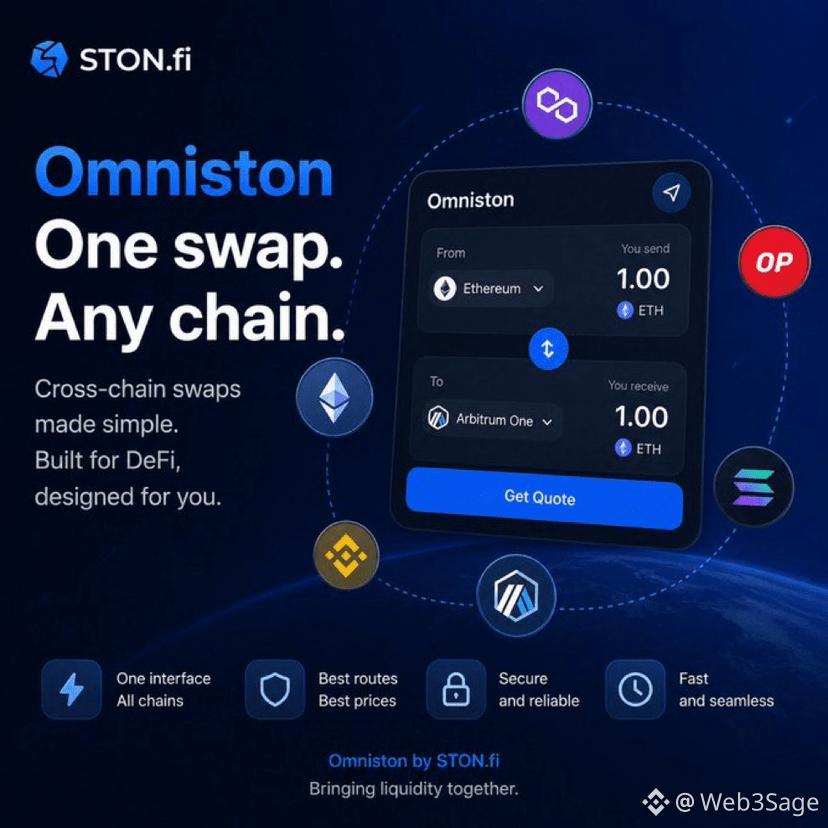
Anstatt einen weiteren Zielort für Trader zu schaffen, ist Omniston so konzipiert, dass es als Schicht zur Liquiditätsaggregation dient – und Anwendungen dabei hilft, verfügbare Liquidität intelligenter zu nutzen. Statt sich auf eine einzelne Quelle zu verlassen, kann es unterstützte Liquiditätsanbieter bewerten und so einen effizienten Ausführungspfad für einen Swap bestimmen.
Warum ist das wichtig?
Weil die meisten Nutzer nicht wissen wollen, woher die Liquidität kommt – sie interessieren sich für das Ergebnis. Sie möchten wettbewerbsfähige Preise, zuverlässige Ausführung und ein reibungsloses Erlebnis. Wenn die zugrunde liegende Infrastruktur diese Ergebnisse im Hintergrund verbessern kann, profitieren am Ende alle.
Das macht Omniston zu einer spannenden Entwicklung innerhalb des $STON-Ökosystems. Es ist eine Erinnerung daran, dass die nächste Phase der DeFi-Innovation möglicherweise nicht darin besteht, mehr Schnittstellen hinzuzufügen, sondern die Infrastruktur darunter smarter zu machen.
Während TON weiter reift, könnte der effiziente Zugang zu Liquidität genauso wichtig werden wie die Liquidität selbst.
💬 Wenn du einen Teil des DeFi-Trading-Erlebnisses verbessern könntest: weniger Slippage, schnellere Ausführung oder intelligenteres Routing der Liquidität?
#ston #Omniston #GRVT
🔍 Ist Liquidität das echte Produkt in DeFi? So erklärt Omniston, warum
In DeFi ist es leicht, sich darauf zu konzentrieren, was Nutzer sehen – Wallets, DEXs, Charts und Token-Preise. Aber hinter jedem erfolgreichen Swap steckt etwas viel Wichtigeres: Liquidität.
Ohne Liquidität ist selbst die schönste und durchdachteste Handelsplattform wirkungslos. Die Herausforderung von heute ist nicht, dass Liquidität knapp ist, sondern dass sie zunehmend über verschiedene Pools, Protokolle und Marktteilnehmer fragmentiert wird.
Während sich das TON-Ökosystem weiter ausdehnt, wird diese Herausforderung immer relevanter. Mehr Nutzer und mehr Anwendungen bedeuten natürlich auch mehr Orte, an denen Liquidität vorhanden sein kann. Das ist zwar ein Zeichen für Wachstum im Ökosystem, macht jedoch die effiziente Ausführung von Trades komplexer.
An dieser Stelle kommt Omniston ins Spiel.
Anstatt einen weiteren Zielort für Trader zu schaffen, ist Omniston so konzipiert, dass es als Schicht zur Liquiditätsaggregation dient – und Anwendungen dabei hilft, verfügbare Liquidität intelligenter zu nutzen. Statt sich auf eine einzelne Quelle zu verlassen, kann es unterstützte Liquiditätsanbieter bewerten und so einen effizienten Ausführungspfad für einen Swap bestimmen.
Warum ist das wichtig?
Weil die meisten Nutzer nicht wissen wollen, woher die Liquidität kommt – sie interessieren sich für das Ergebnis. Sie möchten wettbewerbsfähige Preise, zuverlässige Ausführung und ein reibungsloses Erlebnis. Wenn die zugrunde liegende Infrastruktur diese Ergebnisse im Hintergrund verbessern kann, profitieren am Ende alle.
Das macht Omniston zu einer spannenden Entwicklung innerhalb des $STON-Ökosystems. Es ist eine Erinnerung daran, dass die nächste Phase der DeFi-Innovation möglicherweise nicht darin besteht, mehr Schnittstellen hinzuzufügen, sondern die Infrastruktur darunter smarter zu machen.
Während TON weiter reift, könnte der effiziente Zugang zu Liquidität genauso wichtig werden wie die Liquidität selbst.
💬 Wenn du einen Teil des DeFi-Trading-Erlebnisses verbessern könntest: weniger Slippage, schnellere Ausführung oder intelligenteres Routing der Liquidität?
#ston #Omniston #GRVT
In DeFi ist es leicht, sich darauf zu konzentrieren, was Nutzer sehen – Wallets, DEXs, Charts und Token-Preise. Aber hinter jedem erfolgreichen Swap steckt etwas viel Wichtigeres: Liquidität.
Ohne Liquidität ist selbst die schönste und durchdachteste Handelsplattform wirkungslos. Die Herausforderung von heute ist nicht, dass Liquidität knapp ist, sondern dass sie zunehmend über verschiedene Pools, Protokolle und Marktteilnehmer fragmentiert wird.
Während sich das TON-Ökosystem weiter ausdehnt, wird diese Herausforderung immer relevanter. Mehr Nutzer und mehr Anwendungen bedeuten natürlich auch mehr Orte, an denen Liquidität vorhanden sein kann. Das ist zwar ein Zeichen für Wachstum im Ökosystem, macht jedoch die effiziente Ausführung von Trades komplexer.
An dieser Stelle kommt Omniston ins Spiel.
Anstatt einen weiteren Zielort für Trader zu schaffen, ist Omniston so konzipiert, dass es als Schicht zur Liquiditätsaggregation dient – und Anwendungen dabei hilft, verfügbare Liquidität intelligenter zu nutzen. Statt sich auf eine einzelne Quelle zu verlassen, kann es unterstützte Liquiditätsanbieter bewerten und so einen effizienten Ausführungspfad für einen Swap bestimmen.
Warum ist das wichtig?
Weil die meisten Nutzer nicht wissen wollen, woher die Liquidität kommt – sie interessieren sich für das Ergebnis. Sie möchten wettbewerbsfähige Preise, zuverlässige Ausführung und ein reibungsloses Erlebnis. Wenn die zugrunde liegende Infrastruktur diese Ergebnisse im Hintergrund verbessern kann, profitieren am Ende alle.
Das macht Omniston zu einer spannenden Entwicklung innerhalb des $STON-Ökosystems. Es ist eine Erinnerung daran, dass die nächste Phase der DeFi-Innovation möglicherweise nicht darin besteht, mehr Schnittstellen hinzuzufügen, sondern die Infrastruktur darunter smarter zu machen.
Während TON weiter reift, könnte der effiziente Zugang zu Liquidität genauso wichtig werden wie die Liquidität selbst.
💬 Wenn du einen Teil des DeFi-Trading-Erlebnisses verbessern könntest: weniger Slippage, schnellere Ausführung oder intelligenteres Routing der Liquidität?
#ston #Omniston #GRVT
1
70
·
--
Bullisch
🚀 $STON entwickelt sich still weiter – über Swaps hinaus
Wenn Menschen $STON hören, denken sie oft zuerst an dezentrales Trading auf TON. Aber das Ökosystem wächst über diesen vertrauten Use-Case hinaus.
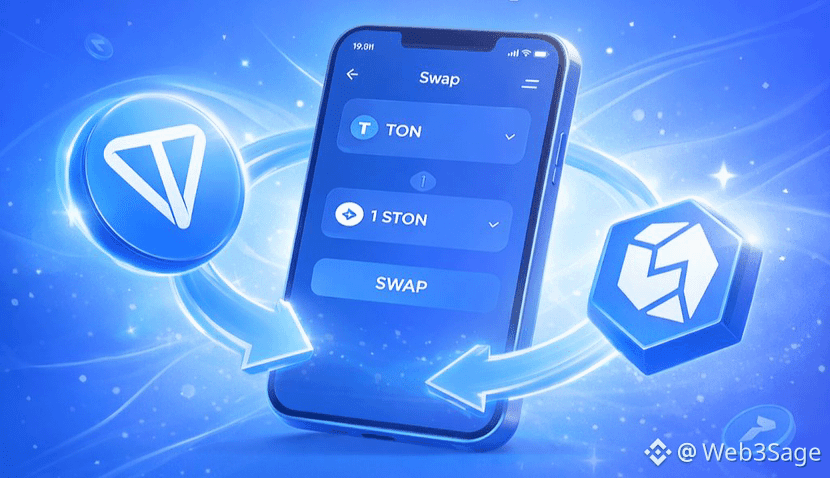
Eine der spannendsten Entwicklungen ist Omniston – ein Liquidity-Aggregationsprotokoll, das Anwendungen dabei helfen soll, Liquidität effizienter zu entdecken und darauf zuzugreifen. Anstatt sich auf eine einzige Liquiditätsquelle zu verlassen, ist Omniston darauf ausgelegt, Angebote von unterstützten Anbietern zu sammeln und einen effizienten Ausführungspfad für Swaps zu bestimmen.
Warum ist das wichtig?
Mit der Ausweitung des TON-Ökosystems wird Liquidität naturgemäß stärker verteilt. Mehr Liquidität ist zwar im Allgemeinen positiv, macht es aber auch schwieriger, die beste Ausführung zu finden. Nutzer möchten nicht mehrere Pools vergleichen oder sich mit Routen beschäftigen – sie wollen einfach zuverlässige Swaps zu wettbewerbsfähigen Preisen.
Hier kommt die Infrastruktur ins Spiel.
Anstatt eine weitere Handelsoberfläche zu bauen, konzentriert sich Omniston darauf, zu verbessern, was im Hintergrund passiert. Entwickler erhalten Zugriff auf eine einheitliche Liquidity-Layer, während Nutzer von einem reibungsloseren Swapping-Erlebnis profitieren – ohne den zugrunde liegenden Routing-Prozess verstehen zu müssen.
Das spiegelt einen breiteren Trend in DeFi wider: Protokolle konkurrieren zunehmend um die Qualität der Ausführung – nicht nur um die Liquiditätsgröße.
Für $STON lohnt es sich, diese Entwicklung im Blick zu behalten. Wenn Infrastruktur einen größeren Teil des Ökosystems ausmacht, könnten Projekte, die den Zugang zu Liquidität vereinfachen, eine zunehmend wichtige Rolle für das weitere Wachstum von TON spielen.
💬 Glaubst du, dass Liquidity Aggregation zu einer Kernschicht der DeFi-Infrastruktur wird – oder werden einzelne DEXs die primäre Anlaufstelle für Trader bleiben?
#ston #Omniston #TON
🚀 $STON entwickelt sich still weiter – über Swaps hinaus
Wenn Menschen $STON hören, denken sie oft zuerst an dezentrales Trading auf TON. Aber das Ökosystem wächst über diesen vertrauten Use-Case hinaus.
Eine der spannendsten Entwicklungen ist Omniston – ein Liquidity-Aggregationsprotokoll, das Anwendungen dabei helfen soll, Liquidität effizienter zu entdecken und darauf zuzugreifen. Anstatt sich auf eine einzige Liquiditätsquelle zu verlassen, ist Omniston darauf ausgelegt, Angebote von unterstützten Anbietern zu sammeln und einen effizienten Ausführungspfad für Swaps zu bestimmen.
Warum ist das wichtig?
Mit der Ausweitung des TON-Ökosystems wird Liquidität naturgemäß stärker verteilt. Mehr Liquidität ist zwar im Allgemeinen positiv, macht es aber auch schwieriger, die beste Ausführung zu finden. Nutzer möchten nicht mehrere Pools vergleichen oder sich mit Routen beschäftigen – sie wollen einfach zuverlässige Swaps zu wettbewerbsfähigen Preisen.
Hier kommt die Infrastruktur ins Spiel.
Anstatt eine weitere Handelsoberfläche zu bauen, konzentriert sich Omniston darauf, zu verbessern, was im Hintergrund passiert. Entwickler erhalten Zugriff auf eine einheitliche Liquidity-Layer, während Nutzer von einem reibungsloseren Swapping-Erlebnis profitieren – ohne den zugrunde liegenden Routing-Prozess verstehen zu müssen.
Das spiegelt einen breiteren Trend in DeFi wider: Protokolle konkurrieren zunehmend um die Qualität der Ausführung – nicht nur um die Liquiditätsgröße.
Für $STON lohnt es sich, diese Entwicklung im Blick zu behalten. Wenn Infrastruktur einen größeren Teil des Ökosystems ausmacht, könnten Projekte, die den Zugang zu Liquidität vereinfachen, eine zunehmend wichtige Rolle für das weitere Wachstum von TON spielen.
💬 Glaubst du, dass Liquidity Aggregation zu einer Kernschicht der DeFi-Infrastruktur wird – oder werden einzelne DEXs die primäre Anlaufstelle für Trader bleiben?
#ston #Omniston #TON
Wenn Menschen $STON hören, denken sie oft zuerst an dezentrales Trading auf TON. Aber das Ökosystem wächst über diesen vertrauten Use-Case hinaus.
Eine der spannendsten Entwicklungen ist Omniston – ein Liquidity-Aggregationsprotokoll, das Anwendungen dabei helfen soll, Liquidität effizienter zu entdecken und darauf zuzugreifen. Anstatt sich auf eine einzige Liquiditätsquelle zu verlassen, ist Omniston darauf ausgelegt, Angebote von unterstützten Anbietern zu sammeln und einen effizienten Ausführungspfad für Swaps zu bestimmen.
Warum ist das wichtig?
Mit der Ausweitung des TON-Ökosystems wird Liquidität naturgemäß stärker verteilt. Mehr Liquidität ist zwar im Allgemeinen positiv, macht es aber auch schwieriger, die beste Ausführung zu finden. Nutzer möchten nicht mehrere Pools vergleichen oder sich mit Routen beschäftigen – sie wollen einfach zuverlässige Swaps zu wettbewerbsfähigen Preisen.
Hier kommt die Infrastruktur ins Spiel.
Anstatt eine weitere Handelsoberfläche zu bauen, konzentriert sich Omniston darauf, zu verbessern, was im Hintergrund passiert. Entwickler erhalten Zugriff auf eine einheitliche Liquidity-Layer, während Nutzer von einem reibungsloseren Swapping-Erlebnis profitieren – ohne den zugrunde liegenden Routing-Prozess verstehen zu müssen.
Das spiegelt einen breiteren Trend in DeFi wider: Protokolle konkurrieren zunehmend um die Qualität der Ausführung – nicht nur um die Liquiditätsgröße.
Für $STON lohnt es sich, diese Entwicklung im Blick zu behalten. Wenn Infrastruktur einen größeren Teil des Ökosystems ausmacht, könnten Projekte, die den Zugang zu Liquidität vereinfachen, eine zunehmend wichtige Rolle für das weitere Wachstum von TON spielen.
💬 Glaubst du, dass Liquidity Aggregation zu einer Kernschicht der DeFi-Infrastruktur wird – oder werden einzelne DEXs die primäre Anlaufstelle für Trader bleiben?
#ston #Omniston #TON
1
50
·
--
Artikel
Komfort gewinnt: Warum die beste DeFi-Infrastruktur unsichtbar wirdDie größten technologischen Durchbrüche sind oft die, die die Nutzer nie bemerken. Im DeFi-Bereich könnte die Zukunft den Protokollen gehören, die still und leise Komplexität entfernen, statt neue Funktionen hinzuzufügen.
Einführung
Frag einen DeFi-Veteranen, was ein Protokoll erfolgreich macht, und du hörst möglicherweise Begriffe wie Dezentralisierung, Sicherheit, Liquidität, Komponierbarkeit oder Skalierbarkeit.
Frag einen neueren Nutzer nach derselben Frage, und die Antwort ist oft viel einfacher:
„Es hat einfach funktioniert.“
Dieser Unterschied zeigt einen wichtigen Wandel im DeFi-Bereich (dezentrale Finanzsysteme).
Komfort gewinnt: Warum die beste DeFi-Infrastruktur unsichtbar wird
Die größten technologischen Durchbrüche sind oft die, die die Nutzer nie bemerken. Im DeFi-Bereich könnte die Zukunft den Protokollen gehören, die still und leise Komplexität entfernen, statt neue Funktionen hinzuzufügen.
Einführung
Frag einen DeFi-Veteranen, was ein Protokoll erfolgreich macht, und du hörst möglicherweise Begriffe wie Dezentralisierung, Sicherheit, Liquidität, Komponierbarkeit oder Skalierbarkeit.
Frag einen neueren Nutzer nach derselben Frage, und die Antwort ist oft viel einfacher:
„Es hat einfach funktioniert.“
Dieser Unterschied zeigt einen wichtigen Wandel im DeFi-Bereich (dezentrale Finanzsysteme).
Einführung
Frag einen DeFi-Veteranen, was ein Protokoll erfolgreich macht, und du hörst möglicherweise Begriffe wie Dezentralisierung, Sicherheit, Liquidität, Komponierbarkeit oder Skalierbarkeit.
Frag einen neueren Nutzer nach derselben Frage, und die Antwort ist oft viel einfacher:
„Es hat einfach funktioniert.“
Dieser Unterschied zeigt einen wichtigen Wandel im DeFi-Bereich (dezentrale Finanzsysteme).
1
68
·
--
Bullisch
Wir lösen das falsche Problem...
Alle reden über Cross-Chain.
Aber was, wenn die nächste Evolution von DeFi eigentlich Cross-Liquidity ist?
Vermögenswerte zwischen Chains zu bewegen, ist nur ein Teil des Erlebnisses.
Die größere Herausforderung besteht darin, sobald diese Assets angekommen sind, die beste Liquidität zu finden.
Mit dem Wachstum von DeFi wird die Liquidität zunehmend fragmentiert über:
🔹 DEXs
🔹 Liquiditätspools
🔹 Market Maker
🔹 Blockchain-Ökosysteme
Deshalb wird Liquiditätsaggregation zu einer so wichtigen Schicht der DeFi-Infrastruktur.
Anstatt Nutzer manuell nach der besten Ausführung suchen zu lassen, zielen Aggregationsprotokolle darauf ab, die verfügbare Liquidität intelligenter zu entdecken und darüber zu routen.
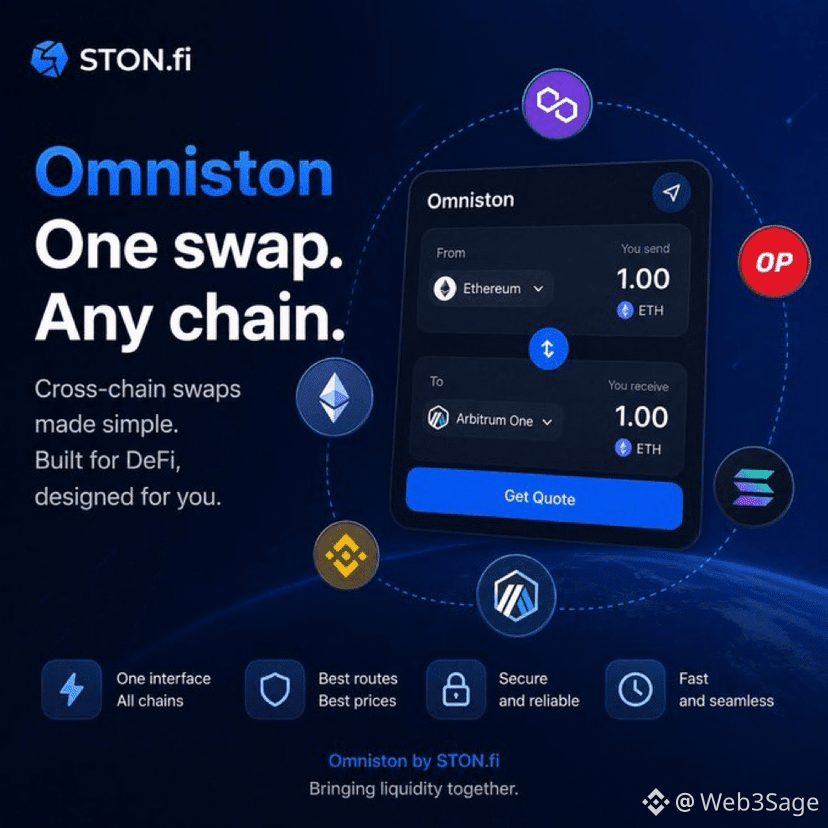
Innerhalb von TON ist Omniston von STON.fi ein Beispiel für diesen Trend: Es verbindet Anwendungen mit mehreren Liquiditätsquellen, um die Swap-Ausführung zu verbessern.
Die Zukunft von DeFi könnte nicht dem Protokoll mit dem größten Liquiditätspool gehören.
Vielleicht gehört sie der Infrastruktur, die Nutzern hilft, effizient auf alle verfügbaren Liquiditäten zuzugreifen.
💬 Glaubst du, dass Liquiditätsaggregation für DeFi genauso unverzichtbar wird wie Suchmaschinen für das Internet? Warum oder warum nicht?
#Omniston #Gram #XRP
Wir lösen das falsche Problem...
Alle reden über Cross-Chain.
Aber was, wenn die nächste Evolution von DeFi eigentlich Cross-Liquidity ist?
Vermögenswerte zwischen Chains zu bewegen, ist nur ein Teil des Erlebnisses.
Die größere Herausforderung besteht darin, sobald diese Assets angekommen sind, die beste Liquidität zu finden.
Mit dem Wachstum von DeFi wird die Liquidität zunehmend fragmentiert über:
🔹 DEXs
🔹 Liquiditätspools
🔹 Market Maker
🔹 Blockchain-Ökosysteme
Deshalb wird Liquiditätsaggregation zu einer so wichtigen Schicht der DeFi-Infrastruktur.
Anstatt Nutzer manuell nach der besten Ausführung suchen zu lassen, zielen Aggregationsprotokolle darauf ab, die verfügbare Liquidität intelligenter zu entdecken und darüber zu routen.
Innerhalb von TON ist Omniston von STON.fi ein Beispiel für diesen Trend: Es verbindet Anwendungen mit mehreren Liquiditätsquellen, um die Swap-Ausführung zu verbessern.
Die Zukunft von DeFi könnte nicht dem Protokoll mit dem größten Liquiditätspool gehören.
Vielleicht gehört sie der Infrastruktur, die Nutzern hilft, effizient auf alle verfügbaren Liquiditäten zuzugreifen.
💬 Glaubst du, dass Liquiditätsaggregation für DeFi genauso unverzichtbar wird wie Suchmaschinen für das Internet? Warum oder warum nicht?
#Omniston #Gram #XRP
Alle reden über Cross-Chain.
Aber was, wenn die nächste Evolution von DeFi eigentlich Cross-Liquidity ist?
Vermögenswerte zwischen Chains zu bewegen, ist nur ein Teil des Erlebnisses.
Die größere Herausforderung besteht darin, sobald diese Assets angekommen sind, die beste Liquidität zu finden.
Mit dem Wachstum von DeFi wird die Liquidität zunehmend fragmentiert über:
🔹 DEXs
🔹 Liquiditätspools
🔹 Market Maker
🔹 Blockchain-Ökosysteme
Deshalb wird Liquiditätsaggregation zu einer so wichtigen Schicht der DeFi-Infrastruktur.
Anstatt Nutzer manuell nach der besten Ausführung suchen zu lassen, zielen Aggregationsprotokolle darauf ab, die verfügbare Liquidität intelligenter zu entdecken und darüber zu routen.
Innerhalb von TON ist Omniston von STON.fi ein Beispiel für diesen Trend: Es verbindet Anwendungen mit mehreren Liquiditätsquellen, um die Swap-Ausführung zu verbessern.
Die Zukunft von DeFi könnte nicht dem Protokoll mit dem größten Liquiditätspool gehören.
Vielleicht gehört sie der Infrastruktur, die Nutzern hilft, effizient auf alle verfügbaren Liquiditäten zuzugreifen.
💬 Glaubst du, dass Liquiditätsaggregation für DeFi genauso unverzichtbar wird wie Suchmaschinen für das Internet? Warum oder warum nicht?
#Omniston #Gram #XRP
1
210
·
--
Artikel
Die nächste Grenze von DeFi ist nicht Cross-Chain, sondern Cross-LiquiditätSeit Jahren konzentriert sich die Krypto-Branche darauf, Blockchains zu verbinden. Aber was, wenn die eigentliche Herausforderung nicht darin besteht, Chains überhaupt erst miteinander zu verbinden? Was, wenn es darum geht, Liquidität zu verbinden?
Einführung
Frag jemanden nach der Zukunft des dezentralen Finanzwesens, und du wirst sehr wahrscheinlich den Begriff „Cross-Chain“ hören.
Cross-Chain-Bridges.
Cross-Chain-Nachrichten.
Cross-Chain-Interoperabilität.
Diese Innovationen haben Blockchain von isolierten Ökosystemen in ein verbundenes Netzwerk digitaler Volkswirtschaften verwandelt.
Doch trotz dieses Fortschritts erleben Trader weiterhin vertraute Frustmomente.
Die nächste Grenze von DeFi ist nicht Cross-Chain, sondern Cross-Liquidität
Seit Jahren konzentriert sich die Krypto-Branche darauf, Blockchains zu verbinden. Aber was, wenn die eigentliche Herausforderung nicht darin besteht, Chains überhaupt erst miteinander zu verbinden? Was, wenn es darum geht, Liquidität zu verbinden?
Einführung
Frag jemanden nach der Zukunft des dezentralen Finanzwesens, und du wirst sehr wahrscheinlich den Begriff „Cross-Chain“ hören.
Cross-Chain-Bridges.
Cross-Chain-Nachrichten.
Cross-Chain-Interoperabilität.
Diese Innovationen haben Blockchain von isolierten Ökosystemen in ein verbundenes Netzwerk digitaler Volkswirtschaften verwandelt.
Doch trotz dieses Fortschritts erleben Trader weiterhin vertraute Frustmomente.
Einführung
Frag jemanden nach der Zukunft des dezentralen Finanzwesens, und du wirst sehr wahrscheinlich den Begriff „Cross-Chain“ hören.
Cross-Chain-Bridges.
Cross-Chain-Nachrichten.
Cross-Chain-Interoperabilität.
Diese Innovationen haben Blockchain von isolierten Ökosystemen in ein verbundenes Netzwerk digitaler Volkswirtschaften verwandelt.
Doch trotz dieses Fortschritts erleben Trader weiterhin vertraute Frustmomente.
1
225
·
--

Artikel
Von DEX zur Execution Layer: Was sich im DeFi-Handel verändert?Die nächste Phase des dezentralen Handels wird vielleicht nicht darum gehen, noch eine weitere Börse zu bauen. Vielleicht geht es darum, Infrastruktur aufzubauen, die Börsen, Liquiditätsquellen und Anwendungen miteinander verbindet.
Einführung
Seit Jahren standen dezentrale Börsen im Zentrum von DeFi.
Ein Nutzer würde eine Wallet verbinden, zwei Token auswählen, eine Transaktion bestätigen und den gewünschten Vermögenswert erhalten. Das Modell war einfach: Die DEX war der Markt.
Aber DeFi hat sich verändert.
Heute kann Liquidität über mehrere DEXs, automatisierte Market Maker, RFQ-basierte Liquiditätsanbieter und zunehmend auch unterschiedliche Blockchain-Ökosysteme verteilt sein. Mit wachsender Anzahl an Liquiditätsquellen ist es nicht mehr die einzige Herausforderung, einfach nur eine DEX zu betreiben.
Von DEX zur Execution Layer: Was sich im DeFi-Handel verändert?
Die nächste Phase des dezentralen Handels wird vielleicht nicht darum gehen, noch eine weitere Börse zu bauen. Vielleicht geht es darum, Infrastruktur aufzubauen, die Börsen, Liquiditätsquellen und Anwendungen miteinander verbindet.
Einführung
Seit Jahren standen dezentrale Börsen im Zentrum von DeFi.
Ein Nutzer würde eine Wallet verbinden, zwei Token auswählen, eine Transaktion bestätigen und den gewünschten Vermögenswert erhalten. Das Modell war einfach: Die DEX war der Markt.
Aber DeFi hat sich verändert.
Heute kann Liquidität über mehrere DEXs, automatisierte Market Maker, RFQ-basierte Liquiditätsanbieter und zunehmend auch unterschiedliche Blockchain-Ökosysteme verteilt sein. Mit wachsender Anzahl an Liquiditätsquellen ist es nicht mehr die einzige Herausforderung, einfach nur eine DEX zu betreiben.
Einführung
Seit Jahren standen dezentrale Börsen im Zentrum von DeFi.
Ein Nutzer würde eine Wallet verbinden, zwei Token auswählen, eine Transaktion bestätigen und den gewünschten Vermögenswert erhalten. Das Modell war einfach: Die DEX war der Markt.
Aber DeFi hat sich verändert.
Heute kann Liquidität über mehrere DEXs, automatisierte Market Maker, RFQ-basierte Liquiditätsanbieter und zunehmend auch unterschiedliche Blockchain-Ökosysteme verteilt sein. Mit wachsender Anzahl an Liquiditätsquellen ist es nicht mehr die einzige Herausforderung, einfach nur eine DEX zu betreiben.
1
213
·
--
Verifiziert
Artikel
Beyond Bridges: Warum die Zukunft des Cross-Chain-Handels mehr um Ausführung geht – und nicht nur um Asset-TransfersDas Verschieben von Vermögenswerten zwischen Blockchains ist heute einfacher als noch vor ein paar Jahren. Aber für viele Nutzer ist das Übertragen von Token nur ein Teil des Weges. Die größere Herausforderung besteht darin, nach dem Erreichen des Zielorts effizient zu handeln.
Einführung
Interoperabilität über mehrere Ketten hinweg ist zu einem der aktivsten Bereiche der Innovation in der Blockchain geworden. Heute können Nutzer mithilfe von Brücken, Messaging-Protokollen und Interoperabilitäts-Frameworks Vermögenswerte zwischen Dutzenden von Netzwerken bewegen.
Obwohl diese Fortschritte die Konnektivität deutlich verbessert haben, haben sie auch ein Missverständnis offengelegt: Vermögenswerte zwischen Ketten zu bewegen ist nicht dasselbe wie ein nahtloses Handelserlebnis bereitzustellen.
Beyond Bridges: Warum die Zukunft des Cross-Chain-Handels mehr um Ausführung geht – und nicht nur um Asset-Transfers
Das Verschieben von Vermögenswerten zwischen Blockchains ist heute einfacher als noch vor ein paar Jahren. Aber für viele Nutzer ist das Übertragen von Token nur ein Teil des Weges. Die größere Herausforderung besteht darin, nach dem Erreichen des Zielorts effizient zu handeln.
Einführung
Interoperabilität über mehrere Ketten hinweg ist zu einem der aktivsten Bereiche der Innovation in der Blockchain geworden. Heute können Nutzer mithilfe von Brücken, Messaging-Protokollen und Interoperabilitäts-Frameworks Vermögenswerte zwischen Dutzenden von Netzwerken bewegen.
Obwohl diese Fortschritte die Konnektivität deutlich verbessert haben, haben sie auch ein Missverständnis offengelegt: Vermögenswerte zwischen Ketten zu bewegen ist nicht dasselbe wie ein nahtloses Handelserlebnis bereitzustellen.
Einführung
Interoperabilität über mehrere Ketten hinweg ist zu einem der aktivsten Bereiche der Innovation in der Blockchain geworden. Heute können Nutzer mithilfe von Brücken, Messaging-Protokollen und Interoperabilitäts-Frameworks Vermögenswerte zwischen Dutzenden von Netzwerken bewegen.
Obwohl diese Fortschritte die Konnektivität deutlich verbessert haben, haben sie auch ein Missverständnis offengelegt: Vermögenswerte zwischen Ketten zu bewegen ist nicht dasselbe wie ein nahtloses Handelserlebnis bereitzustellen.
1
11
·
--
Artikel
Warum Liquiditätsfragmentierung nach wie vor die größte Herausforderung von DeFi ist – und wie sich moderne Aggregation weiterentwickeltLiquidität ist überall in DeFi vorhanden, doch Nutzer haben oft Schwierigkeiten, darauf effizient zuzugreifen. Das Problem ist nicht unbedingt ein Mangel an Kapital—sondern wo dieses Kapital liegt.
Einführung
In den letzten Jahren hat sich dezentrales Finanzwesen (DeFi) von einer Handvoll automatisierter Market Maker (AMMs) zu einem Ökosystem entwickelt, das sich über Hunderte von Blockchains, Layer-2-Netzwerken und dezentralen Börsen erstreckt. Während dieses Wachstum mehr Möglichkeiten für Nutzer geschaffen hat, hat es auch eine der beständigsten Herausforderungen der Branche eingeführt: die Fragmentierung von Liquidität.
Warum Liquiditätsfragmentierung nach wie vor die größte Herausforderung von DeFi ist – und wie sich moderne Aggregation weiterentwickelt
Liquidität ist überall in DeFi vorhanden, doch Nutzer haben oft Schwierigkeiten, darauf effizient zuzugreifen. Das Problem ist nicht unbedingt ein Mangel an Kapital—sondern wo dieses Kapital liegt.
Einführung
In den letzten Jahren hat sich dezentrales Finanzwesen (DeFi) von einer Handvoll automatisierter Market Maker (AMMs) zu einem Ökosystem entwickelt, das sich über Hunderte von Blockchains, Layer-2-Netzwerken und dezentralen Börsen erstreckt. Während dieses Wachstum mehr Möglichkeiten für Nutzer geschaffen hat, hat es auch eine der beständigsten Herausforderungen der Branche eingeführt: die Fragmentierung von Liquidität.
Einführung
In den letzten Jahren hat sich dezentrales Finanzwesen (DeFi) von einer Handvoll automatisierter Market Maker (AMMs) zu einem Ökosystem entwickelt, das sich über Hunderte von Blockchains, Layer-2-Netzwerken und dezentralen Börsen erstreckt. Während dieses Wachstum mehr Möglichkeiten für Nutzer geschaffen hat, hat es auch eine der beständigsten Herausforderungen der Branche eingeführt: die Fragmentierung von Liquidität.
1
1
94
·
--
Vermögenswerte zu überbrücken ist nur die halbe Reise
Die Cross-Chain-Technologie macht es heute einfacher denn je, Vermögenswerte zwischen Blockchains zu bewegen. Doch da ist etwas, das oft übersehen wird:
Eine erfolgreiche Bridge garantiert nicht immer den besten Handel.
Nachdem die Vermögenswerte ihr Ziel erreicht haben, stehen Nutzer immer noch vor Fragen wie:
🔹 Welches DEX bietet den besten Preis?
🔹 Wo liegt die tiefste Liquidität?
🔹 Wie kann Slippage minimiert werden?
🔹 Gibt es eine effizientere Ausführungsroute?
Darum verschiebt sich das Gespräch weg von reinen Bridges hin zu einer Ausführungs-Infrastruktur.
Liquiditätsaggregations-Protokolle wollen diesen Prozess vereinfachen, indem sie verfügbare Liquiditätsquellen finden und Trades darüber routen—und so die Notwendigkeit reduzieren, dass Nutzer mehrere Plattformen manuell vergleichen müssen.
Innerhalb des TON-Ökosystems steht Omniston von STON.fi für diesen breiteren Trend: Mit dem Fokus auf die Verbesserung, wie Liquidität zugänglich gemacht wird und wie Swaps ausgeführt werden.
Da DeFi zunehmend Multi-Chain wird, entwickelt sich die Frage weiter:
Es geht nicht mehr nur darum: „Können sich Vermögenswerte zwischen Blockchains bewegen?“
Sondern darum: „Können Nutzer die beste Ausführung nutzen, sobald sie dort angekommen sind?“
Die stärksten DeFi-Ökosysteme der Zukunft sind vielleicht nicht die mit den meisten Bridges, sondern die mit der intelligentesten Ausführungs-Infrastruktur.
💬 Was wird in den nächsten Jahren Ihrer Meinung nach wichtiger sein: schnellere Bridges, tiefere Liquidität oder eine smartere Trade-Ausführung? Teilen Sie Ihre Gedanken unten!
#GRAM #Omniston
Vermögenswerte zu überbrücken ist nur die halbe Reise
Die Cross-Chain-Technologie macht es heute einfacher denn je, Vermögenswerte zwischen Blockchains zu bewegen. Doch da ist etwas, das oft übersehen wird:
Eine erfolgreiche Bridge garantiert nicht immer den besten Handel.
Nachdem die Vermögenswerte ihr Ziel erreicht haben, stehen Nutzer immer noch vor Fragen wie:
🔹 Welches DEX bietet den besten Preis?
🔹 Wo liegt die tiefste Liquidität?
🔹 Wie kann Slippage minimiert werden?
🔹 Gibt es eine effizientere Ausführungsroute?
Darum verschiebt sich das Gespräch weg von reinen Bridges hin zu einer Ausführungs-Infrastruktur.
Liquiditätsaggregations-Protokolle wollen diesen Prozess vereinfachen, indem sie verfügbare Liquiditätsquellen finden und Trades darüber routen—und so die Notwendigkeit reduzieren, dass Nutzer mehrere Plattformen manuell vergleichen müssen.
Innerhalb des TON-Ökosystems steht Omniston von STON.fi für diesen breiteren Trend: Mit dem Fokus auf die Verbesserung, wie Liquidität zugänglich gemacht wird und wie Swaps ausgeführt werden.
Da DeFi zunehmend Multi-Chain wird, entwickelt sich die Frage weiter:
Es geht nicht mehr nur darum: „Können sich Vermögenswerte zwischen Blockchains bewegen?“
Sondern darum: „Können Nutzer die beste Ausführung nutzen, sobald sie dort angekommen sind?“
Die stärksten DeFi-Ökosysteme der Zukunft sind vielleicht nicht die mit den meisten Bridges, sondern die mit der intelligentesten Ausführungs-Infrastruktur.
💬 Was wird in den nächsten Jahren Ihrer Meinung nach wichtiger sein: schnellere Bridges, tiefere Liquidität oder eine smartere Trade-Ausführung? Teilen Sie Ihre Gedanken unten!
#GRAM #Omniston
Die Cross-Chain-Technologie macht es heute einfacher denn je, Vermögenswerte zwischen Blockchains zu bewegen. Doch da ist etwas, das oft übersehen wird:
Eine erfolgreiche Bridge garantiert nicht immer den besten Handel.
Nachdem die Vermögenswerte ihr Ziel erreicht haben, stehen Nutzer immer noch vor Fragen wie:
🔹 Welches DEX bietet den besten Preis?
🔹 Wo liegt die tiefste Liquidität?
🔹 Wie kann Slippage minimiert werden?
🔹 Gibt es eine effizientere Ausführungsroute?
Darum verschiebt sich das Gespräch weg von reinen Bridges hin zu einer Ausführungs-Infrastruktur.
Liquiditätsaggregations-Protokolle wollen diesen Prozess vereinfachen, indem sie verfügbare Liquiditätsquellen finden und Trades darüber routen—und so die Notwendigkeit reduzieren, dass Nutzer mehrere Plattformen manuell vergleichen müssen.
Innerhalb des TON-Ökosystems steht Omniston von STON.fi für diesen breiteren Trend: Mit dem Fokus auf die Verbesserung, wie Liquidität zugänglich gemacht wird und wie Swaps ausgeführt werden.
Da DeFi zunehmend Multi-Chain wird, entwickelt sich die Frage weiter:
Es geht nicht mehr nur darum: „Können sich Vermögenswerte zwischen Blockchains bewegen?“
Sondern darum: „Können Nutzer die beste Ausführung nutzen, sobald sie dort angekommen sind?“
Die stärksten DeFi-Ökosysteme der Zukunft sind vielleicht nicht die mit den meisten Bridges, sondern die mit der intelligentesten Ausführungs-Infrastruktur.
💬 Was wird in den nächsten Jahren Ihrer Meinung nach wichtiger sein: schnellere Bridges, tiefere Liquidität oder eine smartere Trade-Ausführung? Teilen Sie Ihre Gedanken unten!
#GRAM #Omniston
1
206
·
--
Bullisch
Ist Liquidität wirklich der größte Engpass von DeFi?
Da sich DeFi über Ethereum, Solana, TON, Base, Arbitrum und viele andere Ökosysteme hinweg ausgedehnt hat, ist eine Herausforderung stiller geworden, aber deutlich spürbarer geworden: die Fragmentierung der Liquidität.
Es ist nicht so, dass DeFi keine Liquidität hätte – weit gefehlt. Das eigentliche Problem ist, dass die Liquidität über unzählige dezentrale Börsen (DEXs), Blockchains und Liquiditätspools verteilt ist. Für Trader kann das bedeuten, dass es für dasselbe Asset unterschiedliche Preise gibt, höhere Slippage entsteht und dass man sich durch mehrere Plattformen vergleichen muss, bevor man einen Swap ausführt.
Hier kommt die Liquiditätsaggregation ins Spiel.
Statt Nutzer dazu zu zwingen, selbst nach der besten Route zu suchen, sind Aggregationsprotokolle darauf ausgelegt, verfügbare Liquidität zu entdecken und zu kombinieren – mit dem Ziel, eine effizientere Ausführung von Trades zu ermöglichen. Das Konzept ist nicht neu, aber seine Rolle wird zunehmend wichtiger, während sich DeFi zu einem wirklich Multi-Chain-Ökosystem entwickelt.
Im TON-Ökosystem trägt STONFIis mit Omniston zu dieser Entwicklung bei: einem Liquiditätsaggregationsprotokoll, das sich auf die Verbesserung ausführt, wie Swaps umgesetzt werden, indem auf verfügbare Liquidität effizienter zugegriffen wird. Während unterschiedliche Protokolle unterschiedliche architektonische Ansätze verfolgen, ist der allgemeine Trend klar: Eine bessere Ausführung wird genauso wichtig wie eine tiefere Liquidität.
Mit dem Aufkommen immer mehrerer Chains und dezentraler Anwendungen könnte die Zukunft des Tradings weniger davon abhängen, wo Liquidität existiert, und mehr davon, wie effektiv Nutzer darauf zugreifen können.
Die Frage lautet nicht mehr: „Welche DEX hat die meiste Liquidität?“
Es wird immer stärker: „Welche Infrastruktur kann Nutzer mit der bestmöglichen verfügbaren Liquidität verbinden – mit der geringsten Reibung?“
💬 Was glaubst du, ist heute das größte Hindernis für nahtloses DeFi-Trading: fragmentierte Liquidität, Cross-Chain-Komplexität oder etwas anderes? Lass uns unten darüber diskutieren.
#ston #GRAM #OMNISTON
Ist Liquidität wirklich der größte Engpass von DeFi?
Da sich DeFi über Ethereum, Solana, TON, Base, Arbitrum und viele andere Ökosysteme hinweg ausgedehnt hat, ist eine Herausforderung stiller geworden, aber deutlich spürbarer geworden: die Fragmentierung der Liquidität.
Es ist nicht so, dass DeFi keine Liquidität hätte – weit gefehlt. Das eigentliche Problem ist, dass die Liquidität über unzählige dezentrale Börsen (DEXs), Blockchains und Liquiditätspools verteilt ist. Für Trader kann das bedeuten, dass es für dasselbe Asset unterschiedliche Preise gibt, höhere Slippage entsteht und dass man sich durch mehrere Plattformen vergleichen muss, bevor man einen Swap ausführt.
Hier kommt die Liquiditätsaggregation ins Spiel.
Statt Nutzer dazu zu zwingen, selbst nach der besten Route zu suchen, sind Aggregationsprotokolle darauf ausgelegt, verfügbare Liquidität zu entdecken und zu kombinieren – mit dem Ziel, eine effizientere Ausführung von Trades zu ermöglichen. Das Konzept ist nicht neu, aber seine Rolle wird zunehmend wichtiger, während sich DeFi zu einem wirklich Multi-Chain-Ökosystem entwickelt.
Im TON-Ökosystem trägt STONFIis mit Omniston zu dieser Entwicklung bei: einem Liquiditätsaggregationsprotokoll, das sich auf die Verbesserung ausführt, wie Swaps umgesetzt werden, indem auf verfügbare Liquidität effizienter zugegriffen wird. Während unterschiedliche Protokolle unterschiedliche architektonische Ansätze verfolgen, ist der allgemeine Trend klar: Eine bessere Ausführung wird genauso wichtig wie eine tiefere Liquidität.
Mit dem Aufkommen immer mehrerer Chains und dezentraler Anwendungen könnte die Zukunft des Tradings weniger davon abhängen, wo Liquidität existiert, und mehr davon, wie effektiv Nutzer darauf zugreifen können.
Die Frage lautet nicht mehr: „Welche DEX hat die meiste Liquidität?“
Es wird immer stärker: „Welche Infrastruktur kann Nutzer mit der bestmöglichen verfügbaren Liquidität verbinden – mit der geringsten Reibung?“
💬 Was glaubst du, ist heute das größte Hindernis für nahtloses DeFi-Trading: fragmentierte Liquidität, Cross-Chain-Komplexität oder etwas anderes? Lass uns unten darüber diskutieren.
#ston #GRAM #OMNISTON
Da sich DeFi über Ethereum, Solana, TON, Base, Arbitrum und viele andere Ökosysteme hinweg ausgedehnt hat, ist eine Herausforderung stiller geworden, aber deutlich spürbarer geworden: die Fragmentierung der Liquidität.
Es ist nicht so, dass DeFi keine Liquidität hätte – weit gefehlt. Das eigentliche Problem ist, dass die Liquidität über unzählige dezentrale Börsen (DEXs), Blockchains und Liquiditätspools verteilt ist. Für Trader kann das bedeuten, dass es für dasselbe Asset unterschiedliche Preise gibt, höhere Slippage entsteht und dass man sich durch mehrere Plattformen vergleichen muss, bevor man einen Swap ausführt.
Hier kommt die Liquiditätsaggregation ins Spiel.
Statt Nutzer dazu zu zwingen, selbst nach der besten Route zu suchen, sind Aggregationsprotokolle darauf ausgelegt, verfügbare Liquidität zu entdecken und zu kombinieren – mit dem Ziel, eine effizientere Ausführung von Trades zu ermöglichen. Das Konzept ist nicht neu, aber seine Rolle wird zunehmend wichtiger, während sich DeFi zu einem wirklich Multi-Chain-Ökosystem entwickelt.
Im TON-Ökosystem trägt STONFIis mit Omniston zu dieser Entwicklung bei: einem Liquiditätsaggregationsprotokoll, das sich auf die Verbesserung ausführt, wie Swaps umgesetzt werden, indem auf verfügbare Liquidität effizienter zugegriffen wird. Während unterschiedliche Protokolle unterschiedliche architektonische Ansätze verfolgen, ist der allgemeine Trend klar: Eine bessere Ausführung wird genauso wichtig wie eine tiefere Liquidität.
Mit dem Aufkommen immer mehrerer Chains und dezentraler Anwendungen könnte die Zukunft des Tradings weniger davon abhängen, wo Liquidität existiert, und mehr davon, wie effektiv Nutzer darauf zugreifen können.
Die Frage lautet nicht mehr: „Welche DEX hat die meiste Liquidität?“
Es wird immer stärker: „Welche Infrastruktur kann Nutzer mit der bestmöglichen verfügbaren Liquidität verbinden – mit der geringsten Reibung?“
💬 Was glaubst du, ist heute das größte Hindernis für nahtloses DeFi-Trading: fragmentierte Liquidität, Cross-Chain-Komplexität oder etwas anderes? Lass uns unten darüber diskutieren.
#ston #GRAM #OMNISTON

1
154
·
--
🚀 Möchtest du einfach nur an DeFi teilnehmen? Nein.
Es ist Zeit, es zu LEITEN!
Mit Omniston bietest du nicht nur Liquidität an – du hilfst, die Zukunft der Finanzen auf $TON zu gestalten.
🌐 Warum TON?
Das Open Network (TON) ist nicht nur eine weitere Blockchain. Es ist schnell, skalierbar und für die massenhafte Nutzung gebaut.
DeFi auf TON befindet sich noch in den frühen Phasen, was bedeutet, dass diejenigen, die heute aufbauen und Liquidität bereitstellen, das Ökosystem von morgen definieren werden.
💧 Warum Omniston?
Jeder Tausch, jeder Handel, jedes Protokoll, das auf TON aufgebaut ist, hängt von Liquiditätsanbietern ab.
Wenn du Liquidität auf Omniston bereitstellst, verdienst du nicht nur Erträge – du treibst das Wachstum von TON DeFi voran.
Du bist kein Zuschauer. Du bist der Motor. 🔥
🌟 Sei der Pionier, nicht der Nachfolger
Die größten DeFi-Revolutionen beginnen immer mit frühen Gläubigen, die das Potenzial vor der Menge erkennen. Die Geschichte von TON wird immer noch geschrieben, und das ist deine Chance, die Zukunft damit zu gestalten.
✨ Die Zukunft von DeFi ist nicht woanders.
Sie ist hier. Es ist $TON . Und mit Omniston kannst du dir deinen Platz in der ersten Reihe der Geschichte sichern – heute.
👉 Schließe dich der Bewegung an. Stelle Liquidität bereit. Gestalte die Zukunft.
🔗 Werde ein Liquiditätsanbieter
#TON #defi #omniston
{spot}(TONUSDT)
🚀 Möchtest du einfach nur an DeFi teilnehmen? Nein.
Es ist Zeit, es zu LEITEN!
Mit Omniston bietest du nicht nur Liquidität an – du hilfst, die Zukunft der Finanzen auf $TON zu gestalten.
🌐 Warum TON?
Das Open Network (TON) ist nicht nur eine weitere Blockchain. Es ist schnell, skalierbar und für die massenhafte Nutzung gebaut.
DeFi auf TON befindet sich noch in den frühen Phasen, was bedeutet, dass diejenigen, die heute aufbauen und Liquidität bereitstellen, das Ökosystem von morgen definieren werden.
💧 Warum Omniston?
Jeder Tausch, jeder Handel, jedes Protokoll, das auf TON aufgebaut ist, hängt von Liquiditätsanbietern ab.
Wenn du Liquidität auf Omniston bereitstellst, verdienst du nicht nur Erträge – du treibst das Wachstum von TON DeFi voran.
Du bist kein Zuschauer. Du bist der Motor. 🔥
🌟 Sei der Pionier, nicht der Nachfolger
Die größten DeFi-Revolutionen beginnen immer mit frühen Gläubigen, die das Potenzial vor der Menge erkennen. Die Geschichte von TON wird immer noch geschrieben, und das ist deine Chance, die Zukunft damit zu gestalten.
✨ Die Zukunft von DeFi ist nicht woanders.
Sie ist hier. Es ist $TON . Und mit Omniston kannst du dir deinen Platz in der ersten Reihe der Geschichte sichern – heute.
👉 Schließe dich der Bewegung an. Stelle Liquidität bereit. Gestalte die Zukunft.
🔗 Werde ein Liquiditätsanbieter
#TON #defi #omniston
Es ist Zeit, es zu LEITEN!
Mit Omniston bietest du nicht nur Liquidität an – du hilfst, die Zukunft der Finanzen auf $TON zu gestalten.
🌐 Warum TON?
Das Open Network (TON) ist nicht nur eine weitere Blockchain. Es ist schnell, skalierbar und für die massenhafte Nutzung gebaut.
DeFi auf TON befindet sich noch in den frühen Phasen, was bedeutet, dass diejenigen, die heute aufbauen und Liquidität bereitstellen, das Ökosystem von morgen definieren werden.
💧 Warum Omniston?
Jeder Tausch, jeder Handel, jedes Protokoll, das auf TON aufgebaut ist, hängt von Liquiditätsanbietern ab.
Wenn du Liquidität auf Omniston bereitstellst, verdienst du nicht nur Erträge – du treibst das Wachstum von TON DeFi voran.
Du bist kein Zuschauer. Du bist der Motor. 🔥
🌟 Sei der Pionier, nicht der Nachfolger
Die größten DeFi-Revolutionen beginnen immer mit frühen Gläubigen, die das Potenzial vor der Menge erkennen. Die Geschichte von TON wird immer noch geschrieben, und das ist deine Chance, die Zukunft damit zu gestalten.
✨ Die Zukunft von DeFi ist nicht woanders.
Sie ist hier. Es ist $TON . Und mit Omniston kannst du dir deinen Platz in der ersten Reihe der Geschichte sichern – heute.
👉 Schließe dich der Bewegung an. Stelle Liquidität bereit. Gestalte die Zukunft.
🔗 Werde ein Liquiditätsanbieter
#TON #defi #omniston
1
177
·
--
GHope
GHope

KobbyFlex
·
--
BullischDer Token-Freigabezeitplan von Hopeum sieht eine anfängliche zirkulierende Menge von 15% (150M $HPM) beim Start vor, wobei die Vorverkaufstoken über eine 3-monatige Klippe und einen 12-monatigen linearen Zeitraum verteilt werden.
Weitere Details unter: https://medium.com/@hopeum/hopeum-tokenomics-introduction-b98469137d3f
#Hopeum @Hopeum
Weitere Details unter: https://medium.com/@hopeum/hopeum-tokenomics-introduction-b98469137d3f
#Hopeum @Hopeum

4
·
--
Bullisch
🚨 Audit-Update: Omniston Escrow besteht Sicherheitsüberprüfung
#STONfi hat angekündigt, dass die Escrow-Verträge von Omniston erfolgreich von TonTech geprüft wurden, was einen wichtigen Sicherheitsmeilenstein für das Projekt darstellt.
Wichtige Highlights
🔹 Audit bestanden – Alle Escrow-Logik entspricht den Entwurfsspezifikationen
🔹 Produktionsbereit – Verträge auf Effizienz & Nutzung validiert
🔹 Keine kritischen Probleme – Null wesentliche Sicherheitsanfälligkeiten gefunden
🔹 Verbesserte Sicherheit – Sicherere Swap-Operationen für Benutzer
Was ist Omniston?
Omniston ist ein #STONfi Liquiditätsaggregationsprotokoll, das Liquidität über mehrere Plattformen bezieht, um optimale Swap-Kurse mit minimalen Slippage zu liefern. Seine Escrow-Verträge fungieren als automatisierte Sicherheitsvorrichtungen, die sicherstellen, dass Gelder nur unter vordefinierten Bedingungen bewegt werden – wodurch das Vertrauen entfällt.
STON.fi hat betont, dass umfassende Audits gängige Praxis sind, mit vorherigen Überprüfungen, die von Trail of Bits durchgeführt wurden, einer Firma, die für die Sicherung von Ethereum 2.0, Uniswap und Chainlink bekannt ist.
👉 Dieser Meilenstein stärkt die Vision von STONfi, eine sichere, plattformübergreifende DeFi-Infrastruktur auf $TON aufzubauen.
#TON #STONfi #STON
🚨 Audit-Update: Omniston Escrow besteht Sicherheitsüberprüfung
#STONfi hat angekündigt, dass die Escrow-Verträge von Omniston erfolgreich von TonTech geprüft wurden, was einen wichtigen Sicherheitsmeilenstein für das Projekt darstellt.
Wichtige Highlights
🔹 Audit bestanden – Alle Escrow-Logik entspricht den Entwurfsspezifikationen
🔹 Produktionsbereit – Verträge auf Effizienz & Nutzung validiert
🔹 Keine kritischen Probleme – Null wesentliche Sicherheitsanfälligkeiten gefunden
🔹 Verbesserte Sicherheit – Sicherere Swap-Operationen für Benutzer
Was ist Omniston?
Omniston ist ein #STONfi Liquiditätsaggregationsprotokoll, das Liquidität über mehrere Plattformen bezieht, um optimale Swap-Kurse mit minimalen Slippage zu liefern. Seine Escrow-Verträge fungieren als automatisierte Sicherheitsvorrichtungen, die sicherstellen, dass Gelder nur unter vordefinierten Bedingungen bewegt werden – wodurch das Vertrauen entfällt.
STON.fi hat betont, dass umfassende Audits gängige Praxis sind, mit vorherigen Überprüfungen, die von Trail of Bits durchgeführt wurden, einer Firma, die für die Sicherung von Ethereum 2.0, Uniswap und Chainlink bekannt ist.
👉 Dieser Meilenstein stärkt die Vision von STONfi, eine sichere, plattformübergreifende DeFi-Infrastruktur auf $TON aufzubauen.
#TON #STONfi #STON
#STONfi hat angekündigt, dass die Escrow-Verträge von Omniston erfolgreich von TonTech geprüft wurden, was einen wichtigen Sicherheitsmeilenstein für das Projekt darstellt.
Wichtige Highlights
🔹 Audit bestanden – Alle Escrow-Logik entspricht den Entwurfsspezifikationen
🔹 Produktionsbereit – Verträge auf Effizienz & Nutzung validiert
🔹 Keine kritischen Probleme – Null wesentliche Sicherheitsanfälligkeiten gefunden
🔹 Verbesserte Sicherheit – Sicherere Swap-Operationen für Benutzer
Was ist Omniston?
Omniston ist ein #STONfi Liquiditätsaggregationsprotokoll, das Liquidität über mehrere Plattformen bezieht, um optimale Swap-Kurse mit minimalen Slippage zu liefern. Seine Escrow-Verträge fungieren als automatisierte Sicherheitsvorrichtungen, die sicherstellen, dass Gelder nur unter vordefinierten Bedingungen bewegt werden – wodurch das Vertrauen entfällt.
STON.fi hat betont, dass umfassende Audits gängige Praxis sind, mit vorherigen Überprüfungen, die von Trail of Bits durchgeführt wurden, einer Firma, die für die Sicherung von Ethereum 2.0, Uniswap und Chainlink bekannt ist.
👉 Dieser Meilenstein stärkt die Vision von STONfi, eine sichere, plattformübergreifende DeFi-Infrastruktur auf $TON aufzubauen.
#TON #STONfi #STON
1
7
·
--
STONfi: Nachhaltige DeFi-Infrastruktur auf $TON aufbauen
In einem Bereich, der oft von kurzfristiger Spekulation dominiert wird, konzentriert sich STONfi auf die Schaffung langfristiger Werte durch nachhaltige Liquidität.
Als führender DEX im Open Network,
STON.fi
ist mehr als nur ein Ort zum Token-Tausch. Es ist die grundlegende Liquiditätsschicht, die das TON-Ökosystem antreibt.
Wie?
· Für LPs: Echte Rendite erzielen, indem Sie Liquidität in robusten, gut genutzten Pools bereitstellen.
· Für Händler: Genießen Sie nahtlose Swaps mit minimalen Slippage und niedrigen Gebühren.
· Für TON: Fördern Sie die Massenakzeptanz, indem Sie die kritische Finanzinfrastruktur bereitstellen, die für Skalierung erforderlich ist.
Entdecken Sie die Infrastruktur, die die Zukunft von DeFi auf $TON aufbaut.
#STONfi #TON #defi #DEX
{spot}(TONUSDT)
STONfi: Nachhaltige DeFi-Infrastruktur auf $TON aufbauen
In einem Bereich, der oft von kurzfristiger Spekulation dominiert wird, konzentriert sich STONfi auf die Schaffung langfristiger Werte durch nachhaltige Liquidität.
Als führender DEX im Open Network,
STON.fi
ist mehr als nur ein Ort zum Token-Tausch. Es ist die grundlegende Liquiditätsschicht, die das TON-Ökosystem antreibt.
Wie?
· Für LPs: Echte Rendite erzielen, indem Sie Liquidität in robusten, gut genutzten Pools bereitstellen.
· Für Händler: Genießen Sie nahtlose Swaps mit minimalen Slippage und niedrigen Gebühren.
· Für TON: Fördern Sie die Massenakzeptanz, indem Sie die kritische Finanzinfrastruktur bereitstellen, die für Skalierung erforderlich ist.
Entdecken Sie die Infrastruktur, die die Zukunft von DeFi auf $TON aufbaut.
#STONfi #TON #defi #DEX
In einem Bereich, der oft von kurzfristiger Spekulation dominiert wird, konzentriert sich STONfi auf die Schaffung langfristiger Werte durch nachhaltige Liquidität.
Als führender DEX im Open Network,
STON.fi
ist mehr als nur ein Ort zum Token-Tausch. Es ist die grundlegende Liquiditätsschicht, die das TON-Ökosystem antreibt.
Wie?
· Für LPs: Echte Rendite erzielen, indem Sie Liquidität in robusten, gut genutzten Pools bereitstellen.
· Für Händler: Genießen Sie nahtlose Swaps mit minimalen Slippage und niedrigen Gebühren.
· Für TON: Fördern Sie die Massenakzeptanz, indem Sie die kritische Finanzinfrastruktur bereitstellen, die für Skalierung erforderlich ist.
Entdecken Sie die Infrastruktur, die die Zukunft von DeFi auf $TON aufbaut.
#STONfi #TON #defi #DEX
1
12
Anmelden und weiter Inhalte entdecken
Krypto-Nutzer weltweit auf Binance Square kennenlernen
⚡️ Bleib in Sachen Krypto stets am Puls.
💬 Die weltgrößte Kryptobörse vertraut darauf.
👍 Erhalte verlässliche Einblicke von verifizierten Creators.
E-Mail-Adresse/Telefonnummer
Trendthemen
BTCBreaks80K
126,830 Aufrufe
2,002 Kommentare
Überraschende Abrechnungen oder Jagd auf Liquidität? Die Wahrheit hinter den $80K von Bitcoin 📉🚀
Wenn du Positionen im Short nahe bei den $80.000 hattest, hast du sehr wahrscheinlich den Druck der letzten Stunden gespürt. Viele bezeichnen diesen plötzlichen Anstieg als „Manipulation ohne Volumen“, aber die Mechanik des Futures-Markts erzählt eine ganz andere Geschichte.
Das ist wirklich passiert hinter der wöchentlichen Kerze:
1️⃣ Dünnes Orderbuch: Wenn sich der Großteil des Marktes auf die Abwärtsbewegung positioniert (Short), werden die Limit-Verkaufsaufträge oberhalb des Preises sehr selten. Ein moderates Kaufvolumen reicht aus, um die Stops abzufahren.
2️⃣ Dominoeffekt (Short Squeeze): Sobald die Liquidationsniveaus der Short-Positionen erreicht werden, führt die Börse automatisch Market-Buy-Orders aus, um diese Positionen mit Verlust zu schließen. Das war kein „geheimer Manipulator“, der den Kurs nach oben drückt; es waren die eigenen Stop-Losses der Verkäufer, die den Pump finanzierten.
3️⃣ Abschluss der Wochenkerze: Algorithmen und Institutionen suchen oft nach einem Close oberhalb wichtiger gleitender Durchschnitte vor dem Kerzenwechsel, um den Trend zu stützen.
Lektion fürs Risikomanagement: Operiere nie mit Hebel ohne einen sauber platzierten technischen Stop und vermeide den Einstieg in einen Short, wenn der Markt bereits überladen mit Verkäufen ist.
Was meinst du? Glaubst du, wir konsolidieren über $80K, um neue Hochs zu suchen, oder kommt ein Re-Test in Richtung der Zone bei $78.000? Schreib es mir in den Kommentaren!
$BTC #BTC #BTCBreaks80K #BinanceSquar
Angelo_Coin
·0 Likes
·1.1k Aufrufe
比特币突破8万
96,818 Aufrufe
274 Kommentare
SOLJumpsAbout10%
569 Aufrufe
63 Kommentare