
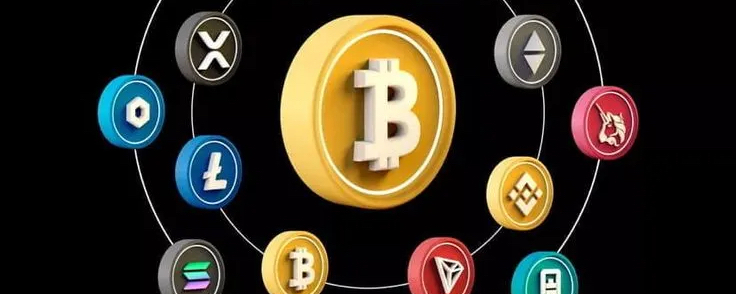

Liquidität ist überall in DeFi vorhanden, doch Nutzer haben oft Schwierigkeiten, darauf effizient zuzugreifen. Das Problem ist nicht unbedingt ein Mangel an Kapital—sondern wo dieses Kapital liegt.
Einführung
In den letzten Jahren hat sich dezentrales Finanzwesen (DeFi) von einer Handvoll automatisierter Market Maker (AMMs) zu einem Ökosystem entwickelt, das sich über Hunderte von Blockchains, Layer-2-Netzwerken und dezentralen Börsen erstreckt. Während dieses Wachstum mehr Möglichkeiten für Nutzer geschaffen hat, hat es auch eine der beständigsten Herausforderungen der Branche eingeführt: die Fragmentierung von Liquidität.
Heute werden Milliarden von Dollar über mehrere Chains und Protokolle verteilt. Ethereum, BNB Chain, Solana, TON, Arbitrum, Base, Avalanche und viele weitere beherbergen jeweils ihre eigenen Liquiditätspools, Handelsplätze und Nutzer-Communities. Obwohl diese Vielfalt das Ökosystem stärkt, macht sie effizientes Trading zunehmend komplex.
Die Frage ist nicht mehr, ob Liquidität existiert – das ist offensichtlich. Die Herausforderung besteht darin, wie Nutzer auf die beste verfügbare Liquidität zugreifen können, ohne zahlreiche Plattformen manuell navigieren zu müssen.
Das Verständnis von Liquiditätsfragmentierung
Liquiditätsfragmentierung entsteht, wenn Handelsliquidität auf mehrere Märkte aufgeteilt wird, statt an einem Ort konzentriert zu sein.
Beispielsweise kann dasselbe Asset auf mehreren dezentralen Exchanges Handelspaare haben – jeweils mit unterschiedlicher Liquiditätstiefe und Preisbildung. Statt von einem einheitlichen Markt zu profitieren, treffen Trader auf separate Pools, die deutlich unterschiedliche Ausführungsergebnisse liefern können.
Diese Fragmentierung wirkt sich auf Nutzer auf mehrere Arten aus:
Höhere Slippage bei großen Orders
Unstimmige Preisgestaltung zwischen Plattformen
Zusätzliche Transaktionskosten
Zeitaufwand beim Vergleich mehrerer Börsen
Mehr Komplexität, wenn Assets auf unterschiedlichen Blockchains existieren
Da DeFi weiter über Ökosysteme hinweg expandiert, werden diese Probleme noch stärker ausgeprägt.
Warum mehr Blockchains die Komplexität erhöhen
Das Wachstum über mehrere Chains hinweg hat zweifellos Skalierbarkeit und Innovation verbessert. Gleichzeitig führt jede neue Blockchain aber auch ein weiteres isoliertes Liquiditätsumfeld ein.
Jedes Netzwerk verwaltet sein eigenes:
Native Assets
Wallet-Infrastruktur
Dezentrale Exchanges
Transaktionsgebühren
Konsensmechanismen
Liquiditätsanbieter
Infolgedessen benötigen Nutzer häufig Bridges, mehrere Wallets und unterschiedliche Interfaces, nur um Werte zwischen Ökosystemen zu übertragen.
Das Erlebnis kann sich fragmentiert anfühlen – selbst dann, wenn die zugrunde liegende Technologie wie vorgesehen funktioniert.
Traditionelle Aggregation löste nur einen Teil des Problems
Die erste Generation von DEX-Aggregatoren verbesserte das Trading innerhalb einzelner Blockchains deutlich.
Anstatt von Nutzern zu verlangen, Exchanges manuell zu vergleichen, suchen Aggregatoren automatisch nach mehreren Liquiditätsquellen und wählen effizientere Handelsrouten.
Das wurde reduziert:
Manueller Preisvergleich
Handelsineffizienzen
Einige Formen von Slippage
Ausführungs-Komplexität
Die meisten frühen Aggregatoren optimierten jedoch primär innerhalb einer einzelnen Blockchain.
Die Ausführung über Chains hinweg blieb eine separate Herausforderung und erforderte häufig externe Bridges sowie mehrere Transaktionsfreigaben.
Die nächste Evolution: Aggregation von Liquidiät über Chains hinweg
Mit der Reifung von DeFi entwickelt sich die Infrastruktur weiter – weg von Optimierungen auf einer einzelnen Kette.
Moderne Aggregation konzentriert sich zunehmend darauf, Nutzern die Interaktion mit Liquidität zu ermöglichen – unabhängig davon, wo sie sich befindet. Anstatt jede Blockchain als isolierten Marktplatz zu behandeln, zielen neuere Systeme darauf ab, die Ausführung über mehrere Ökosysteme hinweg zu koordinieren und dabei unnötige Schritte für den Nutzer zu minimieren.
Verschiedene Protokolle gehen diese Herausforderung auf unterschiedliche Weise an.
Einige setzen auf native Asset-Swaps, andere spezialisieren sich auf Bridge-Aggregation. Währenddessen fokussieren neuere Designs darauf, Orders über dezentrale Solver oder intentbasierte Modelle zu routen, die effiziente Ausführungspfade bestimmen.
Es gibt bislang noch keine universelle Architektur, und jeder Ansatz bringt Abwägungen mit sich – unter anderem hinsichtlich Sicherheitsannahmen, Geschwindigkeit, unterstützter Netzwerke und Nutzererlebnis.
Wo STON und Omniston hineinpassen
Im TON-Ökosystem hat STON.fi sich über den Betrieb als dezentrale Exchange hinaus entwickelt, indem es Omniston, ein Liquiditätsaggregationsprotokoll zur Verbesserung der Swap-Ausführung, entwickelt hat.
Omniston fungiert nicht nur als weiteres Handelsinterface. Stattdessen ist es darauf ausgelegt, Liquidität aus mehreren Quellen zu bündeln und Routing-Infrastruktur bereitzustellen, die dazu beitragen kann, die Ausführung von Trades in seiner unterstützten Umgebung zu optimieren.
Die Architektur spiegelt einen breiteren Branchentrend wider: weg davon, einfach mehr Liquiditätspools anzubieten, hin zur Verbesserung, wie die verfügbare Liquidität entdeckt und zugänglich gemacht wird.
Diese Unterscheidung ist wichtig.
Mit dem Wachstum von DeFi wird effiziente Ausführung genauso wertvoll wie die Menge der Liquidität selbst.
Warum das Nutzererlebnis wichtiger ist denn je
Viele Nutzer, die heute in DeFi einsteigen, interessieren sich weniger für die zugrunde liegenden Routing-Algorithmen als für verlässliche Ergebnisse.
Ganz einfach wollen die meisten:
Erhalten Sie wettbewerbsfähige Preise
Unnötige Gebühren minimieren
Übermäßige Slippage vermeiden
Transaktionen schnell abschließen
Weniger Interfaces verwenden
Die Infrastruktur, die diese Ziele erreicht, wird immer ausgefeilter – idealerweise bleibt sie jedoch für den Endnutzer unsichtbar.
Das entspricht der Entwicklung des Internets selbst: Verbesserungen in der Netzwerkinfrastruktur machten Online-Dienste schneller, ohne dass Nutzer die zugrunde liegenden Protokolle verstehen mussten.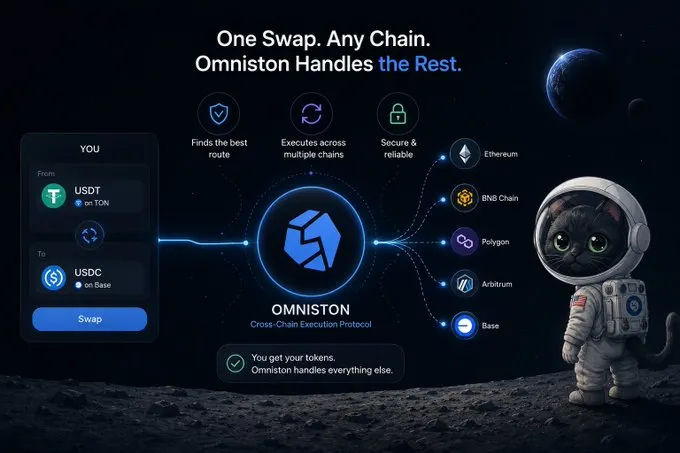
Der weitere Weg
Liquiditätsfragmentierung wird sich voraussichtlich nicht vollständig auflösen.
Da Blockchain-Ökosysteme weiterhin unabhängig voneinander innovieren, bleibt Liquidität zwangsläufig über verschiedene Netzwerke und Protokolle verteilt.
Der Fokus der Branche verlagert sich daher von der Eliminierung von Fragmentierung hin zu ihrem effektiveren Management.
Aggregation, intelligentes Routing, Interoperabilitätsstandards und verbesserte Ausführungsmodelle werden zu grundlegenden Bestandteilen moderner DeFi-Infrastruktur.
Statt ausschließlich um die Größe von Liquiditätspools zu konkurrieren, konkurrieren Protokolle zunehmend darum, wie effizient sie Nutzer mit dieser Liquidität verbinden.
Abschließende Gedanken
DeFi ist in eine Phase eingetreten, in der der Zugang zu Liquidität genauso wichtig wird wie die Liquidität selbst.
Die Zukunft des dezentralen Tradings wird wahrscheinlich weniger von einzelnen Exchanges geprägt werden und mehr von der Infrastruktur, die Liquidität intelligent über zunehmend vielfältige Ökosysteme hinweg koordiniert.
Protokolle wie STON.fi's Omniston stellen einen Ansatz innerhalb dieser breiteren Entwicklung dar. Im Fokus steht dabei, die Ausführung und den Zugang zu Liquidität im wachsenden TON-Ökosystem zu verbessern. Gleichzeitig erforschen andere Projekte weiterhin unterschiedliche Architekturen für Interoperabilität und Ausführung über Chains hinweg.
Wenn diese Technologien reifen, verbringen Nutzer möglicherweise weniger Zeit damit, darüber nachzudenken, wo Liquidität liegt – und mehr Zeit damit, effizient und verlässlich zu traden.
Damit DeFi den Massenmarkt erreicht, hängt die Lösung der Liquiditätsfragmentierung nicht von einem einzelnen Protokoll ab. Es wird von einem Ökosystem interoperabler Infrastruktur abhängen, das dezentrales Trading so nahtlos erscheinen lässt wie das Internet selbst.