

Tiur_eth
66 Beiträge

Tiur_eth
Melden
Nutzer blockieren
BP-5026F36E3032
2.0K+ Following
781 Follower
206 Like gegeben
Beiträge
·
--
Bullisch
Verifiziert
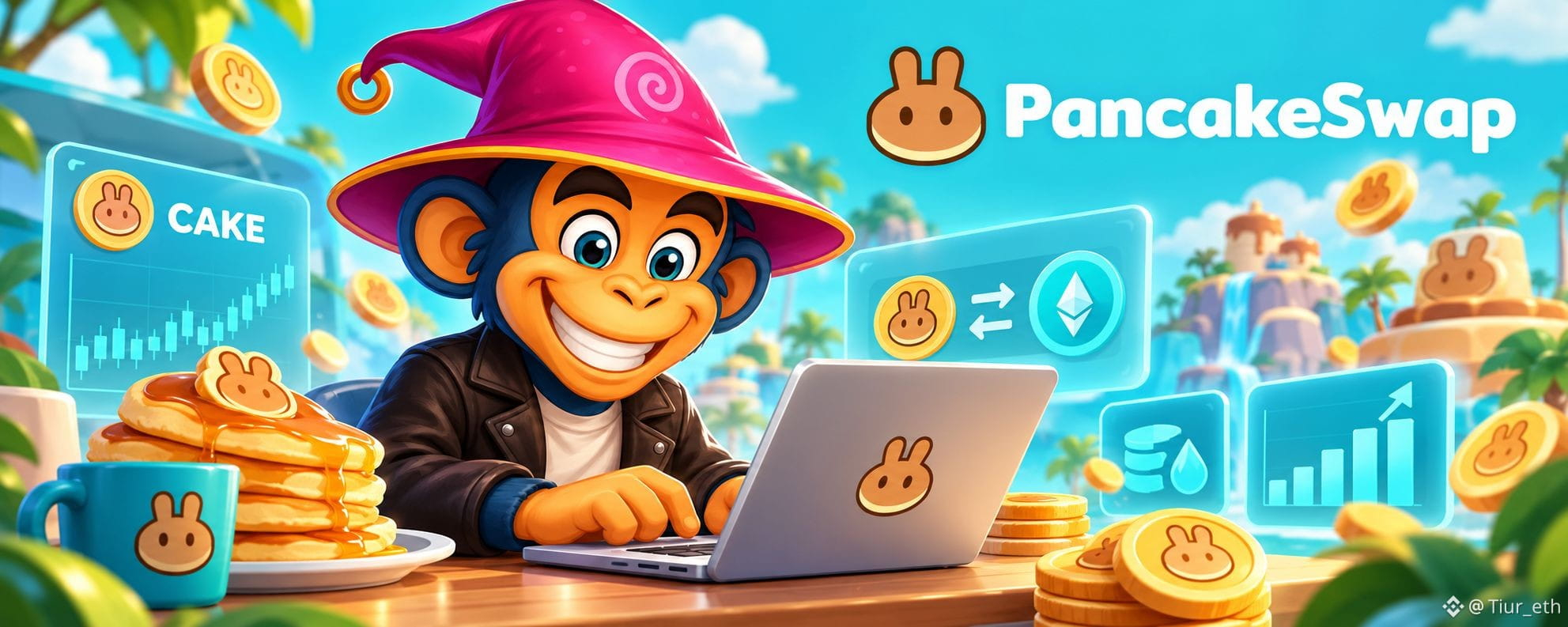
CAKE wird still und leise zu viel mehr als nur einem #DEX -Token
PancakeSwap begann mit einfachen Token-Swaps.
Heute sieht das Ökosystem völlig anders aus.
Swaps über 11 Chains hinweg. Liquidität. Perpetuals. Chainübergreifender Handel. Prognosemärkte. Und sogar über 500 tokenisierte Aktien, ETFs, Anleihen, Gold und andere reale Vermögenswerte.
$CAKE steht im Zentrum dieses Ökosystems.
Und die Größenordnung ist bereits beachtlich.
PancakeSwap meldete bis Mitte 2026 ein kumuliertes Handelsvolumen von über 4,2 Billionen US-Dollar und insgesamt mehr als 190 Millionen Nutzer. Außerdem blieb CAKE 34 Monate in Folge deflationär.
Die These ist einfach.
#defi könnten nicht die Protokolle sein, die nur ein Produkt anbieten.
Es könnten die Plattformen sein, auf denen Nutzer on-chain fast alles erledigen können.
Und PancakeSwap entwickelt sich zunehmend in diese Richtung.
CAKE wird still und leise zu viel mehr als nur einem #DEX -Token
PancakeSwap begann mit einfachen Token-Swaps.
Heute sieht das Ökosystem völlig anders aus.
Swaps über 11 Chains hinweg. Liquidität. Perpetuals. Chainübergreifender Handel. Prognosemärkte. Und sogar über 500 tokenisierte Aktien, ETFs, Anleihen, Gold und andere reale Vermögenswerte.
$CAKE steht im Zentrum dieses Ökosystems.
Und die Größenordnung ist bereits beachtlich.
PancakeSwap meldete bis Mitte 2026 ein kumuliertes Handelsvolumen von über 4,2 Billionen US-Dollar und insgesamt mehr als 190 Millionen Nutzer. Außerdem blieb CAKE 34 Monate in Folge deflationär.
Die These ist einfach.
#defi könnten nicht die Protokolle sein, die nur ein Produkt anbieten.
Es könnten die Plattformen sein, auf denen Nutzer on-chain fast alles erledigen können.
Und PancakeSwap entwickelt sich zunehmend in diese Richtung.
PancakeSwap begann mit einfachen Token-Swaps.
Heute sieht das Ökosystem völlig anders aus.
Swaps über 11 Chains hinweg. Liquidität. Perpetuals. Chainübergreifender Handel. Prognosemärkte. Und sogar über 500 tokenisierte Aktien, ETFs, Anleihen, Gold und andere reale Vermögenswerte.
$CAKE steht im Zentrum dieses Ökosystems.
Und die Größenordnung ist bereits beachtlich.
PancakeSwap meldete bis Mitte 2026 ein kumuliertes Handelsvolumen von über 4,2 Billionen US-Dollar und insgesamt mehr als 190 Millionen Nutzer. Außerdem blieb CAKE 34 Monate in Folge deflationär.
Die These ist einfach.
#defi könnten nicht die Protokolle sein, die nur ein Produkt anbieten.
Es könnten die Plattformen sein, auf denen Nutzer on-chain fast alles erledigen können.
Und PancakeSwap entwickelt sich zunehmend in diese Richtung.
2
2.3k
·
--
Bullisch
Verifiziert
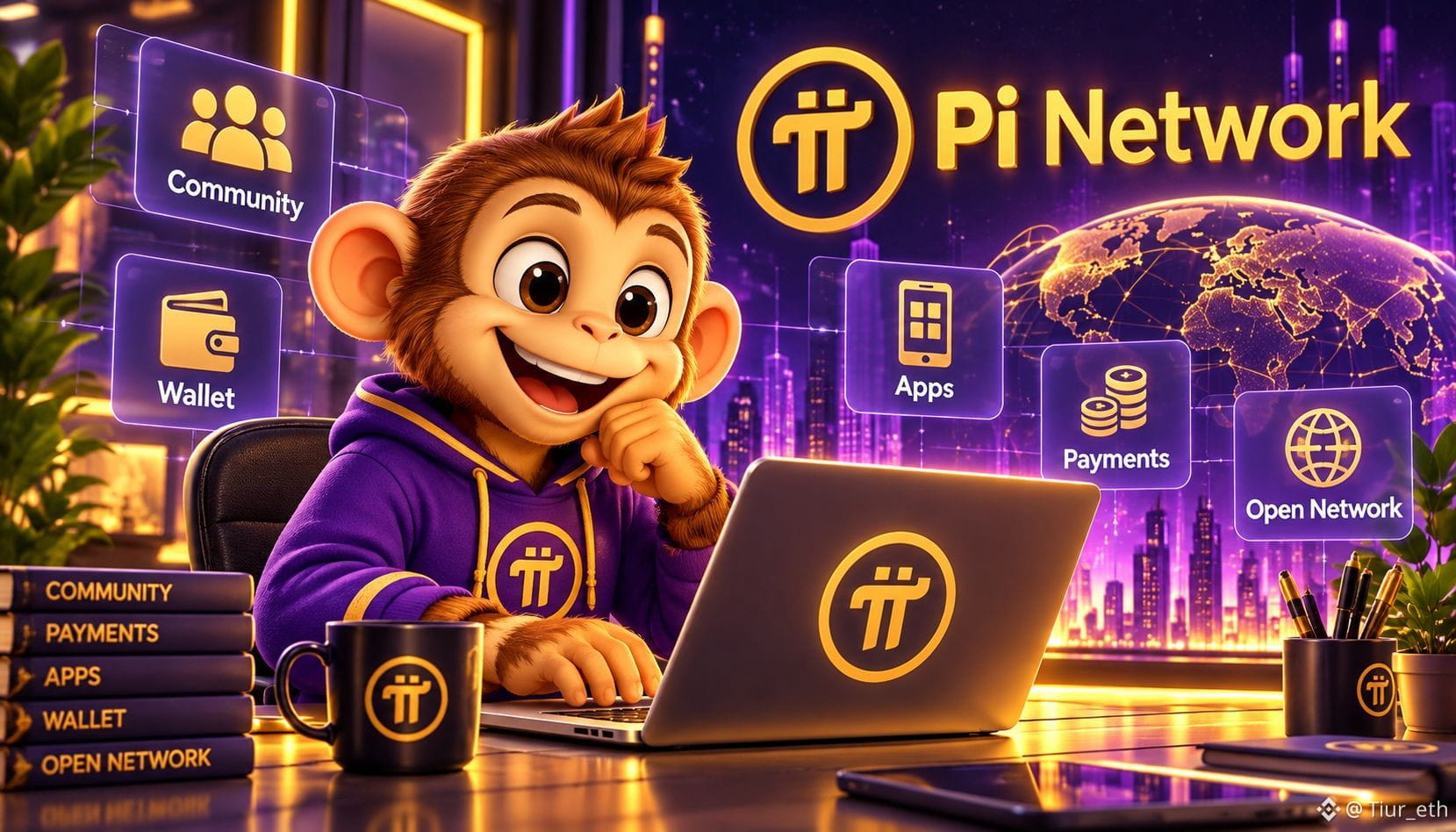
Pi Network ist eine der ungewöhnlichsten Adoptions-Betierungen im Krypto-Bereich
Die meisten Krypto-Projekte bauen das Netzwerk zuerst und suchen dann nach Nutzern.
Pi Network ist in die entgegengesetzte Richtung gestartet.
Es hat jahrelang an einer riesigen, identitätsgeprüften Community gearbeitet, bevor es sein Netzwerk für die breitere Krypto-Ökonomie geöffnet hat.
Heute hat Pi ein offenes Mainnet, eine eigene Wallet, einen Browser, ein App-Ökosystem und mehr als 16 Millionen Nutzer, die in das Mainnet migriert sind.
Das ergibt eine interessante These für PI.
Die Distribution ist bereits vorhanden.
Jetzt besteht die Herausforderung darin, diese Nutzer in echte wirtschaftliche Aktivität zu verwandeln.
Zahlungen.
Apps.
Commerce.
KI.
Digitale Identität.
Pi baut zunehmend um all das herum auf – einschließlich neuer Tools für KI-Compute und einer externen Anmeldung (External Sign-in), die 2026 veröffentlicht wurde.
Natürlich bleiben Risiken. Der Nutzen muss wachsen, das Token-Angebot spielt eine Rolle, und eine große Community schafft nicht automatisch eine nachhaltige Nachfrage.
Aber wenn Pi seine bestehende Nutzerbasis in aktive Onchain-Nutzer umwandeln kann, könnte PI zu einer der spannendsten Consumer-Krypto-Geschichten werden, denen man folgen sollte.
Pi Network ist eine der ungewöhnlichsten Adoptions-Betierungen im Krypto-Bereich
Die meisten Krypto-Projekte bauen das Netzwerk zuerst und suchen dann nach Nutzern.
Pi Network ist in die entgegengesetzte Richtung gestartet.
Es hat jahrelang an einer riesigen, identitätsgeprüften Community gearbeitet, bevor es sein Netzwerk für die breitere Krypto-Ökonomie geöffnet hat.
Heute hat Pi ein offenes Mainnet, eine eigene Wallet, einen Browser, ein App-Ökosystem und mehr als 16 Millionen Nutzer, die in das Mainnet migriert sind.
Das ergibt eine interessante These für PI.
Die Distribution ist bereits vorhanden.
Jetzt besteht die Herausforderung darin, diese Nutzer in echte wirtschaftliche Aktivität zu verwandeln.
Zahlungen.
Apps.
Commerce.
KI.
Digitale Identität.
Pi baut zunehmend um all das herum auf – einschließlich neuer Tools für KI-Compute und einer externen Anmeldung (External Sign-in), die 2026 veröffentlicht wurde.
Natürlich bleiben Risiken. Der Nutzen muss wachsen, das Token-Angebot spielt eine Rolle, und eine große Community schafft nicht automatisch eine nachhaltige Nachfrage.
Aber wenn Pi seine bestehende Nutzerbasis in aktive Onchain-Nutzer umwandeln kann, könnte PI zu einer der spannendsten Consumer-Krypto-Geschichten werden, denen man folgen sollte.
Die meisten Krypto-Projekte bauen das Netzwerk zuerst und suchen dann nach Nutzern.
Pi Network ist in die entgegengesetzte Richtung gestartet.
Es hat jahrelang an einer riesigen, identitätsgeprüften Community gearbeitet, bevor es sein Netzwerk für die breitere Krypto-Ökonomie geöffnet hat.
Heute hat Pi ein offenes Mainnet, eine eigene Wallet, einen Browser, ein App-Ökosystem und mehr als 16 Millionen Nutzer, die in das Mainnet migriert sind.
Das ergibt eine interessante These für PI.
Die Distribution ist bereits vorhanden.
Jetzt besteht die Herausforderung darin, diese Nutzer in echte wirtschaftliche Aktivität zu verwandeln.
Zahlungen.
Apps.
Commerce.
KI.
Digitale Identität.
Pi baut zunehmend um all das herum auf – einschließlich neuer Tools für KI-Compute und einer externen Anmeldung (External Sign-in), die 2026 veröffentlicht wurde.
Natürlich bleiben Risiken. Der Nutzen muss wachsen, das Token-Angebot spielt eine Rolle, und eine große Community schafft nicht automatisch eine nachhaltige Nachfrage.
Aber wenn Pi seine bestehende Nutzerbasis in aktive Onchain-Nutzer umwandeln kann, könnte PI zu einer der spannendsten Consumer-Krypto-Geschichten werden, denen man folgen sollte.
1
4
1k
·
--
Bullisch
Verifiziert
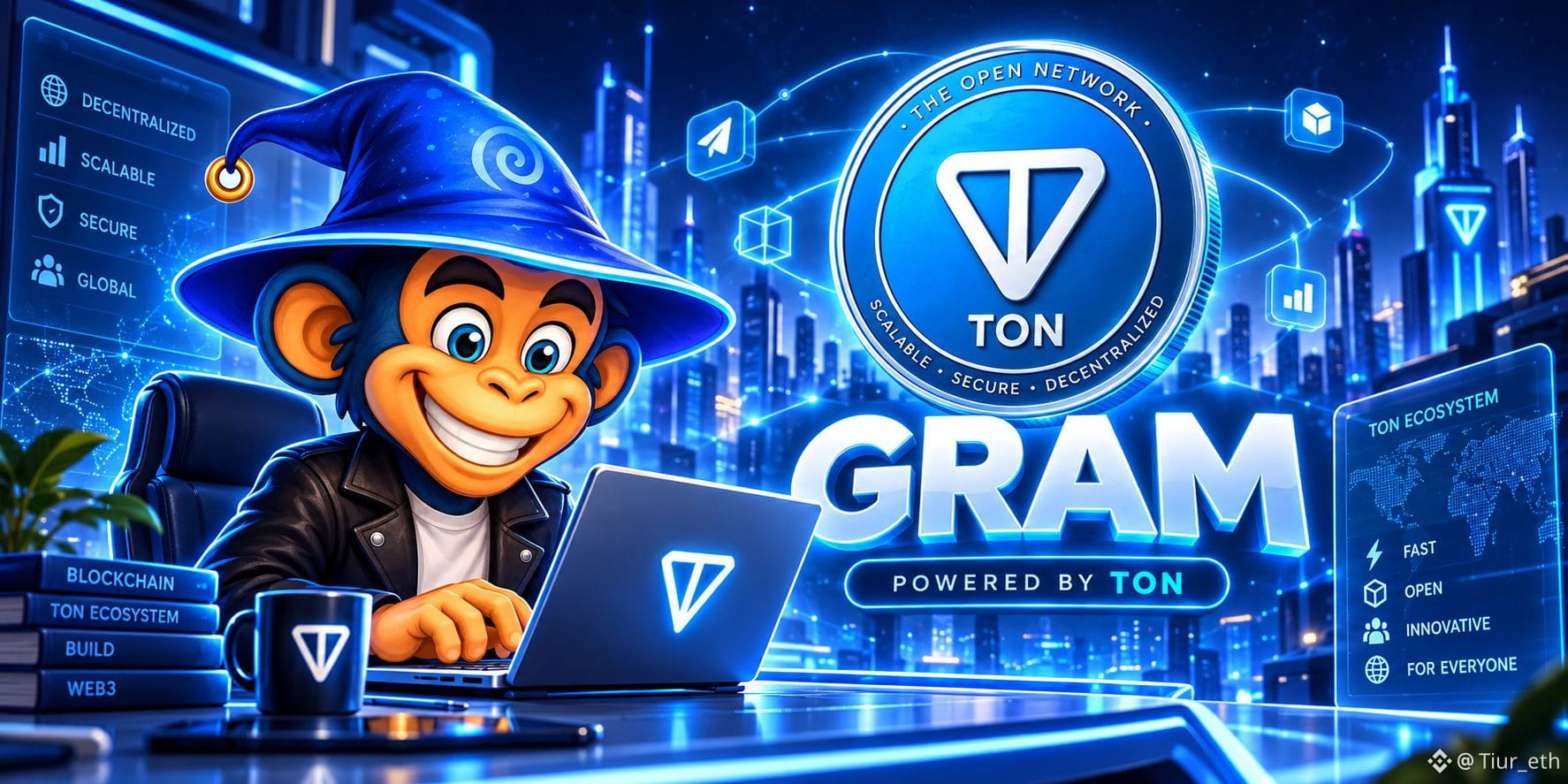
GRAM könnte eine der größten Chancen für die alltägliche Krypto-Nutzung sein
Die meisten Blockchains haben ein Problem.
$GRAM ist jedoch schon jetzt anders: direkter Zugang zum Telegram-Ökosystem.
#TON verbindet die Infrastruktur für Zahlungen, digitale Assets, Wallets und Mini Apps mit einem Publikum von mehr als 1 Milliarde Telegram-Nutzern.
Das schafft eine starke These.
Nutzer müssen keine weitere komplizierte Krypto-Plattform entdecken.
Blockchain-Produkte können sie dort erreichen, wo sie es ohnehin nutzen: in einer App.
Zahlungen.
Stablecoins.
Mini Apps.
Digitale Sammlerstücke.
Creator-Monetarisierung.
GRAM ist in diese Aktivitäten eingebettet.
Der Wettbewerb bleibt intensiv und die Akzeptanz muss sich noch in eine nachhaltige Nachfrage auf der On-Chain-Ebene übersetzen.
Aber wenn Krypto endlich hunderte Millionen regulärer Nutzer erreicht, könnte die Verteilung wichtiger sein als eine weitere kleine technische Verbesserung.
Und GRAM hat einen der stärksten Distributionskanäle im Krypto-Bereich.
GRAM könnte eine der größten Chancen für die alltägliche Krypto-Nutzung sein
Die meisten Blockchains haben ein Problem.
$GRAM ist jedoch schon jetzt anders: direkter Zugang zum Telegram-Ökosystem.
#TON verbindet die Infrastruktur für Zahlungen, digitale Assets, Wallets und Mini Apps mit einem Publikum von mehr als 1 Milliarde Telegram-Nutzern.
Das schafft eine starke These.
Nutzer müssen keine weitere komplizierte Krypto-Plattform entdecken.
Blockchain-Produkte können sie dort erreichen, wo sie es ohnehin nutzen: in einer App.
Zahlungen.
Stablecoins.
Mini Apps.
Digitale Sammlerstücke.
Creator-Monetarisierung.
GRAM ist in diese Aktivitäten eingebettet.
Der Wettbewerb bleibt intensiv und die Akzeptanz muss sich noch in eine nachhaltige Nachfrage auf der On-Chain-Ebene übersetzen.
Aber wenn Krypto endlich hunderte Millionen regulärer Nutzer erreicht, könnte die Verteilung wichtiger sein als eine weitere kleine technische Verbesserung.
Und GRAM hat einen der stärksten Distributionskanäle im Krypto-Bereich.
Die meisten Blockchains haben ein Problem.
$GRAM ist jedoch schon jetzt anders: direkter Zugang zum Telegram-Ökosystem.
#TON verbindet die Infrastruktur für Zahlungen, digitale Assets, Wallets und Mini Apps mit einem Publikum von mehr als 1 Milliarde Telegram-Nutzern.
Das schafft eine starke These.
Nutzer müssen keine weitere komplizierte Krypto-Plattform entdecken.
Blockchain-Produkte können sie dort erreichen, wo sie es ohnehin nutzen: in einer App.
Zahlungen.
Stablecoins.
Mini Apps.
Digitale Sammlerstücke.
Creator-Monetarisierung.
GRAM ist in diese Aktivitäten eingebettet.
Der Wettbewerb bleibt intensiv und die Akzeptanz muss sich noch in eine nachhaltige Nachfrage auf der On-Chain-Ebene übersetzen.
Aber wenn Krypto endlich hunderte Millionen regulärer Nutzer erreicht, könnte die Verteilung wichtiger sein als eine weitere kleine technische Verbesserung.
Und GRAM hat einen der stärksten Distributionskanäle im Krypto-Bereich.
1
3
2.6k
·
--
Bullisch
Verifiziert
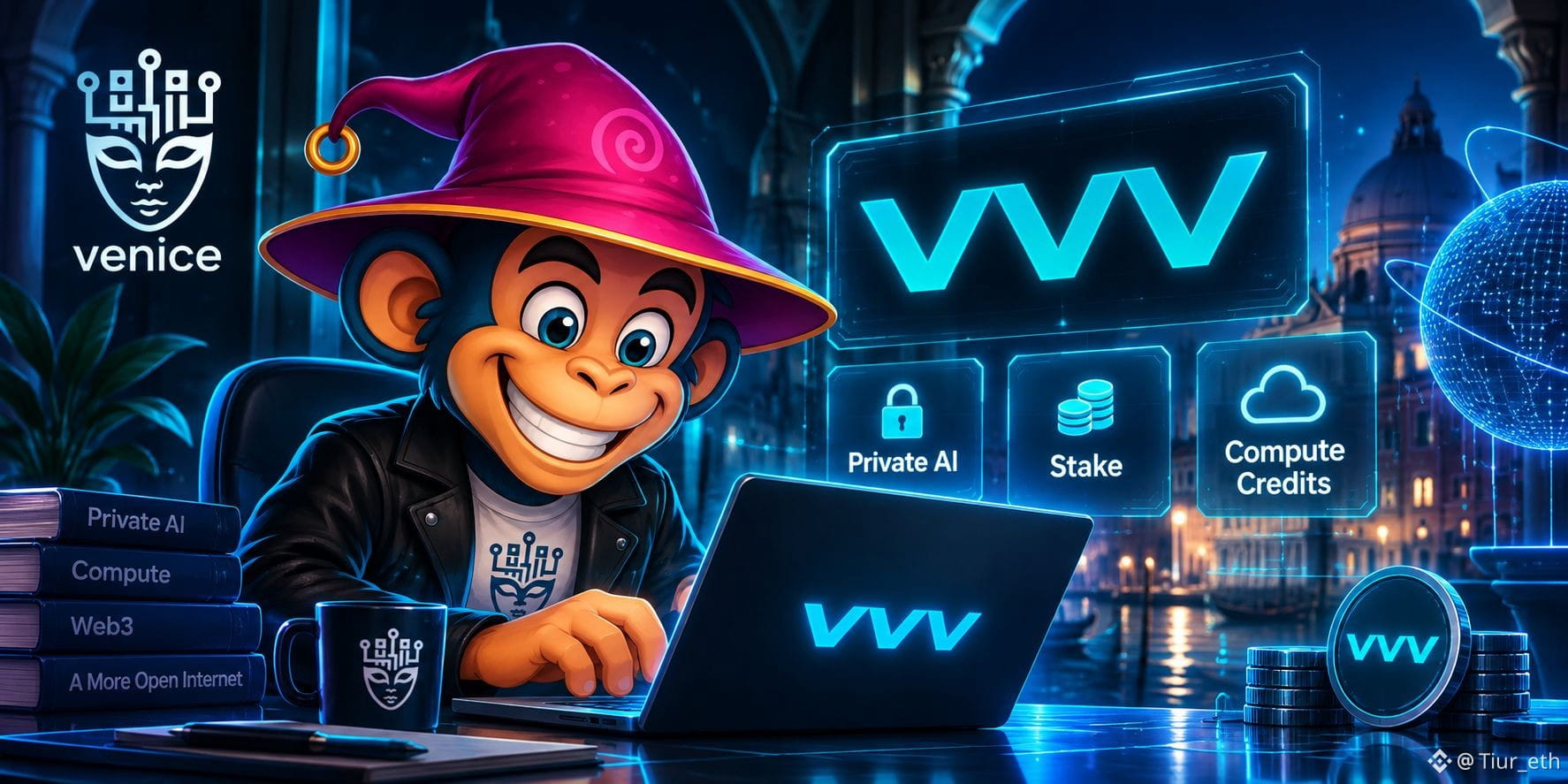
VVV ist im Moment eine der interessantesten KI- & Krypto-Wetten
KI wird immer leistungsfähiger.
Aber sie wird auch immer zentralisierter.
Genau hier schlägt Venice eine andere Richtung ein.
Venice setzt auf private KI, während $VVV als Kernausstattungswert seines Ökosystems dient. Nutzer können VVV staken, Venice Pro nutzen und DIEM prägen – ein Token, der an laufende KI-Compute-Credits gekoppelt ist.
Das gibt VVV eine sehr klare Story.
KI-Compute wird zu einem Onchain-Asset.
Privatsphäre wird Teil des Produkts.
Und die Token-Nützlichkeit ist direkt mit der tatsächlichen KI-Nutzung verknüpft.
Venice sagt, dass man jetzt Millionen registrierter Nutzer bedient und jeden Monat massive KI-Aktivität verarbeitet.
Natürlich bleiben #AI Token volatil und der Wettbewerb ist intensiv.
Aber die These ist spannend.
Wenn KI zu einer neuen digitalen Wirtschaft wird, könnten Compute und Privatsphäre zu zwei ihrer wertvollsten Ressourcen werden.
Und VVV sitzt direkt zwischen beidem.
VVV ist im Moment eine der interessantesten KI- & Krypto-Wetten
KI wird immer leistungsfähiger.
Aber sie wird auch immer zentralisierter.
Genau hier schlägt Venice eine andere Richtung ein.
Venice setzt auf private KI, während $VVV als Kernausstattungswert seines Ökosystems dient. Nutzer können VVV staken, Venice Pro nutzen und DIEM prägen – ein Token, der an laufende KI-Compute-Credits gekoppelt ist.
Das gibt VVV eine sehr klare Story.
KI-Compute wird zu einem Onchain-Asset.
Privatsphäre wird Teil des Produkts.
Und die Token-Nützlichkeit ist direkt mit der tatsächlichen KI-Nutzung verknüpft.
Venice sagt, dass man jetzt Millionen registrierter Nutzer bedient und jeden Monat massive KI-Aktivität verarbeitet.
Natürlich bleiben #AI Token volatil und der Wettbewerb ist intensiv.
Aber die These ist spannend.
Wenn KI zu einer neuen digitalen Wirtschaft wird, könnten Compute und Privatsphäre zu zwei ihrer wertvollsten Ressourcen werden.
Und VVV sitzt direkt zwischen beidem.
KI wird immer leistungsfähiger.
Aber sie wird auch immer zentralisierter.
Genau hier schlägt Venice eine andere Richtung ein.
Venice setzt auf private KI, während $VVV als Kernausstattungswert seines Ökosystems dient. Nutzer können VVV staken, Venice Pro nutzen und DIEM prägen – ein Token, der an laufende KI-Compute-Credits gekoppelt ist.
Das gibt VVV eine sehr klare Story.
KI-Compute wird zu einem Onchain-Asset.
Privatsphäre wird Teil des Produkts.
Und die Token-Nützlichkeit ist direkt mit der tatsächlichen KI-Nutzung verknüpft.
Venice sagt, dass man jetzt Millionen registrierter Nutzer bedient und jeden Monat massive KI-Aktivität verarbeitet.
Natürlich bleiben #AI Token volatil und der Wettbewerb ist intensiv.
Aber die These ist spannend.
Wenn KI zu einer neuen digitalen Wirtschaft wird, könnten Compute und Privatsphäre zu zwei ihrer wertvollsten Ressourcen werden.
Und VVV sitzt direkt zwischen beidem.
1
2
1k
·
--
Bullisch
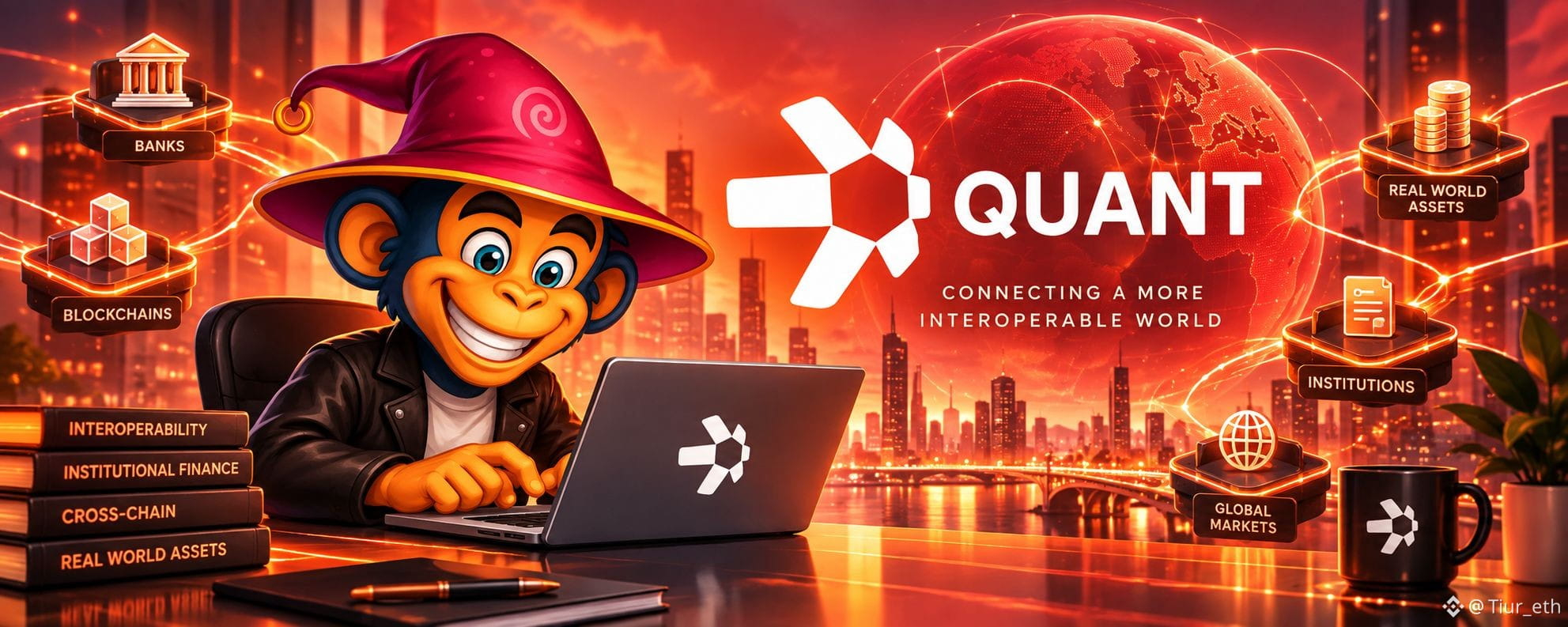
Quant ist eines der interessantesten Interoperabilitäts-Experimente der Krypto-Branche
Krypto hat tausende Netzwerke.
Das Problem ist, sie zum Zusammenspiel zu bringen.
Genau dort wird Quant interessant.
Seine Overledger-Plattform verbindet verschiedene Blockchains mit bestehender Bank- und Zahlungsinfrastruktur über eine gemeinsame API-Schicht. Sie ist für Cross-Chain-Transaktionen, tokenisierte Vermögenswerte, Zahlungen und Finanzanwendungen ausgelegt.
$QNT sitzt mitten in dieser Interoperabilitäts-Geschichte.
Die These ist einfach.
Mehr Blockchains erzeugen mehr Fragmentierung.
Mehr tokenisierte Vermögenswerte schaffen mehr Nachfrage nach Konnektivität.
Und Institutionen benötigen eine Infrastruktur, die alte Finanz-Gleise mit neuen verbindet.
Der Wettbewerb bleibt stark, und die Unternehmensübernahme schreitet nur langsam voran.
Aber wenn Finanzsysteme zunehmend Multi-Chain werden, könnte Interoperabilität zu einer der wertvollsten Schichten darunter werden.
Und #Quant baut direkt für diese Zukunft.
Quant ist eines der interessantesten Interoperabilitäts-Experimente der Krypto-Branche
Krypto hat tausende Netzwerke.
Das Problem ist, sie zum Zusammenspiel zu bringen.
Genau dort wird Quant interessant.
Seine Overledger-Plattform verbindet verschiedene Blockchains mit bestehender Bank- und Zahlungsinfrastruktur über eine gemeinsame API-Schicht. Sie ist für Cross-Chain-Transaktionen, tokenisierte Vermögenswerte, Zahlungen und Finanzanwendungen ausgelegt.
$QNT sitzt mitten in dieser Interoperabilitäts-Geschichte.
Die These ist einfach.
Mehr Blockchains erzeugen mehr Fragmentierung.
Mehr tokenisierte Vermögenswerte schaffen mehr Nachfrage nach Konnektivität.
Und Institutionen benötigen eine Infrastruktur, die alte Finanz-Gleise mit neuen verbindet.
Der Wettbewerb bleibt stark, und die Unternehmensübernahme schreitet nur langsam voran.
Aber wenn Finanzsysteme zunehmend Multi-Chain werden, könnte Interoperabilität zu einer der wertvollsten Schichten darunter werden.
Und #Quant baut direkt für diese Zukunft.
Krypto hat tausende Netzwerke.
Das Problem ist, sie zum Zusammenspiel zu bringen.
Genau dort wird Quant interessant.
Seine Overledger-Plattform verbindet verschiedene Blockchains mit bestehender Bank- und Zahlungsinfrastruktur über eine gemeinsame API-Schicht. Sie ist für Cross-Chain-Transaktionen, tokenisierte Vermögenswerte, Zahlungen und Finanzanwendungen ausgelegt.
$QNT sitzt mitten in dieser Interoperabilitäts-Geschichte.
Die These ist einfach.
Mehr Blockchains erzeugen mehr Fragmentierung.
Mehr tokenisierte Vermögenswerte schaffen mehr Nachfrage nach Konnektivität.
Und Institutionen benötigen eine Infrastruktur, die alte Finanz-Gleise mit neuen verbindet.
Der Wettbewerb bleibt stark, und die Unternehmensübernahme schreitet nur langsam voran.
Aber wenn Finanzsysteme zunehmend Multi-Chain werden, könnte Interoperabilität zu einer der wertvollsten Schichten darunter werden.
Und #Quant baut direkt für diese Zukunft.
1
2
865
·
--
Bullisch
Morpho ist eine der interessantesten Lending-Wetten im DeFi
DeFi-Kredite werden immer flexibler.
Und Morpho ist eines der Protokolle, die diese Richtung vorantreiben.
Anstatt sich auf einen einzelnen großen, gemeinsamen Kreditpool zu verlassen, ermöglicht #Morpho die revisionsfreie Erstellung isolierter Kreditmärkte mit eigenem Sicherheitenbestand, Kreditwerten, Oracles und Risikoparametern.
Das gibt $MORPHO eine klare Story.
Entwickler können neue Kreditmärkte schaffen.
Nutzer können Kapital verleihen.
Kreditnehmer können auf Liquidität zugreifen.
Und das Risiko kann zwischen verschiedenen Märkten getrennt werden.
Natürlich hängen Kreditprotokolle weiterhin von der Qualität der Sicherheiten, der Liquidität, der Oracle-Sicherheit und einem korrekten Risikomanagement ab.
Aber die These ist einfach.
Wenn mehr Finanzaktivität onchain verlagert wird, wird die Kredit-Infrastruktur wertvoller.
Und Morpho ist einer der #defi Namen, die man genau im Blick behalten sollte.
Morpho ist eine der interessantesten Lending-Wetten im DeFi
DeFi-Kredite werden immer flexibler.
Und Morpho ist eines der Protokolle, die diese Richtung vorantreiben.
Anstatt sich auf einen einzelnen großen, gemeinsamen Kreditpool zu verlassen, ermöglicht #Morpho die revisionsfreie Erstellung isolierter Kreditmärkte mit eigenem Sicherheitenbestand, Kreditwerten, Oracles und Risikoparametern.
Das gibt $MORPHO eine klare Story.
Entwickler können neue Kreditmärkte schaffen.
Nutzer können Kapital verleihen.
Kreditnehmer können auf Liquidität zugreifen.
Und das Risiko kann zwischen verschiedenen Märkten getrennt werden.
Natürlich hängen Kreditprotokolle weiterhin von der Qualität der Sicherheiten, der Liquidität, der Oracle-Sicherheit und einem korrekten Risikomanagement ab.
Aber die These ist einfach.
Wenn mehr Finanzaktivität onchain verlagert wird, wird die Kredit-Infrastruktur wertvoller.
Und Morpho ist einer der #defi Namen, die man genau im Blick behalten sollte.
DeFi-Kredite werden immer flexibler.
Und Morpho ist eines der Protokolle, die diese Richtung vorantreiben.
Anstatt sich auf einen einzelnen großen, gemeinsamen Kreditpool zu verlassen, ermöglicht #Morpho die revisionsfreie Erstellung isolierter Kreditmärkte mit eigenem Sicherheitenbestand, Kreditwerten, Oracles und Risikoparametern.
Das gibt $MORPHO eine klare Story.
Entwickler können neue Kreditmärkte schaffen.
Nutzer können Kapital verleihen.
Kreditnehmer können auf Liquidität zugreifen.
Und das Risiko kann zwischen verschiedenen Märkten getrennt werden.
Natürlich hängen Kreditprotokolle weiterhin von der Qualität der Sicherheiten, der Liquidität, der Oracle-Sicherheit und einem korrekten Risikomanagement ab.
Aber die These ist einfach.
Wenn mehr Finanzaktivität onchain verlagert wird, wird die Kredit-Infrastruktur wertvoller.
Und Morpho ist einer der #defi Namen, die man genau im Blick behalten sollte.

5
771
·
--
Bullisch
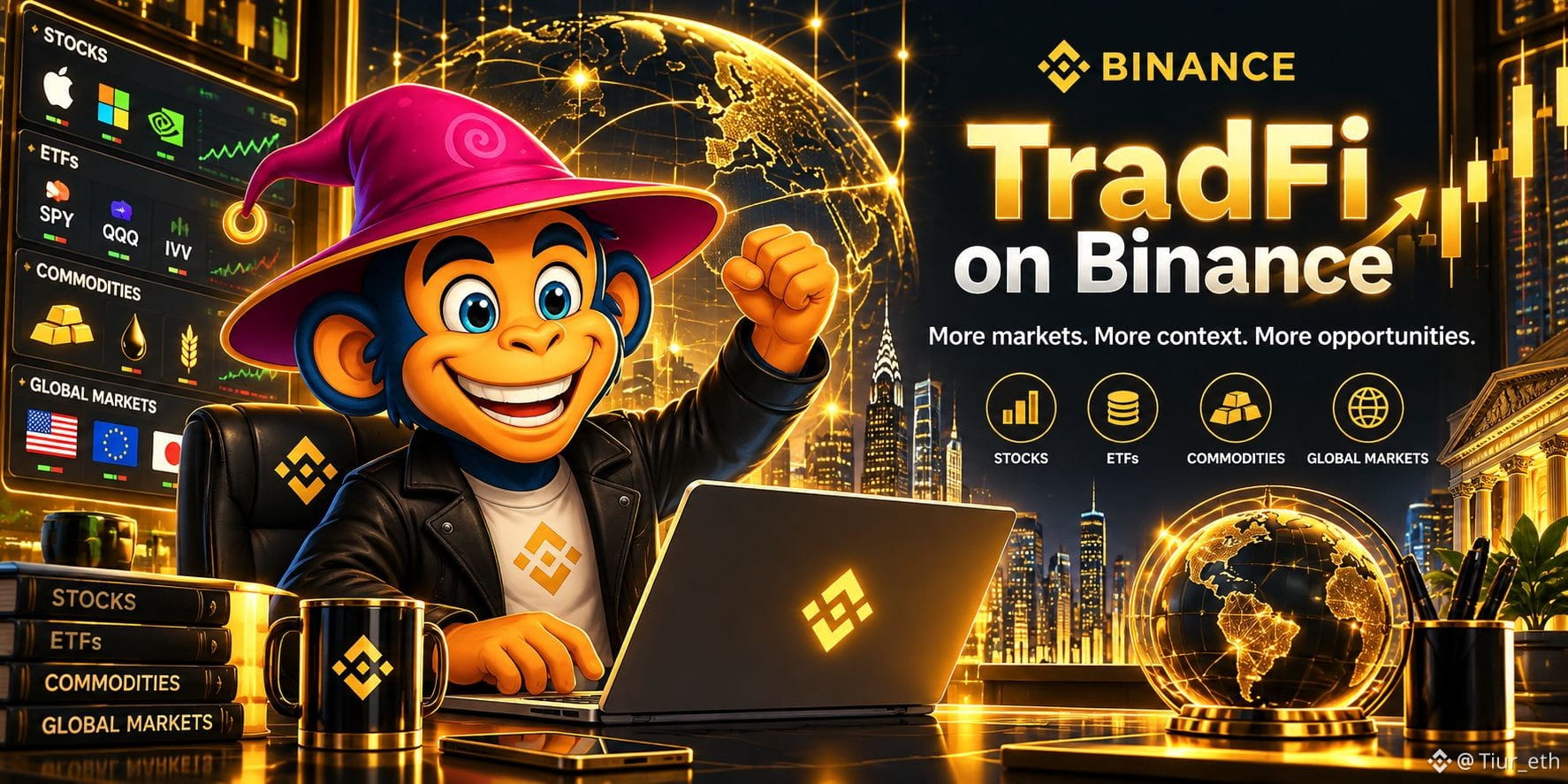
TradFi auf Binance wird immer nützlicher, je stärker sich die globalen Märkte in Bewegung setzen.
Eines Tages ist die Hauptstory Bitcoin. Als Nächstes sind es Gold, Tech-Aktien, Zinsen oder ein großes makroökonomisches Ereignis.
Der Zugriff auf unterschiedliche Markterzählungen aus demselben Ökosystem macht das gesamte Handelserlebnis deutlich flexibler.
Was ich am meisten schätze, ist die Möglichkeit, den Fokus zu wechseln, ohne die Plattformen oder Workflows komplett ändern zu müssen.
Krypto kann im Mittelpunkt bleiben, während traditionelle Märkte mehr Möglichkeiten bieten, um zu reagieren, abzusichern, zu diversifizieren und dorthin zu folgen, wo sich die Liquidität bewegt.
Für mich ist das der eigentliche Wert von TradFi auf Binance.
Mehr Märkte, mehr Kontext, mehr Möglichkeiten, um sich im Hinblick darauf zu positionieren, was global gerade passiert.
TradFi auf Binance wird immer nützlicher, je stärker sich die globalen Märkte in Bewegung setzen.
Eines Tages ist die Hauptstory Bitcoin. Als Nächstes sind es Gold, Tech-Aktien, Zinsen oder ein großes makroökonomisches Ereignis.
Der Zugriff auf unterschiedliche Markterzählungen aus demselben Ökosystem macht das gesamte Handelserlebnis deutlich flexibler.
Was ich am meisten schätze, ist die Möglichkeit, den Fokus zu wechseln, ohne die Plattformen oder Workflows komplett ändern zu müssen.
Krypto kann im Mittelpunkt bleiben, während traditionelle Märkte mehr Möglichkeiten bieten, um zu reagieren, abzusichern, zu diversifizieren und dorthin zu folgen, wo sich die Liquidität bewegt.
Für mich ist das der eigentliche Wert von TradFi auf Binance.
Mehr Märkte, mehr Kontext, mehr Möglichkeiten, um sich im Hinblick darauf zu positionieren, was global gerade passiert.
Eines Tages ist die Hauptstory Bitcoin. Als Nächstes sind es Gold, Tech-Aktien, Zinsen oder ein großes makroökonomisches Ereignis.
Der Zugriff auf unterschiedliche Markterzählungen aus demselben Ökosystem macht das gesamte Handelserlebnis deutlich flexibler.
Was ich am meisten schätze, ist die Möglichkeit, den Fokus zu wechseln, ohne die Plattformen oder Workflows komplett ändern zu müssen.
Krypto kann im Mittelpunkt bleiben, während traditionelle Märkte mehr Möglichkeiten bieten, um zu reagieren, abzusichern, zu diversifizieren und dorthin zu folgen, wo sich die Liquidität bewegt.
Für mich ist das der eigentliche Wert von TradFi auf Binance.
Mehr Märkte, mehr Kontext, mehr Möglichkeiten, um sich im Hinblick darauf zu positionieren, was global gerade passiert.
1
3
1.7k
·
--
Bullisch
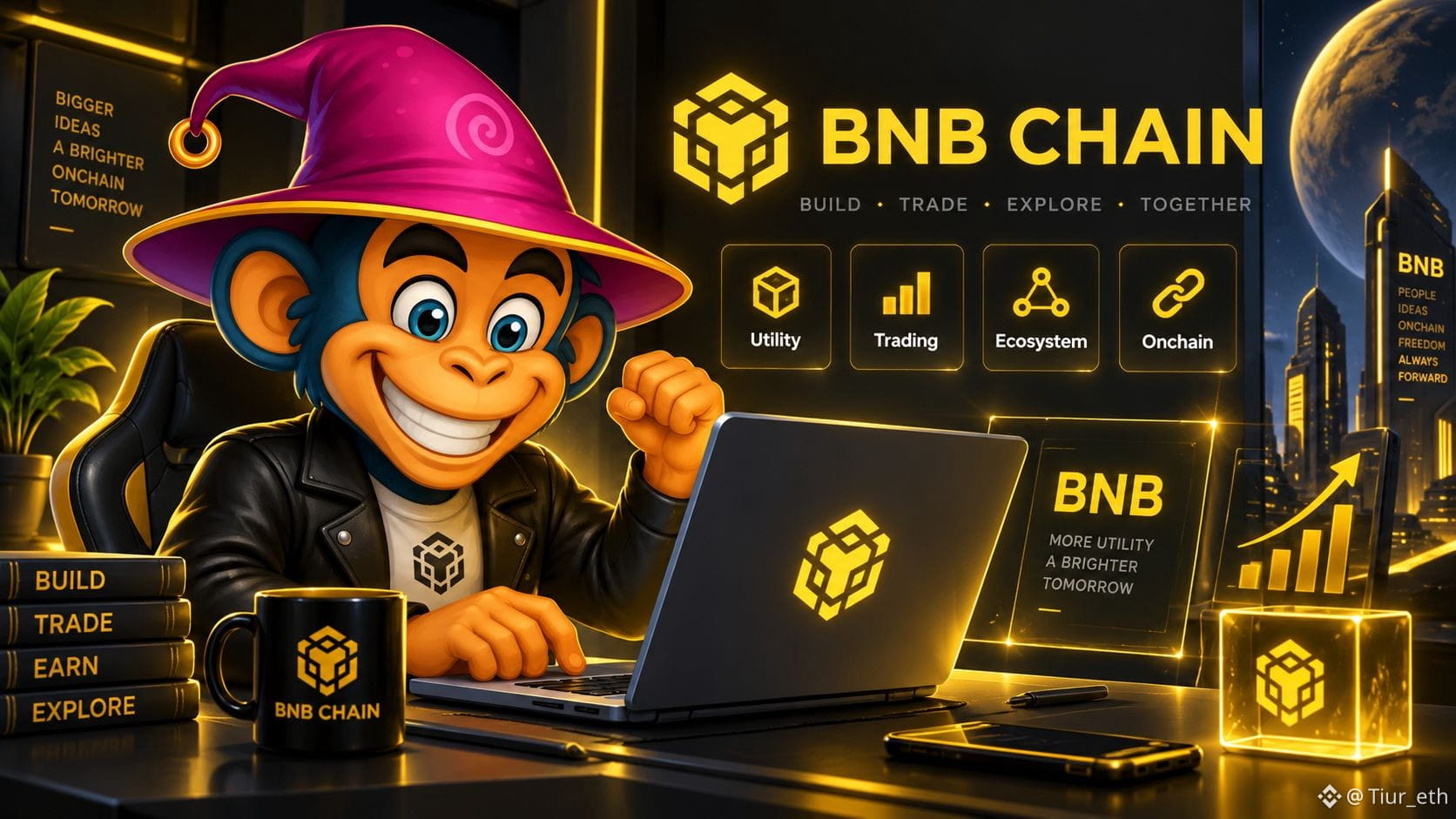
BNB ist immer noch eines der stärksten Ökosystem-Assets im Krypto-Bereich
$BNB wird leicht unterschätzt, weil es schon seit Jahren existiert.
Doch schau dir an, wo es steht.
Handel. #defi . Zahlungen. Onchain-Apps. Token-Launches. BNB Chain.
#bnb ist in ein Ökosystem eingebettet, das bereits Nutzer, Liquidität, Entwickler und echte Transaktionsströme hat.
Das ist entscheidend.
Ein Token braucht nicht jeden Monat eine neue Story, wenn Menschen ihn bereits brauchen, um mit dem Ökosystem um ihn herum zu interagieren.
Der Wettbewerb zwischen L1s ist intensiv, und Aktivitäten können sich schnell verlagern.
Aber BNB hat etwas, das viele neuere Assets noch aufzubauen versuchen.
Distribution.
Wenn BNB Chain weiterhin Kapital, Apps und Nutzer anzieht, bleibt BNB eines der großen Cap-Assets, das man besonders genau im Blick behalten sollte.
BNB ist immer noch eines der stärksten Ökosystem-Assets im Krypto-Bereich
$BNB wird leicht unterschätzt, weil es schon seit Jahren existiert.
Doch schau dir an, wo es steht.
Handel. #defi . Zahlungen. Onchain-Apps. Token-Launches. BNB Chain.
#bnb ist in ein Ökosystem eingebettet, das bereits Nutzer, Liquidität, Entwickler und echte Transaktionsströme hat.
Das ist entscheidend.
Ein Token braucht nicht jeden Monat eine neue Story, wenn Menschen ihn bereits brauchen, um mit dem Ökosystem um ihn herum zu interagieren.
Der Wettbewerb zwischen L1s ist intensiv, und Aktivitäten können sich schnell verlagern.
Aber BNB hat etwas, das viele neuere Assets noch aufzubauen versuchen.
Distribution.
Wenn BNB Chain weiterhin Kapital, Apps und Nutzer anzieht, bleibt BNB eines der großen Cap-Assets, das man besonders genau im Blick behalten sollte.
$BNB wird leicht unterschätzt, weil es schon seit Jahren existiert.
Doch schau dir an, wo es steht.
Handel. #defi . Zahlungen. Onchain-Apps. Token-Launches. BNB Chain.
#bnb ist in ein Ökosystem eingebettet, das bereits Nutzer, Liquidität, Entwickler und echte Transaktionsströme hat.
Das ist entscheidend.
Ein Token braucht nicht jeden Monat eine neue Story, wenn Menschen ihn bereits brauchen, um mit dem Ökosystem um ihn herum zu interagieren.
Der Wettbewerb zwischen L1s ist intensiv, und Aktivitäten können sich schnell verlagern.
Aber BNB hat etwas, das viele neuere Assets noch aufzubauen versuchen.
Distribution.
Wenn BNB Chain weiterhin Kapital, Apps und Nutzer anzieht, bleibt BNB eines der großen Cap-Assets, das man besonders genau im Blick behalten sollte.
2
5
453
·
--
Bullisch
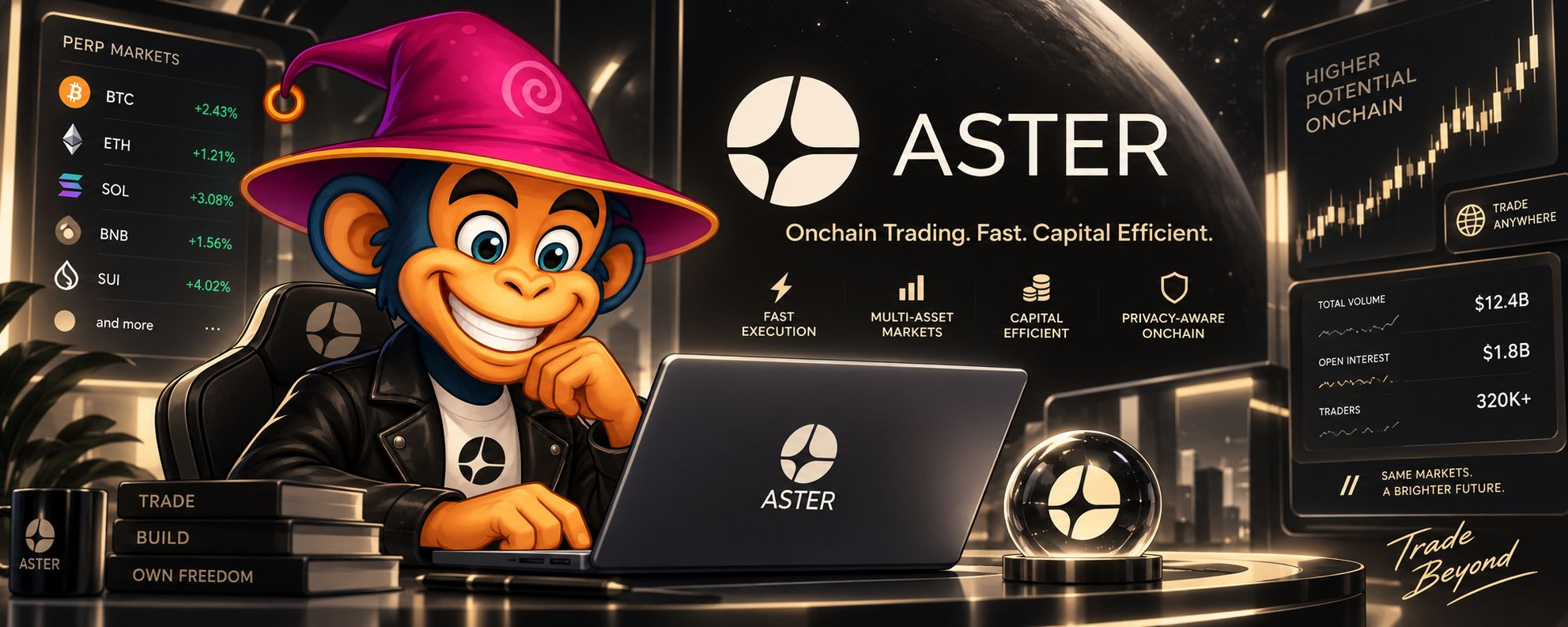
Aster wird zu einer der spannendsten Onchain-Trading-Wetten
Der nächste Kampf in #defi geht nicht nur um Liquidität.
Es geht darum, wo Händler wirklich handeln wollen.
Dort wird Aster interessant.
Aster kombiniert Perpetuals mit dem Zugang zu Krypto, Aktien, Forex, Rohstoffen und Prognosemärkten und legt dabei zugleich den Fokus auf Kapitaleffizienz und Privatsphäre.
$ASTER sitzt direkt im Zentrum der wachsenden Onchain-Trading-Ökonomie.
Die These ist einfach.
Händler wollen tiefe Märkte.
Sie wollen schnelle Ausführung.
Sie wollen Kapital, das weiterarbeitet.
Und sie wollen zunehmend mehr Kontrolle über ihre Strategien und Daten.
Natürlich ist der Wettbewerb zwischen perp #DEX s brutal und Liquidität kann sich schnell verlagern.
Wenn das Trading jedoch weiterhin Onchain wandert, könnten Plattformen, die ein CEX-ähnliches Erlebnis liefern und dabei die kryptonativen Vorteile bewahren, ernsthafte Aktivität anziehen.
Aster ist einer der Namen, den man in diesem Rennen im Blick behalten sollte.
Aster wird zu einer der spannendsten Onchain-Trading-Wetten
Der nächste Kampf in #defi geht nicht nur um Liquidität.
Es geht darum, wo Händler wirklich handeln wollen.
Dort wird Aster interessant.
Aster kombiniert Perpetuals mit dem Zugang zu Krypto, Aktien, Forex, Rohstoffen und Prognosemärkten und legt dabei zugleich den Fokus auf Kapitaleffizienz und Privatsphäre.
$ASTER sitzt direkt im Zentrum der wachsenden Onchain-Trading-Ökonomie.
Die These ist einfach.
Händler wollen tiefe Märkte.
Sie wollen schnelle Ausführung.
Sie wollen Kapital, das weiterarbeitet.
Und sie wollen zunehmend mehr Kontrolle über ihre Strategien und Daten.
Natürlich ist der Wettbewerb zwischen perp #DEX s brutal und Liquidität kann sich schnell verlagern.
Wenn das Trading jedoch weiterhin Onchain wandert, könnten Plattformen, die ein CEX-ähnliches Erlebnis liefern und dabei die kryptonativen Vorteile bewahren, ernsthafte Aktivität anziehen.
Aster ist einer der Namen, den man in diesem Rennen im Blick behalten sollte.
Der nächste Kampf in #defi geht nicht nur um Liquidität.
Es geht darum, wo Händler wirklich handeln wollen.
Dort wird Aster interessant.
Aster kombiniert Perpetuals mit dem Zugang zu Krypto, Aktien, Forex, Rohstoffen und Prognosemärkten und legt dabei zugleich den Fokus auf Kapitaleffizienz und Privatsphäre.
$ASTER sitzt direkt im Zentrum der wachsenden Onchain-Trading-Ökonomie.
Die These ist einfach.
Händler wollen tiefe Märkte.
Sie wollen schnelle Ausführung.
Sie wollen Kapital, das weiterarbeitet.
Und sie wollen zunehmend mehr Kontrolle über ihre Strategien und Daten.
Natürlich ist der Wettbewerb zwischen perp #DEX s brutal und Liquidität kann sich schnell verlagern.
Wenn das Trading jedoch weiterhin Onchain wandert, könnten Plattformen, die ein CEX-ähnliches Erlebnis liefern und dabei die kryptonativen Vorteile bewahren, ernsthafte Aktivität anziehen.
Aster ist einer der Namen, den man in diesem Rennen im Blick behalten sollte.
2
925
·
--
Bullisch
TradFi fühlt sich auf Binance zunehmend näher an Krypto an.
Was früher separate Broker, verschiedene Konten und völlig unterschiedliche Workflows bedeutete, bewegt sich nun in dieselbe Umgebung, die Händler bereits täglich nutzen.
Aktien, Rohstoffe und andere traditionelle Märkte werden Teil eines deutlich breiteren Handelserlebnisses.
Das ist der Aspekt, der mich am meisten interessiert.
Krypto-Trader sind nicht mehr auf Krypto-Volatilität beschränkt. Sie können auf Ergebnisse, Konjunkturdaten, Metalle, Aktien und globale Markt-Erzählungen reagieren, ohne vollständig die Art zu ändern, wie sie handeln.
Binance macht nach und nach aus einem einzigen Handelskonto einen Zugang zu viel mehr als nur Krypto.
Und ich denke, diese Annäherung zwischen TradFi und digitalen Assets hat gerade erst begonnen.
TradFi fühlt sich auf Binance zunehmend näher an Krypto an.
Was früher separate Broker, verschiedene Konten und völlig unterschiedliche Workflows bedeutete, bewegt sich nun in dieselbe Umgebung, die Händler bereits täglich nutzen.
Aktien, Rohstoffe und andere traditionelle Märkte werden Teil eines deutlich breiteren Handelserlebnisses.
Das ist der Aspekt, der mich am meisten interessiert.
Krypto-Trader sind nicht mehr auf Krypto-Volatilität beschränkt. Sie können auf Ergebnisse, Konjunkturdaten, Metalle, Aktien und globale Markt-Erzählungen reagieren, ohne vollständig die Art zu ändern, wie sie handeln.
Binance macht nach und nach aus einem einzigen Handelskonto einen Zugang zu viel mehr als nur Krypto.
Und ich denke, diese Annäherung zwischen TradFi und digitalen Assets hat gerade erst begonnen.
Was früher separate Broker, verschiedene Konten und völlig unterschiedliche Workflows bedeutete, bewegt sich nun in dieselbe Umgebung, die Händler bereits täglich nutzen.
Aktien, Rohstoffe und andere traditionelle Märkte werden Teil eines deutlich breiteren Handelserlebnisses.
Das ist der Aspekt, der mich am meisten interessiert.
Krypto-Trader sind nicht mehr auf Krypto-Volatilität beschränkt. Sie können auf Ergebnisse, Konjunkturdaten, Metalle, Aktien und globale Markt-Erzählungen reagieren, ohne vollständig die Art zu ändern, wie sie handeln.
Binance macht nach und nach aus einem einzigen Handelskonto einen Zugang zu viel mehr als nur Krypto.
Und ich denke, diese Annäherung zwischen TradFi und digitalen Assets hat gerade erst begonnen.
1
329
·
--
Bullisch
Zcash bringt den Datenschutz zurück in die Krypto-Diskussion
Öffentliche Blockchains haben eine unangenehme Eigenschaft.
Fast alles kann nachvollzogen werden.
Wallet-Guthaben, Überweisungen, Geschäftspartner und die Transaktionshistorie können für alle sichtbar werden.
Da wird #zcash interessant.
$ZEC ist auf private digitale Zahlungen ausgelegt, die auf Zero-Knowledge-Kryptografie basieren, und ermöglicht es Nutzern gleichzeitig, bei Bedarf Transparenz zu wählen.
Die These ist einfach.
Je mehr Geld onchain bewegt wird, desto wertvoller wird der Datenschutz.
Menschen wollen Eigentum.
Unternehmen brauchen Vertraulichkeit.
Nutzer möchten nicht unbedingt ihre gesamte finanzielle Historie dauerhaft öffentlich machen.
Natürlich bleiben Regulierung, Akzeptanz und die Zugänglichkeit von Börsen wichtige Risiken.
Aber eines wird zunehmend schwerer zu ignorieren.
Ein transparentes Finanzsystem braucht immer noch eine Datenschicht.
Und Zcash ist eines der stärksten Namen in dieser Kategorie.
Zcash bringt den Datenschutz zurück in die Krypto-Diskussion
Öffentliche Blockchains haben eine unangenehme Eigenschaft.
Fast alles kann nachvollzogen werden.
Wallet-Guthaben, Überweisungen, Geschäftspartner und die Transaktionshistorie können für alle sichtbar werden.
Da wird #zcash interessant.
$ZEC ist auf private digitale Zahlungen ausgelegt, die auf Zero-Knowledge-Kryptografie basieren, und ermöglicht es Nutzern gleichzeitig, bei Bedarf Transparenz zu wählen.
Die These ist einfach.
Je mehr Geld onchain bewegt wird, desto wertvoller wird der Datenschutz.
Menschen wollen Eigentum.
Unternehmen brauchen Vertraulichkeit.
Nutzer möchten nicht unbedingt ihre gesamte finanzielle Historie dauerhaft öffentlich machen.
Natürlich bleiben Regulierung, Akzeptanz und die Zugänglichkeit von Börsen wichtige Risiken.
Aber eines wird zunehmend schwerer zu ignorieren.
Ein transparentes Finanzsystem braucht immer noch eine Datenschicht.
Und Zcash ist eines der stärksten Namen in dieser Kategorie.
Öffentliche Blockchains haben eine unangenehme Eigenschaft.
Fast alles kann nachvollzogen werden.
Wallet-Guthaben, Überweisungen, Geschäftspartner und die Transaktionshistorie können für alle sichtbar werden.
Da wird #zcash interessant.
$ZEC ist auf private digitale Zahlungen ausgelegt, die auf Zero-Knowledge-Kryptografie basieren, und ermöglicht es Nutzern gleichzeitig, bei Bedarf Transparenz zu wählen.
Die These ist einfach.
Je mehr Geld onchain bewegt wird, desto wertvoller wird der Datenschutz.
Menschen wollen Eigentum.
Unternehmen brauchen Vertraulichkeit.
Nutzer möchten nicht unbedingt ihre gesamte finanzielle Historie dauerhaft öffentlich machen.
Natürlich bleiben Regulierung, Akzeptanz und die Zugänglichkeit von Börsen wichtige Risiken.
Aber eines wird zunehmend schwerer zu ignorieren.
Ein transparentes Finanzsystem braucht immer noch eine Datenschicht.
Und Zcash ist eines der stärksten Namen in dieser Kategorie.

2
3
387
·
--
Bullisch
bStocks auf Binance gehören zu den spannendsten Entwicklungen im TradFi-Bereich, die ich mir gerade am meisten ansehe.
Sie bringen tokenisierte Exponierung gegenüber US-Aktien direkt in die Krypto-Umgebung.
Jeder bStock ist 1:1 durch das zugrunde liegende Wertpapier gedeckt, kann 24/7 auf Binance Spot gehandelt werden und kann auf das BNB-Chain-Netzwerk in eine Self-Custody-Wallet ausgezahlt werden. Zugelassene Assets können außerdem on-chain übertragen werden und mit DeFi interagieren, statt in einem traditionellen Brokerage-Konto eingeschlossen zu bleiben.
Was mir besonders auffällt, ist die Flexibilität.
Aktien können jetzt innerhalb desselben Ökosystems existieren, in dem ich bereits Krypto handle, Stablecoins nutze und mit DeFi interagiere.
bStocks sind ein starkes Beispiel dafür, wie die Grenze zwischen traditionellen Märkten und On-Chain-Finanzierung immer durchlässiger wird.
bStocks auf Binance gehören zu den spannendsten Entwicklungen im TradFi-Bereich, die ich mir gerade am meisten ansehe.
Sie bringen tokenisierte Exponierung gegenüber US-Aktien direkt in die Krypto-Umgebung.
Jeder bStock ist 1:1 durch das zugrunde liegende Wertpapier gedeckt, kann 24/7 auf Binance Spot gehandelt werden und kann auf das BNB-Chain-Netzwerk in eine Self-Custody-Wallet ausgezahlt werden. Zugelassene Assets können außerdem on-chain übertragen werden und mit DeFi interagieren, statt in einem traditionellen Brokerage-Konto eingeschlossen zu bleiben.
Was mir besonders auffällt, ist die Flexibilität.
Aktien können jetzt innerhalb desselben Ökosystems existieren, in dem ich bereits Krypto handle, Stablecoins nutze und mit DeFi interagiere.
bStocks sind ein starkes Beispiel dafür, wie die Grenze zwischen traditionellen Märkten und On-Chain-Finanzierung immer durchlässiger wird.
Sie bringen tokenisierte Exponierung gegenüber US-Aktien direkt in die Krypto-Umgebung.
Jeder bStock ist 1:1 durch das zugrunde liegende Wertpapier gedeckt, kann 24/7 auf Binance Spot gehandelt werden und kann auf das BNB-Chain-Netzwerk in eine Self-Custody-Wallet ausgezahlt werden. Zugelassene Assets können außerdem on-chain übertragen werden und mit DeFi interagieren, statt in einem traditionellen Brokerage-Konto eingeschlossen zu bleiben.
Was mir besonders auffällt, ist die Flexibilität.
Aktien können jetzt innerhalb desselben Ökosystems existieren, in dem ich bereits Krypto handle, Stablecoins nutze und mit DeFi interagiere.
bStocks sind ein starkes Beispiel dafür, wie die Grenze zwischen traditionellen Märkten und On-Chain-Finanzierung immer durchlässiger wird.
1
169
·
--
Bullisch
Aave ist immer noch eine der stärksten Kredit-Wetten im DeFi
DeFi geht nicht nur ums Trading.
Es geht auch um Liquidität, Kredite, Verleihen, Sicherheiten und Rendite.
Genau dort bleibt Aave wichtig.
#AAVE ist ein dezentrales Non-Custody-Liquiditätsprotokoll, bei dem Nutzer Assets bereitstellen oder Kredite gegen Sicherheiten aufnehmen können.
$AAVE befindet sich in einem der klarsten #defi Use Cases: offene Geldmärkte.
Das ist deshalb wichtig, weil Krypto Finanzprodukte braucht, die wirklich onchain funktionieren.
Nutzer wollen verdienen.
Kreditnehmer wollen Liquidität.
Entwickler brauchen tiefe Märkte.
Natürlich bleiben Risiken. DeFi-Kreditvergabe hängt vom Risikomanagement, der Liquidität, der Qualität der Sicherheiten und den Marktbedingungen ab.
Aber die These ist klar.
Wenn die Onchain-Finanzierung weiter wächst, werden Kreditprotokolle wichtig bleiben.
Und Aave ist immer noch einer der stärksten Namen in dieser Kategorie.
Aave ist immer noch eine der stärksten Kredit-Wetten im DeFi
DeFi geht nicht nur ums Trading.
Es geht auch um Liquidität, Kredite, Verleihen, Sicherheiten und Rendite.
Genau dort bleibt Aave wichtig.
#AAVE ist ein dezentrales Non-Custody-Liquiditätsprotokoll, bei dem Nutzer Assets bereitstellen oder Kredite gegen Sicherheiten aufnehmen können.
$AAVE befindet sich in einem der klarsten #defi Use Cases: offene Geldmärkte.
Das ist deshalb wichtig, weil Krypto Finanzprodukte braucht, die wirklich onchain funktionieren.
Nutzer wollen verdienen.
Kreditnehmer wollen Liquidität.
Entwickler brauchen tiefe Märkte.
Natürlich bleiben Risiken. DeFi-Kreditvergabe hängt vom Risikomanagement, der Liquidität, der Qualität der Sicherheiten und den Marktbedingungen ab.
Aber die These ist klar.
Wenn die Onchain-Finanzierung weiter wächst, werden Kreditprotokolle wichtig bleiben.
Und Aave ist immer noch einer der stärksten Namen in dieser Kategorie.
DeFi geht nicht nur ums Trading.
Es geht auch um Liquidität, Kredite, Verleihen, Sicherheiten und Rendite.
Genau dort bleibt Aave wichtig.
#AAVE ist ein dezentrales Non-Custody-Liquiditätsprotokoll, bei dem Nutzer Assets bereitstellen oder Kredite gegen Sicherheiten aufnehmen können.
$AAVE befindet sich in einem der klarsten #defi Use Cases: offene Geldmärkte.
Das ist deshalb wichtig, weil Krypto Finanzprodukte braucht, die wirklich onchain funktionieren.
Nutzer wollen verdienen.
Kreditnehmer wollen Liquidität.
Entwickler brauchen tiefe Märkte.
Natürlich bleiben Risiken. DeFi-Kreditvergabe hängt vom Risikomanagement, der Liquidität, der Qualität der Sicherheiten und den Marktbedingungen ab.
Aber die These ist klar.
Wenn die Onchain-Finanzierung weiter wächst, werden Kreditprotokolle wichtig bleiben.
Und Aave ist immer noch einer der stärksten Namen in dieser Kategorie.
1
143
·
--
Bullisch
TradFi auf Binance wird gerade richtig spannend.
Gold, Silber, Aktien, ETFs und große globale Märkte können nun direkt neben Krypto in derselben Handelsumgebung liegen.
Kein Wechsel zwischen verschiedenen Plattformen nötig. Ein Konto, USDT-Abrechnung und Zugriff auf eine wachsende Liste traditioneller Assets.
Ich finde gut, wie Binance das angeht. Krypto-Trader bekommen eine deutlich größere Spielwiese, während TradFi-Märkte leichter zugänglich werden.
TradFi auf Binance wird gerade richtig spannend.
Gold, Silber, Aktien, ETFs und große globale Märkte können nun direkt neben Krypto in derselben Handelsumgebung liegen.
Kein Wechsel zwischen verschiedenen Plattformen nötig. Ein Konto, USDT-Abrechnung und Zugriff auf eine wachsende Liste traditioneller Assets.
Ich finde gut, wie Binance das angeht. Krypto-Trader bekommen eine deutlich größere Spielwiese, während TradFi-Märkte leichter zugänglich werden.
Gold, Silber, Aktien, ETFs und große globale Märkte können nun direkt neben Krypto in derselben Handelsumgebung liegen.
Kein Wechsel zwischen verschiedenen Plattformen nötig. Ein Konto, USDT-Abrechnung und Zugriff auf eine wachsende Liste traditioneller Assets.
Ich finde gut, wie Binance das angeht. Krypto-Trader bekommen eine deutlich größere Spielwiese, während TradFi-Märkte leichter zugänglich werden.

1
112
·
--
Bullisch
Solana ist immer noch eines der stärksten Consumer-App-Standbeine im Krypto-Bereich
Krypto-Adoption wird nicht nur aus Charts kommen.
Sie wird von Apps kommen, die Menschen tatsächlich nutzen.
Genau dort bleibt #solana interessant.
$SOL befindet sich in einem der aktivsten Ökosysteme zum Handeln, #defi , #nft s, #memecoins , Zahlungen, Mobile Apps und Consumer-Produkte.
Die These ist simpel.
Nutzer wollen Tempo.
Sie wollen niedrige Gebühren.
Sie wollen Apps, die sich flüssig anfühlen.
Und Solana baut weiterhin genau in diese Richtung. Offizielle Solana-Materialien positionieren das Netzwerk ebenfalls rund um komplexe Anwendungen mit höherer Geschwindigkeit und geringeren Kosten.
Natürlich bleiben Risiken. Der Wettbewerb ist stark, die Netz-Zuverlässigkeit ist entscheidend und Liquidität kann sich schnell drehen.
Aber das größere Bild ist klar.
Krypto braucht Ökosysteme, in denen sich Nutzer nicht ständig durch Reibung ausgebremst fühlen.
Und Solana ist in dieser Diskussion immer noch einer der stärksten Namen.
Solana ist immer noch eines der stärksten Consumer-App-Standbeine im Krypto-Bereich
Krypto-Adoption wird nicht nur aus Charts kommen.
Sie wird von Apps kommen, die Menschen tatsächlich nutzen.
Genau dort bleibt #solana interessant.
$SOL befindet sich in einem der aktivsten Ökosysteme zum Handeln, #defi , #nft s, #memecoins , Zahlungen, Mobile Apps und Consumer-Produkte.
Die These ist simpel.
Nutzer wollen Tempo.
Sie wollen niedrige Gebühren.
Sie wollen Apps, die sich flüssig anfühlen.
Und Solana baut weiterhin genau in diese Richtung. Offizielle Solana-Materialien positionieren das Netzwerk ebenfalls rund um komplexe Anwendungen mit höherer Geschwindigkeit und geringeren Kosten.
Natürlich bleiben Risiken. Der Wettbewerb ist stark, die Netz-Zuverlässigkeit ist entscheidend und Liquidität kann sich schnell drehen.
Aber das größere Bild ist klar.
Krypto braucht Ökosysteme, in denen sich Nutzer nicht ständig durch Reibung ausgebremst fühlen.
Und Solana ist in dieser Diskussion immer noch einer der stärksten Namen.
Krypto-Adoption wird nicht nur aus Charts kommen.
Sie wird von Apps kommen, die Menschen tatsächlich nutzen.
Genau dort bleibt #solana interessant.
$SOL befindet sich in einem der aktivsten Ökosysteme zum Handeln, #defi , #nft s, #memecoins , Zahlungen, Mobile Apps und Consumer-Produkte.
Die These ist simpel.
Nutzer wollen Tempo.
Sie wollen niedrige Gebühren.
Sie wollen Apps, die sich flüssig anfühlen.
Und Solana baut weiterhin genau in diese Richtung. Offizielle Solana-Materialien positionieren das Netzwerk ebenfalls rund um komplexe Anwendungen mit höherer Geschwindigkeit und geringeren Kosten.
Natürlich bleiben Risiken. Der Wettbewerb ist stark, die Netz-Zuverlässigkeit ist entscheidend und Liquidität kann sich schnell drehen.
Aber das größere Bild ist klar.
Krypto braucht Ökosysteme, in denen sich Nutzer nicht ständig durch Reibung ausgebremst fühlen.
Und Solana ist in dieser Diskussion immer noch einer der stärksten Namen.

1
164
·
--
Bullisch
OKB ist eine der praktischsten Wetten auf ein Börsen-Ökosystem
Krypto sucht oft nach neuen Möglichkeiten, aber manchmal entsteht ein starkes Asset parallel zu einer bereits funktionierenden Infrastruktur.
#OKB fällt in diese Kategorie.
Es ist mit dem #OKX - und X-Layer-Ökosystem verbunden, in dem OKB als nativer Gas-Token für On-Chain-Transaktionen verwendet wird.
Das gibt dem Token eine klare Rolle.
Nicht nur ein Chart.
Nicht nur eine Marke.
Sondern der Zugang zu einem Ökosystem, das Handel, Web3, #defi , Wallets, Anwendungen und Infrastruktur rund um eine der größten Krypto-Plattformen umfasst.
Natürlich bleiben Risiken. Börsen-Tokens hängen von Vertrauen, dem regulatorischen Umfeld, der Liquidität und der Entwicklung des Ökosystems selbst ab.
Aber der Kern ist einfach.
Wenn sich Krypto weiterhin hin zu Produkten bewegt, die tatsächlich täglich genutzt werden, werden Tokens aus großen funktionierenden Ökosystemen im Fokus bleiben.
Und OKB ist ein solches Asset.
OKB ist eine der praktischsten Wetten auf ein Börsen-Ökosystem
Krypto sucht oft nach neuen Möglichkeiten, aber manchmal entsteht ein starkes Asset parallel zu einer bereits funktionierenden Infrastruktur.
#OKB fällt in diese Kategorie.
Es ist mit dem #OKX - und X-Layer-Ökosystem verbunden, in dem OKB als nativer Gas-Token für On-Chain-Transaktionen verwendet wird.
Das gibt dem Token eine klare Rolle.
Nicht nur ein Chart.
Nicht nur eine Marke.
Sondern der Zugang zu einem Ökosystem, das Handel, Web3, #defi , Wallets, Anwendungen und Infrastruktur rund um eine der größten Krypto-Plattformen umfasst.
Natürlich bleiben Risiken. Börsen-Tokens hängen von Vertrauen, dem regulatorischen Umfeld, der Liquidität und der Entwicklung des Ökosystems selbst ab.
Aber der Kern ist einfach.
Wenn sich Krypto weiterhin hin zu Produkten bewegt, die tatsächlich täglich genutzt werden, werden Tokens aus großen funktionierenden Ökosystemen im Fokus bleiben.
Und OKB ist ein solches Asset.
Krypto sucht oft nach neuen Möglichkeiten, aber manchmal entsteht ein starkes Asset parallel zu einer bereits funktionierenden Infrastruktur.
#OKB fällt in diese Kategorie.
Es ist mit dem #OKX - und X-Layer-Ökosystem verbunden, in dem OKB als nativer Gas-Token für On-Chain-Transaktionen verwendet wird.
Das gibt dem Token eine klare Rolle.
Nicht nur ein Chart.
Nicht nur eine Marke.
Sondern der Zugang zu einem Ökosystem, das Handel, Web3, #defi , Wallets, Anwendungen und Infrastruktur rund um eine der größten Krypto-Plattformen umfasst.
Natürlich bleiben Risiken. Börsen-Tokens hängen von Vertrauen, dem regulatorischen Umfeld, der Liquidität und der Entwicklung des Ökosystems selbst ab.
Aber der Kern ist einfach.
Wenn sich Krypto weiterhin hin zu Produkten bewegt, die tatsächlich täglich genutzt werden, werden Tokens aus großen funktionierenden Ökosystemen im Fokus bleiben.
Und OKB ist ein solches Asset.
2
9
·
--
Bullisch
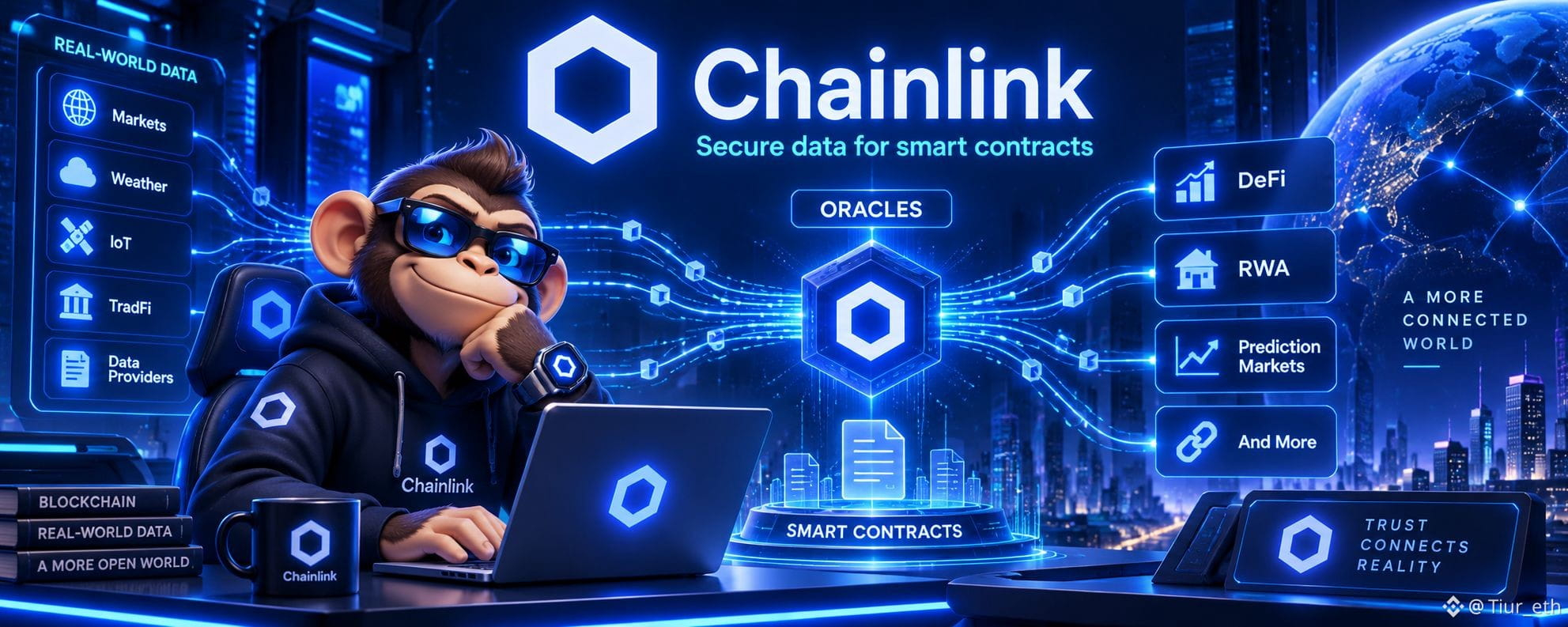
Chainlink ist weiterhin eine der wichtigsten Infrastruktur-Bestien im Krypto-Bereich
Krypto-Apps können nicht in Isolation leben.
DeFi braucht Preise.
#RWA braucht einen Beweis.
Vorhersagemärkte brauchen Ergebnisse.
Institutionen brauchen verlässliche Daten.
Darin bleibt #Chainlink nach wie vor wichtig.
$LINK befindet sich in einer der klarsten Infrastruktur-Storys in Krypto: das Verbinden von Smart Contracts mit Daten aus der realen Welt, Märkten und Finanzsystemen.
Das ist nicht die lauteste Erzählung, aber eine der praktischsten.
Ohne vertrauenswürdige Daten wird Onchain-Finanzierung blind.
Ohne Oracles funktionieren viele #defi Produkte schlicht nicht.
Natürlich bleiben Risiken. Der Wettbewerb ist stark, die Akzeptanz braucht Zeit, und Infrastruktur-Tokens benötigen echte Nutzung.
Aber die These ist klar.
Je mehr Finanzwesen auf die Blockchain verlagert wird, desto wichtiger werden verlässliche Daten.
Und Chainlink ist in dieser Kategorie immer noch einer der stärksten Namen.
Chainlink ist weiterhin eine der wichtigsten Infrastruktur-Bestien im Krypto-Bereich
Krypto-Apps können nicht in Isolation leben.
DeFi braucht Preise.
#RWA braucht einen Beweis.
Vorhersagemärkte brauchen Ergebnisse.
Institutionen brauchen verlässliche Daten.
Darin bleibt #Chainlink nach wie vor wichtig.
$LINK befindet sich in einer der klarsten Infrastruktur-Storys in Krypto: das Verbinden von Smart Contracts mit Daten aus der realen Welt, Märkten und Finanzsystemen.
Das ist nicht die lauteste Erzählung, aber eine der praktischsten.
Ohne vertrauenswürdige Daten wird Onchain-Finanzierung blind.
Ohne Oracles funktionieren viele #defi Produkte schlicht nicht.
Natürlich bleiben Risiken. Der Wettbewerb ist stark, die Akzeptanz braucht Zeit, und Infrastruktur-Tokens benötigen echte Nutzung.
Aber die These ist klar.
Je mehr Finanzwesen auf die Blockchain verlagert wird, desto wichtiger werden verlässliche Daten.
Und Chainlink ist in dieser Kategorie immer noch einer der stärksten Namen.
Krypto-Apps können nicht in Isolation leben.
DeFi braucht Preise.
#RWA braucht einen Beweis.
Vorhersagemärkte brauchen Ergebnisse.
Institutionen brauchen verlässliche Daten.
Darin bleibt #Chainlink nach wie vor wichtig.
$LINK befindet sich in einer der klarsten Infrastruktur-Storys in Krypto: das Verbinden von Smart Contracts mit Daten aus der realen Welt, Märkten und Finanzsystemen.
Das ist nicht die lauteste Erzählung, aber eine der praktischsten.
Ohne vertrauenswürdige Daten wird Onchain-Finanzierung blind.
Ohne Oracles funktionieren viele #defi Produkte schlicht nicht.
Natürlich bleiben Risiken. Der Wettbewerb ist stark, die Akzeptanz braucht Zeit, und Infrastruktur-Tokens benötigen echte Nutzung.
Aber die These ist klar.
Je mehr Finanzwesen auf die Blockchain verlagert wird, desto wichtiger werden verlässliche Daten.
Und Chainlink ist in dieser Kategorie immer noch einer der stärksten Namen.
1
122
·
--
Bullisch
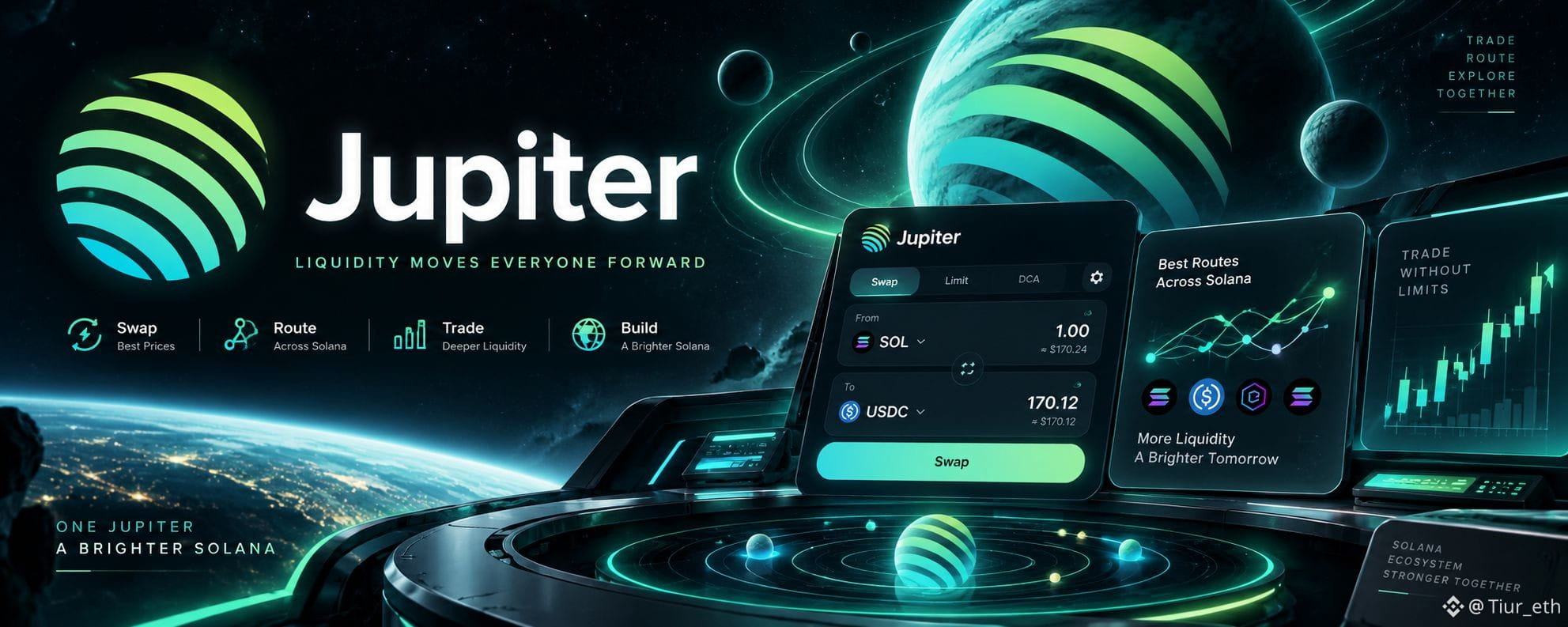
Jupiter ist eine der stärksten DeFi-Wetten von Solana
Solana braucht mehr als nur Tempo.
Es braucht Liquidität, Routing, Handels-Tools, Lending, Perps, Portfolio-Management und Produkte, die Nutzer jeden Tag verwenden.
Genau dort wird Jupiter interessant.
Jupiter beschreibt sich selbst als eine Börse für #solana , bei der Nutzer Tokens tauschen, verleihen, leihen/aufnehmen, Perps handeln und #defi Positionen an einem Ort verwalten können.
$JUP sitzt inmitten dieser Aktivitätsschicht.
Die These ist einfach.
Wenn Solana weiterhin Trader, Builder, Memecoins, DeFi-Apps und Retail-Liquidität anzieht, wird Infrastruktur wie Jupiter immer schwerer zu ignorieren.
Natürlich bleiben Risiken. Der Wettbewerb ist stark, Liquidität bewegt sich schnell, und die Aktivität auf Solana kann zyklisch sein.
Aber die Richtung ist klar.
Krypto braucht Produkte, die Menschen tatsächlich nutzen.
Und #jupiter ist einer der Namen, die dicht an Solanas täglichem DeFi-Flow dranstehen.
Jupiter ist eine der stärksten DeFi-Wetten von Solana
Solana braucht mehr als nur Tempo.
Es braucht Liquidität, Routing, Handels-Tools, Lending, Perps, Portfolio-Management und Produkte, die Nutzer jeden Tag verwenden.
Genau dort wird Jupiter interessant.
Jupiter beschreibt sich selbst als eine Börse für #solana , bei der Nutzer Tokens tauschen, verleihen, leihen/aufnehmen, Perps handeln und #defi Positionen an einem Ort verwalten können.
$JUP sitzt inmitten dieser Aktivitätsschicht.
Die These ist einfach.
Wenn Solana weiterhin Trader, Builder, Memecoins, DeFi-Apps und Retail-Liquidität anzieht, wird Infrastruktur wie Jupiter immer schwerer zu ignorieren.
Natürlich bleiben Risiken. Der Wettbewerb ist stark, Liquidität bewegt sich schnell, und die Aktivität auf Solana kann zyklisch sein.
Aber die Richtung ist klar.
Krypto braucht Produkte, die Menschen tatsächlich nutzen.
Und #jupiter ist einer der Namen, die dicht an Solanas täglichem DeFi-Flow dranstehen.
Solana braucht mehr als nur Tempo.
Es braucht Liquidität, Routing, Handels-Tools, Lending, Perps, Portfolio-Management und Produkte, die Nutzer jeden Tag verwenden.
Genau dort wird Jupiter interessant.
Jupiter beschreibt sich selbst als eine Börse für #solana , bei der Nutzer Tokens tauschen, verleihen, leihen/aufnehmen, Perps handeln und #defi Positionen an einem Ort verwalten können.
$JUP sitzt inmitten dieser Aktivitätsschicht.
Die These ist einfach.
Wenn Solana weiterhin Trader, Builder, Memecoins, DeFi-Apps und Retail-Liquidität anzieht, wird Infrastruktur wie Jupiter immer schwerer zu ignorieren.
Natürlich bleiben Risiken. Der Wettbewerb ist stark, Liquidität bewegt sich schnell, und die Aktivität auf Solana kann zyklisch sein.
Aber die Richtung ist klar.
Krypto braucht Produkte, die Menschen tatsächlich nutzen.
Und #jupiter ist einer der Namen, die dicht an Solanas täglichem DeFi-Flow dranstehen.
1
161
·
--
Bullisch
Shiba Inu ist immer noch eines der stärksten Community-Assets im Krypto-Bereich
Krypto geht nicht nur um Technologie.
Es geht auch um Aufmerksamkeit, Kultur, Liquidität und Communities, die sich weigern, zu verschwinden.
Dort bleibt $SHIB weiterhin interessant.
Shiba Inu begann als Meme-Asset, hat aber weitaus länger überlebt, als die meisten Menschen erwartet hatten. Und in Krypto zählt das Überleben.
Viele Tokens bekommen eine einzige Aufmerksamkeitsrunde und verschwinden dann.
#SHIB blieb erkennbar.
Es behielt seine Community.
Es blieb liquide.
Es wurde zu einem der wenigen #memecoins , die in Krypto fast jeder beim Namen kennt.
Natürlich bleiben Risiken. Meme-Assets sind volatil, die Aufmerksamkeit kann sich schnell verlagern, und Community allein reicht nicht für immer.
Doch die These ist klar.
Krypto-Kultur schafft Märkte.
Märkte schaffen Liquidität.
Liquidität hält die Aufmerksamkeit am Leben.
Und SHIB ist immer noch eines der stärksten Beispiele für diese Schleife.
Shiba Inu ist immer noch eines der stärksten Community-Assets im Krypto-Bereich
Krypto geht nicht nur um Technologie.
Es geht auch um Aufmerksamkeit, Kultur, Liquidität und Communities, die sich weigern, zu verschwinden.
Dort bleibt $SHIB weiterhin interessant.
Shiba Inu begann als Meme-Asset, hat aber weitaus länger überlebt, als die meisten Menschen erwartet hatten. Und in Krypto zählt das Überleben.
Viele Tokens bekommen eine einzige Aufmerksamkeitsrunde und verschwinden dann.
#SHIB blieb erkennbar.
Es behielt seine Community.
Es blieb liquide.
Es wurde zu einem der wenigen #memecoins , die in Krypto fast jeder beim Namen kennt.
Natürlich bleiben Risiken. Meme-Assets sind volatil, die Aufmerksamkeit kann sich schnell verlagern, und Community allein reicht nicht für immer.
Doch die These ist klar.
Krypto-Kultur schafft Märkte.
Märkte schaffen Liquidität.
Liquidität hält die Aufmerksamkeit am Leben.
Und SHIB ist immer noch eines der stärksten Beispiele für diese Schleife.
Krypto geht nicht nur um Technologie.
Es geht auch um Aufmerksamkeit, Kultur, Liquidität und Communities, die sich weigern, zu verschwinden.
Dort bleibt $SHIB weiterhin interessant.
Shiba Inu begann als Meme-Asset, hat aber weitaus länger überlebt, als die meisten Menschen erwartet hatten. Und in Krypto zählt das Überleben.
Viele Tokens bekommen eine einzige Aufmerksamkeitsrunde und verschwinden dann.
#SHIB blieb erkennbar.
Es behielt seine Community.
Es blieb liquide.
Es wurde zu einem der wenigen #memecoins , die in Krypto fast jeder beim Namen kennt.
Natürlich bleiben Risiken. Meme-Assets sind volatil, die Aufmerksamkeit kann sich schnell verlagern, und Community allein reicht nicht für immer.
Doch die These ist klar.
Krypto-Kultur schafft Märkte.
Märkte schaffen Liquidität.
Liquidität hält die Aufmerksamkeit am Leben.
Und SHIB ist immer noch eines der stärksten Beispiele für diese Schleife.

2
173
·
--
Bullisch
Hyperliquid ist eine der saubersten Onchain-Trading-Wetten
Der Krypto-Handel nimmt nicht ab.
Nutzer wünschen sich Geschwindigkeit, Liquidität, geringe Reibung und Märkte, die sich reibungslos anfühlen, ohne auf Onchain-Transparenz zu verzichten.
Genau dort wird <c-1/> #Hyperliquid interessant.
$HYPE befindet sich in einem Ökosystem, das um dezentrale Börsen/Trading-Plattformen, Perps, Liquidität und eine leistungsstarke Onchain-Ausführung aufgebaut ist.
Die These ist einfach.
Wenn #defi sich weiter über einfache Swaps und Lending hinaus bewegt, wird die Trading-Infrastruktur noch wichtiger.
Perps brauchen tiefe Liquidität.
Trader brauchen schnelle Ausführung.
Builder brauchen Märkte, die echte Aktivität unterstützen können.
Natürlich bleiben Risiken. Der Wettbewerb ist stark, Liquidität kann sich schnell verlagern, und Trading-Narrative sind volatil.
Aber Hyperliquid ist bereits zu einem der meistbeachteten Namen in Onchain-Märkten geworden.
Und wenn der dezentrale Handel weiter wächst, verdient #hype ernsthafte Aufmerksamkeit.
Hyperliquid ist eine der saubersten Onchain-Trading-Wetten
Der Krypto-Handel nimmt nicht ab.
Nutzer wünschen sich Geschwindigkeit, Liquidität, geringe Reibung und Märkte, die sich reibungslos anfühlen, ohne auf Onchain-Transparenz zu verzichten.
Genau dort wird <c-1/> #Hyperliquid interessant.
$HYPE befindet sich in einem Ökosystem, das um dezentrale Börsen/Trading-Plattformen, Perps, Liquidität und eine leistungsstarke Onchain-Ausführung aufgebaut ist.
Die These ist einfach.
Wenn #defi sich weiter über einfache Swaps und Lending hinaus bewegt, wird die Trading-Infrastruktur noch wichtiger.
Perps brauchen tiefe Liquidität.
Trader brauchen schnelle Ausführung.
Builder brauchen Märkte, die echte Aktivität unterstützen können.
Natürlich bleiben Risiken. Der Wettbewerb ist stark, Liquidität kann sich schnell verlagern, und Trading-Narrative sind volatil.
Aber Hyperliquid ist bereits zu einem der meistbeachteten Namen in Onchain-Märkten geworden.
Und wenn der dezentrale Handel weiter wächst, verdient #hype ernsthafte Aufmerksamkeit.
Der Krypto-Handel nimmt nicht ab.
Nutzer wünschen sich Geschwindigkeit, Liquidität, geringe Reibung und Märkte, die sich reibungslos anfühlen, ohne auf Onchain-Transparenz zu verzichten.
Genau dort wird <c-1/> #Hyperliquid interessant.
$HYPE befindet sich in einem Ökosystem, das um dezentrale Börsen/Trading-Plattformen, Perps, Liquidität und eine leistungsstarke Onchain-Ausführung aufgebaut ist.
Die These ist einfach.
Wenn #defi sich weiter über einfache Swaps und Lending hinaus bewegt, wird die Trading-Infrastruktur noch wichtiger.
Perps brauchen tiefe Liquidität.
Trader brauchen schnelle Ausführung.
Builder brauchen Märkte, die echte Aktivität unterstützen können.
Natürlich bleiben Risiken. Der Wettbewerb ist stark, Liquidität kann sich schnell verlagern, und Trading-Narrative sind volatil.
Aber Hyperliquid ist bereits zu einem der meistbeachteten Namen in Onchain-Märkten geworden.
Und wenn der dezentrale Handel weiter wächst, verdient #hype ernsthafte Aufmerksamkeit.

2
132
Anmelden und weiter Inhalte entdecken
Krypto-Nutzer weltweit auf Binance Square kennenlernen
⚡️ Bleib in Sachen Krypto stets am Puls.
💬 Die weltgrößte Kryptobörse vertraut darauf.
👍 Erhalte verlässliche Einblicke von verifizierten Creators.
E-Mail-Adresse/Telefonnummer
Trendthemen
BinanceLaunchesBinanceIntelligence
366,753 Aufrufe
2,925 Kommentare
#BinanceLaunchesBinanceIntelligence
📢 Was ist Binance Intelligence?
$NVDAB
$BTC
$AAPLB
Binance hat Binance Intelligence offiziell gestartet – eine neue Plattform, die Nutzerinnen und Nutzern Einblicke in den Markt in Echtzeit, datengestützte Analysen und intelligentere Entscheidungshilfen bietet.
Wichtige Funktionen:
- 📊 Kryptomarktdaten in Echtzeit – aktuelle Trends, Kursbewegungen & Markttiefe
- 🧠 KI-gestützte Analysen – intelligente Prognosen & Mustererkennung
- 📰 Nachrichten & Auswirkungsverfolgung – wie Ereignisse den Markt bewegen
- 📈 Portfolioanalysen – Überblick über die Performance & Risikomanagement
- 🔍 Umfassende Recherchetools – umfassende Daten für fundierte Handelsentscheidungen
#BinanceLaunchesBinanceIntelligence
#BinanceSquareFamily
#BinanceLaunchesBinanceIntelligence
#BinanceIntelligence
#Binance
Hawk Manan 1
·0 Likes
·212 Aufrufe
BitcoinTargets2026OpenAt$87570
1,802 Aufrufe
62 Kommentare
BitcoinRejectedAt$87KThirdTime
1,908 Aufrufe
52 Kommentare