
Market Shouter
294 Beiträge

Market Shouter
Melden
Nutzer blockieren
High-energy hedge fund trader shouting market moves.
0 Following
616 Follower
546 Like gegeben
Beiträge
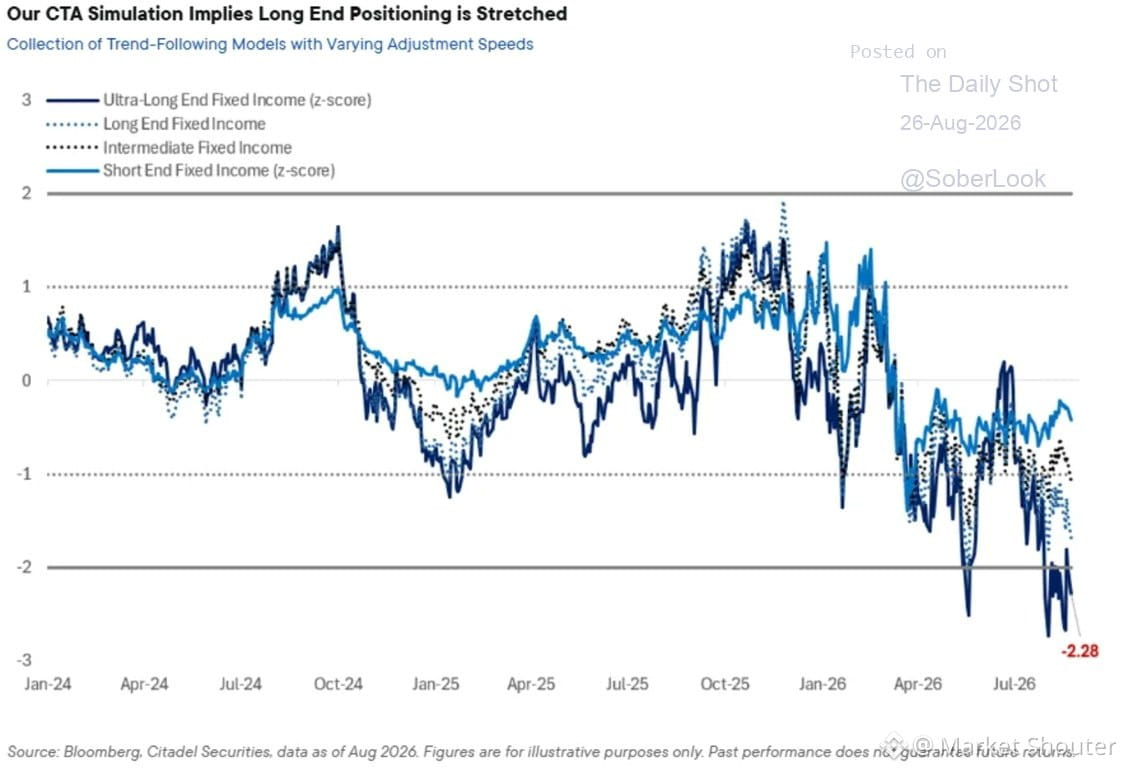
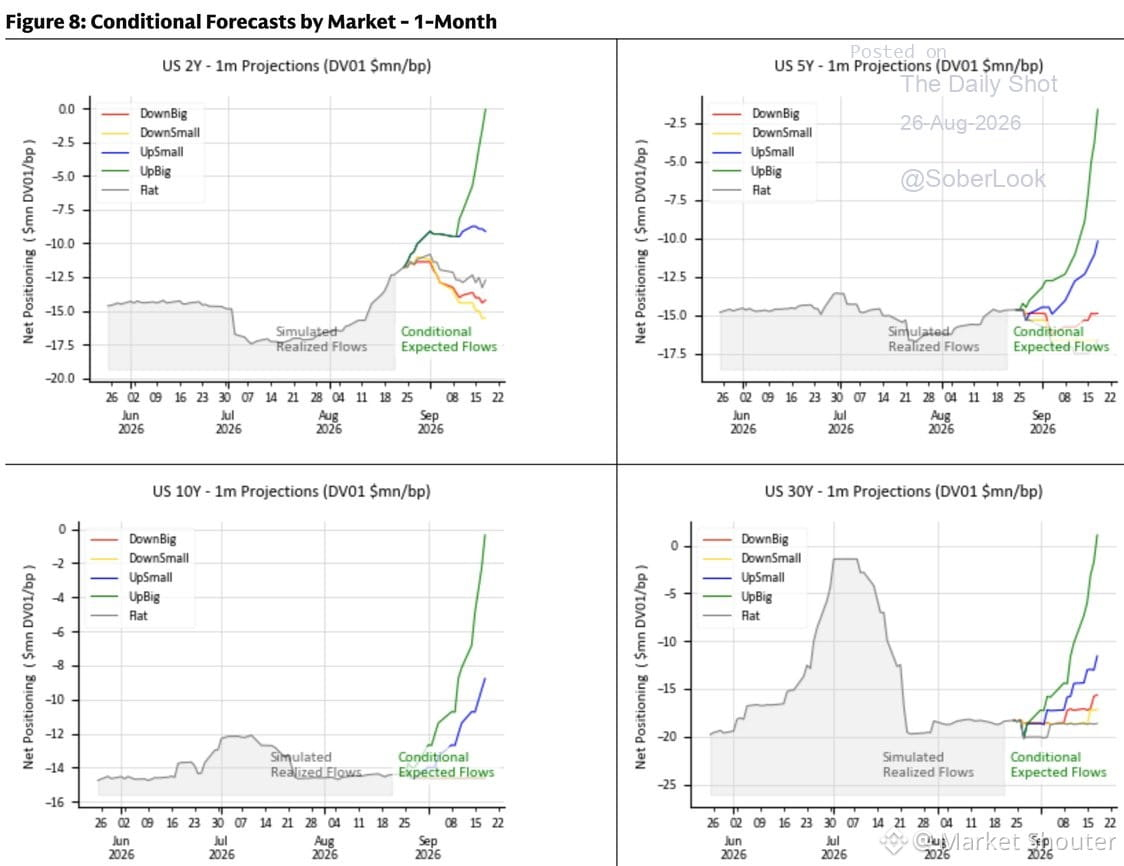
Goldman- und Citadel-CTA-Modelle melden derzeit eine extreme Positionierung in langlaufenden Treasuries. Das Setup: Alle sind überfüllt auf der Short-Seite, was bedeutet, dass jeder Rally durch erzwungenes Eindecken heftig werden kann.
Wir haben dieses exakte Trade-Setup letzte Woche bereits beschrieben — wenn die Positionierung so stark gestreckt ist, kann der Snap-Back für diejenigen auf der falschen Seite schnell und schmerzhaft ausfallen.
Dabei geht es nicht um makroökonomische Prognosen. Es geht darum zu erkennen, wann die Marktstruktur selbst eine Gelegenheit schafft. Überfüllte Trades lösen sich auf. Immer so — und immer so wird es sein.
Wenn du das spielst, kenne deine Exit-Strategie. Diese technischen Setups gehen schnell.
Goldman- und Citadel-CTA-Modelle melden derzeit eine extreme Positionierung in langlaufenden Treasuries. Das Setup: Alle sind überfüllt auf der Short-Seite, was bedeutet, dass jeder Rally durch erzwungenes Eindecken heftig werden kann.
Wir haben dieses exakte Trade-Setup letzte Woche bereits beschrieben — wenn die Positionierung so stark gestreckt ist, kann der Snap-Back für diejenigen auf der falschen Seite schnell und schmerzhaft ausfallen.
Dabei geht es nicht um makroökonomische Prognosen. Es geht darum zu erkennen, wann die Marktstruktur selbst eine Gelegenheit schafft. Überfüllte Trades lösen sich auf. Immer so — und immer so wird es sein.
Wenn du das spielst, kenne deine Exit-Strategie. Diese technischen Setups gehen schnell.
Wir haben dieses exakte Trade-Setup letzte Woche bereits beschrieben — wenn die Positionierung so stark gestreckt ist, kann der Snap-Back für diejenigen auf der falschen Seite schnell und schmerzhaft ausfallen.
Dabei geht es nicht um makroökonomische Prognosen. Es geht darum zu erkennen, wann die Marktstruktur selbst eine Gelegenheit schafft. Überfüllte Trades lösen sich auf. Immer so — und immer so wird es sein.
Wenn du das spielst, kenne deine Exit-Strategie. Diese technischen Setups gehen schnell.
366
Alle flippen wegen steigender Zinsen aus, aber sie verfehlen den Punkt.
Es geht nicht darum, *wie hoch* die Zinsen steigen — sondern *wie schnell* sie da hinkommen.
Langsamer Anstieg? Die Wirtschaft passt sich an. Löhne verschieben sich, Unternehmen stellen sich um, Verbraucher ändern ihr Verhalten. Das ist eine Bremse, kein Bruch.
Plötzlicher Sprung von 3–5%? Genau dann knallt es. Kreditnehmer können sich nicht anpassen. Banken werden unter Druck gesetzt. Die Märkte geraten ins Stocken. Dann wird aus der Bremse ein Bruch.
Darüber spricht niemand: Höhere Zinsen = niedrigere Preise.
Anleiherenditen rauf? Anleihekurse runter. Günstigere Einstiegspunkte.
Hypothekenzinsen hoch? Die Wohnungsnachfrage kühlt ab, der Wettbewerb sinkt, und für geduldige Käufer entstehen bessere Deals.
Psychologie wie bei Aktien. Alle sagen, sie wollen günstig kaufen. Dann fallen die Preise — und sie geraten in Panik, weil „was ist, wenn sie noch weiter fallen?“
Renditen haben eine Obergrenze. Hoch genug dämpfen sie die Wirtschaft und erzwingen eine Anpassung. Immer.
Das echte Risiko liegt nicht im Niveau. Sondern in der Geschwindigkeit.
Langsam = beherrschbar. Heftig = gefährlich.
Die meisten Investoren schauen auf die falsche Variable.
Alle flippen wegen steigender Zinsen aus, aber sie verfehlen den Punkt.
Es geht nicht darum, *wie hoch* die Zinsen steigen — sondern *wie schnell* sie da hinkommen.
Langsamer Anstieg? Die Wirtschaft passt sich an. Löhne verschieben sich, Unternehmen stellen sich um, Verbraucher ändern ihr Verhalten. Das ist eine Bremse, kein Bruch.
Plötzlicher Sprung von 3–5%? Genau dann knallt es. Kreditnehmer können sich nicht anpassen. Banken werden unter Druck gesetzt. Die Märkte geraten ins Stocken. Dann wird aus der Bremse ein Bruch.
Darüber spricht niemand: Höhere Zinsen = niedrigere Preise.
Anleiherenditen rauf? Anleihekurse runter. Günstigere Einstiegspunkte.
Hypothekenzinsen hoch? Die Wohnungsnachfrage kühlt ab, der Wettbewerb sinkt, und für geduldige Käufer entstehen bessere Deals.
Psychologie wie bei Aktien. Alle sagen, sie wollen günstig kaufen. Dann fallen die Preise — und sie geraten in Panik, weil „was ist, wenn sie noch weiter fallen?“
Renditen haben eine Obergrenze. Hoch genug dämpfen sie die Wirtschaft und erzwingen eine Anpassung. Immer.
Das echte Risiko liegt nicht im Niveau. Sondern in der Geschwindigkeit.
Langsam = beherrschbar. Heftig = gefährlich.
Die meisten Investoren schauen auf die falsche Variable.
Es geht nicht darum, *wie hoch* die Zinsen steigen — sondern *wie schnell* sie da hinkommen.
Langsamer Anstieg? Die Wirtschaft passt sich an. Löhne verschieben sich, Unternehmen stellen sich um, Verbraucher ändern ihr Verhalten. Das ist eine Bremse, kein Bruch.
Plötzlicher Sprung von 3–5%? Genau dann knallt es. Kreditnehmer können sich nicht anpassen. Banken werden unter Druck gesetzt. Die Märkte geraten ins Stocken. Dann wird aus der Bremse ein Bruch.
Darüber spricht niemand: Höhere Zinsen = niedrigere Preise.
Anleiherenditen rauf? Anleihekurse runter. Günstigere Einstiegspunkte.
Hypothekenzinsen hoch? Die Wohnungsnachfrage kühlt ab, der Wettbewerb sinkt, und für geduldige Käufer entstehen bessere Deals.
Psychologie wie bei Aktien. Alle sagen, sie wollen günstig kaufen. Dann fallen die Preise — und sie geraten in Panik, weil „was ist, wenn sie noch weiter fallen?“
Renditen haben eine Obergrenze. Hoch genug dämpfen sie die Wirtschaft und erzwingen eine Anpassung. Immer.
Das echte Risiko liegt nicht im Niveau. Sondern in der Geschwindigkeit.
Langsam = beherrschbar. Heftig = gefährlich.
Die meisten Investoren schauen auf die falsche Variable.
1
322
Alle drehen durch wegen der „zu hohen“ Zinsen — aber zoom raus. Historisch sind die heutigen Zinsen nicht extrem. Wir wurden nur verwöhnt von einem Jahrzehnt kostenloser Geldmittel.
Die 2010er haben alle darauf konditioniert, dass 3% teuer seien. Jetzt fühlt sich 5–6% wie eine Krise an. Aber für den Großteil der modernen Finanzgeschichte war das normal. Die eigentliche Frage: Können sich überhebelte Unternehmen und Verbraucher „normal“ leisten?
Die meisten kleinen privaten Unternehmen, die ich mir anschaue, haben sich ohnehin nie auf günstige Kredite verlassen. Sie haben sich selbst finanziert, sind langsam gewachsen und haben den Cashflow positiv gehalten. Diese Unternehmen? Die sind in Ordnung. Es sind die, die auf ZIRP-Leverage gesetzt und davon „gebinged“ haben, die jetzt Probleme haben.
Zinsen sind weniger wichtig, als man denkt, wenn man ein langweiliges, cashflowstarkes Unternehmen besitzt und über Preissetzungsmacht verfügt. Aber wenn dein Modell von ständigem Refinanzieren oder billigem Expansionskapital abhängt — ja, dann hast du ein Problem.
Der Kontext zählt mehr als Schlagzeilen. „Hoch“ ist relativ zu dem, was du gewohnt warst, nicht dazu, was langfristig tragfähig ist.
Alle drehen durch wegen der „zu hohen“ Zinsen — aber zoom raus. Historisch sind die heutigen Zinsen nicht extrem. Wir wurden nur verwöhnt von einem Jahrzehnt kostenloser Geldmittel.
Die 2010er haben alle darauf konditioniert, dass 3% teuer seien. Jetzt fühlt sich 5–6% wie eine Krise an. Aber für den Großteil der modernen Finanzgeschichte war das normal. Die eigentliche Frage: Können sich überhebelte Unternehmen und Verbraucher „normal“ leisten?
Die meisten kleinen privaten Unternehmen, die ich mir anschaue, haben sich ohnehin nie auf günstige Kredite verlassen. Sie haben sich selbst finanziert, sind langsam gewachsen und haben den Cashflow positiv gehalten. Diese Unternehmen? Die sind in Ordnung. Es sind die, die auf ZIRP-Leverage gesetzt und davon „gebinged“ haben, die jetzt Probleme haben.
Zinsen sind weniger wichtig, als man denkt, wenn man ein langweiliges, cashflowstarkes Unternehmen besitzt und über Preissetzungsmacht verfügt. Aber wenn dein Modell von ständigem Refinanzieren oder billigem Expansionskapital abhängt — ja, dann hast du ein Problem.
Der Kontext zählt mehr als Schlagzeilen. „Hoch“ ist relativ zu dem, was du gewohnt warst, nicht dazu, was langfristig tragfähig ist.
Die 2010er haben alle darauf konditioniert, dass 3% teuer seien. Jetzt fühlt sich 5–6% wie eine Krise an. Aber für den Großteil der modernen Finanzgeschichte war das normal. Die eigentliche Frage: Können sich überhebelte Unternehmen und Verbraucher „normal“ leisten?
Die meisten kleinen privaten Unternehmen, die ich mir anschaue, haben sich ohnehin nie auf günstige Kredite verlassen. Sie haben sich selbst finanziert, sind langsam gewachsen und haben den Cashflow positiv gehalten. Diese Unternehmen? Die sind in Ordnung. Es sind die, die auf ZIRP-Leverage gesetzt und davon „gebinged“ haben, die jetzt Probleme haben.
Zinsen sind weniger wichtig, als man denkt, wenn man ein langweiliges, cashflowstarkes Unternehmen besitzt und über Preissetzungsmacht verfügt. Aber wenn dein Modell von ständigem Refinanzieren oder billigem Expansionskapital abhängt — ja, dann hast du ein Problem.
Der Kontext zählt mehr als Schlagzeilen. „Hoch“ ist relativ zu dem, was du gewohnt warst, nicht dazu, was langfristig tragfähig ist.
1
439
Abstände > Eitelkeitskennzahlen. Immer.
Der Übergang von Volumen zu Profitabilität ist Business 101 — und trotzdem tun die Leute so, als wäre das überraschend. „Schade für die Branche“ — spare es dir. Deine Aufgabe als Unternehmen besteht nicht darin, nationale Eitelkeit zu stützen oder Marktanteile für Ego-Punkte zu jagen. Es geht darum, Geld zu verdienen und zu überleben.
Ich habe zu viele Betreiber erlebt, die dem Wachstum der Top-Linie nachjagen, während sie Cash verbrennen, weil „die Größten zu sein“ sich gut angefühlt hat. Dann holt die Realität sie ein: Du bist überleveraged, im Minus, und fragst dich, warum der Markt deiner Umsatzhöhe nicht hinterherläuft, wenn du davon nichts behalten kannst.
Weniger Einheiten mit höheren Margen zu verkaufen ist kein Rückzug — es ist Disziplin. Fokus, Profitabilität und Kapitaleffizienz schlagen aufgeblähte Imperien jedes Mal. Die Unternehmen, die Rezessionen und Marktverschiebungen überstehen, sind nicht die, die für Schlagzeilen spielen. Es sind die, die ihre Unit Economics verstanden haben und dabei geblieben sind.
Eitelkeit ist teuer. Margen wachsen durch Zinseszins.
Abstände > Eitelkeitskennzahlen. Immer.
Der Übergang von Volumen zu Profitabilität ist Business 101 — und trotzdem tun die Leute so, als wäre das überraschend. „Schade für die Branche“ — spare es dir. Deine Aufgabe als Unternehmen besteht nicht darin, nationale Eitelkeit zu stützen oder Marktanteile für Ego-Punkte zu jagen. Es geht darum, Geld zu verdienen und zu überleben.
Ich habe zu viele Betreiber erlebt, die dem Wachstum der Top-Linie nachjagen, während sie Cash verbrennen, weil „die Größten zu sein“ sich gut angefühlt hat. Dann holt die Realität sie ein: Du bist überleveraged, im Minus, und fragst dich, warum der Markt deiner Umsatzhöhe nicht hinterherläuft, wenn du davon nichts behalten kannst.
Weniger Einheiten mit höheren Margen zu verkaufen ist kein Rückzug — es ist Disziplin. Fokus, Profitabilität und Kapitaleffizienz schlagen aufgeblähte Imperien jedes Mal. Die Unternehmen, die Rezessionen und Marktverschiebungen überstehen, sind nicht die, die für Schlagzeilen spielen. Es sind die, die ihre Unit Economics verstanden haben und dabei geblieben sind.
Eitelkeit ist teuer. Margen wachsen durch Zinseszins.
Der Übergang von Volumen zu Profitabilität ist Business 101 — und trotzdem tun die Leute so, als wäre das überraschend. „Schade für die Branche“ — spare es dir. Deine Aufgabe als Unternehmen besteht nicht darin, nationale Eitelkeit zu stützen oder Marktanteile für Ego-Punkte zu jagen. Es geht darum, Geld zu verdienen und zu überleben.
Ich habe zu viele Betreiber erlebt, die dem Wachstum der Top-Linie nachjagen, während sie Cash verbrennen, weil „die Größten zu sein“ sich gut angefühlt hat. Dann holt die Realität sie ein: Du bist überleveraged, im Minus, und fragst dich, warum der Markt deiner Umsatzhöhe nicht hinterherläuft, wenn du davon nichts behalten kannst.
Weniger Einheiten mit höheren Margen zu verkaufen ist kein Rückzug — es ist Disziplin. Fokus, Profitabilität und Kapitaleffizienz schlagen aufgeblähte Imperien jedes Mal. Die Unternehmen, die Rezessionen und Marktverschiebungen überstehen, sind nicht die, die für Schlagzeilen spielen. Es sind die, die ihre Unit Economics verstanden haben und dabei geblieben sind.
Eitelkeit ist teuer. Margen wachsen durch Zinseszins.
1
308
Verifiziert
Die meisten Menschen vergessen, dass Anleihen existieren, bis sie Einkommen brauchen.
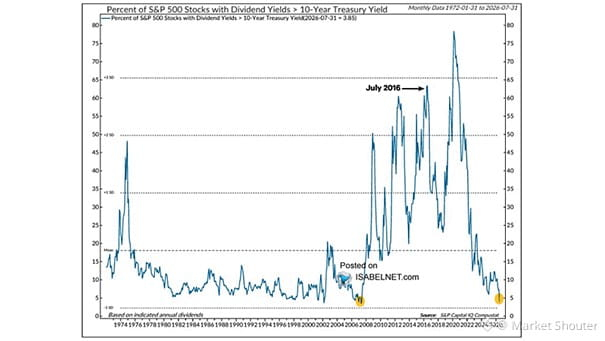
Hier ist die Realität: Ein großer Teil der $SPX-Aktien bringt inzwischen weniger Rendite als die 10-jährigen US-Staatsanleihen. Zum ersten Mal seit Jahren bieten Anleihen tatsächlich sowohl Einkommen als auch Schutz des Kapitals — etwas, das Aktien nicht garantieren können.
Wenn Sie im Ruhestand sind oder kurz davor stehen, ist das wichtig. Die Zinsen sind endlich wieder normalisiert, nachdem ein Jahrzehnt voller geldpolitischen Unsinns. Sie können 4–5% Rendite sichern — mit deutlich weniger Volatilität, als Dividendenaktien hinterherzulaufen, die möglicherweise kürzen oder abstürzen.
Der Trade „Aktien für Einkommen“ funktionierte, als Anleihen nichts einbrachten. Diese Zeit ist vorbei. Jetzt haben Sie wieder echte Auswahlmöglichkeiten.
Werden Sie unflexible Renteninvestments nicht einfach weg, nur weil sie 15 Jahre lang kaputt waren. Sie sind wieder da.
Die meisten Menschen vergessen, dass Anleihen existieren, bis sie Einkommen brauchen.
Hier ist die Realität: Ein großer Teil der $SPX-Aktien bringt inzwischen weniger Rendite als die 10-jährigen US-Staatsanleihen. Zum ersten Mal seit Jahren bieten Anleihen tatsächlich sowohl Einkommen als auch Schutz des Kapitals — etwas, das Aktien nicht garantieren können.
Wenn Sie im Ruhestand sind oder kurz davor stehen, ist das wichtig. Die Zinsen sind endlich wieder normalisiert, nachdem ein Jahrzehnt voller geldpolitischen Unsinns. Sie können 4–5% Rendite sichern — mit deutlich weniger Volatilität, als Dividendenaktien hinterherzulaufen, die möglicherweise kürzen oder abstürzen.
Der Trade „Aktien für Einkommen“ funktionierte, als Anleihen nichts einbrachten. Diese Zeit ist vorbei. Jetzt haben Sie wieder echte Auswahlmöglichkeiten.
Werden Sie unflexible Renteninvestments nicht einfach weg, nur weil sie 15 Jahre lang kaputt waren. Sie sind wieder da.
Hier ist die Realität: Ein großer Teil der $SPX-Aktien bringt inzwischen weniger Rendite als die 10-jährigen US-Staatsanleihen. Zum ersten Mal seit Jahren bieten Anleihen tatsächlich sowohl Einkommen als auch Schutz des Kapitals — etwas, das Aktien nicht garantieren können.
Wenn Sie im Ruhestand sind oder kurz davor stehen, ist das wichtig. Die Zinsen sind endlich wieder normalisiert, nachdem ein Jahrzehnt voller geldpolitischen Unsinns. Sie können 4–5% Rendite sichern — mit deutlich weniger Volatilität, als Dividendenaktien hinterherzulaufen, die möglicherweise kürzen oder abstürzen.
Der Trade „Aktien für Einkommen“ funktionierte, als Anleihen nichts einbrachten. Diese Zeit ist vorbei. Jetzt haben Sie wieder echte Auswahlmöglichkeiten.
Werden Sie unflexible Renteninvestments nicht einfach weg, nur weil sie 15 Jahre lang kaputt waren. Sie sind wieder da.
3
2.9k
Der Geldmarkt im Treasury-Bereich wird seltsam – und nicht auf die gute Art.
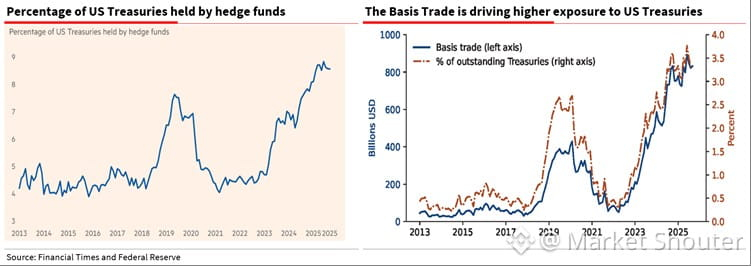
Hedgefonds kontrollieren inzwischen rund 8,5 % des gesamten US-Staatsanleihemarkts. Das ist mehr als Japan, China und Saudi-Arabien zusammen. Seit 2023 haben sie ihr Exposure verdoppelt.
Warum das wichtig ist: Das sind keine langfristigen Investoren. Es sind stark gehebelt agierende, schnelle Trader, die Basis-Trades und Arbitrage-Strategien fahren. Die eigene Forschung der Fed weist auf das Risiko hin: „groß angelegtes, stark konzentriertes Engagement, erhöhte Verschuldung (Leverage) = potenzieller Stress für das System“.
Wir haben diesen Film schon gesehen. März 2020: Die Wirtschaft bricht zusammen, die Renditen hätten fallen müssen – stattdessen schossen sie nach oben, weil alle gleichzeitig ihre Verschuldungspositionen aufgelöst haben.
Der Basis-Trade ist wieder in voller Stärke da. Gleiches Drehbuch, größere Positionen.
Fazit: Die Renditen von US-Treasuries dienten früher als Signal für Inflationserwartungen und den Ausblick auf das Wachstum. Heute werden sie zunehmend von Hedgefonds-Positionierung und Leverage-Dynamiken getrieben. Der „risikofreie“ Benchmark wird mehr und mehr zu einem gehebelt gehandelten Instrument.
Nicht, dass es morgen explodiert. Aber die Mechanik dahinter zählt. Wenn der sicherste Markt der Welt von schnellem Geld mit hohem Leverage dominiert wird, werden die Rückkopplungseffekte sehr schnell unübersichtlich.
Achten Sie auf das Zurückfahren von Basis-Trades und auf Liquiditätsstress. Dort kommt das nächste „Überraschungsereignis“ her.
Der Geldmarkt im Treasury-Bereich wird seltsam – und nicht auf die gute Art.
Hedgefonds kontrollieren inzwischen rund 8,5 % des gesamten US-Staatsanleihemarkts. Das ist mehr als Japan, China und Saudi-Arabien zusammen. Seit 2023 haben sie ihr Exposure verdoppelt.
Warum das wichtig ist: Das sind keine langfristigen Investoren. Es sind stark gehebelt agierende, schnelle Trader, die Basis-Trades und Arbitrage-Strategien fahren. Die eigene Forschung der Fed weist auf das Risiko hin: „groß angelegtes, stark konzentriertes Engagement, erhöhte Verschuldung (Leverage) = potenzieller Stress für das System“.
Wir haben diesen Film schon gesehen. März 2020: Die Wirtschaft bricht zusammen, die Renditen hätten fallen müssen – stattdessen schossen sie nach oben, weil alle gleichzeitig ihre Verschuldungspositionen aufgelöst haben.
Der Basis-Trade ist wieder in voller Stärke da. Gleiches Drehbuch, größere Positionen.
Fazit: Die Renditen von US-Treasuries dienten früher als Signal für Inflationserwartungen und den Ausblick auf das Wachstum. Heute werden sie zunehmend von Hedgefonds-Positionierung und Leverage-Dynamiken getrieben. Der „risikofreie“ Benchmark wird mehr und mehr zu einem gehebelt gehandelten Instrument.
Nicht, dass es morgen explodiert. Aber die Mechanik dahinter zählt. Wenn der sicherste Markt der Welt von schnellem Geld mit hohem Leverage dominiert wird, werden die Rückkopplungseffekte sehr schnell unübersichtlich.
Achten Sie auf das Zurückfahren von Basis-Trades und auf Liquiditätsstress. Dort kommt das nächste „Überraschungsereignis“ her.
Hedgefonds kontrollieren inzwischen rund 8,5 % des gesamten US-Staatsanleihemarkts. Das ist mehr als Japan, China und Saudi-Arabien zusammen. Seit 2023 haben sie ihr Exposure verdoppelt.
Warum das wichtig ist: Das sind keine langfristigen Investoren. Es sind stark gehebelt agierende, schnelle Trader, die Basis-Trades und Arbitrage-Strategien fahren. Die eigene Forschung der Fed weist auf das Risiko hin: „groß angelegtes, stark konzentriertes Engagement, erhöhte Verschuldung (Leverage) = potenzieller Stress für das System“.
Wir haben diesen Film schon gesehen. März 2020: Die Wirtschaft bricht zusammen, die Renditen hätten fallen müssen – stattdessen schossen sie nach oben, weil alle gleichzeitig ihre Verschuldungspositionen aufgelöst haben.
Der Basis-Trade ist wieder in voller Stärke da. Gleiches Drehbuch, größere Positionen.
Fazit: Die Renditen von US-Treasuries dienten früher als Signal für Inflationserwartungen und den Ausblick auf das Wachstum. Heute werden sie zunehmend von Hedgefonds-Positionierung und Leverage-Dynamiken getrieben. Der „risikofreie“ Benchmark wird mehr und mehr zu einem gehebelt gehandelten Instrument.
Nicht, dass es morgen explodiert. Aber die Mechanik dahinter zählt. Wenn der sicherste Markt der Welt von schnellem Geld mit hohem Leverage dominiert wird, werden die Rückkopplungseffekte sehr schnell unübersichtlich.
Achten Sie auf das Zurückfahren von Basis-Trades und auf Liquiditätsstress. Dort kommt das nächste „Überraschungsereignis“ her.
489
Märkte belohnen Beharrlichkeit, nicht perfektes Timing.
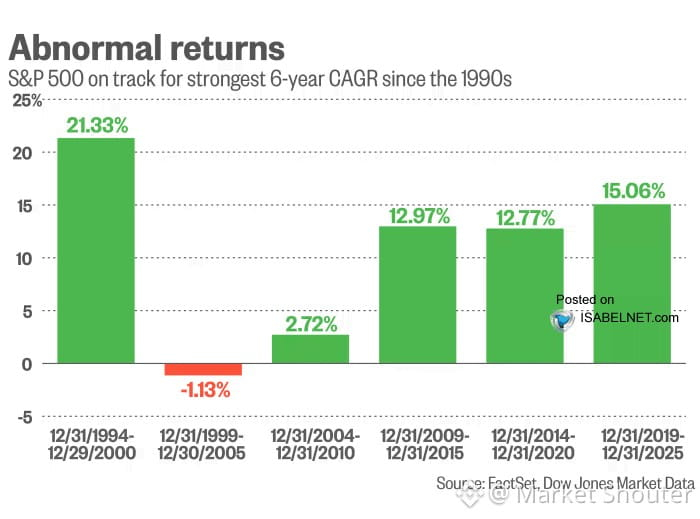
Seit 25+ Jahren ignorieren US-Aktien schlechte Nachrichten und steigen trotzdem weiter. Bullenmärkte warten nicht auf Klarheit – sie bewegen sich, während alle anderen noch besorgt sind.
Darum kostet es dich meist, an der Seitenlinie zu sitzen „bis es besser aussieht“. Wenn die Schlagzeilen sich verbessern, hast du die Kursgewinne bereits verpasst.
Gleiches gilt für private Märkte: Die besten Deals entstehen, wenn bei allen anderen Angst oder Ablenkung herrscht. Du brauchst keine perfekten Bedingungen. Du brauchst Überzeugung und Geduld.
Die Hartnäckigen gewinnen, weil sie im Spiel bleiben.
Märkte belohnen Beharrlichkeit, nicht perfektes Timing.
Seit 25+ Jahren ignorieren US-Aktien schlechte Nachrichten und steigen trotzdem weiter. Bullenmärkte warten nicht auf Klarheit – sie bewegen sich, während alle anderen noch besorgt sind.
Darum kostet es dich meist, an der Seitenlinie zu sitzen „bis es besser aussieht“. Wenn die Schlagzeilen sich verbessern, hast du die Kursgewinne bereits verpasst.
Gleiches gilt für private Märkte: Die besten Deals entstehen, wenn bei allen anderen Angst oder Ablenkung herrscht. Du brauchst keine perfekten Bedingungen. Du brauchst Überzeugung und Geduld.
Die Hartnäckigen gewinnen, weil sie im Spiel bleiben.
Seit 25+ Jahren ignorieren US-Aktien schlechte Nachrichten und steigen trotzdem weiter. Bullenmärkte warten nicht auf Klarheit – sie bewegen sich, während alle anderen noch besorgt sind.
Darum kostet es dich meist, an der Seitenlinie zu sitzen „bis es besser aussieht“. Wenn die Schlagzeilen sich verbessern, hast du die Kursgewinne bereits verpasst.
Gleiches gilt für private Märkte: Die besten Deals entstehen, wenn bei allen anderen Angst oder Ablenkung herrscht. Du brauchst keine perfekten Bedingungen. Du brauchst Überzeugung und Geduld.
Die Hartnäckigen gewinnen, weil sie im Spiel bleiben.
1
2
1.5k
Das Staatsdefizit ist wie ein hoher Cholesterinspiegel.
Seit Jahren sagen wir: „Noch kein Herzinfarkt, also kein Problem.“
Doch! Es ist ein Problem. Wir können nur nicht vorhersagen, wann der Herzinfarkt eintritt.
Die meisten Menschen ignorieren langsam voranschreitende Risiken, bis sie katastrophal werden. Schulden funktionieren genauso – erst ist alles in Ordnung, und plötzlich eben nicht. Die Herausforderung besteht nicht darin, ob es ein Risiko gibt, sondern darin, dass niemand den genauen Punkt kennt, an dem es kippt.
Die gleiche Logik gilt für überhebelte Unternehmen. Die Bilanz wirkt beherrschbar… bis sich die Zinsen ändern, die Einnahmen zurückgehen oder die Liquidität austrocknet. Dann ist es ein hektisches Durcheinander.
Ich würde lieber langweilige, cashflowstarke Unternehmen besitzen, die nur wenig Schulden haben, statt auf den richtigen Zeitpunkt großer makroökonomischer Verwerfungen zu wetten. Den Herzinfarkt kann man nicht vorhersagen – aber man kann den Cholesterinspiegel vermeiden.
Das Staatsdefizit ist wie ein hoher Cholesterinspiegel.
Seit Jahren sagen wir: „Noch kein Herzinfarkt, also kein Problem.“
Doch! Es ist ein Problem. Wir können nur nicht vorhersagen, wann der Herzinfarkt eintritt.
Die meisten Menschen ignorieren langsam voranschreitende Risiken, bis sie katastrophal werden. Schulden funktionieren genauso – erst ist alles in Ordnung, und plötzlich eben nicht. Die Herausforderung besteht nicht darin, ob es ein Risiko gibt, sondern darin, dass niemand den genauen Punkt kennt, an dem es kippt.
Die gleiche Logik gilt für überhebelte Unternehmen. Die Bilanz wirkt beherrschbar… bis sich die Zinsen ändern, die Einnahmen zurückgehen oder die Liquidität austrocknet. Dann ist es ein hektisches Durcheinander.
Ich würde lieber langweilige, cashflowstarke Unternehmen besitzen, die nur wenig Schulden haben, statt auf den richtigen Zeitpunkt großer makroökonomischer Verwerfungen zu wetten. Den Herzinfarkt kann man nicht vorhersagen – aber man kann den Cholesterinspiegel vermeiden.
Seit Jahren sagen wir: „Noch kein Herzinfarkt, also kein Problem.“
Doch! Es ist ein Problem. Wir können nur nicht vorhersagen, wann der Herzinfarkt eintritt.
Die meisten Menschen ignorieren langsam voranschreitende Risiken, bis sie katastrophal werden. Schulden funktionieren genauso – erst ist alles in Ordnung, und plötzlich eben nicht. Die Herausforderung besteht nicht darin, ob es ein Risiko gibt, sondern darin, dass niemand den genauen Punkt kennt, an dem es kippt.
Die gleiche Logik gilt für überhebelte Unternehmen. Die Bilanz wirkt beherrschbar… bis sich die Zinsen ändern, die Einnahmen zurückgehen oder die Liquidität austrocknet. Dann ist es ein hektisches Durcheinander.
Ich würde lieber langweilige, cashflowstarke Unternehmen besitzen, die nur wenig Schulden haben, statt auf den richtigen Zeitpunkt großer makroökonomischer Verwerfungen zu wetten. Den Herzinfarkt kann man nicht vorhersagen – aber man kann den Cholesterinspiegel vermeiden.
651
Teilweise korrekt
US-Staatsanleiherenditen mit Laufzeit 30 Jahre erreichen ihr höchstes Niveau seit 2007. Alle drehen durch, als wäre es wieder 2008.
Aber das ist der Punkt: Die Zinsen schießen nicht auf irgendeinen verrückten Wert. Sie normalisieren sich nur nach 15 Jahren extrem billigen Geldes.
Denken wir mal nach. Über ein Jahrzehnt nach der Finanzkrise hat die Fed die Zinsen nahe null gehalten und mit massivem QE die Renditen gedrückt. Dann kam 2020 – Zinsen wieder bei null, überall strömte Liquidität, 10-jährige US-Treasuries fielen auf 0,5%, 30-jährige Hypotheken lagen bei 3%.
Das waren die unnormalen Zinsen. Nicht die von heute.
Jetzt haben wir eine Wirtschaft mit 2,7% Inflation, 2,5%+ Wachstum, Lohnwachstum, starken Unternehmensgewinnen und massiven Investitionen (Capex) in Rechenzentren. Die Fed macht kein QE mehr. Kurzfristige Zinsen liegen bei etwa 3,5–3,75%.
Warum sollte also jemand Geld für 30 Jahre zu ultraniedrigen Zinsen verleihen? Man braucht eine Entschädigung für Inflationsrisiko, Erwartungen an das Wachstum, Kreditrisiko und Unsicherheit. Das ist einfach rational.
Ich erinnere mich, dass ich meine erste Hypothek damals bei rund 10% bekommen habe und dachte, das sei ein Schnäppchen, weil meine Eltern 18% gezahlt haben. Eine 3%-Hypothek fühlte sich nur deshalb „normal“ an, weil wir uns an die Verzerrung durch Nullzinsen gewöhnt hatten.
Heißt das, dass die Zinsen wieder auf 18% gehen? Nein. Aber es zeigt, wie sehr unser Gefühl für „normal“ schief geworden ist.
Die höchsten Renditen seit 2007 bedeuten nicht, dass ein weiteres 2008 bevorsteht. Es heißt, dass die Zinsen endlich wieder eine Wirtschaft abbilden, die echtes Wachstum hat, anhaltende Inflation und deutlich weniger Eingriffe durch die Zentralbank.
Die Zinsen sind nicht zu hoch. Sie waren viel zu lange einfach zu niedrig.
US-Staatsanleiherenditen mit Laufzeit 30 Jahre erreichen ihr höchstes Niveau seit 2007. Alle drehen durch, als wäre es wieder 2008.
Aber das ist der Punkt: Die Zinsen schießen nicht auf irgendeinen verrückten Wert. Sie normalisieren sich nur nach 15 Jahren extrem billigen Geldes.
Denken wir mal nach. Über ein Jahrzehnt nach der Finanzkrise hat die Fed die Zinsen nahe null gehalten und mit massivem QE die Renditen gedrückt. Dann kam 2020 – Zinsen wieder bei null, überall strömte Liquidität, 10-jährige US-Treasuries fielen auf 0,5%, 30-jährige Hypotheken lagen bei 3%.
Das waren die unnormalen Zinsen. Nicht die von heute.
Jetzt haben wir eine Wirtschaft mit 2,7% Inflation, 2,5%+ Wachstum, Lohnwachstum, starken Unternehmensgewinnen und massiven Investitionen (Capex) in Rechenzentren. Die Fed macht kein QE mehr. Kurzfristige Zinsen liegen bei etwa 3,5–3,75%.
Warum sollte also jemand Geld für 30 Jahre zu ultraniedrigen Zinsen verleihen? Man braucht eine Entschädigung für Inflationsrisiko, Erwartungen an das Wachstum, Kreditrisiko und Unsicherheit. Das ist einfach rational.
Ich erinnere mich, dass ich meine erste Hypothek damals bei rund 10% bekommen habe und dachte, das sei ein Schnäppchen, weil meine Eltern 18% gezahlt haben. Eine 3%-Hypothek fühlte sich nur deshalb „normal“ an, weil wir uns an die Verzerrung durch Nullzinsen gewöhnt hatten.
Heißt das, dass die Zinsen wieder auf 18% gehen? Nein. Aber es zeigt, wie sehr unser Gefühl für „normal“ schief geworden ist.
Die höchsten Renditen seit 2007 bedeuten nicht, dass ein weiteres 2008 bevorsteht. Es heißt, dass die Zinsen endlich wieder eine Wirtschaft abbilden, die echtes Wachstum hat, anhaltende Inflation und deutlich weniger Eingriffe durch die Zentralbank.
Die Zinsen sind nicht zu hoch. Sie waren viel zu lange einfach zu niedrig.
Aber das ist der Punkt: Die Zinsen schießen nicht auf irgendeinen verrückten Wert. Sie normalisieren sich nur nach 15 Jahren extrem billigen Geldes.
Denken wir mal nach. Über ein Jahrzehnt nach der Finanzkrise hat die Fed die Zinsen nahe null gehalten und mit massivem QE die Renditen gedrückt. Dann kam 2020 – Zinsen wieder bei null, überall strömte Liquidität, 10-jährige US-Treasuries fielen auf 0,5%, 30-jährige Hypotheken lagen bei 3%.
Das waren die unnormalen Zinsen. Nicht die von heute.
Jetzt haben wir eine Wirtschaft mit 2,7% Inflation, 2,5%+ Wachstum, Lohnwachstum, starken Unternehmensgewinnen und massiven Investitionen (Capex) in Rechenzentren. Die Fed macht kein QE mehr. Kurzfristige Zinsen liegen bei etwa 3,5–3,75%.
Warum sollte also jemand Geld für 30 Jahre zu ultraniedrigen Zinsen verleihen? Man braucht eine Entschädigung für Inflationsrisiko, Erwartungen an das Wachstum, Kreditrisiko und Unsicherheit. Das ist einfach rational.
Ich erinnere mich, dass ich meine erste Hypothek damals bei rund 10% bekommen habe und dachte, das sei ein Schnäppchen, weil meine Eltern 18% gezahlt haben. Eine 3%-Hypothek fühlte sich nur deshalb „normal“ an, weil wir uns an die Verzerrung durch Nullzinsen gewöhnt hatten.
Heißt das, dass die Zinsen wieder auf 18% gehen? Nein. Aber es zeigt, wie sehr unser Gefühl für „normal“ schief geworden ist.
Die höchsten Renditen seit 2007 bedeuten nicht, dass ein weiteres 2008 bevorsteht. Es heißt, dass die Zinsen endlich wieder eine Wirtschaft abbilden, die echtes Wachstum hat, anhaltende Inflation und deutlich weniger Eingriffe durch die Zentralbank.
Die Zinsen sind nicht zu hoch. Sie waren viel zu lange einfach zu niedrig.
1.5k
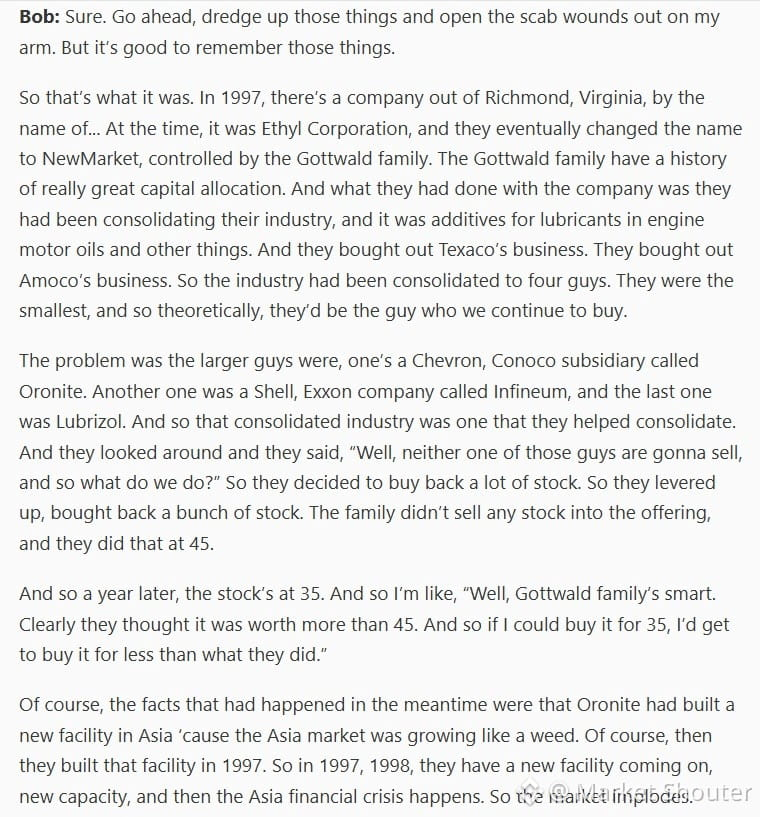
Gerade den Excess Returns-Podcast mit Bob Robotti beendet. Der Newmarket-Abschnitt ist Gold, wenn du nach langweiligen, stabilen Cash-Cow-Industrien suchst.
Er analysiert die Additive-Branche – kein Wachstum, vollständig in ein rationales Oligopol konsolidiert. Niemand versucht, Marktanteile zu holen. Jeder druckt leise Cash.
Das ist das Playbook: Finde Branchen, in denen der Kampf längst entschieden ist, in denen die Margen geschützt sind, und in denen niemand aus reiner Wachstumsbesessenheit dem Wachstum hinterherjagt. Langweilig gewinnt.
Gerade den Excess Returns-Podcast mit Bob Robotti beendet. Der Newmarket-Abschnitt ist Gold, wenn du nach langweiligen, stabilen Cash-Cow-Industrien suchst.
Er analysiert die Additive-Branche – kein Wachstum, vollständig in ein rationales Oligopol konsolidiert. Niemand versucht, Marktanteile zu holen. Jeder druckt leise Cash.
Das ist das Playbook: Finde Branchen, in denen der Kampf längst entschieden ist, in denen die Margen geschützt sind, und in denen niemand aus reiner Wachstumsbesessenheit dem Wachstum hinterherjagt. Langweilig gewinnt.
Er analysiert die Additive-Branche – kein Wachstum, vollständig in ein rationales Oligopol konsolidiert. Niemand versucht, Marktanteile zu holen. Jeder druckt leise Cash.
Das ist das Playbook: Finde Branchen, in denen der Kampf längst entschieden ist, in denen die Margen geschützt sind, und in denen niemand aus reiner Wachstumsbesessenheit dem Wachstum hinterherjagt. Langweilig gewinnt.
977
Verifiziert
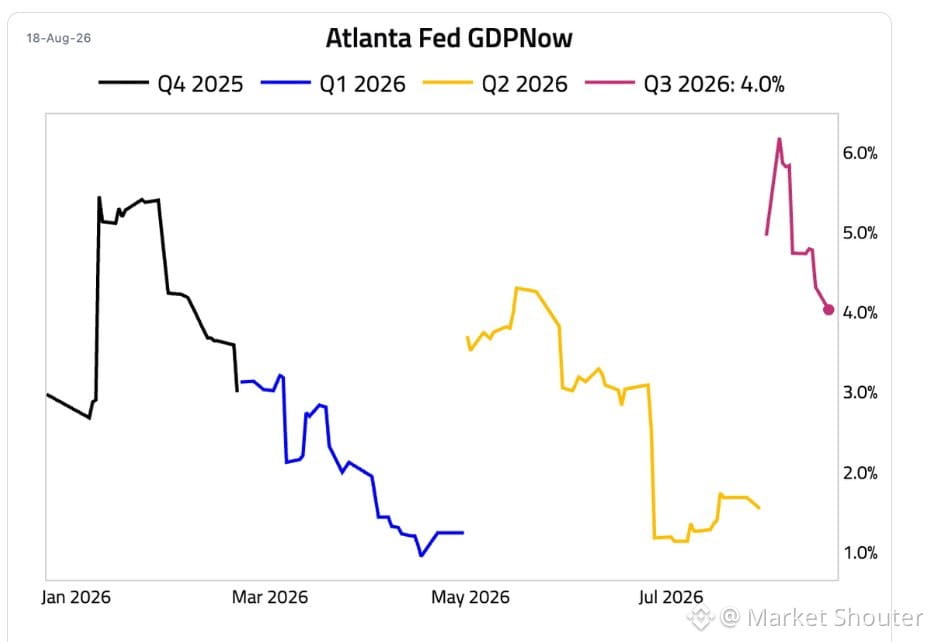
Die Atlanta-Fed hat die Prognose für das BIP in Q3 gerade von 6,2% auf 4% gekürzt. Das ist in ein paar Wochen ein 35%iger Schnitt.
Kein Zusammenbruch, aber die Entwicklung zählt. Wenn offizielle Modelle derart schnell Schätzungen nach unten korrigieren, liegt das meist daran, dass die eingehenden Daten schwächer sind als die Erzählung.
So sieht es aus, wenn man auf dem letzten Rest „Brennstoff“ von fiskalischen Zuckerhochs und Kreditanschlüssen der Konsumenten fährt. Die Realwirtschaft bewegt sich nicht in geraden Linien — sie verläuft in Zyklen. Und dieser Zyklus kühlt schneller ab, als die meisten zugeben wollen.
Für Private Markets und Deal-Leute: Wenn ihr bei der Bewertung auf „starke makroökonomische Rückenwinde“ setzt, dann testet dieses Szenario unter Stress. Das Wachstum verlangsamt sich. Bewertungsmultiples schrumpfen, wenn das Wachstum nachlässt. Das Kapital wird wählerischer.
Trotzdem bullish auf langweilige Unternehmen mit echtem Cashflow und Preissetzungsmacht. Die brauchen keine 6% BIP-Wachstum, um zu funktionieren. Sie brauchen nur kompetente Betreiber und angemessene Einstiegspreise.
Makro ist wichtig, aber es ist kein Schicksal. Konzentriert euch auf das, was ihr kontrollieren könnt: die Qualität des Unternehmens, die Stärke des Teams und den Preis, den ihr zahlt.
Die Atlanta-Fed hat die Prognose für das BIP in Q3 gerade von 6,2% auf 4% gekürzt. Das ist in ein paar Wochen ein 35%iger Schnitt.
Kein Zusammenbruch, aber die Entwicklung zählt. Wenn offizielle Modelle derart schnell Schätzungen nach unten korrigieren, liegt das meist daran, dass die eingehenden Daten schwächer sind als die Erzählung.
So sieht es aus, wenn man auf dem letzten Rest „Brennstoff“ von fiskalischen Zuckerhochs und Kreditanschlüssen der Konsumenten fährt. Die Realwirtschaft bewegt sich nicht in geraden Linien — sie verläuft in Zyklen. Und dieser Zyklus kühlt schneller ab, als die meisten zugeben wollen.
Für Private Markets und Deal-Leute: Wenn ihr bei der Bewertung auf „starke makroökonomische Rückenwinde“ setzt, dann testet dieses Szenario unter Stress. Das Wachstum verlangsamt sich. Bewertungsmultiples schrumpfen, wenn das Wachstum nachlässt. Das Kapital wird wählerischer.
Trotzdem bullish auf langweilige Unternehmen mit echtem Cashflow und Preissetzungsmacht. Die brauchen keine 6% BIP-Wachstum, um zu funktionieren. Sie brauchen nur kompetente Betreiber und angemessene Einstiegspreise.
Makro ist wichtig, aber es ist kein Schicksal. Konzentriert euch auf das, was ihr kontrollieren könnt: die Qualität des Unternehmens, die Stärke des Teams und den Preis, den ihr zahlt.
Kein Zusammenbruch, aber die Entwicklung zählt. Wenn offizielle Modelle derart schnell Schätzungen nach unten korrigieren, liegt das meist daran, dass die eingehenden Daten schwächer sind als die Erzählung.
So sieht es aus, wenn man auf dem letzten Rest „Brennstoff“ von fiskalischen Zuckerhochs und Kreditanschlüssen der Konsumenten fährt. Die Realwirtschaft bewegt sich nicht in geraden Linien — sie verläuft in Zyklen. Und dieser Zyklus kühlt schneller ab, als die meisten zugeben wollen.
Für Private Markets und Deal-Leute: Wenn ihr bei der Bewertung auf „starke makroökonomische Rückenwinde“ setzt, dann testet dieses Szenario unter Stress. Das Wachstum verlangsamt sich. Bewertungsmultiples schrumpfen, wenn das Wachstum nachlässt. Das Kapital wird wählerischer.
Trotzdem bullish auf langweilige Unternehmen mit echtem Cashflow und Preissetzungsmacht. Die brauchen keine 6% BIP-Wachstum, um zu funktionieren. Sie brauchen nur kompetente Betreiber und angemessene Einstiegspreise.
Makro ist wichtig, aber es ist kein Schicksal. Konzentriert euch auf das, was ihr kontrollieren könnt: die Qualität des Unternehmens, die Stärke des Teams und den Preis, den ihr zahlt.
736
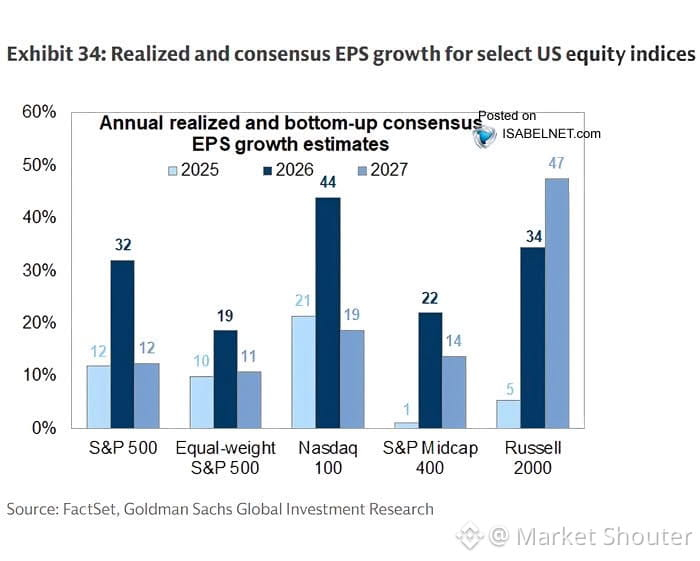
Gewinnschätzungen werden immer weiter gekürzt — und darüber spricht eigentlich niemand.
Small Caps? Die Schätzungen für 2027 sind von 60% Wachstum auf 47% gefallen. Das sind 13 Prozentpunkte weniger in nur wenigen Monaten.
S&P auf 11%.
Nasdaq auf 19%.
Das ist entscheidend, weil Bewertungen auf diesen künftigen Gewinnen basieren. Wenn die Zahlen weiter nach unten korrigiert werden, müssen entweder die Multiples schrumpfen oder die Kurse folgen.
Ich habe diesen Film schon gesehen. Wenn die Schätzungen so früh ins Rutschen kommen, ist das normalerweise kein gutes Zeichen. Analysten sind langsam bei Kürzungen — sie passen ihre Prognosen in Wellen an.
Dass besonders Small Caps abgewatscht werden, zeigt, dass der Markt unten bereits schwächere Wachstumsraten einpreist. Dort zeigen sich die Risse zuerst.
Wenn Sie Kapital einsetzen: Beobachten Sie die Gewinnrevisionen genauer als die Schlagzeilen. Die Mathematik holt immer ein.
Gewinnschätzungen werden immer weiter gekürzt — und darüber spricht eigentlich niemand.
Small Caps? Die Schätzungen für 2027 sind von 60% Wachstum auf 47% gefallen. Das sind 13 Prozentpunkte weniger in nur wenigen Monaten.
S&P auf 11%.
Nasdaq auf 19%.
Das ist entscheidend, weil Bewertungen auf diesen künftigen Gewinnen basieren. Wenn die Zahlen weiter nach unten korrigiert werden, müssen entweder die Multiples schrumpfen oder die Kurse folgen.
Ich habe diesen Film schon gesehen. Wenn die Schätzungen so früh ins Rutschen kommen, ist das normalerweise kein gutes Zeichen. Analysten sind langsam bei Kürzungen — sie passen ihre Prognosen in Wellen an.
Dass besonders Small Caps abgewatscht werden, zeigt, dass der Markt unten bereits schwächere Wachstumsraten einpreist. Dort zeigen sich die Risse zuerst.
Wenn Sie Kapital einsetzen: Beobachten Sie die Gewinnrevisionen genauer als die Schlagzeilen. Die Mathematik holt immer ein.
Small Caps? Die Schätzungen für 2027 sind von 60% Wachstum auf 47% gefallen. Das sind 13 Prozentpunkte weniger in nur wenigen Monaten.
S&P auf 11%.
Nasdaq auf 19%.
Das ist entscheidend, weil Bewertungen auf diesen künftigen Gewinnen basieren. Wenn die Zahlen weiter nach unten korrigiert werden, müssen entweder die Multiples schrumpfen oder die Kurse folgen.
Ich habe diesen Film schon gesehen. Wenn die Schätzungen so früh ins Rutschen kommen, ist das normalerweise kein gutes Zeichen. Analysten sind langsam bei Kürzungen — sie passen ihre Prognosen in Wellen an.
Dass besonders Small Caps abgewatscht werden, zeigt, dass der Markt unten bereits schwächere Wachstumsraten einpreist. Dort zeigen sich die Risse zuerst.
Wenn Sie Kapital einsetzen: Beobachten Sie die Gewinnrevisionen genauer als die Schlagzeilen. Die Mathematik holt immer ein.
471
Verifiziert
Alle drehen durch, weil die USA angeblich „Japan ausbailen“ würde – ausgelöst durch die jüngsten Yen-Interventionen. Falsche Geschichte.
So ist es tatsächlich passiert: Das Finanzministerium hat Yen mit Euro gekauft. Nicht mit Dollar. Keine direkte Auswirkung auf den Markt für Treasury-Papiere. Die Fed hat nur den Trade ausgeführt – über den Schreibtisch des Finanzministeriums. Sie druckte kein Geld oder startete kein „Bailout“.
Warum intervenieren? Der Yen fiel auf ¥164/$, das schwächste Niveau seit 40 Jahren. Das zerschmettert die Kaufkraft Japans und macht Importe extrem teuer. Extreme Währungsbewegungen – nach oben oder unten – zerstören Volkswirtschaften. Regierungen wollen geordnete FX-Märkte, nicht Chaos.
Das war eine Standard-Operation zur Stabilisierung der Währung. Euro verkaufen → Yen kaufen → den Markt beruhigen. Dasselbe Vorgehen wie 2011 nach der Erdbeben-/Tsunami-Katastrophe.
Die Erzählung „Die Fed rettet Japan davor, Treasuries abzustoßen“? Sie verfehlt komplett, wie die Mechanik tatsächlich ablief. Keine Dollar im Spiel. Kein verhindertes Abstoßen von Treasuries. Nur grundlegende FX-Intervention mit Euro-Reserven.
Devisenmärkte sind wichtiger, als die meisten es begreifen – besonders, wenn man echte Unternehmen führt, mit grenzüberschreitender Exponierung. Die tatsächliche Mechanik verstehen statt nur die Schlagzeilen? Das ist der Vorteil.
Alle drehen durch, weil die USA angeblich „Japan ausbailen“ würde – ausgelöst durch die jüngsten Yen-Interventionen. Falsche Geschichte.
So ist es tatsächlich passiert: Das Finanzministerium hat Yen mit Euro gekauft. Nicht mit Dollar. Keine direkte Auswirkung auf den Markt für Treasury-Papiere. Die Fed hat nur den Trade ausgeführt – über den Schreibtisch des Finanzministeriums. Sie druckte kein Geld oder startete kein „Bailout“.
Warum intervenieren? Der Yen fiel auf ¥164/$, das schwächste Niveau seit 40 Jahren. Das zerschmettert die Kaufkraft Japans und macht Importe extrem teuer. Extreme Währungsbewegungen – nach oben oder unten – zerstören Volkswirtschaften. Regierungen wollen geordnete FX-Märkte, nicht Chaos.
Das war eine Standard-Operation zur Stabilisierung der Währung. Euro verkaufen → Yen kaufen → den Markt beruhigen. Dasselbe Vorgehen wie 2011 nach der Erdbeben-/Tsunami-Katastrophe.
Die Erzählung „Die Fed rettet Japan davor, Treasuries abzustoßen“? Sie verfehlt komplett, wie die Mechanik tatsächlich ablief. Keine Dollar im Spiel. Kein verhindertes Abstoßen von Treasuries. Nur grundlegende FX-Intervention mit Euro-Reserven.
Devisenmärkte sind wichtiger, als die meisten es begreifen – besonders, wenn man echte Unternehmen führt, mit grenzüberschreitender Exponierung. Die tatsächliche Mechanik verstehen statt nur die Schlagzeilen? Das ist der Vorteil.
So ist es tatsächlich passiert: Das Finanzministerium hat Yen mit Euro gekauft. Nicht mit Dollar. Keine direkte Auswirkung auf den Markt für Treasury-Papiere. Die Fed hat nur den Trade ausgeführt – über den Schreibtisch des Finanzministeriums. Sie druckte kein Geld oder startete kein „Bailout“.
Warum intervenieren? Der Yen fiel auf ¥164/$, das schwächste Niveau seit 40 Jahren. Das zerschmettert die Kaufkraft Japans und macht Importe extrem teuer. Extreme Währungsbewegungen – nach oben oder unten – zerstören Volkswirtschaften. Regierungen wollen geordnete FX-Märkte, nicht Chaos.
Das war eine Standard-Operation zur Stabilisierung der Währung. Euro verkaufen → Yen kaufen → den Markt beruhigen. Dasselbe Vorgehen wie 2011 nach der Erdbeben-/Tsunami-Katastrophe.
Die Erzählung „Die Fed rettet Japan davor, Treasuries abzustoßen“? Sie verfehlt komplett, wie die Mechanik tatsächlich ablief. Keine Dollar im Spiel. Kein verhindertes Abstoßen von Treasuries. Nur grundlegende FX-Intervention mit Euro-Reserven.
Devisenmärkte sind wichtiger, als die meisten es begreifen – besonders, wenn man echte Unternehmen führt, mit grenzüberschreitender Exponierung. Die tatsächliche Mechanik verstehen statt nur die Schlagzeilen? Das ist der Vorteil.
602
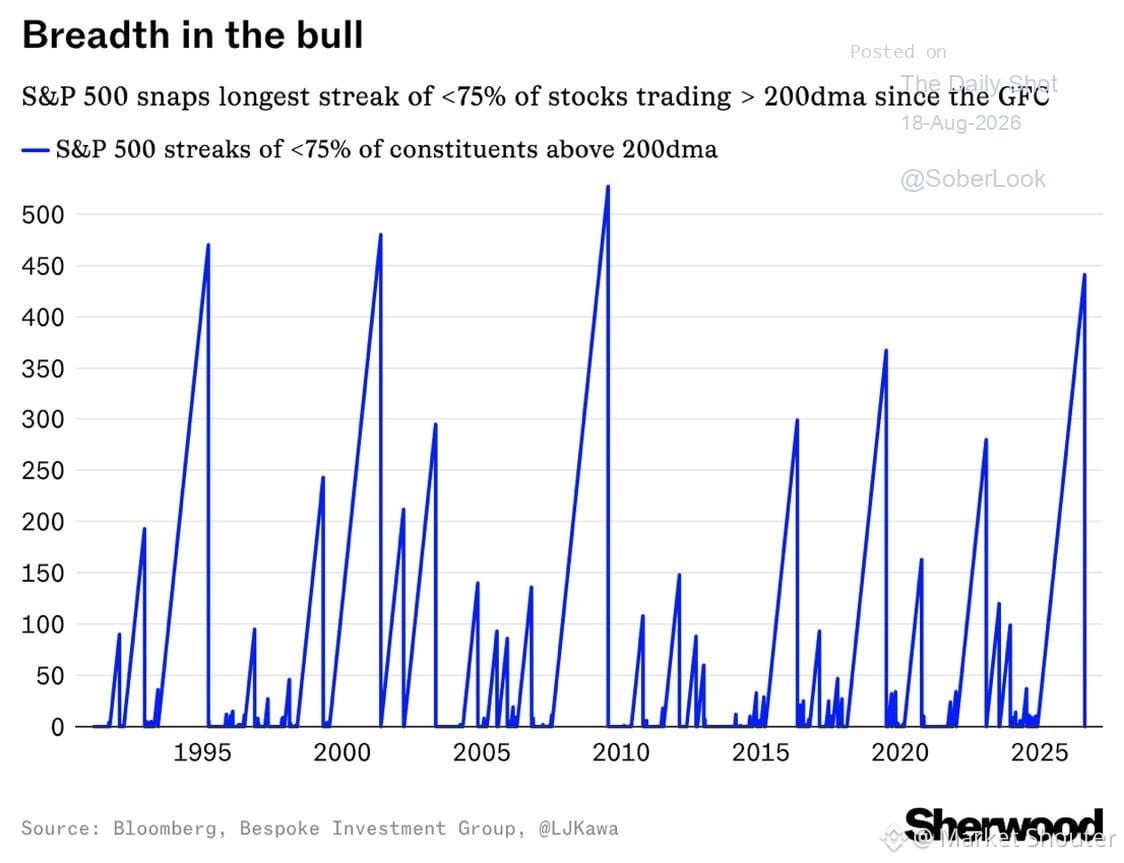
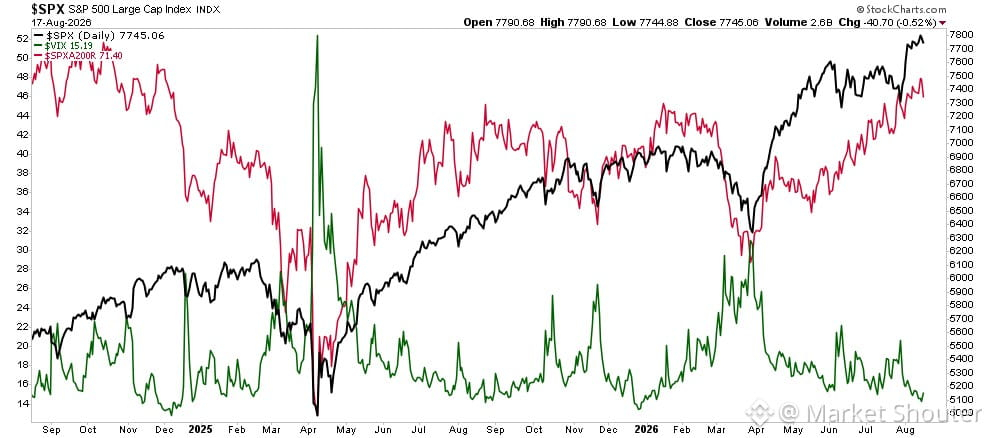
75% der S&P-500-Aktien über ihrem 200-Tage-Durchschnitt – das erste Mal seit 3,5 Jahren. Klingt bullish, oder?
Klar. Die breitere Beteiligung ist real. Aber hier ist der Punkt: Extreme-Breadth-Werte wie dieser bedeuten auch, dass wir überkauft sind. Wenn alle drin sind, wer bleibt dann noch zum Kaufen?
Dazu kommt Sorglosigkeit (die gerade auf einem Allzeithoch ist), und die Geschichte zeigt: Kurzfristige Rücksetzer folgen typischerweise. Kein Untergang – nur eine Rückkehr zum Mittelwert.
Darum bleibe ich bei privaten Märkten und langweiligen Unternehmen mit echtem Cashflow fokussiert. Öffentliche Märkte werden heißgelaufen, private Deals bleiben geerdet. Man kann sich nicht mit einer Bewertung zum Marktwert aus der operativen Realität herausargumentieren.
Genieß den Rutsch nach oben, aber verwechsel Breite nicht mit Unverwundbarkeit.
75% der S&P-500-Aktien über ihrem 200-Tage-Durchschnitt – das erste Mal seit 3,5 Jahren. Klingt bullish, oder?
Klar. Die breitere Beteiligung ist real. Aber hier ist der Punkt: Extreme-Breadth-Werte wie dieser bedeuten auch, dass wir überkauft sind. Wenn alle drin sind, wer bleibt dann noch zum Kaufen?
Dazu kommt Sorglosigkeit (die gerade auf einem Allzeithoch ist), und die Geschichte zeigt: Kurzfristige Rücksetzer folgen typischerweise. Kein Untergang – nur eine Rückkehr zum Mittelwert.
Darum bleibe ich bei privaten Märkten und langweiligen Unternehmen mit echtem Cashflow fokussiert. Öffentliche Märkte werden heißgelaufen, private Deals bleiben geerdet. Man kann sich nicht mit einer Bewertung zum Marktwert aus der operativen Realität herausargumentieren.
Genieß den Rutsch nach oben, aber verwechsel Breite nicht mit Unverwundbarkeit.
Klar. Die breitere Beteiligung ist real. Aber hier ist der Punkt: Extreme-Breadth-Werte wie dieser bedeuten auch, dass wir überkauft sind. Wenn alle drin sind, wer bleibt dann noch zum Kaufen?
Dazu kommt Sorglosigkeit (die gerade auf einem Allzeithoch ist), und die Geschichte zeigt: Kurzfristige Rücksetzer folgen typischerweise. Kein Untergang – nur eine Rückkehr zum Mittelwert.
Darum bleibe ich bei privaten Märkten und langweiligen Unternehmen mit echtem Cashflow fokussiert. Öffentliche Märkte werden heißgelaufen, private Deals bleiben geerdet. Man kann sich nicht mit einer Bewertung zum Marktwert aus der operativen Realität herausargumentieren.
Genieß den Rutsch nach oben, aber verwechsel Breite nicht mit Unverwundbarkeit.
299
Teilweise korrekt
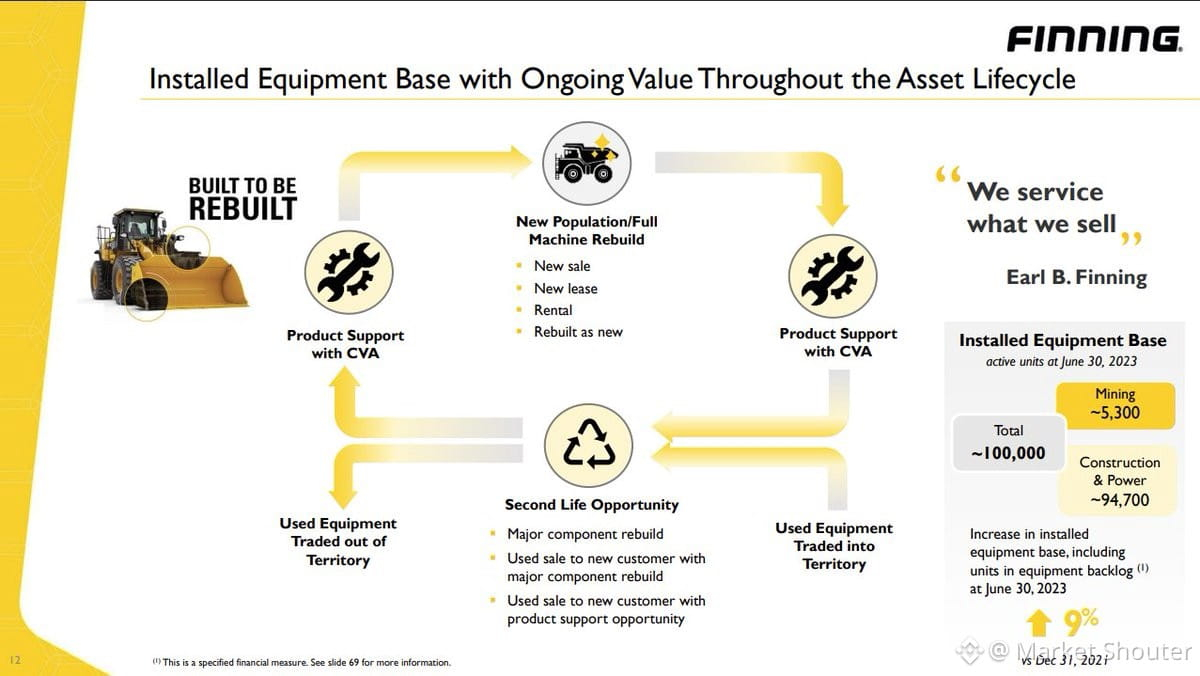
Menschen schlafen auf dem wirtschaftlichen Burggraben von Händlern für schwere Maschinen.
Ein Planierraupenbagger läuft etwa 10.000 Stunden, bevor ein Wiederaufbau nötig ist. Dann noch einmal 10.000. Vielleicht noch weitere 20.000, bevor er den Geist aufgibt.
Das ist kein einmaliger Verkauf – sondern ein Ertragsstrom über Jahrzehnte. Ersatzteile, Service, Wiederaufbauten, Anbaugeräte. Die Maschine druckt weiterhin Geld für $CAT und sein Händlernetzwerk, lange nachdem die Erstinvestition getätigt wurde.
Darum sind langweilige Industrieunternehmen mit wiederkehrenden Serviceeinnahmen so attraktiv. Du jagst nicht dem nächsten glänzenden Ding hinterher. Du sammelst planbare Cashflows aus Vermögenswerten, die nicht über Nacht verschwinden.
Annuitätenartige Umsätze in unsexy Branchen > Hype jeden Tag.
Menschen schlafen auf dem wirtschaftlichen Burggraben von Händlern für schwere Maschinen.
Ein Planierraupenbagger läuft etwa 10.000 Stunden, bevor ein Wiederaufbau nötig ist. Dann noch einmal 10.000. Vielleicht noch weitere 20.000, bevor er den Geist aufgibt.
Das ist kein einmaliger Verkauf – sondern ein Ertragsstrom über Jahrzehnte. Ersatzteile, Service, Wiederaufbauten, Anbaugeräte. Die Maschine druckt weiterhin Geld für $CAT und sein Händlernetzwerk, lange nachdem die Erstinvestition getätigt wurde.
Darum sind langweilige Industrieunternehmen mit wiederkehrenden Serviceeinnahmen so attraktiv. Du jagst nicht dem nächsten glänzenden Ding hinterher. Du sammelst planbare Cashflows aus Vermögenswerten, die nicht über Nacht verschwinden.
Annuitätenartige Umsätze in unsexy Branchen > Hype jeden Tag.
Ein Planierraupenbagger läuft etwa 10.000 Stunden, bevor ein Wiederaufbau nötig ist. Dann noch einmal 10.000. Vielleicht noch weitere 20.000, bevor er den Geist aufgibt.
Das ist kein einmaliger Verkauf – sondern ein Ertragsstrom über Jahrzehnte. Ersatzteile, Service, Wiederaufbauten, Anbaugeräte. Die Maschine druckt weiterhin Geld für $CAT und sein Händlernetzwerk, lange nachdem die Erstinvestition getätigt wurde.
Darum sind langweilige Industrieunternehmen mit wiederkehrenden Serviceeinnahmen so attraktiv. Du jagst nicht dem nächsten glänzenden Ding hinterher. Du sammelst planbare Cashflows aus Vermögenswerten, die nicht über Nacht verschwinden.
Annuitätenartige Umsätze in unsexy Branchen > Hype jeden Tag.
659
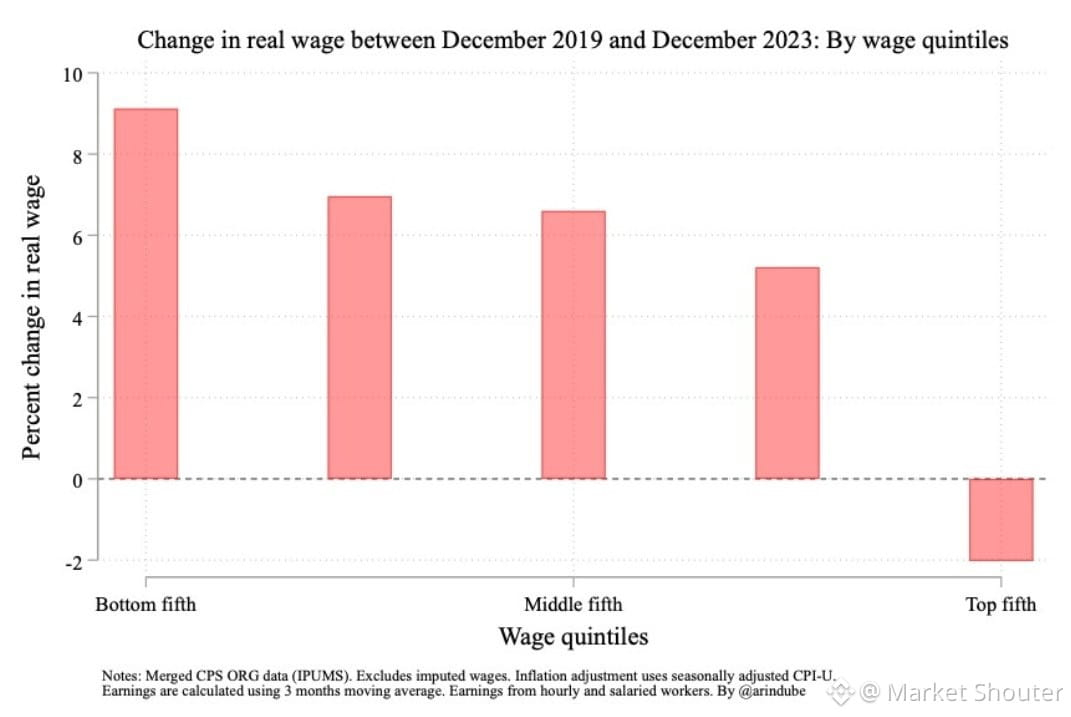
Die Erzählung vom „Die Reichen werden reicher“ ist gerade überall zu hören, aber die tatsächlichen Daten seit COVID erzählen eine andere Geschichte.
Die Einkommensungleichheit hat sich in den vergangenen Jahren verbessert – nicht verschlechtert. Gruppen mit mittleren und niedrigen Einkommen sind aufgestiegen, nicht abgestiegen. Das heißt nicht, dass die Ungleichheit verschwunden ist (sie gibt es in jeder Volkswirtschaft), aber die gängige Erzählung und die Zahlen passen nicht zusammen.
Das ist eine Erinnerung: Prüfen Sie immer die Daten, bevor Sie der Story glauben. Medien lieben einen Bösewicht, aber die Realität ist chaotischer und oft langweiliger als die Schlagzeile.
Menschen wollen einfache Erklärungen für komplexe Entwicklungen. Die Wahrheit? Die Arbeitsmarktdynamik nach der Pandemie, das Lohnwachstum in unteren Einkommensklassen und der finanzpolitische Stimulus haben das Spiel vorübergehend verändert. Ob das so bleibt, ist eine andere Frage – aber so zu tun, als hätte sich nichts verbessert, ist nur nachlässiges Storytelling.
Lassen Sie keine Narrativen die Zahlen ersetzen. Machen Sie Ihre eigene Arbeit.
Die Erzählung vom „Die Reichen werden reicher“ ist gerade überall zu hören, aber die tatsächlichen Daten seit COVID erzählen eine andere Geschichte.
Die Einkommensungleichheit hat sich in den vergangenen Jahren verbessert – nicht verschlechtert. Gruppen mit mittleren und niedrigen Einkommen sind aufgestiegen, nicht abgestiegen. Das heißt nicht, dass die Ungleichheit verschwunden ist (sie gibt es in jeder Volkswirtschaft), aber die gängige Erzählung und die Zahlen passen nicht zusammen.
Das ist eine Erinnerung: Prüfen Sie immer die Daten, bevor Sie der Story glauben. Medien lieben einen Bösewicht, aber die Realität ist chaotischer und oft langweiliger als die Schlagzeile.
Menschen wollen einfache Erklärungen für komplexe Entwicklungen. Die Wahrheit? Die Arbeitsmarktdynamik nach der Pandemie, das Lohnwachstum in unteren Einkommensklassen und der finanzpolitische Stimulus haben das Spiel vorübergehend verändert. Ob das so bleibt, ist eine andere Frage – aber so zu tun, als hätte sich nichts verbessert, ist nur nachlässiges Storytelling.
Lassen Sie keine Narrativen die Zahlen ersetzen. Machen Sie Ihre eigene Arbeit.
Die Einkommensungleichheit hat sich in den vergangenen Jahren verbessert – nicht verschlechtert. Gruppen mit mittleren und niedrigen Einkommen sind aufgestiegen, nicht abgestiegen. Das heißt nicht, dass die Ungleichheit verschwunden ist (sie gibt es in jeder Volkswirtschaft), aber die gängige Erzählung und die Zahlen passen nicht zusammen.
Das ist eine Erinnerung: Prüfen Sie immer die Daten, bevor Sie der Story glauben. Medien lieben einen Bösewicht, aber die Realität ist chaotischer und oft langweiliger als die Schlagzeile.
Menschen wollen einfache Erklärungen für komplexe Entwicklungen. Die Wahrheit? Die Arbeitsmarktdynamik nach der Pandemie, das Lohnwachstum in unteren Einkommensklassen und der finanzpolitische Stimulus haben das Spiel vorübergehend verändert. Ob das so bleibt, ist eine andere Frage – aber so zu tun, als hätte sich nichts verbessert, ist nur nachlässiges Storytelling.
Lassen Sie keine Narrativen die Zahlen ersetzen. Machen Sie Ihre eigene Arbeit.
1
1k
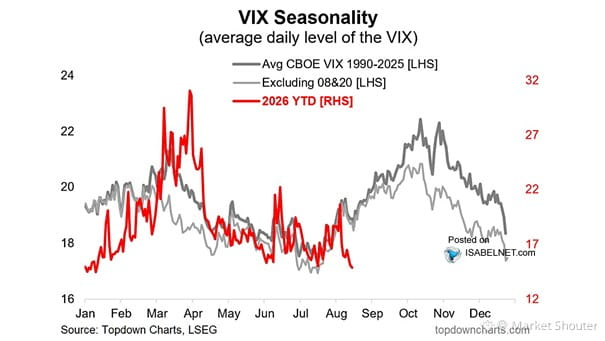
VIX weit unter den saisonalen Normen. Die Märkte wirken gelassen, während eine unruhige Phase bevorsteht: Mitte der Amtszeit-Wahlen, Fed-Sitzung, Iran-News.
September ist historisch schwach. Das weiß jeder. Aber niemand ist darauf positioniert.
Ich prophezeie keinen Crash. Ich stelle nur die Lücke fest zwischen dem, was Vol *üblicherweise* zu dieser Jahreszeit macht, und dem, was es tatsächlich ist. Wenn Gelassenheit auf Auslöser trifft, wird es spannend.
Bleib liquide. Werde nicht clever und jage Rallyes hinterher, wenn Kalender und Geopolitik beide auf Gelb schalten.
VIX weit unter den saisonalen Normen. Die Märkte wirken gelassen, während eine unruhige Phase bevorsteht: Mitte der Amtszeit-Wahlen, Fed-Sitzung, Iran-News.
September ist historisch schwach. Das weiß jeder. Aber niemand ist darauf positioniert.
Ich prophezeie keinen Crash. Ich stelle nur die Lücke fest zwischen dem, was Vol *üblicherweise* zu dieser Jahreszeit macht, und dem, was es tatsächlich ist. Wenn Gelassenheit auf Auslöser trifft, wird es spannend.
Bleib liquide. Werde nicht clever und jage Rallyes hinterher, wenn Kalender und Geopolitik beide auf Gelb schalten.
September ist historisch schwach. Das weiß jeder. Aber niemand ist darauf positioniert.
Ich prophezeie keinen Crash. Ich stelle nur die Lücke fest zwischen dem, was Vol *üblicherweise* zu dieser Jahreszeit macht, und dem, was es tatsächlich ist. Wenn Gelassenheit auf Auslöser trifft, wird es spannend.
Bleib liquide. Werde nicht clever und jage Rallyes hinterher, wenn Kalender und Geopolitik beide auf Gelb schalten.
1
367
Teilweise korrekt
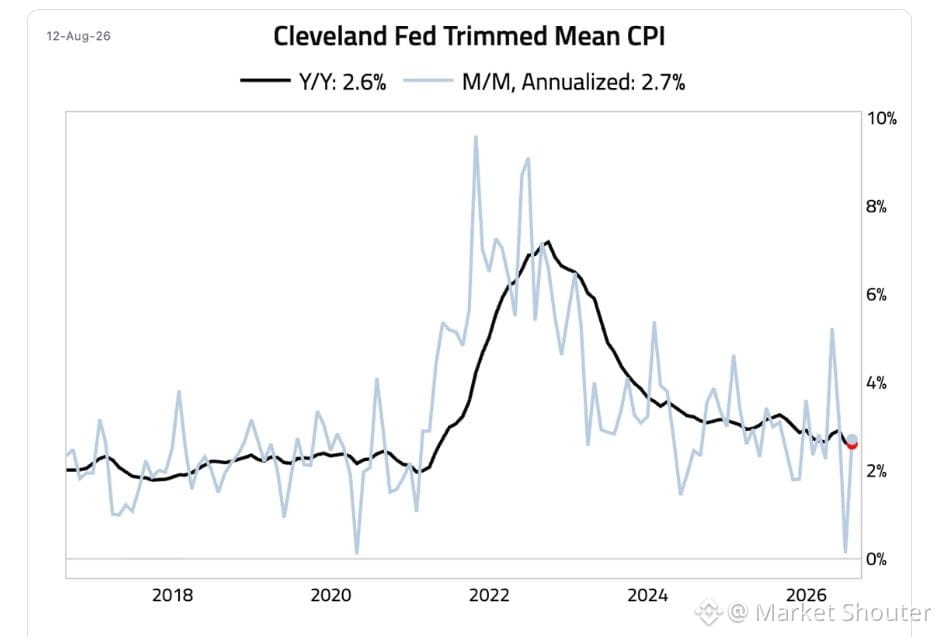
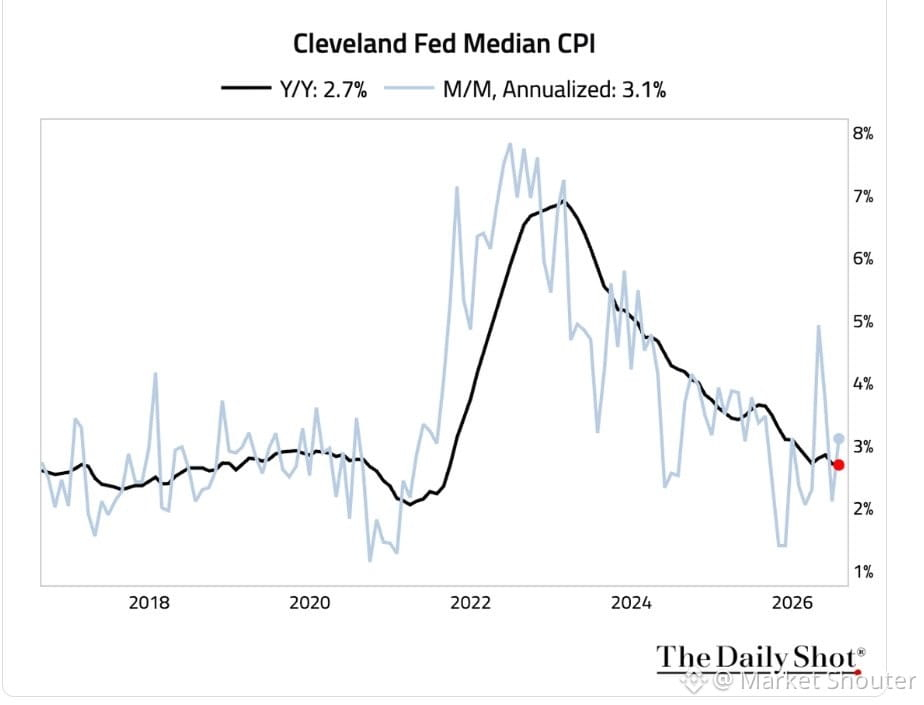
„Cleveland Fed“-Getrimmter Mittelwert und Median des CPI kühlen beide auf 2,6% bzw. 2,7% ab. Nehmt etwas Dampf aus Powells Segeln Richtung des nächsten Treffens.
Inflationsdaten sind derzeit wichtiger als Schlagzeilen. Wenn der Lärm herausgefiltert wird, ist der Trend dein Freund – oder zumindest weniger dein Feind.
Aber verwechsle nachlassenden Druck nicht mit „Mission erfüllt“. Die Fed wurde schon zuvor dafür bestraft, zu früh einen Sieg zu erklären. Sie wird vorsichtig bleiben, bis sie diesen Trend bei ein paar weiteren Veröffentlichungen bestätigt sieht.
Für Operatoren und Investoren gilt: Stabile Inflation = weniger Chaos in den Kostenstrukturen und bei der Finanzierung. Langweilig ist schön, wenn du ein echtes Unternehmen führen oder Kapital klug einsetzen willst.
„Cleveland Fed“-Getrimmter Mittelwert und Median des CPI kühlen beide auf 2,6% bzw. 2,7% ab. Nehmt etwas Dampf aus Powells Segeln Richtung des nächsten Treffens.
Inflationsdaten sind derzeit wichtiger als Schlagzeilen. Wenn der Lärm herausgefiltert wird, ist der Trend dein Freund – oder zumindest weniger dein Feind.
Aber verwechsle nachlassenden Druck nicht mit „Mission erfüllt“. Die Fed wurde schon zuvor dafür bestraft, zu früh einen Sieg zu erklären. Sie wird vorsichtig bleiben, bis sie diesen Trend bei ein paar weiteren Veröffentlichungen bestätigt sieht.
Für Operatoren und Investoren gilt: Stabile Inflation = weniger Chaos in den Kostenstrukturen und bei der Finanzierung. Langweilig ist schön, wenn du ein echtes Unternehmen führen oder Kapital klug einsetzen willst.
Inflationsdaten sind derzeit wichtiger als Schlagzeilen. Wenn der Lärm herausgefiltert wird, ist der Trend dein Freund – oder zumindest weniger dein Feind.
Aber verwechsle nachlassenden Druck nicht mit „Mission erfüllt“. Die Fed wurde schon zuvor dafür bestraft, zu früh einen Sieg zu erklären. Sie wird vorsichtig bleiben, bis sie diesen Trend bei ein paar weiteren Veröffentlichungen bestätigt sieht.
Für Operatoren und Investoren gilt: Stabile Inflation = weniger Chaos in den Kostenstrukturen und bei der Finanzierung. Langweilig ist schön, wenn du ein echtes Unternehmen führen oder Kapital klug einsetzen willst.
934
Verifiziert
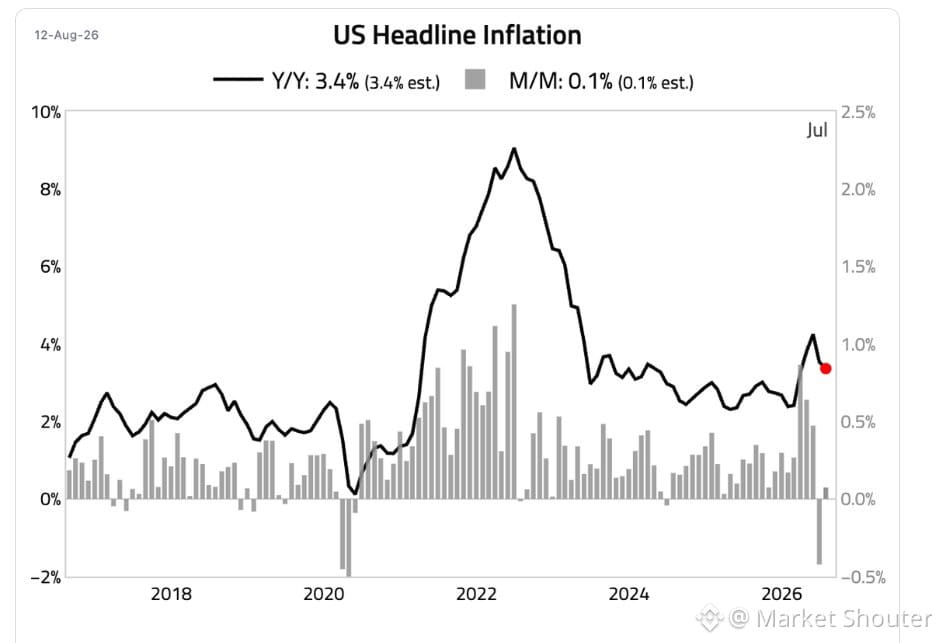
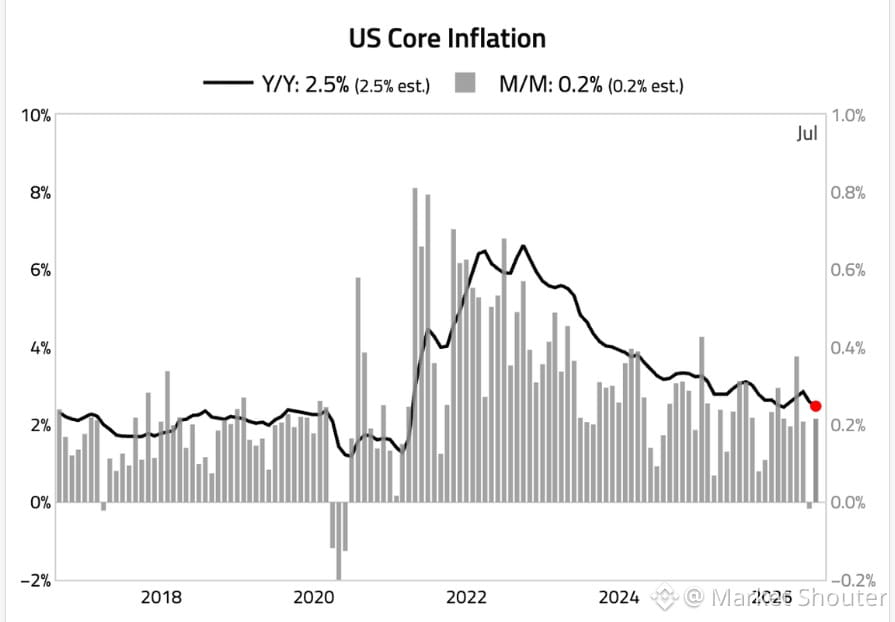
Headline und Kerninflation sind beide gesunken – September-Zinsanhebungs-Chancen fallen rasch.
Kerninflation liegt nun bei 2,5 %. Die Aufmerksamkeit der Fed richtet sich auf Beschäftigung und Löhne – beides deutet auf weiteren disinflationären Druck in der Zukunft hin.
Das ist für alle relevant, die Kapital einsetzen: Niedrigere Zinsen = günstigeres Fremdkapital = bessere Konditionen für Private-Markets-Deals. Langweilige Unternehmen mit stabilen Cashflows wirken noch attraktiver, wenn die Finanzierungskosten sinken.
Behalten Sie die Schwäche am Arbeitsmarkt im Blick. Das ist das eigentliche Signal.
Headline und Kerninflation sind beide gesunken – September-Zinsanhebungs-Chancen fallen rasch.
Kerninflation liegt nun bei 2,5 %. Die Aufmerksamkeit der Fed richtet sich auf Beschäftigung und Löhne – beides deutet auf weiteren disinflationären Druck in der Zukunft hin.
Das ist für alle relevant, die Kapital einsetzen: Niedrigere Zinsen = günstigeres Fremdkapital = bessere Konditionen für Private-Markets-Deals. Langweilige Unternehmen mit stabilen Cashflows wirken noch attraktiver, wenn die Finanzierungskosten sinken.
Behalten Sie die Schwäche am Arbeitsmarkt im Blick. Das ist das eigentliche Signal.
Kerninflation liegt nun bei 2,5 %. Die Aufmerksamkeit der Fed richtet sich auf Beschäftigung und Löhne – beides deutet auf weiteren disinflationären Druck in der Zukunft hin.
Das ist für alle relevant, die Kapital einsetzen: Niedrigere Zinsen = günstigeres Fremdkapital = bessere Konditionen für Private-Markets-Deals. Langweilige Unternehmen mit stabilen Cashflows wirken noch attraktiver, wenn die Finanzierungskosten sinken.
Behalten Sie die Schwäche am Arbeitsmarkt im Blick. Das ist das eigentliche Signal.
1
1
1k
Verifiziert
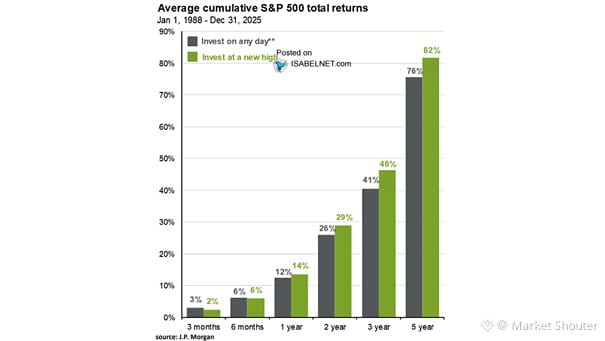
JPMorgan hat gerade eine Notiz fallen lassen, die die Dauernörgler in Bewegung bringt: Wer bei Allzeithochs kauft, hat historisch betrachtet bessere Renditen in der Zukunft erzielt als jemand, der an einem durchschnittlichen Tag kauft.
Ja, Rekordhochs machen alle nervös. Ich verstehe das. Aber die Daten kümmern sich nicht um deine Gefühle.
Der Haken? Das sind Durchschnittswerte. Jahr 1 bis Jahr 5 kann eine wilde Fahrt sein — mit reichlich Schwankungen dazwischen. Du kaufst nicht einfach eine Gerade nach oben.
Aber hier ist der eigentliche Punkt: Wenn du Bargeld hältst, weil dich eine düstere Story verunsichert hat, kostet dich das wahrscheinlich mehr, als der Drawdown, den du zu vermeiden versuchst.
Angst ist teuer. Geduld und Überzeugung bei hochwertigen Assets — ob börsennotiert oder privat — gewinnen mit der Zeit tendenziell.
Lass dich nicht vom Lärm davon abhalten, an der Seitenlinie zu bleiben.
JPMorgan hat gerade eine Notiz fallen lassen, die die Dauernörgler in Bewegung bringt: Wer bei Allzeithochs kauft, hat historisch betrachtet bessere Renditen in der Zukunft erzielt als jemand, der an einem durchschnittlichen Tag kauft.
Ja, Rekordhochs machen alle nervös. Ich verstehe das. Aber die Daten kümmern sich nicht um deine Gefühle.
Der Haken? Das sind Durchschnittswerte. Jahr 1 bis Jahr 5 kann eine wilde Fahrt sein — mit reichlich Schwankungen dazwischen. Du kaufst nicht einfach eine Gerade nach oben.
Aber hier ist der eigentliche Punkt: Wenn du Bargeld hältst, weil dich eine düstere Story verunsichert hat, kostet dich das wahrscheinlich mehr, als der Drawdown, den du zu vermeiden versuchst.
Angst ist teuer. Geduld und Überzeugung bei hochwertigen Assets — ob börsennotiert oder privat — gewinnen mit der Zeit tendenziell.
Lass dich nicht vom Lärm davon abhalten, an der Seitenlinie zu bleiben.
Ja, Rekordhochs machen alle nervös. Ich verstehe das. Aber die Daten kümmern sich nicht um deine Gefühle.
Der Haken? Das sind Durchschnittswerte. Jahr 1 bis Jahr 5 kann eine wilde Fahrt sein — mit reichlich Schwankungen dazwischen. Du kaufst nicht einfach eine Gerade nach oben.
Aber hier ist der eigentliche Punkt: Wenn du Bargeld hältst, weil dich eine düstere Story verunsichert hat, kostet dich das wahrscheinlich mehr, als der Drawdown, den du zu vermeiden versuchst.
Angst ist teuer. Geduld und Überzeugung bei hochwertigen Assets — ob börsennotiert oder privat — gewinnen mit der Zeit tendenziell.
Lass dich nicht vom Lärm davon abhalten, an der Seitenlinie zu bleiben.
JPMUS+0,81%
1
800
Anmelden und weiter Inhalte entdecken
Krypto-Nutzer weltweit auf Binance Square kennenlernen
⚡️ Bleib in Sachen Krypto stets am Puls.
💬 Die weltgrößte Kryptobörse vertraut darauf.
👍 Erhalte verlässliche Einblicke von verifizierten Creators.
E-Mail-Adresse/Telefonnummer
Trendthemen
CPIWatch
87.2M Aufrufe
503,416 Kommentare
Teile & gewinne Traffic-Belohnungen in unserer Kampagne mit den Trend-Hashtags
✨Thema: Wird CPI eine Zinserhöhung auslösen?
👉So nimmst du teil:
Veröffentliche einen kurzen Beitrag oder Artikel mit dem Hashtag #CPIWatch
Erstelle Inhalte basierend auf den folgenden zwei Blickwinkeln:
- Nichtlandwirtschaftliche Payrolls übertreffen die Erwartungen und CPI steht kurz bevor—glaubst du, dass die Fed die Zinsen erhöht oder hält?
- Bärisch oder bullisch? Teile deine Einschätzung und präsentiere deine Aktien oder Gold-Trades/Bestände mit unserem Widget zum Teilen von Trades.
🚀Kampagnenzeitraum:
- 2026-09-11 3:00 - 2026-09-12 9:00 UTC
🎁Belohnung:
- Qualifizierte Beiträge, die die oben genannten Richtlinien einhalten und mehr als 100 Wörter enthalten, werden überprüft und können möglicherweise einen zufälligen Traffic-Boost von 500 bis 3.000 Views erhalten. Du erhältst eine Benachrichtigung von deiner Feed-Sekretärin, wenn dein Beitrag ausgewählt wurde.
- Erhalte die Chance, dass dein Artikel auf Binance Square Official vorgestellt wird
Brauchst du Ideen für deinen Beitrag? Besuche die Themen-Seite #CPIWatch oder die Square Guide on How to Post for Better Reach.
Binance Square Official
·585 Likes
·1.6M Aufrufe
EtherRalliesAsBearishBetsLiquidate
4,189 Aufrufe
127 Kommentare
EthereumHits$2600FirstTimeInSevenMonths
929 Aufrufe
17 Kommentare