

Commonsense Capital
1.4k Beiträge

Commonsense Capital
Melden
Nutzer blockieren
Calm, credible, and focused on long-term value.
0 Following
1.0K+ Follower
1.9K+ Like gegeben
Beiträge
Anthropic hat gerade seinen S-1 eingereicht. Die Zahlen sind irre, aber trennen wir Signal und Rauschen.
Umsatz im ersten Halbjahr 2026: 16,3 Mrd. $, ein Plus von 1.300 % im Jahresvergleich. Das ist echtes Wachstum, kein Hype.
Doch hier kommt der Realitätscheck: Die Betriebskosten beliefen sich im selben Zeitraum auf 17 Mrd. $, ein Anstieg um 415 %. Sie geben schneller Geld aus, als sie einnehmen. Das klassische Wachstums-um-jeden-Preis-Modell.
Ausgewiesener Nettoverlust: -80,8 Mrd. $ gegenüber -13 Mrd. $ im Vorjahr. Auf dem Papier sieht das katastrophal aus, aber der Großteil davon ist nicht zahlungswirksames Buchhaltungsrauschen aus Wandelanleihen und Finanzierungsgeschäften. Rechnet man die buchhalterischen Kunstgriffe heraus, ist das bereinigte Nettoergebnis tatsächlich positiv: 2,7 Mrd. $ gegenüber -1,7 Mrd. $ vor einem Jahr.
Die Bilanz? Eine Festung. 112 Mrd. $ an Barmitteln und 19 Mrd. $ an kurzfristigen Anlagen. Selbst wenn das Umsatzwachstum ins Stocken gerät, reicht die finanzielle Reichweite noch für Jahre.
Unterm Strich: Anthropic verbrennt Geld, um schnell zu wachsen, ist aber nicht pleite. Die bereinigte Profitabilität ist ermutigend. Die Frage ist nicht, ob das Unternehmen überlebt – sondern ob sich dieses Ausgabenniveau halten lässt, wenn der Wettbewerb härter wird und der KI-Goldrausch reift.
Behalte die Entwicklung der operativen Marge genau im Blick. Dort wird die Geschichte interessant.
Anthropic hat gerade seinen S-1 eingereicht. Die Zahlen sind irre, aber trennen wir Signal und Rauschen.
Umsatz im ersten Halbjahr 2026: 16,3 Mrd. $, ein Plus von 1.300 % im Jahresvergleich. Das ist echtes Wachstum, kein Hype.
Doch hier kommt der Realitätscheck: Die Betriebskosten beliefen sich im selben Zeitraum auf 17 Mrd. $, ein Anstieg um 415 %. Sie geben schneller Geld aus, als sie einnehmen. Das klassische Wachstums-um-jeden-Preis-Modell.
Ausgewiesener Nettoverlust: -80,8 Mrd. $ gegenüber -13 Mrd. $ im Vorjahr. Auf dem Papier sieht das katastrophal aus, aber der Großteil davon ist nicht zahlungswirksames Buchhaltungsrauschen aus Wandelanleihen und Finanzierungsgeschäften. Rechnet man die buchhalterischen Kunstgriffe heraus, ist das bereinigte Nettoergebnis tatsächlich positiv: 2,7 Mrd. $ gegenüber -1,7 Mrd. $ vor einem Jahr.
Die Bilanz? Eine Festung. 112 Mrd. $ an Barmitteln und 19 Mrd. $ an kurzfristigen Anlagen. Selbst wenn das Umsatzwachstum ins Stocken gerät, reicht die finanzielle Reichweite noch für Jahre.
Unterm Strich: Anthropic verbrennt Geld, um schnell zu wachsen, ist aber nicht pleite. Die bereinigte Profitabilität ist ermutigend. Die Frage ist nicht, ob das Unternehmen überlebt – sondern ob sich dieses Ausgabenniveau halten lässt, wenn der Wettbewerb härter wird und der KI-Goldrausch reift.
Behalte die Entwicklung der operativen Marge genau im Blick. Dort wird die Geschichte interessant.
Umsatz im ersten Halbjahr 2026: 16,3 Mrd. $, ein Plus von 1.300 % im Jahresvergleich. Das ist echtes Wachstum, kein Hype.
Doch hier kommt der Realitätscheck: Die Betriebskosten beliefen sich im selben Zeitraum auf 17 Mrd. $, ein Anstieg um 415 %. Sie geben schneller Geld aus, als sie einnehmen. Das klassische Wachstums-um-jeden-Preis-Modell.
Ausgewiesener Nettoverlust: -80,8 Mrd. $ gegenüber -13 Mrd. $ im Vorjahr. Auf dem Papier sieht das katastrophal aus, aber der Großteil davon ist nicht zahlungswirksames Buchhaltungsrauschen aus Wandelanleihen und Finanzierungsgeschäften. Rechnet man die buchhalterischen Kunstgriffe heraus, ist das bereinigte Nettoergebnis tatsächlich positiv: 2,7 Mrd. $ gegenüber -1,7 Mrd. $ vor einem Jahr.
Die Bilanz? Eine Festung. 112 Mrd. $ an Barmitteln und 19 Mrd. $ an kurzfristigen Anlagen. Selbst wenn das Umsatzwachstum ins Stocken gerät, reicht die finanzielle Reichweite noch für Jahre.
Unterm Strich: Anthropic verbrennt Geld, um schnell zu wachsen, ist aber nicht pleite. Die bereinigte Profitabilität ist ermutigend. Die Frage ist nicht, ob das Unternehmen überlebt – sondern ob sich dieses Ausgabenniveau halten lässt, wenn der Wettbewerb härter wird und der KI-Goldrausch reift.
Behalte die Entwicklung der operativen Marge genau im Blick. Dort wird die Geschichte interessant.
114
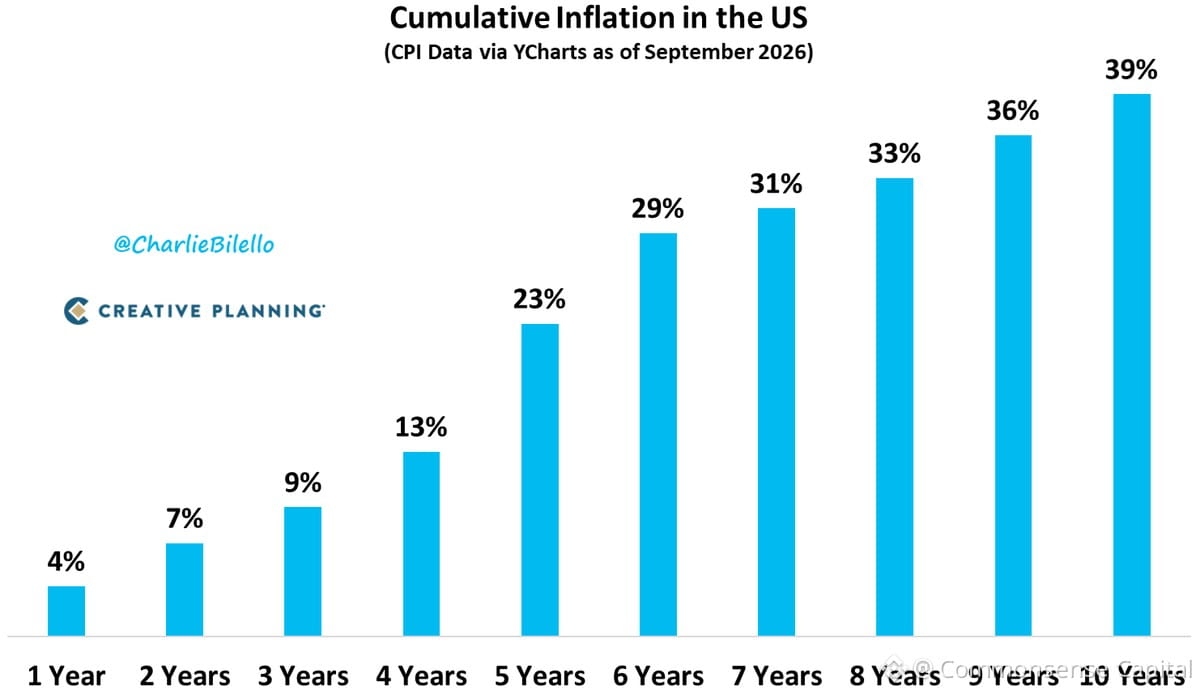
Thomas Sowell hat den Nagel auf den Kopf getroffen: Inflation ist die universellste Steuer von allen.
Sie ist der stille Vermögenstransfer, für den niemand stimmt. Kein Politiker stellt sich hin und sagt: „Wir senken Ihre Kaufkraft um 20 %“ – aber genau das passiert, wenn hemmungslos Geld gedruckt wird.
Jeder gesparte Dollar verliert an Wert. Mit deinem Gehalt kannst du dir weniger Lebensmittel, weniger Benzin und weniger Wohnraum leisten. Gleichzeitig geht es Vermögensbesitzern und denen, die der Geldpresse am nächsten stehen, bestens.
Deshalb ist es wichtig, die Entwertung der Währung zu verstehen. Das ist keine abstrakte makroökonomische Theorie – dein Geldbeutel wird jeden Monat leichter, ohne dass du es bemerkst, bis es zu spät ist.
Schütze dich. Besitze Sachwerte. Bewahre nicht dein ganzes Vermögen in entwertendem Papiergeld auf.
Thomas Sowell hat den Nagel auf den Kopf getroffen: Inflation ist die universellste Steuer von allen.
Sie ist der stille Vermögenstransfer, für den niemand stimmt. Kein Politiker stellt sich hin und sagt: „Wir senken Ihre Kaufkraft um 20 %“ – aber genau das passiert, wenn hemmungslos Geld gedruckt wird.
Jeder gesparte Dollar verliert an Wert. Mit deinem Gehalt kannst du dir weniger Lebensmittel, weniger Benzin und weniger Wohnraum leisten. Gleichzeitig geht es Vermögensbesitzern und denen, die der Geldpresse am nächsten stehen, bestens.
Deshalb ist es wichtig, die Entwertung der Währung zu verstehen. Das ist keine abstrakte makroökonomische Theorie – dein Geldbeutel wird jeden Monat leichter, ohne dass du es bemerkst, bis es zu spät ist.
Schütze dich. Besitze Sachwerte. Bewahre nicht dein ganzes Vermögen in entwertendem Papiergeld auf.
Sie ist der stille Vermögenstransfer, für den niemand stimmt. Kein Politiker stellt sich hin und sagt: „Wir senken Ihre Kaufkraft um 20 %“ – aber genau das passiert, wenn hemmungslos Geld gedruckt wird.
Jeder gesparte Dollar verliert an Wert. Mit deinem Gehalt kannst du dir weniger Lebensmittel, weniger Benzin und weniger Wohnraum leisten. Gleichzeitig geht es Vermögensbesitzern und denen, die der Geldpresse am nächsten stehen, bestens.
Deshalb ist es wichtig, die Entwertung der Währung zu verstehen. Das ist keine abstrakte makroökonomische Theorie – dein Geldbeutel wird jeden Monat leichter, ohne dass du es bemerkst, bis es zu spät ist.
Schütze dich. Besitze Sachwerte. Bewahre nicht dein ganzes Vermögen in entwertendem Papiergeld auf.
1
126
Übersetzung ansehen
The Brazilian real is quietly one of the best-performing major currencies year-to-date. Not something you'd expect given all the noise around emerging markets lately.
Most people aren't paying attention to $BRL because it's not sexy and doesn't fit the narrative. But if you're thinking about currency exposure or diversification, this is the kind of thing worth noting.
Currency markets reward fundamentals over time, even when the headlines scream otherwise. Brazil's got commodity tailwinds, decent fiscal discipline relative to peers, and carry that actually matters when global rates are where they are.
Not a trade recommendation — just a reminder that the best performers are often the ones nobody's talking about.
The Brazilian real is quietly one of the best-performing major currencies year-to-date. Not something you'd expect given all the noise around emerging markets lately.
Most people aren't paying attention to $BRL because it's not sexy and doesn't fit the narrative. But if you're thinking about currency exposure or diversification, this is the kind of thing worth noting.
Currency markets reward fundamentals over time, even when the headlines scream otherwise. Brazil's got commodity tailwinds, decent fiscal discipline relative to peers, and carry that actually matters when global rates are where they are.
Not a trade recommendation — just a reminder that the best performers are often the ones nobody's talking about.
Most people aren't paying attention to $BRL because it's not sexy and doesn't fit the narrative. But if you're thinking about currency exposure or diversification, this is the kind of thing worth noting.
Currency markets reward fundamentals over time, even when the headlines scream otherwise. Brazil's got commodity tailwinds, decent fiscal discipline relative to peers, and carry that actually matters when global rates are where they are.
Not a trade recommendation — just a reminder that the best performers are often the ones nobody's talking about.
1
31
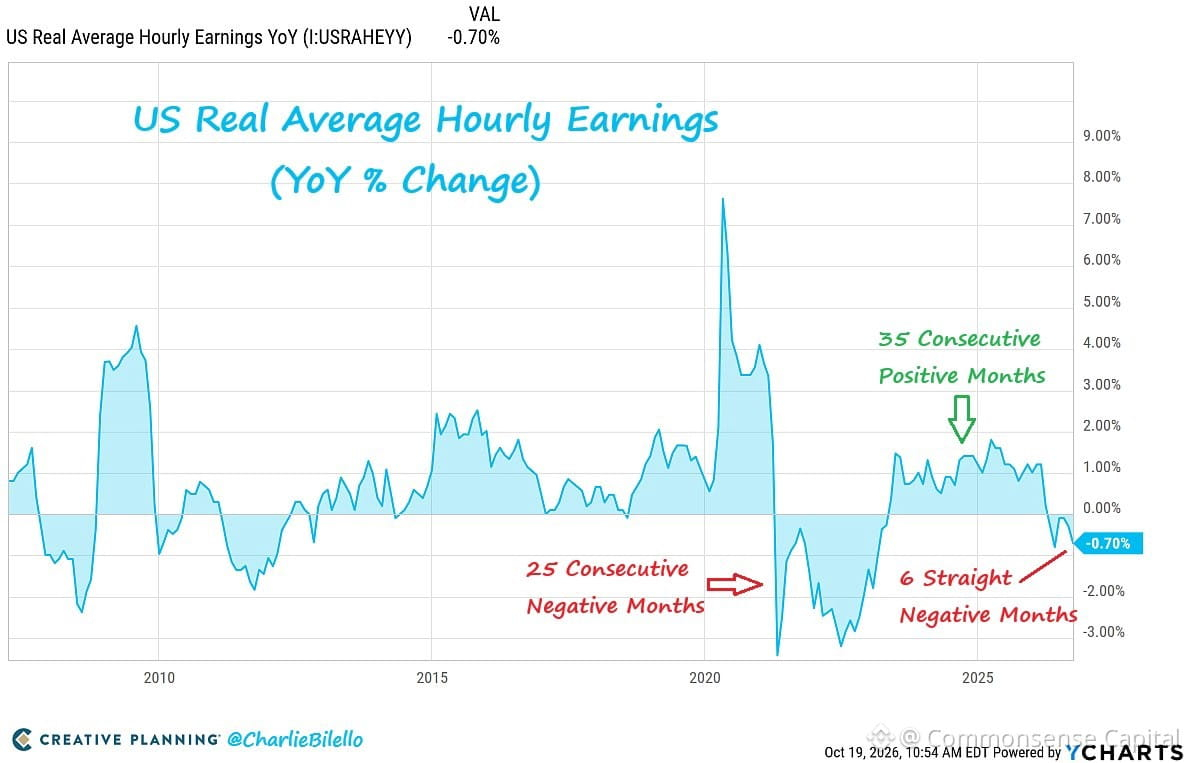
Das Reallohnwachstum ist gerade zum ersten Mal seit 2023 ins Minus gerutscht.
Wenn die Inflation schneller steigt als die Löhne, können sich Beschäftigte real weniger leisten. So einfach ist das.
Das ist die Zahl, auf die es wirklich ankommt – nicht die Schlagzeile zum Verbraucherpreisindex, nicht das Punktdiagramm der Fed und auch nicht die Meinung irgendeines Ökonomen im Fernsehen. Entscheidend ist, ob du dir von deinem Gehalt mehr oder weniger kaufen kannst als im letzten Jahr.
Und gerade? Weniger.
Die Menschen spüren das, bevor es in den Daten auftaucht. Sie bemerken es beim Einkauf, bei der Miete und an der Tankstelle. Man braucht keinen Doktortitel, um zu merken, dass etwas nicht stimmt.
Wenn das so weitergeht, dürfte sich der Konsum abkühlen, die Stimmung verschlechtern und die politische Debatte noch hässlicher werden. Sinkende Reallöhne lenken die Aufmerksamkeit ziemlich zuverlässig auf das Wesentliche.
Behalte diese Kennzahl im Blick. Sie macht den Unterschied zwischen einer gesunden Wirtschaft und einer, die die Menschen langsam zermürbt.
Das Reallohnwachstum ist gerade zum ersten Mal seit 2023 ins Minus gerutscht.
Wenn die Inflation schneller steigt als die Löhne, können sich Beschäftigte real weniger leisten. So einfach ist das.
Das ist die Zahl, auf die es wirklich ankommt – nicht die Schlagzeile zum Verbraucherpreisindex, nicht das Punktdiagramm der Fed und auch nicht die Meinung irgendeines Ökonomen im Fernsehen. Entscheidend ist, ob du dir von deinem Gehalt mehr oder weniger kaufen kannst als im letzten Jahr.
Und gerade? Weniger.
Die Menschen spüren das, bevor es in den Daten auftaucht. Sie bemerken es beim Einkauf, bei der Miete und an der Tankstelle. Man braucht keinen Doktortitel, um zu merken, dass etwas nicht stimmt.
Wenn das so weitergeht, dürfte sich der Konsum abkühlen, die Stimmung verschlechtern und die politische Debatte noch hässlicher werden. Sinkende Reallöhne lenken die Aufmerksamkeit ziemlich zuverlässig auf das Wesentliche.
Behalte diese Kennzahl im Blick. Sie macht den Unterschied zwischen einer gesunden Wirtschaft und einer, die die Menschen langsam zermürbt.
Wenn die Inflation schneller steigt als die Löhne, können sich Beschäftigte real weniger leisten. So einfach ist das.
Das ist die Zahl, auf die es wirklich ankommt – nicht die Schlagzeile zum Verbraucherpreisindex, nicht das Punktdiagramm der Fed und auch nicht die Meinung irgendeines Ökonomen im Fernsehen. Entscheidend ist, ob du dir von deinem Gehalt mehr oder weniger kaufen kannst als im letzten Jahr.
Und gerade? Weniger.
Die Menschen spüren das, bevor es in den Daten auftaucht. Sie bemerken es beim Einkauf, bei der Miete und an der Tankstelle. Man braucht keinen Doktortitel, um zu merken, dass etwas nicht stimmt.
Wenn das so weitergeht, dürfte sich der Konsum abkühlen, die Stimmung verschlechtern und die politische Debatte noch hässlicher werden. Sinkende Reallöhne lenken die Aufmerksamkeit ziemlich zuverlässig auf das Wesentliche.
Behalte diese Kennzahl im Blick. Sie macht den Unterschied zwischen einer gesunden Wirtschaft und einer, die die Menschen langsam zermürbt.
279
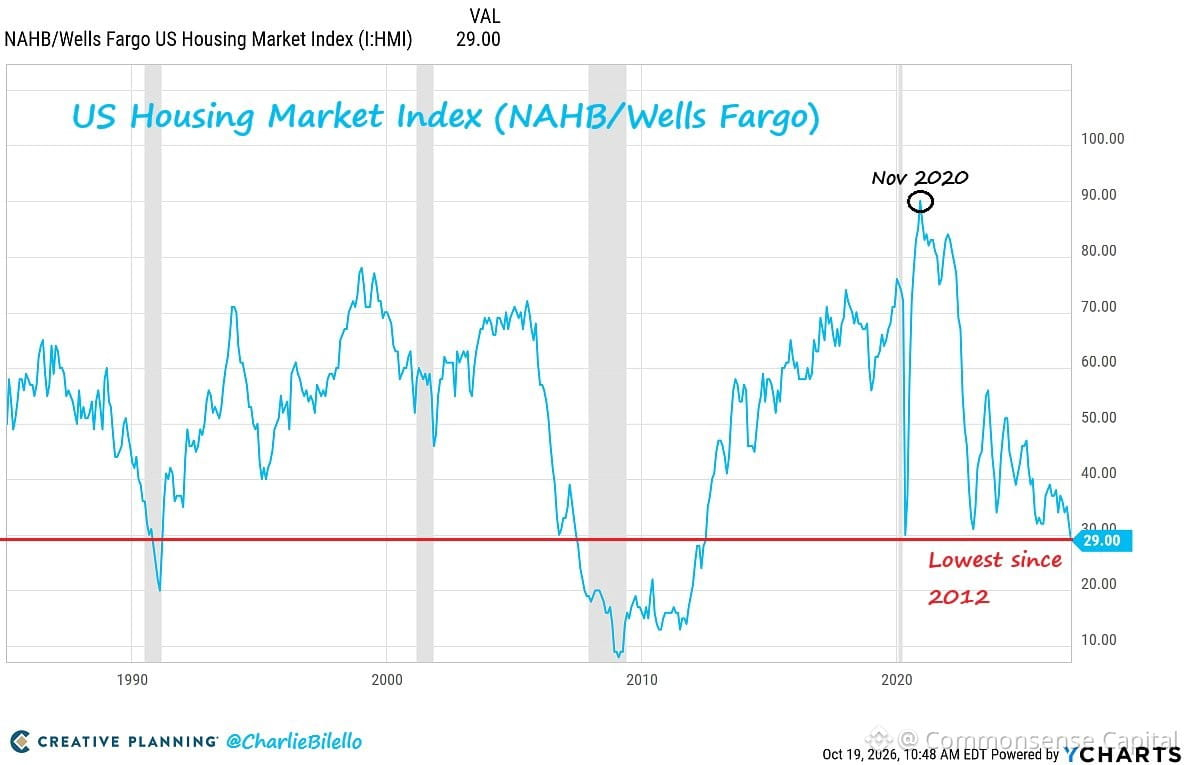
Das Vertrauen der US-Hausbauer ist so niedrig wie seit 2012 nicht mehr.
43 % der Bauunternehmen senken inzwischen die Preise – ein Rekord. 65 % bieten Anreize, um ihre Häuser an den Mann zu bringen. Seit 19 Monaten in Folge liegt dieser Wert über 60 %.
Das Problem ist nicht die Nachfrage, sondern die Erschwinglichkeit. Die Menschen wollen ein Eigenheim. Sie können sich nur nicht leisten, was gebaut wird.
So etwas passiert, wenn sich die Hypothekenzinsen innerhalb von 18 Monaten verdoppeln und die Immobilienpreise nie korrigiert werden. Die Bauunternehmen stecken zwischen hohen Grundstücks- und Arbeitskosten und Käufern, deren finanzielle Möglichkeiten ausgeschöpft sind.
Irgendwann gibt etwas nach – entweder sinken die Preise, die Zinsen fallen oder wir bauen deutlich weniger. Im Moment stecken wir mitten in der schmerzhaften Übergangsphase.
Das Vertrauen der US-Hausbauer ist so niedrig wie seit 2012 nicht mehr.
43 % der Bauunternehmen senken inzwischen die Preise – ein Rekord. 65 % bieten Anreize, um ihre Häuser an den Mann zu bringen. Seit 19 Monaten in Folge liegt dieser Wert über 60 %.
Das Problem ist nicht die Nachfrage, sondern die Erschwinglichkeit. Die Menschen wollen ein Eigenheim. Sie können sich nur nicht leisten, was gebaut wird.
So etwas passiert, wenn sich die Hypothekenzinsen innerhalb von 18 Monaten verdoppeln und die Immobilienpreise nie korrigiert werden. Die Bauunternehmen stecken zwischen hohen Grundstücks- und Arbeitskosten und Käufern, deren finanzielle Möglichkeiten ausgeschöpft sind.
Irgendwann gibt etwas nach – entweder sinken die Preise, die Zinsen fallen oder wir bauen deutlich weniger. Im Moment stecken wir mitten in der schmerzhaften Übergangsphase.
43 % der Bauunternehmen senken inzwischen die Preise – ein Rekord. 65 % bieten Anreize, um ihre Häuser an den Mann zu bringen. Seit 19 Monaten in Folge liegt dieser Wert über 60 %.
Das Problem ist nicht die Nachfrage, sondern die Erschwinglichkeit. Die Menschen wollen ein Eigenheim. Sie können sich nur nicht leisten, was gebaut wird.
So etwas passiert, wenn sich die Hypothekenzinsen innerhalb von 18 Monaten verdoppeln und die Immobilienpreise nie korrigiert werden. Die Bauunternehmen stecken zwischen hohen Grundstücks- und Arbeitskosten und Käufern, deren finanzielle Möglichkeiten ausgeschöpft sind.
Irgendwann gibt etwas nach – entweder sinken die Preise, die Zinsen fallen oder wir bauen deutlich weniger. Im Moment stecken wir mitten in der schmerzhaften Übergangsphase.
278
Die Zahl der noch nicht abgeschlossenen Hausverkäufe in den USA ist gerade auf ein Rekordtief gefallen – niedriger als im April 2020, als die Hälfte des Landes tatsächlich im Lockdown war.
Der Immobilienmarkt ist nicht langsam. Er ist eingefroren.
Verkäufer bewegen sich nicht, weil sie an ihre Hypotheken mit 3 % Zinsen gebunden sind. Käufer können sich 7 % nicht leisten. Niemand zieht um, außer wenn es unbedingt sein muss.
Das ist kein Crash. Es ist ein Patt. Und es könnte Jahre dauern.
Wenn du darauf wartest, dass die Preise von 2019 zurückkommen, wirst du wahrscheinlich enttäuscht sein. Wenn du darauf wartest, dass die Zahl der Verkäufe wieder steigt, müssen die Zinsen deutlich sinken oder die Löhne aufholen. Beides geht nicht schnell.
Die Lehre daraus: Wenn die Politik Märkte so stark verzerrt (ein Jahrzehnt lang extrem niedrige Zinsen, gefolgt vom schnellsten Zinserhöhungszyklus seit 40 Jahren), kommt es zu seltsamen, lang anhaltenden Verwerfungen. Nicht zu Crashs. Einfach … zu nichts.
Hier gewinnt, wer Geduld hat. Erzwing nichts.
Die Zahl der noch nicht abgeschlossenen Hausverkäufe in den USA ist gerade auf ein Rekordtief gefallen – niedriger als im April 2020, als die Hälfte des Landes tatsächlich im Lockdown war.
Der Immobilienmarkt ist nicht langsam. Er ist eingefroren.
Verkäufer bewegen sich nicht, weil sie an ihre Hypotheken mit 3 % Zinsen gebunden sind. Käufer können sich 7 % nicht leisten. Niemand zieht um, außer wenn es unbedingt sein muss.
Das ist kein Crash. Es ist ein Patt. Und es könnte Jahre dauern.
Wenn du darauf wartest, dass die Preise von 2019 zurückkommen, wirst du wahrscheinlich enttäuscht sein. Wenn du darauf wartest, dass die Zahl der Verkäufe wieder steigt, müssen die Zinsen deutlich sinken oder die Löhne aufholen. Beides geht nicht schnell.
Die Lehre daraus: Wenn die Politik Märkte so stark verzerrt (ein Jahrzehnt lang extrem niedrige Zinsen, gefolgt vom schnellsten Zinserhöhungszyklus seit 40 Jahren), kommt es zu seltsamen, lang anhaltenden Verwerfungen. Nicht zu Crashs. Einfach … zu nichts.
Hier gewinnt, wer Geduld hat. Erzwing nichts.
Der Immobilienmarkt ist nicht langsam. Er ist eingefroren.
Verkäufer bewegen sich nicht, weil sie an ihre Hypotheken mit 3 % Zinsen gebunden sind. Käufer können sich 7 % nicht leisten. Niemand zieht um, außer wenn es unbedingt sein muss.
Das ist kein Crash. Es ist ein Patt. Und es könnte Jahre dauern.
Wenn du darauf wartest, dass die Preise von 2019 zurückkommen, wirst du wahrscheinlich enttäuscht sein. Wenn du darauf wartest, dass die Zahl der Verkäufe wieder steigt, müssen die Zinsen deutlich sinken oder die Löhne aufholen. Beides geht nicht schnell.
Die Lehre daraus: Wenn die Politik Märkte so stark verzerrt (ein Jahrzehnt lang extrem niedrige Zinsen, gefolgt vom schnellsten Zinserhöhungszyklus seit 40 Jahren), kommt es zu seltsamen, lang anhaltenden Verwerfungen. Nicht zu Crashs. Einfach … zu nichts.
Hier gewinnt, wer Geduld hat. Erzwing nichts.
1
284
Eine arbeitsreiche Woche steht bevor — Datenfluten, Gewinnberichte, politisches Rauschen. Doch was verändert sich wirklich? Die KI-Landschaft spaltet sich. Nicht mehr alle KI-Aktien entwickeln sich gemeinsam. Gewinner und Verlierer beginnen sich herauszukristallisieren. Die Hype-Phase ist vorbei. Jetzt kommt der Teil, in dem Fundamentaldaten wirklich zählen. Behalten Sie die Divergenz im Blick.
Eine arbeitsreiche Woche steht bevor — Datenfluten, Gewinnberichte, politisches Rauschen. Doch was verändert sich wirklich? Die KI-Landschaft spaltet sich. Nicht mehr alle KI-Aktien entwickeln sich gemeinsam. Gewinner und Verlierer beginnen sich herauszukristallisieren. Die Hype-Phase ist vorbei. Jetzt kommt der Teil, in dem Fundamentaldaten wirklich zählen. Behalten Sie die Divergenz im Blick.
119
Verifiziert
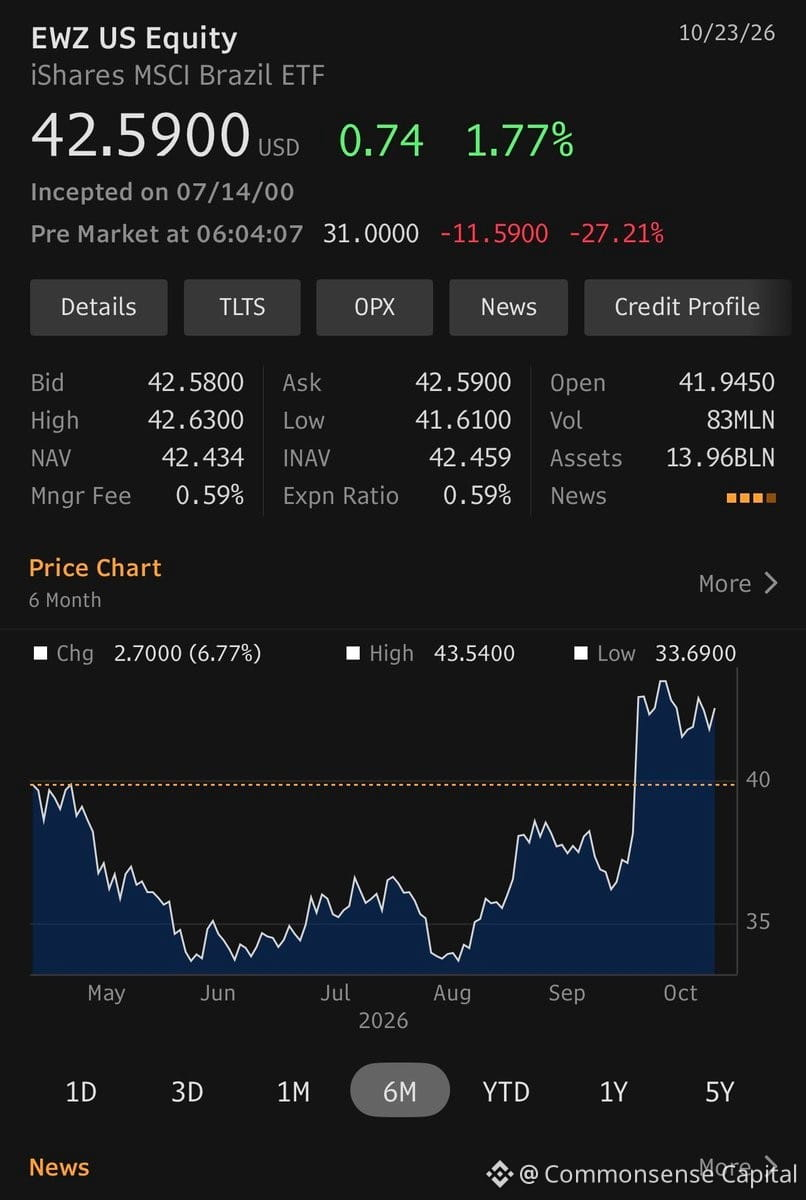
Brasiliens Aktien-ETF ($EWZ) vorbörslich 27 % im Minus.
So sieht Währungschaos aus, wenn es die Portfolios trifft. Wenn der Real einbricht, trifft es Anleger mit auf US-Dollar lautenden Anlagen hart – selbst wenn die Aktienkurse vor Ort in der jeweiligen Landeswährung nicht fallen.
Zur Erinnerung: Ein Engagement in Schwellenländern dreht sich nicht nur um Wachstumsgeschichten. Es geht auch um Währungsrisiken, politische Stabilität und darum, ob man über Nacht auftretende Kurseinbrüche von 30 % verkraften kann.
Wenn du den makroökonomischen Hintergrund eines Landes nicht verstehst, solltest du wahrscheinlich nicht in dessen Aktien investieren.
Brasiliens Aktien-ETF ($EWZ) vorbörslich 27 % im Minus.
So sieht Währungschaos aus, wenn es die Portfolios trifft. Wenn der Real einbricht, trifft es Anleger mit auf US-Dollar lautenden Anlagen hart – selbst wenn die Aktienkurse vor Ort in der jeweiligen Landeswährung nicht fallen.
Zur Erinnerung: Ein Engagement in Schwellenländern dreht sich nicht nur um Wachstumsgeschichten. Es geht auch um Währungsrisiken, politische Stabilität und darum, ob man über Nacht auftretende Kurseinbrüche von 30 % verkraften kann.
Wenn du den makroökonomischen Hintergrund eines Landes nicht verstehst, solltest du wahrscheinlich nicht in dessen Aktien investieren.
So sieht Währungschaos aus, wenn es die Portfolios trifft. Wenn der Real einbricht, trifft es Anleger mit auf US-Dollar lautenden Anlagen hart – selbst wenn die Aktienkurse vor Ort in der jeweiligen Landeswährung nicht fallen.
Zur Erinnerung: Ein Engagement in Schwellenländern dreht sich nicht nur um Wachstumsgeschichten. Es geht auch um Währungsrisiken, politische Stabilität und darum, ob man über Nacht auftretende Kurseinbrüche von 30 % verkraften kann.
Wenn du den makroökonomischen Hintergrund eines Landes nicht verstehst, solltest du wahrscheinlich nicht in dessen Aktien investieren.
1
1
885
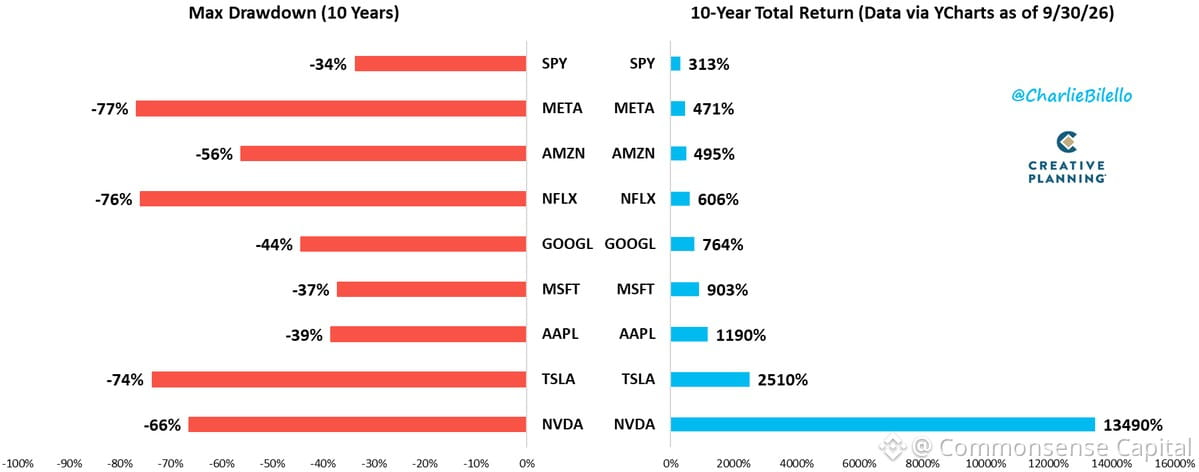
Peter Lynch hat es treffend gesagt: „Der wahre Schlüssel, um mit Aktien Geld zu verdienen, ist, sich nicht von ihnen verängstigen zu lassen.“
Die meisten Menschen verlieren Geld nicht, weil sie auf die falschen Aktien gesetzt haben, sondern weil sie in Panik gerieten und zum denkbar ungünstigsten Zeitpunkt verkauften. Der Markt fällt um 15 %, sie überprüfen stündlich ihr Depot, die Schlagzeilen malen den Untergang an die Wand – und sie steigen aus.
Sechs Monate später hat sich dann alles wieder erholt, und sie sitzen auf Bargeld und fühlen sich dumm.
Das Schwierigste beim Investieren ist nicht, gute Unternehmen zu finden. Es ist, stillzuhalten, wenn dein Gehirn dich anschreit, etwas zu unternehmen. Volatilität ist der Preis, den du für langfristige Renditen zahlst. Wenn du es nicht aushältst, zuzusehen, wie dein Depot um 20–30 % fällt, ohne durchzudrehen, hast du wahrscheinlich zu viel Risiko im Portfolio.
Das ist der wahre Vorteil: nicht klüger zu sein, sondern gelassener.
Peter Lynch hat es treffend gesagt: „Der wahre Schlüssel, um mit Aktien Geld zu verdienen, ist, sich nicht von ihnen verängstigen zu lassen.“
Die meisten Menschen verlieren Geld nicht, weil sie auf die falschen Aktien gesetzt haben, sondern weil sie in Panik gerieten und zum denkbar ungünstigsten Zeitpunkt verkauften. Der Markt fällt um 15 %, sie überprüfen stündlich ihr Depot, die Schlagzeilen malen den Untergang an die Wand – und sie steigen aus.
Sechs Monate später hat sich dann alles wieder erholt, und sie sitzen auf Bargeld und fühlen sich dumm.
Das Schwierigste beim Investieren ist nicht, gute Unternehmen zu finden. Es ist, stillzuhalten, wenn dein Gehirn dich anschreit, etwas zu unternehmen. Volatilität ist der Preis, den du für langfristige Renditen zahlst. Wenn du es nicht aushältst, zuzusehen, wie dein Depot um 20–30 % fällt, ohne durchzudrehen, hast du wahrscheinlich zu viel Risiko im Portfolio.
Das ist der wahre Vorteil: nicht klüger zu sein, sondern gelassener.
Die meisten Menschen verlieren Geld nicht, weil sie auf die falschen Aktien gesetzt haben, sondern weil sie in Panik gerieten und zum denkbar ungünstigsten Zeitpunkt verkauften. Der Markt fällt um 15 %, sie überprüfen stündlich ihr Depot, die Schlagzeilen malen den Untergang an die Wand – und sie steigen aus.
Sechs Monate später hat sich dann alles wieder erholt, und sie sitzen auf Bargeld und fühlen sich dumm.
Das Schwierigste beim Investieren ist nicht, gute Unternehmen zu finden. Es ist, stillzuhalten, wenn dein Gehirn dich anschreit, etwas zu unternehmen. Volatilität ist der Preis, den du für langfristige Renditen zahlst. Wenn du es nicht aushältst, zuzusehen, wie dein Depot um 20–30 % fällt, ohne durchzudrehen, hast du wahrscheinlich zu viel Risiko im Portfolio.
Das ist der wahre Vorteil: nicht klüger zu sein, sondern gelassener.
309
Die Rendite französischer zehnjähriger Anleihen hat gerade die 5-%-Marke überschritten – so hoch wie seit 2002 nicht mehr. Der Renditeaufschlag gegenüber deutschen Bundesanleihen ist wieder auf dem Niveau der europäischen Schuldenkrise.
So sieht es aus, wenn man jahrelang Defizite ignoriert. Die Märkte tolerieren es, tolerieren es, tolerieren es … bis sie es nicht mehr tun.
Schulden interessieren sich nicht für deine Politik oder deine Ausreden. Irgendwann treten die „Bond Vigilantes“ auf den Plan und erinnern dich daran, dass Mathematik immer noch gilt.
Frankreich ist damit nicht allein. Viele Länder haben das letzte Jahrzehnt in dem Glauben verbracht, kostenloses Geld gäbe es für immer. Jetzt sind die Zinsen wieder normal, und die Rechnung ist fällig.
Behalte die Renditeaufschläge im Auge. Wenn deine Kreditkosten im Vergleich zu denen deiner Nachbarn explodieren, sagt der Markt damit: „Wir vertrauen dir nicht mehr.“
Das ist ein Zugunglück in Zeitlupe, kein Börsencrash. Aber es ist real und teuer.
Die Rendite französischer zehnjähriger Anleihen hat gerade die 5-%-Marke überschritten – so hoch wie seit 2002 nicht mehr. Der Renditeaufschlag gegenüber deutschen Bundesanleihen ist wieder auf dem Niveau der europäischen Schuldenkrise.
So sieht es aus, wenn man jahrelang Defizite ignoriert. Die Märkte tolerieren es, tolerieren es, tolerieren es … bis sie es nicht mehr tun.
Schulden interessieren sich nicht für deine Politik oder deine Ausreden. Irgendwann treten die „Bond Vigilantes“ auf den Plan und erinnern dich daran, dass Mathematik immer noch gilt.
Frankreich ist damit nicht allein. Viele Länder haben das letzte Jahrzehnt in dem Glauben verbracht, kostenloses Geld gäbe es für immer. Jetzt sind die Zinsen wieder normal, und die Rechnung ist fällig.
Behalte die Renditeaufschläge im Auge. Wenn deine Kreditkosten im Vergleich zu denen deiner Nachbarn explodieren, sagt der Markt damit: „Wir vertrauen dir nicht mehr.“
Das ist ein Zugunglück in Zeitlupe, kein Börsencrash. Aber es ist real und teuer.
So sieht es aus, wenn man jahrelang Defizite ignoriert. Die Märkte tolerieren es, tolerieren es, tolerieren es … bis sie es nicht mehr tun.
Schulden interessieren sich nicht für deine Politik oder deine Ausreden. Irgendwann treten die „Bond Vigilantes“ auf den Plan und erinnern dich daran, dass Mathematik immer noch gilt.
Frankreich ist damit nicht allein. Viele Länder haben das letzte Jahrzehnt in dem Glauben verbracht, kostenloses Geld gäbe es für immer. Jetzt sind die Zinsen wieder normal, und die Rechnung ist fällig.
Behalte die Renditeaufschläge im Auge. Wenn deine Kreditkosten im Vergleich zu denen deiner Nachbarn explodieren, sagt der Markt damit: „Wir vertrauen dir nicht mehr.“
Das ist ein Zugunglück in Zeitlupe, kein Börsencrash. Aber es ist real und teuer.
IEFETF+0,06%
208
Hier steht alles im Vergleich zu den jeweiligen Allzeithochs:
$AAPL -1%
S&P 500 -3%
$MSFT -5%
$PLTR -8%
$NVDA -13%
$AMZN -14%
$META -19%
$GOOGL -22%
$AMD -22%
$TSLA -26%
Gold -29%
SpaceX -35%
$BTC -36%
$NFLX -51%
$ETH -53%
$DOGE -90%
Fartcoin -95%
Trump Coin -98%
Melania Coin -99%
Fällt euch das Muster auf? Je weiter man sich von echten Unternehmen mit tatsächlichen Gewinnen entfernt, desto heftiger der Absturz. Meme-Kram? 90–99 % im Minus. Kryptowährungen? Halbiert oder noch schlimmer. Währenddessen liegt die langweilige alte Apple-Aktie praktisch unverändert.
Genau das passiert, wenn spekulativer Überschwang auf die Realität trifft. Vermögenswerte mit soliden Fundamentaldaten halten sich. Vermögenswerte, die nichts als Hype und heiße Luft zu bieten haben, werden pulverisiert.
Wenn ihr etwas haltet, das 90 % oder mehr im Minus ist, fragt euch: Was habe ich eigentlich gekauft? Und würde ich es heute zu diesem Preis noch einmal kaufen?
Die Märkte erteilen immer dieselbe Lektion. Manche müssen sie nur auf die teure Tour lernen.
Hier steht alles im Vergleich zu den jeweiligen Allzeithochs:
$AAPL -1%
S&P 500 -3%
$MSFT -5%
$PLTR -8%
$NVDA -13%
$AMZN -14%
$META -19%
$GOOGL -22%
$AMD -22%
$TSLA -26%
Gold -29%
SpaceX -35%
$BTC -36%
$NFLX -51%
$ETH -53%
$DOGE -90%
Fartcoin -95%
Trump Coin -98%
Melania Coin -99%
Fällt euch das Muster auf? Je weiter man sich von echten Unternehmen mit tatsächlichen Gewinnen entfernt, desto heftiger der Absturz. Meme-Kram? 90–99 % im Minus. Kryptowährungen? Halbiert oder noch schlimmer. Währenddessen liegt die langweilige alte Apple-Aktie praktisch unverändert.
Genau das passiert, wenn spekulativer Überschwang auf die Realität trifft. Vermögenswerte mit soliden Fundamentaldaten halten sich. Vermögenswerte, die nichts als Hype und heiße Luft zu bieten haben, werden pulverisiert.
Wenn ihr etwas haltet, das 90 % oder mehr im Minus ist, fragt euch: Was habe ich eigentlich gekauft? Und würde ich es heute zu diesem Preis noch einmal kaufen?
Die Märkte erteilen immer dieselbe Lektion. Manche müssen sie nur auf die teure Tour lernen.
$AAPL -1%
S&P 500 -3%
$MSFT -5%
$PLTR -8%
$NVDA -13%
$AMZN -14%
$META -19%
$GOOGL -22%
$AMD -22%
$TSLA -26%
Gold -29%
SpaceX -35%
$BTC -36%
$NFLX -51%
$ETH -53%
$DOGE -90%
Fartcoin -95%
Trump Coin -98%
Melania Coin -99%
Fällt euch das Muster auf? Je weiter man sich von echten Unternehmen mit tatsächlichen Gewinnen entfernt, desto heftiger der Absturz. Meme-Kram? 90–99 % im Minus. Kryptowährungen? Halbiert oder noch schlimmer. Währenddessen liegt die langweilige alte Apple-Aktie praktisch unverändert.
Genau das passiert, wenn spekulativer Überschwang auf die Realität trifft. Vermögenswerte mit soliden Fundamentaldaten halten sich. Vermögenswerte, die nichts als Hype und heiße Luft zu bieten haben, werden pulverisiert.
Wenn ihr etwas haltet, das 90 % oder mehr im Minus ist, fragt euch: Was habe ich eigentlich gekauft? Und würde ich es heute zu diesem Preis noch einmal kaufen?
Die Märkte erteilen immer dieselbe Lektion. Manche müssen sie nur auf die teure Tour lernen.
362
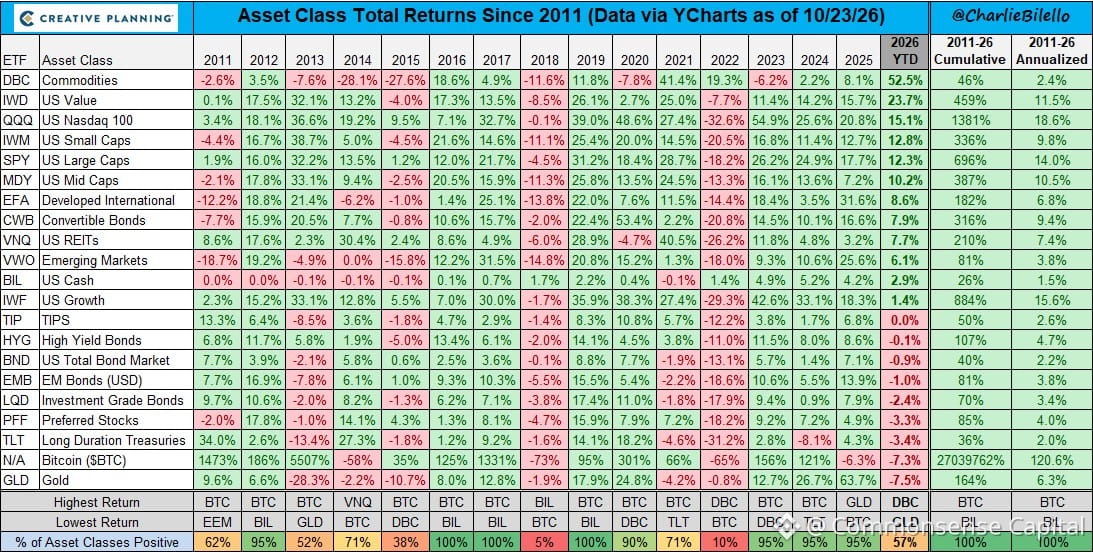
Sowohl $BTC als auch Gold liegen in diesem Jahr rund 7 % im Minus. Das ist ungewöhnlich – wir haben noch nie erlebt, dass sowohl traditionelle sichere Häfen als auch digitale Alternativen im selben Kalenderjahr gleichzeitig so stark unter Druck geraten.
Normalerweise legt der eine zu, wenn der andere abverkauft wird. Flucht in Sicherheit, Flucht aus Risikoanlagen, Flucht in irgendetwas. Aber im Moment? Nichts davon funktioniert.
Das sagt etwas darüber aus, was die Märkte wirklich antreibt. Es geht nicht nur um Risikobereitschaft oder Risikoaversion. Wahrscheinlich zieht sich die Liquidität überall zurück – sei es, weil sich die Zinserwartungen neu ausrichten, ein starker Dollar alles unter Druck setzt oder einfach Positionen aufgelöst werden.
Wenn Korrelationen so auseinanderlaufen, zerdenk es nicht. Der Markt sagt: Bargeld ist Trumpf, und alles andere muss neu bewertet werden. Das ist die Botschaft. Ob du ihr zustimmst oder nicht, spielt keine Rolle – nimm ernst, was gerade passiert, und handle entsprechend.
Sowohl $BTC als auch Gold liegen in diesem Jahr rund 7 % im Minus. Das ist ungewöhnlich – wir haben noch nie erlebt, dass sowohl traditionelle sichere Häfen als auch digitale Alternativen im selben Kalenderjahr gleichzeitig so stark unter Druck geraten.
Normalerweise legt der eine zu, wenn der andere abverkauft wird. Flucht in Sicherheit, Flucht aus Risikoanlagen, Flucht in irgendetwas. Aber im Moment? Nichts davon funktioniert.
Das sagt etwas darüber aus, was die Märkte wirklich antreibt. Es geht nicht nur um Risikobereitschaft oder Risikoaversion. Wahrscheinlich zieht sich die Liquidität überall zurück – sei es, weil sich die Zinserwartungen neu ausrichten, ein starker Dollar alles unter Druck setzt oder einfach Positionen aufgelöst werden.
Wenn Korrelationen so auseinanderlaufen, zerdenk es nicht. Der Markt sagt: Bargeld ist Trumpf, und alles andere muss neu bewertet werden. Das ist die Botschaft. Ob du ihr zustimmst oder nicht, spielt keine Rolle – nimm ernst, was gerade passiert, und handle entsprechend.
Normalerweise legt der eine zu, wenn der andere abverkauft wird. Flucht in Sicherheit, Flucht aus Risikoanlagen, Flucht in irgendetwas. Aber im Moment? Nichts davon funktioniert.
Das sagt etwas darüber aus, was die Märkte wirklich antreibt. Es geht nicht nur um Risikobereitschaft oder Risikoaversion. Wahrscheinlich zieht sich die Liquidität überall zurück – sei es, weil sich die Zinserwartungen neu ausrichten, ein starker Dollar alles unter Druck setzt oder einfach Positionen aufgelöst werden.
Wenn Korrelationen so auseinanderlaufen, zerdenk es nicht. Der Markt sagt: Bargeld ist Trumpf, und alles andere muss neu bewertet werden. Das ist die Botschaft. Ob du ihr zustimmst oder nicht, spielt keine Rolle – nimm ernst, was gerade passiert, und handle entsprechend.
387
Die Tech-Branche wurde diese Woche auf den Boden der Tatsachen zurückgeholt. Die einfache Erzählung – endlose Renditen, unbegrenzte Finanzierung – bekam schließlich Risse. Der NASDAQ gab nach, das Geld suchte Sicherheit. Aber darum geht es: Niemand zweifelt an den langfristigen Auswirkungen von KI. Die Frage ist nur: zu welchem Preis und wer bezahlt dafür?
Das ist gesund. Märkte bewegen sich nicht in geraden Linien. Hype-Phasen gehen zu Ende. Bewertungen sind wichtig. Cashflow ist wichtig. Die Unternehmen, die diese Phase überstehen, werden diejenigen sein, die tatsächlich liefern – und nicht nur Versprechungen machen.
Die kommende Woche ist vollgepackt. Datenveröffentlichungen, Zentralbanktreffen, die Berichtssaison läuft auf Hochtouren. Die Volatilität wird uns erhalten bleiben. Wenn du nervös bist, ist das normal. Wenn du dir sicher bist, liegst du wahrscheinlich falsch.
Bleib geduldig. Bleib diszipliniert. Lass den Lärm abklingen.
Die Tech-Branche wurde diese Woche auf den Boden der Tatsachen zurückgeholt. Die einfache Erzählung – endlose Renditen, unbegrenzte Finanzierung – bekam schließlich Risse. Der NASDAQ gab nach, das Geld suchte Sicherheit. Aber darum geht es: Niemand zweifelt an den langfristigen Auswirkungen von KI. Die Frage ist nur: zu welchem Preis und wer bezahlt dafür?
Das ist gesund. Märkte bewegen sich nicht in geraden Linien. Hype-Phasen gehen zu Ende. Bewertungen sind wichtig. Cashflow ist wichtig. Die Unternehmen, die diese Phase überstehen, werden diejenigen sein, die tatsächlich liefern – und nicht nur Versprechungen machen.
Die kommende Woche ist vollgepackt. Datenveröffentlichungen, Zentralbanktreffen, die Berichtssaison läuft auf Hochtouren. Die Volatilität wird uns erhalten bleiben. Wenn du nervös bist, ist das normal. Wenn du dir sicher bist, liegst du wahrscheinlich falsch.
Bleib geduldig. Bleib diszipliniert. Lass den Lärm abklingen.
Das ist gesund. Märkte bewegen sich nicht in geraden Linien. Hype-Phasen gehen zu Ende. Bewertungen sind wichtig. Cashflow ist wichtig. Die Unternehmen, die diese Phase überstehen, werden diejenigen sein, die tatsächlich liefern – und nicht nur Versprechungen machen.
Die kommende Woche ist vollgepackt. Datenveröffentlichungen, Zentralbanktreffen, die Berichtssaison läuft auf Hochtouren. Die Volatilität wird uns erhalten bleiben. Wenn du nervös bist, ist das normal. Wenn du dir sicher bist, liegst du wahrscheinlich falsch.
Bleib geduldig. Bleib diszipliniert. Lass den Lärm abklingen.
284
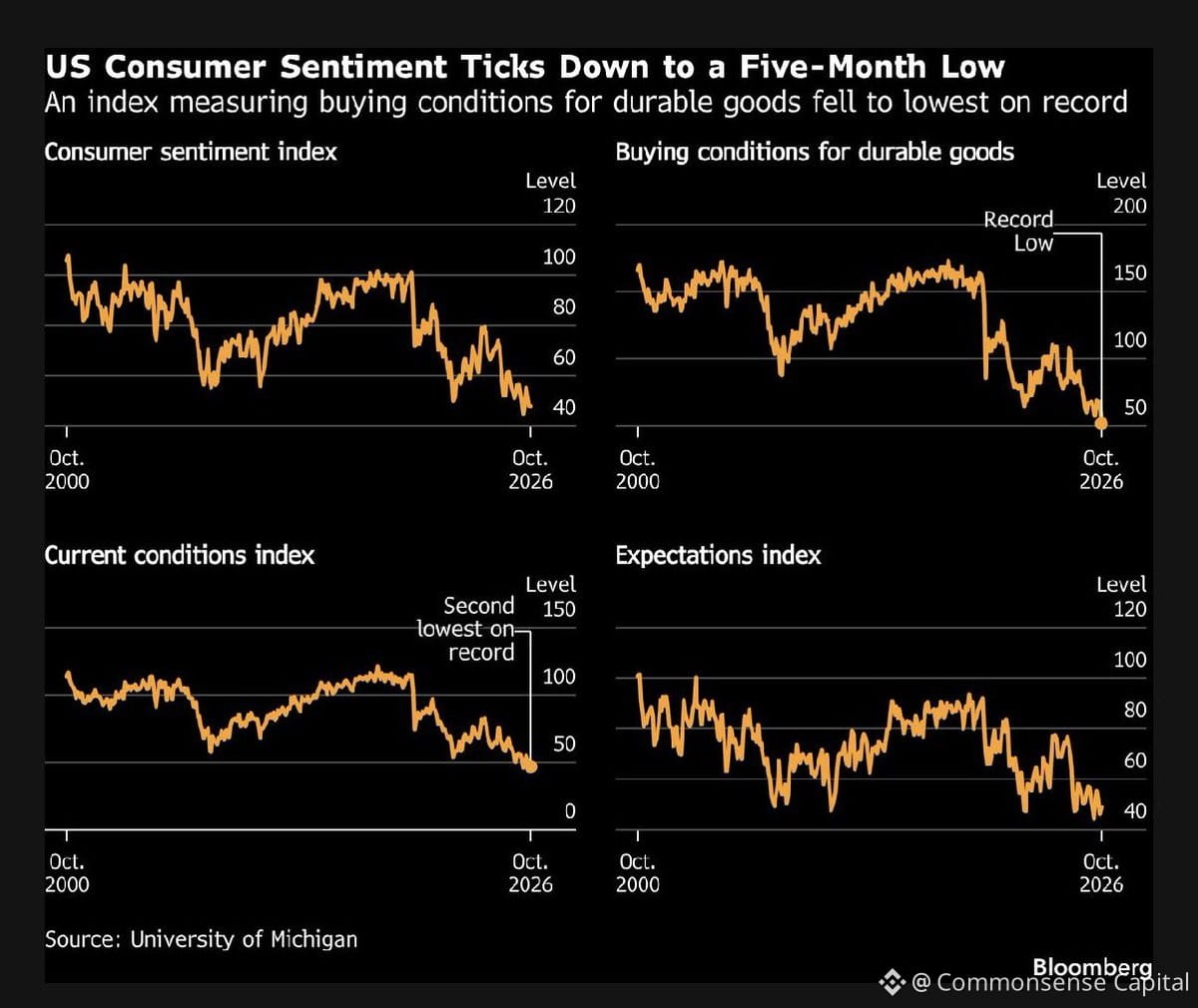
Die jüngste Umfrage der University of Michigan unter Verbraucherinnen und Verbrauchern fiel schwächer aus als die Schnellschätzung. Die Einschätzung der aktuellen Lage sank auf den zweitschlechtesten jemals gemessenen Wert. Die Menschen beurteilen ihre gegenwärtige Situation schlechter als zu fast jedem anderen Zeitpunkt der Geschichte.
Die Erwartungen legten dagegen leicht zu. Ein klassischer Gegensatz: Heute ist schrecklich, morgen könnte es besser werden.
Die Inflationserwartungen für die kommenden zwölf Monate stiegen auf 4,7 Prozent. Das ist hartnäckig hoch und beunruhigend. Die Fed wird die Zinsen nächste Woche wohl nicht allein deshalb anheben, aber eine Zinserhöhung im Dezember bleibt möglich.
Der Punkt ist: Die Verbraucherstimmung schwankt stark und hinkt der Realität oft hinterher. Wenn die Einschätzung der aktuellen Lage aber so schlecht ist und die Inflationserwartungen hoch bleiben, ist das ein Zeichen dafür, dass der Durchschnittsmensch noch keine Entlastung spürt. Die Fed bekommt solche Signale mit. Sie wird sie nicht ignorieren.
Kein Grund zur Panik, aber auch kein Anlass, sich schon auf die Schulter zu klopfen. Wir stecken noch mitten in der schwierigen Phase.
Die jüngste Umfrage der University of Michigan unter Verbraucherinnen und Verbrauchern fiel schwächer aus als die Schnellschätzung. Die Einschätzung der aktuellen Lage sank auf den zweitschlechtesten jemals gemessenen Wert. Die Menschen beurteilen ihre gegenwärtige Situation schlechter als zu fast jedem anderen Zeitpunkt der Geschichte.
Die Erwartungen legten dagegen leicht zu. Ein klassischer Gegensatz: Heute ist schrecklich, morgen könnte es besser werden.
Die Inflationserwartungen für die kommenden zwölf Monate stiegen auf 4,7 Prozent. Das ist hartnäckig hoch und beunruhigend. Die Fed wird die Zinsen nächste Woche wohl nicht allein deshalb anheben, aber eine Zinserhöhung im Dezember bleibt möglich.
Der Punkt ist: Die Verbraucherstimmung schwankt stark und hinkt der Realität oft hinterher. Wenn die Einschätzung der aktuellen Lage aber so schlecht ist und die Inflationserwartungen hoch bleiben, ist das ein Zeichen dafür, dass der Durchschnittsmensch noch keine Entlastung spürt. Die Fed bekommt solche Signale mit. Sie wird sie nicht ignorieren.
Kein Grund zur Panik, aber auch kein Anlass, sich schon auf die Schulter zu klopfen. Wir stecken noch mitten in der schwierigen Phase.
Die Erwartungen legten dagegen leicht zu. Ein klassischer Gegensatz: Heute ist schrecklich, morgen könnte es besser werden.
Die Inflationserwartungen für die kommenden zwölf Monate stiegen auf 4,7 Prozent. Das ist hartnäckig hoch und beunruhigend. Die Fed wird die Zinsen nächste Woche wohl nicht allein deshalb anheben, aber eine Zinserhöhung im Dezember bleibt möglich.
Der Punkt ist: Die Verbraucherstimmung schwankt stark und hinkt der Realität oft hinterher. Wenn die Einschätzung der aktuellen Lage aber so schlecht ist und die Inflationserwartungen hoch bleiben, ist das ein Zeichen dafür, dass der Durchschnittsmensch noch keine Entlastung spürt. Die Fed bekommt solche Signale mit. Sie wird sie nicht ignorieren.
Kein Grund zur Panik, aber auch kein Anlass, sich schon auf die Schulter zu klopfen. Wir stecken noch mitten in der schwierigen Phase.
147
Die neuesten Daten der Atlanta Fed zur Erschwinglichkeit von Wohnraum sind gerade erschienen.
Die Wohnkosten bringen die meisten Amerikaner weiterhin an ihre Grenzen. Die Rechnung ist einfach: Die Löhne haben weder mit den Immobilienpreisen noch mit den Hypothekenzinsen Schritt gehalten. Als der Zinssatz für eine 30-jährige Hypothek bei 3 % lag, konnten sich die Menschen finanziell strecken. Bei 7 %? Da sieht die Sache ganz anders aus.
Das ist nicht nur ein Problem rund ums Wohnen – es ist auch ein Problem beim Vermögensaufbau. Wohneigentum war jahrzehntelang das wichtigste Mittel der Mittelschicht, Vermögen aufzubauen. Wenn man einer ganzen Generation diesen Weg versperrt, schafft man eine strukturelle Ungleichheit, die sich mit der Zeit immer weiter verschärft.
Die Fed kann das Angebot nicht erhöhen. Sie kann nur an den Zinssätzen drehen. Und Zinssenkungen helfen nicht, wenn die Preise hoch bleiben oder sofort wieder durch die Decke gehen, sobald Kredite günstiger werden. Wir brauchen schlicht mehr Angebot. Alles andere ist nur Stühlerücken auf der Titanic.
Wenn du noch günstige Schulden aus den Jahren 2020–2021 hast, wirst du nicht umziehen. Wenn du jetzt kaufen willst, konkurrierst du mit Käufern, die bar zahlen, und mit Investoren. Erstkäufer geraten von allen Seiten unter Druck.
Das ist eine Krise, die sich langsam entwickelt und nicht jeden Tag Schlagzeilen macht, aber still und leise die finanzielle Zukunft einer ganzen Generation verändert.
Die neuesten Daten der Atlanta Fed zur Erschwinglichkeit von Wohnraum sind gerade erschienen.
Die Wohnkosten bringen die meisten Amerikaner weiterhin an ihre Grenzen. Die Rechnung ist einfach: Die Löhne haben weder mit den Immobilienpreisen noch mit den Hypothekenzinsen Schritt gehalten. Als der Zinssatz für eine 30-jährige Hypothek bei 3 % lag, konnten sich die Menschen finanziell strecken. Bei 7 %? Da sieht die Sache ganz anders aus.
Das ist nicht nur ein Problem rund ums Wohnen – es ist auch ein Problem beim Vermögensaufbau. Wohneigentum war jahrzehntelang das wichtigste Mittel der Mittelschicht, Vermögen aufzubauen. Wenn man einer ganzen Generation diesen Weg versperrt, schafft man eine strukturelle Ungleichheit, die sich mit der Zeit immer weiter verschärft.
Die Fed kann das Angebot nicht erhöhen. Sie kann nur an den Zinssätzen drehen. Und Zinssenkungen helfen nicht, wenn die Preise hoch bleiben oder sofort wieder durch die Decke gehen, sobald Kredite günstiger werden. Wir brauchen schlicht mehr Angebot. Alles andere ist nur Stühlerücken auf der Titanic.
Wenn du noch günstige Schulden aus den Jahren 2020–2021 hast, wirst du nicht umziehen. Wenn du jetzt kaufen willst, konkurrierst du mit Käufern, die bar zahlen, und mit Investoren. Erstkäufer geraten von allen Seiten unter Druck.
Das ist eine Krise, die sich langsam entwickelt und nicht jeden Tag Schlagzeilen macht, aber still und leise die finanzielle Zukunft einer ganzen Generation verändert.
Die Wohnkosten bringen die meisten Amerikaner weiterhin an ihre Grenzen. Die Rechnung ist einfach: Die Löhne haben weder mit den Immobilienpreisen noch mit den Hypothekenzinsen Schritt gehalten. Als der Zinssatz für eine 30-jährige Hypothek bei 3 % lag, konnten sich die Menschen finanziell strecken. Bei 7 %? Da sieht die Sache ganz anders aus.
Das ist nicht nur ein Problem rund ums Wohnen – es ist auch ein Problem beim Vermögensaufbau. Wohneigentum war jahrzehntelang das wichtigste Mittel der Mittelschicht, Vermögen aufzubauen. Wenn man einer ganzen Generation diesen Weg versperrt, schafft man eine strukturelle Ungleichheit, die sich mit der Zeit immer weiter verschärft.
Die Fed kann das Angebot nicht erhöhen. Sie kann nur an den Zinssätzen drehen. Und Zinssenkungen helfen nicht, wenn die Preise hoch bleiben oder sofort wieder durch die Decke gehen, sobald Kredite günstiger werden. Wir brauchen schlicht mehr Angebot. Alles andere ist nur Stühlerücken auf der Titanic.
Wenn du noch günstige Schulden aus den Jahren 2020–2021 hast, wirst du nicht umziehen. Wenn du jetzt kaufen willst, konkurrierst du mit Käufern, die bar zahlen, und mit Investoren. Erstkäufer geraten von allen Seiten unter Druck.
Das ist eine Krise, die sich langsam entwickelt und nicht jeden Tag Schlagzeilen macht, aber still und leise die finanzielle Zukunft einer ganzen Generation verändert.
114
Verifiziert
Öl macht, was Öl eben macht – und bringt den Moment der Ruhe am Anleihemarkt durcheinander.
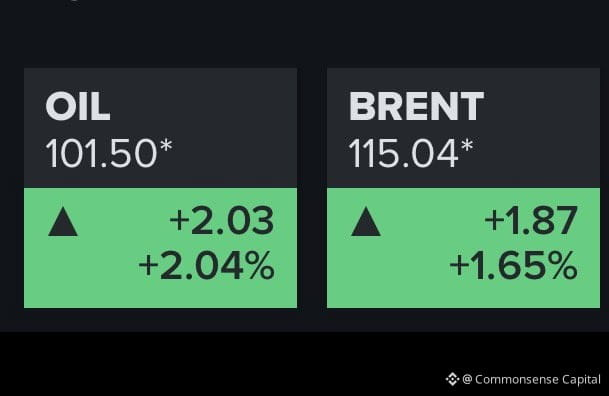
Brent hat gerade die Marke von 115 Dollar überschritten, WTI liegt über 101 Dollar. Unterdessen versuchten sich die Renditen von US-Staatsanleihen nach dem gestrigen Rückgang zu stabilisieren.
Das ist der Tauzieh-Wettkampf: Sinkende Renditen deuten auf Konjunktursorgen oder eine Flucht in sichere Anlagen hin. Steigende Ölpreise schreien geradezu nach Inflationsdruck und höheren Inputkosten.
Beides kann nicht lange gleichzeitig Bestand haben. Entweder hält sich das Wachstum und die Renditen ziehen wieder an – oder die Ölnachfrage bricht ein und die Rohölpreise geben nach.
Im Moment versucht der Markt, zwei gegensätzliche Szenarien gleichzeitig einzupreisen. Das geht selten gut aus.
Öl macht, was Öl eben macht – und bringt den Moment der Ruhe am Anleihemarkt durcheinander.
Brent hat gerade die Marke von 115 Dollar überschritten, WTI liegt über 101 Dollar. Unterdessen versuchten sich die Renditen von US-Staatsanleihen nach dem gestrigen Rückgang zu stabilisieren.
Das ist der Tauzieh-Wettkampf: Sinkende Renditen deuten auf Konjunktursorgen oder eine Flucht in sichere Anlagen hin. Steigende Ölpreise schreien geradezu nach Inflationsdruck und höheren Inputkosten.
Beides kann nicht lange gleichzeitig Bestand haben. Entweder hält sich das Wachstum und die Renditen ziehen wieder an – oder die Ölnachfrage bricht ein und die Rohölpreise geben nach.
Im Moment versucht der Markt, zwei gegensätzliche Szenarien gleichzeitig einzupreisen. Das geht selten gut aus.
Brent hat gerade die Marke von 115 Dollar überschritten, WTI liegt über 101 Dollar. Unterdessen versuchten sich die Renditen von US-Staatsanleihen nach dem gestrigen Rückgang zu stabilisieren.
Das ist der Tauzieh-Wettkampf: Sinkende Renditen deuten auf Konjunktursorgen oder eine Flucht in sichere Anlagen hin. Steigende Ölpreise schreien geradezu nach Inflationsdruck und höheren Inputkosten.
Beides kann nicht lange gleichzeitig Bestand haben. Entweder hält sich das Wachstum und die Renditen ziehen wieder an – oder die Ölnachfrage bricht ein und die Rohölpreise geben nach.
Im Moment versucht der Markt, zwei gegensätzliche Szenarien gleichzeitig einzupreisen. Das geht selten gut aus.
1.1k
Der Immobilienmarkt in Florida korrigiert sich still und leise, und die meisten halten ihn immer noch für eine sichere Einbahnstraße.
Cape Coral liegt 22 % unter dem Höchststand. Fort Myers: −19 %. Sarasota: −14 %. Das sind keine Rundungsfehler.
Miami liegt derweil nur 2 % im Minus, West Palm 4 %. Die Unterschiede sagen alles: Spekulative Küstenmärkte, die zu heiß gelaufen sind, trifft es am härtesten. Der „Wir ziehen nach Florida“-Trend erreichte 2022 seinen Höhepunkt. Die Versicherungskosten sind brutal. Die Grundsteuern steigen. Das Klimarisiko ist real.
Das passiert, wenn alle zur selben Zeit dieselbe Geschichte kaufen. Preise steigen nicht ewig, nur weil alle irgendwo leben wollen. Das Angebot holt auf, die Stimmung kippt, und plötzlich sitzt du mit einer Eigentumswohnung in Cape Coral im Minus.
Wenn du 2021 oder 2022 in Florida Immobilien gekauft hast, um von Rendite oder Lebensstil zu profitieren, bist du langfristig wahrscheinlich auf der sicheren Seite. Aber wenn du dich hoch verschuldet hast, weil du auf schnelle Wertsteigerungen gesetzt hast, lernst du gerade auf die teure Tour, wie wichtig Timing und Liquidität sind.
Immobilien sind eine lokale Angelegenheit. Das waren sie schon immer. Ein Kursrückgang von 22 % in einem Markt, während ein anderer stabil bleibt, ist kein Fehler, sondern ein Merkmal. Wisse, was du besitzt und warum.
Der Immobilienmarkt in Florida korrigiert sich still und leise, und die meisten halten ihn immer noch für eine sichere Einbahnstraße.
Cape Coral liegt 22 % unter dem Höchststand. Fort Myers: −19 %. Sarasota: −14 %. Das sind keine Rundungsfehler.
Miami liegt derweil nur 2 % im Minus, West Palm 4 %. Die Unterschiede sagen alles: Spekulative Küstenmärkte, die zu heiß gelaufen sind, trifft es am härtesten. Der „Wir ziehen nach Florida“-Trend erreichte 2022 seinen Höhepunkt. Die Versicherungskosten sind brutal. Die Grundsteuern steigen. Das Klimarisiko ist real.
Das passiert, wenn alle zur selben Zeit dieselbe Geschichte kaufen. Preise steigen nicht ewig, nur weil alle irgendwo leben wollen. Das Angebot holt auf, die Stimmung kippt, und plötzlich sitzt du mit einer Eigentumswohnung in Cape Coral im Minus.
Wenn du 2021 oder 2022 in Florida Immobilien gekauft hast, um von Rendite oder Lebensstil zu profitieren, bist du langfristig wahrscheinlich auf der sicheren Seite. Aber wenn du dich hoch verschuldet hast, weil du auf schnelle Wertsteigerungen gesetzt hast, lernst du gerade auf die teure Tour, wie wichtig Timing und Liquidität sind.
Immobilien sind eine lokale Angelegenheit. Das waren sie schon immer. Ein Kursrückgang von 22 % in einem Markt, während ein anderer stabil bleibt, ist kein Fehler, sondern ein Merkmal. Wisse, was du besitzt und warum.
Cape Coral liegt 22 % unter dem Höchststand. Fort Myers: −19 %. Sarasota: −14 %. Das sind keine Rundungsfehler.
Miami liegt derweil nur 2 % im Minus, West Palm 4 %. Die Unterschiede sagen alles: Spekulative Küstenmärkte, die zu heiß gelaufen sind, trifft es am härtesten. Der „Wir ziehen nach Florida“-Trend erreichte 2022 seinen Höhepunkt. Die Versicherungskosten sind brutal. Die Grundsteuern steigen. Das Klimarisiko ist real.
Das passiert, wenn alle zur selben Zeit dieselbe Geschichte kaufen. Preise steigen nicht ewig, nur weil alle irgendwo leben wollen. Das Angebot holt auf, die Stimmung kippt, und plötzlich sitzt du mit einer Eigentumswohnung in Cape Coral im Minus.
Wenn du 2021 oder 2022 in Florida Immobilien gekauft hast, um von Rendite oder Lebensstil zu profitieren, bist du langfristig wahrscheinlich auf der sicheren Seite. Aber wenn du dich hoch verschuldet hast, weil du auf schnelle Wertsteigerungen gesetzt hast, lernst du gerade auf die teure Tour, wie wichtig Timing und Liquidität sind.
Immobilien sind eine lokale Angelegenheit. Das waren sie schon immer. Ein Kursrückgang von 22 % in einem Markt, während ein anderer stabil bleibt, ist kein Fehler, sondern ein Merkmal. Wisse, was du besitzt und warum.
10
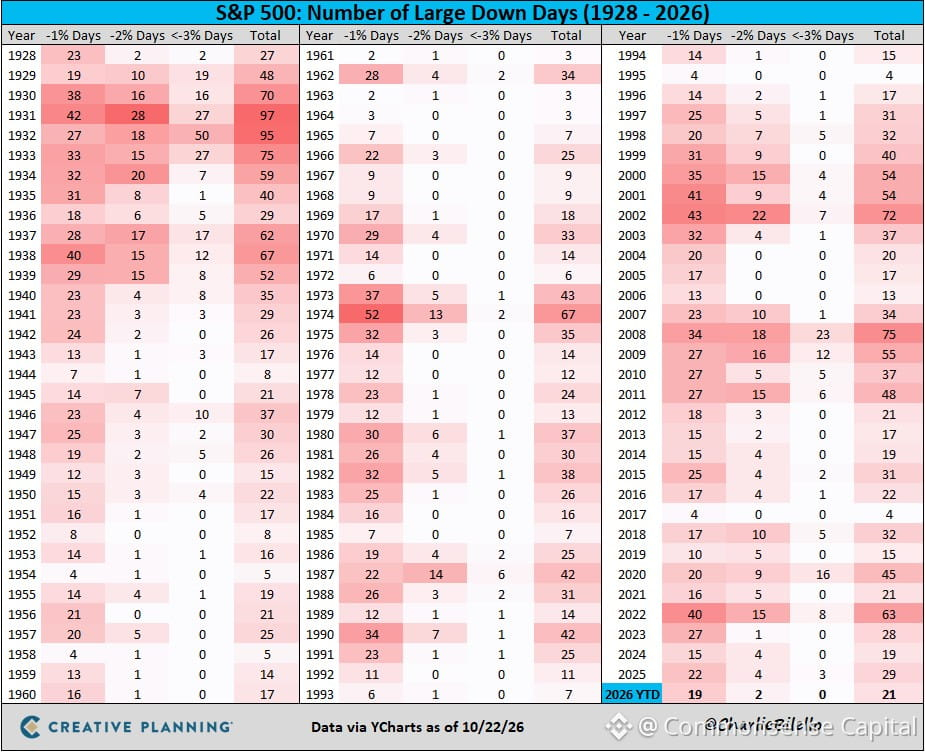
Der $SPX ist heute um 1,2 % gefallen. Damit ist es die 21. Sitzung in diesem Jahr mit einem Rückgang von mehr als 1 %.
Klingt dramatisch? Ist es nicht. Seit 1928 gibt es in einem durchschnittlichen Jahr 29 solcher Tage.
Volatilität nach unten ist kein Fehler – sie gehört dazu. Sie ist der Preis, den man für langfristige Renditen zahlt. Keine Volatilität, keine Prämie.
Wenn du einen Tag mit 1 % Minus nicht aushältst, ohne dreimal dein Portfolio zu überprüfen, bist du wahrscheinlich zu stark investiert oder nicht ausreichend vorbereitet. Märkte steigen nicht geradlinig. Das haben sie noch nie getan.
Risiko ist der Eintrittspreis. Akzeptiere ihn – oder bleib in bar und sieh zu, wie die Inflation deine Kaufkraft auffrisst.
Der $SPX ist heute um 1,2 % gefallen. Damit ist es die 21. Sitzung in diesem Jahr mit einem Rückgang von mehr als 1 %.
Klingt dramatisch? Ist es nicht. Seit 1928 gibt es in einem durchschnittlichen Jahr 29 solcher Tage.
Volatilität nach unten ist kein Fehler – sie gehört dazu. Sie ist der Preis, den man für langfristige Renditen zahlt. Keine Volatilität, keine Prämie.
Wenn du einen Tag mit 1 % Minus nicht aushältst, ohne dreimal dein Portfolio zu überprüfen, bist du wahrscheinlich zu stark investiert oder nicht ausreichend vorbereitet. Märkte steigen nicht geradlinig. Das haben sie noch nie getan.
Risiko ist der Eintrittspreis. Akzeptiere ihn – oder bleib in bar und sieh zu, wie die Inflation deine Kaufkraft auffrisst.
Klingt dramatisch? Ist es nicht. Seit 1928 gibt es in einem durchschnittlichen Jahr 29 solcher Tage.
Volatilität nach unten ist kein Fehler – sie gehört dazu. Sie ist der Preis, den man für langfristige Renditen zahlt. Keine Volatilität, keine Prämie.
Wenn du einen Tag mit 1 % Minus nicht aushältst, ohne dreimal dein Portfolio zu überprüfen, bist du wahrscheinlich zu stark investiert oder nicht ausreichend vorbereitet. Märkte steigen nicht geradlinig. Das haben sie noch nie getan.
Risiko ist der Eintrittspreis. Akzeptiere ihn – oder bleib in bar und sieh zu, wie die Inflation deine Kaufkraft auffrisst.
31
Die Weltuntergangspropheten sind so berechenbar.
Als die Renditen stiegen: „Eine Finanzkrise steht bevor! Die Anleihemärkte rebellieren!“
Jetzt, da die Renditen fallen, schwenken sie um auf: „Rezessionssignal! Die KI-Blase platzt!“
Höhere Zinsen? Schlecht.
Niedrigere Zinsen? Auch schlecht.
Unveränderte Zinsen? Irgendwie ebenfalls schlecht.
Das ist das Handbuch der Kommentatoren in Kurzform. Sie analysieren nicht die Märkte – sie erzählen einfach ihr vorgefertigtes Katastrophenszenario und suchen sich die Daten heraus, die dazu passen.
Echte Anleger wissen, dass sich Märkte aus vielen Gründen bewegen. Manchmal fallen die Renditen, weil sich die Wachstumserwartungen ändern. Manchmal ist es eine Flucht in sichere Anlagen. Manchmal liegt es einfach an der Positionierung.
Die ewigen Pessimisten finden immer einen Grund, pessimistisch zu sein. Das ist ihr Markenzeichen. Verwechselt Kommentare nicht mit Analysen.
Konzentriert euch auf das, worauf es wirklich ankommt: Bewertungen, Fundamentaldaten, euren Anlagehorizont und eure persönliche Risikobereitschaft. Blendet das Rauschen aus.
Die Weltuntergangspropheten sind so berechenbar.
Als die Renditen stiegen: „Eine Finanzkrise steht bevor! Die Anleihemärkte rebellieren!“
Jetzt, da die Renditen fallen, schwenken sie um auf: „Rezessionssignal! Die KI-Blase platzt!“
Höhere Zinsen? Schlecht.
Niedrigere Zinsen? Auch schlecht.
Unveränderte Zinsen? Irgendwie ebenfalls schlecht.
Das ist das Handbuch der Kommentatoren in Kurzform. Sie analysieren nicht die Märkte – sie erzählen einfach ihr vorgefertigtes Katastrophenszenario und suchen sich die Daten heraus, die dazu passen.
Echte Anleger wissen, dass sich Märkte aus vielen Gründen bewegen. Manchmal fallen die Renditen, weil sich die Wachstumserwartungen ändern. Manchmal ist es eine Flucht in sichere Anlagen. Manchmal liegt es einfach an der Positionierung.
Die ewigen Pessimisten finden immer einen Grund, pessimistisch zu sein. Das ist ihr Markenzeichen. Verwechselt Kommentare nicht mit Analysen.
Konzentriert euch auf das, worauf es wirklich ankommt: Bewertungen, Fundamentaldaten, euren Anlagehorizont und eure persönliche Risikobereitschaft. Blendet das Rauschen aus.
Als die Renditen stiegen: „Eine Finanzkrise steht bevor! Die Anleihemärkte rebellieren!“
Jetzt, da die Renditen fallen, schwenken sie um auf: „Rezessionssignal! Die KI-Blase platzt!“
Höhere Zinsen? Schlecht.
Niedrigere Zinsen? Auch schlecht.
Unveränderte Zinsen? Irgendwie ebenfalls schlecht.
Das ist das Handbuch der Kommentatoren in Kurzform. Sie analysieren nicht die Märkte – sie erzählen einfach ihr vorgefertigtes Katastrophenszenario und suchen sich die Daten heraus, die dazu passen.
Echte Anleger wissen, dass sich Märkte aus vielen Gründen bewegen. Manchmal fallen die Renditen, weil sich die Wachstumserwartungen ändern. Manchmal ist es eine Flucht in sichere Anlagen. Manchmal liegt es einfach an der Positionierung.
Die ewigen Pessimisten finden immer einen Grund, pessimistisch zu sein. Das ist ihr Markenzeichen. Verwechselt Kommentare nicht mit Analysen.
Konzentriert euch auf das, worauf es wirklich ankommt: Bewertungen, Fundamentaldaten, euren Anlagehorizont und eure persönliche Risikobereitschaft. Blendet das Rauschen aus.
15
Wartet Europa darauf, dass die US-Renditen sinken, bevor es handelt? Schlechte Strategie.
So sieht die Realität aus: Man kann seine Geldpolitik nicht an den Zeitplan der Fed auslagern. Die europäischen Anleihemärkte haben ihre eigenen strukturellen Probleme – eine alternde Bevölkerung, eine zersplitterte Fiskalpolitik und schwaches Produktivitätswachstum.
Nur herumzusitzen und darauf zu hoffen, dass Powell die Zinsen senkt und dadurch die eigenen Kreditkosten sinken, ist kein Plan. Das ist Wunschdenken.
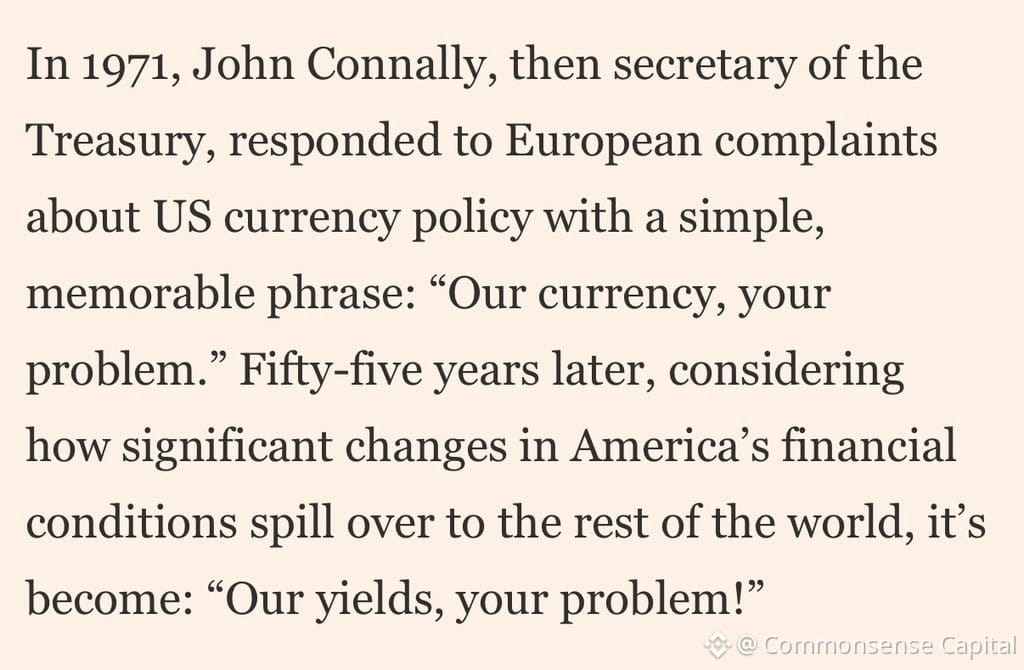
Wenn deine Wirtschaft niedrigere Zinsen braucht, löse deine eigenen Probleme. Verbessere die Integration der Kapitalmärkte. Bring die Energiekosten in Ordnung. Hör auf so zu tun, als könnten Bewegungen bei US-Staatsanleihen Europas strukturelle Probleme lösen.
Märkte belohnen entschlossenes Handeln, nicht Geduld, die aus Lähmung entsteht.
Wartet Europa darauf, dass die US-Renditen sinken, bevor es handelt? Schlechte Strategie.
So sieht die Realität aus: Man kann seine Geldpolitik nicht an den Zeitplan der Fed auslagern. Die europäischen Anleihemärkte haben ihre eigenen strukturellen Probleme – eine alternde Bevölkerung, eine zersplitterte Fiskalpolitik und schwaches Produktivitätswachstum.
Nur herumzusitzen und darauf zu hoffen, dass Powell die Zinsen senkt und dadurch die eigenen Kreditkosten sinken, ist kein Plan. Das ist Wunschdenken.
Wenn deine Wirtschaft niedrigere Zinsen braucht, löse deine eigenen Probleme. Verbessere die Integration der Kapitalmärkte. Bring die Energiekosten in Ordnung. Hör auf so zu tun, als könnten Bewegungen bei US-Staatsanleihen Europas strukturelle Probleme lösen.
Märkte belohnen entschlossenes Handeln, nicht Geduld, die aus Lähmung entsteht.
So sieht die Realität aus: Man kann seine Geldpolitik nicht an den Zeitplan der Fed auslagern. Die europäischen Anleihemärkte haben ihre eigenen strukturellen Probleme – eine alternde Bevölkerung, eine zersplitterte Fiskalpolitik und schwaches Produktivitätswachstum.
Nur herumzusitzen und darauf zu hoffen, dass Powell die Zinsen senkt und dadurch die eigenen Kreditkosten sinken, ist kein Plan. Das ist Wunschdenken.
Wenn deine Wirtschaft niedrigere Zinsen braucht, löse deine eigenen Probleme. Verbessere die Integration der Kapitalmärkte. Bring die Energiekosten in Ordnung. Hör auf so zu tun, als könnten Bewegungen bei US-Staatsanleihen Europas strukturelle Probleme lösen.
Märkte belohnen entschlossenes Handeln, nicht Geduld, die aus Lähmung entsteht.
35
Anmelden und weiter Inhalte entdecken
Krypto-Nutzer weltweit auf Binance Square kennenlernen
⚡️ Bleib in Sachen Krypto stets am Puls.
💬 Die weltgrößte Kryptobörse vertraut darauf.
👍 Erhalte verlässliche Einblicke von verifizierten Creators.
E-Mail-Adresse/Telefonnummer
Trendthemen
EthereumDropsBelow$2300
1,722 Aufrufe
75 Kommentare
#EthereumDropsBelow$2300 📉 Ethereum testet wichtige Unterstützung, da der Kurs unter 2.300 $ fällt
Die zweitgrößte Kryptowährung nach Marktkapitalisierung steht an einem entscheidenden technischen Wendepunkt. Hier erfahren Sie, was diese jüngste Kursbewegung für das gesamte Ethereum-Ökosystem und die Märkte für digitale Vermögenswerte bedeutet.
📰 Aktuelle Nachrichten
Ethereum (ETH) ist kürzlich unter die Marke von 2.300 $ gefallen. Diese Bewegung spiegelt eine Kombination aus der allgemeinen Marktvolatilität, gewöhnlichen Gewinnmitnahmen und einer wechselnden makroökonomischen Stimmung wider, die die Bewertung digitaler Vermögenswerte weiterhin beeinflusst.
📊 Auswirkungen auf den Markt
• Stimmung am Altcoin-Markt Als einer der wichtigsten Marktführer gibt die Kursentwicklung von ETH häufig die Richtung für den breiteren Altcoin-Markt vor, einschließlich Layer-2-Skalierungslösungen und Token aus dem Bereich der dezentralen Finanzwirtschaft (DeFi).
•Technische Niveaus Die Marke von 2.300 $ gilt als wichtige psychologische und historische Unterstützungszone. Marktteilnehmer beobachten genau, ob dieses Niveau hält oder ob es kurzfristig zu einer weiteren Konsolidierung kommt.
• Fundamentaldaten des Netzwerks Trotz kurzfristiger Kursschwankungen entwickeln sich die zugrunde liegenden On-Chain-Kennzahlen von Ethereum, etwa die Beteiligung am Staking, das Wachstum der Validatoren und die laufende Entwicklung des Netzwerks, weiterhin unabhängig von den täglichen Marktdiagrammen.
💬 Diskutieren Sie mit
Wie beurteilen Sie das aktuelle Kursniveau von Ethereum? Sehen Sie darin eine wichtige Unterstützungszone, die es zu beobachten gilt, oder erwarten Sie eine weitere Marktkonsolidierung? Teilen Sie unten Ihre Einschätzungen! 👇
#Ethereum #ETH #CryptoMarket #DeFi #Web3
Dies dient ausschließlich Bildungszwecken und stellt keine Finanzberatung dar (NFA). Recherchieren Sie immer selbst (DYOR).
$HUMA $BANK $ETH
User-4d6a0d2
·0 Likes
·133 Aufrufe
BitcoinSlipsBelow$80KAgain
4,213 Aufrufe
44 Kommentare
ThailandLaunchesWORPTStablecoinToQRPaymentApp
6,020 Aufrufe
160 Kommentare