

#binancehack
binancehack
14,849 Aufrufe
94 Kommentare
Hot
Zuletzt

·
--
Übersetzung ansehen
🚨Sáng ra thị trường đỏ lửa biết ngay có biến căng🚨
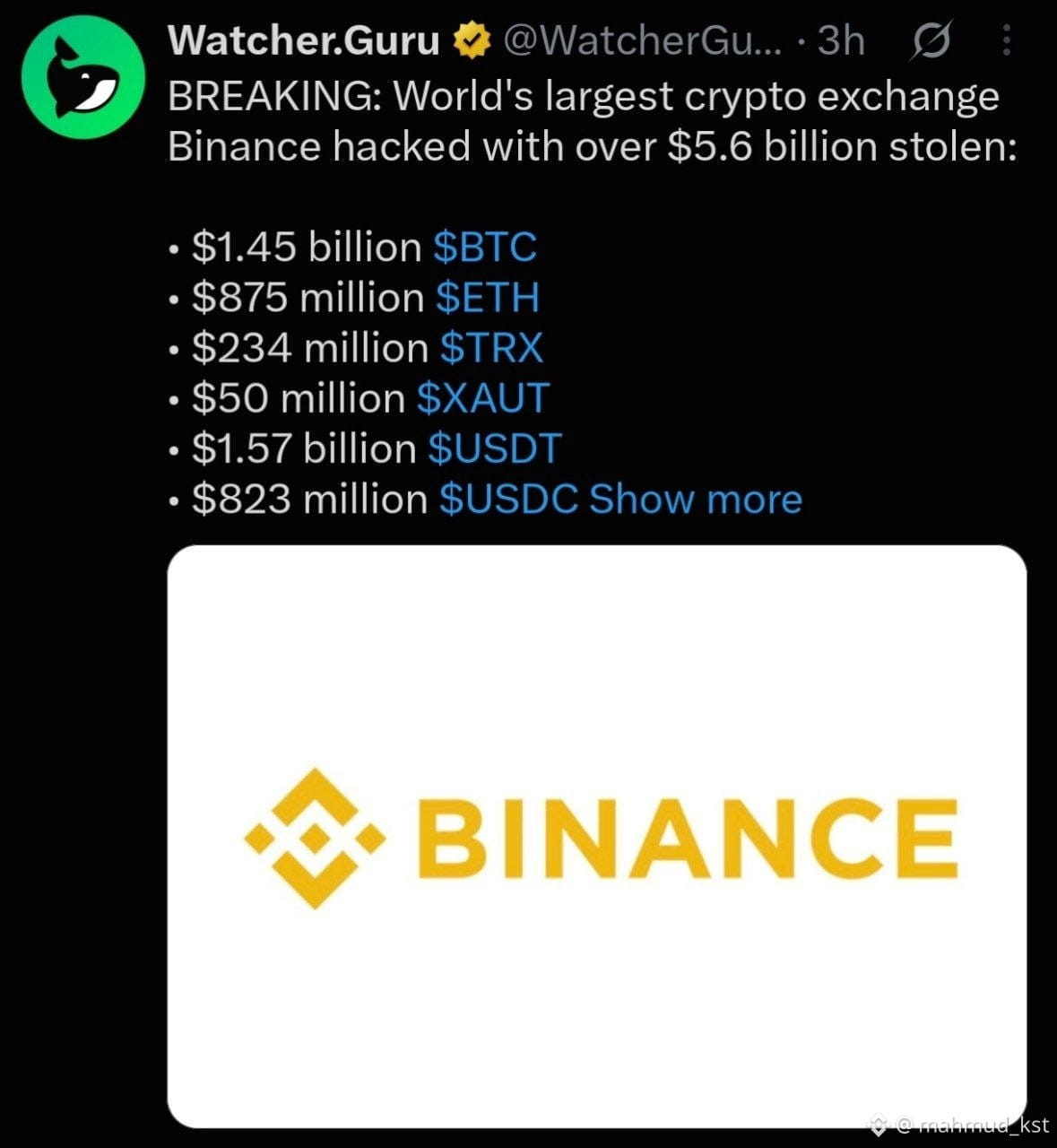
Sự việc diễn ra như sau: Các ví nóng của Binance vừa bị rút sạch 5,60 tỷ💲 trên các mạng lưới Ethereum, Bitcoin và Tron.
Cách đây vài phút, thêm 200 triệu USD đã được chuyển đi, nghĩa là vụ tấn công vẫn đang tiếp diễn.
Dưới đây là dữ liệu on-chain hiện tại: các khoản đã bị đóng băng, các khoản chưa bị đóng băng và những địa chỉ cần theo dõi:
✅5,60 tỷ USD đã bị rút khỏi các ví nóng của Binance.
✅67 loại tài sản; trong đó 63 loại đã bị rút khỏi ví Binance chỉ trong một giao dịch duy nhất
➮ Các khoản đã bị đóng băng: 2,38 tỷ USD
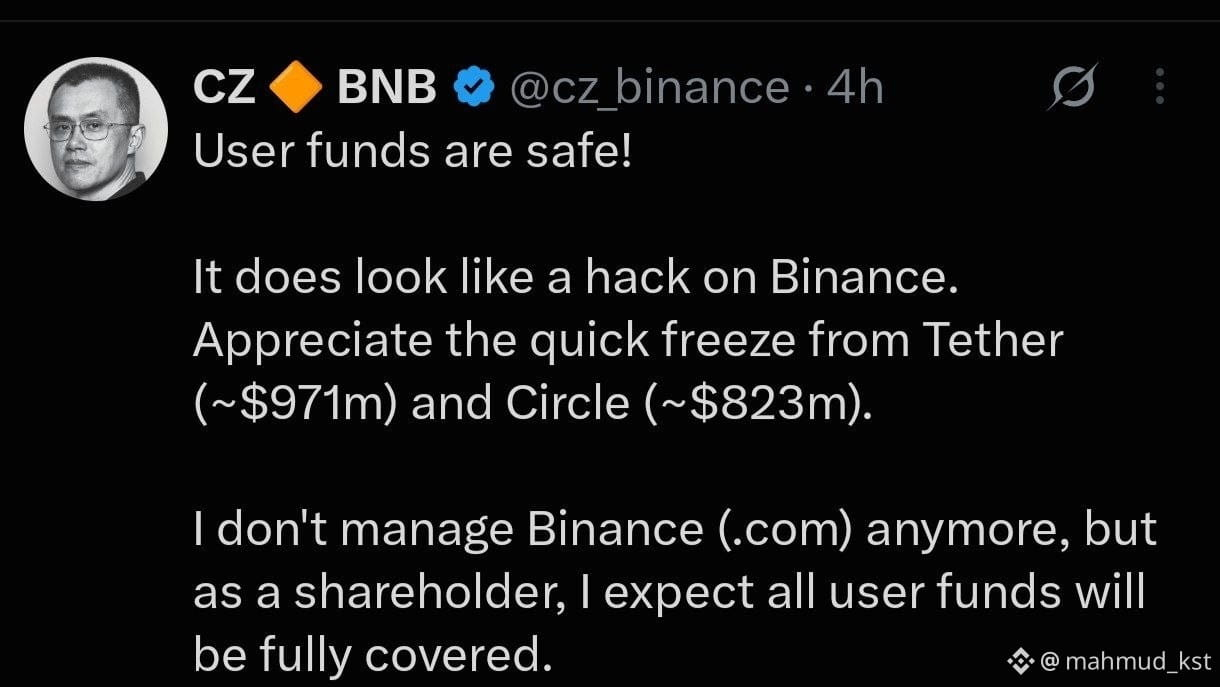
✅ 1,56 tỷ USD USDT bị @Tether đóng băng
✅ 823 triệu USD USDC bị circle đóng băng.
🔔 Như vậy, khoảng 42% số tiền bị đánh cắp đã được vô hiệu hóa trong ngày.
➮ Các khoản chưa bị đóng băng: ~2,6 tỷ USD
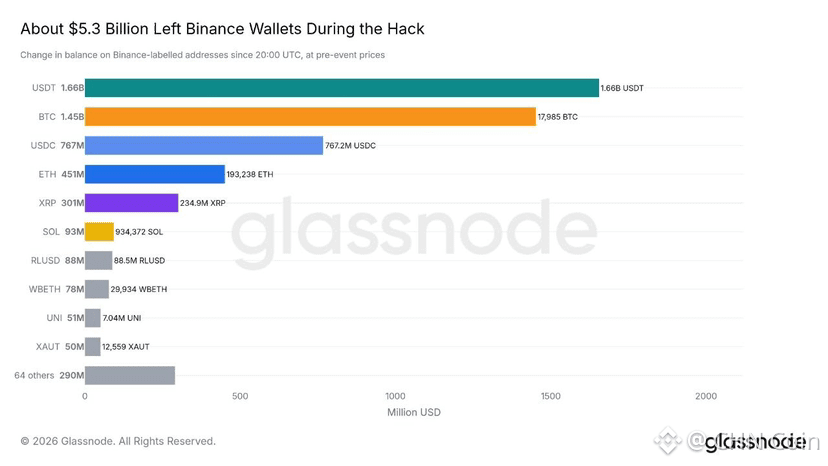
✅ 18.270 BTC (1,45 tỷ USD) và 197.000 ETH (451 triệu USD)
✅ ~730 triệu USD USDT vẫn chưa bị đóng băng; Tether vẫn có thể can thiệp vào số tiền này
✅ Các tài sản khác: TRX (234 triệu USD), RLUSD (88,5 triệu USD), WBETH (75 triệu USD)...
#Hack #binancehack $BNB
{spot}(BNBUSDT)
🚨Sáng ra thị trường đỏ lửa biết ngay có biến căng🚨
Sự việc diễn ra như sau: Các ví nóng của Binance vừa bị rút sạch 5,60 tỷ💲 trên các mạng lưới Ethereum, Bitcoin và Tron.
Cách đây vài phút, thêm 200 triệu USD đã được chuyển đi, nghĩa là vụ tấn công vẫn đang tiếp diễn.
Dưới đây là dữ liệu on-chain hiện tại: các khoản đã bị đóng băng, các khoản chưa bị đóng băng và những địa chỉ cần theo dõi:
✅5,60 tỷ USD đã bị rút khỏi các ví nóng của Binance.
✅67 loại tài sản; trong đó 63 loại đã bị rút khỏi ví Binance chỉ trong một giao dịch duy nhất
➮ Các khoản đã bị đóng băng: 2,38 tỷ USD
✅ 1,56 tỷ USD USDT bị @Tether đóng băng
✅ 823 triệu USD USDC bị circle đóng băng.
🔔 Như vậy, khoảng 42% số tiền bị đánh cắp đã được vô hiệu hóa trong ngày.
➮ Các khoản chưa bị đóng băng: ~2,6 tỷ USD
✅ 18.270 BTC (1,45 tỷ USD) và 197.000 ETH (451 triệu USD)
✅ ~730 triệu USD USDT vẫn chưa bị đóng băng; Tether vẫn có thể can thiệp vào số tiền này
✅ Các tài sản khác: TRX (234 triệu USD), RLUSD (88,5 triệu USD), WBETH (75 triệu USD)...
#Hack #binancehack $BNB
Feed-Creator-7da5cefa8:
Xếp ơi bây giờ nên làm gì
1
6
2.6k

🚨 GUTE NACHRICHTEN!
Binance-Mitgründerin Yi He sagt, dass die Börse alle Verluste durch den Hack übernehmen wird.
Die Nutzergelder sind sicher, während Ein- und Auszahlungen während der Sicherheitsprüfungen weiterhin ausgesetzt bleiben. Eine vollständige Analyse folgt.
#EarningsSeason #EarningsSeason #USMidtermElections #BINANCEHACK


333

·
--
Die weltgrößte Kryptobörse Binance wurde gehackt; dabei wurden über 5,6 Milliarden US-Dollar gestohlen
Aber sie sagten, die Gelder der Nutzer seien sicher!
#binancehack
#BinanceHack2026
#cyptrocrash
Die weltgrößte Kryptobörse Binance wurde gehackt; dabei wurden über 5,6 Milliarden US-Dollar gestohlen
Aber sie sagten, die Gelder der Nutzer seien sicher!
#binancehack
#BinanceHack2026
#cyptrocrash
Aber sie sagten, die Gelder der Nutzer seien sicher!
#binancehack
#BinanceHack2026
#cyptrocrash
287


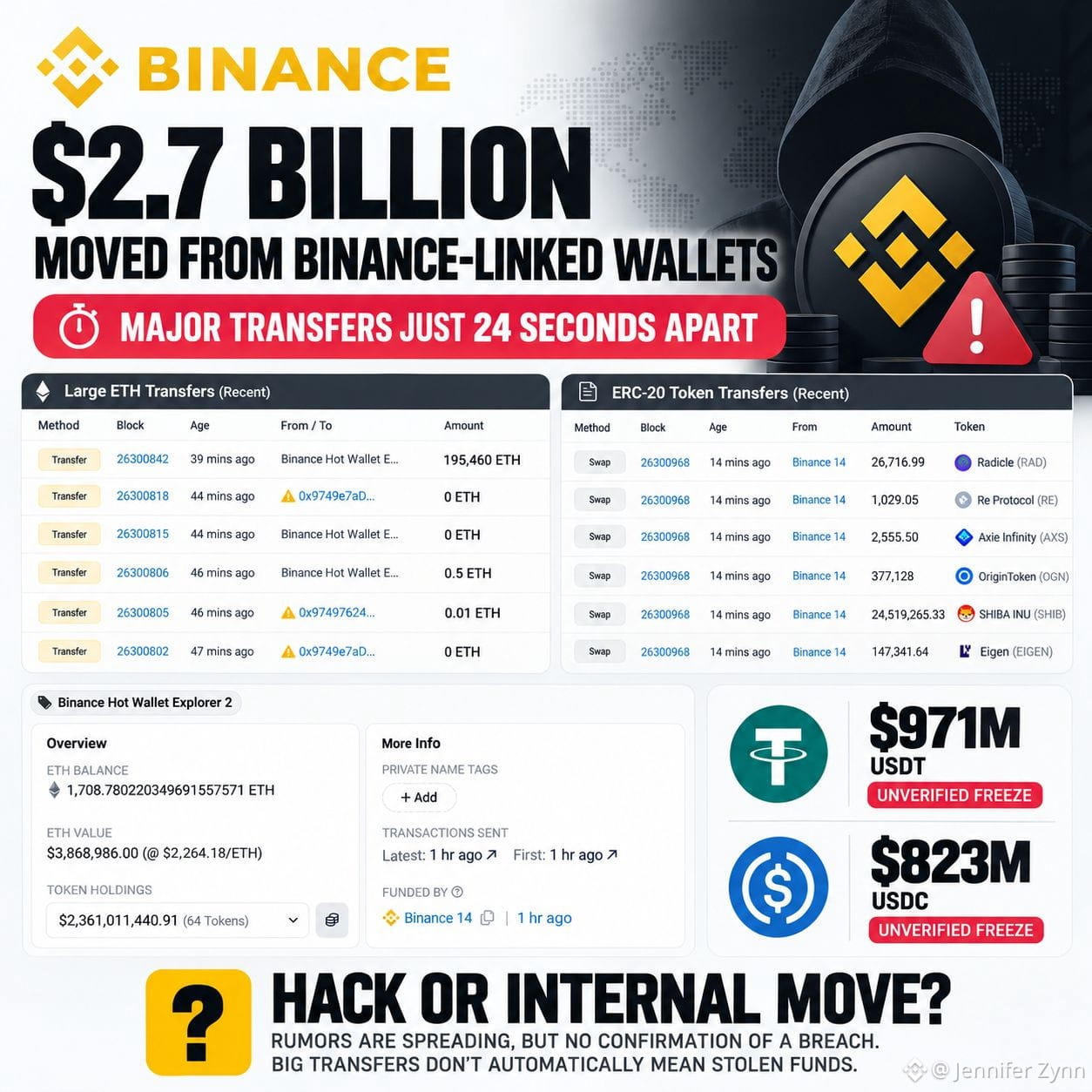
Die Aktivitäten der Binance-Wallet werden immer verdächtiger.
Ich habe mir die On-Chain-Daten angesehen, und dabei ist mir etwas aufgefallen.
Eine Wallet mit der Bezeichnung "Binance Hot Wallet Exploiter 2" weist Token-Bestände im Wert von 2,36 MILLIARDEN US-Dollar auf, verteilt auf 64 Token.
Sie erhielt Gelder von Binance 14 und Binance 16 und überwies dann 195,460 $ETH an eine andere Wallet.
Das ist eine massive Bewegung.
Aber allein die Exploit-Kennzeichnung bestätigt keinen Hack. Binance hat keinen bestätigt.
Ich habe mir die Aktivitäten auf Ethereum angesehen.
Rund 195,469 ETH wurden von Binance zugeordneten Wallets an eine neue Adresse überwiesen. Große Token-Transfers, darunter $BTC, $ETH ,$TRX , $XAUT und USD, folgten demselben ungewöhnlichen Muster. Mehr anzeigen
Handelt es sich um eine geplante Wallet-Übertragung oder um etwas Ernsteres?
#Binancehacked #binancehack
{future}(ETHUSDT)
Die Aktivitäten der Binance-Wallet werden immer verdächtiger.
Ich habe mir die On-Chain-Daten angesehen, und dabei ist mir etwas aufgefallen.
Eine Wallet mit der Bezeichnung "Binance Hot Wallet Exploiter 2" weist Token-Bestände im Wert von 2,36 MILLIARDEN US-Dollar auf, verteilt auf 64 Token.
Sie erhielt Gelder von Binance 14 und Binance 16 und überwies dann 195,460 $ETH an eine andere Wallet.
Das ist eine massive Bewegung.
Aber allein die Exploit-Kennzeichnung bestätigt keinen Hack. Binance hat keinen bestätigt.
Ich habe mir die Aktivitäten auf Ethereum angesehen.
Rund 195,469 ETH wurden von Binance zugeordneten Wallets an eine neue Adresse überwiesen. Große Token-Transfers, darunter $BTC, $ETH ,$TRX , $XAUT und USD, folgten demselben ungewöhnlichen Muster. Mehr anzeigen
Handelt es sich um eine geplante Wallet-Übertragung oder um etwas Ernsteres?
#Binancehacked #binancehack
275

·
--
Bärisch
Übersetzung ansehen
Reports are circulating that the world’s largest cryptocurrency exchange may be dealing with a serious security incident, with estimated losses reportedly reaching $3.5 billion. Meanwhile, withdrawals have reportedly been put on hold.
Interestingly, P2P and B2B trading activities appear to remain operational, while several other platform services are currently unavailable.
At this stage, there is very limited verified information about what has actually happened. It is also important to understand that platforms may not immediately disclose the full extent of a security incident or its potential impact on customer assets.
The biggest concern right now is the uncertainty surrounding withdrawal services. There is no confirmed timeline for their restoration. It could be a matter of hours, days, or potentially longer.
For now, I would avoid making assumptions and simply monitor the situation until more reliable information becomes available.
That’s all from my side for now.
A final reminder: Prioritize the security of your assets. Whenever possible, maintain control of your funds through your own self-custody EOA wallets rather than keeping everything on centralized exchanges.
Stay alert and stay safe.$BNB
#BinanceHack

229

·
--
Übersetzung ansehen
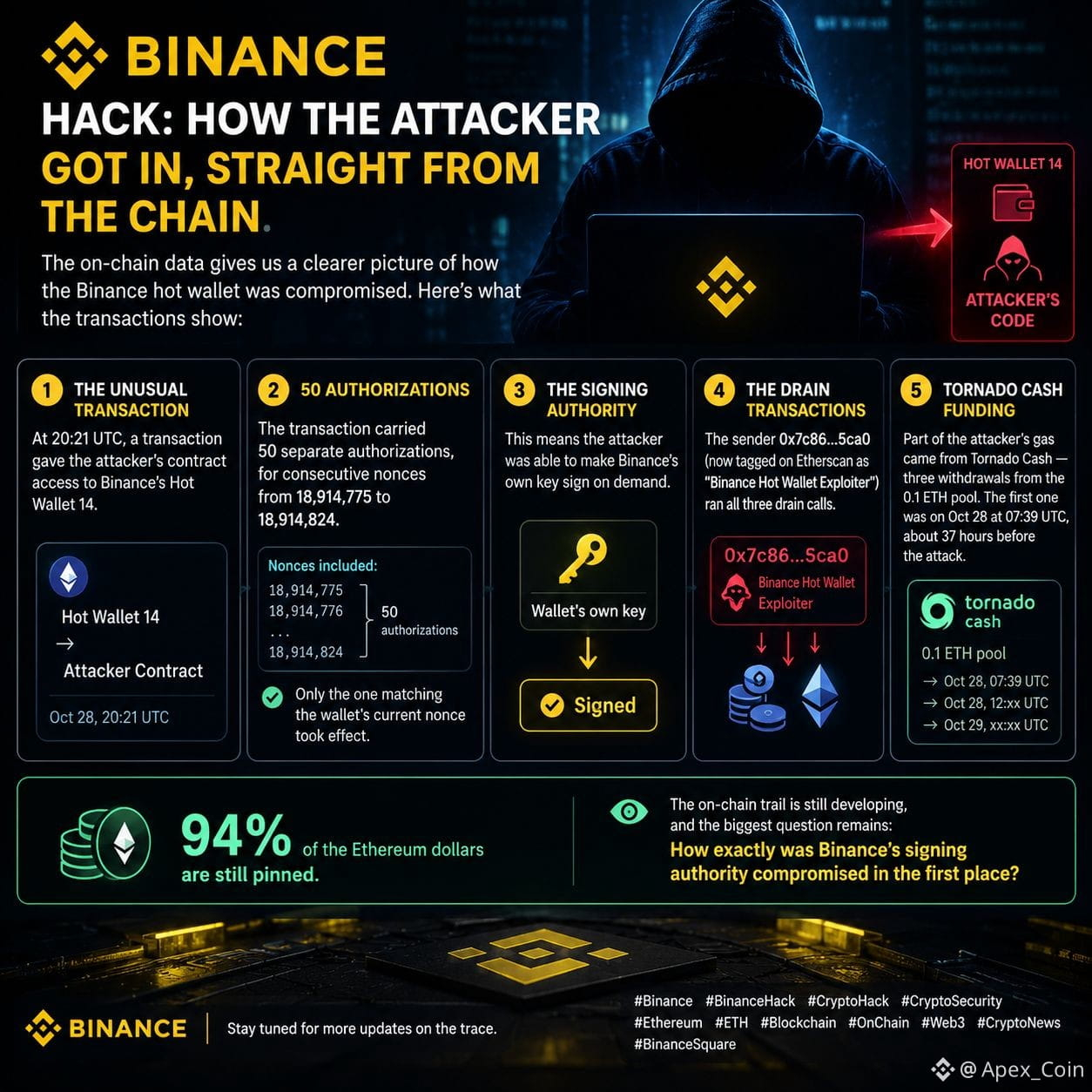
The Binance hot-wallet incident gets more interesting when you follow the transactions instead of just looking at the headlines.
Around 20:21 UTC, an unusual transaction gave the attacker’s contract access to Hot Wallet 14. What stands out is that the transaction contained 50 separate authorizations, covering consecutive nonces from 18,914,775 to 18,914,824.
But only the authorization matching the wallet’s current nonce was actually executed.
That detail is probably the biggest clue here: the attacker wasn’t simply sending random transactions. Somehow, they were able to get the wallet’s own signing authority to approve the actions.
The wallet now identified on Etherscan as the Binance Hot Wallet Exploiter was responsible for the three drain transactions.
There’s another interesting trail too. Part of the attacker’s gas funding came through Tornado Cash, including three withdrawals from the 0.1 ETH pool. The first happened on October 28, roughly 37 hours before the exploit.
And despite the attack, around 94% of the affected Ethereum-based funds remain locked/pinned for now.
The on-chain trail is still developing, and the biggest question for me is simple: how exactly was Binance’s signing authority compromised in the first place?
I’ll be watching the wallet movements as more pieces become clear.
#Binance #BinanceHack #CryptoSecurity #Ethereum #CryptoNews
1
124

Artikel
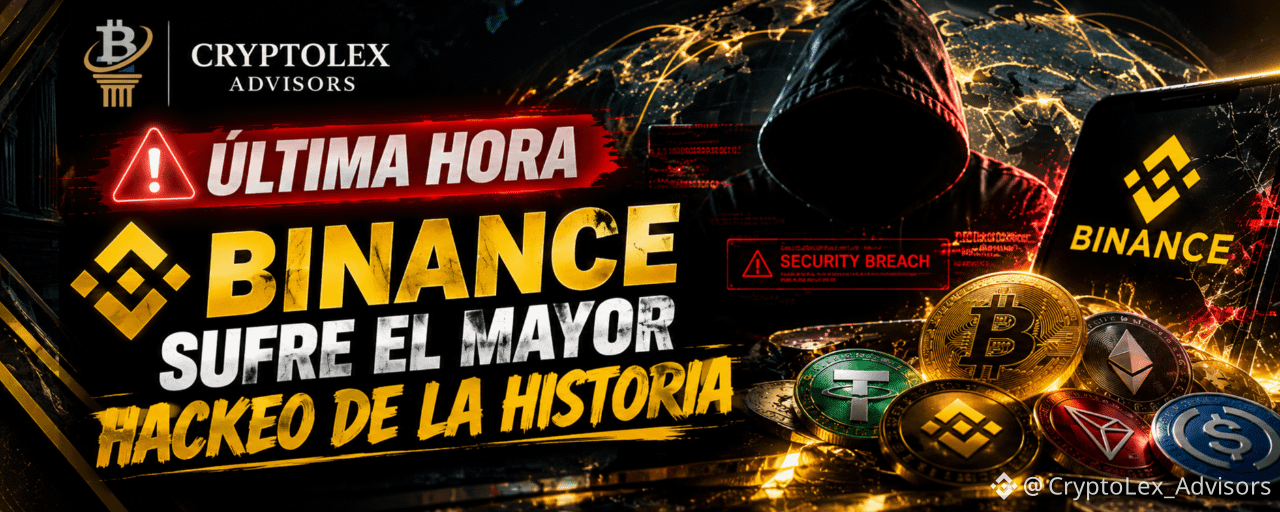
WURDE BINANCE IN MILLIARDENHÖHE GEHACKT? BILLIONEN AN BEWEGUNGEN, EINGEFRORENE GELDER UND DER MARKT ECryptoLex Advisors | Sonderanalyse in letzter Minute
Der Kryptomarkt erlebt einen seiner heikelsten Tage des Jahres. Am 29. Oktober 2026 schlugen außergewöhnliche Bewegungen von Vermögenswerten aus Wallets, die mit Binance in Verbindung stehen, bei On-Chain-Forschern Alarm, während Bitcoin, Ethereum, XRP und andere Kryptowährungen starke Verluste verzeichneten.
Die Frage, die den Markt nun beherrscht, ist unausweichlich: Handelt es sich um einen Sicherheitsvorfall, der das Vertrauen in zentralisierte Börsen erschüttern könnte, oder um eine Wahrnehmungskrise, die der Markt weiter verstärkt?
WURDE BINANCE IN MILLIARDENHÖHE GEHACKT? BILLIONEN AN BEWEGUNGEN, EINGEFRORENE GELDER UND DER MARKT E
CryptoLex Advisors | Sonderanalyse in letzter Minute
Der Kryptomarkt erlebt einen seiner heikelsten Tage des Jahres. Am 29. Oktober 2026 schlugen außergewöhnliche Bewegungen von Vermögenswerten aus Wallets, die mit Binance in Verbindung stehen, bei On-Chain-Forschern Alarm, während Bitcoin, Ethereum, XRP und andere Kryptowährungen starke Verluste verzeichneten.
Die Frage, die den Markt nun beherrscht, ist unausweichlich: Handelt es sich um einen Sicherheitsvorfall, der das Vertrauen in zentralisierte Börsen erschüttern könnte, oder um eine Wahrnehmungskrise, die der Markt weiter verstärkt?
1
217

·
--
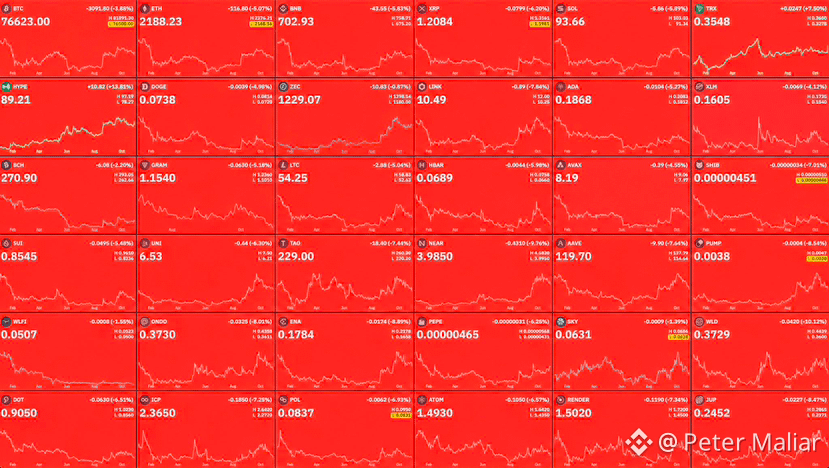
Der Binance-Hack hat den gesamten Kryptomarkt erschüttert.
Rund 170 Milliarden US-Dollar an Marktkapitalisierung im Kryptomarkt wurden ausgelöscht.
TRM Labs schätzt, dass Kryptowährungen im Wert von etwa 6,36 Milliarden US-Dollar von mit Binance verknüpften Wallets auf von Angreifern kontrollierte Adressen übertragen wurden.
@CZ #binancehack
Rund 170 Milliarden US-Dollar an Marktkapitalisierung im Kryptomarkt wurden ausgelöscht.
TRM Labs schätzt, dass Kryptowährungen im Wert von etwa 6,36 Milliarden US-Dollar von mit Binance verknüpften Wallets auf von Angreifern kontrollierte Adressen übertragen wurden.
@CZ #binancehack
1
362

·
--
Artikel
Übersetzung ansehen
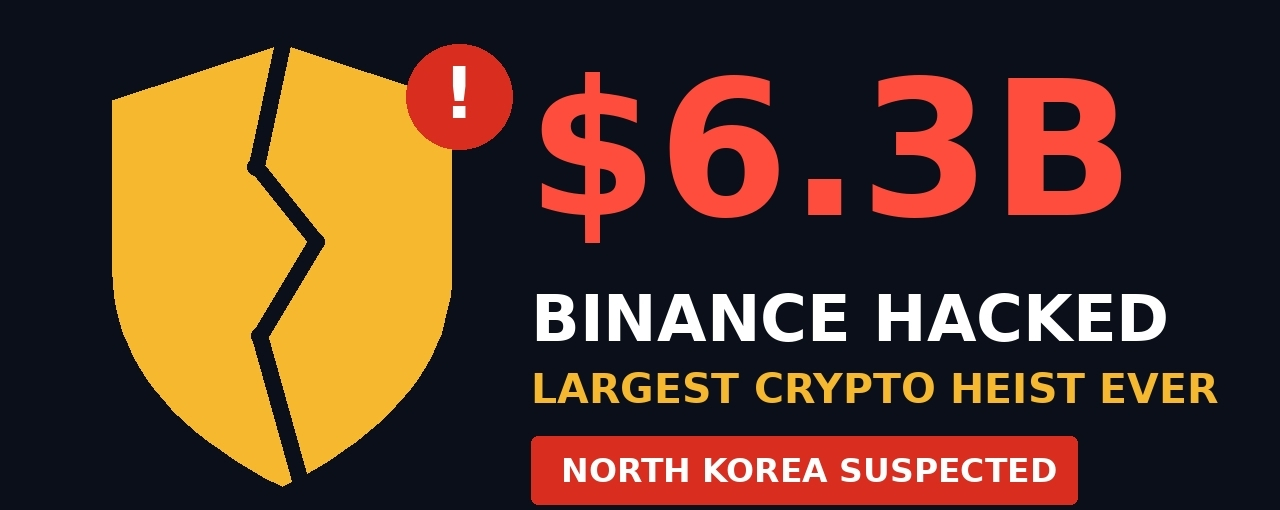
Binance exchange HACKED!!!Binance Hit by Biggest Crypto Hack in History: What We Know
Binance, the world’s largest crypto exchange, has been hit by a theft estimated at $6.3 billion, and investigators are already pointing at North Korea.
What happened
On October 29, Binance began investigating suspicious outflows from its hot wallets, the online wallets that process customer withdrawals. Withdrawals were suspended while the incident unfolded. Tether and Circle froze more than $2.38 billion in stablecoins tied to the incident. Binance said about $3 billion in assets had been frozen, with more freezes possible as investigators trace the funds.
The final loss is estimated far higher than what was frozen. Binance’s estimated impact is $6.3 billion, and Chainalysis put the theft at $6.4 billion. If confirmed, it would surpass the $3.5 billion LuBian hack of 2020 and the $1.5 billion Bybit hack of 2025.
How the attackers may have done it
Binance hasn’t confirmed the method. Blockaid’s CEO said the preliminary evidence points to compromised signing infrastructure rather than a leaked private key, meaning attackers got a legitimate signing system to approve malicious transactions. Blockaid’s onchain analysis found 50 EIP-7702 authorizations bundled into one transaction, delegating an account to an unverified contract that could drain its funds. One headline reports Binance itself pointing to an engineer’s hacked laptop, though details are thin.
Who’s suspected
TRM Labs attributed the attack to North Korea’s TraderTraitor group with “high confidence,” and Chainalysis’ CEO reached the same assessment. ZachXBT found that funds from Binance and the earlier Bitget exploit ended up at the same address after passing through THORChain, suggesting one actor behind both. These attributions come from private analysts, not a government finding.
The playbook fits TraderTraitor’s history. The FBI says the group targets employees through social engineering, and in a 2024 case an attacker posing as a recruiter sent a malicious coding test to an employee of a wallet provider.
Market impact
BNB fell about 8% and Bitcoin slid toward $77,000 as the news spread.
What it means for you
Funds on exchanges are never fully safe. Even the biggest platforms can fail, so keep only what you’re actively trading on an exchange.
Watch for follow-on scams. Fake “Binance recovery” or “compensation” messages typically spread after an incident like this.
Wait for official statements. The loss figures, the method and the attribution are all still being worked out.
#binancehack #Hack #userfundsafe #TRMLabs #NorthKoreaHackers
Binance exchange HACKED!!!
Binance Hit by Biggest Crypto Hack in History: What We Know
Binance, the world’s largest crypto exchange, has been hit by a theft estimated at $6.3 billion, and investigators are already pointing at North Korea.
What happened
On October 29, Binance began investigating suspicious outflows from its hot wallets, the online wallets that process customer withdrawals. Withdrawals were suspended while the incident unfolded. Tether and Circle froze more than $2.38 billion in stablecoins tied to the incident. Binance said about $3 billion in assets had been frozen, with more freezes possible as investigators trace the funds.
The final loss is estimated far higher than what was frozen. Binance’s estimated impact is $6.3 billion, and Chainalysis put the theft at $6.4 billion. If confirmed, it would surpass the $3.5 billion LuBian hack of 2020 and the $1.5 billion Bybit hack of 2025.
How the attackers may have done it
Binance hasn’t confirmed the method. Blockaid’s CEO said the preliminary evidence points to compromised signing infrastructure rather than a leaked private key, meaning attackers got a legitimate signing system to approve malicious transactions. Blockaid’s onchain analysis found 50 EIP-7702 authorizations bundled into one transaction, delegating an account to an unverified contract that could drain its funds. One headline reports Binance itself pointing to an engineer’s hacked laptop, though details are thin.
Who’s suspected
TRM Labs attributed the attack to North Korea’s TraderTraitor group with “high confidence,” and Chainalysis’ CEO reached the same assessment. ZachXBT found that funds from Binance and the earlier Bitget exploit ended up at the same address after passing through THORChain, suggesting one actor behind both. These attributions come from private analysts, not a government finding.
The playbook fits TraderTraitor’s history. The FBI says the group targets employees through social engineering, and in a 2024 case an attacker posing as a recruiter sent a malicious coding test to an employee of a wallet provider.
Market impact
BNB fell about 8% and Bitcoin slid toward $77,000 as the news spread.
What it means for you
Funds on exchanges are never fully safe. Even the biggest platforms can fail, so keep only what you’re actively trading on an exchange.
Watch for follow-on scams. Fake “Binance recovery” or “compensation” messages typically spread after an incident like this.
Wait for official statements. The loss figures, the method and the attribution are all still being worked out.
#binancehack #Hack #userfundsafe #TRMLabs #NorthKoreaHackers
8

·
--
Übersetzung ansehen
Jejak on-chain terbaru menghubungkan peretasan Binance dengan peretasan Bitget — dan itu mengubah skala ceritanya.
Fakta: Penyelidik ZachXBT melaporkan (30 Okt, 04:51 UTC) dana curian Binance dan dana peretasan Bitget $388 juta (24 Sep) bercampur di satu alamat yang sama setelah melewati THORChain. Menurutnya, ini mengindikasikan pelaku yang sama. Bitget sendiri sudah dikaitkan dengan kelompok TraderTraitor terafiliasi Korea Utara — atribusi yang juga dibuat TRM Labs dan Chainalysis untuk Binance, meski Binance belum menamai pelaku. Sementara itu Ripple membekukan sekitar $200 juta terkait serangan ini, kata co-founder Binance Yi He — bagian dari total sekitar $3 miliar yang sudah dibekukan.
Opiniku: Kalau benar satu aktor di balik dua peretasan bursa dalam sebulan, ini bukan insiden satu bursa — ini pola kampanye terhadap bursa terpusat. Itu ikut menjelaskan kenapa pasar belum pulih penuh: BTC masih di sekitar $78.450, ETH $2.247. Catatan jujur: alamat yang sama belum membuktikan pelaku yang sama secara formal — ini penilaian penyelidik, bukan vonis.
Yang aku pantau selanjutnya: pembekuan lanjutan, pergerakan 19 dompet BTC itu, dan post-mortem resmi Binance.
Menurut kalian, apa yang paling menentukan pulihnya kepercayaan pasar: pelaku tertangkap, atau penarikan kembali normal dalam 48 jam?
Bukan nasihat finansial — DYOR selalu.
#BinanceHack #OnChain $BTC
20

·
--
Übersetzung ansehen
🕵️ Investigators are pointing at North Korea for the $6.3B Binance hack.
TRM Labs says it has "high confidence" the attack was carried out by TraderTraitor, the DPRK-linked group the FBI tied to the 2025 Bybit hack.
Chainalysis CEO Jonathan Levin puts the theft at $6.4B, slightly above Binance's own $6.3B estimate
ZachXBT says funds from the Binance hack and the earlier Bitget hack were mixed in the same address after moving through THORChain
About $3B has been frozen so far Should exchanges and stablecoin issuers be doing even more to stop hackers like this? 👇 $BNB $BTC $ETH #Binance #NorthKorea #CryptoSecurity #BinanceHack


·
--
Übersetzung ansehen
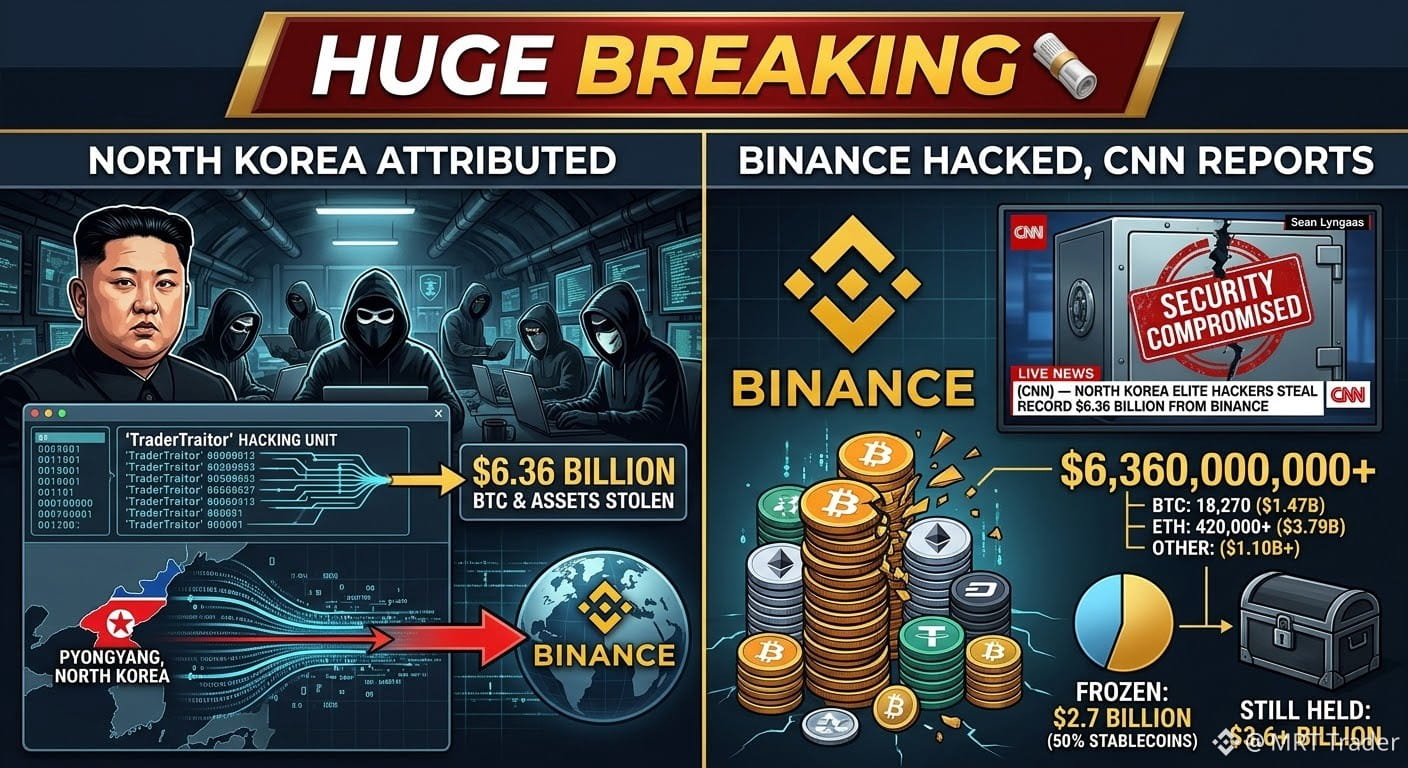
🚨 BREAKING: North Korea blamed for the Binance hack?
CNN is reportedly pointing to North Korea as the party behind the roughly $6B Binance hack, though the attribution still looks unconfirmed. 🇰🇵
If it holds, it would fit a long pattern of state-linked attacks on crypto exchanges. For now, treat it as a developing story, rely on official updates, and keep your risk tight. ⚠️
Click here to trade 👉 $BTC
#Bitcoin #Binance #CryptoNews #BinanceHack
6
·
--
Die 18.270 gestohlenen BTC kann niemand einfrieren — und bis heute Mittag haben sich die Coins noch nirgendwohin bewegt.
Fakten: CoinDesk (30. Okt.) hat anhand der Daten von mempool.space nachverfolgt, wie 18.270 BTC (rund 1,4 Milliarden US-Dollar) aus dem Binance-Hack innerhalb weniger Minuten über eine Peel Chain auf 19 Wallets aufgeteilt wurden — 17 Wallets mit jeweils 1.000 BTC, eine mit 832,5 BTC und eine mit 437,7 BTC. Bei der letzten gemeldeten Prüfung (11:23 WIB) hatte sich noch kein einziger Coin bewegt. TRM Labs schätzt mit hoher Sicherheit, dass die Täter zur nordkoreanischen Einheit TraderTraitor gehören; Binance selbst hat die Identität der Täter nicht bestätigt.
Meine Meinung: Das ist die schwierigste Seite dieses Falls. Stablecoins können von ihrem Herausgeber eingefroren werden, aber BTC hat keinen Herausgeber — der einzige Ansatzpunkt ist, wenn die Coins eine Börse, einen OTC-Dienst oder einen Swap-Dienst erreichen. Das Schweigen der 19 Wallets werte ich nicht als gute Nachricht, sondern als eine Pause: Dieselbe Einheit brauchte rund 10 Tage, um 2025 die von Bybit gestohlenen ETH in BTC umzuwandeln. Bei einem BTC-Kurs von etwa 78.570 US-Dollar hängt dieser Überhang weiterhin wie ein Damoklesschwert über dem Markt.
Was ich beobachte: die erste Bewegung aus einer der 19 Wallets, Geldwäscheversuche über Mixer und Nachrichten über die Wiederbeschaffung der Gelder durch Binance.
Was meint ihr: In welche Richtung wird der Markt stärker reagieren, sobald sich diese Coins bewegen?
Das ist meine Analyse, keine Finanzberatung — macht immer eure eigene Recherche (DYOR).
#BinanceHack #Bitcoin $BTC
24

·
--
Übersetzung ansehen
🚨 Binance hack started with a $296M XRP drain after 36 hours of preparation. Attacker executed coordinated transfers across 10 blockchains. The scale and coordination suggest sophisticated planning targeting liquidity across multiple networks.
Market implication: Heightened risk awareness for cross-chain assets. Traders should monitor XRP and bridge activity for signs of further coordinated moves.
#BinanceHack
$XRP #TradingSignal #CryptoAnalysis
Market implication: Heightened risk awareness for cross-chain assets. Traders should monitor XRP and bridge activity for signs of further coordinated moves.
#BinanceHack
$XRP #TradingSignal #CryptoAnalysis

1

·
--
Bullisch
Binance bestätigt einen schwerwiegenden Sicherheitsvorfall mit einem geschätzten Schaden von 6,3 Milliarden US-Dollar. Erste Ermittlungen deuten darauf hin, dass Angreifer den Laptop eines kompromittierten DevOps-Ingenieurs ausnutzten, um Zugriff auf einen Service-Container zu erhalten und unbefugte Auszahlungen vorzunehmen.
Binance zufolge wurden Vermögenswerte im Wert von etwa 3 Milliarden US-Dollar eingefroren, es wurden keine privaten Wallet-Schlüssel offengelegt, und sämtliche Verluste werden durch den SAFU-Fonds und Unternehmensmittel gedeckt. Ein- und Auszahlungen wurden vorübergehend ausgesetzt, während die Ermittlungen andauern. Binance betont, dass die Gelder der Nutzer sicher sind.
#Binancehack
117

·
--
Übersetzung ansehen
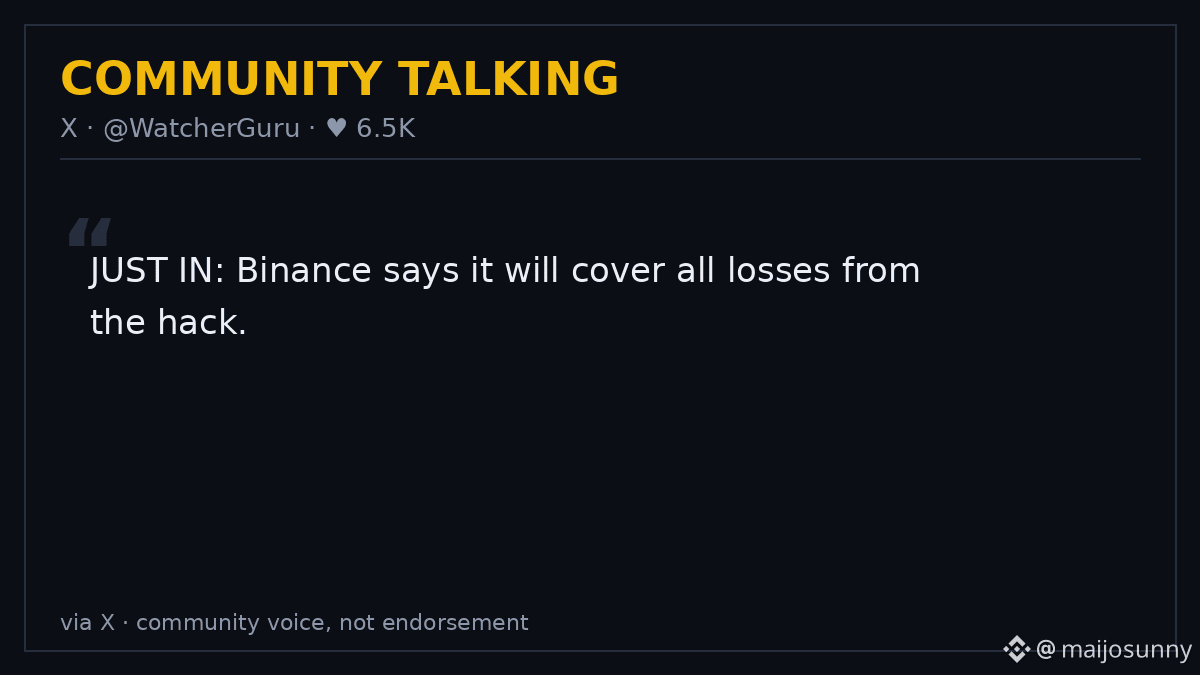
Traders on X are passing around one line from Binance's overnight update: it will cover all losses from the hack. The @WatcherGuru post carrying that pledge has 6.5K likes, and it landed hours after Binance published its first findings.
📊 THE NUMBERS THAT MATTER
$6.3B estimated impact, the largest crypto theft on record (CoinDesk)
~$3B frozen onchain so far, including $2.3B in USDT and USDC
$1.3B in leveraged longs liquidated in the 5 hours after the news broke
Binance's initial finding points to a possible compromised DevOps engineer's laptop, which it says gave an attacker access to a service container and let them submit unauthorized withdrawals. It also says it found no evidence of a wallet private key leak. That distinction matters: a laptop compromise is a very different fix from a key leak, and it shapes what "resolved" will look like.
My take: the coverage pledge is the headline, but the frozen figure is the one to read carefully. Frozen does not mean recovered. About $3B is restricted, not confirmed returned, and Binance says the frozen total could still grow as it works with law enforcement and issuers. Its SAFU emergency fund holds roughly $1B in bitcoin, so the rest of any payout would come from company funds (CoinDesk).
The second-order effect is already visible: institutional investors are rushing to pull crypto off centralized exchanges, according to CoinDesk sources. The amount moving is not yet quantified, but the direction is clear.
What to watch:
- When deposits and withdrawals resume, and under what checks
- Whether the frozen $3B grows, and how much actually returns
- Whether the North Korea attribution from TRM Labs holds up as investigators publish more
$BTC traded near $78,634, down 2.3% in 24h, while $BNB sat near $720, down 5.1% on Binance spot. The market is pricing a contained incident, not a systemic one, for now.
Is the cover-all-losses pledge enough to stop the exchange exodus, or does trust take longer to rebuild than funds? 👇
Not financial advice. DYOR.
#crypto #BinanceHack
74

Übersetzung ansehen
I've been watching for a date, not another reassurance — and Binance just gave users one: the first timeline for getting withdrawals back since the $6.3B breach.
Co-CEO Yi He said in an update Friday that the exchange expects to begin resuming withdrawals within 48 hours, while deposits "remain unaffected and continue to operate as normal." Binance's main account has since echoed that 48-hour window, saying withdrawals stay paused while the team revamps withdrawal security.
But 48 hours covers the start, not full restoration — Binance hasn't said which networks reopen first or how long the whole process takes. One wrinkle: earlier statements listed deposits as suspended too — unexplained so far.
$BTC sits near $78,300 and $BNB near $717 on Binance spot, both still down on the day — a slide I won't pin on this update alone.
Will a 48-hour start restore confidence, or does trust need the full post-mortem first? Not financial advice. DYOR.
$BTC $BNB #BinanceHack #CryptoNews #Binance
30

·
--
Übersetzung ansehen
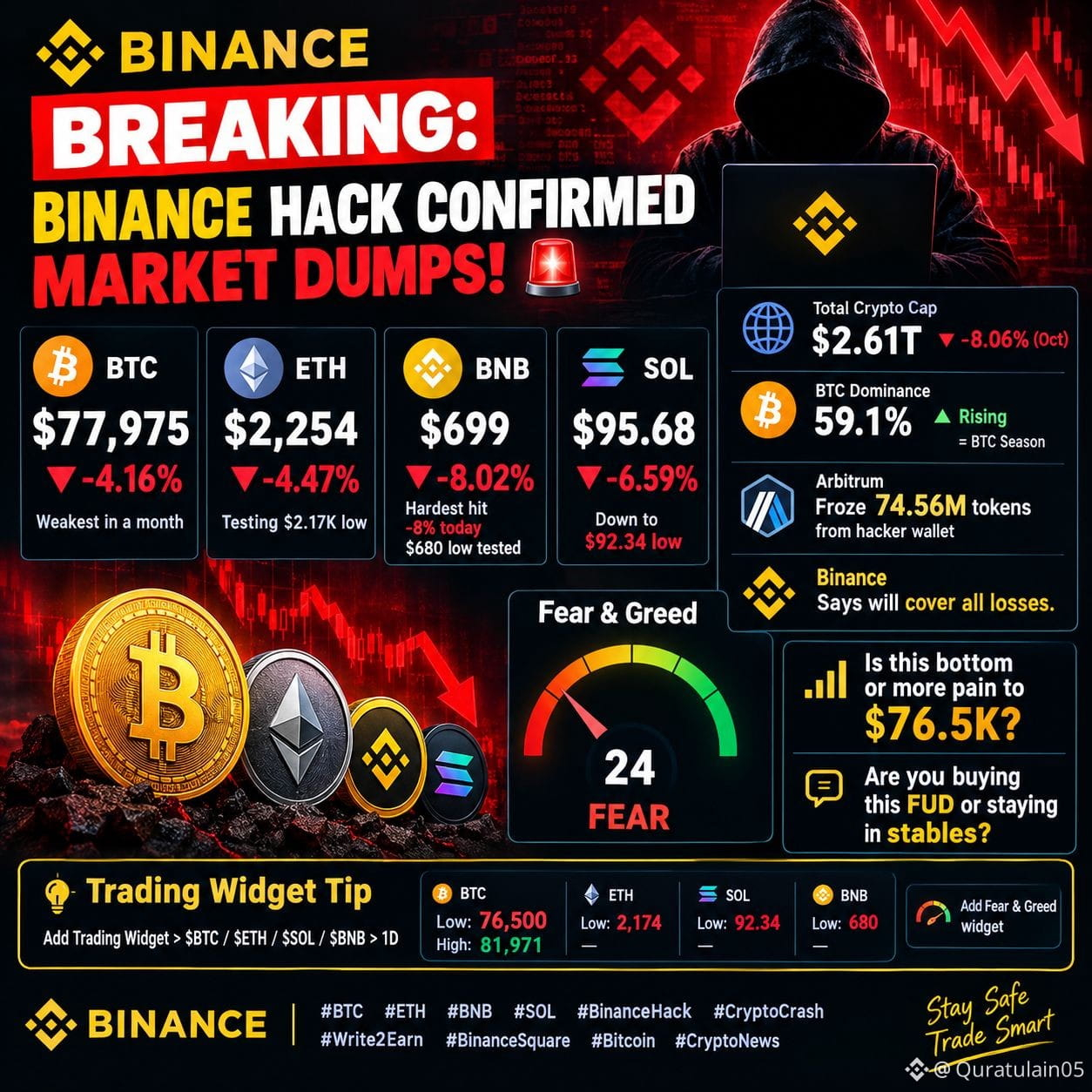
BREAKING: Binance hack confirmed - market dumps! 🚨
$BTC $77,975 (-4.16%) weakest in a month, $ETH $2,254 (-4.47%) testing $2.17K low, $BNB $699 (-8.02%) hardest hit -8% today $680 low tested, $SOL $95.68 (-6.59%) down to $92.34 low!
Total crypto cap $2.61T (-8.06% Oct), BTC dominance 59.1% rising = BTC season. Arbitrum froze 74.56M tokens from hacker wallet. Binance says will cover all losses.
Fear & Greed in Fear. Is this bottom or more pain to $76.5K?
Are you buying this FUD or staying in stables?
Trading Widget Tip: Add Trading Widget > $BTC / $ETH / $SOL / $BNB > 1D > Mark $BTC $76,500 low & $81,971 high, $ETH $2,174 low, $SOL $92.34 low & $BNB $680 low > Add Fear & Greed widget
Hashtags: #BTC #ETH #BNB #SOL#BinanceHack #CryptoCrash #Write2Earn #BinanceSquare #Bitcoin #CryptoNews
99

Artikel
Übersetzung ansehen
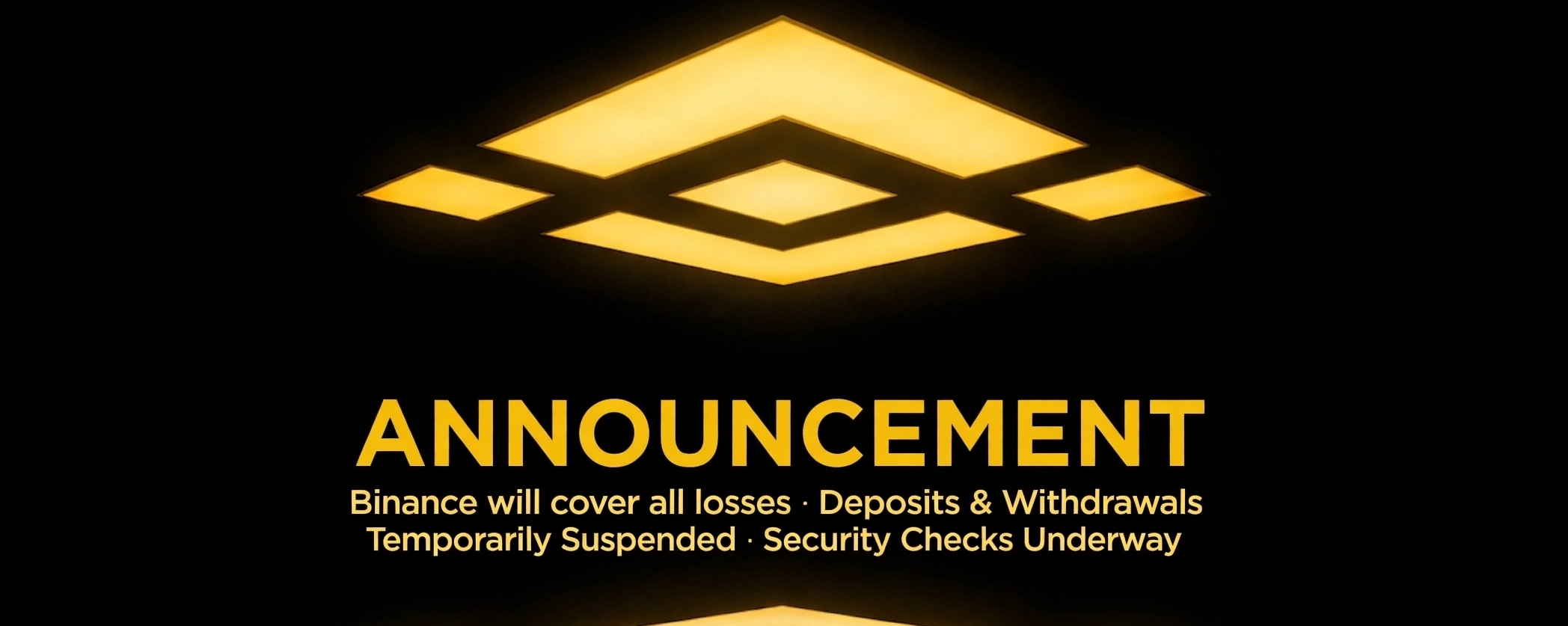
BREAKING: Binance CONFIRMS Hack - $3.3 BILLION Drained! 🚨🚨 BREAKING: Binance CONFIRMS Hack - $3.3 BILLION Drained! 🚨
World's biggest exchange hacked! History's largest crypto hack? 😱
WHAT HAPPENED? 👇
On Oct 29, 8:24 PM UTC, Binance's hot wallets were drained!
💥 Single Tx: 167,464 ETH + $1.6B USDT + dozens of tokens
💥 Total Loss: $3.3B+ estimated (On-chain data)
💥 Attack Method: Attacker exploited EIP-7702 - delegated Binance hot wallet control to malicious "sweeper" contract!
BINANCE OFFICIAL STATEMENT ✅
Co-founder Yi He confirmed:
"Binance will cover all losses. User funds are safe. As a precaution, all deposits and withdrawals are temporarily suspended while our team conducts security checks, freezes funds, and works with law enforcement."
GOOD NEWS: Funds Being Frozen Fast! 🔒
- Binance froze $2.54B initially, now $3B+
- Tether froze $1.5B+ USDT
- Circle froze $800M+ USDC
- Total frozen: ~$3 Billion
MARKET CRASH 📉
- BNB: -8.2% to $693
- BTC: -4.8% to $77,131
- ETH: -5.7% to $2,217
- AAVE: -11.3%, UNI: -10.4%
Is Your Money Safe?
YES! Binance said USER FUNDS ARE SAFU and they will cover all losses from SAFU fund. But for now, DO NOT deposit!
This happened just hours after Polymarket's $3M frontend hack! Black October continues! 🖤
Stay tuned for full post-mortem. Only trust official Binance channels!
Are your funds on Binance? Comment below! 👇
$BNB $BTC $ETH $USDT $USDC #BinanceHack #breakingnews #BNB #CryptoNews #safu #USMidtermElections
BREAKING: Binance CONFIRMS Hack - $3.3 BILLION Drained! 🚨
🚨 BREAKING: Binance CONFIRMS Hack - $3.3 BILLION Drained! 🚨
World's biggest exchange hacked! History's largest crypto hack? 😱
WHAT HAPPENED? 👇
On Oct 29, 8:24 PM UTC, Binance's hot wallets were drained!
💥 Single Tx: 167,464 ETH + $1.6B USDT + dozens of tokens
💥 Total Loss: $3.3B+ estimated (On-chain data)
💥 Attack Method: Attacker exploited EIP-7702 - delegated Binance hot wallet control to malicious "sweeper" contract!
BINANCE OFFICIAL STATEMENT ✅
Co-founder Yi He confirmed:
"Binance will cover all losses. User funds are safe. As a precaution, all deposits and withdrawals are temporarily suspended while our team conducts security checks, freezes funds, and works with law enforcement."
GOOD NEWS: Funds Being Frozen Fast! 🔒
- Binance froze $2.54B initially, now $3B+
- Tether froze $1.5B+ USDT
- Circle froze $800M+ USDC
- Total frozen: ~$3 Billion
MARKET CRASH 📉
- BNB: -8.2% to $693
- BTC: -4.8% to $77,131
- ETH: -5.7% to $2,217
- AAVE: -11.3%, UNI: -10.4%
Is Your Money Safe?
YES! Binance said USER FUNDS ARE SAFU and they will cover all losses from SAFU fund. But for now, DO NOT deposit!
This happened just hours after Polymarket's $3M frontend hack! Black October continues! 🖤
Stay tuned for full post-mortem. Only trust official Binance channels!
Are your funds on Binance? Comment below! 👇
$BNB $BTC $ETH $USDT $USDC #BinanceHack #breakingnews #BNB #CryptoNews #safu #USMidtermElections
60

·
--
Übersetzung ansehen
#Binance stated that its initial investigation suggests the security incident, with an estimated impact of approximately $6.3 billion, may have originated from a compromised laptop belonging to a DevOps engineer. Through this device, the attacker was able to access an internal service container and submit unauthorized withdrawal transactions.
The exchange confirmed that it has found no evidence of any wallet private key leakage. Binance estimates the total impact at around $6.3 billion, of which approximately $3 billion in affected assets has been frozen on-chain in collaboration with blockchain partners.
As immediate precautionary measures, Binance has revoked the authorization of the affected address and temporarily suspended deposits and withdrawals. All losses will be fully covered through the SAFU fund and company funds.
A detailed technical post-mortem will be released once the investigation is complete and the facts are fully verified.
#Binance #BinanceHack

1
110
Anmelden und weiter Inhalte entdecken
Krypto-Nutzer weltweit auf Binance Square kennenlernen
⚡️ Bleib in Sachen Krypto stets am Puls.
💬 Die weltgrößte Kryptobörse vertraut darauf.
👍 Erhalte verlässliche Einblicke von verifizierten Creators.
E-Mail-Adresse/Telefonnummer
Trendthemen
1
#EarningsSeason
6.6M Aufrufe
33,257 Kommentare
2
#USMidtermElections
91,529 Aufrufe
1,190 Kommentare
3
#StrategySTRCReaches$99.95ForFirstTimeIn165Days
1,296 Aufrufe
41 Kommentare
4
#BinanceWillListPredictPREDICT
15,899 Aufrufe
428 Kommentare
5
#SwitzerlandFirstSpotBitcoinETFExpectedToTradeInNovember
991 Aufrufe
52 Kommentare
6
#StrategyReports$21BQ3OperatingProfit
957 Aufrufe
38 Kommentare
7
#Strategy三季度营业利润210亿美元
14,678 Aufrufe
55 Kommentare
8
#TwoAddressesHoldingAbout1.28BUSDTFrozen
6,363 Aufrufe
221 Kommentare
9
#FirstDigitalBlacklistsAttackerAddressHoldingAbout3.4MFDUSD
286 Aufrufe
13 Kommentare
10
#BitcoinDropsBelow$80K
63,895 Aufrufe
162 Kommentare