
Peter Maliar
6.8k Beiträge

Peter Maliar
 Square Verified
Melden
Nutzer blockieren
#Web3 Growth Leader 🏆
Gelegenheitstrader
5.2 Jahre
273 Following
30.4K+ Follower
36.8K+ Like gegeben
Beiträge
Alle
Zitierungen
Videos
Live
PINNED
·
--
Etwas, das ich an @termmax interessant finde, ist der Fokus darauf, DeFi-Zinsen besser vorhersagbar zu machen.
Anstatt mit Zinsen umzugehen, die sich ständig ändern können, bietet TermMax Festzins- und Festlaufzeit-Kredite sowie Einlagen. Du kennst Zinssatz und Laufzeit der Position im Voraus, wodurch der gesamte Prozess leichter zu verstehen ist.
Das geht außerdem über einfaches Lending hinaus. TermMax verwaltet eigene Vaults, bietet One-Click-Hebelwirkung und Support über mehrere Blockchain-Netzwerke hinweg.
Was für mich heraussticht, ist die Idee, mehr Struktur in DeFi zu bringen. Der Bereich kann sich manchmal kompliziert anfühlen – vor allem, wenn sich Zinsen, Laufzeiten und Risiken ständig ändern.
Ein Festzins-Modell gibt den Nutzern ein klareres Bild davon, worauf sie sich einlassen, bevor sie Mittel bereitstellen.
Natürlich ist DeFi weiterhin mit Risiken verbunden, daher ist es wichtig, eigene Recherchen anzustellen.
Für mich ist #TermMax ein spannendes Projekt, das man im Blick behalten sollte, während festverzinsliche Finanzprodukte weiterhin on-chain weiterentwickelt werden.
#termmax @TermMax
Etwas, das ich an @TermMax interessant finde, ist der Fokus darauf, DeFi-Zinsen besser vorhersagbar zu machen.
Anstatt mit Zinsen umzugehen, die sich ständig ändern können, bietet TermMax Festzins- und Festlaufzeit-Kredite sowie Einlagen. Du kennst Zinssatz und Laufzeit der Position im Voraus, wodurch der gesamte Prozess leichter zu verstehen ist.
Das geht außerdem über einfaches Lending hinaus. TermMax verwaltet eigene Vaults, bietet One-Click-Hebelwirkung und Support über mehrere Blockchain-Netzwerke hinweg.
Was für mich heraussticht, ist die Idee, mehr Struktur in DeFi zu bringen. Der Bereich kann sich manchmal kompliziert anfühlen – vor allem, wenn sich Zinsen, Laufzeiten und Risiken ständig ändern.
Ein Festzins-Modell gibt den Nutzern ein klareres Bild davon, worauf sie sich einlassen, bevor sie Mittel bereitstellen.
Natürlich ist DeFi weiterhin mit Risiken verbunden, daher ist es wichtig, eigene Recherchen anzustellen.
Für mich ist #TermMax ein spannendes Projekt, das man im Blick behalten sollte, während festverzinsliche Finanzprodukte weiterhin on-chain weiterentwickelt werden.
#termmax @TermMax
Anstatt mit Zinsen umzugehen, die sich ständig ändern können, bietet TermMax Festzins- und Festlaufzeit-Kredite sowie Einlagen. Du kennst Zinssatz und Laufzeit der Position im Voraus, wodurch der gesamte Prozess leichter zu verstehen ist.
Das geht außerdem über einfaches Lending hinaus. TermMax verwaltet eigene Vaults, bietet One-Click-Hebelwirkung und Support über mehrere Blockchain-Netzwerke hinweg.
Was für mich heraussticht, ist die Idee, mehr Struktur in DeFi zu bringen. Der Bereich kann sich manchmal kompliziert anfühlen – vor allem, wenn sich Zinsen, Laufzeiten und Risiken ständig ändern.
Ein Festzins-Modell gibt den Nutzern ein klareres Bild davon, worauf sie sich einlassen, bevor sie Mittel bereitstellen.
Natürlich ist DeFi weiterhin mit Risiken verbunden, daher ist es wichtig, eigene Recherchen anzustellen.
Für mich ist #TermMax ein spannendes Projekt, das man im Blick behalten sollte, während festverzinsliche Finanzprodukte weiterhin on-chain weiterentwickelt werden.
#termmax @TermMax
24
1
23
391
·
--
Je genauer ich mir @termmax ansehe, desto mehr erkenne ich, dass es sich nicht nur um ein weiteres Kreditprotokoll handelt.
Das Interessante passiert nach der Eröffnung einer Position mit dem Darlehen.
TermMax zerlegt es in drei verschiedene Assets:
GT steht für die gehebelt besicherte Position.
FT steht für die festverzinsliche Schuld, einschließlich Kapital und Zinsen.
XT steht für die Ertragskomponente.
Das bedeutet, dass ein einzelnes Darlehen nicht zwingend als Ganzes zusammengehalten werden muss. Jede Komponente kann ihren eigenen Use Case haben.
Du kannst die Position handeln, eine festverzinsliche Exponierung erhalten oder die verschiedenen Teile je nach deinem Ziel verwalten.
Dann gibt es noch das Vault-System.
Anstatt manuell verschiedene Märkte, Laufzeiten und Zinssätze zu durchsuchen, kannst du in ERC-4626-Vaults einzahlen, die von Kuratoren wie MEV Capital und Keyrock verwaltet werden.
Der Kurator steuert, wohin das Kapital über verschiedene Term-Märkte hinweg fließt.
Das macht das gesamte Erlebnis deutlich einfacher.
Aber das, was ich immer wieder im Kopf behalte, ist der feste Zinssatz.
Du kennst den Zinssatz, bevor du die Position eingehst.
Kein Grübeln darüber, ob sich die Kreditkosten morgen plötzlich ändern.
Keine überraschende Zinserhöhung mitten in der Strategie.
Für mich macht genau das die Idee so interessant.
TermMax versucht im Grunde, mehr Struktur und Planbarkeit in festverzinsliche On-Chain-Income-Produkte zu bringen.
Ich teste das Ganze noch weiter, aber die Architektur ist auf jeden Fall einen Blick wert.
$TMX #TermMax
#termmax @TermMax
Je genauer ich mir @TermMax ansehe, desto mehr erkenne ich, dass es sich nicht nur um ein weiteres Kreditprotokoll handelt.
Das Interessante passiert nach der Eröffnung einer Position mit dem Darlehen.
TermMax zerlegt es in drei verschiedene Assets:
GT steht für die gehebelt besicherte Position.
FT steht für die festverzinsliche Schuld, einschließlich Kapital und Zinsen.
XT steht für die Ertragskomponente.
Das bedeutet, dass ein einzelnes Darlehen nicht zwingend als Ganzes zusammengehalten werden muss. Jede Komponente kann ihren eigenen Use Case haben.
Du kannst die Position handeln, eine festverzinsliche Exponierung erhalten oder die verschiedenen Teile je nach deinem Ziel verwalten.
Dann gibt es noch das Vault-System.
Anstatt manuell verschiedene Märkte, Laufzeiten und Zinssätze zu durchsuchen, kannst du in ERC-4626-Vaults einzahlen, die von Kuratoren wie MEV Capital und Keyrock verwaltet werden.
Der Kurator steuert, wohin das Kapital über verschiedene Term-Märkte hinweg fließt.
Das macht das gesamte Erlebnis deutlich einfacher.
Aber das, was ich immer wieder im Kopf behalte, ist der feste Zinssatz.
Du kennst den Zinssatz, bevor du die Position eingehst.
Kein Grübeln darüber, ob sich die Kreditkosten morgen plötzlich ändern.
Keine überraschende Zinserhöhung mitten in der Strategie.
Für mich macht genau das die Idee so interessant.
TermMax versucht im Grunde, mehr Struktur und Planbarkeit in festverzinsliche On-Chain-Income-Produkte zu bringen.
Ich teste das Ganze noch weiter, aber die Architektur ist auf jeden Fall einen Blick wert.
$TMX #TermMax
#termmax @TermMax
Das Interessante passiert nach der Eröffnung einer Position mit dem Darlehen.
TermMax zerlegt es in drei verschiedene Assets:
GT steht für die gehebelt besicherte Position.
FT steht für die festverzinsliche Schuld, einschließlich Kapital und Zinsen.
XT steht für die Ertragskomponente.
Das bedeutet, dass ein einzelnes Darlehen nicht zwingend als Ganzes zusammengehalten werden muss. Jede Komponente kann ihren eigenen Use Case haben.
Du kannst die Position handeln, eine festverzinsliche Exponierung erhalten oder die verschiedenen Teile je nach deinem Ziel verwalten.
Dann gibt es noch das Vault-System.
Anstatt manuell verschiedene Märkte, Laufzeiten und Zinssätze zu durchsuchen, kannst du in ERC-4626-Vaults einzahlen, die von Kuratoren wie MEV Capital und Keyrock verwaltet werden.
Der Kurator steuert, wohin das Kapital über verschiedene Term-Märkte hinweg fließt.
Das macht das gesamte Erlebnis deutlich einfacher.
Aber das, was ich immer wieder im Kopf behalte, ist der feste Zinssatz.
Du kennst den Zinssatz, bevor du die Position eingehst.
Kein Grübeln darüber, ob sich die Kreditkosten morgen plötzlich ändern.
Keine überraschende Zinserhöhung mitten in der Strategie.
Für mich macht genau das die Idee so interessant.
TermMax versucht im Grunde, mehr Struktur und Planbarkeit in festverzinsliche On-Chain-Income-Produkte zu bringen.
Ich teste das Ganze noch weiter, aber die Architektur ist auf jeden Fall einen Blick wert.
$TMX #TermMax
#termmax @TermMax
1
1
255
·
--
Gestern war ich mehr mit Dune und DefiLlama beschäftigt als mit der Arbeit – und eine Zahl hat mich nicht mehr losgelassen.
TermMax hat ungefähr 1,5 Mio. Wallets und 90.000 täglich aktive Nutzer.
Klingt beeindruckend, oder?
Dann habe ich die Gebühren für die letzten 30 Tage überprüft.
Nur etwa 8.000 US-Dollar. Selbst wenn wir es auf 20.000 aufrunden – das ist für 1,5 Mio. Wallets immer noch wenig.
Und das hat mich zu folgender Frage gebracht:
Nutzen all diese Nutzer tatsächlich das Produkt?
Oder farmen die meisten nur Punkte?
Tägliche Check-ins. XP. Streaks. Rewards.
Ich habe das auch gemacht.
Ich habe mich eingeloggt, Punkte abgeholt und zugesehen, wie die Zahlen steigen… ohne dabei wirklich Geld in einen Vault zu stecken oder die Lending-Märkte zu nutzen.
Das ist der interessante Teil.
Die echten Nutzer sind diejenigen, die ausleihen, verleihen, kuratierte Vaults und Term-Märkte nutzen.
Was passiert also nach dem 26. August, wenn die Punkte aufhören?
Dann bekommen wir den echten Test.
Bleiben die Nutzer, weil sie TermMax wirklich brauchen?
Oder verschwinden 1,4 Mio. Wallets, sobald die Rewards weg sind?
Ich bin weiterhin bullisch in Bezug auf die Idee hinter TermMax und seine Infrastruktur mit festen Zinssätzen.
Aber nach dem 25. werde ich auf eine Sache achten:
Nicht Wallets. Nicht Punkte. Echte Nutzer.
Denn wenn der kostenlose Zucker weg ist, sehen wir endlich, wer tatsächlich wegen des Produkts gekommen ist.
@termmax #TermMax
#termmax @TermMax
Gestern war ich mehr mit Dune und DefiLlama beschäftigt als mit der Arbeit – und eine Zahl hat mich nicht mehr losgelassen.
TermMax hat ungefähr 1,5 Mio. Wallets und 90.000 täglich aktive Nutzer.
Klingt beeindruckend, oder?
Dann habe ich die Gebühren für die letzten 30 Tage überprüft.
Nur etwa 8.000 US-Dollar. Selbst wenn wir es auf 20.000 aufrunden – das ist für 1,5 Mio. Wallets immer noch wenig.
Und das hat mich zu folgender Frage gebracht:
Nutzen all diese Nutzer tatsächlich das Produkt?
Oder farmen die meisten nur Punkte?
Tägliche Check-ins. XP. Streaks. Rewards.
Ich habe das auch gemacht.
Ich habe mich eingeloggt, Punkte abgeholt und zugesehen, wie die Zahlen steigen… ohne dabei wirklich Geld in einen Vault zu stecken oder die Lending-Märkte zu nutzen.
Das ist der interessante Teil.
Die echten Nutzer sind diejenigen, die ausleihen, verleihen, kuratierte Vaults und Term-Märkte nutzen.
Was passiert also nach dem 26. August, wenn die Punkte aufhören?
Dann bekommen wir den echten Test.
Bleiben die Nutzer, weil sie TermMax wirklich brauchen?
Oder verschwinden 1,4 Mio. Wallets, sobald die Rewards weg sind?
Ich bin weiterhin bullisch in Bezug auf die Idee hinter TermMax und seine Infrastruktur mit festen Zinssätzen.
Aber nach dem 25. werde ich auf eine Sache achten:
Nicht Wallets. Nicht Punkte. Echte Nutzer.
Denn wenn der kostenlose Zucker weg ist, sehen wir endlich, wer tatsächlich wegen des Produkts gekommen ist.
@TermMax #TermMax
#termmax @TermMax
TermMax hat ungefähr 1,5 Mio. Wallets und 90.000 täglich aktive Nutzer.
Klingt beeindruckend, oder?
Dann habe ich die Gebühren für die letzten 30 Tage überprüft.
Nur etwa 8.000 US-Dollar. Selbst wenn wir es auf 20.000 aufrunden – das ist für 1,5 Mio. Wallets immer noch wenig.
Und das hat mich zu folgender Frage gebracht:
Nutzen all diese Nutzer tatsächlich das Produkt?
Oder farmen die meisten nur Punkte?
Tägliche Check-ins. XP. Streaks. Rewards.
Ich habe das auch gemacht.
Ich habe mich eingeloggt, Punkte abgeholt und zugesehen, wie die Zahlen steigen… ohne dabei wirklich Geld in einen Vault zu stecken oder die Lending-Märkte zu nutzen.
Das ist der interessante Teil.
Die echten Nutzer sind diejenigen, die ausleihen, verleihen, kuratierte Vaults und Term-Märkte nutzen.
Was passiert also nach dem 26. August, wenn die Punkte aufhören?
Dann bekommen wir den echten Test.
Bleiben die Nutzer, weil sie TermMax wirklich brauchen?
Oder verschwinden 1,4 Mio. Wallets, sobald die Rewards weg sind?
Ich bin weiterhin bullisch in Bezug auf die Idee hinter TermMax und seine Infrastruktur mit festen Zinssätzen.
Aber nach dem 25. werde ich auf eine Sache achten:
Nicht Wallets. Nicht Punkte. Echte Nutzer.
Denn wenn der kostenlose Zucker weg ist, sehen wir endlich, wer tatsächlich wegen des Produkts gekommen ist.
@TermMax #TermMax
#termmax @TermMax
1
3
476
·
--
EVM-Kompatibilität bringt Entwickler an die Tür, aber die Abwicklung bestimmt, was darunter geschieht.
EVM-Kompatibilität bringt Entwickler an die Tür, aber die Abwicklung bestimmt, was darunter geschieht.
1
2
609
·
--
Verifiziert
Ich habe mir in letzter Zeit eine andere Seite von @termmax angesehen, und das Vault-System hat dabei mein Interesse geweckt.
Anstatt einzelne festverzinsliche Märkte selbst verwalten zu müssen, können die Earn-Vaults von TermMax Einlagen über mehrere festverzinsliche Kreditmärkte hinweg verteilen.
Das Interessante ist, dass diese Vaults von Kuratoren verwaltet werden, sodass die Kapitalallokation nach der Strategie der Vault erfolgt – und nicht so, dass alles beim Nutzer manuell untergebracht werden muss.
TermMax unterstützt außerdem verschiedene Assets und ist über mehrere Chains hinweg aktiv, was das gesamte Ökosystem noch spannender macht, um es zu erkunden.
Was mir an diesem Ansatz gefällt, ist die Idee, festverzinsliches DeFi ein wenig strukturierter zu machen.
Du schaust nicht nur auf einen einzelnen Kreditmarkt. Das Vault-Modell bringt mehrere Märkte unter einer einzigen Strategie zusammen.
Natürlich heißt das nicht, dass es keine Risiken gibt. DeFi erfordert weiterhin Recherche, und Nutzer sollten die konkrete Vault, ihre Konditionen, Risiken und unterstützten Assets verstehen, bevor sie mit ihr interagieren.
Für mich ist das ein interessanterer Blickwinkel von #TermMax , als einfach über feste Zinssätze zu sprechen.
Die größere Frage ist, wie kuratierte Vaults und festverzinsliche Märkte zusammenarbeiten können, um DeFi organisierter zu machen und die Navigation zu erleichtern.
Definitiv etwas, worauf ich ein Auge habe.
@termmax
#TermMax
#termmax @TermMax
Ich habe mir in letzter Zeit eine andere Seite von @TermMax angesehen, und das Vault-System hat dabei mein Interesse geweckt.
Anstatt einzelne festverzinsliche Märkte selbst verwalten zu müssen, können die Earn-Vaults von TermMax Einlagen über mehrere festverzinsliche Kreditmärkte hinweg verteilen.
Das Interessante ist, dass diese Vaults von Kuratoren verwaltet werden, sodass die Kapitalallokation nach der Strategie der Vault erfolgt – und nicht so, dass alles beim Nutzer manuell untergebracht werden muss.
TermMax unterstützt außerdem verschiedene Assets und ist über mehrere Chains hinweg aktiv, was das gesamte Ökosystem noch spannender macht, um es zu erkunden.
Was mir an diesem Ansatz gefällt, ist die Idee, festverzinsliches DeFi ein wenig strukturierter zu machen.
Du schaust nicht nur auf einen einzelnen Kreditmarkt. Das Vault-Modell bringt mehrere Märkte unter einer einzigen Strategie zusammen.
Natürlich heißt das nicht, dass es keine Risiken gibt. DeFi erfordert weiterhin Recherche, und Nutzer sollten die konkrete Vault, ihre Konditionen, Risiken und unterstützten Assets verstehen, bevor sie mit ihr interagieren.
Für mich ist das ein interessanterer Blickwinkel von #TermMax , als einfach über feste Zinssätze zu sprechen.
Die größere Frage ist, wie kuratierte Vaults und festverzinsliche Märkte zusammenarbeiten können, um DeFi organisierter zu machen und die Navigation zu erleichtern.
Definitiv etwas, worauf ich ein Auge habe.
@TermMax
#TermMax
#termmax @TermMax
Anstatt einzelne festverzinsliche Märkte selbst verwalten zu müssen, können die Earn-Vaults von TermMax Einlagen über mehrere festverzinsliche Kreditmärkte hinweg verteilen.
Das Interessante ist, dass diese Vaults von Kuratoren verwaltet werden, sodass die Kapitalallokation nach der Strategie der Vault erfolgt – und nicht so, dass alles beim Nutzer manuell untergebracht werden muss.
TermMax unterstützt außerdem verschiedene Assets und ist über mehrere Chains hinweg aktiv, was das gesamte Ökosystem noch spannender macht, um es zu erkunden.
Was mir an diesem Ansatz gefällt, ist die Idee, festverzinsliches DeFi ein wenig strukturierter zu machen.
Du schaust nicht nur auf einen einzelnen Kreditmarkt. Das Vault-Modell bringt mehrere Märkte unter einer einzigen Strategie zusammen.
Natürlich heißt das nicht, dass es keine Risiken gibt. DeFi erfordert weiterhin Recherche, und Nutzer sollten die konkrete Vault, ihre Konditionen, Risiken und unterstützten Assets verstehen, bevor sie mit ihr interagieren.
Für mich ist das ein interessanterer Blickwinkel von #TermMax , als einfach über feste Zinssätze zu sprechen.
Die größere Frage ist, wie kuratierte Vaults und festverzinsliche Märkte zusammenarbeiten können, um DeFi organisierter zu machen und die Navigation zu erleichtern.
Definitiv etwas, worauf ich ein Auge habe.
@TermMax
#TermMax
#termmax @TermMax
24
27
465
·
--
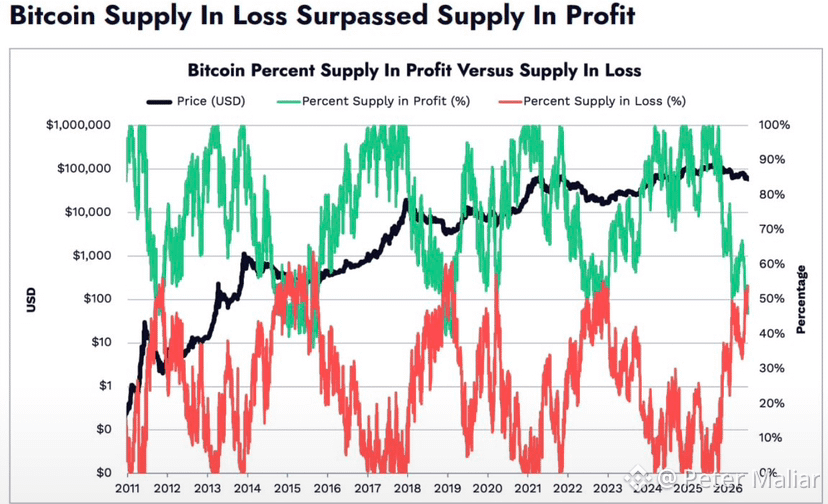
🚨 UPDATE: $BTC zunehmender Verlust übertraf erstmals in diesem Zyklus den Vorrat an Gewinnen; während das LTH-Angebot mit 14,85 Millionen seinen Rekord erreichte $BTC
{spot}(BTCUSDT)
🚨 UPDATE: $BTC zunehmender Verlust übertraf erstmals in diesem Zyklus den Vorrat an Gewinnen; während das LTH-Angebot mit 14,85 Millionen seinen Rekord erreichte $BTC
1
4
1.2k
·
--
Teilweise korrekt
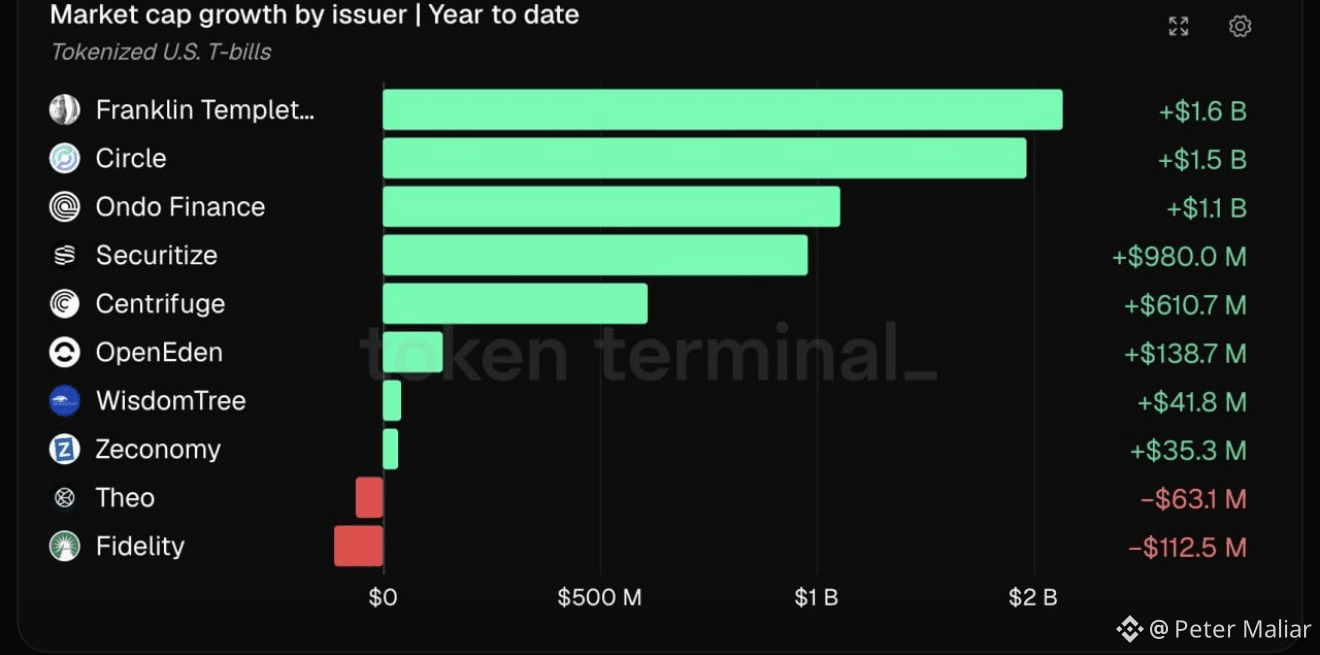
🔥 NEU: Franklin Templeton führt 2026 mit 1,6 Milliarden US-Dollar Wachstum bei On-Chain-AUM unter den Emittenten tokenisierter US-Treasuries an, laut Token Terminal.
🔥 NEU: Franklin Templeton führt 2026 mit 1,6 Milliarden US-Dollar Wachstum bei On-Chain-AUM unter den Emittenten tokenisierter US-Treasuries an, laut Token Terminal.
1
4
1.1k

·
--
Guten Morgen, zusammen! ☀️
Heute ist ein großer Tag für die Krypto-Community.
Herzlichen Glückwunsch zum 9. Jahrestag an @binance! 🎉
Es ist erstaunlich zu sehen, wie weit Binance in den Jahren gekommen ist. Für Millionen von Menschen war es der erste Schritt in die Krypto-Welt – und heute führt es die Branche weiterhin mit Innovation, Bildung und globaler Akzeptanz an.
Wir wünschen dem gesamten Binance-Team und der Community noch viele weitere Jahre voller Erfolg.
Alles Gute zum Geburtstag, Binance! 🥂💛
#BinanceTurns9
Guten Morgen, zusammen! ☀️
Heute ist ein großer Tag für die Krypto-Community.
Herzlichen Glückwunsch zum 9. Jahrestag an @binance! 🎉
Es ist erstaunlich zu sehen, wie weit Binance in den Jahren gekommen ist. Für Millionen von Menschen war es der erste Schritt in die Krypto-Welt – und heute führt es die Branche weiterhin mit Innovation, Bildung und globaler Akzeptanz an.
Wir wünschen dem gesamten Binance-Team und der Community noch viele weitere Jahre voller Erfolg.
Alles Gute zum Geburtstag, Binance! 🥂💛
#BinanceTurns9
Heute ist ein großer Tag für die Krypto-Community.
Herzlichen Glückwunsch zum 9. Jahrestag an @binance! 🎉
Es ist erstaunlich zu sehen, wie weit Binance in den Jahren gekommen ist. Für Millionen von Menschen war es der erste Schritt in die Krypto-Welt – und heute führt es die Branche weiterhin mit Innovation, Bildung und globaler Akzeptanz an.
Wir wünschen dem gesamten Binance-Team und der Community noch viele weitere Jahre voller Erfolg.
Alles Gute zum Geburtstag, Binance! 🥂💛
#BinanceTurns9

1
11
2.6k
·
--
Verifiziert
🔥 UPDATE: Metaplanet startet ein Aktionärsvorteilsangebot von Coincheck mit ¥20 Millionen in $BTC-Prämien ab dem 13. Juli.
🔥 UPDATE: Metaplanet startet ein Aktionärsvorteilsangebot von Coincheck mit ¥20 Millionen in $BTC-Prämien ab dem 13. Juli.
BTC-2,16%
COINUS-10,08%
1
3
5.5k
·
--
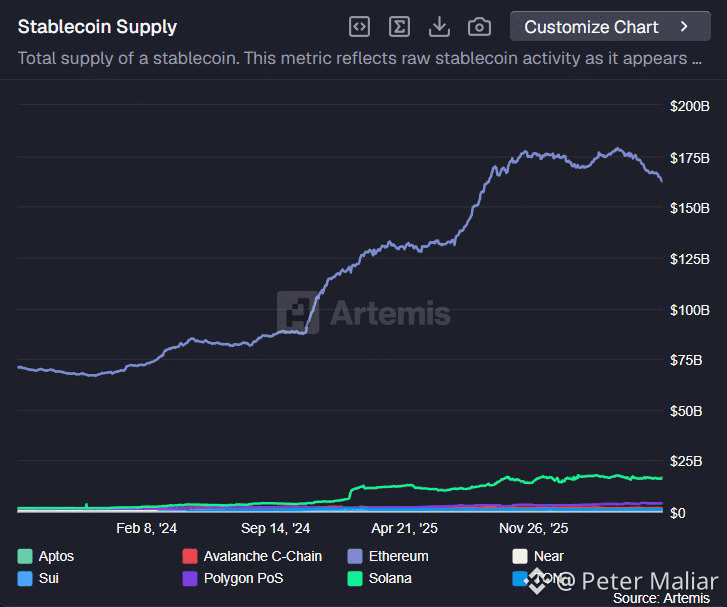
🚨 UPDATE: Ethereum kontrolliert jetzt 87 % der Stablecoin-Versorgung.
$ETH
{future}(ETHUSDT)
$BTC
{future}(BTCUSDT)
$BNB
{future}(BNBUSDT)
🚨 UPDATE: Ethereum kontrolliert jetzt 87 % der Stablecoin-Versorgung.
$ETH
$BTC
$BNB
$ETH
$BTC
$BNB
1
3
247
·
--
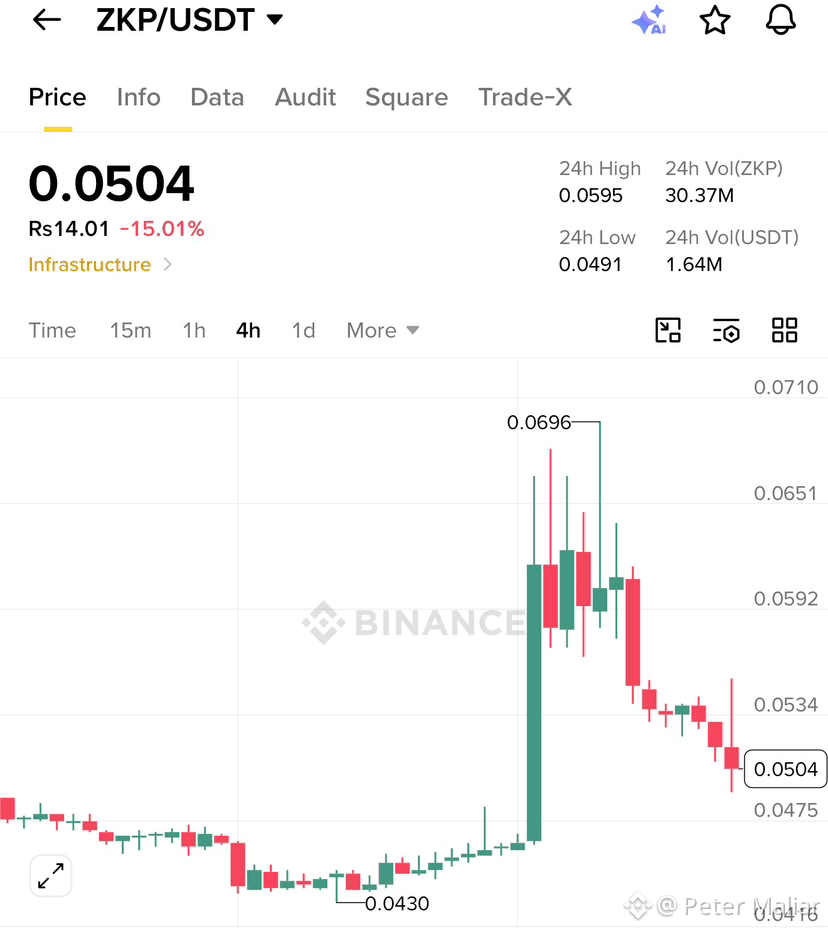
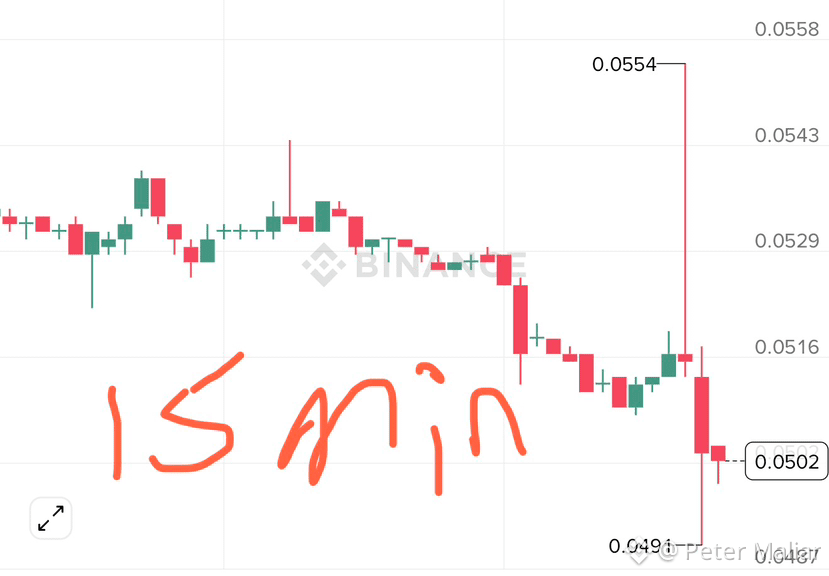
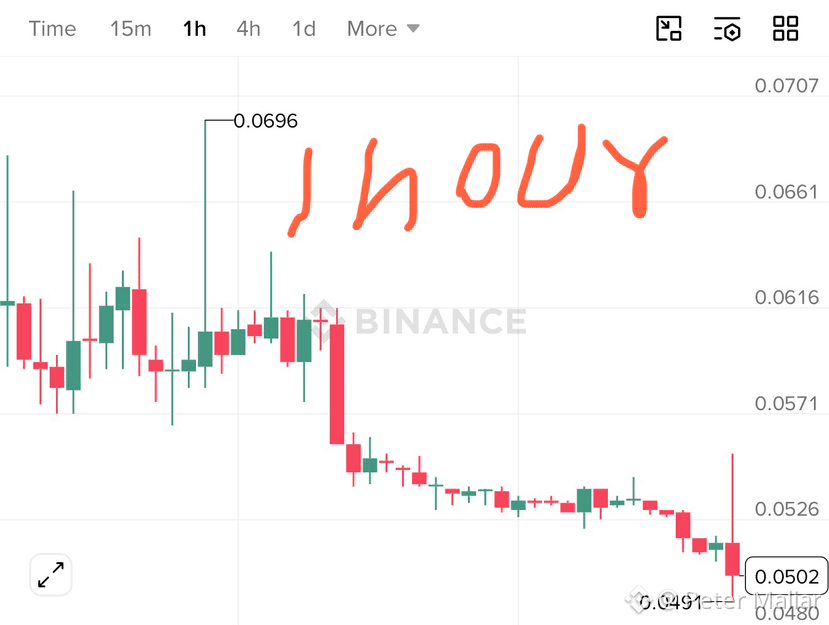
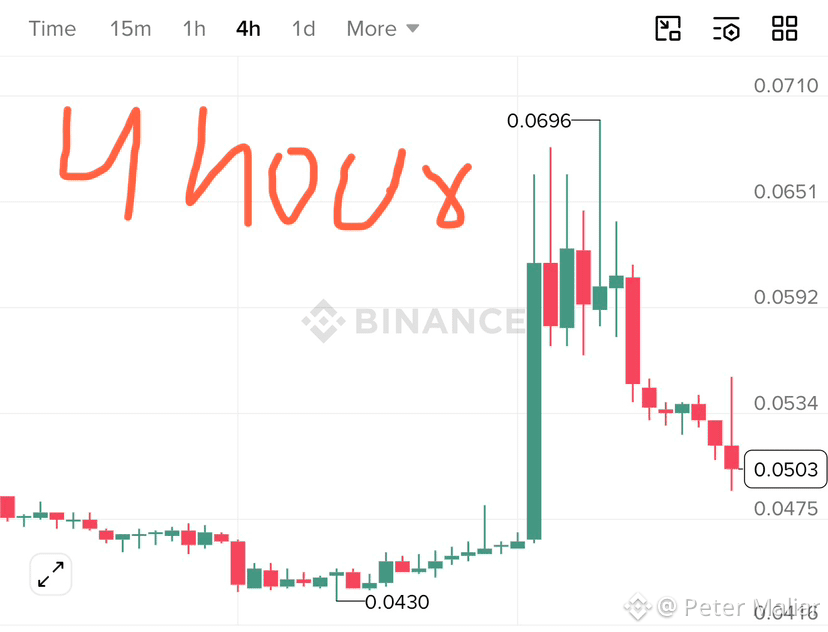
Ich entscheide mich für einen $ZKP short, weil ich mit dem Trend handle und nicht gegen ihn.
Die 4H-Marktstruktur ist bärisch, die 1H druckt weiterhin niedrigere Hochs, und jeder Rücklauf wird verkauft. Solange Käufer den wichtigen Widerstandsbereich nicht zurückerobern, erwarte ich eine Fortsetzung nach unten. Wenn sich die Struktur ändert, passe ich meine Einschätzung entsprechend an.
{future}(ZKPUSDT)
📍 Trade-Idee
Position: Short 10x Isolated
🎯 Ziele
• TP1: 0.0491
• TP2: 0.0475
• TP3: 0.0450
🛑 Ungültigmachung: Ein starker Close zurück über dem zuletzt erreichten Lower-High-Bereich.
Ich entscheide mich für einen $ZKP short, weil ich mit dem Trend handle und nicht gegen ihn.
Die 4H-Marktstruktur ist bärisch, die 1H druckt weiterhin niedrigere Hochs, und jeder Rücklauf wird verkauft. Solange Käufer den wichtigen Widerstandsbereich nicht zurückerobern, erwarte ich eine Fortsetzung nach unten. Wenn sich die Struktur ändert, passe ich meine Einschätzung entsprechend an.
📍 Trade-Idee
Position: Short 10x Isolated
🎯 Ziele
• TP1: 0.0491
• TP2: 0.0475
• TP3: 0.0450
🛑 Ungültigmachung: Ein starker Close zurück über dem zuletzt erreichten Lower-High-Bereich.
Die 4H-Marktstruktur ist bärisch, die 1H druckt weiterhin niedrigere Hochs, und jeder Rücklauf wird verkauft. Solange Käufer den wichtigen Widerstandsbereich nicht zurückerobern, erwarte ich eine Fortsetzung nach unten. Wenn sich die Struktur ändert, passe ich meine Einschätzung entsprechend an.
📍 Trade-Idee
Position: Short 10x Isolated
🎯 Ziele
• TP1: 0.0491
• TP2: 0.0475
• TP3: 0.0450
🛑 Ungültigmachung: Ein starker Close zurück über dem zuletzt erreichten Lower-High-Bereich.
3
613
·
--
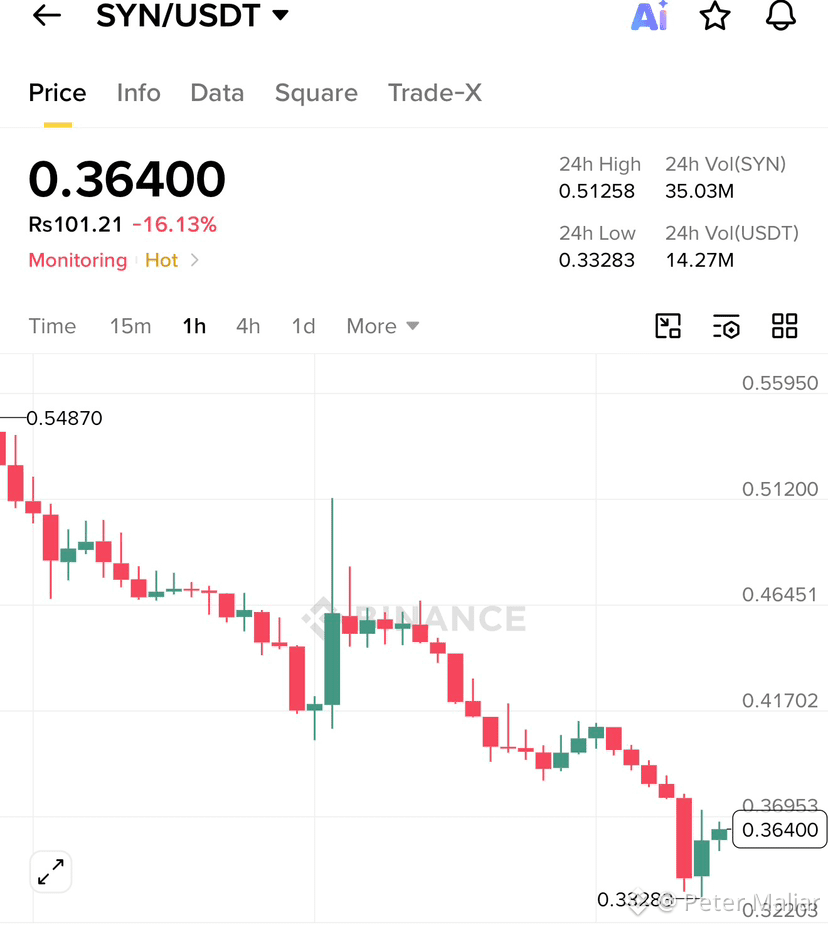
Warum ich das mag $SYN trade:
• Panikverkäufe wurden bereits absorbiert.
• Höhere Tiefs beginnen sich auf dem unteren Timeframe zu bilden.
• Käufer haben die entscheidende Nachfragezone verteidigt, statt zuzulassen, dass der Kurs nach unten durchbricht.
• Wenn der Momentum weiter anhält, ist ein Squeeze Richtung des Bereichs 0.40+ sehr gut möglich.
Trade-Setup
🔹 Position: Long 10x Isoliert
🔹 Einstieg: 0.3600 – 0.3660
🎯 TP1: 0.3850
🎯 TP2: 0.4050
🎯 TP3: 0.4300
🛑 SL: 0.3320
Ich nehme dieses Setup, weil der Verkaufsdruck nach dem starken Dump offenbar erschöpft ist. Der Kurs hat Liquidität um 0.33 herum abgeholt und Käufer sind mit einer starken Zurückweisung eingestiegen. Jetzt hält er über diesem Bounce, statt neue Tiefs zu machen.
Ich jage keine grünen Kerzen – ich kaufe dort, wo das Risiko klar definiert ist.
Mal schauen, ob es liefert.
{future}(SYNUSDT)
Verwalte dein Risiko. Setze deinen eigenen Plan um.
Warum ich das mag $SYN trade:
• Panikverkäufe wurden bereits absorbiert.
• Höhere Tiefs beginnen sich auf dem unteren Timeframe zu bilden.
• Käufer haben die entscheidende Nachfragezone verteidigt, statt zuzulassen, dass der Kurs nach unten durchbricht.
• Wenn der Momentum weiter anhält, ist ein Squeeze Richtung des Bereichs 0.40+ sehr gut möglich.
Trade-Setup
🔹 Position: Long 10x Isoliert
🔹 Einstieg: 0.3600 – 0.3660
🎯 TP1: 0.3850
🎯 TP2: 0.4050
🎯 TP3: 0.4300
🛑 SL: 0.3320
Ich nehme dieses Setup, weil der Verkaufsdruck nach dem starken Dump offenbar erschöpft ist. Der Kurs hat Liquidität um 0.33 herum abgeholt und Käufer sind mit einer starken Zurückweisung eingestiegen. Jetzt hält er über diesem Bounce, statt neue Tiefs zu machen.
Ich jage keine grünen Kerzen – ich kaufe dort, wo das Risiko klar definiert ist.
Mal schauen, ob es liefert.
Verwalte dein Risiko. Setze deinen eigenen Plan um.
• Panikverkäufe wurden bereits absorbiert.
• Höhere Tiefs beginnen sich auf dem unteren Timeframe zu bilden.
• Käufer haben die entscheidende Nachfragezone verteidigt, statt zuzulassen, dass der Kurs nach unten durchbricht.
• Wenn der Momentum weiter anhält, ist ein Squeeze Richtung des Bereichs 0.40+ sehr gut möglich.
Trade-Setup
🔹 Position: Long 10x Isoliert
🔹 Einstieg: 0.3600 – 0.3660
🎯 TP1: 0.3850
🎯 TP2: 0.4050
🎯 TP3: 0.4300
🛑 SL: 0.3320
Ich nehme dieses Setup, weil der Verkaufsdruck nach dem starken Dump offenbar erschöpft ist. Der Kurs hat Liquidität um 0.33 herum abgeholt und Käufer sind mit einer starken Zurückweisung eingestiegen. Jetzt hält er über diesem Bounce, statt neue Tiefs zu machen.
Ich jage keine grünen Kerzen – ich kaufe dort, wo das Risiko klar definiert ist.
Mal schauen, ob es liefert.
Verwalte dein Risiko. Setze deinen eigenen Plan um.
5
1.5k
·
--
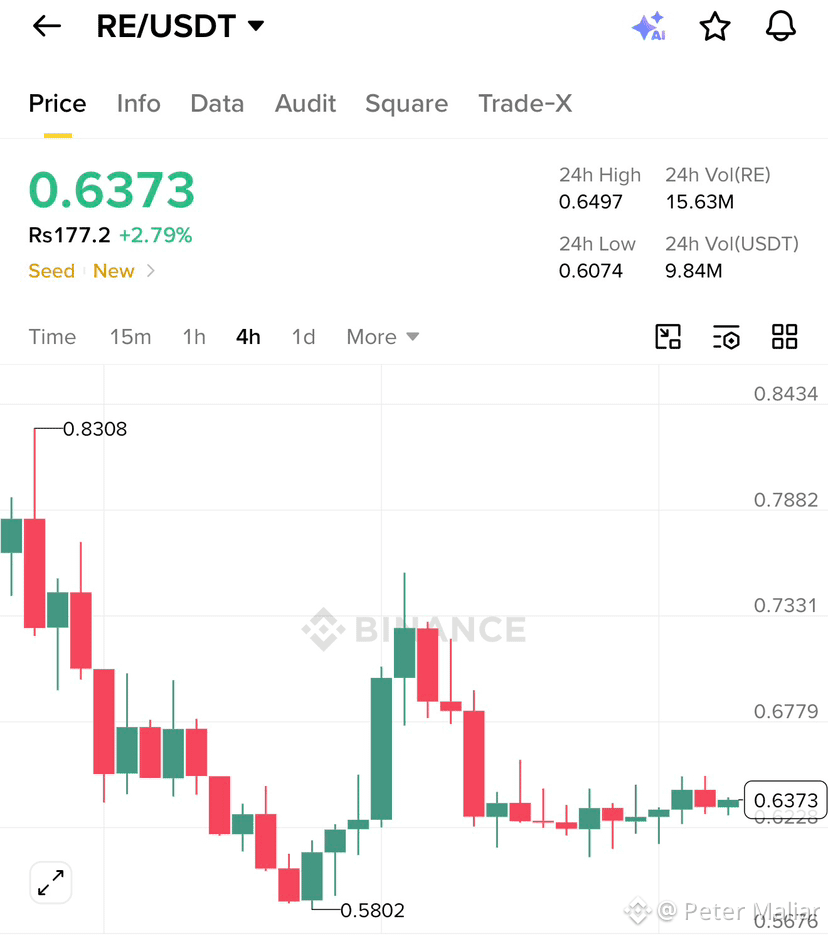
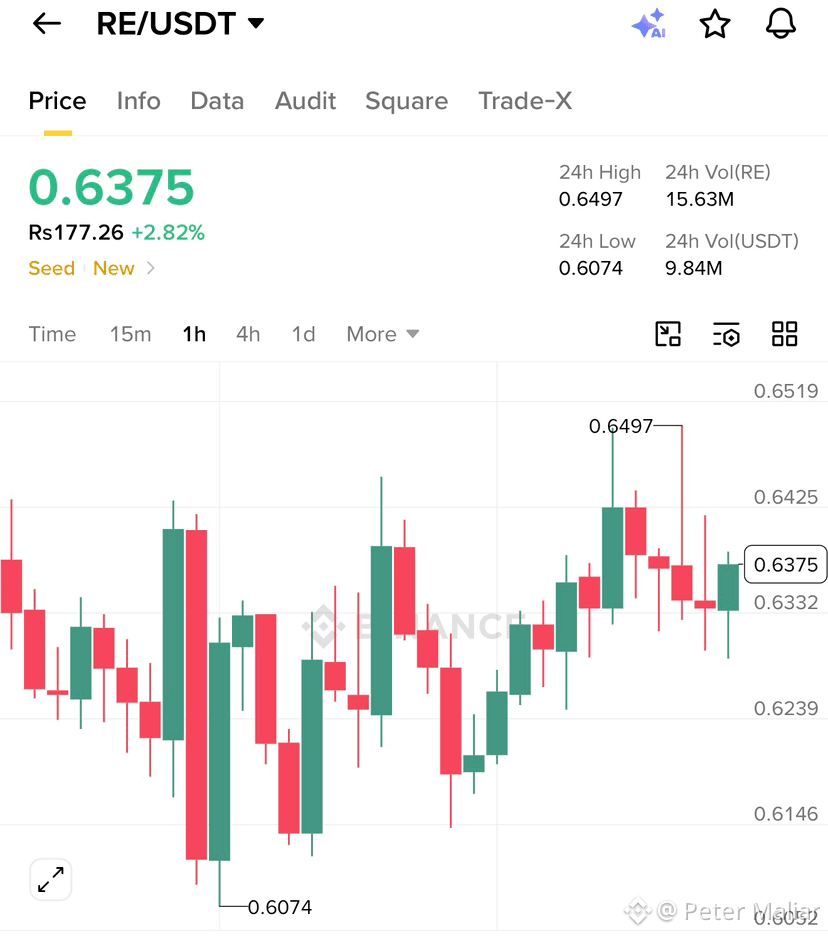
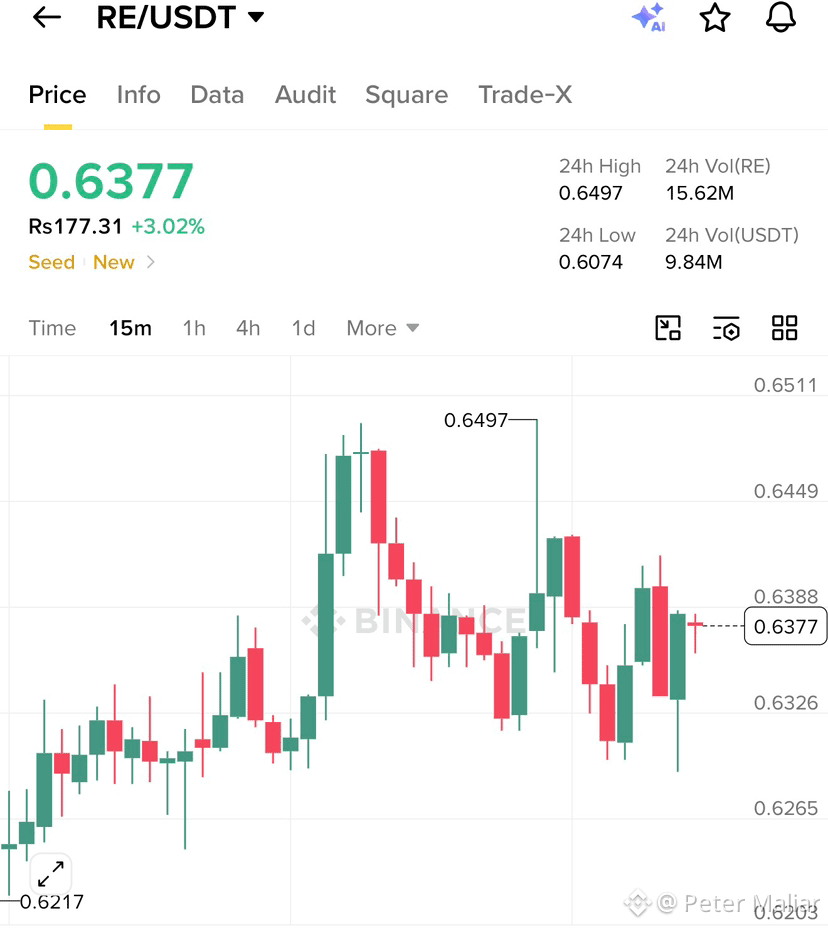
$RE is richtet sich für einen möglichen Ausbruch ein.
Einstiegszone: 0.6320 – 0.6390
Die höheren Timeframes zeigen, dass der Verkaufsdruck nachlässt, während die 1H- und 15M-Charts höhere Tiefs über dem Support aufbauen. Käufer verteidigen weiterhin die Region 0.62–0.63, und der Kurs komprimiert sich knapp unter dem Widerstand. Wenn dieser Bereich mit Volumen bricht, erwarte ich, dass der Impuls zunimmt.
Ich suche einen LONG-Trade, solange der Support hält.
Einstiegszone: 0.6320 – 0.6390
Ziele:
• 0.6500
• 0.6750
• 0.7050
Stop Loss: Unter 0.6200
Das ist ein Trade für Geduld. Ich bevorzuge es, nach einer Konsolidierung Stärke zu kaufen, statt zufälligen Pump-and-Dumps hinterherzulaufen. Die Struktur verbessert sich, und ein sauberer Ausbruch könnte eine der besseren Chance-Risiko-Setups auf dem Chart liefern.
Keine Finanzberatung. Managen Sie immer Ihr Risiko.
{future}(REUSDT)
$RE is richtet sich für einen möglichen Ausbruch ein.
Einstiegszone: 0.6320 – 0.6390
Die höheren Timeframes zeigen, dass der Verkaufsdruck nachlässt, während die 1H- und 15M-Charts höhere Tiefs über dem Support aufbauen. Käufer verteidigen weiterhin die Region 0.62–0.63, und der Kurs komprimiert sich knapp unter dem Widerstand. Wenn dieser Bereich mit Volumen bricht, erwarte ich, dass der Impuls zunimmt.
Ich suche einen LONG-Trade, solange der Support hält.
Einstiegszone: 0.6320 – 0.6390
Ziele:
• 0.6500
• 0.6750
• 0.7050
Stop Loss: Unter 0.6200
Das ist ein Trade für Geduld. Ich bevorzuge es, nach einer Konsolidierung Stärke zu kaufen, statt zufälligen Pump-and-Dumps hinterherzulaufen. Die Struktur verbessert sich, und ein sauberer Ausbruch könnte eine der besseren Chance-Risiko-Setups auf dem Chart liefern.
Keine Finanzberatung. Managen Sie immer Ihr Risiko.
Einstiegszone: 0.6320 – 0.6390
Die höheren Timeframes zeigen, dass der Verkaufsdruck nachlässt, während die 1H- und 15M-Charts höhere Tiefs über dem Support aufbauen. Käufer verteidigen weiterhin die Region 0.62–0.63, und der Kurs komprimiert sich knapp unter dem Widerstand. Wenn dieser Bereich mit Volumen bricht, erwarte ich, dass der Impuls zunimmt.
Ich suche einen LONG-Trade, solange der Support hält.
Einstiegszone: 0.6320 – 0.6390
Ziele:
• 0.6500
• 0.6750
• 0.7050
Stop Loss: Unter 0.6200
Das ist ein Trade für Geduld. Ich bevorzuge es, nach einer Konsolidierung Stärke zu kaufen, statt zufälligen Pump-and-Dumps hinterherzulaufen. Die Struktur verbessert sich, und ein sauberer Ausbruch könnte eine der besseren Chance-Risiko-Setups auf dem Chart liefern.
Keine Finanzberatung. Managen Sie immer Ihr Risiko.
7
7.5k
·
--
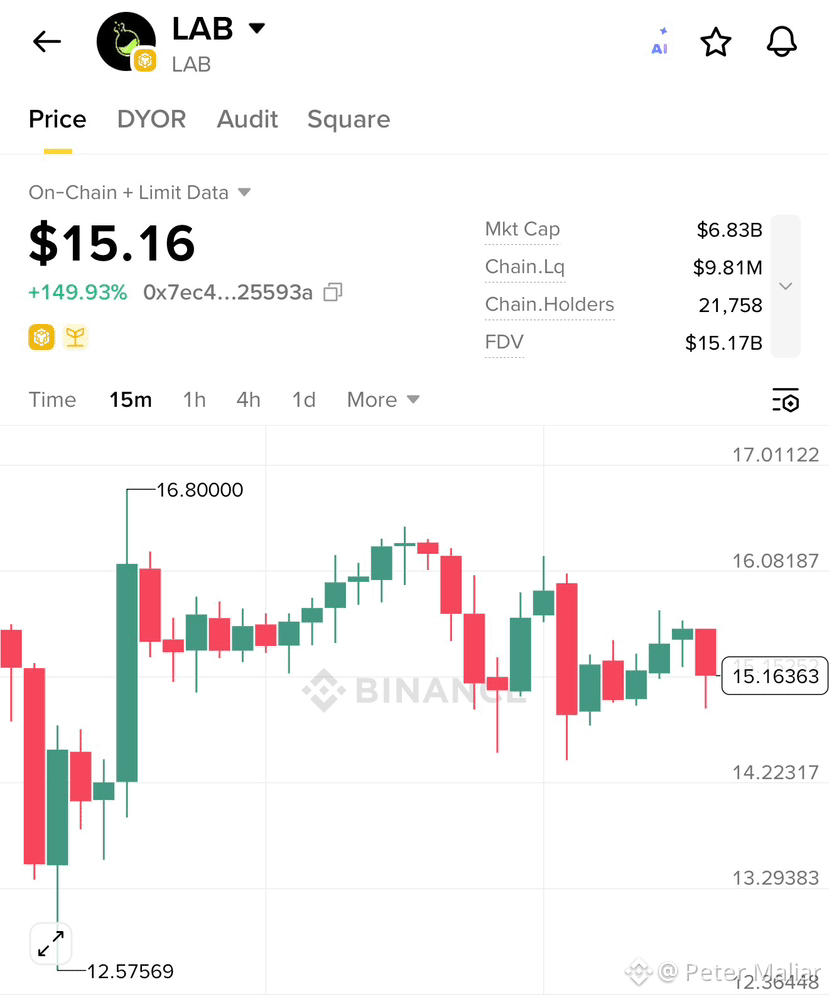
$LAB beginnt wieder meine Aufmerksamkeit zu fesseln.
Einstieg: 15,10 $ – 15,25 $
Ziele:
• 15,80 $
• 16,20 $
• 16,80 $
Nach einem starken Rallye-Anstieg hätte ich mit einer tieferen Korrektur gerechnet, aber sie ist nicht eingetreten. Stattdessen hält sich der Kurs über dem Support und bewegt sich seitwärts, was darauf hindeutet, dass die Verkäufer an Schwung verlieren, während die Käufer höhere Niveaus weiterhin verteidigen.
Diese Art von Kursverhalten taucht oft auf, bevor die nächste Ausbruchsbewegung startet.
Ich suche LONG-Positionen, solange der aktuelle Support intakt bleibt.
Ungültigkeit: Ein starker Close unter 14,75 $ würde dieses Setup schwächen.
Ich habe im Moment kein Interesse daran, $LAB short zu gehen. Der Chart hat noch keinen bärischen Trend bestätigt, und ich würde lieber mit dem Momentum handeln, statt dagegen.
Behalte immer dein Risikomanagement im Blick.
{future}(LABUSDT)
$LAB beginnt wieder meine Aufmerksamkeit zu fesseln.
Einstieg: 15,10 $ – 15,25 $
Ziele:
• 15,80 $
• 16,20 $
• 16,80 $
Nach einem starken Rallye-Anstieg hätte ich mit einer tieferen Korrektur gerechnet, aber sie ist nicht eingetreten. Stattdessen hält sich der Kurs über dem Support und bewegt sich seitwärts, was darauf hindeutet, dass die Verkäufer an Schwung verlieren, während die Käufer höhere Niveaus weiterhin verteidigen.
Diese Art von Kursverhalten taucht oft auf, bevor die nächste Ausbruchsbewegung startet.
Ich suche LONG-Positionen, solange der aktuelle Support intakt bleibt.
Ungültigkeit: Ein starker Close unter 14,75 $ würde dieses Setup schwächen.
Ich habe im Moment kein Interesse daran, $LAB short zu gehen. Der Chart hat noch keinen bärischen Trend bestätigt, und ich würde lieber mit dem Momentum handeln, statt dagegen.
Behalte immer dein Risikomanagement im Blick.
Einstieg: 15,10 $ – 15,25 $
Ziele:
• 15,80 $
• 16,20 $
• 16,80 $
Nach einem starken Rallye-Anstieg hätte ich mit einer tieferen Korrektur gerechnet, aber sie ist nicht eingetreten. Stattdessen hält sich der Kurs über dem Support und bewegt sich seitwärts, was darauf hindeutet, dass die Verkäufer an Schwung verlieren, während die Käufer höhere Niveaus weiterhin verteidigen.
Diese Art von Kursverhalten taucht oft auf, bevor die nächste Ausbruchsbewegung startet.
Ich suche LONG-Positionen, solange der aktuelle Support intakt bleibt.
Ungültigkeit: Ein starker Close unter 14,75 $ würde dieses Setup schwächen.
Ich habe im Moment kein Interesse daran, $LAB short zu gehen. Der Chart hat noch keinen bärischen Trend bestätigt, und ich würde lieber mit dem Momentum handeln, statt dagegen.
Behalte immer dein Risikomanagement im Blick.
8
40
44.1k
·
--
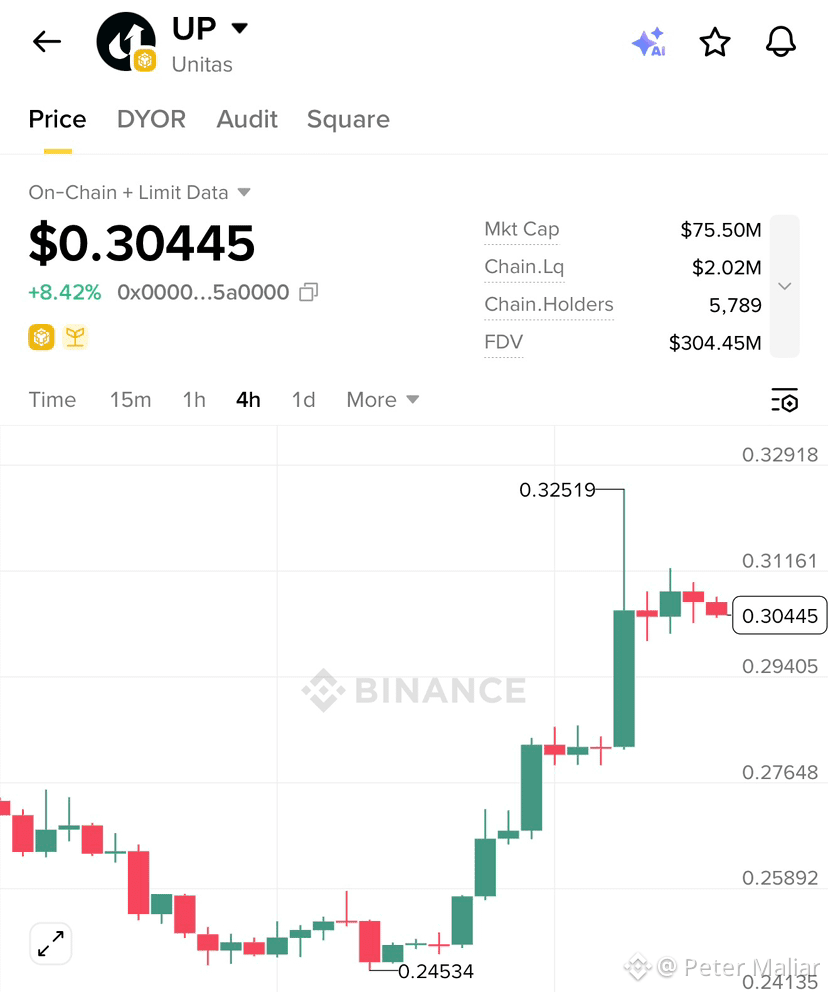
Ich mag die Art, wie $UP is sich nach seinem Ausbruch konsolidiert, statt seine Gewinne wieder abzugeben. Das ist normalerweise ein Zeichen dafür, dass die Käufer weiterhin die Kontrolle haben. Ich werde auf einen weiteren Anstieg über das jüngste Hoch achten, bevor ich mit der nächsten Aufwärtsbewegung rechne.
Der jüngste Ausbruch hat die Marktstruktur zugunsten der Käufer verändert. Anstatt zurückgewiesen zu werden, hält der Kurs sich über der Ausbruchszone, was mir sagt, dass die Nachfrage weiterhin stark ist. Diese Art von Kursverhalten führt oft zu einer weiteren Fortsetzungsbewegung, wenn das Volumen gesund bleibt.
TRADING-IDEe: LONG
EINSTIEG: $0.3020 – $0.3060
ZIELE:
• $0.3150
• $0.3250
• $0.3400
STOP-LOSS: Unter $0.2920
{alpha}(560x000008d2175f9aeaddb2430c26f8a6f73c5a0000)
Ich mag die Art, wie $UP is sich nach seinem Ausbruch konsolidiert, statt seine Gewinne wieder abzugeben. Das ist normalerweise ein Zeichen dafür, dass die Käufer weiterhin die Kontrolle haben. Ich werde auf einen weiteren Anstieg über das jüngste Hoch achten, bevor ich mit der nächsten Aufwärtsbewegung rechne.
Der jüngste Ausbruch hat die Marktstruktur zugunsten der Käufer verändert. Anstatt zurückgewiesen zu werden, hält der Kurs sich über der Ausbruchszone, was mir sagt, dass die Nachfrage weiterhin stark ist. Diese Art von Kursverhalten führt oft zu einer weiteren Fortsetzungsbewegung, wenn das Volumen gesund bleibt.
TRADING-IDEe: LONG
EINSTIEG: $0.3020 – $0.3060
ZIELE:
• $0.3150
• $0.3250
• $0.3400
STOP-LOSS: Unter $0.2920
Der jüngste Ausbruch hat die Marktstruktur zugunsten der Käufer verändert. Anstatt zurückgewiesen zu werden, hält der Kurs sich über der Ausbruchszone, was mir sagt, dass die Nachfrage weiterhin stark ist. Diese Art von Kursverhalten führt oft zu einer weiteren Fortsetzungsbewegung, wenn das Volumen gesund bleibt.
TRADING-IDEe: LONG
EINSTIEG: $0.3020 – $0.3060
ZIELE:
• $0.3150
• $0.3250
• $0.3400
STOP-LOSS: Unter $0.2920
2
581
·
--
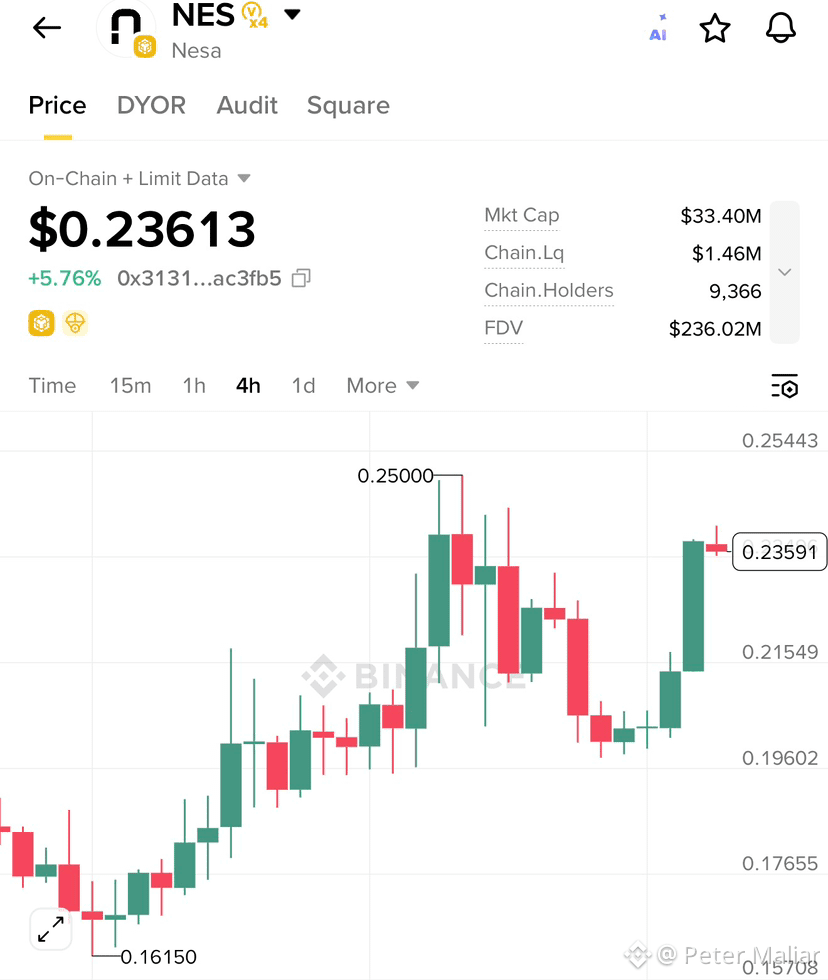
$NES
WARUM ICH EINE LONG-POSITION ERÖFFNE
Ich bin bullisch für NES, weil der 4H-Chart einen starken Rebound vom Support gezeigt hat, die Käufer die vorherige Widerstandszone zurückerobert haben und sich der Momentum wieder zugunsten der Bullen verschiebt. Die jüngste Ausbruchskerze deutet außerdem auf steigenden Kaufdruck hin, wodurch die aktuelle Struktur attraktiv für ein Long-Setup ist.
TRADING-IDEe: LONG
EINSTIEG: 0,2320 – 0,2360
ZIELE:
• 0,2450
• 0,2500
• 0,2650
STOP-LOSS: Unter 0,2200
MEINE SICHT:
Der aktuelle Trend verbessert sich, aber ich würde trotzdem einen gesunden Rücksetzer oder einen bestätigten Ausbruch über 0,2500 bevorzugen, bevor ich aggressiver werde. Solange die Käufer die Ausbruchszone verteidigen, erwarte ich, dass der bullische Momentum weiter anhält.
{alpha}(560x3131f6b80c26936ab03f7d9d29eb4ddf36ac3fb5)
$NES
WARUM ICH EINE LONG-POSITION ERÖFFNE
Ich bin bullisch für NES, weil der 4H-Chart einen starken Rebound vom Support gezeigt hat, die Käufer die vorherige Widerstandszone zurückerobert haben und sich der Momentum wieder zugunsten der Bullen verschiebt. Die jüngste Ausbruchskerze deutet außerdem auf steigenden Kaufdruck hin, wodurch die aktuelle Struktur attraktiv für ein Long-Setup ist.
TRADING-IDEe: LONG
EINSTIEG: 0,2320 – 0,2360
ZIELE:
• 0,2450
• 0,2500
• 0,2650
STOP-LOSS: Unter 0,2200
MEINE SICHT:
Der aktuelle Trend verbessert sich, aber ich würde trotzdem einen gesunden Rücksetzer oder einen bestätigten Ausbruch über 0,2500 bevorzugen, bevor ich aggressiver werde. Solange die Käufer die Ausbruchszone verteidigen, erwarte ich, dass der bullische Momentum weiter anhält.
WARUM ICH EINE LONG-POSITION ERÖFFNE
Ich bin bullisch für NES, weil der 4H-Chart einen starken Rebound vom Support gezeigt hat, die Käufer die vorherige Widerstandszone zurückerobert haben und sich der Momentum wieder zugunsten der Bullen verschiebt. Die jüngste Ausbruchskerze deutet außerdem auf steigenden Kaufdruck hin, wodurch die aktuelle Struktur attraktiv für ein Long-Setup ist.
TRADING-IDEe: LONG
EINSTIEG: 0,2320 – 0,2360
ZIELE:
• 0,2450
• 0,2500
• 0,2650
STOP-LOSS: Unter 0,2200
MEINE SICHT:
Der aktuelle Trend verbessert sich, aber ich würde trotzdem einen gesunden Rücksetzer oder einen bestätigten Ausbruch über 0,2500 bevorzugen, bevor ich aggressiver werde. Solange die Käufer die Ausbruchszone verteidigen, erwarte ich, dass der bullische Momentum weiter anhält.
3
1.1k
·
--
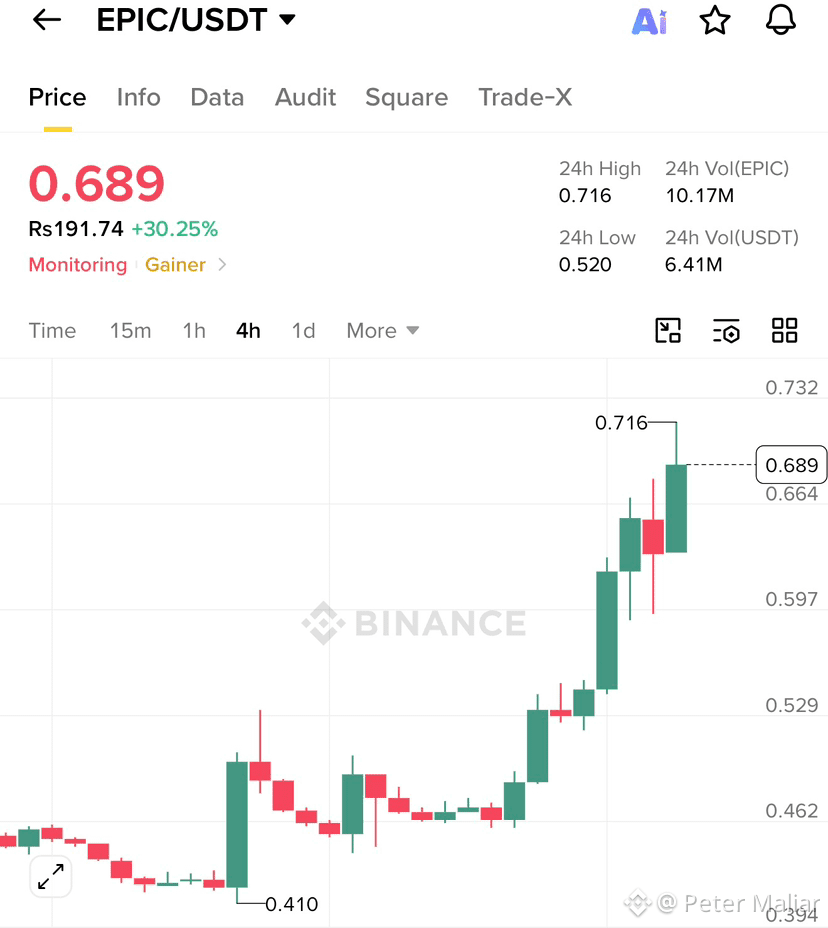
$EPIC
{spot}(EPICUSDT)
$EPIC baut still und leise Momentum auf.
Ich BIN LONG.
Ziele:
• 0.7311 $ • 0.7745 $ • 0.8100 $
Jage keine Kerzen.
Warte auf Bestätigung und steuere dein Risiko.
#Epic #BinanceSquare
$EPIC
$EPIC baut still und leise Momentum auf.
Ich BIN LONG.
Ziele:
• 0.7311 $ • 0.7745 $ • 0.8100 $
Jage keine Kerzen.
Warte auf Bestätigung und steuere dein Risiko.
#Epic #BinanceSquare
$EPIC baut still und leise Momentum auf.
Ich BIN LONG.
Ziele:
• 0.7311 $ • 0.7745 $ • 0.8100 $
Jage keine Kerzen.
Warte auf Bestätigung und steuere dein Risiko.
#Epic #BinanceSquare
3
795
·
--
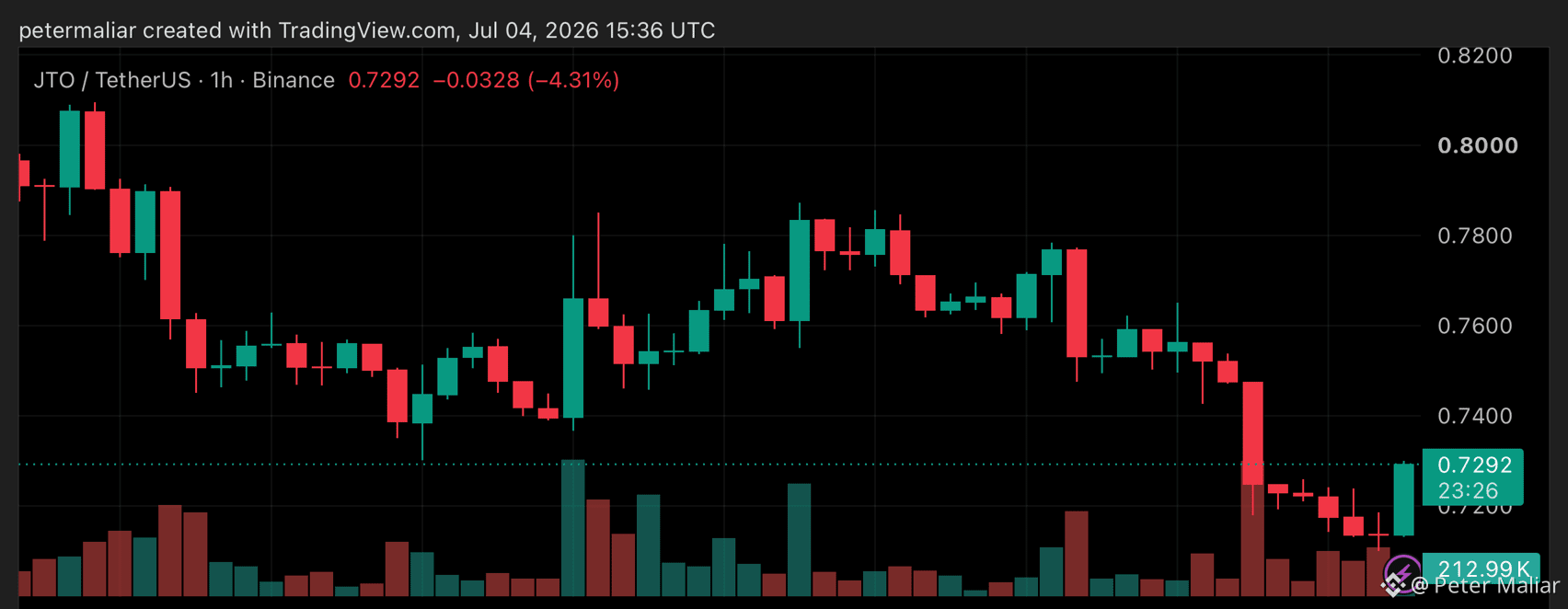
$JTO
#JTO versucht sich nach einem starken intraday Sell-off auf dem 1H-Zeitrahmen zu erholen. Käufer sind im Bereich des jüngsten Unterstützungszonen eingestiegen, aber die gesamte Struktur bleibt noch vorsichtig, bis der Preis höhere Widerstandsniveaus zurückerobert. Die neueste bullische Kerze ist ermutigend, dennoch ist weiterhin eine Bestätigung erforderlich.
TRADING-IDEe: LONG (NACH BESTÄTIGUNG)
EINSTIEG: 0.725 – 0.732
ZIELE:
• 0.745
• 0.760
• 0.780
STOP LOSS: Unter 0.715
MEINE EINSCHÄTZUNG:
Der jüngste Rückprall ist ein positives Zeichen, aber eine einzige grüne Kerze reicht nicht aus, um eine vollständige Trendwende zu bestätigen. Ich würde auf einen starken Schlusskurs über dem unmittelbaren Widerstand warten, mit anhaltendem Kaufvolumen, bevor ich aggressiver werde. Wenn Käufer die Kontrolle über der aktuellen Unterstützung behalten, hat JTO Spielraum für eine Erholung in Richtung der vorherigen Handelsspanne.
Dies ist meine persönliche Marktanalyse und keine Finanzberatung. Bevor du einen Trade eingeht, verwalte immer dein Risiko.
{spot}(JTOUSDT)
$JTO
#JTO versucht sich nach einem starken intraday Sell-off auf dem 1H-Zeitrahmen zu erholen. Käufer sind im Bereich des jüngsten Unterstützungszonen eingestiegen, aber die gesamte Struktur bleibt noch vorsichtig, bis der Preis höhere Widerstandsniveaus zurückerobert. Die neueste bullische Kerze ist ermutigend, dennoch ist weiterhin eine Bestätigung erforderlich.
TRADING-IDEe: LONG (NACH BESTÄTIGUNG)
EINSTIEG: 0.725 – 0.732
ZIELE:
• 0.745
• 0.760
• 0.780
STOP LOSS: Unter 0.715
MEINE EINSCHÄTZUNG:
Der jüngste Rückprall ist ein positives Zeichen, aber eine einzige grüne Kerze reicht nicht aus, um eine vollständige Trendwende zu bestätigen. Ich würde auf einen starken Schlusskurs über dem unmittelbaren Widerstand warten, mit anhaltendem Kaufvolumen, bevor ich aggressiver werde. Wenn Käufer die Kontrolle über der aktuellen Unterstützung behalten, hat JTO Spielraum für eine Erholung in Richtung der vorherigen Handelsspanne.
Dies ist meine persönliche Marktanalyse und keine Finanzberatung. Bevor du einen Trade eingeht, verwalte immer dein Risiko.
#JTO versucht sich nach einem starken intraday Sell-off auf dem 1H-Zeitrahmen zu erholen. Käufer sind im Bereich des jüngsten Unterstützungszonen eingestiegen, aber die gesamte Struktur bleibt noch vorsichtig, bis der Preis höhere Widerstandsniveaus zurückerobert. Die neueste bullische Kerze ist ermutigend, dennoch ist weiterhin eine Bestätigung erforderlich.
TRADING-IDEe: LONG (NACH BESTÄTIGUNG)
EINSTIEG: 0.725 – 0.732
ZIELE:
• 0.745
• 0.760
• 0.780
STOP LOSS: Unter 0.715
MEINE EINSCHÄTZUNG:
Der jüngste Rückprall ist ein positives Zeichen, aber eine einzige grüne Kerze reicht nicht aus, um eine vollständige Trendwende zu bestätigen. Ich würde auf einen starken Schlusskurs über dem unmittelbaren Widerstand warten, mit anhaltendem Kaufvolumen, bevor ich aggressiver werde. Wenn Käufer die Kontrolle über der aktuellen Unterstützung behalten, hat JTO Spielraum für eine Erholung in Richtung der vorherigen Handelsspanne.
Dies ist meine persönliche Marktanalyse und keine Finanzberatung. Bevor du einen Trade eingeht, verwalte immer dein Risiko.
4
542
·
--
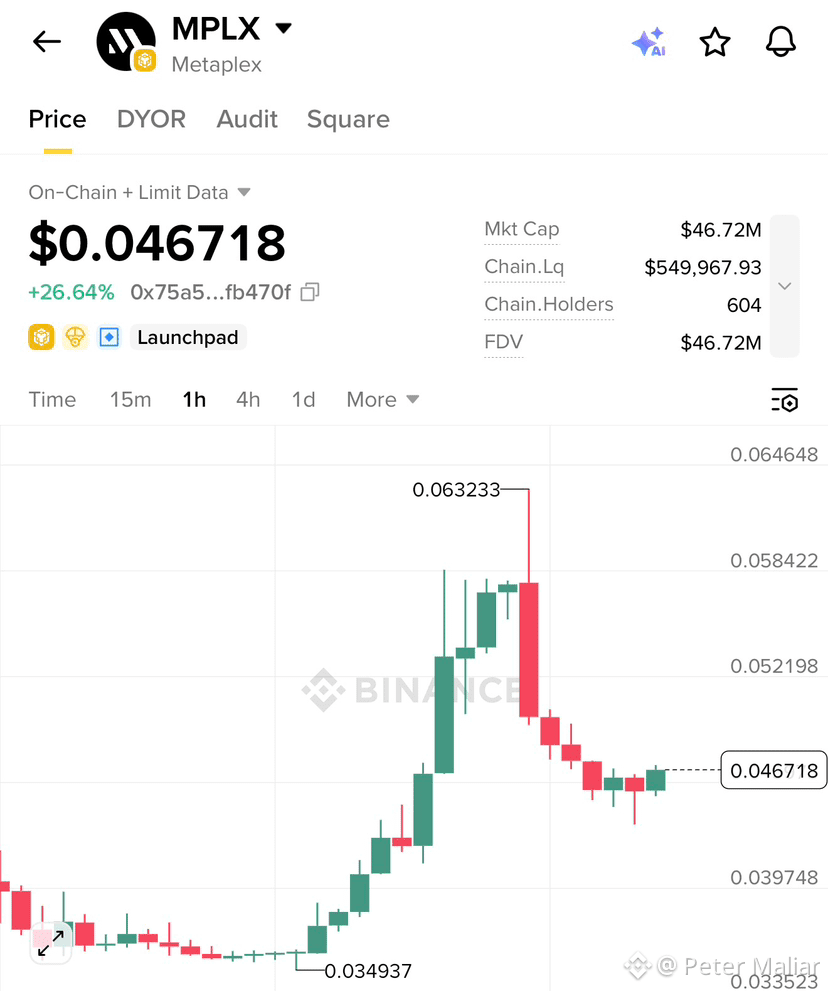
$MPLX
MPLX erlebte einen starken Anstieg und anschließend eine scharfe Korrektur, nachdem ein Rückweisung nahe dem jüngsten Hoch erfolgt war. Der Verkaufsdruck hat nachgelassen, und der Kurs versucht nun, auf dem 1H-Zeitrahmen eine Basis aufzubauen. Ein erfolgreicher Halt oberhalb des aktuellen Supports könnte zu einer Erholung führen.
TRADING-IDEE: LONG (NACH BESTÄTIGUNG)
EINSTIEG: 0,0460 – 0,0470
ZIELE:
• 0,0500
• 0,0540
• 0,0580
STOP LOSS: Unter 0,0440
MEINE SICHT:
Die jüngste Korrektur hat viel kurzfristigen Hype entfernt, und das Chart beginnt, sich zu stabilisieren. Ich würde hier nicht übereilt eine Position eingehen. Ein bestätigtes höheres Tief und ein zunehmendes Kaufvolumen würden eine deutlich stärkere Long-Set-up liefern. Wenn Käufer die Marke von 0,0500 zurückerobern, könnte die Erholung sich in Richtung des vorherigen Swing-Hochs ausdehnen.
{alpha}(560x75a5863a19af60ec0098d62ed8c34cc594fb470f)
#opentrade
$MPLX
MPLX erlebte einen starken Anstieg und anschließend eine scharfe Korrektur, nachdem ein Rückweisung nahe dem jüngsten Hoch erfolgt war. Der Verkaufsdruck hat nachgelassen, und der Kurs versucht nun, auf dem 1H-Zeitrahmen eine Basis aufzubauen. Ein erfolgreicher Halt oberhalb des aktuellen Supports könnte zu einer Erholung führen.
TRADING-IDEE: LONG (NACH BESTÄTIGUNG)
EINSTIEG: 0,0460 – 0,0470
ZIELE:
• 0,0500
• 0,0540
• 0,0580
STOP LOSS: Unter 0,0440
MEINE SICHT:
Die jüngste Korrektur hat viel kurzfristigen Hype entfernt, und das Chart beginnt, sich zu stabilisieren. Ich würde hier nicht übereilt eine Position eingehen. Ein bestätigtes höheres Tief und ein zunehmendes Kaufvolumen würden eine deutlich stärkere Long-Set-up liefern. Wenn Käufer die Marke von 0,0500 zurückerobern, könnte die Erholung sich in Richtung des vorherigen Swing-Hochs ausdehnen.
#opentrade
MPLX erlebte einen starken Anstieg und anschließend eine scharfe Korrektur, nachdem ein Rückweisung nahe dem jüngsten Hoch erfolgt war. Der Verkaufsdruck hat nachgelassen, und der Kurs versucht nun, auf dem 1H-Zeitrahmen eine Basis aufzubauen. Ein erfolgreicher Halt oberhalb des aktuellen Supports könnte zu einer Erholung führen.
TRADING-IDEE: LONG (NACH BESTÄTIGUNG)
EINSTIEG: 0,0460 – 0,0470
ZIELE:
• 0,0500
• 0,0540
• 0,0580
STOP LOSS: Unter 0,0440
MEINE SICHT:
Die jüngste Korrektur hat viel kurzfristigen Hype entfernt, und das Chart beginnt, sich zu stabilisieren. Ich würde hier nicht übereilt eine Position eingehen. Ein bestätigtes höheres Tief und ein zunehmendes Kaufvolumen würden eine deutlich stärkere Long-Set-up liefern. Wenn Käufer die Marke von 0,0500 zurückerobern, könnte die Erholung sich in Richtung des vorherigen Swing-Hochs ausdehnen.
#opentrade
2
152
Anmelden und weiter Inhalte entdecken
Krypto-Nutzer weltweit auf Binance Square kennenlernen
⚡️ Bleib in Sachen Krypto stets am Puls.
💬 Die weltgrößte Kryptobörse vertraut darauf.
👍 Erhalte verlässliche Einblicke von verifizierten Creators.
E-Mail-Adresse/Telefonnummer
Trendthemen
FedRateWatch
670,735 Aufrufe
3,148 Kommentare
Teile & gewinne Traffic-Belohnungen in unserer Kampagne mit angesagtem Hashtag
✨Thema: FOMC September, Was ist der nächste Schritt der Fed?
👉So nimmst du teil:
Veröffentliche einen kurzen Beitrag oder Artikel mit dem Hashtag #FedRateWatch
Erstelle Inhalte basierend auf den folgenden Blickwinkeln:
- Der August-Core-CPI stieg um 0,3% im Monatsvergleich, und die Wahrscheinlichkeit für eine 25bp-Erhöhung diese Woche liegt nun bei fast 90%. Erwartest du diese Woche eine Zinserhöhung? Handelt es sich um einen einmaligen Schritt oder den Beginn eines längeren Zinserhöhungszyklus?
- Wenn die Erhöhung erfolgt: Wie entwickelt sich das für BTC, Tech-Aktien und Gold? Aufwärts- oder abwärtsgerichtet?
- Wie planst du als Nächstes zu handeln? Teile deinen BTC-, Aktien- oder Gold-Trade/Bestände mit unserem Trade-Sharing-Widget.
⏰Kampagnenzeitraum:
- 2026-09-15 11:00 - 2026-09-17 3:00 UTC
🎁Belohnung:
- Qualifizierte Beiträge, die die oben genannten Richtlinien erfüllen und mehr als 100 Wörter enthalten, werden überprüft und erhalten möglicherweise einen zufälligen Traffic-Boost von 500 bis 3.000 Aufrufen. Du erhältst eine Benachrichtigung von deiner Feed-Secretary, wenn dein Beitrag ausgewählt wird.
- Erhalte die Chance, dass dein Artikel auf Binance Square Official vorgestellt wird
Du brauchst Ideen für deinen Beitrag? Besuche die Themenseite #FedRateWatch oder die Square Guide on How to Post for Better Reach.
Binance Square Official
·419 Likes
·941.2k Aufrufe
EthereumFallsBelow$2400
778 Aufrufe
31 Kommentare
USSenateBlocksClarityAct
2,729 Aufrufe
132 Kommentare