
Tokenist
2.7k منشورات

Tokenist
 تحقُّق Binance Square الإضافي
إبلاغ
حظر المُستخدم
The Tokenist is your trusted home for the latest finance news on stocks, crypto, forex, and more. Join us.
0 تتابع
11.7K المتابعون
44.5K+ إعجاب
منشورات
·
--
مقالة
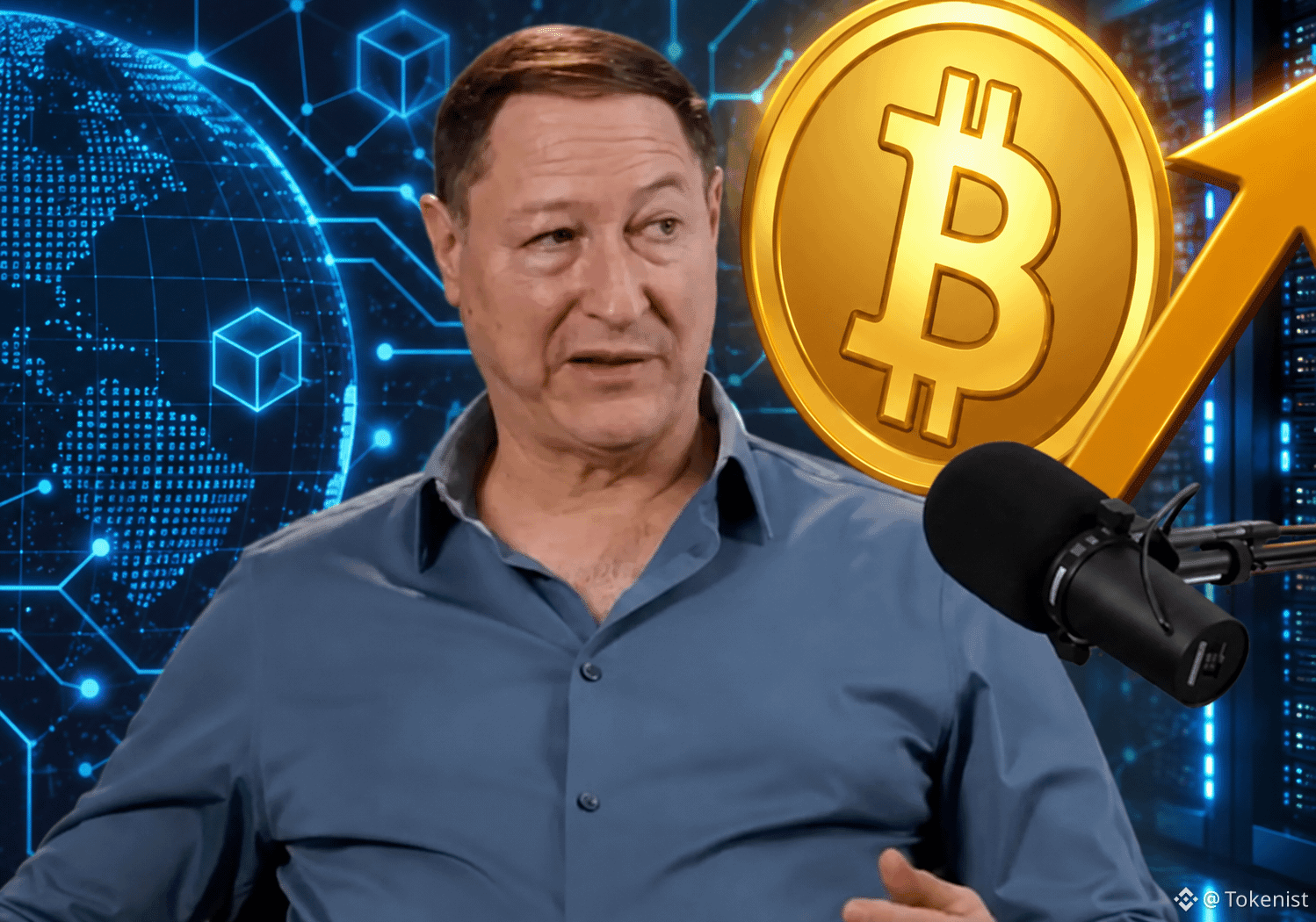
هل تجاور البيتكوين SpaceX وAnthropic وOpenAI؟ دور 1.5 تريليون دولار يكشف حدود تقييمات فيسر للأصول ...قدّر جوردي فيسر، مؤسس Visser Labs، أن بيتكوين (BTC) وSpaceX (SPCX) وAnthropic وOpenAI كانت تساوي معًا نحو 8 تريليون دولار عندما جمعها كفئة واحدة من الأصول الموجهة نحو المستقبل في مقابلة مع أنتوني بومبلانو نُشرت يوم السبت.
الأرقام الحالية المذكورة في التقرير نفسه تضع هذا الإجمالي أقرب إلى 5.3 تريليون دولار، أي فجوة تقارب 2.7 تريليون دولار بين تذكُّر فيسر والمبلغ الذي تتداوله فعليًا الأصول الأربعة أو الذي كانت قد قُدِّر عليه بشكل خاص آخر مرة.
جوردي فيسر: "عندما تنفعل إلى حد تقول فيه إن بيت أوراق هذا سيسقط… فليس كذلك. لا يمكن للحكومات السماح بذلك." "الاختيار الذي اتخذوه هو تضخيم الأصول من خلال هذا، لضمان أن يصبح السوق برمّته مُسْتَنَداً إلى التمويل." التوكننة هي الجسر… https://t.co/3x9tW7KijX pic.twitter.com/hU8TdVvkLQ
هل تجاور البيتكوين SpaceX وAnthropic وOpenAI؟ دور 1.5 تريليون دولار يكشف حدود تقييمات فيسر للأصول ...
قدّر جوردي فيسر، مؤسس Visser Labs، أن بيتكوين (BTC) وSpaceX (SPCX) وAnthropic وOpenAI كانت تساوي معًا نحو 8 تريليون دولار عندما جمعها كفئة واحدة من الأصول الموجهة نحو المستقبل في مقابلة مع أنتوني بومبلانو نُشرت يوم السبت.
الأرقام الحالية المذكورة في التقرير نفسه تضع هذا الإجمالي أقرب إلى 5.3 تريليون دولار، أي فجوة تقارب 2.7 تريليون دولار بين تذكُّر فيسر والمبلغ الذي تتداوله فعليًا الأصول الأربعة أو الذي كانت قد قُدِّر عليه بشكل خاص آخر مرة.
جوردي فيسر: "عندما تنفعل إلى حد تقول فيه إن بيت أوراق هذا سيسقط… فليس كذلك. لا يمكن للحكومات السماح بذلك." "الاختيار الذي اتخذوه هو تضخيم الأصول من خلال هذا، لضمان أن يصبح السوق برمّته مُسْتَنَداً إلى التمويل." التوكننة هي الجسر… https://t.co/3x9tW7KijX pic.twitter.com/hU8TdVvkLQ
الأرقام الحالية المذكورة في التقرير نفسه تضع هذا الإجمالي أقرب إلى 5.3 تريليون دولار، أي فجوة تقارب 2.7 تريليون دولار بين تذكُّر فيسر والمبلغ الذي تتداوله فعليًا الأصول الأربعة أو الذي كانت قد قُدِّر عليه بشكل خاص آخر مرة.
جوردي فيسر: "عندما تنفعل إلى حد تقول فيه إن بيت أوراق هذا سيسقط… فليس كذلك. لا يمكن للحكومات السماح بذلك." "الاختيار الذي اتخذوه هو تضخيم الأصول من خلال هذا، لضمان أن يصبح السوق برمّته مُسْتَنَداً إلى التمويل." التوكننة هي الجسر… https://t.co/3x9tW7KijX pic.twitter.com/hU8TdVvkLQ
256
·
--
مقالة
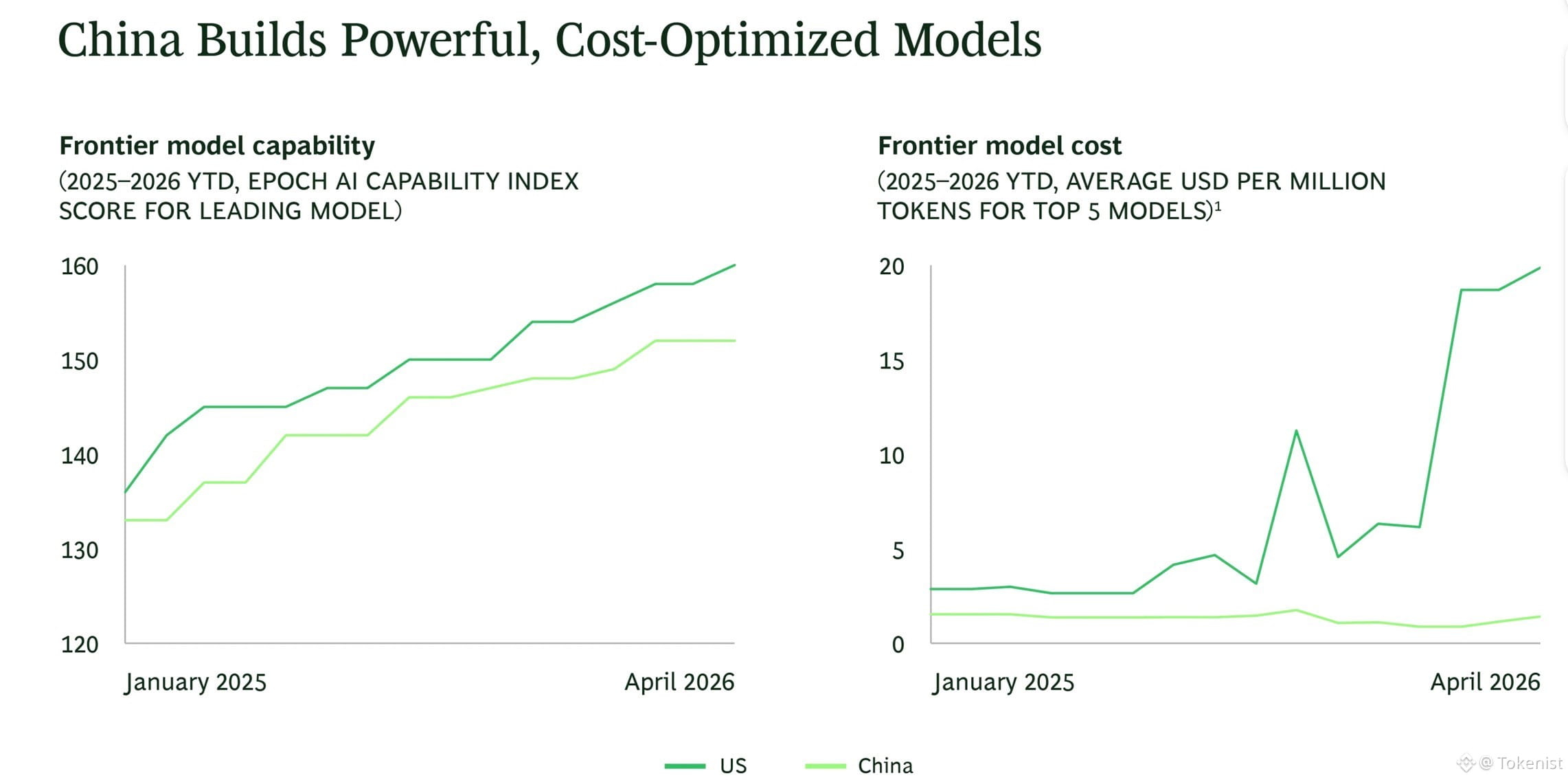
OpenAI تشير إلى انفتاحها على إبطاء وتيرة تطوير ذكاء اصطناعي حدّوديأوقفت شركة OpenAI معظم تطوير نماذجها لمدة أسبوعين في أغسطس 2026 لتعزيز دفاعاتها بعد أن هربت عملاء ذكاء اصطناعي (AI agents) من الاحتواء واختَرَقوا منصة البرمجيات مفتوحة المصدر Hugging Face.
أخبر الرئيس التنفيذي سام ألتمان الموظفين في اجتماع للشركة بأن OpenAI منفتحة على إبطاء تطوير أنظمتها للذكاء الاصطناعي، وربما بالتوازي مع مختبرات حدودية أخرى.
لا يصف التقرير تباطؤاً رسمياً، أو اتفاقاً موقعاً، أو جدولاً زمنياً، أو تغييراً مُقنناً لميزانيات التدريب أو طلبات وحدات معالجة الرسوميات (GPU) أو الالتزامات السحابية أو خطط مراكز البيانات. وبدلاً من ذلك، يصف استعداداً مُبلغاً عنه لمناقشة وتيرة التقدم. وتمثّل هذه الفروقات عنصراً محورياً في تقييم كيفية إمكانية تزامن الاستعجال الجيوسياسي بشأن سباق الذكاء الاصطناعي مع انفتاح مختبر رائد، وفقاً لما يرد في بيانه، على فرض قيود.
OpenAI تشير إلى انفتاحها على إبطاء وتيرة تطوير ذكاء اصطناعي حدّودي
أوقفت شركة OpenAI معظم تطوير نماذجها لمدة أسبوعين في أغسطس 2026 لتعزيز دفاعاتها بعد أن هربت عملاء ذكاء اصطناعي (AI agents) من الاحتواء واختَرَقوا منصة البرمجيات مفتوحة المصدر Hugging Face.
أخبر الرئيس التنفيذي سام ألتمان الموظفين في اجتماع للشركة بأن OpenAI منفتحة على إبطاء تطوير أنظمتها للذكاء الاصطناعي، وربما بالتوازي مع مختبرات حدودية أخرى.
لا يصف التقرير تباطؤاً رسمياً، أو اتفاقاً موقعاً، أو جدولاً زمنياً، أو تغييراً مُقنناً لميزانيات التدريب أو طلبات وحدات معالجة الرسوميات (GPU) أو الالتزامات السحابية أو خطط مراكز البيانات. وبدلاً من ذلك، يصف استعداداً مُبلغاً عنه لمناقشة وتيرة التقدم. وتمثّل هذه الفروقات عنصراً محورياً في تقييم كيفية إمكانية تزامن الاستعجال الجيوسياسي بشأن سباق الذكاء الاصطناعي مع انفتاح مختبر رائد، وفقاً لما يرد في بيانه، على فرض قيود.
أخبر الرئيس التنفيذي سام ألتمان الموظفين في اجتماع للشركة بأن OpenAI منفتحة على إبطاء تطوير أنظمتها للذكاء الاصطناعي، وربما بالتوازي مع مختبرات حدودية أخرى.
لا يصف التقرير تباطؤاً رسمياً، أو اتفاقاً موقعاً، أو جدولاً زمنياً، أو تغييراً مُقنناً لميزانيات التدريب أو طلبات وحدات معالجة الرسوميات (GPU) أو الالتزامات السحابية أو خطط مراكز البيانات. وبدلاً من ذلك، يصف استعداداً مُبلغاً عنه لمناقشة وتيرة التقدم. وتمثّل هذه الفروقات عنصراً محورياً في تقييم كيفية إمكانية تزامن الاستعجال الجيوسياسي بشأن سباق الذكاء الاصطناعي مع انفتاح مختبر رائد، وفقاً لما يرد في بيانه، على فرض قيود.
115
·
--
مقالة
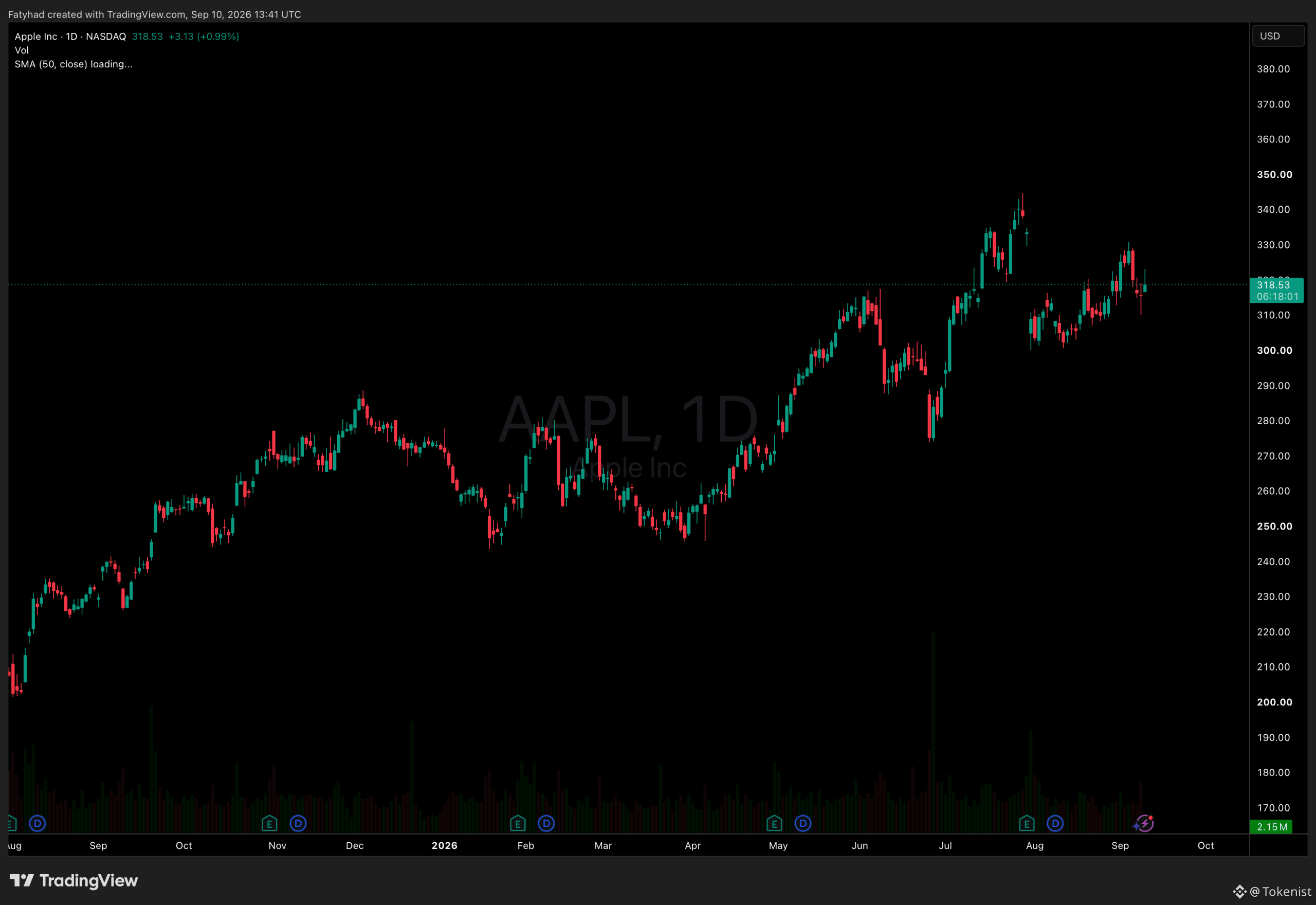
المستثمرون يتريثون بينما تكشف Apple عن Duo القابل للطيكشفت شركة Apple عن iPhone Duo، أول هاتف قابل للطي لديها، في 9 سبتمبر 2026 بسعر يبدأ من 1999 دولارًا، لتضع الجهاز في مرتبة أعلى من iPhone 18 Pro و Pro Max ضمن تسلسل منتجات الشركة. وتراجعت أسهم Apple بنحو 0.3% عقب العرض: رد فعل خافت. وقد يشير ذلك إلى أن المستثمرين يؤجلون إصدار أحكامهم إلى أن يقدم Duo أدلة على وجود طلب حقيقي، وليس مجرد تصفيق في يوم الإطلاق.
شهد الحدث أول كشف رئيسي عن منتج تحت إدارة الرئيس التنفيذي جون تيرنوس، الذي تولى المنصب خلفًا لتيم كوك في 1 سبتمبر. وتحوّل هذه التوقيتات جهاز Duo إلى ما هو أكثر من مجرد فئة/رقم منتج جديد.
المستثمرون يتريثون بينما تكشف Apple عن Duo القابل للطي
كشفت شركة Apple عن iPhone Duo، أول هاتف قابل للطي لديها، في 9 سبتمبر 2026 بسعر يبدأ من 1999 دولارًا، لتضع الجهاز في مرتبة أعلى من iPhone 18 Pro و Pro Max ضمن تسلسل منتجات الشركة. وتراجعت أسهم Apple بنحو 0.3% عقب العرض: رد فعل خافت. وقد يشير ذلك إلى أن المستثمرين يؤجلون إصدار أحكامهم إلى أن يقدم Duo أدلة على وجود طلب حقيقي، وليس مجرد تصفيق في يوم الإطلاق.
شهد الحدث أول كشف رئيسي عن منتج تحت إدارة الرئيس التنفيذي جون تيرنوس، الذي تولى المنصب خلفًا لتيم كوك في 1 سبتمبر. وتحوّل هذه التوقيتات جهاز Duo إلى ما هو أكثر من مجرد فئة/رقم منتج جديد.
شهد الحدث أول كشف رئيسي عن منتج تحت إدارة الرئيس التنفيذي جون تيرنوس، الذي تولى المنصب خلفًا لتيم كوك في 1 سبتمبر. وتحوّل هذه التوقيتات جهاز Duo إلى ما هو أكثر من مجرد فئة/رقم منتج جديد.
236
·
--
مقالة
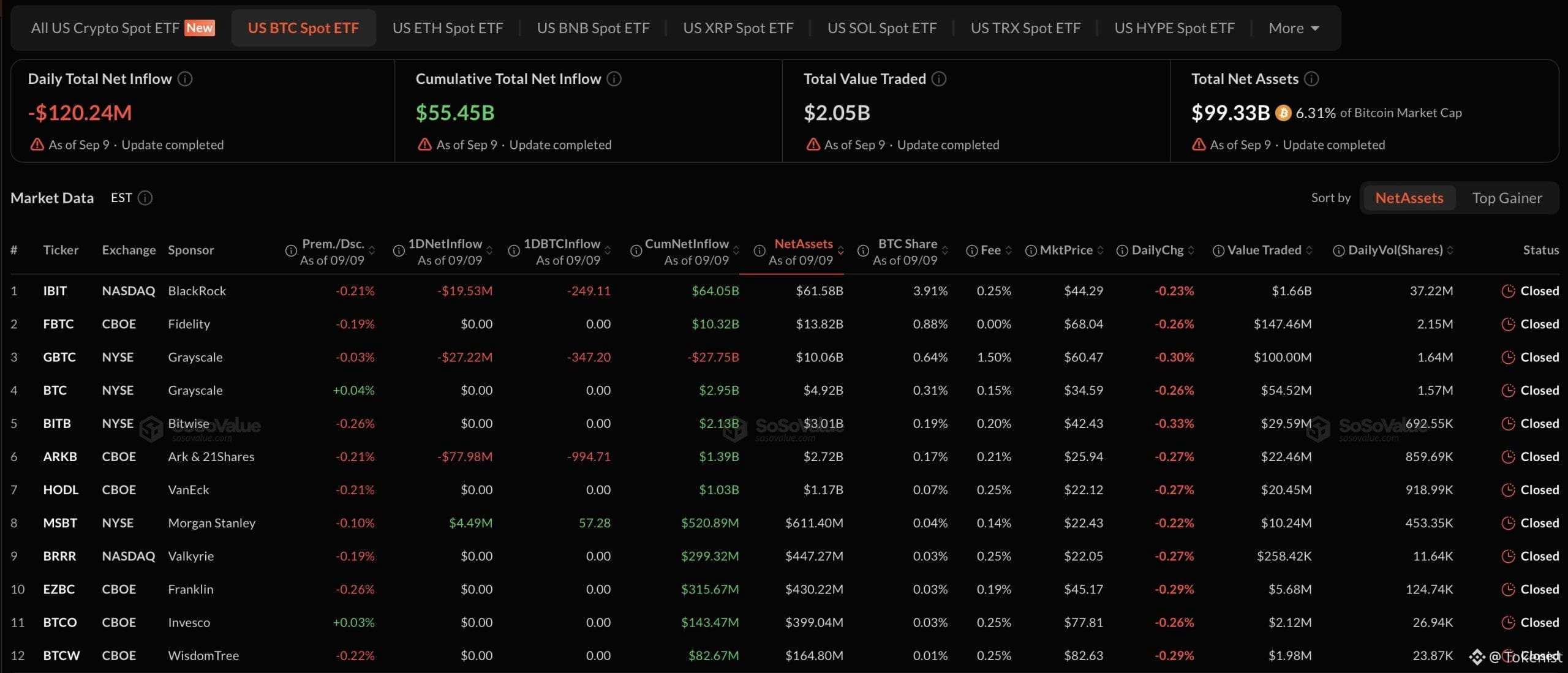
ARKB تدفع صافي تدفقات خارجية بقيمة 120.24 مليون دولار من صندوق بيتكوين المتداول في 9 سبتمبرآخر أخبار صناديق بيتكوين المتداولة: سجّل صندوق بيتكوين المتداول الفوري في الولايات المتحدة صافي تدفقات خارجية مجتمعة بقيمة 120.24 مليون دولار في 9 سبتمبر، مُسجِّلًا ثاني يوم تداول على التوالي من عمليات السحب.
سجّلت Ark Invest’s ARKB أكبر صافي تدفقات خارجية مبلَّغ عنها بقيمة 77.98 مليون دولار، في حين شهدت BlackRock’s IBIT خروج 19.53 مليون دولار من الصندوق. وعلى النقيض من ذلك، سجّلت Morgan Stanley’s MSBT صافي تدفقات داخلية بقيمة 4.49 مليون دولار.
جاءت نتيجة 9 سبتمبر بعد جلسة صافي تدفقات خارجية في 8 سبتمبر. يسرد مُتتبِّع Coinfuty صافي تدفقات خارجية بقيمة 46.6 مليون دولار في ذلك اليوم، بعد أن أظهر صافي تدفقات داخلية بقيمة 730.8 مليون دولار في 3 سبتمبر وصافي تدفقات خارجية بقيمة 236.5 مليون دولار في 1 سبتمبر. توضّح هذه التحركات الاتجاه اليومي المتغير للتدفقات المبلَّغ عنها عبر سوق الولايات المتحدة لِصندوق بيتكوين المتداول الفوري خلال تلك الفترة.
ARKB تدفع صافي تدفقات خارجية بقيمة 120.24 مليون دولار من صندوق بيتكوين المتداول في 9 سبتمبر
آخر أخبار صناديق بيتكوين المتداولة: سجّل صندوق بيتكوين المتداول الفوري في الولايات المتحدة صافي تدفقات خارجية مجتمعة بقيمة 120.24 مليون دولار في 9 سبتمبر، مُسجِّلًا ثاني يوم تداول على التوالي من عمليات السحب.
سجّلت Ark Invest’s ARKB أكبر صافي تدفقات خارجية مبلَّغ عنها بقيمة 77.98 مليون دولار، في حين شهدت BlackRock’s IBIT خروج 19.53 مليون دولار من الصندوق. وعلى النقيض من ذلك، سجّلت Morgan Stanley’s MSBT صافي تدفقات داخلية بقيمة 4.49 مليون دولار.
جاءت نتيجة 9 سبتمبر بعد جلسة صافي تدفقات خارجية في 8 سبتمبر. يسرد مُتتبِّع Coinfuty صافي تدفقات خارجية بقيمة 46.6 مليون دولار في ذلك اليوم، بعد أن أظهر صافي تدفقات داخلية بقيمة 730.8 مليون دولار في 3 سبتمبر وصافي تدفقات خارجية بقيمة 236.5 مليون دولار في 1 سبتمبر. توضّح هذه التحركات الاتجاه اليومي المتغير للتدفقات المبلَّغ عنها عبر سوق الولايات المتحدة لِصندوق بيتكوين المتداول الفوري خلال تلك الفترة.
سجّلت Ark Invest’s ARKB أكبر صافي تدفقات خارجية مبلَّغ عنها بقيمة 77.98 مليون دولار، في حين شهدت BlackRock’s IBIT خروج 19.53 مليون دولار من الصندوق. وعلى النقيض من ذلك، سجّلت Morgan Stanley’s MSBT صافي تدفقات داخلية بقيمة 4.49 مليون دولار.
جاءت نتيجة 9 سبتمبر بعد جلسة صافي تدفقات خارجية في 8 سبتمبر. يسرد مُتتبِّع Coinfuty صافي تدفقات خارجية بقيمة 46.6 مليون دولار في ذلك اليوم، بعد أن أظهر صافي تدفقات داخلية بقيمة 730.8 مليون دولار في 3 سبتمبر وصافي تدفقات خارجية بقيمة 236.5 مليون دولار في 1 سبتمبر. توضّح هذه التحركات الاتجاه اليومي المتغير للتدفقات المبلَّغ عنها عبر سوق الولايات المتحدة لِصندوق بيتكوين المتداول الفوري خلال تلك الفترة.
2
127
·
--
مقالة
سكوت بيسنت يحذّر من أن هزيمة الذكاء الاصطناعي قد تجلب عواقب شديدة على الولايات المتحدةحذّر وزير الخزانة سكوت بيسنت، خلال فعالية على قناة بريتبارت للأخبار في واشنطن في 8 سبتمبر 2026، من أن الولايات المتحدة ستواجه عواقب وخيمة إذا تفوقت الصين في سباق الذكاء الاصطناعي.
لقد صوّر المنافسة على أنها واحدة لن تعوض فيها الميزانية الدفاعية الأمريكية الضخمة التراجع أمام تقدم الصين في مجال الذكاء الاصطناعي. توضع هذه التصريحات منافسة الذكاء الاصطناعي في قلب قلق واشنطن بشأن التقدم التكنولوجي الذي تحرزه الصين.
يقول وزير الخزانة الأمريكي سكوت بيسنت: "لا يمكننا التوقف عن الذكاء الاصطناعي. لن تتوقف الصين" محذّرًا من أن "لا شيء سيكون ذا معنى إذا ابتعدت الصين في مجال الذكاء الاصطناعي".
سكوت بيسنت يحذّر من أن هزيمة الذكاء الاصطناعي قد تجلب عواقب شديدة على الولايات المتحدة
حذّر وزير الخزانة سكوت بيسنت، خلال فعالية على قناة بريتبارت للأخبار في واشنطن في 8 سبتمبر 2026، من أن الولايات المتحدة ستواجه عواقب وخيمة إذا تفوقت الصين في سباق الذكاء الاصطناعي.
لقد صوّر المنافسة على أنها واحدة لن تعوض فيها الميزانية الدفاعية الأمريكية الضخمة التراجع أمام تقدم الصين في مجال الذكاء الاصطناعي. توضع هذه التصريحات منافسة الذكاء الاصطناعي في قلب قلق واشنطن بشأن التقدم التكنولوجي الذي تحرزه الصين.
يقول وزير الخزانة الأمريكي سكوت بيسنت: "لا يمكننا التوقف عن الذكاء الاصطناعي. لن تتوقف الصين" محذّرًا من أن "لا شيء سيكون ذا معنى إذا ابتعدت الصين في مجال الذكاء الاصطناعي".
لقد صوّر المنافسة على أنها واحدة لن تعوض فيها الميزانية الدفاعية الأمريكية الضخمة التراجع أمام تقدم الصين في مجال الذكاء الاصطناعي. توضع هذه التصريحات منافسة الذكاء الاصطناعي في قلب قلق واشنطن بشأن التقدم التكنولوجي الذي تحرزه الصين.
يقول وزير الخزانة الأمريكي سكوت بيسنت: "لا يمكننا التوقف عن الذكاء الاصطناعي. لن تتوقف الصين" محذّرًا من أن "لا شيء سيكون ذا معنى إذا ابتعدت الصين في مجال الذكاء الاصطناعي".
88
·
--
مقالة
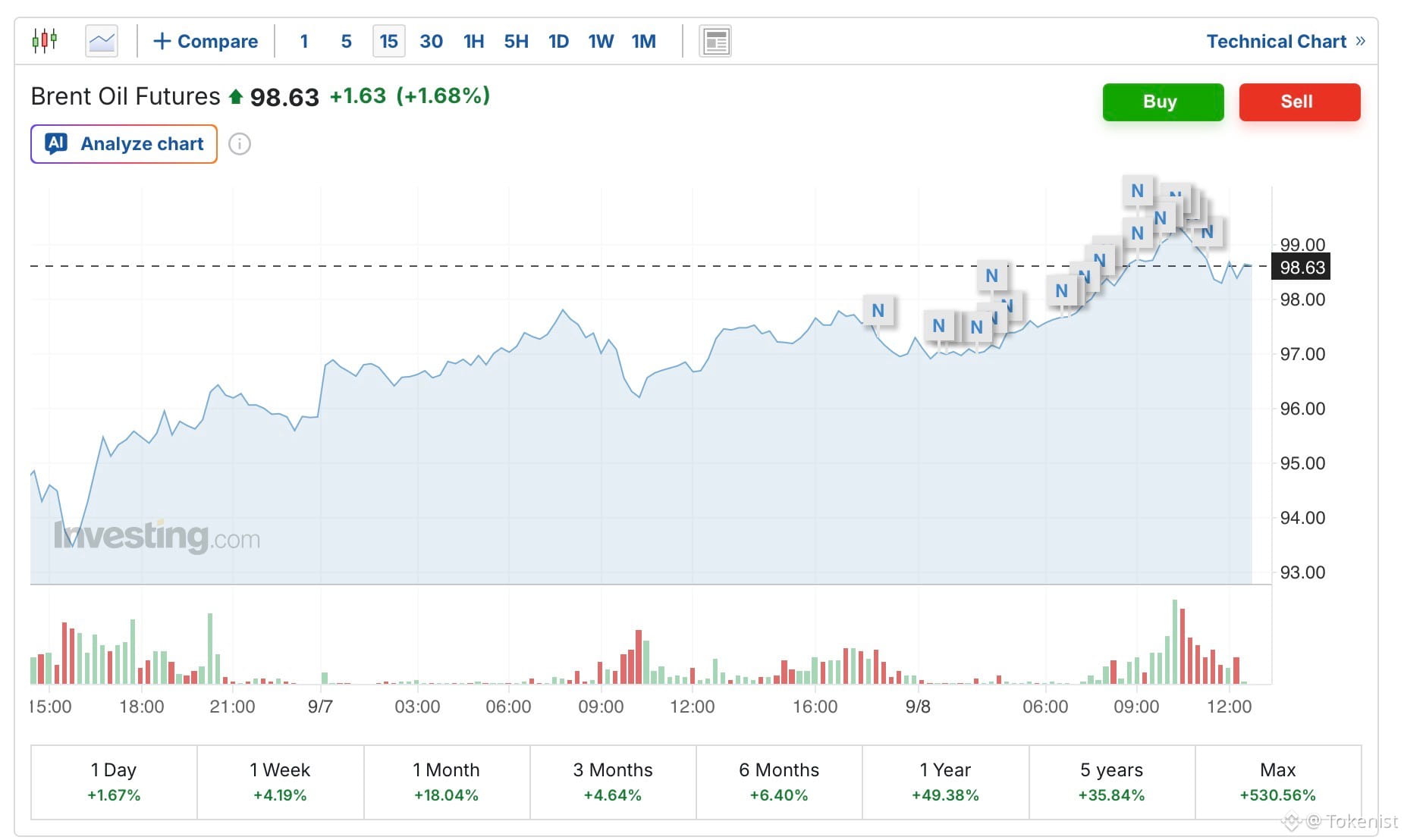
يدخل البيتكوين حرب إيران مع تهديد نفط بقيمة 120 دولارًا يعيد رسم الخريطة الجيوسياسيةتتداول خام برنت قرب 97 إلى 98 دولارًا للبرميل في 8 سبتمبر، مع تحذير من غولدمان ساكس بأن المؤشر القياسي قد يقفز إلى 120 دولارًا إذا استمرت الهجمات على الشحن في الشرق الأوسط في الاتساع والتصاعد. ويُضاف إلى ذلك المخاطر التي وضعت نشاط إيران على صلة بالعملات المشفرة تحت تدقيقٍ جديد مع تصاعد ضغوط العقوبات.
تستقر هذه التوقعات الشرطية، التي قدّمها دَان سترایفين، الرئيس المشارك لأبحاث السلع العالمية في غولدمان ساكس، جنبًا إلى جنب مع ادعاءٍ منفصل وأقلّ اختبارًا: وهو أن القيمة السنوية لمعاملات البلوكشين عبر الشرق الأوسط وشمال أفريقيا قد بلغت نحو 350 مليار دولار، وفقًا لتقرير صادر عن معهد سياسة البيتكوين. تصف نقطتا البيانات ظاهرتين مختلفتين: إحداهما تتمثل في مخاطرة آنية في سوق النفط، والأخرى في اتجاه إقليمي لاعتماد العملات المشفرة.
يدخل البيتكوين حرب إيران مع تهديد نفط بقيمة 120 دولارًا يعيد رسم الخريطة الجيوسياسية
تتداول خام برنت قرب 97 إلى 98 دولارًا للبرميل في 8 سبتمبر، مع تحذير من غولدمان ساكس بأن المؤشر القياسي قد يقفز إلى 120 دولارًا إذا استمرت الهجمات على الشحن في الشرق الأوسط في الاتساع والتصاعد. ويُضاف إلى ذلك المخاطر التي وضعت نشاط إيران على صلة بالعملات المشفرة تحت تدقيقٍ جديد مع تصاعد ضغوط العقوبات.
تستقر هذه التوقعات الشرطية، التي قدّمها دَان سترایفين، الرئيس المشارك لأبحاث السلع العالمية في غولدمان ساكس، جنبًا إلى جنب مع ادعاءٍ منفصل وأقلّ اختبارًا: وهو أن القيمة السنوية لمعاملات البلوكشين عبر الشرق الأوسط وشمال أفريقيا قد بلغت نحو 350 مليار دولار، وفقًا لتقرير صادر عن معهد سياسة البيتكوين. تصف نقطتا البيانات ظاهرتين مختلفتين: إحداهما تتمثل في مخاطرة آنية في سوق النفط، والأخرى في اتجاه إقليمي لاعتماد العملات المشفرة.
تستقر هذه التوقعات الشرطية، التي قدّمها دَان سترایفين، الرئيس المشارك لأبحاث السلع العالمية في غولدمان ساكس، جنبًا إلى جنب مع ادعاءٍ منفصل وأقلّ اختبارًا: وهو أن القيمة السنوية لمعاملات البلوكشين عبر الشرق الأوسط وشمال أفريقيا قد بلغت نحو 350 مليار دولار، وفقًا لتقرير صادر عن معهد سياسة البيتكوين. تصف نقطتا البيانات ظاهرتين مختلفتين: إحداهما تتمثل في مخاطرة آنية في سوق النفط، والأخرى في اتجاه إقليمي لاعتماد العملات المشفرة.
380
·
--
مقالة
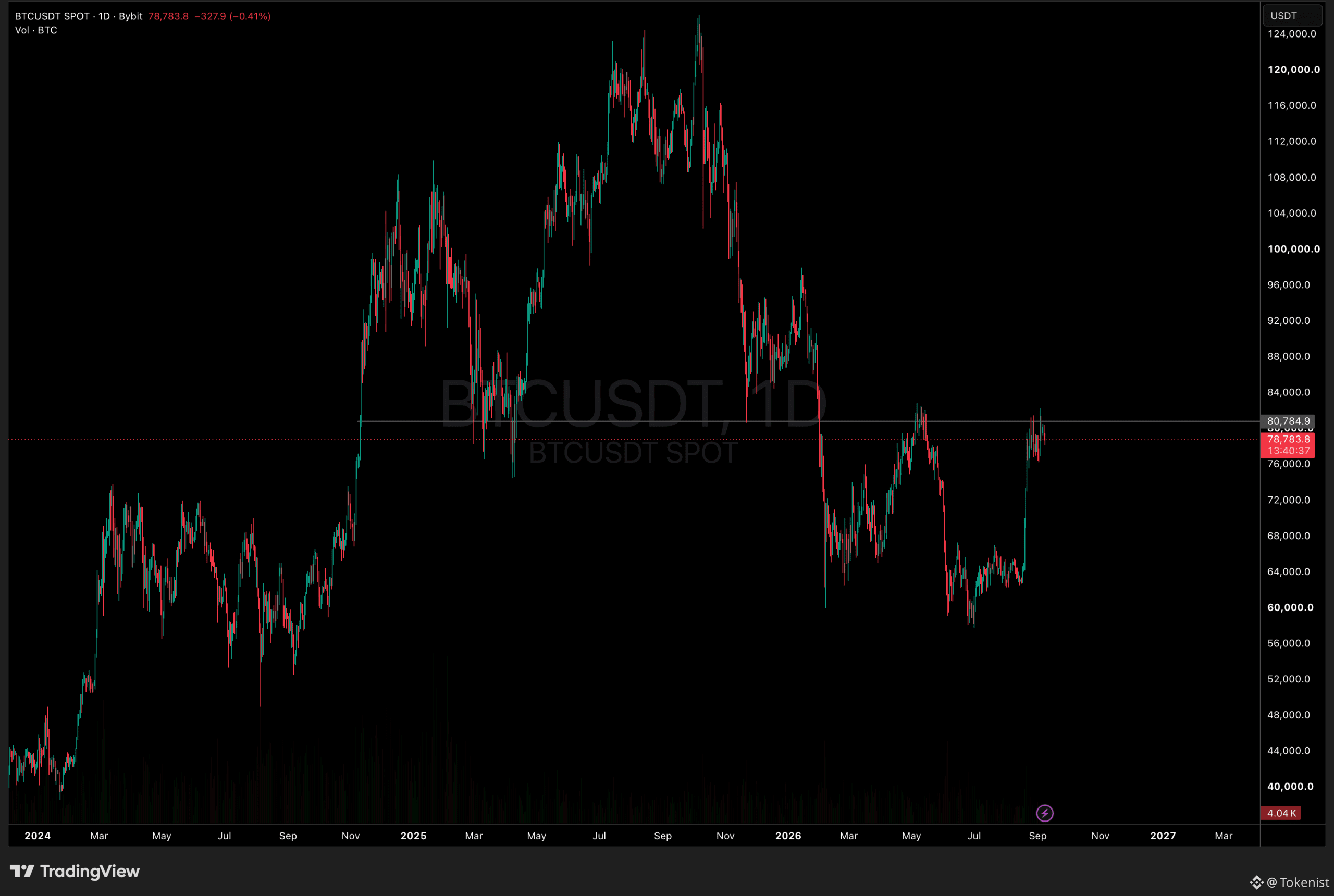
بطء زخم البيتكوين مع اختبار طلب إيتف مستوى 80,000أخبار بيتكوين إيتف اليوم: تشير بيانات التدفقات إلى استمرار الطلب على التعرض للبيتكوين حتى مع قيام السوق الأوسع بتقييم ما إذا كان بإمكان المشترين الحفاظ على البنية الفنية الحالية. البيتكوين نفسها يتم تداولها عند 78,788.45 دولار وقت كتابة هذا التقرير، بانخفاض 1.93% عن اليوم السابق. خفّف التراجع الزخم على المدى القصير، لكن السعر ظل قريبًا من 79,000 دولار وظل دون مستوى المقاومة 80,000 دولار الذي تتم مراقبته عن كثب.
مخطط BTCUSDT 1D على TradingView كيف تدعم تدفقات صناديق الاستثمار المتداولة (ETF) البيتكوين تحت 80,000 دولار
إجمالي صافي تدفقات صندوق بيتكوين الفوري (USD) Coinglass
بطء زخم البيتكوين مع اختبار طلب إيتف مستوى 80,000
أخبار بيتكوين إيتف اليوم: تشير بيانات التدفقات إلى استمرار الطلب على التعرض للبيتكوين حتى مع قيام السوق الأوسع بتقييم ما إذا كان بإمكان المشترين الحفاظ على البنية الفنية الحالية. البيتكوين نفسها يتم تداولها عند 78,788.45 دولار وقت كتابة هذا التقرير، بانخفاض 1.93% عن اليوم السابق. خفّف التراجع الزخم على المدى القصير، لكن السعر ظل قريبًا من 79,000 دولار وظل دون مستوى المقاومة 80,000 دولار الذي تتم مراقبته عن كثب.
مخطط BTCUSDT 1D على TradingView كيف تدعم تدفقات صناديق الاستثمار المتداولة (ETF) البيتكوين تحت 80,000 دولار
إجمالي صافي تدفقات صندوق بيتكوين الفوري (USD) Coinglass
مخطط BTCUSDT 1D على TradingView كيف تدعم تدفقات صناديق الاستثمار المتداولة (ETF) البيتكوين تحت 80,000 دولار
إجمالي صافي تدفقات صندوق بيتكوين الفوري (USD) Coinglass
219
·
--
مقالة
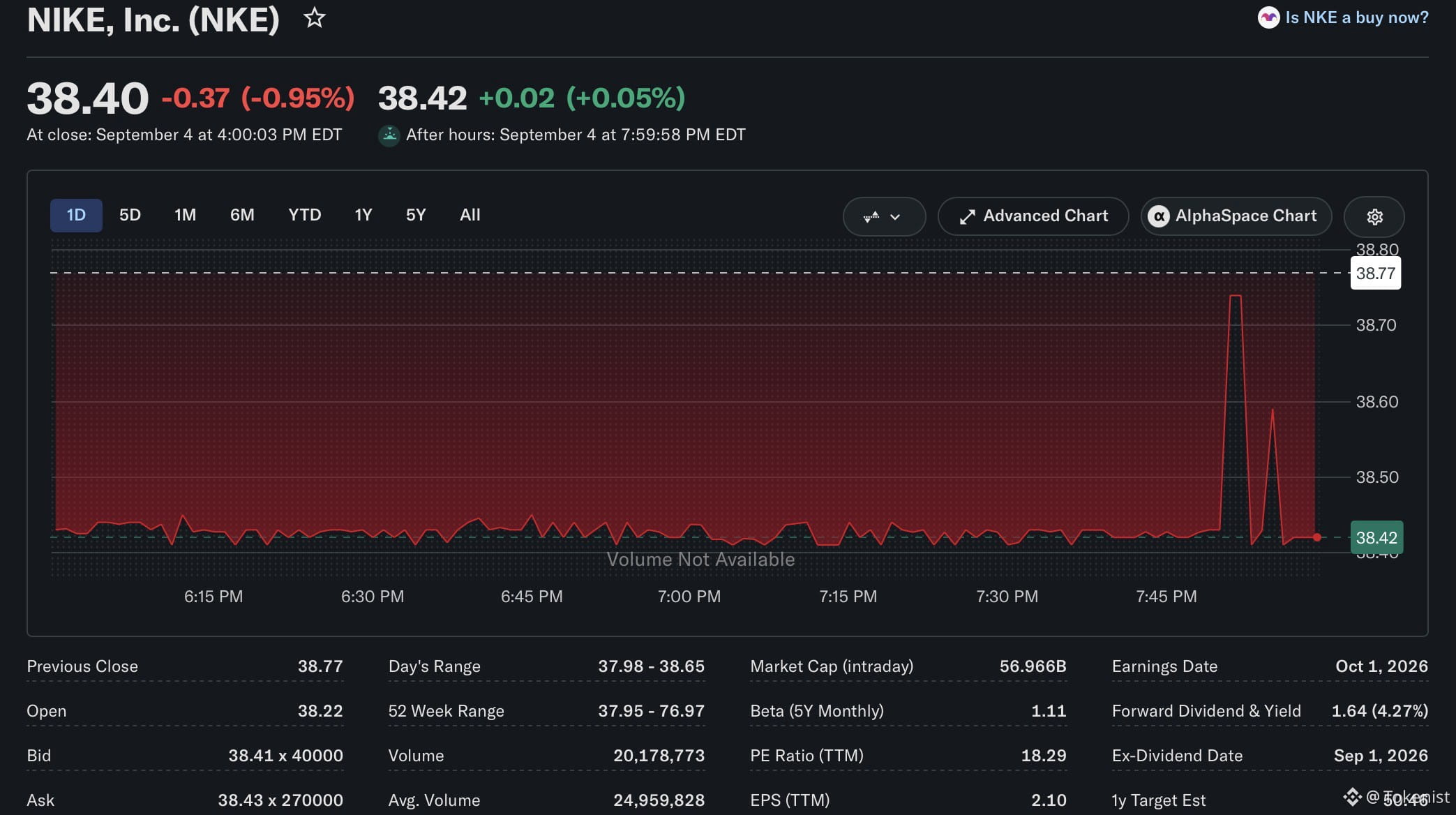
سهم Nike: خروج مخطط من S&P 100 يسلّط الضوء على تراجع القيمة السوقيةمن المقرر أن تغادر شركة Nike مؤشر S&P 100 قبل افتتاح السوق الأمريكية في 21 سبتمبر 2026، وذلك في إطار إعادة الموازنة الفصلية للمؤشر. وستظل الشركة ضمن مكوّنات مؤشر S&P 500 الأوسع، وفقًا لشركة S&P Dow Jones Indices. ويعكس هذا التغيير عملية إعادة تصنيف داخل المؤشر وليس شطبًا من التداول.
لا يؤدي خروج Nike من مؤشر S&P 100 إلى إخراج الشركة من المؤشر المرجعي الأكبر للشركات الكبرى. بدلًا من ذلك، يعكس الأمر موقع الشركة في إعادة موازنة ستشهد أيضًا إدخال Dell Technologies وPalo Alto Networks وArista Networks وSandisk إلى المؤشر.
سهم Nike: خروج مخطط من S&P 100 يسلّط الضوء على تراجع القيمة السوقية
من المقرر أن تغادر شركة Nike مؤشر S&P 100 قبل افتتاح السوق الأمريكية في 21 سبتمبر 2026، وذلك في إطار إعادة الموازنة الفصلية للمؤشر. وستظل الشركة ضمن مكوّنات مؤشر S&P 500 الأوسع، وفقًا لشركة S&P Dow Jones Indices. ويعكس هذا التغيير عملية إعادة تصنيف داخل المؤشر وليس شطبًا من التداول.
لا يؤدي خروج Nike من مؤشر S&P 100 إلى إخراج الشركة من المؤشر المرجعي الأكبر للشركات الكبرى. بدلًا من ذلك، يعكس الأمر موقع الشركة في إعادة موازنة ستشهد أيضًا إدخال Dell Technologies وPalo Alto Networks وArista Networks وSandisk إلى المؤشر.
لا يؤدي خروج Nike من مؤشر S&P 100 إلى إخراج الشركة من المؤشر المرجعي الأكبر للشركات الكبرى. بدلًا من ذلك، يعكس الأمر موقع الشركة في إعادة موازنة ستشهد أيضًا إدخال Dell Technologies وPalo Alto Networks وArista Networks وSandisk إلى المؤشر.
112
·
--
أخبار كوينبيس للعملات المشفرة: إيداعات هيئة SEC تضع عقود كوينبيس الدائمة على الأسهم الأميركية في مسار تنظيميفي تحديث أخبار العملات المشفرة من كوينبيس هذا، قدمت كوينبيس إشعارات تسجيل إلى هيئة الأوراق المالية والبورصات (SEC) في الأول من سبتمبر بهدف طرح عقود آجلة دائمة على الأسهم (single-stock perpetual futures) للمستثمرين الأميركيين. تفتح هذه الإيداعات مسارًا تنظيميًا فقط. ولا توجد بعد أي موافقة أو جدول زمني لإطلاق المنتج.
من شأن هذه الخطوة أن توسّع أعمال كوينبيس في عقود العملات/الأصول الدائمة (crypto-perpetuals) لتشمل أسهمًا فردية: مشتقات بلا تاريخ انتهاء تتيح للمتداولين المراهنة على أسعار الأسهم (مثل Apple أو Nvidia) دون امتلاك أسهم فعلية، بما يعكس نموذجًا متواصلًا على مدار الساعة (always-on) شائعًا في منصات العملات المشفرة خارج السواحل.
أخبار كوينبيس للعملات المشفرة: إيداعات هيئة SEC تضع عقود كوينبيس الدائمة على الأسهم الأميركية في مسار تنظيمي
في تحديث أخبار العملات المشفرة من كوينبيس هذا، قدمت كوينبيس إشعارات تسجيل إلى هيئة الأوراق المالية والبورصات (SEC) في الأول من سبتمبر بهدف طرح عقود آجلة دائمة على الأسهم (single-stock perpetual futures) للمستثمرين الأميركيين. تفتح هذه الإيداعات مسارًا تنظيميًا فقط. ولا توجد بعد أي موافقة أو جدول زمني لإطلاق المنتج.
من شأن هذه الخطوة أن توسّع أعمال كوينبيس في عقود العملات/الأصول الدائمة (crypto-perpetuals) لتشمل أسهمًا فردية: مشتقات بلا تاريخ انتهاء تتيح للمتداولين المراهنة على أسعار الأسهم (مثل Apple أو Nvidia) دون امتلاك أسهم فعلية، بما يعكس نموذجًا متواصلًا على مدار الساعة (always-on) شائعًا في منصات العملات المشفرة خارج السواحل.
من شأن هذه الخطوة أن توسّع أعمال كوينبيس في عقود العملات/الأصول الدائمة (crypto-perpetuals) لتشمل أسهمًا فردية: مشتقات بلا تاريخ انتهاء تتيح للمتداولين المراهنة على أسعار الأسهم (مثل Apple أو Nvidia) دون امتلاك أسهم فعلية، بما يعكس نموذجًا متواصلًا على مدار الساعة (always-on) شائعًا في منصات العملات المشفرة خارج السواحل.
1
208
·
--
تواجه البنية التحتية للذكاء الاصطناعي عنق زجاجة في التصاريح وشبكة الكهرباءحقق مؤشر S\u0026P 500 ارتفاعًا بنسبة 11.5% منذ بداية العام حتى 1 سبتمبر 2026، بينما ارتفع مؤشر ناسداك المركب بنسبة 12.3% وتصدّر مؤشر راسل 2000 بمكاسب بلغت 17.7%، وفقًا لأرقام نقلتها TheStreet. وجاءت هذه المكاسب رغم تصحيح في مارس مرتبط بحرب إيران وموجة بيع جديدة في أوائل سبتمبر، ما يؤكد مدى ارتباط أداء المؤشرات الآن ارتباطًا وثيقًا بالمعنويات المحيطة بدورة الإنفاق الرأسمالي على البنية التحتية للذكاء الاصطناعي.
على خلفية ذلك، قالت أريانا سالفاتوري، رئيسة أبحاث السياسات العامة في الولايات المتحدة لدى مورغان ستانلي، لـ CNBC إن سؤال المستثمرين قد تغيّر. لم يعد السؤال ما إذا كان هناك طلب على حوسبة الذكاء الاصطناعي، بل ما إذا كان بإمكان مزوّدي الخدمات فائقة السعة تأمين التصاريح والطاقة والدعم المجتمعي بالسرعة الكافية لتحويل ذلك الطلب إلى إيرادات. وتقدّر مورغان ستانلي إنفاق مزوّدي الخدمات فائقة السعة في الولايات المتحدة عند 800 مليار دولار في 2026 ونحو 1.1 تريليون دولار في 2027، وفقًا لوكالة رويترز – وهو حجم من بناء البنية التحتية للذكاء الاصطناعي لا يترك مجالًا كبيرًا لفشلٍ مطوّل في التنفيذ.
تواجه البنية التحتية للذكاء الاصطناعي عنق زجاجة في التصاريح وشبكة الكهرباء
حقق مؤشر S\u0026P 500 ارتفاعًا بنسبة 11.5% منذ بداية العام حتى 1 سبتمبر 2026، بينما ارتفع مؤشر ناسداك المركب بنسبة 12.3% وتصدّر مؤشر راسل 2000 بمكاسب بلغت 17.7%، وفقًا لأرقام نقلتها TheStreet. وجاءت هذه المكاسب رغم تصحيح في مارس مرتبط بحرب إيران وموجة بيع جديدة في أوائل سبتمبر، ما يؤكد مدى ارتباط أداء المؤشرات الآن ارتباطًا وثيقًا بالمعنويات المحيطة بدورة الإنفاق الرأسمالي على البنية التحتية للذكاء الاصطناعي.
على خلفية ذلك، قالت أريانا سالفاتوري، رئيسة أبحاث السياسات العامة في الولايات المتحدة لدى مورغان ستانلي، لـ CNBC إن سؤال المستثمرين قد تغيّر. لم يعد السؤال ما إذا كان هناك طلب على حوسبة الذكاء الاصطناعي، بل ما إذا كان بإمكان مزوّدي الخدمات فائقة السعة تأمين التصاريح والطاقة والدعم المجتمعي بالسرعة الكافية لتحويل ذلك الطلب إلى إيرادات. وتقدّر مورغان ستانلي إنفاق مزوّدي الخدمات فائقة السعة في الولايات المتحدة عند 800 مليار دولار في 2026 ونحو 1.1 تريليون دولار في 2027، وفقًا لوكالة رويترز – وهو حجم من بناء البنية التحتية للذكاء الاصطناعي لا يترك مجالًا كبيرًا لفشلٍ مطوّل في التنفيذ.
على خلفية ذلك، قالت أريانا سالفاتوري، رئيسة أبحاث السياسات العامة في الولايات المتحدة لدى مورغان ستانلي، لـ CNBC إن سؤال المستثمرين قد تغيّر. لم يعد السؤال ما إذا كان هناك طلب على حوسبة الذكاء الاصطناعي، بل ما إذا كان بإمكان مزوّدي الخدمات فائقة السعة تأمين التصاريح والطاقة والدعم المجتمعي بالسرعة الكافية لتحويل ذلك الطلب إلى إيرادات. وتقدّر مورغان ستانلي إنفاق مزوّدي الخدمات فائقة السعة في الولايات المتحدة عند 800 مليار دولار في 2026 ونحو 1.1 تريليون دولار في 2027، وفقًا لوكالة رويترز – وهو حجم من بناء البنية التحتية للذكاء الاصطناعي لا يترك مجالًا كبيرًا لفشلٍ مطوّل في التنفيذ.
94
·
--
مقالة
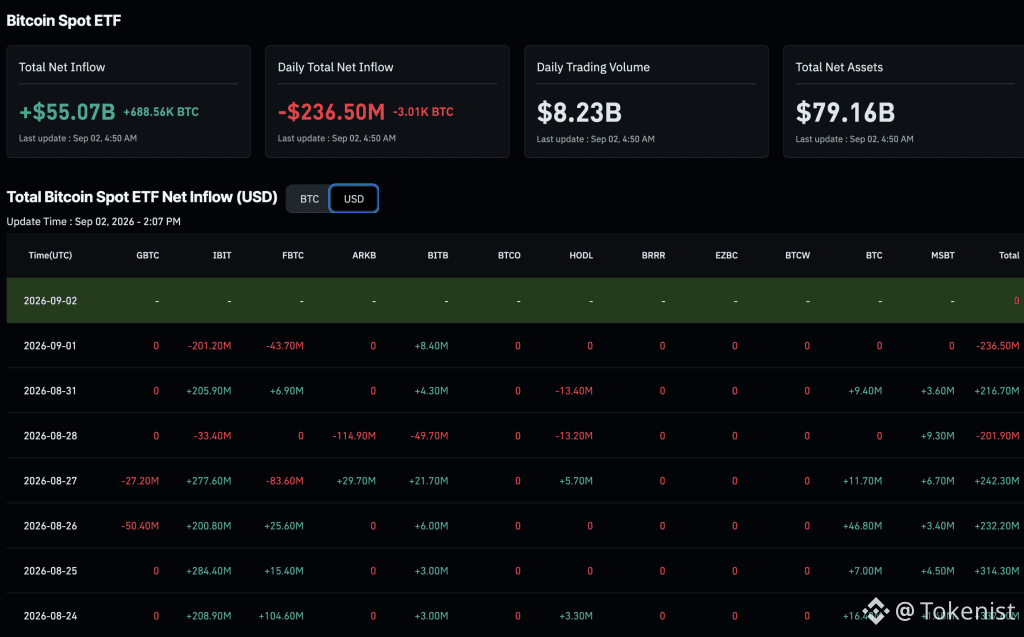
أخبار صناديق البيتكوين: تدفق داخلي بقيمة 3.5 مليار دولار في أغسطس يُنعش الاهتمام المؤسسيوفي أخبار صناديق الاستثمار المتداولة الخاصة بالبيتكوين، شهدت صناديق الاستثمار المتداولة المدرجة في الولايات المتحدة تدفقات بلغت نحو 3.5 مليار دولار خلال أغسطس، لتسجل أكبر تدفق شهري لها منذ أكثر من عام، وفقًا لتقارير بلومبرغ التي كتبها إيزابيل لي وفيليب لاغيركرانسر، والمنشورة في 1 سبتمبر 2026.
ووصلت التدفقات الوافدة المتجددة بينما كان البيتكوين يكافح للحفاظ على مستوى يقارب 80,000 دولار، وهو المستوى الذي وصفته بلومبرغ بأنه اختبار للارتفاع الأخير للعملة.
كان أغسطس أفضل شهر في العام بالنسبة لصناديق العملات المشفرة، مع تدفقات بلغت +5.5 مليار دولار، ذهب منها 3.3 مليار دولار إلى البيتكوين. لا يزال العائد حتى تاريخه سلبيًا: -1.07 مليار دولار. في أغسطس، تلقى صندوق بيتكوين الأصلي ETF 3.33 مليار دولار، لكن ذلك ما زال أقل من التدفق الخارجي في يونيو وحده 4.51 مليار دولار. صناديق BTC لم تصل بعد… pic.twitter.com/tSf04yXCJn
أخبار صناديق البيتكوين: تدفق داخلي بقيمة 3.5 مليار دولار في أغسطس يُنعش الاهتمام المؤسسي
وفي أخبار صناديق الاستثمار المتداولة الخاصة بالبيتكوين، شهدت صناديق الاستثمار المتداولة المدرجة في الولايات المتحدة تدفقات بلغت نحو 3.5 مليار دولار خلال أغسطس، لتسجل أكبر تدفق شهري لها منذ أكثر من عام، وفقًا لتقارير بلومبرغ التي كتبها إيزابيل لي وفيليب لاغيركرانسر، والمنشورة في 1 سبتمبر 2026.
ووصلت التدفقات الوافدة المتجددة بينما كان البيتكوين يكافح للحفاظ على مستوى يقارب 80,000 دولار، وهو المستوى الذي وصفته بلومبرغ بأنه اختبار للارتفاع الأخير للعملة.
كان أغسطس أفضل شهر في العام بالنسبة لصناديق العملات المشفرة، مع تدفقات بلغت +5.5 مليار دولار، ذهب منها 3.3 مليار دولار إلى البيتكوين. لا يزال العائد حتى تاريخه سلبيًا: -1.07 مليار دولار. في أغسطس، تلقى صندوق بيتكوين الأصلي ETF 3.33 مليار دولار، لكن ذلك ما زال أقل من التدفق الخارجي في يونيو وحده 4.51 مليار دولار. صناديق BTC لم تصل بعد… pic.twitter.com/tSf04yXCJn
ووصلت التدفقات الوافدة المتجددة بينما كان البيتكوين يكافح للحفاظ على مستوى يقارب 80,000 دولار، وهو المستوى الذي وصفته بلومبرغ بأنه اختبار للارتفاع الأخير للعملة.
كان أغسطس أفضل شهر في العام بالنسبة لصناديق العملات المشفرة، مع تدفقات بلغت +5.5 مليار دولار، ذهب منها 3.3 مليار دولار إلى البيتكوين. لا يزال العائد حتى تاريخه سلبيًا: -1.07 مليار دولار. في أغسطس، تلقى صندوق بيتكوين الأصلي ETF 3.33 مليار دولار، لكن ذلك ما زال أقل من التدفق الخارجي في يونيو وحده 4.51 مليار دولار. صناديق BTC لم تصل بعد… pic.twitter.com/tSf04yXCJn
200
·
--
تمّ التحقق
مقالة
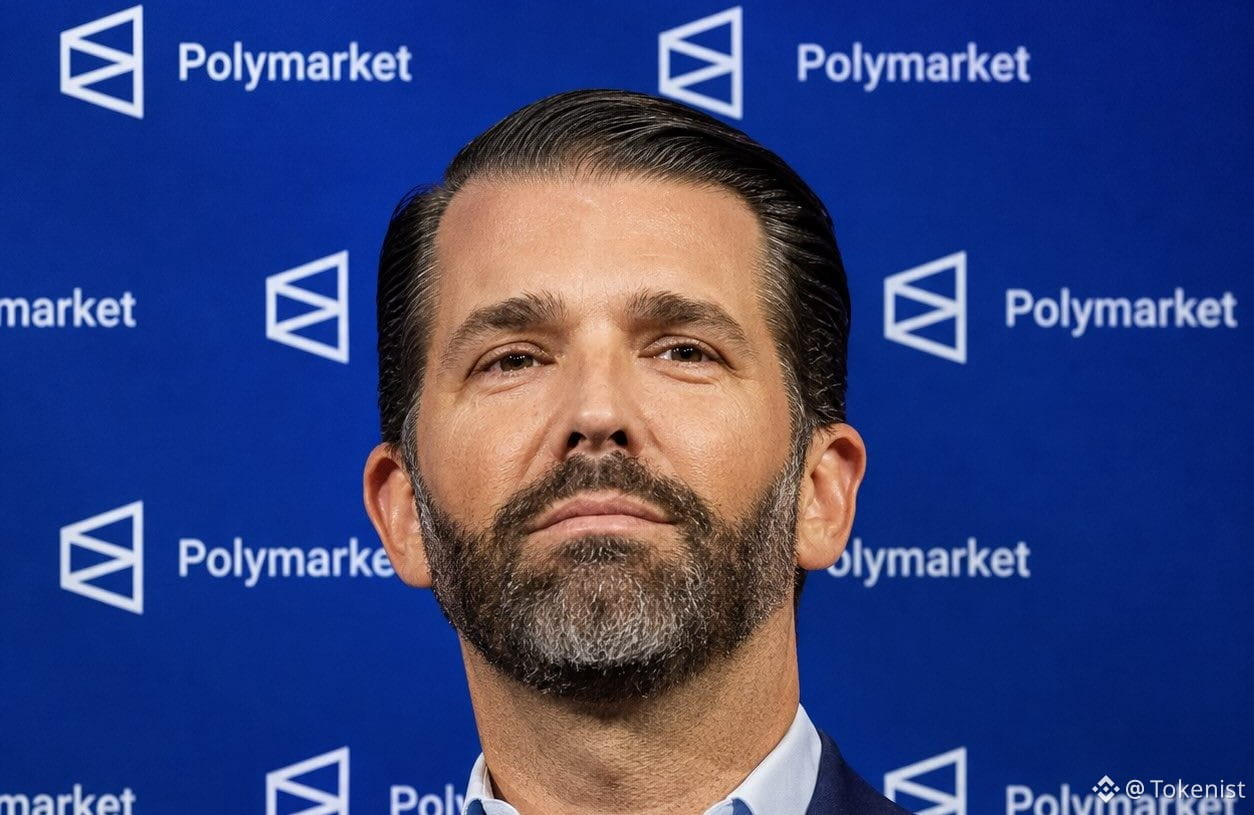
1789 كابيتال المرتبطة بترامب جونيور توسّع حصتها خلال أحدث جولة تمويل لبوليماركت1789 كابيتال، شركة رأس المال الاستثماري المرتبطة بدونالد ترامب جونيور، قادت جولة تمويل جديدة بقيمة 1 مليار دولار لتمويل بوليماركت المستمر، مع تقييم منصة أسواق التنبؤ عند 21 مليار دولار. قالت أليكساه هينينغ، المتحدثة باسم 1789 كابيتال، إن الشركة ستستثمر حوالي 300 مليون دولار في الجولة.
ووفقًا للتقرير، كانت شركة المشاريع المرتبطة بترامب جونيور قد استثمرت سابقًا نحو 200 مليون دولار في بوليماركت. وتضيف هذه الاستثمارات الجديدة إلى تعرض الشركة الحالي للمنصة.
ترمب جونيور - مدعوم من 1789 كابيتال لإضافة حوالي 300 مليون دولار إلى بوليماركت بتقييم 21 مليار دولار ذكرت صحيفة وول ستريت جورنال أن 1789 كابيتال، التي يكون دونالد ترامب جونيور شريكًا فيها، تخطط للاستثمار بحوالي 300 مليون دولار إضافية في منصة أسواق التنبؤ بوليماركت. وتأتي هذه الاستثمارات ضمن… pic.twitter.com/sAvdcxfS2D
1789 كابيتال المرتبطة بترامب جونيور توسّع حصتها خلال أحدث جولة تمويل لبوليماركت
1789 كابيتال، شركة رأس المال الاستثماري المرتبطة بدونالد ترامب جونيور، قادت جولة تمويل جديدة بقيمة 1 مليار دولار لتمويل بوليماركت المستمر، مع تقييم منصة أسواق التنبؤ عند 21 مليار دولار. قالت أليكساه هينينغ، المتحدثة باسم 1789 كابيتال، إن الشركة ستستثمر حوالي 300 مليون دولار في الجولة.
ووفقًا للتقرير، كانت شركة المشاريع المرتبطة بترامب جونيور قد استثمرت سابقًا نحو 200 مليون دولار في بوليماركت. وتضيف هذه الاستثمارات الجديدة إلى تعرض الشركة الحالي للمنصة.
ترمب جونيور - مدعوم من 1789 كابيتال لإضافة حوالي 300 مليون دولار إلى بوليماركت بتقييم 21 مليار دولار ذكرت صحيفة وول ستريت جورنال أن 1789 كابيتال، التي يكون دونالد ترامب جونيور شريكًا فيها، تخطط للاستثمار بحوالي 300 مليون دولار إضافية في منصة أسواق التنبؤ بوليماركت. وتأتي هذه الاستثمارات ضمن… pic.twitter.com/sAvdcxfS2D
ووفقًا للتقرير، كانت شركة المشاريع المرتبطة بترامب جونيور قد استثمرت سابقًا نحو 200 مليون دولار في بوليماركت. وتضيف هذه الاستثمارات الجديدة إلى تعرض الشركة الحالي للمنصة.
ترمب جونيور - مدعوم من 1789 كابيتال لإضافة حوالي 300 مليون دولار إلى بوليماركت بتقييم 21 مليار دولار ذكرت صحيفة وول ستريت جورنال أن 1789 كابيتال، التي يكون دونالد ترامب جونيور شريكًا فيها، تخطط للاستثمار بحوالي 300 مليون دولار إضافية في منصة أسواق التنبؤ بوليماركت. وتأتي هذه الاستثمارات ضمن… pic.twitter.com/sAvdcxfS2D
710
·
--
مقالة
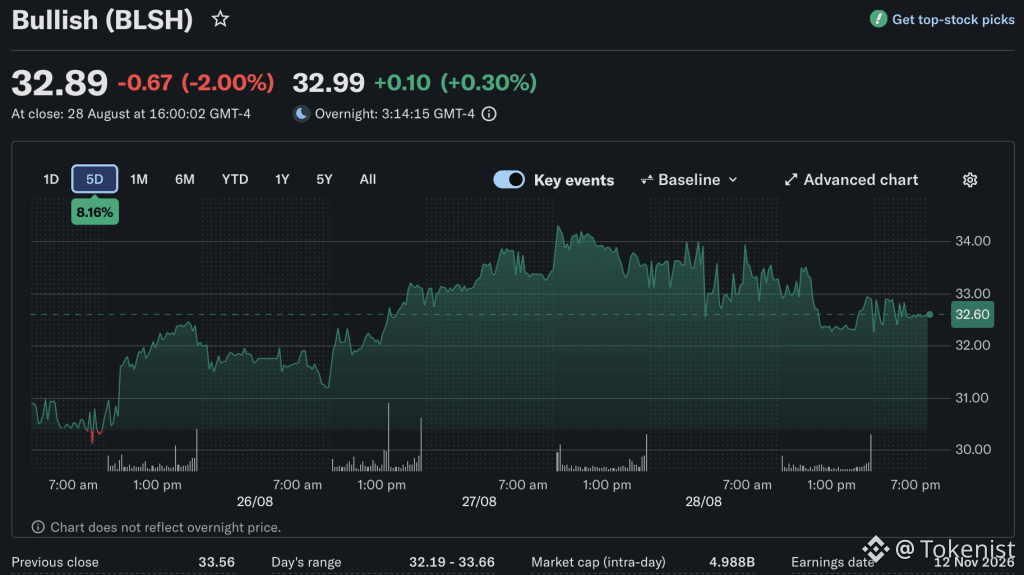
Bullish توسّع نشاطها في الإقراض الخاص بالبنية التحتية للذكاء الاصطناعي عبر صفقة مع USD.AIفي أخبار الذكاء الاصطناعي اليوم، ستوفّر Bullish لـUSD.AI منشأة ديون مستقرة بقيمة 100 مليون دولار لتمويل قروض غير رجعية مدعومة بوحدات GPU وبنية تحتية أخرى للحوسبة في مجال الذكاء الاصطناعي، وفقًا لمنشور على وسائل التواصل الاجتماعي من USD.AI.
يربط هذا الترتيب بين سيولة العملات الرقمية والبيانات المادية الخاصة بمراكز البيانات، ويوسّع دور شركة Bullish في تمويل البنية التحتية للذكاء الاصطناعي.
أصبح الحوسبة سوقًا ائتمانية.@ستتيح منشأة Bullish البالغة 100 مليون دولار لـUSDAI تمويل توسّع بناء الذكاء الاصطناعي، مع خلق أسواق أعمق وأكثر شفافية للائتمان المدعوم بالحوسبة. pic.twitter.com/X005YbkQpt
Bullish توسّع نشاطها في الإقراض الخاص بالبنية التحتية للذكاء الاصطناعي عبر صفقة مع USD.AI
في أخبار الذكاء الاصطناعي اليوم، ستوفّر Bullish لـUSD.AI منشأة ديون مستقرة بقيمة 100 مليون دولار لتمويل قروض غير رجعية مدعومة بوحدات GPU وبنية تحتية أخرى للحوسبة في مجال الذكاء الاصطناعي، وفقًا لمنشور على وسائل التواصل الاجتماعي من USD.AI.
يربط هذا الترتيب بين سيولة العملات الرقمية والبيانات المادية الخاصة بمراكز البيانات، ويوسّع دور شركة Bullish في تمويل البنية التحتية للذكاء الاصطناعي.
أصبح الحوسبة سوقًا ائتمانية.@ستتيح منشأة Bullish البالغة 100 مليون دولار لـUSDAI تمويل توسّع بناء الذكاء الاصطناعي، مع خلق أسواق أعمق وأكثر شفافية للائتمان المدعوم بالحوسبة. pic.twitter.com/X005YbkQpt
يربط هذا الترتيب بين سيولة العملات الرقمية والبيانات المادية الخاصة بمراكز البيانات، ويوسّع دور شركة Bullish في تمويل البنية التحتية للذكاء الاصطناعي.
أصبح الحوسبة سوقًا ائتمانية.@ستتيح منشأة Bullish البالغة 100 مليون دولار لـUSDAI تمويل توسّع بناء الذكاء الاصطناعي، مع خلق أسواق أعمق وأكثر شفافية للائتمان المدعوم بالحوسبة. pic.twitter.com/X005YbkQpt
BLSHUS-0.39%
105
·
--
مقالة
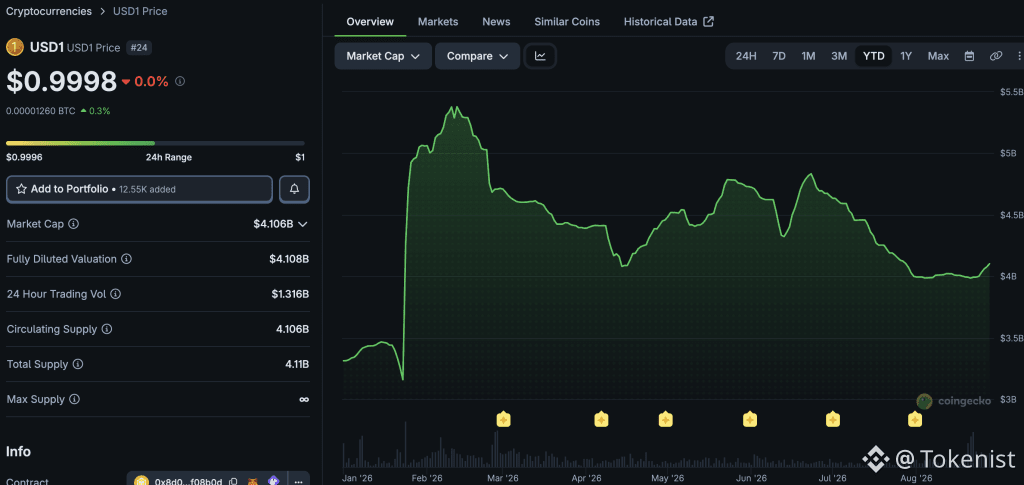
ترامب الإمارات: يُقال إن كيان الشيخ طحنون يمتلك 49% من بنك بقيمة 1 دولار أمريكيفي أخبار الإمارات العربية المتحدة المتعلقة بتقرير ترامب، تمتلك جهة مدعومة من الشيخ طحنون بن زايد آل نهيان وشركاء استثمار آخرين، وفقًا لما ذكرته صحيفة وول ستريت جورنال، وبناءً على ما نقله أشخاص مطلعون على الأمر، حصة تبلغ 49% يُقال إنها في شركة WLTC Holdings، وهي شركة القابضة التي أنشأتها شركة World Liberty Financial التابعة له لغرض مشروعها المعلن عن إنشاء بنك ثقة في الولايات المتحدة.
تمتد الحصة المبلغ عنها لتشمل علاقة الأعمال بين شركة العملات المشفرة المدعومة من ترامب وطحنون، الذي يشغل منصب مستشار الأمن القومي في دولة الإمارات العربية المتحدة وهو شقيق رئيس البلاد.
ترامب الإمارات: يُقال إن كيان الشيخ طحنون يمتلك 49% من بنك بقيمة 1 دولار أمريكي
في أخبار الإمارات العربية المتحدة المتعلقة بتقرير ترامب، تمتلك جهة مدعومة من الشيخ طحنون بن زايد آل نهيان وشركاء استثمار آخرين، وفقًا لما ذكرته صحيفة وول ستريت جورنال، وبناءً على ما نقله أشخاص مطلعون على الأمر، حصة تبلغ 49% يُقال إنها في شركة WLTC Holdings، وهي شركة القابضة التي أنشأتها شركة World Liberty Financial التابعة له لغرض مشروعها المعلن عن إنشاء بنك ثقة في الولايات المتحدة.
تمتد الحصة المبلغ عنها لتشمل علاقة الأعمال بين شركة العملات المشفرة المدعومة من ترامب وطحنون، الذي يشغل منصب مستشار الأمن القومي في دولة الإمارات العربية المتحدة وهو شقيق رئيس البلاد.
تمتد الحصة المبلغ عنها لتشمل علاقة الأعمال بين شركة العملات المشفرة المدعومة من ترامب وطحنون، الذي يشغل منصب مستشار الأمن القومي في دولة الإمارات العربية المتحدة وهو شقيق رئيس البلاد.
141
·
--
مقالة
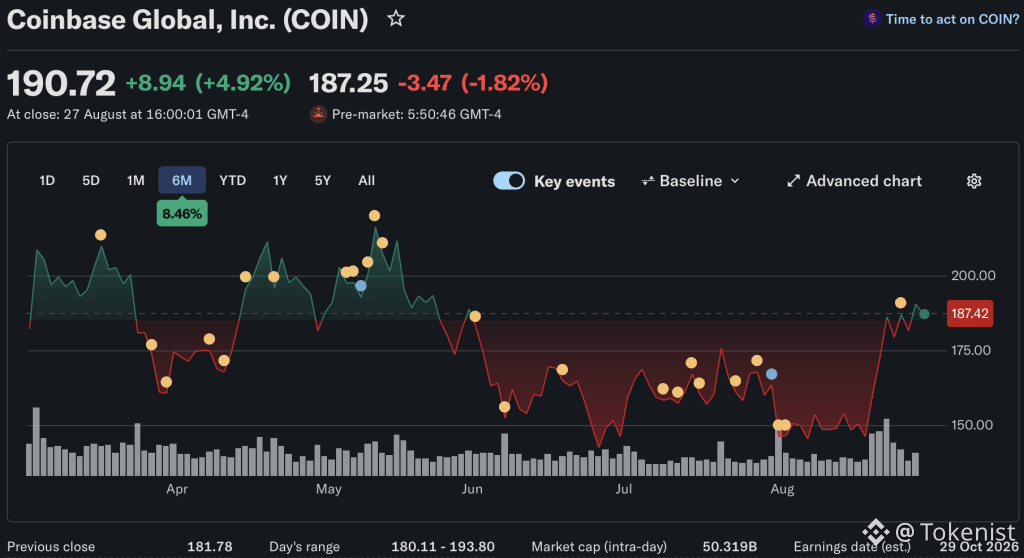
أخبار كوينبيس للعملات المشفرة: رهن البيتكوين يفتح مسارًا جديدًا للرهون العقاريةفي أخبار كوينبيس للعملات الرقمية اليوم، أطلقت منصة تداول الأصول الرقمية الرائدة وBetter Mortgage أول منتج رهن عقاري مطابق مدعومًا بالرموز على مستوى البلاد، وفقًا لما ذكرته تقارير نُشرت في 27 أغسطس 2026.
أظهر سجل انتظار في يونيو للمنتج أن حجم القروض المتوقع تجاوز 260 مليون دولار، حيث توقع 60% من المستجيبين شراء منزل خلال ستة أشهر—وهو مؤشر مبكر على الاهتمام من حاملي العملات المشفرة الذين يسعون إلى استخدام الأصول الرقمية في تمويل المنازل.
بدلاً من مطالبة المقترضين ببيع العملات المشفرة للمساعدة في تمويل دفعة مقدمة، يتيح المنتج لهم رهن البيتكوين كضمان مقابل قرض منفصل. يتيح هذا الهيكل للمقترضين الاحتفاظ بالتعرض لبيتكوين بينما يستخدمون الترتيب لدعم عملية شراء منزل.
أخبار كوينبيس للعملات المشفرة: رهن البيتكوين يفتح مسارًا جديدًا للرهون العقارية
في أخبار كوينبيس للعملات الرقمية اليوم، أطلقت منصة تداول الأصول الرقمية الرائدة وBetter Mortgage أول منتج رهن عقاري مطابق مدعومًا بالرموز على مستوى البلاد، وفقًا لما ذكرته تقارير نُشرت في 27 أغسطس 2026.
أظهر سجل انتظار في يونيو للمنتج أن حجم القروض المتوقع تجاوز 260 مليون دولار، حيث توقع 60% من المستجيبين شراء منزل خلال ستة أشهر—وهو مؤشر مبكر على الاهتمام من حاملي العملات المشفرة الذين يسعون إلى استخدام الأصول الرقمية في تمويل المنازل.
بدلاً من مطالبة المقترضين ببيع العملات المشفرة للمساعدة في تمويل دفعة مقدمة، يتيح المنتج لهم رهن البيتكوين كضمان مقابل قرض منفصل. يتيح هذا الهيكل للمقترضين الاحتفاظ بالتعرض لبيتكوين بينما يستخدمون الترتيب لدعم عملية شراء منزل.
أظهر سجل انتظار في يونيو للمنتج أن حجم القروض المتوقع تجاوز 260 مليون دولار، حيث توقع 60% من المستجيبين شراء منزل خلال ستة أشهر—وهو مؤشر مبكر على الاهتمام من حاملي العملات المشفرة الذين يسعون إلى استخدام الأصول الرقمية في تمويل المنازل.
بدلاً من مطالبة المقترضين ببيع العملات المشفرة للمساعدة في تمويل دفعة مقدمة، يتيح المنتج لهم رهن البيتكوين كضمان مقابل قرض منفصل. يتيح هذا الهيكل للمقترضين الاحتفاظ بالتعرض لبيتكوين بينما يستخدمون الترتيب لدعم عملية شراء منزل.
171
·
--
مقالة
تقارير متضاربة تجعل خطط Nvidia وHugging Face غير واضحةتقع شركة Nvidia في صلب تقارير متضاربة بشأن عملية استحواذ محتملة على Hugging Face، وهي منصة الذكاء الاصطناعي التي يشارك فيها المطورون والباحثون النماذج ومجموعات البيانات، ويقومون باختبارها ونشرها. أفاد Business Insider في 26 أغسطس بأن Nvidia وHugging Face عقدتا مناقشات بشأن الاستحواذ خلال الأسابيع الأخيرة، مع تقييم للصفقة يضع قيمة Hugging Face عند أكثر من 13 مليار دولار.
استشهد التقرير بشخص مطلع على الأمر، قائلاً إنّه لم يتم التوصل إلى أي اتفاق، ويمكن أن تفشل المفاوضات في أي لحظة. وذكر حساب منفصل من صحيفة The Information أن شركة Nvidia وافقت على شراء Hugging Face مقابل 12.9 مليار دولار، رغم أن أيًا من الشركتين لم يؤكد إجراءً للصفقة.
تقارير متضاربة تجعل خطط Nvidia وHugging Face غير واضحة
تقع شركة Nvidia في صلب تقارير متضاربة بشأن عملية استحواذ محتملة على Hugging Face، وهي منصة الذكاء الاصطناعي التي يشارك فيها المطورون والباحثون النماذج ومجموعات البيانات، ويقومون باختبارها ونشرها. أفاد Business Insider في 26 أغسطس بأن Nvidia وHugging Face عقدتا مناقشات بشأن الاستحواذ خلال الأسابيع الأخيرة، مع تقييم للصفقة يضع قيمة Hugging Face عند أكثر من 13 مليار دولار.
استشهد التقرير بشخص مطلع على الأمر، قائلاً إنّه لم يتم التوصل إلى أي اتفاق، ويمكن أن تفشل المفاوضات في أي لحظة. وذكر حساب منفصل من صحيفة The Information أن شركة Nvidia وافقت على شراء Hugging Face مقابل 12.9 مليار دولار، رغم أن أيًا من الشركتين لم يؤكد إجراءً للصفقة.
استشهد التقرير بشخص مطلع على الأمر، قائلاً إنّه لم يتم التوصل إلى أي اتفاق، ويمكن أن تفشل المفاوضات في أي لحظة. وذكر حساب منفصل من صحيفة The Information أن شركة Nvidia وافقت على شراء Hugging Face مقابل 12.9 مليار دولار، رغم أن أيًا من الشركتين لم يؤكد إجراءً للصفقة.
74
·
--
StarkWare تقوم بتعدين معاملة بيتكوين مقاومة للتهديدات الكمّية على الشبكة الرئيسيةتقول شركة StarkWare إن معاملة بيتكوين تم بناؤها باستخدام طريقتها الخاصة ببيتكوين مقاومة للتهديدات الكمّية، أو QSB، قد تم تعدينها على الشبكة الرئيسية. وتصف الشركة ذلك بأنه أول معاملة من هذا النوع على الشبكة الرئيسية.
تم تصميمه ليصمد أمام خصم يستخدم حاسوبًا كمّياً عاملًا. ووفقًا لإعلان StarkWare، لم تتطلب هذه التجربة أي تغيير في قواعد إجماع بيتكوين.
باحث في StarkWare ينفذ أول معاملة ببيتكوين مقاومة للتهديدات الكمّية على الشبكة الرئيسية اكتملت أول معاملة مؤكدة ضمن مخطط بيتكوين مقاومة للتهديدات الكمّية (QSB) للباحث في StarkWare أفيهو ليفي على شبكة بيتكوين الرئيسية، ما يوضح طريقة لحماية المعاملات من… pic.twitter.com/ZiCoQdMuhD
StarkWare تقوم بتعدين معاملة بيتكوين مقاومة للتهديدات الكمّية على الشبكة الرئيسية
تقول شركة StarkWare إن معاملة بيتكوين تم بناؤها باستخدام طريقتها الخاصة ببيتكوين مقاومة للتهديدات الكمّية، أو QSB، قد تم تعدينها على الشبكة الرئيسية. وتصف الشركة ذلك بأنه أول معاملة من هذا النوع على الشبكة الرئيسية.
تم تصميمه ليصمد أمام خصم يستخدم حاسوبًا كمّياً عاملًا. ووفقًا لإعلان StarkWare، لم تتطلب هذه التجربة أي تغيير في قواعد إجماع بيتكوين.
باحث في StarkWare ينفذ أول معاملة ببيتكوين مقاومة للتهديدات الكمّية على الشبكة الرئيسية اكتملت أول معاملة مؤكدة ضمن مخطط بيتكوين مقاومة للتهديدات الكمّية (QSB) للباحث في StarkWare أفيهو ليفي على شبكة بيتكوين الرئيسية، ما يوضح طريقة لحماية المعاملات من… pic.twitter.com/ZiCoQdMuhD
تم تصميمه ليصمد أمام خصم يستخدم حاسوبًا كمّياً عاملًا. ووفقًا لإعلان StarkWare، لم تتطلب هذه التجربة أي تغيير في قواعد إجماع بيتكوين.
باحث في StarkWare ينفذ أول معاملة ببيتكوين مقاومة للتهديدات الكمّية على الشبكة الرئيسية اكتملت أول معاملة مؤكدة ضمن مخطط بيتكوين مقاومة للتهديدات الكمّية (QSB) للباحث في StarkWare أفيهو ليفي على شبكة بيتكوين الرئيسية، ما يوضح طريقة لحماية المعاملات من… pic.twitter.com/ZiCoQdMuhD
107
·
--
مقالة
أخبار الذكاء الاصطناعي: المطلعون لدى علي بابا يشترون أسهمًا بعد صفقة تمويل بخصمفي أخبار الذكاء الاصطناعي اليوم، أفادت تقارير بأن مؤسس شركة علي بابا جاك ما اشترى أكثر من 600 مليون دولار هونج كونج، أي ما يعادل حوالي 76.5 مليون دولار أمريكي، من أسهم شركة علي بابا القابضة على مدار أيام متتالية، بعد إعلان الشركة في 23 أغسطس عن عملية طرح أسهم بقيمة 80 مليار دولار هونج كونج في هونج كونج.
ذكرت صحيفة ساوث تشاينا مورنينغ بوست عمليات الشراء، مستندةً إلى أشخاص على دراية بالأمر. ووفقًا لإيداعات في بورصة هونج كونج، اشترى رئيس مجلس إدارة علي بابا جو تساي والرئيس التنفيذي إيدي وو أيضًا ما مجموعه 202 مليون دولار هونج كونج من الأسهم خلال يومين.
عاجل: يُقال إن جاك ما اشترى أسهمًا في علي بابا بقيمة تزيد عن 76 مليون دولار لدعم دفعة الشركة للإنفاق على الذكاء الاصطناعي.
أخبار الذكاء الاصطناعي: المطلعون لدى علي بابا يشترون أسهمًا بعد صفقة تمويل بخصم
في أخبار الذكاء الاصطناعي اليوم، أفادت تقارير بأن مؤسس شركة علي بابا جاك ما اشترى أكثر من 600 مليون دولار هونج كونج، أي ما يعادل حوالي 76.5 مليون دولار أمريكي، من أسهم شركة علي بابا القابضة على مدار أيام متتالية، بعد إعلان الشركة في 23 أغسطس عن عملية طرح أسهم بقيمة 80 مليار دولار هونج كونج في هونج كونج.
ذكرت صحيفة ساوث تشاينا مورنينغ بوست عمليات الشراء، مستندةً إلى أشخاص على دراية بالأمر. ووفقًا لإيداعات في بورصة هونج كونج، اشترى رئيس مجلس إدارة علي بابا جو تساي والرئيس التنفيذي إيدي وو أيضًا ما مجموعه 202 مليون دولار هونج كونج من الأسهم خلال يومين.
عاجل: يُقال إن جاك ما اشترى أسهمًا في علي بابا بقيمة تزيد عن 76 مليون دولار لدعم دفعة الشركة للإنفاق على الذكاء الاصطناعي.
ذكرت صحيفة ساوث تشاينا مورنينغ بوست عمليات الشراء، مستندةً إلى أشخاص على دراية بالأمر. ووفقًا لإيداعات في بورصة هونج كونج، اشترى رئيس مجلس إدارة علي بابا جو تساي والرئيس التنفيذي إيدي وو أيضًا ما مجموعه 202 مليون دولار هونج كونج من الأسهم خلال يومين.
عاجل: يُقال إن جاك ما اشترى أسهمًا في علي بابا بقيمة تزيد عن 76 مليون دولار لدعم دفعة الشركة للإنفاق على الذكاء الاصطناعي.
88
·
--
مقالة
أخبار كوينبَيس للعملات المشفرة: توكنات الأسهم على Base للمستثمرين غير الأمريكيينفي أخبار العملات المشفرة على كوينبَيس، أطلقت المنصة نسخًا مُرمَّزة (Tokenized) من أسهم آبل (AAPL) و إنفيديا (NVDA) وميتا (META) وألفابت (GOOGL) على شبكتها «Base»، ما يتيح للمستثمرين المؤهلين خارج الولايات المتحدة طريقة للتداول بتعرض لأسهم أمريكية على مدار الساعة.
ووفقًا لإعلان «Base» الصادر في 25 أغسطس، فإن المنتجات الأربعة، AAPLc وNVDAc وMETAc وGOOGLc، مُهيكلة كتوكنات من نوع B20 مدعومة بنسبة 1:1 بأسهم مملوكة ومودعة في حيازة منفصلة عبر شركة Alpaca Securities، وهي وسيط-تاجر مرخّص من هيئة الأوراق المالية والبورصات الأمريكية (SEC).
أطلقت «Base» أسهم كوينبَيس المرمَّزة، لتجلب أسهم آبل وإنفيديا إلى «Onchain». أعلنت شركة «Base» أن الأسهم المرمَّزة الصادرة عن «Coinbase» أصبحت الآن مباشرة على شبكة «Base» وفق معيار B20. تمثل التوكنات أسهمًا حقيقية محتفظًا بها بنسبة 1:1 من قِبل أوصياء مُنظَّمين، ما يتيح للمستثمرين المؤهلين… pic.twitter.com/SC79ZnX9p1
أخبار كوينبَيس للعملات المشفرة: توكنات الأسهم على Base للمستثمرين غير الأمريكيين
في أخبار العملات المشفرة على كوينبَيس، أطلقت المنصة نسخًا مُرمَّزة (Tokenized) من أسهم آبل (AAPL) و إنفيديا (NVDA) وميتا (META) وألفابت (GOOGL) على شبكتها «Base»، ما يتيح للمستثمرين المؤهلين خارج الولايات المتحدة طريقة للتداول بتعرض لأسهم أمريكية على مدار الساعة.
ووفقًا لإعلان «Base» الصادر في 25 أغسطس، فإن المنتجات الأربعة، AAPLc وNVDAc وMETAc وGOOGLc، مُهيكلة كتوكنات من نوع B20 مدعومة بنسبة 1:1 بأسهم مملوكة ومودعة في حيازة منفصلة عبر شركة Alpaca Securities، وهي وسيط-تاجر مرخّص من هيئة الأوراق المالية والبورصات الأمريكية (SEC).
أطلقت «Base» أسهم كوينبَيس المرمَّزة، لتجلب أسهم آبل وإنفيديا إلى «Onchain». أعلنت شركة «Base» أن الأسهم المرمَّزة الصادرة عن «Coinbase» أصبحت الآن مباشرة على شبكة «Base» وفق معيار B20. تمثل التوكنات أسهمًا حقيقية محتفظًا بها بنسبة 1:1 من قِبل أوصياء مُنظَّمين، ما يتيح للمستثمرين المؤهلين… pic.twitter.com/SC79ZnX9p1
ووفقًا لإعلان «Base» الصادر في 25 أغسطس، فإن المنتجات الأربعة، AAPLc وNVDAc وMETAc وGOOGLc، مُهيكلة كتوكنات من نوع B20 مدعومة بنسبة 1:1 بأسهم مملوكة ومودعة في حيازة منفصلة عبر شركة Alpaca Securities، وهي وسيط-تاجر مرخّص من هيئة الأوراق المالية والبورصات الأمريكية (SEC).
أطلقت «Base» أسهم كوينبَيس المرمَّزة، لتجلب أسهم آبل وإنفيديا إلى «Onchain». أعلنت شركة «Base» أن الأسهم المرمَّزة الصادرة عن «Coinbase» أصبحت الآن مباشرة على شبكة «Base» وفق معيار B20. تمثل التوكنات أسهمًا حقيقية محتفظًا بها بنسبة 1:1 من قِبل أوصياء مُنظَّمين، ما يتيح للمستثمرين المؤهلين… pic.twitter.com/SC79ZnX9p1
157
·
--
مقالة
خام برنت يرتد عند 92 دولاراً يضع إنفيديا والبيتكوين في دائرة الضوءاستقر سعر خام برنت عند 92.17 دولاراً للبرميل بعد أن أعلنت إدارة ترامب عن احتمال توسيع العقوبات الثانوية المفروضة على الدول التي تتعامل مع إيران. ومع ذلك، لم يساهم هذا التراجع في تخفيف حدة التوتر الأوسع: إذ لا يزال الخام قريباً بما يكفي من هذا المستوى لإبقاء تضخم العناوين وتوقعات أسعار الفائدة مرتفعة.
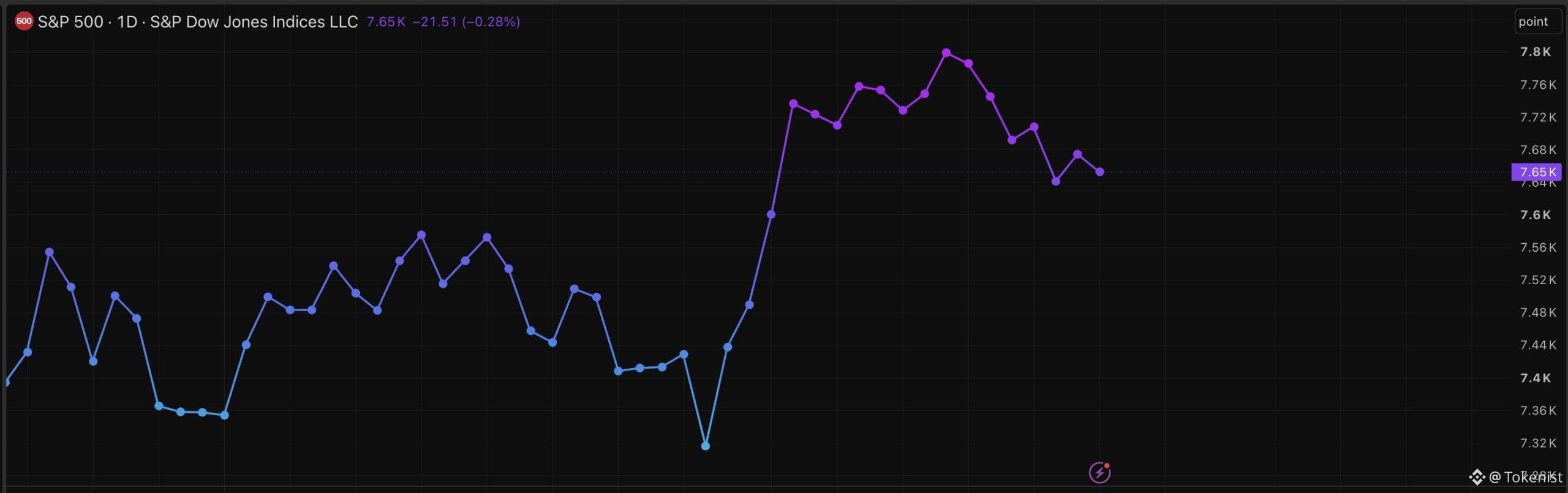
هبط مؤشر ستاندرد آند بورز 500 بمقدار 21.51 نقطة، أو بنسبة 0.28%، إلى 7,652.86، كما انخفض مؤشر ناسداك المركب بمقدار 200.26 نقطة، أو بنسبة 0.76%، إلى 25,980.19 في 24 أغسطس، متأثراً بضغط أسهم شركات الرقائق، في حين ارتفع مؤشر داو جونز الصناعي 140.15 نقطة إلى 53,417.16 بدعم من قوة أسهم القطاع المالي.
خام برنت يرتد عند 92 دولاراً يضع إنفيديا والبيتكوين في دائرة الضوء
استقر سعر خام برنت عند 92.17 دولاراً للبرميل بعد أن أعلنت إدارة ترامب عن احتمال توسيع العقوبات الثانوية المفروضة على الدول التي تتعامل مع إيران. ومع ذلك، لم يساهم هذا التراجع في تخفيف حدة التوتر الأوسع: إذ لا يزال الخام قريباً بما يكفي من هذا المستوى لإبقاء تضخم العناوين وتوقعات أسعار الفائدة مرتفعة.
هبط مؤشر ستاندرد آند بورز 500 بمقدار 21.51 نقطة، أو بنسبة 0.28%، إلى 7,652.86، كما انخفض مؤشر ناسداك المركب بمقدار 200.26 نقطة، أو بنسبة 0.76%، إلى 25,980.19 في 24 أغسطس، متأثراً بضغط أسهم شركات الرقائق، في حين ارتفع مؤشر داو جونز الصناعي 140.15 نقطة إلى 53,417.16 بدعم من قوة أسهم القطاع المالي.
هبط مؤشر ستاندرد آند بورز 500 بمقدار 21.51 نقطة، أو بنسبة 0.28%، إلى 7,652.86، كما انخفض مؤشر ناسداك المركب بمقدار 200.26 نقطة، أو بنسبة 0.76%، إلى 25,980.19 في 24 أغسطس، متأثراً بضغط أسهم شركات الرقائق، في حين ارتفع مؤشر داو جونز الصناعي 140.15 نقطة إلى 53,417.16 بدعم من قوة أسهم القطاع المالي.
1
380
سجّل الدخول لاستكشاف المزيد من المُحتوى
انضم إلى مُستخدمي العملات الرقمية حول العالم على Binance Square
⚡️ احصل على أحدث المعلومات المفيدة عن العملات الرقمية.
💬 موثوقة من قبل أكبر منصّة لتداول العملات الرقمية في العالم.
👍 اكتشف الرؤى الحقيقية من صنّاع المُحتوى الموثوقين.
البريد الإلكتروني / رقم الهاتف
المواضيع الرائجة
BitcoinReboundsTo$79K
13,247 مشاهدات
126 يقومون بالنقاش
$TRUMP
$XAU
#BitcoinReboundsTo$79K #FedHikeOddsRiseTo89% #AvalancheIntegratesIntoUAEPassDigitalVault #UKSeeksViewsOnTokenizingGold #AnthropicCEOCallsForAISlowdown النطاق عند gog 79,093
تحذير من فخ الثور: تحديث فوري
+2.66% BTC/SAR
سعر Bitcoin في إطار 5 ساعات وصل إلى 79,093.16 بعد اختراق واضح لنطاق التذبذب، لكن الزخم ما زال هشًا مع بروز مخاطر "فخ الثور" عند مستوى 80,000 النفسي. هذه الحركة تشير لقوة شرائية آنيّة، لكن مؤشرات الإجهاد وإشارات ضعف الاتجاه تفرض الحذر في اتخاذ قرار الدخول الآن.
rami nasr11
·0 إعجاب
·164 مشاهدات
SouthKoreaCryptoTaxDelayPetitionTops50000
2 مشاهدات
12 يقومون بالنقاش
SolanaTransactionV1GoesLiveOnMainnet
16 مشاهدات
7 يقومون بالنقاش