

#interoperability
interoperability
235,380 次浏览
2,138 人讨论中
热门
最新内容

·
--
真实
🚀 Cosmos ($ATOM) 跨链互操作性与代币经济升级聚焦!⚡
随着模块化区块链架构、跨链流动性以及主权应用链在 Web3 中不断发展,Cosmos ($ATOM) 继续成为去中心化跨链经济的支柱。
推动 Cosmos 长期增长前景的关键催化因素:
* IBC 在主要网络中的扩展:区块链间通信(IBC)协议持续拓展原生跨链桥,连接 Solana 和以太坊 Layer 2 等主要生态系统,巩固 Cosmos 作为互操作性标准的地位。
* 代币经济全面改革与通胀削减:持续推进的治理举措聚焦于调整 ATOM 的经济模型,从高发行量转向基于收入的费用模式和代币销毁机制,将价值回馈给 $ATOM 位持有者。
* 共享安全与跨链枢纽增长:跨链安全(ICS)的扩展使新的应用链能够利用 Cosmos Hub 的验证者集合,带来不断增长的质押需求和多链奖励流,为 $ATOM 位委托者创造收益。
你是在质押 $ATOM 以获取跨链收益,还是在关注 IBC 生态系统的扩张?在下方分享你的策略吧!👇
#ATOM #Cosmos #Interoperability
{spot}(ATOMUSDT)
🚀 Cosmos ($ATOM ) 跨链互操作性与代币经济升级聚焦!⚡
随着模块化区块链架构、跨链流动性以及主权应用链在 Web3 中不断发展,Cosmos ($ATOM ) 继续成为去中心化跨链经济的支柱。
推动 Cosmos 长期增长前景的关键催化因素:
* IBC 在主要网络中的扩展:区块链间通信(IBC)协议持续拓展原生跨链桥,连接 Solana 和以太坊 Layer 2 等主要生态系统,巩固 Cosmos 作为互操作性标准的地位。
* 代币经济全面改革与通胀削减:持续推进的治理举措聚焦于调整 ATOM 的经济模型,从高发行量转向基于收入的费用模式和代币销毁机制,将价值回馈给 $ATOM 位持有者。
* 共享安全与跨链枢纽增长:跨链安全(ICS)的扩展使新的应用链能够利用 Cosmos Hub 的验证者集合,带来不断增长的质押需求和多链奖励流,为 $ATOM 位委托者创造收益。
你是在质押 $ATOM 以获取跨链收益,还是在关注 IBC 生态系统的扩张?在下方分享你的策略吧!👇
#ATOM #Cosmos #Interoperability
随着模块化区块链架构、跨链流动性以及主权应用链在 Web3 中不断发展,Cosmos ($ATOM ) 继续成为去中心化跨链经济的支柱。
推动 Cosmos 长期增长前景的关键催化因素:
* IBC 在主要网络中的扩展:区块链间通信(IBC)协议持续拓展原生跨链桥,连接 Solana 和以太坊 Layer 2 等主要生态系统,巩固 Cosmos 作为互操作性标准的地位。
* 代币经济全面改革与通胀削减:持续推进的治理举措聚焦于调整 ATOM 的经济模型,从高发行量转向基于收入的费用模式和代币销毁机制,将价值回馈给 $ATOM 位持有者。
* 共享安全与跨链枢纽增长:跨链安全(ICS)的扩展使新的应用链能够利用 Cosmos Hub 的验证者集合,带来不断增长的质押需求和多链奖励流,为 $ATOM 位委托者创造收益。
你是在质押 $ATOM 以获取跨链收益,还是在关注 IBC 生态系统的扩张?在下方分享你的策略吧!👇
#ATOM #Cosmos #Interoperability
4
483

·
--
跨链互操作性是缺失的基础设施层,大多数散户交易者都低估了它的重要性——而它可能会悄然定义下一个架构周期。
如今,$ETH、$AVAX 和 $DOT 各自都拥有蓬勃发展的生态系统,此外还有数十条其他链。但价值、用户和流动性仍大多彼此隔离。跨链桥依然笨重,最大限度减少信任假设的桥仍面临遭攻击的风险,而用户体验的摩擦让大多数资金停留在单一链上。
这正是互操作协议竞相填补的空白。从最大限度减少信任假设的设计(Cosmos 互联链上的 IBC 轻客户端验证),到基于预言机的中继器(LayerZero、Wormhole),再到将桥接过程完全抽象化的意图型结算系统,方案各不相同。每种模式都在安全假设与速度、可组合性之间权衡。
互操作性成熟后会带来什么变化?流动性将趋于统一。一条链上的用户无需手动跨链,就能使用另一条链上的借贷协议。用户无需经历六个步骤、支付四笔 Gas 费,就能跨链为收益仓位注资。整个市场的资本效率都会提升,而不仅限于某一个生态系统。
在这一层胜出的协议,不会只赚取跨链桥手续费。它们将成为链上价值转移领域的 TCP/IP——基础设施如此根本,以至于最终隐于无形。这种结构性护城河,值得尽早关注。
互操作性不是一种叙事,而是管道。在市场中,掌控管道的一方往往能随着时间推移,捕获不断累积的价值。
#Interoperability #CrossChain #DeFi #CryptoInfrastructure #区块链
跨链互操作性是缺失的基础设施层,大多数散户交易者都低估了它的重要性——而它可能会悄然定义下一个架构周期。
如今,$ETH 、$AVAX 和 $DOT 各自都拥有蓬勃发展的生态系统,此外还有数十条其他链。但价值、用户和流动性仍大多彼此隔离。跨链桥依然笨重,最大限度减少信任假设的桥仍面临遭攻击的风险,而用户体验的摩擦让大多数资金停留在单一链上。
这正是互操作协议竞相填补的空白。从最大限度减少信任假设的设计(Cosmos 互联链上的 IBC 轻客户端验证),到基于预言机的中继器(LayerZero、Wormhole),再到将桥接过程完全抽象化的意图型结算系统,方案各不相同。每种模式都在安全假设与速度、可组合性之间权衡。
互操作性成熟后会带来什么变化?流动性将趋于统一。一条链上的用户无需手动跨链,就能使用另一条链上的借贷协议。用户无需经历六个步骤、支付四笔 Gas 费,就能跨链为收益仓位注资。整个市场的资本效率都会提升,而不仅限于某一个生态系统。
在这一层胜出的协议,不会只赚取跨链桥手续费。它们将成为链上价值转移领域的 TCP/IP——基础设施如此根本,以至于最终隐于无形。这种结构性护城河,值得尽早关注。
互操作性不是一种叙事,而是管道。在市场中,掌控管道的一方往往能随着时间推移,捕获不断累积的价值。
#Interoperability #CrossChain #DeFi #CryptoInfrastructure #区块链
如今,$ETH 、$AVAX 和 $DOT 各自都拥有蓬勃发展的生态系统,此外还有数十条其他链。但价值、用户和流动性仍大多彼此隔离。跨链桥依然笨重,最大限度减少信任假设的桥仍面临遭攻击的风险,而用户体验的摩擦让大多数资金停留在单一链上。
这正是互操作协议竞相填补的空白。从最大限度减少信任假设的设计(Cosmos 互联链上的 IBC 轻客户端验证),到基于预言机的中继器(LayerZero、Wormhole),再到将桥接过程完全抽象化的意图型结算系统,方案各不相同。每种模式都在安全假设与速度、可组合性之间权衡。
互操作性成熟后会带来什么变化?流动性将趋于统一。一条链上的用户无需手动跨链,就能使用另一条链上的借贷协议。用户无需经历六个步骤、支付四笔 Gas 费,就能跨链为收益仓位注资。整个市场的资本效率都会提升,而不仅限于某一个生态系统。
在这一层胜出的协议,不会只赚取跨链桥手续费。它们将成为链上价值转移领域的 TCP/IP——基础设施如此根本,以至于最终隐于无形。这种结构性护城河,值得尽早关注。
互操作性不是一种叙事,而是管道。在市场中,掌控管道的一方往往能随着时间推移,捕获不断累积的价值。
#Interoperability #CrossChain #DeFi #CryptoInfrastructure #区块链
181

·
--
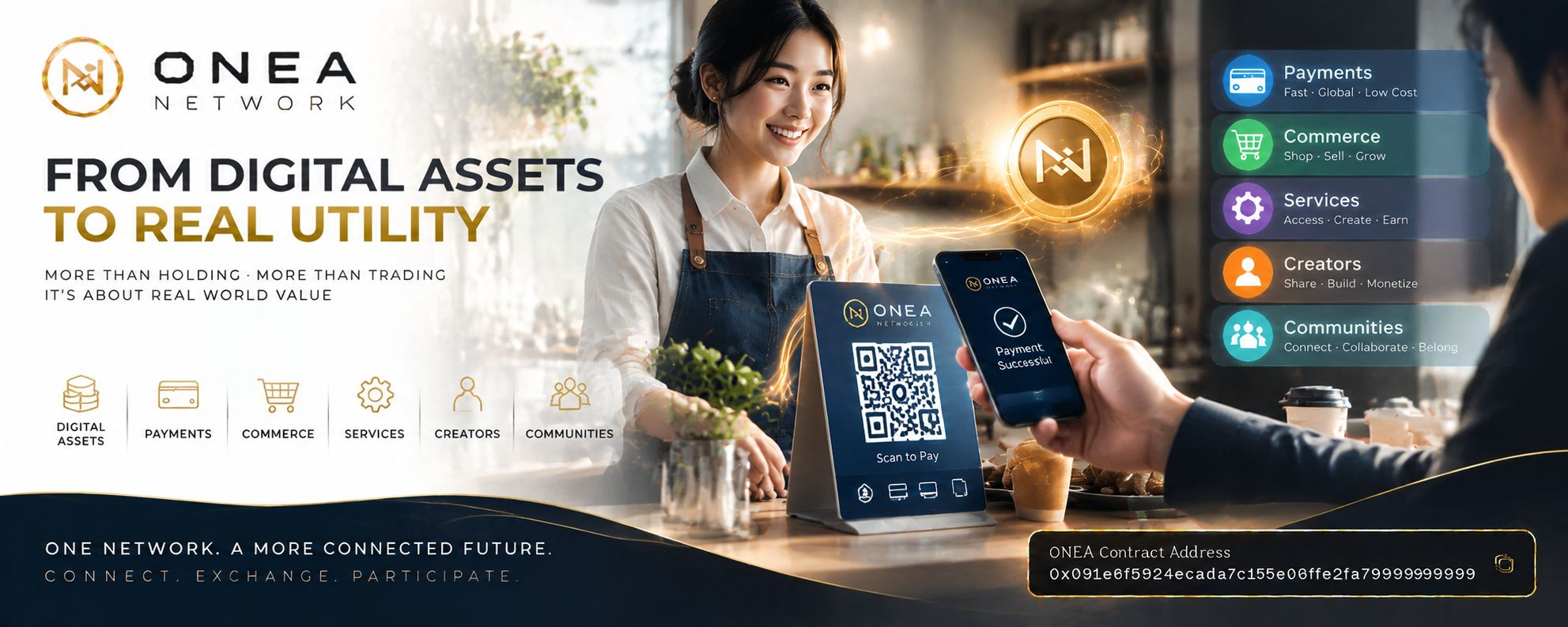
🌐 ONEA NETWORK——数字经济的下一步,不只是数字化,而是互联。
数字经济已经创造了无数新的方式,让人们能够工作、购物、交流和交换价值。
但许多数字服务仍然运行在彼此独立的环境中。
用户可能在一个平台发现商品,通过另一个平台完成支付,在其他地方管理数字资产,再回到不同的应用使用后续服务。
每一种工具单独来看都可能很好用,但组合起来,整个体验却可能变得割裂。
🔗 真正的机会,在于连接。
如果不同数字服务能够更加自然地协同,会发生什么?
如果用户能够减少不必要的操作,更顺畅地切换不同的数字体验,又会带来什么变化?
如果企业和创作者能够围绕更加互联的数字环境建设服务,是否也能探索出更多可能?
这些方向不仅需要优秀的界面设计,更需要系统兼容性、可靠的基础设施、安全保障和真实的用户需求。
🚀 ONEA NETWORK 的探索方向
ONEA Network 正在探索连接数字资产、支付、商业、服务与社区的长期生态愿景。
目标是研究这些元素如何更好地协同,让数字经济的参与更加便捷、实用。
这是一项需要持续建设的长期方向,并不意味着所有连接目前都已经实现。
🌍 数字创新的下一阶段,也许不在于再增加一个彼此孤立的平台。
而在于让已有的和新兴的服务能够更好地协同。
减少割裂,建立有意义的连接,让数字技术拥有更多实际应用的可能。
#ONEA #ONEANetwork #Web3 #Interoperability
🌐 ONEA NETWORK——数字经济的下一步,不只是数字化,而是互联。
数字经济已经创造了无数新的方式,让人们能够工作、购物、交流和交换价值。
但许多数字服务仍然运行在彼此独立的环境中。
用户可能在一个平台发现商品,通过另一个平台完成支付,在其他地方管理数字资产,再回到不同的应用使用后续服务。
每一种工具单独来看都可能很好用,但组合起来,整个体验却可能变得割裂。
🔗 真正的机会,在于连接。
如果不同数字服务能够更加自然地协同,会发生什么?
如果用户能够减少不必要的操作,更顺畅地切换不同的数字体验,又会带来什么变化?
如果企业和创作者能够围绕更加互联的数字环境建设服务,是否也能探索出更多可能?
这些方向不仅需要优秀的界面设计,更需要系统兼容性、可靠的基础设施、安全保障和真实的用户需求。
🚀 ONEA NETWORK 的探索方向
ONEA Network 正在探索连接数字资产、支付、商业、服务与社区的长期生态愿景。
目标是研究这些元素如何更好地协同,让数字经济的参与更加便捷、实用。
这是一项需要持续建设的长期方向,并不意味着所有连接目前都已经实现。
🌍 数字创新的下一阶段,也许不在于再增加一个彼此孤立的平台。
而在于让已有的和新兴的服务能够更好地协同。
减少割裂,建立有意义的连接,让数字技术拥有更多实际应用的可能。
#ONEA #ONEANetwork #Web3 #Interoperability
数字经济已经创造了无数新的方式,让人们能够工作、购物、交流和交换价值。
但许多数字服务仍然运行在彼此独立的环境中。
用户可能在一个平台发现商品,通过另一个平台完成支付,在其他地方管理数字资产,再回到不同的应用使用后续服务。
每一种工具单独来看都可能很好用,但组合起来,整个体验却可能变得割裂。
🔗 真正的机会,在于连接。
如果不同数字服务能够更加自然地协同,会发生什么?
如果用户能够减少不必要的操作,更顺畅地切换不同的数字体验,又会带来什么变化?
如果企业和创作者能够围绕更加互联的数字环境建设服务,是否也能探索出更多可能?
这些方向不仅需要优秀的界面设计,更需要系统兼容性、可靠的基础设施、安全保障和真实的用户需求。
🚀 ONEA NETWORK 的探索方向
ONEA Network 正在探索连接数字资产、支付、商业、服务与社区的长期生态愿景。
目标是研究这些元素如何更好地协同,让数字经济的参与更加便捷、实用。
这是一项需要持续建设的长期方向,并不意味着所有连接目前都已经实现。
🌍 数字创新的下一阶段,也许不在于再增加一个彼此孤立的平台。
而在于让已有的和新兴的服务能够更好地协同。
减少割裂,建立有意义的连接,让数字技术拥有更多实际应用的可能。
#ONEA #ONEANetwork #Web3 #Interoperability
64
·
--
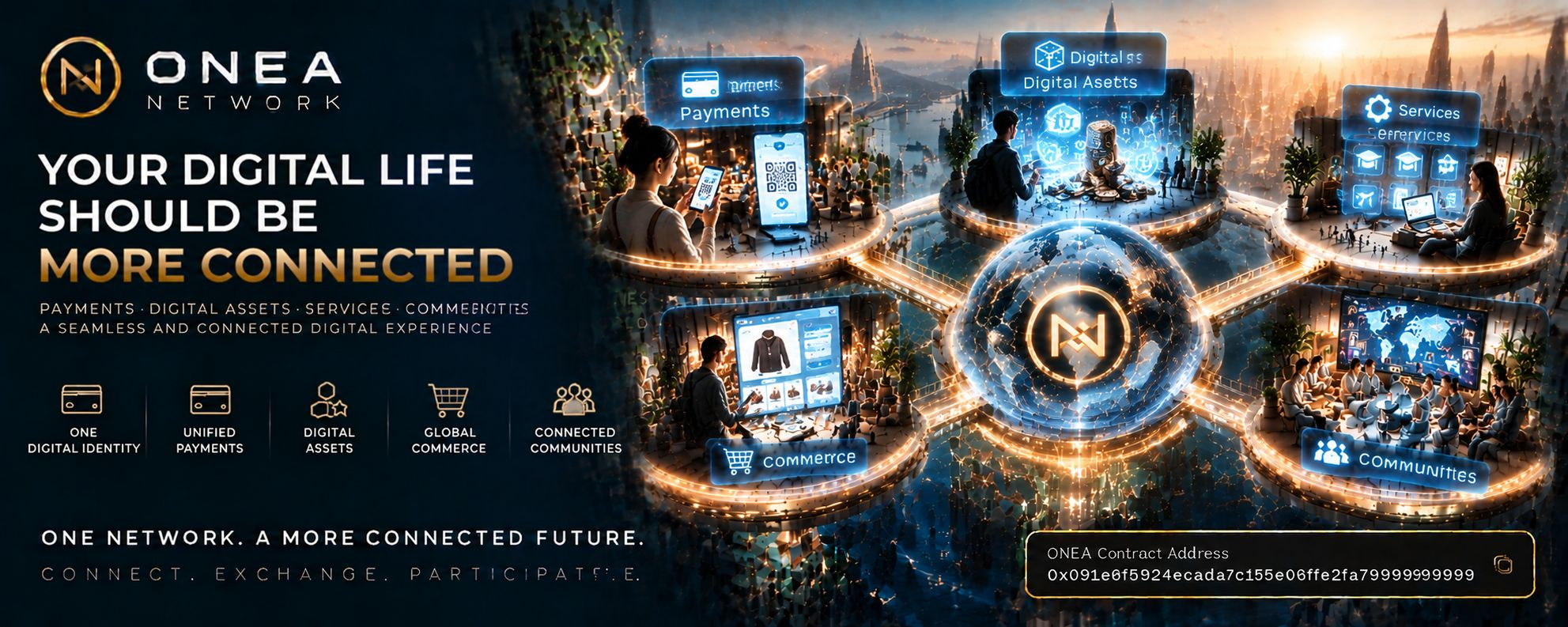
🌐 ONEA NETWORK——连接只是开始。
数字经济正在不断发展,但让不同系统建立连接,只是挑战的一部分。
真正值得思考的是,这些系统能否有效协同。
支付服务可以连接用户与商家,数字平台可以连接创作者与受众,社区可以让拥有共同兴趣的人聚集在一起。
但如果这些体验始终彼此孤立,用户依然可能面临不必要的操作和障碍。
🔗 为什么互操作性很重要?
互操作性,简单来说,就是让不同系统能够更有效地协同工作。
它有机会改善数字体验、减少不必要的壁垒,并为不同服务之间的互动创造更多可能。
实现这一点,需要合理的设计、安全保障、可靠的基础设施和清晰的标准。只有连接,却无法兼容,仍然可能让用户面对复杂的流程。
🚀 ONEA NETWORK 的愿景
ONEA Network 正在探索一个更加互联的数字生态,涉及支付、数字资产、商业、服务与社区。
长期机会在于让这些元素能够更加自然地协同,为更便捷的数字体验提供基础。
这是一个需要持续探索和建设的方向,而不是自动实现的结果。真正的进展仍然依赖实际应用和持续执行。
🌍 数字技术的下一阶段,也许不在于创造更多彼此孤立的系统。
而在于让现有系统与新兴系统能够更好地协同。
有目的地连接,为兼容而建设,让技术创造实际价值。
ONEA NETWORK——连接更加互联的未来。
#ONEA #ONEANetwork #Web3 #Interoperability
🌐 ONEA NETWORK——连接只是开始。
数字经济正在不断发展,但让不同系统建立连接,只是挑战的一部分。
真正值得思考的是,这些系统能否有效协同。
支付服务可以连接用户与商家,数字平台可以连接创作者与受众,社区可以让拥有共同兴趣的人聚集在一起。
但如果这些体验始终彼此孤立,用户依然可能面临不必要的操作和障碍。
🔗 为什么互操作性很重要?
互操作性,简单来说,就是让不同系统能够更有效地协同工作。
它有机会改善数字体验、减少不必要的壁垒,并为不同服务之间的互动创造更多可能。
实现这一点,需要合理的设计、安全保障、可靠的基础设施和清晰的标准。只有连接,却无法兼容,仍然可能让用户面对复杂的流程。
🚀 ONEA NETWORK 的愿景
ONEA Network 正在探索一个更加互联的数字生态,涉及支付、数字资产、商业、服务与社区。
长期机会在于让这些元素能够更加自然地协同,为更便捷的数字体验提供基础。
这是一个需要持续探索和建设的方向,而不是自动实现的结果。真正的进展仍然依赖实际应用和持续执行。
🌍 数字技术的下一阶段,也许不在于创造更多彼此孤立的系统。
而在于让现有系统与新兴系统能够更好地协同。
有目的地连接,为兼容而建设,让技术创造实际价值。
ONEA NETWORK——连接更加互联的未来。
#ONEA #ONEANetwork #Web3 #Interoperability
数字经济正在不断发展,但让不同系统建立连接,只是挑战的一部分。
真正值得思考的是,这些系统能否有效协同。
支付服务可以连接用户与商家,数字平台可以连接创作者与受众,社区可以让拥有共同兴趣的人聚集在一起。
但如果这些体验始终彼此孤立,用户依然可能面临不必要的操作和障碍。
🔗 为什么互操作性很重要?
互操作性,简单来说,就是让不同系统能够更有效地协同工作。
它有机会改善数字体验、减少不必要的壁垒,并为不同服务之间的互动创造更多可能。
实现这一点,需要合理的设计、安全保障、可靠的基础设施和清晰的标准。只有连接,却无法兼容,仍然可能让用户面对复杂的流程。
🚀 ONEA NETWORK 的愿景
ONEA Network 正在探索一个更加互联的数字生态,涉及支付、数字资产、商业、服务与社区。
长期机会在于让这些元素能够更加自然地协同,为更便捷的数字体验提供基础。
这是一个需要持续探索和建设的方向,而不是自动实现的结果。真正的进展仍然依赖实际应用和持续执行。
🌍 数字技术的下一阶段,也许不在于创造更多彼此孤立的系统。
而在于让现有系统与新兴系统能够更好地协同。
有目的地连接,为兼容而建设,让技术创造实际价值。
ONEA NETWORK——连接更加互联的未来。
#ONEA #ONEANetwork #Web3 #Interoperability
7

·
--
看涨
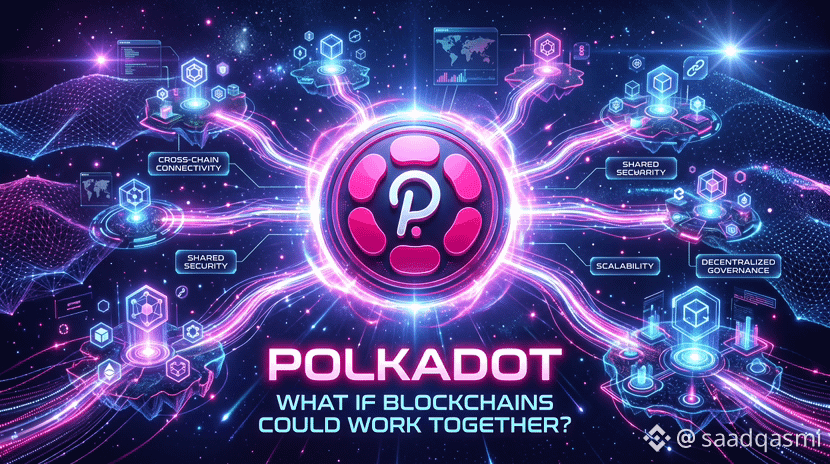
$DOT 🌐 波卡:如果区块链能够协同运作,会怎样?🔗
Web3 的未来不只是构建更多区块链,更在于将它们连接起来。🚀
认识一下波卡($DOT)——一个旨在帮助不同网络相互通信、共享资源,并共同构建连接更加紧密的去中心化互联网的区块链生态系统。
🔥 波卡的突出优势:
🔗 跨链互联:让不同区块链能够交换信息并进行交互。
🛡️ 共享安全:接入的网络可以受益于波卡的共享安全基础设施。
⚡ 可扩展性:其架构允许专用链并行运行。
🗳️ 去中心化治理:DOT 持有者可以参与塑造网络未来的决策。
💡 更宏大的愿景:想象一个互联互通的数字世界,不再是彼此孤立的区块链孤岛,而是让应用和网络能够无缝协作。
这就是波卡努力实现的愿景——而互操作性可能在 Web3 的下一个篇章中发挥重要作用。
📢 一起来讨论!
你认为跨链互操作性会成为加密领域的未来吗?还是少数主导性区块链将掌控市场?
👇 在评论区分享你的想法!
#Polkadot #dot #Web3 #defi #interoperability
🔗 探索官方网站:https://polkadot.com
仅供教育用途,不构成财务建议。投资前请务必自行研究(DYOR)。
{spot}(DOTUSDT)
$DOT 🌐 波卡:如果区块链能够协同运作,会怎样?🔗
Web3 的未来不只是构建更多区块链,更在于将它们连接起来。🚀
认识一下波卡($DOT )——一个旨在帮助不同网络相互通信、共享资源,并共同构建连接更加紧密的去中心化互联网的区块链生态系统。
🔥 波卡的突出优势:
🔗 跨链互联:让不同区块链能够交换信息并进行交互。
🛡️ 共享安全:接入的网络可以受益于波卡的共享安全基础设施。
⚡ 可扩展性:其架构允许专用链并行运行。
🗳️ 去中心化治理:DOT 持有者可以参与塑造网络未来的决策。
💡 更宏大的愿景:想象一个互联互通的数字世界,不再是彼此孤立的区块链孤岛,而是让应用和网络能够无缝协作。
这就是波卡努力实现的愿景——而互操作性可能在 Web3 的下一个篇章中发挥重要作用。
📢 一起来讨论!
你认为跨链互操作性会成为加密领域的未来吗?还是少数主导性区块链将掌控市场?
👇 在评论区分享你的想法!
#Polkadot #dot #Web3 #defi #interoperability
🔗 探索官方网站:https://polkadot.com
仅供教育用途,不构成财务建议。投资前请务必自行研究(DYOR)。
Web3 的未来不只是构建更多区块链,更在于将它们连接起来。🚀
认识一下波卡($DOT )——一个旨在帮助不同网络相互通信、共享资源,并共同构建连接更加紧密的去中心化互联网的区块链生态系统。
🔥 波卡的突出优势:
🔗 跨链互联:让不同区块链能够交换信息并进行交互。
🛡️ 共享安全:接入的网络可以受益于波卡的共享安全基础设施。
⚡ 可扩展性:其架构允许专用链并行运行。
🗳️ 去中心化治理:DOT 持有者可以参与塑造网络未来的决策。
💡 更宏大的愿景:想象一个互联互通的数字世界,不再是彼此孤立的区块链孤岛,而是让应用和网络能够无缝协作。
这就是波卡努力实现的愿景——而互操作性可能在 Web3 的下一个篇章中发挥重要作用。
📢 一起来讨论!
你认为跨链互操作性会成为加密领域的未来吗?还是少数主导性区块链将掌控市场?
👇 在评论区分享你的想法!
#Polkadot #dot #Web3 #defi #interoperability
🔗 探索官方网站:https://polkadot.com
仅供教育用途,不构成财务建议。投资前请务必自行研究(DYOR)。
56
·
--
跨链互操作性是人人都在忽视的基础设施层
大多数加密行业叙事都聚焦于各条链争夺主导地位。更值得关注的观点是,互操作协议——连接这些链的基础设施——最终获得的长期价值,可能超过任何单一赢家。
原因如下。如今,流动性、用户和应用彼此孤立。$SOL 上的协议无法原生访问锁定在$ETH上的抵押品。$DOT 上的用户若不通过跨链桥,就无法无缝使用EVM逻辑。这些摩擦不只是用户体验上的不便,更意味着整个生态系统存在根深蒂固的结构性资本低效。
IBC(Cosmos)、Polkadot XCM、LayerZero和Wormhole等互操作层,正从不同方面解决这一问题。IBC负责在主权链之间以最小信任方式传递消息。XCM支持共享安全性以及平行链之间的通信。LayerZero通过超轻节点采取全链互操作方案。Wormhole则连接EVM与非EVM生态系统。
值得关注的架构问题是:互操作性会带来复利效应,还是导致碎片化?随着网络不断扩张,与IBC深度连接或集成LayerZero的链会变得更有价值——这正是经典的梅特卡夫定律效应。但每座跨链桥也都是一个攻击面,而跨链安全漏洞已造成加密行业历史上规模最大的一些黑客攻击事件。
这一领域的长期赢家,将是那些能够妥善解决安全性与可组合性之间权衡的协议。为了维护纯粹性而抗拒互操作性的链,可能会发现自己遭到孤立。谨慎拥抱互操作性的链,则可能承接整个生态系统的网络效应。
互操作性不是一项功能,而是根基。
$ETH $DOT $SOL
#Interoperability #CrossChain #DeFi #Blockchain #CryptoInfrastructure
跨链互操作性是人人都在忽视的基础设施层
大多数加密行业叙事都聚焦于各条链争夺主导地位。更值得关注的观点是,互操作协议——连接这些链的基础设施——最终获得的长期价值,可能超过任何单一赢家。
原因如下。如今,流动性、用户和应用彼此孤立。$SOL 上的协议无法原生访问锁定在$ETH 上的抵押品。$DOT 上的用户若不通过跨链桥,就无法无缝使用EVM逻辑。这些摩擦不只是用户体验上的不便,更意味着整个生态系统存在根深蒂固的结构性资本低效。
IBC(Cosmos)、Polkadot XCM、LayerZero和Wormhole等互操作层,正从不同方面解决这一问题。IBC负责在主权链之间以最小信任方式传递消息。XCM支持共享安全性以及平行链之间的通信。LayerZero通过超轻节点采取全链互操作方案。Wormhole则连接EVM与非EVM生态系统。
值得关注的架构问题是:互操作性会带来复利效应,还是导致碎片化?随着网络不断扩张,与IBC深度连接或集成LayerZero的链会变得更有价值——这正是经典的梅特卡夫定律效应。但每座跨链桥也都是一个攻击面,而跨链安全漏洞已造成加密行业历史上规模最大的一些黑客攻击事件。
这一领域的长期赢家,将是那些能够妥善解决安全性与可组合性之间权衡的协议。为了维护纯粹性而抗拒互操作性的链,可能会发现自己遭到孤立。谨慎拥抱互操作性的链,则可能承接整个生态系统的网络效应。
互操作性不是一项功能,而是根基。
$ETH $DOT $SOL
#Interoperability #CrossChain #DeFi #Blockchain #CryptoInfrastructure
大多数加密行业叙事都聚焦于各条链争夺主导地位。更值得关注的观点是,互操作协议——连接这些链的基础设施——最终获得的长期价值,可能超过任何单一赢家。
原因如下。如今,流动性、用户和应用彼此孤立。$SOL 上的协议无法原生访问锁定在$ETH 上的抵押品。$DOT 上的用户若不通过跨链桥,就无法无缝使用EVM逻辑。这些摩擦不只是用户体验上的不便,更意味着整个生态系统存在根深蒂固的结构性资本低效。
IBC(Cosmos)、Polkadot XCM、LayerZero和Wormhole等互操作层,正从不同方面解决这一问题。IBC负责在主权链之间以最小信任方式传递消息。XCM支持共享安全性以及平行链之间的通信。LayerZero通过超轻节点采取全链互操作方案。Wormhole则连接EVM与非EVM生态系统。
值得关注的架构问题是:互操作性会带来复利效应,还是导致碎片化?随着网络不断扩张,与IBC深度连接或集成LayerZero的链会变得更有价值——这正是经典的梅特卡夫定律效应。但每座跨链桥也都是一个攻击面,而跨链安全漏洞已造成加密行业历史上规模最大的一些黑客攻击事件。
这一领域的长期赢家,将是那些能够妥善解决安全性与可组合性之间权衡的协议。为了维护纯粹性而抗拒互操作性的链,可能会发现自己遭到孤立。谨慎拥抱互操作性的链,则可能承接整个生态系统的网络效应。
互操作性不是一项功能,而是根基。
$ETH $DOT $SOL
#Interoperability #CrossChain #DeFi #Blockchain #CryptoInfrastructure
81
·
--
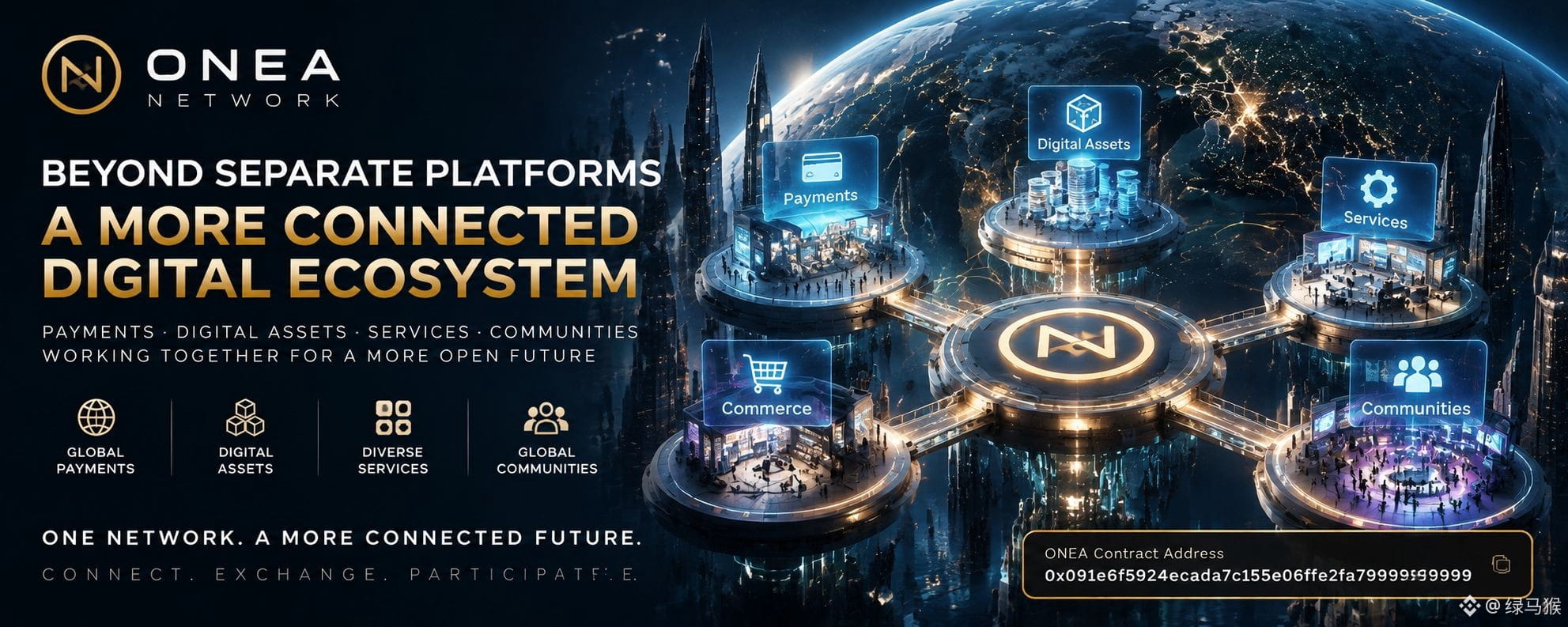
🌐 未来需要的不是更多平台,而是更好的连接。
想一想,我们每天究竟要使用多少数字平台?
一个用于支付。
一个用于购物。
一个用于沟通。
一个用于数字资产。
还有一些用于不同的服务和社区。
每个平台都在解决问题,但当我们需要在不同平台之间切换时,整个体验依然可能很复杂。
未来数字技术的下一阶段,也许不只是创造更多独立应用,而是让人们已经在使用的数字服务能够更好地连接。
🔗 为什么互操作性如此重要?
真正互联的数字经济,需要的不只是一个个独立工具。
更重要的是让不同服务能够更加自然地协同。
用户希望体验更简单。
企业希望触达更多客户。
创作者希望服务全球受众。
社区希望连接不同国家和地区的人。
当数字系统彼此孤立时,很多潜在的互动机会也可能因此受到限制。
🌍 从割裂走向连接
想象一下,数字服务能够更加方便地使用,支付可以更加自然地融入不同场景,数字资产也能够参与更加丰富的日常活动。
实现这样的未来,需要可靠的基础设施、合理的设计、安全保障以及真正有价值的应用场景。这不会一夜之间实现。
但这个方向值得持续探索。
🚀 ONEA NETWORK 的愿景
ONEA Network 正在探索一个更加互联的数字生态,让支付、数字资产、服务与社区能够以更低的摩擦实现连接。
目标并不只是给已经拥挤的数字世界再增加一个平台。
而是探索如何让数字体验变得更加互联、便捷和实用。
互联网的下一次进化,也许不取决于我们创造了多少个平台。
而取决于这些平台能够多好地连接在一起。
🌐 减少割裂,创造连接。
#ONEA #ONEANetwork #Web3 #Interoperability
🌐 未来需要的不是更多平台,而是更好的连接。
想一想,我们每天究竟要使用多少数字平台?
一个用于支付。
一个用于购物。
一个用于沟通。
一个用于数字资产。
还有一些用于不同的服务和社区。
每个平台都在解决问题,但当我们需要在不同平台之间切换时,整个体验依然可能很复杂。
未来数字技术的下一阶段,也许不只是创造更多独立应用,而是让人们已经在使用的数字服务能够更好地连接。
🔗 为什么互操作性如此重要?
真正互联的数字经济,需要的不只是一个个独立工具。
更重要的是让不同服务能够更加自然地协同。
用户希望体验更简单。
企业希望触达更多客户。
创作者希望服务全球受众。
社区希望连接不同国家和地区的人。
当数字系统彼此孤立时,很多潜在的互动机会也可能因此受到限制。
🌍 从割裂走向连接
想象一下,数字服务能够更加方便地使用,支付可以更加自然地融入不同场景,数字资产也能够参与更加丰富的日常活动。
实现这样的未来,需要可靠的基础设施、合理的设计、安全保障以及真正有价值的应用场景。这不会一夜之间实现。
但这个方向值得持续探索。
🚀 ONEA NETWORK 的愿景
ONEA Network 正在探索一个更加互联的数字生态,让支付、数字资产、服务与社区能够以更低的摩擦实现连接。
目标并不只是给已经拥挤的数字世界再增加一个平台。
而是探索如何让数字体验变得更加互联、便捷和实用。
互联网的下一次进化,也许不取决于我们创造了多少个平台。
而取决于这些平台能够多好地连接在一起。
🌐 减少割裂,创造连接。
#ONEA #ONEANetwork #Web3 #Interoperability
想一想,我们每天究竟要使用多少数字平台?
一个用于支付。
一个用于购物。
一个用于沟通。
一个用于数字资产。
还有一些用于不同的服务和社区。
每个平台都在解决问题,但当我们需要在不同平台之间切换时,整个体验依然可能很复杂。
未来数字技术的下一阶段,也许不只是创造更多独立应用,而是让人们已经在使用的数字服务能够更好地连接。
🔗 为什么互操作性如此重要?
真正互联的数字经济,需要的不只是一个个独立工具。
更重要的是让不同服务能够更加自然地协同。
用户希望体验更简单。
企业希望触达更多客户。
创作者希望服务全球受众。
社区希望连接不同国家和地区的人。
当数字系统彼此孤立时,很多潜在的互动机会也可能因此受到限制。
🌍 从割裂走向连接
想象一下,数字服务能够更加方便地使用,支付可以更加自然地融入不同场景,数字资产也能够参与更加丰富的日常活动。
实现这样的未来,需要可靠的基础设施、合理的设计、安全保障以及真正有价值的应用场景。这不会一夜之间实现。
但这个方向值得持续探索。
🚀 ONEA NETWORK 的愿景
ONEA Network 正在探索一个更加互联的数字生态,让支付、数字资产、服务与社区能够以更低的摩擦实现连接。
目标并不只是给已经拥挤的数字世界再增加一个平台。
而是探索如何让数字体验变得更加互联、便捷和实用。
互联网的下一次进化,也许不取决于我们创造了多少个平台。
而取决于这些平台能够多好地连接在一起。
🌐 减少割裂,创造连接。
#ONEA #ONEANetwork #Web3 #Interoperability
1
1
48
·
--
跨链互操作性正成为当下加密领域最重要、却最被低估的基础设施投资方向之一。
多年来,区块链一直像彼此隔绝的孤岛。用户不得不手动跨链转移资产、承担托管风险,并在每次跨生态转移价值时支付摩擦成本。这种模式正在迅速瓦解。
跨链通信(IBC)协议证明了最小化信任的跨链消息传递并非空想。基于 Cosmos 的链如今能够在主权网络之间转移数十亿美元的价值,无需中心化桥接。安全性随数据一同传递,而不是外包给由单一托管方控制的封装代币合约。
以太坊也正在迎头赶上。跨链意图标准和全链消息传递正在为这样一个世界奠定基础:终端用户只需说明自己想做什么,而不必指定使用哪条链。执行层会在后台处理路由。
$DOT 通过共享安全模型更进一步:平行链继承中继链的经济安全性,因此新链无需从零开始。$AVAX 子网则提供完全自主权,允许自定义验证者集合,并拥有各自的费用市场。
$BNB 链将 BNB Smart Chain、opBNB 和 Greenfield 连接成一个分层生态系统——计算、存储和结算共享同一地址空间。
能够长期胜出的网络,不会只追求速度或低成本。它们还将在各大生态之间实现原生可组合。开发者只需部署一次,就能触达所有生态。
互操作性不是一项功能,而是护城河。
#Interoperability #CrossChain #IBC #DeFi #CryptoInfrastructure
跨链互操作性正成为当下加密领域最重要、却最被低估的基础设施投资方向之一。
多年来,区块链一直像彼此隔绝的孤岛。用户不得不手动跨链转移资产、承担托管风险,并在每次跨生态转移价值时支付摩擦成本。这种模式正在迅速瓦解。
跨链通信(IBC)协议证明了最小化信任的跨链消息传递并非空想。基于 Cosmos 的链如今能够在主权网络之间转移数十亿美元的价值,无需中心化桥接。安全性随数据一同传递,而不是外包给由单一托管方控制的封装代币合约。
以太坊也正在迎头赶上。跨链意图标准和全链消息传递正在为这样一个世界奠定基础:终端用户只需说明自己想做什么,而不必指定使用哪条链。执行层会在后台处理路由。
$DOT 通过共享安全模型更进一步:平行链继承中继链的经济安全性,因此新链无需从零开始。$AVAX 子网则提供完全自主权,允许自定义验证者集合,并拥有各自的费用市场。
$BNB 链将 BNB Smart Chain、opBNB 和 Greenfield 连接成一个分层生态系统——计算、存储和结算共享同一地址空间。
能够长期胜出的网络,不会只追求速度或低成本。它们还将在各大生态之间实现原生可组合。开发者只需部署一次,就能触达所有生态。
互操作性不是一项功能,而是护城河。
#Interoperability #CrossChain #IBC #DeFi #CryptoInfrastructure
多年来,区块链一直像彼此隔绝的孤岛。用户不得不手动跨链转移资产、承担托管风险,并在每次跨生态转移价值时支付摩擦成本。这种模式正在迅速瓦解。
跨链通信(IBC)协议证明了最小化信任的跨链消息传递并非空想。基于 Cosmos 的链如今能够在主权网络之间转移数十亿美元的价值,无需中心化桥接。安全性随数据一同传递,而不是外包给由单一托管方控制的封装代币合约。
以太坊也正在迎头赶上。跨链意图标准和全链消息传递正在为这样一个世界奠定基础:终端用户只需说明自己想做什么,而不必指定使用哪条链。执行层会在后台处理路由。
$DOT 通过共享安全模型更进一步:平行链继承中继链的经济安全性,因此新链无需从零开始。$AVAX 子网则提供完全自主权,允许自定义验证者集合,并拥有各自的费用市场。
$BNB 链将 BNB Smart Chain、opBNB 和 Greenfield 连接成一个分层生态系统——计算、存储和结算共享同一地址空间。
能够长期胜出的网络,不会只追求速度或低成本。它们还将在各大生态之间实现原生可组合。开发者只需部署一次,就能触达所有生态。
互操作性不是一项功能,而是护城河。
#Interoperability #CrossChain #IBC #DeFi #CryptoInfrastructure
142


文章
🚨 仍有很多人不明白 $QNT 真正要解决什么问题。他们听到“互操作性”这个词,就止步于此。
这理解得太浅了。
$QNT 旨在帮助连接并协调由以下部分组成的金融世界:
🏦 银行
🌍 政府
💳 支付网络
🪙 稳定币
📜 代币化资产
🏛️ 央行数字货币(CBDC)
🔗 公有链
🔒 私有账本
⚡ 传统基础设施
🌐 跨境支付通道
但更深层的问题是:
当系统中的某个部分彻底瘫痪时,会发生什么?👀
当支付通道发生故障时。
当网络断开连接时。
当某个司法管辖区与外界隔绝时。
当基础设施运行变慢时。
🚨 仍有很多人不明白 $QNT 真正要解决什么问题。
他们听到“互操作性”这个词,就止步于此。
这理解得太浅了。
$QNT 旨在帮助连接并协调由以下部分组成的金融世界:
🏦 银行
🌍 政府
💳 支付网络
🪙 稳定币
📜 代币化资产
🏛️ 央行数字货币(CBDC)
🔗 公有链
🔒 私有账本
⚡ 传统基础设施
🌐 跨境支付通道
但更深层的问题是:
当系统中的某个部分彻底瘫痪时,会发生什么?👀
当支付通道发生故障时。
当网络断开连接时。
当某个司法管辖区与外界隔绝时。
当基础设施运行变慢时。
这理解得太浅了。
$QNT 旨在帮助连接并协调由以下部分组成的金融世界:
🏦 银行
🌍 政府
💳 支付网络
🪙 稳定币
📜 代币化资产
🏛️ 央行数字货币(CBDC)
🔗 公有链
🔒 私有账本
⚡ 传统基础设施
🌐 跨境支付通道
但更深层的问题是:
当系统中的某个部分彻底瘫痪时,会发生什么?👀
当支付通道发生故障时。
当网络断开连接时。
当某个司法管辖区与外界隔绝时。
当基础设施运行变慢时。
1
162
·
--
跨链互操作性已经超越了桥接叙事。如今真正构建的是流动性统一,这将彻底改变加密领域资本的流动方式。
最初的桥接模式很简单:在链 A 上锁定资产,在链 B 上铸造合成资产。它确实奏效了,但也催生了数十亿美元可被利用的 TVL,并将流动性割裂成彼此孤立的孤岛。一个链原生协议无法顺畅地调用另一条链上的流动性。一个子网也无法与 Cosmos 应用链组合协作,而不经过多次跳转、承担多重信任假设。
基于意图的架构正以不同方式解决这个问题。求解器不再通过桥接合约路由资产,而是利用自身库存竞相满足用户期望的结果,然后以异步方式完成跨链结算。用户获得近乎原子化的执行体验;桥接风险则由专业流动性提供者承担,而非经验不足的用户。
$DOT XCM 和 Cosmos 生态中的 IBC 更进一步:它们将跨链消息传递视为一等原语,直接嵌入共识层,而不是事后附加在其上。这对大规模可组合性至关重要。
其宏观影响是:当流动性实现统一后,TVL 指标的重要性将不如每单位执行的流动性深度。无论资产最初存放在哪条链上,在求解器激励机制设计和最终确定速度方面胜出的网络,都将获得不成比例的订单流。
互操作性不是一项功能,而是加密领域一直缺失的基础设施层。
$ETH $SOL $DOT
#Interoperability #CrossChain #DeFi #CryptoInfrastructure #Web3
跨链互操作性已经超越了桥接叙事。如今真正构建的是流动性统一,这将彻底改变加密领域资本的流动方式。
最初的桥接模式很简单:在链 A 上锁定资产,在链 B 上铸造合成资产。它确实奏效了,但也催生了数十亿美元可被利用的 TVL,并将流动性割裂成彼此孤立的孤岛。一个链原生协议无法顺畅地调用另一条链上的流动性。一个子网也无法与 Cosmos 应用链组合协作,而不经过多次跳转、承担多重信任假设。
基于意图的架构正以不同方式解决这个问题。求解器不再通过桥接合约路由资产,而是利用自身库存竞相满足用户期望的结果,然后以异步方式完成跨链结算。用户获得近乎原子化的执行体验;桥接风险则由专业流动性提供者承担,而非经验不足的用户。
$DOT XCM 和 Cosmos 生态中的 IBC 更进一步:它们将跨链消息传递视为一等原语,直接嵌入共识层,而不是事后附加在其上。这对大规模可组合性至关重要。
其宏观影响是:当流动性实现统一后,TVL 指标的重要性将不如每单位执行的流动性深度。无论资产最初存放在哪条链上,在求解器激励机制设计和最终确定速度方面胜出的网络,都将获得不成比例的订单流。
互操作性不是一项功能,而是加密领域一直缺失的基础设施层。
$ETH $SOL $DOT
#Interoperability #CrossChain #DeFi #CryptoInfrastructure #Web3
最初的桥接模式很简单:在链 A 上锁定资产,在链 B 上铸造合成资产。它确实奏效了,但也催生了数十亿美元可被利用的 TVL,并将流动性割裂成彼此孤立的孤岛。一个链原生协议无法顺畅地调用另一条链上的流动性。一个子网也无法与 Cosmos 应用链组合协作,而不经过多次跳转、承担多重信任假设。
基于意图的架构正以不同方式解决这个问题。求解器不再通过桥接合约路由资产,而是利用自身库存竞相满足用户期望的结果,然后以异步方式完成跨链结算。用户获得近乎原子化的执行体验;桥接风险则由专业流动性提供者承担,而非经验不足的用户。
$DOT XCM 和 Cosmos 生态中的 IBC 更进一步:它们将跨链消息传递视为一等原语,直接嵌入共识层,而不是事后附加在其上。这对大规模可组合性至关重要。
其宏观影响是:当流动性实现统一后,TVL 指标的重要性将不如每单位执行的流动性深度。无论资产最初存放在哪条链上,在求解器激励机制设计和最终确定速度方面胜出的网络,都将获得不成比例的订单流。
互操作性不是一项功能,而是加密领域一直缺失的基础设施层。
$ETH $SOL $DOT
#Interoperability #CrossChain #DeFi #CryptoInfrastructure #Web3
186

稳定币需要的不只是低成本交易,还需要流通的途径。
Wanchain 将 #Plasma 连接到 12 多条链,让 $XPL 生态不再局限于单一网络,拓展其触达范围。
用户可以通过跨链桥接入,并在 180 多个国家和地区使用稳定币。
这就是 #interoperability 的重要意义。区块链基础设施的真正价值,在于连接网络、资产与人。🌍
稳定币需要的不只是低成本交易,还需要流通的途径。
Wanchain 将 #Plasma 连接到 12 多条链,让 $XPL 生态不再局限于单一网络,拓展其触达范围。
用户可以通过跨链桥接入,并在 180 多个国家和地区使用稳定币。
这就是 #interoperability 的重要意义。区块链基础设施的真正价值,在于连接网络、资产与人。🌍
Wanchain 将 #Plasma 连接到 12 多条链,让 $XPL 生态不再局限于单一网络,拓展其触达范围。
用户可以通过跨链桥接入,并在 180 多个国家和地区使用稳定币。
这就是 #interoperability 的重要意义。区块链基础设施的真正价值,在于连接网络、资产与人。🌍
387
·
--
跨链互操作性:没人谈论的基础设施层
每轮牛市,讨论的焦点都是哪个 L1 会“胜出”。但当下正在建设、最经久耐用的基础设施,并不是在与各条链竞争——而是在将它们连接起来。
互操作协议正悄然成为加密世界的连接组织。IBC 已在 100 多条 Cosmos 链上处理了数亿笔交易。Wormhole 和 LayerZero 每周桥接数十亿美元资产,让用户只需几分钟——而非几天——就能将流动性从 $AVAX 个子网转移到以太坊 Rollup,再转到 BNB Chain。
这里有个常被低估的趋势:随着多链世界日渐成熟,价值不会汇聚到某一条链上,而是不断流动。掌控这种流动的协议,能从每一笔流转的资金中收取费用——悄然积累的收入甚至可与部分区块链本身相媲美。
$DOT 的架构从第一天起就是围绕这一理念设计的。平行链之间可以原生通信。但更广泛的市场也正在迎头赶上——如今,每个主流 L1 都已将跨链桥或跨链消息层作为标配推出。
宏观层面的信号是什么?当跨链交易量的增长速度超过任何单一链的交易量时,这就表明生态系统正在走向成熟,超越部落主义。从历史经验来看,这是基础设施层资产进入周期后期积累阶段的信号。
拥有轨道,比挑选列车更重要。
#Interoperability #CrossChain #DeFi #Web3Infrastructure #CryptoAlpha
跨链互操作性:没人谈论的基础设施层
每轮牛市,讨论的焦点都是哪个 L1 会“胜出”。但当下正在建设、最经久耐用的基础设施,并不是在与各条链竞争——而是在将它们连接起来。
互操作协议正悄然成为加密世界的连接组织。IBC 已在 100 多条 Cosmos 链上处理了数亿笔交易。Wormhole 和 LayerZero 每周桥接数十亿美元资产,让用户只需几分钟——而非几天——就能将流动性从 $AVAX 个子网转移到以太坊 Rollup,再转到 BNB Chain。
这里有个常被低估的趋势:随着多链世界日渐成熟,价值不会汇聚到某一条链上,而是不断流动。掌控这种流动的协议,能从每一笔流转的资金中收取费用——悄然积累的收入甚至可与部分区块链本身相媲美。
$DOT 的架构从第一天起就是围绕这一理念设计的。平行链之间可以原生通信。但更广泛的市场也正在迎头赶上——如今,每个主流 L1 都已将跨链桥或跨链消息层作为标配推出。
宏观层面的信号是什么?当跨链交易量的增长速度超过任何单一链的交易量时,这就表明生态系统正在走向成熟,超越部落主义。从历史经验来看,这是基础设施层资产进入周期后期积累阶段的信号。
拥有轨道,比挑选列车更重要。
#Interoperability #CrossChain #DeFi #Web3Infrastructure #CryptoAlpha
每轮牛市,讨论的焦点都是哪个 L1 会“胜出”。但当下正在建设、最经久耐用的基础设施,并不是在与各条链竞争——而是在将它们连接起来。
互操作协议正悄然成为加密世界的连接组织。IBC 已在 100 多条 Cosmos 链上处理了数亿笔交易。Wormhole 和 LayerZero 每周桥接数十亿美元资产,让用户只需几分钟——而非几天——就能将流动性从 $AVAX 个子网转移到以太坊 Rollup,再转到 BNB Chain。
这里有个常被低估的趋势:随着多链世界日渐成熟,价值不会汇聚到某一条链上,而是不断流动。掌控这种流动的协议,能从每一笔流转的资金中收取费用——悄然积累的收入甚至可与部分区块链本身相媲美。
$DOT 的架构从第一天起就是围绕这一理念设计的。平行链之间可以原生通信。但更广泛的市场也正在迎头赶上——如今,每个主流 L1 都已将跨链桥或跨链消息层作为标配推出。
宏观层面的信号是什么?当跨链交易量的增长速度超过任何单一链的交易量时,这就表明生态系统正在走向成熟,超越部落主义。从历史经验来看,这是基础设施层资产进入周期后期积累阶段的信号。
拥有轨道,比挑选列车更重要。
#Interoperability #CrossChain #DeFi #Web3Infrastructure #CryptoAlpha
189

连接不同网络仍是加密行业面临的一项重要挑战。与互操作性相关的资产可能波动较大,因此请关注流动性和市场结构。
$QNT
Quant 专注于为企业和区块链系统提供互操作性解决方案。请留意成交量是否显著扩大,以及价格是否确认突破阻力位。
$ZRO
LayerZero 提供跨链消息传输基础设施。请关注生态系统发展和价格走势,留意需求是否回升,同时考虑代币供应相关因素。
$AXL
Axelar 支持区块链网络之间的跨链通信。若成交量放大且持续复苏,可能预示市场情绪改善,但仍需警惕突破失败的风险。
#QNT #ZRO #AXL #Interoperability #CryptoTrading
连接不同网络仍是加密行业面临的一项重要挑战。与互操作性相关的资产可能波动较大,因此请关注流动性和市场结构。
$QNT
Quant 专注于为企业和区块链系统提供互操作性解决方案。请留意成交量是否显著扩大,以及价格是否确认突破阻力位。
$ZRO
LayerZero 提供跨链消息传输基础设施。请关注生态系统发展和价格走势,留意需求是否回升,同时考虑代币供应相关因素。
$AXL
Axelar 支持区块链网络之间的跨链通信。若成交量放大且持续复苏,可能预示市场情绪改善,但仍需警惕突破失败的风险。
#QNT #ZRO #AXL #Interoperability #CryptoTrading
$QNT
Quant 专注于为企业和区块链系统提供互操作性解决方案。请留意成交量是否显著扩大,以及价格是否确认突破阻力位。
$ZRO
LayerZero 提供跨链消息传输基础设施。请关注生态系统发展和价格走势,留意需求是否回升,同时考虑代币供应相关因素。
$AXL
Axelar 支持区块链网络之间的跨链通信。若成交量放大且持续复苏,可能预示市场情绪改善,但仍需警惕突破失败的风险。
#QNT #ZRO #AXL #Interoperability #CryptoTrading
21
·
--
跨链互操作性,是加密领域一直缺失的互联网层
早期互联网也曾各自为营。AOL 用户无法给 CompuServe 用户发邮件。真正的突破并非某个赢家脱颖而出,而是出现了一套共享协议,让所有网络都能彼此通信。如今,加密领域正处于这一转折点。
如今,数十亿美元的价值被锁定在彼此无法原生通信的生态系统中。Polkadot 平行链无法直接与 Avalanche 子网结算。若不依赖包装资产等变通方案并承担桥接风险,BNB Chain 的流动性就无法以无需信任的方式流向以太坊 L2。用户每天都在为此付出代价:操作摩擦、滑点,以及智能合约风险敞口。
真正的互操作性——不是包装代币,也不是中心化桥接——是打通基础设施的关键,它能将彼此孤立的链转变为统一的金融网络。那些构建规范化消息层、共享安全区和最小化信任的跨链状态机制的项目,正在解决加密领域最被低估的基础设施难题。
当原生跨链可组合性走向成熟,每个协议的潜在流动性规模都将倍增。DeFi 应用将不再只针对单条链优化,而是开始汇聚来自所有链的流动性。这将彻底改变竞争格局——赢家不只是最好的链,更是连接最广泛的链。
互操作性不是一项功能,而是整个体系的根基。
$DOT $AVAX $ETH
#Interoperability #CrossChain #DeFi #CryptoInfrastructure #Web3
跨链互操作性,是加密领域一直缺失的互联网层
早期互联网也曾各自为营。AOL 用户无法给 CompuServe 用户发邮件。真正的突破并非某个赢家脱颖而出,而是出现了一套共享协议,让所有网络都能彼此通信。如今,加密领域正处于这一转折点。
如今,数十亿美元的价值被锁定在彼此无法原生通信的生态系统中。Polkadot 平行链无法直接与 Avalanche 子网结算。若不依赖包装资产等变通方案并承担桥接风险,BNB Chain 的流动性就无法以无需信任的方式流向以太坊 L2。用户每天都在为此付出代价:操作摩擦、滑点,以及智能合约风险敞口。
真正的互操作性——不是包装代币,也不是中心化桥接——是打通基础设施的关键,它能将彼此孤立的链转变为统一的金融网络。那些构建规范化消息层、共享安全区和最小化信任的跨链状态机制的项目,正在解决加密领域最被低估的基础设施难题。
当原生跨链可组合性走向成熟,每个协议的潜在流动性规模都将倍增。DeFi 应用将不再只针对单条链优化,而是开始汇聚来自所有链的流动性。这将彻底改变竞争格局——赢家不只是最好的链,更是连接最广泛的链。
互操作性不是一项功能,而是整个体系的根基。
$DOT $AVAX $ETH
#Interoperability #CrossChain #DeFi #CryptoInfrastructure #Web3
早期互联网也曾各自为营。AOL 用户无法给 CompuServe 用户发邮件。真正的突破并非某个赢家脱颖而出,而是出现了一套共享协议,让所有网络都能彼此通信。如今,加密领域正处于这一转折点。
如今,数十亿美元的价值被锁定在彼此无法原生通信的生态系统中。Polkadot 平行链无法直接与 Avalanche 子网结算。若不依赖包装资产等变通方案并承担桥接风险,BNB Chain 的流动性就无法以无需信任的方式流向以太坊 L2。用户每天都在为此付出代价:操作摩擦、滑点,以及智能合约风险敞口。
真正的互操作性——不是包装代币,也不是中心化桥接——是打通基础设施的关键,它能将彼此孤立的链转变为统一的金融网络。那些构建规范化消息层、共享安全区和最小化信任的跨链状态机制的项目,正在解决加密领域最被低估的基础设施难题。
当原生跨链可组合性走向成熟,每个协议的潜在流动性规模都将倍增。DeFi 应用将不再只针对单条链优化,而是开始汇聚来自所有链的流动性。这将彻底改变竞争格局——赢家不只是最好的链,更是连接最广泛的链。
互操作性不是一项功能,而是整个体系的根基。
$DOT $AVAX $ETH
#Interoperability #CrossChain #DeFi #CryptoInfrastructure #Web3
164
·
--
跨链互操作性是加密领域尚未完全解决的基础设施层问题——它或许是本轮周期最重要的瓶颈。
目前,大多数资金和用户都被困在各自孤立的生态中。中继链上的 $DOT 持有者、通过跨链桥接入 DeFi 的 $BNB 持有者,以及在碎片化 L2 生态中摸索的 $ETH 用户——他们面对的信任模型彼此不兼容,流动性池也互不相通。这种摩擦不只是令人不便,还会实实在在地压缩每个协议和每条支付通道的潜在市场规模。
能够妥善解决这一问题的链,长远来看将吸纳最多价值。Polkadot 的 XCM 消息协议,是在中继链层面实现无需信任的跨链通信最成熟的尝试。BNB Chain 的多层架构和 opBNB 正悄然成为高吞吐量的结算枢纽。以太坊则在以 Rollup 为中心的路线图中押注共享排序器,将其作为互操作性的黏合剂。
值得关注的关键指标不是跨链桥 TVL,而是跨链桥安全性。加密历史上规模最大的许多黑客攻击都以跨链桥为目标。能够解决互操作性问题、又不重新引入托管风险的协议,将获得持久的结构性溢价。
互操作性不是一项功能,而是最终目标。
$DOT $BNB $ETH
#Interoperability #CrossChain #DeFi #Web3Infrastructure #加密洞察
跨链互操作性是加密领域尚未完全解决的基础设施层问题——它或许是本轮周期最重要的瓶颈。
目前,大多数资金和用户都被困在各自孤立的生态中。中继链上的 $DOT 持有者、通过跨链桥接入 DeFi 的 $BNB 持有者,以及在碎片化 L2 生态中摸索的 $ETH 用户——他们面对的信任模型彼此不兼容,流动性池也互不相通。这种摩擦不只是令人不便,还会实实在在地压缩每个协议和每条支付通道的潜在市场规模。
能够妥善解决这一问题的链,长远来看将吸纳最多价值。Polkadot 的 XCM 消息协议,是在中继链层面实现无需信任的跨链通信最成熟的尝试。BNB Chain 的多层架构和 opBNB 正悄然成为高吞吐量的结算枢纽。以太坊则在以 Rollup 为中心的路线图中押注共享排序器,将其作为互操作性的黏合剂。
值得关注的关键指标不是跨链桥 TVL,而是跨链桥安全性。加密历史上规模最大的许多黑客攻击都以跨链桥为目标。能够解决互操作性问题、又不重新引入托管风险的协议,将获得持久的结构性溢价。
互操作性不是一项功能,而是最终目标。
$DOT $BNB $ETH
#Interoperability #CrossChain #DeFi #Web3Infrastructure #加密洞察
目前,大多数资金和用户都被困在各自孤立的生态中。中继链上的 $DOT 持有者、通过跨链桥接入 DeFi 的 $BNB 持有者,以及在碎片化 L2 生态中摸索的 $ETH 用户——他们面对的信任模型彼此不兼容,流动性池也互不相通。这种摩擦不只是令人不便,还会实实在在地压缩每个协议和每条支付通道的潜在市场规模。
能够妥善解决这一问题的链,长远来看将吸纳最多价值。Polkadot 的 XCM 消息协议,是在中继链层面实现无需信任的跨链通信最成熟的尝试。BNB Chain 的多层架构和 opBNB 正悄然成为高吞吐量的结算枢纽。以太坊则在以 Rollup 为中心的路线图中押注共享排序器,将其作为互操作性的黏合剂。
值得关注的关键指标不是跨链桥 TVL,而是跨链桥安全性。加密历史上规模最大的许多黑客攻击都以跨链桥为目标。能够解决互操作性问题、又不重新引入托管风险的协议,将获得持久的结构性溢价。
互操作性不是一项功能,而是最终目标。
$DOT $BNB $ETH
#Interoperability #CrossChain #DeFi #Web3Infrastructure #加密洞察
71

·
--
$GLMR 🌙 Moonbeam 正在为 Web3 打造互联互通的未来。
透过相容于 Ethereum 的智慧合约与跨链功能,Moonbeam 让开发者更轻松地将 dApp 和资产带入多链生态系。
🔗 互操作性
⚡ EVM 相容性
🌐 多链开发
🛠️ 以开发者为核心的基础设施
Web3 的未来属于多链——Moonbeam 正在助力实现这个愿景。
#Moonbeam #GLMR #Web3 #Blockchain #Ethereum #DeFi #interoperability
$GLMR 🌙 Moonbeam 正在为 Web3 打造互联互通的未来。
透过相容于 Ethereum 的智慧合约与跨链功能,Moonbeam 让开发者更轻松地将 dApp 和资产带入多链生态系。
🔗 互操作性
⚡ EVM 相容性
🌐 多链开发
🛠️ 以开发者为核心的基础设施
Web3 的未来属于多链——Moonbeam 正在助力实现这个愿景。
#Moonbeam #GLMR #Web3 #Blockchain #Ethereum #DeFi #interoperability
透过相容于 Ethereum 的智慧合约与跨链功能,Moonbeam 让开发者更轻松地将 dApp 和资产带入多链生态系。
🔗 互操作性
⚡ EVM 相容性
🌐 多链开发
🛠️ 以开发者为核心的基础设施
Web3 的未来属于多链——Moonbeam 正在助力实现这个愿景。
#Moonbeam #GLMR #Web3 #Blockchain #Ethereum #DeFi #interoperability
164
·
--
跨链互操作性正在成为加密领域的 TCP/IP 层——但大多数人仍然低估了它的重要性。
三年前,桥接还只是个事后才考虑的问题。随后,一连串涉及九位数金额的攻击事件,迫使整个生态重新思考资产和消息如何在不同链之间流动。这场反思悄然催生了加密领域最重要的基础设施升级:安全、经受过实战考验的消息传递协议。
以下是已经发生的变化:
→ 由 L1 验证者支持的规范桥接,如今为大额转账提供信任保障,降低了对第三方多重签名的依赖。
→ 通用消息传递支持跨链智能合约调用,让 ETH L2、Solana、Avalanche 和 Polkadot 生态之间的流动性得以统一。
→ 轻客户端验证和乐观欺诈证明,正推动桥接安全性逐步接近底层链自身的安全模型。
→ 互操作性正在缩小用户体验上的差距。如今,用户无需手动进行跨链桥接,就能在完全不同的链上为某条链上的 DeFi 仓位提供抵押、对冲风险或退出仓位。
碎片化的多链世界并非最终形态——它只是建设中的工地。资金自然会汇聚到能够自由、安全流动的地方。
掌控链间消息传递层的协议,可能会在下一个周期捕获超乎寻常的价值。
$BNB $ETH $AVAX
#Interoperability #CrossChain #DeFi #CryptoInfrastructure #Web3
跨链互操作性正在成为加密领域的 TCP/IP 层——但大多数人仍然低估了它的重要性。
三年前,桥接还只是个事后才考虑的问题。随后,一连串涉及九位数金额的攻击事件,迫使整个生态重新思考资产和消息如何在不同链之间流动。这场反思悄然催生了加密领域最重要的基础设施升级:安全、经受过实战考验的消息传递协议。
以下是已经发生的变化:
→ 由 L1 验证者支持的规范桥接,如今为大额转账提供信任保障,降低了对第三方多重签名的依赖。
→ 通用消息传递支持跨链智能合约调用,让 ETH L2、Solana、Avalanche 和 Polkadot 生态之间的流动性得以统一。
→ 轻客户端验证和乐观欺诈证明,正推动桥接安全性逐步接近底层链自身的安全模型。
→ 互操作性正在缩小用户体验上的差距。如今,用户无需手动进行跨链桥接,就能在完全不同的链上为某条链上的 DeFi 仓位提供抵押、对冲风险或退出仓位。
碎片化的多链世界并非最终形态——它只是建设中的工地。资金自然会汇聚到能够自由、安全流动的地方。
掌控链间消息传递层的协议,可能会在下一个周期捕获超乎寻常的价值。
$BNB $ETH $AVAX
#Interoperability #CrossChain #DeFi #CryptoInfrastructure #Web3
三年前,桥接还只是个事后才考虑的问题。随后,一连串涉及九位数金额的攻击事件,迫使整个生态重新思考资产和消息如何在不同链之间流动。这场反思悄然催生了加密领域最重要的基础设施升级:安全、经受过实战考验的消息传递协议。
以下是已经发生的变化:
→ 由 L1 验证者支持的规范桥接,如今为大额转账提供信任保障,降低了对第三方多重签名的依赖。
→ 通用消息传递支持跨链智能合约调用,让 ETH L2、Solana、Avalanche 和 Polkadot 生态之间的流动性得以统一。
→ 轻客户端验证和乐观欺诈证明,正推动桥接安全性逐步接近底层链自身的安全模型。
→ 互操作性正在缩小用户体验上的差距。如今,用户无需手动进行跨链桥接,就能在完全不同的链上为某条链上的 DeFi 仓位提供抵押、对冲风险或退出仓位。
碎片化的多链世界并非最终形态——它只是建设中的工地。资金自然会汇聚到能够自由、安全流动的地方。
掌控链间消息传递层的协议,可能会在下一个周期捕获超乎寻常的价值。
$BNB $ETH $AVAX
#Interoperability #CrossChain #DeFi #CryptoInfrastructure #Web3
96
·
--
跨链互操作性:无人计价的基础设施层
加密世界已不再是单链世界。$ETH 支撑着 DeFi 和智能合约。$SOL 主导着高频应用场景。$AVAX 为机构子网提供动力。问题不在于哪条链会胜出,而在于谁能构建连接所有链的轨道。
互操作协议——IBC、LayerZero、Wormhole、CCIP——正悄然成为加密世界的 TCP/IP。没有跨链消息传递,每个生态系统都是一座孤岛。资产彼此隔离,流动性支离破碎,开发者的吸引力也被分散到彼此断开的环境中。
这里有个未受足够重视的趋势:价值流向的不只是最优秀的链,也会流向连接最广泛的链。桥接和消息传递协议的网络效应会随着时间不断累积。一旦某条链深度融入跨链流动性,想要取代它就需要付出巨大的协同成本。
值得关注的成熟信号是:当跨链交易量变成平淡无奇的基础设施——就像 DNS 默默路由流量、无需大张旗鼓一样——区块链就真正迈入了系统性应用阶段。
风险何在?桥接攻击仍是 DeFi 最大的单一攻击途径。跨链消息传递的安全性问题尚未解决。在大规模投入资金之前,精明的资金正在关注审计质量、验证者集合规模和证明系统设计。
如今优先投资互操作性架构的链,正悄然为多链时代的最终格局布局。连接性会不断累积增益。
#Crypto #Interoperability #CrossChain #DeFi #区块链
跨链互操作性:无人计价的基础设施层
加密世界已不再是单链世界。$ETH 支撑着 DeFi 和智能合约。$SOL 主导着高频应用场景。$AVAX 为机构子网提供动力。问题不在于哪条链会胜出,而在于谁能构建连接所有链的轨道。
互操作协议——IBC、LayerZero、Wormhole、CCIP——正悄然成为加密世界的 TCP/IP。没有跨链消息传递,每个生态系统都是一座孤岛。资产彼此隔离,流动性支离破碎,开发者的吸引力也被分散到彼此断开的环境中。
这里有个未受足够重视的趋势:价值流向的不只是最优秀的链,也会流向连接最广泛的链。桥接和消息传递协议的网络效应会随着时间不断累积。一旦某条链深度融入跨链流动性,想要取代它就需要付出巨大的协同成本。
值得关注的成熟信号是:当跨链交易量变成平淡无奇的基础设施——就像 DNS 默默路由流量、无需大张旗鼓一样——区块链就真正迈入了系统性应用阶段。
风险何在?桥接攻击仍是 DeFi 最大的单一攻击途径。跨链消息传递的安全性问题尚未解决。在大规模投入资金之前,精明的资金正在关注审计质量、验证者集合规模和证明系统设计。
如今优先投资互操作性架构的链,正悄然为多链时代的最终格局布局。连接性会不断累积增益。
#Crypto #Interoperability #CrossChain #DeFi #区块链
加密世界已不再是单链世界。$ETH 支撑着 DeFi 和智能合约。$SOL 主导着高频应用场景。$AVAX 为机构子网提供动力。问题不在于哪条链会胜出,而在于谁能构建连接所有链的轨道。
互操作协议——IBC、LayerZero、Wormhole、CCIP——正悄然成为加密世界的 TCP/IP。没有跨链消息传递,每个生态系统都是一座孤岛。资产彼此隔离,流动性支离破碎,开发者的吸引力也被分散到彼此断开的环境中。
这里有个未受足够重视的趋势:价值流向的不只是最优秀的链,也会流向连接最广泛的链。桥接和消息传递协议的网络效应会随着时间不断累积。一旦某条链深度融入跨链流动性,想要取代它就需要付出巨大的协同成本。
值得关注的成熟信号是:当跨链交易量变成平淡无奇的基础设施——就像 DNS 默默路由流量、无需大张旗鼓一样——区块链就真正迈入了系统性应用阶段。
风险何在?桥接攻击仍是 DeFi 最大的单一攻击途径。跨链消息传递的安全性问题尚未解决。在大规模投入资金之前,精明的资金正在关注审计质量、验证者集合规模和证明系统设计。
如今优先投资互操作性架构的链,正悄然为多链时代的最终格局布局。连接性会不断累积增益。
#Crypto #Interoperability #CrossChain #DeFi #区块链
80

文章
Bilkul 👍 Binance article ke liye mera best title:
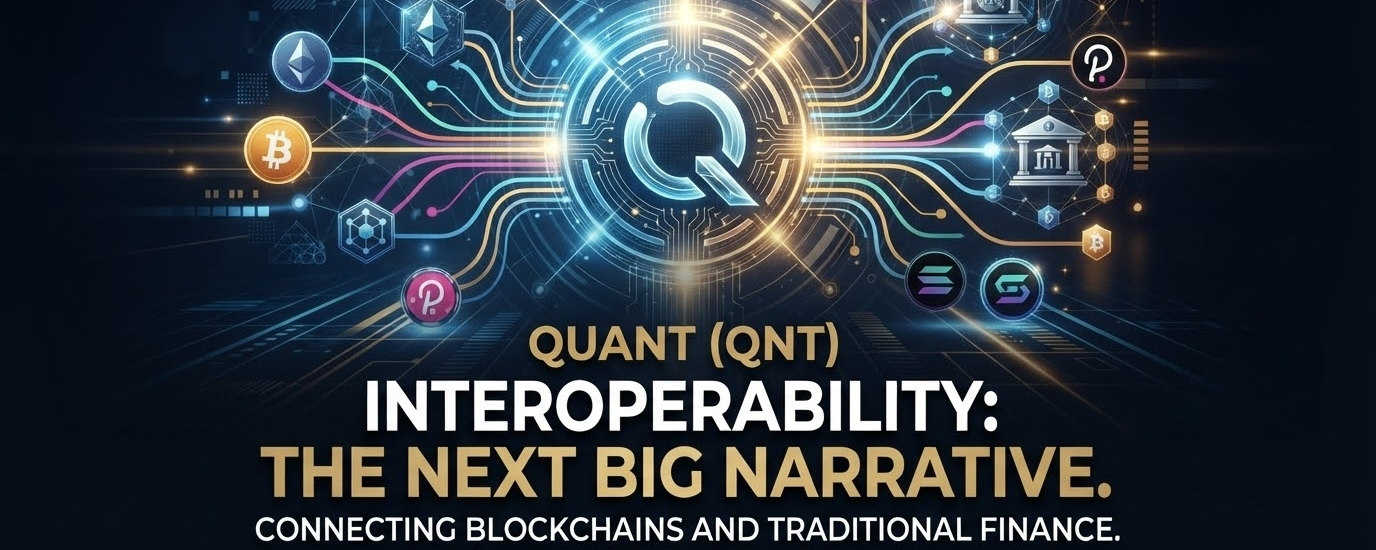
🔥 QNT:Quant 准备好迎来下一次大动作了吗? 🚀🚀 Quant(QNT):互操作性或许将成为下一个重磅叙事
Quant(QNT)是一个专注于解决区块链重大挑战的加密项目之一:互操作性——让不同的区块链网络以及传统金融系统能够相互沟通。
🔗 为什么 Quant 值得关注?
Quant 的技术旨在通过其 Overledger 平台连接多个网络,可能使机构和企业更容易在不同的区块链生态系统之间开展协作。
Bilkul 👍 Binance article ke liye mera best title: 🔥 QNT:Quant 准备好迎来下一次大动作了吗? 🚀
🚀 Quant(QNT):互操作性或许将成为下一个重磅叙事
Quant(QNT)是一个专注于解决区块链重大挑战的加密项目之一:互操作性——让不同的区块链网络以及传统金融系统能够相互沟通。
🔗 为什么 Quant 值得关注?
Quant 的技术旨在通过其 Overledger 平台连接多个网络,可能使机构和企业更容易在不同的区块链生态系统之间开展协作。
Quant(QNT)是一个专注于解决区块链重大挑战的加密项目之一:互操作性——让不同的区块链网络以及传统金融系统能够相互沟通。
🔗 为什么 Quant 值得关注?
Quant 的技术旨在通过其 Overledger 平台连接多个网络,可能使机构和企业更容易在不同的区块链生态系统之间开展协作。
69

·
--
ZRO今天上涨约15.4%——但理解这次行情的关键,先要弄清楚 LayerZero 实际在做什么。
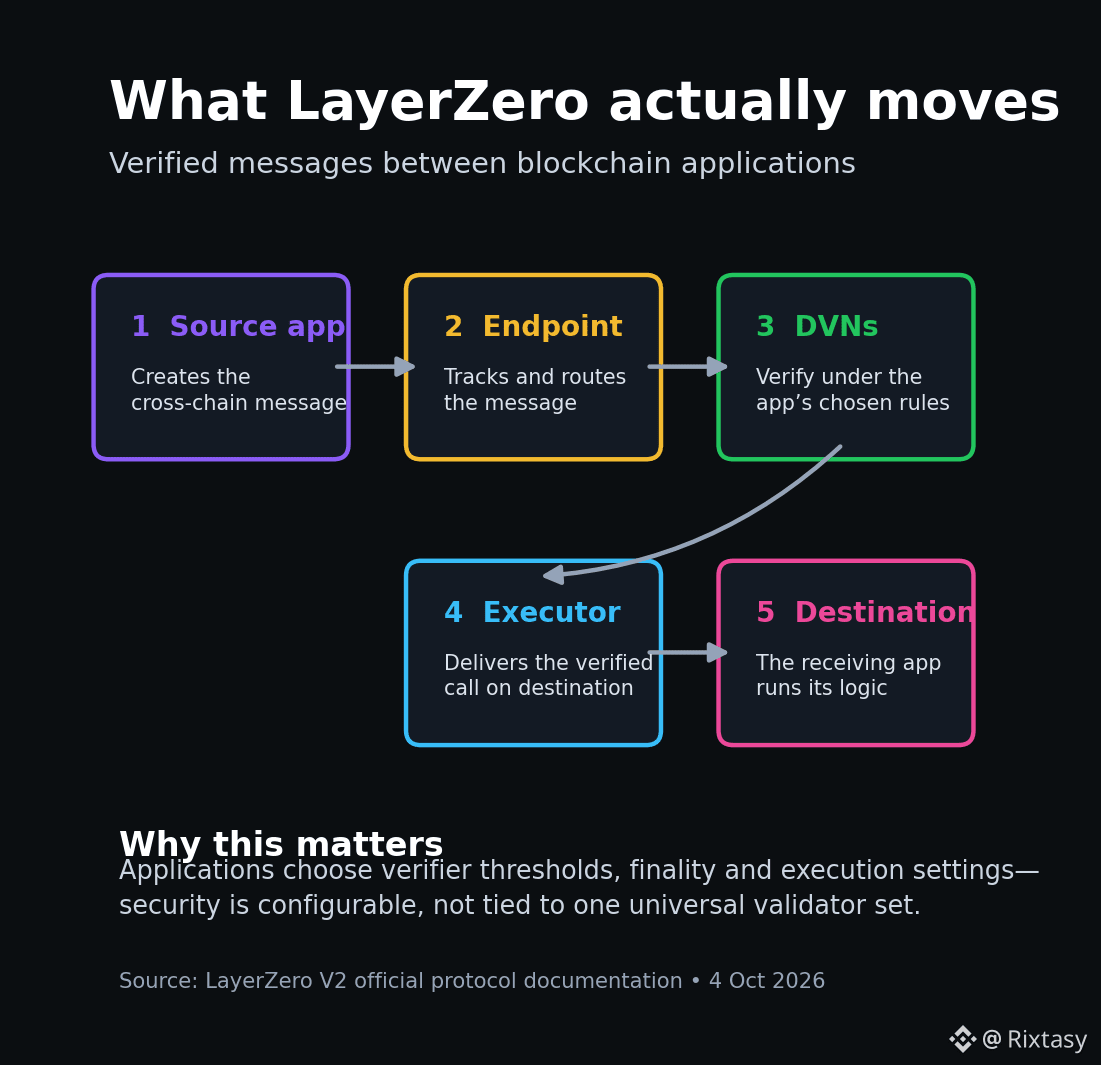
LayerZero 并不是一座把所有资产都“串起来”的巨型桥。它是一套跨链消息传输基础设施。应用程序通过一个不可变的 Endpoint 发送消息;应用所选的去中心化验证者网络对其进行验证;随后执行器将已验证的调用交付给目标应用。这样开发者就能按自己的需求选择安全配置,而不必依赖某一固定的验证者集合。
$ZRO 在其中的位置:该协议支持用ZRO支付消息费用,持有者还会参与治理,例如协议费用开关相关的公投。该代币与网络的经济机制相连,但仅凭24小时的上涨并不能证明使用量在增长。
接下来值得关注的更有用指标是采用情况:应用数量、消息活动,以及团队选择的安全配置——而不是孤立地看价格。
市场概览:ZRO/USDT 在2026年10月4日贝鲁特时间10:59为2.006美元。来源:币安现货;LayerZero V2 文档。
#ZRO #互操作性
ZRO今天上涨约15.4%——但理解这次行情的关键,先要弄清楚 LayerZero 实际在做什么。
LayerZero 并不是一座把所有资产都“串起来”的巨型桥。它是一套跨链消息传输基础设施。应用程序通过一个不可变的 Endpoint 发送消息;应用所选的去中心化验证者网络对其进行验证;随后执行器将已验证的调用交付给目标应用。这样开发者就能按自己的需求选择安全配置,而不必依赖某一固定的验证者集合。
$ZRO 在其中的位置:该协议支持用ZRO支付消息费用,持有者还会参与治理,例如协议费用开关相关的公投。该代币与网络的经济机制相连,但仅凭24小时的上涨并不能证明使用量在增长。
接下来值得关注的更有用指标是采用情况:应用数量、消息活动,以及团队选择的安全配置——而不是孤立地看价格。
市场概览:ZRO/USDT 在2026年10月4日贝鲁特时间10:59为2.006美元。来源:币安现货;LayerZero V2 文档。
#ZRO #互操作性
LayerZero 并不是一座把所有资产都“串起来”的巨型桥。它是一套跨链消息传输基础设施。应用程序通过一个不可变的 Endpoint 发送消息;应用所选的去中心化验证者网络对其进行验证;随后执行器将已验证的调用交付给目标应用。这样开发者就能按自己的需求选择安全配置,而不必依赖某一固定的验证者集合。
$ZRO 在其中的位置:该协议支持用ZRO支付消息费用,持有者还会参与治理,例如协议费用开关相关的公投。该代币与网络的经济机制相连,但仅凭24小时的上涨并不能证明使用量在增长。
接下来值得关注的更有用指标是采用情况:应用数量、消息活动,以及团队选择的安全配置——而不是孤立地看价格。
市场概览:ZRO/USDT 在2026年10月4日贝鲁特时间10:59为2.006美元。来源:币安现货;LayerZero V2 文档。
#ZRO #互操作性
196
登录解锁更多内容
加入币安广场,与全球加密货币用户互动
⚡️ 获取关于加密货币的最新实用信息。
💬 受到全球最大加密货币交易平台的信赖。
👍 发现来自认证创作者的真知灼见。
邮箱/手机号码
热门话题
1
#谷歌财报能否守住基本盘
173,016 次浏览
436 人讨论中
2
#微软财报能否兑现ai红利
83,184 次浏览
240 人讨论中
3
#FOMC会议
272,670 次浏览
672 人讨论中
4
#SK海力士拟追加约450亿美元股东回报
0 次浏览
23 人讨论中
5
#OSMO拟从社区池销毁1亿枚代币
2,250 次浏览
60 人讨论中
6
#以太坊跌破2300美元
225,974 次浏览
747 人讨论中
7
#比特币再度跌破8万美元
212,978 次浏览
869 人讨论中
8
#泰国推出WORPT稳定币QR支付应用
122,278 次浏览
362 人讨论中
9
#Strategy未购比特币斥资2.05亿美元回购STRC
328,493 次浏览
977 人讨论中
10
#BitMine增持10452枚ETH
312,393 次浏览
1,219 人讨论中