
Web3Sage
61 Bài đăng

Web3Sage
Báo cáo
Chặn người dùng
Giao dịch mở
Trader tần suất thấp
{thời gian} năm
6 Đang theo dõi
22 Người theo dõi
64 Đã thích
Bài đăng
Danh mục đầu tư
Tất cả
Trích dẫn
·
--
Tăng giá
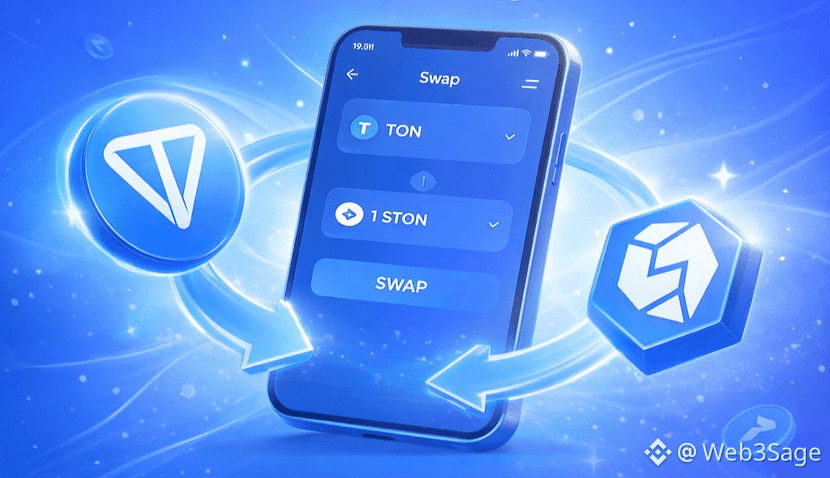
🚨 Vì sao HTLC + RFQ có thể thay đổi các giao dịch hoán đổi cross-chain
Các chuyển khoản cross chain đã được cải thiện đáng kể trong vài năm qua, nhưng chúng vẫn phải đối mặt với những thách thức quen thuộc.
Tài sản bọc (wrapped assets), độ trễ thanh toán, biến động giá trong quá trình thực thi và bảo mật của cầu (bridge) đều ảnh hưởng đến cách người dùng cân nhắc việc chuyển thanh khoản giữa các blockchain.
Đây là lý do một cách tiếp cận mới đang thu hút sự chú ý.
Thay vì chỉ dựa vào các bridge truyền thống, hạ tầng cross chain hiện đại đang bắt đầu kết hợp RFQ và HTLC thành một quy trình duy nhất.
Dưới đây là lý do vì sao điều này quan trọng.
🔹 RFQ (Request for Quote - Yêu cầu báo giá) cho phép các nhà cung cấp thanh khoản chuyên nghiệp cạnh tranh và đưa ra một báo giá chắc chắn trước khi giao dịch được thực thi. Điều này giúp cải thiện giá và mang lại cho người dùng mức độ chắc chắn cao hơn về kết quả kỳ vọng.
🔹 HTLC (Hashed Timelock Contracts - Hợp đồng khóa thời gian bằng hàm băm) đóng vai trò là lớp thanh toán (settlement layer). Nó sử dụng các điều kiện mật mã và giới hạn thời gian để đảm bảo rằng hoặc cả hai bên của giao dịch hoán đổi hoàn tất thành công, hoặc tài sản có thể được hoàn trả theo các quy tắc của giao thức.
Nếu xét riêng lẻ, cả hai cách tiếp cận đều có điểm mạnh.
Khi kết hợp, chúng tạo ra một mô hình hiệu quả hơn cho việc thực thi cross chain.
💡 Cách tiếp cận này đang được phát triển với Omniston trong hệ sinh thái $STON. Bằng cách kết hợp việc khám phá báo giá theo cơ chế cạnh tranh với thanh toán dựa trên HTLC, mục tiêu là cho phép hoán đổi tài sản gốc (native asset swaps) mà không cần dựa vào token được bọc, đồng thời nâng cao hiệu quả thực thi và giảm rủi ro đối tác.
Khi hoạt động cross chain tiếp tục tăng trưởng, câu chuyện đang chuyển hướng không chỉ dừng ở việc đơn thuần chuyển tài sản giữa các mạng. Trọng tâm ngày càng là cách các tài sản đó được trao đổi một cách an toàn, hiệu quả và với mức độ tin cậy cao hơn.
Bước tiến tiếp theo của DeFi có thể không phải là một cây cầu (bridge) khác.
Nó có thể là một hạ tầng thông minh hơn, giúp suy nghĩ lại từ nền tảng về cách các giao dịch hoán đổi cross chain được thực thi.
💬 Bạn sẽ tin một bridge truyền thống cho các khoản chuyển lớn, hay bạn nghĩ rằng thanh toán dựa trên HTLC mới là tương lai của các giao dịch hoán đổi cross chain?
#ston #Omniston #GRAM
🚨 Vì sao HTLC + RFQ có thể thay đổi các giao dịch hoán đổi cross-chain
Các chuyển khoản cross chain đã được cải thiện đáng kể trong vài năm qua, nhưng chúng vẫn phải đối mặt với những thách thức quen thuộc.
Tài sản bọc (wrapped assets), độ trễ thanh toán, biến động giá trong quá trình thực thi và bảo mật của cầu (bridge) đều ảnh hưởng đến cách người dùng cân nhắc việc chuyển thanh khoản giữa các blockchain.
Đây là lý do một cách tiếp cận mới đang thu hút sự chú ý.
Thay vì chỉ dựa vào các bridge truyền thống, hạ tầng cross chain hiện đại đang bắt đầu kết hợp RFQ và HTLC thành một quy trình duy nhất.
Dưới đây là lý do vì sao điều này quan trọng.
🔹 RFQ (Request for Quote - Yêu cầu báo giá) cho phép các nhà cung cấp thanh khoản chuyên nghiệp cạnh tranh và đưa ra một báo giá chắc chắn trước khi giao dịch được thực thi. Điều này giúp cải thiện giá và mang lại cho người dùng mức độ chắc chắn cao hơn về kết quả kỳ vọng.
🔹 HTLC (Hashed Timelock Contracts - Hợp đồng khóa thời gian bằng hàm băm) đóng vai trò là lớp thanh toán (settlement layer). Nó sử dụng các điều kiện mật mã và giới hạn thời gian để đảm bảo rằng hoặc cả hai bên của giao dịch hoán đổi hoàn tất thành công, hoặc tài sản có thể được hoàn trả theo các quy tắc của giao thức.
Nếu xét riêng lẻ, cả hai cách tiếp cận đều có điểm mạnh.
Khi kết hợp, chúng tạo ra một mô hình hiệu quả hơn cho việc thực thi cross chain.
💡 Cách tiếp cận này đang được phát triển với Omniston trong hệ sinh thái $STON. Bằng cách kết hợp việc khám phá báo giá theo cơ chế cạnh tranh với thanh toán dựa trên HTLC, mục tiêu là cho phép hoán đổi tài sản gốc (native asset swaps) mà không cần dựa vào token được bọc, đồng thời nâng cao hiệu quả thực thi và giảm rủi ro đối tác.
Khi hoạt động cross chain tiếp tục tăng trưởng, câu chuyện đang chuyển hướng không chỉ dừng ở việc đơn thuần chuyển tài sản giữa các mạng. Trọng tâm ngày càng là cách các tài sản đó được trao đổi một cách an toàn, hiệu quả và với mức độ tin cậy cao hơn.
Bước tiến tiếp theo của DeFi có thể không phải là một cây cầu (bridge) khác.
Nó có thể là một hạ tầng thông minh hơn, giúp suy nghĩ lại từ nền tảng về cách các giao dịch hoán đổi cross chain được thực thi.
💬 Bạn sẽ tin một bridge truyền thống cho các khoản chuyển lớn, hay bạn nghĩ rằng thanh toán dựa trên HTLC mới là tương lai của các giao dịch hoán đổi cross chain?
#ston #Omniston #GRAM
Các chuyển khoản cross chain đã được cải thiện đáng kể trong vài năm qua, nhưng chúng vẫn phải đối mặt với những thách thức quen thuộc.
Tài sản bọc (wrapped assets), độ trễ thanh toán, biến động giá trong quá trình thực thi và bảo mật của cầu (bridge) đều ảnh hưởng đến cách người dùng cân nhắc việc chuyển thanh khoản giữa các blockchain.
Đây là lý do một cách tiếp cận mới đang thu hút sự chú ý.
Thay vì chỉ dựa vào các bridge truyền thống, hạ tầng cross chain hiện đại đang bắt đầu kết hợp RFQ và HTLC thành một quy trình duy nhất.
Dưới đây là lý do vì sao điều này quan trọng.
🔹 RFQ (Request for Quote - Yêu cầu báo giá) cho phép các nhà cung cấp thanh khoản chuyên nghiệp cạnh tranh và đưa ra một báo giá chắc chắn trước khi giao dịch được thực thi. Điều này giúp cải thiện giá và mang lại cho người dùng mức độ chắc chắn cao hơn về kết quả kỳ vọng.
🔹 HTLC (Hashed Timelock Contracts - Hợp đồng khóa thời gian bằng hàm băm) đóng vai trò là lớp thanh toán (settlement layer). Nó sử dụng các điều kiện mật mã và giới hạn thời gian để đảm bảo rằng hoặc cả hai bên của giao dịch hoán đổi hoàn tất thành công, hoặc tài sản có thể được hoàn trả theo các quy tắc của giao thức.
Nếu xét riêng lẻ, cả hai cách tiếp cận đều có điểm mạnh.
Khi kết hợp, chúng tạo ra một mô hình hiệu quả hơn cho việc thực thi cross chain.
💡 Cách tiếp cận này đang được phát triển với Omniston trong hệ sinh thái $STON. Bằng cách kết hợp việc khám phá báo giá theo cơ chế cạnh tranh với thanh toán dựa trên HTLC, mục tiêu là cho phép hoán đổi tài sản gốc (native asset swaps) mà không cần dựa vào token được bọc, đồng thời nâng cao hiệu quả thực thi và giảm rủi ro đối tác.
Khi hoạt động cross chain tiếp tục tăng trưởng, câu chuyện đang chuyển hướng không chỉ dừng ở việc đơn thuần chuyển tài sản giữa các mạng. Trọng tâm ngày càng là cách các tài sản đó được trao đổi một cách an toàn, hiệu quả và với mức độ tin cậy cao hơn.
Bước tiến tiếp theo của DeFi có thể không phải là một cây cầu (bridge) khác.
Nó có thể là một hạ tầng thông minh hơn, giúp suy nghĩ lại từ nền tảng về cách các giao dịch hoán đổi cross chain được thực thi.
💬 Bạn sẽ tin một bridge truyền thống cho các khoản chuyển lớn, hay bạn nghĩ rằng thanh toán dựa trên HTLC mới là tương lai của các giao dịch hoán đổi cross chain?
#ston #Omniston #GRAM
1
196
·
--
Tăng giá
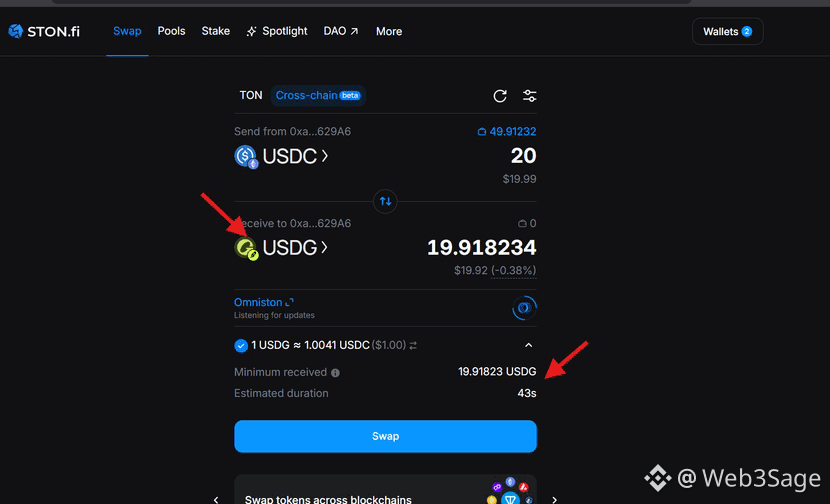
Mọi hệ sinh thái DeFi vĩ đại đều cần một Động cơ Thanh khoản
Một blockchain có thể có giao dịch nhanh.
Nó có thể có phí thấp.
Nó có thể thu hút nhà phát triển và người dùng mới.
Nhưng nếu không có thanh khoản hiệu quả, ngay cả hệ sinh thái mạnh mẽ nhất cũng khó có thể phát huy trọn vẹn tiềm năng của mình.
Thanh khoản là yếu tố biến một blockchain từ một mạng lưới thành một nền kinh tế.
Khi hệ sinh thái TON tiếp tục phát triển, số lượng token, giao thức và cơ hội giao dịch cũng ngày càng tăng. Mặc dù sự tăng trưởng này rất thú vị, nó cũng mang đến một thách thức quen thuộc: thanh khoản trở nên phân tán hơn, khiến việc thực thi giao dịch hiệu quả ngày càng quan trọng.
Đó là lúc Omniston mang đến một góc nhìn khác.
Thay vì chỉ tập trung vào việc tạo ra một nơi khác để giao dịch, Omniston được thiết kế để tổng hợp thanh khoản từ các nguồn được hỗ trợ và giúp các ứng dụng truy cập nó thông qua một lớp thực thi hợp nhất.
Nói một cách đơn giản, đó là việc giúp người dùng tìm được khả năng thực thi hiệu quả mà không cần tự mình tìm kiếm qua nhiều sàn/điểm thanh khoản khác nhau.
Đối với hệ sinh thái $STON, điều này đại diện cho một bước tiến quan trọng.
Câu chuyện không còn chỉ xoay quanh việc hỗ trợ thực hiện các giao dịch hoán đổi nữa, mà là cải thiện cách các giao dịch hoán đổi đó diễn ra. Định tuyến tốt hơn, khả năng tiếp cận thanh khoản thông minh hơn và hạ tầng cho nhà phát triển vững mạnh hơn đều góp phần tạo nên trải nghiệm DeFi mượt mà hơn.
Khi ngày càng nhiều ứng dụng được xây dựng trên TON, những hạ tầng như Omniston có thể đóng vai trò ngày càng quan trọng trong việc kết nối thanh khoản và giảm ma sát trên toàn hệ sinh thái.
Những hệ sinh thái DeFi mạnh mẽ nhất không chỉ được định nghĩa bởi lượng thanh khoản họ có.
Chúng còn được định nghĩa bởi mức độ hiệu quả mà thanh khoản đó được tiếp cận.
💬 Khi TON tiếp tục mở rộng, theo bạn điều gì sẽ tạo tác động lớn nhất đến trải nghiệm người dùng: thanh khoản sâu hơn, thực thi thông minh hơn hay hạ tầng nhà phát triển tốt hơn?
#ston #TON #Omniston
Mọi hệ sinh thái DeFi vĩ đại đều cần một Động cơ Thanh khoản
Một blockchain có thể có giao dịch nhanh.
Nó có thể có phí thấp.
Nó có thể thu hút nhà phát triển và người dùng mới.
Nhưng nếu không có thanh khoản hiệu quả, ngay cả hệ sinh thái mạnh mẽ nhất cũng khó có thể phát huy trọn vẹn tiềm năng của mình.
Thanh khoản là yếu tố biến một blockchain từ một mạng lưới thành một nền kinh tế.
Khi hệ sinh thái TON tiếp tục phát triển, số lượng token, giao thức và cơ hội giao dịch cũng ngày càng tăng. Mặc dù sự tăng trưởng này rất thú vị, nó cũng mang đến một thách thức quen thuộc: thanh khoản trở nên phân tán hơn, khiến việc thực thi giao dịch hiệu quả ngày càng quan trọng.
Đó là lúc Omniston mang đến một góc nhìn khác.
Thay vì chỉ tập trung vào việc tạo ra một nơi khác để giao dịch, Omniston được thiết kế để tổng hợp thanh khoản từ các nguồn được hỗ trợ và giúp các ứng dụng truy cập nó thông qua một lớp thực thi hợp nhất.
Nói một cách đơn giản, đó là việc giúp người dùng tìm được khả năng thực thi hiệu quả mà không cần tự mình tìm kiếm qua nhiều sàn/điểm thanh khoản khác nhau.
Đối với hệ sinh thái $STON, điều này đại diện cho một bước tiến quan trọng.
Câu chuyện không còn chỉ xoay quanh việc hỗ trợ thực hiện các giao dịch hoán đổi nữa, mà là cải thiện cách các giao dịch hoán đổi đó diễn ra. Định tuyến tốt hơn, khả năng tiếp cận thanh khoản thông minh hơn và hạ tầng cho nhà phát triển vững mạnh hơn đều góp phần tạo nên trải nghiệm DeFi mượt mà hơn.
Khi ngày càng nhiều ứng dụng được xây dựng trên TON, những hạ tầng như Omniston có thể đóng vai trò ngày càng quan trọng trong việc kết nối thanh khoản và giảm ma sát trên toàn hệ sinh thái.
Những hệ sinh thái DeFi mạnh mẽ nhất không chỉ được định nghĩa bởi lượng thanh khoản họ có.
Chúng còn được định nghĩa bởi mức độ hiệu quả mà thanh khoản đó được tiếp cận.
💬 Khi TON tiếp tục mở rộng, theo bạn điều gì sẽ tạo tác động lớn nhất đến trải nghiệm người dùng: thanh khoản sâu hơn, thực thi thông minh hơn hay hạ tầng nhà phát triển tốt hơn?
#ston #TON #Omniston
Một blockchain có thể có giao dịch nhanh.
Nó có thể có phí thấp.
Nó có thể thu hút nhà phát triển và người dùng mới.
Nhưng nếu không có thanh khoản hiệu quả, ngay cả hệ sinh thái mạnh mẽ nhất cũng khó có thể phát huy trọn vẹn tiềm năng của mình.
Thanh khoản là yếu tố biến một blockchain từ một mạng lưới thành một nền kinh tế.
Khi hệ sinh thái TON tiếp tục phát triển, số lượng token, giao thức và cơ hội giao dịch cũng ngày càng tăng. Mặc dù sự tăng trưởng này rất thú vị, nó cũng mang đến một thách thức quen thuộc: thanh khoản trở nên phân tán hơn, khiến việc thực thi giao dịch hiệu quả ngày càng quan trọng.
Đó là lúc Omniston mang đến một góc nhìn khác.
Thay vì chỉ tập trung vào việc tạo ra một nơi khác để giao dịch, Omniston được thiết kế để tổng hợp thanh khoản từ các nguồn được hỗ trợ và giúp các ứng dụng truy cập nó thông qua một lớp thực thi hợp nhất.
Nói một cách đơn giản, đó là việc giúp người dùng tìm được khả năng thực thi hiệu quả mà không cần tự mình tìm kiếm qua nhiều sàn/điểm thanh khoản khác nhau.
Đối với hệ sinh thái $STON, điều này đại diện cho một bước tiến quan trọng.
Câu chuyện không còn chỉ xoay quanh việc hỗ trợ thực hiện các giao dịch hoán đổi nữa, mà là cải thiện cách các giao dịch hoán đổi đó diễn ra. Định tuyến tốt hơn, khả năng tiếp cận thanh khoản thông minh hơn và hạ tầng cho nhà phát triển vững mạnh hơn đều góp phần tạo nên trải nghiệm DeFi mượt mà hơn.
Khi ngày càng nhiều ứng dụng được xây dựng trên TON, những hạ tầng như Omniston có thể đóng vai trò ngày càng quan trọng trong việc kết nối thanh khoản và giảm ma sát trên toàn hệ sinh thái.
Những hệ sinh thái DeFi mạnh mẽ nhất không chỉ được định nghĩa bởi lượng thanh khoản họ có.
Chúng còn được định nghĩa bởi mức độ hiệu quả mà thanh khoản đó được tiếp cận.
💬 Khi TON tiếp tục mở rộng, theo bạn điều gì sẽ tạo tác động lớn nhất đến trải nghiệm người dùng: thanh khoản sâu hơn, thực thi thông minh hơn hay hạ tầng nhà phát triển tốt hơn?
#ston #TON #Omniston
1
88
·
--
Tăng giá
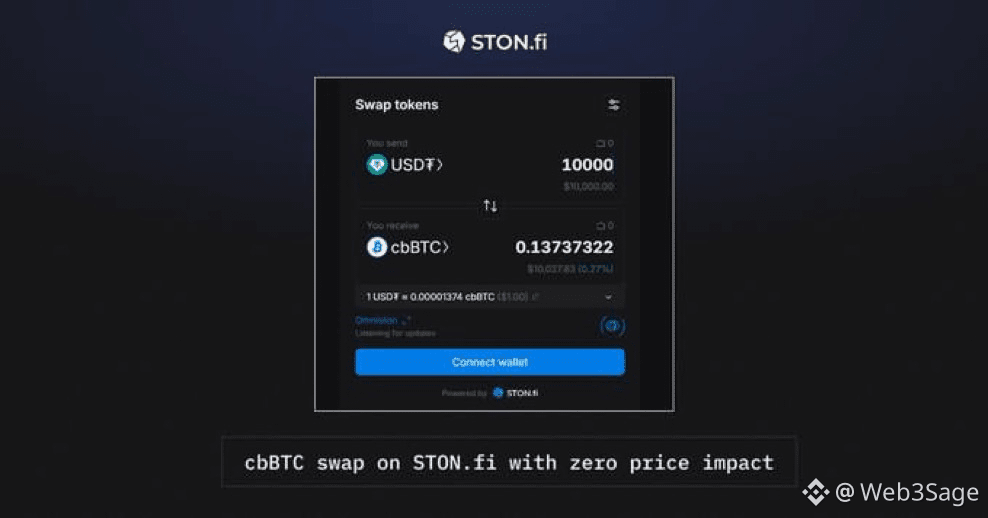
Điều gì xảy ra nếu lần hoán đổi nhanh nhất không thực sự là lần hoán đổi tốt nhất?
Khi hầu hết các nhà giao dịch hoán đổi token, họ đánh giá trải nghiệm dựa trên một điều: tốc độ.
Nếu giao dịch được xác nhận trong vài giây, nó sẽ có cảm giác như một thành công.
Nhưng tốc độ chỉ là một mảnh ghép trong toàn bộ câu đố.
Một lần hoán đổi có thể cực kỳ nhanh nhưng vẫn thực thi với mức giá kém cạnh tranh hơn nếu không tiếp cận được thanh khoản phù hợp nhất. Tương tự, một lần thực thi có thể lâu hơn một chút nhưng đánh giá thông minh nhiều nguồn thanh khoản có thể mang lại kết quả tổng thể tốt hơn.
Khi các hệ sinh thái DeFi tiếp tục mở rộng, sự khác biệt này ngày càng trở nên quan trọng.
Nhiều giao thức hơn đồng nghĩa với nhiều thanh khoản hơn.
Nhiều thanh khoản hơn lại dẫn đến sự phân mảnh.
Và nhiều phân mảnh hơn khiến việc tìm được mức thực thi tối ưu trở thành một thách thức kỹ thuật thay vì chỉ là một giao dịch đơn giản.
Vì vậy, cuộc trò chuyện dần chuyển từ “Lần hoán đổi của tôi nhanh đến đâu?” sang “Lần hoán đổi của tôi đã được thực thi tốt đến mức nào?”
Đó là lý do tại sao các dự án như Omniston trở nên thú vị.
Thay vì coi mọi lần hoán đổi như một tuyến đường trực tiếp giữa hai tài sản, Omniston được thiết kế để tổng hợp các nguồn thanh khoản được hỗ trợ và xác định một lộ trình thực thi hiệu quả. Mục tiêu không chỉ là thực thi giao dịch thật nhanh, mà là giúp đảm bảo người dùng nhận được mức thực thi cạnh tranh mà không cần tự so sánh thủ công giữa các lựa chọn thanh khoản khác nhau.
Đối với hệ sinh thái $STON, điều này không chỉ là thêm một tính năng nữa. Nó phản ánh một tầm nhìn rộng hơn: cơ sở hạ tầng hoạt động thầm lặng ở phía sau, giúp người dùng tập trung vào kết quả thay vì sự phức tạp nằm sau đó.
Khi TON tiếp tục phát triển, việc thực thi hiệu quả có thể trở thành một trong những yếu tố quyết định giúp phân biệt trải nghiệm DeFi tốt với trải nghiệm tuyệt vời.
💬 Nếu bạn buộc phải chọn chỉ một, điều gì quan trọng hơn với bạn khi hoán đổi tài sản: xác nhận nhanh nhất, mức giá thực thi tốt nhất hay tổng chi phí thấp nhất?
#ston #bitcoin #Omniston
Điều gì xảy ra nếu lần hoán đổi nhanh nhất không thực sự là lần hoán đổi tốt nhất?
Khi hầu hết các nhà giao dịch hoán đổi token, họ đánh giá trải nghiệm dựa trên một điều: tốc độ.
Nếu giao dịch được xác nhận trong vài giây, nó sẽ có cảm giác như một thành công.
Nhưng tốc độ chỉ là một mảnh ghép trong toàn bộ câu đố.
Một lần hoán đổi có thể cực kỳ nhanh nhưng vẫn thực thi với mức giá kém cạnh tranh hơn nếu không tiếp cận được thanh khoản phù hợp nhất. Tương tự, một lần thực thi có thể lâu hơn một chút nhưng đánh giá thông minh nhiều nguồn thanh khoản có thể mang lại kết quả tổng thể tốt hơn.
Khi các hệ sinh thái DeFi tiếp tục mở rộng, sự khác biệt này ngày càng trở nên quan trọng.
Nhiều giao thức hơn đồng nghĩa với nhiều thanh khoản hơn.
Nhiều thanh khoản hơn lại dẫn đến sự phân mảnh.
Và nhiều phân mảnh hơn khiến việc tìm được mức thực thi tối ưu trở thành một thách thức kỹ thuật thay vì chỉ là một giao dịch đơn giản.
Vì vậy, cuộc trò chuyện dần chuyển từ “Lần hoán đổi của tôi nhanh đến đâu?” sang “Lần hoán đổi của tôi đã được thực thi tốt đến mức nào?”
Đó là lý do tại sao các dự án như Omniston trở nên thú vị.
Thay vì coi mọi lần hoán đổi như một tuyến đường trực tiếp giữa hai tài sản, Omniston được thiết kế để tổng hợp các nguồn thanh khoản được hỗ trợ và xác định một lộ trình thực thi hiệu quả. Mục tiêu không chỉ là thực thi giao dịch thật nhanh, mà là giúp đảm bảo người dùng nhận được mức thực thi cạnh tranh mà không cần tự so sánh thủ công giữa các lựa chọn thanh khoản khác nhau.
Đối với hệ sinh thái $STON, điều này không chỉ là thêm một tính năng nữa. Nó phản ánh một tầm nhìn rộng hơn: cơ sở hạ tầng hoạt động thầm lặng ở phía sau, giúp người dùng tập trung vào kết quả thay vì sự phức tạp nằm sau đó.
Khi TON tiếp tục phát triển, việc thực thi hiệu quả có thể trở thành một trong những yếu tố quyết định giúp phân biệt trải nghiệm DeFi tốt với trải nghiệm tuyệt vời.
💬 Nếu bạn buộc phải chọn chỉ một, điều gì quan trọng hơn với bạn khi hoán đổi tài sản: xác nhận nhanh nhất, mức giá thực thi tốt nhất hay tổng chi phí thấp nhất?
#ston #bitcoin #Omniston
Khi hầu hết các nhà giao dịch hoán đổi token, họ đánh giá trải nghiệm dựa trên một điều: tốc độ.
Nếu giao dịch được xác nhận trong vài giây, nó sẽ có cảm giác như một thành công.
Nhưng tốc độ chỉ là một mảnh ghép trong toàn bộ câu đố.
Một lần hoán đổi có thể cực kỳ nhanh nhưng vẫn thực thi với mức giá kém cạnh tranh hơn nếu không tiếp cận được thanh khoản phù hợp nhất. Tương tự, một lần thực thi có thể lâu hơn một chút nhưng đánh giá thông minh nhiều nguồn thanh khoản có thể mang lại kết quả tổng thể tốt hơn.
Khi các hệ sinh thái DeFi tiếp tục mở rộng, sự khác biệt này ngày càng trở nên quan trọng.
Nhiều giao thức hơn đồng nghĩa với nhiều thanh khoản hơn.
Nhiều thanh khoản hơn lại dẫn đến sự phân mảnh.
Và nhiều phân mảnh hơn khiến việc tìm được mức thực thi tối ưu trở thành một thách thức kỹ thuật thay vì chỉ là một giao dịch đơn giản.
Vì vậy, cuộc trò chuyện dần chuyển từ “Lần hoán đổi của tôi nhanh đến đâu?” sang “Lần hoán đổi của tôi đã được thực thi tốt đến mức nào?”
Đó là lý do tại sao các dự án như Omniston trở nên thú vị.
Thay vì coi mọi lần hoán đổi như một tuyến đường trực tiếp giữa hai tài sản, Omniston được thiết kế để tổng hợp các nguồn thanh khoản được hỗ trợ và xác định một lộ trình thực thi hiệu quả. Mục tiêu không chỉ là thực thi giao dịch thật nhanh, mà là giúp đảm bảo người dùng nhận được mức thực thi cạnh tranh mà không cần tự so sánh thủ công giữa các lựa chọn thanh khoản khác nhau.
Đối với hệ sinh thái $STON, điều này không chỉ là thêm một tính năng nữa. Nó phản ánh một tầm nhìn rộng hơn: cơ sở hạ tầng hoạt động thầm lặng ở phía sau, giúp người dùng tập trung vào kết quả thay vì sự phức tạp nằm sau đó.
Khi TON tiếp tục phát triển, việc thực thi hiệu quả có thể trở thành một trong những yếu tố quyết định giúp phân biệt trải nghiệm DeFi tốt với trải nghiệm tuyệt vời.
💬 Nếu bạn buộc phải chọn chỉ một, điều gì quan trọng hơn với bạn khi hoán đổi tài sản: xác nhận nhanh nhất, mức giá thực thi tốt nhất hay tổng chi phí thấp nhất?
#ston #bitcoin #Omniston
1
37
·
--
Tăng giá
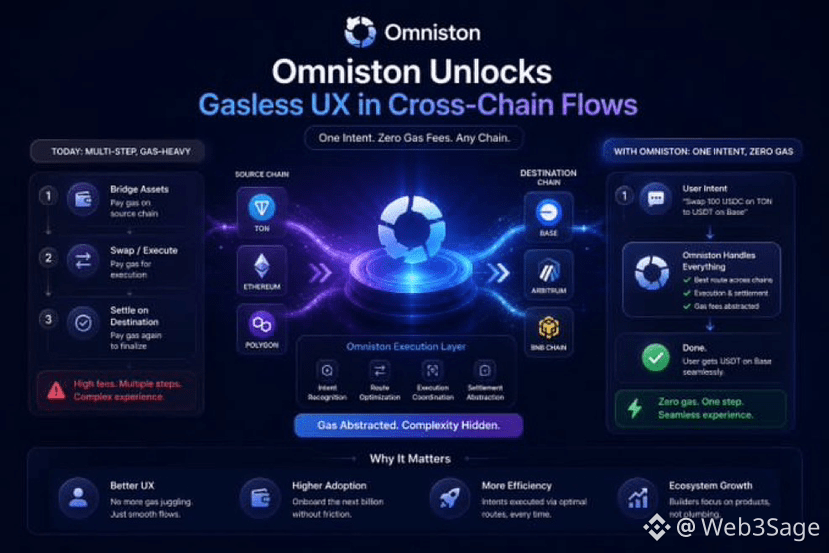
Vì sao Omniston có thể trở thành một trong những lớp hạ tầng quan trọng nhất của TON
Khi mọi người đánh giá một dự án DeFi, họ thường xem các chỉ số như TVL, khối lượng giao dịch hoặc số lượng token được hỗ trợ. Dù những chỉ số đó quan trọng, nhưng chúng không phải lúc nào cũng phản ánh đầy đủ câu chuyện.
Đôi khi, đổi mới lớn nhất không phải là một DEX khác, mà là lớp hạ tầng giúp mọi DEX hoạt động tốt hơn.
Đó là lý do Omniston trở nên thú vị.
Thay vì cạnh tranh để trở thành một điểm đến thanh khoản khác, Omniston được thiết kế để tổng hợp thanh khoản từ nhiều nguồn được hỗ trợ, giúp các ứng dụng tiếp cận việc thực thi hiệu quả hơn thông qua một lớp tích hợp duy nhất.
Hãy hình dung theo cách này.
Giả sử bạn đến một siêu thị để tìm giá tốt nhất. Bạn chỉ sẽ thấy những gì có sẵn trên kệ.
Giờ hãy tưởng tượng có một trợ lý tự động kiểm tra ngay mọi siêu thị xung quanh và mang về lựa chọn tốt nhất hiện có.
Đó là sự khác biệt giữa việc dựa vào một nguồn thanh khoản duy nhất và sử dụng một lớp tổng hợp.
Khi hệ sinh thái $TON phát triển, thanh khoản sẽ tự nhiên được phân bổ rộng hơn. Các giao thức, pool mới và các nhà tham gia thị trường tạo ra cơ hội, nhưng đồng thời cũng làm tăng tình trạng phân mảnh.
Đây là lúc Omniston có tiềm năng ngày càng trở nên có giá trị.
Thay vì yêu cầu người dùng hoặc nhà phát triển tự thủ công điều hướng sự phức tạp ngày càng gia tăng, Omniston tập trung vào việc giúp việc khám phá và tiếp cận thanh khoản trở nên dễ dàng hơn.
Với tôi, đó chính là điều khiến hệ sinh thái $STON trở nên hấp dẫn.
Không chỉ dừng lại ở việc cho phép thực hiện giao dịch hoán đổi (swap) ngày hôm nay, mà còn là xây dựng hạ tầng để hỗ trợ một hệ sinh thái DeFi TON hiệu quả hơn vào ngày mai.
Khi DeFi tiếp tục trưởng thành, những dự án âm thầm cải thiện trải nghiệm ở phía sau hậu trường có thể sẽ quan trọng không kém các ứng dụng mà người dùng tương tác hằng ngày.
Bạn nghĩ sao?
Bạn cho rằng tổng hợp thanh khoản sẽ trở thành một lớp tiêu chuẩn cho mọi hệ sinh thái blockchain lớn, hay các DEX riêng lẻ sẽ tiếp tục thống trị việc thực thi giao dịch hoán đổi?
#ston #grvt #DeFi
Vì sao Omniston có thể trở thành một trong những lớp hạ tầng quan trọng nhất của TON
Khi mọi người đánh giá một dự án DeFi, họ thường xem các chỉ số như TVL, khối lượng giao dịch hoặc số lượng token được hỗ trợ. Dù những chỉ số đó quan trọng, nhưng chúng không phải lúc nào cũng phản ánh đầy đủ câu chuyện.
Đôi khi, đổi mới lớn nhất không phải là một DEX khác, mà là lớp hạ tầng giúp mọi DEX hoạt động tốt hơn.
Đó là lý do Omniston trở nên thú vị.
Thay vì cạnh tranh để trở thành một điểm đến thanh khoản khác, Omniston được thiết kế để tổng hợp thanh khoản từ nhiều nguồn được hỗ trợ, giúp các ứng dụng tiếp cận việc thực thi hiệu quả hơn thông qua một lớp tích hợp duy nhất.
Hãy hình dung theo cách này.
Giả sử bạn đến một siêu thị để tìm giá tốt nhất. Bạn chỉ sẽ thấy những gì có sẵn trên kệ.
Giờ hãy tưởng tượng có một trợ lý tự động kiểm tra ngay mọi siêu thị xung quanh và mang về lựa chọn tốt nhất hiện có.
Đó là sự khác biệt giữa việc dựa vào một nguồn thanh khoản duy nhất và sử dụng một lớp tổng hợp.
Khi hệ sinh thái $TON phát triển, thanh khoản sẽ tự nhiên được phân bổ rộng hơn. Các giao thức, pool mới và các nhà tham gia thị trường tạo ra cơ hội, nhưng đồng thời cũng làm tăng tình trạng phân mảnh.
Đây là lúc Omniston có tiềm năng ngày càng trở nên có giá trị.
Thay vì yêu cầu người dùng hoặc nhà phát triển tự thủ công điều hướng sự phức tạp ngày càng gia tăng, Omniston tập trung vào việc giúp việc khám phá và tiếp cận thanh khoản trở nên dễ dàng hơn.
Với tôi, đó chính là điều khiến hệ sinh thái $STON trở nên hấp dẫn.
Không chỉ dừng lại ở việc cho phép thực hiện giao dịch hoán đổi (swap) ngày hôm nay, mà còn là xây dựng hạ tầng để hỗ trợ một hệ sinh thái DeFi TON hiệu quả hơn vào ngày mai.
Khi DeFi tiếp tục trưởng thành, những dự án âm thầm cải thiện trải nghiệm ở phía sau hậu trường có thể sẽ quan trọng không kém các ứng dụng mà người dùng tương tác hằng ngày.
Bạn nghĩ sao?
Bạn cho rằng tổng hợp thanh khoản sẽ trở thành một lớp tiêu chuẩn cho mọi hệ sinh thái blockchain lớn, hay các DEX riêng lẻ sẽ tiếp tục thống trị việc thực thi giao dịch hoán đổi?
#ston #grvt #DeFi
Khi mọi người đánh giá một dự án DeFi, họ thường xem các chỉ số như TVL, khối lượng giao dịch hoặc số lượng token được hỗ trợ. Dù những chỉ số đó quan trọng, nhưng chúng không phải lúc nào cũng phản ánh đầy đủ câu chuyện.
Đôi khi, đổi mới lớn nhất không phải là một DEX khác, mà là lớp hạ tầng giúp mọi DEX hoạt động tốt hơn.
Đó là lý do Omniston trở nên thú vị.
Thay vì cạnh tranh để trở thành một điểm đến thanh khoản khác, Omniston được thiết kế để tổng hợp thanh khoản từ nhiều nguồn được hỗ trợ, giúp các ứng dụng tiếp cận việc thực thi hiệu quả hơn thông qua một lớp tích hợp duy nhất.
Hãy hình dung theo cách này.
Giả sử bạn đến một siêu thị để tìm giá tốt nhất. Bạn chỉ sẽ thấy những gì có sẵn trên kệ.
Giờ hãy tưởng tượng có một trợ lý tự động kiểm tra ngay mọi siêu thị xung quanh và mang về lựa chọn tốt nhất hiện có.
Đó là sự khác biệt giữa việc dựa vào một nguồn thanh khoản duy nhất và sử dụng một lớp tổng hợp.
Khi hệ sinh thái $TON phát triển, thanh khoản sẽ tự nhiên được phân bổ rộng hơn. Các giao thức, pool mới và các nhà tham gia thị trường tạo ra cơ hội, nhưng đồng thời cũng làm tăng tình trạng phân mảnh.
Đây là lúc Omniston có tiềm năng ngày càng trở nên có giá trị.
Thay vì yêu cầu người dùng hoặc nhà phát triển tự thủ công điều hướng sự phức tạp ngày càng gia tăng, Omniston tập trung vào việc giúp việc khám phá và tiếp cận thanh khoản trở nên dễ dàng hơn.
Với tôi, đó chính là điều khiến hệ sinh thái $STON trở nên hấp dẫn.
Không chỉ dừng lại ở việc cho phép thực hiện giao dịch hoán đổi (swap) ngày hôm nay, mà còn là xây dựng hạ tầng để hỗ trợ một hệ sinh thái DeFi TON hiệu quả hơn vào ngày mai.
Khi DeFi tiếp tục trưởng thành, những dự án âm thầm cải thiện trải nghiệm ở phía sau hậu trường có thể sẽ quan trọng không kém các ứng dụng mà người dùng tương tác hằng ngày.
Bạn nghĩ sao?
Bạn cho rằng tổng hợp thanh khoản sẽ trở thành một lớp tiêu chuẩn cho mọi hệ sinh thái blockchain lớn, hay các DEX riêng lẻ sẽ tiếp tục thống trị việc thực thi giao dịch hoán đổi?
#ston #grvt #DeFi
1
9
·
--
Tăng giá
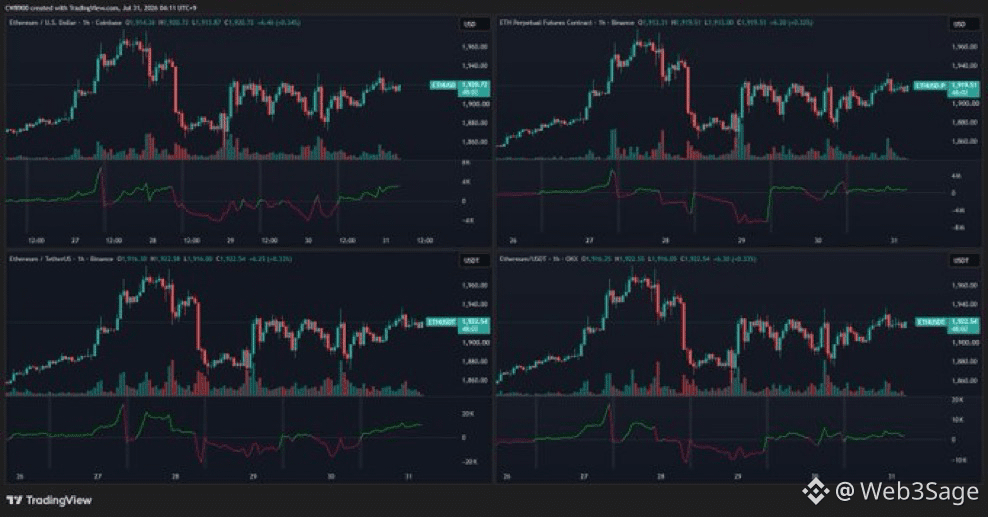
📊 Tích lũy ETH vẫn tiếp diễn dưới bề mặt
$ETH đang ghi nhận mức tăng chậm nhưng ổn định trong hoạt động mua trên thị trường giao ngay, cho thấy sự tích lũy dần dần thay vì đuổi theo một cách quyết liệt.
Trong khi đó, vị thế trên thị trường tương lai vẫn chủ yếu trung tính, không có dấu hiệu đòn bẩy quá mức nào đang tràn vào thị trường.
Sự khác biệt này cho thấy nhu cầu giao ngay ở mức thận trọng, trong khi các nhà giao dịch phái sinh vẫn đứng ngoài; kịch bản này có thể được củng cố nếu hoạt động tham gia tương lai bắt đầu bám theo xu hướng mua giao ngay.
#ETH #BULLISH
📊 Tích lũy ETH vẫn tiếp diễn dưới bề mặt
$ETH đang ghi nhận mức tăng chậm nhưng ổn định trong hoạt động mua trên thị trường giao ngay, cho thấy sự tích lũy dần dần thay vì đuổi theo một cách quyết liệt.
Trong khi đó, vị thế trên thị trường tương lai vẫn chủ yếu trung tính, không có dấu hiệu đòn bẩy quá mức nào đang tràn vào thị trường.
Sự khác biệt này cho thấy nhu cầu giao ngay ở mức thận trọng, trong khi các nhà giao dịch phái sinh vẫn đứng ngoài; kịch bản này có thể được củng cố nếu hoạt động tham gia tương lai bắt đầu bám theo xu hướng mua giao ngay.
#ETH #BULLISH
$ETH đang ghi nhận mức tăng chậm nhưng ổn định trong hoạt động mua trên thị trường giao ngay, cho thấy sự tích lũy dần dần thay vì đuổi theo một cách quyết liệt.
Trong khi đó, vị thế trên thị trường tương lai vẫn chủ yếu trung tính, không có dấu hiệu đòn bẩy quá mức nào đang tràn vào thị trường.
Sự khác biệt này cho thấy nhu cầu giao ngay ở mức thận trọng, trong khi các nhà giao dịch phái sinh vẫn đứng ngoài; kịch bản này có thể được củng cố nếu hoạt động tham gia tương lai bắt đầu bám theo xu hướng mua giao ngay.
#ETH #BULLISH
1
36
·
--
Tăng giá
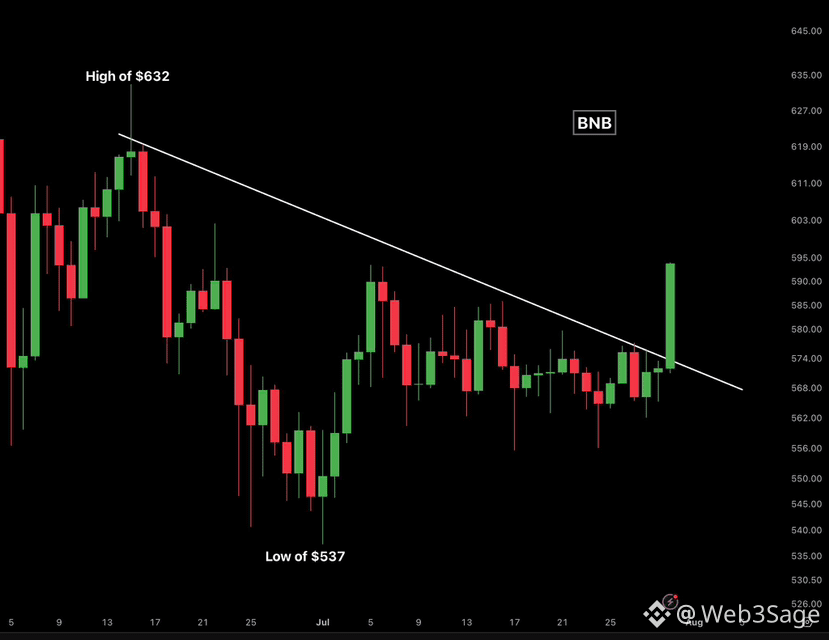
🚀 BNB bùng nổ một pha Breakout Tăng
Sau khi trải qua 45 ngày trong xu hướng giảm, $BNB cuối cùng cũng đã bứt phá lên trên cấu trúc giảm dần.
Pha breakout này báo hiệu khả năng thay đổi động lượng, khi người mua giành lại quyền kiểm soát sau nhiều tuần chịu áp lực bán liên tục.
Nếu $BNB có thể giữ vững trên mức breakout, nó có thể mở đường cho một đợt tiếp diễn tăng mạnh hơn.
#bnb #crypto #Bullish
🚀 BNB bùng nổ một pha Breakout Tăng
Sau khi trải qua 45 ngày trong xu hướng giảm, $BNB cuối cùng cũng đã bứt phá lên trên cấu trúc giảm dần.
Pha breakout này báo hiệu khả năng thay đổi động lượng, khi người mua giành lại quyền kiểm soát sau nhiều tuần chịu áp lực bán liên tục.
Nếu $BNB có thể giữ vững trên mức breakout, nó có thể mở đường cho một đợt tiếp diễn tăng mạnh hơn.
#bnb #crypto #Bullish
Sau khi trải qua 45 ngày trong xu hướng giảm, $BNB cuối cùng cũng đã bứt phá lên trên cấu trúc giảm dần.
Pha breakout này báo hiệu khả năng thay đổi động lượng, khi người mua giành lại quyền kiểm soát sau nhiều tuần chịu áp lực bán liên tục.
Nếu $BNB có thể giữ vững trên mức breakout, nó có thể mở đường cho một đợt tiếp diễn tăng mạnh hơn.
#bnb #crypto #Bullish
1
29
·
--
Tăng giá
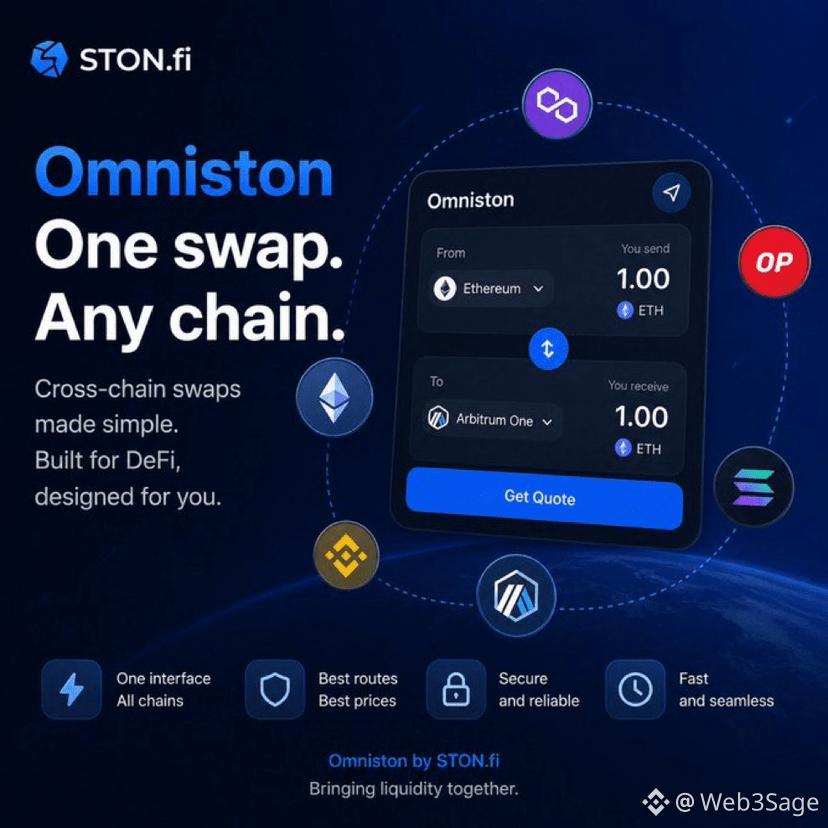
🔍 Tính thanh khoản có thực sự là “sản phẩm” trong DeFi không? Đây là lý do Omniston quan trọng
Trong DeFi, rất dễ tập trung vào những gì người dùng nhìn thấy—ví, DEX, biểu đồ và giá token. Nhưng đằng sau mỗi lần hoán đổi thành công là một yếu tố còn quan trọng hơn: thanh khoản.
Không có thanh khoản, ngay cả một nền tảng giao dịch được thiết kế đẹp nhất cũng sẽ trở nên kém hiệu quả. Thách thức ngày nay không phải là thanh khoản khan hiếm, mà là nó ngày càng bị phân mảnh giữa các pool, giao thức và các bên tham gia thị trường khác nhau.
Khi hệ sinh thái TON tiếp tục mở rộng, thách thức này ngày càng trở nên đáng chú ý. Nhiều người dùng hơn và nhiều ứng dụng hơn đồng nghĩa với việc sẽ có thêm nhiều nơi để thanh khoản có thể tồn tại. Điều đó cho thấy hệ sinh thái đang phát triển, nhưng cũng khiến việc thực thi giao dịch hiệu quả trở nên phức tạp hơn.
Và đó là lúc Omniston xuất hiện.
Thay vì tạo ra một điểm đến mới cho người giao dịch, Omniston được thiết kế để đóng vai trò như một lớp tổng hợp thanh khoản, giúp các ứng dụng tiếp cận thanh khoản sẵn có một cách thông minh hơn. Thay vì phụ thuộc vào chỉ một nguồn, nó có thể đánh giá các nhà cung cấp thanh khoản được hỗ trợ và xác định lộ trình thực thi hiệu quả cho một giao dịch hoán đổi.
Tại sao điều đó lại quan trọng?
Vì đa số người dùng không quan tâm thanh khoản đến từ đâu—họ quan tâm đến kết quả. Họ muốn giá cạnh tranh, thực thi đáng tin cậy và trải nghiệm liền mạch. Nếu hạ tầng nền có thể âm thầm cải thiện các kết quả đó, thì ai cũng được hưởng lợi.
Đó là lý do Omniston trở thành một điểm phát triển thú vị trong hệ sinh thái $STON. Nó nhắc nhở rằng giai đoạn tiếp theo của sự đổi mới trong DeFi có thể không nằm ở việc thêm nhiều giao diện hơn, mà là làm cho hạ tầng bên dưới các giao diện đó trở nên thông minh hơn.
Khi TON tiếp tục trưởng thành, việc truy cập thanh khoản hiệu quả có thể quan trọng ngang với chính thanh khoản.
💬 Nếu bạn có thể cải thiện một phần trong trải nghiệm giao dịch DeFi, bạn sẽ chọn gì: giảm trượt giá, thực thi nhanh hơn hay định tuyến thanh khoản thông minh hơn?
#ston #Omniston #GRVT
🔍 Tính thanh khoản có thực sự là “sản phẩm” trong DeFi không? Đây là lý do Omniston quan trọng
Trong DeFi, rất dễ tập trung vào những gì người dùng nhìn thấy—ví, DEX, biểu đồ và giá token. Nhưng đằng sau mỗi lần hoán đổi thành công là một yếu tố còn quan trọng hơn: thanh khoản.
Không có thanh khoản, ngay cả một nền tảng giao dịch được thiết kế đẹp nhất cũng sẽ trở nên kém hiệu quả. Thách thức ngày nay không phải là thanh khoản khan hiếm, mà là nó ngày càng bị phân mảnh giữa các pool, giao thức và các bên tham gia thị trường khác nhau.
Khi hệ sinh thái TON tiếp tục mở rộng, thách thức này ngày càng trở nên đáng chú ý. Nhiều người dùng hơn và nhiều ứng dụng hơn đồng nghĩa với việc sẽ có thêm nhiều nơi để thanh khoản có thể tồn tại. Điều đó cho thấy hệ sinh thái đang phát triển, nhưng cũng khiến việc thực thi giao dịch hiệu quả trở nên phức tạp hơn.
Và đó là lúc Omniston xuất hiện.
Thay vì tạo ra một điểm đến mới cho người giao dịch, Omniston được thiết kế để đóng vai trò như một lớp tổng hợp thanh khoản, giúp các ứng dụng tiếp cận thanh khoản sẵn có một cách thông minh hơn. Thay vì phụ thuộc vào chỉ một nguồn, nó có thể đánh giá các nhà cung cấp thanh khoản được hỗ trợ và xác định lộ trình thực thi hiệu quả cho một giao dịch hoán đổi.
Tại sao điều đó lại quan trọng?
Vì đa số người dùng không quan tâm thanh khoản đến từ đâu—họ quan tâm đến kết quả. Họ muốn giá cạnh tranh, thực thi đáng tin cậy và trải nghiệm liền mạch. Nếu hạ tầng nền có thể âm thầm cải thiện các kết quả đó, thì ai cũng được hưởng lợi.
Đó là lý do Omniston trở thành một điểm phát triển thú vị trong hệ sinh thái $STON. Nó nhắc nhở rằng giai đoạn tiếp theo của sự đổi mới trong DeFi có thể không nằm ở việc thêm nhiều giao diện hơn, mà là làm cho hạ tầng bên dưới các giao diện đó trở nên thông minh hơn.
Khi TON tiếp tục trưởng thành, việc truy cập thanh khoản hiệu quả có thể quan trọng ngang với chính thanh khoản.
💬 Nếu bạn có thể cải thiện một phần trong trải nghiệm giao dịch DeFi, bạn sẽ chọn gì: giảm trượt giá, thực thi nhanh hơn hay định tuyến thanh khoản thông minh hơn?
#ston #Omniston #GRVT
Trong DeFi, rất dễ tập trung vào những gì người dùng nhìn thấy—ví, DEX, biểu đồ và giá token. Nhưng đằng sau mỗi lần hoán đổi thành công là một yếu tố còn quan trọng hơn: thanh khoản.
Không có thanh khoản, ngay cả một nền tảng giao dịch được thiết kế đẹp nhất cũng sẽ trở nên kém hiệu quả. Thách thức ngày nay không phải là thanh khoản khan hiếm, mà là nó ngày càng bị phân mảnh giữa các pool, giao thức và các bên tham gia thị trường khác nhau.
Khi hệ sinh thái TON tiếp tục mở rộng, thách thức này ngày càng trở nên đáng chú ý. Nhiều người dùng hơn và nhiều ứng dụng hơn đồng nghĩa với việc sẽ có thêm nhiều nơi để thanh khoản có thể tồn tại. Điều đó cho thấy hệ sinh thái đang phát triển, nhưng cũng khiến việc thực thi giao dịch hiệu quả trở nên phức tạp hơn.
Và đó là lúc Omniston xuất hiện.
Thay vì tạo ra một điểm đến mới cho người giao dịch, Omniston được thiết kế để đóng vai trò như một lớp tổng hợp thanh khoản, giúp các ứng dụng tiếp cận thanh khoản sẵn có một cách thông minh hơn. Thay vì phụ thuộc vào chỉ một nguồn, nó có thể đánh giá các nhà cung cấp thanh khoản được hỗ trợ và xác định lộ trình thực thi hiệu quả cho một giao dịch hoán đổi.
Tại sao điều đó lại quan trọng?
Vì đa số người dùng không quan tâm thanh khoản đến từ đâu—họ quan tâm đến kết quả. Họ muốn giá cạnh tranh, thực thi đáng tin cậy và trải nghiệm liền mạch. Nếu hạ tầng nền có thể âm thầm cải thiện các kết quả đó, thì ai cũng được hưởng lợi.
Đó là lý do Omniston trở thành một điểm phát triển thú vị trong hệ sinh thái $STON. Nó nhắc nhở rằng giai đoạn tiếp theo của sự đổi mới trong DeFi có thể không nằm ở việc thêm nhiều giao diện hơn, mà là làm cho hạ tầng bên dưới các giao diện đó trở nên thông minh hơn.
Khi TON tiếp tục trưởng thành, việc truy cập thanh khoản hiệu quả có thể quan trọng ngang với chính thanh khoản.
💬 Nếu bạn có thể cải thiện một phần trong trải nghiệm giao dịch DeFi, bạn sẽ chọn gì: giảm trượt giá, thực thi nhanh hơn hay định tuyến thanh khoản thông minh hơn?
#ston #Omniston #GRVT
1
70
·
--
Tăng giá
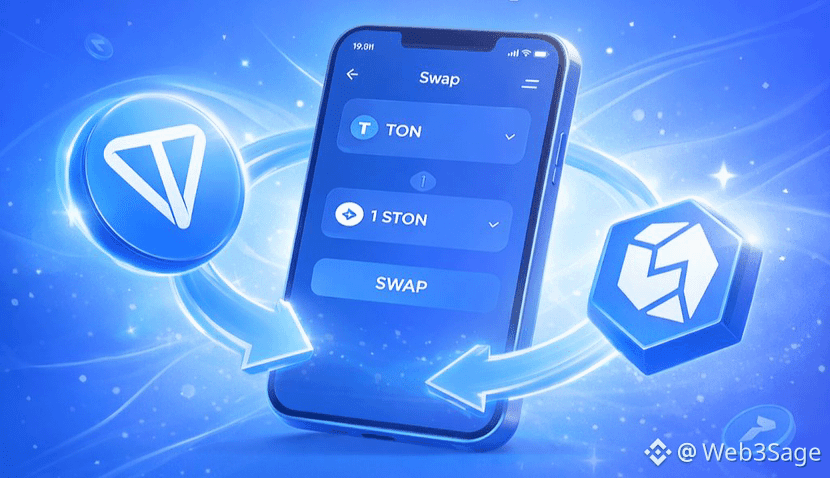
🚀 $STON đang âm thầm phát triển vượt xa các giao dịch hoán đổi
Khi mọi người nghe đến $STON, điều đầu tiên thường nghĩ đến là giao dịch phi tập trung trên TON. Nhưng hệ sinh thái đang phát triển vượt ra khỏi trường hợp sử dụng quen thuộc đó.
Một trong những phát triển thú vị nhất là Omniston—một giao thức tổng hợp thanh khoản được thiết kế để giúp các ứng dụng tìm kiếm và tiếp cận thanh khoản hiệu quả hơn. Thay vì chỉ dựa vào một nguồn thanh khoản duy nhất, Omniston được xây dựng để thu thập báo giá từ các nhà cung cấp được hỗ trợ và xác định lộ trình thực thi tối ưu cho các giao dịch hoán đổi.
Tại sao điều này lại quan trọng?
Khi hệ sinh thái TON mở rộng, thanh khoản tự nhiên sẽ được phân bổ rộng hơn. Mặc dù có thêm thanh khoản nhìn chung là điều tích cực, nhưng nó cũng khiến việc tìm được mức thực thi tốt nhất trở nên khó khăn hơn. Người dùng không muốn phải so sánh nhiều pool hay nghĩ về việc định tuyến (routing); họ chỉ muốn các giao dịch hoán đổi đáng tin cậy với mức giá cạnh tranh.
Đó là lúc hạ tầng phát huy vai trò.
Thay vì xây dựng thêm một giao diện giao dịch khác, Omniston tập trung cải thiện những gì diễn ra ở phía sau. Các nhà phát triển nhận được quyền truy cập một lớp thanh khoản thống nhất, trong khi người dùng được hưởng trải nghiệm hoán đổi mượt mà hơn mà không cần hiểu quy trình định tuyến bên dưới.
Điều này phản ánh một xu hướng lớn hơn trong DeFi: các giao thức ngày càng cạnh tranh về chất lượng thực thi thay vì chỉ cạnh tranh về quy mô thanh khoản.
Với $STON, sự chuyển mình này đáng để theo dõi. Khi hạ tầng trở thành một phần lớn hơn của hệ sinh thái, những dự án giúp đơn giản hóa việc tiếp cận thanh khoản có thể sẽ đóng vai trò ngày càng quan trọng trong sự tăng trưởng liên tục của TON.
💬 Bạn nghĩ liệu tổng hợp thanh khoản sẽ trở thành một lớp nền tảng cốt lõi của hạ tầng DeFi, hay các DEX riêng lẻ vẫn sẽ là điểm đến chính của người giao dịch?
#ston #Omniston #TON
🚀 $STON đang âm thầm phát triển vượt xa các giao dịch hoán đổi
Khi mọi người nghe đến $STON, điều đầu tiên thường nghĩ đến là giao dịch phi tập trung trên TON. Nhưng hệ sinh thái đang phát triển vượt ra khỏi trường hợp sử dụng quen thuộc đó.
Một trong những phát triển thú vị nhất là Omniston—một giao thức tổng hợp thanh khoản được thiết kế để giúp các ứng dụng tìm kiếm và tiếp cận thanh khoản hiệu quả hơn. Thay vì chỉ dựa vào một nguồn thanh khoản duy nhất, Omniston được xây dựng để thu thập báo giá từ các nhà cung cấp được hỗ trợ và xác định lộ trình thực thi tối ưu cho các giao dịch hoán đổi.
Tại sao điều này lại quan trọng?
Khi hệ sinh thái TON mở rộng, thanh khoản tự nhiên sẽ được phân bổ rộng hơn. Mặc dù có thêm thanh khoản nhìn chung là điều tích cực, nhưng nó cũng khiến việc tìm được mức thực thi tốt nhất trở nên khó khăn hơn. Người dùng không muốn phải so sánh nhiều pool hay nghĩ về việc định tuyến (routing); họ chỉ muốn các giao dịch hoán đổi đáng tin cậy với mức giá cạnh tranh.
Đó là lúc hạ tầng phát huy vai trò.
Thay vì xây dựng thêm một giao diện giao dịch khác, Omniston tập trung cải thiện những gì diễn ra ở phía sau. Các nhà phát triển nhận được quyền truy cập một lớp thanh khoản thống nhất, trong khi người dùng được hưởng trải nghiệm hoán đổi mượt mà hơn mà không cần hiểu quy trình định tuyến bên dưới.
Điều này phản ánh một xu hướng lớn hơn trong DeFi: các giao thức ngày càng cạnh tranh về chất lượng thực thi thay vì chỉ cạnh tranh về quy mô thanh khoản.
Với $STON, sự chuyển mình này đáng để theo dõi. Khi hạ tầng trở thành một phần lớn hơn của hệ sinh thái, những dự án giúp đơn giản hóa việc tiếp cận thanh khoản có thể sẽ đóng vai trò ngày càng quan trọng trong sự tăng trưởng liên tục của TON.
💬 Bạn nghĩ liệu tổng hợp thanh khoản sẽ trở thành một lớp nền tảng cốt lõi của hạ tầng DeFi, hay các DEX riêng lẻ vẫn sẽ là điểm đến chính của người giao dịch?
#ston #Omniston #TON
Khi mọi người nghe đến $STON, điều đầu tiên thường nghĩ đến là giao dịch phi tập trung trên TON. Nhưng hệ sinh thái đang phát triển vượt ra khỏi trường hợp sử dụng quen thuộc đó.
Một trong những phát triển thú vị nhất là Omniston—một giao thức tổng hợp thanh khoản được thiết kế để giúp các ứng dụng tìm kiếm và tiếp cận thanh khoản hiệu quả hơn. Thay vì chỉ dựa vào một nguồn thanh khoản duy nhất, Omniston được xây dựng để thu thập báo giá từ các nhà cung cấp được hỗ trợ và xác định lộ trình thực thi tối ưu cho các giao dịch hoán đổi.
Tại sao điều này lại quan trọng?
Khi hệ sinh thái TON mở rộng, thanh khoản tự nhiên sẽ được phân bổ rộng hơn. Mặc dù có thêm thanh khoản nhìn chung là điều tích cực, nhưng nó cũng khiến việc tìm được mức thực thi tốt nhất trở nên khó khăn hơn. Người dùng không muốn phải so sánh nhiều pool hay nghĩ về việc định tuyến (routing); họ chỉ muốn các giao dịch hoán đổi đáng tin cậy với mức giá cạnh tranh.
Đó là lúc hạ tầng phát huy vai trò.
Thay vì xây dựng thêm một giao diện giao dịch khác, Omniston tập trung cải thiện những gì diễn ra ở phía sau. Các nhà phát triển nhận được quyền truy cập một lớp thanh khoản thống nhất, trong khi người dùng được hưởng trải nghiệm hoán đổi mượt mà hơn mà không cần hiểu quy trình định tuyến bên dưới.
Điều này phản ánh một xu hướng lớn hơn trong DeFi: các giao thức ngày càng cạnh tranh về chất lượng thực thi thay vì chỉ cạnh tranh về quy mô thanh khoản.
Với $STON, sự chuyển mình này đáng để theo dõi. Khi hạ tầng trở thành một phần lớn hơn của hệ sinh thái, những dự án giúp đơn giản hóa việc tiếp cận thanh khoản có thể sẽ đóng vai trò ngày càng quan trọng trong sự tăng trưởng liên tục của TON.
💬 Bạn nghĩ liệu tổng hợp thanh khoản sẽ trở thành một lớp nền tảng cốt lõi của hạ tầng DeFi, hay các DEX riêng lẻ vẫn sẽ là điểm đến chính của người giao dịch?
#ston #Omniston #TON
1
50
·
--
Bài viết
Sự Tiện Lợi Đang Chiến Thắng: Vì Sao Hạ Tầng DeFi Tốt Nhất Đang Trở Nên Vô HìnhNhững đột phá công nghệ lớn nhất thường là những thứ mà người dùng không hề nhận ra. Trong tài chính phi tập trung, tương lai có thể thuộc về các giao thức âm thầm loại bỏ sự phức tạp thay vì bổ sung thêm tính năng mới.
Giới thiệu
Hãy hỏi một người kỳ cựu trong DeFi rằng điều gì khiến một giao thức thành công, bạn có thể nghe các thuật ngữ như phi tập trung, bảo mật, thanh khoản, khả năng kết hợp (composability) hoặc khả năng mở rộng (scalability).
Hãy hỏi một người dùng mới hơn cùng một câu hỏi, và câu trả lời thường lại đơn giản hơn rất nhiều:
"Chỉ cần chạy là được."
Sự khác biệt đó cho thấy một bước chuyển quan trọng trong tài chính phi tập trung.
Sự Tiện Lợi Đang Chiến Thắng: Vì Sao Hạ Tầng DeFi Tốt Nhất Đang Trở Nên Vô Hình
Những đột phá công nghệ lớn nhất thường là những thứ mà người dùng không hề nhận ra. Trong tài chính phi tập trung, tương lai có thể thuộc về các giao thức âm thầm loại bỏ sự phức tạp thay vì bổ sung thêm tính năng mới.
Giới thiệu
Hãy hỏi một người kỳ cựu trong DeFi rằng điều gì khiến một giao thức thành công, bạn có thể nghe các thuật ngữ như phi tập trung, bảo mật, thanh khoản, khả năng kết hợp (composability) hoặc khả năng mở rộng (scalability).
Hãy hỏi một người dùng mới hơn cùng một câu hỏi, và câu trả lời thường lại đơn giản hơn rất nhiều:
"Chỉ cần chạy là được."
Sự khác biệt đó cho thấy một bước chuyển quan trọng trong tài chính phi tập trung.
Giới thiệu
Hãy hỏi một người kỳ cựu trong DeFi rằng điều gì khiến một giao thức thành công, bạn có thể nghe các thuật ngữ như phi tập trung, bảo mật, thanh khoản, khả năng kết hợp (composability) hoặc khả năng mở rộng (scalability).
Hãy hỏi một người dùng mới hơn cùng một câu hỏi, và câu trả lời thường lại đơn giản hơn rất nhiều:
"Chỉ cần chạy là được."
Sự khác biệt đó cho thấy một bước chuyển quan trọng trong tài chính phi tập trung.
1
68
·
--
Tăng giá
Chúng ta đã giải sai vấn đề...
Ai cũng nói về liên chuỗi.
Nhưng nếu bước phát triển tiếp theo của DeFi thực sự lại là liên thanh khoản (cross-liquidity) thì sao?
Việc chuyển tài sản giữa các chuỗi chỉ là một phần của trải nghiệm.
Thách thức lớn hơn nằm ở việc tìm ra thanh khoản tốt nhất sau khi các tài sản đó đã được chuyển tới.
Khi DeFi phát triển, thanh khoản ngày càng bị phân mảnh trên:
🔹 Các DEX
🔹 Các pool thanh khoản
🔹 Các market maker
🔹 Các hệ sinh thái blockchain
Vì vậy, tổng hợp thanh khoản đang trở thành một lớp hạ tầng quan trọng của DeFi.
Thay vì bắt người dùng tự tìm kiếm thủ công để có được thực thi tốt nhất, các giao thức tổng hợp hướng tới việc khám phá và định tuyến thông minh qua thanh khoản sẵn có.
Trong hệ TON, Omniston của STON.fi là một ví dụ cho xu hướng này, tập trung vào việc kết nối các ứng dụng với nhiều nguồn thanh khoản khác nhau để cải thiện hiệu quả thực thi lệnh swap.
Tương lai của DeFi có thể không thuộc về giao thức sở hữu pool thanh khoản lớn nhất.
Mà có thể thuộc về hạ tầng giúp người dùng tiếp cận mọi thanh khoản sẵn có một cách hiệu quả.
💬 Bạn có nghĩ rằng tổng hợp thanh khoản sẽ trở nên thiết yếu với DeFi như công cụ tìm kiếm đã trở thành thiết yếu với internet không? Vì sao có hoặc vì sao không?
#Omniston #Gram #XRP
Chúng ta đã giải sai vấn đề...
Ai cũng nói về liên chuỗi.
Nhưng nếu bước phát triển tiếp theo của DeFi thực sự lại là liên thanh khoản (cross-liquidity) thì sao?
Việc chuyển tài sản giữa các chuỗi chỉ là một phần của trải nghiệm.
Thách thức lớn hơn nằm ở việc tìm ra thanh khoản tốt nhất sau khi các tài sản đó đã được chuyển tới.
Khi DeFi phát triển, thanh khoản ngày càng bị phân mảnh trên:
🔹 Các DEX
🔹 Các pool thanh khoản
🔹 Các market maker
🔹 Các hệ sinh thái blockchain
Vì vậy, tổng hợp thanh khoản đang trở thành một lớp hạ tầng quan trọng của DeFi.
Thay vì bắt người dùng tự tìm kiếm thủ công để có được thực thi tốt nhất, các giao thức tổng hợp hướng tới việc khám phá và định tuyến thông minh qua thanh khoản sẵn có.
Trong hệ TON, Omniston của STON.fi là một ví dụ cho xu hướng này, tập trung vào việc kết nối các ứng dụng với nhiều nguồn thanh khoản khác nhau để cải thiện hiệu quả thực thi lệnh swap.
Tương lai của DeFi có thể không thuộc về giao thức sở hữu pool thanh khoản lớn nhất.
Mà có thể thuộc về hạ tầng giúp người dùng tiếp cận mọi thanh khoản sẵn có một cách hiệu quả.
💬 Bạn có nghĩ rằng tổng hợp thanh khoản sẽ trở nên thiết yếu với DeFi như công cụ tìm kiếm đã trở thành thiết yếu với internet không? Vì sao có hoặc vì sao không?
#Omniston #Gram #XRP
Ai cũng nói về liên chuỗi.
Nhưng nếu bước phát triển tiếp theo của DeFi thực sự lại là liên thanh khoản (cross-liquidity) thì sao?
Việc chuyển tài sản giữa các chuỗi chỉ là một phần của trải nghiệm.
Thách thức lớn hơn nằm ở việc tìm ra thanh khoản tốt nhất sau khi các tài sản đó đã được chuyển tới.
Khi DeFi phát triển, thanh khoản ngày càng bị phân mảnh trên:
🔹 Các DEX
🔹 Các pool thanh khoản
🔹 Các market maker
🔹 Các hệ sinh thái blockchain
Vì vậy, tổng hợp thanh khoản đang trở thành một lớp hạ tầng quan trọng của DeFi.
Thay vì bắt người dùng tự tìm kiếm thủ công để có được thực thi tốt nhất, các giao thức tổng hợp hướng tới việc khám phá và định tuyến thông minh qua thanh khoản sẵn có.
Trong hệ TON, Omniston của STON.fi là một ví dụ cho xu hướng này, tập trung vào việc kết nối các ứng dụng với nhiều nguồn thanh khoản khác nhau để cải thiện hiệu quả thực thi lệnh swap.
Tương lai của DeFi có thể không thuộc về giao thức sở hữu pool thanh khoản lớn nhất.
Mà có thể thuộc về hạ tầng giúp người dùng tiếp cận mọi thanh khoản sẵn có một cách hiệu quả.
💬 Bạn có nghĩ rằng tổng hợp thanh khoản sẽ trở nên thiết yếu với DeFi như công cụ tìm kiếm đã trở thành thiết yếu với internet không? Vì sao có hoặc vì sao không?
#Omniston #Gram #XRP
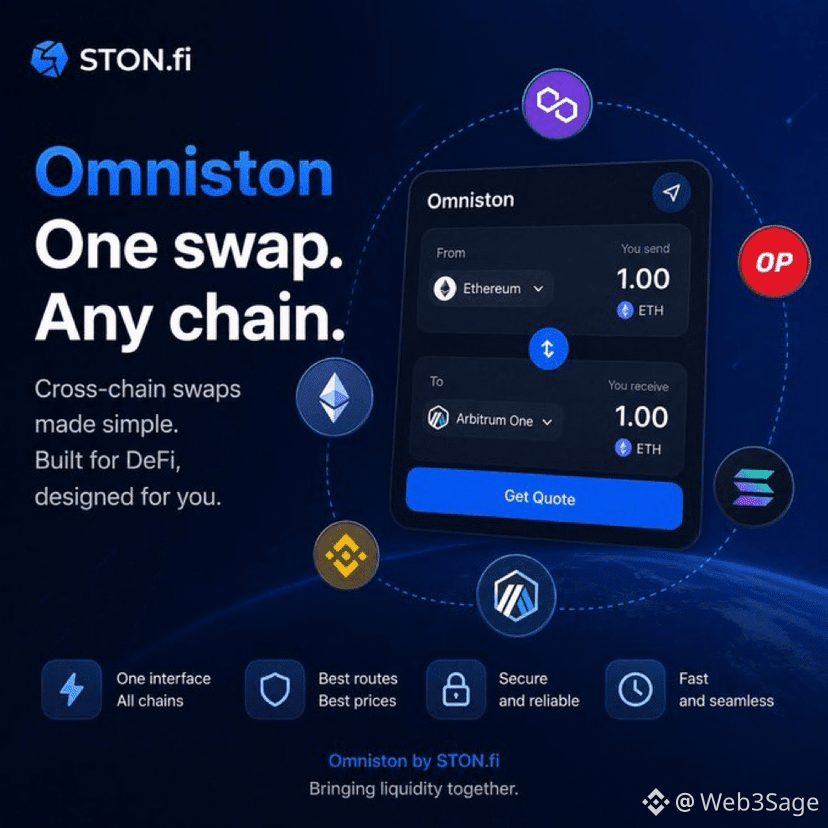
1
210
·
--
Bài viết
Chân trời mới của DeFi không phải là Cross-Chain, mà là Cross-LiquidityTrong nhiều năm, ngành công nghiệp crypto đã tập trung vào việc kết nối các blockchain. Nhưng điều gì sẽ xảy ra nếu thách thức thực sự không phải là kết nối các chuỗi? Mà là kết nối thanh khoản?
Giới thiệu
Hãy hỏi bất kỳ ai về tương lai của tài chính phi tập trung, và bạn có thể sẽ nghe cụm từ "cross-chain".
Cầu nối xuyên chuỗi.
Nhắn tin xuyên chuỗi.
Khả năng tương tác xuyên chuỗi.
Những đổi mới này đã biến blockchain từ các hệ sinh thái tách biệt thành một mạng lưới các nền kinh tế số được kết nối.
Nhưng bất chấp những tiến bộ này, các nhà giao dịch vẫn gặp phải những bức xúc quen thuộc.
Chân trời mới của DeFi không phải là Cross-Chain, mà là Cross-Liquidity
Trong nhiều năm, ngành công nghiệp crypto đã tập trung vào việc kết nối các blockchain. Nhưng điều gì sẽ xảy ra nếu thách thức thực sự không phải là kết nối các chuỗi? Mà là kết nối thanh khoản?
Giới thiệu
Hãy hỏi bất kỳ ai về tương lai của tài chính phi tập trung, và bạn có thể sẽ nghe cụm từ "cross-chain".
Cầu nối xuyên chuỗi.
Nhắn tin xuyên chuỗi.
Khả năng tương tác xuyên chuỗi.
Những đổi mới này đã biến blockchain từ các hệ sinh thái tách biệt thành một mạng lưới các nền kinh tế số được kết nối.
Nhưng bất chấp những tiến bộ này, các nhà giao dịch vẫn gặp phải những bức xúc quen thuộc.
Giới thiệu
Hãy hỏi bất kỳ ai về tương lai của tài chính phi tập trung, và bạn có thể sẽ nghe cụm từ "cross-chain".
Cầu nối xuyên chuỗi.
Nhắn tin xuyên chuỗi.
Khả năng tương tác xuyên chuỗi.
Những đổi mới này đã biến blockchain từ các hệ sinh thái tách biệt thành một mạng lưới các nền kinh tế số được kết nối.
Nhưng bất chấp những tiến bộ này, các nhà giao dịch vẫn gặp phải những bức xúc quen thuộc.
1
225
·
--

Bài viết
Từ DEX đến Execution Layer: Điều gì đang thay đổi trong giao dịch DeFi?Giai đoạn tiếp theo của giao dịch phi tập trung có thể không còn tập trung vào việc xây dựng thêm một sàn giao dịch khác. Có thể đó là việc xây dựng hạ tầng kết nối các sàn giao dịch, các nguồn thanh khoản và các ứng dụng.
Giới thiệu
Trong nhiều năm, các sàn giao dịch phi tập trung đã nằm ở trung tâm của DeFi.
Người dùng sẽ kết nối ví, chọn hai token, xác nhận giao dịch và nhận tài sản mà họ muốn. Mô hình rất đơn giản: DEX là thị trường.
Nhưng DeFi đã thay đổi.
Ngày nay, thanh khoản có thể tồn tại trên nhiều DEX, các nhà tạo lập thị trường tự động (AMM), các nhà cung cấp thanh khoản dựa trên RFQ và ngày càng nhiều hơn là trên các hệ sinh thái blockchain khác nhau. Khi số lượng nguồn thanh khoản tăng lên, việc chỉ vận hành một DEX không còn là thách thức duy nhất nữa.
Từ DEX đến Execution Layer: Điều gì đang thay đổi trong giao dịch DeFi?
Giai đoạn tiếp theo của giao dịch phi tập trung có thể không còn tập trung vào việc xây dựng thêm một sàn giao dịch khác. Có thể đó là việc xây dựng hạ tầng kết nối các sàn giao dịch, các nguồn thanh khoản và các ứng dụng.
Giới thiệu
Trong nhiều năm, các sàn giao dịch phi tập trung đã nằm ở trung tâm của DeFi.
Người dùng sẽ kết nối ví, chọn hai token, xác nhận giao dịch và nhận tài sản mà họ muốn. Mô hình rất đơn giản: DEX là thị trường.
Nhưng DeFi đã thay đổi.
Ngày nay, thanh khoản có thể tồn tại trên nhiều DEX, các nhà tạo lập thị trường tự động (AMM), các nhà cung cấp thanh khoản dựa trên RFQ và ngày càng nhiều hơn là trên các hệ sinh thái blockchain khác nhau. Khi số lượng nguồn thanh khoản tăng lên, việc chỉ vận hành một DEX không còn là thách thức duy nhất nữa.
Giới thiệu
Trong nhiều năm, các sàn giao dịch phi tập trung đã nằm ở trung tâm của DeFi.
Người dùng sẽ kết nối ví, chọn hai token, xác nhận giao dịch và nhận tài sản mà họ muốn. Mô hình rất đơn giản: DEX là thị trường.
Nhưng DeFi đã thay đổi.
Ngày nay, thanh khoản có thể tồn tại trên nhiều DEX, các nhà tạo lập thị trường tự động (AMM), các nhà cung cấp thanh khoản dựa trên RFQ và ngày càng nhiều hơn là trên các hệ sinh thái blockchain khác nhau. Khi số lượng nguồn thanh khoản tăng lên, việc chỉ vận hành một DEX không còn là thách thức duy nhất nữa.
1
213
·
--
Đã xác minh
Bài viết
Vượt Qua Các Cầu Nối: Tại Sao Tương Lai Của Giao Dịch Chuỗi Chéo Không Chỉ Là Chuyển Tài Sản Mà Là Thực ThiViệc chuyển tài sản giữa các blockchain đã trở nên dễ dàng hơn so với vài năm trước. Nhưng đối với nhiều người dùng, việc chuyển token chỉ là một phần của hành trình. Thách thức lớn hơn là thực hiện các giao dịch một cách hiệu quả sau khi các tài sản đó đến đích.
Giới thiệu
Khả năng tương tác chuỗi chéo đã trở thành một trong những lĩnh vực đổi mới hoạt động nhất của blockchain. Ngày nay, người dùng có thể chuyển tài sản giữa hàng chục mạng bằng các cầu nối, giao thức nhắn tin và các khung tương tác.
Mặc dù sự tiến bộ này đã cải thiện đáng kể khả năng kết nối, nó cũng làm lộ ra một quan niệm sai lầm: chuyển tài sản giữa các chuỗi không giống với việc cung cấp một trải nghiệm giao dịch liền mạch.
Vượt Qua Các Cầu Nối: Tại Sao Tương Lai Của Giao Dịch Chuỗi Chéo Không Chỉ Là Chuyển Tài Sản Mà Là Thực Thi
Việc chuyển tài sản giữa các blockchain đã trở nên dễ dàng hơn so với vài năm trước. Nhưng đối với nhiều người dùng, việc chuyển token chỉ là một phần của hành trình. Thách thức lớn hơn là thực hiện các giao dịch một cách hiệu quả sau khi các tài sản đó đến đích.
Giới thiệu
Khả năng tương tác chuỗi chéo đã trở thành một trong những lĩnh vực đổi mới hoạt động nhất của blockchain. Ngày nay, người dùng có thể chuyển tài sản giữa hàng chục mạng bằng các cầu nối, giao thức nhắn tin và các khung tương tác.
Mặc dù sự tiến bộ này đã cải thiện đáng kể khả năng kết nối, nó cũng làm lộ ra một quan niệm sai lầm: chuyển tài sản giữa các chuỗi không giống với việc cung cấp một trải nghiệm giao dịch liền mạch.
Giới thiệu
Khả năng tương tác chuỗi chéo đã trở thành một trong những lĩnh vực đổi mới hoạt động nhất của blockchain. Ngày nay, người dùng có thể chuyển tài sản giữa hàng chục mạng bằng các cầu nối, giao thức nhắn tin và các khung tương tác.
Mặc dù sự tiến bộ này đã cải thiện đáng kể khả năng kết nối, nó cũng làm lộ ra một quan niệm sai lầm: chuyển tài sản giữa các chuỗi không giống với việc cung cấp một trải nghiệm giao dịch liền mạch.
1
11
·
--
Bài viết
Tại sao Sự phân mảnh thanh khoản vẫn là thách thức lớn nhất của DeFi—and Cách tổng hợp hiện đại đang phát triển như thế nàoTính thanh khoản hiện diện khắp nơi trong DeFi, nhưng người dùng thường gặp khó khăn khi tiếp cận nó một cách hiệu quả. Vấn đề không nhất thiết là do thiếu vốn—mà là vốn đó đang nằm ở đâu.
Giới thiệu
Trong vài năm qua, tài chính phi tập trung (DeFi) đã phát triển từ một vài nhà tạo lập thị trường tự động (AMM) thành một hệ sinh thái trải dài trên hàng trăm blockchain, mạng L2 (Layer 2) và các sàn giao dịch phi tập trung. Mặc dù sự tăng trưởng này đã tạo ra nhiều cơ hội hơn cho người dùng, nó cũng đồng thời đưa ra một trong những thách thức dai dẳng nhất của ngành: sự phân mảnh thanh khoản.
Tại sao Sự phân mảnh thanh khoản vẫn là thách thức lớn nhất của DeFi—and Cách tổng hợp hiện đại đang phát triển như thế nào
Tính thanh khoản hiện diện khắp nơi trong DeFi, nhưng người dùng thường gặp khó khăn khi tiếp cận nó một cách hiệu quả. Vấn đề không nhất thiết là do thiếu vốn—mà là vốn đó đang nằm ở đâu.
Giới thiệu
Trong vài năm qua, tài chính phi tập trung (DeFi) đã phát triển từ một vài nhà tạo lập thị trường tự động (AMM) thành một hệ sinh thái trải dài trên hàng trăm blockchain, mạng L2 (Layer 2) và các sàn giao dịch phi tập trung. Mặc dù sự tăng trưởng này đã tạo ra nhiều cơ hội hơn cho người dùng, nó cũng đồng thời đưa ra một trong những thách thức dai dẳng nhất của ngành: sự phân mảnh thanh khoản.
Giới thiệu
Trong vài năm qua, tài chính phi tập trung (DeFi) đã phát triển từ một vài nhà tạo lập thị trường tự động (AMM) thành một hệ sinh thái trải dài trên hàng trăm blockchain, mạng L2 (Layer 2) và các sàn giao dịch phi tập trung. Mặc dù sự tăng trưởng này đã tạo ra nhiều cơ hội hơn cho người dùng, nó cũng đồng thời đưa ra một trong những thách thức dai dẳng nhất của ngành: sự phân mảnh thanh khoản.
1
1
94
·
--
Chuyển tài sản chỉ là một nửa chặng đường
Công nghệ liên chuỗi đã giúp việc chuyển tài sản giữa các blockchain trở nên dễ dàng hơn bao giờ hết. Nhưng có một điều thường bị bỏ qua:
Một cây cầu hoạt động tốt không phải lúc nào cũng đảm bảo mức giao dịch tốt nhất.
Sau khi tài sản đã đến được đích, người dùng vẫn gặp những câu hỏi như:
🔹 Nền tảng DEX nào mang lại giá tốt nhất?
🔹 Nơi nào có thanh khoản sâu nhất?
🔹 Làm thế nào để giảm thiểu trượt giá?
🔹 Có lộ trình thực thi hiệu quả hơn không?
Vì vậy, câu chuyện đang chuyển từ việc chỉ bàn về cầu nối sang hướng tới cơ sở hạ tầng thực thi.
Các giao thức tổng hợp thanh khoản hướng đến việc đơn giản hóa quy trình này bằng cách tìm kiếm và định tuyến lệnh giao dịch thông qua các nguồn thanh khoản sẵn có, giảm nhu cầu để người dùng phải tự so sánh thủ công nhiều nền tảng.
Trong hệ sinh thái TON, Omniston của STON.fi thể hiện xu hướng rộng hơn này, tập trung vào việc cải thiện cách truy cập thanh khoản và cách thực hiện các giao dịch hoán đổi.
Khi DeFi ngày càng trở nên đa chuỗi, câu hỏi cũng đang thay đổi:
Không còn chỉ là "Tài sản có thể di chuyển giữa các blockchain không?"
Mà đang trở thành "Người dùng có thể truy cập được thực thi giao dịch tốt nhất ngay khi họ đến nơi không?"
Những hệ sinh thái DeFi mạnh mẽ nhất trong tương lai có thể không phải là nơi có nhiều cầu nối nhất, mà là nơi sở hữu cơ sở hạ tầng thực thi thông minh nhất.
💬 Bạn nghĩ điều gì sẽ quan trọng hơn trong vài năm tới: cầu nối nhanh hơn, thanh khoản sâu hơn hay thực thi giao dịch thông minh hơn? Hãy chia sẻ suy nghĩ của bạn bên dưới!
#GRAM #Omniston
Chuyển tài sản chỉ là một nửa chặng đường
Công nghệ liên chuỗi đã giúp việc chuyển tài sản giữa các blockchain trở nên dễ dàng hơn bao giờ hết. Nhưng có một điều thường bị bỏ qua:
Một cây cầu hoạt động tốt không phải lúc nào cũng đảm bảo mức giao dịch tốt nhất.
Sau khi tài sản đã đến được đích, người dùng vẫn gặp những câu hỏi như:
🔹 Nền tảng DEX nào mang lại giá tốt nhất?
🔹 Nơi nào có thanh khoản sâu nhất?
🔹 Làm thế nào để giảm thiểu trượt giá?
🔹 Có lộ trình thực thi hiệu quả hơn không?
Vì vậy, câu chuyện đang chuyển từ việc chỉ bàn về cầu nối sang hướng tới cơ sở hạ tầng thực thi.
Các giao thức tổng hợp thanh khoản hướng đến việc đơn giản hóa quy trình này bằng cách tìm kiếm và định tuyến lệnh giao dịch thông qua các nguồn thanh khoản sẵn có, giảm nhu cầu để người dùng phải tự so sánh thủ công nhiều nền tảng.
Trong hệ sinh thái TON, Omniston của STON.fi thể hiện xu hướng rộng hơn này, tập trung vào việc cải thiện cách truy cập thanh khoản và cách thực hiện các giao dịch hoán đổi.
Khi DeFi ngày càng trở nên đa chuỗi, câu hỏi cũng đang thay đổi:
Không còn chỉ là "Tài sản có thể di chuyển giữa các blockchain không?"
Mà đang trở thành "Người dùng có thể truy cập được thực thi giao dịch tốt nhất ngay khi họ đến nơi không?"
Những hệ sinh thái DeFi mạnh mẽ nhất trong tương lai có thể không phải là nơi có nhiều cầu nối nhất, mà là nơi sở hữu cơ sở hạ tầng thực thi thông minh nhất.
💬 Bạn nghĩ điều gì sẽ quan trọng hơn trong vài năm tới: cầu nối nhanh hơn, thanh khoản sâu hơn hay thực thi giao dịch thông minh hơn? Hãy chia sẻ suy nghĩ của bạn bên dưới!
#GRAM #Omniston
Công nghệ liên chuỗi đã giúp việc chuyển tài sản giữa các blockchain trở nên dễ dàng hơn bao giờ hết. Nhưng có một điều thường bị bỏ qua:
Một cây cầu hoạt động tốt không phải lúc nào cũng đảm bảo mức giao dịch tốt nhất.
Sau khi tài sản đã đến được đích, người dùng vẫn gặp những câu hỏi như:
🔹 Nền tảng DEX nào mang lại giá tốt nhất?
🔹 Nơi nào có thanh khoản sâu nhất?
🔹 Làm thế nào để giảm thiểu trượt giá?
🔹 Có lộ trình thực thi hiệu quả hơn không?
Vì vậy, câu chuyện đang chuyển từ việc chỉ bàn về cầu nối sang hướng tới cơ sở hạ tầng thực thi.
Các giao thức tổng hợp thanh khoản hướng đến việc đơn giản hóa quy trình này bằng cách tìm kiếm và định tuyến lệnh giao dịch thông qua các nguồn thanh khoản sẵn có, giảm nhu cầu để người dùng phải tự so sánh thủ công nhiều nền tảng.
Trong hệ sinh thái TON, Omniston của STON.fi thể hiện xu hướng rộng hơn này, tập trung vào việc cải thiện cách truy cập thanh khoản và cách thực hiện các giao dịch hoán đổi.
Khi DeFi ngày càng trở nên đa chuỗi, câu hỏi cũng đang thay đổi:
Không còn chỉ là "Tài sản có thể di chuyển giữa các blockchain không?"
Mà đang trở thành "Người dùng có thể truy cập được thực thi giao dịch tốt nhất ngay khi họ đến nơi không?"
Những hệ sinh thái DeFi mạnh mẽ nhất trong tương lai có thể không phải là nơi có nhiều cầu nối nhất, mà là nơi sở hữu cơ sở hạ tầng thực thi thông minh nhất.
💬 Bạn nghĩ điều gì sẽ quan trọng hơn trong vài năm tới: cầu nối nhanh hơn, thanh khoản sâu hơn hay thực thi giao dịch thông minh hơn? Hãy chia sẻ suy nghĩ của bạn bên dưới!
#GRAM #Omniston
1
206
·
--
Tăng giá
Thanh khoản có thực sự là nút thắt lớn nhất của DeFi không?
Khi DeFi mở rộng trên Ethereum, Solana, TON, Base, Arbitrum và nhiều hệ sinh thái khác, một thách thức đang âm thầm trở nên dễ nhận thấy hơn: sự phân mảnh thanh khoản.
Không phải là DeFi thiếu thanh khoản—hoàn toàn ngược lại. Vấn đề thực sự nằm ở chỗ thanh khoản được phân bổ trên hàng vô số sàn giao dịch phi tập trung, các blockchain và các pool thanh khoản. Đối với nhà giao dịch, điều này có thể dẫn đến giá khác nhau cho cùng một tài sản, trượt giá cao hơn, và sự bất tiện khi phải so sánh nhiều nền tảng trước khi thực hiện một lệnh swap.
Đây là lúc cơ chế tổng hợp thanh khoản phát huy vai trò.
Thay vì buộc người dùng tự tìm kiếm tuyến đường giao dịch tốt nhất, các giao thức tổng hợp được thiết kế để phát hiện và kết hợp thanh khoản hiện có, hướng tới việc mang lại hiệu quả thực thi giao dịch cao hơn. Khái niệm này không phải là mới, nhưng vai trò của nó đang ngày càng trở nên quan trọng khi DeFi phát triển thành một hệ sinh thái đa chuỗi thực sự.
Trong hệ sinh thái TON, STONFIis đang góp phần thúc đẩy sự phát triển này thông qua Omniston, một giao thức tổng hợp thanh khoản tập trung vào việc cải thiện cách thức thực hiện swap bằng cách truy cập thanh khoản sẵn có một cách hiệu quả hơn. Mặc dù các giao thức khác nhau có thể sử dụng những cách tiếp cận kiến trúc khác nhau, xu hướng chung là rõ ràng: thực thi tốt hơn đang trở thành yếu tố quan trọng tương đương với việc có thanh khoản sâu.
Khi nhiều chuỗi và ứng dụng phi tập trung ra đời, tương lai của giao dịch có thể sẽ phụ thuộc ít hơn vào việc thanh khoản nằm ở đâu và nhiều hơn vào việc người dùng có thể tiếp cận thanh khoản đó hiệu quả đến mức nào.
Câu hỏi không còn là, "DEX nào có nhiều thanh khoản nhất?"
Mà đang trở thành, "Cơ sở hạ tầng nào có thể kết nối người dùng với thanh khoản sẵn có tốt nhất với ít trở ngại nhất?"
💬 Theo bạn, rào cản lớn nhất đối với giao dịch DeFi mượt mà ngày nay là gì—thanh khoản phân mảnh, độ phức tạp liên chuỗi, hay một yếu tố khác? Hãy cùng thảo luận bên dưới.
#ston #GRAM #OMNISTON
Thanh khoản có thực sự là nút thắt lớn nhất của DeFi không?
Khi DeFi mở rộng trên Ethereum, Solana, TON, Base, Arbitrum và nhiều hệ sinh thái khác, một thách thức đang âm thầm trở nên dễ nhận thấy hơn: sự phân mảnh thanh khoản.
Không phải là DeFi thiếu thanh khoản—hoàn toàn ngược lại. Vấn đề thực sự nằm ở chỗ thanh khoản được phân bổ trên hàng vô số sàn giao dịch phi tập trung, các blockchain và các pool thanh khoản. Đối với nhà giao dịch, điều này có thể dẫn đến giá khác nhau cho cùng một tài sản, trượt giá cao hơn, và sự bất tiện khi phải so sánh nhiều nền tảng trước khi thực hiện một lệnh swap.
Đây là lúc cơ chế tổng hợp thanh khoản phát huy vai trò.
Thay vì buộc người dùng tự tìm kiếm tuyến đường giao dịch tốt nhất, các giao thức tổng hợp được thiết kế để phát hiện và kết hợp thanh khoản hiện có, hướng tới việc mang lại hiệu quả thực thi giao dịch cao hơn. Khái niệm này không phải là mới, nhưng vai trò của nó đang ngày càng trở nên quan trọng khi DeFi phát triển thành một hệ sinh thái đa chuỗi thực sự.
Trong hệ sinh thái TON, STONFIis đang góp phần thúc đẩy sự phát triển này thông qua Omniston, một giao thức tổng hợp thanh khoản tập trung vào việc cải thiện cách thức thực hiện swap bằng cách truy cập thanh khoản sẵn có một cách hiệu quả hơn. Mặc dù các giao thức khác nhau có thể sử dụng những cách tiếp cận kiến trúc khác nhau, xu hướng chung là rõ ràng: thực thi tốt hơn đang trở thành yếu tố quan trọng tương đương với việc có thanh khoản sâu.
Khi nhiều chuỗi và ứng dụng phi tập trung ra đời, tương lai của giao dịch có thể sẽ phụ thuộc ít hơn vào việc thanh khoản nằm ở đâu và nhiều hơn vào việc người dùng có thể tiếp cận thanh khoản đó hiệu quả đến mức nào.
Câu hỏi không còn là, "DEX nào có nhiều thanh khoản nhất?"
Mà đang trở thành, "Cơ sở hạ tầng nào có thể kết nối người dùng với thanh khoản sẵn có tốt nhất với ít trở ngại nhất?"
💬 Theo bạn, rào cản lớn nhất đối với giao dịch DeFi mượt mà ngày nay là gì—thanh khoản phân mảnh, độ phức tạp liên chuỗi, hay một yếu tố khác? Hãy cùng thảo luận bên dưới.
#ston #GRAM #OMNISTON
Khi DeFi mở rộng trên Ethereum, Solana, TON, Base, Arbitrum và nhiều hệ sinh thái khác, một thách thức đang âm thầm trở nên dễ nhận thấy hơn: sự phân mảnh thanh khoản.
Không phải là DeFi thiếu thanh khoản—hoàn toàn ngược lại. Vấn đề thực sự nằm ở chỗ thanh khoản được phân bổ trên hàng vô số sàn giao dịch phi tập trung, các blockchain và các pool thanh khoản. Đối với nhà giao dịch, điều này có thể dẫn đến giá khác nhau cho cùng một tài sản, trượt giá cao hơn, và sự bất tiện khi phải so sánh nhiều nền tảng trước khi thực hiện một lệnh swap.
Đây là lúc cơ chế tổng hợp thanh khoản phát huy vai trò.
Thay vì buộc người dùng tự tìm kiếm tuyến đường giao dịch tốt nhất, các giao thức tổng hợp được thiết kế để phát hiện và kết hợp thanh khoản hiện có, hướng tới việc mang lại hiệu quả thực thi giao dịch cao hơn. Khái niệm này không phải là mới, nhưng vai trò của nó đang ngày càng trở nên quan trọng khi DeFi phát triển thành một hệ sinh thái đa chuỗi thực sự.
Trong hệ sinh thái TON, STONFIis đang góp phần thúc đẩy sự phát triển này thông qua Omniston, một giao thức tổng hợp thanh khoản tập trung vào việc cải thiện cách thức thực hiện swap bằng cách truy cập thanh khoản sẵn có một cách hiệu quả hơn. Mặc dù các giao thức khác nhau có thể sử dụng những cách tiếp cận kiến trúc khác nhau, xu hướng chung là rõ ràng: thực thi tốt hơn đang trở thành yếu tố quan trọng tương đương với việc có thanh khoản sâu.
Khi nhiều chuỗi và ứng dụng phi tập trung ra đời, tương lai của giao dịch có thể sẽ phụ thuộc ít hơn vào việc thanh khoản nằm ở đâu và nhiều hơn vào việc người dùng có thể tiếp cận thanh khoản đó hiệu quả đến mức nào.
Câu hỏi không còn là, "DEX nào có nhiều thanh khoản nhất?"
Mà đang trở thành, "Cơ sở hạ tầng nào có thể kết nối người dùng với thanh khoản sẵn có tốt nhất với ít trở ngại nhất?"
💬 Theo bạn, rào cản lớn nhất đối với giao dịch DeFi mượt mà ngày nay là gì—thanh khoản phân mảnh, độ phức tạp liên chuỗi, hay một yếu tố khác? Hãy cùng thảo luận bên dưới.
#ston #GRAM #OMNISTON

1
154
·
--
🚀 Bạn chỉ muốn tham gia vào DeFi? Không.
Đã đến lúc LÃNH ĐẠO nó!
Với Omniston, bạn không chỉ cung cấp thanh khoản—bạn đang giúp định hình tương lai của tài chính trên $TON .
🌐 Tại sao TON?
Mạng lưới Mở (TON) không chỉ là một blockchain khác. Nó nhanh chóng, có thể mở rộng và được xây dựng cho việc áp dụng đại trà.
DeFi trên TON vẫn đang ở giai đoạn đầu, có nghĩa là những người xây dựng và cung cấp thanh khoản hôm nay sẽ định nghĩa hệ sinh thái ngày mai.
💧 Tại sao Omniston?
Mỗi giao dịch hoán đổi, mỗi giao dịch, mỗi giao thức được xây dựng trên TON phụ thuộc vào các nhà cung cấp thanh khoản.
Khi bạn cung cấp thanh khoản trên Omniston, bạn không chỉ kiếm được lợi suất—bạn đang thúc đẩy sự phát triển của TON DeFi.
Bạn không phải là một khán giả. Bạn là động cơ. 🔥
🌟 Hãy là Người Đi Tiên Phong, Không Phải Người Theo Sau
Những cuộc cách mạng DeFi lớn nhất luôn bắt đầu với những người tin tưởng sớm nhận ra tiềm năng trước đám đông. Câu chuyện của TON vẫn đang được viết, và đây là cơ hội của bạn để viết tương lai cùng với nó.
✨ Tương lai của DeFi không phải ở nơi khác.
Nó ở đây. Nó là $TON . Và với Omniston, bạn có thể đảm bảo chỗ ngồi hàng đầu trong lịch sử—hôm nay.
👉 Tham gia vào phong trào. Cung cấp thanh khoản. Định hình tương lai.
🔗 Trở thành nhà cung cấp thanh khoản
#TON #defi #omniston
{spot}(TONUSDT)
🚀 Bạn chỉ muốn tham gia vào DeFi? Không.
Đã đến lúc LÃNH ĐẠO nó!
Với Omniston, bạn không chỉ cung cấp thanh khoản—bạn đang giúp định hình tương lai của tài chính trên $TON .
🌐 Tại sao TON?
Mạng lưới Mở (TON) không chỉ là một blockchain khác. Nó nhanh chóng, có thể mở rộng và được xây dựng cho việc áp dụng đại trà.
DeFi trên TON vẫn đang ở giai đoạn đầu, có nghĩa là những người xây dựng và cung cấp thanh khoản hôm nay sẽ định nghĩa hệ sinh thái ngày mai.
💧 Tại sao Omniston?
Mỗi giao dịch hoán đổi, mỗi giao dịch, mỗi giao thức được xây dựng trên TON phụ thuộc vào các nhà cung cấp thanh khoản.
Khi bạn cung cấp thanh khoản trên Omniston, bạn không chỉ kiếm được lợi suất—bạn đang thúc đẩy sự phát triển của TON DeFi.
Bạn không phải là một khán giả. Bạn là động cơ. 🔥
🌟 Hãy là Người Đi Tiên Phong, Không Phải Người Theo Sau
Những cuộc cách mạng DeFi lớn nhất luôn bắt đầu với những người tin tưởng sớm nhận ra tiềm năng trước đám đông. Câu chuyện của TON vẫn đang được viết, và đây là cơ hội của bạn để viết tương lai cùng với nó.
✨ Tương lai của DeFi không phải ở nơi khác.
Nó ở đây. Nó là $TON . Và với Omniston, bạn có thể đảm bảo chỗ ngồi hàng đầu trong lịch sử—hôm nay.
👉 Tham gia vào phong trào. Cung cấp thanh khoản. Định hình tương lai.
🔗 Trở thành nhà cung cấp thanh khoản
#TON #defi #omniston
Đã đến lúc LÃNH ĐẠO nó!
Với Omniston, bạn không chỉ cung cấp thanh khoản—bạn đang giúp định hình tương lai của tài chính trên $TON .
🌐 Tại sao TON?
Mạng lưới Mở (TON) không chỉ là một blockchain khác. Nó nhanh chóng, có thể mở rộng và được xây dựng cho việc áp dụng đại trà.
DeFi trên TON vẫn đang ở giai đoạn đầu, có nghĩa là những người xây dựng và cung cấp thanh khoản hôm nay sẽ định nghĩa hệ sinh thái ngày mai.
💧 Tại sao Omniston?
Mỗi giao dịch hoán đổi, mỗi giao dịch, mỗi giao thức được xây dựng trên TON phụ thuộc vào các nhà cung cấp thanh khoản.
Khi bạn cung cấp thanh khoản trên Omniston, bạn không chỉ kiếm được lợi suất—bạn đang thúc đẩy sự phát triển của TON DeFi.
Bạn không phải là một khán giả. Bạn là động cơ. 🔥
🌟 Hãy là Người Đi Tiên Phong, Không Phải Người Theo Sau
Những cuộc cách mạng DeFi lớn nhất luôn bắt đầu với những người tin tưởng sớm nhận ra tiềm năng trước đám đông. Câu chuyện của TON vẫn đang được viết, và đây là cơ hội của bạn để viết tương lai cùng với nó.
✨ Tương lai của DeFi không phải ở nơi khác.
Nó ở đây. Nó là $TON . Và với Omniston, bạn có thể đảm bảo chỗ ngồi hàng đầu trong lịch sử—hôm nay.
👉 Tham gia vào phong trào. Cung cấp thanh khoản. Định hình tương lai.
🔗 Trở thành nhà cung cấp thanh khoản
#TON #defi #omniston
1
177
·
--
GHope
GHope

KobbyFlex
·
--
Tăng giáLịch phát hành token của Hopeum có 15% nguồn cung lưu hành ban đầu (150 triệu $HPM) tại thời điểm ra mắt, với các token bán trước sẽ được phân bổ trong khoảng thời gian 3 tháng và 12 tháng theo hình thức tuyến tính.
Chi tiết hơn tại: https://medium.com/@hopeum/hopeum-tokenomics-introduction-b98469137d3f
#Hopeum @Hopeum
Chi tiết hơn tại: https://medium.com/@hopeum/hopeum-tokenomics-introduction-b98469137d3f
#Hopeum @Hopeum
4
·
--
Tăng giá
🚨 Cập nhật Kiểm toán: Omniston Escrow Đạt Tiêu Chuẩn Bảo Mật
#STONfi đã thông báo rằng các hợp đồng escrow của Omniston đã hoàn thành thành công một cuộc kiểm toán bởi TonTech, đánh dấu một cột mốc bảo mật quan trọng cho dự án.
Điểm Nổi Bật
🔹 Kiểm toán Đạt – Tất cả logic escrow khớp với thông số thiết kế
🔹 Sẵn Sàng Sản Xuất – Các hợp đồng được xác thực về hiệu suất & sử dụng
🔹 Không Có Vấn Đề Nghiêm Trọng – Không phát hiện lỗ hổng nghiêm trọng nào
🔹 Bảo Mật Tăng Cường – Hoạt động trao đổi an toàn hơn cho người dùng
Omniston là gì?
Omniston là giao thức tổng hợp thanh khoản #STONfi thu thập thanh khoản từ nhiều nguồn khác nhau để cung cấp tỷ lệ trao đổi tối ưu với độ trượt tối thiểu. Các hợp đồng escrow của nó hoạt động như những kho bảo mật tự động, đảm bảo rằng các quỹ chỉ di chuyển dưới các điều kiện đã được định sẵn — loại bỏ nhu cầu về sự tin tưởng.
STON.fi đã nhấn mạnh rằng các cuộc kiểm toán toàn diện là thực tiễn tiêu chuẩn, với các đánh giá trước đó được thực hiện bởi Trail of Bits, một công ty nổi tiếng trong việc bảo mật Ethereum 2.0, Uniswap và Chainlink.
👉 Cột mốc này củng cố tầm nhìn của STONfi về việc xây dựng cơ sở hạ tầng DeFi an toàn, đa chuỗi trên $TON.
#TON #STONfi #STON
🚨 Cập nhật Kiểm toán: Omniston Escrow Đạt Tiêu Chuẩn Bảo Mật
#STONfi đã thông báo rằng các hợp đồng escrow của Omniston đã hoàn thành thành công một cuộc kiểm toán bởi TonTech, đánh dấu một cột mốc bảo mật quan trọng cho dự án.
Điểm Nổi Bật
🔹 Kiểm toán Đạt – Tất cả logic escrow khớp với thông số thiết kế
🔹 Sẵn Sàng Sản Xuất – Các hợp đồng được xác thực về hiệu suất & sử dụng
🔹 Không Có Vấn Đề Nghiêm Trọng – Không phát hiện lỗ hổng nghiêm trọng nào
🔹 Bảo Mật Tăng Cường – Hoạt động trao đổi an toàn hơn cho người dùng
Omniston là gì?
Omniston là giao thức tổng hợp thanh khoản #STONfi thu thập thanh khoản từ nhiều nguồn khác nhau để cung cấp tỷ lệ trao đổi tối ưu với độ trượt tối thiểu. Các hợp đồng escrow của nó hoạt động như những kho bảo mật tự động, đảm bảo rằng các quỹ chỉ di chuyển dưới các điều kiện đã được định sẵn — loại bỏ nhu cầu về sự tin tưởng.
STON.fi đã nhấn mạnh rằng các cuộc kiểm toán toàn diện là thực tiễn tiêu chuẩn, với các đánh giá trước đó được thực hiện bởi Trail of Bits, một công ty nổi tiếng trong việc bảo mật Ethereum 2.0, Uniswap và Chainlink.
👉 Cột mốc này củng cố tầm nhìn của STONfi về việc xây dựng cơ sở hạ tầng DeFi an toàn, đa chuỗi trên $TON.
#TON #STONfi #STON
#STONfi đã thông báo rằng các hợp đồng escrow của Omniston đã hoàn thành thành công một cuộc kiểm toán bởi TonTech, đánh dấu một cột mốc bảo mật quan trọng cho dự án.
Điểm Nổi Bật
🔹 Kiểm toán Đạt – Tất cả logic escrow khớp với thông số thiết kế
🔹 Sẵn Sàng Sản Xuất – Các hợp đồng được xác thực về hiệu suất & sử dụng
🔹 Không Có Vấn Đề Nghiêm Trọng – Không phát hiện lỗ hổng nghiêm trọng nào
🔹 Bảo Mật Tăng Cường – Hoạt động trao đổi an toàn hơn cho người dùng
Omniston là gì?
Omniston là giao thức tổng hợp thanh khoản #STONfi thu thập thanh khoản từ nhiều nguồn khác nhau để cung cấp tỷ lệ trao đổi tối ưu với độ trượt tối thiểu. Các hợp đồng escrow của nó hoạt động như những kho bảo mật tự động, đảm bảo rằng các quỹ chỉ di chuyển dưới các điều kiện đã được định sẵn — loại bỏ nhu cầu về sự tin tưởng.
STON.fi đã nhấn mạnh rằng các cuộc kiểm toán toàn diện là thực tiễn tiêu chuẩn, với các đánh giá trước đó được thực hiện bởi Trail of Bits, một công ty nổi tiếng trong việc bảo mật Ethereum 2.0, Uniswap và Chainlink.
👉 Cột mốc này củng cố tầm nhìn của STONfi về việc xây dựng cơ sở hạ tầng DeFi an toàn, đa chuỗi trên $TON.
#TON #STONfi #STON
1
7
·
--
STONfi: Xây dựng cơ sở hạ tầng DeFi bền vững trên $TON
Trong một không gian thường bị chi phối bởi việc đầu cơ ngắn hạn, STONfi tập trung vào việc tạo ra giá trị lâu dài thông qua thanh khoản bền vững.
Là một DEX hàng đầu trên Mạng Mở,
STON.fi
không chỉ là nơi để hoán đổi token. Nó là lớp thanh khoản cơ bản cung cấp năng lượng cho hệ sinh thái TON.
Làm thế nào?
· Đối với LPs: Kiếm lợi nhuận thực bằng cách cung cấp thanh khoản cho các pool mạnh mẽ, được sử dụng tốt.
· Đối với Traders: Thoải mái hoán đổi với sự trượt giá tối thiểu và phí thấp.
· Đối với TON: Thúc đẩy sự chấp nhận đại trà bằng cách cung cấp cơ sở hạ tầng tài chính quan trọng cần thiết cho quy mô.
Khám phá cơ sở hạ tầng đang xây dựng tương lai của DeFi trên $TON .
#STONfi #TON #defi #DEX
{spot}(TONUSDT)
STONfi: Xây dựng cơ sở hạ tầng DeFi bền vững trên $TON
Trong một không gian thường bị chi phối bởi việc đầu cơ ngắn hạn, STONfi tập trung vào việc tạo ra giá trị lâu dài thông qua thanh khoản bền vững.
Là một DEX hàng đầu trên Mạng Mở,
STON.fi
không chỉ là nơi để hoán đổi token. Nó là lớp thanh khoản cơ bản cung cấp năng lượng cho hệ sinh thái TON.
Làm thế nào?
· Đối với LPs: Kiếm lợi nhuận thực bằng cách cung cấp thanh khoản cho các pool mạnh mẽ, được sử dụng tốt.
· Đối với Traders: Thoải mái hoán đổi với sự trượt giá tối thiểu và phí thấp.
· Đối với TON: Thúc đẩy sự chấp nhận đại trà bằng cách cung cấp cơ sở hạ tầng tài chính quan trọng cần thiết cho quy mô.
Khám phá cơ sở hạ tầng đang xây dựng tương lai của DeFi trên $TON .
#STONfi #TON #defi #DEX
Trong một không gian thường bị chi phối bởi việc đầu cơ ngắn hạn, STONfi tập trung vào việc tạo ra giá trị lâu dài thông qua thanh khoản bền vững.
Là một DEX hàng đầu trên Mạng Mở,
STON.fi
không chỉ là nơi để hoán đổi token. Nó là lớp thanh khoản cơ bản cung cấp năng lượng cho hệ sinh thái TON.
Làm thế nào?
· Đối với LPs: Kiếm lợi nhuận thực bằng cách cung cấp thanh khoản cho các pool mạnh mẽ, được sử dụng tốt.
· Đối với Traders: Thoải mái hoán đổi với sự trượt giá tối thiểu và phí thấp.
· Đối với TON: Thúc đẩy sự chấp nhận đại trà bằng cách cung cấp cơ sở hạ tầng tài chính quan trọng cần thiết cho quy mô.
Khám phá cơ sở hạ tầng đang xây dựng tương lai của DeFi trên $TON .
#STONfi #TON #defi #DEX
1
12
Đăng nhập để khám phá thêm nội dung
Tham gia cùng người dùng tiền mã hóa toàn cầu trên Binance Square
⚡️ Nhận thông tin mới nhất và hữu ích về tiền mã hóa.
💬 Được tin cậy bởi sàn giao dịch tiền mã hóa lớn nhất thế giới.
👍 Khám phá những thông tin chuyên sâu thực tế từ những nhà sáng tạo đã xác minh.
Email / Số điện thoại
Chủ đề thịnh hành
TinFed
74,692 lượt xem
352 đang thảo luận
🔥 #TinFed Xác suất Fed tăng lãi suất đã lên 89% — Sao BTC vẫn chưa sập?
Thị trường gần như đã định giá khả năng FOMC tháng 9 tăng 25bp, vậy tại sao BTC vẫn chưa bị bán tháo?
Vì thị trường không chỉ trade chuyện “có tăng lãi suất hay không”, mà còn trade Fed sẽ nói gì sau đó.
📊 Mình đang nhìn 3 thứ:
① 77K
Đây là vùng phòng thủ quan trọng.
77K còn giữ → mình chưa vội bearish chỉ vì kỳ vọng tăng lãi suất cao.
② 80K
Đây là vị trí phe Bull cần lấy lại.
Break 80K kèm volume → tâm lý có thể cải thiện rõ rệt, mục tiêu tiếp theo 82K–83K.
③ Thông điệp sau FOMC
Đây mới là phần mình quan tâm nhất.
Nếu Fed tăng 25bp nhưng phát biểu không hawkish như thị trường lo ngại, “tin xấu đã được định giá” có thể ngược lại trở thành chất xúc tác cho BTC.
Ngược lại, tăng lãi suất + giọng điệu hawkish → cần cẩn thận với áp lực định giá.
🍑 Plan của mình rất đơn giản:
• 77K giữ → tiếp tục quan sát phe Bull
• 80K breakout → nhìn 82K–83K
• 82K–83K đứng vững → mở lại dư địa tăng
• Mất 77K → ngắn hạn chuyển sang phòng thủ
Mình không hoảng vì con số 89%, cũng không FOMO vì BTC đang hồi.
Chờ dữ liệu. Chờ FOMC. Chờ giá xác nhận.
Không đoán đáy, không đuổi đỉnh.
Quan điểm cá nhân, không phải lời khuyên đầu tư. Quản lý vốn luôn đứng đầu.
Mira CryptoVN
·0 lượt thích
·933 lượt xem
TheoDõiFOMC
83,081 lượt xem
549 đang thảo luận
45NgayTuDoTaiChinh
906,991 lượt xem
3,117 đang thảo luận