
Finchab Crypto
5 Bài đăng

Finchab Crypto
Báo cáo
Chặn người dùng
Giao dịch mở
Trader tần suất thấp
10.1 tháng
1 Đang theo dõi
0 Người theo dõi
4 Đã thích
Bài đăng
Danh mục đầu tư
Xem bản dịch
🔐 What Is a Blockchain Validator?
Imagine sending money on a system where no bank is in charge. So who makes sure the transaction is real?
That’s where a blockchain validator comes in.
A validator is a computer that helps check and approve transactions on certain blockchains, such as $ETH
When you make a transaction, validators check things like:
Is the transaction valid?
Does the sender have enough funds?
Does it follow the blockchain’s rules?
If everything looks correct, the validator helps add the transaction to the blockchain.
But there’s more.
Validators also help protect the network. On Proof-of-Stake blockchains, they usually lock up (stake) cryptocurrency as a form of security deposit. If they follow the rules, they can earn rewards. If they deliberately cheat or seriously break the rules, they can lose part of their stake.
Think of validators as digital referees.
They don't control the game.
They don't own the blockchain.
They simply help make sure everyone follows the same rules.
And here’s the fascinating part:
Thousands of computers can work together to maintain one shared record without a central authority.
That is one of the ideas that makes blockchain technology so powerful.
In simple terms:
> 🧠 Validator = A computer that checks transactions, helps secure the network, and keeps the blockchain running honestly.
#Validators #blockchain #cryptoeducation #Web3 #Ethereum
🔐 What Is a Blockchain Validator?
Imagine sending money on a system where no bank is in charge. So who makes sure the transaction is real?
That’s where a blockchain validator comes in.
A validator is a computer that helps check and approve transactions on certain blockchains, such as $ETH
When you make a transaction, validators check things like:
Is the transaction valid?
Does the sender have enough funds?
Does it follow the blockchain’s rules?
If everything looks correct, the validator helps add the transaction to the blockchain.
But there’s more.
Validators also help protect the network. On Proof-of-Stake blockchains, they usually lock up (stake) cryptocurrency as a form of security deposit. If they follow the rules, they can earn rewards. If they deliberately cheat or seriously break the rules, they can lose part of their stake.
Think of validators as digital referees.
They don't control the game.
They don't own the blockchain.
They simply help make sure everyone follows the same rules.
And here’s the fascinating part:
Thousands of computers can work together to maintain one shared record without a central authority.
That is one of the ideas that makes blockchain technology so powerful.
In simple terms:
> 🧠 Validator = A computer that checks transactions, helps secure the network, and keeps the blockchain running honestly.
#Validators #blockchain #cryptoeducation #Web3 #Ethereum
Imagine sending money on a system where no bank is in charge. So who makes sure the transaction is real?
That’s where a blockchain validator comes in.
A validator is a computer that helps check and approve transactions on certain blockchains, such as $ETH
When you make a transaction, validators check things like:
Is the transaction valid?
Does the sender have enough funds?
Does it follow the blockchain’s rules?
If everything looks correct, the validator helps add the transaction to the blockchain.
But there’s more.
Validators also help protect the network. On Proof-of-Stake blockchains, they usually lock up (stake) cryptocurrency as a form of security deposit. If they follow the rules, they can earn rewards. If they deliberately cheat or seriously break the rules, they can lose part of their stake.
Think of validators as digital referees.
They don't control the game.
They don't own the blockchain.
They simply help make sure everyone follows the same rules.
And here’s the fascinating part:
Thousands of computers can work together to maintain one shared record without a central authority.
That is one of the ideas that makes blockchain technology so powerful.
In simple terms:
> 🧠 Validator = A computer that checks transactions, helps secure the network, and keeps the blockchain running honestly.
#Validators #blockchain #cryptoeducation #Web3 #Ethereum
54
Bài viết
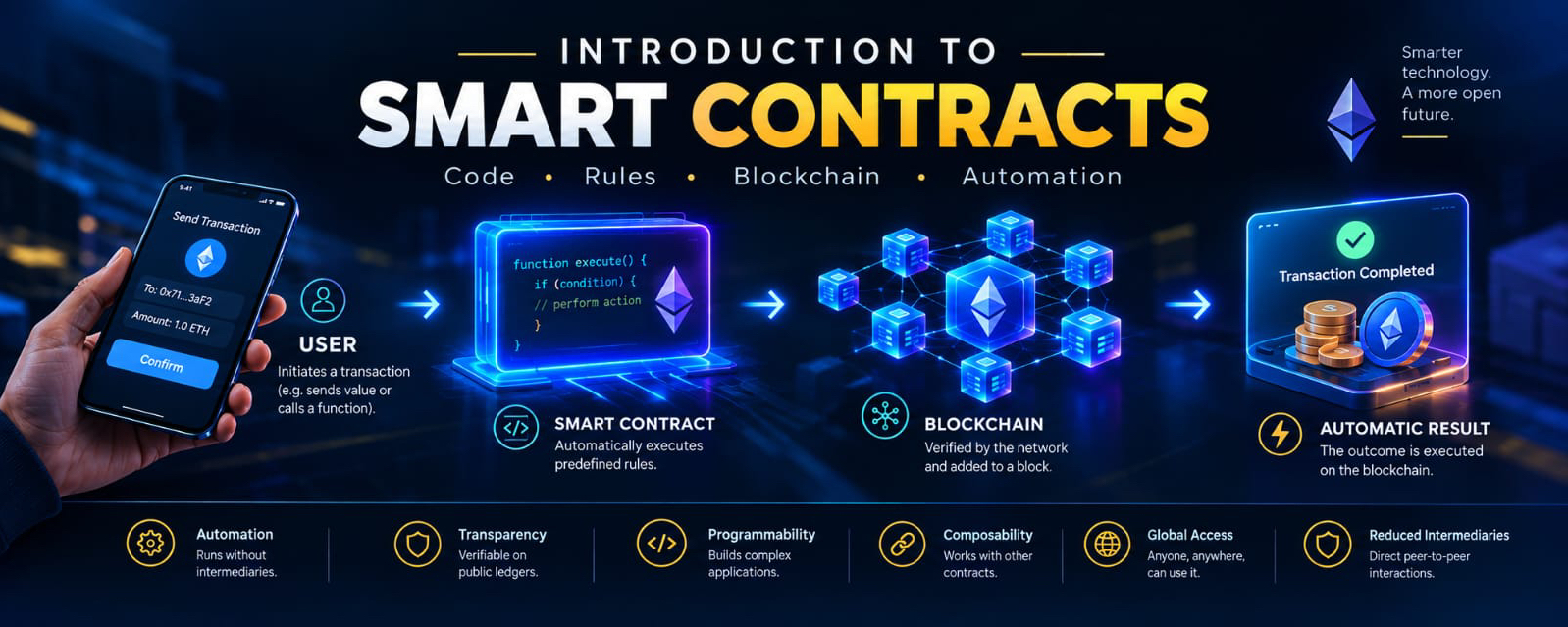
⚙️ Hợp đồng thông minh là gì? Giải thích đơn giảnBạn có lẽ đã nghe rằng hợp đồng thông minh cung cấp năng lượng cho DeFi, NFT và Web3. Nhưng thực ra chúng là gì?
Hợp đồng thông minh là một chương trình máy tính được lưu trữ trên blockchain, tự động thực thi các quy tắc đã được xác định trước khi các điều kiện của nó được thỏa mãn.
Hãy nghĩ về một máy bán hàng tự động:
💰 Cho tiền vào → chọn sản phẩm → các điều kiện được kiểm tra → sản phẩm được phát hành.
Không cần nhân viên thu ngân. Máy sẽ làm theo các quy tắc đã được lập trình.
🔍 Hợp đồng thông minh hoạt động như thế nào?
Một nhà phát triển viết các quy tắc dưới dạng mã. Trên Ethereum, Solidity là một trong những ngôn ngữ lập trình chính được sử dụng.
⚙️ Hợp đồng thông minh là gì? Giải thích đơn giản
Bạn có lẽ đã nghe rằng hợp đồng thông minh cung cấp năng lượng cho DeFi, NFT và Web3. Nhưng thực ra chúng là gì?
Hợp đồng thông minh là một chương trình máy tính được lưu trữ trên blockchain, tự động thực thi các quy tắc đã được xác định trước khi các điều kiện của nó được thỏa mãn.
Hãy nghĩ về một máy bán hàng tự động:
💰 Cho tiền vào → chọn sản phẩm → các điều kiện được kiểm tra → sản phẩm được phát hành.
Không cần nhân viên thu ngân. Máy sẽ làm theo các quy tắc đã được lập trình.
🔍 Hợp đồng thông minh hoạt động như thế nào?
Một nhà phát triển viết các quy tắc dưới dạng mã. Trên Ethereum, Solidity là một trong những ngôn ngữ lập trình chính được sử dụng.
Hợp đồng thông minh là một chương trình máy tính được lưu trữ trên blockchain, tự động thực thi các quy tắc đã được xác định trước khi các điều kiện của nó được thỏa mãn.
Hãy nghĩ về một máy bán hàng tự động:
💰 Cho tiền vào → chọn sản phẩm → các điều kiện được kiểm tra → sản phẩm được phát hành.
Không cần nhân viên thu ngân. Máy sẽ làm theo các quy tắc đã được lập trình.
🔍 Hợp đồng thông minh hoạt động như thế nào?
Một nhà phát triển viết các quy tắc dưới dạng mã. Trên Ethereum, Solidity là một trong những ngôn ngữ lập trình chính được sử dụng.
1
55
Bài viết
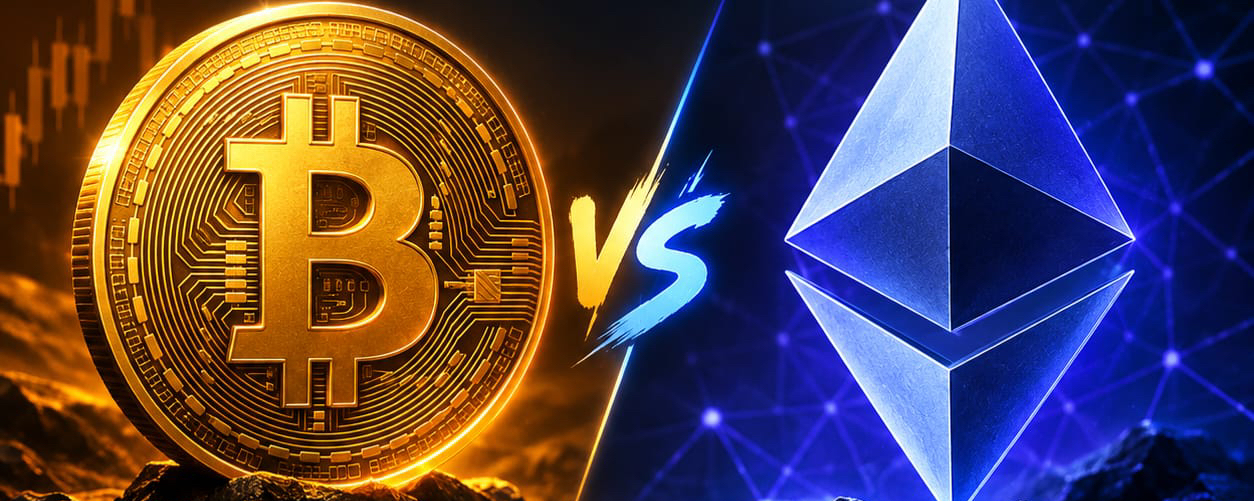
BITCOIN VS ETHEREUMVề cơ bản, điều gì khác biệt?
Người ta thường so sánh $BTC và $ETH theo giá. Nhưng sự khác biệt thú vị hơn không nằm ở giá.
Đó là điều mà chúng được thiết kế để làm 👇
🟢Bitcoin: "Tiền kỹ thuật số"
Bitcoin được thiết kế chủ yếu để cho phép chuyển giao giá trị kỹ thuật số ngang hàng mà không cần một cơ quan trung ương.
Mạng của nó sử dụng cơ chế đồng thuận Proof of Work, trong đó các thợ đào dùng sức mạnh tính toán để giúp bảo mật blockchain và thêm các khối mới.
Hãy hình dung Bitcoin như một hệ thống tiền tệ phi tập trung có độ bảo mật rất cao.
BITCOIN VS ETHEREUM
Về cơ bản, điều gì khác biệt?
Người ta thường so sánh $BTC và $ETH theo giá. Nhưng sự khác biệt thú vị hơn không nằm ở giá.
Đó là điều mà chúng được thiết kế để làm 👇
🟢Bitcoin: "Tiền kỹ thuật số"
Bitcoin được thiết kế chủ yếu để cho phép chuyển giao giá trị kỹ thuật số ngang hàng mà không cần một cơ quan trung ương.
Mạng của nó sử dụng cơ chế đồng thuận Proof of Work, trong đó các thợ đào dùng sức mạnh tính toán để giúp bảo mật blockchain và thêm các khối mới.
Hãy hình dung Bitcoin như một hệ thống tiền tệ phi tập trung có độ bảo mật rất cao.
Người ta thường so sánh $BTC và $ETH theo giá. Nhưng sự khác biệt thú vị hơn không nằm ở giá.
Đó là điều mà chúng được thiết kế để làm 👇
🟢Bitcoin: "Tiền kỹ thuật số"
Bitcoin được thiết kế chủ yếu để cho phép chuyển giao giá trị kỹ thuật số ngang hàng mà không cần một cơ quan trung ương.
Mạng của nó sử dụng cơ chế đồng thuận Proof of Work, trong đó các thợ đào dùng sức mạnh tính toán để giúp bảo mật blockchain và thêm các khối mới.
Hãy hình dung Bitcoin như một hệ thống tiền tệ phi tập trung có độ bảo mật rất cao.
1
120
Xem bản dịch
WHAT ACTUALLY HAPPENS WHEN YOU SEND $BTC ?👀
You open your wallet , enter a Bitcoin address, and hit send. But what happens behind the scenes?👇
1. Your wallet creates a transaction
It specifies how much $BTC you want to transfer, where it should go, and the transaction fee.
2. The transaction enters the Bitcoin network.
Your wallet broadcasts it to other computers running Bitcoin software.
3. Miners verify it⛏️
Bitcoin uses Proof of Work consensus mechanism. Miners verify valid transactions and compete to add them to the next block.
4. The transaction gets added to a block.
Once included in a block,your transaction receives its first confirmation. More blocks afterward = more confirmations.
5. The blockchain records the result.
Your wallet does not actually 'hold' physical Bitcoin. It manages the private keys that give you control over Bitcoin recorded on the blockchain.
The simple version:
Wallet -> Transaction -> Network -> Miners -> Block -> Blockchain -> confirmation✅
So when you move $BTC , you're updating a shared decentralized ledger, using cryptography and consensus to prove who spends what.
That's what happens under the hood🔍😊
WHAT ACTUALLY HAPPENS WHEN YOU SEND $BTC ?👀
You open your wallet , enter a Bitcoin address, and hit send. But what happens behind the scenes?👇
1. Your wallet creates a transaction
It specifies how much $BTC you want to transfer, where it should go, and the transaction fee.
2. The transaction enters the Bitcoin network.
Your wallet broadcasts it to other computers running Bitcoin software.
3. Miners verify it⛏️
Bitcoin uses Proof of Work consensus mechanism. Miners verify valid transactions and compete to add them to the next block.
4. The transaction gets added to a block.
Once included in a block,your transaction receives its first confirmation. More blocks afterward = more confirmations.
5. The blockchain records the result.
Your wallet does not actually 'hold' physical Bitcoin. It manages the private keys that give you control over Bitcoin recorded on the blockchain.
The simple version:
Wallet -> Transaction -> Network -> Miners -> Block -> Blockchain -> confirmation✅
So when you move $BTC , you're updating a shared decentralized ledger, using cryptography and consensus to prove who spends what.
That's what happens under the hood🔍😊
You open your wallet , enter a Bitcoin address, and hit send. But what happens behind the scenes?👇
1. Your wallet creates a transaction
It specifies how much $BTC you want to transfer, where it should go, and the transaction fee.
2. The transaction enters the Bitcoin network.
Your wallet broadcasts it to other computers running Bitcoin software.
3. Miners verify it⛏️
Bitcoin uses Proof of Work consensus mechanism. Miners verify valid transactions and compete to add them to the next block.
4. The transaction gets added to a block.
Once included in a block,your transaction receives its first confirmation. More blocks afterward = more confirmations.
5. The blockchain records the result.
Your wallet does not actually 'hold' physical Bitcoin. It manages the private keys that give you control over Bitcoin recorded on the blockchain.
The simple version:
Wallet -> Transaction -> Network -> Miners -> Block -> Blockchain -> confirmation✅
So when you move $BTC , you're updating a shared decentralized ledger, using cryptography and consensus to prove who spends what.
That's what happens under the hood🔍😊
1
82
Đăng nhập để khám phá thêm nội dung
Tham gia cùng người dùng tiền mã hóa toàn cầu trên Binance Square
⚡️ Nhận thông tin mới nhất và hữu ích về tiền mã hóa.
💬 Được tin cậy bởi sàn giao dịch tiền mã hóa lớn nhất thế giới.
👍 Khám phá những thông tin chuyên sâu thực tế từ những nhà sáng tạo đã xác minh.
Email / Số điện thoại
Chủ đề thịnh hành
AIStocksWhatNext
427,865 lượt xem
3,262 đang thảo luận
Chia sẻ & Nhận thưởng Lưu lượng trong chiến dịch Hashtag Xu hướng của chúng tôi
✨Chủ đề: Những cơ hội đầu tư nào khác vẫn còn khi các cổ phiếu AI tiếp tục tăng?
👉Cách tham gia:
Đăng một bài viết ngắn hoặc bài viết kèm hashtag #AIStocksWhatNext
Chia sẻ bạn đang lạc quan hay bi quan, và đăng danh mục nắm giữ hoặc giao dịch cổ phiếu AI của bạn — việc sử dụng widget giao dịch có thể giúp bạn đủ điều kiện tốt hơn.
Bạn cũng có thể tăng sức thuyết phục cho bài đăng bằng cách chia sẻ dữ liệu hoặc biểu đồ và tránh sử dụng hình ảnh do AI tạo.
✍️Tạo nội dung dựa trên các góc dưới đây:
- Nvidia cho biết doanh số chip sẽ tăng gấp đôi vào năm tới, và các công ty AI hàng đầu tiếp tục đạt doanh thu kỷ lục, khoản chi cho năng lực tính toán phía sau điều đó còn đáng kinh ngạc hơn. Nhu cầu AI thực sự đang bùng nổ sao? Và có thể kéo dài trong bao lâu? Các cổ phiếu AI đang tăng trên toàn bảng. Đây có phải là một đợt bứt phá thật sự hay chỉ là một nhịp hồi ngắn hạn?
- Các nhà lãnh đạo ngành kêu gọi chậm lại việc phát triển AI, trong khi Trump dự định xây dựng “AI Force”, cho rằng AI có thể đóng góp 25% GDP của Mỹ trong tương lai. Bạn đứng về phía nào? Việc được hậu thuẫn ở cấp bang liệu có phải là một thắng lợi dài hạn cho các cổ phiếu AI không?
- Bạn có đang mua cổ phiếu AI không? Chia sẻ hoạt động giao dịch/nắm giữ liên quan đến AI của bạn với widget chia sẻ giao dịch của chúng tôi.
⏰Thời gian chiến dịch:
- 2026-09-22 7:00 - 2026-09-24 4:00 UTC
🎁Phần thưởng:
- Các bài đăng đủ điều kiện tuân thủ hướng dẫn trên và có hơn 100 từ sẽ được xem xét và có thể nhận một lượt tăng lưu lượng ngẫu nhiên từ 500 đến 3.000 lượt xem. Bạn sẽ nhận được thông báo từ thư ký feed nếu bài đăng của bạn được chọn.
- Nhận cơ hội để bài viết của bạn được đăng trên Binance Square Official
Cần ý tưởng cho bài đăng của bạn? Hãy truy cập trang chủ đề #AIStocksWhatNext hoặc Square Guide on How to Post for Better Reach.
Binance Square Official
·396 lượt thích
·983.1k lượt xem
TinFed
80,471 lượt xem
380 đang thảo luận
TheoDõiFOMC
90,508 lượt xem
576 đang thảo luận