
LEDGER QUEEN
2.1k Bài đăng

LEDGER QUEEN
Báo cáo
Chặn người dùng
May Allah Save Us From Evil Eyes
Giao dịch mở
Trader thường xuyên
8.9 tháng
102 Đang theo dõi
21.9K+ Người theo dõi
3.6K+ Đã thích
Bài đăng
Danh mục đầu tư
Tất cả
Trích dẫn
Live
·
--
Đã xác minh
Việc làm vững mạnh. Lạm phát nóng hơn rủi ro hơn. Giờ thì Fed gặp vấn đề. 👀
Báo cáo NFP tháng 8 đạt 162K, vượt kỳ vọng, trong khi tỷ lệ thất nghiệp vẫn ở mức 4,1%. Tính riêng, đây là một thị trường lao động bền bỉ — và nó khiến Fed có ít lý do hơn để vội vàng chuyển sang chính sách dễ dãi.
Nhưng giờ là bài kiểm tra thực sự: CPI.
PPI tháng 8 trước đó đã cho thấy phần nào “nhiệt”, tăng 0,4% MoM và 5,4% YoY. Khi giá năng lượng cũng đẩy lên, phía lạm phát của phương trình đang trở nên khó bỏ qua hơn.
Kịch bản cơ sở của tôi? Tôi nghiêng nhẹ về trạng thái giảm giá/phòng thủ khi CPI nóng hơn kỳ vọng, nhưng tôi sẽ không gọi quyết định của Fed là chắc chắn.
Nếu CPI bất ngờ cao hơn, đặc biệt là lạm phát lõi, kỳ vọng tăng lãi suất có thể được củng cố thêm. Thông thường điều đó sẽ đồng nghĩa với lợi suất Trái phiếu Kho bạc cao hơn + đồng USD mạnh hơn = tạo thêm áp lực lên cổ phiếu và vàng.
Nhưng nếu CPI hạ nhiệt, toàn bộ câu chuyện có thể đảo chiều nhanh chóng. Một số liệu lạm phát giảm xuống có thể làm suy yếu luận điểm về đợt tăng lãi suất và giúp tài sản rủi ro có thêm không gian thở.
Với tôi, con số then chốt không chỉ là “CPI tăng hay giảm”. Mà là khoảng chênh giữa CPI và kỳ vọng.
Đó mới là nơi phản ứng thực sự của thị trường có thể xuất hiện.
Tăng giá hay giảm giá? Tôi đang theo dõi CPI trước khi chọn phe.
#CPIWatch
$TFUEL
{spot}(TFUELUSDT)
$RAY
{spot}(RAYUSDT)
$SAGA
{spot}(SAGAUSDT)
Việc làm vững mạnh. Lạm phát nóng hơn rủi ro hơn. Giờ thì Fed gặp vấn đề. 👀
Báo cáo NFP tháng 8 đạt 162K, vượt kỳ vọng, trong khi tỷ lệ thất nghiệp vẫn ở mức 4,1%. Tính riêng, đây là một thị trường lao động bền bỉ — và nó khiến Fed có ít lý do hơn để vội vàng chuyển sang chính sách dễ dãi.
Nhưng giờ là bài kiểm tra thực sự: CPI.
PPI tháng 8 trước đó đã cho thấy phần nào “nhiệt”, tăng 0,4% MoM và 5,4% YoY. Khi giá năng lượng cũng đẩy lên, phía lạm phát của phương trình đang trở nên khó bỏ qua hơn.
Kịch bản cơ sở của tôi? Tôi nghiêng nhẹ về trạng thái giảm giá/phòng thủ khi CPI nóng hơn kỳ vọng, nhưng tôi sẽ không gọi quyết định của Fed là chắc chắn.
Nếu CPI bất ngờ cao hơn, đặc biệt là lạm phát lõi, kỳ vọng tăng lãi suất có thể được củng cố thêm. Thông thường điều đó sẽ đồng nghĩa với lợi suất Trái phiếu Kho bạc cao hơn + đồng USD mạnh hơn = tạo thêm áp lực lên cổ phiếu và vàng.
Nhưng nếu CPI hạ nhiệt, toàn bộ câu chuyện có thể đảo chiều nhanh chóng. Một số liệu lạm phát giảm xuống có thể làm suy yếu luận điểm về đợt tăng lãi suất và giúp tài sản rủi ro có thêm không gian thở.
Với tôi, con số then chốt không chỉ là “CPI tăng hay giảm”. Mà là khoảng chênh giữa CPI và kỳ vọng.
Đó mới là nơi phản ứng thực sự của thị trường có thể xuất hiện.
Tăng giá hay giảm giá? Tôi đang theo dõi CPI trước khi chọn phe.
#CPIWatch
$TFUEL
$RAY
$SAGA
Báo cáo NFP tháng 8 đạt 162K, vượt kỳ vọng, trong khi tỷ lệ thất nghiệp vẫn ở mức 4,1%. Tính riêng, đây là một thị trường lao động bền bỉ — và nó khiến Fed có ít lý do hơn để vội vàng chuyển sang chính sách dễ dãi.
Nhưng giờ là bài kiểm tra thực sự: CPI.
PPI tháng 8 trước đó đã cho thấy phần nào “nhiệt”, tăng 0,4% MoM và 5,4% YoY. Khi giá năng lượng cũng đẩy lên, phía lạm phát của phương trình đang trở nên khó bỏ qua hơn.
Kịch bản cơ sở của tôi? Tôi nghiêng nhẹ về trạng thái giảm giá/phòng thủ khi CPI nóng hơn kỳ vọng, nhưng tôi sẽ không gọi quyết định của Fed là chắc chắn.
Nếu CPI bất ngờ cao hơn, đặc biệt là lạm phát lõi, kỳ vọng tăng lãi suất có thể được củng cố thêm. Thông thường điều đó sẽ đồng nghĩa với lợi suất Trái phiếu Kho bạc cao hơn + đồng USD mạnh hơn = tạo thêm áp lực lên cổ phiếu và vàng.
Nhưng nếu CPI hạ nhiệt, toàn bộ câu chuyện có thể đảo chiều nhanh chóng. Một số liệu lạm phát giảm xuống có thể làm suy yếu luận điểm về đợt tăng lãi suất và giúp tài sản rủi ro có thêm không gian thở.
Với tôi, con số then chốt không chỉ là “CPI tăng hay giảm”. Mà là khoảng chênh giữa CPI và kỳ vọng.
Đó mới là nơi phản ứng thực sự của thị trường có thể xuất hiện.
Tăng giá hay giảm giá? Tôi đang theo dõi CPI trước khi chọn phe.
#CPIWatch
$TFUEL
$RAY
$SAGA

68
47
6.8k
·
--
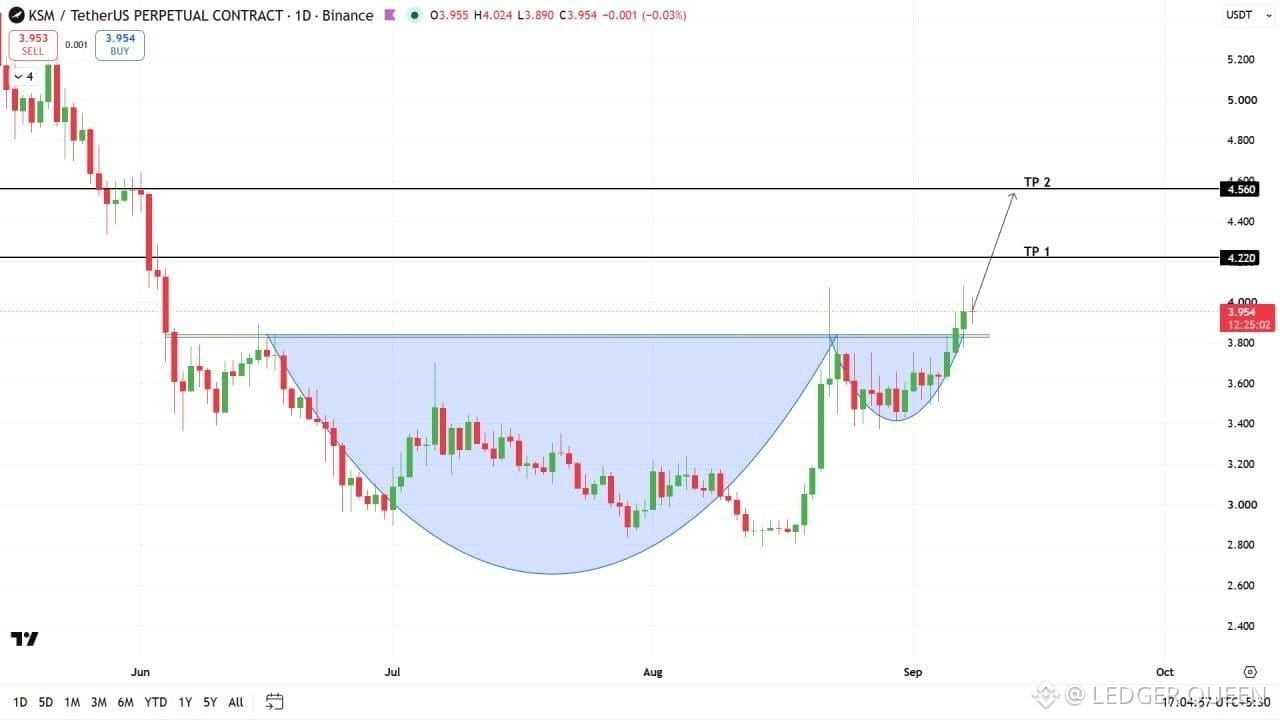
🔥 $KSM /USDT: Cái Cốc Đang Đầy, Kỳ Vọng Sự Bứt Phá Tiếp Theo?
KSM đang thể hiện mô hình cốc-tay cầm trên biểu đồ 1D, với giá đang đẩy lên vượt đường viền quanh 3.80–3.85. 👀
📈 TP1: 4.220 🚀 TP2: 4.560
Cấu trúc trông có vẻ hứa hẹn, nhưng bài kiểm tra thật sự là liệu giá có thể giữ vững sau cú bứt phá và tiếp tục đà tăng hay không. Nếu bị từ chối, giá có thể quay trở lại gần đường viền.
Mô hình mang xu hướng tăng. Xác nhận là quan trọng. ⚡
#KSM
{spot}(KSMUSDT)
🔥 $KSM /USDT: Cái Cốc Đang Đầy, Kỳ Vọng Sự Bứt Phá Tiếp Theo?
KSM đang thể hiện mô hình cốc-tay cầm trên biểu đồ 1D, với giá đang đẩy lên vượt đường viền quanh 3.80–3.85. 👀
📈 TP1: 4.220 🚀 TP2: 4.560
Cấu trúc trông có vẻ hứa hẹn, nhưng bài kiểm tra thật sự là liệu giá có thể giữ vững sau cú bứt phá và tiếp tục đà tăng hay không. Nếu bị từ chối, giá có thể quay trở lại gần đường viền.
Mô hình mang xu hướng tăng. Xác nhận là quan trọng. ⚡
#KSM
KSM đang thể hiện mô hình cốc-tay cầm trên biểu đồ 1D, với giá đang đẩy lên vượt đường viền quanh 3.80–3.85. 👀
📈 TP1: 4.220 🚀 TP2: 4.560
Cấu trúc trông có vẻ hứa hẹn, nhưng bài kiểm tra thật sự là liệu giá có thể giữ vững sau cú bứt phá và tiếp tục đà tăng hay không. Nếu bị từ chối, giá có thể quay trở lại gần đường viền.
Mô hình mang xu hướng tăng. Xác nhận là quan trọng. ⚡
#KSM
1
200
·
--
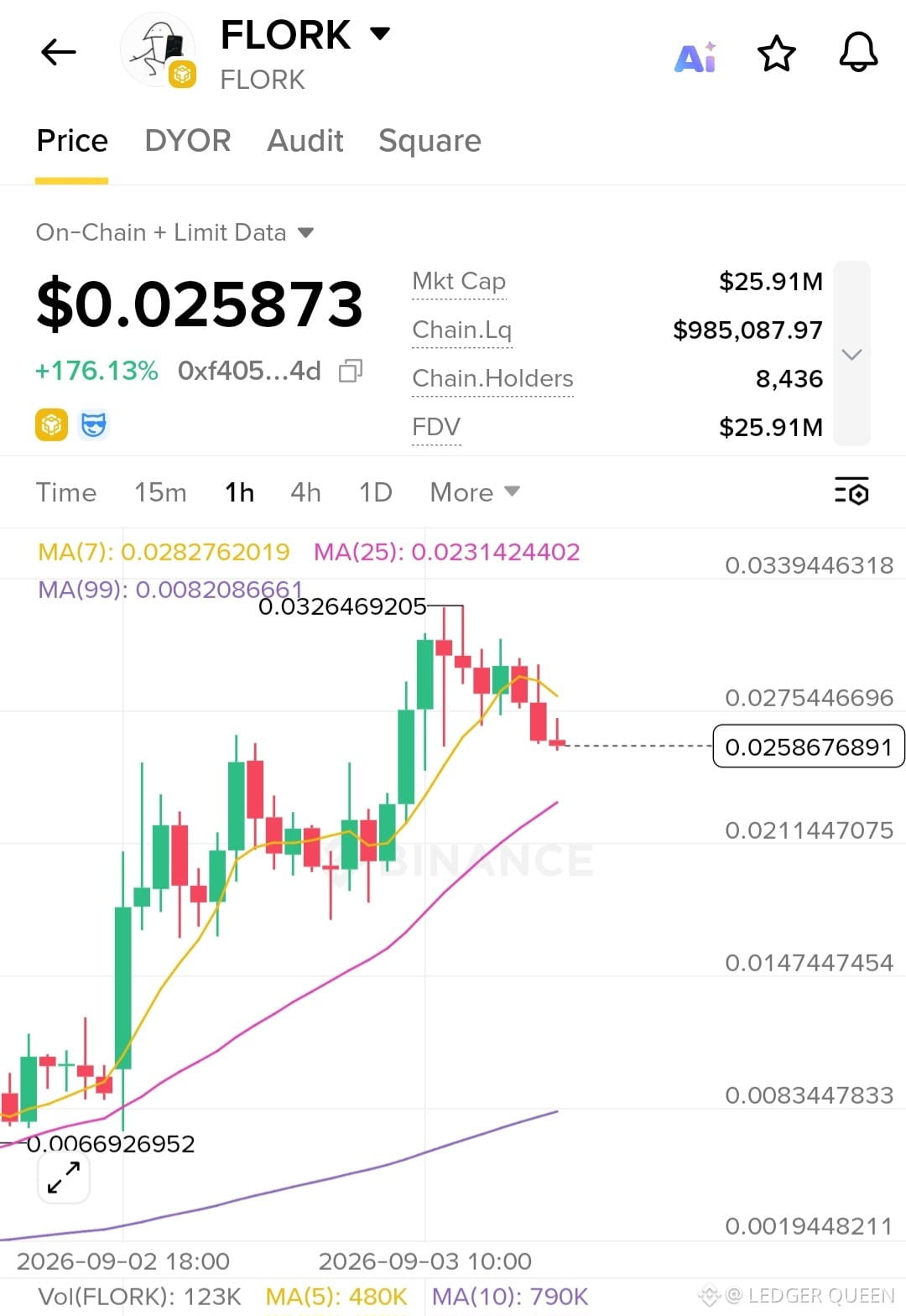
🔥 FLORK VỪA LAO VÙT VÔ DẠNG! 🚀
$FLORK đang ở mức $0.02587 (+176.13%), với vốn hóa thị trường $25.91M và thanh khoản on-chain $985K. 👀
📈 Biểu đồ 1H: Tăng phi mã từ $0.00669 → $0.03265, hiện đang hạ nhiệt quanh $0.02587.
🎯 Kháng cự: $0.02754 → $0.03265
🛡️ Hỗ trợ: $0.02314 → $0.02114
🔥 8,436 người nắm giữ | FDV $25.91M
Đà tăng điên cuồng, nhưng biến động là CỰC KỲ MẠNH. Vụ bứt phá tiếp theo hoặc nhịp điều chỉnh tới có thể sẽ rất dữ dội. ⚡
$MARSCOIN
{alpha}(560xf40592daacb3e5abf358789f5688c0b4f64d7777)
{future}(MARSCOINUSDT)
$AKE
{alpha}(560x2c3a8ee94ddd97244a93bc48298f97d2c412f7db)
🔥 FLORK VỪA LAO VÙT VÔ DẠNG! 🚀
$FLORK đang ở mức $0.02587 (+176.13%), với vốn hóa thị trường $25.91M và thanh khoản on-chain $985K. 👀
📈 Biểu đồ 1H: Tăng phi mã từ $0.00669 → $0.03265, hiện đang hạ nhiệt quanh $0.02587.
🎯 Kháng cự: $0.02754 → $0.03265
🛡️ Hỗ trợ: $0.02314 → $0.02114
🔥 8,436 người nắm giữ | FDV $25.91M
Đà tăng điên cuồng, nhưng biến động là CỰC KỲ MẠNH. Vụ bứt phá tiếp theo hoặc nhịp điều chỉnh tới có thể sẽ rất dữ dội. ⚡
$MARSCOIN
$AKE
$FLORK đang ở mức $0.02587 (+176.13%), với vốn hóa thị trường $25.91M và thanh khoản on-chain $985K. 👀
📈 Biểu đồ 1H: Tăng phi mã từ $0.00669 → $0.03265, hiện đang hạ nhiệt quanh $0.02587.
🎯 Kháng cự: $0.02754 → $0.03265
🛡️ Hỗ trợ: $0.02314 → $0.02114
🔥 8,436 người nắm giữ | FDV $25.91M
Đà tăng điên cuồng, nhưng biến động là CỰC KỲ MẠNH. Vụ bứt phá tiếp theo hoặc nhịp điều chỉnh tới có thể sẽ rất dữ dội. ⚡
$MARSCOIN
$AKE
1
587
·
--
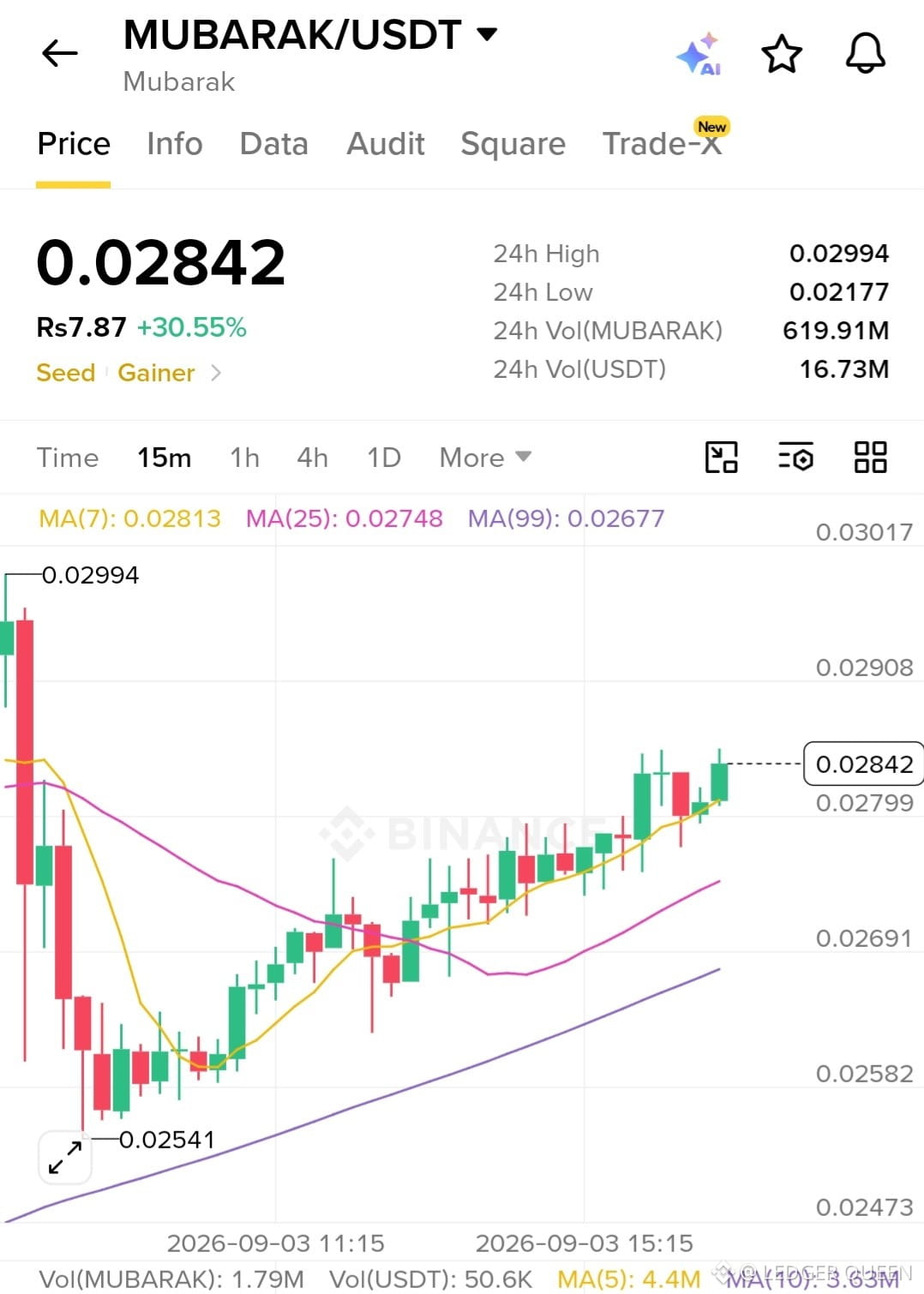
🔥 MUBARAK/USDT ĐANG THỨC TỈNH! 🚀
$MUBARAK đang giao dịch quanh mức 0.02842 USDT (+30.55%), sau khi chạm đỉnh 24H là 0.02994 và đáy 0.02177. Khối lượng 24H ở mức khổng lồ: 619.91M MUBARAK / $16.73M USDT. 👀
📈 Biểu đồ 15M: Giá đang giữ vững trên MA(7) 0.02813, MA(25) 0.02748 & MA(99) 0.02677 — cấu trúc tăng giá vẫn còn nguyên.
🎯 Theo dõi: 0.02994 → 0.03017 kháng cự
🛡️ Hỗ trợ: 0.02799 → 0.02748 → 0.02677
Động lượng đang nóng lên, nhưng vùng 0.030 đó mới là bài kiểm tra thực sự. ⚡
Hôm nay +5.97% | 7D +48.72% | 30D +123.08% | 90D +160.49%
{spot}(MUBARAKUSDT)
🔥 MUBARAK/USDT ĐANG THỨC TỈNH! 🚀
$MUBARAK đang giao dịch quanh mức 0.02842 USDT (+30.55%), sau khi chạm đỉnh 24H là 0.02994 và đáy 0.02177. Khối lượng 24H ở mức khổng lồ: 619.91M MUBARAK / $16.73M USDT. 👀
📈 Biểu đồ 15M: Giá đang giữ vững trên MA(7) 0.02813, MA(25) 0.02748 & MA(99) 0.02677 — cấu trúc tăng giá vẫn còn nguyên.
🎯 Theo dõi: 0.02994 → 0.03017 kháng cự
🛡️ Hỗ trợ: 0.02799 → 0.02748 → 0.02677
Động lượng đang nóng lên, nhưng vùng 0.030 đó mới là bài kiểm tra thực sự. ⚡
Hôm nay +5.97% | 7D +48.72% | 30D +123.08% | 90D +160.49%
$MUBARAK đang giao dịch quanh mức 0.02842 USDT (+30.55%), sau khi chạm đỉnh 24H là 0.02994 và đáy 0.02177. Khối lượng 24H ở mức khổng lồ: 619.91M MUBARAK / $16.73M USDT. 👀
📈 Biểu đồ 15M: Giá đang giữ vững trên MA(7) 0.02813, MA(25) 0.02748 & MA(99) 0.02677 — cấu trúc tăng giá vẫn còn nguyên.
🎯 Theo dõi: 0.02994 → 0.03017 kháng cự
🛡️ Hỗ trợ: 0.02799 → 0.02748 → 0.02677
Động lượng đang nóng lên, nhưng vùng 0.030 đó mới là bài kiểm tra thực sự. ⚡
Hôm nay +5.97% | 7D +48.72% | 30D +123.08% | 90D +160.49%
1
212
·
--
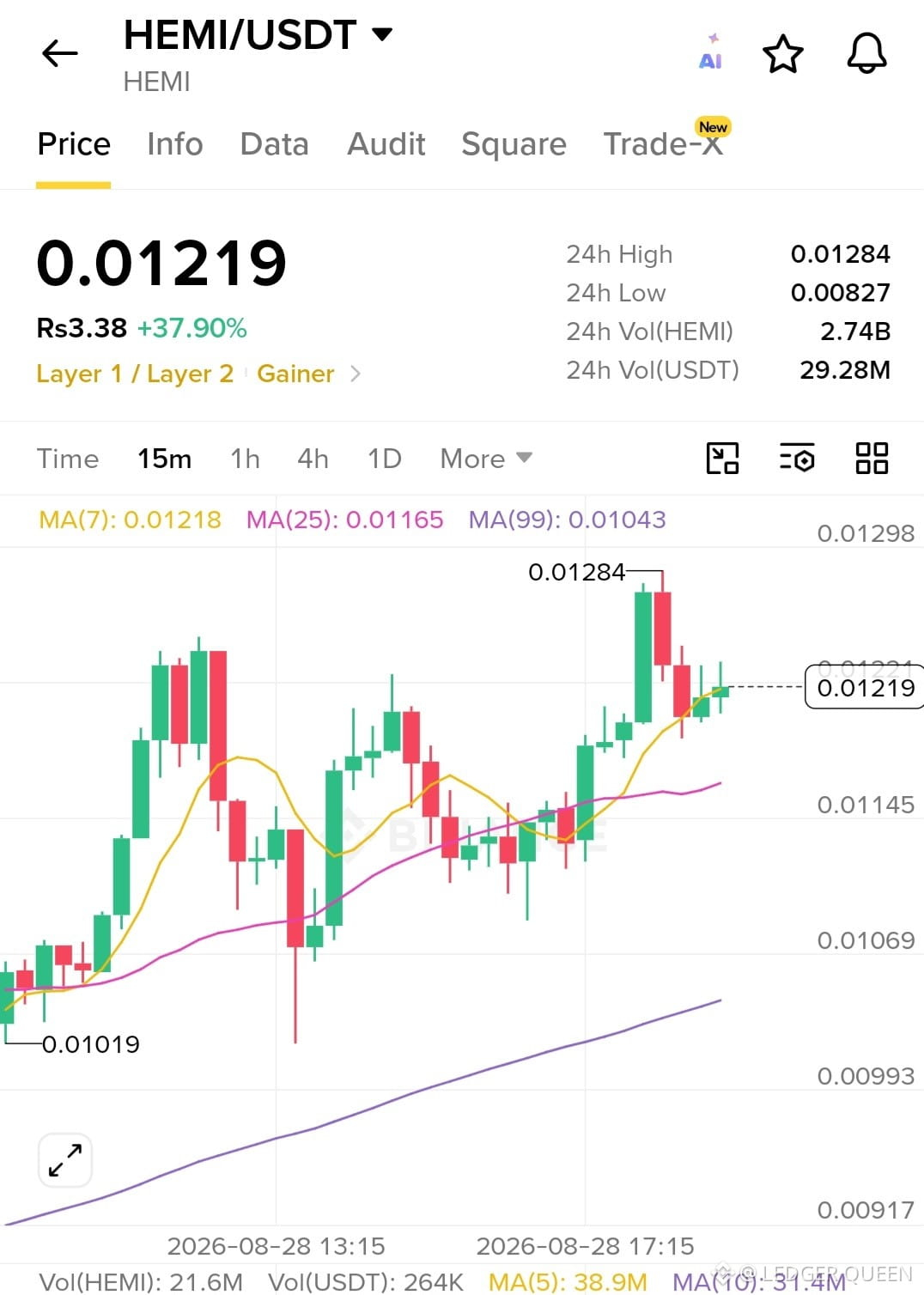
🚀 HEMI đang nóng lên!
$HEMI /USDT hiện đang ở mức 0.01219 USDT (+37.90%) 🔥
📈 Đỉnh 24H: 0.01284
📉 Đáy 24H: 0.00827
💰 Khối lượng 24H: $29.28M
⚡ Khối lượng HEMI: 2.74B
Biểu đồ vẫn cho thấy đà tăng mạnh, với giá nằm trên MA25 (0.01165) và MA99 (0.01043). 👀
Câu hỏi lớn lúc này: $HEMI có thể vượt 0.01284 và tiến tới đỉnh mới không? 🚀
Động lượng rất mạnh — nhưng biến động cũng vậy. DYOR.
#SOLJumps20%OnTheWeek
{spot}(HEMIUSDT)
🚀 HEMI đang nóng lên!
$HEMI /USDT hiện đang ở mức 0.01219 USDT (+37.90%) 🔥
📈 Đỉnh 24H: 0.01284
📉 Đáy 24H: 0.00827
💰 Khối lượng 24H: $29.28M
⚡ Khối lượng HEMI: 2.74B
Biểu đồ vẫn cho thấy đà tăng mạnh, với giá nằm trên MA25 (0.01165) và MA99 (0.01043). 👀
Câu hỏi lớn lúc này: $HEMI có thể vượt 0.01284 và tiến tới đỉnh mới không? 🚀
Động lượng rất mạnh — nhưng biến động cũng vậy. DYOR.
#SOLJumps20%OnTheWeek
$HEMI /USDT hiện đang ở mức 0.01219 USDT (+37.90%) 🔥
📈 Đỉnh 24H: 0.01284
📉 Đáy 24H: 0.00827
💰 Khối lượng 24H: $29.28M
⚡ Khối lượng HEMI: 2.74B
Biểu đồ vẫn cho thấy đà tăng mạnh, với giá nằm trên MA25 (0.01165) và MA99 (0.01043). 👀
Câu hỏi lớn lúc này: $HEMI có thể vượt 0.01284 và tiến tới đỉnh mới không? 🚀
Động lượng rất mạnh — nhưng biến động cũng vậy. DYOR.
#SOLJumps20%OnTheWeek
132
·
--
#dusk $DUSK @Dusk_Foundation
Tôi cứ thấy người ta bàn về hiệu quả năng lượng trong crypto như thể nó chỉ là một chỉ số khác, nhưng càng suy nghĩ thì tôi càng thấy nó gắn chặt với việc một mạng có thể mở rộng một cách có trách nhiệm hay không.
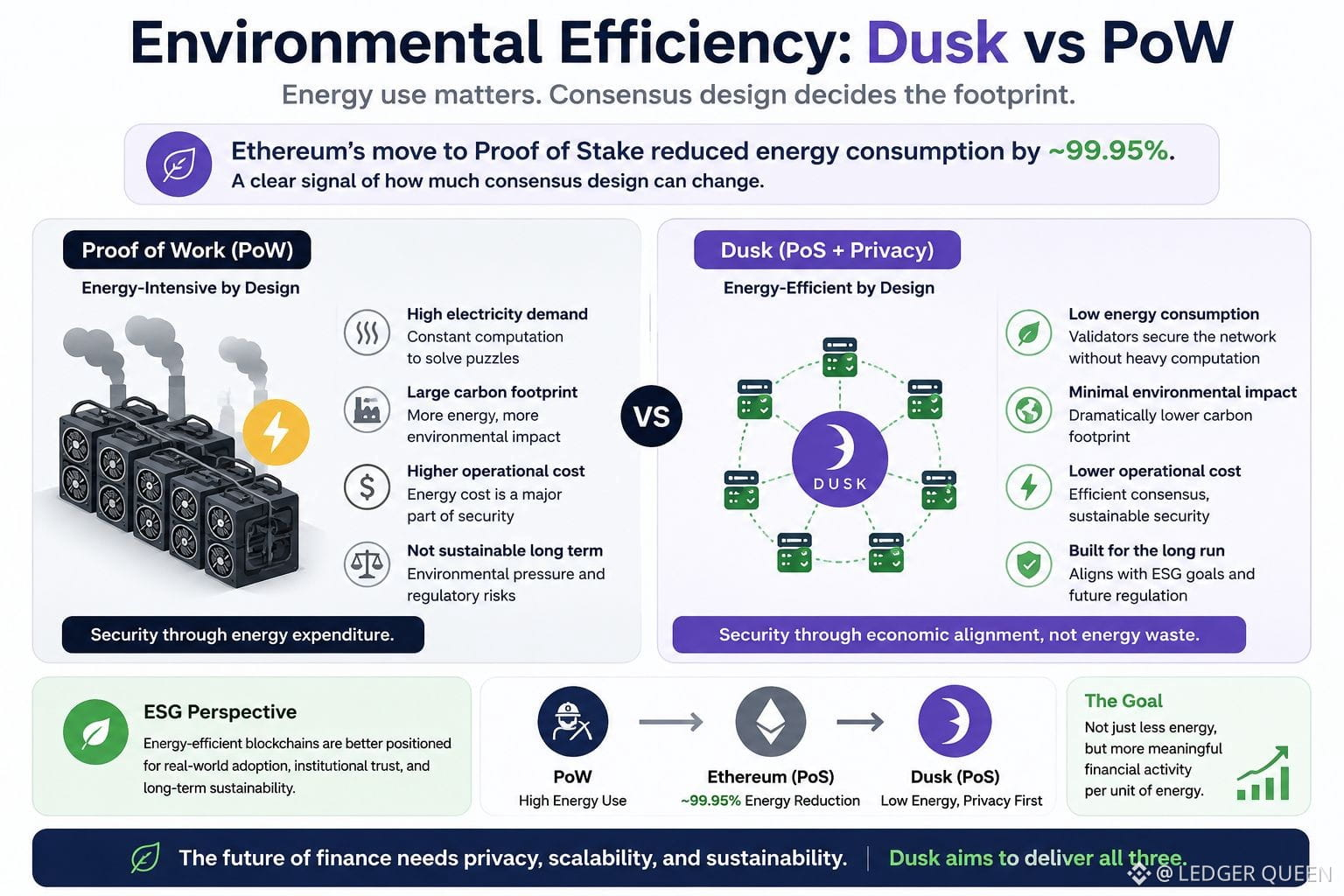
Sự chuyển dịch của Ethereum khỏi PoW là một ví dụ hữu ích ở đây. Việc chuyển sang Proof of Stake đã làm giảm mức tiêu thụ năng lượng của Ethereum khoảng 99,95%, cho thấy thiết kế cơ chế đồng thuận có thể quan trọng đến nhường nào. Dusk cũng tiếp cận theo hướng PoS: các “provisioners” (nhà cung cấp) hỗ trợ bảo mật mạng thay vì dựa vào việc khai thác tiêu tốn năng lượng. Điều này quan trọng vì bảo mật không nhất thiết phải biến điện năng thành một cuộc cạnh tranh tính toán.
Điều thu hút tôi là cách nhận định này khớp với “luận điểm lớn” của Dusk. Mạng được xây dựng xoay quanh quyền riêng tư và các trường hợp sử dụng tài chính, nên hiệu quả năng lượng không thực sự là điểm nhấn chính. Tuy vậy, nếu hoạt động onchain mang tính bảo mật tăng dần theo thời gian, thì việc có một mô hình đồng thuận tránh được nhu cầu năng lượng kiểu PoW dường như là một nền tảng hợp lý. Có thể tôi đang nghĩ quá, nhưng các cân nhắc về ESG có thể sẽ trở nên đáng chú ý hơn khi hạ tầng blockchain được đánh giá cùng với các hệ thống tài chính truyền thống.
Tôi vẫn chưa hoàn toàn tin rằng riêng việc tiêu thụ năng lượng thấp đã nói lên được nhiều về “hiệu quả tổng thể” của một mạng. Hiệu năng phần cứng, mức độ tham gia của các validator, cách mạng được sử dụng và hoạt động kinh tế thực tế đều có liên quan. Nhưng tôi cứ tự hỏi liệu câu hỏi thú vị hơn có phải là: không chỉ là một blockchain dùng ít năng lượng đến mức nào, mà là nó có thể hỗ trợ bao nhiêu hoạt động tài chính hữu ích trên lượng năng lượng đó. Nếu Dusk chứng minh được điều này theo thời gian, thì góc nhìn về môi trường sẽ trở nên có ý nghĩa hơn nhiều.
$BMT
{spot}(BMTUSDT)
$STX
{spot}(STXUSDT)
{spot}(DUSKUSDT)
#dusk $DUSK @Dusk
Tôi cứ thấy người ta bàn về hiệu quả năng lượng trong crypto như thể nó chỉ là một chỉ số khác, nhưng càng suy nghĩ thì tôi càng thấy nó gắn chặt với việc một mạng có thể mở rộng một cách có trách nhiệm hay không.
Sự chuyển dịch của Ethereum khỏi PoW là một ví dụ hữu ích ở đây. Việc chuyển sang Proof of Stake đã làm giảm mức tiêu thụ năng lượng của Ethereum khoảng 99,95%, cho thấy thiết kế cơ chế đồng thuận có thể quan trọng đến nhường nào. Dusk cũng tiếp cận theo hướng PoS: các “provisioners” (nhà cung cấp) hỗ trợ bảo mật mạng thay vì dựa vào việc khai thác tiêu tốn năng lượng. Điều này quan trọng vì bảo mật không nhất thiết phải biến điện năng thành một cuộc cạnh tranh tính toán.
Điều thu hút tôi là cách nhận định này khớp với “luận điểm lớn” của Dusk. Mạng được xây dựng xoay quanh quyền riêng tư và các trường hợp sử dụng tài chính, nên hiệu quả năng lượng không thực sự là điểm nhấn chính. Tuy vậy, nếu hoạt động onchain mang tính bảo mật tăng dần theo thời gian, thì việc có một mô hình đồng thuận tránh được nhu cầu năng lượng kiểu PoW dường như là một nền tảng hợp lý. Có thể tôi đang nghĩ quá, nhưng các cân nhắc về ESG có thể sẽ trở nên đáng chú ý hơn khi hạ tầng blockchain được đánh giá cùng với các hệ thống tài chính truyền thống.
Tôi vẫn chưa hoàn toàn tin rằng riêng việc tiêu thụ năng lượng thấp đã nói lên được nhiều về “hiệu quả tổng thể” của một mạng. Hiệu năng phần cứng, mức độ tham gia của các validator, cách mạng được sử dụng và hoạt động kinh tế thực tế đều có liên quan. Nhưng tôi cứ tự hỏi liệu câu hỏi thú vị hơn có phải là: không chỉ là một blockchain dùng ít năng lượng đến mức nào, mà là nó có thể hỗ trợ bao nhiêu hoạt động tài chính hữu ích trên lượng năng lượng đó. Nếu Dusk chứng minh được điều này theo thời gian, thì góc nhìn về môi trường sẽ trở nên có ý nghĩa hơn nhiều.
$BMT
$STX
Tôi cứ thấy người ta bàn về hiệu quả năng lượng trong crypto như thể nó chỉ là một chỉ số khác, nhưng càng suy nghĩ thì tôi càng thấy nó gắn chặt với việc một mạng có thể mở rộng một cách có trách nhiệm hay không.
Sự chuyển dịch của Ethereum khỏi PoW là một ví dụ hữu ích ở đây. Việc chuyển sang Proof of Stake đã làm giảm mức tiêu thụ năng lượng của Ethereum khoảng 99,95%, cho thấy thiết kế cơ chế đồng thuận có thể quan trọng đến nhường nào. Dusk cũng tiếp cận theo hướng PoS: các “provisioners” (nhà cung cấp) hỗ trợ bảo mật mạng thay vì dựa vào việc khai thác tiêu tốn năng lượng. Điều này quan trọng vì bảo mật không nhất thiết phải biến điện năng thành một cuộc cạnh tranh tính toán.
Điều thu hút tôi là cách nhận định này khớp với “luận điểm lớn” của Dusk. Mạng được xây dựng xoay quanh quyền riêng tư và các trường hợp sử dụng tài chính, nên hiệu quả năng lượng không thực sự là điểm nhấn chính. Tuy vậy, nếu hoạt động onchain mang tính bảo mật tăng dần theo thời gian, thì việc có một mô hình đồng thuận tránh được nhu cầu năng lượng kiểu PoW dường như là một nền tảng hợp lý. Có thể tôi đang nghĩ quá, nhưng các cân nhắc về ESG có thể sẽ trở nên đáng chú ý hơn khi hạ tầng blockchain được đánh giá cùng với các hệ thống tài chính truyền thống.
Tôi vẫn chưa hoàn toàn tin rằng riêng việc tiêu thụ năng lượng thấp đã nói lên được nhiều về “hiệu quả tổng thể” của một mạng. Hiệu năng phần cứng, mức độ tham gia của các validator, cách mạng được sử dụng và hoạt động kinh tế thực tế đều có liên quan. Nhưng tôi cứ tự hỏi liệu câu hỏi thú vị hơn có phải là: không chỉ là một blockchain dùng ít năng lượng đến mức nào, mà là nó có thể hỗ trợ bao nhiêu hoạt động tài chính hữu ích trên lượng năng lượng đó. Nếu Dusk chứng minh được điều này theo thời gian, thì góc nhìn về môi trường sẽ trở nên có ý nghĩa hơn nhiều.
$BMT
$STX
179
·
--
#dusk $DUSK @Dusk_Foundation
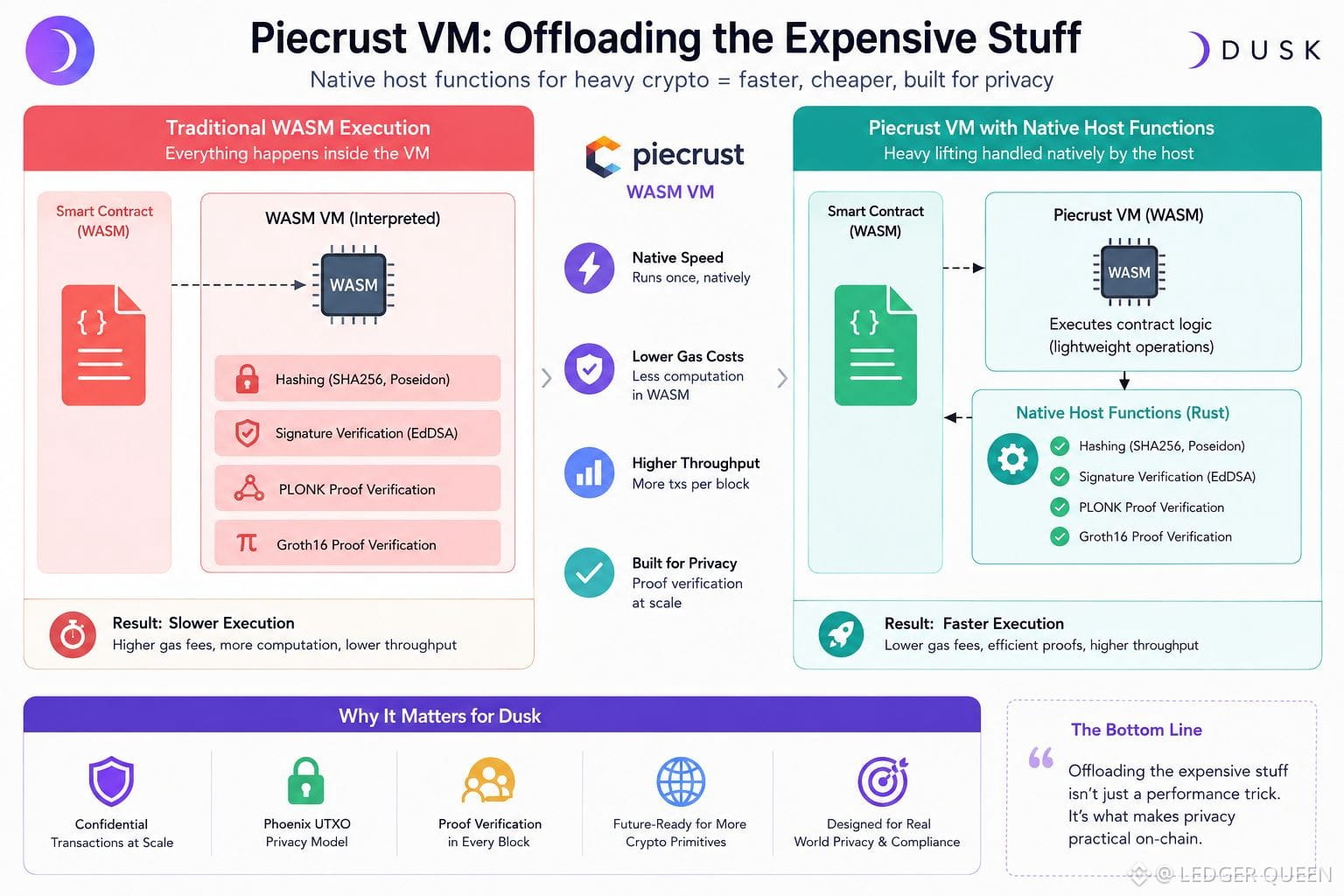
Dạo gần đây tôi đào sâu vào cách thiết lập của Dusk Network và có một chi tiết cứ liên tục thu hút sự chú ý của tôi nhiều hơn so với phần “chiến dịch bảo mật” (privacy chain) quen thuộc. Đó là cách Piecrust — VM dựa trên WASM — xử lý phần việc nặng nề.
Vấn đề nằm ở chỗ: việc thực thi smart contract mà người ta không nói đủ nhiều. Mỗi lệnh đều tốn chi phí tính toán thực sự, và trên hầu hết các chuỗi, nếu một contract cần băm (hash) dữ liệu hoặc xác minh một bằng chứng (proof), thì nó sẽ tự làm các tác vụ đó ngay trong VM, từng dòng một, ở dạng bytecode WASM. Điều này ổn với logic đơn giản.
Nhưng mọi thứ trở nên “đau” khi bạn làm việc với các zero knowledge proofs — về cơ bản, đó là lý do Dusk tồn tại. Điều khiến tôi để ý là cách Piecrust đẩy phần xử lý nặng: băm, kiểm tra chữ ký, xác thực proof PLONK và Groth16, sang các hàm native host, thay vì bắt contract tự tính trong WASM. Host chạy nó một lần ở mức native và trả kết quả lại.
Tôi cứ tự hỏi liệu điều này thực sự quan trọng đến mức nào trong thực tế so với trên lý thuyết. Nhưng logic thì đúng. Mã native cho các thao tác mật mã nhanh hơn việc WASM diễn dịch cùng một phép toán; đôi khi nhanh hơn đáng kể tùy theo từng loại thao tác. Với một chuỗi được xây dựng xoay quanh giao dịch bí mật và mô hình riêng tư UTXO của Phoenix — nơi việc xác minh proof không phải tùy chọn mà là liên tục — thì khoảng chênh này sẽ tích lũy rất nhanh qua từng block.
Điều vẫn khiến tôi chưa thật yên tâm là khả năng mở rộng khi độ phức tạp của contract tăng lên vượt quá các use case hiện tại. Các native host functions giải quyết nút thắt của hiện tại, nhưng tôi chưa hoàn toàn tin rằng nó vẫn “gọn gàng” khi ngày càng có nhiều primitive mật mã tùy chỉnh được yêu cầu. Có ai đang xây dựng trên Piecrust và thấy vướng mắc ở điểm này chưa?
$ONG
{spot}(ONGUSDT)
$AMP
{spot}(AMPUSDT)
{spot}(DUSKUSDT)
#dusk $DUSK @Dusk
Dạo gần đây tôi đào sâu vào cách thiết lập của Dusk Network và có một chi tiết cứ liên tục thu hút sự chú ý của tôi nhiều hơn so với phần “chiến dịch bảo mật” (privacy chain) quen thuộc. Đó là cách Piecrust — VM dựa trên WASM — xử lý phần việc nặng nề.
Vấn đề nằm ở chỗ: việc thực thi smart contract mà người ta không nói đủ nhiều. Mỗi lệnh đều tốn chi phí tính toán thực sự, và trên hầu hết các chuỗi, nếu một contract cần băm (hash) dữ liệu hoặc xác minh một bằng chứng (proof), thì nó sẽ tự làm các tác vụ đó ngay trong VM, từng dòng một, ở dạng bytecode WASM. Điều này ổn với logic đơn giản.
Nhưng mọi thứ trở nên “đau” khi bạn làm việc với các zero knowledge proofs — về cơ bản, đó là lý do Dusk tồn tại. Điều khiến tôi để ý là cách Piecrust đẩy phần xử lý nặng: băm, kiểm tra chữ ký, xác thực proof PLONK và Groth16, sang các hàm native host, thay vì bắt contract tự tính trong WASM. Host chạy nó một lần ở mức native và trả kết quả lại.
Tôi cứ tự hỏi liệu điều này thực sự quan trọng đến mức nào trong thực tế so với trên lý thuyết. Nhưng logic thì đúng. Mã native cho các thao tác mật mã nhanh hơn việc WASM diễn dịch cùng một phép toán; đôi khi nhanh hơn đáng kể tùy theo từng loại thao tác. Với một chuỗi được xây dựng xoay quanh giao dịch bí mật và mô hình riêng tư UTXO của Phoenix — nơi việc xác minh proof không phải tùy chọn mà là liên tục — thì khoảng chênh này sẽ tích lũy rất nhanh qua từng block.
Điều vẫn khiến tôi chưa thật yên tâm là khả năng mở rộng khi độ phức tạp của contract tăng lên vượt quá các use case hiện tại. Các native host functions giải quyết nút thắt của hiện tại, nhưng tôi chưa hoàn toàn tin rằng nó vẫn “gọn gàng” khi ngày càng có nhiều primitive mật mã tùy chỉnh được yêu cầu. Có ai đang xây dựng trên Piecrust và thấy vướng mắc ở điểm này chưa?
$ONG
$AMP
Dạo gần đây tôi đào sâu vào cách thiết lập của Dusk Network và có một chi tiết cứ liên tục thu hút sự chú ý của tôi nhiều hơn so với phần “chiến dịch bảo mật” (privacy chain) quen thuộc. Đó là cách Piecrust — VM dựa trên WASM — xử lý phần việc nặng nề.
Vấn đề nằm ở chỗ: việc thực thi smart contract mà người ta không nói đủ nhiều. Mỗi lệnh đều tốn chi phí tính toán thực sự, và trên hầu hết các chuỗi, nếu một contract cần băm (hash) dữ liệu hoặc xác minh một bằng chứng (proof), thì nó sẽ tự làm các tác vụ đó ngay trong VM, từng dòng một, ở dạng bytecode WASM. Điều này ổn với logic đơn giản.
Nhưng mọi thứ trở nên “đau” khi bạn làm việc với các zero knowledge proofs — về cơ bản, đó là lý do Dusk tồn tại. Điều khiến tôi để ý là cách Piecrust đẩy phần xử lý nặng: băm, kiểm tra chữ ký, xác thực proof PLONK và Groth16, sang các hàm native host, thay vì bắt contract tự tính trong WASM. Host chạy nó một lần ở mức native và trả kết quả lại.
Tôi cứ tự hỏi liệu điều này thực sự quan trọng đến mức nào trong thực tế so với trên lý thuyết. Nhưng logic thì đúng. Mã native cho các thao tác mật mã nhanh hơn việc WASM diễn dịch cùng một phép toán; đôi khi nhanh hơn đáng kể tùy theo từng loại thao tác. Với một chuỗi được xây dựng xoay quanh giao dịch bí mật và mô hình riêng tư UTXO của Phoenix — nơi việc xác minh proof không phải tùy chọn mà là liên tục — thì khoảng chênh này sẽ tích lũy rất nhanh qua từng block.
Điều vẫn khiến tôi chưa thật yên tâm là khả năng mở rộng khi độ phức tạp của contract tăng lên vượt quá các use case hiện tại. Các native host functions giải quyết nút thắt của hiện tại, nhưng tôi chưa hoàn toàn tin rằng nó vẫn “gọn gàng” khi ngày càng có nhiều primitive mật mã tùy chỉnh được yêu cầu. Có ai đang xây dựng trên Piecrust và thấy vướng mắc ở điểm này chưa?
$ONG
$AMP
2
3
213
·
--
#dusk $DUSK @Dusk_Foundation
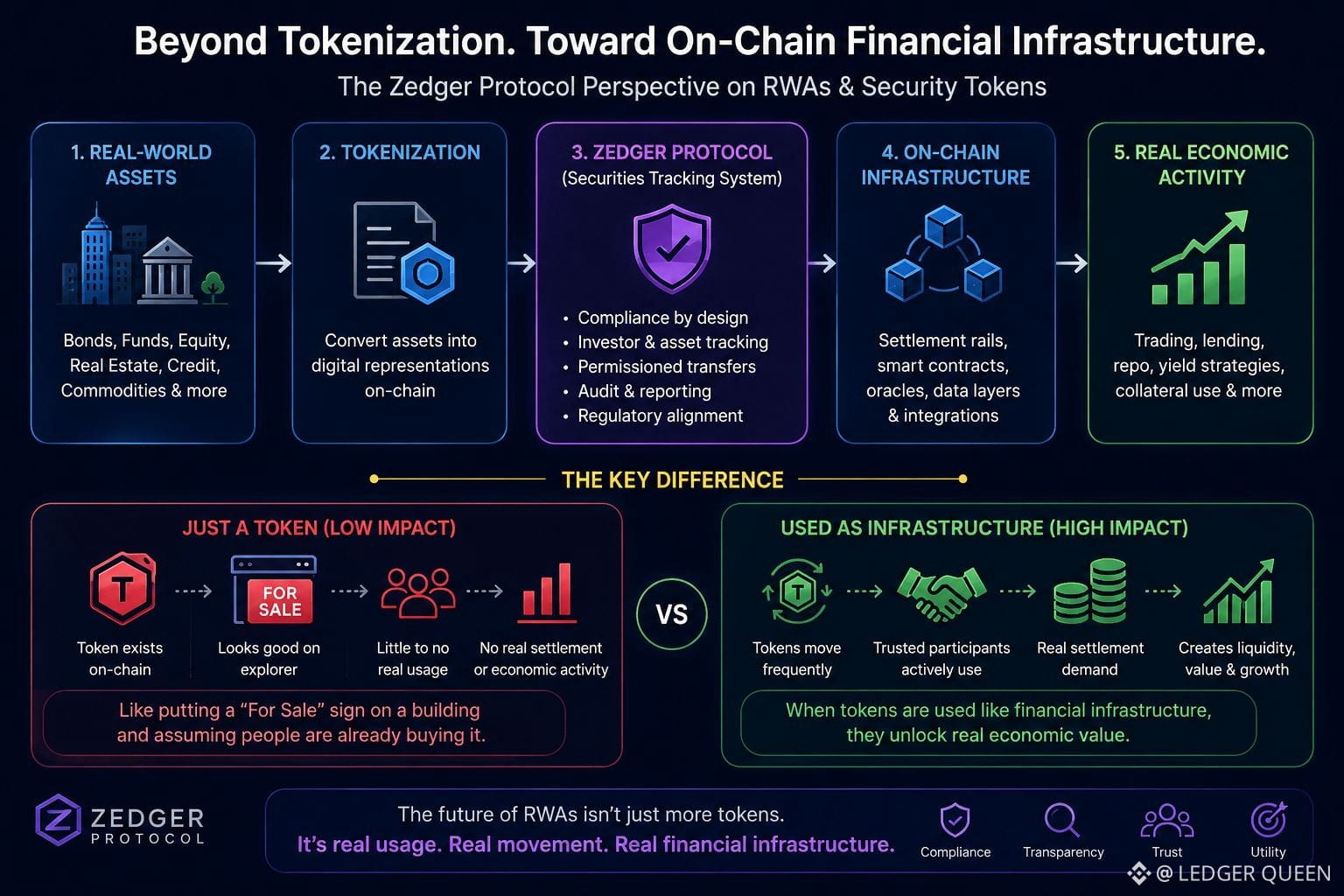
Tôi bắt đầu tò mò về Zedger Protocol sau khi thấy thời gian gần đây có rất nhiều sự chú ý dành cho RWA và chứng khoán được token hóa. Ý tưởng nghe có vẻ khá đơn giản: lấy tài sản từ tài chính truyền thống và làm cho chúng có thể sử dụng trên chuỗi (on-chain).
Nhưng phần mà tôi cứ quay lại mãi chính là security tokens. Token hóa một tài sản là một chuyện. Việc làm cho token đó tuân thủ quy định, có thể chuyển nhượng và thực sự hữu ích trên chuỗi lại là một bài toán khó hơn nhiều.
Đó là điểm căng thẳng trong các câu chuyện về RWA nói chung. Một token có thể tồn tại trên blockchain mà không tạo ra hoạt động kinh tế có ý nghĩa. Nó cũng giống như gắn một tấm biển “đang bán” lên một tòa nhà và cho rằng như vậy tức là mọi người đã bắt đầu mua nó.
Với tôi, góc nhìn thú vị của Zedger là liệu nó có thể kết nối các chứng khoán được quản lý (regulated securities) + hạ tầng on-chain theo cách vượt ra ngoài việc chỉ đơn thuần tạo ra các bản biểu diễn kỹ thuật số của tài sản ngoài đời thực hay không.
Tôi không còn xem các dự án RWA chỉ bằng cách đếm xem họ có thể token hóa được bao nhiêu tài sản nữa. Tôi quan tâm nhiều hơn đến điều gì xảy ra sau khi token hóa: Ai là người sử dụng chúng? Chúng di chuyển (được chuyển nhượng) thường xuyên như thế nào? Có nhu cầu thanh toán/settlement thực sự không?
Đó là thước đo mà tôi sẽ theo dõi với Zedger.
Bởi vì bước đột phá RWA thực sự sẽ không đến khi mọi thứ đều trở thành token.
Mà là khi mọi người bắt đầu thực sự sử dụng các token đó như một hạ tầng tài chính.
$PROM
{spot}(PROMUSDT)
$PORTAL
{spot}(PORTALUSDT)
{spot}(DUSKUSDT)
#dusk $DUSK @Dusk
Tôi bắt đầu tò mò về Zedger Protocol sau khi thấy thời gian gần đây có rất nhiều sự chú ý dành cho RWA và chứng khoán được token hóa. Ý tưởng nghe có vẻ khá đơn giản: lấy tài sản từ tài chính truyền thống và làm cho chúng có thể sử dụng trên chuỗi (on-chain).
Nhưng phần mà tôi cứ quay lại mãi chính là security tokens. Token hóa một tài sản là một chuyện. Việc làm cho token đó tuân thủ quy định, có thể chuyển nhượng và thực sự hữu ích trên chuỗi lại là một bài toán khó hơn nhiều.
Đó là điểm căng thẳng trong các câu chuyện về RWA nói chung. Một token có thể tồn tại trên blockchain mà không tạo ra hoạt động kinh tế có ý nghĩa. Nó cũng giống như gắn một tấm biển “đang bán” lên một tòa nhà và cho rằng như vậy tức là mọi người đã bắt đầu mua nó.
Với tôi, góc nhìn thú vị của Zedger là liệu nó có thể kết nối các chứng khoán được quản lý (regulated securities) + hạ tầng on-chain theo cách vượt ra ngoài việc chỉ đơn thuần tạo ra các bản biểu diễn kỹ thuật số của tài sản ngoài đời thực hay không.
Tôi không còn xem các dự án RWA chỉ bằng cách đếm xem họ có thể token hóa được bao nhiêu tài sản nữa. Tôi quan tâm nhiều hơn đến điều gì xảy ra sau khi token hóa: Ai là người sử dụng chúng? Chúng di chuyển (được chuyển nhượng) thường xuyên như thế nào? Có nhu cầu thanh toán/settlement thực sự không?
Đó là thước đo mà tôi sẽ theo dõi với Zedger.
Bởi vì bước đột phá RWA thực sự sẽ không đến khi mọi thứ đều trở thành token.
Mà là khi mọi người bắt đầu thực sự sử dụng các token đó như một hạ tầng tài chính.
$PROM
$PORTAL
Tôi bắt đầu tò mò về Zedger Protocol sau khi thấy thời gian gần đây có rất nhiều sự chú ý dành cho RWA và chứng khoán được token hóa. Ý tưởng nghe có vẻ khá đơn giản: lấy tài sản từ tài chính truyền thống và làm cho chúng có thể sử dụng trên chuỗi (on-chain).
Nhưng phần mà tôi cứ quay lại mãi chính là security tokens. Token hóa một tài sản là một chuyện. Việc làm cho token đó tuân thủ quy định, có thể chuyển nhượng và thực sự hữu ích trên chuỗi lại là một bài toán khó hơn nhiều.
Đó là điểm căng thẳng trong các câu chuyện về RWA nói chung. Một token có thể tồn tại trên blockchain mà không tạo ra hoạt động kinh tế có ý nghĩa. Nó cũng giống như gắn một tấm biển “đang bán” lên một tòa nhà và cho rằng như vậy tức là mọi người đã bắt đầu mua nó.
Với tôi, góc nhìn thú vị của Zedger là liệu nó có thể kết nối các chứng khoán được quản lý (regulated securities) + hạ tầng on-chain theo cách vượt ra ngoài việc chỉ đơn thuần tạo ra các bản biểu diễn kỹ thuật số của tài sản ngoài đời thực hay không.
Tôi không còn xem các dự án RWA chỉ bằng cách đếm xem họ có thể token hóa được bao nhiêu tài sản nữa. Tôi quan tâm nhiều hơn đến điều gì xảy ra sau khi token hóa: Ai là người sử dụng chúng? Chúng di chuyển (được chuyển nhượng) thường xuyên như thế nào? Có nhu cầu thanh toán/settlement thực sự không?
Đó là thước đo mà tôi sẽ theo dõi với Zedger.
Bởi vì bước đột phá RWA thực sự sẽ không đến khi mọi thứ đều trở thành token.
Mà là khi mọi người bắt đầu thực sự sử dụng các token đó như một hạ tầng tài chính.
$PROM
$PORTAL
2
1
271
·
--
#dusk $DUSK @Dusk_Foundation
Tôi đã lỡ một lượt bỏ phiếu chỉ vì thiếu đúng bốn mươi giây vào tháng trước và dành thêm một tiếng đồng hồ để làm mới bảng điều khiển, chắc mẩm mình đã mất phần stake. Hóa ra là không. Từ đó tôi lạc vào một “hố thỏ” tìm hiểu xem hệ thống phần thưởng của Dusk hoạt động ra sao, và thiết kế đã giải đáp nỗi lo của tôi tốt hơn tôi kỳ vọng.
Việc chia phần thưởng cho phép người tạo khối nhận tới tám mươi phần trăm, và một phần trong khoản “dư” đó được gắn với việc có bao nhiêu credit được đưa vào trong chứng chỉ. Mười phần trăm được chuyển vào quỹ phát triển và mười phần trăm cuối cùng được chia đều giữa các ủy ban thẩm định và phê chuẩn. Không có gì quá bất ngờ ở đó. Thứ khiến tôi chú ý là việc nó được cân nặng chủ ý nghiêng về phía người tạo khối. Lúc đầu tôi thấy hơi lạ khi phân bổ quá nhiều cho một vai trò, nhưng lại hợp lý nếu nghĩ xem ai là người thực sự “gánh nặng” cho từng khối.
Phần quan trọng thực sự nằm ở hệ thống xử phạt lỗi (fault). Dusk tách các lỗi nhỏ khỏi các lỗi lớn thay vì đối xử mọi sai sót như nhau. Lỡ bỏ phiếu vì node của bạn bị chập chờn và bạn sẽ bị đình chỉ tạm thời kèm theo việc khóa stake trong một khoảng thời gian. Không bị đốt (burn). Còn nếu làm điều gì đó có thể chứng minh là độc hại như ký các phiếu bầu mâu thuẫn thì đó là một hạng mục hoàn toàn khác, với stake bị đốt thật sự. Tôi nhớ đã đọc các giao thức từ nhiều năm trước chỉ “đốt” stake cho mọi thời gian downtime, và thật lòng lúc nào nó cũng khiến tôi cảm thấy mang tính trừng phạt hơn là bảo vệ.
Có thể tôi đang suy nghĩ quá mức, nhưng sự phân biệt này giống như “insight” thiết kế cốt lõi ở đây. Nó không trừng phạt các nhà vận hành trung thực vì vấn đề hạ tầng, đồng thời vẫn làm cho các cuộc tấn công có chủ đích trở nên đắt đỏ. Liệu sự cân bằng đó có còn đứng vững khi mạng thực sự chịu áp lực ở quy mô lớn hay không là điều tôi vẫn tò mò. Các hệ thống slashing luôn nhìn “sạch” hơn trên giấy so với cách chúng vận hành khi hàng nghìn validator thực sự đang chạy.
$TUT
{spot}(TUTUSDT)
$ZRO
{spot}(ZROUSDT)
Dusk nên xử lý lỗi của validator như thế nào?
#dusk $DUSK @Dusk
Tôi đã lỡ một lượt bỏ phiếu chỉ vì thiếu đúng bốn mươi giây vào tháng trước và dành thêm một tiếng đồng hồ để làm mới bảng điều khiển, chắc mẩm mình đã mất phần stake. Hóa ra là không. Từ đó tôi lạc vào một “hố thỏ” tìm hiểu xem hệ thống phần thưởng của Dusk hoạt động ra sao, và thiết kế đã giải đáp nỗi lo của tôi tốt hơn tôi kỳ vọng.
Việc chia phần thưởng cho phép người tạo khối nhận tới tám mươi phần trăm, và một phần trong khoản “dư” đó được gắn với việc có bao nhiêu credit được đưa vào trong chứng chỉ. Mười phần trăm được chuyển vào quỹ phát triển và mười phần trăm cuối cùng được chia đều giữa các ủy ban thẩm định và phê chuẩn. Không có gì quá bất ngờ ở đó. Thứ khiến tôi chú ý là việc nó được cân nặng chủ ý nghiêng về phía người tạo khối. Lúc đầu tôi thấy hơi lạ khi phân bổ quá nhiều cho một vai trò, nhưng lại hợp lý nếu nghĩ xem ai là người thực sự “gánh nặng” cho từng khối.
Phần quan trọng thực sự nằm ở hệ thống xử phạt lỗi (fault). Dusk tách các lỗi nhỏ khỏi các lỗi lớn thay vì đối xử mọi sai sót như nhau. Lỡ bỏ phiếu vì node của bạn bị chập chờn và bạn sẽ bị đình chỉ tạm thời kèm theo việc khóa stake trong một khoảng thời gian. Không bị đốt (burn). Còn nếu làm điều gì đó có thể chứng minh là độc hại như ký các phiếu bầu mâu thuẫn thì đó là một hạng mục hoàn toàn khác, với stake bị đốt thật sự. Tôi nhớ đã đọc các giao thức từ nhiều năm trước chỉ “đốt” stake cho mọi thời gian downtime, và thật lòng lúc nào nó cũng khiến tôi cảm thấy mang tính trừng phạt hơn là bảo vệ.
Có thể tôi đang suy nghĩ quá mức, nhưng sự phân biệt này giống như “insight” thiết kế cốt lõi ở đây. Nó không trừng phạt các nhà vận hành trung thực vì vấn đề hạ tầng, đồng thời vẫn làm cho các cuộc tấn công có chủ đích trở nên đắt đỏ. Liệu sự cân bằng đó có còn đứng vững khi mạng thực sự chịu áp lực ở quy mô lớn hay không là điều tôi vẫn tò mò. Các hệ thống slashing luôn nhìn “sạch” hơn trên giấy so với cách chúng vận hành khi hàng nghìn validator thực sự đang chạy.
$TUT
$ZRO
Dusk nên xử lý lỗi của validator như thế nào?
Tôi đã lỡ một lượt bỏ phiếu chỉ vì thiếu đúng bốn mươi giây vào tháng trước và dành thêm một tiếng đồng hồ để làm mới bảng điều khiển, chắc mẩm mình đã mất phần stake. Hóa ra là không. Từ đó tôi lạc vào một “hố thỏ” tìm hiểu xem hệ thống phần thưởng của Dusk hoạt động ra sao, và thiết kế đã giải đáp nỗi lo của tôi tốt hơn tôi kỳ vọng.
Việc chia phần thưởng cho phép người tạo khối nhận tới tám mươi phần trăm, và một phần trong khoản “dư” đó được gắn với việc có bao nhiêu credit được đưa vào trong chứng chỉ. Mười phần trăm được chuyển vào quỹ phát triển và mười phần trăm cuối cùng được chia đều giữa các ủy ban thẩm định và phê chuẩn. Không có gì quá bất ngờ ở đó. Thứ khiến tôi chú ý là việc nó được cân nặng chủ ý nghiêng về phía người tạo khối. Lúc đầu tôi thấy hơi lạ khi phân bổ quá nhiều cho một vai trò, nhưng lại hợp lý nếu nghĩ xem ai là người thực sự “gánh nặng” cho từng khối.
Phần quan trọng thực sự nằm ở hệ thống xử phạt lỗi (fault). Dusk tách các lỗi nhỏ khỏi các lỗi lớn thay vì đối xử mọi sai sót như nhau. Lỡ bỏ phiếu vì node của bạn bị chập chờn và bạn sẽ bị đình chỉ tạm thời kèm theo việc khóa stake trong một khoảng thời gian. Không bị đốt (burn). Còn nếu làm điều gì đó có thể chứng minh là độc hại như ký các phiếu bầu mâu thuẫn thì đó là một hạng mục hoàn toàn khác, với stake bị đốt thật sự. Tôi nhớ đã đọc các giao thức từ nhiều năm trước chỉ “đốt” stake cho mọi thời gian downtime, và thật lòng lúc nào nó cũng khiến tôi cảm thấy mang tính trừng phạt hơn là bảo vệ.
Có thể tôi đang suy nghĩ quá mức, nhưng sự phân biệt này giống như “insight” thiết kế cốt lõi ở đây. Nó không trừng phạt các nhà vận hành trung thực vì vấn đề hạ tầng, đồng thời vẫn làm cho các cuộc tấn công có chủ đích trở nên đắt đỏ. Liệu sự cân bằng đó có còn đứng vững khi mạng thực sự chịu áp lực ở quy mô lớn hay không là điều tôi vẫn tò mò. Các hệ thống slashing luôn nhìn “sạch” hơn trên giấy so với cách chúng vận hành khi hàng nghìn validator thực sự đang chạy.
$TUT
$ZRO
Dusk nên xử lý lỗi của validator như thế nào?
🟢 Suspend
100%
🔥 Slash
0%
⚖️ Both
0%
🤔 Depends
0%
1 phiếu bầu • Cuộc bỏ phiếu đã kết thúc
1
1
230
·
--
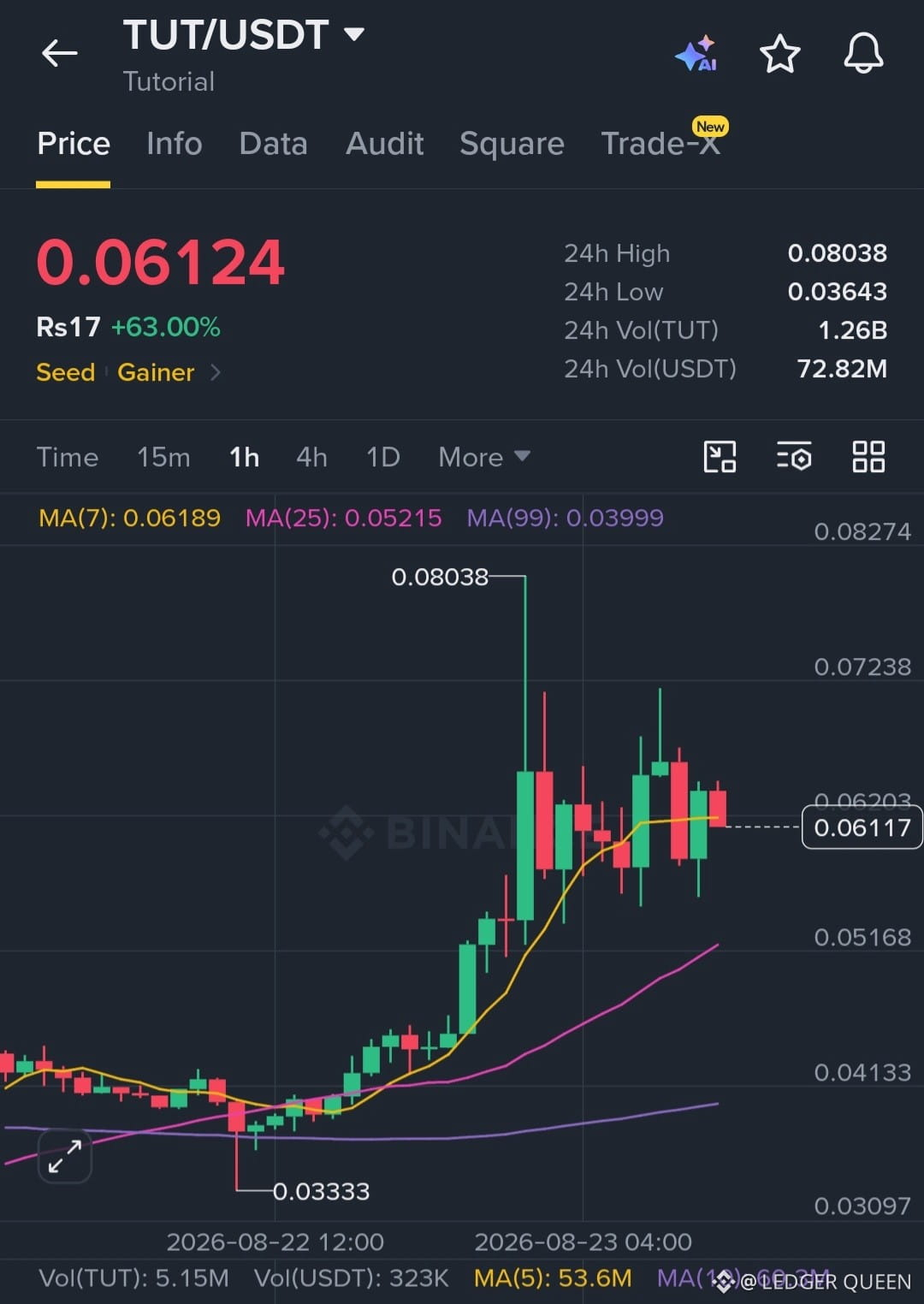
$TUT đang di chuyển NHANH 🚀
Giá: $0.06124 (+63%)
Đỉnh 24h: $0.08038
Đáy 24h: $0.03643
Khối lượng 24h: $1.26B TUT / $72.82M USDT
Trên biểu đồ khung 1H, TUT đang giữ vững trên MA(25) $0.05215 và MA(99) $0.03999, trong khi MA(7) nằm ở $0.06189. Sau khi chạm $0.08038, giá đang tích lũy quanh $0.061—theo dõi xem phe bò có thể giành lại đỉnh hay không. 👀🔥
7D: +76.16% | 30D: +334.85% | 90D: +478.56%
Biểu đồ này bắt đầu thú vị đấy. ⚡📈
#AnthropicIPOCouldTopSpaceXRecordReportsSay
#NvidiaAIServerPricesRiseOver15%
#BSTREndsCantorSPACGoPublicPlan
#USCanadaTradeTalksCollapseCanadaVowsRetaliation
#SandboxSANDSuspectedInfiniteMintFlawOnBase
{spot}(TUTUSDT)
$TUT đang di chuyển NHANH 🚀
Giá: $0.06124 (+63%)
Đỉnh 24h: $0.08038
Đáy 24h: $0.03643
Khối lượng 24h: $1.26B TUT / $72.82M USDT
Trên biểu đồ khung 1H, TUT đang giữ vững trên MA(25) $0.05215 và MA(99) $0.03999, trong khi MA(7) nằm ở $0.06189. Sau khi chạm $0.08038, giá đang tích lũy quanh $0.061—theo dõi xem phe bò có thể giành lại đỉnh hay không. 👀🔥
7D: +76.16% | 30D: +334.85% | 90D: +478.56%
Biểu đồ này bắt đầu thú vị đấy. ⚡📈
#AnthropicIPOCouldTopSpaceXRecordReportsSay
#NvidiaAIServerPricesRiseOver15%
#BSTREndsCantorSPACGoPublicPlan
#USCanadaTradeTalksCollapseCanadaVowsRetaliation
#SandboxSANDSuspectedInfiniteMintFlawOnBase
Giá: $0.06124 (+63%)
Đỉnh 24h: $0.08038
Đáy 24h: $0.03643
Khối lượng 24h: $1.26B TUT / $72.82M USDT
Trên biểu đồ khung 1H, TUT đang giữ vững trên MA(25) $0.05215 và MA(99) $0.03999, trong khi MA(7) nằm ở $0.06189. Sau khi chạm $0.08038, giá đang tích lũy quanh $0.061—theo dõi xem phe bò có thể giành lại đỉnh hay không. 👀🔥
7D: +76.16% | 30D: +334.85% | 90D: +478.56%
Biểu đồ này bắt đầu thú vị đấy. ⚡📈
#AnthropicIPOCouldTopSpaceXRecordReportsSay
#NvidiaAIServerPricesRiseOver15%
#BSTREndsCantorSPACGoPublicPlan
#USCanadaTradeTalksCollapseCanadaVowsRetaliation
#SandboxSANDSuspectedInfiniteMintFlawOnBase
189
·
--
ĐIỀU NÀY THẬT SỰ ĐIÊN RỒ
Tổng thống Trump đã tiết lộ 1.051 giao dịch cổ phiếu trong tháng 6, nâng tổng số của ông lên hơn 25.000 trên cả hai nhiệm kỳ.
Bốn tổng thống cuối CỘNG LẠI chỉ thực hiện 29 giao dịch.
$TUT
{spot}(TUTUSDT)
$PORTAL
{spot}(PORTALUSDT)
$PUMP
{spot}(PUMPUSDT)
ĐIỀU NÀY THẬT SỰ ĐIÊN RỒ
Tổng thống Trump đã tiết lộ 1.051 giao dịch cổ phiếu trong tháng 6, nâng tổng số của ông lên hơn 25.000 trên cả hai nhiệm kỳ.
Bốn tổng thống cuối CỘNG LẠI chỉ thực hiện 29 giao dịch.
$TUT
$PORTAL
$PUMP
Tổng thống Trump đã tiết lộ 1.051 giao dịch cổ phiếu trong tháng 6, nâng tổng số của ông lên hơn 25.000 trên cả hai nhiệm kỳ.
Bốn tổng thống cuối CỘNG LẠI chỉ thực hiện 29 giao dịch.
$TUT
$PORTAL
$PUMP
124
·
--
#dusk $DUSK @Dusk_Foundation
Tôi thú thật. Lần đầu tiên tôi thấy "nullifier" trong tài liệu của Phoenix, tôi thật sự nghĩ đó là một cơ chế phạt nào đó. Tôi nhớ đã mở bản whitepaper với kỳ vọng lướt nhanh và cuối cùng bị kẹt ở đúng một trang suốt gần một giờ, đọc đi đọc lại cùng một đoạn như thể đến lần thứ tư nó mới tự nhiên “hiểu ra”.
Đây là phiên bản đơn giản mà rốt cuộc tôi cũng nắm được. Một “note” thực chất là một biên nhận riêng tư. Nó nói rằng bạn sở hữu một thứ nào đó, nhưng không la tên bạn hay số dư của bạn lên toàn bộ chuỗi. Hãy hình dung nó như một phong bì được niêm phong, nằm trong một tủ hồ sơ khổng lồ. Không ai có thể mở xem bên trong trừ khi bạn chủ động lựa chọn mở.
Cây Merkle chính là cái tủ hồ sơ đó. Mỗi note được nhét vào một nhánh, và toàn bộ cấu trúc được nén lại thành một dấu vân tay nhỏ xíu ở phía trên. Chuỗi chỉ cần kiểm tra dấu vân tay này. Nó không cần phải xem từng phong bì riêng lẻ. Ban đầu phần đó có vẻ hơi lạ. Dữ liệu thì bị giấu rất nhiều, nhưng vẫn chứng minh được là đúng.
Tuy nhiên, “nullifier” mới là phần tinh quái. Khi bạn tiêu một note, bạn không xóa nó—vì xóa sẽ làm lộ thông tin. Thay vào đó, bạn công bố một nullifier, thứ chứng minh rằng note đó đã tồn tại và giờ đã được sử dụng, nhưng không tiết lộ đó là note nào. Nó giống như xé rời một cuống vé theo cách mà không ai lần ngược được về chỗ ngồi của bạn.
Có thể tôi đang suy nghĩ quá mức, nhưng càng ngồi với nó thì nó càng giống như quyền riêng tư và xác minh không còn đối lập nhau nữa. Tôi vẫn tự hỏi điều này sẽ đứng vững thế nào ở quy mô thực tế khi tải nặng. Tôi tò mò liệu những người khác đã kiểm thử nó ngoài phạm vi lớp tài liệu bề mặt hay chưa.
$SC
{spot}(SCUSDT)
$POL
{spot}(POLUSDT)
{spot}(DUSKUSDT)
Điều gì khiến nullifier trở nên thú vị nhất đối với bạn?
#dusk $DUSK @Dusk
Tôi thú thật. Lần đầu tiên tôi thấy "nullifier" trong tài liệu của Phoenix, tôi thật sự nghĩ đó là một cơ chế phạt nào đó. Tôi nhớ đã mở bản whitepaper với kỳ vọng lướt nhanh và cuối cùng bị kẹt ở đúng một trang suốt gần một giờ, đọc đi đọc lại cùng một đoạn như thể đến lần thứ tư nó mới tự nhiên “hiểu ra”.
Đây là phiên bản đơn giản mà rốt cuộc tôi cũng nắm được. Một “note” thực chất là một biên nhận riêng tư. Nó nói rằng bạn sở hữu một thứ nào đó, nhưng không la tên bạn hay số dư của bạn lên toàn bộ chuỗi. Hãy hình dung nó như một phong bì được niêm phong, nằm trong một tủ hồ sơ khổng lồ. Không ai có thể mở xem bên trong trừ khi bạn chủ động lựa chọn mở.
Cây Merkle chính là cái tủ hồ sơ đó. Mỗi note được nhét vào một nhánh, và toàn bộ cấu trúc được nén lại thành một dấu vân tay nhỏ xíu ở phía trên. Chuỗi chỉ cần kiểm tra dấu vân tay này. Nó không cần phải xem từng phong bì riêng lẻ. Ban đầu phần đó có vẻ hơi lạ. Dữ liệu thì bị giấu rất nhiều, nhưng vẫn chứng minh được là đúng.
Tuy nhiên, “nullifier” mới là phần tinh quái. Khi bạn tiêu một note, bạn không xóa nó—vì xóa sẽ làm lộ thông tin. Thay vào đó, bạn công bố một nullifier, thứ chứng minh rằng note đó đã tồn tại và giờ đã được sử dụng, nhưng không tiết lộ đó là note nào. Nó giống như xé rời một cuống vé theo cách mà không ai lần ngược được về chỗ ngồi của bạn.
Có thể tôi đang suy nghĩ quá mức, nhưng càng ngồi với nó thì nó càng giống như quyền riêng tư và xác minh không còn đối lập nhau nữa. Tôi vẫn tự hỏi điều này sẽ đứng vững thế nào ở quy mô thực tế khi tải nặng. Tôi tò mò liệu những người khác đã kiểm thử nó ngoài phạm vi lớp tài liệu bề mặt hay chưa.
$SC
$POL
Điều gì khiến nullifier trở nên thú vị nhất đối với bạn?
Tôi thú thật. Lần đầu tiên tôi thấy "nullifier" trong tài liệu của Phoenix, tôi thật sự nghĩ đó là một cơ chế phạt nào đó. Tôi nhớ đã mở bản whitepaper với kỳ vọng lướt nhanh và cuối cùng bị kẹt ở đúng một trang suốt gần một giờ, đọc đi đọc lại cùng một đoạn như thể đến lần thứ tư nó mới tự nhiên “hiểu ra”.
Đây là phiên bản đơn giản mà rốt cuộc tôi cũng nắm được. Một “note” thực chất là một biên nhận riêng tư. Nó nói rằng bạn sở hữu một thứ nào đó, nhưng không la tên bạn hay số dư của bạn lên toàn bộ chuỗi. Hãy hình dung nó như một phong bì được niêm phong, nằm trong một tủ hồ sơ khổng lồ. Không ai có thể mở xem bên trong trừ khi bạn chủ động lựa chọn mở.
Cây Merkle chính là cái tủ hồ sơ đó. Mỗi note được nhét vào một nhánh, và toàn bộ cấu trúc được nén lại thành một dấu vân tay nhỏ xíu ở phía trên. Chuỗi chỉ cần kiểm tra dấu vân tay này. Nó không cần phải xem từng phong bì riêng lẻ. Ban đầu phần đó có vẻ hơi lạ. Dữ liệu thì bị giấu rất nhiều, nhưng vẫn chứng minh được là đúng.
Tuy nhiên, “nullifier” mới là phần tinh quái. Khi bạn tiêu một note, bạn không xóa nó—vì xóa sẽ làm lộ thông tin. Thay vào đó, bạn công bố một nullifier, thứ chứng minh rằng note đó đã tồn tại và giờ đã được sử dụng, nhưng không tiết lộ đó là note nào. Nó giống như xé rời một cuống vé theo cách mà không ai lần ngược được về chỗ ngồi của bạn.
Có thể tôi đang suy nghĩ quá mức, nhưng càng ngồi với nó thì nó càng giống như quyền riêng tư và xác minh không còn đối lập nhau nữa. Tôi vẫn tự hỏi điều này sẽ đứng vững thế nào ở quy mô thực tế khi tải nặng. Tôi tò mò liệu những người khác đã kiểm thử nó ngoài phạm vi lớp tài liệu bề mặt hay chưa.
$SC
$POL
Điều gì khiến nullifier trở nên thú vị nhất đối với bạn?
🔒 Privacy
50%
✅ Preventing double-spends
50%
🌳 Merkle verification
0%
🤔 Still learning
0%
2 phiếu bầu • Cuộc bỏ phiếu đã kết thúc
2
1
469
·
--
#dusk $DUSK @Dusk_Foundation
Quyền riêng tư onchain nghe thật tuyệt cho đến khi bạn hỏi một câu hỏi đơn giản: rốt cuộc ai là người cần phải xem giao dịch?
Điều đó lại kéo tôi quay về Dusk. Điểm mạnh của họ không phải là “quyền riêng tư” theo kiểu che giấu mọi thứ, mà là hạ tầng cho các ứng dụng tài chính nơi một số thông tin đơn giản là không nên công khai. Đó là một Lớp 1 được xây dựng xoay quanh các smart contract bảo mật (confidential) và chuẩn Confidential Security Contract. Với các thị trường được quản lý, sự khác biệt này có thể quan trọng rất nhiều. Một quỹ hưu trí khi thanh toán một giao dịch trái phiếu có thể cần giao dịch được xác minh mà không phải phơi bày mọi chi tiết trên một sổ cái công khai.
Điều khiến tôi chú ý là khoảng trống giữa luận điểm (thesis) và “dấu chân” hiện tại. DUSK đang quanh mức 0,072 USD, với vốn hóa khoảng 43 triệu USD, khối lượng giao dịch 24 giờ khoảng 11,9 triệu USD và open interest khoảng 9,9 triệu USD. Rõ ràng những con số này không chứng minh được mức độ áp dụng (adoption), nhưng chúng khiến tôi tự hỏi câu chuyện “định chế thanh toán” (institutional settlement) có thể chuyển hóa nhanh đến mức nào thành hoạt động onchain ổn định.
Có một số mảnh ghép thú vị đang được đặt vào vị trí. NPEX đã được liên kết với kế hoạch đưa trái phiếu và cổ phiếu tokenized lên mạng, trong khi tích hợp Chainlink CCIP lại hướng tới thanh toán xuyên chuỗi (cross-chain settlement). Ngoài ra còn có quỹ dành cho nhà phát triển DUSK trị giá 15 triệu USD nhằm thu hút các builder. Tuy nhiên, đối tác và hạ tầng chỉ giúp được đến một mức nhất định. Thử thách thực sự là liệu người dùng tài chính “thực” có ở lại hay không.
Có thể tôi đang suy nghĩ quá nhiều, nhưng Dusk giống như một canh bạc đặt cược rằng các blockchain tài chính có thể sẽ cần đến điều này về sau. Nếu việc thanh toán bảo mật trở thành chuẩn, việc đi sớm có thể tạo ra khác biệt. Còn nếu người dùng không đến, riêng công nghệ thì không thể cứu được luận điểm. Đó là phần tôi vẫn đang theo dõi.
$ONG
{spot}(ONGUSDT)
$ENA
{spot}(ENAUSDT)
{spot}(DUSKUSDT)
Điều gì sẽ thúc đẩy Dusk mạnh nhất?
#dusk $DUSK @Dusk
Quyền riêng tư onchain nghe thật tuyệt cho đến khi bạn hỏi một câu hỏi đơn giản: rốt cuộc ai là người cần phải xem giao dịch?
Điều đó lại kéo tôi quay về Dusk. Điểm mạnh của họ không phải là “quyền riêng tư” theo kiểu che giấu mọi thứ, mà là hạ tầng cho các ứng dụng tài chính nơi một số thông tin đơn giản là không nên công khai. Đó là một Lớp 1 được xây dựng xoay quanh các smart contract bảo mật (confidential) và chuẩn Confidential Security Contract. Với các thị trường được quản lý, sự khác biệt này có thể quan trọng rất nhiều. Một quỹ hưu trí khi thanh toán một giao dịch trái phiếu có thể cần giao dịch được xác minh mà không phải phơi bày mọi chi tiết trên một sổ cái công khai.
Điều khiến tôi chú ý là khoảng trống giữa luận điểm (thesis) và “dấu chân” hiện tại. DUSK đang quanh mức 0,072 USD, với vốn hóa khoảng 43 triệu USD, khối lượng giao dịch 24 giờ khoảng 11,9 triệu USD và open interest khoảng 9,9 triệu USD. Rõ ràng những con số này không chứng minh được mức độ áp dụng (adoption), nhưng chúng khiến tôi tự hỏi câu chuyện “định chế thanh toán” (institutional settlement) có thể chuyển hóa nhanh đến mức nào thành hoạt động onchain ổn định.
Có một số mảnh ghép thú vị đang được đặt vào vị trí. NPEX đã được liên kết với kế hoạch đưa trái phiếu và cổ phiếu tokenized lên mạng, trong khi tích hợp Chainlink CCIP lại hướng tới thanh toán xuyên chuỗi (cross-chain settlement). Ngoài ra còn có quỹ dành cho nhà phát triển DUSK trị giá 15 triệu USD nhằm thu hút các builder. Tuy nhiên, đối tác và hạ tầng chỉ giúp được đến một mức nhất định. Thử thách thực sự là liệu người dùng tài chính “thực” có ở lại hay không.
Có thể tôi đang suy nghĩ quá nhiều, nhưng Dusk giống như một canh bạc đặt cược rằng các blockchain tài chính có thể sẽ cần đến điều này về sau. Nếu việc thanh toán bảo mật trở thành chuẩn, việc đi sớm có thể tạo ra khác biệt. Còn nếu người dùng không đến, riêng công nghệ thì không thể cứu được luận điểm. Đó là phần tôi vẫn đang theo dõi.
$ONG
$ENA
Điều gì sẽ thúc đẩy Dusk mạnh nhất?
Quyền riêng tư onchain nghe thật tuyệt cho đến khi bạn hỏi một câu hỏi đơn giản: rốt cuộc ai là người cần phải xem giao dịch?
Điều đó lại kéo tôi quay về Dusk. Điểm mạnh của họ không phải là “quyền riêng tư” theo kiểu che giấu mọi thứ, mà là hạ tầng cho các ứng dụng tài chính nơi một số thông tin đơn giản là không nên công khai. Đó là một Lớp 1 được xây dựng xoay quanh các smart contract bảo mật (confidential) và chuẩn Confidential Security Contract. Với các thị trường được quản lý, sự khác biệt này có thể quan trọng rất nhiều. Một quỹ hưu trí khi thanh toán một giao dịch trái phiếu có thể cần giao dịch được xác minh mà không phải phơi bày mọi chi tiết trên một sổ cái công khai.
Điều khiến tôi chú ý là khoảng trống giữa luận điểm (thesis) và “dấu chân” hiện tại. DUSK đang quanh mức 0,072 USD, với vốn hóa khoảng 43 triệu USD, khối lượng giao dịch 24 giờ khoảng 11,9 triệu USD và open interest khoảng 9,9 triệu USD. Rõ ràng những con số này không chứng minh được mức độ áp dụng (adoption), nhưng chúng khiến tôi tự hỏi câu chuyện “định chế thanh toán” (institutional settlement) có thể chuyển hóa nhanh đến mức nào thành hoạt động onchain ổn định.
Có một số mảnh ghép thú vị đang được đặt vào vị trí. NPEX đã được liên kết với kế hoạch đưa trái phiếu và cổ phiếu tokenized lên mạng, trong khi tích hợp Chainlink CCIP lại hướng tới thanh toán xuyên chuỗi (cross-chain settlement). Ngoài ra còn có quỹ dành cho nhà phát triển DUSK trị giá 15 triệu USD nhằm thu hút các builder. Tuy nhiên, đối tác và hạ tầng chỉ giúp được đến một mức nhất định. Thử thách thực sự là liệu người dùng tài chính “thực” có ở lại hay không.
Có thể tôi đang suy nghĩ quá nhiều, nhưng Dusk giống như một canh bạc đặt cược rằng các blockchain tài chính có thể sẽ cần đến điều này về sau. Nếu việc thanh toán bảo mật trở thành chuẩn, việc đi sớm có thể tạo ra khác biệt. Còn nếu người dùng không đến, riêng công nghệ thì không thể cứu được luận điểm. Đó là phần tôi vẫn đang theo dõi.
$ONG
$ENA
Điều gì sẽ thúc đẩy Dusk mạnh nhất?
🔐 Privacy
0%
🏦 Institutions
0%
🌉 Cross-chain
0%
👨💻 Builders
100%
1 phiếu bầu • Cuộc bỏ phiếu đã kết thúc
2
1
144
·
--
#termmax @termmax
Một điều tôi luôn quay lại khi nói về DeFi lãi suất cố định là: chính lãi suất có thể không phải là vấn đề khó nhất. Việc tìm đủ thanh khoản ở cả hai phía tại cùng kỳ hạn có lẽ mới là phần khó.
Với thị trường lãi suất thả nổi, thanh khoản có thể di chuyển liên tục và lãi suất tự điều chỉnh theo đó. Thị trường lãi suất cố định lại mang cảm giác khác. Người đi vay muốn chi phí có thể dự đoán được cho đến khi đáo hạn, trong khi người cho vay muốn lợi suất dự đoán được trong đúng khoảng thời gian đó. Có lẽ phần đáng chú ý của TermMax không chỉ nằm ở lãi suất cố định, mà là ở việc nó có thể duy trì các thị trường này có thể sử dụng được khi nhu cầu trở nên không đồng đều hay không.
Điều đó cũng khiến kỳ hạn trở thành một chi tiết quan trọng. Một thị trường có thể trông hấp dẫn ngay từ lúc ra mắt, nhưng điều tôi quan tâm là thanh khoản sẽ vận hành ra sao khi kỳ hạn tiến gần. Nếu ai đó muốn thoát sớm, họ có thể làm điều đó mà không phải chịu cú “giá” đau đớn không? Nếu một người đi vay mới xuất hiện, liệu có đủ nguồn cung ở mức lãi suất thực sự hợp lý không? Tôi vẫn chưa hoàn toàn thuyết phục rằng DeFi lãi suất cố định có thể mở rộng một cách trơn tru nếu thiếu thanh khoản thứ cấp sâu.
Phần tùy chọn (options) còn làm thiết kế trở nên thú vị hơn, bởi nó bổ sung thêm một cách để cấu trúc mức độ phơi nhiễm thay vì coi việc cho vay chỉ là một sản phẩm duy nhất. Nhưng sự linh hoạt cũng có thể khiến một giao thức khó hiểu hơn, đặc biệt là với những người dùng chỉ muốn một vị thế vay hoặc cho vay đơn giản. Có lẽ phép cân bằng giữa kết quả đơn giản và các thị trường nền phức tạp chính là phép thử thực sự ở đây. Tôi cứ tự hỏi liệu độ sâu thanh khoản, chứ không phải lãi suất “đầu dòng”, cuối cùng sẽ quyết định mô hình này trở nên hữu ích đến mức nào.
$ONG
{spot}(ONGUSDT)
$NEIRO
{spot}(NEIROUSDT)
$PEOPLE
{spot}(PEOPLEUSDT)
Điều quan trọng nhất đối với DeFi lãi suất cố định là gì?
#termmax @TermMax
Một điều tôi luôn quay lại khi nói về DeFi lãi suất cố định là: chính lãi suất có thể không phải là vấn đề khó nhất. Việc tìm đủ thanh khoản ở cả hai phía tại cùng kỳ hạn có lẽ mới là phần khó.
Với thị trường lãi suất thả nổi, thanh khoản có thể di chuyển liên tục và lãi suất tự điều chỉnh theo đó. Thị trường lãi suất cố định lại mang cảm giác khác. Người đi vay muốn chi phí có thể dự đoán được cho đến khi đáo hạn, trong khi người cho vay muốn lợi suất dự đoán được trong đúng khoảng thời gian đó. Có lẽ phần đáng chú ý của TermMax không chỉ nằm ở lãi suất cố định, mà là ở việc nó có thể duy trì các thị trường này có thể sử dụng được khi nhu cầu trở nên không đồng đều hay không.
Điều đó cũng khiến kỳ hạn trở thành một chi tiết quan trọng. Một thị trường có thể trông hấp dẫn ngay từ lúc ra mắt, nhưng điều tôi quan tâm là thanh khoản sẽ vận hành ra sao khi kỳ hạn tiến gần. Nếu ai đó muốn thoát sớm, họ có thể làm điều đó mà không phải chịu cú “giá” đau đớn không? Nếu một người đi vay mới xuất hiện, liệu có đủ nguồn cung ở mức lãi suất thực sự hợp lý không? Tôi vẫn chưa hoàn toàn thuyết phục rằng DeFi lãi suất cố định có thể mở rộng một cách trơn tru nếu thiếu thanh khoản thứ cấp sâu.
Phần tùy chọn (options) còn làm thiết kế trở nên thú vị hơn, bởi nó bổ sung thêm một cách để cấu trúc mức độ phơi nhiễm thay vì coi việc cho vay chỉ là một sản phẩm duy nhất. Nhưng sự linh hoạt cũng có thể khiến một giao thức khó hiểu hơn, đặc biệt là với những người dùng chỉ muốn một vị thế vay hoặc cho vay đơn giản. Có lẽ phép cân bằng giữa kết quả đơn giản và các thị trường nền phức tạp chính là phép thử thực sự ở đây. Tôi cứ tự hỏi liệu độ sâu thanh khoản, chứ không phải lãi suất “đầu dòng”, cuối cùng sẽ quyết định mô hình này trở nên hữu ích đến mức nào.
$ONG
$NEIRO
$PEOPLE
Điều quan trọng nhất đối với DeFi lãi suất cố định là gì?
Một điều tôi luôn quay lại khi nói về DeFi lãi suất cố định là: chính lãi suất có thể không phải là vấn đề khó nhất. Việc tìm đủ thanh khoản ở cả hai phía tại cùng kỳ hạn có lẽ mới là phần khó.
Với thị trường lãi suất thả nổi, thanh khoản có thể di chuyển liên tục và lãi suất tự điều chỉnh theo đó. Thị trường lãi suất cố định lại mang cảm giác khác. Người đi vay muốn chi phí có thể dự đoán được cho đến khi đáo hạn, trong khi người cho vay muốn lợi suất dự đoán được trong đúng khoảng thời gian đó. Có lẽ phần đáng chú ý của TermMax không chỉ nằm ở lãi suất cố định, mà là ở việc nó có thể duy trì các thị trường này có thể sử dụng được khi nhu cầu trở nên không đồng đều hay không.
Điều đó cũng khiến kỳ hạn trở thành một chi tiết quan trọng. Một thị trường có thể trông hấp dẫn ngay từ lúc ra mắt, nhưng điều tôi quan tâm là thanh khoản sẽ vận hành ra sao khi kỳ hạn tiến gần. Nếu ai đó muốn thoát sớm, họ có thể làm điều đó mà không phải chịu cú “giá” đau đớn không? Nếu một người đi vay mới xuất hiện, liệu có đủ nguồn cung ở mức lãi suất thực sự hợp lý không? Tôi vẫn chưa hoàn toàn thuyết phục rằng DeFi lãi suất cố định có thể mở rộng một cách trơn tru nếu thiếu thanh khoản thứ cấp sâu.
Phần tùy chọn (options) còn làm thiết kế trở nên thú vị hơn, bởi nó bổ sung thêm một cách để cấu trúc mức độ phơi nhiễm thay vì coi việc cho vay chỉ là một sản phẩm duy nhất. Nhưng sự linh hoạt cũng có thể khiến một giao thức khó hiểu hơn, đặc biệt là với những người dùng chỉ muốn một vị thế vay hoặc cho vay đơn giản. Có lẽ phép cân bằng giữa kết quả đơn giản và các thị trường nền phức tạp chính là phép thử thực sự ở đây. Tôi cứ tự hỏi liệu độ sâu thanh khoản, chứ không phải lãi suất “đầu dòng”, cuối cùng sẽ quyết định mô hình này trở nên hữu ích đến mức nào.
$ONG
$NEIRO
$PEOPLE
Điều quan trọng nhất đối với DeFi lãi suất cố định là gì?
🔹 Liquidity depth
40%
🔹 Secondary markets
0%
🔹 Better rates
40%
🔹 Simple UX
20%
5 phiếu bầu • Cuộc bỏ phiếu đã kết thúc
4.7k
·
--
Đã xác minh
#termmax @termmax
Tôi đang xem TermMax trên DefiLlama và có một điều thấy hơi lạ.
Trang dashboard hiện hiển thị khoảng 31,29 triệu USD TVL. Nhìn qua thì có vẻ khá lành mạnh.
Nhưng rồi tôi xem biểu đồ phí.
Và đó là lúc bức tranh trở nên thú vị hơn. Hoạt động thu phí trông khá nhỏ so với lượng vốn đang nằm trong giao thức. Vì vậy tôi bắt đầu tự hỏi: bao nhiêu phần trong TVL đó thực sự là do người dùng đang dùng TermMax, và bao nhiêu phần chỉ là vốn nằm đó vì các ưu đãi khiến nó đáng để giữ?
Sự phân biệt này rất quan trọng.
Nó giống như nhìn bãi đậu xe của một nhà hàng đông kín và cho rằng ai cũng vào trong để gọi món. Có thể đúng. Hoặc có thể một nửa số xe ở đó vì cạnh bên có chương trình khuyến mãi.
Tôi nghĩ về điều này vì toàn bộ đề xuất của TermMax thực sự khá hữu ích: vay/mượn/cho vay lãi suất cố định mang lại cho người dùng thứ mà DeFi thường khó làm tốt — tính dự đoán được. Options (quyền chọn) bổ sung thêm một lớp để cấu trúc vị thế.
Vì vậy tôi không xem TVL là vô nghĩa. Tôi chỉ không coi nó là bằng chứng chắc chắn cho sự phù hợp sản phẩm-thị trường (product-market fit).
Và sắp tới có một phép thử rất đáng chú ý: TMX TGE được lên lịch vào ngày 25 tháng 8, và các phần thưởng XP, AP và MP sẽ có thể được nhận sau TGE.
Điều đó sẽ làm thay đổi bài toán về động lực (incentive equation).
Điều gì sẽ xảy ra với mức độ sử dụng khi lý do tương tác dựa trên phần thưởng trở nên kém quan trọng hơn?
Đó là chỉ số tôi sẽ theo dõi. Không phải có bao nhiêu ví xuất hiện, mà là bao nhiêu người dùng tiếp tục vay, cho vay và giao dịch vì họ thực sự cần thứ mà TermMax cung cấp.
TVL cho bạn biết vốn nằm ở đâu. Usage cho bạn biết vì sao nó ở lại.
$BOME
{spot}(BOMEUSDT)
$MAGMA
{future}(MAGMAUSDT)
$USELESS
{future}(USELESSUSDT)
Sau TermMax TGE, điều quan trọng nhất là gì?
#termmax @TermMax
Tôi đang xem TermMax trên DefiLlama và có một điều thấy hơi lạ.
Trang dashboard hiện hiển thị khoảng 31,29 triệu USD TVL. Nhìn qua thì có vẻ khá lành mạnh.
Nhưng rồi tôi xem biểu đồ phí.
Và đó là lúc bức tranh trở nên thú vị hơn. Hoạt động thu phí trông khá nhỏ so với lượng vốn đang nằm trong giao thức. Vì vậy tôi bắt đầu tự hỏi: bao nhiêu phần trong TVL đó thực sự là do người dùng đang dùng TermMax, và bao nhiêu phần chỉ là vốn nằm đó vì các ưu đãi khiến nó đáng để giữ?
Sự phân biệt này rất quan trọng.
Nó giống như nhìn bãi đậu xe của một nhà hàng đông kín và cho rằng ai cũng vào trong để gọi món. Có thể đúng. Hoặc có thể một nửa số xe ở đó vì cạnh bên có chương trình khuyến mãi.
Tôi nghĩ về điều này vì toàn bộ đề xuất của TermMax thực sự khá hữu ích: vay/mượn/cho vay lãi suất cố định mang lại cho người dùng thứ mà DeFi thường khó làm tốt — tính dự đoán được. Options (quyền chọn) bổ sung thêm một lớp để cấu trúc vị thế.
Vì vậy tôi không xem TVL là vô nghĩa. Tôi chỉ không coi nó là bằng chứng chắc chắn cho sự phù hợp sản phẩm-thị trường (product-market fit).
Và sắp tới có một phép thử rất đáng chú ý: TMX TGE được lên lịch vào ngày 25 tháng 8, và các phần thưởng XP, AP và MP sẽ có thể được nhận sau TGE.
Điều đó sẽ làm thay đổi bài toán về động lực (incentive equation).
Điều gì sẽ xảy ra với mức độ sử dụng khi lý do tương tác dựa trên phần thưởng trở nên kém quan trọng hơn?
Đó là chỉ số tôi sẽ theo dõi. Không phải có bao nhiêu ví xuất hiện, mà là bao nhiêu người dùng tiếp tục vay, cho vay và giao dịch vì họ thực sự cần thứ mà TermMax cung cấp.
TVL cho bạn biết vốn nằm ở đâu. Usage cho bạn biết vì sao nó ở lại.
$BOME
$MAGMA
$USELESS
Sau TermMax TGE, điều quan trọng nhất là gì?
Tôi đang xem TermMax trên DefiLlama và có một điều thấy hơi lạ.
Trang dashboard hiện hiển thị khoảng 31,29 triệu USD TVL. Nhìn qua thì có vẻ khá lành mạnh.
Nhưng rồi tôi xem biểu đồ phí.
Và đó là lúc bức tranh trở nên thú vị hơn. Hoạt động thu phí trông khá nhỏ so với lượng vốn đang nằm trong giao thức. Vì vậy tôi bắt đầu tự hỏi: bao nhiêu phần trong TVL đó thực sự là do người dùng đang dùng TermMax, và bao nhiêu phần chỉ là vốn nằm đó vì các ưu đãi khiến nó đáng để giữ?
Sự phân biệt này rất quan trọng.
Nó giống như nhìn bãi đậu xe của một nhà hàng đông kín và cho rằng ai cũng vào trong để gọi món. Có thể đúng. Hoặc có thể một nửa số xe ở đó vì cạnh bên có chương trình khuyến mãi.
Tôi nghĩ về điều này vì toàn bộ đề xuất của TermMax thực sự khá hữu ích: vay/mượn/cho vay lãi suất cố định mang lại cho người dùng thứ mà DeFi thường khó làm tốt — tính dự đoán được. Options (quyền chọn) bổ sung thêm một lớp để cấu trúc vị thế.
Vì vậy tôi không xem TVL là vô nghĩa. Tôi chỉ không coi nó là bằng chứng chắc chắn cho sự phù hợp sản phẩm-thị trường (product-market fit).
Và sắp tới có một phép thử rất đáng chú ý: TMX TGE được lên lịch vào ngày 25 tháng 8, và các phần thưởng XP, AP và MP sẽ có thể được nhận sau TGE.
Điều đó sẽ làm thay đổi bài toán về động lực (incentive equation).
Điều gì sẽ xảy ra với mức độ sử dụng khi lý do tương tác dựa trên phần thưởng trở nên kém quan trọng hơn?
Đó là chỉ số tôi sẽ theo dõi. Không phải có bao nhiêu ví xuất hiện, mà là bao nhiêu người dùng tiếp tục vay, cho vay và giao dịch vì họ thực sự cần thứ mà TermMax cung cấp.
TVL cho bạn biết vốn nằm ở đâu. Usage cho bạn biết vì sao nó ở lại.
$BOME
$MAGMA
$USELESS
Sau TermMax TGE, điều quan trọng nhất là gì?
🔘 TVL stays
66%
🔘 Real usage grows
0%
🔘 Trading grows
17%
🔘 Users leave
17%
6 phiếu bầu • Cuộc bỏ phiếu đã kết thúc
33
34
2.4k
·
--
🚨 CẢNH BÁO NÓNG:
🇺🇸 CUỘC HỌP TIỀN ĐIỆN TỬ Ở TOÀ BẠCH ỐC HÔM NAY QUY MÔ KHỔNG LỒ:
→ MỸ ĐANG CÂN NHẮC VIỆC MUA “MỘT LƯỢNG ĐÁNG KỂ” BTC VÀ TIỀN ĐIỆN TỬ
→ TRUMP KÊU GỌI QUỐC HỘI THÔNG QUA ĐẠO LUẬT CLARITY
→ MỸ MUỐN ĐI TRƯỚC TRONG BITCOIN VÀ TIỀN ĐIỆN TỬ
→ 🇺🇸 HYPERLIQUID ĐANG TẬP TRUNG HƯỚNG TỚI VIỆC THAM GIA THỊ TRƯỜNG MỸ
→ TRUMP CŨNG KÊU GỌI HẠ LÃI SUẤT
RÕ RÀNG MỸ ĐANG ĐẶT CƯỢC HẾT MÌNH VÀO CRYPTO
$RE
{spot}(REUSDT)
$MUBARAK
{spot}(MUBARAKUSDT)
$TREE
{spot}(TREEUSDT)
🚨 CẢNH BÁO NÓNG:
🇺🇸 CUỘC HỌP TIỀN ĐIỆN TỬ Ở TOÀ BẠCH ỐC HÔM NAY QUY MÔ KHỔNG LỒ:
→ MỸ ĐANG CÂN NHẮC VIỆC MUA “MỘT LƯỢNG ĐÁNG KỂ” BTC VÀ TIỀN ĐIỆN TỬ
→ TRUMP KÊU GỌI QUỐC HỘI THÔNG QUA ĐẠO LUẬT CLARITY
→ MỸ MUỐN ĐI TRƯỚC TRONG BITCOIN VÀ TIỀN ĐIỆN TỬ
→ 🇺🇸 HYPERLIQUID ĐANG TẬP TRUNG HƯỚNG TỚI VIỆC THAM GIA THỊ TRƯỜNG MỸ
→ TRUMP CŨNG KÊU GỌI HẠ LÃI SUẤT
RÕ RÀNG MỸ ĐANG ĐẶT CƯỢC HẾT MÌNH VÀO CRYPTO
$RE
$MUBARAK
$TREE
🇺🇸 CUỘC HỌP TIỀN ĐIỆN TỬ Ở TOÀ BẠCH ỐC HÔM NAY QUY MÔ KHỔNG LỒ:
→ MỸ ĐANG CÂN NHẮC VIỆC MUA “MỘT LƯỢNG ĐÁNG KỂ” BTC VÀ TIỀN ĐIỆN TỬ
→ TRUMP KÊU GỌI QUỐC HỘI THÔNG QUA ĐẠO LUẬT CLARITY
→ MỸ MUỐN ĐI TRƯỚC TRONG BITCOIN VÀ TIỀN ĐIỆN TỬ
→ 🇺🇸 HYPERLIQUID ĐANG TẬP TRUNG HƯỚNG TỚI VIỆC THAM GIA THỊ TRƯỜNG MỸ
→ TRUMP CŨNG KÊU GỌI HẠ LÃI SUẤT
RÕ RÀNG MỸ ĐANG ĐẶT CƯỢC HẾT MÌNH VÀO CRYPTO
$RE
$MUBARAK
$TREE

1
82
·
--
#termmax @termmax
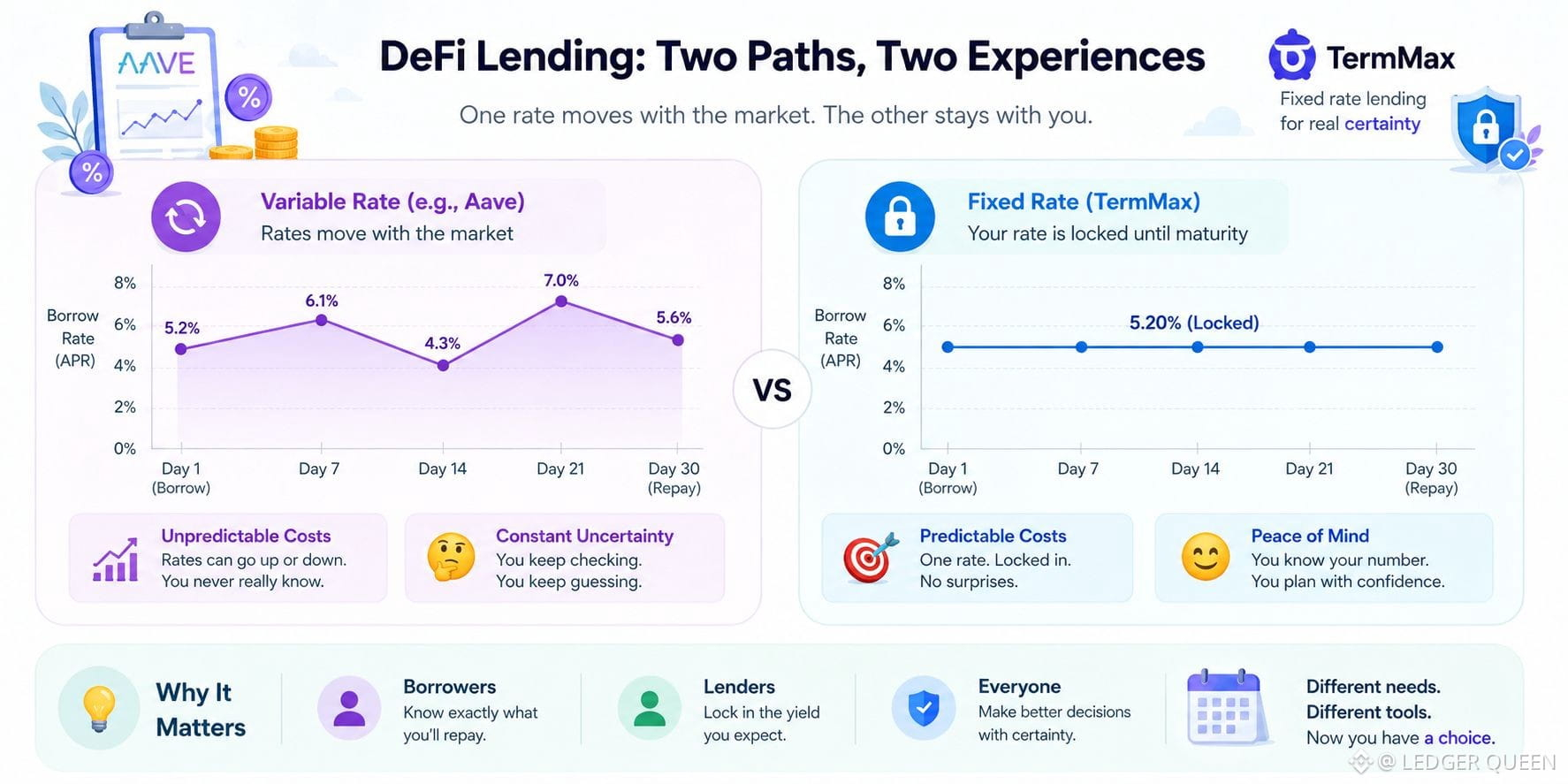
Dạo này tôi kiểm tra bảng điều khiển Aave của mình và thấy lãi suất lại biến động kể từ lần trước tôi xem. Không nhiều. Đủ để tôi phải dừng lại và tự hỏi tại sao mình cứ tiếp tục kiểm tra.
Đó là phần của hoạt động cho vay trong DeFi mà không ai cảnh báo bạn ngay từ đầu. Bạn đi vay ở một mức lãi suất, nhưng đến lúc bạn thực sự trả lại thì con số đã trôi sang một nơi hoàn toàn khác. Cũng giống vậy với việc cho vay. Bạn gửi tiền với kỳ vọng một mức lợi suất nhất định, và chỉ sau một tuần thì mọi thứ lại trông khác đi vì những lý do mà bạn không bao giờ thực sự hiểu rõ ràng.
Nó nhắc tôi một chút đến các khoản thế chấp lãi suất thay đổi ở quê nhà. Ai cũng nói lãi suất có thể đi theo hướng nào đó, và kỳ lạ thay, dường như lúc nào nó cũng chuyển ngược lại với bạn chứ không phải theo hướng có lợi. Có lẽ cảm giác này về mặt tâm lý là vậy, ngay cả khi về toán học mọi thứ trung tính.
Chính tại đây, TermMax đã thu hút sự chú ý của tôi. Lãi suất được khóa cho đến một ngày đáo hạn nhất định. Nghe gần như quá đơn giản, thành thật mà nói. Tôi cứ mong sẽ có một “bẫy” nào đó bị giấu ở bên dưới, nhưng ý cốt lõi thực sự chỉ là như vậy. Bạn biết con số của mình từ đầu và nó vẫn là con số đó.
Tôi vẫn chưa chắc liệu cho vay lãi suất cố định có trở thành cách mặc định để mọi người vay trên chuỗi hay chỉ là một ngách nhỏ dành cho những ai coi trọng sự chắc chắn hơn là việc đuổi theo lợi suất. Có lẽ còn tùy vào việc thanh khoản thực sự sẽ xuất hiện nhiều đến mức nào theo thời gian. Còn hiện tại thì tôi chỉ thích là rốt cuộc cũng đã có một lựa chọn như vậy ở đâu đó.
$RE
{spot}(REUSDT)
$HEMI
{spot}(HEMIUSDT)
$TREE
{spot}(TREEUSDT)
#termmax @TermMax
Dạo này tôi kiểm tra bảng điều khiển Aave của mình và thấy lãi suất lại biến động kể từ lần trước tôi xem. Không nhiều. Đủ để tôi phải dừng lại và tự hỏi tại sao mình cứ tiếp tục kiểm tra.
Đó là phần của hoạt động cho vay trong DeFi mà không ai cảnh báo bạn ngay từ đầu. Bạn đi vay ở một mức lãi suất, nhưng đến lúc bạn thực sự trả lại thì con số đã trôi sang một nơi hoàn toàn khác. Cũng giống vậy với việc cho vay. Bạn gửi tiền với kỳ vọng một mức lợi suất nhất định, và chỉ sau một tuần thì mọi thứ lại trông khác đi vì những lý do mà bạn không bao giờ thực sự hiểu rõ ràng.
Nó nhắc tôi một chút đến các khoản thế chấp lãi suất thay đổi ở quê nhà. Ai cũng nói lãi suất có thể đi theo hướng nào đó, và kỳ lạ thay, dường như lúc nào nó cũng chuyển ngược lại với bạn chứ không phải theo hướng có lợi. Có lẽ cảm giác này về mặt tâm lý là vậy, ngay cả khi về toán học mọi thứ trung tính.
Chính tại đây, TermMax đã thu hút sự chú ý của tôi. Lãi suất được khóa cho đến một ngày đáo hạn nhất định. Nghe gần như quá đơn giản, thành thật mà nói. Tôi cứ mong sẽ có một “bẫy” nào đó bị giấu ở bên dưới, nhưng ý cốt lõi thực sự chỉ là như vậy. Bạn biết con số của mình từ đầu và nó vẫn là con số đó.
Tôi vẫn chưa chắc liệu cho vay lãi suất cố định có trở thành cách mặc định để mọi người vay trên chuỗi hay chỉ là một ngách nhỏ dành cho những ai coi trọng sự chắc chắn hơn là việc đuổi theo lợi suất. Có lẽ còn tùy vào việc thanh khoản thực sự sẽ xuất hiện nhiều đến mức nào theo thời gian. Còn hiện tại thì tôi chỉ thích là rốt cuộc cũng đã có một lựa chọn như vậy ở đâu đó.
$RE
$HEMI
$TREE
Dạo này tôi kiểm tra bảng điều khiển Aave của mình và thấy lãi suất lại biến động kể từ lần trước tôi xem. Không nhiều. Đủ để tôi phải dừng lại và tự hỏi tại sao mình cứ tiếp tục kiểm tra.
Đó là phần của hoạt động cho vay trong DeFi mà không ai cảnh báo bạn ngay từ đầu. Bạn đi vay ở một mức lãi suất, nhưng đến lúc bạn thực sự trả lại thì con số đã trôi sang một nơi hoàn toàn khác. Cũng giống vậy với việc cho vay. Bạn gửi tiền với kỳ vọng một mức lợi suất nhất định, và chỉ sau một tuần thì mọi thứ lại trông khác đi vì những lý do mà bạn không bao giờ thực sự hiểu rõ ràng.
Nó nhắc tôi một chút đến các khoản thế chấp lãi suất thay đổi ở quê nhà. Ai cũng nói lãi suất có thể đi theo hướng nào đó, và kỳ lạ thay, dường như lúc nào nó cũng chuyển ngược lại với bạn chứ không phải theo hướng có lợi. Có lẽ cảm giác này về mặt tâm lý là vậy, ngay cả khi về toán học mọi thứ trung tính.
Chính tại đây, TermMax đã thu hút sự chú ý của tôi. Lãi suất được khóa cho đến một ngày đáo hạn nhất định. Nghe gần như quá đơn giản, thành thật mà nói. Tôi cứ mong sẽ có một “bẫy” nào đó bị giấu ở bên dưới, nhưng ý cốt lõi thực sự chỉ là như vậy. Bạn biết con số của mình từ đầu và nó vẫn là con số đó.
Tôi vẫn chưa chắc liệu cho vay lãi suất cố định có trở thành cách mặc định để mọi người vay trên chuỗi hay chỉ là một ngách nhỏ dành cho những ai coi trọng sự chắc chắn hơn là việc đuổi theo lợi suất. Có lẽ còn tùy vào việc thanh khoản thực sự sẽ xuất hiện nhiều đến mức nào theo thời gian. Còn hiện tại thì tôi chỉ thích là rốt cuộc cũng đã có một lựa chọn như vậy ở đâu đó.
$RE
$HEMI
$TREE
357
·
--
#dusk $DUSK @Dusk_Foundation
Bạn có để ý rằng hầu hết việc “chọn ngẫu nhiên” trong blockchain vẫn có cảm giác như cần ai đó đang canh những con xúc xắc không? Câu hỏi đó đã khiến tôi suy nghĩ một thời gian trước khi tôi thực sự tìm hiểu về sortition tất định một cách nghiêm túc.
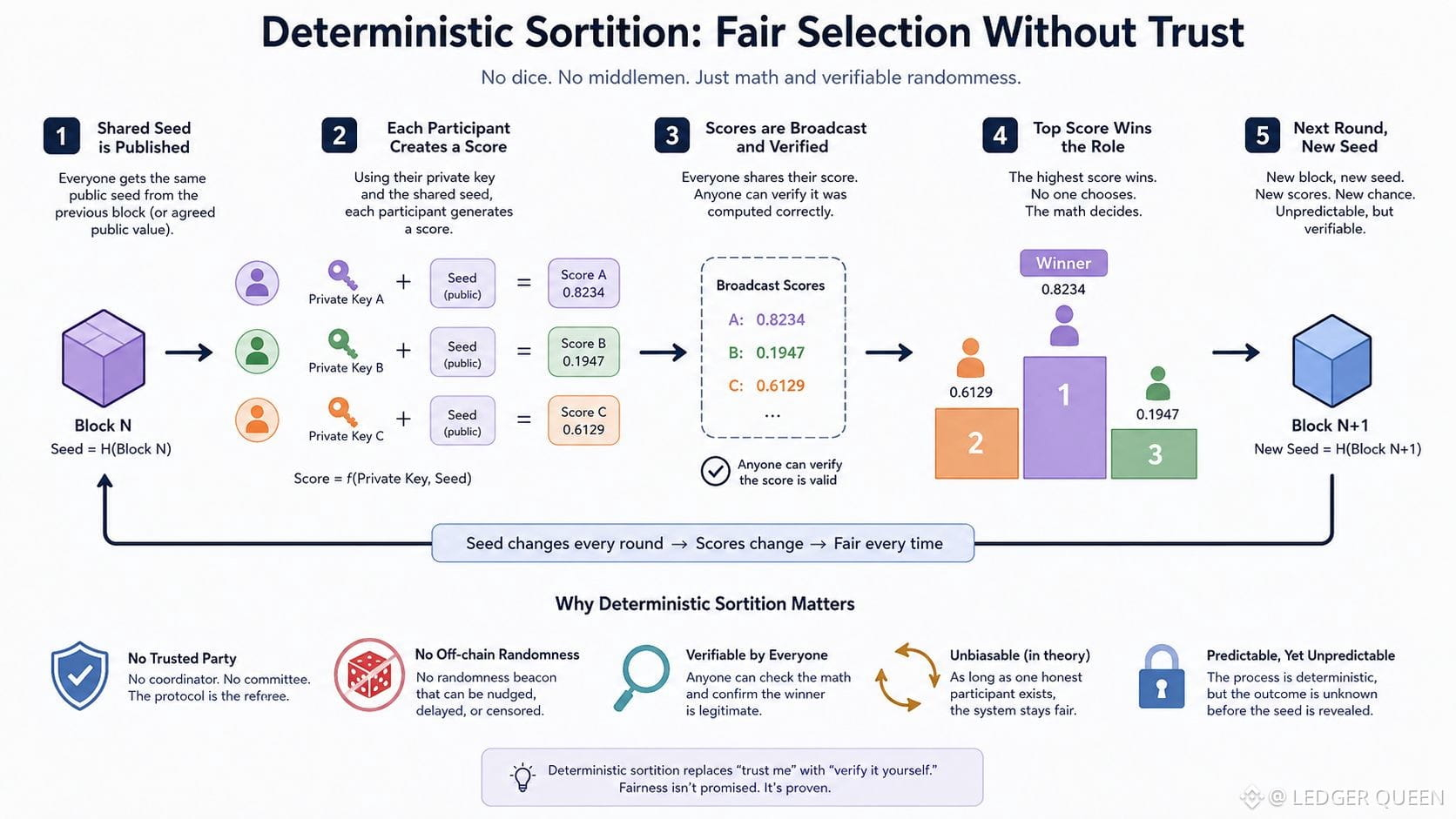
Ý tưởng này thực ra đơn giản hơn nghe có vẻ, nếu bạn phân tích kỹ. Mỗi người tham gia sẽ tạo ra một điểm số bằng cách dùng khóa riêng của họ kết hợp với một hạt giống (seed) dùng chung. Seed này thường lấy từ khối trước đó hoặc một giá trị công khai đã được thống nhất. Vì seed được biết đến bởi tất cả mọi người nhưng khóa riêng thì không, nên điểm số tạo ra có thể được người khác xác minh mà không cần ai đó phải được tin tưởng bởi một điều phối viên. Không ai “chỉ định” vai trò. Chỉ có toán học tự tạo ra một người chiến thắng, và mọi người đều có thể kiểm tra công việc đó sau khi mọi thứ xảy ra.
Điều làm tôi ấn tượng đầu tiên là nó loại bỏ bước trung gian khó xử trong các hệ thống cũ. Không có ủy ban chọn trình xác thực (validator). Không có bộ phát ngẫu nhiên ngoài chuỗi (off-chain randomness beacon) mà về mặt lý thuyết có thể bị tác động. Seed thay đổi mỗi vòng nên điểm số cũng thay đổi theo. Ban đầu nó có vẻ hơi lạ—gần như quá gọn gàng đối với thứ tuyên bố thay thế niềm tin bằng toán học. Có lẽ tôi đang suy nghĩ quá nhiều, nhưng vẫn có gì đó thỏa mãn trong một hệ thống mà công bằng không được hứa hẹn; nó được chứng minh.
Tôi nhớ đã đọc các bài viết kiểu Algorand ban đầu và nghĩ rằng đây chủ yếu là mang tính học thuật. Nhìn thấy nó hoạt động trên các mạng trực tiếp làm thay đổi phần nào ấn tượng đó. Tuy vậy, tôi vẫn chưa chắc nó chịu đựng ra sao dưới các tình huống tách mạng nghiêm trọng hoặc các cuộc tấn công phối hợp theo thời điểm. Phần đó tôi vẫn chưa thể “chốt” hoàn toàn trong đầu.
Dù sao đi nữa, đây là một trong những cơ chế mà tôi cứ quay lại mãi. Không phải vì nó hào nhoáng, mà vì nó âm thầm trả lời một câu hỏi mà đa số mọi người hiếm khi bận tâm đặt ra.
$ALLO
{spot}(ALLOUSDT)
$ACE
{spot}(ACEUSDT)
{spot}(DUSKUSDT)
#dusk $DUSK @Dusk
Bạn có để ý rằng hầu hết việc “chọn ngẫu nhiên” trong blockchain vẫn có cảm giác như cần ai đó đang canh những con xúc xắc không? Câu hỏi đó đã khiến tôi suy nghĩ một thời gian trước khi tôi thực sự tìm hiểu về sortition tất định một cách nghiêm túc.
Ý tưởng này thực ra đơn giản hơn nghe có vẻ, nếu bạn phân tích kỹ. Mỗi người tham gia sẽ tạo ra một điểm số bằng cách dùng khóa riêng của họ kết hợp với một hạt giống (seed) dùng chung. Seed này thường lấy từ khối trước đó hoặc một giá trị công khai đã được thống nhất. Vì seed được biết đến bởi tất cả mọi người nhưng khóa riêng thì không, nên điểm số tạo ra có thể được người khác xác minh mà không cần ai đó phải được tin tưởng bởi một điều phối viên. Không ai “chỉ định” vai trò. Chỉ có toán học tự tạo ra một người chiến thắng, và mọi người đều có thể kiểm tra công việc đó sau khi mọi thứ xảy ra.
Điều làm tôi ấn tượng đầu tiên là nó loại bỏ bước trung gian khó xử trong các hệ thống cũ. Không có ủy ban chọn trình xác thực (validator). Không có bộ phát ngẫu nhiên ngoài chuỗi (off-chain randomness beacon) mà về mặt lý thuyết có thể bị tác động. Seed thay đổi mỗi vòng nên điểm số cũng thay đổi theo. Ban đầu nó có vẻ hơi lạ—gần như quá gọn gàng đối với thứ tuyên bố thay thế niềm tin bằng toán học. Có lẽ tôi đang suy nghĩ quá nhiều, nhưng vẫn có gì đó thỏa mãn trong một hệ thống mà công bằng không được hứa hẹn; nó được chứng minh.
Tôi nhớ đã đọc các bài viết kiểu Algorand ban đầu và nghĩ rằng đây chủ yếu là mang tính học thuật. Nhìn thấy nó hoạt động trên các mạng trực tiếp làm thay đổi phần nào ấn tượng đó. Tuy vậy, tôi vẫn chưa chắc nó chịu đựng ra sao dưới các tình huống tách mạng nghiêm trọng hoặc các cuộc tấn công phối hợp theo thời điểm. Phần đó tôi vẫn chưa thể “chốt” hoàn toàn trong đầu.
Dù sao đi nữa, đây là một trong những cơ chế mà tôi cứ quay lại mãi. Không phải vì nó hào nhoáng, mà vì nó âm thầm trả lời một câu hỏi mà đa số mọi người hiếm khi bận tâm đặt ra.
$ALLO
$ACE
Bạn có để ý rằng hầu hết việc “chọn ngẫu nhiên” trong blockchain vẫn có cảm giác như cần ai đó đang canh những con xúc xắc không? Câu hỏi đó đã khiến tôi suy nghĩ một thời gian trước khi tôi thực sự tìm hiểu về sortition tất định một cách nghiêm túc.
Ý tưởng này thực ra đơn giản hơn nghe có vẻ, nếu bạn phân tích kỹ. Mỗi người tham gia sẽ tạo ra một điểm số bằng cách dùng khóa riêng của họ kết hợp với một hạt giống (seed) dùng chung. Seed này thường lấy từ khối trước đó hoặc một giá trị công khai đã được thống nhất. Vì seed được biết đến bởi tất cả mọi người nhưng khóa riêng thì không, nên điểm số tạo ra có thể được người khác xác minh mà không cần ai đó phải được tin tưởng bởi một điều phối viên. Không ai “chỉ định” vai trò. Chỉ có toán học tự tạo ra một người chiến thắng, và mọi người đều có thể kiểm tra công việc đó sau khi mọi thứ xảy ra.
Điều làm tôi ấn tượng đầu tiên là nó loại bỏ bước trung gian khó xử trong các hệ thống cũ. Không có ủy ban chọn trình xác thực (validator). Không có bộ phát ngẫu nhiên ngoài chuỗi (off-chain randomness beacon) mà về mặt lý thuyết có thể bị tác động. Seed thay đổi mỗi vòng nên điểm số cũng thay đổi theo. Ban đầu nó có vẻ hơi lạ—gần như quá gọn gàng đối với thứ tuyên bố thay thế niềm tin bằng toán học. Có lẽ tôi đang suy nghĩ quá nhiều, nhưng vẫn có gì đó thỏa mãn trong một hệ thống mà công bằng không được hứa hẹn; nó được chứng minh.
Tôi nhớ đã đọc các bài viết kiểu Algorand ban đầu và nghĩ rằng đây chủ yếu là mang tính học thuật. Nhìn thấy nó hoạt động trên các mạng trực tiếp làm thay đổi phần nào ấn tượng đó. Tuy vậy, tôi vẫn chưa chắc nó chịu đựng ra sao dưới các tình huống tách mạng nghiêm trọng hoặc các cuộc tấn công phối hợp theo thời điểm. Phần đó tôi vẫn chưa thể “chốt” hoàn toàn trong đầu.
Dù sao đi nữa, đây là một trong những cơ chế mà tôi cứ quay lại mãi. Không phải vì nó hào nhoáng, mà vì nó âm thầm trả lời một câu hỏi mà đa số mọi người hiếm khi bận tâm đặt ra.
$ALLO
$ACE
20
20
735
·
--
#termmax @termmax
Trước đây, tôi từng nghĩ rằng lãi suất cố định trong DeFi nghe có vẻ hơi nhàm chán. Rồi tôi bắt đầu nghĩ về cảm giác vay thực sự như thế nào khi con số cứ tiếp tục thay đổi ngay bên dưới bạn.
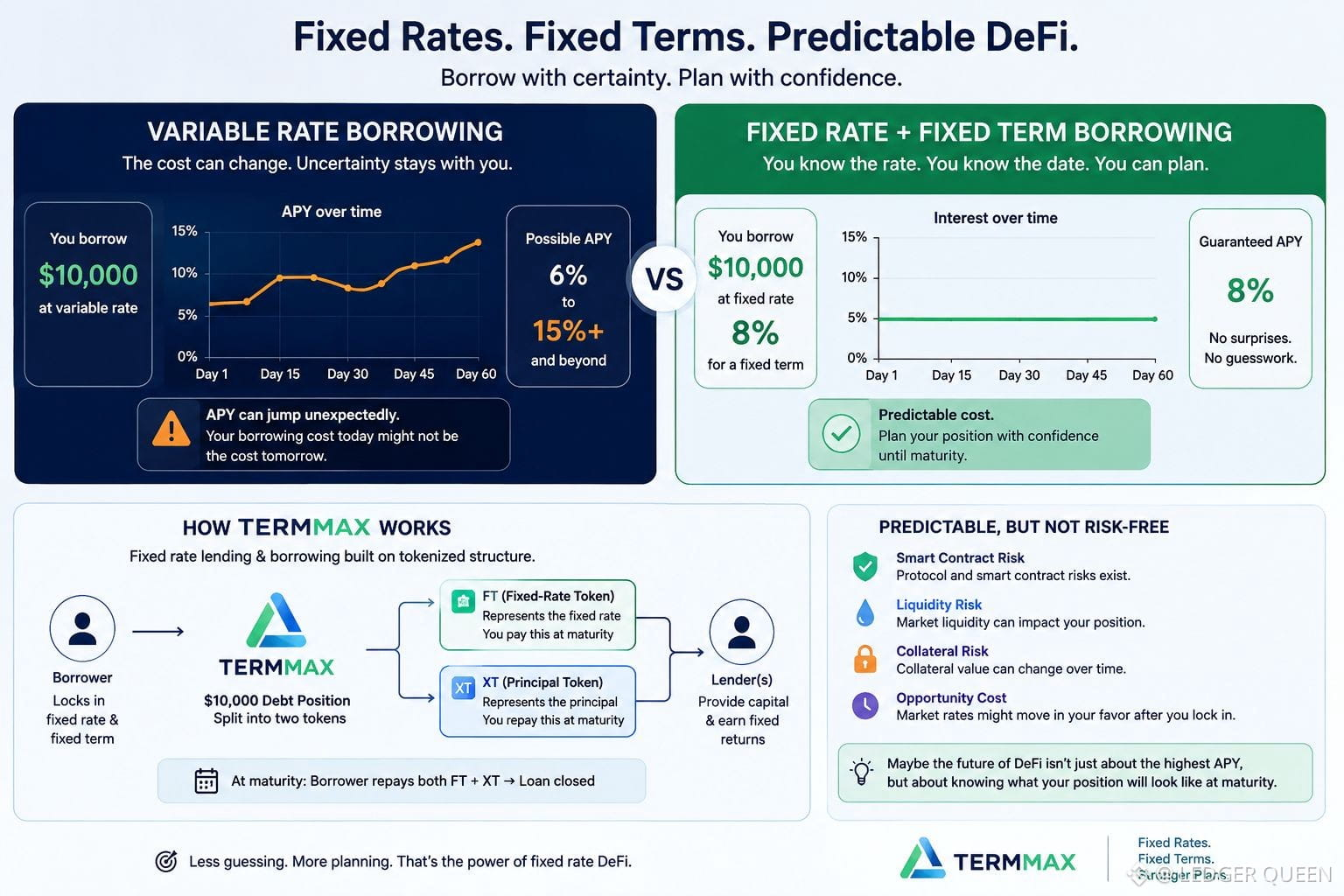
Với lãi suất thả nổi, việc vay 10.000 USD hôm nay có thể trông có vẻ phải chăng, nhưng APY có thể thay đổi khi điều kiện thị trường dịch chuyển. Nếu lãi suất tăng vọt, chi phí dự kiến của bạn cũng sẽ thay đổi theo. Có thể vị thế vẫn hoạt động, có thể nó không hoạt động. Sự không chắc chắn đó rất dễ bỏ qua khi thị trường đang yên ả.
Lãi suất cố định kèm kỳ hạn cố định là một chuyện khác. Bạn đồng ý với mức lãi suất và ngày đáo hạn từ trước, vì vậy nếu bạn vay 10.000 USD với lãi suất cố định 8% cho một thời hạn xác định, bạn sẽ biết cách tính tiền lãi ngay từ đầu. Không cần đoán xem APY của tuần tới đột nhiên sẽ thành 12% hay 15%. Sự dự đoán được đó có thể giúp việc lập kế hoạch dễ dàng hơn rất nhiều.
Đó là điều tôi thấy thú vị ở TermMax. Cấu trúc cho vay và đi vay của nó được xây dựng xoay quanh lãi suất cố định và các kỳ hạn cố định, thay vì dựa hoàn toàn vào lãi suất thả nổi. Ban đầu có hơi lạ, vì DeFi đã quen dạy chúng ta phải liên tục theo dõi APY. Nhưng có lẽ đó chính là điểm.
Dẫu vậy, việc có thể dự đoán không đồng nghĩa với không có rủi ro. Vẫn có rủi ro từ smart contract, các cân nhắc về thanh khoản, rủi ro tài sản thế chấp và cả chi phí cơ hội nếu sau khi bạn khóa lãi suất, lãi suất thị trường lại biến động theo hướng có lợi cho bạn.
Có lẽ tôi đang suy nghĩ quá nhiều, nhưng tôi tò mò liệu DeFi với kỳ hạn cố định có trở nên hữu ích hơn khi người dùng quan tâm ít hơn đến việc chạy theo APY cao nhất và nhiều hơn đến việc thực sự biết vị thế của họ sẽ trông như thế nào khi đến ngày đáo hạn.
$SOL
{spot}(SOLUSDT)
$ACE
{spot}(ACEUSDT)
$XRP
{spot}(XRPUSDT)
#termmax @TermMax
Trước đây, tôi từng nghĩ rằng lãi suất cố định trong DeFi nghe có vẻ hơi nhàm chán. Rồi tôi bắt đầu nghĩ về cảm giác vay thực sự như thế nào khi con số cứ tiếp tục thay đổi ngay bên dưới bạn.
Với lãi suất thả nổi, việc vay 10.000 USD hôm nay có thể trông có vẻ phải chăng, nhưng APY có thể thay đổi khi điều kiện thị trường dịch chuyển. Nếu lãi suất tăng vọt, chi phí dự kiến của bạn cũng sẽ thay đổi theo. Có thể vị thế vẫn hoạt động, có thể nó không hoạt động. Sự không chắc chắn đó rất dễ bỏ qua khi thị trường đang yên ả.
Lãi suất cố định kèm kỳ hạn cố định là một chuyện khác. Bạn đồng ý với mức lãi suất và ngày đáo hạn từ trước, vì vậy nếu bạn vay 10.000 USD với lãi suất cố định 8% cho một thời hạn xác định, bạn sẽ biết cách tính tiền lãi ngay từ đầu. Không cần đoán xem APY của tuần tới đột nhiên sẽ thành 12% hay 15%. Sự dự đoán được đó có thể giúp việc lập kế hoạch dễ dàng hơn rất nhiều.
Đó là điều tôi thấy thú vị ở TermMax. Cấu trúc cho vay và đi vay của nó được xây dựng xoay quanh lãi suất cố định và các kỳ hạn cố định, thay vì dựa hoàn toàn vào lãi suất thả nổi. Ban đầu có hơi lạ, vì DeFi đã quen dạy chúng ta phải liên tục theo dõi APY. Nhưng có lẽ đó chính là điểm.
Dẫu vậy, việc có thể dự đoán không đồng nghĩa với không có rủi ro. Vẫn có rủi ro từ smart contract, các cân nhắc về thanh khoản, rủi ro tài sản thế chấp và cả chi phí cơ hội nếu sau khi bạn khóa lãi suất, lãi suất thị trường lại biến động theo hướng có lợi cho bạn.
Có lẽ tôi đang suy nghĩ quá nhiều, nhưng tôi tò mò liệu DeFi với kỳ hạn cố định có trở nên hữu ích hơn khi người dùng quan tâm ít hơn đến việc chạy theo APY cao nhất và nhiều hơn đến việc thực sự biết vị thế của họ sẽ trông như thế nào khi đến ngày đáo hạn.
$SOL
$ACE
$XRP
Trước đây, tôi từng nghĩ rằng lãi suất cố định trong DeFi nghe có vẻ hơi nhàm chán. Rồi tôi bắt đầu nghĩ về cảm giác vay thực sự như thế nào khi con số cứ tiếp tục thay đổi ngay bên dưới bạn.
Với lãi suất thả nổi, việc vay 10.000 USD hôm nay có thể trông có vẻ phải chăng, nhưng APY có thể thay đổi khi điều kiện thị trường dịch chuyển. Nếu lãi suất tăng vọt, chi phí dự kiến của bạn cũng sẽ thay đổi theo. Có thể vị thế vẫn hoạt động, có thể nó không hoạt động. Sự không chắc chắn đó rất dễ bỏ qua khi thị trường đang yên ả.
Lãi suất cố định kèm kỳ hạn cố định là một chuyện khác. Bạn đồng ý với mức lãi suất và ngày đáo hạn từ trước, vì vậy nếu bạn vay 10.000 USD với lãi suất cố định 8% cho một thời hạn xác định, bạn sẽ biết cách tính tiền lãi ngay từ đầu. Không cần đoán xem APY của tuần tới đột nhiên sẽ thành 12% hay 15%. Sự dự đoán được đó có thể giúp việc lập kế hoạch dễ dàng hơn rất nhiều.
Đó là điều tôi thấy thú vị ở TermMax. Cấu trúc cho vay và đi vay của nó được xây dựng xoay quanh lãi suất cố định và các kỳ hạn cố định, thay vì dựa hoàn toàn vào lãi suất thả nổi. Ban đầu có hơi lạ, vì DeFi đã quen dạy chúng ta phải liên tục theo dõi APY. Nhưng có lẽ đó chính là điểm.
Dẫu vậy, việc có thể dự đoán không đồng nghĩa với không có rủi ro. Vẫn có rủi ro từ smart contract, các cân nhắc về thanh khoản, rủi ro tài sản thế chấp và cả chi phí cơ hội nếu sau khi bạn khóa lãi suất, lãi suất thị trường lại biến động theo hướng có lợi cho bạn.
Có lẽ tôi đang suy nghĩ quá nhiều, nhưng tôi tò mò liệu DeFi với kỳ hạn cố định có trở nên hữu ích hơn khi người dùng quan tâm ít hơn đến việc chạy theo APY cao nhất và nhiều hơn đến việc thực sự biết vị thế của họ sẽ trông như thế nào khi đến ngày đáo hạn.
$SOL
$ACE
$XRP
3
2
669
·
--
#dusk $DUSK @Dusk_Foundation
Ánh trăng vs Phượng hoàng — Hai mặt của Dusk
Ai cũng nhớ lần đầu phải giải thích với một người bạn rằng “privacy coin” và “tuân thủ quy định của cơ quan quản lý” thực ra không hề mâu thuẫn chứ? Đó là khoảnh khắc Dusk của tôi. Tôi cứ cố nhét nó vào một trong hai “chiếc hộp” Monero hoặc Ethereum, và rốt cuộc… chẳng khớp với cái nào. Hóa ra đó chính là điểm.
Moonlight là phần thấy quen thuộc. Mô hình dựa trên tài khoản, số dư hiển thị công khai, còn nonces thì làm đúng công việc “sổ sách” như thường. Nếu bạn từng dùng bất kỳ chuỗi EVM nào, bạn sẽ nắm mô hình này trong lòng bàn tay. Đây là lớp thực dụng — lớp mà các sàn/đối tác giao dịch thực sự muốn làm việc cùng — vì việc kiểm toán một tài khoản sẽ ít rối hơn nhiều so với việc gỡ rối một “privacy pool”. Tôi còn nhớ đã nghĩ rằng đây gần như là một sự nhượng bộ, kiểu như Dusk đang từ bỏ “lời chào” về quyền riêng tư. Nhưng giờ tôi không còn nghĩ vậy nữa.
Phoenix là nửa còn lại, và nó dựa trên UTXO, khiến nó về mặt khái niệm lập tức rơi vào vùng Zcash. Tuy nhiên, cách triển khai của nó là một câu chuyện riêng: dùng notes, nullifiers và view keys để hiển thị chọn lọc. Thứ khiến tôi ấn tượng là nhận ra rằng bạn có thể chia sẻ view key mà không lộ spend key — để một auditor có thể xem mà không thể “chạm” vào được. Có thể tôi đang suy diễn hơi quá với phép so sánh, nhưng cảm giác giống như đưa ai đó một cái cửa sổ thay vì trao chìa khóa.
Điều thực sự khiến tôi quan tâm không phải việc chọn phe. Mà là việc Dusk cho phép giá trị chuyển động giữa hai phía — các Phoenix notes có thể được chuyển đổi thành số dư Moonlight và ngược lại, một cách nguyên tử, thông qua cùng một hợp đồng chuyển tiền. Đây là câu chuyện kỹ thuật “lặng” hơn, và cũng là thứ tôi cứ quay lại. Liệu các tổ chức có thực sự dùng sự linh hoạt đó theo đúng cách mà bản whitepaper hình dung hay không, thì tôi thật sự chưa biết. Đang chờ xem phần đó diễn ra như thế nào.
{spot}(DUSKUSDT)
$RED
{spot}(REDUSDT)
$CLO
{alpha}(560x81d3a238b02827f62b9f390f947d36d4a5bf89d2)
#dusk $DUSK @Dusk
Ánh trăng vs Phượng hoàng — Hai mặt của Dusk
Ai cũng nhớ lần đầu phải giải thích với một người bạn rằng “privacy coin” và “tuân thủ quy định của cơ quan quản lý” thực ra không hề mâu thuẫn chứ? Đó là khoảnh khắc Dusk của tôi. Tôi cứ cố nhét nó vào một trong hai “chiếc hộp” Monero hoặc Ethereum, và rốt cuộc… chẳng khớp với cái nào. Hóa ra đó chính là điểm.
Moonlight là phần thấy quen thuộc. Mô hình dựa trên tài khoản, số dư hiển thị công khai, còn nonces thì làm đúng công việc “sổ sách” như thường. Nếu bạn từng dùng bất kỳ chuỗi EVM nào, bạn sẽ nắm mô hình này trong lòng bàn tay. Đây là lớp thực dụng — lớp mà các sàn/đối tác giao dịch thực sự muốn làm việc cùng — vì việc kiểm toán một tài khoản sẽ ít rối hơn nhiều so với việc gỡ rối một “privacy pool”. Tôi còn nhớ đã nghĩ rằng đây gần như là một sự nhượng bộ, kiểu như Dusk đang từ bỏ “lời chào” về quyền riêng tư. Nhưng giờ tôi không còn nghĩ vậy nữa.
Phoenix là nửa còn lại, và nó dựa trên UTXO, khiến nó về mặt khái niệm lập tức rơi vào vùng Zcash. Tuy nhiên, cách triển khai của nó là một câu chuyện riêng: dùng notes, nullifiers và view keys để hiển thị chọn lọc. Thứ khiến tôi ấn tượng là nhận ra rằng bạn có thể chia sẻ view key mà không lộ spend key — để một auditor có thể xem mà không thể “chạm” vào được. Có thể tôi đang suy diễn hơi quá với phép so sánh, nhưng cảm giác giống như đưa ai đó một cái cửa sổ thay vì trao chìa khóa.
Điều thực sự khiến tôi quan tâm không phải việc chọn phe. Mà là việc Dusk cho phép giá trị chuyển động giữa hai phía — các Phoenix notes có thể được chuyển đổi thành số dư Moonlight và ngược lại, một cách nguyên tử, thông qua cùng một hợp đồng chuyển tiền. Đây là câu chuyện kỹ thuật “lặng” hơn, và cũng là thứ tôi cứ quay lại. Liệu các tổ chức có thực sự dùng sự linh hoạt đó theo đúng cách mà bản whitepaper hình dung hay không, thì tôi thật sự chưa biết. Đang chờ xem phần đó diễn ra như thế nào.
$RED
$CLO
Ánh trăng vs Phượng hoàng — Hai mặt của Dusk
Ai cũng nhớ lần đầu phải giải thích với một người bạn rằng “privacy coin” và “tuân thủ quy định của cơ quan quản lý” thực ra không hề mâu thuẫn chứ? Đó là khoảnh khắc Dusk của tôi. Tôi cứ cố nhét nó vào một trong hai “chiếc hộp” Monero hoặc Ethereum, và rốt cuộc… chẳng khớp với cái nào. Hóa ra đó chính là điểm.
Moonlight là phần thấy quen thuộc. Mô hình dựa trên tài khoản, số dư hiển thị công khai, còn nonces thì làm đúng công việc “sổ sách” như thường. Nếu bạn từng dùng bất kỳ chuỗi EVM nào, bạn sẽ nắm mô hình này trong lòng bàn tay. Đây là lớp thực dụng — lớp mà các sàn/đối tác giao dịch thực sự muốn làm việc cùng — vì việc kiểm toán một tài khoản sẽ ít rối hơn nhiều so với việc gỡ rối một “privacy pool”. Tôi còn nhớ đã nghĩ rằng đây gần như là một sự nhượng bộ, kiểu như Dusk đang từ bỏ “lời chào” về quyền riêng tư. Nhưng giờ tôi không còn nghĩ vậy nữa.
Phoenix là nửa còn lại, và nó dựa trên UTXO, khiến nó về mặt khái niệm lập tức rơi vào vùng Zcash. Tuy nhiên, cách triển khai của nó là một câu chuyện riêng: dùng notes, nullifiers và view keys để hiển thị chọn lọc. Thứ khiến tôi ấn tượng là nhận ra rằng bạn có thể chia sẻ view key mà không lộ spend key — để một auditor có thể xem mà không thể “chạm” vào được. Có thể tôi đang suy diễn hơi quá với phép so sánh, nhưng cảm giác giống như đưa ai đó một cái cửa sổ thay vì trao chìa khóa.
Điều thực sự khiến tôi quan tâm không phải việc chọn phe. Mà là việc Dusk cho phép giá trị chuyển động giữa hai phía — các Phoenix notes có thể được chuyển đổi thành số dư Moonlight và ngược lại, một cách nguyên tử, thông qua cùng một hợp đồng chuyển tiền. Đây là câu chuyện kỹ thuật “lặng” hơn, và cũng là thứ tôi cứ quay lại. Liệu các tổ chức có thực sự dùng sự linh hoạt đó theo đúng cách mà bản whitepaper hình dung hay không, thì tôi thật sự chưa biết. Đang chờ xem phần đó diễn ra như thế nào.
$RED
$CLO
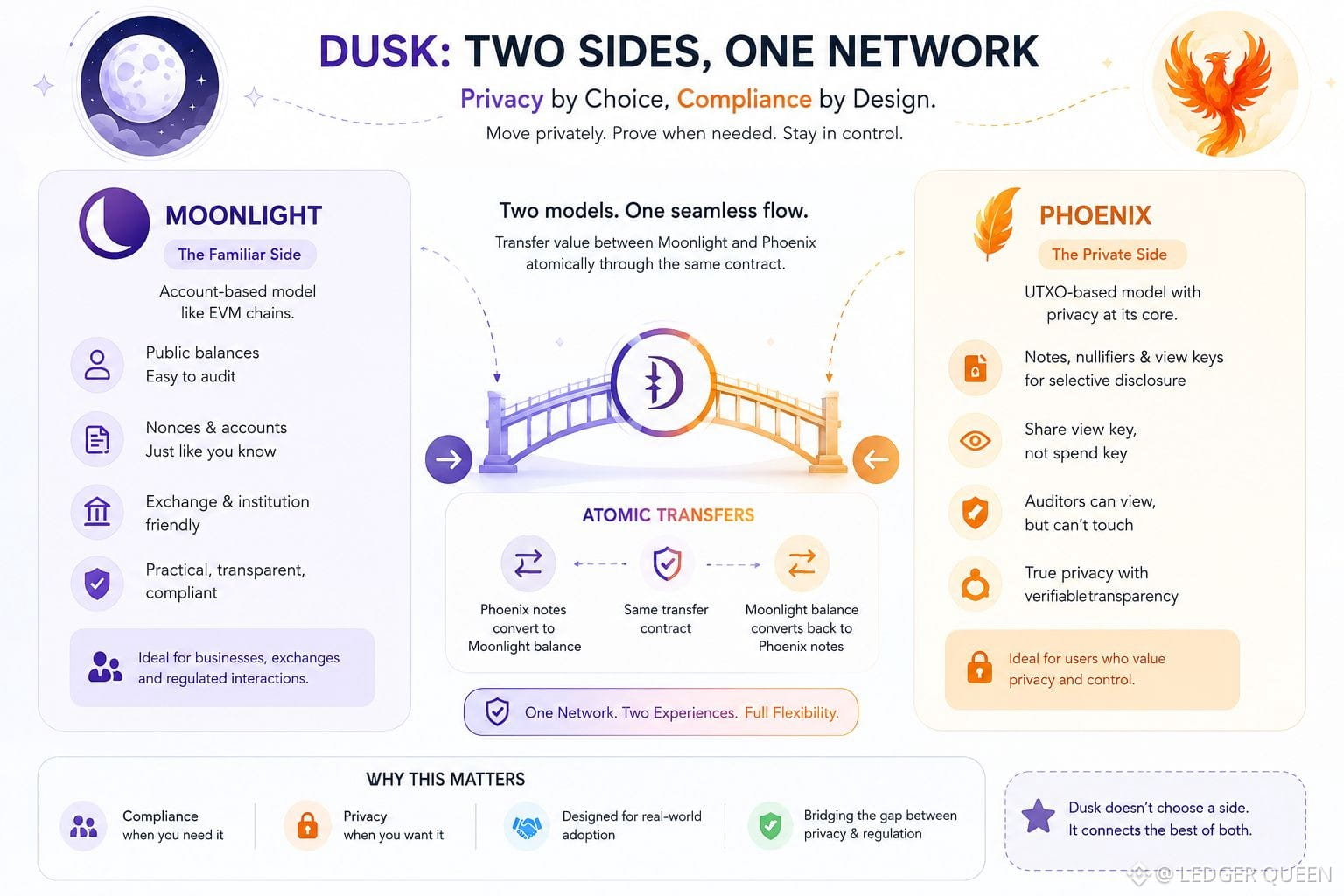
4
1
182
Đăng nhập để khám phá thêm nội dung
Tham gia cùng người dùng tiền mã hóa toàn cầu trên Binance Square
⚡️ Nhận thông tin mới nhất và hữu ích về tiền mã hóa.
💬 Được tin cậy bởi sàn giao dịch tiền mã hóa lớn nhất thế giới.
👍 Khám phá những thông tin chuyên sâu thực tế từ những nhà sáng tạo đã xác minh.
Email / Số điện thoại
Chủ đề thịnh hành
CPIWatch
86.7M lượt xem
502,313 đang thảo luận
Chia sẻ & Nhận thưởng Lưu lượng truy cập trong Chiến dịch Hashtag Xu hướng của chúng tôi
✨Chủ đề: CPI có kích hoạt đợt tăng lãi suất không?
👉Cách tham gia:
Đăng một bài viết ngắn hoặc bài viết với hashtag #CPIWatch
Tạo nội dung dựa trên hai góc độ dưới đây:
- Bảng lương phi nông nghiệp vượt kỳ vọng và CPI sắp được công bố—bạn nghĩ Fed sẽ tăng lãi suất hay giữ nguyên?
- Tăng giá hay giảm giá? Chia sẻ quan điểm của bạn và trưng bày cổ phiếu hoặc giao dịch/nắm giữ vàng của bạn với widget chia sẻ giao dịch của chúng tôi.
🚀Thời gian chiến dịch:
- 2026-09-11 3:00 - 2026-09-12 9:00 UTC
🎁Phần thưởng:
- Các bài đăng đủ điều kiện tuân thủ các hướng dẫn trên và có hơn 100 từ sẽ được xem xét và có thể nhận một lượt tăng lưu lượng truy cập ngẫu nhiên từ 500 đến 3,000 lượt xem. Bạn sẽ nhận được thông báo từ thư ký feed của chúng tôi nếu bài đăng của bạn được chọn.
- Cơ hội để bài viết của bạn được đăng trên Binance Square Official
Cần ý tưởng cho bài đăng của bạn? Truy cập trang chủ đề #CPIWatch hoặc Square Guide on How to Post for Better Reach.
Binance Square Official
·506 lượt thích
·1.2M lượt xem
TheoDõiFOMC
73,024 lượt xem
487 đang thảo luận
TinFed
64,358 lượt xem
283 đang thảo luận