
#usstocksclosehigheronweakjobsdata
usstocksclosehigheronweakjobsdata
72,571 views
355 Discussing
Hot
Latest

·
--
US stocks closed higher today despite new job growth coming in below expectations. Data showed that nonfarm payrolls increased by 227,000 in March, below the market forecast of 260,000. Although the employment growth rate slowed, the unemployment rate fell to 3.8%, indicating that the labor market remains resilient. Investors are now focusing on the Federal Reserve’s future policy, with market expectations for interest-rate cuts intensifying. This data highlights the complexity of the economic recovery. Why didn’t the weak jobs data weigh on the stock market’s rise? #USStocksCloseHigherOnWeakJobsData
US stocks closed higher today despite new job growth coming in below expectations. Data showed that nonfarm payrolls increased by 227,000 in March, below the market forecast of 260,000. Although the employment growth rate slowed, the unemployment rate fell to 3.8%, indicating that the labor market remains resilient. Investors are now focusing on the Federal Reserve’s future policy, with market expectations for interest-rate cuts intensifying. This data highlights the complexity of the economic recovery. Why didn’t the weak jobs data weigh on the stock market’s rise? #USStocksCloseHigherOnWeakJobsData
57

·
--
Bullish
🚨 BAD JOBS DATA = GOOD STOCKS. WELCOME TO 2026. 🤡
U.S. stocks closed higher after September payrolls came in at just +29K vs. +90K expected, while unemployment rose to 4.2%.
And Wall Street basically said:
“Great. The Fed has less reason to hike.”
The reaction:
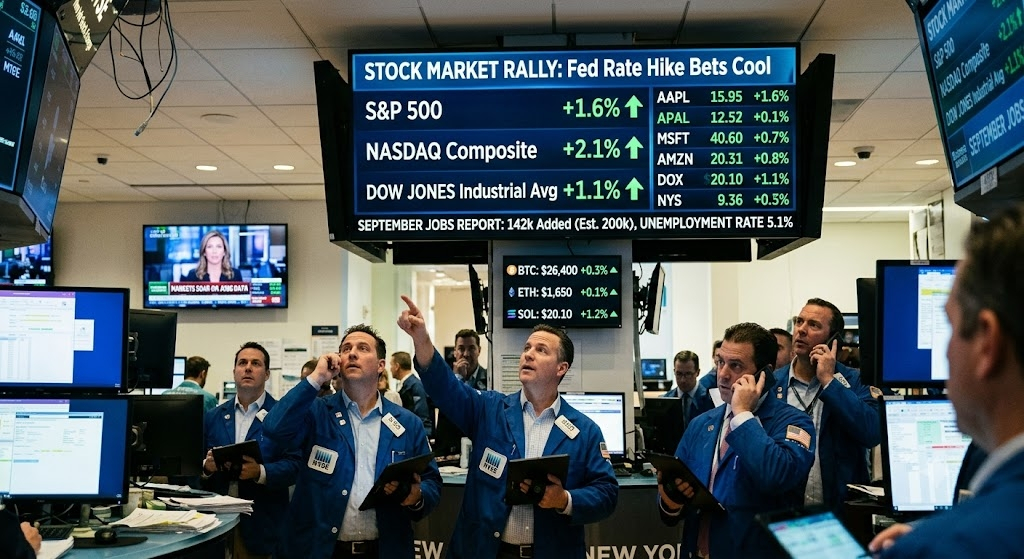
Nasdaq +1.19%
S&P 500 +0.73%
Dow +0.49%
The logic is simple:
Weak jobs → lower hike odds → easier financial conditions → tech and risk assets catch a bid.
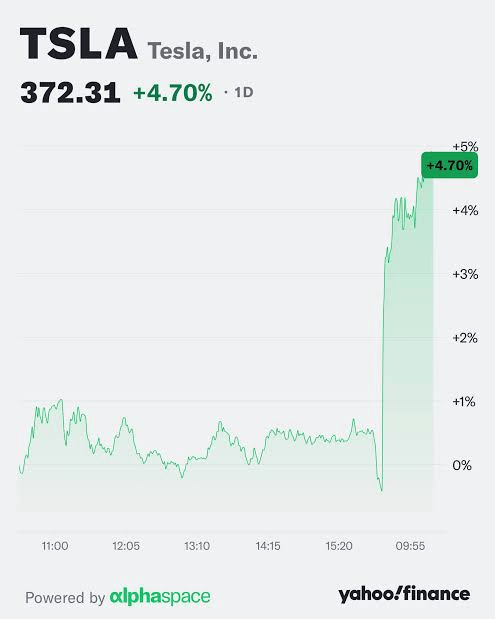
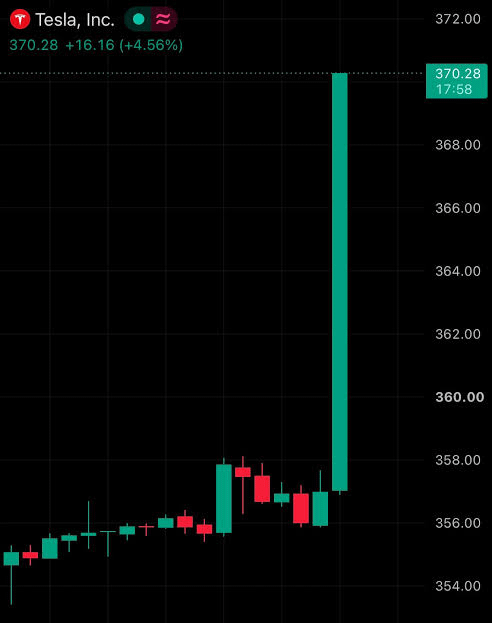
Rate-sensitive names and small caps also benefited, while Nvidia and Tesla helped lead the move.
So yes, apparently the bullish headline is now:
“The economy is slowing… buy stocks.” 😂
$QQQ $SPX $NVDA $TSLA $BTC
#usstocksclosehigheronweakjobsdata #SECProposesCryptoCustodyRules #SECApproves3xLongCryptoCommodityETPs #G7PlansToReleaseUpTo100MBarrelsOilDiesel #ICBASuesOCCOverCryptoBankCharters
1
1
11
27.6k

#USStocksCloseHigherOnWeakJobsData U.S. stocks closed higher after weaker-than-expected September jobs data reduced expectations for an imminent Federal Reserve rate hike. The S&P 500 gained 0.73%, Nasdaq 1.19% and Dow 0.49%. 📈🇺🇸
#USStocksRallyOnJobsData #FederalReserveRateWatch #WallStreetMarketUpdate #USLaborMarket
l $BTC
{spot}(BTCUSDT)
| $ETH
{spot}(ETHUSDT)
| $SOL
{spot}(SOLUSDT)
#USStocksCloseHigherOnWeakJobsData U.S. stocks closed higher after weaker-than-expected September jobs data reduced expectations for an imminent Federal Reserve rate hike. The S&P 500 gained 0.73%, Nasdaq 1.19% and Dow 0.49%. 📈🇺🇸
#USStocksRallyOnJobsData #FederalReserveRateWatch #WallStreetMarketUpdate #USLaborMarket
l $BTC
| $ETH
| $SOL
#USStocksRallyOnJobsData #FederalReserveRateWatch #WallStreetMarketUpdate #USLaborMarket
l $BTC
| $ETH
| $SOL
1
148

·
--
Bullish
Verified
#usstocksclosehigheronweakjobsdata
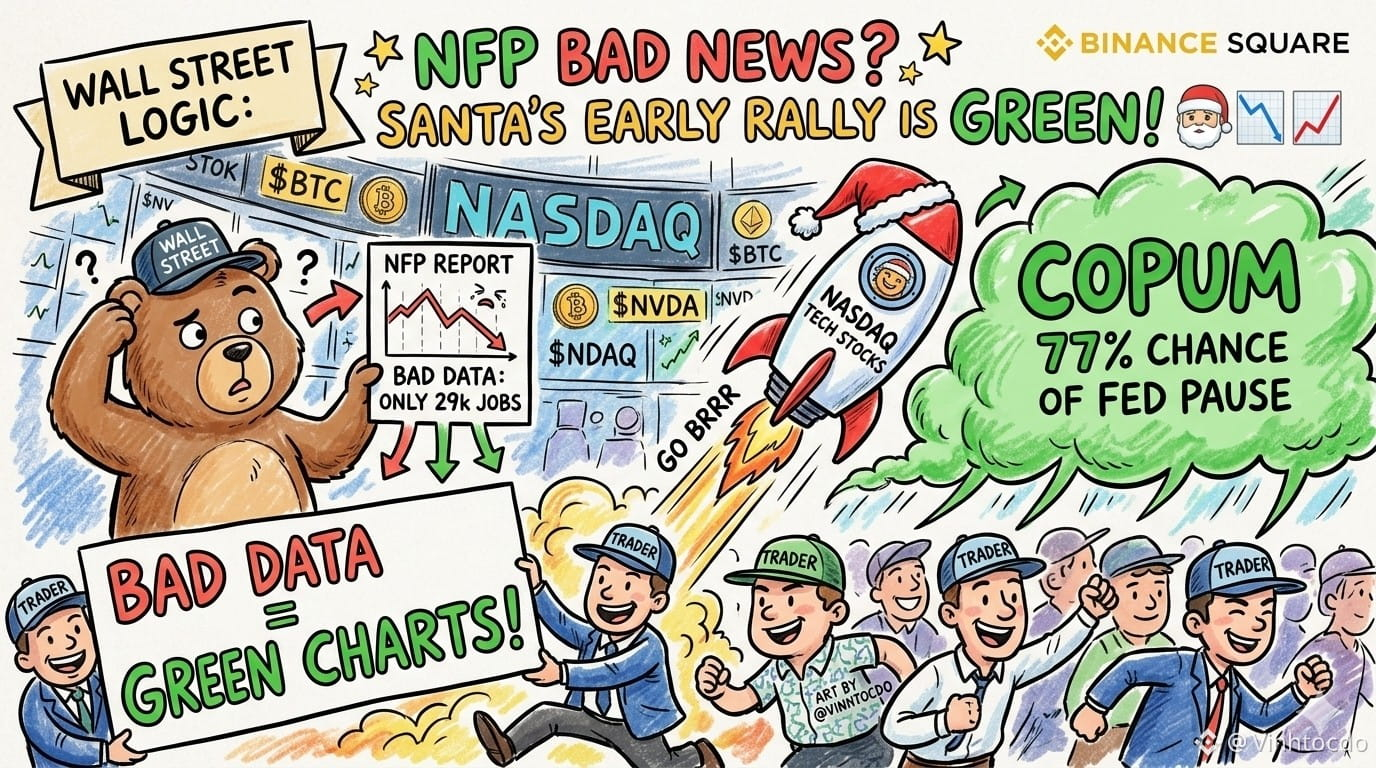
Bad NFP data means green charts? Welcome to Wall Street logic! 📈 Only 29k jobs added vs 84k expected, but tech stocks went brrr because a 77% chance of Fed pausing interest rates is the ultimate copium. Early Santa Claus rally, anyone? 🎅
What to do?
Don't FOMO into tech peaks. High bond yields are still lurking. Lock in gains, watch the yield bounce, and keep your bags safe.
Not financial advice! Use code VINHTOCDO or link to register: [https://www.binance.com/register?ref=VINHTOCDO](https://www.binance.com/register?ref=VINHTOCDO)
Click trading below to support me! 👇
$SPCXB
{spot}(SPCXBUSDT)
$NVDAB
{spot}(NVDABUSDT)
$TSLAB
{spot}(TSLABUSDT)
#Wallstreet #NASDAQ #CryptoMarket #FedPause #TechStocks #VINHTOCDO
#usstocksclosehigheronweakjobsdata
Bad NFP data means green charts? Welcome to Wall Street logic! 📈 Only 29k jobs added vs 84k expected, but tech stocks went brrr because a 77% chance of Fed pausing interest rates is the ultimate copium. Early Santa Claus rally, anyone? 🎅
What to do?
Don't FOMO into tech peaks. High bond yields are still lurking. Lock in gains, watch the yield bounce, and keep your bags safe.
Not financial advice! Use code VINHTOCDO or link to register: https://www.binance.com/register?ref=VINHTOCDO
Click trading below to support me! 👇
$SPCXB
$NVDAB
$TSLAB
#Wallstreet #NASDAQ #CryptoMarket #FedPause #TechStocks #VINHTOCDO
4
564

·
--
Picture this: US equities surge on weaker labor data, and crypto traders immediately front-run a dovish pivot by longing every major breakout.
The hidden trap here is confusing a deteriorating macroeconomic foundation with sustainable liquidity, leaving late buyers trapped in brutal wick-downs when reality catches up. Most retail participants see green candles and assume risk-on season is fully back, ignoring what weak jobs actually signal for broader consumer health.
When labor numbers miss expectations, the immediate reaction is pricing in rate cuts, which pushes traditional indices up and gives $BTC a temporary tailwind. But historically, the gap between a slowing real economy and a central bank policy response is where the most aggressive liquidations occur. If corporate earnings take a hit from declining consumer strength, speculative assets and mid-caps like $ICP or $MINA rarely escape the secondary fallout once volatility spikes.
Smart money usually waits for credit spreads and cash flow data to confirm the narrative before chasing these reactive rallies. Bouncing on bad economic prints often creates exit liquidity for institutions derisking into strength rather than building long-term exposure.
Are you treating this macro pump as genuine accumulation or just a liquidity grab before the real test?
#USStocksCloseHigherOnWeakJobsData #NFPWatch
517

·
--
#usstocksclosehigheronweakjobsdata
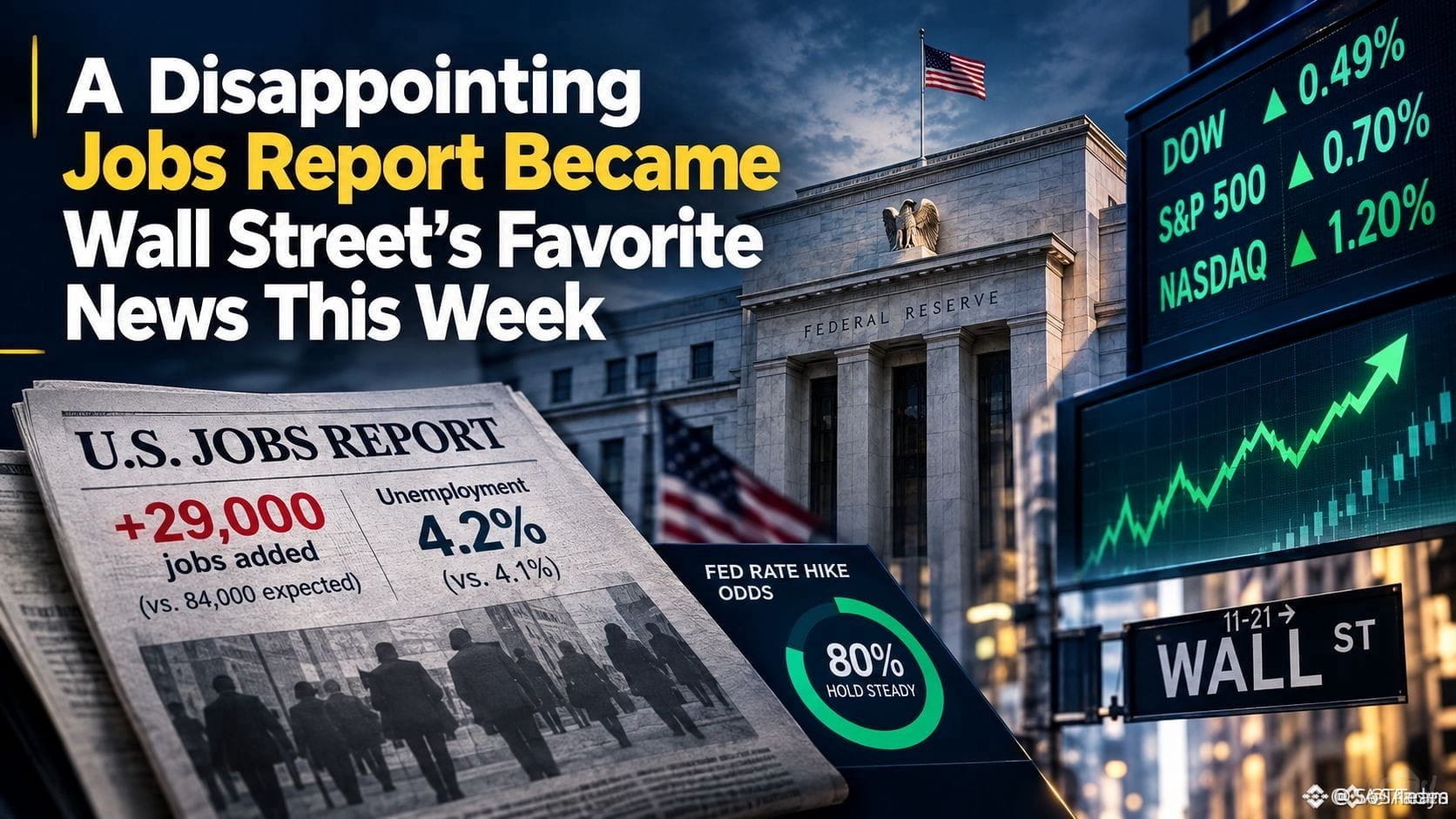
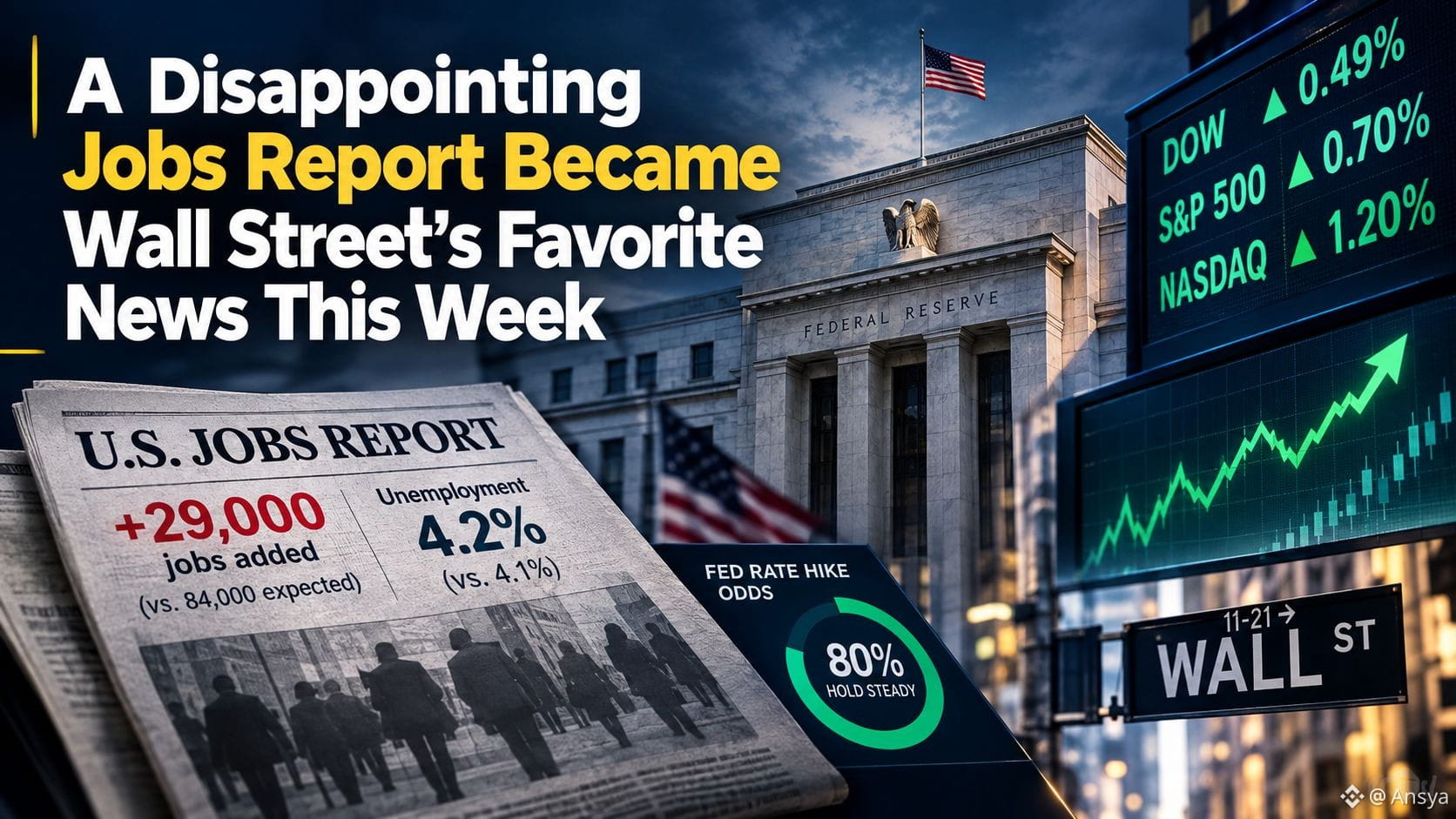
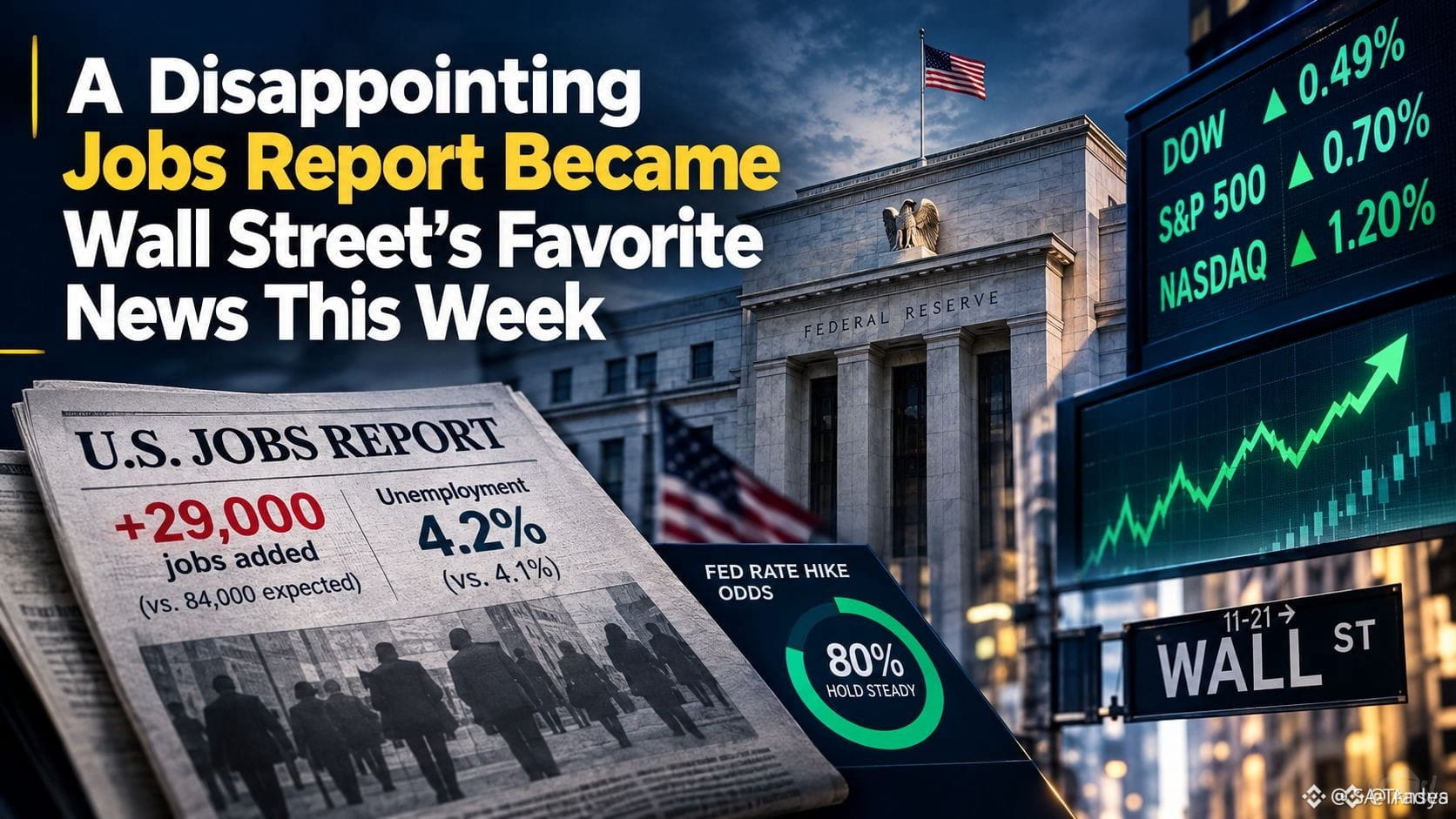
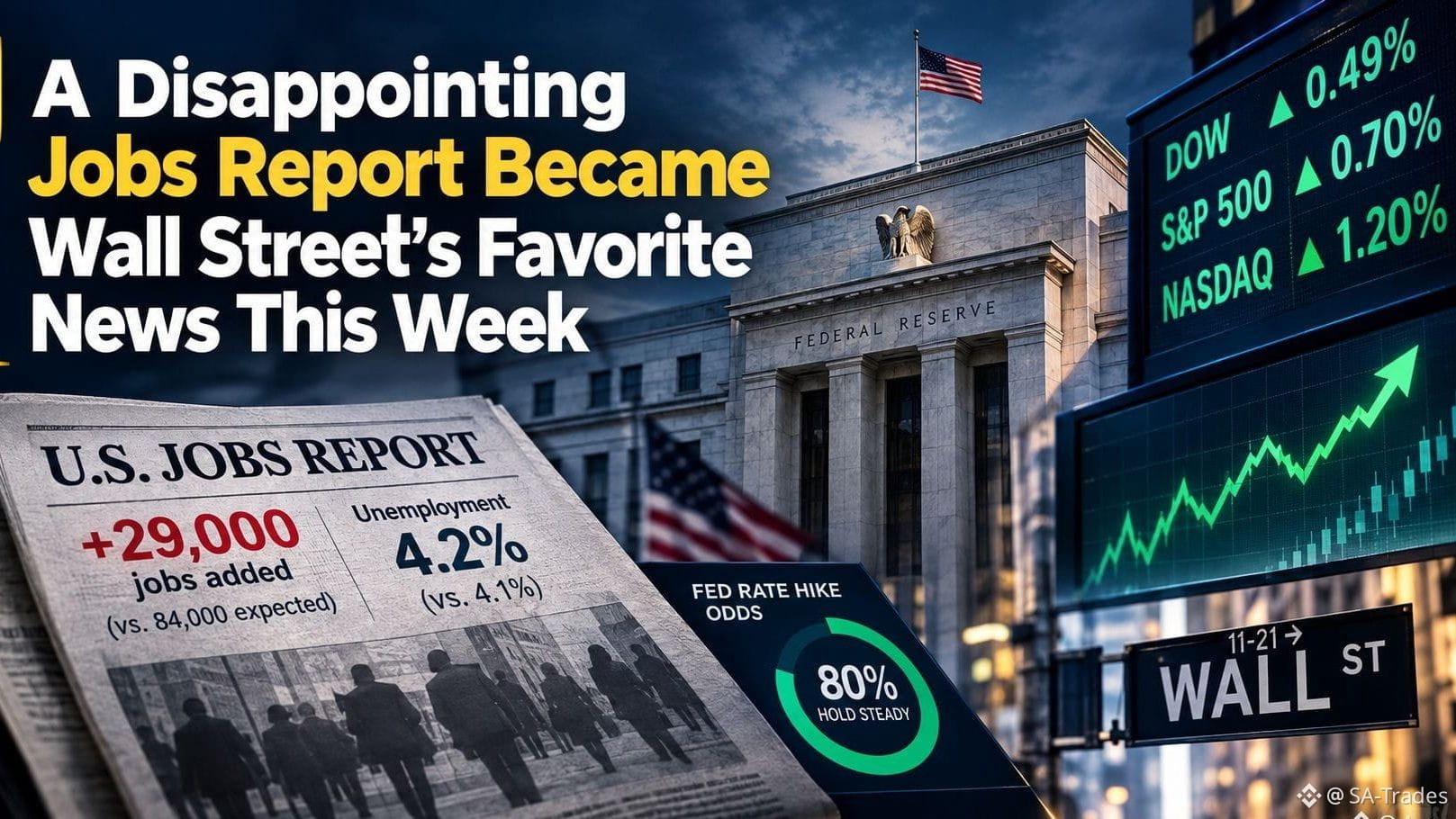
A Disappointing Jobs Report Became Wall Street's Favorite News This Week
US stocks closed at fresh highs on Friday — and the reason wasn't strong economic data. It was the opposite.
Here's what happened: the Labor Department reported the US economy added just 29,000 jobs in September, well below the 84,000 economists expected, while unemployment ticked up to 4.2% from 4.1%. That's a sharp divergence from ADP's private-sector estimate earlier in the week, which had shown a stronger 90,000-job gain — a reminder that these two reports don't always move together. Markets read the weaker official print as reducing the odds of another Fed rate hike this month, with traders pricing roughly an 80% probability of the Fed holding steady in October, up from about 74% before the data. The Dow rose 0.49% to 51,176.96, the S&P 500 gained 0.7% to 7,722.72, and the Nasdaq led with a 1.2% jump to 27,190.86, with Nvidia briefly touching an intraday record. Treasury yields initially eased before paring gains later in the session.
Why does this matter? This is a clean example of "bad news is good news" trading — a cooling labor market reduces inflationary pressure concerns tied to a tight job market, which in turn lowers the odds the Fed needs to tighten further. For risk assets broadly, including crypto, Fed rate expectations have been one of the dominant forces shaping price action this quarter, so a shift like this tends to ripple well beyond equities alone.
Whether this rate-hike reprieve holds through the actual October meeting, or gets revised by fresher data before then, remains to be seen.
Does weak economic data genuinely help markets long-term, or does it just delay a bigger reckoning? 🤔
#stockmarket #FederalReserve #JobsReport #Macro
$SAND $VELVET $NIGHT
4
4.4k

·
--
🚨 BREAKING: U.S. Stocks Close Higher as Weak Jobs Data Quiets Fed Rate Hike Bets!
Wall Street rallied Friday, Oct 2 to close the week strong after a weak September jobs report. Nonfarm payrolls rose only 29K vs 90K estimate polled by Reuters, with prior two months revised sharply lower, Labor Dept said. Nasdaq jumped 1% to a record high, Dow and S&P 500 also closed higher. Rate-sensitive S&P real estate and Russell 2000 small-caps surged as Treasury yields fell and expectations for an October Fed hike cooled. Lower oil added to risk-on mood.
$SPY $QQQ $DIA
#Stocks #Nasdaq #JobsReport#usstocksclosehigheronweakjobsdata
1
3
453

·
--
#USStocksCloseHigherOnWeakJobsData
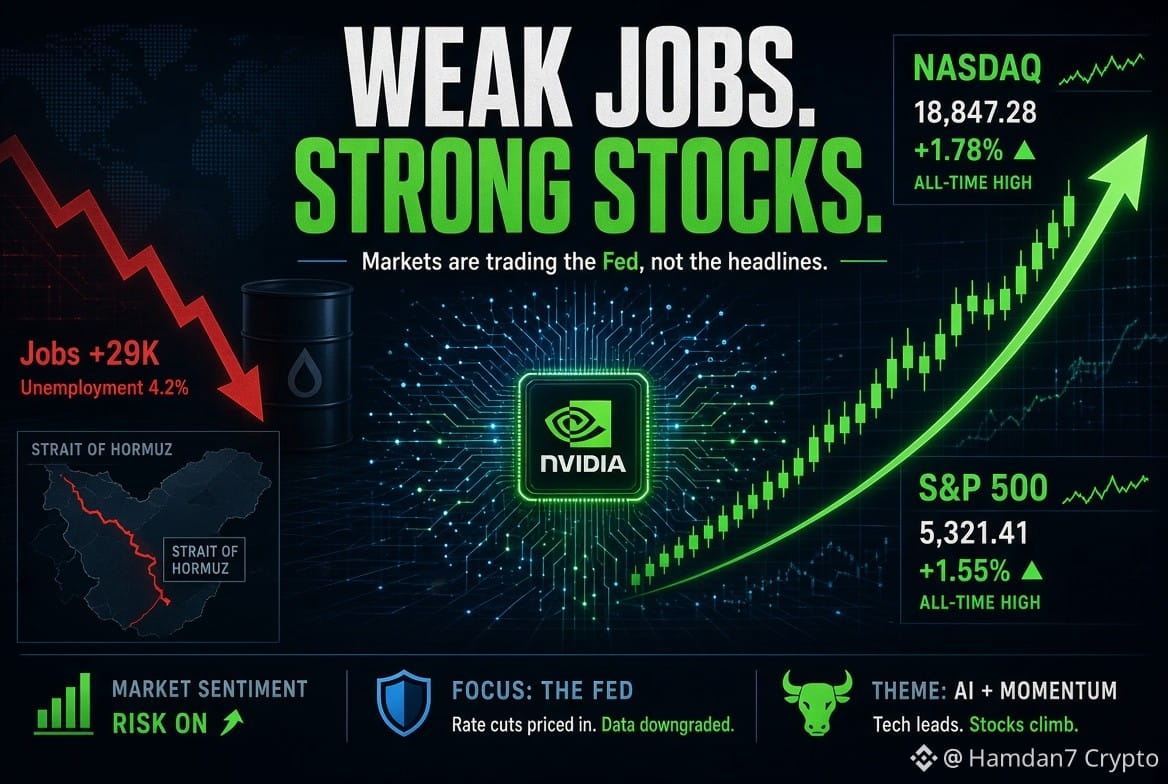
WEAK JOBS. STRONG STOCKS. THE MARKET IS SPEAKING. 📈
Wall Street just delivered a powerful message.
🇺🇸 September payrolls came in at just 29K, far below the ~90K expected.
📉 Unemployment rose to 4.2%
📉 Wage growth cooled to 3.0% YoY
📉 Rate-hike expectations faded sharply
And what did stocks do?
🔥 Nasdaq +1.2%
🔥 S&P 500 +0.7%
🔥 Dow +0.5%
The Nasdaq also touched a fresh record high, while Nvidia pushed to another record as AI and mega-cap technology stocks led the move.
The key takeaway:
Markets are increasingly treating softer economic data as positive — because weaker hiring can reduce pressure on the Federal Reserve to keep tightening policy.
But there is another side to the story.
Energy remains a major macro risk. Oil, diesel supplies, and the Strait of Hormuz situation continue to influence inflation expectations, while Europe has been discussing emergency fuel-stock measures amid elevated diesel prices.
So the setup is becoming increasingly interesting:
Cooling labor market + easing rate pressure + powerful AI demand = a very different market reaction than the headline “weak jobs” might suggest.
Wall Street isn't simply trading today's economic data.
It's trading expectations for what comes next. 👀
#USStocks #Nasdaq #SP500 #Nvidia #NVDA #JobsReport #NFP #FederalReserve #Fed #InterestRates #AI #StockMarket #WallStreet #Investing
71

#usstocksclosehigheronweakjobsdata
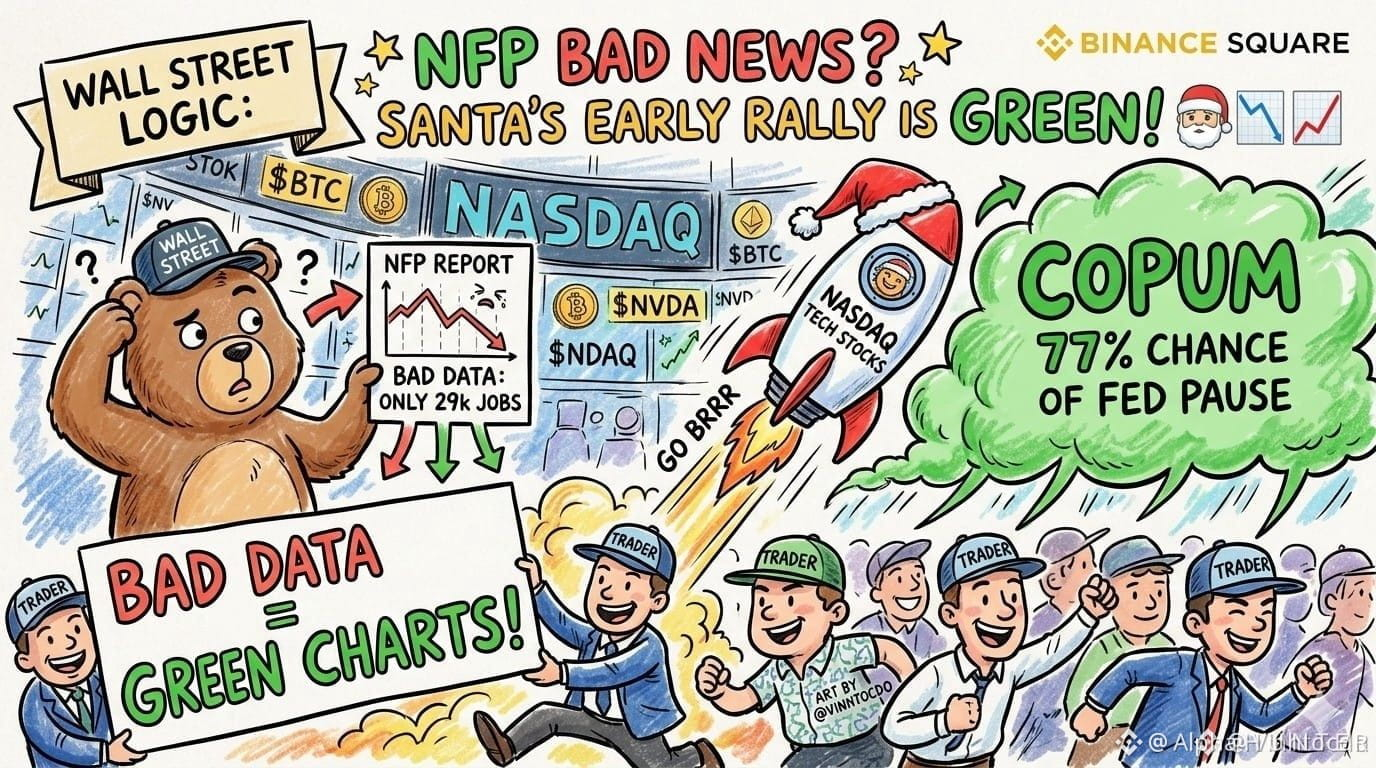
Bad NFP data (non-agricultural payrolls)—does that mean green charts? Welcome to Wall Street logic! 📈 Only 29,000 jobs added versus 84,000 expected, but tech stocks took off in “brrr” mode because there’s a 77% chance the Fed will pause interest rates, i.e., the ultimate copium. Is the Santa rally starting? 🎅
What to do?
Don’t FOMO on the peaks of tech stocks. High bond yields are still lurking. Lock in gains, watch the yield bounce, and keep your affairs nice and warm.
This is not financial advice!
#stokemarket #NFPWatch
$SPCX
{future}(SPCXUSDT)
$MAGMA
{future}(MAGMAUSDT)
$SAND
{future}(SANDUSDT)
#usstocksclosehigheronweakjobsdata
Bad NFP data (non-agricultural payrolls)—does that mean green charts? Welcome to Wall Street logic! 📈 Only 29,000 jobs added versus 84,000 expected, but tech stocks took off in “brrr” mode because there’s a 77% chance the Fed will pause interest rates, i.e., the ultimate copium. Is the Santa rally starting? 🎅
What to do?
Don’t FOMO on the peaks of tech stocks. High bond yields are still lurking. Lock in gains, watch the yield bounce, and keep your affairs nice and warm.
This is not financial advice!
#stokemarket #NFPWatch
$SPCX
$MAGMA
$SAND
1
437

·
--
29K jobs vs 84K expected. Unemployment up to 4.2%. Stocks rallied anyway. 📈 Weak data means a Fed hold, and Wall Street loves that. Bad news is good news again.
$COAI $CT #JobsReport #Fed
#USStocksCloseHigherOnWeakJobsData
29K jobs vs 84K expected. Unemployment up to 4.2%. Stocks rallied anyway. 📈 Weak data means a Fed hold, and Wall Street loves that. Bad news is good news again.
$COAI $CT #JobsReport #Fed
#USStocksCloseHigherOnWeakJobsData
$COAI $CT #JobsReport #Fed
#USStocksCloseHigherOnWeakJobsData
1
4
441

·
--
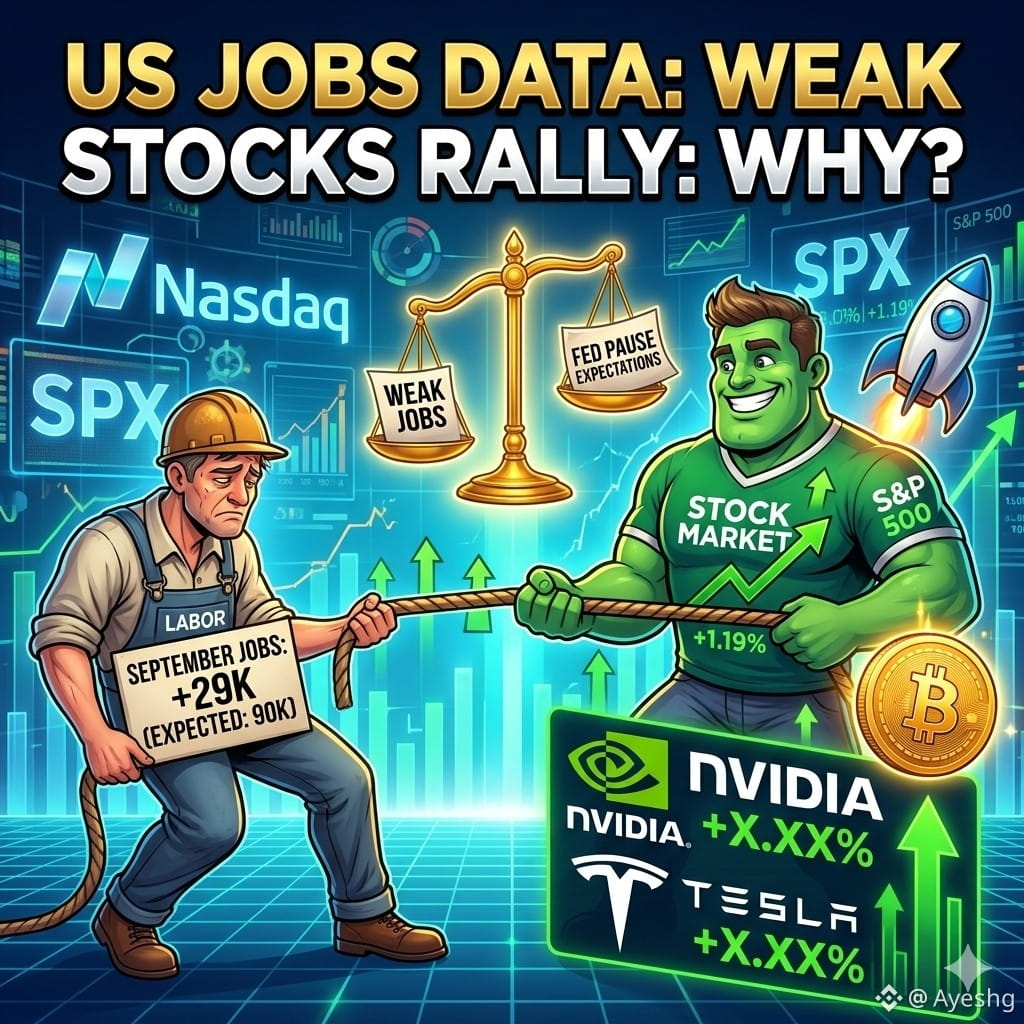
#usstocksclosehigheronweakjobsdata 🚨🇺🇸 WEAK JOBS DATA = STRONG STOCKS. WELCOME TO 2026. 🤡
Wall Street got a strange kind of good news on Friday.
The U.S. added just 29K jobs in September, far below the 90K expected, while unemployment edged up to 4.2%. Previous months were also revised lower by a combined 60K.
And stocks responded with a rally:
📈 Nasdaq: +1.19%
📈 S&P 500: +0.73%
📈 Dow Jones: +0.49%
WHY DID WEAK DATA HELP STOCKS?
Because softer labor-market data reduced expectations for another near-term Federal Reserve rate hike.
The market reaction was basically:
Weak jobs → lower rate-hike expectations → easier financial conditions → bullish reaction in risk assets.
Tech stocks led the move, with Nvidia and Tesla among the notable gainers.
But here's the catch 👀
Weak employment isn't automatically bullish.
If labor-market weakness becomes too severe, investors could start worrying about economic growth and corporate earnings.
For now, however, Friday's market reaction showed that investors were more focused on Fed policy expectations than recession fears.
THE BIG QUESTION 👇
Will upcoming inflation data keep the door open for a Fed pause — or bring rate-hike concerns back into focus?
For now, Wall Street is proving one thing:
Bad economic data can sometimes be good market news. 😂
$QQQB $SPX $NVDAB $TSLAB $BTC
#USStocks #StockMarket #Nasdaq #SP500 #FederalReserve #Fed #JobsReport #NVDA #TSLA #BTC #CryptoNews
1.2k

Picture this: you have your perfect setup mapped out on $BTC, and within sixty seconds of a single data release, both sides of the order book get wiped clean.
Most traders still treat Non-Farm Payrolls like a pure coin flip, jumping into high-leverage positions minutes before the print only to get stopped out in the initial liquidity sweep. The pain isn't just taking a loss, it is watching the market aggressively reverse right into your original target once the dust settles.
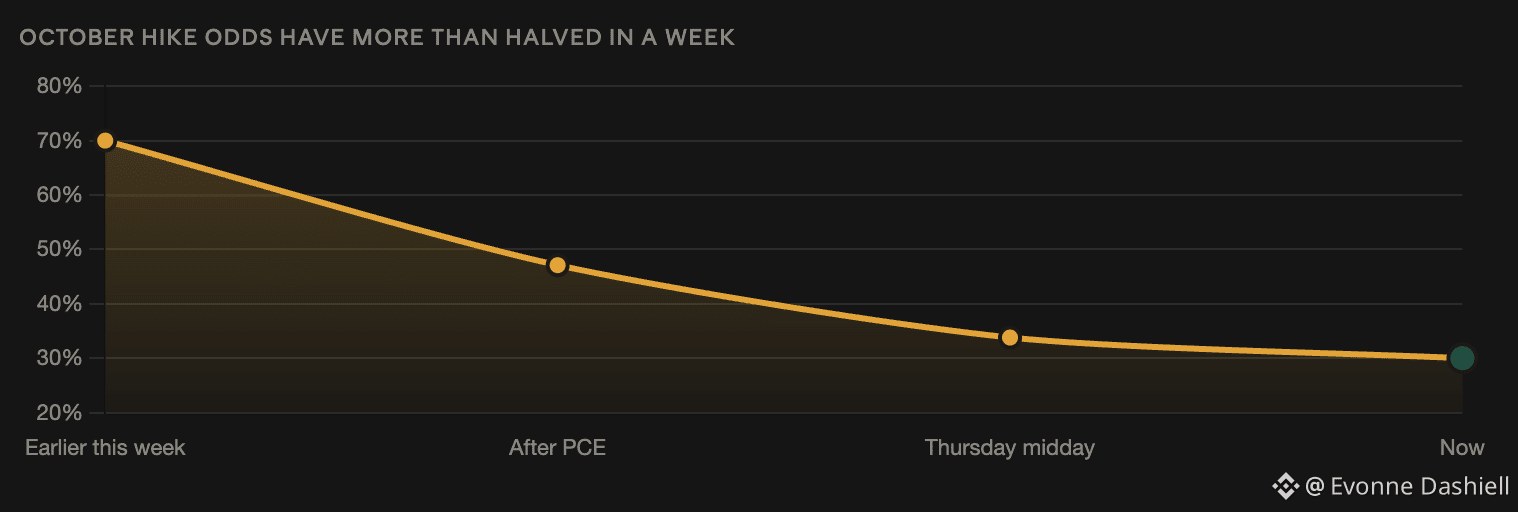
We saw a nearly identical pattern during the late 2023 rate pause rallies. Back then, weak employment figures triggered an instant knee-jerk dump before spot demand stepped in and drove an aggressive macro reversal. The exact same dynamic played out this week as labor market cooling reignited speculation around easing monetary conditions, forcing sidelined $USDT back into risk assets.
The takeaway from these cycles is simple. The initial spike is almost always about clearing leverage rather than directional truth, and the real trend rarely establishes itself until traditional market hours absorb the numbers.
Are you playing the immediate volatility or waiting for the post-print dust to settle?
#NFPWatch #USStocksCloseHigherOnWeakJobsData
Picture this: you have your perfect setup mapped out on $BTC , and within sixty seconds of a single data release, both sides of the order book get wiped clean.
Most traders still treat Non-Farm Payrolls like a pure coin flip, jumping into high-leverage positions minutes before the print only to get stopped out in the initial liquidity sweep. The pain isn't just taking a loss, it is watching the market aggressively reverse right into your original target once the dust settles.
We saw a nearly identical pattern during the late 2023 rate pause rallies. Back then, weak employment figures triggered an instant knee-jerk dump before spot demand stepped in and drove an aggressive macro reversal. The exact same dynamic played out this week as labor market cooling reignited speculation around easing monetary conditions, forcing sidelined $USDT back into risk assets.
The takeaway from these cycles is simple. The initial spike is almost always about clearing leverage rather than directional truth, and the real trend rarely establishes itself until traditional market hours absorb the numbers.
Are you playing the immediate volatility or waiting for the post-print dust to settle?
#NFPWatch #USStocksCloseHigherOnWeakJobsData
66
Everyone thinks weak jobs data guarantees an immediate bull run for risk assets, but actually jumping in blindly on macro headlines is where most retail traders get trapped.
Watching green candles on Wall Street triggers intense FOMO, making people market-buy the top right before liquidity dries up and sweeps their stop losses.
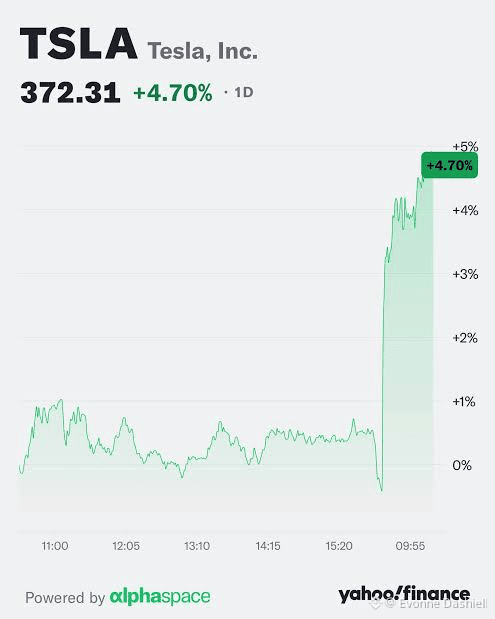
Think of macro news like weather reports for airlines. A weak jobs print hints that central banks might cut rates to soften the landing, which temporarily lifts equities and gives assets like $BTC a short-term boost. However, cooling employment numbers also signal economic slowdown, and speculative markets feel that friction once the initial excitement fades.
Instead of rushing your $USDT reserves into sudden hourly pumps, watch how market structure develops over the weekly close. Institutional desks digest employment shifts by rebalancing across assets like $ICP over days rather than minutes. Chasing the first green candle usually just turns you into exit liquidity for faster players.
Are you adjusting your positions around the latest macro prints, or waiting for the dust to settle?
#USStocksCloseHigherOnWeakJobsData #NFPWatch
65
·
--
#USStocksCloseHigherOnWeakJobsData
📉➡️📈 Bad news was good news this week.
The US added just 29,000 jobs in September versus 84,000 expected, and unemployment rose to 4.2%. Wall Street cheered anyway. Markets rose as traders priced in a high chance the Fed stays put on rates in October. A weak labor market means less pressure to hike, and risk assets like stocks and crypto liked that.
Is it a soft landing or a warning sign? 👀
$SAND $NIGHT $VELVET
1
197
·
--
everyone thinks dumping 100 million barrels of oil is just gonna juice risk-on and send $btc flying. but actually it's a liquidity trap that keeps catching the same people every time.
you know that feeling when you fomo a "good" macro headline then sit underwater for weeks. that's the trap here. crude dumps, stocks cheer, you load size, then the second order hit comes and nobody's around to bid.
this is a case study we've already lived. last time they released spr barrels like this, energy cooled, inflation printed soft, and the market priced in a pivot that never showed up. $btc ripped on the headline then bled when real yields stayed high. ngl ser, greed at 67 while g7 is flooding diesel supply is the same setup. people spinning into $etc like nothing's coming. cheaper oil gives the fed cover to stay tight, $usdt starts winning, and alts get drained first.
the first move looks green. the second one is where you lose money.
where do you think this goes from here?
#G7PlansToReleaseUpTo100MBarrelsOilDiesel #USStocksCloseHigherOnWeakJobsData #NFPWatch

146


Binance's current market page shows overall crypto market cap around $2.9T, with BTC dominance ~59.2% and the Altcoin Season Index at 51/100. �
Binance +1
🚀 Coins showing unusual momentum
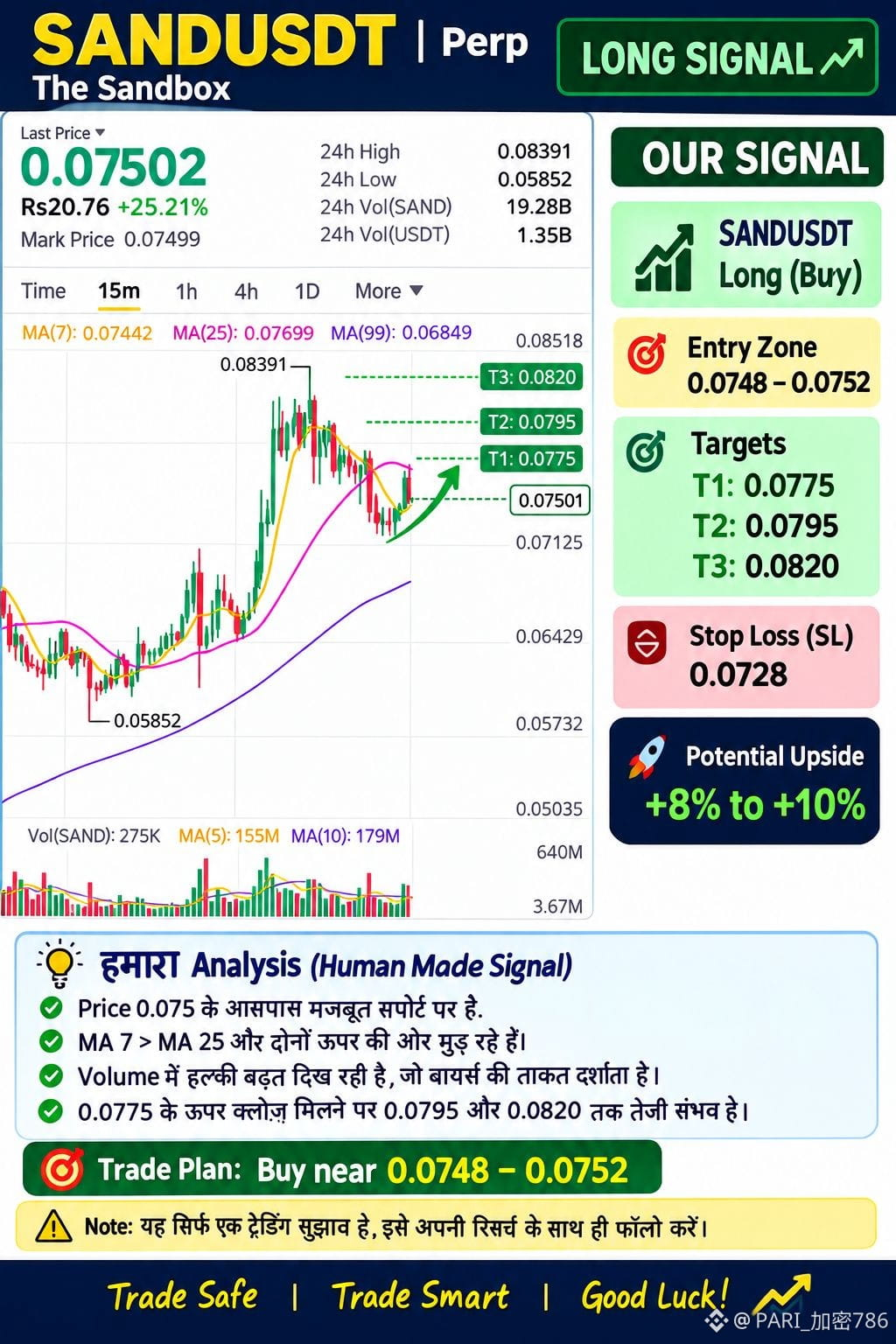
$SAND — ~$0.0787, +75.8%
$NIGHT — ~$0.0502, +28.9%
$ENJ — ~$0.0369, +21.5% �
Binance
SAND is particularly notable today because its move is much larger than the major-cap coins. A large move like this also means higher volatility and reversal risk, so chasing a candle can be dangerous.
⚠️ Important Futures warning
Binance has scheduled the delisting of PROMPTUSDT, PUMPBTCUSDT and 1000000BOBUSDT perpetual contracts for October 5 at 09:00 UTC. Binance says positions will be automatically settled before the contracts are removed. �
Binance
Also, Binance launched CTUSDT perpetual futures for Concrete with up to 20× leverage on October 1. �
Binance
🔥 Liquidation situation
This is the biggest thing I'd watch for short-term futures traders: one recent hourly snapshot showed $119.18M in liquidations across Binance, Bybit and OKX, with $118.08M coming from longs; Binance accounted for about $80.07M. ETH led that hour's liquidations.
#CerebrasSinksNearly20%OnReportNvidiaToPowerOpenAI #AnchorageReportedlyCuts17%Workforce #USStocksCloseHigherOnWeakJobsData #SECApproves3xLongCryptoCommodityETPs #G7PlansToReleaseUpTo100MBarrelsOilDiesel
{future}(SANDUSDT)
{future}(NIGHTUSDT)
{future}(ENJUSDT)
Binance's current market page shows overall crypto market cap around $2.9T, with BTC dominance ~59.2% and the Altcoin Season Index at 51/100. �
Binance +1
🚀 Coins showing unusual momentum
$SAND — ~$0.0787, +75.8%
$NIGHT — ~$0.0502, +28.9%
$ENJ — ~$0.0369, +21.5% �
Binance
SAND is particularly notable today because its move is much larger than the major-cap coins. A large move like this also means higher volatility and reversal risk, so chasing a candle can be dangerous.
⚠️ Important Futures warning
Binance has scheduled the delisting of PROMPTUSDT, PUMPBTCUSDT and 1000000BOBUSDT perpetual contracts for October 5 at 09:00 UTC. Binance says positions will be automatically settled before the contracts are removed. �
Binance
Also, Binance launched CTUSDT perpetual futures for Concrete with up to 20× leverage on October 1. �
Binance
🔥 Liquidation situation
This is the biggest thing I'd watch for short-term futures traders: one recent hourly snapshot showed $119.18M in liquidations across Binance, Bybit and OKX, with $118.08M coming from longs; Binance accounted for about $80.07M. ETH led that hour's liquidations.
#CerebrasSinksNearly20%OnReportNvidiaToPowerOpenAI #AnchorageReportedlyCuts17%Workforce #USStocksCloseHigherOnWeakJobsData #SECApproves3xLongCryptoCommodityETPs #G7PlansToReleaseUpTo100MBarrelsOilDiesel
422

🚀 $GTC — BIG MOVE TODAY
GTC is showing strong momentum and is currently among Binance’s top gainers, up around 76% in 24H.
📈 Momentum: Bullish
🔥 Volume: Strong
⚠️ Risk: Very High volatility
Watch price action and volume for a possible continuation or pullback. Don’t chase a vertical move—manage risk.
{spot}(GTCUSDT)
#ICBASuesOCCOverCryptoBankCharters
#USStocksCloseHigherOnWeakJobsData
#NFPWatch
#BlastToGraduallyShutDownItsL2Network
#BitcoinFundingRateTriplesTo10%
🚀 $GTC — BIG MOVE TODAY
GTC is showing strong momentum and is currently among Binance’s top gainers, up around 76% in 24H.
📈 Momentum: Bullish
🔥 Volume: Strong
⚠️ Risk: Very High volatility
Watch price action and volume for a possible continuation or pullback. Don’t chase a vertical move—manage risk.
#ICBASuesOCCOverCryptoBankCharters
#USStocksCloseHigherOnWeakJobsData
#NFPWatch
#BlastToGraduallyShutDownItsL2Network
#BitcoinFundingRateTriplesTo10%

1
428
·
--
Bearish
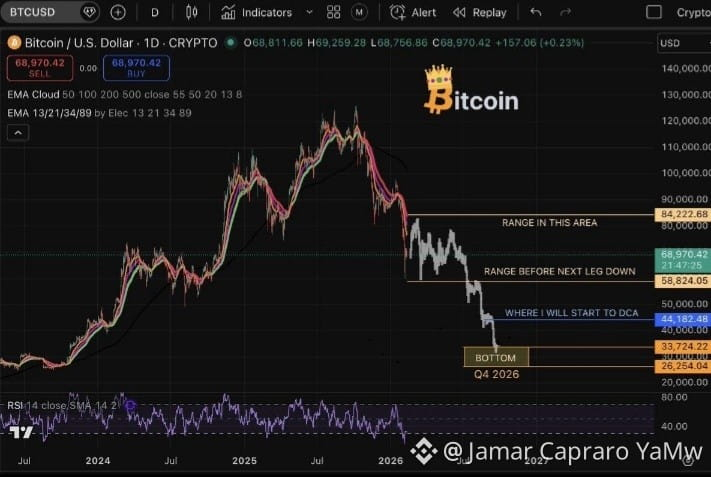
$BTC : $Short-term bias depends on the current support/resistance structure.
🟢 Bullish: If BTC holds support and breaks the nearby resistance with volume, upside continuation is possible.
🔴 Bearish: If support breaks strongly, BTC could move toward the next lower support.
⚠️ Key: Avoid entering in the middle of the range; wait for a clear breakout or rejection.
If you send me the current BTC chart/screenshot, I can mark Entry + TP1/TP2 + SL on it.
{spot}(BTCUSDT)
#G7PlansToReleaseUpTo100MBarrelsOilDiesel
#USStocksCloseHigherOnWeakJobsData #NFPWatch #BlastToGraduallyShutDownItsL2Network #USSeptemberPayrollsAdd29KUnemploymentRises4.2%
$BTC : $Short-term bias depends on the current support/resistance structure.
🟢 Bullish: If BTC holds support and breaks the nearby resistance with volume, upside continuation is possible.
🔴 Bearish: If support breaks strongly, BTC could move toward the next lower support.
⚠️ Key: Avoid entering in the middle of the range; wait for a clear breakout or rejection.
If you send me the current BTC chart/screenshot, I can mark Entry + TP1/TP2 + SL on it.
#G7PlansToReleaseUpTo100MBarrelsOilDiesel
#USStocksCloseHigherOnWeakJobsData #NFPWatch #BlastToGraduallyShutDownItsL2Network #USSeptemberPayrollsAdd29KUnemploymentRises4.2%
78

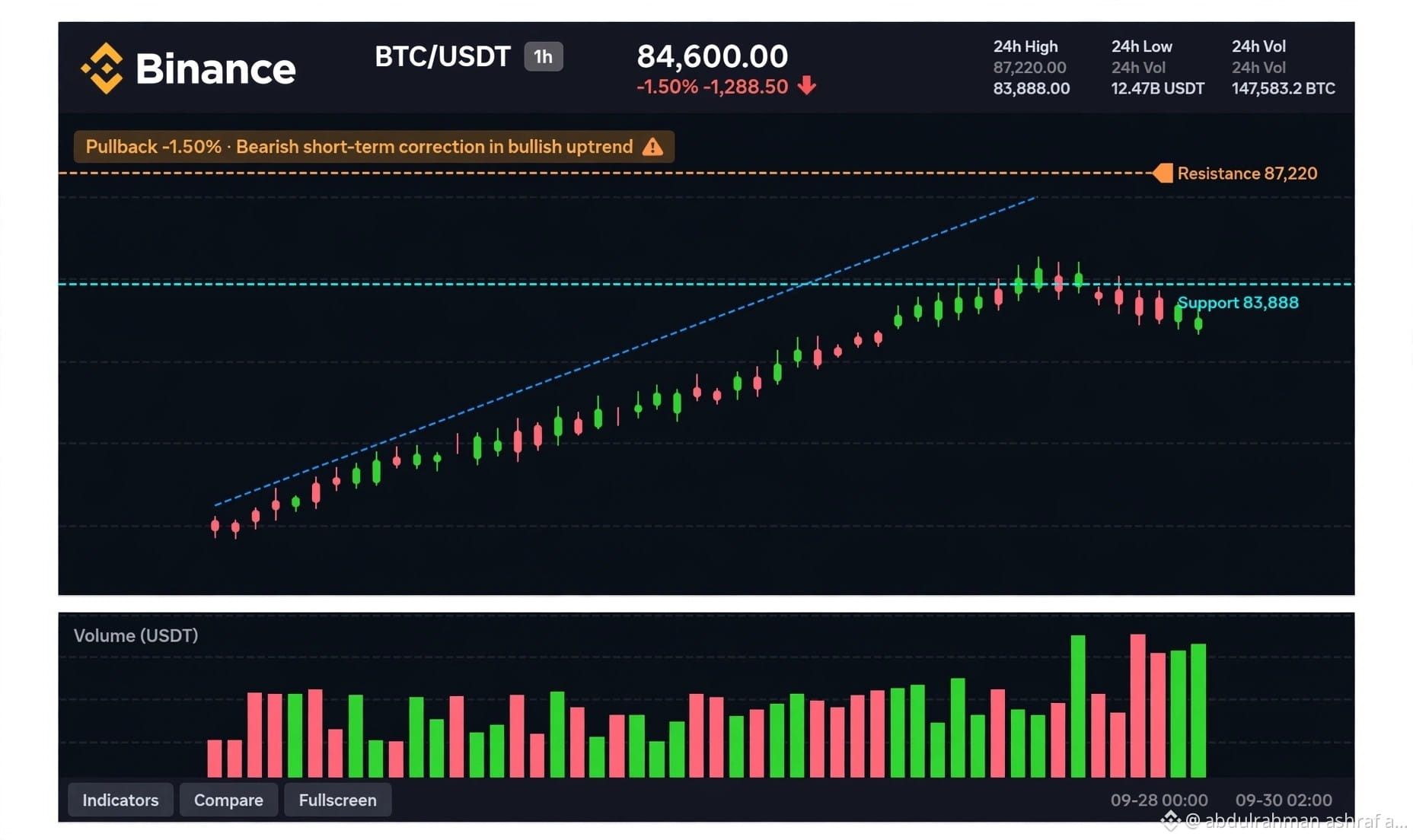
$BTC / USDT Latest Analysis*
*Price:* $84,600 (-1.50%), 24h High $87,220 / Low $83,888, volume 147k BTC
*Trend:* Pullback after uptrend. Still in bullish structure but short-term correction.
*Levels:*
- Support: $83,888 immediate, next $82,951 strong floor
- Resistance: $87,220 / $87,400 recent top, break needed for $92k target
*Context:*
- Still -32% from ATH $126k
- ETF flows mixed: Fidelity FBTC +$29.3M inflow, but overall market red
- 5-day return -1.58%, 1-month +2.22% positive
*Outlook:* Holding above $83,888 keeps uptrend alive. Reclaim $87,220 for continuation towards $88k-$92k. Drop below $83,888 risks test of $82k.
{spot}(BTCUSDT)
#CerebrasSinksNearly20%OnReportNvidiaToPowerOpenAI #SECProposesCryptoCustodyRules #SECApproves3xLongCryptoCommodityETPs #NFPWatch #USStocksCloseHigherOnWeakJobsData
$BTC / USDT Latest Analysis*
*Price:* $84,600 (-1.50%), 24h High $87,220 / Low $83,888, volume 147k BTC
*Trend:* Pullback after uptrend. Still in bullish structure but short-term correction.
*Levels:*
- Support: $83,888 immediate, next $82,951 strong floor
- Resistance: $87,220 / $87,400 recent top, break needed for $92k target
*Context:*
- Still -32% from ATH $126k
- ETF flows mixed: Fidelity FBTC +$29.3M inflow, but overall market red
- 5-day return -1.58%, 1-month +2.22% positive
*Outlook:* Holding above $83,888 keeps uptrend alive. Reclaim $87,220 for continuation towards $88k-$92k. Drop below $83,888 risks test of $82k.
#CerebrasSinksNearly20%OnReportNvidiaToPowerOpenAI #SECProposesCryptoCustodyRules #SECApproves3xLongCryptoCommodityETPs #NFPWatch #USStocksCloseHigherOnWeakJobsData
103
Log in to explore more content
Join global crypto users on Binance Square
⚡️ Get latest and useful information about crypto.
💬 Trusted by the world’s largest crypto exchange.
👍 Discover real insights from verified creators.
Email / Phone number
Trending Topics
1
#WhoWillSucceedJensenHuangatNvidia?
106,668 views
1,316 Discussing
2
#WhatWillDriveCryptoandStocks’NextRebound?
476,882 views
3,208 Discussing
3
#BitcoinActiveSupplyInProfitDropsBelow45%
39,798 views
504 Discussing
4
#KavaSaysAbnormalActivityLimitedToKavaLend
17,613 views
265 Discussing
5
#USSpotXRPETFsSeeLargestWeeklyOutflowIn8Months
15,055 views
233 Discussing
6
#USPPIMissMayEaseBTCPressure
232,940 views
2,117 Discussing
7
#WORPTLetsTouristsConvertCryptoToThaiBaht
4,396 views
64 Discussing
8
#TONStrategyReports$23.97MQ3NetLoss
5,725 views
41 Discussing
9
#PolkadotCommunityApprovesNewStrategyWith97%Vote
21,791 views
260 Discussing
10
#dYdXPlansV9.9UpgradeToShiftUSDCToInjective
15,452 views
213 Discussing