

#financialeducation
financialeducation
120,631 views
374 Discussing
Hot
Latest

·
--
💰 Understanding Finance: A Key to Better Decisions
Finance is an important part of our daily life. It helps us manage money, plan expenses, save for the future, and make better financial decisions.
📌 Key areas of Finance: • Saving & Budgeting
• Investment
• Risk Management
• Banking & Loans
• Financial Planning
👉 “Manage your money today to build a better tomorrow.”
#Finance #FinancialPlanning #MoneyManagement #Investment #Savings #Business #FinancialEducation
#CircleMints500MUSDCOnSolana #BlackRockBuildsTokenizedPortfoliosForOndo #SECCommissionerPeirceToLeaveOct2 #SECCommissionerPeirceToLeaveOct2
💰 Understanding Finance: A Key to Better Decisions
Finance is an important part of our daily life. It helps us manage money, plan expenses, save for the future, and make better financial decisions.
📌 Key areas of Finance: • Saving & Budgeting
• Investment
• Risk Management
• Banking & Loans
• Financial Planning
👉 “Manage your money today to build a better tomorrow.”
#Finance #FinancialPlanning #MoneyManagement #Investment #Savings #Business #FinancialEducation
#CircleMints500MUSDCOnSolana #BlackRockBuildsTokenizedPortfoliosForOndo #SECCommissionerPeirceToLeaveOct2 #SECCommissionerPeirceToLeaveOct2
Finance is an important part of our daily life. It helps us manage money, plan expenses, save for the future, and make better financial decisions.
📌 Key areas of Finance: • Saving & Budgeting
• Investment
• Risk Management
• Banking & Loans
• Financial Planning
👉 “Manage your money today to build a better tomorrow.”
#Finance #FinancialPlanning #MoneyManagement #Investment #Savings #Business #FinancialEducation
#CircleMints500MUSDCOnSolana #BlackRockBuildsTokenizedPortfoliosForOndo #SECCommissionerPeirceToLeaveOct2 #SECCommissionerPeirceToLeaveOct2
100

·
--
Bullish
📈 Forex Trading: Strategy Over Emotion
The market doesn’t move based on our emotions.
Successful trading is not about predicting every single move—it’s about understanding price action, risk management, market trends, and discipline.
📊 Green candles can create excitement.
📉 Red candles can create fear.
🧠 But a good strategy helps you stay focused.
Don’t chase the market. Understand it.
Every trade carries risk, so always learn and research before making financial decisions.
#Forex #trading #TradingPsychology #financialeducation #BinanceSquare
📈 Forex Trading: Strategy Over Emotion
The market doesn’t move based on our emotions.
Successful trading is not about predicting every single move—it’s about understanding price action, risk management, market trends, and discipline.
📊 Green candles can create excitement.
📉 Red candles can create fear.
🧠 But a good strategy helps you stay focused.
Don’t chase the market. Understand it.
Every trade carries risk, so always learn and research before making financial decisions.
#Forex #trading #TradingPsychology #financialeducation #BinanceSquare
The market doesn’t move based on our emotions.
Successful trading is not about predicting every single move—it’s about understanding price action, risk management, market trends, and discipline.
📊 Green candles can create excitement.
📉 Red candles can create fear.
🧠 But a good strategy helps you stay focused.
Don’t chase the market. Understand it.
Every trade carries risk, so always learn and research before making financial decisions.
#Forex #trading #TradingPsychology #financialeducation #BinanceSquare
66

·
--
Bullish
💰 A truth that few people understand about money:
It’s not how much you earn that determines your future, but what you can do with what you earn.
Those who earn little and learn to manage it are building a foundation.
Those who earn a lot and spend it all stay in the same place.
📌 Before trying to earn more, learn not to waste what you already have.
#Crypto_Jobs🎯 #Money #FinancialEducation
💰 A truth that few people understand about money:
It’s not how much you earn that determines your future, but what you can do with what you earn.
Those who earn little and learn to manage it are building a foundation.
Those who earn a lot and spend it all stay in the same place.
📌 Before trying to earn more, learn not to waste what you already have.
#Crypto_Jobs🎯 #Money #FinancialEducation
It’s not how much you earn that determines your future, but what you can do with what you earn.
Those who earn little and learn to manage it are building a foundation.
Those who earn a lot and spend it all stay in the same place.
📌 Before trying to earn more, learn not to waste what you already have.
#Crypto_Jobs🎯 #Money #FinancialEducation
1
1
298

·
--
Bullish
$BTC
$ETH
$BNB
📊 Trading for Beginners
Don't chase profits, chase knowledge.
✅ Learn before you earn.
✅ Start with small amounts.
✅ Manage risk on every trade.
✅ Never trade with emotions.
✅ Use a stop-loss.
✅ Be patient and disciplined.
✅ Follow a trading plan.
✅ Accept losses as part of learning.
✅ Focus on consistency, not quick money.
✅ Keep improving every day.
The goal isn't to win every trade. The goal is to become a better trader. 🚀
#Trading #Crypto #Forex #StockMarket #TradingTips #BeginnerTrader #Investing #FinancialEducation
$BTC
$ETH
$BNB
📊 Trading for Beginners
Don't chase profits, chase knowledge.
✅ Learn before you earn.
✅ Start with small amounts.
✅ Manage risk on every trade.
✅ Never trade with emotions.
✅ Use a stop-loss.
✅ Be patient and disciplined.
✅ Follow a trading plan.
✅ Accept losses as part of learning.
✅ Focus on consistency, not quick money.
✅ Keep improving every day.
The goal isn't to win every trade. The goal is to become a better trader. 🚀
#Trading #Crypto #Forex #StockMarket #TradingTips #BeginnerTrader #Investing #FinancialEducation
$ETH
$BNB
📊 Trading for Beginners
Don't chase profits, chase knowledge.
✅ Learn before you earn.
✅ Start with small amounts.
✅ Manage risk on every trade.
✅ Never trade with emotions.
✅ Use a stop-loss.
✅ Be patient and disciplined.
✅ Follow a trading plan.
✅ Accept losses as part of learning.
✅ Focus on consistency, not quick money.
✅ Keep improving every day.
The goal isn't to win every trade. The goal is to become a better trader. 🚀
#Trading #Crypto #Forex #StockMarket #TradingTips #BeginnerTrader #Investing #FinancialEducation
1
1
189
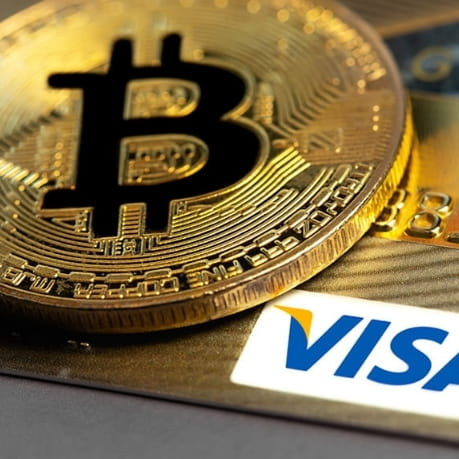
🚨 POST 1 – Myth vs Reality
❌ Myth: You Need Thousands of Dollars to Start Investing in Crypto
One of the biggest myths in crypto is that you need a huge amount of money to get started.
Reality:
Many exchanges allow you to start with a small amount. What’s more important than your starting balance is building good habits:
✔️ Learn continuously.
✔️ Manage your risk.
✔️ Invest according to your financial situation.
Growing your knowledge is just as valuable as growing your portfolio.
💬 Question: What was the first cryptocurrency you ever bought?
#crypto #bitcoin #beginner #financialeducation $BTC $ETH $USDT
📌 Follow @Makaveli Crypto for daily crypto insights, market analysis, trading education, and Binance Square updates. Let’s grow together! 🚀
🚨 POST 1 – Myth vs Reality
❌ Myth: You Need Thousands of Dollars to Start Investing in Crypto
One of the biggest myths in crypto is that you need a huge amount of money to get started.
Reality:
Many exchanges allow you to start with a small amount. What’s more important than your starting balance is building good habits:
✔️ Learn continuously.
✔️ Manage your risk.
✔️ Invest according to your financial situation.
Growing your knowledge is just as valuable as growing your portfolio.
💬 Question: What was the first cryptocurrency you ever bought?
#crypto #bitcoin #beginner #financialeducation $BTC $ETH $USDT
📌 Follow @Makaveli Crypto for daily crypto insights, market analysis, trading education, and Binance Square updates. Let’s grow together! 🚀
❌ Myth: You Need Thousands of Dollars to Start Investing in Crypto
One of the biggest myths in crypto is that you need a huge amount of money to get started.
Reality:
Many exchanges allow you to start with a small amount. What’s more important than your starting balance is building good habits:
✔️ Learn continuously.
✔️ Manage your risk.
✔️ Invest according to your financial situation.
Growing your knowledge is just as valuable as growing your portfolio.
💬 Question: What was the first cryptocurrency you ever bought?
#crypto #bitcoin #beginner #financialeducation $BTC $ETH $USDT
📌 Follow @Makaveli Crypto for daily crypto insights, market analysis, trading education, and Binance Square updates. Let’s grow together! 🚀
61

📊 Crypto isn’t just trading. It’s finance.
Understanding:
✔️ Risk Management
✔️ Portfolio Diversification
✔️ Tax Basics
✔️ Market Psychology
…can be just as important as picking the next coin.
Knowledge compounds faster than hype.
#Finance #Crypto #Binance #Investing #FinancialEducation
📊 Crypto isn’t just trading. It’s finance.
Understanding:
✔️ Risk Management
✔️ Portfolio Diversification
✔️ Tax Basics
✔️ Market Psychology
…can be just as important as picking the next coin.
Knowledge compounds faster than hype.
#Finance #Crypto #Binance #Investing #FinancialEducation
Understanding:
✔️ Risk Management
✔️ Portfolio Diversification
✔️ Tax Basics
✔️ Market Psychology
…can be just as important as picking the next coin.
Knowledge compounds faster than hype.
#Finance #Crypto #Binance #Investing #FinancialEducation
107

90% of Crypto Investors Ignore This Simple Principle — And It Costs Them MoneyEvery morning, thousands of traders and investors open their charts looking for the next opportunity.
Some are searching for the perfect entry.
Others are trying to predict the next big move in Bitcoin or the next altcoin that could outperform the market.
While there is nothing wrong with looking for opportunities, many participants overlook one of the most important truths in investing:
The crypto market often rewards patience more than speed.
The Pressure to Act
One of the biggest challenges in today's market is the constant flow of information.
News arrives every minute.
Social media is filled with predictions.
Influencers share charts, targets, and opinions throughout the day.
As a result, many investors feel pressured to take action.
When Bitcoin rises, they feel they must buy immediately.
When the market falls, they feel they must sell before it's too late.
This constant need to react creates stress and often leads to poor decisions.
The reality is that not every market movement requires a response.
Sometimes the best decision is to observe.
Opportunities Do Not Disappear Overnight
Many beginners fear missing out.
This fear is commonly known as FOMO (Fear Of Missing Out).
It causes investors to enter trades without proper analysis simply because they believe everyone else is making money.
However, successful investors understand that markets provide opportunities repeatedly.
There will always be another setup.
Another correction.
Another trend.
Another cycle.
Making decisions out of fear of missing an opportunity often leads to buying at inflated prices and selling during periods of uncertainty.
Patience allows investors to wait for opportunities that match their strategy instead of chasing every market move.
The Difference Between Investors and Gamblers
The market attracts two very different types of participants.
The first group seeks quick profits.
They constantly jump from one trending asset to another.
Their decisions are usually driven by emotions and short-term excitement.
The second group focuses on building wealth over time.
They study projects.
They manage risk carefully.
They understand that consistency matters more than occasional wins.
The difference between these two groups is not intelligence.
It is discipline.
Long-term success rarely comes from one lucky trade.
It comes from making good decisions repeatedly over months and years.
Why Risk Management Matters
Every investment carries risk.
No one can predict the future with complete accuracy.
Not analysts.
Not influencers.
Not traders with thousands of followers.
This is why risk management remains one of the most valuable skills in crypto.
Before entering any position, investors should ask themselves:
How much am I willing to lose?What is my exit strategy?Am I investing based on research or emotion?
These simple questions can prevent costly mistakes.
Protecting capital is often more important than maximizing gains.
Without capital, there can be no future opportunities.
Focus on Learning, Not Just Earning
Many people enter crypto with the goal of making money.
That is completely understandable.
However, those who focus only on profits often become frustrated during difficult periods.
The market rewards continuous learning.
Understanding blockchain technology, market psychology, risk management, and investment strategies creates a foundation that remains valuable regardless of market conditions.
Knowledge compounds just like investments.
The more you learn, the better your decisions become.
Final Thoughts
As you begin your day, remember that success in crypto is not a race.
You do not need to catch every opportunity.
You do not need to follow every trend.
And you certainly do not need to react to every headline.
The investors who thrive over the long term are often those who remain patient, disciplined, and committed to continuous improvement.
The market will always be here tomorrow.
The question is whether your strategy will still be strong enough to take advantage of it.
Have a productive day, stay disciplined, and invest wisely.
What is your primary goal in crypto for the rest of 2026: trading profits, long-term investing, or learning more about the industry?
#bitcoin #cryptocurrency #trading #blockchain #financialeducation
$BTC $ETH
90% of Crypto Investors Ignore This Simple Principle — And It Costs Them Money
Every morning, thousands of traders and investors open their charts looking for the next opportunity.
Some are searching for the perfect entry.
Others are trying to predict the next big move in Bitcoin or the next altcoin that could outperform the market.
While there is nothing wrong with looking for opportunities, many participants overlook one of the most important truths in investing:
The crypto market often rewards patience more than speed.
The Pressure to Act
One of the biggest challenges in today's market is the constant flow of information.
News arrives every minute.
Social media is filled with predictions.
Influencers share charts, targets, and opinions throughout the day.
As a result, many investors feel pressured to take action.
When Bitcoin rises, they feel they must buy immediately.
When the market falls, they feel they must sell before it's too late.
This constant need to react creates stress and often leads to poor decisions.
The reality is that not every market movement requires a response.
Sometimes the best decision is to observe.
Opportunities Do Not Disappear Overnight
Many beginners fear missing out.
This fear is commonly known as FOMO (Fear Of Missing Out).
It causes investors to enter trades without proper analysis simply because they believe everyone else is making money.
However, successful investors understand that markets provide opportunities repeatedly.
There will always be another setup.
Another correction.
Another trend.
Another cycle.
Making decisions out of fear of missing an opportunity often leads to buying at inflated prices and selling during periods of uncertainty.
Patience allows investors to wait for opportunities that match their strategy instead of chasing every market move.
The Difference Between Investors and Gamblers
The market attracts two very different types of participants.
The first group seeks quick profits.
They constantly jump from one trending asset to another.
Their decisions are usually driven by emotions and short-term excitement.
The second group focuses on building wealth over time.
They study projects.
They manage risk carefully.
They understand that consistency matters more than occasional wins.
The difference between these two groups is not intelligence.
It is discipline.
Long-term success rarely comes from one lucky trade.
It comes from making good decisions repeatedly over months and years.
Why Risk Management Matters
Every investment carries risk.
No one can predict the future with complete accuracy.
Not analysts.
Not influencers.
Not traders with thousands of followers.
This is why risk management remains one of the most valuable skills in crypto.
Before entering any position, investors should ask themselves:
How much am I willing to lose?What is my exit strategy?Am I investing based on research or emotion?
These simple questions can prevent costly mistakes.
Protecting capital is often more important than maximizing gains.
Without capital, there can be no future opportunities.
Focus on Learning, Not Just Earning
Many people enter crypto with the goal of making money.
That is completely understandable.
However, those who focus only on profits often become frustrated during difficult periods.
The market rewards continuous learning.
Understanding blockchain technology, market psychology, risk management, and investment strategies creates a foundation that remains valuable regardless of market conditions.
Knowledge compounds just like investments.
The more you learn, the better your decisions become.
Final Thoughts
As you begin your day, remember that success in crypto is not a race.
You do not need to catch every opportunity.
You do not need to follow every trend.
And you certainly do not need to react to every headline.
The investors who thrive over the long term are often those who remain patient, disciplined, and committed to continuous improvement.
The market will always be here tomorrow.
The question is whether your strategy will still be strong enough to take advantage of it.
Have a productive day, stay disciplined, and invest wisely.
What is your primary goal in crypto for the rest of 2026: trading profits, long-term investing, or learning more about the industry?
#bitcoin #cryptocurrency #trading #blockchain #financialeducation
$BTC $ETH
Some are searching for the perfect entry.
Others are trying to predict the next big move in Bitcoin or the next altcoin that could outperform the market.
While there is nothing wrong with looking for opportunities, many participants overlook one of the most important truths in investing:
The crypto market often rewards patience more than speed.
The Pressure to Act
One of the biggest challenges in today's market is the constant flow of information.
News arrives every minute.
Social media is filled with predictions.
Influencers share charts, targets, and opinions throughout the day.
As a result, many investors feel pressured to take action.
When Bitcoin rises, they feel they must buy immediately.
When the market falls, they feel they must sell before it's too late.
This constant need to react creates stress and often leads to poor decisions.
The reality is that not every market movement requires a response.
Sometimes the best decision is to observe.
Opportunities Do Not Disappear Overnight
Many beginners fear missing out.
This fear is commonly known as FOMO (Fear Of Missing Out).
It causes investors to enter trades without proper analysis simply because they believe everyone else is making money.
However, successful investors understand that markets provide opportunities repeatedly.
There will always be another setup.
Another correction.
Another trend.
Another cycle.
Making decisions out of fear of missing an opportunity often leads to buying at inflated prices and selling during periods of uncertainty.
Patience allows investors to wait for opportunities that match their strategy instead of chasing every market move.
The Difference Between Investors and Gamblers
The market attracts two very different types of participants.
The first group seeks quick profits.
They constantly jump from one trending asset to another.
Their decisions are usually driven by emotions and short-term excitement.
The second group focuses on building wealth over time.
They study projects.
They manage risk carefully.
They understand that consistency matters more than occasional wins.
The difference between these two groups is not intelligence.
It is discipline.
Long-term success rarely comes from one lucky trade.
It comes from making good decisions repeatedly over months and years.
Why Risk Management Matters
Every investment carries risk.
No one can predict the future with complete accuracy.
Not analysts.
Not influencers.
Not traders with thousands of followers.
This is why risk management remains one of the most valuable skills in crypto.
Before entering any position, investors should ask themselves:
How much am I willing to lose?What is my exit strategy?Am I investing based on research or emotion?
These simple questions can prevent costly mistakes.
Protecting capital is often more important than maximizing gains.
Without capital, there can be no future opportunities.
Focus on Learning, Not Just Earning
Many people enter crypto with the goal of making money.
That is completely understandable.
However, those who focus only on profits often become frustrated during difficult periods.
The market rewards continuous learning.
Understanding blockchain technology, market psychology, risk management, and investment strategies creates a foundation that remains valuable regardless of market conditions.
Knowledge compounds just like investments.
The more you learn, the better your decisions become.
Final Thoughts
As you begin your day, remember that success in crypto is not a race.
You do not need to catch every opportunity.
You do not need to follow every trend.
And you certainly do not need to react to every headline.
The investors who thrive over the long term are often those who remain patient, disciplined, and committed to continuous improvement.
The market will always be here tomorrow.
The question is whether your strategy will still be strong enough to take advantage of it.
Have a productive day, stay disciplined, and invest wisely.
What is your primary goal in crypto for the rest of 2026: trading profits, long-term investing, or learning more about the industry?
#bitcoin #cryptocurrency #trading #blockchain #financialeducation
$BTC $ETH
174

What is Profit and Loss?
In trading, there are only two outcomes:
✅ Profit = Gains
❌ Loss = Losses
Example:
Buy Price: $100
Sell Price: $110
Profit = $10
If:
Buy Price: $100
Sell Price: $90
Loss = $10
💡 A successful trader isn't the one who wins every trade, but the one who knows how to manage their losses.
📌 Golden Rule: "Accept Small Losses, Avoid Big Losses."
$BTC $BNB $SOL
{spot}(SOLUSDT)
{spot}(BNBUSDT)
{spot}(BTCUSDT)
#learntrading #cryptoeducation #financialeducation #BTC #cryptotrading
What is Profit and Loss?
In trading, there are only two outcomes:
✅ Profit = Gains
❌ Loss = Losses
Example:
Buy Price: $100
Sell Price: $110
Profit = $10
If:
Buy Price: $100
Sell Price: $90
Loss = $10
💡 A successful trader isn't the one who wins every trade, but the one who knows how to manage their losses.
📌 Golden Rule: "Accept Small Losses, Avoid Big Losses."
$BTC $BNB $SOL
#learntrading #cryptoeducation #financialeducation #BTC #cryptotrading
In trading, there are only two outcomes:
✅ Profit = Gains
❌ Loss = Losses
Example:
Buy Price: $100
Sell Price: $110
Profit = $10
If:
Buy Price: $100
Sell Price: $90
Loss = $10
💡 A successful trader isn't the one who wins every trade, but the one who knows how to manage their losses.
📌 Golden Rule: "Accept Small Losses, Avoid Big Losses."
$BTC $BNB $SOL
#learntrading #cryptoeducation #financialeducation #BTC #cryptotrading
126
The Hard Math Behind Long-Term Capital Survival
Amateur traders are entirely focused on how much money they can make on a single trade setup. Professionals, on the other hand, are completely obsessed with how much capital they can afford to lose. This fundamental difference in focus is exactly why a tiny percentage of participants control the majority of the wealth, while the rest constantly cycle through accounts.
Consider the absolute reality of market drawdowns: if you suffer a severe 50% loss on a poorly managed position, your remaining capital must achieve a massive 100% return just to get back to your original breakeven point. This mathematical trap is how accounts blow up. It happens because position sizing is too large for the asset's natural volatility, turning a minor strategic error into a catastrophic loss.
Look at how $BTC consolidates and absorbs institutional ETF capital. It moves with massive liquidity backing, offering a lesson in stability. To protect your portfolio, deploy a hard 1% risk rule across every single setup. If your total trading capital is $10,000, your maximum loss upon invalidation must be strictly capped at $100. Surviving consecutive market fluctuations is how you stay in position for high-probability setups.
Financial sovereignty begins when you prioritize capital protection over speculative hype. True growth is built on discipline, shared knowledge, and psychological control.
If you are ready to upgrade your trading with professional discipline, hit the Follow button, give this post a Like, and drop your risk management rules in the comments section below.
#RiskManagement #bitcoin #financialeducation #wealthbuilding #aiwealtharchitects
The Hard Math Behind Long-Term Capital Survival
Amateur traders are entirely focused on how much money they can make on a single trade setup. Professionals, on the other hand, are completely obsessed with how much capital they can afford to lose. This fundamental difference in focus is exactly why a tiny percentage of participants control the majority of the wealth, while the rest constantly cycle through accounts.
Consider the absolute reality of market drawdowns: if you suffer a severe 50% loss on a poorly managed position, your remaining capital must achieve a massive 100% return just to get back to your original breakeven point. This mathematical trap is how accounts blow up. It happens because position sizing is too large for the asset's natural volatility, turning a minor strategic error into a catastrophic loss.
Look at how $BTC consolidates and absorbs institutional ETF capital. It moves with massive liquidity backing, offering a lesson in stability. To protect your portfolio, deploy a hard 1% risk rule across every single setup. If your total trading capital is $10,000, your maximum loss upon invalidation must be strictly capped at $100. Surviving consecutive market fluctuations is how you stay in position for high-probability setups.
Financial sovereignty begins when you prioritize capital protection over speculative hype. True growth is built on discipline, shared knowledge, and psychological control.
If you are ready to upgrade your trading with professional discipline, hit the Follow button, give this post a Like, and drop your risk management rules in the comments section below.
#RiskManagement #bitcoin #financialeducation #wealthbuilding #aiwealtharchitects
Amateur traders are entirely focused on how much money they can make on a single trade setup. Professionals, on the other hand, are completely obsessed with how much capital they can afford to lose. This fundamental difference in focus is exactly why a tiny percentage of participants control the majority of the wealth, while the rest constantly cycle through accounts.
Consider the absolute reality of market drawdowns: if you suffer a severe 50% loss on a poorly managed position, your remaining capital must achieve a massive 100% return just to get back to your original breakeven point. This mathematical trap is how accounts blow up. It happens because position sizing is too large for the asset's natural volatility, turning a minor strategic error into a catastrophic loss.
Look at how $BTC consolidates and absorbs institutional ETF capital. It moves with massive liquidity backing, offering a lesson in stability. To protect your portfolio, deploy a hard 1% risk rule across every single setup. If your total trading capital is $10,000, your maximum loss upon invalidation must be strictly capped at $100. Surviving consecutive market fluctuations is how you stay in position for high-probability setups.
Financial sovereignty begins when you prioritize capital protection over speculative hype. True growth is built on discipline, shared knowledge, and psychological control.
If you are ready to upgrade your trading with professional discipline, hit the Follow button, give this post a Like, and drop your risk management rules in the comments section below.
#RiskManagement #bitcoin #financialeducation #wealthbuilding #aiwealtharchitects
1
127

Hello Everyone!👋
I'm excited to begin my Journey on Binance Square today.
I have been studying cryptocurrency, Web3, blockchain technology, financial markets,stocks,gold and silver for quite some time.While I'm always learning and growing, I'm here to share the knowledge and insights I've gained along the way.
My goal is simple:to help people understand I'll be sharing market insights, educational content, project research, and updates about coins like $BTC
As a Muslim, I also care about ethical and Halal ways of earning.
If you're interested in crypto, Web3, blockchain, market analysis, and long-term learning, you're in the right place.
{spot}(BTCUSDT)
#financialeducation
Hello Everyone!👋
I'm excited to begin my Journey on Binance Square today.
I have been studying cryptocurrency, Web3, blockchain technology, financial markets,stocks,gold and silver for quite some time.While I'm always learning and growing, I'm here to share the knowledge and insights I've gained along the way.
My goal is simple:to help people understand I'll be sharing market insights, educational content, project research, and updates about coins like $BTC
As a Muslim, I also care about ethical and Halal ways of earning.
If you're interested in crypto, Web3, blockchain, market analysis, and long-term learning, you're in the right place.
#financialeducation
I'm excited to begin my Journey on Binance Square today.
I have been studying cryptocurrency, Web3, blockchain technology, financial markets,stocks,gold and silver for quite some time.While I'm always learning and growing, I'm here to share the knowledge and insights I've gained along the way.
My goal is simple:to help people understand I'll be sharing market insights, educational content, project research, and updates about coins like $BTC
As a Muslim, I also care about ethical and Halal ways of earning.
If you're interested in crypto, Web3, blockchain, market analysis, and long-term learning, you're in the right place.
#financialeducation
2
1
97

·
--
#45ngaytudotaichinh
💡 #45NgayTuDoTaiChinh: Building Better Financial Habits, One Day at a Time
Financial freedom is not achieved overnight. It's the result of consistent learning, smart decision-making, and disciplined money management.
The #45NgayTuDoTaiChinh challenge encourages participants to spend 45 days improving their financial knowledge, tracking expenses, understanding investments, and developing long-term wealth-building habits.
Whether you're exploring traditional finance, stocks, or digital assets, the most important investment is often the one you make in your own financial education. Small improvements made every day can lead to significant results over time.
The journey to financial freedom is different for everyone, but it always starts with a single step.
What is one financial habit you've improved this year?
#45NgayTuDoTaiChinh #FinancialFreedom #PersonalFinance #Investing #WealthBuilding #financialeducation
#45ngaytudotaichinh
💡 #45NgayTuDoTaiChinh: Building Better Financial Habits, One Day at a Time
Financial freedom is not achieved overnight. It's the result of consistent learning, smart decision-making, and disciplined money management.
The #45NgayTuDoTaiChinh challenge encourages participants to spend 45 days improving their financial knowledge, tracking expenses, understanding investments, and developing long-term wealth-building habits.
Whether you're exploring traditional finance, stocks, or digital assets, the most important investment is often the one you make in your own financial education. Small improvements made every day can lead to significant results over time.
The journey to financial freedom is different for everyone, but it always starts with a single step.
What is one financial habit you've improved this year?
#45NgayTuDoTaiChinh #FinancialFreedom #PersonalFinance #Investing #WealthBuilding #financialeducation
💡 #45NgayTuDoTaiChinh: Building Better Financial Habits, One Day at a Time
Financial freedom is not achieved overnight. It's the result of consistent learning, smart decision-making, and disciplined money management.
The #45NgayTuDoTaiChinh challenge encourages participants to spend 45 days improving their financial knowledge, tracking expenses, understanding investments, and developing long-term wealth-building habits.
Whether you're exploring traditional finance, stocks, or digital assets, the most important investment is often the one you make in your own financial education. Small improvements made every day can lead to significant results over time.
The journey to financial freedom is different for everyone, but it always starts with a single step.
What is one financial habit you've improved this year?
#45NgayTuDoTaiChinh #FinancialFreedom #PersonalFinance #Investing #WealthBuilding #financialeducation
330

·
--
📊 Professional Futures Chart Analysis #35
🧠 Don't Trade Because The Market Is Moving
Many traders believe every market move is an opportunity.
Professional traders know that not every move is worth trading.
---
🔍 Step 1 – Ask Yourself
Before entering, check:
✔️ Is the trend clear?
✔️ Is the setup complete?
✔️ Is the Risk-to-Reward favorable?
If the answer is No...
➡️ Wait.
---
📍 Step 2 – Avoid Emotional Trades
Never enter because:
❌ FOMO
❌ Fear of missing profits
❌ Social media hype
Trade only when your strategy confirms.
---
⚡ Step 3 – Look For High-Probability Signals
Wait for:
✔️ BOS
✔️ Liquidity Sweep
✔️ Strong Price Action
✔️ Volume Confirmation
Patience increases probability.
---
🛡️ Step 4 – Protect Your Capital
📍 Follow your trading plan.
🛑 Respect your Stop Loss.
🎯 Let your winners reach the target.
Small discipline today creates bigger results tomorrow.
---
💡 Professional Insight
The market offers opportunities every day.
You don't need every opportunity...
You only need the right opportunity.
---
⚠️ Educational Purpose Only.
$BTC $ETH $SOL
#Crypto #Investing #TradingTips #FinancialEducation #MarketAnalysis
💎 Professional traders don't trade more—they trade smarter. 📈🚀
📊 Professional Futures Chart Analysis #35
🧠 Don't Trade Because The Market Is Moving
Many traders believe every market move is an opportunity.
Professional traders know that not every move is worth trading.
---
🔍 Step 1 – Ask Yourself
Before entering, check:
✔️ Is the trend clear?
✔️ Is the setup complete?
✔️ Is the Risk-to-Reward favorable?
If the answer is No...
➡️ Wait.
---
📍 Step 2 – Avoid Emotional Trades
Never enter because:
❌ FOMO
❌ Fear of missing profits
❌ Social media hype
Trade only when your strategy confirms.
---
⚡ Step 3 – Look For High-Probability Signals
Wait for:
✔️ BOS
✔️ Liquidity Sweep
✔️ Strong Price Action
✔️ Volume Confirmation
Patience increases probability.
---
🛡️ Step 4 – Protect Your Capital
📍 Follow your trading plan.
🛑 Respect your Stop Loss.
🎯 Let your winners reach the target.
Small discipline today creates bigger results tomorrow.
---
💡 Professional Insight
The market offers opportunities every day.
You don't need every opportunity...
You only need the right opportunity.
---
⚠️ Educational Purpose Only.
$BTC $ETH $SOL
#Crypto #Investing #TradingTips #FinancialEducation #MarketAnalysis
💎 Professional traders don't trade more—they trade smarter. 📈🚀
🧠 Don't Trade Because The Market Is Moving
Many traders believe every market move is an opportunity.
Professional traders know that not every move is worth trading.
---
🔍 Step 1 – Ask Yourself
Before entering, check:
✔️ Is the trend clear?
✔️ Is the setup complete?
✔️ Is the Risk-to-Reward favorable?
If the answer is No...
➡️ Wait.
---
📍 Step 2 – Avoid Emotional Trades
Never enter because:
❌ FOMO
❌ Fear of missing profits
❌ Social media hype
Trade only when your strategy confirms.
---
⚡ Step 3 – Look For High-Probability Signals
Wait for:
✔️ BOS
✔️ Liquidity Sweep
✔️ Strong Price Action
✔️ Volume Confirmation
Patience increases probability.
---
🛡️ Step 4 – Protect Your Capital
📍 Follow your trading plan.
🛑 Respect your Stop Loss.
🎯 Let your winners reach the target.
Small discipline today creates bigger results tomorrow.
---
💡 Professional Insight
The market offers opportunities every day.
You don't need every opportunity...
You only need the right opportunity.
---
⚠️ Educational Purpose Only.
$BTC $ETH $SOL
#Crypto #Investing #TradingTips #FinancialEducation #MarketAnalysis
💎 Professional traders don't trade more—they trade smarter. 📈🚀
1
1
112

·
--
💎 Wealth in Crypto Starts with Knowledge, Not Luck
Many people enter crypto hoping to double their money overnight. The reality is different: successful investors usually build wealth through patience, research, and disciplined decision-making.
Here are five principles I try to follow:
🔹 Learn before you invest. Understanding a project is more important than following trends.
🔹 Risk management matters. Never invest money you can't afford to lose.
🔹 Ignore market noise. Daily price swings create emotions, but long-term conviction comes from facts.
🔹 Diversify wisely. Putting everything into one asset increases risk.
🔹 Keep improving. Every market cycle teaches a new lesson.
Bitcoin introduced digital scarcity, Ethereum expanded blockchain utility through smart contracts, and thousands of new projects continue to innovate. Not every project will succeed, which is why research is essential.
My goal isn't to predict the next 100x coin—it's to become a better investor every day.
What's one crypto lesson that changed the way you invest? Share it below! Thanks...
#Crypto #Bitcoin #Ethereum #Blockchain #BinanceSquare #Investing #DYOR #FinancialEducation
{spot}(BTCUSDT)
💎 Wealth in Crypto Starts with Knowledge, Not Luck
Many people enter crypto hoping to double their money overnight. The reality is different: successful investors usually build wealth through patience, research, and disciplined decision-making.
Here are five principles I try to follow:
🔹 Learn before you invest. Understanding a project is more important than following trends.
🔹 Risk management matters. Never invest money you can't afford to lose.
🔹 Ignore market noise. Daily price swings create emotions, but long-term conviction comes from facts.
🔹 Diversify wisely. Putting everything into one asset increases risk.
🔹 Keep improving. Every market cycle teaches a new lesson.
Bitcoin introduced digital scarcity, Ethereum expanded blockchain utility through smart contracts, and thousands of new projects continue to innovate. Not every project will succeed, which is why research is essential.
My goal isn't to predict the next 100x coin—it's to become a better investor every day.
What's one crypto lesson that changed the way you invest? Share it below! Thanks...
#Crypto #Bitcoin #Ethereum #Blockchain #BinanceSquare #Investing #DYOR #FinancialEducation
Many people enter crypto hoping to double their money overnight. The reality is different: successful investors usually build wealth through patience, research, and disciplined decision-making.
Here are five principles I try to follow:
🔹 Learn before you invest. Understanding a project is more important than following trends.
🔹 Risk management matters. Never invest money you can't afford to lose.
🔹 Ignore market noise. Daily price swings create emotions, but long-term conviction comes from facts.
🔹 Diversify wisely. Putting everything into one asset increases risk.
🔹 Keep improving. Every market cycle teaches a new lesson.
Bitcoin introduced digital scarcity, Ethereum expanded blockchain utility through smart contracts, and thousands of new projects continue to innovate. Not every project will succeed, which is why research is essential.
My goal isn't to predict the next 100x coin—it's to become a better investor every day.
What's one crypto lesson that changed the way you invest? Share it below! Thanks...
#Crypto #Bitcoin #Ethereum #Blockchain #BinanceSquare #Investing #DYOR #FinancialEducation
76
·
--
#BinanceRollsOutTradingInUSStocks
The financial world is evolving rapidly, and the integration of traditional assets with digital platforms is opening new opportunities for investors worldwide. The idea of trading U.S. stocks through innovative platforms can help make global markets more accessible, allowing people to learn about investing, portfolio diversification, and long-term wealth creation.
Understanding how stocks work is an important step toward financial literacy. By exploring major companies, market trends, and investment strategies, individuals can make more informed decisions about their financial future. As technology continues to bridge the gap between traditional finance and digital innovation, access to global investment opportunities may become easier than ever before.
Financial education remains one of the most valuable investments anyone can make. The more we learn about markets, risk management, and asset allocation, the better prepared we are to navigate the future of finance.
$BTC | $ETH | $BNB | $SOL | $XRP | $ADA | $DOGE | $AVAX | $LINK | $SUI
উদাহরণ:
Financial education remains one of the most valuable investments anyone can make. The more we learn about markets, risk management, and asset allocation, the better prepared we are to navigate the future of finance.
Keep an eye on leading digital assets and market trends: $BTC $ETH $BNB $SOL $XRP $ADA $DOGE $AVAX $LINK $SUI
#BinanceRollsOutTradingInUSStocks #Finance #Investing #StockMarket #Crypto #Binance #Trading #FinancialEducation
#BinanceRollsOutTradingInUSStocks
The financial world is evolving rapidly, and the integration of traditional assets with digital platforms is opening new opportunities for investors worldwide. The idea of trading U.S. stocks through innovative platforms can help make global markets more accessible, allowing people to learn about investing, portfolio diversification, and long-term wealth creation.
Understanding how stocks work is an important step toward financial literacy. By exploring major companies, market trends, and investment strategies, individuals can make more informed decisions about their financial future. As technology continues to bridge the gap between traditional finance and digital innovation, access to global investment opportunities may become easier than ever before.
Financial education remains one of the most valuable investments anyone can make. The more we learn about markets, risk management, and asset allocation, the better prepared we are to navigate the future of finance.
$BTC | $ETH | $BNB | $SOL | $XRP | $ADA | $DOGE | $AVAX | $LINK | $SUI
উদাহরণ:
Financial education remains one of the most valuable investments anyone can make. The more we learn about markets, risk management, and asset allocation, the better prepared we are to navigate the future of finance.
Keep an eye on leading digital assets and market trends: $BTC $ETH $BNB $SOL $XRP $ADA $DOGE $AVAX $LINK $SUI
#BinanceRollsOutTradingInUSStocks #Finance #Investing #StockMarket #Crypto #Binance #Trading #FinancialEducation
The financial world is evolving rapidly, and the integration of traditional assets with digital platforms is opening new opportunities for investors worldwide. The idea of trading U.S. stocks through innovative platforms can help make global markets more accessible, allowing people to learn about investing, portfolio diversification, and long-term wealth creation.
Understanding how stocks work is an important step toward financial literacy. By exploring major companies, market trends, and investment strategies, individuals can make more informed decisions about their financial future. As technology continues to bridge the gap between traditional finance and digital innovation, access to global investment opportunities may become easier than ever before.
Financial education remains one of the most valuable investments anyone can make. The more we learn about markets, risk management, and asset allocation, the better prepared we are to navigate the future of finance.
$BTC | $ETH | $BNB | $SOL | $XRP | $ADA | $DOGE | $AVAX | $LINK | $SUI
উদাহরণ:
Financial education remains one of the most valuable investments anyone can make. The more we learn about markets, risk management, and asset allocation, the better prepared we are to navigate the future of finance.
Keep an eye on leading digital assets and market trends: $BTC $ETH $BNB $SOL $XRP $ADA $DOGE $AVAX $LINK $SUI
#BinanceRollsOutTradingInUSStocks #Finance #Investing #StockMarket #Crypto #Binance #Trading #FinancialEducation
1
148
The fastest way to get rich in crypto is to first focus on not getting poor. 🛡️💰
It’s not exciting. It won’t get thousands of likes. But proper risk management is the boring secret that separates the one-hit wonders from the legacy wealth builders. Amateur traders focus on how much they can win. Professionals focus on how much they can afford to lose.
A single 50% loss requires a 100% gain just to get back to breakeven. Most people blow up their accounts not because their thesis was wrong, but because their position size was too large for their emotional threshold. They bet the farm, and the market took the farm. 📉🚫
Implement the 1% Rule immediately. Never risk more than 1% of your total trading capital on a single trade setup. If you have $10,000, your maximum loss on any trade should be $100. This ensures you can survive a losing streak and live to trade another day. Survival is victory. ⚔️🐢
Financial literacy is the foundation of the AiWealthArchitects ecosystem. We focus on sustainable growth, knowledge sharing, and technological empowerment. Join a community of serious builders. 🤝✨
#RiskManagementMastery #financialeducation #crypto101_ #wealthbuilding #aiwealtharchitects $BTC $ETH $XRP
The fastest way to get rich in crypto is to first focus on not getting poor. 🛡️💰
It’s not exciting. It won’t get thousands of likes. But proper risk management is the boring secret that separates the one-hit wonders from the legacy wealth builders. Amateur traders focus on how much they can win. Professionals focus on how much they can afford to lose.
A single 50% loss requires a 100% gain just to get back to breakeven. Most people blow up their accounts not because their thesis was wrong, but because their position size was too large for their emotional threshold. They bet the farm, and the market took the farm. 📉🚫
Implement the 1% Rule immediately. Never risk more than 1% of your total trading capital on a single trade setup. If you have $10,000, your maximum loss on any trade should be $100. This ensures you can survive a losing streak and live to trade another day. Survival is victory. ⚔️🐢
Financial literacy is the foundation of the AiWealthArchitects ecosystem. We focus on sustainable growth, knowledge sharing, and technological empowerment. Join a community of serious builders. 🤝✨
#RiskManagementMastery #financialeducation #crypto101_ #wealthbuilding #aiwealtharchitects $BTC $ETH $XRP
It’s not exciting. It won’t get thousands of likes. But proper risk management is the boring secret that separates the one-hit wonders from the legacy wealth builders. Amateur traders focus on how much they can win. Professionals focus on how much they can afford to lose.
A single 50% loss requires a 100% gain just to get back to breakeven. Most people blow up their accounts not because their thesis was wrong, but because their position size was too large for their emotional threshold. They bet the farm, and the market took the farm. 📉🚫
Implement the 1% Rule immediately. Never risk more than 1% of your total trading capital on a single trade setup. If you have $10,000, your maximum loss on any trade should be $100. This ensures you can survive a losing streak and live to trade another day. Survival is victory. ⚔️🐢
Financial literacy is the foundation of the AiWealthArchitects ecosystem. We focus on sustainable growth, knowledge sharing, and technological empowerment. Join a community of serious builders. 🤝✨
#RiskManagementMastery #financialeducation #crypto101_ #wealthbuilding #aiwealtharchitects $BTC $ETH $XRP
129

·
--
STOP SEARCHING FOR THE PERFECT TRADE. MASTER THIS FIRST. 📈
Many beginners think successful trading is about finding the perfect strategy, indicator, or signal.
But one of the biggest lessons in trading is simple:
Your mindset and risk management can matter more than chasing the next winning trade.
1️⃣ CONTROL YOUR EMOTIONS
Fear, greed, FOMO, and revenge trading can turn a good plan into a bad decision.
Create clear rules for when to enter, exit, and stop trading.
2️⃣ KEEP A TRADING JOURNAL
Record your entries, exits, position size, reasons for trading, and results.
Your journal can reveal repeated mistakes and help you improve your strategy.
3️⃣ MANAGE YOUR RISK
Losses are part of trading. The goal isn't to avoid every loss—it is to prevent one bad trade from causing serious damage.
Use appropriate position sizing and predefined risk limits.
4️⃣ TEST BEFORE RISKING REAL MONEY
Don't trust a strategy simply because someone says it works.
Test it using a demo or simulated account and track its performance over multiple trades.
5️⃣ PATIENCE IS A SKILL
You don't need to trade every market move.
Sometimes the best trade is no trade.
🔥 THE BIG LESSON
Successful trading isn't about predicting every move.
It's about having a process:
Plan → Manage Risk → Control Emotions → Review → Improve.
There is no guaranteed strategy or risk-free trade. The traders who focus on discipline and protecting their capital give themselves a better foundation for long-term learning.
📌 Save this post if you're learning trading.
⚠️ Disclaimer: This post is for educational and informational purposes only, not financial or investment advice. Trading involves significant risk, and you can lose some or all of your capital. Past performance does not guarantee future results. Do your own research and consider consulting a qualified financial professional.
#TradingTips #Trading #DayTrading #StockMarket #CryptoTrading #ForexTrading #TradingPsychology #RiskManagement #TradingStrategy #Investing #FinancialEducation
STOP SEARCHING FOR THE PERFECT TRADE. MASTER THIS FIRST. 📈
Many beginners think successful trading is about finding the perfect strategy, indicator, or signal.
But one of the biggest lessons in trading is simple:
Your mindset and risk management can matter more than chasing the next winning trade.
1️⃣ CONTROL YOUR EMOTIONS
Fear, greed, FOMO, and revenge trading can turn a good plan into a bad decision.
Create clear rules for when to enter, exit, and stop trading.
2️⃣ KEEP A TRADING JOURNAL
Record your entries, exits, position size, reasons for trading, and results.
Your journal can reveal repeated mistakes and help you improve your strategy.
3️⃣ MANAGE YOUR RISK
Losses are part of trading. The goal isn't to avoid every loss—it is to prevent one bad trade from causing serious damage.
Use appropriate position sizing and predefined risk limits.
4️⃣ TEST BEFORE RISKING REAL MONEY
Don't trust a strategy simply because someone says it works.
Test it using a demo or simulated account and track its performance over multiple trades.
5️⃣ PATIENCE IS A SKILL
You don't need to trade every market move.
Sometimes the best trade is no trade.
🔥 THE BIG LESSON
Successful trading isn't about predicting every move.
It's about having a process:
Plan → Manage Risk → Control Emotions → Review → Improve.
There is no guaranteed strategy or risk-free trade. The traders who focus on discipline and protecting their capital give themselves a better foundation for long-term learning.
📌 Save this post if you're learning trading.
⚠️ Disclaimer: This post is for educational and informational purposes only, not financial or investment advice. Trading involves significant risk, and you can lose some or all of your capital. Past performance does not guarantee future results. Do your own research and consider consulting a qualified financial professional.
#TradingTips #Trading #DayTrading #StockMarket #CryptoTrading #ForexTrading #TradingPsychology #RiskManagement #TradingStrategy #Investing #FinancialEducation
Many beginners think successful trading is about finding the perfect strategy, indicator, or signal.
But one of the biggest lessons in trading is simple:
Your mindset and risk management can matter more than chasing the next winning trade.
1️⃣ CONTROL YOUR EMOTIONS
Fear, greed, FOMO, and revenge trading can turn a good plan into a bad decision.
Create clear rules for when to enter, exit, and stop trading.
2️⃣ KEEP A TRADING JOURNAL
Record your entries, exits, position size, reasons for trading, and results.
Your journal can reveal repeated mistakes and help you improve your strategy.
3️⃣ MANAGE YOUR RISK
Losses are part of trading. The goal isn't to avoid every loss—it is to prevent one bad trade from causing serious damage.
Use appropriate position sizing and predefined risk limits.
4️⃣ TEST BEFORE RISKING REAL MONEY
Don't trust a strategy simply because someone says it works.
Test it using a demo or simulated account and track its performance over multiple trades.
5️⃣ PATIENCE IS A SKILL
You don't need to trade every market move.
Sometimes the best trade is no trade.
🔥 THE BIG LESSON
Successful trading isn't about predicting every move.
It's about having a process:
Plan → Manage Risk → Control Emotions → Review → Improve.
There is no guaranteed strategy or risk-free trade. The traders who focus on discipline and protecting their capital give themselves a better foundation for long-term learning.
📌 Save this post if you're learning trading.
⚠️ Disclaimer: This post is for educational and informational purposes only, not financial or investment advice. Trading involves significant risk, and you can lose some or all of your capital. Past performance does not guarantee future results. Do your own research and consider consulting a qualified financial professional.
#TradingTips #Trading #DayTrading #StockMarket #CryptoTrading #ForexTrading #TradingPsychology #RiskManagement #TradingStrategy #Investing #FinancialEducation
1
89
·
--
📊 Professional Futures Chart Analysis #43
🧠 Never Increase Your Position To Recover A Loss
One losing trade doesn't mean your strategy is broken.
Professional traders never let emotions control position size.
---
🔍 Step 1 – Accept The Loss
Every trading strategy has losing trades.
A loss is part of probability...
Not proof that you're a bad trader.
---
📍 Step 2 – Stay Consistent
Risk the same percentage on every trade.
✔️ Don't double your position.
✔️ Don't revenge trade.
✔️ Don't abandon your trading plan.
Consistency builds long-term success.
---
⚡ Step 3 – Focus On The Next Setup
Ask yourself:
✔️ Is the trend clear?
✔️ Is the setup valid?
✔️ Does it meet my trading rules?
If the answer is Yes...
➡️ Execute confidently.
---
🛡️ Step 4 – Think Like A Professional
One bad trade doesn't define you.
One emotional decision can.
Professional traders protect their mindset as much as their capital.
---
💡 Professional Insight
The market always provides another opportunity.
Your job is to make sure your capital—and your discipline—are still there when it arrives.
---
⚠️ Educational Purpose Only.
$BTC $ETH $SOL
#TradingPsychology #CryptoTrading #RiskManagement #TradingDiscipline #FinancialEducation
💎 The fastest way to recover from a losing trade is not by trading bigger—it's by trading smarter. 📈🚀
📊 Professional Futures Chart Analysis #43
🧠 Never Increase Your Position To Recover A Loss
One losing trade doesn't mean your strategy is broken.
Professional traders never let emotions control position size.
---
🔍 Step 1 – Accept The Loss
Every trading strategy has losing trades.
A loss is part of probability...
Not proof that you're a bad trader.
---
📍 Step 2 – Stay Consistent
Risk the same percentage on every trade.
✔️ Don't double your position.
✔️ Don't revenge trade.
✔️ Don't abandon your trading plan.
Consistency builds long-term success.
---
⚡ Step 3 – Focus On The Next Setup
Ask yourself:
✔️ Is the trend clear?
✔️ Is the setup valid?
✔️ Does it meet my trading rules?
If the answer is Yes...
➡️ Execute confidently.
---
🛡️ Step 4 – Think Like A Professional
One bad trade doesn't define you.
One emotional decision can.
Professional traders protect their mindset as much as their capital.
---
💡 Professional Insight
The market always provides another opportunity.
Your job is to make sure your capital—and your discipline—are still there when it arrives.
---
⚠️ Educational Purpose Only.
$BTC $ETH $SOL
#TradingPsychology #CryptoTrading #RiskManagement #TradingDiscipline #FinancialEducation
💎 The fastest way to recover from a losing trade is not by trading bigger—it's by trading smarter. 📈🚀
🧠 Never Increase Your Position To Recover A Loss
One losing trade doesn't mean your strategy is broken.
Professional traders never let emotions control position size.
---
🔍 Step 1 – Accept The Loss
Every trading strategy has losing trades.
A loss is part of probability...
Not proof that you're a bad trader.
---
📍 Step 2 – Stay Consistent
Risk the same percentage on every trade.
✔️ Don't double your position.
✔️ Don't revenge trade.
✔️ Don't abandon your trading plan.
Consistency builds long-term success.
---
⚡ Step 3 – Focus On The Next Setup
Ask yourself:
✔️ Is the trend clear?
✔️ Is the setup valid?
✔️ Does it meet my trading rules?
If the answer is Yes...
➡️ Execute confidently.
---
🛡️ Step 4 – Think Like A Professional
One bad trade doesn't define you.
One emotional decision can.
Professional traders protect their mindset as much as their capital.
---
💡 Professional Insight
The market always provides another opportunity.
Your job is to make sure your capital—and your discipline—are still there when it arrives.
---
⚠️ Educational Purpose Only.
$BTC $ETH $SOL
#TradingPsychology #CryptoTrading #RiskManagement #TradingDiscipline #FinancialEducation
💎 The fastest way to recover from a losing trade is not by trading bigger—it's by trading smarter. 📈🚀
83

🚀 The Biggest Mistake New Crypto Investors Make
Many beginners believe that buying a coin at the "perfect time" is the secret to success. In reality, long-term success comes from knowledge, discipline, and risk management.
Here are 5 principles every crypto investor should follow:
✅ Invest only what you can afford to lose. ✅ Research every project before buying (DYOR). ✅ Never let emotions control your decisions. ✅ Protect your account with Two-Factor Authentication (2FA). ✅ Think long-term instead of chasing quick profits.
Crypto is not a shortcut to wealth—it's a journey of continuous learning. Every market cycle offers new opportunities for those who stay informed and patient.
💬 What is the most valuable lesson you've learned from crypto investing? Share it in the comments!
If you found this helpful, please Like ❤️, Comment 💬, and Follow ➕ for more educational crypto content.
#BinanceSquareFamily #bitcoin #BTC☀️ #web3_binance #financialeducation
🚀 The Biggest Mistake New Crypto Investors Make
Many beginners believe that buying a coin at the "perfect time" is the secret to success. In reality, long-term success comes from knowledge, discipline, and risk management.
Here are 5 principles every crypto investor should follow:
✅ Invest only what you can afford to lose. ✅ Research every project before buying (DYOR). ✅ Never let emotions control your decisions. ✅ Protect your account with Two-Factor Authentication (2FA). ✅ Think long-term instead of chasing quick profits.
Crypto is not a shortcut to wealth—it's a journey of continuous learning. Every market cycle offers new opportunities for those who stay informed and patient.
💬 What is the most valuable lesson you've learned from crypto investing? Share it in the comments!
If you found this helpful, please Like ❤️, Comment 💬, and Follow ➕ for more educational crypto content.
#BinanceSquareFamily #bitcoin #BTC☀️ #web3_binance #financialeducation
Many beginners believe that buying a coin at the "perfect time" is the secret to success. In reality, long-term success comes from knowledge, discipline, and risk management.
Here are 5 principles every crypto investor should follow:
✅ Invest only what you can afford to lose. ✅ Research every project before buying (DYOR). ✅ Never let emotions control your decisions. ✅ Protect your account with Two-Factor Authentication (2FA). ✅ Think long-term instead of chasing quick profits.
Crypto is not a shortcut to wealth—it's a journey of continuous learning. Every market cycle offers new opportunities for those who stay informed and patient.
💬 What is the most valuable lesson you've learned from crypto investing? Share it in the comments!
If you found this helpful, please Like ❤️, Comment 💬, and Follow ➕ for more educational crypto content.
#BinanceSquareFamily #bitcoin #BTC☀️ #web3_binance #financialeducation
88

·
--
💰 There are many ways to earn money online, but not every opportunity is safe.
With the right knowledge, proper risk management, and a disciplined approach, platforms like Binance can offer opportunities through trading, Earn products, and other legitimate features.
Remember:
Knowledge comes before profit.
Discipline beats emotion.
Long-term success is built on learning, not luck.
Learn first. Plan wisely. Invest responsibly.
#BinanceSquareTalks #cryptouniverseofficial #TradingSignals #onlineincome #financialeducation
💰 There are many ways to earn money online, but not every opportunity is safe.
With the right knowledge, proper risk management, and a disciplined approach, platforms like Binance can offer opportunities through trading, Earn products, and other legitimate features.
Remember:
Knowledge comes before profit.
Discipline beats emotion.
Long-term success is built on learning, not luck.
Learn first. Plan wisely. Invest responsibly.
#BinanceSquareTalks #cryptouniverseofficial #TradingSignals #onlineincome #financialeducation
With the right knowledge, proper risk management, and a disciplined approach, platforms like Binance can offer opportunities through trading, Earn products, and other legitimate features.
Remember:
Knowledge comes before profit.
Discipline beats emotion.
Long-term success is built on learning, not luck.
Learn first. Plan wisely. Invest responsibly.
#BinanceSquareTalks #cryptouniverseofficial #TradingSignals #onlineincome #financialeducation
1
105

·
--
🎬 Title
RISK MANAGEMENT IS YOUR BEST STRATEGY 🛡️
📝 Caption
Protect your capital before you chase profits. 💰
In crypto trading, one bad trade can damage your entire portfolio.
✅ Risk only a small percentage per trade
✅ Always plan your Stop Loss
✅ Never trade with money you can't afford to lose
✅ Control emotions
✅ Always DYOR
Smart traders don't focus only on how much they can make — they focus on how much they can protect. 📈🛡️
⚠️ Educational content only. Not financial advice. Crypto trading involves significant risk.
🔥 Hashtags
#Binance #Crypto #CryptoTrading #RiskManagement #TradingTips #CryptoEducation #Bitcoin #Altcoins #Trading #Investing #MoneyManagement #DYOR #CryptoPakistan #Pakistan #FinancialEducation
CTA:
📌 Save this post & follow for Day 4. 🚀
🎬 Title
RISK MANAGEMENT IS YOUR BEST STRATEGY 🛡️
📝 Caption
Protect your capital before you chase profits. 💰
In crypto trading, one bad trade can damage your entire portfolio.
✅ Risk only a small percentage per trade
✅ Always plan your Stop Loss
✅ Never trade with money you can't afford to lose
✅ Control emotions
✅ Always DYOR
Smart traders don't focus only on how much they can make — they focus on how much they can protect. 📈🛡️
⚠️ Educational content only. Not financial advice. Crypto trading involves significant risk.
🔥 Hashtags
#Binance #Crypto #CryptoTrading #RiskManagement #TradingTips #CryptoEducation #Bitcoin #Altcoins #Trading #Investing #MoneyManagement #DYOR #CryptoPakistan #Pakistan #FinancialEducation
CTA:
📌 Save this post & follow for Day 4. 🚀
RISK MANAGEMENT IS YOUR BEST STRATEGY 🛡️
📝 Caption
Protect your capital before you chase profits. 💰
In crypto trading, one bad trade can damage your entire portfolio.
✅ Risk only a small percentage per trade
✅ Always plan your Stop Loss
✅ Never trade with money you can't afford to lose
✅ Control emotions
✅ Always DYOR
Smart traders don't focus only on how much they can make — they focus on how much they can protect. 📈🛡️
⚠️ Educational content only. Not financial advice. Crypto trading involves significant risk.
🔥 Hashtags
#Binance #Crypto #CryptoTrading #RiskManagement #TradingTips #CryptoEducation #Bitcoin #Altcoins #Trading #Investing #MoneyManagement #DYOR #CryptoPakistan #Pakistan #FinancialEducation
CTA:
📌 Save this post & follow for Day 4. 🚀
97
Log in to explore more content
Join global crypto users on Binance Square
⚡️ Get latest and useful information about crypto.
💬 Trusted by the world’s largest crypto exchange.
👍 Discover real insights from verified creators.
Email / Phone number
Trending Topics
1
#GrayscaleAndRepublicLaunchThreeCryptoFunds
35,745 views
504 Discussing
2
#ElSalvadorBitcoinHoldingsSurpass7800BTC
29,571 views
540 Discussing
3
#BitcoinSurpasses$82K
36,703 views
131 Discussing
4
#FranceNationalAssemblyPassesCryptoToStablecoinTaxAmendment
161 views
80 Discussing
5
#DeepSeekReleasesUpdatedAIModel
55,352 views
767 Discussing
6
#CelestiaRises16%To2026High
337,462 views
2,056 Discussing
7
#NasdaqDowWeeklyGapWidestSinceJuly2002
179,608 views
1,540 Discussing
8
#Nasdaq100Falls5.5%InWorstWeekIn18Months
81,948 views
1,054 Discussing
9
#StrategySharesFall9%OnFriday
120,141 views
1,013 Discussing
10
#USPPIRises6.3%YearOverYear
167,031 views
1,153 Discussing