
Crypto NexusX
5.1k පෝස්ටු

Crypto NexusX
වාර්තා කරන්න
පරිශීලක අවහිර කරන්න
විවෘත වෙළෙඳාම
නිතර වෙළෙන්දා
{වේලාව} මාස
252 හඹා යමින්
25.2K+ හඹා යන්නන්
4.7K+ කැමති විය
පෝස්ටු
ආයෝජන කළඹ
සියල්ල
උපුටා දැක්වීම්
සජීවි
·
--
උසබ තත්ත්වය
පරිවර්තනය බලන්න
🚨 BREAKING: Tensions Escalate in the Gulf
#IranStrikesUSBaseInKuwait
Iran’s reported strikes on a U.S. military base in Kuwait have pushed the already tense U.S.–Iran confrontation into another dangerous phase.
With missiles and drones reportedly involved, attention is now focused on the scale of the damage, possible casualties, and how Washington and Tehran respond next.
The Gulf is watching. 🌍
#Iran #Kuwait #USA #MiddleEast #IranStrikesUSBaseInKuwait #Breaking #Geopolitics
🚨 BREAKING: Tensions Escalate in the Gulf
#IranStrikesUSBaseInKuwait
Iran’s reported strikes on a U.S. military base in Kuwait have pushed the already tense U.S.–Iran confrontation into another dangerous phase.
With missiles and drones reportedly involved, attention is now focused on the scale of the damage, possible casualties, and how Washington and Tehran respond next.
The Gulf is watching. 🌍
#Iran #Kuwait #USA #MiddleEast #IranStrikesUSBaseInKuwait #Breaking #Geopolitics
#IranStrikesUSBaseInKuwait
Iran’s reported strikes on a U.S. military base in Kuwait have pushed the already tense U.S.–Iran confrontation into another dangerous phase.
With missiles and drones reportedly involved, attention is now focused on the scale of the damage, possible casualties, and how Washington and Tehran respond next.
The Gulf is watching. 🌍
#Iran #Kuwait #USA #MiddleEast #IranStrikesUSBaseInKuwait #Breaking #Geopolitics
107
·
--
උසබ තත්ත්වය
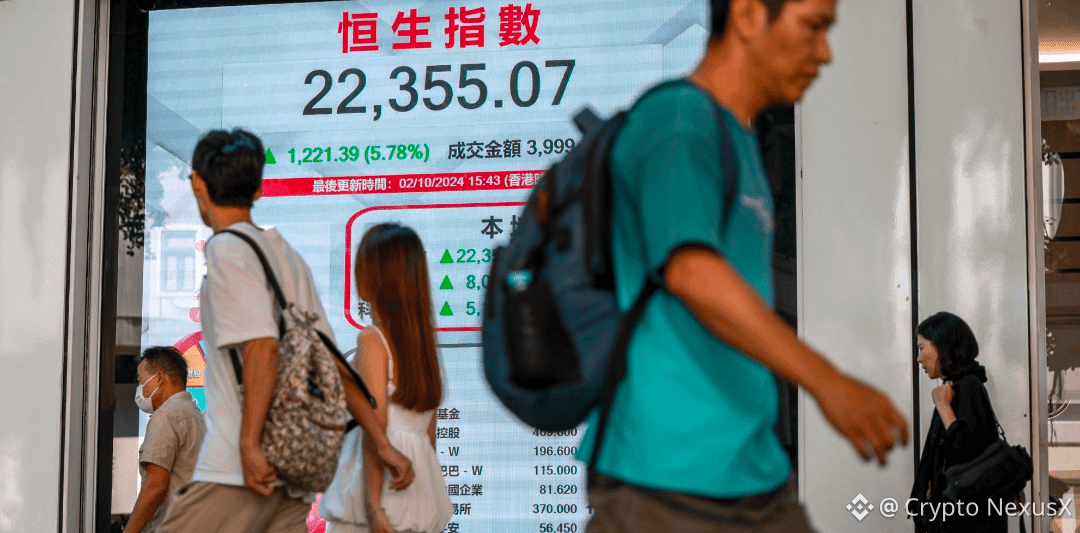
📊 හෑං සෙන්ග් සුළු වශයෙන් පහළට
#HangSengCloses18PointsLower
හෑං සෙන්ග් දර්ශකය ලකුණු 18කින් පහළවෙන් වසා දැමුවේ, ආයෝජකයන් විවිධ වෙළඳපොළ සංඥා අතර ප්රවේශමෙන් සිටීම හේතුවෙනි. මොනවට කුඩා පහත වැටීම, ආර්ථික දත්ත සහ ගෝලීය වෙළඳපොළ ප්රවණතා තක්සේරු කරන අතර හෝංකොං කොටස් වෙළඳපොල තුළ දිගටම ඇති නොපැහැදිලිත්වය පෙන්වයි.
#HangSeng #HongKongStocks #StockMarket #MarketUpdate #Investing
📊 හෑං සෙන්ග් සුළු වශයෙන් පහළට
#HangSengCloses18PointsLower
හෑං සෙන්ග් දර්ශකය ලකුණු 18කින් පහළවෙන් වසා දැමුවේ, ආයෝජකයන් විවිධ වෙළඳපොළ සංඥා අතර ප්රවේශමෙන් සිටීම හේතුවෙනි. මොනවට කුඩා පහත වැටීම, ආර්ථික දත්ත සහ ගෝලීය වෙළඳපොළ ප්රවණතා තක්සේරු කරන අතර හෝංකොං කොටස් වෙළඳපොල තුළ දිගටම ඇති නොපැහැදිලිත්වය පෙන්වයි.
#HangSeng #HongKongStocks #StockMarket #MarketUpdate #Investing
#HangSengCloses18PointsLower
හෑං සෙන්ග් දර්ශකය ලකුණු 18කින් පහළවෙන් වසා දැමුවේ, ආයෝජකයන් විවිධ වෙළඳපොළ සංඥා අතර ප්රවේශමෙන් සිටීම හේතුවෙනි. මොනවට කුඩා පහත වැටීම, ආර්ථික දත්ත සහ ගෝලීය වෙළඳපොළ ප්රවණතා තක්සේරු කරන අතර හෝංකොං කොටස් වෙළඳපොල තුළ දිගටම ඇති නොපැහැදිලිත්වය පෙන්වයි.
#HangSeng #HongKongStocks #StockMarket #MarketUpdate #Investing
159
·
--
උසබ තත්ත්වය
පරිවර්තනය බලන්න
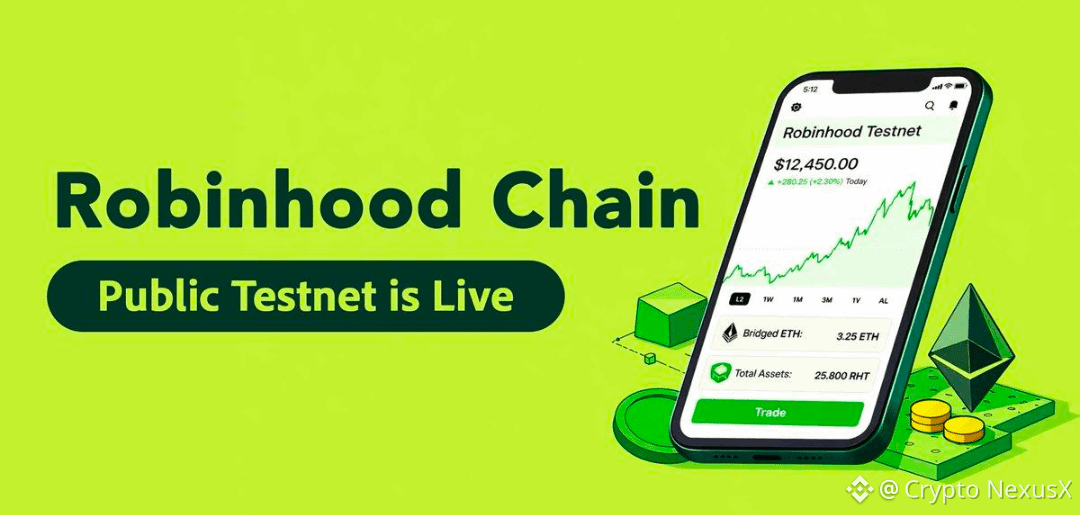
🚀 ARB Makes a Comeback
#ARBRises30%OnRobinhoodChainRevenue
ARB is back in the spotlight. The token surged more than 30% in 24 hours as Robinhood Chain’s transaction revenue topped $2 million, boosting confidence in Arbitrum’s growing ecosystem.
Robinhood Chain is built using Arbitrum technology, and 10% of its net protocol revenue flows back to the Arbitrum ecosystem. The surge is giving traders a fresh reason to watch ARB closely.
📈 Big move. Bigger question: Can ARB sustain the momentum?
🚀 ARB Makes a Comeback
#ARBRises30%OnRobinhoodChainRevenue
ARB is back in the spotlight. The token surged more than 30% in 24 hours as Robinhood Chain’s transaction revenue topped $2 million, boosting confidence in Arbitrum’s growing ecosystem.
Robinhood Chain is built using Arbitrum technology, and 10% of its net protocol revenue flows back to the Arbitrum ecosystem. The surge is giving traders a fresh reason to watch ARB closely.
📈 Big move. Bigger question: Can ARB sustain the momentum?
#ARBRises30%OnRobinhoodChainRevenue
ARB is back in the spotlight. The token surged more than 30% in 24 hours as Robinhood Chain’s transaction revenue topped $2 million, boosting confidence in Arbitrum’s growing ecosystem.
Robinhood Chain is built using Arbitrum technology, and 10% of its net protocol revenue flows back to the Arbitrum ecosystem. The surge is giving traders a fresh reason to watch ARB closely.
📈 Big move. Bigger question: Can ARB sustain the momentum?
163
·
--
උසබ තත්ත්වය
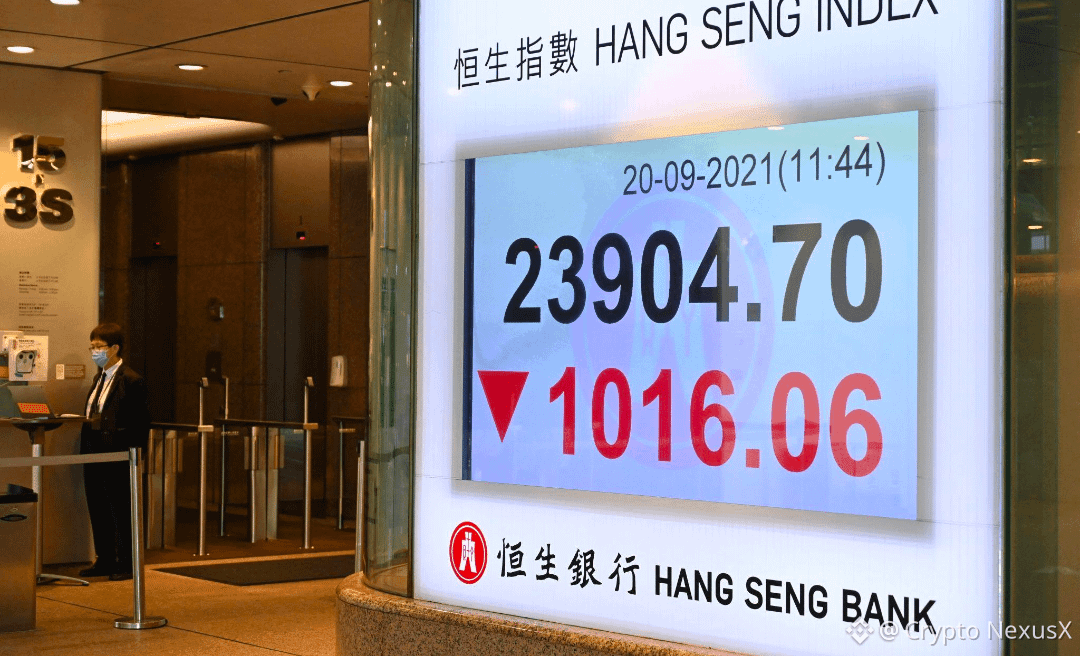
📉 ஹேங் செங் சுமார் 1% வீழ்ச்சி
#HangSengFalls1%
அமெரிக்கா-இரான் இடையிலான பதற்றம் மீண்டும் அதிகரிப்பு, எண்ணெய் விலை உயர்வு மற்றும் உயர்ந்து வரும் பணவீக்க கவலைகள் முதலீட்டாளர் மனநிலையை அழுத்தத்துக்குள் கொண்டுவர, ஹேங் செங் குறியீடு சுமார் 0.95% குறைந்து 25,324 ஆக இருந்ததால் ஹாங்காங் பங்குகள் அழுத்தத்தை சந்தித்தன.
#HangSeng #HongKong #StockMarket #AsiaMarkets #Investing
📉 ஹேங் செங் சுமார் 1% வீழ்ச்சி
#HangSengFalls1%
அமெரிக்கா-இரான் இடையிலான பதற்றம் மீண்டும் அதிகரிப்பு, எண்ணெய் விலை உயர்வு மற்றும் உயர்ந்து வரும் பணவீக்க கவலைகள் முதலீட்டாளர் மனநிலையை அழுத்தத்துக்குள் கொண்டுவர, ஹேங் செங் குறியீடு சுமார் 0.95% குறைந்து 25,324 ஆக இருந்ததால் ஹாங்காங் பங்குகள் அழுத்தத்தை சந்தித்தன.
#HangSeng #HongKong #StockMarket #AsiaMarkets #Investing
#HangSengFalls1%
அமெரிக்கா-இரான் இடையிலான பதற்றம் மீண்டும் அதிகரிப்பு, எண்ணெய் விலை உயர்வு மற்றும் உயர்ந்து வரும் பணவீக்க கவலைகள் முதலீட்டாளர் மனநிலையை அழுத்தத்துக்குள் கொண்டுவர, ஹேங் செங் குறியீடு சுமார் 0.95% குறைந்து 25,324 ஆக இருந்ததால் ஹாங்காங் பங்குகள் அழுத்தத்தை சந்தித்தன.
#HangSeng #HongKong #StockMarket #AsiaMarkets #Investing
153
ලිපිය
පරිවර්තනය බලන්න
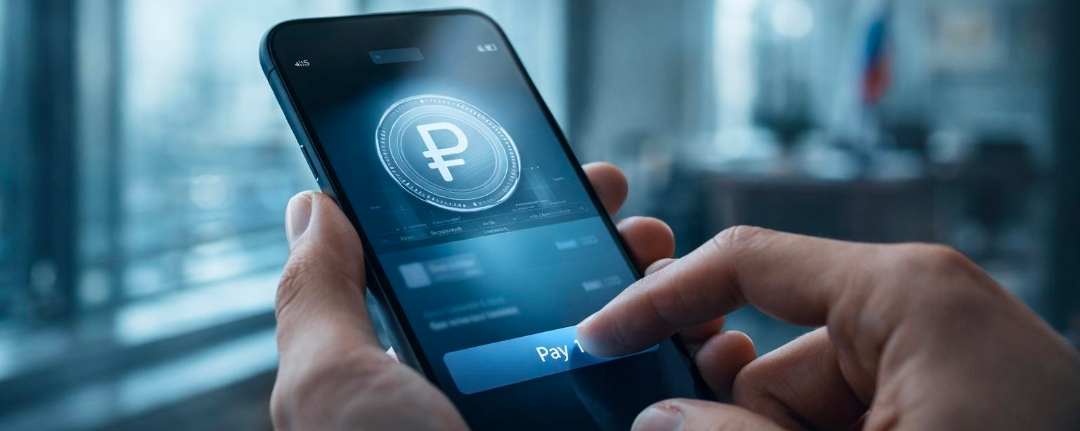
Russia’s Digital Ruble Enters a New Era on September 1Russia is moving ahead with the large-scale rollout of its digital ruble on September 1, 2026, marking a major step in the country’s central bank digital currency (CBDC) project. The initiative has been tested since 2023 and will now expand to major banks and large retailers.
From the launch date, 12 systemically important banks will be required to support digital-ruble transactions, while retailers with annual revenue above 120 million rubles will also have to accept the new payment method. Smaller businesses will be brought into the system in stages through 2028.
The digital ruble will exist alongside Russia’s existing cash and non-cash money rather than replacing them. Individual consumers are not being forced to use it, and the system is expected to support payments through a universal QR-code infrastructure.
The rollout will be closely watched as Russia attempts to make digital currency a practical part of everyday payments and further modernize its domestic financial system.
#RussiaStartsLargeScaleDigitalRubleRolloutSep1
Russia’s Digital Ruble Enters a New Era on September 1
Russia is moving ahead with the large-scale rollout of its digital ruble on September 1, 2026, marking a major step in the country’s central bank digital currency (CBDC) project. The initiative has been tested since 2023 and will now expand to major banks and large retailers.
From the launch date, 12 systemically important banks will be required to support digital-ruble transactions, while retailers with annual revenue above 120 million rubles will also have to accept the new payment method. Smaller businesses will be brought into the system in stages through 2028.
The digital ruble will exist alongside Russia’s existing cash and non-cash money rather than replacing them. Individual consumers are not being forced to use it, and the system is expected to support payments through a universal QR-code infrastructure.
The rollout will be closely watched as Russia attempts to make digital currency a practical part of everyday payments and further modernize its domestic financial system.
#RussiaStartsLargeScaleDigitalRubleRolloutSep1
From the launch date, 12 systemically important banks will be required to support digital-ruble transactions, while retailers with annual revenue above 120 million rubles will also have to accept the new payment method. Smaller businesses will be brought into the system in stages through 2028.
The digital ruble will exist alongside Russia’s existing cash and non-cash money rather than replacing them. Individual consumers are not being forced to use it, and the system is expected to support payments through a universal QR-code infrastructure.
The rollout will be closely watched as Russia attempts to make digital currency a practical part of everyday payments and further modernize its domestic financial system.
#RussiaStartsLargeScaleDigitalRubleRolloutSep1
1
151
·
--
උසබ තත්ත්වය
පරිවර්තනය බලන්න
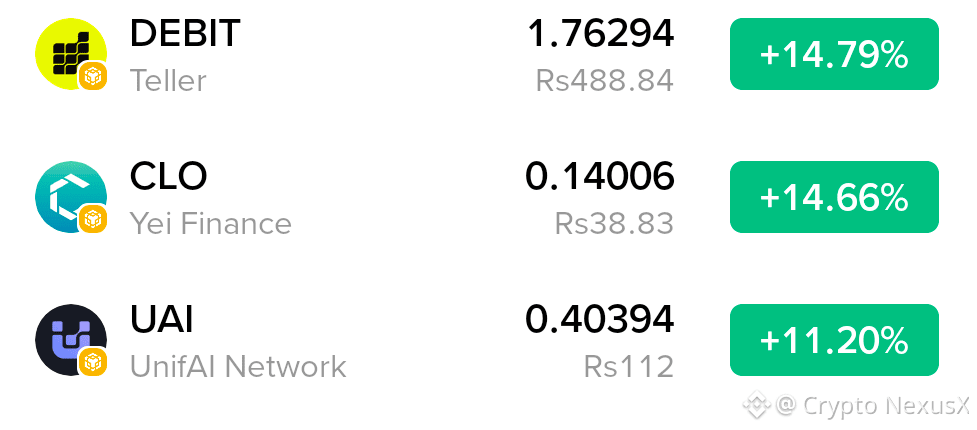
📊 Altcoin momentum is heating up!
$DEBIT is leading the move at +14.79%, followed closely by $CLO at +14.66% and $UAI at +11.20%. 🔥
Green candles always catch attention—but smart money watches the momentum and the fundamentals. 👀
#Crypto #DeFi #Altcoins #BNBChain #CryptoTrading
📊 Altcoin momentum is heating up!
$DEBIT is leading the move at +14.79%, followed closely by $CLO at +14.66% and $UAI at +11.20%. 🔥
Green candles always catch attention—but smart money watches the momentum and the fundamentals. 👀
#Crypto #DeFi #Altcoins #BNBChain #CryptoTrading
$DEBIT is leading the move at +14.79%, followed closely by $CLO at +14.66% and $UAI at +11.20%. 🔥
Green candles always catch attention—but smart money watches the momentum and the fundamentals. 👀
#Crypto #DeFi #Altcoins #BNBChain #CryptoTrading
599
·
--
උසබ තත්ත්වය
🇯🇵 ඩොලර් 160 ඉක්මවා යෙන් අගය පහත වැටෙයි: ජපානයේ පාදක සහය අසාර්ථකයි
ජපානය යෙන් මුදලට සහය දැක්වීම සඳහා දැවැන්ත පියවර ගනිමින් සිටියද, එම උත්සාහය මුදල් අගය පහත වැටීම නතර කිරීමට අසමත් වෙයි. ජූලි 30 සිට අගෝස්තු 26 දක්වා මුදල් මැදිහත්වීම සඳහා ටෝකියෝ රැකෝඩ් වූ යෙන් ට්රිලියන 15.4ක් (ආසන්න වශයෙන් ඩොලර් බිලියන 96.5ක්) වියදම් කළද, යෙන් නැවත වරක් ඩොලර්කට යෙන් 160 ඉක්මවා දුර්වල වී ඇත.
ප්රධාන පීඩනය වන්නේ එක්සත් ජනපදය–ජපානය අතර පොලී අනුපාත පරතරය පුළුල් වීමයි. ෆෙඩරල් රිසර්ව් ආයතනයෙන් ලැබුණු නව 'hawkish' (අධික පියවර ගත යුතු බවට) සංඥා ඩොලරය ශක්තිමත් කර ඇති අතර, එම පරතරය ඉක්මනින් අඩුවේ යැයි තිබූ අපේක්ෂාවන්ද අඩු කර ඇත.
නිගමනය: ජපානයට යෙන් ආරක්ෂා කිරීමට බිලියන ගණනක් වියදම් කළ හැකි නමුත්, වෙළඳපොළ අවසානයේ තීරණය කරන්නේ මුදල් ප්රතිපත්තියෙන් පවතින ශක්තිමත් පදනම සහ පොලී අනුපාත පරතරයන්ෙනි.
#Yen #Japan #USDJPY #YenFallsDespite$97BJapanSupport #Economy
🇯🇵 ඩොලර් 160 ඉක්මවා යෙන් අගය පහත වැටෙයි: ජපානයේ පාදක සහය අසාර්ථකයි
ජපානය යෙන් මුදලට සහය දැක්වීම සඳහා දැවැන්ත පියවර ගනිමින් සිටියද, එම උත්සාහය මුදල් අගය පහත වැටීම නතර කිරීමට අසමත් වෙයි. ජූලි 30 සිට අගෝස්තු 26 දක්වා මුදල් මැදිහත්වීම සඳහා ටෝකියෝ රැකෝඩ් වූ යෙන් ට්රිලියන 15.4ක් (ආසන්න වශයෙන් ඩොලර් බිලියන 96.5ක්) වියදම් කළද, යෙන් නැවත වරක් ඩොලර්කට යෙන් 160 ඉක්මවා දුර්වල වී ඇත.
ප්රධාන පීඩනය වන්නේ එක්සත් ජනපදය–ජපානය අතර පොලී අනුපාත පරතරය පුළුල් වීමයි. ෆෙඩරල් රිසර්ව් ආයතනයෙන් ලැබුණු නව 'hawkish' (අධික පියවර ගත යුතු බවට) සංඥා ඩොලරය ශක්තිමත් කර ඇති අතර, එම පරතරය ඉක්මනින් අඩුවේ යැයි තිබූ අපේක්ෂාවන්ද අඩු කර ඇත.
නිගමනය: ජපානයට යෙන් ආරක්ෂා කිරීමට බිලියන ගණනක් වියදම් කළ හැකි නමුත්, වෙළඳපොළ අවසානයේ තීරණය කරන්නේ මුදල් ප්රතිපත්තියෙන් පවතින ශක්තිමත් පදනම සහ පොලී අනුපාත පරතරයන්ෙනි.
#Yen #Japan #USDJPY #YenFallsDespite$97BJapanSupport #Economy
ජපානය යෙන් මුදලට සහය දැක්වීම සඳහා දැවැන්ත පියවර ගනිමින් සිටියද, එම උත්සාහය මුදල් අගය පහත වැටීම නතර කිරීමට අසමත් වෙයි. ජූලි 30 සිට අගෝස්තු 26 දක්වා මුදල් මැදිහත්වීම සඳහා ටෝකියෝ රැකෝඩ් වූ යෙන් ට්රිලියන 15.4ක් (ආසන්න වශයෙන් ඩොලර් බිලියන 96.5ක්) වියදම් කළද, යෙන් නැවත වරක් ඩොලර්කට යෙන් 160 ඉක්මවා දුර්වල වී ඇත.
ප්රධාන පීඩනය වන්නේ එක්සත් ජනපදය–ජපානය අතර පොලී අනුපාත පරතරය පුළුල් වීමයි. ෆෙඩරල් රිසර්ව් ආයතනයෙන් ලැබුණු නව 'hawkish' (අධික පියවර ගත යුතු බවට) සංඥා ඩොලරය ශක්තිමත් කර ඇති අතර, එම පරතරය ඉක්මනින් අඩුවේ යැයි තිබූ අපේක්ෂාවන්ද අඩු කර ඇත.
නිගමනය: ජපානයට යෙන් ආරක්ෂා කිරීමට බිලියන ගණනක් වියදම් කළ හැකි නමුත්, වෙළඳපොළ අවසානයේ තීරණය කරන්නේ මුදල් ප්රතිපත්තියෙන් පවතින ශක්තිමත් පදනම සහ පොලී අනුපාත පරතරයන්ෙනි.
#Yen #Japan #USDJPY #YenFallsDespite$97BJapanSupport #Economy
104
·
--
උසබ තත්ත්වය
පරිවර්තනය බලන්න
🔥 Green candles everywhere!
The market is showing some serious momentum right now.
$牛来 leading with a massive +138.70%, while $UAI and $CYS are also pushing strong gains. 📈
Eyes on the next move. 👀🚀
Stay sharp, DYOR, and manage your risk.
🔥 Green candles everywhere!
The market is showing some serious momentum right now.
$牛来 leading with a massive +138.70%, while $UAI and $CYS are also pushing strong gains. 📈
Eyes on the next move. 👀🚀
Stay sharp, DYOR, and manage your risk.
The market is showing some serious momentum right now.
$牛来 leading with a massive +138.70%, while $UAI and $CYS are also pushing strong gains. 📈
Eyes on the next move. 👀🚀
Stay sharp, DYOR, and manage your risk.
496
·
--
උසබ තත්ත්වය
පරිවර්තනය බලන්න
#BitcoinSpotETFEnds9DayInflowStreak
Bitcoin spot ETFs have ended a nine-day streak of net inflows, a reminder that institutional demand can shift quickly with market conditions.
One day doesn’t change the bigger picture—but ETF flows remain an important metric to watch for clues about sentiment and liquidity around Bitcoin. ₿📊
#Bitcoin #BTC #BitcoinETF #Crypto
#BitcoinSpotETFEnds9DayInflowStreak
Bitcoin spot ETFs have ended a nine-day streak of net inflows, a reminder that institutional demand can shift quickly with market conditions.
One day doesn’t change the bigger picture—but ETF flows remain an important metric to watch for clues about sentiment and liquidity around Bitcoin. ₿📊
#Bitcoin #BTC #BitcoinETF #Crypto
Bitcoin spot ETFs have ended a nine-day streak of net inflows, a reminder that institutional demand can shift quickly with market conditions.
One day doesn’t change the bigger picture—but ETF flows remain an important metric to watch for clues about sentiment and liquidity around Bitcoin. ₿📊
#Bitcoin #BTC #BitcoinETF #Crypto
1
139
·
--
උසබ තත්ත්වය
පරිවර්තනය බලන්න
#AntiQuantumBitcoinTransactionMinedOnMainnet
Bitcoin is built for the long run—and preparing for the quantum era is part of that journey. ⚡₿
The mining of an anti-quantum transaction on mainnet highlights how innovation can help strengthen Bitcoin against future cryptographic challenges.
The quantum era may be coming, but Bitcoin can prepare today.
#Bitcoin #QuantumResistance #BTC #Blockchain
#AntiQuantumBitcoinTransactionMinedOnMainnet
Bitcoin is built for the long run—and preparing for the quantum era is part of that journey. ⚡₿
The mining of an anti-quantum transaction on mainnet highlights how innovation can help strengthen Bitcoin against future cryptographic challenges.
The quantum era may be coming, but Bitcoin can prepare today.
#Bitcoin #QuantumResistance #BTC #Blockchain
Bitcoin is built for the long run—and preparing for the quantum era is part of that journey. ⚡₿
The mining of an anti-quantum transaction on mainnet highlights how innovation can help strengthen Bitcoin against future cryptographic challenges.
The quantum era may be coming, but Bitcoin can prepare today.
#Bitcoin #QuantumResistance #BTC #Blockchain
124
·
--
උසබ තත්ත්වය
පරිවර්තනය බලන්න
#dusk $DUSK @Dusk_Foundation
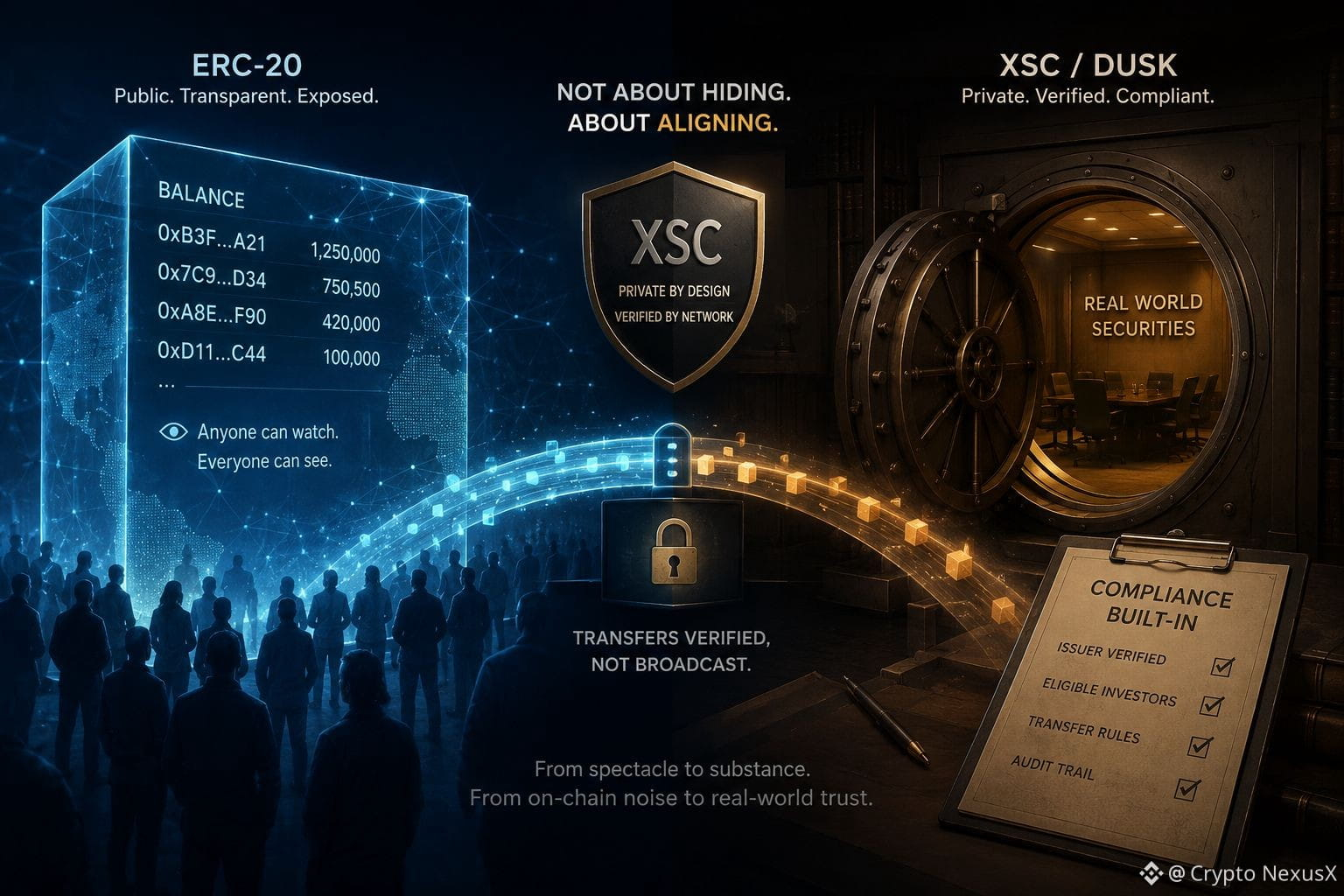
Honestly what pulled me into XSC wasn't the tech pitch, it was a dumb realization most "tokenized securities" are just an ERC-20 on a public chain, dressed up. Anyone can watch the balances move, see who's holding what. No real fund operates like that off-chain, so why would they on-chain? XSC actually tries to fix that instead of ignoring it transfers still get verified by the network, they're just not broadcast to everyone watching.
I spent a while on Dusk's testnet expecting to be impressed by the cryptography, and instead what stuck with me was how boring the settlement felt. In a good way fast, quiet, nothing to gawk at.
What I like practically is that compliance sits inside the contract logic instead of a spreadsheet bolted on after the fact. What worries me is that none of this matters unless institutions actually trust it enough to issue real securities on it, and that kind of trust takes years, not testnets.
Would you trade full on-chain transparency for something closer to how securities already work today?
#dusk $DUSK @Dusk
Honestly what pulled me into XSC wasn't the tech pitch, it was a dumb realization most "tokenized securities" are just an ERC-20 on a public chain, dressed up. Anyone can watch the balances move, see who's holding what. No real fund operates like that off-chain, so why would they on-chain? XSC actually tries to fix that instead of ignoring it transfers still get verified by the network, they're just not broadcast to everyone watching.
I spent a while on Dusk's testnet expecting to be impressed by the cryptography, and instead what stuck with me was how boring the settlement felt. In a good way fast, quiet, nothing to gawk at.
What I like practically is that compliance sits inside the contract logic instead of a spreadsheet bolted on after the fact. What worries me is that none of this matters unless institutions actually trust it enough to issue real securities on it, and that kind of trust takes years, not testnets.
Would you trade full on-chain transparency for something closer to how securities already work today?
Honestly what pulled me into XSC wasn't the tech pitch, it was a dumb realization most "tokenized securities" are just an ERC-20 on a public chain, dressed up. Anyone can watch the balances move, see who's holding what. No real fund operates like that off-chain, so why would they on-chain? XSC actually tries to fix that instead of ignoring it transfers still get verified by the network, they're just not broadcast to everyone watching.
I spent a while on Dusk's testnet expecting to be impressed by the cryptography, and instead what stuck with me was how boring the settlement felt. In a good way fast, quiet, nothing to gawk at.
What I like practically is that compliance sits inside the contract logic instead of a spreadsheet bolted on after the fact. What worries me is that none of this matters unless institutions actually trust it enough to issue real securities on it, and that kind of trust takes years, not testnets.
Would you trade full on-chain transparency for something closer to how securities already work today?
1
174
·
--
උසබ තත්ත්වය
පරිවර්තනය බලන්න
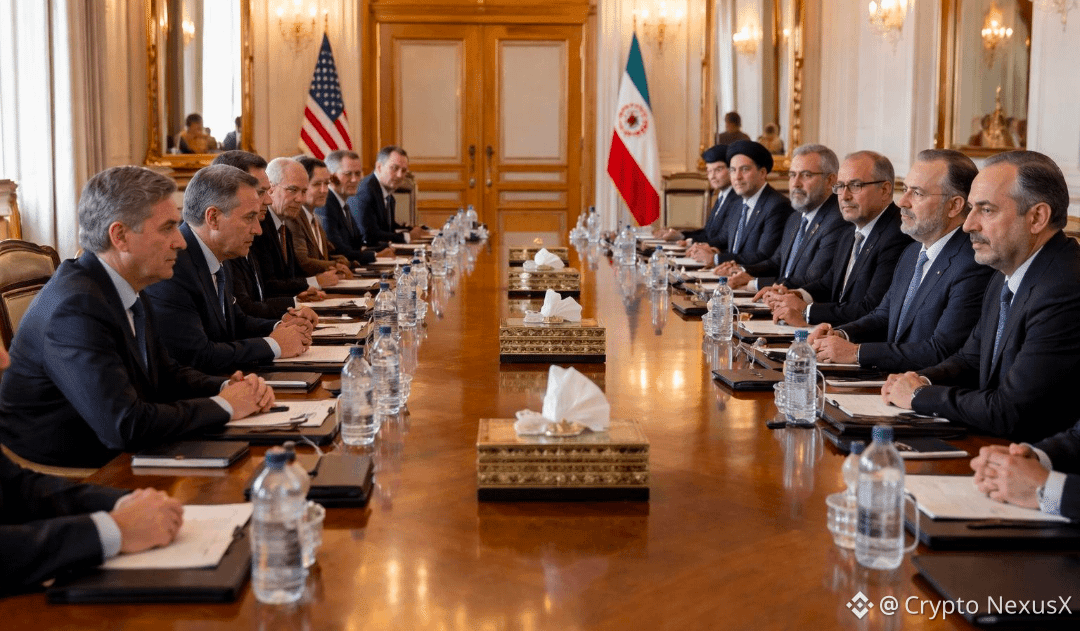
BREAKING: A Pause After the Storm? 🇺🇸🇮🇷
Reports of a possible US–Iran ceasefire consensus are raising hopes that the region could be moving away from escalation and toward diplomacy.
No celebration yet—the details, implementation, and durability of any agreement will matter most. But if confirmed, even a pause in hostilities could create space for dialogue and a wider path toward peace. 🕊️
Diplomacy now has the floor.
#USIran #Ceasefire #PeaceTalks #MiddleEast #Diplomacy #USIranReportedlyReachCeasefireConsensus
BREAKING: A Pause After the Storm? 🇺🇸🇮🇷
Reports of a possible US–Iran ceasefire consensus are raising hopes that the region could be moving away from escalation and toward diplomacy.
No celebration yet—the details, implementation, and durability of any agreement will matter most. But if confirmed, even a pause in hostilities could create space for dialogue and a wider path toward peace. 🕊️
Diplomacy now has the floor.
#USIran #Ceasefire #PeaceTalks #MiddleEast #Diplomacy #USIranReportedlyReachCeasefireConsensus
Reports of a possible US–Iran ceasefire consensus are raising hopes that the region could be moving away from escalation and toward diplomacy.
No celebration yet—the details, implementation, and durability of any agreement will matter most. But if confirmed, even a pause in hostilities could create space for dialogue and a wider path toward peace. 🕊️
Diplomacy now has the floor.
#USIran #Ceasefire #PeaceTalks #MiddleEast #Diplomacy #USIranReportedlyReachCeasefireConsensus
148
·
--
උසබ තත්ත්වය
#dusk $DUSK @Dusk_Foundation
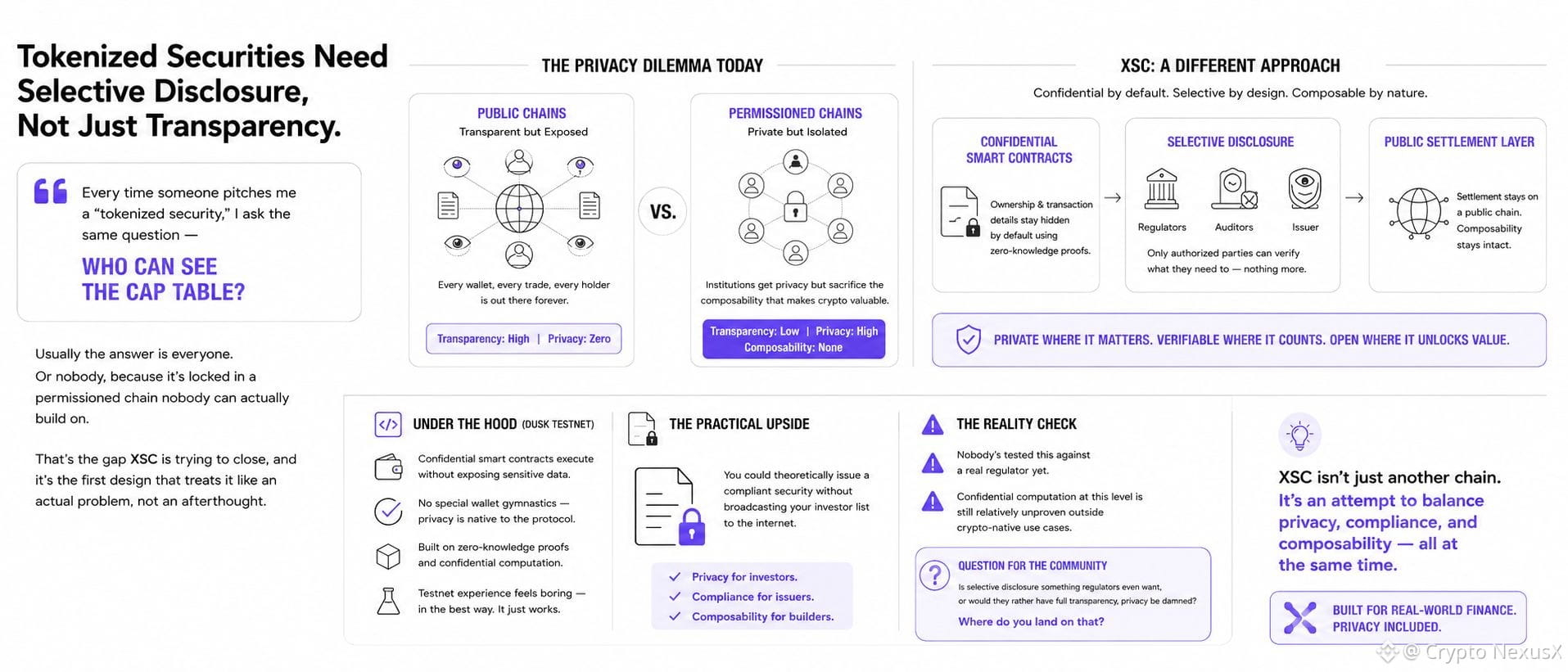
ඇකමෙනෙකු කෙනෙකු මට “ටෝකනීකෘත ආරක්ෂාවක්” ගැන පිරිනැමුවම, මම සෑම විටම එකම දේ අහනවා.
කැප් ටේබල් එක ඇත්තටම බලන්න පුළුවන් කවුද?
සාමාන්යයෙන් හැමෝම. 👀
හෝ කිසිම කෙනෙක්, ඒක අවසර පදනම් කරගත් දාමයක සඟවා තියෙන නිසා කිසි කෙනෙක්ට ගොඩනගන්න බැහැ.
ඒක තමයි XSC විසඳන්න උත්සාහ කරන සැබෑ ගැටලුව.
තනියම පෞද්ගලිකත්වය වෙනුවෙන් නෙවෙයි. භාවිතයට තවමත් ගැලපෙන පෞද්ගලිකත්වයක්.
පොදු දාමයන් සියල්ලම පෙන්වයි. සෑම වොලට් එකක්, සෑම ගනුදෙනුවක්, සෑම හිමිකරුවෙක්ම—සදහටම.
අවසර දාමයන් සියල්ලම හංගයි, නමුත් ක්රිප්ටෝව භාවිත කිරීමට වටිනා කරවන සංගමීය හැකියාව (composability) ඔබට අහිමි වෙනවා.
XSC ඒ අතරින්.
දෛවබල ස්මාර්ට් කොන්ත්රාත්—හිමිකම හා ගනුදෙනු විස්තර පෙරනිමියෙන් හංගා තබන.
ඒත් රෙගුලේටර්වරුන්ට, විගණකයන්ට, නිකුත් කරන්නාට තවමත් ඔවුන්ට අවශ්ය දේ තහවුරු කරන්න පුළුවන්.
ස්ථිරීකරණය පොදුයි. අනාවරණය තෝරාගත් එකක්.
මම Duskගේ ටෙස්ට්නෙට් එකේ වෙලාවක් ගත කළේ යාන්ත්රණය තේරුම්ගන්නමයි—පිරිනැමීම (pitch) නොව.
මට ඇත්තටම කැපී පෙනුණේ මොකක්ද? පෞද්ගලිකත්වය කොච්චර සාමාන්ය ලෙස දැනුණාද කියන එක.
විශේෂ වොලට් පියවර නැහැ. අමතර බාධක/කූඩු නැහැ.
කොන්ත්රාත් ක්රියාත්මක වන ආකාරයටම ඒක තදින්ම ඇතුළත් කරලා තියෙන්නේ. 🧩
ඇත්ත උපරිම ප්රතිලාභය: ඔබට ඔබගේ සම්පූර්ණ ආයෝජක ලැයිස්තුව අන්තර්ජාලයට විකාශනය නොකර, නියාමනයට (compliant) ගැලපෙන ආරක්ෂාවක් නිකුත් කරන්න පුළුවන්.
ඇත්ත අඩුව: තවමත් කිසිම රෙගුලේටරය මෙය ප්රායෝගිකව පීඩන-පරීක්ෂා කරලා නැහැ.
මෙතරම් විශාල පරිමාණයක confidential computation එක තවමත් ක්රිප්ටෝ-නේටිව් භාවිත අවස්ථා වලින් පිට බොහෝදුරට ඔප්පු කරලා නැහැ.
ඒ නිසා මේවාට මම ආපහු ආපහු සිතන දේ මෙන්න.
රෙගුලේටර්වරුන්ට ඇත්තටම selective disclosure අවශ්යද? නැත්නම් රෙගුලේටර්වරුන්ට පූර්ණ විනිවිදභාවය (full transparency)ම ඕනද—පෞද්ගලිකත්වය නොතකාද?
ඔබ ඒ තැනට කොතනටද වැටෙන්නේ? 🤔
{future}(DUSKUSDT)
#dusk $DUSK @Dusk
ඇකමෙනෙකු කෙනෙකු මට “ටෝකනීකෘත ආරක්ෂාවක්” ගැන පිරිනැමුවම, මම සෑම විටම එකම දේ අහනවා.
කැප් ටේබල් එක ඇත්තටම බලන්න පුළුවන් කවුද?
සාමාන්යයෙන් හැමෝම. 👀
හෝ කිසිම කෙනෙක්, ඒක අවසර පදනම් කරගත් දාමයක සඟවා තියෙන නිසා කිසි කෙනෙක්ට ගොඩනගන්න බැහැ.
ඒක තමයි XSC විසඳන්න උත්සාහ කරන සැබෑ ගැටලුව.
තනියම පෞද්ගලිකත්වය වෙනුවෙන් නෙවෙයි. භාවිතයට තවමත් ගැලපෙන පෞද්ගලිකත්වයක්.
පොදු දාමයන් සියල්ලම පෙන්වයි. සෑම වොලට් එකක්, සෑම ගනුදෙනුවක්, සෑම හිමිකරුවෙක්ම—සදහටම.
අවසර දාමයන් සියල්ලම හංගයි, නමුත් ක්රිප්ටෝව භාවිත කිරීමට වටිනා කරවන සංගමීය හැකියාව (composability) ඔබට අහිමි වෙනවා.
XSC ඒ අතරින්.
දෛවබල ස්මාර්ට් කොන්ත්රාත්—හිමිකම හා ගනුදෙනු විස්තර පෙරනිමියෙන් හංගා තබන.
ඒත් රෙගුලේටර්වරුන්ට, විගණකයන්ට, නිකුත් කරන්නාට තවමත් ඔවුන්ට අවශ්ය දේ තහවුරු කරන්න පුළුවන්.
ස්ථිරීකරණය පොදුයි. අනාවරණය තෝරාගත් එකක්.
මම Duskගේ ටෙස්ට්නෙට් එකේ වෙලාවක් ගත කළේ යාන්ත්රණය තේරුම්ගන්නමයි—පිරිනැමීම (pitch) නොව.
මට ඇත්තටම කැපී පෙනුණේ මොකක්ද? පෞද්ගලිකත්වය කොච්චර සාමාන්ය ලෙස දැනුණාද කියන එක.
විශේෂ වොලට් පියවර නැහැ. අමතර බාධක/කූඩු නැහැ.
කොන්ත්රාත් ක්රියාත්මක වන ආකාරයටම ඒක තදින්ම ඇතුළත් කරලා තියෙන්නේ. 🧩
ඇත්ත උපරිම ප්රතිලාභය: ඔබට ඔබගේ සම්පූර්ණ ආයෝජක ලැයිස්තුව අන්තර්ජාලයට විකාශනය නොකර, නියාමනයට (compliant) ගැලපෙන ආරක්ෂාවක් නිකුත් කරන්න පුළුවන්.
ඇත්ත අඩුව: තවමත් කිසිම රෙගුලේටරය මෙය ප්රායෝගිකව පීඩන-පරීක්ෂා කරලා නැහැ.
මෙතරම් විශාල පරිමාණයක confidential computation එක තවමත් ක්රිප්ටෝ-නේටිව් භාවිත අවස්ථා වලින් පිට බොහෝදුරට ඔප්පු කරලා නැහැ.
ඒ නිසා මේවාට මම ආපහු ආපහු සිතන දේ මෙන්න.
රෙගුලේටර්වරුන්ට ඇත්තටම selective disclosure අවශ්යද? නැත්නම් රෙගුලේටර්වරුන්ට පූර්ණ විනිවිදභාවය (full transparency)ම ඕනද—පෞද්ගලිකත්වය නොතකාද?
ඔබ ඒ තැනට කොතනටද වැටෙන්නේ? 🤔
ඇකමෙනෙකු කෙනෙකු මට “ටෝකනීකෘත ආරක්ෂාවක්” ගැන පිරිනැමුවම, මම සෑම විටම එකම දේ අහනවා.
කැප් ටේබල් එක ඇත්තටම බලන්න පුළුවන් කවුද?
සාමාන්යයෙන් හැමෝම. 👀
හෝ කිසිම කෙනෙක්, ඒක අවසර පදනම් කරගත් දාමයක සඟවා තියෙන නිසා කිසි කෙනෙක්ට ගොඩනගන්න බැහැ.
ඒක තමයි XSC විසඳන්න උත්සාහ කරන සැබෑ ගැටලුව.
තනියම පෞද්ගලිකත්වය වෙනුවෙන් නෙවෙයි. භාවිතයට තවමත් ගැලපෙන පෞද්ගලිකත්වයක්.
පොදු දාමයන් සියල්ලම පෙන්වයි. සෑම වොලට් එකක්, සෑම ගනුදෙනුවක්, සෑම හිමිකරුවෙක්ම—සදහටම.
අවසර දාමයන් සියල්ලම හංගයි, නමුත් ක්රිප්ටෝව භාවිත කිරීමට වටිනා කරවන සංගමීය හැකියාව (composability) ඔබට අහිමි වෙනවා.
XSC ඒ අතරින්.
දෛවබල ස්මාර්ට් කොන්ත්රාත්—හිමිකම හා ගනුදෙනු විස්තර පෙරනිමියෙන් හංගා තබන.
ඒත් රෙගුලේටර්වරුන්ට, විගණකයන්ට, නිකුත් කරන්නාට තවමත් ඔවුන්ට අවශ්ය දේ තහවුරු කරන්න පුළුවන්.
ස්ථිරීකරණය පොදුයි. අනාවරණය තෝරාගත් එකක්.
මම Duskගේ ටෙස්ට්නෙට් එකේ වෙලාවක් ගත කළේ යාන්ත්රණය තේරුම්ගන්නමයි—පිරිනැමීම (pitch) නොව.
මට ඇත්තටම කැපී පෙනුණේ මොකක්ද? පෞද්ගලිකත්වය කොච්චර සාමාන්ය ලෙස දැනුණාද කියන එක.
විශේෂ වොලට් පියවර නැහැ. අමතර බාධක/කූඩු නැහැ.
කොන්ත්රාත් ක්රියාත්මක වන ආකාරයටම ඒක තදින්ම ඇතුළත් කරලා තියෙන්නේ. 🧩
ඇත්ත උපරිම ප්රතිලාභය: ඔබට ඔබගේ සම්පූර්ණ ආයෝජක ලැයිස්තුව අන්තර්ජාලයට විකාශනය නොකර, නියාමනයට (compliant) ගැලපෙන ආරක්ෂාවක් නිකුත් කරන්න පුළුවන්.
ඇත්ත අඩුව: තවමත් කිසිම රෙගුලේටරය මෙය ප්රායෝගිකව පීඩන-පරීක්ෂා කරලා නැහැ.
මෙතරම් විශාල පරිමාණයක confidential computation එක තවමත් ක්රිප්ටෝ-නේටිව් භාවිත අවස්ථා වලින් පිට බොහෝදුරට ඔප්පු කරලා නැහැ.
ඒ නිසා මේවාට මම ආපහු ආපහු සිතන දේ මෙන්න.
රෙගුලේටර්වරුන්ට ඇත්තටම selective disclosure අවශ්යද? නැත්නම් රෙගුලේටර්වරුන්ට පූර්ණ විනිවිදභාවය (full transparency)ම ඕනද—පෞද්ගලිකත්වය නොතකාද?
ඔබ ඒ තැනට කොතනටද වැටෙන්නේ? 🤔
1
128
·
--
උසබ තත්ත්වය
පරිවර්තනය බලන්න
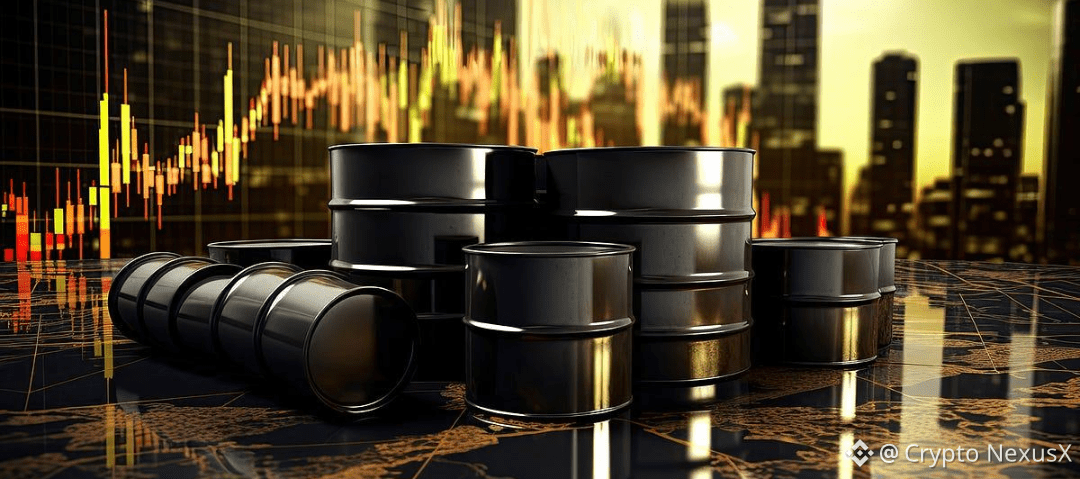
🛢️ Oil Stays Under Pressure
#OilHoldsLosses
Crude prices are holding near recent lows as traders assess expanded U.S. sanctions on Iran and the outlook for Middle East supply. Brent is around $92/barrel, while WTI remains near $85.
Markets are watching the Strait of Hormuz closely—any major disruption could quickly bring fresh upside pressure. 🌍📉
#Oil #CrudeOil #Brent #WTI #Energy #Markets #Commodities
🛢️ Oil Stays Under Pressure
#OilHoldsLosses
Crude prices are holding near recent lows as traders assess expanded U.S. sanctions on Iran and the outlook for Middle East supply. Brent is around $92/barrel, while WTI remains near $85.
Markets are watching the Strait of Hormuz closely—any major disruption could quickly bring fresh upside pressure. 🌍📉
#Oil #CrudeOil #Brent #WTI #Energy #Markets #Commodities
#OilHoldsLosses
Crude prices are holding near recent lows as traders assess expanded U.S. sanctions on Iran and the outlook for Middle East supply. Brent is around $92/barrel, while WTI remains near $85.
Markets are watching the Strait of Hormuz closely—any major disruption could quickly bring fresh upside pressure. 🌍📉
#Oil #CrudeOil #Brent #WTI #Energy #Markets #Commodities
237
·
--
උසබ තත්ත්වය
පරිවර්තනය බලන්න
#dusk $DUSK @Dusk_Foundation I was digging through a Dusk testnet explorer, looking for transaction history behind a tokenized security running on XSC. Nothing showed up. No balances, no transfers, nothing. For a second I thought I'd broken something.
Then I realized that emptiness was the point.
Public chains show everything by default. Every balance, every trade, sitting there forever for anyone to look up. Fine for most of crypto. Not fine when you're dealing with actual securities, where a competitor spotting your position size is a real cost, not a quirk.
XSC doesn't just hide the data. It lets a contract prove ownership and compliance rules are being followed, without exposing the underlying numbers to anyone outside the parties who need to see them. Less "privacy coin," more a copy of how securities already work off-chain regulators and brokers see what they need, the public doesn't.
That's what stuck with me.... This isn't solving a crypto problem. It's solving a finance problem crypto created in the first place.
The upside is real... less information leakage, less front-running risk, fewer reasons for institutions to stay away.
The tradeoff is real too. You lose easy public auditability. You're trusting proof systems and whoever built them, not just reading a block explorer yourself.
Would you trust a market you can't personally verify, even if the math checks out?
#dusk $DUSK @Dusk I was digging through a Dusk testnet explorer, looking for transaction history behind a tokenized security running on XSC. Nothing showed up. No balances, no transfers, nothing. For a second I thought I'd broken something.
Then I realized that emptiness was the point.
Public chains show everything by default. Every balance, every trade, sitting there forever for anyone to look up. Fine for most of crypto. Not fine when you're dealing with actual securities, where a competitor spotting your position size is a real cost, not a quirk.
XSC doesn't just hide the data. It lets a contract prove ownership and compliance rules are being followed, without exposing the underlying numbers to anyone outside the parties who need to see them. Less "privacy coin," more a copy of how securities already work off-chain regulators and brokers see what they need, the public doesn't.
That's what stuck with me.... This isn't solving a crypto problem. It's solving a finance problem crypto created in the first place.
The upside is real... less information leakage, less front-running risk, fewer reasons for institutions to stay away.
The tradeoff is real too. You lose easy public auditability. You're trusting proof systems and whoever built them, not just reading a block explorer yourself.
Would you trust a market you can't personally verify, even if the math checks out?
Then I realized that emptiness was the point.
Public chains show everything by default. Every balance, every trade, sitting there forever for anyone to look up. Fine for most of crypto. Not fine when you're dealing with actual securities, where a competitor spotting your position size is a real cost, not a quirk.
XSC doesn't just hide the data. It lets a contract prove ownership and compliance rules are being followed, without exposing the underlying numbers to anyone outside the parties who need to see them. Less "privacy coin," more a copy of how securities already work off-chain regulators and brokers see what they need, the public doesn't.
That's what stuck with me.... This isn't solving a crypto problem. It's solving a finance problem crypto created in the first place.
The upside is real... less information leakage, less front-running risk, fewer reasons for institutions to stay away.
The tradeoff is real too. You lose easy public auditability. You're trusting proof systems and whoever built them, not just reading a block explorer yourself.
Would you trust a market you can't personally verify, even if the math checks out?
122
·
--
උසබ තත්ත්වය
පරිවර්තනය බලන්න
🔥 Bitcoin is making noise again.
The strongest weekly performance since March 2023 — a powerful reminder that when BTC wakes up, the entire crypto market pays attention. ₿🚀
Momentum is back.
Volatility is back.
The question now: how far can this run go? 👀
#Bitcoin #BTC #Crypto #BitcoinBullRun #CryptoMarket #HODL #BitcoinStrongestWeekSinceMarch2023
🔥 Bitcoin is making noise again.
The strongest weekly performance since March 2023 — a powerful reminder that when BTC wakes up, the entire crypto market pays attention. ₿🚀
Momentum is back.
Volatility is back.
The question now: how far can this run go? 👀
#Bitcoin #BTC #Crypto #BitcoinBullRun #CryptoMarket #HODL #BitcoinStrongestWeekSinceMarch2023
The strongest weekly performance since March 2023 — a powerful reminder that when BTC wakes up, the entire crypto market pays attention. ₿🚀
Momentum is back.
Volatility is back.
The question now: how far can this run go? 👀
#Bitcoin #BTC #Crypto #BitcoinBullRun #CryptoMarket #HODL #BitcoinStrongestWeekSinceMarch2023
109
·
--
උසබ තත්ත්වය
පරිවර්තනය බලන්න
#dusk $DUSK @Dusk_Foundation A Dusk confidential transaction proof runs about 500 bytes, whether it's a plain transfer or a multi-condition compliance check inside an XSC settlement. Proof size barely moves with complexity, which felt backwards until I looked at why.
Dusk built its own Rust implementation of PLONK over BLS12-381 and JubJub, using Kate commitments to keep proofs constant in size. The prover commits to polynomials representing the whole circuit; the verifier checks a few evaluations. Compare that to Groth16
{future}(DUSKUSDT)
tighter proofs, around 128 bytes, but a fresh trusted setup needed for every distinct circuit, impractical once you're shipping new contract types often. PLONK trades size for a setup that covers many circuits at once. Elegant on paper.
What that 500 bytes hides: proving time isn't constant. Verification stays cheap, but generating the proof scales with circuit constraints. Basic transfers are trivial. Layered settlement logic what real securities issuance needs isn't, and that cost sits with whoever builds the transaction, not the chain.
So does confidential finance infrastructure end up leaning on specialized provers once real volume arrives, the exact centralization it was meant to avoid? DUSK gas prices execution, not proof generation.
Anyone seen real benchmarks here, or is this still testnet-only territory?
#dusk $DUSK @Dusk A Dusk confidential transaction proof runs about 500 bytes, whether it's a plain transfer or a multi-condition compliance check inside an XSC settlement. Proof size barely moves with complexity, which felt backwards until I looked at why.
Dusk built its own Rust implementation of PLONK over BLS12-381 and JubJub, using Kate commitments to keep proofs constant in size. The prover commits to polynomials representing the whole circuit; the verifier checks a few evaluations. Compare that to Groth16
tighter proofs, around 128 bytes, but a fresh trusted setup needed for every distinct circuit, impractical once you're shipping new contract types often. PLONK trades size for a setup that covers many circuits at once. Elegant on paper.
What that 500 bytes hides: proving time isn't constant. Verification stays cheap, but generating the proof scales with circuit constraints. Basic transfers are trivial. Layered settlement logic what real securities issuance needs isn't, and that cost sits with whoever builds the transaction, not the chain.
So does confidential finance infrastructure end up leaning on specialized provers once real volume arrives, the exact centralization it was meant to avoid? DUSK gas prices execution, not proof generation.
Anyone seen real benchmarks here, or is this still testnet-only territory?
Dusk built its own Rust implementation of PLONK over BLS12-381 and JubJub, using Kate commitments to keep proofs constant in size. The prover commits to polynomials representing the whole circuit; the verifier checks a few evaluations. Compare that to Groth16
tighter proofs, around 128 bytes, but a fresh trusted setup needed for every distinct circuit, impractical once you're shipping new contract types often. PLONK trades size for a setup that covers many circuits at once. Elegant on paper.
What that 500 bytes hides: proving time isn't constant. Verification stays cheap, but generating the proof scales with circuit constraints. Basic transfers are trivial. Layered settlement logic what real securities issuance needs isn't, and that cost sits with whoever builds the transaction, not the chain.
So does confidential finance infrastructure end up leaning on specialized provers once real volume arrives, the exact centralization it was meant to avoid? DUSK gas prices execution, not proof generation.
Anyone seen real benchmarks here, or is this still testnet-only territory?
⚡ Fast checks, real edge
100%
🔒 Proving = hidden risk
0%
🤷 Too soon to say
0%
📊 Need mainnet data
0%
4 ඡන්ද • ඡන්දය අවසන්
2
2
149
·
--
උසබ තත්ත්වය
පරිවර්තනය බලන්න
#dusk $DUSK @Dusk_Foundation
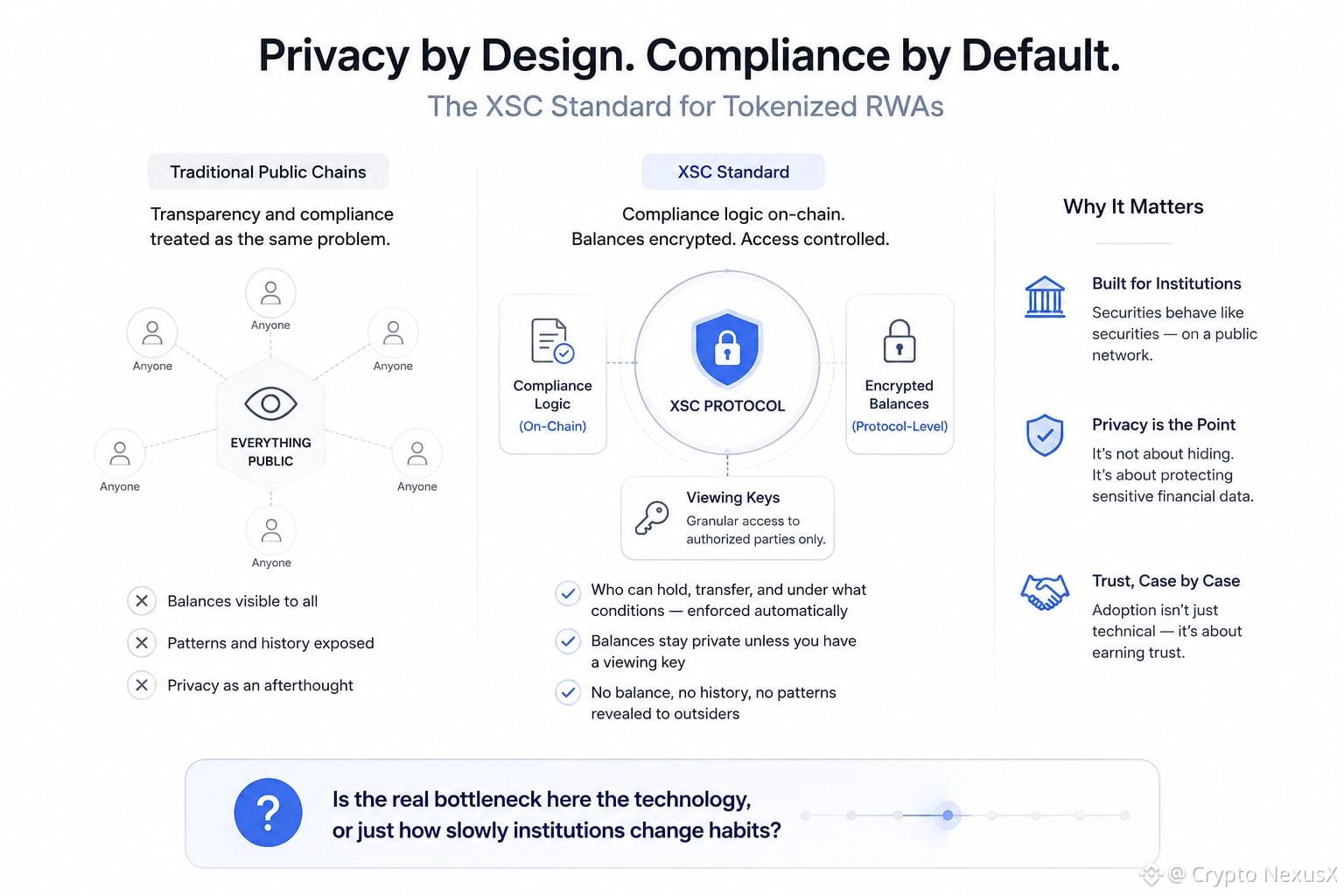
Spent a chunk of this past week actually poking around Dusk's XSC standard instead of just skimming the docs, and the thing that keeps nagging me isn't the tech it's an assumption baked into most tokenized RWA projects: that transparency and compliance are the same problem. They're not.
Every public chain I've used treats privacy as an afterthought bolted onto a system built to be read by anyone. XSC flips that around. Compliance logic who can hold, who can transfer, under what conditions runs on-chain and gets enforced automatically. But the actual balances stay closed unless someone holds a viewing key. Not hidden through some off-chain workaround. Encrypted at the protocol level.
I ran a few test transfers just to see what an outside wallet could piece together. Nothing. No balance, no history, no pattern to reverse-engineer. That's when it clicked for me why institutions hesitate on public settlement it was never really about volatility. It's exposure.
The practical upside is narrow but real: a security can behave like a security on a public network, without every counterparty's position becoming public data.
The catch is adoption. Viewing-key systems are unfamiliar to compliance teams, and clever cryptography alone doesn't fix that trust gets rebuilt slowly, case by case, not by a whitepaper.
Is the real bottleneck here the technology, or just how slowly institutions change habits?
#dusk $DUSK @Dusk
Spent a chunk of this past week actually poking around Dusk's XSC standard instead of just skimming the docs, and the thing that keeps nagging me isn't the tech it's an assumption baked into most tokenized RWA projects: that transparency and compliance are the same problem. They're not.
Every public chain I've used treats privacy as an afterthought bolted onto a system built to be read by anyone. XSC flips that around. Compliance logic who can hold, who can transfer, under what conditions runs on-chain and gets enforced automatically. But the actual balances stay closed unless someone holds a viewing key. Not hidden through some off-chain workaround. Encrypted at the protocol level.
I ran a few test transfers just to see what an outside wallet could piece together. Nothing. No balance, no history, no pattern to reverse-engineer. That's when it clicked for me why institutions hesitate on public settlement it was never really about volatility. It's exposure.
The practical upside is narrow but real: a security can behave like a security on a public network, without every counterparty's position becoming public data.
The catch is adoption. Viewing-key systems are unfamiliar to compliance teams, and clever cryptography alone doesn't fix that trust gets rebuilt slowly, case by case, not by a whitepaper.
Is the real bottleneck here the technology, or just how slowly institutions change habits?
Spent a chunk of this past week actually poking around Dusk's XSC standard instead of just skimming the docs, and the thing that keeps nagging me isn't the tech it's an assumption baked into most tokenized RWA projects: that transparency and compliance are the same problem. They're not.
Every public chain I've used treats privacy as an afterthought bolted onto a system built to be read by anyone. XSC flips that around. Compliance logic who can hold, who can transfer, under what conditions runs on-chain and gets enforced automatically. But the actual balances stay closed unless someone holds a viewing key. Not hidden through some off-chain workaround. Encrypted at the protocol level.
I ran a few test transfers just to see what an outside wallet could piece together. Nothing. No balance, no history, no pattern to reverse-engineer. That's when it clicked for me why institutions hesitate on public settlement it was never really about volatility. It's exposure.
The practical upside is narrow but real: a security can behave like a security on a public network, without every counterparty's position becoming public data.
The catch is adoption. Viewing-key systems are unfamiliar to compliance teams, and clever cryptography alone doesn't fix that trust gets rebuilt slowly, case by case, not by a whitepaper.
Is the real bottleneck here the technology, or just how slowly institutions change habits?
1
1
152
තවත් අන්තර්ගතයන් ගවේෂණය කිරීමට ඇතුල් වන්න
Binance චතුරශ්රය හි ගෝලීය ක්රිප්ටෝ පරිශීලකයින් හා එක්වන්න
⚡️ ක්රිප්ටෝ පිළිබඳ නවතම සහ ප්රයෝජනවත් තොරතුරු ලබා ගන්න.
💬 ලොව විශාලතම ක්රිප්ටෝ හුවමාරුව මගින් විශ්වාස කෙරේ.
👍 සත්යායනය කරන ලද නිර්මාණකරුවන්ගෙන් සැබෑ විදසුන් සොයා ගන්න.
විද්යුත් තැපෑල / දුරකථන අංකය
නැගී එන මාතෘකා
USAugustPPIRisesLessThanExpected
44,413 views
773 සාකච්ඡා කරමින්
🚨 US AUG PPI: අපේක්ෂා කළට වඩා අඩුවෙන් ඉහළ යයි! ක්රිප්ටෝ සඳහා බුලිෂ් ද? 🚀
PPI +0.4% MoM අපේක්ෂා කළ පරිදි—නමුත් CORE PPI +0.2% පමණයි; +0.3% අපේක්ෂා කළ ප්රමාණයට වඩා අඩුවෙලා—ශක්තිමත් වීම සිසිල් වෙමින් තිබේ!
එයින් අදහස් වන්නේ:
• තොග මට්ටමේ උද්ධමනය බලාපොරොත්තු වූවාට වඩා මෘදුයි
• Fed rate hike අවස්ථාව දැන් 62% - නමුත් dovish සංඥා එනවා
• Core PCE සංශෝධන පහළට එනු ඇතැයි අපේක්ෂා - බුලිෂ්
• BTC බොහෝ විට මෘදු PPI මත උඩට යයි
Fed රැස්වීම Sep 15-16 - දැන් වෙළඳපොළ pause එකක් බලාපොරොත්තු වෙනවාද, hike එකක්ද?
Q4 rally සඳහා මෙය හරිත සංඥාවද?
#Bitcoin #PPI #Fed #CryptoNews #BTC#usaugustppiriseslessthanexpected
True News
·1 කැමත්ත දැක්වීම්
·1.4k views
SECApprovesNasdaqTexasCommodityTrustRule
25,619 views
568 සාකච්ඡා කරමින්
ECBRaisesRatesSecondTimeTo2.5%
23,257 views
413 සාකච්ඡා කරමින්