
#cryptoinsights
cryptoinsights
10.8M views
14,970 සාකච්ඡා කරමින්
උණුසුම්
නවතම

DeFi Liquidity Is Evolving — and Most Traders Are Still Using the Old Playbook
For years, DeFi liquidity meant one thing: AMMs. You split assets 50/50, deposited into a pool, earned fees, and accepted impermanent loss as the cost of doing business.
That model still works. But it is no longer the whole story.
The shift happening right now is structural. Liquidity is moving from passive pool-based models toward intent-driven execution — where users broadcast what they want, and a competitive layer of solvers finds the optimal fill across multiple venues, chains, and liquidity sources simultaneously.
This matters because it reframes how value flows through the ecosystem.
Under the old model, liquidity was fragmented. Each pool competed independently. Capital was locked, often idle, and pricing was reactive. Under the intent model, aggregated liquidity becomes programmable. Solvers compete for execution quality. Slippage compresses. Users get outcomes, not routes.
The chains building the settlement and coordination layer that solvers run on are the ones that win this transition. $ETH remains the deepest settlement base. $BNB delivers high-throughput clearing rails. $AVAX subnet architecture enables institutional-grade execution isolation. These are not just ecosystems — they are the infrastructure stack of the next DeFi era.
DeFi liquidity is growing up. The protocols capturing institutional flow will be those treating execution quality — not just yield — as the primary product.
Watch where the solvers run. That is where DeFi value accrual is heading next.
#DeFi #Crypto #Web3 #CryptoInsights
For years, DeFi liquidity meant one thing: AMMs. You split assets 50/50, deposited into a pool, earned fees, and accepted impermanent loss as the cost of doing business.
That model still works. But it is no longer the whole story.
The shift happening right now is structural. Liquidity is moving from passive pool-based models toward intent-driven execution — where users broadcast what they want, and a competitive layer of solvers finds the optimal fill across multiple venues, chains, and liquidity sources simultaneously.
This matters because it reframes how value flows through the ecosystem.
Under the old model, liquidity was fragmented. Each pool competed independently. Capital was locked, often idle, and pricing was reactive. Under the intent model, aggregated liquidity becomes programmable. Solvers compete for execution quality. Slippage compresses. Users get outcomes, not routes.
The chains building the settlement and coordination layer that solvers run on are the ones that win this transition. $ETH remains the deepest settlement base. $BNB delivers high-throughput clearing rails. $AVAX subnet architecture enables institutional-grade execution isolation. These are not just ecosystems — they are the infrastructure stack of the next DeFi era.
DeFi liquidity is growing up. The protocols capturing institutional flow will be those treating execution quality — not just yield — as the primary product.
Watch where the solvers run. That is where DeFi value accrual is heading next.
#DeFi #Crypto #Web3 #CryptoInsights
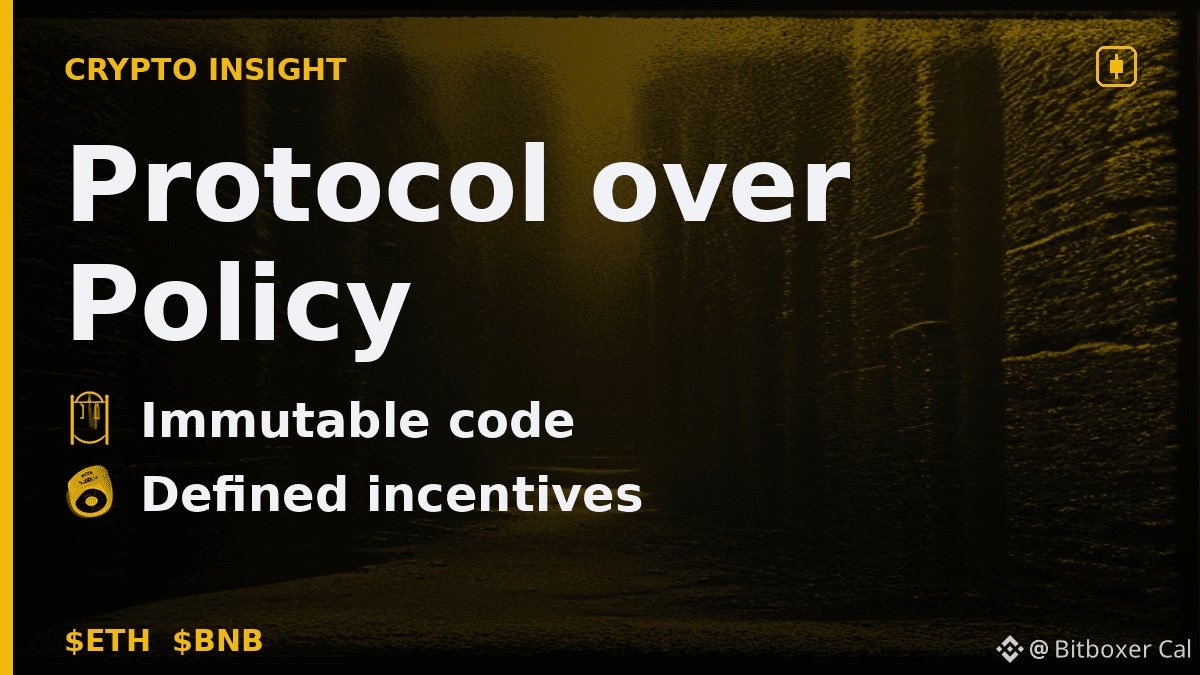
Why does the WSJ’s take on regulatory gridlock feel like watching a professional league play without a rulebook?
When $ETH or $BNB scale, they bank on the certainty of code rather than shifting policy whims. Real value stays at the protocol layer, where rules are immutable and transparent. Whether legislators ever find consensus is the only wildcard left for institutional adoption.
#CryptoInsights #RegulatoryClarity #CryptoNews
When $ETH or $BNB scale, they bank on the certainty of code rather than shifting policy whims. Real value stays at the protocol layer, where rules are immutable and transparent. Whether legislators ever find consensus is the only wildcard left for institutional adoption.
#CryptoInsights #RegulatoryClarity #CryptoNews

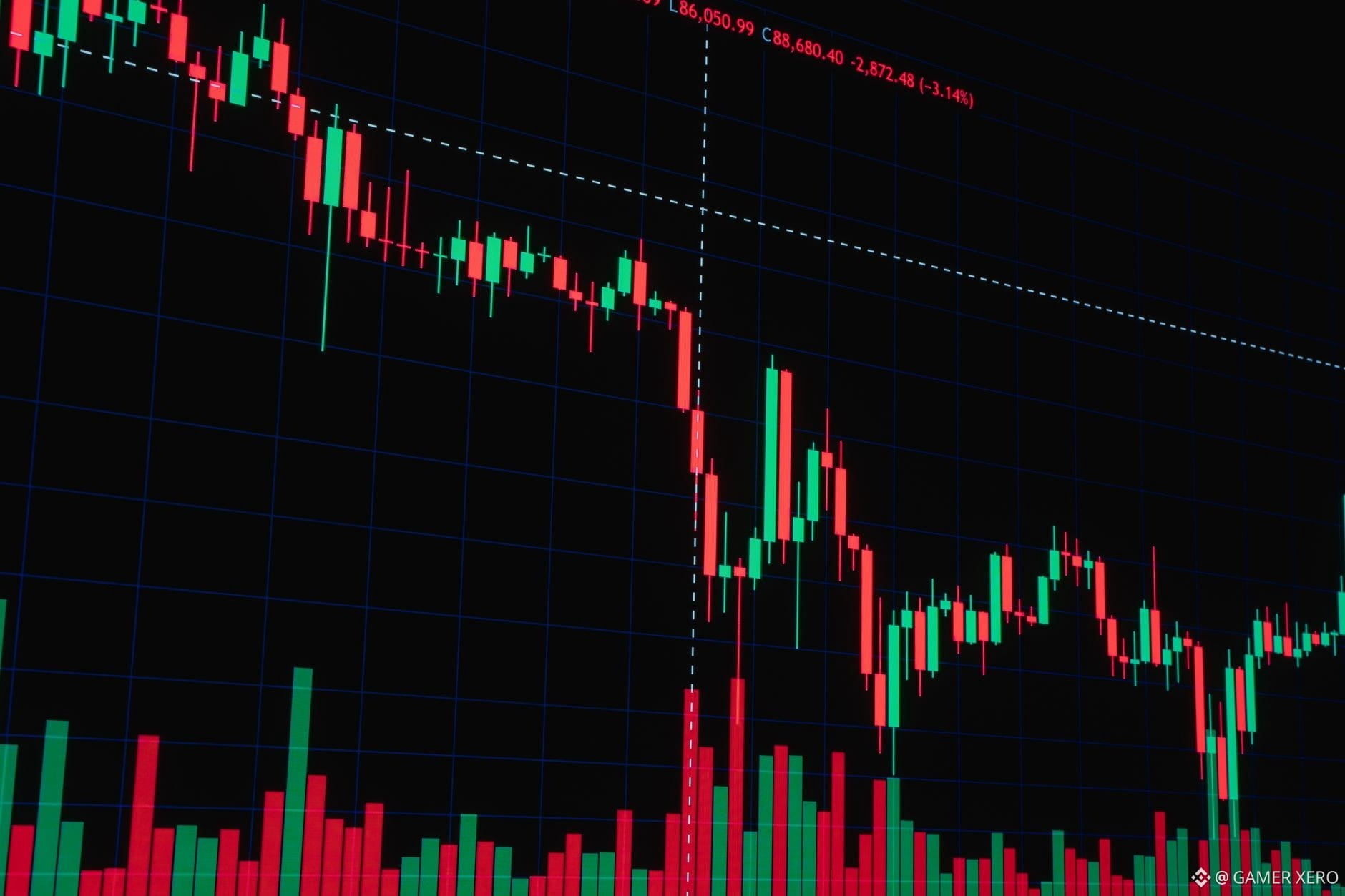
US agencies are now openly debating a post‑war Middle East blueprint, and while the talk is largely diplomatic, the ripple effects could touch crypto markets. A stable geopolitical backdrop typically eases cross‑border payments and reduces the premium on crypto as a hedge against sanctions‑driven volatility. If the plan eases tensions with Iran, we might see a modest decline in the “risk‑off” premium that often drives capital into Bitcoin and Ethereum as alternative stores of value.
For those tracking macro‑driven flows, keeping an eye on the depth tables for $BTC and $ETH might reveal whether institutional interest is lingering or fading as the geopolitical narrative evolves. How do you think a potential de‑escalation in the Middle East will influence your short‑term positioning on Bitcoin and Ethereum?
#CryptoInsights #MarketDynamics #GAMERXERO #Binance #MacroWatch
For those tracking macro‑driven flows, keeping an eye on the depth tables for $BTC and $ETH might reveal whether institutional interest is lingering or fading as the geopolitical narrative evolves. How do you think a potential de‑escalation in the Middle East will influence your short‑term positioning on Bitcoin and Ethereum?
#CryptoInsights #MarketDynamics #GAMERXERO #Binance #MacroWatch
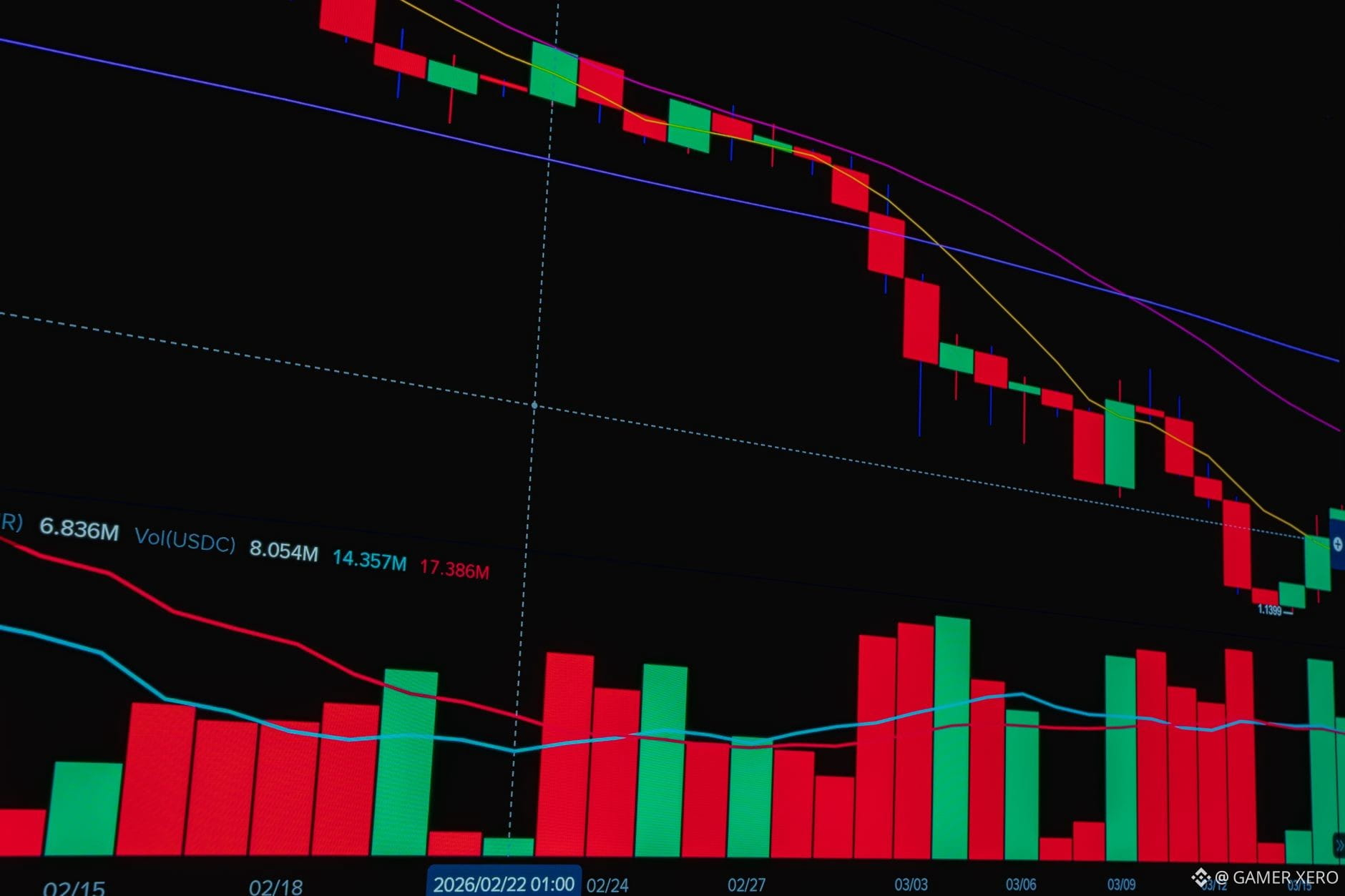

📊 تحليل Glassnode: بيتكوين محصورة بين مناطق تراكم وعرض كثيف
كشف تحليل حديث لـ Glassnode أن سعر بيتكوين يتداول ضمن نطاق ضيق، محصورًا بين مستوى دعم قوي يمثل مناطق تراكم للمستثمرين وعرض كثيف من البائعين فوق السعر الحالي. هذا الوضع يشير إلى أن تجاوز المقاومة يتطلب استيعاب ضغوط البيع وجني الأرباح المحتمل.
━━━━━━━━━━━━━━
📊 التأثير: 📈 مرتفع
🏷️ BITCOIN
#Bitcoin #Glassnode #MarketAnalysis #CryptoInsights
📰 المصدر: cryptobriefing.com
كشف تحليل حديث لـ Glassnode أن سعر بيتكوين يتداول ضمن نطاق ضيق، محصورًا بين مستوى دعم قوي يمثل مناطق تراكم للمستثمرين وعرض كثيف من البائعين فوق السعر الحالي. هذا الوضع يشير إلى أن تجاوز المقاومة يتطلب استيعاب ضغوط البيع وجني الأرباح المحتمل.
━━━━━━━━━━━━━━
📊 التأثير: 📈 مرتفع
🏷️ BITCOIN
#Bitcoin #Glassnode #MarketAnalysis #CryptoInsights
📰 المصدر: cryptobriefing.com
The dollar’s resilience at a near two‑week high after fresh Middle‑East tensions has quietly reshaped crypto liquidity on Binance. A stronger greenback typically nudges US‑denominated crypto pairs higher, as investors seek shelter from fiat volatility. Right now $BTC is trading at $77,472.13, just a whisker above its 24‑hour low, while $ETH sits at $2,393.03, a modest dip from its recent peak. This modest upside in the major coins reflects the broader shift: higher dollar yields can draw capital into assets that aren’t directly tied to traditional bond markets, but the effect is muted by the ongoing oil price surge feeding inflation concerns.
Given the current macro backdrop, do you see the dollar’s strength as a catalyst for more stable crypto inflows, or will the lingering inflation worries keep traders on the sidelines?
#CryptoInsights #MarketStructure #Binance #GAMERXERO
Given the current macro backdrop, do you see the dollar’s strength as a catalyst for more stable crypto inflows, or will the lingering inflation worries keep traders on the sidelines?
#CryptoInsights #MarketStructure #Binance #GAMERXERO
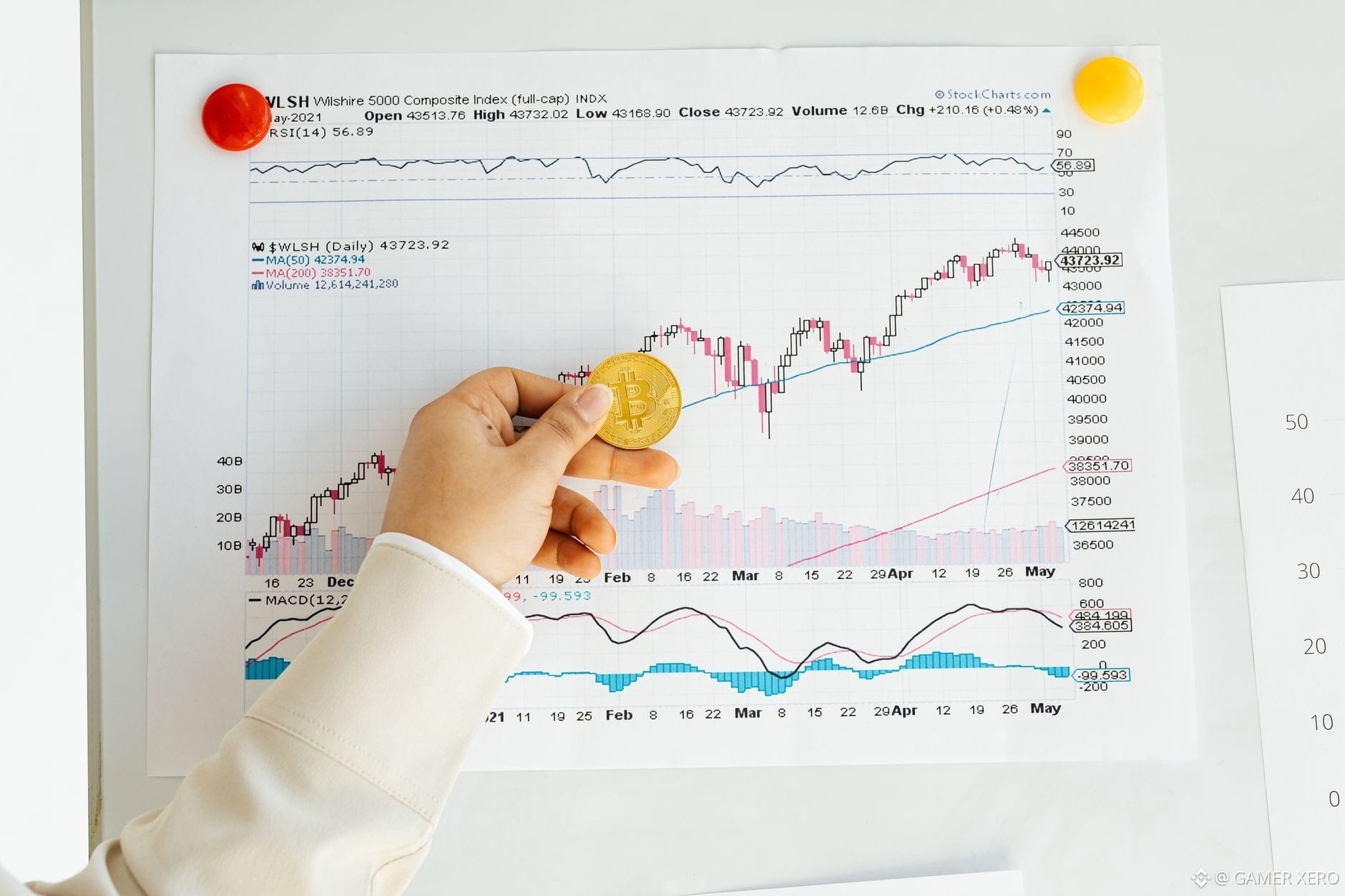
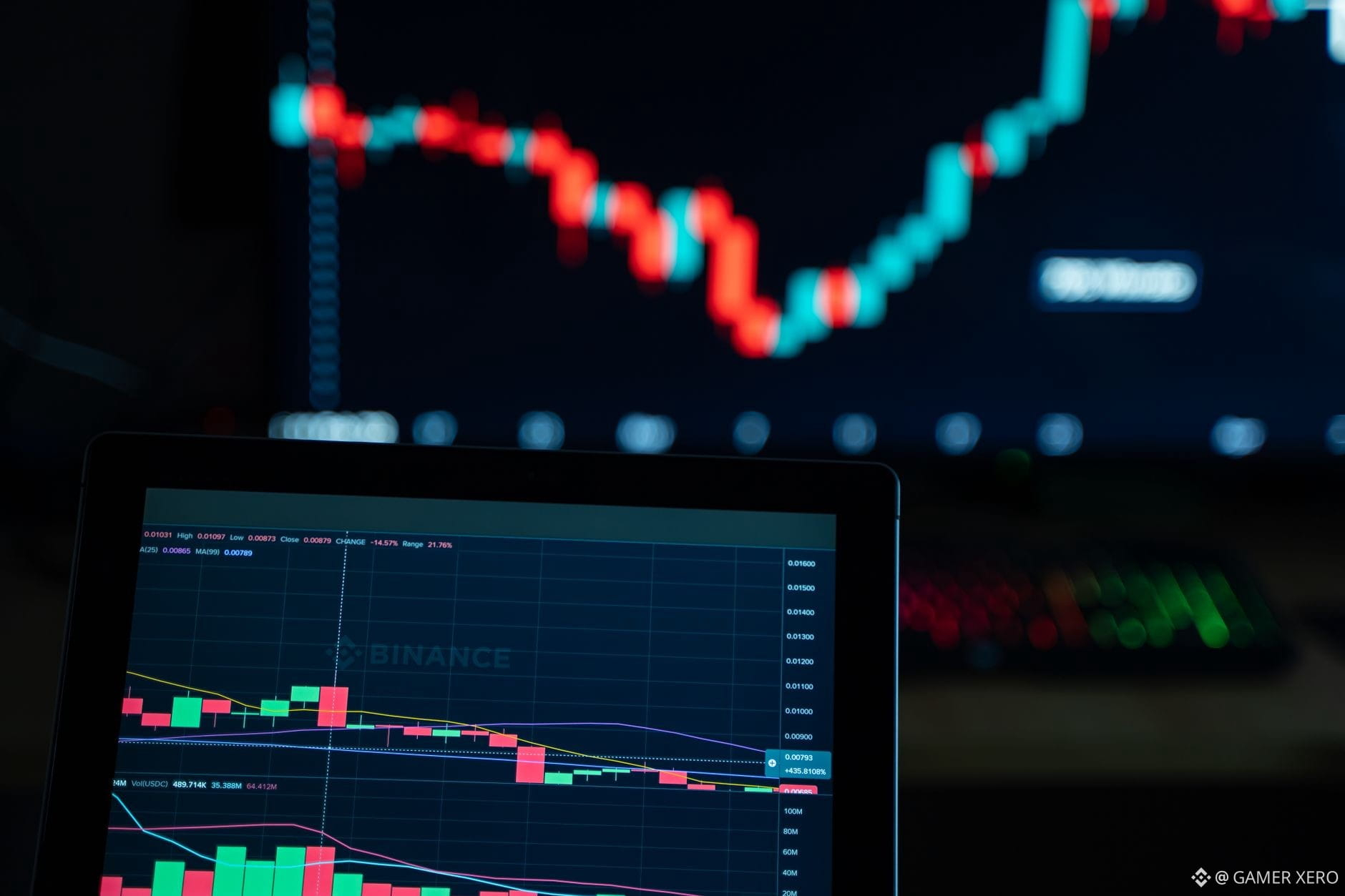

$FOR just cratered 16.85% in 24 hours on a measly 369 k volume – the market’s alarm siren blaring loud.
The real killer isn’t “greed‑driven rally” hype, it’s the pending 12 % supply unlock slated for the next 30 days. Dilution is coming and the community is still chanting bullish nonsense.
While $CLV limps along flat and $ETH keeps marching upward, smart money is already packing its bags. No one wants to sit on a token about to be swamped by a flood of new coins.
If you think $FOR can survive that massive influx, you’re buying a one‑way ticket to the bottom. Short now or brace for a brutal correction.
The only story worth watching is the unlock schedule – that’s the true trigger for the next crash.
#DeFi #Altcoins #CryptoInsights
The real killer isn’t “greed‑driven rally” hype, it’s the pending 12 % supply unlock slated for the next 30 days. Dilution is coming and the community is still chanting bullish nonsense.
While $CLV limps along flat and $ETH keeps marching upward, smart money is already packing its bags. No one wants to sit on a token about to be swamped by a flood of new coins.
If you think $FOR can survive that massive influx, you’re buying a one‑way ticket to the bottom. Short now or brace for a brutal correction.
The only story worth watching is the unlock schedule – that’s the true trigger for the next crash.
#DeFi #Altcoins #CryptoInsights
$BTC is holding steady at $77,888 with only a 0.23 % dip over the last 24 hours, while $ETH sits around $2,444, down 0.29 %. The price action reflects the market’s cautious tone after Turkey’s recent accusation of genocide against Israel’s leader, a move that could reshape diplomatic narratives in the region. Geopolitical friction often translates into short‑term risk aversion, prompting traders to favor “store‑of‑value” assets over higher‑risk altcoins.
On Binance, the order‑book depth for both pairs remains balanced, suggesting liquidity providers are not rushing to unwind positions aggressively. That equilibrium, paired with the modest downside pressure, hints at a temporary hold rather than a breakout scenario.
If regional tensions intensify, we may see a modest shift toward capital preservation, with tighter spreads and increased use of stable‑coin hedges. Conversely, any diplomatic de‑escalation could restore confidence and invite modest inflows into risk‑on assets.
How do you think emerging geopolitical headlines will influence your allocation between major coins and stable‑coins in the coming weeks?
#CryptoInsights #MarketStructure #RiskManagement #GAMERXERO
On Binance, the order‑book depth for both pairs remains balanced, suggesting liquidity providers are not rushing to unwind positions aggressively. That equilibrium, paired with the modest downside pressure, hints at a temporary hold rather than a breakout scenario.
If regional tensions intensify, we may see a modest shift toward capital preservation, with tighter spreads and increased use of stable‑coin hedges. Conversely, any diplomatic de‑escalation could restore confidence and invite modest inflows into risk‑on assets.
How do you think emerging geopolitical headlines will influence your allocation between major coins and stable‑coins in the coming weeks?
#CryptoInsights #MarketStructure #RiskManagement #GAMERXERO


A calculated strategy: Why is it said that the key to the next bull market lies in the \"deep integration of social and economic aspects\"? ♟️
If we compare the entire encryption market to a huge pool of traffic, it becomes clear that all public blockchains in the past have been striving to acquire \"capital reserves,\" while ignoring the most crucial factor, which is **\"increased attention.\"**
Whoever can capture the user’s attention holds the power to set prices.
The underlying logic of ACO/ALD is, in fact, a highly sophisticated \"closed loop for converting attention into value\":
Capture attention: By leveraging decentralized social networking, encrypted IM communications, and daily content on the platform, it keeps users’ spare time there.
Retain the asset side: While everyone is chatting and watching live streams, native DEXs and asset allocation systems naturally meet the trading needs.
Contributing to ecological development: The gas consumption and transaction fees that are generated on a regular basis are returned in real time, through smart contracts, to the nodes that hold the collateral as well as to the community.
This is not just about creating a chain; it is about building a self-sustaining digital economy.
#IndustryTrends #ACO #ALDToken #Web3EconomicModel
#CryptoInsights
If we compare the entire encryption market to a huge pool of traffic, it becomes clear that all public blockchains in the past have been striving to acquire \"capital reserves,\" while ignoring the most crucial factor, which is **\"increased attention.\"**
Whoever can capture the user’s attention holds the power to set prices.
The underlying logic of ACO/ALD is, in fact, a highly sophisticated \"closed loop for converting attention into value\":
Capture attention: By leveraging decentralized social networking, encrypted IM communications, and daily content on the platform, it keeps users’ spare time there.
Retain the asset side: While everyone is chatting and watching live streams, native DEXs and asset allocation systems naturally meet the trading needs.
Contributing to ecological development: The gas consumption and transaction fees that are generated on a regular basis are returned in real time, through smart contracts, to the nodes that hold the collateral as well as to the community.
This is not just about creating a chain; it is about building a self-sustaining digital economy.
#IndustryTrends #ACO #ALDToken #Web3EconomicModel
#CryptoInsights

$BTC quietly slipped 0.74% over the last 24 hours, hovering around $77,650. The broader market is watching a different story: wallets that have sat idle since the early days of Bitcoin are suddenly active again. CoinDesk identified six addresses dormant between 2011 and 2014 that moved roughly $40 million between Aug 16 and Aug 26.
When long‑term holders dust off old keys, it can signal a few things. First, the technical barrier to access has lowered—better wallet UX, custodial services and even AI‑driven tools make retrieving forgotten funds less risky. Second, the re‑entry of dormant supply adds a modest amount of liquidity, which can soften short‑term price swings in a market already squeezed between $77 000 and $79 400.
Do you think the revival of old wallets will become a regular seasonal factor, or is this a one‑off event tied to recent tech improvements?
#CryptoInsights #OnChainActivity #MarketStructure #GAMERXERO
When long‑term holders dust off old keys, it can signal a few things. First, the technical barrier to access has lowered—better wallet UX, custodial services and even AI‑driven tools make retrieving forgotten funds less risky. Second, the re‑entry of dormant supply adds a modest amount of liquidity, which can soften short‑term price swings in a market already squeezed between $77 000 and $79 400.
Do you think the revival of old wallets will become a regular seasonal factor, or is this a one‑off event tied to recent tech improvements?
#CryptoInsights #OnChainActivity #MarketStructure #GAMERXERO
Regulation acts like speed bumps on a crypto highway.
$BTC and $ETH builders now face new legal clarity. This friction forces teams to prioritize compliance over raw speed. Developers are tethering their roadmaps to the ground rather than the horizon. Unlike a public road, no central authority exists to smooth these bumps.
#CryptoInsights #RegulatoryLandscape #OnChain
$BTC and $ETH builders now face new legal clarity. This friction forces teams to prioritize compliance over raw speed. Developers are tethering their roadmaps to the ground rather than the horizon. Unlike a public road, no central authority exists to smooth these bumps.
#CryptoInsights #RegulatoryLandscape #OnChain

The Q2 report showed crypto‑related revenue dropping 11 % while the market cap slipped the same amount, yet the same data highlighted a stronger diversification mix across services. What that means for us on the floor is a clearer signal that the ecosystem is leaning into non‑trading income—things like staking‑as‑a‑service, blockchain‑analytics licences and institutional custody solutions. Those streams tend to be less sensitive to short‑term price swings, so portfolio managers may start weighting exposure toward platforms that generate stable fee income rather than pure market‑making profit.
If the industry keeps broadening its revenue base, we might see lower volatility in trading volumes and a more gradual price correction over the next quarters. How are you adjusting your risk metrics to account for a potentially slower‑moving, fee‑driven market?
#CryptoInsights #MarketStructure #Diversification #GAMERXERO
If the industry keeps broadening its revenue base, we might see lower volatility in trading volumes and a more gradual price correction over the next quarters. How are you adjusting your risk metrics to account for a potentially slower‑moving, fee‑driven market?
#CryptoInsights #MarketStructure #Diversification #GAMERXERO
DeepSeek’s founder is pivoting toward China’s booming IPO market, using AI‑driven quant models to sift through regulatory filings and forecast issuance volume. The approach mirrors how many crypto funds now apply machine‑learning to on‑chain data, but applied to a traditionally opaque equity arena. If the strategy can reliably predict which new listings will gain traction, it could open a pipeline for tokenizing those assets on platforms that already support $BTC and $ETH as settlement layers.
On Binance, $BTC is holding around $77,790 while $ETH trades near $2,444, both reflecting broader risk‑off sentiment after recent macro headlines. Should AI‑powered quant funds start allocating capital into tokenized IPOs, we might see a modest uptick in demand for stable, high‑liquidity settlement coins, reinforcing the role of major blockchains in cross‑asset bridging.
The real question is whether the regulatory environment in China will accommodate such tokenization pathways without stalling the quant edge DeepSeek hopes to gain. How do you see AI‑driven quant strategies influencing the next wave of crypto‑linked securities?
#CryptoInsights #AIQuant #Tokenization #GAMERXERO
On Binance, $BTC is holding around $77,790 while $ETH trades near $2,444, both reflecting broader risk‑off sentiment after recent macro headlines. Should AI‑powered quant funds start allocating capital into tokenized IPOs, we might see a modest uptick in demand for stable, high‑liquidity settlement coins, reinforcing the role of major blockchains in cross‑asset bridging.
The real question is whether the regulatory environment in China will accommodate such tokenization pathways without stalling the quant edge DeepSeek hopes to gain. How do you see AI‑driven quant strategies influencing the next wave of crypto‑linked securities?
#CryptoInsights #AIQuant #Tokenization #GAMERXERO
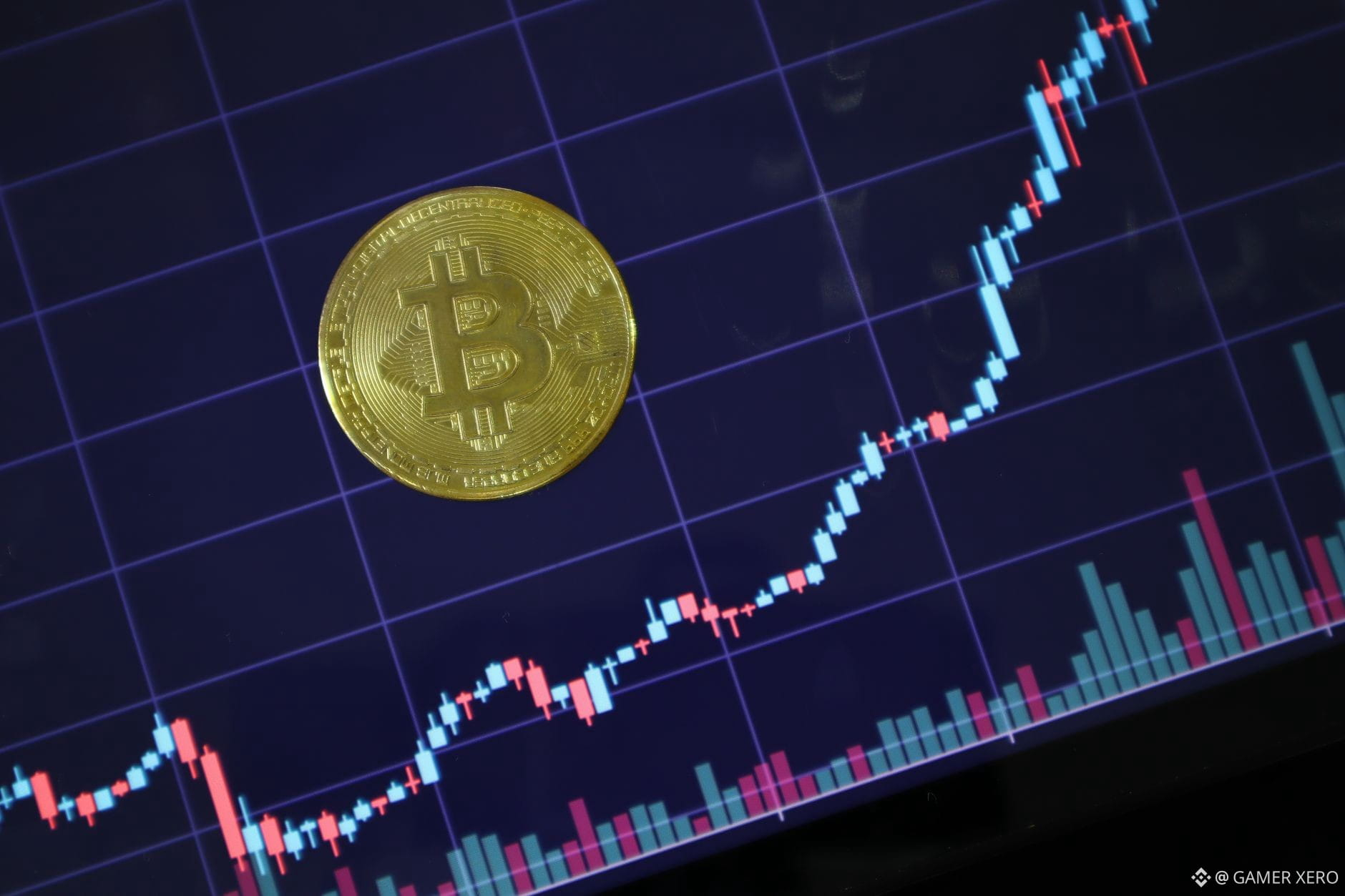
AI agents don't need bank accounts. They need programmable money.
As autonomous AI systems move from research to real-world deployment, one bottleneck keeps showing up: payment infrastructure. Traditional finance was built for humans — KYC, ACH delays, monthly statements. None of that works when an AI needs to pay for compute, data, or API calls in milliseconds.
This is where $ETH , $SOL , and $BNB start looking less like speculative assets and more like critical infrastructure.
On-chain payments are permissionless. An AI agent can hold a wallet, receive income, pay expenses, and settle contracts — without a human co-signer or a bank approval. $ETH smart contracts can encode the business logic. $SOL handles the throughput. $BNB covers micro-payments at near-zero cost on BNB Chain.
The question isn't whether AI agents will use crypto. The first wave already does. The question is which networks become the default rails.
Networks that win this race won't just win developer adoption — they'll win machine adoption. And machine transaction volume at scale will dwarf anything retail traders have ever moved.
The AI economy needs money that moves at AI speed. Position accordingly.
#AIcrypto #Web3Infrastructure #BlockchainAdoption #CryptoInsights
As autonomous AI systems move from research to real-world deployment, one bottleneck keeps showing up: payment infrastructure. Traditional finance was built for humans — KYC, ACH delays, monthly statements. None of that works when an AI needs to pay for compute, data, or API calls in milliseconds.
This is where $ETH , $SOL , and $BNB start looking less like speculative assets and more like critical infrastructure.
On-chain payments are permissionless. An AI agent can hold a wallet, receive income, pay expenses, and settle contracts — without a human co-signer or a bank approval. $ETH smart contracts can encode the business logic. $SOL handles the throughput. $BNB covers micro-payments at near-zero cost on BNB Chain.
The question isn't whether AI agents will use crypto. The first wave already does. The question is which networks become the default rails.
Networks that win this race won't just win developer adoption — they'll win machine adoption. And machine transaction volume at scale will dwarf anything retail traders have ever moved.
The AI economy needs money that moves at AI speed. Position accordingly.
#AIcrypto #Web3Infrastructure #BlockchainAdoption #CryptoInsights

🚨 The Biggest Mistake Crypto Investors Make
Most traders focus on “Which coin will pump?”
Smart investors focus on “Where is the liquidity going?”
Before buying any coin, check:
📊 Trading Volume
📈 Price + Volume trend
🐋 Whale activity
🔓 Token unlocks
💰 Market Cap & liquidity
A green candle is exciting, but strong volume behind the move is what makes the trend worth watching.
Don’t chase pumps. Follow the momentum. DYOR. 🔥
#BinanceSquare #Crypto #CryptoInsights #Trading #DYOR
Most traders focus on “Which coin will pump?”
Smart investors focus on “Where is the liquidity going?”
Before buying any coin, check:
📊 Trading Volume
📈 Price + Volume trend
🐋 Whale activity
🔓 Token unlocks
💰 Market Cap & liquidity
A green candle is exciting, but strong volume behind the move is what makes the trend worth watching.
Don’t chase pumps. Follow the momentum. DYOR. 🔥
#BinanceSquare #Crypto #CryptoInsights #Trading #DYOR
The 117 % YoY jump in Nvidia’s data‑center revenue is a clear signal that AI workloads are scaling faster than most hardware sectors. For crypto traders that matters because the same chips power both large‑scale mining rigs and the inference servers behind DeFi analytics tools. When supply tightens in the GPU market, miners often shift to older, less efficient models, which can raise electricity costs and squeeze profit margins for hash‑rate‑heavy coins.
On Binance, $BTC is sitting at $80,096, up 2 % in 24 hours, while $ETH holds $2,508, up 1.4 %. The modest price lifts suggest the market is already pricing in higher operational costs for miners, especially as data‑center demand keeps pushing GPU prices upward. If the current trend continues, you may see a gradual reallocation of capital from pure mining to AI‑related services, where tokenized compute could become a new revenue stream.
What adjustments are you making to your exposure to mining‑linked assets as AI infrastructure expands?
#CryptoInsights #AI #Mining #GAMERXERO
On Binance, $BTC is sitting at $80,096, up 2 % in 24 hours, while $ETH holds $2,508, up 1.4 %. The modest price lifts suggest the market is already pricing in higher operational costs for miners, especially as data‑center demand keeps pushing GPU prices upward. If the current trend continues, you may see a gradual reallocation of capital from pure mining to AI‑related services, where tokenized compute could become a new revenue stream.
What adjustments are you making to your exposure to mining‑linked assets as AI infrastructure expands?
#CryptoInsights #AI #Mining #GAMERXERO

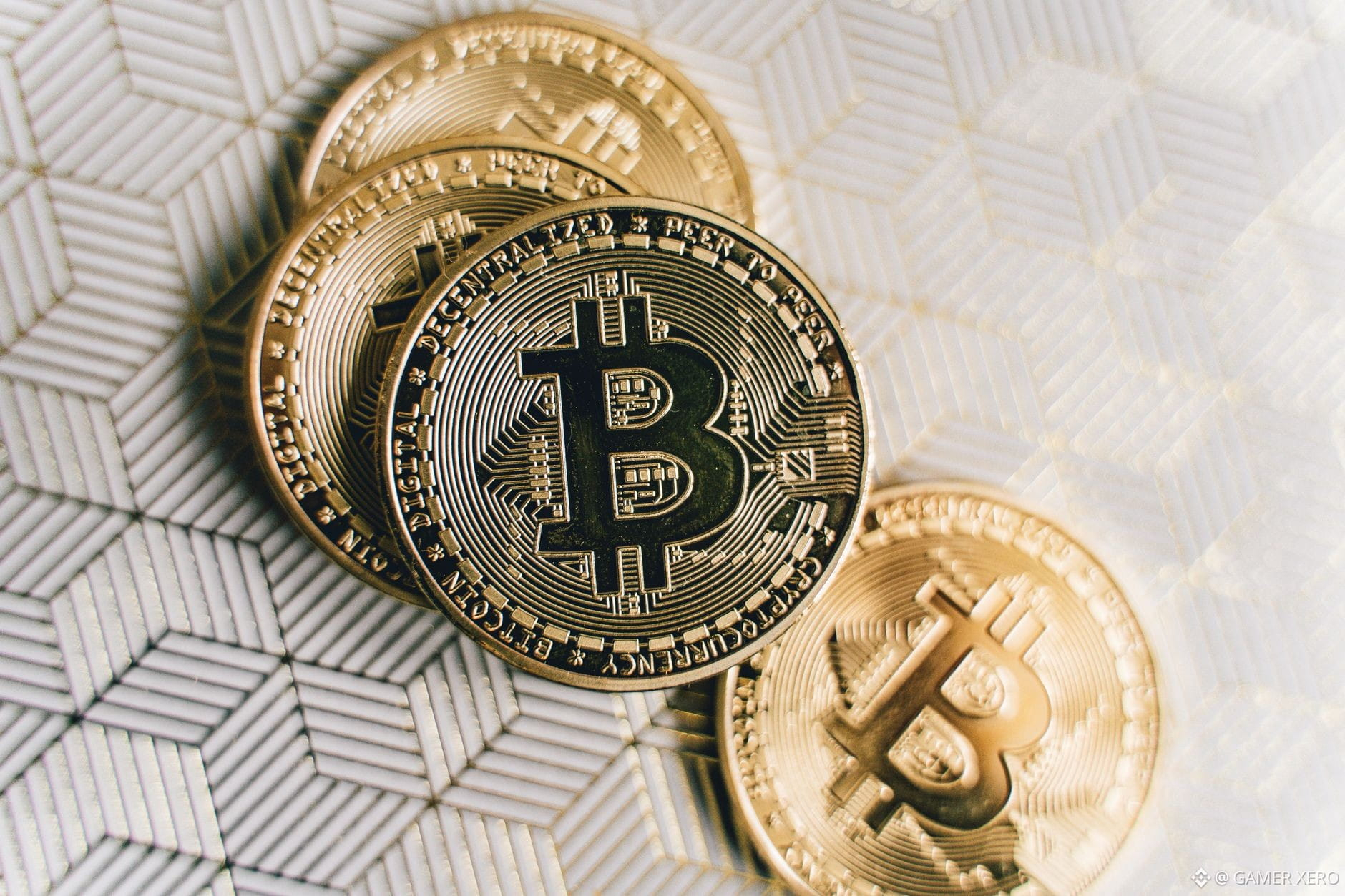
China’s Ministry of Industry and Information Technology just announced a nationwide push to turn more manufacturers into AI service providers. The plan aims to embed AI tools in production lines, boost yields and cut waste, with a target of measurable productivity gains by 2027. For crypto traders, the ripple effect is worth watching: tighter AI integration often means higher demand for compute power and data storage, both of which are increasingly powered by blockchain‑based infrastructure. Projects that combine decentralized storage with AI workloads could see more enterprise interest, and the funding funnel may start to flow through token‑based ecosystems that already support GPU leasing or distributed inference.
What AI‑enabled blockchain use‑cases do you think will benefit most from China’s new manufacturing push?
#CryptoInsights #AI #Blockchain #GAMERXERO
What AI‑enabled blockchain use‑cases do you think will benefit most from China’s new manufacturing push?
#CryptoInsights #AI #Blockchain #GAMERXERO


The U.S. Treasury just doubled its bond‑buyback program as the national debt topped $40 trillion for the first time. While the move is meant to smooth Treasury yields, the sheer scale of debt‑service obligations is a reminder that fiscal pressures can spill over into risk assets, including crypto. When sovereign financing tightens, investors often look for “safe‑haven” alternatives or diversify into assets that aren’t directly tied to sovereign credit, which can subtly shift liquidity patterns on Binance.
If the debt ceiling debates intensify or the Treasury’s buybacks prove insufficient to calm yields, how might we see capital flow between traditional bonds and crypto‑based assets shift in the coming weeks?
#CryptoInsights #MacroTalk #MarketSentiment #GAMERXERO
If the debt ceiling debates intensify or the Treasury’s buybacks prove insufficient to calm yields, how might we see capital flow between traditional bonds and crypto‑based assets shift in the coming weeks?
#CryptoInsights #MacroTalk #MarketSentiment #GAMERXERO
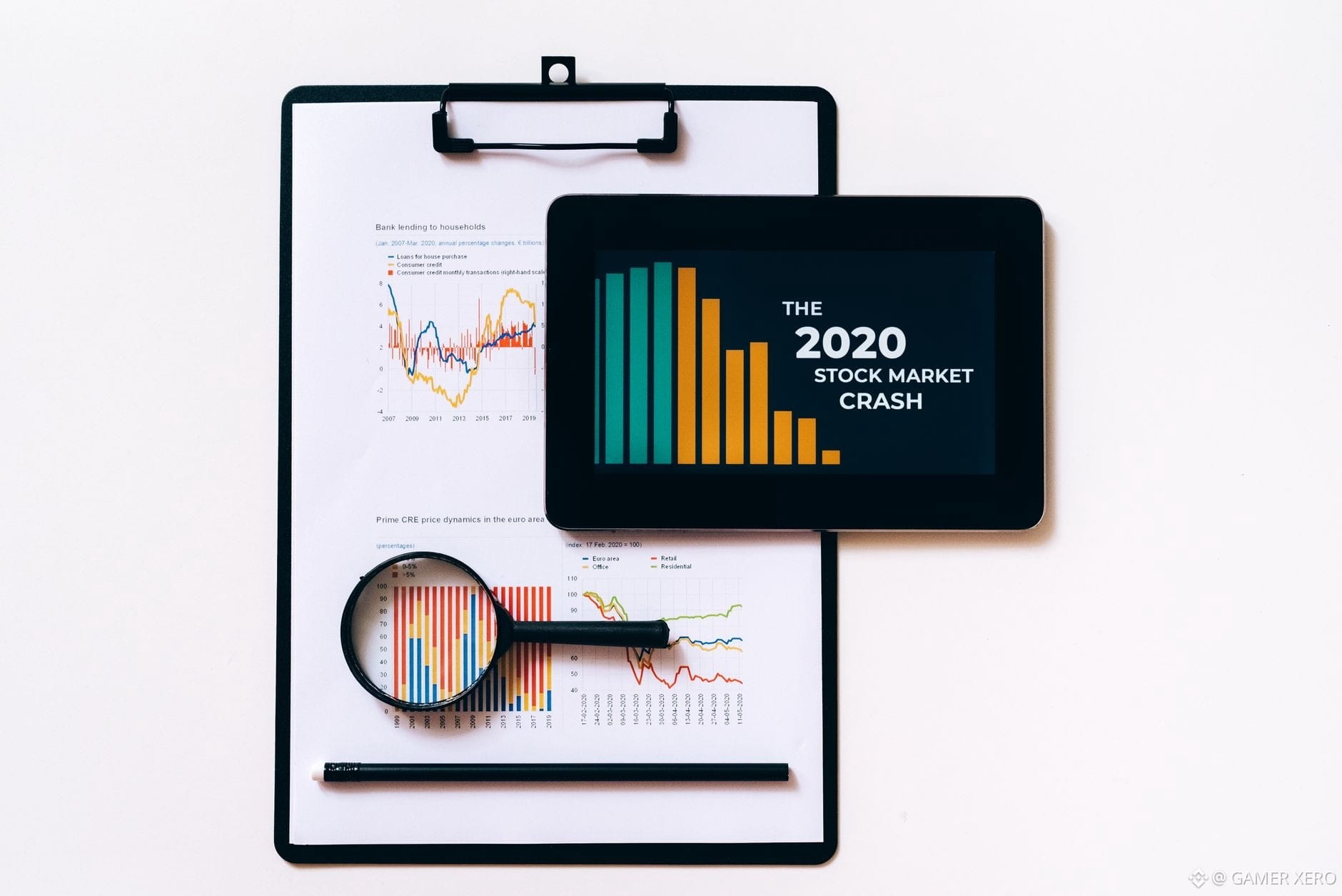


🚨 WILL POLITICAL HEADLINES TRIGGER A $TRUMP LIQUIDITY FLUSH OR FUEL A RALLY? 💥
Political catalysts create maximum noise in the order book, often sparking knee-jerk selling before smart money sweeps the lower liquidity blocks. 🦈 When high-profile political news hits the wire, retail typically reacts to narrative fear while institutions silently absorb the volatility. 📊
For $TRUMP and the broader market, policy discussions rarely kill structural momentum long-term; they simply recalibrate leverage across derivative contracts. ⚡ The real edge lies in watching whether aggressive spot buyers step in to reclaim key levels once headline panic fades. 💡
💬 Is the political narrative a legitimate structural headwind for crypto, or are you preparing to bid the dip? 👇
⚠️ Not financial advice. Always manage your risk. 🛡️
🏷️ #TRUMP #MacroCrypto #MarketVolatility #CryptoInsights
🎯 ⚡
Political catalysts create maximum noise in the order book, often sparking knee-jerk selling before smart money sweeps the lower liquidity blocks. 🦈 When high-profile political news hits the wire, retail typically reacts to narrative fear while institutions silently absorb the volatility. 📊
For $TRUMP and the broader market, policy discussions rarely kill structural momentum long-term; they simply recalibrate leverage across derivative contracts. ⚡ The real edge lies in watching whether aggressive spot buyers step in to reclaim key levels once headline panic fades. 💡
💬 Is the political narrative a legitimate structural headwind for crypto, or are you preparing to bid the dip? 👇
⚠️ Not financial advice. Always manage your risk. 🛡️
🏷️ #TRUMP #MacroCrypto #MarketVolatility #CryptoInsights
🎯 ⚡
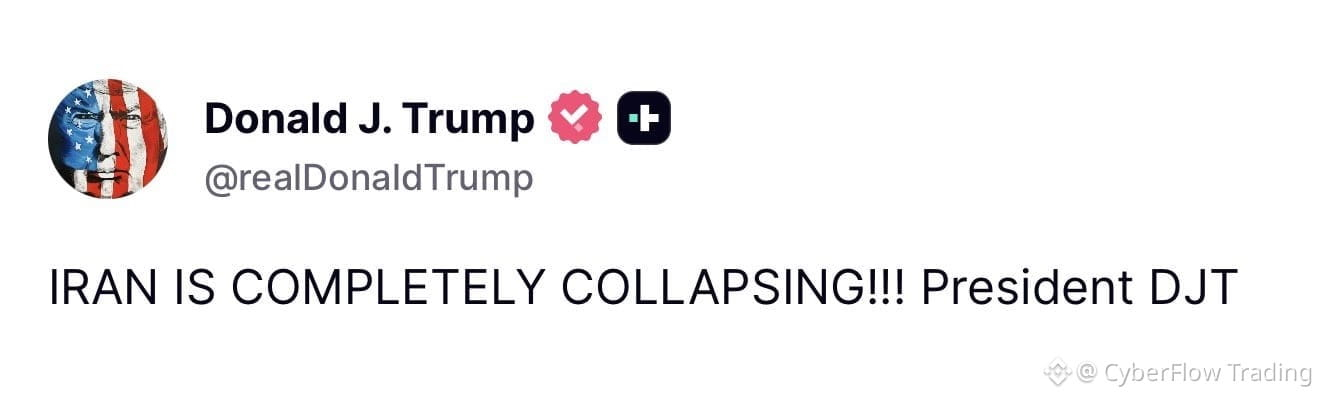
Grayscale just expanded its institutional trust suite to include $ZEC , betting that privacy utility outweighs recent protocol vulnerabilities.
Don't mistake these trusts for direct exposure; you're buying a legal vehicle, not the coins themselves. Your entry depends on the trust's premium or discount to NAV rather than simple $BTC or $ETH spot action. Watch that premium spread to see how institutional appetite actually tracks against the network's privacy health.
#CryptoInsights #PrivacyTech #CryptoEducation
Don't mistake these trusts for direct exposure; you're buying a legal vehicle, not the coins themselves. Your entry depends on the trust's premium or discount to NAV rather than simple $BTC or $ETH spot action. Watch that premium spread to see how institutional appetite actually tracks against the network's privacy health.
#CryptoInsights #PrivacyTech #CryptoEducation

$BTC held steady around $77,016 today, barely slipping 0.5 % in 24 hours, while $ETH nudged up 0.8 % to $2,413. The price action alone looks tame, but the backdrop is shifting. A recent White House briefing on digital assets, coupled with a surge in Coinbase shares, highlighted how regulatory clarity can tighten the feedback loop between crypto markets and traditional equities. When policymakers outline concrete frameworks, institutional capital tends to flow faster into exchange‑traded products and crypto‑linked stocks, which in turn amplifies spot demand for the underlying tokens.
If regulators keep sharpening the rules, we might see a more synchronized market where crypto and equity signals move together rather than in opposite directions. How do you think this evolving alignment will affect your risk management approach when you allocate between spot and derivative positions?
#CryptoInsights #Regulation #MarketStructure #GAMERXERO
If regulators keep sharpening the rules, we might see a more synchronized market where crypto and equity signals move together rather than in opposite directions. How do you think this evolving alignment will affect your risk management approach when you allocate between spot and derivative positions?
#CryptoInsights #Regulation #MarketStructure #GAMERXERO
තවත් අන්තර්ගතයන් ගවේෂණය කිරීමට ඇතුල් වන්න