

#cryptoregulations
cryptoregulations
Просмотров: 556,224
836 обсуждают
Популярные
Новые

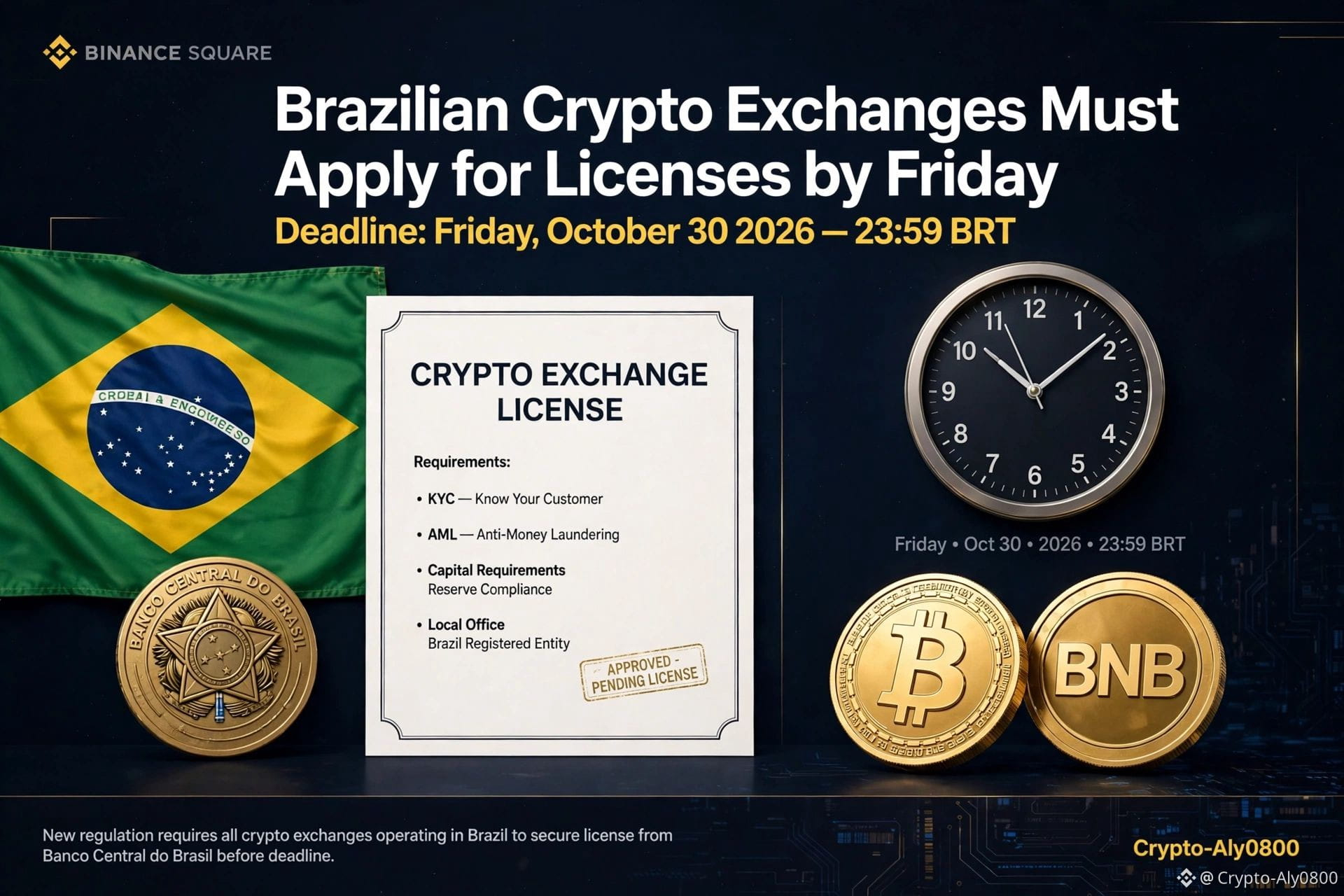
Brazilian crypto exchanges are required to submit their license applications to Banco Central do Brasil (BCB) by Friday, October 30, in order to continue their operations.
This is a mandatory requirement.
If applications are submitted on time, exchanges can continue to operate while BCB reviews them, which may take up to two years under transitional rules.
However, if the deadline is missed, exchanges must cease all crypto services within 30 days.
Starting November 6, banks and payment institutions will also be prohibited from engaging with unauthorized providers.
The compliance costs are significant, with minimum capital requirements ranging from BRL 10.8 million to BRL 37.2 million, depending on the services offered.
Other requirements include KYC/AML protocols, custody audits, technical certifications, tracking of self-custody wallets, and verification of the origin and destination for all transfers.
Additionally, there is a $100,000 cap on certain international transfers. Several notable exchanges are taking action.
Binance submitted its filing on October 23 through BBrasil but has already reduced margin, loans, and Launchpool offerings, and delisted 22 tokens for the Brazilian market.
Coinbase filed on October 29 and stated that it does not anticipate any disruptions.
Smaller exchanges are facing challenges, and many may exit the Brazilian market.
Brazil is recognized for its high level of grassroots adoption, with a trading volume of $252.5 billion reported from July 2025 to June 2026.
The licensing process will determine which exchanges can continue to operate in the market.
While filing for licenses is relatively straightforward, ensuring compliance poses a greater challenge.
Discussions continue around whether regulation will enhance market integrity or stifle innovation.
#brazilcrypto #CryptoRegulations #binanacesquare
45

🚨 LATEST CRYPTO NEWS: US Finalizes Stablecoin Rules! 🇺🇸
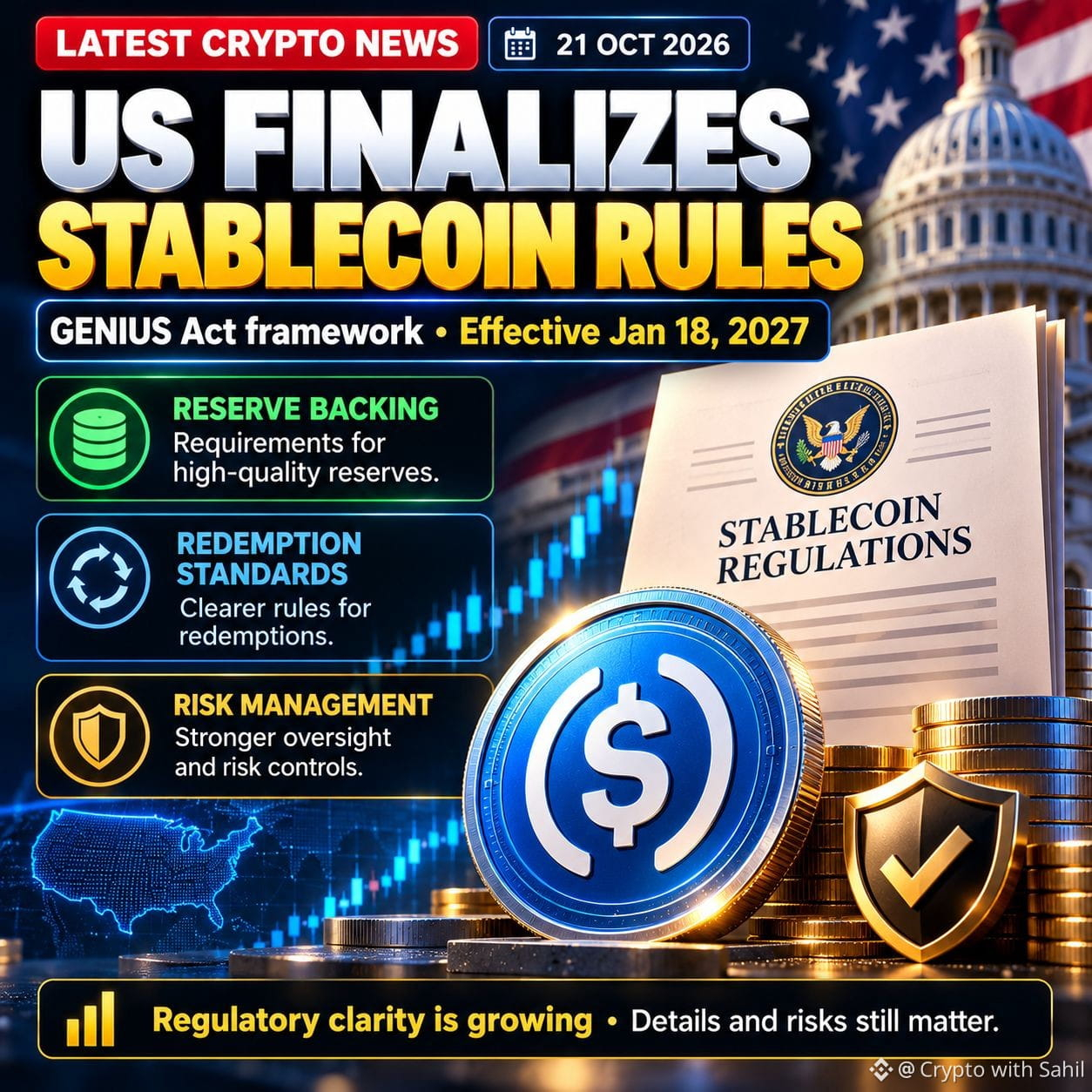
The US Office of the Comptroller of the Currency (OCC) has finalized rules to implement the GENIUS Act, creating a federal regulatory framework for payment stablecoins.
📌 What does this mean?
🔹 Reserve backing: Rules establish standards for stablecoin reserves.
🔹 Redemption: The framework addresses requirements for redeeming payment stablecoins.
🔹 Risk management: Issuers under the OCC’s jurisdiction face clearer oversight requirements.
📅 The final rule is scheduled to take effect on January 18, 2027.
🔎 Why it matters: Clearer rules could shape how stablecoin companies operate in the US, but regulation alone does not eliminate risks for users.
💬 Your opinion: Will clearer stablecoin regulations help crypto adoption, or could stricter rules slow innovation?
Share your thoughts below! 👇
#Stablecoins #CryptoRegulations #CryptoNews #blockchain
30

·
--
🚨 TRUMP IS GOING AFTER CRYPTO SCAMMERS. BUT WHO'S REALLY IN THE CROSSHAIRS?
Washington is preparing to put international crypto fraud networks under the spotlight.
According to Reuters, Trump and senior US officials are set to highlight a crackdown on overseas criminal organizations targeting American investors.
And this goes beyond warnings.
🇺🇸 The administration is focusing on:
🔴 Seizing fraudulent crypto investment websites.
🔴 Disrupting online impersonation scams.
🔴 Targeting international criminal networks.
🔴 Expanding cooperation between law enforcement and private cybersecurity companies.
Here's the scale of the problem:
The FBI received over ONE MILLION internet crime complaints last year — up 17% from 2024.
⚠️ But don't confuse this with a crackdown on legitimate crypto trading.
No new blanket restrictions on $BTC , $ETH or ordinary crypto investors have been announced as part of this event.
And that's an important distinction.
💥 PANBAS TAKE:
Crypto doesn't need another wave of fear-driven headlines.
It needs fewer scammers, fewer fake investment platforms and better protection for real investors.
The real question is whether Washington's campaign stays focused on criminals — or eventually brings tougher compliance requirements for the wider industry.
No confirmed market reaction yet. No reason to invent one.
🔥 Do you think tougher enforcement will help crypto adoption, or lead to more restrictions?
👇 Let's hear it.
#CryptoNews #CryptoRegulations
49

·
--
#blockchainassociationsubmitsgeniusactcomments
🚨 Blockchain Association, GENIUS Yasası İçin Kritik Görüşlerini Sundu! ⚖️
Kripto para sektörünün ABD'deki en güçlü savunucularından biri olan Blockchain Association, kısa adı GENIUS Act olan yasa tasarısına ilişkin resmi değerlendirmelerini ve yorumlarını (comments) ilgili kurumlara iletti! 📝💡 Kripto ekosisteminin geleceğini ve inovasyon süreçlerini doğrudan etkileyebilecek bu yasal adım, regülasyon gündeminin ilk sıralarına yerleşti. 📈🔥
İşte Blockchain Association'ın sunduğu görüşlerin öne çıkan başlıkları:
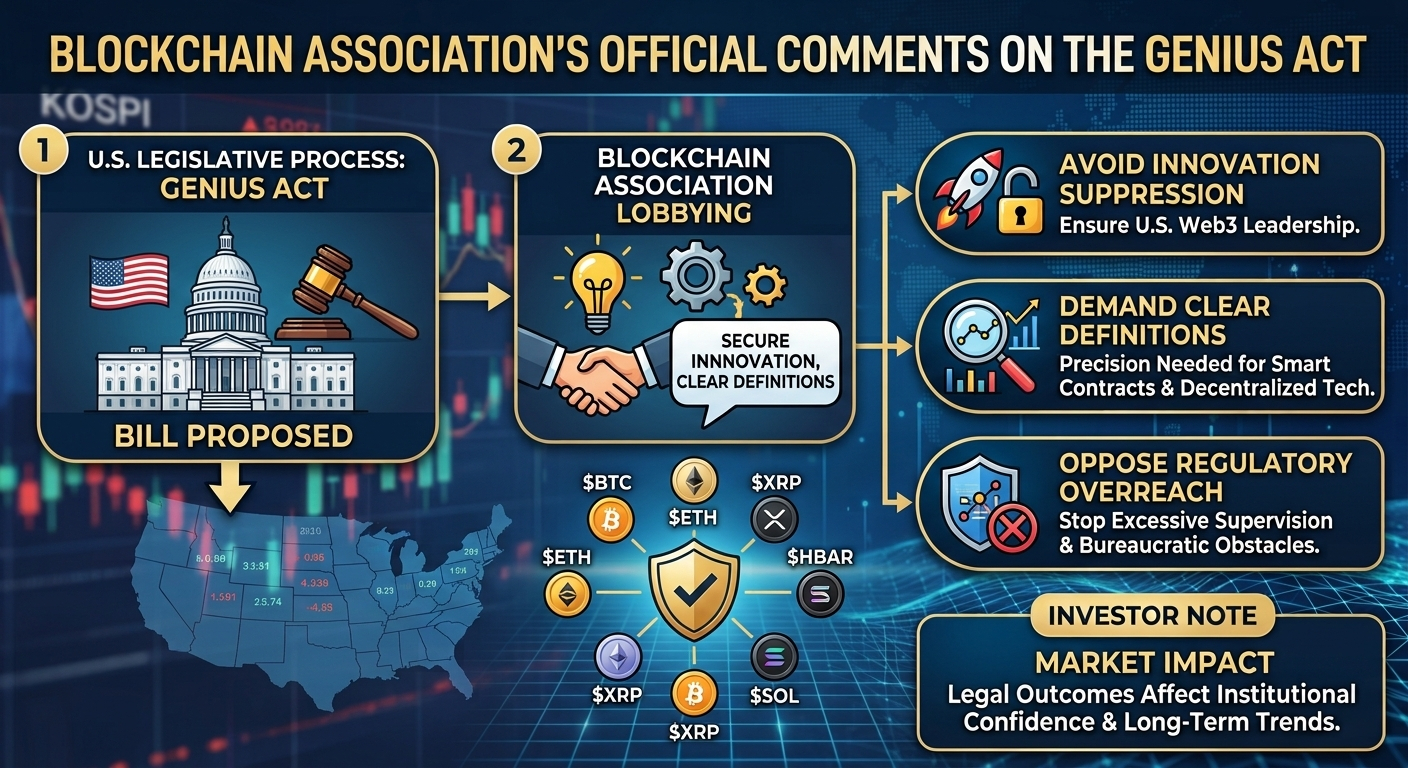
İnovasyonun Önü Açılmalı! 🚀çalışma Dernek, yasa tasarısının dijital varlık inovasyonunu ve blokzincir teknolojilerini baskı altına almaması gerektiğini savunuyor. Sektörün ABD dışına kaçmasını engellemek için esnek ve yapıcı bir yasal çerçeve talep ediliyor. 🇺🇸❌Net ve Açık Tanım İhtiyacı! 📊🔍 Sunulan metinde, kripto ekosistemindeki teknik terimlerin, akıllı sözleşmelerin ve merkeziyetsiz yapıların doğru tanımlanması gerektiği vurgulandı. Hatalı veya aşırı geniş kapsamlı tanımların, iyi niyetli geliştiricileri mağdur edebileceğine dikkat çekildi. 🛡️💻Aşırı Denetime Karşı Savunma! 🙅♂️🛑 Blockchain Association, bürokratik engellerin ve aşırı agresif denetim mekanizmalarının ekosisteme zarar vereceğini belirterek; regülatörleri sektör temsilcileriyle ortak ve dengeli bir çizgide buluşmaya davet etti. 🤝⚖️
Kripto Yatırımcıları İçin Çıkarılacak Ders: ABD'deki yasal adımlar ve lobi faaliyetlerinin sonuçları, piyasadaki kurumsal güveni doğrudan şekillendiriyor. GENIUS Act gibi tasarıların nihai halleri, uzun vadeli boğa ya da ayı trendlerini tetikleyebilir! 🐻 mi 🐂 mu? Takipte kalmak önemli. 🛡️💰
#CryptoRegulations #Blockchain #USA
$SOL $STX $HBAR
{future}(HBARUSDT)
{future}(STXUSDT)
{future}(SOLUSDT)
#blockchainassociationsubmitsgeniusactcomments
🚨 Blockchain Association, GENIUS Yasası İçin Kritik Görüşlerini Sundu! ⚖️
Kripto para sektörünün ABD'deki en güçlü savunucularından biri olan Blockchain Association, kısa adı GENIUS Act olan yasa tasarısına ilişkin resmi değerlendirmelerini ve yorumlarını (comments) ilgili kurumlara iletti! 📝💡 Kripto ekosisteminin geleceğini ve inovasyon süreçlerini doğrudan etkileyebilecek bu yasal adım, regülasyon gündeminin ilk sıralarına yerleşti. 📈🔥
İşte Blockchain Association'ın sunduğu görüşlerin öne çıkan başlıkları:
İnovasyonun Önü Açılmalı! 🚀çalışma Dernek, yasa tasarısının dijital varlık inovasyonunu ve blokzincir teknolojilerini baskı altına almaması gerektiğini savunuyor. Sektörün ABD dışına kaçmasını engellemek için esnek ve yapıcı bir yasal çerçeve talep ediliyor. 🇺🇸❌Net ve Açık Tanım İhtiyacı! 📊🔍 Sunulan metinde, kripto ekosistemindeki teknik terimlerin, akıllı sözleşmelerin ve merkeziyetsiz yapıların doğru tanımlanması gerektiği vurgulandı. Hatalı veya aşırı geniş kapsamlı tanımların, iyi niyetli geliştiricileri mağdur edebileceğine dikkat çekildi. 🛡️💻Aşırı Denetime Karşı Savunma! 🙅♂️🛑 Blockchain Association, bürokratik engellerin ve aşırı agresif denetim mekanizmalarının ekosisteme zarar vereceğini belirterek; regülatörleri sektör temsilcileriyle ortak ve dengeli bir çizgide buluşmaya davet etti. 🤝⚖️
Kripto Yatırımcıları İçin Çıkarılacak Ders: ABD'deki yasal adımlar ve lobi faaliyetlerinin sonuçları, piyasadaki kurumsal güveni doğrudan şekillendiriyor. GENIUS Act gibi tasarıların nihai halleri, uzun vadeli boğa ya da ayı trendlerini tetikleyebilir! 🐻 mi 🐂 mu? Takipte kalmak önemli. 🛡️💰
#CryptoRegulations #Blockchain #USA
$SOL $STX $HBAR
1
1.1k

·
--
Crypto Regulations in Egypt: Navigating Legal Frameworks, Risks, and Future Horizons 🇪🇬The global adoption of digital assets is accelerating, but the regulatory approach varies significantly across regions. In Egypt, understanding the legal landscape is essential for every investor and crypto enthusiast.
Under Egyptian law (specifically Central Bank Law No. 194 of 2020), issuing, trading, or promoting cryptocurrencies without a license is strictly prohibited, carrying substantial legal consequences and financial penalties. The Central Bank of Egypt (CBE) regularly highlights the risks of high market volatility, potential fraud, and the lack of traditional investor protection in unregulated markets.
However, Egypt is actively embracing digital transformation in other areas. The government and CBE are exploring official initiatives like the Central Bank Digital Currency (CBDC / Digital EGP) to support financial inclusion and modernize digital payments within a regulated banking infrastructure.
As the global landscape evolves, balancing innovation with financial regulation remains a key topic for emerging markets.
We’d love to hear your perspective:
Do you think clear licensing frameworks will eventually shape the future of crypto in MENA region?
How important is regulatory clarity when you choose to invest in digital assets?
What are your thoughts on Central Bank Digital Currencies (CBDCs) versus decentralized cryptocurrencies?
Share your opinions in the comments below! 👇
#Egypt #CryptoRegulations #CBDC #CryptoNewss #BinanceSquareTalks #Web3
$USDT $USDC
{future}(USDCUSDT)
Crypto Regulations in Egypt: Navigating Legal Frameworks, Risks, and Future Horizons 🇪🇬
The global adoption of digital assets is accelerating, but the regulatory approach varies significantly across regions. In Egypt, understanding the legal landscape is essential for every investor and crypto enthusiast.
Under Egyptian law (specifically Central Bank Law No. 194 of 2020), issuing, trading, or promoting cryptocurrencies without a license is strictly prohibited, carrying substantial legal consequences and financial penalties. The Central Bank of Egypt (CBE) regularly highlights the risks of high market volatility, potential fraud, and the lack of traditional investor protection in unregulated markets.
However, Egypt is actively embracing digital transformation in other areas. The government and CBE are exploring official initiatives like the Central Bank Digital Currency (CBDC / Digital EGP) to support financial inclusion and modernize digital payments within a regulated banking infrastructure.
As the global landscape evolves, balancing innovation with financial regulation remains a key topic for emerging markets.
We’d love to hear your perspective:
Do you think clear licensing frameworks will eventually shape the future of crypto in MENA region?
How important is regulatory clarity when you choose to invest in digital assets?
What are your thoughts on Central Bank Digital Currencies (CBDCs) versus decentralized cryptocurrencies?
Share your opinions in the comments below! 👇
#Egypt #CryptoRegulations #CBDC #CryptoNewss #BinanceSquareTalks #Web3
$USDT $USDC
1
51

·
--
#BankOfRussiaSaysSelfCustodyBanStartsJuly2027
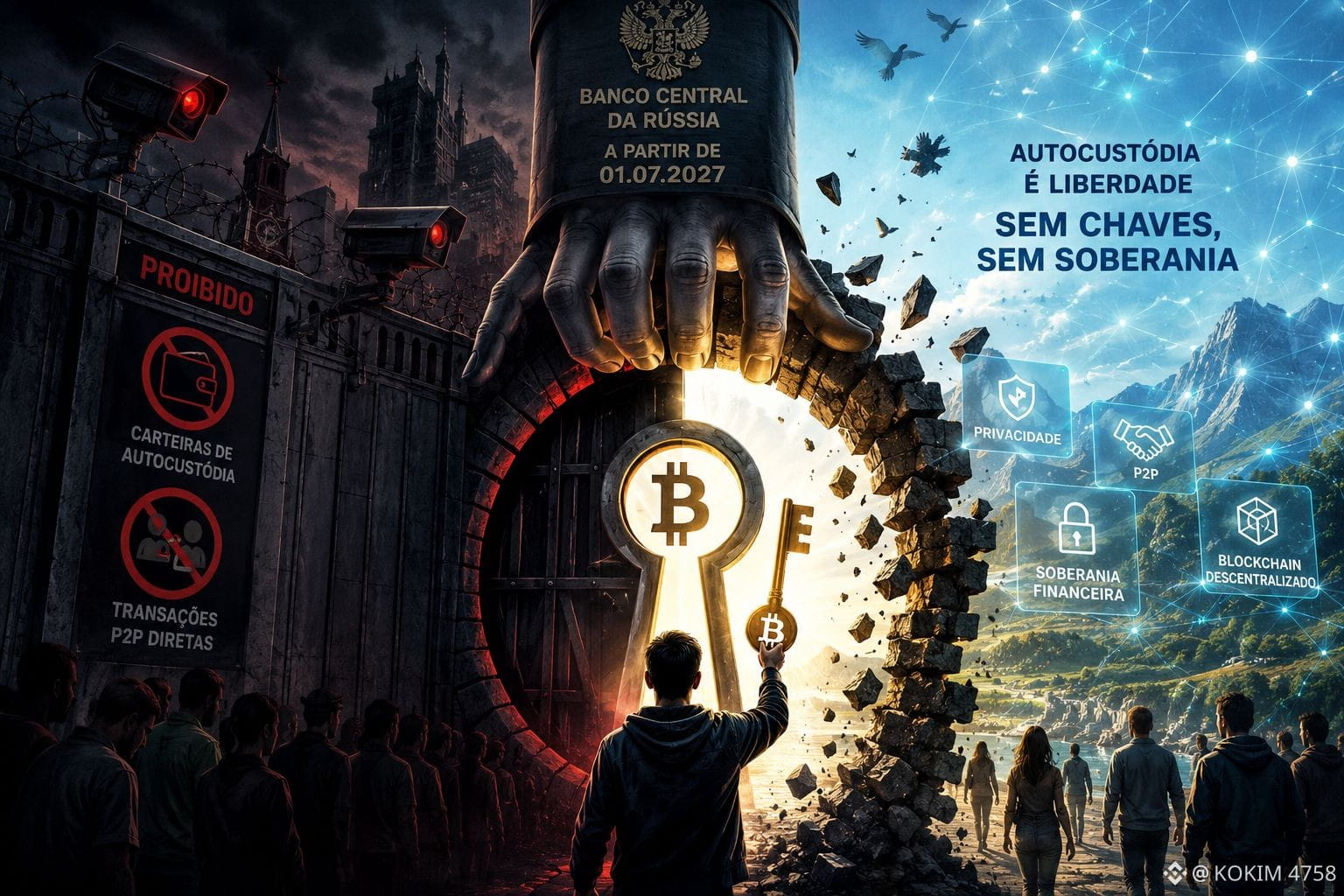
O Banco Central da Rússia acaba de sinalizar que, a partir de 1º de julho de 2027, residentes estarão proibidos de usar carteiras de autocustódia e de realizar transações P2P diretas. A intenção do governo é forçar todas as movimentações de criptomoedas para intermediários autorizados e sob forte fiscalização estatal.
Na prática, isso atinge o coração da proposta do Bitcoin e da tecnologia blockchain: a soberania financeira do indivíduo. Quando um Estado proíbe que o cidadão guarde e movimente suas próprias chaves privadas, ele tenta transformar ativos descentralizados em apenas mais uma versão do sistema bancário tradicional.
Proibir a autocustódia não elimina a demanda por liberdade, apenas empurra o mercado para a informalidade e afasta quem busca inovação de verdade.
Minha visão: Sem autocustódia, não existe cripto de verdade. Regulamentação é necessária para atração de capital institucional, mas tirar o controle do usuário destrói o propósito fundamental da tecnologia.
$GTC $KORUB $OSMO
#CryptoNews
#Bitcoin
#CryptoRegulations
1
1.2k
·
--
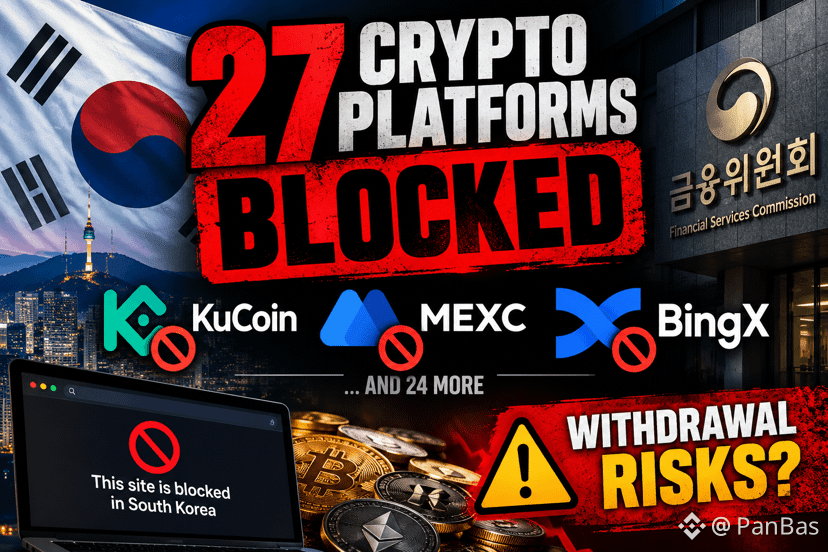
🚨 SOUTH KOREA BLOCKS 27 CRYPTO PLATFORMS — KUCOIN, MEXC & BINGX HIT!
🇰🇷 South Korea is tightening its grip on offshore crypto exchanges.
⚠️ 27 unregistered crypto websites face domestic access restrictions, including KuCoin, MEXC, BingX and Phemex.
📱 Earlier restrictions targeted exchange apps. Now the crackdown extends to websites.
💰 The real concern? Regulators warn that existing users could face difficulties withdrawing their funds.
This is NOT a global shutdown of these exchanges — the restrictions apply to South Korea.
🔥 Investor protection or another blow to crypto freedom?
Would you keep your funds on an exchange facing access restrictions?
Source: South Korea’s Financial Services Commission (FIU)
#CryptoNews #SouthKorea #CryptoRegulations
895

·
--
🚨 الكريبتو لا يحتاج إلى الكونغرس! (تحول خطير في التنظيم) 🇺🇸🔥
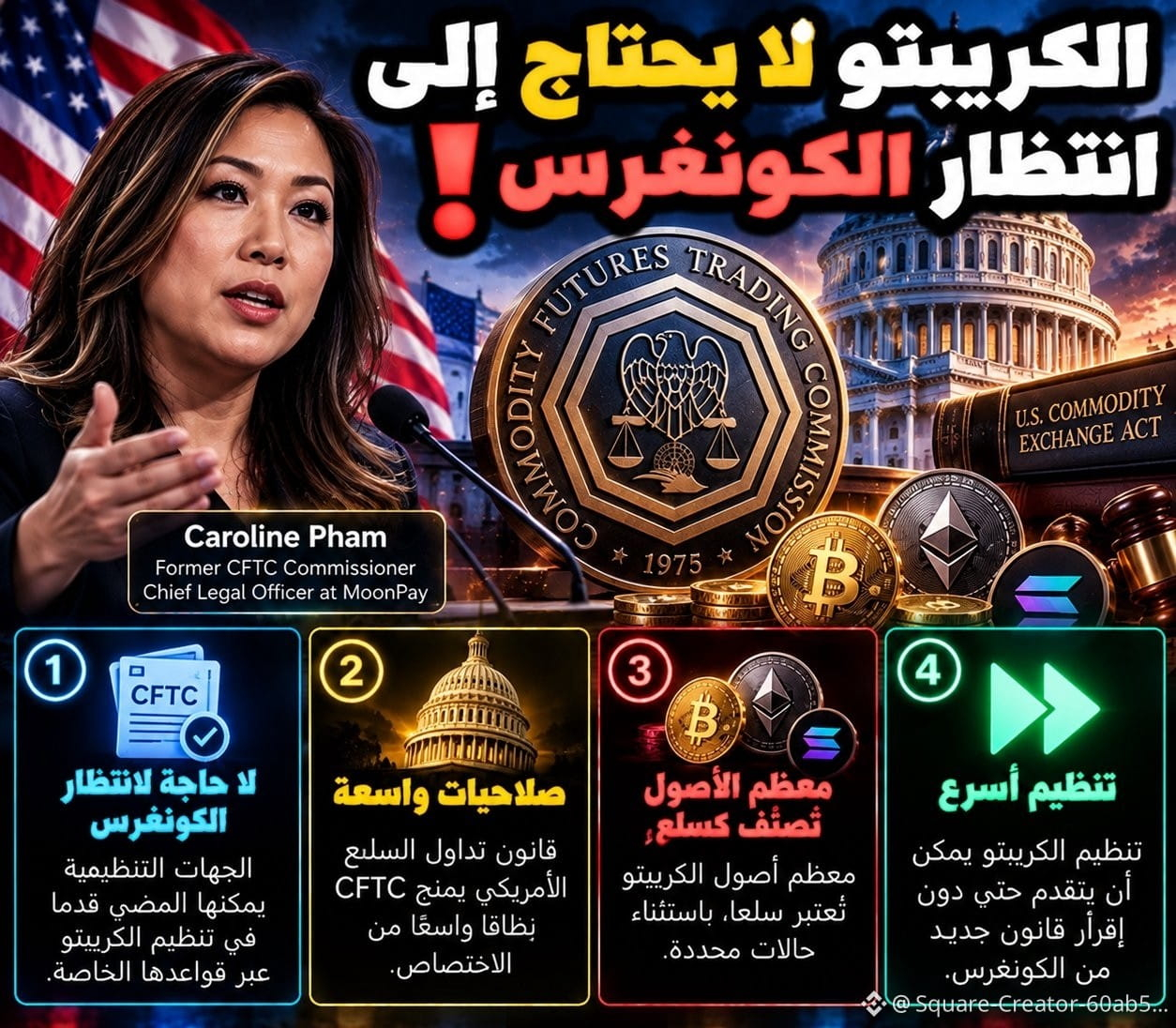
صرحت Caroline Pham (المفوضة السابقة في هيئة CFTC) بأن الجهات التنظيمية ليست بحاجة لانتظار تشريعات جديدة لتنظيم الكريبتو!
💡 السبب؟
قانون تداول السلع الحالي يمنح CFTC صلاحيات كاملة، لأن معظم الأصول الرقمية يُمكن تصنيفها قانونياً كـ "سلع" (Commodities).
📈 لماذا هذا الخبر إيجابي جداً للسوق؟
بدء التنظيم عبر الأطر الحالية يعني تسريع دخول السيولة المؤسسية الضخمة دون انتظار سنوات من الصراعات السياسية في الكونغرس.
💬 سؤال التداول:
هل تعتقد أن وضوح القوانين سيدفع البيتكوين نحو قمم جديدة، أم سيفرض قيوداً إضافية على السوق؟ شاركنا رأيك في التعليقات! 👇
$BTC ETH SoL
#CryptoNews #CFTC #BinanceSquareFamily #CryptoRegulations
1
136

#SenBlumenthalProbesCantorFitzgeraldTetherTies
السيناتور بلومنتال يحقق في علاقات كانتور فيتزجيرالد بتيثر
يسعى السيناتور الأمريكي ريتشارد بلومنتال إلى الحصول على إجابات من شركة كانتور فيتزجيرالد بشأن علاقتها المالية بتيثر، مُصدِرة عملة USDT، مضيفًا طبقة أخرى من التدقيق إلى قطاع العملات المستقرة.
في 8 أكتوبر، طلب بلومنتال وثائق ومعلومات من براندون لوتنيك، رئيس مجلس إدارة كانتور فيتزجيرالد، وحدد 23 أكتوبر موعدًا نهائيًا للرد. ويأتي هذا الاستفسار عقب مخاوف أُثيرت في تقرير صادر عن اللجنة الفرعية الدائمة للتحقيقات في مجلس الشيوخ بشأن صلات تيثر المزعومة بشبكات مالية مرتبطة بإيران.
حظيت علاقة كانتور فيتزجيرالد بتيثر باهتمام بسبب حصتها المعلنة في الشركة المُصدِرة للعملة المستقرة، ودورها في إدارة الأصول الاحتياطية لتيثر. وتثير هذه الروابط تساؤلات بشأن الرقابة المالية، وتضارب المصالح المحتمل، والامتثال للعقوبات الأمريكية وقواعد مكافحة غسل الأموال.
لا يعني التحقيق أن تيثر أو كانتور فيتزجيرالد قد ثبتت إدانتهما بارتكاب مخالفات. فلا تزال المزاعم والمخاوف بحاجة إلى تقييم من خلال الإجراءات القانونية والتحقيقية ذات الصلة.
متابعة من فضلكم
#Tether #USDT #CryptoRegulations
$OGN $XRP $BTC
1
146

·
--
#SenBlumenthalProbesCantorFitzgeraldTetherTies
Sen. Blumenthal Probes Cantor Fitzgerald’s Ties to Tether
U.S. Senator Richard Blumenthal is seeking answers from Cantor Fitzgerald about its financial relationship with Tether, the issuer of USDT, adding another layer of scrutiny to the stablecoin industry.
On October 8, Blumenthal requested documents and information from Cantor Fitzgerald Chairman Brandon Lutnick, setting an October 23 deadline for a response. The inquiry follows concerns raised in a Senate Permanent Subcommittee on Investigations report about Tether’s alleged links to financial networks associated with Iran.
Cantor Fitzgerald’s relationship with Tether has attracted attention because of its reported equity stake in the stablecoin issuer and its role in managing Tether’s reserve assets. These connections raise questions about financial oversight, potential conflicts of interest, and compliance with U.S. sanctions and anti-money laundering rules.
The investigation does not mean that Tether or Cantor Fitzgerald has been found guilty of wrongdoing. The allegations and concerns still need to be assessed through the relevant investigative and legal processes.
For the crypto market, the bigger issue is whether stablecoin issuers and their financial partners can demonstrate strong controls over reserves, suspicious transactions, and sanctions compliance. USDT plays a major role in crypto trading and liquidity, making regulatory developments surrounding Tether worth watching.
The next key date is October 23, when Cantor Fitzgerald is expected to respond to Blumenthal’s request. Its response could provide more clarity on the business relationship and the concerns raised by investigators.
#Tether #USDT #CryptoRegulations
$OGN $XRP $BTC
{future}(BTCUSDT)
{future}(XRPUSDT)
{future}(OGNUSDT)
#SenBlumenthalProbesCantorFitzgeraldTetherTies
Sen. Blumenthal Probes Cantor Fitzgerald’s Ties to Tether
U.S. Senator Richard Blumenthal is seeking answers from Cantor Fitzgerald about its financial relationship with Tether, the issuer of USDT, adding another layer of scrutiny to the stablecoin industry.
On October 8, Blumenthal requested documents and information from Cantor Fitzgerald Chairman Brandon Lutnick, setting an October 23 deadline for a response. The inquiry follows concerns raised in a Senate Permanent Subcommittee on Investigations report about Tether’s alleged links to financial networks associated with Iran.
Cantor Fitzgerald’s relationship with Tether has attracted attention because of its reported equity stake in the stablecoin issuer and its role in managing Tether’s reserve assets. These connections raise questions about financial oversight, potential conflicts of interest, and compliance with U.S. sanctions and anti-money laundering rules.
The investigation does not mean that Tether or Cantor Fitzgerald has been found guilty of wrongdoing. The allegations and concerns still need to be assessed through the relevant investigative and legal processes.
For the crypto market, the bigger issue is whether stablecoin issuers and their financial partners can demonstrate strong controls over reserves, suspicious transactions, and sanctions compliance. USDT plays a major role in crypto trading and liquidity, making regulatory developments surrounding Tether worth watching.
The next key date is October 23, when Cantor Fitzgerald is expected to respond to Blumenthal’s request. Its response could provide more clarity on the business relationship and the concerns raised by investigators.
#Tether #USDT #CryptoRegulations
$OGN $XRP $BTC
1
2.8k

#DubaiVARAIssuesReserveAssetAuditCircular
Dubai’s VARA just dropped a major Reserve Assets Audit Report circular for all regulated crypto firms (VASPs). They are forcing exchanges to prove they actually hold your funds—no exceptions.
Here is the quick breakdown:
💰 100% Reserves: Platforms must back customer liabilities 100%.
🔄 1:1 Matching: Funds must match the exact crypto you deposited.
⏱️ Daily Checks: Reconciliations must happen every single day.
🔍 Independent Audits: Third-party inspectors will audit hot and cold wallets.
This effectively stops platforms from secretly lending out your assets. Dubai is drawing a hard line to protect investors.
#DubaiVARAIssuesReserveAssetAuditCircular #CryptoRegulations #CryptoNews🚀🔥V
{spot}(BTCUSDT)
#DubaiVARAIssuesReserveAssetAuditCircular
Dubai’s VARA just dropped a major Reserve Assets Audit Report circular for all regulated crypto firms (VASPs). They are forcing exchanges to prove they actually hold your funds—no exceptions.
Here is the quick breakdown:
💰 100% Reserves: Platforms must back customer liabilities 100%.
🔄 1:1 Matching: Funds must match the exact crypto you deposited.
⏱️ Daily Checks: Reconciliations must happen every single day.
🔍 Independent Audits: Third-party inspectors will audit hot and cold wallets.
This effectively stops platforms from secretly lending out your assets. Dubai is drawing a hard line to protect investors.
#DubaiVARAIssuesReserveAssetAuditCircular #CryptoRegulations #CryptoNews🚀🔥V
97

·
--
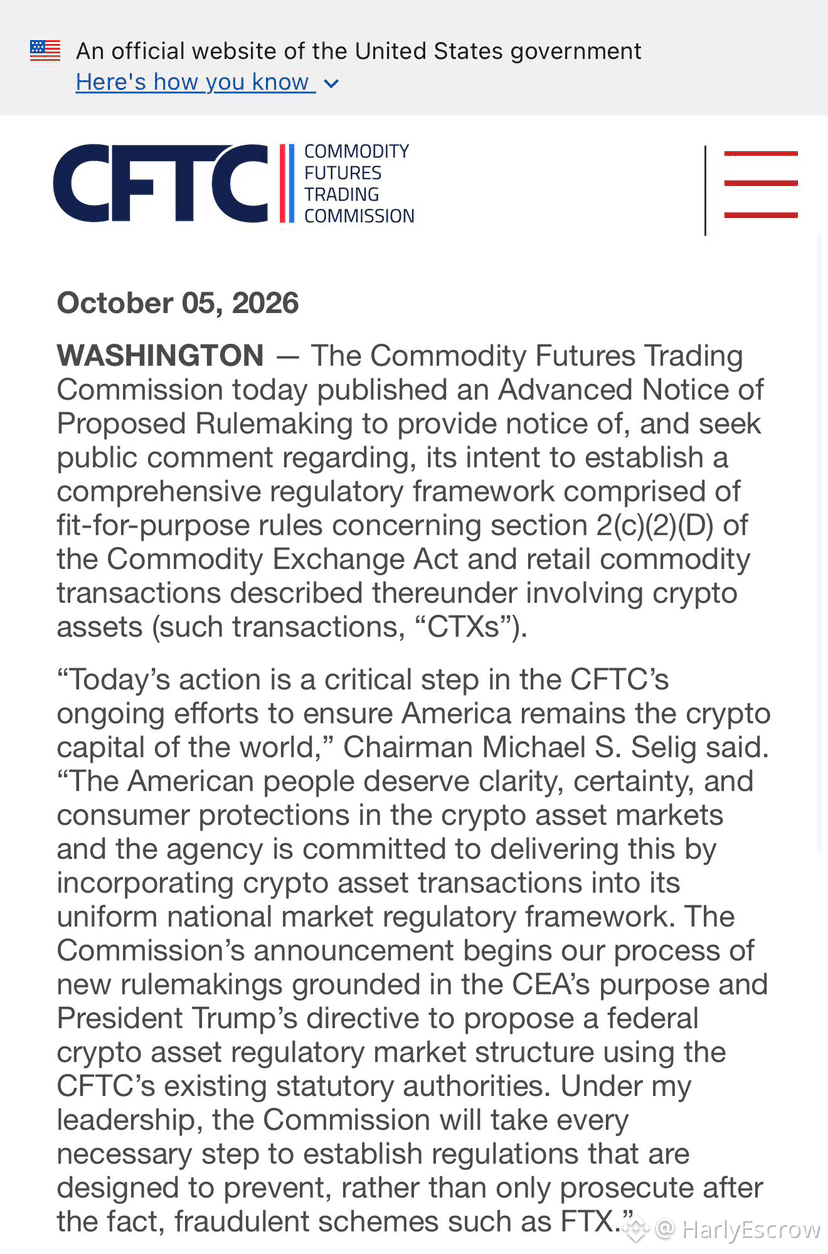
🚨 ¡HISTÓRICO! La CFTC publica las primeras reglas federales para cripto en EE. UU.
¡Se acabó la regulación basada solo en multas! Tras el bloqueo de la Clarity Act en el Senado, la CFTC, liderada por Michael S. Selig, ha tomado la iniciativa publicando su primer marco regulatorio oficial en su sitio web
Este paso marca un cambio de paradigma total hacia una regulación proactiva que podría abrir las puertas a un flujo masivo de capital institucional con total legalidad.
¿Es este el impulso definitivo que el mercado estadounidense necesitaba para liderar el ecosistema cripto? ¡Los leo en los comentarios! 👇🏻
$BTC $XRP $SOL
#CFTC #CryptoRegulations #CryptoNews #trading
{spot}(SOLUSDT)
{spot}(BTCUSDT)
{spot}(XRPUSDT)
🚨 ¡HISTÓRICO! La CFTC publica las primeras reglas federales para cripto en EE. UU.
¡Se acabó la regulación basada solo en multas! Tras el bloqueo de la Clarity Act en el Senado, la CFTC, liderada por Michael S. Selig, ha tomado la iniciativa publicando su primer marco regulatorio oficial en su sitio web
Este paso marca un cambio de paradigma total hacia una regulación proactiva que podría abrir las puertas a un flujo masivo de capital institucional con total legalidad.
¿Es este el impulso definitivo que el mercado estadounidense necesitaba para liderar el ecosistema cripto? ¡Los leo en los comentarios! 👇🏻
$BTC $XRP $SOL
#CFTC #CryptoRegulations #CryptoNews #trading
1
3
626
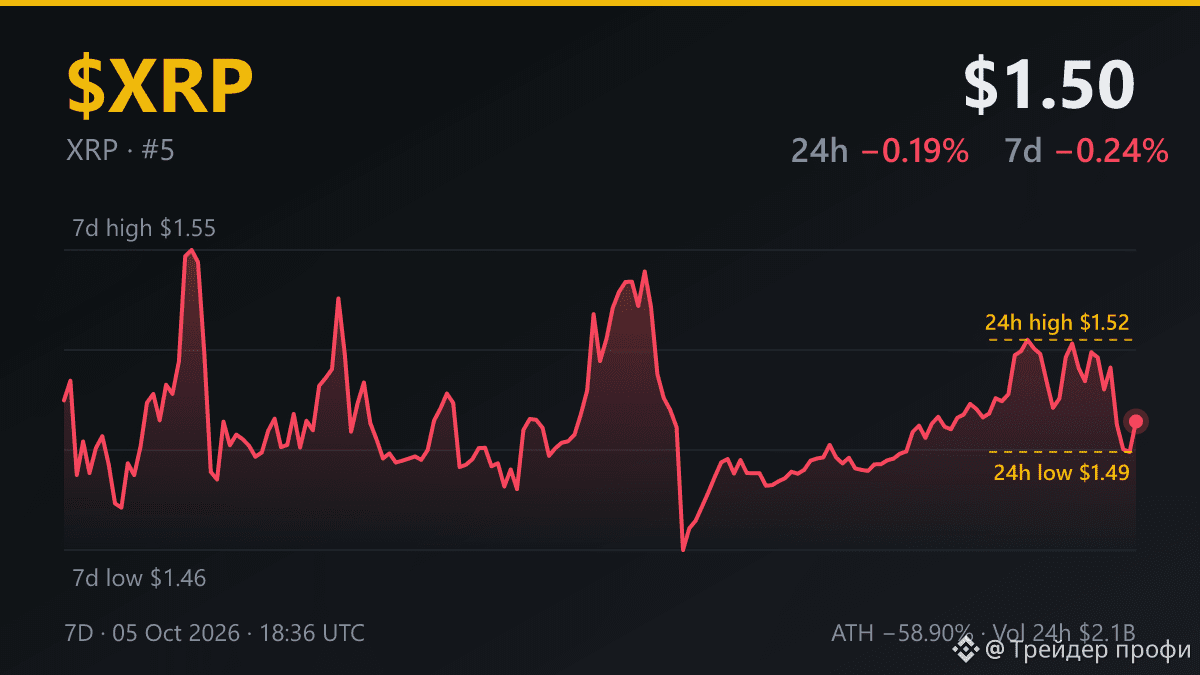
What does federal oversight mean for $XRP and altcoins? 🏛️
According to Decrypt, the CFTC unveiled a plan to bring crypto exchanges under federal oversight. While traders worry about regulations, $XRP has stayed incredibly stable, trading between $1.49 and $1.52 in the last 24 hours. The twist? This oversight might actually bring the institutional trust we've been waiting for. 📈
Are you bullish on this regulatory news?
Not financial advice. DYOR.
#XRP #Ripple #CryptoRegulations
120

The regulatory landscape is shifting fast as the CFTC steps up with new proposals targeting crypto derivatives. While this brings much-needed oversight to complex products, the lingering gap in spot-market jurisdiction remains a critical missing puzzle piece. Expect a prolonged tug-of-war over who ultimately polices direct crypto trading. Navigating this compliance maze will test institutional patience and reshape market liquidity for months ahead. Stay alert. #CryptoRegulations #CFTC #SEC
The regulatory landscape is shifting fast as the CFTC steps up with new proposals targeting crypto derivatives. While this brings much-needed oversight to complex products, the lingering gap in spot-market jurisdiction remains a critical missing puzzle piece. Expect a prolonged tug-of-war over who ultimately polices direct crypto trading. Navigating this compliance maze will test institutional patience and reshape market liquidity for months ahead. Stay alert. #CryptoRegulations #CFTC #SEC
25

قوانين حيازة الكريبتو الصارمة المقترحة من الـ SEC!
🚨 تهديد للامركزية؟
تتحرك هيئة الأوراق المالية والبورصات الأمريكية لفرض قواعد حيازة وحفظ رقمي جديدة وصارمة للغاية على المؤسسات والشركات.
التعديلات تهدف لتضييق الخناق على الحفظ الذاتي، مما يثير غضب مجتمع الكريبتو المتمسك بشعار "ليس مفتاحك، ليست عملتك".
❓ شاركنا رأيك في التعليقات:
هل تنجح تشريعات الـ SEC في كبح
جماح اللامركزية أم ستزيد من قوتها؟
#SECProposesCryptoCustodyRules
#SEC
#CryptoRegulations
#BinanceSquareTalks
2
1
87
مقترح هيئة ال SEC
قرار حاسم من ال SEC قواعد جديدة لحضانة العملات الرقمية قد تغير السوق للأبد
أعلنت هيئة الأوراق المالية والبورصات الأمريكية SEC عن مقترح تنظيمي جديد يتعلق بالقواعد الصارمة لحفظ وحضانة الأصول الرقمية Crypto Custody من قبل الشركات والمؤسسات المالية الفاعلة في السوق المقترح يهدف إلى تعزيز حماية المستثمرين
وفصل أصول العملاء بدقة لمنع تكرار انهيارات المنصات السابقة لكنه في الوقت ذاته يفرض شروطا معقدة على شركات الكريبتو للحصول على تراخيص الحفظ يرى خبراء القانون أن هذا القرار قد يكون سلاحا ذو حدين فإما أن يجلب صك الأمان والسيولة المؤسسية الضخمة للسوق أو يتسبب في تضييق الخناق على الابتكار والشركات الناشئة
هل ترون المقترح الجديد خطوة إيجابية لتنظيم السوق أم مجرد محاولة أخرى للتضييق على الكريبتو
#SECProposesCryptoCustody
#SEC
#CryptoRegulations
#Bitcoin
1
42

·
--
Рост
¿Los gobiernos hablando de cripto otra vez? 📉📈
Mientras el mercado global rozando los $3 billones sigue encendido, las discusiones sobre regulaciones y proyectos de ley (como el debate del Clarity Act y normativas SEC) mantienen a los políticos discutiendo y a las ballenas operando en silencio.
👑 $BTC & Altcoins: Intentando descifrar si los políticos quieren salvarnos o solo quitarle la diversión a los memecoins.
🪙 Oro: Tranquilo viendo cómo los gobiernos imprimen dinero mientras él brilla solo.
🤡 Realidad de hoy: Los políticos dicen "queremos proteger al inversor", pero cuando cae el mercado, lo único que se protege es nuestra paciencia.
¿Qué opinas de las nuevas reglas que cocinan los gobiernos? ¡Te leo! 👇
#BinanceSquare #CryptoRegulations #bitcoin.” #TradingHumor #MarketUpdate
$ZEC $BTW
1
196

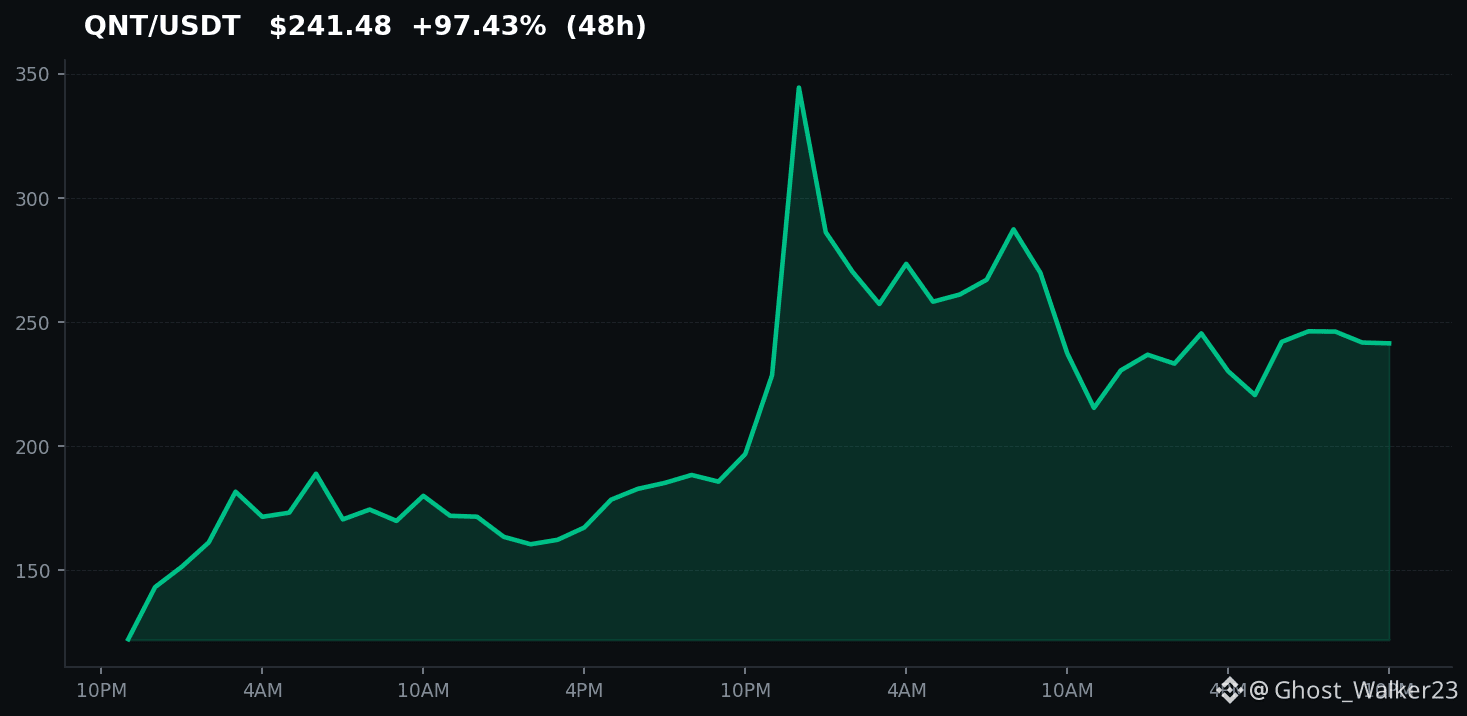
The recent court order in the UK allowing the FCA to recover £851,400 is making waves in the crypto space! 💼 This legal action can boost trust and investors’ confidence, potentially impacting major coins like $BTC and $ETH. As you can see below, the market shows fluctuations influenced by regulatory news. ¿Qué piensas sobre el impacto de las regulaciones en el mercado? #UKFCAWinsCourtOrderToRecover851400Pounds #CryptoRegulations
❤️ Si te gustó, dale like y síguenos para el próximo análisis!
The recent court order in the UK allowing the FCA to recover £851,400 is making waves in the crypto space! 💼 This legal action can boost trust and investors’ confidence, potentially impacting major coins like $BTC and $ETH . As you can see below, the market shows fluctuations influenced by regulatory news. ¿Qué piensas sobre el impacto de las regulaciones en el mercado? #UKFCAWinsCourtOrderToRecover851400Pounds #CryptoRegulations
❤️ Si te gustó, dale like y síguenos para el próximo análisis!
❤️ Si te gustó, dale like y síguenos para el próximo análisis!
83

·
--
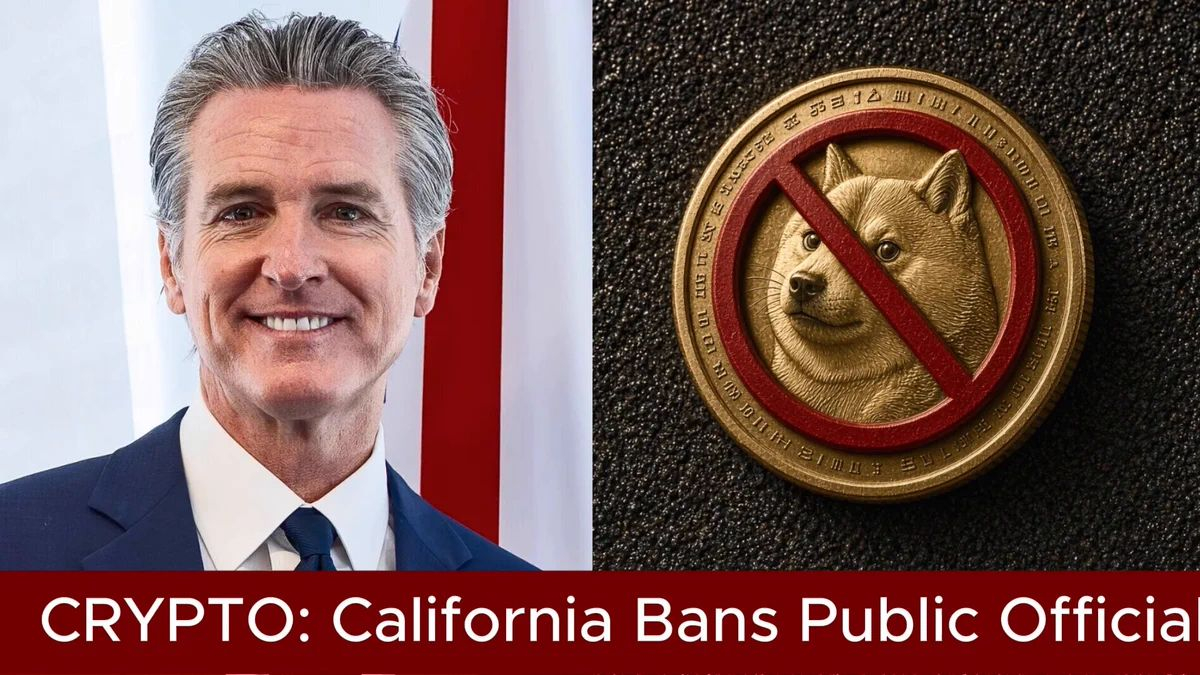
🚨 CALIFORNIA JUST DREW A HARD LINE BETWEEN POLITICS AND MEMECOINS.
Governor Gavin Newsom signed AB 2409, banning California public officials from issuing memecoins and restricting crypto platforms from offering certain official-linked memecoins to California residents for tokens issued from Jan. 1, 2027.
The bigger signal isn’t about one token.
It’s that regulators are starting to treat politician-backed speculative coins as a conflict-of-interest problem, not just another corner of crypto.
California also paired the move with broader crypto-fraud and money-laundering enforcement measures.
That could push the memecoin market toward a cleaner split:
Community-driven tokens = still tradable.
Tokens tied directly to public office = growing regulatory risk.
The memecoin era isn’t ending.
But the “politician launches a token” playbook just got a lot harder. 👀
{spot}(PEPEUSDT)
{spot}(SHIBUSDT)
{future}(DOGEUSDT)
$DOGE $SHIB $PEPE
#memecoins #CryptoRegulations #CryptoNews #altcoins
🚨 CALIFORNIA JUST DREW A HARD LINE BETWEEN POLITICS AND MEMECOINS.
Governor Gavin Newsom signed AB 2409, banning California public officials from issuing memecoins and restricting crypto platforms from offering certain official-linked memecoins to California residents for tokens issued from Jan. 1, 2027.
The bigger signal isn’t about one token.
It’s that regulators are starting to treat politician-backed speculative coins as a conflict-of-interest problem, not just another corner of crypto.
California also paired the move with broader crypto-fraud and money-laundering enforcement measures.
That could push the memecoin market toward a cleaner split:
Community-driven tokens = still tradable.
Tokens tied directly to public office = growing regulatory risk.
The memecoin era isn’t ending.
But the “politician launches a token” playbook just got a lot harder. 👀
$DOGE $SHIB $PEPE
#memecoins #CryptoRegulations #CryptoNews #altcoins
61

·
--
Crypto Rules Follow the FunctionWhen a major crypto bill fails to advance, regulation does not disappear. Existing laws, agency mandates, state requirements and jurisdiction-specific frameworks continue to operate.
That is why the most useful starting point is not a headline asking whether crypto is regulated. Start with the product’s function.
Does the business custody user assets? Does it exchange or transfer value for other people? Does it issue a token or stablecoin? Does a team control upgrades, fees, withdrawals or the main user interface? Is the product marketed to retail users in a jurisdiction with specific promotion rules?
Each answer can change the regulatory perimeter.
The same wallet interface can be treated differently depending on whether users hold their own keys, whether the operator routes transactions or fees, and whether administrators can block access. A token project can trigger different rules when its economic rights, fundraising structure or marketing claims change. A business that operates in several countries may face several valid rule sets at once.
Regulatory clarity is therefore not one global switch. It is a mapping exercise involving function, control, asset type and jurisdiction.
TokenToolHub’s worldwide guide compares the recurring regulatory building blocks across major regions and gives builders a practical way to classify products before market entry.
https://tokentoolhub.com/cryptocurrency-regulatory-approaches-worldwide/
#CryptoRegulations #Web3 #blockchain #compliance #crypto
Crypto Rules Follow the Function
When a major crypto bill fails to advance, regulation does not disappear. Existing laws, agency mandates, state requirements and jurisdiction-specific frameworks continue to operate.
That is why the most useful starting point is not a headline asking whether crypto is regulated. Start with the product’s function.
Does the business custody user assets? Does it exchange or transfer value for other people? Does it issue a token or stablecoin? Does a team control upgrades, fees, withdrawals or the main user interface? Is the product marketed to retail users in a jurisdiction with specific promotion rules?
Each answer can change the regulatory perimeter.
The same wallet interface can be treated differently depending on whether users hold their own keys, whether the operator routes transactions or fees, and whether administrators can block access. A token project can trigger different rules when its economic rights, fundraising structure or marketing claims change. A business that operates in several countries may face several valid rule sets at once.
Regulatory clarity is therefore not one global switch. It is a mapping exercise involving function, control, asset type and jurisdiction.
TokenToolHub’s worldwide guide compares the recurring regulatory building blocks across major regions and gives builders a practical way to classify products before market entry.
https://tokentoolhub.com/cryptocurrency-regulatory-approaches-worldwide/
#CryptoRegulations #Web3 #blockchain #compliance #crypto
57
Войдите, чтобы посмотреть больше материала
Присоединяйтесь к пользователям криптовалют по всему миру на Binance Square
⚡️ Получайте новейшую и полезную информацию о криптоактивах.
💬 Нам доверяет крупнейшая в мире криптобиржа.
👍 Получите достоверные аналитические данные от верифицированных создателей контента.
Эл. почта/номер телефона
В тренде
1
#FedWatch
Просмотров: 16.3M
39,380 обсуждают
2
#EarningsSeason
Просмотров: 6.4M
32,082 обсуждают
3
#USMidtermElections
Просмотров: 39,967
613 обсуждают
4
#BitcoinDropsBelow$80K
Просмотров: 26,826
115 обсуждают
5
#BoEOpensConsultationOnTokenizedCollateralForClearing
Просмотров: 573
27 обсуждают
6
#BrazilCryptoExchangesMustApplyForLicensesByFriday
Просмотров: 31,083
503 обсуждают
7
#ICEPartnersWithTradeXYZToBringPerpetualContractsToUS
Просмотров: 701
19 обсуждают
8
#SolidusLabsReportsSuspected$170MSpoofingOnHyperliquidOilContracts
Просмотров: 1,584
26 обсуждают
9
#StanDruckenmillerBecomesInvestorInTradeXYZ
Просмотров: 23,449
434 обсуждают
10
#RussiaProposedNonCustodialWalletLimitsExcludeIntlSettlements
Просмотров: 1,972
40 обсуждают