

#solanacutstargetslottimeto250ms
solanacutstargetslottimeto250ms
Просмотров: 174,027
919 обсуждают
Популярные
Новые

·
--
Рост
Проверено
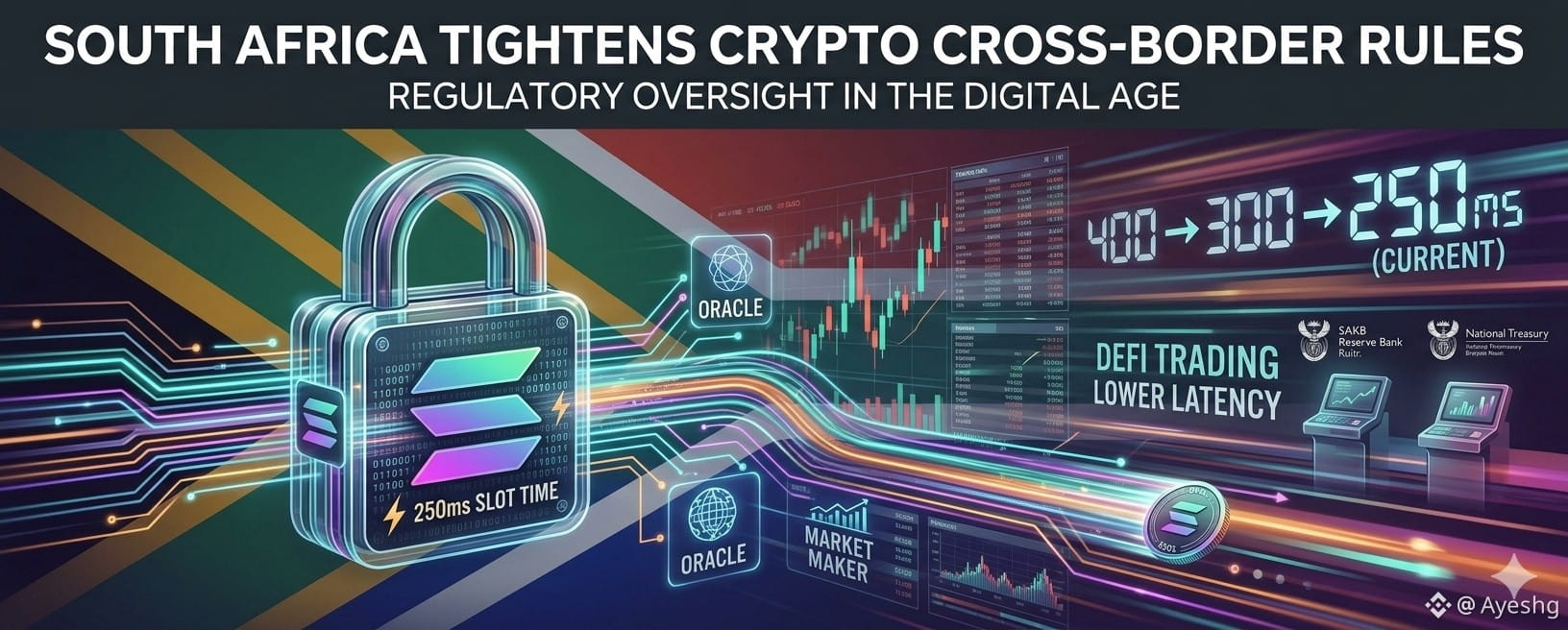
#solanacutstargetslottimeto250ms ⚡ Solana Targets 250ms Slots — Speed Upgrade Could Reshape Trading! 🚀
Solana is moving toward 250ms slot times under SIMD-0525, part of a staged plan to reduce slot time from 400ms toward 200ms.
📌 Current status: Mainnet is currently at 300ms, while the 250ms upgrade is live on Devnet and Testnet. Mainnet activation is still TBD.
⚡ Faster slots could mean:
• More frequent on-chain updates
• Lower latency for trading applications
• Faster leader rotation
• Finer timing for oracles and market makers
The official proposal says the 250ms stage would shorten an epoch from roughly 36 hours to 30 hours, while per-slot work limits are adjusted proportionally.
🔥 $SOL remains one of the key assets to watch as Solana pushes toward lower latency.
#Solana #SOL #CryptoNews #Blockchain #DeFi
2.7k

·
--
Solana Reduz o Slot Time para 250ms: Velocidade Real ou Apenas Ilusão de Óptica?#SolanaCutsTargetSlotTimeTo250ms
A rede Solana acaba de dar mais um passo rumo à busca por latência ultra-baixa ao reduzir seu target slot time de 300ms para 250ms. Na prática, isso significa que a rede agora tenta gerar até 4 blocos por segundo. O mercado comemora a mudança como um avanço brutal de performance, mas se analisarmos os detalhes técnicos da proposta SIMD-0525, a história é um pouco mais matizada.
O que realmente mudou
Muitos investidores acreditam erroneamente que blocos mais rápidos se traduzem automaticamente em maior capacidade de processamento de transações (TPS). Isso é um mito.
A proposta reduziu o tempo de criação do bloco em quase 17%, porém reduziu proporcionalmente o limite de computação (Compute Units) e de dados permitidos em cada slot. O teto de processamento geral da rede continua exatamente o mesmo.
O ganho real da rede não é o volume de dados, mas sim a responsividade
Atualização de Preços: Aplicações de DeFi, oráculos (como Pyth) e plataformas de perpetuados recebem dados de mercado mais frescos, reduzindo slippage.
Janela do Líder Reduzida: A janela para cada validador produzir blocos caiu de 1,2s para 1 segundo (4 slots seguidos).
Épocas Mais Curtas: Um ciclo de Epoch (432.000 slots) cai de 36 para cerca de 30 horas
A Minha Perspectiva: O Preço da Velocidade
Na minha visão, esta transição para 250ms — com o objetivo final focado em 200ms — deixa evidente a estratégia da Solana: focar na experiência do usuário final e no trading de alta frequência. Para o usuário comum, a confirmação visual da transação parece instantânea.
No entanto, há um risco estrutural que não pode ser ignorado. Ao exigir que blocos sejam propagados e validados a cada 250 milissegundos, a pressão sobre os validadores aumenta significativamente. Validadores menores ou com conexões de rede com maior latência geográfica correm o risco de ter uma taxa de block skipping elevada, o que pode favorecer a centralização do ecossistema em data centers ultra-especializados.
A Solana continua sua aposta no caminho da velocidade extrema. Resta saber se a infraestrutura dos validadores conseguirá acompanhar esse ritmo sem comprometer a estabilidade do ecossistema.
$SOL
#solana
#CryptoNews
#kokim4758
Solana Reduz o Slot Time para 250ms: Velocidade Real ou Apenas Ilusão de Óptica?
#SolanaCutsTargetSlotTimeTo250ms
A rede Solana acaba de dar mais um passo rumo à busca por latência ultra-baixa ao reduzir seu target slot time de 300ms para 250ms. Na prática, isso significa que a rede agora tenta gerar até 4 blocos por segundo. O mercado comemora a mudança como um avanço brutal de performance, mas se analisarmos os detalhes técnicos da proposta SIMD-0525, a história é um pouco mais matizada.
O que realmente mudou
Muitos investidores acreditam erroneamente que blocos mais rápidos se traduzem automaticamente em maior capacidade de processamento de transações (TPS). Isso é um mito.
A proposta reduziu o tempo de criação do bloco em quase 17%, porém reduziu proporcionalmente o limite de computação (Compute Units) e de dados permitidos em cada slot. O teto de processamento geral da rede continua exatamente o mesmo.
O ganho real da rede não é o volume de dados, mas sim a responsividade
Atualização de Preços: Aplicações de DeFi, oráculos (como Pyth) e plataformas de perpetuados recebem dados de mercado mais frescos, reduzindo slippage.
Janela do Líder Reduzida: A janela para cada validador produzir blocos caiu de 1,2s para 1 segundo (4 slots seguidos).
Épocas Mais Curtas: Um ciclo de Epoch (432.000 slots) cai de 36 para cerca de 30 horas
A Minha Perspectiva: O Preço da Velocidade
Na minha visão, esta transição para 250ms — com o objetivo final focado em 200ms — deixa evidente a estratégia da Solana: focar na experiência do usuário final e no trading de alta frequência. Para o usuário comum, a confirmação visual da transação parece instantânea.
No entanto, há um risco estrutural que não pode ser ignorado. Ao exigir que blocos sejam propagados e validados a cada 250 milissegundos, a pressão sobre os validadores aumenta significativamente. Validadores menores ou com conexões de rede com maior latência geográfica correm o risco de ter uma taxa de block skipping elevada, o que pode favorecer a centralização do ecossistema em data centers ultra-especializados.
A Solana continua sua aposta no caminho da velocidade extrema. Resta saber se a infraestrutura dos validadores conseguirá acompanhar esse ritmo sem comprometer a estabilidade do ecossistema.
$SOL
#solana
#CryptoNews
#kokim4758
464

·
--
Проверено
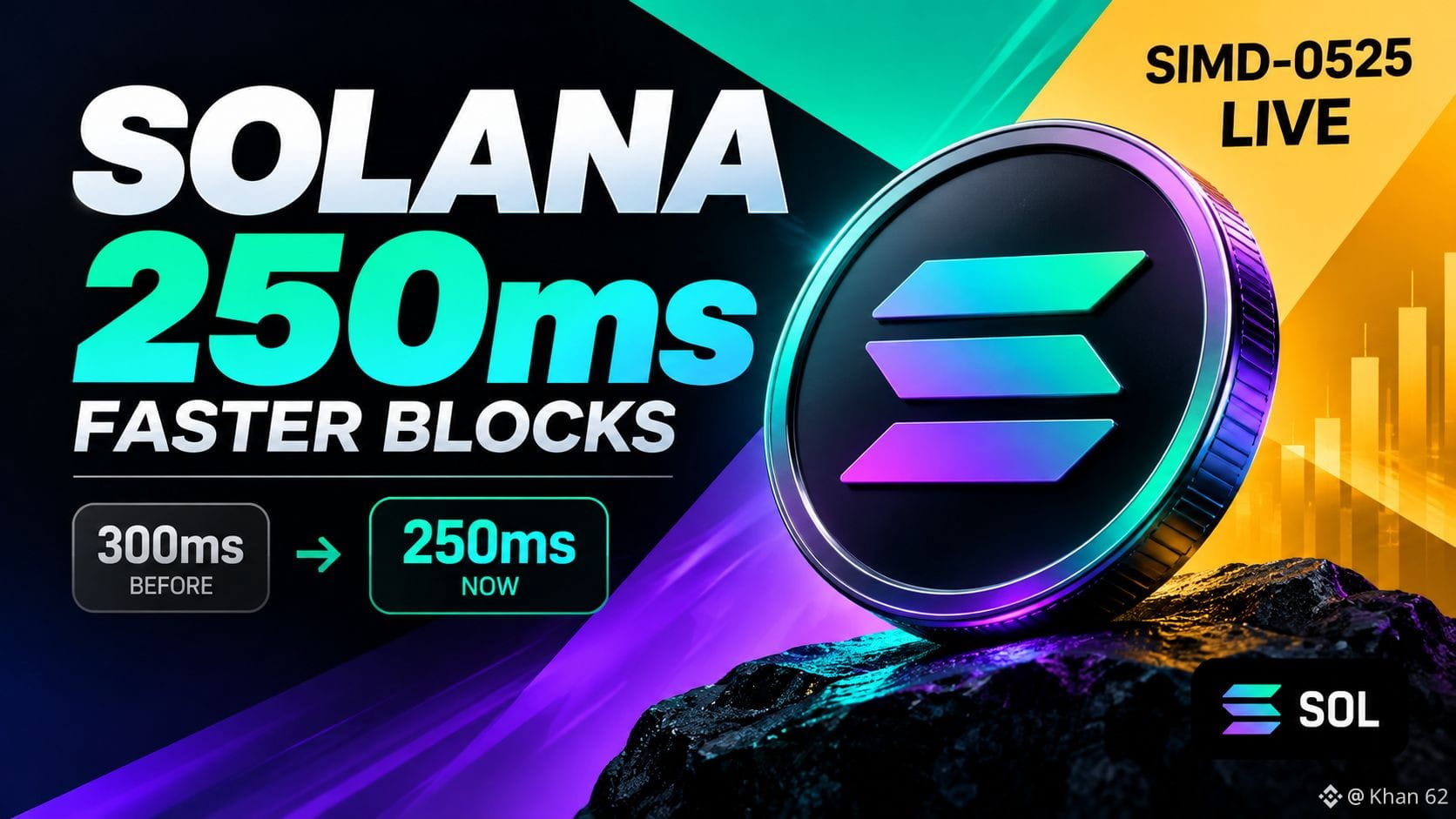
#solanacutstargetslottimeto250ms 🚨 SOLANA JUST GAINED SPEED. There IS A CATCH! ⚡️ $SOL
SOLANA has officially reduced its target slot time from 300 milliseconds to 250 milliseconds raising block production frequency by 17 percent. This upgrade became active on September 18 under SIMD-0525. ([Solana][1])
However this change does not mean a 17 percent increase in transactions per second. Each slot now holds less computation and data so overall processing capacity remains about the same.
🔥 Reasons why traders should care:
• Faster on-chain data updates
• Validators now control blocks for only one second down from one point two seconds
• Epochs shrink from approximately thirty six hours to about thirty hours
• Faster responsiveness may benefit DeFi oracles and automated trading systems.
Solana still has more changes ahead.
🎯 The next target is two hundred milliseconds. There is no mainnet activation date yet. Validator skip rates will be monitored first.
👀 **Does faster latency strengthen SOLANAs position, in high-speed DeFi and trading?
#solana #crypto #Khan62 #cryptotrading
$SOL
{future}(SOLUSDT)
$ETH $BTC
{future}(BTCUSDT)
#solanacutstargetslottimeto250ms 🚨 SOLANA JUST GAINED SPEED. There IS A CATCH! ⚡️ $SOL
SOLANA has officially reduced its target slot time from 300 milliseconds to 250 milliseconds raising block production frequency by 17 percent. This upgrade became active on September 18 under SIMD-0525. ([Solana][1])
However this change does not mean a 17 percent increase in transactions per second. Each slot now holds less computation and data so overall processing capacity remains about the same.
🔥 Reasons why traders should care:
• Faster on-chain data updates
• Validators now control blocks for only one second down from one point two seconds
• Epochs shrink from approximately thirty six hours to about thirty hours
• Faster responsiveness may benefit DeFi oracles and automated trading systems.
Solana still has more changes ahead.
🎯 The next target is two hundred milliseconds. There is no mainnet activation date yet. Validator skip rates will be monitored first.
👀 **Does faster latency strengthen SOLANAs position, in high-speed DeFi and trading?
#solana #crypto #Khan62 #cryptotrading
$SOL
$ETH $BTC
438

·
--
Рост
Проверено
#solanacutstargetslottimeto250ms
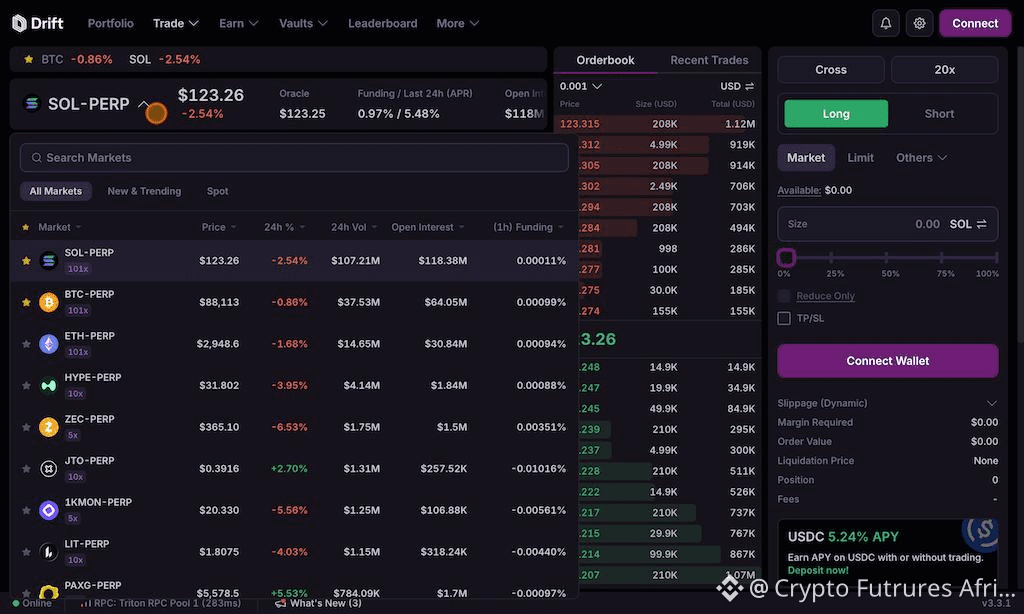
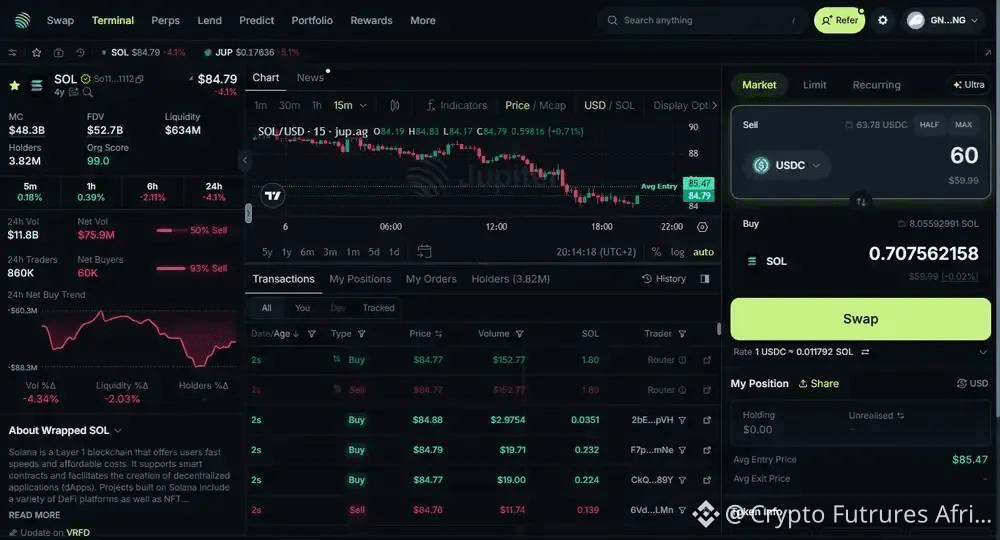
Solana’s 250ms Upgrade Puts Fresh Data in Focus
A faster blockchain clock could matter most where timing matters most: markets.
Solana’s move from a 300ms target slot time to 250ms gives applications a finer-grained view of on-chain time. The change is part of SIMD-0525, which keeps four consecutive slots in a leader window while shortening the overall window to about one second.
That matters for decentralized exchanges, oracle consumers and market-making systems where even small differences in data freshness can influence execution.
Solana’s own technical documentation notes that shorter slots can reduce the time between consensus-related events and provide applications with finer temporal granularity.
But there is an important distinction: the upgrade does not automatically create additional blockspace. Per-slot compute and data limits are reduced proportionally as the slot becomes shorter.
So the headline isn't simply “Solana gets faster.”
It is more precise to say: Solana is making its network clock more responsive while keeping its processing budget carefully controlled.
$ZETA
{future}(ZETAUSDT)
$NIL
{future}(NILUSDT)
$BTW
{future}(BTWUSDT)
#solanacutstargetslottimeto250ms
Solana’s 250ms Upgrade Puts Fresh Data in Focus
A faster blockchain clock could matter most where timing matters most: markets.
Solana’s move from a 300ms target slot time to 250ms gives applications a finer-grained view of on-chain time. The change is part of SIMD-0525, which keeps four consecutive slots in a leader window while shortening the overall window to about one second.
That matters for decentralized exchanges, oracle consumers and market-making systems where even small differences in data freshness can influence execution.
Solana’s own technical documentation notes that shorter slots can reduce the time between consensus-related events and provide applications with finer temporal granularity.
But there is an important distinction: the upgrade does not automatically create additional blockspace. Per-slot compute and data limits are reduced proportionally as the slot becomes shorter.
So the headline isn't simply “Solana gets faster.”
It is more precise to say: Solana is making its network clock more responsive while keeping its processing budget carefully controlled.
$ZETA
$NIL
$BTW
611

·
--
Рост
#SolanaCutsTargetSlotTimeTo250ms
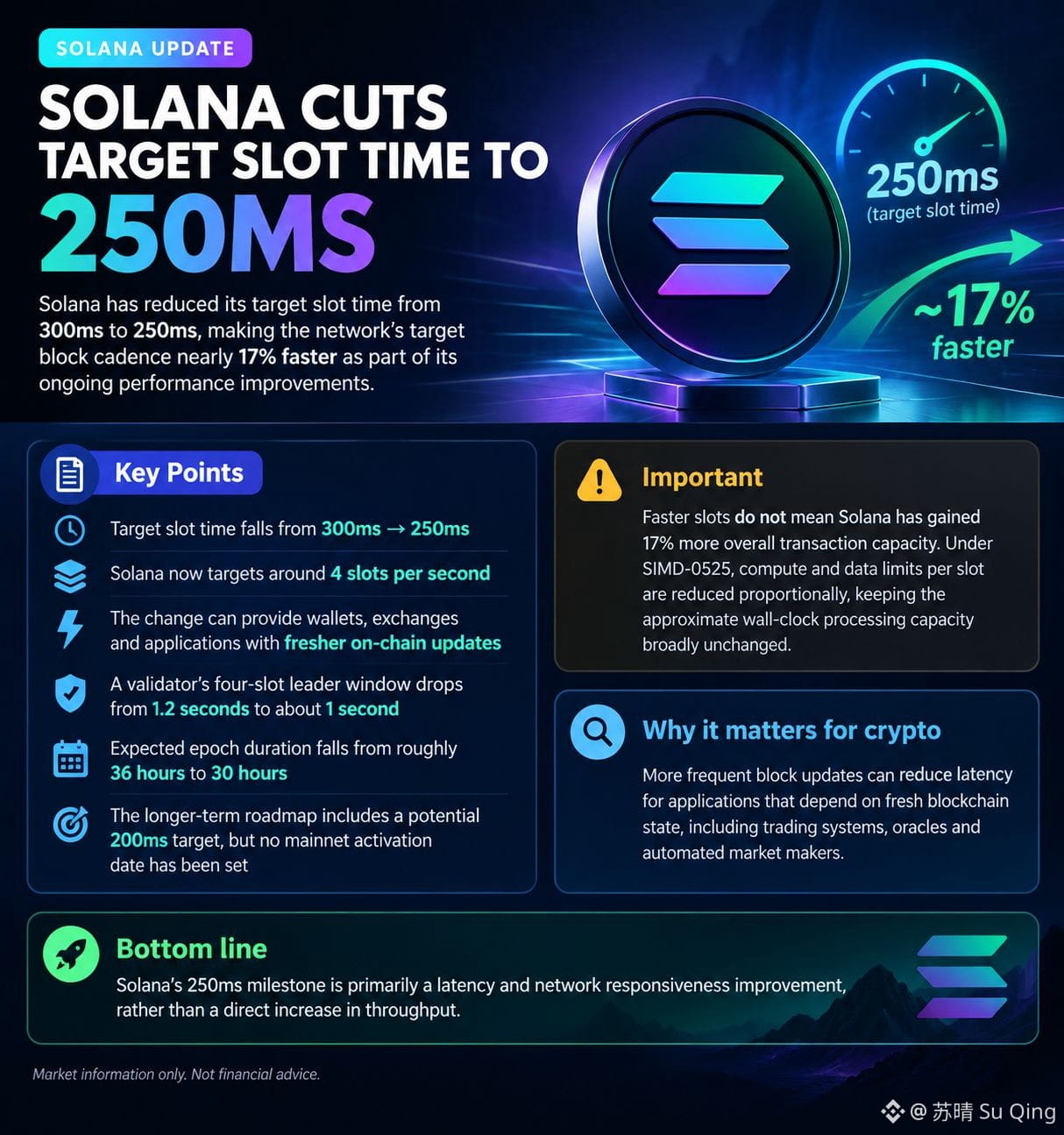
🚨 SOLANA CUTS TARGET SLOT TIME TO 250MS
Solana has reduced its target slot time from 300ms to 250ms, making the network’s target block cadence nearly 17% faster as part of its ongoing performance improvements.
📊 Key points:
• Target slot time falls from 300ms → 250ms
• Solana now targets around 4 slots per second
• The change can provide wallets, exchanges and applications with fresher on-chain updates
• A validator’s four-slot leader window drops from 1.2 seconds to about 1 second
• Expected epoch duration falls from roughly 36 hours to 30 hours
• The longer-term roadmap includes a potential 200ms target, but no mainnet activation date has been set
⚠️ Important: Faster slots do not mean Solana has gained 17% more overall transaction capacity. Under SIMD-0525, compute and data limits per slot are reduced proportionally, keeping the approximate wall-clock processing capacity broadly unchanged.
🔎 Why it matters for crypto:
More frequent block updates can reduce latency for applications that depend on fresh blockchain state, including trading systems, oracles and automated market makers.
📌 Bottom line:
Solana’s 250ms milestone is primarily a latency and network responsiveness improvement, rather than a direct increase in throughput.
$KMNO
{future}(KMNOUSDT)
$WIF
{future}(WIFUSDT)
$SEI
{future}(SEIUSDT)
#SolanaCutsTargetSlotTimeTo250ms
🚨 SOLANA CUTS TARGET SLOT TIME TO 250MS
Solana has reduced its target slot time from 300ms to 250ms, making the network’s target block cadence nearly 17% faster as part of its ongoing performance improvements.
📊 Key points:
• Target slot time falls from 300ms → 250ms
• Solana now targets around 4 slots per second
• The change can provide wallets, exchanges and applications with fresher on-chain updates
• A validator’s four-slot leader window drops from 1.2 seconds to about 1 second
• Expected epoch duration falls from roughly 36 hours to 30 hours
• The longer-term roadmap includes a potential 200ms target, but no mainnet activation date has been set
⚠️ Important: Faster slots do not mean Solana has gained 17% more overall transaction capacity. Under SIMD-0525, compute and data limits per slot are reduced proportionally, keeping the approximate wall-clock processing capacity broadly unchanged.
🔎 Why it matters for crypto:
More frequent block updates can reduce latency for applications that depend on fresh blockchain state, including trading systems, oracles and automated market makers.
📌 Bottom line:
Solana’s 250ms milestone is primarily a latency and network responsiveness improvement, rather than a direct increase in throughput.
$KMNO
$WIF
$SEI
79

·
--
Why is nobody talking about how slashing block times might actually create a worse trading experience for retail?
Every time network upgrades get hyped, traders rush in expecting instant execution, only to end up paying higher slippage and losing money to sophisticated MEV bots that front-run their orders.
The mainstream narrative treats $SOL cutting its target slot time down to 250ms as a pure scalability victory. Faster throughput sounds great on paper, but looking at this as a live case study reveals a different reality for decentralized order books. When you push block speeds this low, node requirements spike and the hardware race intensifies. That naturally concentrates block production into fewer institutional validators, giving algorithmic traders an even larger edge over everyday users trying to swap $USDT for their favorite tokens.
We have already seen alternative ecosystems like $AVAX navigate these trade-offs by balancing subnet finality with validator decentralization. Pushing raw execution speed without addressing priority fee dynamics does not solve congestion during peak market volatility, it just makes failed transactions happen faster.
Are sub-second slot times truly the future of DeFi adoption, or are we just optimizing chains for high-frequency bots?
#SolanaCutsTargetSlotTimeTo250ms #ZetaChainVotesToMigrateZETAToSolana

176

Проверено
#solanacutstargetslottimeto250ms
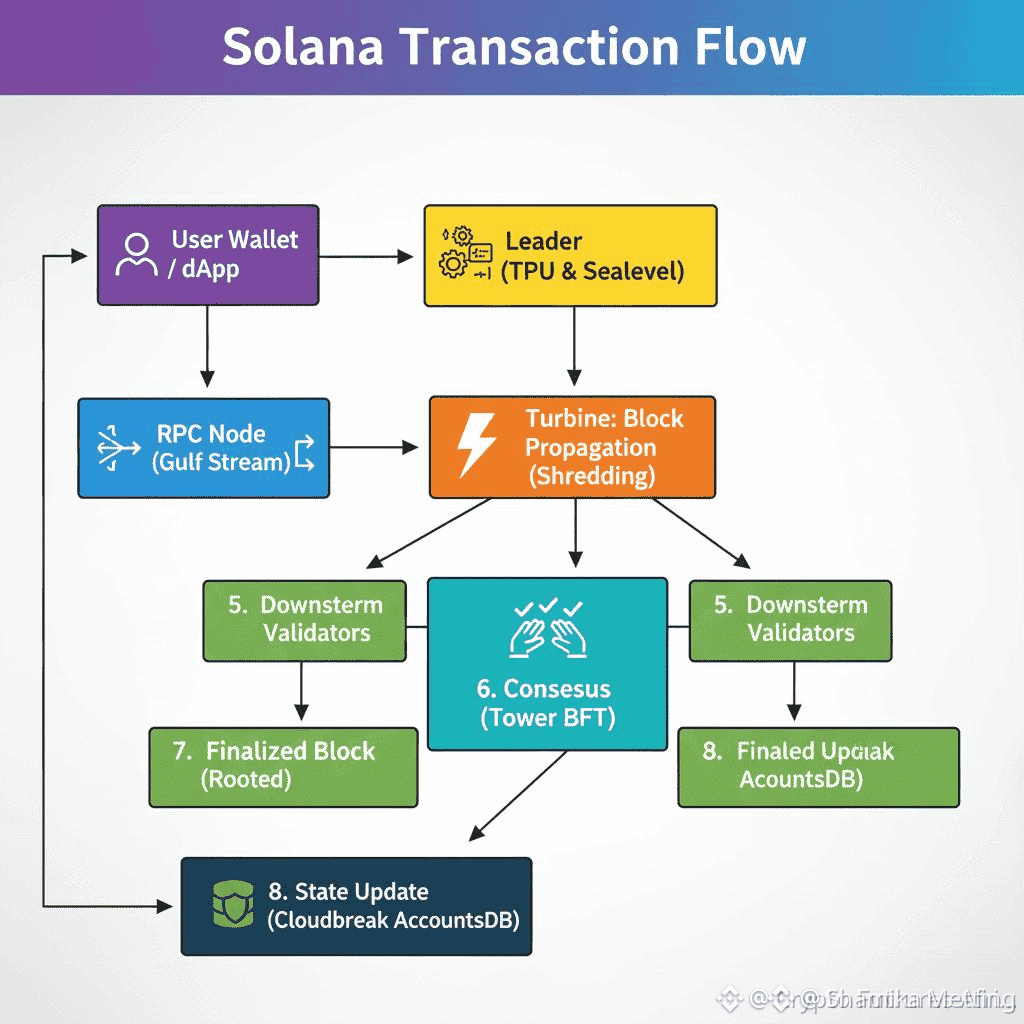
من 400 مللي ثانية إلى 250 مللي ثانية: استراتيجية سولانا متعددة المراحل للسرعة
لم تقفز سولانا من 400 مللي ثانية إلى 250 مللي ثانية بين ليلة وضحاها. بل بنت طريقًا على مراحل للوصول إلى ذلك.
تُعرّف SIMD-0525 أربع تخفيضات: 350 مللي ثانية، 300 مللي ثانية، 250 مللي ثانية، وفي النهاية 200 مللي ثانية. كل مرحلة مقيّدة بميزات محددة، ما يتيح للشبكة ولمُتحققيها التكيف قبل التخفيض التالي.
مرحلة 250 مللي ثانية أصبحت الآن فعّالة على شبكة سولانا الرئيسية (mainnet)، بينما لم يتم بعد تأكيد تاريخ تفعيل المرحلة النهائية عند 200 مللي ثانية على mainnet. وقد أفادت Binance News بأن الخطوة الأخيرة ستعتمد على أداء الشبكة، بما في ذلك استقرار المُتحققين.
كما تغيّر المقاربة على مراحل معلمات تقنية أخرى. عند 250 مللي ثانية، يحدد الاقتراح نافذة قائد من أربع فترات (أربع سلوطات) بمعدل ثانية واحدة اسميًا، مقارنةً بـ 1.6 ثانية عند 400 مللي ثانية.
وهذا يجعل الترقية أقل ارتباطًا برقم رئيسي واحد وأكثر تركيزًا على تغيير معمارية توقيت سولانا تدريجيًا دون القيام بقفزة هائلة واحدة.
المعلم التالي بسيط: ما إذا كانت الشبكة تستطيع الحفاظ على توقيت أكثر إحكامًا على نطاق واسع.
متابعة من فضلكم
$ZETA
{alpha}(10xf091867ec603a6628ed83d274e835539d82e9cc8)
#solanacutstargetslottimeto250ms
من 400 مللي ثانية إلى 250 مللي ثانية: استراتيجية سولانا متعددة المراحل للسرعة
لم تقفز سولانا من 400 مللي ثانية إلى 250 مللي ثانية بين ليلة وضحاها. بل بنت طريقًا على مراحل للوصول إلى ذلك.
تُعرّف SIMD-0525 أربع تخفيضات: 350 مللي ثانية، 300 مللي ثانية، 250 مللي ثانية، وفي النهاية 200 مللي ثانية. كل مرحلة مقيّدة بميزات محددة، ما يتيح للشبكة ولمُتحققيها التكيف قبل التخفيض التالي.
مرحلة 250 مللي ثانية أصبحت الآن فعّالة على شبكة سولانا الرئيسية (mainnet)، بينما لم يتم بعد تأكيد تاريخ تفعيل المرحلة النهائية عند 200 مللي ثانية على mainnet. وقد أفادت Binance News بأن الخطوة الأخيرة ستعتمد على أداء الشبكة، بما في ذلك استقرار المُتحققين.
كما تغيّر المقاربة على مراحل معلمات تقنية أخرى. عند 250 مللي ثانية، يحدد الاقتراح نافذة قائد من أربع فترات (أربع سلوطات) بمعدل ثانية واحدة اسميًا، مقارنةً بـ 1.6 ثانية عند 400 مللي ثانية.
وهذا يجعل الترقية أقل ارتباطًا برقم رئيسي واحد وأكثر تركيزًا على تغيير معمارية توقيت سولانا تدريجيًا دون القيام بقفزة هائلة واحدة.
المعلم التالي بسيط: ما إذا كانت الشبكة تستطيع الحفاظ على توقيت أكثر إحكامًا على نطاق واسع.
متابعة من فضلكم
$ZETA
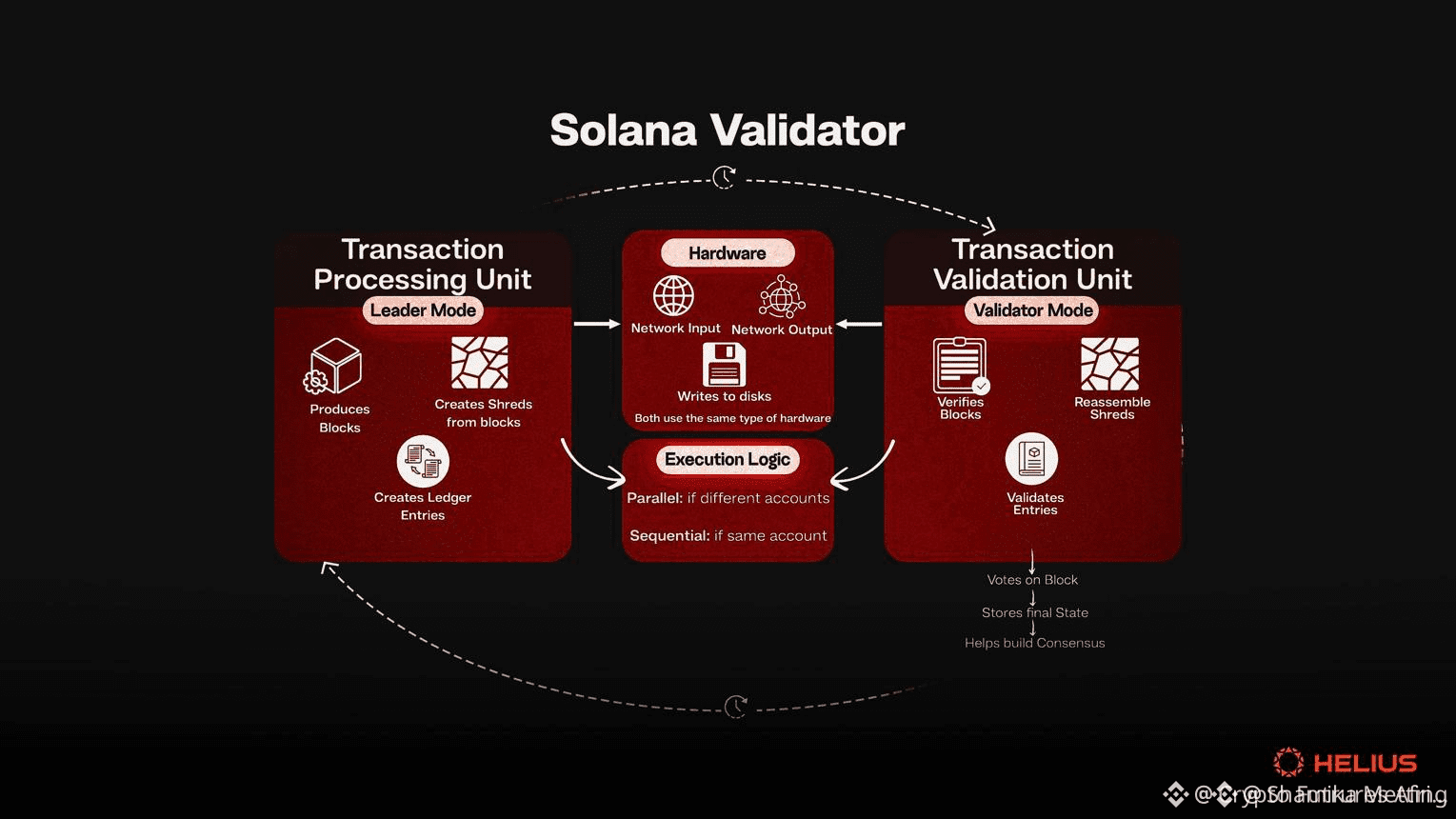
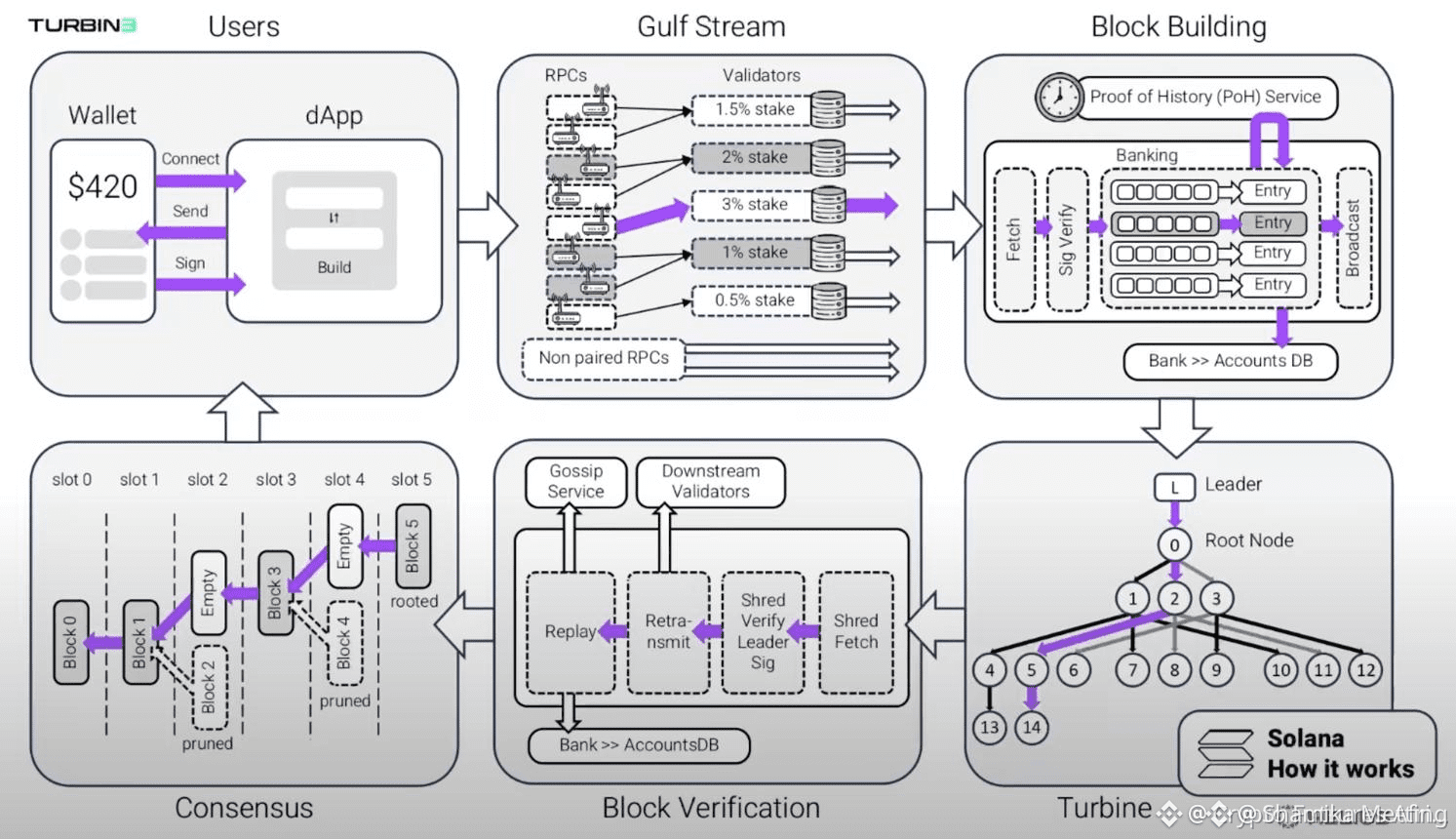
1
3
4.9k

Проверено
#solanacutstargetslottimeto250ms
🚨 Solana Just Cut Target Slot Time to 250MS ⚡️
Solana’s mainnet internal clock just got a major boost, with the blockchain protocol managing to reduce its target slot time by 17% from 300ms to 250ms.
Fresher Market Data: The network is now able to process 4 slots per second instead of 3.3. This results in faster state updates and a narrower price channel around swap events while maintaining a high degree of responsiveness for automated market makers.
Latency before Capacity: The adjustment does not give the blockchain an overall higher transaction throughput. The network reduced the amount of allowed transactions per slot by approximately the same degree under the proposed SIMD-0525 in order to maintain stability. Solana is now simply able to produce smaller blocks more frequently than before.
The 200MS Endgame: The 250MS target is in fact a closely watched milestone. If the network manages to demonstrate equivalent stability while allowing a 1 second leader control window without significant skips, it could move on to even lower latency with a 200MS target.
Solana is prioritizing extremely short latency for obvious reasons. The crypto protocol is clearly determined to become the fastest blockchain for high frequency decentralized trading.
👇 What do you think?
Will this development secure SOL’s position as the cryptocurrency of choice for DeFi trading, or is there cause for concern? Let’s discuss!
#SolanaCutsTargetSlotTimeTo250ms #Solana #SOL #CryptoTrading
$SOL $SAGA $ZETA
{future}(ZETAUSDT)
{future}(SOLUSDT)
{future}(SAGAUSDT)
#solanacutstargetslottimeto250ms
🚨 Solana Just Cut Target Slot Time to 250MS ⚡️
Solana’s mainnet internal clock just got a major boost, with the blockchain protocol managing to reduce its target slot time by 17% from 300ms to 250ms.
Fresher Market Data: The network is now able to process 4 slots per second instead of 3.3. This results in faster state updates and a narrower price channel around swap events while maintaining a high degree of responsiveness for automated market makers.
Latency before Capacity: The adjustment does not give the blockchain an overall higher transaction throughput. The network reduced the amount of allowed transactions per slot by approximately the same degree under the proposed SIMD-0525 in order to maintain stability. Solana is now simply able to produce smaller blocks more frequently than before.
The 200MS Endgame: The 250MS target is in fact a closely watched milestone. If the network manages to demonstrate equivalent stability while allowing a 1 second leader control window without significant skips, it could move on to even lower latency with a 200MS target.
Solana is prioritizing extremely short latency for obvious reasons. The crypto protocol is clearly determined to become the fastest blockchain for high frequency decentralized trading.
👇 What do you think?
Will this development secure SOL’s position as the cryptocurrency of choice for DeFi trading, or is there cause for concern? Let’s discuss!
#SolanaCutsTargetSlotTimeTo250ms #Solana #SOL #CryptoTrading
$SOL $SAGA $ZETA
3
138

·
--
#SolanaCutsTargetSlotTimeTo250ms
Speed Upgrade ⚡
$SOL is pushing Solana’s performance further with a target slot time of just 250ms. Faster block production could improve responsiveness and help the network handle activity more efficiently. A key development to watch for the Solana ecosystem.
#Solana #SOL
{future}(SOLUSDT)
#SolanaCutsTargetSlotTimeTo250ms #Blockchain
#SolanaCutsTargetSlotTimeTo250ms
Speed Upgrade ⚡
$SOL is pushing Solana’s performance further with a target slot time of just 250ms. Faster block production could improve responsiveness and help the network handle activity more efficiently. A key development to watch for the Solana ecosystem.
#Solana #SOL
#SolanaCutsTargetSlotTimeTo250ms #Blockchain
89
·
--
Рост
#solanacutstargetslottimeto250ms
Solana Hits 250ms: The Network’s Clock Just Got Faster
Solana has officially moved another step toward faster block production, cutting its target slot time to 250 milliseconds.
The change took effect on September 18 as part of SIMD-0525, Solana’s staged plan to reduce slot times from the original 400ms toward a 200ms target. Binance News reported the 250ms activation as the third reduction in the sequence after 350ms and 300ms.
At 250ms, Solana targets roughly four slots per second. A four-slot leader window therefore falls to about one second, compared with 1.2 seconds at 300ms.
The important detail: this is primarily a latency and timing upgrade, not a direct throughput increase. SIMD-0525 proportionally reduces the amount of computation and data permitted in each slot.
The bigger question now: can Solana’s validator infrastructure maintain stable performance as the network moves closer to 200ms?
$ZETA
{future}(ZETAUSDT)
$PTB
{future}(PTBUSDT)
$PHA
{future}(PHAUSDT)
#solanacutstargetslottimeto250ms
Solana Hits 250ms: The Network’s Clock Just Got Faster
Solana has officially moved another step toward faster block production, cutting its target slot time to 250 milliseconds.
The change took effect on September 18 as part of SIMD-0525, Solana’s staged plan to reduce slot times from the original 400ms toward a 200ms target. Binance News reported the 250ms activation as the third reduction in the sequence after 350ms and 300ms.
At 250ms, Solana targets roughly four slots per second. A four-slot leader window therefore falls to about one second, compared with 1.2 seconds at 300ms.
The important detail: this is primarily a latency and timing upgrade, not a direct throughput increase. SIMD-0525 proportionally reduces the amount of computation and data permitted in each slot.
The bigger question now: can Solana’s validator infrastructure maintain stable performance as the network moves closer to 200ms?
$ZETA
$PTB
$PHA
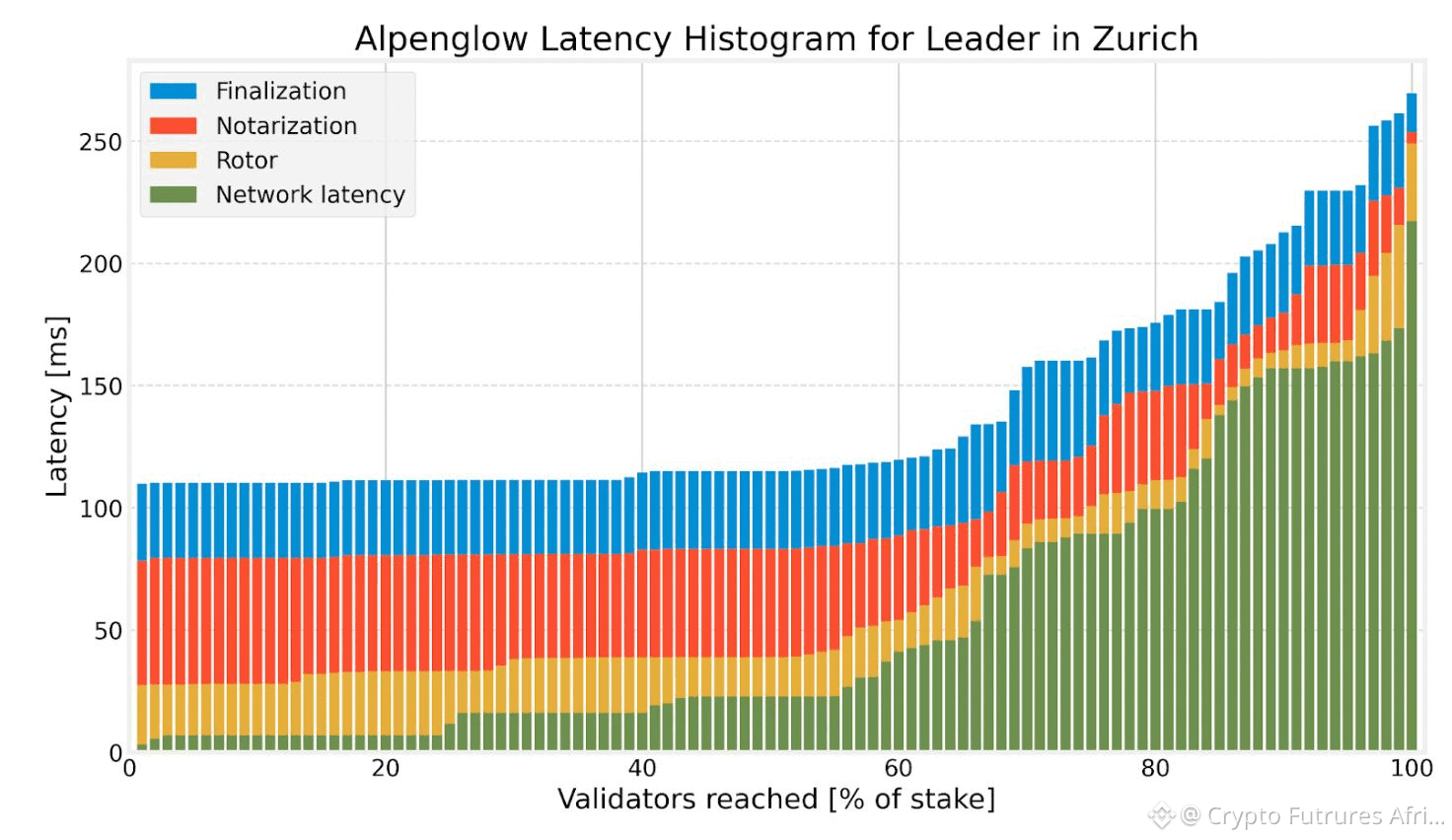
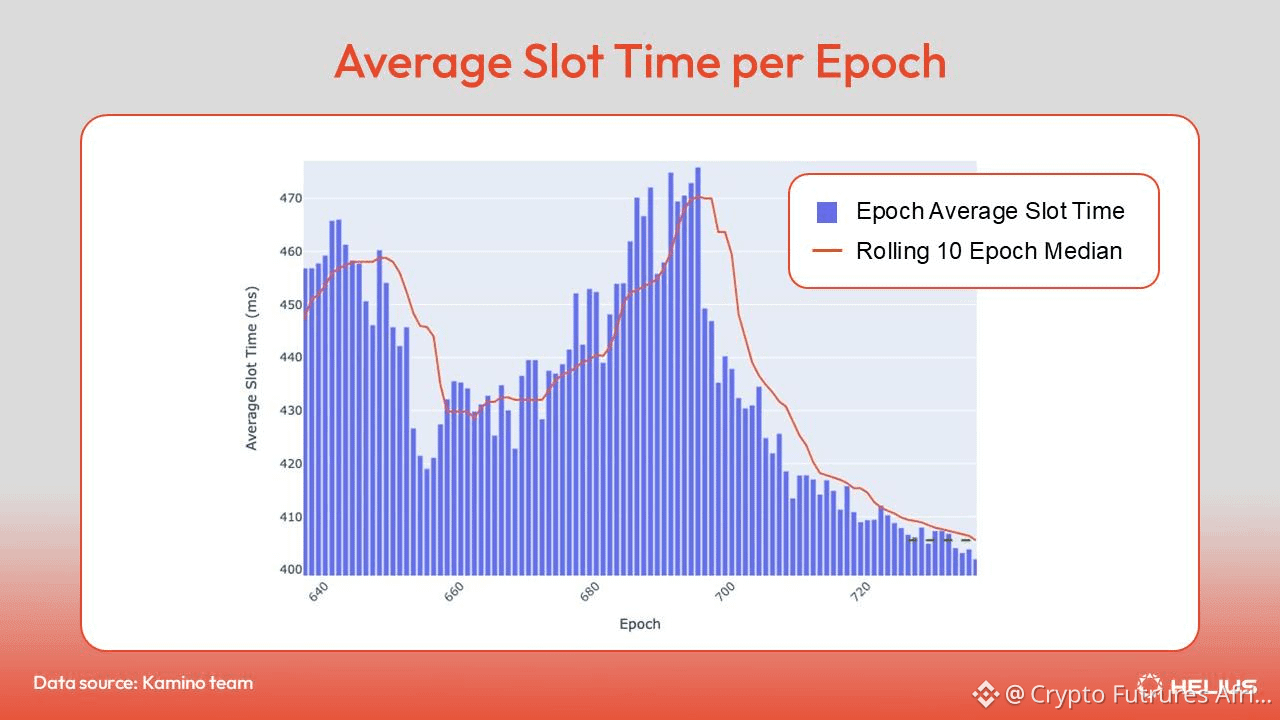
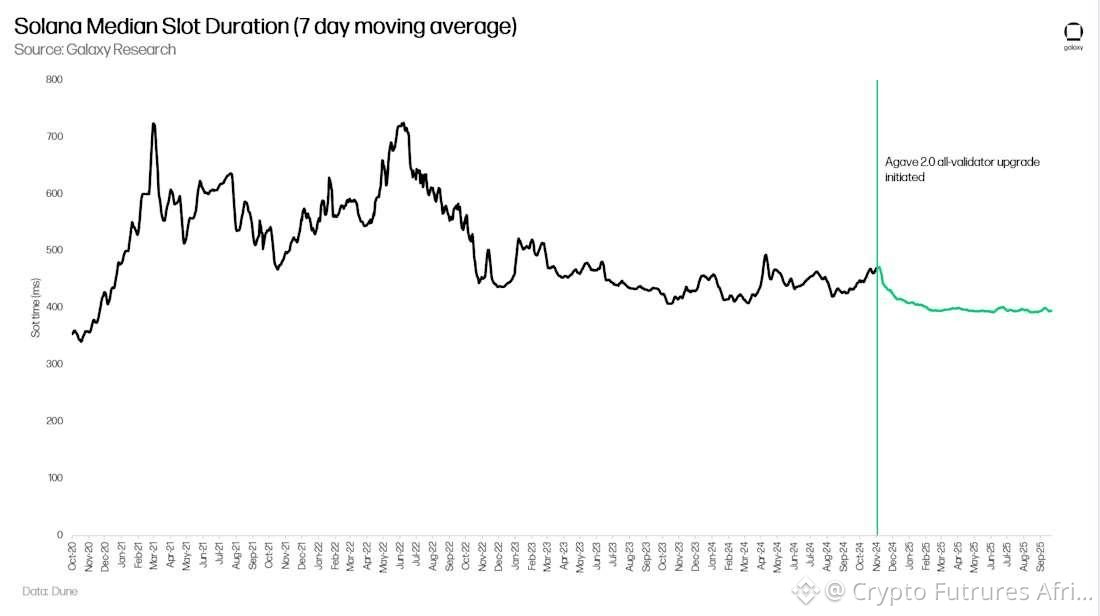
4

250ms slots are a latency story, not a throughput one. It changes how fast the chain confirms what you already sent — which is what orderbook-style apps on-chain actually live on.
The trade-off nobody puts in the headline: shorter slots raise the hardware floor for validators. Faster chains tend toward more concentrated validator sets, and that's the cost being paid here.
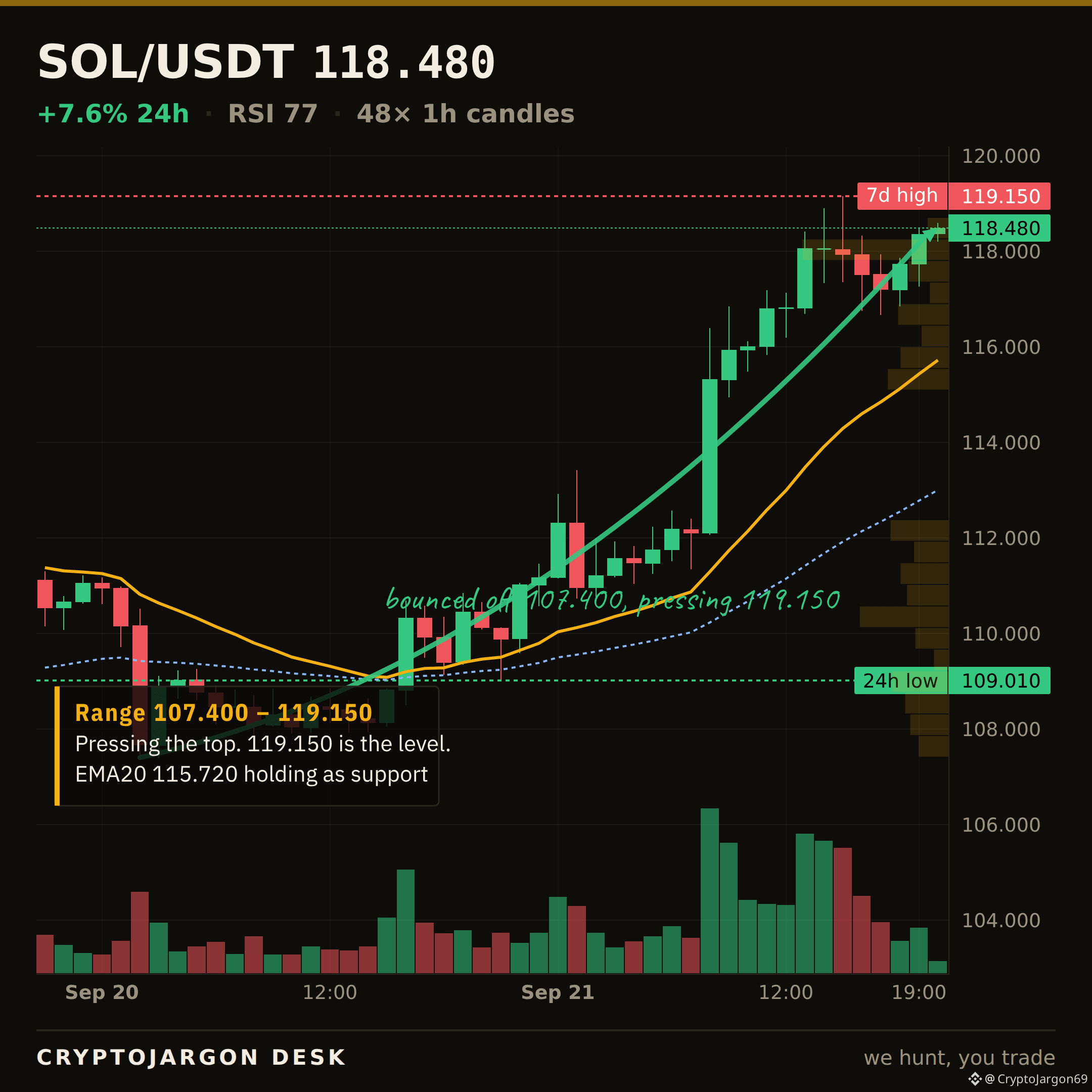
$SOL is at $118.42, +7.3% on the day, on $512M of volume.
Is sub-second finality worth a higher hardware bar for the people running the network? #SolanaCutsTargetSlotTimeTo250ms $SOL
171

Проверено
$SOL Solana Just Got FasterAnother upgrade for the Solana network — and this one is worth watching. 👀
On September 18, $SOL reduced its target slot time from 300ms to 250ms, marking the third speed increase since August.
This is part of the SIMD-0525 upgrade plan, which has already taken Solana from:
400ms → 350ms → 300ms → 250ms ⚡
The next target is 200ms, although Binance reports that there is currently no confirmed mainnet activation date for that final step. It will depend on validator performance and stable block-skip rates.
One important detail: this upgrade doesn't automatically mean higher overall throughput. Compute and data capacity per slot were adjusted proportionally, so total transaction-processing capacity remains broadly unchanged.
For me, the bigger story is the continued focus on Solana's network efficiency and performance.
👀 $SOL
⚡ Faster slot production
🔧 SIMD-0525 upgrade
🚀 200ms is the next target
If Solana keeps improving its infrastructure while adoption grows, the $SOL ecosystem could become even more interesting to watch.
Technology first. Price comes later. 📈
#solanacutstargetslottimeto250ms #Solana #SOL #SIMD0525 #Blockchain #Layer1 #Crypto #BinanceSquare
{spot}(SOLUSDT)
$SOL Solana Just Got Faster
Another upgrade for the Solana network — and this one is worth watching. 👀
On September 18, $SOL reduced its target slot time from 300ms to 250ms, marking the third speed increase since August.
This is part of the SIMD-0525 upgrade plan, which has already taken Solana from:
400ms → 350ms → 300ms → 250ms ⚡
The next target is 200ms, although Binance reports that there is currently no confirmed mainnet activation date for that final step. It will depend on validator performance and stable block-skip rates.
One important detail: this upgrade doesn't automatically mean higher overall throughput. Compute and data capacity per slot were adjusted proportionally, so total transaction-processing capacity remains broadly unchanged.
For me, the bigger story is the continued focus on Solana's network efficiency and performance.
👀 $SOL
⚡ Faster slot production
🔧 SIMD-0525 upgrade
🚀 200ms is the next target
If Solana keeps improving its infrastructure while adoption grows, the $SOL ecosystem could become even more interesting to watch.
Technology first. Price comes later. 📈
#solanacutstargetslottimeto250ms #Solana #SOL #SIMD0525 #Blockchain #Layer1 #Crypto #BinanceSquare
985
#solanacutstargetslottimeto250ms
🚨 سولانا قلّصت وقت الفتحة المستهدفة إلى 250 ملّي ثانية ⚡️
ساعة النظام الداخلية على الشبكة الرئيسية في سولانا حققت قفزة كبيرة، إذ تمكن بروتوكول البلوكشين من تقليل زمن الفتحة المستهدفة بنسبة 17% من 300 ملّي ثانية إلى 250 ملّي ثانية.
بيانات سوق أكثر حداثة: أصبحت الشبكة الآن قادرة على معالجة 4 فتحات في الثانية بدلًا من 3.3. يؤدي ذلك إلى تحديثات حالة أسرع وقناة أسعار أضيق حول أحداث التبادل، مع الحفاظ على مستوى عالٍ من الاستجابة لمنصات صانعي السوق الآليين.
الكمون قبل السعة: لا يمنح هذا التعديل البلوكشين قدرة أعلى إجمالًا على تنفيذ المعاملات. فقد خفّضت الشبكة عدد المعاملات المسموح بها لكل فتحة بدرجة مماثلة تقريبًا ضمن المقترح SIMD-0525 من أجل الحفاظ على الاستقرار. وبذلك باتت سولانا قادرة فقط على إنتاج كتل أصغر بشكل أكثر تكرارًا من قبل.
نهاية 200 ملّي ثانية: إن هدف 250 ملّي ثانية هو في الواقع معلم يُراقَب عن كثب. إذا استطاعت الشبكة إثبات الاستقرار المكافئ مع السماح بنافذة تحكم للقائد مدتها ثانية واحدة دون تخطيات كبيرة، فقد تنتقل إلى كمون أقل مع هدف 200 ملّي ثانية.
هل سيثبت هذا التطور مكانة SOL كعملة/أصل التشفير المفضّل لتداول DeFi، أم توجد أسباب للقلق؟ لنتناقش!
متابعة من فضلكم
#SolanaCutsTargetSlotTimeTo250ms #Solana #SOL #CryptoTrading
$SOL $SAGA $ZETA
1
115

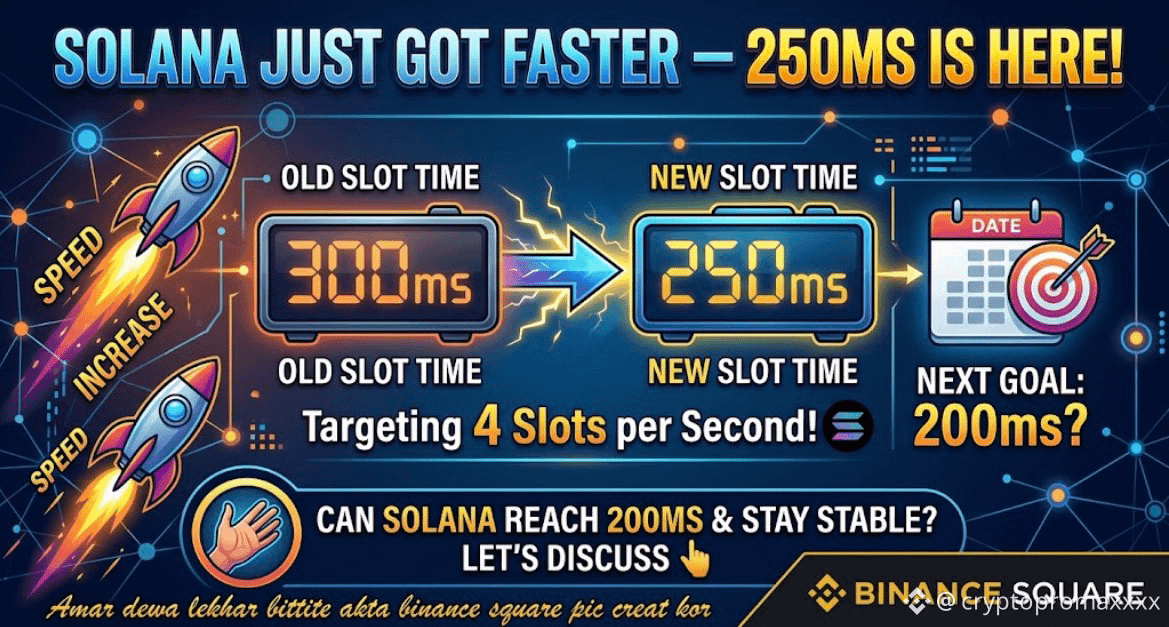
⚡ SOLANA JUST GOT FASTER — 250MS IS HERE! 🚀
Solana has reached another important infrastructure milestone. On September 18, 2026, its mainnet-beta target slot time moved from 300ms → 250ms under SIMD-0525.
That means Solana is now targeting roughly 4 slots per second. 👀
🔹 Previous target: 300ms
🔹 New target: 250ms
🔹 Next long-term goal: 200ms
But here’s the interesting part 🧠👇
A shorter slot time doesn’t automatically mean Solana will process proportionally more transactions. The upgrade also adjusts per-slot resource limits to keep the overall execution budget broadly balanced.
So the real test isn’t simply “How fast can Solana go?”
It’s whether validators, transaction propagation and network coordination can remain reliable as the timing gets tighter.
⚡ 250ms is the milestone.
200ms could be the next big test.
Do you think Solana can successfully reach 200ms while maintaining stable network performance? 👇
Bullish on $SOL? 🟢 or watching from the sidelines?
#SolanaCutsTargetSlotTimeTo250ms #SOL #CryptoNews #Blockchain #Web3 #Crypto #BinanceSquare
{spot}(SOLUSDT)
⚡ SOLANA JUST GOT FASTER — 250MS IS HERE! 🚀
Solana has reached another important infrastructure milestone. On September 18, 2026, its mainnet-beta target slot time moved from 300ms → 250ms under SIMD-0525.
That means Solana is now targeting roughly 4 slots per second. 👀
🔹 Previous target: 300ms
🔹 New target: 250ms
🔹 Next long-term goal: 200ms
But here’s the interesting part 🧠👇
A shorter slot time doesn’t automatically mean Solana will process proportionally more transactions. The upgrade also adjusts per-slot resource limits to keep the overall execution budget broadly balanced.
So the real test isn’t simply “How fast can Solana go?”
It’s whether validators, transaction propagation and network coordination can remain reliable as the timing gets tighter.
⚡ 250ms is the milestone.
200ms could be the next big test.
Do you think Solana can successfully reach 200ms while maintaining stable network performance? 👇
Bullish on $SOL? 🟢 or watching from the sidelines?
#SolanaCutsTargetSlotTimeTo250ms #SOL #CryptoNews #Blockchain #Web3 #Crypto #BinanceSquare
291

·
--
Рост
#solanacutstargetslottimeto250ms
⏱️ Solana's Clock Just Got 17% Faster — But Not Its Ceiling
Speed upgrades on blockchains usually promise more throughput. This one is doing something more precise.
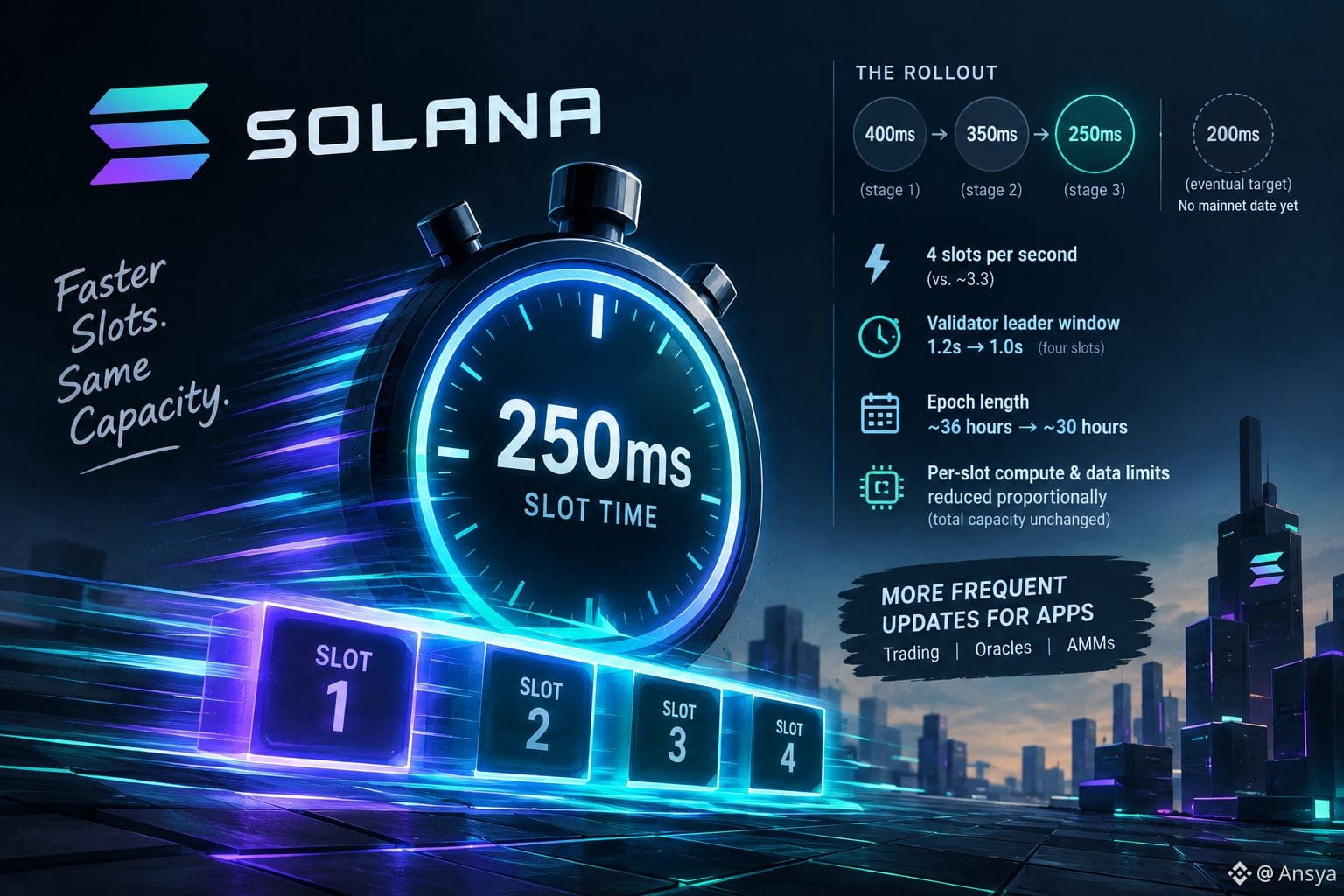
What's happening: Solana cut its target slot time from 300ms to 250ms on September 18, the third stage of a staged rollout called SIMD-0525. The network now targets four slots per second instead of roughly 3.3, shrinking a validator's four-slot leader window from 1.2 seconds to one second and shortening the expected epoch from about 36 hours to 30. Crucially, per-slot computation and data limits were reduced proportionally, so overall processing capacity stays roughly the same — this is a latency change, not a capacity increase. The rollout has moved through 400ms, 350ms, and now 250ms, with 200ms as the eventual target, though no mainnet date has been set for that final step.
Why it matters: Shorter slots mean applications see updated account balances, prices, and transaction data more frequently, which matters most for latency-sensitive activity like trading, oracles, and automated market makers. It's a meaningful technical refinement, even if it won't show up as a headline transactions-per-second jump.
Something to sit with: Does shaving latency without raising capacity meaningfully improve the on-chain trading experience, or does the real test only come once Solana reaches its 200ms target? Worth watching how DeFi activity responds.
$ZETA $SOL $PTB
{future}(PTBUSDT)
{future}(SOLUSDT)
{future}(ZETAUSDT)
#solanacutstargetslottimeto250ms
⏱️ Solana's Clock Just Got 17% Faster — But Not Its Ceiling
Speed upgrades on blockchains usually promise more throughput. This one is doing something more precise.
What's happening: Solana cut its target slot time from 300ms to 250ms on September 18, the third stage of a staged rollout called SIMD-0525. The network now targets four slots per second instead of roughly 3.3, shrinking a validator's four-slot leader window from 1.2 seconds to one second and shortening the expected epoch from about 36 hours to 30. Crucially, per-slot computation and data limits were reduced proportionally, so overall processing capacity stays roughly the same — this is a latency change, not a capacity increase. The rollout has moved through 400ms, 350ms, and now 250ms, with 200ms as the eventual target, though no mainnet date has been set for that final step.
Why it matters: Shorter slots mean applications see updated account balances, prices, and transaction data more frequently, which matters most for latency-sensitive activity like trading, oracles, and automated market makers. It's a meaningful technical refinement, even if it won't show up as a headline transactions-per-second jump.
Something to sit with: Does shaving latency without raising capacity meaningfully improve the on-chain trading experience, or does the real test only come once Solana reaches its 200ms target? Worth watching how DeFi activity responds.
$ZETA $SOL $PTB
35

Проверено
#solanacutstargetslottimeto250ms
⚡ Solana $SOL Cuts Target Slot Time To 250ms ⚡
Picture a network clock ticking so fast that one small adjustment changes how quickly the entire system moves. On Solana, that moment has now arrived.
Solana activated a 250ms target slot time on September 18, down from 300ms. The change is the third stage of SIMD-0525, a proposal designed to reduce slot times progressively toward 200ms.
At 250ms, Solana targets four slots every second instead of roughly 3.3. That compresses a four-slot validator leadership window from 1.2 seconds to about 1 second, while epochs shorten from roughly 36 hours to 30.
But here is the detail many headlines can miss: faster slots do not automatically mean a proportional increase in total processing capacity. The proposal reduces per-slot work limits alongside the timing change, keeping the approximate wall-clock processing ceiling similar.
That makes this more of an efficiency and responsiveness upgrade than a simple “Solana is now X% faster” story. Validators also face tighter timing around block production and infrastructure performance.
For SOL, the upgrade strengthens the network-performance narrative while the broader market remains positive. Current Binance Square market data shows SOL in the green alongside a strong altcoin rotation.
The bigger question is what happens next: can Solana keep compressing its timing without sacrificing reliability?
A faster clock matters only when the network can keep every beat.
❓Would you rather see Solana prioritize even faster slots, or maximum stability at 250ms?
Disclaimer: This is educational content, not financial advice.
#Solana #CryptoNews #GrowWithSAC $SAGA $FTT
#SolanaCutsTargetSlotTimeTo250ms

4
8.5k
Проверено
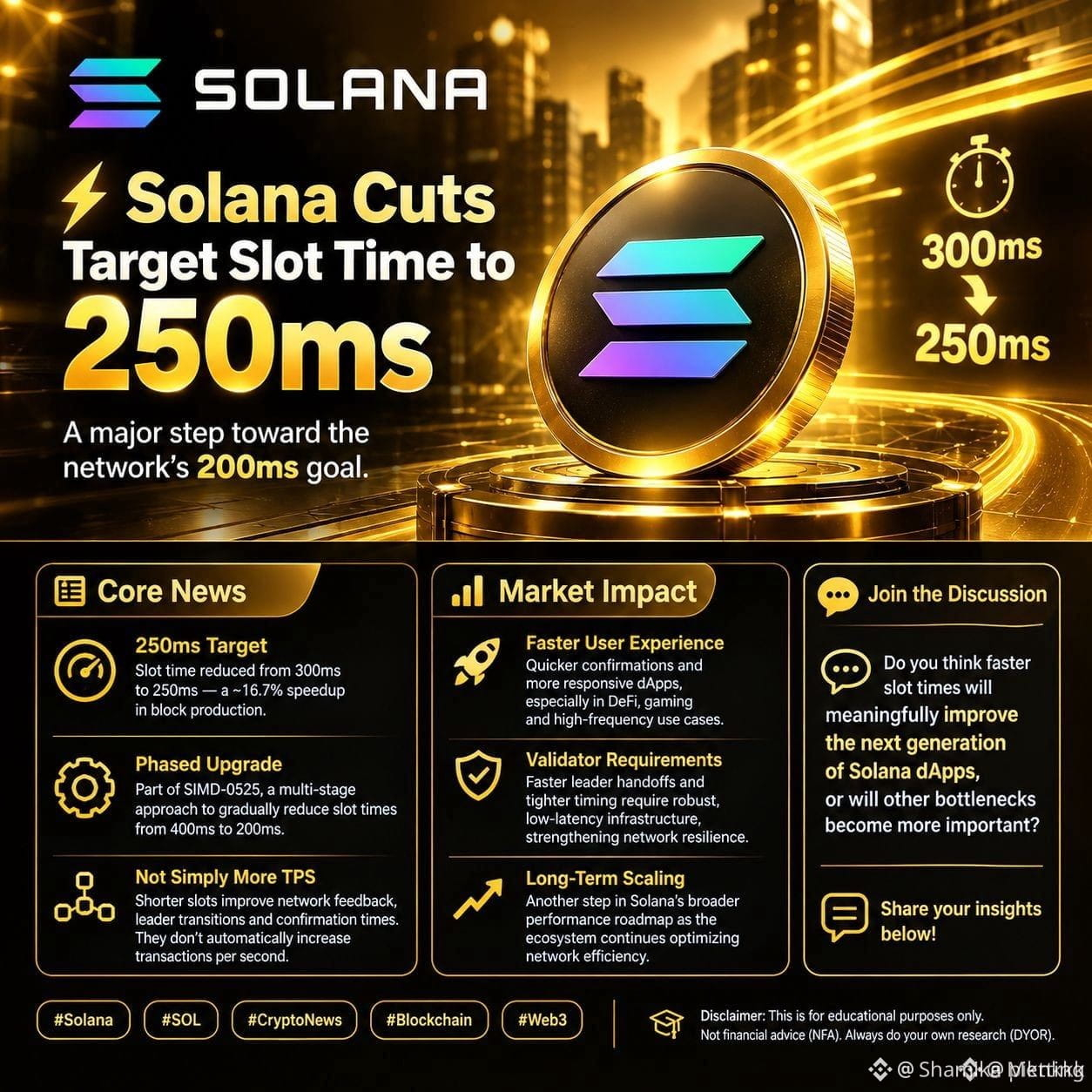
#solanacutstargetslottimeto250ms ⚡ ترقية شبكة سولانا: تقليل زمن الفتحة المستهدَف إلى 250 مللي ثانية
تواصل سولانا تحسين شبكتها تدريجيًا، ونجحت في تقليل زمن الفتحة المستهدَف إلى 250 مللي ثانية. ويُعد هذا خطوة مهمة أخرى نحو الهدف النهائي للشبكة البالغ 200 مللي ثانية.
📰 أخبار أساسية
• تمت الترقية قامت سولانا رسميًا بتخفيض زمن الفتحة المستهدَف من 300 مللي ثانية إلى 250 مللي ثانية، محققة تسريعًا يقارب 17% في إنتاج الكتل [[1]].
• نهج مرحلي يأتي هذا التغيير ضمن SIMD-0525، وهو مسار ترقية منظم متعدد المراحل مصمم لنقل الشبكة بأمان من 400 مللي ثانية إلى هدف نهائي يبلغ 200 مللي ثانية [[16]].
• تفاصيل تقنية بينما تزيد سرعة الساعة، تبقى السعة الإجمالية لمعالجة المعاملات في الثانية دون تغيير واسع النطاق، مع التركيز بدلًا من ذلك على ردود فعل أسرع من الشبكة وأزمنة تأكيد أقصر [[5]].
📊 أثر السوق
• كفاءة النظام البيئي تعني أزمنة الفتح الأقصر حسمًا أسرع للمعاملات وتحسينًا لتجربة المستخدم لتطبيقات dApps اللامركزية، خصوصًا في القطاعات عالية التكرار مثل DeFi والألعاب [[14]].
#Solana #SOL #CryptoNews #Blockchain #Web3
هذا المحتوى لأغراض تعليمية فقط. ليس نصيحة مالية (NFA). قم دائمًا بإجراء بحثك الخاص (DYOR).
متابعة من فضلكم
$FF $REQ $INUV.US
2
1.7k

Picture this: you are trying to snipe a breakout on an order book DEX, but your transaction takes just long enough to confirm that arbitrage bots frontrun your entry and leave you holding the bag.
Every on-chain trader knows that sinking feeling of watching a profitable setup vanish into slippage simply because the network could not settle blocks fast enough.
Here is why Solana reducing its target slot time to 250ms is a massive engineering case study. Historically, high-throughput alternatives like $AVAX with subnet architecture or $ARB handling L2 rollups proved that sub-second finality is the holy grail for DeFi adoption. When Solana pushed its slot time down from the typical 400ms benchmark, it fundamentally attacked latency at the validator consensus layer rather than outsourcing execution off-chain.
Looking back at how Ethereum Layer 2s wrestled with sequencer speed, raw Layer 1 optimization always carries higher stakes. By shaving confirmation windows in half, $SOL is effectively trying to bridge the gap between centralized exchange responsiveness and decentralized liquidity pools, making automated market making far tighter without blowing up node synchronization requirements.
Do you think sub-second L1 slots will render traditional Layer 2 execution speed advantages obsolete?
#SolanaCutsTargetSlotTimeTo250ms #ZetaChainVotesToMigrateZETAToSolana

1
1
313
#solanacutstargetslottimeto250ms
⚡ تستهدف سولا $SOL ضربة وقت الفتحة (Slot) إلى 250 مللي ثانية ⚡
تخيّل ساعة شبكة تدق بسرعة لدرجة أن تعديلًا بسيطًا واحدًا يغيّر مدى سرعة حركة النظام بأكمله. على سولا، وصلت تلك اللحظة الآن.
فعّلت سولا هدف وقت فتحة 250 مللي ثانية في 18 سبتمبر، بدلًا من 300 مللي ثانية. يأتي هذا التغيير كمرحلة ثالثة من SIMD-0525، وهو اقتراح يهدف إلى خفض أزمنة الفتحات تدريجيًا باتجاه 200 مللي ثانية.
عند 250 مللي ثانية، تستهدف سولا أربع فتحات كل ثانية بدلًا من حوالي 3.3. وهذا يُضيّق نافذة قيادة القائمين (validator leadership window) المكونة من أربع فتحات من 1.2 ثانية إلى نحو 1 ثانية، بينما تقصر العصور (epochs) من حوالي 36 ساعة إلى 30 ساعة.
لكن إليك التفصيلة التي قد تفوّتـها العديد من العناوين: الفتحات الأسرع لا تعني تلقائيًا زيادةً متناسبة في إجمالي سعة المعالجة. إذ إنّ الاقتراح يقلّل حدود العمل لكل فتحة بالتزامن مع تغيير التوقيت، ما يحافظ على سقف معالجة قريب من حيث “الحدّ الأقصى على الساعة الفعلية” (wall-clock) دون تغيير كبير.
❓ هل تفضّل أن تعطي سولا أولوية لفتحات أسرع حتى، أم أقصى استقرار عند 250 مللي ثانية؟
إخلاء مسؤولية: هذا محتوى تعليمي وليس نصيحة مالية.
متابعة من فضلكم
#Solana #CryptoNews #GrowWithSAC $SAGA $FTT
#SolanaCutsTargetSlotTimeTo250ms

1
385

·
--
Проверено
⚡Solana's 250ms Race...
#SolanaCutsTargetSlotTimeTo250ms
Solana just changed the clock — not the capacity.
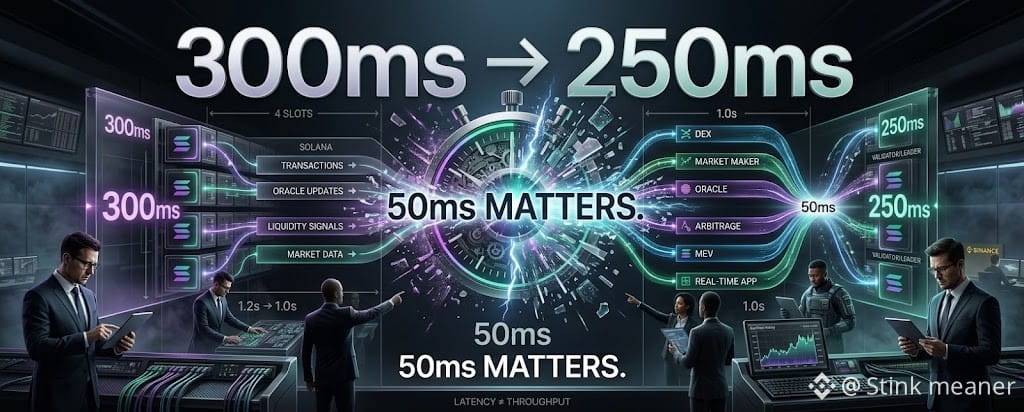
On September 18, Solana cut its target slot time from 300ms to 250ms.
That sounds like a throughput upgrade.
It isn't.
Solana also proportionally reduces the work permitted per slot.
So why make the clock faster?
Because in financial infrastructure, time itself can be an advantage.
Four 300ms slots give a leader window of 1.2 seconds.
Four 250ms slots compress that to 1 second.
That's 200ms less across the four-slot window.
For DEXs, oracles, market makers, arbitrage and MEV, that changes how quickly systems can react to new information — even though the network isn't simply processing 17% more work.
And 250ms isn't the end of the roadmap.
SIMD-0525 targets 200ms next, which would compress the four-slot window to 800ms.
So the interesting Solana question isn't:
“How much more TPS did it get?”
It's:
How valuable does a blockchain become when information can be acted on faster?
Solana isn't just optimizing how much the network processes.
It's increasingly optimizing how quickly the financial system built on it can react.
Not financial advice.
$SOL
{future}(SOLUSDT)
#solana #defi #SaylorHintsStrategyBitcoinBuy
⚡Solana's 250ms Race...
#SolanaCutsTargetSlotTimeTo250ms
Solana just changed the clock — not the capacity.
On September 18, Solana cut its target slot time from 300ms to 250ms.
That sounds like a throughput upgrade.
It isn't.
Solana also proportionally reduces the work permitted per slot.
So why make the clock faster?
Because in financial infrastructure, time itself can be an advantage.
Four 300ms slots give a leader window of 1.2 seconds.
Four 250ms slots compress that to 1 second.
That's 200ms less across the four-slot window.
For DEXs, oracles, market makers, arbitrage and MEV, that changes how quickly systems can react to new information — even though the network isn't simply processing 17% more work.
And 250ms isn't the end of the roadmap.
SIMD-0525 targets 200ms next, which would compress the four-slot window to 800ms.
So the interesting Solana question isn't:
“How much more TPS did it get?”
It's:
How valuable does a blockchain become when information can be acted on faster?
Solana isn't just optimizing how much the network processes.
It's increasingly optimizing how quickly the financial system built on it can react.
Not financial advice.
$SOL
#solana #defi #SaylorHintsStrategyBitcoinBuy
3
138
Войдите, чтобы посмотреть больше материала
Присоединяйтесь к пользователям криптовалют по всему миру на Binance Square
⚡️ Получайте новейшую и полезную информацию о криптоактивах.
💬 Нам доверяет крупнейшая в мире криптобиржа.
👍 Получите достоверные аналитические данные от верифицированных создателей контента.
Эл. почта/номер телефона
В тренде
1
#EarningsSeason
Просмотров: 6.6M
32,775 обсуждают
2
#USMidtermElections
Просмотров: 74,891
940 обсуждают
3
#StrategySTRCReaches$99.95ForFirstTimeIn165Days
Просмотров: 209
13 обсуждают
4
#BinanceWillListPredictPREDICT
Просмотров: 5,948
210 обсуждают
5
#SwitzerlandFirstSpotBitcoinETFExpectedToTradeInNovember
Просмотров: 326
22 обсуждают
6
#StrategyReports$21BQ3OperatingProfit
Просмотров: 176
11 обсуждают
7
#TwoAddressesHoldingAbout1.28BUSDTFrozen
Просмотров: 1,662
85 обсуждают
8
#FirstDigitalBlacklistsAttackerAddressHoldingAbout3.4MFDUSD
Просмотров: 144
7 обсуждают
9
#BitcoinDropsBelow$80K
Просмотров: 56,336
149 обсуждают
10
#BoEOpensConsultationOnTokenizedCollateralForClearing
Просмотров: 1,968
40 обсуждают