

Nisto39
34 Публикации
Nisto39
Отправить жалобу
Заблокировать пользователя
DevUnivers

Владелец ETH
Случайный трейдер
3.6 г
11 подписок(и/а)
25 подписчиков(а)
27 понравилось
Посты
Все
Цитирования
·
--
🟠 "More orange than ever." Michael Saylor is teasing another $BTC buy.
As of Oct 4, Strategy holds 847,666 BTC at an average cost of ~$75,400, worth about $72.29B. And Bitcoin is pushing back toward $87K.
Saylor's next bet? AI agents transacting in native digital assets like Bitcoin instead of slow traditional rails.
Is corporate accumulation the real engine of this rally, or is the market leaning too hard on one buyer? 🤔
#Bitcoin #BTC #Strategy #Saylor #Crypto
🟠 "More orange than ever." Michael Saylor is teasing another $BTC buy.
As of Oct 4, Strategy holds 847,666 BTC at an average cost of ~$75,400, worth about $72.29B. And Bitcoin is pushing back toward $87K.
Saylor's next bet? AI agents transacting in native digital assets like Bitcoin instead of slow traditional rails.
Is corporate accumulation the real engine of this rally, or is the market leaning too hard on one buyer? 🤔
#Bitcoin #BTC #Strategy #Saylor #Crypto
As of Oct 4, Strategy holds 847,666 BTC at an average cost of ~$75,400, worth about $72.29B. And Bitcoin is pushing back toward $87K.
Saylor's next bet? AI agents transacting in native digital assets like Bitcoin instead of slow traditional rails.
Is corporate accumulation the real engine of this rally, or is the market leaning too hard on one buyer? 🤔
#Bitcoin #BTC #Strategy #Saylor #Crypto
5
·
--
Blast is shutting down. 🚨
The Ethereum L2 that once held $2.3B+ in TVL says it now costs more to run than it earns. Users are being told to move funds back to Ethereum before October 26. ⏳
Meanwhile, revenue protocols with buybacks are leading the alt board this week.
Lesson for this cycle: hype gets TVL, revenue keeps it. 💡
Still have funds bridged to Blast? And which L2 do you think survives the next shakeout? 👇
$ETH $ARB $OP
#Ethereum #Layer2 #Blast #Uptober
Blast is shutting down. 🚨
The Ethereum L2 that once held $2.3B+ in TVL says it now costs more to run than it earns. Users are being told to move funds back to Ethereum before October 26. ⏳
Meanwhile, revenue protocols with buybacks are leading the alt board this week.
Lesson for this cycle: hype gets TVL, revenue keeps it. 💡
Still have funds bridged to Blast? And which L2 do you think survives the next shakeout? 👇
$ETH $ARB $OP
#Ethereum #Layer2 #Blast #Uptober
The Ethereum L2 that once held $2.3B+ in TVL says it now costs more to run than it earns. Users are being told to move funds back to Ethereum before October 26. ⏳
Meanwhile, revenue protocols with buybacks are leading the alt board this week.
Lesson for this cycle: hype gets TVL, revenue keeps it. 💡
Still have funds bridged to Blast? And which L2 do you think survives the next shakeout? 👇
$ETH $ARB $OP
#Ethereum #Layer2 #Blast #Uptober
1
290
·
--
$ETH is holding ~$2,716 even after ~$155M left US spot Ether ETFs over 4 straight sessions 👀
But here's the part nobody's talking about: ETH order-book depth on major CEXs is only ~35-45% of $BTC's (CoinGecko), down from 60%+ a year ago.
Thinner books = bigger moves when size hits. Up or down.
With Glamsterdam testnet + FOMC minutes this week, is ETH coiling for a breakout… or a liquidity trap? 🤔
Drop your call below 👇
#ETH #Ethereum #CryptoNews
$ETH is holding ~$2,716 even after ~$155M left US spot Ether ETFs over 4 straight sessions 👀
But here's the part nobody's talking about: ETH order-book depth on major CEXs is only ~35-45% of $BTC 's (CoinGecko), down from 60%+ a year ago.
Thinner books = bigger moves when size hits. Up or down.
With Glamsterdam testnet + FOMC minutes this week, is ETH coiling for a breakout… or a liquidity trap? 🤔
Drop your call below 👇
#ETH #Ethereum #CryptoNews
But here's the part nobody's talking about: ETH order-book depth on major CEXs is only ~35-45% of $BTC 's (CoinGecko), down from 60%+ a year ago.
Thinner books = bigger moves when size hits. Up or down.
With Glamsterdam testnet + FOMC minutes this week, is ETH coiling for a breakout… or a liquidity trap? 🤔
Drop your call below 👇
#ETH #Ethereum #CryptoNews
20
·
--
🇸🇻 El Salvador just got another ~$138M from the IMF... but there's a catch for $BTC fans 👀
The IMF granted waivers after some targets were missed (including on the Bitcoin accumulation front) and says "no further Bitcoin accumulation is envisaged beyond the documented donations."
So is the first Bitcoin nation quietly stepping back, or is this just paperwork while the stack stays put? 🤔
Would YOU trade your country's $BTC strategy for an IMF loan? Drop your take 👇
#Bitcoin #ElSalvador #IMF #Crypto
🇸🇻 El Salvador just got another ~$138M from the IMF... but there's a catch for $BTC fans 👀
The IMF granted waivers after some targets were missed (including on the Bitcoin accumulation front) and says "no further Bitcoin accumulation is envisaged beyond the documented donations."
So is the first Bitcoin nation quietly stepping back, or is this just paperwork while the stack stays put? 🤔
Would YOU trade your country's $BTC strategy for an IMF loan? Drop your take 👇
#Bitcoin #ElSalvador #IMF #Crypto
The IMF granted waivers after some targets were missed (including on the Bitcoin accumulation front) and says "no further Bitcoin accumulation is envisaged beyond the documented donations."
So is the first Bitcoin nation quietly stepping back, or is this just paperwork while the stack stays put? 🤔
Would YOU trade your country's $BTC strategy for an IMF loan? Drop your take 👇
#Bitcoin #ElSalvador #IMF #Crypto
14
·
--
$HYPE just got a new buyback engine 🔥
Hyperliquid received its first $14.58M payment from USDC sitting on the exchange, money it can now use to buy back HYPE. At current size, that works out to roughly $193M a year. HYPE is up ~3% today near $93.
Revenue-backed buybacks are becoming the hottest narrative this Uptober, and HYPE is leading the pack.
Is this the start of a real "crypto dividend" era, or just another hype cycle? 👇
#Hyperliquid #HYPE #Uptober #Crypto
$HYPE just got a new buyback engine 🔥
Hyperliquid received its first $14.58M payment from USDC sitting on the exchange, money it can now use to buy back HYPE. At current size, that works out to roughly $193M a year. HYPE is up ~3% today near $93.
Revenue-backed buybacks are becoming the hottest narrative this Uptober, and HYPE is leading the pack.
Is this the start of a real "crypto dividend" era, or just another hype cycle? 👇
#Hyperliquid #HYPE #Uptober #Crypto
Hyperliquid received its first $14.58M payment from USDC sitting on the exchange, money it can now use to buy back HYPE. At current size, that works out to roughly $193M a year. HYPE is up ~3% today near $93.
Revenue-backed buybacks are becoming the hottest narrative this Uptober, and HYPE is leading the pack.
Is this the start of a real "crypto dividend" era, or just another hype cycle? 👇
#Hyperliquid #HYPE #Uptober #Crypto
114
·
--
🚨 3x leverage on $BTC and $ETH is coming to US markets.
On Oct 2, the SEC approved Cboe's rule change to list Volatility Shares' 3x Bitcoin ETF and 3x Ether ETF (plus gold, silver, crude oil and natural gas versions). It's the first US approval of triple-leveraged products tied to Bitcoin and Ether.
The catch: no trading yet. A separate S-1 registration still has to go effective, and no launch date has been set. The funds track 3x the DAILY move of futures, not spot.
So a 5% $BTC day could mean roughly a 15% move in the fund, both ways ⚡
Would you touch a 3x crypto ETF, or is this a liquidation machine with a ticker? 👇
#Bitcoin #Ethereum #ETF #Crypto
🚨 3x leverage on $BTC and $ETH is coming to US markets.
On Oct 2, the SEC approved Cboe's rule change to list Volatility Shares' 3x Bitcoin ETF and 3x Ether ETF (plus gold, silver, crude oil and natural gas versions). It's the first US approval of triple-leveraged products tied to Bitcoin and Ether.
The catch: no trading yet. A separate S-1 registration still has to go effective, and no launch date has been set. The funds track 3x the DAILY move of futures, not spot.
So a 5% $BTC day could mean roughly a 15% move in the fund, both ways ⚡
Would you touch a 3x crypto ETF, or is this a liquidation machine with a ticker? 👇
#Bitcoin #Ethereum #ETF #Crypto
On Oct 2, the SEC approved Cboe's rule change to list Volatility Shares' 3x Bitcoin ETF and 3x Ether ETF (plus gold, silver, crude oil and natural gas versions). It's the first US approval of triple-leveraged products tied to Bitcoin and Ether.
The catch: no trading yet. A separate S-1 registration still has to go effective, and no launch date has been set. The funds track 3x the DAILY move of futures, not spot.
So a 5% $BTC day could mean roughly a 15% move in the fund, both ways ⚡
Would you touch a 3x crypto ETF, or is this a liquidation machine with a ticker? 👇
#Bitcoin #Ethereum #ETF #Crypto
73
·
--
🗽 Wall Street is moving on-chain — for real this time.
OKXICE, the joint venture between OKX and NYSE parent ICE, has notified the SEC it plans to launch a tokenized US stock trading venue under the new innovation exemption.
📊 60+ US-listed names proposed, including Nvidia, Apple, Tesla, Coinbase, Circle and SpaceX
⛓️ Permissioned, on-chain trading on X Layer
🏢 Issuers get 30 days to opt out
$BTC traders, $ETH builders: would you trade tokenized $NVDA on-chain, or stick with your broker? 👇
#Tokenization #RWA #OKX #Crypto
🗽 Wall Street is moving on-chain — for real this time.
OKXICE, the joint venture between OKX and NYSE parent ICE, has notified the SEC it plans to launch a tokenized US stock trading venue under the new innovation exemption.
📊 60+ US-listed names proposed, including Nvidia, Apple, Tesla, Coinbase, Circle and SpaceX
⛓️ Permissioned, on-chain trading on X Layer
🏢 Issuers get 30 days to opt out
$BTC traders, $ETH builders: would you trade tokenized $NVDA on-chain, or stick with your broker? 👇
#Tokenization #RWA #OKX #Crypto
OKXICE, the joint venture between OKX and NYSE parent ICE, has notified the SEC it plans to launch a tokenized US stock trading venue under the new innovation exemption.
📊 60+ US-listed names proposed, including Nvidia, Apple, Tesla, Coinbase, Circle and SpaceX
⛓️ Permissioned, on-chain trading on X Layer
🏢 Issuers get 30 days to opt out
$BTC traders, $ETH builders: would you trade tokenized $NVDA on-chain, or stick with your broker? 👇
#Tokenization #RWA #OKX #Crypto
2
94
·
--
🗓️ Crypto week ahead — save this:
🔹 Tue Oct 6: Ethereum Glamsterdam goes live on Sepolia testnet
🔹 Wed Oct 7: Fed releases September FOMC minutes
🔹 Oct 7–8: TOKEN2049 Singapore
🔹 Thu Oct 8: Evernorth (XRPN) debuts on Nasdaq
🔹 Wed Oct 14: US September CPI
Which one moves $BTC the most? 👇
#Bitcoin #Crypto #FOMC #TOKEN2049
🗓️ Crypto week ahead — save this:
🔹 Tue Oct 6: Ethereum Glamsterdam goes live on Sepolia testnet
🔹 Wed Oct 7: Fed releases September FOMC minutes
🔹 Oct 7–8: TOKEN2049 Singapore
🔹 Thu Oct 8: Evernorth (XRPN) debuts on Nasdaq
🔹 Wed Oct 14: US September CPI
Which one moves $BTC the most? 👇
#Bitcoin #Crypto #FOMC #TOKEN2049
🔹 Tue Oct 6: Ethereum Glamsterdam goes live on Sepolia testnet
🔹 Wed Oct 7: Fed releases September FOMC minutes
🔹 Oct 7–8: TOKEN2049 Singapore
🔹 Thu Oct 8: Evernorth (XRPN) debuts on Nasdaq
🔹 Wed Oct 14: US September CPI
Which one moves $BTC the most? 👇
#Bitcoin #Crypto #FOMC #TOKEN2049
13
·
--
🏛️ Quiet but BIG move from the SEC.
A new proposal would make it easier for investment advisers and funds to hold crypto:
🔐 Self-custody under specific conditions
🏦 State trust companies allowed as crypto custodians
📄 Updated audit & broker-dealer custody rules
The goal: clear barriers that kept advisers away from crypto strategies.
Could this unlock the next wave of institutional money into $BTC and $ETH? 👇
#SEC #Crypto #Regulation
🏛️ Quiet but BIG move from the SEC.
A new proposal would make it easier for investment advisers and funds to hold crypto:
🔐 Self-custody under specific conditions
🏦 State trust companies allowed as crypto custodians
📄 Updated audit & broker-dealer custody rules
The goal: clear barriers that kept advisers away from crypto strategies.
Could this unlock the next wave of institutional money into $BTC and $ETH ? 👇
#SEC #Crypto #Regulation
A new proposal would make it easier for investment advisers and funds to hold crypto:
🔐 Self-custody under specific conditions
🏦 State trust companies allowed as crypto custodians
📄 Updated audit & broker-dealer custody rules
The goal: clear barriers that kept advisers away from crypto strategies.
Could this unlock the next wave of institutional money into $BTC and $ETH ? 👇
#SEC #Crypto #Regulation
1
·
--
🇪🇺 Europe vs $USDT — round 2?
ESMA has asked the European Commission to ban ALL licensed crypto services involving non-MiCA-compliant stablecoins — including custody and transfers.
Research already shows USDT volume shifting toward $USDC on EU-regulated venues since MiCA kicked in.
If this passes, does USDC become Europe's default stablecoin? 🤔
Which stablecoin do you use most? 👇
#MiCA #Stablecoins #USDT #USDC
🇪🇺 Europe vs $USDT — round 2?
ESMA has asked the European Commission to ban ALL licensed crypto services involving non-MiCA-compliant stablecoins — including custody and transfers.
Research already shows USDT volume shifting toward $USDC on EU-regulated venues since MiCA kicked in.
If this passes, does USDC become Europe's default stablecoin? 🤔
Which stablecoin do you use most? 👇
#MiCA #Stablecoins #USDT #USDC
ESMA has asked the European Commission to ban ALL licensed crypto services involving non-MiCA-compliant stablecoins — including custody and transfers.
Research already shows USDT volume shifting toward $USDC on EU-regulated venues since MiCA kicked in.
If this passes, does USDC become Europe's default stablecoin? 🤔
Which stablecoin do you use most? 👇
#MiCA #Stablecoins #USDT #USDC
4
·
--
📈 Is #Uptober finally here?
🟢 Crypto Fear & Greed Index: 70 (Greed)
🌍 Total crypto market cap back around $3T
🐶 $DOGE led the majors with a 3%+ daily gain
But $BTC's late-September high still hasn't broken — second rally in a week to stall. ⚠️
Are you adding, taking profits, or sitting on your hands? 👇
#Crypto #Bitcoin #Dogecoin
📈 Is #Uptober finally here?
🟢 Crypto Fear & Greed Index: 70 (Greed)
🌍 Total crypto market cap back around $3T
🐶 $DOGE led the majors with a 3%+ daily gain
But $BTC 's late-September high still hasn't broken — second rally in a week to stall. ⚠️
Are you adding, taking profits, or sitting on your hands? 👇
#Crypto #Bitcoin #Dogecoin
🟢 Crypto Fear & Greed Index: 70 (Greed)
🌍 Total crypto market cap back around $3T
🐶 $DOGE led the majors with a 3%+ daily gain
But $BTC 's late-September high still hasn't broken — second rally in a week to stall. ⚠️
Are you adding, taking profits, or sitting on your hands? 👇
#Crypto #Bitcoin #Dogecoin
32
·
--
🚨 $XRP is heading to Nasdaq — via a public company.
Evernorth is set to start trading as XRPN on Oct 8, holding ~473M XRP (about 0.75% of circulating supply). Backers include Ripple, Pantera, Kraken, SBI & GSR.
A treasury-company play, Strategy-style, but for XRP. 👀
Would you rather own the stock or just hold the coin? 👇
#XRP #Ripple #Nasdaq #XRPN
🚨 $XRP is heading to Nasdaq — via a public company.
Evernorth is set to start trading as XRPN on Oct 8, holding ~473M XRP (about 0.75% of circulating supply). Backers include Ripple, Pantera, Kraken, SBI & GSR.
A treasury-company play, Strategy-style, but for XRP. 👀
Would you rather own the stock or just hold the coin? 👇
#XRP #Ripple #Nasdaq #XRPN
Evernorth is set to start trading as XRPN on Oct 8, holding ~473M XRP (about 0.75% of circulating supply). Backers include Ripple, Pantera, Kraken, SBI & GSR.
A treasury-company play, Strategy-style, but for XRP. 👀
Would you rather own the stock or just hold the coin? 👇
#XRP #Ripple #Nasdaq #XRPN
XRP-0,42%
XRPNUS-32,54%
102
·
--
🏦 US banks are using Solana. Not a pilot — live.
Since Oct 1, 90+ banks and credit unions in North Dakota move money with Roughrider Coin, a dollar stablecoin settling on Solana, via Fiserv & the Bank of North Dakota.
Settlement in ~400ms. ⚡
Yet $SOL is still ranging around $120.
Will real-world adoption eventually show up on the chart? 🤔👇
#Solana #SOL #Stablecoins #RWA
🏦 US banks are using Solana. Not a pilot — live.
Since Oct 1, 90+ banks and credit unions in North Dakota move money with Roughrider Coin, a dollar stablecoin settling on Solana, via Fiserv & the Bank of North Dakota.
Settlement in ~400ms. ⚡
Yet $SOL is still ranging around $120.
Will real-world adoption eventually show up on the chart? 🤔👇
#Solana #SOL #Stablecoins #RWA
Since Oct 1, 90+ banks and credit unions in North Dakota move money with Roughrider Coin, a dollar stablecoin settling on Solana, via Fiserv & the Bank of North Dakota.
Settlement in ~400ms. ⚡
Yet $SOL is still ranging around $120.
Will real-world adoption eventually show up on the chart? 🤔👇
#Solana #SOL #Stablecoins #RWA
71
·
--
⏳ Want to stake $ETH right now? Get in line.
~1.5M ETH is waiting to ENTER staking — roughly a 25-day wait.
Meanwhile ~786K ETH sits in the exit queue after MetaMask pulled validators following a security incident (MetaMask says no wallets or customer funds were affected).
Lido expects most of that ETH to come back into staking over the coming weeks.
Temporary noise or a signal worth watching? 👇
#ETH #Staking #Ethereum
⏳ Want to stake $ETH right now? Get in line.
~1.5M ETH is waiting to ENTER staking — roughly a 25-day wait.
Meanwhile ~786K ETH sits in the exit queue after MetaMask pulled validators following a security incident (MetaMask says no wallets or customer funds were affected).
Lido expects most of that ETH to come back into staking over the coming weeks.
Temporary noise or a signal worth watching? 👇
#ETH #Staking #Ethereum
~1.5M ETH is waiting to ENTER staking — roughly a 25-day wait.
Meanwhile ~786K ETH sits in the exit queue after MetaMask pulled validators following a security incident (MetaMask says no wallets or customer funds were affected).
Lido expects most of that ETH to come back into staking over the coming weeks.
Temporary noise or a signal worth watching? 👇
#ETH #Staking #Ethereum
59
·
--
🔥 Ethereum's next big upgrade hits testnet TOMORROW.
Glamsterdam activates on Sepolia on Oct 6 (13:53 UTC), bringing:
✅ Enshrined proposer-builder separation (ePBS)
✅ Block-level access lists → parallel processing
✅ Revised gas pricing
Mainnet date? Not set yet. 👀
Could this be the catalyst $ETH needs to break out of the $2.7K zone, or is it already priced in? 👇
#Ethereum #Glamsterdam #ETH
🔥 Ethereum's next big upgrade hits testnet TOMORROW.
Glamsterdam activates on Sepolia on Oct 6 (13:53 UTC), bringing:
✅ Enshrined proposer-builder separation (ePBS)
✅ Block-level access lists → parallel processing
✅ Revised gas pricing
Mainnet date? Not set yet. 👀
Could this be the catalyst $ETH needs to break out of the $2.7K zone, or is it already priced in? 👇
#Ethereum #Glamsterdam #ETH
Glamsterdam activates on Sepolia on Oct 6 (13:53 UTC), bringing:
✅ Enshrined proposer-builder separation (ePBS)
✅ Block-level access lists → parallel processing
✅ Revised gas pricing
Mainnet date? Not set yet. 👀
Could this be the catalyst $ETH needs to break out of the $2.7K zone, or is it already priced in? 👇
#Ethereum #Glamsterdam #ETH
80
·
--
🔥 $BTC just kissed ~$87K then got slapped back under $86K.
Third straight week of spot ETF inflows ($241M) — BlackRock IBIT still eating while sellers defend $87K–$88K.
This is the setup: institutional bid vs overhead supply.
Close above $88K → $90K back on the table.
Fail again → mid-$80Ks chop continues.
Which side are you on — breakout or rejection? Drop your take 👇
$BTC $ETH #Bitcoin #Crypto
🔥 $BTC just kissed ~$87K then got slapped back under $86K.
Third straight week of spot ETF inflows ($241M) — BlackRock IBIT still eating while sellers defend $87K–$88K.
This is the setup: institutional bid vs overhead supply.
Close above $88K → $90K back on the table.
Fail again → mid-$80Ks chop continues.
Which side are you on — breakout or rejection? Drop your take 👇
$BTC $ETH #Bitcoin #Crypto
Third straight week of spot ETF inflows ($241M) — BlackRock IBIT still eating while sellers defend $87K–$88K.
This is the setup: institutional bid vs overhead supply.
Close above $88K → $90K back on the table.
Fail again → mid-$80Ks chop continues.
Which side are you on — breakout or rejection? Drop your take 👇
$BTC $ETH #Bitcoin #Crypto
83
·
--
Статья
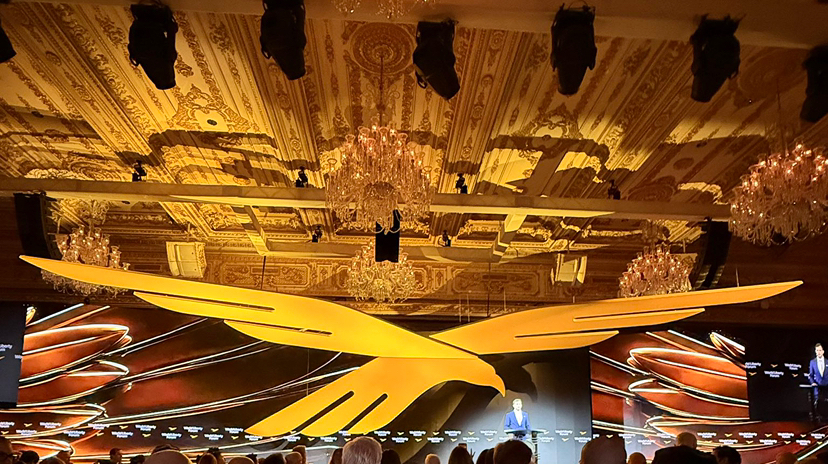
World Liberty Financial Forum — Mar‑a‑LagoLe World Liberty Forum organisé par World Liberty Financial au Mar‑a‑Lago réunit des dirigeants de la finance traditionnelle et des responsables publics. L’événement, tenu sur invitation, vise à promouvoir la convergence entre finance traditionnelle et actifs numériques et a déjà alimenté un regain d’intérêt pour le token associé (WLFI).
Ce qui s’est passé (faits clés)
• Composition des intervenants : la conférence accueille des PDG et cadres supérieurs de grandes institutions financières, dont des représentants de banques d’investissement et d’opérateurs de marchés.
• Capacité et participation : le forum a atteint sa capacité d’invités (près de 400 participants annoncés), confirmant le profil « invite-only » et l’intérêt médiatique.
• Réaction des marchés : le token WLFI a connu une forte augmentation de volume et un mouvement haussier pré-événement, signe d’anticipation / spéculation sur les annonces qui pourraient suivre.
Enjeux et risques principaux
1. Conflits d’intérêts et perception réglementaire — la proximité entre acteurs privés et autorités publiques invite à la prudence sur la séparation entre communication commerciale et décisions de politique publique.
2. Volatilité alimentée par l’événement — annonces, placements d’invités et couverture médiatique peuvent générer mouvements de prix courts et importants sur WLFI et actifs corrélés.
3. Risque d’information non vérifiée — présence d’imitateurs et de rumeurs sur les réseaux (X) exige une validation stricte des sources avant toute action.
Points d’attention pour professionnels et investisseurs
• Vérifier systématiquement les communiqués officiels (site du forum / comptes institutionnels) avant de relayer ou d’agir.
• Surveiller les flux on-chain et les retraits/depôts vers/bancs d’échange : une hausse des dépôts vers exchanges peut précéder des pressions vendeuses.
• Considérer l’impact de court terme (liquidité, slippage) vs. l’impact stratégique long terme d’éventuelles annonces institutionnelles.
1. Je recommande de limiter toute exposition spéculative à WLFI avant de confirmer la nature et la portée des annonces officielles (allocation initiale conservatrice, ex. <2% du portefeuille crypto).
2. Je recommande d’activer alertes on-chain (whale activity, dépôts vers exchanges) et alertes news (compte officiel de World Liberty Financial et publications partenaires).
3. Je recommande aux participants ou observateurs de documenter (captures, timestamps, sources) toute information partagée sur place avant diffusion publique.
4. Pour les équipes de conformité/IR des institutions : préparer des Q&A et des notes de positionnement public en cas d’annonces susceptibles d’affecter le cours ou la perception règlementaire.
Conclusion
Le forum à Mar‑a‑Lago marque une étape symbolique dans le rapprochement entre TradFi et crypto. Il représente une opportunité d’information et de networking, mais aussi un catalyseur de volatilité et d’examen public. Une approche prudente, fondée sur la vérification des sources et la gestion stricte du risque, reste recommandée.
World Liberty Financial Forum — Mar‑a‑Lago
Le World Liberty Forum organisé par World Liberty Financial au Mar‑a‑Lago réunit des dirigeants de la finance traditionnelle et des responsables publics. L’événement, tenu sur invitation, vise à promouvoir la convergence entre finance traditionnelle et actifs numériques et a déjà alimenté un regain d’intérêt pour le token associé (WLFI).
Ce qui s’est passé (faits clés)
• Composition des intervenants : la conférence accueille des PDG et cadres supérieurs de grandes institutions financières, dont des représentants de banques d’investissement et d’opérateurs de marchés.
• Capacité et participation : le forum a atteint sa capacité d’invités (près de 400 participants annoncés), confirmant le profil « invite-only » et l’intérêt médiatique.
• Réaction des marchés : le token WLFI a connu une forte augmentation de volume et un mouvement haussier pré-événement, signe d’anticipation / spéculation sur les annonces qui pourraient suivre.
Enjeux et risques principaux
1. Conflits d’intérêts et perception réglementaire — la proximité entre acteurs privés et autorités publiques invite à la prudence sur la séparation entre communication commerciale et décisions de politique publique.
2. Volatilité alimentée par l’événement — annonces, placements d’invités et couverture médiatique peuvent générer mouvements de prix courts et importants sur WLFI et actifs corrélés.
3. Risque d’information non vérifiée — présence d’imitateurs et de rumeurs sur les réseaux (X) exige une validation stricte des sources avant toute action.
Points d’attention pour professionnels et investisseurs
• Vérifier systématiquement les communiqués officiels (site du forum / comptes institutionnels) avant de relayer ou d’agir.
• Surveiller les flux on-chain et les retraits/depôts vers/bancs d’échange : une hausse des dépôts vers exchanges peut précéder des pressions vendeuses.
• Considérer l’impact de court terme (liquidité, slippage) vs. l’impact stratégique long terme d’éventuelles annonces institutionnelles.
1. Je recommande de limiter toute exposition spéculative à WLFI avant de confirmer la nature et la portée des annonces officielles (allocation initiale conservatrice, ex. <2% du portefeuille crypto).
2. Je recommande d’activer alertes on-chain (whale activity, dépôts vers exchanges) et alertes news (compte officiel de World Liberty Financial et publications partenaires).
3. Je recommande aux participants ou observateurs de documenter (captures, timestamps, sources) toute information partagée sur place avant diffusion publique.
4. Pour les équipes de conformité/IR des institutions : préparer des Q&A et des notes de positionnement public en cas d’annonces susceptibles d’affecter le cours ou la perception règlementaire.
Conclusion
Le forum à Mar‑a‑Lago marque une étape symbolique dans le rapprochement entre TradFi et crypto. Il représente une opportunité d’information et de networking, mais aussi un catalyseur de volatilité et d’examen public. Une approche prudente, fondée sur la vérification des sources et la gestion stricte du risque, reste recommandée.
Ce qui s’est passé (faits clés)
• Composition des intervenants : la conférence accueille des PDG et cadres supérieurs de grandes institutions financières, dont des représentants de banques d’investissement et d’opérateurs de marchés.
• Capacité et participation : le forum a atteint sa capacité d’invités (près de 400 participants annoncés), confirmant le profil « invite-only » et l’intérêt médiatique.
• Réaction des marchés : le token WLFI a connu une forte augmentation de volume et un mouvement haussier pré-événement, signe d’anticipation / spéculation sur les annonces qui pourraient suivre.
Enjeux et risques principaux
1. Conflits d’intérêts et perception réglementaire — la proximité entre acteurs privés et autorités publiques invite à la prudence sur la séparation entre communication commerciale et décisions de politique publique.
2. Volatilité alimentée par l’événement — annonces, placements d’invités et couverture médiatique peuvent générer mouvements de prix courts et importants sur WLFI et actifs corrélés.
3. Risque d’information non vérifiée — présence d’imitateurs et de rumeurs sur les réseaux (X) exige une validation stricte des sources avant toute action.
Points d’attention pour professionnels et investisseurs
• Vérifier systématiquement les communiqués officiels (site du forum / comptes institutionnels) avant de relayer ou d’agir.
• Surveiller les flux on-chain et les retraits/depôts vers/bancs d’échange : une hausse des dépôts vers exchanges peut précéder des pressions vendeuses.
• Considérer l’impact de court terme (liquidité, slippage) vs. l’impact stratégique long terme d’éventuelles annonces institutionnelles.
1. Je recommande de limiter toute exposition spéculative à WLFI avant de confirmer la nature et la portée des annonces officielles (allocation initiale conservatrice, ex. <2% du portefeuille crypto).
2. Je recommande d’activer alertes on-chain (whale activity, dépôts vers exchanges) et alertes news (compte officiel de World Liberty Financial et publications partenaires).
3. Je recommande aux participants ou observateurs de documenter (captures, timestamps, sources) toute information partagée sur place avant diffusion publique.
4. Pour les équipes de conformité/IR des institutions : préparer des Q&A et des notes de positionnement public en cas d’annonces susceptibles d’affecter le cours ou la perception règlementaire.
Conclusion
Le forum à Mar‑a‑Lago marque une étape symbolique dans le rapprochement entre TradFi et crypto. Il représente une opportunité d’information et de networking, mais aussi un catalyseur de volatilité et d’examen public. Une approche prudente, fondée sur la vérification des sources et la gestion stricte du risque, reste recommandée.
287
·
--
음력 설을 맞이하는 모든 친구 여러분께 따뜻한 새해 인사를 전합니다.
말의 해가 우리에게 힘과 추진력을 주어, 모두의 행복을 위해 함께 힘을 모아 나아가길 바랍니다.
음력 설을 맞이하는 모든 친구 여러분께 따뜻한 새해 인사를 전합니다.
말의 해가 우리에게 힘과 추진력을 주어, 모두의 행복을 위해 함께 힘을 모아 나아가길 바랍니다.
말의 해가 우리에게 힘과 추진력을 주어, 모두의 행복을 위해 함께 힘을 모아 나아가길 바랍니다.


CZ
·
--
马年快乐!
2
96
·
--
Je propose un quick poll : est-ce que la zone 62.5–64k tiendra ?#BTC
Je propose un quick poll : est-ce que la zone 62.5–64k tiendra ?#BTC
A) Oui — rebond vers 82–84k
55%
B) Non — on reteste le creux.
45%
11 проголосовали • Голосование закрыто
2
100
Войдите, чтобы посмотреть больше материала
Присоединяйтесь к пользователям криптовалют по всему миру на Binance Square
⚡️ Получайте новейшую и полезную информацию о криптоактивах.
💬 Нам доверяет крупнейшая в мире криптобиржа.
👍 Получите достоверные аналитические данные от верифицированных создателей контента.
Эл. почта/номер телефона
В тренде
ADAGains10%Above$0.27
Просмотров: 9,603
153 обсуждают
$ADA is making a strong move today jumping over 10 percent to around 027 and breaking into a new 90 day high
Trading volume has also surged above 1 billion showing strong market activity
The move comes as $ADA continues its recovery from the June lows while its recent technical structure has turned more bullish
The 027 to 028 zone is now the key area to watch A sustained breakout could open the door toward higher resistance levels
But after such a sharp daily move volatility could remain high
#ADAGains10%Above$0.27 #crypto #ADA #Cardano #crypto #Write2Earn
AbdullahAbid_7
·Лайков: 0
·Просмотров: 299
ETHUp70%InQ3ButLiquidityFalls
Просмотров: 109,463
903 обсуждают
EthStakingExitQueueHits2026High
Просмотров: 39,790
656 обсуждают