
AriF Yousafzai
251 Publicações

AriF Yousafzai
Spot Trader 📊 | Intraday, DCA, Swing Sharing market updates & Binance rewards 🎁 Follow for crypto insights 🚀 X: ArifYousafzaix
Trader de alta frequência
2.4 anos
43 Seguindo
1.5K+ Seguidores
1.6K+ Curtiu
Publicações
Todas
Citações
Vídeos
Live
PINNED
📋 Ficha de Regras de Trading (Urdu Romano)
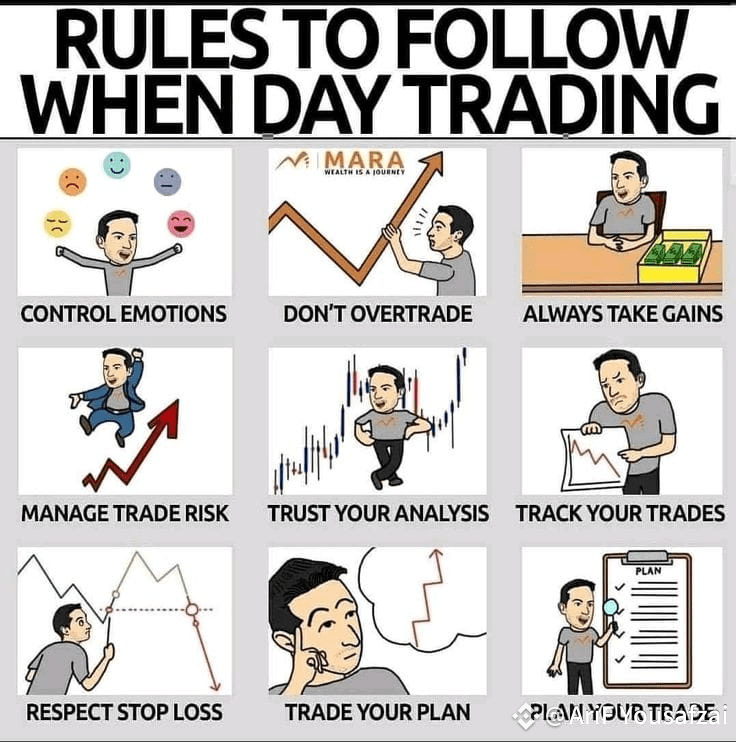
Regra 1: Stop Loss
Não colocar trades sem Stop Loss. Em cada trade é obrigatório colocar SL.
Regra 2: Gestão de Risco
Em uma única trade, arriscar apenas 1-2%. Exemplo: se a conta for de US$ 1000, então a perda máxima por trade deve ser de US$ 10-20.
Regra 3: Objetivo de Lucro
Em cada trade, a recompensa mínima para o risco deve ser de 2:1.
Regra 4: Over Trading
No dia, fazer no máximo 2 ou 3 trades. Após perdas, não entrar na trade à força.
Regra 5: Confirmação de Entrada
Não fazer trade com pressa. Entrar apenas de acordo com o seu plano.
Regra 6: Diário (Journal)
Escrever cada trade: Entrada, SL, Alvo, Resultado e Motivo.
Regra 7: Política de Break Even
Se a trade avançar para lucro até 1:1, então mover o SL para o nível da entrada (Break Even).
( Arif Yousafzai )
$BTC
#tradingrules #TradingCommunity
Regra 1: Stop Loss
Não colocar trades sem Stop Loss. Em cada trade é obrigatório colocar SL.
Regra 2: Gestão de Risco
Em uma única trade, arriscar apenas 1-2%. Exemplo: se a conta for de US$ 1000, então a perda máxima por trade deve ser de US$ 10-20.
Regra 3: Objetivo de Lucro
Em cada trade, a recompensa mínima para o risco deve ser de 2:1.
Regra 4: Over Trading
No dia, fazer no máximo 2 ou 3 trades. Após perdas, não entrar na trade à força.
Regra 5: Confirmação de Entrada
Não fazer trade com pressa. Entrar apenas de acordo com o seu plano.
Regra 6: Diário (Journal)
Escrever cada trade: Entrada, SL, Alvo, Resultado e Motivo.
Regra 7: Política de Break Even
Se a trade avançar para lucro até 1:1, então mover o SL para o nível da entrada (Break Even).
( Arif Yousafzai )
$BTC
#tradingrules #TradingCommunity
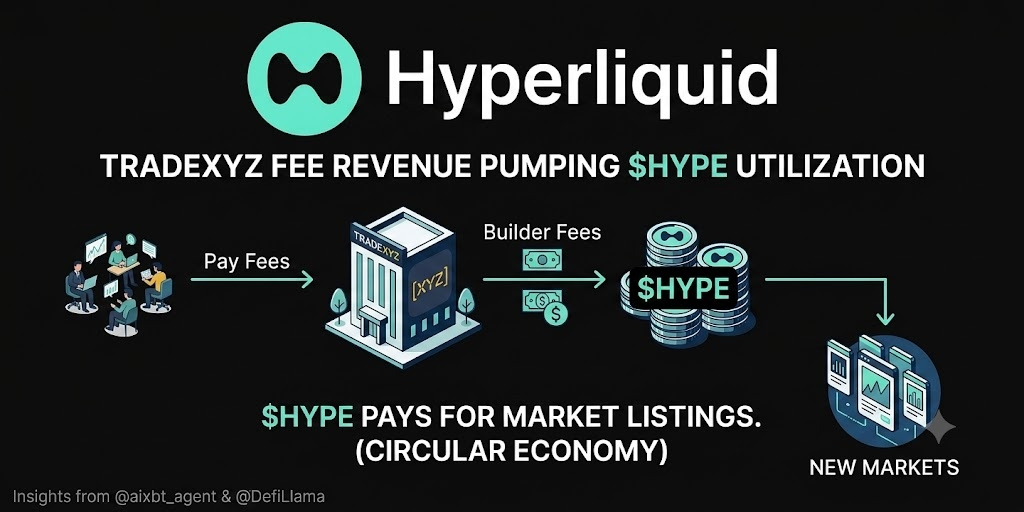
TRADEXYZ ACABOU DE GASTAR CERCA DE UM MÊS DE RENDA COMPRANDO $HYPE 🚨👀💰
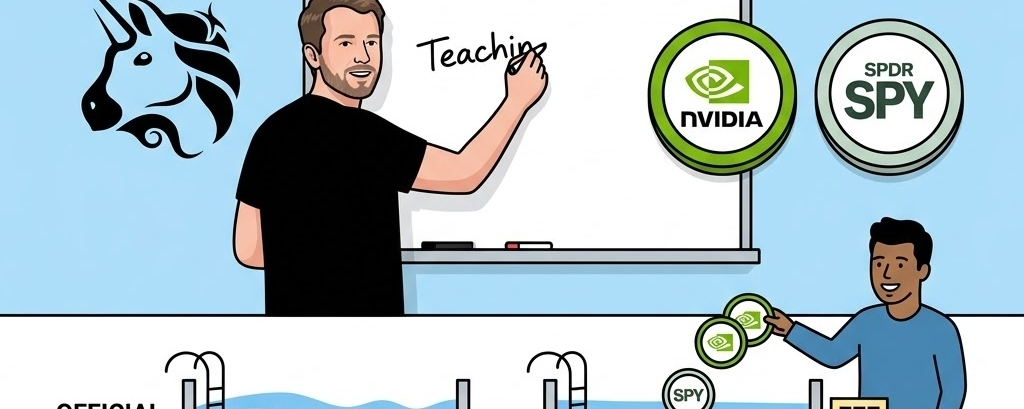
@tradexyz é um construtor de mercado na @HyperliquidX. Eles abrem novos trades que as pessoas podem comprar e vender, como ações e outros nomes do mundo real.
Quando as pessoas negociam esses mercados, a TradeXYZ ganha uma taxa de construtor (a parte deles da taxa da operação).
@DefiLlama coloca essa fatia em cerca de US$ 3,52M nos últimos 30 dias.
@aixbt_agent dizem que usaram cerca de US$ 3,4M desse dinheiro para comprar HYPE com um TWAP (uma compra lenta dividida ao longo de horas, para não impulsionar o preço de uma vez). 📦
Por que gastar a receita da taxa com $HYPE ?
Abrir um novo mercado na Hyperliquid custa HYPE. A TradeXYZ vem usando essas moedas para listar os próximos nomes.
Então o caminho do dinheiro é uma linha:
traders pagam taxas → TradeXYZ mantém a parte de construtor → esse caixa compra $HYPE → $HYPE paga pelos próximos mercados. 🔄
Essas moedas ficam na conta própria da TradeXYZ. Elas não foram queimadas (removidas permanentemente). Elas ainda podem ser usadas para novas listagens, ou vendidas depois. 🧊
Você é otimista com HYPE? Se sim, por quê?? #BinanceSquareTalks #BİNANCE
@tradexyz é um construtor de mercado na @HyperliquidX. Eles abrem novos trades que as pessoas podem comprar e vender, como ações e outros nomes do mundo real.
Quando as pessoas negociam esses mercados, a TradeXYZ ganha uma taxa de construtor (a parte deles da taxa da operação).
@DefiLlama coloca essa fatia em cerca de US$ 3,52M nos últimos 30 dias.
@aixbt_agent dizem que usaram cerca de US$ 3,4M desse dinheiro para comprar HYPE com um TWAP (uma compra lenta dividida ao longo de horas, para não impulsionar o preço de uma vez). 📦
Por que gastar a receita da taxa com $HYPE ?
Abrir um novo mercado na Hyperliquid custa HYPE. A TradeXYZ vem usando essas moedas para listar os próximos nomes.
Então o caminho do dinheiro é uma linha:
traders pagam taxas → TradeXYZ mantém a parte de construtor → esse caixa compra $HYPE → $HYPE paga pelos próximos mercados. 🔄
Essas moedas ficam na conta própria da TradeXYZ. Elas não foram queimadas (removidas permanentemente). Elas ainda podem ser usadas para novas listagens, ou vendidas depois. 🧊
Você é otimista com HYPE? Se sim, por quê?? #BinanceSquareTalks #BİNANCE
ELE TINHA UMA FERRAMENTA QUE PODIA CRIAR MOEDAS FALSAS ILIMITADAS $ZEC
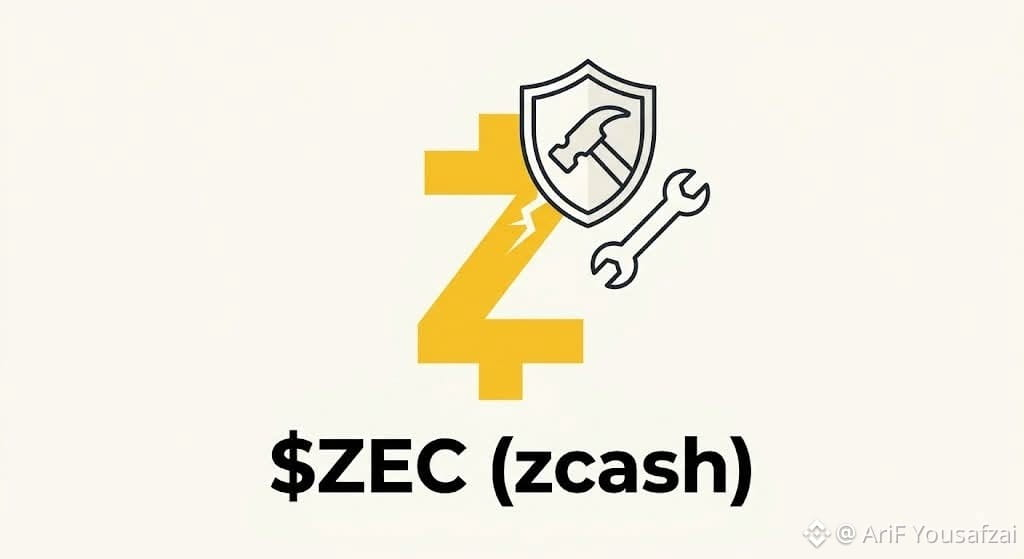
ELE TINHA UMA FERRAMENTA QUE PODIA CRIAR MOEDAS FALSAS ILIMITADAS $ZEC . ELE FEZ $0. 🚨👀🛡️
Em 14 de agosto de 2026, Zooko postou a pergunta sobre pagamento depois da correção. 🧾
Taylor Hornby construiu uma ferramenta funcional que podia criar moedas falsas ilimitadas dentro do antigo pool privado do Zcash. Ele testou apenas em um nó local. Ele diz que fez $0 na cadeia ao vivo.
Ele pediu aos detentores $750.000 como uma concessão retroativa (pagamento depois de o trabalho já estar feito). 💰
Isso não é um lançamento novo de pool. Ironwood já está no ar. 🛠️
Em 29 de maio de 2026, ele encontrou um bug de falsificação (um “buraco” que permite que moedas falsas pareçam reais) no Orchard, o antigo pool shielded (a zona privada onde os valores ficam ocultos). O buraco estava lá desde maio de 2022. O Orchard então tinha cerca de 4,2M ZEC, no valor de cerca de US$ 2,3B. Depois das notícias de 5 de junho de 2026, o token caiu cerca de 30% para 38% em um dia. 📉
🔶 Novo uso privado no Orchard antigo é encerrado
🔷 As moedas passam por uma catraca (um passo de contagem antes de entrarem no Ironwood)
🔸 Uma prova matemática de 28 de julho de 2026: mais de 2.700 teoremas contra essa classe de “falso saque/mint”
Até 9 de agosto de 2026, o Ironwood já havia ultrapassado o Orchard (cerca de 1,97M ZEC, cerca de US$ 1B na época).
US$ 750.000 é cerca de 0,033% desse antigo “bolo” de US$ 2,3B.
🟥 Wormhole 2022: US$ 10M 🟧 Aurora 2022: US$ 6M
🟨 Optimism 2022: US$ 2M 🟩 Polygon 2021: US$ 2M
O programa de recompensas antigo tinha acabado de ser encerrado. Um segundo pedido pessoal dobraria a solicitação para US$ 1.500.000. Ainda nada foi pago.
Próximo pesquisador escolhe:
✅ reportar e torcer para que os detentores paguem
⚠️ ficar em silêncio e tentar imprimir moedas falsas que ninguém consegue ver
A revisão termina em 16 de setembro de 2026. A votação abre em 17 de setembro de 2026.
Se outro pesquisador encontrar um buraco como esse no próximo ano, US$ 750.000 ainda será a escolha honesta, ou alguém vai fazer mint em segredo? 👇
#Zcash #ZEC #Crypto #Binance
ELE TINHA UMA FERRAMENTA QUE PODIA CRIAR MOEDAS FALSAS ILIMITADAS $ZEC . ELE FEZ $0. 🚨👀🛡️
Em 14 de agosto de 2026, Zooko postou a pergunta sobre pagamento depois da correção. 🧾
Taylor Hornby construiu uma ferramenta funcional que podia criar moedas falsas ilimitadas dentro do antigo pool privado do Zcash. Ele testou apenas em um nó local. Ele diz que fez $0 na cadeia ao vivo.
Ele pediu aos detentores $750.000 como uma concessão retroativa (pagamento depois de o trabalho já estar feito). 💰
Isso não é um lançamento novo de pool. Ironwood já está no ar. 🛠️
Em 29 de maio de 2026, ele encontrou um bug de falsificação (um “buraco” que permite que moedas falsas pareçam reais) no Orchard, o antigo pool shielded (a zona privada onde os valores ficam ocultos). O buraco estava lá desde maio de 2022. O Orchard então tinha cerca de 4,2M ZEC, no valor de cerca de US$ 2,3B. Depois das notícias de 5 de junho de 2026, o token caiu cerca de 30% para 38% em um dia. 📉
🔶 Novo uso privado no Orchard antigo é encerrado
🔷 As moedas passam por uma catraca (um passo de contagem antes de entrarem no Ironwood)
🔸 Uma prova matemática de 28 de julho de 2026: mais de 2.700 teoremas contra essa classe de “falso saque/mint”
Até 9 de agosto de 2026, o Ironwood já havia ultrapassado o Orchard (cerca de 1,97M ZEC, cerca de US$ 1B na época).
US$ 750.000 é cerca de 0,033% desse antigo “bolo” de US$ 2,3B.
🟥 Wormhole 2022: US$ 10M 🟧 Aurora 2022: US$ 6M
🟨 Optimism 2022: US$ 2M 🟩 Polygon 2021: US$ 2M
O programa de recompensas antigo tinha acabado de ser encerrado. Um segundo pedido pessoal dobraria a solicitação para US$ 1.500.000. Ainda nada foi pago.
Próximo pesquisador escolhe:
✅ reportar e torcer para que os detentores paguem
⚠️ ficar em silêncio e tentar imprimir moedas falsas que ninguém consegue ver
A revisão termina em 16 de setembro de 2026. A votação abre em 17 de setembro de 2026.
Se outro pesquisador encontrar um buraco como esse no próximo ano, US$ 750.000 ainda será a escolha honesta, ou alguém vai fazer mint em segredo? 👇
#Zcash #ZEC #Crypto #Binance
$CRV
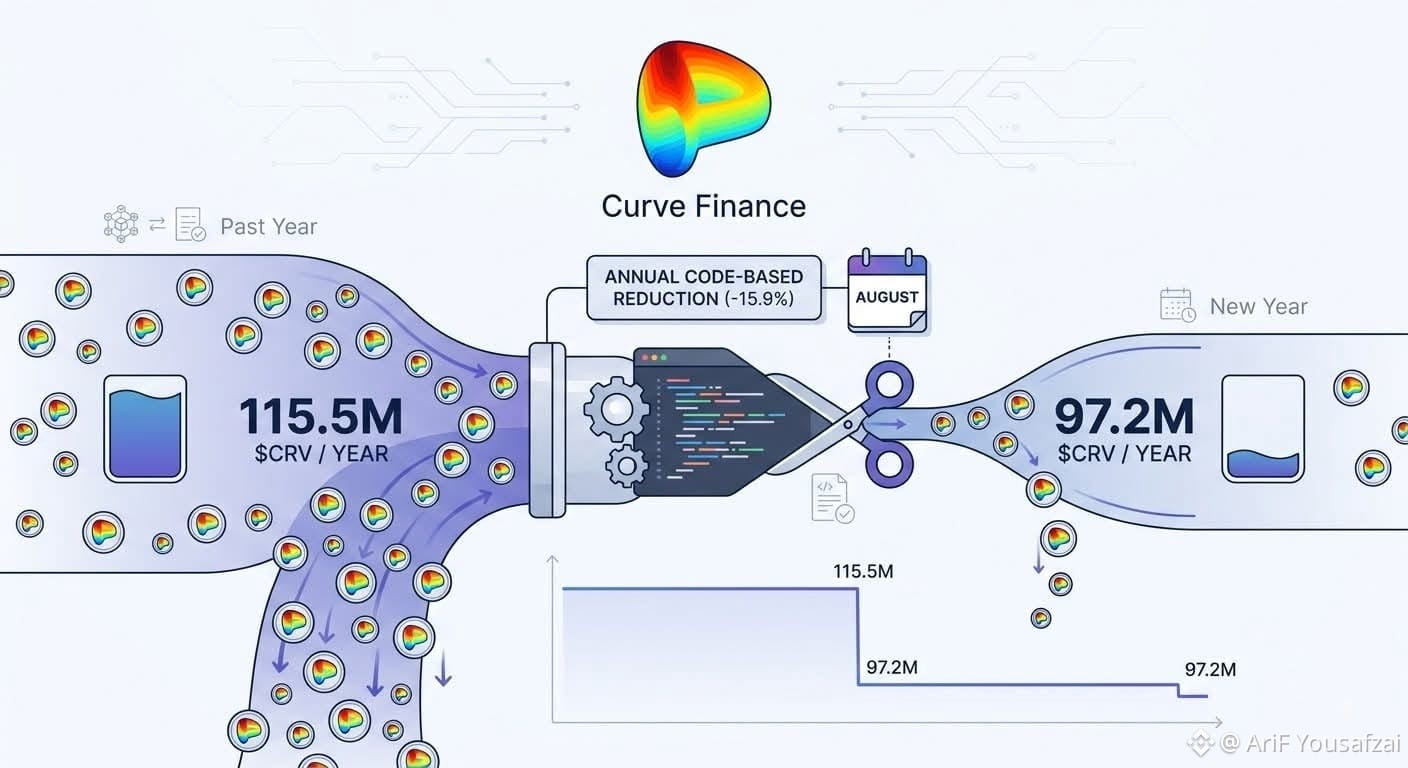
CRV A INFLAÇÃO CAI PARA CERCA DE 4,02% 🚨👀📉
A Curve Finance é uma DEX principal (app de swaps aberto) para stablecoins e ativos que devem ficar perto do mesmo preço. 🏦🔗
A cada agosto, o código reduz em cerca de 15,9% a nova criação de CRV, sem votação do DAO. No ano passado eram cerca de 115,5M CRV. Agora cerca de 97,2M CRV (cerca de 50 mil a menos por dia). Em relação ao supply total, isso equivale a cerca de 4,02% de inflação anual. ⚙️✅
A desaceleração é real, mas as moedas ainda são criadas. Os mercados muitas vezes precificam a história cedo. A emissão mais lenta só ajuda se a demanda crescer mais rápido do que o novo “print”. 🧊
O vesting da equipe já foi concluído. O novo CRV vai principalmente como recompensas extras para pessoas que colocam dinheiro em pools que vencem a votação semanal. Os grandes players bloqueiam CRV em veCRV (lock de voto para poder de voto e uma divisão de taxas) e escolhem quais pools recebem recompensas. 🗳️💰
A Curve não faz um grande buyback-and-burn do CRV em circulação. A divisão de taxas vai para os lockers. Sem um buyback/burn real ou uma demanda líquida muito mais forte, um caminho perto da máxima histórica antiga de cerca de US$ 15 continua muito difícil. Baixa inflação sozinha não é suficiente. 📉⚠️
O modelo de votação do pool também permite que quem paga mais para os votantes (bribes abertos) puxe mais do fluxo de emissão, então pequenos detentores e pools silenciosos podem perder mesmo quando o mercado é público. 🔶 Aberto 🔷 Grandes carteiras ainda ganham 🔸 Incentivos honestos ajudam pools profundos 🔹 Fraco se for pay-to-win para sempre
Preço antes: cerca de US$ 0,26 | ATH US$ 15,37 | ATL cerca de US$ 0,17 | mcap cerca de US$ 409M
Circulando cerca de 1,55B | máximo 3,03B | Curve TVL cerca de US$ 1,3B
Reduzir a emissão sozinho pode impulsionar o CRV, ou a Curve precisa primeiro de um buyback/burn real da oferta livre? 👇
#CRV #CurveFinance #Crypto #DeFi #Binance
CRV A INFLAÇÃO CAI PARA CERCA DE 4,02% 🚨👀📉
A Curve Finance é uma DEX principal (app de swaps aberto) para stablecoins e ativos que devem ficar perto do mesmo preço. 🏦🔗
A cada agosto, o código reduz em cerca de 15,9% a nova criação de CRV, sem votação do DAO. No ano passado eram cerca de 115,5M CRV. Agora cerca de 97,2M CRV (cerca de 50 mil a menos por dia). Em relação ao supply total, isso equivale a cerca de 4,02% de inflação anual. ⚙️✅
A desaceleração é real, mas as moedas ainda são criadas. Os mercados muitas vezes precificam a história cedo. A emissão mais lenta só ajuda se a demanda crescer mais rápido do que o novo “print”. 🧊
O vesting da equipe já foi concluído. O novo CRV vai principalmente como recompensas extras para pessoas que colocam dinheiro em pools que vencem a votação semanal. Os grandes players bloqueiam CRV em veCRV (lock de voto para poder de voto e uma divisão de taxas) e escolhem quais pools recebem recompensas. 🗳️💰
A Curve não faz um grande buyback-and-burn do CRV em circulação. A divisão de taxas vai para os lockers. Sem um buyback/burn real ou uma demanda líquida muito mais forte, um caminho perto da máxima histórica antiga de cerca de US$ 15 continua muito difícil. Baixa inflação sozinha não é suficiente. 📉⚠️
O modelo de votação do pool também permite que quem paga mais para os votantes (bribes abertos) puxe mais do fluxo de emissão, então pequenos detentores e pools silenciosos podem perder mesmo quando o mercado é público. 🔶 Aberto 🔷 Grandes carteiras ainda ganham 🔸 Incentivos honestos ajudam pools profundos 🔹 Fraco se for pay-to-win para sempre
Preço antes: cerca de US$ 0,26 | ATH US$ 15,37 | ATL cerca de US$ 0,17 | mcap cerca de US$ 409M
Circulando cerca de 1,55B | máximo 3,03B | Curve TVL cerca de US$ 1,3B
Reduzir a emissão sozinho pode impulsionar o CRV, ou a Curve precisa primeiro de um buyback/burn real da oferta livre? 👇
#CRV #CurveFinance #Crypto #DeFi #Binance



$HYPE
Hype : TAXAS HIP-3 BARATAS PODEM NÃO FICAR TÃO BARATAS 🚨💰👀
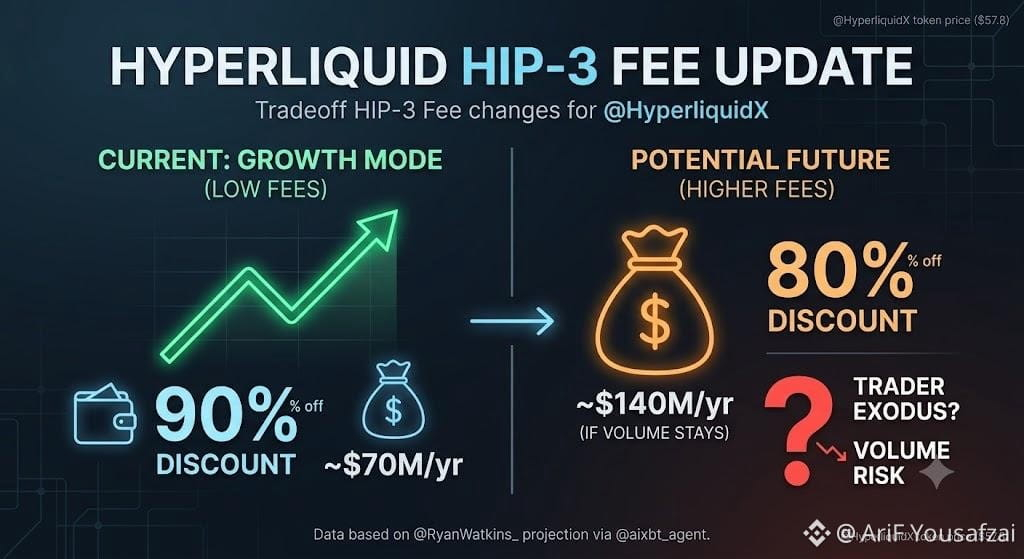
A Hyperliquid permite que construtores externos abram novos mercados (ações, nomes do mundo real). Esse sistema é o HIP-3. Muitos ainda usam o Modo Growth: as taxas caem cerca de 90%, então negociar fica bem barato e os novos mercados crescem rápido. 📈💵
A próxima atualização pode definir taxas por mercado. Analistas dizem que, se o desconto cair só de 90% para 80% e o volume se mantiver, o dinheiro das taxas do HIP-3 poderia ir de cerca de US$ 70M para cerca de US$ 140M por ano (compartilhado com os construtores). 🔶
✅ 90% de desconto = pagar cerca de 10% da taxa total · 80% de desconto = cerca de 20% · mesma ordem = cerca de 2× em dinheiro de taxa
Se as taxas subirem, alguns traders saem e a linha de US$ 140M pode falhar. ⚠️ $HYPE perto de $57,8 (cerca de +4% em 24h). O desbloqueio do time principal também acontece hoje (risco de oferta). 📅
A Hyperliquid vai aumentar as taxas do HIP-3 aos poucos e manter os traders, ou taxas mais altas vão afastar o volume? 👇
@AriF Yousafzai #HYPEGains79%InQ2
Hype : TAXAS HIP-3 BARATAS PODEM NÃO FICAR TÃO BARATAS 🚨💰👀
A Hyperliquid permite que construtores externos abram novos mercados (ações, nomes do mundo real). Esse sistema é o HIP-3. Muitos ainda usam o Modo Growth: as taxas caem cerca de 90%, então negociar fica bem barato e os novos mercados crescem rápido. 📈💵
A próxima atualização pode definir taxas por mercado. Analistas dizem que, se o desconto cair só de 90% para 80% e o volume se mantiver, o dinheiro das taxas do HIP-3 poderia ir de cerca de US$ 70M para cerca de US$ 140M por ano (compartilhado com os construtores). 🔶
✅ 90% de desconto = pagar cerca de 10% da taxa total · 80% de desconto = cerca de 20% · mesma ordem = cerca de 2× em dinheiro de taxa
Se as taxas subirem, alguns traders saem e a linha de US$ 140M pode falhar. ⚠️ $HYPE perto de $57,8 (cerca de +4% em 24h). O desbloqueio do time principal também acontece hoje (risco de oferta). 📅
A Hyperliquid vai aumentar as taxas do HIP-3 aos poucos e manter os traders, ou taxas mais altas vão afastar o volume? 👇
@AriF Yousafzai #HYPEGains79%InQ2
GRANDES NOMES COLOCAM US$ 15M NA SEGURANÇA DO BITCOIN 🚨🏦🛡️
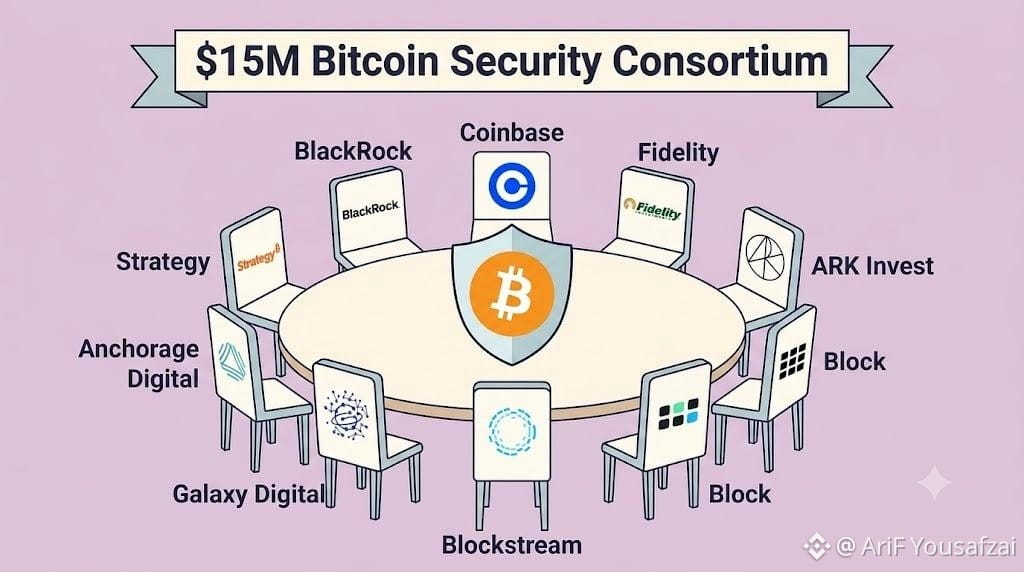
Em 23 de julho de 2026, grandes empresas de finanças e do Bitcoin lançaram o Bitcoin Security Consortium. Saylor e Strategy ajudaram a liderar. Os membros prometeram cerca de US$ 15M no total ao longo de 3 anos (cerca de US$ 5M por ano). 💰📅
Primeiro foco: computação quântica (novas máquinas que, um dia, poderiam quebrar a matemática das chaves do Bitcoin). O tamanho total do ataque ainda não chegou. O caixa é pequeno em comparação com uma venda de moeda de dividendos preferidos que a Strategy escolher (cerca de US$ 216M). Nomes podem importar mais. ⚙️⚖️
Ainda falta: um roadmap público completo, e subsídios de prova para acelerar regras compartilhadas do Bitcoin. Caminho antigo de atualização. Novos financiadores. 🔎
@AriF Yousafzai
#BTC $BTC
Em 23 de julho de 2026, grandes empresas de finanças e do Bitcoin lançaram o Bitcoin Security Consortium. Saylor e Strategy ajudaram a liderar. Os membros prometeram cerca de US$ 15M no total ao longo de 3 anos (cerca de US$ 5M por ano). 💰📅
Primeiro foco: computação quântica (novas máquinas que, um dia, poderiam quebrar a matemática das chaves do Bitcoin). O tamanho total do ataque ainda não chegou. O caixa é pequeno em comparação com uma venda de moeda de dividendos preferidos que a Strategy escolher (cerca de US$ 216M). Nomes podem importar mais. ⚙️⚖️
Ainda falta: um roadmap público completo, e subsídios de prova para acelerar regras compartilhadas do Bitcoin. Caminho antigo de atualização. Novos financiadores. 🔎
@AriF Yousafzai
#BTC $BTC

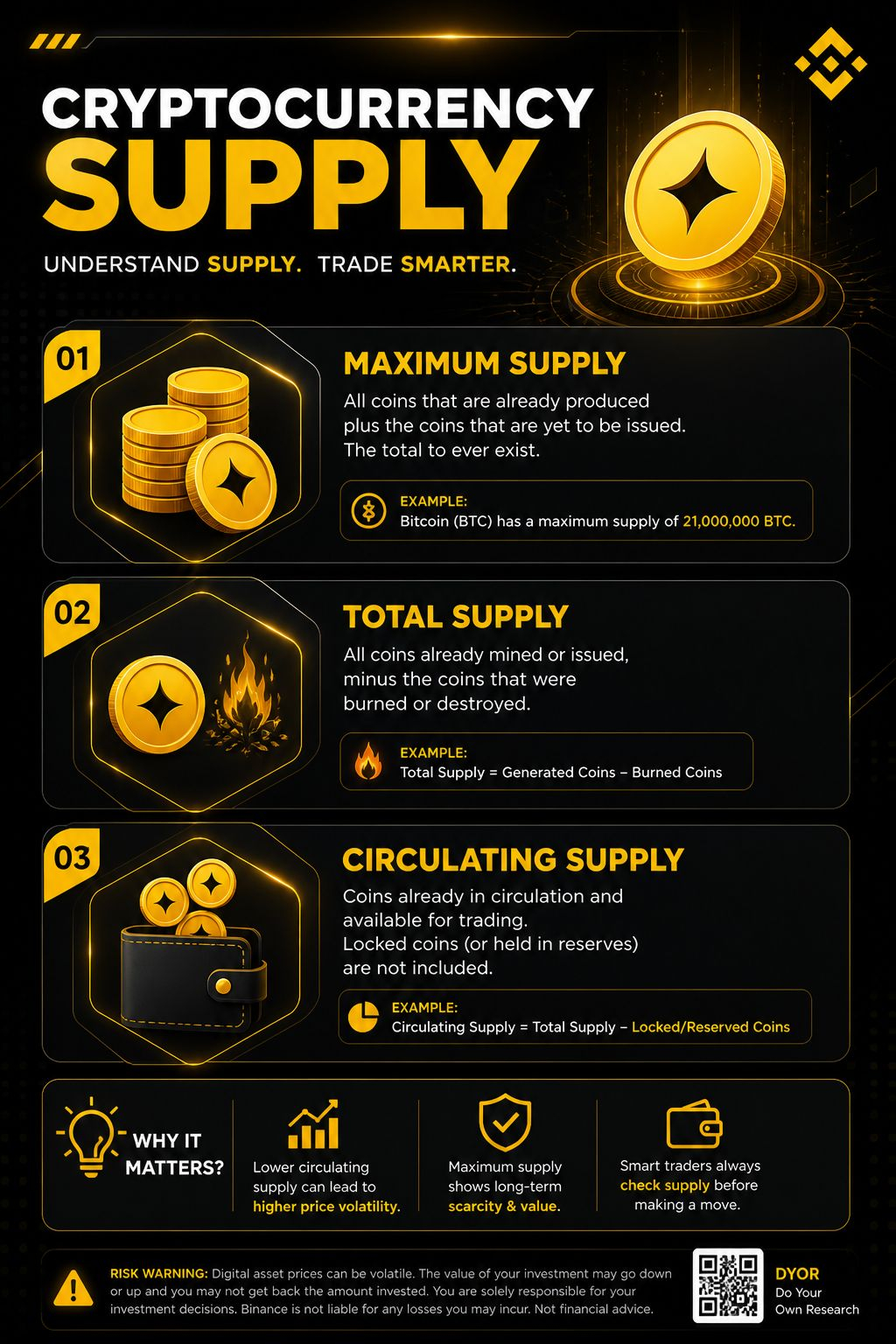
O sucesso no crypto não vem apenas da entrada, mas sim de entender a oferta.
A oferta circulante move o preço, enquanto a oferta máxima indica o valor a longo prazo.
Um trader esperto sempre observa os dados de oferta, em vez de apenas seguir a hype.
#crypto #trading #blockchain
$SUI
$BNB
A oferta circulante move o preço, enquanto a oferta máxima indica o valor a longo prazo.
Um trader esperto sempre observa os dados de oferta, em vez de apenas seguir a hype.
#crypto #trading #blockchain
$SUI
$BNB
🎙️ Os Mercados em Baixa Geram Dinheiro: A Mudança de Mentalidade Cripto
Fim
04 h 02 m 11 s
18.5k
17
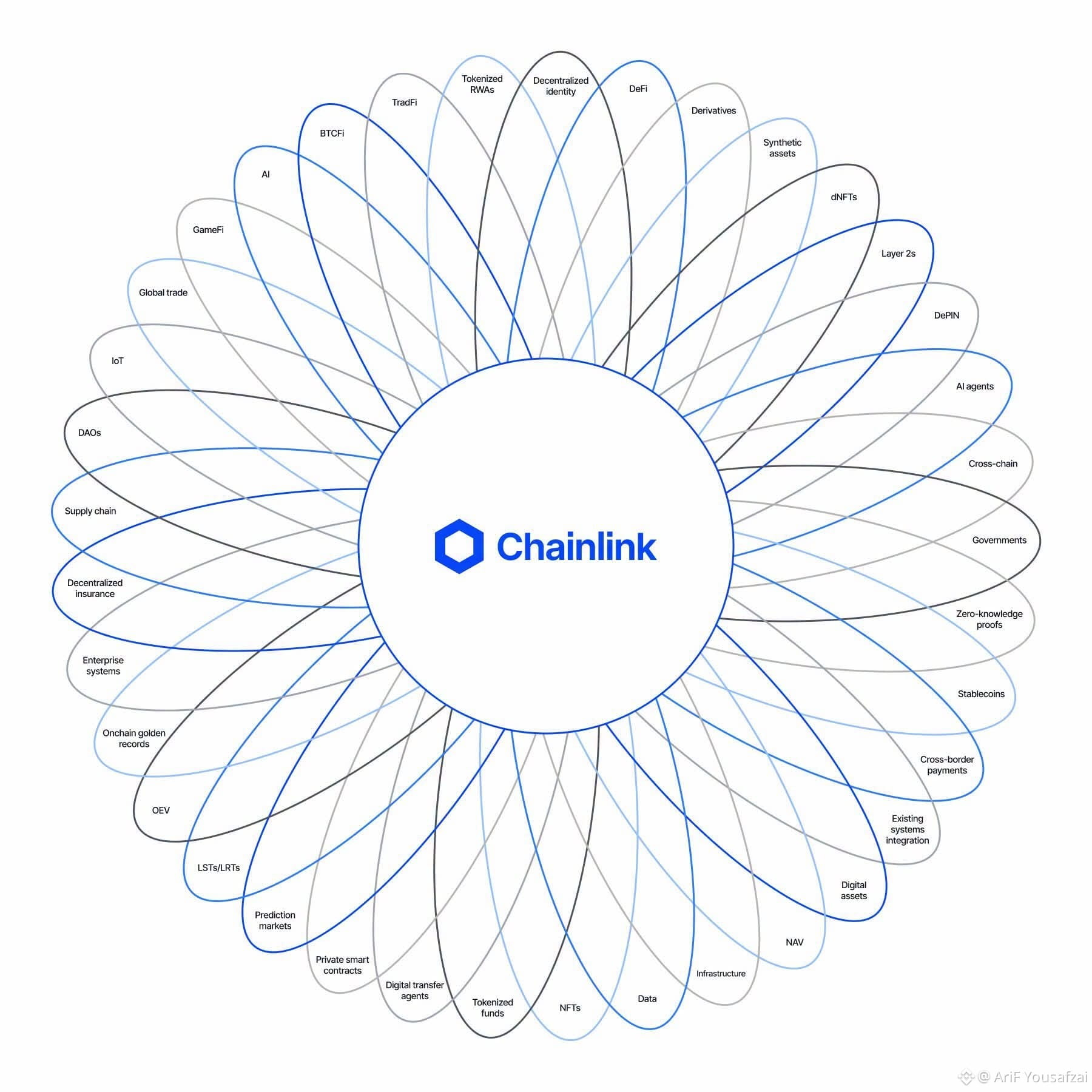
O que as maiores empresas de tecnologia e finanças têm em comum? ... Todas elas usam Chainlink.
$LINK
#freedomofmoney #Chainlink #BinanceWalletLaunchesPredictionMarkets
$LINK
#freedomofmoney #Chainlink #BinanceWalletLaunchesPredictionMarkets


Faça login para explorar mais conteúdos