
NesarAhmad222
80 ပို့စ်များ

NesarAhmad222
တိုင်ကြားမည်
သုံးစွဲသူကို ဘလော့မည်
အမှန်တကယ်ရောင်းဝယ်နေ
Frequent Trader
3.3 နှစ်
20 ဖော်လိုလုပ်ထားသည်
23 ဖော်လိုလုပ်သူများ
32 လိုက်ခ်လုပ်ထားသည်
ပို့စ်များ
ပိုင်ဆိုင်မှုစာရင်း
အားလုံး
ဆိုဈေးများ
·
--
တက်ရိပ်ရှိသည်
ဘာသာပြန်ဆိုချက် ကြည့်မည်
$CELO | Frax Expands Its Stablecoin Ecosystem on Celo
A notable development for Celo came on November 24, when Frax brought its full stablecoin and asset suite to the network, including yield-bearing sfrxUSD.
This is an important ecosystem addition because it connects Celo's payment-focused infrastructure with more advanced DeFi opportunities.
Celo already supports USDC, USDT and local-currency stable assets. Adding Frax's products gives users and developers more options for stablecoin liquidity and onchain financial applications.
What makes this interesting is the combination of low-cost payments and a growing range of DeFi assets on the same network.
Integration, liquidity and real utility — three things worth watching in Celo's growth.
#CELO #Frax #DeFi #BinanceSquare
103
·
--
တက်ရိပ်ရှိသည်
ဘာသာပြန်ဆိုချက် ကြည့်မည်
$CELO: What If AI Agents Could Pay for Their Own Services?
One of the most interesting developments in Celo is the connection between stablecoins and autonomous AI agents.
Through its native x402 infrastructure, AI agents can make payments over HTTP using stablecoins. This opens an interesting possibility: an AI agent could independently pay for data, APIs, computing resources, and other digital services without waiting for a human to approve every transaction.
Celo is also expanding this direction through its Buy marketplace, where agents can access more than 700 services.
I think this is a fascinating use case because it connects blockchain payments with the emerging machine economy.
The next big users of crypto might not all be humans.
What do you think: could AI agents become major stablecoin users?
$BTC
{future}(BTCUSDT)
$CELO
{future}(CELOUSDT)
#CELO #BinanceSquare #AI #Crypto
$CELO : What If AI Agents Could Pay for Their Own Services?
One of the most interesting developments in Celo is the connection between stablecoins and autonomous AI agents.
Through its native x402 infrastructure, AI agents can make payments over HTTP using stablecoins. This opens an interesting possibility: an AI agent could independently pay for data, APIs, computing resources, and other digital services without waiting for a human to approve every transaction.
Celo is also expanding this direction through its Buy marketplace, where agents can access more than 700 services.
I think this is a fascinating use case because it connects blockchain payments with the emerging machine economy.
The next big users of crypto might not all be humans.
What do you think: could AI agents become major stablecoin users?
$BTC
$CELO
#CELO #BinanceSquare #AI #Crypto
166
·
--
တက်ရိပ်ရှိသည်
ဘာသာပြန်ဆိုချက် ကြည့်မည်
$CELO: The Hidden Innovation Behind Stablecoin Payments
$BTC
{future}(BTCUSDT)
One detail about Celo that deserves more attention is its Fee Abstraction technology.
$BNB
{future}(BNBUSDT)
Think about this: normally, users need a network's native token just to pay transaction fees. Celo changes this by allowing supported stablecoins like USDT and USDC to be used as gas.
$IBITB
{spot}(IBITBUSDT)
Even more interesting, this is not just a theoretical feature. In November 2026, MiniPay announced an upgrade of its 20M+ activated wallets to Stripe-owned Privy infrastructure, introducing simpler sign-in options while preserving self-custody.
Another important development is Celo's evolution into an Ethereum Layer 2, combining Ethereum's security ecosystem with its mobile-first payment vision.
To me, the interesting question is no longer whether people will use blockchain, but whether they will use it without even noticing the technology behind it.
That's the kind of adoption worth watching.
#CELO #BinanceSquare #Blockchain
$CELO: The Hidden Innovation Behind Stablecoin Payments
$BTC
One detail about Celo that deserves more attention is its Fee Abstraction technology.
$BNB
Think about this: normally, users need a network's native token just to pay transaction fees. Celo changes this by allowing supported stablecoins like USDT and USDC to be used as gas.
$IBITB
Even more interesting, this is not just a theoretical feature. In November 2026, MiniPay announced an upgrade of its 20M+ activated wallets to Stripe-owned Privy infrastructure, introducing simpler sign-in options while preserving self-custody.
Another important development is Celo's evolution into an Ethereum Layer 2, combining Ethereum's security ecosystem with its mobile-first payment vision.
To me, the interesting question is no longer whether people will use blockchain, but whether they will use it without even noticing the technology behind it.
That's the kind of adoption worth watching.
#CELO #BinanceSquare #Blockchain
149
ဘာသာပြန်ဆိုချက် ကြည့်မည်
TradFi
TradFi
NesarAhmad222
·
--
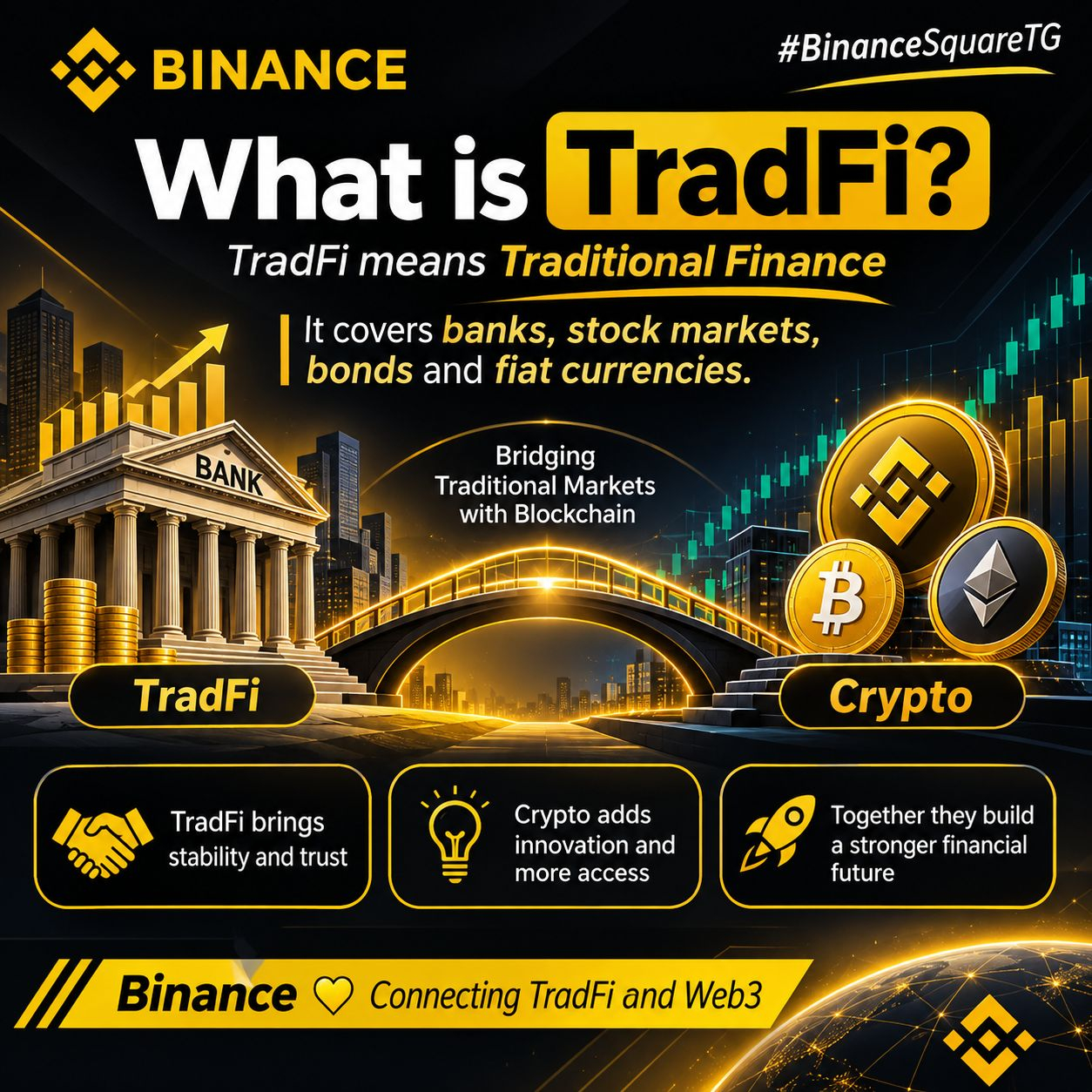
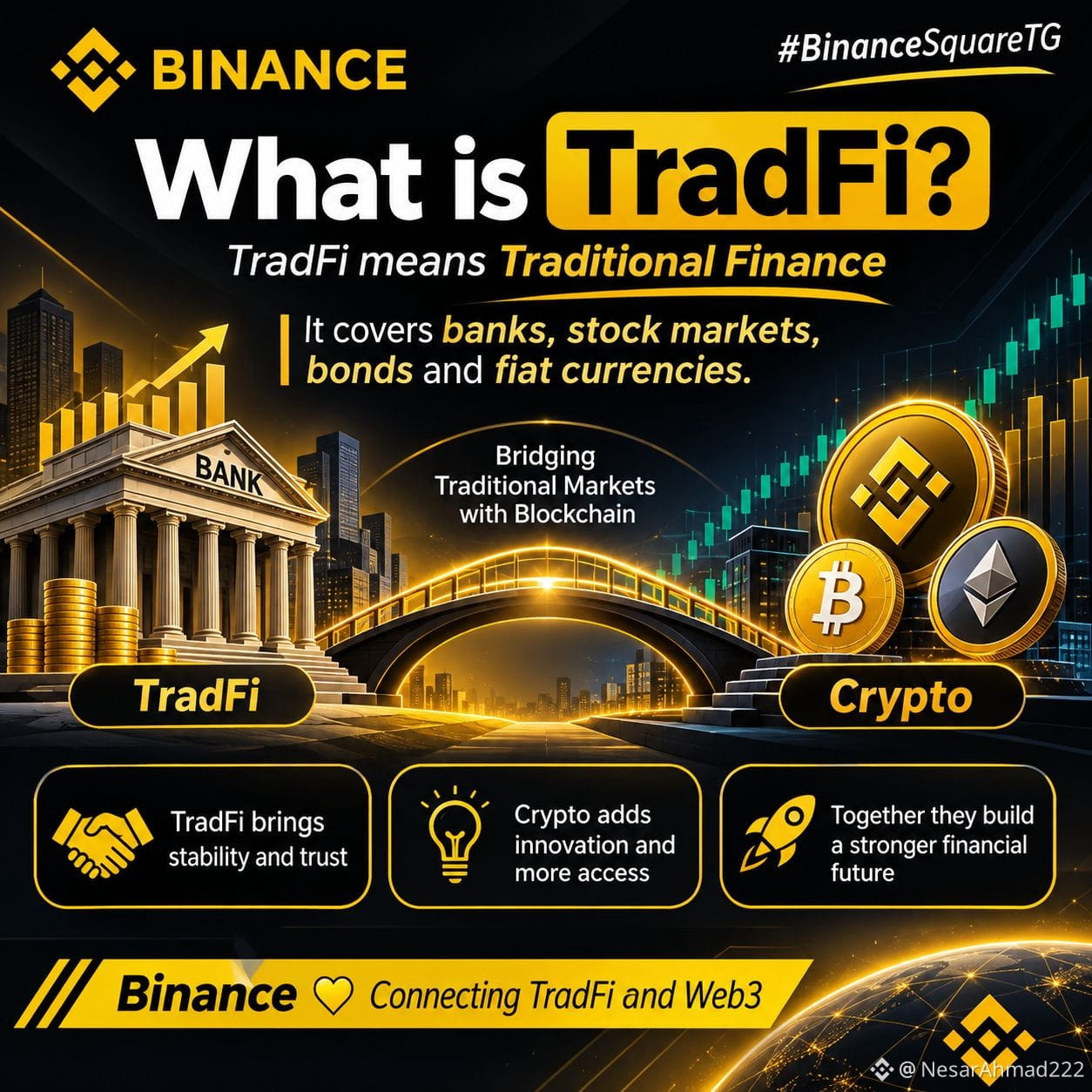
Traditional finance provides trust and established markets, while blockchain introduces new possibilities for access and innovation.
The future is not necessarily about replacing one with the other, but building stronger connections between both worlds 💛
$XAU
I really love it (Gold)
#BinanceSquareTG
The future is not necessarily about replacing one with the other, but building stronger connections between both worlds 💛
$XAU
I really love it (Gold)
#BinanceSquareTG
1
ဘာသာပြန်ဆိုချက် ကြည့်မည်
Traditional finance provides trust and established markets, while blockchain introduces new possibilities for access and innovation.
The future is not necessarily about replacing one with the other, but building stronger connections between both worlds 💛
$XAU
{future}(XAUUSDT)
I really love it (Gold)
#BinanceSquareTG
Traditional finance provides trust and established markets, while blockchain introduces new possibilities for access and innovation.
The future is not necessarily about replacing one with the other, but building stronger connections between both worlds 💛
$XAU
I really love it (Gold)
#BinanceSquareTG
The future is not necessarily about replacing one with the other, but building stronger connections between both worlds 💛
$XAU
I really love it (Gold)
#BinanceSquareTG
1
1
198
·
--
တက်ရိပ်ရှိသည်
ဘာသာပြန်ဆိုချက် ကြည့်မည်
$BTC
{future}(BTCUSDT)
CELO is an interesting project because it focuses on making blockchain payments more accessible through mobile technology. I believe real adoption starts when blockchain becomes useful in everyday life, not just trading. Its focus on mobile-first financial access is what makes it worth watching.
#CELO #BinanceSquare
$CELO
{future}(CELOUSDT)
$BTC
CELO is an interesting project because it focuses on making blockchain payments more accessible through mobile technology. I believe real adoption starts when blockchain becomes useful in everyday life, not just trading. Its focus on mobile-first financial access is what makes it worth watching.
#CELO #BinanceSquare
$CELO
111
·
--
တက်ရိပ်ရှိသည်
$BTC 0.5 USDT ကိုင်ဆောင်ထားမှု
ဘာသာပြန်ဆိုချက် ကြည့်မည်
The next evolution of blockchain should be about real utility, not just new technology. I’m looking forward to seeing how blockchain can make financial services more accessible, improve transparency, and connect traditional finance with decentralized systems. The industry still has challenges, but real-world adoption is where its biggest opportunities lie.
$BTC
$BNB
#EvolveAtBinanceBlockchainWeek
$BTC
$BNB
#EvolveAtBinanceBlockchainWeek
89
ကမ္ဘာလုံးဆိုင်ရာ ရင်းနှီးမြှုပ်နှံမှု၏ အနာဂတ်ကို ဘလော့ခ်ချိန်းက ပြောင်းလဲနိုင်မလား။
ကျွန်တော်မြင်တာကတော့ လူတွေဟာ ဘလော့ခ်ချိန်းကို ပိုမိုစိတ်ဝင်စားလာကြပြီး နေ့စဉ်ဘဝမှာ အသုံးပြုလာကြပါတယ်။
အနာဂတ်မှာ ကမ္ဘာတစ်ဝန်းရှိ လူအများစုက ဘလော့ခ်ချိန်းကို အသုံးပြုလာနိုင်မယ်လို့ ယုံကြည်ပါတယ်။
ဒစ်ဂျစ်တယ်ငွေပေးချေမှုတွေနဲ့ ဘလော့ခ်ချိန်းနည်းပညာ ဆက်လက်တိုးတက်လာတာနဲ့အမျှ ရိုးရာငွေသားနဲ့ ဘဏ်လုပ်ငန်းတွေ လူကြိုက်နည်းလာနိုင်ပါတယ်။
ကမ္ဘာ့ဘဏ္ဍာရေးအနာဂတ်မှာ ဘလော့ခ်ချိန်းက အရေးပါတဲ့ အခန်းကဏ္ဍမှာ ပါဝင်မယ်လို့ ထင်ပါတယ်။
#EvolveAtBinanceBlockchainWeek #RWA #Tokenization #Blockchain #Binance #Web3

67
·
--
တက်ရိပ်ရှိသည်
{future}(BNBUSDT)
$BTC
{future}(BTCUSDT)
ခရစ်ပတိုလောကမှာ ကျွန်တော် သတိထားမိတာတစ်ခုက ဈေးကွက်ရဲ့ တုံ့ပြန်မှုတွေဟာ အမြဲတမ်း ချက်ချင်းဖြစ်ပေါ်တာ မဟုတ်ပါဘူး။
$ETH
တစ်ခါတစ်ရံ Bitcoin က ငြိမ်သက်နေချိန်မှာ altcoin အသေးစားတွေ စတင်လှုပ်ရှားလာတတ်ပါတယ်။ ဒါပေမဲ့ အဲဒါက ဈေးကွက်လမ်းကြောင်း အတည်ပြုပြီးပြီလို့ မဆိုလိုပါဘူး။ ဆုံးဖြတ်ချက်မချခင် ကုန်သွယ်မှုပမာဏ၊ ငွေဖြစ်လွယ်မှုနဲ့ ဈေးကွက်ဖွဲ့စည်းပုံကို စောင့်ကြည့်တာကို ကျွန်တော် ပိုနှစ်သက်ပါတယ်။ ဝင်ရောက်မယ့်အချိန်ကို ရှာဖွေတာတင်မကဘဲ စိတ်ရှည်ခြင်းကလည်း ကုန်သွယ်မှုရဲ့ အစိတ်အပိုင်းတစ်ခုပါ။
$BNB
#BinanceSquare #ခရစ်ပတိုကုန်သွယ်မှု #ဈေးကွက်သုံးသပ်ချက်
$BTC
ခရစ်ပတိုလောကမှာ ကျွန်တော် သတိထားမိတာတစ်ခုက ဈေးကွက်ရဲ့ တုံ့ပြန်မှုတွေဟာ အမြဲတမ်း ချက်ချင်းဖြစ်ပေါ်တာ မဟုတ်ပါဘူး။
$ETH
တစ်ခါတစ်ရံ Bitcoin က ငြိမ်သက်နေချိန်မှာ altcoin အသေးစားတွေ စတင်လှုပ်ရှားလာတတ်ပါတယ်။ ဒါပေမဲ့ အဲဒါက ဈေးကွက်လမ်းကြောင်း အတည်ပြုပြီးပြီလို့ မဆိုလိုပါဘူး။ ဆုံးဖြတ်ချက်မချခင် ကုန်သွယ်မှုပမာဏ၊ ငွေဖြစ်လွယ်မှုနဲ့ ဈေးကွက်ဖွဲ့စည်းပုံကို စောင့်ကြည့်တာကို ကျွန်တော် ပိုနှစ်သက်ပါတယ်။ ဝင်ရောက်မယ့်အချိန်ကို ရှာဖွေတာတင်မကဘဲ စိတ်ရှည်ခြင်းကလည်း ကုန်သွယ်မှုရဲ့ အစိတ်အပိုင်းတစ်ခုပါ။
$BNB
#BinanceSquare #ခရစ်ပတိုကုန်သွယ်မှု #ဈေးကွက်သုံးသပ်ချက်
99
·
--
တက်ရိပ်ရှိသည်
Stablecoin များကို ပိုမိုလွယ်ကူစွာ အသုံးပြုနိုင်အောင် ပြုလုပ်ခြင်းက အမှန်တကယ် လက်ခံအသုံးပြုမှု စတင်ရာနေရာဖြစ်သည်
Crypto ကို လက်ခံအသုံးပြုလာစေရန် အကြီးမားဆုံး အတားအဆီးများထဲမှ တစ်ခုမှာ blockchain နည်းပညာကို နားမလည်ခြင်းမဟုတ်ဘဲ စတင်အသုံးပြုရန် ခက်ခဲခြင်းဖြစ်သည်။
Celo သည် မိုဘိုင်းကို ဦးစားပေးသည့် ဘဏ္ဍာရေးကိရိယာများဖြင့် ဤစိန်ခေါ်မှုကို ဖြေရှင်းလျက်ရှိသည်။ MiniPay ကို Stripe Link နှင့် မကြာသေးမီက ပေါင်းစည်းလိုက်ခြင်းကြောင့် ဥရောပနှင့် အမေရိကန်ရှိ အသုံးပြုသူများသည် ရင်းနှီးပြီးသား ငွေပေးချေမှုနည်းလမ်းများကို အသုံးပြု၍ stablecoin များ ထည့်သွင်းနိုင်ပြီဖြစ်သည်။
ဤသည် Web3 အတွက် အရေးကြီးသော ဦးတည်ချက်တစ်ခုဖြစ်သည်။ ဒစ်ဂျစ်တယ်ပိုင်ဆိုင်မှုများကို ပိုမိုနားလည်ရလွယ်ကူပြီး နေ့စဉ်ဘဝတွင် ပိုမိုအသုံးဝင်သည်ဟု ခံစားရစေရန် ဖြစ်သည်။
Blockchain တိုးတက်မှုကို အမှန်တကယ်တိုင်းတာနိုင်မည့်အရာမှာ လူမည်မျှက တိုကင်များကို ရောင်းဝယ်ကြသလဲဆိုသည်ထက် ၎င်းကို သဘာဝကျကျ အသုံးပြုနိုင်သူ မည်မျှရှိသလဲဆိုသည့်အချက်ဖြစ်သည်။
$BTC
{future}(BTCUSDT)
$CELO
{future}(CELOUSDT)
#CELO #BinanceSquare #Web3 #Stablecoins #CryptoAdoption
Stablecoin များကို ပိုမိုလွယ်ကူစွာ အသုံးပြုနိုင်အောင် ပြုလုပ်ခြင်းက အမှန်တကယ် လက်ခံအသုံးပြုမှု စတင်ရာနေရာဖြစ်သည်
Crypto ကို လက်ခံအသုံးပြုလာစေရန် အကြီးမားဆုံး အတားအဆီးများထဲမှ တစ်ခုမှာ blockchain နည်းပညာကို နားမလည်ခြင်းမဟုတ်ဘဲ စတင်အသုံးပြုရန် ခက်ခဲခြင်းဖြစ်သည်။
Celo သည် မိုဘိုင်းကို ဦးစားပေးသည့် ဘဏ္ဍာရေးကိရိယာများဖြင့် ဤစိန်ခေါ်မှုကို ဖြေရှင်းလျက်ရှိသည်။ MiniPay ကို Stripe Link နှင့် မကြာသေးမီက ပေါင်းစည်းလိုက်ခြင်းကြောင့် ဥရောပနှင့် အမေရိကန်ရှိ အသုံးပြုသူများသည် ရင်းနှီးပြီးသား ငွေပေးချေမှုနည်းလမ်းများကို အသုံးပြု၍ stablecoin များ ထည့်သွင်းနိုင်ပြီဖြစ်သည်။
ဤသည် Web3 အတွက် အရေးကြီးသော ဦးတည်ချက်တစ်ခုဖြစ်သည်။ ဒစ်ဂျစ်တယ်ပိုင်ဆိုင်မှုများကို ပိုမိုနားလည်ရလွယ်ကူပြီး နေ့စဉ်ဘဝတွင် ပိုမိုအသုံးဝင်သည်ဟု ခံစားရစေရန် ဖြစ်သည်။
Blockchain တိုးတက်မှုကို အမှန်တကယ်တိုင်းတာနိုင်မည့်အရာမှာ လူမည်မျှက တိုကင်များကို ရောင်းဝယ်ကြသလဲဆိုသည်ထက် ၎င်းကို သဘာဝကျကျ အသုံးပြုနိုင်သူ မည်မျှရှိသလဲဆိုသည့်အချက်ဖြစ်သည်။
$BTC
$CELO
#CELO #BinanceSquare #Web3 #Stablecoins #CryptoAdoption
161
·
--
တက်ရိပ်ရှိသည်
နောက်ထပ် Crypto အသုံးပြုသူ ဘီလီယံတစ်ထောင်ဟာ သူတို့ရဲ့ ဖုန်းတွေကနေတစ်ဆင့် ရောက်လာနိုင်ပါတယ် 📱🌍
လူတိုင်းဟာ ဈေးနှုန်းဇယားတွေကို အရောင်းအဝယ်လုပ်ဖို့ ဒါမှမဟုတ် အမြတ်လိုက်ရှာဖို့ Crypto လောကထဲ ဝင်လာကြတာ မဟုတ်ပါဘူး။
လူအများစုဟာ ငွေလွှဲဖို့ ပိုမြန်ပြီး ပိုမိုလက်လှမ်းမီတဲ့ နည်းလမ်းတစ်ခုကိုပဲ လိုအပ်ကြပါတယ်။
ဒစ်ဂျစ်တယ်ငွေပေးချေမှုတွေကို ပိုမိုလက်လှမ်းမီစေဖို့ မိုဘိုင်းကို ဦးစားပေးထားတဲ့ blockchain တစ်ခုကို တည်ဆောက်ခြင်းအားဖြင့် Celo ဟာ ဒီအယူအဆကို အခြေခံတည်ဆောက်နေပါတယ်။
ရှုပ်ထွေးတဲ့ ငွေကြေးဆိုင်ရာ လုပ်ငန်းစဉ်တွေမပါဘဲ နယ်စပ်ဖြတ်ကျော်ပြီး ဒစ်ဂျစ်တယ်ဒေါ်လာတွေ ပို့နိုင်တာကို စိတ်ကူးကြည့်ပါ။ ဒါဟာ blockchain နည်းပညာကို အဓိပ္ပာယ်ရှိစေနိုင်တဲ့ လက်တွေ့ဘဝအတွေ့အကြုံမျိုးပါပဲ။
ကျွန်တော့်အမြင်အရ နည်းပညာကို လူတိုင်းအသုံးပြုနိုင်လောက်အောင် ရိုးရှင်းလာတဲ့အခါမှ လူအများလက်ခံအသုံးပြုမှု စတင်ပါတယ်။
ရှုပ်ထွေးမှုနည်းပါစေ။ ပိုမိုလက်လှမ်းမီပါစေ။ လက်တွေ့ဘဝမှာ အသုံးဝင်ပါစေ။
Crypto ကို လူအများလက်ခံအသုံးပြုလာစေမယ့် နောက်တစ်လှိုင်းကို ဘယ်အရာက တွန်းအားပေးမယ်လို့ ထင်ပါသလဲ—ငွေပေးချေမှုလား၊ အရောင်းအဝယ်လား။
$BTC
{future}(BTCUSDT)
#Celo #Web3 #Blockchain #CryptoAdoption #BinanceSquare
နောက်ထပ် Crypto အသုံးပြုသူ ဘီလီယံတစ်ထောင်ဟာ သူတို့ရဲ့ ဖုန်းတွေကနေတစ်ဆင့် ရောက်လာနိုင်ပါတယ် 📱🌍
လူတိုင်းဟာ ဈေးနှုန်းဇယားတွေကို အရောင်းအဝယ်လုပ်ဖို့ ဒါမှမဟုတ် အမြတ်လိုက်ရှာဖို့ Crypto လောကထဲ ဝင်လာကြတာ မဟုတ်ပါဘူး။
လူအများစုဟာ ငွေလွှဲဖို့ ပိုမြန်ပြီး ပိုမိုလက်လှမ်းမီတဲ့ နည်းလမ်းတစ်ခုကိုပဲ လိုအပ်ကြပါတယ်။
ဒစ်ဂျစ်တယ်ငွေပေးချေမှုတွေကို ပိုမိုလက်လှမ်းမီစေဖို့ မိုဘိုင်းကို ဦးစားပေးထားတဲ့ blockchain တစ်ခုကို တည်ဆောက်ခြင်းအားဖြင့် Celo ဟာ ဒီအယူအဆကို အခြေခံတည်ဆောက်နေပါတယ်။
ရှုပ်ထွေးတဲ့ ငွေကြေးဆိုင်ရာ လုပ်ငန်းစဉ်တွေမပါဘဲ နယ်စပ်ဖြတ်ကျော်ပြီး ဒစ်ဂျစ်တယ်ဒေါ်လာတွေ ပို့နိုင်တာကို စိတ်ကူးကြည့်ပါ။ ဒါဟာ blockchain နည်းပညာကို အဓိပ္ပာယ်ရှိစေနိုင်တဲ့ လက်တွေ့ဘဝအတွေ့အကြုံမျိုးပါပဲ။
ကျွန်တော့်အမြင်အရ နည်းပညာကို လူတိုင်းအသုံးပြုနိုင်လောက်အောင် ရိုးရှင်းလာတဲ့အခါမှ လူအများလက်ခံအသုံးပြုမှု စတင်ပါတယ်။
ရှုပ်ထွေးမှုနည်းပါစေ။ ပိုမိုလက်လှမ်းမီပါစေ။ လက်တွေ့ဘဝမှာ အသုံးဝင်ပါစေ။
Crypto ကို လူအများလက်ခံအသုံးပြုလာစေမယ့် နောက်တစ်လှိုင်းကို ဘယ်အရာက တွန်းအားပေးမယ်လို့ ထင်ပါသလဲ—ငွေပေးချေမှုလား၊ အရောင်းအဝယ်လား။
$BTC
#Celo #Web3 #Blockchain #CryptoAdoption #BinanceSquare
112
·
--
တက်ရိပ်ရှိသည်
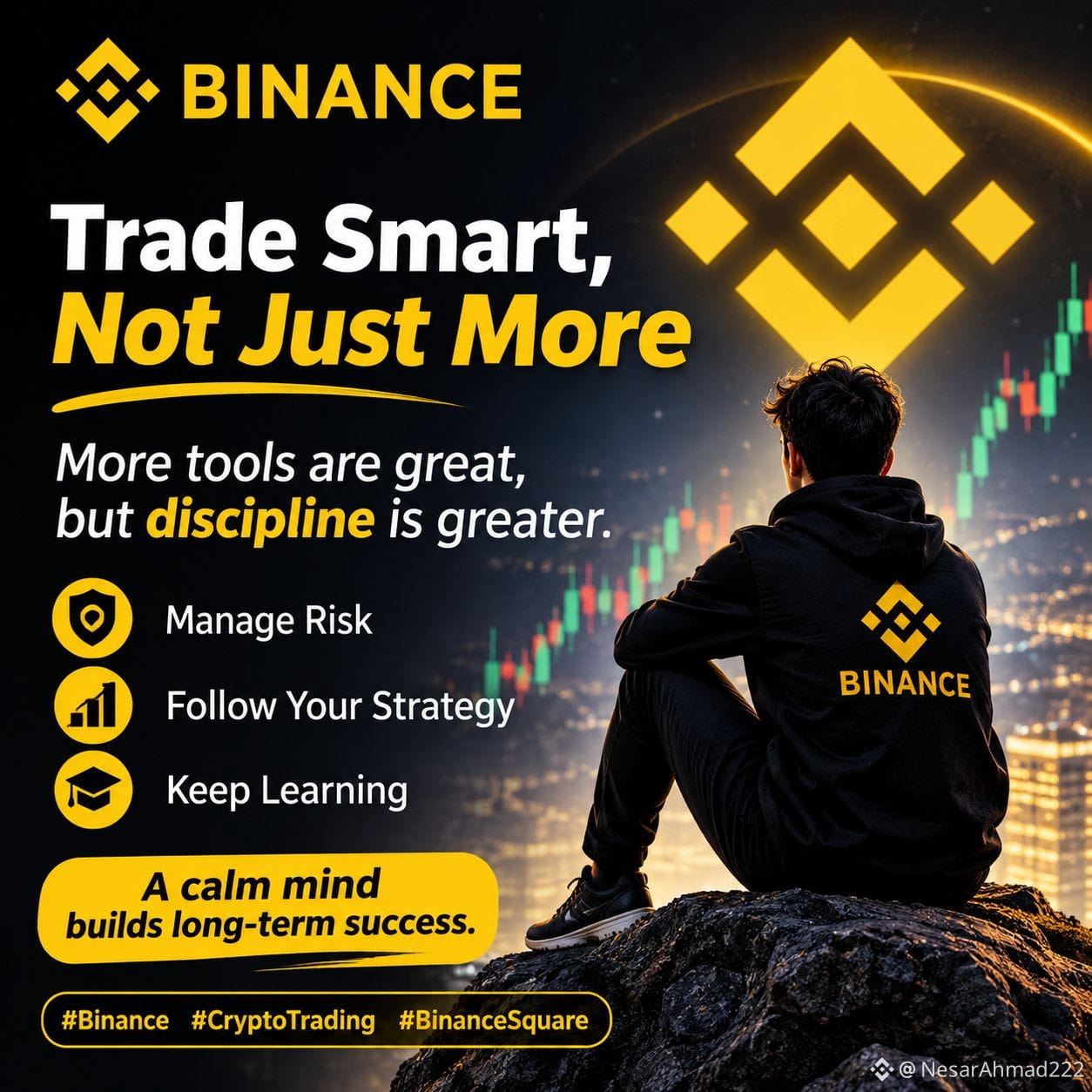
အကြီးမားဆုံး ကုန်သွယ်မှုအားသာချက်က အရောင်းအဝယ်ပိုလုပ်တာ မဟုတ်ပါ။ ပိုကောင်းတဲ့ ဆုံးဖြတ်ချက်တွေ ချတာပါ။ 📈
$BTC
{future}(BTCUSDT)
$XAU
{future}(XAUUSDT)
$ADA
{future}(ADAUSDT)
ခရစ်ပ်တိုဈေးကွက်တွေက အမြဲတမ်း လှုပ်ရှားနေပါတယ်။ ဒါပေမဲ့ အခွင့်အရေးတိုင်းမှာ အရောင်းအဝယ်လုပ်သင့်တယ်လို့ မဆိုလိုပါဘူး။
အောင်မြင်တဲ့ ကုန်သည်တစ်ဦးဟာ အရေးကြီးတဲ့အချက် သုံးချက်ကို နားလည်ပါတယ်။
🔸 အမြတ်လိုက်ရှာတာထက် အရင်းအနှီးကို ကာကွယ်တာက ပိုအရေးကြီးပါတယ်
🔸 စိတ်ခံစားချက်အပေါ် မူတည်ပြီး ဆုံးဖြတ်တာထက် စိတ်ရှည်တာက ပိုအစွမ်းထက်ပါတယ်
🔸 တစ်ကြိမ်တည်း ကံကောင်းတဲ့ အရောင်းအဝယ်တစ်ခုထက် တည်ငြိမ်မှုက ပိုအရေးကြီးပါတယ်
Binance က ကုန်သည်တွေကို အစွမ်းထက်တဲ့ ခရစ်ပ်တိုဂေဟစနစ်ကို အသုံးပြုခွင့်ပေးပါတယ်။ ဒါပေမဲ့ တကယ့်အားသာချက်က အသိပညာ၊ စည်းကမ်းရှိမှုနဲ့ စမတ်ကျတဲ့ အန္တရာယ်စီမံခန့်ခွဲမှုတို့ကနေ ရရှိတာပါ။
သတိရပါ။ ရည်မှန်းချက်က အရောင်းအဝယ်ပိုလုပ်ဖို့ မဟုတ်ပါဘူး။ ပိုကောင်းအောင် အရောင်းအဝယ်လုပ်ဖို့ပါ။
ကုန်သည်တစ်ဦးအနေနဲ့ သင့်အတွက် အရေးအကြီးဆုံး ဦးစားပေးအချက်က ဘာလဲ။
#Binance #BinanceSquare #CryptoTrading #TradingMindset
အကြီးမားဆုံး ကုန်သွယ်မှုအားသာချက်က အရောင်းအဝယ်ပိုလုပ်တာ မဟုတ်ပါ။ ပိုကောင်းတဲ့ ဆုံးဖြတ်ချက်တွေ ချတာပါ။ 📈
$BTC
$XAU
$ADA
ခရစ်ပ်တိုဈေးကွက်တွေက အမြဲတမ်း လှုပ်ရှားနေပါတယ်။ ဒါပေမဲ့ အခွင့်အရေးတိုင်းမှာ အရောင်းအဝယ်လုပ်သင့်တယ်လို့ မဆိုလိုပါဘူး။
အောင်မြင်တဲ့ ကုန်သည်တစ်ဦးဟာ အရေးကြီးတဲ့အချက် သုံးချက်ကို နားလည်ပါတယ်။
🔸 အမြတ်လိုက်ရှာတာထက် အရင်းအနှီးကို ကာကွယ်တာက ပိုအရေးကြီးပါတယ်
🔸 စိတ်ခံစားချက်အပေါ် မူတည်ပြီး ဆုံးဖြတ်တာထက် စိတ်ရှည်တာက ပိုအစွမ်းထက်ပါတယ်
🔸 တစ်ကြိမ်တည်း ကံကောင်းတဲ့ အရောင်းအဝယ်တစ်ခုထက် တည်ငြိမ်မှုက ပိုအရေးကြီးပါတယ်
Binance က ကုန်သည်တွေကို အစွမ်းထက်တဲ့ ခရစ်ပ်တိုဂေဟစနစ်ကို အသုံးပြုခွင့်ပေးပါတယ်။ ဒါပေမဲ့ တကယ့်အားသာချက်က အသိပညာ၊ စည်းကမ်းရှိမှုနဲ့ စမတ်ကျတဲ့ အန္တရာယ်စီမံခန့်ခွဲမှုတို့ကနေ ရရှိတာပါ။
သတိရပါ။ ရည်မှန်းချက်က အရောင်းအဝယ်ပိုလုပ်ဖို့ မဟုတ်ပါဘူး။ ပိုကောင်းအောင် အရောင်းအဝယ်လုပ်ဖို့ပါ။
ကုန်သည်တစ်ဦးအနေနဲ့ သင့်အတွက် အရေးအကြီးဆုံး ဦးစားပေးအချက်က ဘာလဲ။
#Binance #BinanceSquare #CryptoTrading #TradingMindset
1
374
·
--
တက်ရိပ်ရှိသည်
$BTC
{future}(BTCUSDT)
$ANT
{future}(ANTUSDT)
🧠 ကုန်သွယ်သူတိုင်းရဲ့ Portfolio ကို ဖျက်ဆီးတဲ့ စိတ်ခံစားချက် ၃ မျိုး 🧠
ဇယားတွေ အများကြီးကို ကြည့်ရှုပြီးနောက် (ကိုယ့်အမှားတွေကိုလည်း ကြုံခဲ့ရပြီးနောက် 😅) Portfolio ကို တကယ်ဖျက်ဆီးတတ်တဲ့ အရာတွေကတော့—
1️⃣ FOMO — “ဒီထက်ပိုတက်တော့မှာ မဟုတ်ဘူး... ဟုတ်တယ်မလား?” ဆိုပြီး အစိမ်းရောင်ဖယောင်းတိုင်တွေ ထိပ်ဆုံးမှာ ဝယ်ယူခြင်း 🚀📉 2️⃣ ထိတ်လန့်ခြင်း — “သုညအထိ ကျတော့မယ်!” ဆိုပြီး အနီရောင်ဖယောင်းတိုင်တွေ အောက်ဆုံးမှာ ရောင်းချခြင်း 🔻 3️⃣ ကိုယ့်ကိုယ်ကို ယုံကြည်မှုလွန်ကဲခြင်း — ၃ ကြိမ်အနိုင်ရပြီးနောက် အကုန်လုံးကို ပုံအောလိုက်ပြီး ဈေးကွက်က ဘယ်သူ့ကိုမှ ဘာမှပေးဆပ်စရာမရှိတာကို မေ့လျော့ခြင်း 🎰
📊 အချက်အလက်တွေက ရက်စက်လွန်းပါတယ်—လက်လီကုန်သွယ်သူအများစုဟာ ထိပ်ဆုံးနားမှာ ဝယ်ပြီး အောက်ဆုံးနားမှာ ရောင်းကြပါတယ်။ သူတို့မိုက်မဲလို့ မဟုတ်ဘဲ စိတ်ခံစားချက်တွေက မဟာဗျူဟာကို လွှမ်းမိုးသွားလို့ပါ။
💪 ကျွန်တော့်စည်းမျဉ်းကတော့—အရောင်းအဝယ်တစ်ခုအပေါ် စိတ်ခံစားချက်ပြင်းပြနေတာကို သတိထားမိရင် ၂၄ နာရီလောက် အဲဒီကနေ ခွာနေလိုက်ပါတယ်။ ဇယားကတော့ ဒီအတိုင်းရှိနေမှာပါ။
သင့်ကို အများဆုံးဆုံးရှုံးစေခဲ့တဲ့ စိတ်ခံစားချက်က ဘာလဲ။ ရိုးရိုးသားသားပြောပါ 👇
#CryptoCommunity #TradingPsychology #Bitcoin #BinanceSquare #HODL #RiskManagement
$BTC
$ANT
🧠 ကုန်သွယ်သူတိုင်းရဲ့ Portfolio ကို ဖျက်ဆီးတဲ့ စိတ်ခံစားချက် ၃ မျိုး 🧠
ဇယားတွေ အများကြီးကို ကြည့်ရှုပြီးနောက် (ကိုယ့်အမှားတွေကိုလည်း ကြုံခဲ့ရပြီးနောက် 😅) Portfolio ကို တကယ်ဖျက်ဆီးတတ်တဲ့ အရာတွေကတော့—
1️⃣ FOMO — “ဒီထက်ပိုတက်တော့မှာ မဟုတ်ဘူး... ဟုတ်တယ်မလား?” ဆိုပြီး အစိမ်းရောင်ဖယောင်းတိုင်တွေ ထိပ်ဆုံးမှာ ဝယ်ယူခြင်း 🚀📉 2️⃣ ထိတ်လန့်ခြင်း — “သုညအထိ ကျတော့မယ်!” ဆိုပြီး အနီရောင်ဖယောင်းတိုင်တွေ အောက်ဆုံးမှာ ရောင်းချခြင်း 🔻 3️⃣ ကိုယ့်ကိုယ်ကို ယုံကြည်မှုလွန်ကဲခြင်း — ၃ ကြိမ်အနိုင်ရပြီးနောက် အကုန်လုံးကို ပုံအောလိုက်ပြီး ဈေးကွက်က ဘယ်သူ့ကိုမှ ဘာမှပေးဆပ်စရာမရှိတာကို မေ့လျော့ခြင်း 🎰
📊 အချက်အလက်တွေက ရက်စက်လွန်းပါတယ်—လက်လီကုန်သွယ်သူအများစုဟာ ထိပ်ဆုံးနားမှာ ဝယ်ပြီး အောက်ဆုံးနားမှာ ရောင်းကြပါတယ်။ သူတို့မိုက်မဲလို့ မဟုတ်ဘဲ စိတ်ခံစားချက်တွေက မဟာဗျူဟာကို လွှမ်းမိုးသွားလို့ပါ။
💪 ကျွန်တော့်စည်းမျဉ်းကတော့—အရောင်းအဝယ်တစ်ခုအပေါ် စိတ်ခံစားချက်ပြင်းပြနေတာကို သတိထားမိရင် ၂၄ နာရီလောက် အဲဒီကနေ ခွာနေလိုက်ပါတယ်။ ဇယားကတော့ ဒီအတိုင်းရှိနေမှာပါ။
သင့်ကို အများဆုံးဆုံးရှုံးစေခဲ့တဲ့ စိတ်ခံစားချက်က ဘာလဲ။ ရိုးရိုးသားသားပြောပါ 👇
#CryptoCommunity #TradingPsychology #Bitcoin #BinanceSquare #HODL #RiskManagement
454
·
--
တက်ရိပ်ရှိသည်
$NVDAB
{spot}(NVDABUSDT)
$BTC
$BTC
{future}(BTCUSDT)
$RUNE
{future}(RUNEUSDT)
BINANCE — အခွင့်အလမ်းနှင့် ဆန်းသစ်တီထွင်မှု ဆုံတွေ့ရာ!
ခရစ်ပ်တိုခရီးလမ်းမှာ ဖြစ်နိုင်ခြေတွေ အပြည့်ရှိပါတယ်။ ဆန်းသစ်တီထွင်မှု၊ ဗဟုသုတနဲ့ ခိုင်မာတဲ့ အသိုင်းအဝိုင်းတို့နဲ့အတူ ပိုမိုထက်မြက်တဲ့ အနာဂတ်ကို အတူတကွ တည်ဆောက်နိုင်ပါတယ်။
💛 အခွင့်အလမ်းသစ်တွေကို ရှာဖွေလိုက်ပါ
📈 ဆက်လက်လေ့လာပြီး တိုးတက်အောင်လုပ်ပါ
🌍 ကမ္ဘာလုံးဆိုင်ရာ ခရစ်ပ်တိုအသိုင်းအဝိုင်းနဲ့ ချိတ်ဆက်ပါ
🎯 သတင်းအချက်အလက်အပေါ် အခြေခံပြီး ဆုံးဖြတ်ချက်ချကာ စည်းကမ်းရှိရှိ လုပ်ဆောင်ပါ
အနာဂတ်ဟာ ဆက်လက်လေ့လာ၊ လိုက်လျောညီထွေပြောင်းလဲပြီး ရှေ့ဆက်သွားသူတွေအတွက် ဖြစ်ပါတယ်။
ပိုကြီးမားစွာ စဉ်းစားပါ။ ပိုမိုလေ့လာပါ။ အတူတကွ တိုးတက်ပါ!
#Binance #BinanceSquare #CryptoCommunity #Blockchain #Web3
$NVDAB
$BTC
$BTC
$RUNE
BINANCE — အခွင့်အလမ်းနှင့် ဆန်းသစ်တီထွင်မှု ဆုံတွေ့ရာ!
ခရစ်ပ်တိုခရီးလမ်းမှာ ဖြစ်နိုင်ခြေတွေ အပြည့်ရှိပါတယ်။ ဆန်းသစ်တီထွင်မှု၊ ဗဟုသုတနဲ့ ခိုင်မာတဲ့ အသိုင်းအဝိုင်းတို့နဲ့အတူ ပိုမိုထက်မြက်တဲ့ အနာဂတ်ကို အတူတကွ တည်ဆောက်နိုင်ပါတယ်။
💛 အခွင့်အလမ်းသစ်တွေကို ရှာဖွေလိုက်ပါ
📈 ဆက်လက်လေ့လာပြီး တိုးတက်အောင်လုပ်ပါ
🌍 ကမ္ဘာလုံးဆိုင်ရာ ခရစ်ပ်တိုအသိုင်းအဝိုင်းနဲ့ ချိတ်ဆက်ပါ
🎯 သတင်းအချက်အလက်အပေါ် အခြေခံပြီး ဆုံးဖြတ်ချက်ချကာ စည်းကမ်းရှိရှိ လုပ်ဆောင်ပါ
အနာဂတ်ဟာ ဆက်လက်လေ့လာ၊ လိုက်လျောညီထွေပြောင်းလဲပြီး ရှေ့ဆက်သွားသူတွေအတွက် ဖြစ်ပါတယ်။
ပိုကြီးမားစွာ စဉ်းစားပါ။ ပိုမိုလေ့လာပါ။ အတူတကွ တိုးတက်ပါ!
#Binance #BinanceSquare #CryptoCommunity #Blockchain #Web3
$BTC
$BTC
$RUNE
BINANCE — အခွင့်အလမ်းနှင့် ဆန်းသစ်တီထွင်မှု ဆုံတွေ့ရာ!
ခရစ်ပ်တိုခရီးလမ်းမှာ ဖြစ်နိုင်ခြေတွေ အပြည့်ရှိပါတယ်။ ဆန်းသစ်တီထွင်မှု၊ ဗဟုသုတနဲ့ ခိုင်မာတဲ့ အသိုင်းအဝိုင်းတို့နဲ့အတူ ပိုမိုထက်မြက်တဲ့ အနာဂတ်ကို အတူတကွ တည်ဆောက်နိုင်ပါတယ်။
💛 အခွင့်အလမ်းသစ်တွေကို ရှာဖွေလိုက်ပါ
📈 ဆက်လက်လေ့လာပြီး တိုးတက်အောင်လုပ်ပါ
🌍 ကမ္ဘာလုံးဆိုင်ရာ ခရစ်ပ်တိုအသိုင်းအဝိုင်းနဲ့ ချိတ်ဆက်ပါ
🎯 သတင်းအချက်အလက်အပေါ် အခြေခံပြီး ဆုံးဖြတ်ချက်ချကာ စည်းကမ်းရှိရှိ လုပ်ဆောင်ပါ
အနာဂတ်ဟာ ဆက်လက်လေ့လာ၊ လိုက်လျောညီထွေပြောင်းလဲပြီး ရှေ့ဆက်သွားသူတွေအတွက် ဖြစ်ပါတယ်။
ပိုကြီးမားစွာ စဉ်းစားပါ။ ပိုမိုလေ့လာပါ။ အတူတကွ တိုးတက်ပါ!
#Binance #BinanceSquare #CryptoCommunity #Blockchain #Web3
259
·
--
တက်ရိပ်ရှိသည်
$BTC
{future}(BTCUSDT)
$XAU
{future}(XAUUSDT)
$MOVE
{future}(MOVEUSDT)
🚀 ထူးချွန်တဲ့ ကုန်သွယ်သူတွေဟာ ဈေးကွက်နောက်ကို လိုက်ရုံသာမက၊ ဈေးကွက်ကို နားလည်ကြပါတယ်!
ခရစ်ပတိုဈေးကွက်မှာ အခွင့်အလမ်းတွေ အများကြီးရှိပေမဲ့ အောင်မြင်ဖို့ဆိုတာ ဈေးနှုန်းတွေ အတက်အကျကို စောင့်ကြည့်ရုံထက် ပိုလိုအပ်ပါတယ်။
ထက်မြက်တဲ့ ကုန်သွယ်မှုဆုံးဖြတ်ချက်တိုင်းရဲ့ နောက်ကွယ်မှာ စိတ်ရှည်မှု၊ ကြိုတင်ပြင်ဆင်မှုနဲ့ စိတ်ခံစားမှုတွေ လွှမ်းမိုးလာတဲ့အခါ တည်ငြိမ်စွာနေနိုင်တဲ့ အရည်အချင်းတွေ ရှိနေပါတယ်။
📊 ဆုံးဖြတ်ချက်မချခင် ဈေးကွက်ကို လေ့လာပါ
🧠 လူအများနောက်ကို လိုက်မယ့်အစား ကိုယ်ပိုင်အတွေးအခေါ်နဲ့ စဉ်းစားပါ
🛡️ မသေချာတဲ့အခြေအနေတွေမှာ ကိုယ့်ရင်းနှီးငွေကို ကာကွယ်ပါ
⏳ ကိုယ့်မဟာဗျူဟာနဲ့ ကိုက်ညီတဲ့ အခွင့်အလမ်းတွေကို စောင့်ပါ
📈 ချက်ချင်းအောင်မြင်ဖို့ထက် တစ်သမတ်တည်း တိုးတက်ဖို့ကို အာရုံစိုက်ပါ
သတိရပါ၊ ရည်မှန်းချက်က အရောင်းအဝယ် ပိုလုပ်ဖို့ မဟုတ်ပါဘူး။ ပိုကောင်းအောင် လုပ်ဖို့ပါ။
ဈေးကွက်တွေ ပြောင်းလဲမယ်၊ ခေတ်ရေစီးကြောင်းတွေ ပေါ်လာပြီး ပျောက်ကွယ်သွားမယ်။ ဒါပေမဲ့ စည်းကမ်းရှိမှုနဲ့ အသိပညာကတော့ အမြဲတမ်း တန်ဖိုးရှိနေမှာပါ။
ဒီနေ့ပဲ ကိုယ့်အရည်အချင်းတွေကို တည်ဆောက်ပါ။ အနာဂတ်မှာ ချမှတ်မယ့် ဆုံးဖြတ်ချက်တွေက သင့်ကို ကျေးဇူးတင်ပါလိမ့်မယ်။
#BinanceSquare #ခရစ်ပတိုအရောင်းအဝယ် #အရောင်းအဝယ်အတွေးအခေါ် #ဈေးကွက်လေ့လာသုံးသပ်မှု #Bitcoin
$BTC
$XAU
$MOVE
🚀 ထူးချွန်တဲ့ ကုန်သွယ်သူတွေဟာ ဈေးကွက်နောက်ကို လိုက်ရုံသာမက၊ ဈေးကွက်ကို နားလည်ကြပါတယ်!
ခရစ်ပတိုဈေးကွက်မှာ အခွင့်အလမ်းတွေ အများကြီးရှိပေမဲ့ အောင်မြင်ဖို့ဆိုတာ ဈေးနှုန်းတွေ အတက်အကျကို စောင့်ကြည့်ရုံထက် ပိုလိုအပ်ပါတယ်။
ထက်မြက်တဲ့ ကုန်သွယ်မှုဆုံးဖြတ်ချက်တိုင်းရဲ့ နောက်ကွယ်မှာ စိတ်ရှည်မှု၊ ကြိုတင်ပြင်ဆင်မှုနဲ့ စိတ်ခံစားမှုတွေ လွှမ်းမိုးလာတဲ့အခါ တည်ငြိမ်စွာနေနိုင်တဲ့ အရည်အချင်းတွေ ရှိနေပါတယ်။
📊 ဆုံးဖြတ်ချက်မချခင် ဈေးကွက်ကို လေ့လာပါ
🧠 လူအများနောက်ကို လိုက်မယ့်အစား ကိုယ်ပိုင်အတွေးအခေါ်နဲ့ စဉ်းစားပါ
🛡️ မသေချာတဲ့အခြေအနေတွေမှာ ကိုယ့်ရင်းနှီးငွေကို ကာကွယ်ပါ
⏳ ကိုယ့်မဟာဗျူဟာနဲ့ ကိုက်ညီတဲ့ အခွင့်အလမ်းတွေကို စောင့်ပါ
📈 ချက်ချင်းအောင်မြင်ဖို့ထက် တစ်သမတ်တည်း တိုးတက်ဖို့ကို အာရုံစိုက်ပါ
သတိရပါ၊ ရည်မှန်းချက်က အရောင်းအဝယ် ပိုလုပ်ဖို့ မဟုတ်ပါဘူး။ ပိုကောင်းအောင် လုပ်ဖို့ပါ။
ဈေးကွက်တွေ ပြောင်းလဲမယ်၊ ခေတ်ရေစီးကြောင်းတွေ ပေါ်လာပြီး ပျောက်ကွယ်သွားမယ်။ ဒါပေမဲ့ စည်းကမ်းရှိမှုနဲ့ အသိပညာကတော့ အမြဲတမ်း တန်ဖိုးရှိနေမှာပါ။
ဒီနေ့ပဲ ကိုယ့်အရည်အချင်းတွေကို တည်ဆောက်ပါ။ အနာဂတ်မှာ ချမှတ်မယ့် ဆုံးဖြတ်ချက်တွေက သင့်ကို ကျေးဇူးတင်ပါလိမ့်မယ်။
#BinanceSquare #ခရစ်ပတိုအရောင်းအဝယ် #အရောင်းအဝယ်အတွေးအခေါ် #ဈေးကွက်လေ့လာသုံးသပ်မှု #Bitcoin
569
·
--
တက်ရိပ်ရှိသည်
🔥 စိတ်မရှည်ခြင်းမဟုတ်ဘဲ စိတ်ရှည်ခြင်းကို ဈေးကွက်က ဆုချီးမြှင့်သည်!
ကုန်သည်တိုင်းက အကောင်းဆုံးအခွင့်အရေးကို ဖမ်းဆုပ်နိုင်ဖို့ အိပ်မက်မက်ကြပေမယ့် တကယ့်တိုးတက်မှုဆိုတာ ဘယ်အချိန်မှာ လုပ်ဆောင်ရမယ်၊ ဘယ်အချိန်မှာ စောင့်ဆိုင်းရမယ်ဆိုတာ သိခြင်းကနေ လာပါတယ်။
ခရစ်ပ်တိုဈေးကွက်က သင့်ရဲ့စိတ်ရှည်မှုကို စမ်းသပ်ပြီး စိတ်ခံစားချက်တွေကို စိန်ခေါ်ကာ သင်ခန်းစာအသစ်တွေကို အမြဲသင်ပေးနေပါတယ်။ ယာယီဈေးနှုန်းအတက်အကျတွေကြောင့် ရေရှည်ရည်မှန်းချက်တွေဆီကနေ အာရုံမပျံ့ပါစေနဲ့။
💡 အရောင်းအဝယ်မလုပ်ခင် စဉ်းစားပါ
📊 ဈေးကွက်ကို နားလည်ပါ
🛡️ အန္တရာယ်ကို စီမံခန့်ခွဲပါ
🎯 သင့်မဟာဗျူဟာအပေါ် အာရုံစိုက်ထားပါ
🚀 နေ့စဉ် တိုးတက်အောင် ဆက်လက်ကြိုးစားပါ
သတိရပါ၊ ရှင်းလင်းတဲ့အစီအစဉ်မရှိဘဲ အရောင်းအဝယ်ဝင်တာထက် အခွင့်အရေးတစ်ခုကို လွတ်သွားတာက ပိုကောင်းပါတယ်။
သင့်ရဲ့ အကြီးမားဆုံးအားသာချက်က ဈေးကွက်လှုပ်ရှားမှုတိုင်းကို ခန့်မှန်းနိုင်ခြင်းမဟုတ်ပါဘူး။ အမြဲတမ်း ပိုကောင်းတဲ့ဆုံးဖြတ်ချက်တွေ ချမှတ်နိုင်ခြင်းပါ။
$BTC
{future}(BTCUSDT)
$ZEC
{future}(ZECUSDT)
$XAU
{future}(XAUUSDT)
စည်းကမ်းရှိပါ။ ယုံကြည်မှုရှိပါ။ သင့်ရဲ့တိုးတက်မှုက အရောင်းအဝယ်တစ်ကြိမ်ထက် ပိုအရေးကြီးပါတယ်။
#BinanceSquare #CryptoCommunity #Bitcoin #TradingStrategy #TraderMindset
🔥 စိတ်မရှည်ခြင်းမဟုတ်ဘဲ စိတ်ရှည်ခြင်းကို ဈေးကွက်က ဆုချီးမြှင့်သည်!
ကုန်သည်တိုင်းက အကောင်းဆုံးအခွင့်အရေးကို ဖမ်းဆုပ်နိုင်ဖို့ အိပ်မက်မက်ကြပေမယ့် တကယ့်တိုးတက်မှုဆိုတာ ဘယ်အချိန်မှာ လုပ်ဆောင်ရမယ်၊ ဘယ်အချိန်မှာ စောင့်ဆိုင်းရမယ်ဆိုတာ သိခြင်းကနေ လာပါတယ်။
ခရစ်ပ်တိုဈေးကွက်က သင့်ရဲ့စိတ်ရှည်မှုကို စမ်းသပ်ပြီး စိတ်ခံစားချက်တွေကို စိန်ခေါ်ကာ သင်ခန်းစာအသစ်တွေကို အမြဲသင်ပေးနေပါတယ်။ ယာယီဈေးနှုန်းအတက်အကျတွေကြောင့် ရေရှည်ရည်မှန်းချက်တွေဆီကနေ အာရုံမပျံ့ပါစေနဲ့။
💡 အရောင်းအဝယ်မလုပ်ခင် စဉ်းစားပါ
📊 ဈေးကွက်ကို နားလည်ပါ
🛡️ အန္တရာယ်ကို စီမံခန့်ခွဲပါ
🎯 သင့်မဟာဗျူဟာအပေါ် အာရုံစိုက်ထားပါ
🚀 နေ့စဉ် တိုးတက်အောင် ဆက်လက်ကြိုးစားပါ
သတိရပါ၊ ရှင်းလင်းတဲ့အစီအစဉ်မရှိဘဲ အရောင်းအဝယ်ဝင်တာထက် အခွင့်အရေးတစ်ခုကို လွတ်သွားတာက ပိုကောင်းပါတယ်။
သင့်ရဲ့ အကြီးမားဆုံးအားသာချက်က ဈေးကွက်လှုပ်ရှားမှုတိုင်းကို ခန့်မှန်းနိုင်ခြင်းမဟုတ်ပါဘူး။ အမြဲတမ်း ပိုကောင်းတဲ့ဆုံးဖြတ်ချက်တွေ ချမှတ်နိုင်ခြင်းပါ။
$BTC
$ZEC
$XAU
စည်းကမ်းရှိပါ။ ယုံကြည်မှုရှိပါ။ သင့်ရဲ့တိုးတက်မှုက အရောင်းအဝယ်တစ်ကြိမ်ထက် ပိုအရေးကြီးပါတယ်။
#BinanceSquare #CryptoCommunity #Bitcoin #TradingStrategy #TraderMindset
238
·
--
ကျရိပ်ရှိသည်
🚀 အရောင်းအဝယ်အောင်မြင်မှုဆိုတာ ရှာတွေ့တာမဟုတ်ဘဲ တည်ဆောက်ယူရတာပါ
ခရစ်ပ်တိုဈေးကွက်ဟာ ဘယ်တော့မှ မရပ်တန့်ပါဘူး။ ကျွန်ုပ်တို့လည်း တိုးတက်ဖို့ ဆန္ဒကို မရပ်တန့်သင့်ပါဘူး။
ဈေးကွက်စက်ဝန်းတိုင်းမှာ အခွင့်အလမ်းအသစ်တွေ၊ မမျှော်လင့်ထားတဲ့ စိန်ခေါ်မှုတွေ၊ တန်ဖိုးရှိတဲ့ သင်ခန်းစာတွေ ပါဝင်လာပါတယ်။ စိတ်ခံစားချက်အလိုက် အရောင်းအဝယ်လုပ်တာနဲ့ ပရော်ဖက်ရှင်နယ်တစ်ယောက်အဖြစ် တိုးတက်တာတို့ရဲ့ ကွာခြားချက်က စိတ်ရှည်ရှည်ထားနိုင်ခြင်း၊ ကိုယ်ပိုင်အတွေးအခေါ်နဲ့ ဆင်ခြင်နိုင်ခြင်း၊ ကြောက်ရွံ့မှုကို အခြေခံမယ့်အစား အသိပညာကို အခြေခံပြီး ဆုံးဖြတ်နိုင်ခြင်းတို့ပါပဲ။
$BTC
{future}(BTCUSDT)
$XAU
{future}(XAUUSDT)
$WLFI
{future}(WLFIUSDT)
သတိရပါ —
📊 မလုပ်ဆောင်ခင် သုံးသပ်ပါ
🛡️ သင့်ရင်းနှီးငွေကို ကာကွယ်ပါ
🧠 သင့်စိတ်ခံစားချက်ကို ထိန်းချုပ်ပါ
⏳ အခွင့်အလမ်းတွေကို စိတ်ရှည်စွာ စောင့်ပါ
📈 ဈေးကွက်စက်ဝန်းတိုင်းကနေ သင်ယူပါ
ဈေးကွက်လှုပ်ရှားမှုတိုင်းကို ကြိုတင်ခန့်မှန်းဖို့၊ အရောင်းအဝယ်တိုင်းမှာ အနိုင်ရဖို့ မလိုပါဘူး။ ရှင်းလင်းတဲ့ စိတ်နေသဘောထား၊ စည်းကမ်းရှိတဲ့ ချဉ်းကပ်ပုံနဲ့ ဆက်လက်တိုးတက်ဖို့ တစိုက်မတ်မတ် ကြိုးစားမှုတို့သာ လိုအပ်ပါတယ်။
အစီအစဉ်နဲ့ အရောင်းအဝယ်လုပ်ပါ၊ အတွေ့အကြုံနဲ့အတူ တိုးတက်ပါ၊ စိတ်ရှည်မှုကို သင့်အားသာချက် ဖြစ်လာပါစေ။
#BinanceSquare #CryptoTrading #TradingMindset #Bitcoin #RiskManagement
🚀 အရောင်းအဝယ်အောင်မြင်မှုဆိုတာ ရှာတွေ့တာမဟုတ်ဘဲ တည်ဆောက်ယူရတာပါ
ခရစ်ပ်တိုဈေးကွက်ဟာ ဘယ်တော့မှ မရပ်တန့်ပါဘူး။ ကျွန်ုပ်တို့လည်း တိုးတက်ဖို့ ဆန္ဒကို မရပ်တန့်သင့်ပါဘူး။
ဈေးကွက်စက်ဝန်းတိုင်းမှာ အခွင့်အလမ်းအသစ်တွေ၊ မမျှော်လင့်ထားတဲ့ စိန်ခေါ်မှုတွေ၊ တန်ဖိုးရှိတဲ့ သင်ခန်းစာတွေ ပါဝင်လာပါတယ်။ စိတ်ခံစားချက်အလိုက် အရောင်းအဝယ်လုပ်တာနဲ့ ပရော်ဖက်ရှင်နယ်တစ်ယောက်အဖြစ် တိုးတက်တာတို့ရဲ့ ကွာခြားချက်က စိတ်ရှည်ရှည်ထားနိုင်ခြင်း၊ ကိုယ်ပိုင်အတွေးအခေါ်နဲ့ ဆင်ခြင်နိုင်ခြင်း၊ ကြောက်ရွံ့မှုကို အခြေခံမယ့်အစား အသိပညာကို အခြေခံပြီး ဆုံးဖြတ်နိုင်ခြင်းတို့ပါပဲ။
$BTC
$XAU
$WLFI
သတိရပါ —
📊 မလုပ်ဆောင်ခင် သုံးသပ်ပါ
🛡️ သင့်ရင်းနှီးငွေကို ကာကွယ်ပါ
🧠 သင့်စိတ်ခံစားချက်ကို ထိန်းချုပ်ပါ
⏳ အခွင့်အလမ်းတွေကို စိတ်ရှည်စွာ စောင့်ပါ
📈 ဈေးကွက်စက်ဝန်းတိုင်းကနေ သင်ယူပါ
ဈေးကွက်လှုပ်ရှားမှုတိုင်းကို ကြိုတင်ခန့်မှန်းဖို့၊ အရောင်းအဝယ်တိုင်းမှာ အနိုင်ရဖို့ မလိုပါဘူး။ ရှင်းလင်းတဲ့ စိတ်နေသဘောထား၊ စည်းကမ်းရှိတဲ့ ချဉ်းကပ်ပုံနဲ့ ဆက်လက်တိုးတက်ဖို့ တစိုက်မတ်မတ် ကြိုးစားမှုတို့သာ လိုအပ်ပါတယ်။
အစီအစဉ်နဲ့ အရောင်းအဝယ်လုပ်ပါ၊ အတွေ့အကြုံနဲ့အတူ တိုးတက်ပါ၊ စိတ်ရှည်မှုကို သင့်အားသာချက် ဖြစ်လာပါစေ။
#BinanceSquare #CryptoTrading #TradingMindset #Bitcoin #RiskManagement
926
·
--
တက်ရိပ်ရှိသည်
ကုန်သွယ်မှု စိတ်နေသဘောထား
$BTC
{future}(BTCUSDT)
$ENA
{future}(ENAUSDT)
$AKE
{future}(AKEUSDT)
📈 ဈေးကွက်နောက် လိုက်မပြေးကြတဲ့ အထက်မြက်ဆုံး ကုန်သည်များ
ခရစ်ပ်တိုဈေးကွက်မှာ အခွင့်အရေးတွေက နေ့တိုင်းပေါ်လာပေမယ့် အခွင့်အရေးတိုင်းမှာ သင့်ရင်းနှီးငွေကို ထည့်ဝင်သင့်တာတော့ မဟုတ်ပါဘူး။
တကယ့်တိုးတက်မှုဆိုတာ ဈေးကွက်အခြေအနေတွေကို နားလည်ခြင်း၊ အန္တရာယ်ကို စီမံခန့်ခွဲခြင်းနဲ့ အခွင့်အရေးကောင်းကို စိတ်ရှည်ရှည်စောင့်ဆိုင်းခြင်းတို့ကနေ ရရှိလာတာပါ။
ပရော်ဖက်ရှင်နယ် ကုန်သည်တစ်ယောက်က အောက်ပါအချက်တွေကို သိထားပါတယ်—
🔹 အမြတ်နောက်လိုက်ခြင်းထက် ရင်းနှီးငွေကို ကာကွယ်ခြင်းက ပိုအရေးကြီးတယ်
🔹 စိတ်လိုက်မာန်ပါ ဆုံးဖြတ်ချက်တွေထက် စိတ်ရှည်ခြင်းက ပိုတန်ဖိုးရှိတယ်
🔹 ယာယီစိတ်လှုပ်ရှားမှုထက် စည်းကမ်းရှိခြင်းက ပိုအရေးကြီးတယ်
🔹 တသမတ်တည်း အောင်မြင်မှုရဖို့ အသေးစား၊ ဉာဏ်ရည်ထက်မြက်တဲ့ ဆုံးဖြတ်ချက်တွေ လိုအပ်တယ်
ဈေးကွက်မှာ နောက်ထပ်အခွင့်အရေးတစ်ခု အမြဲရှိနေမှာပါ။ ဈေးကွက်လှုပ်ရှားမှုတိုင်းကို ဖမ်းဆုပ်ဖို့ မလိုပါဘူး။
အာရုံစိုက်ထားပါ၊ တာဝန်ယူမှုရှိရှိ ကုန်သွယ်ပါ၊ သင့်ဆုံးဖြတ်ချက်တွေဟာ စိတ်ခံစားချက်တွေမဟုတ်ဘဲ သင့်မဟာဗျူဟာကို ထင်ဟပ်စေပါစေ။
ရေရှည်အောင်မြင်မှုဟာ ကိုယ့်ကိုယ်ကို ထိန်းချုပ်နိုင်ခြင်းကနေ စတင်ပါတယ်။ 🚀
#BinanceSquare #CryptoTrading #TradingPsychology #RiskManagement #Bitcoin
ကုန်သွယ်မှု စိတ်နေသဘောထား
$BTC
$ENA
$AKE
📈 ဈေးကွက်နောက် လိုက်မပြေးကြတဲ့ အထက်မြက်ဆုံး ကုန်သည်များ
ခရစ်ပ်တိုဈေးကွက်မှာ အခွင့်အရေးတွေက နေ့တိုင်းပေါ်လာပေမယ့် အခွင့်အရေးတိုင်းမှာ သင့်ရင်းနှီးငွေကို ထည့်ဝင်သင့်တာတော့ မဟုတ်ပါဘူး။
တကယ့်တိုးတက်မှုဆိုတာ ဈေးကွက်အခြေအနေတွေကို နားလည်ခြင်း၊ အန္တရာယ်ကို စီမံခန့်ခွဲခြင်းနဲ့ အခွင့်အရေးကောင်းကို စိတ်ရှည်ရှည်စောင့်ဆိုင်းခြင်းတို့ကနေ ရရှိလာတာပါ။
ပရော်ဖက်ရှင်နယ် ကုန်သည်တစ်ယောက်က အောက်ပါအချက်တွေကို သိထားပါတယ်—
🔹 အမြတ်နောက်လိုက်ခြင်းထက် ရင်းနှီးငွေကို ကာကွယ်ခြင်းက ပိုအရေးကြီးတယ်
🔹 စိတ်လိုက်မာန်ပါ ဆုံးဖြတ်ချက်တွေထက် စိတ်ရှည်ခြင်းက ပိုတန်ဖိုးရှိတယ်
🔹 ယာယီစိတ်လှုပ်ရှားမှုထက် စည်းကမ်းရှိခြင်းက ပိုအရေးကြီးတယ်
🔹 တသမတ်တည်း အောင်မြင်မှုရဖို့ အသေးစား၊ ဉာဏ်ရည်ထက်မြက်တဲ့ ဆုံးဖြတ်ချက်တွေ လိုအပ်တယ်
ဈေးကွက်မှာ နောက်ထပ်အခွင့်အရေးတစ်ခု အမြဲရှိနေမှာပါ။ ဈေးကွက်လှုပ်ရှားမှုတိုင်းကို ဖမ်းဆုပ်ဖို့ မလိုပါဘူး။
အာရုံစိုက်ထားပါ၊ တာဝန်ယူမှုရှိရှိ ကုန်သွယ်ပါ၊ သင့်ဆုံးဖြတ်ချက်တွေဟာ စိတ်ခံစားချက်တွေမဟုတ်ဘဲ သင့်မဟာဗျူဟာကို ထင်ဟပ်စေပါစေ။
ရေရှည်အောင်မြင်မှုဟာ ကိုယ့်ကိုယ်ကို ထိန်းချုပ်နိုင်ခြင်းကနေ စတင်ပါတယ်။ 🚀
#BinanceSquare #CryptoTrading #TradingPsychology #RiskManagement #Bitcoin
868
$BTC
{future}(BTCUSDT)
$ARIA
{future}(ARIAUSDT)
$USDT
🌟 ကုန်သည်တိုင်းအတွက် — သင့်ရဲ့ အကောင်းဆုံးနေ့ရက်တွေက ရှေ့မှာ ရှိနေသေးနိုင်ပါတယ်!
အောင်မြင်တဲ့ ကုန်သည်တိုင်းဟာ အရှုံးတွေ၊ မရေရာမှုတွေနဲ့ သံသယဝင်တဲ့ အခိုက်အတန့်တွေကို ကြုံတွေ့ခဲ့ဖူးပါတယ်။ တိုးတက်လာသူတွေကို ကွဲပြားစေတာက သင်ယူဖို့၊ လိုက်လျောညီထွေဖြစ်အောင် ပြောင်းလဲဖို့နဲ့ ရှေ့ဆက်လျှောက်လှမ်းဖို့ သတ္တိရှိခြင်းပါပဲ။
အရောင်းအဝယ်တစ်ကြိမ် အဆင်မပြေတာကြောင့် သင့်ရဲ့ခရီးလမ်းတစ်လျှောက်လုံးကို အဓိပ္ပာယ်ဖွင့်ဆိုခွင့် မပေးပါနဲ့။ အရှုံးတိုင်းက သင်ခန်းစာတစ်ခုခု ပေးနိုင်ပြီး၊ စည်းကမ်းရှိတဲ့ ဆုံးဖြတ်ချက်တိုင်းက အတွေ့အကြုံကို တိုးပွားစေကာ နေ့ရက်တိုင်းက အခွင့်အရေးသစ်တစ်ခု ယူဆောင်လာပါတယ်။
📈 စိတ်ရှည်ပါ
💪 သင့်ရဲ့ပြင်ဆင်မှုကို ယုံကြည်ပါ
🎯 သင့်ရဲ့အရင်းအနှီးကို ကာကွယ်ပါ
🚀 ရေရှည်တိုးတက်မှုကို အာရုံစိုက်ပါ
မှတ်ထားပါ — အောင်မြင်တဲ့ ကုန်သည်တစ်ယောက်ဖြစ်ဖို့ အရောင်းအဝယ်တိုင်းကို အနိုင်ရဖို့ မလိုပါဘူး။ စည်းကမ်းရှိမှု၊ တည်ငြိမ်မှုနဲ့ တိုးတက်အောင် ကြိုးစားလိုစိတ်တို့ လိုအပ်ပါတယ်။
သင့်ရဲ့ခရီးလမ်းက ဆက်လက်လျှောက်လှမ်းနေဆဲပါ။ သင့်ရဲ့တိုးတက်မှုအပေါ် ယုံကြည်မှုကို ဆက်လက်ထားရှိပါ!
#BinanceSquare #အရောင်းအဝယ်စိတ်နေစိတ်ထား #ခရစ်ပ်တိုအရောင်းအဝယ် #ကုန်သည်အသိုင်းအဝိုင်း #စည်းကမ်းရှိပါ
$BTC
$ARIA
$USDT
🌟 ကုန်သည်တိုင်းအတွက် — သင့်ရဲ့ အကောင်းဆုံးနေ့ရက်တွေက ရှေ့မှာ ရှိနေသေးနိုင်ပါတယ်!
အောင်မြင်တဲ့ ကုန်သည်တိုင်းဟာ အရှုံးတွေ၊ မရေရာမှုတွေနဲ့ သံသယဝင်တဲ့ အခိုက်အတန့်တွေကို ကြုံတွေ့ခဲ့ဖူးပါတယ်။ တိုးတက်လာသူတွေကို ကွဲပြားစေတာက သင်ယူဖို့၊ လိုက်လျောညီထွေဖြစ်အောင် ပြောင်းလဲဖို့နဲ့ ရှေ့ဆက်လျှောက်လှမ်းဖို့ သတ္တိရှိခြင်းပါပဲ။
အရောင်းအဝယ်တစ်ကြိမ် အဆင်မပြေတာကြောင့် သင့်ရဲ့ခရီးလမ်းတစ်လျှောက်လုံးကို အဓိပ္ပာယ်ဖွင့်ဆိုခွင့် မပေးပါနဲ့။ အရှုံးတိုင်းက သင်ခန်းစာတစ်ခုခု ပေးနိုင်ပြီး၊ စည်းကမ်းရှိတဲ့ ဆုံးဖြတ်ချက်တိုင်းက အတွေ့အကြုံကို တိုးပွားစေကာ နေ့ရက်တိုင်းက အခွင့်အရေးသစ်တစ်ခု ယူဆောင်လာပါတယ်။
📈 စိတ်ရှည်ပါ
💪 သင့်ရဲ့ပြင်ဆင်မှုကို ယုံကြည်ပါ
🎯 သင့်ရဲ့အရင်းအနှီးကို ကာကွယ်ပါ
🚀 ရေရှည်တိုးတက်မှုကို အာရုံစိုက်ပါ
မှတ်ထားပါ — အောင်မြင်တဲ့ ကုန်သည်တစ်ယောက်ဖြစ်ဖို့ အရောင်းအဝယ်တိုင်းကို အနိုင်ရဖို့ မလိုပါဘူး။ စည်းကမ်းရှိမှု၊ တည်ငြိမ်မှုနဲ့ တိုးတက်အောင် ကြိုးစားလိုစိတ်တို့ လိုအပ်ပါတယ်။
သင့်ရဲ့ခရီးလမ်းက ဆက်လက်လျှောက်လှမ်းနေဆဲပါ။ သင့်ရဲ့တိုးတက်မှုအပေါ် ယုံကြည်မှုကို ဆက်လက်ထားရှိပါ!
#BinanceSquare #အရောင်းအဝယ်စိတ်နေစိတ်ထား #ခရစ်ပ်တိုအရောင်းအဝယ် #ကုန်သည်အသိုင်းအဝိုင်း #စည်းကမ်းရှိပါ
350
Log in to explore more content
Join global crypto users on Binance Square
⚡️ Get latest and useful information about crypto.
💬 Trusted by the world’s largest crypto exchange.
👍 Discover real insights from verified creators.
အီးမေးလ် / ဖုန်းနံပါတ်
ရေပန်းစားနေသော ခေါင်းစဉ်များ
EvolveAtBinanceBlockchainWeek
ကြည့်ရှုမှု 1.5M ကြိမ်
16,034 ဦး ဆွေးနွေးနေသည်
Binance Blockchain Week ကို တရားဝင် စတင်ကျင်းပနေပါပြီ! 🌍
နိုဝင်ဘာ ၂၈–၂၉ ရက်နေ့တွေမှာ ဘန်ကောက်မှာရှိနေသည်ဖြစ်စေ၊ အဝေးကနေ ပါဝင်သည်ဖြစ်စေ livestream တွေကို ကြည့်ရှုပြီး Binance Square မှာ ဆွေးနွေးမှုတွေမှာ ပါဝင်လိုက်ပါ!
ဒီမှာ စောင့်ကြိုနေတဲ့အရာတွေ 👇
📺 main stage live ကို ကြည့်ရှုပါ
နှစ်ရက်လုံးမှာ လုပ်ငန်းနယ်ပယ်က ဟောပြောသူတွေက ဒီနှစ်ရဲ့ “Evolve” ဆိုတဲ့ ဆောင်ပုဒ်နဲ့ပတ်သက်ပြီး သူတို့ရဲ့ အမြင်တွေကို မျှဝေကြမှာပါ။ နည်းပညာဆန်းသစ်တီထွင်မှုကနေ လက်တွေ့အသုံးချမှုတွေအထိ၊ crypto ရဲ့ ရှေ့ဆက်မယ့်အရာတွေကို လေ့လာလိုက်ပါ။
⚔️ ကုန်သွယ်မှုပြိုင်ပွဲနှစ်ခုကို ကြည့်ရှုပါ
Aster Open Qualifier နဲ့ Binance Trading Master Tournament တို့ကို တိုက်ရိုက်ထုတ်လွှင့်မှာပါ။ ကုန်သည်တွေ ယှဉ်ပြိုင်နေကြတာကို ကြည့်ရှုဖို့ ဝင်ရောက်လိုက်ပါ။
🏆 Blockchain 100 Awards Ceremony ကို ကြည့်ရှုပါ
Blockchain 100 စာရင်းကို အသိုင်းအဝိုင်းက ရွေးချယ်ထားတာပါ။ ဖန်တီးသူတွေနဲ့ သူတို့မျှဝေထားတဲ့ အတွေးအခေါ်တွေကို ဂုဏ်ပြုဖို့ ကျွန်ုပ်တို့နဲ့အတူ ပါဝင်လိုက်ပါ!
💬 အသိုင်းအဝိုင်းရဲ့ ဆွေးနွေးမှုမှာ ပါဝင်ပါ
သင်မျှော်လင့်နေတဲ့အရာတွေ၊ လုပ်ငန်းနယ်ပယ်အပေါ် သင့်အမြင်တွေ၊ ဒါမှမဟုတ် ပွဲက သင်အကြိုက်ဆုံးအချိန်တွေကို မျှဝေဖို့ ဓာတ်ပုံနဲ့အတူ ပို့စ်တစ်ခုမှာ #EvolveAtBinanceBlockchainWeek ကို အသုံးပြုပါ။
event page ကို တိုက်ရိုက်ကြည့်ရှုနိုင်ပါပြီ! အခိုက်အတန့်တိုင်းကို လက်မလွတ်စေဖို့ livestream အားလုံးကို တစ်ချက်နှိပ်ရုံနဲ့ စာရင်းသွင်းလိုက်ပါ 👏
Binance Blockchain Week
·နှစ်သက်မှု 320 ခု
·ကြည့်ရှုမှု 274.2k ကြိမ်
ChainflipVaultTheftHaltsProtocol
ကြည့်ရှုမှု 4,909 ကြိမ်
118 ဦး ဆွေးနွေးနေသည်
VitalikWantsWalletChipDesignsOpened
ကြည့်ရှုမှု 11,901 ကြိမ်
225 ဦး ဆွေးနွေးနေသည်