
Sayed-60
97 ໂພສ

Sayed-60
ລາຍງານ
ບລັອກຜູ້ໃຊ້
Follow me on X: https://x.com/Sayed578415
ເປີດການຊື້ຂາຍ

ຜູ້ຖື HOME
ຜູ້ຊື້ຂາຍປະຈໍາ
3.8 ປີ
44 ກໍາລັງຕິດຕາມ
12 ຜູ້ຕິດຕາມ
20 Liked
ໂພສ
Portfolio
ທັງໝົດ
ວົງຢືມ
·
--
ເບິ່ງການແປ
#newt $NEWT
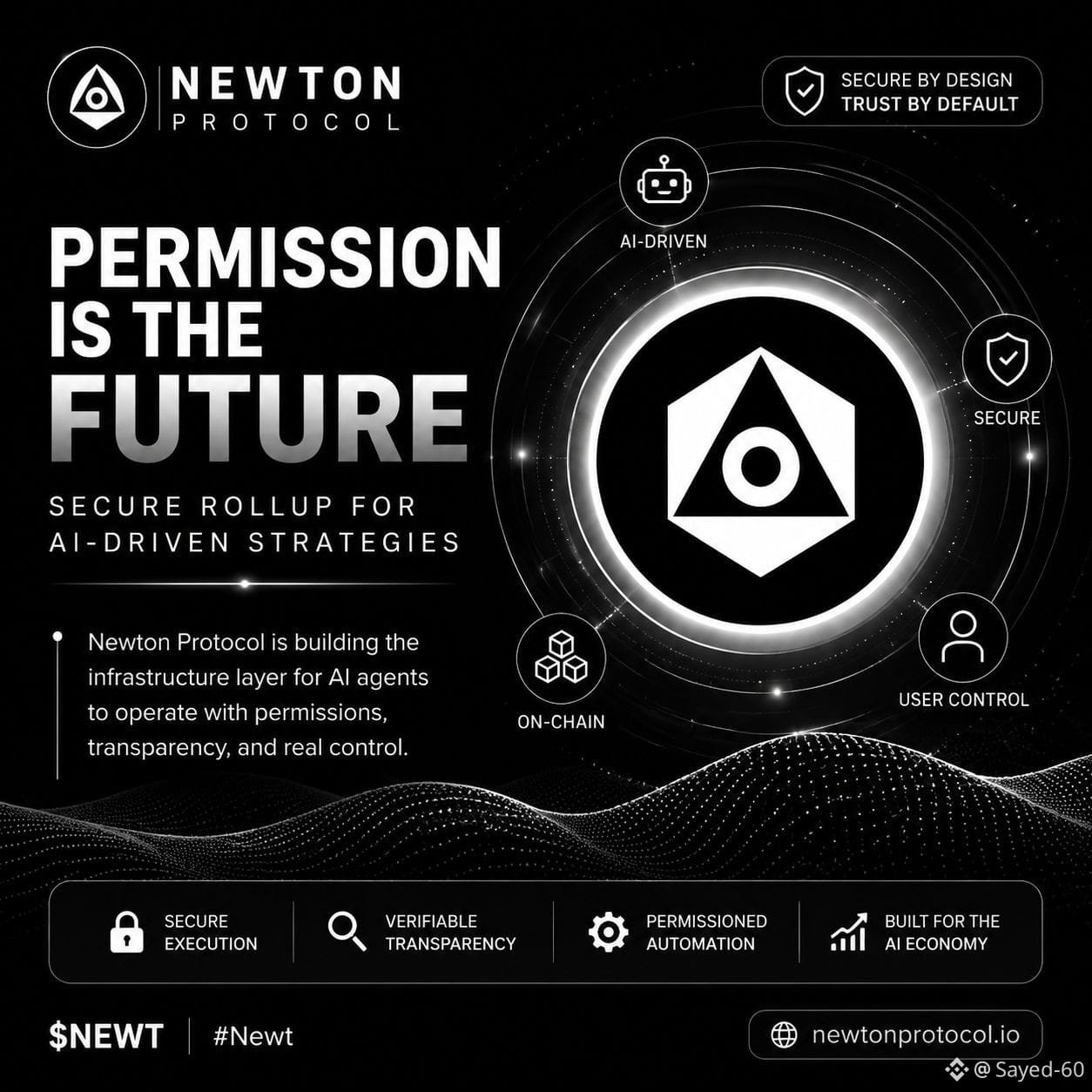
The next evolution of AI may not be about giving agents more power.
It may be about giving them the right permissions.
As AI agents become capable of managing complex on-chain tasks, security and control become critical. Users need automation without losing ownership or transparency.
This is where @NewtonProtocol stands out — exploring permission-based AI execution that allows agents to operate within defined boundaries.
The future of Web3 automation will require more than intelligence. It will require trust, verification, and secure execution.
Excited to see how Newton Protocol helps shape the next generation of AI-powered decentralized applications.
@NewtonProtocol $NEWT #Newt
#newt $NEWT
The next evolution of AI may not be about giving agents more power.
It may be about giving them the right permissions.
As AI agents become capable of managing complex on-chain tasks, security and control become critical. Users need automation without losing ownership or transparency.
This is where @NewtonProtocol stands out — exploring permission-based AI execution that allows agents to operate within defined boundaries.
The future of Web3 automation will require more than intelligence. It will require trust, verification, and secure execution.
Excited to see how Newton Protocol helps shape the next generation of AI-powered decentralized applications.
@NewtonProtocol $NEWT #Newt
The next evolution of AI may not be about giving agents more power.
It may be about giving them the right permissions.
As AI agents become capable of managing complex on-chain tasks, security and control become critical. Users need automation without losing ownership or transparency.
This is where @NewtonProtocol stands out — exploring permission-based AI execution that allows agents to operate within defined boundaries.
The future of Web3 automation will require more than intelligence. It will require trust, verification, and secure execution.
Excited to see how Newton Protocol helps shape the next generation of AI-powered decentralized applications.
@NewtonProtocol $NEWT #Newt
4
67
·
--
ເບິ່ງການແປ
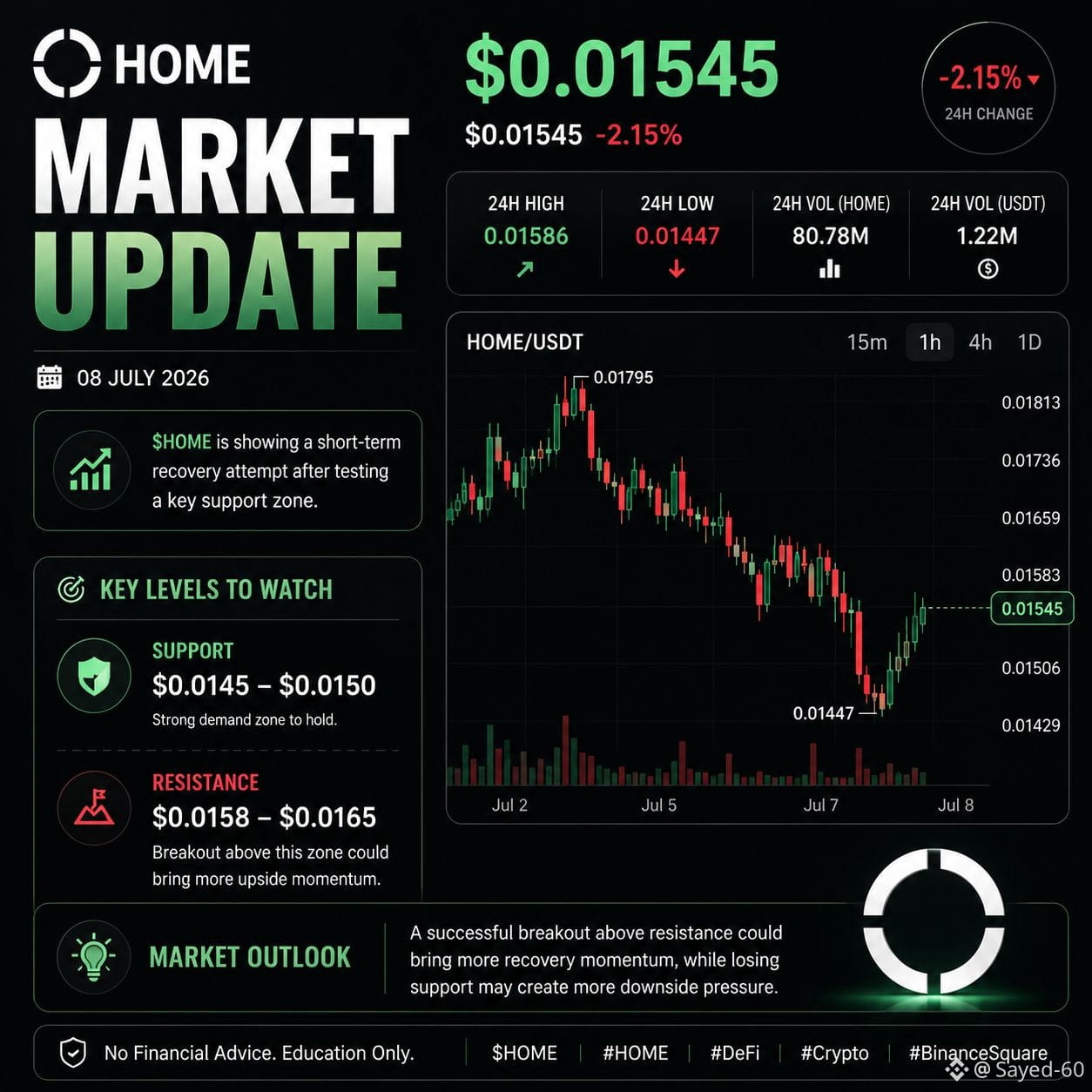
📊 $HOME Market Update
$HOME is showing a short-term recovery attempt after testing a key support zone.
Current Price: ~$0.01545
🔹 24H High: $0.01586
🔹 24H Low: $0.01447
After touching the $0.01447 support area, buyers stepped in and pushed the price back above $0.015.
📈 Short-term levels to watch:
Support: $0.0145–$0.0150
Resistance: $0.0158–$0.0165
A successful breakout above resistance could bring more recovery momentum, while losing support may create more downside pressure.
Watching price action closely. 👀
No Financial Advice. Education Only.
$HOME #HOME #DeFi #Crypto #BinanceSquare
📊 $HOME Market Update
$HOME is showing a short-term recovery attempt after testing a key support zone.
Current Price: ~$0.01545
🔹 24H High: $0.01586
🔹 24H Low: $0.01447
After touching the $0.01447 support area, buyers stepped in and pushed the price back above $0.015.
📈 Short-term levels to watch:
Support: $0.0145–$0.0150
Resistance: $0.0158–$0.0165
A successful breakout above resistance could bring more recovery momentum, while losing support may create more downside pressure.
Watching price action closely. 👀
No Financial Advice. Education Only.
$HOME #HOME #DeFi #Crypto #BinanceSquare
$HOME is showing a short-term recovery attempt after testing a key support zone.
Current Price: ~$0.01545
🔹 24H High: $0.01586
🔹 24H Low: $0.01447
After touching the $0.01447 support area, buyers stepped in and pushed the price back above $0.015.
📈 Short-term levels to watch:
Support: $0.0145–$0.0150
Resistance: $0.0158–$0.0165
A successful breakout above resistance could bring more recovery momentum, while losing support may create more downside pressure.
Watching price action closely. 👀
No Financial Advice. Education Only.
$HOME #HOME #DeFi #Crypto #BinanceSquare
142
·
--
ເບິ່ງການແປ
📊 $HOME Market Update
$HOME is still trading under bearish pressure, with price hovering around $0.0156 after a significant correction from its highs.
The current support zone remains crucial. If buyers defend this level, a short-term recovery toward the next resistance could be possible. However, losing support may open the door to another leg down.
For now, patience and proper risk management are more important than chasing the market.
Are you accumulating $HOME or waiting for confirmation?
⚠️ This is for educational purposes only, not financial advice. DYOR.
#HOME #HOT #Trading
📊 $HOME Market Update
$HOME is still trading under bearish pressure, with price hovering around $0.0156 after a significant correction from its highs.
The current support zone remains crucial. If buyers defend this level, a short-term recovery toward the next resistance could be possible. However, losing support may open the door to another leg down.
For now, patience and proper risk management are more important than chasing the market.
Are you accumulating $HOME or waiting for confirmation?
⚠️ This is for educational purposes only, not financial advice. DYOR.
#HOME #HOT #Trading
$HOME is still trading under bearish pressure, with price hovering around $0.0156 after a significant correction from its highs.
The current support zone remains crucial. If buyers defend this level, a short-term recovery toward the next resistance could be possible. However, losing support may open the door to another leg down.
For now, patience and proper risk management are more important than chasing the market.
Are you accumulating $HOME or waiting for confirmation?
⚠️ This is for educational purposes only, not financial advice. DYOR.
#HOME #HOT #Trading

290
·
--
ເບິ່ງການແປ
$NEWT
Can AI become truly trustworthy without verifiable execution?
That's one of the questions that made me look into Newton Protocol.
Instead of focusing only on building smarter AI, Newton aims to provide a secure rollup infrastructure for AI-driven strategies. This could help developers build applications where AI actions are transparent, verifiable, and more reliable.
As AI and Web3 continue to merge, infrastructure that improves trust may become just as important as improving model performance.
I'm interested to see how Newton Protocol develops its ecosystem and real-world use cases.
@NewtonProtocol $NEWT #Newt
$NEWT
Can AI become truly trustworthy without verifiable execution?
That's one of the questions that made me look into Newton Protocol.
Instead of focusing only on building smarter AI, Newton aims to provide a secure rollup infrastructure for AI-driven strategies. This could help developers build applications where AI actions are transparent, verifiable, and more reliable.
As AI and Web3 continue to merge, infrastructure that improves trust may become just as important as improving model performance.
I'm interested to see how Newton Protocol develops its ecosystem and real-world use cases.
@NewtonProtocol $NEWT #Newt
Can AI become truly trustworthy without verifiable execution?
That's one of the questions that made me look into Newton Protocol.
Instead of focusing only on building smarter AI, Newton aims to provide a secure rollup infrastructure for AI-driven strategies. This could help developers build applications where AI actions are transparent, verifiable, and more reliable.
As AI and Web3 continue to merge, infrastructure that improves trust may become just as important as improving model performance.
I'm interested to see how Newton Protocol develops its ecosystem and real-world use cases.
@NewtonProtocol $NEWT #Newt
4
1
90
·
--
ເບິ່ງການແປ
$HOME
Watching $HOME closely. 👀
Price is testing an important support zone. A successful bounce could open the door for a short-term recovery, while losing support may lead to another leg down.
Trade smart. 📊
#HOME #BinanceSquare #Crypto
$HOME
Watching $HOME closely. 👀
Price is testing an important support zone. A successful bounce could open the door for a short-term recovery, while losing support may lead to another leg down.
Trade smart. 📊
#HOME #BinanceSquare #Crypto
Watching $HOME closely. 👀
Price is testing an important support zone. A successful bounce could open the door for a short-term recovery, while losing support may lead to another leg down.
Trade smart. 📊
#HOME #BinanceSquare #Crypto
271
·
--
ບົດຄວາມ
ເບິ່ງການແປ
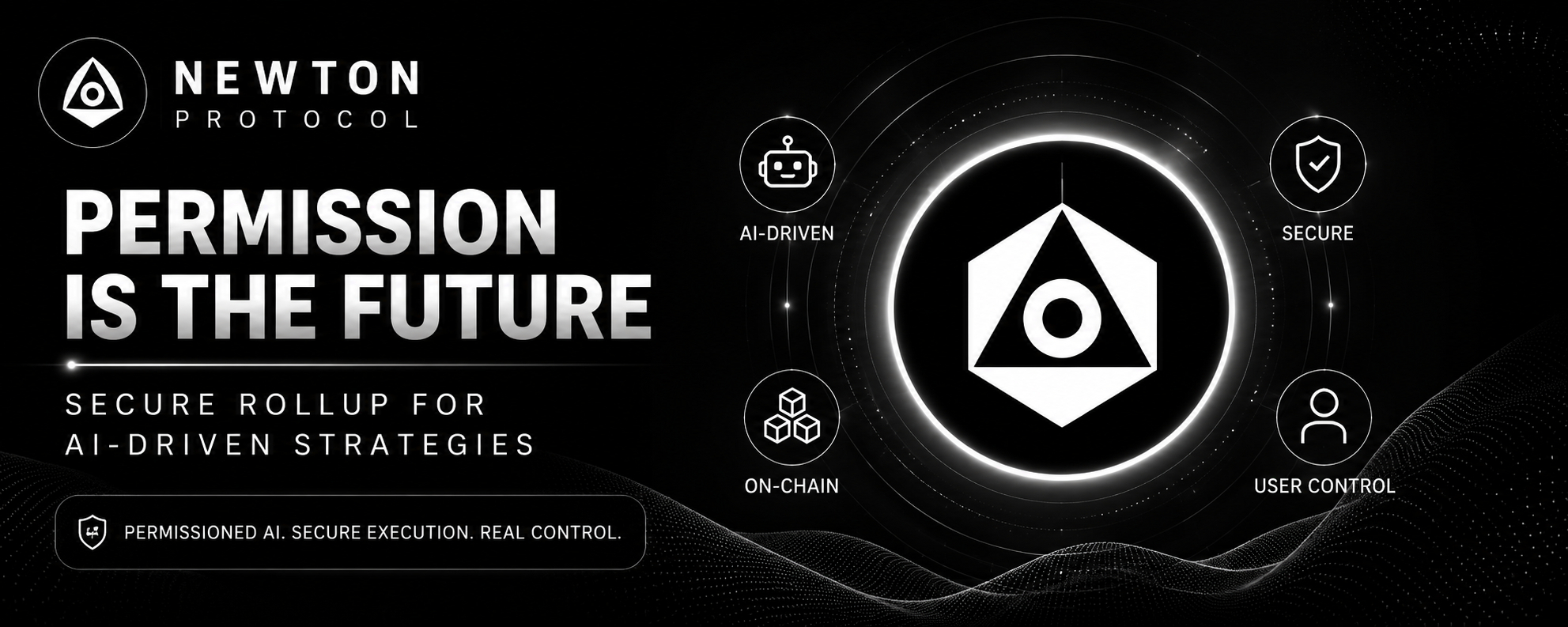
Why Permissioned AI Could Be the Missing Layer for Web3 AutomationAs AI becomes more capable, one challenge remains largely unsolved: trust.
An AI agent can execute tasks, analyze data, or make decisions in seconds. But how can users verify that the process followed the expected rules? Without verification, automation becomes difficult to trust in financial systems and decentralized applications.
This is one reason I started looking into @NewtonProtocol
Rather than focusing only on faster AI execution, Newton Protocol is exploring how permissioned infrastructure can make AI-driven strategies more secure and accountable. Sensitive operations can be executed within predefined permissions, reducing unnecessary risks while maintaining transparency.
For developers, this could simplify building AI-powered applications where security is as important as performance. For users, it may create greater confidence that automated actions are executed under clear rules instead of blind trust.
As Web3 continues to evolve, I believe permission management will become an essential building block for AI automation—not because it limits intelligence, but because it enables responsible execution.
Projects that combine AI with verifiable permissions may help shape the next generation of decentralized applications.
What are your thoughts on permissioned AI infrastructure?
@NewtonProtocol
$NEWT #Newt
Why Permissioned AI Could Be the Missing Layer for Web3 Automation
As AI becomes more capable, one challenge remains largely unsolved: trust.
An AI agent can execute tasks, analyze data, or make decisions in seconds. But how can users verify that the process followed the expected rules? Without verification, automation becomes difficult to trust in financial systems and decentralized applications.
This is one reason I started looking into @NewtonProtocol
Rather than focusing only on faster AI execution, Newton Protocol is exploring how permissioned infrastructure can make AI-driven strategies more secure and accountable. Sensitive operations can be executed within predefined permissions, reducing unnecessary risks while maintaining transparency.
For developers, this could simplify building AI-powered applications where security is as important as performance. For users, it may create greater confidence that automated actions are executed under clear rules instead of blind trust.
As Web3 continues to evolve, I believe permission management will become an essential building block for AI automation—not because it limits intelligence, but because it enables responsible execution.
Projects that combine AI with verifiable permissions may help shape the next generation of decentralized applications.
What are your thoughts on permissioned AI infrastructure?
@NewtonProtocol
$NEWT #Newt
An AI agent can execute tasks, analyze data, or make decisions in seconds. But how can users verify that the process followed the expected rules? Without verification, automation becomes difficult to trust in financial systems and decentralized applications.
This is one reason I started looking into @NewtonProtocol
Rather than focusing only on faster AI execution, Newton Protocol is exploring how permissioned infrastructure can make AI-driven strategies more secure and accountable. Sensitive operations can be executed within predefined permissions, reducing unnecessary risks while maintaining transparency.
For developers, this could simplify building AI-powered applications where security is as important as performance. For users, it may create greater confidence that automated actions are executed under clear rules instead of blind trust.
As Web3 continues to evolve, I believe permission management will become an essential building block for AI automation—not because it limits intelligence, but because it enables responsible execution.
Projects that combine AI with verifiable permissions may help shape the next generation of decentralized applications.
What are your thoughts on permissioned AI infrastructure?
@NewtonProtocol
$NEWT #Newt
1
63
·
--
ເບິ່ງການແປ
#newt $NEWT
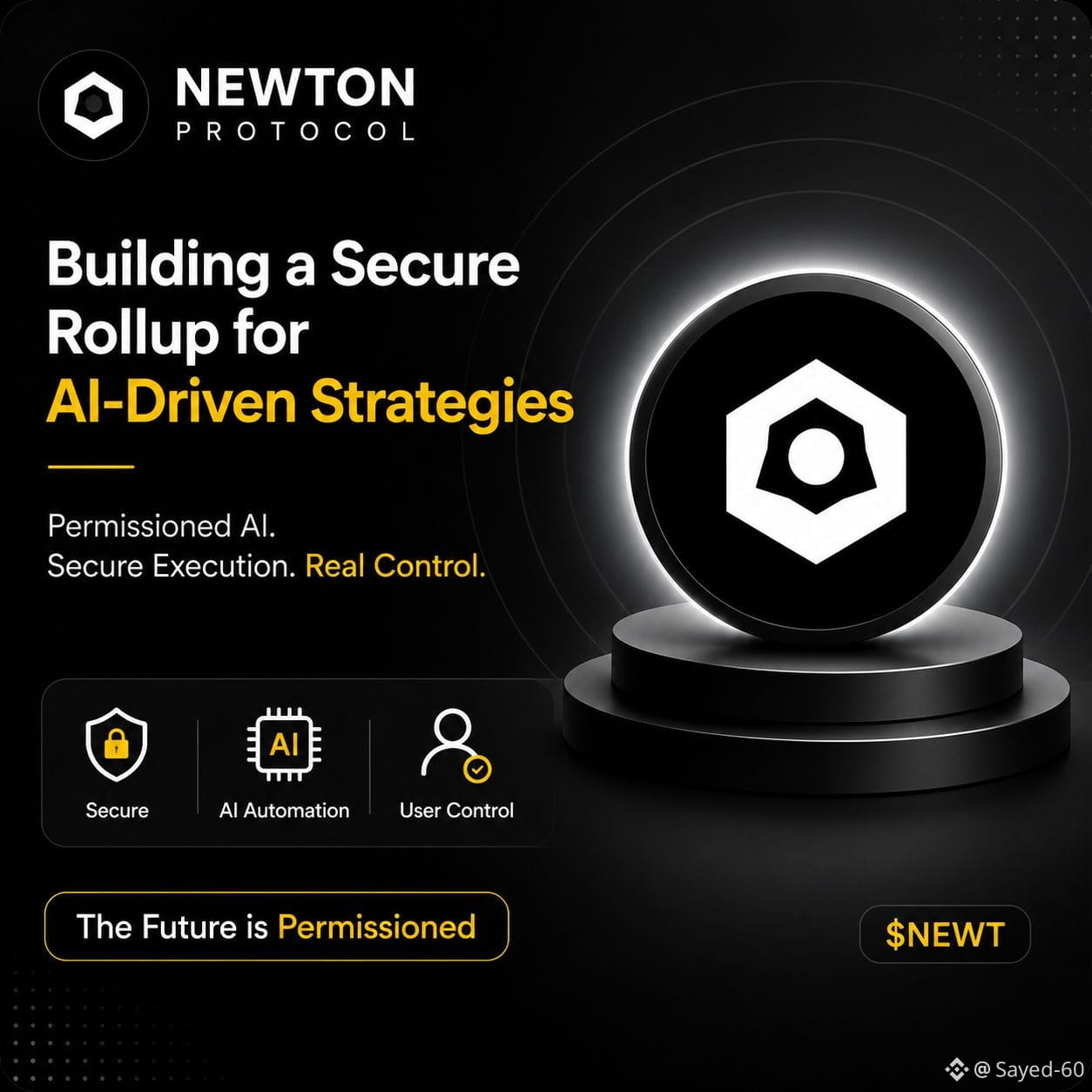
The next wave of AI won't be judged only by how powerful it is, but by how securely it can execute on-chain.
That's why I'm exploring @NewtonProtocol . Building permissioned AI infrastructure could help developers create automation that is transparent, secure, and verifiable.
As Web3 AI evolves, trust may become just as important as intelligence.
$NEWT #Newt
#newt $NEWT
The next wave of AI won't be judged only by how powerful it is, but by how securely it can execute on-chain.
That's why I'm exploring @NewtonProtocol . Building permissioned AI infrastructure could help developers create automation that is transparent, secure, and verifiable.
As Web3 AI evolves, trust may become just as important as intelligence.
$NEWT #Newt
The next wave of AI won't be judged only by how powerful it is, but by how securely it can execute on-chain.
That's why I'm exploring @NewtonProtocol . Building permissioned AI infrastructure could help developers create automation that is transparent, secure, and verifiable.
As Web3 AI evolves, trust may become just as important as intelligence.
$NEWT #Newt
77
·
--
ເບິ່ງການແປ
🚨 Is Bitcoin's Next Move Closer Than We Think?
$BTC continues to dominate the crypto market, but price alone doesn't tell the full story.
Here are 3 things I'm watching:
📌 Institutional demand remains a key driver of long-term sentiment.
📌 Bitcoin dominance often influences the performance of altcoins.
📌 Risk management is more important than predicting the exact top or bottom.
Whether you're bullish or cautious, having a clear strategy beats trading with emotions.
💬 What's your current plan for $BTC ?
🟢 Accumulating
🟡 Waiting
🔴 Taking profits
#Bitcoin #BTC #Crypto #BinanceSquare #Trading
🚨 Is Bitcoin's Next Move Closer Than We Think?
$BTC continues to dominate the crypto market, but price alone doesn't tell the full story.
Here are 3 things I'm watching:
📌 Institutional demand remains a key driver of long-term sentiment.
📌 Bitcoin dominance often influences the performance of altcoins.
📌 Risk management is more important than predicting the exact top or bottom.
Whether you're bullish or cautious, having a clear strategy beats trading with emotions.
💬 What's your current plan for $BTC ?
🟢 Accumulating
🟡 Waiting
🔴 Taking profits
#Bitcoin #BTC #Crypto #BinanceSquare #Trading
$BTC continues to dominate the crypto market, but price alone doesn't tell the full story.
Here are 3 things I'm watching:
📌 Institutional demand remains a key driver of long-term sentiment.
📌 Bitcoin dominance often influences the performance of altcoins.
📌 Risk management is more important than predicting the exact top or bottom.
Whether you're bullish or cautious, having a clear strategy beats trading with emotions.
💬 What's your current plan for $BTC ?
🟢 Accumulating
🟡 Waiting
🔴 Taking profits
#Bitcoin #BTC #Crypto #BinanceSquare #Trading
32
·
--
ບົດຄວາມ
Чому ШІ на основі дозволів може сформувати майбутнє Web3Штучний інтелект виходить за межі чатботів і стає активним учасником Web3. ШІ-агенти вже можуть аналізувати дані, виконувати стратегії та допомагати користувачам керувати цифровими активами. Але коли автоматизація стає потужнішою, все більш важливим стає одне питання: хто контролює ШІ?
Це одна з причин, чому @NewtonProtocol привернув мою увагу.
Замість того щоб покладатися на сліпу довіру, Newton Protocol фокусується на автоматизації на основі дозволів. Користувачі можуть визначати, що саме дозволено робити ШІ-агенту, створюючи чіткі межі між автоматизацією та контролем. На мою думку, такий підхід може зробити впровадження ШІ значно безпечнішим для блокчейн-застосунків.
Чому ШІ на основі дозволів може сформувати майбутнє Web3
Штучний інтелект виходить за межі чатботів і стає активним учасником Web3. ШІ-агенти вже можуть аналізувати дані, виконувати стратегії та допомагати користувачам керувати цифровими активами. Але коли автоматизація стає потужнішою, все більш важливим стає одне питання: хто контролює ШІ?
Це одна з причин, чому @NewtonProtocol привернув мою увагу.
Замість того щоб покладатися на сліпу довіру, Newton Protocol фокусується на автоматизації на основі дозволів. Користувачі можуть визначати, що саме дозволено робити ШІ-агенту, створюючи чіткі межі між автоматизацією та контролем. На мою думку, такий підхід може зробити впровадження ШІ значно безпечнішим для блокчейн-застосунків.
Це одна з причин, чому @NewtonProtocol привернув мою увагу.
Замість того щоб покладатися на сліпу довіру, Newton Protocol фокусується на автоматизації на основі дозволів. Користувачі можуть визначати, що саме дозволено робити ШІ-агенту, створюючи чіткі межі між автоматизацією та контролем. На мою думку, такий підхід може зробити впровадження ШІ значно безпечнішим для блокчейн-застосунків.
3
3
74
·
--
ເບິ່ງການແປ
#newt $NEWT
Everyone talks about smarter AI, but I think safer AI deserves just as much attention. @NewtonProtocol is exploring a permission-based approach where AI agents operate within user-defined limits instead of unlimited access. That could become an important building block for the future of Web3 automation.
$NEWT #Newt
#newt $NEWT
Everyone talks about smarter AI, but I think safer AI deserves just as much attention. @NewtonProtocol is exploring a permission-based approach where AI agents operate within user-defined limits instead of unlimited access. That could become an important building block for the future of Web3 automation.
$NEWT #Newt
Everyone talks about smarter AI, but I think safer AI deserves just as much attention. @NewtonProtocol is exploring a permission-based approach where AI agents operate within user-defined limits instead of unlimited access. That could become an important building block for the future of Web3 automation.
$NEWT #Newt
81
·
--
ບົດຄວາມ
ເບິ່ງການແປ
Why Permission Could Become the Missing Layer of AI AutomationArtificial intelligence is rapidly becoming part of our daily digital experience. From portfolio management to on-chain transactions, AI agents are expected to handle increasingly complex tasks. But one question continues to stand out to me: how much control should we really hand over to AI?
This is why @NewtonProtocol caught my attention.
Instead of giving AI unlimited authority, Newton Protocol explores a permission-based approach where users define exactly what an AI agent is allowed to do. That simple idea could make AI automation much safer for Web3.
I believe the next generation of decentralized applications won't just compete on speed or intelligence. They'll compete on transparency, security, and user control. When every action follows predefined permissions, users can automate with greater confidence instead of relying on blind trust.
As AI becomes more integrated into DeFi, wallets, and digital assets, permission-based automation may become one of the most valuable pieces of infrastructure. Secure execution, clear authorization, and verifiable actions could help build stronger trust between users and autonomous systems.
I'm excited to watch how @NewtonProtocol develops this vision and how $NEWT supports an ecosystem focused on secure AI automation.
#Newt #NEWT #AI #Web3 #Automation
Why Permission Could Become the Missing Layer of AI Automation
Artificial intelligence is rapidly becoming part of our daily digital experience. From portfolio management to on-chain transactions, AI agents are expected to handle increasingly complex tasks. But one question continues to stand out to me: how much control should we really hand over to AI?
This is why @NewtonProtocol caught my attention.
Instead of giving AI unlimited authority, Newton Protocol explores a permission-based approach where users define exactly what an AI agent is allowed to do. That simple idea could make AI automation much safer for Web3.
I believe the next generation of decentralized applications won't just compete on speed or intelligence. They'll compete on transparency, security, and user control. When every action follows predefined permissions, users can automate with greater confidence instead of relying on blind trust.
As AI becomes more integrated into DeFi, wallets, and digital assets, permission-based automation may become one of the most valuable pieces of infrastructure. Secure execution, clear authorization, and verifiable actions could help build stronger trust between users and autonomous systems.
I'm excited to watch how @NewtonProtocol develops this vision and how $NEWT supports an ecosystem focused on secure AI automation.
#Newt #NEWT #AI #Web3 #Automation
This is why @NewtonProtocol caught my attention.
Instead of giving AI unlimited authority, Newton Protocol explores a permission-based approach where users define exactly what an AI agent is allowed to do. That simple idea could make AI automation much safer for Web3.
I believe the next generation of decentralized applications won't just compete on speed or intelligence. They'll compete on transparency, security, and user control. When every action follows predefined permissions, users can automate with greater confidence instead of relying on blind trust.
As AI becomes more integrated into DeFi, wallets, and digital assets, permission-based automation may become one of the most valuable pieces of infrastructure. Secure execution, clear authorization, and verifiable actions could help build stronger trust between users and autonomous systems.
I'm excited to watch how @NewtonProtocol develops this vision and how $NEWT supports an ecosystem focused on secure AI automation.
#Newt #NEWT #AI #Web3 #Automation
2
49
·
--
ເບິ່ງການແປ
#newt $NEWT
AI agents are becoming more powerful, but trust shouldn't depend on blind access. I like how @NewtonProtocol focuses on permission-based automation, giving users more control over on-chain actions while enabling secure AI execution. A promising direction for Web3. 🚀 $NEWT #Newt
#newt $NEWT
AI agents are becoming more powerful, but trust shouldn't depend on blind access. I like how @NewtonProtocol focuses on permission-based automation, giving users more control over on-chain actions while enabling secure AI execution. A promising direction for Web3. 🚀 $NEWT #Newt
AI agents are becoming more powerful, but trust shouldn't depend on blind access. I like how @NewtonProtocol focuses on permission-based automation, giving users more control over on-chain actions while enabling secure AI execution. A promising direction for Web3. 🚀 $NEWT #Newt
69
·
--
#opg $OPG
Mo ti ṣe akiyesi pé ọ̀pọ̀ ìjíròrò nípa AI dojukọ ohun kan ṣoṣo:
Bí awoṣe ṣe lágbára tó.
Ṣugbọn mo ro pé ìgbìyànjú ìgbà tó tẹ̀lé yìí yóò dojukọ ohun míì:
Bí abajade ṣe gbẹ́kẹ̀lé tó.
Nítorí náà @OpenGradient ti wà lórí ìṣọ́ mi.
Ní kàkà rí i pé ìjẹ́risi jẹ́ àṣàyàn, OpenGradient ń kọ́ àwọn amáyédẹrùn tí AI inference àti ìjẹ́risi amí-ìtẹ̀sí (cryptographic verification) máa ṣiṣẹ́ pọ̀. Èyí lè ràn àwọn olùgbéejáde, ilé-iṣẹ́, àti àwọn olùlò lọ́wọ́ láti ní ìgbàgbọ́ tó pọ̀ sí i nínú àwọn abajade tí AI dá.
Nígbà tí AI bá ń di apá kan nínú àwọn ètò ìnáwó, àwọn aṣojú aláìlérí (autonomous agents), àti àwọn ohun elo ilé-iṣẹ́, ìmọ̀ tó lè jẹ́risi (verifiable intelligence) lè di ànfààní ìdíje—kì í ṣe kìkan àfikún ìmọ̀ ẹ̀rọ.
Ìjọ̀wọ́ AI ọjọ́ iwájú kì í ṣe nípa jíjẹ́dá ìdáhùn tó dára jù.
Ó jẹ́ nípa mímú kí ìdáhùn tí ẹnikẹ́ni lè ṣàyẹ̀wò tí ó sì gbẹ́kẹ̀lé wà.
Mo ní ìtẹ́lọ́rùn láti rí bí OpenGradient ṣe máa ń dá ọjọ́ iwájú ì amáyédẹrùn AI tí a ti pín (decentralized) sílẹ̀.
Ṣé o rò pé AI tó lè jẹ́risi yóò di ìlànà fún ìgbàgbọ́ (adoption) nínú ilé-iṣẹ́?
@OpenGradient $OPG #OPG #OpenGradient #AI #Web3 #DePIN #BinanceSquare
#opg $OPG
Mo ti ṣe akiyesi pé ọ̀pọ̀ ìjíròrò nípa AI dojukọ ohun kan ṣoṣo:
Bí awoṣe ṣe lágbára tó.
Ṣugbọn mo ro pé ìgbìyànjú ìgbà tó tẹ̀lé yìí yóò dojukọ ohun míì:
Bí abajade ṣe gbẹ́kẹ̀lé tó.
Nítorí náà @OpenGradient ti wà lórí ìṣọ́ mi.
Ní kàkà rí i pé ìjẹ́risi jẹ́ àṣàyàn, OpenGradient ń kọ́ àwọn amáyédẹrùn tí AI inference àti ìjẹ́risi amí-ìtẹ̀sí (cryptographic verification) máa ṣiṣẹ́ pọ̀. Èyí lè ràn àwọn olùgbéejáde, ilé-iṣẹ́, àti àwọn olùlò lọ́wọ́ láti ní ìgbàgbọ́ tó pọ̀ sí i nínú àwọn abajade tí AI dá.
Nígbà tí AI bá ń di apá kan nínú àwọn ètò ìnáwó, àwọn aṣojú aláìlérí (autonomous agents), àti àwọn ohun elo ilé-iṣẹ́, ìmọ̀ tó lè jẹ́risi (verifiable intelligence) lè di ànfààní ìdíje—kì í ṣe kìkan àfikún ìmọ̀ ẹ̀rọ.
Ìjọ̀wọ́ AI ọjọ́ iwájú kì í ṣe nípa jíjẹ́dá ìdáhùn tó dára jù.
Ó jẹ́ nípa mímú kí ìdáhùn tí ẹnikẹ́ni lè ṣàyẹ̀wò tí ó sì gbẹ́kẹ̀lé wà.
Mo ní ìtẹ́lọ́rùn láti rí bí OpenGradient ṣe máa ń dá ọjọ́ iwájú ì amáyédẹrùn AI tí a ti pín (decentralized) sílẹ̀.
Ṣé o rò pé AI tó lè jẹ́risi yóò di ìlànà fún ìgbàgbọ́ (adoption) nínú ilé-iṣẹ́?
@OpenGradient $OPG #OPG #OpenGradient #AI #Web3 #DePIN #BinanceSquare
Mo ti ṣe akiyesi pé ọ̀pọ̀ ìjíròrò nípa AI dojukọ ohun kan ṣoṣo:
Bí awoṣe ṣe lágbára tó.
Ṣugbọn mo ro pé ìgbìyànjú ìgbà tó tẹ̀lé yìí yóò dojukọ ohun míì:
Bí abajade ṣe gbẹ́kẹ̀lé tó.
Nítorí náà @OpenGradient ti wà lórí ìṣọ́ mi.
Ní kàkà rí i pé ìjẹ́risi jẹ́ àṣàyàn, OpenGradient ń kọ́ àwọn amáyédẹrùn tí AI inference àti ìjẹ́risi amí-ìtẹ̀sí (cryptographic verification) máa ṣiṣẹ́ pọ̀. Èyí lè ràn àwọn olùgbéejáde, ilé-iṣẹ́, àti àwọn olùlò lọ́wọ́ láti ní ìgbàgbọ́ tó pọ̀ sí i nínú àwọn abajade tí AI dá.
Nígbà tí AI bá ń di apá kan nínú àwọn ètò ìnáwó, àwọn aṣojú aláìlérí (autonomous agents), àti àwọn ohun elo ilé-iṣẹ́, ìmọ̀ tó lè jẹ́risi (verifiable intelligence) lè di ànfààní ìdíje—kì í ṣe kìkan àfikún ìmọ̀ ẹ̀rọ.
Ìjọ̀wọ́ AI ọjọ́ iwájú kì í ṣe nípa jíjẹ́dá ìdáhùn tó dára jù.
Ó jẹ́ nípa mímú kí ìdáhùn tí ẹnikẹ́ni lè ṣàyẹ̀wò tí ó sì gbẹ́kẹ̀lé wà.
Mo ní ìtẹ́lọ́rùn láti rí bí OpenGradient ṣe máa ń dá ọjọ́ iwájú ì amáyédẹrùn AI tí a ti pín (decentralized) sílẹ̀.
Ṣé o rò pé AI tó lè jẹ́risi yóò di ìlànà fún ìgbàgbọ́ (adoption) nínú ilé-iṣẹ́?
@OpenGradient $OPG #OPG #OpenGradient #AI #Web3 #DePIN #BinanceSquare
2
80
·
--
ເບິ່ງການແປ
#opg $OPG
One idea keeps coming back as I learn more about AI infrastructure:
Intelligence without verification creates uncertainty.
An AI model can generate an impressive answer.
But if no one can independently verify how that answer was produced, trust becomes difficult to build—especially for finance, healthcare, research, and autonomous systems.
This is why OpenGradient feels different.
Instead of focusing only on AI performance, OpenGradient is building decentralized infrastructure where AI inference and cryptographic verification work together. The goal isn't just faster AI—it's AI that can be trusted.
As AI adoption accelerates, I believe verifiability will become one of the most important features of the next generation of intelligent applications.
The future of AI won't be defined only by what it knows.
It will be defined by what it can prove.
What are your thoughts on verifiable AI?
@OpenGradient $OPG #OPG #OpenGradient #AI #Web3 #DePIN #BinanceSquare
#opg $OPG
One idea keeps coming back as I learn more about AI infrastructure:
Intelligence without verification creates uncertainty.
An AI model can generate an impressive answer.
But if no one can independently verify how that answer was produced, trust becomes difficult to build—especially for finance, healthcare, research, and autonomous systems.
This is why OpenGradient feels different.
Instead of focusing only on AI performance, OpenGradient is building decentralized infrastructure where AI inference and cryptographic verification work together. The goal isn't just faster AI—it's AI that can be trusted.
As AI adoption accelerates, I believe verifiability will become one of the most important features of the next generation of intelligent applications.
The future of AI won't be defined only by what it knows.
It will be defined by what it can prove.
What are your thoughts on verifiable AI?
@OpenGradient $OPG #OPG #OpenGradient #AI #Web3 #DePIN #BinanceSquare
One idea keeps coming back as I learn more about AI infrastructure:
Intelligence without verification creates uncertainty.
An AI model can generate an impressive answer.
But if no one can independently verify how that answer was produced, trust becomes difficult to build—especially for finance, healthcare, research, and autonomous systems.
This is why OpenGradient feels different.
Instead of focusing only on AI performance, OpenGradient is building decentralized infrastructure where AI inference and cryptographic verification work together. The goal isn't just faster AI—it's AI that can be trusted.
As AI adoption accelerates, I believe verifiability will become one of the most important features of the next generation of intelligent applications.
The future of AI won't be defined only by what it knows.
It will be defined by what it can prove.
What are your thoughts on verifiable AI?
@OpenGradient $OPG #OPG #OpenGradient #AI #Web3 #DePIN #BinanceSquare
86
·
--
ເບິ່ງການແປ
#opg $OPG
AI is entering an era where trust may become more valuable than raw intelligence.
A faster model is useful.
A smarter model is impressive.
But a model that can prove how its output was generated could become essential for real-world adoption.
That's why @OpenGradient stands out to me.
By combining decentralized infrastructure with AI inference and cryptographic verification, OpenGradient is working toward an ecosystem where AI responses are not only powerful—but also verifiable.
As AI expands into finance, autonomous agents, healthcare, and enterprise software, transparent and auditable outputs could become a core requirement rather than a premium feature.
The next generation of AI won't be judged only by what it creates.
It will be judged by what it can prove.
What role do you think verifiable AI will play in the future?
@OpenGradient $OPG #OPG #OpenGradient #AI #Web3 #DePIN #BinanceSquare
#opg $OPG
AI is entering an era where trust may become more valuable than raw intelligence.
A faster model is useful.
A smarter model is impressive.
But a model that can prove how its output was generated could become essential for real-world adoption.
That's why @OpenGradient stands out to me.
By combining decentralized infrastructure with AI inference and cryptographic verification, OpenGradient is working toward an ecosystem where AI responses are not only powerful—but also verifiable.
As AI expands into finance, autonomous agents, healthcare, and enterprise software, transparent and auditable outputs could become a core requirement rather than a premium feature.
The next generation of AI won't be judged only by what it creates.
It will be judged by what it can prove.
What role do you think verifiable AI will play in the future?
@OpenGradient $OPG #OPG #OpenGradient #AI #Web3 #DePIN #BinanceSquare
AI is entering an era where trust may become more valuable than raw intelligence.
A faster model is useful.
A smarter model is impressive.
But a model that can prove how its output was generated could become essential for real-world adoption.
That's why @OpenGradient stands out to me.
By combining decentralized infrastructure with AI inference and cryptographic verification, OpenGradient is working toward an ecosystem where AI responses are not only powerful—but also verifiable.
As AI expands into finance, autonomous agents, healthcare, and enterprise software, transparent and auditable outputs could become a core requirement rather than a premium feature.
The next generation of AI won't be judged only by what it creates.
It will be judged by what it can prove.
What role do you think verifiable AI will play in the future?
@OpenGradient $OPG #OPG #OpenGradient #AI #Web3 #DePIN #BinanceSquare
73
·
--
ຢືນຢັນແລ້ວ
ເບິ່ງການແປ
#opg $OPG
Everyone is talking about AI becoming faster and smarter.
But I think the bigger question is:
Can we trust what AI produces?
This is where OpenGradient stands out.
Instead of treating verification as an afterthought, OpenGradient combines decentralized hosting, AI inference, and cryptographic verification into one infrastructure layer. That means developers and users can gain stronger confidence in AI-generated outputs.
As AI becomes part of finance, healthcare, research, and autonomous agents, verifiable intelligence could become just as important as raw performance.
The future of AI isn't only about generating answers.
It's about proving those answers can be trusted.
I'm looking forward to seeing how OpenGradient contributes to building a more transparent AI ecosystem.
What feature do you think matters most for the future of AI: Speed, Intelligence, or Verifiability?
@OpenGradient t $OPG #OPG #OpenGradient #AI #Web3 #DePIN #BinanceSquare
#opg $OPG
Everyone is talking about AI becoming faster and smarter.
But I think the bigger question is:
Can we trust what AI produces?
This is where OpenGradient stands out.
Instead of treating verification as an afterthought, OpenGradient combines decentralized hosting, AI inference, and cryptographic verification into one infrastructure layer. That means developers and users can gain stronger confidence in AI-generated outputs.
As AI becomes part of finance, healthcare, research, and autonomous agents, verifiable intelligence could become just as important as raw performance.
The future of AI isn't only about generating answers.
It's about proving those answers can be trusted.
I'm looking forward to seeing how OpenGradient contributes to building a more transparent AI ecosystem.
What feature do you think matters most for the future of AI: Speed, Intelligence, or Verifiability?
@OpenGradient t $OPG #OPG #OpenGradient #AI #Web3 #DePIN #BinanceSquare
Everyone is talking about AI becoming faster and smarter.
But I think the bigger question is:
Can we trust what AI produces?
This is where OpenGradient stands out.
Instead of treating verification as an afterthought, OpenGradient combines decentralized hosting, AI inference, and cryptographic verification into one infrastructure layer. That means developers and users can gain stronger confidence in AI-generated outputs.
As AI becomes part of finance, healthcare, research, and autonomous agents, verifiable intelligence could become just as important as raw performance.
The future of AI isn't only about generating answers.
It's about proving those answers can be trusted.
I'm looking forward to seeing how OpenGradient contributes to building a more transparent AI ecosystem.
What feature do you think matters most for the future of AI: Speed, Intelligence, or Verifiability?
@OpenGradient t $OPG #OPG #OpenGradient #AI #Web3 #DePIN #BinanceSquare
1
1
85
·
--
ເບິ່ງການແປ
#opg $OPG
@OpenGradient $OPG
The AI race isn't only about building smarter models anymore.
The next challenge is building AI that people can verify.
That's why OpenGradient caught my attention.
Instead of asking users to blindly trust AI outputs, OpenGradient is developing decentralized infrastructure where inference, hosting, and verification work together. A verifiable response is far more valuable than an answer that can't be proven.
As AI expands into finance, autonomous agents, healthcare, and enterprise automation, transparency could become just as important as intelligence.
The future may not belong to the model that speaks the loudest.
It may belong to the one that can prove every answer.
I'm excited to watch how OpenGradient helps shape this new era of trustworthy AI.
What do you think—will verifiable AI become the new industry standard?
@OpenGradient $OPG #OPG #Web3 #BinanceSquare
#opg $OPG
@OpenGradient $OPG
The AI race isn't only about building smarter models anymore.
The next challenge is building AI that people can verify.
That's why OpenGradient caught my attention.
Instead of asking users to blindly trust AI outputs, OpenGradient is developing decentralized infrastructure where inference, hosting, and verification work together. A verifiable response is far more valuable than an answer that can't be proven.
As AI expands into finance, autonomous agents, healthcare, and enterprise automation, transparency could become just as important as intelligence.
The future may not belong to the model that speaks the loudest.
It may belong to the one that can prove every answer.
I'm excited to watch how OpenGradient helps shape this new era of trustworthy AI.
What do you think—will verifiable AI become the new industry standard?
@OpenGradient $OPG #OPG #Web3 #BinanceSquare
@OpenGradient $OPG
The AI race isn't only about building smarter models anymore.
The next challenge is building AI that people can verify.
That's why OpenGradient caught my attention.
Instead of asking users to blindly trust AI outputs, OpenGradient is developing decentralized infrastructure where inference, hosting, and verification work together. A verifiable response is far more valuable than an answer that can't be proven.
As AI expands into finance, autonomous agents, healthcare, and enterprise automation, transparency could become just as important as intelligence.
The future may not belong to the model that speaks the loudest.
It may belong to the one that can prove every answer.
I'm excited to watch how OpenGradient helps shape this new era of trustworthy AI.
What do you think—will verifiable AI become the new industry standard?
@OpenGradient $OPG #OPG #Web3 #BinanceSquare
2
1
75
·
--
ເບິ່ງການແປ
#opg $OPG
Lately, I've been asking myself a simple question.
If AI is going to help make financial decisions, execute autonomous tasks, and power the next generation of applications...
Should we trust the answer, or should we be able to verify it?
That shift in thinking is what makes OpenGradient interesting to me.
Instead of focusing only on creating more intelligent AI, @OpenGradient is building decentralized infrastructure where AI models can be hosted, perform inference, and produce outputs that are backed by verifiable proofs.
In the long run, intelligence may become common.
Trust won't.
The projects that combine performance with transparency could define the next chapter of AI adoption.
I'm excited to see how OpenGradient pushes the idea of verifiable AI forward.
Do you think the future AI economy will value proof as much as performance?
@OpenGradient $OPG #OPG
#opg $OPG
Lately, I've been asking myself a simple question.
If AI is going to help make financial decisions, execute autonomous tasks, and power the next generation of applications...
Should we trust the answer, or should we be able to verify it?
That shift in thinking is what makes OpenGradient interesting to me.
Instead of focusing only on creating more intelligent AI, @OpenGradient is building decentralized infrastructure where AI models can be hosted, perform inference, and produce outputs that are backed by verifiable proofs.
In the long run, intelligence may become common.
Trust won't.
The projects that combine performance with transparency could define the next chapter of AI adoption.
I'm excited to see how OpenGradient pushes the idea of verifiable AI forward.
Do you think the future AI economy will value proof as much as performance?
@OpenGradient $OPG #OPG
Lately, I've been asking myself a simple question.
If AI is going to help make financial decisions, execute autonomous tasks, and power the next generation of applications...
Should we trust the answer, or should we be able to verify it?
That shift in thinking is what makes OpenGradient interesting to me.
Instead of focusing only on creating more intelligent AI, @OpenGradient is building decentralized infrastructure where AI models can be hosted, perform inference, and produce outputs that are backed by verifiable proofs.
In the long run, intelligence may become common.
Trust won't.
The projects that combine performance with transparency could define the next chapter of AI adoption.
I'm excited to see how OpenGradient pushes the idea of verifiable AI forward.
Do you think the future AI economy will value proof as much as performance?
@OpenGradient $OPG #OPG
72
ເຂົ້າສູ່ລະບົບເພື່ອສຳຫຼວດເນື້ອຫາເພີ່ມເຕີມ
ເຂົ້າຮ່ວມກຸ່ມຜູ້ໃຊ້ຄຣິບໂຕທົ່ວໂລກໃນ Binance Square.
⚡️ ໄດ້ຮັບຂໍ້ມູນຫຼ້າສຸດ ແລະ ທີ່ມີປະໂຫຍດກ່ຽວກັບຄຣິບໂຕ.
💬 ໄດ້ຮັບຄວາມໄວ້ວາງໃຈຈາກຕະຫຼາດແລກປ່ຽນຄຣິບໂຕທີ່ໃຫຍ່ທີ່ສຸດໃນໂລກ.
👍 ຄົ້ນຫາຂໍ້ມູນເຊີງເລິກທີ່ແທ້ຈາກນັກສ້າງທີ່ໄດ້ຮັບການຢືນຢັນ.
ອີເມວ / ເບີໂທລະສັບ
ຫົວຂໍ້ທີ່ກໍາລັງນິຍົມ
SaylorHintsStrategyBitcoinBuy
2.2M views
11,117 ກຳລັງສົນທະນາ
Se você ainda está tratando cada dica da Saylor como um sinal automático de compra, pare agora.
O erro caro é confundir a estratégia de tesouraria de longo prazo de uma empresa com sua própria tolerância ao risco. A estratégia consegue atravessar drawdowns brutais, enquanto compradores movidos por FOMO frequentemente entram em pânico e vendem $BTC depois de uma única vela feia.
Os sinais mais recentes da Saylor parecem familiares porque a Strategy já usou repetidas vezes a fraqueza para construir sua posição em Bitcoin, transformando a volatilidade em acumulação. Mas o mercado é diferente agora: a demanda à vista, a liquidez macro e as operações de tesourarias corporativas concorrentes influenciam o preço em vez de um único comprador barulhento dominar a narrativa.
Com Fear & Greed em 75, a multidão já está inclinada à ganância. Isso torna a comparação com ralis passados de Bitcoin desconfortável: forte convicção pode impulsionar a alta, mas convicção lotada também pode gerar a liquidez de saída que ninguém quer discutir. Mesmo traders alternando por $USDT ou observando $ONDO estão fazendo a mesma pergunta: isso é acumulação ou apenas perseguição de narrativa?
A abordagem da Saylor ainda é a estratégia de tesouraria de Bitcoin mais inteligente, ou os investidores estão superestimando o quanto um único comprador pode mover este mercado? #SaylorHintsStrategyBitcoinBuy #BitcoinHolds #BitcoinUp23
minamium
·2 ຖືກໃຈ
·97 views
BOJRaisesRatesTo31YearHigh
166,206 views
2,532 ກຳລັງສົນທະນາ
BuffettStepsDownAsBerkshireChairman
80,895 views
1,303 ກຳລັງສົນທະນາ