

minamium
11.8k ໂພສ

minamium
ລາຍງານ
ບລັອກຜູ້ໃຊ້
1 ກໍາລັງຕິດຕາມ
99 ຜູ້ຕິດຕາມ
375 Liked
ໂພສ
·
--
Most profitable traders spend more time sitting through red candles in silence than actively clicking buy and sell.
We have all felt that sickening knot in our stomach when an open position dips into the red, tempting us to panic close right before the real move starts. It is the classic trap of letting short-term anxiety shake you out of well-planned swing entries.
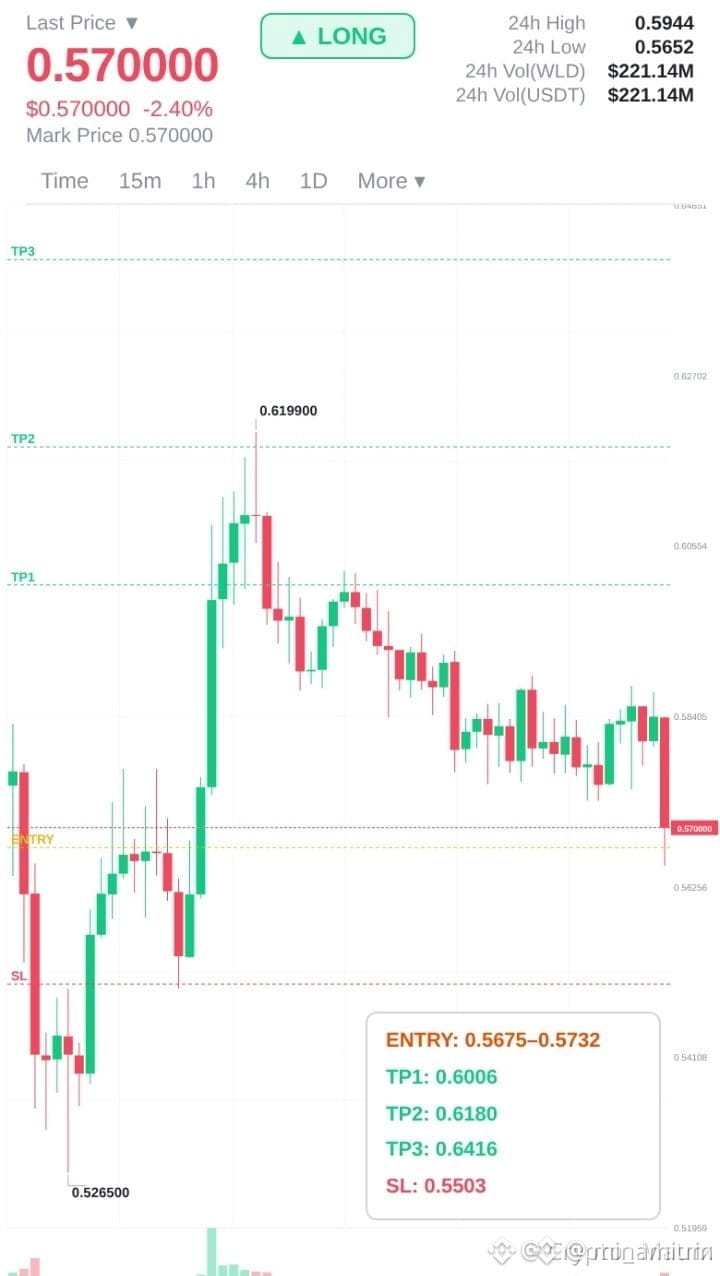
Look at how seasoned traders manage turbulence on $WLD right now. Even with the daily price dipping -3.25%, a top 30-day performer is comfortably holding a perp long with +12,000.16 USDT in unrealized profit simply by staying patient.
During past cycles with $BTC and major narrative runs like $FET, the biggest gains never went to the nervous scalpers watching 5-minute charts. They went to traders who respected their invalidate levels, ignored intra-day noise, and let their winning positions breathe.
How do you manage the emotional urge to cut swing trades during sudden red dips?
#CryptoTrading #Worldcoin #TradingPsychology
Most profitable traders spend more time sitting through red candles in silence than actively clicking buy and sell.
We have all felt that sickening knot in our stomach when an open position dips into the red, tempting us to panic close right before the real move starts. It is the classic trap of letting short-term anxiety shake you out of well-planned swing entries.
Look at how seasoned traders manage turbulence on $WLD right now. Even with the daily price dipping -3.25%, a top 30-day performer is comfortably holding a perp long with +12,000.16 USDT in unrealized profit simply by staying patient.
During past cycles with $BTC and major narrative runs like $FET , the biggest gains never went to the nervous scalpers watching 5-minute charts. They went to traders who respected their invalidate levels, ignored intra-day noise, and let their winning positions breathe.
How do you manage the emotional urge to cut swing trades during sudden red dips?
#CryptoTrading #Worldcoin #TradingPsychology
We have all felt that sickening knot in our stomach when an open position dips into the red, tempting us to panic close right before the real move starts. It is the classic trap of letting short-term anxiety shake you out of well-planned swing entries.
Look at how seasoned traders manage turbulence on $WLD right now. Even with the daily price dipping -3.25%, a top 30-day performer is comfortably holding a perp long with +12,000.16 USDT in unrealized profit simply by staying patient.
During past cycles with $BTC and major narrative runs like $FET , the biggest gains never went to the nervous scalpers watching 5-minute charts. They went to traders who respected their invalidate levels, ignored intra-day noise, and let their winning positions breathe.
How do you manage the emotional urge to cut swing trades during sudden red dips?
#CryptoTrading #Worldcoin #TradingPsychology
7
·
--
Picture this: you watched Ethereum consolidate sideways for what felt like months, only to wake up and see $ETH ripping up seventy percent while your capital sat entirely in sidelined $USDT.
Most traders get trapped in the exact same cycle every single cycle. They hesitate during the boring accumulation phases, obsess over short-term dips, and then end up FOMO buying near local tops because watching an asset explode without them feels worse than taking a calculated loss.
If you study past runs, this explosive catch-up move looks eerily familiar to the classic late-stage rotation play we saw when legacy coins like $ETC suddenly woke up after major market rallies. When the broader market sits in clear Greed territory, capital does not just sit still. It aggressively rotates into undervalued mega caps the moment liquidity bottlenecks clear and on-chain activity surges back to life.
The real takeaway here is not about chasing the green candles today, but understanding market memory. The biggest moves almost always start when sentiment is quietest, leaving the crowd to scramble for entries once the breakout has already happened.
Are you positioning early for the next sector rotation, or are you waiting for confirmation on the charts?
#ETHUp70 #StrategyMarketCapSurpassesRumble
Picture this: you watched Ethereum consolidate sideways for what felt like months, only to wake up and see $ETH ripping up seventy percent while your capital sat entirely in sidelined $USDT.
Most traders get trapped in the exact same cycle every single cycle. They hesitate during the boring accumulation phases, obsess over short-term dips, and then end up FOMO buying near local tops because watching an asset explode without them feels worse than taking a calculated loss.
If you study past runs, this explosive catch-up move looks eerily familiar to the classic late-stage rotation play we saw when legacy coins like $ETC suddenly woke up after major market rallies. When the broader market sits in clear Greed territory, capital does not just sit still. It aggressively rotates into undervalued mega caps the moment liquidity bottlenecks clear and on-chain activity surges back to life.
The real takeaway here is not about chasing the green candles today, but understanding market memory. The biggest moves almost always start when sentiment is quietest, leaving the crowd to scramble for entries once the breakout has already happened.
Are you positioning early for the next sector rotation, or are you waiting for confirmation on the charts?
#ETHUp70 #StrategyMarketCapSurpassesRumble
Most traders get trapped in the exact same cycle every single cycle. They hesitate during the boring accumulation phases, obsess over short-term dips, and then end up FOMO buying near local tops because watching an asset explode without them feels worse than taking a calculated loss.
If you study past runs, this explosive catch-up move looks eerily familiar to the classic late-stage rotation play we saw when legacy coins like $ETC suddenly woke up after major market rallies. When the broader market sits in clear Greed territory, capital does not just sit still. It aggressively rotates into undervalued mega caps the moment liquidity bottlenecks clear and on-chain activity surges back to life.
The real takeaway here is not about chasing the green candles today, but understanding market memory. The biggest moves almost always start when sentiment is quietest, leaving the crowd to scramble for entries once the breakout has already happened.
Are you positioning early for the next sector rotation, or are you waiting for confirmation on the charts?
#ETHUp70 #StrategyMarketCapSurpassesRumble
26
·
--
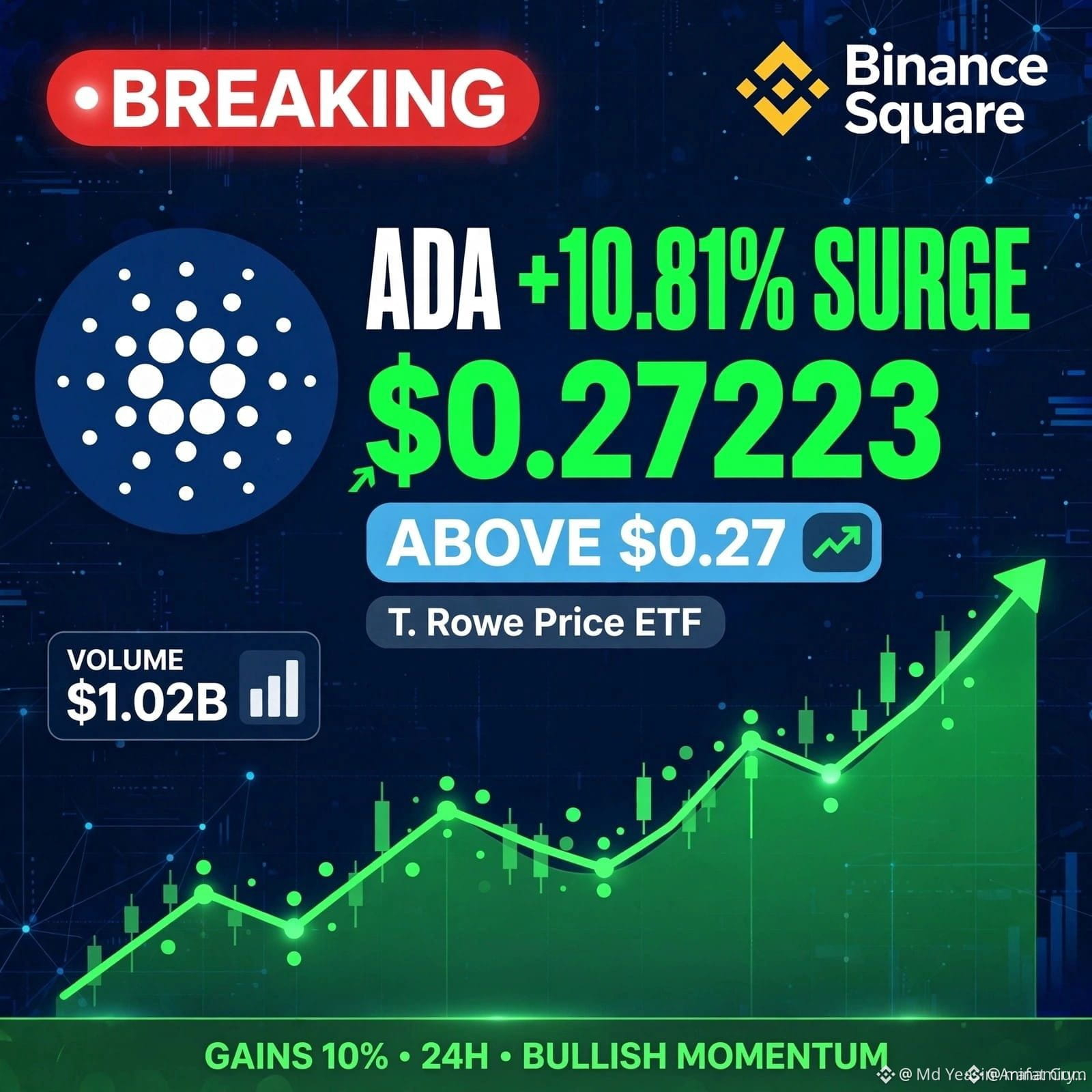
If you're still chasing $ADA after it's already up 10%, stop now.
That late FOMO buy is how people turn a missed entry into months of underwater bags. You watch it run, pile in because everyone is talking, then freeze when it starts giving it back.
I've seen $ADA print this same 10% green day more times than I can count. It always looks like the start of something until $BTC coughs and the whole thing retraces. Greed sitting at 67 does not help. That is usually when the crowd shows up, not when the smart money does.
Meanwhile $ETH already delivered a much larger move with actual demand behind it. Stacking Cardano's one-day pop against that is almost comedy. Same execution questions as last cycle. A 10% candle does not rewrite the chart.
Where do you think this $ADA bounce actually goes compared to what we already saw from $ETH?
#ADAGains10 #ETHUp70 #BitcoinRejectedAt
If you're still chasing $ADA after it's already up 10%, stop now.
That late FOMO buy is how people turn a missed entry into months of underwater bags. You watch it run, pile in because everyone is talking, then freeze when it starts giving it back.
I've seen $ADA print this same 10% green day more times than I can count. It always looks like the start of something until $BTC coughs and the whole thing retraces. Greed sitting at 67 does not help. That is usually when the crowd shows up, not when the smart money does.
Meanwhile $ETH already delivered a much larger move with actual demand behind it. Stacking Cardano's one-day pop against that is almost comedy. Same execution questions as last cycle. A 10% candle does not rewrite the chart.
Where do you think this $ADA bounce actually goes compared to what we already saw from $ETH ?
#ADAGains10 #ETHUp70 #BitcoinRejectedAt
That late FOMO buy is how people turn a missed entry into months of underwater bags. You watch it run, pile in because everyone is talking, then freeze when it starts giving it back.
I've seen $ADA print this same 10% green day more times than I can count. It always looks like the start of something until $BTC coughs and the whole thing retraces. Greed sitting at 67 does not help. That is usually when the crowd shows up, not when the smart money does.
Meanwhile $ETH already delivered a much larger move with actual demand behind it. Stacking Cardano's one-day pop against that is almost comedy. Same execution questions as last cycle. A 10% candle does not rewrite the chart.
Where do you think this $ADA bounce actually goes compared to what we already saw from $ETH ?
#ADAGains10 #ETHUp70 #BitcoinRejectedAt
49
·
--
Why is almost everyone misreading what a corporate crypto treasury actually means for your portfolio? Most retail traders see a headline like Evernorth completing its SPAC merger and immediately chase the green candle, only to end up holding bags when institutional lockup dynamics play out.
Instead of treating public treasury vehicles as an instant pump signal, you need a clearer framework to trade these events. First, separate balance sheet allocation from open market buying power. When institutions securitize assets like $XRP, capital deployment often happens through OTC desks and structured agreements long before public announcements hit your feed. Chasing the initial headline usually means you are simply providing exit liquidity to early arbitrageurs.
Second, start tracking actual custodial balance changes rather than relying on social hype. Watch how much liquid supply is genuinely locked away versus what gets pledged for corporate operations. In a market where capital rotations into $USDT can abruptly punish overextended momentum plays, monitoring verifiable on-chain constraints will protect your capital far better than guessing intraday tops.
Where do you think this wave of public balance sheet adoption goes from here?
#EvernorthXRPTreasuryCompletesSPACMerger #StrategyMarketCapSurpassesRumble
Why is almost everyone misreading what a corporate crypto treasury actually means for your portfolio? Most retail traders see a headline like Evernorth completing its SPAC merger and immediately chase the green candle, only to end up holding bags when institutional lockup dynamics play out.
Instead of treating public treasury vehicles as an instant pump signal, you need a clearer framework to trade these events. First, separate balance sheet allocation from open market buying power. When institutions securitize assets like $XRP , capital deployment often happens through OTC desks and structured agreements long before public announcements hit your feed. Chasing the initial headline usually means you are simply providing exit liquidity to early arbitrageurs.
Second, start tracking actual custodial balance changes rather than relying on social hype. Watch how much liquid supply is genuinely locked away versus what gets pledged for corporate operations. In a market where capital rotations into $USDT can abruptly punish overextended momentum plays, monitoring verifiable on-chain constraints will protect your capital far better than guessing intraday tops.
Where do you think this wave of public balance sheet adoption goes from here?
#EvernorthXRPTreasuryCompletesSPACMerger #StrategyMarketCapSurpassesRumble
Instead of treating public treasury vehicles as an instant pump signal, you need a clearer framework to trade these events. First, separate balance sheet allocation from open market buying power. When institutions securitize assets like $XRP , capital deployment often happens through OTC desks and structured agreements long before public announcements hit your feed. Chasing the initial headline usually means you are simply providing exit liquidity to early arbitrageurs.
Second, start tracking actual custodial balance changes rather than relying on social hype. Watch how much liquid supply is genuinely locked away versus what gets pledged for corporate operations. In a market where capital rotations into $USDT can abruptly punish overextended momentum plays, monitoring verifiable on-chain constraints will protect your capital far better than guessing intraday tops.
Where do you think this wave of public balance sheet adoption goes from here?
#EvernorthXRPTreasuryCompletesSPACMerger #StrategyMarketCapSurpassesRumble

1
·
--
Have you noticed how a 0.7% dip in $ETH is enough to send half of crypto Twitter into full panic mode?
Most traders still get shaken out of perfectly good positions the second they see red. They sell the noise, miss the continuation, then FOMO back in higher and wonder why they keep losing money.
The structure on Ethereum has not broken. That mild pullback never even tested the recent higher low. While $BTC chops in a range and $SOL stays volatile, $ETH continues printing the same higher-high sequence that has defined this move. Lower timeframe FUD does not override weekly structure. The path of least resistance remains up as long as those higher lows hold.
Stop treating every 0.7% candle like a trend reversal. Mark the last confirmed higher low as your invalidation, ignore the daily noise, and only act when price actually violates the structure. That is how you stay in the trade instead of getting chopped.
Where do you think this goes if the higher-high structure keeps holding?
#Ethereum #Crypto #Trading
Have you noticed how a 0.7% dip in $ETH is enough to send half of crypto Twitter into full panic mode?
Most traders still get shaken out of perfectly good positions the second they see red. They sell the noise, miss the continuation, then FOMO back in higher and wonder why they keep losing money.
The structure on Ethereum has not broken. That mild pullback never even tested the recent higher low. While $BTC chops in a range and $SOL stays volatile, $ETH continues printing the same higher-high sequence that has defined this move. Lower timeframe FUD does not override weekly structure. The path of least resistance remains up as long as those higher lows hold.
Stop treating every 0.7% candle like a trend reversal. Mark the last confirmed higher low as your invalidation, ignore the daily noise, and only act when price actually violates the structure. That is how you stay in the trade instead of getting chopped.
Where do you think this goes if the higher-high structure keeps holding?
#Ethereum #Crypto #Trading
Most traders still get shaken out of perfectly good positions the second they see red. They sell the noise, miss the continuation, then FOMO back in higher and wonder why they keep losing money.
The structure on Ethereum has not broken. That mild pullback never even tested the recent higher low. While $BTC chops in a range and $SOL stays volatile, $ETH continues printing the same higher-high sequence that has defined this move. Lower timeframe FUD does not override weekly structure. The path of least resistance remains up as long as those higher lows hold.
Stop treating every 0.7% candle like a trend reversal. Mark the last confirmed higher low as your invalidation, ignore the daily noise, and only act when price actually violates the structure. That is how you stay in the trade instead of getting chopped.
Where do you think this goes if the higher-high structure keeps holding?
#Ethereum #Crypto #Trading

2
·
--
Most traders think a tiny 0.7% dip means a trend is safe, but shallow pullbacks on low volume often hide distribution right before the real cascade.
We have all been caught adding leverage when market structure looks rock solid, only to realize we were providing liquidity for spot exits. Getting trapped at local highs hurts the most because the setup actually looked textbook right until it collapsed.
Looking closely at $ETH right now, the surface structure seems intact, but underlying order flow tells a slightly different story. When price barely moves down by 0.7% while open interest stays bloated, funding rates usually quietly flip against late longs. If $BTC starts stalling around key resistance levels, that holding firm narrative for $SOL and major alts can unravel fast.
True breakout continuation requires aggressive spot bidding to absorb overhead supply, not just passive limit orders waiting below. Without genuine volume expansion, what looks like a setup for higher highs easily turns into a classic bull trap.
Are you treating this consolidation as a genuine base or waiting for a deeper sweep before stepping in?
#Ethereum #CryptoAnalysis #TradingRisks
Most traders think a tiny 0.7% dip means a trend is safe, but shallow pullbacks on low volume often hide distribution right before the real cascade.
We have all been caught adding leverage when market structure looks rock solid, only to realize we were providing liquidity for spot exits. Getting trapped at local highs hurts the most because the setup actually looked textbook right until it collapsed.
Looking closely at $ETH right now, the surface structure seems intact, but underlying order flow tells a slightly different story. When price barely moves down by 0.7% while open interest stays bloated, funding rates usually quietly flip against late longs. If $BTC starts stalling around key resistance levels, that holding firm narrative for $SOL and major alts can unravel fast.
True breakout continuation requires aggressive spot bidding to absorb overhead supply, not just passive limit orders waiting below. Without genuine volume expansion, what looks like a setup for higher highs easily turns into a classic bull trap.
Are you treating this consolidation as a genuine base or waiting for a deeper sweep before stepping in?
#Ethereum #CryptoAnalysis #TradingRisks
We have all been caught adding leverage when market structure looks rock solid, only to realize we were providing liquidity for spot exits. Getting trapped at local highs hurts the most because the setup actually looked textbook right until it collapsed.
Looking closely at $ETH right now, the surface structure seems intact, but underlying order flow tells a slightly different story. When price barely moves down by 0.7% while open interest stays bloated, funding rates usually quietly flip against late longs. If $BTC starts stalling around key resistance levels, that holding firm narrative for $SOL and major alts can unravel fast.
True breakout continuation requires aggressive spot bidding to absorb overhead supply, not just passive limit orders waiting below. Without genuine volume expansion, what looks like a setup for higher highs easily turns into a classic bull trap.
Are you treating this consolidation as a genuine base or waiting for a deeper sweep before stepping in?
#Ethereum #CryptoAnalysis #TradingRisks

2
·
--
Picture this: a company with almost no traditional software growth suddenly overtakes a mainstream platform like Rumble in market valuation, entirely because of its balance sheet strategy.
Most retail traders see these corporate treasury milestones as purely bullish signals and rush into leveraged proxies, only to realize too late that NAV premiums can compress violently overnight. When the market trades at a 67 Greed reading, it is easy to mistake structural financial engineering for organic product demand.
The reality behind this valuation flip is an aggressive accumulation loop. Companies issue convertible debt to acquire more $BTC, relying on a sustained equity premium over their underlying reserves. When sentiment is hot, the market rewards the multiplier effect, driving paper valuations past established media infrastructure with actual operational cash flows.
The hidden risk emerges the moment capital rotation hits. If corporate treasury plays face debt rollover hurdles or liquidity shifts back toward stable assets like $USDT, that exact same leverage works in reverse, turning the premium into a discount much faster than standard crypto assets correct.
Where do you think corporate balance sheet plays go once the liquidity cycle tightens?
#StrategyMarketCapSurpassesRumble #StriveBuys2000BTCFor #BitcoinRejectedAt
Picture this: a company with almost no traditional software growth suddenly overtakes a mainstream platform like Rumble in market valuation, entirely because of its balance sheet strategy.
Most retail traders see these corporate treasury milestones as purely bullish signals and rush into leveraged proxies, only to realize too late that NAV premiums can compress violently overnight. When the market trades at a 67 Greed reading, it is easy to mistake structural financial engineering for organic product demand.
The reality behind this valuation flip is an aggressive accumulation loop. Companies issue convertible debt to acquire more $BTC , relying on a sustained equity premium over their underlying reserves. When sentiment is hot, the market rewards the multiplier effect, driving paper valuations past established media infrastructure with actual operational cash flows.
The hidden risk emerges the moment capital rotation hits. If corporate treasury plays face debt rollover hurdles or liquidity shifts back toward stable assets like $USDT, that exact same leverage works in reverse, turning the premium into a discount much faster than standard crypto assets correct.
Where do you think corporate balance sheet plays go once the liquidity cycle tightens?
#StrategyMarketCapSurpassesRumble #StriveBuys2000BTCFor #BitcoinRejectedAt
Most retail traders see these corporate treasury milestones as purely bullish signals and rush into leveraged proxies, only to realize too late that NAV premiums can compress violently overnight. When the market trades at a 67 Greed reading, it is easy to mistake structural financial engineering for organic product demand.
The reality behind this valuation flip is an aggressive accumulation loop. Companies issue convertible debt to acquire more $BTC , relying on a sustained equity premium over their underlying reserves. When sentiment is hot, the market rewards the multiplier effect, driving paper valuations past established media infrastructure with actual operational cash flows.
The hidden risk emerges the moment capital rotation hits. If corporate treasury plays face debt rollover hurdles or liquidity shifts back toward stable assets like $USDT, that exact same leverage works in reverse, turning the premium into a discount much faster than standard crypto assets correct.
Where do you think corporate balance sheet plays go once the liquidity cycle tightens?
#StrategyMarketCapSurpassesRumble #StriveBuys2000BTCFor #BitcoinRejectedAt

·
--
If you're still treating $BTC like a short-term trade, stop now.
Getting shaken out by every dip or taking tiny profits has cost traders millions over the years. The real pain comes from watching the asset you sold keep climbing while you sit in cash or chase alts.
Analysts are floating 2026 targets that range from conservative 80k to aggressive 300k for $BTC. Bears highlight potential macro storms and the fact that Bitcoin recently faced rejection at resistance levels.
Bulls, including me, see the ETF era and halving cycle aligning for a much higher close. Greed is at 67 right now, which can be a warning, but the underlying demand from institutions feels different this time.
$ETH has shown strength too with its own gains, yet Bitcoin's fixed supply sets it apart. $USDT liquidity often precedes the big moves, so keep an eye there.
Where do you think Bitcoin ends up in 2026?
#BitcoinTargets2026OpenAt #BitcoinRejectedAt #ETHUp70
If you're still treating $BTC like a short-term trade, stop now.
Getting shaken out by every dip or taking tiny profits has cost traders millions over the years. The real pain comes from watching the asset you sold keep climbing while you sit in cash or chase alts.
Analysts are floating 2026 targets that range from conservative 80k to aggressive 300k for $BTC . Bears highlight potential macro storms and the fact that Bitcoin recently faced rejection at resistance levels.
Bulls, including me, see the ETF era and halving cycle aligning for a much higher close. Greed is at 67 right now, which can be a warning, but the underlying demand from institutions feels different this time.
$ETH has shown strength too with its own gains, yet Bitcoin's fixed supply sets it apart. $USDT liquidity often precedes the big moves, so keep an eye there.
Where do you think Bitcoin ends up in 2026?
#BitcoinTargets2026OpenAt #BitcoinRejectedAt #ETHUp70
Getting shaken out by every dip or taking tiny profits has cost traders millions over the years. The real pain comes from watching the asset you sold keep climbing while you sit in cash or chase alts.
Analysts are floating 2026 targets that range from conservative 80k to aggressive 300k for $BTC . Bears highlight potential macro storms and the fact that Bitcoin recently faced rejection at resistance levels.
Bulls, including me, see the ETF era and halving cycle aligning for a much higher close. Greed is at 67 right now, which can be a warning, but the underlying demand from institutions feels different this time.
$ETH has shown strength too with its own gains, yet Bitcoin's fixed supply sets it apart. $USDT liquidity often precedes the big moves, so keep an eye there.
Where do you think Bitcoin ends up in 2026?
#BitcoinTargets2026OpenAt #BitcoinRejectedAt #ETHUp70

·
--
everyone thinks ai trading feeds like the new binance intelligence rollouts will just spoon-feed you easy 10x entries, but actually it's creating a massive exit liquidity trap for lazy traders.
most degens are going to treat automated sentiment summaries as a green light to ape into green candles, only to get dumped on by early movers who already positioned hours before the alert fired.
ngl i watched a buddy try this exact playbook yesterday. he saw an ai momentum trigger light up on older narrative plays like $DASH and $ZEC, market-bought the top without checking order books, and ended up holding heavy bags the second the liquidity dried up. with greed sitting around 67, these smart feeds aren't magic crystal balls. they simply aggregate what the crowd is already looking at, which means by the time an alert pops up, smart money is already planning their distribution into your market orders.
if you're tracking alts or watching setups like $MINA, treat these intelligence tools as a gauge for crowd sentiment and liquidity flows rather than an automatic buy button. use the data to spot where the retail rush is heading so you don't become the exit liquidity.
are you planning to use automated intelligence feeds to time your entries, or do you treat the hype as a contrarian signal?
#BinanceLaunchesBinanceIntelligence #BitcoinTargets2026OpenAt #BitcoinRejectedAt
everyone thinks ai trading feeds like the new binance intelligence rollouts will just spoon-feed you easy 10x entries, but actually it's creating a massive exit liquidity trap for lazy traders.
most degens are going to treat automated sentiment summaries as a green light to ape into green candles, only to get dumped on by early movers who already positioned hours before the alert fired.
ngl i watched a buddy try this exact playbook yesterday. he saw an ai momentum trigger light up on older narrative plays like $DASH and $ZEC , market-bought the top without checking order books, and ended up holding heavy bags the second the liquidity dried up. with greed sitting around 67, these smart feeds aren't magic crystal balls. they simply aggregate what the crowd is already looking at, which means by the time an alert pops up, smart money is already planning their distribution into your market orders.
if you're tracking alts or watching setups like $MINA , treat these intelligence tools as a gauge for crowd sentiment and liquidity flows rather than an automatic buy button. use the data to spot where the retail rush is heading so you don't become the exit liquidity.
are you planning to use automated intelligence feeds to time your entries, or do you treat the hype as a contrarian signal?
#BinanceLaunchesBinanceIntelligence #BitcoinTargets2026OpenAt #BitcoinRejectedAt
most degens are going to treat automated sentiment summaries as a green light to ape into green candles, only to get dumped on by early movers who already positioned hours before the alert fired.
ngl i watched a buddy try this exact playbook yesterday. he saw an ai momentum trigger light up on older narrative plays like $DASH and $ZEC , market-bought the top without checking order books, and ended up holding heavy bags the second the liquidity dried up. with greed sitting around 67, these smart feeds aren't magic crystal balls. they simply aggregate what the crowd is already looking at, which means by the time an alert pops up, smart money is already planning their distribution into your market orders.
if you're tracking alts or watching setups like $MINA , treat these intelligence tools as a gauge for crowd sentiment and liquidity flows rather than an automatic buy button. use the data to spot where the retail rush is heading so you don't become the exit liquidity.
are you planning to use automated intelligence feeds to time your entries, or do you treat the hype as a contrarian signal?
#BinanceLaunchesBinanceIntelligence #BitcoinTargets2026OpenAt #BitcoinRejectedAt

12
·
--
Why is nobody talking about this make-or-break zone on $XRP?
Crypto traders lose money every cycle by ignoring invalidation levels and getting stuck in positions that no longer make sense. You either miss the exit or FOMO the bounce that never comes.
If that zone holds, the setup points toward a potential move back toward $2.10,$2.20. The crowd is already pricing in the bounce like it's guaranteed.
But if support fails, the bullish structure would need to be reassessed. This is a textbook case study from recent $SOL action where the same setup broke and reset the entire trend.
$BTC veterans have been through this enough times to know better than to assume.
Where do you think this goes from here?
#XRP #altcoins #trading
Why is nobody talking about this make-or-break zone on $XRP ?
Crypto traders lose money every cycle by ignoring invalidation levels and getting stuck in positions that no longer make sense. You either miss the exit or FOMO the bounce that never comes.
If that zone holds, the setup points toward a potential move back toward $2.10,$2.20. The crowd is already pricing in the bounce like it's guaranteed.
But if support fails, the bullish structure would need to be reassessed. This is a textbook case study from recent $SOL action where the same setup broke and reset the entire trend.
$BTC veterans have been through this enough times to know better than to assume.
Where do you think this goes from here?
#XRP #altcoins #trading
Crypto traders lose money every cycle by ignoring invalidation levels and getting stuck in positions that no longer make sense. You either miss the exit or FOMO the bounce that never comes.
If that zone holds, the setup points toward a potential move back toward $2.10,$2.20. The crowd is already pricing in the bounce like it's guaranteed.
But if support fails, the bullish structure would need to be reassessed. This is a textbook case study from recent $SOL action where the same setup broke and reset the entire trend.
$BTC veterans have been through this enough times to know better than to assume.
Where do you think this goes from here?
#XRP #altcoins #trading
2
·
--
Most traders lose their edge the moment a chart goes quiet, yet that's exactly when the real opportunities form.
You've felt that knot in your stomach watching $TRUMP fail to break higher, then panic-buying the next green candle only to get dumped on. It's the same cycle of greed and fear that wiped out accounts in every previous bull run.
Right now $TRUMP is sitting around $2.04, consolidating after those repeated attempts to push higher failed. The chart has a clear support zone between $1.82 and $1.88 that I'd be watching closely if we see a pullback.
I've traded through enough cycles to know this pattern. $BTC did the same thing before its biggest runs, chopping sideways while retail got bored and sold. Even $SOL had these exact consolidations that led to massive follow-through.
Patience here isn't weakness. It's how you avoid becoming exit liquidity for the next wave of FOMO buyers.
Where do you think this $TRUMP setup goes if that support holds?
#TRUMP #CryptoTrading #SupportLevels
Most traders lose their edge the moment a chart goes quiet, yet that's exactly when the real opportunities form.
You've felt that knot in your stomach watching $TRUMP fail to break higher, then panic-buying the next green candle only to get dumped on. It's the same cycle of greed and fear that wiped out accounts in every previous bull run.
Right now $TRUMP is sitting around $2.04, consolidating after those repeated attempts to push higher failed. The chart has a clear support zone between $1.82 and $1.88 that I'd be watching closely if we see a pullback.
I've traded through enough cycles to know this pattern. $BTC did the same thing before its biggest runs, chopping sideways while retail got bored and sold. Even $SOL had these exact consolidations that led to massive follow-through.
Patience here isn't weakness. It's how you avoid becoming exit liquidity for the next wave of FOMO buyers.
Where do you think this $TRUMP setup goes if that support holds?
#TRUMP #CryptoTrading #SupportLevels
You've felt that knot in your stomach watching $TRUMP fail to break higher, then panic-buying the next green candle only to get dumped on. It's the same cycle of greed and fear that wiped out accounts in every previous bull run.
Right now $TRUMP is sitting around $2.04, consolidating after those repeated attempts to push higher failed. The chart has a clear support zone between $1.82 and $1.88 that I'd be watching closely if we see a pullback.
I've traded through enough cycles to know this pattern. $BTC did the same thing before its biggest runs, chopping sideways while retail got bored and sold. Even $SOL had these exact consolidations that led to massive follow-through.
Patience here isn't weakness. It's how you avoid becoming exit liquidity for the next wave of FOMO buyers.
Where do you think this $TRUMP setup goes if that support holds?
#TRUMP #CryptoTrading #SupportLevels

5
·
--
Here's what happened when $TRUMP spent the week trying to break higher and got rejected at the same wall every time.
Chasing those fake breakouts is how a lot of people give back their gains on political coins. You enter thinking the next leg is starting, then it dumps back into the range and you're left holding, not sure whether to cut or wait for support.
$TRUMP is sitting around $2.04, consolidating after those failed pushes. There's a clear support zone between $1.82 and $1.88 that has held so far. If that zone continues to hold, the setup still points toward a move back into $2.10 to $2.20. If it fails, the bullish structure is in trouble.
This looks a lot like what we saw with $PEPE after its first major run and $DOGE in those post-hype grind phases. The token stops making higher highs, impatient money piles in near resistance, and the real decision happens at support. Political coins just add another layer because a single headline can invalidate the chart overnight.
The people who waited for the reaction at support instead of buying every fake pump were the ones who actually kept their capital.
Where do you think this goes if that $1.82 level actually breaks?
#TRUMP #Memecoins #CryptoTA
Here's what happened when $TRUMP spent the week trying to break higher and got rejected at the same wall every time.
Chasing those fake breakouts is how a lot of people give back their gains on political coins. You enter thinking the next leg is starting, then it dumps back into the range and you're left holding, not sure whether to cut or wait for support.
$TRUMP is sitting around $2.04, consolidating after those failed pushes. There's a clear support zone between $1.82 and $1.88 that has held so far. If that zone continues to hold, the setup still points toward a move back into $2.10 to $2.20. If it fails, the bullish structure is in trouble.
This looks a lot like what we saw with $PEPE after its first major run and $DOGE in those post-hype grind phases. The token stops making higher highs, impatient money piles in near resistance, and the real decision happens at support. Political coins just add another layer because a single headline can invalidate the chart overnight.
The people who waited for the reaction at support instead of buying every fake pump were the ones who actually kept their capital.
Where do you think this goes if that $1.82 level actually breaks?
#TRUMP #Memecoins #CryptoTA
Chasing those fake breakouts is how a lot of people give back their gains on political coins. You enter thinking the next leg is starting, then it dumps back into the range and you're left holding, not sure whether to cut or wait for support.
$TRUMP is sitting around $2.04, consolidating after those failed pushes. There's a clear support zone between $1.82 and $1.88 that has held so far. If that zone continues to hold, the setup still points toward a move back into $2.10 to $2.20. If it fails, the bullish structure is in trouble.
This looks a lot like what we saw with $PEPE after its first major run and $DOGE in those post-hype grind phases. The token stops making higher highs, impatient money piles in near resistance, and the real decision happens at support. Political coins just add another layer because a single headline can invalidate the chart overnight.
The people who waited for the reaction at support instead of buying every fake pump were the ones who actually kept their capital.
Where do you think this goes if that $1.82 level actually breaks?
#TRUMP #Memecoins #CryptoTA

4
·
--
everyone thinks range resistance is a guaranteed short entry, but actually trading clean patterns without watching liquidity is the fastest way to get your portfolio obliterated.
most traders get wrecked trying to front-run the exact top of every pump, watching their stops get hunted before they even have time to react. ngl i was caught off guard here too expecting another rejection near the descending trendline.
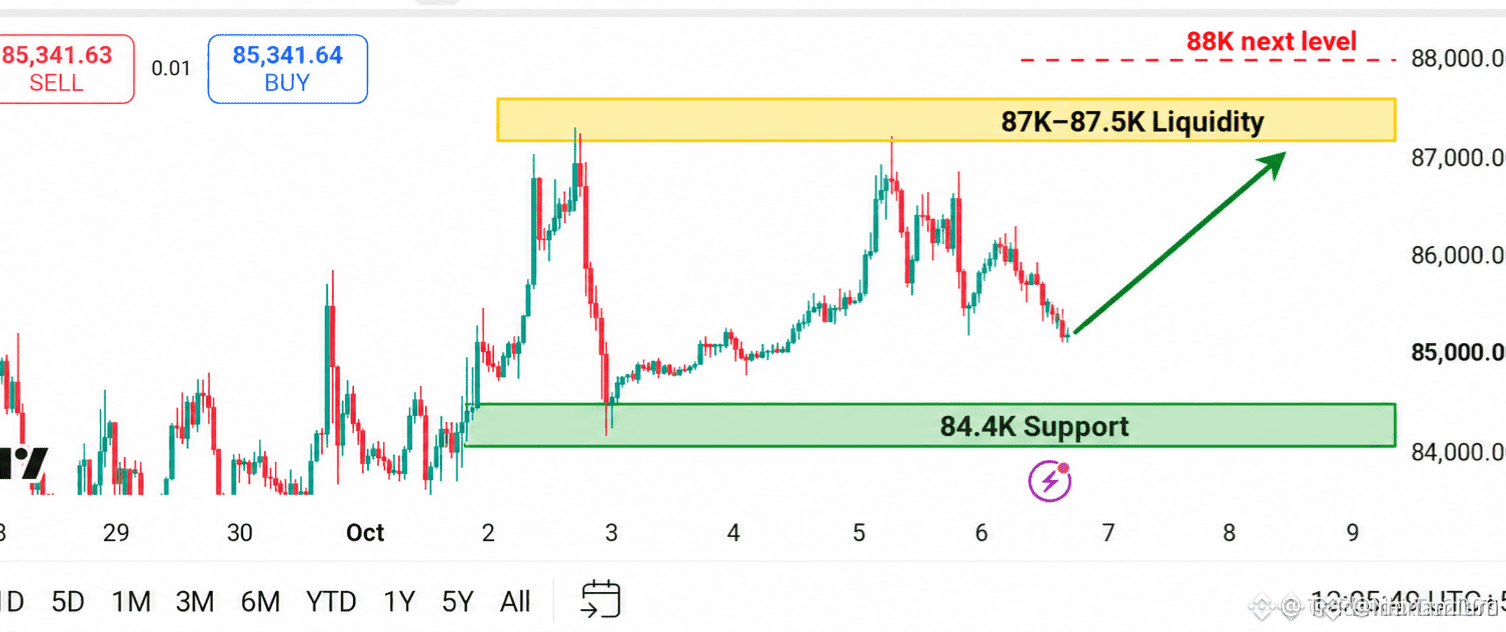
instead of dumping, $BTC sliced through the barrier with heavy momentum and pushed straight toward $86.9k. the tricky part is that the highs around $87.3k are still sitting there unswept, and that massive liquidity cluster overhead hasn't even been tapped yet while $ETH is lagging behind.
so we are basically staring at two plays: either bitcoin sends it directly through $87.3k to grab those resting buy stops, or this whole breakout turns into a trap to shake out late longs before any real continuation.
where do you think this goes from here?
#bitcoin #cryptotrading #binance
everyone thinks range resistance is a guaranteed short entry, but actually trading clean patterns without watching liquidity is the fastest way to get your portfolio obliterated.
most traders get wrecked trying to front-run the exact top of every pump, watching their stops get hunted before they even have time to react. ngl i was caught off guard here too expecting another rejection near the descending trendline.
instead of dumping, $BTC sliced through the barrier with heavy momentum and pushed straight toward $86.9k. the tricky part is that the highs around $87.3k are still sitting there unswept, and that massive liquidity cluster overhead hasn't even been tapped yet while $ETH is lagging behind.
so we are basically staring at two plays: either bitcoin sends it directly through $87.3k to grab those resting buy stops, or this whole breakout turns into a trap to shake out late longs before any real continuation.
where do you think this goes from here?
#bitcoin #cryptotrading #binance
most traders get wrecked trying to front-run the exact top of every pump, watching their stops get hunted before they even have time to react. ngl i was caught off guard here too expecting another rejection near the descending trendline.
instead of dumping, $BTC sliced through the barrier with heavy momentum and pushed straight toward $86.9k. the tricky part is that the highs around $87.3k are still sitting there unswept, and that massive liquidity cluster overhead hasn't even been tapped yet while $ETH is lagging behind.
so we are basically staring at two plays: either bitcoin sends it directly through $87.3k to grab those resting buy stops, or this whole breakout turns into a trap to shake out late longs before any real continuation.
where do you think this goes from here?
#bitcoin #cryptotrading #binance
·
--
If you're still chasing $TRUMP without waiting for a proper support test, stop now.
Too many of us have lost money FOMO buying these political memes at the highs, only to watch them retrace hard. It feels a lot like the old $DOGE pumps where the real entries were on the dips, not the spikes.
$TRUMP is currently around $2.04 and consolidating after several failed attempts to push higher. That support zone between $1.82 and $1.88 is the one I'd keep an eye on, similar to how $PEPE held its key levels before the next run.
If that area holds up, the path opens toward $2.10 to $2.20. A break below though and we'd have to rethink the bullish setup entirely. Better to wait for the reaction than jump in blindly.
What's your take on whether this support holds or if we're looking at a deeper pullback?
#TRUMP #Memecoins #Crypto
If you're still chasing $TRUMP without waiting for a proper support test, stop now.
Too many of us have lost money FOMO buying these political memes at the highs, only to watch them retrace hard. It feels a lot like the old $DOGE pumps where the real entries were on the dips, not the spikes.
$TRUMP is currently around $2.04 and consolidating after several failed attempts to push higher. That support zone between $1.82 and $1.88 is the one I'd keep an eye on, similar to how $PEPE held its key levels before the next run.
If that area holds up, the path opens toward $2.10 to $2.20. A break below though and we'd have to rethink the bullish setup entirely. Better to wait for the reaction than jump in blindly.
What's your take on whether this support holds or if we're looking at a deeper pullback?
#TRUMP #Memecoins #Crypto
Too many of us have lost money FOMO buying these political memes at the highs, only to watch them retrace hard. It feels a lot like the old $DOGE pumps where the real entries were on the dips, not the spikes.
$TRUMP is currently around $2.04 and consolidating after several failed attempts to push higher. That support zone between $1.82 and $1.88 is the one I'd keep an eye on, similar to how $PEPE held its key levels before the next run.
If that area holds up, the path opens toward $2.10 to $2.20. A break below though and we'd have to rethink the bullish setup entirely. Better to wait for the reaction than jump in blindly.
What's your take on whether this support holds or if we're looking at a deeper pullback?
#TRUMP #Memecoins #Crypto
9
·
--
Have you noticed how $TRUMP is quietly consolidating while everyone else is busy chasing pumps in $BTC and $ETH?
Too many traders keep losing money by FOMO buying every green candle and then getting stuck when the inevitable pullback hits. It's a painful cycle that repeats because people skip the basics of watching key levels.
$TRUMP currently trades around $2.04 after several attempts to break higher. A clear support zone sits between $1.82 and $1.88.
If that zone holds, the path toward $2.10 to $2.20 stays open. A failure there would require looking at the whole structure again.
Watch the price action at support before entering. This is where the real decisions get made instead of gambling on the next candle.
What's your view on this $TRUMP setup right now?
#TRUMP #Altcoins #TechnicalAnalysis
Have you noticed how $TRUMP is quietly consolidating while everyone else is busy chasing pumps in $BTC and $ETH ?
Too many traders keep losing money by FOMO buying every green candle and then getting stuck when the inevitable pullback hits. It's a painful cycle that repeats because people skip the basics of watching key levels.
$TRUMP currently trades around $2.04 after several attempts to break higher. A clear support zone sits between $1.82 and $1.88.
If that zone holds, the path toward $2.10 to $2.20 stays open. A failure there would require looking at the whole structure again.
Watch the price action at support before entering. This is where the real decisions get made instead of gambling on the next candle.
What's your view on this $TRUMP setup right now?
#TRUMP #Altcoins #TechnicalAnalysis
Too many traders keep losing money by FOMO buying every green candle and then getting stuck when the inevitable pullback hits. It's a painful cycle that repeats because people skip the basics of watching key levels.
$TRUMP currently trades around $2.04 after several attempts to break higher. A clear support zone sits between $1.82 and $1.88.
If that zone holds, the path toward $2.10 to $2.20 stays open. A failure there would require looking at the whole structure again.
Watch the price action at support before entering. This is where the real decisions get made instead of gambling on the next candle.
What's your view on this $TRUMP setup right now?
#TRUMP #Altcoins #TechnicalAnalysis

3
·
--
A trader just locked in +8,766.72 USDT on a mere 3.38% price move, but chasing these leaderboard screenshots is usually the fastest way to blow up an account.
Most traders look at 30-day top-ranking PnL stats and immediately feel the urge to crank up their leverage on low-cap perpetuals. The brutal reality is that extreme sizing cuts both ways, and a single adverse wick will liquidate your margin before you can even log in.
Looking at this closed $MRVL perp position, the leverage required to pull nearly nine thousand dollars from a tiny 3.38% bump is massive. That level of exposure leaves virtually zero room for error, turning what looks like an easy win into a statistical coin toss.
When volatility sweeps through $BTC and cascades into smaller altcoins, thin order books make sudden liquidations devastating. High-PnL screenshots show the survivor bias, not the dozens of accounts wiped out trying to catch the exact same move without a proper hedge.
How do you manage your position sizing when trading high-leverage altcoin perps?
#CryptoTrading #Futures #RiskManagement
A trader just locked in +8,766.72 USDT on a mere 3.38% price move, but chasing these leaderboard screenshots is usually the fastest way to blow up an account.
Most traders look at 30-day top-ranking PnL stats and immediately feel the urge to crank up their leverage on low-cap perpetuals. The brutal reality is that extreme sizing cuts both ways, and a single adverse wick will liquidate your margin before you can even log in.
Looking at this closed $MRVL perp position, the leverage required to pull nearly nine thousand dollars from a tiny 3.38% bump is massive. That level of exposure leaves virtually zero room for error, turning what looks like an easy win into a statistical coin toss.
When volatility sweeps through $BTC and cascades into smaller altcoins, thin order books make sudden liquidations devastating. High-PnL screenshots show the survivor bias, not the dozens of accounts wiped out trying to catch the exact same move without a proper hedge.
How do you manage your position sizing when trading high-leverage altcoin perps?
#CryptoTrading #Futures #RiskManagement
Most traders look at 30-day top-ranking PnL stats and immediately feel the urge to crank up their leverage on low-cap perpetuals. The brutal reality is that extreme sizing cuts both ways, and a single adverse wick will liquidate your margin before you can even log in.
Looking at this closed $MRVL perp position, the leverage required to pull nearly nine thousand dollars from a tiny 3.38% bump is massive. That level of exposure leaves virtually zero room for error, turning what looks like an easy win into a statistical coin toss.
When volatility sweeps through $BTC and cascades into smaller altcoins, thin order books make sudden liquidations devastating. High-PnL screenshots show the survivor bias, not the dozens of accounts wiped out trying to catch the exact same move without a proper hedge.
How do you manage your position sizing when trading high-leverage altcoin perps?
#CryptoTrading #Futures #RiskManagement

·
--
Picture this: three tokens are slated for delisting in just three hours, and traders are aggressively bidding up the laggard on the assumption that an exit pump is mathematically guaranteed.
Most traders get trapped right here, mistaking illiquid volatility for easy rebound money and buying into dead-end setups out of pure fear of missing a quick scalp.
When a basket of delisting assets like $PUMPBTC and $BOB starts showing unnatural spikes while $PROMPT sits down around -3.19%, the instinct is to hunt a fast 50% to 100% bounce. The thesis relies on the idea that market makers owe the chart one final markup before liquidity vanishes completely.
In reality, delisting announcements strip away structural order flow. Trying to front-run an exit pump under a 3-hour deadline almost always ends in holding an untradable bag when order books thin out and spreads collapse.
Have you ever tried trading delisting volatility, or do you steer clear entirely?
#CryptoTrading #RiskManagement #Altcoins
Picture this: three tokens are slated for delisting in just three hours, and traders are aggressively bidding up the laggard on the assumption that an exit pump is mathematically guaranteed.
Most traders get trapped right here, mistaking illiquid volatility for easy rebound money and buying into dead-end setups out of pure fear of missing a quick scalp.
When a basket of delisting assets like $PUMPBTC and $BOB starts showing unnatural spikes while $PROMPT sits down around -3.19%, the instinct is to hunt a fast 50% to 100% bounce. The thesis relies on the idea that market makers owe the chart one final markup before liquidity vanishes completely.
In reality, delisting announcements strip away structural order flow. Trying to front-run an exit pump under a 3-hour deadline almost always ends in holding an untradable bag when order books thin out and spreads collapse.
Have you ever tried trading delisting volatility, or do you steer clear entirely?
#CryptoTrading #RiskManagement #Altcoins
Most traders get trapped right here, mistaking illiquid volatility for easy rebound money and buying into dead-end setups out of pure fear of missing a quick scalp.
When a basket of delisting assets like $PUMPBTC and $BOB starts showing unnatural spikes while $PROMPT sits down around -3.19%, the instinct is to hunt a fast 50% to 100% bounce. The thesis relies on the idea that market makers owe the chart one final markup before liquidity vanishes completely.
In reality, delisting announcements strip away structural order flow. Trying to front-run an exit pump under a 3-hour deadline almost always ends in holding an untradable bag when order books thin out and spreads collapse.
Have you ever tried trading delisting volatility, or do you steer clear entirely?
#CryptoTrading #RiskManagement #Altcoins

7
·
--
everyone thinks binance dropping AI trading tools means you can just talk to a bot and print, but actually that's the fastest way to blow up an account right now.
you've seen this setup. product launch hits, anything with an AI angle starts ripping, and by the time you ape you're buying someone else's exit while trusting a strategy you didn't even write.
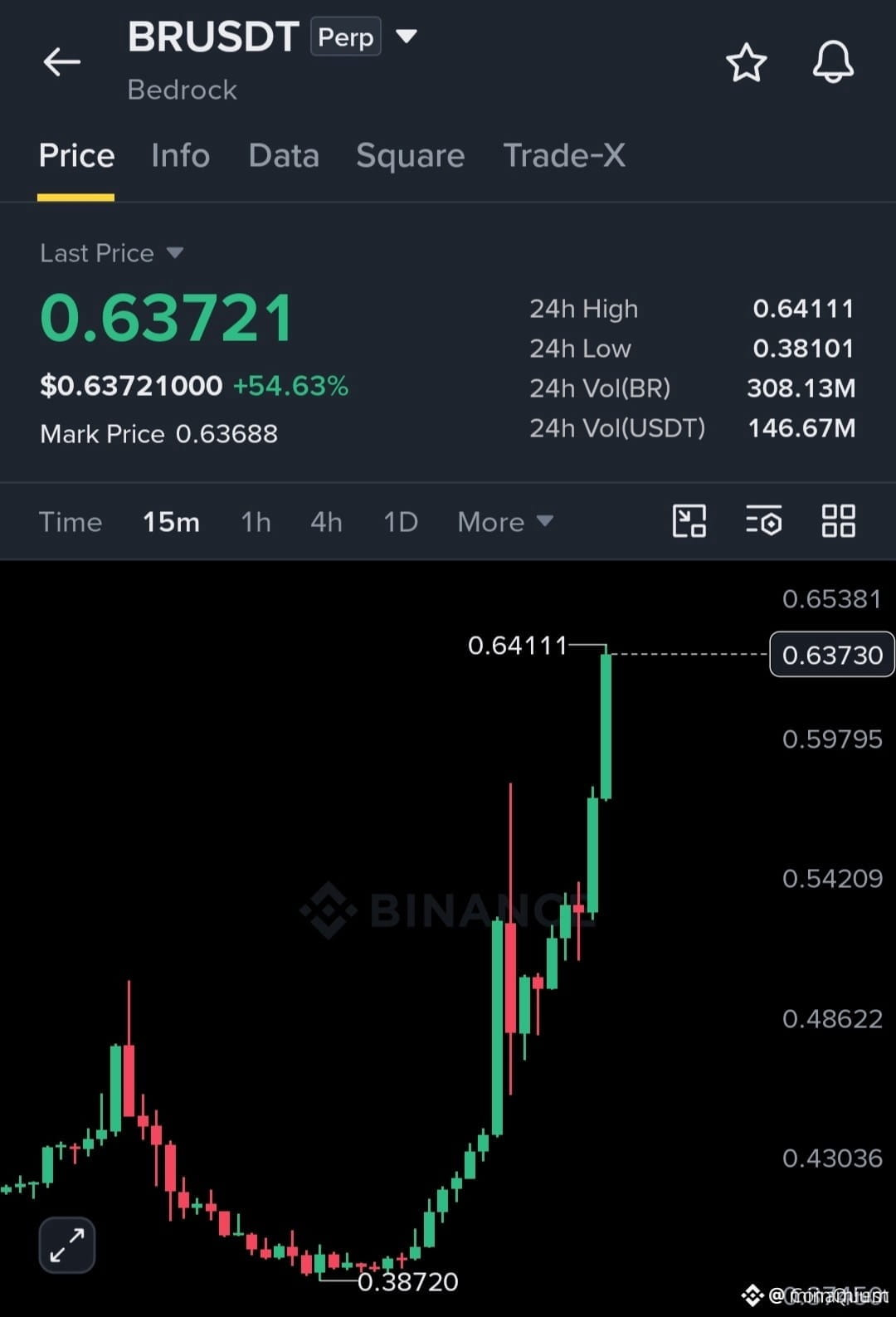
binance intelligence just went live with three layers. free binance AI for every user, AI pro that converts natural language into executable strategies, and agent OS so devs can build on top. that's the actual news. meanwhile $BR already pumped 54.46% and $NMR is up 33.64% on the narrative. $ZRO only managed 6.16% which tells you the market is being selective, not just yeeting everything labeled AI.
this is a case study in how these launches actually trade. the product is real and the free tool is sitting there for anyone who wants an edge. but ngl the people chasing $BR at plus 54 instead of learning the AI itself are running the same play that never works. wagmi only if you use the tool, not if you buy the ticker that pumped on the tweet.
anyone else seeing this or am i just late to the party?
#BinanceIntelligence #AITrading #Crypto
everyone thinks binance dropping AI trading tools means you can just talk to a bot and print, but actually that's the fastest way to blow up an account right now.
you've seen this setup. product launch hits, anything with an AI angle starts ripping, and by the time you ape you're buying someone else's exit while trusting a strategy you didn't even write.
binance intelligence just went live with three layers. free binance AI for every user, AI pro that converts natural language into executable strategies, and agent OS so devs can build on top. that's the actual news. meanwhile $BR already pumped 54.46% and $NMR is up 33.64% on the narrative. $ZRO only managed 6.16% which tells you the market is being selective, not just yeeting everything labeled AI.
this is a case study in how these launches actually trade. the product is real and the free tool is sitting there for anyone who wants an edge. but ngl the people chasing $BR at plus 54 instead of learning the AI itself are running the same play that never works. wagmi only if you use the tool, not if you buy the ticker that pumped on the tweet.
anyone else seeing this or am i just late to the party?
#BinanceIntelligence #AITrading #Crypto
you've seen this setup. product launch hits, anything with an AI angle starts ripping, and by the time you ape you're buying someone else's exit while trusting a strategy you didn't even write.
binance intelligence just went live with three layers. free binance AI for every user, AI pro that converts natural language into executable strategies, and agent OS so devs can build on top. that's the actual news. meanwhile $BR already pumped 54.46% and $NMR is up 33.64% on the narrative. $ZRO only managed 6.16% which tells you the market is being selective, not just yeeting everything labeled AI.
this is a case study in how these launches actually trade. the product is real and the free tool is sitting there for anyone who wants an edge. but ngl the people chasing $BR at plus 54 instead of learning the AI itself are running the same play that never works. wagmi only if you use the tool, not if you buy the ticker that pumped on the tweet.
anyone else seeing this or am i just late to the party?
#BinanceIntelligence #AITrading #Crypto
·
--
Most retail investors spent the last quarter waiting for a massive dip, while institutional treasuries quietly pulled off a $21B gain.
Watching smart money accumulate week after week while your own portfolio sits in indecision hurts more than a bad trade. You tell yourself you will buy the next pullback, but the train keeps leaving the station without you.
I have seen this movie play out in every single cycle since 2017. While ordinary traders try to scalp small intraday swings, major balance sheets are executing programmatic accumulation strategies. Strategy just reported holding 848,000 $BTC after adding another 334 coins and repurchasing $176M in equity, turning corporate treasury management into an unyielding conviction machine.
When an entity builds a position of that scale, market volatility stops being a threat and simply becomes liquidity. You do not need to outsmart every minor wick on $BTC or track every balance sheet move in $MSTR when the structural thesis remains intact. The hard-won lesson of past cycles is that edge does not come from perfect timing, but from holding what institutions are actively competing to lock away.
Are you accumulating alongside the giants this cycle, or still waiting on the sidelines for lower prices?
#Bitcoin #CryptoStrategy #BinanceSquare
Most retail investors spent the last quarter waiting for a massive dip, while institutional treasuries quietly pulled off a $21B gain.
Watching smart money accumulate week after week while your own portfolio sits in indecision hurts more than a bad trade. You tell yourself you will buy the next pullback, but the train keeps leaving the station without you.
I have seen this movie play out in every single cycle since 2017. While ordinary traders try to scalp small intraday swings, major balance sheets are executing programmatic accumulation strategies. Strategy just reported holding 848,000 $BTC after adding another 334 coins and repurchasing $176M in equity, turning corporate treasury management into an unyielding conviction machine.
When an entity builds a position of that scale, market volatility stops being a threat and simply becomes liquidity. You do not need to outsmart every minor wick on $BTC or track every balance sheet move in $MSTR when the structural thesis remains intact. The hard-won lesson of past cycles is that edge does not come from perfect timing, but from holding what institutions are actively competing to lock away.
Are you accumulating alongside the giants this cycle, or still waiting on the sidelines for lower prices?
#Bitcoin #CryptoStrategy #BinanceSquare
Watching smart money accumulate week after week while your own portfolio sits in indecision hurts more than a bad trade. You tell yourself you will buy the next pullback, but the train keeps leaving the station without you.
I have seen this movie play out in every single cycle since 2017. While ordinary traders try to scalp small intraday swings, major balance sheets are executing programmatic accumulation strategies. Strategy just reported holding 848,000 $BTC after adding another 334 coins and repurchasing $176M in equity, turning corporate treasury management into an unyielding conviction machine.
When an entity builds a position of that scale, market volatility stops being a threat and simply becomes liquidity. You do not need to outsmart every minor wick on $BTC or track every balance sheet move in $MSTR when the structural thesis remains intact. The hard-won lesson of past cycles is that edge does not come from perfect timing, but from holding what institutions are actively competing to lock away.
Are you accumulating alongside the giants this cycle, or still waiting on the sidelines for lower prices?
#Bitcoin #CryptoStrategy #BinanceSquare

·
--
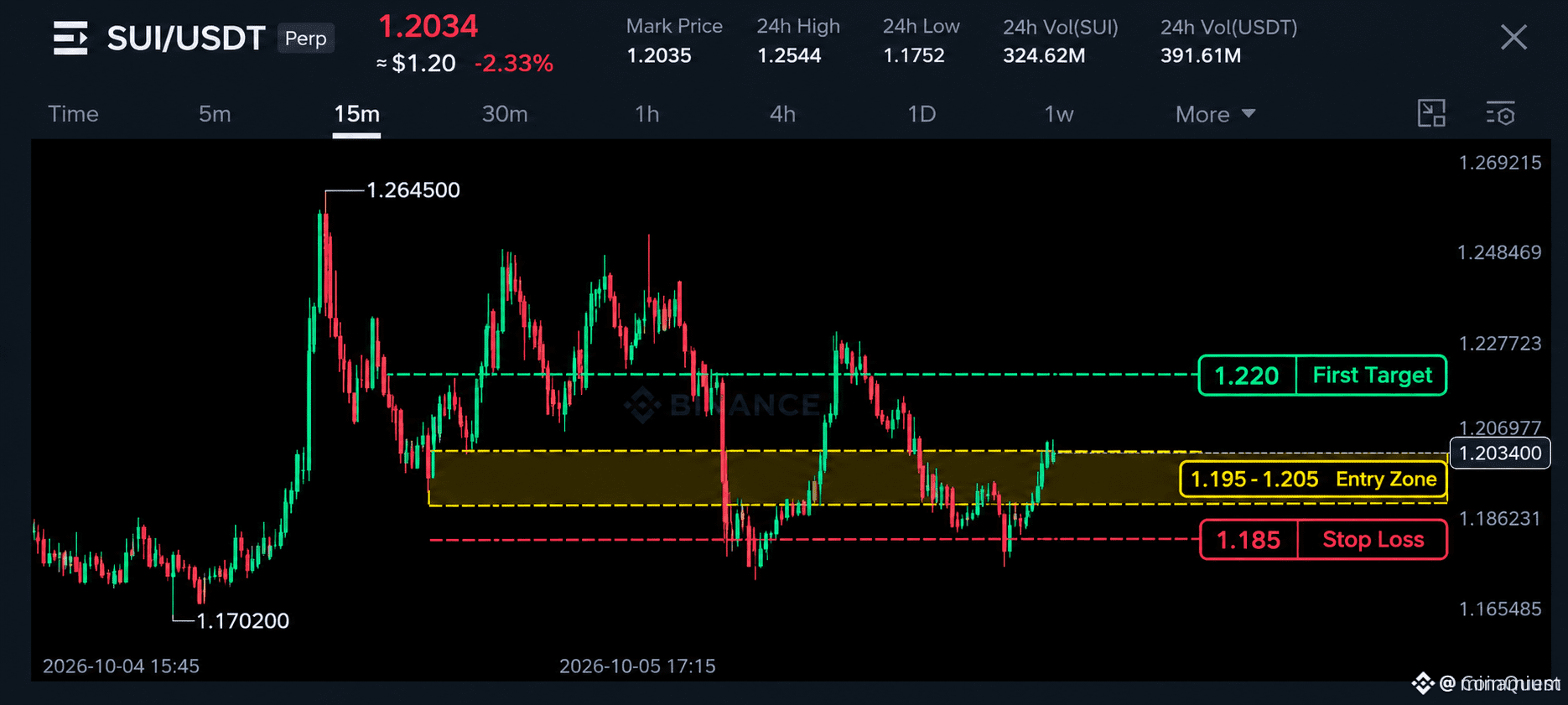
Picture this: while most of the market was hesitating during the recent chop, one trader quietly held an open long on $SUI perps until it crossed +31,120 USDT in unrealized profit.
Most traders struggle with the hardest part of the game: sitting on their hands. It is easy to cut winners way too early out of fear, only to watch the chart continue climbing without you while you rotate into choppy pairs.
What makes this case interesting is the patience behind the setup. Even as $SUI dipped -0.34% intraday, this position was left open to ride the broader trend rather than getting micromanaged on lower timeframes. We saw a similar dynamic play out with $SOL during its early momentum shifts, where holding through minor pullbacks made all the difference between catching a fraction of a move and riding a major wave.
When momentum begins clustering around leading Layer 1 ecosystems, high-conviction positioning often beats overtrading the noise.
How do you usually handle holding runner positions when short-term volatility spikes?
#CryptoTrading #SUI #Layer1
Picture this: while most of the market was hesitating during the recent chop, one trader quietly held an open long on $SUI perps until it crossed +31,120 USDT in unrealized profit.
Most traders struggle with the hardest part of the game: sitting on their hands. It is easy to cut winners way too early out of fear, only to watch the chart continue climbing without you while you rotate into choppy pairs.
What makes this case interesting is the patience behind the setup. Even as $SUI dipped -0.34% intraday, this position was left open to ride the broader trend rather than getting micromanaged on lower timeframes. We saw a similar dynamic play out with $SOL during its early momentum shifts, where holding through minor pullbacks made all the difference between catching a fraction of a move and riding a major wave.
When momentum begins clustering around leading Layer 1 ecosystems, high-conviction positioning often beats overtrading the noise.
How do you usually handle holding runner positions when short-term volatility spikes?
#CryptoTrading #SUI #Layer1
Most traders struggle with the hardest part of the game: sitting on their hands. It is easy to cut winners way too early out of fear, only to watch the chart continue climbing without you while you rotate into choppy pairs.
What makes this case interesting is the patience behind the setup. Even as $SUI dipped -0.34% intraday, this position was left open to ride the broader trend rather than getting micromanaged on lower timeframes. We saw a similar dynamic play out with $SOL during its early momentum shifts, where holding through minor pullbacks made all the difference between catching a fraction of a move and riding a major wave.
When momentum begins clustering around leading Layer 1 ecosystems, high-conviction positioning often beats overtrading the noise.
How do you usually handle holding runner positions when short-term volatility spikes?
#CryptoTrading #SUI #Layer1
ເຂົ້າສູ່ລະບົບເພື່ອສຳຫຼວດເນື້ອຫາເພີ່ມເຕີມ
ເຂົ້າຮ່ວມກຸ່ມຜູ້ໃຊ້ຄຣິບໂຕທົ່ວໂລກໃນ Binance Square.
⚡️ ໄດ້ຮັບຂໍ້ມູນຫຼ້າສຸດ ແລະ ທີ່ມີປະໂຫຍດກ່ຽວກັບຄຣິບໂຕ.
💬 ໄດ້ຮັບຄວາມໄວ້ວາງໃຈຈາກຕະຫຼາດແລກປ່ຽນຄຣິບໂຕທີ່ໃຫຍ່ທີ່ສຸດໃນໂລກ.
👍 ຄົ້ນຫາຂໍ້ມູນເຊີງເລິກທີ່ແທ້ຈາກນັກສ້າງທີ່ໄດ້ຮັບການຢືນຢັນ.
ອີເມວ / ເບີໂທລະສັບ
ຫົວຂໍ້ທີ່ກໍາລັງນິຍົມ
BinanceLaunchesBinanceIntelligence
534,035 views
3,469 ກຳລັງສົນທະນາ
🧠 ¿Hacer trading como un fondo de inversión experto? ¡Ahora la IA lo hace gratis por ti! 🤖📈
Wilsontrader97
·1 ຖືກໃຈ
·1.6k views
BitcoinTargets2026OpenAt$87570
4,407 views
102 ກຳລັງສົນທະນາ
BitcoinRejectedAt$87KThirdTime
3,544 views
79 ກຳລັງສົນທະນາ