

#adagains10
adagains10
947 views
43 Discussing
Hot
Latest

·
--
$ADA is dead money right now and chasing this bounce is pure laziness
Everyone is staring at the 10 percent move off the lows
Volume sits at 67.5 million while the ticker chops around 0.26900
That range between 0.26170 and 0.27680 is just a trap for day traders
I am sitting on my hands and doing nothing until the range breaks cleanly
A daily close above the 0.27680 top completely invalidates my patience
Tap $ADA and check the hourly chart yourself
Buying or selling
#ADAGains10%Above$0.27 #ADA
$ADA is dead money right now and chasing this bounce is pure laziness
Everyone is staring at the 10 percent move off the lows
Volume sits at 67.5 million while the ticker chops around 0.26900
That range between 0.26170 and 0.27680 is just a trap for day traders
I am sitting on my hands and doing nothing until the range breaks cleanly
A daily close above the 0.27680 top completely invalidates my patience
Tap $ADA and check the hourly chart yourself
Buying or selling
#ADAGains10%Above$0.27 #ADA
Everyone is staring at the 10 percent move off the lows
Volume sits at 67.5 million while the ticker chops around 0.26900
That range between 0.26170 and 0.27680 is just a trap for day traders
I am sitting on my hands and doing nothing until the range breaks cleanly
A daily close above the 0.27680 top completely invalidates my patience
Tap $ADA and check the hourly chart yourself
Buying or selling
#ADAGains10%Above$0.27 #ADA
16

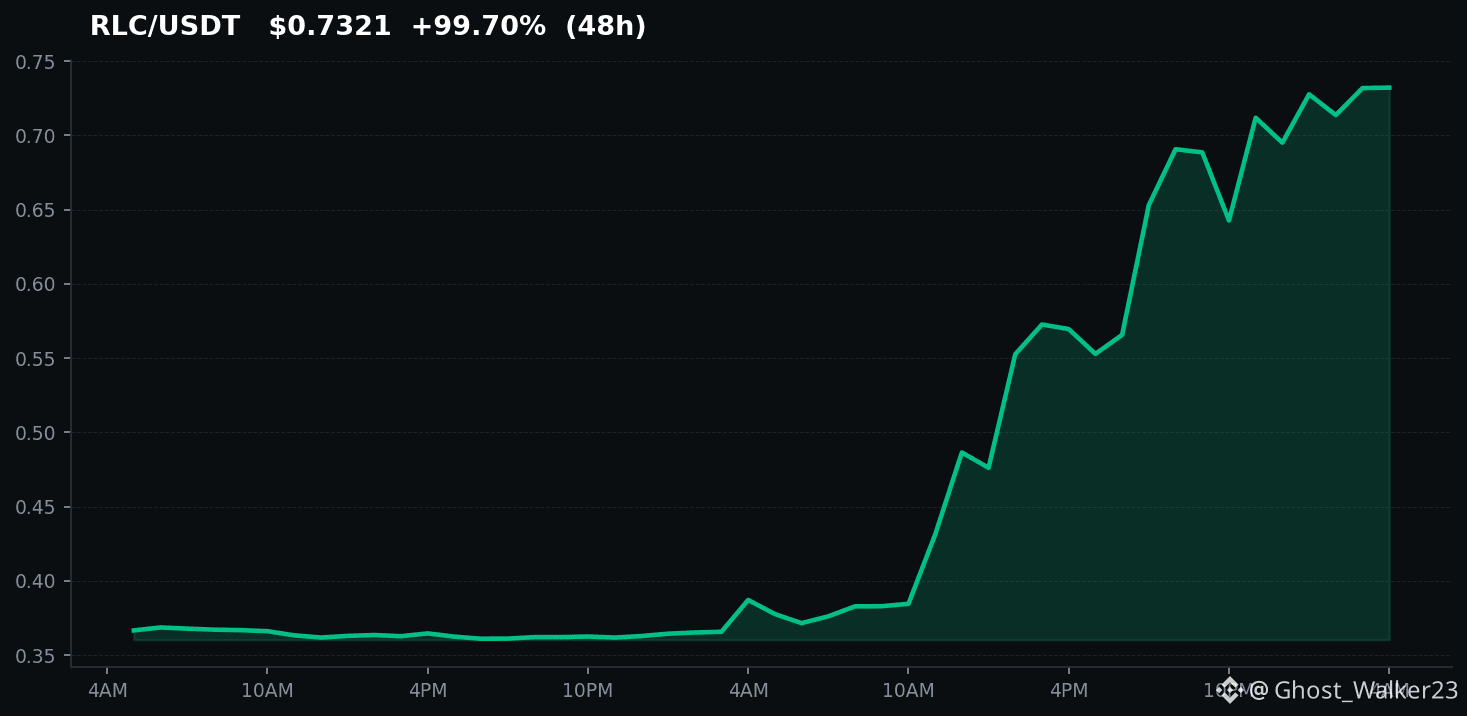
💹 ADA has surged 10% above $0.27, benefiting from a bullish trend in the market, as evident on the chart below. With major coins like $BTC and $ETH slightly down, investors are flocking to altcoins, driving up ADA's demand. What do you think is fueling this momentum? #ADAGains10%Above$0.27 #Cardano
❤️ Si te gustó, dale like y síguenos para el próximo análisis!
💹 ADA has surged 10% above $0.27, benefiting from a bullish trend in the market, as evident on the chart below. With major coins like $BTC and $ETH slightly down, investors are flocking to altcoins, driving up ADA's demand. What do you think is fueling this momentum? #ADAGains10%Above$0.27 #Cardano
❤️ Si te gustó, dale like y síguenos para el próximo análisis!
❤️ Si te gustó, dale like y síguenos para el próximo análisis!
64


Cardano ($ADA) has experienced a significant price surge, breaking above the $0.27 mark with a 10% gain. This upward momentum is capturing the attention of the crypto community, sparking discussions about potential underlying causes. Investors are closely watching to see if this trend is sustainable or a short-term fluctuation. Factors such as recent network upgrades, increased developer activity, or broader market sentiment could be contributing to this impressive performance. The community is keen to understand the catalysts behind this rally and what it might signal for the future trajectory of $ADA.
Disclaimer: This content is for informational purposes only and does not constitute investment advice.
#ADAGains10%Above$0.27 $ADA
Cardano ($ADA ) has experienced a significant price surge, breaking above the $0.27 mark with a 10% gain. This upward momentum is capturing the attention of the crypto community, sparking discussions about potential underlying causes. Investors are closely watching to see if this trend is sustainable or a short-term fluctuation. Factors such as recent network upgrades, increased developer activity, or broader market sentiment could be contributing to this impressive performance. The community is keen to understand the catalysts behind this rally and what it might signal for the future trajectory of $ADA .
Disclaimer: This content is for informational purposes only and does not constitute investment advice.
#ADAGains10%Above$0.27 $ADA
Disclaimer: This content is for informational purposes only and does not constitute investment advice.
#ADAGains10%Above$0.27 $ADA
1
57

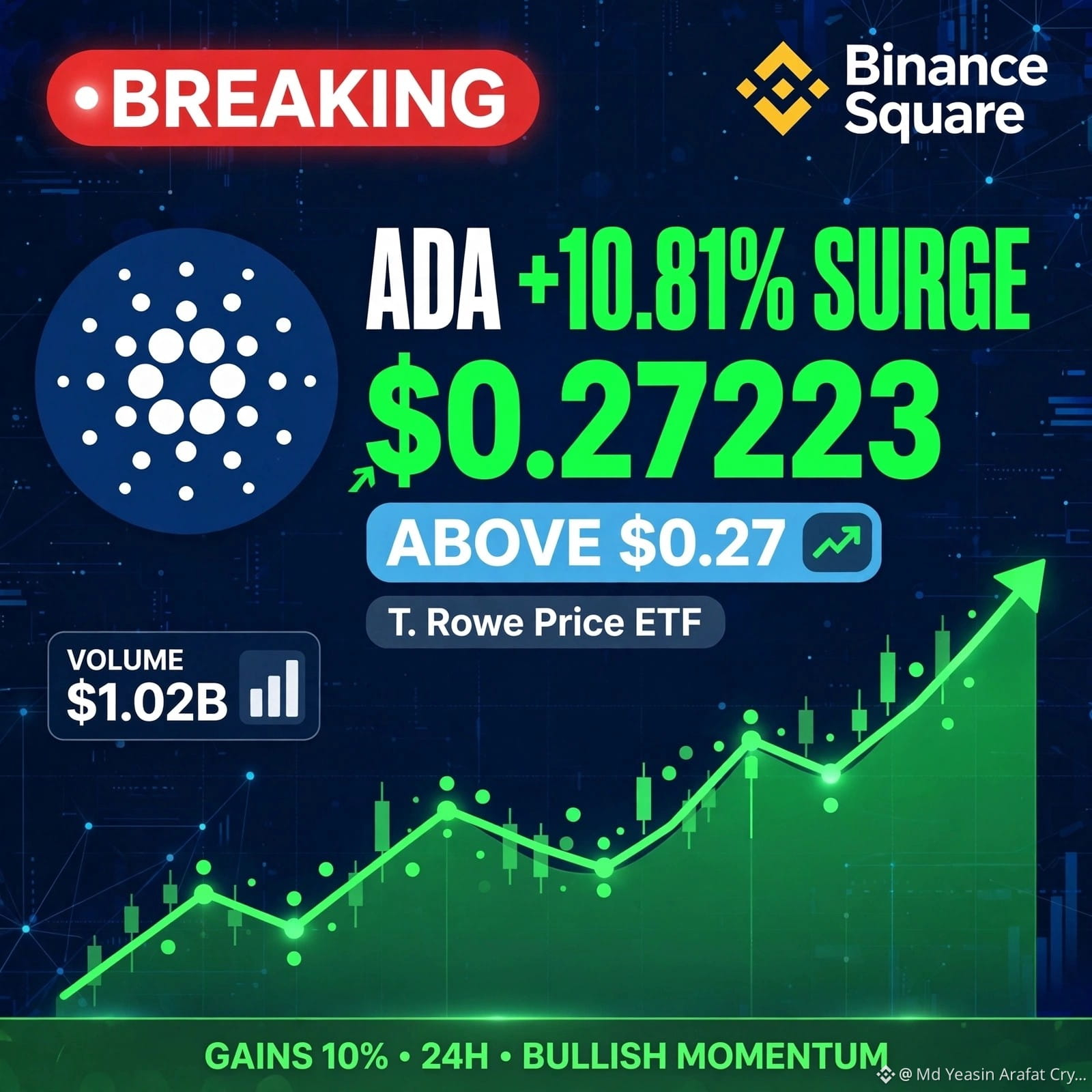
BREAKING: ADA +10.81% surge to $0.27223 - above $0.27! 🚀
Cardano waking up after months. Highest since May!
Why pumping?
✅ T. Rowe Price added ADA to US crypto ETF - first TradFi allocation
✅ Volume $1.02B in 24h - real buying
✅ $580K shorts liquidated
✅ DeFi TVL up 8.7% to $70M + RealFi launch
ADA outperforming BTC & XRP today. Retail sentiment flipped from bearish to bullish.
Next resistance $0.28 - $0.30, if breaks $0.30 confirmed bullish run.
You holding ADA or still fading? 👇
#ADAGains10 #CardanoSurge #ADABullish
$ADA $BTC $XRP
{spot}(XRPUSDT)
{spot}(BTCUSDT)
{spot}(ADAUSDT)
BREAKING: ADA +10.81% surge to $0.27223 - above $0.27! 🚀
Cardano waking up after months. Highest since May!
Why pumping?
✅ T. Rowe Price added ADA to US crypto ETF - first TradFi allocation
✅ Volume $1.02B in 24h - real buying
✅ $580K shorts liquidated
✅ DeFi TVL up 8.7% to $70M + RealFi launch
ADA outperforming BTC & XRP today. Retail sentiment flipped from bearish to bullish.
Next resistance $0.28 - $0.30, if breaks $0.30 confirmed bullish run.
You holding ADA or still fading? 👇
#ADAGains10 #CardanoSurge #ADABullish
$ADA $BTC $XRP
Cardano waking up after months. Highest since May!
Why pumping?
✅ T. Rowe Price added ADA to US crypto ETF - first TradFi allocation
✅ Volume $1.02B in 24h - real buying
✅ $580K shorts liquidated
✅ DeFi TVL up 8.7% to $70M + RealFi launch
ADA outperforming BTC & XRP today. Retail sentiment flipped from bearish to bullish.
Next resistance $0.28 - $0.30, if breaks $0.30 confirmed bullish run.
You holding ADA or still fading? 👇
#ADAGains10 #CardanoSurge #ADABullish
$ADA $BTC $XRP
20
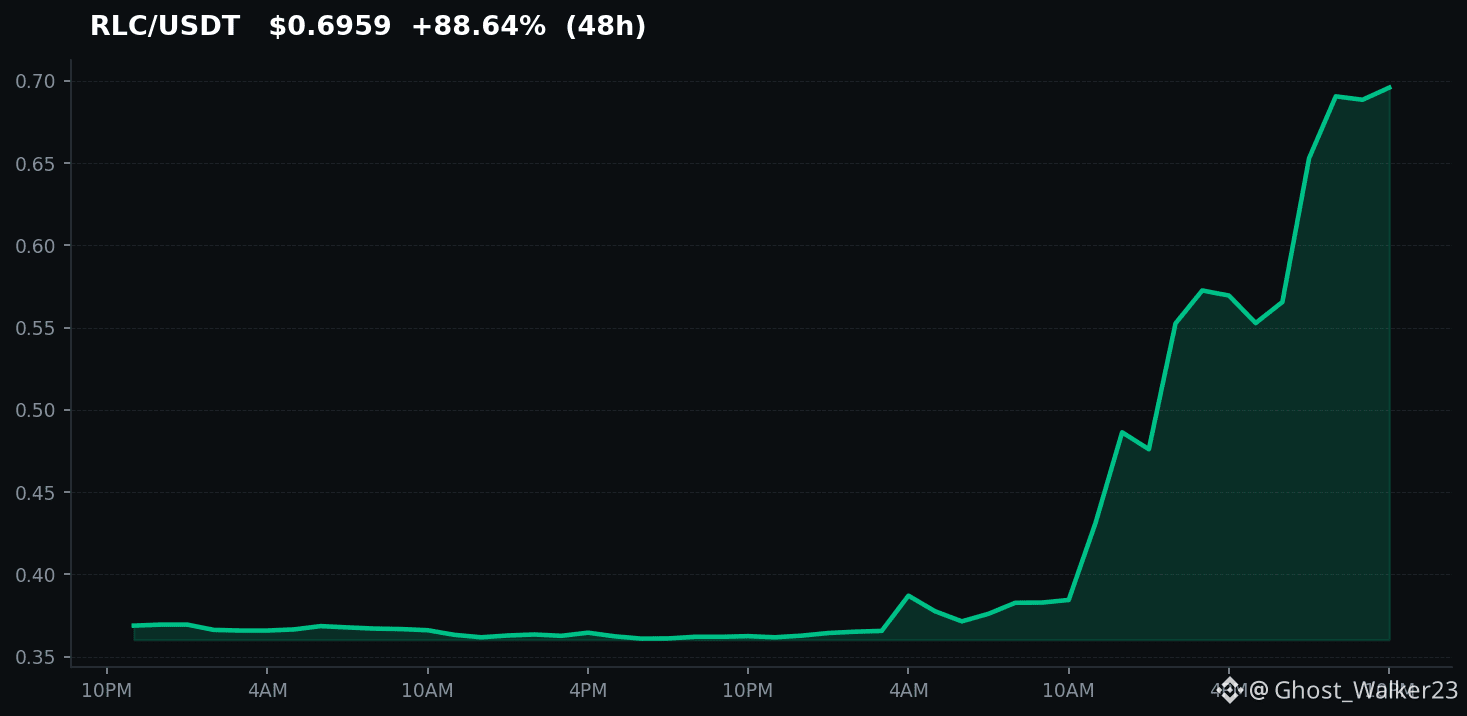
🚀 $ADA is in the spotlight, up more than 10% and surpassing $0.27. This may be driven by market optimism following the strengthening of $BTC and ETH, which remain in the green. It is attracting investors to the Cardano ecosystem. 📈
As you can see in the 48-hour chart, do you think $ADA will maintain this momentum? #ADAGains10%Above$0.27 #ADA
❤️ If you liked it, give it a like and follow us for the next analysis!
🚀 $ADA is in the spotlight, up more than 10% and surpassing $0.27. This may be driven by market optimism following the strengthening of $BTC and ETH, which remain in the green. It is attracting investors to the Cardano ecosystem. 📈
As you can see in the 48-hour chart, do you think $ADA will maintain this momentum? #ADAGains10%Above$0.27 #ADA
❤️ If you liked it, give it a like and follow us for the next analysis!
As you can see in the 48-hour chart, do you think $ADA will maintain this momentum? #ADAGains10%Above$0.27 #ADA
❤️ If you liked it, give it a like and follow us for the next analysis!
27
🎉 #ADAGains10%Above$0.27 as it breaks new resistance! Let's compare $ADA with the trending coin Hood Inu ($HI).
$ADA is up 10% and showing solid fundamentals, while $HI skyrocketed 406.6%.
Which one do you think has more potential for long-term growth? 📈
Check the chart below! 👇
👀 Follow us to stay tuned for upcoming opportunities.
🎉 #ADAGains10%Above$0.27 as it breaks new resistance! Let's compare $ADA with the trending coin Hood Inu ($HI).
$ADA is up 10% and showing solid fundamentals, while $HI skyrocketed 406.6%.
Which one do you think has more potential for long-term growth? 📈
Check the chart below! 👇
👀 Follow us to stay tuned for upcoming opportunities.
$ADA is up 10% and showing solid fundamentals, while $HI skyrocketed 406.6%.
Which one do you think has more potential for long-term growth? 📈
Check the chart below! 👇
👀 Follow us to stay tuned for upcoming opportunities.
72
Article
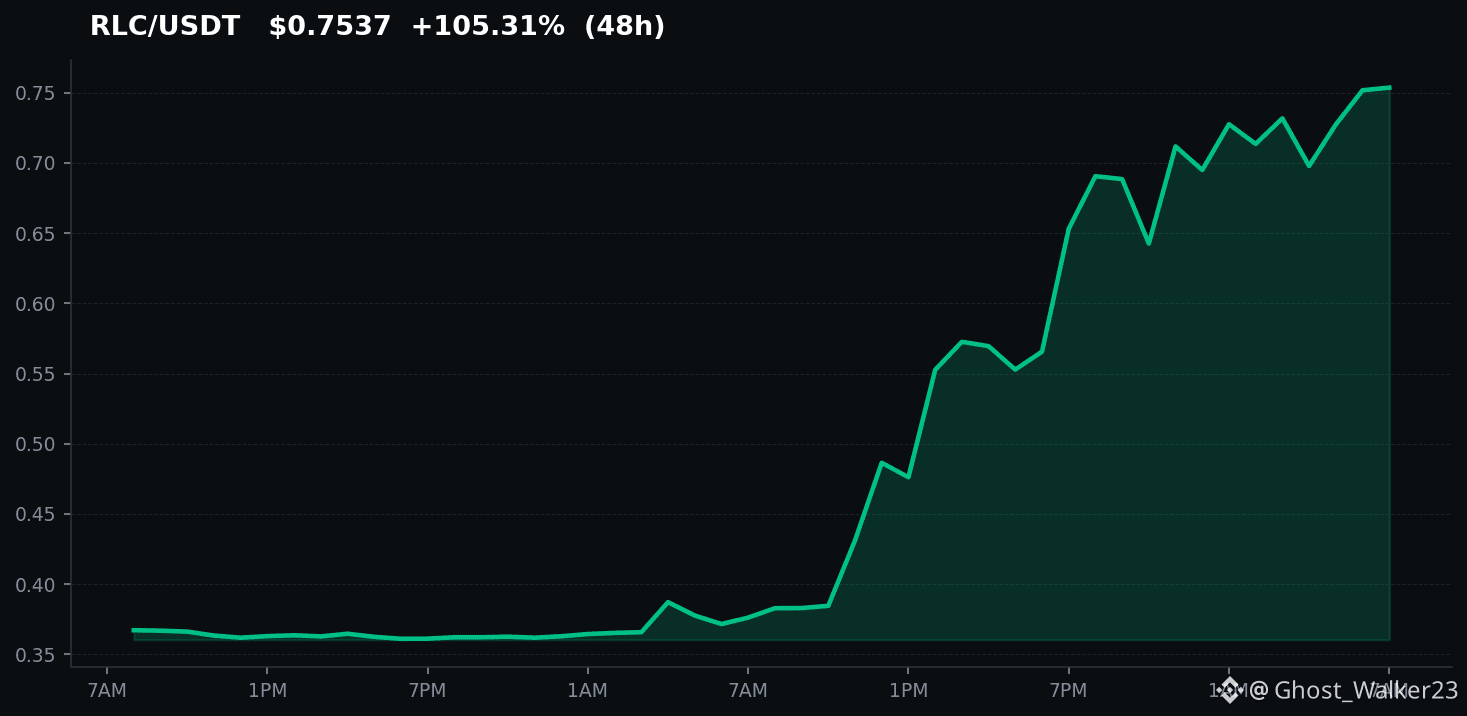
Market Recap: Volatility Marks Today's Trading SessionThe overall market mood today leaned toward a cautious sentiment, with major coins experiencing slight declines. $BTC closed at $85,768.01, down 0.84%, while $ETH and BNB also faced losses, finishing at $2,710.46 and $786.43, respectively. SOL dropped 0.60%, ending the day at $120.79. Investors appeared to be navigating through a mix of profit-taking and uncertainty, which kept the broader market in check.
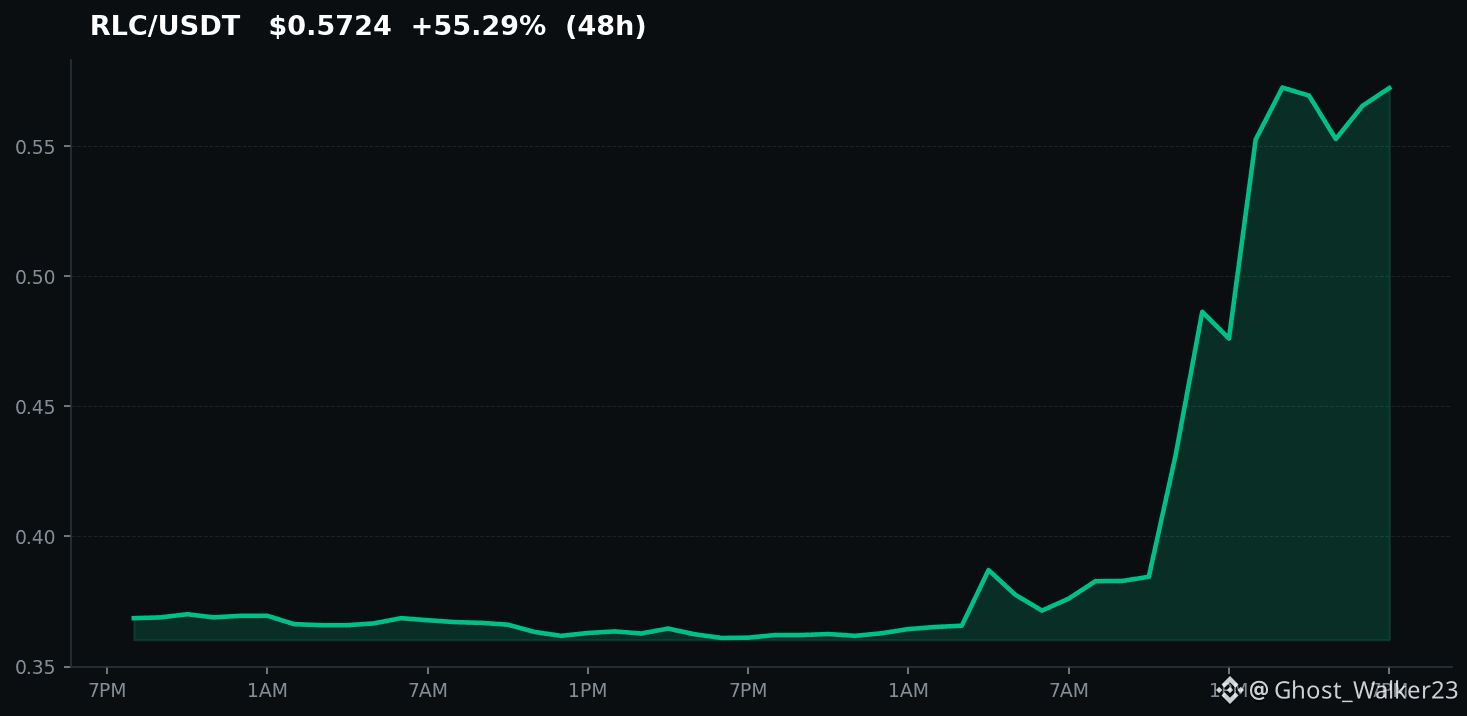
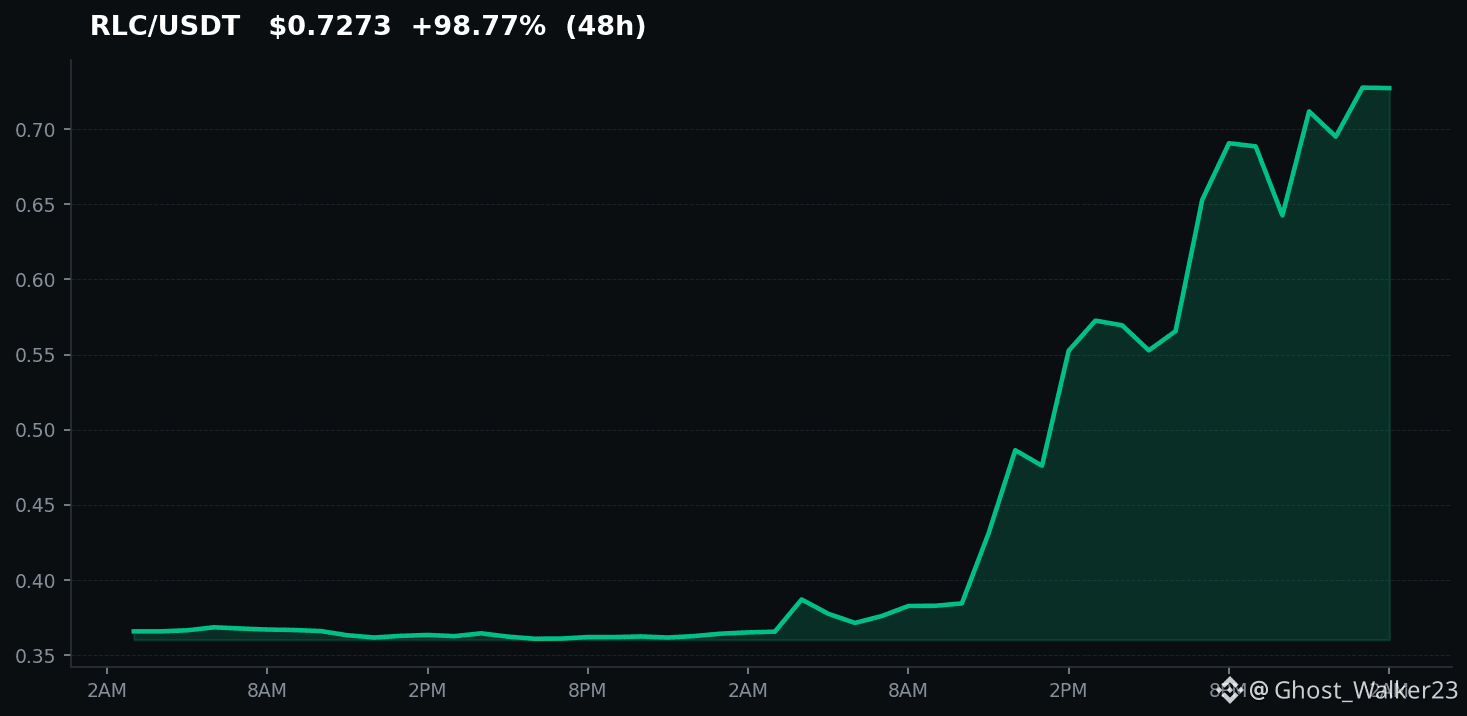
In stark contrast to the major players, there were notable performances among smaller altcoins. RLC emerged as the standout gainer, skyrocketing by an impressive 100.2%. Other significant movers included RAD with a 31.3% increase and NIL up 21.8%. The rally in these coins can be attributed to a series of positive developments and community engagement, fostering investor interest and driving trading volumes.
Today's most talked-about topic on Binance Square was undeniably #ADAGains10%Above$0.27, capturing the attention of traders and analysts alike. ADA's price surge beyond the $0.27 mark is indicative of renewed interest and optimism surrounding the project, which has faced its share of challenges in recent months. As an influential narrative, this development is shaping discussions around ADA and highlighting investor sentiment in the altcoin market.
As we look to tomorrow's trading session, all eyes will be on the reactions from major coins. Will the declines continue, or will we see a reversal in fortunes? Additionally, the performance of top gainers like RLC might prompt investors to explore further opportunities within the altcoin space. Keeping a pulse on these dynamics will be crucial for anyone navigating the fast-paced world of crypto trading.
📈 Follow for more real-time market breakdowns!
Market Recap: Volatility Marks Today's Trading Session
The overall market mood today leaned toward a cautious sentiment, with major coins experiencing slight declines. $BTC closed at $85,768.01, down 0.84%, while $ETH and BNB also faced losses, finishing at $2,710.46 and $786.43, respectively. SOL dropped 0.60%, ending the day at $120.79. Investors appeared to be navigating through a mix of profit-taking and uncertainty, which kept the broader market in check.
In stark contrast to the major players, there were notable performances among smaller altcoins. RLC emerged as the standout gainer, skyrocketing by an impressive 100.2%. Other significant movers included RAD with a 31.3% increase and NIL up 21.8%. The rally in these coins can be attributed to a series of positive developments and community engagement, fostering investor interest and driving trading volumes.
Today's most talked-about topic on Binance Square was undeniably #ADAGains10%Above$0.27, capturing the attention of traders and analysts alike. ADA's price surge beyond the $0.27 mark is indicative of renewed interest and optimism surrounding the project, which has faced its share of challenges in recent months. As an influential narrative, this development is shaping discussions around ADA and highlighting investor sentiment in the altcoin market.
As we look to tomorrow's trading session, all eyes will be on the reactions from major coins. Will the declines continue, or will we see a reversal in fortunes? Additionally, the performance of top gainers like RLC might prompt investors to explore further opportunities within the altcoin space. Keeping a pulse on these dynamics will be crucial for anyone navigating the fast-paced world of crypto trading.
📈 Follow for more real-time market breakdowns!
In stark contrast to the major players, there were notable performances among smaller altcoins. RLC emerged as the standout gainer, skyrocketing by an impressive 100.2%. Other significant movers included RAD with a 31.3% increase and NIL up 21.8%. The rally in these coins can be attributed to a series of positive developments and community engagement, fostering investor interest and driving trading volumes.
Today's most talked-about topic on Binance Square was undeniably #ADAGains10%Above$0.27, capturing the attention of traders and analysts alike. ADA's price surge beyond the $0.27 mark is indicative of renewed interest and optimism surrounding the project, which has faced its share of challenges in recent months. As an influential narrative, this development is shaping discussions around ADA and highlighting investor sentiment in the altcoin market.
As we look to tomorrow's trading session, all eyes will be on the reactions from major coins. Will the declines continue, or will we see a reversal in fortunes? Additionally, the performance of top gainers like RLC might prompt investors to explore further opportunities within the altcoin space. Keeping a pulse on these dynamics will be crucial for anyone navigating the fast-paced world of crypto trading.
📈 Follow for more real-time market breakdowns!
151
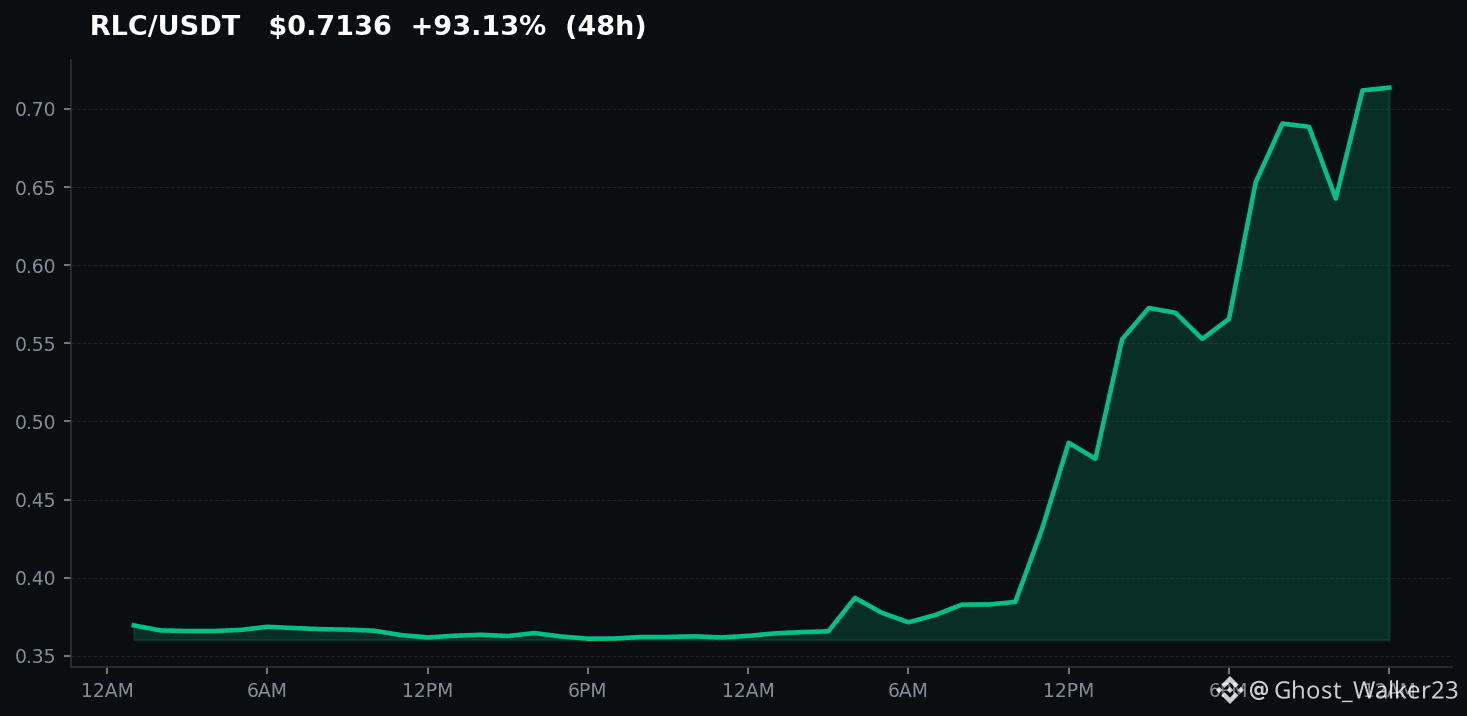
🚀 ADA's recent surge above $0.27 is a turning point! With the market buzzing, could this be the start of a significant rally? As other coins like #RLC soar, ADA might just be the next big winner. What are your thoughts on this potential breakout? 💰 #ADAGains10%Above$0.27
$RLC
🔔 Follow us for daily crypto insights — más viene en camino!
🚀 ADA's recent surge above $0.27 is a turning point! With the market buzzing, could this be the start of a significant rally? As other coins like #RLC soar, ADA might just be the next big winner. What are your thoughts on this potential breakout? 💰 #ADAGains10%Above$0.27
$RLC
🔔 Follow us for daily crypto insights — más viene en camino!
$RLC
🔔 Follow us for daily crypto insights — más viene en camino!
132
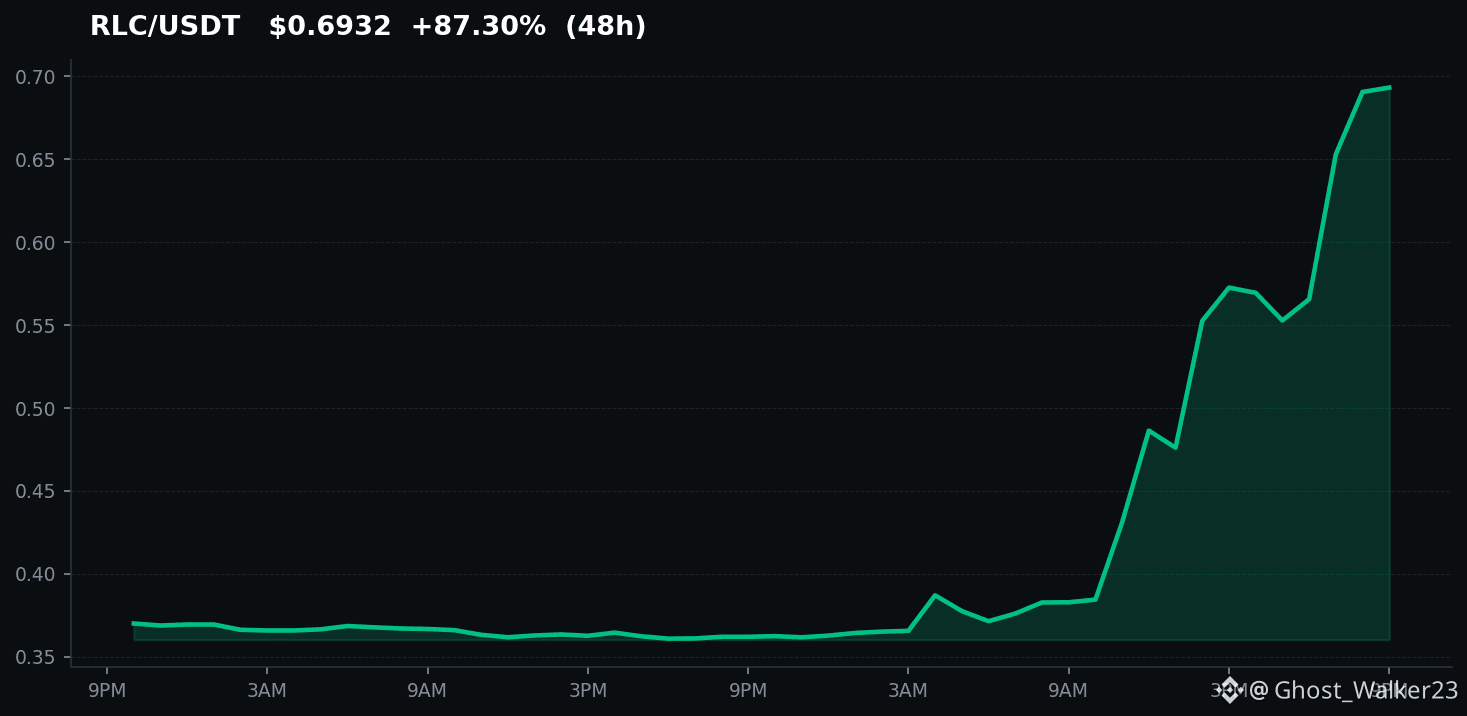
🚀 ADA breaking above $0.27 is a bullish sign! With #ADAGains10%Above$0.27, it’s showing resilience amid a mixed market. Will it sustain momentum, especially with rising altcoins like RLC? 🔥 What do you think? Is ADA positioning for a bigger rally? $ADA $RLC
👀 Síguenos para estar pendiente de las próximas oportunidades.
🚀 ADA breaking above $0.27 is a bullish sign! With #ADAGains10%Above$0.27, it’s showing resilience amid a mixed market. Will it sustain momentum, especially with rising altcoins like RLC? 🔥 What do you think? Is ADA positioning for a bigger rally? $ADA $RLC
👀 Síguenos para estar pendiente de las próximas oportunidades.
👀 Síguenos para estar pendiente de las próximas oportunidades.
142
·
--
$ADA at zero point two six is a dead bag 📉
trend chatter shows retail is still chasing ghosts
it changes nothing for day setups right now
ranges stay tight inside the daily highs and lows
im sitting on my hands until volume wakes up
a close past zero point two seven six proves me wrong 📈
Open $ADA and set an alert at that level
bullish or delusional
#ADAGains10%Above$0.27 #ADA
$ADA at zero point two six is a dead bag 📉
trend chatter shows retail is still chasing ghosts
it changes nothing for day setups right now
ranges stay tight inside the daily highs and lows
im sitting on my hands until volume wakes up
a close past zero point two seven six proves me wrong 📈
Open $ADA and set an alert at that level
bullish or delusional
#ADAGains10%Above$0.27 #ADA
trend chatter shows retail is still chasing ghosts
it changes nothing for day setups right now
ranges stay tight inside the daily highs and lows
im sitting on my hands until volume wakes up
a close past zero point two seven six proves me wrong 📈
Open $ADA and set an alert at that level
bullish or delusional
#ADAGains10%Above$0.27 #ADA
12
·
--
$ADA is a trap here and this move means nothing 📉
Volume is high and price is near the top of the daily range
Most retail traders are just chasing the noise from June lows
This is pure chop until it clears the local ceiling cleanly
I am sitting on my hands for now waiting for a proper retest
A close above the highs on heavier volume proves me wrong
Do not take my word for it, tap $ADA and look at the candles
Bullish or bearish?
#ADAGains10%Above$0.27 #ADA
$ADA is a trap here and this move means nothing 📉
Volume is high and price is near the top of the daily range
Most retail traders are just chasing the noise from June lows
This is pure chop until it clears the local ceiling cleanly
I am sitting on my hands for now waiting for a proper retest
A close above the highs on heavier volume proves me wrong
Do not take my word for it, tap $ADA and look at the candles
Bullish or bearish?
#ADAGains10%Above$0.27 #ADA
Volume is high and price is near the top of the daily range
Most retail traders are just chasing the noise from June lows
This is pure chop until it clears the local ceiling cleanly
I am sitting on my hands for now waiting for a proper retest
A close above the highs on heavier volume proves me wrong
Do not take my word for it, tap $ADA and look at the candles
Bullish or bearish?
#ADAGains10%Above$0.27 #ADA
6
·
--
$ADA is a trap here and this 90 day high means nothing
Volume is up and the recovery from June lows looks clean on the daily 📈
Trading a range break needs follow through not just a quick wick to resistance
Waiting for a daily close above this zone before opening any new size
A high volume retest of the breakout level proves this bearish read wrong
Open $ADA and set an alert at that level
Bullish or trap
#ADAGains10%Above$0.27 #ADA
$ADA is a trap here and this 90 day high means nothing
Volume is up and the recovery from June lows looks clean on the daily 📈
Trading a range break needs follow through not just a quick wick to resistance
Waiting for a daily close above this zone before opening any new size
A high volume retest of the breakout level proves this bearish read wrong
Open $ADA and set an alert at that level
Bullish or trap
#ADAGains10%Above$0.27 #ADA
Volume is up and the recovery from June lows looks clean on the daily 📈
Trading a range break needs follow through not just a quick wick to resistance
Waiting for a daily close above this zone before opening any new size
A high volume retest of the breakout level proves this bearish read wrong
Open $ADA and set an alert at that level
Bullish or trap
#ADAGains10%Above$0.27 #ADA
14
·
--
Most traders are wrong to chase this $ADA breakout here
Volume jumped past 100 million today and price hit 0.27680 which traps late longs
This move just recovered from june lows but momentum stalls fast at resistance
I am sitting on my hands until a clear retest shows up
A daily close above 0.28000 completely invalidates my hesitation
Do not take my word for it, tap $ADA and look at the candles
Bullish or bearish
#ADAGains10%Above$0.27 #ADA
Most traders are wrong to chase this $ADA breakout here
Volume jumped past 100 million today and price hit 0.27680 which traps late longs
This move just recovered from june lows but momentum stalls fast at resistance
I am sitting on my hands until a clear retest shows up
A daily close above 0.28000 completely invalidates my hesitation
Do not take my word for it, tap $ADA and look at the candles
Bullish or bearish
#ADAGains10%Above$0.27 #ADA
Volume jumped past 100 million today and price hit 0.27680 which traps late longs
This move just recovered from june lows but momentum stalls fast at resistance
I am sitting on my hands until a clear retest shows up
A daily close above 0.28000 completely invalidates my hesitation
Do not take my word for it, tap $ADA and look at the candles
Bullish or bearish
#ADAGains10%Above$0.27 #ADA
18
·
--
$ADA is a dead coin right now 📉
Volume sits at sixty three million and price dropped nearly two percent today
That range between zero point two six and zero point two seven tells me smart money is completely ignoring it
Traders should skip this chop entirely because sitting in cash beats waiting for a ghost
I am doing nothing here while this trend fades into noise
A sustained break above zero point two seven six eight on massive volume proves me wrong
Tap $ADA and check the hourly chart yourself
Bullish or bearish?
#ADAGains10%Above$0.27 #ADA
$ADA is a dead coin right now 📉
Volume sits at sixty three million and price dropped nearly two percent today
That range between zero point two six and zero point two seven tells me smart money is completely ignoring it
Traders should skip this chop entirely because sitting in cash beats waiting for a ghost
I am doing nothing here while this trend fades into noise
A sustained break above zero point two seven six eight on massive volume proves me wrong
Tap $ADA and check the hourly chart yourself
Bullish or bearish?
#ADAGains10%Above$0.27 #ADA
Volume sits at sixty three million and price dropped nearly two percent today
That range between zero point two six and zero point two seven tells me smart money is completely ignoring it
Traders should skip this chop entirely because sitting in cash beats waiting for a ghost
I am doing nothing here while this trend fades into noise
A sustained break above zero point two seven six eight on massive volume proves me wrong
Tap $ADA and check the hourly chart yourself
Bullish or bearish?
#ADAGains10%Above$0.27 #ADA
10
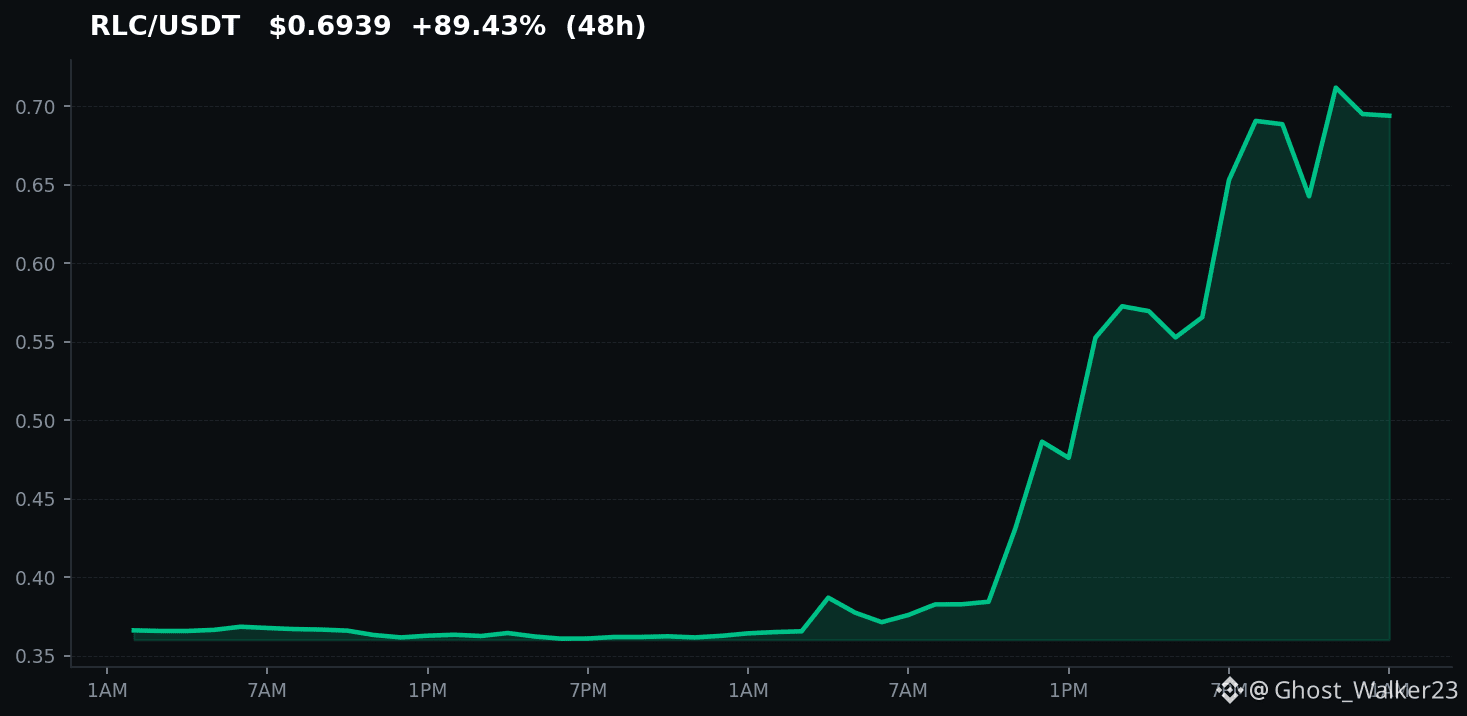
🚀 As we see #ADAGains10%Above$0.27, let's compare $ADA with NEAR Protocol.
$ADA has surged recently, gaining momentum with a current price above $0.27, while NEAR shows a modest 6.7% increase. Will $ADA maintain its upward trend?
Check the chart below! 📈 What do you think has more potential? 🔍
💬 Únete y síguenos, seguimos analizando el mercado por ti.
🚀 As we see #ADAGains10%Above$0.27, let's compare $ADA with NEAR Protocol.
$ADA has surged recently, gaining momentum with a current price above $0.27, while NEAR shows a modest 6.7% increase. Will $ADA maintain its upward trend?
Check the chart below! 📈 What do you think has more potential? 🔍
💬 Únete y síguenos, seguimos analizando el mercado por ti.
$ADA has surged recently, gaining momentum with a current price above $0.27, while NEAR shows a modest 6.7% increase. Will $ADA maintain its upward trend?
Check the chart below! 📈 What do you think has more potential? 🔍
💬 Únete y síguenos, seguimos analizando el mercado por ti.
14
🚀 #ADAGains10%Above$0.27 is making waves! Compare that with $SOL, which is showing stability at $120.10. As you can see below, ADA has recently broken above $0.27, while SOL struggles with slight losses. Which do you think has more short-term potential? 💰👇
👀 Follow us to stay tuned for upcoming opportunities.
🚀 #ADAGains10%Above$0.27 is making waves! Compare that with $SOL , which is showing stability at $120.10. As you can see below, ADA has recently broken above $0.27, while SOL struggles with slight losses. Which do you think has more short-term potential? 💰👇
👀 Follow us to stay tuned for upcoming opportunities.
👀 Follow us to stay tuned for upcoming opportunities.
110

·
--
$SIF · Mon, 05 Oct 2026 21:42:30 +0000
When looking at the news and the market together, there’s some interesting context here.
Crypto PAC announces support for 32 House candidates in US midterms
This headline adds context for understanding the asset currently drawing attention.
The reaction over the next few candles will help show whether the impact lasts.
Use the news as context, then let price data show the response.
Source: CoinTelegraph
NFA · context only
$FIL $ZRO
#EAECEF #ADAGains10
$SIF · Mon, 05 Oct 2026 21:42:30 +0000
When looking at the news and the market together, there’s some interesting context here.
Crypto PAC announces support for 32 House candidates in US midterms
This headline adds context for understanding the asset currently drawing attention.
The reaction over the next few candles will help show whether the impact lasts.
Use the news as context, then let price data show the response.
Source: CoinTelegraph
NFA · context only
$FIL $ZRO
#EAECEF #ADAGains10
When looking at the news and the market together, there’s some interesting context here.
Crypto PAC announces support for 32 House candidates in US midterms
This headline adds context for understanding the asset currently drawing attention.
The reaction over the next few candles will help show whether the impact lasts.
Use the news as context, then let price data show the response.
Source: CoinTelegraph
NFA · context only
$FIL $ZRO
#EAECEF #ADAGains10

436
·
--
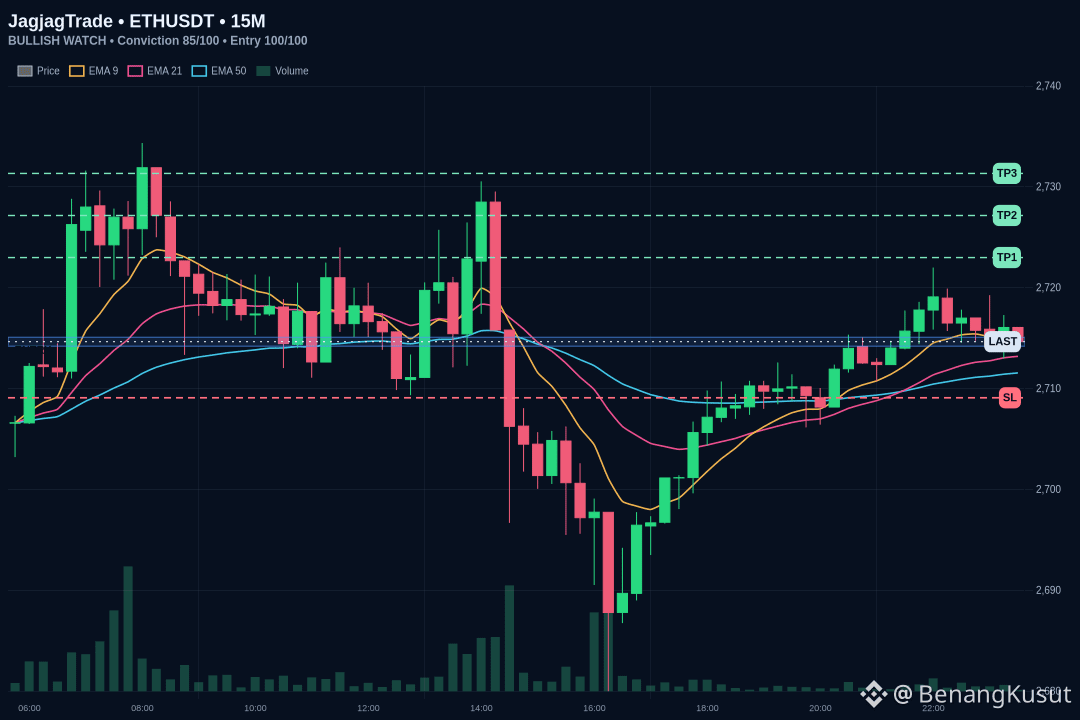
🟢 $ETH • 15m
One thing worth noting:
What stands out: eMA9 > EMA21, eMA21 > EMA50 and price > EMA21. Confluence is decent (5/5), enough to keep it on the watchlist.
Overall I would rate the confluence around 85/100 — the broader read genuinely supports this, and recent headlines lean positive.
Scenario plan
• Entry: $2,714.21 - $2,715.09
• Staggered take profits: $2,722.99 / $2,727.16 / $2,731.33
• Invalidation: $2,709.09
On the news side, a couple of things are circling: SEC Clears 3x Leveraged Bitcoin and Ethereum Funds for Trading / Bit…
The idea dies beyond $2,709.09 — no drama, just respect the line. First pocket I would watch is $2,722.99, then $2,727.16. Until the next candle confirms, this stays a plan, not a position.
⚠️ Educational content. Not a call to trade. Always do your own research and manage your risk.
$FIL ZRO
#EAECEF #ADAGains10
🟢 $ETH • 15m
One thing worth noting:
What stands out: eMA9 > EMA21, eMA21 > EMA50 and price > EMA21. Confluence is decent (5/5), enough to keep it on the watchlist.
Overall I would rate the confluence around 85/100 — the broader read genuinely supports this, and recent headlines lean positive.
Scenario plan
• Entry: $2,714.21 - $2,715.09
• Staggered take profits: $2,722.99 / $2,727.16 / $2,731.33
• Invalidation: $2,709.09
On the news side, a couple of things are circling: SEC Clears 3x Leveraged Bitcoin and Ethereum Funds for Trading / Bit…
The idea dies beyond $2,709.09 — no drama, just respect the line. First pocket I would watch is $2,722.99, then $2,727.16. Until the next candle confirms, this stays a plan, not a position.
⚠️ Educational content. Not a call to trade. Always do your own research and manage your risk.
$FIL ZRO
#EAECEF #ADAGains10
One thing worth noting:
What stands out: eMA9 > EMA21, eMA21 > EMA50 and price > EMA21. Confluence is decent (5/5), enough to keep it on the watchlist.
Overall I would rate the confluence around 85/100 — the broader read genuinely supports this, and recent headlines lean positive.
Scenario plan
• Entry: $2,714.21 - $2,715.09
• Staggered take profits: $2,722.99 / $2,727.16 / $2,731.33
• Invalidation: $2,709.09
On the news side, a couple of things are circling: SEC Clears 3x Leveraged Bitcoin and Ethereum Funds for Trading / Bit…
The idea dies beyond $2,709.09 — no drama, just respect the line. First pocket I would watch is $2,722.99, then $2,727.16. Until the next candle confirms, this stays a plan, not a position.
⚠️ Educational content. Not a call to trade. Always do your own research and manage your risk.
$FIL ZRO
#EAECEF #ADAGains10
·
--
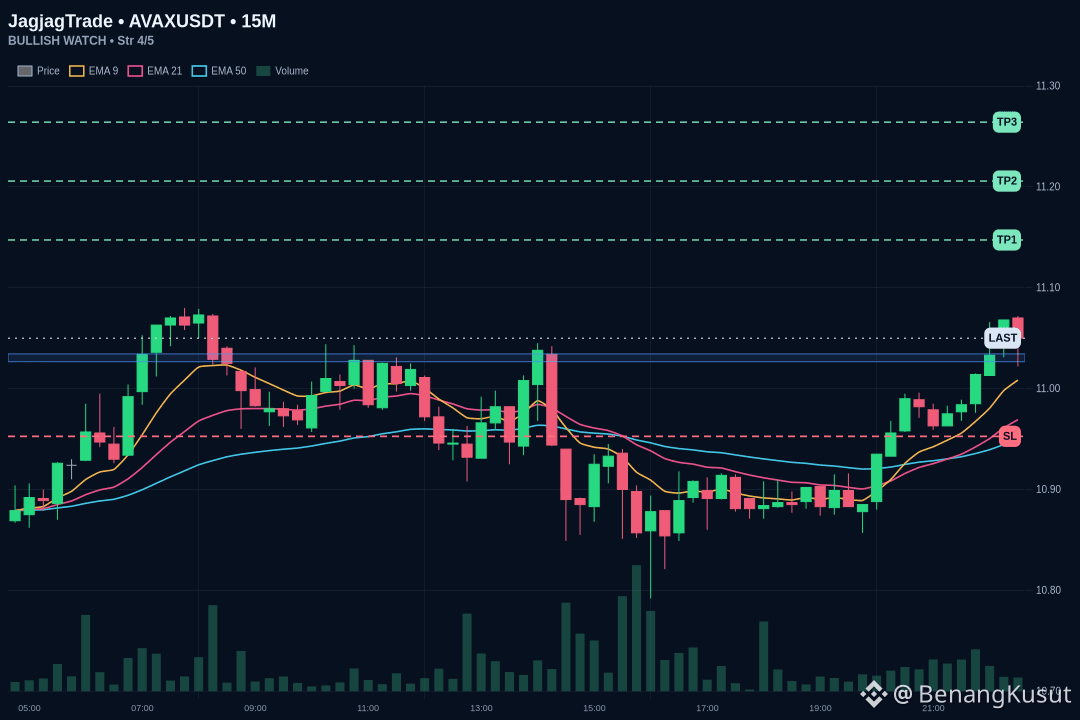
🟢 $AVAX • 15m
What makes this setup interesting to watch:
Price is holding right above the EMA21 at $11.05 and the whole moving average stack is lined up bullish — EMA9 over EMA21 over EMA50, all pointing up. Twenty-four hour change is basically flat, so nobody's panicking, just quietly buying the dip.
Scenario plan
• Entry: $11.03 - $11.03
• Staggered TP: $11.15 / $11.21 / $11.26
• Invalidation: $10.95
News around this coin is quiet right now, so I am leaning on the chart structure rather than headlines.
I'd watch a hold above $11.03 as the door staying open, with a move toward $11.15 as the first target. Idea dies if we lose $10.95 and the EMAs start fanning out the other way.
⚠️ Educational content. Not a call to trade. Always do your own research and manage risk.
$FIL NEAR
#EAECEF #ADAGains10
🟢 $AVAX • 15m
What makes this setup interesting to watch:
Price is holding right above the EMA21 at $11.05 and the whole moving average stack is lined up bullish — EMA9 over EMA21 over EMA50, all pointing up. Twenty-four hour change is basically flat, so nobody's panicking, just quietly buying the dip.
Scenario plan
• Entry: $11.03 - $11.03
• Staggered TP: $11.15 / $11.21 / $11.26
• Invalidation: $10.95
News around this coin is quiet right now, so I am leaning on the chart structure rather than headlines.
I'd watch a hold above $11.03 as the door staying open, with a move toward $11.15 as the first target. Idea dies if we lose $10.95 and the EMAs start fanning out the other way.
⚠️ Educational content. Not a call to trade. Always do your own research and manage risk.
$FIL NEAR
#EAECEF #ADAGains10
What makes this setup interesting to watch:
Price is holding right above the EMA21 at $11.05 and the whole moving average stack is lined up bullish — EMA9 over EMA21 over EMA50, all pointing up. Twenty-four hour change is basically flat, so nobody's panicking, just quietly buying the dip.
Scenario plan
• Entry: $11.03 - $11.03
• Staggered TP: $11.15 / $11.21 / $11.26
• Invalidation: $10.95
News around this coin is quiet right now, so I am leaning on the chart structure rather than headlines.
I'd watch a hold above $11.03 as the door staying open, with a move toward $11.15 as the first target. Idea dies if we lose $10.95 and the EMAs start fanning out the other way.
⚠️ Educational content. Not a call to trade. Always do your own research and manage risk.
$FIL NEAR
#EAECEF #ADAGains10
12
A Key Turning Point for U.S. Stocks and Crypto Markets: Shockingly Weak Jobs Data Triggers a Policy Shift as AI and Tokenization Gather Pace
I. U.S. Jobs Data Falls Far Short of Expectations, Odds of an October Rate Hike Plunge
The biggest shock to global financial markets this week came from the U.S. labor market. The U.S. added just 29,000 jobs in September, well below Wall Street’s forecast of 90,000, while the unemployment rate climbed to 4.2%. The data landed like a bombshell, completely upending market expectations for a Federal Reserve rate hike in October. Before the data was released, markets had priced in roughly a 75% chance of an October hike. Afterward, that probability quickly fell to between 18% and 20%. Instead, the odds of an October rate cut surged to around 82%.
Signs of weakness in the labor market suggest the U.S. economy may be slowing, which could also ease inflationary pressure. Prominent analyst Tom Lee noted that softer inflation data would give the Federal Reserve room to cut rates—a major positive for risk assets. Bitcoin attracted significant dip-buying near $86,000, and sentiment across the crypto market improved noticeably.
II. SEC Approves 3x Leveraged Bitcoin and Ethereum ETFs, Further Upgrading Institutional Infrastructure
Meanwhile, the U.S. Securities and Exchange Commission approved a proposed rule change by the Cboe BZX Exchange, allowing Volatility Shares to list 3x leveraged Bitcoin and Ethereum futures ETFs—a first for the U.S. market. Alongside the leveraged crypto products, the offerings also cover traditional commodities such as gold, silver, crude oil, and natural gas.
The approval is a milestone. It not only gives U.S. retail investors access to higher-leverage crypto exposure, but also signals that U.S. institutional infrastructure for crypto is being built out at an accelerating pace. With Bitcoin approaching the key $86,000 level, continued regulatory easing has undoubtedly injected greater confidence into the market.
III. CFTC Introduces Its First Formal Crypto Market Regulatory Framework
U.S. Commodity Futures Trading Commission Chair Michael Selig announced that the agency has officially introduced two crypto market regulatory frameworks, Regulation CTX and Regulation CAM, abandoning its previous enforcement-first approach. The frameworks clearly classify Bitcoin, Ethereum, Solana, XRP, XLM, and XTZ as digital commodities, providing a clearer regulatory path for these major crypto assets.
The move has been widely interpreted by the market as positive. A clear regulatory framework can reduce uncertainty around institutional participation in crypto markets and attract more traditional financial capital. At the same time, the U.S. Treasury Department withdrew a proposed crypto surveillance rule targeting non-custodial wallets and mixing services—a major victory for crypto privacy advocates and self-custody users.
IV. Trump Establishes Superintelligence Task Force, Accelerating the Convergence of AI and Crypto
On the policy front, President Trump announced the creation of a Superintelligence Task Force, led by the Director of National Intelligence and former SEC Chair Jay Clayton. It will coordinate federal artificial intelligence policy and ensure U.S. global leadership in superintelligence within 120 days. Notably, Clayton gained extensive experience in crypto regulation during his time at the SEC, while Elon Musk’s renaming of SpaceXAI to SpaceXSI sent a strong signal that AI policy and the digital asset ecosystem are becoming more deeply intertwined.
V. Binance Launches Full-Stack AI Products, BNB Hits Its Highest Level Since February
In the industry, Binance officially launched Binance Intelligence, a full-stack AI product suite that includes the free Binance AI, Binance AI Pro—which converts natural-language prompts into executable strategies—and Binance Agent OS for developers. Boosted by the news, BNB climbed to $810, its highest level since February. Community engagement was also exceptionally strong, with a giveaway of 5,000 USDC drawing widespread participation.
VI. Bitcoin ETFs See Three Straight Weeks of Net Inflows, While Ethereum ETFs Face Selling
Regarding institutional flows, U.S. spot Bitcoin ETFs recorded $241 million in net inflows last week, marking their third consecutive week of positive flows and bringing cumulative net inflows for 2026 to date to around $1.2 billion. U.S. spot Ethereum ETFs, however, saw $138 million in net outflows, led by Fidelity’s FETH. The divergence in institutional preferences for BTC and ETH is widening, with investors clearly favoring Bitcoin’s relative certainty.
Overall, the combination of unexpectedly weak jobs data, clearer regulatory frameworks, and accelerating investment in the AI industry is opening up new upside potential for crypto markets and U.S. tech stocks. Market volatility is likely in the short term, but the longer-term trend is moving toward a more favorable and mature environment.
#ADAGains10%Above$0.27 #ETHUp70%InQ3ButLiquidityFalls #BinanceIntelligence
A Key Turning Point for U.S. Stocks and Crypto Markets: Shockingly Weak Jobs Data Triggers a Policy Shift as AI and Tokenization Gather Pace
I. U.S. Jobs Data Falls Far Short of Expectations, Odds of an October Rate Hike Plunge
The biggest shock to global financial markets this week came from the U.S. labor market. The U.S. added just 29,000 jobs in September, well below Wall Street’s forecast of 90,000, while the unemployment rate climbed to 4.2%. The data landed like a bombshell, completely upending market expectations for a Federal Reserve rate hike in October. Before the data was released, markets had priced in roughly a 75% chance of an October hike. Afterward, that probability quickly fell to between 18% and 20%. Instead, the odds of an October rate cut surged to around 82%.
Signs of weakness in the labor market suggest the U.S. economy may be slowing, which could also ease inflationary pressure. Prominent analyst Tom Lee noted that softer inflation data would give the Federal Reserve room to cut rates—a major positive for risk assets. Bitcoin attracted significant dip-buying near $86,000, and sentiment across the crypto market improved noticeably.
II. SEC Approves 3x Leveraged Bitcoin and Ethereum ETFs, Further Upgrading Institutional Infrastructure
Meanwhile, the U.S. Securities and Exchange Commission approved a proposed rule change by the Cboe BZX Exchange, allowing Volatility Shares to list 3x leveraged Bitcoin and Ethereum futures ETFs—a first for the U.S. market. Alongside the leveraged crypto products, the offerings also cover traditional commodities such as gold, silver, crude oil, and natural gas.
The approval is a milestone. It not only gives U.S. retail investors access to higher-leverage crypto exposure, but also signals that U.S. institutional infrastructure for crypto is being built out at an accelerating pace. With Bitcoin approaching the key $86,000 level, continued regulatory easing has undoubtedly injected greater confidence into the market.
III. CFTC Introduces Its First Formal Crypto Market Regulatory Framework
U.S. Commodity Futures Trading Commission Chair Michael Selig announced that the agency has officially introduced two crypto market regulatory frameworks, Regulation CTX and Regulation CAM, abandoning its previous enforcement-first approach. The frameworks clearly classify Bitcoin, Ethereum, Solana, XRP, XLM, and XTZ as digital commodities, providing a clearer regulatory path for these major crypto assets.
The move has been widely interpreted by the market as positive. A clear regulatory framework can reduce uncertainty around institutional participation in crypto markets and attract more traditional financial capital. At the same time, the U.S. Treasury Department withdrew a proposed crypto surveillance rule targeting non-custodial wallets and mixing services—a major victory for crypto privacy advocates and self-custody users.
IV. Trump Establishes Superintelligence Task Force, Accelerating the Convergence of AI and Crypto
On the policy front, President Trump announced the creation of a Superintelligence Task Force, led by the Director of National Intelligence and former SEC Chair Jay Clayton. It will coordinate federal artificial intelligence policy and ensure U.S. global leadership in superintelligence within 120 days. Notably, Clayton gained extensive experience in crypto regulation during his time at the SEC, while Elon Musk’s renaming of SpaceXAI to SpaceXSI sent a strong signal that AI policy and the digital asset ecosystem are becoming more deeply intertwined.
V. Binance Launches Full-Stack AI Products, BNB Hits Its Highest Level Since February
In the industry, Binance officially launched Binance Intelligence, a full-stack AI product suite that includes the free Binance AI, Binance AI Pro—which converts natural-language prompts into executable strategies—and Binance Agent OS for developers. Boosted by the news, BNB climbed to $810, its highest level since February. Community engagement was also exceptionally strong, with a giveaway of 5,000 USDC drawing widespread participation.
VI. Bitcoin ETFs See Three Straight Weeks of Net Inflows, While Ethereum ETFs Face Selling
Regarding institutional flows, U.S. spot Bitcoin ETFs recorded $241 million in net inflows last week, marking their third consecutive week of positive flows and bringing cumulative net inflows for 2026 to date to around $1.2 billion. U.S. spot Ethereum ETFs, however, saw $138 million in net outflows, led by Fidelity’s FETH. The divergence in institutional preferences for BTC and ETH is widening, with investors clearly favoring Bitcoin’s relative certainty.
Overall, the combination of unexpectedly weak jobs data, clearer regulatory frameworks, and accelerating investment in the AI industry is opening up new upside potential for crypto markets and U.S. tech stocks. Market volatility is likely in the short term, but the longer-term trend is moving toward a more favorable and mature environment.
#ADAGains10%Above$0.27 #ETHUp70%InQ3ButLiquidityFalls #BinanceIntelligence
I. U.S. Jobs Data Falls Far Short of Expectations, Odds of an October Rate Hike Plunge
The biggest shock to global financial markets this week came from the U.S. labor market. The U.S. added just 29,000 jobs in September, well below Wall Street’s forecast of 90,000, while the unemployment rate climbed to 4.2%. The data landed like a bombshell, completely upending market expectations for a Federal Reserve rate hike in October. Before the data was released, markets had priced in roughly a 75% chance of an October hike. Afterward, that probability quickly fell to between 18% and 20%. Instead, the odds of an October rate cut surged to around 82%.
Signs of weakness in the labor market suggest the U.S. economy may be slowing, which could also ease inflationary pressure. Prominent analyst Tom Lee noted that softer inflation data would give the Federal Reserve room to cut rates—a major positive for risk assets. Bitcoin attracted significant dip-buying near $86,000, and sentiment across the crypto market improved noticeably.
II. SEC Approves 3x Leveraged Bitcoin and Ethereum ETFs, Further Upgrading Institutional Infrastructure
Meanwhile, the U.S. Securities and Exchange Commission approved a proposed rule change by the Cboe BZX Exchange, allowing Volatility Shares to list 3x leveraged Bitcoin and Ethereum futures ETFs—a first for the U.S. market. Alongside the leveraged crypto products, the offerings also cover traditional commodities such as gold, silver, crude oil, and natural gas.
The approval is a milestone. It not only gives U.S. retail investors access to higher-leverage crypto exposure, but also signals that U.S. institutional infrastructure for crypto is being built out at an accelerating pace. With Bitcoin approaching the key $86,000 level, continued regulatory easing has undoubtedly injected greater confidence into the market.
III. CFTC Introduces Its First Formal Crypto Market Regulatory Framework
U.S. Commodity Futures Trading Commission Chair Michael Selig announced that the agency has officially introduced two crypto market regulatory frameworks, Regulation CTX and Regulation CAM, abandoning its previous enforcement-first approach. The frameworks clearly classify Bitcoin, Ethereum, Solana, XRP, XLM, and XTZ as digital commodities, providing a clearer regulatory path for these major crypto assets.
The move has been widely interpreted by the market as positive. A clear regulatory framework can reduce uncertainty around institutional participation in crypto markets and attract more traditional financial capital. At the same time, the U.S. Treasury Department withdrew a proposed crypto surveillance rule targeting non-custodial wallets and mixing services—a major victory for crypto privacy advocates and self-custody users.
IV. Trump Establishes Superintelligence Task Force, Accelerating the Convergence of AI and Crypto
On the policy front, President Trump announced the creation of a Superintelligence Task Force, led by the Director of National Intelligence and former SEC Chair Jay Clayton. It will coordinate federal artificial intelligence policy and ensure U.S. global leadership in superintelligence within 120 days. Notably, Clayton gained extensive experience in crypto regulation during his time at the SEC, while Elon Musk’s renaming of SpaceXAI to SpaceXSI sent a strong signal that AI policy and the digital asset ecosystem are becoming more deeply intertwined.
V. Binance Launches Full-Stack AI Products, BNB Hits Its Highest Level Since February
In the industry, Binance officially launched Binance Intelligence, a full-stack AI product suite that includes the free Binance AI, Binance AI Pro—which converts natural-language prompts into executable strategies—and Binance Agent OS for developers. Boosted by the news, BNB climbed to $810, its highest level since February. Community engagement was also exceptionally strong, with a giveaway of 5,000 USDC drawing widespread participation.
VI. Bitcoin ETFs See Three Straight Weeks of Net Inflows, While Ethereum ETFs Face Selling
Regarding institutional flows, U.S. spot Bitcoin ETFs recorded $241 million in net inflows last week, marking their third consecutive week of positive flows and bringing cumulative net inflows for 2026 to date to around $1.2 billion. U.S. spot Ethereum ETFs, however, saw $138 million in net outflows, led by Fidelity’s FETH. The divergence in institutional preferences for BTC and ETH is widening, with investors clearly favoring Bitcoin’s relative certainty.
Overall, the combination of unexpectedly weak jobs data, clearer regulatory frameworks, and accelerating investment in the AI industry is opening up new upside potential for crypto markets and U.S. tech stocks. Market volatility is likely in the short term, but the longer-term trend is moving toward a more favorable and mature environment.
#ADAGains10%Above$0.27 #ETHUp70%InQ3ButLiquidityFalls #BinanceIntelligence
316
Log in to explore more content
Join global crypto users on Binance Square
⚡️ Get latest and useful information about crypto.
💬 Trusted by the world’s largest crypto exchange.
👍 Discover real insights from verified creators.
Email / Phone number
Trending Topics
1
#BinanceLaunchesBinanceIntelligence
329,259 views
2,739 Discussing
2
#BitcoinTargets2026OpenAt$87570
1,143 views
51 Discussing
3
#BitcoinRejectedAt$87KThirdTime
1,356 views
48 Discussing
4
#StrategyMarketCapSurpassesRumble
5,468 views
306 Discussing
5
#StriveBuys2000BTCFor$169M
12,681 views
116 Discussing
6
#EvernorthXRPTreasuryCompletesSPACMerger
155,314 views
1,546 Discussing
7
#ADAGains10%Above$0.27
61,461 views
257 Discussing
8
#ETHUp70%InQ3ButLiquidityFalls
350,700 views
2,515 Discussing
9
#EthStakingExitQueueHits2026High
143,533 views
1,659 Discussing
10
#FedOctoberHoldOdds82.3%
153,540 views
1,576 Discussing