
M13 Digital
39 ໂພສ

M13 Digital
Blockchain Analyst, Crypto Forensics Investigation, Smart Contracts, and DeFi Security.
ເປີດການຊື້ຂາຍ
ຜູ້ຊື້ຂາຍຊົ່ວຄາວ
4.8 ປີ
103 ກໍາລັງຕິດຕາມ
51 ຜູ້ຕິດຕາມ
76 Liked
ໂພສ
Portfolio
ທັງໝົດ
ວົງຢືມ
ປັກໝຸດ
Are you looking to trace crypto transactions or investigate a scam?
Our service uncovers transaction patterns and fund movements across bridges, swaps, and some mixers. I specialize in on-chain analysis to track transactions across Ethereum, BSC, Base, Arbitrum, and other EVM-compatible networks, as well as non-compatible networks such as Bitcoin, Solana, Stellar, and others.
Ideal for individuals, DeFi projects, and businesses needing reliable, evidence-based blockchain investigations in the form of a detailed report. Whether you're tracing suspicious activity or investigating an exploit, I deliver the clarity you need with precision.
Whether you need a basic service such as tracing a transaction, checking logs, tracking swaps, or small bridges, a mid-level investigation including the basic steps + Tornado Cash analysi, or full forensic support involving multi-chain analysis, obfuscation, and atomic swaps, we've got you covered.
I hold a BSc in Computer Science, am a Smart Contracts developer, and am prepared to provide professional blockchain forensic investigations tailored for DeFi investors, exploit victims, and compliance teams. You will receive a detailed report with visual flow maps, decoded logs, screenshots, links proving wallet interactions, and key insights to help you understand and mitigate incidents.
🔐 • To ensure the integrity and transparency of our work, and to provide greater security for your hiring, you can contact us through the Fiverr platform.
#Blockchain #DeFi #Crypto #SmartContracts $BTC $SOL $ETH
Our service uncovers transaction patterns and fund movements across bridges, swaps, and some mixers. I specialize in on-chain analysis to track transactions across Ethereum, BSC, Base, Arbitrum, and other EVM-compatible networks, as well as non-compatible networks such as Bitcoin, Solana, Stellar, and others.
Ideal for individuals, DeFi projects, and businesses needing reliable, evidence-based blockchain investigations in the form of a detailed report. Whether you're tracing suspicious activity or investigating an exploit, I deliver the clarity you need with precision.
Whether you need a basic service such as tracing a transaction, checking logs, tracking swaps, or small bridges, a mid-level investigation including the basic steps + Tornado Cash analysi, or full forensic support involving multi-chain analysis, obfuscation, and atomic swaps, we've got you covered.
I hold a BSc in Computer Science, am a Smart Contracts developer, and am prepared to provide professional blockchain forensic investigations tailored for DeFi investors, exploit victims, and compliance teams. You will receive a detailed report with visual flow maps, decoded logs, screenshots, links proving wallet interactions, and key insights to help you understand and mitigate incidents.
🔐 • To ensure the integrity and transparency of our work, and to provide greater security for your hiring, you can contact us through the Fiverr platform.
#Blockchain #DeFi #Crypto #SmartContracts $BTC $SOL $ETH
How Can Hidden Contract Approvals Drain Your Funds?
An investor contacted me recently, sent me the txhash of a transaction, and asked me to check why he had transferred funds between his wallets and, even though Etherscan showed the transaction as successful, the balance wasn’t showing up. In the analysis, right away I saw that the funds had gone straight to the exploiter’s address. But aside from the scam, what really caught his attention was "why was a contract icon showing up next to his wallet in the transaction?"
I explained that the transaction was based on the EIP-7702 implementation, and the wallet had inherited the behavior of a malicious contract he had authorized more than 40 days ago without realizing that the permission was still active, obviously neglecting one of the main security recommendations for investors: always check the active permissions in your wallet, using tools like revoke.cash, for example.
This contract hadn’t drained anything until then because the amounts involved over those 40 days were relatively small. As soon as he made a deposit with a value above 5 digits, the balance was swept in the same block. That explained in a simple way why the contract icon started appearing next to the wallet address.
While analyzing and mapping addresses, I identified the malicious contract, its sweep function, and the exact transaction where he granted the approval, not only showing the cause but also helping assess potential risks across his other wallets.
I could have stopped at the basics, mapping the exploiter’s address and waiting to see if the funds hit a CEX. But curiosity pushed me, and I ended up mapping the entire operation, from origin to execution. This kind of investigation is what really brings clarity and value to the investors, while also providing a solid educational document that can be shared to demonstrate the importance and effectiveness of on-chain investigative analysis and blockchain intelligence.
#blockchainsecurity #Blockchainanalysis #boockchainintelligence #DeFiSecurity #blockchainForensics $BTC $ETH $BNB
An investor contacted me recently, sent me the txhash of a transaction, and asked me to check why he had transferred funds between his wallets and, even though Etherscan showed the transaction as successful, the balance wasn’t showing up. In the analysis, right away I saw that the funds had gone straight to the exploiter’s address. But aside from the scam, what really caught his attention was "why was a contract icon showing up next to his wallet in the transaction?"
I explained that the transaction was based on the EIP-7702 implementation, and the wallet had inherited the behavior of a malicious contract he had authorized more than 40 days ago without realizing that the permission was still active, obviously neglecting one of the main security recommendations for investors: always check the active permissions in your wallet, using tools like revoke.cash, for example.
This contract hadn’t drained anything until then because the amounts involved over those 40 days were relatively small. As soon as he made a deposit with a value above 5 digits, the balance was swept in the same block. That explained in a simple way why the contract icon started appearing next to the wallet address.
While analyzing and mapping addresses, I identified the malicious contract, its sweep function, and the exact transaction where he granted the approval, not only showing the cause but also helping assess potential risks across his other wallets.
I could have stopped at the basics, mapping the exploiter’s address and waiting to see if the funds hit a CEX. But curiosity pushed me, and I ended up mapping the entire operation, from origin to execution. This kind of investigation is what really brings clarity and value to the investors, while also providing a solid educational document that can be shared to demonstrate the importance and effectiveness of on-chain investigative analysis and blockchain intelligence.
#blockchainsecurity #Blockchainanalysis #boockchainintelligence #DeFiSecurity #blockchainForensics $BTC $ETH $BNB

Are You a Founder or Project Owner?
Founders must understand that analyzing internal activities and movement patterns in DeFi projects to identify behaviors that could compromise the integrity of the ecosystem is essential to anticipate risks, especially those related to fund misappropriation or governance abuse by insiders.
For example, without continuous monitoring of all addresses connected to your DeFi projects, internal fund diversions or unauthorized transfers can go unnoticed until it’s too late. Proactive analysis helps detect anomalies early, protecting both investors and reputation.
Recently, we encountered a case where a developer hired for a small DeFi project, with unrestricted access to the keys and backend of the dApp, siphoned funds and ended up transferring tokens to external wallets without authorization. The project owner only realized the theft weeks later.
We analyzed the token contract address and all its related transactions and wallets, mapped the flow of stolen funds, identified the final destinations, and gathered solid on-chain evidence that confirmed the internal breach. We also flagged high-risk interactions and cross-referenced activity patterns with other addresses, helping the project owner take appropriate action.
To mitigate risks, work rigorously with detailed pattern analysis and real-time transaction monitoring. Relying on professionals or specialized firms in on-chain analysis and tracking can help protect your investments, your project’s reputation, and ensure everything remains under control.
$ETH $SOL $BNB
Founders must understand that analyzing internal activities and movement patterns in DeFi projects to identify behaviors that could compromise the integrity of the ecosystem is essential to anticipate risks, especially those related to fund misappropriation or governance abuse by insiders.
For example, without continuous monitoring of all addresses connected to your DeFi projects, internal fund diversions or unauthorized transfers can go unnoticed until it’s too late. Proactive analysis helps detect anomalies early, protecting both investors and reputation.
Recently, we encountered a case where a developer hired for a small DeFi project, with unrestricted access to the keys and backend of the dApp, siphoned funds and ended up transferring tokens to external wallets without authorization. The project owner only realized the theft weeks later.
We analyzed the token contract address and all its related transactions and wallets, mapped the flow of stolen funds, identified the final destinations, and gathered solid on-chain evidence that confirmed the internal breach. We also flagged high-risk interactions and cross-referenced activity patterns with other addresses, helping the project owner take appropriate action.
To mitigate risks, work rigorously with detailed pattern analysis and real-time transaction monitoring. Relying on professionals or specialized firms in on-chain analysis and tracking can help protect your investments, your project’s reputation, and ensure everything remains under control.
$ETH $SOL $BNB


Tracking funds on-chain might seem easy at first.
All it takes is opening an EVM-based explorer and checking where the money went. However, depending on the depth of analysis you need, you’ll start encountering odd values, seemingly meaningless dispersions, interactions with smart contracts and protocols you’ve never even heard of, let alone understand their actual purpose.
That’s where we come in, to decipher this tangled web of hashes, values, timestamps... and organize it into a clear and understandable format for everyday investors or companies seeking precise and actionable insights.
We don’t just analyze the transaction flow, we also investigate potential links to illicit activities, such as fraudulent protocols, addresses flagged for phishing or scams, market manipulation, exploit abuse, and money laundering.
Want to learn more? Interested in how we work and our methodology? Schedule a consultation, send us a message or email, or visit our Notion page for more details.
$BTC $BNB $ETH
All it takes is opening an EVM-based explorer and checking where the money went. However, depending on the depth of analysis you need, you’ll start encountering odd values, seemingly meaningless dispersions, interactions with smart contracts and protocols you’ve never even heard of, let alone understand their actual purpose.
That’s where we come in, to decipher this tangled web of hashes, values, timestamps... and organize it into a clear and understandable format for everyday investors or companies seeking precise and actionable insights.
We don’t just analyze the transaction flow, we also investigate potential links to illicit activities, such as fraudulent protocols, addresses flagged for phishing or scams, market manipulation, exploit abuse, and money laundering.
Want to learn more? Interested in how we work and our methodology? Schedule a consultation, send us a message or email, or visit our Notion page for more details.
$BTC $BNB $ETH
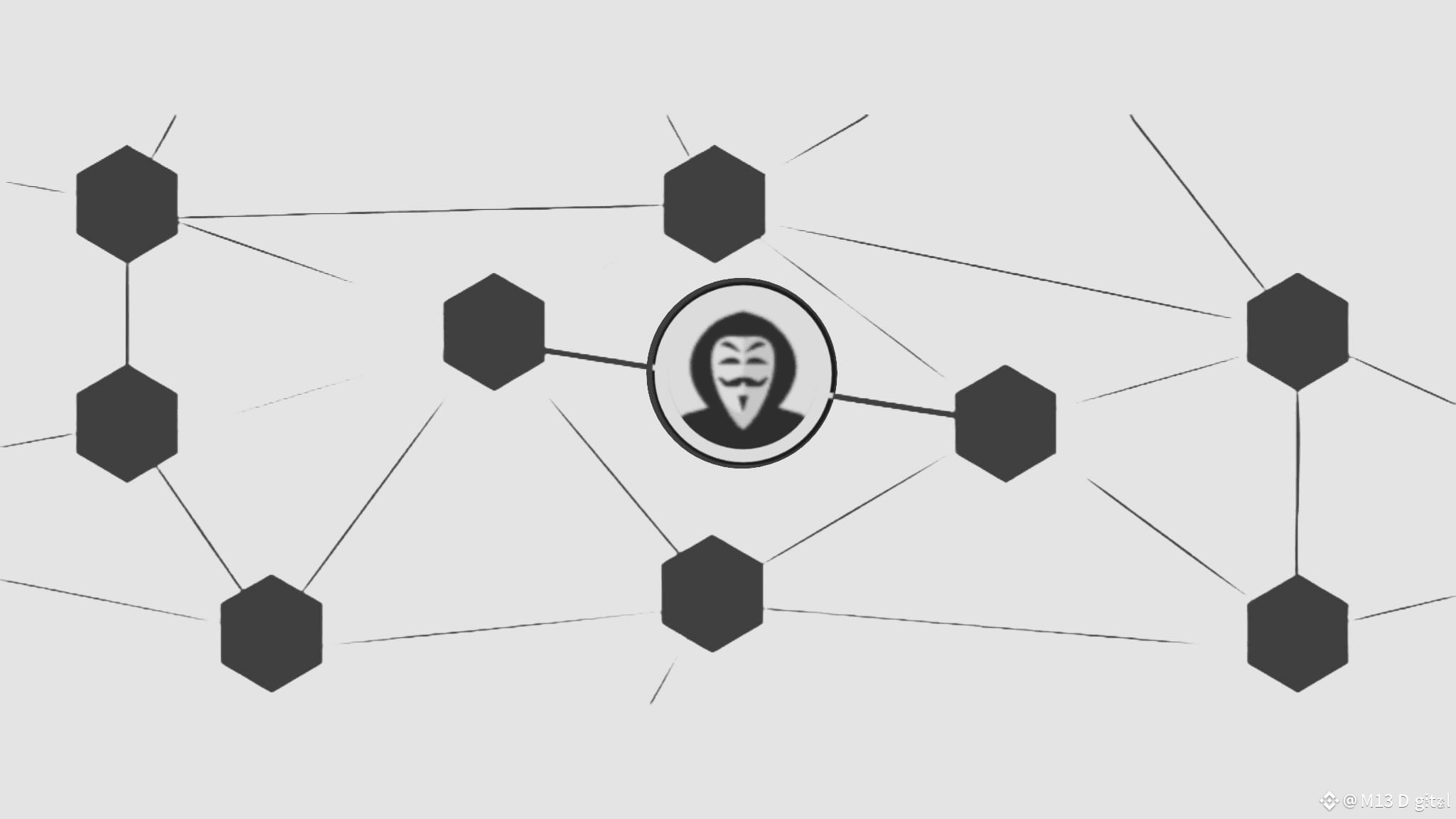
Tornado Cash is a mixer that does not directly record the connection between addresses, using privacy techniques to hide the origin and destination of transactions. However, it records certain events that, when combined with other analyses and external information, can help identify patterns.
In other words, although transactions within Tornado Cash are designed to be private, by combining public blockchain data, deposit and withdrawal timings, and other related signals, it is possible to develop analytical patterns that help detect movement of funds exiting the mixer.
You might think: “But when I use Tornado Cash, the trail disappears I regret to disappoint, but with advances in blockchain technology and intelligence tools, these methods are no longer 100% effective. The blockchain is a public ledger and every interaction is recorded in its blocks. The secret is to deeply read this data, decode function parameters, use comparison algorithms, and then see the connection.
There may not be a direct link showing that A sent to B, but by analogy: if José has only two children, and Pedro is João’s brother and João is José’s son, then Pedro is probably José’s son as well. You might think again:“But that analysis doesn’t directly connect the addresses". If we look at only that data in isolation, no. However, by analyzing the transaction behavior of one address with other addresses, or a network of them, if at least one has KYC, combining history and other information, it is possible to conclude with evidence that an address belongs to a specific user.
$ETH $BNB $XRP
In other words, although transactions within Tornado Cash are designed to be private, by combining public blockchain data, deposit and withdrawal timings, and other related signals, it is possible to develop analytical patterns that help detect movement of funds exiting the mixer.
You might think: “But when I use Tornado Cash, the trail disappears I regret to disappoint, but with advances in blockchain technology and intelligence tools, these methods are no longer 100% effective. The blockchain is a public ledger and every interaction is recorded in its blocks. The secret is to deeply read this data, decode function parameters, use comparison algorithms, and then see the connection.
There may not be a direct link showing that A sent to B, but by analogy: if José has only two children, and Pedro is João’s brother and João is José’s son, then Pedro is probably José’s son as well. You might think again:“But that analysis doesn’t directly connect the addresses". If we look at only that data in isolation, no. However, by analyzing the transaction behavior of one address with other addresses, or a network of them, if at least one has KYC, combining history and other information, it is possible to conclude with evidence that an address belongs to a specific user.
$ETH $BNB $XRP
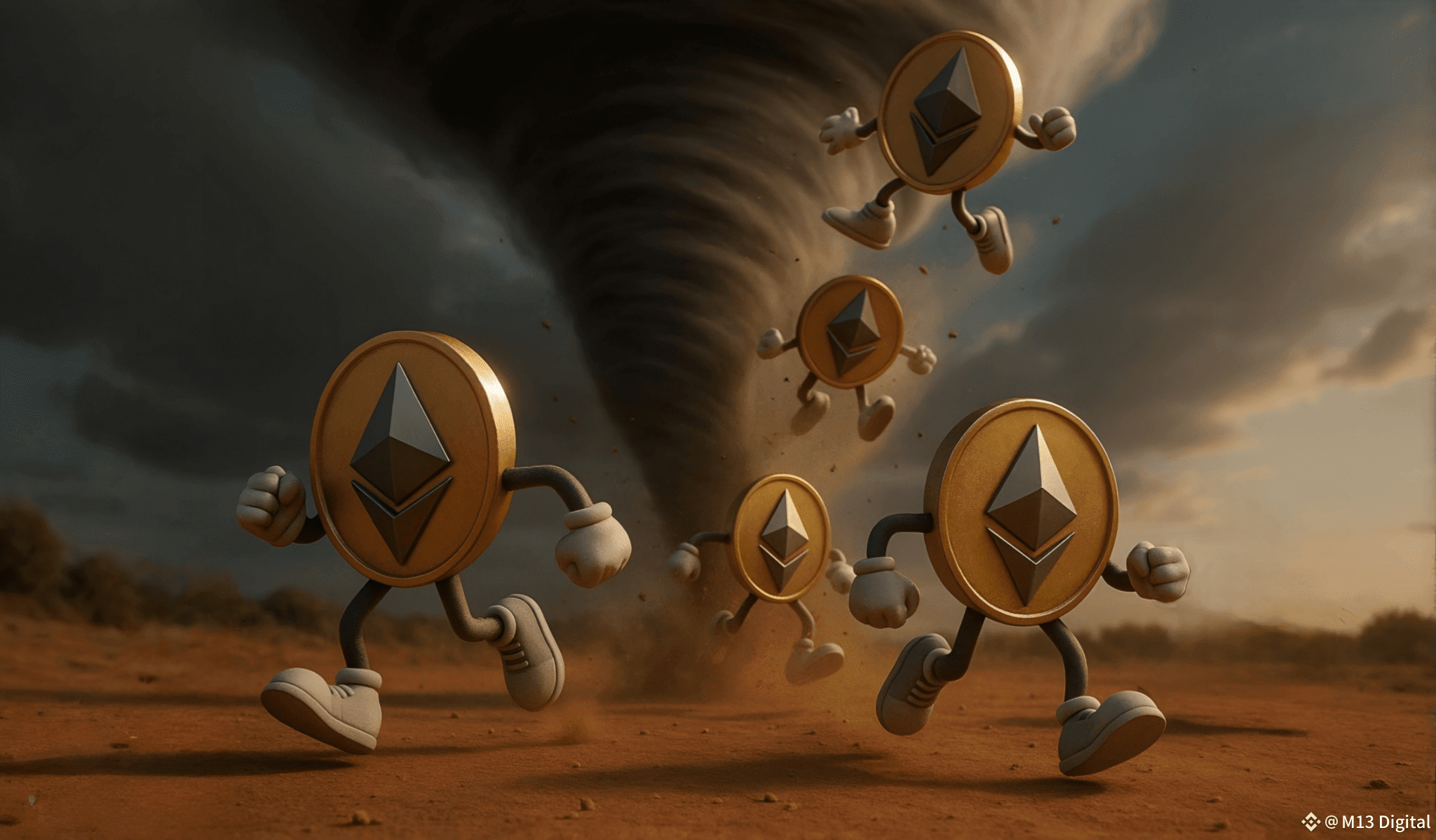
Following the trail of on-chain funds seems simple… until the transaction crosses multiple protocols, passes through bridges, executes swaps on DEXs, CEXs, and still tries to obscure the origin using mixers.
Each step fragments the trail, tokens change form (wraps, unwraps, swaps), different chains enter the flow, timestamps lose synchronization, and the signals of intent get diluted among hundreds of automated transactions. What was once a clear movement… turns into a tangled web of hashes.
Our role is precisely to reconstruct these flows, to understand the behavior behind each transaction, identify patterns, and rebuild the path of the funds end to end, with context, chronology, and each step technically verifiable in an easy-to-understand report, even for non-technical people.
There is no magic tool that delivers everything ready-made. What makes this happen is the combination of manual analysis, custom scripts, contract reading, and understanding the behavior of those behind the transactions.
#BlockchainForensics #BlockchainAnalysis #OnChainAnalysis $BTC $ETH
Each step fragments the trail, tokens change form (wraps, unwraps, swaps), different chains enter the flow, timestamps lose synchronization, and the signals of intent get diluted among hundreds of automated transactions. What was once a clear movement… turns into a tangled web of hashes.
Our role is precisely to reconstruct these flows, to understand the behavior behind each transaction, identify patterns, and rebuild the path of the funds end to end, with context, chronology, and each step technically verifiable in an easy-to-understand report, even for non-technical people.
There is no magic tool that delivers everything ready-made. What makes this happen is the combination of manual analysis, custom scripts, contract reading, and understanding the behavior of those behind the transactions.
#BlockchainForensics #BlockchainAnalysis #OnChainAnalysis $BTC $ETH
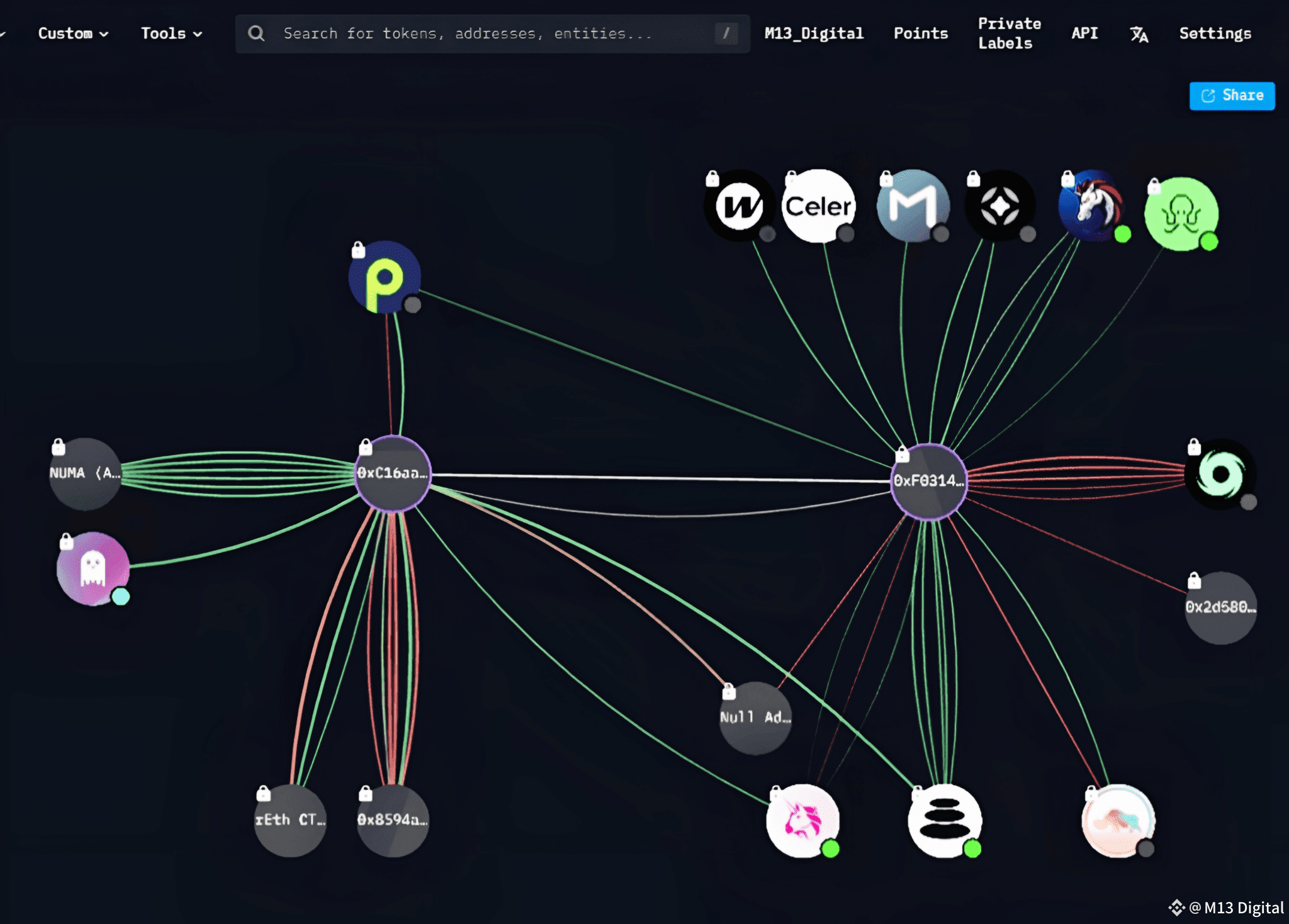
Did you know it's possible to trace transactions using block explorers to decode events, logs, input data, and wallet interactions?
This allows us to identify patterns and even recover your stolen Bitcoin, Ethereum, or any other token. With the help of authorities and centralized exchanges such as Binance, it's sometimes even possible to block the scammer's account and legally request the return of your assets.
Need help tracing a transaction? Send us a DM.
$BTC $ETH $BNB
This allows us to identify patterns and even recover your stolen Bitcoin, Ethereum, or any other token. With the help of authorities and centralized exchanges such as Binance, it's sometimes even possible to block the scammer's account and legally request the return of your assets.
Need help tracing a transaction? Send us a DM.
$BTC $ETH $BNB

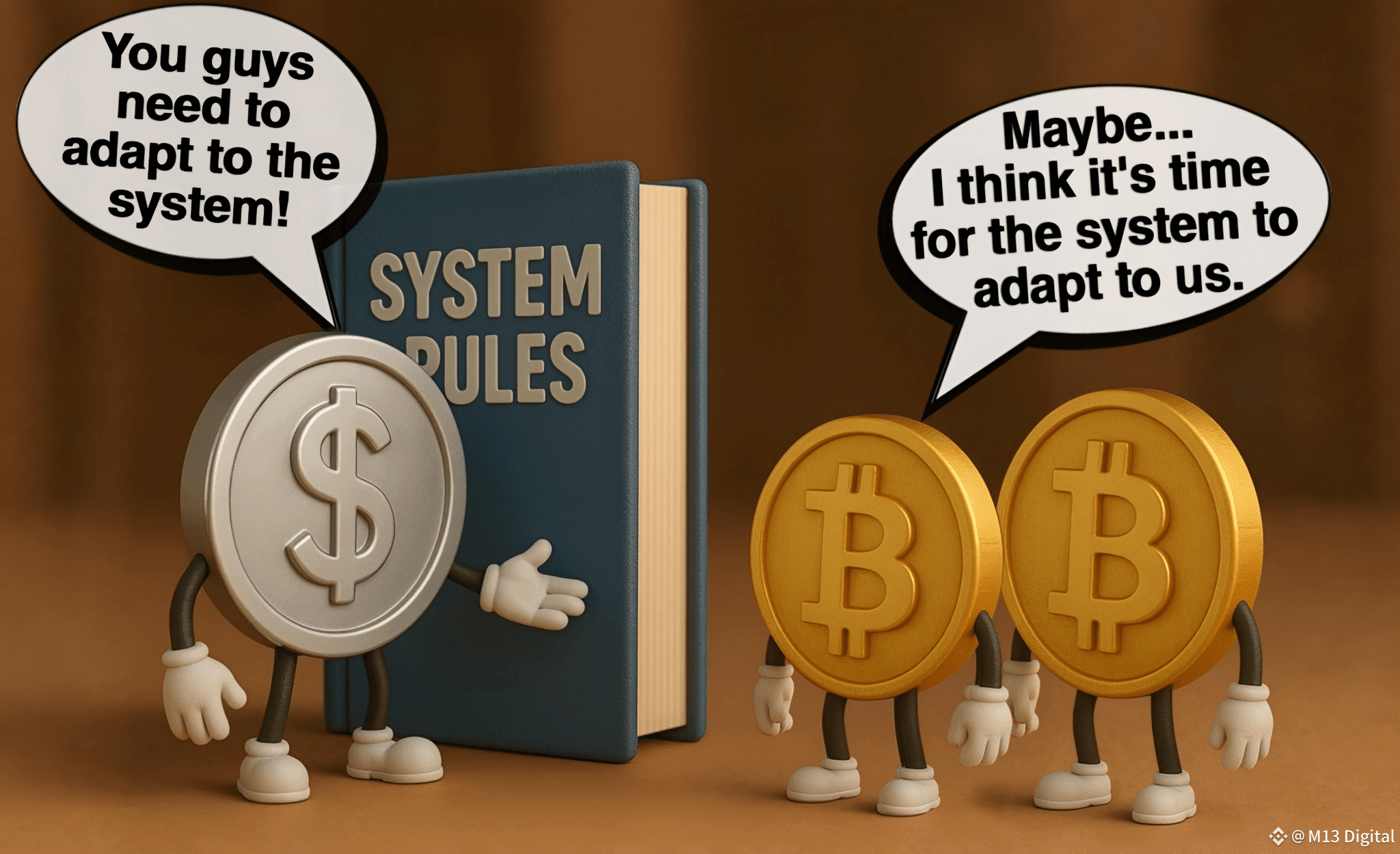
Do you agree?
Do you also think the system should adapt to the new reality of payments and launch truly useful products based on Blockchain?
Or do you think cryptocurrencies should follow strict regulations and remain under the control of governments and banks?
$BTC $ETH $BNB
Do you also think the system should adapt to the new reality of payments and launch truly useful products based on Blockchain?
Or do you think cryptocurrencies should follow strict regulations and remain under the control of governments and banks?
$BTC $ETH $BNB
🔐 • To ensure the transparency of our work, and to provide greater security for your hiring, you can contact us through Fiverr: https://www.fiverr.com/s/424VQry
M13 Digital
·
--
Are you looking to trace crypto transactions or investigate a scam?
Our service uncovers transaction patterns and fund movements across bridges, swaps, and some mixers. I specialize in on-chain analysis to track transactions across Ethereum, BSC, Base, Arbitrum, and other EVM-compatible networks, as well as non-compatible networks such as Bitcoin, Solana, Stellar, and others.
Ideal for individuals, DeFi projects, and businesses needing reliable, evidence-based blockchain investigations in the form of a detailed report. Whether you're tracing suspicious activity or investigating an exploit, I deliver the clarity you need with precision.
Whether you need a basic service such as tracing a transaction, checking logs, tracking swaps, or small bridges, a mid-level investigation including the basic steps + Tornado Cash analysi, or full forensic support involving multi-chain analysis, obfuscation, and atomic swaps, we've got you covered.
I hold a BSc in Computer Science, am a Smart Contracts developer, and am prepared to provide professional blockchain forensic investigations tailored for DeFi investors, exploit victims, and compliance teams. You will receive a detailed report with visual flow maps, decoded logs, screenshots, links proving wallet interactions, and key insights to help you understand and mitigate incidents.
🔐 • To ensure the integrity and transparency of our work, and to provide greater security for your hiring, you can contact us through the Fiverr platform.
#Blockchain #DeFi #Crypto #SmartContracts $BTC $SOL $ETH
Our service uncovers transaction patterns and fund movements across bridges, swaps, and some mixers. I specialize in on-chain analysis to track transactions across Ethereum, BSC, Base, Arbitrum, and other EVM-compatible networks, as well as non-compatible networks such as Bitcoin, Solana, Stellar, and others.
Ideal for individuals, DeFi projects, and businesses needing reliable, evidence-based blockchain investigations in the form of a detailed report. Whether you're tracing suspicious activity or investigating an exploit, I deliver the clarity you need with precision.
Whether you need a basic service such as tracing a transaction, checking logs, tracking swaps, or small bridges, a mid-level investigation including the basic steps + Tornado Cash analysi, or full forensic support involving multi-chain analysis, obfuscation, and atomic swaps, we've got you covered.
I hold a BSc in Computer Science, am a Smart Contracts developer, and am prepared to provide professional blockchain forensic investigations tailored for DeFi investors, exploit victims, and compliance teams. You will receive a detailed report with visual flow maps, decoded logs, screenshots, links proving wallet interactions, and key insights to help you understand and mitigate incidents.
🔐 • To ensure the integrity and transparency of our work, and to provide greater security for your hiring, you can contact us through the Fiverr platform.
#Blockchain #DeFi #Crypto #SmartContracts $BTC $SOL $ETH
☠️ • Have you heard of "poisoning scam"❓
If you are a micro or small business owner using blockchain for investments, operations, or an extremely active investor in the crypto market, even with years of experience, there is a sophisticated scam that could put you at risk.
🤔 • What is the poisoning scam ❓
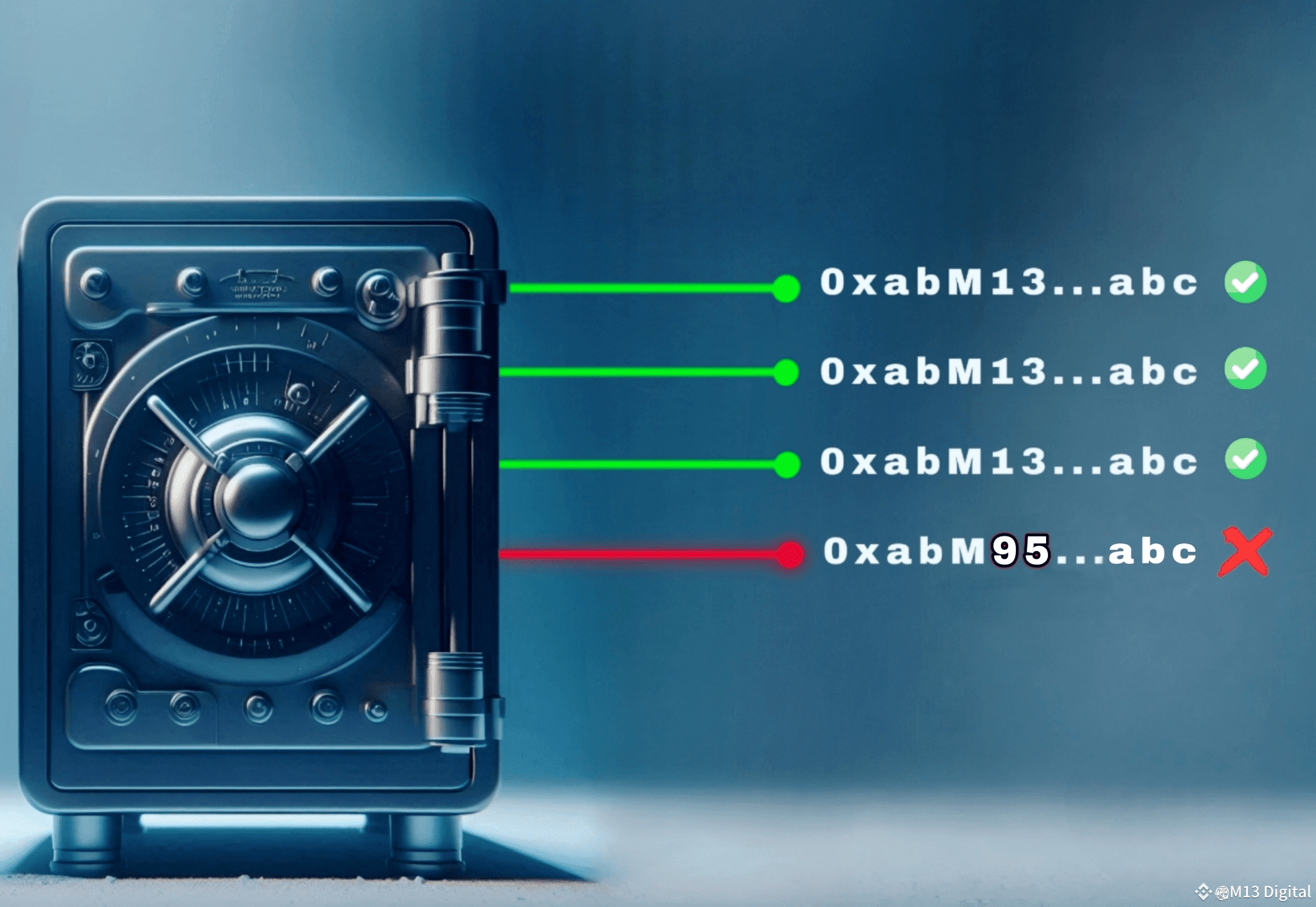
Essentially, the scammer creates a wallet address that is very similar to one the victim frequently interacts with. For example, if your business or you, as an investor, regularly sends assets to the wallet 0xM13Digital…abc, the scammer, using sophisticated software sold on the dark web, can generate an address like 0xM13D181000…abc, with similar first and last characters but differences in the middle.
The exploiter then starts sending small transactions to your wallet, hoping that you, when copying the address or trusting your transaction history, will accidentally send funds to the scammer's address.
⚠️ • How to protect yourself from poisoning scam ❓
• Always verify the full address before sending a transaction, checking every character. Don’t rely solely on the first and last digits.
• Some wallets and exchanges allow you to maintain a secure list of addresses you regularly use. For businesses, set up processes that require double verification of addresses by different team members before large transfers.
• Use wallets with visual alerts, such as MetaMask or extensions such as Scam Sniffer, which allow you to configure notifications or display only previously saved addresses, reducing the risk of errors.
$BTC $ETH $SOL
If you are a micro or small business owner using blockchain for investments, operations, or an extremely active investor in the crypto market, even with years of experience, there is a sophisticated scam that could put you at risk.
🤔 • What is the poisoning scam ❓
Essentially, the scammer creates a wallet address that is very similar to one the victim frequently interacts with. For example, if your business or you, as an investor, regularly sends assets to the wallet 0xM13Digital…abc, the scammer, using sophisticated software sold on the dark web, can generate an address like 0xM13D181000…abc, with similar first and last characters but differences in the middle.
The exploiter then starts sending small transactions to your wallet, hoping that you, when copying the address or trusting your transaction history, will accidentally send funds to the scammer's address.
⚠️ • How to protect yourself from poisoning scam ❓
• Always verify the full address before sending a transaction, checking every character. Don’t rely solely on the first and last digits.
• Some wallets and exchanges allow you to maintain a secure list of addresses you regularly use. For businesses, set up processes that require double verification of addresses by different team members before large transfers.
• Use wallets with visual alerts, such as MetaMask or extensions such as Scam Sniffer, which allow you to configure notifications or display only previously saved addresses, reducing the risk of errors.
$BTC $ETH $SOL
"I Lost 50k in Crypto"
Situations where users lose large amounts, such as $50,00 or more, have become increasingly common. These losses may result from phishing scams, interactions with malicious smart contracts, or simple human error during a transaction.
The question that inevitably follows such a loss is:
"Is it possible to recover?"
And the answer is:
"Yes, there are possible paths for tracking—and, in some cases, recovery."
The first step is to preserve all records related to the incident:
• Transaction hashes
• Wallet addresses involved
• Platforms used (websites, exchanges, DApps)
• Any screenshots that help build a timeline of events
The next step is to file a formal report with local authorities. This should be done through a police report that includes all technical details of the incident. It’s essential to identify the type of incident, as each category of loss requires a distinct approach. Each type of attack involves a specific skill level from the exploiter, and the method of fund evasion often follows accordingly.
The most common include:
• Fake websites, fake support, fake ads, and malicious links
• Tokens or contracts with hidden permissions to drain funds
• Exploits targeting vulnerabilities in smart contracts, such as known flaws or oracle manipulation
• Mistakes like sending funds to the wrong wallet or falling for poisoning scams
Tools like Etherscan and similar blockchain explorers allow tracking the path of funds. More advanced software, or custom scripts created by investigators or developers specialized in this area, can be used to analyze wallet interactions through deeper on-chain data.
On the M13 Digital, we have documented investigations across a wide range of similar cases: scam tokens, rug pulls, market manipulation schemes, and even MEV bots that altered contract behavior to execute exploits. All of this is reported and archived with tracking links, timelines, detailed screenshots, and technical notes explaining the techniques and protocols used by attackers to obscure their actions.
$BTC $ETH $BNB
Situations where users lose large amounts, such as $50,00 or more, have become increasingly common. These losses may result from phishing scams, interactions with malicious smart contracts, or simple human error during a transaction.
The question that inevitably follows such a loss is:
"Is it possible to recover?"
And the answer is:
"Yes, there are possible paths for tracking—and, in some cases, recovery."
The first step is to preserve all records related to the incident:
• Transaction hashes
• Wallet addresses involved
• Platforms used (websites, exchanges, DApps)
• Any screenshots that help build a timeline of events
The next step is to file a formal report with local authorities. This should be done through a police report that includes all technical details of the incident. It’s essential to identify the type of incident, as each category of loss requires a distinct approach. Each type of attack involves a specific skill level from the exploiter, and the method of fund evasion often follows accordingly.
The most common include:
• Fake websites, fake support, fake ads, and malicious links
• Tokens or contracts with hidden permissions to drain funds
• Exploits targeting vulnerabilities in smart contracts, such as known flaws or oracle manipulation
• Mistakes like sending funds to the wrong wallet or falling for poisoning scams
Tools like Etherscan and similar blockchain explorers allow tracking the path of funds. More advanced software, or custom scripts created by investigators or developers specialized in this area, can be used to analyze wallet interactions through deeper on-chain data.
On the M13 Digital, we have documented investigations across a wide range of similar cases: scam tokens, rug pulls, market manipulation schemes, and even MEV bots that altered contract behavior to execute exploits. All of this is reported and archived with tracking links, timelines, detailed screenshots, and technical notes explaining the techniques and protocols used by attackers to obscure their actions.
$BTC $ETH $BNB

❓ What happened to MANTRA's $OM token ?
• Its market cap plummeted from 5 billion to less than 1 million in a matter of hours, with over 90% of its value evaporating, leaving investors, including investment firms that believed in the project, high and dry.
MANTRA is a blockchain focused on the tokenization of real-world assets (RWA). Recently, on April 13, 2025, MANTRA faced a catastrophic event in the crypto market when the price of its token crashed dramatically, reaching losses of around 90% in a single day.
The MANTRA team came forward to explain to its investors, though, compared to Bybit’s response, they were slow to appear, which greatly frustrated the market. The CEO pointed to "reckless forced liquidations" carried out by centralized exchanges (CEXs) during a period of low liquidity, such as Sunday night in UTC.
According to the team, these liquidations were unrelated to internal project issues, such as hacks or actions by the team itself, like mass dumping, despite accusations that the team holds over 90% of the active supply in their wallets. They stated that the platform is operating normally and the project remains "fundamentally strong."
The lack of precise information has fueled speculation in the community. Some investors have raised hypotheses of potential security flaws or market manipulations, while others await more detailed clarifications. MANTRA reiterated its commitment to transparency and promised updates as the investigation progresses.
$POL $ETH
• Its market cap plummeted from 5 billion to less than 1 million in a matter of hours, with over 90% of its value evaporating, leaving investors, including investment firms that believed in the project, high and dry.
MANTRA is a blockchain focused on the tokenization of real-world assets (RWA). Recently, on April 13, 2025, MANTRA faced a catastrophic event in the crypto market when the price of its token crashed dramatically, reaching losses of around 90% in a single day.
The MANTRA team came forward to explain to its investors, though, compared to Bybit’s response, they were slow to appear, which greatly frustrated the market. The CEO pointed to "reckless forced liquidations" carried out by centralized exchanges (CEXs) during a period of low liquidity, such as Sunday night in UTC.
According to the team, these liquidations were unrelated to internal project issues, such as hacks or actions by the team itself, like mass dumping, despite accusations that the team holds over 90% of the active supply in their wallets. They stated that the platform is operating normally and the project remains "fundamentally strong."
The lack of precise information has fueled speculation in the community. Some investors have raised hypotheses of potential security flaws or market manipulations, while others await more detailed clarifications. MANTRA reiterated its commitment to transparency and promised updates as the investigation progresses.
$POL $ETH

I didn’t read the whole HD case, but from what I saw in some sources, he stored the private key on the HD... very common back then, keeping the key in the wallet.dat file.

Hillbilie blue
·
--
Well , why not mention ,the guy who offered to pay $24M to let him dig up the dump site in Wales ? (for his hard drive)
⚠️ This story makes no sense at all ⚠️
A British woman accidentally threw away a USB drive containing around £3 million in Bitcoin, which belonged to her partner Tom, who had bought the crypto assets back in 2013. She confused the device with old school materials and discarded it without knowing its value. The couple tried to recover the USB drive from the trash but failed, and the loss had a major emotional and financial impact.
⚙️ • Why❓
First of all, the supposed USB drive would have to be a hardware wallet containing Bitcoin. However, a hardware wallet (or cold wallet) does not actually store any crypto assets directly. Hard wallets only store the cryptographic keys that allow you to access and move your assets.
That’s why a hard wallet is considered safer than an exchange. However, self-custody also comes with high risks. For example, if you lose your seed phrase (a set of 12 or 24 words), or leave it exposed on a computer, saved in a notepad, a screenshot, or written down on paper and then lose the paper, anyone could access and move your assets from any computer or device.
In other words, if the couple actually owned crypto assets, they wouldn’t need the “USB drive” to move the funds again. They would only need the seed phrase. Finally, the article was published by a website that’s filled with ads, and analyses have shown that the image of the supposed couple is 99% likely to have been AI-generated.
⚖️ • Conclusion:
This case brings us back to the story of a British engineer who, in 2013, threw away an HD containing the key to a wallet with 8,000 Bitcoins, bought in 2009, and now, in 2025 are valued at around $800 million. In the HD case, he stored the private key in a wallet.dat file, common at the time before the seed phrase (BIP-39) became popular, and obviously without a backup. This couple's case doesn’t even specify what was thrown away and leaves room for interpretations and increasing engagement.
$BTC $BNB $SOL
A British woman accidentally threw away a USB drive containing around £3 million in Bitcoin, which belonged to her partner Tom, who had bought the crypto assets back in 2013. She confused the device with old school materials and discarded it without knowing its value. The couple tried to recover the USB drive from the trash but failed, and the loss had a major emotional and financial impact.
⚙️ • Why❓
First of all, the supposed USB drive would have to be a hardware wallet containing Bitcoin. However, a hardware wallet (or cold wallet) does not actually store any crypto assets directly. Hard wallets only store the cryptographic keys that allow you to access and move your assets.
That’s why a hard wallet is considered safer than an exchange. However, self-custody also comes with high risks. For example, if you lose your seed phrase (a set of 12 or 24 words), or leave it exposed on a computer, saved in a notepad, a screenshot, or written down on paper and then lose the paper, anyone could access and move your assets from any computer or device.
In other words, if the couple actually owned crypto assets, they wouldn’t need the “USB drive” to move the funds again. They would only need the seed phrase. Finally, the article was published by a website that’s filled with ads, and analyses have shown that the image of the supposed couple is 99% likely to have been AI-generated.
⚖️ • Conclusion:
This case brings us back to the story of a British engineer who, in 2013, threw away an HD containing the key to a wallet with 8,000 Bitcoins, bought in 2009, and now, in 2025 are valued at around $800 million. In the HD case, he stored the private key in a wallet.dat file, common at the time before the seed phrase (BIP-39) became popular, and obviously without a backup. This couple's case doesn’t even specify what was thrown away and leaves room for interpretations and increasing engagement.
$BTC $BNB $SOL

🦊 How to Protect My Wallet? 🦊
🏦 • How to protect your crypto wallet from exploits and scams? Here are the key practices to keep your funds safe:
🔒 • Use secure wallets:
• Hardware Wallets (most secure) → @Ledger, @Trezor
• Software Wallets → MetaMask, Trust Wallet (require precautions)
🌐 • Avoid storing large amounts in internet-connected wallets (hot wallets).
🌱 Protect Your Seed Phrase 🌱
✉️ • Never save your seed phrase digitally (screenshot, notes app, email...)
📝 • Write it down on paper and store it in a safe place.
🪧• Use metal plates for greater durability.
• Enable Extra Security Layers:
✅ Use 2FA on exchanges and apps.
✅ Enable a password lock (PIN) for your wallet.
✅ Set up a BIP39 Passphrase (an extra layer for your seed phrase).
$BNB $SOL $BTC
🏦 • How to protect your crypto wallet from exploits and scams? Here are the key practices to keep your funds safe:
🔒 • Use secure wallets:
• Hardware Wallets (most secure) → @Ledger, @Trezor
• Software Wallets → MetaMask, Trust Wallet (require precautions)
🌐 • Avoid storing large amounts in internet-connected wallets (hot wallets).
🌱 Protect Your Seed Phrase 🌱
✉️ • Never save your seed phrase digitally (screenshot, notes app, email...)
📝 • Write it down on paper and store it in a safe place.
🪧• Use metal plates for greater durability.
• Enable Extra Security Layers:
✅ Use 2FA on exchanges and apps.
✅ Enable a password lock (PIN) for your wallet.
✅ Set up a BIP39 Passphrase (an extra layer for your seed phrase).
$BNB $SOL $BTC

I already got my BMTs 🎈🔥


Binance Academy
·
--
What Is Bubblemaps (BMT)?
Key Takeaways
Bubblemaps is a visual on-chain analytics platform that turns raw blockchain data into interactive bubble maps, making it easier to spot token distribution patterns and wallet activity.
Each bubble on a map represents a wallet, and its size reflects the amount of tokens it holds. Lines between bubbles show past transfers between wallets.
Key features include Magic Nodes, which reveal hidden wallet connections, and Time Travel, which shows how token distribution has changed over time.
Bubblemaps supports multiple blockchains including Ethereum, Solana, BNB Chain, Tron, Base, and Polygon, and integrates with tools including Etherscan, CoinGecko, and DEXScreener.
BMT is the native token of the platform with a total supply of 1 billion, available on BNB Chain and Solana via LayerZero. It gives holders access to advanced tools, community investigation voting, and ecosystem governance.
Introduction
Bubblemaps is a visual analytics platform designed to make blockchain data understandable. Instead of presenting raw transaction tables, it renders wallet relationships and token flows as interactive bubble maps.
Anyone exploring a new token or investigating suspicious activity can use Bubblemaps to see who holds what, how tokens have moved, and whether wallets appear to be coordinated. The platform is designed so that traders, researchers, and on-chain investigators can use it without needing programming or data science skills.
This article explains how Bubblemaps works, what its core features do, and what the BMT token is used for.
What Is Bubblemaps?
Bubblemaps is a Web3 data tool that converts blockchain transaction data into visual maps. Each map shows wallets as bubbles and draws lines between them to represent token transfers. The larger the bubble, the more tokens that wallet holds.
The visual format helps users quickly identify:
Token concentration among a small number of wallets.
Insider wallets that transferred tokens among each other before a public listing.
Coordinated wallet activity that may indicate manipulation.
Unusual distribution patterns in NFT or token launches, including potential rug pull schemes.
Bubblemaps supports both token and NFT distribution data across multiple EVM and non-EVM blockchains, including Ethereum, Solana, BNB Chain, Tron, Base, and Polygon. Maps typically load in seconds.
How Does Bubblemaps Work?
At the core of every Bubblemaps visualization is a network graph. Users enter a token contract address or wallet address, and the platform pulls data from the blockchain explorer to build the map. Each bubble corresponds to a unique crypto wallet address. Its size reflects the wallet's token holdings.
Source: wiki.bubblemaps.io
Lines connecting two bubbles represent direct token transfers between those addresses. By examining these connections, users can form a picture of how tokens moved from the initial distribution through the current holders.
The platform defaults to showing the top 150 holders. Contract addresses and exchange-owned wallets are automatically filtered out but can be revealed manually using the Top Wallets List menu.
Bubblemaps V1 and V2
Bubblemaps V1
The original version of Bubblemaps introduced the core bubble map interface. Users could search by token contract address, view the top 150 holders as bubbles, and click on individual wallets to reveal their transaction history. Login with an X account or Web3 wallet was optional but allowed users to save preferences.
Bubblemaps V2
Bubblemaps V2 launched publicly on May 29, 2025, expanding the platform with a set of upgraded tools:
Time Travel: shows how token distribution has changed over time. Users can step through historical snapshots to see whether tokens became more concentrated or dispersed.
Magic Nodes: identifies hidden links between wallets using behavioral clustering. Wallets that share transfer patterns are grouped together even if they have never directly transacted.
Filtering and customization: users can narrow maps by token type, transaction amount, and other parameters to focus on specific activity.
Refreshed data: the platform updates holdings data every six hours.
Cross-chain support: V2 covers Ethereum, Solana, Tron, BNB Chain, Base, Polygon, and additional networks.
Bubblemaps maps have been referenced in reporting by major outlets covering token investigation stories, including cases related to politically themed tokens and meme coins activity.
Key Features
Magic Nodes
Magic Nodes goes beyond direct wallet connections. It applies behavioral clustering to surface indirect relationships between wallets that share similar transfer patterns, timing, or funding sources. This can expose coordinated insider groups even when the wallets involved have never sent tokens directly to each other.
Traders use Magic Nodes to check whether a new token's distribution is actually as spread out as it appears, or whether apparently separate wallets may belong to the same entity.
Source: wiki.bubblemaps.io
Time Travel
Time Travel allows users to move backward and forward through a token's distribution history. It is useful for reconstructing the timeline of a token launch, identifying when a large holder accumulated their position, or reviewing how ownership changed after a significant market event.
Time-Travel function on the bubble map (NEIRO token). Source: wiki.bubblemaps.io
Live integrations
Bubblemaps is embedded directly into several commonly used research and trading tools, including Etherscan, CoinGecko, DEXScreener, DEXtools, and Photon. This means users can access Bubblemaps data without leaving the platforms they already use for research.
What Is the Intel Desk?
The Intel Desk is a community-driven investigation layer within Bubblemaps. It addresses a common problem: important findings about hacks, rug pulls, or suspicious token launches often surface on social media but get buried quickly. The Intel Desk converts these findings into structured, permanent case records.
When an incident occurs, such as a hack or insider-linked token activity, it can be opened as a case page. Contributions are collected chronologically, showing how the investigation developed and who provided key information.
Users stake BMT to vote on which cases should be prioritized. Cases with more votes receive higher visibility and apply multipliers to the contributions within them. Contributors are ranked based on the impact, reach, and timing of their posts, and investigators whose work advances a case can earn BMT rewards. A total of 30 million BMT tokens (3% of supply) were allocated for Intel Desk seasonal crypto airdrop rewards in the first year. Funded bounties allow the community to support deeper investigation of high-priority topics.
The result is a structured public archive of blockchain incidents, designed to improve transparency and help the Web3 community respond faster to emerging risks.
What Is the BMT Token?
BMT is the native utility token of the Bubblemaps platform. It launched on March 11, 2025, and is available on BNB Chain (BEP-20) and Solana (SPL). The total supply is 1 billion BMT, split approximately evenly between the two chains, with an initial circulating supply of approximately 25-26%. The two deployments are connected via LayerZero, enabling cross-chain interoperability between the two networks.
BMT use cases
Advanced tools: unlock premium features including AI-powered wallet clustering, historical token tracing, and customizable filters.
Community investigations: stake BMT to vote on Intel Desk cases, helping prioritize which incidents receive deeper investigation and ensuring valuable contributions are rewarded.
Ecosystem governance: participate in decisions about the long-term direction and development of Bubblemaps, similar to how governance tokens function in other protocols.
Bubblemaps on Binance
BMT was listed on Binance Spot on March 17, 2025, with trading pairs BMT/USDT, BMT/USDC, BMT/BNB, BMT/FDUSD, and BMT/TRY. Prior to the listing, BMT was featured in the Binance HODLer Airdrops program. Users who subscribed their BNB to Simple Earn or On-Chain Yields products between March 2 and 7, 2025, were eligible to receive a share of 30 million BMT tokens, representing 3% of the total supply. A secondary distribution of another 30 million BMT was allocated approximately six months later.
BMT was also part of a Binance Square campaign from July to October 2025, offering $150,000 in BMT rewards to boost creator engagement.
Who Uses Bubblemaps?
Bubblemaps has attracted a range of users across the DeFi and broader crypto research space:
Traders use it to track wallet behavior and identify early market signals before a token moves.
Protocols monitor their own token distribution to identify large holders or potential manipulation risks.
On-chain researchers map wallet networks across different tokens and blockchains.
Investigators use it to uncover links between wallets involved in suspicious activity.
Journalists and analysts reference Bubblemaps visuals to support on-chain reporting.
Following the Binance listing in March 2025, the platform's monthly active users grew from approximately 500,000 to an estimated 2 million within three months.
FAQ
What is Bubblemaps?
Bubblemaps is a visual on-chain analytics platform. It turns blockchain data into interactive bubble maps where wallets are represented as bubbles and lines show token transfers between them. It is used by traders, researchers, and investigators to analyze token distribution and wallet behavior.
What is the BMT token?
BMT is the native utility token of the Bubblemaps platform with a total supply of 1 billion. It launched on March 11, 2025, and is available on BNB Chain and Solana via LayerZero. It gives holders access to premium analytics features, the ability to vote on Intel Desk investigations, and governance rights within the Bubblemaps ecosystem.
What does Magic Nodes do?
Magic Nodes is a Bubblemaps feature that identifies hidden connections between wallets using behavioral clustering. It can reveal indirect wallet relationships, such as coordinated insider groups, even when those wallets have never sent tokens directly to each other.
What is the Time Travel feature?
Time Travel lets users step through a token's historical distribution snapshots to see how ownership has changed over time. It is useful for researching a token's launch history, identifying when large positions were accumulated, or reviewing ownership changes after a significant event.
What blockchains does Bubblemaps support?
Bubblemaps supports multiple blockchains including Ethereum, Solana, BNB Chain, Tron, Base, and Polygon, with additional networks added over time. The platform works with both EVM-compatible and non-EVM chains.
When was BMT listed on Binance?
BMT was listed on Binance Spot on March 17, 2025, with trading pairs against USDT, USDC, BNB, FDUSD, and TRY. It was also distributed through the Binance HODLer Airdrops program, with 30 million BMT (3% of supply) allocated to eligible BNB holders.
Closing Thoughts
Bubblemaps turns the transparent but often overwhelming record of blockchain transactions into something that can be read visually and quickly. Its core tools, such as Magic Nodes and Time Travel, give traders, researchers, and investigators a way to detect patterns that would otherwise require significant technical effort to uncover.
With BMT connecting premium features, community investigations, and governance, Bubblemaps is building toward a model where on-chain intelligence is collaborative and incentivized. Following its Binance listing in March 2025 and the public release of V2, the platform has grown to approximately 2 million monthly active users. As crypto activity continues to grow, tools that help people interpret that activity are likely to become more important over time.
Further Reading
How to Analyze DeFi Projects
What Are Liquidity Pools in DeFi?
What Is a Cryptocurrency and How Does It Work?
What Is Tokenomics and Why Does It Matter?
Four Ways to DYOR on DeFi Yield Farms
Disclaimer: This content is presented to you on an "as is" basis for general information and educational purposes only, without representation or warranty of any kind. It should not be construed as financial, legal, or other professional advice, nor is it intended to recommend the purchase of any specific product or service. You should seek your own advice from appropriate professional advisors. Where the content is contributed by a third-party contributor, please note that those views expressed belong to the third-party contributor, and do not necessarily reflect those of Binance Academy. Digital asset prices can be volatile. The value of your investment may go down or up and you may not get back the amount invested. You are solely responsible for your investment decisions and Binance Academy is not liable for any losses you may incur. For more information, see our Terms of Use, Risk Warning, and Binance Academy Terms.
Bubblemaps is a visual on-chain analytics platform that turns raw blockchain data into interactive bubble maps, making it easier to spot token distribution patterns and wallet activity.
Each bubble on a map represents a wallet, and its size reflects the amount of tokens it holds. Lines between bubbles show past transfers between wallets.
Key features include Magic Nodes, which reveal hidden wallet connections, and Time Travel, which shows how token distribution has changed over time.
Bubblemaps supports multiple blockchains including Ethereum, Solana, BNB Chain, Tron, Base, and Polygon, and integrates with tools including Etherscan, CoinGecko, and DEXScreener.
BMT is the native token of the platform with a total supply of 1 billion, available on BNB Chain and Solana via LayerZero. It gives holders access to advanced tools, community investigation voting, and ecosystem governance.
Introduction
Bubblemaps is a visual analytics platform designed to make blockchain data understandable. Instead of presenting raw transaction tables, it renders wallet relationships and token flows as interactive bubble maps.
Anyone exploring a new token or investigating suspicious activity can use Bubblemaps to see who holds what, how tokens have moved, and whether wallets appear to be coordinated. The platform is designed so that traders, researchers, and on-chain investigators can use it without needing programming or data science skills.
This article explains how Bubblemaps works, what its core features do, and what the BMT token is used for.
What Is Bubblemaps?
Bubblemaps is a Web3 data tool that converts blockchain transaction data into visual maps. Each map shows wallets as bubbles and draws lines between them to represent token transfers. The larger the bubble, the more tokens that wallet holds.
The visual format helps users quickly identify:
Token concentration among a small number of wallets.
Insider wallets that transferred tokens among each other before a public listing.
Coordinated wallet activity that may indicate manipulation.
Unusual distribution patterns in NFT or token launches, including potential rug pull schemes.
Bubblemaps supports both token and NFT distribution data across multiple EVM and non-EVM blockchains, including Ethereum, Solana, BNB Chain, Tron, Base, and Polygon. Maps typically load in seconds.
How Does Bubblemaps Work?
At the core of every Bubblemaps visualization is a network graph. Users enter a token contract address or wallet address, and the platform pulls data from the blockchain explorer to build the map. Each bubble corresponds to a unique crypto wallet address. Its size reflects the wallet's token holdings.
Source: wiki.bubblemaps.io
Lines connecting two bubbles represent direct token transfers between those addresses. By examining these connections, users can form a picture of how tokens moved from the initial distribution through the current holders.
The platform defaults to showing the top 150 holders. Contract addresses and exchange-owned wallets are automatically filtered out but can be revealed manually using the Top Wallets List menu.
Bubblemaps V1 and V2
Bubblemaps V1
The original version of Bubblemaps introduced the core bubble map interface. Users could search by token contract address, view the top 150 holders as bubbles, and click on individual wallets to reveal their transaction history. Login with an X account or Web3 wallet was optional but allowed users to save preferences.
Bubblemaps V2
Bubblemaps V2 launched publicly on May 29, 2025, expanding the platform with a set of upgraded tools:
Time Travel: shows how token distribution has changed over time. Users can step through historical snapshots to see whether tokens became more concentrated or dispersed.
Magic Nodes: identifies hidden links between wallets using behavioral clustering. Wallets that share transfer patterns are grouped together even if they have never directly transacted.
Filtering and customization: users can narrow maps by token type, transaction amount, and other parameters to focus on specific activity.
Refreshed data: the platform updates holdings data every six hours.
Cross-chain support: V2 covers Ethereum, Solana, Tron, BNB Chain, Base, Polygon, and additional networks.
Bubblemaps maps have been referenced in reporting by major outlets covering token investigation stories, including cases related to politically themed tokens and meme coins activity.
Key Features
Magic Nodes
Magic Nodes goes beyond direct wallet connections. It applies behavioral clustering to surface indirect relationships between wallets that share similar transfer patterns, timing, or funding sources. This can expose coordinated insider groups even when the wallets involved have never sent tokens directly to each other.
Traders use Magic Nodes to check whether a new token's distribution is actually as spread out as it appears, or whether apparently separate wallets may belong to the same entity.
Source: wiki.bubblemaps.io
Time Travel
Time Travel allows users to move backward and forward through a token's distribution history. It is useful for reconstructing the timeline of a token launch, identifying when a large holder accumulated their position, or reviewing how ownership changed after a significant market event.
Time-Travel function on the bubble map (NEIRO token). Source: wiki.bubblemaps.io
Live integrations
Bubblemaps is embedded directly into several commonly used research and trading tools, including Etherscan, CoinGecko, DEXScreener, DEXtools, and Photon. This means users can access Bubblemaps data without leaving the platforms they already use for research.
What Is the Intel Desk?
The Intel Desk is a community-driven investigation layer within Bubblemaps. It addresses a common problem: important findings about hacks, rug pulls, or suspicious token launches often surface on social media but get buried quickly. The Intel Desk converts these findings into structured, permanent case records.
When an incident occurs, such as a hack or insider-linked token activity, it can be opened as a case page. Contributions are collected chronologically, showing how the investigation developed and who provided key information.
Users stake BMT to vote on which cases should be prioritized. Cases with more votes receive higher visibility and apply multipliers to the contributions within them. Contributors are ranked based on the impact, reach, and timing of their posts, and investigators whose work advances a case can earn BMT rewards. A total of 30 million BMT tokens (3% of supply) were allocated for Intel Desk seasonal crypto airdrop rewards in the first year. Funded bounties allow the community to support deeper investigation of high-priority topics.
The result is a structured public archive of blockchain incidents, designed to improve transparency and help the Web3 community respond faster to emerging risks.
What Is the BMT Token?
BMT is the native utility token of the Bubblemaps platform. It launched on March 11, 2025, and is available on BNB Chain (BEP-20) and Solana (SPL). The total supply is 1 billion BMT, split approximately evenly between the two chains, with an initial circulating supply of approximately 25-26%. The two deployments are connected via LayerZero, enabling cross-chain interoperability between the two networks.
BMT use cases
Advanced tools: unlock premium features including AI-powered wallet clustering, historical token tracing, and customizable filters.
Community investigations: stake BMT to vote on Intel Desk cases, helping prioritize which incidents receive deeper investigation and ensuring valuable contributions are rewarded.
Ecosystem governance: participate in decisions about the long-term direction and development of Bubblemaps, similar to how governance tokens function in other protocols.
Bubblemaps on Binance
BMT was listed on Binance Spot on March 17, 2025, with trading pairs BMT/USDT, BMT/USDC, BMT/BNB, BMT/FDUSD, and BMT/TRY. Prior to the listing, BMT was featured in the Binance HODLer Airdrops program. Users who subscribed their BNB to Simple Earn or On-Chain Yields products between March 2 and 7, 2025, were eligible to receive a share of 30 million BMT tokens, representing 3% of the total supply. A secondary distribution of another 30 million BMT was allocated approximately six months later.
BMT was also part of a Binance Square campaign from July to October 2025, offering $150,000 in BMT rewards to boost creator engagement.
Who Uses Bubblemaps?
Bubblemaps has attracted a range of users across the DeFi and broader crypto research space:
Traders use it to track wallet behavior and identify early market signals before a token moves.
Protocols monitor their own token distribution to identify large holders or potential manipulation risks.
On-chain researchers map wallet networks across different tokens and blockchains.
Investigators use it to uncover links between wallets involved in suspicious activity.
Journalists and analysts reference Bubblemaps visuals to support on-chain reporting.
Following the Binance listing in March 2025, the platform's monthly active users grew from approximately 500,000 to an estimated 2 million within three months.
FAQ
What is Bubblemaps?
Bubblemaps is a visual on-chain analytics platform. It turns blockchain data into interactive bubble maps where wallets are represented as bubbles and lines show token transfers between them. It is used by traders, researchers, and investigators to analyze token distribution and wallet behavior.
What is the BMT token?
BMT is the native utility token of the Bubblemaps platform with a total supply of 1 billion. It launched on March 11, 2025, and is available on BNB Chain and Solana via LayerZero. It gives holders access to premium analytics features, the ability to vote on Intel Desk investigations, and governance rights within the Bubblemaps ecosystem.
What does Magic Nodes do?
Magic Nodes is a Bubblemaps feature that identifies hidden connections between wallets using behavioral clustering. It can reveal indirect wallet relationships, such as coordinated insider groups, even when those wallets have never sent tokens directly to each other.
What is the Time Travel feature?
Time Travel lets users step through a token's historical distribution snapshots to see how ownership has changed over time. It is useful for researching a token's launch history, identifying when large positions were accumulated, or reviewing ownership changes after a significant event.
What blockchains does Bubblemaps support?
Bubblemaps supports multiple blockchains including Ethereum, Solana, BNB Chain, Tron, Base, and Polygon, with additional networks added over time. The platform works with both EVM-compatible and non-EVM chains.
When was BMT listed on Binance?
BMT was listed on Binance Spot on March 17, 2025, with trading pairs against USDT, USDC, BNB, FDUSD, and TRY. It was also distributed through the Binance HODLer Airdrops program, with 30 million BMT (3% of supply) allocated to eligible BNB holders.
Closing Thoughts
Bubblemaps turns the transparent but often overwhelming record of blockchain transactions into something that can be read visually and quickly. Its core tools, such as Magic Nodes and Time Travel, give traders, researchers, and investigators a way to detect patterns that would otherwise require significant technical effort to uncover.
With BMT connecting premium features, community investigations, and governance, Bubblemaps is building toward a model where on-chain intelligence is collaborative and incentivized. Following its Binance listing in March 2025 and the public release of V2, the platform has grown to approximately 2 million monthly active users. As crypto activity continues to grow, tools that help people interpret that activity are likely to become more important over time.
Further Reading
How to Analyze DeFi Projects
What Are Liquidity Pools in DeFi?
What Is a Cryptocurrency and How Does It Work?
What Is Tokenomics and Why Does It Matter?
Four Ways to DYOR on DeFi Yield Farms
Disclaimer: This content is presented to you on an "as is" basis for general information and educational purposes only, without representation or warranty of any kind. It should not be construed as financial, legal, or other professional advice, nor is it intended to recommend the purchase of any specific product or service. You should seek your own advice from appropriate professional advisors. Where the content is contributed by a third-party contributor, please note that those views expressed belong to the third-party contributor, and do not necessarily reflect those of Binance Academy. Digital asset prices can be volatile. The value of your investment may go down or up and you may not get back the amount invested. You are solely responsible for your investment decisions and Binance Academy is not liable for any losses you may incur. For more information, see our Terms of Use, Risk Warning, and Binance Academy Terms.

❓ • WHAT IS A HARD/COLD WALLET ❓
A hard or cold wallet is a physical device used to store your private keys offline. Unlike online wallets (such as Phantom, Exodus, Metamask, or any other), it is not constantly connected to the internet, significantly reducing the risk of cyberattacks.
☠️ • Note:
Remember that no wallet actually stores cryptocurrencies; they only store private keys, which allow you to move your assets. This is what hackers target, they try to steal your private keys or trick you into using them online to grant them control over your funds.
❓ • How so?
Hackers use various methods, such as:
• Sending malicious tokens designed to trick you into authorizing spending through their contract token.
• Making you download software that scans your personal files for saved passwords in text documents or screenshots.
• Deploying tokens with malicious contract functions that block trading and drain your funds when you attempt to trade them.
⚙️ • How does a hard wallet work?
A hard wallet stores private keys off-line. To make a transaction, the user connects the wallet to a device (via USB), manually signs the transaction by pressing a button on the physical device while offline, and then the device transmits the signed transaction to the blockchain, without exposing the private key to the internet. In addition, the device requires a PIN (an alphanumeric password of your choice) to authorize transactions. Both the software and hardware are designed with specific, tamper-proof security technologies.
🛍️ • Which one should I buy ❓
Reliable examples of hard/cold wallets include Ledger and Trezor. There are other devices available, but it's up to the user to explore and choose their preferred option.
$SOL $BNB $BTC
A hard or cold wallet is a physical device used to store your private keys offline. Unlike online wallets (such as Phantom, Exodus, Metamask, or any other), it is not constantly connected to the internet, significantly reducing the risk of cyberattacks.
☠️ • Note:
Remember that no wallet actually stores cryptocurrencies; they only store private keys, which allow you to move your assets. This is what hackers target, they try to steal your private keys or trick you into using them online to grant them control over your funds.
❓ • How so?
Hackers use various methods, such as:
• Sending malicious tokens designed to trick you into authorizing spending through their contract token.
• Making you download software that scans your personal files for saved passwords in text documents or screenshots.
• Deploying tokens with malicious contract functions that block trading and drain your funds when you attempt to trade them.
⚙️ • How does a hard wallet work?
A hard wallet stores private keys off-line. To make a transaction, the user connects the wallet to a device (via USB), manually signs the transaction by pressing a button on the physical device while offline, and then the device transmits the signed transaction to the blockchain, without exposing the private key to the internet. In addition, the device requires a PIN (an alphanumeric password of your choice) to authorize transactions. Both the software and hardware are designed with specific, tamper-proof security technologies.
🛍️ • Which one should I buy ❓
Reliable examples of hard/cold wallets include Ledger and Trezor. There are other devices available, but it's up to the user to explore and choose their preferred option.
$SOL $BNB $BTC

Yeah...the amount of ETH stored in this type of protocol is always large. 🔥


EyeOnChain
·
--
ສັນຍານກະທິງHACKERS’ FAVORITE CURRENCY? IT'S $ETH AGAIN.
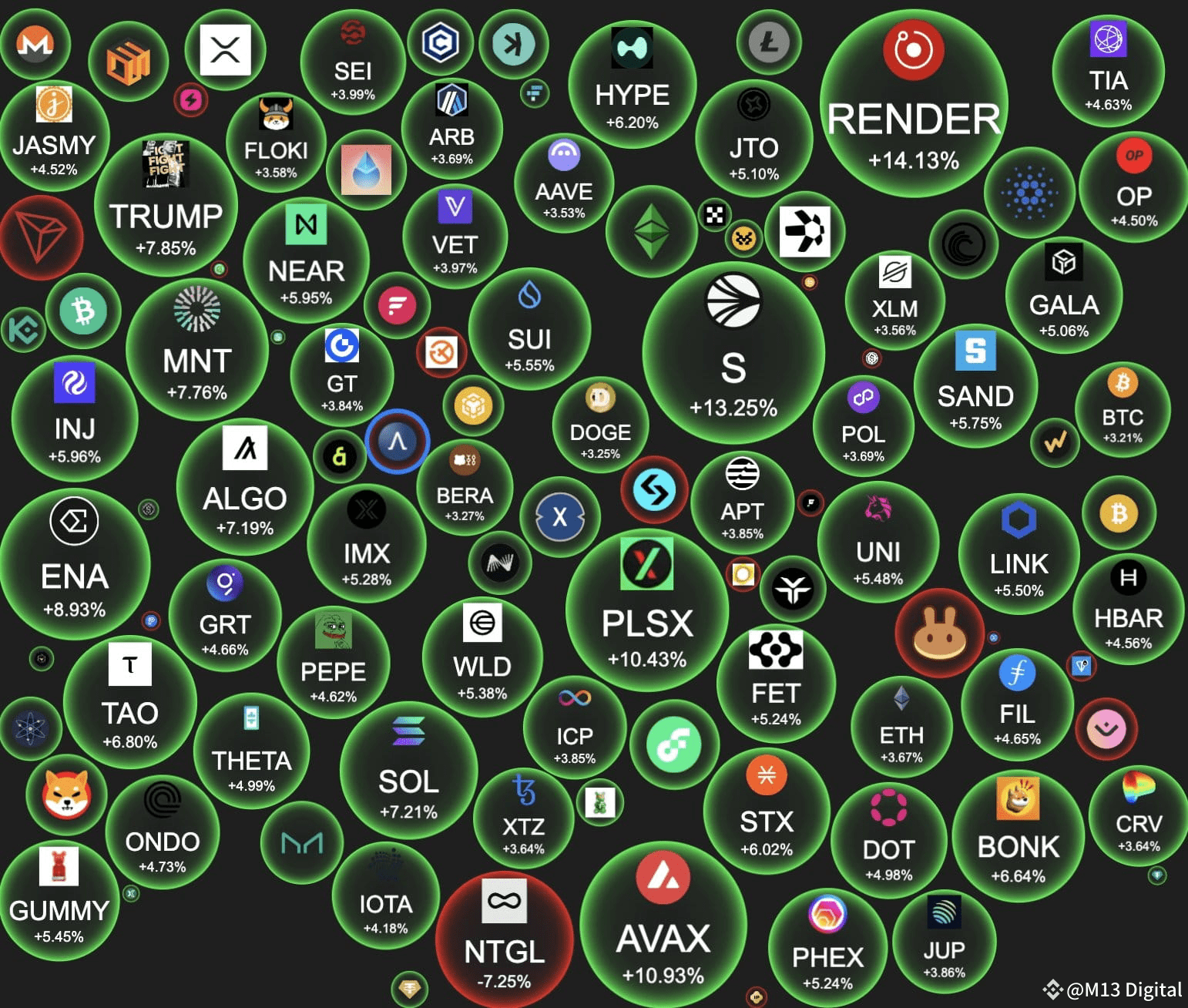
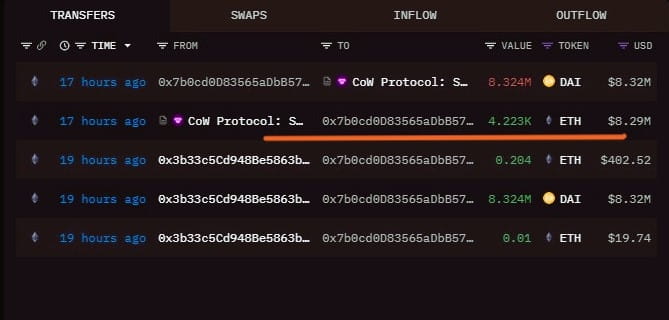
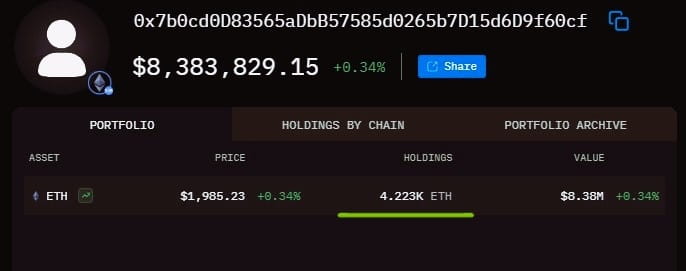
The notorious Zoth hacker has made their move. Just 17 hours ago, the attacker swapped stolen funds worth $8.32M for 4,223 #ETH at an average price of $1,968. The wallet address involved is 0x7b0cd0d83565adbb57585d0265b7d15d6d9f60cf.
Zoth, a DeFi protocol focused on real-world assets (RWAs), was hacked for approximately $8.85M. After the heist, the hacker swapped the funds for 8.32M DAI and later converted it all to ETH.
Interestingly, the hacker’s wallet was funded with 0.546 ETH from ChangeNow just 7 days ago. This incident once again highlights how ETH remains the top choice for #hackers looking to cover their tracks.
The notorious Zoth hacker has made their move. Just 17 hours ago, the attacker swapped stolen funds worth $8.32M for 4,223 #ETH at an average price of $1,968. The wallet address involved is 0x7b0cd0d83565adbb57585d0265b7d15d6d9f60cf.
Zoth, a DeFi protocol focused on real-world assets (RWAs), was hacked for approximately $8.85M. After the heist, the hacker swapped the funds for 8.32M DAI and later converted it all to ETH.
Interestingly, the hacker’s wallet was funded with 0.546 ETH from ChangeNow just 7 days ago. This incident once again highlights how ETH remains the top choice for #hackers looking to cover their tracks.
ເຂົ້າສູ່ລະບົບເພື່ອສຳຫຼວດເນື້ອຫາເພີ່ມເຕີມ