
#insidebinance
insidebinance
575 views
18 ກຳລັງສົນທະນາ
ມາແຮງ
ຫຼ້າສຸດ

·
--
Binance មិនមែនគ្រាន់តែបង្កើតផលិតផលទេ។ វាកំពុងបង្កើតផលិតផលដែលត្រឹមត្រូវ។
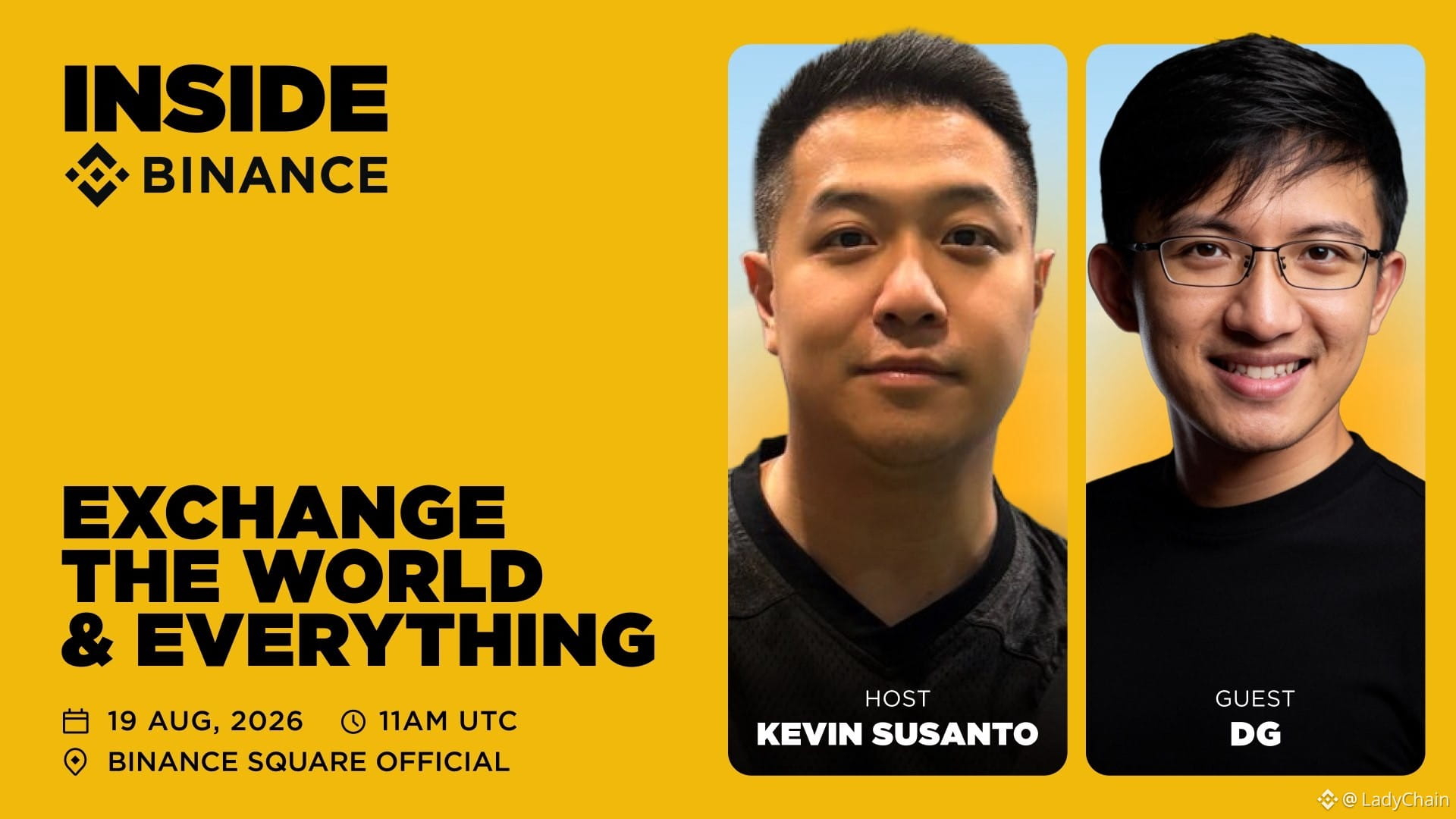
ថ្មីៗនេះ ខ្ញុំទើបអង្គុយស្ដាប់វគ្គដំបូងនៃ Inside Binance។
ដោយស្មោះត្រង់ មានរឿងខ្លះដែល DG និយាយ ដែលធ្វើឲ្យខ្ញុំគិតជ្រៅជាងអ្វីដែលខ្ញុំគិតទុកទៅទៀត។
អ្វីដែលធ្វើឲ្យចាប់ចិត្តបំផុត គឺទស្សនវិជ្ជាផលិតផលរបស់ពួកគេ។ មានសំណួរមួយត្រូវបានលើកឡើងថា តើមានផលិតផលណាមួយដែល Binance ចេតនាជ្រើសរើសមិនឲ្យបង្កើតទេ? ចម្លើយរបស់ DG សាមញ្ញ តែធ្ងន់ធ្ងរ៖ Binance មិនបានបង្កើតផលិតផលដែលងាយស្រួលទេ។ ពួកគេបង្កើតផលិតផលដែលត្រឹមត្រូវ។
ឧទាហរណ៍ដែល DG លើកពី tokenized stocks គួរឲ្យបញ្ចេញអត្ថន័យច្រើន។ ពួកគេអាចបង្កើតជំនាន់ «synthetic» គឺបង្ហាញតែ price exposure ដោយមិនមាន underlying asset ពិតៗ។ វាងាយស្រួលជាងច្រើនផ្នែកបច្ចេកទេស។ ប៉ុន្តែពួកគេជ្រើសរើសបង្កើតជំនាន់ដែល «រឹងមាំ» ជាងនេះ៖ មួយដែលអាច redeem ជា shares ពិតៗបាន។ ហេតុផល? ព្រោះនោះហើយជាវិធីតែមួយគត់ ដើម្បីភ្ជាប់អ្នកវិនិយោគពីទីផ្សារភាគហ៊ុនបែបប្រពៃណី ទៅកាន់ពិភព tokenized ឲ្យបានពិតប្រាកដ។ មិនមែនជាផ្លូវកាត់ទេ តែជាផ្លូវត្រឹមត្រូវ។
ហើយនិយាយអំពី stocks នេះឯង ដែលធ្វើឲ្យខ្ញុំភ្ញាក់ផ្អើល។ មនុស្សជាច្រើនប្រហែលមិនទាន់ដឹងថា ឥឡូវនេះអាចធ្វើការជួញដូរភាគហ៊ុននៅ Binance បានហើយ។ មិនមែនត្រឹមតែ crypto ទេ។ ផលិតផល Stocks និង bStocks មានសម្រាប់អ្នកប្រើប្រាស់ពីរប្រភេទផ្សេងគ្នា៖ អ្នកដែលមកពីពិភព tradfi ហើយចង់បានជម្រើសបន្ថែមទៀត និងអ្នកលេង crypto ដែលចង់ចូលទៅកាន់ទីផ្សារភាគហ៊ុន ដោយមិនចាំបាច់ផ្លាស់ប្តូរផ្លាតហ្វម។
អ្វីដែលគួរឲ្យចាប់អារម្មណ៍ផងដែរ គឺការសម្រេចចិត្តរបស់ពួកគេអំពី extended trading hours។ វាងាយស្រួលក្នុងការតាមម៉ោង trading US ធម្មតា។ ប៉ុន្តែពួកគេជ្រើសរើសវិនិយោគបន្ថែម និង extend ម៉ោង trading ដើម្បីឲ្យអ្នក trader crypto ដែលធ្លាប់ធ្វើការ 24/7 អាចចូលទៅក្នុងផលិតផលនេះ ដោយមិនបាច់ផ្លាស់ប្តូរទម្លាប់របស់ពួកគេ។
ហើយចក្ខុវិស័យដ៏ធំរបស់ពួកគេ? DG បញ្ជាក់ថា បេសកកម្មនេះនឹងមិនបញ្ចប់ទេ។ Binance កំពុងផ្លាស់ប្តូរពី exchange ទៅជាផ្នែក financial super app — ជាវេទិកាមួយដែលអាចបម្រើអ្នកប្រើប្រាស់ 3 ពាន់លាននាក់បន្ទាប់ ដែលមិនទាន់ត្រូវបានភ្ជាប់ទៅនឹងប្រព័ន្ធហិរញ្ញវត្ថុដែលសមរម្យ។
យឺតក្នុងការចែករំលែកនេះ ប៉ុន្តែវានៅតែសមនឹងចែកចាយ។ 🎯
🎧 [here](https://www.binance.com/en/square/audio/replay?id=43818743070026)
#Binance #BinanceSquare #InsideBinance
Binance មិនមែនគ្រាន់តែបង្កើតផលិតផលទេ។ វាកំពុងបង្កើតផលិតផលដែលត្រឹមត្រូវ។
ថ្មីៗនេះ ខ្ញុំទើបអង្គុយស្ដាប់វគ្គដំបូងនៃ Inside Binance។
ដោយស្មោះត្រង់ មានរឿងខ្លះដែល DG និយាយ ដែលធ្វើឲ្យខ្ញុំគិតជ្រៅជាងអ្វីដែលខ្ញុំគិតទុកទៅទៀត។
អ្វីដែលធ្វើឲ្យចាប់ចិត្តបំផុត គឺទស្សនវិជ្ជាផលិតផលរបស់ពួកគេ។ មានសំណួរមួយត្រូវបានលើកឡើងថា តើមានផលិតផលណាមួយដែល Binance ចេតនាជ្រើសរើសមិនឲ្យបង្កើតទេ? ចម្លើយរបស់ DG សាមញ្ញ តែធ្ងន់ធ្ងរ៖ Binance មិនបានបង្កើតផលិតផលដែលងាយស្រួលទេ។ ពួកគេបង្កើតផលិតផលដែលត្រឹមត្រូវ។
ឧទាហរណ៍ដែល DG លើកពី tokenized stocks គួរឲ្យបញ្ចេញអត្ថន័យច្រើន។ ពួកគេអាចបង្កើតជំនាន់ «synthetic» គឺបង្ហាញតែ price exposure ដោយមិនមាន underlying asset ពិតៗ។ វាងាយស្រួលជាងច្រើនផ្នែកបច្ចេកទេស។ ប៉ុន្តែពួកគេជ្រើសរើសបង្កើតជំនាន់ដែល «រឹងមាំ» ជាងនេះ៖ មួយដែលអាច redeem ជា shares ពិតៗបាន។ ហេតុផល? ព្រោះនោះហើយជាវិធីតែមួយគត់ ដើម្បីភ្ជាប់អ្នកវិនិយោគពីទីផ្សារភាគហ៊ុនបែបប្រពៃណី ទៅកាន់ពិភព tokenized ឲ្យបានពិតប្រាកដ។ មិនមែនជាផ្លូវកាត់ទេ តែជាផ្លូវត្រឹមត្រូវ។
ហើយនិយាយអំពី stocks នេះឯង ដែលធ្វើឲ្យខ្ញុំភ្ញាក់ផ្អើល។ មនុស្សជាច្រើនប្រហែលមិនទាន់ដឹងថា ឥឡូវនេះអាចធ្វើការជួញដូរភាគហ៊ុននៅ Binance បានហើយ។ មិនមែនត្រឹមតែ crypto ទេ។ ផលិតផល Stocks និង bStocks មានសម្រាប់អ្នកប្រើប្រាស់ពីរប្រភេទផ្សេងគ្នា៖ អ្នកដែលមកពីពិភព tradfi ហើយចង់បានជម្រើសបន្ថែមទៀត និងអ្នកលេង crypto ដែលចង់ចូលទៅកាន់ទីផ្សារភាគហ៊ុន ដោយមិនចាំបាច់ផ្លាស់ប្តូរផ្លាតហ្វម។
អ្វីដែលគួរឲ្យចាប់អារម្មណ៍ផងដែរ គឺការសម្រេចចិត្តរបស់ពួកគេអំពី extended trading hours។ វាងាយស្រួលក្នុងការតាមម៉ោង trading US ធម្មតា។ ប៉ុន្តែពួកគេជ្រើសរើសវិនិយោគបន្ថែម និង extend ម៉ោង trading ដើម្បីឲ្យអ្នក trader crypto ដែលធ្លាប់ធ្វើការ 24/7 អាចចូលទៅក្នុងផលិតផលនេះ ដោយមិនបាច់ផ្លាស់ប្តូរទម្លាប់របស់ពួកគេ។
ហើយចក្ខុវិស័យដ៏ធំរបស់ពួកគេ? DG បញ្ជាក់ថា បេសកកម្មនេះនឹងមិនបញ្ចប់ទេ។ Binance កំពុងផ្លាស់ប្តូរពី exchange ទៅជាផ្នែក financial super app — ជាវេទិកាមួយដែលអាចបម្រើអ្នកប្រើប្រាស់ 3 ពាន់លាននាក់បន្ទាប់ ដែលមិនទាន់ត្រូវបានភ្ជាប់ទៅនឹងប្រព័ន្ធហិរញ្ញវត្ថុដែលសមរម្យ។
យឺតក្នុងការចែករំលែកនេះ ប៉ុន្តែវានៅតែសមនឹងចែកចាយ។ 🎯
🎧 here
#Binance #BinanceSquare #InsideBinance
ថ្មីៗនេះ ខ្ញុំទើបអង្គុយស្ដាប់វគ្គដំបូងនៃ Inside Binance។
ដោយស្មោះត្រង់ មានរឿងខ្លះដែល DG និយាយ ដែលធ្វើឲ្យខ្ញុំគិតជ្រៅជាងអ្វីដែលខ្ញុំគិតទុកទៅទៀត។
អ្វីដែលធ្វើឲ្យចាប់ចិត្តបំផុត គឺទស្សនវិជ្ជាផលិតផលរបស់ពួកគេ។ មានសំណួរមួយត្រូវបានលើកឡើងថា តើមានផលិតផលណាមួយដែល Binance ចេតនាជ្រើសរើសមិនឲ្យបង្កើតទេ? ចម្លើយរបស់ DG សាមញ្ញ តែធ្ងន់ធ្ងរ៖ Binance មិនបានបង្កើតផលិតផលដែលងាយស្រួលទេ។ ពួកគេបង្កើតផលិតផលដែលត្រឹមត្រូវ។
ឧទាហរណ៍ដែល DG លើកពី tokenized stocks គួរឲ្យបញ្ចេញអត្ថន័យច្រើន។ ពួកគេអាចបង្កើតជំនាន់ «synthetic» គឺបង្ហាញតែ price exposure ដោយមិនមាន underlying asset ពិតៗ។ វាងាយស្រួលជាងច្រើនផ្នែកបច្ចេកទេស។ ប៉ុន្តែពួកគេជ្រើសរើសបង្កើតជំនាន់ដែល «រឹងមាំ» ជាងនេះ៖ មួយដែលអាច redeem ជា shares ពិតៗបាន។ ហេតុផល? ព្រោះនោះហើយជាវិធីតែមួយគត់ ដើម្បីភ្ជាប់អ្នកវិនិយោគពីទីផ្សារភាគហ៊ុនបែបប្រពៃណី ទៅកាន់ពិភព tokenized ឲ្យបានពិតប្រាកដ។ មិនមែនជាផ្លូវកាត់ទេ តែជាផ្លូវត្រឹមត្រូវ។
ហើយនិយាយអំពី stocks នេះឯង ដែលធ្វើឲ្យខ្ញុំភ្ញាក់ផ្អើល។ មនុស្សជាច្រើនប្រហែលមិនទាន់ដឹងថា ឥឡូវនេះអាចធ្វើការជួញដូរភាគហ៊ុននៅ Binance បានហើយ។ មិនមែនត្រឹមតែ crypto ទេ។ ផលិតផល Stocks និង bStocks មានសម្រាប់អ្នកប្រើប្រាស់ពីរប្រភេទផ្សេងគ្នា៖ អ្នកដែលមកពីពិភព tradfi ហើយចង់បានជម្រើសបន្ថែមទៀត និងអ្នកលេង crypto ដែលចង់ចូលទៅកាន់ទីផ្សារភាគហ៊ុន ដោយមិនចាំបាច់ផ្លាស់ប្តូរផ្លាតហ្វម។
អ្វីដែលគួរឲ្យចាប់អារម្មណ៍ផងដែរ គឺការសម្រេចចិត្តរបស់ពួកគេអំពី extended trading hours។ វាងាយស្រួលក្នុងការតាមម៉ោង trading US ធម្មតា។ ប៉ុន្តែពួកគេជ្រើសរើសវិនិយោគបន្ថែម និង extend ម៉ោង trading ដើម្បីឲ្យអ្នក trader crypto ដែលធ្លាប់ធ្វើការ 24/7 អាចចូលទៅក្នុងផលិតផលនេះ ដោយមិនបាច់ផ្លាស់ប្តូរទម្លាប់របស់ពួកគេ។
ហើយចក្ខុវិស័យដ៏ធំរបស់ពួកគេ? DG បញ្ជាក់ថា បេសកកម្មនេះនឹងមិនបញ្ចប់ទេ។ Binance កំពុងផ្លាស់ប្តូរពី exchange ទៅជាផ្នែក financial super app — ជាវេទិកាមួយដែលអាចបម្រើអ្នកប្រើប្រាស់ 3 ពាន់លាននាក់បន្ទាប់ ដែលមិនទាន់ត្រូវបានភ្ជាប់ទៅនឹងប្រព័ន្ធហិរញ្ញវត្ថុដែលសមរម្យ។
យឺតក្នុងការចែករំលែកនេះ ប៉ុន្តែវានៅតែសមនឹងចែកចាយ។ 🎯
🎧 here
#Binance #BinanceSquare #InsideBinance
1
455


ບົດຄວາມ
Inside Binance | Episode 1 -- ANG MALIIT NA DETALYE NA MAHALAGASa unang tingin, parang pag-uusap ito tungkol sa mga oras ng kalakalan. Pero pagmasdan pa, sa palagay ko, pag-uusap ito tungkol sa pag-iisip sa produkto.
Sa unang episode ng Inside Binance, sina Kevin Susanto at DG ay nag-usap tungkol sa isang desisyong mukhang maliit:
I-release agad ang produkto, o gumugol ng mas maraming oras para mas maging maganda ito para sa mga user mo?
Ito ang tumatak sa akin. 🧵
1️⃣— Halata ang mas mabilis na opsyon
Para sa isang produktong pang-stock, ang mga regular na oras ng merkado ang halatang panimulang punto.
Pamilyar na sila.
Nakaestablisado na sila.
Inside Binance | Episode 1 -- ANG MALIIT NA DETALYE NA MAHALAGA
Sa unang tingin, parang pag-uusap ito tungkol sa mga oras ng kalakalan. Pero pagmasdan pa, sa palagay ko, pag-uusap ito tungkol sa pag-iisip sa produkto.
Sa unang episode ng Inside Binance, sina Kevin Susanto at DG ay nag-usap tungkol sa isang desisyong mukhang maliit:
I-release agad ang produkto, o gumugol ng mas maraming oras para mas maging maganda ito para sa mga user mo?
Ito ang tumatak sa akin. 🧵
1️⃣— Halata ang mas mabilis na opsyon
Para sa isang produktong pang-stock, ang mga regular na oras ng merkado ang halatang panimulang punto.
Pamilyar na sila.
Nakaestablisado na sila.
Sa unang episode ng Inside Binance, sina Kevin Susanto at DG ay nag-usap tungkol sa isang desisyong mukhang maliit:
I-release agad ang produkto, o gumugol ng mas maraming oras para mas maging maganda ito para sa mga user mo?
Ito ang tumatak sa akin. 🧵
1️⃣— Halata ang mas mabilis na opsyon
Para sa isang produktong pang-stock, ang mga regular na oras ng merkado ang halatang panimulang punto.
Pamilyar na sila.
Nakaestablisado na sila.
4
96
ຄວາມຝັນຂະໜາດ 3 ຕື້ຜູ້ໃຊ້ນັ້ນດຶງຂ້ອຍສົນໃຈ — ແຕ່ບໍ່ແມ່ນເພາະເຫດທີ່ຊັດເຈນ.
ໃນຕອນທຳອິດຂອງ Inside Binance, Kevin Susanto ແລະ DG ຄຸຍກັນເລື່ອງຄວາມຕັ້ງໃຈຂອງ Binance ທີ່ຈະເຕີບໂຕຈາກປະມານ 300 ລ້ານຜູ້ໃຊ້ ໄປສູ່ 3 ຕື້.
ສຳລັບຂ້ອຍສ່ວນທີ່ນ່າສົນໃຈບໍ່ແມ່ນໂຕເລກ.
ມັນແມ່ນວ່າເປົ້າໝາຍແບບນັ້ນ ທີ່ແພລດຟອມພະຍາຍາມຈະກາຍເປັນ… ຄືອຫຍັງ.👇
1️⃣
👀3 ຕື້ ປ່ຽນຄຳຖາມດ້ານຜະລິດຕະພັນ ✨
ຈາກ 300 ລ້ານ ໄປສູ່ 3 ຕື້ ບໍ່ແມ່ນພຽງແຕ່ການໄດ້ມາຊຶ່ງຜູ້ໃຊ້ crypto ຫຼາຍຂຶ້ນ.
ໃນລະດັບນັ້ນ, ທ່ານກຳລັງຈະໄປຈົບກັບຄົນທີ່ມີຄວາມຕ້ອງການດ້ານການເງິນທີ່ແຕກຕ່າງກັນຫຼາຍ.
ບາງຄົນອາດຢາກໄດ້ crypto.
ບາງຄົນອາດຢາກໄດ້ຮຸ້ນ.
ບາງຄົນໃຫ້ຄວາມສຳຄັນຫຼາຍກັບການຊຳລະ.
ບາງຄົນອາດຈະເຂົ້າໃຈ/ໂຕ້ຕອບຜ່ານຜະລິດຕະພັນການເງິນດ້ວຍ AI. ດັ່ງນັ້ນ ແພລດຟອມຕ້ອງກາຍເປັນສິ່ງທີ່ເປັນປະໂຫຍດໄດ້ ນອກເໜືອໜຶ່ງໝວດໝູ່.
2️⃣
..ຕົງນີ້ແຫຼະ ແນວຄິດ Super App ເຂົ້າມາມີຄວາມໝາຍ
DG ອະທິບາຍພາລະກິດຂອງ Binance ເປັນ “ເກມຂອງບໍ່ມີທີ່ສິ້ນສຸດ.”
ແນວຄິດຄືການຂະຫຍາຍຕໍ່ເນື່ອງ ບໍ່ແມ່ນໄປຮອດພາບຂອງຜະລິດຕະພັນສຸດທ້າຍອັນໜຶ່ງ.
ບໍລິບົດການນີ້ມີຄວາມສຳຄັນ.
Financial Super App ບໍ່ແມ່ນພຽງແຕ່:
“ໃສ່ຫຼາຍຜະລິດຕະພັນໄວ້ໃນແອັບດຽວ.”
ແຕ່ມັນໃກ້ກັບ:
“ຂະຫຍາຍຕໍ່ໄປວ່າແພລດຟອມຈະຊ່ວຍໃຫ້ຜູ້ໃຊ້ແກ້ໄຂບັນຫາການເງິນໄດ້ຫຼາຍຂຶ້ນ.”
3️⃣
🌉 Crypto ຍັງເປັນຖານຮາກອັນສຳຄັນ .. ເລື່ອງໜຶ່ງທີ່ຂ້ອຍບໍ່ຄວນມອງຂ້າມ 👀
ການສົນທະນາບໍ່ໄດ້ເຝົ້າເບິ່ງມັນວ່າເປັນການຫຼຸດອອກຈາກ crypto.
Crypto ຍັງເປັນຖານຮາກ ແລະການຂະຫຍາຍຕໍ່ຈຶ່ງເກີດຂຶ້ນອ້ອມມັນ.
Stocks ແລະ B-Stocks ກໍແມ່ນຕົວຢ່າງໃນທິດທາງນັ້ນຢູ່ແລ້ວ.
ຜູ້ໃຊ້ສາມາດເຂົ້າຜ່ານ crypto ແລະເຂົ້າໄປໃນອີກສ່ວນໜຶ່ງຂອງລະບົບການເງິນ ໂດຍບໍ່ຕ້ອງອອກຈາກ ecosystem ດຽວກັນ.
🌟ພາບລວມທີ່ໃຫຍ່ກວ່າ 🖼️
ນີ້ແມ່ນເຫດທີ່ຂ້ອຍຄິດວ່າ ການສົນທະນາເລື່ອງ Financial Super App ຄວນໄດ້ຮັບຄວາມສົນໃຈ.
ຄວາມຕັ້ງໃຈແທ້ຈິງບໍ່ຈຳເປັນຕ້ອງມີເມນູທີ່ໃຫຍ່ທີ່ສຸດຂອງຜະລິດຕະພັນການເງິນ.
ແຕ່ແມ່ນເພື່ອເຮັດໃຫ້ Binance ເປັນປະໂຫຍດໃນຫຼາຍເວລາຂອງຊີວິດການເງິນຂອງຜູ້ໃຊ້.
Crypto ອາດເປັນບ່ອນເລີ່ມຕົ້ນຂອງຄວາມສຳພັນ.
ຄຳຖາມແມ່ນ ຄວາມສຳພັນນັ້ນຈະໄປໄດ້ກວ້າງເທົ່າໃດໃນອະນາຄົດ.
ເບິ່ງຕອນເຕັມ Inside Binance Episode 1 ໃນ Binance Square:
[Watch Here](https://www.binance.com/en/square/audio?id=43818743070026)
#RWAs #InsideBinance #bstocks #CryptoNews
ຄວາມຝັນຂະໜາດ 3 ຕື້ຜູ້ໃຊ້ນັ້ນດຶງຂ້ອຍສົນໃຈ — ແຕ່ບໍ່ແມ່ນເພາະເຫດທີ່ຊັດເຈນ.
ໃນຕອນທຳອິດຂອງ Inside Binance, Kevin Susanto ແລະ DG ຄຸຍກັນເລື່ອງຄວາມຕັ້ງໃຈຂອງ Binance ທີ່ຈະເຕີບໂຕຈາກປະມານ 300 ລ້ານຜູ້ໃຊ້ ໄປສູ່ 3 ຕື້.
ສຳລັບຂ້ອຍສ່ວນທີ່ນ່າສົນໃຈບໍ່ແມ່ນໂຕເລກ.
ມັນແມ່ນວ່າເປົ້າໝາຍແບບນັ້ນ ທີ່ແພລດຟອມພະຍາຍາມຈະກາຍເປັນ… ຄືອຫຍັງ.👇
1️⃣
👀3 ຕື້ ປ່ຽນຄຳຖາມດ້ານຜະລິດຕະພັນ ✨
ຈາກ 300 ລ້ານ ໄປສູ່ 3 ຕື້ ບໍ່ແມ່ນພຽງແຕ່ການໄດ້ມາຊຶ່ງຜູ້ໃຊ້ crypto ຫຼາຍຂຶ້ນ.
ໃນລະດັບນັ້ນ, ທ່ານກຳລັງຈະໄປຈົບກັບຄົນທີ່ມີຄວາມຕ້ອງການດ້ານການເງິນທີ່ແຕກຕ່າງກັນຫຼາຍ.
ບາງຄົນອາດຢາກໄດ້ crypto.
ບາງຄົນອາດຢາກໄດ້ຮຸ້ນ.
ບາງຄົນໃຫ້ຄວາມສຳຄັນຫຼາຍກັບການຊຳລະ.
ບາງຄົນອາດຈະເຂົ້າໃຈ/ໂຕ້ຕອບຜ່ານຜະລິດຕະພັນການເງິນດ້ວຍ AI. ດັ່ງນັ້ນ ແພລດຟອມຕ້ອງກາຍເປັນສິ່ງທີ່ເປັນປະໂຫຍດໄດ້ ນອກເໜືອໜຶ່ງໝວດໝູ່.
2️⃣
..ຕົງນີ້ແຫຼະ ແນວຄິດ Super App ເຂົ້າມາມີຄວາມໝາຍ
DG ອະທິບາຍພາລະກິດຂອງ Binance ເປັນ “ເກມຂອງບໍ່ມີທີ່ສິ້ນສຸດ.”
ແນວຄິດຄືການຂະຫຍາຍຕໍ່ເນື່ອງ ບໍ່ແມ່ນໄປຮອດພາບຂອງຜະລິດຕະພັນສຸດທ້າຍອັນໜຶ່ງ.
ບໍລິບົດການນີ້ມີຄວາມສຳຄັນ.
Financial Super App ບໍ່ແມ່ນພຽງແຕ່:
“ໃສ່ຫຼາຍຜະລິດຕະພັນໄວ້ໃນແອັບດຽວ.”
ແຕ່ມັນໃກ້ກັບ:
“ຂະຫຍາຍຕໍ່ໄປວ່າແພລດຟອມຈະຊ່ວຍໃຫ້ຜູ້ໃຊ້ແກ້ໄຂບັນຫາການເງິນໄດ້ຫຼາຍຂຶ້ນ.”
3️⃣
🌉 Crypto ຍັງເປັນຖານຮາກອັນສຳຄັນ .. ເລື່ອງໜຶ່ງທີ່ຂ້ອຍບໍ່ຄວນມອງຂ້າມ 👀
ການສົນທະນາບໍ່ໄດ້ເຝົ້າເບິ່ງມັນວ່າເປັນການຫຼຸດອອກຈາກ crypto.
Crypto ຍັງເປັນຖານຮາກ ແລະການຂະຫຍາຍຕໍ່ຈຶ່ງເກີດຂຶ້ນອ້ອມມັນ.
Stocks ແລະ B-Stocks ກໍແມ່ນຕົວຢ່າງໃນທິດທາງນັ້ນຢູ່ແລ້ວ.
ຜູ້ໃຊ້ສາມາດເຂົ້າຜ່ານ crypto ແລະເຂົ້າໄປໃນອີກສ່ວນໜຶ່ງຂອງລະບົບການເງິນ ໂດຍບໍ່ຕ້ອງອອກຈາກ ecosystem ດຽວກັນ.
🌟ພາບລວມທີ່ໃຫຍ່ກວ່າ 🖼️
ນີ້ແມ່ນເຫດທີ່ຂ້ອຍຄິດວ່າ ການສົນທະນາເລື່ອງ Financial Super App ຄວນໄດ້ຮັບຄວາມສົນໃຈ.
ຄວາມຕັ້ງໃຈແທ້ຈິງບໍ່ຈຳເປັນຕ້ອງມີເມນູທີ່ໃຫຍ່ທີ່ສຸດຂອງຜະລິດຕະພັນການເງິນ.
ແຕ່ແມ່ນເພື່ອເຮັດໃຫ້ Binance ເປັນປະໂຫຍດໃນຫຼາຍເວລາຂອງຊີວິດການເງິນຂອງຜູ້ໃຊ້.
Crypto ອາດເປັນບ່ອນເລີ່ມຕົ້ນຂອງຄວາມສຳພັນ.
ຄຳຖາມແມ່ນ ຄວາມສຳພັນນັ້ນຈະໄປໄດ້ກວ້າງເທົ່າໃດໃນອະນາຄົດ.
ເບິ່ງຕອນເຕັມ Inside Binance Episode 1 ໃນ Binance Square:
Watch Here
#RWAs #InsideBinance #bstocks #CryptoNews
ໃນຕອນທຳອິດຂອງ Inside Binance, Kevin Susanto ແລະ DG ຄຸຍກັນເລື່ອງຄວາມຕັ້ງໃຈຂອງ Binance ທີ່ຈະເຕີບໂຕຈາກປະມານ 300 ລ້ານຜູ້ໃຊ້ ໄປສູ່ 3 ຕື້.
ສຳລັບຂ້ອຍສ່ວນທີ່ນ່າສົນໃຈບໍ່ແມ່ນໂຕເລກ.
ມັນແມ່ນວ່າເປົ້າໝາຍແບບນັ້ນ ທີ່ແພລດຟອມພະຍາຍາມຈະກາຍເປັນ… ຄືອຫຍັງ.👇
1️⃣
👀3 ຕື້ ປ່ຽນຄຳຖາມດ້ານຜະລິດຕະພັນ ✨
ຈາກ 300 ລ້ານ ໄປສູ່ 3 ຕື້ ບໍ່ແມ່ນພຽງແຕ່ການໄດ້ມາຊຶ່ງຜູ້ໃຊ້ crypto ຫຼາຍຂຶ້ນ.
ໃນລະດັບນັ້ນ, ທ່ານກຳລັງຈະໄປຈົບກັບຄົນທີ່ມີຄວາມຕ້ອງການດ້ານການເງິນທີ່ແຕກຕ່າງກັນຫຼາຍ.
ບາງຄົນອາດຢາກໄດ້ crypto.
ບາງຄົນອາດຢາກໄດ້ຮຸ້ນ.
ບາງຄົນໃຫ້ຄວາມສຳຄັນຫຼາຍກັບການຊຳລະ.
ບາງຄົນອາດຈະເຂົ້າໃຈ/ໂຕ້ຕອບຜ່ານຜະລິດຕະພັນການເງິນດ້ວຍ AI. ດັ່ງນັ້ນ ແພລດຟອມຕ້ອງກາຍເປັນສິ່ງທີ່ເປັນປະໂຫຍດໄດ້ ນອກເໜືອໜຶ່ງໝວດໝູ່.
2️⃣
..ຕົງນີ້ແຫຼະ ແນວຄິດ Super App ເຂົ້າມາມີຄວາມໝາຍ
DG ອະທິບາຍພາລະກິດຂອງ Binance ເປັນ “ເກມຂອງບໍ່ມີທີ່ສິ້ນສຸດ.”
ແນວຄິດຄືການຂະຫຍາຍຕໍ່ເນື່ອງ ບໍ່ແມ່ນໄປຮອດພາບຂອງຜະລິດຕະພັນສຸດທ້າຍອັນໜຶ່ງ.
ບໍລິບົດການນີ້ມີຄວາມສຳຄັນ.
Financial Super App ບໍ່ແມ່ນພຽງແຕ່:
“ໃສ່ຫຼາຍຜະລິດຕະພັນໄວ້ໃນແອັບດຽວ.”
ແຕ່ມັນໃກ້ກັບ:
“ຂະຫຍາຍຕໍ່ໄປວ່າແພລດຟອມຈະຊ່ວຍໃຫ້ຜູ້ໃຊ້ແກ້ໄຂບັນຫາການເງິນໄດ້ຫຼາຍຂຶ້ນ.”
3️⃣
🌉 Crypto ຍັງເປັນຖານຮາກອັນສຳຄັນ .. ເລື່ອງໜຶ່ງທີ່ຂ້ອຍບໍ່ຄວນມອງຂ້າມ 👀
ການສົນທະນາບໍ່ໄດ້ເຝົ້າເບິ່ງມັນວ່າເປັນການຫຼຸດອອກຈາກ crypto.
Crypto ຍັງເປັນຖານຮາກ ແລະການຂະຫຍາຍຕໍ່ຈຶ່ງເກີດຂຶ້ນອ້ອມມັນ.
Stocks ແລະ B-Stocks ກໍແມ່ນຕົວຢ່າງໃນທິດທາງນັ້ນຢູ່ແລ້ວ.
ຜູ້ໃຊ້ສາມາດເຂົ້າຜ່ານ crypto ແລະເຂົ້າໄປໃນອີກສ່ວນໜຶ່ງຂອງລະບົບການເງິນ ໂດຍບໍ່ຕ້ອງອອກຈາກ ecosystem ດຽວກັນ.
🌟ພາບລວມທີ່ໃຫຍ່ກວ່າ 🖼️
ນີ້ແມ່ນເຫດທີ່ຂ້ອຍຄິດວ່າ ການສົນທະນາເລື່ອງ Financial Super App ຄວນໄດ້ຮັບຄວາມສົນໃຈ.
ຄວາມຕັ້ງໃຈແທ້ຈິງບໍ່ຈຳເປັນຕ້ອງມີເມນູທີ່ໃຫຍ່ທີ່ສຸດຂອງຜະລິດຕະພັນການເງິນ.
ແຕ່ແມ່ນເພື່ອເຮັດໃຫ້ Binance ເປັນປະໂຫຍດໃນຫຼາຍເວລາຂອງຊີວິດການເງິນຂອງຜູ້ໃຊ້.
Crypto ອາດເປັນບ່ອນເລີ່ມຕົ້ນຂອງຄວາມສຳພັນ.
ຄຳຖາມແມ່ນ ຄວາມສຳພັນນັ້ນຈະໄປໄດ້ກວ້າງເທົ່າໃດໃນອະນາຄົດ.
ເບິ່ງຕອນເຕັມ Inside Binance Episode 1 ໃນ Binance Square:
Watch Here
#RWAs #InsideBinance #bstocks #CryptoNews
4
121

·
--
ຢືນຢັນແລ້ວ
ບົດຄວາມ
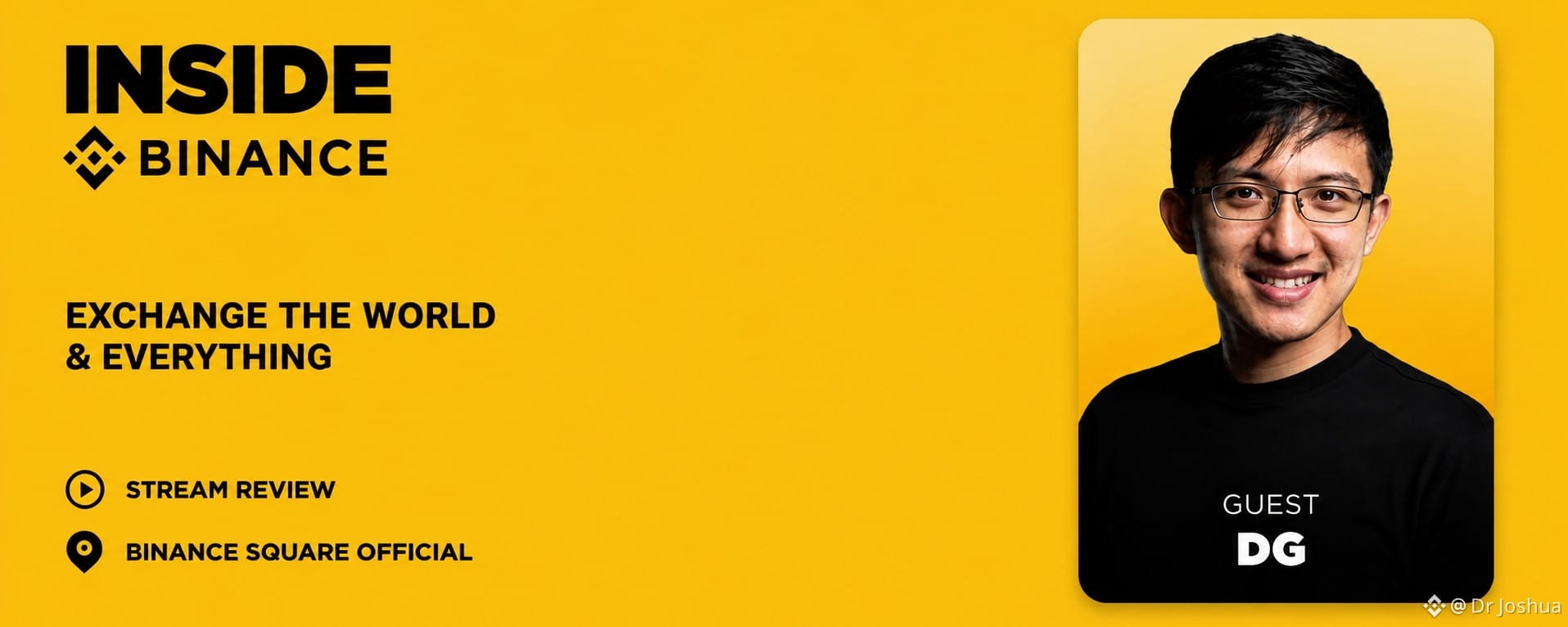
Inside Binance: Shintsha Umhlaba & Konke 🌍Kuthatha ini ukwakha imikhiqizo yesizukulwane esilandelayo sabasebenzisi? Nansi imicabango evelele namaphuzu okufunda kusukela ku-Inside Binance Isiqephu 1 no-DG, sihlola umbono womkhiqizo we-Binance, indlela yayo yokwakha kubasebenzisi, ibhuloho phakathi kwezezimali zendabuko ne-crypto, kanye namathuba azayo esizukulwaneni esisha sabasebenzisi bezezimali.
Ama-Stocks e-Binance? Yebo, uzwile kahle.
Kwi-Inside Binance Isiqephu 1, u-DG wabelana ngendlela i-Binance eyakha ngayo ukuxhumanisa i-TradFi ne-crypto ngemikhiqizo emisha efana ne-Stocks kanye ne-bStocks. Iziqephu zihlole ukuthi i-Binance yakha kanjani imikhiqizo ihambisane nezidingo zangempela zabasebenzisi, inikeze abatshalizimali bendabuko ukufinyelela okwengeziwe ezimakethe zedijithali, kuyilapho kusiza abasebenzisi be-crypto ukuthi bangene emhlabeni wezezimali zendabuko.
Inside Binance: Shintsha Umhlaba & Konke 🌍
Kuthatha ini ukwakha imikhiqizo yesizukulwane esilandelayo sabasebenzisi? Nansi imicabango evelele namaphuzu okufunda kusukela ku-Inside Binance Isiqephu 1 no-DG, sihlola umbono womkhiqizo we-Binance, indlela yayo yokwakha kubasebenzisi, ibhuloho phakathi kwezezimali zendabuko ne-crypto, kanye namathuba azayo esizukulwaneni esisha sabasebenzisi bezezimali.
Ama-Stocks e-Binance? Yebo, uzwile kahle.
Kwi-Inside Binance Isiqephu 1, u-DG wabelana ngendlela i-Binance eyakha ngayo ukuxhumanisa i-TradFi ne-crypto ngemikhiqizo emisha efana ne-Stocks kanye ne-bStocks. Iziqephu zihlole ukuthi i-Binance yakha kanjani imikhiqizo ihambisane nezidingo zangempela zabasebenzisi, inikeze abatshalizimali bendabuko ukufinyelela okwengeziwe ezimakethe zedijithali, kuyilapho kusiza abasebenzisi be-crypto ukuthi bangene emhlabeni wezezimali zendabuko.
Ama-Stocks e-Binance? Yebo, uzwile kahle.
Kwi-Inside Binance Isiqephu 1, u-DG wabelana ngendlela i-Binance eyakha ngayo ukuxhumanisa i-TradFi ne-crypto ngemikhiqizo emisha efana ne-Stocks kanye ne-bStocks. Iziqephu zihlole ukuthi i-Binance yakha kanjani imikhiqizo ihambisane nezidingo zangempela zabasebenzisi, inikeze abatshalizimali bendabuko ukufinyelela okwengeziwe ezimakethe zedijithali, kuyilapho kusiza abasebenzisi be-crypto ukuthi bangene emhlabeni wezezimali zendabuko.
6
120

·
--
ບົດຄວາມ
Mga Tokenized na Stock vs. Sintetikong Exposure: Ano ang Kaibahan?Ang mga tokenized na stock at synthetic stock exposure ay maaaring magmukhang magkatulad, pero ang pinagbabatayang istruktura ay maaaring magkaiba nang malaki.
Ang isang sintetikong produkto ay karaniwang dinisenyo upang masubaybayan ang paggalaw ng presyo ng isang pinagbabatayang asset. Maaari nitong magbigay ng exposure sa presyo nang hindi naman kumakatawan sa pagmamay-ari ng mismong pinagbabatayang share.
Ang mga tokenized na equity ay gumagamit ng ibang paraan. Ang isang equity ay maaaring katawanin nang digital sa pamamagitan ng blockchain-based na imprastraktura, na ang eksaktong mga karapatan, suporta, at istruktura ay nakadepende sa partikular na produkto at issuer.
Mga Tokenized na Stock vs. Sintetikong Exposure: Ano ang Kaibahan?
Ang mga tokenized na stock at synthetic stock exposure ay maaaring magmukhang magkatulad, pero ang pinagbabatayang istruktura ay maaaring magkaiba nang malaki.
Ang isang sintetikong produkto ay karaniwang dinisenyo upang masubaybayan ang paggalaw ng presyo ng isang pinagbabatayang asset. Maaari nitong magbigay ng exposure sa presyo nang hindi naman kumakatawan sa pagmamay-ari ng mismong pinagbabatayang share.
Ang mga tokenized na equity ay gumagamit ng ibang paraan. Ang isang equity ay maaaring katawanin nang digital sa pamamagitan ng blockchain-based na imprastraktura, na ang eksaktong mga karapatan, suporta, at istruktura ay nakadepende sa partikular na produkto at issuer.
Ang isang sintetikong produkto ay karaniwang dinisenyo upang masubaybayan ang paggalaw ng presyo ng isang pinagbabatayang asset. Maaari nitong magbigay ng exposure sa presyo nang hindi naman kumakatawan sa pagmamay-ari ng mismong pinagbabatayang share.
Ang mga tokenized na equity ay gumagamit ng ibang paraan. Ang isang equity ay maaaring katawanin nang digital sa pamamagitan ng blockchain-based na imprastraktura, na ang eksaktong mga karapatan, suporta, at istruktura ay nakadepende sa partikular na produkto at issuer.
6
86
·
--
ບົດຄວາມ
Higit Pa sa Pagkakalantad sa Presyo: Pagbuo ng Tokenized Equities para sa Tunay na UtilityKapag gumagawa ng financial product, ang pinakamadaling solusyon ay hindi palaging ang pinaka-makabuluhan.
Kapag nag-eexplore ng tokenized equities, ang paglikha ng synthetic product na basta sumusunod lang sa presyo ng tradisyonal na stock ay maaaring mas madaling landasin.
Ngunit gaya ng ipinaliwanag ni DG mula sa pangkat ng CPMO sa premiere episode ng Inside Binance, pinili ng Binance na ituloy ang mas komplikadong approach—isa na idinisenyo para sa kakayahang tubusin ang tokenized stocks para sa pinagbabatayang shares.
Ideya ay lumalampas pa sa simpleng pag-track ng mga pagbabago sa presyo.
Higit Pa sa Pagkakalantad sa Presyo: Pagbuo ng Tokenized Equities para sa Tunay na Utility
Kapag gumagawa ng financial product, ang pinakamadaling solusyon ay hindi palaging ang pinaka-makabuluhan.
Kapag nag-eexplore ng tokenized equities, ang paglikha ng synthetic product na basta sumusunod lang sa presyo ng tradisyonal na stock ay maaaring mas madaling landasin.
Ngunit gaya ng ipinaliwanag ni DG mula sa pangkat ng CPMO sa premiere episode ng Inside Binance, pinili ng Binance na ituloy ang mas komplikadong approach—isa na idinisenyo para sa kakayahang tubusin ang tokenized stocks para sa pinagbabatayang shares.
Ideya ay lumalampas pa sa simpleng pag-track ng mga pagbabago sa presyo.
Kapag nag-eexplore ng tokenized equities, ang paglikha ng synthetic product na basta sumusunod lang sa presyo ng tradisyonal na stock ay maaaring mas madaling landasin.
Ngunit gaya ng ipinaliwanag ni DG mula sa pangkat ng CPMO sa premiere episode ng Inside Binance, pinili ng Binance na ituloy ang mas komplikadong approach—isa na idinisenyo para sa kakayahang tubusin ang tokenized stocks para sa pinagbabatayang shares.
Ideya ay lumalampas pa sa simpleng pag-track ng mga pagbabago sa presyo.
6
92
ບົດຄວາມ
Inside Binance - Isiqephu 2: Ukwakha Iphothifoliyo Yakho Ngaphakathi kwe-Financial SuperAppIntshayisiyo: Iphothifoliyo Inokungaphezulu Kweyodwa I-asethi
Iningi labasaqalayo licabanga ukuthi ukwakha iphothifoliyo kusho ukuthola "into elandelayo enkulu." Bafuna i-coin ezophindaphinda u-x100, isitoko wonke umuntu akhuluma ngaso, noma ithrendi engase ibenze bacebe ngobusuku. Kodwa abatshalizimali abanokuhlangenwe nakho bacabanga ngendlela ehlukile. Iphothifoliyo ayakhiwa ngokuqondene nomunye owina. Yakhiwa ngokulinganisela.
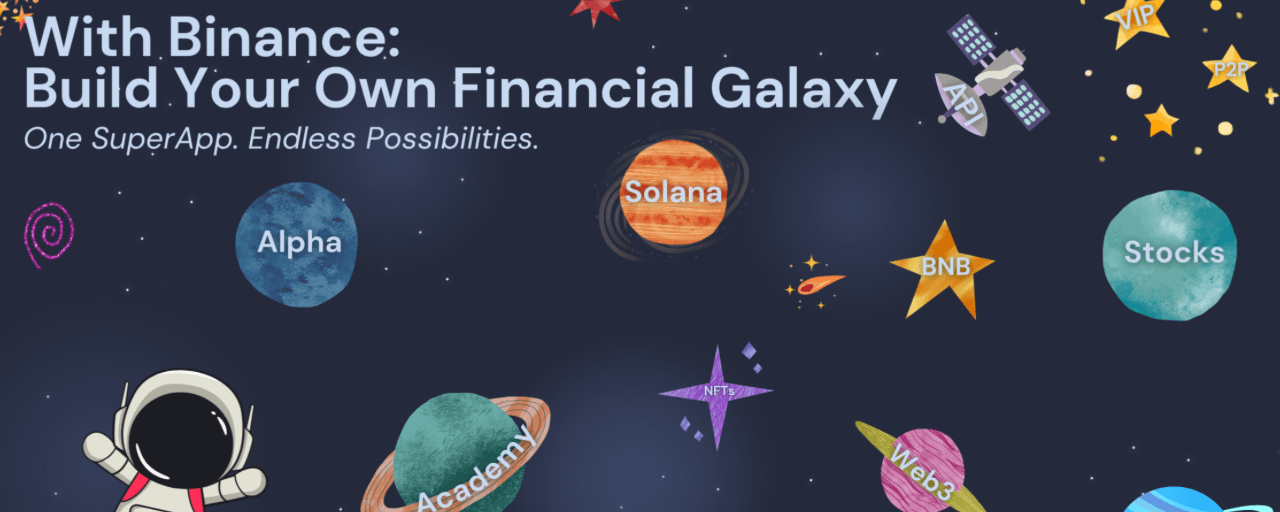
Iphothifoliyo eqinile ihlanganisa izinhlobo ezahlukene zama-asethi, ngayinye ibe nenhloso yayo. Ezinye zigxila ekukhuleni kwesikhathi eside, ezinye zinikeza ukuzinza, ezinye zidala amathuba, kanti ezinye zivumela abatshalizimali ukuthi babambe iqhaza kubuchwepheshe bezimali obusha. Kulapho umqondo we-Financial Super App uba mnandi khona. Esikhundleni sokuphatha ingxenye ngayinye yendlela yakho yezimali endaweni ehlukile, i-Binance iletha ndawonye amazwe amaningi ezezimali abe yi-ecosystem eyodwa. Kusukela ku-crypto nokuhweba kuya kuma-Earn products, Web3, ama-NFT, amasheya, namanye amathuba okutshalwa kwezimali, i-Binance inikeza abasebenzisi ukufinyelela kumathuluzi ahlukahlukene kuye ngemigomo yabo.
Inside Binance - Isiqephu 2: Ukwakha Iphothifoliyo Yakho Ngaphakathi kwe-Financial SuperApp
Intshayisiyo: Iphothifoliyo Inokungaphezulu Kweyodwa I-asethi
Iningi labasaqalayo licabanga ukuthi ukwakha iphothifoliyo kusho ukuthola "into elandelayo enkulu." Bafuna i-coin ezophindaphinda u-x100, isitoko wonke umuntu akhuluma ngaso, noma ithrendi engase ibenze bacebe ngobusuku. Kodwa abatshalizimali abanokuhlangenwe nakho bacabanga ngendlela ehlukile. Iphothifoliyo ayakhiwa ngokuqondene nomunye owina. Yakhiwa ngokulinganisela.
Iphothifoliyo eqinile ihlanganisa izinhlobo ezahlukene zama-asethi, ngayinye ibe nenhloso yayo. Ezinye zigxila ekukhuleni kwesikhathi eside, ezinye zinikeza ukuzinza, ezinye zidala amathuba, kanti ezinye zivumela abatshalizimali ukuthi babambe iqhaza kubuchwepheshe bezimali obusha. Kulapho umqondo we-Financial Super App uba mnandi khona. Esikhundleni sokuphatha ingxenye ngayinye yendlela yakho yezimali endaweni ehlukile, i-Binance iletha ndawonye amazwe amaningi ezezimali abe yi-ecosystem eyodwa. Kusukela ku-crypto nokuhweba kuya kuma-Earn products, Web3, ama-NFT, amasheya, namanye amathuba okutshalwa kwezimali, i-Binance inikeza abasebenzisi ukufinyelela kumathuluzi ahlukahlukene kuye ngemigomo yabo.
Iningi labasaqalayo licabanga ukuthi ukwakha iphothifoliyo kusho ukuthola "into elandelayo enkulu." Bafuna i-coin ezophindaphinda u-x100, isitoko wonke umuntu akhuluma ngaso, noma ithrendi engase ibenze bacebe ngobusuku. Kodwa abatshalizimali abanokuhlangenwe nakho bacabanga ngendlela ehlukile. Iphothifoliyo ayakhiwa ngokuqondene nomunye owina. Yakhiwa ngokulinganisela.
Iphothifoliyo eqinile ihlanganisa izinhlobo ezahlukene zama-asethi, ngayinye ibe nenhloso yayo. Ezinye zigxila ekukhuleni kwesikhathi eside, ezinye zinikeza ukuzinza, ezinye zidala amathuba, kanti ezinye zivumela abatshalizimali ukuthi babambe iqhaza kubuchwepheshe bezimali obusha. Kulapho umqondo we-Financial Super App uba mnandi khona. Esikhundleni sokuphatha ingxenye ngayinye yendlela yakho yezimali endaweni ehlukile, i-Binance iletha ndawonye amazwe amaningi ezezimali abe yi-ecosystem eyodwa. Kusukela ku-crypto nokuhweba kuya kuma-Earn products, Web3, ama-NFT, amasheya, namanye amathuba okutshalwa kwezimali, i-Binance inikeza abasebenzisi ukufinyelela kumathuluzi ahlukahlukene kuye ngemigomo yabo.
1
208
ບົດຄວາມ
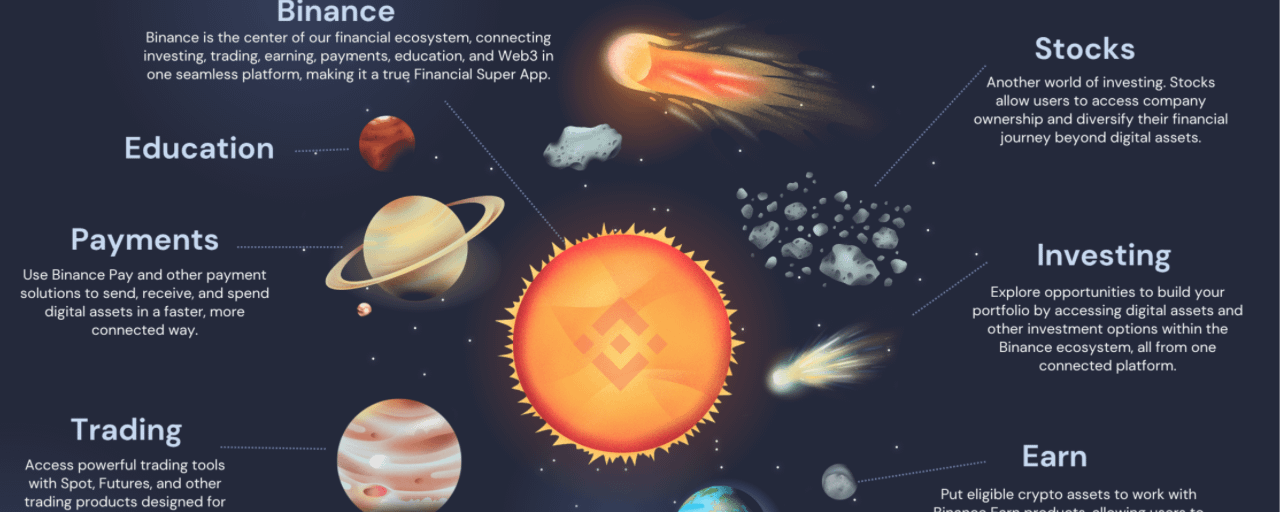
Bên Trong Binance - Tập 1: Siêu Ứng Dụng Tài Chính Của BạnK˺uǔb tàu mayoría người khi ngệ nghe từ Binance, ý nghĩ đầu tiên thường xuất hiện ngay: "Đó là nơi mọi người mua Bitcoin." Mặc dù câu trả lời đó không sai, nhưng nó mới chỉ là bề nổi. Việc mua tiền điện tử có thể là cách hàng triệu người dùng khám phá Binance, nhưng hiếm khi đó là nơi hành trình của họ kết thúc. Khi họ dành nhiều thời gian hơn trên nền tảng, thường họ nhận ra mình không còn chỉ dùng nó để mua crypto nữa; họ đang quản lý tài sản, khám phá thị trường, nhận phần thưởng, thực hiện thanh toán, tìm hiểu công nghệ blockchain, và còn nhiều hơn thế nữa. Sự phát triển này đặt ra một câu hỏi thú vị: Liệu Binance đã trở thành nhiều hơn chỉ là một sàn giao dịch tiền mã hóa?
Bên Trong Binance - Tập 1: Siêu Ứng Dụng Tài Chính Của Bạn
K˺uǔb tàu mayoría người khi ngệ nghe từ Binance, ý nghĩ đầu tiên thường xuất hiện ngay: "Đó là nơi mọi người mua Bitcoin." Mặc dù câu trả lời đó không sai, nhưng nó mới chỉ là bề nổi. Việc mua tiền điện tử có thể là cách hàng triệu người dùng khám phá Binance, nhưng hiếm khi đó là nơi hành trình của họ kết thúc. Khi họ dành nhiều thời gian hơn trên nền tảng, thường họ nhận ra mình không còn chỉ dùng nó để mua crypto nữa; họ đang quản lý tài sản, khám phá thị trường, nhận phần thưởng, thực hiện thanh toán, tìm hiểu công nghệ blockchain, và còn nhiều hơn thế nữa. Sự phát triển này đặt ra một câu hỏi thú vị: Liệu Binance đã trở thành nhiều hơn chỉ là một sàn giao dịch tiền mã hóa?
3
218
·
--
Crypto tħaddem 24/7. Is-swieq tradizzjonali le. Għaliex?
Wieħed mill-akbar differenzi bejn il-kripto u s-swieq finanzjarji tradizzjonali huwa sempliċement meta tista’ tinnegozja.
Is-swieq tal-kripto jaħdmu madwar il-lejl u l-jum, inkluż il-weekends. Is-swieq tradizzjonali ġeneralment jaħdmu fi ħdan sessjonijiet ta’ negozju u kalendarji definiti.
Dan joħloq sett differenti ta’ aspettattivi għall-utenti.
Xi ħadd li hu mdorri bl-ambjent tal-kripto li dejjem “on” jista’ b’mod naturali jistenna aktar flessibbiltà meta jesplora swieq finanzjarji oħra.
Kif spjega DG mit-tim tal-CPMO f’Inside Binance Episode 1, din kienet waħda mill-konsiderazzjonijiet wara d-deċiżjoni li tinvesti f’sigħat ta’ negozju estiżi, aktar milli tillimita l-esperjenza sempliċement għall-ħinijiet tas-suq tradizzjonali.
Il-lezzjoni usa’ hija interessanti:
Id-disinn tal-prodott ma jseħħx b’mod iżolat. Jeħtieġ ukoll li jqis kif l-utenti diġà huma mdorrijin jinteraġixxu mal-attività tas-swieq finanzjarji.
Hekk kif swieq finanzjarji differenti jsiru aktar konnessi, l-adattament tal-esperjenza bejniethom isir sfida importanti fid-disinn tal-prodott.
🎥 Isma’ d-diskussjoni kompleta fuq Binance Square Audio:
[https://www.binance.com/en/square/audio/replay?id=43818743070026](https://www.binance.com/en/square/audio/replay?id=43818743070026)
#Binance #InsideBinance #Web3 #Tokenization #CryptoTrading
@Binance_Angels
Crypto tħaddem 24/7. Is-swieq tradizzjonali le. Għaliex?
Wieħed mill-akbar differenzi bejn il-kripto u s-swieq finanzjarji tradizzjonali huwa sempliċement meta tista’ tinnegozja.
Is-swieq tal-kripto jaħdmu madwar il-lejl u l-jum, inkluż il-weekends. Is-swieq tradizzjonali ġeneralment jaħdmu fi ħdan sessjonijiet ta’ negozju u kalendarji definiti.
Dan joħloq sett differenti ta’ aspettattivi għall-utenti.
Xi ħadd li hu mdorri bl-ambjent tal-kripto li dejjem “on” jista’ b’mod naturali jistenna aktar flessibbiltà meta jesplora swieq finanzjarji oħra.
Kif spjega DG mit-tim tal-CPMO f’Inside Binance Episode 1, din kienet waħda mill-konsiderazzjonijiet wara d-deċiżjoni li tinvesti f’sigħat ta’ negozju estiżi, aktar milli tillimita l-esperjenza sempliċement għall-ħinijiet tas-suq tradizzjonali.
Il-lezzjoni usa’ hija interessanti:
Id-disinn tal-prodott ma jseħħx b’mod iżolat. Jeħtieġ ukoll li jqis kif l-utenti diġà huma mdorrijin jinteraġixxu mal-attività tas-swieq finanzjarji.
Hekk kif swieq finanzjarji differenti jsiru aktar konnessi, l-adattament tal-esperjenza bejniethom isir sfida importanti fid-disinn tal-prodott.
🎥 Isma’ d-diskussjoni kompleta fuq Binance Square Audio:
https://www.binance.com/en/square/audio/replay?id=43818743070026
#Binance #InsideBinance #Web3 #Tokenization #CryptoTrading
@Binance Angels
Wieħed mill-akbar differenzi bejn il-kripto u s-swieq finanzjarji tradizzjonali huwa sempliċement meta tista’ tinnegozja.
Is-swieq tal-kripto jaħdmu madwar il-lejl u l-jum, inkluż il-weekends. Is-swieq tradizzjonali ġeneralment jaħdmu fi ħdan sessjonijiet ta’ negozju u kalendarji definiti.
Dan joħloq sett differenti ta’ aspettattivi għall-utenti.
Xi ħadd li hu mdorri bl-ambjent tal-kripto li dejjem “on” jista’ b’mod naturali jistenna aktar flessibbiltà meta jesplora swieq finanzjarji oħra.
Kif spjega DG mit-tim tal-CPMO f’Inside Binance Episode 1, din kienet waħda mill-konsiderazzjonijiet wara d-deċiżjoni li tinvesti f’sigħat ta’ negozju estiżi, aktar milli tillimita l-esperjenza sempliċement għall-ħinijiet tas-suq tradizzjonali.
Il-lezzjoni usa’ hija interessanti:
Id-disinn tal-prodott ma jseħħx b’mod iżolat. Jeħtieġ ukoll li jqis kif l-utenti diġà huma mdorrijin jinteraġixxu mal-attività tas-swieq finanzjarji.
Hekk kif swieq finanzjarji differenti jsiru aktar konnessi, l-adattament tal-esperjenza bejniethom isir sfida importanti fid-disinn tal-prodott.
🎥 Isma’ d-diskussjoni kompleta fuq Binance Square Audio:
https://www.binance.com/en/square/audio/replay?id=43818743070026
#Binance #InsideBinance #Web3 #Tokenization #CryptoTrading
@Binance Angels
6
60

·
--
ບົດຄວາມ
Ukwakhela Inani Langempela: Kungani Amasheya E-Tokenized Adinga Ukukhokhelwa Kabusha OkuyiqinisoEkuqulunqweni komkhiqizo, ukuthatha izinqamuleli kuvame ukwehlisa inani lesikhathi eside, Lapho kuthuthukiswa okunikezwa ngamasheya okuthokheniwe, ukudala izivumelwano ezilula zokwenziwa ezilandelela nje ukunyakaza kwentengo bekuyoba yindlela elula, Nokho, njengoba u-DG ovela eqenjini le-CPMO babelana ngo-esiqeshini sokuqala se-Inside Binance, ukwakhela abasebenzisi kusho ukukhetha okusemqoka kunokuba kube lula nje.
Esikhundleni sokunikeza ukuvezwa kwezokuphuma (derivative), i-Binance yakha uhlaka lapho amasheya okuthokheniwe angakhokhelwa kabusha ukuze athole amasheya ayisisekelo ngempela, Lolu hlelo luxhumanisa izimakethe zezezimali zendabuko nobuchwepheshe obusabalalisiwe ngokunikeza ukuxhaswa kwekhwalithi yezikhungo kanye nobunikazi obucacile, Kuma-trader wamasheya wendabuko, lesi sakhiwo sinikeza indlela evikelekile, ejwayelekile yokungena ekukhulumeni (liquidity) kwe-Web3.
Ukwakhela Inani Langempela: Kungani Amasheya E-Tokenized Adinga Ukukhokhelwa Kabusha Okuyiqiniso
Ekuqulunqweni komkhiqizo, ukuthatha izinqamuleli kuvame ukwehlisa inani lesikhathi eside, Lapho kuthuthukiswa okunikezwa ngamasheya okuthokheniwe, ukudala izivumelwano ezilula zokwenziwa ezilandelela nje ukunyakaza kwentengo bekuyoba yindlela elula, Nokho, njengoba u-DG ovela eqenjini le-CPMO babelana ngo-esiqeshini sokuqala se-Inside Binance, ukwakhela abasebenzisi kusho ukukhetha okusemqoka kunokuba kube lula nje.
Esikhundleni sokunikeza ukuvezwa kwezokuphuma (derivative), i-Binance yakha uhlaka lapho amasheya okuthokheniwe angakhokhelwa kabusha ukuze athole amasheya ayisisekelo ngempela, Lolu hlelo luxhumanisa izimakethe zezezimali zendabuko nobuchwepheshe obusabalalisiwe ngokunikeza ukuxhaswa kwekhwalithi yezikhungo kanye nobunikazi obucacile, Kuma-trader wamasheya wendabuko, lesi sakhiwo sinikeza indlela evikelekile, ejwayelekile yokungena ekukhulumeni (liquidity) kwe-Web3.
Esikhundleni sokunikeza ukuvezwa kwezokuphuma (derivative), i-Binance yakha uhlaka lapho amasheya okuthokheniwe angakhokhelwa kabusha ukuze athole amasheya ayisisekelo ngempela, Lolu hlelo luxhumanisa izimakethe zezezimali zendabuko nobuchwepheshe obusabalalisiwe ngokunikeza ukuxhaswa kwekhwalithi yezikhungo kanye nobunikazi obucacile, Kuma-trader wamasheya wendabuko, lesi sakhiwo sinikeza indlela evikelekile, ejwayelekile yokungena ekukhulumeni (liquidity) kwe-Web3.
4
55
Uhlolo lwangempela lwephrojekthi ye-crypto akuwona ukuthi ithola ukunakwa okungakanani namuhla—kungukuthi ingakwazi ukwakha yini lapho intshiseko isinyamalala. Yingakho ngigcina @termmax TermMax ingaphakathi kweso lami. Ukugxila kwayo ekubolekiseni nasekubolekeni ngemigomo enezinga elinqunyiwe kudala enye indlela ethakazelisayo kubasebenzisi abafuna izindlela ezibikezeleka kakhulu zokuphatha imali. Ngiyabheja futhi ukuthi $TMX ikhula kanjani eceleni kwe-ecosystem nokuthi ingakwazi yini ukuthola usizo olusemqoka ngokusetshenziswa kwangempela. Kimi, izimpawu ezibalulekile zilula: ukukhula komkhiqizo, i-liquidity, ukuphepha, amandla omphakathi, nokwenziwa okungaguquki. Akukho hype eyimpumputhe, akukho zithembiso ezingokoqobo—kuphela ukuqaphela inqubekelaphambili bese uvumela imiphumela ikhulume. Mhlawumbe uTermMax usasekuseni, noma mhlawumbe sekuseduze ukungena esigabeni esikhulu kakhulu. Isikhathi sizotshela. 👀 Yini into yokuqala oyibhekayo ngaphambi kokusekela iphrojekthi entsha ye-crypto? #TermMax #InsideBinance
$HEMI
Uhlolo lwangempela lwephrojekthi ye-crypto akuwona ukuthi ithola ukunakwa okungakanani namuhla—kungukuthi ingakwazi ukwakha yini lapho intshiseko isinyamalala. Yingakho ngigcina @TermMax TermMax ingaphakathi kweso lami. Ukugxila kwayo ekubolekiseni nasekubolekeni ngemigomo enezinga elinqunyiwe kudala enye indlela ethakazelisayo kubasebenzisi abafuna izindlela ezibikezeleka kakhulu zokuphatha imali. Ngiyabheja futhi ukuthi $TMX ikhula kanjani eceleni kwe-ecosystem nokuthi ingakwazi yini ukuthola usizo olusemqoka ngokusetshenziswa kwangempela. Kimi, izimpawu ezibalulekile zilula: ukukhula komkhiqizo, i-liquidity, ukuphepha, amandla omphakathi, nokwenziwa okungaguquki. Akukho hype eyimpumputhe, akukho zithembiso ezingokoqobo—kuphela ukuqaphela inqubekelaphambili bese uvumela imiphumela ikhulume. Mhlawumbe uTermMax usasekuseni, noma mhlawumbe sekuseduze ukungena esigabeni esikhulu kakhulu. Isikhathi sizotshela. 👀 Yini into yokuqala oyibhekayo ngaphambi kokusekela iphrojekthi entsha ye-crypto? #TermMax #InsideBinance
$HEMI
$HEMI
1
2
134

ເຂົ້າສູ່ລະບົບເພື່ອສຳຫຼວດເນື້ອຫາເພີ່ມເຕີມ
ເຂົ້າຮ່ວມກຸ່ມຜູ້ໃຊ້ຄຣິບໂຕທົ່ວໂລກໃນ Binance Square.
⚡️ ໄດ້ຮັບຂໍ້ມູນຫຼ້າສຸດ ແລະ ທີ່ມີປະໂຫຍດກ່ຽວກັບຄຣິບໂຕ.
💬 ໄດ້ຮັບຄວາມໄວ້ວາງໃຈຈາກຕະຫຼາດແລກປ່ຽນຄຣິບໂຕທີ່ໃຫຍ່ທີ່ສຸດໃນໂລກ.
👍 ຄົ້ນຫາຂໍ້ມູນເຊີງເລິກທີ່ແທ້ຈາກນັກສ້າງທີ່ໄດ້ຮັບການຢືນຢັນ.
ອີເມວ / ເບີໂທລະສັບ
ຫົວຂໍ້ທີ່ກໍາລັງນິຍົມ
1
#FedRateWatch
1.6M views
7,081 ກຳລັງສົນທະນາ
2
#ZcashRises6%
77,900 views
793 ກຳລັງສົນທະນາ
3
#XRPSinks10%
50,339 views
527 ກຳລັງສົນທະນາ
4
#BitcoinETFsShed$450M
9,342 views
106 ກຳລັງສົນທະນາ
5
#CircleOpensArcMainnet
22,769 views
333 ກຳລັງສົນທະນາ
6
#ZcashHoldersBackNU7Upgrade
35,548 views
489 ກຳລັງສົນທະນາ
7
#MSTRTradingVolumeSurpassesMorganStanley
32,071 views
640 ກຳລັງສົນທະນາ
8
#BitcoinFalls4%
63,680 views
995 ກຳລັງສົນທະນາ
9
#SKHynixInTalksToMakeMemoryChipsInUS
23,836 views
383 ກຳລັງສົນທະນາ
10
#OpenAIDiscussesNewFundingAt$1.2TValuation
6,630 views
62 ກຳລັງສົນທະນາ