
#kinetiq
kinetiq
1,288 views
31 ກຳລັງສົນທະນາ
ມາແຮງ
ຫຼ້າສຸດ

ເບິ່ງການແປ
Elysium: Why Hyperliquid's First Value-Accretive Layer 2 Could Redefine the Future of DeFiThe blockchain industry has spent years pursuing one ambitious objective: scaling without compromise.
Every major ecosystem eventually reaches a point where increasing adoption creates an entirely new class of challenges. More users generate more transactions. More developers launch increasingly sophisticated decentralized applications. More liquidity enters the network. While these are all signs of success, they also expose the limitations of the underlying infrastructure.
History has demonstrated this repeatedly.
Ethereum experienced network congestion and soaring gas fees, giving rise to Layer 2 ecosystems. Solana continuously refines its architecture to support greater throughput as adoption expands. Even purpose-built financial blockchains eventually encounter bottlenecks as new applications push their original designs beyond what they were initially intended to support.
Hyperliquid is no exception.
In just a relatively short period, Hyperliquid has established itself as one of the most innovative ecosystems in decentralized finance. Its high-performance trading engine, deep liquidity, efficient execution, and rapidly growing developer community have positioned it as one of the industry's most closely watched blockchain ecosystems.
Yet success inevitably creates new demands.
As decentralized finance evolves beyond perpetual futures into increasingly sophisticated applications—including lending markets, prediction markets, AI-powered financial infrastructure, advanced automated market makers, and complex trading systems—the existing execution environment faces growing pressure.
This is precisely the environment in which Elysium emerges.
After carefully studying the official Elysium manifesto from #Kinetiq , one thing became clear to me:
Elysium is not simply another Layer 2 attempting to compete for attention.
Instead, it represents an entirely different philosophy regarding how Layer 2 networks should create value.
That distinction deserves careful examination.
The Problem Most Layer 2 Networks Never Solved
For years, Layer 2 networks have been celebrated for making blockchain transactions cheaper and faster.
That achievement deserves recognition.
However, a less frequently discussed question remains.
Who actually benefits from the value these Layer 2 ecosystems create?
In many existing blockchain ecosystems, Layer 2 networks successfully attract users, liquidity, developers, and transaction volume.
Sequencers generate revenue.
Applications flourish.
The Layer 2 expands.
Meanwhile, relatively little of that newly created economic activity flows back into the underlying ecosystem responsible for enabling that growth.
In other words, scaling often becomes an exercise in value extraction rather than value creation.
This structural issue has become increasingly important as decentralized finance matures.
Future blockchain infrastructure should not merely process more transactions.
It should strengthen the economic foundation of the entire ecosystem.
That observation sits at the heart of Elysium's design philosophy.
Rather than asking,
"How can we build another fast blockchain?"
Elysium asks a much more interesting question:
"How can every transaction strengthen Hyperliquid itself?"
That subtle shift changes almost everything.
Why Hyperliquid Needs Elysium Today
Every blockchain architecture represents a series of engineering trade-offs.
Hyperliquid deliberately optimized its design around speed, reliability, and composability.
Its HyperCore architecture has become one of the primary reasons the ecosystem performs so efficiently for financial applications.
However, no architecture remains perfectly optimized forever.
As developer activity accelerates, applications become increasingly sophisticated.
Builders are no longer deploying simple decentralized exchanges.
Today's developers are creating advanced derivatives platforms, prediction markets, automated trading infrastructure, AI-powered execution engines, decentralized social applications, token launch platforms, and increasingly complex financial primitives.
Those applications require significantly greater execution capacity.
Current HyperEVM architecture introduces several constraints that become more apparent as adoption increases.
Developers must work around dual-block execution.
High-demand applications compete for available execution capacity.
During periods of elevated network activity, users may experience higher transaction costs than expected.
None of these challenges indicate architectural weakness.
On the contrary.
They demonstrate that Hyperliquid has become valuable enough for developers to push its infrastructure toward its operational limits.
Successful ecosystems eventually require expansion.
Elysium exists to provide exactly that expansion without sacrificing the characteristics that made Hyperliquid successful in the first place.
Scaling Without Fragmenting the Ecosystem
One criticism frequently directed toward Layer 2 ecosystems is fragmentation.
Liquidity becomes scattered across multiple environments.
Users bridge assets between chains.
Developers integrate several different infrastructures.
Oracle providers become mandatory.
Additional gas tokens appear.
Complexity quietly increases.
Ironically, the very solutions designed to simplify blockchain usage sometimes make it more confusing.
Elysium attempts to solve scaling without introducing those familiar complications.
Instead of functioning as an isolated blockchain competing for liquidity, it remains deeply integrated with Hyperliquid's existing infrastructure.
Settlement remains connected.
Liquidity remains connected.
Market structure remains connected.
Builders remain connected.
Users continue operating inside one coherent financial ecosystem rather than navigating several disconnected environments.
This represents one of Elysium's most significant philosophical differences.
Its objective is not independence.
Its objective is integration.
Why Using $HYPE as Gas Matters More Than People Think
One design decision immediately stood out while reading the technical documentation.
Elysium uses $HYPE as its native gas token.
At first glance, that may appear to be a relatively small implementation detail.
I believe it is considerably more important than that.
Many blockchain ecosystems unintentionally introduce friction by requiring entirely separate gas assets for different execution environments.
Users purchase one token for staking.
Another token for governance.
A third token for transaction fees.
Eventually, the ecosystem becomes increasingly complicated for newcomers.
Elysium deliberately avoids that complexity.
Using $HYPE as native gas creates continuity across the Hyperliquid ecosystem.
Users already familiar with Hyperliquid do not need to learn an entirely new fee model.
Developers inherit a simpler user experience.
Wallet interactions become cleaner.
Liquidity remains concentrated.
Perhaps most importantly, network utility naturally reinforces the role of $HYPE itself.
Good infrastructure often succeeds because users barely notice it.
Removing unnecessary friction is frequently more valuable than introducing additional features.
Elysium appears to understand that principle remarkably well.
Beyond Faster Transactions
One common misconception surrounding blockchain scaling is that higher throughput alone determines success.
Throughput certainly matters.
Lower fees matter.
Faster confirmation times matter.
Yet infrastructure capable of processing millions of transactions becomes significantly less valuable if developers still struggle to build sophisticated applications.
This is where Elysium begins separating itself from conventional Layer 2 designs.
Its objective extends beyond processing transactions faster.
It seeks to become an execution environment specifically optimized for decentralized finance.
Rather than viewing throughput as the final destination, Elysium treats throughput as the foundation upon which entirely new financial infrastructure can be constructed.
That distinction becomes increasingly important as we examine one of its most compelling innovations: direct interaction with HyperCore itself.
Higher throughput alone does not create a better blockchain.
What truly matters is whether developers can build applications that were previously impossible or impractical. This is exactly where Elysium begins to distinguish itself from many existing Layer 2 networks.
HyperCore Is More Than a Settlement Layer
One of the most compelling aspects of Elysium is its relationship with HyperCore.
Many blockchain ecosystems rely on external oracle networks to provide pricing information, liquidity data, and market feeds. While these systems have enabled decentralized finance to flourish, they also introduce additional infrastructure, latency, operational costs, and trust assumptions.
Elysium takes a different approach.
Instead of treating market data as something external, it brings HyperCore much closer to decentralized applications through an enhanced native read layer. Developers can access richer market information—including deeper order book data, balances, positions, pricing, and other market state—without depending on traditional oracle update mechanisms.
At first glance, this may appear to be a technical improvement aimed solely at developers.
In reality, it changes how sophisticated financial applications can operate.
Imagine building an automated trading strategy.
Every millisecond matters.
If your application receives stale pricing information, your quotes become less competitive.
If your hedge executes too slowly, your inventory risk increases.
If updating market data requires continuous oracle transactions, operating costs rise significantly.
Elysium reduces these challenges by making HyperCore's market information available much closer to where applications execute.
This is not merely about reading prices.
It is about enabling an entirely new generation of decentralized financial infrastructure.
Why PropAMMs Could Transform Hyperliquid's Spot Markets
One term repeatedly appears throughout the Elysium technical documentation:
PropAMM.
While automated market makers are familiar to most DeFi users, PropAMMs introduce a different model.
Traditional AMMs depend primarily on pooled liquidity deposited by users.
PropAMMs are designed around professional market makers that actively quote prices using their own capital while continuously managing inventory and risk. These systems require fast execution, fresh market data, and efficient hedging to remain competitive.
That is precisely why Elysium's architecture matters.
Because PropAMMs can reference HyperCore's market information directly, professional market makers can quote on Elysium while managing their exposure using HyperCore's liquidity with far lower latency than conventional oracle-driven systems.
For traders, the benefits become tangible.
Better market makers generally produce:
- Tighter bid-ask spreads.
- Deeper liquidity.
- Lower slippage.
- Faster execution.
- More efficient price discovery.
Rather than simply increasing block space, Elysium creates conditions that encourage professional liquidity providers to participate.
That distinction may prove extremely important for Hyperliquid's long-term spot market growth.
Solving a Problem That Extends Beyond Speed
One misconception surrounding Elysium is that its objective is simply making transactions faster.
The official vision suggests something much broader.
Hyperliquid's challenge has never been limited to execution speed.
Spot asset growth has also faced structural friction.
Today, launching a token, attracting liquidity, building an active market, establishing a mature order book, and eventually supporting derivatives often require navigating several disconnected systems.
Every transition introduces additional complexity.
Liquidity fragments.
Communities disperse.
Builders spend valuable time solving infrastructure problems rather than improving their products.
Elysium attempts to eliminate that fragmentation by creating a continuous development pathway inside one ecosystem.
A Complete Token Generation Lifecycle
This is perhaps one of my favorite aspects of the Elysium proposal.
Instead of viewing token creation as a single launch event, Elysium treats it as an evolving lifecycle.
The proposed progression is remarkably intuitive:
AMM → PropAMM → HyperCore Spot → HIP-3 Perpetuals
Each stage solves a different problem.
A new project begins by launching on an Elysium AMM, where early community members can provide liquidity and establish initial price discovery.
As trading activity grows, liquidity graduates into PropAMMs, where professional market makers provide tighter spreads, deeper books, and greater trading efficiency.
Successful projects can then establish native HyperCore spot order books, allowing assets to participate directly in Hyperliquid's growing spot ecosystem.
Finally, mature assets may progress to HIP-3 perpetual markets, opening entirely new opportunities for traders, liquidity providers, and ecosystem growth.
This progression fundamentally changes how projects mature.
Instead of forcing liquidity to migrate across multiple ecosystems, Elysium creates one continuous journey.
That benefits everyone.
Developers spend less time rebuilding infrastructure.
Communities remain concentrated.
Liquidity compounds rather than disperses.
Users enjoy a more seamless experience from a token's earliest days to its most mature trading markets.
Why Builders Should Pay Close Attention
Developers often determine whether an ecosystem succeeds long before users recognize it.
Builders naturally gravitate toward environments that reduce friction.
Elysium offers several advantages that make development considerably more attractive.
First, developers continue building within a familiar EVM environment using standard Solidity tooling, reducing the learning curve.
Second, HYPE serves as native gas throughout the ecosystem, eliminating the need for additional gas assets and simplifying user onboarding.
Third, direct access to HyperCore market information enables entirely new application designs that would otherwise require costly external infrastructure.
Finally, applications benefit from infrastructure specifically optimized for financial workloads rather than generic blockchain computation.
Taken together, these improvements suggest that Elysium is not merely creating another execution layer.
It is attempting to become the preferred environment for building the next generation of decentralized financial applications.
However, technical excellence alone is not enough.
The long-term success of any blockchain ultimately depends on whether its economic incentives encourage every participant to grow together rather than compete for value.
That is where Elysium's sequencer fee model becomes arguably its most revolutionary innovation.
The technical innovations behind Elysium are undoubtedly impressive.
However, blockchain history has repeatedly demonstrated one important lesson:
Superior technology alone rarely guarantees long-term success.
Many technically brilliant protocols have struggled because their economic incentives failed to encourage sustainable participation.
That is why, after examining Elysium's architecture, I believe its sequencer fee model deserves just as much attention as its engineering.
This is where Elysium attempts to redefine what a Layer 2 should accomplish.
The Missing Piece in Traditional Layer 2 Economics
For years, Layer 2 networks have primarily been evaluated using technical metrics.
How many transactions can they process?
How inexpensive are transaction fees?
How quickly can blocks be finalized?
Those metrics certainly matter.
Yet they overlook another equally important question.
Where does the economic value created by those transactions actually go?
Most existing Layer 2 ecosystems generate revenue through sequencer fees.
Applications create activity.
Users generate transactions.
Sequencers collect fees.
The Layer 2 operator benefits.
Meanwhile, relatively little of that economic activity directly strengthens the broader ecosystem supporting the Layer 2.
This is often described as value extraction.
Elysium proposes an entirely different philosophy.
Instead of concentrating economic value within the execution layer, it intentionally redistributes value throughout the ecosystem.
That is why Kinetiq describes Elysium as a value-accretive Layer 2 rather than simply another scaling solution.
Understanding the Sequencer Fee Model
At first glance, Elysium's fee distribution appears remarkably straightforward.
Every sequencer fee generated by network activity is divided into three allocations:
25% → Application Builders
Developers creating applications on Elysium receive a direct share of the economic activity they help generate.
Rather than relying exclusively on grants or token incentives, builders participate in ongoing protocol growth.
This creates an environment where successful applications are rewarded through continued network usage rather than one-time funding events.
25% → Kinetiq Treasury
No blockchain ecosystem can continue innovating without sustainable funding.
Allocating part of sequencer revenue to the treasury creates resources for infrastructure development, research, ecosystem expansion, security improvements, and future protocol initiatives.
Instead of depending entirely on market speculation, ecosystem growth gains an ongoing revenue source.
50% → Programmatic KNTQ Buyback and Burn
This is undoubtedly the centerpiece of Elysium's economic design.
Half of all sequencer revenue is allocated toward purchasing KNTQ from the open market.
Those purchased tokens are then permanently removed from circulation through the Hyperliquid Assistance Fund.
Unlike temporary staking incentives or inflationary reward systems, this mechanism links real protocol activity to potential long-term supply reduction.
That is an important distinction.
Why the Buy-and-Burn Model Matters
Many cryptocurrency ecosystems attempt to create demand through narratives.
Others rely heavily on emissions to encourage participation.
Elysium introduces another possibility.
Its model attempts to connect actual network usage with token value accrual.
The relationship can be summarized as follows:
More builders create more applications.
More applications attract more users.
More users generate more transactions.
More transactions create more sequencer revenue.
More sequencer revenue funds additional KNTQ purchases.
More purchased KNTQ is permanently burned.
Instead of relying solely on speculation, Elysium attempts to transform protocol activity into a continuous value-accrual mechanism.
Of course, one important reality should not be ignored.
A burn mechanism becomes meaningful only if the network generates substantial activity.
Fifty percent of minimal revenue remains minimal.
The true strength of this model therefore depends on one factor:
Can Elysium attract sustained developer activity, trading volume, and real users?
That will ultimately determine whether its economic design fulfills its potential.
Aligning Every Participant
One aspect of the manifesto I particularly appreciate is its focus on alignment.
Too often, blockchain ecosystems unintentionally create competing incentives.
Builders pursue grants.
Token holders seek appreciation.
Protocols seek revenue.
Users pursue lower fees.
These objectives do not always reinforce one another.
Elysium attempts to place every participant inside the same economic flywheel.
Builders receive recurring incentives to continue creating valuable applications.
Users benefit from better infrastructure, lower friction, and deeper liquidity.
The treasury receives resources to continue improving the ecosystem.
KNTQ holders participate in an economic model tied directly to protocol activity.
When incentives reinforce one another instead of competing, ecosystems become significantly more resilient.
That may ultimately become Elysium's greatest innovation.
Why This Matters for the Future of Hyperliquid
Hyperliquid has already established itself as one of decentralized finance's most efficient trading ecosystems.
Elysium does not attempt to replace that foundation.
Instead, it expands what builders can accomplish on top of it.
Developers gain an execution environment optimized for financial applications.
Spot markets gain infrastructure specifically designed for deeper liquidity.
Projects receive a clearer lifecycle from token launch through mature trading markets.
Meanwhile, the economic model seeks to ensure that increased activity strengthens—not fragments—the ecosystem.
If execution matches the vision, Elysium could become far more than another Layer 2.
It could become a blueprint for how future blockchain infrastructure should be designed.
My Perspective
After studying the official documentation, I believe the most interesting aspect of Elysium is not its higher throughput.
Nor is it simply the use of $HYPE as native gas.
It is the attempt to solve two problems simultaneously:
The technical challenge of scaling decentralized finance.
And the economic challenge of ensuring that scaling benefits everyone participating in the ecosystem.
That combination is surprisingly rare.
Nevertheless, it is important to remain objective.
The manifesto presents a compelling architecture.
The technical vision is ambitious.
The incentive model is thoughtfully designed.
However, long-term success will ultimately depend on execution.
Developer adoption.
Application quality.
Trading activity.
Sustained sequencer revenue.
These are the metrics that will determine whether Elysium becomes a defining milestone for Hyperliquid or simply another promising infrastructure experiment.
Final Thoughts
The blockchain industry has entered a new phase.
Competing solely on faster blocks and lower fees is no longer enough.
The next generation of infrastructure must answer a more important question:
How can every transaction create value for the entire ecosystem instead of only the execution layer?
That is precisely the question Elysium attempts to answer.
Whether viewed from the perspective of a builder, trader, protocol designer, or long-term ecosystem participant, the vision is difficult to ignore.
For me, Elysium's greatest promise is not that it introduces another Layer 2.
It is that it challenges the industry to rethink what a Layer 2 should be.
If successful, the real legacy of Elysium may not be measured by the number of transactions it processes.
It may be remembered as one of the first infrastructures to demonstrate that blockchain scaling and ecosystem value creation can grow together rather than apart.
As the Hyperliquid ecosystem continues to evolve, I will be watching closely to see how this vision unfolds. If Elysium delivers on its technical roadmap and economic model, it could mark an important step forward—not only for #Kinetiq and $HYPE, but also for the broader future of decentralized finance.
Disclaimer: The views expressed in this article are based on my research and analysis of publicly available information. They are intended for educational purposes only and should not be considered financial or investment advice. Always conduct your own research before making investment decisions.
Elysium: Why Hyperliquid's First Value-Accretive Layer 2 Could Redefine the Future of DeFi
The blockchain industry has spent years pursuing one ambitious objective: scaling without compromise.
Every major ecosystem eventually reaches a point where increasing adoption creates an entirely new class of challenges. More users generate more transactions. More developers launch increasingly sophisticated decentralized applications. More liquidity enters the network. While these are all signs of success, they also expose the limitations of the underlying infrastructure.
History has demonstrated this repeatedly.
Ethereum experienced network congestion and soaring gas fees, giving rise to Layer 2 ecosystems. Solana continuously refines its architecture to support greater throughput as adoption expands. Even purpose-built financial blockchains eventually encounter bottlenecks as new applications push their original designs beyond what they were initially intended to support.
Hyperliquid is no exception.
In just a relatively short period, Hyperliquid has established itself as one of the most innovative ecosystems in decentralized finance. Its high-performance trading engine, deep liquidity, efficient execution, and rapidly growing developer community have positioned it as one of the industry's most closely watched blockchain ecosystems.
Yet success inevitably creates new demands.
As decentralized finance evolves beyond perpetual futures into increasingly sophisticated applications—including lending markets, prediction markets, AI-powered financial infrastructure, advanced automated market makers, and complex trading systems—the existing execution environment faces growing pressure.
This is precisely the environment in which Elysium emerges.
After carefully studying the official Elysium manifesto from #Kinetiq , one thing became clear to me:
Elysium is not simply another Layer 2 attempting to compete for attention.
Instead, it represents an entirely different philosophy regarding how Layer 2 networks should create value.
That distinction deserves careful examination.
The Problem Most Layer 2 Networks Never Solved
For years, Layer 2 networks have been celebrated for making blockchain transactions cheaper and faster.
That achievement deserves recognition.
However, a less frequently discussed question remains.
Who actually benefits from the value these Layer 2 ecosystems create?
In many existing blockchain ecosystems, Layer 2 networks successfully attract users, liquidity, developers, and transaction volume.
Sequencers generate revenue.
Applications flourish.
The Layer 2 expands.
Meanwhile, relatively little of that newly created economic activity flows back into the underlying ecosystem responsible for enabling that growth.
In other words, scaling often becomes an exercise in value extraction rather than value creation.
This structural issue has become increasingly important as decentralized finance matures.
Future blockchain infrastructure should not merely process more transactions.
It should strengthen the economic foundation of the entire ecosystem.
That observation sits at the heart of Elysium's design philosophy.
Rather than asking,
"How can we build another fast blockchain?"
Elysium asks a much more interesting question:
"How can every transaction strengthen Hyperliquid itself?"
That subtle shift changes almost everything.
Why Hyperliquid Needs Elysium Today
Every blockchain architecture represents a series of engineering trade-offs.
Hyperliquid deliberately optimized its design around speed, reliability, and composability.
Its HyperCore architecture has become one of the primary reasons the ecosystem performs so efficiently for financial applications.
However, no architecture remains perfectly optimized forever.
As developer activity accelerates, applications become increasingly sophisticated.
Builders are no longer deploying simple decentralized exchanges.
Today's developers are creating advanced derivatives platforms, prediction markets, automated trading infrastructure, AI-powered execution engines, decentralized social applications, token launch platforms, and increasingly complex financial primitives.
Those applications require significantly greater execution capacity.
Current HyperEVM architecture introduces several constraints that become more apparent as adoption increases.
Developers must work around dual-block execution.
High-demand applications compete for available execution capacity.
During periods of elevated network activity, users may experience higher transaction costs than expected.
None of these challenges indicate architectural weakness.
On the contrary.
They demonstrate that Hyperliquid has become valuable enough for developers to push its infrastructure toward its operational limits.
Successful ecosystems eventually require expansion.
Elysium exists to provide exactly that expansion without sacrificing the characteristics that made Hyperliquid successful in the first place.
Scaling Without Fragmenting the Ecosystem
One criticism frequently directed toward Layer 2 ecosystems is fragmentation.
Liquidity becomes scattered across multiple environments.
Users bridge assets between chains.
Developers integrate several different infrastructures.
Oracle providers become mandatory.
Additional gas tokens appear.
Complexity quietly increases.
Ironically, the very solutions designed to simplify blockchain usage sometimes make it more confusing.
Elysium attempts to solve scaling without introducing those familiar complications.
Instead of functioning as an isolated blockchain competing for liquidity, it remains deeply integrated with Hyperliquid's existing infrastructure.
Settlement remains connected.
Liquidity remains connected.
Market structure remains connected.
Builders remain connected.
Users continue operating inside one coherent financial ecosystem rather than navigating several disconnected environments.
This represents one of Elysium's most significant philosophical differences.
Its objective is not independence.
Its objective is integration.
Why Using $HYPE as Gas Matters More Than People Think
One design decision immediately stood out while reading the technical documentation.
Elysium uses $HYPE as its native gas token.
At first glance, that may appear to be a relatively small implementation detail.
I believe it is considerably more important than that.
Many blockchain ecosystems unintentionally introduce friction by requiring entirely separate gas assets for different execution environments.
Users purchase one token for staking.
Another token for governance.
A third token for transaction fees.
Eventually, the ecosystem becomes increasingly complicated for newcomers.
Elysium deliberately avoids that complexity.
Using $HYPE as native gas creates continuity across the Hyperliquid ecosystem.
Users already familiar with Hyperliquid do not need to learn an entirely new fee model.
Developers inherit a simpler user experience.
Wallet interactions become cleaner.
Liquidity remains concentrated.
Perhaps most importantly, network utility naturally reinforces the role of $HYPE itself.
Good infrastructure often succeeds because users barely notice it.
Removing unnecessary friction is frequently more valuable than introducing additional features.
Elysium appears to understand that principle remarkably well.
Beyond Faster Transactions
One common misconception surrounding blockchain scaling is that higher throughput alone determines success.
Throughput certainly matters.
Lower fees matter.
Faster confirmation times matter.
Yet infrastructure capable of processing millions of transactions becomes significantly less valuable if developers still struggle to build sophisticated applications.
This is where Elysium begins separating itself from conventional Layer 2 designs.
Its objective extends beyond processing transactions faster.
It seeks to become an execution environment specifically optimized for decentralized finance.
Rather than viewing throughput as the final destination, Elysium treats throughput as the foundation upon which entirely new financial infrastructure can be constructed.
That distinction becomes increasingly important as we examine one of its most compelling innovations: direct interaction with HyperCore itself.
Higher throughput alone does not create a better blockchain.
What truly matters is whether developers can build applications that were previously impossible or impractical. This is exactly where Elysium begins to distinguish itself from many existing Layer 2 networks.
HyperCore Is More Than a Settlement Layer
One of the most compelling aspects of Elysium is its relationship with HyperCore.
Many blockchain ecosystems rely on external oracle networks to provide pricing information, liquidity data, and market feeds. While these systems have enabled decentralized finance to flourish, they also introduce additional infrastructure, latency, operational costs, and trust assumptions.
Elysium takes a different approach.
Instead of treating market data as something external, it brings HyperCore much closer to decentralized applications through an enhanced native read layer. Developers can access richer market information—including deeper order book data, balances, positions, pricing, and other market state—without depending on traditional oracle update mechanisms.
At first glance, this may appear to be a technical improvement aimed solely at developers.
In reality, it changes how sophisticated financial applications can operate.
Imagine building an automated trading strategy.
Every millisecond matters.
If your application receives stale pricing information, your quotes become less competitive.
If your hedge executes too slowly, your inventory risk increases.
If updating market data requires continuous oracle transactions, operating costs rise significantly.
Elysium reduces these challenges by making HyperCore's market information available much closer to where applications execute.
This is not merely about reading prices.
It is about enabling an entirely new generation of decentralized financial infrastructure.
Why PropAMMs Could Transform Hyperliquid's Spot Markets
One term repeatedly appears throughout the Elysium technical documentation:
PropAMM.
While automated market makers are familiar to most DeFi users, PropAMMs introduce a different model.
Traditional AMMs depend primarily on pooled liquidity deposited by users.
PropAMMs are designed around professional market makers that actively quote prices using their own capital while continuously managing inventory and risk. These systems require fast execution, fresh market data, and efficient hedging to remain competitive.
That is precisely why Elysium's architecture matters.
Because PropAMMs can reference HyperCore's market information directly, professional market makers can quote on Elysium while managing their exposure using HyperCore's liquidity with far lower latency than conventional oracle-driven systems.
For traders, the benefits become tangible.
Better market makers generally produce:
- Tighter bid-ask spreads.
- Deeper liquidity.
- Lower slippage.
- Faster execution.
- More efficient price discovery.
Rather than simply increasing block space, Elysium creates conditions that encourage professional liquidity providers to participate.
That distinction may prove extremely important for Hyperliquid's long-term spot market growth.
Solving a Problem That Extends Beyond Speed
One misconception surrounding Elysium is that its objective is simply making transactions faster.
The official vision suggests something much broader.
Hyperliquid's challenge has never been limited to execution speed.
Spot asset growth has also faced structural friction.
Today, launching a token, attracting liquidity, building an active market, establishing a mature order book, and eventually supporting derivatives often require navigating several disconnected systems.
Every transition introduces additional complexity.
Liquidity fragments.
Communities disperse.
Builders spend valuable time solving infrastructure problems rather than improving their products.
Elysium attempts to eliminate that fragmentation by creating a continuous development pathway inside one ecosystem.
A Complete Token Generation Lifecycle
This is perhaps one of my favorite aspects of the Elysium proposal.
Instead of viewing token creation as a single launch event, Elysium treats it as an evolving lifecycle.
The proposed progression is remarkably intuitive:
AMM → PropAMM → HyperCore Spot → HIP-3 Perpetuals
Each stage solves a different problem.
A new project begins by launching on an Elysium AMM, where early community members can provide liquidity and establish initial price discovery.
As trading activity grows, liquidity graduates into PropAMMs, where professional market makers provide tighter spreads, deeper books, and greater trading efficiency.
Successful projects can then establish native HyperCore spot order books, allowing assets to participate directly in Hyperliquid's growing spot ecosystem.
Finally, mature assets may progress to HIP-3 perpetual markets, opening entirely new opportunities for traders, liquidity providers, and ecosystem growth.
This progression fundamentally changes how projects mature.
Instead of forcing liquidity to migrate across multiple ecosystems, Elysium creates one continuous journey.
That benefits everyone.
Developers spend less time rebuilding infrastructure.
Communities remain concentrated.
Liquidity compounds rather than disperses.
Users enjoy a more seamless experience from a token's earliest days to its most mature trading markets.
Why Builders Should Pay Close Attention
Developers often determine whether an ecosystem succeeds long before users recognize it.
Builders naturally gravitate toward environments that reduce friction.
Elysium offers several advantages that make development considerably more attractive.
First, developers continue building within a familiar EVM environment using standard Solidity tooling, reducing the learning curve.
Second, HYPE serves as native gas throughout the ecosystem, eliminating the need for additional gas assets and simplifying user onboarding.
Third, direct access to HyperCore market information enables entirely new application designs that would otherwise require costly external infrastructure.
Finally, applications benefit from infrastructure specifically optimized for financial workloads rather than generic blockchain computation.
Taken together, these improvements suggest that Elysium is not merely creating another execution layer.
It is attempting to become the preferred environment for building the next generation of decentralized financial applications.
However, technical excellence alone is not enough.
The long-term success of any blockchain ultimately depends on whether its economic incentives encourage every participant to grow together rather than compete for value.
That is where Elysium's sequencer fee model becomes arguably its most revolutionary innovation.
The technical innovations behind Elysium are undoubtedly impressive.
However, blockchain history has repeatedly demonstrated one important lesson:
Superior technology alone rarely guarantees long-term success.
Many technically brilliant protocols have struggled because their economic incentives failed to encourage sustainable participation.
That is why, after examining Elysium's architecture, I believe its sequencer fee model deserves just as much attention as its engineering.
This is where Elysium attempts to redefine what a Layer 2 should accomplish.
The Missing Piece in Traditional Layer 2 Economics
For years, Layer 2 networks have primarily been evaluated using technical metrics.
How many transactions can they process?
How inexpensive are transaction fees?
How quickly can blocks be finalized?
Those metrics certainly matter.
Yet they overlook another equally important question.
Where does the economic value created by those transactions actually go?
Most existing Layer 2 ecosystems generate revenue through sequencer fees.
Applications create activity.
Users generate transactions.
Sequencers collect fees.
The Layer 2 operator benefits.
Meanwhile, relatively little of that economic activity directly strengthens the broader ecosystem supporting the Layer 2.
This is often described as value extraction.
Elysium proposes an entirely different philosophy.
Instead of concentrating economic value within the execution layer, it intentionally redistributes value throughout the ecosystem.
That is why Kinetiq describes Elysium as a value-accretive Layer 2 rather than simply another scaling solution.
Understanding the Sequencer Fee Model
At first glance, Elysium's fee distribution appears remarkably straightforward.
Every sequencer fee generated by network activity is divided into three allocations:
25% → Application Builders
Developers creating applications on Elysium receive a direct share of the economic activity they help generate.
Rather than relying exclusively on grants or token incentives, builders participate in ongoing protocol growth.
This creates an environment where successful applications are rewarded through continued network usage rather than one-time funding events.
25% → Kinetiq Treasury
No blockchain ecosystem can continue innovating without sustainable funding.
Allocating part of sequencer revenue to the treasury creates resources for infrastructure development, research, ecosystem expansion, security improvements, and future protocol initiatives.
Instead of depending entirely on market speculation, ecosystem growth gains an ongoing revenue source.
50% → Programmatic KNTQ Buyback and Burn
This is undoubtedly the centerpiece of Elysium's economic design.
Half of all sequencer revenue is allocated toward purchasing KNTQ from the open market.
Those purchased tokens are then permanently removed from circulation through the Hyperliquid Assistance Fund.
Unlike temporary staking incentives or inflationary reward systems, this mechanism links real protocol activity to potential long-term supply reduction.
That is an important distinction.
Why the Buy-and-Burn Model Matters
Many cryptocurrency ecosystems attempt to create demand through narratives.
Others rely heavily on emissions to encourage participation.
Elysium introduces another possibility.
Its model attempts to connect actual network usage with token value accrual.
The relationship can be summarized as follows:
More builders create more applications.
More applications attract more users.
More users generate more transactions.
More transactions create more sequencer revenue.
More sequencer revenue funds additional KNTQ purchases.
More purchased KNTQ is permanently burned.
Instead of relying solely on speculation, Elysium attempts to transform protocol activity into a continuous value-accrual mechanism.
Of course, one important reality should not be ignored.
A burn mechanism becomes meaningful only if the network generates substantial activity.
Fifty percent of minimal revenue remains minimal.
The true strength of this model therefore depends on one factor:
Can Elysium attract sustained developer activity, trading volume, and real users?
That will ultimately determine whether its economic design fulfills its potential.
Aligning Every Participant
One aspect of the manifesto I particularly appreciate is its focus on alignment.
Too often, blockchain ecosystems unintentionally create competing incentives.
Builders pursue grants.
Token holders seek appreciation.
Protocols seek revenue.
Users pursue lower fees.
These objectives do not always reinforce one another.
Elysium attempts to place every participant inside the same economic flywheel.
Builders receive recurring incentives to continue creating valuable applications.
Users benefit from better infrastructure, lower friction, and deeper liquidity.
The treasury receives resources to continue improving the ecosystem.
KNTQ holders participate in an economic model tied directly to protocol activity.
When incentives reinforce one another instead of competing, ecosystems become significantly more resilient.
That may ultimately become Elysium's greatest innovation.
Why This Matters for the Future of Hyperliquid
Hyperliquid has already established itself as one of decentralized finance's most efficient trading ecosystems.
Elysium does not attempt to replace that foundation.
Instead, it expands what builders can accomplish on top of it.
Developers gain an execution environment optimized for financial applications.
Spot markets gain infrastructure specifically designed for deeper liquidity.
Projects receive a clearer lifecycle from token launch through mature trading markets.
Meanwhile, the economic model seeks to ensure that increased activity strengthens—not fragments—the ecosystem.
If execution matches the vision, Elysium could become far more than another Layer 2.
It could become a blueprint for how future blockchain infrastructure should be designed.
My Perspective
After studying the official documentation, I believe the most interesting aspect of Elysium is not its higher throughput.
Nor is it simply the use of $HYPE as native gas.
It is the attempt to solve two problems simultaneously:
The technical challenge of scaling decentralized finance.
And the economic challenge of ensuring that scaling benefits everyone participating in the ecosystem.
That combination is surprisingly rare.
Nevertheless, it is important to remain objective.
The manifesto presents a compelling architecture.
The technical vision is ambitious.
The incentive model is thoughtfully designed.
However, long-term success will ultimately depend on execution.
Developer adoption.
Application quality.
Trading activity.
Sustained sequencer revenue.
These are the metrics that will determine whether Elysium becomes a defining milestone for Hyperliquid or simply another promising infrastructure experiment.
Final Thoughts
The blockchain industry has entered a new phase.
Competing solely on faster blocks and lower fees is no longer enough.
The next generation of infrastructure must answer a more important question:
How can every transaction create value for the entire ecosystem instead of only the execution layer?
That is precisely the question Elysium attempts to answer.
Whether viewed from the perspective of a builder, trader, protocol designer, or long-term ecosystem participant, the vision is difficult to ignore.
For me, Elysium's greatest promise is not that it introduces another Layer 2.
It is that it challenges the industry to rethink what a Layer 2 should be.
If successful, the real legacy of Elysium may not be measured by the number of transactions it processes.
It may be remembered as one of the first infrastructures to demonstrate that blockchain scaling and ecosystem value creation can grow together rather than apart.
As the Hyperliquid ecosystem continues to evolve, I will be watching closely to see how this vision unfolds. If Elysium delivers on its technical roadmap and economic model, it could mark an important step forward—not only for #Kinetiq and $HYPE , but also for the broader future of decentralized finance.
Disclaimer: The views expressed in this article are based on my research and analysis of publicly available information. They are intended for educational purposes only and should not be considered financial or investment advice. Always conduct your own research before making investment decisions.
Every major ecosystem eventually reaches a point where increasing adoption creates an entirely new class of challenges. More users generate more transactions. More developers launch increasingly sophisticated decentralized applications. More liquidity enters the network. While these are all signs of success, they also expose the limitations of the underlying infrastructure.
History has demonstrated this repeatedly.
Ethereum experienced network congestion and soaring gas fees, giving rise to Layer 2 ecosystems. Solana continuously refines its architecture to support greater throughput as adoption expands. Even purpose-built financial blockchains eventually encounter bottlenecks as new applications push their original designs beyond what they were initially intended to support.
Hyperliquid is no exception.
In just a relatively short period, Hyperliquid has established itself as one of the most innovative ecosystems in decentralized finance. Its high-performance trading engine, deep liquidity, efficient execution, and rapidly growing developer community have positioned it as one of the industry's most closely watched blockchain ecosystems.
Yet success inevitably creates new demands.
As decentralized finance evolves beyond perpetual futures into increasingly sophisticated applications—including lending markets, prediction markets, AI-powered financial infrastructure, advanced automated market makers, and complex trading systems—the existing execution environment faces growing pressure.
This is precisely the environment in which Elysium emerges.
After carefully studying the official Elysium manifesto from #Kinetiq , one thing became clear to me:
Elysium is not simply another Layer 2 attempting to compete for attention.
Instead, it represents an entirely different philosophy regarding how Layer 2 networks should create value.
That distinction deserves careful examination.
The Problem Most Layer 2 Networks Never Solved
For years, Layer 2 networks have been celebrated for making blockchain transactions cheaper and faster.
That achievement deserves recognition.
However, a less frequently discussed question remains.
Who actually benefits from the value these Layer 2 ecosystems create?
In many existing blockchain ecosystems, Layer 2 networks successfully attract users, liquidity, developers, and transaction volume.
Sequencers generate revenue.
Applications flourish.
The Layer 2 expands.
Meanwhile, relatively little of that newly created economic activity flows back into the underlying ecosystem responsible for enabling that growth.
In other words, scaling often becomes an exercise in value extraction rather than value creation.
This structural issue has become increasingly important as decentralized finance matures.
Future blockchain infrastructure should not merely process more transactions.
It should strengthen the economic foundation of the entire ecosystem.
That observation sits at the heart of Elysium's design philosophy.
Rather than asking,
"How can we build another fast blockchain?"
Elysium asks a much more interesting question:
"How can every transaction strengthen Hyperliquid itself?"
That subtle shift changes almost everything.
Why Hyperliquid Needs Elysium Today
Every blockchain architecture represents a series of engineering trade-offs.
Hyperliquid deliberately optimized its design around speed, reliability, and composability.
Its HyperCore architecture has become one of the primary reasons the ecosystem performs so efficiently for financial applications.
However, no architecture remains perfectly optimized forever.
As developer activity accelerates, applications become increasingly sophisticated.
Builders are no longer deploying simple decentralized exchanges.
Today's developers are creating advanced derivatives platforms, prediction markets, automated trading infrastructure, AI-powered execution engines, decentralized social applications, token launch platforms, and increasingly complex financial primitives.
Those applications require significantly greater execution capacity.
Current HyperEVM architecture introduces several constraints that become more apparent as adoption increases.
Developers must work around dual-block execution.
High-demand applications compete for available execution capacity.
During periods of elevated network activity, users may experience higher transaction costs than expected.
None of these challenges indicate architectural weakness.
On the contrary.
They demonstrate that Hyperliquid has become valuable enough for developers to push its infrastructure toward its operational limits.
Successful ecosystems eventually require expansion.
Elysium exists to provide exactly that expansion without sacrificing the characteristics that made Hyperliquid successful in the first place.
Scaling Without Fragmenting the Ecosystem
One criticism frequently directed toward Layer 2 ecosystems is fragmentation.
Liquidity becomes scattered across multiple environments.
Users bridge assets between chains.
Developers integrate several different infrastructures.
Oracle providers become mandatory.
Additional gas tokens appear.
Complexity quietly increases.
Ironically, the very solutions designed to simplify blockchain usage sometimes make it more confusing.
Elysium attempts to solve scaling without introducing those familiar complications.
Instead of functioning as an isolated blockchain competing for liquidity, it remains deeply integrated with Hyperliquid's existing infrastructure.
Settlement remains connected.
Liquidity remains connected.
Market structure remains connected.
Builders remain connected.
Users continue operating inside one coherent financial ecosystem rather than navigating several disconnected environments.
This represents one of Elysium's most significant philosophical differences.
Its objective is not independence.
Its objective is integration.
Why Using $HYPE as Gas Matters More Than People Think
One design decision immediately stood out while reading the technical documentation.
Elysium uses $HYPE as its native gas token.
At first glance, that may appear to be a relatively small implementation detail.
I believe it is considerably more important than that.
Many blockchain ecosystems unintentionally introduce friction by requiring entirely separate gas assets for different execution environments.
Users purchase one token for staking.
Another token for governance.
A third token for transaction fees.
Eventually, the ecosystem becomes increasingly complicated for newcomers.
Elysium deliberately avoids that complexity.
Using $HYPE as native gas creates continuity across the Hyperliquid ecosystem.
Users already familiar with Hyperliquid do not need to learn an entirely new fee model.
Developers inherit a simpler user experience.
Wallet interactions become cleaner.
Liquidity remains concentrated.
Perhaps most importantly, network utility naturally reinforces the role of $HYPE itself.
Good infrastructure often succeeds because users barely notice it.
Removing unnecessary friction is frequently more valuable than introducing additional features.
Elysium appears to understand that principle remarkably well.
Beyond Faster Transactions
One common misconception surrounding blockchain scaling is that higher throughput alone determines success.
Throughput certainly matters.
Lower fees matter.
Faster confirmation times matter.
Yet infrastructure capable of processing millions of transactions becomes significantly less valuable if developers still struggle to build sophisticated applications.
This is where Elysium begins separating itself from conventional Layer 2 designs.
Its objective extends beyond processing transactions faster.
It seeks to become an execution environment specifically optimized for decentralized finance.
Rather than viewing throughput as the final destination, Elysium treats throughput as the foundation upon which entirely new financial infrastructure can be constructed.
That distinction becomes increasingly important as we examine one of its most compelling innovations: direct interaction with HyperCore itself.
Higher throughput alone does not create a better blockchain.
What truly matters is whether developers can build applications that were previously impossible or impractical. This is exactly where Elysium begins to distinguish itself from many existing Layer 2 networks.
HyperCore Is More Than a Settlement Layer
One of the most compelling aspects of Elysium is its relationship with HyperCore.
Many blockchain ecosystems rely on external oracle networks to provide pricing information, liquidity data, and market feeds. While these systems have enabled decentralized finance to flourish, they also introduce additional infrastructure, latency, operational costs, and trust assumptions.
Elysium takes a different approach.
Instead of treating market data as something external, it brings HyperCore much closer to decentralized applications through an enhanced native read layer. Developers can access richer market information—including deeper order book data, balances, positions, pricing, and other market state—without depending on traditional oracle update mechanisms.
At first glance, this may appear to be a technical improvement aimed solely at developers.
In reality, it changes how sophisticated financial applications can operate.
Imagine building an automated trading strategy.
Every millisecond matters.
If your application receives stale pricing information, your quotes become less competitive.
If your hedge executes too slowly, your inventory risk increases.
If updating market data requires continuous oracle transactions, operating costs rise significantly.
Elysium reduces these challenges by making HyperCore's market information available much closer to where applications execute.
This is not merely about reading prices.
It is about enabling an entirely new generation of decentralized financial infrastructure.
Why PropAMMs Could Transform Hyperliquid's Spot Markets
One term repeatedly appears throughout the Elysium technical documentation:
PropAMM.
While automated market makers are familiar to most DeFi users, PropAMMs introduce a different model.
Traditional AMMs depend primarily on pooled liquidity deposited by users.
PropAMMs are designed around professional market makers that actively quote prices using their own capital while continuously managing inventory and risk. These systems require fast execution, fresh market data, and efficient hedging to remain competitive.
That is precisely why Elysium's architecture matters.
Because PropAMMs can reference HyperCore's market information directly, professional market makers can quote on Elysium while managing their exposure using HyperCore's liquidity with far lower latency than conventional oracle-driven systems.
For traders, the benefits become tangible.
Better market makers generally produce:
- Tighter bid-ask spreads.
- Deeper liquidity.
- Lower slippage.
- Faster execution.
- More efficient price discovery.
Rather than simply increasing block space, Elysium creates conditions that encourage professional liquidity providers to participate.
That distinction may prove extremely important for Hyperliquid's long-term spot market growth.
Solving a Problem That Extends Beyond Speed
One misconception surrounding Elysium is that its objective is simply making transactions faster.
The official vision suggests something much broader.
Hyperliquid's challenge has never been limited to execution speed.
Spot asset growth has also faced structural friction.
Today, launching a token, attracting liquidity, building an active market, establishing a mature order book, and eventually supporting derivatives often require navigating several disconnected systems.
Every transition introduces additional complexity.
Liquidity fragments.
Communities disperse.
Builders spend valuable time solving infrastructure problems rather than improving their products.
Elysium attempts to eliminate that fragmentation by creating a continuous development pathway inside one ecosystem.
A Complete Token Generation Lifecycle
This is perhaps one of my favorite aspects of the Elysium proposal.
Instead of viewing token creation as a single launch event, Elysium treats it as an evolving lifecycle.
The proposed progression is remarkably intuitive:
AMM → PropAMM → HyperCore Spot → HIP-3 Perpetuals
Each stage solves a different problem.
A new project begins by launching on an Elysium AMM, where early community members can provide liquidity and establish initial price discovery.
As trading activity grows, liquidity graduates into PropAMMs, where professional market makers provide tighter spreads, deeper books, and greater trading efficiency.
Successful projects can then establish native HyperCore spot order books, allowing assets to participate directly in Hyperliquid's growing spot ecosystem.
Finally, mature assets may progress to HIP-3 perpetual markets, opening entirely new opportunities for traders, liquidity providers, and ecosystem growth.
This progression fundamentally changes how projects mature.
Instead of forcing liquidity to migrate across multiple ecosystems, Elysium creates one continuous journey.
That benefits everyone.
Developers spend less time rebuilding infrastructure.
Communities remain concentrated.
Liquidity compounds rather than disperses.
Users enjoy a more seamless experience from a token's earliest days to its most mature trading markets.
Why Builders Should Pay Close Attention
Developers often determine whether an ecosystem succeeds long before users recognize it.
Builders naturally gravitate toward environments that reduce friction.
Elysium offers several advantages that make development considerably more attractive.
First, developers continue building within a familiar EVM environment using standard Solidity tooling, reducing the learning curve.
Second, HYPE serves as native gas throughout the ecosystem, eliminating the need for additional gas assets and simplifying user onboarding.
Third, direct access to HyperCore market information enables entirely new application designs that would otherwise require costly external infrastructure.
Finally, applications benefit from infrastructure specifically optimized for financial workloads rather than generic blockchain computation.
Taken together, these improvements suggest that Elysium is not merely creating another execution layer.
It is attempting to become the preferred environment for building the next generation of decentralized financial applications.
However, technical excellence alone is not enough.
The long-term success of any blockchain ultimately depends on whether its economic incentives encourage every participant to grow together rather than compete for value.
That is where Elysium's sequencer fee model becomes arguably its most revolutionary innovation.
The technical innovations behind Elysium are undoubtedly impressive.
However, blockchain history has repeatedly demonstrated one important lesson:
Superior technology alone rarely guarantees long-term success.
Many technically brilliant protocols have struggled because their economic incentives failed to encourage sustainable participation.
That is why, after examining Elysium's architecture, I believe its sequencer fee model deserves just as much attention as its engineering.
This is where Elysium attempts to redefine what a Layer 2 should accomplish.
The Missing Piece in Traditional Layer 2 Economics
For years, Layer 2 networks have primarily been evaluated using technical metrics.
How many transactions can they process?
How inexpensive are transaction fees?
How quickly can blocks be finalized?
Those metrics certainly matter.
Yet they overlook another equally important question.
Where does the economic value created by those transactions actually go?
Most existing Layer 2 ecosystems generate revenue through sequencer fees.
Applications create activity.
Users generate transactions.
Sequencers collect fees.
The Layer 2 operator benefits.
Meanwhile, relatively little of that economic activity directly strengthens the broader ecosystem supporting the Layer 2.
This is often described as value extraction.
Elysium proposes an entirely different philosophy.
Instead of concentrating economic value within the execution layer, it intentionally redistributes value throughout the ecosystem.
That is why Kinetiq describes Elysium as a value-accretive Layer 2 rather than simply another scaling solution.
Understanding the Sequencer Fee Model
At first glance, Elysium's fee distribution appears remarkably straightforward.
Every sequencer fee generated by network activity is divided into three allocations:
25% → Application Builders
Developers creating applications on Elysium receive a direct share of the economic activity they help generate.
Rather than relying exclusively on grants or token incentives, builders participate in ongoing protocol growth.
This creates an environment where successful applications are rewarded through continued network usage rather than one-time funding events.
25% → Kinetiq Treasury
No blockchain ecosystem can continue innovating without sustainable funding.
Allocating part of sequencer revenue to the treasury creates resources for infrastructure development, research, ecosystem expansion, security improvements, and future protocol initiatives.
Instead of depending entirely on market speculation, ecosystem growth gains an ongoing revenue source.
50% → Programmatic KNTQ Buyback and Burn
This is undoubtedly the centerpiece of Elysium's economic design.
Half of all sequencer revenue is allocated toward purchasing KNTQ from the open market.
Those purchased tokens are then permanently removed from circulation through the Hyperliquid Assistance Fund.
Unlike temporary staking incentives or inflationary reward systems, this mechanism links real protocol activity to potential long-term supply reduction.
That is an important distinction.
Why the Buy-and-Burn Model Matters
Many cryptocurrency ecosystems attempt to create demand through narratives.
Others rely heavily on emissions to encourage participation.
Elysium introduces another possibility.
Its model attempts to connect actual network usage with token value accrual.
The relationship can be summarized as follows:
More builders create more applications.
More applications attract more users.
More users generate more transactions.
More transactions create more sequencer revenue.
More sequencer revenue funds additional KNTQ purchases.
More purchased KNTQ is permanently burned.
Instead of relying solely on speculation, Elysium attempts to transform protocol activity into a continuous value-accrual mechanism.
Of course, one important reality should not be ignored.
A burn mechanism becomes meaningful only if the network generates substantial activity.
Fifty percent of minimal revenue remains minimal.
The true strength of this model therefore depends on one factor:
Can Elysium attract sustained developer activity, trading volume, and real users?
That will ultimately determine whether its economic design fulfills its potential.
Aligning Every Participant
One aspect of the manifesto I particularly appreciate is its focus on alignment.
Too often, blockchain ecosystems unintentionally create competing incentives.
Builders pursue grants.
Token holders seek appreciation.
Protocols seek revenue.
Users pursue lower fees.
These objectives do not always reinforce one another.
Elysium attempts to place every participant inside the same economic flywheel.
Builders receive recurring incentives to continue creating valuable applications.
Users benefit from better infrastructure, lower friction, and deeper liquidity.
The treasury receives resources to continue improving the ecosystem.
KNTQ holders participate in an economic model tied directly to protocol activity.
When incentives reinforce one another instead of competing, ecosystems become significantly more resilient.
That may ultimately become Elysium's greatest innovation.
Why This Matters for the Future of Hyperliquid
Hyperliquid has already established itself as one of decentralized finance's most efficient trading ecosystems.
Elysium does not attempt to replace that foundation.
Instead, it expands what builders can accomplish on top of it.
Developers gain an execution environment optimized for financial applications.
Spot markets gain infrastructure specifically designed for deeper liquidity.
Projects receive a clearer lifecycle from token launch through mature trading markets.
Meanwhile, the economic model seeks to ensure that increased activity strengthens—not fragments—the ecosystem.
If execution matches the vision, Elysium could become far more than another Layer 2.
It could become a blueprint for how future blockchain infrastructure should be designed.
My Perspective
After studying the official documentation, I believe the most interesting aspect of Elysium is not its higher throughput.
Nor is it simply the use of $HYPE as native gas.
It is the attempt to solve two problems simultaneously:
The technical challenge of scaling decentralized finance.
And the economic challenge of ensuring that scaling benefits everyone participating in the ecosystem.
That combination is surprisingly rare.
Nevertheless, it is important to remain objective.
The manifesto presents a compelling architecture.
The technical vision is ambitious.
The incentive model is thoughtfully designed.
However, long-term success will ultimately depend on execution.
Developer adoption.
Application quality.
Trading activity.
Sustained sequencer revenue.
These are the metrics that will determine whether Elysium becomes a defining milestone for Hyperliquid or simply another promising infrastructure experiment.
Final Thoughts
The blockchain industry has entered a new phase.
Competing solely on faster blocks and lower fees is no longer enough.
The next generation of infrastructure must answer a more important question:
How can every transaction create value for the entire ecosystem instead of only the execution layer?
That is precisely the question Elysium attempts to answer.
Whether viewed from the perspective of a builder, trader, protocol designer, or long-term ecosystem participant, the vision is difficult to ignore.
For me, Elysium's greatest promise is not that it introduces another Layer 2.
It is that it challenges the industry to rethink what a Layer 2 should be.
If successful, the real legacy of Elysium may not be measured by the number of transactions it processes.
It may be remembered as one of the first infrastructures to demonstrate that blockchain scaling and ecosystem value creation can grow together rather than apart.
As the Hyperliquid ecosystem continues to evolve, I will be watching closely to see how this vision unfolds. If Elysium delivers on its technical roadmap and economic model, it could mark an important step forward—not only for #Kinetiq and $HYPE , but also for the broader future of decentralized finance.
Disclaimer: The views expressed in this article are based on my research and analysis of publicly available information. They are intended for educational purposes only and should not be considered financial or investment advice. Always conduct your own research before making investment decisions.
LowOnChain:
The real differentiator isn’t just higher throughput, it’s whether scaling keeps liquidity and value aligned with the ecosystem that created it.
2
2
171

·
--
ບົດຄວາມ
ເບິ່ງການແປ
Elysium: The Value-Accretive L2 Changing the Game for HyperliquidNigeria has become one of the clearest examples of growing real-world crypto demand. Chainalysis’ 2025 Global Crypto Adoption Index ranked Nigeria 6th globally overall and 3rd for DeFi value received.
For users in markets like this, blockchain infrastructure is not merely a technical discussion. Speed, transaction costs, liquidity and composability directly affect the experience.
That is the context in which Elysium caught my attention.
#Kinetiq is proposing a purpose-built Layer 2 designed around Hyperliquid, addressing what it describes as HyperEVM bottlenecks while maintaining close connectivity with HyperCore. Rather than building another isolated chain competing for liquidity, the thesis is to expand what can happen within the Hyperliquid ecosystem.
Kinetiq calls this a new era for Hyperliquid, and there are several reasons why.
Why Hyperliquid Needs Elysium
HyperEVM opened the door to general-purpose applications, but Kinetiq points to challenges including its dual-block architecture, limited throughput and high transaction costs. The manifesto notes that simple swaps have reached around $20 during periods of congestion.
That creates friction for builders and traders.
Elysium is designed to provide a higher-performance environment while remaining closely connected to HyperCore. If it delivers as proposed, developers can gain better infrastructure without abandoning the liquidity and markets that make Hyperliquid valuable.
This is where the #Hyperliquid and #Layer2 narratives begin to intersect.
Supercharging Spot Trading
Hyperliquid is best known for perpetuals, while its spot market has significant room for growth. Elysium aims to address this by creating an environment suited to high-performance spot applications and professional market makers.
Its customized L1Read precompile is particularly interesting. By exposing HyperCore information to applications on Elysium, builders can potentially use Hyperliquid pricing and liquidity as native infrastructure.
This could make PropAMMs more attractive while creating new opportunities across #defi .
HYPE as Gas
One practical decision is making $HYPE the gas token for Elysium.
Users would not need to acquire another asset simply to interact with the network. That reduces friction while strengthening the connection between Elysium and the broader Hyperliquid economy.
The bigger question, however, is adoption. HYPE as gas is useful only if Elysium provides the performance and applications that give users a reason to transact there.
A Connected Token Lifecycle
Elysium also proposes a more complete path for launching and growing tokens.
A project could potentially bootstrap liquidity through an AMM, develop deeper liquidity through PropAMMs, move toward a HyperCore spot order book, and eventually access HIP-3 permissionless perpetual deployments.
AMM → PropAMM → HyperCore Spot → HIP-3 Perps
The important part is not simply having these components. It is connecting them into one potential growth path.
The Sequencer Fee Model
The most compelling part of Elysium, in my view, is its proposed sequencer fee structure:
25% Builders | 25% Treasury | 50% KNTQ
The builder allocation can support incentives and rebates. The treasury receives 25% for operations, while 50% is directed toward programmatic KNTQ purchases. The purchased KNTQ is then burned through the Hyperliquid Assistance Fund.
That creates a proposed cycle:
Elysium activity → Sequencer fees → KNTQ purchases → KNTQ burned
This mechanism is why Kinetiq describes Elysium as value-accretive. Instead of an L2 simply extracting activity from its underlying ecosystem, part of the proposed economic value flows toward builders, Kinetiq and KNTQ.
Still, “hyper-deflationary” should not be treated as a guarantee of price appreciation. Burns matter only when supported by genuine demand and sustained network activity.
My Take
What makes Elysium interesting is its ecosystem-specific design. It is being built around HyperCore liquidity, HYPE, spot markets and HIP-3 perps rather than trying to create another disconnected DeFi destination.
The thesis is compelling, but execution will determine everything. Builders must come, traders must use it, liquidity must deepen and transaction activity must become substantial.
If those pieces align, Elysium could demonstrate that an L2 can expand an existing ecosystem while creating mechanisms designed to return economic value to its participants.
For me, that is the experiment worth watching as #Elysium moves toward launch, and why this development matters for #Web3 .
References:
Kinetiq (Website): https://kinetiq.xyz/Kinetiq (Documentation): kinetiq.xyz/docsChainalysis (The 2025 Global Crypto Adoption Index): https://www.chainalysis.com/blog/2025-global-crypto-adoption-index/Hyperliquid Docs (Interacting with HyperCore): https://hyperliquid.gitbook.io/hyperliquid-docs/for-developers/hyperevm/interacting-with-hypercore
Elysium: The Value-Accretive L2 Changing the Game for Hyperliquid
Nigeria has become one of the clearest examples of growing real-world crypto demand. Chainalysis’ 2025 Global Crypto Adoption Index ranked Nigeria 6th globally overall and 3rd for DeFi value received.
For users in markets like this, blockchain infrastructure is not merely a technical discussion. Speed, transaction costs, liquidity and composability directly affect the experience.
That is the context in which Elysium caught my attention.
#Kinetiq is proposing a purpose-built Layer 2 designed around Hyperliquid, addressing what it describes as HyperEVM bottlenecks while maintaining close connectivity with HyperCore. Rather than building another isolated chain competing for liquidity, the thesis is to expand what can happen within the Hyperliquid ecosystem.
Kinetiq calls this a new era for Hyperliquid, and there are several reasons why.
Why Hyperliquid Needs Elysium
HyperEVM opened the door to general-purpose applications, but Kinetiq points to challenges including its dual-block architecture, limited throughput and high transaction costs. The manifesto notes that simple swaps have reached around $20 during periods of congestion.
That creates friction for builders and traders.
Elysium is designed to provide a higher-performance environment while remaining closely connected to HyperCore. If it delivers as proposed, developers can gain better infrastructure without abandoning the liquidity and markets that make Hyperliquid valuable.
This is where the #Hyperliquid and #Layer2 narratives begin to intersect.
Supercharging Spot Trading
Hyperliquid is best known for perpetuals, while its spot market has significant room for growth. Elysium aims to address this by creating an environment suited to high-performance spot applications and professional market makers.
Its customized L1Read precompile is particularly interesting. By exposing HyperCore information to applications on Elysium, builders can potentially use Hyperliquid pricing and liquidity as native infrastructure.
This could make PropAMMs more attractive while creating new opportunities across #defi .
HYPE as Gas
One practical decision is making $HYPE the gas token for Elysium.
Users would not need to acquire another asset simply to interact with the network. That reduces friction while strengthening the connection between Elysium and the broader Hyperliquid economy.
The bigger question, however, is adoption. HYPE as gas is useful only if Elysium provides the performance and applications that give users a reason to transact there.
A Connected Token Lifecycle
Elysium also proposes a more complete path for launching and growing tokens.
A project could potentially bootstrap liquidity through an AMM, develop deeper liquidity through PropAMMs, move toward a HyperCore spot order book, and eventually access HIP-3 permissionless perpetual deployments.
AMM → PropAMM → HyperCore Spot → HIP-3 Perps
The important part is not simply having these components. It is connecting them into one potential growth path.
The Sequencer Fee Model
The most compelling part of Elysium, in my view, is its proposed sequencer fee structure:
25% Builders | 25% Treasury | 50% KNTQ
The builder allocation can support incentives and rebates. The treasury receives 25% for operations, while 50% is directed toward programmatic KNTQ purchases. The purchased KNTQ is then burned through the Hyperliquid Assistance Fund.
That creates a proposed cycle:
Elysium activity → Sequencer fees → KNTQ purchases → KNTQ burned
This mechanism is why Kinetiq describes Elysium as value-accretive. Instead of an L2 simply extracting activity from its underlying ecosystem, part of the proposed economic value flows toward builders, Kinetiq and KNTQ.
Still, “hyper-deflationary” should not be treated as a guarantee of price appreciation. Burns matter only when supported by genuine demand and sustained network activity.
My Take
What makes Elysium interesting is its ecosystem-specific design. It is being built around HyperCore liquidity, HYPE, spot markets and HIP-3 perps rather than trying to create another disconnected DeFi destination.
The thesis is compelling, but execution will determine everything. Builders must come, traders must use it, liquidity must deepen and transaction activity must become substantial.
If those pieces align, Elysium could demonstrate that an L2 can expand an existing ecosystem while creating mechanisms designed to return economic value to its participants.
For me, that is the experiment worth watching as #Elysium moves toward launch, and why this development matters for #Web3 .
References:
Kinetiq (Website): https://kinetiq.xyz/Kinetiq (Documentation): kinetiq.xyz/docsChainalysis (The 2025 Global Crypto Adoption Index): https://www.chainalysis.com/blog/2025-global-crypto-adoption-index/Hyperliquid Docs (Interacting with HyperCore): https://hyperliquid.gitbook.io/hyperliquid-docs/for-developers/hyperevm/interacting-with-hypercore
For users in markets like this, blockchain infrastructure is not merely a technical discussion. Speed, transaction costs, liquidity and composability directly affect the experience.
That is the context in which Elysium caught my attention.
#Kinetiq is proposing a purpose-built Layer 2 designed around Hyperliquid, addressing what it describes as HyperEVM bottlenecks while maintaining close connectivity with HyperCore. Rather than building another isolated chain competing for liquidity, the thesis is to expand what can happen within the Hyperliquid ecosystem.
Kinetiq calls this a new era for Hyperliquid, and there are several reasons why.
Why Hyperliquid Needs Elysium
HyperEVM opened the door to general-purpose applications, but Kinetiq points to challenges including its dual-block architecture, limited throughput and high transaction costs. The manifesto notes that simple swaps have reached around $20 during periods of congestion.
That creates friction for builders and traders.
Elysium is designed to provide a higher-performance environment while remaining closely connected to HyperCore. If it delivers as proposed, developers can gain better infrastructure without abandoning the liquidity and markets that make Hyperliquid valuable.
This is where the #Hyperliquid and #Layer2 narratives begin to intersect.
Supercharging Spot Trading
Hyperliquid is best known for perpetuals, while its spot market has significant room for growth. Elysium aims to address this by creating an environment suited to high-performance spot applications and professional market makers.
Its customized L1Read precompile is particularly interesting. By exposing HyperCore information to applications on Elysium, builders can potentially use Hyperliquid pricing and liquidity as native infrastructure.
This could make PropAMMs more attractive while creating new opportunities across #defi .
HYPE as Gas
One practical decision is making $HYPE the gas token for Elysium.
Users would not need to acquire another asset simply to interact with the network. That reduces friction while strengthening the connection between Elysium and the broader Hyperliquid economy.
The bigger question, however, is adoption. HYPE as gas is useful only if Elysium provides the performance and applications that give users a reason to transact there.
A Connected Token Lifecycle
Elysium also proposes a more complete path for launching and growing tokens.
A project could potentially bootstrap liquidity through an AMM, develop deeper liquidity through PropAMMs, move toward a HyperCore spot order book, and eventually access HIP-3 permissionless perpetual deployments.
AMM → PropAMM → HyperCore Spot → HIP-3 Perps
The important part is not simply having these components. It is connecting them into one potential growth path.
The Sequencer Fee Model
The most compelling part of Elysium, in my view, is its proposed sequencer fee structure:
25% Builders | 25% Treasury | 50% KNTQ
The builder allocation can support incentives and rebates. The treasury receives 25% for operations, while 50% is directed toward programmatic KNTQ purchases. The purchased KNTQ is then burned through the Hyperliquid Assistance Fund.
That creates a proposed cycle:
Elysium activity → Sequencer fees → KNTQ purchases → KNTQ burned
This mechanism is why Kinetiq describes Elysium as value-accretive. Instead of an L2 simply extracting activity from its underlying ecosystem, part of the proposed economic value flows toward builders, Kinetiq and KNTQ.
Still, “hyper-deflationary” should not be treated as a guarantee of price appreciation. Burns matter only when supported by genuine demand and sustained network activity.
My Take
What makes Elysium interesting is its ecosystem-specific design. It is being built around HyperCore liquidity, HYPE, spot markets and HIP-3 perps rather than trying to create another disconnected DeFi destination.
The thesis is compelling, but execution will determine everything. Builders must come, traders must use it, liquidity must deepen and transaction activity must become substantial.
If those pieces align, Elysium could demonstrate that an L2 can expand an existing ecosystem while creating mechanisms designed to return economic value to its participants.
For me, that is the experiment worth watching as #Elysium moves toward launch, and why this development matters for #Web3 .
References:
Kinetiq (Website): https://kinetiq.xyz/Kinetiq (Documentation): kinetiq.xyz/docsChainalysis (The 2025 Global Crypto Adoption Index): https://www.chainalysis.com/blog/2025-global-crypto-adoption-index/Hyperliquid Docs (Interacting with HyperCore): https://hyperliquid.gitbook.io/hyperliquid-docs/for-developers/hyperevm/interacting-with-hypercore
GodwinEze:
Interesting thesis especially the focus on keeping liquidity connected to HyperCore rather than creating another isolated chain. If Elysium can genuinely improve speed and costs while attracting real builders and users, it could add meaningful utility to the Hyperliquid ecosystem.
1
2
127

ບົດຄວາມ
Elysium: ยุคใหม่สำหรับ Hyperliquidทำไม L2 ใหม่ของ Kinetiq อาจเปลี่ยนเศรษฐศาสตร์ของ Hyperliquid DeFi
Layer 2 ถูกคิดขึ้นมาเพื่อแก้ปัญหาง่ายๆ อย่างหนึ่ง: ทำให้แอปพลิเคชันบนบล็อกเชนเร็วขึ้นและถูกลง
แต่คำถามอีกข้อหนึ่งกลับยิ่งสำคัญขึ้นเรื่อยๆ:
มูลค่าที่สร้างโดย L2 จะไปอยู่ที่ไหนจริงๆ?
แนวทางของ Kinetiq ในเรื่อง Elysium มองคำถามนั้นต่างออกไป
แทนที่จะวางเลเยอร์การรันอีกชั้นหนึ่งเป็น “ปลายทาง” ที่แข่งขันกับเครือข่ายพื้นฐานของมันเอง Elysium กำลังถูกออกแบบโดยยึด Hyperliquid เป็นแกนหลัก โดย HyperCore เป็นรากฐานของการเชื่อมต่อ
Elysium: ยุคใหม่สำหรับ Hyperliquid
ทำไม L2 ใหม่ของ Kinetiq อาจเปลี่ยนเศรษฐศาสตร์ของ Hyperliquid DeFi
Layer 2 ถูกคิดขึ้นมาเพื่อแก้ปัญหาง่ายๆ อย่างหนึ่ง: ทำให้แอปพลิเคชันบนบล็อกเชนเร็วขึ้นและถูกลง
แต่คำถามอีกข้อหนึ่งกลับยิ่งสำคัญขึ้นเรื่อยๆ:
มูลค่าที่สร้างโดย L2 จะไปอยู่ที่ไหนจริงๆ?
แนวทางของ Kinetiq ในเรื่อง Elysium มองคำถามนั้นต่างออกไป
แทนที่จะวางเลเยอร์การรันอีกชั้นหนึ่งเป็น “ปลายทาง” ที่แข่งขันกับเครือข่ายพื้นฐานของมันเอง Elysium กำลังถูกออกแบบโดยยึด Hyperliquid เป็นแกนหลัก โดย HyperCore เป็นรากฐานของการเชื่อมต่อ
Layer 2 ถูกคิดขึ้นมาเพื่อแก้ปัญหาง่ายๆ อย่างหนึ่ง: ทำให้แอปพลิเคชันบนบล็อกเชนเร็วขึ้นและถูกลง
แต่คำถามอีกข้อหนึ่งกลับยิ่งสำคัญขึ้นเรื่อยๆ:
มูลค่าที่สร้างโดย L2 จะไปอยู่ที่ไหนจริงๆ?
แนวทางของ Kinetiq ในเรื่อง Elysium มองคำถามนั้นต่างออกไป
แทนที่จะวางเลเยอร์การรันอีกชั้นหนึ่งเป็น “ปลายทาง” ที่แข่งขันกับเครือข่ายพื้นฐานของมันเอง Elysium กำลังถูกออกแบบโดยยึด Hyperliquid เป็นแกนหลัก โดย HyperCore เป็นรากฐานของการเชื่อมต่อ
1
147

·
--
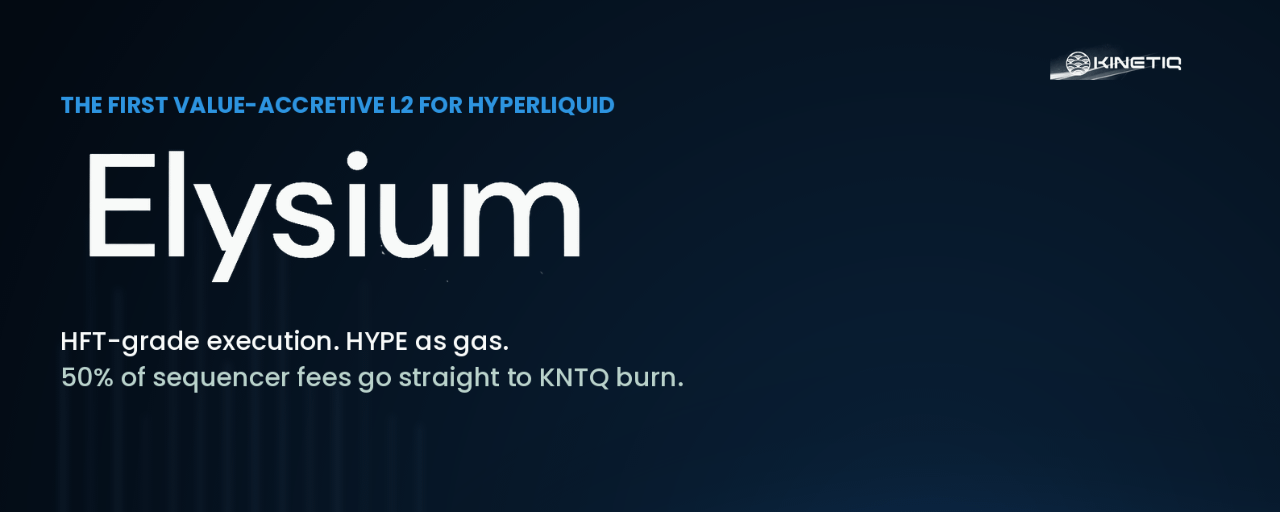
ບົດຄວາມ
ເບິ່ງການແປ
Elysium: The Layer 2 Built Around HyperliquidHyperliquid has built a serious trading ecosystem around $HYPE , HyperCore and its growing DeFi stack.
But scaling the EVM side for high-frequency activity creates a different problem.
HyperEVM is deliberately constrained so it can compose with HyperCore. Elysium is designed by #Kinetiq to provide a separate, high-performance EVM environment while staying tightly connected to the Hyperliquid ecosystem.
Elysium is currently pre-launch, but its proposed architecture is worth studying.
The chain uses $HYPE as native gas, meaning users do not need to acquire another token just to transact.
HYPE bridges in and out 1:1, keeping the economic experience tied to Hyperliquid.
The execution target is also significantly higher than the constrained HyperEVM environment, with a stated 300 Mgas/s target and 100 to 200 ms canonical blocks.
That matters for applications that need frequent execution, especially trading systems and professional market makers.
But the bigger story is composability.
Elysium is designed to connect application-level activity with HyperCore.
A token can move through a lifecycle from an AMM to a PropAMM, then into HyperCore Spot and eventually toward HIP-3 perpetual markets.
That gives builders a much clearer path from launching an asset to accessing deeper native Hyperliquid markets.
Then there is the fee model.
The proposed sequencer revenue split is:
25% Builders
25% Treasury
50% KNTQ buy and burn
This is where Elysium becomes more than an execution layer.
The model attempts to align the people building applications, the treasury supporting the ecosystem and KNTQ holders around the same source of activity.
More usage creates more sequencer fees.
A portion goes back to builders.
A portion supports the treasury.
And half is directed toward KNTQ buybacks and burns.
Kinetiq's documentation already describes KNTQ as the governance token through which protocol value accrues, alongside existing buyback and burn mechanisms.
I would not blindly call this a guaranteed "hyper-deflationary powerhouse."
That depends on actual adoption, fee revenue and future token economics.
But the mechanism is interesting because it gives KNTQ a defined connection to Elysium's economic activity.
For me, that is the real thesis.
Elysium is not trying to be another generic L2.
It is trying to become an execution layer specifically designed around the needs of the Hyperliquid ecosystem.
Faster execution.
HYPE-native gas.
HyperCore composability.
Better infrastructure for builders and traders.
And a fee model designed to send part of the value back toward KNTQ.
If that architecture works in production, Elysium could become an important piece of the next phase of Hyperliquid DeFi.
#Web3 #Hyperliquid #Elysium
Elysium: The Layer 2 Built Around Hyperliquid
Hyperliquid has built a serious trading ecosystem around $HYPE , HyperCore and its growing DeFi stack.
But scaling the EVM side for high-frequency activity creates a different problem.
HyperEVM is deliberately constrained so it can compose with HyperCore. Elysium is designed by #Kinetiq to provide a separate, high-performance EVM environment while staying tightly connected to the Hyperliquid ecosystem.
Elysium is currently pre-launch, but its proposed architecture is worth studying.
The chain uses $HYPE as native gas, meaning users do not need to acquire another token just to transact.
HYPE bridges in and out 1:1, keeping the economic experience tied to Hyperliquid.
The execution target is also significantly higher than the constrained HyperEVM environment, with a stated 300 Mgas/s target and 100 to 200 ms canonical blocks.
That matters for applications that need frequent execution, especially trading systems and professional market makers.
But the bigger story is composability.
Elysium is designed to connect application-level activity with HyperCore.
A token can move through a lifecycle from an AMM to a PropAMM, then into HyperCore Spot and eventually toward HIP-3 perpetual markets.
That gives builders a much clearer path from launching an asset to accessing deeper native Hyperliquid markets.
Then there is the fee model.
The proposed sequencer revenue split is:
25% Builders
25% Treasury
50% KNTQ buy and burn
This is where Elysium becomes more than an execution layer.
The model attempts to align the people building applications, the treasury supporting the ecosystem and KNTQ holders around the same source of activity.
More usage creates more sequencer fees.
A portion goes back to builders.
A portion supports the treasury.
And half is directed toward KNTQ buybacks and burns.
Kinetiq's documentation already describes KNTQ as the governance token through which protocol value accrues, alongside existing buyback and burn mechanisms.
I would not blindly call this a guaranteed "hyper-deflationary powerhouse."
That depends on actual adoption, fee revenue and future token economics.
But the mechanism is interesting because it gives KNTQ a defined connection to Elysium's economic activity.
For me, that is the real thesis.
Elysium is not trying to be another generic L2.
It is trying to become an execution layer specifically designed around the needs of the Hyperliquid ecosystem.
Faster execution.
HYPE-native gas.
HyperCore composability.
Better infrastructure for builders and traders.
And a fee model designed to send part of the value back toward KNTQ.
If that architecture works in production, Elysium could become an important piece of the next phase of Hyperliquid DeFi.
#Web3 #Hyperliquid #Elysium
But scaling the EVM side for high-frequency activity creates a different problem.
HyperEVM is deliberately constrained so it can compose with HyperCore. Elysium is designed by #Kinetiq to provide a separate, high-performance EVM environment while staying tightly connected to the Hyperliquid ecosystem.
Elysium is currently pre-launch, but its proposed architecture is worth studying.
The chain uses $HYPE as native gas, meaning users do not need to acquire another token just to transact.
HYPE bridges in and out 1:1, keeping the economic experience tied to Hyperliquid.
The execution target is also significantly higher than the constrained HyperEVM environment, with a stated 300 Mgas/s target and 100 to 200 ms canonical blocks.
That matters for applications that need frequent execution, especially trading systems and professional market makers.
But the bigger story is composability.
Elysium is designed to connect application-level activity with HyperCore.
A token can move through a lifecycle from an AMM to a PropAMM, then into HyperCore Spot and eventually toward HIP-3 perpetual markets.
That gives builders a much clearer path from launching an asset to accessing deeper native Hyperliquid markets.
Then there is the fee model.
The proposed sequencer revenue split is:
25% Builders
25% Treasury
50% KNTQ buy and burn
This is where Elysium becomes more than an execution layer.
The model attempts to align the people building applications, the treasury supporting the ecosystem and KNTQ holders around the same source of activity.
More usage creates more sequencer fees.
A portion goes back to builders.
A portion supports the treasury.
And half is directed toward KNTQ buybacks and burns.
Kinetiq's documentation already describes KNTQ as the governance token through which protocol value accrues, alongside existing buyback and burn mechanisms.
I would not blindly call this a guaranteed "hyper-deflationary powerhouse."
That depends on actual adoption, fee revenue and future token economics.
But the mechanism is interesting because it gives KNTQ a defined connection to Elysium's economic activity.
For me, that is the real thesis.
Elysium is not trying to be another generic L2.
It is trying to become an execution layer specifically designed around the needs of the Hyperliquid ecosystem.
Faster execution.
HYPE-native gas.
HyperCore composability.
Better infrastructure for builders and traders.
And a fee model designed to send part of the value back toward KNTQ.
If that architecture works in production, Elysium could become an important piece of the next phase of Hyperliquid DeFi.
#Web3 #Hyperliquid #Elysium
1
149

·
--
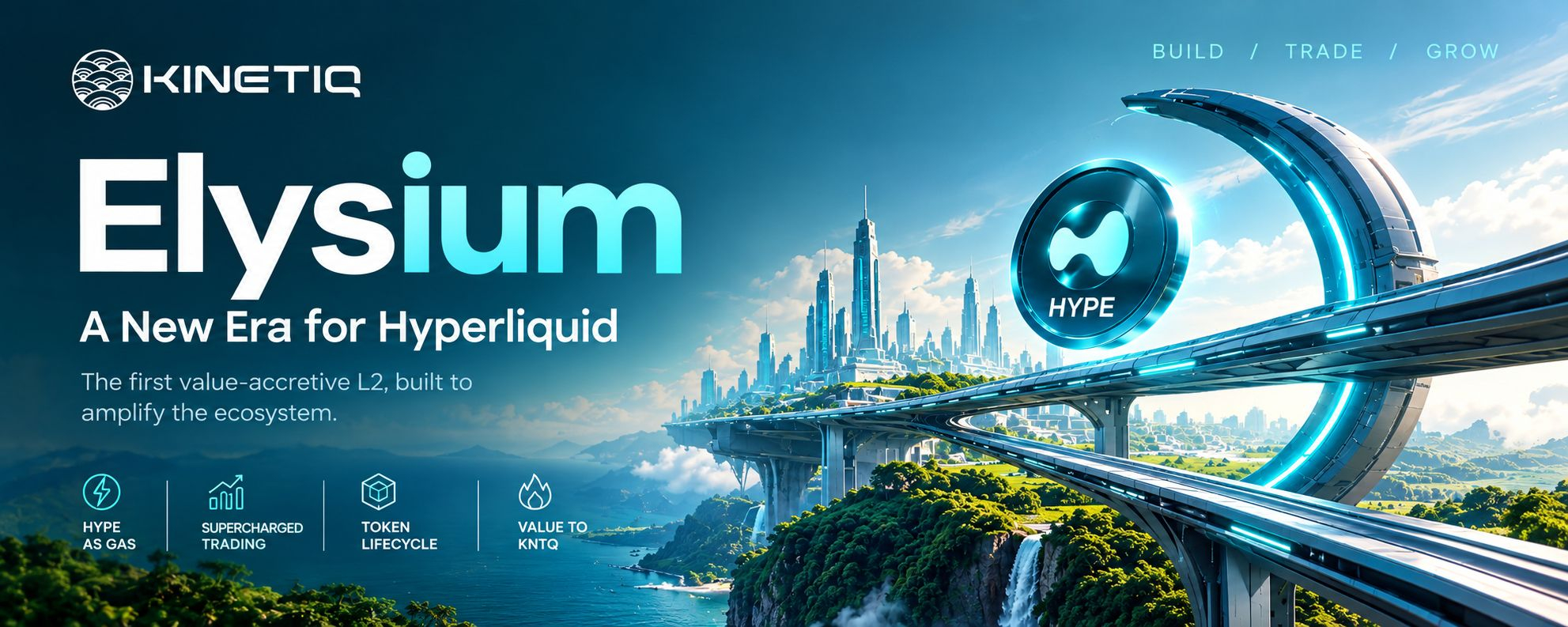
ບົດຄວາມ
ເບິ່ງການແປ
When an L2 Stops Extracting and Starts Amplifying: The Elysium Thesis for HyperliquidLayer 2s are usually sold as scaling solutions. But scaling alone does not answer the more important question: where does the economic value created by that additional activity ultimately go?
That is what makes Kinetiq’s Elysium worth examining beyond the usual L2 narrative.
#Kinetiq describes Elysium as a Hyperliquid-aligned Layer 2 designed to address a specific problem: HyperEVM is useful for composability with HyperCore, but its deliberately constrained execution environment is not designed for sustained, high-frequency workloads. Kinetiq’s documentation puts the current target at 300 Mgas/s and 100–200 ms blocks for Elysium, compared with HyperEVM’s smaller execution blocks.
The interesting part is not simply making Hyperliquid faster. It is making additional activity economically useful to the ecosystem around it.
Why Hyperliquid Needs Another Execution Layer
Hyperliquid’s architecture creates an unusual opportunity. HyperCore already provides native trading infrastructure, but pushing intensive EVM activity directly into HyperEVM can run into throughput and execution constraints.
Elysium therefore takes a different approach: rather than replacing HyperCore, it sits alongside it.
Its architecture is an Arbitrum Orbit/Nitro-based L2 that settles to HyperEVM while remaining co-located with HyperCore. That distinction matters because Elysium is being designed around DeFi workloads that need speed without abandoning Hyperliquid-native liquidity and settlement.
HYPE Becomes the Gas Layer
One of Elysium’s simplest but most important decisions is using HYPE as its native gas token.
There is no requirement for users to acquire another ecosystem token simply to transact. $HYPE bridges into Elysium 1:1 as native gas and can withdraw 1:1.
That creates a cleaner economic relationship between the L2 and its underlying ecosystem.
Instead of creating an isolated gas economy, Elysium keeps HYPE at the center.
Built Around Trading, Not Just Transactions
Elysium’s bigger opportunity may be its focus on spot markets and PropAMMs.
High-frequency market makers need rapid execution, inexpensive transactions and reliable market data. Elysium targets those requirements while providing access to HyperCore information through its planned read layer.
The technical roadmap goes further: contracts will be able to access HyperCore order-book data, prices, balances and positions through a native precompile, while a separate writer mechanism is designed to let applications drive HyperCore trading actions.
That could make sophisticated market-making strategies considerably easier to build.
A Token Can Have a Lifecycle
Another interesting component is the proposed token lifecycle:
AMM → PropAMM → HyperCore Spot → HIP-3 Perps
The significance is not that every project automatically progresses through these stages. Rather, Elysium provides a connected pathway for projects to bootstrap liquidity, develop markets and potentially progress toward deeper #Hyperliquid -native markets.
Kinetiq’s documentation already describes permissionless token bridging and mechanisms allowing Elysium-native assets to move toward HyperCore spot markets.
The Economic Experiment: 25 / 25 / 50
This is where Elysium becomes particularly different from the conventional L2 model.
The proposed sequencer-fee allocation is:
25% → Builders25% → Treasury50% → KNTQ buybacks and burns
The first 25% rewards the applications generating activity. The second gives the ecosystem resources for continued development. The final 50% creates a direct link between Elysium usage and KNTQ supply reduction.
That produces an interesting feedback loop:
More useful applications → more transactions → more sequencer fees → more KNTQ purchased → more KNTQ removed from circulation.
Kinetiq’s existing documentation already identifies KNTQ as the protocol’s central value-accrual instrument and lists multiple buyback mechanisms.
My Take: The Mechanism Is Stronger Than the Hype
I think the most interesting aspect of Elysium is not the word “L2.” It is the alignment.
Traditional L2 economics can create situations where activity migrates away from an L1 while value capture remains concentrated at the execution layer. Elysium is attempting the opposite: use Hyperliquid’s native HYPE, leverage HyperCore infrastructure, create incentives for builders, and route half of sequencer revenue toward KNTQ buybacks and burns.
But there is an important reality check.
Deflationary mechanics do not automatically create economic value.
The burn becomes meaningful only if Elysium attracts sustained users, applications, trading volume and fee-generating activity. Likewise, ambitious throughput targets must ultimately survive real-world demand and production conditions. Kinetiq itself currently describes Elysium as pre-launch and notes that specifications may still change.
That is why I see #Elysium less as a finished victory and more as a fascinating economic and technical experiment.
If execution matches the thesis, Elysium could demonstrate that an L2 does not have to be an extraction layer sitting beside its parent chain.
It can be an amplifier.
And that may ultimately be the most important idea behind Elysium.
When an L2 Stops Extracting and Starts Amplifying: The Elysium Thesis for Hyperliquid
Layer 2s are usually sold as scaling solutions. But scaling alone does not answer the more important question: where does the economic value created by that additional activity ultimately go?
That is what makes Kinetiq’s Elysium worth examining beyond the usual L2 narrative.
#Kinetiq describes Elysium as a Hyperliquid-aligned Layer 2 designed to address a specific problem: HyperEVM is useful for composability with HyperCore, but its deliberately constrained execution environment is not designed for sustained, high-frequency workloads. Kinetiq’s documentation puts the current target at 300 Mgas/s and 100–200 ms blocks for Elysium, compared with HyperEVM’s smaller execution blocks.
The interesting part is not simply making Hyperliquid faster. It is making additional activity economically useful to the ecosystem around it.
Why Hyperliquid Needs Another Execution Layer
Hyperliquid’s architecture creates an unusual opportunity. HyperCore already provides native trading infrastructure, but pushing intensive EVM activity directly into HyperEVM can run into throughput and execution constraints.
Elysium therefore takes a different approach: rather than replacing HyperCore, it sits alongside it.
Its architecture is an Arbitrum Orbit/Nitro-based L2 that settles to HyperEVM while remaining co-located with HyperCore. That distinction matters because Elysium is being designed around DeFi workloads that need speed without abandoning Hyperliquid-native liquidity and settlement.
HYPE Becomes the Gas Layer
One of Elysium’s simplest but most important decisions is using HYPE as its native gas token.
There is no requirement for users to acquire another ecosystem token simply to transact. $HYPE bridges into Elysium 1:1 as native gas and can withdraw 1:1.
That creates a cleaner economic relationship between the L2 and its underlying ecosystem.
Instead of creating an isolated gas economy, Elysium keeps HYPE at the center.
Built Around Trading, Not Just Transactions
Elysium’s bigger opportunity may be its focus on spot markets and PropAMMs.
High-frequency market makers need rapid execution, inexpensive transactions and reliable market data. Elysium targets those requirements while providing access to HyperCore information through its planned read layer.
The technical roadmap goes further: contracts will be able to access HyperCore order-book data, prices, balances and positions through a native precompile, while a separate writer mechanism is designed to let applications drive HyperCore trading actions.
That could make sophisticated market-making strategies considerably easier to build.
A Token Can Have a Lifecycle
Another interesting component is the proposed token lifecycle:
AMM → PropAMM → HyperCore Spot → HIP-3 Perps
The significance is not that every project automatically progresses through these stages. Rather, Elysium provides a connected pathway for projects to bootstrap liquidity, develop markets and potentially progress toward deeper #Hyperliquid -native markets.
Kinetiq’s documentation already describes permissionless token bridging and mechanisms allowing Elysium-native assets to move toward HyperCore spot markets.
The Economic Experiment: 25 / 25 / 50
This is where Elysium becomes particularly different from the conventional L2 model.
The proposed sequencer-fee allocation is:
25% → Builders25% → Treasury50% → KNTQ buybacks and burns
The first 25% rewards the applications generating activity. The second gives the ecosystem resources for continued development. The final 50% creates a direct link between Elysium usage and KNTQ supply reduction.
That produces an interesting feedback loop:
More useful applications → more transactions → more sequencer fees → more KNTQ purchased → more KNTQ removed from circulation.
Kinetiq’s existing documentation already identifies KNTQ as the protocol’s central value-accrual instrument and lists multiple buyback mechanisms.
My Take: The Mechanism Is Stronger Than the Hype
I think the most interesting aspect of Elysium is not the word “L2.” It is the alignment.
Traditional L2 economics can create situations where activity migrates away from an L1 while value capture remains concentrated at the execution layer. Elysium is attempting the opposite: use Hyperliquid’s native HYPE, leverage HyperCore infrastructure, create incentives for builders, and route half of sequencer revenue toward KNTQ buybacks and burns.
But there is an important reality check.
Deflationary mechanics do not automatically create economic value.
The burn becomes meaningful only if Elysium attracts sustained users, applications, trading volume and fee-generating activity. Likewise, ambitious throughput targets must ultimately survive real-world demand and production conditions. Kinetiq itself currently describes Elysium as pre-launch and notes that specifications may still change.
That is why I see #Elysium less as a finished victory and more as a fascinating economic and technical experiment.
If execution matches the thesis, Elysium could demonstrate that an L2 does not have to be an extraction layer sitting beside its parent chain.
It can be an amplifier.
And that may ultimately be the most important idea behind Elysium.
That is what makes Kinetiq’s Elysium worth examining beyond the usual L2 narrative.
#Kinetiq describes Elysium as a Hyperliquid-aligned Layer 2 designed to address a specific problem: HyperEVM is useful for composability with HyperCore, but its deliberately constrained execution environment is not designed for sustained, high-frequency workloads. Kinetiq’s documentation puts the current target at 300 Mgas/s and 100–200 ms blocks for Elysium, compared with HyperEVM’s smaller execution blocks.
The interesting part is not simply making Hyperliquid faster. It is making additional activity economically useful to the ecosystem around it.
Why Hyperliquid Needs Another Execution Layer
Hyperliquid’s architecture creates an unusual opportunity. HyperCore already provides native trading infrastructure, but pushing intensive EVM activity directly into HyperEVM can run into throughput and execution constraints.
Elysium therefore takes a different approach: rather than replacing HyperCore, it sits alongside it.
Its architecture is an Arbitrum Orbit/Nitro-based L2 that settles to HyperEVM while remaining co-located with HyperCore. That distinction matters because Elysium is being designed around DeFi workloads that need speed without abandoning Hyperliquid-native liquidity and settlement.
HYPE Becomes the Gas Layer
One of Elysium’s simplest but most important decisions is using HYPE as its native gas token.
There is no requirement for users to acquire another ecosystem token simply to transact. $HYPE bridges into Elysium 1:1 as native gas and can withdraw 1:1.
That creates a cleaner economic relationship between the L2 and its underlying ecosystem.
Instead of creating an isolated gas economy, Elysium keeps HYPE at the center.
Built Around Trading, Not Just Transactions
Elysium’s bigger opportunity may be its focus on spot markets and PropAMMs.
High-frequency market makers need rapid execution, inexpensive transactions and reliable market data. Elysium targets those requirements while providing access to HyperCore information through its planned read layer.
The technical roadmap goes further: contracts will be able to access HyperCore order-book data, prices, balances and positions through a native precompile, while a separate writer mechanism is designed to let applications drive HyperCore trading actions.
That could make sophisticated market-making strategies considerably easier to build.
A Token Can Have a Lifecycle
Another interesting component is the proposed token lifecycle:
AMM → PropAMM → HyperCore Spot → HIP-3 Perps
The significance is not that every project automatically progresses through these stages. Rather, Elysium provides a connected pathway for projects to bootstrap liquidity, develop markets and potentially progress toward deeper #Hyperliquid -native markets.
Kinetiq’s documentation already describes permissionless token bridging and mechanisms allowing Elysium-native assets to move toward HyperCore spot markets.
The Economic Experiment: 25 / 25 / 50
This is where Elysium becomes particularly different from the conventional L2 model.
The proposed sequencer-fee allocation is:
25% → Builders25% → Treasury50% → KNTQ buybacks and burns
The first 25% rewards the applications generating activity. The second gives the ecosystem resources for continued development. The final 50% creates a direct link between Elysium usage and KNTQ supply reduction.
That produces an interesting feedback loop:
More useful applications → more transactions → more sequencer fees → more KNTQ purchased → more KNTQ removed from circulation.
Kinetiq’s existing documentation already identifies KNTQ as the protocol’s central value-accrual instrument and lists multiple buyback mechanisms.
My Take: The Mechanism Is Stronger Than the Hype
I think the most interesting aspect of Elysium is not the word “L2.” It is the alignment.
Traditional L2 economics can create situations where activity migrates away from an L1 while value capture remains concentrated at the execution layer. Elysium is attempting the opposite: use Hyperliquid’s native HYPE, leverage HyperCore infrastructure, create incentives for builders, and route half of sequencer revenue toward KNTQ buybacks and burns.
But there is an important reality check.
Deflationary mechanics do not automatically create economic value.
The burn becomes meaningful only if Elysium attracts sustained users, applications, trading volume and fee-generating activity. Likewise, ambitious throughput targets must ultimately survive real-world demand and production conditions. Kinetiq itself currently describes Elysium as pre-launch and notes that specifications may still change.
That is why I see #Elysium less as a finished victory and more as a fascinating economic and technical experiment.
If execution matches the thesis, Elysium could demonstrate that an L2 does not have to be an extraction layer sitting beside its parent chain.
It can be an amplifier.
And that may ultimately be the most important idea behind Elysium.
1
1
274

·
--
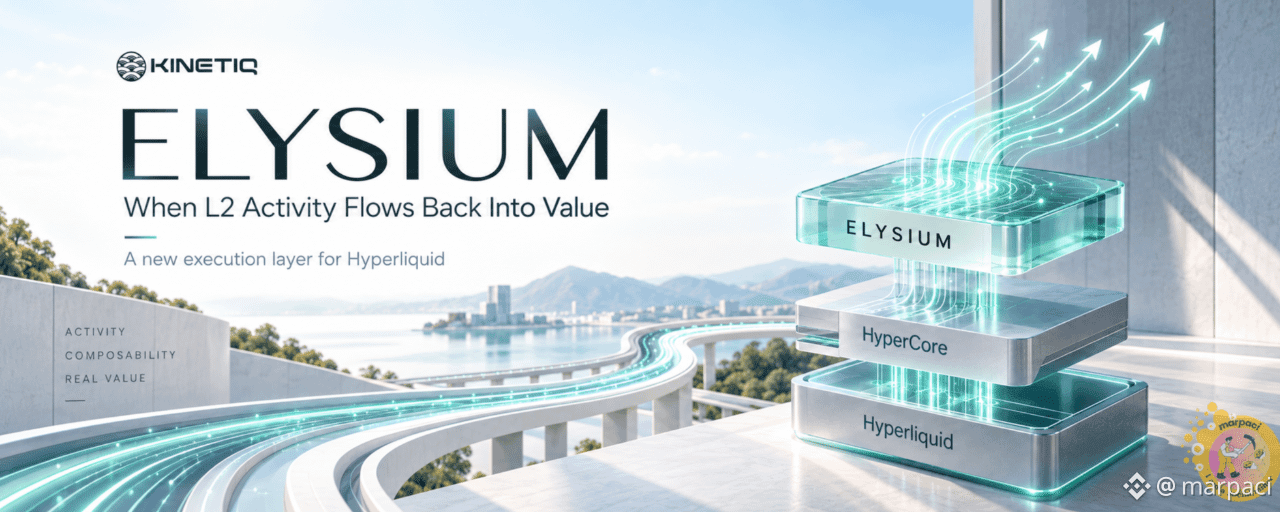
ບົດຄວາມ
Чаро Элизим танҳо як L2-и дигар барои Hyperliquid нестБаъзе инфрасохтор роҳчаи нав мекушояд.
Инфрасохтори дигар як пайвастгоҳи беҳтар месозад, ки трафик аллакай ҷараён дорад.
#Kinetiq нав #Layer2 шабакаи #Elysium , маро ба модели дуюм водор мекунад.
Дар назари аввал, Элизиум ваъдаҳои ошно меорад: иҷрои баландтар, гузариши зиёдтар ва хароҷоти камтари транзаксия.
Ҳоло дигар ҳеҷ кадоме аз инҳо махсусан тааҷҷубовар нест. Дар тақрибан ҳар як брошюраи нави занҷир, шумо калимаҳои «суръатноктар» ва «арзонтар»-ро хоҳед ёфт. 🙂
Чизе, ки Элизиумро ҷолибтар мекунад, танҳо суръат нест.
Чаро Элизим танҳо як L2-и дигар барои Hyperliquid нест
Баъзе инфрасохтор роҳчаи нав мекушояд.
Инфрасохтори дигар як пайвастгоҳи беҳтар месозад, ки трафик аллакай ҷараён дорад.
#Kinetiq нав #Layer2 шабакаи #Elysium , маро ба модели дуюм водор мекунад.
Дар назари аввал, Элизиум ваъдаҳои ошно меорад: иҷрои баландтар, гузариши зиёдтар ва хароҷоти камтари транзаксия.
Ҳоло дигар ҳеҷ кадоме аз инҳо махсусан тааҷҷубовар нест. Дар тақрибан ҳар як брошюраи нави занҷир, шумо калимаҳои «суръатноктар» ва «арзонтар»-ро хоҳед ёфт. 🙂
Чизе, ки Элизиумро ҷолибтар мекунад, танҳо суръат нест.
Инфрасохтори дигар як пайвастгоҳи беҳтар месозад, ки трафик аллакай ҷараён дорад.
#Kinetiq нав #Layer2 шабакаи #Elysium , маро ба модели дуюм водор мекунад.
Дар назари аввал, Элизиум ваъдаҳои ошно меорад: иҷрои баландтар, гузариши зиёдтар ва хароҷоти камтари транзаксия.
Ҳоло дигар ҳеҷ кадоме аз инҳо махсусан тааҷҷубовар нест. Дар тақрибан ҳар як брошюраи нави занҷир, шумо калимаҳои «суръатноктар» ва «арзонтар»-ро хоҳед ёфт. 🙂
Чизе, ки Элизиумро ҷолибтар мекунад, танҳо суръат нест.
Oria Ores:
In the end, pretty tokenomic diagrams are useless if nobody uses the network. What really matters is whether the creators and the actual volume of users actually move there, or if it all remains just empty promises.
3
6
184

·
--
Kinetiq ຈະເປີດຕົວເຄືອຂ່າຍ L2 ໃໝ່ຂອງ Hyperliquid ຊື່ Elysium, $HYPE ຈະເປັນທຼອງການ Gas ແບບພື້ນຖານ.
#Hyperliquid #Kinetiq #Elysium
Kinetiq ຈະເປີດຕົວເຄືອຂ່າຍ L2 ໃໝ່ຂອງ Hyperliquid ຊື່ Elysium, $HYPE ຈະເປັນທຼອງການ Gas ແບບພື້ນຖານ.
#Hyperliquid #Kinetiq #Elysium
#Hyperliquid #Kinetiq #Elysium
38

·
--
$KNTQ ຄັ້ງນີ້ເປັນການກອງປັ່ນ hard buff ທັງໝົດໃຫ້ເຕັມ ແລະອັດສະເປັນປະເດັນໃນອອນລາຍຢູ່ໃນເຊນສາຍໄຟ ເລີຍທະລຸລະດັບພຸ້ນ.
ຢ່າໄປວົນເວົ້າເລື່ອງອາລົມການຊື້ຂາຍ—ຄັ້ງນີ້ຄວາມຮ້ອນເປັນຄວາມຈິງທີ່ວາງລົງຢ່າງແຂງແຮງ: ໃນ Kraken ໄດ້ຈັດການເລື່ອງຄວາມຖືກຕ້ອງຕາມກົດໝາຍຂັ້ນເຂົ້າ; kHYPE ທີ່ TVL ໄປເຖິງ 1 ຕື້ USD+ ຮອງຮັບໂຄງກອບພື້ນຖານ; ຄູ່ຊື້ຂາຍ KNTQ/USDC ທີ່ເພີ່ງໃໝ່ເຕີມຊ່ອງຂາດສະພາບຄອງຄວາມສະຫຼາດ; ແລະທີ່ໜັກສຸດຄືໃຊ້ 70% ລາຍຮັບໂປຣໂທຄອນເພື່ອເຮັດການຄືນຊື້ອັດຕະໂນມັດ—ເທົ່າກັບເປີດເຄື່ອງຍົກລາຄາອັດຕະໂນມັດທີ່ບໍ່ມີວັນຢຸດ.
ຕອນນີ້ Market cap ພຽງ 61 ລ້ານ USD ເອງ—ເຈົ້າກ້າເຊື່ອບໍ? ກ່ອນໜ້ານັ້ນໝາກບາງອັນທີ່ພຶ່ງ shout orders ເອົາປັ່ນ ພວກມັນ Market cap ສູງກວ່າມັນເປັນຫຼາຍເທົ່າ. ຄັ້ງນີ້ບໍ່ແມ່ນ散户 FOMO ແນ່ນອນ—ແມ່ນສັນຍານວ່າກອງທຶນໃຫຍ່ເຂົ້າວາງແຜນລ່ວງໜ້າ: ໃນ Kraken ອັດສາມາດທີ່ສະຖາບັນ/ອົງການເຂົ້າໄດ້ຢ່າງຖືກຕ້ອງ; ການຄືນຊື້ແມ່ນເງິນຈິງຈັງແລ້ວຊື້ຕໍ່ເນື່ອງ; TVL 1 ຕື້ດອລ ເປັນເສົາຄ້ຳຮັບໃຫ້ທັງໂຄງການ, ບໍ່ແມ່ນຂອງທີ່ຂຶ້ນມື້ດຽວແລ້ວພັງ.
ຂ້ອຍໄດ້ໄປເຈາະຂໍ້ມູນທີ່ຢູ່ອອນລາຍ/ຊື່ແບບຕົວຢ່າງ, ໃນ 24 ຊົ່ວໂມງທີ່ຜ່ານມາ ການຊື້ຂະໜາດໃຫຍ່ທັງໝົດຖືກກຳກັບເປັນທີ່ຢູ່ຂອງສະຖາບັນ, ບໍ່ແມ່ນການຊື້ສຸ່ມຂອງ散户 ແບບກະແສກະຈາຍ. ມັນສະທ້ອນວ່າມີຄົນໄດ້ຮັບຂ່າວດີທັງໝົດລ່ວງໜ້າແລ້ວ, ຄວາມຮ້ອນທີ່ຂຶ້ນມາຕອນນີ້ແມ່ນພຽງປ່ອຍລົມໃຫ້散户 ເບິ່ງ—ແຕ່ການເລີ່ມ main pump ຍັງບໍ່ໄດ້ເລີ່ມ.
ພວກຄົນທີ່ຫຼິ້ນສັນຍາ (contract) ຢ່າໄປດອກໂຕສູງຢ່າງສຸ່ມໆ, ລໍຖ້າໃຫ້ຍ້ອນກັບມາປະມານ 0.21 ເທົ່ານັ້ນແມ່ນຈຸດຄ້ຳ, ຄ່າຕອບແທນຈະດີຫຼາຍ.
ເຈົ້າຄິດວ່າ $KNTQ ຄັ້ງນີ້ຈະໄປແຕະໄດ້ກີ່? ຈະພຸ່ງໂຕ 0.5 ເລີຍ ຫຼືຈະໂດນໂຈມບັນດັບ (庄家) ລ້າງມືກັບ散户? ເວົ້າຄວາມຈິງໃນຄໍາເຫັນ.
$KNTQ
#加密货币 #Web3 #Kinetiq
$KNTQ ຄັ້ງນີ້ເປັນການກອງປັ່ນ hard buff ທັງໝົດໃຫ້ເຕັມ ແລະອັດສະເປັນປະເດັນໃນອອນລາຍຢູ່ໃນເຊນສາຍໄຟ ເລີຍທະລຸລະດັບພຸ້ນ.
ຢ່າໄປວົນເວົ້າເລື່ອງອາລົມການຊື້ຂາຍ—ຄັ້ງນີ້ຄວາມຮ້ອນເປັນຄວາມຈິງທີ່ວາງລົງຢ່າງແຂງແຮງ: ໃນ Kraken ໄດ້ຈັດການເລື່ອງຄວາມຖືກຕ້ອງຕາມກົດໝາຍຂັ້ນເຂົ້າ; kHYPE ທີ່ TVL ໄປເຖິງ 1 ຕື້ USD+ ຮອງຮັບໂຄງກອບພື້ນຖານ; ຄູ່ຊື້ຂາຍ KNTQ/USDC ທີ່ເພີ່ງໃໝ່ເຕີມຊ່ອງຂາດສະພາບຄອງຄວາມສະຫຼາດ; ແລະທີ່ໜັກສຸດຄືໃຊ້ 70% ລາຍຮັບໂປຣໂທຄອນເພື່ອເຮັດການຄືນຊື້ອັດຕະໂນມັດ—ເທົ່າກັບເປີດເຄື່ອງຍົກລາຄາອັດຕະໂນມັດທີ່ບໍ່ມີວັນຢຸດ.
ຕອນນີ້ Market cap ພຽງ 61 ລ້ານ USD ເອງ—ເຈົ້າກ້າເຊື່ອບໍ? ກ່ອນໜ້ານັ້ນໝາກບາງອັນທີ່ພຶ່ງ shout orders ເອົາປັ່ນ ພວກມັນ Market cap ສູງກວ່າມັນເປັນຫຼາຍເທົ່າ. ຄັ້ງນີ້ບໍ່ແມ່ນ散户 FOMO ແນ່ນອນ—ແມ່ນສັນຍານວ່າກອງທຶນໃຫຍ່ເຂົ້າວາງແຜນລ່ວງໜ້າ: ໃນ Kraken ອັດສາມາດທີ່ສະຖາບັນ/ອົງການເຂົ້າໄດ້ຢ່າງຖືກຕ້ອງ; ການຄືນຊື້ແມ່ນເງິນຈິງຈັງແລ້ວຊື້ຕໍ່ເນື່ອງ; TVL 1 ຕື້ດອລ ເປັນເສົາຄ້ຳຮັບໃຫ້ທັງໂຄງການ, ບໍ່ແມ່ນຂອງທີ່ຂຶ້ນມື້ດຽວແລ້ວພັງ.
ຂ້ອຍໄດ້ໄປເຈາະຂໍ້ມູນທີ່ຢູ່ອອນລາຍ/ຊື່ແບບຕົວຢ່າງ, ໃນ 24 ຊົ່ວໂມງທີ່ຜ່ານມາ ການຊື້ຂະໜາດໃຫຍ່ທັງໝົດຖືກກຳກັບເປັນທີ່ຢູ່ຂອງສະຖາບັນ, ບໍ່ແມ່ນການຊື້ສຸ່ມຂອງ散户 ແບບກະແສກະຈາຍ. ມັນສະທ້ອນວ່າມີຄົນໄດ້ຮັບຂ່າວດີທັງໝົດລ່ວງໜ້າແລ້ວ, ຄວາມຮ້ອນທີ່ຂຶ້ນມາຕອນນີ້ແມ່ນພຽງປ່ອຍລົມໃຫ້散户 ເບິ່ງ—ແຕ່ການເລີ່ມ main pump ຍັງບໍ່ໄດ້ເລີ່ມ.
ພວກຄົນທີ່ຫຼິ້ນສັນຍາ (contract) ຢ່າໄປດອກໂຕສູງຢ່າງສຸ່ມໆ, ລໍຖ້າໃຫ້ຍ້ອນກັບມາປະມານ 0.21 ເທົ່ານັ້ນແມ່ນຈຸດຄ້ຳ, ຄ່າຕອບແທນຈະດີຫຼາຍ.
ເຈົ້າຄິດວ່າ $KNTQ ຄັ້ງນີ້ຈະໄປແຕະໄດ້ກີ່? ຈະພຸ່ງໂຕ 0.5 ເລີຍ ຫຼືຈະໂດນໂຈມບັນດັບ (庄家) ລ້າງມືກັບ散户? ເວົ້າຄວາມຈິງໃນຄໍາເຫັນ.
$KNTQ
#加密货币 #Web3 #Kinetiq
ຢ່າໄປວົນເວົ້າເລື່ອງອາລົມການຊື້ຂາຍ—ຄັ້ງນີ້ຄວາມຮ້ອນເປັນຄວາມຈິງທີ່ວາງລົງຢ່າງແຂງແຮງ: ໃນ Kraken ໄດ້ຈັດການເລື່ອງຄວາມຖືກຕ້ອງຕາມກົດໝາຍຂັ້ນເຂົ້າ; kHYPE ທີ່ TVL ໄປເຖິງ 1 ຕື້ USD+ ຮອງຮັບໂຄງກອບພື້ນຖານ; ຄູ່ຊື້ຂາຍ KNTQ/USDC ທີ່ເພີ່ງໃໝ່ເຕີມຊ່ອງຂາດສະພາບຄອງຄວາມສະຫຼາດ; ແລະທີ່ໜັກສຸດຄືໃຊ້ 70% ລາຍຮັບໂປຣໂທຄອນເພື່ອເຮັດການຄືນຊື້ອັດຕະໂນມັດ—ເທົ່າກັບເປີດເຄື່ອງຍົກລາຄາອັດຕະໂນມັດທີ່ບໍ່ມີວັນຢຸດ.
ຕອນນີ້ Market cap ພຽງ 61 ລ້ານ USD ເອງ—ເຈົ້າກ້າເຊື່ອບໍ? ກ່ອນໜ້ານັ້ນໝາກບາງອັນທີ່ພຶ່ງ shout orders ເອົາປັ່ນ ພວກມັນ Market cap ສູງກວ່າມັນເປັນຫຼາຍເທົ່າ. ຄັ້ງນີ້ບໍ່ແມ່ນ散户 FOMO ແນ່ນອນ—ແມ່ນສັນຍານວ່າກອງທຶນໃຫຍ່ເຂົ້າວາງແຜນລ່ວງໜ້າ: ໃນ Kraken ອັດສາມາດທີ່ສະຖາບັນ/ອົງການເຂົ້າໄດ້ຢ່າງຖືກຕ້ອງ; ການຄືນຊື້ແມ່ນເງິນຈິງຈັງແລ້ວຊື້ຕໍ່ເນື່ອງ; TVL 1 ຕື້ດອລ ເປັນເສົາຄ້ຳຮັບໃຫ້ທັງໂຄງການ, ບໍ່ແມ່ນຂອງທີ່ຂຶ້ນມື້ດຽວແລ້ວພັງ.
ຂ້ອຍໄດ້ໄປເຈາະຂໍ້ມູນທີ່ຢູ່ອອນລາຍ/ຊື່ແບບຕົວຢ່າງ, ໃນ 24 ຊົ່ວໂມງທີ່ຜ່ານມາ ການຊື້ຂະໜາດໃຫຍ່ທັງໝົດຖືກກຳກັບເປັນທີ່ຢູ່ຂອງສະຖາບັນ, ບໍ່ແມ່ນການຊື້ສຸ່ມຂອງ散户 ແບບກະແສກະຈາຍ. ມັນສະທ້ອນວ່າມີຄົນໄດ້ຮັບຂ່າວດີທັງໝົດລ່ວງໜ້າແລ້ວ, ຄວາມຮ້ອນທີ່ຂຶ້ນມາຕອນນີ້ແມ່ນພຽງປ່ອຍລົມໃຫ້散户 ເບິ່ງ—ແຕ່ການເລີ່ມ main pump ຍັງບໍ່ໄດ້ເລີ່ມ.
ພວກຄົນທີ່ຫຼິ້ນສັນຍາ (contract) ຢ່າໄປດອກໂຕສູງຢ່າງສຸ່ມໆ, ລໍຖ້າໃຫ້ຍ້ອນກັບມາປະມານ 0.21 ເທົ່ານັ້ນແມ່ນຈຸດຄ້ຳ, ຄ່າຕອບແທນຈະດີຫຼາຍ.
ເຈົ້າຄິດວ່າ $KNTQ ຄັ້ງນີ້ຈະໄປແຕະໄດ້ກີ່? ຈະພຸ່ງໂຕ 0.5 ເລີຍ ຫຼືຈະໂດນໂຈມບັນດັບ (庄家) ລ້າງມືກັບ散户? ເວົ້າຄວາມຈິງໃນຄໍາເຫັນ.
$KNTQ
#加密货币 #Web3 #Kinetiq
16

·
--
$KNTQ ຄັ້ງນີ້ແມ່ນການກະທຸ້ມສະສົມ hard buff ທັງໝົດຂອງການ拉盘 (ດຶງລາຄາ) ໃຫ້ຕື່ມແບບເຕັມ, ການອອນແລນຄົມມຸນກັນອົບອຸ່ນ (ຄວາມຮ້ອນ) ທັນທີທັບຂື້ນແຕກທະລຸ。
ຢ່າໄປເວົ້າອັນໃດເກີນເລື່ອງການປັ່ນອາລົມ (情绪炒作), ຄວາມຮ້ອນນີ້ມາຈາກການລົງຊຸມແບບແທ້ຈິງທີ່ກອບກັນມາ: ບົນ Kraken ໄດ້ແກ້ຂໍ້ກໍານົດ/ການປ້ອງກັນຂາເຂົ້າທີ່ຖືກຕ້ອງຕາມກົດໝາຍ, kHYPE ນໍາ TVL ເຂົ້າໄປເຖິງເກີນ 1 ຕື້ໂດລາ ເພື່ອຄ້ໍາປະກັນຖານລະບົບ, ຄູ່ຊື້-ຂາຍ KNTQ/USDC ທີ່ເພີ່ມໃໝ່ເຕີມຊ່ອງຂາດຄວາມສ່ວນຄອບຄືນສະພາບຄ່ອງ (liquidity gap), ແລະທີ່ແຮງສຸດແມ່ນເອົາ 70% ລາຍຮັບຂອງໂປຣໂຕຄ້ອນໄປຄືນຊື້ຄົງຄ່າແບບຄັດຕັ້ງ (programmatic buyback) — ເທົ່າກັບເປີດກົນໄກອັດຕະໂນມັດຄ້ໍາລາຄາ (automatic托价) ເຄື່ອງຈັກຊາວເຈົ້າບໍ່ມີຢຸດ。
ຕອນນີ້ capitalization ພຽງ 61 ລ້ານໂດລາບໍ? ເຈົ້າກ້າເຊື່ອບໍ? ກ່ອນໜ້ານັ້ນບາງຕົວມັ່ນຂີ້ເຫຍື້ອ (土狗) ທີ່ອາໄສການຕະໂກນປຸກລາຄາ (喊单拉盘) ຢູ່ ຄິດເຖິງມັນສູງກວ່າມັນໄປອີກຫຼາຍເທົ່າ. ຄັ້ງນີ້ບໍ່ແມ່ນ散户 FOMO ແນ່ນອນ, ແຕ່ແມ່ນສັນຍານວ່າກຸ່ມເງິນຂະໜາດໃຫຍ່ (大资金) ໄດ້ເຂົ້າຈັບລ່ວງໜ້າ — ພາຍຫຼັງຢູ່ Kraken ທາງກັບສາມາດເຂົ້າຮ່ວມກັບສະຖາບັນໄດ້ຢ່າງຖືກຕ້ອງ, buyback ເປັນເງິນຈິງຊື້ຕໍ່ເນື່ອງ, ແລະເອກະລະບົບ TVL 1 ຕື້ ເປັນກໍາແພງຄ້ໍາປະກັນ — ບໍ່ແມ່ນຂຶ້ນມື້ດຽວແລ້ວແຕກ。
ຂ້ອຍໄດ້ແກະຂໍ້ມູນທີ່ຢູ່ໃນ chain (ສາຍໃນເວັບເພື່ອບໍລິມາດ), ຢູ່ 24 ຊົ່ວໂມງຜ່ານມາ ການຊື້ຂະໜາດໃຫຍ່ (大额买盘) ສ່ວນໃຫຍ່ຖືກ mark ເປັນທີ່ຢູ່ຂອງສະຖາບັນ (机构) ບໍ່ແມ່ນ散户 ແບບຄວ້າງບາງຈໍານວນນ້ອຍໆ. ນີ້ຊີ້ວ່າ ມີຄົນເຂົ້າຈັບລ່ວງແລ້ວໄດ້ “ຫຼັກຖານ” ຂອງຂໍ້ດີທັງໝົດ, ຄວາມຮ້ອນທີ່ກໍາລັງຂຶ້ນແມ່ນພຽງ放风 ເພື່ອໃຫ້散户 ເຫັນ — ຂະບວນການຂຶ້ນຮອບໃຫຍ່ (主升浪) ທີ່ແທ້ ຍັງບໍ່ໄດ້ເລີ່ມ. ພວກຄົນຊື້ຂາຍຈາກສັນຍາ (合约党) ຢ່າຟ້າໄລ່ຕາມລາຄາສູງໂດຍບໍ່ຄິດເລື່ອງ, ລໍຖ້າການດຶງກັບລົງ (回踩) ໃກ້ 0.21 ທີ່ເປັນຈຸດຄ້ໍາປະກັນ ແລ້ວຄ່ອຍໄປຫາກໍາໄລ (摸多), ອັດຕາຕໍ່ລາງວັນ (赔率) ຈະເຕັມສູງຂຶ້ນທັນທີ。
ເຈົ້າຄິດວ່າ $KNTQ ຄັ້ງນີ້ຈະໄປແຕະໄດ້ເທົ່າໃດ? ຈະກົງຂຶ້ນໄປ 0.5 ເລີຍ ຫຼືຈະຖືກ “庄家” ທຸບລາຄາ (砸盘) ແລ້ວຂັບໄລ່ໃຫ້散户 ຫຼົງອອກ? ໃນຄອມເມນທ໌ບອກຄວາມຈິງ。
$KNTQ
#加密货币 #Web3 #Kinetiq
$KNTQ ຄັ້ງນີ້ແມ່ນການກະທຸ້ມສະສົມ hard buff ທັງໝົດຂອງການ拉盘 (ດຶງລາຄາ) ໃຫ້ຕື່ມແບບເຕັມ, ການອອນແລນຄົມມຸນກັນອົບອຸ່ນ (ຄວາມຮ້ອນ) ທັນທີທັບຂື້ນແຕກທະລຸ。
ຢ່າໄປເວົ້າອັນໃດເກີນເລື່ອງການປັ່ນອາລົມ (情绪炒作), ຄວາມຮ້ອນນີ້ມາຈາກການລົງຊຸມແບບແທ້ຈິງທີ່ກອບກັນມາ: ບົນ Kraken ໄດ້ແກ້ຂໍ້ກໍານົດ/ການປ້ອງກັນຂາເຂົ້າທີ່ຖືກຕ້ອງຕາມກົດໝາຍ, kHYPE ນໍາ TVL ເຂົ້າໄປເຖິງເກີນ 1 ຕື້ໂດລາ ເພື່ອຄ້ໍາປະກັນຖານລະບົບ, ຄູ່ຊື້-ຂາຍ KNTQ/USDC ທີ່ເພີ່ມໃໝ່ເຕີມຊ່ອງຂາດຄວາມສ່ວນຄອບຄືນສະພາບຄ່ອງ (liquidity gap), ແລະທີ່ແຮງສຸດແມ່ນເອົາ 70% ລາຍຮັບຂອງໂປຣໂຕຄ້ອນໄປຄືນຊື້ຄົງຄ່າແບບຄັດຕັ້ງ (programmatic buyback) — ເທົ່າກັບເປີດກົນໄກອັດຕະໂນມັດຄ້ໍາລາຄາ (automatic托价) ເຄື່ອງຈັກຊາວເຈົ້າບໍ່ມີຢຸດ。
ຕອນນີ້ capitalization ພຽງ 61 ລ້ານໂດລາບໍ? ເຈົ້າກ້າເຊື່ອບໍ? ກ່ອນໜ້ານັ້ນບາງຕົວມັ່ນຂີ້ເຫຍື້ອ (土狗) ທີ່ອາໄສການຕະໂກນປຸກລາຄາ (喊单拉盘) ຢູ່ ຄິດເຖິງມັນສູງກວ່າມັນໄປອີກຫຼາຍເທົ່າ. ຄັ້ງນີ້ບໍ່ແມ່ນ散户 FOMO ແນ່ນອນ, ແຕ່ແມ່ນສັນຍານວ່າກຸ່ມເງິນຂະໜາດໃຫຍ່ (大资金) ໄດ້ເຂົ້າຈັບລ່ວງໜ້າ — ພາຍຫຼັງຢູ່ Kraken ທາງກັບສາມາດເຂົ້າຮ່ວມກັບສະຖາບັນໄດ້ຢ່າງຖືກຕ້ອງ, buyback ເປັນເງິນຈິງຊື້ຕໍ່ເນື່ອງ, ແລະເອກະລະບົບ TVL 1 ຕື້ ເປັນກໍາແພງຄ້ໍາປະກັນ — ບໍ່ແມ່ນຂຶ້ນມື້ດຽວແລ້ວແຕກ。
ຂ້ອຍໄດ້ແກະຂໍ້ມູນທີ່ຢູ່ໃນ chain (ສາຍໃນເວັບເພື່ອບໍລິມາດ), ຢູ່ 24 ຊົ່ວໂມງຜ່ານມາ ການຊື້ຂະໜາດໃຫຍ່ (大额买盘) ສ່ວນໃຫຍ່ຖືກ mark ເປັນທີ່ຢູ່ຂອງສະຖາບັນ (机构) ບໍ່ແມ່ນ散户 ແບບຄວ້າງບາງຈໍານວນນ້ອຍໆ. ນີ້ຊີ້ວ່າ ມີຄົນເຂົ້າຈັບລ່ວງແລ້ວໄດ້ “ຫຼັກຖານ” ຂອງຂໍ້ດີທັງໝົດ, ຄວາມຮ້ອນທີ່ກໍາລັງຂຶ້ນແມ່ນພຽງ放风 ເພື່ອໃຫ້散户 ເຫັນ — ຂະບວນການຂຶ້ນຮອບໃຫຍ່ (主升浪) ທີ່ແທ້ ຍັງບໍ່ໄດ້ເລີ່ມ. ພວກຄົນຊື້ຂາຍຈາກສັນຍາ (合约党) ຢ່າຟ້າໄລ່ຕາມລາຄາສູງໂດຍບໍ່ຄິດເລື່ອງ, ລໍຖ້າການດຶງກັບລົງ (回踩) ໃກ້ 0.21 ທີ່ເປັນຈຸດຄ້ໍາປະກັນ ແລ້ວຄ່ອຍໄປຫາກໍາໄລ (摸多), ອັດຕາຕໍ່ລາງວັນ (赔率) ຈະເຕັມສູງຂຶ້ນທັນທີ。
ເຈົ້າຄິດວ່າ $KNTQ ຄັ້ງນີ້ຈະໄປແຕະໄດ້ເທົ່າໃດ? ຈະກົງຂຶ້ນໄປ 0.5 ເລີຍ ຫຼືຈະຖືກ “庄家” ທຸບລາຄາ (砸盘) ແລ້ວຂັບໄລ່ໃຫ້散户 ຫຼົງອອກ? ໃນຄອມເມນທ໌ບອກຄວາມຈິງ。
$KNTQ
#加密货币 #Web3 #Kinetiq
ຢ່າໄປເວົ້າອັນໃດເກີນເລື່ອງການປັ່ນອາລົມ (情绪炒作), ຄວາມຮ້ອນນີ້ມາຈາກການລົງຊຸມແບບແທ້ຈິງທີ່ກອບກັນມາ: ບົນ Kraken ໄດ້ແກ້ຂໍ້ກໍານົດ/ການປ້ອງກັນຂາເຂົ້າທີ່ຖືກຕ້ອງຕາມກົດໝາຍ, kHYPE ນໍາ TVL ເຂົ້າໄປເຖິງເກີນ 1 ຕື້ໂດລາ ເພື່ອຄ້ໍາປະກັນຖານລະບົບ, ຄູ່ຊື້-ຂາຍ KNTQ/USDC ທີ່ເພີ່ມໃໝ່ເຕີມຊ່ອງຂາດຄວາມສ່ວນຄອບຄືນສະພາບຄ່ອງ (liquidity gap), ແລະທີ່ແຮງສຸດແມ່ນເອົາ 70% ລາຍຮັບຂອງໂປຣໂຕຄ້ອນໄປຄືນຊື້ຄົງຄ່າແບບຄັດຕັ້ງ (programmatic buyback) — ເທົ່າກັບເປີດກົນໄກອັດຕະໂນມັດຄ້ໍາລາຄາ (automatic托价) ເຄື່ອງຈັກຊາວເຈົ້າບໍ່ມີຢຸດ。
ຕອນນີ້ capitalization ພຽງ 61 ລ້ານໂດລາບໍ? ເຈົ້າກ້າເຊື່ອບໍ? ກ່ອນໜ້ານັ້ນບາງຕົວມັ່ນຂີ້ເຫຍື້ອ (土狗) ທີ່ອາໄສການຕະໂກນປຸກລາຄາ (喊单拉盘) ຢູ່ ຄິດເຖິງມັນສູງກວ່າມັນໄປອີກຫຼາຍເທົ່າ. ຄັ້ງນີ້ບໍ່ແມ່ນ散户 FOMO ແນ່ນອນ, ແຕ່ແມ່ນສັນຍານວ່າກຸ່ມເງິນຂະໜາດໃຫຍ່ (大资金) ໄດ້ເຂົ້າຈັບລ່ວງໜ້າ — ພາຍຫຼັງຢູ່ Kraken ທາງກັບສາມາດເຂົ້າຮ່ວມກັບສະຖາບັນໄດ້ຢ່າງຖືກຕ້ອງ, buyback ເປັນເງິນຈິງຊື້ຕໍ່ເນື່ອງ, ແລະເອກະລະບົບ TVL 1 ຕື້ ເປັນກໍາແພງຄ້ໍາປະກັນ — ບໍ່ແມ່ນຂຶ້ນມື້ດຽວແລ້ວແຕກ。
ຂ້ອຍໄດ້ແກະຂໍ້ມູນທີ່ຢູ່ໃນ chain (ສາຍໃນເວັບເພື່ອບໍລິມາດ), ຢູ່ 24 ຊົ່ວໂມງຜ່ານມາ ການຊື້ຂະໜາດໃຫຍ່ (大额买盘) ສ່ວນໃຫຍ່ຖືກ mark ເປັນທີ່ຢູ່ຂອງສະຖາບັນ (机构) ບໍ່ແມ່ນ散户 ແບບຄວ້າງບາງຈໍານວນນ້ອຍໆ. ນີ້ຊີ້ວ່າ ມີຄົນເຂົ້າຈັບລ່ວງແລ້ວໄດ້ “ຫຼັກຖານ” ຂອງຂໍ້ດີທັງໝົດ, ຄວາມຮ້ອນທີ່ກໍາລັງຂຶ້ນແມ່ນພຽງ放风 ເພື່ອໃຫ້散户 ເຫັນ — ຂະບວນການຂຶ້ນຮອບໃຫຍ່ (主升浪) ທີ່ແທ້ ຍັງບໍ່ໄດ້ເລີ່ມ. ພວກຄົນຊື້ຂາຍຈາກສັນຍາ (合约党) ຢ່າຟ້າໄລ່ຕາມລາຄາສູງໂດຍບໍ່ຄິດເລື່ອງ, ລໍຖ້າການດຶງກັບລົງ (回踩) ໃກ້ 0.21 ທີ່ເປັນຈຸດຄ້ໍາປະກັນ ແລ້ວຄ່ອຍໄປຫາກໍາໄລ (摸多), ອັດຕາຕໍ່ລາງວັນ (赔率) ຈະເຕັມສູງຂຶ້ນທັນທີ。
ເຈົ້າຄິດວ່າ $KNTQ ຄັ້ງນີ້ຈະໄປແຕະໄດ້ເທົ່າໃດ? ຈະກົງຂຶ້ນໄປ 0.5 ເລີຍ ຫຼືຈະຖືກ “庄家” ທຸບລາຄາ (砸盘) ແລ້ວຂັບໄລ່ໃຫ້散户 ຫຼົງອອກ? ໃນຄອມເມນທ໌ບອກຄວາມຈິງ。
$KNTQ
#加密货币 #Web3 #Kinetiq
12
$KNTQ ຄັ້ງນີ້ແມ່ນການຊ້ອນ hard buff ຂອງການດຶງກັນທັງໝົດ ຈົນກວ່າຄວາມຮ້ອນໃນ chain ຈະປະຕິເສດແຕກຜ່ານເລີຍ。
ຢ່າໄປອ້າງຫຍັງກ່ຽວກັບການປັ່ນອາລົມ炒作 ອີກເລີຍ, ຄັ້ງນີ້ຄວາມຮ້ອນທັງໝົດແມ່ນທີ່ເຮັດອອກມາແບບຈິງຈັງ: Kraken ແກ້ປັນຫາຂອງການເຂົ້າສູ່ເງື່ອນໄຂດ້ານການປະກອບກົດໝາຍ, kHYPE ທີ່ TVL ຕິດເຖິງ 1 ຕື້ໂດລາຂຶ້ນໄປຮອງຮັບແກນນິເວັດຕະພາບ, ຄູ່ຊື້ຂາຍ KNTQ/USDC ທີ່ເພີ່ມໃໝ່ຊ່ວຍຕື່ມຊ່ອງວ່າງສະພາບຄວາມສ່ອງຄ່ອງ, ແລະທີ່ແຮງສຸດຄື ນຳ 70% ຂອງລາຍຮັບຂອງໂປຣໂຕຄໍນໄປໃຊ້ການ回购 ແບບອັດຕະໂນມັດ — ເທົ່າກັບເປີດເຄື່ອງຈັກຖືລາຄາດ້ວຍຕົນເອງ。
ຕອນນີ້ມູນຄ່າຕະຫຼາດແຕ່ 61 ລ້ານໂດລາ ເອງ ເຈົ້າເຊື່ອບໍ? ກ່ອນໜ້ານັ້ນ ພວກທີ່ອາໄສການຕະໂກບໂດຍການຮ້ອງເອົາປັ້ນກັນລາຄາ ທີ່ເປັນ土狗 ມູນຄ່າຕະຫຼາດຍັງສູງກວ່າມັນຫຼາຍເທົ່າ。
ຄັ້ງນີ້ແມ່ນບໍ່ແມ່ນ散户 FOMO ແທ້ໆ ແຕ່ເປັນສັນຍານວ່າທຶນຂະໜາດໃຫຍ່ເຂົ້າຈອງລ່ວງໜ້າ — ຢູ່ Kraken ຫຼັງຈາກນັ້ນ ສະຖາບັນ/ອົງກອນເຂົ້າຢ່າງຖືກກົດໝາຍໄດ້, 回购 ແມ່ນເງິນຈິງຈິງຈັງຊື້ຢ່າງຕໍ່ເນື່ອງ, 1 ຕື້ TVL ຂອງ ecosystem ເປັນເງື່ອນໄຂຄ້ຳໃຫ້, ບໍ່ແມ່ນສິນຄ້າທີ່ປັ້ນຂຶ້ນມື້ດຽວແລ້ວພັງ。
ຂ້ອຍໄດ້ໄປສະກັດຂໍ້ມູນທີ່ຢູ່ໃນ chain ແລ້ວ, ໃນ 24 ຊົ່ວໂມງທີ່ຜ່ານມາ ການຊື້ຂະໜາດໃຫຍ່ ແມ່ນຖືກໝາຍເປັນທີ່ຢູ່ຂອງ “ອົງກອນ/ສະຖາບັນ” ບໍ່ແມ່ນພວກ散户 ທີ່ເຂົ້າມາແຕກຕົວແບບສຸ່ມໆ。
ສະແດງວ່າມີຄົນໄດ້ຮັບ “ຫຼັກຖານຂໍ້ມູນ” ທີ່ແຈ້ງຜົນຂອງຂໍ້ດີທັງໝົດ ລ່ວງໜ້າແລ້ວ, ຕອນນີ້ຄວາມຮ້ອນເລີ່ມຂຶ້ນແມ່ນແຕ່ປ່ອຍລົມໃຫ້散户ເຫັນ, ຂຶ້ນສູງຂອງຕົວຈິງຍັງບໍ່ທັນເລີ່ມ。
ພວກທີ່ຫຼິ້ນສັນຍາ ຢ່າໄປໄລ່ຊື້ໄລ່ສູງຢ່າງບ້າໆ, ລໍຖ້າການຍ້ອນລົງໃກ້ 0.21 ທີ່ເປັນແນວຮອງຮັບ ແລ້ວຄ່ອຍໄປແຕະ long, ອັດຕາໄຊດີເລີຍ。
ເຈົ້າຄິດວ່າ $KNTQ ຄັ້ງນີ້ຈະແຕະໄດ້ເທົ່າໃດ? ຈະໂຈມໄປທີ່ 0.5 ເລີຍທັນທີ ຫຼືຈະຖືກກົນຈັກຊຸກ/庄家 ຕົບລາກັບລ້າງ散户 ອອກ? ຂໍໃຫ້ຄຳເຫັນພູດຄວາມຈິງ。
$KNTQ
#加密货币 #Web3 #Kinetiq
$KNTQ ຄັ້ງນີ້ແມ່ນການຊ້ອນ hard buff ຂອງການດຶງກັນທັງໝົດ ຈົນກວ່າຄວາມຮ້ອນໃນ chain ຈະປະຕິເສດແຕກຜ່ານເລີຍ。
ຢ່າໄປອ້າງຫຍັງກ່ຽວກັບການປັ່ນອາລົມ炒作 ອີກເລີຍ, ຄັ້ງນີ້ຄວາມຮ້ອນທັງໝົດແມ່ນທີ່ເຮັດອອກມາແບບຈິງຈັງ: Kraken ແກ້ປັນຫາຂອງການເຂົ້າສູ່ເງື່ອນໄຂດ້ານການປະກອບກົດໝາຍ, kHYPE ທີ່ TVL ຕິດເຖິງ 1 ຕື້ໂດລາຂຶ້ນໄປຮອງຮັບແກນນິເວັດຕະພາບ, ຄູ່ຊື້ຂາຍ KNTQ/USDC ທີ່ເພີ່ມໃໝ່ຊ່ວຍຕື່ມຊ່ອງວ່າງສະພາບຄວາມສ່ອງຄ່ອງ, ແລະທີ່ແຮງສຸດຄື ນຳ 70% ຂອງລາຍຮັບຂອງໂປຣໂຕຄໍນໄປໃຊ້ການ回购 ແບບອັດຕະໂນມັດ — ເທົ່າກັບເປີດເຄື່ອງຈັກຖືລາຄາດ້ວຍຕົນເອງ。
ຕອນນີ້ມູນຄ່າຕະຫຼາດແຕ່ 61 ລ້ານໂດລາ ເອງ ເຈົ້າເຊື່ອບໍ? ກ່ອນໜ້ານັ້ນ ພວກທີ່ອາໄສການຕະໂກບໂດຍການຮ້ອງເອົາປັ້ນກັນລາຄາ ທີ່ເປັນ土狗 ມູນຄ່າຕະຫຼາດຍັງສູງກວ່າມັນຫຼາຍເທົ່າ。
ຄັ້ງນີ້ແມ່ນບໍ່ແມ່ນ散户 FOMO ແທ້ໆ ແຕ່ເປັນສັນຍານວ່າທຶນຂະໜາດໃຫຍ່ເຂົ້າຈອງລ່ວງໜ້າ — ຢູ່ Kraken ຫຼັງຈາກນັ້ນ ສະຖາບັນ/ອົງກອນເຂົ້າຢ່າງຖືກກົດໝາຍໄດ້, 回购 ແມ່ນເງິນຈິງຈິງຈັງຊື້ຢ່າງຕໍ່ເນື່ອງ, 1 ຕື້ TVL ຂອງ ecosystem ເປັນເງື່ອນໄຂຄ້ຳໃຫ້, ບໍ່ແມ່ນສິນຄ້າທີ່ປັ້ນຂຶ້ນມື້ດຽວແລ້ວພັງ。
ຂ້ອຍໄດ້ໄປສະກັດຂໍ້ມູນທີ່ຢູ່ໃນ chain ແລ້ວ, ໃນ 24 ຊົ່ວໂມງທີ່ຜ່ານມາ ການຊື້ຂະໜາດໃຫຍ່ ແມ່ນຖືກໝາຍເປັນທີ່ຢູ່ຂອງ “ອົງກອນ/ສະຖາບັນ” ບໍ່ແມ່ນພວກ散户 ທີ່ເຂົ້າມາແຕກຕົວແບບສຸ່ມໆ。
ສະແດງວ່າມີຄົນໄດ້ຮັບ “ຫຼັກຖານຂໍ້ມູນ” ທີ່ແຈ້ງຜົນຂອງຂໍ້ດີທັງໝົດ ລ່ວງໜ້າແລ້ວ, ຕອນນີ້ຄວາມຮ້ອນເລີ່ມຂຶ້ນແມ່ນແຕ່ປ່ອຍລົມໃຫ້散户ເຫັນ, ຂຶ້ນສູງຂອງຕົວຈິງຍັງບໍ່ທັນເລີ່ມ。
ພວກທີ່ຫຼິ້ນສັນຍາ ຢ່າໄປໄລ່ຊື້ໄລ່ສູງຢ່າງບ້າໆ, ລໍຖ້າການຍ້ອນລົງໃກ້ 0.21 ທີ່ເປັນແນວຮອງຮັບ ແລ້ວຄ່ອຍໄປແຕະ long, ອັດຕາໄຊດີເລີຍ。
ເຈົ້າຄິດວ່າ $KNTQ ຄັ້ງນີ້ຈະແຕະໄດ້ເທົ່າໃດ? ຈະໂຈມໄປທີ່ 0.5 ເລີຍທັນທີ ຫຼືຈະຖືກກົນຈັກຊຸກ/庄家 ຕົບລາກັບລ້າງ散户 ອອກ? ຂໍໃຫ້ຄຳເຫັນພູດຄວາມຈິງ。
$KNTQ
#加密货币 #Web3 #Kinetiq
ຢ່າໄປອ້າງຫຍັງກ່ຽວກັບການປັ່ນອາລົມ炒作 ອີກເລີຍ, ຄັ້ງນີ້ຄວາມຮ້ອນທັງໝົດແມ່ນທີ່ເຮັດອອກມາແບບຈິງຈັງ: Kraken ແກ້ປັນຫາຂອງການເຂົ້າສູ່ເງື່ອນໄຂດ້ານການປະກອບກົດໝາຍ, kHYPE ທີ່ TVL ຕິດເຖິງ 1 ຕື້ໂດລາຂຶ້ນໄປຮອງຮັບແກນນິເວັດຕະພາບ, ຄູ່ຊື້ຂາຍ KNTQ/USDC ທີ່ເພີ່ມໃໝ່ຊ່ວຍຕື່ມຊ່ອງວ່າງສະພາບຄວາມສ່ອງຄ່ອງ, ແລະທີ່ແຮງສຸດຄື ນຳ 70% ຂອງລາຍຮັບຂອງໂປຣໂຕຄໍນໄປໃຊ້ການ回购 ແບບອັດຕະໂນມັດ — ເທົ່າກັບເປີດເຄື່ອງຈັກຖືລາຄາດ້ວຍຕົນເອງ。
ຕອນນີ້ມູນຄ່າຕະຫຼາດແຕ່ 61 ລ້ານໂດລາ ເອງ ເຈົ້າເຊື່ອບໍ? ກ່ອນໜ້ານັ້ນ ພວກທີ່ອາໄສການຕະໂກບໂດຍການຮ້ອງເອົາປັ້ນກັນລາຄາ ທີ່ເປັນ土狗 ມູນຄ່າຕະຫຼາດຍັງສູງກວ່າມັນຫຼາຍເທົ່າ。
ຄັ້ງນີ້ແມ່ນບໍ່ແມ່ນ散户 FOMO ແທ້ໆ ແຕ່ເປັນສັນຍານວ່າທຶນຂະໜາດໃຫຍ່ເຂົ້າຈອງລ່ວງໜ້າ — ຢູ່ Kraken ຫຼັງຈາກນັ້ນ ສະຖາບັນ/ອົງກອນເຂົ້າຢ່າງຖືກກົດໝາຍໄດ້, 回购 ແມ່ນເງິນຈິງຈິງຈັງຊື້ຢ່າງຕໍ່ເນື່ອງ, 1 ຕື້ TVL ຂອງ ecosystem ເປັນເງື່ອນໄຂຄ້ຳໃຫ້, ບໍ່ແມ່ນສິນຄ້າທີ່ປັ້ນຂຶ້ນມື້ດຽວແລ້ວພັງ。
ຂ້ອຍໄດ້ໄປສະກັດຂໍ້ມູນທີ່ຢູ່ໃນ chain ແລ້ວ, ໃນ 24 ຊົ່ວໂມງທີ່ຜ່ານມາ ການຊື້ຂະໜາດໃຫຍ່ ແມ່ນຖືກໝາຍເປັນທີ່ຢູ່ຂອງ “ອົງກອນ/ສະຖາບັນ” ບໍ່ແມ່ນພວກ散户 ທີ່ເຂົ້າມາແຕກຕົວແບບສຸ່ມໆ。
ສະແດງວ່າມີຄົນໄດ້ຮັບ “ຫຼັກຖານຂໍ້ມູນ” ທີ່ແຈ້ງຜົນຂອງຂໍ້ດີທັງໝົດ ລ່ວງໜ້າແລ້ວ, ຕອນນີ້ຄວາມຮ້ອນເລີ່ມຂຶ້ນແມ່ນແຕ່ປ່ອຍລົມໃຫ້散户ເຫັນ, ຂຶ້ນສູງຂອງຕົວຈິງຍັງບໍ່ທັນເລີ່ມ。
ພວກທີ່ຫຼິ້ນສັນຍາ ຢ່າໄປໄລ່ຊື້ໄລ່ສູງຢ່າງບ້າໆ, ລໍຖ້າການຍ້ອນລົງໃກ້ 0.21 ທີ່ເປັນແນວຮອງຮັບ ແລ້ວຄ່ອຍໄປແຕະ long, ອັດຕາໄຊດີເລີຍ。
ເຈົ້າຄິດວ່າ $KNTQ ຄັ້ງນີ້ຈະແຕະໄດ້ເທົ່າໃດ? ຈະໂຈມໄປທີ່ 0.5 ເລີຍທັນທີ ຫຼືຈະຖືກກົນຈັກຊຸກ/庄家 ຕົບລາກັບລ້າງ散户 ອອກ? ຂໍໃຫ້ຄຳເຫັນພູດຄວາມຈິງ。
$KNTQ
#加密货币 #Web3 #Kinetiq
20

·
--
$KNTQ ຮອບນີ້ແມ່ນການກອບປັ້ນ “pull up” ຄວາມແຂງແຮງທຸກຢ່າງໃສ່ເຕັມ, ການຄົບຄຸມໃນບັນຊີເຊິ່ງກໍາລັງສົນທະນາຮ້ອນແຮງ ເລີຍທະລຸຂຶ້ນໄປຢ່າງແຮງ.
ຢ່າໄປອ້າງວ່າເປັນການ “ປັ່ນອາລົມ” ຫຼືການ炒作ອະລົມ—ຄັ້ງນີ້ຄວາມຮ້ອນທັງໝົດຄືແທ້ ແລະຖືກວາງລົງເປັນຕົວເງິນຈິງໆ: ໃນ Kraken ແກ້ຂໍ້ກົດໝາຍ/ຊ່ອງທາງເຂົ້າສູ່ການລົງທຶນໄດ້, kHYPE ບູກ TVL ໄປເຖິງ 1 ພັນລ້ານໂດລາ ເພື່ອຮັບຮອງແກນລະບົບ, ຄູ່ຊື້ຂາຍ KNTQ/USDC ທີ່ເພີ່ມໃໝ່ໄດ້ຕື່ມຊ່ອງຂາດສະພາບຄອງສະແຫຼວ (liquidity), ແລະຮ້າຍທີ່ສຸດແມ່ນການໃຊ້ 70% ລາຍຮັບຂອງໂປຣໂຕຄອນເຮັດ programmatic buyback—ເທົ່າກັບເປີດເຄື່ອງກົນຈັກ “ຊື້ຕົກລາຄາ” ຕະຫຼອດໄປ.
ຕອນນີ້ capitalization ພຽງ 61 ລ້ານໂດລາ ເທົ່ານັ້ນ ທ່ານກ້າເຊື່ອບໍ? ກ່ອນໜ້ານັ້ນບັນດາແມວດິນ (ທີ່ພຶດຕິກຳພາດຈິງ) ທີ່ອີງການຮ້ອງເອົາສັ່ງ pull up ພວກມັນ capitalization ສູງກວ່າມັນເປັນຫຼາຍເທົ່າ.
ຄັ້ງນີ້ບໍ່ແມ່ນ FOMO ຂອງລາຍຍ່ອຍດ້ວຍซ้ำ—ແຕ່ເປັນສັນຍານວ່າທຶນກ້ອນໃຫຍ່ເຂົ້າວາງກ່ອນເລີຍ. ຕອນ Kraken ແລ້ວ ສະຖາບັນ (institutions) ສາມາດເຂົ້າໄດ້ຕາມກົດໝາຍ, ການຄືນຊື້ (buyback) ແມ່ນເງິນຈິງທີ່ຊື້ຕໍ່ເນື່ອງ, TVL ຂະໜາດ 1 ພັນລ້ານໂດລາ ເປັນກໍາແພງຄ້ຳຊູ ແລະມັນບໍ່ແມ່ນຂອງທີ່ຂຶ້ນມື້ດຽວແລ້ວແຕກ.
ຂ້ອຍໄປງົບຂໍ້ມູນທີ່ຢູ່ໃນຊ່ອງທາງ (on-chain) ແລ້ວ: 24 ຊົ່ວໂມງຜ່ານມາ ຍອດຊື້ຂະໜາດໃຫຍ່ທັງໝົດຖືກລະບຸເປັນທີ່ຢູ່ຂອງ “ສະຖາບັນ” ບໍ່ແມ່ນລາຍຍ່ອຍສຸ່ມໆ ທີ່ຊຸກຊື້ແບບຫຼຸດຫຼາຍ. ມັນຊີ້ວ່າມີຄົນທີ່ເອົາຂ່າວດີທັງໝົດໄປກ່ອນແລ້ວ, ດັ່ງນັ້ນ ຄວາມຮ້ອນກໍາລັງຂຶ້ນມາ ແມ່ນແບບປ່ອຍລົມໃຫ້ລາຍຍ່ອຍເຫັນ, ແຕ່ “ຂາແຂງ” ຂຶ້ນແທ້ບໍ່ທັນເລີ່ມ.
ຄົນທີ່ເຂົ້າຝ່າຝືນ (contract party) ຢ່າຟ້າວລາຍການຕາມສູງເດີມ—ລໍຖ້າໃຫ້ມັນຕົກກັບມາໃກ້ຈຸດຮອງຮັບ 0.21 ແລ້ວຄ່ອຍແຕະ long, ອັດຕາຜົນຕອບແທນ (odds) ຈະພຸ້ງແບບເຕັມທີ່.
ເຈົ້າຄິດວ່າ $KNTQ ຮອບນີ້ຈະແຕະໄດ້ເທົ່າໃດ? ຈະປຸກໂດຍກົງໄປ 0.5 ຫຼືຈະຖືກ “ຈ້າງ” (庄家) ຖົ່ມໃສ່ເພື່ອຊັດລ້າງລາຍຍ່ອຍ? ຄອມເມັ້ນຊອກຄວາມຈິງ.
$KNTQ
#加密货币 #Web3 #Kinetiq
$KNTQ ຮອບນີ້ແມ່ນການກອບປັ້ນ “pull up” ຄວາມແຂງແຮງທຸກຢ່າງໃສ່ເຕັມ, ການຄົບຄຸມໃນບັນຊີເຊິ່ງກໍາລັງສົນທະນາຮ້ອນແຮງ ເລີຍທະລຸຂຶ້ນໄປຢ່າງແຮງ.
ຢ່າໄປອ້າງວ່າເປັນການ “ປັ່ນອາລົມ” ຫຼືການ炒作ອະລົມ—ຄັ້ງນີ້ຄວາມຮ້ອນທັງໝົດຄືແທ້ ແລະຖືກວາງລົງເປັນຕົວເງິນຈິງໆ: ໃນ Kraken ແກ້ຂໍ້ກົດໝາຍ/ຊ່ອງທາງເຂົ້າສູ່ການລົງທຶນໄດ້, kHYPE ບູກ TVL ໄປເຖິງ 1 ພັນລ້ານໂດລາ ເພື່ອຮັບຮອງແກນລະບົບ, ຄູ່ຊື້ຂາຍ KNTQ/USDC ທີ່ເພີ່ມໃໝ່ໄດ້ຕື່ມຊ່ອງຂາດສະພາບຄອງສະແຫຼວ (liquidity), ແລະຮ້າຍທີ່ສຸດແມ່ນການໃຊ້ 70% ລາຍຮັບຂອງໂປຣໂຕຄອນເຮັດ programmatic buyback—ເທົ່າກັບເປີດເຄື່ອງກົນຈັກ “ຊື້ຕົກລາຄາ” ຕະຫຼອດໄປ.
ຕອນນີ້ capitalization ພຽງ 61 ລ້ານໂດລາ ເທົ່ານັ້ນ ທ່ານກ້າເຊື່ອບໍ? ກ່ອນໜ້ານັ້ນບັນດາແມວດິນ (ທີ່ພຶດຕິກຳພາດຈິງ) ທີ່ອີງການຮ້ອງເອົາສັ່ງ pull up ພວກມັນ capitalization ສູງກວ່າມັນເປັນຫຼາຍເທົ່າ.
ຄັ້ງນີ້ບໍ່ແມ່ນ FOMO ຂອງລາຍຍ່ອຍດ້ວຍซ้ำ—ແຕ່ເປັນສັນຍານວ່າທຶນກ້ອນໃຫຍ່ເຂົ້າວາງກ່ອນເລີຍ. ຕອນ Kraken ແລ້ວ ສະຖາບັນ (institutions) ສາມາດເຂົ້າໄດ້ຕາມກົດໝາຍ, ການຄືນຊື້ (buyback) ແມ່ນເງິນຈິງທີ່ຊື້ຕໍ່ເນື່ອງ, TVL ຂະໜາດ 1 ພັນລ້ານໂດລາ ເປັນກໍາແພງຄ້ຳຊູ ແລະມັນບໍ່ແມ່ນຂອງທີ່ຂຶ້ນມື້ດຽວແລ້ວແຕກ.
ຂ້ອຍໄປງົບຂໍ້ມູນທີ່ຢູ່ໃນຊ່ອງທາງ (on-chain) ແລ້ວ: 24 ຊົ່ວໂມງຜ່ານມາ ຍອດຊື້ຂະໜາດໃຫຍ່ທັງໝົດຖືກລະບຸເປັນທີ່ຢູ່ຂອງ “ສະຖາບັນ” ບໍ່ແມ່ນລາຍຍ່ອຍສຸ່ມໆ ທີ່ຊຸກຊື້ແບບຫຼຸດຫຼາຍ. ມັນຊີ້ວ່າມີຄົນທີ່ເອົາຂ່າວດີທັງໝົດໄປກ່ອນແລ້ວ, ດັ່ງນັ້ນ ຄວາມຮ້ອນກໍາລັງຂຶ້ນມາ ແມ່ນແບບປ່ອຍລົມໃຫ້ລາຍຍ່ອຍເຫັນ, ແຕ່ “ຂາແຂງ” ຂຶ້ນແທ້ບໍ່ທັນເລີ່ມ.
ຄົນທີ່ເຂົ້າຝ່າຝືນ (contract party) ຢ່າຟ້າວລາຍການຕາມສູງເດີມ—ລໍຖ້າໃຫ້ມັນຕົກກັບມາໃກ້ຈຸດຮອງຮັບ 0.21 ແລ້ວຄ່ອຍແຕະ long, ອັດຕາຜົນຕອບແທນ (odds) ຈະພຸ້ງແບບເຕັມທີ່.
ເຈົ້າຄິດວ່າ $KNTQ ຮອບນີ້ຈະແຕະໄດ້ເທົ່າໃດ? ຈະປຸກໂດຍກົງໄປ 0.5 ຫຼືຈະຖືກ “ຈ້າງ” (庄家) ຖົ່ມໃສ່ເພື່ອຊັດລ້າງລາຍຍ່ອຍ? ຄອມເມັ້ນຊອກຄວາມຈິງ.
$KNTQ
#加密货币 #Web3 #Kinetiq
ຢ່າໄປອ້າງວ່າເປັນການ “ປັ່ນອາລົມ” ຫຼືການ炒作ອະລົມ—ຄັ້ງນີ້ຄວາມຮ້ອນທັງໝົດຄືແທ້ ແລະຖືກວາງລົງເປັນຕົວເງິນຈິງໆ: ໃນ Kraken ແກ້ຂໍ້ກົດໝາຍ/ຊ່ອງທາງເຂົ້າສູ່ການລົງທຶນໄດ້, kHYPE ບູກ TVL ໄປເຖິງ 1 ພັນລ້ານໂດລາ ເພື່ອຮັບຮອງແກນລະບົບ, ຄູ່ຊື້ຂາຍ KNTQ/USDC ທີ່ເພີ່ມໃໝ່ໄດ້ຕື່ມຊ່ອງຂາດສະພາບຄອງສະແຫຼວ (liquidity), ແລະຮ້າຍທີ່ສຸດແມ່ນການໃຊ້ 70% ລາຍຮັບຂອງໂປຣໂຕຄອນເຮັດ programmatic buyback—ເທົ່າກັບເປີດເຄື່ອງກົນຈັກ “ຊື້ຕົກລາຄາ” ຕະຫຼອດໄປ.
ຕອນນີ້ capitalization ພຽງ 61 ລ້ານໂດລາ ເທົ່ານັ້ນ ທ່ານກ້າເຊື່ອບໍ? ກ່ອນໜ້ານັ້ນບັນດາແມວດິນ (ທີ່ພຶດຕິກຳພາດຈິງ) ທີ່ອີງການຮ້ອງເອົາສັ່ງ pull up ພວກມັນ capitalization ສູງກວ່າມັນເປັນຫຼາຍເທົ່າ.
ຄັ້ງນີ້ບໍ່ແມ່ນ FOMO ຂອງລາຍຍ່ອຍດ້ວຍซ้ำ—ແຕ່ເປັນສັນຍານວ່າທຶນກ້ອນໃຫຍ່ເຂົ້າວາງກ່ອນເລີຍ. ຕອນ Kraken ແລ້ວ ສະຖາບັນ (institutions) ສາມາດເຂົ້າໄດ້ຕາມກົດໝາຍ, ການຄືນຊື້ (buyback) ແມ່ນເງິນຈິງທີ່ຊື້ຕໍ່ເນື່ອງ, TVL ຂະໜາດ 1 ພັນລ້ານໂດລາ ເປັນກໍາແພງຄ້ຳຊູ ແລະມັນບໍ່ແມ່ນຂອງທີ່ຂຶ້ນມື້ດຽວແລ້ວແຕກ.
ຂ້ອຍໄປງົບຂໍ້ມູນທີ່ຢູ່ໃນຊ່ອງທາງ (on-chain) ແລ້ວ: 24 ຊົ່ວໂມງຜ່ານມາ ຍອດຊື້ຂະໜາດໃຫຍ່ທັງໝົດຖືກລະບຸເປັນທີ່ຢູ່ຂອງ “ສະຖາບັນ” ບໍ່ແມ່ນລາຍຍ່ອຍສຸ່ມໆ ທີ່ຊຸກຊື້ແບບຫຼຸດຫຼາຍ. ມັນຊີ້ວ່າມີຄົນທີ່ເອົາຂ່າວດີທັງໝົດໄປກ່ອນແລ້ວ, ດັ່ງນັ້ນ ຄວາມຮ້ອນກໍາລັງຂຶ້ນມາ ແມ່ນແບບປ່ອຍລົມໃຫ້ລາຍຍ່ອຍເຫັນ, ແຕ່ “ຂາແຂງ” ຂຶ້ນແທ້ບໍ່ທັນເລີ່ມ.
ຄົນທີ່ເຂົ້າຝ່າຝືນ (contract party) ຢ່າຟ້າວລາຍການຕາມສູງເດີມ—ລໍຖ້າໃຫ້ມັນຕົກກັບມາໃກ້ຈຸດຮອງຮັບ 0.21 ແລ້ວຄ່ອຍແຕະ long, ອັດຕາຜົນຕອບແທນ (odds) ຈະພຸ້ງແບບເຕັມທີ່.
ເຈົ້າຄິດວ່າ $KNTQ ຮອບນີ້ຈະແຕະໄດ້ເທົ່າໃດ? ຈະປຸກໂດຍກົງໄປ 0.5 ຫຼືຈະຖືກ “ຈ້າງ” (庄家) ຖົ່ມໃສ່ເພື່ອຊັດລ້າງລາຍຍ່ອຍ? ຄອມເມັ້ນຊອກຄວາມຈິງ.
$KNTQ
#加密货币 #Web3 #Kinetiq
22

·
--
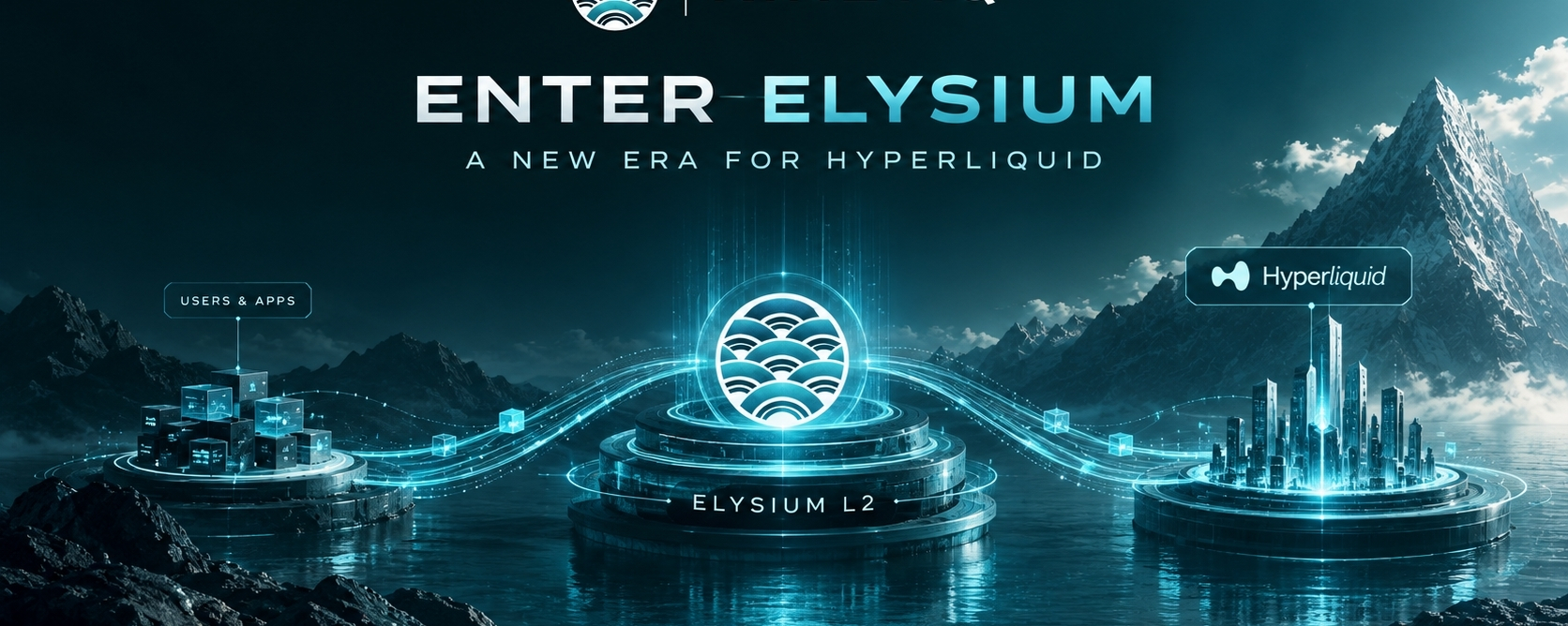
ບົດຄວາມ
ເບິ່ງການແປ
Elysium: A New Era for Hyperliquid — Analyzing the First Value-Accretive L2Hyperliquid has already established itself as one of the most important on-chain venues for perpetuals. HyperCore is at the center of that system, while $HYPE provides the underlying asset and economic foundation.
But as activity expands beyond perps, another question becomes harder to ignore: can the execution environment around HyperCore support the kind of high-frequency DeFi activity that builders and traders actually want?
This is the problem Kinetiq is trying to address with Elysium.
Why Hyperliquid needs another execution layer
HyperEVM was designed with an important constraint: maintaining close composability with HyperCore.
Its dual-block architecture uses frequent smaller blocks alongside larger blocks at longer intervals. That design has advantages for coordination with HyperCore, but it also creates limitations for applications that need consistently high throughput and low transaction costs.
For high-frequency DeFi, those limitations matter.
A simple swap can become expensive during periods of congestion, while applications such as professional spot markets and automated market makers need an environment where transactions can be executed quickly and repeatedly without unpredictable costs.
Elysium approaches this from a different direction.
Rather than trying to replace HyperCore, it is designed as a Layer 2 around Hyperliquid, using the Arbitrum Orbit stack and settling to HyperEVM while remaining closely connected to HyperCore.
The network is still pre-mainnet, so its published performance figures should be treated as targets rather than established production results. The stated goal, however, is significant: much faster block times and substantially greater execution capacity for the workloads HyperEVM is not optimized to handle.
One ecosystem, one gas asset. One of the simplest but most important decisions is the use of $HYPE as Elysium's native gas asset.
There is no need to introduce another gas token or create a separate economic system for users moving between Hyperliquid and Elysium.
That keeps the user experience connected to the existing Hyperliquid economy. More importantly, it gives $HYPE another practical role within the ecosystem. Instead of activity happening on a separate L2 with a completely different fee asset, Elysium is designed around the same underlying economic environment.
Built for spot markets and PropAMMs. The most interesting part of Elysium, in my view, is its focus on spot trading.
High-frequency market-making requires more than simply having an EVM environment with lower fees. Market makers need rapid quote updates, efficient execution and a straightforward way to hedge positions against deeper liquidity.
This is where PropAMMs become important. Elysium is designed to support these workloads while maintaining connectivity with HyperCore's existing liquidity infrastructure. Its L1Read precompile is also intended to make Hyperliquid data directly accessible to applications on Elysium, allowing builders to use native Hyperliquid information rather than relying entirely on external oracle infrastructure.
That could make the relationship between the L2 and HyperCore much tighter than the typical "L2 settles back to L1" model.
A clearer path from token launch to HyperCore
Elysium also introduces a more connected token lifecycle:
AMM → PropAMM → HyperCore Spot → HIP-3 Perps
The significance is less about the individual stages and more about the progression between them.
A new asset can begin with liquidity on Elysium, develop through a more sophisticated market-making environment, and potentially move toward HyperCore spot markets and eventually HIP-3 perpetual markets.
If this works as designed, token launches become less fragmented because different stages of market development can happen within the same broader ecosystem.
The part that changes the L2 economics. The biggest difference between Elysium and many traditional L2 models is what happens to sequencer revenue.
The proposed Elysium sequencer fee distribution is:
25% → Builders
25% → Kinetiq Treasury
50% → KNTQ open-market buybacks and burn
That final 50% is the mechanism behind Elysium's value-accretive thesis.
When users generate activity on Elysium, the sequencer earns fees. Half of the designated sequencer fees are used to purchase KNTQ on the open market, with the purchased tokens then sent for burning.
This creates a direct relationship between network usage and KNTQ supply reduction.
But there is an important distinction here: the mechanism itself does not guarantee value accrual. It only creates the mechanism for it.
For the model to matter at scale, Elysium needs actual transaction activity, meaningful trading volume and sustained demand from builders and users. A burn mechanism attached to low activity would have limited economic impact.
That is why I think the more interesting question is not simply how much KNTQ can be burned, but whether Elysium can generate enough real economic activity for the mechanism to become meaningful.
Why this model is different
Traditional L2s can create a situation where significant activity moves away from the underlying L1 while the L2 captures the economics of that activity through sequencing and fees.
Elysium is being designed around a different relationship.
Its stated architecture attempts to send value and activity in several directions at once:
- $HYPE remains the gas asset.
- HyperCore remains an important source of liquidity and market infrastructure.
- Builders receive 25% of sequencer fees.
- Kinetiq's treasury receives 25%.
- 50% of sequencer fees are directed toward KNTQ purchases and burns.
In other words, the thesis is not simply "move activity to an L2."
It is to create an execution environment where more activity can happen while strengthening the economic connection between Elysium, Hyperliquid and KNTQ.
That is what makes the value-accretive argument worth watching. The part that still needs to be proven
There is a lot to like about the architecture, but the distinction between an interesting design and a successful network will ultimately come down to execution.
Elysium is still pre-mainnet. Published throughput figures are targets, not long-term production results. PropAMM liquidity has to materialize. Builders have to choose the environment. Traders have to use it. And tokens need to successfully move through the proposed lifecycle into deeper HyperCore markets.
There are also broader economic assumptions around additional native USDC liquidity and its potential impact on Hyperliquid's ecosystem. Those scenarios depend on genuinely new liquidity and actual adoption rather than simply moving existing capital around.
So I would not describe Elysium as a proven success yet. I would describe it as a technically interesting attempt to solve a specific problem: how do you expand Hyperliquid's execution capacity without disconnecting that activity from the economic engine that already exists?
If Elysium delivers on that design, its significance goes beyond being another EVM-compatible L2.
It could become an execution layer that makes Hyperliquid more useful for builders and traders while giving network activity a direct economic relationship with KNTQ.
That is the part worth watching.
#Web3 #Hyperliquid #Kinetiq #Elysium #DeFi #Layer2
Elysium: A New Era for Hyperliquid — Analyzing the First Value-Accretive L2
Hyperliquid has already established itself as one of the most important on-chain venues for perpetuals. HyperCore is at the center of that system, while $HYPE provides the underlying asset and economic foundation.
But as activity expands beyond perps, another question becomes harder to ignore: can the execution environment around HyperCore support the kind of high-frequency DeFi activity that builders and traders actually want?
This is the problem Kinetiq is trying to address with Elysium.
Why Hyperliquid needs another execution layer
HyperEVM was designed with an important constraint: maintaining close composability with HyperCore.
Its dual-block architecture uses frequent smaller blocks alongside larger blocks at longer intervals. That design has advantages for coordination with HyperCore, but it also creates limitations for applications that need consistently high throughput and low transaction costs.
For high-frequency DeFi, those limitations matter.
A simple swap can become expensive during periods of congestion, while applications such as professional spot markets and automated market makers need an environment where transactions can be executed quickly and repeatedly without unpredictable costs.
Elysium approaches this from a different direction.
Rather than trying to replace HyperCore, it is designed as a Layer 2 around Hyperliquid, using the Arbitrum Orbit stack and settling to HyperEVM while remaining closely connected to HyperCore.
The network is still pre-mainnet, so its published performance figures should be treated as targets rather than established production results. The stated goal, however, is significant: much faster block times and substantially greater execution capacity for the workloads HyperEVM is not optimized to handle.
One ecosystem, one gas asset. One of the simplest but most important decisions is the use of $HYPE as Elysium's native gas asset.
There is no need to introduce another gas token or create a separate economic system for users moving between Hyperliquid and Elysium.
That keeps the user experience connected to the existing Hyperliquid economy. More importantly, it gives $HYPE another practical role within the ecosystem. Instead of activity happening on a separate L2 with a completely different fee asset, Elysium is designed around the same underlying economic environment.
Built for spot markets and PropAMMs. The most interesting part of Elysium, in my view, is its focus on spot trading.
High-frequency market-making requires more than simply having an EVM environment with lower fees. Market makers need rapid quote updates, efficient execution and a straightforward way to hedge positions against deeper liquidity.
This is where PropAMMs become important. Elysium is designed to support these workloads while maintaining connectivity with HyperCore's existing liquidity infrastructure. Its L1Read precompile is also intended to make Hyperliquid data directly accessible to applications on Elysium, allowing builders to use native Hyperliquid information rather than relying entirely on external oracle infrastructure.
That could make the relationship between the L2 and HyperCore much tighter than the typical "L2 settles back to L1" model.
A clearer path from token launch to HyperCore
Elysium also introduces a more connected token lifecycle:
AMM → PropAMM → HyperCore Spot → HIP-3 Perps
The significance is less about the individual stages and more about the progression between them.
A new asset can begin with liquidity on Elysium, develop through a more sophisticated market-making environment, and potentially move toward HyperCore spot markets and eventually HIP-3 perpetual markets.
If this works as designed, token launches become less fragmented because different stages of market development can happen within the same broader ecosystem.
The part that changes the L2 economics. The biggest difference between Elysium and many traditional L2 models is what happens to sequencer revenue.
The proposed Elysium sequencer fee distribution is:
25% → Builders
25% → Kinetiq Treasury
50% → KNTQ open-market buybacks and burn
That final 50% is the mechanism behind Elysium's value-accretive thesis.
When users generate activity on Elysium, the sequencer earns fees. Half of the designated sequencer fees are used to purchase KNTQ on the open market, with the purchased tokens then sent for burning.
This creates a direct relationship between network usage and KNTQ supply reduction.
But there is an important distinction here: the mechanism itself does not guarantee value accrual. It only creates the mechanism for it.
For the model to matter at scale, Elysium needs actual transaction activity, meaningful trading volume and sustained demand from builders and users. A burn mechanism attached to low activity would have limited economic impact.
That is why I think the more interesting question is not simply how much KNTQ can be burned, but whether Elysium can generate enough real economic activity for the mechanism to become meaningful.
Why this model is different
Traditional L2s can create a situation where significant activity moves away from the underlying L1 while the L2 captures the economics of that activity through sequencing and fees.
Elysium is being designed around a different relationship.
Its stated architecture attempts to send value and activity in several directions at once:
- $HYPE remains the gas asset.
- HyperCore remains an important source of liquidity and market infrastructure.
- Builders receive 25% of sequencer fees.
- Kinetiq's treasury receives 25%.
- 50% of sequencer fees are directed toward KNTQ purchases and burns.
In other words, the thesis is not simply "move activity to an L2."
It is to create an execution environment where more activity can happen while strengthening the economic connection between Elysium, Hyperliquid and KNTQ.
That is what makes the value-accretive argument worth watching. The part that still needs to be proven
There is a lot to like about the architecture, but the distinction between an interesting design and a successful network will ultimately come down to execution.
Elysium is still pre-mainnet. Published throughput figures are targets, not long-term production results. PropAMM liquidity has to materialize. Builders have to choose the environment. Traders have to use it. And tokens need to successfully move through the proposed lifecycle into deeper HyperCore markets.
There are also broader economic assumptions around additional native USDC liquidity and its potential impact on Hyperliquid's ecosystem. Those scenarios depend on genuinely new liquidity and actual adoption rather than simply moving existing capital around.
So I would not describe Elysium as a proven success yet. I would describe it as a technically interesting attempt to solve a specific problem: how do you expand Hyperliquid's execution capacity without disconnecting that activity from the economic engine that already exists?
If Elysium delivers on that design, its significance goes beyond being another EVM-compatible L2.
It could become an execution layer that makes Hyperliquid more useful for builders and traders while giving network activity a direct economic relationship with KNTQ.
That is the part worth watching.
#Web3 #Hyperliquid #Kinetiq #Elysium #DeFi #Layer2
But as activity expands beyond perps, another question becomes harder to ignore: can the execution environment around HyperCore support the kind of high-frequency DeFi activity that builders and traders actually want?
This is the problem Kinetiq is trying to address with Elysium.
Why Hyperliquid needs another execution layer
HyperEVM was designed with an important constraint: maintaining close composability with HyperCore.
Its dual-block architecture uses frequent smaller blocks alongside larger blocks at longer intervals. That design has advantages for coordination with HyperCore, but it also creates limitations for applications that need consistently high throughput and low transaction costs.
For high-frequency DeFi, those limitations matter.
A simple swap can become expensive during periods of congestion, while applications such as professional spot markets and automated market makers need an environment where transactions can be executed quickly and repeatedly without unpredictable costs.
Elysium approaches this from a different direction.
Rather than trying to replace HyperCore, it is designed as a Layer 2 around Hyperliquid, using the Arbitrum Orbit stack and settling to HyperEVM while remaining closely connected to HyperCore.
The network is still pre-mainnet, so its published performance figures should be treated as targets rather than established production results. The stated goal, however, is significant: much faster block times and substantially greater execution capacity for the workloads HyperEVM is not optimized to handle.
One ecosystem, one gas asset. One of the simplest but most important decisions is the use of $HYPE as Elysium's native gas asset.
There is no need to introduce another gas token or create a separate economic system for users moving between Hyperliquid and Elysium.
That keeps the user experience connected to the existing Hyperliquid economy. More importantly, it gives $HYPE another practical role within the ecosystem. Instead of activity happening on a separate L2 with a completely different fee asset, Elysium is designed around the same underlying economic environment.
Built for spot markets and PropAMMs. The most interesting part of Elysium, in my view, is its focus on spot trading.
High-frequency market-making requires more than simply having an EVM environment with lower fees. Market makers need rapid quote updates, efficient execution and a straightforward way to hedge positions against deeper liquidity.
This is where PropAMMs become important. Elysium is designed to support these workloads while maintaining connectivity with HyperCore's existing liquidity infrastructure. Its L1Read precompile is also intended to make Hyperliquid data directly accessible to applications on Elysium, allowing builders to use native Hyperliquid information rather than relying entirely on external oracle infrastructure.
That could make the relationship between the L2 and HyperCore much tighter than the typical "L2 settles back to L1" model.
A clearer path from token launch to HyperCore
Elysium also introduces a more connected token lifecycle:
AMM → PropAMM → HyperCore Spot → HIP-3 Perps
The significance is less about the individual stages and more about the progression between them.
A new asset can begin with liquidity on Elysium, develop through a more sophisticated market-making environment, and potentially move toward HyperCore spot markets and eventually HIP-3 perpetual markets.
If this works as designed, token launches become less fragmented because different stages of market development can happen within the same broader ecosystem.
The part that changes the L2 economics. The biggest difference between Elysium and many traditional L2 models is what happens to sequencer revenue.
The proposed Elysium sequencer fee distribution is:
25% → Builders
25% → Kinetiq Treasury
50% → KNTQ open-market buybacks and burn
That final 50% is the mechanism behind Elysium's value-accretive thesis.
When users generate activity on Elysium, the sequencer earns fees. Half of the designated sequencer fees are used to purchase KNTQ on the open market, with the purchased tokens then sent for burning.
This creates a direct relationship between network usage and KNTQ supply reduction.
But there is an important distinction here: the mechanism itself does not guarantee value accrual. It only creates the mechanism for it.
For the model to matter at scale, Elysium needs actual transaction activity, meaningful trading volume and sustained demand from builders and users. A burn mechanism attached to low activity would have limited economic impact.
That is why I think the more interesting question is not simply how much KNTQ can be burned, but whether Elysium can generate enough real economic activity for the mechanism to become meaningful.
Why this model is different
Traditional L2s can create a situation where significant activity moves away from the underlying L1 while the L2 captures the economics of that activity through sequencing and fees.
Elysium is being designed around a different relationship.
Its stated architecture attempts to send value and activity in several directions at once:
- $HYPE remains the gas asset.
- HyperCore remains an important source of liquidity and market infrastructure.
- Builders receive 25% of sequencer fees.
- Kinetiq's treasury receives 25%.
- 50% of sequencer fees are directed toward KNTQ purchases and burns.
In other words, the thesis is not simply "move activity to an L2."
It is to create an execution environment where more activity can happen while strengthening the economic connection between Elysium, Hyperliquid and KNTQ.
That is what makes the value-accretive argument worth watching. The part that still needs to be proven
There is a lot to like about the architecture, but the distinction between an interesting design and a successful network will ultimately come down to execution.
Elysium is still pre-mainnet. Published throughput figures are targets, not long-term production results. PropAMM liquidity has to materialize. Builders have to choose the environment. Traders have to use it. And tokens need to successfully move through the proposed lifecycle into deeper HyperCore markets.
There are also broader economic assumptions around additional native USDC liquidity and its potential impact on Hyperliquid's ecosystem. Those scenarios depend on genuinely new liquidity and actual adoption rather than simply moving existing capital around.
So I would not describe Elysium as a proven success yet. I would describe it as a technically interesting attempt to solve a specific problem: how do you expand Hyperliquid's execution capacity without disconnecting that activity from the economic engine that already exists?
If Elysium delivers on that design, its significance goes beyond being another EVM-compatible L2.
It could become an execution layer that makes Hyperliquid more useful for builders and traders while giving network activity a direct economic relationship with KNTQ.
That is the part worth watching.
#Web3 #Hyperliquid #Kinetiq #Elysium #DeFi #Layer2
13

·
--
ມີ token ຈຳນວນຫຼາຍທີ່ເກີດ ແລະ ຕາຍໃນ pool ທຳອິດຂອງມັນ. ສິ່ງທີ່ມີຄຸນຄ່າກ່ຽວກັບເລື່ອງນີ້ ແມ່ນການຄິດວ່າ ໂຄງການສາມາດຂະຫຍາຍຂຶ້ນຢ່າງແທ້ຈິງໄດ້ແນວໃດ ໂດຍບໍ່ໃຫ້ຕິດຢູ່ໃນຂະນະທີ່ພະຍາຍາມ. #Kinetiq $HYPE
ມີ token ຈຳນວນຫຼາຍທີ່ເກີດ ແລະ ຕາຍໃນ pool ທຳອິດຂອງມັນ. ສິ່ງທີ່ມີຄຸນຄ່າກ່ຽວກັບເລື່ອງນີ້ ແມ່ນການຄິດວ່າ ໂຄງການສາມາດຂະຫຍາຍຂຶ້ນຢ່າງແທ້ຈິງໄດ້ແນວໃດ ໂດຍບໍ່ໃຫ້ຕິດຢູ່ໃນຂະນະທີ່ພະຍາຍາມ. #Kinetiq $HYPE

Meenah1
·
--
Elysium: Isikhathi Esisha Se-Hyperliquid
Kwenzekani ngemva kokuthi ithokheni ikhishwe?
Ukuqalisa impahla kuwukhiye wokuqala kuphela. Ithokheni ingathola ichibi lokuqala loketshezi, idonse abadayisi bokuqala futhi yakhe imakethe. Kodwa njengoba umsebenzi ukhula, kuqala imibuzo enzima: ingabe uketshezi lungangena ujule, ingabe impahla ingafinyelela ingqalasizinda ye-spot yemvelo, futhi ingabe ekugcineni ingasekela ama-derivatives?
Eku umbuzo omkhulu osemuva kwalokho #Elysium
I-Kinetiq iphakamisa i-Layer 2 eyakhiwe ngenhloso ukuze kwenziwe imisebenzi yezimali ngaphakathi #Hyperliquid ecosystem. Esikhundleni sokubheka i-L2 njengendawo nje yokwenza imisebenzi, i-Elysium yakhelwe ukuxhumana phakathi kokukhishwa kwamathokheni, uketshezi, ama-spot markets nama-perpetuals.
Ukuqalisa impahla kuwukhiye wokuqala kuphela. Ithokheni ingathola ichibi lokuqala loketshezi, idonse abadayisi bokuqala futhi yakhe imakethe. Kodwa njengoba umsebenzi ukhula, kuqala imibuzo enzima: ingabe uketshezi lungangena ujule, ingabe impahla ingafinyelela ingqalasizinda ye-spot yemvelo, futhi ingabe ekugcineni ingasekela ama-derivatives?
Eku umbuzo omkhulu osemuva kwalokho #Elysium
I-Kinetiq iphakamisa i-Layer 2 eyakhiwe ngenhloso ukuze kwenziwe imisebenzi yezimali ngaphakathi #Hyperliquid ecosystem. Esikhundleni sokubheka i-L2 njengendawo nje yokwenza imisebenzi, i-Elysium yakhelwe ukuxhumana phakathi kokukhishwa kwamathokheni, uketshezi, ama-spot markets nama-perpetuals.
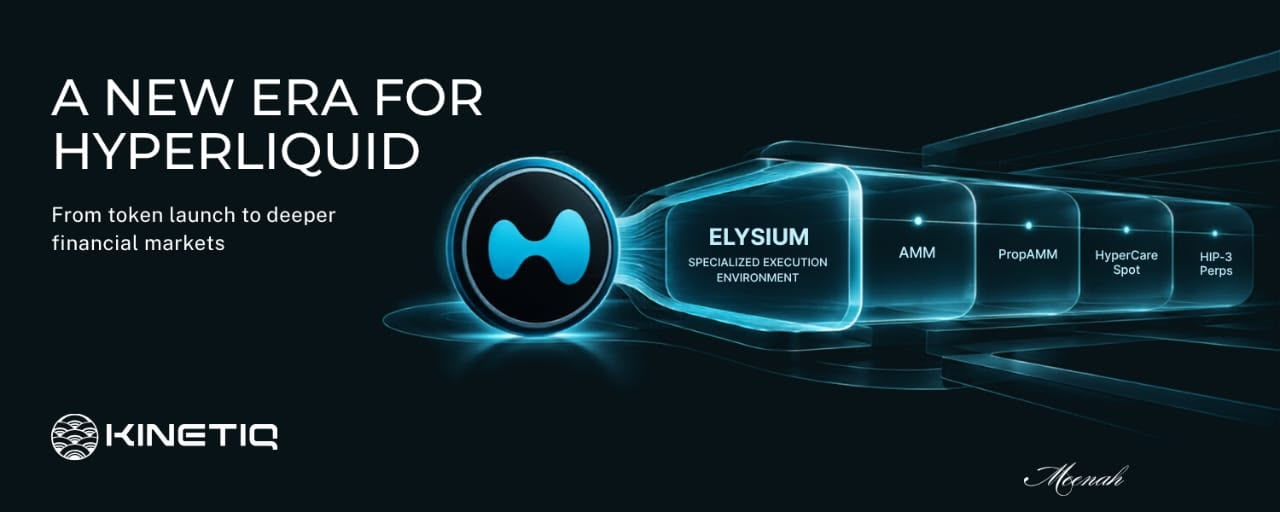
2
123
·
--
ບົດຄວາມ
Elysium: Isikhathi Esisha Se-HyperliquidKwenzekani ngemva kokuthi ithokheni ikhishwe?
Ukuqalisa impahla kuwukhiye wokuqala kuphela. Ithokheni ingathola ichibi lokuqala loketshezi, idonse abadayisi bokuqala futhi yakhe imakethe. Kodwa njengoba umsebenzi ukhula, kuqala imibuzo enzima: ingabe uketshezi lungangena ujule, ingabe impahla ingafinyelela ingqalasizinda ye-spot yemvelo, futhi ingabe ekugcineni ingasekela ama-derivatives?
Eku umbuzo omkhulu osemuva kwalokho #Elysium
I-Kinetiq iphakamisa i-Layer 2 eyakhiwe ngenhloso ukuze kwenziwe imisebenzi yezimali ngaphakathi #Hyperliquid ecosystem. Esikhundleni sokubheka i-L2 njengendawo nje yokwenza imisebenzi, i-Elysium yakhelwe ukuxhumana phakathi kokukhishwa kwamathokheni, uketshezi, ama-spot markets nama-perpetuals.
Elysium: Isikhathi Esisha Se-Hyperliquid
Kwenzekani ngemva kokuthi ithokheni ikhishwe?
Ukuqalisa impahla kuwukhiye wokuqala kuphela. Ithokheni ingathola ichibi lokuqala loketshezi, idonse abadayisi bokuqala futhi yakhe imakethe. Kodwa njengoba umsebenzi ukhula, kuqala imibuzo enzima: ingabe uketshezi lungangena ujule, ingabe impahla ingafinyelela ingqalasizinda ye-spot yemvelo, futhi ingabe ekugcineni ingasekela ama-derivatives?
Eku umbuzo omkhulu osemuva kwalokho #Elysium
I-Kinetiq iphakamisa i-Layer 2 eyakhiwe ngenhloso ukuze kwenziwe imisebenzi yezimali ngaphakathi #Hyperliquid ecosystem. Esikhundleni sokubheka i-L2 njengendawo nje yokwenza imisebenzi, i-Elysium yakhelwe ukuxhumana phakathi kokukhishwa kwamathokheni, uketshezi, ama-spot markets nama-perpetuals.
Ukuqalisa impahla kuwukhiye wokuqala kuphela. Ithokheni ingathola ichibi lokuqala loketshezi, idonse abadayisi bokuqala futhi yakhe imakethe. Kodwa njengoba umsebenzi ukhula, kuqala imibuzo enzima: ingabe uketshezi lungangena ujule, ingabe impahla ingafinyelela ingqalasizinda ye-spot yemvelo, futhi ingabe ekugcineni ingasekela ama-derivatives?
Eku umbuzo omkhulu osemuva kwalokho #Elysium
I-Kinetiq iphakamisa i-Layer 2 eyakhiwe ngenhloso ukuze kwenziwe imisebenzi yezimali ngaphakathi #Hyperliquid ecosystem. Esikhundleni sokubheka i-L2 njengendawo nje yokwenza imisebenzi, i-Elysium yakhelwe ukuxhumana phakathi kokukhishwa kwamathokheni, uketshezi, ama-spot markets nama-perpetuals.
jennyjacob01 :
The interesting part is the full journey, not just the launch. If Elysium can connect liquidity, users, and deeper markets in one ecosystem, that could make growth much more meaningful.
6
1
8
89

·
--
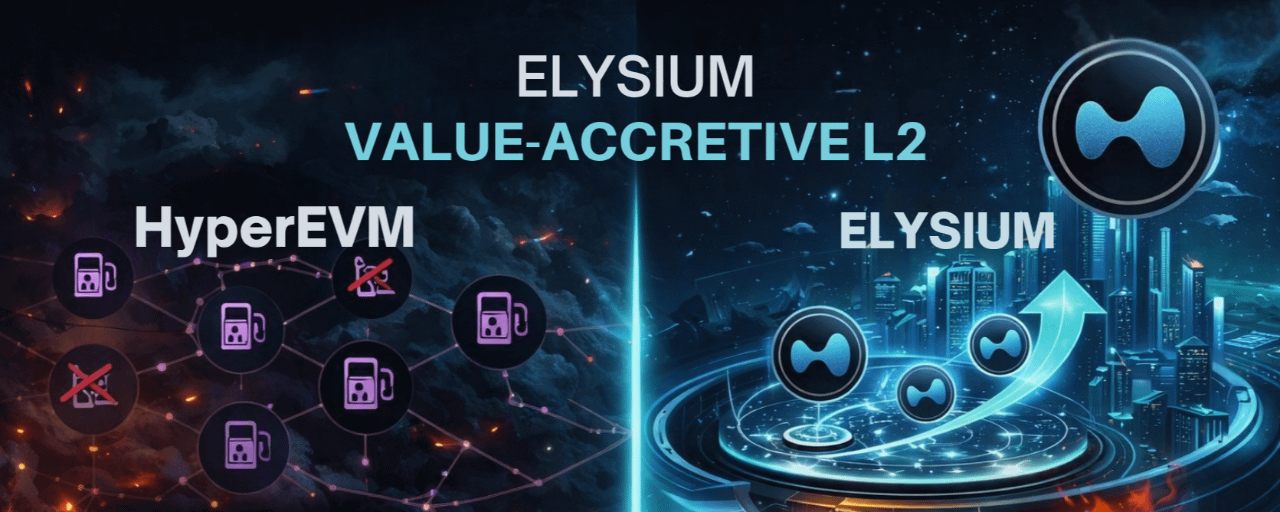
ບົດຄວາມ
Elysium: Akoko Tuntun Fun Hyperliquid – N Ṣàyẹ̀wò L2 Tí ń Kó Iye KíkọEwe Web3 loni, ọpọlọpọ awọn iṣẹlẹ ti n ṣẹlẹ ati awọn ojutu ipele-2 (L2) ti di ọwọn ẹhin fun sisẹ awọn blockchain, ṣugbọn pupọ julọ tẹle ilana ti o wọpọ: wọn fa iye lati Layer 1 (L1) wọn, laisi bọ́ (pada) rẹ̀. Arbitrum, Optimism, ati zkSync gbogbo wọn gbẹkẹle #Ethereum fún ìmúṣẹ, sibẹ sequencer fees wọn ati iṣipopada gaasi n gba si akọkọ si awọn oniṣẹ L2, kii ṣe si awọn oludokoowo Ethereum. Elysium Hyperliquid fọ́ ilana yẹn. O ti ṣe kii ṣe gẹgẹ bi L2 tí ń jẹ́ onjẹ (parasitic), ṣugbọn gẹgẹ bi ẹrọ tí ń kó iye jọ ti ń mú #Hyperliquid lagbara ati #Kinetiq ni ipilẹ wọn.
Elysium: Akoko Tuntun Fun Hyperliquid – N Ṣàyẹ̀wò L2 Tí ń Kó Iye Kíkọ
Ewe Web3 loni, ọpọlọpọ awọn iṣẹlẹ ti n ṣẹlẹ ati awọn ojutu ipele-2 (L2) ti di ọwọn ẹhin fun sisẹ awọn blockchain, ṣugbọn pupọ julọ tẹle ilana ti o wọpọ: wọn fa iye lati Layer 1 (L1) wọn, laisi bọ́ (pada) rẹ̀. Arbitrum, Optimism, ati zkSync gbogbo wọn gbẹkẹle #Ethereum fún ìmúṣẹ, sibẹ sequencer fees wọn ati iṣipopada gaasi n gba si akọkọ si awọn oniṣẹ L2, kii ṣe si awọn oludokoowo Ethereum. Elysium Hyperliquid fọ́ ilana yẹn. O ti ṣe kii ṣe gẹgẹ bi L2 tí ń jẹ́ onjẹ (parasitic), ṣugbọn gẹgẹ bi ẹrọ tí ń kó iye jọ ti ń mú #Hyperliquid lagbara ati #Kinetiq ni ipilẹ wọn.
Web3_ArchiTect:
Using HYPE as gas also keeps Elysium closely tied to the Hyperliquid ecosystem. That connection could be important as more applications and markets are built around the infrastructure.
1
1
2
102

·
--
Elysium: Isikhathi Esisha Sase-Hyperliquid — Ukuhlaziya Inani Lokuqala Elizuzisayo le-L2Kukhona isifundo sakudala esivela emiphakathini yase-Afrika: uma umgwaqo uba yimpumelelo, abantu abaningi baqala ukuwusebenzisa. Ekugcineni, lowo mgwaqo owake wathutha wonke umuntu kalula uyagcwala.
Lokho kuyindlela ewusizo yokubuka i-Hyperliquid namuhla.
I-Hyperliquid yakhe elinye lama-ecosystem okuhweba aku-inthanethi aqinile kakhulu e-crypto, kodwa ukukhula komsebenzi nakho kuveza ukulinganiselwa kwe-infrastructure. I-HyperEVM ibhekane nezikhathi zokuxinana nezindleko zentengiselwano ezikhuphukele phezulu, okubangela inselelo kuma-applikheshini adinga ukwenziwa okusheshayo, okungabizi.
Elysium: Isikhathi Esisha Sase-Hyperliquid — Ukuhlaziya Inani Lokuqala Elizuzisayo le-L2
Kukhona isifundo sakudala esivela emiphakathini yase-Afrika: uma umgwaqo uba yimpumelelo, abantu abaningi baqala ukuwusebenzisa. Ekugcineni, lowo mgwaqo owake wathutha wonke umuntu kalula uyagcwala.
Lokho kuyindlela ewusizo yokubuka i-Hyperliquid namuhla.
I-Hyperliquid yakhe elinye lama-ecosystem okuhweba aku-inthanethi aqinile kakhulu e-crypto, kodwa ukukhula komsebenzi nakho kuveza ukulinganiselwa kwe-infrastructure. I-HyperEVM ibhekane nezikhathi zokuxinana nezindleko zentengiselwano ezikhuphukele phezulu, okubangela inselelo kuma-applikheshini adinga ukwenziwa okusheshayo, okungabizi.
Lokho kuyindlela ewusizo yokubuka i-Hyperliquid namuhla.
I-Hyperliquid yakhe elinye lama-ecosystem okuhweba aku-inthanethi aqinile kakhulu e-crypto, kodwa ukukhula komsebenzi nakho kuveza ukulinganiselwa kwe-infrastructure. I-HyperEVM ibhekane nezikhathi zokuxinana nezindleko zentengiselwano ezikhuphukele phezulu, okubangela inselelo kuma-applikheshini adinga ukwenziwa okusheshayo, okungabizi.
Web3_ArchiTect:
The token lifecycle is one of the clearest ways to understand the bigger picture: AMM → PropAMM → HyperCore Spot → HIP-3 Perps. Each stage addresses a different part of a token's market journey.
2
1
4
144
ເຂົ້າສູ່ລະບົບເພື່ອສຳຫຼວດເນື້ອຫາເພີ່ມເຕີມ
ເຂົ້າຮ່ວມກຸ່ມຜູ້ໃຊ້ຄຣິບໂຕທົ່ວໂລກໃນ Binance Square.
⚡️ ໄດ້ຮັບຂໍ້ມູນຫຼ້າສຸດ ແລະ ທີ່ມີປະໂຫຍດກ່ຽວກັບຄຣິບໂຕ.
💬 ໄດ້ຮັບຄວາມໄວ້ວາງໃຈຈາກຕະຫຼາດແລກປ່ຽນຄຣິບໂຕທີ່ໃຫຍ່ທີ່ສຸດໃນໂລກ.
👍 ຄົ້ນຫາຂໍ້ມູນເຊີງເລິກທີ່ແທ້ຈາກນັກສ້າງທີ່ໄດ້ຮັບການຢືນຢັນ.
ອີເມວ / ເບີໂທລະສັບ
ຫົວຂໍ້ທີ່ກໍາລັງນິຍົມ
1
#BOJRaisesRatesTo31YearHigh
30,897 views
734 ກຳລັງສົນທະນາ
2
#BuffettStepsDownAsBerkshireChairman
10,242 views
304 ກຳລັງສົນທະນາ
3
#XRPExchangeReservesHitSevenYearLow
14,456 views
321 ກຳລັງສົນທະນາ
4
#HKCompletesFirstHKDStablecoinUseCase
44,791 views
842 ກຳລັງສົນທະນາ
5
#VietnamPlansFirstCryptoLicensesIn2026
32,494 views
582 ກຳລັງສົນທະນາ
6
#BTCBreaks80K
298,316 views
4,162 ກຳລັງສົນທະນາ
7
#比特币突破8万
146,432 views
453 ກຳລັງສົນທະນາ
8
#BitcoinMarketCapTopsTesla
50,151 views
890 ກຳລັງສົນທະນາ
9
#SOLJumpsAbout10%
61,931 views
895 ກຳລັງສົນທະນາ
10
#EthereumReclaims$2600
5,529 views
102 ກຳລັງສົນທະນາ