
Web3Sage
61 投稿

Web3Sage
報告
ユーザーをブロック
取引を発注
低高頻度トレーダー
5.1年
6 フォロー
22 フォロワー
64 いいね
投稿
ポートフォリオ
すべて
引用
·
--
ブリッシュ
🚨 なぜHTLC + RFQがクロスチェーン・スワップを変えうるのか
ここ数年でクロスチェーン送金は大きく改善されてきましたが、それでもなお、馴染みのある課題に直面しています。
ラップド資産、決済の遅延、実行中の価格変動、そしてブリッジのセキュリティ――これらが、ユーザーがブロックチェーン間で流動性を移すことをどう考えるかに影響してきました。
だからこそ、新しいアプローチが注目を集めています。
従来のブリッジにだけ頼るのではなく、現代のクロスチェーン基盤はRFQとHTLCを組み合わせて、単一のワークフローとして扱い始めています。
それがなぜ重要なのか。
🔹 RFQ(Request for Quote/見積もり依頼)により、プロの流動性プロバイダーが取引を実行する前に競い合って確定的な見積もりを提示できます。これにより価格の改善につながり、ユーザーは期待される結果に対する確度を高められます。
🔹 HTLC(Hashed Timelock Contracts/ハッシュド・タイムロック・コントラクト)は、決済レイヤーとして機能します。暗号学的条件と時間制限を用いることで、スワップの両者が確実に完了するか、あるいはプロトコルのルールに従って資産を払い戻せるようにします。
個別に見ると、どちらのアプローチにも強みがあります。
それらを組み合わせることで、クロスチェーン実行のためのより効率的なモデルが実現します。
💡 このアプローチは、$STONエコシステム内でOmnistonとともに開発されています。競争による見積もりの発見と、HTLCベースの決済を組み合わせることで、ラップドトークンに依存せずネイティブ資産同士のスワップを可能にしつつ、実行効率を高め、カウンターパーティ・リスクを低減することを目指しています。
クロスチェーンの活動がさらに拡大するにつれ、議論の焦点は「単にネットワーク間で資産を移すこと」から、より安全に、より効率的に、そしてより確かな自信をもって、それらの資産がどのように交換されるかへと移っています。
DeFiの次の進化は、別のブリッジではないかもしれません。
それは、クロスチェーン・スワップが最初からどう実行されるべきかを根本から見直す、より賢い基盤かもしれません。
💬 大口送金には従来のブリッジを信頼しますか?それとも、HTLCベースの決済がクロスチェーン・スワップの未来だと考えますか?
#ston #Omniston #GRAM
🚨 なぜHTLC + RFQがクロスチェーン・スワップを変えうるのか
ここ数年でクロスチェーン送金は大きく改善されてきましたが、それでもなお、馴染みのある課題に直面しています。
ラップド資産、決済の遅延、実行中の価格変動、そしてブリッジのセキュリティ――これらが、ユーザーがブロックチェーン間で流動性を移すことをどう考えるかに影響してきました。
だからこそ、新しいアプローチが注目を集めています。
従来のブリッジにだけ頼るのではなく、現代のクロスチェーン基盤はRFQとHTLCを組み合わせて、単一のワークフローとして扱い始めています。
それがなぜ重要なのか。
🔹 RFQ(Request for Quote/見積もり依頼)により、プロの流動性プロバイダーが取引を実行する前に競い合って確定的な見積もりを提示できます。これにより価格の改善につながり、ユーザーは期待される結果に対する確度を高められます。
🔹 HTLC(Hashed Timelock Contracts/ハッシュド・タイムロック・コントラクト)は、決済レイヤーとして機能します。暗号学的条件と時間制限を用いることで、スワップの両者が確実に完了するか、あるいはプロトコルのルールに従って資産を払い戻せるようにします。
個別に見ると、どちらのアプローチにも強みがあります。
それらを組み合わせることで、クロスチェーン実行のためのより効率的なモデルが実現します。
💡 このアプローチは、$STONエコシステム内でOmnistonとともに開発されています。競争による見積もりの発見と、HTLCベースの決済を組み合わせることで、ラップドトークンに依存せずネイティブ資産同士のスワップを可能にしつつ、実行効率を高め、カウンターパーティ・リスクを低減することを目指しています。
クロスチェーンの活動がさらに拡大するにつれ、議論の焦点は「単にネットワーク間で資産を移すこと」から、より安全に、より効率的に、そしてより確かな自信をもって、それらの資産がどのように交換されるかへと移っています。
DeFiの次の進化は、別のブリッジではないかもしれません。
それは、クロスチェーン・スワップが最初からどう実行されるべきかを根本から見直す、より賢い基盤かもしれません。
💬 大口送金には従来のブリッジを信頼しますか?それとも、HTLCベースの決済がクロスチェーン・スワップの未来だと考えますか?
#ston #Omniston #GRAM
ここ数年でクロスチェーン送金は大きく改善されてきましたが、それでもなお、馴染みのある課題に直面しています。
ラップド資産、決済の遅延、実行中の価格変動、そしてブリッジのセキュリティ――これらが、ユーザーがブロックチェーン間で流動性を移すことをどう考えるかに影響してきました。
だからこそ、新しいアプローチが注目を集めています。
従来のブリッジにだけ頼るのではなく、現代のクロスチェーン基盤はRFQとHTLCを組み合わせて、単一のワークフローとして扱い始めています。
それがなぜ重要なのか。
🔹 RFQ(Request for Quote/見積もり依頼)により、プロの流動性プロバイダーが取引を実行する前に競い合って確定的な見積もりを提示できます。これにより価格の改善につながり、ユーザーは期待される結果に対する確度を高められます。
🔹 HTLC(Hashed Timelock Contracts/ハッシュド・タイムロック・コントラクト)は、決済レイヤーとして機能します。暗号学的条件と時間制限を用いることで、スワップの両者が確実に完了するか、あるいはプロトコルのルールに従って資産を払い戻せるようにします。
個別に見ると、どちらのアプローチにも強みがあります。
それらを組み合わせることで、クロスチェーン実行のためのより効率的なモデルが実現します。
💡 このアプローチは、$STONエコシステム内でOmnistonとともに開発されています。競争による見積もりの発見と、HTLCベースの決済を組み合わせることで、ラップドトークンに依存せずネイティブ資産同士のスワップを可能にしつつ、実行効率を高め、カウンターパーティ・リスクを低減することを目指しています。
クロスチェーンの活動がさらに拡大するにつれ、議論の焦点は「単にネットワーク間で資産を移すこと」から、より安全に、より効率的に、そしてより確かな自信をもって、それらの資産がどのように交換されるかへと移っています。
DeFiの次の進化は、別のブリッジではないかもしれません。
それは、クロスチェーン・スワップが最初からどう実行されるべきかを根本から見直す、より賢い基盤かもしれません。
💬 大口送金には従来のブリッジを信頼しますか?それとも、HTLCベースの決済がクロスチェーン・スワップの未来だと考えますか?
#ston #Omniston #GRAM
1
196
·
--
ブリッシュ
すべての優れたDeFiエコシステムには流動性エンジンが必要です
ブロックチェーンは高速な取引を可能にできます。
低い手数料を提供することもできます。
開発者や新規ユーザーを惹きつけることもできます。
しかし、効率的な流動性がなければ、最も強力なエコシステムであってもその可能性を最大限に引き出すのは難しくなります。
流動性は、ブロックチェーンをネットワークから経済へと変えるものです。
TONエコシステムが成長し続けるにつれて、トークン、プロトコル、そして取引の機会も増えていきます。この成長はわくわくする一方で、よく知られた課題も生み出します。流動性がより分散されることで、効率的な取引執行がますます重要になってくるのです。
そこでOmnistonが、異なる視点を提供します。
別の「取引の場」を作ることだけに注目するのではなく、Omnistonは対応するソースから流動性を集約し、統一された実行レイヤーを通じてアプリケーションがそれにアクセスできるように設計されています。
簡単に言えば、ユーザー自身が複数の流動性提供先を探し回らなくても、効率的な執行を見つけられるようにすることです。
$STONエコシステムにとって、これは重要な進化です。
議論はもはやスワップを可能にすることだけではありません。そうしたスワップがどのように行われるかを改善することが焦点になっています。より良いルーティング、より賢い流動性アクセス、そして強力な開発者向けインフラが、よりスムーズなDeFi体験につながります。
TON上により多くのアプリケーションが構築されるにつれ、Omnistonのようなインフラは、エコシステム全体で流動性をつなぎ、摩擦を減らす上で、ますます重要な役割を果たす可能性があります。
最強のDeFiエコシステムは、保有している流動性の量だけで定義されるわけではありません。
それは、流動性をどれだけ効果的にアクセスできるかによっても定義されます。
💬 TONが拡大し続ける中で、ユーザー体験に最大の影響を与えるのは、より深い流動性、より賢い執行、またはより良い開発者インフラのどれだと思いますか?
#ston #TON #Omniston
すべての優れたDeFiエコシステムには流動性エンジンが必要です
ブロックチェーンは高速な取引を可能にできます。
低い手数料を提供することもできます。
開発者や新規ユーザーを惹きつけることもできます。
しかし、効率的な流動性がなければ、最も強力なエコシステムであってもその可能性を最大限に引き出すのは難しくなります。
流動性は、ブロックチェーンをネットワークから経済へと変えるものです。
TONエコシステムが成長し続けるにつれて、トークン、プロトコル、そして取引の機会も増えていきます。この成長はわくわくする一方で、よく知られた課題も生み出します。流動性がより分散されることで、効率的な取引執行がますます重要になってくるのです。
そこでOmnistonが、異なる視点を提供します。
別の「取引の場」を作ることだけに注目するのではなく、Omnistonは対応するソースから流動性を集約し、統一された実行レイヤーを通じてアプリケーションがそれにアクセスできるように設計されています。
簡単に言えば、ユーザー自身が複数の流動性提供先を探し回らなくても、効率的な執行を見つけられるようにすることです。
$STONエコシステムにとって、これは重要な進化です。
議論はもはやスワップを可能にすることだけではありません。そうしたスワップがどのように行われるかを改善することが焦点になっています。より良いルーティング、より賢い流動性アクセス、そして強力な開発者向けインフラが、よりスムーズなDeFi体験につながります。
TON上により多くのアプリケーションが構築されるにつれ、Omnistonのようなインフラは、エコシステム全体で流動性をつなぎ、摩擦を減らす上で、ますます重要な役割を果たす可能性があります。
最強のDeFiエコシステムは、保有している流動性の量だけで定義されるわけではありません。
それは、流動性をどれだけ効果的にアクセスできるかによっても定義されます。
💬 TONが拡大し続ける中で、ユーザー体験に最大の影響を与えるのは、より深い流動性、より賢い執行、またはより良い開発者インフラのどれだと思いますか?
#ston #TON #Omniston
ブロックチェーンは高速な取引を可能にできます。
低い手数料を提供することもできます。
開発者や新規ユーザーを惹きつけることもできます。
しかし、効率的な流動性がなければ、最も強力なエコシステムであってもその可能性を最大限に引き出すのは難しくなります。
流動性は、ブロックチェーンをネットワークから経済へと変えるものです。
TONエコシステムが成長し続けるにつれて、トークン、プロトコル、そして取引の機会も増えていきます。この成長はわくわくする一方で、よく知られた課題も生み出します。流動性がより分散されることで、効率的な取引執行がますます重要になってくるのです。
そこでOmnistonが、異なる視点を提供します。
別の「取引の場」を作ることだけに注目するのではなく、Omnistonは対応するソースから流動性を集約し、統一された実行レイヤーを通じてアプリケーションがそれにアクセスできるように設計されています。
簡単に言えば、ユーザー自身が複数の流動性提供先を探し回らなくても、効率的な執行を見つけられるようにすることです。
$STONエコシステムにとって、これは重要な進化です。
議論はもはやスワップを可能にすることだけではありません。そうしたスワップがどのように行われるかを改善することが焦点になっています。より良いルーティング、より賢い流動性アクセス、そして強力な開発者向けインフラが、よりスムーズなDeFi体験につながります。
TON上により多くのアプリケーションが構築されるにつれ、Omnistonのようなインフラは、エコシステム全体で流動性をつなぎ、摩擦を減らす上で、ますます重要な役割を果たす可能性があります。
最強のDeFiエコシステムは、保有している流動性の量だけで定義されるわけではありません。
それは、流動性をどれだけ効果的にアクセスできるかによっても定義されます。
💬 TONが拡大し続ける中で、ユーザー体験に最大の影響を与えるのは、より深い流動性、より賢い執行、またはより良い開発者インフラのどれだと思いますか?
#ston #TON #Omniston
1
88
·
--
ブリッシュ
「最速のスワップが、必ずしも最良のスワップではない」としたら?
多くのトレーダーがトークンをスワップするとき、判断基準は1つのことに集約されがちです。それは「速度」です。
取引が数秒で確定すれば、成功したように感じます。
でも速度はパズルの一部にすぎません。
スワップは信じられないほど速くても、最適な流動性にアクセスできていなければ、競争力の低い価格で実行されることがあります。逆に、複数の流動性ソースを賢く評価することで、少しだけ時間のかかる実行が、より良い総合結果につながる場合もあります。
DeFiエコシステムが拡大し続けるほど、この違いはますます重要になっていきます。
プロトコルが増えるほど、流動性も増えます。
流動性が増えるほど、断片化も進みます。
そして断片化が増えるほど、「最良の約定を見つける」ことは、単なる1回のトランザクションではなく、技術的な課題になります。
だからこそ会話は徐々に、「スワップはどれくらい速いか?」から「スワップはどれだけうまく実行されたか?」へと移ってきています。
そこで注目したいのがOmnistonのようなプロジェクトです。
Omnistonは、すべてのスワップを2つの資産の間の直接ルートとして扱うのではなく、対応する流動性ソースを集約し、効率的な実行ルートを特定するように設計されています。目的は単に取引を素早く実行することだけではなく、ユーザーがさまざまな流動性の選択肢を手動で比較しなくても、競争力のある約定を得られるようにすることです。
$STONエコシステムにとってこれは、単なるもう1つの機能以上の意味があります。裏側でインフラが静かに機能し、ユーザーがその複雑さではなく「結果」に集中できる、より広いビジョンを体現しているのです。
TONが成長し続ける中で、効率的な実行は、優れたDeFi体験と素晴らしいDeFi体験を分ける決定的な要因の1つになっていくかもしれません。
💬 資産をスワップするとき、1つだけ選ぶとしたら、あなたにとってより重要なのは次のうちどれですか?最速の確定、ベストな約定価格、または最終的な総コストの低さ?
#ston #bitcoin #Omniston
「最速のスワップが、必ずしも最良のスワップではない」としたら?
多くのトレーダーがトークンをスワップするとき、判断基準は1つのことに集約されがちです。それは「速度」です。
取引が数秒で確定すれば、成功したように感じます。
でも速度はパズルの一部にすぎません。
スワップは信じられないほど速くても、最適な流動性にアクセスできていなければ、競争力の低い価格で実行されることがあります。逆に、複数の流動性ソースを賢く評価することで、少しだけ時間のかかる実行が、より良い総合結果につながる場合もあります。
DeFiエコシステムが拡大し続けるほど、この違いはますます重要になっていきます。
プロトコルが増えるほど、流動性も増えます。
流動性が増えるほど、断片化も進みます。
そして断片化が増えるほど、「最良の約定を見つける」ことは、単なる1回のトランザクションではなく、技術的な課題になります。
だからこそ会話は徐々に、「スワップはどれくらい速いか?」から「スワップはどれだけうまく実行されたか?」へと移ってきています。
そこで注目したいのがOmnistonのようなプロジェクトです。
Omnistonは、すべてのスワップを2つの資産の間の直接ルートとして扱うのではなく、対応する流動性ソースを集約し、効率的な実行ルートを特定するように設計されています。目的は単に取引を素早く実行することだけではなく、ユーザーがさまざまな流動性の選択肢を手動で比較しなくても、競争力のある約定を得られるようにすることです。
$STONエコシステムにとってこれは、単なるもう1つの機能以上の意味があります。裏側でインフラが静かに機能し、ユーザーがその複雑さではなく「結果」に集中できる、より広いビジョンを体現しているのです。
TONが成長し続ける中で、効率的な実行は、優れたDeFi体験と素晴らしいDeFi体験を分ける決定的な要因の1つになっていくかもしれません。
💬 資産をスワップするとき、1つだけ選ぶとしたら、あなたにとってより重要なのは次のうちどれですか?最速の確定、ベストな約定価格、または最終的な総コストの低さ?
#ston #bitcoin #Omniston
多くのトレーダーがトークンをスワップするとき、判断基準は1つのことに集約されがちです。それは「速度」です。
取引が数秒で確定すれば、成功したように感じます。
でも速度はパズルの一部にすぎません。
スワップは信じられないほど速くても、最適な流動性にアクセスできていなければ、競争力の低い価格で実行されることがあります。逆に、複数の流動性ソースを賢く評価することで、少しだけ時間のかかる実行が、より良い総合結果につながる場合もあります。
DeFiエコシステムが拡大し続けるほど、この違いはますます重要になっていきます。
プロトコルが増えるほど、流動性も増えます。
流動性が増えるほど、断片化も進みます。
そして断片化が増えるほど、「最良の約定を見つける」ことは、単なる1回のトランザクションではなく、技術的な課題になります。
だからこそ会話は徐々に、「スワップはどれくらい速いか?」から「スワップはどれだけうまく実行されたか?」へと移ってきています。
そこで注目したいのがOmnistonのようなプロジェクトです。
Omnistonは、すべてのスワップを2つの資産の間の直接ルートとして扱うのではなく、対応する流動性ソースを集約し、効率的な実行ルートを特定するように設計されています。目的は単に取引を素早く実行することだけではなく、ユーザーがさまざまな流動性の選択肢を手動で比較しなくても、競争力のある約定を得られるようにすることです。
$STONエコシステムにとってこれは、単なるもう1つの機能以上の意味があります。裏側でインフラが静かに機能し、ユーザーがその複雑さではなく「結果」に集中できる、より広いビジョンを体現しているのです。
TONが成長し続ける中で、効率的な実行は、優れたDeFi体験と素晴らしいDeFi体験を分ける決定的な要因の1つになっていくかもしれません。
💬 資産をスワップするとき、1つだけ選ぶとしたら、あなたにとってより重要なのは次のうちどれですか?最速の確定、ベストな約定価格、または最終的な総コストの低さ?
#ston #bitcoin #Omniston
1
37
·
--
ブリッシュ
OmnistonがTONの最も重要なインフラレイヤーの1つになり得る理由
人々がDeFiプロジェクトを評価する際、しばしばTVL、取引高、対応トークン数といった指標を見ます。これらの指標は重要ですが、いつも全体像を伝えてくれるとは限りません。
時には、最大のイノベーションが別のDEXではなく、すべてのDEXがより良く機能するためのインフラであることがあります。
それがOmnistonの面白さです。
別の流動性の行き先になろうと競うのではなく、Omnistonは複数の対応ソースから流動性を集約し、単一の統合レイヤーを通じてアプリケーションがより効率的な実行を行えるように設計されています。
こう考えてみてください。
最安値を探すために、あるスーパーマーケットに行くとします。その棚にあるものしか見えません。
しかし、近くのすべてのスーパーマーケットを瞬時に確認して、最適な選択肢を持ち帰ってくれるアシスタントがいたらどうでしょう。
それが、単一の流動性ソースに頼る場合と、集約レイヤーを使う場合の違いです。
$TONエコシステムが成長するにつれて、流動性は自然により分散されていきます。新しいプロトコル、プール、マーケット参加者は機会を生み出す一方で、断片化ももたらします。
そこでOmnistonが、ますます価値を高めていく可能性があります。
増え続ける複雑さをユーザーや開発者に手作業でたどらせるのではなく、流動性を見つけやすく、アクセスしやすくすることに重点を置いています。
私にとって、これが$STONエコシステムをワクワクさせる理由です。
今日のスワップを可能にするだけではありません。明日の、より効率的なTON DeFiエコシステムを支えることのできるインフラを築くことが目的です。
DeFiが成熟し続ける中で、舞台裏で体験を静かに改善するプロジェクトは、ユーザーが毎日触れているアプリケーションと同じくらい重要になるかもしれません。
あなたはどう思いますか?
流動性集約は、すべての主要なブロックチェーン・エコシステムにとって標準的なレイヤーになっていくのでしょうか。それとも、個々のDEXが引き続きスワップ実行を支配し続けるのでしょうか?
#ston #grvt #DeFi
OmnistonがTONの最も重要なインフラレイヤーの1つになり得る理由
人々がDeFiプロジェクトを評価する際、しばしばTVL、取引高、対応トークン数といった指標を見ます。これらの指標は重要ですが、いつも全体像を伝えてくれるとは限りません。
時には、最大のイノベーションが別のDEXではなく、すべてのDEXがより良く機能するためのインフラであることがあります。
それがOmnistonの面白さです。
別の流動性の行き先になろうと競うのではなく、Omnistonは複数の対応ソースから流動性を集約し、単一の統合レイヤーを通じてアプリケーションがより効率的な実行を行えるように設計されています。
こう考えてみてください。
最安値を探すために、あるスーパーマーケットに行くとします。その棚にあるものしか見えません。
しかし、近くのすべてのスーパーマーケットを瞬時に確認して、最適な選択肢を持ち帰ってくれるアシスタントがいたらどうでしょう。
それが、単一の流動性ソースに頼る場合と、集約レイヤーを使う場合の違いです。
$TONエコシステムが成長するにつれて、流動性は自然により分散されていきます。新しいプロトコル、プール、マーケット参加者は機会を生み出す一方で、断片化ももたらします。
そこでOmnistonが、ますます価値を高めていく可能性があります。
増え続ける複雑さをユーザーや開発者に手作業でたどらせるのではなく、流動性を見つけやすく、アクセスしやすくすることに重点を置いています。
私にとって、これが$STONエコシステムをワクワクさせる理由です。
今日のスワップを可能にするだけではありません。明日の、より効率的なTON DeFiエコシステムを支えることのできるインフラを築くことが目的です。
DeFiが成熟し続ける中で、舞台裏で体験を静かに改善するプロジェクトは、ユーザーが毎日触れているアプリケーションと同じくらい重要になるかもしれません。
あなたはどう思いますか?
流動性集約は、すべての主要なブロックチェーン・エコシステムにとって標準的なレイヤーになっていくのでしょうか。それとも、個々のDEXが引き続きスワップ実行を支配し続けるのでしょうか?
#ston #grvt #DeFi
人々がDeFiプロジェクトを評価する際、しばしばTVL、取引高、対応トークン数といった指標を見ます。これらの指標は重要ですが、いつも全体像を伝えてくれるとは限りません。
時には、最大のイノベーションが別のDEXではなく、すべてのDEXがより良く機能するためのインフラであることがあります。
それがOmnistonの面白さです。
別の流動性の行き先になろうと競うのではなく、Omnistonは複数の対応ソースから流動性を集約し、単一の統合レイヤーを通じてアプリケーションがより効率的な実行を行えるように設計されています。
こう考えてみてください。
最安値を探すために、あるスーパーマーケットに行くとします。その棚にあるものしか見えません。
しかし、近くのすべてのスーパーマーケットを瞬時に確認して、最適な選択肢を持ち帰ってくれるアシスタントがいたらどうでしょう。
それが、単一の流動性ソースに頼る場合と、集約レイヤーを使う場合の違いです。
$TONエコシステムが成長するにつれて、流動性は自然により分散されていきます。新しいプロトコル、プール、マーケット参加者は機会を生み出す一方で、断片化ももたらします。
そこでOmnistonが、ますます価値を高めていく可能性があります。
増え続ける複雑さをユーザーや開発者に手作業でたどらせるのではなく、流動性を見つけやすく、アクセスしやすくすることに重点を置いています。
私にとって、これが$STONエコシステムをワクワクさせる理由です。
今日のスワップを可能にするだけではありません。明日の、より効率的なTON DeFiエコシステムを支えることのできるインフラを築くことが目的です。
DeFiが成熟し続ける中で、舞台裏で体験を静かに改善するプロジェクトは、ユーザーが毎日触れているアプリケーションと同じくらい重要になるかもしれません。
あなたはどう思いますか?
流動性集約は、すべての主要なブロックチェーン・エコシステムにとって標準的なレイヤーになっていくのでしょうか。それとも、個々のDEXが引き続きスワップ実行を支配し続けるのでしょうか?
#ston #grvt #DeFi
1
9
·
--
ブリッシュ
🔍 DeFiにおける“本当のプロダクト”は流動性? その理由はOmnistonにあります
DeFiでは、ユーザーが目にするもの――ウォレット、DEX、チャート、トークン価格――に注目しがちです。ですが、成功するあらゆるスワップの背後には、もっと重要な要素があります。それが「流動性」です。
流動性がなければ、どれほど美しく設計された取引プラットフォームでも機能しません。今日の課題は、流動性が不足していることではなく、複数のプール、プロトコル、そして市場参加者にまたがって、流動性がますます分断されていることです。
TONエコシステムが拡大し続けることで、この課題はより切実になります。利用者が増え、アプリケーションが増えるということは、流動性が存在し得る場所も必然的に増えるということです。これはエコシステムの成長のサインである一方、効率的な取引実行をより複雑にします。
そこでOmnistonが登場します。
トレーダーのための新たな目的地を作るのではなく、Omnistonは流動性を集約するレイヤーとして設計されており、利用可能な流動性により賢くアクセスできるようアプリケーションを支援します。単一のソースに依存する代わりに、対応する流動性プロバイダーを評価し、スワップのための効率的な実行パスを決定できます。
なぜそれが重要なのでしょうか?
ほとんどのユーザーは、流動性がどこから来たかには関心がありません。結果に関心があります。競争力のある価格、信頼性の高い実行、そしてシームレスな体験を求めています。もし基盤となるインフラが、静かにこれらの成果を向上できるのなら、誰もが恩恵を受けます。
それが、$STONエコシステム内でのOmnistonという興味深い動きにつながっています。次のDeFiのイノベーションは、単にインターフェースを増やすことではなく、それらのインターフェースの下にあるインフラをより賢くすることかもしれない、という示唆です。
TONが成熟していくにつれ、効率的な流動性アクセスは、流動性そのものと同じくらい重要になっていく可能性があります。
💬 DeFiの取引体験のうち、1つだけ改善できるとしたら何にしますか:スリッページの低減、より速い実行、または賢い流動性ルーティング?
#ston #Omniston #GRVT
🔍 DeFiにおける“本当のプロダクト”は流動性? その理由はOmnistonにあります
DeFiでは、ユーザーが目にするもの――ウォレット、DEX、チャート、トークン価格――に注目しがちです。ですが、成功するあらゆるスワップの背後には、もっと重要な要素があります。それが「流動性」です。
流動性がなければ、どれほど美しく設計された取引プラットフォームでも機能しません。今日の課題は、流動性が不足していることではなく、複数のプール、プロトコル、そして市場参加者にまたがって、流動性がますます分断されていることです。
TONエコシステムが拡大し続けることで、この課題はより切実になります。利用者が増え、アプリケーションが増えるということは、流動性が存在し得る場所も必然的に増えるということです。これはエコシステムの成長のサインである一方、効率的な取引実行をより複雑にします。
そこでOmnistonが登場します。
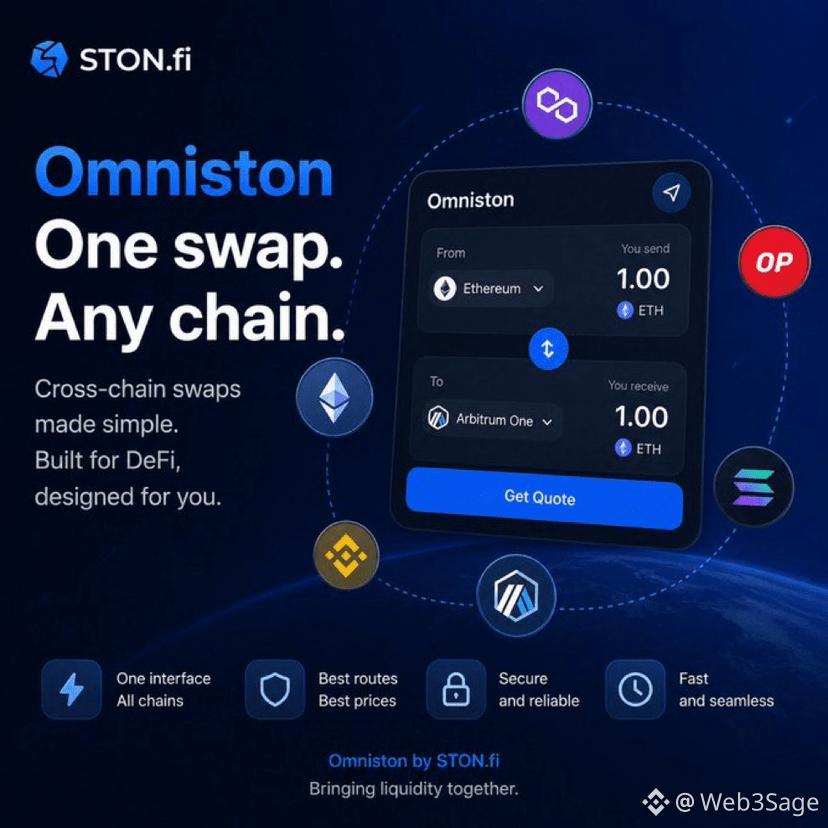
トレーダーのための新たな目的地を作るのではなく、Omnistonは流動性を集約するレイヤーとして設計されており、利用可能な流動性により賢くアクセスできるようアプリケーションを支援します。単一のソースに依存する代わりに、対応する流動性プロバイダーを評価し、スワップのための効率的な実行パスを決定できます。
なぜそれが重要なのでしょうか?
ほとんどのユーザーは、流動性がどこから来たかには関心がありません。結果に関心があります。競争力のある価格、信頼性の高い実行、そしてシームレスな体験を求めています。もし基盤となるインフラが、静かにこれらの成果を向上できるのなら、誰もが恩恵を受けます。
それが、$STONエコシステム内でのOmnistonという興味深い動きにつながっています。次のDeFiのイノベーションは、単にインターフェースを増やすことではなく、それらのインターフェースの下にあるインフラをより賢くすることかもしれない、という示唆です。
TONが成熟していくにつれ、効率的な流動性アクセスは、流動性そのものと同じくらい重要になっていく可能性があります。
💬 DeFiの取引体験のうち、1つだけ改善できるとしたら何にしますか:スリッページの低減、より速い実行、または賢い流動性ルーティング?
#ston #Omniston #GRVT
DeFiでは、ユーザーが目にするもの――ウォレット、DEX、チャート、トークン価格――に注目しがちです。ですが、成功するあらゆるスワップの背後には、もっと重要な要素があります。それが「流動性」です。
流動性がなければ、どれほど美しく設計された取引プラットフォームでも機能しません。今日の課題は、流動性が不足していることではなく、複数のプール、プロトコル、そして市場参加者にまたがって、流動性がますます分断されていることです。
TONエコシステムが拡大し続けることで、この課題はより切実になります。利用者が増え、アプリケーションが増えるということは、流動性が存在し得る場所も必然的に増えるということです。これはエコシステムの成長のサインである一方、効率的な取引実行をより複雑にします。
そこでOmnistonが登場します。
トレーダーのための新たな目的地を作るのではなく、Omnistonは流動性を集約するレイヤーとして設計されており、利用可能な流動性により賢くアクセスできるようアプリケーションを支援します。単一のソースに依存する代わりに、対応する流動性プロバイダーを評価し、スワップのための効率的な実行パスを決定できます。
なぜそれが重要なのでしょうか?
ほとんどのユーザーは、流動性がどこから来たかには関心がありません。結果に関心があります。競争力のある価格、信頼性の高い実行、そしてシームレスな体験を求めています。もし基盤となるインフラが、静かにこれらの成果を向上できるのなら、誰もが恩恵を受けます。
それが、$STONエコシステム内でのOmnistonという興味深い動きにつながっています。次のDeFiのイノベーションは、単にインターフェースを増やすことではなく、それらのインターフェースの下にあるインフラをより賢くすることかもしれない、という示唆です。
TONが成熟していくにつれ、効率的な流動性アクセスは、流動性そのものと同じくらい重要になっていく可能性があります。
💬 DeFiの取引体験のうち、1つだけ改善できるとしたら何にしますか:スリッページの低減、より速い実行、または賢い流動性ルーティング?
#ston #Omniston #GRVT
1
70
·
--
ブリッシュ
🚀 $STON はスワップの枠を超えて静かに進化している
人々が $STON を聞いたとき、まず思い浮かぶのは TON における分散型取引です。ですが、エコシステムはそのおなじみのユースケースを越えて成長しています。
最も興味深い進展のひとつが Omniston です。これは、アプリがより効率的に流動性を発見し、アクセスできるように設計された流動性集約プロトコルです。単一の流動性ソースに頼るのではなく、Omniston は対応プロバイダーからクオートを集め、スワップのための効率的な実行パスを判断するように構築されています。
なぜそれが重要なのでしょうか?
TON のエコシステムが拡大するにつれ、流動性は自然とより分散していきます。流動性が増えること自体は一般的に良いことですが、その一方で、最適な実行を見つけるのが難しくなります。ユーザーは複数のプールを比較したり、ルーティングを考えたりしたくありません。必要なのは、競争力のある価格で信頼できるスワップです。
そこでインフラの出番です。
別の取引インターフェースを作るのではなく、Omniston は裏側で起きることを改善することに注力します。開発者は統一された流動性レイヤーへのアクセスを得られ、ユーザーは、基盤となるルーティング処理を理解する必要なく、よりスムーズなスワップ体験を享受できます。
これは DeFi 全体に見られるより大きなトレンドとも一致しています。つまり、プロトコルは「流動性の量」だけでなく「実行品質」でますます競い合うようになっているのです。
$STON にとって、この進化は注目に値します。インフラがエコシステムのより大きな比重を占めていく中で、流動性へのアクセスを簡素化するプロジェクトは、TON の成長を支える上でますます重要な役割を果たす可能性があります。
💬 流動性集約は DeFi インフラの中核レイヤーになっていくと思いますか?それとも、個別の DEX がトレーダーの主な到達先のままでしょうか?
#ston #Omniston #TON
🚀 $STON はスワップの枠を超えて静かに進化している
人々が $STON を聞いたとき、まず思い浮かぶのは TON における分散型取引です。ですが、エコシステムはそのおなじみのユースケースを越えて成長しています。
最も興味深い進展のひとつが Omniston です。これは、アプリがより効率的に流動性を発見し、アクセスできるように設計された流動性集約プロトコルです。単一の流動性ソースに頼るのではなく、Omniston は対応プロバイダーからクオートを集め、スワップのための効率的な実行パスを判断するように構築されています。
なぜそれが重要なのでしょうか?
TON のエコシステムが拡大するにつれ、流動性は自然とより分散していきます。流動性が増えること自体は一般的に良いことですが、その一方で、最適な実行を見つけるのが難しくなります。ユーザーは複数のプールを比較したり、ルーティングを考えたりしたくありません。必要なのは、競争力のある価格で信頼できるスワップです。
そこでインフラの出番です。
別の取引インターフェースを作るのではなく、Omniston は裏側で起きることを改善することに注力します。開発者は統一された流動性レイヤーへのアクセスを得られ、ユーザーは、基盤となるルーティング処理を理解する必要なく、よりスムーズなスワップ体験を享受できます。
これは DeFi 全体に見られるより大きなトレンドとも一致しています。つまり、プロトコルは「流動性の量」だけでなく「実行品質」でますます競い合うようになっているのです。
$STON にとって、この進化は注目に値します。インフラがエコシステムのより大きな比重を占めていく中で、流動性へのアクセスを簡素化するプロジェクトは、TON の成長を支える上でますます重要な役割を果たす可能性があります。
💬 流動性集約は DeFi インフラの中核レイヤーになっていくと思いますか?それとも、個別の DEX がトレーダーの主な到達先のままでしょうか?
#ston #Omniston #TON
人々が $STON を聞いたとき、まず思い浮かぶのは TON における分散型取引です。ですが、エコシステムはそのおなじみのユースケースを越えて成長しています。
最も興味深い進展のひとつが Omniston です。これは、アプリがより効率的に流動性を発見し、アクセスできるように設計された流動性集約プロトコルです。単一の流動性ソースに頼るのではなく、Omniston は対応プロバイダーからクオートを集め、スワップのための効率的な実行パスを判断するように構築されています。
なぜそれが重要なのでしょうか?
TON のエコシステムが拡大するにつれ、流動性は自然とより分散していきます。流動性が増えること自体は一般的に良いことですが、その一方で、最適な実行を見つけるのが難しくなります。ユーザーは複数のプールを比較したり、ルーティングを考えたりしたくありません。必要なのは、競争力のある価格で信頼できるスワップです。
そこでインフラの出番です。
別の取引インターフェースを作るのではなく、Omniston は裏側で起きることを改善することに注力します。開発者は統一された流動性レイヤーへのアクセスを得られ、ユーザーは、基盤となるルーティング処理を理解する必要なく、よりスムーズなスワップ体験を享受できます。
これは DeFi 全体に見られるより大きなトレンドとも一致しています。つまり、プロトコルは「流動性の量」だけでなく「実行品質」でますます競い合うようになっているのです。
$STON にとって、この進化は注目に値します。インフラがエコシステムのより大きな比重を占めていく中で、流動性へのアクセスを簡素化するプロジェクトは、TON の成長を支える上でますます重要な役割を果たす可能性があります。
💬 流動性集約は DeFi インフラの中核レイヤーになっていくと思いますか?それとも、個別の DEX がトレーダーの主な到達先のままでしょうか?
#ston #Omniston #TON
1
50
·
--
記事
便利さが勝つ:最高のDeFiインフラが見えなくなっていく理由最大の技術的ブレークスルーは、ユーザーが決して気づかないものであることが多いのです。分散型金融では、将来は、新しい機能を追加するのではなく、複雑さを静かに取り除くプロトコルに属するかもしれません。
はじめに
DeFiのベテランに、あるプロトコルを成功させる要因を聞くと、分散化、セキュリティ、流動性、合成可能性(コンポーザビリティ)、スケーラビリティ(拡張性)などの言葉が出てくるかもしれません。
より新しいユーザーに同じ質問をすると、答えはしばしばずっとシンプルです。
「うまくいっただけ。」
この違いは、分散型金融における重要な転換を示しています。
便利さが勝つ:最高のDeFiインフラが見えなくなっていく理由
最大の技術的ブレークスルーは、ユーザーが決して気づかないものであることが多いのです。分散型金融では、将来は、新しい機能を追加するのではなく、複雑さを静かに取り除くプロトコルに属するかもしれません。
はじめに
DeFiのベテランに、あるプロトコルを成功させる要因を聞くと、分散化、セキュリティ、流動性、合成可能性(コンポーザビリティ)、スケーラビリティ(拡張性)などの言葉が出てくるかもしれません。
より新しいユーザーに同じ質問をすると、答えはしばしばずっとシンプルです。
「うまくいっただけ。」
この違いは、分散型金融における重要な転換を示しています。
はじめに
DeFiのベテランに、あるプロトコルを成功させる要因を聞くと、分散化、セキュリティ、流動性、合成可能性(コンポーザビリティ)、スケーラビリティ(拡張性)などの言葉が出てくるかもしれません。
より新しいユーザーに同じ質問をすると、答えはしばしばずっとシンプルです。
「うまくいっただけ。」
この違いは、分散型金融における重要な転換を示しています。
1
68
·
--
ブリッシュ
私たちは間違った問題を解決してきました……
誰もがクロスチェーンについて語っています。
でも、DeFiの次の進化が実はクロス・リクイディティ(流動性の横断)だとしたら?
資産をチェーン間で移動することは、体験の一部にすぎません。
より大きな課題は、それらの資産が到着した後に「最適な流動性」を見つけることです。
DeFiが成長するにつれて、流動性は次のようにますます分断されていきます:
🔹 DEX
🔹 流動性プール
🔹 マーケットメーカー
🔹 ブロックチェーン・エコシステム
そのため、リクイディティ集約はDeFiインフラにおいて非常に重要なレイヤーになりつつあります。
ユーザーに対して最良の執行先を手作業で探させるのではなく、集約プロトコルは利用可能な流動性をより賢く発見し、そこへルーティングすることを目指しています。
TONの中では、STON.fiによるOmnistonがこの流れの一例であり、複数の流動性ソースを持つアプリケーションをつなぐことに焦点を当て、スワップの執行を改善します。
DeFiの未来は、最大の流動性プールを持つプロトコルのものとは限りません。
それは、ユーザーが利用可能なあらゆる流動性に効率よく到達するのを助けるインフラに属するかもしれません。
💬 リクイディティ集約は、検索エンジンがインターネットにとって不可欠になったのと同じくらいDeFiにとって必須になると思いますか? その理由は?
#Omniston #Gram #XRP
私たちは間違った問題を解決してきました……
誰もがクロスチェーンについて語っています。
でも、DeFiの次の進化が実はクロス・リクイディティ(流動性の横断)だとしたら?
資産をチェーン間で移動することは、体験の一部にすぎません。
より大きな課題は、それらの資産が到着した後に「最適な流動性」を見つけることです。
DeFiが成長するにつれて、流動性は次のようにますます分断されていきます:
🔹 DEX
🔹 流動性プール
🔹 マーケットメーカー
🔹 ブロックチェーン・エコシステム
そのため、リクイディティ集約はDeFiインフラにおいて非常に重要なレイヤーになりつつあります。
ユーザーに対して最良の執行先を手作業で探させるのではなく、集約プロトコルは利用可能な流動性をより賢く発見し、そこへルーティングすることを目指しています。
TONの中では、STON.fiによるOmnistonがこの流れの一例であり、複数の流動性ソースを持つアプリケーションをつなぐことに焦点を当て、スワップの執行を改善します。
DeFiの未来は、最大の流動性プールを持つプロトコルのものとは限りません。
それは、ユーザーが利用可能なあらゆる流動性に効率よく到達するのを助けるインフラに属するかもしれません。
💬 リクイディティ集約は、検索エンジンがインターネットにとって不可欠になったのと同じくらいDeFiにとって必須になると思いますか? その理由は?
#Omniston #Gram #XRP
誰もがクロスチェーンについて語っています。
でも、DeFiの次の進化が実はクロス・リクイディティ(流動性の横断)だとしたら?
資産をチェーン間で移動することは、体験の一部にすぎません。
より大きな課題は、それらの資産が到着した後に「最適な流動性」を見つけることです。
DeFiが成長するにつれて、流動性は次のようにますます分断されていきます:
🔹 DEX
🔹 流動性プール
🔹 マーケットメーカー
🔹 ブロックチェーン・エコシステム
そのため、リクイディティ集約はDeFiインフラにおいて非常に重要なレイヤーになりつつあります。
ユーザーに対して最良の執行先を手作業で探させるのではなく、集約プロトコルは利用可能な流動性をより賢く発見し、そこへルーティングすることを目指しています。
TONの中では、STON.fiによるOmnistonがこの流れの一例であり、複数の流動性ソースを持つアプリケーションをつなぐことに焦点を当て、スワップの執行を改善します。
DeFiの未来は、最大の流動性プールを持つプロトコルのものとは限りません。
それは、ユーザーが利用可能なあらゆる流動性に効率よく到達するのを助けるインフラに属するかもしれません。
💬 リクイディティ集約は、検索エンジンがインターネットにとって不可欠になったのと同じくらいDeFiにとって必須になると思いますか? その理由は?
#Omniston #Gram #XRP
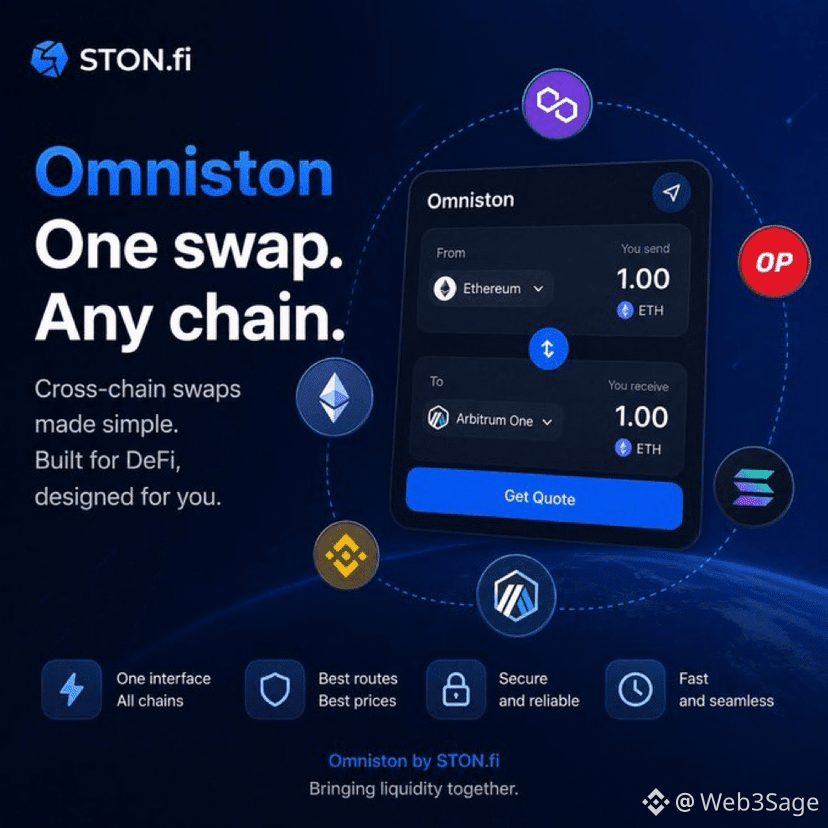
1
210
·
--
記事
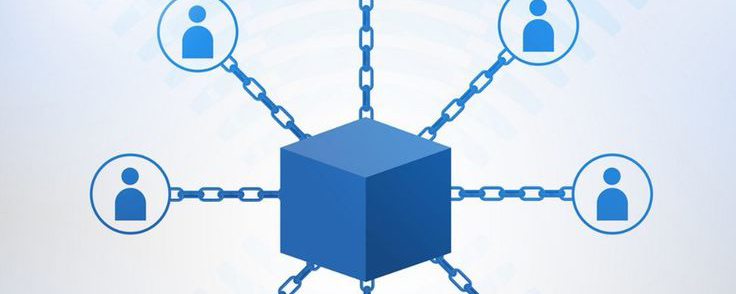
DeFiの次のフロンティアは「クロスチェーン」ではなく、「クロス・リクイディティ(流動性の連携)」長年、暗号業界はブロックチェーン同士をつなぐことに注力してきました。しかし、真の課題がチェーン同士の接続そのものではないとしたら? それが「流動性をつなぐこと」だとしたらどうでしょう。
はじめに
分散型金融(DeFi)の未来について誰かに聞けば、きっと「クロスチェーン」という言葉が聞こえてくるでしょう。
クロスチェーン・ブリッジ。
クロスチェーン・メッセージング。
クロスチェーン相互運用性。
これらの革新は、ブロックチェーンを孤立したエコシステムから、デジタル経済のつながったネットワークへと変えてきました。
しかし、この進歩にもかかわらず、トレーダーは依然としておなじみの不満を経験しています。
DeFiの次のフロンティアは「クロスチェーン」ではなく、「クロス・リクイディティ(流動性の連携)」
長年、暗号業界はブロックチェーン同士をつなぐことに注力してきました。しかし、真の課題がチェーン同士の接続そのものではないとしたら? それが「流動性をつなぐこと」だとしたらどうでしょう。
はじめに
分散型金融(DeFi)の未来について誰かに聞けば、きっと「クロスチェーン」という言葉が聞こえてくるでしょう。
クロスチェーン・ブリッジ。
クロスチェーン・メッセージング。
クロスチェーン相互運用性。
これらの革新は、ブロックチェーンを孤立したエコシステムから、デジタル経済のつながったネットワークへと変えてきました。
しかし、この進歩にもかかわらず、トレーダーは依然としておなじみの不満を経験しています。
はじめに
分散型金融(DeFi)の未来について誰かに聞けば、きっと「クロスチェーン」という言葉が聞こえてくるでしょう。
クロスチェーン・ブリッジ。
クロスチェーン・メッセージング。
クロスチェーン相互運用性。
これらの革新は、ブロックチェーンを孤立したエコシステムから、デジタル経済のつながったネットワークへと変えてきました。
しかし、この進歩にもかかわらず、トレーダーは依然としておなじみの不満を経験しています。
1
225
·
--

記事
DEXからエクスキューション・レイヤーへ:DeFi取引で何が変わっているのか?分散型取引の次のフェーズは、別の取引所を作ることではないかもしれません。交換所同士、流動性ソース、アプリケーションをつなぐインフラを構築することかもしれないのです。
はじめに
何年もの間、分散型取引所はDeFiの中心にありました。
ユーザーはウォレットを接続し、2つのトークンを選択し、取引を確認して、欲しかった資産を受け取ります。モデルはシンプルでした。DEXは市場だったのです。
しかし、DeFiは変わりました。
現在、流動性は複数のDEX、自動マーケットメーカー、RFQベースの流動性提供者、そしてますます多様化するブロックチェーンのエコシステムにまたがって存在できます。流動性ソースの数が増えるにつれ、DEXを運営するだけではもはや唯一の課題ではありません。
DEXからエクスキューション・レイヤーへ:DeFi取引で何が変わっているのか?
分散型取引の次のフェーズは、別の取引所を作ることではないかもしれません。交換所同士、流動性ソース、アプリケーションをつなぐインフラを構築することかもしれないのです。
はじめに
何年もの間、分散型取引所はDeFiの中心にありました。
ユーザーはウォレットを接続し、2つのトークンを選択し、取引を確認して、欲しかった資産を受け取ります。モデルはシンプルでした。DEXは市場だったのです。
しかし、DeFiは変わりました。
現在、流動性は複数のDEX、自動マーケットメーカー、RFQベースの流動性提供者、そしてますます多様化するブロックチェーンのエコシステムにまたがって存在できます。流動性ソースの数が増えるにつれ、DEXを運営するだけではもはや唯一の課題ではありません。
はじめに
何年もの間、分散型取引所はDeFiの中心にありました。
ユーザーはウォレットを接続し、2つのトークンを選択し、取引を確認して、欲しかった資産を受け取ります。モデルはシンプルでした。DEXは市場だったのです。
しかし、DeFiは変わりました。
現在、流動性は複数のDEX、自動マーケットメーカー、RFQベースの流動性提供者、そしてますます多様化するブロックチェーンのエコシステムにまたがって存在できます。流動性ソースの数が増えるにつれ、DEXを運営するだけではもはや唯一の課題ではありません。
1
213
·
--
本人確認中

記事
ブリッジの先へ:クロスチェーン取引の未来は、資産移転だけでなく実行にあるブロックチェーン間で資産を移動することは、数年前に比べてはるかに簡単になりました。しかし多くのユーザーにとって、トークンの送金は旅の一部にすぎません。より大きな課題は、これらの資産が目的地に到達した後、取引を効率よく実行することです。
はじめに
クロスチェーンの相互運用性は、ブロックチェーンにおける最も活発なイノベーション領域の一つとなっています。今日では、ブリッジ、メッセージング・プロトコル、相互運用性フレームワークを使って、ユーザーは数十ものネットワーク間で資産を移動できるようになっています。
この進歩によって接続性は大きく向上しましたが、同時に誤解も明らかになりました。チェーン間で資産を移動することは、シームレスな取引体験を提供することとは同じではないのです。
ブリッジの先へ:クロスチェーン取引の未来は、資産移転だけでなく実行にある
ブロックチェーン間で資産を移動することは、数年前に比べてはるかに簡単になりました。しかし多くのユーザーにとって、トークンの送金は旅の一部にすぎません。より大きな課題は、これらの資産が目的地に到達した後、取引を効率よく実行することです。
はじめに
クロスチェーンの相互運用性は、ブロックチェーンにおける最も活発なイノベーション領域の一つとなっています。今日では、ブリッジ、メッセージング・プロトコル、相互運用性フレームワークを使って、ユーザーは数十ものネットワーク間で資産を移動できるようになっています。
この進歩によって接続性は大きく向上しましたが、同時に誤解も明らかになりました。チェーン間で資産を移動することは、シームレスな取引体験を提供することとは同じではないのです。
はじめに
クロスチェーンの相互運用性は、ブロックチェーンにおける最も活発なイノベーション領域の一つとなっています。今日では、ブリッジ、メッセージング・プロトコル、相互運用性フレームワークを使って、ユーザーは数十ものネットワーク間で資産を移動できるようになっています。
この進歩によって接続性は大きく向上しましたが、同時に誤解も明らかになりました。チェーン間で資産を移動することは、シームレスな取引体験を提供することとは同じではないのです。
1
11
·
--
記事
なぜ流動性の分断は今もDeFi最大の課題なのか——そして現代のアグリゲーションはどのように進化しているのかDeFiには至るところに流動性がありますが、ユーザーがそれを効率よく利用するのに苦労することがよくあります。問題は必ずしも資本が不足していることではなく、その資本がどこに存在しているかです。
はじめに
ここ数年で、分散型金融(DeFi)は、少数の自動マーケットメーカー(AMM)から、数百のブロックチェーン、レイヤー2ネットワーク、分散型取引所にまたがるエコシステムへと拡大してきました。この成長はユーザーにとってより多くの機会を生み出しましたが、一方で業界における最も根強い課題の一つも生み出しました。それが、流動性の分断です。
なぜ流動性の分断は今もDeFi最大の課題なのか——そして現代のアグリゲーションはどのように進化しているのか
DeFiには至るところに流動性がありますが、ユーザーがそれを効率よく利用するのに苦労することがよくあります。問題は必ずしも資本が不足していることではなく、その資本がどこに存在しているかです。
はじめに
ここ数年で、分散型金融(DeFi)は、少数の自動マーケットメーカー(AMM)から、数百のブロックチェーン、レイヤー2ネットワーク、分散型取引所にまたがるエコシステムへと拡大してきました。この成長はユーザーにとってより多くの機会を生み出しましたが、一方で業界における最も根強い課題の一つも生み出しました。それが、流動性の分断です。
はじめに
ここ数年で、分散型金融(DeFi)は、少数の自動マーケットメーカー(AMM)から、数百のブロックチェーン、レイヤー2ネットワーク、分散型取引所にまたがるエコシステムへと拡大してきました。この成長はユーザーにとってより多くの機会を生み出しましたが、一方で業界における最も根強い課題の一つも生み出しました。それが、流動性の分断です。
1
1
94
·
--
資産ブリッジは旅の半分にすぎない
クロスチェーン技術により、ブロックチェーン間で資産を移動することはかつてないほど簡単になりました。ですが、見落とされがちなポイントがあります。
成功したブリッジが、必ずしも最良の取引(レート)を保証するわけではない、ということです。
資産が目的地に到着した後でも、ユーザーは次のような疑問に直面します。
🔹 どのDEXが最良の価格を提供している?
🔹 もっとも流動性が厚いのはどこ?
🔹 スリッページをどう最小化できる?
🔹 もっと効率的な執行ルートはある?
そのため、議論の中心はブリッジだけでなく、執行(エグゼキューション)基盤へと移りつつあります。
流動性集約プロトコルは、利用可能な流動性ソースを見つけて取引をルーティングすることでこのプロセスを簡素化し、ユーザーが複数のプラットフォームを手作業で比較する必要を減らします。
TONエコシステムの中では、STON.fiのOmnistonがこのより広いトレンドを体現しており、流動性へのアクセス方法やスワップの執行方法の改善に焦点を当てています。
DeFiがますますマルチチェーン化するにつれ、問いは次のように変化しています。
もはや「資産はブロックチェーン間を移せるのか?」だけではありません。
「ユーザーは、そこに到着した後に最良の執行にアクセスできるのか?」へと移っているのです。
将来の最も強いDeFiエコシステムは、ブリッジの数が多いところではなく、最も賢い執行基盤を備えたところかもしれません。
💬 今後数年で、より重要になるのは速いブリッジ、厚い流動性、それとも賢い取引執行のどれだと思いますか?ぜひ下にあなたの考えをシェアしてください!
#GRAM #Omniston
資産ブリッジは旅の半分にすぎない
クロスチェーン技術により、ブロックチェーン間で資産を移動することはかつてないほど簡単になりました。ですが、見落とされがちなポイントがあります。
成功したブリッジが、必ずしも最良の取引(レート)を保証するわけではない、ということです。
資産が目的地に到着した後でも、ユーザーは次のような疑問に直面します。
🔹 どのDEXが最良の価格を提供している?
🔹 もっとも流動性が厚いのはどこ?
🔹 スリッページをどう最小化できる?
🔹 もっと効率的な執行ルートはある?
そのため、議論の中心はブリッジだけでなく、執行(エグゼキューション)基盤へと移りつつあります。
流動性集約プロトコルは、利用可能な流動性ソースを見つけて取引をルーティングすることでこのプロセスを簡素化し、ユーザーが複数のプラットフォームを手作業で比較する必要を減らします。
TONエコシステムの中では、STON.fiのOmnistonがこのより広いトレンドを体現しており、流動性へのアクセス方法やスワップの執行方法の改善に焦点を当てています。
DeFiがますますマルチチェーン化するにつれ、問いは次のように変化しています。
もはや「資産はブロックチェーン間を移せるのか?」だけではありません。
「ユーザーは、そこに到着した後に最良の執行にアクセスできるのか?」へと移っているのです。
将来の最も強いDeFiエコシステムは、ブリッジの数が多いところではなく、最も賢い執行基盤を備えたところかもしれません。
💬 今後数年で、より重要になるのは速いブリッジ、厚い流動性、それとも賢い取引執行のどれだと思いますか?ぜひ下にあなたの考えをシェアしてください!
#GRAM #Omniston
クロスチェーン技術により、ブロックチェーン間で資産を移動することはかつてないほど簡単になりました。ですが、見落とされがちなポイントがあります。
成功したブリッジが、必ずしも最良の取引(レート)を保証するわけではない、ということです。
資産が目的地に到着した後でも、ユーザーは次のような疑問に直面します。
🔹 どのDEXが最良の価格を提供している?
🔹 もっとも流動性が厚いのはどこ?
🔹 スリッページをどう最小化できる?
🔹 もっと効率的な執行ルートはある?
そのため、議論の中心はブリッジだけでなく、執行(エグゼキューション)基盤へと移りつつあります。
流動性集約プロトコルは、利用可能な流動性ソースを見つけて取引をルーティングすることでこのプロセスを簡素化し、ユーザーが複数のプラットフォームを手作業で比較する必要を減らします。
TONエコシステムの中では、STON.fiのOmnistonがこのより広いトレンドを体現しており、流動性へのアクセス方法やスワップの執行方法の改善に焦点を当てています。
DeFiがますますマルチチェーン化するにつれ、問いは次のように変化しています。
もはや「資産はブロックチェーン間を移せるのか?」だけではありません。
「ユーザーは、そこに到着した後に最良の執行にアクセスできるのか?」へと移っているのです。
将来の最も強いDeFiエコシステムは、ブリッジの数が多いところではなく、最も賢い執行基盤を備えたところかもしれません。
💬 今後数年で、より重要になるのは速いブリッジ、厚い流動性、それとも賢い取引執行のどれだと思いますか?ぜひ下にあなたの考えをシェアしてください!
#GRAM #Omniston
1
206
·
--
ブリッシュ
流動性は本当にDeFi最大のボトルネックなのでしょうか?
DeFiがEthereum、Solana、TON、Base、Arbitrum、そして多くの他のエコシステムに広がるにつれ、静かに目立ってきた課題があります。それが「流動性の断片化」です。
DeFiに流動性がないわけではありません。むしろその逆です。問題は、流動性が数え切れないほどの分散型取引所、ブロックチェーン、そして流動性プールに分散していることです。トレーダーにとっては、同じ資産でも価格が異なったり、スリッページが大きくなったり、スワップを実行する前に複数のプラットフォームを比較する手間が増えたりすることにつながります。
そこで登場するのが「流動性の集約」です。
ユーザー自身に最適なルートを探させるのではなく、集約プロトコルは利用可能な流動性を見つけて組み合わせ、より効率的な取引執行を目指すよう設計されています。この考え方は新しいものではありませんが、DeFiが真にマルチチェーンのエコシステムへ進化するにつれて、その重要性はますます高まっています。
TONエコシステムの中では、STONFIがOmnistonを通じてこの進化に貢献しています。Omnistonは、利用可能な流動性により効率よくアクセスすることで、スワップの実行方法を改善することに焦点を当てた流動性集約プロトコルです。異なるプロトコルは異なるアーキテクチャのアプローチを取っていますが、より大きなトレンドは明確です。より良い執行は、より深い流動性と同じくらい重要になってきているのです。
より多くのチェーンや分散型アプリケーションが登場するにつれて、取引の未来は「流動性がどこにあるか」よりも、「ユーザーがどれだけ効果的にそれにアクセスできるか」に左右されるかもしれません。
問いはもはや、「どのDEXが最も流動性を持っているのか?」ではありません。
「どのインフラが、最小限の摩擦でユーザーを最良の利用可能な流動性へつなげられるのか?」へと変わりつつあります。
💬 皆さんは、今日のシームレスなDeFi取引における最大の障害は何だと思いますか? 断片化された流動性、クロスチェーンの複雑さ、あるいはそれ以外でしょうか? 下で議論しましょう。
#ston #GRAM #OMNISTON
流動性は本当にDeFi最大のボトルネックなのでしょうか?
DeFiがEthereum、Solana、TON、Base、Arbitrum、そして多くの他のエコシステムに広がるにつれ、静かに目立ってきた課題があります。それが「流動性の断片化」です。
DeFiに流動性がないわけではありません。むしろその逆です。問題は、流動性が数え切れないほどの分散型取引所、ブロックチェーン、そして流動性プールに分散していることです。トレーダーにとっては、同じ資産でも価格が異なったり、スリッページが大きくなったり、スワップを実行する前に複数のプラットフォームを比較する手間が増えたりすることにつながります。
そこで登場するのが「流動性の集約」です。
ユーザー自身に最適なルートを探させるのではなく、集約プロトコルは利用可能な流動性を見つけて組み合わせ、より効率的な取引執行を目指すよう設計されています。この考え方は新しいものではありませんが、DeFiが真にマルチチェーンのエコシステムへ進化するにつれて、その重要性はますます高まっています。
TONエコシステムの中では、STONFIがOmnistonを通じてこの進化に貢献しています。Omnistonは、利用可能な流動性により効率よくアクセスすることで、スワップの実行方法を改善することに焦点を当てた流動性集約プロトコルです。異なるプロトコルは異なるアーキテクチャのアプローチを取っていますが、より大きなトレンドは明確です。より良い執行は、より深い流動性と同じくらい重要になってきているのです。
より多くのチェーンや分散型アプリケーションが登場するにつれて、取引の未来は「流動性がどこにあるか」よりも、「ユーザーがどれだけ効果的にそれにアクセスできるか」に左右されるかもしれません。
問いはもはや、「どのDEXが最も流動性を持っているのか?」ではありません。
「どのインフラが、最小限の摩擦でユーザーを最良の利用可能な流動性へつなげられるのか?」へと変わりつつあります。
💬 皆さんは、今日のシームレスなDeFi取引における最大の障害は何だと思いますか? 断片化された流動性、クロスチェーンの複雑さ、あるいはそれ以外でしょうか? 下で議論しましょう。
#ston #GRAM #OMNISTON
DeFiがEthereum、Solana、TON、Base、Arbitrum、そして多くの他のエコシステムに広がるにつれ、静かに目立ってきた課題があります。それが「流動性の断片化」です。
DeFiに流動性がないわけではありません。むしろその逆です。問題は、流動性が数え切れないほどの分散型取引所、ブロックチェーン、そして流動性プールに分散していることです。トレーダーにとっては、同じ資産でも価格が異なったり、スリッページが大きくなったり、スワップを実行する前に複数のプラットフォームを比較する手間が増えたりすることにつながります。
そこで登場するのが「流動性の集約」です。
ユーザー自身に最適なルートを探させるのではなく、集約プロトコルは利用可能な流動性を見つけて組み合わせ、より効率的な取引執行を目指すよう設計されています。この考え方は新しいものではありませんが、DeFiが真にマルチチェーンのエコシステムへ進化するにつれて、その重要性はますます高まっています。
TONエコシステムの中では、STONFIがOmnistonを通じてこの進化に貢献しています。Omnistonは、利用可能な流動性により効率よくアクセスすることで、スワップの実行方法を改善することに焦点を当てた流動性集約プロトコルです。異なるプロトコルは異なるアーキテクチャのアプローチを取っていますが、より大きなトレンドは明確です。より良い執行は、より深い流動性と同じくらい重要になってきているのです。
より多くのチェーンや分散型アプリケーションが登場するにつれて、取引の未来は「流動性がどこにあるか」よりも、「ユーザーがどれだけ効果的にそれにアクセスできるか」に左右されるかもしれません。
問いはもはや、「どのDEXが最も流動性を持っているのか?」ではありません。
「どのインフラが、最小限の摩擦でユーザーを最良の利用可能な流動性へつなげられるのか?」へと変わりつつあります。
💬 皆さんは、今日のシームレスなDeFi取引における最大の障害は何だと思いますか? 断片化された流動性、クロスチェーンの複雑さ、あるいはそれ以外でしょうか? 下で議論しましょう。
#ston #GRAM #OMNISTON

1
154
·
--
🚀 あなたはDeFiに参加したいだけですか? いいえ。
それをリードする時が来ました!
Omnistonを使えば、単に流動性を提供するだけでなく、$TON の金融の未来を形成する手助けをしています。
🌐 なぜTONなのか?
オープンネットワーク(TON)は、単なる別のブロックチェーンではありません。それは迅速で、スケーラブルで、大衆の採用のために構築されています。
TONのDeFiはまだ初期段階にあり、今日流動性を構築し提供する者が明日のエコシステムを定義することを意味します。
💧 なぜOmnistonなのか?
TON上で構築されたすべてのスワップ、すべての取引、すべてのプロトコルは流動性提供者に依存しています。
Omnistonで流動性を提供することで、単に利回りを得るだけでなく、TON DeFiの成長を支えています。
あなたは観客ではありません。あなたはエンジンです。🔥
🌟 先駆者になり、フォロワーにならない
最大のDeFi革命は、常に可能性を群衆よりも早く認識する初期の信者から始まります。TONの物語はまだ書かれており、これがあなたがそれと共に未来を書くチャンスです。
✨ DeFiの未来は他のどこかではありません。
ここにあります。それは$TON です。そしてOmnistonを使えば、歴史の中で最前列の席を確保できます—今日。
👉 ムーブメントに参加し、流動性を提供し、未来を形作りましょう。
🔗 流動性提供者になる
#TON #defi #omniston
{spot}(TONUSDT)
🚀 あなたはDeFiに参加したいだけですか? いいえ。
それをリードする時が来ました!
Omnistonを使えば、単に流動性を提供するだけでなく、$TON の金融の未来を形成する手助けをしています。
🌐 なぜTONなのか?
オープンネットワーク(TON)は、単なる別のブロックチェーンではありません。それは迅速で、スケーラブルで、大衆の採用のために構築されています。
TONのDeFiはまだ初期段階にあり、今日流動性を構築し提供する者が明日のエコシステムを定義することを意味します。
💧 なぜOmnistonなのか?
TON上で構築されたすべてのスワップ、すべての取引、すべてのプロトコルは流動性提供者に依存しています。
Omnistonで流動性を提供することで、単に利回りを得るだけでなく、TON DeFiの成長を支えています。
あなたは観客ではありません。あなたはエンジンです。🔥
🌟 先駆者になり、フォロワーにならない
最大のDeFi革命は、常に可能性を群衆よりも早く認識する初期の信者から始まります。TONの物語はまだ書かれており、これがあなたがそれと共に未来を書くチャンスです。
✨ DeFiの未来は他のどこかではありません。
ここにあります。それは$TON です。そしてOmnistonを使えば、歴史の中で最前列の席を確保できます—今日。
👉 ムーブメントに参加し、流動性を提供し、未来を形作りましょう。
🔗 流動性提供者になる
#TON #defi #omniston
それをリードする時が来ました!
Omnistonを使えば、単に流動性を提供するだけでなく、$TON の金融の未来を形成する手助けをしています。
🌐 なぜTONなのか?
オープンネットワーク(TON)は、単なる別のブロックチェーンではありません。それは迅速で、スケーラブルで、大衆の採用のために構築されています。
TONのDeFiはまだ初期段階にあり、今日流動性を構築し提供する者が明日のエコシステムを定義することを意味します。
💧 なぜOmnistonなのか?
TON上で構築されたすべてのスワップ、すべての取引、すべてのプロトコルは流動性提供者に依存しています。
Omnistonで流動性を提供することで、単に利回りを得るだけでなく、TON DeFiの成長を支えています。
あなたは観客ではありません。あなたはエンジンです。🔥
🌟 先駆者になり、フォロワーにならない
最大のDeFi革命は、常に可能性を群衆よりも早く認識する初期の信者から始まります。TONの物語はまだ書かれており、これがあなたがそれと共に未来を書くチャンスです。
✨ DeFiの未来は他のどこかではありません。
ここにあります。それは$TON です。そしてOmnistonを使えば、歴史の中で最前列の席を確保できます—今日。
👉 ムーブメントに参加し、流動性を提供し、未来を形作りましょう。
🔗 流動性提供者になる
#TON #defi #omniston
1
177

·
--
ブリッシュ
🚨 監査更新: オムニストンエスクローがセキュリティレビューを通過
#STONfi は、オムニストンのエスクロー契約がTonTechによる監査を成功裏に完了したことを発表しました。これはプロジェクトにとって重要なセキュリティのマイルストーンを示しています。
主なハイライト
🔹 監査通過 – すべてのエスクロー論理が設計仕様と一致
🔹 生産準備完了 – 契約が効率性と使用のために検証済み
🔹 重大な問題なし – 大きな脆弱性はゼロ
🔹 セキュリティ向上 – ユーザーのための安全なスワップ操作
オムニストンとは?
オムニストンは#STONfi 流動性集約プロトコルであり、複数の場所から流動性を調達し、最小限のスリッページで最適なスワップレートを提供します。そのエスクロー契約は自動化された安全ボールトとして機能し、資金が事前に定義された条件の下でのみ移動することを保証します — 信頼の必要性を排除します。
STON.fiは、包括的な監査が標準的な実務であり、Ethereum 2.0、Uniswap、およびChainlinkのセキュリティで知られるTrail of Bitsによって以前に実施されたレビューがあることを強調しました。
👉 このマイルストーンは、$TON上に安全なクロスチェーンDeFiインフラを構築するというSTONfiのビジョンを強化します。
#TON #STONfi #STON
🚨 監査更新: オムニストンエスクローがセキュリティレビューを通過
#STONfi は、オムニストンのエスクロー契約がTonTechによる監査を成功裏に完了したことを発表しました。これはプロジェクトにとって重要なセキュリティのマイルストーンを示しています。
主なハイライト
🔹 監査通過 – すべてのエスクロー論理が設計仕様と一致
🔹 生産準備完了 – 契約が効率性と使用のために検証済み
🔹 重大な問題なし – 大きな脆弱性はゼロ
🔹 セキュリティ向上 – ユーザーのための安全なスワップ操作
オムニストンとは?
オムニストンは#STONfi 流動性集約プロトコルであり、複数の場所から流動性を調達し、最小限のスリッページで最適なスワップレートを提供します。そのエスクロー契約は自動化された安全ボールトとして機能し、資金が事前に定義された条件の下でのみ移動することを保証します — 信頼の必要性を排除します。
STON.fiは、包括的な監査が標準的な実務であり、Ethereum 2.0、Uniswap、およびChainlinkのセキュリティで知られるTrail of Bitsによって以前に実施されたレビューがあることを強調しました。
👉 このマイルストーンは、$TON上に安全なクロスチェーンDeFiインフラを構築するというSTONfiのビジョンを強化します。
#TON #STONfi #STON
#STONfi は、オムニストンのエスクロー契約がTonTechによる監査を成功裏に完了したことを発表しました。これはプロジェクトにとって重要なセキュリティのマイルストーンを示しています。
主なハイライト
🔹 監査通過 – すべてのエスクロー論理が設計仕様と一致
🔹 生産準備完了 – 契約が効率性と使用のために検証済み
🔹 重大な問題なし – 大きな脆弱性はゼロ
🔹 セキュリティ向上 – ユーザーのための安全なスワップ操作
オムニストンとは?
オムニストンは#STONfi 流動性集約プロトコルであり、複数の場所から流動性を調達し、最小限のスリッページで最適なスワップレートを提供します。そのエスクロー契約は自動化された安全ボールトとして機能し、資金が事前に定義された条件の下でのみ移動することを保証します — 信頼の必要性を排除します。
STON.fiは、包括的な監査が標準的な実務であり、Ethereum 2.0、Uniswap、およびChainlinkのセキュリティで知られるTrail of Bitsによって以前に実施されたレビューがあることを強調しました。
👉 このマイルストーンは、$TON上に安全なクロスチェーンDeFiインフラを構築するというSTONfiのビジョンを強化します。
#TON #STONfi #STON
1
7
·
--
STONfi: 持続可能なDeFiインフラを$TON の上に構築する
短期的な投機が支配することが多い空間で、STONfiは持続可能な流動性を通じて長期的な価値創造に焦点を当てています。
オープンネットワーク上のリーディングDEXとして、
STON.fi
はトークンを交換するだけの場所ではありません。それはTONエコシステムを支える基盤となる流動性層です。
どうやって?
· LP向け: 堅牢で十分に利用されているプールに流動性を提供することで、実際の利回りを得る。
· トレーダー向け: 最小限のスリッページと低料金でシームレスなスワップを楽しむ。
· TON向け: 規模のために必要な重要な金融インフラを提供することで、大衆の採用を推進する。
$TON の上にDeFiの未来を構築するインフラを発見してください。
#STONfi #TON #defi #DEX
{spot}(TONUSDT)
STONfi: 持続可能なDeFiインフラを$TON の上に構築する
短期的な投機が支配することが多い空間で、STONfiは持続可能な流動性を通じて長期的な価値創造に焦点を当てています。
オープンネットワーク上のリーディングDEXとして、
STON.fi
はトークンを交換するだけの場所ではありません。それはTONエコシステムを支える基盤となる流動性層です。
どうやって?
· LP向け: 堅牢で十分に利用されているプールに流動性を提供することで、実際の利回りを得る。
· トレーダー向け: 最小限のスリッページと低料金でシームレスなスワップを楽しむ。
· TON向け: 規模のために必要な重要な金融インフラを提供することで、大衆の採用を推進する。
$TON の上にDeFiの未来を構築するインフラを発見してください。
#STONfi #TON #defi #DEX
短期的な投機が支配することが多い空間で、STONfiは持続可能な流動性を通じて長期的な価値創造に焦点を当てています。
オープンネットワーク上のリーディングDEXとして、
STON.fi
はトークンを交換するだけの場所ではありません。それはTONエコシステムを支える基盤となる流動性層です。
どうやって?
· LP向け: 堅牢で十分に利用されているプールに流動性を提供することで、実際の利回りを得る。
· トレーダー向け: 最小限のスリッページと低料金でシームレスなスワップを楽しむ。
· TON向け: 規模のために必要な重要な金融インフラを提供することで、大衆の採用を推進する。
$TON の上にDeFiの未来を構築するインフラを発見してください。
#STONfi #TON #defi #DEX
1
12
·
--
これは爆発するはずです
これは爆発するはずです

KobbyFlex
·
--
ブリッシュHopeum V2.0は、HPMで購入または獲得可能なNFTを組み込んでおり、GameFiでのオッズを向上させ、トーナメントへのアクセスを提供します。これらの資産はハウスエッジを減少させ、コスメティックな強化を提供し、収益の可能性を高めます。この機能は、アクティブなゲームプレイとトークンユーティリティを結びつけます。
詳細はhttps://hopeum.ioをご覧ください。
#Hopeum #NFTGameFi $BNB
詳細はhttps://hopeum.ioをご覧ください。
#Hopeum #NFTGameFi $BNB
1
ログインして、さらにコンテンツを読む
厳選トピックで世界の暗号資産トレーダーの仲間入り
⚡️ 暗号資産に関する最新かつ有益な情報が見つかります。
💬 世界最大の暗号資産取引所から信頼されています。
👍 認証を受けたクリエイターから、有益なインサイトを得られます。
メール / 電話番号
トレンドトピック
BTCBreaks80K
閲覧回数 175,150
2,834人が討論中
🚨₿ $BTC は 8万ドルを取り戻す — しかし本当の戦いは今からだ!🔥👀
#Bitcoin は 80,000ドルを上抜けし、利上げや規制面の懸念があるにもかかわらず市場心理が回復する中、直近の取引で約80,703ドルに到達した。
MarketWatch
+1
💥 ブレイクアウトか、それとも罠か?
80,000ドルの水準は、今やトレーダーが注目すべき重要なエリアだ。強い追随が勢いを維持する可能性がある一方で、利確、レバレッジ、そしてマクロ経済の不透明感が急激な反転を引き起こすかもしれない。
🌊 波及効果:
₿ BTC の勢いは ETH やアルトコインのセンチメントにも影響する可能性はあるが、大規模な強気相場が確実というわけではない。
🎯 大きな問い:ビットコインは次の主要な動きに備えているのか、それとも市場は先にもっと深い調整を求めているのか?
🔥 チャートのろうそくを追いかけるな — 売買高、流動性、そして市場構造を見ろ!
👑 MFI CRYPTO 🚀
💬 BTC は 85,000ドル超えが次?それともサプライズの押し戻し?
#Bitcoin #BTC #Crypto #Altcoins #Ethereum #Trading #Binance #MFiCrypto
#btcbreaks80k
MFI crypto
·いいね:5件
·閲覧回数 2.8k
比特币突破8万
閲覧回数 117,156
348人が討論中
BitcoinMarketCapTopsTesla
閲覧回数 7,109
325人が討論中