
Brainrot Labs
874 投稿
Brainrot Labs
報告
ユーザーをブロック
🇺🇸 🇯🇵 🇻🇳 🇨🇳your daily dose of digital schizophrenia
AI girls • memes • crypto • chaos
99% research. 1% sleep.
Think for yourself -Not your advisor
250 フォロー
3.8K+ フォロワー
546 いいね
投稿
すべて
引用
動画
PINNED
記事
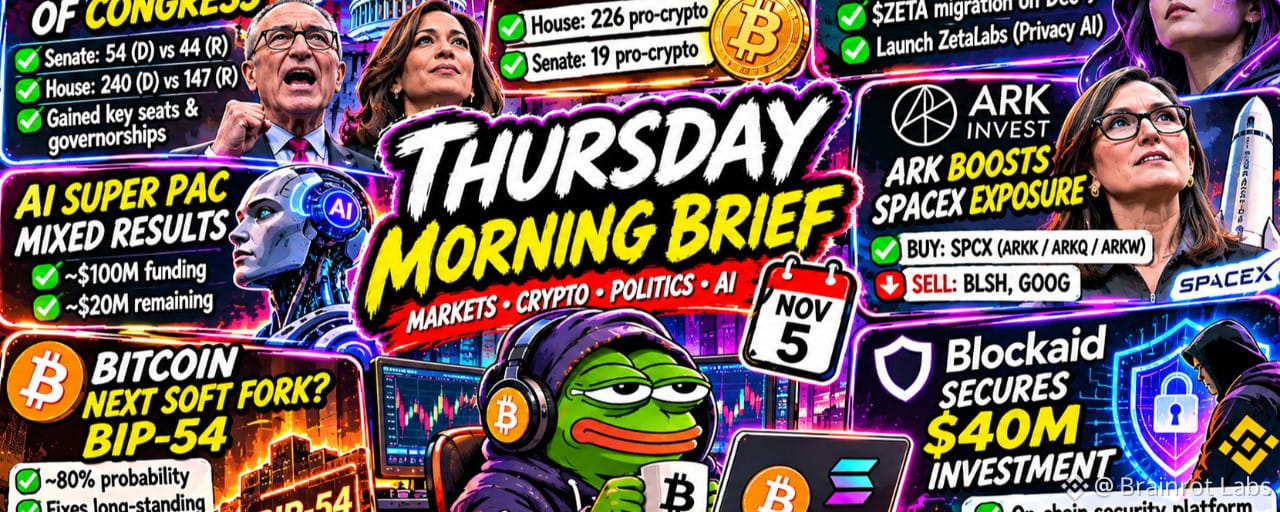
木曜朝のブリーフィング | 2026年11月5日#USMidterms-WhatAreMarketsExpecting?
gm、暗号資産界隈のみなさん。☕
民主党が議会の主導権を握り、暗号資産に友好的な候補者が支持を伸ばすなか、Binanceで起きた63億ドル規模のインシデントを受け、業界はセキュリティへの投資をさらに拡大しています。
一方、ZetaChainは大規模な移行を準備中。ビットコインの開発者たちはコンセンサスの整理について議論し、Cathie Wood率いるARKはSpaceXへの投資エクスポージャーを拡大しています。
政治、インフラ、資金の流れ。木曜日も見どころが盛りだくさんです。🧵
1/7 🇺🇸 民主党が議会の主導権を握る、暗号資産に友好的な候補者が支持拡大
木曜朝のブリーフィング | 2026年11月5日
#USMidterms-WhatAreMarketsExpecting?
gm、暗号資産界隈のみなさん。☕
民主党が議会の主導権を握り、暗号資産に友好的な候補者が支持を伸ばすなか、Binanceで起きた63億ドル規模のインシデントを受け、業界はセキュリティへの投資をさらに拡大しています。
一方、ZetaChainは大規模な移行を準備中。ビットコインの開発者たちはコンセンサスの整理について議論し、Cathie Wood率いるARKはSpaceXへの投資エクスポージャーを拡大しています。
政治、インフラ、資金の流れ。木曜日も見どころが盛りだくさんです。🧵
1/7 🇺🇸 民主党が議会の主導権を握る、暗号資産に友好的な候補者が支持拡大
gm、暗号資産界隈のみなさん。☕
民主党が議会の主導権を握り、暗号資産に友好的な候補者が支持を伸ばすなか、Binanceで起きた63億ドル規模のインシデントを受け、業界はセキュリティへの投資をさらに拡大しています。
一方、ZetaChainは大規模な移行を準備中。ビットコインの開発者たちはコンセンサスの整理について議論し、Cathie Wood率いるARKはSpaceXへの投資エクスポージャーを拡大しています。
政治、インフラ、資金の流れ。木曜日も見どころが盛りだくさんです。🧵
1/7 🇺🇸 民主党が議会の主導権を握る、暗号資産に友好的な候補者が支持拡大
333
Polygonは、盗まれた680万ドル相当のPOLを取り戻すため、ハードフォークを検討しています。ブロックチェーンの不変性が、再び現実社会で試されようとしています。
BinanceとPolymarketは、攻撃者が管理するウォレットから約7,049万POL(約680万ドル相当)を取り戻すため、Polygonで協調してハードフォークを実施することを提案しました。
回収額の内訳:
2,386万POL:Polymarketに関連。
4,663万POL:Binanceに関連。
合計:7,049万POL(約680万ドル)。
どのように実施するのか?
攻撃者が管理する5つのアドレスから資金を移動します。
回収したトークンは、2つのプラットフォームが所有する、確認済みの回収用ウォレットに送金されます。
この措置によって、POLの総供給量が変わることはありません。
Polygonのブロック生成者は、すでに影響を受けたアドレスからの取引を一時的にブロックしていますが、これによって資金が所有者に戻るわけではありません。
今後の予定は?
この提案には、まだガバナンスによる承認が必要です。11月5日のさらなる協議に先立ち、Polygon Amoyでテストされる見込みです。メインネットでのハードフォークの日程は、まだ確定していません。
この件は、分散型ネットワークにとって根本的な問いを投げかけています。ハードフォークによって盗まれた資金を回収できる場合、ユーザーを守ることとブロックチェーンの不変性を保つことの境界線は、どこに引くべきなのでしょうか?
ブロックチェーン上の取引は、本来取り消せないはずです。どうやら今、コミュニティでは「責任者を呼んで」と頼むことに相当する暗号資産版の対応が議論されているようです。
盗まれた資金を取り戻すためのハードフォークを支持しますか?それとも、ブロックチェーンの不変性は絶対に守られるべきでしょうか?
1
78
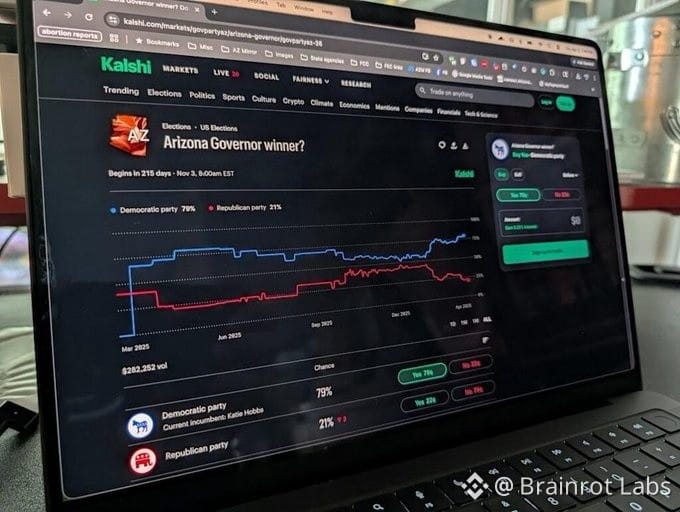
予測市場は、487選挙区中479選挙区で的中。ワシントンは宿題を見直したほうがいいかもしれません。
KalshiのCEO、タレク・マンスール氏によると、米国の最初の487選挙区で最も注目を集めた候補者は、そのうち479選挙区で勝利し、的中率は98%に達しました。
同氏の主張はこうです。予測市場は、政治的な肩書きやメディアのプラットフォーム、膨大なフォロワーを持たない人々も含め、何千人もの参加者から情報を集約します。
仕組みはシンプルです。人々が自分の予想にお金を賭け、市場には参加者全体の予想が継続的に反映されます。
ただし、重要な点がひとつあります。この数字が示しているのは、最も注目を集めた候補者が勝ったかどうかであり、予測市場がすべての選挙区の結果を正しく予測したことや、従来の世論調査を上回ったことではありません。
どうやら、意見を持つのにワシントンのインサイダーを示すバッジは必要ないようです。市場でポジションを取るだけでいい場合もあります。
予測市場は、政治情報を得るための本格的な代替手段になりつつあるのでしょうか。それとも、487選挙区ではまだサンプル数が少なすぎるのでしょうか?
114
翻訳参照
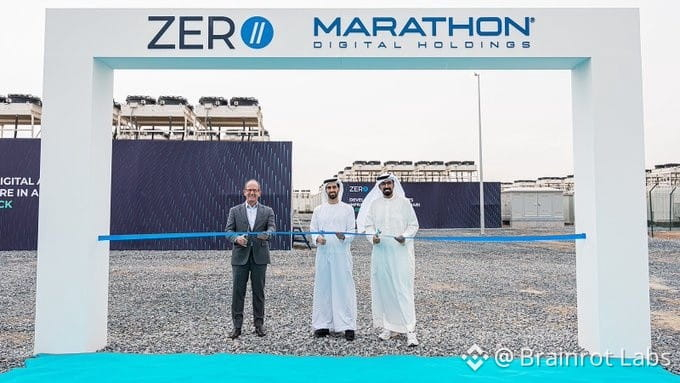
MARA just moved $132.8M worth of Bitcoin. Miners are adding more selling pressure to the market.
Key developments:
●₿ BTC transferred: 1,650 BTC
● Estimated value: $132.8M
● Timeframe: 12 hours
● Destinations: Galaxy Digital, Copper, and others.
Large transfers from miners can signal potential selling pressure, especially when directed toward trading or custody platforms. However, transfers alone don’t confirm that the BTC has been sold. MARA’s next wallet movements will be worth watching.
Miners dig up Bitcoin. The market gets the invoice.
Is MARA preparing for another major sale, or simply repositioning its BTC holdings?
22
Trump Mediaがビットコイン3億4,400万ドル相当を移動しました。これは小規模なウォレット間の移動ではありません。
主な詳細:
移動したBTC: 4,259 BTC$80,514.28。
推定価値: 3億4,400万ドル。
送金先: Crypto[.]com。
取引所への送金が、必ずしも売却を意味するわけではありません。しかし、これほど大規模な移動は間違いなく注目を集めます。
Trumpのメディア企業がBTCを3億4,400万ドル相当移動すると、ブロックチェーンがざわつき始めます。
カストディ先の変更、それとも売り圧力の可能性?
Trump Mediaがビットコイン3億4,400万ドル相当を移動しました。これは小規模なウォレット間の移動ではありません。
主な詳細:
移動したBTC: 4,259 BTC$80,514.28。
推定価値: 3億4,400万ドル。
送金先: Crypto[.]com。
取引所への送金が、必ずしも売却を意味するわけではありません。しかし、これほど大規模な移動は間違いなく注目を集めます。
Trumpのメディア企業がBTCを3億4,400万ドル相当移動すると、ブロックチェーンがざわつき始めます。
カストディ先の変更、それとも売り圧力の可能性?
主な詳細:
移動したBTC: 4,259 BTC$80,514.28。
推定価値: 3億4,400万ドル。
送金先: Crypto[.]com。
取引所への送金が、必ずしも売却を意味するわけではありません。しかし、これほど大規模な移動は間違いなく注目を集めます。
Trumpのメディア企業がBTCを3億4,400万ドル相当移動すると、ブロックチェーンがざわつき始めます。
カストディ先の変更、それとも売り圧力の可能性?
9
翻訳参照
62 companies are now pushing back against tokenized versions of their own stocks on OKX.
Nebius, Boeing and ServiceNow have reportedly joined the opposition, bringing the total from 59 to 62 companies since November 3.
Here’s the breakdown:
62 companies have now filed objections.
54 of the original 62 companies have reportedly opposed the proposal.
Boeing and ServiceNow were already on the initial list.
Nebius is a new addition.
My take: Wall Street wants blockchain infrastructure, but apparently not everyone wants their own shares trading on someone else’s tokenization platform.
Tokenization sounds great until your stock becomes a token without getting invited to the party.

56
翻訳参照
Wall Street is building the rails for tokenized finance, and five major banks just joined forces.
HSBC, JPMorgan’s Kinexys, MUFG, Société Générale-Forge and Standard Chartered have established Global Layer One Organisation (GL1 Org) in Singapore.
The mission:
Develop common standards for tokenized financial markets.
Connect financial institutions, infrastructure and jurisdictions.
Support shared-ledger infrastructure for regulated tokenized assets.
GL1 builds on an initiative by the Monetary Authority of Singapore (MAS) to explore how regulated institutions can issue and manage tokenized assets on shared infrastructure.
The interesting part? These banks aren't just experimenting with blockchain anymore. They're working on the standards that could connect the entire financial system.
Crypto spent years trying to get into traditional finance. Now traditional finance is building its own on-chain highway.
Who said TradFi was going to stay off-chain?
29
翻訳参照
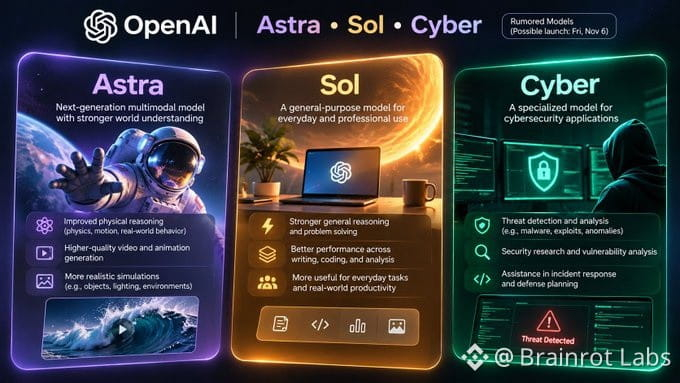
OpenAI might be dropping three new models this Friday. The naming alone is already getting people curious.
According to ChainCatcher, OpenAI could introduce Astra, Sol, and Cyber as early as November 6.
Here’s what we know so far:
Astra: A rumored next-generation model, with early tester feedback suggesting improvements in physics simulation and animation generation.
Sol: Another upcoming model, although its capabilities remain undisclosed.
Cyber: Reportedly designed specifically for cybersecurity applications.
There are also reports of a gpt-6.2-astra label appearing in Codex usage statistics.
However, several key details remain unknown:
No confirmed model numbers or official specifications.
No pricing or context-window information.
No public benchmark results.
No confirmation whether the models will launch through API, ChatGPT, Codex, or partner channels.
The most interesting part is the potential specialization. If Cyber delivers meaningful cybersecurity capabilities while Astra improves physical reasoning and animation generation, this could signal a broader shift toward purpose-built AI models.
But early tester impressions are not benchmark results. We need actual performance data before drawing conclusions.
Three new model names, zero official benchmarks. The AI rumor mill is working overtime.
Which one are you most curious to see: Astra, Sol, or Cyber?
17
パッチは準備されていたものの、メインネットに反映されなかったため、Polkadotは138万1,000ドルの損失を被りました。
Polkadotフォーラムで公開された再調査の結果、Asset Hub上のXCMの脆弱性が10月24日から26日にかけて悪用されていたことが明らかになりました。
何が起きたのか見てみましょう。
攻撃者は実際の口座残高を変えることなく、dotUSDの会計上の供給量を操作しました。
これによりDOT/dotUSD取引ペアの評価額が歪められ、裁定取引の機会が生まれました。
推定被害額は、DOT換算で138万1,000ドルに達しました。
Polkadot Treasuryだけがこのペアの流動性を提供していたため、ユーザー資金に直接的な損失はありませんでした。
最も懸念される点は何でしょうか?この脆弱性は、6月にバグ報奨金プログラムを通じて報告されていたとされています。関連コードは修正されましたが、影響を受けたメインネットのバージョンには、間に合うようにパッチが適用されませんでした。
10月20日、報告者はフォーラムでパッチについて公に言及しており、それが攻撃者に手がかりを与えた可能性があります。
市場への示唆:この事件は、コード上で脆弱性を修正することと、稼働中のネットワークを実際に安全にすることの間に隔たりがあることを浮き彫りにしています。メインネットに適用されないパッチは、非常に高くつく書類仕事にすぎません。
コードは修正されました。しかし、デプロイはされませんでした。
まだデプロイされていないパッチの陰に、あといくつの脆弱性が潜んでいるのでしょうか?

1
1
225
4億7,400万ドルを投入。それでもテキサスは逆の結果に。
イーロン・マスク氏は、2026年の米中間選挙に向けて、共和党の政治団体や候補者に少なくとも4億7,400万ドルを投じたと報じられています。これは2024年の大統領選前の支出額のほぼ2倍です。
約2億ドルはテキサス州の選挙に使われ、上院議員候補のケン・パクストン氏への支援も含まれていました。しかし、パクストン氏も現職のグレッグ・アボット知事も、民主党の対立候補に敗れました。
ほかに、次のような献金も報じられています。
議会リーダーシップ基金に3,000万ドル。
ほかの共和党系団体や候補者に4,400万ドル。
選挙結果を受けて、水曜日にはテスラとスペースXの株価も下落しました。
選挙資金は政治的影響力を強めることはできても、有権者の支持を保証するものではありません。
4億7,400万ドルの軍資金があっても、結果を確実に買うことはできません。
3.5k
AIを駆使するハッカーが活動を拡大し、暗号資産取引所が狙われています。
今日は、セキュリティに関するニュースを2つお伝えします。
Zaif(日本)
第三者プロバイダーのAraraを通じて、顧客38万人分のメールアドレスが流出しました。
パスワード、氏名、取引データは流出していないと報じられています。
Zaifによると、自社のシステムは侵害されていないとのことです。
AIを活用した攻撃
インドのCERT-Inは、CRAFTY FALCONという活動中の脅威グループについて警告しています。
攻撃スクリプトの生成や改良にAIが利用されています。
ハッカーは公開状態のテスト環境を標的にして、アクセストークンやウォレットキーを盗み、暗号資産を移動させます。
検知を避けるため、週末や祝日に攻撃を仕掛ける可能性があります。
私の見解:脅威は、ハッカーがより賢くなっていることだけではありません。セキュリティチームがオフラインの間に、機械並みの速度で動くハッカーがいることです。
取引所では24時間365日取引できるかもしれません。ならば、セキュリティチームも24時間365日の保護体制を整えるべきです。
暗号資産プラットフォームは、AIを活用した攻撃への備えができているでしょうか?

332
Coinbaseによると、ハッカーが資金を見つけるのは困難です。顧客資産の99%超はコールドストレージに保管されています。
Binanceのホットウォレットに関するインシデントを受け、Coinbaseは自社のシステムと顧客資産に影響はないことを確認しました。
主なセキュリティ対策:
顧客資産の99%超をコールドウォレットに保管。
出金用として、ホットウォレットに少額のみを保管。
余剰資金は継続的にコールドストレージへ戻されます。
署名時に秘密鍵が再構成されないよう、分割して管理。
送金限度額、異常検知、緊急時に署名を停止する仕組み。
顧客資産は1対1で裏付けられており、貸し出されたり、許可なく使用されたりすることはありません。
ハッカー:「金はどこだ?」
Coinbase:「インターネットに接続できない場所です。」

1.1k
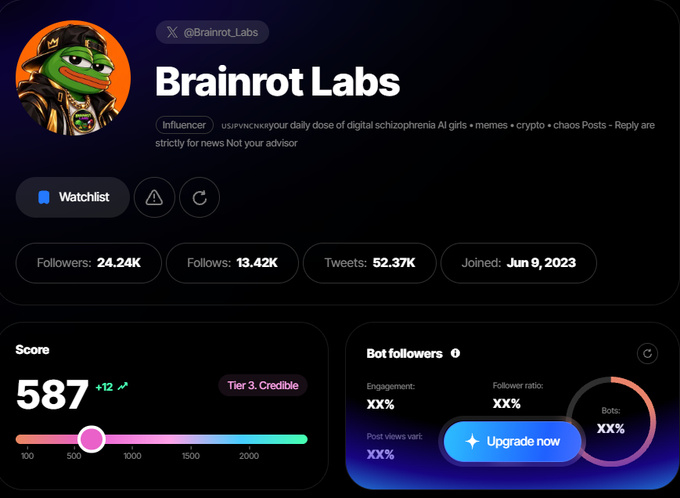
やった!結婚して8年、ついに正式にインフルエンサーとして認められた。
どうやら、ずっと前からインフルエンサーだったみたい。ソーシャルメディア上ではないけどね。
妻と子どもたちにとってのインフルエンサーなんだ。彼らの決断や日々の暮らし、それにどうやら家計まで、僕の影響を受けてるらしい。
でも真面目な話、僕はただ自分が楽しいと思うものを投稿してるだけ。KOLでもないし、誰かのためのインフルエンサーでもない。誰かを代表したり、宣伝したり、誰かの思惑に合わせたりする必要もない。
ただ楽しんで、自分の考えをシェアして、クソ投稿して、カオスを楽しみにここにいるだけ。
僕の唯一のターゲット層?妻。まあ、妻だって僕のアドバイスを全部聞いてくれるわけじゃないけどね。
どうやら、ずっと前からインフルエンサーだったみたい。ソーシャルメディア上ではないけどね。
妻と子どもたちにとってのインフルエンサーなんだ。彼らの決断や日々の暮らし、それにどうやら家計まで、僕の影響を受けてるらしい。
でも真面目な話、僕はただ自分が楽しいと思うものを投稿してるだけ。KOLでもないし、誰かのためのインフルエンサーでもない。誰かを代表したり、宣伝したり、誰かの思惑に合わせたりする必要もない。
ただ楽しんで、自分の考えをシェアして、クソ投稿して、カオスを楽しみにここにいるだけ。
僕の唯一のターゲット層?妻。まあ、妻だって僕のアドバイスを全部聞いてくれるわけじゃないけどね。
1
308
翻訳参照
I’ve seen quite a few projects advertising AI-powered trading and fully automated money management, claiming exceptionally high win rates.
But the actual research tells a different story.
In one AI-Trader experiment, all 6 AI models lost money in crypto. Even the best model recorded a -12.18% return, while none managed to beat the market benchmark.
In StockBench, 5 out of 13 AI models failed to outperform Buy & Hold.
A high win rate doesn’t necessarily mean consistent profitability. Real performance depends on execution, risk management, drawdowns, and long-term results.
I believe the most interesting direction is Hybrid AI, combining Machine Learning, LLM Agents, Reinforcement Learning, and robust risk management.
AI has potential, but fully automated trading with consistently high returns is a different story.
The real question isn’t how often AI wins, but how consistently it can make money.

11
暗号資産業界は選挙に1億7,000万ドルを投じた。AI業界は7,200万ドル。より大きな資金力で勝負に来たのはどっち?
選挙期間中、暗号資産に特化した政治活動委員会(PAC)3団体は、約1億7,000万ドルを支出したと報じられています。一方、AIに特化したPACの支出額は約7,200万ドルでした。
しかし、資金があれば必ず選挙に勝てるわけではありません。
大きな賭けが実らなかった例もあります。
●ダーリーン・グラハム:落選。
●マイク・ロジャース:落選。
●カルロス:落選。
暗号資産業界は政治の未来を形作ろうと多額の資金を投じています。しかし、選挙資金が自動的に票や影響力につながるわけではありません。
暗号資産業界は政治の戦場に1億7,000万ドルを持ち込みました。それでも、勝利に結びつけられなかった候補者もいます。
問題は、暗号資産業界が政治的影響力を買おうとしているのか、それとも選挙は取引より難しいと気づき始めたのか、ということです。
50
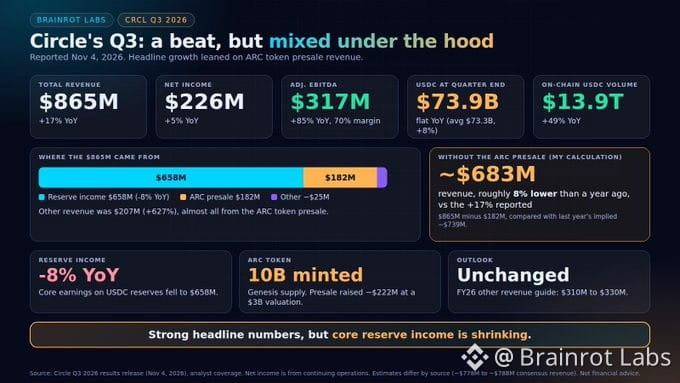
Circleの売上高は伸びている一方、USDC準備金からの収益は圧迫されています。
Circle(CRCL$73.86)が発表した2026年第3四半期決算は、まちまちの結果となりました。
総売上高:8億6,500万ドル、前年同期比17%増。
純利益:2億2,600万ドル、5%増。
調整後EBITDA:3億1,700万ドル、85%増。
USDC流通量:739億ドル。
オンチェーンのUSDC取引高:13兆9,000億ドル、49%増。
その他の売上高1億8,200万ドルは、ARC$0.0378トークンのプレセールによるものです。
USDCの普及と取引は引き続き拡大していますが、準備金利回りの低下が中核となる準備金収益を圧迫しています。
Circleは、Tazapayと独自のArcブロックチェーンを通じて、決済インフラ分野への進出も進めています。
USDCはステーブルコインの枠を超えて成長しています。Circleは決済インフラ市場で、より大きなシェアを獲得しようとしています。
1
131
翻訳参照
Morgan Stanley just raised its AMD price target. Wall Street is still betting on AI chips.
Morgan Stanley increased its AMD$483.47 price target from $510 to $550.
Previous target: $510
New target: $550
Increase: $40 (+7.8%)
The higher target reflects a more optimistic valuation outlook, but analyst price targets are projections not guaranteed outcomes.
AMD bulls just got a little more ammunition.
Can AMD live up to the AI hype
102
TRON GasFreeは、ユーザーがTRXを保有することなく、158億9,000万ドル相当の送金を処理しました。TRX価格は0.319ドル。
JUSTエコシステムの一部であるGasFreeを利用すると、TRXを保有せずに、USDTまたはUSDDでTRONネットワークの送金手数料を直接支払えます。
2026年10月の実績:
GasFree取引件数:933,729件
送金額:158億9,000万ドル
累計ユーザー数:524,043人
GasFreeは、ネットワーク手数料を支払うためだけにTRXを取得する必要をなくし、ステーブルコイン送金のハードルを下げています。
手間を減らし、ステーブルコインの流通を促進。
JUSTエコシステムの一部であるGasFreeを利用すると、TRXを保有せずに、USDTまたはUSDDでTRONネットワークの送金手数料を直接支払えます。
2026年10月の実績:
GasFree取引件数:933,729件
送金額:158億9,000万ドル
累計ユーザー数:524,043人
GasFreeは、ネットワーク手数料を支払うためだけにTRXを取得する必要をなくし、ステーブルコイン送金のハードルを下げています。
手間を減らし、ステーブルコインの流通を促進。
212
Binanceはオンチェーンではハッカーと戦い、オフチェーンではPR戦を繰り広げています。
CZは、最近のセキュリティインシデントを受け、Binanceの評判を狙った別の組織的な攻撃があったと主張しています。
同氏の分析によると、10月30日から11月2日にかけて:
1,083のアカウントが敵対的なコンテンツを投稿。
約78時間で11,700件の否定的な投稿。
推定インプレッション数は2,093万。
3,354件の投稿が、誤解を招く可能性があるとしてフラグ付けされた。
最も活発な641アカウントのうち452アカウントに、連携の形跡があったと報告されている。
89%は、インシデント以前にBinanceに言及することはほとんどなかった。
投稿頻度は通常の24.6倍に急増。
報告された主な論調には、内部関係者の関与、破産への懸念、大規模な出金の呼びかけが含まれていました。
セキュリティ危機は、瞬く間に評判の危機へと発展することがあります。しかし、重要な違いがあります。組織的な批判だからといって、すべての批判が誤りとは限りません。Binanceは、正当な懸念に対し、証拠と透明性をもって向き合う必要があります。
暗号資産の世界では、ハッカーはあなたのウォレットを狙い、インターネットはあなたの評判を攻撃します。
組織的なFUDと正当な批判の境界線は、どこに引くべきでしょうか?

56
翻訳参照
Democrats just took back both chambers of Congress. And WLFI$0.0495 may be walking straight into the political spotlight.
With Democrats gaining control of the House and Senate, Robert Garcia is expected to lead the House Oversight Committee and he has already sent a clear message: “Lawyer up.”
Why WLFI$0.0495 is in focus:
World Liberty Financial could become an early target of congressional scrutiny.
Reports highlight a $500M investment in WLFI by a UAE royal-linked entity in 2025.
WLFI's application for a US national bank charter could also attract scrutiny.
Lawmakers may examine the Trump family's crypto business dealings and other related transactions.
Investigations could begin as early as February 2027.
Market angle: Political scrutiny could increase uncertainty around WLFI, especially given its association with the Trump family. Subpoenas or regulatory developments may trigger volatility, but an investigation does not automatically mean wrongdoing.
WLFI$0.0495 might have to survive a different kind of market audit this time from Congress.
Will political pressure become the next major catalyst for WLFI volatility?

250
ログインして、さらにコンテンツを読む
厳選トピックで世界の暗号資産トレーダーの仲間入り
⚡️ 暗号資産に関する最新かつ有益な情報が見つかります。
💬 世界最大の暗号資産取引所から信頼されています。
👍 認証を受けたクリエイターから、有益なインサイトを得られます。
メール / 電話番号