

Dr diana
4.4k 投稿

Dr diana
報告
ユーザーをブロック
949 フォロー
2.5K+ フォロワー
9.0K+ いいね
投稿
すべて
引用
ライブ
·
--
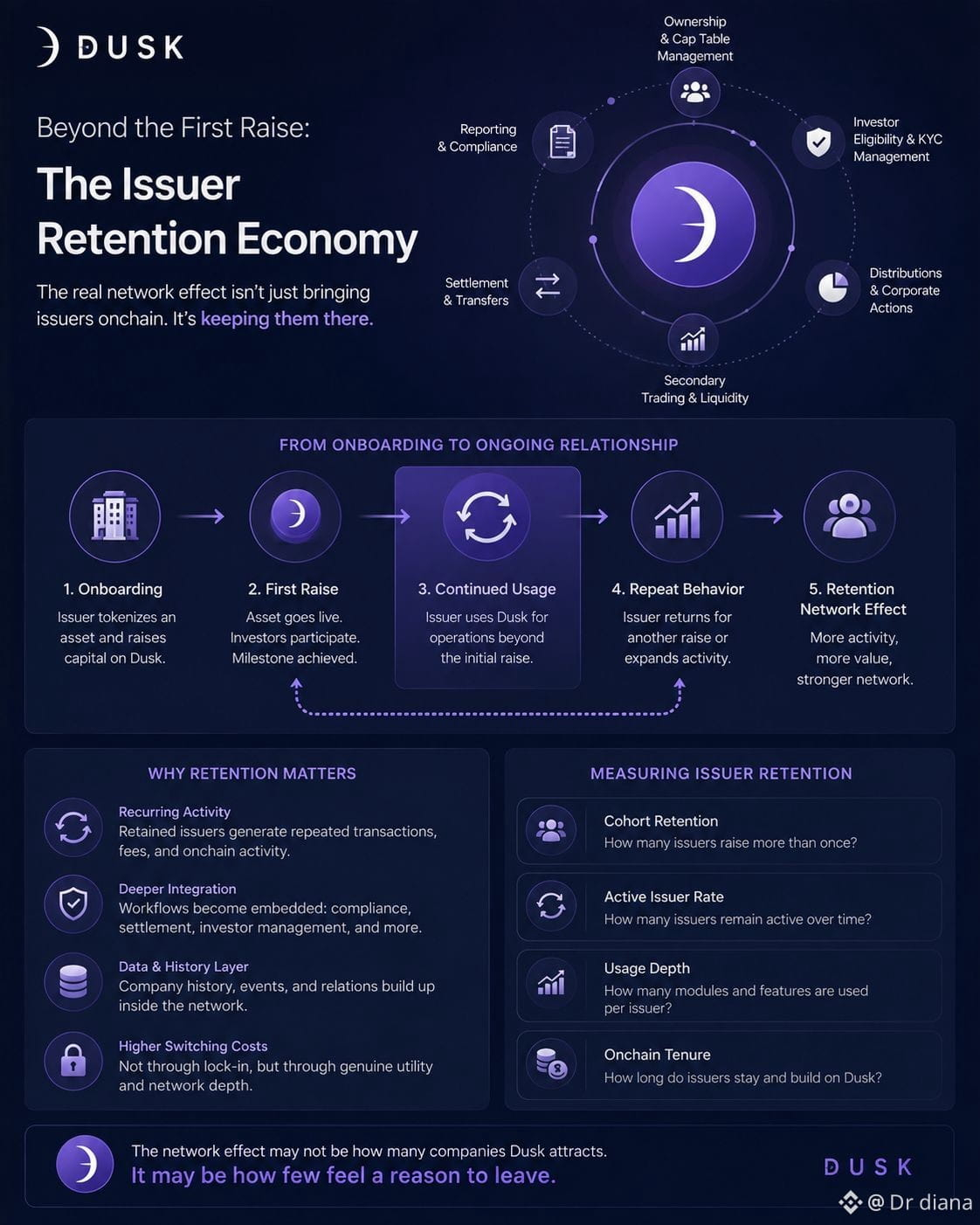
最初のトークン化イベントが、発行体とネットワークの関係における「最も面白くない部分」なのではないかと思い始めました。企業が資金調達を行い、アセットがオンチェーンに現れ、みんなが発行を数える……そしてその先は?最初は、より多くの発行体をDUSKに呼び込むこと自体が、自然にネットワーク効果になるのだろうと思っていました。でも、発行体数だけでは何かが隠れているのかもしれません。
強いシグナルは、それらの企業がそのまま残り続けるかどうかかもしれません。
中小企業が一度資金調達して、その後も保有記録、投資家の適格性、分配、セカンダリー取引、決済、そして最終的に同じDuskのインフラ内での次の資金調達ラウンドまでを継続して扱うなら、何かが変わります。ネットワークは、単にアセットを作るのを助けるだけではなくなります。そのアセットの周りにある金融履歴を保持し始めるのです。
私はこれを「発行体リテンション・エコノミー(Issuer Retention Economy)」と捉えています。
1回の調達は、利用の証拠です。同じ企業による2回目の調達は、行動(行動の継続)の証拠です。
この区別は重要です。継続的に発行する発行体がいれば、Duskがまったく新しい金融活動を獲得し続けなくても、反復的な取引や手数料が生まれ得ます。しかし、居心地の悪い側面もあります。リテンションが意味を持つのは、企業が本当にワークフローがより良いからこそ残る場合です。データ、流動性、コンプライアンスの文脈を他へ移せず、離脱が難しくなるなら、リテンションは「ロックイン」に見え始めます。
そこで私は、発行体のコホート(集団)を見ていくのがよさそうだと考えます。1回調達したのは誰か、活動を維持しているのは誰か、そして誰が戻ってくるのか。
ネットワーク効果は、Duskがどれだけ多くの企業を惹きつけるかではないかもしれません。どれだけ「出ていく理由がない」と感じるか、そこにあるのかもしれません。
#dusk $DUSK @Dusk_Foundation $BMT $EDEN
最初のトークン化イベントが、発行体とネットワークの関係における「最も面白くない部分」なのではないかと思い始めました。企業が資金調達を行い、アセットがオンチェーンに現れ、みんなが発行を数える……そしてその先は?最初は、より多くの発行体をDUSKに呼び込むこと自体が、自然にネットワーク効果になるのだろうと思っていました。でも、発行体数だけでは何かが隠れているのかもしれません。
強いシグナルは、それらの企業がそのまま残り続けるかどうかかもしれません。
中小企業が一度資金調達して、その後も保有記録、投資家の適格性、分配、セカンダリー取引、決済、そして最終的に同じDuskのインフラ内での次の資金調達ラウンドまでを継続して扱うなら、何かが変わります。ネットワークは、単にアセットを作るのを助けるだけではなくなります。そのアセットの周りにある金融履歴を保持し始めるのです。
私はこれを「発行体リテンション・エコノミー(Issuer Retention Economy)」と捉えています。
1回の調達は、利用の証拠です。同じ企業による2回目の調達は、行動(行動の継続)の証拠です。
この区別は重要です。継続的に発行する発行体がいれば、Duskがまったく新しい金融活動を獲得し続けなくても、反復的な取引や手数料が生まれ得ます。しかし、居心地の悪い側面もあります。リテンションが意味を持つのは、企業が本当にワークフローがより良いからこそ残る場合です。データ、流動性、コンプライアンスの文脈を他へ移せず、離脱が難しくなるなら、リテンションは「ロックイン」に見え始めます。
そこで私は、発行体のコホート(集団)を見ていくのがよさそうだと考えます。1回調達したのは誰か、活動を維持しているのは誰か、そして誰が戻ってくるのか。
ネットワーク効果は、Duskがどれだけ多くの企業を惹きつけるかではないかもしれません。どれだけ「出ていく理由がない」と感じるか、そこにあるのかもしれません。
#dusk $DUSK @Dusk $BMT $EDEN
強いシグナルは、それらの企業がそのまま残り続けるかどうかかもしれません。
中小企業が一度資金調達して、その後も保有記録、投資家の適格性、分配、セカンダリー取引、決済、そして最終的に同じDuskのインフラ内での次の資金調達ラウンドまでを継続して扱うなら、何かが変わります。ネットワークは、単にアセットを作るのを助けるだけではなくなります。そのアセットの周りにある金融履歴を保持し始めるのです。
私はこれを「発行体リテンション・エコノミー(Issuer Retention Economy)」と捉えています。
1回の調達は、利用の証拠です。同じ企業による2回目の調達は、行動(行動の継続)の証拠です。
この区別は重要です。継続的に発行する発行体がいれば、Duskがまったく新しい金融活動を獲得し続けなくても、反復的な取引や手数料が生まれ得ます。しかし、居心地の悪い側面もあります。リテンションが意味を持つのは、企業が本当にワークフローがより良いからこそ残る場合です。データ、流動性、コンプライアンスの文脈を他へ移せず、離脱が難しくなるなら、リテンションは「ロックイン」に見え始めます。
そこで私は、発行体のコホート(集団)を見ていくのがよさそうだと考えます。1回調達したのは誰か、活動を維持しているのは誰か、そして誰が戻ってくるのか。
ネットワーク効果は、Duskがどれだけ多くの企業を惹きつけるかではないかもしれません。どれだけ「出ていく理由がない」と感じるか、そこにあるのかもしれません。
#dusk $DUSK @Dusk $BMT $EDEN
5
258
·
--
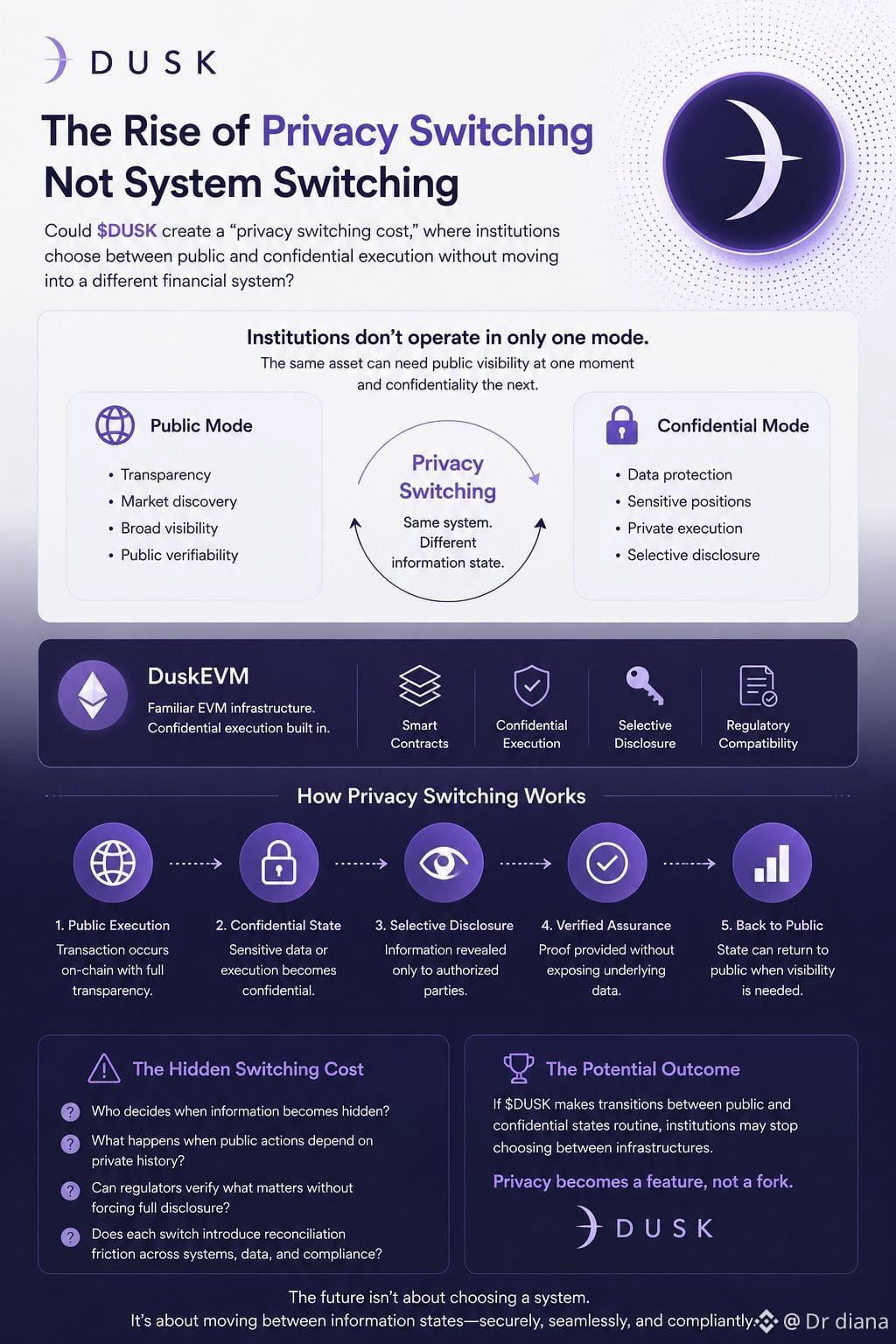
金融におけるプライバシーの話が、なぜかいつも逆に感じてしまいます。私たちは通常、「機関はまず透明か非公開か、どんな種類のシステムを選びたいのか」を選ばなければならない、それからその判断に合わせてワークフローを組むのだ、と話します。しかし、機関はそんなにきれいに振る舞うことは稀です。同じ資産でも、ある瞬間は公開の可視性が必要で、5分後には制限付きの情報が必要になることがあります。
そこで、DUSKが一種の「プライバシーの切り替えコスト」を作れるのではないかと考えますが、コストという言葉は違うかもしれません。実際には、「切り替えないことのコスト」の話なのかもしれません。
DuskEVMが、機関が馴染みのあるEVMインフラを使って運用できる一方で、機密の実行は同じより広い環境の内側に収まるなら、プライバシーは目的地というより「トランザクションの状態」のように見えてきます。可視性が役立つときは公開。投資家データ、ポジション、あるいは機密の実行が保護を必要とするときは機密。そして、権限を持つ当事者が本当に証明を必要とするときに選択的に開示される。
最初は、それは柔軟性のように聞こえます。けれども、どのスイッチにも境界が生まれます。情報はいつ「隠される」のを決めるのでしょうか? 公開のアクションが、プライベートで起きた何かに依存していたらどうなるのでしょうか? さらに、規制当局は、取引全体を開示に引き戻すことなく、重要な部分を検証できるのでしょうか?
私は、その「本当の切り替えコスト」がそこに現れると思います。
ブロックチェーン間の移動は明らかな摩擦です。所有権、コンプライアンス、流動性、信頼を壊さずに、異なる情報状態の間を移ることはずっと静かです。
もしDUSKがそうした移行を日常のものにできるなら、機関は公開と非公開のインフラのどちらかを選ぶこと自体をやめるかもしれません。
しかし、もし各切り替えが別の突合(レコンシリエーション)問題を生むのなら、システムは断片化を取り除いたのではなく、見えにくい場所へ移しただけかもしれません。
#dusk $DUSK @Dusk_Foundation $ONG $ANPA.US
金融におけるプライバシーの話が、なぜかいつも逆に感じてしまいます。私たちは通常、「機関はまず透明か非公開か、どんな種類のシステムを選びたいのか」を選ばなければならない、それからその判断に合わせてワークフローを組むのだ、と話します。しかし、機関はそんなにきれいに振る舞うことは稀です。同じ資産でも、ある瞬間は公開の可視性が必要で、5分後には制限付きの情報が必要になることがあります。
そこで、DUSKが一種の「プライバシーの切り替えコスト」を作れるのではないかと考えますが、コストという言葉は違うかもしれません。実際には、「切り替えないことのコスト」の話なのかもしれません。
DuskEVMが、機関が馴染みのあるEVMインフラを使って運用できる一方で、機密の実行は同じより広い環境の内側に収まるなら、プライバシーは目的地というより「トランザクションの状態」のように見えてきます。可視性が役立つときは公開。投資家データ、ポジション、あるいは機密の実行が保護を必要とするときは機密。そして、権限を持つ当事者が本当に証明を必要とするときに選択的に開示される。
最初は、それは柔軟性のように聞こえます。けれども、どのスイッチにも境界が生まれます。情報はいつ「隠される」のを決めるのでしょうか? 公開のアクションが、プライベートで起きた何かに依存していたらどうなるのでしょうか? さらに、規制当局は、取引全体を開示に引き戻すことなく、重要な部分を検証できるのでしょうか?
私は、その「本当の切り替えコスト」がそこに現れると思います。
ブロックチェーン間の移動は明らかな摩擦です。所有権、コンプライアンス、流動性、信頼を壊さずに、異なる情報状態の間を移ることはずっと静かです。
もしDUSKがそうした移行を日常のものにできるなら、機関は公開と非公開のインフラのどちらかを選ぶこと自体をやめるかもしれません。
しかし、もし各切り替えが別の突合(レコンシリエーション)問題を生むのなら、システムは断片化を取り除いたのではなく、見えにくい場所へ移しただけかもしれません。
#dusk $DUSK @Dusk $ONG $ANPA.US
そこで、DUSKが一種の「プライバシーの切り替えコスト」を作れるのではないかと考えますが、コストという言葉は違うかもしれません。実際には、「切り替えないことのコスト」の話なのかもしれません。
DuskEVMが、機関が馴染みのあるEVMインフラを使って運用できる一方で、機密の実行は同じより広い環境の内側に収まるなら、プライバシーは目的地というより「トランザクションの状態」のように見えてきます。可視性が役立つときは公開。投資家データ、ポジション、あるいは機密の実行が保護を必要とするときは機密。そして、権限を持つ当事者が本当に証明を必要とするときに選択的に開示される。
最初は、それは柔軟性のように聞こえます。けれども、どのスイッチにも境界が生まれます。情報はいつ「隠される」のを決めるのでしょうか? 公開のアクションが、プライベートで起きた何かに依存していたらどうなるのでしょうか? さらに、規制当局は、取引全体を開示に引き戻すことなく、重要な部分を検証できるのでしょうか?
私は、その「本当の切り替えコスト」がそこに現れると思います。
ブロックチェーン間の移動は明らかな摩擦です。所有権、コンプライアンス、流動性、信頼を壊さずに、異なる情報状態の間を移ることはずっと静かです。
もしDUSKがそうした移行を日常のものにできるなら、機関は公開と非公開のインフラのどちらかを選ぶこと自体をやめるかもしれません。
しかし、もし各切り替えが別の突合(レコンシリエーション)問題を生むのなら、システムは断片化を取り除いたのではなく、見えにくい場所へ移しただけかもしれません。
#dusk $DUSK @Dusk $ONG $ANPA.US
2
5
158
·
--
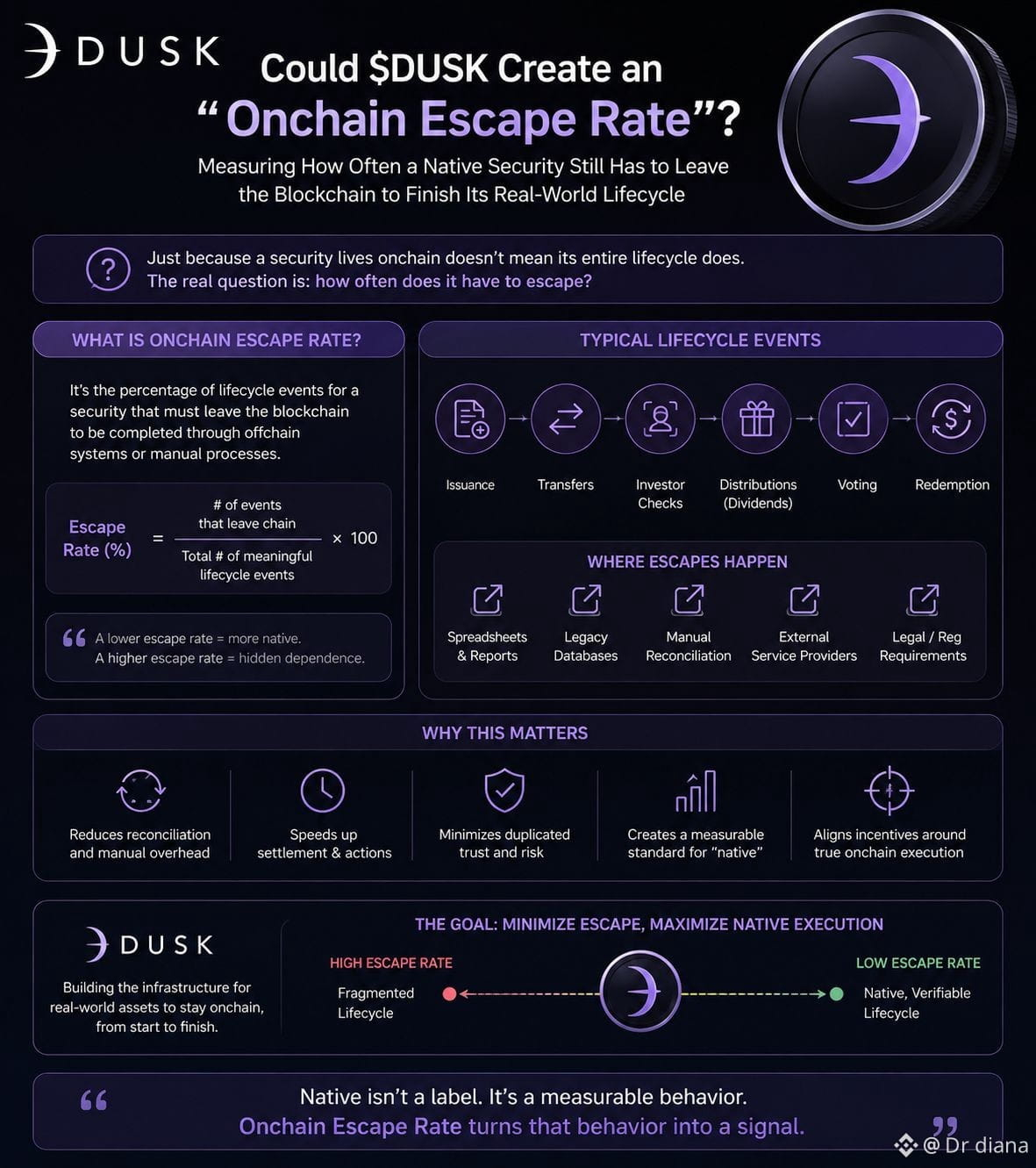
何かが逆に聞こえる気がしてずっと考えてる…たぶん、ある証券が本当にブロックチェーンネイティブかどうかを測る最善の方法は、「それがどれくらいの頻度でブロックチェーンから出ていく必要があるか」を数えることだと思う。
DUSKでは、それを「オンチェーン脱出率(Onchain Escape Rate)」と呼ぶだろう。
証券はオンチェーンで発行され、所有権もそこに記録され、取引もそこに決済される。最初はそれでネイティブに見える。けれど、配当が発生すると誰かがスプレッドシートをエクスポートする。投資家のステータスが変わって、別のデータベースが更新される。コーポレートアクションには手作業の照合が必要になる。償還が到来すると、プロセスの一部が静かにレガシーの基盤を通過する。
資産は技術的にはチェーンから出ていない。出ていったのはワークフローだ。
この違いがずっと気になっている。
有用な指標はシンプルかもしれない。証券を取り巻くあらゆる意味のあるライフサイクルイベント――発行、移転、投資家チェック、分配、投票、償還――を対象にして、「外部システムにフォールバックすることなく実際に完了できる割合」を測る。
脱出率が低下していくなら、おそらくトークン化された価値についての別の見出しよりも多くを教えてくれるはずだ。もっとも、それでもややこしい。法や機関が求めるオフチェーンの手順が存在するからであって、ブロックチェーンが失敗したわけではない。
だから、数字を良くするためだけにすべてをオンチェーン強制するのは意味がない。
つまり、脱出がゼロであること自体が目標ではないのかもしれない。
本質的な問いは、DUSKが照合、遅延、重複した信頼を生む要素を、検証可能な一つのライフサイクルの中に保ち続けられるかどうかだ。
そこで「ネイティブ」という言葉はラベルでなくなり、測定可能なものへと変わっていく。
#dusk $DUSK @Dusk_Foundation $PROM $PORTAL
何かが逆に聞こえる気がしてずっと考えてる…たぶん、ある証券が本当にブロックチェーンネイティブかどうかを測る最善の方法は、「それがどれくらいの頻度でブロックチェーンから出ていく必要があるか」を数えることだと思う。
DUSKでは、それを「オンチェーン脱出率(Onchain Escape Rate)」と呼ぶだろう。
証券はオンチェーンで発行され、所有権もそこに記録され、取引もそこに決済される。最初はそれでネイティブに見える。けれど、配当が発生すると誰かがスプレッドシートをエクスポートする。投資家のステータスが変わって、別のデータベースが更新される。コーポレートアクションには手作業の照合が必要になる。償還が到来すると、プロセスの一部が静かにレガシーの基盤を通過する。
資産は技術的にはチェーンから出ていない。出ていったのはワークフローだ。
この違いがずっと気になっている。
有用な指標はシンプルかもしれない。証券を取り巻くあらゆる意味のあるライフサイクルイベント――発行、移転、投資家チェック、分配、投票、償還――を対象にして、「外部システムにフォールバックすることなく実際に完了できる割合」を測る。
脱出率が低下していくなら、おそらくトークン化された価値についての別の見出しよりも多くを教えてくれるはずだ。もっとも、それでもややこしい。法や機関が求めるオフチェーンの手順が存在するからであって、ブロックチェーンが失敗したわけではない。
だから、数字を良くするためだけにすべてをオンチェーン強制するのは意味がない。
つまり、脱出がゼロであること自体が目標ではないのかもしれない。
本質的な問いは、DUSKが照合、遅延、重複した信頼を生む要素を、検証可能な一つのライフサイクルの中に保ち続けられるかどうかだ。
そこで「ネイティブ」という言葉はラベルでなくなり、測定可能なものへと変わっていく。
#dusk $DUSK @Dusk $PROM $PORTAL
DUSKでは、それを「オンチェーン脱出率(Onchain Escape Rate)」と呼ぶだろう。
証券はオンチェーンで発行され、所有権もそこに記録され、取引もそこに決済される。最初はそれでネイティブに見える。けれど、配当が発生すると誰かがスプレッドシートをエクスポートする。投資家のステータスが変わって、別のデータベースが更新される。コーポレートアクションには手作業の照合が必要になる。償還が到来すると、プロセスの一部が静かにレガシーの基盤を通過する。
資産は技術的にはチェーンから出ていない。出ていったのはワークフローだ。
この違いがずっと気になっている。
有用な指標はシンプルかもしれない。証券を取り巻くあらゆる意味のあるライフサイクルイベント――発行、移転、投資家チェック、分配、投票、償還――を対象にして、「外部システムにフォールバックすることなく実際に完了できる割合」を測る。
脱出率が低下していくなら、おそらくトークン化された価値についての別の見出しよりも多くを教えてくれるはずだ。もっとも、それでもややこしい。法や機関が求めるオフチェーンの手順が存在するからであって、ブロックチェーンが失敗したわけではない。
だから、数字を良くするためだけにすべてをオンチェーン強制するのは意味がない。
つまり、脱出がゼロであること自体が目標ではないのかもしれない。
本質的な問いは、DUSKが照合、遅延、重複した信頼を生む要素を、検証可能な一つのライフサイクルの中に保ち続けられるかどうかだ。
そこで「ネイティブ」という言葉はラベルでなくなり、測定可能なものへと変わっていく。
#dusk $DUSK @Dusk $PROM $PORTAL
2
4
116
·
--
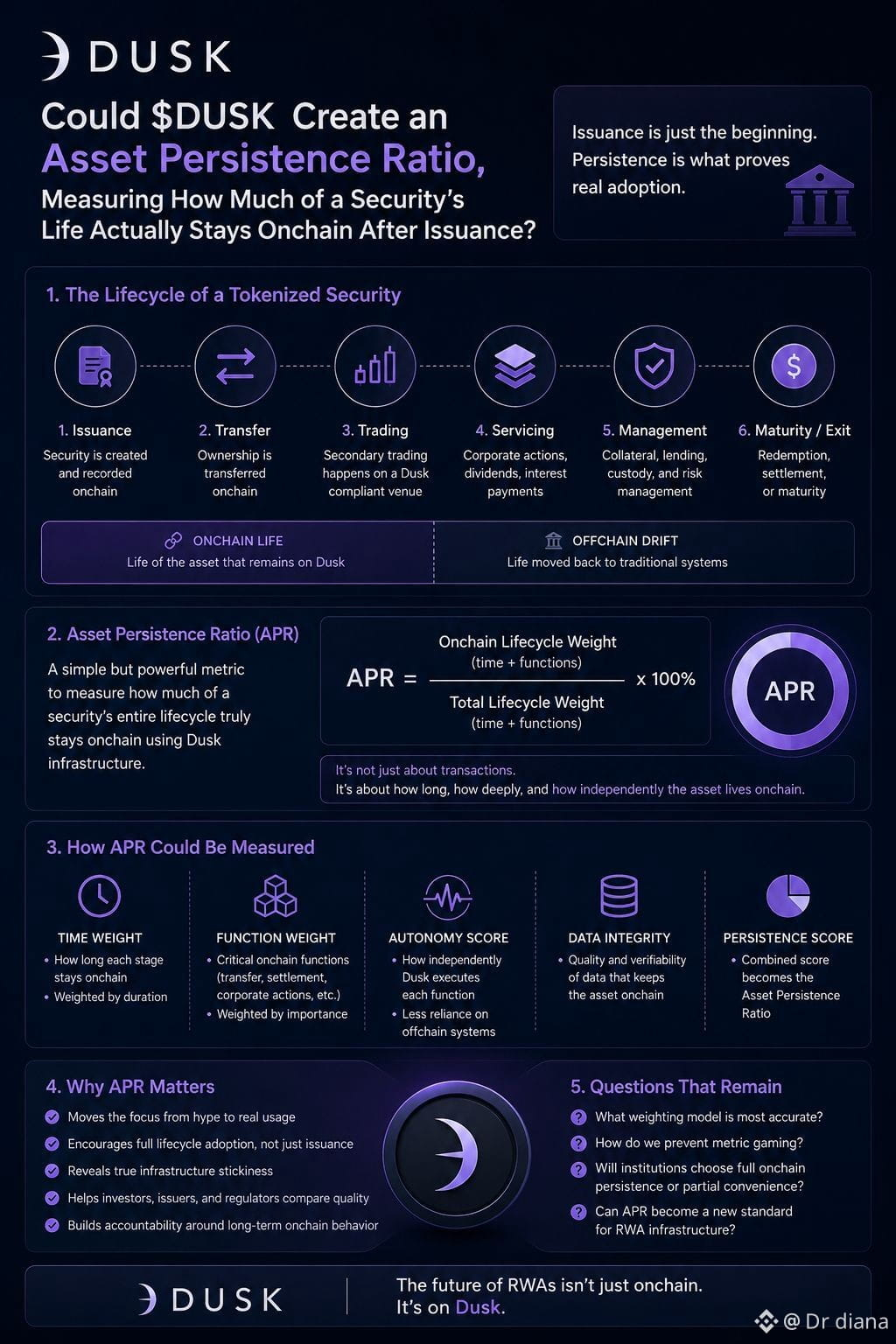
トークン化された証券が、オンチェーンに現れた瞬間にどのように評価されるのかを、私はずっと考え続けています。発行が起こり、数字が立派に見えると、それを普及(adoption)として数える。けれど、その資産は6か月後にどうなるのか。あるいは3年後はどうなるのか。
そこで、DUSKのための「Asset Persistence Ratio(資産の持続性指標)」が意味を持ち始めるのだと思います。
証券には驚くほど長いライフがあります。発行され、移転され、取引され、決済され、場合によっては担保として使われ、その後で配当や利息が支払われ、所有権がまた変わり、開示が行われます。そして最終的に満期を迎えるか、償還されます。最初のステップだけがオンチェーンで行われ、その後のすべてが静かにデータベースやメール、そして従来の仲介者へ戻ってしまうのであれば、その資産が本当にオンチェーンに持ち込まれたと言えるかは分かりません。せいぜい、発行されたのかもしれません。
私が注目したい比率は、たとえば「そのライフサイクル全体のうち、どれくらいがDuskのインフラを使い続けているのか」といったものです。
最初は、オンチェーンでのステップが多いほど自動的にネットワーク需要も増えるのだと思っていました。でも一方で、ある発行は何千もの移転を生み出すかもしれないし、別の発行はほとんど動かず、それでも長年にわたってサポートが必要になることもあります。取引回数だけを数えると、状況を歪めてしまうでしょう。
おそらく持続性は、活動量だけでなく、時間や機能を測る必要があります。
それによって、RWAの普及の見方が少し変わります。重要な問いは、「Duskにどれだけの価値が流入するか」ではないのかもしれません。
「その価値が、どれほど稀にしか再び外へ出る必要がないのか」という点かもしれません。
そして、機関が実際に難しい部分をオンチェーンに留め続ける意思があるのかどうかは、まだ解決されていません。
#dusk $DUSK @Dusk_Foundation $TUT $ZRO
トークン化された証券が、オンチェーンに現れた瞬間にどのように評価されるのかを、私はずっと考え続けています。発行が起こり、数字が立派に見えると、それを普及(adoption)として数える。けれど、その資産は6か月後にどうなるのか。あるいは3年後はどうなるのか。
そこで、DUSKのための「Asset Persistence Ratio(資産の持続性指標)」が意味を持ち始めるのだと思います。
証券には驚くほど長いライフがあります。発行され、移転され、取引され、決済され、場合によっては担保として使われ、その後で配当や利息が支払われ、所有権がまた変わり、開示が行われます。そして最終的に満期を迎えるか、償還されます。最初のステップだけがオンチェーンで行われ、その後のすべてが静かにデータベースやメール、そして従来の仲介者へ戻ってしまうのであれば、その資産が本当にオンチェーンに持ち込まれたと言えるかは分かりません。せいぜい、発行されたのかもしれません。
私が注目したい比率は、たとえば「そのライフサイクル全体のうち、どれくらいがDuskのインフラを使い続けているのか」といったものです。
最初は、オンチェーンでのステップが多いほど自動的にネットワーク需要も増えるのだと思っていました。でも一方で、ある発行は何千もの移転を生み出すかもしれないし、別の発行はほとんど動かず、それでも長年にわたってサポートが必要になることもあります。取引回数だけを数えると、状況を歪めてしまうでしょう。
おそらく持続性は、活動量だけでなく、時間や機能を測る必要があります。
それによって、RWAの普及の見方が少し変わります。重要な問いは、「Duskにどれだけの価値が流入するか」ではないのかもしれません。
「その価値が、どれほど稀にしか再び外へ出る必要がないのか」という点かもしれません。
そして、機関が実際に難しい部分をオンチェーンに留め続ける意思があるのかどうかは、まだ解決されていません。
#dusk $DUSK @Dusk $TUT $ZRO
そこで、DUSKのための「Asset Persistence Ratio(資産の持続性指標)」が意味を持ち始めるのだと思います。
証券には驚くほど長いライフがあります。発行され、移転され、取引され、決済され、場合によっては担保として使われ、その後で配当や利息が支払われ、所有権がまた変わり、開示が行われます。そして最終的に満期を迎えるか、償還されます。最初のステップだけがオンチェーンで行われ、その後のすべてが静かにデータベースやメール、そして従来の仲介者へ戻ってしまうのであれば、その資産が本当にオンチェーンに持ち込まれたと言えるかは分かりません。せいぜい、発行されたのかもしれません。
私が注目したい比率は、たとえば「そのライフサイクル全体のうち、どれくらいがDuskのインフラを使い続けているのか」といったものです。
最初は、オンチェーンでのステップが多いほど自動的にネットワーク需要も増えるのだと思っていました。でも一方で、ある発行は何千もの移転を生み出すかもしれないし、別の発行はほとんど動かず、それでも長年にわたってサポートが必要になることもあります。取引回数だけを数えると、状況を歪めてしまうでしょう。
おそらく持続性は、活動量だけでなく、時間や機能を測る必要があります。
それによって、RWAの普及の見方が少し変わります。重要な問いは、「Duskにどれだけの価値が流入するか」ではないのかもしれません。
「その価値が、どれほど稀にしか再び外へ出る必要がないのか」という点かもしれません。
そして、機関が実際に難しい部分をオンチェーンに留め続ける意思があるのかどうかは、まだ解決されていません。
#dusk $DUSK @Dusk $TUT $ZRO
3
4
133
·
--
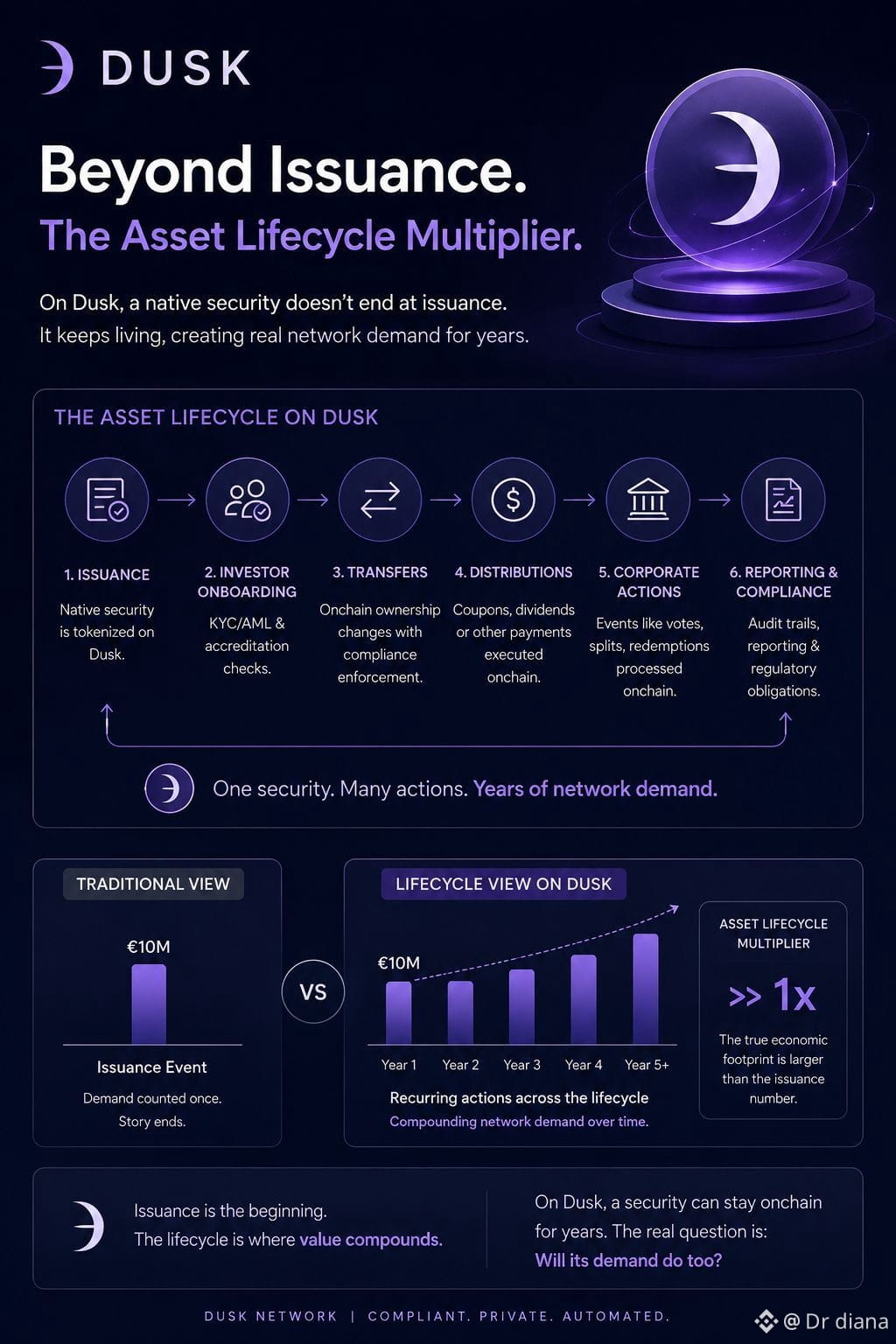
トークン化された資産の測り方が、なんて妙なんだろうとずっと考えています。発行体がオンチェーンで証券を1,000万ユーロ持ち込むと、みんなが1,000万ユーロを数えるのに、どういうわけかその話はそこでほとんど終わってしまう。
でも、証券は発行されたあとに存在が止まるわけではありません。
もしDUSKのことを正しく理解しているなら、ネイティブな発行とは、その資産が所有の移転と同じインフラ上で生き続けられるということです。投資家がチェックされ、移転が決済され、分配が行われ、コーポレート・アクションが処理され、そして最終的にはレポーティングやコンプライアンスのレビューが現れます。たった1つの証券が、最初のトークン化の出来事のずっと後になっても、ネットワーク上のアクティビティを生み続ける可能性があるのです。
そこで私は、「アセット・ライフサイクル・マルチプライヤー(資産ライフサイクル倍率)」のことを考えます。
たぶん、発行1ユーロは本当にネットワーク需要の1ユーロではない。もしその資産が、数年間にわたって20もの意味のあるアクションを引き起こすなら、ネットワークにおける経済的な足跡は、元の発行額が示唆するよりずっと大きくなりうる。
とはいえ正直なところ、ここに私も懐疑的になります。これらのアクションがDUSKにとって意味を持つのは、それらが実際にDusk上に残る場合だけです。保守やコンプライアンス、支払い、レポーティングがこっそりと従来のシステムに戻ってしまうなら、ライフサイクルは分断され、マルチプライヤーは消えてしまう。
つまり、確定された発行量は単なるスタート地点にすぎないのかもしれません。
私が本当に知りたいのは、各発行済み資産が1年目、2年目、5年目以降にどれくらいの反復的なアクティビティを生み出すのか、ということです。
1つの証券は何年もオンチェーンに留まり得ます。
それが本当に需要も同じように継続するのかどうか—その点の方が、より難しい問いに思えます。
#dusk $DUSK @Dusk_Foundation $TRUMP $MOVE
トークン化された資産の測り方が、なんて妙なんだろうとずっと考えています。発行体がオンチェーンで証券を1,000万ユーロ持ち込むと、みんなが1,000万ユーロを数えるのに、どういうわけかその話はそこでほとんど終わってしまう。
でも、証券は発行されたあとに存在が止まるわけではありません。
もしDUSKのことを正しく理解しているなら、ネイティブな発行とは、その資産が所有の移転と同じインフラ上で生き続けられるということです。投資家がチェックされ、移転が決済され、分配が行われ、コーポレート・アクションが処理され、そして最終的にはレポーティングやコンプライアンスのレビューが現れます。たった1つの証券が、最初のトークン化の出来事のずっと後になっても、ネットワーク上のアクティビティを生み続ける可能性があるのです。
そこで私は、「アセット・ライフサイクル・マルチプライヤー(資産ライフサイクル倍率)」のことを考えます。
たぶん、発行1ユーロは本当にネットワーク需要の1ユーロではない。もしその資産が、数年間にわたって20もの意味のあるアクションを引き起こすなら、ネットワークにおける経済的な足跡は、元の発行額が示唆するよりずっと大きくなりうる。
とはいえ正直なところ、ここに私も懐疑的になります。これらのアクションがDUSKにとって意味を持つのは、それらが実際にDusk上に残る場合だけです。保守やコンプライアンス、支払い、レポーティングがこっそりと従来のシステムに戻ってしまうなら、ライフサイクルは分断され、マルチプライヤーは消えてしまう。
つまり、確定された発行量は単なるスタート地点にすぎないのかもしれません。
私が本当に知りたいのは、各発行済み資産が1年目、2年目、5年目以降にどれくらいの反復的なアクティビティを生み出すのか、ということです。
1つの証券は何年もオンチェーンに留まり得ます。
それが本当に需要も同じように継続するのかどうか—その点の方が、より難しい問いに思えます。
#dusk $DUSK @Dusk $TRUMP $MOVE
でも、証券は発行されたあとに存在が止まるわけではありません。
もしDUSKのことを正しく理解しているなら、ネイティブな発行とは、その資産が所有の移転と同じインフラ上で生き続けられるということです。投資家がチェックされ、移転が決済され、分配が行われ、コーポレート・アクションが処理され、そして最終的にはレポーティングやコンプライアンスのレビューが現れます。たった1つの証券が、最初のトークン化の出来事のずっと後になっても、ネットワーク上のアクティビティを生み続ける可能性があるのです。
そこで私は、「アセット・ライフサイクル・マルチプライヤー(資産ライフサイクル倍率)」のことを考えます。
たぶん、発行1ユーロは本当にネットワーク需要の1ユーロではない。もしその資産が、数年間にわたって20もの意味のあるアクションを引き起こすなら、ネットワークにおける経済的な足跡は、元の発行額が示唆するよりずっと大きくなりうる。
とはいえ正直なところ、ここに私も懐疑的になります。これらのアクションがDUSKにとって意味を持つのは、それらが実際にDusk上に残る場合だけです。保守やコンプライアンス、支払い、レポーティングがこっそりと従来のシステムに戻ってしまうなら、ライフサイクルは分断され、マルチプライヤーは消えてしまう。
つまり、確定された発行量は単なるスタート地点にすぎないのかもしれません。
私が本当に知りたいのは、各発行済み資産が1年目、2年目、5年目以降にどれくらいの反復的なアクティビティを生み出すのか、ということです。
1つの証券は何年もオンチェーンに留まり得ます。
それが本当に需要も同じように継続するのかどうか—その点の方が、より難しい問いに思えます。
#dusk $DUSK @Dusk $TRUMP $MOVE
7
8
273
·
--
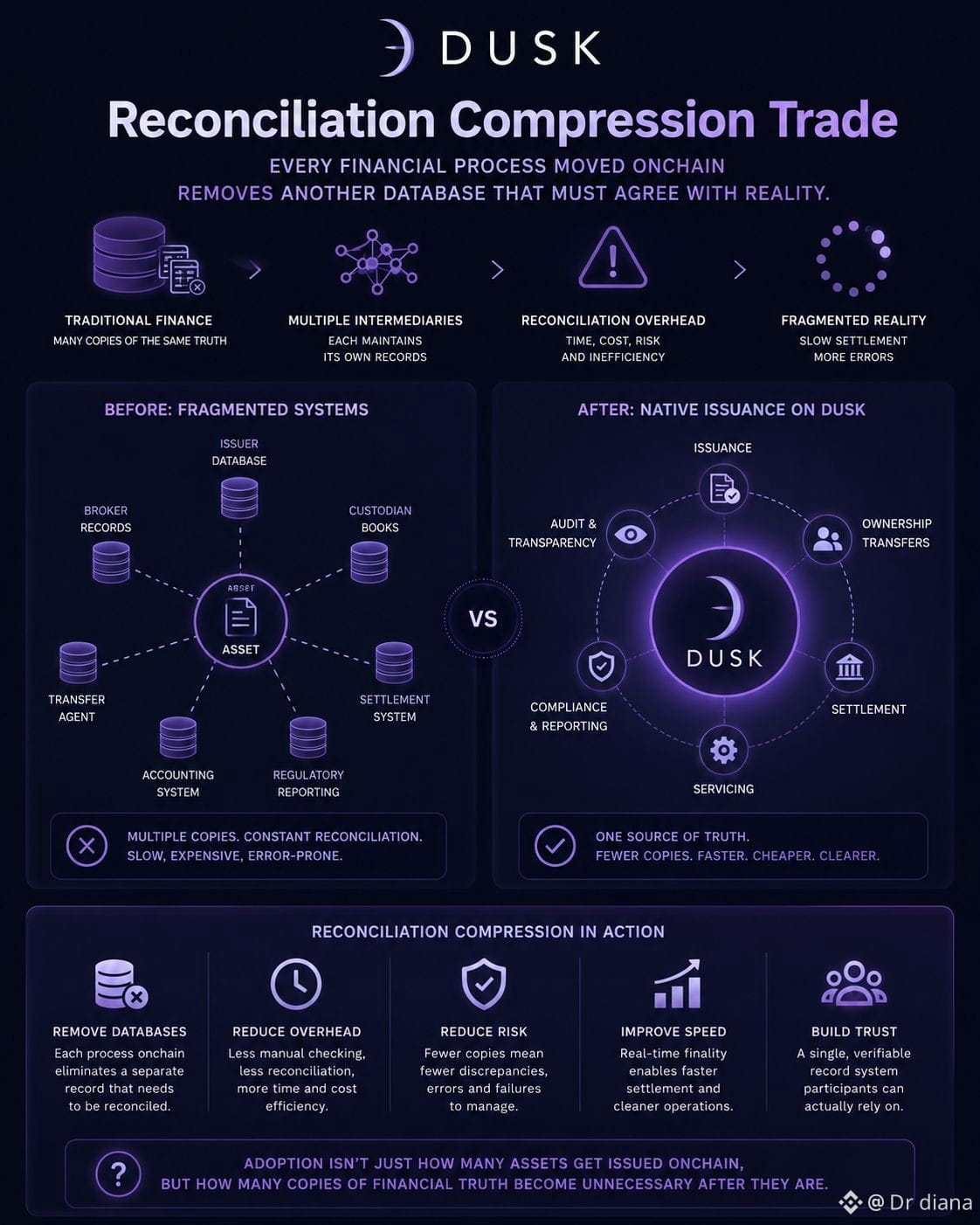
伝統的な金融における「所有」がまだどれほど奇妙なのか、私はずっと考えてしまいます。ある資産が、発行体のデータベース、ブローカーの記録、カストディの帳簿、トランスファーエージェントのシステム、そして決済インフラの中で、どういうわけか「同じ」資産として存在しうる。そして皆が、そのコピー同士がまだ一致していることを確認するために時間を費やします。
最初は、DUSKでのネイティブ発行は主にもう一つのトークン化の物語なのだと思いました。オンチェーンに証券を載せて、移転をよりスムーズにする。ですが、注意深く考えると、より面白いのは「資産の周りで何が消えていくのか」かもしれません。
発行、所有権の移転、決済、そして最終的なサービシングが、同じ基盤となる台帳に対して行われるのなら、それぞれのプロセスがそこへ移ることで、潜在的に別の照合ポイントが減ります。単に、別の仲介者が減るというよりは、むしろ、他のあらゆるバージョンと照らし合わせて確認されなければならない現実の別バージョンが、また一つ減るようなものです。
それは「照合の圧縮」という取引のように感じます。
そして、その違いは重要だと思います。権威ある所有権の記録がどこか別の場所に残ったまま何かをトークン化しても、実際には別のデータベースが増えるだけになりえます。ネイティブ発行がより面白くなるのは、チェーンが、参加者が実際に信頼する記録になるときだけです。
とはいえ、まだ解決していない何かがある気がします。機関は、台帳が存在するからといって、内部システムを突然削除するわけではありません。コンプライアンス記録、会計、資金の移動、規制報告は、オフチェーンのまま断片化した状態で残り得ます。
だから、DUSKの真の普及指標は、単に「いくつの資産が発行されるか」ではないのかもしれません。
それは、不要になった後に「分かれて存在していた金融的真実の別々のコピーが、どれだけ消えるのか」かもしれません。
#dusk $DUSK @Dusk_Foundation $HEMI $ONG
伝統的な金融における「所有」がまだどれほど奇妙なのか、私はずっと考えてしまいます。ある資産が、発行体のデータベース、ブローカーの記録、カストディの帳簿、トランスファーエージェントのシステム、そして決済インフラの中で、どういうわけか「同じ」資産として存在しうる。そして皆が、そのコピー同士がまだ一致していることを確認するために時間を費やします。
最初は、DUSKでのネイティブ発行は主にもう一つのトークン化の物語なのだと思いました。オンチェーンに証券を載せて、移転をよりスムーズにする。ですが、注意深く考えると、より面白いのは「資産の周りで何が消えていくのか」かもしれません。
発行、所有権の移転、決済、そして最終的なサービシングが、同じ基盤となる台帳に対して行われるのなら、それぞれのプロセスがそこへ移ることで、潜在的に別の照合ポイントが減ります。単に、別の仲介者が減るというよりは、むしろ、他のあらゆるバージョンと照らし合わせて確認されなければならない現実の別バージョンが、また一つ減るようなものです。
それは「照合の圧縮」という取引のように感じます。
そして、その違いは重要だと思います。権威ある所有権の記録がどこか別の場所に残ったまま何かをトークン化しても、実際には別のデータベースが増えるだけになりえます。ネイティブ発行がより面白くなるのは、チェーンが、参加者が実際に信頼する記録になるときだけです。
とはいえ、まだ解決していない何かがある気がします。機関は、台帳が存在するからといって、内部システムを突然削除するわけではありません。コンプライアンス記録、会計、資金の移動、規制報告は、オフチェーンのまま断片化した状態で残り得ます。
だから、DUSKの真の普及指標は、単に「いくつの資産が発行されるか」ではないのかもしれません。
それは、不要になった後に「分かれて存在していた金融的真実の別々のコピーが、どれだけ消えるのか」かもしれません。
#dusk $DUSK @Dusk $HEMI $ONG
最初は、DUSKでのネイティブ発行は主にもう一つのトークン化の物語なのだと思いました。オンチェーンに証券を載せて、移転をよりスムーズにする。ですが、注意深く考えると、より面白いのは「資産の周りで何が消えていくのか」かもしれません。
発行、所有権の移転、決済、そして最終的なサービシングが、同じ基盤となる台帳に対して行われるのなら、それぞれのプロセスがそこへ移ることで、潜在的に別の照合ポイントが減ります。単に、別の仲介者が減るというよりは、むしろ、他のあらゆるバージョンと照らし合わせて確認されなければならない現実の別バージョンが、また一つ減るようなものです。
それは「照合の圧縮」という取引のように感じます。
そして、その違いは重要だと思います。権威ある所有権の記録がどこか別の場所に残ったまま何かをトークン化しても、実際には別のデータベースが増えるだけになりえます。ネイティブ発行がより面白くなるのは、チェーンが、参加者が実際に信頼する記録になるときだけです。
とはいえ、まだ解決していない何かがある気がします。機関は、台帳が存在するからといって、内部システムを突然削除するわけではありません。コンプライアンス記録、会計、資金の移動、規制報告は、オフチェーンのまま断片化した状態で残り得ます。
だから、DUSKの真の普及指標は、単に「いくつの資産が発行されるか」ではないのかもしれません。
それは、不要になった後に「分かれて存在していた金融的真実の別々のコピーが、どれだけ消えるのか」かもしれません。
#dusk $DUSK @Dusk $HEMI $ONG
19
6
312
·
--
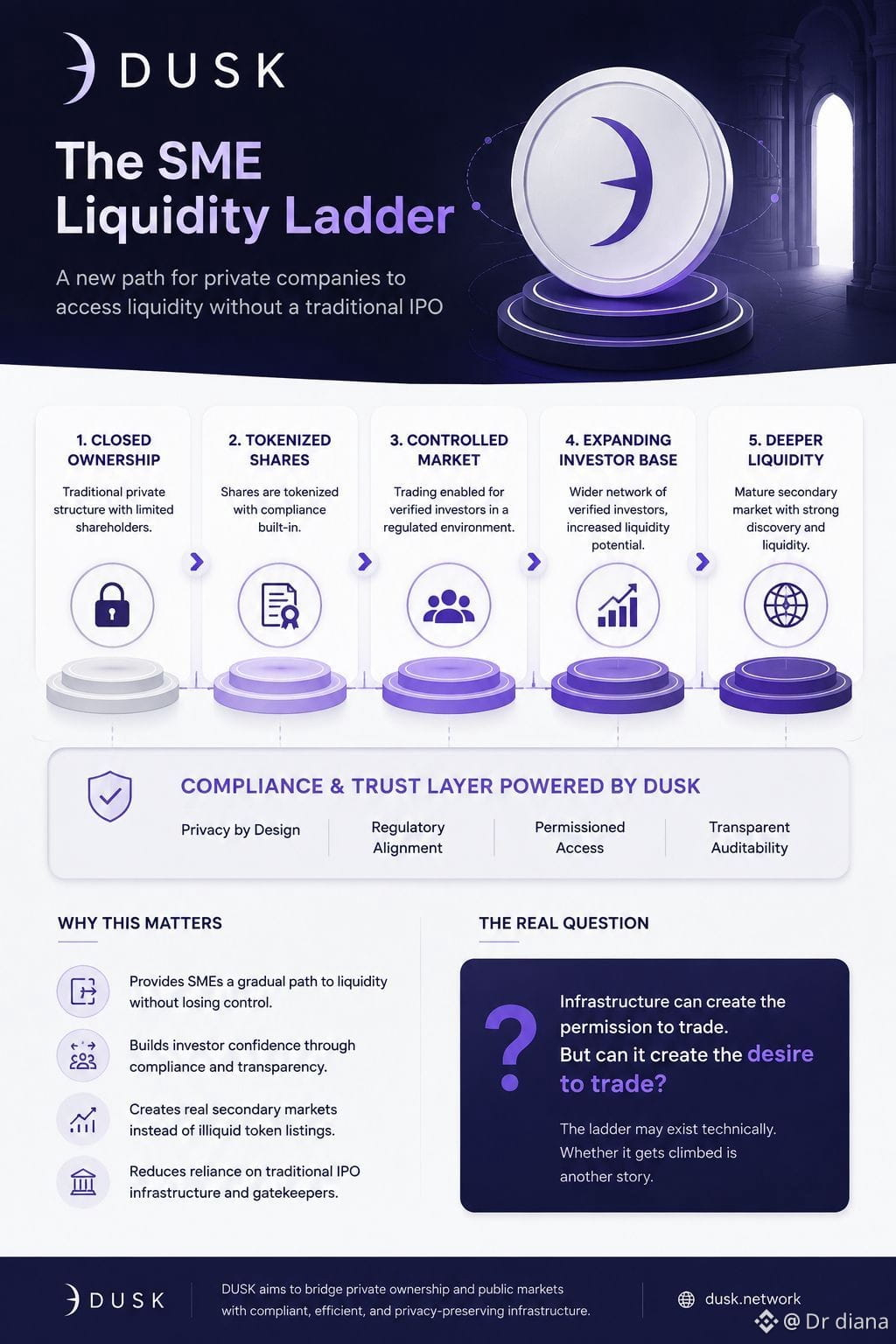
私自身、プライベート企業から公開市場へのジャンプが実際にはどれほど奇妙なものなのか、ずっと考えてしまいます。企業は小さく閉じた株主基盤のもとで何年も過ごせるのに、突然IPOが「常に一般公開され、流動性があること」を前提にした存在として振る舞うよう求めてきます。中間の状態はあまりありません。
だからこそ、DUSKがSME(中小企業)向けの“流動性ラダー(段階的な流動性の仕組み)”に近いものを作れるのかが気になります。
私の理解では、非公開企業は必ずしも、閉じたオーナーシップから完全に公開された市場へ、いきなり飛び込む必要はありません。株式をトークン化し、認証された投資家だけがアクセスできるようにして、譲渡はコンプライアンスのルールの範囲に留めながら、徐々に投資家ネットワークを広げていけるはずです。完全にオープンにしなくても、所有はより流動的になります。
ただ、いくら株式が譲渡可能になっても、流動性は自動的に生まれません。
この違いが引っかかります。インフラは取引するための“許可”を作れますが、取引したいという“欲求”を作ることはできない。
もしSMEが株主20人から200人、さらに2,000人の認証済み投資家へと増えたとしても、面白いシグナルは単に「どれだけのウォレットが対象になっているか」ではありません。二次取引が繰り返されるのか、買い手が戻ってくるのか、売り手が価格発見(プライスディスカバリー)を壊さずに退出できるのか——そういった点です。
新しい道筋があるのかもしれません。つまり、従来のIPOが避けられないゴールになるのではなく、非公開企業 → 管理された市場 → より深く規制された流動性へ、という段階です。
それでも、投資家の需要が薄いままだと、技術的にはラダーが存在していても、誰も実際にはそこを登っていかない。私はその部分こそが注目に値すると感じています。
#dusk $DUSK @Dusk_Foundation $RE $TRUMP
私自身、プライベート企業から公開市場へのジャンプが実際にはどれほど奇妙なものなのか、ずっと考えてしまいます。企業は小さく閉じた株主基盤のもとで何年も過ごせるのに、突然IPOが「常に一般公開され、流動性があること」を前提にした存在として振る舞うよう求めてきます。中間の状態はあまりありません。
だからこそ、DUSKがSME(中小企業)向けの“流動性ラダー(段階的な流動性の仕組み)”に近いものを作れるのかが気になります。
私の理解では、非公開企業は必ずしも、閉じたオーナーシップから完全に公開された市場へ、いきなり飛び込む必要はありません。株式をトークン化し、認証された投資家だけがアクセスできるようにして、譲渡はコンプライアンスのルールの範囲に留めながら、徐々に投資家ネットワークを広げていけるはずです。完全にオープンにしなくても、所有はより流動的になります。
ただ、いくら株式が譲渡可能になっても、流動性は自動的に生まれません。
この違いが引っかかります。インフラは取引するための“許可”を作れますが、取引したいという“欲求”を作ることはできない。
もしSMEが株主20人から200人、さらに2,000人の認証済み投資家へと増えたとしても、面白いシグナルは単に「どれだけのウォレットが対象になっているか」ではありません。二次取引が繰り返されるのか、買い手が戻ってくるのか、売り手が価格発見(プライスディスカバリー)を壊さずに退出できるのか——そういった点です。
新しい道筋があるのかもしれません。つまり、従来のIPOが避けられないゴールになるのではなく、非公開企業 → 管理された市場 → より深く規制された流動性へ、という段階です。
それでも、投資家の需要が薄いままだと、技術的にはラダーが存在していても、誰も実際にはそこを登っていかない。私はその部分こそが注目に値すると感じています。
#dusk $DUSK @Dusk $RE $TRUMP
だからこそ、DUSKがSME(中小企業)向けの“流動性ラダー(段階的な流動性の仕組み)”に近いものを作れるのかが気になります。
私の理解では、非公開企業は必ずしも、閉じたオーナーシップから完全に公開された市場へ、いきなり飛び込む必要はありません。株式をトークン化し、認証された投資家だけがアクセスできるようにして、譲渡はコンプライアンスのルールの範囲に留めながら、徐々に投資家ネットワークを広げていけるはずです。完全にオープンにしなくても、所有はより流動的になります。
ただ、いくら株式が譲渡可能になっても、流動性は自動的に生まれません。
この違いが引っかかります。インフラは取引するための“許可”を作れますが、取引したいという“欲求”を作ることはできない。
もしSMEが株主20人から200人、さらに2,000人の認証済み投資家へと増えたとしても、面白いシグナルは単に「どれだけのウォレットが対象になっているか」ではありません。二次取引が繰り返されるのか、買い手が戻ってくるのか、売り手が価格発見(プライスディスカバリー)を壊さずに退出できるのか——そういった点です。
新しい道筋があるのかもしれません。つまり、従来のIPOが避けられないゴールになるのではなく、非公開企業 → 管理された市場 → より深く規制された流動性へ、という段階です。
それでも、投資家の需要が薄いままだと、技術的にはラダーが存在していても、誰も実際にはそこを登っていかない。私はその部分こそが注目に値すると感じています。
#dusk $DUSK @Dusk $RE $TRUMP
18
10
125
·
--
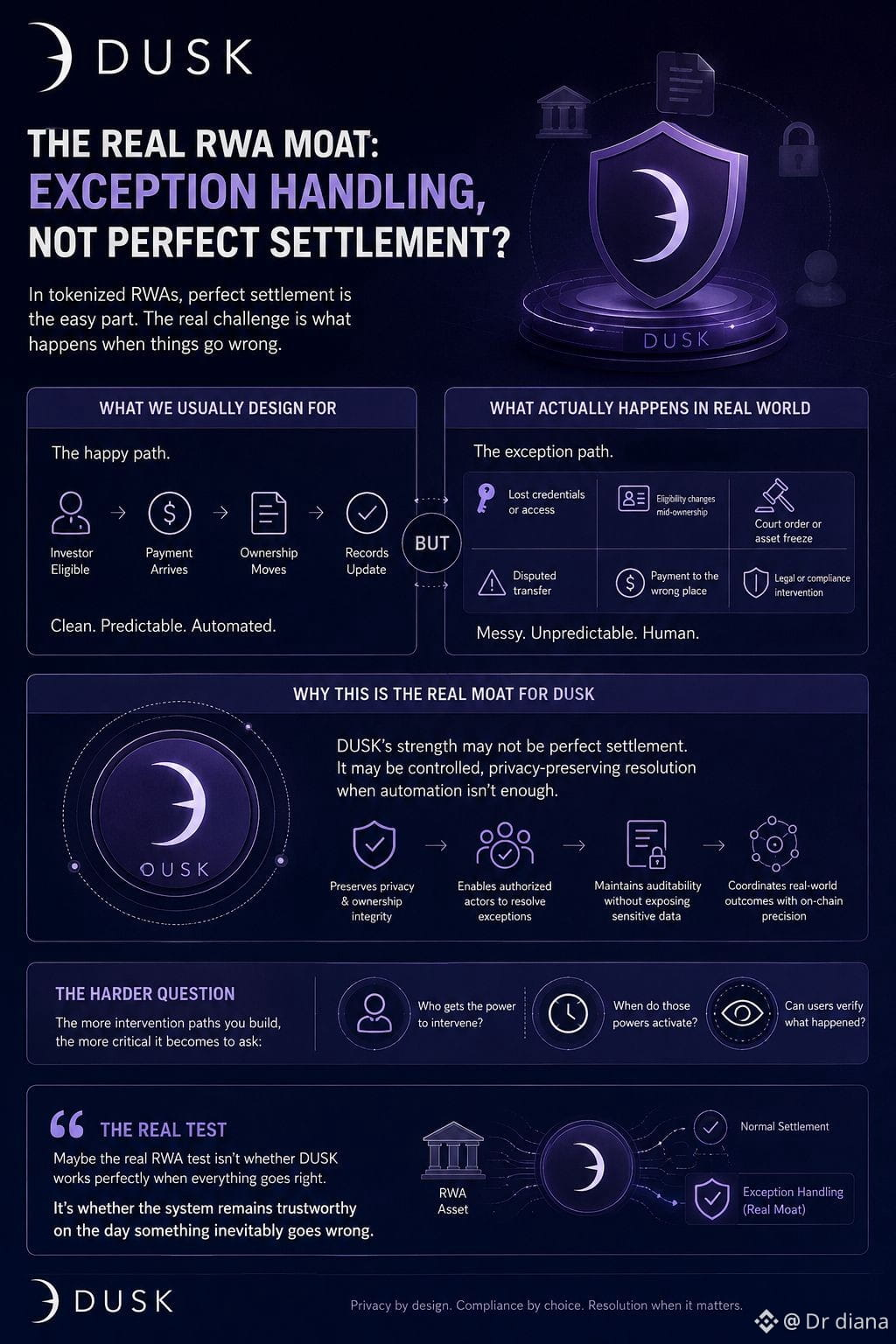
トークン化されたRWAに関して、わずかに不快なことを考え続けています。私たちは、すべてがうまくいく瞬間のための決済設計に、ものすごく多くの時間を費やします。買い手が適格で、支払いが届き、所有権が移り、記録が更新される。きれいです。
でも、実際の金融はたいてい、うまくいかないときに何が起きるかでできています。
そこで、$DUSK に別の可能性として“塁(モート)”が見えてきました。完璧な決済は、たぶん簡単な部分です。難しいのは、投資家の認証情報が失われるとき、所有権の途中で適格性が変わるとき、裁判所が資産を凍結するとき、誰かが移転に異議を唱えるとき、あるいは支払いが間違った場所に届くときに起きることです。
最初は、ブロックチェーンがこれらの例外を取り除くべきだと思いました。でも規制対象の資産ならおそらく無理です。資産には、チェーンの外側に法的な結果が伴います。コードは所有権を正確にすることはできますが、その所有権を生み出すごちゃごちゃした現実そのものを消し去ることはできません。
だからこそ、例外処理が妙に重要になります。
もし $DUSK が、プライバシーと所有権の整合性を保ちながら、認可された当事者にこれらの状況を解決するための制御された手段を提供できるなら、そのネットワークは単に取引を自動化する以上のことを始めます。自動化だけでは足りなくなったときに何が起きるかを調整し始めるのです。
ただ、正直に言うと、それは別の問題も生みます。介入経路を増やすほど、その権限を誰に与えるのか、いつ発動するのか、そしてユーザーが本当に何が起きたのかを検証できるのかを、より慎重に問いただす必要が出てきます。
たぶん、本当のRWAの試金石は、$DUSK が完璧に動くかどうかではありません。
何か必ずうまくいかない日にも、システムが信頼できる状態であり続けるかどうかです。
#dusk $DUSK @Dusk_Foundation
トークン化されたRWAに関して、わずかに不快なことを考え続けています。私たちは、すべてがうまくいく瞬間のための決済設計に、ものすごく多くの時間を費やします。買い手が適格で、支払いが届き、所有権が移り、記録が更新される。きれいです。
でも、実際の金融はたいてい、うまくいかないときに何が起きるかでできています。
そこで、$DUSK に別の可能性として“塁(モート)”が見えてきました。完璧な決済は、たぶん簡単な部分です。難しいのは、投資家の認証情報が失われるとき、所有権の途中で適格性が変わるとき、裁判所が資産を凍結するとき、誰かが移転に異議を唱えるとき、あるいは支払いが間違った場所に届くときに起きることです。
最初は、ブロックチェーンがこれらの例外を取り除くべきだと思いました。でも規制対象の資産ならおそらく無理です。資産には、チェーンの外側に法的な結果が伴います。コードは所有権を正確にすることはできますが、その所有権を生み出すごちゃごちゃした現実そのものを消し去ることはできません。
だからこそ、例外処理が妙に重要になります。
もし $DUSK が、プライバシーと所有権の整合性を保ちながら、認可された当事者にこれらの状況を解決するための制御された手段を提供できるなら、そのネットワークは単に取引を自動化する以上のことを始めます。自動化だけでは足りなくなったときに何が起きるかを調整し始めるのです。
ただ、正直に言うと、それは別の問題も生みます。介入経路を増やすほど、その権限を誰に与えるのか、いつ発動するのか、そしてユーザーが本当に何が起きたのかを検証できるのかを、より慎重に問いただす必要が出てきます。
たぶん、本当のRWAの試金石は、$DUSK が完璧に動くかどうかではありません。
何か必ずうまくいかない日にも、システムが信頼できる状態であり続けるかどうかです。
#dusk $DUSK @Dusk
でも、実際の金融はたいてい、うまくいかないときに何が起きるかでできています。
そこで、$DUSK に別の可能性として“塁(モート)”が見えてきました。完璧な決済は、たぶん簡単な部分です。難しいのは、投資家の認証情報が失われるとき、所有権の途中で適格性が変わるとき、裁判所が資産を凍結するとき、誰かが移転に異議を唱えるとき、あるいは支払いが間違った場所に届くときに起きることです。
最初は、ブロックチェーンがこれらの例外を取り除くべきだと思いました。でも規制対象の資産ならおそらく無理です。資産には、チェーンの外側に法的な結果が伴います。コードは所有権を正確にすることはできますが、その所有権を生み出すごちゃごちゃした現実そのものを消し去ることはできません。
だからこそ、例外処理が妙に重要になります。
もし $DUSK が、プライバシーと所有権の整合性を保ちながら、認可された当事者にこれらの状況を解決するための制御された手段を提供できるなら、そのネットワークは単に取引を自動化する以上のことを始めます。自動化だけでは足りなくなったときに何が起きるかを調整し始めるのです。
ただ、正直に言うと、それは別の問題も生みます。介入経路を増やすほど、その権限を誰に与えるのか、いつ発動するのか、そしてユーザーが本当に何が起きたのかを検証できるのかを、より慎重に問いただす必要が出てきます。
たぶん、本当のRWAの試金石は、$DUSK が完璧に動くかどうかではありません。
何か必ずうまくいかない日にも、システムが信頼できる状態であり続けるかどうかです。
#dusk $DUSK @Dusk
23
10
132
·
--
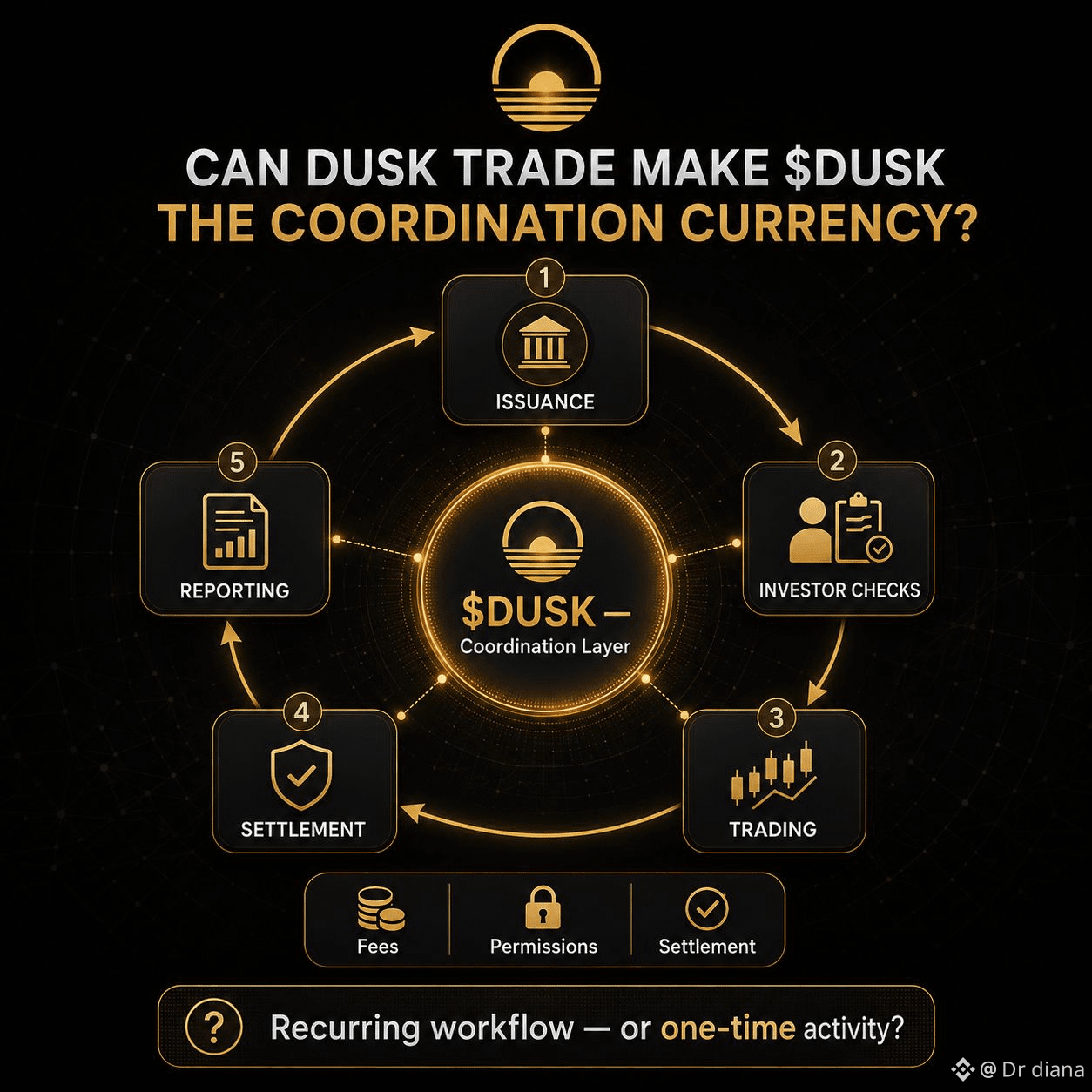
ここでいう「コーディネーション・カレンシー(調整通貨)」が実際に何を意味しているのか、ずっと考えてしまいます。Dusk Trade における DUSK を「ガストークン」と呼ぶのは、狭すぎる気がします。証券のワークフローは単発の一アクションではありません。発行、投資家の確認、取引、決済、レポーティング、そして場合によっては誰が何を保有できるかに関する制限まで含みます。通常、それらのステップは異なる会社、データベース、承認プロセスにまたがっていて、互いにほとんど連携できていません。
Dusk Trade は、その分断された動きがひとつの共有システムの中で起こり得ると言っているように見えます。もしそれが本当にできるのなら、DUSK は単に取引の支払いをするだけではなく、ワークフローを止めずに回し続ける必要があるすべての参加者をつなぐ共通の経済的な基盤になり得るはずです。
とはいえ、コーディネーション(調整)だけでは、活動が繰り返されない限り、持続的なトークン需要は生まれません。トークン化された発行が見栄えのする形に見えることはあっても、より重要なのは、投資家がローンチの注目が薄れた後も取引を続けるのか、発行体が引き続きレポートを出し続けるのか、そして機関が同じネットワークを通じて決済し続けるのかです。そうでなければ、DUSK は実際の証券取引よりも、調整されたアナウンスに過ぎなくなるリスクがあります。
また気になるのは、規制市場は人間の判断を完全に排除できないことです。誰が適格かを定義し、開示を承認し、紛争に対応し、ルールを更新する人が必ずいます。命令をコードに移すことで摩擦は減るかもしれませんが、その一方で、システムのパーミッション(権限)や、システムに供給されるデータを握っている相手の重要性が強く集約されることにもなります。
だから、Dusk Trade の本当の試験は、どれだけ多くの資産を掲載しているかではないのかもしれません。ひとつの資産が、DUSK に繰り返し戻ってくるような形で、継続的な手数料の連鎖、確認、取引、決済を生み出せるかどうかです。ワークフローは紙の上では一体化したように見えます。それがトークンとしての経済価値を実際に蓄積させるのかどうかは、まだ解けない疑問が残っています。
{spot}(PORTALUSDT)
#dusk $DUSK @Dusk_Foundation $GPS $PORTAL
ここでいう「コーディネーション・カレンシー(調整通貨)」が実際に何を意味しているのか、ずっと考えてしまいます。Dusk Trade における DUSK を「ガストークン」と呼ぶのは、狭すぎる気がします。証券のワークフローは単発の一アクションではありません。発行、投資家の確認、取引、決済、レポーティング、そして場合によっては誰が何を保有できるかに関する制限まで含みます。通常、それらのステップは異なる会社、データベース、承認プロセスにまたがっていて、互いにほとんど連携できていません。
Dusk Trade は、その分断された動きがひとつの共有システムの中で起こり得ると言っているように見えます。もしそれが本当にできるのなら、DUSK は単に取引の支払いをするだけではなく、ワークフローを止めずに回し続ける必要があるすべての参加者をつなぐ共通の経済的な基盤になり得るはずです。
とはいえ、コーディネーション(調整)だけでは、活動が繰り返されない限り、持続的なトークン需要は生まれません。トークン化された発行が見栄えのする形に見えることはあっても、より重要なのは、投資家がローンチの注目が薄れた後も取引を続けるのか、発行体が引き続きレポートを出し続けるのか、そして機関が同じネットワークを通じて決済し続けるのかです。そうでなければ、DUSK は実際の証券取引よりも、調整されたアナウンスに過ぎなくなるリスクがあります。
また気になるのは、規制市場は人間の判断を完全に排除できないことです。誰が適格かを定義し、開示を承認し、紛争に対応し、ルールを更新する人が必ずいます。命令をコードに移すことで摩擦は減るかもしれませんが、その一方で、システムのパーミッション(権限)や、システムに供給されるデータを握っている相手の重要性が強く集約されることにもなります。
だから、Dusk Trade の本当の試験は、どれだけ多くの資産を掲載しているかではないのかもしれません。ひとつの資産が、DUSK に繰り返し戻ってくるような形で、継続的な手数料の連鎖、確認、取引、決済を生み出せるかどうかです。ワークフローは紙の上では一体化したように見えます。それがトークンとしての経済価値を実際に蓄積させるのかどうかは、まだ解けない疑問が残っています。
#dusk $DUSK @Dusk $GPS $PORTAL
Dusk Trade は、その分断された動きがひとつの共有システムの中で起こり得ると言っているように見えます。もしそれが本当にできるのなら、DUSK は単に取引の支払いをするだけではなく、ワークフローを止めずに回し続ける必要があるすべての参加者をつなぐ共通の経済的な基盤になり得るはずです。
とはいえ、コーディネーション(調整)だけでは、活動が繰り返されない限り、持続的なトークン需要は生まれません。トークン化された発行が見栄えのする形に見えることはあっても、より重要なのは、投資家がローンチの注目が薄れた後も取引を続けるのか、発行体が引き続きレポートを出し続けるのか、そして機関が同じネットワークを通じて決済し続けるのかです。そうでなければ、DUSK は実際の証券取引よりも、調整されたアナウンスに過ぎなくなるリスクがあります。
また気になるのは、規制市場は人間の判断を完全に排除できないことです。誰が適格かを定義し、開示を承認し、紛争に対応し、ルールを更新する人が必ずいます。命令をコードに移すことで摩擦は減るかもしれませんが、その一方で、システムのパーミッション(権限)や、システムに供給されるデータを握っている相手の重要性が強く集約されることにもなります。
だから、Dusk Trade の本当の試験は、どれだけ多くの資産を掲載しているかではないのかもしれません。ひとつの資産が、DUSK に繰り返し戻ってくるような形で、継続的な手数料の連鎖、確認、取引、決済を生み出せるかどうかです。ワークフローは紙の上では一体化したように見えます。それがトークンとしての経済価値を実際に蓄積させるのかどうかは、まだ解けない疑問が残っています。
#dusk $DUSK @Dusk $GPS $PORTAL
28
10
174
·
--
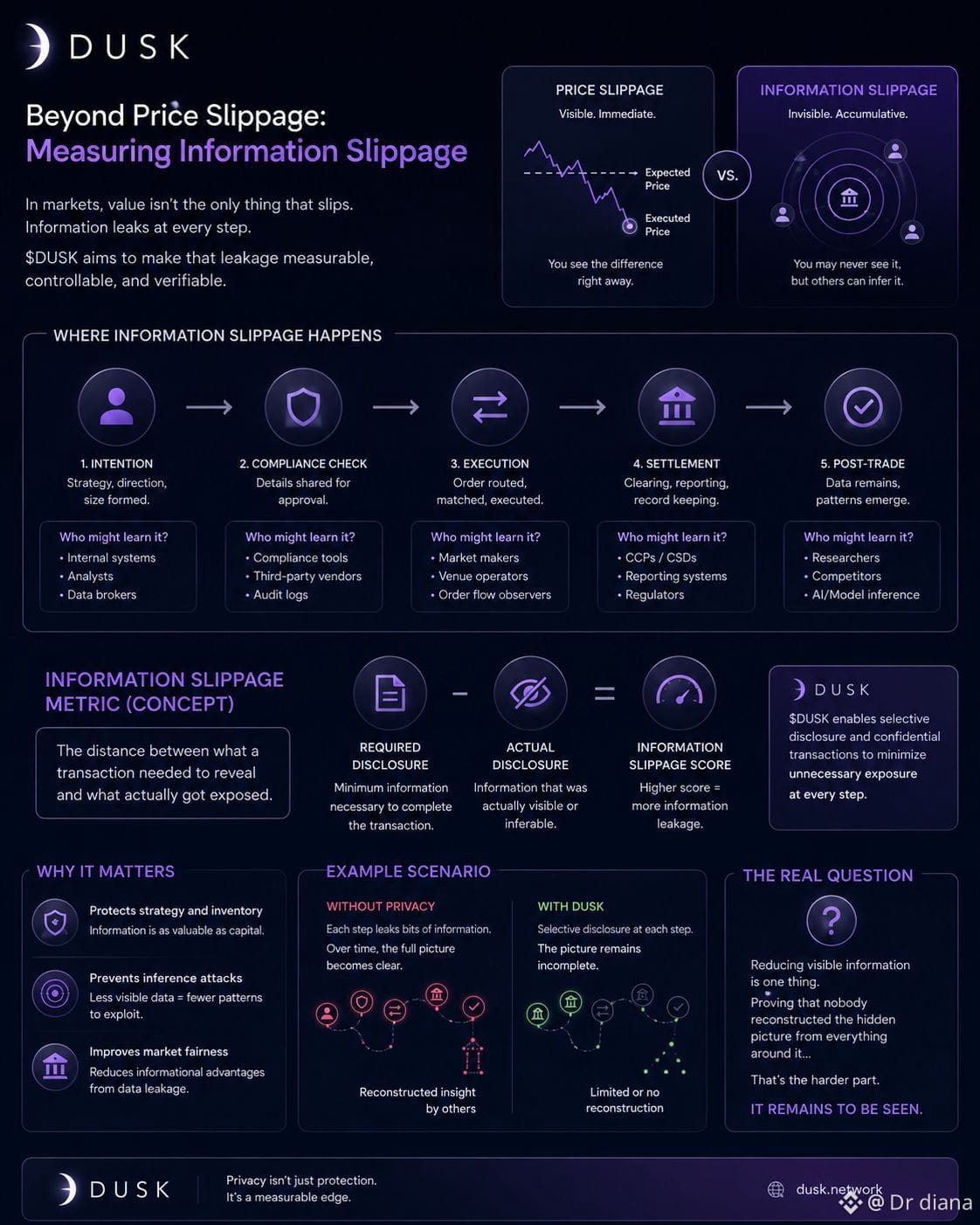
スリッページは価格でしか気づかれないものだと思い続けています。あるレベルで買おうとすると、執行はより悪いところで起きて、その差がすぐに見える。けれども、機関投資家の市場には、チャートにはめったに出てこない別種のスリッページがあるように見えます。
取引が進行している間に情報が漏れることです。
$DUSKでは、選択的開示と機密取引によって、そうした漏れが実際に測定可能になるのではないかと考えてしまいます。機関が、取引意図 → コンプライアンス確認 → 執行 → 決済へと移ると想像してください。各ステップで、別の参加者やシステムが何かを学んでしまうかもしれません。アイデンティティ、ポジションの規模、取引相手、タイミング、さらには将来の意図まで。
だから「情報スリッページ」とは、取引が明らかにする必要があったものと、実際に露呈したものの距離なのかもしれません。
単に「プライベート」と呼ぶだけより、こっちのほうがずっと面白い気がします。
取引は完璧に決済されたとしても、他の誰かが在庫や戦略を推測できるだけの情報が漏れている可能性があります。そして不思議なことに、最大の取引が最大の漏れを生むとは限りません。同じ絵をゆっくり再構成していくのは、繰り返される小さな行動かもしれません。
ただ、その測定はやはり気まずいものになります。そもそも逃げるはずのない情報を、どうやって定量化するのでしょうか?
もしかするとDUSKは、機密性を「はい/いいえ」で扱うのではなく、取引ごとの開示サーフェスによって、プライバシーを測定可能にしていくかもしれません。
それでも、目に見える情報を減らすのは一つのことです。周囲のすべてから隠された絵を誰も再構成できなかったと証明するのは、はるかに難しい。
#dusk $DUSK @Dusk_Foundation $HEMI $DOLO
スリッページは価格でしか気づかれないものだと思い続けています。あるレベルで買おうとすると、執行はより悪いところで起きて、その差がすぐに見える。けれども、機関投資家の市場には、チャートにはめったに出てこない別種のスリッページがあるように見えます。
取引が進行している間に情報が漏れることです。
$DUSK では、選択的開示と機密取引によって、そうした漏れが実際に測定可能になるのではないかと考えてしまいます。機関が、取引意図 → コンプライアンス確認 → 執行 → 決済へと移ると想像してください。各ステップで、別の参加者やシステムが何かを学んでしまうかもしれません。アイデンティティ、ポジションの規模、取引相手、タイミング、さらには将来の意図まで。
だから「情報スリッページ」とは、取引が明らかにする必要があったものと、実際に露呈したものの距離なのかもしれません。
単に「プライベート」と呼ぶだけより、こっちのほうがずっと面白い気がします。
取引は完璧に決済されたとしても、他の誰かが在庫や戦略を推測できるだけの情報が漏れている可能性があります。そして不思議なことに、最大の取引が最大の漏れを生むとは限りません。同じ絵をゆっくり再構成していくのは、繰り返される小さな行動かもしれません。
ただ、その測定はやはり気まずいものになります。そもそも逃げるはずのない情報を、どうやって定量化するのでしょうか?
もしかするとDUSKは、機密性を「はい/いいえ」で扱うのではなく、取引ごとの開示サーフェスによって、プライバシーを測定可能にしていくかもしれません。
それでも、目に見える情報を減らすのは一つのことです。周囲のすべてから隠された絵を誰も再構成できなかったと証明するのは、はるかに難しい。
#dusk $DUSK @Dusk $HEMI $DOLO
取引が進行している間に情報が漏れることです。
$DUSK では、選択的開示と機密取引によって、そうした漏れが実際に測定可能になるのではないかと考えてしまいます。機関が、取引意図 → コンプライアンス確認 → 執行 → 決済へと移ると想像してください。各ステップで、別の参加者やシステムが何かを学んでしまうかもしれません。アイデンティティ、ポジションの規模、取引相手、タイミング、さらには将来の意図まで。
だから「情報スリッページ」とは、取引が明らかにする必要があったものと、実際に露呈したものの距離なのかもしれません。
単に「プライベート」と呼ぶだけより、こっちのほうがずっと面白い気がします。
取引は完璧に決済されたとしても、他の誰かが在庫や戦略を推測できるだけの情報が漏れている可能性があります。そして不思議なことに、最大の取引が最大の漏れを生むとは限りません。同じ絵をゆっくり再構成していくのは、繰り返される小さな行動かもしれません。
ただ、その測定はやはり気まずいものになります。そもそも逃げるはずのない情報を、どうやって定量化するのでしょうか?
もしかするとDUSKは、機密性を「はい/いいえ」で扱うのではなく、取引ごとの開示サーフェスによって、プライバシーを測定可能にしていくかもしれません。
それでも、目に見える情報を減らすのは一つのことです。周囲のすべてから隠された絵を誰も再構成できなかったと証明するのは、はるかに難しい。
#dusk $DUSK @Dusk $HEMI $DOLO
50
14
166
·
--
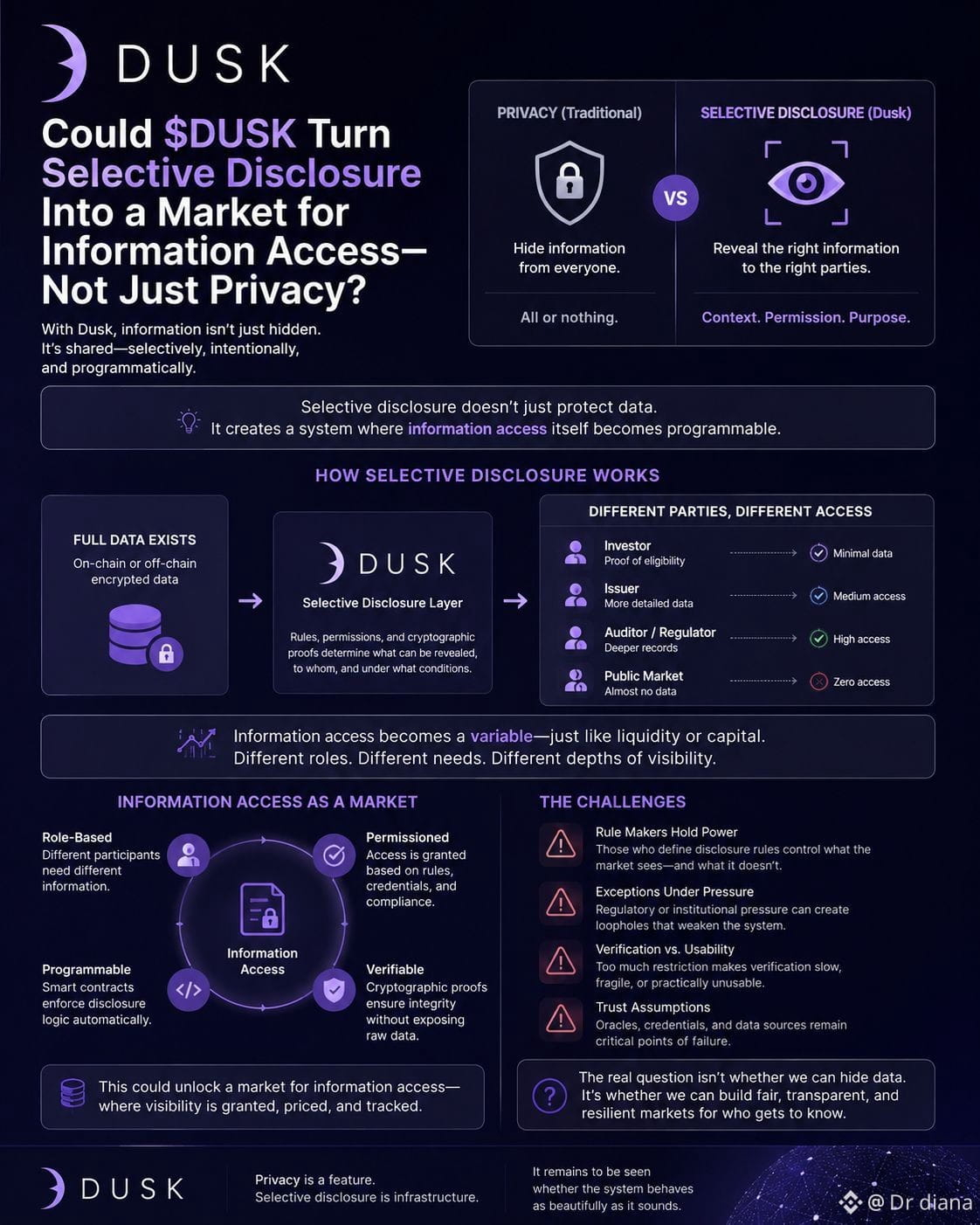
選択的開示を狭すぎる形で捉えていないか、ずっと考えてしまいます。
$DUSK では、明白な説明はプライバシーです。機微な取引や身元のデータを隠しておき、コンプライアンスや監督が求めるときに必要な分だけ明らかにする。最初は、それがより良いプライバシーの仕組みに見えます。ですが注意深く考えると、その下で別のことが起きています。
情報そのものが権限を得ていくのです。
投資家は、別の参加者が適格であることの証明だけを必要とするかもしれません。発行体はそれ以上を必要とします。監査人は、より深い記録を必要とする場合があります。広い市場全体はおそらく、そのほとんどを必要としないでしょう。つまり、同じ資産が、複数の異なる情報環境の中に同時に存在し得るのです。
「プライバシーは情報を隠す。選択的開示は、誰が知ることになるかを決める。」
この違いは、最初に思っていた以上に大きい気がします。
いったんアクセスがプログラム可能になると、情報はほとんど流動性のように振る舞い始めるのかもしれません。参加者は、自分の役割、資格、あるいは法的な要件に応じて、異なる深さの可視性を受け取ります。
しかしその一方で、別の問題も生まれます。そうした開示ルールを定義する者は、黙っているだけで大きな力を手に入れてしまうのです。権限の設定が悪ければ、情報が多すぎる形で露出し得ますし、逆に過度に制限的なら、検証が遅くなったり、実質的に役に立たなくなったりします。
そして、制度上の圧力がかかると、例外はいつも現れます。
だから Dusk は、規制された市場がプライベートのままでいられるかどうかを試しているだけではないのかもしれません。より難しい問いは、情報へのアクセスそのものが、システムの中に新たな門番(ゲートキーパー)を作ることなく、インフラになり得るかどうかです。
その境界がきれいに保たれるとは、まだ十分に確信できていません。
#dusk $DUSK @Dusk_Foundation $COW $KII
選択的開示を狭すぎる形で捉えていないか、ずっと考えてしまいます。
$DUSK では、明白な説明はプライバシーです。機微な取引や身元のデータを隠しておき、コンプライアンスや監督が求めるときに必要な分だけ明らかにする。最初は、それがより良いプライバシーの仕組みに見えます。ですが注意深く考えると、その下で別のことが起きています。
情報そのものが権限を得ていくのです。
投資家は、別の参加者が適格であることの証明だけを必要とするかもしれません。発行体はそれ以上を必要とします。監査人は、より深い記録を必要とする場合があります。広い市場全体はおそらく、そのほとんどを必要としないでしょう。つまり、同じ資産が、複数の異なる情報環境の中に同時に存在し得るのです。
「プライバシーは情報を隠す。選択的開示は、誰が知ることになるかを決める。」
この違いは、最初に思っていた以上に大きい気がします。
いったんアクセスがプログラム可能になると、情報はほとんど流動性のように振る舞い始めるのかもしれません。参加者は、自分の役割、資格、あるいは法的な要件に応じて、異なる深さの可視性を受け取ります。
しかしその一方で、別の問題も生まれます。そうした開示ルールを定義する者は、黙っているだけで大きな力を手に入れてしまうのです。権限の設定が悪ければ、情報が多すぎる形で露出し得ますし、逆に過度に制限的なら、検証が遅くなったり、実質的に役に立たなくなったりします。
そして、制度上の圧力がかかると、例外はいつも現れます。
だから Dusk は、規制された市場がプライベートのままでいられるかどうかを試しているだけではないのかもしれません。より難しい問いは、情報へのアクセスそのものが、システムの中に新たな門番(ゲートキーパー)を作ることなく、インフラになり得るかどうかです。
その境界がきれいに保たれるとは、まだ十分に確信できていません。
#dusk $DUSK @Dusk $COW $KII
$DUSK では、明白な説明はプライバシーです。機微な取引や身元のデータを隠しておき、コンプライアンスや監督が求めるときに必要な分だけ明らかにする。最初は、それがより良いプライバシーの仕組みに見えます。ですが注意深く考えると、その下で別のことが起きています。
情報そのものが権限を得ていくのです。
投資家は、別の参加者が適格であることの証明だけを必要とするかもしれません。発行体はそれ以上を必要とします。監査人は、より深い記録を必要とする場合があります。広い市場全体はおそらく、そのほとんどを必要としないでしょう。つまり、同じ資産が、複数の異なる情報環境の中に同時に存在し得るのです。
「プライバシーは情報を隠す。選択的開示は、誰が知ることになるかを決める。」
この違いは、最初に思っていた以上に大きい気がします。
いったんアクセスがプログラム可能になると、情報はほとんど流動性のように振る舞い始めるのかもしれません。参加者は、自分の役割、資格、あるいは法的な要件に応じて、異なる深さの可視性を受け取ります。
しかしその一方で、別の問題も生まれます。そうした開示ルールを定義する者は、黙っているだけで大きな力を手に入れてしまうのです。権限の設定が悪ければ、情報が多すぎる形で露出し得ますし、逆に過度に制限的なら、検証が遅くなったり、実質的に役に立たなくなったりします。
そして、制度上の圧力がかかると、例外はいつも現れます。
だから Dusk は、規制された市場がプライベートのままでいられるかどうかを試しているだけではないのかもしれません。より難しい問いは、情報へのアクセスそのものが、システムの中に新たな門番(ゲートキーパー)を作ることなく、インフラになり得るかどうかです。
その境界がきれいに保たれるとは、まだ十分に確信できていません。
#dusk $DUSK @Dusk $COW $KII
58
22
286
·
--
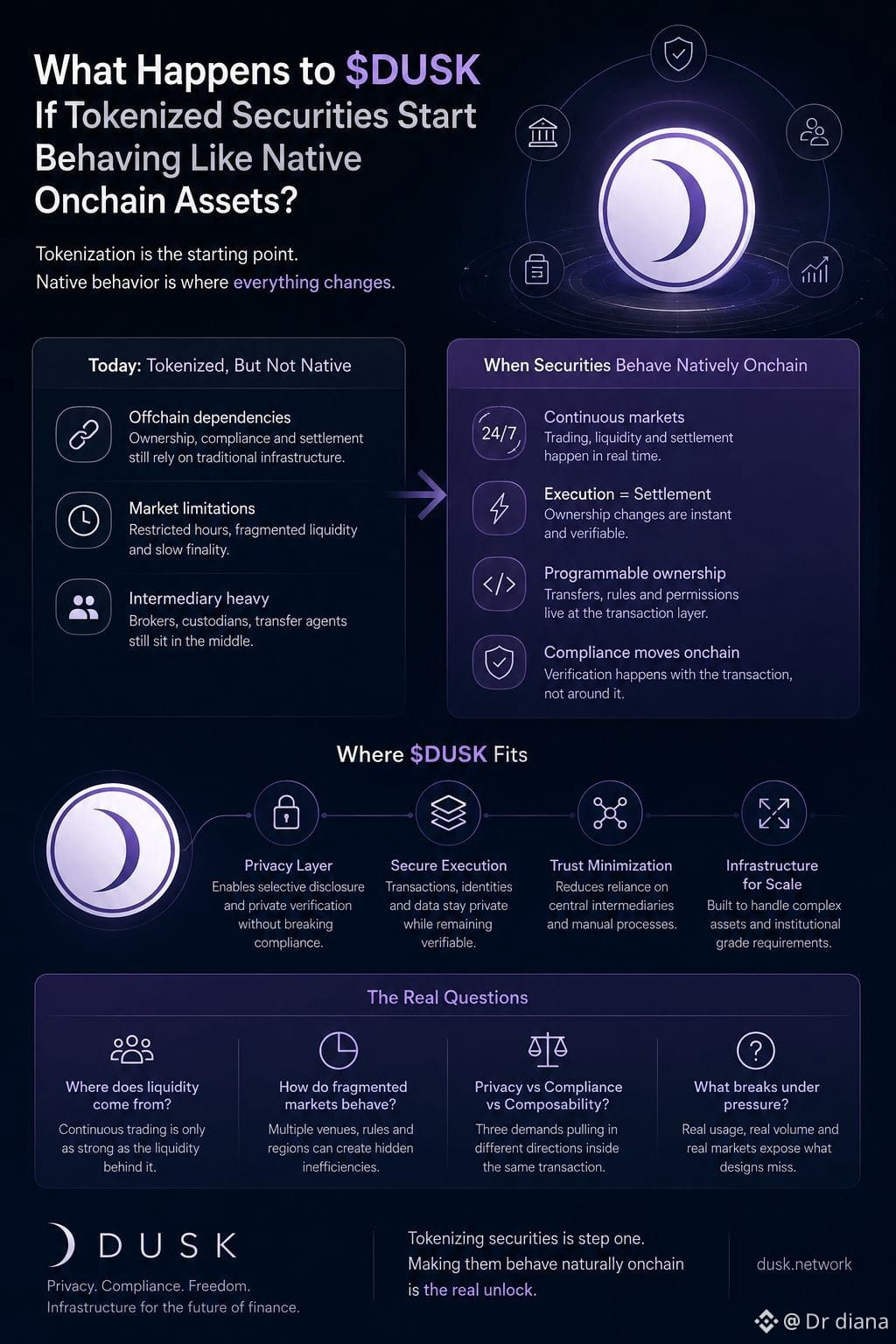
トークン化された証券が、オフチェーン上の何かの「トークン化されたコピー」である感覚から離れていくと、実際には何が変わるのかについて考え続けています。
というのも現状では、多くのトークン化が、その下にある古い市場をまだ引き継いでいるように見えるからです。アセットはオンチェーンで動くのは確かです。ですが、適格性、決済、所有の確認、取引時間、コンプライアンス…プロセスのいろいろな部分が、どこか別の場所に「許可」を求めているように感じられるのです。
$DUSK は、それが消えていくなら、さらに面白くなってきます。
証券が発行され、譲渡され、プライベートに検証され、同じ環境の中で決済されるのなら、トークンはもはや単にそのアセットを表しているだけではなくなります。アセットそのもののように振る舞い始めます。そして、その違いは小さな差に聞こえるかもしれませんが、次に何が起きるかを考えると話は別です。
市場はより連続的になり得ます。決済は、それの後ろで待っているものではなく、実行の一部になります。所有の変更はプログラム可能になります。さらに、コンプライアンスでさえ、取引の周りに居座るのではなく、取引により近づいていきます。
とはいえ、ネイティブな振る舞いはネイティブな問題も生みます。
これらの資産が連続的に取引されるなら、午前3時の流動性はどこから来るのでしょう? 分断された市場を誰が扱うのでしょう? そして、プライバシー、規制、そして合成可能性(composability)が、同じ取引に対してそれぞれ異なる望みを持ってきたらどうなるのでしょう?
だからこそ、私はまだ $DUSK について確信が持てないのです。
証券をオンチェーンに載せるのは一つの問題です。
その上で、裏側でこっそり旧来の仲介者たちを作り直すことなく、そこでも自然に振る舞わせる——それが、よほど難しい問題だと感じています。
#dusk $DUSK @Dusk_Foundation
トークン化された証券が、オフチェーン上の何かの「トークン化されたコピー」である感覚から離れていくと、実際には何が変わるのかについて考え続けています。
というのも現状では、多くのトークン化が、その下にある古い市場をまだ引き継いでいるように見えるからです。アセットはオンチェーンで動くのは確かです。ですが、適格性、決済、所有の確認、取引時間、コンプライアンス…プロセスのいろいろな部分が、どこか別の場所に「許可」を求めているように感じられるのです。
$DUSK は、それが消えていくなら、さらに面白くなってきます。
証券が発行され、譲渡され、プライベートに検証され、同じ環境の中で決済されるのなら、トークンはもはや単にそのアセットを表しているだけではなくなります。アセットそのもののように振る舞い始めます。そして、その違いは小さな差に聞こえるかもしれませんが、次に何が起きるかを考えると話は別です。
市場はより連続的になり得ます。決済は、それの後ろで待っているものではなく、実行の一部になります。所有の変更はプログラム可能になります。さらに、コンプライアンスでさえ、取引の周りに居座るのではなく、取引により近づいていきます。
とはいえ、ネイティブな振る舞いはネイティブな問題も生みます。
これらの資産が連続的に取引されるなら、午前3時の流動性はどこから来るのでしょう? 分断された市場を誰が扱うのでしょう? そして、プライバシー、規制、そして合成可能性(composability)が、同じ取引に対してそれぞれ異なる望みを持ってきたらどうなるのでしょう?
だからこそ、私はまだ $DUSK について確信が持てないのです。
証券をオンチェーンに載せるのは一つの問題です。
その上で、裏側でこっそり旧来の仲介者たちを作り直すことなく、そこでも自然に振る舞わせる——それが、よほど難しい問題だと感じています。
#dusk $DUSK @Dusk
というのも現状では、多くのトークン化が、その下にある古い市場をまだ引き継いでいるように見えるからです。アセットはオンチェーンで動くのは確かです。ですが、適格性、決済、所有の確認、取引時間、コンプライアンス…プロセスのいろいろな部分が、どこか別の場所に「許可」を求めているように感じられるのです。
$DUSK は、それが消えていくなら、さらに面白くなってきます。
証券が発行され、譲渡され、プライベートに検証され、同じ環境の中で決済されるのなら、トークンはもはや単にそのアセットを表しているだけではなくなります。アセットそのもののように振る舞い始めます。そして、その違いは小さな差に聞こえるかもしれませんが、次に何が起きるかを考えると話は別です。
市場はより連続的になり得ます。決済は、それの後ろで待っているものではなく、実行の一部になります。所有の変更はプログラム可能になります。さらに、コンプライアンスでさえ、取引の周りに居座るのではなく、取引により近づいていきます。
とはいえ、ネイティブな振る舞いはネイティブな問題も生みます。
これらの資産が連続的に取引されるなら、午前3時の流動性はどこから来るのでしょう? 分断された市場を誰が扱うのでしょう? そして、プライバシー、規制、そして合成可能性(composability)が、同じ取引に対してそれぞれ異なる望みを持ってきたらどうなるのでしょう?
だからこそ、私はまだ $DUSK について確信が持てないのです。
証券をオンチェーンに載せるのは一つの問題です。
その上で、裏側でこっそり旧来の仲介者たちを作り直すことなく、そこでも自然に振る舞わせる——それが、よほど難しい問題だと感じています。
#dusk $DUSK @Dusk
27
1
12
135
·
--
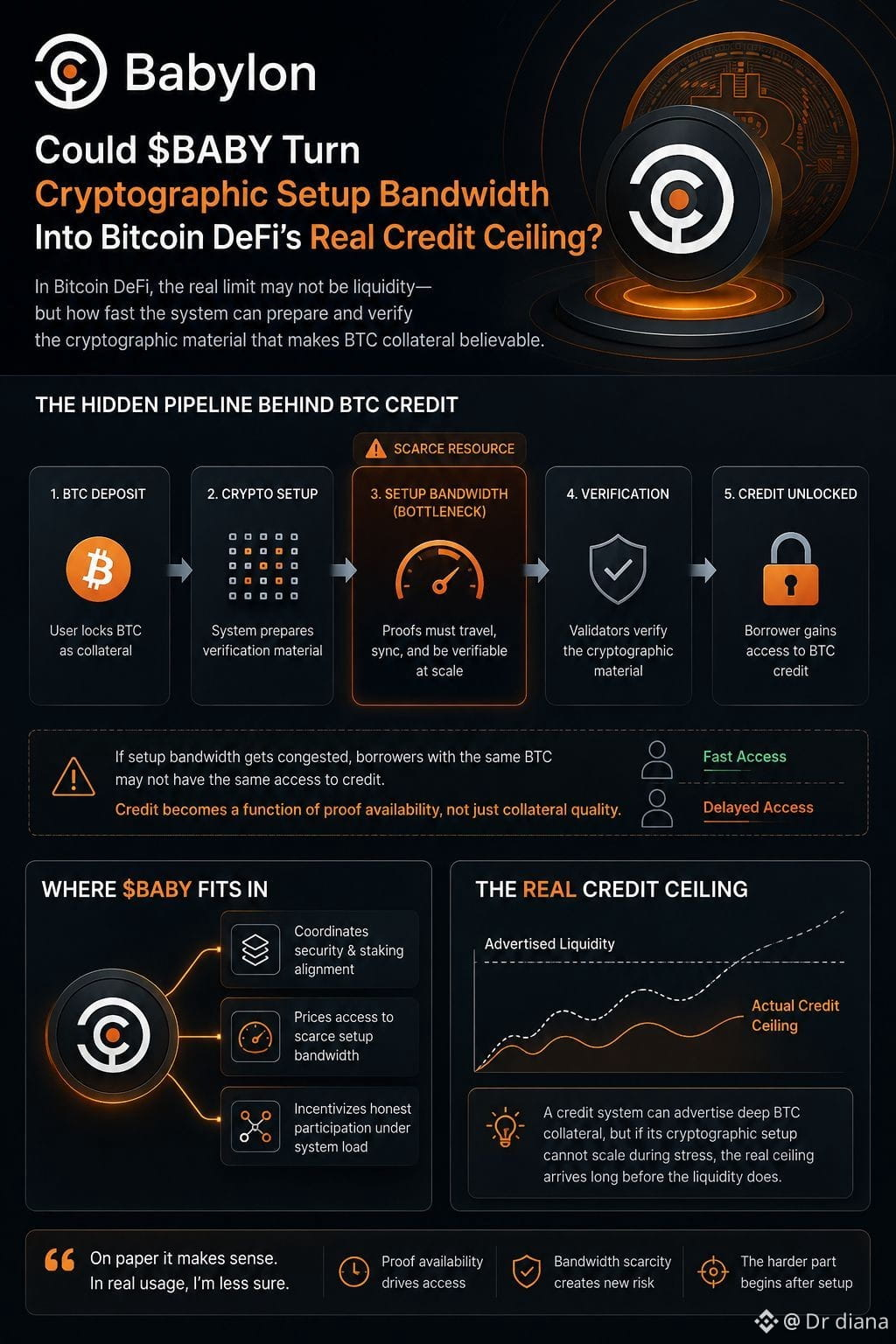
ビットコインDeFiの「本当の貸出上限」が、そもそも流動性の話なのかどうか、ずっと考えています。誰もが自然に見てしまうのは、どれだけBTCが入ってくるか、借り手がどれだけ欲しがるか、市場がどれだけ深いかです。ですがBabylonを見ていると、より厳しい天井は、あまり見えない場所にあるのかもしれないと思い始めました。つまり、その担保を「信じられるもの」にするために必要な暗号学的な素材を、システムがどれだけ速く準備し、検証し、移動できるかです。
いまの理解では、ネイティブBTCクレジットは、誰かがビットコインを預けた瞬間に始まるのではありません。十分な「証明」がシステム内を流れていくことで、重すぎたり遅すぎたり、検証が高すぎたりせずに成立したところから始まります。最初は技術的な細部のように聞こえます。でも信用市場はしばしば、確認にかかる最も時間のかかる要素によって制約されます。
セットアップの帯域が混雑すると、同じBTCを持つ2人の借り手でも、実際に利用できるクレジットが同じにはならないかもしれません。ある人は素早く検証されます。別の人は待たされます。リスクの価格は、担保の質だけで決まるものではなくなり、証明の入手可能性とシステム負荷によっても決まるようになります。
そこで、私にとってBABYが面白くなるところがあります。BABYの役割は、単にセキュリティを調整するだけではないのかもしれません。いずれ、希少な「検証能力」へのアクセスを価格付けするようになるのではないでしょうか。
それでも、何かが未解決のままに感じます。信用システムは、深いBTC担保を宣伝できても、その暗号学的なセットアップがストレス時にスケールできないのであれば、本当の上限は流動性が到達するよりずっと前にやって来てしまうかもしれません。
#baby $BABY @babylonlabs_io $HFT $HEI
ビットコインDeFiの「本当の貸出上限」が、そもそも流動性の話なのかどうか、ずっと考えています。誰もが自然に見てしまうのは、どれだけBTCが入ってくるか、借り手がどれだけ欲しがるか、市場がどれだけ深いかです。ですがBabylonを見ていると、より厳しい天井は、あまり見えない場所にあるのかもしれないと思い始めました。つまり、その担保を「信じられるもの」にするために必要な暗号学的な素材を、システムがどれだけ速く準備し、検証し、移動できるかです。
いまの理解では、ネイティブBTCクレジットは、誰かがビットコインを預けた瞬間に始まるのではありません。十分な「証明」がシステム内を流れていくことで、重すぎたり遅すぎたり、検証が高すぎたりせずに成立したところから始まります。最初は技術的な細部のように聞こえます。でも信用市場はしばしば、確認にかかる最も時間のかかる要素によって制約されます。
セットアップの帯域が混雑すると、同じBTCを持つ2人の借り手でも、実際に利用できるクレジットが同じにはならないかもしれません。ある人は素早く検証されます。別の人は待たされます。リスクの価格は、担保の質だけで決まるものではなくなり、証明の入手可能性とシステム負荷によっても決まるようになります。
そこで、私にとってBABYが面白くなるところがあります。BABYの役割は、単にセキュリティを調整するだけではないのかもしれません。いずれ、希少な「検証能力」へのアクセスを価格付けするようになるのではないでしょうか。
それでも、何かが未解決のままに感じます。信用システムは、深いBTC担保を宣伝できても、その暗号学的なセットアップがストレス時にスケールできないのであれば、本当の上限は流動性が到達するよりずっと前にやって来てしまうかもしれません。
#baby $BABY @BabylonLabs_io $HFT $HEI
いまの理解では、ネイティブBTCクレジットは、誰かがビットコインを預けた瞬間に始まるのではありません。十分な「証明」がシステム内を流れていくことで、重すぎたり遅すぎたり、検証が高すぎたりせずに成立したところから始まります。最初は技術的な細部のように聞こえます。でも信用市場はしばしば、確認にかかる最も時間のかかる要素によって制約されます。
セットアップの帯域が混雑すると、同じBTCを持つ2人の借り手でも、実際に利用できるクレジットが同じにはならないかもしれません。ある人は素早く検証されます。別の人は待たされます。リスクの価格は、担保の質だけで決まるものではなくなり、証明の入手可能性とシステム負荷によっても決まるようになります。
そこで、私にとってBABYが面白くなるところがあります。BABYの役割は、単にセキュリティを調整するだけではないのかもしれません。いずれ、希少な「検証能力」へのアクセスを価格付けするようになるのではないでしょうか。
それでも、何かが未解決のままに感じます。信用システムは、深いBTC担保を宣伝できても、その暗号学的なセットアップがストレス時にスケールできないのであれば、本当の上限は流動性が到達するよりずっと前にやって来てしまうかもしれません。
#baby $BABY @BabylonLabs_io $HFT $HEI
43
23
463
·
--
ネイティブのビットコインが再び戻ってくるその瞬間について、ずっと考えてしまいます。
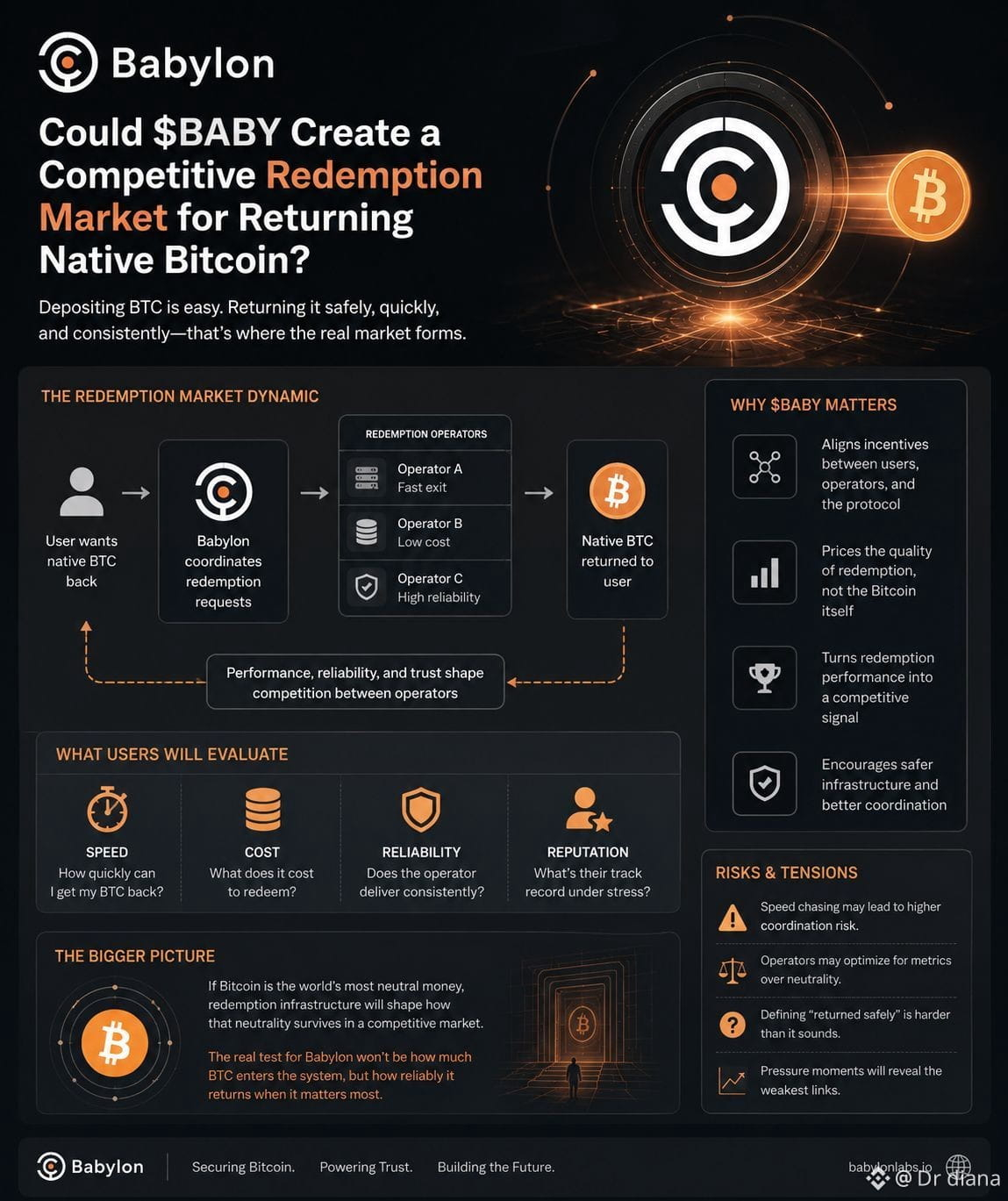
バビロンとベビーに関する議論の大半は、BTCを稼働させる(運用する)ことに焦点が当たっていますが、戻すことのほうがシステムのより明確な側面を明らかにするのかもしれません。担保の預け入れは通常簡単です。誰もが活動を望みます。償還(レデンプション)は別です。なぜなら、流動性、検証、タイミング、そしてユーザーの忍耐がすべて同時にぶつかるのが償還だからです。
最初は、償還は単なる技術的な退出経路になるだけだと思っていました。しかし、複数のオペレーターが関わるようになると、市場のように見えてきます。あるルートは、より速くBTCを返せるかもしれません。別のルートは、より安く済むかもしれないし、より信頼性が高いかもしれないし、プレッシャーへの対処が上手いかもしれません。$BABY は、それらのルート間の競争を調整することになり得ます。ビットコインそのものの価格ではなく、BTCを取り戻す「品質」をどう値付けするか、という形で。
それは役に立ちそうですが、正直に言うと別の疑問も生まれます。スピードが中立性より価値を持つようになったらどうなるのでしょう。オペレーターは、見える形での償還パフォーマンスを最適化しつつ、裏では調整(コーディネーション)のリスクをより多く引き受けるかもしれません。ユーザーは今のように、評判やコスト、出金履歴をもとにルートを選ぶようになり得ます。
注意深く考えると、最も強いシグナルは、どれだけBTCがバビロンに入ってくるかではなく、摩擦なくどれだけ一貫して出ていくか、なのかもしれません。
たぶんベビーは、償還を競争力のあるサービス・レイヤーに変えられます。それでも、ネイティブのビットコインを安全に返すことが市場になったのなら、「安全に返した」とは実際に何を意味するのかを定義する誰かが必要になります。
#baby $BABY @babylonlabs_io $VIC
ネイティブのビットコインが再び戻ってくるその瞬間について、ずっと考えてしまいます。
バビロンとベビーに関する議論の大半は、BTCを稼働させる(運用する)ことに焦点が当たっていますが、戻すことのほうがシステムのより明確な側面を明らかにするのかもしれません。担保の預け入れは通常簡単です。誰もが活動を望みます。償還(レデンプション)は別です。なぜなら、流動性、検証、タイミング、そしてユーザーの忍耐がすべて同時にぶつかるのが償還だからです。
最初は、償還は単なる技術的な退出経路になるだけだと思っていました。しかし、複数のオペレーターが関わるようになると、市場のように見えてきます。あるルートは、より速くBTCを返せるかもしれません。別のルートは、より安く済むかもしれないし、より信頼性が高いかもしれないし、プレッシャーへの対処が上手いかもしれません。$BABY は、それらのルート間の競争を調整することになり得ます。ビットコインそのものの価格ではなく、BTCを取り戻す「品質」をどう値付けするか、という形で。
それは役に立ちそうですが、正直に言うと別の疑問も生まれます。スピードが中立性より価値を持つようになったらどうなるのでしょう。オペレーターは、見える形での償還パフォーマンスを最適化しつつ、裏では調整(コーディネーション)のリスクをより多く引き受けるかもしれません。ユーザーは今のように、評判やコスト、出金履歴をもとにルートを選ぶようになり得ます。
注意深く考えると、最も強いシグナルは、どれだけBTCがバビロンに入ってくるかではなく、摩擦なくどれだけ一貫して出ていくか、なのかもしれません。
たぶんベビーは、償還を競争力のあるサービス・レイヤーに変えられます。それでも、ネイティブのビットコインを安全に返すことが市場になったのなら、「安全に返した」とは実際に何を意味するのかを定義する誰かが必要になります。
#baby $BABY @BabylonLabs_io $VIC
バビロンとベビーに関する議論の大半は、BTCを稼働させる(運用する)ことに焦点が当たっていますが、戻すことのほうがシステムのより明確な側面を明らかにするのかもしれません。担保の預け入れは通常簡単です。誰もが活動を望みます。償還(レデンプション)は別です。なぜなら、流動性、検証、タイミング、そしてユーザーの忍耐がすべて同時にぶつかるのが償還だからです。
最初は、償還は単なる技術的な退出経路になるだけだと思っていました。しかし、複数のオペレーターが関わるようになると、市場のように見えてきます。あるルートは、より速くBTCを返せるかもしれません。別のルートは、より安く済むかもしれないし、より信頼性が高いかもしれないし、プレッシャーへの対処が上手いかもしれません。$BABY は、それらのルート間の競争を調整することになり得ます。ビットコインそのものの価格ではなく、BTCを取り戻す「品質」をどう値付けするか、という形で。
それは役に立ちそうですが、正直に言うと別の疑問も生まれます。スピードが中立性より価値を持つようになったらどうなるのでしょう。オペレーターは、見える形での償還パフォーマンスを最適化しつつ、裏では調整(コーディネーション)のリスクをより多く引き受けるかもしれません。ユーザーは今のように、評判やコスト、出金履歴をもとにルートを選ぶようになり得ます。
注意深く考えると、最も強いシグナルは、どれだけBTCがバビロンに入ってくるかではなく、摩擦なくどれだけ一貫して出ていくか、なのかもしれません。
たぶんベビーは、償還を競争力のあるサービス・レイヤーに変えられます。それでも、ネイティブのビットコインを安全に返すことが市場になったのなら、「安全に返した」とは実際に何を意味するのかを定義する誰かが必要になります。
#baby $BABY @BabylonLabs_io $VIC
59
27
513
·
--
見落としがちな何かについて、ずっと考えてしまいます。私たちはふだん、ビットコインのヴォルトを「資本が安全に置かれる場所」として語りがちです。でも、面白いのはビットコインそのものではなく、その周りに起きる振る舞いなのではないか、と考え始めています。
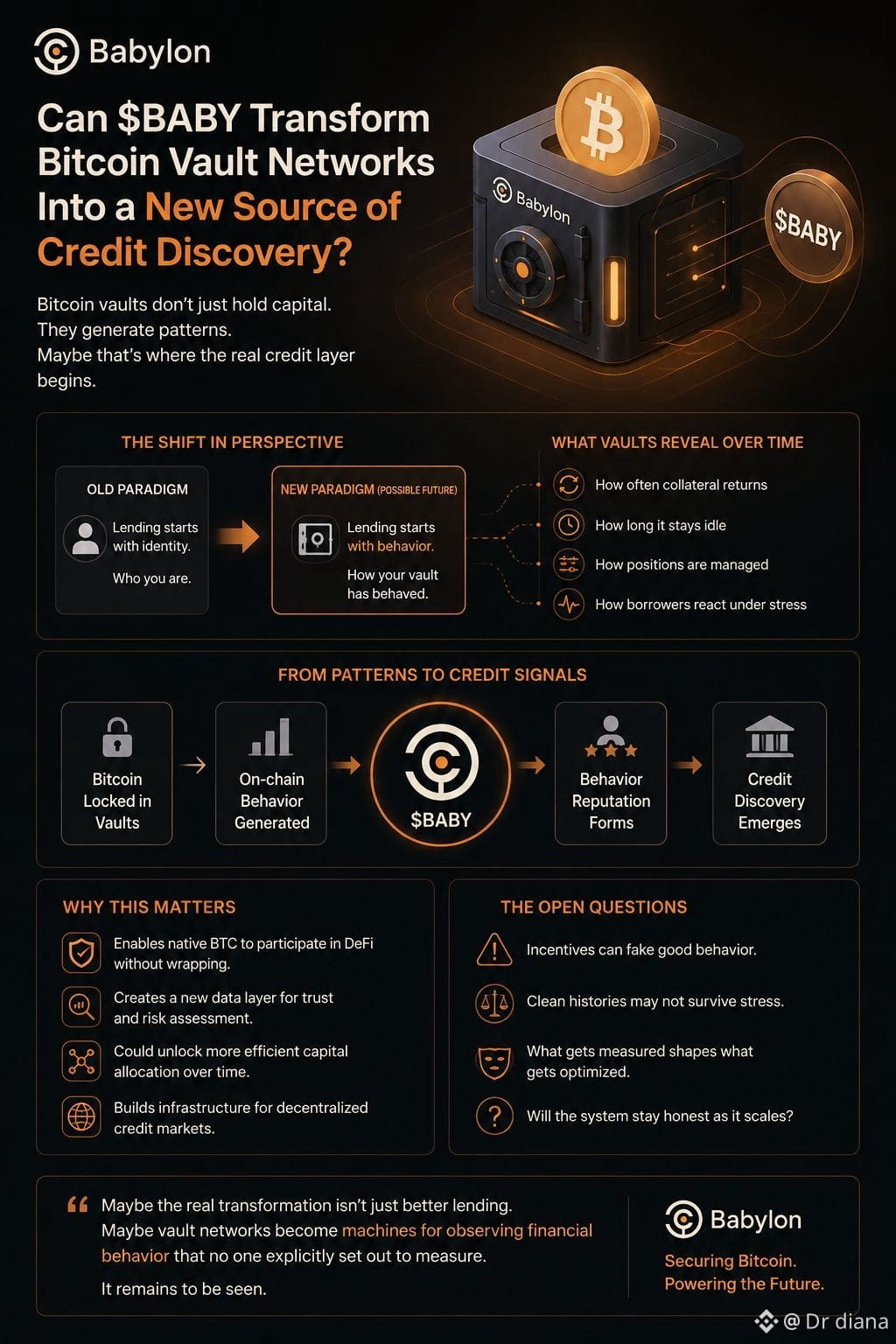
私の理解では、現時点で$BABY は、ラップせずにネイティブBTCがDeFiに参加できるようにするだけを狙っているわけではありません。それは同時に、ヴォルトが残すパターンが生まれる環境も作り出します。担保がどれくらいの頻度で返ってくるのか。どれくらいアイドル状態にとどまるのか。借り手がポジションをスムーズに解消するのか、それとも強制されるときだけなのか。こうした細部は、最初はクレジットのようには見えません。でも、考えてみれば、クレジットとは資産そのものよりも、繰り返される行動についてのものなのかもしれません。
そこで話が面白くなります。従来の貸付はたいてい「あなたが誰か」を尋ねるところから始まります。ビットコインを担保にした仕組みは、時間の経過の中で「あなたのヴォルトがどう振る舞ってきたか」を、徐々に尋ねるようになっていくのかもしれません。これらはまったく別の問いです。
ただ、これが自動的に信用(クレジット)発見をより良くするとは、まだ確信できていません。インセンティブは、TVLを作るのと同じように、見栄えのよい履歴を“製造”することもできます。完璧にきれいなヴォルト記録は、ストレス下での本当の信頼性というよりは、慎重に栽培している(=リスクを抑えた運用をしている)ことを反映しているだけかもしれません。
本当の転換点は、「ビットコインが借入の担保になる」ことではないのかもしれません。むしろ、ヴォルトのネットワークがゆっくりと、誰も明確に測ろうとはしていなかった金融行動を観察するための機械になっていくのかもしれないのです。紙の上ではそれは美しく聞こえます。しかし、市場が混雑してくると、それらの観察が本当に誠実なままでいられるかどうかは、また別の問題です。
#baby $BABY @babylonlabs_io
見落としがちな何かについて、ずっと考えてしまいます。私たちはふだん、ビットコインのヴォルトを「資本が安全に置かれる場所」として語りがちです。でも、面白いのはビットコインそのものではなく、その周りに起きる振る舞いなのではないか、と考え始めています。
私の理解では、現時点で$BABY は、ラップせずにネイティブBTCがDeFiに参加できるようにするだけを狙っているわけではありません。それは同時に、ヴォルトが残すパターンが生まれる環境も作り出します。担保がどれくらいの頻度で返ってくるのか。どれくらいアイドル状態にとどまるのか。借り手がポジションをスムーズに解消するのか、それとも強制されるときだけなのか。こうした細部は、最初はクレジットのようには見えません。でも、考えてみれば、クレジットとは資産そのものよりも、繰り返される行動についてのものなのかもしれません。
そこで話が面白くなります。従来の貸付はたいてい「あなたが誰か」を尋ねるところから始まります。ビットコインを担保にした仕組みは、時間の経過の中で「あなたのヴォルトがどう振る舞ってきたか」を、徐々に尋ねるようになっていくのかもしれません。これらはまったく別の問いです。
ただ、これが自動的に信用(クレジット)発見をより良くするとは、まだ確信できていません。インセンティブは、TVLを作るのと同じように、見栄えのよい履歴を“製造”することもできます。完璧にきれいなヴォルト記録は、ストレス下での本当の信頼性というよりは、慎重に栽培している(=リスクを抑えた運用をしている)ことを反映しているだけかもしれません。
本当の転換点は、「ビットコインが借入の担保になる」ことではないのかもしれません。むしろ、ヴォルトのネットワークがゆっくりと、誰も明確に測ろうとはしていなかった金融行動を観察するための機械になっていくのかもしれないのです。紙の上ではそれは美しく聞こえます。しかし、市場が混雑してくると、それらの観察が本当に誠実なままでいられるかどうかは、また別の問題です。
#baby $BABY @BabylonLabs_io
私の理解では、現時点で$BABY は、ラップせずにネイティブBTCがDeFiに参加できるようにするだけを狙っているわけではありません。それは同時に、ヴォルトが残すパターンが生まれる環境も作り出します。担保がどれくらいの頻度で返ってくるのか。どれくらいアイドル状態にとどまるのか。借り手がポジションをスムーズに解消するのか、それとも強制されるときだけなのか。こうした細部は、最初はクレジットのようには見えません。でも、考えてみれば、クレジットとは資産そのものよりも、繰り返される行動についてのものなのかもしれません。
そこで話が面白くなります。従来の貸付はたいてい「あなたが誰か」を尋ねるところから始まります。ビットコインを担保にした仕組みは、時間の経過の中で「あなたのヴォルトがどう振る舞ってきたか」を、徐々に尋ねるようになっていくのかもしれません。これらはまったく別の問いです。
ただ、これが自動的に信用(クレジット)発見をより良くするとは、まだ確信できていません。インセンティブは、TVLを作るのと同じように、見栄えのよい履歴を“製造”することもできます。完璧にきれいなヴォルト記録は、ストレス下での本当の信頼性というよりは、慎重に栽培している(=リスクを抑えた運用をしている)ことを反映しているだけかもしれません。
本当の転換点は、「ビットコインが借入の担保になる」ことではないのかもしれません。むしろ、ヴォルトのネットワークがゆっくりと、誰も明確に測ろうとはしていなかった金融行動を観察するための機械になっていくのかもしれないのです。紙の上ではそれは美しく聞こえます。しかし、市場が混雑してくると、それらの観察が本当に誠実なままでいられるかどうかは、また別の問題です。
#baby $BABY @BabylonLabs_io
39
18
169
·
--
見落とされがちな“何か”について、ずっと考えてしまいます。私たちは通常、新しいDeFiの連携があるたびに、プロトコルが増えるほどネットワークが自動的に強くなるかのように祝います。けれど、それが本当なのは、各連携が別の流動性接続よりも価値のあるものを確実に残している場合だけなのかもしれません。
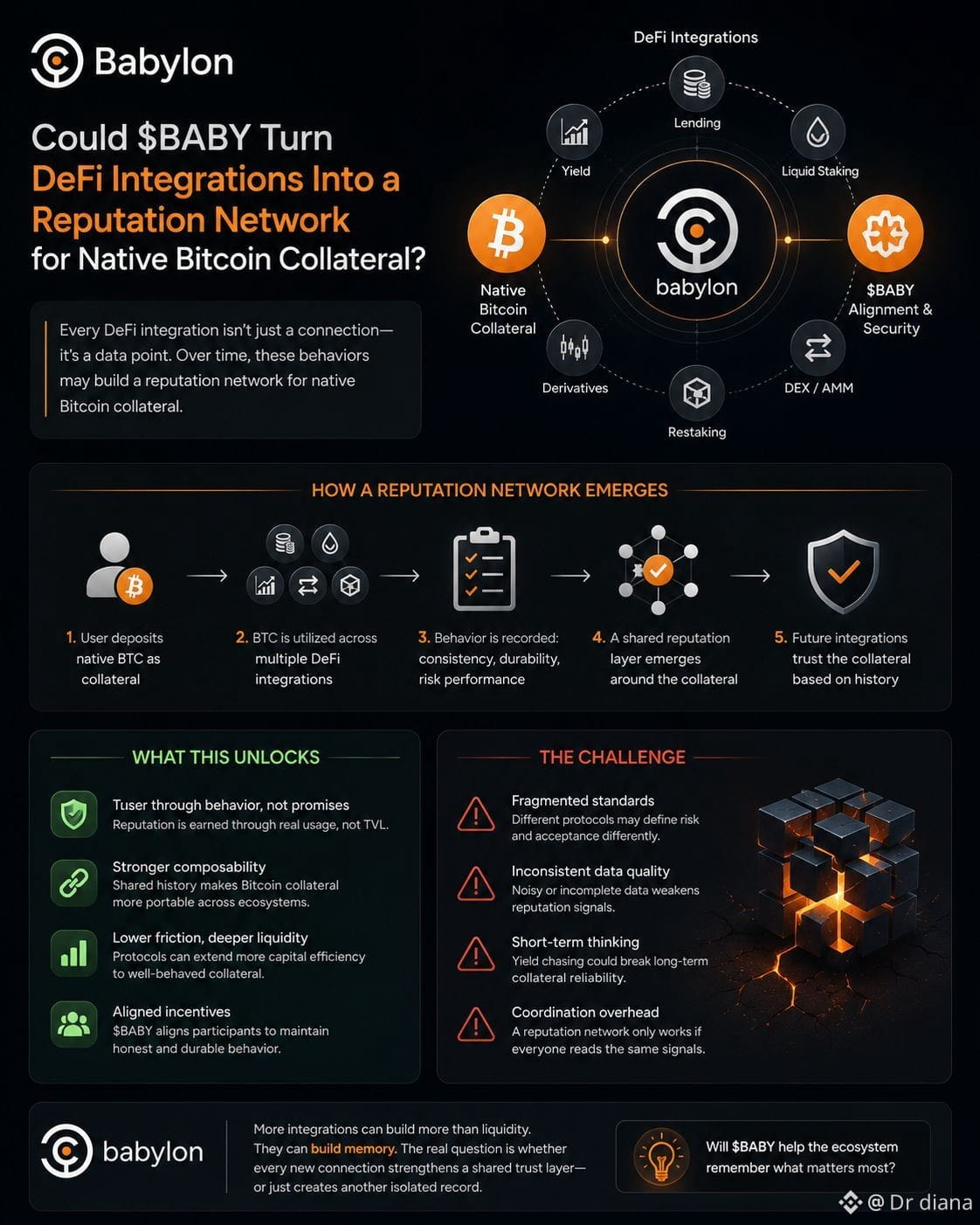
そこで私は、バビロンと $BABY に何度も立ち返ります。表面上は、ネイティブのビットコイン担保による借り入れが、アイドル状態のBTCを生産的にするもう一つの手段に見えます。でもよく考えると、どの連携も“行動の記録”を残します。単にビットコインが預け入れられたかどうかだけでなく、どれだけ一貫して利用可能な状態を保っていたか、マーケット環境が変わる中で担保がどれくらい生き残ったか、そして、その同じビットコインが、毎回信頼を作り直す必要なしに、異なる環境でも受け入れ続けられたかどうか、そういったことです。
たぶん、連携それ自体がゆっくりと“信号”になっていく。
そうなると問いが少し変わります。ネイティブのビットコイン担保を支えるプロトコルが何個あるかを問うよりも、もっと面白いのは、それらのプロトコルが、マーケティング発表やTVLの数字よりも、蓄積された履歴によって担保を信頼し始めるのかどうか、という点です。
とはいえ率直に言うと、それが自動で起こるとはまだ完全に納得できていません。連携が増えることで、ばらついた基準、断片化した前提、受け入れ可能なリスクの定義の違いもまた増幅され得るからです。同じ行動を、ほぼ同じ理解で解釈する参加者が揃ってはじめて、評判のネットワークは機能します。
だからこそ、$BABY にとっての隠れた課題は、ビットコインをさらに多くのDeFiにつなげること自体ではないのかもしれません。むしろ、それぞれの新しい接続が共有される“記憶”を強めるのか…それとも、誰もが十分に信じない、別の孤立した記録を増やすだけなのか、そこが問題なのかもしれません。
#baby $BABY @babylonlabs_io
見落とされがちな“何か”について、ずっと考えてしまいます。私たちは通常、新しいDeFiの連携があるたびに、プロトコルが増えるほどネットワークが自動的に強くなるかのように祝います。けれど、それが本当なのは、各連携が別の流動性接続よりも価値のあるものを確実に残している場合だけなのかもしれません。
そこで私は、バビロンと $BABY に何度も立ち返ります。表面上は、ネイティブのビットコイン担保による借り入れが、アイドル状態のBTCを生産的にするもう一つの手段に見えます。でもよく考えると、どの連携も“行動の記録”を残します。単にビットコインが預け入れられたかどうかだけでなく、どれだけ一貫して利用可能な状態を保っていたか、マーケット環境が変わる中で担保がどれくらい生き残ったか、そして、その同じビットコインが、毎回信頼を作り直す必要なしに、異なる環境でも受け入れ続けられたかどうか、そういったことです。
たぶん、連携それ自体がゆっくりと“信号”になっていく。
そうなると問いが少し変わります。ネイティブのビットコイン担保を支えるプロトコルが何個あるかを問うよりも、もっと面白いのは、それらのプロトコルが、マーケティング発表やTVLの数字よりも、蓄積された履歴によって担保を信頼し始めるのかどうか、という点です。
とはいえ率直に言うと、それが自動で起こるとはまだ完全に納得できていません。連携が増えることで、ばらついた基準、断片化した前提、受け入れ可能なリスクの定義の違いもまた増幅され得るからです。同じ行動を、ほぼ同じ理解で解釈する参加者が揃ってはじめて、評判のネットワークは機能します。
だからこそ、$BABY にとっての隠れた課題は、ビットコインをさらに多くのDeFiにつなげること自体ではないのかもしれません。むしろ、それぞれの新しい接続が共有される“記憶”を強めるのか…それとも、誰もが十分に信じない、別の孤立した記録を増やすだけなのか、そこが問題なのかもしれません。
#baby $BABY @BabylonLabs_io
そこで私は、バビロンと $BABY に何度も立ち返ります。表面上は、ネイティブのビットコイン担保による借り入れが、アイドル状態のBTCを生産的にするもう一つの手段に見えます。でもよく考えると、どの連携も“行動の記録”を残します。単にビットコインが預け入れられたかどうかだけでなく、どれだけ一貫して利用可能な状態を保っていたか、マーケット環境が変わる中で担保がどれくらい生き残ったか、そして、その同じビットコインが、毎回信頼を作り直す必要なしに、異なる環境でも受け入れ続けられたかどうか、そういったことです。
たぶん、連携それ自体がゆっくりと“信号”になっていく。
そうなると問いが少し変わります。ネイティブのビットコイン担保を支えるプロトコルが何個あるかを問うよりも、もっと面白いのは、それらのプロトコルが、マーケティング発表やTVLの数字よりも、蓄積された履歴によって担保を信頼し始めるのかどうか、という点です。
とはいえ率直に言うと、それが自動で起こるとはまだ完全に納得できていません。連携が増えることで、ばらついた基準、断片化した前提、受け入れ可能なリスクの定義の違いもまた増幅され得るからです。同じ行動を、ほぼ同じ理解で解釈する参加者が揃ってはじめて、評判のネットワークは機能します。
だからこそ、$BABY にとっての隠れた課題は、ビットコインをさらに多くのDeFiにつなげること自体ではないのかもしれません。むしろ、それぞれの新しい接続が共有される“記憶”を強めるのか…それとも、誰もが十分に信じない、別の孤立した記録を増やすだけなのか、そこが問題なのかもしれません。
#baby $BABY @BabylonLabs_io
30
15
131
·
--
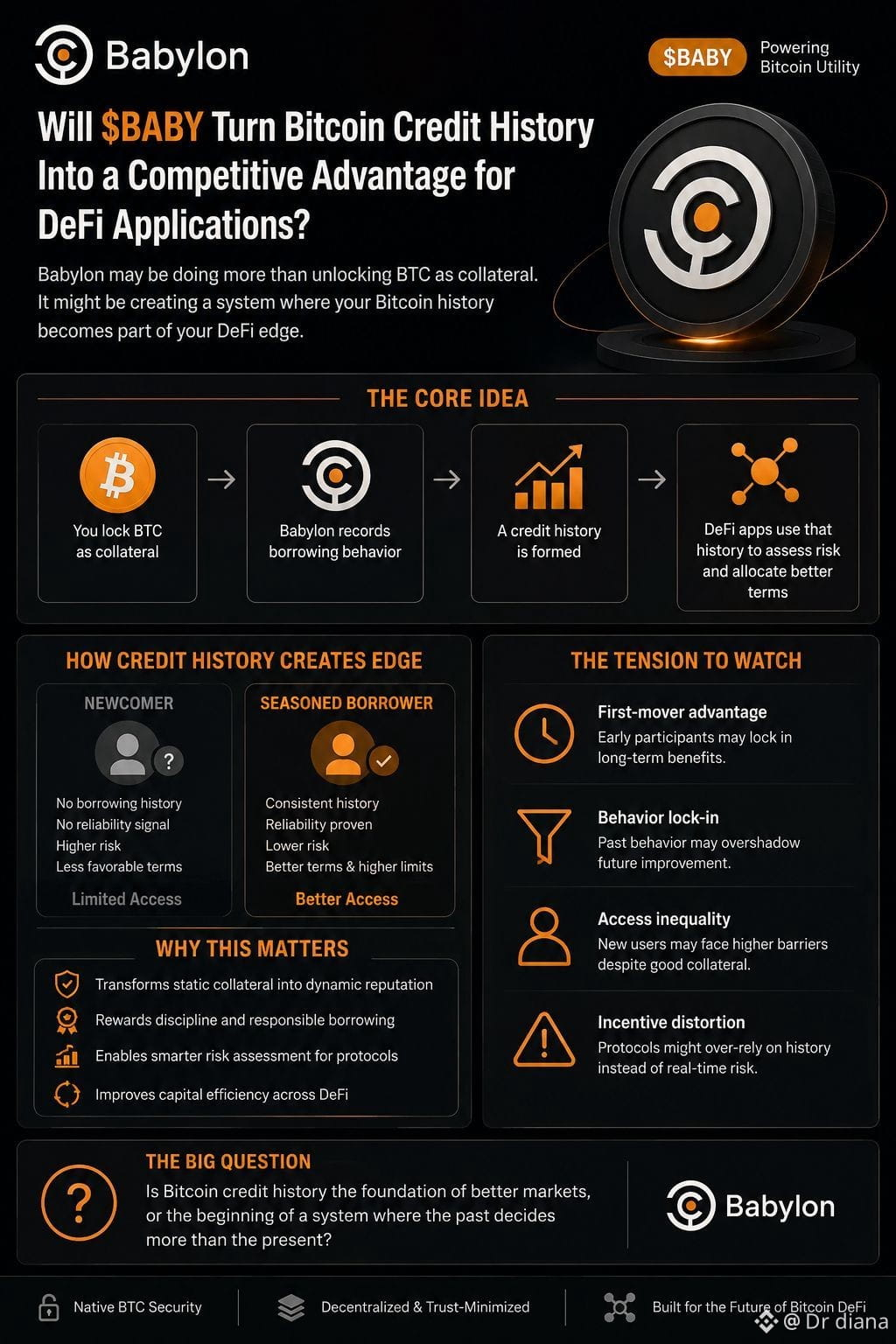
見落としやすい、ある種「簡単そうに思える」何かについて、ずっと考えてしまっています。担保としてのビットコインについてばかり時間を費やしているので、担保そのものがこのシステムで最も価値のあるものなのかどうかを、私はあまり立ち止まって問いません。もしかすると、それは違うのかもしれません。
私の今の理解では、Babylonの面白さは、ネイティブBTCがラップせずに借り入れを支えられるという点だけではありません。むしろ、繰り返される借り入れによって、ゆっくりと「記録」が残っていくことです。そして、その記録が可視化されるなら、同額の2つのビットコインは、もはや同じものとして扱われないかもしれません。1つは履歴を持っています。もう1つは残高だけです。
最初はそれが不公平に思えました。ビットコインは常に中立的であるべきだと思っていたからです。でも、DeFiのアプリケーションはすでに、計測できる情報に基づいて判断を下しています。ある1つのヴォールトが、複数の借り入れサイクルにわたって一貫して良好に振る舞っている一方で、別のヴォールトが初めて文脈のない状態で現れた場合、プロトコルが静かに一方を優先する理由がわかる気もします。
それでも、私の不確かさが始まるのはまさにそこです。履歴は信頼性を測れますが、システムに最初に入った相手に報酬を与えることもあります。良い記録は、たとえ将来の振る舞いが変わったとしても、それ自身を強化する優位へと変わり得ます。インセンティブには、古い前提を新しいインフラに凍結させてしまう癖があります。
だから、$BABY は単にビットコインをDeFiに迎え入れているだけではないのかもしれません。むしろ、過去の担保の記憶が、担保そのものと並んで競い始めるような条件を作っているのかもしれません。紙の上ではそれは効率的に見えます。より良い市場を生むのか、それとも単に新しい排除の形を生むのか—それを答えるのは、ずっと難しいままです。
#baby $BABY @babylonlabs_io
見落としやすい、ある種「簡単そうに思える」何かについて、ずっと考えてしまっています。担保としてのビットコインについてばかり時間を費やしているので、担保そのものがこのシステムで最も価値のあるものなのかどうかを、私はあまり立ち止まって問いません。もしかすると、それは違うのかもしれません。
私の今の理解では、Babylonの面白さは、ネイティブBTCがラップせずに借り入れを支えられるという点だけではありません。むしろ、繰り返される借り入れによって、ゆっくりと「記録」が残っていくことです。そして、その記録が可視化されるなら、同額の2つのビットコインは、もはや同じものとして扱われないかもしれません。1つは履歴を持っています。もう1つは残高だけです。
最初はそれが不公平に思えました。ビットコインは常に中立的であるべきだと思っていたからです。でも、DeFiのアプリケーションはすでに、計測できる情報に基づいて判断を下しています。ある1つのヴォールトが、複数の借り入れサイクルにわたって一貫して良好に振る舞っている一方で、別のヴォールトが初めて文脈のない状態で現れた場合、プロトコルが静かに一方を優先する理由がわかる気もします。
それでも、私の不確かさが始まるのはまさにそこです。履歴は信頼性を測れますが、システムに最初に入った相手に報酬を与えることもあります。良い記録は、たとえ将来の振る舞いが変わったとしても、それ自身を強化する優位へと変わり得ます。インセンティブには、古い前提を新しいインフラに凍結させてしまう癖があります。
だから、$BABY は単にビットコインをDeFiに迎え入れているだけではないのかもしれません。むしろ、過去の担保の記憶が、担保そのものと並んで競い始めるような条件を作っているのかもしれません。紙の上ではそれは効率的に見えます。より良い市場を生むのか、それとも単に新しい排除の形を生むのか—それを答えるのは、ずっと難しいままです。
#baby $BABY @BabylonLabs_io
私の今の理解では、Babylonの面白さは、ネイティブBTCがラップせずに借り入れを支えられるという点だけではありません。むしろ、繰り返される借り入れによって、ゆっくりと「記録」が残っていくことです。そして、その記録が可視化されるなら、同額の2つのビットコインは、もはや同じものとして扱われないかもしれません。1つは履歴を持っています。もう1つは残高だけです。
最初はそれが不公平に思えました。ビットコインは常に中立的であるべきだと思っていたからです。でも、DeFiのアプリケーションはすでに、計測できる情報に基づいて判断を下しています。ある1つのヴォールトが、複数の借り入れサイクルにわたって一貫して良好に振る舞っている一方で、別のヴォールトが初めて文脈のない状態で現れた場合、プロトコルが静かに一方を優先する理由がわかる気もします。
それでも、私の不確かさが始まるのはまさにそこです。履歴は信頼性を測れますが、システムに最初に入った相手に報酬を与えることもあります。良い記録は、たとえ将来の振る舞いが変わったとしても、それ自身を強化する優位へと変わり得ます。インセンティブには、古い前提を新しいインフラに凍結させてしまう癖があります。
だから、$BABY は単にビットコインをDeFiに迎え入れているだけではないのかもしれません。むしろ、過去の担保の記憶が、担保そのものと並んで競い始めるような条件を作っているのかもしれません。紙の上ではそれは効率的に見えます。より良い市場を生むのか、それとも単に新しい排除の形を生むのか—それを答えるのは、ずっと難しいままです。
#baby $BABY @BabylonLabs_io
43
18
194
·
--
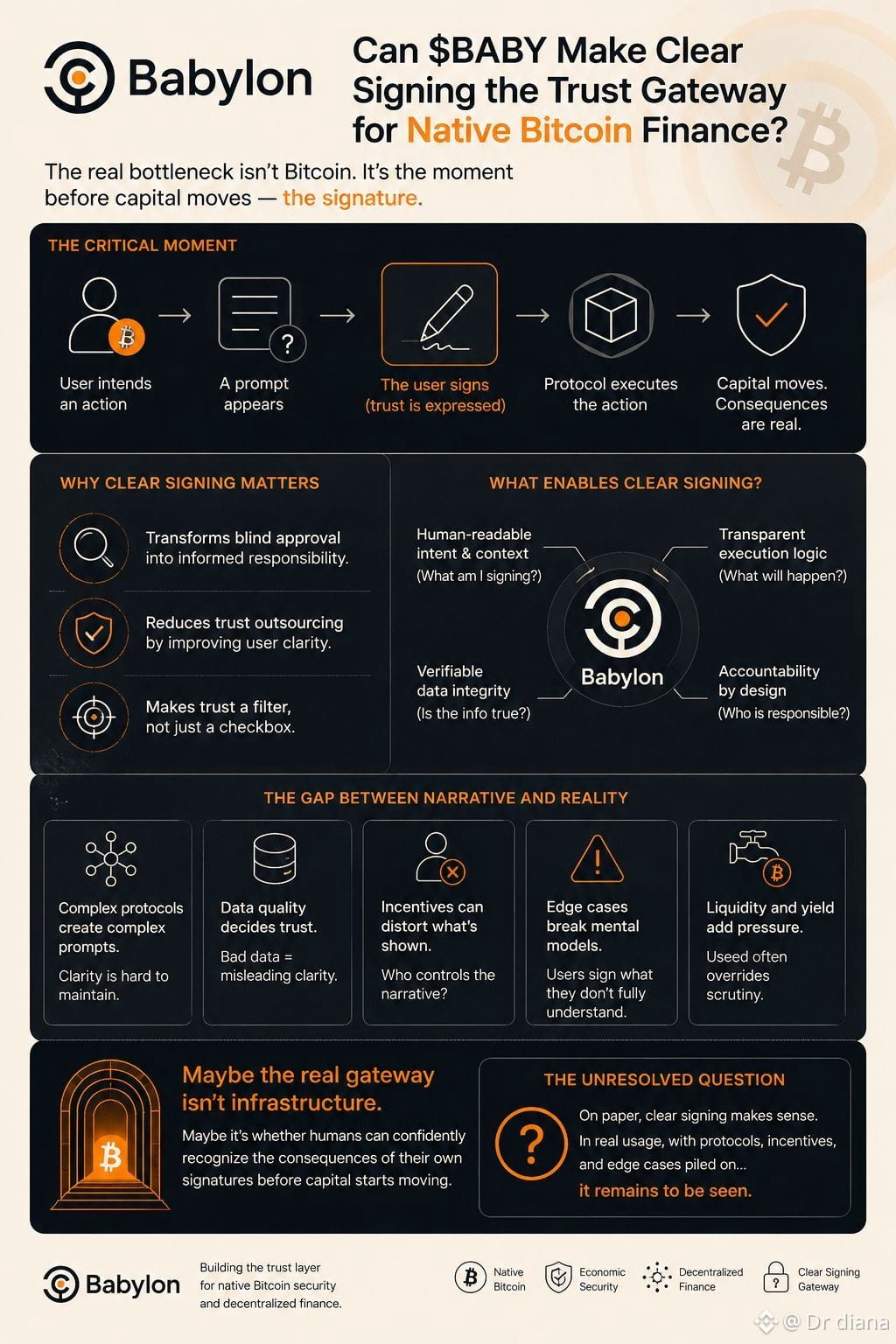
私は、見過ごしてしまいそうなくらい「普通」に感じられる何かについて、ずっと考え続けています。私たちは、ビットコインがどこにロックされるのか、どうやって検証されるのか、あるいはどんな利回りを生むのかといった話に多くの時間を費やします。でも、そのすべてのほんの少し前──署名そのもの──については、ほとんど時間を取りません。誰かが「はい、これを信じます」と決める、その静かな瞬間。
だからこそ、最近バビロンのことが頭の片隅から離れないのかもしれません。ネイティブのビットコイン・ファイナンスは、たいていラッパーを外して仲介者を減らすこととして語られます。聞こえは簡単です。でも注意深く考えると、ある層を取り除いても信頼の必要がなくなるわけではありません。問いが別の場所へ移るだけです。たとえば、署名を行うという行為へ。
明確な署名は、単なるユーザーインターフェースの改善というより、責任のフィルターのように見えてきます。人々が、プロンプトを何も考えずに受け入れるのではなく、自分が承認している内容を実際に理解できるなら、信頼はそれほど外部に委ねられなくなります。とはいえ本当のところ、その仕組みが成立するのは、情報そのものが正直であり続ける場合だけです。読みやすい署名であっても、それは、下にあるシステムが現実を単純化するのではなく記述してくれていることに依存しています。
面白くなるのは、ここからです。ネイティブのビットコイン・ファイナンスへの「入口」は、カストディでも、流動性でも、あるいは検証でもないのかもしれません。人間が、資本が動き出す前に、自分自身の署名がもたらす結果を自信をもって認識できるかどうか──そこなのかもしれません。物語はそれを簡単なことのように見せます。しかし、プロトコル、インセンティブ、そして想定外のケースが積み重なったあとも、果たしてそれが簡単なままでいられるのか──その点については、まだ完全には確信できていません。#baby $BABY @babylonlabs_io
私は、見過ごしてしまいそうなくらい「普通」に感じられる何かについて、ずっと考え続けています。私たちは、ビットコインがどこにロックされるのか、どうやって検証されるのか、あるいはどんな利回りを生むのかといった話に多くの時間を費やします。でも、そのすべてのほんの少し前──署名そのもの──については、ほとんど時間を取りません。誰かが「はい、これを信じます」と決める、その静かな瞬間。
だからこそ、最近バビロンのことが頭の片隅から離れないのかもしれません。ネイティブのビットコイン・ファイナンスは、たいていラッパーを外して仲介者を減らすこととして語られます。聞こえは簡単です。でも注意深く考えると、ある層を取り除いても信頼の必要がなくなるわけではありません。問いが別の場所へ移るだけです。たとえば、署名を行うという行為へ。
明確な署名は、単なるユーザーインターフェースの改善というより、責任のフィルターのように見えてきます。人々が、プロンプトを何も考えずに受け入れるのではなく、自分が承認している内容を実際に理解できるなら、信頼はそれほど外部に委ねられなくなります。とはいえ本当のところ、その仕組みが成立するのは、情報そのものが正直であり続ける場合だけです。読みやすい署名であっても、それは、下にあるシステムが現実を単純化するのではなく記述してくれていることに依存しています。
面白くなるのは、ここからです。ネイティブのビットコイン・ファイナンスへの「入口」は、カストディでも、流動性でも、あるいは検証でもないのかもしれません。人間が、資本が動き出す前に、自分自身の署名がもたらす結果を自信をもって認識できるかどうか──そこなのかもしれません。物語はそれを簡単なことのように見せます。しかし、プロトコル、インセンティブ、そして想定外のケースが積み重なったあとも、果たしてそれが簡単なままでいられるのか──その点については、まだ完全には確信できていません。#baby $BABY @BabylonLabs_io
だからこそ、最近バビロンのことが頭の片隅から離れないのかもしれません。ネイティブのビットコイン・ファイナンスは、たいていラッパーを外して仲介者を減らすこととして語られます。聞こえは簡単です。でも注意深く考えると、ある層を取り除いても信頼の必要がなくなるわけではありません。問いが別の場所へ移るだけです。たとえば、署名を行うという行為へ。
明確な署名は、単なるユーザーインターフェースの改善というより、責任のフィルターのように見えてきます。人々が、プロンプトを何も考えずに受け入れるのではなく、自分が承認している内容を実際に理解できるなら、信頼はそれほど外部に委ねられなくなります。とはいえ本当のところ、その仕組みが成立するのは、情報そのものが正直であり続ける場合だけです。読みやすい署名であっても、それは、下にあるシステムが現実を単純化するのではなく記述してくれていることに依存しています。
面白くなるのは、ここからです。ネイティブのビットコイン・ファイナンスへの「入口」は、カストディでも、流動性でも、あるいは検証でもないのかもしれません。人間が、資本が動き出す前に、自分自身の署名がもたらす結果を自信をもって認識できるかどうか──そこなのかもしれません。物語はそれを簡単なことのように見せます。しかし、プロトコル、インセンティブ、そして想定外のケースが積み重なったあとも、果たしてそれが簡単なままでいられるのか──その点については、まだ完全には確信できていません。#baby $BABY @BabylonLabs_io
53
19
177
·
--
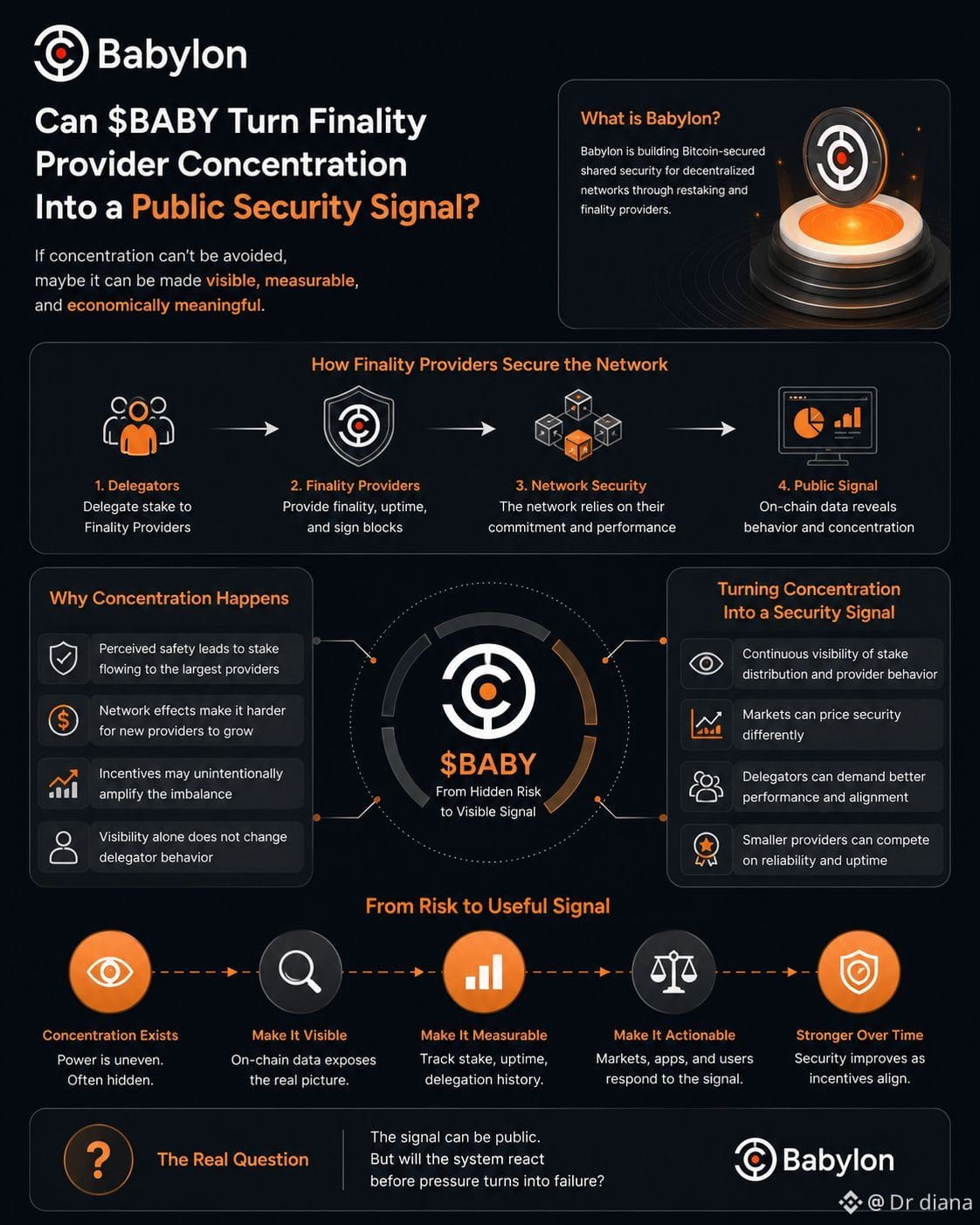
私は、ファイナリティ・プロバイダーの集中が自動的に弱点なのか、それともバビロンがその集中そのものを有益な情報にできるのかを考え続けています。
最初は、ネットワークの大きな取り分を少数が確保しているだけに見えて、いつもの分散化の問題に過ぎません。つまり、あまりに大きな重みがごく少ない手に集中しすぎている、ということです。ですが、もしその分布が継続的に可視化されているなら、集中は“隠れた条件”であることをやめて、“公開の安全シグナル”になるのかもしれません。
私の理解では、ファイナリティ・プロバイダーはネットワークを守るだけではありません。彼らの出資、稼働率、委任の履歴、そしてストレス下での振る舞いが、時間をかけて一種のセキュリティ・マップを形作っていく可能性があります。きれいな評判スコアというよりは、実際に信頼がどこに集まっているのかを示す“ライブ画像”のようなものです。
ただ、そこが厄介です。可視化は依存を取り除きません。ダッシュボードは権力の集中を示せても、委任者に移動を強制することはできません。さらに、ユーザーがより安全そうに見える最大のプロバイダーを繰り返し選ぶことで、インセンティブが集中をむしろ悪化させるかもしれません。
それでも $BABY が、この不均衡を市場が何かが壊れる前に反応できるほど測定可能にしてくれるかもしれません。アプリケーションはセキュリティを、別の形で価格付けする可能性があります。支配的なプロバイダーに対して、委任者はより多くの報酬を要求するかもしれません。小規模な運営者は、規模ではなく信頼性によって競争できるでしょう。
集中が、バビロンが作りたいシグナルではないのかもしれません。あるいは、それは単に、システムが避けようにも結局は明らかにしてしまうシグナルなのかもしれません。誰かが十分に早くそれに行動できるか——それがより難しい問いです。#baby $BABY @babylonlabs_io
私は、ファイナリティ・プロバイダーの集中が自動的に弱点なのか、それともバビロンがその集中そのものを有益な情報にできるのかを考え続けています。
最初は、ネットワークの大きな取り分を少数が確保しているだけに見えて、いつもの分散化の問題に過ぎません。つまり、あまりに大きな重みがごく少ない手に集中しすぎている、ということです。ですが、もしその分布が継続的に可視化されているなら、集中は“隠れた条件”であることをやめて、“公開の安全シグナル”になるのかもしれません。
私の理解では、ファイナリティ・プロバイダーはネットワークを守るだけではありません。彼らの出資、稼働率、委任の履歴、そしてストレス下での振る舞いが、時間をかけて一種のセキュリティ・マップを形作っていく可能性があります。きれいな評判スコアというよりは、実際に信頼がどこに集まっているのかを示す“ライブ画像”のようなものです。
ただ、そこが厄介です。可視化は依存を取り除きません。ダッシュボードは権力の集中を示せても、委任者に移動を強制することはできません。さらに、ユーザーがより安全そうに見える最大のプロバイダーを繰り返し選ぶことで、インセンティブが集中をむしろ悪化させるかもしれません。
それでも $BABY が、この不均衡を市場が何かが壊れる前に反応できるほど測定可能にしてくれるかもしれません。アプリケーションはセキュリティを、別の形で価格付けする可能性があります。支配的なプロバイダーに対して、委任者はより多くの報酬を要求するかもしれません。小規模な運営者は、規模ではなく信頼性によって競争できるでしょう。
集中が、バビロンが作りたいシグナルではないのかもしれません。あるいは、それは単に、システムが避けようにも結局は明らかにしてしまうシグナルなのかもしれません。誰かが十分に早くそれに行動できるか——それがより難しい問いです。#baby $BABY @BabylonLabs_io
最初は、ネットワークの大きな取り分を少数が確保しているだけに見えて、いつもの分散化の問題に過ぎません。つまり、あまりに大きな重みがごく少ない手に集中しすぎている、ということです。ですが、もしその分布が継続的に可視化されているなら、集中は“隠れた条件”であることをやめて、“公開の安全シグナル”になるのかもしれません。
私の理解では、ファイナリティ・プロバイダーはネットワークを守るだけではありません。彼らの出資、稼働率、委任の履歴、そしてストレス下での振る舞いが、時間をかけて一種のセキュリティ・マップを形作っていく可能性があります。きれいな評判スコアというよりは、実際に信頼がどこに集まっているのかを示す“ライブ画像”のようなものです。
ただ、そこが厄介です。可視化は依存を取り除きません。ダッシュボードは権力の集中を示せても、委任者に移動を強制することはできません。さらに、ユーザーがより安全そうに見える最大のプロバイダーを繰り返し選ぶことで、インセンティブが集中をむしろ悪化させるかもしれません。
それでも $BABY が、この不均衡を市場が何かが壊れる前に反応できるほど測定可能にしてくれるかもしれません。アプリケーションはセキュリティを、別の形で価格付けする可能性があります。支配的なプロバイダーに対して、委任者はより多くの報酬を要求するかもしれません。小規模な運営者は、規模ではなく信頼性によって競争できるでしょう。
集中が、バビロンが作りたいシグナルではないのかもしれません。あるいは、それは単に、システムが避けようにも結局は明らかにしてしまうシグナルなのかもしれません。誰かが十分に早くそれに行動できるか——それがより難しい問いです。#baby $BABY @BabylonLabs_io
41
13
183
·
--
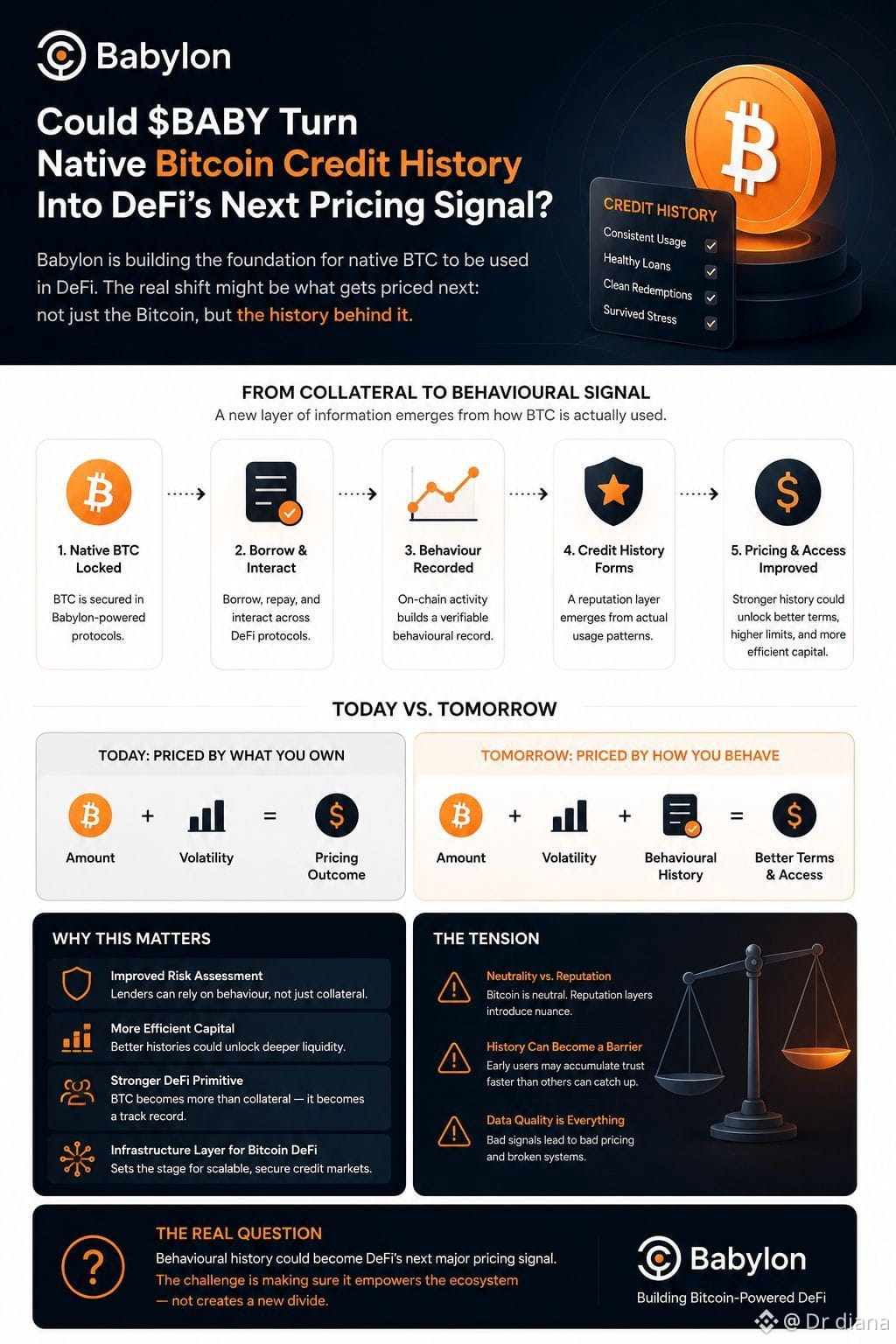
何かをずっと考えていました。気づくには少し普通すぎるように感じるものです。伝統的な金融では、借り入れは「あなたが何を持っているか」だけで判断されません。「それを時間をかけてどう扱ってきたか」で判断されます。ビットコインは、オンチェーンで動くと各コインがだいたい同じ見た目になるため、その考え方をほとんど免れてきました。
しかし、バビロンがその前提を別の方向へ、こっそりと押し動かしているのではないかと思い始めました。
ネイティブBTCの借り入れが、実験的なものではなく繰り返し可能になったなら、価値ある資産は、もはや単にロックされたビットコインだけではないかもしれません。その担保に紐づく「履歴」こそが価値になる可能性があります。通常の意味での「身元」ではなく、観測可能な行動です。それは一貫して健全なローンを支えられていましたか? きちんと清算されましたか? 市場のストレス期に、悪い結果を押しつけることなく耐えられましたか?
それは一見すると微妙な話ですが、価格がどこから生まれるかを変えてしまうように思います。今日、担保は通常、数量とボラティリティによって価格が付けられます。しかし、行動の記録がまったく別の層を持ち込むかもしれません。同じ量のBTCでも、ある履歴が規律ある利用を示している一方で、別の履歴が絶えない不安定さを示しているなら、同じ扱いに値しないかもしれないのです。
それでも、どこか未解決な感覚があります。行動はセキュリティを高め得る一方で、過去の参加者が新しい参加者よりも先に信頼を積み上げてしまえば、見えない障壁を生むこともあります。「ビットコインは中立である」という物語はあります。行動に基づく、たとえアイデンティティではない評判の層が加わると、中立性が少し条件付きに見えてきます。
紙の上では効率的に感じます。ですが現実には、役に立つ履歴と永久的な優位の境目が、実際にどこにあるのか私はまだ確信できていません。
#baby $BABY @babylonlabs_io
何かをずっと考えていました。気づくには少し普通すぎるように感じるものです。伝統的な金融では、借り入れは「あなたが何を持っているか」だけで判断されません。「それを時間をかけてどう扱ってきたか」で判断されます。ビットコインは、オンチェーンで動くと各コインがだいたい同じ見た目になるため、その考え方をほとんど免れてきました。
しかし、バビロンがその前提を別の方向へ、こっそりと押し動かしているのではないかと思い始めました。
ネイティブBTCの借り入れが、実験的なものではなく繰り返し可能になったなら、価値ある資産は、もはや単にロックされたビットコインだけではないかもしれません。その担保に紐づく「履歴」こそが価値になる可能性があります。通常の意味での「身元」ではなく、観測可能な行動です。それは一貫して健全なローンを支えられていましたか? きちんと清算されましたか? 市場のストレス期に、悪い結果を押しつけることなく耐えられましたか?
それは一見すると微妙な話ですが、価格がどこから生まれるかを変えてしまうように思います。今日、担保は通常、数量とボラティリティによって価格が付けられます。しかし、行動の記録がまったく別の層を持ち込むかもしれません。同じ量のBTCでも、ある履歴が規律ある利用を示している一方で、別の履歴が絶えない不安定さを示しているなら、同じ扱いに値しないかもしれないのです。
それでも、どこか未解決な感覚があります。行動はセキュリティを高め得る一方で、過去の参加者が新しい参加者よりも先に信頼を積み上げてしまえば、見えない障壁を生むこともあります。「ビットコインは中立である」という物語はあります。行動に基づく、たとえアイデンティティではない評判の層が加わると、中立性が少し条件付きに見えてきます。
紙の上では効率的に感じます。ですが現実には、役に立つ履歴と永久的な優位の境目が、実際にどこにあるのか私はまだ確信できていません。
#baby $BABY @BabylonLabs_io
しかし、バビロンがその前提を別の方向へ、こっそりと押し動かしているのではないかと思い始めました。
ネイティブBTCの借り入れが、実験的なものではなく繰り返し可能になったなら、価値ある資産は、もはや単にロックされたビットコインだけではないかもしれません。その担保に紐づく「履歴」こそが価値になる可能性があります。通常の意味での「身元」ではなく、観測可能な行動です。それは一貫して健全なローンを支えられていましたか? きちんと清算されましたか? 市場のストレス期に、悪い結果を押しつけることなく耐えられましたか?
それは一見すると微妙な話ですが、価格がどこから生まれるかを変えてしまうように思います。今日、担保は通常、数量とボラティリティによって価格が付けられます。しかし、行動の記録がまったく別の層を持ち込むかもしれません。同じ量のBTCでも、ある履歴が規律ある利用を示している一方で、別の履歴が絶えない不安定さを示しているなら、同じ扱いに値しないかもしれないのです。
それでも、どこか未解決な感覚があります。行動はセキュリティを高め得る一方で、過去の参加者が新しい参加者よりも先に信頼を積み上げてしまえば、見えない障壁を生むこともあります。「ビットコインは中立である」という物語はあります。行動に基づく、たとえアイデンティティではない評判の層が加わると、中立性が少し条件付きに見えてきます。
紙の上では効率的に感じます。ですが現実には、役に立つ履歴と永久的な優位の境目が、実際にどこにあるのか私はまだ確信できていません。
#baby $BABY @BabylonLabs_io
48
18
156
ログインして、さらにコンテンツを読む
厳選トピックで世界の暗号資産トレーダーの仲間入り
⚡️ 暗号資産に関する最新かつ有益な情報が見つかります。
💬 世界最大の暗号資産取引所から信頼されています。
👍 認証を受けたクリエイターから、有益なインサイトを得られます。
メール / 電話番号
トレンドトピック
FedMinutesFocusOnOctoberPause
閲覧回数 81,656
954人が討論中
🚨 警戒レベル引き上げ ‼️ 次の1時間は無闇に取引しないでください 🚨
皆さん、FOMC議事要旨の発表まで1時間を切りました。
今日すでに大きなボラティリティが見られたことを考えると、発表直前に誰にも無謀な高レバレッジポジションを取ってほしくありません。
私が注目している大きな反応は、ゴールド(XAU)、シルバー(XAG)、BTC、ETHです。さらにSOLのような銘柄や、レバレッジの高い時価総額が中小規模のアルトコインは、BTCの値動きを増幅させる可能性があります。
今夜は特にゴールドとシルバーに注意が必要です。市場はすでに米ドルと米国債利回りに反応しており、両方の貴金属はFRB議事要旨の発表を前に大きな圧力を受けています。
簡単に言うと、
📉タカ派的なFOMC議事要旨 → 米ドル・利回りが上昇する可能性 → BTC、暗号資産、ゴールド、シルバーに下押し圧力
📈ハト派的なFOMC議事要旨 → 米ドル・利回りが落ち着く可能性 → BTC、ゴールド、シルバー、リスク資産が大きく反発する可能性があります。
そして、最初のローソク足が罠になることもあるので忘れないでください。一度急騰してすぐに急落し、両方向で清算が起きてから、本当の方向性が見えてくることもあります。
今はポジションを守り、不要なレバレッジを減らし、最初の値動きにFOMOで飛び乗らないようにしてください。
今夜はまず$XAU 、$XAG 、$BTC を注視しています。これらの動きを見れば、市場がFRBの発表をどう受け止めているか、すぐに分かるでしょう。
時間どおりに皆さんに最新情報をお知らせします。
@Panda Traders をフォローして、今すぐ通知をオンにしてください。
#FedMinutesFocusOnOctoberPause
Panda Traders
·いいね:14件
·閲覧回数 2.7k
BinanceLaunchesBinanceIntelligence
閲覧回数 1M
6,212人が討論中
EvernorthDelaysNasdaqDebutToOct12
閲覧回数 4,568
185人が討論中