
Crypto genius master
94 投稿

Crypto genius master
73 フォロー
21 フォロワー
89 いいね
投稿
すべて
引用
PINNED
翻訳参照
❤️ The people
50%
🚀 The technology
0%
💰 The gains
25%
📚 Learning together
25%
4 投票 • 投票は終了しました
翻訳参照

Tasifch786
·
--
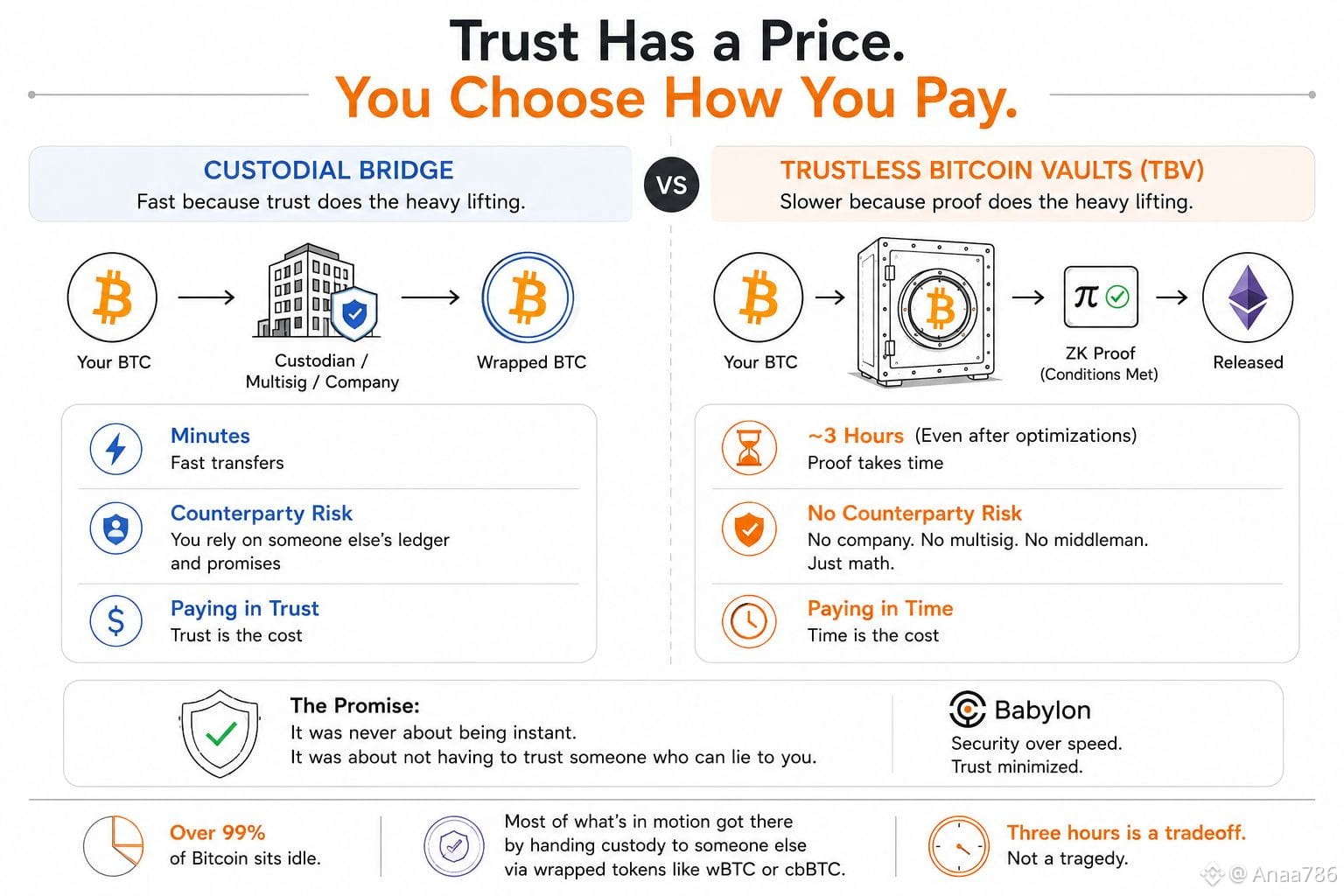
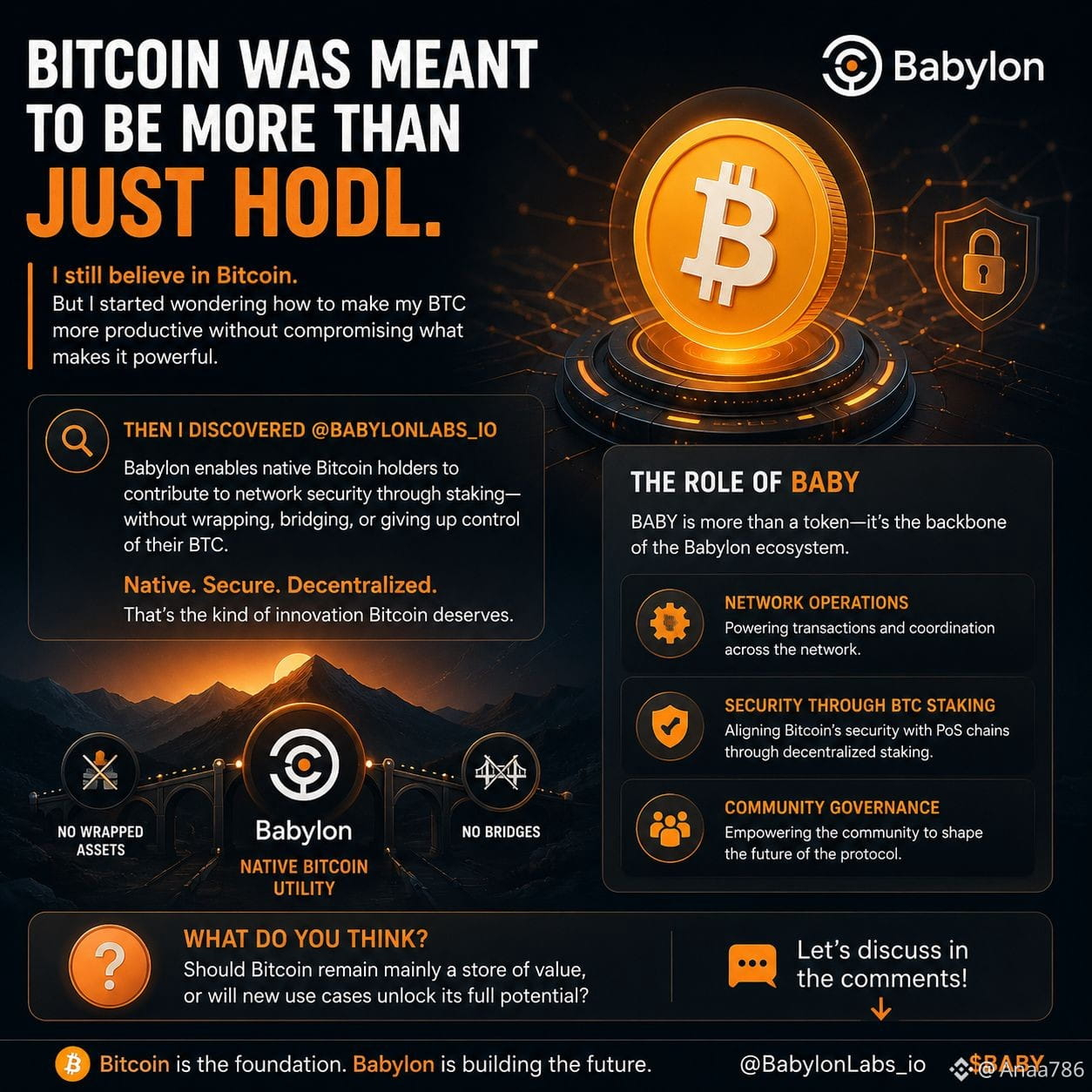
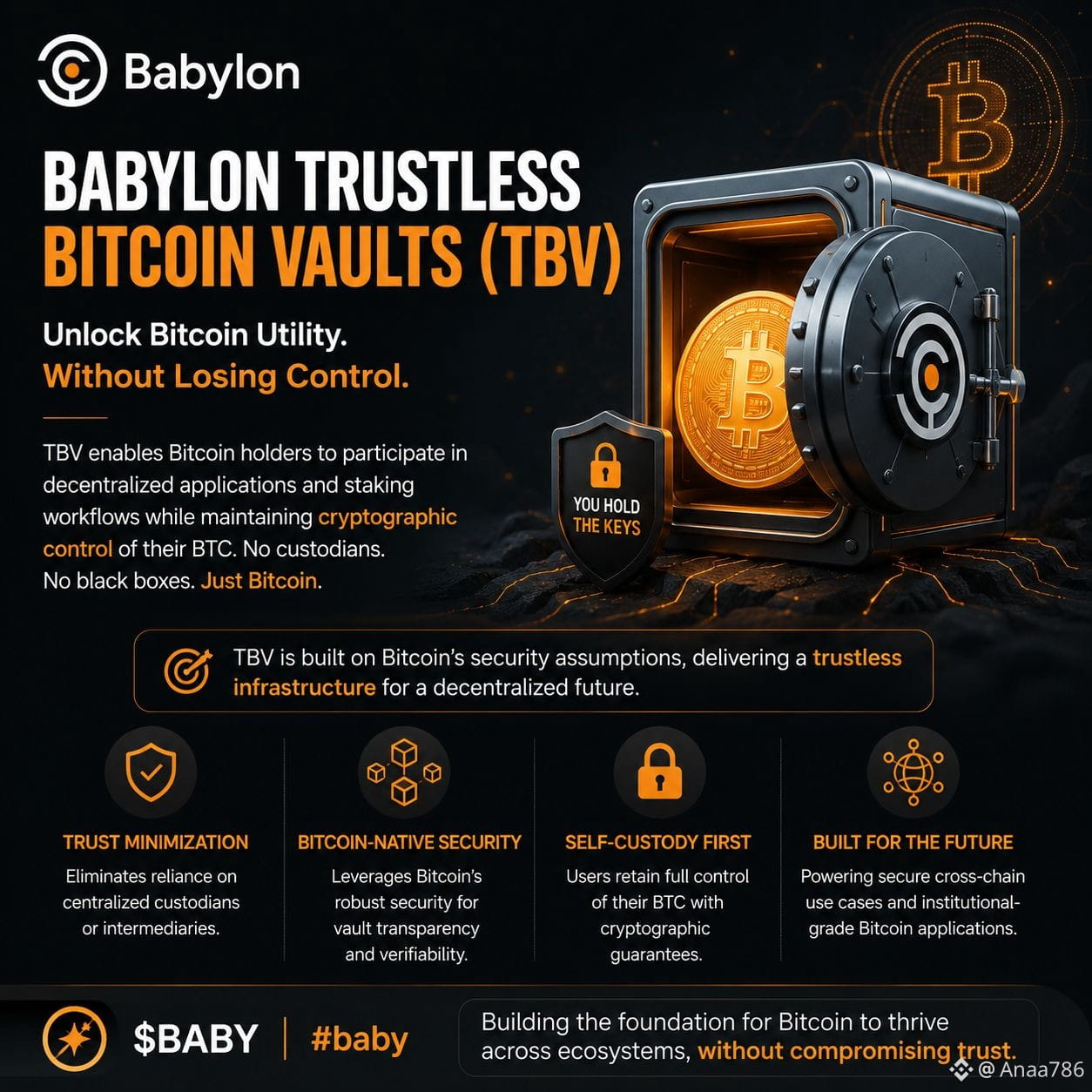
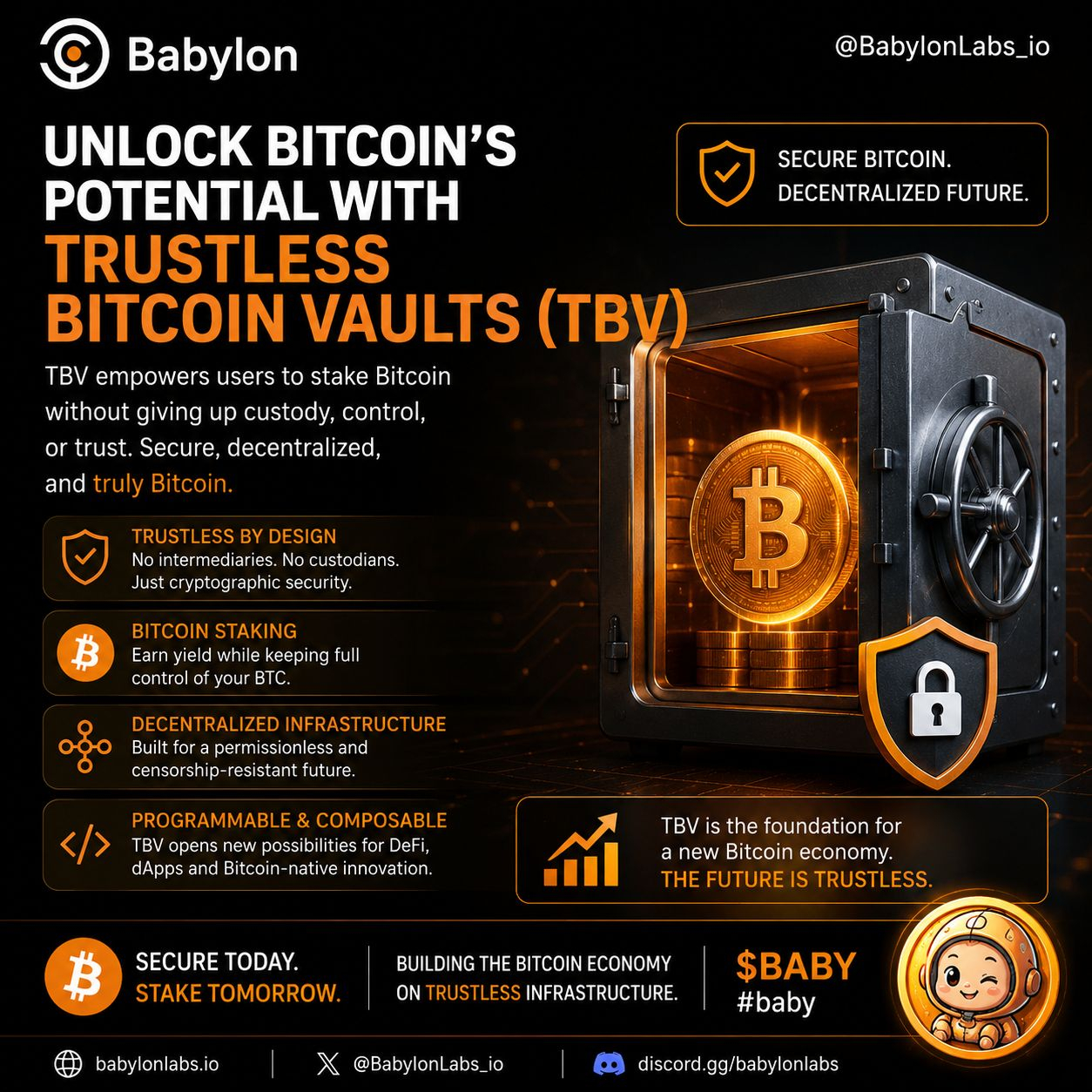
@BabylonLabs_io とそのTrustless Bitcoin Vaults (TBV)により、ビットコインのセキュリティは新しい時代に入っています。信頼できる仲介者に頼らずに、プログラマブルで自己管理型のビットコイン・ボールトを可能にすることで、TBVはユーザーのコントロールを維持しながらセキュリティを強化します。この革新は、ビットコインの中核となる原則を損なうことなく、ステーキングや分散型金融に対するビットコインの実用性を拡大します。ビットコインのインフラの未来は、透明性・セキュリティ・信頼の最小化をもって構築されています。#baby $BABY
翻訳参照

Asif The Trader
·
--
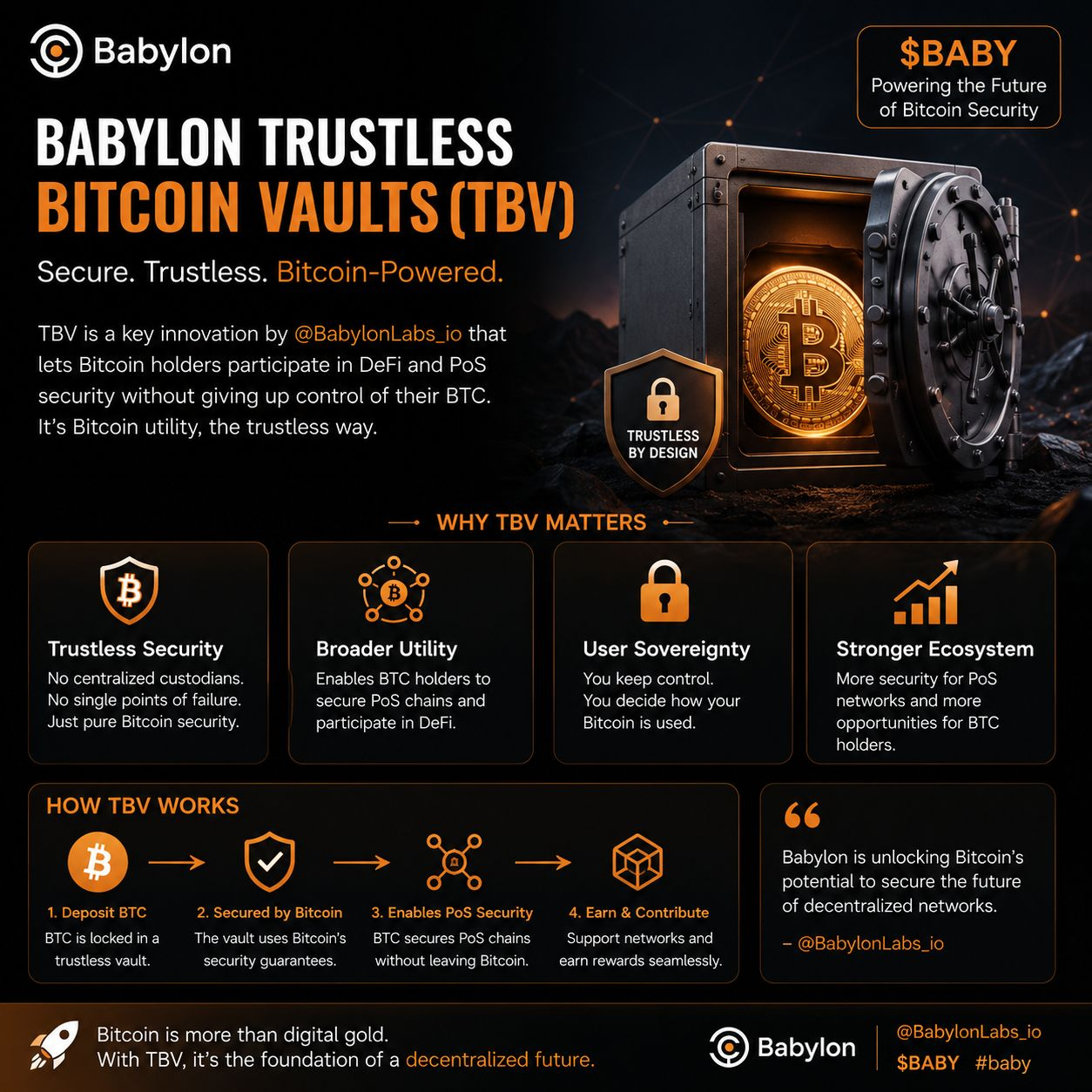
私は Babylon Trustless Bitcoin Vaults (TBV) の背後にあるコンセプトを探求してきましたが、これはビットコインのセキュリティと有用性に関して、より興味深いアプローチの一つです。中央集権的なカストディに依存するのではなく、TBV は信頼を最小化する仕組みによって、ビットコインを保護したまま、より幅広い参加を可能にすることで分散型金融(DeFi)を推進するよう設計されています。
このモデルが今後さらに成熟していけば、セキュリティと柔軟性の両方を重視する長期保有者にとって、新たな機会を切り開く可能性があります。@BabylonLabs_io からの進展と、拡大していく $BABY のエコシステムを追っていくのが楽しみです。 #baby
このモデルが今後さらに成熟していけば、セキュリティと柔軟性の両方を重視する長期保有者にとって、新たな機会を切り開く可能性があります。@BabylonLabs_io からの進展と、拡大していく $BABY のエコシステムを追っていくのが楽しみです。 #baby
翻訳参照
Tasifch786
·
--
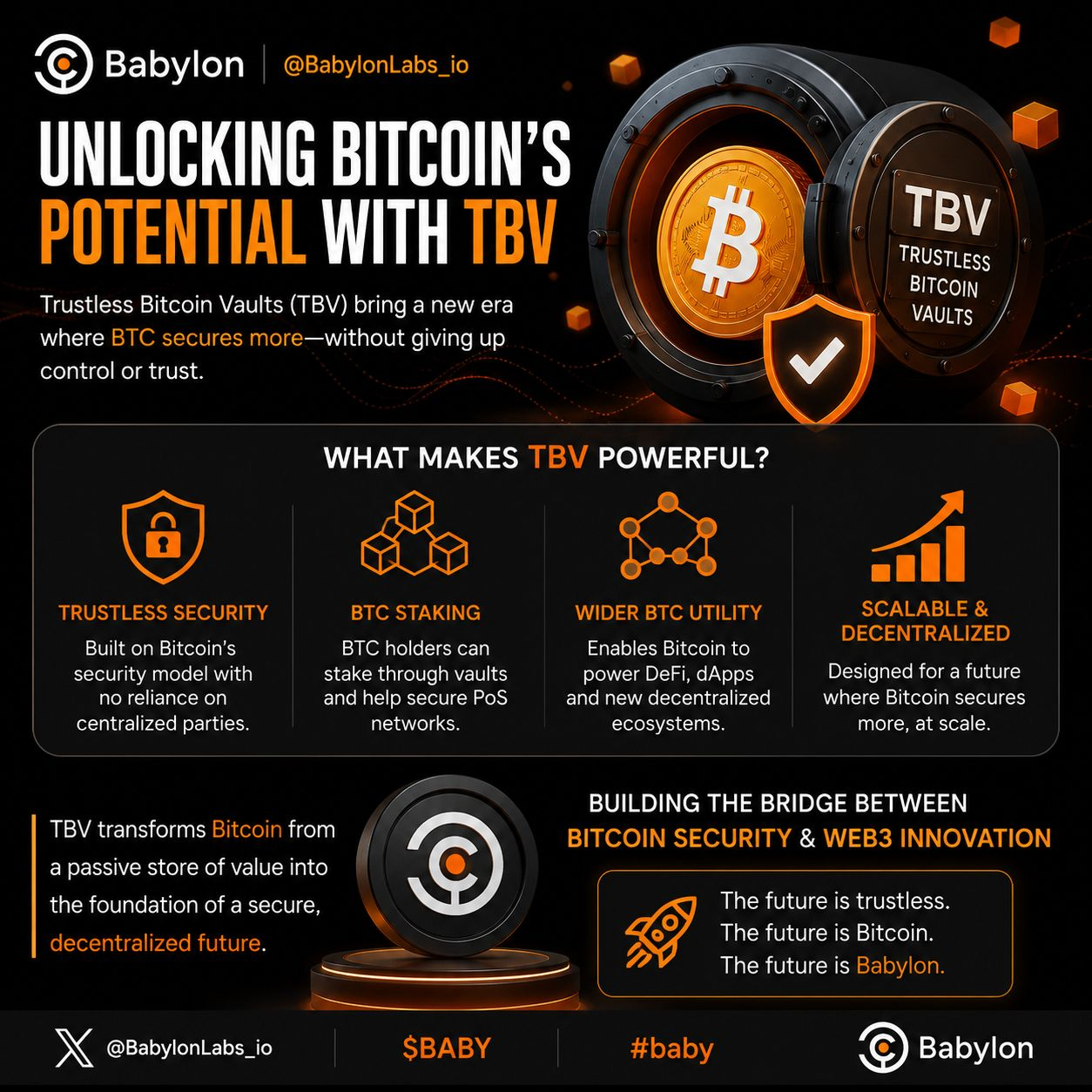
ビットコインのセキュリティは遊休資本のままであってはなりません。だからこそ、@BabylonLabs_io から信頼を前提としないビットコイン・ボールト(TBV)の背後にある革新を、私は綿密に追っています。
TBVは、BTC保有者がビットコインの中核となるセキュリティ原則を損なうことなく、分散型エコシステムに参加する新しい方法を提示します。
信頼を最小化したボールトと資産のより強固な保護を可能にすることで、Babylonは単なる保有を超えてビットコインのユーティリティを解き放つためのインフラを構築しています。ビットコインのセキュリティを次世代の分散型ネットワークとつなぐというビジョンは、より効率的で安全な暗号資産経済へ向けた大きな一歩となり得ます。
$BABY がこの成長するエコシステムをどのように支え、ビットコインのWeb3における役割をどのように広げていくのか、楽しみにしています。#baby $BABY
TBVは、BTC保有者がビットコインの中核となるセキュリティ原則を損なうことなく、分散型エコシステムに参加する新しい方法を提示します。
信頼を最小化したボールトと資産のより強固な保護を可能にすることで、Babylonは単なる保有を超えてビットコインのユーティリティを解き放つためのインフラを構築しています。ビットコインのセキュリティを次世代の分散型ネットワークとつなぐというビジョンは、より効率的で安全な暗号資産経済へ向けた大きな一歩となり得ます。
$BABY がこの成長するエコシステムをどのように支え、ビットコインのWeb3における役割をどのように広げていくのか、楽しみにしています。#baby $BABY
翻訳参照
Asif The Trader
·
--
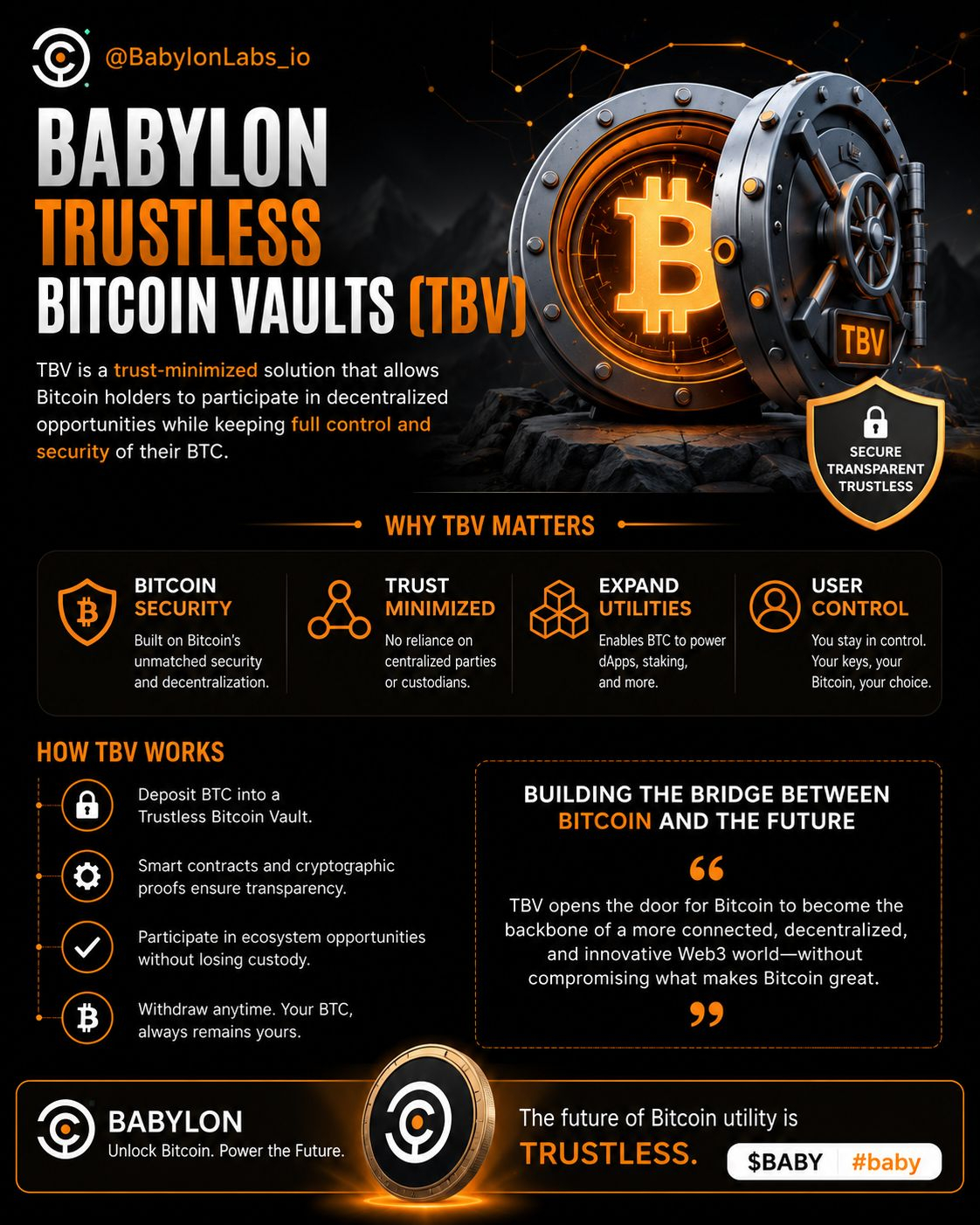
ビットコインの未来は、単に保有することだけではありません。価値の源となった「セキュリティ」と「所有」を手放さずに、ビットコインができることを広げていくことこそが重要です。そこで注目したのがBabylon Trustless Bitcoin Vaults(TBV)です。中央集権的なカストディに頼ったり、複雑な信頼の前提に依存したりするのではなく、TBVはビットコインを透明で、信頼を最小限にした管理のもとに維持したまま、分散型エコシステム全体でのより幅広い参加への扉を開くよう設計されています。
このようなアプローチは、ビットコインの役割を「価値の保存」にとどまらせない可能性を秘めています。ユーザーが基盤となるセキュリティモデルへの信頼を維持しながら、確実に新しい機会に関わっていけるなら、ビットコインネイティブのインフラや革新への採用がより進むかもしれません。私は、この技術がどのように進化し、ビットコイン・エコシステムの次の段階にどのように貢献していくのかを追いかけるのが楽しみです。
@BabylonLabs_io は、信頼を最小限にしたビットコインのユーティリティに関する興味深いビジョンを構築しており、そこを中心にエコシステムがどのように発展していくのかを楽しみにしています。
#baby $BABY
このようなアプローチは、ビットコインの役割を「価値の保存」にとどまらせない可能性を秘めています。ユーザーが基盤となるセキュリティモデルへの信頼を維持しながら、確実に新しい機会に関わっていけるなら、ビットコインネイティブのインフラや革新への採用がより進むかもしれません。私は、この技術がどのように進化し、ビットコイン・エコシステムの次の段階にどのように貢献していくのかを追いかけるのが楽しみです。
@BabylonLabs_io は、信頼を最小限にしたビットコインのユーティリティに関する興味深いビジョンを構築しており、そこを中心にエコシステムがどのように発展していくのかを楽しみにしています。
#baby $BABY
翻訳参照
Asif The Trader
·
--
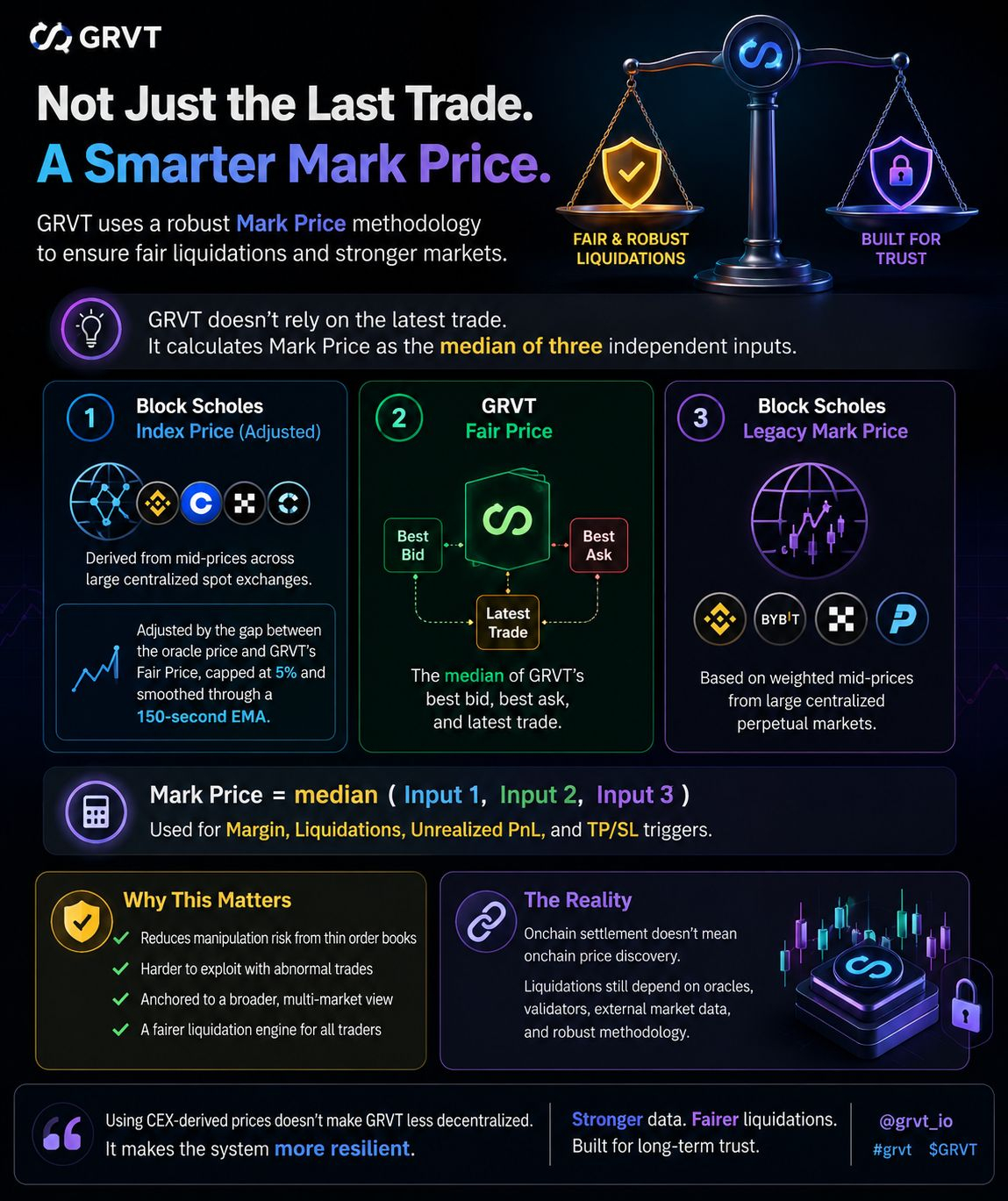
I went down a rabbit hole today reading how @grvt_io determines liquidation prices, and it changed how I think about "onchain" trading.
Most people focus on the last traded price. GRVT doesn't.
Instead, margin, unrealized PnL, and liquidations are based on a Mark Price built from multiple market references rather than a single trade. That design makes it much harder for one abnormal fill or a thin order book to trigger unnecessary liquidations.
What stood out to me isn't just the formula it is the philosophy.
Self-custody and onchain settlement solve custody risk, but price integrity is a different challenge. GRVT chooses to anchor its risk engine to a broader market view instead of relying solely on its own order book.
It's an interesting trade-off:
• Better protection against manipulation on one venue.
• Greater reliance on external market data and oracle infrastructure.
Maybe true decentralization isn't about ignoring external markets, it's about using them in a transparent, resilient way.
Curious how others see it. Would you trust liquidations driven only by an exchange's own order book, or by a market-wide reference price?
#grvt @grvt_io
Most people focus on the last traded price. GRVT doesn't.
Instead, margin, unrealized PnL, and liquidations are based on a Mark Price built from multiple market references rather than a single trade. That design makes it much harder for one abnormal fill or a thin order book to trigger unnecessary liquidations.
What stood out to me isn't just the formula it is the philosophy.
Self-custody and onchain settlement solve custody risk, but price integrity is a different challenge. GRVT chooses to anchor its risk engine to a broader market view instead of relying solely on its own order book.
It's an interesting trade-off:
• Better protection against manipulation on one venue.
• Greater reliance on external market data and oracle infrastructure.
Maybe true decentralization isn't about ignoring external markets, it's about using them in a transparent, resilient way.
Curious how others see it. Would you trust liquidations driven only by an exchange's own order book, or by a market-wide reference price?
#grvt @grvt_io
翻訳参照
Asif The Trader
·
--
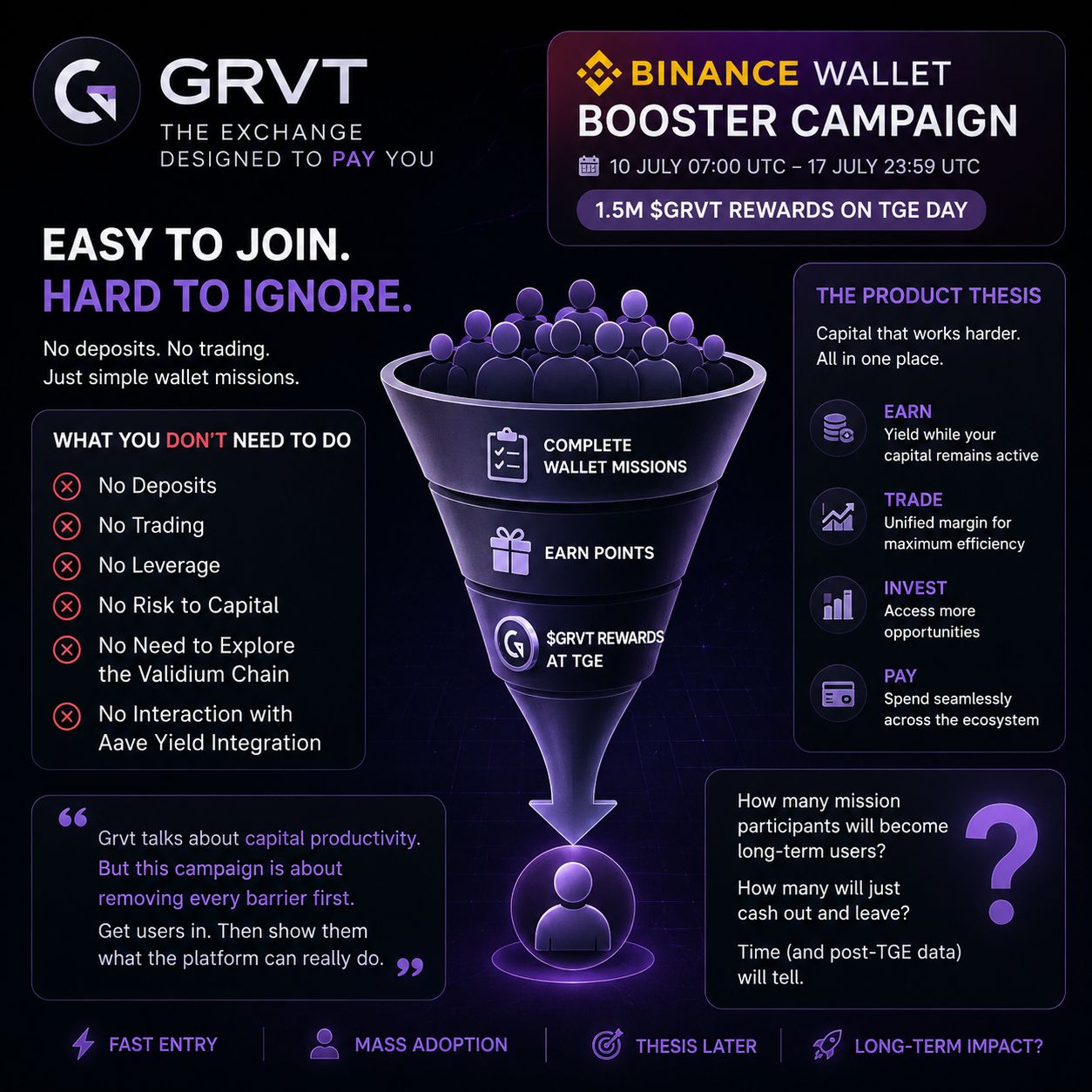
Spent some time looking at how @grvt_io is introducing new users, and one design choice stands out.
The current Binance Wallet Booster campaign (10–17 July) rewards users for completing wallet missions, with 1.5M $GRVT allocated for distribution at TGE. What's interesting isn't the reward.it's what users don't have to do.
No deposits, No trading, No leverage, No need to experience unified margin or the yield-backed collateral model that Grvt keeps highlighting as its long-term advantage.
That makes the campaign feel less like a product demonstration and more like a friction test. The goal seems to be removing every possible barrier before asking users to explore the deeper mechanics.
It is an interesting sequencing strategy:
first build the audience,
then introduce the capital efficiency story once people are already inside the ecosystem.
The real question is what percentage of these participants will transition from mission hunters into active users after TGE.
#grvt
The current Binance Wallet Booster campaign (10–17 July) rewards users for completing wallet missions, with 1.5M $GRVT allocated for distribution at TGE. What's interesting isn't the reward.it's what users don't have to do.
No deposits, No trading, No leverage, No need to experience unified margin or the yield-backed collateral model that Grvt keeps highlighting as its long-term advantage.
That makes the campaign feel less like a product demonstration and more like a friction test. The goal seems to be removing every possible barrier before asking users to explore the deeper mechanics.
It is an interesting sequencing strategy:
first build the audience,
then introduce the capital efficiency story once people are already inside the ecosystem.
The real question is what percentage of these participants will transition from mission hunters into active users after TGE.
#grvt
翻訳参照
Tasifch786
·
--
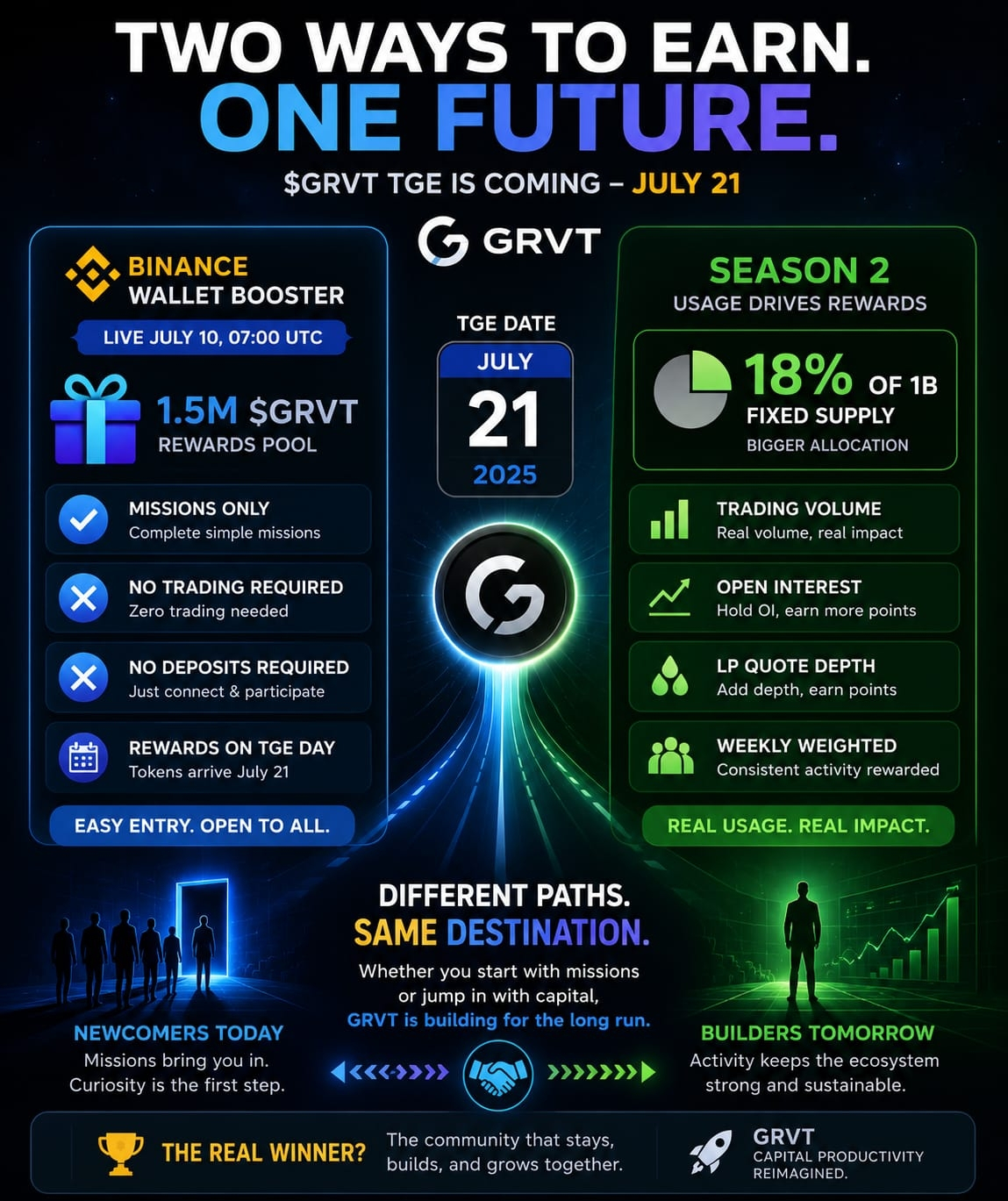
皆がTGEで自分が受け取れる$GRVTトークンの量に注目していますが、より興味深いのは、そのトークンがどのように獲得されたのかという点だと思います。
バイナンス・ウォレット・ブースターは、売買なし、入金なし、参加するだけのシンプルなミッションで稼ぐことで、誰もが参加を歓迎します。これは、新規ユーザーにエコシステムを紹介するのに最適な方法です。
シーズン2 しかし、報酬はまったく別のものをもたらします。継続的な活動です。取引高、建玉(オープン・インタレスト)、流動性の厚み、そして長期的なエンゲージメントがすべて重要です。ここでこそ、資本効率の高い取引所というGRVTのビジョンが本領を発揮します。
どのモデルがより優れているかを問う代わりに、両者が共に機能するよう設計されているのかどうかが気になります。ブースターは人々を呼び込み、シーズン2は彼らが留まる理由を与えます。
TGEが到来すれば、トークンの配布は目に見えるようになります。ですが、6か月後にどのグループが最も強いコミュニティになるのかは、明確には分からないはずです。
私が注目するのは、その指標です。
@grvt_io #GRVT #grvt
バイナンス・ウォレット・ブースターは、売買なし、入金なし、参加するだけのシンプルなミッションで稼ぐことで、誰もが参加を歓迎します。これは、新規ユーザーにエコシステムを紹介するのに最適な方法です。
シーズン2 しかし、報酬はまったく別のものをもたらします。継続的な活動です。取引高、建玉(オープン・インタレスト)、流動性の厚み、そして長期的なエンゲージメントがすべて重要です。ここでこそ、資本効率の高い取引所というGRVTのビジョンが本領を発揮します。
どのモデルがより優れているかを問う代わりに、両者が共に機能するよう設計されているのかどうかが気になります。ブースターは人々を呼び込み、シーズン2は彼らが留まる理由を与えます。
TGEが到来すれば、トークンの配布は目に見えるようになります。ですが、6か月後にどのグループが最も強いコミュニティになるのかは、明確には分からないはずです。
私が注目するのは、その指標です。
@grvt_io #GRVT #grvt
翻訳参照
Asif The Trader
·
--
@grvt_io #grvt
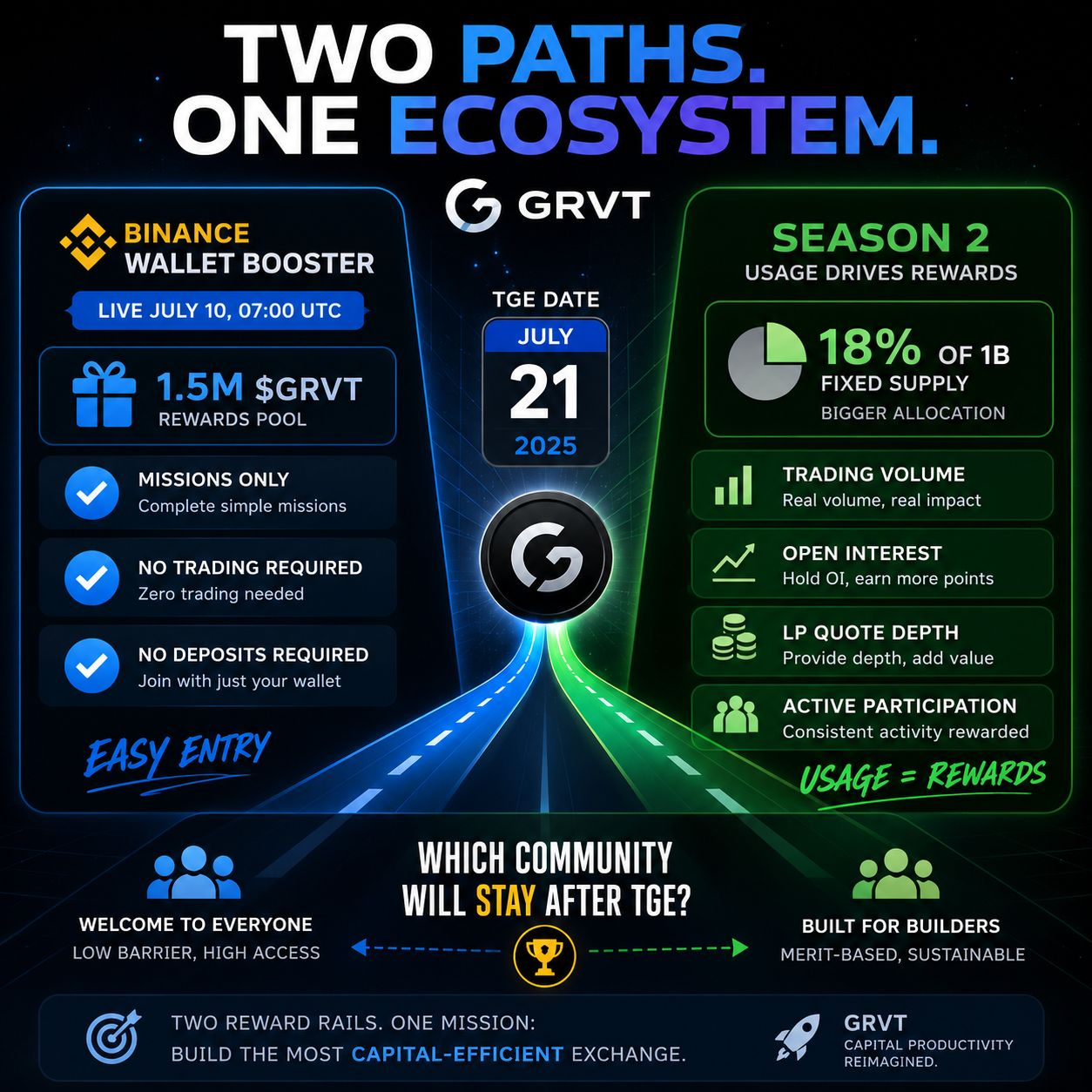
多くのトークンローンチは、参加者の“ひとつの種類”に報酬を与えるものです。GRVTは、まったく異なる2種類のユーザー行動が、同じエコシステムを強化できるかを試しているようです。
Binance Wallet Boosterは、初心者にとってミッション達成までの手軽な道を用意します。取引も、入金も不要で、ただ参加するだけで報酬を得られます。これは、@grvt_io と、今後予定されているTGEに興味を持つ誰にとっても障壁を下げる“低フリクション”な導入です。
一方で、Season 2はまったく違う物語を語っています。配分の大きさは単純なタスクに基づくのではなく、継続的なオンチェーン活動、取引量、オープンインタレスト、そして意味のある流動性の貢献によって決まります。これはプロトコルを積極的に育てるユーザーを報います。
アクセスのしやすさと実力(功績)をどちらか一方に選ばせるのではなく、GRVTは両方を組み合わせようとしています。本当の問いは、“初日にもらえる人が誰か”ではなく、“盛り上がりが冷めた後も、プラットフォームを使い続けるのは誰か”です。
7月21日は単なるトークンローンチに留まりません。ミッション参加者が長期ユーザーへ進化するのか、それとも経験豊富なトレーダーがエコシステムの土台になるのかを明らかにします。
私は配布(ディストリビューション)よりもリテンションを見ています。そこに、Web3プロジェクトの本当の成功が測られるのです。
@grvt_io #GRVT #grvt
多くのトークンローンチは、参加者の“ひとつの種類”に報酬を与えるものです。GRVTは、まったく異なる2種類のユーザー行動が、同じエコシステムを強化できるかを試しているようです。
Binance Wallet Boosterは、初心者にとってミッション達成までの手軽な道を用意します。取引も、入金も不要で、ただ参加するだけで報酬を得られます。これは、@grvt_io と、今後予定されているTGEに興味を持つ誰にとっても障壁を下げる“低フリクション”な導入です。
一方で、Season 2はまったく違う物語を語っています。配分の大きさは単純なタスクに基づくのではなく、継続的なオンチェーン活動、取引量、オープンインタレスト、そして意味のある流動性の貢献によって決まります。これはプロトコルを積極的に育てるユーザーを報います。
アクセスのしやすさと実力(功績)をどちらか一方に選ばせるのではなく、GRVTは両方を組み合わせようとしています。本当の問いは、“初日にもらえる人が誰か”ではなく、“盛り上がりが冷めた後も、プラットフォームを使い続けるのは誰か”です。
7月21日は単なるトークンローンチに留まりません。ミッション参加者が長期ユーザーへ進化するのか、それとも経験豊富なトレーダーがエコシステムの土台になるのかを明らかにします。
私は配布(ディストリビューション)よりもリテンションを見ています。そこに、Web3プロジェクトの本当の成功が測られるのです。
@grvt_io #GRVT #grvt
翻訳参照
Asif The Trader
·
--
@grvt_io #grvt
多くのトークンローンチは、参加者の“ひとつの種類”に報酬を与えるものです。GRVTは、まったく異なる2種類のユーザー行動が、同じエコシステムを強化できるかを試しているようです。
Binance Wallet Boosterは、初心者にとってミッション達成までの手軽な道を用意します。取引も、入金も不要で、ただ参加するだけで報酬を得られます。これは、@grvt_io と、今後予定されているTGEに興味を持つ誰にとっても障壁を下げる“低フリクション”な導入です。
一方で、Season 2はまったく違う物語を語っています。配分の大きさは単純なタスクに基づくのではなく、継続的なオンチェーン活動、取引量、オープンインタレスト、そして意味のある流動性の貢献によって決まります。これはプロトコルを積極的に育てるユーザーを報います。
アクセスのしやすさと実力(功績)をどちらか一方に選ばせるのではなく、GRVTは両方を組み合わせようとしています。本当の問いは、“初日にもらえる人が誰か”ではなく、“盛り上がりが冷めた後も、プラットフォームを使い続けるのは誰か”です。
7月21日は単なるトークンローンチに留まりません。ミッション参加者が長期ユーザーへ進化するのか、それとも経験豊富なトレーダーがエコシステムの土台になるのかを明らかにします。
私は配布(ディストリビューション)よりもリテンションを見ています。そこに、Web3プロジェクトの本当の成功が測られるのです。
@grvt_io #GRVT #grvt
多くのトークンローンチは、参加者の“ひとつの種類”に報酬を与えるものです。GRVTは、まったく異なる2種類のユーザー行動が、同じエコシステムを強化できるかを試しているようです。
Binance Wallet Boosterは、初心者にとってミッション達成までの手軽な道を用意します。取引も、入金も不要で、ただ参加するだけで報酬を得られます。これは、@grvt_io と、今後予定されているTGEに興味を持つ誰にとっても障壁を下げる“低フリクション”な導入です。
一方で、Season 2はまったく違う物語を語っています。配分の大きさは単純なタスクに基づくのではなく、継続的なオンチェーン活動、取引量、オープンインタレスト、そして意味のある流動性の貢献によって決まります。これはプロトコルを積極的に育てるユーザーを報います。
アクセスのしやすさと実力(功績)をどちらか一方に選ばせるのではなく、GRVTは両方を組み合わせようとしています。本当の問いは、“初日にもらえる人が誰か”ではなく、“盛り上がりが冷めた後も、プラットフォームを使い続けるのは誰か”です。
7月21日は単なるトークンローンチに留まりません。ミッション参加者が長期ユーザーへ進化するのか、それとも経験豊富なトレーダーがエコシステムの土台になるのかを明らかにします。
私は配布(ディストリビューション)よりもリテンションを見ています。そこに、Web3プロジェクトの本当の成功が測られるのです。
@grvt_io #GRVT #grvt
ログインして、さらにコンテンツを読む