
LegendGroot
308 投稿
LegendGroot
報告
ユーザーをブロック
Chart Mastery | Web3 Edge | Precision Entries 📍 Spotting opportunity while others sleep. DYOR x.com/LegendGroot1
386 フォロー
357 フォロワー
218 いいね
投稿
すべて
ライブ
PINNED
·
--
記事
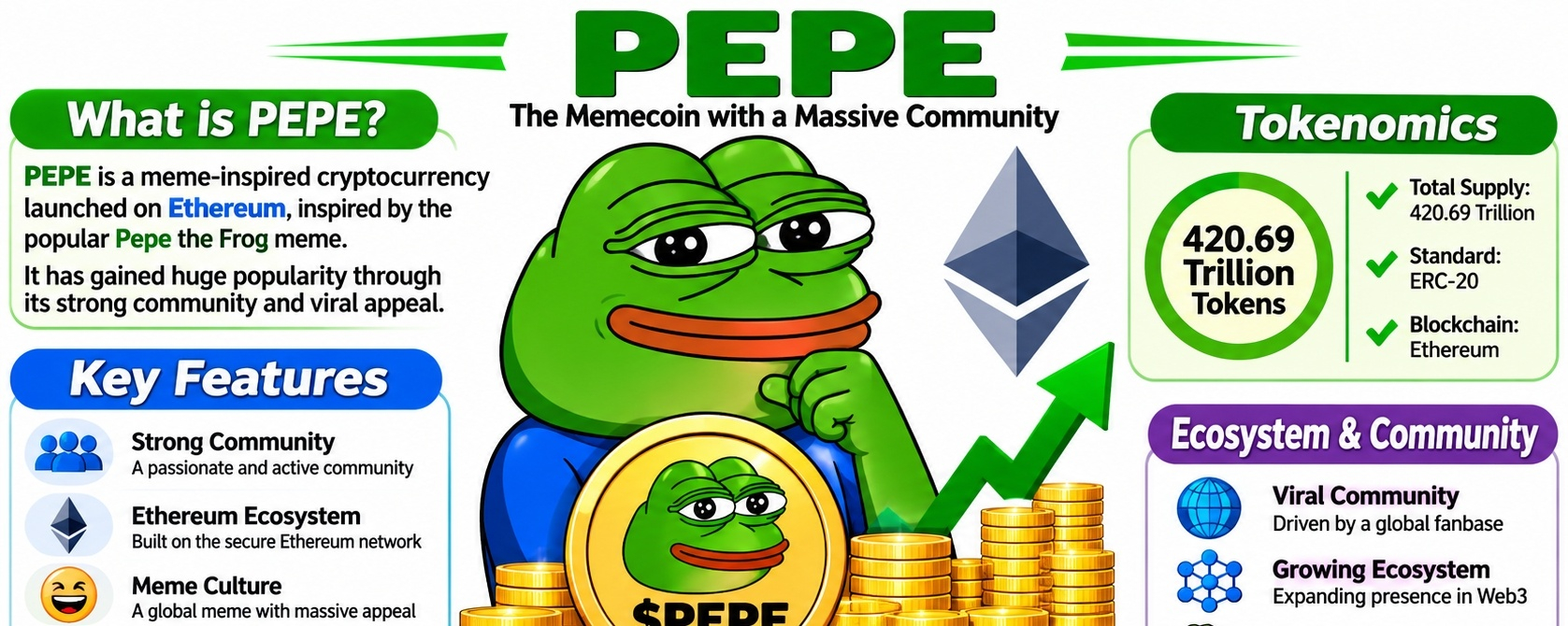
🐸 PEPEは暗号資産の世界での証明ですPEPEは、暗号資産の世界ではコミュニティの力が市場を動かす力になり得ることの証明です。
複雑なテクノロジーで競い合うプロジェクトもあります。PEPEは、インターネット文化、強いコミュニティの認知度、そしてバイラルな勢いの力という、異なるものを通じて独自のアイデンティティを築きました。
2023年4月にEthereum上でERC-20トークンとしてローンチされた$PEPE は、ミームコイン市場で最もよく知られる名前の一つへと成長しました。
PEPEの何が興味深いのでしょうか?
🔥 強い文化的アイデンティティ:誰もが知るミームとしての存在感が、暗号資産文化における独自の地位を築いています。
🐸 PEPEは暗号資産の世界での証明です
PEPEは、暗号資産の世界ではコミュニティの力が市場を動かす力になり得ることの証明です。
複雑なテクノロジーで競い合うプロジェクトもあります。PEPEは、インターネット文化、強いコミュニティの認知度、そしてバイラルな勢いの力という、異なるものを通じて独自のアイデンティティを築きました。
2023年4月にEthereum上でERC-20トークンとしてローンチされた$PEPE は、ミームコイン市場で最もよく知られる名前の一つへと成長しました。
PEPEの何が興味深いのでしょうか?
🔥 強い文化的アイデンティティ:誰もが知るミームとしての存在感が、暗号資産文化における独自の地位を築いています。
複雑なテクノロジーで競い合うプロジェクトもあります。PEPEは、インターネット文化、強いコミュニティの認知度、そしてバイラルな勢いの力という、異なるものを通じて独自のアイデンティティを築きました。
2023年4月にEthereum上でERC-20トークンとしてローンチされた$PEPE は、ミームコイン市場で最もよく知られる名前の一つへと成長しました。
PEPEの何が興味深いのでしょうか?
🔥 強い文化的アイデンティティ:誰もが知るミームとしての存在感が、暗号資産文化における独自の地位を築いています。
15
1
66
19.9k
PINNED
·
--
本人確認中
記事
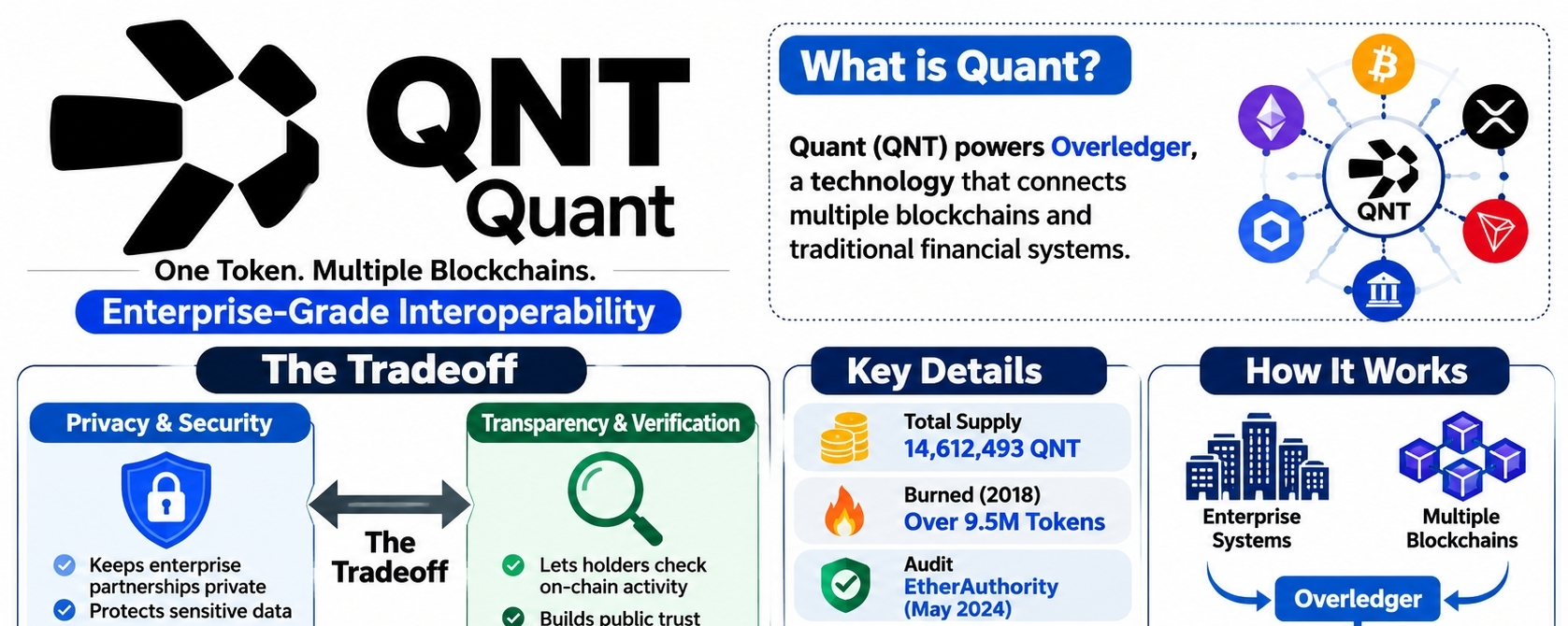
QNTの総供給量は14,612,493トークンに上限が設定されており、Quantは950万枚以上をバーンしたことを公表QNTの総供給量は14,612,493トークンに上限が設定されており、Quantは2018年に、未売却のトークンを950万枚以上バーンしたことを公表しました。
しかし、供給量が固定されているからといって、保有者が会社の事業運営のあらゆる側面を独自に検証できるわけではありません。これは見落としではなく、明示された選択です。
QuantはOverledgerを通じて企業向けブロックチェーンの相互運用性に注力し、従来の金融システムと複数のブロックチェーンネットワークを接続しています。
企業インフラ、顧客との関係、業務の詳細を非公開にすることで、商業上の利益、機密性の高い統合、機関投資家の顧客を守ることができます。その代わり、外部の人々は、すべての商業的関係、収益源、機関としての確約を独自に検証することはできません。
QNTの総供給量は14,612,493トークンに上限が設定されており、Quantは950万枚以上をバーンしたことを公表
QNTの総供給量は14,612,493トークンに上限が設定されており、Quantは2018年に、未売却のトークンを950万枚以上バーンしたことを公表しました。
しかし、供給量が固定されているからといって、保有者が会社の事業運営のあらゆる側面を独自に検証できるわけではありません。これは見落としではなく、明示された選択です。
QuantはOverledgerを通じて企業向けブロックチェーンの相互運用性に注力し、従来の金融システムと複数のブロックチェーンネットワークを接続しています。
企業インフラ、顧客との関係、業務の詳細を非公開にすることで、商業上の利益、機密性の高い統合、機関投資家の顧客を守ることができます。その代わり、外部の人々は、すべての商業的関係、収益源、機関としての確約を独自に検証することはできません。
しかし、供給量が固定されているからといって、保有者が会社の事業運営のあらゆる側面を独自に検証できるわけではありません。これは見落としではなく、明示された選択です。
QuantはOverledgerを通じて企業向けブロックチェーンの相互運用性に注力し、従来の金融システムと複数のブロックチェーンネットワークを接続しています。
企業インフラ、顧客との関係、業務の詳細を非公開にすることで、商業上の利益、機密性の高い統合、機関投資家の顧客を守ることができます。その代わり、外部の人々は、すべての商業的関係、収益源、機関としての確約を独自に検証することはできません。
3
24
20.8k
·
--
記事
翻訳参照
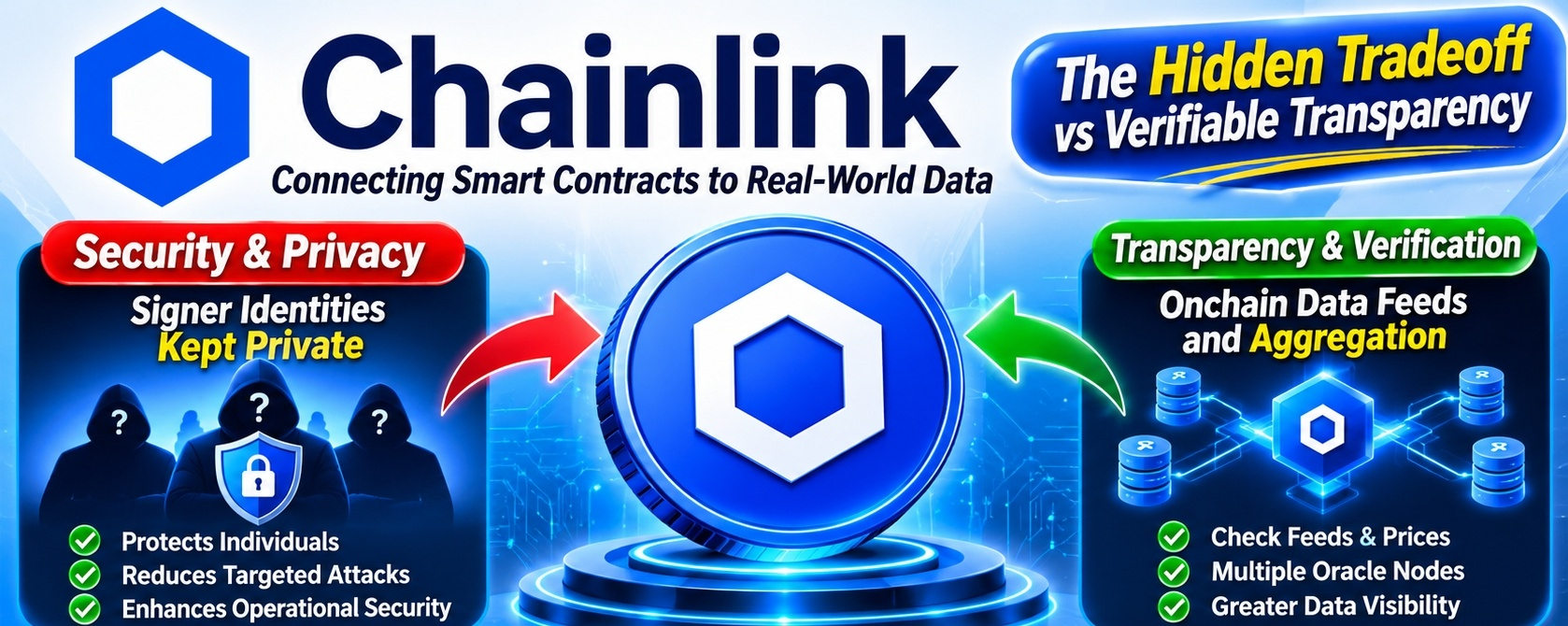
Chainlink's LINK token powers one of the largest decentralized oracle ecosystems, connecting smartChainlink's LINK token powers one of the largest decentralized oracle ecosystems, connecting smart contracts to real-world data. But Chainlink does not publicly disclose the identities of its multisig signers. That's not an oversight. It's a stated choice.
The reason is operational security. Chainlink says revealing signer identities could expose individuals to phishing, targeted attacks, and social engineering. The tradeoff is clear: holders lose the ability to independently identify every person responsible for important administrative approvals.
What can users verify? Chainlink Data Feeds publish aggregated answers through onchain smart contracts. Users can inspect feed addresses, reported prices, update timestamps, and minimum oracle requirements. Multiple independent node operators contribute to the final result. However, signer identities remain undisclosed, and there is no single named audit firm or fixed network-wide attestation schedule for LINK itself. This is not a reserve-backed asset. Onchain visibility does not mean continuous verification of every operational decision. Chainlink Documentation +2
Pyth Network takes a different approach, highlighting institutional data publishers and publishing publisher-level information such as contribution counts and confidence metrics. More exposure, in exchange for greater visibility into data contributions. Pyth Network +1
Neither approach removes counterparty risk. Chainlink limits identity exposure but requires trust in undisclosed signers. Pyth offers more publisher-level visibility but still depends on external data providers.
Chainlink chose operational secrecy, leaning on decentralized infrastructure, aggregation, and security controls.
Which risk worries you more — hidden operational identities, or greater exposure of the people and infrastructure p
roviding data? #link $LINK
Chainlink's LINK token powers one of the largest decentralized oracle ecosystems, connecting smart
Chainlink's LINK token powers one of the largest decentralized oracle ecosystems, connecting smart contracts to real-world data. But Chainlink does not publicly disclose the identities of its multisig signers. That's not an oversight. It's a stated choice.
The reason is operational security. Chainlink says revealing signer identities could expose individuals to phishing, targeted attacks, and social engineering. The tradeoff is clear: holders lose the ability to independently identify every person responsible for important administrative approvals.
What can users verify? Chainlink Data Feeds publish aggregated answers through onchain smart contracts. Users can inspect feed addresses, reported prices, update timestamps, and minimum oracle requirements. Multiple independent node operators contribute to the final result. However, signer identities remain undisclosed, and there is no single named audit firm or fixed network-wide attestation schedule for LINK itself. This is not a reserve-backed asset. Onchain visibility does not mean continuous verification of every operational decision. Chainlink Documentation +2
Pyth Network takes a different approach, highlighting institutional data publishers and publishing publisher-level information such as contribution counts and confidence metrics. More exposure, in exchange for greater visibility into data contributions. Pyth Network +1
Neither approach removes counterparty risk. Chainlink limits identity exposure but requires trust in undisclosed signers. Pyth offers more publisher-level visibility but still depends on external data providers.
Chainlink chose operational secrecy, leaning on decentralized infrastructure, aggregation, and security controls.
Which risk worries you more — hidden operational identities, or greater exposure of the people and infrastructure p
roviding data? #link $LINK
68
·
--
記事
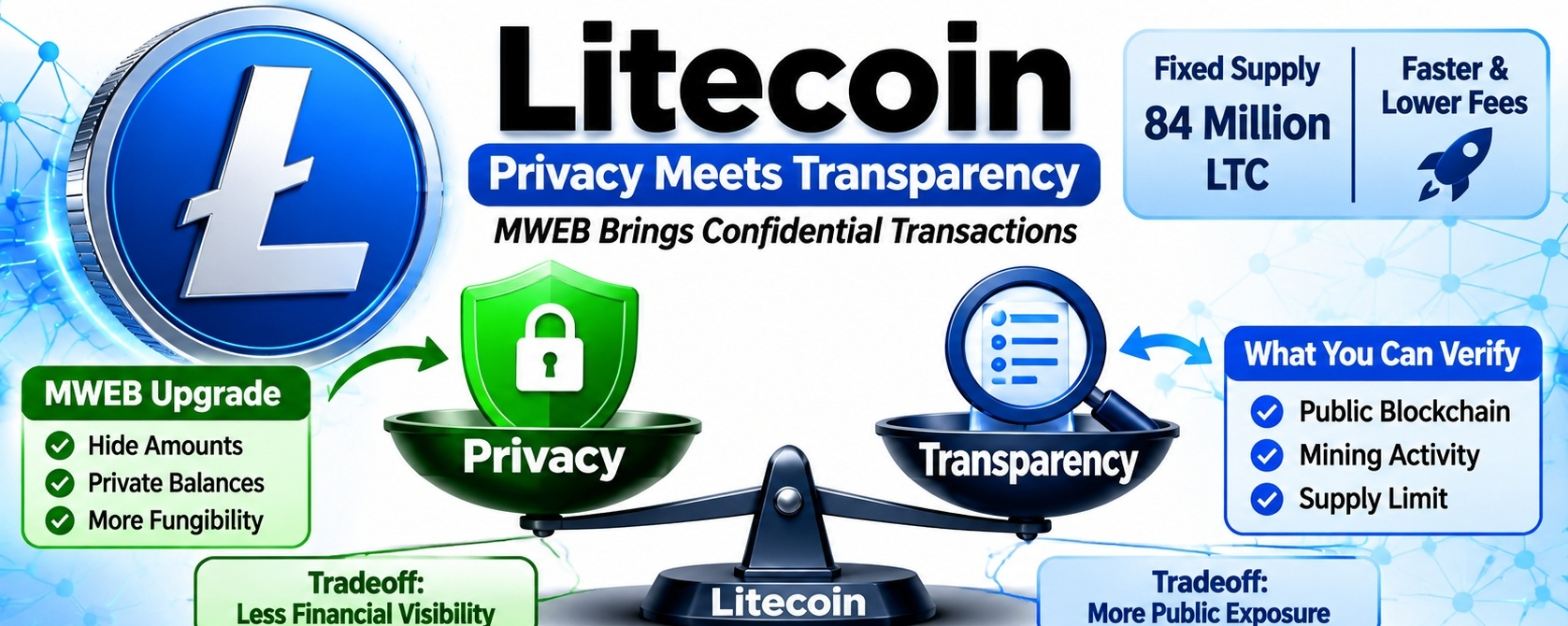
Litecoinの最大供給量は8,400万LTCに固定されていますが、MWEBはLitecoinの最大供給量は8,400万LTCに固定されていますが、MWEBのアップグレードによって、あまり目立たない機能が導入されました。それは、送金額や残高を隠す機密取引です。これは見落としではありません。明確な選択です。litecoin.com +1
その理由は、金融プライバシーです。MWEBを使うと、ユーザーはLTCを完全に透明なメインチェーンから、任意で利用できるプライバシーレイヤーへ移動できます。その代わり、外部の人は個々の取引額を確認したり、資金の動きをすべて追跡したりできなくなります。
Litecoinの最大供給量は8,400万LTCに固定されていますが、MWEBは
Litecoinの最大供給量は8,400万LTCに固定されていますが、MWEBのアップグレードによって、あまり目立たない機能が導入されました。それは、送金額や残高を隠す機密取引です。これは見落としではありません。明確な選択です。litecoin.com +1
その理由は、金融プライバシーです。MWEBを使うと、ユーザーはLTCを完全に透明なメインチェーンから、任意で利用できるプライバシーレイヤーへ移動できます。その代わり、外部の人は個々の取引額を確認したり、資金の動きをすべて追跡したりできなくなります。
その理由は、金融プライバシーです。MWEBを使うと、ユーザーはLTCを完全に透明なメインチェーンから、任意で利用できるプライバシーレイヤーへ移動できます。その代わり、外部の人は個々の取引額を確認したり、資金の動きをすべて追跡したりできなくなります。
1
233
·
--
記事
Zcash(ZEC):透明なデジタル世界における金融プライバシーの追求Zcash(ZEC):金融プライバシーの未来
背景
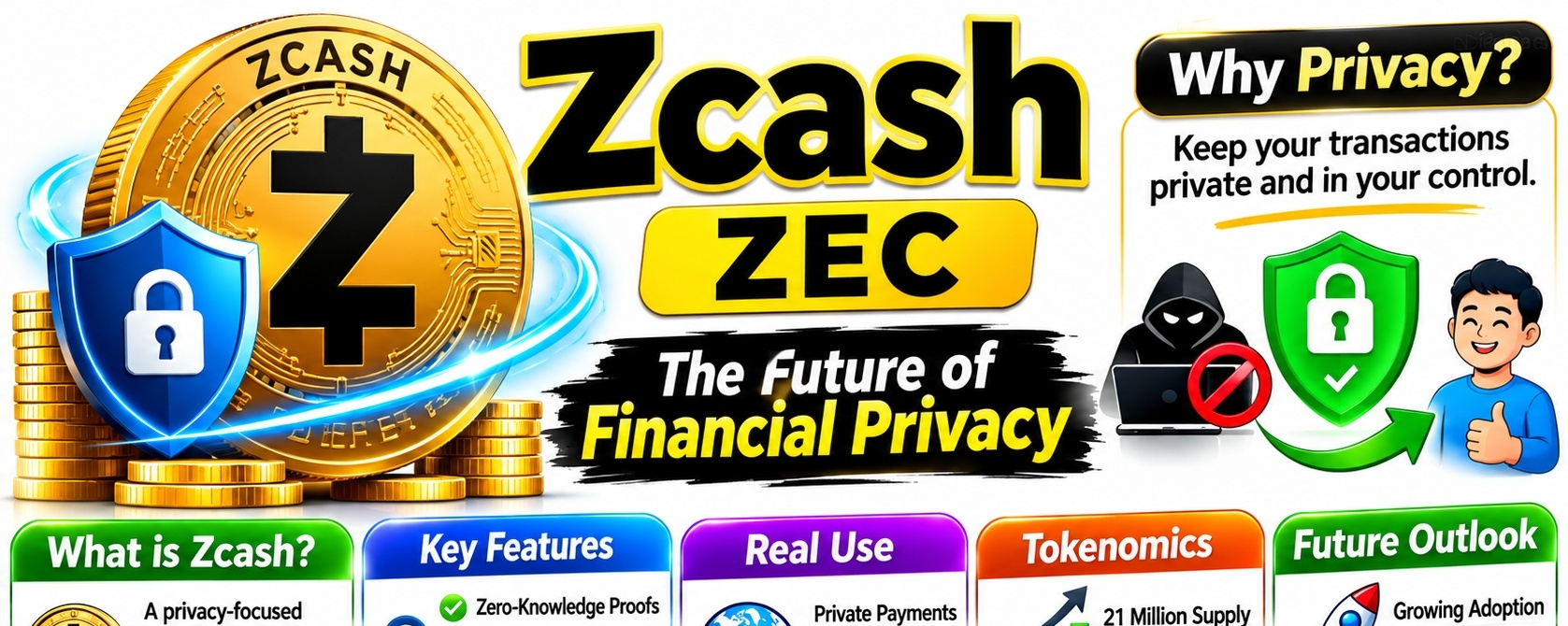
Zcashは2016年、分散型技術を通じて人々に金融プライバシーを提供するという強い使命を掲げて誕生しました。完全に透明なブロックチェーンとは異なり、Zcashではネットワークによる検証を維持しながら、取引の詳細を保護できます。
テクノロジー
Zcashは、zk-SNARKsと呼ばれる高度なゼロ知識証明暗号技術を使用しています。この技術により、送信者、受信者、取引金額を明かさずに取引を検証できます。ユーザーは、透明な取引とシールドされた取引を選択できます。
Zcash(ZEC):透明なデジタル世界における金融プライバシーの追求
Zcash(ZEC):金融プライバシーの未来
背景
Zcashは2016年、分散型技術を通じて人々に金融プライバシーを提供するという強い使命を掲げて誕生しました。完全に透明なブロックチェーンとは異なり、Zcashではネットワークによる検証を維持しながら、取引の詳細を保護できます。
テクノロジー
Zcashは、zk-SNARKsと呼ばれる高度なゼロ知識証明暗号技術を使用しています。この技術により、送信者、受信者、取引金額を明かさずに取引を検証できます。ユーザーは、透明な取引とシールドされた取引を選択できます。
背景
Zcashは2016年、分散型技術を通じて人々に金融プライバシーを提供するという強い使命を掲げて誕生しました。完全に透明なブロックチェーンとは異なり、Zcashではネットワークによる検証を維持しながら、取引の詳細を保護できます。
テクノロジー
Zcashは、zk-SNARKsと呼ばれる高度なゼロ知識証明暗号技術を使用しています。この技術により、送信者、受信者、取引金額を明かさずに取引を検証できます。ユーザーは、透明な取引とシールドされた取引を選択できます。
185
·
--
記事
PEPE:単なるミームではない——暗号資産におけるインターネット文化の力PEPE:単なるミームではない
背景
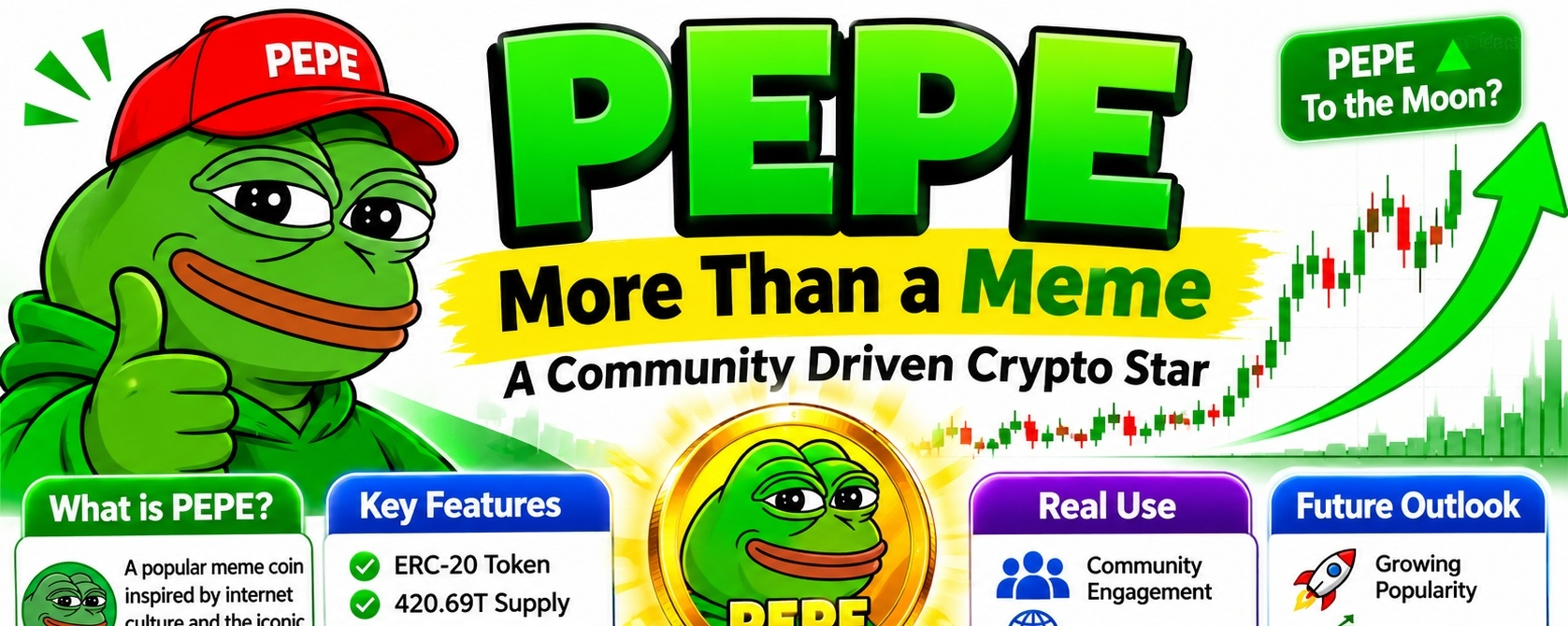
PEPEは、インターネットで有名なカエルのペペのミームに着想を得て、2023年4月にEthereum上でローンチしました。インターネット文化とコミュニティの参加を通じて、瞬く間に注目を集めました。その成功は、シンプルなアイデアが暗号資産の世界でどれほど大きな力を発揮するかを示しています。
テクノロジー
PEPEはEthereum上に構築されたERC-20トークンです。Ethereumが確立したネットワーク、ウォレットとの互換性、安全性を支えるインフラを活用しています。
トークノミクス
PEPEの最大供給量は420.69兆トークンです。供給構造とコントラクトの所有権放棄は、PEPEのアイデンティティを形作る重要な要素です。
PEPE:単なるミームではない——暗号資産におけるインターネット文化の力
PEPE:単なるミームではない
背景
PEPEは、インターネットで有名なカエルのペペのミームに着想を得て、2023年4月にEthereum上でローンチしました。インターネット文化とコミュニティの参加を通じて、瞬く間に注目を集めました。その成功は、シンプルなアイデアが暗号資産の世界でどれほど大きな力を発揮するかを示しています。
テクノロジー
PEPEはEthereum上に構築されたERC-20トークンです。Ethereumが確立したネットワーク、ウォレットとの互換性、安全性を支えるインフラを活用しています。
トークノミクス
PEPEの最大供給量は420.69兆トークンです。供給構造とコントラクトの所有権放棄は、PEPEのアイデンティティを形作る重要な要素です。
2
271
·
--
記事
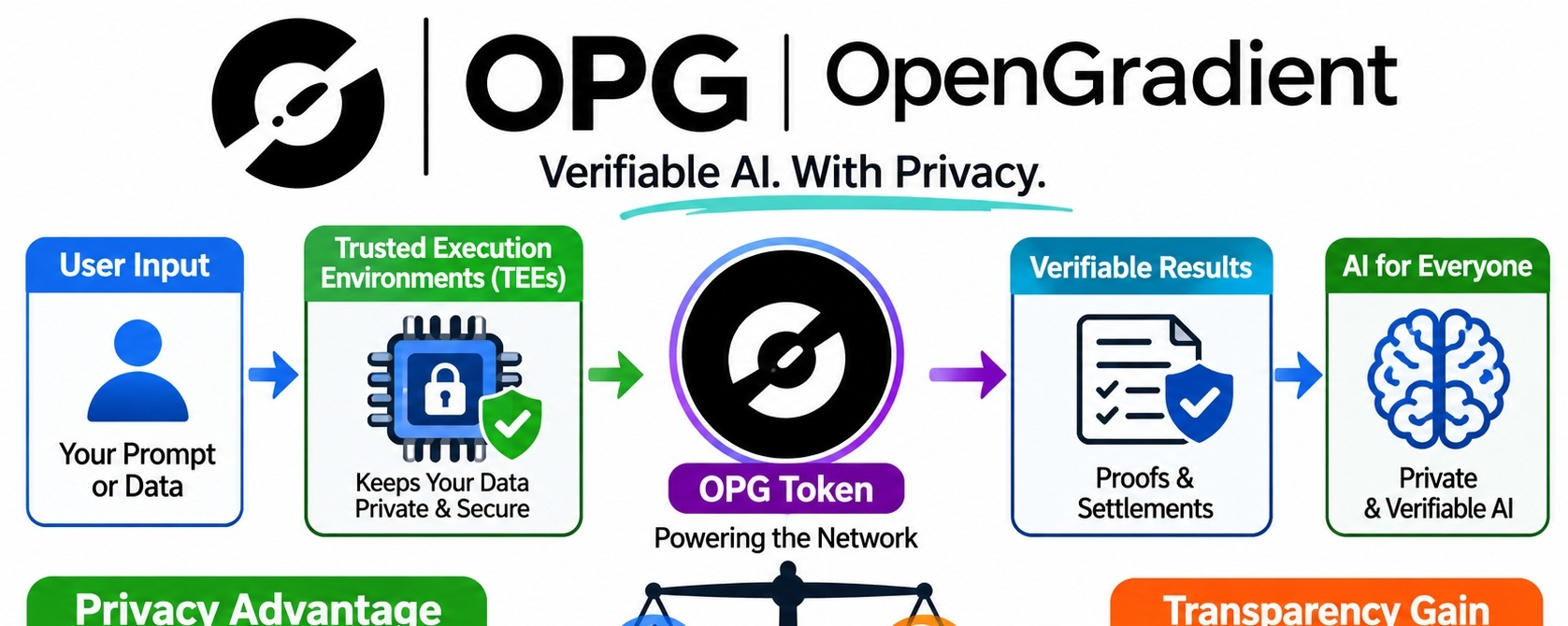
機密性の高いユーザーデータを保護しながら、AI計算を検証可能にすることを目指すネットワーク、OpenGradientOPGはOpenGradientのネイティブトークンです。OpenGradientは、機密性の高いユーザーデータを保護しながら、AI計算を検証可能にすることを目指すネットワークです。その中心的なトレードオフはすでに明らかです。AIの実行をプライベートにすると、外部の人々は基盤となるすべての入力を確認できません。これは見落としではなく、明示的な選択です。
OpenGradientは、ノード運営者からプロンプトを保護するために設計された安全なハードウェア環境、Trusted Execution Environment(TEE)を使用しています。これにより機密情報の露出は抑えられますが、独立した第三者が元のデータや実行環境を直接確認することもできなくなります。プライバシーには、公開性の限界が伴います。
機密性の高いユーザーデータを保護しながら、AI計算を検証可能にすることを目指すネットワーク、OpenGradient
OPGはOpenGradientのネイティブトークンです。OpenGradientは、機密性の高いユーザーデータを保護しながら、AI計算を検証可能にすることを目指すネットワークです。その中心的なトレードオフはすでに明らかです。AIの実行をプライベートにすると、外部の人々は基盤となるすべての入力を確認できません。これは見落としではなく、明示的な選択です。
OpenGradientは、ノード運営者からプロンプトを保護するために設計された安全なハードウェア環境、Trusted Execution Environment(TEE)を使用しています。これにより機密情報の露出は抑えられますが、独立した第三者が元のデータや実行環境を直接確認することもできなくなります。プライバシーには、公開性の限界が伴います。
OpenGradientは、ノード運営者からプロンプトを保護するために設計された安全なハードウェア環境、Trusted Execution Environment(TEE)を使用しています。これにより機密情報の露出は抑えられますが、独立した第三者が元のデータや実行環境を直接確認することもできなくなります。プライバシーには、公開性の限界が伴います。
1
175
·
--
記事
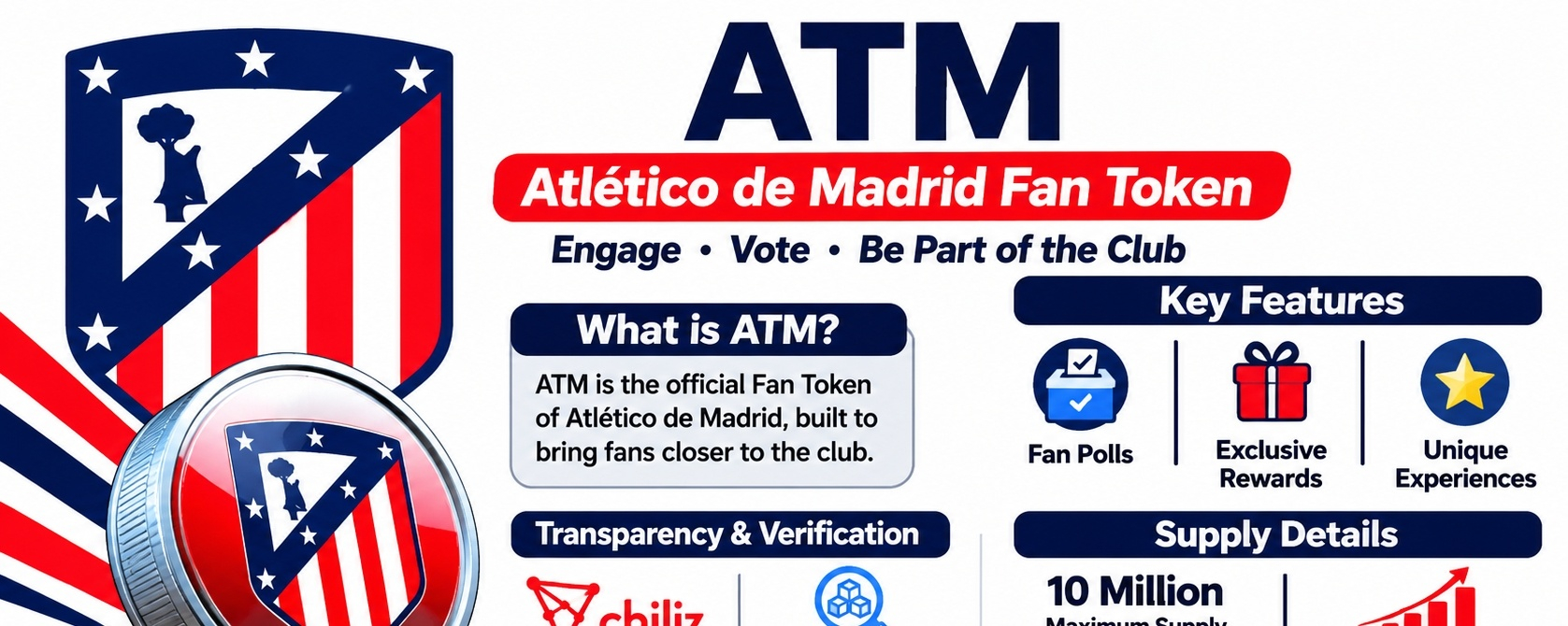
ATMはアトレティコ・デ・マドリードの公式ファントークンで、最大供給量は1,000万トークンです。その目的はATMはアトレティコ・デ・マドリードの公式ファントークンで、最大供給量は1,000万トークンです。その目的はファンとのエンゲージメントであり、サッカークラブの所有権を得ることではありません。
ただし、重要な違いがあります。ブロックチェーン上の活動は公開検証できますが、プラットフォームの運営やクラブ関連の判断の一部は、発行元とパートナーの管理下にあります。これは見落としではなく、明示された選択です。
ATMを保有すると、ファン投票への参加、限定体験、特典を獲得できる可能性が得られます。エンゲージメントを重視した仕組みにすることで、クラブとプラットフォームはこれらの体験を管理できますが、保有者がすべてのオフチェーン上の判断や運営プロセスを個別に検証できるわけではありません。
ATMはアトレティコ・デ・マドリードの公式ファントークンで、最大供給量は1,000万トークンです。その目的は
ATMはアトレティコ・デ・マドリードの公式ファントークンで、最大供給量は1,000万トークンです。その目的はファンとのエンゲージメントであり、サッカークラブの所有権を得ることではありません。
ただし、重要な違いがあります。ブロックチェーン上の活動は公開検証できますが、プラットフォームの運営やクラブ関連の判断の一部は、発行元とパートナーの管理下にあります。これは見落としではなく、明示された選択です。
ATMを保有すると、ファン投票への参加、限定体験、特典を獲得できる可能性が得られます。エンゲージメントを重視した仕組みにすることで、クラブとプラットフォームはこれらの体験を管理できますが、保有者がすべてのオフチェーン上の判断や運営プロセスを個別に検証できるわけではありません。
ただし、重要な違いがあります。ブロックチェーン上の活動は公開検証できますが、プラットフォームの運営やクラブ関連の判断の一部は、発行元とパートナーの管理下にあります。これは見落としではなく、明示された選択です。
ATMを保有すると、ファン投票への参加、限定体験、特典を獲得できる可能性が得られます。エンゲージメントを重視した仕組みにすることで、クラブとプラットフォームはこれらの体験を管理できますが、保有者がすべてのオフチェーン上の判断や運営プロセスを個別に検証できるわけではありません。
291
·
--
記事
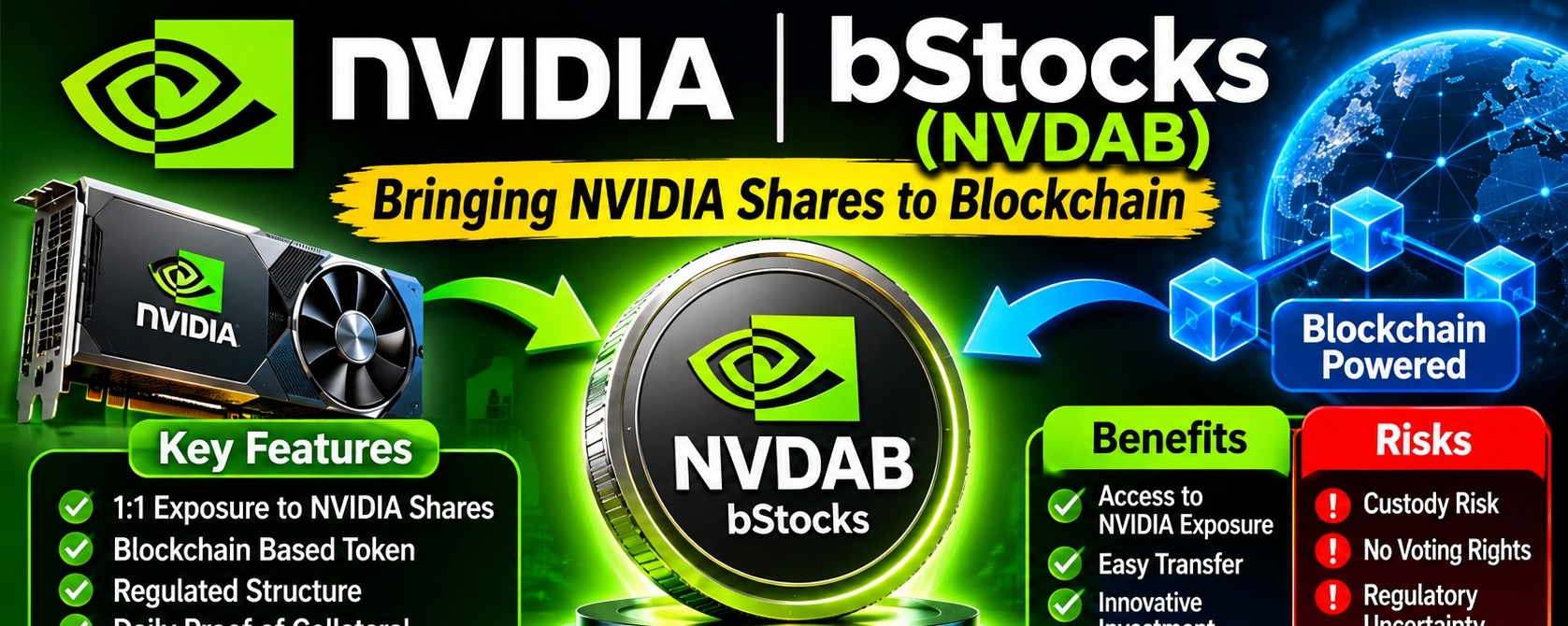
NVDAB:NVIDIA株式をブロックチェーンへNVDAB:NVIDIA株式をブロックチェーンへ
背景
NVDABは、ブロックチェーン技術を通じてNVIDIA株式への経済的エクスポージャーを提供することを目的としたトークン化証券です。ADGMの規制枠組みの下でBTech Holdings Limitedが発行し、従来の株式市場の資産とデジタル金融をつなぎます。
一般的な暗号資産とは異なり、NVDABはカストディ契約を通じて保管されるNVIDIA株式を裏付けとしています。ただし、NVDABを保有していても、NVIDIA株式を直接所有することや、株主としての議決権を得ることを意味するものではありません。
NVDAB:NVIDIA株式をブロックチェーンへ
NVDAB:NVIDIA株式をブロックチェーンへ
背景
NVDABは、ブロックチェーン技術を通じてNVIDIA株式への経済的エクスポージャーを提供することを目的としたトークン化証券です。ADGMの規制枠組みの下でBTech Holdings Limitedが発行し、従来の株式市場の資産とデジタル金融をつなぎます。
一般的な暗号資産とは異なり、NVDABはカストディ契約を通じて保管されるNVIDIA株式を裏付けとしています。ただし、NVDABを保有していても、NVIDIA株式を直接所有することや、株主としての議決権を得ることを意味するものではありません。
背景
NVDABは、ブロックチェーン技術を通じてNVIDIA株式への経済的エクスポージャーを提供することを目的としたトークン化証券です。ADGMの規制枠組みの下でBTech Holdings Limitedが発行し、従来の株式市場の資産とデジタル金融をつなぎます。
一般的な暗号資産とは異なり、NVDABはカストディ契約を通じて保管されるNVIDIA株式を裏付けとしています。ただし、NVDABを保有していても、NVIDIA株式を直接所有することや、株主としての議決権を得ることを意味するものではありません。
1
164
·
--
記事
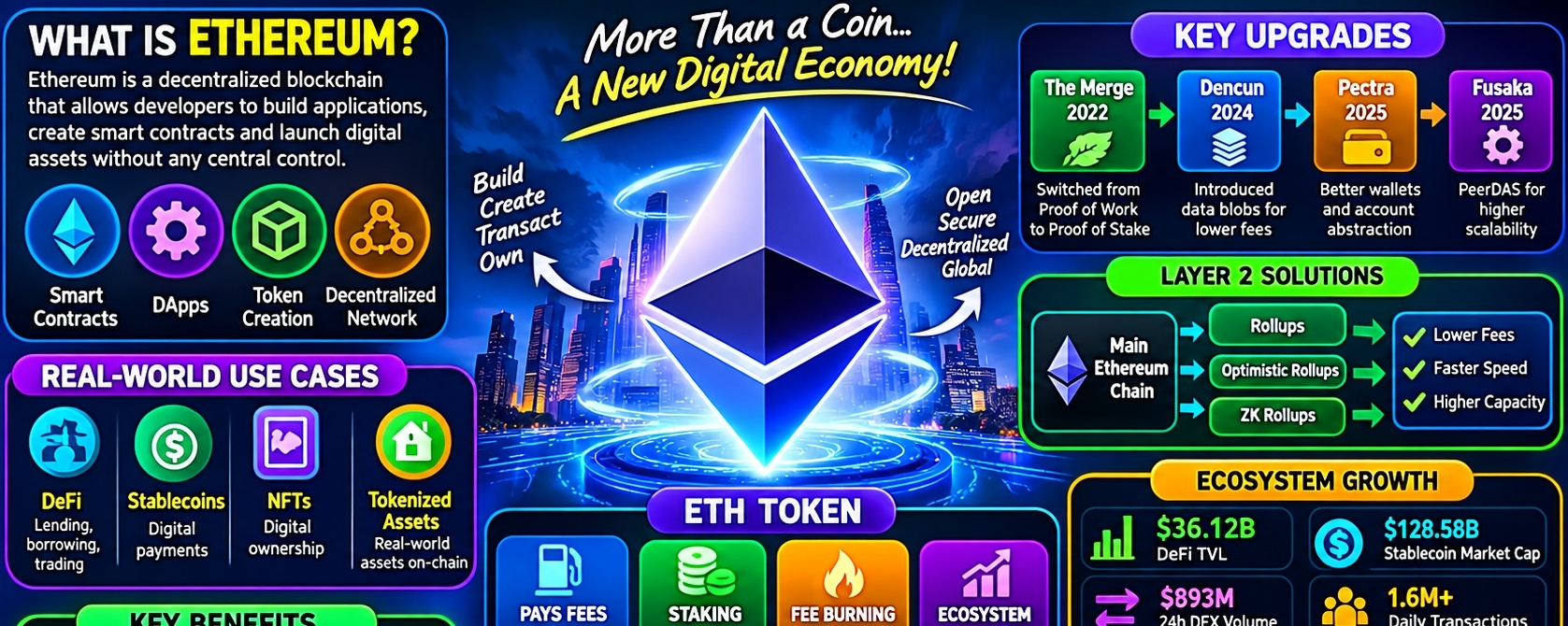
イーサリアム(ETH):デジタル金融の未来を築く イーサリアム(ETH):デジタル金融の未来を築く
背景
イーサリアムは単なる暗号資産ではありません。2015年にヴィタリック・ブテリンと他の開発者たちによって公開され、スマートコントラクトを通じてブロックチェーン技術を活用する新たな方法をもたらしました。デジタルマネーを送金するだけでなく、イーサリアムでは開発者が分散型アプリケーションや金融サービス、デジタル所有権の仕組みを構築できます。
イーサリアムに興味があるのは、短期的な市場動向に注目するだけでなく、新しいデジタル経済のためのインフラを構築しているからです。
イーサリアム(ETH):デジタル金融の未来を築く
イーサリアム(ETH):デジタル金融の未来を築く
背景
イーサリアムは単なる暗号資産ではありません。2015年にヴィタリック・ブテリンと他の開発者たちによって公開され、スマートコントラクトを通じてブロックチェーン技術を活用する新たな方法をもたらしました。デジタルマネーを送金するだけでなく、イーサリアムでは開発者が分散型アプリケーションや金融サービス、デジタル所有権の仕組みを構築できます。
イーサリアムに興味があるのは、短期的な市場動向に注目するだけでなく、新しいデジタル経済のためのインフラを構築しているからです。
背景
イーサリアムは単なる暗号資産ではありません。2015年にヴィタリック・ブテリンと他の開発者たちによって公開され、スマートコントラクトを通じてブロックチェーン技術を活用する新たな方法をもたらしました。デジタルマネーを送金するだけでなく、イーサリアムでは開発者が分散型アプリケーションや金融サービス、デジタル所有権の仕組みを構築できます。
イーサリアムに興味があるのは、短期的な市場動向に注目するだけでなく、新しいデジタル経済のためのインフラを構築しているからです。
145
·
--
記事
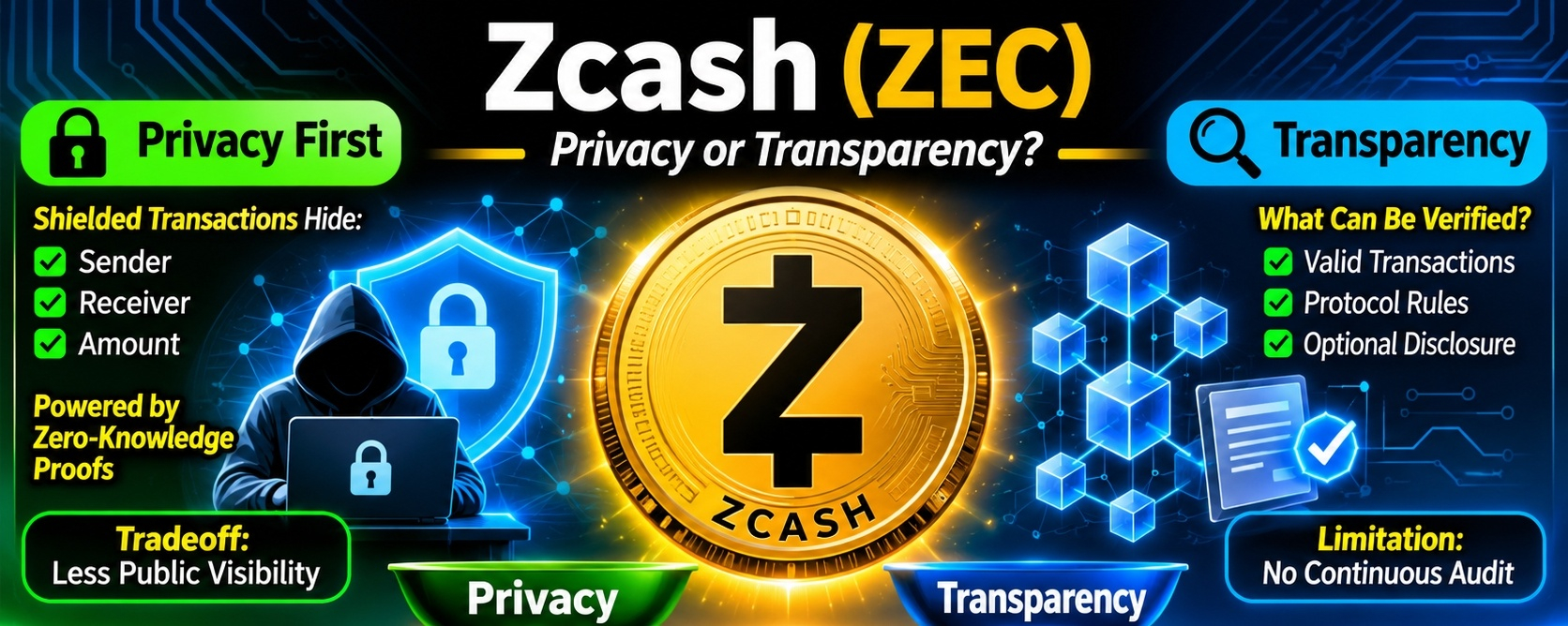
Zcash(ZEC)は、暗号学的検証を損なうことなく金融取引を非公開にできるよう設計されていZcash(ZEC)は、暗号学的な検証を損なうことなく金融取引を非公開にできるよう設計されています。ただし、重要な点が一つあります。シールド取引では、送信者、受信者、取引額が公開ブロックチェーンの閲覧者から隠されます。
これは見落としではありません。明示的に選ばれた方針です。
Zcashはプライバシーを利用して、金融監視やアドレス追跡、機微な取引活動の露呈を抑えます。その代償として、独立した第三者は個々の送金を調査したり、ウォレットの完全な取引履歴を再構築したりできなくなります。
Zcash(ZEC)は、暗号学的検証を損なうことなく金融取引を非公開にできるよう設計されてい
Zcash(ZEC)は、暗号学的な検証を損なうことなく金融取引を非公開にできるよう設計されています。ただし、重要な点が一つあります。シールド取引では、送信者、受信者、取引額が公開ブロックチェーンの閲覧者から隠されます。
これは見落としではありません。明示的に選ばれた方針です。
Zcashはプライバシーを利用して、金融監視やアドレス追跡、機微な取引活動の露呈を抑えます。その代償として、独立した第三者は個々の送金を調査したり、ウォレットの完全な取引履歴を再構築したりできなくなります。
これは見落としではありません。明示的に選ばれた方針です。
Zcashはプライバシーを利用して、金融監視やアドレス追跡、機微な取引活動の露呈を抑えます。その代償として、独立した第三者は個々の送金を調査したり、ウォレットの完全な取引履歴を再構築したりできなくなります。
212
·
--
記事
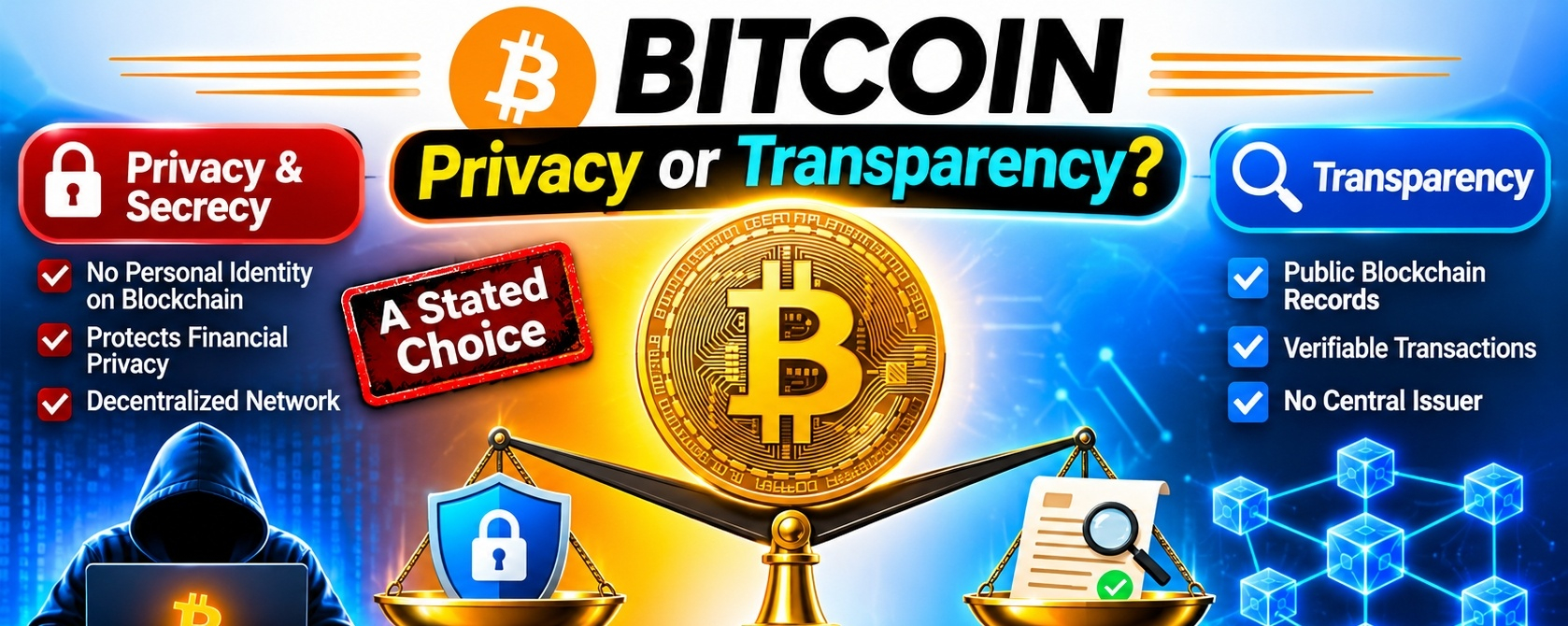
ビットコインの透明性モデルは独特です。確認済みのすべての取引は公開ブロックチェーンに記録されますビットコインの透明性モデルは独特です。確認済みのすべての取引が公開ブロックチェーンに記録されますが、ウォレットアドレスの背後にいる現実世界の身元が自動的に公開されるわけではありません。これは見落としではなく、明確な選択です。
ビットコインは、利用者に身元の開示を求めることなく、誰もが検証できることを重視しています。これにより金融上のプライバシーは守られますが、別の制約も生じます。外部の人がすべてのウォレットとその所有者を確実に結び付けたり、特定のコインを誰が管理しているのかを独自に特定したりすることはできません。
ビットコインの透明性モデルは独特です。確認済みのすべての取引は公開ブロックチェーンに記録されます
ビットコインの透明性モデルは独特です。確認済みのすべての取引が公開ブロックチェーンに記録されますが、ウォレットアドレスの背後にいる現実世界の身元が自動的に公開されるわけではありません。これは見落としではなく、明確な選択です。
ビットコインは、利用者に身元の開示を求めることなく、誰もが検証できることを重視しています。これにより金融上のプライバシーは守られますが、別の制約も生じます。外部の人がすべてのウォレットとその所有者を確実に結び付けたり、特定のコインを誰が管理しているのかを独自に特定したりすることはできません。
ビットコインは、利用者に身元の開示を求めることなく、誰もが検証できることを重視しています。これにより金融上のプライバシーは守られますが、別の制約も生じます。外部の人がすべてのウォレットとその所有者を確実に結び付けたり、特定のコインを誰が管理しているのかを独自に特定したりすることはできません。
331
·
--
ブリッシュ
😂 私のBinance Squareアカウントには完璧な戦略があります!
❤️ 199件のいいね
👥 フォロワー198人
➡️ フォロー中197人
すべてにおいて、あと一歩先を行っています!🤣
競争も緊張もなし……本物の暗号資産トレーダーらしく、バランスを保っているだけ!😂🚀
まず何を達成すべき?いいね200件、それともフォロワー200人?👀
#BinanceSquare #CryptoCommunity #LegendGroot $BTC $ETH $BNB
😂 私のBinance Squareアカウントには完璧な戦略があります!
❤️ 199件のいいね
👥 フォロワー198人
➡️ フォロー中197人
すべてにおいて、あと一歩先を行っています!🤣
競争も緊張もなし……本物の暗号資産トレーダーらしく、バランスを保っているだけ!😂🚀
まず何を達成すべき?いいね200件、それともフォロワー200人?👀
#BinanceSquare #CryptoCommunity #LegendGroot $BTC $ETH $BNB
❤️ 199件のいいね
👥 フォロワー198人
➡️ フォロー中197人
すべてにおいて、あと一歩先を行っています!🤣
競争も緊張もなし……本物の暗号資産トレーダーらしく、バランスを保っているだけ!😂🚀
まず何を達成すべき?いいね200件、それともフォロワー200人?👀
#BinanceSquare #CryptoCommunity #LegendGroot $BTC $ETH $BNB

2
1
1
45
·
--
記事
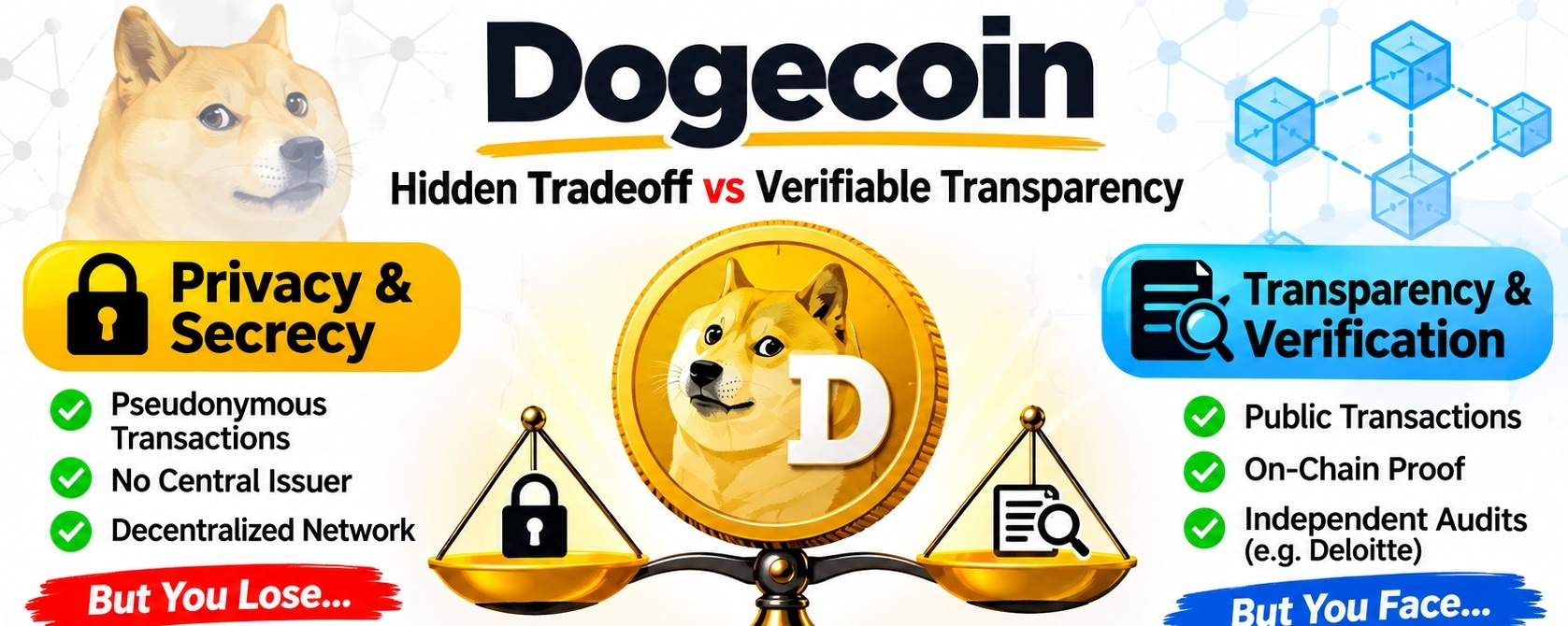
ドージコインは中央の発行主体なしで運用され、確認済みの取引はすべてドージコインは中央の発行主体なしで運用され、確認済みの取引はすべて公開ブロックチェーンに記録されます。しかし、ウォレットアドレスから、それを所有する人の実際の身元が自動的に明らかになるわけではありません。これは見落としではなく、意図的な設計上の選択です。
DOGEは、許可不要のアクセスと仮名での参加を優先しています。これにより中央機関への依存は軽減されますが、台帳を確認するだけで、すべての参加者を特定できるわけではありません。取引所が保有する残高や、オフチェーン上の所有権も、ブロックチェーンによる直接的な検証の対象外です。
ドージコインは中央の発行主体なしで運用され、確認済みの取引はすべて
ドージコインは中央の発行主体なしで運用され、確認済みの取引はすべて公開ブロックチェーンに記録されます。しかし、ウォレットアドレスから、それを所有する人の実際の身元が自動的に明らかになるわけではありません。これは見落としではなく、意図的な設計上の選択です。
DOGEは、許可不要のアクセスと仮名での参加を優先しています。これにより中央機関への依存は軽減されますが、台帳を確認するだけで、すべての参加者を特定できるわけではありません。取引所が保有する残高や、オフチェーン上の所有権も、ブロックチェーンによる直接的な検証の対象外です。
DOGEは、許可不要のアクセスと仮名での参加を優先しています。これにより中央機関への依存は軽減されますが、台帳を確認するだけで、すべての参加者を特定できるわけではありません。取引所が保有する残高や、オフチェーン上の所有権も、ブロックチェーンによる直接的な検証の対象外です。
252
·
--
記事
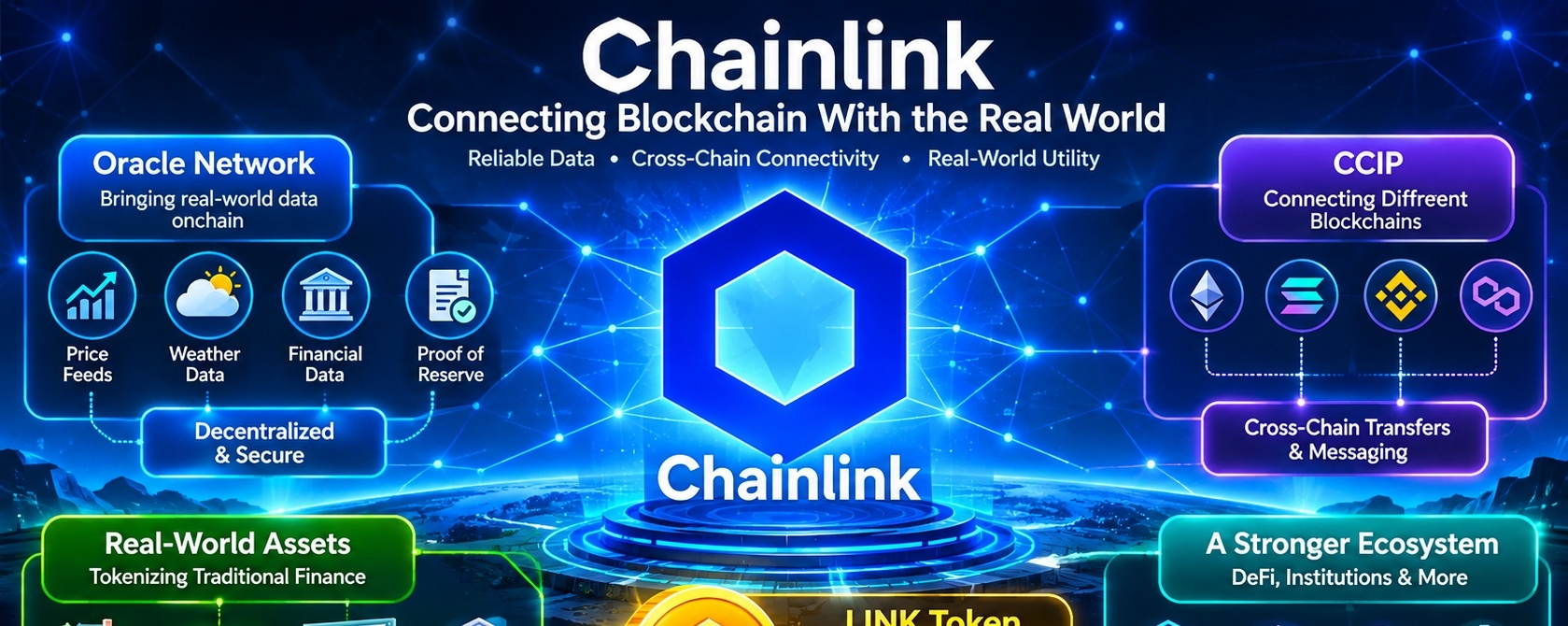
Chainlink(LINK):ブロックチェーンと現実世界をつなぐChainlink(LINK):ブロックチェーンと現実世界をつなぐ
背景
Chainlinkは、ブロックチェーン業界で最も重要なインフラプロジェクトの一つです。主な目的は、スマートコントラクトを現実世界の情報やさまざまなブロックチェーンネットワークにつなぐことです。
ブロックチェーンは、市場価格や金融情報、現実世界の出来事などの外部データに独立してアクセスできません。Chainlinkは、分散型オラクル技術によってこの問題を解決します。
LINKに興味を引かれるのは、単に別の暗号資産を作るのではなく、現実に存在する問題の解決に取り組んでいる点です。
Chainlink(LINK):ブロックチェーンと現実世界をつなぐ
Chainlink(LINK):ブロックチェーンと現実世界をつなぐ
背景
Chainlinkは、ブロックチェーン業界で最も重要なインフラプロジェクトの一つです。主な目的は、スマートコントラクトを現実世界の情報やさまざまなブロックチェーンネットワークにつなぐことです。
ブロックチェーンは、市場価格や金融情報、現実世界の出来事などの外部データに独立してアクセスできません。Chainlinkは、分散型オラクル技術によってこの問題を解決します。
LINKに興味を引かれるのは、単に別の暗号資産を作るのではなく、現実に存在する問題の解決に取り組んでいる点です。
背景
Chainlinkは、ブロックチェーン業界で最も重要なインフラプロジェクトの一つです。主な目的は、スマートコントラクトを現実世界の情報やさまざまなブロックチェーンネットワークにつなぐことです。
ブロックチェーンは、市場価格や金融情報、現実世界の出来事などの外部データに独立してアクセスできません。Chainlinkは、分散型オラクル技術によってこの問題を解決します。
LINKに興味を引かれるのは、単に別の暗号資産を作るのではなく、現実に存在する問題の解決に取り組んでいる点です。
2
12
4.6k
·
--
記事
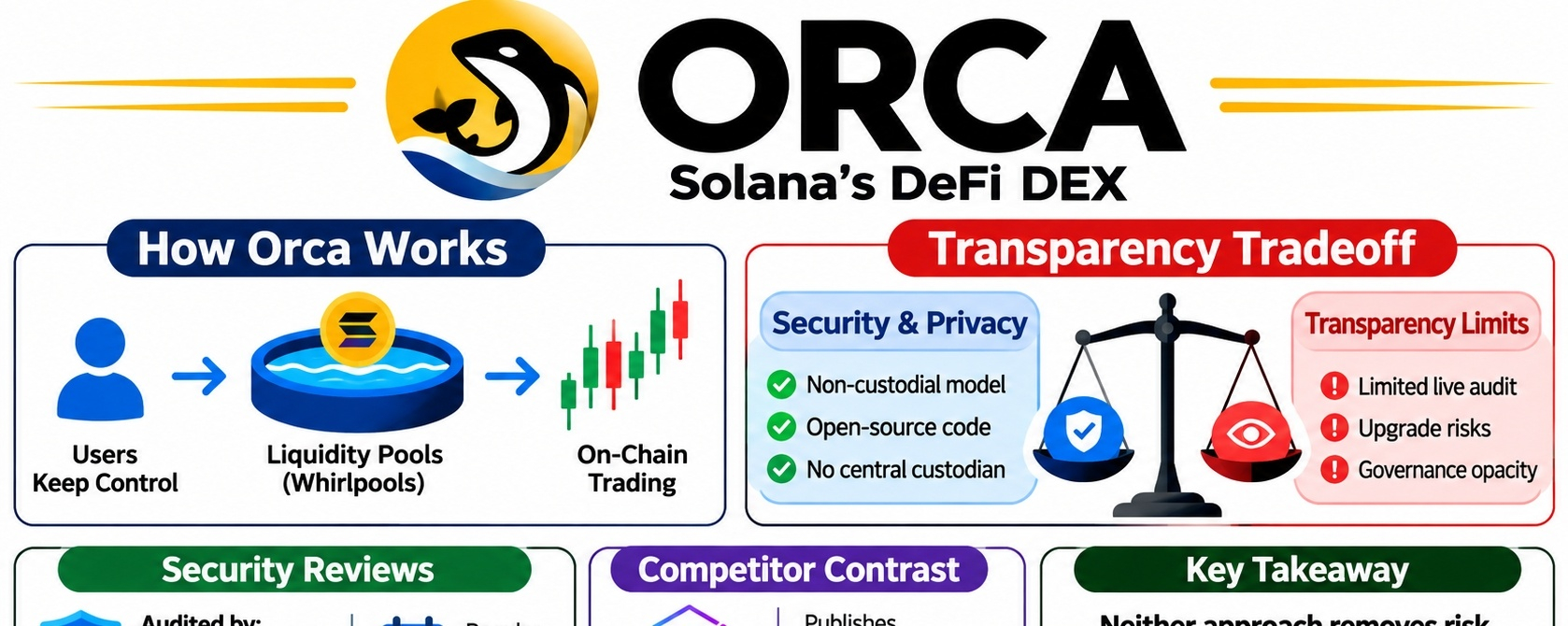
Orcaはノンカストディアル型のSolana DEXです。つまり、ユーザーは自身の資産の管理権を保持しますOrcaはノンカストディアル型のSolana DEXです。つまり、取引はスマートコントラクトを通じて実行され、ユーザーは資産の管理権を保持します。ただし、透明性には重要なトレードオフがあります。コードが公開されていても、運用上のすべての判断が独立して確認できるわけではありません。これは見落としではなく、明示された設計上の選択です。
Orcaは、許可不要の取引とオープンソースのインフラを優先しています。これにより従来型のカストディアンへの依存は減りますが、保有者は依然として、スマートコントラクトの実行、アップグレードの管理、ガバナンス上の判断を信頼する必要があります。欠けているのは、運用上のあらゆる変更を継続的に独立検証する仕組みです。
Orcaはノンカストディアル型のSolana DEXです。つまり、ユーザーは自身の資産の管理権を保持します
Orcaはノンカストディアル型のSolana DEXです。つまり、取引はスマートコントラクトを通じて実行され、ユーザーは資産の管理権を保持します。ただし、透明性には重要なトレードオフがあります。コードが公開されていても、運用上のすべての判断が独立して確認できるわけではありません。これは見落としではなく、明示された設計上の選択です。
Orcaは、許可不要の取引とオープンソースのインフラを優先しています。これにより従来型のカストディアンへの依存は減りますが、保有者は依然として、スマートコントラクトの実行、アップグレードの管理、ガバナンス上の判断を信頼する必要があります。欠けているのは、運用上のあらゆる変更を継続的に独立検証する仕組みです。
Orcaは、許可不要の取引とオープンソースのインフラを優先しています。これにより従来型のカストディアンへの依存は減りますが、保有者は依然として、スマートコントラクトの実行、アップグレードの管理、ガバナンス上の判断を信頼する必要があります。欠けているのは、運用上のあらゆる変更を継続的に独立検証する仕組みです。
1
171
·
--
記事
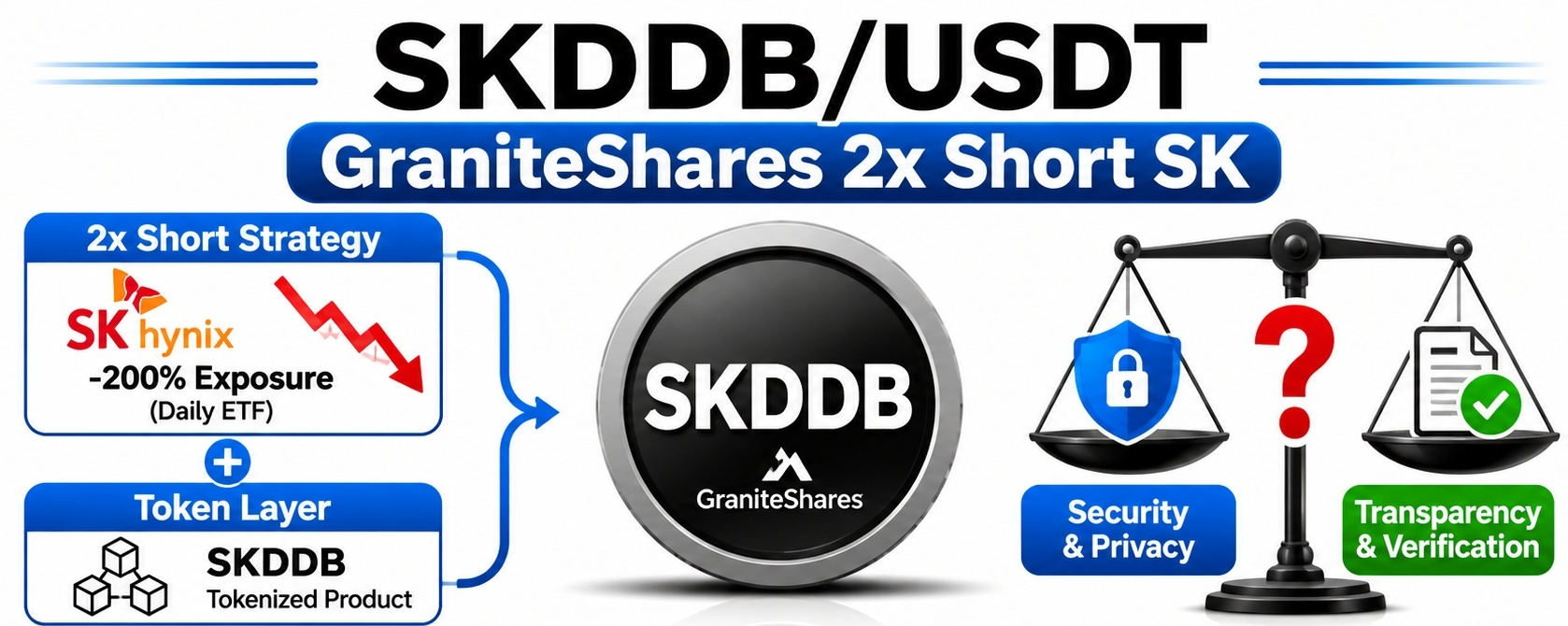
SKDDBはGraniteShares 2x Short SK Hynixに連動するトークン化証書SKDDBは、GraniteShares 2x Short SK Hynix Daily ETFに連動するトークン化証書です。原資産となるファンドは、SKハイニックスの日次パフォーマンスの-200%を目標としています。
ただし、重要な違いがあります。ETFの開示情報を確認できるからといって、トークンの裏付けや償還の仕組みの詳細をすべて独立して検証できるとは限りません。これは必ずしも見落としではありません。投資家が確認すべき透明性のギャップです。
この仕組みでは、2段階のエクスポージャーが生じます。ETFはデリバティブを使ってインバース・エクスポージャーを得る一方、トークンによって発行体、カストディ、償還への依存がさらに加わります。利便性や市場へのアクセスには、追加の確認が必要です。
SKDDBはGraniteShares 2x Short SK Hynixに連動するトークン化証書
SKDDBは、GraniteShares 2x Short SK Hynix Daily ETFに連動するトークン化証書です。原資産となるファンドは、SKハイニックスの日次パフォーマンスの-200%を目標としています。
ただし、重要な違いがあります。ETFの開示情報を確認できるからといって、トークンの裏付けや償還の仕組みの詳細をすべて独立して検証できるとは限りません。これは必ずしも見落としではありません。投資家が確認すべき透明性のギャップです。
この仕組みでは、2段階のエクスポージャーが生じます。ETFはデリバティブを使ってインバース・エクスポージャーを得る一方、トークンによって発行体、カストディ、償還への依存がさらに加わります。利便性や市場へのアクセスには、追加の確認が必要です。
ただし、重要な違いがあります。ETFの開示情報を確認できるからといって、トークンの裏付けや償還の仕組みの詳細をすべて独立して検証できるとは限りません。これは必ずしも見落としではありません。投資家が確認すべき透明性のギャップです。
この仕組みでは、2段階のエクスポージャーが生じます。ETFはデリバティブを使ってインバース・エクスポージャーを得る一方、トークンによって発行体、カストディ、償還への依存がさらに加わります。利便性や市場へのアクセスには、追加の確認が必要です。
1
199
·
--
記事
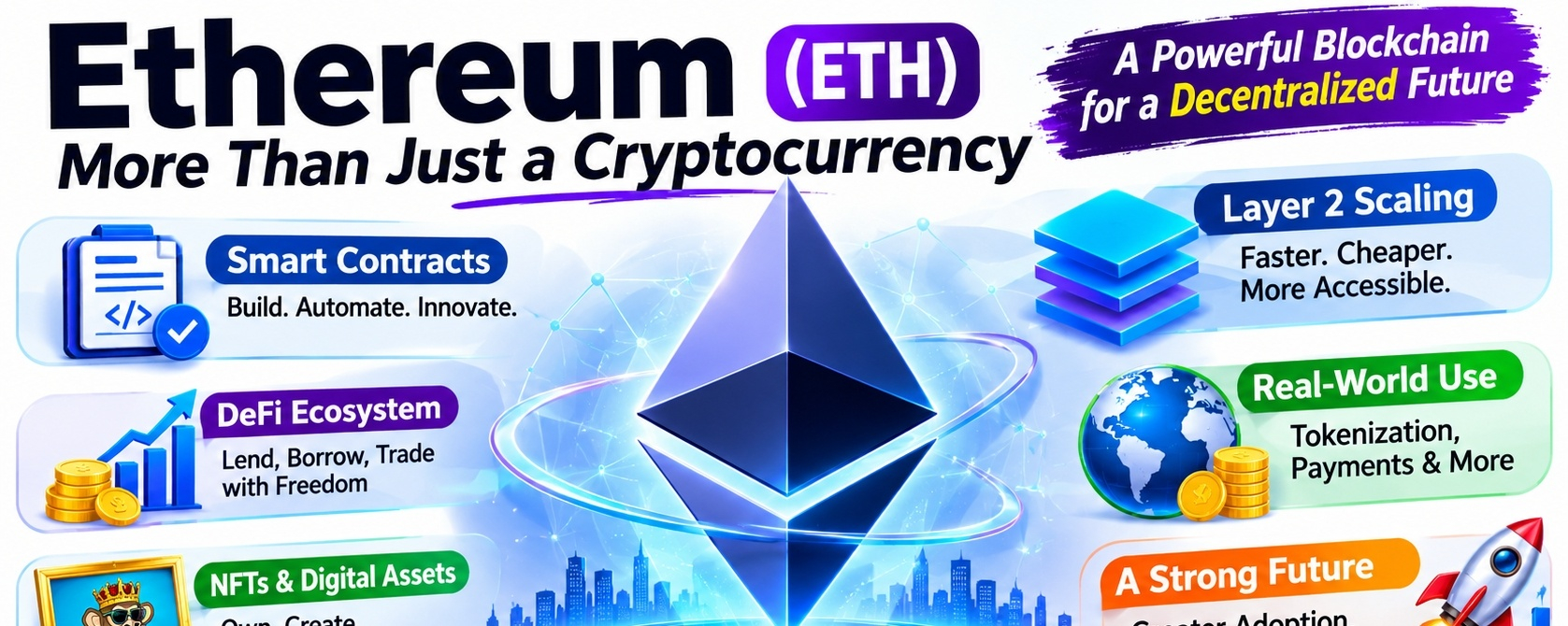
イーサリアム(ETH):単なる暗号資産ではないイーサリアム(ETH):単なる暗号資産ではない
背景
イーサリアムは、暗号資産業界で最も重要なブロックチェーンプロジェクトの一つです。2015年にローンチされ、スマートコントラクトを導入したことで、開発者は従来の仲介業者に依存せずに分散型アプリケーションを構築できるようになりました。
今日、イーサリアムは単なるデジタル通貨ではありません。分散型金融、ステーブルコイン、NFT、トークン化、そして何千ものブロックチェーンアプリケーションを支える基盤となっています。
テクノロジーとイノベーション
イーサリアム(ETH):単なる暗号資産ではない
イーサリアム(ETH):単なる暗号資産ではない
背景
イーサリアムは、暗号資産業界で最も重要なブロックチェーンプロジェクトの一つです。2015年にローンチされ、スマートコントラクトを導入したことで、開発者は従来の仲介業者に依存せずに分散型アプリケーションを構築できるようになりました。
今日、イーサリアムは単なるデジタル通貨ではありません。分散型金融、ステーブルコイン、NFT、トークン化、そして何千ものブロックチェーンアプリケーションを支える基盤となっています。
テクノロジーとイノベーション
背景
イーサリアムは、暗号資産業界で最も重要なブロックチェーンプロジェクトの一つです。2015年にローンチされ、スマートコントラクトを導入したことで、開発者は従来の仲介業者に依存せずに分散型アプリケーションを構築できるようになりました。
今日、イーサリアムは単なるデジタル通貨ではありません。分散型金融、ステーブルコイン、NFT、トークン化、そして何千ものブロックチェーンアプリケーションを支える基盤となっています。
テクノロジーとイノベーション
2
98
·
--
記事
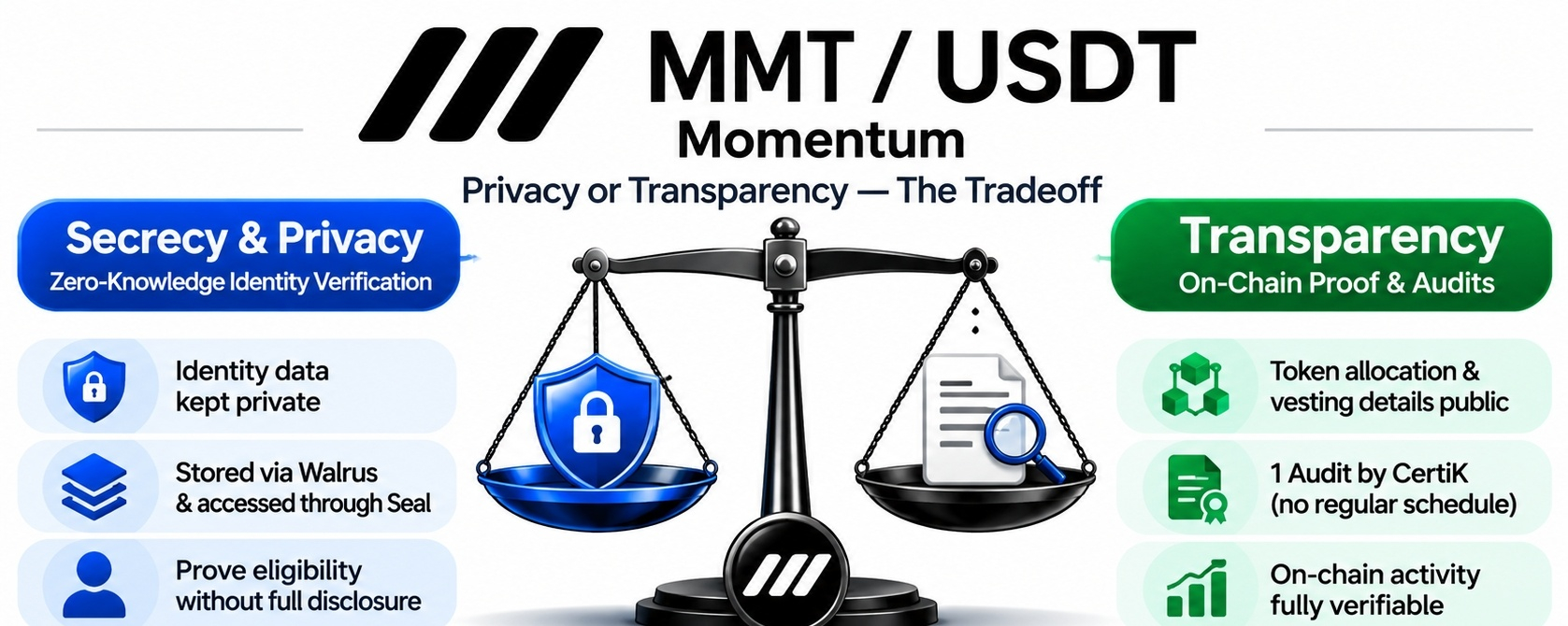
MMTは、Suiを基盤とするDeFiエコシステムであるMomentumのガバナンストークンです。しかし、近日公開予定のMMTは、Suiを基盤とするDeFiエコシステムであるMomentumのガバナンストークンです。しかし、近日公開予定のMomentum Xインフラは、重要なトレードオフをもたらします。本人確認は、不要な個人情報を公開せずに行われるよう設計されています。
それは見落としではありません。明確な意思に基づく選択です。
Momentum Xはゼロ知識証明を用いた本人確認を採用し、暗号化された本人確認データはWalrusを通じて保存され、Sealを通じて選択的にアクセスされます。その目的は、個人情報をすべて明かすことなく、適格性を証明することです。
MMTは、Suiを基盤とするDeFiエコシステムであるMomentumのガバナンストークンです。しかし、近日公開予定の
MMTは、Suiを基盤とするDeFiエコシステムであるMomentumのガバナンストークンです。しかし、近日公開予定のMomentum Xインフラは、重要なトレードオフをもたらします。本人確認は、不要な個人情報を公開せずに行われるよう設計されています。
それは見落としではありません。明確な意思に基づく選択です。
Momentum Xはゼロ知識証明を用いた本人確認を採用し、暗号化された本人確認データはWalrusを通じて保存され、Sealを通じて選択的にアクセスされます。その目的は、個人情報をすべて明かすことなく、適格性を証明することです。
それは見落としではありません。明確な意思に基づく選択です。
Momentum Xはゼロ知識証明を用いた本人確認を採用し、暗号化された本人確認データはWalrusを通じて保存され、Sealを通じて選択的にアクセスされます。その目的は、個人情報をすべて明かすことなく、適格性を証明することです。
254
·
--
記事
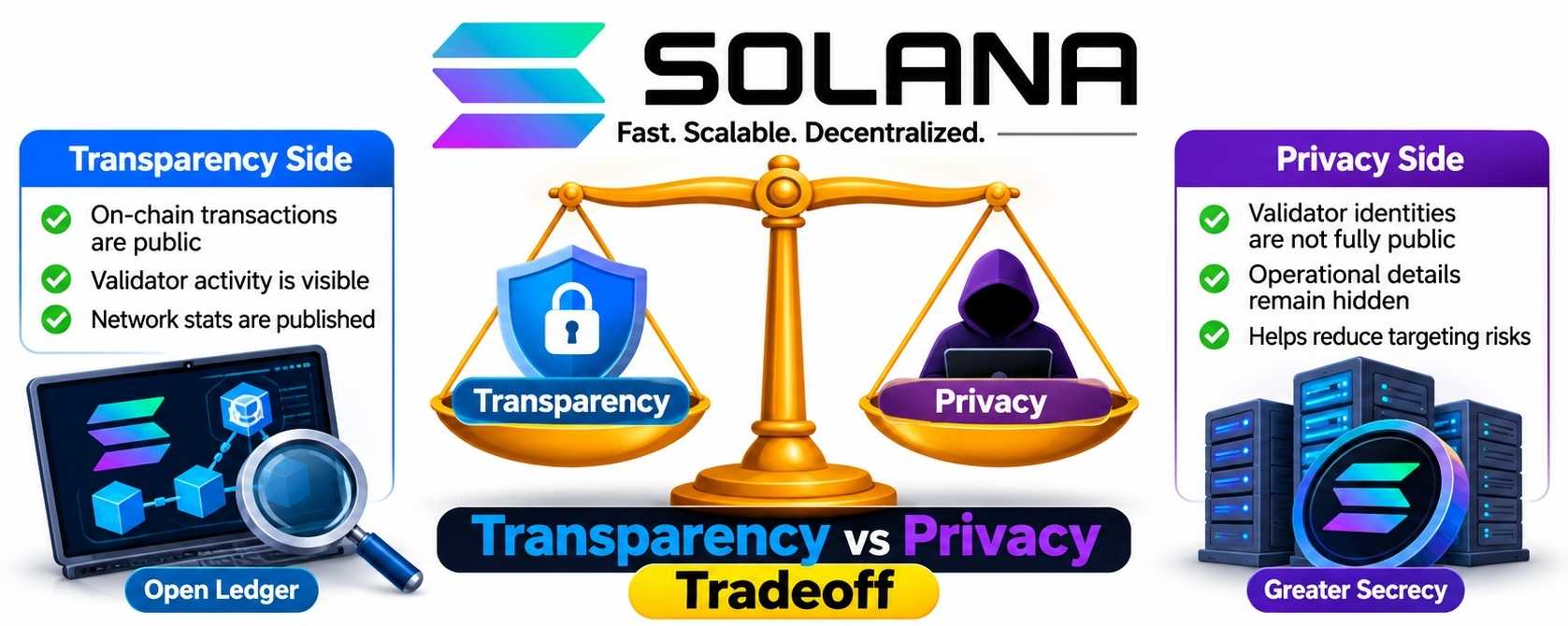
SOLでは取引活動を誰でも検証できますが、重要な点がひとつ、依然として見えにくいままです:tSOLでは取引活動を誰でも検証できますが、重要な点がひとつ、依然として見えにくいままです。それは、各バリデーターの背後にある現実世界での身元とインフラです。これは見落としではなく、設計上のトレードオフです。
Solanaのパーミッションレスなバリデーターモデルでは、すべての運用者が個人の身元を公開することなく、独立した運用者が参加できます。これにより、標的にされるリスクを軽減し、運用の柔軟性を保つことができます。
しかし、その代償として、保有者は何かを失います。誰がインフラを管理しているのか、各バリデーターがどこで運用されているのか、共有プロバイダーへの運用上の依存度がどの程度なのかを、完全に把握できなくなるのです。
SOLでは取引活動を誰でも検証できますが、重要な点がひとつ、依然として見えにくいままです:t
SOLでは取引活動を誰でも検証できますが、重要な点がひとつ、依然として見えにくいままです。それは、各バリデーターの背後にある現実世界での身元とインフラです。これは見落としではなく、設計上のトレードオフです。
Solanaのパーミッションレスなバリデーターモデルでは、すべての運用者が個人の身元を公開することなく、独立した運用者が参加できます。これにより、標的にされるリスクを軽減し、運用の柔軟性を保つことができます。
しかし、その代償として、保有者は何かを失います。誰がインフラを管理しているのか、各バリデーターがどこで運用されているのか、共有プロバイダーへの運用上の依存度がどの程度なのかを、完全に把握できなくなるのです。
Solanaのパーミッションレスなバリデーターモデルでは、すべての運用者が個人の身元を公開することなく、独立した運用者が参加できます。これにより、標的にされるリスクを軽減し、運用の柔軟性を保つことができます。
しかし、その代償として、保有者は何かを失います。誰がインフラを管理しているのか、各バリデーターがどこで運用されているのか、共有プロバイダーへの運用上の依存度がどの程度なのかを、完全に把握できなくなるのです。
253
ログインして、さらにコンテンツを読む
厳選トピックで世界の暗号資産トレーダーの仲間入り
⚡️ 暗号資産に関する最新かつ有益な情報が見つかります。
💬 世界最大の暗号資産取引所から信頼されています。
👍 認証を受けたクリエイターから、有益なインサイトを得られます。
メール / 電話番号
トレンドトピック
MoneroFalls13%OnDelistings
閲覧回数 13,043
207人が討論中
🚨速報:モネロが11%以上下落 — KuCoinの上場廃止で売りが加速!
プライバシー重視の暗号資産を、また大手取引所が取り扱い停止にする動きにより、モネロ(XMR)は急激な売りに直面しています。📉
📊何が起きたのか:
▪️11月27日、XMRは24時間で約13%下落しました。
▪️KuCoinは11月30日に、XMRの現物取引ペア4種類すべてを上場廃止すると発表しました。
▪️MEXCは今月初めに、すでにXMRの現物取引を停止していました。
▪️KuCoinでは12月31日まで出金が可能となる予定です。
⚠️なぜ重要なのか?
取引所での取り扱いが減ると、取引へのアクセスや流動性が低下し、スプレッドの拡大や価格変動の激化につながる可能性があります。
🔍XMRの今後は?
上場廃止の期限が近づくなか、モネロが安定を取り戻せるのか、それともさらに下落圧力にさらされるのか、市場の注目が集まっています。
💬これはモネロにとって一時的な逆風にすぎないのでしょうか。それとも、さらに多くの取引所が上場廃止に踏み切るのでしょうか?👀
$PORTAL - $HAEDAL - $BULLA
#Monero #XMR #CryptoNews
#MoneroFalls13%OnDelistings
「XMRはこの売りを乗り越えられるのか」!?⚡
GirlyHub
·いいね:1件
·閲覧回数 124
EvolveAtBinanceBlockchainWeek
閲覧回数 1.2M
13,858人が討論中
CanMarketsReboundAfterThanksgiving?
閲覧回数 434,569
3,325人が討論中