
Neomi Sweezey Bx49
116 投稿

Neomi Sweezey Bx49
報告
ユーザーをブロック
Crypto Writer & Web3 Guide. Get daily Binance Word of the Day solutions & market insights.💡Master content writing & unlock your side hustle!
取引を発注
低高頻度トレーダー
4.1か月
43 フォロー
7 フォロワー
130 いいね
投稿
ポートフォリオ
Binance、出金の再開を拡大
Binanceは📰 本日の暗号資産ニュース
2026年11月6日 04:00 UTCより、対象資産を追加して出金を段階的に再開し始めました。セキュリティと準備状況の確認を経て、ネットワークごとに利用を再開しています。入金は引き続きご利用いただけます。
最新の公式アップデートでは、BSC、Ethereum、Base、Optimism、Polygon、Arbitrum、Avalanche C-Chain、TRON、Suiにおける資産の状況が案内されています。段階的な再開期間中は処理に時間がかかる場合があるため、選択した資産とネットワークの出金ページをご確認ください。
Binance、出金の再開を拡大 Binanceは
📰 本日の暗号資産ニュース
2026年11月6日 04:00 UTCより、対象資産を追加して出金を段階的に再開し始めました。セキュリティと準備状況の確認を経て、ネットワークごとに利用を再開しています。入金は引き続きご利用いただけます。
最新の公式アップデートでは、BSC、Ethereum、Base、Optimism、Polygon、Arbitrum、Avalanche C-Chain、TRON、Suiにおける資産の状況が案内されています。段階的な再開期間中は処理に時間がかかる場合があるため、選択した資産とネットワークの出金ページをご確認ください。
2026年11月6日 04:00 UTCより、対象資産を追加して出金を段階的に再開し始めました。セキュリティと準備状況の確認を経て、ネットワークごとに利用を再開しています。入金は引き続きご利用いただけます。
最新の公式アップデートでは、BSC、Ethereum、Base、Optimism、Polygon、Arbitrum、Avalanche C-Chain、TRON、Suiにおける資産の状況が案内されています。段階的な再開期間中は処理に時間がかかる場合があるため、選択した資産とネットワークの出金ページをご確認ください。
23
今日のニュース
🔥 Ripple、ナショナル・トラスト銀行としての営業に最終承認
Rippleは、米国通貨監督庁(OCC)から、ナショナル・トラスト銀行を設立・運営するための最終承認を取得しました。この承認は、規制対象となる金融インフラ分野への大きな事業拡大を意味しますが、認可はXRPに直接適用されるものではありません。
⚡ 米国の現物ビットコインETF、純流入に転じる
2営業日連続で合計7億7,400万ドルの資金流出が続いた後、米国の現物ビットコインETFは10月26日(月)、1億1,000万ドルの純流入を記録しました。この反転は、最近の資金流出を経て、投資家の参加が再び活発になったことを示唆しています。
📉 CryptoQuant、長期保有者のシグナルはまだ現れていないと指摘
CryptoQuantのアナリストは、現在の市場サイクルはまだ進行中である可能性があると述べています。過去に注目されてきたシグナル、つまり18カ月超ビットコインを保有する人の割合が上昇した後に低下する動きは、まだ確認されていないと指摘しています。過去の指標は、将来の市場動向を保証するものではありません。
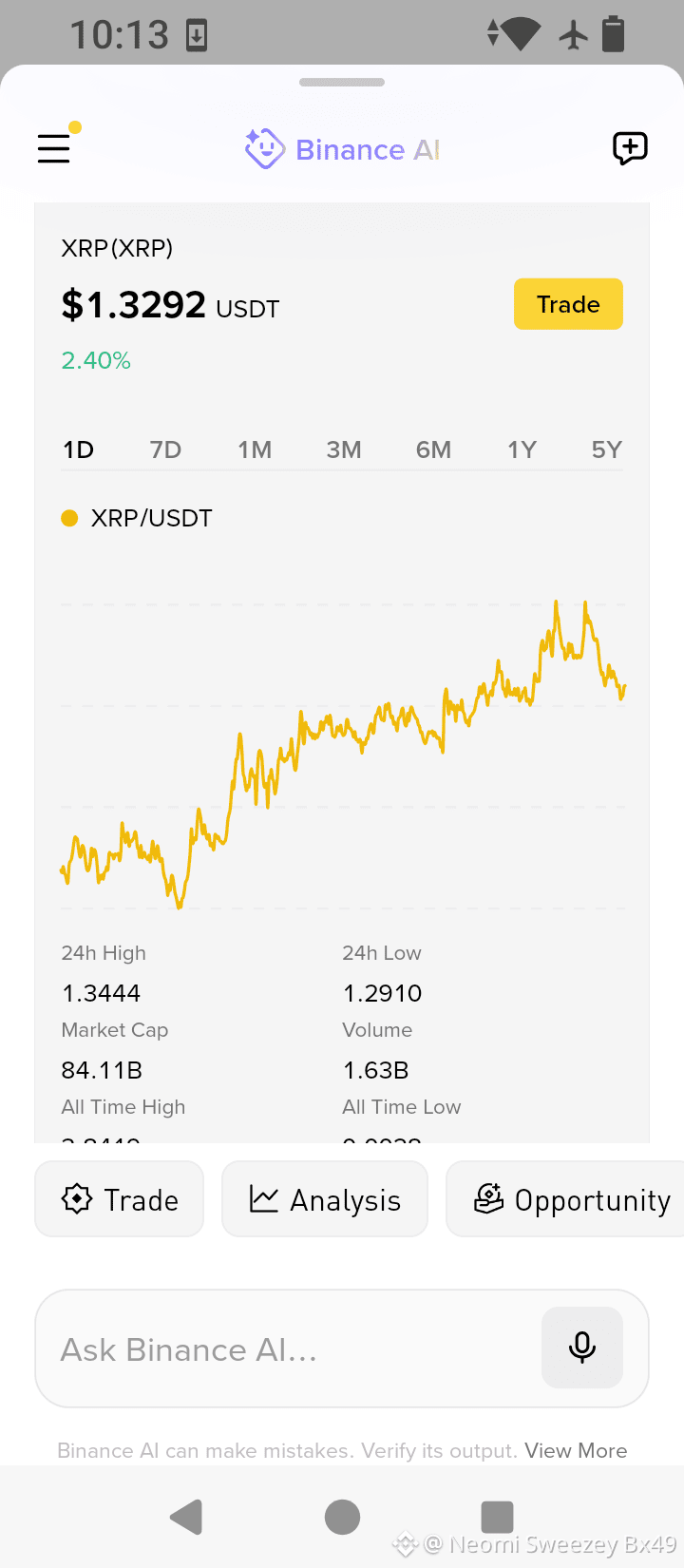
Binance現物市場のXRP:XRPは現在、約1.3290ドルで取引されており、過去24時間で約2.4%上昇しています。24時間の高値は1.3444ドル、安値は1.2910ドルです。
$XRP
{spot}(XRPUSDT)
#CanMicrosoftDeliverOnAI #CanGoogleDefindItsCore #FOMCWatch #OSMOPlansToBurn100MTokensFromCommunityPool #ThailandLaunchesWORPTStablecoinToQRPaymentApp
今日のニュース
🔥 Ripple、ナショナル・トラスト銀行としての営業に最終承認
Rippleは、米国通貨監督庁(OCC)から、ナショナル・トラスト銀行を設立・運営するための最終承認を取得しました。この承認は、規制対象となる金融インフラ分野への大きな事業拡大を意味しますが、認可はXRPに直接適用されるものではありません。
⚡ 米国の現物ビットコインETF、純流入に転じる
2営業日連続で合計7億7,400万ドルの資金流出が続いた後、米国の現物ビットコインETFは10月26日(月)、1億1,000万ドルの純流入を記録しました。この反転は、最近の資金流出を経て、投資家の参加が再び活発になったことを示唆しています。
📉 CryptoQuant、長期保有者のシグナルはまだ現れていないと指摘
CryptoQuantのアナリストは、現在の市場サイクルはまだ進行中である可能性があると述べています。過去に注目されてきたシグナル、つまり18カ月超ビットコインを保有する人の割合が上昇した後に低下する動きは、まだ確認されていないと指摘しています。過去の指標は、将来の市場動向を保証するものではありません。
Binance現物市場のXRP:XRPは現在、約1.3290ドルで取引されており、過去24時間で約2.4%上昇しています。24時間の高値は1.3444ドル、安値は1.2910ドルです。
$XRP
#CanMicrosoftDeliverOnAI #CanGoogleDefindItsCore #FOMCWatch #OSMOPlansToBurn100MTokensFromCommunityPool #ThailandLaunchesWORPTStablecoinToQRPaymentApp
1
137
翻訳参照
word of the day
answer 6 latter
flow me and flow back
CREDIT
$BTC
{spot}(BTCUSDT)
$BNB
{spot}(BNBUSDT)
#CanMicrosoftDeliverOnAI #CanGoogleDefindItsCore #FOMCWatch #OSMOPlansToBurn100MTokensFromCommunityPool #ThailandLaunchesWORPTStablecoinToQRPaymentApp
word of the day
answer 6 latter
flow me and flow back
CREDIT
$BTC
$BNB
#CanMicrosoftDeliverOnAI #CanGoogleDefindItsCore #FOMCWatch #OSMOPlansToBurn100MTokensFromCommunityPool #ThailandLaunchesWORPTStablecoinToQRPaymentApp
answer 6 latter
flow me and flow back
CREDIT
$BTC
$BNB
#CanMicrosoftDeliverOnAI #CanGoogleDefindItsCore #FOMCWatch #OSMOPlansToBurn100MTokensFromCommunityPool #ThailandLaunchesWORPTStablecoinToQRPaymentApp
1
3
翻訳参照
word of the day
answer 4 latter
flow me and flow back
"CHAT"
$BTC
{spot}(BTCUSDT)
$BNB
{spot}(BNBUSDT)
#BinancePick #EarningsSeason #BitmineAdds10452ETH #SouthKoreaConsidersEducationTaxOnCryptoExchanges #RippleWinsFullApprovalAsNationalTrustBank
word of the day
answer 4 latter
flow me and flow back
"CHAT"
$BTC
$BNB
#BinancePick #EarningsSeason #BitmineAdds10452ETH #SouthKoreaConsidersEducationTaxOnCryptoExchanges #RippleWinsFullApprovalAsNationalTrustBank
answer 4 latter
flow me and flow back
"CHAT"
$BTC
$BNB
#BinancePick #EarningsSeason #BitmineAdds10452ETH #SouthKoreaConsidersEducationTaxOnCryptoExchanges #RippleWinsFullApprovalAsNationalTrustBank
1
2
翻訳参照
word of the day
answer 5 latter
flow me and flow back
"recap"
$BTC
{spot}(BTCUSDT)
$BNB
{spot}(BNBUSDT)
#EarningsSeason #SwitzerlandApprovesFirstBitcoinETF #SkyAISellsAllSOLAndLaunchesCashTenderOffer #ElicePlunges33%InKoreanIPODebut #ElicePlunges33%InKoreanIPODebut
word of the day
answer 5 latter
flow me and flow back
"recap"
$BTC
$BNB
#EarningsSeason #SwitzerlandApprovesFirstBitcoinETF #SkyAISellsAllSOLAndLaunchesCashTenderOffer #ElicePlunges33%InKoreanIPODebut #ElicePlunges33%InKoreanIPODebut
answer 5 latter
flow me and flow back
"recap"
$BTC
$BNB
#EarningsSeason #SwitzerlandApprovesFirstBitcoinETF #SkyAISellsAllSOLAndLaunchesCashTenderOffer #ElicePlunges33%InKoreanIPODebut #ElicePlunges33%InKoreanIPODebut
1
1
翻訳参照
word of the day
answer 4 latter
flow me and flow back
AUTO
$BTC
{spot}(BTCUSDT)
$BNB
{spot}(BNBUSDT)
#GrayscaleAndRepublicLaunchThreeCryptoFunds #ElSalvadorBitcoinHoldingsSurpass7800BTC #DeepSeekReleasesUpdatedAIModel #NasdaqDowWeeklyGapWidestSinceJuly2002 #NasdaqDowWeeklyGapWidestSinceJuly2002
word of the day
answer 4 latter
flow me and flow back
AUTO
$BTC
$BNB
#GrayscaleAndRepublicLaunchThreeCryptoFunds #ElSalvadorBitcoinHoldingsSurpass7800BTC #DeepSeekReleasesUpdatedAIModel #NasdaqDowWeeklyGapWidestSinceJuly2002 #NasdaqDowWeeklyGapWidestSinceJuly2002
answer 4 latter
flow me and flow back
AUTO
$BTC
$BNB
#GrayscaleAndRepublicLaunchThreeCryptoFunds #ElSalvadorBitcoinHoldingsSurpass7800BTC #DeepSeekReleasesUpdatedAIModel #NasdaqDowWeeklyGapWidestSinceJuly2002 #NasdaqDowWeeklyGapWidestSinceJuly2002
1
1
翻訳参照
Russia to Restrict Direct Crypto P2P Transactions From July 2027
Russia’s central bank has announced plans to restrict direct peer-to-peer crypto transactions for individual residents beginning July 1, 2027. Under the proposed framework, crypto transfers between individuals would need to be processed through compliant financial intermediaries.
The policy is intended to strengthen oversight of crypto activity, improve transaction monitoring, and align digital-asset transfers with local compliance requirements. It could make direct wallet-to-wallet P2P activity more regulated for Russian residents, while placing a greater role on approved institutions in facilitating crypto transactions.
Bitcoin is currently trading near $81,311.11 on Binance Spot, down about 1.28% over the past 24 hours. Its 24-hour high is $82,940.81, with a low of $80,809.25.
$BTC
{spot}(BTCUSDT)
#BitcoinShortTermHoldersReach4.08MBTC #OctoberFedHikeOddsFallToAround17% #NEARRisesNearly10% #AustraliaProposesCryptoTransactionReportingLaw #SolanaAlpenglowUpgradeToActivateOnOct21
Russia to Restrict Direct Crypto P2P Transactions From July 2027
Russia’s central bank has announced plans to restrict direct peer-to-peer crypto transactions for individual residents beginning July 1, 2027. Under the proposed framework, crypto transfers between individuals would need to be processed through compliant financial intermediaries.
The policy is intended to strengthen oversight of crypto activity, improve transaction monitoring, and align digital-asset transfers with local compliance requirements. It could make direct wallet-to-wallet P2P activity more regulated for Russian residents, while placing a greater role on approved institutions in facilitating crypto transactions.
Bitcoin is currently trading near $81,311.11 on Binance Spot, down about 1.28% over the past 24 hours. Its 24-hour high is $82,940.81, with a low of $80,809.25.
$BTC
#BitcoinShortTermHoldersReach4.08MBTC #OctoberFedHikeOddsFallToAround17% #NEARRisesNearly10% #AustraliaProposesCryptoTransactionReportingLaw #SolanaAlpenglowUpgradeToActivateOnOct21
1
55
ナスダック上場のトロン、TRX準備金拡大に向け2億ドルのATM株式売出しを計画
ナスダック上場企業のトロンは、普通株の売却を通じて最大2億ドルを調達する可能性がある新たな市場価格連動型株式売出しを申請しました。同社によると、調達資金はTRXの保有準備金の強化と拡大に充てる予定です。
今回の動きにより、トロンは一度に固定価格で大規模な売却を行うのではなく、一定期間にわたって柔軟に株式を発行できるようになります。また、同社の準備金戦略はTRXとの結びつきがより強くなります。そのため、TRXの市場価値の変動が、同社のデジタル資産準備金の価値により大きな影響を与える可能性があります。
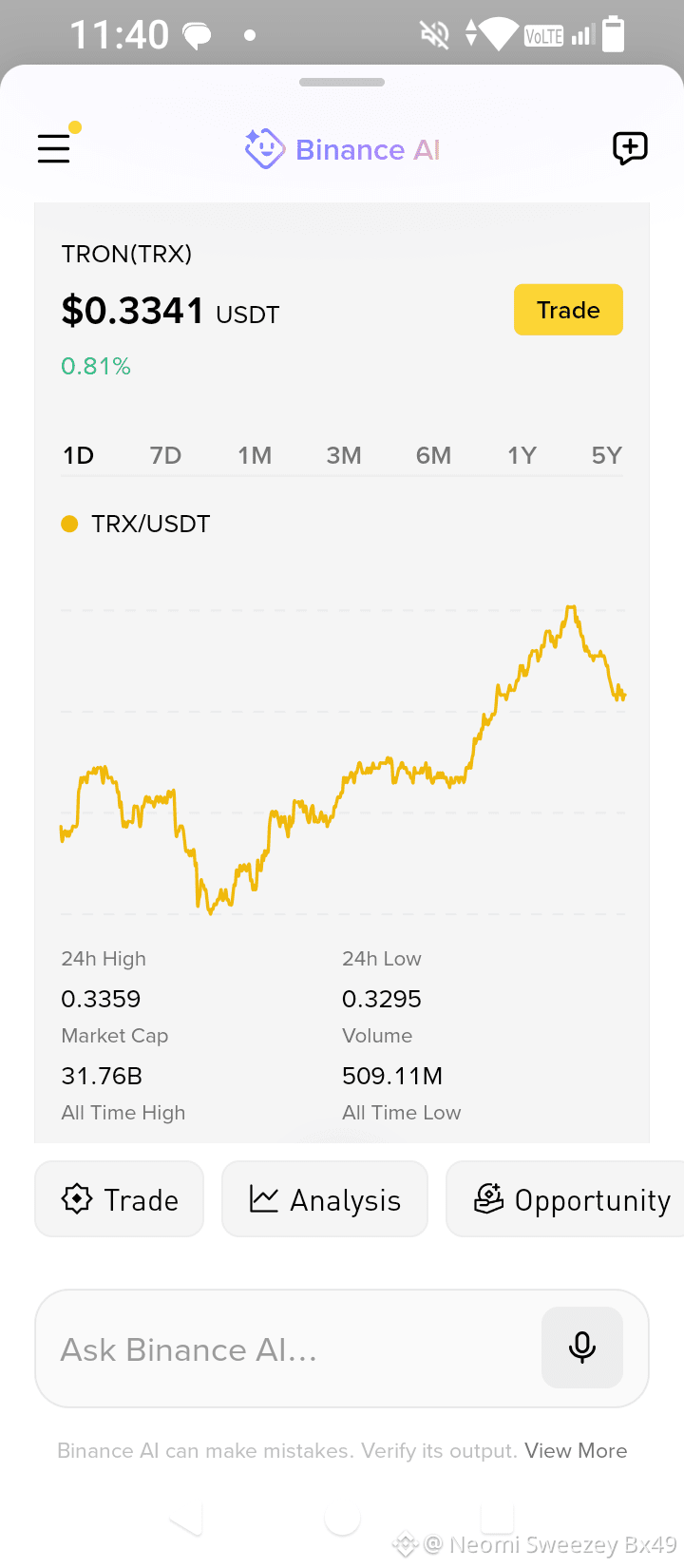
TRXは現在、約0.3340ドルで取引されており、過去24時間で約0.8%上昇しています。過去24時間の価格帯は、およそ0.3295~0.3359ドルです。
$TRX
{spot}(TRXUSDT)
#NEARRisesNearly10% #AustraliaProposesCryptoTransactionReportingLaw #SolanaAlpenglowUpgradeToActivateOnOct21 #RussiaToBanDirectCryptoP2PTradesFromJuly2027 #MSCIFinalizesRulesThatCouldExcludeStrategy
ナスダック上場のトロン、TRX準備金拡大に向け2億ドルのATM株式売出しを計画
ナスダック上場企業のトロンは、普通株の売却を通じて最大2億ドルを調達する可能性がある新たな市場価格連動型株式売出しを申請しました。同社によると、調達資金はTRXの保有準備金の強化と拡大に充てる予定です。
今回の動きにより、トロンは一度に固定価格で大規模な売却を行うのではなく、一定期間にわたって柔軟に株式を発行できるようになります。また、同社の準備金戦略はTRXとの結びつきがより強くなります。そのため、TRXの市場価値の変動が、同社のデジタル資産準備金の価値により大きな影響を与える可能性があります。
TRXは現在、約0.3340ドルで取引されており、過去24時間で約0.8%上昇しています。過去24時間の価格帯は、およそ0.3295~0.3359ドルです。
$TRX
#NEARRisesNearly10% #AustraliaProposesCryptoTransactionReportingLaw #SolanaAlpenglowUpgradeToActivateOnOct21 #RussiaToBanDirectCryptoP2PTradesFromJuly2027 #MSCIFinalizesRulesThatCouldExcludeStrategy
1
146
翻訳参照
word of the day
answer 5 latter
flow me and flow back
SKILL
$BTC
{spot}(BTCUSDT)
$BNB
{spot}(BNBUSDT)
$ETH
{spot}(ETHUSDT)
#NEARRisesNearly10% #AustraliaProposesCryptoTransactionReportingLaw #SolanaAlpenglowUpgradeToActivateOnOct21 #USSeptemberPPIRisesTo6.3% #MSCIFinalizesRulesThatCouldExcludeStrategy
word of the day
answer 5 latter
flow me and flow back
SKILL
$BTC
$BNB
$ETH
#NEARRisesNearly10% #AustraliaProposesCryptoTransactionReportingLaw #SolanaAlpenglowUpgradeToActivateOnOct21 #USSeptemberPPIRisesTo6.3% #MSCIFinalizesRulesThatCouldExcludeStrategy
answer 5 latter
flow me and flow back
SKILL
$BTC
$BNB
$ETH
#NEARRisesNearly10% #AustraliaProposesCryptoTransactionReportingLaw #SolanaAlpenglowUpgradeToActivateOnOct21 #USSeptemberPPIRisesTo6.3% #MSCIFinalizesRulesThatCouldExcludeStrategy
1
3
翻訳参照
word of the day
answer 5 latter
flow me and flow back
AGENT
$BTC
{spot}(BTCUSDT)
$BNB
{spot}(BNBUSDT)
$USDC
{spot}(USDCUSDT)
#CPIWatch #FranceAdvancesCryptoSelfCustodyReportingProposal #OptimismOPRises19.98% #GoogleReleasesGemini4ArgonAIModel #LedgerAsksSoutheastAsiaHKResellersToHaltSales
word of the day
answer 5 latter
flow me and flow back
AGENT
$BTC
$BNB
$USDC
#CPIWatch #FranceAdvancesCryptoSelfCustodyReportingProposal #OptimismOPRises19.98% #GoogleReleasesGemini4ArgonAIModel #LedgerAsksSoutheastAsiaHKResellersToHaltSales
answer 5 latter
flow me and flow back
AGENT
$BTC
$BNB
$USDC
#CPIWatch #FranceAdvancesCryptoSelfCustodyReportingProposal #OptimismOPRises19.98% #GoogleReleasesGemini4ArgonAIModel #LedgerAsksSoutheastAsiaHKResellersToHaltSales
1
1
金融安定理事会、ステーブルコインとAIのリスクに警鐘
金融安定理事会は、ステーブルコインに関する世界的な安全対策は依然として不十分であり、特に国境を越えた利用や危機管理計画に課題があると警告しました。また、人工知能への依存が高まることで、新たなサイバーセキュリティ上の脆弱性が生じ、金融システム全体の安定性に影響を及ぼす可能性があると指摘しました。
暗号資産市場にとって、このメッセージは、準備金の透明性、明確な償還の仕組み、強靭なインフラ、そして各国・地域間で連携した規制の重要性を強調するものです。
BinanceのBTCは83,682.77ドルで、過去24時間で約0.29%下落しています。本日の値幅:81,033.66~84,352.00ドル。
$BTC
{spot}(BTCUSDT)
#EvernorthNasdaqDebutClosesDown1.05% #StrategyBuys250Bitcoin #SKHynixSharesDrop7.1% #BlurPlansToRetireBlurioFrontendOnNov12 #BitcoinOptionsVolatilityHitsFiveYearLow
金融安定理事会、ステーブルコインとAIのリスクに警鐘
金融安定理事会は、ステーブルコインに関する世界的な安全対策は依然として不十分であり、特に国境を越えた利用や危機管理計画に課題があると警告しました。また、人工知能への依存が高まることで、新たなサイバーセキュリティ上の脆弱性が生じ、金融システム全体の安定性に影響を及ぼす可能性があると指摘しました。
暗号資産市場にとって、このメッセージは、準備金の透明性、明確な償還の仕組み、強靭なインフラ、そして各国・地域間で連携した規制の重要性を強調するものです。
BinanceのBTCは83,682.77ドルで、過去24時間で約0.29%下落しています。本日の値幅:81,033.66~84,352.00ドル。
$BTC
#EvernorthNasdaqDebutClosesDown1.05% #StrategyBuys250Bitcoin #SKHynixSharesDrop7.1% #BlurPlansToRetireBlurioFrontendOnNov12 #BitcoinOptionsVolatilityHitsFiveYearLow
1
100
翻訳参照
word of the day
answer 7 latter
flow me and flow back
INSIGHT
$BTC
{spot}(BTCUSDT)
$BNB
{spot}(BNBUSDT)
#EvernorthNasdaqDebutClosesDown1.05% #StrategyBuys250Bitcoin #SKHynixSharesDrop7.1% #BlurPlansToRetireBlurioFrontendOnNov12 #BitcoinOptionsVolatilityHitsFiveYearLow
word of the day
answer 7 latter
flow me and flow back
INSIGHT
$BTC
$BNB
#EvernorthNasdaqDebutClosesDown1.05% #StrategyBuys250Bitcoin #SKHynixSharesDrop7.1% #BlurPlansToRetireBlurioFrontendOnNov12 #BitcoinOptionsVolatilityHitsFiveYearLow
answer 7 latter
flow me and flow back
INSIGHT
$BTC
$BNB
#EvernorthNasdaqDebutClosesDown1.05% #StrategyBuys250Bitcoin #SKHynixSharesDrop7.1% #BlurPlansToRetireBlurioFrontendOnNov12 #BitcoinOptionsVolatilityHitsFiveYearLow
3
翻訳参照
China Highlights National Blockchain Network in Economic Blueprint
China’s leadership has identified the creation of a national blockchain network as one of 19 priority measures in its latest economic blueprint. The policy focus is on connecting digital infrastructure with the real economy, while signaling caution toward speculative excess and potential market bubbles.
For crypto markets, the announcement is a reminder that blockchain adoption by governments can center on infrastructure and enterprise use cases—not necessarily broader support for decentralized tokens or speculative trading.
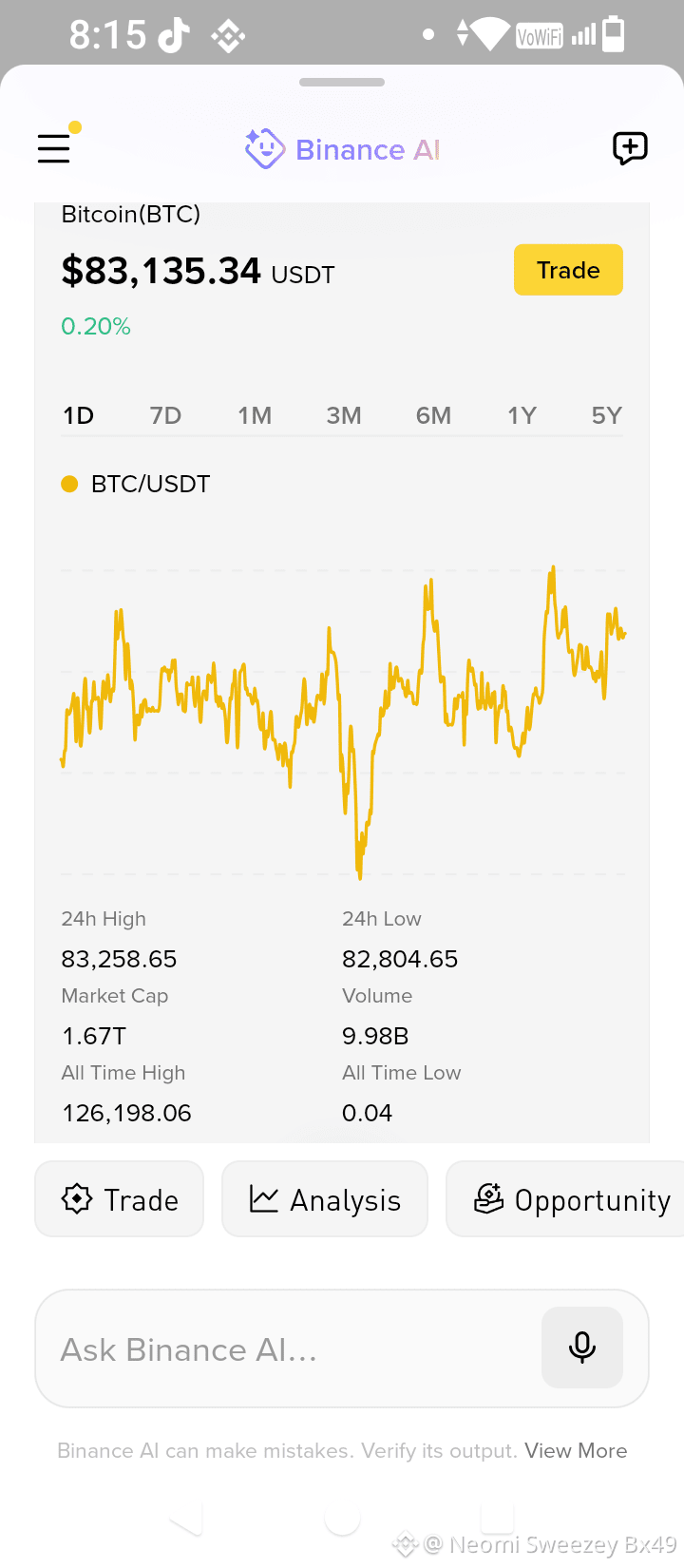
Bitcoin is currently trading around $83,135.33, up about 0.23% over the last 24 hours on Binance. Its 24-hour range is $82,804.65–$83,258.65.
$BTC
{spot}(BTCUSDT)
#EtherETFsExtendOutflowsToNineDays #EthereumSurpasses2500USDT #XRPLedgerPatchesXRPCreationBug #TetherFreezesUSDTLinkedToLedgerTheft #CFTCMovesToFoldEventContractsIntoSwapsRules
China Highlights National Blockchain Network in Economic Blueprint
China’s leadership has identified the creation of a national blockchain network as one of 19 priority measures in its latest economic blueprint. The policy focus is on connecting digital infrastructure with the real economy, while signaling caution toward speculative excess and potential market bubbles.
For crypto markets, the announcement is a reminder that blockchain adoption by governments can center on infrastructure and enterprise use cases—not necessarily broader support for decentralized tokens or speculative trading.
Bitcoin is currently trading around $83,135.33, up about 0.23% over the last 24 hours on Binance. Its 24-hour range is $82,804.65–$83,258.65.
$BTC
#EtherETFsExtendOutflowsToNineDays #EthereumSurpasses2500USDT #XRPLedgerPatchesXRPCreationBug #TetherFreezesUSDTLinkedToLedgerTheft #CFTCMovesToFoldEventContractsIntoSwapsRules
1
53
翻訳参照
word of the day
answer 5 latter
flow me and flow back
"BLOCK"
$BTC
{spot}(BTCUSDT)
$BNB
{spot}(BNBUSDT)
#EtherETFsExtendOutflowsToNineDays #EthereumSurpasses2500USDT #XRPLedgerPatchesXRPCreationBug #TetherFreezesUSDTLinkedToLedgerTheft #CFTCMovesToFoldEventContractsIntoSwapsRules
word of the day
answer 5 latter
flow me and flow back
"BLOCK"
$BTC
$BNB
#EtherETFsExtendOutflowsToNineDays #EthereumSurpasses2500USDT #XRPLedgerPatchesXRPCreationBug #TetherFreezesUSDTLinkedToLedgerTheft #CFTCMovesToFoldEventContractsIntoSwapsRules
answer 5 latter
flow me and flow back
"BLOCK"
$BTC
$BNB
#EtherETFsExtendOutflowsToNineDays #EthereumSurpasses2500USDT #XRPLedgerPatchesXRPCreationBug #TetherFreezesUSDTLinkedToLedgerTheft #CFTCMovesToFoldEventContractsIntoSwapsRules
1
4
翻訳参照
word of the day
answer 5 latter
flow me and flow back
AUDIT
$BTC
{spot}(BTCUSDT)
$BNB
{spot}(BNBUSDT)
#STRKRisesAbout20%In24Hours #TetherFreezesUSDTLinkedToLedgerTheft #CFTCMovesToFoldEventContractsIntoSwapsRules #LedgerPausesCryptoBilisSales #EvernorthCompletesSPACMergerWithArmadaII
word of the day
answer 5 latter
flow me and flow back
AUDIT
$BTC
$BNB
#STRKRisesAbout20%In24Hours #TetherFreezesUSDTLinkedToLedgerTheft #CFTCMovesToFoldEventContractsIntoSwapsRules #LedgerPausesCryptoBilisSales #EvernorthCompletesSPACMergerWithArmadaII
answer 5 latter
flow me and flow back
AUDIT
$BTC
$BNB
#STRKRisesAbout20%In24Hours #TetherFreezesUSDTLinkedToLedgerTheft #CFTCMovesToFoldEventContractsIntoSwapsRules #LedgerPausesCryptoBilisSales #EvernorthCompletesSPACMergerWithArmadaII
1
2
翻訳参照
word of the day
answer 5 latter
flow me and flow back
ALERT
$BTC
{spot}(BTCUSDT)
$BNB
{spot}(BNBUSDT)
#SolanaPlansToCutBlockTimesTo200ms #ReusedBitcoinAddressesHold4.33MBTC #SenBlumenthalProbesCantorFitzgeraldTetherTies
word of the day
answer 5 latter
flow me and flow back
ALERT
$BTC
$BNB
#SolanaPlansToCutBlockTimesTo200ms #ReusedBitcoinAddressesHold4.33MBTC #SenBlumenthalProbesCantorFitzgeraldTetherTies
answer 5 latter
flow me and flow back
ALERT
$BTC
$BNB
#SolanaPlansToCutBlockTimesTo200ms #ReusedBitcoinAddressesHold4.33MBTC #SenBlumenthalProbesCantorFitzgeraldTetherTies
1
2
翻訳参照
word of the day
answer 4 latter
flow me and flow back
"RISK"
$BTC
{spot}(BTCUSDT)
$BNB
{spot}(BNBUSDT)
#FedMinutesFocusOnOctoberPause #VitalikWarnsAICouldWeakenCryptographySecurity #FrenchHillUrgesCLARITYActPassageInLameDuck #IMFGrantsWaiverForElSalvadorBitcoinBreach #BinanceLaunchesBinanceIntelligence
word of the day
answer 4 latter
flow me and flow back
"RISK"
$BTC
$BNB
#FedMinutesFocusOnOctoberPause #VitalikWarnsAICouldWeakenCryptographySecurity #FrenchHillUrgesCLARITYActPassageInLameDuck #IMFGrantsWaiverForElSalvadorBitcoinBreach #BinanceLaunchesBinanceIntelligence
answer 4 latter
flow me and flow back
"RISK"
$BTC
$BNB
#FedMinutesFocusOnOctoberPause #VitalikWarnsAICouldWeakenCryptographySecurity #FrenchHillUrgesCLARITYActPassageInLameDuck #IMFGrantsWaiverForElSalvadorBitcoinBreach #BinanceLaunchesBinanceIntelligence
1
4
翻訳参照
word of the day
answer 6 latter
flow me and flow back
"SHIELD"
$BTC
{spot}(BTCUSDT)
$BNB
{spot}(BNBUSDT)
$ETH
{spot}(ETHUSDT)
#BinanceLaunchesBinanceIntelligence #DubaiVARAIssuesReserveAssetAuditCircular #SECApproves3XBitcoinETF #WinklevossFilesSpotZcashETFApplication #IglooShutsDownAbstractBlockchain
word of the day
answer 6 latter
flow me and flow back
"SHIELD"
$BTC
$BNB
$ETH
#BinanceLaunchesBinanceIntelligence #DubaiVARAIssuesReserveAssetAuditCircular #SECApproves3XBitcoinETF #WinklevossFilesSpotZcashETFApplication #IglooShutsDownAbstractBlockchain
answer 6 latter
flow me and flow back
"SHIELD"
$BTC
$BNB
$ETH
#BinanceLaunchesBinanceIntelligence #DubaiVARAIssuesReserveAssetAuditCircular #SECApproves3XBitcoinETF #WinklevossFilesSpotZcashETFApplication #IglooShutsDownAbstractBlockchain
1
翻訳参照
U.S. Treasury Withdraws Proposed Crypto Monitoring Rule for Non-Custodial Wallets and CVC Mixing
The U.S. Treasury has withdrawn a proposed rule that would have expanded reporting and monitoring requirements for transactions involving non-custodial wallets and convertible virtual currency (CVC) mixing services.
The withdrawal reduces an immediate regulatory concern for privacy advocates and parts of the crypto industry, which had argued that the proposal could impose significant compliance burdens and affect how users interact with self-custodied assets. However, the move does not remove broader policy scrutiny around illicit-finance risks, sanctions compliance, and crypto-related transaction monitoring.
The long-term impact will depend on whether Treasury introduces a revised framework, other agencies pursue related measures, and how future rules balance privacy, innovation, and financial-crime prevention.
$BTC
{spot}(BTCUSDT)
#BinanceLaunchesBinanceIntelligence #EvernorthXRPTreasuryCompletesSPACMerger #ETHUp70%InQ3ButLiquidityFalls #FedOctoberHoldOdds82.3% #Nikkei225Jumps2.5%ToThreeMonthHigh
U.S. Treasury Withdraws Proposed Crypto Monitoring Rule for Non-Custodial Wallets and CVC Mixing
The U.S. Treasury has withdrawn a proposed rule that would have expanded reporting and monitoring requirements for transactions involving non-custodial wallets and convertible virtual currency (CVC) mixing services.
The withdrawal reduces an immediate regulatory concern for privacy advocates and parts of the crypto industry, which had argued that the proposal could impose significant compliance burdens and affect how users interact with self-custodied assets. However, the move does not remove broader policy scrutiny around illicit-finance risks, sanctions compliance, and crypto-related transaction monitoring.
The long-term impact will depend on whether Treasury introduces a revised framework, other agencies pursue related measures, and how future rules balance privacy, innovation, and financial-crime prevention.
$BTC
#BinanceLaunchesBinanceIntelligence #EvernorthXRPTreasuryCompletesSPACMerger #ETHUp70%InQ3ButLiquidityFalls #FedOctoberHoldOdds82.3% #Nikkei225Jumps2.5%ToThreeMonthHigh
1
54
翻訳参照
word of the day
answer 6 latter
flow me and flow back
"SAFETY"
$BTC
{spot}(BTCUSDT)
$ETH
{spot}(ETHUSDT)
$BNB
{spot}(BNBUSDT)
#BinanceLaunchesBinanceIntelligence #EvernorthXRPTreasuryCompletesSPACMerger #ETHUp70%InQ3ButLiquidityFalls #FedOctoberHoldOdds82.3% #Nikkei225Jumps2.5%ToThreeMonthHigh
word of the day
answer 6 latter
flow me and flow back
"SAFETY"
$BTC
$ETH
$BNB
#BinanceLaunchesBinanceIntelligence #EvernorthXRPTreasuryCompletesSPACMerger #ETHUp70%InQ3ButLiquidityFalls #FedOctoberHoldOdds82.3% #Nikkei225Jumps2.5%ToThreeMonthHigh
answer 6 latter
flow me and flow back
"SAFETY"
$BTC
$ETH
$BNB
#BinanceLaunchesBinanceIntelligence #EvernorthXRPTreasuryCompletesSPACMerger #ETHUp70%InQ3ButLiquidityFalls #FedOctoberHoldOdds82.3% #Nikkei225Jumps2.5%ToThreeMonthHigh
1
1
ログインして、さらにコンテンツを読む
厳選トピックで世界の暗号資産トレーダーの仲間入り
⚡️ 暗号資産に関する最新かつ有益な情報が見つかります。
💬 世界最大の暗号資産取引所から信頼されています。
👍 認証を受けたクリエイターから、有益なインサイトを得られます。
メール / 電話番号