

Miss coit
101 投稿

Miss coit
報告
ユーザーをブロック
8 フォロー
18 フォロワー
55 いいね
投稿
すべて
引用
ライブ
·
--
ブリッシュ
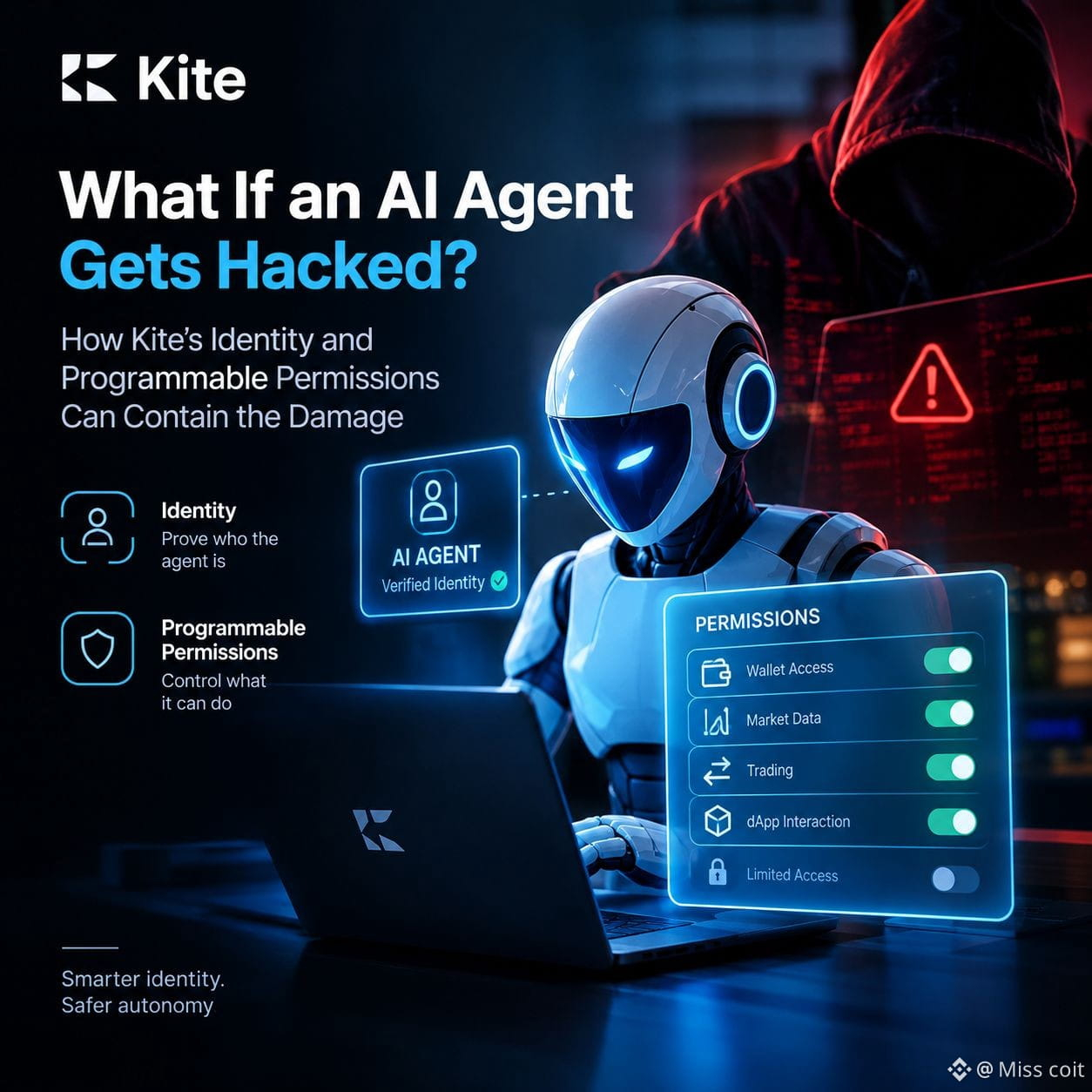
深夜の調査中、AIエージェントがどれほど賢くなっているかよりも、エージェントが暴走したら何が起きるのかを考えている自分に気づきました。
そこで、Kiteのアイデンティティアーキテクチャとプログラム可能な権限設定に興味を持ちました。
何度も立ち返ったのは、エージェントの身元を証明することと、その権限を制御することは同じではない、という点です。エージェントがウォレット、取引システム、分散型アプリケーションへの正当なアクセス権を持っていたとしても、自由に何でも実行してよいということにはなりません。
Kiteのアプローチは、この違いを実質的なものにしようとする試みだと考えています。アイデンティティ基盤とプログラム可能なアクセス制御を組み合わせることで、エージェントの行動をすべて信頼するのではなく、何ができるかを定めることを目指しています。
AIエージェントが人間の監督をあまり受けずに金融業務を担うようになるなかで、これは重要なことです。
とはいえ、プログラム可能な権限設定だけでセキュリティが完全に解決するとは考えていません。制限がどのように適用されるのか、アクセスをどれほど迅速に取り消せるのか、侵害された認証情報によって制御を回避できないかを確認したいと思います。概念だけでなく、実装の質が重要です。
特に関心があるのは、あらゆる攻撃を防げると想定するのではなく、被害を限定するという考え方です。自律型金融では、この違いが根本的なものになるかもしれません。
通常の実行時だけでなく、敵対的な状況にKiteがどう対処するのかを見てみたいです。
明日、AIエージェントがハッキングされたとしたら、その権限はインシデントを封じ込めるのに十分強固でしょうか。それとも、そもそもエージェントを信頼することにシステムが依存しすぎているのでしょうか?#KiteBBW $KITE @GoKiteAI
{spot}(KITEUSDT)
深夜の調査中、AIエージェントがどれほど賢くなっているかよりも、エージェントが暴走したら何が起きるのかを考えている自分に気づきました。
そこで、Kiteのアイデンティティアーキテクチャとプログラム可能な権限設定に興味を持ちました。
何度も立ち返ったのは、エージェントの身元を証明することと、その権限を制御することは同じではない、という点です。エージェントがウォレット、取引システム、分散型アプリケーションへの正当なアクセス権を持っていたとしても、自由に何でも実行してよいということにはなりません。
Kiteのアプローチは、この違いを実質的なものにしようとする試みだと考えています。アイデンティティ基盤とプログラム可能なアクセス制御を組み合わせることで、エージェントの行動をすべて信頼するのではなく、何ができるかを定めることを目指しています。
AIエージェントが人間の監督をあまり受けずに金融業務を担うようになるなかで、これは重要なことです。
とはいえ、プログラム可能な権限設定だけでセキュリティが完全に解決するとは考えていません。制限がどのように適用されるのか、アクセスをどれほど迅速に取り消せるのか、侵害された認証情報によって制御を回避できないかを確認したいと思います。概念だけでなく、実装の質が重要です。
特に関心があるのは、あらゆる攻撃を防げると想定するのではなく、被害を限定するという考え方です。自律型金融では、この違いが根本的なものになるかもしれません。
通常の実行時だけでなく、敵対的な状況にKiteがどう対処するのかを見てみたいです。
明日、AIエージェントがハッキングされたとしたら、その権限はインシデントを封じ込めるのに十分強固でしょうか。それとも、そもそもエージェントを信頼することにシステムが依存しすぎているのでしょうか?#KiteBBW $KITE @KITE AI 中文
68
·
--
ブリッシュ
翻訳参照
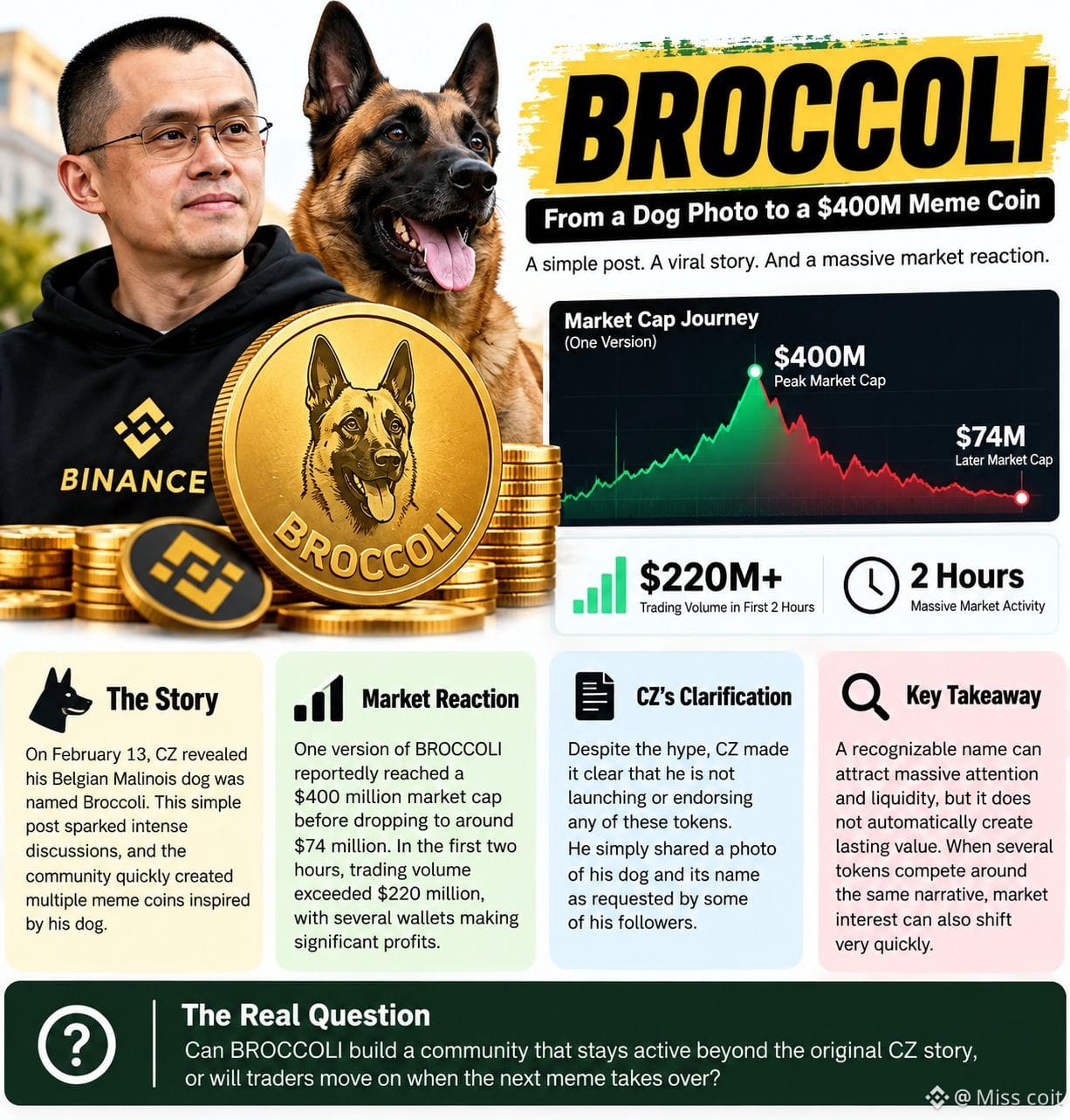
I was looking at $BROCCOLI714 ’s market history when one detail caught my attention: a meme coin inspired by a dog reportedly reached a $400 million market cap before falling to around $74 million.
That made me pause.
I find the story behind $BROCCOLI more interesting than the hype itself. CZ revealed his Belgian Malinois was named Broccoli, and the crypto community quickly turned that moment into a wave of meme coins.
Within the first two hours, reported trading volume crossed $220 million. That shows how quickly a simple story can attract liquidity when traders start chasing the same narrative.
But I see one important difference between attention and real value.
CZ clearly stated that he was not launching or endorsing these tokens. For me, that changes how I look at the entire trade. The name created excitement, but it did not come with official backing or a guarantee of lasting demand.
I also pay attention to how many different tokens can emerge from one viral moment. When several versions compete, liquidity and community attention can shift quickly.
I’m not dismissing meme coins. I’m simply watching whether interest survives after the initial excitement disappears.
My biggest question: Can BROCCOLI build a community that stays active beyond the original CZ story, or will traders move on when the next meme takes over?#CFTCUpdatesGuidanceOnTokenizedAssets
266
·
--
ブリッシュ
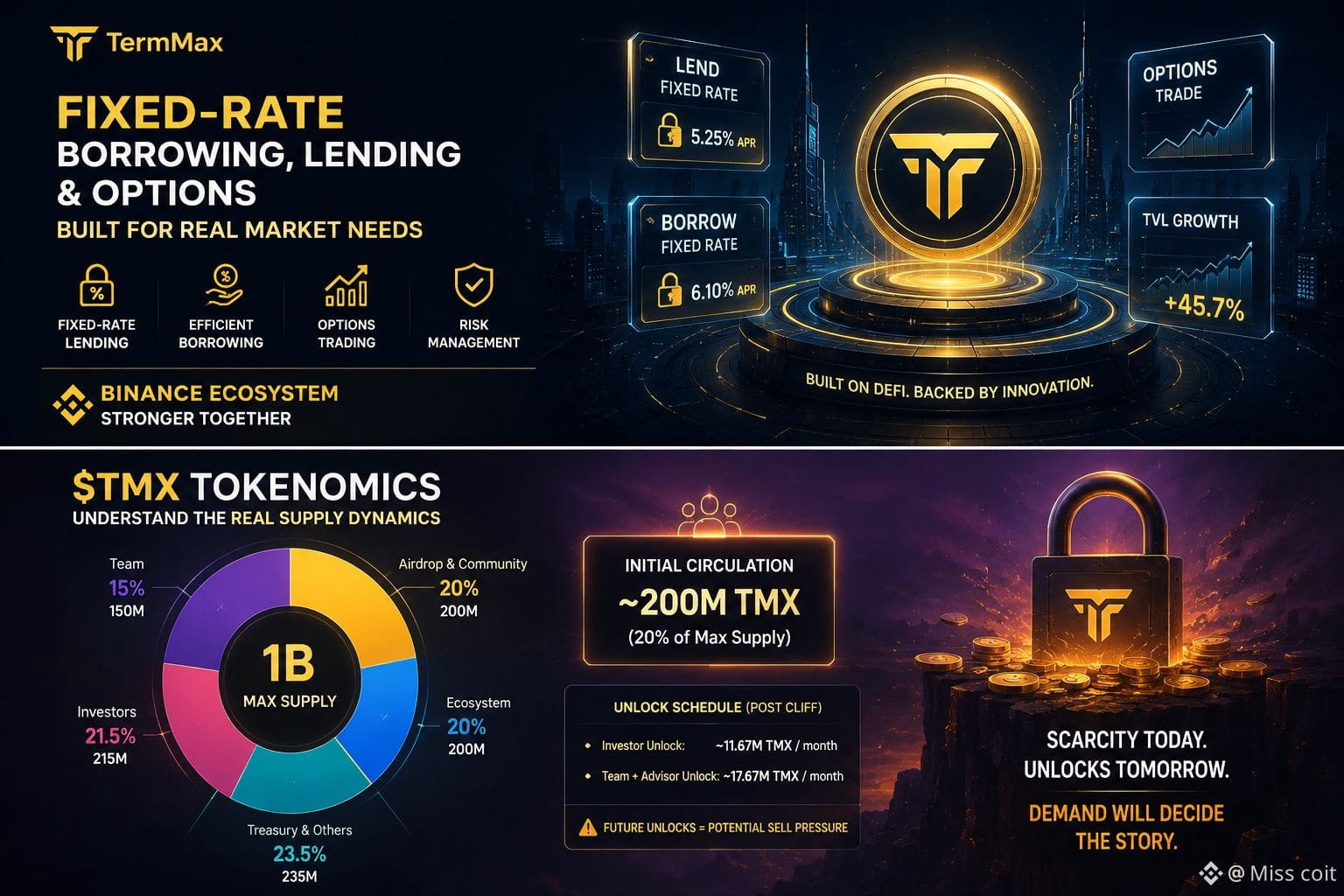
最近、TermMax を真剣に調べてみました。正直言うと、$TMX の TGE 初期の盛り上がりよりも、上場後に何が起きるのかにより注目しています。
私が特に重視しているのは、TermMax が単にポイント(インセンティブ)キャンペーンで注目を集めるだけの存在ではないという点です。実際に行っているのは固定金利の貸し借りとオプション取引で、少なくとも比較的はっきりした金融としての利用シーンがあると感じています。
また、TermMax と Binance エコシステムのつながりもずっと注視しています。将来的に必ず Binance に上場するとは直接は言いません。現時点では確認されていないからです。ただ、取引所エコシステムの露出、トークン発行、プロジェクト活動が徐々に交差していくなら、それは継続して観察する価値があると思います。
とはいえ、今いちばん気にしているのは実際にはトークンの供給です。
1B の最大供給量は大きく聞こえますが、私にとってより重要なのは、TGE 初期の流通量である約 2 億枚の $TMX と、その後どれだけのトークンが市場に出てくるかです。
さらに、チームへの配分 150M も気になっています。投資家やその他の部分のアンロック(解放)を加えると、将来市場が吸収しなければならない潜在的な売り圧力を無視できません。
なので、私は $TMX の TGE の実績だけを見るつもりはありません。
エアドロップの後に何が起きるのかを知りたいのです:
ユーザーは残るのか?
TVL は維持できるのか?
取引活動は継続できるのか?
実需が後続の解放分を消化できるのか?
私にとっては、ここが $TMX が単なる短期のホットトピックにとどまるのか、それとも長期のプロトコルとして育っていけるのかを見極める鍵です。
現時点では慎重に強気で見ていますが、判断をデータで裏付けてもらいたいです。
あなたが $TMX で一番注目している指標はどれですか?$BNB
{future}(BNBUSDT)
#termmax @termmax
最近、TermMax を真剣に調べてみました。正直言うと、$TMX の TGE 初期の盛り上がりよりも、上場後に何が起きるのかにより注目しています。
私が特に重視しているのは、TermMax が単にポイント(インセンティブ)キャンペーンで注目を集めるだけの存在ではないという点です。実際に行っているのは固定金利の貸し借りとオプション取引で、少なくとも比較的はっきりした金融としての利用シーンがあると感じています。
また、TermMax と Binance エコシステムのつながりもずっと注視しています。将来的に必ず Binance に上場するとは直接は言いません。現時点では確認されていないからです。ただ、取引所エコシステムの露出、トークン発行、プロジェクト活動が徐々に交差していくなら、それは継続して観察する価値があると思います。
とはいえ、今いちばん気にしているのは実際にはトークンの供給です。
1B の最大供給量は大きく聞こえますが、私にとってより重要なのは、TGE 初期の流通量である約 2 億枚の $TMX と、その後どれだけのトークンが市場に出てくるかです。
さらに、チームへの配分 150M も気になっています。投資家やその他の部分のアンロック(解放)を加えると、将来市場が吸収しなければならない潜在的な売り圧力を無視できません。
なので、私は $TMX の TGE の実績だけを見るつもりはありません。
エアドロップの後に何が起きるのかを知りたいのです:
ユーザーは残るのか?
TVL は維持できるのか?
取引活動は継続できるのか?
実需が後続の解放分を消化できるのか?
私にとっては、ここが $TMX が単なる短期のホットトピックにとどまるのか、それとも長期のプロトコルとして育っていけるのかを見極める鍵です。
現時点では慎重に強気で見ていますが、判断をデータで裏付けてもらいたいです。
あなたが $TMX で一番注目している指標はどれですか?$BNB
#termmax @TermMax
1
8.9k
·
--
ブリッシュ
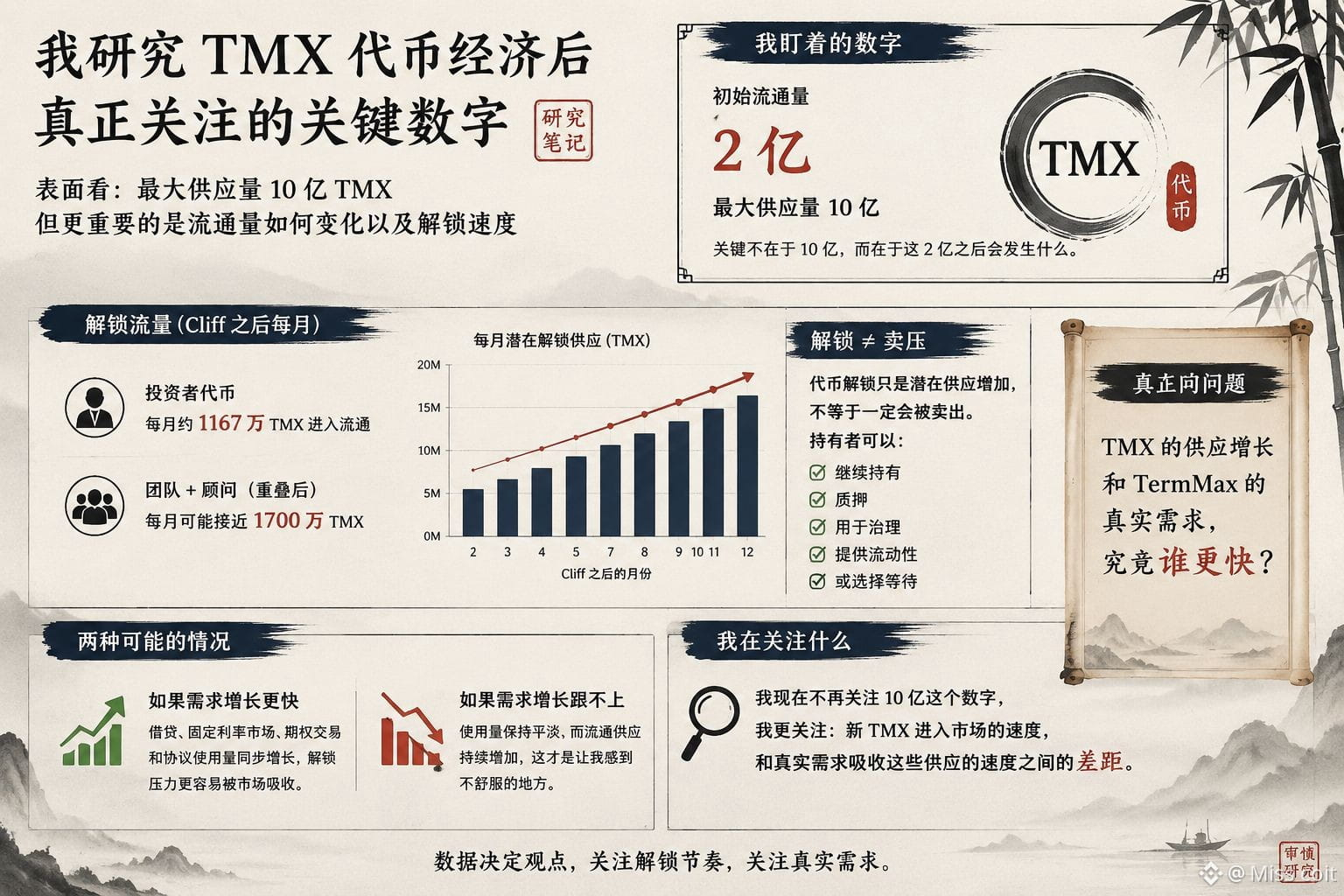
率直に言うと、私はずっと TMX のある数字を見つめてきました。2 億です。
これは想定される初期流通量で、最大供給量は 10 億です。一見するとシンプルに見えますが、ロック解除のスケジュールを見れば見るほど、「10 億」という数字の参考価値はあまりないように感じます。
私にとって本当に重要なのは、この最初の 2 億の後に何が起きるかです。
投資家トークンだけなら、cliff 終了後、毎月約 1167 万 TMX が増える可能性があります。チームとアドバイザーのアンロック時期が重なれば、毎月の潜在的なアンロック量は 1700 万 TMX 近くになるかもしれません。
ここが、私が本当に注目するところです。
なぜなら、「最大供給量 10 億」と「1 か月で 1700 万トークンが流通に入る可能性」は、実はまったく別の物語を語っているからです。
私は、ロック解除が起きたら即、弱気の結論を出したくありません。ロック解除は潜在的な供給の増加を意味するだけで、必ずしもこれらのトークンが売られることを意味しません。保有者は、保有を続けることも、ステーキングすることも、利用することもできるし、待つことを選ぶこともできます。
だから私にとっての本当の問いはこうです。TMX の供給増加スピードと、TermMax の実際の需要。いったいどちらがより速いのか?
もし、借入、固定金利市場、オプション取引、そしてプロトコル全体の利用量が、流通量とともに増えていくなら、これらのロック解除は市場に吸収されやすいかもしれません。
しかし、利用量が変わらないままで、流通可能な供給だけが増え続けるなら、それこそが私が本当に不安になる点です。
私はもう 10 億の数字にはあまり関心がありません。
気になっているのは、次の TMX が市場に入ってくるスピードと、実際の需要がそれらの供給を吸収するスピードの間に、どれほどギャップがあるのか—その一点です。$BNB
{future}(BNBUSDT)
#termmax @termmax
率直に言うと、私はずっと TMX のある数字を見つめてきました。2 億です。
これは想定される初期流通量で、最大供給量は 10 億です。一見するとシンプルに見えますが、ロック解除のスケジュールを見れば見るほど、「10 億」という数字の参考価値はあまりないように感じます。
私にとって本当に重要なのは、この最初の 2 億の後に何が起きるかです。
投資家トークンだけなら、cliff 終了後、毎月約 1167 万 TMX が増える可能性があります。チームとアドバイザーのアンロック時期が重なれば、毎月の潜在的なアンロック量は 1700 万 TMX 近くになるかもしれません。
ここが、私が本当に注目するところです。
なぜなら、「最大供給量 10 億」と「1 か月で 1700 万トークンが流通に入る可能性」は、実はまったく別の物語を語っているからです。
私は、ロック解除が起きたら即、弱気の結論を出したくありません。ロック解除は潜在的な供給の増加を意味するだけで、必ずしもこれらのトークンが売られることを意味しません。保有者は、保有を続けることも、ステーキングすることも、利用することもできるし、待つことを選ぶこともできます。
だから私にとっての本当の問いはこうです。TMX の供給増加スピードと、TermMax の実際の需要。いったいどちらがより速いのか?
もし、借入、固定金利市場、オプション取引、そしてプロトコル全体の利用量が、流通量とともに増えていくなら、これらのロック解除は市場に吸収されやすいかもしれません。
しかし、利用量が変わらないままで、流通可能な供給だけが増え続けるなら、それこそが私が本当に不安になる点です。
私はもう 10 億の数字にはあまり関心がありません。
気になっているのは、次の TMX が市場に入ってくるスピードと、実際の需要がそれらの供給を吸収するスピードの間に、どれほどギャップがあるのか—その一点です。$BNB
#termmax @TermMax
1
6.1k
·
--
ブリッシュ
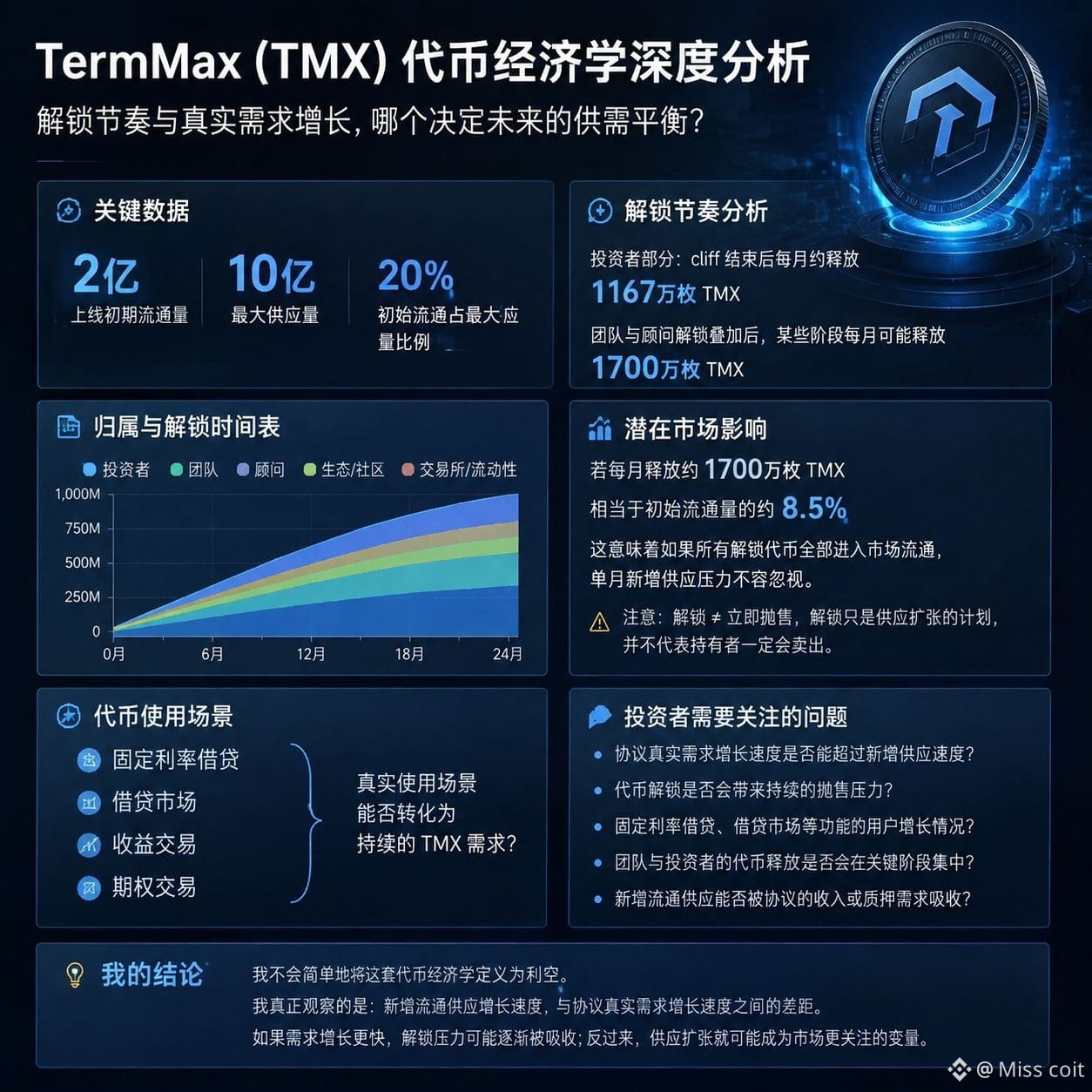
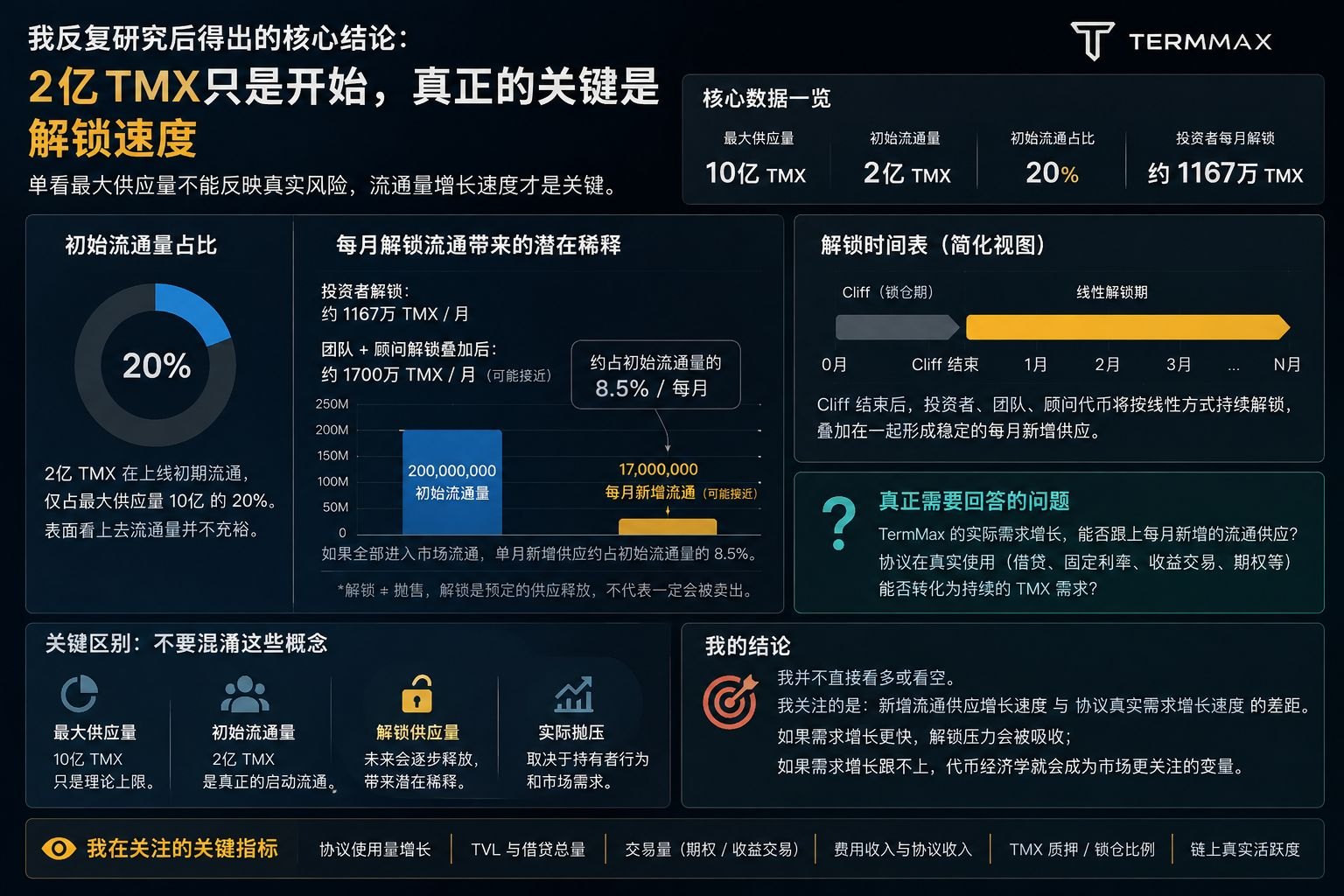
2億枚のTMXが上場初期に流通入りした。これは私が何度も見返している数字だ。
最大供給量10億枚と比べると、つまり初期の流通量は最終的な供給量の約20%にすぎない。単この一点だけ見ても、TMXの市場流通はそれほど潤沢ではないように思える。
しかし、これによって私のTermMaxトークンエコノミクスの見方も変わった。
注目すべきなのは、10億枚という最大供給量ではなく、残りの供給がどれくらいの速度で市場に入ってくるのかだろう。
投資家分だけでも、cliff終了後は線形ベスティングに基づいて、毎月およそ1167万枚のTMXが流通入りする。さらにチームやアドバイザーのアンロック分を重ねると、特定の期間では毎月の新規流通量が1700万枚に近づくことさえある。
この数字は、途端に面白くなってくる。
1700万枚は、初期の2億枚の流通量に対して約8.5%に相当する。もしこれらのトークンがすべて市場で流通するなら、単月あたりの新規供給によるプレッシャーは決して小さくない。
もちろん、私は「アンロック」をそのまま「売却」とは捉えない。アンロックは予定された供給の放出であって、保有者が必ず売ることを意味するわけではない。
本当に気にしているのは次の点だ:
TermMaxの実際の需要の伸びは、これらの新規の流通供給に追いつけるのか?
固定金利の貸借、貸借市場、利回り取引、オプション機能などは、実際に使われるシーンを生み出せる可能性がある。ただし最終的には、それらのプロダクトが継続的なTMX需要へと転換できるかどうかにかかっている。
だから私は、この一連のトークンエコノミクスを単純に「ネガティブ(利空)」だと決めつけるつもりはない。
私が実際に観察しているのは、
新規流通供給が増えるスピードと、プロトコルにおける本当の需要が伸びるスピードの間のギャップだ。
もし需要の伸びのほうが速ければ、アンロックによる圧力は徐々に吸収されていくかもしれない。逆に、供給の拡大のほうが進めば、市場がより注目する変数になりうる。#termmax @termmax $BNB
{future}(BNBUSDT)
2億枚のTMXが上場初期に流通入りした。これは私が何度も見返している数字だ。
最大供給量10億枚と比べると、つまり初期の流通量は最終的な供給量の約20%にすぎない。単この一点だけ見ても、TMXの市場流通はそれほど潤沢ではないように思える。
しかし、これによって私のTermMaxトークンエコノミクスの見方も変わった。
注目すべきなのは、10億枚という最大供給量ではなく、残りの供給がどれくらいの速度で市場に入ってくるのかだろう。
投資家分だけでも、cliff終了後は線形ベスティングに基づいて、毎月およそ1167万枚のTMXが流通入りする。さらにチームやアドバイザーのアンロック分を重ねると、特定の期間では毎月の新規流通量が1700万枚に近づくことさえある。
この数字は、途端に面白くなってくる。
1700万枚は、初期の2億枚の流通量に対して約8.5%に相当する。もしこれらのトークンがすべて市場で流通するなら、単月あたりの新規供給によるプレッシャーは決して小さくない。
もちろん、私は「アンロック」をそのまま「売却」とは捉えない。アンロックは予定された供給の放出であって、保有者が必ず売ることを意味するわけではない。
本当に気にしているのは次の点だ:
TermMaxの実際の需要の伸びは、これらの新規の流通供給に追いつけるのか?
固定金利の貸借、貸借市場、利回り取引、オプション機能などは、実際に使われるシーンを生み出せる可能性がある。ただし最終的には、それらのプロダクトが継続的なTMX需要へと転換できるかどうかにかかっている。
だから私は、この一連のトークンエコノミクスを単純に「ネガティブ(利空)」だと決めつけるつもりはない。
私が実際に観察しているのは、
新規流通供給が増えるスピードと、プロトコルにおける本当の需要が伸びるスピードの間のギャップだ。
もし需要の伸びのほうが速ければ、アンロックによる圧力は徐々に吸収されていくかもしれない。逆に、供給の拡大のほうが進めば、市場がより注目する変数になりうる。#termmax @TermMax $BNB
2
1
3.3k
·
--
Dusk を改めて調べ直したとき、私は最初、そこに見えていたのは EVM 互換性を追加しただけのプライバシー系 L1 だと思っていました。
しかし、実際に変わっていたのはアーキテクチャそのものだと分かりました。
Dusk は今、アプリケーション実行と金融決済を徐々に分離しつつあります。
現在、DuskDS は基盤となる決済層とデータ可用性層として機能し、DuskEVM は OP Stack ベースの EVM 同等環境を提供することで、Solidity や主要な Ethereum ツールが Dusk に入ってこられるようにしています。同時に、DuskVM は引き続きネイティブな Rust/WASM の経路を維持し、L1 への直接アクセス、プライバシー、ZK 機能を必要とするアプリケーションを支えています。
このことは、私が最初に抱いていた Dusk の位置づけに対する理解を変えました。
以前の中心的な物語は、より「プライバシー + コンプライアンス + 金融資産」でした。
今の方向性は、むしろ「規制された金融インフラを既存の開発者エコシステムに対応させる」ことに近づいています。
これは重要です。なぜなら、機関投資家が必要としているのは、単なるプライバシー技術ではないからです。
彼らが必要としているのは、ウォレット、開発ツール、流動性、アプリケーション、決済、相互運用性が連携して機能することでもあります。
Dusk は現在、DuskEVM をトークン化資産と DeFi 向けに明確に位置づける一方で、Hedger がプライバシー関連機能を EVM 環境へ持ち込みます。同時に、DuskDS の基盤には、引き続き Phoenix と Moonlight の取引モデルが残されています。
ただし、ここには正面から見なければならない現実もあります。
2026 年 1 月 16 日、Dusk ではブリッジの署名ウォレットが侵害されるセキュリティインシデントが発生しました。Dusk は、これはコンセンサス層やコアプロトコルの失敗ではないと説明しています。その後、ブリッジのアーキテクチャは再設計され、署名の分離、イベント処理の分離、より厳格なセキュリティ境界、そしてホットウォレットの露出削減が含まれました。
その後、AEGIS はさらに 39 件のセキュリティ問題を発見し対処しました。その中には、VM、シリアライズ、Phoenix の手数料メカニズム、そして BLS 暗号に関連する 7 件の重大な問題が含まれていました。
だからこそ、私が今本当に注目しているのは、Dusk が「EVM をサポートできるか」ではありません。
むしろ、このモジュラーアーキテクチャが、EVM 互換性を実際の規制金融活動へと本当に変換できるのか、という点です。
DuskEVM は最終的に、暗号資産ネイティブな流動性と Dusk のコンプライアンス対応決済層をつなぐ重要な橋渡しになるのでしょうか?#dusk $DUSK @Dusk_Foundation
Dusk を改めて調べ直したとき、私は最初、そこに見えていたのは EVM 互換性を追加しただけのプライバシー系 L1 だと思っていました。
しかし、実際に変わっていたのはアーキテクチャそのものだと分かりました。
Dusk は今、アプリケーション実行と金融決済を徐々に分離しつつあります。
現在、DuskDS は基盤となる決済層とデータ可用性層として機能し、DuskEVM は OP Stack ベースの EVM 同等環境を提供することで、Solidity や主要な Ethereum ツールが Dusk に入ってこられるようにしています。同時に、DuskVM は引き続きネイティブな Rust/WASM の経路を維持し、L1 への直接アクセス、プライバシー、ZK 機能を必要とするアプリケーションを支えています。
このことは、私が最初に抱いていた Dusk の位置づけに対する理解を変えました。
以前の中心的な物語は、より「プライバシー + コンプライアンス + 金融資産」でした。
今の方向性は、むしろ「規制された金融インフラを既存の開発者エコシステムに対応させる」ことに近づいています。
これは重要です。なぜなら、機関投資家が必要としているのは、単なるプライバシー技術ではないからです。
彼らが必要としているのは、ウォレット、開発ツール、流動性、アプリケーション、決済、相互運用性が連携して機能することでもあります。
Dusk は現在、DuskEVM をトークン化資産と DeFi 向けに明確に位置づける一方で、Hedger がプライバシー関連機能を EVM 環境へ持ち込みます。同時に、DuskDS の基盤には、引き続き Phoenix と Moonlight の取引モデルが残されています。
ただし、ここには正面から見なければならない現実もあります。
2026 年 1 月 16 日、Dusk ではブリッジの署名ウォレットが侵害されるセキュリティインシデントが発生しました。Dusk は、これはコンセンサス層やコアプロトコルの失敗ではないと説明しています。その後、ブリッジのアーキテクチャは再設計され、署名の分離、イベント処理の分離、より厳格なセキュリティ境界、そしてホットウォレットの露出削減が含まれました。
その後、AEGIS はさらに 39 件のセキュリティ問題を発見し対処しました。その中には、VM、シリアライズ、Phoenix の手数料メカニズム、そして BLS 暗号に関連する 7 件の重大な問題が含まれていました。
だからこそ、私が今本当に注目しているのは、Dusk が「EVM をサポートできるか」ではありません。
むしろ、このモジュラーアーキテクチャが、EVM 互換性を実際の規制金融活動へと本当に変換できるのか、という点です。
DuskEVM は最終的に、暗号資産ネイティブな流動性と Dusk のコンプライアンス対応決済層をつなぐ重要な橋渡しになるのでしょうか?#dusk $DUSK @Dusk
🚀 DuskEVM 会成功吗
0%
🔐 隐私+EVM 是优势吗?
0%
🏦 Dusk 能吸引机构吗
0%
0 投票 • 投票は終了しました
2
81
·
--
翻訳参照
我越深入研究 Dusk,越发现它真正面临的挑战,并不只是让金融交易变得私密。
更难的是:如何让隐私在一个仍然需要验证的金融系统里真正发挥作用。
这听起来似乎很简单 但实际上会带来一个非常复杂的设计问题。
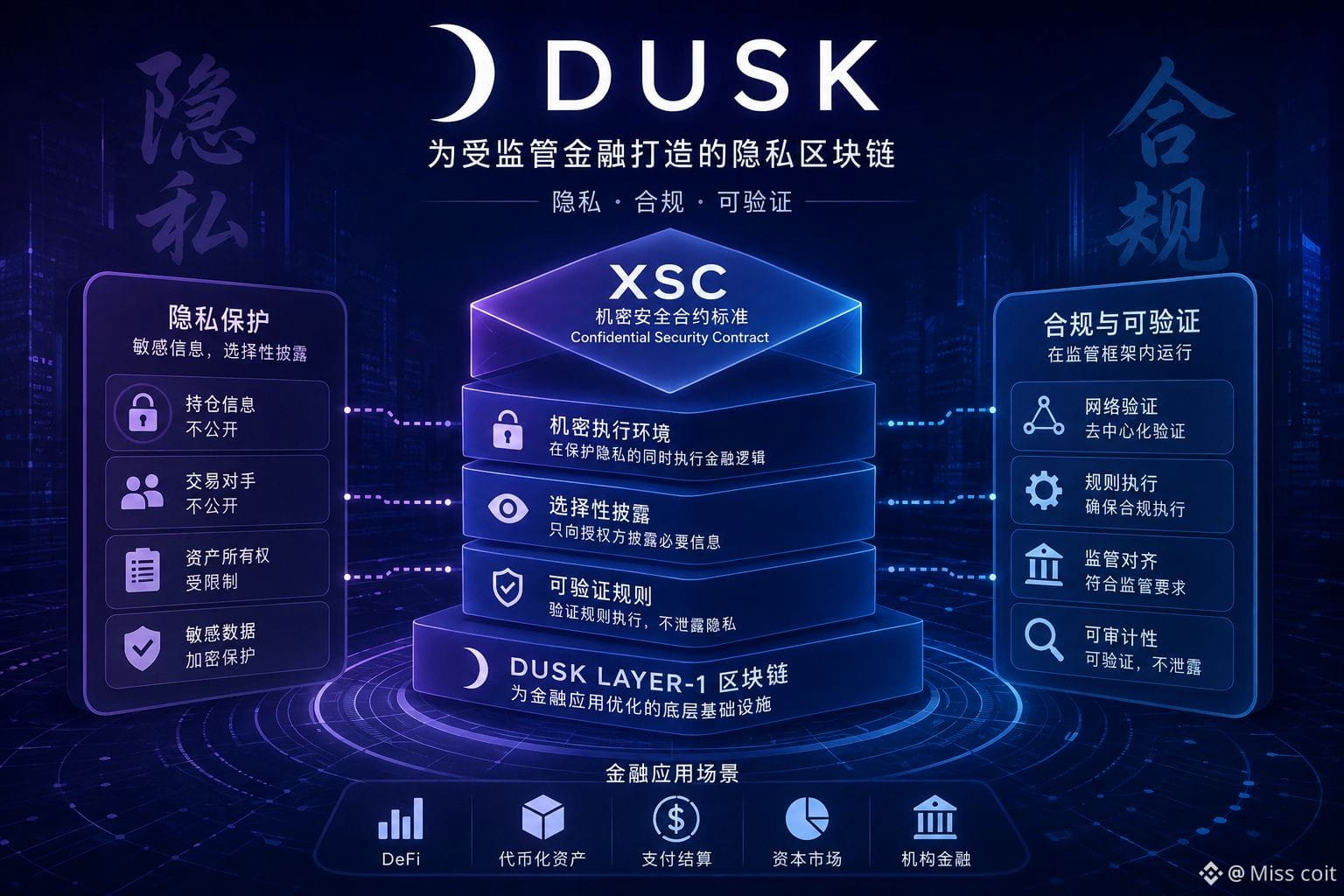
金融应用并不能总是把每一笔交易的所有细节公开。持仓、交易对手、资产所有权以及其他敏感信息,都可能需要受到限制。
但完全相反的做法同样行不通。
如果没有人能够验证发生了什么,那么所谓的机密性最终可能只是另一种信息不透明。
这正是我认为 Dusk 架构真正有意思的地方。
它的 Layer-1 面向金融应用设计,而 Confidential Security Contract(XSC)标准则为开发者提供了构建机密智能合约的框架。核心思路是,让金融逻辑能够执行,而不要求其中的每一项信息都必须公开。
换句话说,重点并不只是隐藏数据。
而是控制谁需要知道什么,同时保留足够的信息,让网络能够执行并验证真正重要的规则。
这让我觉得,Dusk 对区块链隐私的理解更加实际。
但这种设计也存在明显的取舍。
机密执行可能增加技术复杂度。开发者需要合适的工具,应用需要在更复杂的安全假设下运行,而机构在考虑将真实金融活动迁移到这类基础设施之前,也仍然需要监管层面的明确性。
然后还有技术本身无法解决的问题:采用。
Dusk 可以构建支持机密金融应用的架构,但开发者和机构仍然需要一个足够有说服力的理由去使用它。
所以现在,我已经不太关心 Dusk 能不能提供隐私。
我更关心的是:受监管金融未来是否真的会需要这种级别的隐私。
如果隐私和可验证性最终成为链上金融市场同等重要的需求,那么 Dusk 的架构选择可能会变得非常有意义
但如果市场没有形成足够的需求,它也可能只是一个技术上很有想法、却缺乏实际使用场景
#dusk $DUSK @Dusk_Foundation
我越深入研究 Dusk,越发现它真正面临的挑战,并不只是让金融交易变得私密。
更难的是:如何让隐私在一个仍然需要验证的金融系统里真正发挥作用。
这听起来似乎很简单 但实际上会带来一个非常复杂的设计问题。
金融应用并不能总是把每一笔交易的所有细节公开。持仓、交易对手、资产所有权以及其他敏感信息,都可能需要受到限制。
但完全相反的做法同样行不通。
如果没有人能够验证发生了什么,那么所谓的机密性最终可能只是另一种信息不透明。
这正是我认为 Dusk 架构真正有意思的地方。
它的 Layer-1 面向金融应用设计,而 Confidential Security Contract(XSC)标准则为开发者提供了构建机密智能合约的框架。核心思路是,让金融逻辑能够执行,而不要求其中的每一项信息都必须公开。
换句话说,重点并不只是隐藏数据。
而是控制谁需要知道什么,同时保留足够的信息,让网络能够执行并验证真正重要的规则。
这让我觉得,Dusk 对区块链隐私的理解更加实际。
但这种设计也存在明显的取舍。
机密执行可能增加技术复杂度。开发者需要合适的工具,应用需要在更复杂的安全假设下运行,而机构在考虑将真实金融活动迁移到这类基础设施之前,也仍然需要监管层面的明确性。
然后还有技术本身无法解决的问题:采用。
Dusk 可以构建支持机密金融应用的架构,但开发者和机构仍然需要一个足够有说服力的理由去使用它。
所以现在,我已经不太关心 Dusk 能不能提供隐私。
我更关心的是:受监管金融未来是否真的会需要这种级别的隐私。
如果隐私和可验证性最终成为链上金融市场同等重要的需求,那么 Dusk 的架构选择可能会变得非常有意义
但如果市场没有形成足够的需求,它也可能只是一个技术上很有想法、却缺乏实际使用场景
#dusk $DUSK @Dusk
1
1
51
·
--
弱気相場
翻訳参照
我越深入研究 Dusk,就越有一个细节让我印象深刻:它真正押注的并不只是“隐私”。
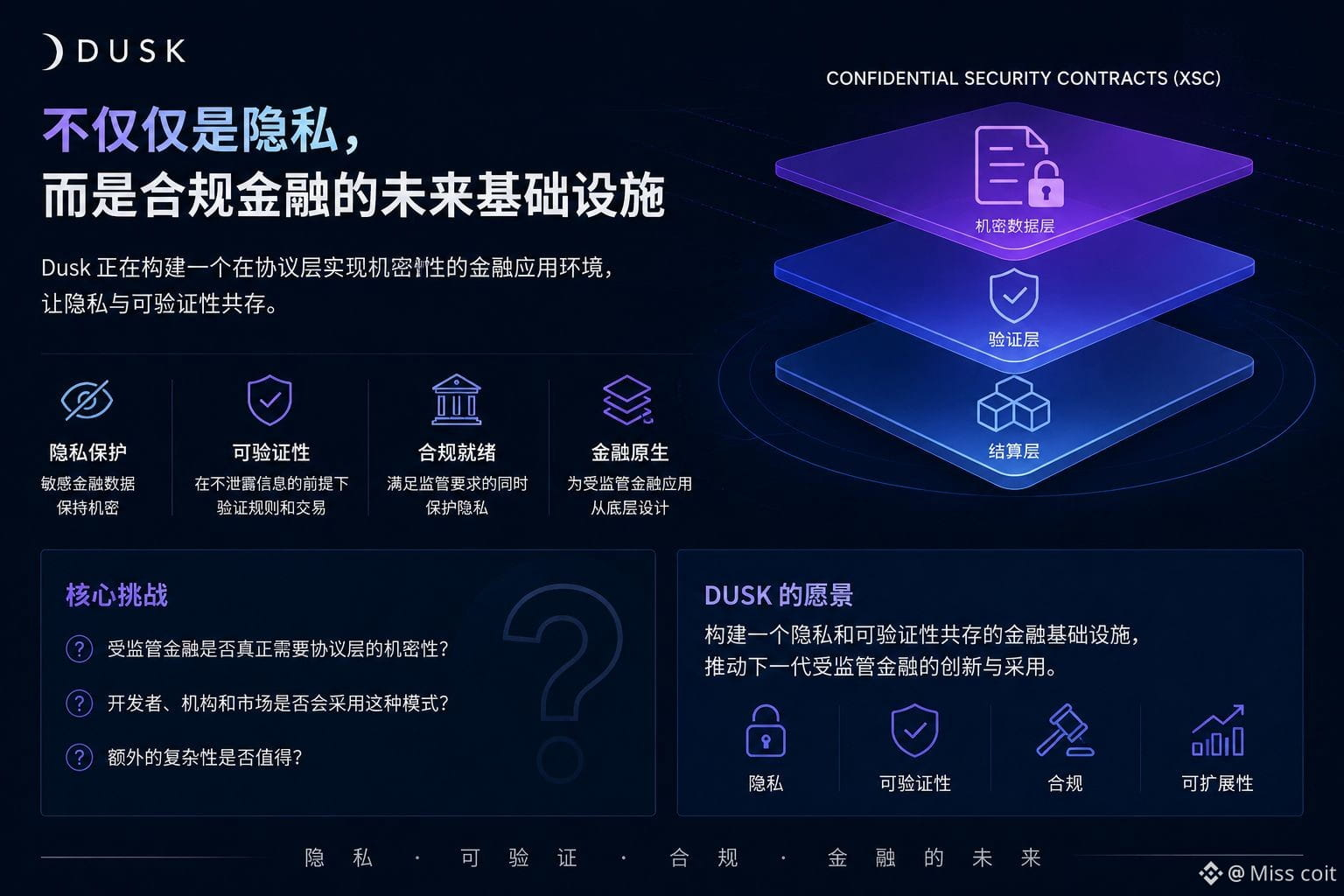
它押注的是,未来受监管的金融应用最终可能需要在协议层面实现机密性。
这一点很重要。
对于金融基础设施来说,隐藏信息本身并不够。不同参与者可能需要不同程度的可见性,同时网络仍然需要验证交易以及合约规则是否被正确执行。
这就产生了一个很难的设计问题:
如何在保护敏感金融信息隐私的同时,又不会让整个系统变成一个黑箱?
这也是 Dusk 的 Confidential Security Contract(XSC)方案让我感兴趣的地方。
Dusk 并不是把机密性当作外围附加功能,而是试图将其构建到金融应用和资产运行的底层环境中。
但架构本身并不能创造需求。
真正的考验在于,开发者、机构以及受监管市场是否真的认为这种模式足够有用,从而愿意采用它。生态增长、流动性、开发者体验、监管,以及证明额外的复杂性是否值得,仍然是需要面对的实际挑战。
这才是我现在更加关注的部分。
因为如果受监管金融最终走向一个隐私和可验证性必须共存的世界,那么协议层面的机密性可能会远远超过一种技术偏好。
但如果这种需求最终没有真正出现,那么即使架构本身足够优秀,它仍然可能只是一个正在寻找足够大问题的有趣解决方案。
对我来说,这就是 Dusk 目前仍未解决的核心问题:
市场最终真的会需要 Dusk 正在构建的东西吗?还是说,采用它会比技术本身更难?#dusk $DUSK @Dusk_Foundation
{future}(DUSKUSDT)
我越深入研究 Dusk,就越有一个细节让我印象深刻:它真正押注的并不只是“隐私”。
它押注的是,未来受监管的金融应用最终可能需要在协议层面实现机密性。
这一点很重要。
对于金融基础设施来说,隐藏信息本身并不够。不同参与者可能需要不同程度的可见性,同时网络仍然需要验证交易以及合约规则是否被正确执行。
这就产生了一个很难的设计问题:
如何在保护敏感金融信息隐私的同时,又不会让整个系统变成一个黑箱?
这也是 Dusk 的 Confidential Security Contract(XSC)方案让我感兴趣的地方。
Dusk 并不是把机密性当作外围附加功能,而是试图将其构建到金融应用和资产运行的底层环境中。
但架构本身并不能创造需求。
真正的考验在于,开发者、机构以及受监管市场是否真的认为这种模式足够有用,从而愿意采用它。生态增长、流动性、开发者体验、监管,以及证明额外的复杂性是否值得,仍然是需要面对的实际挑战。
这才是我现在更加关注的部分。
因为如果受监管金融最终走向一个隐私和可验证性必须共存的世界,那么协议层面的机密性可能会远远超过一种技术偏好。
但如果这种需求最终没有真正出现,那么即使架构本身足够优秀,它仍然可能只是一个正在寻找足够大问题的有趣解决方案。
对我来说,这就是 Dusk 目前仍未解决的核心问题:
市场最终真的会需要 Dusk 正在构建的东西吗?还是说,采用它会比技术本身更难?#dusk $DUSK @Dusk
75
·
--
弱気相場
最初、私はGIGGLEを、コミュニティの注目度や市場心理に依存して動く単なるミームトークンだと思っていました。しかし、CreatorPadのタスクのために調べるうちに、むしろより具体的な設計に注目するようになりました。それは、取引手数料の仕組みです。
GIGGLEには5%の取引税が設定されており、徴収された価値はBNBに変換され、教育資金に関連する支援の仕組みに充てられます。私が本当に興味を持ったのは、「公益」という概念そのものではなく、この仕組みがオンチェーンの取引活動に直接結びついている点です。取引が活発になるほど、理論上はより多くの資金を生み出せますが、その一方で、取引のたびに実際のコストも増加します。
GIGGLEを見たとき、多くの人はまずミームの物語を思い浮かべるかもしれません。しかし、詳しく調べてみると、これはむしろ、市場取引、コミュニティの参加、資金支援を相互に結びつけようとする試みに見えました。一見シンプルな設計ですが、考える価値のある問いが浮かびます。取引税は長期的に参加を維持できるのでしょうか。それとも最終的には、トレーダーの意欲を低下させてしまうのでしょうか?
私の見方では、GIGGLEを単なるミームトークンと捉えるよりも、「市場活動がどのように現実の資金を生み出すのか」を試す実験として理解したいと思います。
では、市場の熱気が冷めたあとも、この仕組みは本来の役割を保てるのでしょうか?$BNB $GIGGLE $币安人生
{spot}(币安人生USDT)
{future}(GIGGLEUSDT)
{future}(BNBUSDT)
最初、私はGIGGLEを、コミュニティの注目度や市場心理に依存して動く単なるミームトークンだと思っていました。しかし、CreatorPadのタスクのために調べるうちに、むしろより具体的な設計に注目するようになりました。それは、取引手数料の仕組みです。
GIGGLEには5%の取引税が設定されており、徴収された価値はBNBに変換され、教育資金に関連する支援の仕組みに充てられます。私が本当に興味を持ったのは、「公益」という概念そのものではなく、この仕組みがオンチェーンの取引活動に直接結びついている点です。取引が活発になるほど、理論上はより多くの資金を生み出せますが、その一方で、取引のたびに実際のコストも増加します。
GIGGLEを見たとき、多くの人はまずミームの物語を思い浮かべるかもしれません。しかし、詳しく調べてみると、これはむしろ、市場取引、コミュニティの参加、資金支援を相互に結びつけようとする試みに見えました。一見シンプルな設計ですが、考える価値のある問いが浮かびます。取引税は長期的に参加を維持できるのでしょうか。それとも最終的には、トレーダーの意欲を低下させてしまうのでしょうか?
私の見方では、GIGGLEを単なるミームトークンと捉えるよりも、「市場活動がどのように現実の資金を生み出すのか」を試す実験として理解したいと思います。
では、市場の熱気が冷めたあとも、この仕組みは本来の役割を保てるのでしょうか?$BNB $GIGGLE $币安人生
321
·
--
ブリッシュ
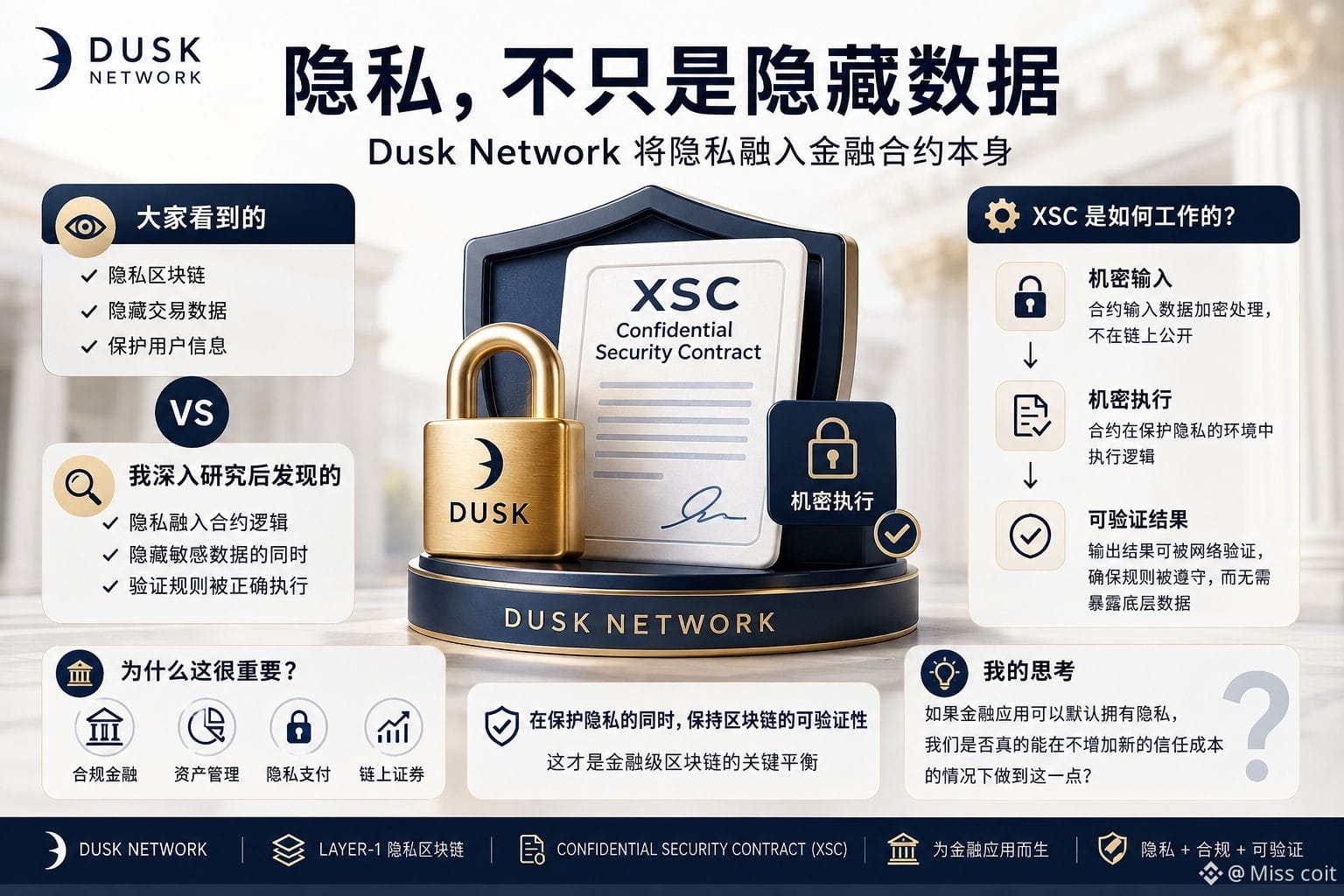
最初、Duskのプライバシー機能は、主に取引データを隠すことだと思っていました。しかし詳しく調べてみると、もっと興味深い設計上の選択に気づきました。Duskが目指しているのは、取引にプライバシーを加えるだけではなく、金融コントラクトそのものにプライバシーを組み込むことです。
CreatorPadのタスクに取り組む中でDuskを調査した際、私はConfidential Security Contract(XSC)モデルに注目しました。Duskは金融アプリケーション向けのLayer-1であり、スマートコントラクトが機密情報を扱いながら、ブロックチェーンネットワークが検証できる結果を生成できるようにしています。この違いは実に重要です。規制対象の金融分野では、すべてのデータが隠されていても、ルールが正しく実行されたことを証明できなければ、プライバシーそのものに大きな意味はありません。
私が本当に惹かれたのは、この2つのバランスです。従来のブロックチェーンは状態を公開することで検証を可能にしますが、Duskは機密データを保護しながら、検証可能な実行結果を維持しようとしています。簡単に言えば、解決しようとしているのは「データをどう隠すか」だけではなく、「機密データを隠しつつ、ルールが確実に実行されたことをどう証明するか」です。
多くの人はDuskを見て、まずそのプライバシー重視の姿勢に注目するでしょう。しかし、私がより深く考える価値があると思うのは、検証や監査、開発をさらに複雑にすることなく、機密実行を本当に金融インフラとして実現できるのか、という点です。
そして、こんな疑問が残りました。金融アプリケーションがデフォルトでプライバシーを備えられるとしたら、新たな信頼コストを増やさずにそれを実現できるのでしょうか?#dusk $DUSK @Dusk_Foundation
{spot}(DUSKUSDT)
最初、Duskのプライバシー機能は、主に取引データを隠すことだと思っていました。しかし詳しく調べてみると、もっと興味深い設計上の選択に気づきました。Duskが目指しているのは、取引にプライバシーを加えるだけではなく、金融コントラクトそのものにプライバシーを組み込むことです。
CreatorPadのタスクに取り組む中でDuskを調査した際、私はConfidential Security Contract(XSC)モデルに注目しました。Duskは金融アプリケーション向けのLayer-1であり、スマートコントラクトが機密情報を扱いながら、ブロックチェーンネットワークが検証できる結果を生成できるようにしています。この違いは実に重要です。規制対象の金融分野では、すべてのデータが隠されていても、ルールが正しく実行されたことを証明できなければ、プライバシーそのものに大きな意味はありません。
私が本当に惹かれたのは、この2つのバランスです。従来のブロックチェーンは状態を公開することで検証を可能にしますが、Duskは機密データを保護しながら、検証可能な実行結果を維持しようとしています。簡単に言えば、解決しようとしているのは「データをどう隠すか」だけではなく、「機密データを隠しつつ、ルールが確実に実行されたことをどう証明するか」です。
多くの人はDuskを見て、まずそのプライバシー重視の姿勢に注目するでしょう。しかし、私がより深く考える価値があると思うのは、検証や監査、開発をさらに複雑にすることなく、機密実行を本当に金融インフラとして実現できるのか、という点です。
そして、こんな疑問が残りました。金融アプリケーションがデフォルトでプライバシーを備えられるとしたら、新たな信頼コストを増やさずにそれを実現できるのでしょうか?#dusk $DUSK @Dusk
15
3
106
·
--
ブリッシュ
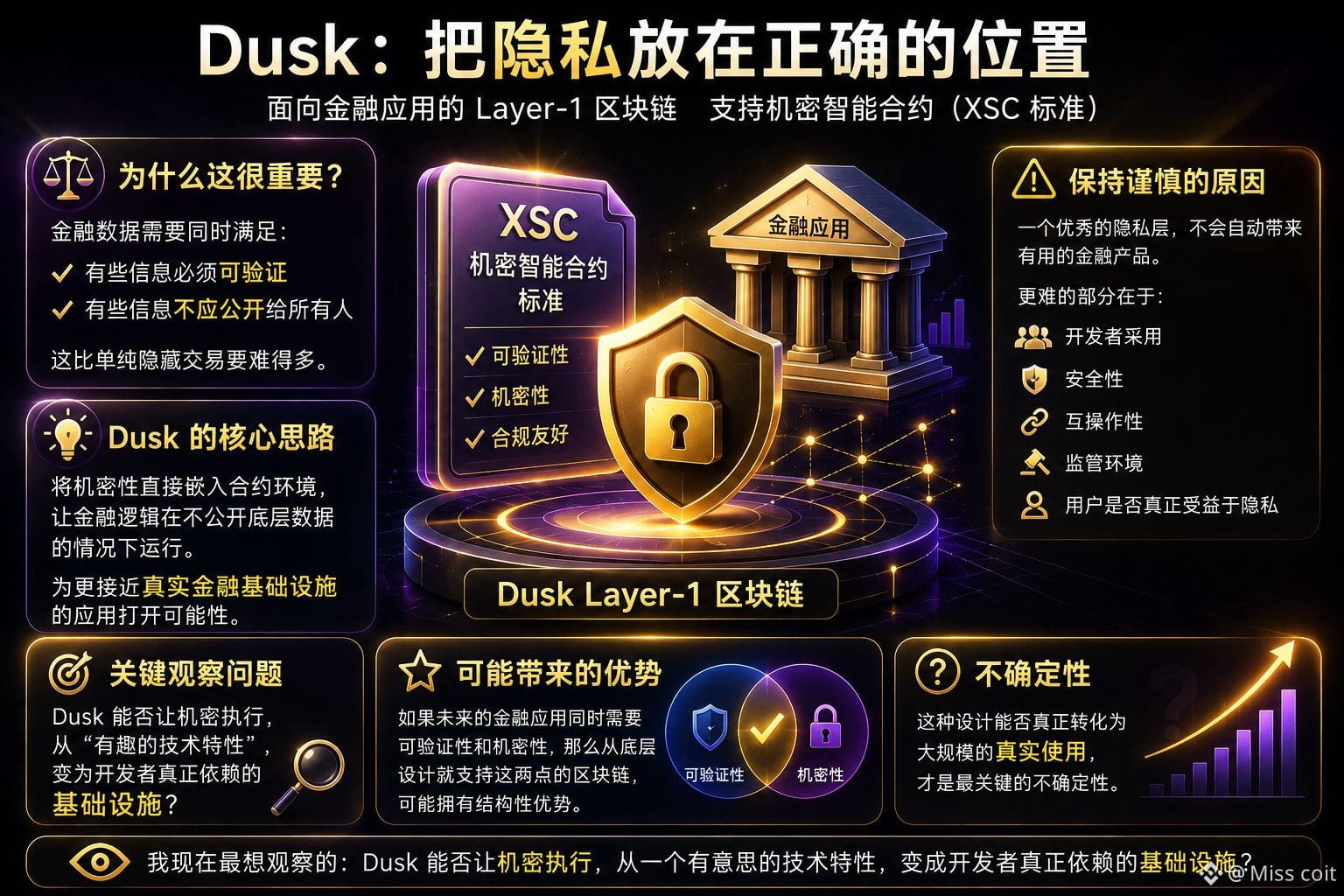
Duskのドキュメントにあった一文を、私はもう少しで読み飛ばすところでした。まるで、また別のプライバシー重視のブロックチェーンを紹介しているように聞こえたからです。ところが後になって、本当に興味深いのは「プライバシー」という言葉そのものではなく、Duskがプライバシーをどこに位置づけているかだと気づきました。
Duskは金融アプリケーションに特化したLayer-1ブロックチェーンであり、Confidential Security Contract(XSC)標準によって機密スマートコントラクトをサポートしています。
これは重要な点です。
金融データには、特有のニーズがあるからです。検証できなければならない情報がある一方で、誰にでも公開すべきではない情報もあります。
これは、単に取引を隠すよりもはるかに難しいことです。
Duskで最も注目すべき点は、機密性をコントラクト環境に直接組み込もうとしていることだと私は考えています。基盤となるデータをすべて公開せずに金融ロジックを実行できるなら、開発者は、透明性の高いDeFiの実験にとどまらず、実際の金融インフラにより近いアプリケーションを構築できる可能性があります。
ただし、ここは慎重に見ているところでもあります。
どれほど巧みに設計されたプライバシーレイヤーでも、それだけで本当に役立つ金融商品が生まれるわけではありません。より難しい課題はその先にあります。開発者による採用、セキュリティ、相互運用性、規制環境、そしてユーザーがデータプライバシーから実際に価値を得られるかどうかです。
だから私は、「プライバシーがあれば価格上昇の余地がある」と単純に考えることはしません。
私がより注目しているのは、具体的な問いです。
将来の金融アプリケーションに検証可能性と機密性の両方が求められるなら、この2つを基盤レベルから設計に組み込んだブロックチェーンは、一定の優位性を持つかもしれません。
本当に不確かなのは、この設計が実際の利用につながるかどうかです。
今、私が最も注目しているのは、Duskが機密実行を、興味深い技術的機能から開発者が実際に頼りにするインフラへと変えられるかどうかです。@Dusk_Foundation #dusk $DUSK
{future}(DUSKUSDT)
Duskのドキュメントにあった一文を、私はもう少しで読み飛ばすところでした。まるで、また別のプライバシー重視のブロックチェーンを紹介しているように聞こえたからです。ところが後になって、本当に興味深いのは「プライバシー」という言葉そのものではなく、Duskがプライバシーをどこに位置づけているかだと気づきました。
Duskは金融アプリケーションに特化したLayer-1ブロックチェーンであり、Confidential Security Contract(XSC)標準によって機密スマートコントラクトをサポートしています。
これは重要な点です。
金融データには、特有のニーズがあるからです。検証できなければならない情報がある一方で、誰にでも公開すべきではない情報もあります。
これは、単に取引を隠すよりもはるかに難しいことです。
Duskで最も注目すべき点は、機密性をコントラクト環境に直接組み込もうとしていることだと私は考えています。基盤となるデータをすべて公開せずに金融ロジックを実行できるなら、開発者は、透明性の高いDeFiの実験にとどまらず、実際の金融インフラにより近いアプリケーションを構築できる可能性があります。
ただし、ここは慎重に見ているところでもあります。
どれほど巧みに設計されたプライバシーレイヤーでも、それだけで本当に役立つ金融商品が生まれるわけではありません。より難しい課題はその先にあります。開発者による採用、セキュリティ、相互運用性、規制環境、そしてユーザーがデータプライバシーから実際に価値を得られるかどうかです。
だから私は、「プライバシーがあれば価格上昇の余地がある」と単純に考えることはしません。
私がより注目しているのは、具体的な問いです。
将来の金融アプリケーションに検証可能性と機密性の両方が求められるなら、この2つを基盤レベルから設計に組み込んだブロックチェーンは、一定の優位性を持つかもしれません。
本当に不確かなのは、この設計が実際の利用につながるかどうかです。
今、私が最も注目しているのは、Duskが機密実行を、興味深い技術的機能から開発者が実際に頼りにするインフラへと変えられるかどうかです。@Dusk #dusk $DUSK
2
1
79
·
--
弱気相場
翻訳参照
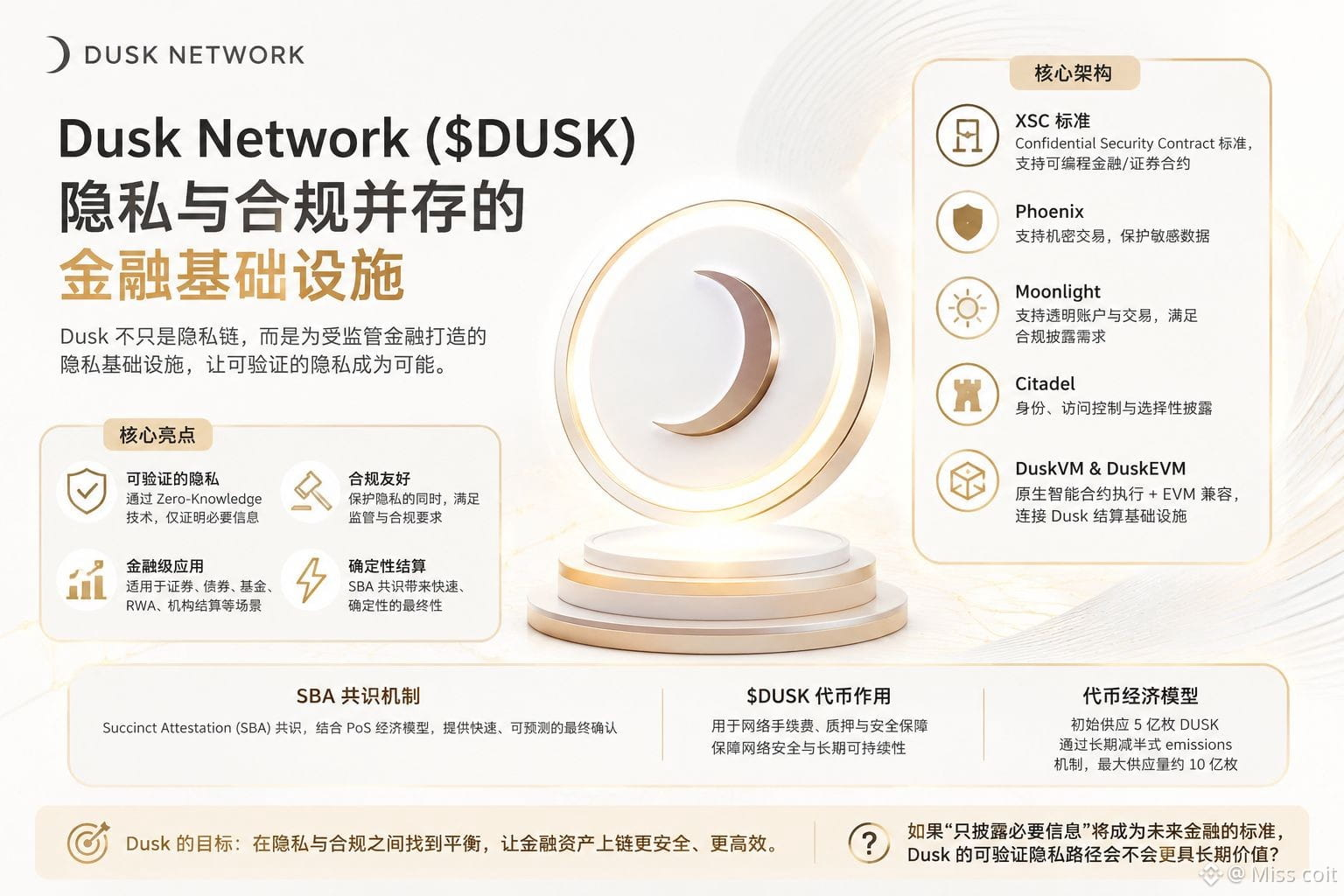
我关掉 Dusk 的架构图后,又重新打开了一次。真正让我停下来看的,不是它如何“隐藏交易”,而是 XSC 对隐私与合规的处理方式。
我越来越觉得,Dusk 的核心价值并不是做另一条隐私链,而是试图解决一个更现实的问题:金融资产需要保密,但监管又不能被完全排除在外。
XSC、Phoenix 与 Citadel 放在一起看,这个设计就更有意思了。用户可以通过 Zero-Knowledge 证明满足某些条件,而不必把全部敏感信息暴露出来。对代币化证券、基金、债券这类资产而言,这比单纯追求匿名更接近真实金融市场的需求。
我认为这里最强的地方,是隐私不再与合规形成简单对立,而是尝试通过选择性披露找到中间状态。
但疑问也很明显:技术上能够做到,并不意味着机构一定会采用。真正困难的可能不是证明系统,而是监管规则、流动性、市场参与者和实际业务流程能否一起迁移到链上。
所以我现在更关注的不是 Dusk 能隐藏多少数据,而是它能否证明“可验证的隐私”真的能成为金融基础设施的一部分。
如果机构最终需要的不是完全匿名,而是“只披露必要信息”,Dusk 这条路线会不会反而更接近隐私金融的长期形态?@Dusk_Foundation #dusk $DUSK
{spot}(DUSKUSDT)
我关掉 Dusk 的架构图后,又重新打开了一次。真正让我停下来看的,不是它如何“隐藏交易”,而是 XSC 对隐私与合规的处理方式。
我越来越觉得,Dusk 的核心价值并不是做另一条隐私链,而是试图解决一个更现实的问题:金融资产需要保密,但监管又不能被完全排除在外。
XSC、Phoenix 与 Citadel 放在一起看,这个设计就更有意思了。用户可以通过 Zero-Knowledge 证明满足某些条件,而不必把全部敏感信息暴露出来。对代币化证券、基金、债券这类资产而言,这比单纯追求匿名更接近真实金融市场的需求。
我认为这里最强的地方,是隐私不再与合规形成简单对立,而是尝试通过选择性披露找到中间状态。
但疑问也很明显:技术上能够做到,并不意味着机构一定会采用。真正困难的可能不是证明系统,而是监管规则、流动性、市场参与者和实际业务流程能否一起迁移到链上。
所以我现在更关注的不是 Dusk 能隐藏多少数据,而是它能否证明“可验证的隐私”真的能成为金融基础设施的一部分。
如果机构最终需要的不是完全匿名,而是“只披露必要信息”,Dusk 这条路线会不会反而更接近隐私金融的长期形态?@Dusk #dusk $DUSK
2
1
84
·
--
弱気相場
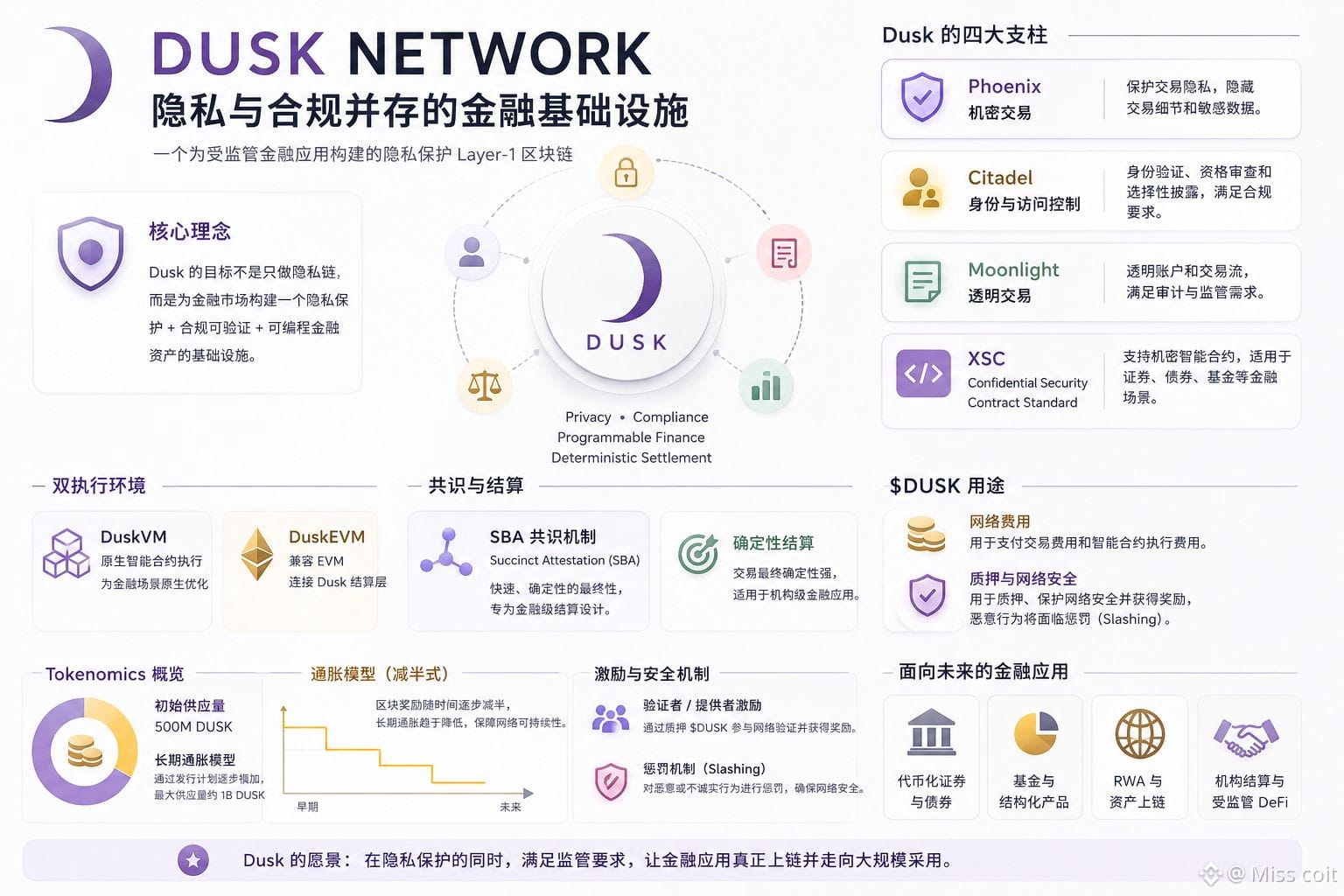
#dusk $DUSK 深夜、Duskのアーキテクチャ図を描き直していたとき、私はむしろ、一見矛盾しているように思える設計に惹かれた。「プライバシー」と「コンプライアンス」を二者択一として扱っていなかったからだ。
XSCとCitadelの関係を、私は長いあいだ見つめていた。金融市場にとって本当に価値のあるプライバシーとは、必ずしも「すべてを隠す」ことではない。参加者が必要な情報だけを開示しながら、身元や資格、取引ルールを検証可能な状態に保つことだ。ここでのZero-Knowledgeの意義も、単にプライバシーを守ることではなく、機密データの露出を減らすことにある。
このことから、Duskの位置づけを改めて考えるようになった。Duskは、証券、ファンド、債券などのデジタル資産が規制対象市場に参入する際に生じる、現実的な課題の解決を目指しているように見える。機関は機密性を必要とする一方で、ルールを満たしていることを証明しなければならない。XSC、Phoenix、Citadelなどの設計は、まさにこの矛盾を中心に据えている。
これこそが、Duskの最も興味深いところだと思う。
とはいえ、もう一方の側面も見過ごすつもりはない。どれほど美しいアーキテクチャを設計しても、最終的には機関による採用、流動性、そして規制への対応に直面する。プライバシーとコンプライアンスが共存できるからといって、市場で自動的にネットワーク効果が生まれるわけではない。
私にとって、$DUSK が今後も注目に値する本当の理由は、「プライバシーを実現できるか」ではない。こうしたプライバシーとコンプライアンスを両立するインフラが、最終的に現実の金融活動を支える決済レイヤーになれるかどうかだ。
機関が本当にこの仕組みを必要としているなら、Duskは単なるプライバシーチェーンよりも長く存続するのだろうか?@Dusk_Foundation
{future}(DUSKUSDT)
#dusk $DUSK 深夜、Duskのアーキテクチャ図を描き直していたとき、私はむしろ、一見矛盾しているように思える設計に惹かれた。「プライバシー」と「コンプライアンス」を二者択一として扱っていなかったからだ。
XSCとCitadelの関係を、私は長いあいだ見つめていた。金融市場にとって本当に価値のあるプライバシーとは、必ずしも「すべてを隠す」ことではない。参加者が必要な情報だけを開示しながら、身元や資格、取引ルールを検証可能な状態に保つことだ。ここでのZero-Knowledgeの意義も、単にプライバシーを守ることではなく、機密データの露出を減らすことにある。
このことから、Duskの位置づけを改めて考えるようになった。Duskは、証券、ファンド、債券などのデジタル資産が規制対象市場に参入する際に生じる、現実的な課題の解決を目指しているように見える。機関は機密性を必要とする一方で、ルールを満たしていることを証明しなければならない。XSC、Phoenix、Citadelなどの設計は、まさにこの矛盾を中心に据えている。
これこそが、Duskの最も興味深いところだと思う。
とはいえ、もう一方の側面も見過ごすつもりはない。どれほど美しいアーキテクチャを設計しても、最終的には機関による採用、流動性、そして規制への対応に直面する。プライバシーとコンプライアンスが共存できるからといって、市場で自動的にネットワーク効果が生まれるわけではない。
私にとって、$DUSK が今後も注目に値する本当の理由は、「プライバシーを実現できるか」ではない。こうしたプライバシーとコンプライアンスを両立するインフラが、最終的に現実の金融活動を支える決済レイヤーになれるかどうかだ。
機関が本当にこの仕組みを必要としているなら、Duskは単なるプライバシーチェーンよりも長く存続するのだろうか?@Dusk
2
1
90
·
--
翻訳参照
I've been comparing $DGB , $KAITO and $ZAMA and each highlights a different layer of crypto infrastructure.
DGB focuses on decentralization and network security.
turns information and attention into measurable on-chain value.
ZAMA explores confidential computation through Fully Homomorphic Encryption (FHE).
Different goals, different architectures—but all three raise the same question:
{spot}(KAITOUSDT)
What will matter most in the next generation of blockchain networks: security, intelligence, or privacy? 🤔
{spot}(DGBUSDT)
{spot}(ZAMAUSDT)
I've been comparing $DGB , $KAITO and $ZAMA and each highlights a different layer of crypto infrastructure.
DGB focuses on decentralization and network security.
turns information and attention into measurable on-chain value.
ZAMA explores confidential computation through Fully Homomorphic Encryption (FHE).
Different goals, different architectures—but all three raise the same question:
What will matter most in the next generation of blockchain networks: security, intelligence, or privacy? 🤔
🤣up👍
38%
🥺down 👎
62%
❤️❤️❤️
0%
8 投票 • 投票は終了しました
2
252
·
--
翻訳参照
I noticed that most conversations around Babylon quickly move to TVL or short-term price action, but while working on a CreatorPad task, I found myself paying more attention to something less visible: the protocol's relationship with token issuance. The recent discussion around BABY's unlock schedule made me wonder whether the real design challenge isn't attracting Bitcoin liquidity, but balancing long-term security with long-term incentives.
The more I read, the more interesting that tradeoff became. Bitcoin stakers contribute economic security while keeping custody of their BTC, yet BABY remains the coordination layer that distributes incentives and governs the network. That means security doesn't come from Bitcoin alone—it also depends on whether BABY's incentive model continues to motivate participants even as new tokens gradually enter circulation. Daily unlocks can create selling pressure, but they're also part of how the protocol pays for decentralization over time. Those two realities exist at the same time.
I think that's the part many people overlook. It's easy to celebrate new DeFi integrations or a strong technical chart, but those are only one side of the story. The harder question is whether Babylon can keep aligning Bitcoin's security with BABY's economic incentives as the network matures. Tokenomics isn't just about supply; it's about whether every participant still has a reason to behave honestly years from now.
After spending time digging into the architecture, I came away thinking that Babylon's biggest challenge may not be scaling adoption—it may be proving that its incentive design remains sustainable through every stage of token distribution. Do you think that balance becomes easier or harder as more BABY enters circulation?#baby @babylonlabs_io
$BABY
{spot}(BABYUSDT)
I noticed that most conversations around Babylon quickly move to TVL or short-term price action, but while working on a CreatorPad task, I found myself paying more attention to something less visible: the protocol's relationship with token issuance. The recent discussion around BABY's unlock schedule made me wonder whether the real design challenge isn't attracting Bitcoin liquidity, but balancing long-term security with long-term incentives.
The more I read, the more interesting that tradeoff became. Bitcoin stakers contribute economic security while keeping custody of their BTC, yet BABY remains the coordination layer that distributes incentives and governs the network. That means security doesn't come from Bitcoin alone—it also depends on whether BABY's incentive model continues to motivate participants even as new tokens gradually enter circulation. Daily unlocks can create selling pressure, but they're also part of how the protocol pays for decentralization over time. Those two realities exist at the same time.
I think that's the part many people overlook. It's easy to celebrate new DeFi integrations or a strong technical chart, but those are only one side of the story. The harder question is whether Babylon can keep aligning Bitcoin's security with BABY's economic incentives as the network matures. Tokenomics isn't just about supply; it's about whether every participant still has a reason to behave honestly years from now.
After spending time digging into the architecture, I came away thinking that Babylon's biggest challenge may not be scaling adoption—it may be proving that its incentive design remains sustainable through every stage of token distribution. Do you think that balance becomes easier or harder as more BABY enters circulation?#baby @BabylonLabs_io
$BABY
❤️up🤔
0%
🙄don👍
0%
0 投票 • 投票は終了しました
1
1
131
·
--
翻訳参照
I started with a simple assumption: if Bitcoin is being used for staking, then it must somehow become more programmable. While working on a CreatorPad task and digging through Babylon's design, I realized that assumption was wrong. The part that kept pulling me back wasn't the size of its BTC staking TVL, but the deliberate decision to keep Bitcoin's role extremely narrow.
Babylon doesn't ask Bitcoin to execute smart contracts or validate application logic. Instead, Bitcoin acts as a source of economic security, while PoS chains continue handling execution themselves. BTC remains in self-custody, and the protocol uses cryptographic proofs and slashing conditions to make Bitcoin-backed security meaningful without changing Bitcoin's core design. At first glance, this seems like a limitation. After reading deeper, it started to feel more like a boundary that the protocol intentionally refuses to cross.
Most conversations focus on how much BTC is staked. I think the more interesting question is whether separating security from execution creates a stronger long-term architecture. If Bitcoin only provides trust while other chains provide functionality, each layer can evolve independently without forcing compromises onto the other.
That made me wonder whether Babylon's biggest innovation isn't BTC staking itself, but the decision to treat Bitcoin as a settlement-grade security layer rather than another programmable blockchain. If that philosophy spreads beyond Babylon, could modular security become more valuable than adding more features directly to Bitcoin? #baby $BTC $BABY @babylonlabs_io
{spot}(BABYUSDT)
I started with a simple assumption: if Bitcoin is being used for staking, then it must somehow become more programmable. While working on a CreatorPad task and digging through Babylon's design, I realized that assumption was wrong. The part that kept pulling me back wasn't the size of its BTC staking TVL, but the deliberate decision to keep Bitcoin's role extremely narrow.
Babylon doesn't ask Bitcoin to execute smart contracts or validate application logic. Instead, Bitcoin acts as a source of economic security, while PoS chains continue handling execution themselves. BTC remains in self-custody, and the protocol uses cryptographic proofs and slashing conditions to make Bitcoin-backed security meaningful without changing Bitcoin's core design. At first glance, this seems like a limitation. After reading deeper, it started to feel more like a boundary that the protocol intentionally refuses to cross.
Most conversations focus on how much BTC is staked. I think the more interesting question is whether separating security from execution creates a stronger long-term architecture. If Bitcoin only provides trust while other chains provide functionality, each layer can evolve independently without forcing compromises onto the other.
That made me wonder whether Babylon's biggest innovation isn't BTC staking itself, but the decision to treat Bitcoin as a settlement-grade security layer rather than another programmable blockchain. If that philosophy spreads beyond Babylon, could modular security become more valuable than adding more features directly to Bitcoin? #baby $BTC $BABY @BabylonLabs_io
🤔 Modular security?
0%
🔐 Why self-custody?
0%
💭 Your thoughts?
0%
0 投票 • 投票は終了しました
1
1.3k
ログインして、さらにコンテンツを読む
厳選トピックで世界の暗号資産トレーダーの仲間入り
⚡️ 暗号資産に関する最新かつ有益な情報が見つかります。
💬 世界最大の暗号資産取引所から信頼されています。
👍 認証を受けたクリエイターから、有益なインサイトを得られます。
メール / 電話番号