

Murad Aliyev
24 投稿

Murad Aliyev
報告
ユーザーをブロック
取引を発注
低高頻度トレーダー
5.4年
16 フォロー
103 フォロワー
261 いいね
投稿
ポートフォリオ
·
--
本人確認中
翻訳参照
LUNC & Tokenization: The Opportunity vs. Reality1/13
Can LUNC actually become a blockchain for tokenization?
I looked at the full picture: bridges, fees, speed, liquidity, institutional trust, RWA adoption and partnerships.
The answer is more complicated than “yes” or “no.” 🧵👇
2/13
The short answer: technically yes. Practically? Not yet.
LUNC has more of the infrastructure needed for tokenization than many people realize.
But infrastructure alone doesn’t create an institutional-grade tokenization ecosystem.
Here’s where the gap is.
3/13
First: LUNC can already move across major chains.
WLUNC exists on Ethereum, BNB Chain and Polygon, using established lock-and-mint bridging mechanisms.
So the basic cross-chain infrastructure is not theoretical.
It’s already live.
4/13
And the underlying chain isn’t stuck in 2022.
LUNC runs on Cosmos SDK v0.53, supports IBC, and has Hyperlane connectivity.
For issuing and moving digital assets, the technical plumbing is there.
The problem is what sits on top of that plumbing.
5/13
Fees? Competitive.
Speed? Usable.
LUNC transactions can cost well below $0.01, with block times around a few seconds.
It doesn’t need to be the fastest blockchain on Earth.
It needs to be reliable, liquid and trusted.
That’s where things get difficult.
6/13
Liquidity is the first major weakness.
WLUNC on Ethereum is only around the low-single-digit millions in market cap.
On BNB Chain, the figure is dramatically smaller.
For serious tokenization, thin liquidity creates friction for trading, settlement and institutional participation.
7/13
Then there’s the elephant in the room:
Institutional trust.
LUNC is still strongly associated with the 2022 Terra/LUNA collapse and the legal fallout surrounding its founder.
A technical upgrade can change code.
It cannot instantly change market perception.
8/13
Then look at the RWA/tokenization market.
Billions of dollars of real-world assets are already being tokenized across multiple blockchain ecosystems.
Yet LUNC currently has no meaningful measurable presence in that market.
That tells you something.
9/13
Look at the chains attracting serious institutional attention.
Solana: major payments integrations.
Ethereum: BlackRock’s BUIDL fund and billions in tokenized assets.
BNB Chain: deep liquidity, massive user base and established infrastructure.
LUNC currently lacks a comparable flagship integration.
10/13
And this is the key distinction:
LUNC’s problem isn’t primarily technical.
It has:
✅ Low fees
✅ Fast confirmations
✅ IBC
✅ Bridges
✅ Modern Cosmos infrastructure
What it lacks is:
❌ Deep liquidity
❌ Institutional trust
❌ Major RWA adoption
❌ A flagship institutional partner
11/13
The leading tokenization chains didn’t win simply because they were cheap or fast.
They built liquidity + credibility + developers + users + institutions over years.
That network effect is incredibly difficult to manufacture overnight.
12/13
And no governance proposal, bridge or Cosmos SDK upgrade can instantly create that.
Technology can open the door.
Capital, institutions and trust are what make people walk through it.
That is the real challenge facing LUNC.
13/13
Final verdict:
LUNC CAN be used for tokenization.
Technically, the infrastructure already exists.
But today, $LUNC is not yet positioned as a serious destination for large-scale asset tokenization.
The opportunity is real.
So is the gap.
LUNC & Tokenization: The Opportunity vs. Reality
1/13
Can LUNC actually become a blockchain for tokenization?
I looked at the full picture: bridges, fees, speed, liquidity, institutional trust, RWA adoption and partnerships.
The answer is more complicated than “yes” or “no.” 🧵👇
2/13
The short answer: technically yes. Practically? Not yet.
LUNC has more of the infrastructure needed for tokenization than many people realize.
But infrastructure alone doesn’t create an institutional-grade tokenization ecosystem.
Here’s where the gap is.
3/13
First: LUNC can already move across major chains.
WLUNC exists on Ethereum, BNB Chain and Polygon, using established lock-and-mint bridging mechanisms.
So the basic cross-chain infrastructure is not theoretical.
It’s already live.
4/13
And the underlying chain isn’t stuck in 2022.
LUNC runs on Cosmos SDK v0.53, supports IBC, and has Hyperlane connectivity.
For issuing and moving digital assets, the technical plumbing is there.
The problem is what sits on top of that plumbing.
5/13
Fees? Competitive.
Speed? Usable.
LUNC transactions can cost well below $0.01, with block times around a few seconds.
It doesn’t need to be the fastest blockchain on Earth.
It needs to be reliable, liquid and trusted.
That’s where things get difficult.
6/13
Liquidity is the first major weakness.
WLUNC on Ethereum is only around the low-single-digit millions in market cap.
On BNB Chain, the figure is dramatically smaller.
For serious tokenization, thin liquidity creates friction for trading, settlement and institutional participation.
7/13
Then there’s the elephant in the room:
Institutional trust.
LUNC is still strongly associated with the 2022 Terra/LUNA collapse and the legal fallout surrounding its founder.
A technical upgrade can change code.
It cannot instantly change market perception.
8/13
Then look at the RWA/tokenization market.
Billions of dollars of real-world assets are already being tokenized across multiple blockchain ecosystems.
Yet LUNC currently has no meaningful measurable presence in that market.
That tells you something.
9/13
Look at the chains attracting serious institutional attention.
Solana: major payments integrations.
Ethereum: BlackRock’s BUIDL fund and billions in tokenized assets.
BNB Chain: deep liquidity, massive user base and established infrastructure.
LUNC currently lacks a comparable flagship integration.
10/13
And this is the key distinction:
LUNC’s problem isn’t primarily technical.
It has:
✅ Low fees
✅ Fast confirmations
✅ IBC
✅ Bridges
✅ Modern Cosmos infrastructure
What it lacks is:
❌ Deep liquidity
❌ Institutional trust
❌ Major RWA adoption
❌ A flagship institutional partner
11/13
The leading tokenization chains didn’t win simply because they were cheap or fast.
They built liquidity + credibility + developers + users + institutions over years.
That network effect is incredibly difficult to manufacture overnight.
12/13
And no governance proposal, bridge or Cosmos SDK upgrade can instantly create that.
Technology can open the door.
Capital, institutions and trust are what make people walk through it.
That is the real challenge facing LUNC.
13/13
Final verdict:
LUNC CAN be used for tokenization.
Technically, the infrastructure already exists.
But today, $LUNC is not yet positioned as a serious destination for large-scale asset tokenization.
The opportunity is real.
So is the gap.
Can LUNC actually become a blockchain for tokenization?
I looked at the full picture: bridges, fees, speed, liquidity, institutional trust, RWA adoption and partnerships.
The answer is more complicated than “yes” or “no.” 🧵👇
2/13
The short answer: technically yes. Practically? Not yet.
LUNC has more of the infrastructure needed for tokenization than many people realize.
But infrastructure alone doesn’t create an institutional-grade tokenization ecosystem.
Here’s where the gap is.
3/13
First: LUNC can already move across major chains.
WLUNC exists on Ethereum, BNB Chain and Polygon, using established lock-and-mint bridging mechanisms.
So the basic cross-chain infrastructure is not theoretical.
It’s already live.
4/13
And the underlying chain isn’t stuck in 2022.
LUNC runs on Cosmos SDK v0.53, supports IBC, and has Hyperlane connectivity.
For issuing and moving digital assets, the technical plumbing is there.
The problem is what sits on top of that plumbing.
5/13
Fees? Competitive.
Speed? Usable.
LUNC transactions can cost well below $0.01, with block times around a few seconds.
It doesn’t need to be the fastest blockchain on Earth.
It needs to be reliable, liquid and trusted.
That’s where things get difficult.
6/13
Liquidity is the first major weakness.
WLUNC on Ethereum is only around the low-single-digit millions in market cap.
On BNB Chain, the figure is dramatically smaller.
For serious tokenization, thin liquidity creates friction for trading, settlement and institutional participation.
7/13
Then there’s the elephant in the room:
Institutional trust.
LUNC is still strongly associated with the 2022 Terra/LUNA collapse and the legal fallout surrounding its founder.
A technical upgrade can change code.
It cannot instantly change market perception.
8/13
Then look at the RWA/tokenization market.
Billions of dollars of real-world assets are already being tokenized across multiple blockchain ecosystems.
Yet LUNC currently has no meaningful measurable presence in that market.
That tells you something.
9/13
Look at the chains attracting serious institutional attention.
Solana: major payments integrations.
Ethereum: BlackRock’s BUIDL fund and billions in tokenized assets.
BNB Chain: deep liquidity, massive user base and established infrastructure.
LUNC currently lacks a comparable flagship integration.
10/13
And this is the key distinction:
LUNC’s problem isn’t primarily technical.
It has:
✅ Low fees
✅ Fast confirmations
✅ IBC
✅ Bridges
✅ Modern Cosmos infrastructure
What it lacks is:
❌ Deep liquidity
❌ Institutional trust
❌ Major RWA adoption
❌ A flagship institutional partner
11/13
The leading tokenization chains didn’t win simply because they were cheap or fast.
They built liquidity + credibility + developers + users + institutions over years.
That network effect is incredibly difficult to manufacture overnight.
12/13
And no governance proposal, bridge or Cosmos SDK upgrade can instantly create that.
Technology can open the door.
Capital, institutions and trust are what make people walk through it.
That is the real challenge facing LUNC.
13/13
Final verdict:
LUNC CAN be used for tokenization.
Technically, the infrastructure already exists.
But today, $LUNC is not yet positioned as a serious destination for large-scale asset tokenization.
The opportunity is real.
So is the gap.
1
5
372
·
--
翻訳参照
1/9 "Just use wrapped LUNC on BNB Chain" — I checked the actual on-chain numbers. It's basically a ghost token. Here's the data 🧵
2/9 Wrapped LUNC exists on two chains: BEP-20 (BNB Chain) and ERC-20 (#Ethereum). Same idea, very different reality.
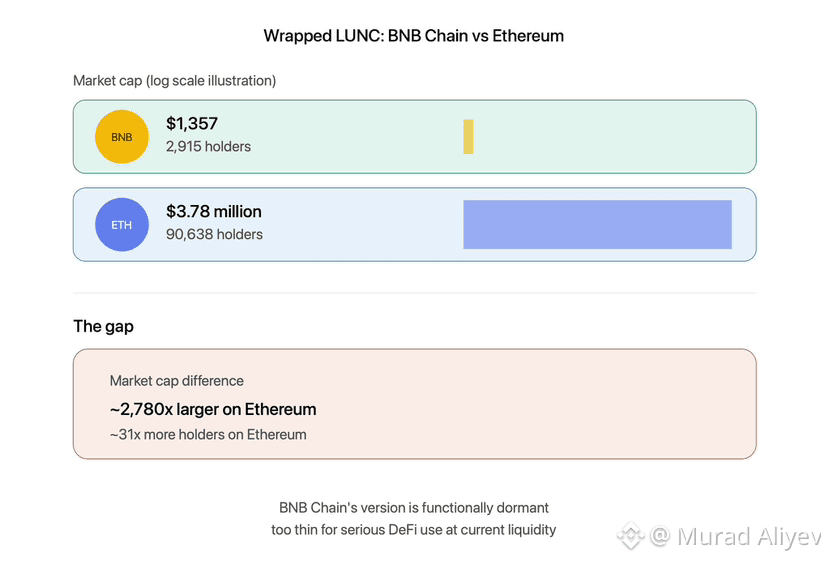
3/9 BNB Chain version: onchain market cap of $1,357. That's not a typo — one thousand, three hundred fifty seven dollars. 2,915 holders.
4/9 Ethereum version: onchain market cap of $3.78 million. 90,638 holders.
5/9 That's roughly 2,780x more market cap and 31x more holders on Ethereum than on BNB Chain — for the exact same underlying asset, wrapped $LUNC.
6/9 What this means practically: the $BNB Chain version has almost no real trading depth. Any meaningful-size trade would face brutal slippage. It's tradeable on paper, not usable in practice.
7/9 For context, even the Ethereum-side version — the "bigger" one — is still considered thin and illiquid by normal DeFi standards. The BNB Chain version is a fraction of that fraction.
8/9 So if the plan was "bridge #LUNC into #BNB Chain DeFi (PancakeSwap, lending, etc.) via the wrapped token" — that route isn't currently viable. The liquidity just isn't there.
9/9 Bottom line: LUNC's cross-chain presence is real but wildly uneven. Strong-ish on Ethereum (relatively), close to dormant on BNB Chain. Don't assume "wrapped" means "usable" — check the actual depth first. DYOR.
#Binance #LUNCcommunity
1/9 "Just use wrapped LUNC on BNB Chain" — I checked the actual on-chain numbers. It's basically a ghost token. Here's the data 🧵
2/9 Wrapped LUNC exists on two chains: BEP-20 (BNB Chain) and ERC-20 (#Ethereum). Same idea, very different reality.
3/9 BNB Chain version: onchain market cap of $1,357. That's not a typo — one thousand, three hundred fifty seven dollars. 2,915 holders.
4/9 Ethereum version: onchain market cap of $3.78 million. 90,638 holders.
5/9 That's roughly 2,780x more market cap and 31x more holders on Ethereum than on BNB Chain — for the exact same underlying asset, wrapped $LUNC.
6/9 What this means practically: the $BNB Chain version has almost no real trading depth. Any meaningful-size trade would face brutal slippage. It's tradeable on paper, not usable in practice.
7/9 For context, even the Ethereum-side version — the "bigger" one — is still considered thin and illiquid by normal DeFi standards. The BNB Chain version is a fraction of that fraction.
8/9 So if the plan was "bridge #LUNC into #BNB Chain DeFi (PancakeSwap, lending, etc.) via the wrapped token" — that route isn't currently viable. The liquidity just isn't there.
9/9 Bottom line: LUNC's cross-chain presence is real but wildly uneven. Strong-ish on Ethereum (relatively), close to dormant on BNB Chain. Don't assume "wrapped" means "usable" — check the actual depth first. DYOR.
#Binance #LUNCcommunity
2/9 Wrapped LUNC exists on two chains: BEP-20 (BNB Chain) and ERC-20 (#Ethereum). Same idea, very different reality.
3/9 BNB Chain version: onchain market cap of $1,357. That's not a typo — one thousand, three hundred fifty seven dollars. 2,915 holders.
4/9 Ethereum version: onchain market cap of $3.78 million. 90,638 holders.
5/9 That's roughly 2,780x more market cap and 31x more holders on Ethereum than on BNB Chain — for the exact same underlying asset, wrapped $LUNC.
6/9 What this means practically: the $BNB Chain version has almost no real trading depth. Any meaningful-size trade would face brutal slippage. It's tradeable on paper, not usable in practice.
7/9 For context, even the Ethereum-side version — the "bigger" one — is still considered thin and illiquid by normal DeFi standards. The BNB Chain version is a fraction of that fraction.
8/9 So if the plan was "bridge #LUNC into #BNB Chain DeFi (PancakeSwap, lending, etc.) via the wrapped token" — that route isn't currently viable. The liquidity just isn't there.
9/9 Bottom line: LUNC's cross-chain presence is real but wildly uneven. Strong-ish on Ethereum (relatively), close to dormant on BNB Chain. Don't assume "wrapped" means "usable" — check the actual depth first. DYOR.
#Binance #LUNCcommunity
2
410
·
--
🚀 $LUNC 対 全てのトップ L1 ブロックチェーン:
2026年のメトリクス、利回り、分散化に関する深堀り。テラ・クラシックのコミュニティ復活は、438.7B以上のバーン(供給: 6.47T 合計/5.48T 循環)で輝いていますが、$200M MCでアンダードッグです—1.2%の取引手数料(部分的なバーン)を通じての超デフレの利点が、ETHの$340B以上のMCのような巨人と比較されます。v3.6.1アップグレードがCosmos SDK/IBCのブーストと共に稼働中; USTC/EUTCの再 peg テストが進行中です。
ステーキング利回り(2026年2月):
- #LUNC : 2.5-6.3% APR (DPoS, 15.6%比率, ~980B バンド)—手数料/オラクルからの報酬、ハードウェアの障壁なし。
- #ETH: 3-5%—成熟したエコシステムですが、L2やプール(Lido ~30-33% ステーク)によって希釈されています。
- #SOL: 6-8%—高いがVCが重い(トップ10 ~40% ステーク)、MEVブースト。
- #ADA: 3-5%—エコフレンドリーでロックアップなし。
- #AVAX: 7-8%—サブネットステーキングの柔軟性。
- #BNB: 4-6%(PoSA経由)—小売重視、バイナンスの支援。
- #TRX: 1-11%—低手数料、高安定コインのユーティリティ。
- #NEAR: 7-10%—初期インセンティブ。
- #APT: 7-50%(変動)—柔軟なサイクル。
- #SUI: 3-10%—高スループットに焦点。
分散化(中本係数):
- #LUNC: 5-6(アップグレード後改善、100% DAO政府)。
- #ETH: 7-10—500k以上のバリデータがいますが、プールの支配があります。
- #SOL: 19—約1.9kのバリデータがいますが、停電/VCの批判があります。
- #ADA: 21—3k以上のプール、トップの分散化。
- #AVAX: 25—強力なバリデータの分散。
- #BNB: 7—バイナンスのバリデータによる中央集権化。
- #NEAR: 19—バランスの取れた分配。
- #APT: 17—新興、堅実。
- #SUI: 18—効率的な実行。
- #TRX: ~20-30(推定)—27のスーパーレップがいますが、選出されています。
誰がどのように優れているか?
- **スケール/TVL:** ETHはDeFiの支配で圧倒し、SOL/BNB/TRXは活動/流動性に優れています。LUNCは遅れを取っていますが、純粋なDAOの雰囲気を提供します。
- **分散化:** ADA/AVAX/NEAR/SOLがトップのNC; LUNCは中堅で、BNBの中央集権化に勝っています。
- **利回り:** AVAX/NEAR/APT/SOLが高い報酬を提供; LUNCは低エントリーのデフレーションプレイで競争力があります。
- **イノベーション:** ETHは決済/RWA向け; SOLはスピード/ゲーム向け; LUNCの利点: バーン(新しいミントなし)対 ETHのEIP-1559(約5-10%バーン)。
🚀 $LUNC 対 全てのトップ L1 ブロックチェーン:
2026年のメトリクス、利回り、分散化に関する深堀り。テラ・クラシックのコミュニティ復活は、438.7B以上のバーン(供給: 6.47T 合計/5.48T 循環)で輝いていますが、$200M MCでアンダードッグです—1.2%の取引手数料(部分的なバーン)を通じての超デフレの利点が、ETHの$340B以上のMCのような巨人と比較されます。v3.6.1アップグレードがCosmos SDK/IBCのブーストと共に稼働中; USTC/EUTCの再 peg テストが進行中です。
ステーキング利回り(2026年2月):
- #LUNC : 2.5-6.3% APR (DPoS, 15.6%比率, ~980B バンド)—手数料/オラクルからの報酬、ハードウェアの障壁なし。
- #ETH: 3-5%—成熟したエコシステムですが、L2やプール(Lido ~30-33% ステーク)によって希釈されています。
- #SOL: 6-8%—高いがVCが重い(トップ10 ~40% ステーク)、MEVブースト。
- #ADA: 3-5%—エコフレンドリーでロックアップなし。
- #AVAX: 7-8%—サブネットステーキングの柔軟性。
- #BNB: 4-6%(PoSA経由)—小売重視、バイナンスの支援。
- #TRX: 1-11%—低手数料、高安定コインのユーティリティ。
- #NEAR: 7-10%—初期インセンティブ。
- #APT: 7-50%(変動)—柔軟なサイクル。
- #SUI: 3-10%—高スループットに焦点。
分散化(中本係数):
- #LUNC: 5-6(アップグレード後改善、100% DAO政府)。
- #ETH: 7-10—500k以上のバリデータがいますが、プールの支配があります。
- #SOL: 19—約1.9kのバリデータがいますが、停電/VCの批判があります。
- #ADA: 21—3k以上のプール、トップの分散化。
- #AVAX: 25—強力なバリデータの分散。
- #BNB: 7—バイナンスのバリデータによる中央集権化。
- #NEAR: 19—バランスの取れた分配。
- #APT: 17—新興、堅実。
- #SUI: 18—効率的な実行。
- #TRX: ~20-30(推定)—27のスーパーレップがいますが、選出されています。
誰がどのように優れているか?
- **スケール/TVL:** ETHはDeFiの支配で圧倒し、SOL/BNB/TRXは活動/流動性に優れています。LUNCは遅れを取っていますが、純粋なDAOの雰囲気を提供します。
- **分散化:** ADA/AVAX/NEAR/SOLがトップのNC; LUNCは中堅で、BNBの中央集権化に勝っています。
- **利回り:** AVAX/NEAR/APT/SOLが高い報酬を提供; LUNCは低エントリーのデフレーションプレイで競争力があります。
- **イノベーション:** ETHは決済/RWA向け; SOLはスピード/ゲーム向け; LUNCの利点: バーン(新しいミントなし)対 ETHのEIP-1559(約5-10%バーン)。
2026年のメトリクス、利回り、分散化に関する深堀り。テラ・クラシックのコミュニティ復活は、438.7B以上のバーン(供給: 6.47T 合計/5.48T 循環)で輝いていますが、$200M MCでアンダードッグです—1.2%の取引手数料(部分的なバーン)を通じての超デフレの利点が、ETHの$340B以上のMCのような巨人と比較されます。v3.6.1アップグレードがCosmos SDK/IBCのブーストと共に稼働中; USTC/EUTCの再 peg テストが進行中です。
ステーキング利回り(2026年2月):
- #LUNC : 2.5-6.3% APR (DPoS, 15.6%比率, ~980B バンド)—手数料/オラクルからの報酬、ハードウェアの障壁なし。
- #ETH: 3-5%—成熟したエコシステムですが、L2やプール(Lido ~30-33% ステーク)によって希釈されています。
- #SOL: 6-8%—高いがVCが重い(トップ10 ~40% ステーク)、MEVブースト。
- #ADA: 3-5%—エコフレンドリーでロックアップなし。
- #AVAX: 7-8%—サブネットステーキングの柔軟性。
- #BNB: 4-6%(PoSA経由)—小売重視、バイナンスの支援。
- #TRX: 1-11%—低手数料、高安定コインのユーティリティ。
- #NEAR: 7-10%—初期インセンティブ。
- #APT: 7-50%(変動)—柔軟なサイクル。
- #SUI: 3-10%—高スループットに焦点。
分散化(中本係数):
- #LUNC: 5-6(アップグレード後改善、100% DAO政府)。
- #ETH: 7-10—500k以上のバリデータがいますが、プールの支配があります。
- #SOL: 19—約1.9kのバリデータがいますが、停電/VCの批判があります。
- #ADA: 21—3k以上のプール、トップの分散化。
- #AVAX: 25—強力なバリデータの分散。
- #BNB: 7—バイナンスのバリデータによる中央集権化。
- #NEAR: 19—バランスの取れた分配。
- #APT: 17—新興、堅実。
- #SUI: 18—効率的な実行。
- #TRX: ~20-30(推定)—27のスーパーレップがいますが、選出されています。
誰がどのように優れているか?
- **スケール/TVL:** ETHはDeFiの支配で圧倒し、SOL/BNB/TRXは活動/流動性に優れています。LUNCは遅れを取っていますが、純粋なDAOの雰囲気を提供します。
- **分散化:** ADA/AVAX/NEAR/SOLがトップのNC; LUNCは中堅で、BNBの中央集権化に勝っています。
- **利回り:** AVAX/NEAR/APT/SOLが高い報酬を提供; LUNCは低エントリーのデフレーションプレイで競争力があります。
- **イノベーション:** ETHは決済/RWA向け; SOLはスピード/ゲーム向け; LUNCの利点: バーン(新しいミントなし)対 ETHのEIP-1559(約5-10%バーン)。
3
372
·
--
$LUNCは非常に生きています🔥
最新の実際の更新情報(2026年2月):
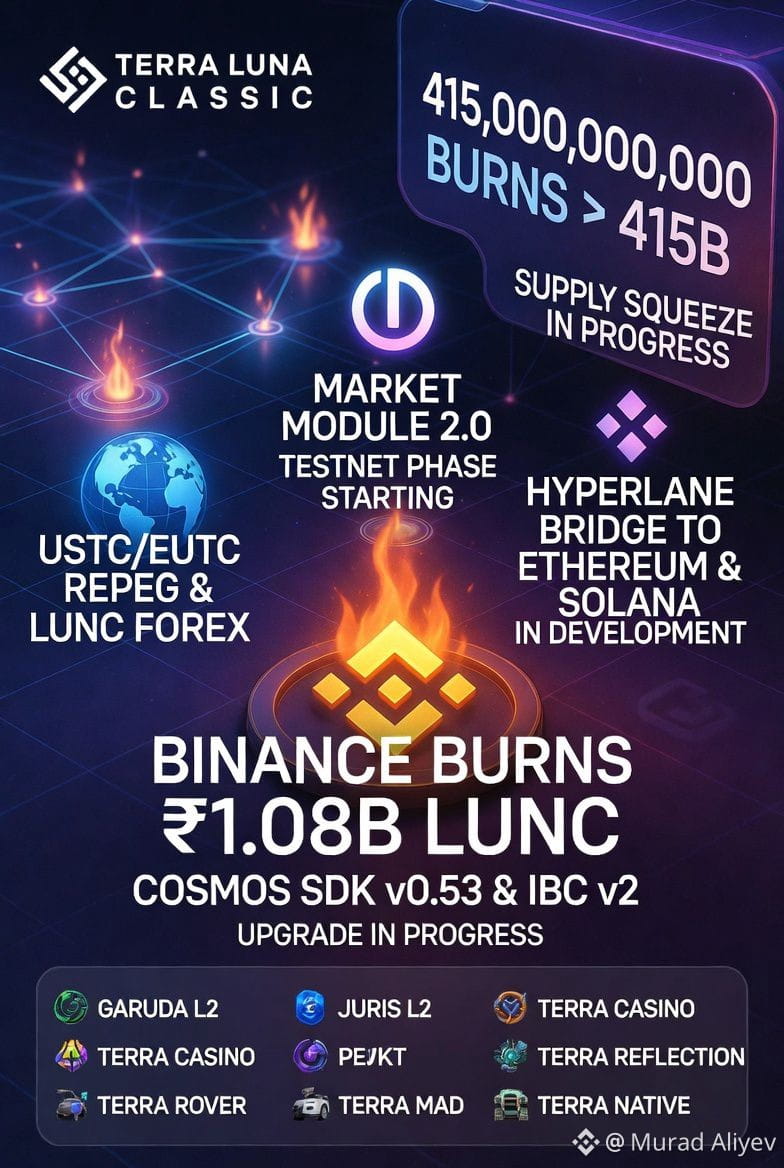
• #Binance はさらに約1.08B LUNCを焼却しました
• Cosmos SDK v0.53 + IBC v2のアップグレードが通過 → まもなくメインネット
• マーケットモジュール2.0のテストネットフェーズが開始
• Hyperlane → Ethereum & Solanaのブリッジが開発中
• $USTC/ $EUTCの再ペッグ & #LUNCの外国為替作業が進行中
• 複数のL2/DeFiプロジェクトがアクティブ(ガルーダ、ジュリス、テラカジノ…)
焼却済み > 415B — 供給圧縮は現実です
@cz_binance @_RichardTeng @binance
#LUNC #USTC #TerraClassic #LUNCcommunity.
$LUNCは非常に生きています🔥
最新の実際の更新情報(2026年2月):
• #Binance はさらに約1.08B LUNCを焼却しました
• Cosmos SDK v0.53 + IBC v2のアップグレードが通過 → まもなくメインネット
• マーケットモジュール2.0のテストネットフェーズが開始
• Hyperlane → Ethereum & Solanaのブリッジが開発中
• $USTC/ $EUTCの再ペッグ & #LUNCの外国為替作業が進行中
• 複数のL2/DeFiプロジェクトがアクティブ(ガルーダ、ジュリス、テラカジノ…)
焼却済み > 415B — 供給圧縮は現実です
@cz_binance @_RichardTeng @binance
#LUNC #USTC #TerraClassic #LUNCcommunity.
最新の実際の更新情報(2026年2月):
• #Binance はさらに約1.08B LUNCを焼却しました
• Cosmos SDK v0.53 + IBC v2のアップグレードが通過 → まもなくメインネット
• マーケットモジュール2.0のテストネットフェーズが開始
• Hyperlane → Ethereum & Solanaのブリッジが開発中
• $USTC/ $EUTCの再ペッグ & #LUNCの外国為替作業が進行中
• 複数のL2/DeFiプロジェクトがアクティブ(ガルーダ、ジュリス、テラカジノ…)
焼却済み > 415B — 供給圧縮は現実です
@cz_binance @_RichardTeng @binance
#LUNC #USTC #TerraClassic #LUNCcommunity.
3
298
·
--
Terra Classicが所有するDEXです。 👇
Classic DEXは、完全にコミュニティが所有する分散型取引所であり、強力なフライホイール効果を生み出すように設計されています:取引量が手数料を生み出し、その手数料の大部分はUSTCの焼却に使われ、希少性を高め、価格上昇の可能性を引き出す一方で、さらに多くの取引を引き寄せます。
主な特徴:
1. マルチチェーンDEX:ネイティブのTerra Classic実装で、1inchおよびJupiterによるアグリゲーター統合を通じて、高取引量のチェーン(Ethereum、BSC、Polygon、Solana)への流動性にアクセス可能。
2. デュアル取引モード:スポット取引と永続先物契約の両方をサポートし、多様な取引戦略を可能にします。
3. 銀行破産型デュアル焼却エンジン:すべての取引手数料の25%はLUNCの買い戻しに、残りの25%はUSTCの買い戻しに使用され、両方とも永久に焼却され、すべての取引はブロックチェーン上で完全に検証可能です。
4. LUNC/USTC専用コールタテラル:取引の担保はLUNCとUSTCに限定され、エコシステム内トークンをサポートします。
5. 高度なインセンティブシステム:乗数ベースのキャッシュバック報酬とUSTC保有者向けのパーキングモードを提供。資金はすべて10%のブーストプールから供給されます。
6. コミュニティガバナンス:リリース後、Agoraを通じて完全なガバナンス制御が可能。チームの利益やプレマイニングは一切ありません。
このソリューションはCosmos SDKに基づいて構築されており、Terra Classicのネイティブインフラを活用。1inchおよびJupiterを介したマルチチェーン流動性アグリゲーションにより、高取引量市場へのアクセスを実現しています。
https://docs.google.com/document/d/1J9lBqy59Pe5kjqB0_PgjrTtTo2HCp2T7jel5CRL1YMc/edit?tab=t.0#heading=h.qh34qjdx2bsu
#LUNC #USTC #LUNCcommunity #Binance
Terra Classicが所有するDEXです。 👇
Classic DEXは、完全にコミュニティが所有する分散型取引所であり、強力なフライホイール効果を生み出すように設計されています:取引量が手数料を生み出し、その手数料の大部分はUSTCの焼却に使われ、希少性を高め、価格上昇の可能性を引き出す一方で、さらに多くの取引を引き寄せます。
主な特徴:
1. マルチチェーンDEX:ネイティブのTerra Classic実装で、1inchおよびJupiterによるアグリゲーター統合を通じて、高取引量のチェーン(Ethereum、BSC、Polygon、Solana)への流動性にアクセス可能。
2. デュアル取引モード:スポット取引と永続先物契約の両方をサポートし、多様な取引戦略を可能にします。
3. 銀行破産型デュアル焼却エンジン:すべての取引手数料の25%はLUNCの買い戻しに、残りの25%はUSTCの買い戻しに使用され、両方とも永久に焼却され、すべての取引はブロックチェーン上で完全に検証可能です。
4. LUNC/USTC専用コールタテラル:取引の担保はLUNCとUSTCに限定され、エコシステム内トークンをサポートします。
5. 高度なインセンティブシステム:乗数ベースのキャッシュバック報酬とUSTC保有者向けのパーキングモードを提供。資金はすべて10%のブーストプールから供給されます。
6. コミュニティガバナンス:リリース後、Agoraを通じて完全なガバナンス制御が可能。チームの利益やプレマイニングは一切ありません。
このソリューションはCosmos SDKに基づいて構築されており、Terra Classicのネイティブインフラを活用。1inchおよびJupiterを介したマルチチェーン流動性アグリゲーションにより、高取引量市場へのアクセスを実現しています。
https://docs.google.com/document/d/1J9lBqy59Pe5kjqB0_PgjrTtTo2HCp2T7jel5CRL1YMc/edit?tab=t.0#heading=h.qh34qjdx2bsu
#LUNC #USTC #LUNCcommunity #Binance
Classic DEXは、完全にコミュニティが所有する分散型取引所であり、強力なフライホイール効果を生み出すように設計されています:取引量が手数料を生み出し、その手数料の大部分はUSTCの焼却に使われ、希少性を高め、価格上昇の可能性を引き出す一方で、さらに多くの取引を引き寄せます。
主な特徴:
1. マルチチェーンDEX:ネイティブのTerra Classic実装で、1inchおよびJupiterによるアグリゲーター統合を通じて、高取引量のチェーン(Ethereum、BSC、Polygon、Solana)への流動性にアクセス可能。
2. デュアル取引モード:スポット取引と永続先物契約の両方をサポートし、多様な取引戦略を可能にします。
3. 銀行破産型デュアル焼却エンジン:すべての取引手数料の25%はLUNCの買い戻しに、残りの25%はUSTCの買い戻しに使用され、両方とも永久に焼却され、すべての取引はブロックチェーン上で完全に検証可能です。
4. LUNC/USTC専用コールタテラル:取引の担保はLUNCとUSTCに限定され、エコシステム内トークンをサポートします。
5. 高度なインセンティブシステム:乗数ベースのキャッシュバック報酬とUSTC保有者向けのパーキングモードを提供。資金はすべて10%のブーストプールから供給されます。
6. コミュニティガバナンス:リリース後、Agoraを通じて完全なガバナンス制御が可能。チームの利益やプレマイニングは一切ありません。
このソリューションはCosmos SDKに基づいて構築されており、Terra Classicのネイティブインフラを活用。1inchおよびJupiterを介したマルチチェーン流動性アグリゲーションにより、高取引量市場へのアクセスを実現しています。
https://docs.google.com/document/d/1J9lBqy59Pe5kjqB0_PgjrTtTo2HCp2T7jel5CRL1YMc/edit?tab=t.0#heading=h.qh34qjdx2bsu
#LUNC #USTC #LUNCcommunity #Binance
8
·
--
多くの人々にとって、LUNCは「有望な成長」への賭けではなく、以下の要因によって引き起こされる稀で著しい成果への賭けである:
— サプライ削減:2026年1月上旬時点で、2022年5月のクラッシュ以降、4360億以上のLUNCトークンが焼却された。これは、崩壊後の初期供給量の約6.7%に相当する。
— インフラストラクチャのアップグレード:
バージョン3.6.1 ネットワークアップグレード:このアップグレードは、コミュニティによる投票で承認され、ブロック高26,479,000(2025年12月18日頃)に実施予定だった。v3.6.1の主な目的は、レガシー契約の修正と依存関係のバージョン更新であり、全体的なセキュリティ、安定性、CosmWasmスマートコントラクトの機能を向上させることである。
バージョン3.5.0 ネットワークアップグレード:この重要なアップグレードは2025年8月15日に稼働した。主な進展には以下のものがある:市場モジュールの再活性化:この機能は、LUNCとUSTCの間のつながりを復元・強化することを目的としている。
Cosmos SDK 50.13の統合:このアップデートは、ネットワークのコアインフラストラクチャを現代化することを意図していた。
バージョン3.4.0 ランチ:2025年2月にリリースされたこのアップグレードは、CometBFTおよびWasmvmの更新を通じて、システムのパフォーマンス、取引速度、ネットワークセキュリティを強化した。
— 交換所のサポート:
Binance:LUNC取引において最も人気のある取引所とされ、LUNC/USDTペアの取引量が非常に高い。BinanceはLUNCネットワークアップグレードのサポートを確認している。
#OKX:OKXはLUNC取引を積極的にサポートしており、時折新しいペアやステーキングオプションをリストアップしている。
#MEXC:MEXCはLUNC取引を提供しており、以前にコミュニティの税金焼却提案を支援するため、スポット取引手数料に時間制限付きの焼却イベントを実施したことがある。
— ナラティブの転換:
テラ・ルナ・クラシック(LUNC)— 2022年のテラエコシステム崩壊後の元のチェーン — に関するナラティブは、システム的失敗の物語から、コミュニティ主導の復活、レジリエンス、そして「復活」の物語へと変化している。
#LUNC #USTC #Web3 #DeFi #CosmosEcosystem
多くの人々にとって、LUNCは「有望な成長」への賭けではなく、以下の要因によって引き起こされる稀で著しい成果への賭けである:
— サプライ削減:2026年1月上旬時点で、2022年5月のクラッシュ以降、4360億以上のLUNCトークンが焼却された。これは、崩壊後の初期供給量の約6.7%に相当する。
— インフラストラクチャのアップグレード:
バージョン3.6.1 ネットワークアップグレード:このアップグレードは、コミュニティによる投票で承認され、ブロック高26,479,000(2025年12月18日頃)に実施予定だった。v3.6.1の主な目的は、レガシー契約の修正と依存関係のバージョン更新であり、全体的なセキュリティ、安定性、CosmWasmスマートコントラクトの機能を向上させることである。
バージョン3.5.0 ネットワークアップグレード:この重要なアップグレードは2025年8月15日に稼働した。主な進展には以下のものがある:市場モジュールの再活性化:この機能は、LUNCとUSTCの間のつながりを復元・強化することを目的としている。
Cosmos SDK 50.13の統合:このアップデートは、ネットワークのコアインフラストラクチャを現代化することを意図していた。
バージョン3.4.0 ランチ:2025年2月にリリースされたこのアップグレードは、CometBFTおよびWasmvmの更新を通じて、システムのパフォーマンス、取引速度、ネットワークセキュリティを強化した。
— 交換所のサポート:
Binance:LUNC取引において最も人気のある取引所とされ、LUNC/USDTペアの取引量が非常に高い。BinanceはLUNCネットワークアップグレードのサポートを確認している。
#OKX:OKXはLUNC取引を積極的にサポートしており、時折新しいペアやステーキングオプションをリストアップしている。
#MEXC:MEXCはLUNC取引を提供しており、以前にコミュニティの税金焼却提案を支援するため、スポット取引手数料に時間制限付きの焼却イベントを実施したことがある。
— ナラティブの転換:
テラ・ルナ・クラシック(LUNC)— 2022年のテラエコシステム崩壊後の元のチェーン — に関するナラティブは、システム的失敗の物語から、コミュニティ主導の復活、レジリエンス、そして「復活」の物語へと変化している。
#LUNC #USTC #Web3 #DeFi #CosmosEcosystem
— サプライ削減:2026年1月上旬時点で、2022年5月のクラッシュ以降、4360億以上のLUNCトークンが焼却された。これは、崩壊後の初期供給量の約6.7%に相当する。
— インフラストラクチャのアップグレード:
バージョン3.6.1 ネットワークアップグレード:このアップグレードは、コミュニティによる投票で承認され、ブロック高26,479,000(2025年12月18日頃)に実施予定だった。v3.6.1の主な目的は、レガシー契約の修正と依存関係のバージョン更新であり、全体的なセキュリティ、安定性、CosmWasmスマートコントラクトの機能を向上させることである。
バージョン3.5.0 ネットワークアップグレード:この重要なアップグレードは2025年8月15日に稼働した。主な進展には以下のものがある:市場モジュールの再活性化:この機能は、LUNCとUSTCの間のつながりを復元・強化することを目的としている。
Cosmos SDK 50.13の統合:このアップデートは、ネットワークのコアインフラストラクチャを現代化することを意図していた。
バージョン3.4.0 ランチ:2025年2月にリリースされたこのアップグレードは、CometBFTおよびWasmvmの更新を通じて、システムのパフォーマンス、取引速度、ネットワークセキュリティを強化した。
— 交換所のサポート:
Binance:LUNC取引において最も人気のある取引所とされ、LUNC/USDTペアの取引量が非常に高い。BinanceはLUNCネットワークアップグレードのサポートを確認している。
#OKX:OKXはLUNC取引を積極的にサポートしており、時折新しいペアやステーキングオプションをリストアップしている。
#MEXC:MEXCはLUNC取引を提供しており、以前にコミュニティの税金焼却提案を支援するため、スポット取引手数料に時間制限付きの焼却イベントを実施したことがある。
— ナラティブの転換:
テラ・ルナ・クラシック(LUNC)— 2022年のテラエコシステム崩壊後の元のチェーン — に関するナラティブは、システム的失敗の物語から、コミュニティ主導の復活、レジリエンス、そして「復活」の物語へと変化している。
#LUNC #USTC #Web3 #DeFi #CosmosEcosystem
9
735
·
--
研究:#テラUSDの崩壊は協調取引攻撃によるもの
研究者たちは、2022年に起こった35億ドルのテラUSDと$LUNAの崩壊が協調取引攻撃によって引き起こされた可能性がある新たな証拠を発見しました。通常の市場活動が多くのトレーダーに分散されるのではなく、崩壊直前にわずか数人がほぼすべての取引をコントロールしていました。このパターンは、システムを崩壊させるための計画的な努力を示唆しています。
チームは、イーサリアム上の取引行動を研究するために、時間的多層グラフ分析という手法を使用しました。彼らのデータは、5人または6人のトレーダーが同期して行動し、それぞれがほぼ同じ市場シェアを持っていることを示しました — ランダムとは思えないほど正確です。
彼らはロンドン大学クイーンメアリー校からのスピンアウト企業Pometryと共にこのツールを開発しました。この研究は、Cheick Tidiane Ba、Ben Steer、Matteo Zignani、Richard CleggによってACM Transactions on the Webに発表されました。
#LUNC #USTC #LUNCcommunity #Binance
研究:#テラUSDの崩壊は協調取引攻撃によるもの
研究者たちは、2022年に起こった35億ドルのテラUSDと$LUNAの崩壊が協調取引攻撃によって引き起こされた可能性がある新たな証拠を発見しました。通常の市場活動が多くのトレーダーに分散されるのではなく、崩壊直前にわずか数人がほぼすべての取引をコントロールしていました。このパターンは、システムを崩壊させるための計画的な努力を示唆しています。
チームは、イーサリアム上の取引行動を研究するために、時間的多層グラフ分析という手法を使用しました。彼らのデータは、5人または6人のトレーダーが同期して行動し、それぞれがほぼ同じ市場シェアを持っていることを示しました — ランダムとは思えないほど正確です。
彼らはロンドン大学クイーンメアリー校からのスピンアウト企業Pometryと共にこのツールを開発しました。この研究は、Cheick Tidiane Ba、Ben Steer、Matteo Zignani、Richard CleggによってACM Transactions on the Webに発表されました。
#LUNC #USTC #LUNCcommunity #Binance
研究者たちは、2022年に起こった35億ドルのテラUSDと$LUNAの崩壊が協調取引攻撃によって引き起こされた可能性がある新たな証拠を発見しました。通常の市場活動が多くのトレーダーに分散されるのではなく、崩壊直前にわずか数人がほぼすべての取引をコントロールしていました。このパターンは、システムを崩壊させるための計画的な努力を示唆しています。
チームは、イーサリアム上の取引行動を研究するために、時間的多層グラフ分析という手法を使用しました。彼らのデータは、5人または6人のトレーダーが同期して行動し、それぞれがほぼ同じ市場シェアを持っていることを示しました — ランダムとは思えないほど正確です。
彼らはロンドン大学クイーンメアリー校からのスピンアウト企業Pometryと共にこのツールを開発しました。この研究は、Cheick Tidiane Ba、Ben Steer、Matteo Zignani、Richard CleggによってACM Transactions on the Webに発表されました。
#LUNC #USTC #LUNCcommunity #Binance
1
60
·
--
過去1ヶ月間、テラルナクラシック($LUNC)とイーサリアム($ETH)は、市場価値が減少しました。
テラルナクラシック(LUNC):
•2025年3月:LUNCの価格は約3.57%減少し、$0.00006749から$0.00006508で終了しました。
•2025年4月9日:LUNCは約$0.00005554で取引されています。
これは、3月末から約14.6%のさらなる減少を示しています。
イーサリアム(ETH):
•2025年3月2日:ETHは約$2,213.99で取引されていました。
•2025年4月9日:ETHは約$1,483.35の価格です。
これは、過去1ヶ月間で約33%の減少を示しています。
#LUNC #ETH #USTC #Binance #LUNCcommunity.
過去1ヶ月間、テラルナクラシック($LUNC)とイーサリアム($ETH)は、市場価値が減少しました。
テラルナクラシック(LUNC):
•2025年3月:LUNCの価格は約3.57%減少し、$0.00006749から$0.00006508で終了しました。
•2025年4月9日:LUNCは約$0.00005554で取引されています。
これは、3月末から約14.6%のさらなる減少を示しています。
イーサリアム(ETH):
•2025年3月2日:ETHは約$2,213.99で取引されていました。
•2025年4月9日:ETHは約$1,483.35の価格です。
これは、過去1ヶ月間で約33%の減少を示しています。
#LUNC #ETH #USTC #Binance #LUNCcommunity.
テラルナクラシック(LUNC):
•2025年3月:LUNCの価格は約3.57%減少し、$0.00006749から$0.00006508で終了しました。
•2025年4月9日:LUNCは約$0.00005554で取引されています。
これは、3月末から約14.6%のさらなる減少を示しています。
イーサリアム(ETH):
•2025年3月2日:ETHは約$2,213.99で取引されていました。
•2025年4月9日:ETHは約$1,483.35の価格です。
これは、過去1ヶ月間で約33%の減少を示しています。
#LUNC #ETH #USTC #Binance #LUNCcommunity.
1
1
10
2.7k
·
--
$LUNC
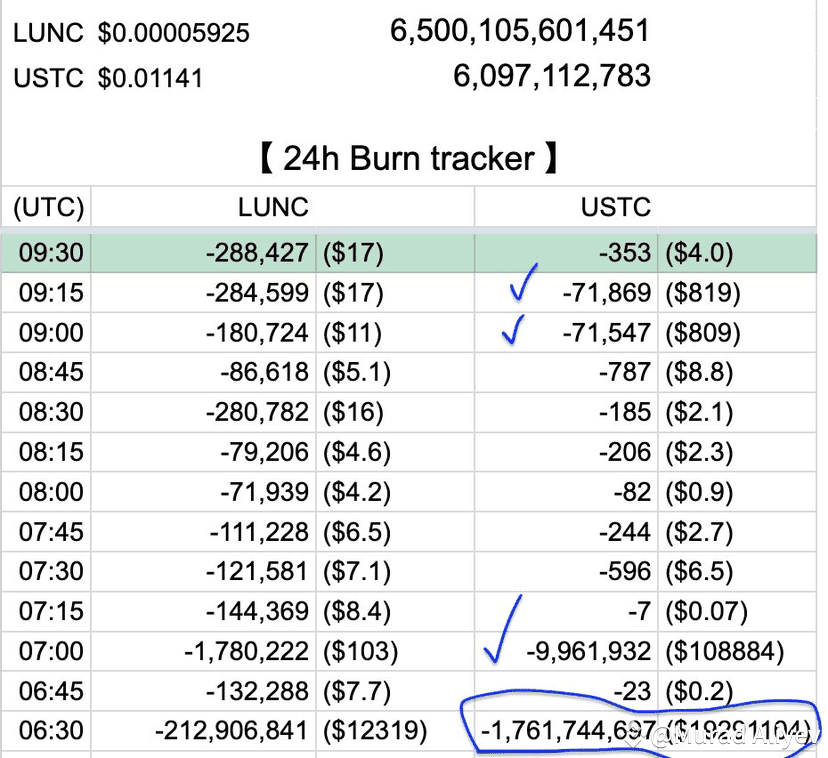
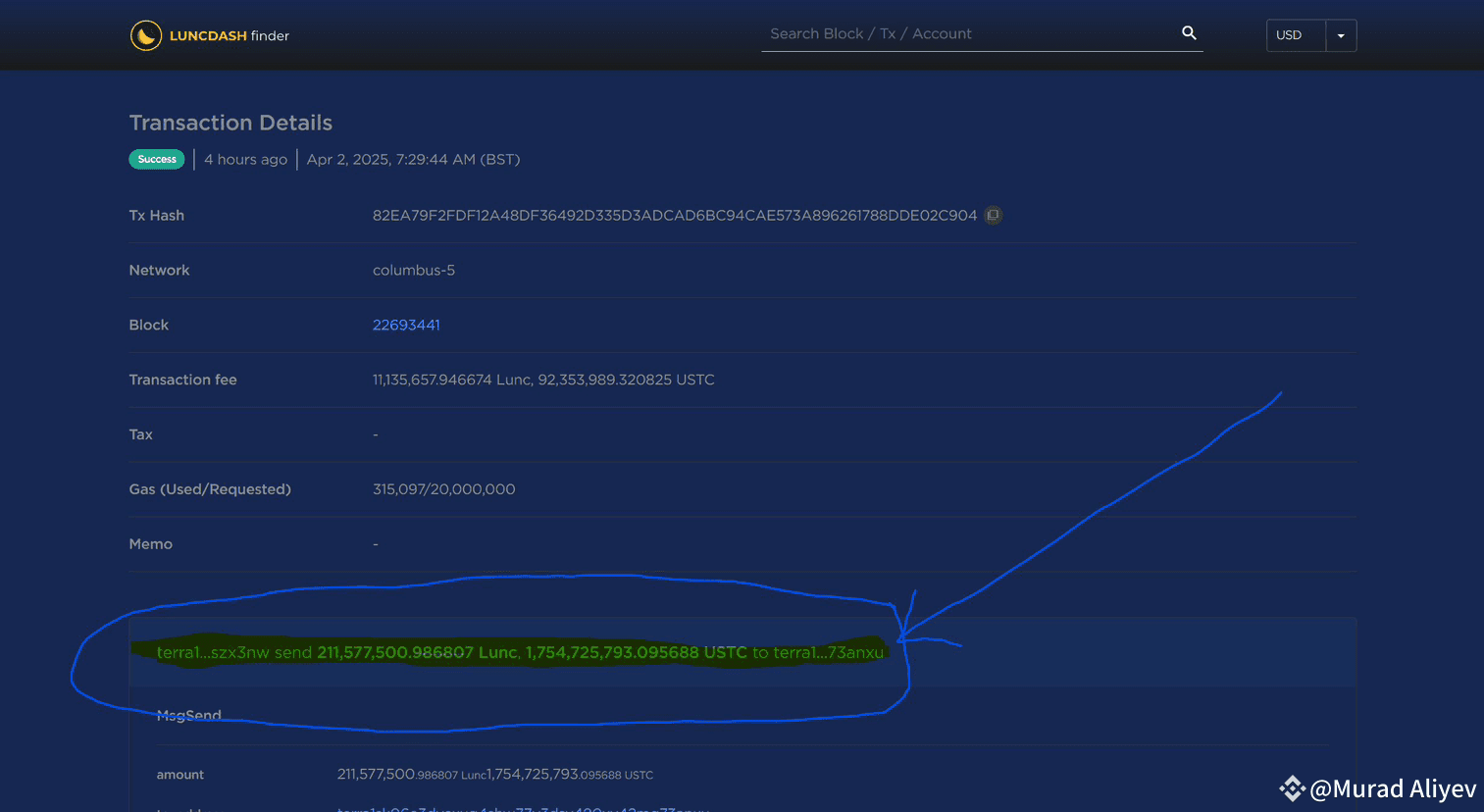
LFGは$USTCの総供給量の22%を焼却し、211M $LUNC を今日の早い段階で焼却しました。
コミュニティ構築中にさらに大きな焼却が待っています!
#LUNCcommunity #LUNC #BTC #USTC #Binance
$LUNC
LFGは$USTCの総供給量の22%を焼却し、211M $LUNC を今日の早い段階で焼却しました。
コミュニティ構築中にさらに大きな焼却が待っています!
#LUNCcommunity #LUNC #BTC #USTC #Binance
LFGは$USTCの総供給量の22%を焼却し、211M $LUNC を今日の早い段階で焼却しました。
コミュニティ構築中にさらに大きな焼却が待っています!
#LUNCcommunity #LUNC #BTC #USTC #Binance
7
7
47
25.4k
·
--
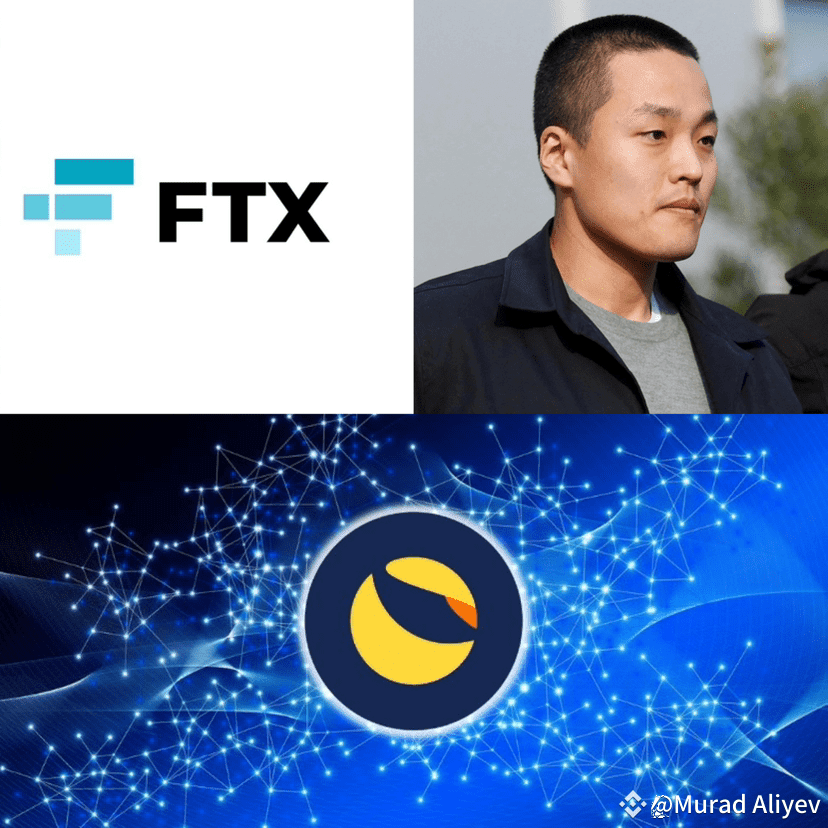
FTXが2022年5月のLuna/USTのペッグ解除と崩壊に関与していたかどうかの問題は複雑で、決定的な証拠はないものの、多くの推測といくつかの状況証拠が浮上しています。
私たちが知っていることは次のとおりです:アルゴリズム安定コインUSTとネイティブトークンLunaを持つTerraエコシステムは、USTが1ドルのペッグを失ったときに壮大に崩壊し、約400億ドルの市場価値を消失させるデススパイラルを引き起こしました。これは2022年5月7日頃に始まり、USTの大規模な売却(Anchor Protocolからの20億ドル以上のアンステーク)がパニックを引き起こしました。システムのミント・アンド・バーンメカニズムが圧力に耐えられなくなり、Lunaの価格は80ドルからセントの数分の1に急落しました。
では、FTXはどのように関与しているのでしょうか?2022年11月のFTX自身の崩壊後、米国の検察官は、FTXの創設者であるサム・バンクマン-フリード(SBF)と彼のヘッジファンドであるアラメダリサーチがTerraの崩壊に関与していたかどうかを調査し始めたと言われています。この理論は、彼らが市場を操作して崩壊から利益を得た可能性がある、たとえばLunaをショートしたり、USTを不安定にする取引を orchestrate した可能性があるというものです。一部のオンチェーンのささやき—X上の暗号アナリストからの主張のように—は、FTXとアラメダが流動性プールから大量のUSTを引き出した(たとえば、Celsiusからそれぞれ2億ドル)ことを示唆しており、ペッグ解除を加速させた可能性があります。Terraの創設者であるド・クォンは、アラメダが2021年2月にCurveプールを排水するために5億USTを売却し、後にビットコインをショートしてLuna Foundation Guardの準備金を弱体化させたと指摘しました。
しかし、問題はここです:決定的な証拠はありません。2022年末の時点で調査は初期段階にあり、FTXが首謀者として特定される決定的な発見はありません。Nansenの2022年5月のレポートのようなブロックチェーン分析は、ペッグ解除は単独の攻撃ではなく、一連の出来事の連鎖であったと主張しています—オンチェーンでの大規模なスワップ(たとえば、5月7日の8500万UST対USDC)や、BinanceやFTXのような中央集権的取引所での流動性の低さ。
#LUNC #USTC
FTXが2022年5月のLuna/USTのペッグ解除と崩壊に関与していたかどうかの問題は複雑で、決定的な証拠はないものの、多くの推測といくつかの状況証拠が浮上しています。
私たちが知っていることは次のとおりです:アルゴリズム安定コインUSTとネイティブトークンLunaを持つTerraエコシステムは、USTが1ドルのペッグを失ったときに壮大に崩壊し、約400億ドルの市場価値を消失させるデススパイラルを引き起こしました。これは2022年5月7日頃に始まり、USTの大規模な売却(Anchor Protocolからの20億ドル以上のアンステーク)がパニックを引き起こしました。システムのミント・アンド・バーンメカニズムが圧力に耐えられなくなり、Lunaの価格は80ドルからセントの数分の1に急落しました。
では、FTXはどのように関与しているのでしょうか?2022年11月のFTX自身の崩壊後、米国の検察官は、FTXの創設者であるサム・バンクマン-フリード(SBF)と彼のヘッジファンドであるアラメダリサーチがTerraの崩壊に関与していたかどうかを調査し始めたと言われています。この理論は、彼らが市場を操作して崩壊から利益を得た可能性がある、たとえばLunaをショートしたり、USTを不安定にする取引を orchestrate した可能性があるというものです。一部のオンチェーンのささやき—X上の暗号アナリストからの主張のように—は、FTXとアラメダが流動性プールから大量のUSTを引き出した(たとえば、Celsiusからそれぞれ2億ドル)ことを示唆しており、ペッグ解除を加速させた可能性があります。Terraの創設者であるド・クォンは、アラメダが2021年2月にCurveプールを排水するために5億USTを売却し、後にビットコインをショートしてLuna Foundation Guardの準備金を弱体化させたと指摘しました。
しかし、問題はここです:決定的な証拠はありません。2022年末の時点で調査は初期段階にあり、FTXが首謀者として特定される決定的な発見はありません。Nansenの2022年5月のレポートのようなブロックチェーン分析は、ペッグ解除は単独の攻撃ではなく、一連の出来事の連鎖であったと主張しています—オンチェーンでの大規模なスワップ(たとえば、5月7日の8500万UST対USDC)や、BinanceやFTXのような中央集権的取引所での流動性の低さ。
#LUNC #USTC
私たちが知っていることは次のとおりです:アルゴリズム安定コインUSTとネイティブトークンLunaを持つTerraエコシステムは、USTが1ドルのペッグを失ったときに壮大に崩壊し、約400億ドルの市場価値を消失させるデススパイラルを引き起こしました。これは2022年5月7日頃に始まり、USTの大規模な売却(Anchor Protocolからの20億ドル以上のアンステーク)がパニックを引き起こしました。システムのミント・アンド・バーンメカニズムが圧力に耐えられなくなり、Lunaの価格は80ドルからセントの数分の1に急落しました。
では、FTXはどのように関与しているのでしょうか?2022年11月のFTX自身の崩壊後、米国の検察官は、FTXの創設者であるサム・バンクマン-フリード(SBF)と彼のヘッジファンドであるアラメダリサーチがTerraの崩壊に関与していたかどうかを調査し始めたと言われています。この理論は、彼らが市場を操作して崩壊から利益を得た可能性がある、たとえばLunaをショートしたり、USTを不安定にする取引を orchestrate した可能性があるというものです。一部のオンチェーンのささやき—X上の暗号アナリストからの主張のように—は、FTXとアラメダが流動性プールから大量のUSTを引き出した(たとえば、Celsiusからそれぞれ2億ドル)ことを示唆しており、ペッグ解除を加速させた可能性があります。Terraの創設者であるド・クォンは、アラメダが2021年2月にCurveプールを排水するために5億USTを売却し、後にビットコインをショートしてLuna Foundation Guardの準備金を弱体化させたと指摘しました。
しかし、問題はここです:決定的な証拠はありません。2022年末の時点で調査は初期段階にあり、FTXが首謀者として特定される決定的な発見はありません。Nansenの2022年5月のレポートのようなブロックチェーン分析は、ペッグ解除は単独の攻撃ではなく、一連の出来事の連鎖であったと主張しています—オンチェーンでの大規模なスワップ(たとえば、5月7日の8500万UST対USDC)や、BinanceやFTXのような中央集権的取引所での流動性の低さ。
#LUNC #USTC
2
1
4
2.5k
·
--
WanchainとUSTCの協力の利点:
1. クロスチェーンスケーラビリティのブレークスルー
USTCの高性能コンピューティングとアルゴリズム最適化の専門知識は、Wanchainがクロスチェーン取引におけるスケーラビリティのボトルネックに対処するのに役立つ可能性があります。これにより、イーサリアムやポルカドットのようなブロックチェーン間のより迅速で効率的なブリッジが実現し、Wanchainのスループットが向上するでしょう。
2. 分散型アイデンティティソリューションの進展
USTCの安全なデータシステムに関する研究とWanchainの分散型インフラストラクチャを組み合わせることで、革新的な自己主権型アイデンティティ(SSI)プロトコルが生まれる可能性があります。これにより、複数のブロックチェーンにわたる安全でプライバシーを保護したアイデンティティ確認が可能となり、医療や金融などの分野に利益をもたらすでしょう。
3. 量子耐性ブロックチェーン機能の統合
USTCの量子技術(例:量子通信プロジェクト)におけるリーダーシップを活かし、協力によりWanchainのための量子耐性の暗号技術が開発される可能性があります。これにより、量子コンピューティングの脅威に対してWanchainのエコシステムを未来に備えさせ、ブロックチェーンセキュリティにおける懸念が高まっています。
4. グリーンブロックチェーン技術の開発
USTCのエネルギー効率の良いシステムと再生可能エネルギーの研究は、Wanchainがブロックチェーンの運用における環境への影響を減らすインスピレーションを与える可能性があります。これには、コンセンサスメカニズムの最適化やエネルギーグリッドデータの統合が含まれ、世界的な持続可能性の目標と一致するでしょう。
5. 政府および産業ネットワークへのアクセス
USTCの中国政府機関や国有企業(例:国家電網とのつながり)との関係は、Wanchainが規制された分野でブロックチェーンプロジェクトを試行する扉を開く可能性があります。これにより、サプライチェーン追跡やデジタル通貨インフラストラクチャなどの分野でWanchainの技術の採用が加速されるでしょう。
$LUNC $USTC #LUNC #LUNCcommunity #USTC #Binance
WanchainとUSTCの協力の利点:
1. クロスチェーンスケーラビリティのブレークスルー
USTCの高性能コンピューティングとアルゴリズム最適化の専門知識は、Wanchainがクロスチェーン取引におけるスケーラビリティのボトルネックに対処するのに役立つ可能性があります。これにより、イーサリアムやポルカドットのようなブロックチェーン間のより迅速で効率的なブリッジが実現し、Wanchainのスループットが向上するでしょう。
2. 分散型アイデンティティソリューションの進展
USTCの安全なデータシステムに関する研究とWanchainの分散型インフラストラクチャを組み合わせることで、革新的な自己主権型アイデンティティ(SSI)プロトコルが生まれる可能性があります。これにより、複数のブロックチェーンにわたる安全でプライバシーを保護したアイデンティティ確認が可能となり、医療や金融などの分野に利益をもたらすでしょう。
3. 量子耐性ブロックチェーン機能の統合
USTCの量子技術(例:量子通信プロジェクト)におけるリーダーシップを活かし、協力によりWanchainのための量子耐性の暗号技術が開発される可能性があります。これにより、量子コンピューティングの脅威に対してWanchainのエコシステムを未来に備えさせ、ブロックチェーンセキュリティにおける懸念が高まっています。
4. グリーンブロックチェーン技術の開発
USTCのエネルギー効率の良いシステムと再生可能エネルギーの研究は、Wanchainがブロックチェーンの運用における環境への影響を減らすインスピレーションを与える可能性があります。これには、コンセンサスメカニズムの最適化やエネルギーグリッドデータの統合が含まれ、世界的な持続可能性の目標と一致するでしょう。
5. 政府および産業ネットワークへのアクセス
USTCの中国政府機関や国有企業(例:国家電網とのつながり)との関係は、Wanchainが規制された分野でブロックチェーンプロジェクトを試行する扉を開く可能性があります。これにより、サプライチェーン追跡やデジタル通貨インフラストラクチャなどの分野でWanchainの技術の採用が加速されるでしょう。
$LUNC $USTC #LUNC #LUNCcommunity #USTC #Binance
1. クロスチェーンスケーラビリティのブレークスルー
USTCの高性能コンピューティングとアルゴリズム最適化の専門知識は、Wanchainがクロスチェーン取引におけるスケーラビリティのボトルネックに対処するのに役立つ可能性があります。これにより、イーサリアムやポルカドットのようなブロックチェーン間のより迅速で効率的なブリッジが実現し、Wanchainのスループットが向上するでしょう。
2. 分散型アイデンティティソリューションの進展
USTCの安全なデータシステムに関する研究とWanchainの分散型インフラストラクチャを組み合わせることで、革新的な自己主権型アイデンティティ(SSI)プロトコルが生まれる可能性があります。これにより、複数のブロックチェーンにわたる安全でプライバシーを保護したアイデンティティ確認が可能となり、医療や金融などの分野に利益をもたらすでしょう。
3. 量子耐性ブロックチェーン機能の統合
USTCの量子技術(例:量子通信プロジェクト)におけるリーダーシップを活かし、協力によりWanchainのための量子耐性の暗号技術が開発される可能性があります。これにより、量子コンピューティングの脅威に対してWanchainのエコシステムを未来に備えさせ、ブロックチェーンセキュリティにおける懸念が高まっています。
4. グリーンブロックチェーン技術の開発
USTCのエネルギー効率の良いシステムと再生可能エネルギーの研究は、Wanchainがブロックチェーンの運用における環境への影響を減らすインスピレーションを与える可能性があります。これには、コンセンサスメカニズムの最適化やエネルギーグリッドデータの統合が含まれ、世界的な持続可能性の目標と一致するでしょう。
5. 政府および産業ネットワークへのアクセス
USTCの中国政府機関や国有企業(例:国家電網とのつながり)との関係は、Wanchainが規制された分野でブロックチェーンプロジェクトを試行する扉を開く可能性があります。これにより、サプライチェーン追跡やデジタル通貨インフラストラクチャなどの分野でWanchainの技術の採用が加速されるでしょう。
$LUNC $USTC #LUNC #LUNCcommunity #USTC #Binance
6
2.3k
·
--
#LUNC 「インフレーション率」他のPOSブロックチェーンとの比較 🔥#LUNC 「インフレーション率」他のPOSブロックチェーンとの比較 🔥
イーサリアム ( #ETH )
- インフレーション率: 2022年9月のマージ以降、イーサリアムはPoSに移行し、発行量を大幅に減少させました。2025年3月現在、イーサリアムのインフレーション率はほぼゼロか、ネットワークの活動に応じてわずかにデフレです。基本的な発行量は年間約0.5-1%(1億2千万ETHの供給に対して年間約970,000 ETHが発行されています)が、これはEIP-1559によって相殺され、取引手数料が焼却されます。2024年には、焼却量が発行量をしばしば超え、活動が高まるときにはETHがデフレになることもありました(例: 年率-0.1%から-0.5%)。
#LUNC 「インフレーション率」他のPOSブロックチェーンとの比較 🔥
#LUNC 「インフレーション率」他のPOSブロックチェーンとの比較 🔥
イーサリアム ( #ETH )
- インフレーション率: 2022年9月のマージ以降、イーサリアムはPoSに移行し、発行量を大幅に減少させました。2025年3月現在、イーサリアムのインフレーション率はほぼゼロか、ネットワークの活動に応じてわずかにデフレです。基本的な発行量は年間約0.5-1%(1億2千万ETHの供給に対して年間約970,000 ETHが発行されています)が、これはEIP-1559によって相殺され、取引手数料が焼却されます。2024年には、焼却量が発行量をしばしば超え、活動が高まるときにはETHがデフレになることもありました(例: 年率-0.1%から-0.5%)。
イーサリアム ( #ETH )
- インフレーション率: 2022年9月のマージ以降、イーサリアムはPoSに移行し、発行量を大幅に減少させました。2025年3月現在、イーサリアムのインフレーション率はほぼゼロか、ネットワークの活動に応じてわずかにデフレです。基本的な発行量は年間約0.5-1%(1億2千万ETHの供給に対して年間約970,000 ETHが発行されています)が、これはEIP-1559によって相殺され、取引手数料が焼却されます。2024年には、焼却量が発行量をしばしば超え、活動が高まるときにはETHがデフレになることもありました(例: 年率-0.1%から-0.5%)。
2
194
·
--
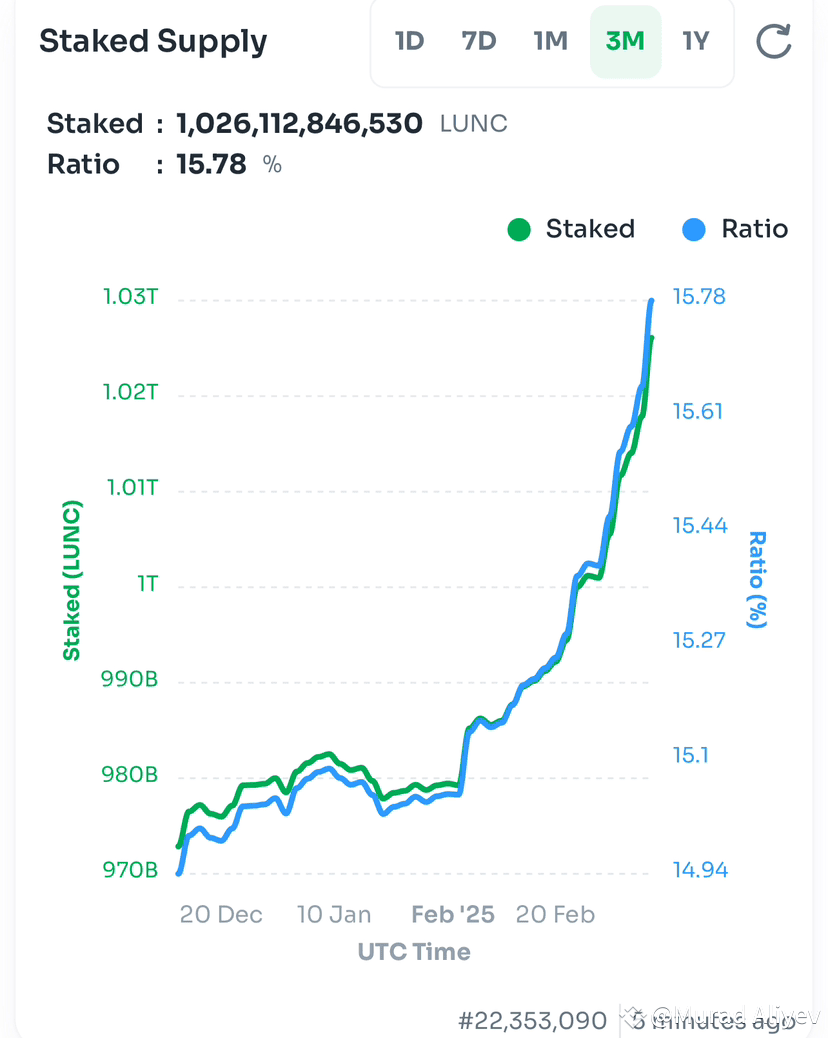
大ニュース、#LUNCファム!
ステーキングが3ヶ月の最高値に達しました—2025年3月9日現在、総供給量の15.78%がロックされています!
それは市場から数十億枚のコインが消えたことを意味し、コミュニティは#LunaClassicに対して熱い愛を示しています。🔥
#LUNC #LUNCコミュニティ #USTC #Binance $LUNC $USTC
大ニュース、#LUNCファム!
ステーキングが3ヶ月の最高値に達しました—2025年3月9日現在、総供給量の15.78%がロックされています!
それは市場から数十億枚のコインが消えたことを意味し、コミュニティは#LunaClassicに対して熱い愛を示しています。🔥
#LUNC #LUNCコミュニティ #USTC #Binance $LUNC $USTC
ステーキングが3ヶ月の最高値に達しました—2025年3月9日現在、総供給量の15.78%がロックされています!
それは市場から数十億枚のコインが消えたことを意味し、コミュニティは#LunaClassicに対して熱い愛を示しています。🔥
#LUNC #LUNCコミュニティ #USTC #Binance $LUNC $USTC
7
6
11
10.5k
·
--
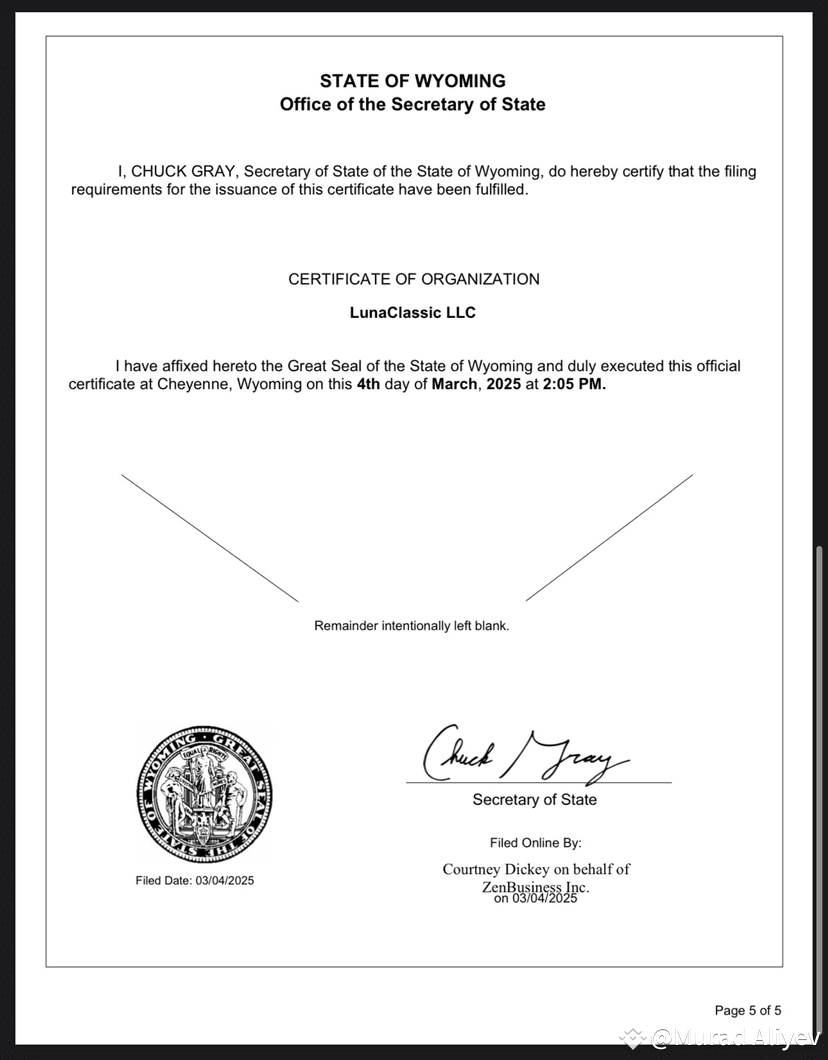
注意!🔊
2025年3月4日より有効
ルナクラシックDAOは、偉大なワイオミング州によるLLC承認を誇りに思います。
私たちは、#LUNCコミュニティをこの旅に歓迎し、#LunaClassicと$WESOを新たな高みへと導きます。🤝
これは何を意味するのでしょうか?👇👇👇
- ワイオミング州におけるルナクラシックDAOのLLC承認は、分散型自律組織(DAO)をLLCとして法律的に認めた最初の米国の州を示しています。この動きは、2021年7月1日から施行されたワイオミング州のDAO法に基づいて正式化されました。
- この承認により、ルナクラシック($LUNC)の法的構造が強化され、投資家の信頼が高まり、プロジェクトが規制された金融活動により効果的に関与できる可能性があります。
- $WESOの言及は、ブロックチェーン経済における産業的土地所有者としてのWESOの役割に関連しており、ルナクラシックのインフラを強化するための戦略的パートナーシップや統合を示唆しています。
- ルナクラシックのバーンメカニズムは、そのトークン供給を減少させて価値を高める可能性があり、最近の市場戦略やコミュニティのレジリエンスに関する議論で強調されています。
#LUNC #USTC #Binance #$LUNC #$USTC #LUNCcommunity.
注意!🔊
2025年3月4日より有効
ルナクラシックDAOは、偉大なワイオミング州によるLLC承認を誇りに思います。
私たちは、#LUNCコミュニティをこの旅に歓迎し、#LunaClassicと$WESOを新たな高みへと導きます。🤝
これは何を意味するのでしょうか?👇👇👇
- ワイオミング州におけるルナクラシックDAOのLLC承認は、分散型自律組織(DAO)をLLCとして法律的に認めた最初の米国の州を示しています。この動きは、2021年7月1日から施行されたワイオミング州のDAO法に基づいて正式化されました。
- この承認により、ルナクラシック($LUNC )の法的構造が強化され、投資家の信頼が高まり、プロジェクトが規制された金融活動により効果的に関与できる可能性があります。
- $WESOの言及は、ブロックチェーン経済における産業的土地所有者としてのWESOの役割に関連しており、ルナクラシックのインフラを強化するための戦略的パートナーシップや統合を示唆しています。
- ルナクラシックのバーンメカニズムは、そのトークン供給を減少させて価値を高める可能性があり、最近の市場戦略やコミュニティのレジリエンスに関する議論で強調されています。
#LUNC #USTC #Binance #$LUNC #$USTC #LUNCcommunity.
2025年3月4日より有効
ルナクラシックDAOは、偉大なワイオミング州によるLLC承認を誇りに思います。
私たちは、#LUNCコミュニティをこの旅に歓迎し、#LunaClassicと$WESOを新たな高みへと導きます。🤝
これは何を意味するのでしょうか?👇👇👇
- ワイオミング州におけるルナクラシックDAOのLLC承認は、分散型自律組織(DAO)をLLCとして法律的に認めた最初の米国の州を示しています。この動きは、2021年7月1日から施行されたワイオミング州のDAO法に基づいて正式化されました。
- この承認により、ルナクラシック($LUNC )の法的構造が強化され、投資家の信頼が高まり、プロジェクトが規制された金融活動により効果的に関与できる可能性があります。
- $WESOの言及は、ブロックチェーン経済における産業的土地所有者としてのWESOの役割に関連しており、ルナクラシックのインフラを強化するための戦略的パートナーシップや統合を示唆しています。
- ルナクラシックのバーンメカニズムは、そのトークン供給を減少させて価値を高める可能性があり、最近の市場戦略やコミュニティのレジリエンスに関する議論で強調されています。
#LUNC #USTC #Binance #$LUNC #$USTC #LUNCcommunity.
11
2
50
41k
·
--
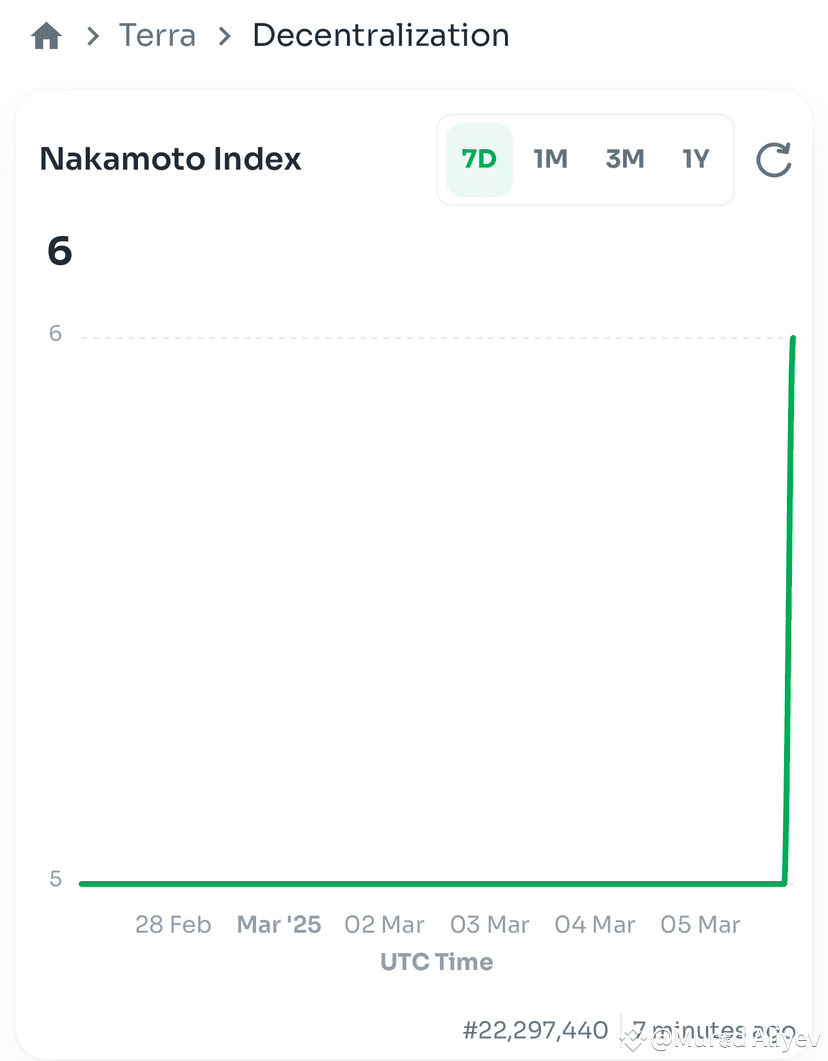
#LUNCホルダーへのビッグニュース!
テラルナクラシックがナカモトインデックス6に達しました。これは何を意味するのか気になる方へ—覚悟しておいてください、これはネットワークがより分散化されている兆しです。
$LUNC #LUNCコミュニティ #USTC #バイナンス
#LUNCホルダーへのビッグニュース!
テラルナクラシックがナカモトインデックス6に達しました。これは何を意味するのか気になる方へ—覚悟しておいてください、これはネットワークがより分散化されている兆しです。
$LUNC #LUNCコミュニティ #USTC #バイナンス
テラルナクラシックがナカモトインデックス6に達しました。これは何を意味するのか気になる方へ—覚悟しておいてください、これはネットワークがより分散化されている兆しです。
$LUNC #LUNCコミュニティ #USTC #バイナンス
36
14
69
59k
·
--
ルナクラシックコミュニティはステーブルコインのペグを戻すオプションを探しています👇
1/15 🚨 テラの小型ステーブルコインの再ペグ:信頼を再構築する最速の方法?詳しく見てみましょう。🧵👇 #Crypto #Terra #USTC #LUNC
2/15 みんながUSTCの膨大な供給(81.9億)に注目する中、本当のチャンスは再ペグがはるかに容易な低供給のステーブルコインにあります!💡
3/15 🏆 最も低い総供給を持つトップの小型ステーブルコイン:
• CHTC (15,766 CHF) 🇨🇭
• EUTC (62,541 EUR) 🇪🇺
• CATC (19,074 CAD) 🇨🇦
• HKTC (36,449 HKD) 🇭🇰
• NOTC (31,028 NOK) 🇳🇴
4/15 なぜこれらに注目するのか?
✅ 供給が少ない → ペグを復元しやすい
✅ 安定させるために必要な流動性が少ない
✅ USTCのような大きな資産に取り組む前に信頼を構築
5/15 🔥 ステップ1:過剰供給を焼却
• これらのステーブルコインが過剰発行されている場合、コントロールされた焼却によりすぐにバランスを回復できます
• 供給が10万未満であれば、控えめな焼却でも大きな影響を与える可能性があります!
6/15 🔄 ステップ2:アービトラージ用の流動性プール(LP)
• LPを使用すると、トレーダーは1ドル未満で購入し、1ドル以上で販売できます
• 流動性が十分に深ければ、アービトラージが自然にペグを回復させます
• マーケットメイカーはインセンティブでこれをサポートできます
7/15 ⚖️ ステップ3:需要とユーティリティ
• 小型ステーブルコインの実際のユースケースを作成することで、持続的な安定性が確保されます
• 例:支払い、DeFi統合、オンチェーン外貨取引
• 需要がなければ、ペグされたステーブルコインは無用です!
8/15 🚀 ステップ4:マーケットメーカーのサポート
• CEXおよびDEXと協力してペグサポートを確立
• もしあるエンティティが価格の変動をバックストップすると申し出るなら、ペグはより強靭になります
9/15 🛠 ステップ5:ガバナンスと財務準備金
• 財務はUSD、BTC、またはその他の資産を担保として保持できます
• これは、アービトラージだけでは不十分な場合に価格の動きを安定させるのに役立ちます。
#altcoins #LUNC #SECStaking #LUNCcommunity #Binance
ルナクラシックコミュニティはステーブルコインのペグを戻すオプションを探しています👇
1/15 🚨 テラの小型ステーブルコインの再ペグ:信頼を再構築する最速の方法?詳しく見てみましょう。🧵👇 #Crypto #Terra #USTC #LUNC
2/15 みんながUSTCの膨大な供給(81.9億)に注目する中、本当のチャンスは再ペグがはるかに容易な低供給のステーブルコインにあります!💡
3/15 🏆 最も低い総供給を持つトップの小型ステーブルコイン:
• CHTC (15,766 CHF) 🇨🇭
• EUTC (62,541 EUR) 🇪🇺
• CATC (19,074 CAD) 🇨🇦
• HKTC (36,449 HKD) 🇭🇰
• NOTC (31,028 NOK) 🇳🇴
4/15 なぜこれらに注目するのか?
✅ 供給が少ない → ペグを復元しやすい
✅ 安定させるために必要な流動性が少ない
✅ USTCのような大きな資産に取り組む前に信頼を構築
5/15 🔥 ステップ1:過剰供給を焼却
• これらのステーブルコインが過剰発行されている場合、コントロールされた焼却によりすぐにバランスを回復できます
• 供給が10万未満であれば、控えめな焼却でも大きな影響を与える可能性があります!
6/15 🔄 ステップ2:アービトラージ用の流動性プール(LP)
• LPを使用すると、トレーダーは1ドル未満で購入し、1ドル以上で販売できます
• 流動性が十分に深ければ、アービトラージが自然にペグを回復させます
• マーケットメイカーはインセンティブでこれをサポートできます
7/15 ⚖️ ステップ3:需要とユーティリティ
• 小型ステーブルコインの実際のユースケースを作成することで、持続的な安定性が確保されます
• 例:支払い、DeFi統合、オンチェーン外貨取引
• 需要がなければ、ペグされたステーブルコインは無用です!
8/15 🚀 ステップ4:マーケットメーカーのサポート
• CEXおよびDEXと協力してペグサポートを確立
• もしあるエンティティが価格の変動をバックストップすると申し出るなら、ペグはより強靭になります
9/15 🛠 ステップ5:ガバナンスと財務準備金
• 財務はUSD、BTC、またはその他の資産を担保として保持できます
• これは、アービトラージだけでは不十分な場合に価格の動きを安定させるのに役立ちます。
#altcoins #LUNC #SECStaking #LUNCcommunity #Binance
1/15 🚨 テラの小型ステーブルコインの再ペグ:信頼を再構築する最速の方法?詳しく見てみましょう。🧵👇 #Crypto #Terra #USTC #LUNC
2/15 みんながUSTCの膨大な供給(81.9億)に注目する中、本当のチャンスは再ペグがはるかに容易な低供給のステーブルコインにあります!💡
3/15 🏆 最も低い総供給を持つトップの小型ステーブルコイン:
• CHTC (15,766 CHF) 🇨🇭
• EUTC (62,541 EUR) 🇪🇺
• CATC (19,074 CAD) 🇨🇦
• HKTC (36,449 HKD) 🇭🇰
• NOTC (31,028 NOK) 🇳🇴
4/15 なぜこれらに注目するのか?
✅ 供給が少ない → ペグを復元しやすい
✅ 安定させるために必要な流動性が少ない
✅ USTCのような大きな資産に取り組む前に信頼を構築
5/15 🔥 ステップ1:過剰供給を焼却
• これらのステーブルコインが過剰発行されている場合、コントロールされた焼却によりすぐにバランスを回復できます
• 供給が10万未満であれば、控えめな焼却でも大きな影響を与える可能性があります!
6/15 🔄 ステップ2:アービトラージ用の流動性プール(LP)
• LPを使用すると、トレーダーは1ドル未満で購入し、1ドル以上で販売できます
• 流動性が十分に深ければ、アービトラージが自然にペグを回復させます
• マーケットメイカーはインセンティブでこれをサポートできます
7/15 ⚖️ ステップ3:需要とユーティリティ
• 小型ステーブルコインの実際のユースケースを作成することで、持続的な安定性が確保されます
• 例:支払い、DeFi統合、オンチェーン外貨取引
• 需要がなければ、ペグされたステーブルコインは無用です!
8/15 🚀 ステップ4:マーケットメーカーのサポート
• CEXおよびDEXと協力してペグサポートを確立
• もしあるエンティティが価格の変動をバックストップすると申し出るなら、ペグはより強靭になります
9/15 🛠 ステップ5:ガバナンスと財務準備金
• 財務はUSD、BTC、またはその他の資産を担保として保持できます
• これは、アービトラージだけでは不十分な場合に価格の動きを安定させるのに役立ちます。
#altcoins #LUNC #SECStaking #LUNCcommunity #Binance
4
1
7
1.6k
·
--
USTCのCardano統合Cardanoの創設者である@IOHK_Charlesが述べたように、今年のCardanoの主な焦点の一つはステーブルコインです。#LUNCは使用できるステーブルコインが豊富です。#LUNCcommunityはCardanoと協力し、マスアダプションのために#USTCを統合する意欲があります。
両者にとってどのように有益であるかについていくつかの重要なポイントを作成しました。
1.分散型金融(DeFi)統合
ユースケース: USTCはCardanoの成長するDeFiエコシステムにさまざまなアプリケーションとして統合できます。
•貸し出し/借り入れのための安定した資産: USTCはAada FinanceやLiqwidのような貸し出しプロトコルで安定した担保オプションとして機能し、ADAのようなネイティブトークンに伴うボラティリティを減少させます。
USTCのCardano統合
Cardanoの創設者である@IOHK_Charlesが述べたように、今年のCardanoの主な焦点の一つはステーブルコインです。#LUNCは使用できるステーブルコインが豊富です。#LUNCcommunityはCardanoと協力し、マスアダプションのために#USTCを統合する意欲があります。
両者にとってどのように有益であるかについていくつかの重要なポイントを作成しました。
1.分散型金融(DeFi)統合
ユースケース: USTCはCardanoの成長するDeFiエコシステムにさまざまなアプリケーションとして統合できます。
•貸し出し/借り入れのための安定した資産: USTCはAada FinanceやLiqwidのような貸し出しプロトコルで安定した担保オプションとして機能し、ADAのようなネイティブトークンに伴うボラティリティを減少させます。
両者にとってどのように有益であるかについていくつかの重要なポイントを作成しました。
1.分散型金融(DeFi)統合
ユースケース: USTCはCardanoの成長するDeFiエコシステムにさまざまなアプリケーションとして統合できます。
•貸し出し/借り入れのための安定した資産: USTCはAada FinanceやLiqwidのような貸し出しプロトコルで安定した担保オプションとして機能し、ADAのようなネイティブトークンに伴うボラティリティを減少させます。
1
492
·
--
LUNC & ADA コラボレーション#ADAが#LUNCとどのように協力できるか、そしてその協力が両者にどのような利益をもたらすか?👀
カルダノのエコシステムにおけるユーティリティ
• カルダノのDjedステーブルコイン:カルダノは、DeFiアプリケーションにおける価格安定性を提供するために設計された、分散型の過剰担保型ステーブルコインDjedを立ち上げた。
• 追加のステーブルコインとしてのUSTC:
USTCはカルダノのDeFiエコシステム内で代替のステーブルコインとして使用され、貸付、借入、取引のために安定した資産を求めるユーザーに多様性と選択肢を提供することができる。
LUNC & ADA コラボレーション
#ADAが#LUNCとどのように協力できるか、そしてその協力が両者にどのような利益をもたらすか?👀
カルダノのエコシステムにおけるユーティリティ
• カルダノのDjedステーブルコイン:カルダノは、DeFiアプリケーションにおける価格安定性を提供するために設計された、分散型の過剰担保型ステーブルコインDjedを立ち上げた。
• 追加のステーブルコインとしてのUSTC:
USTCはカルダノのDeFiエコシステム内で代替のステーブルコインとして使用され、貸付、借入、取引のために安定した資産を求めるユーザーに多様性と選択肢を提供することができる。
カルダノのエコシステムにおけるユーティリティ
• カルダノのDjedステーブルコイン:カルダノは、DeFiアプリケーションにおける価格安定性を提供するために設計された、分散型の過剰担保型ステーブルコインDjedを立ち上げた。
• 追加のステーブルコインとしてのUSTC:
USTCはカルダノのDeFiエコシステム内で代替のステーブルコインとして使用され、貸付、借入、取引のために安定した資産を求めるユーザーに多様性と選択肢を提供することができる。
1
392
ログインして、さらにコンテンツを読む
厳選トピックで世界の暗号資産トレーダーの仲間入り
⚡️ 暗号資産に関する最新かつ有益な情報が見つかります。
💬 世界最大の暗号資産取引所から信頼されています。
👍 認証を受けたクリエイターから、有益なインサイトを得られます。
メール / 電話番号
トレンドトピック
CircleMints500MUSDCOnSolana
閲覧回数 38,914
1,023人が討論中
$SOL — <a>Circle</a>はソラナでUSDCを5億ドル分、最新のバッチを発行したばかりです。🚨
CircleはUSDCをソラナ上に2回に分けてそれぞれ2.5億ドルずつ、合計5億ドル発行し、ネットワークにもう一段大きな流動性の注入を加えました。報告によれば、トークンは当初すべて、取引に直接投入されるのではなく、Circleが管理するトレジャリー内に留まっていたものの、発行(ミント)手順はチェーン上で確認されています。
これは孤立した動きではありません。
ソラナのステーブルコイン供給総量は過去最高の新たな水準に到達し、173億ドルとなりました。一方、報道によればCircleは8月の1か月だけで、ソラナ上に約110億ドル相当のUSDCを発行したとのことです。
では、これは$SOL にとってなぜ重要なのでしょうか?
ステーブルコインの流動性が増えることは、DEXやDeFi、決済、そしてオンチェーン活動のための燃料が増えることを意味し得ます。
資金はソラナから出ていきません。
その上で、より多くのドルが継続的に鋳造されています。👀
続報をお願いします
$CRCL
#circlemints500musdconsolana #PolymarketBankFailureBetsDrawFDICConcern #BlackRockBuildsTokenizedPortfoliosForOndo #BitwiseFilesToListNEARETFOnNYSEArca #SECCommissionerPeirceToLeaveOct2
Shamika Metting
·いいね:6件
·閲覧回数 5.1k
PolymarketBankFailureBetsDrawFDICConcern
閲覧回数 52,023
1,136人が討論中
BlackRockBuildsTokenizedPortfoliosForOndo
閲覧回数 42,368
773人が討論中